I stayed over this Thursday night since I traveled out only on Tuesday morning. I was very happy to step onto the airplane and yay! .. I even had an open seat next to me. It feels like luxury flying up front in first class these days if one happens to have an open seat.
Here’s the western section of the Bay Bridge. I’m on Interstate 80 and heading in to the city of San Francisco; the airport is south of the city.Here’s the International Terminal at SFO with All Nippon Airlines, Air China and United jets at the gates.We’re about to bank to the right, to fly over downtown Seattle on the way to land at Seattle-Tacoma airport to the south of the city. There is a lot to see in this picture if one knows what to look for: the tall black Columbia tower; the white dome of the Space Needle just below the cloud; Lake Washington and its two bridges; Washington State ferries (big white specks), and even a cruise ship on the edge of the water by downtown.
It was a gloomy, gray July morning in Seattle, and there was a low cloud ceiling in San Francisco. We were put on a ground stop of an hour before we took off, but at the time of our arrival the sky was blue and the clouds rapidly disappearing.
Here’s the blue sky of San Francisco airport at our arrival at 10 am. Check out the new ‘flared’ control tower on the left. The old one is visible in the middle of the picture.
(Yes, that’s a ‘Hotel California’ reference). Our Alaska Airlines ‘bird’ had a broken part last night, and the ground crew proceeded to tell us the flight was delayed from 4.00 pm to 4.30, then to 5.00, then to 7.00, then to 9.00, 9.30, and come 9.30, one more delay to 10.30. Several other flights to Seattle and Portland had already taken off by that time. We finally boarded at 10.45, wheels up at 11.00 and arrived in Seattle at 1.00 am. The veteran flyers all agreed that this was very unusual, and that they should have probably canceled the flight altogether by early evening. But with all the airplanes completely full for the morning with the 4th of July holiday weekend upon us, I guess there was no spare plane available, even on Friday morning. Anyway : made it home safe, even though it took a little longer than usual, is that not right? Then the delay really does not matter much.
The Qantas Airlines 747 parked on the tarmac at SFO’s International Terminal. In the background there is a little (by comparison) 737 from Alaska Airlines.That’s Emirates Airlines on the far right; eventually it would leave for Dubai. The plane in the center is from tiny French airline XL Airways. (Only 7 planes in their fleet).This Virgin Atlantic (I think it’s a 777), is heading out to London Heathrow. I resisted the temptation to inquire from some of the passengers what they thought of the Brexit vote!.. and here’s a British Airways Airbus A380 heading out to take off over San Francisco Bay in the background. It is also headed for London Heathrow. Reports in the press are now starting to appear, that says that Airbus may stop making the A380. Forbes on June 6 : ‘Airbus A380: The Death Watch Begins’.
I made my way to San Francisco this morning for work. At this time of the year, the airports are full of summer travelers – and lots of people that are not sure where to go, or what to do at the security checkpoint. In a way I envy them, the infrequent travelers!
We are coming in to land at San Francisco airport, with this nice view of the San Mateo bridge across the Bay. The bridge is the longest bridge in California (7 miles). This version of the bridge opened in 1967, and was an upgrade of what used to be the 1929 San Francisco Bay toll bridge.
I took a late-ish flight out Wednesday night .. had to allow time to get back to the airport from the East Bay. Luckily for me, I get to stand in the really short (TSA) security lines at Seattle and San Francisco every time I travel. So the long, long security line waits (2 hrs+ in some), do not really happen to me. Why are the lines so long, since surely there are not that many more travelers from just a year or two ago? There is more than one reason. 1. Back in 2008 when jet fuel was very expensive, airlines started charging for checking bags. They still do – and now more people hold on to their bags (to put in the overhead bin), and that slows down the security check points. 2. Not as many people as the TSA agency had hoped, has signed up for the expedited pre-cleared security lines at airports. 3. Back in 2013, as part of a bipartisan budget deal, 60 cents out of the $5.60 security fee for each flight, now goes into the Treasury instead of paying for screeners and new equipment. (Great, so my part of my travel expenses is used to pay down the national debt, each time I fly). 4. (Comment from Gail Collins writing in the New York Times). ‘The airlines have maximized profits by making travel as miserable as possible. The Boeing Company found a way to cram 14 more seats into its largest twin-engine jetliner by reducing the size of the lavatories. Bloomberg quoted a Boeing official as reporting that “the market reaction has been good — really positive.” We presume the market in question does not involve the actual passengers.
We just pushing back from the gate at the international terminal, about 8.40 pm on Wednesday night. That’s a Japan Airlines Boeing 777 and a Qantas 747 that are keeping each other company, nose to nose.
We worked late on Tuesday to prepare for our big presentation on Wednesday, and it was completely dark by the time I was out at the Ferry Building for the short ride out to the Waterfront where my hotel was.
Here is a night-time view of the San Francisco Ferry Building... (this is Wednesday morning) : I love the striking crimson red of street car #1061. It was built in 1948 by St.Louis Car Co. for Philadelphia Transportation Co. and has been running in San Francisco since 1992. The red is a tribute to the Pacific Electric Southern California.
The ‘stop request’ sign in street car 1807 still shows the Italian.
Here’s the street car that ran me out to the downtown office this morning (from Fisherman’s Wharf). I see that I stated incorrectly in a previous blog post that these street cars were made in Italy : they were not. These models were designed by Cleveland street railway commissioner Peter Witt, and built in the USA in the late 1920s. The street cars were then exported to world cities such as Toronto, Mexico City, Madrid, and three Italian cities, Naples, Turin, and Milan. Ten of these street cars were then bought many decades later by the City of San Francisco in 1998.
The Milan 1807 street car was built in 1928 in the USA, and exported to Milan. This type of car is named for Cleveland street railway commissioner Peter Witt, who designed it for his Ohio city around 1915.
I only had half of my weekend to spend in Seattle. I left early this morning, so Sunday found me already back in San Francisco, and in the office. I am working with a proposal team to finalize our materials for a presentation on Wednesday, and we needed all the time we could find before then.
Here’s the BART train arriving at the airport. The train is very convenient, more so than a taxi (does not get stuck in traffic). A rental car for going to the city would be the worst option : driving in a strange city, and parking in a parking garage runs $34 or more for a day.My colleague stays in the Hyatt by the our offices (the building with the sloped exterior). On the left is the Embarcadero Four office block, and that is the Bay Bridge in the distance.
The street car that took me to downtown to the office this morning is Italian-made, No 1893. It may have done service in Milan in the 1970s, since it said ‘29 posti a sedere‘ (29 seats) inside above its slatted wooden benches, and a ‘uscita’ (exit) by the back door. Check out this animated map from web site nextmuni.com, that shows the where the street cars are at any point in time, here.
Correction : these street cars are called Peter Witt-type street cars, and were designed and built in the USA. This street car has Italian signage because it was exported to Milan, and did some service there, before it was bought many decades later in 1998 by the City of San Francisco.
The website nextmuni.com shows the street car positions in real time on an animated map. This is the F line that runs along Market Street and along the Embarcadero.
The Marina district is named after the San Francisco Marina on the shoreline. There is also a strip of green lawn called the Marina Green between the water and the built-up area. Buildings in the Marina district have suffered damage to earthquakes on more than one occasion the last century or so, but as Wikipedia notes : physically, the neighborhood appears to have changed very little since its construction in the 1920s.
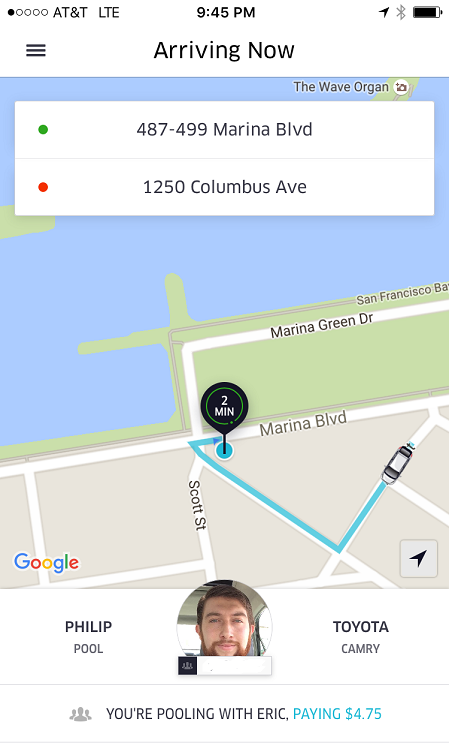
Four of us from work went to an Italian restaurant in the Marina district tonight, and I did the very San Francisco thing of taking an ‘Uber pool’ ride home. (Smart phone app used to summon a driver, shown on the map with his name and his car, as well as whom you will share your ride with, what the cost is, and what the estimated arrival time of the car is. Wow! That’s a whole lot of technology coming together!).
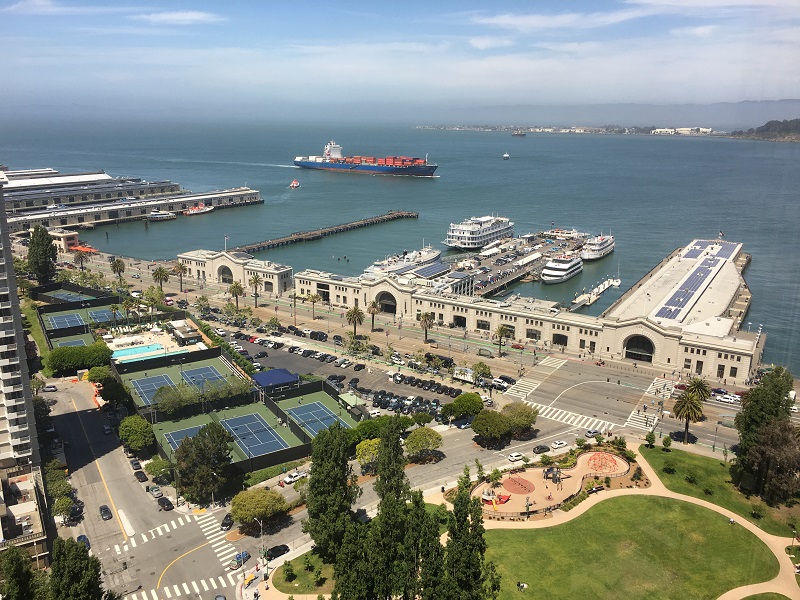
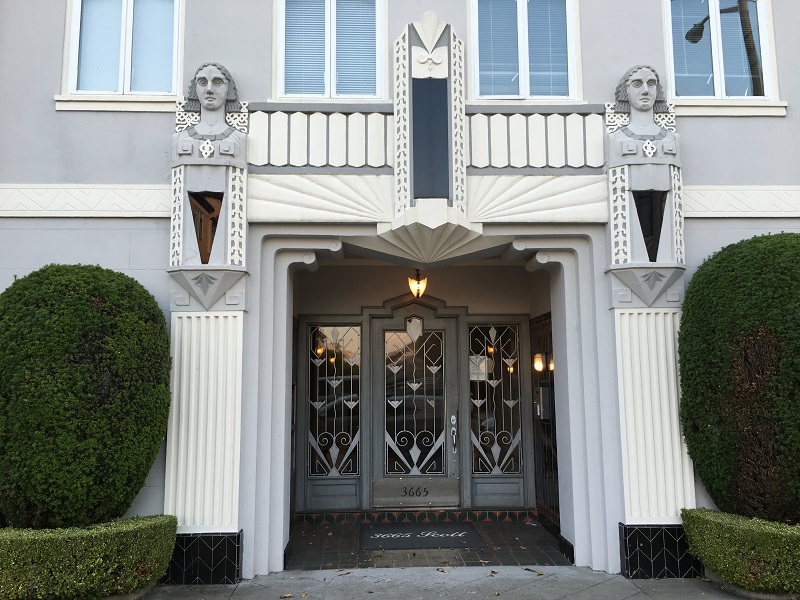
This is the view of Pier 1 (far right), Pier 3 and Pier 5 along the Embarcadero, from the conference room we met in today, from the 20th floor in the Embarcadero Three building. The container ship in the background is probably on its way to the port of Oakland a little further into San Francisco Bay.I love this 1920s Art Deco entrance to one of the condominium buildings in the Marina district. Not all of the buildings have entrances as nice as this one!
Here are pictures from my day in San Francisco outside of working at the office.
I’m a little late running out for lunch : the clock tower on the Ferry Building shows a quarter to one. The unofficial lunch time for office grunts like me is 12 noon to one.This is around 7.00 pm, and Street Car 1040 is going to take me from the Ferry Building to Fisherman’s Wharf where my hotel is. [From Wikipedia} This is a special streetcar in several ways. No. 1040 is the very last of almost 5,000 PCC streetcars manufactured in North America. It was delivered to Muni in 1952, completing an order of 25 PCCs from the venerable St. Louis Car Company. Of all the single-end PCCs in Muni’s current active fleet, it is the only one that has worked in San Francisco its entire life.This is a sunset scene around 8 pm at San Francisco Maritime National Historical Park, located next to the Fisherman’s Wharf.And Ghirardelli Square is right there as well. In 1893, Italy-born Domingo Ghirardelli purchased the entire city block in order to make it into the headquarters of the Ghirardelli Chocolate Company. The block houses some 40 specialty shops and restaurants, and parts of it were added to the National Register of Historic Places in 1982.
I took the streetcar on the F line that runs along the Embarcadero, to my hotel in the San Francisco Waterfront.
I’m in San Francisco .. a small team has started on a new follow-up project at the same gas company.
I traveled in this morning, spent the day at the our office in Three Embarcadero Center, and then made my way to the hotel in the Waterfront. It was a scramble to get out of the house this morning, and then for some reason the Uber app canceled my trip as soon as I got into the Uber driver’s car (maybe I inadvertently pressed a button on the phone, I’m not sure). So anyway .. let’s just go! I said, I will pay you in cash, which is what he did.
A 787 Dreamliner of Southern China Airlines at the gate in San Francisco .. these 787s are still a fairly rare sight at US airports (or at least in my experience).Here’s the street car on the F line that took me to my hotel. It was built in 1946! They are all very different, the street cars that run the same route. The ones we have in Seattle are all new, and look the same, even though they have different colors.More about my street car and its history .... and here is the rest of the plaque, inside the streetcar.
I’m home! The travelers from Frankfurt arrived into Seattle shortly after noon Pacific Time. I sat next to the window, and looked out at just the right time to see a beautiful view of the Columbia river as we crossed it in Canada, right after the British Columbia border.
The Columbia River is the largest river in the Pacific Northwest region of North America. The river rises in the Rocky Mountains of British Columbia, Canada.This is a view from 33,000 ft up of Kinbasket Lake. Look for it on the map up high, near the British Columbia border with Alberta province.And a little later there was this view of a sea of mist with the snow-capped mountain tops as the islands in it.
Here’s our arrival into Frankfurt airport, from Hamburg. In the distance a Boeing 747 is just being pushed into the hangar (for some maintenance, I’m sure).And I stopped by this mean machine on the way to my gate for the flight to Seattle, the BMW i8. Competition for the Tesla? Maybe.
[From Wikipedia] Hamburg, a major port city in northern Germany, is connected to the North Sea by the Elbe River. It’s crossed by hundreds of canals, and also contains large areas of parkland. Its central Jungfernstieg boulevard connects the Altstadt (old town) and the Neustadt, passing Binnenalster lake, dotted with boats and surrounded by cafes and restaurants. Oysters and traditional Aalsuppe (soup) are local specialties.
I did the best I could with the day-and-a-half and rain/ freezing rain at times in Hamburg! I will have to try to come back in summer some time, when the weather is warmer. The HafenCity* area’s development continues, even after 15 years since it had started, and I would love to spend more time there when it had been completed.
*HafenCity is an urban center with many shops, restaurants, hotels and cultural venues as well as rising visitor numbers. More than 2,000 people now live in HafenCity as a whole; there are more than 5,000 students at the various academic institutions; upwards of 10,000 employees work in more than 500 businesses. It aspires to generate and use clean energy and be a model for the new cities that will have to be built around the world this century.
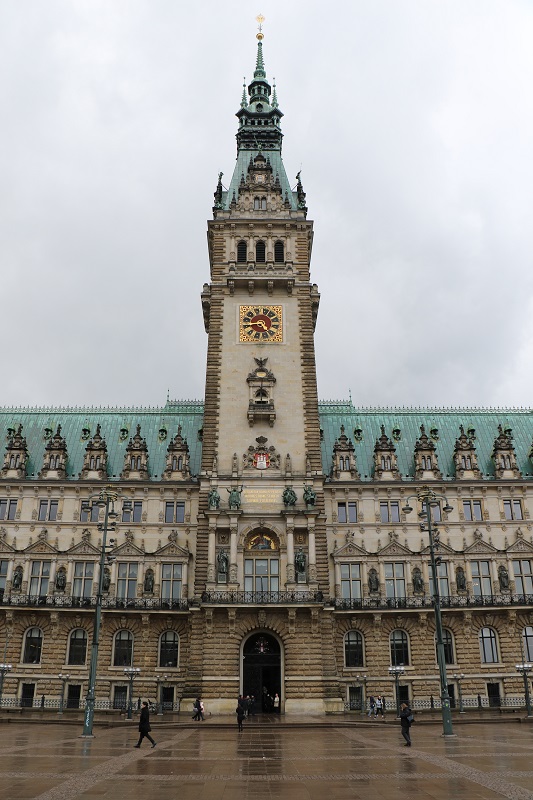
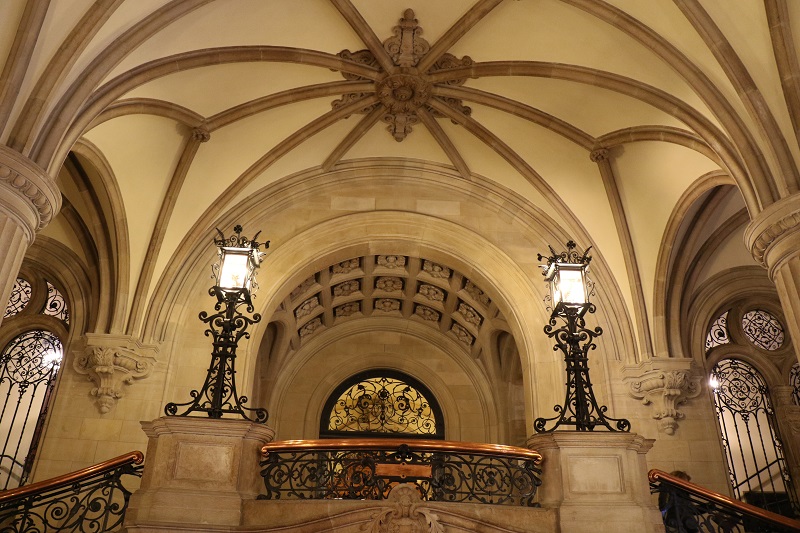
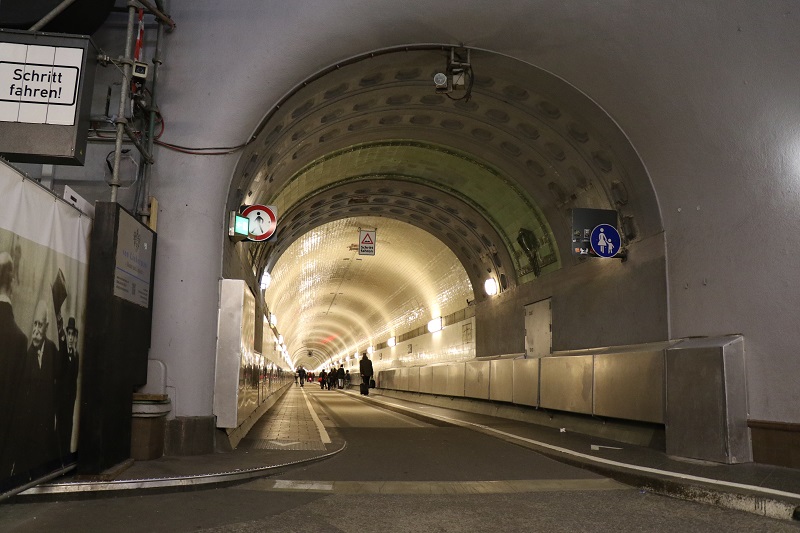
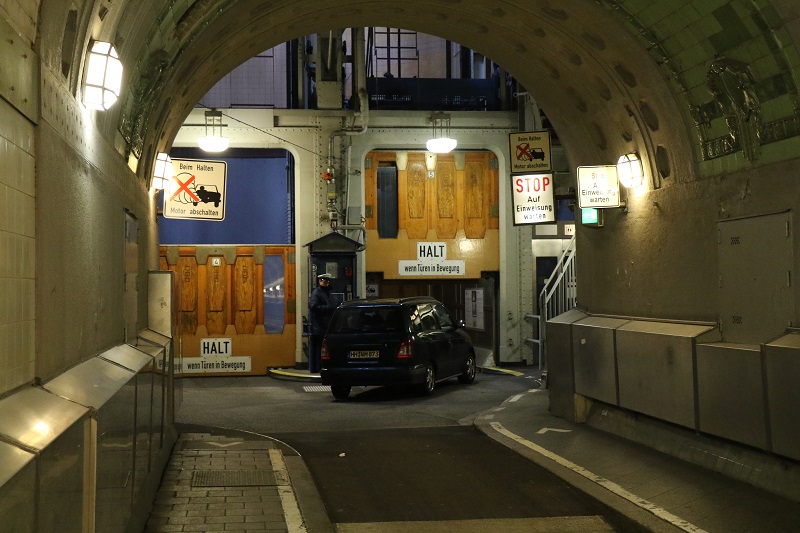
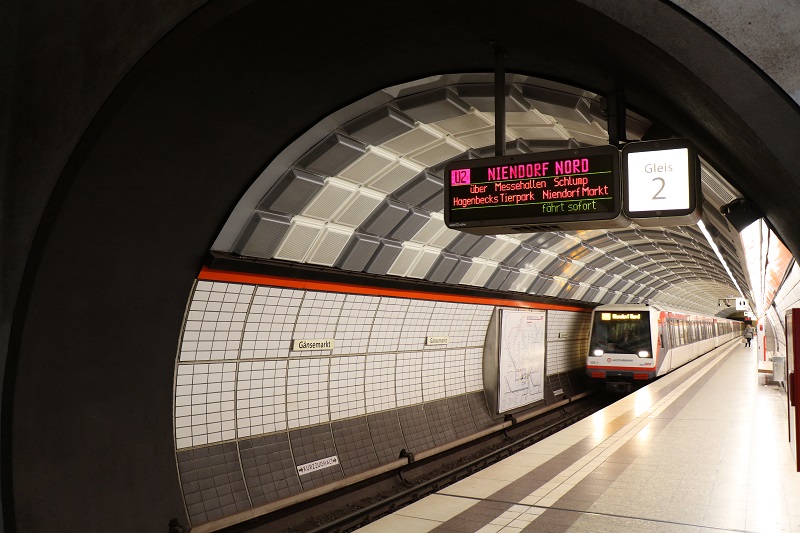
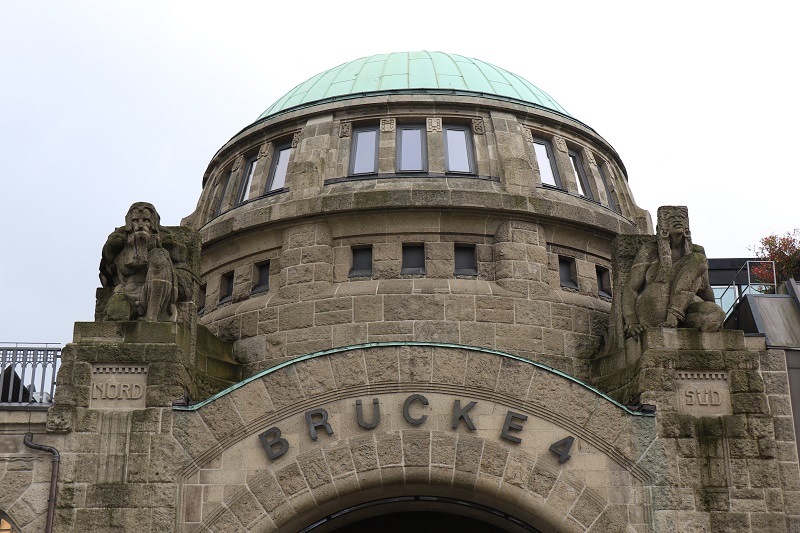
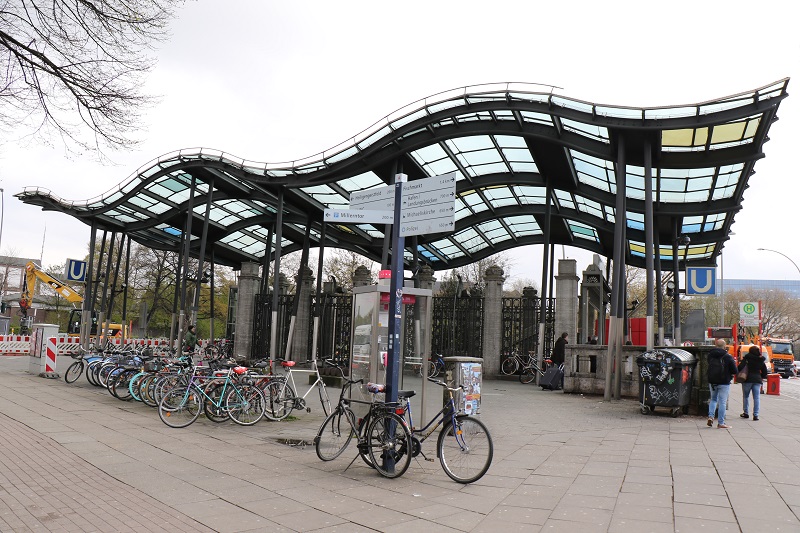
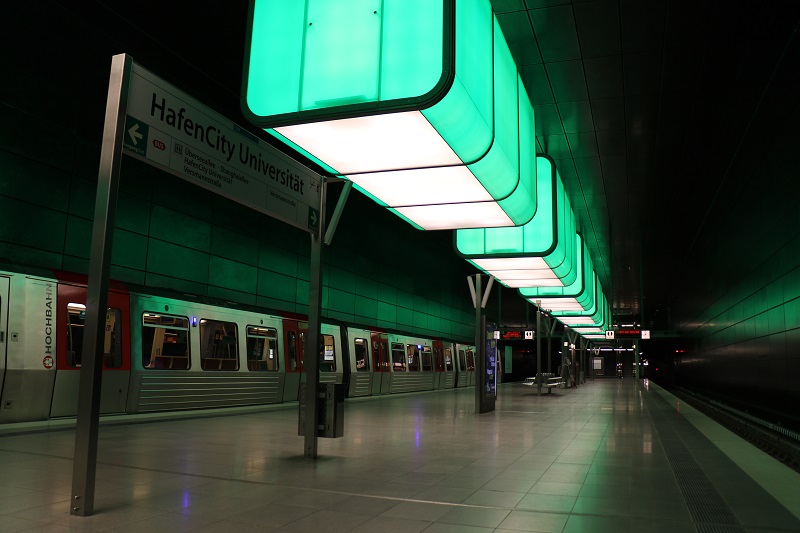
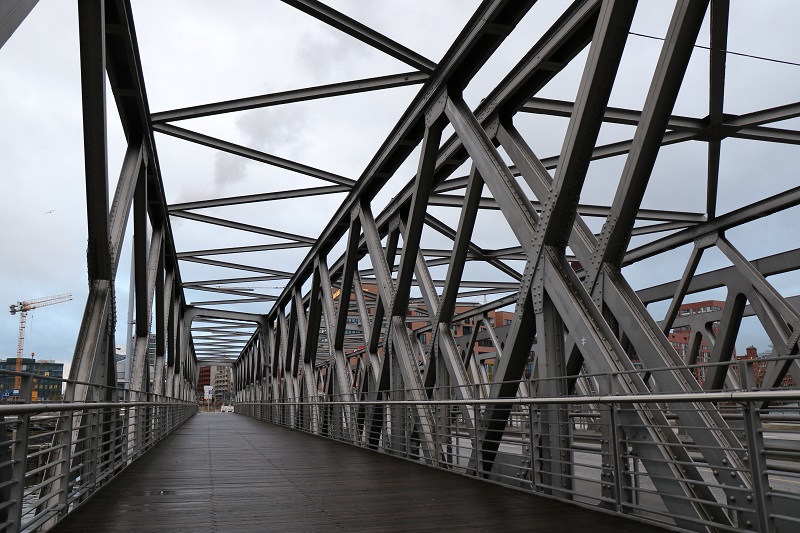
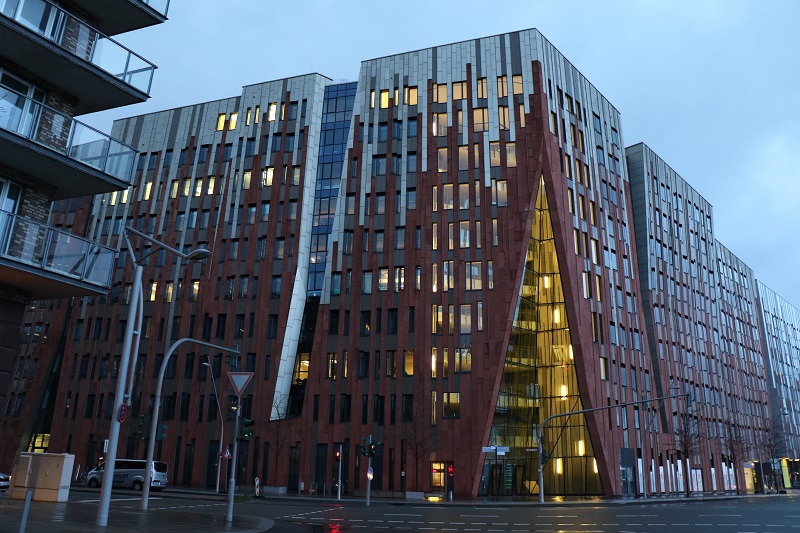
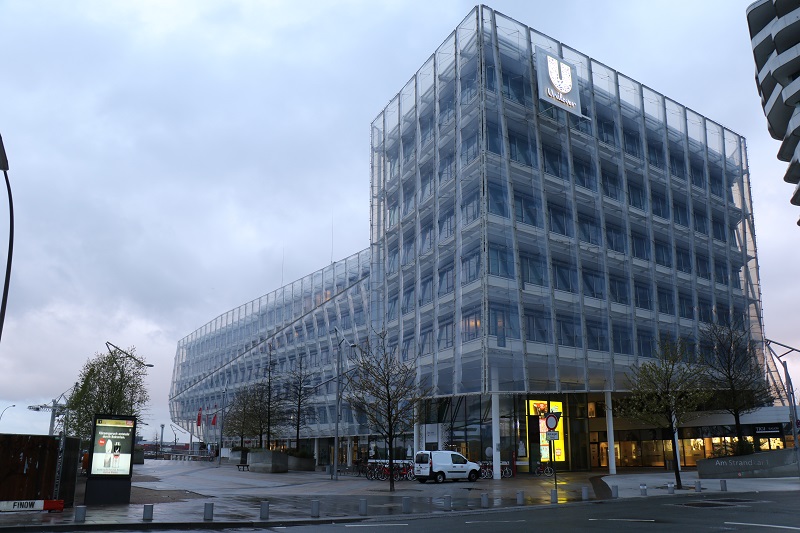
The Rathaus (Town Hall) of the Free and Hanseatic City of Hamburg is a spectacular work of art, inside and out. It was inaugurated in 1897.The inside of the main entrance hall in the Rathaus.This is the Alte Elbe Tunnel (the old Elbe tunnel), a tunnel that was completed by 1911 that runs under the Elbe river. It is still in use to this day : by pedestrians, bicyclists, and even the occasional car or taxi !Here is a car that had driven through the tunnel, and is entering the car elevator to get it up to street level. That HALT makes me think of the Berlin Wall and the World Wars!The U-bahn (and walking) was pretty much my only mode of transportation in Hamburg. In Copenhagen I used the bus much more, since there was a convenient bus stop right by the hotel. This is the train station at Ganzemarkt, on the U2 line.This is close by the Elbe Tunnel, stone construction on the river bank.An entrance to St Pauli U-bahn station, and by the Plante-en-Blumen Park. It was too darn cold, with an icy wind in the park! and so I spent very little time there.The U4 route goes to HafenCity Universitat, and the line and stations are much newer than the others. This green overhead light and color on the station changes to blue and purple .. and I would probably have seen more colors, if I stayed longer.A brand new truss bridge for cars and pedestrians at HafenCity.There are lots of stylish new office buildings and apartment complexes in HafenCity, such as this one.This building belongs to Anglo-Dutch multinational consumer goods company Unilever.
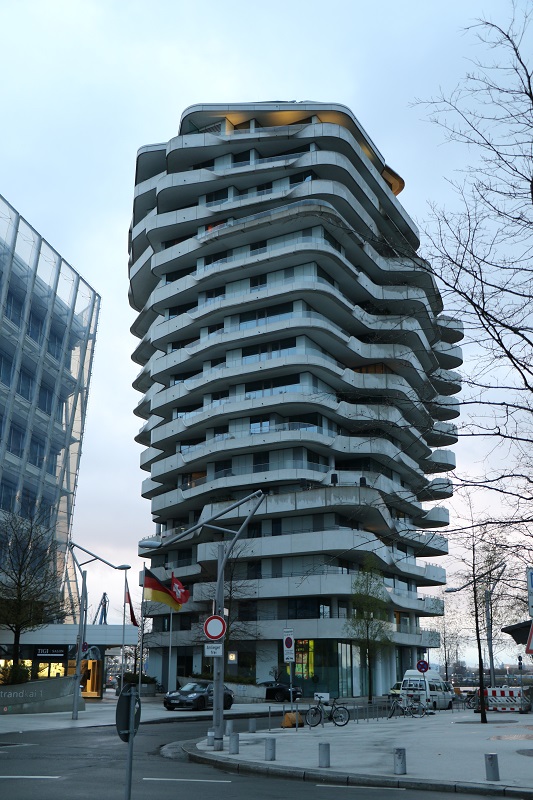
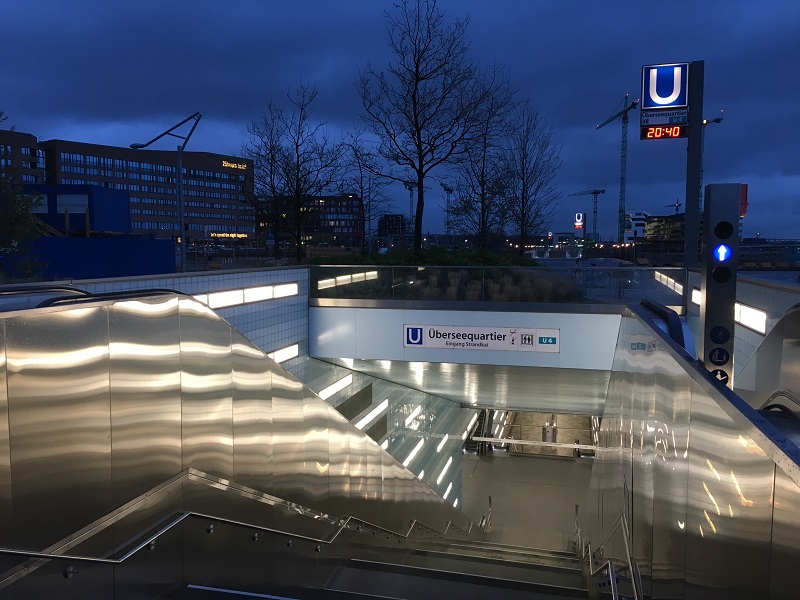
Right next to the Unilever building, in HafenCity .. I think this is an apartment tower.The entrance to one of the two new U-bahn stations at HafenCity, called Überseequartier.
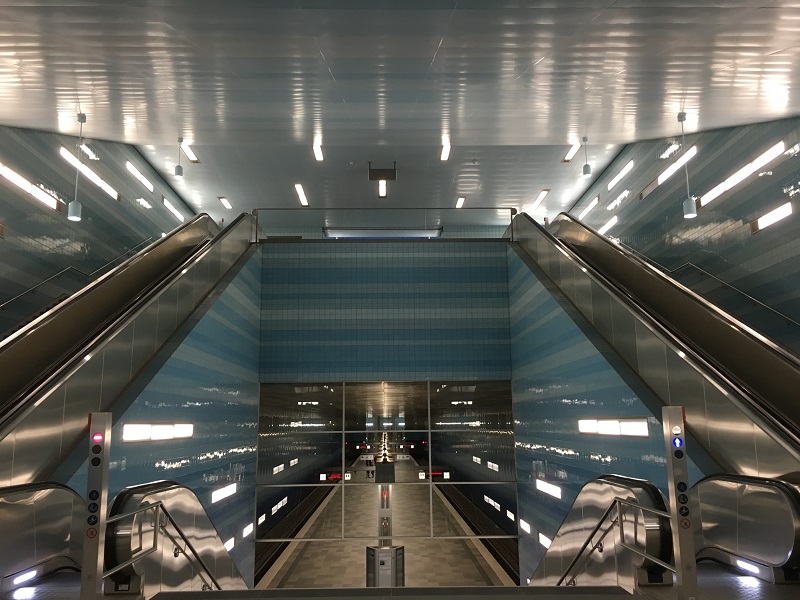
No, it’s not a work of art (but it could be) .. lots of reflections on the way down to the U-bahn platforms of the Überseequartier station.
The train route from Copenhagen to Hamburg took a little under 5 hrs. That segment across the water between Denmark and Germany is where the train sits on the ferry! Amazing.
I learned on Monday night that Wednesday – the day of my scheduled departure from Frankfurt to Seattle – is going to be an ugly day at Frankfurt airport. A massive service workers’ union strike forced Lufthansa to cancel 350 flights at Frankfurt, including the one I had to get there for the Frankfurt to Seattle flight. So I pushed out my return by a day .. and thought to squeeze in one more train trip : one from Copenhagen to Hamburg. (I plan to fly early Thursday from Hamburg to Frankfurt). The train ride was quite something. When Deutsche Bahn engineers design and build tracks for their trains, they stop at almost nothing. The train track runs across bridges to cross rivers and narrow channels, and into tunnels to go through hills, or underground. And for a ferry crossing, such as the one between Denmark and Germany that crosses the Fehmarn Belt Strait, they built a train track right on the ferry’s deck, to ferry the whole freaking train across the strait. Or at least half the train. At our final station in Denmark (Roedby), the front four cars were disconnected from the rest of the train. As we reached the ferry, the train cars were run onto the ferry, passengers and all. Then we were shooed off the train (the train is locked for the ferry crossing) to go onto the ferry itself during the crossing, and we boarded the train again before the ferry docked. And the train ran off the ferry onto the track and into Puttgarden station. ‘Welcome to Germany’ announced the conductor.
Our stop at Naestved, the third of ten stops, on the way to Hamburg.Here is a sequence of stills at the moment when the train runs onto the ferry (slowly, of course). 1. Approaching the ferry dec k. 2 &3. A large transportation truck drives by, also going onto the ferry. 4. My train car about to enter into the ferry. 5. Almost inside; an attendant is keeping an eye on the train. 6. Inside the ferry. 7. A tour bus has entered as well. 8. Almost done. 9. Coming to a stop.I’m standing on just outside the train and took a panorama shot of the train & heavy vehicle deck. There is a car deck above us, and the on the top decks is where the passengers hang out and shop and dine and enjoy the views while the ferry crosses.Here is what our ferry looks like. This is one crossing to the other side.Approaching the German side of the crossing. I had to go downstairs and board the train immediately after I took the picture.This is the inside of Hamburg Hauptbahnhof (main train station) some time after our arrival. My train was a white Intercity Express train, and had left already.And here is a view of the outside of Hamburg Hauptbahnhof. It opened in 1906. It handles some 480,000 passengers a day, making the station the busiest in Germany and after the Gare du Nord in Paris, the second busiest in Europe.
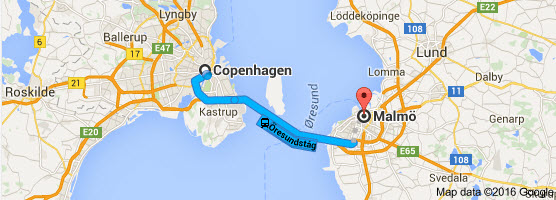
The Øresund Bridge connects Copenhagen and Malmo, and was completed in 2000 at a cost of €2.6 billion. The bridge made a big difference to the economy of Malmo.
I could see a bridge far away from my hotel room and discovered that it is the Øresund Bridge to Malmö in Sweden : a combined railway and motorway bridge across the Øresund strait between Sweden and Denmark. The bridge runs nearly 8 kilometres from the Swedish coast to the artificial island of Peberholm in the middle of the strait. So! I have to go, I thought, and besides, my feet and legs needed a break from walking all over the city of Copenhagen in between bus rides and train rides. I literally just had time to make the ride out there, look around the Central Station for 15 minutes, and then catch the train back again.
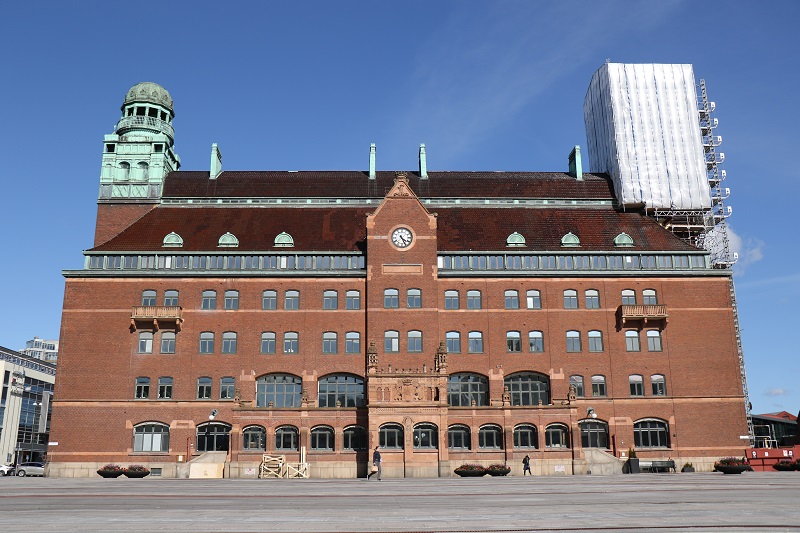
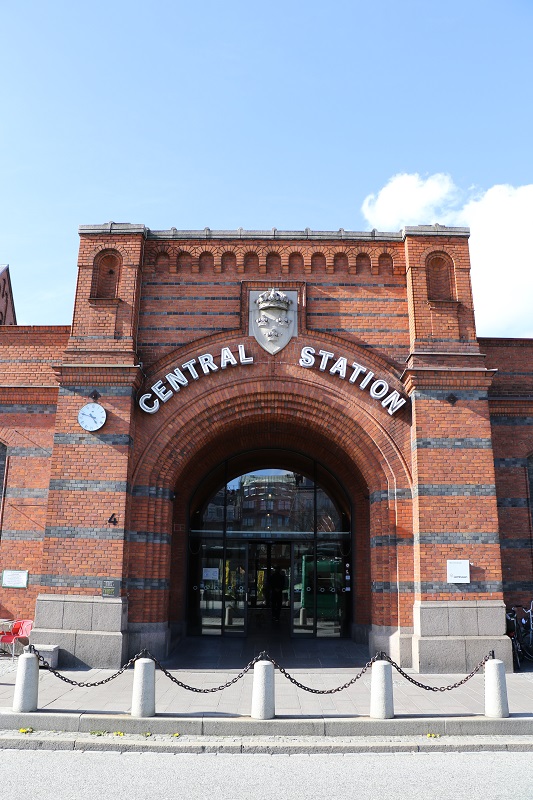
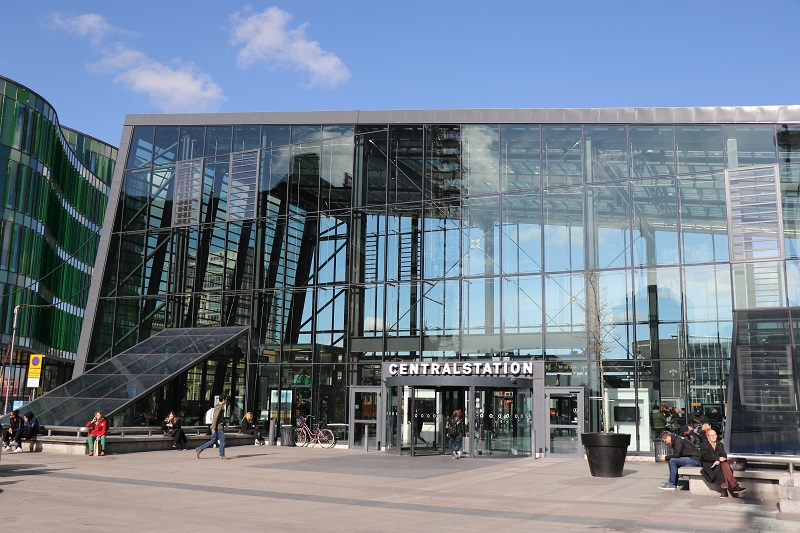
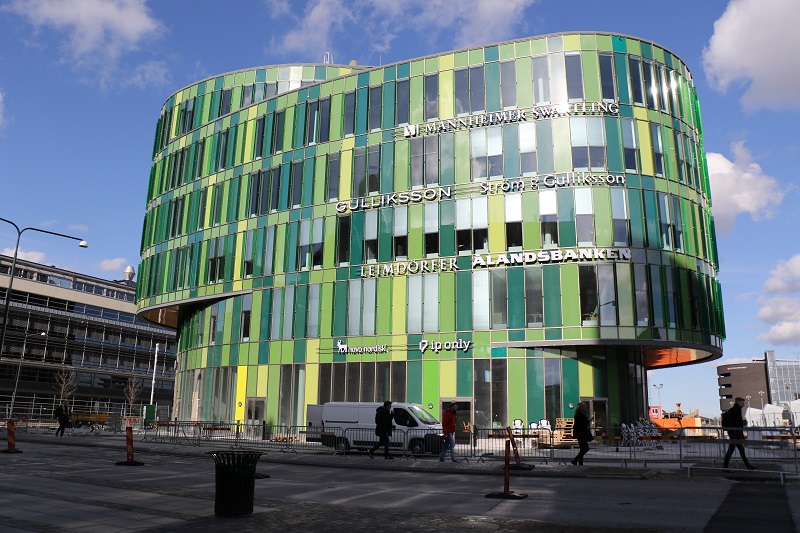
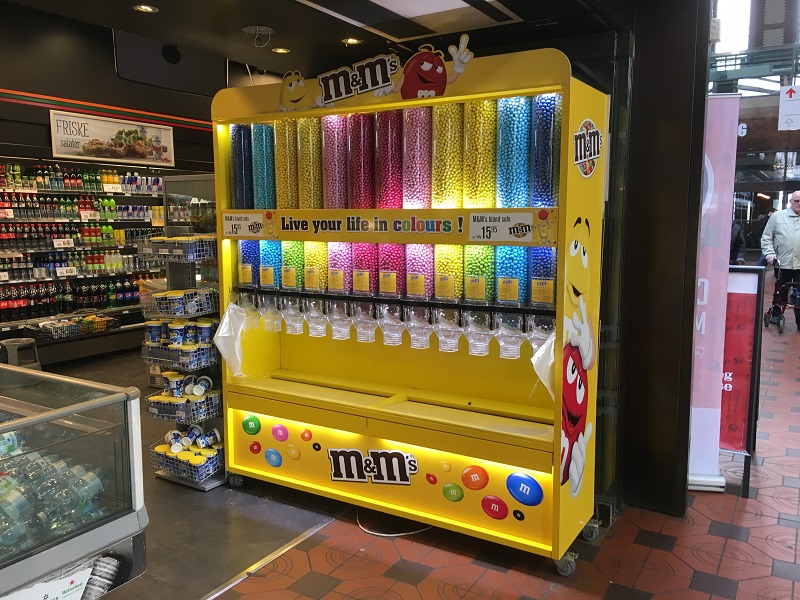
This is the grand old post office building across from the Malmo Central Station. Looks like the right side’s copper tower and dome is getting renovated.The original, old building of Malmo Central Station opened in 1856.And here is the new extension that had been added. I think it opened in 2011.This is a brand new building right next to the Central Station, still under construction. I think it is for a drug company.Hmm! An M&M candy machine right there at Copenhagen Main Station in the 7-11. (Why don’t we have these in the USA? But maybe that is a good thing for me, that there isn’t any).
Here are some of my favorite pictures from Saturday afternoon and Sunday. Yes, the Danes are very friendly and laid-back, and they speak good English. Watch out for bicycles : they go fast, so do not step into the bike lane or cross it before looking both ways! The public transport is top notch. Even the buses have display screens for the routes, and the connections at the next stop.
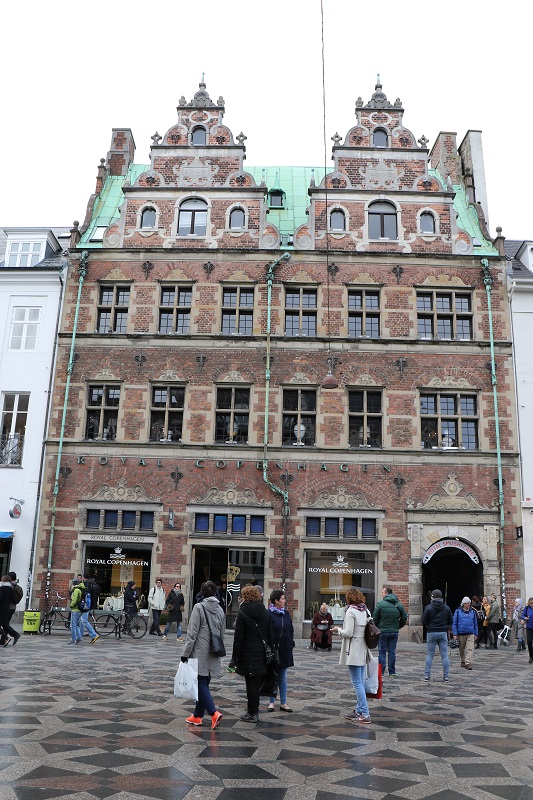
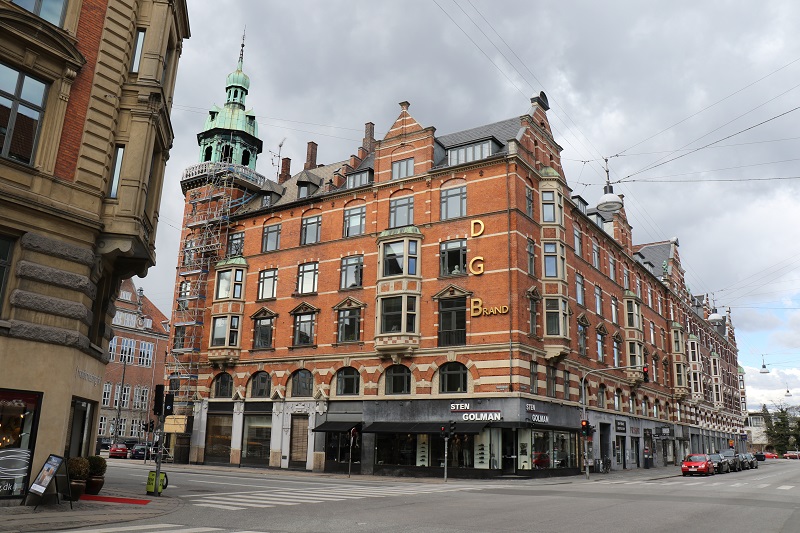
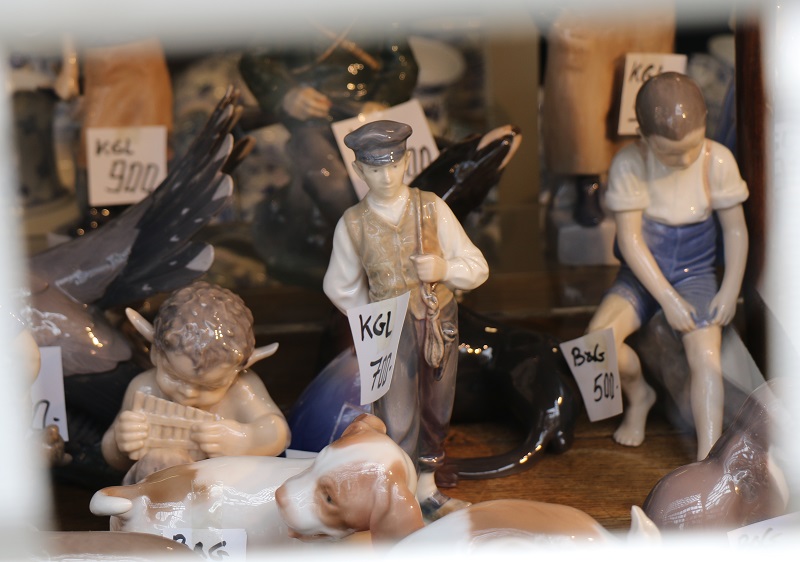
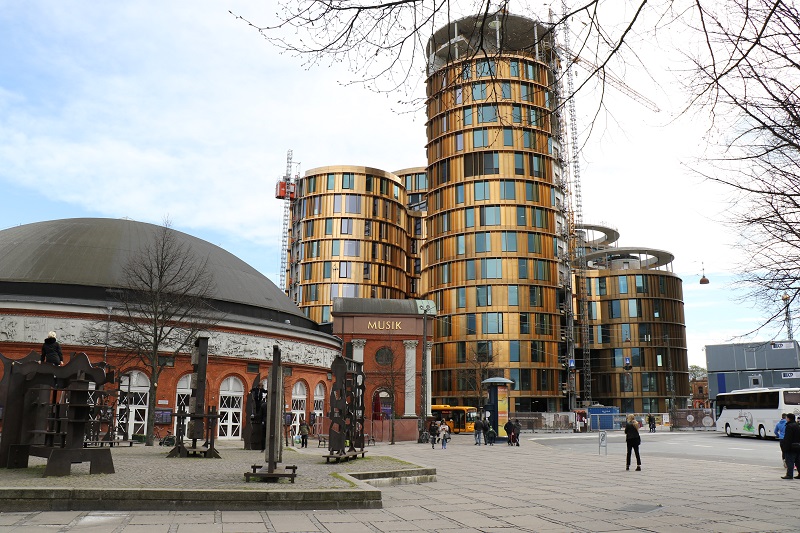
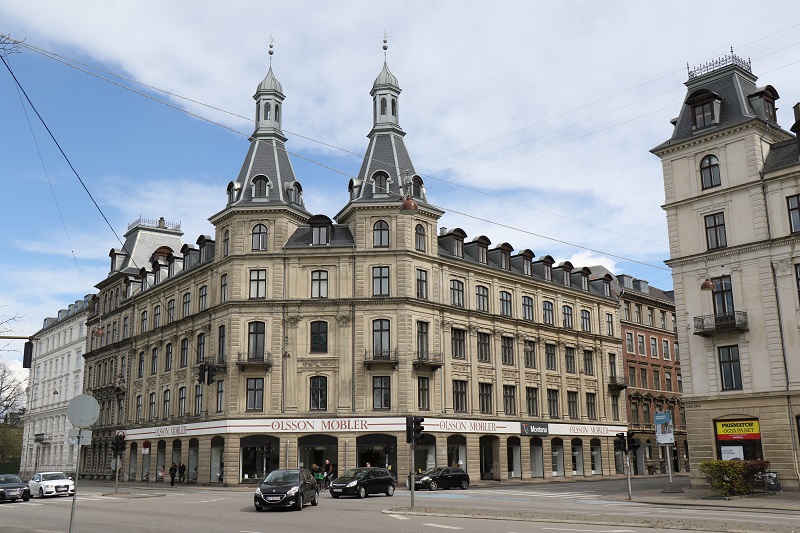
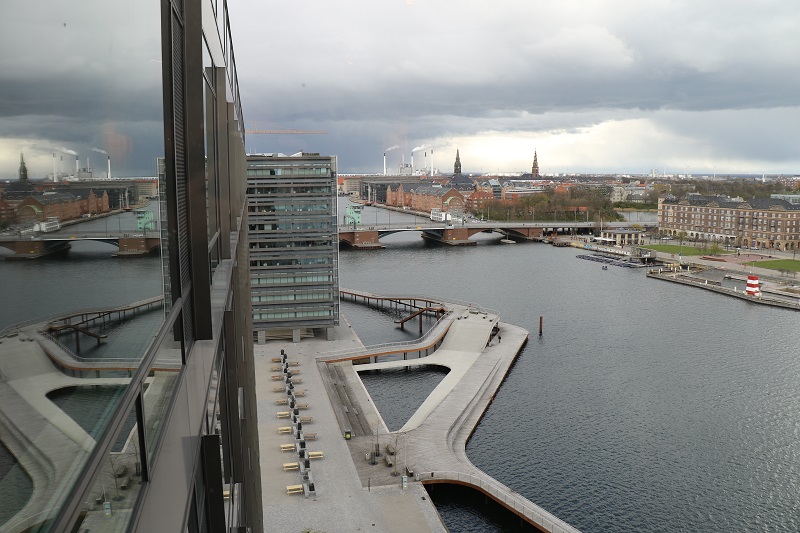
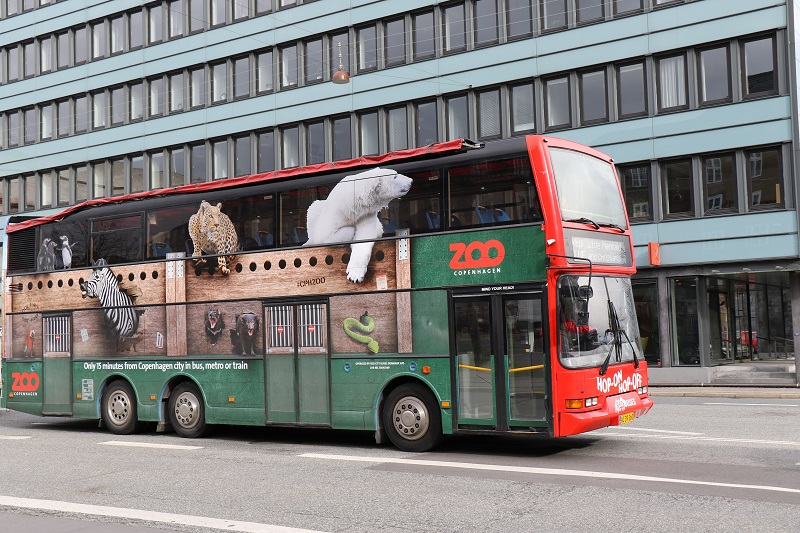
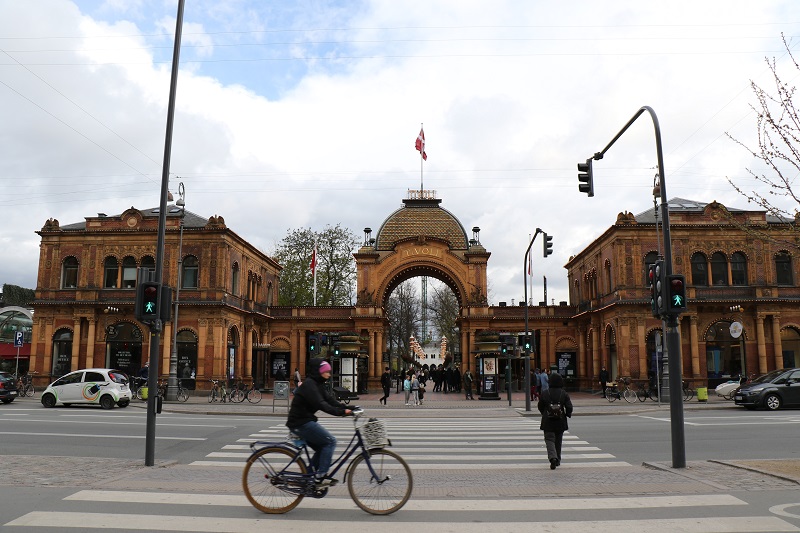
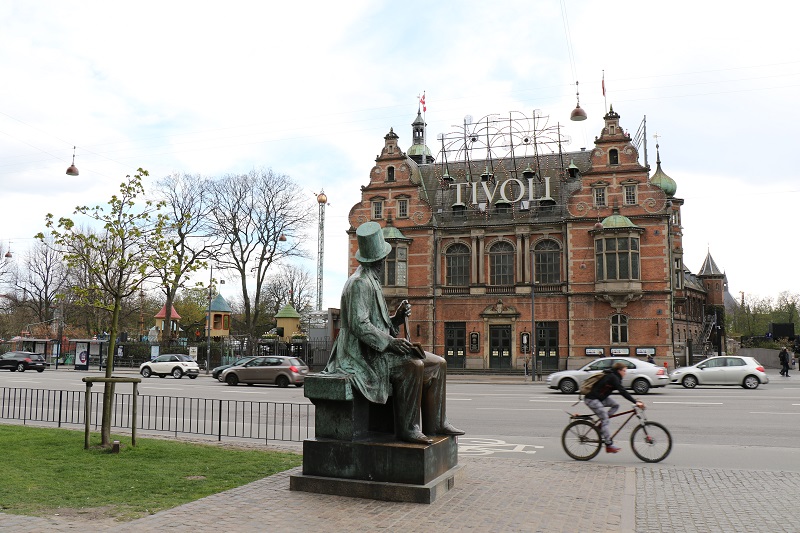
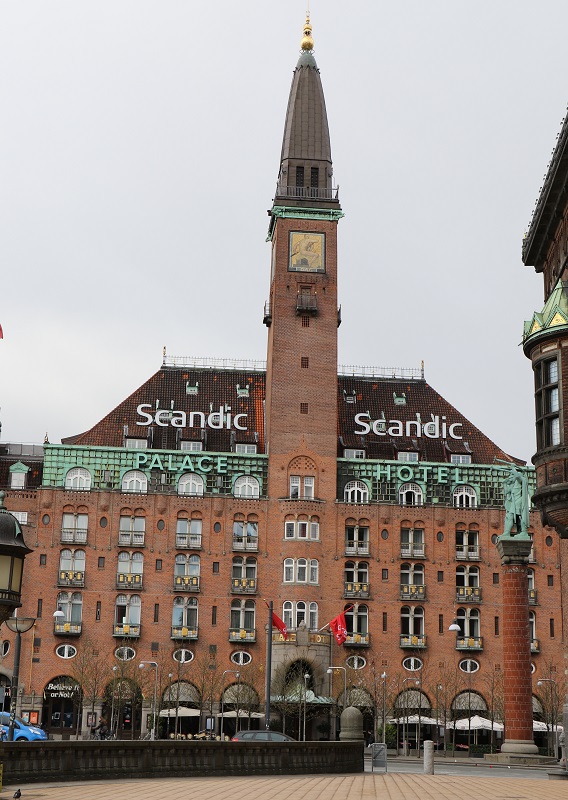
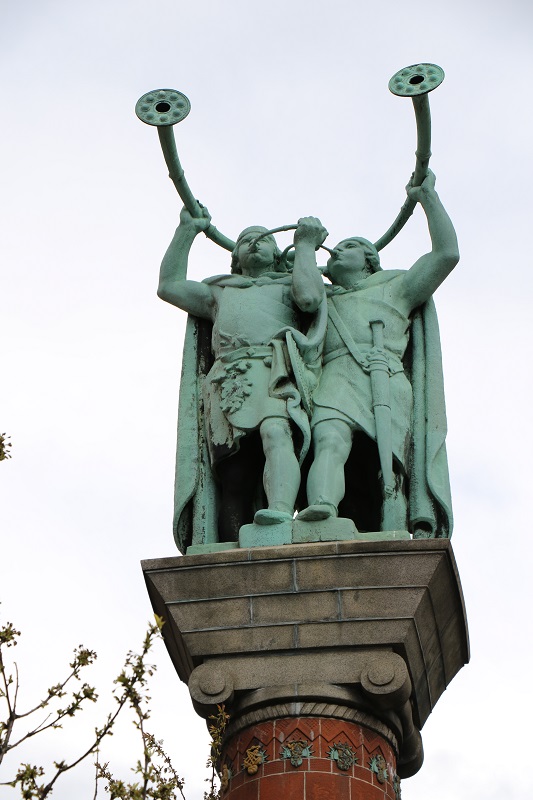
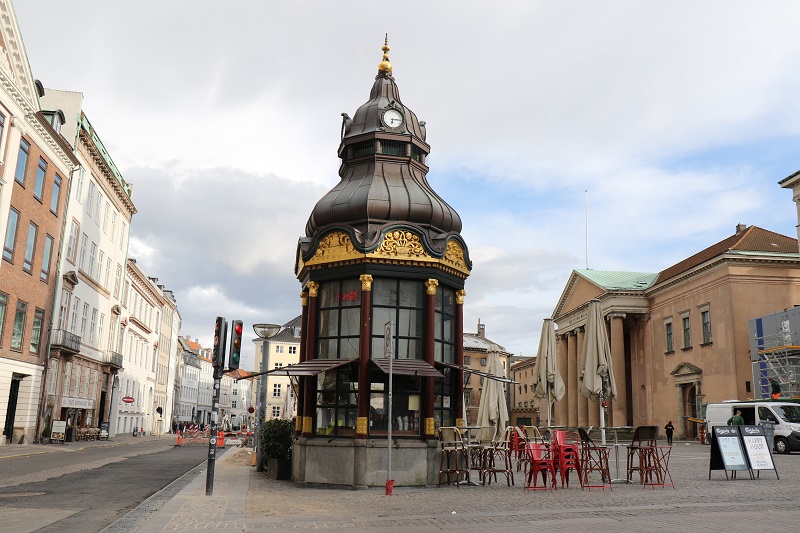
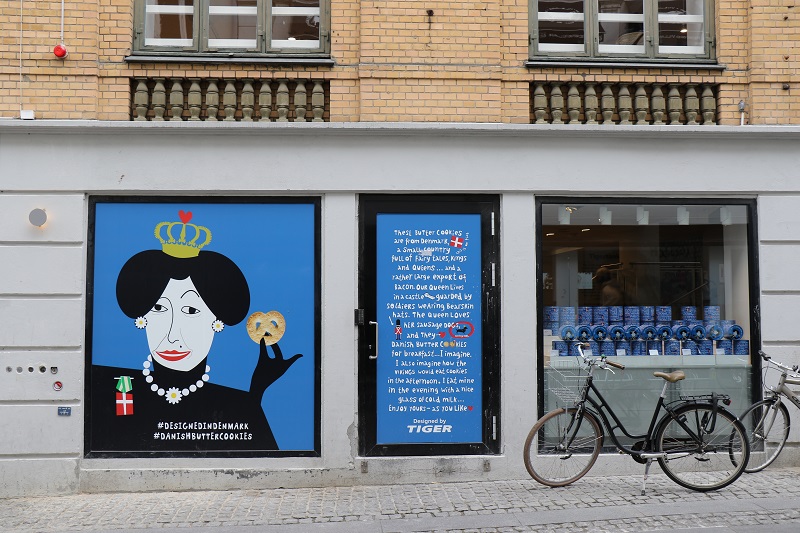
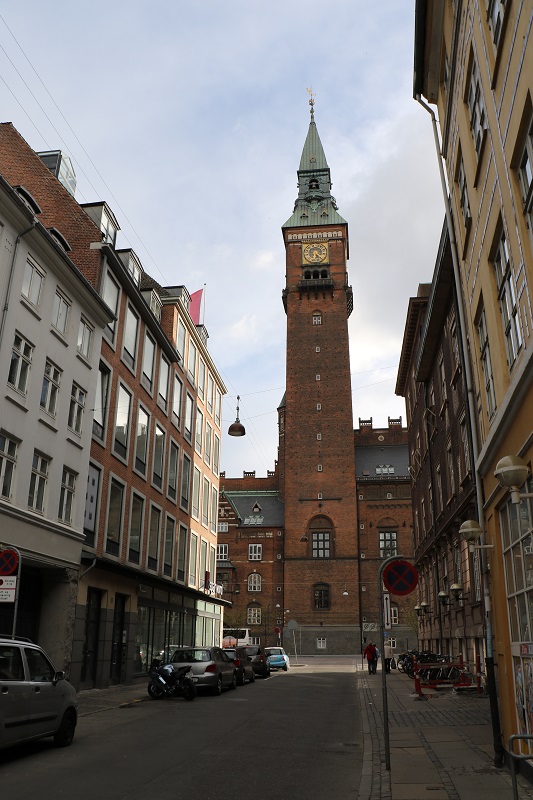
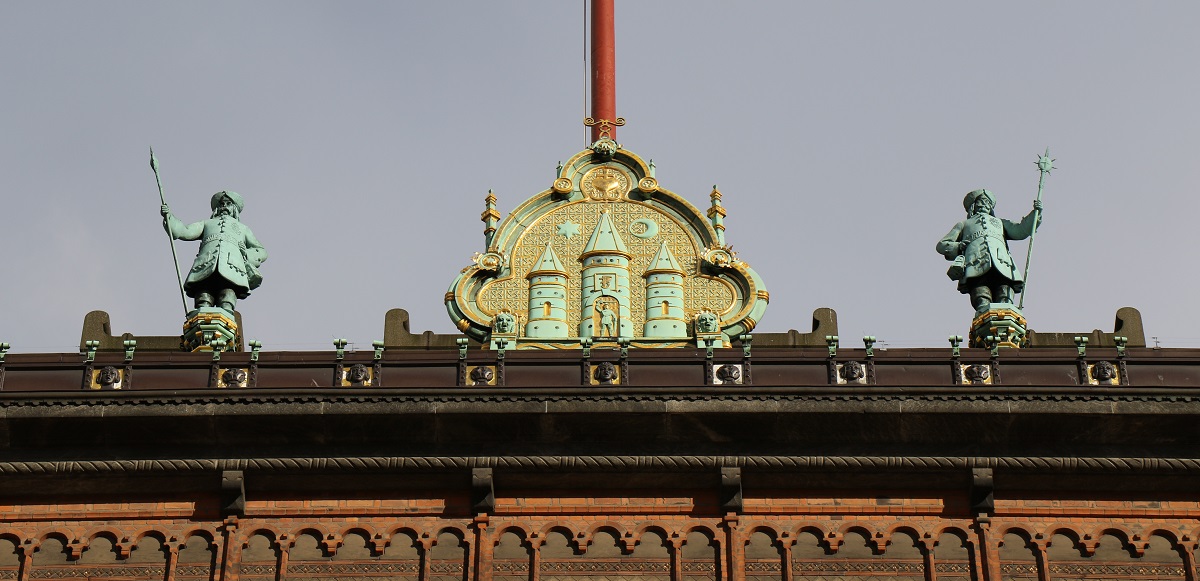
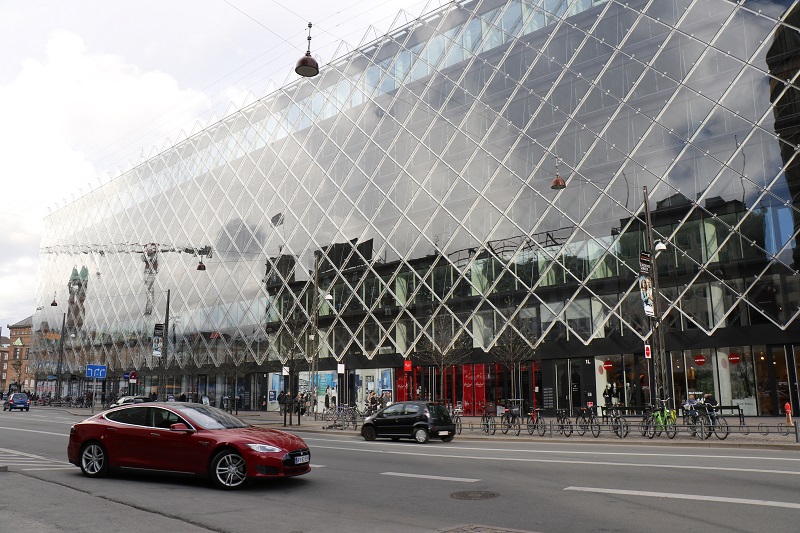
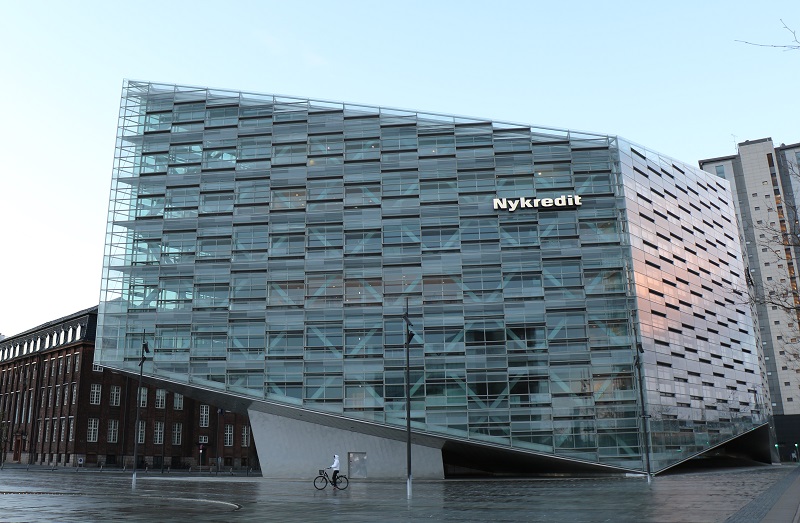
This is the Royal Copenhagen flagship store. Officially the Royal Porcelain Factory, it is a manufacturer of porcelain products and was founded in Copenhagen 1 May 1775 under the protection of Queen Juliane Marie.This building is on the corner of Studiestraede and Vester Volgade, but I could not immediately find the name of it.Porcelain displayed in an antique store.The new Axeltorv (Axel Square) towers are still under construction, but makes for quite a visual impact. ‘Copenhagen’s new landmark’ proclaims a sign on the construction fence. To the left is the is a circular building called the Circus Building, completed in 1886 to serve as a venue for circus performances. The last circus to use the building was in 1990, though. It now shows movies.Here is another building that I do not know the name of. I see the beautiful spires from a few blocks away, and then I just have to walk there and check out the building up close!This is the view from my 8th floor room in the Marriott Hotel on Kalvebod Brygge (literally “Kalvebod Quay”), a waterfront area in the Vesterbro district of Copenhagen.I don’t have plans to go to the Copenhagen Zoo, but I love this bus, especially the polar bear.This is the main entrance to Tivoli Gardens : a famous amusement park and garden. The park opened in 1843 and is the second-oldest operating amusement park in the world, after Dyrehavsbakken in nearby Klampenborg. It is still pretty chilly outside (45 F/ 6 C), but there were some brave souls out there on the swings, the roller coasters and dive bomber.Here is Hans Christian Andersen’s statue, looking toward the Tivoli gardens. He was a Danish author, a prolific writer of plays, travelogues, novels, and poems, but best remembered for his fairy tales.The Scandic Palace Hotel is gorgeous. Check out the gold trim on the balcony rails. [From Wikipedia] Influenced by the Art Nouveau style, the red brick building was designed by Anton Rosen and completed in 1910.Here is a close-up of the copper-clad trumpeter statue in the previous picture. They stand on a pedestal in front of the Scandic Palace Hotel.This little gazebo-style tower is on Nytorv (English: New Square or New Market) – a public square in the centre of Copenhagen. It serves up Carlsberg beer. The tourist season is not yet in full swing (it has to get a little warmer first!), so the outside spaces are still empty and quiet.Care for a Danish butter biscuit? Might that be Margrethe II (queen of Denmark), deployed in the window displat? Probably not!Here is the clock tower of the Copenhagen City Hall (Danish: Københavns Rådhus).This is the rooftop of the Copenhagen City Hall. Check out the incredible detail in the coat of arms and the copper-clad figuresHere is a Tesla that I spotted, actually making a very illegal U-turn. Hmm. The building in the background is the rebuilt (2013) headquarters of The Confederation of Danish Industry (DI). It houses several companies that do industrial design work. At night the white segments light up in patterns and in different colors.This is ‘The Crystal’ (completed 2001), the headquarters of Nykredit Bank. The founding of the bank date back to 1851, but this year in February 2016 Nykredit faced public outrage among their customers due to significantly increased service fees.
I am spending a few days in Copenhagen* before heading west, home. The flight from Frankfurt to Copenhagen this morning was just an hour, but it took a while to get here : there was trouble with the on-board computer of the incoming plane, and another one had to be found.
*I thought I would check up on ‘The World’s Happiest Country’ .. as Denmark is frequently referred to when ‘happiness indexes’ are compiled.
This is 7 am this morning and I am sitting in an express train headed for Frankfurt Flughafen (Airport). The train is a world unto its own : comfortable seating, a lot of bike and luggage space, toilet on the far right, and wi-fi as well.(it was raining in Frankfurt as well). We’re stepping out to the Airbus 320 from SAS that will take us to Copenhagen. I like the red paint on the jet engine!Denmark is a land with a lot of islands .. first sighting of land as we come in to land at Copenhagen.Here’s my welcome! sign. Hej! is actually pronounced much the same as ‘Hi!’ the way we say the greeting in English.And here’s the gorgeous steel pillars and roof of the Copenhagen main train station, shown as København H on maps. The train station opened in 1911, and is the work of architect Heinrich Wenck. I took the Metro Light Rail to Norreport station, and the S-tug (S-train) to the main station. Finally, here’s a nod to the quadrennial (400th) anniversary of William Shakespeare’s passing away with The Spiegel’s cover. ‘The Terror Expert : Power, murder and morals : the astonishing current world of William Shakespeare’, says the subtitle. In other words. the world has not changed much since Shakespeare wrote about all of those.
I dropped off my rental car at a wet Cape Town airport. This is the main arrivals and departure lounge. It started raining in Cape Town on Thursday, with more in the forecast for Friday.Hello there! I’m looking up at a life-size giraffe with its head in the tree leaves, at the Out of Africa gift store at Cape Town airport.An African mask .. these are likely from a country in West Africa or North Africa.Alright! We’re finally boarding the Boeing 777 from Air France. I had a ‘Premium Economy’ seat with a little more width and leg room.
I made it into Frankfurt. We left Cape Town more than an hour late, after midnight.
From the flight tracker on the Cape Town – Paris flight. We are leaving Africa and starting to cross the Mediterranean Sea.
We arrived into Paris some 11 hours later, shortly after noon on Friday. From there, the Hop! Embraer 190 commuter jet took us to Frankfurt.