Sunday was the last day of the JAPEX 2026 stamp exhibition.
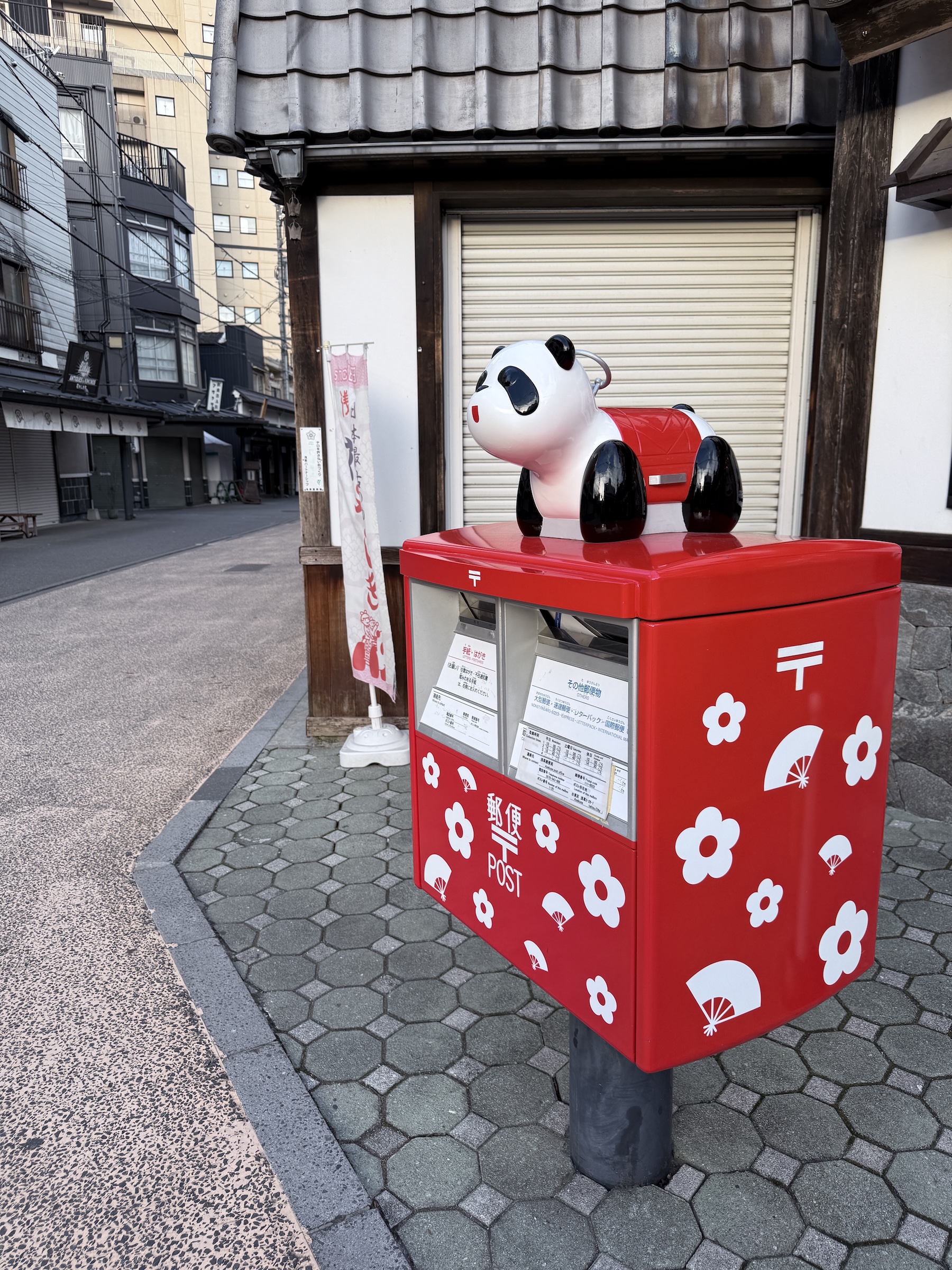
I made a few more purchases, and mailed postcards with new stamps issued specially for the exhibition, and with a dedicated cancellation mark, to myself in Seattle.
They were marked ‘AIRMAIL’ (of course), and will be at my house long before I return there. (The post office is holding my mail until I get back).
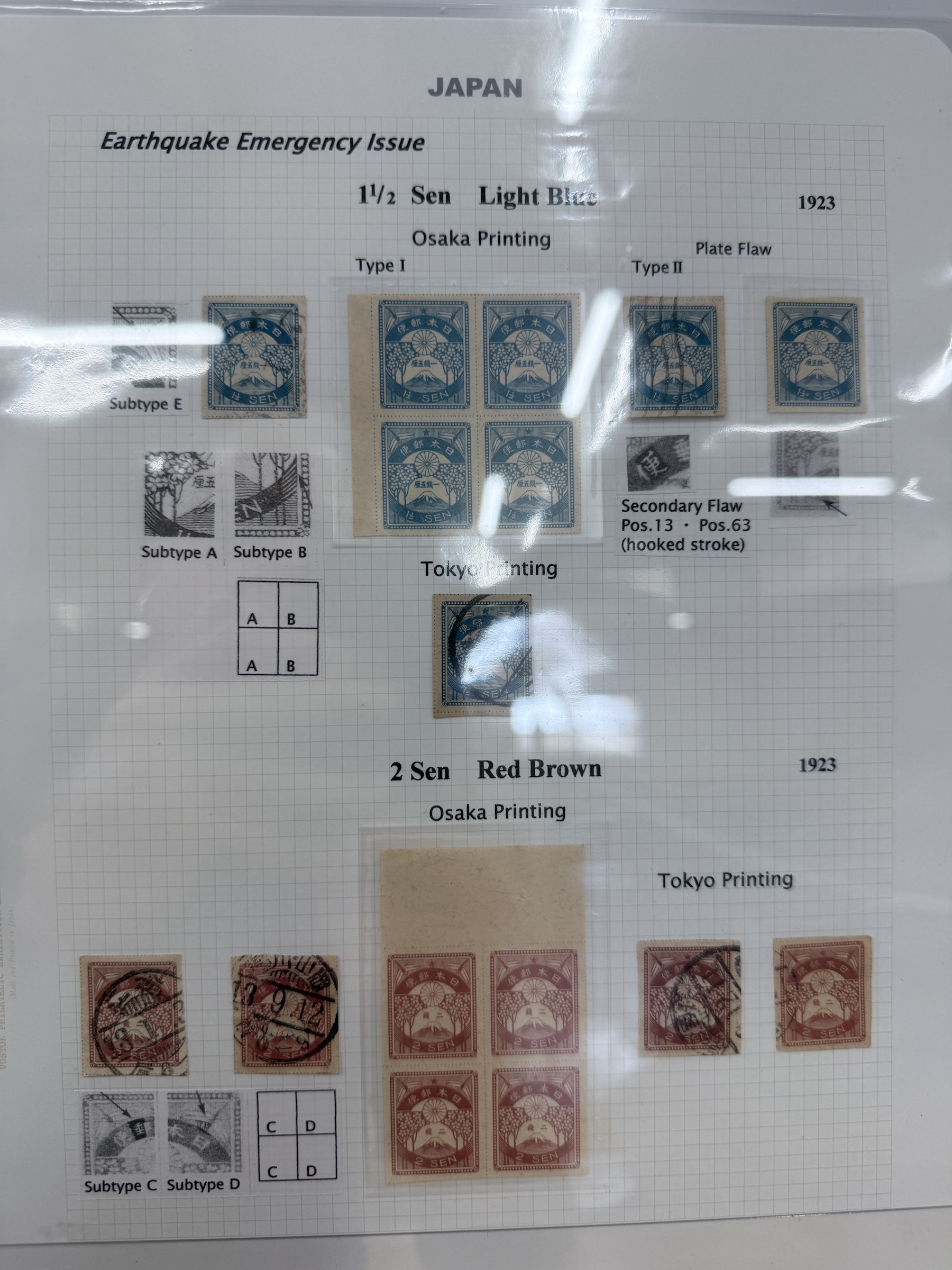
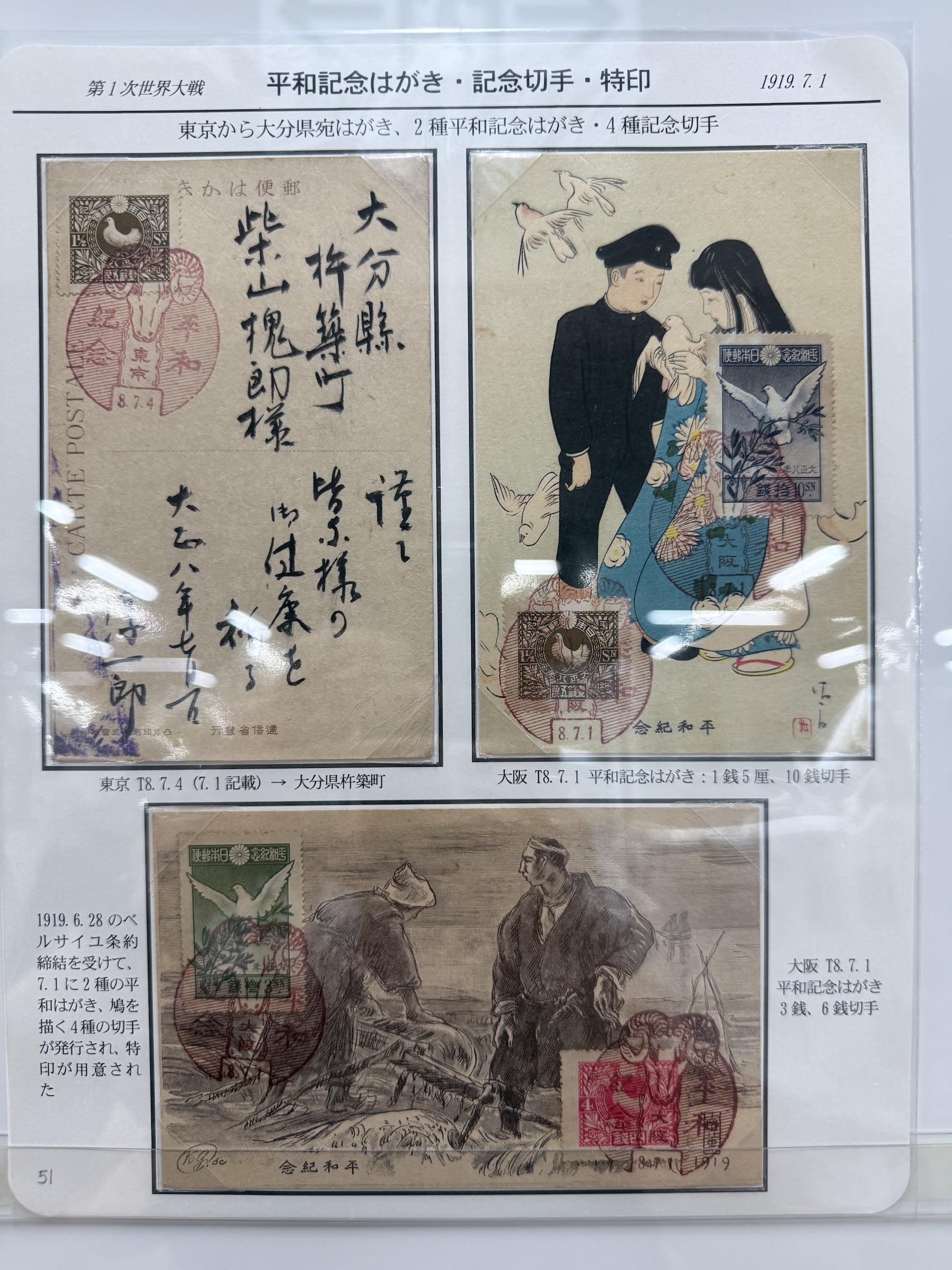
(Japan fought in World War I from 1914 to 1918 as a member of the Allied Powers, fulfilling the Anglo-Japanese Alliance to help secure sea lanes and seize German territories in East Asia and the Pacific.)
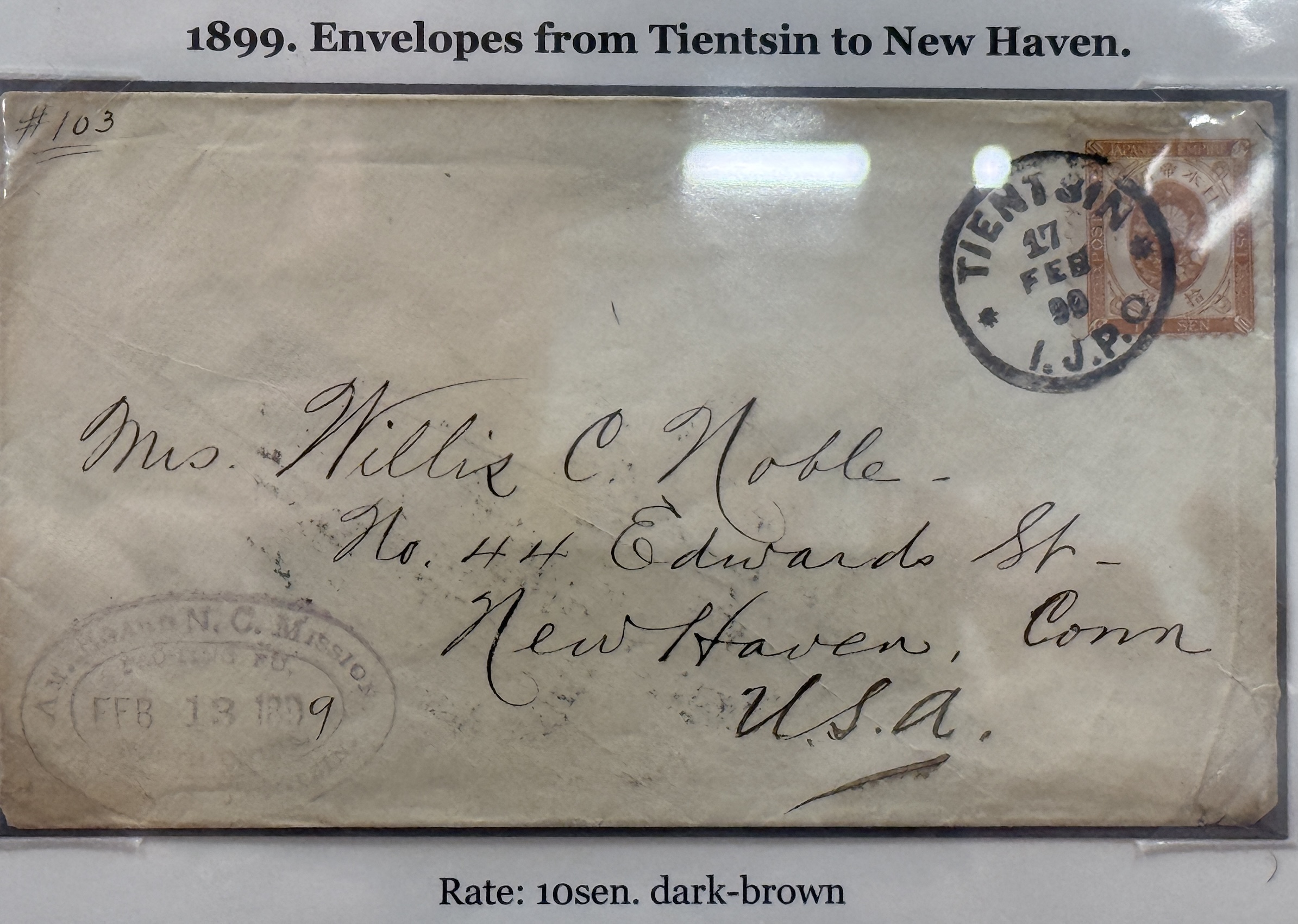
This was in the very early days of sending mail, and the I.J.P.O. stands for Imperial Japanese Post Office.
During the late Qing dynasty, Western powers and Japan established treaty ports in China—including Tientsin (Tianjin). Because the Chinese imperial postal system was not yet fully integrated into the Universal Postal Union (UPU) and was deemed unreliable for overseas transit by foreign merchants, major world powers set up their own civilian post offices right on Chinese soil.
By the way: is that not a gorgeous cursive handwriting from the sender? What a tragedy that we no longer write like that.
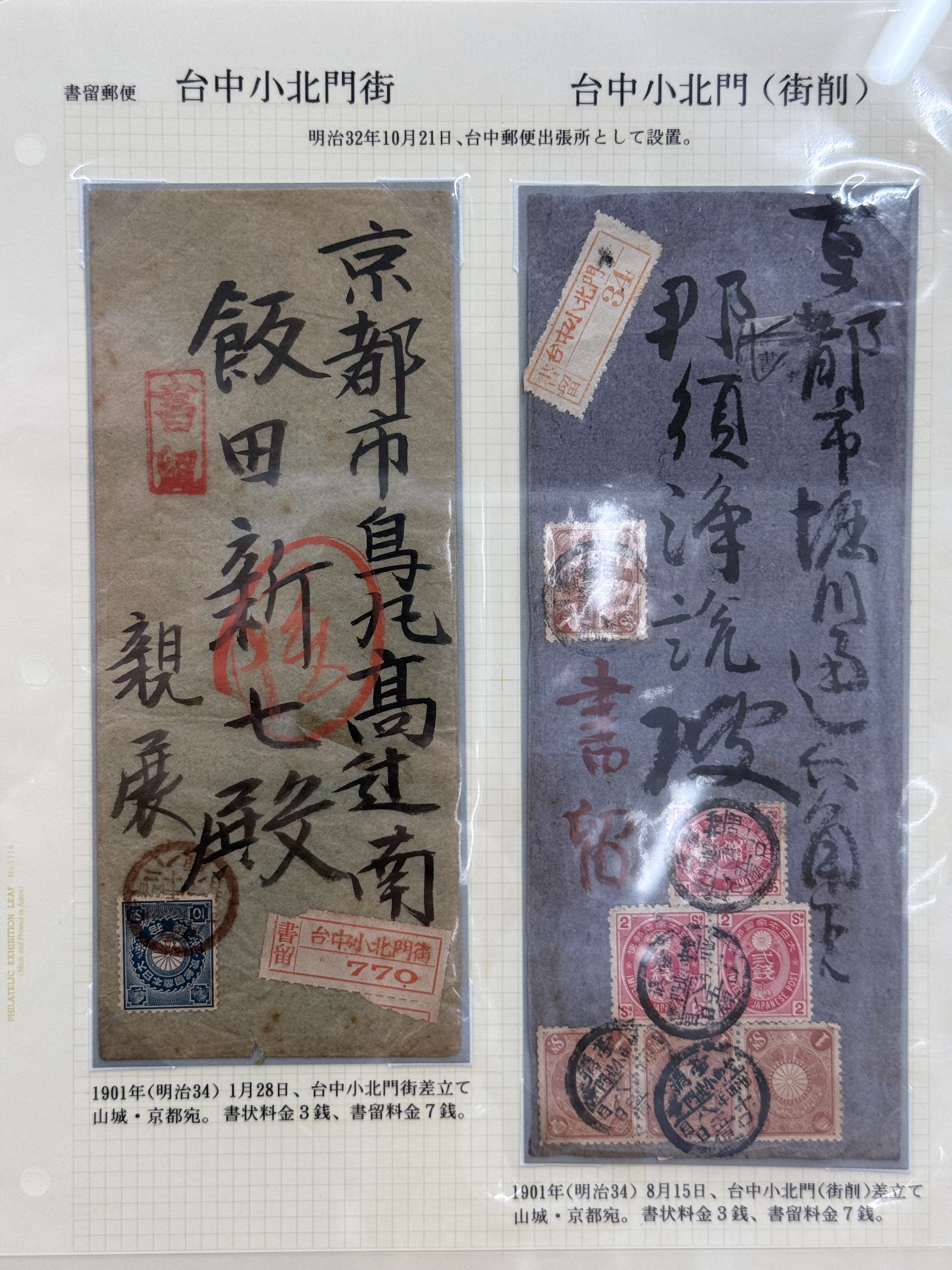
Given that traditional Japanese writing go top-to-bottom (in columns that progress from right-to-left), that is the way you would write addressees and addresses on envelopes as well .. very boldly!