There was rain in the very early hours of the Sunday morning, and on and off during the day— about 0.3 inches here in the city.
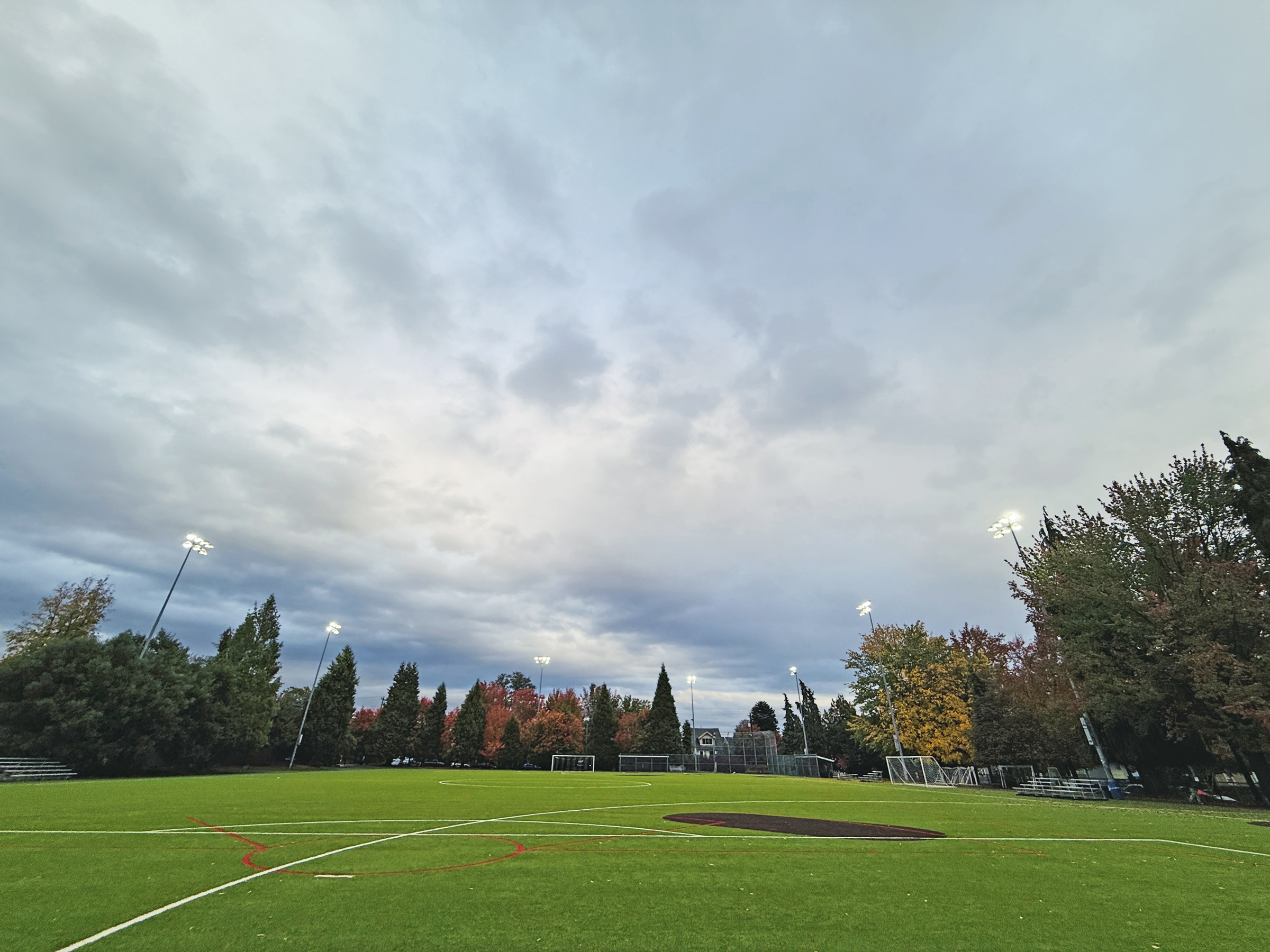
By nightfall, the skies had cleared and there was soccer practice at Miller Playfield here in Capitol Hill.


a weblog of whereabouts & interests, since 2010
There was rain in the very early hours of the Sunday morning, and on and off during the day— about 0.3 inches here in the city.
By nightfall, the skies had cleared and there was soccer practice at Miller Playfield here in Capitol Hill.

It’s Saturday-Caturday, and here’s a sticker stamp from Japan with a contoured outline.
Happy Friday.
It’s been a dry October here in the city.
We have recorded only 0.47 in of rain so far.
By Oct. 22 each year, the average for the month of October for Seattle is 2.29 in.
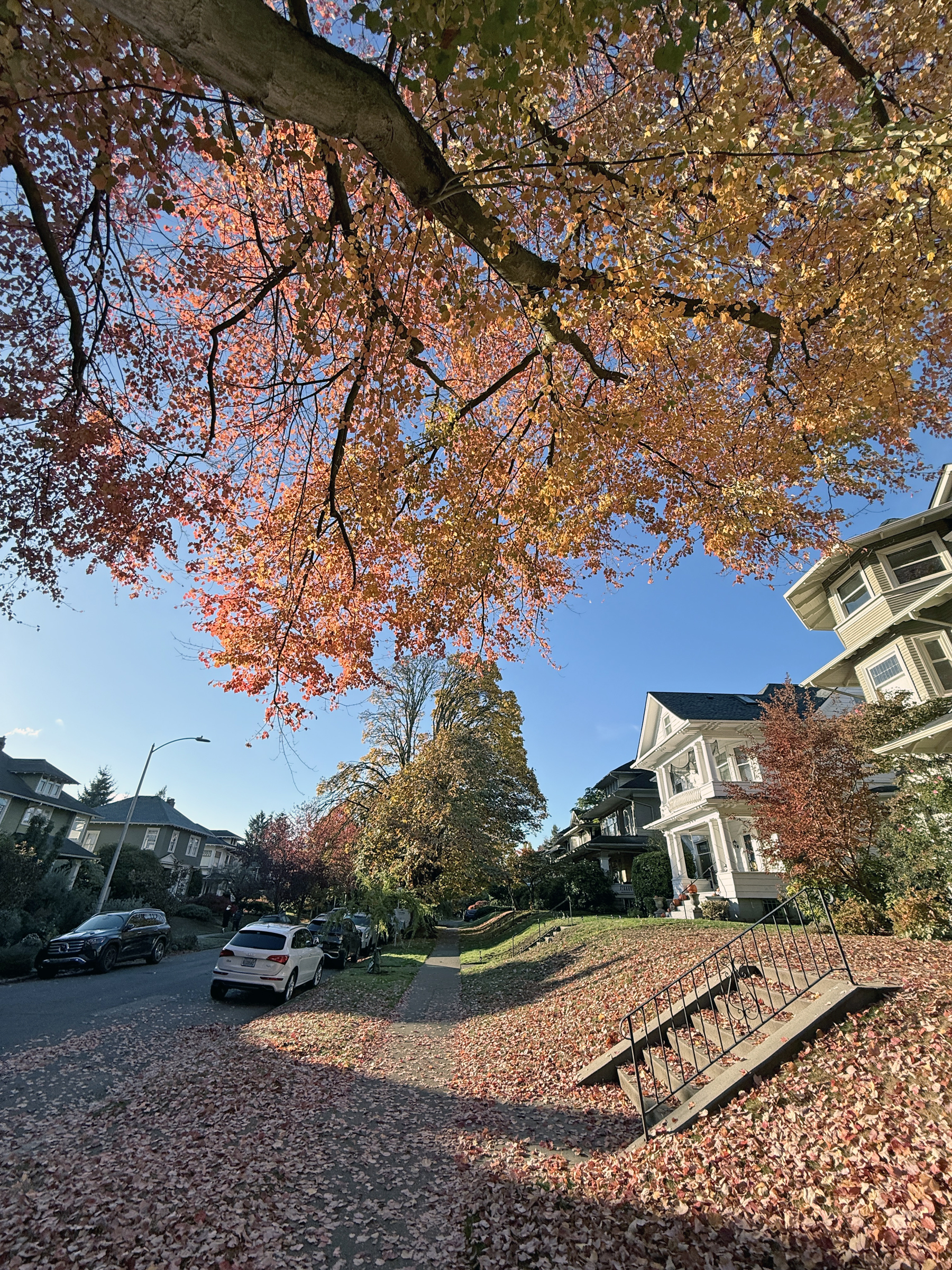
It’s either real or it’s a dream
There’s nothing that is in between
Twilight
I only meant to stay a while
Twilight
I gave you time to steal my mind
Away from me
Lyrics from the song Twilight, from the studio album Time (1981) by Electric Light Orchestra (ELO)
This twilight photo is from last night.
Sunset is now at 6.08 pm.

These out-of-the-world stamps arrived today in the mail from Japan.
The four miniature sheets issued from 2018-2021 fit together left-to-right, but I broke it into two images to show more detail.
There is a stamp with a refreshing view of Earth in the bottom right below, showing all of Asia and Japan (instead of Europe or the Americas).

Japan – Astronomical World Series No 2 Miniature Sheet
Issued Feb. 6, 2019
Die Cut Perf. 13×13¼, Die Cut Perf. Round Stamps | Self-adhesive | Design: Satoshi Maruyama (丸山 智) | Offset lithography printed on special transparent hologram foil | No watermark | Print Run: 3,000,000 sets printed
Sakura Cat. No. C2397 a. 82y Starburst open cluster, red at right (32mm diam.), b. 82y Pleiades star cluster (32mm diam.), c. 82y Mars (denom. at LR, 22x26mm), d. 82y Ceres (dwarf planet) (denom. at UL, 22×26 mm), e. 82y Sirius (the brightest star in Earth’s night sky, 8.6 light-years away in the constellation Canis Major) (denom. at LL, 22×26 mm), f. 82y Moon (denom. at UL, 22x26mm), g. 82y Io (Jupiter’s innermost Galilean moon) (denom. at UL, 22x26mm), h. 82y Europa (Galilean moon) and Jupiter (denom. at LL, 22x26mm), i. 82y Earth (43mm diam.), j. 82y Great Red Spot of Jupiter (32mm diameter).
While Series No 1 focused heavily on deep-space nebulae and broad celestial charts, Series No 2 narrows its design lens onto specific solar system entities paired with classical astronomy elements.

Japan – Astronomical World Series No 4 Miniature Sheet
Issued Feb. 3, 2021
Die Cut Perf. 13×13¼, Die Cut Perf. Round Stamps | Self-adhesive | Design: Satoshi Maruyama (丸山 智) | Offset lithography combined with a special hologram finish | No watermark | Each stamp has a denomination of 84 Japanese yen | Print Run: 3,000,000 sets printed
Sakura Cat. Numbers C2492 a. Neutron star (artist’s impression) (25.5×21.5mm), b. Black hole (artist’s impression) (21.5×25.5mm), c. ‘Oumuamua asteroid (artist’s impression) (25.5×21.5mm), d. Saturn (partial view) and Mimas (32.0×44.0mm), e. Arrokoth asteroid (21.5×25.5mm), f. Rhea (21.5×32.0mm), g. Pluto (32mm diam.), h. Uranus (partial view) and Miranda (32mm diam.), i. Neptune (partial view) (32.0×21.5mm), j. Triton (32.0×21.5mm)
Background: Imagery of space, Barnard’s Loop (partial view), Titania (partial view), Charon (partial view).
Two weeks remain until Nov. 3.
We won’t know exactly what Nov. 3 will bring until the votes are counted, of course, but Trump’s approval ratings are in the dumpster.
He is rarely mentioned by any of the Republican candidates, because they know that he is as radioactive as a piece of plutonium.
And in the run-up to the 2026 Midterm Elections, the President of the United States is again showing— clearly— that he is a Putin ally.
From the Editorial Board of the New York Times, under the heading ‘Trump’s Betrayal of Ukraine’:
On Oct. 9, Mr. Trump announced he would lift sanctions on Russian diesel exports to the United States, a step that will help Russia’s economy and war production. On Friday, he went further, signing an executive order that waived other sanctions. He has also taken steps that do not have a clear economic rationale and instead seem designed simply to please Mr. Putin. Among them are new service restrictions for Starshield, the Elon Musk-run satellite network that Ukrainian forces use to defend against Russian airstrikes. Although the White House denies involvement, Mr. Musk said that only the U.S. military, and ultimately the president, could order service restrictions.
Let us be clear about the scope of Mr. Trump’s cynicism. He is aiding an autocratic leader and dangerous adversary of the United States who is waging a brutal war against a democratic neighbor. Mr. Trump is doing so partly in the faint hope that gas prices, which have jumped because of his reckless war in Iran, will fall over the next two weeks and help Republicans avoid big losses in the midterm elections. He is damaging America’s national interest, and likely sacrificing Ukrainian lives, for his own political interests.
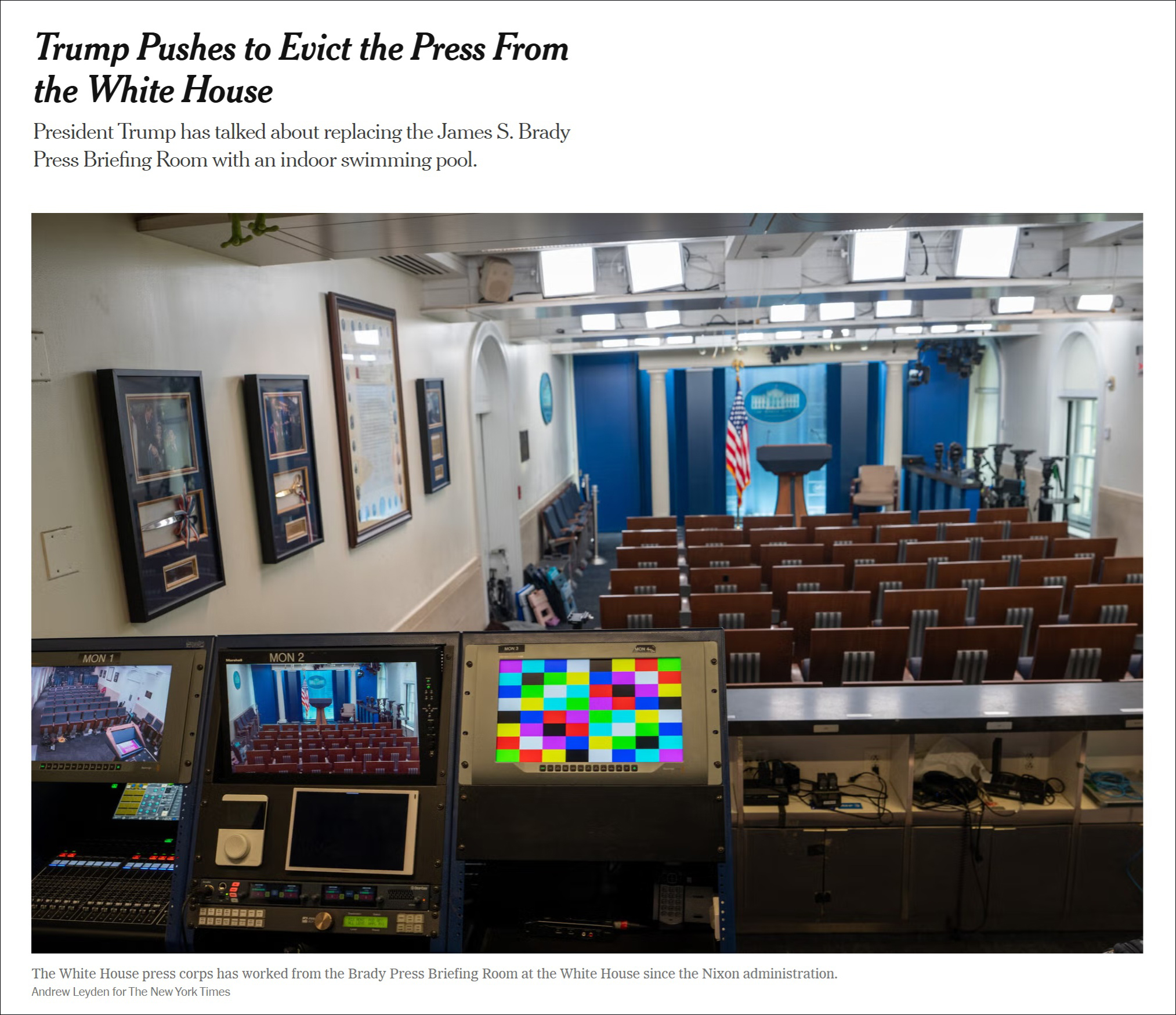
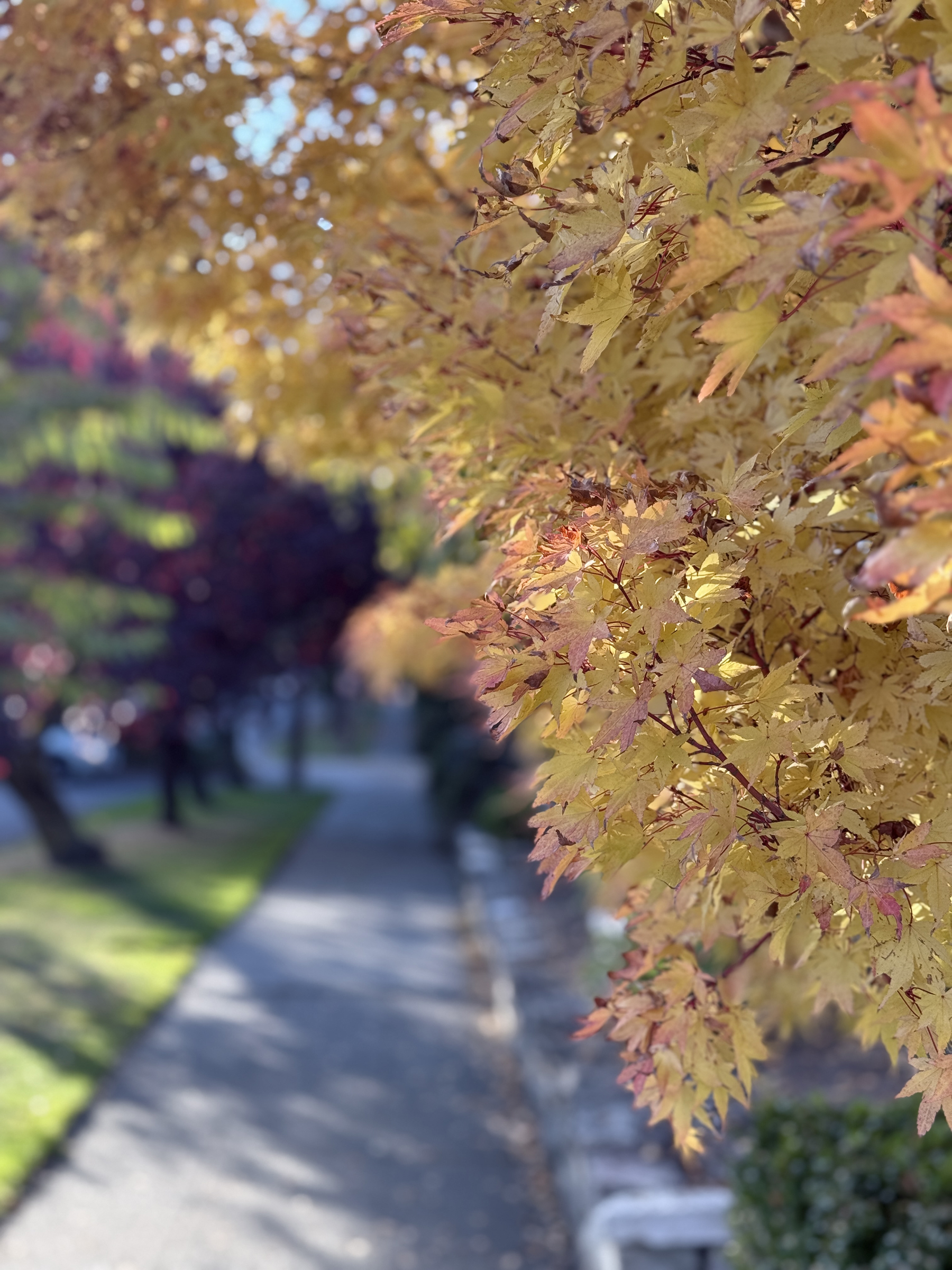
I walked by Stevens Elementary School on 19th Ave E to check out the leaves of the trees that line the street today.
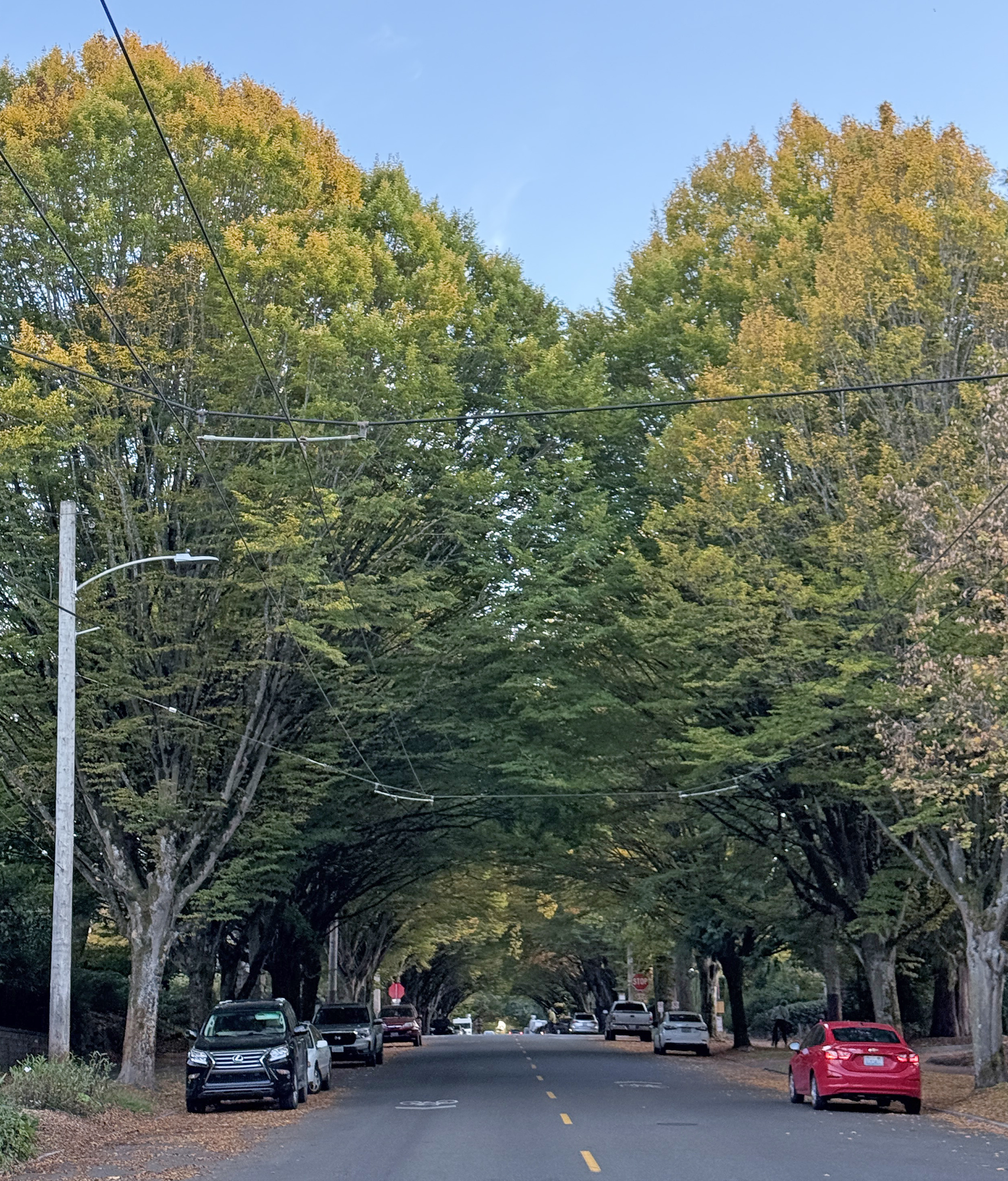
I donned my woolen gloves and skull cap this morning as I went for a walk (45°F/ 7°C).
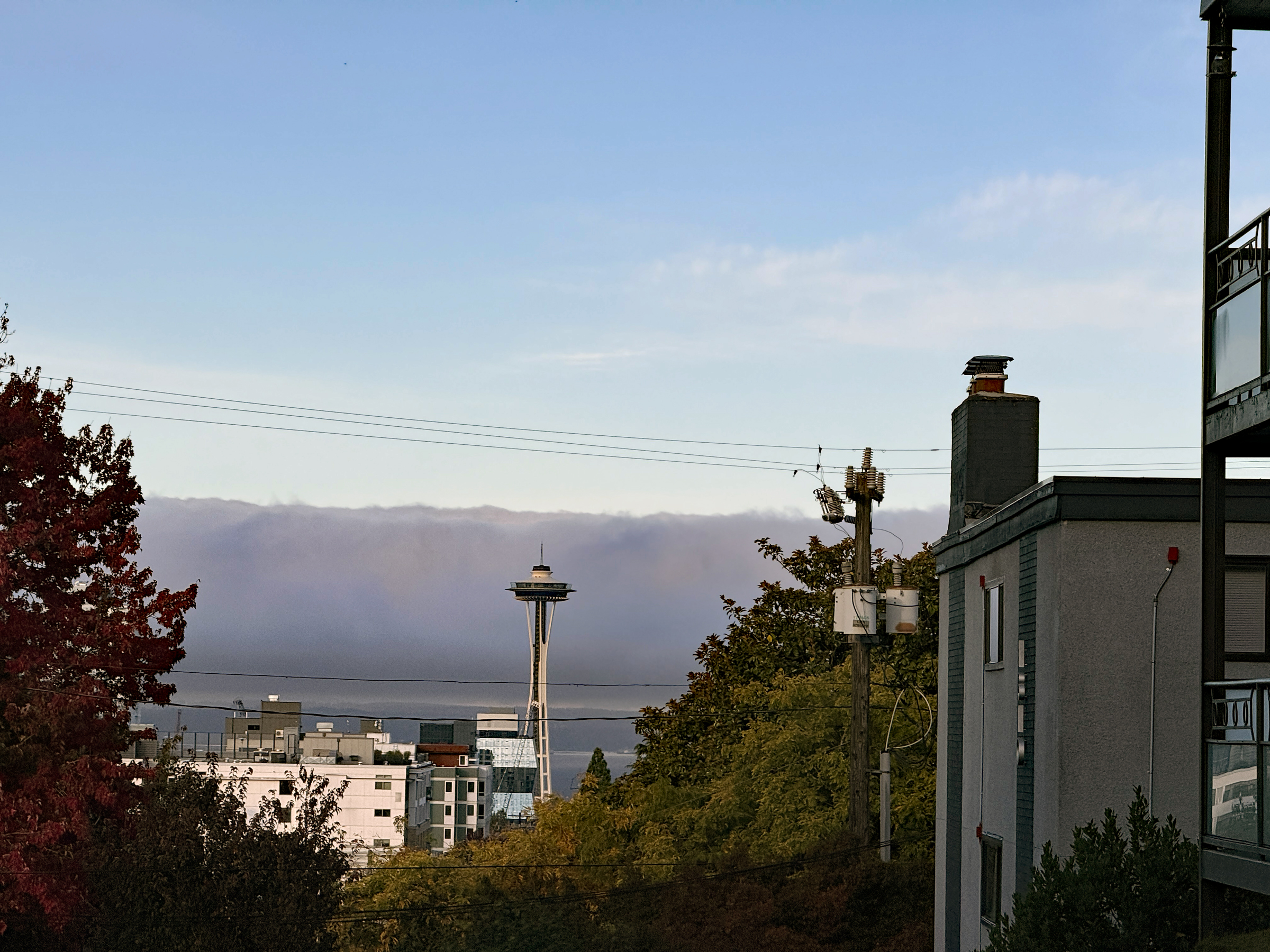
A thick fog bank obscured the Olympic Mountains.
By afternoon the mountains were out, in soft shades of blue.
I walked down to Capitol Hill’s Broadway to reach the graffitied ballot box at Seattle Central College to deposit my mail-in ballot.
We don’t have dramatic House or Senate races here in Washington State that feature on the national stage, such as the James Talarico (D) vs. Ken Paxton (R) showdown in Texas, or the Susan Collins (R) vs. Troy Jackson (D) race in Maine.
Our ballot does have an initiative (I-645) that seeks to repeal the so-called “Millionaires Tax”— a 9.9% flat state income tax on household earnings exceeding $1 million per year, which was signed into law by Governor Bob Ferguson in March.



Happy Friday.
My mail-in ballot for the 2026 Midterm General Elections arrived in the mail today.
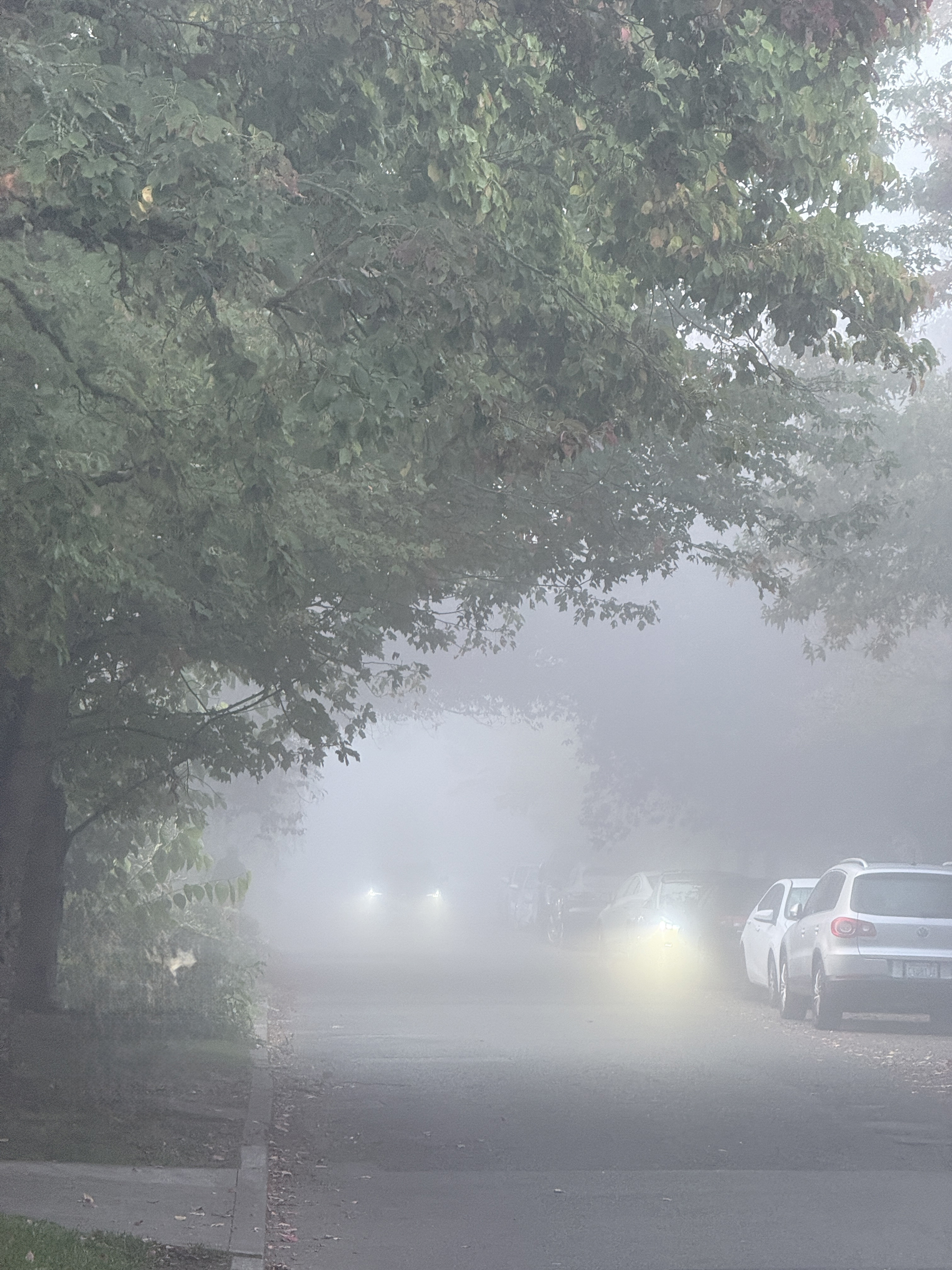
The fog we had this morning cleared, giving way to a perfect 72°F (22°C) later in the day.
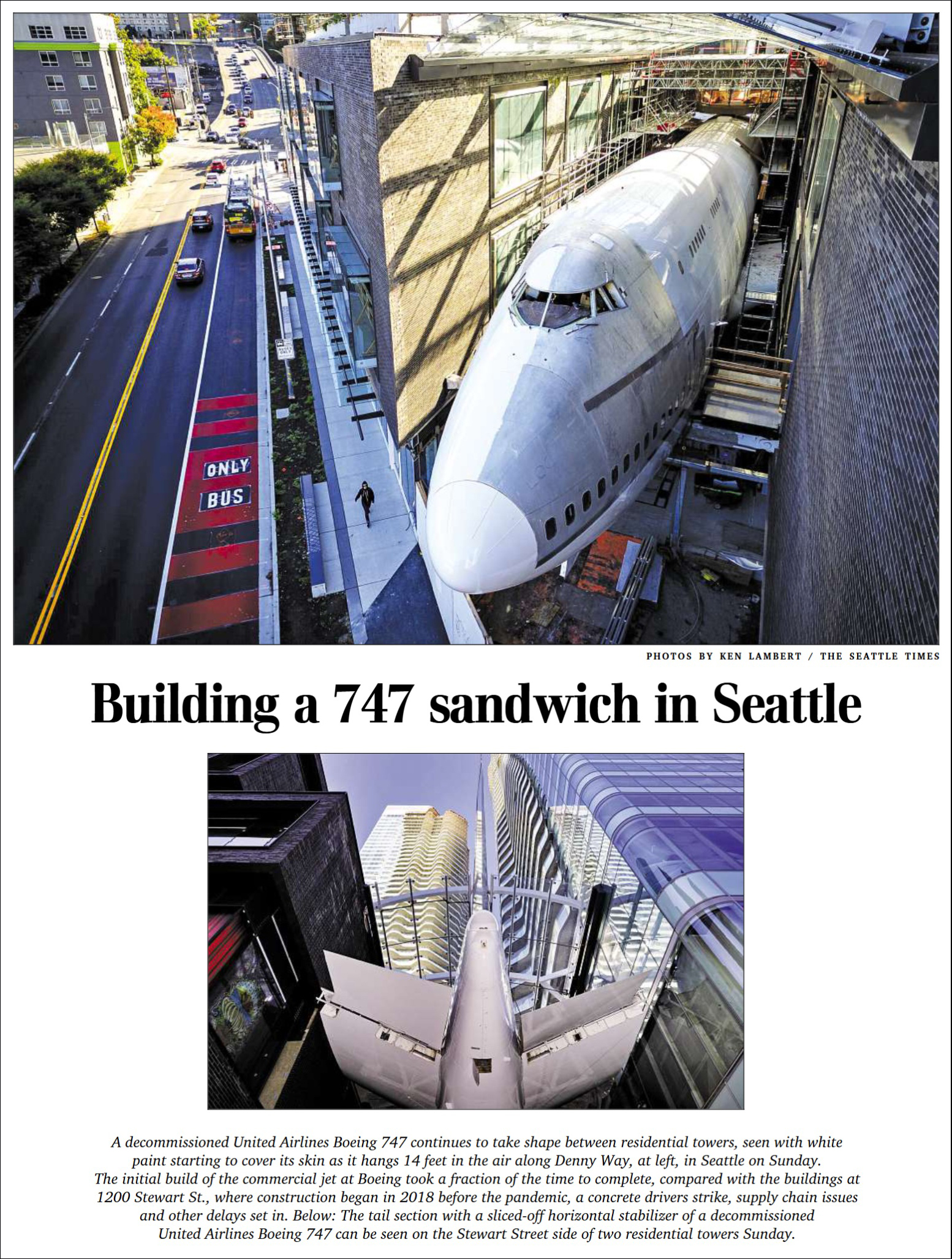
Here are up-to-date pictures of the ‘747 sandwich’ at 1200 Stewart Street in the Denny Triangle, courtesy of The Seattle Times.
The Boeing 747 is sandwiched between the podiums of the two residential towers there, and will contain a little bit of office space.
Colby Smith reports for the New York Times:
Higher energy prices drove up inflation in the United States in September, a warning shot to President Trump ahead of midterm elections that have centered primarily on affordability concerns. The uptick in consumer prices will also keep the Federal Reserve under pressure to raise interest rates for a second time this year.
The Consumer Price Index report, released by the Bureau of Labor Statistics on Wednesday, showed that overall prices rose 0.6 percent, the largest monthly increase in five months. Compared with the same time last year, prices were 3.7 percent higher.

Former congresswoman Marjorie Taylor Greene* (Georgia’s 14th District) provided this summary of what Trump has done this year and last.
(Just to be clear: he has done a lot more in terms of corruption, and damage to America’s democratic norms, and its standing with its allies, that Greene does not mention).
*U.S. Representative Marjorie Taylor Greene (Republican Party) had announced her resignation from Congress in Nov. 2025—and left Congress on Jan. 5, 2026—following a severe public fallout with Trump and growing frustration with congressional leadership.

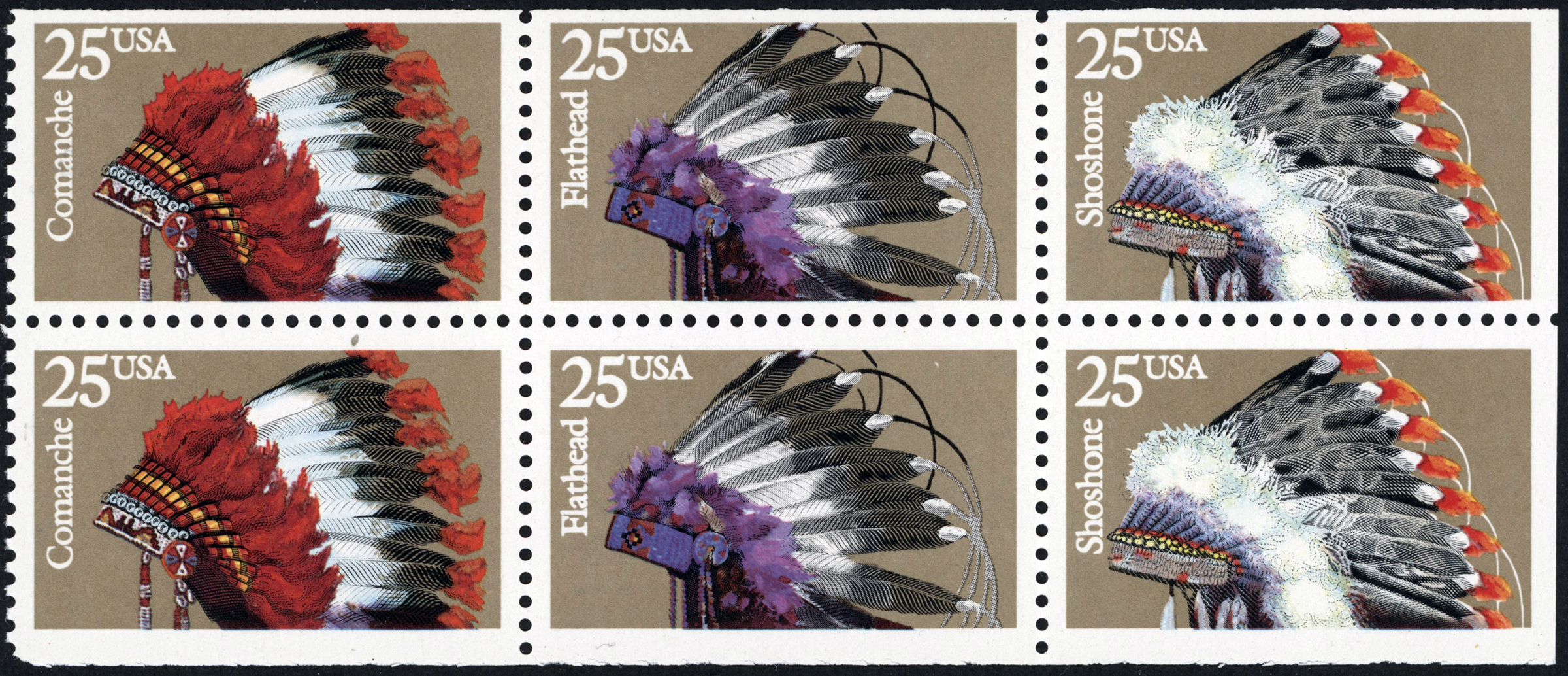
Happy Indigenous Peoples’ Day and happy Columbus Day.
(In Seattle we celebrate both. Some cities have replaced Columbus Day with Indigenous Peoples’ Day.)
Humans have roamed North America for at least 21,000 to 23,000 years, with some archaeological studies suggesting an even earlier presence.
Christopher Columbus landed in the Americas on October 12, 1492 (534 years ago).
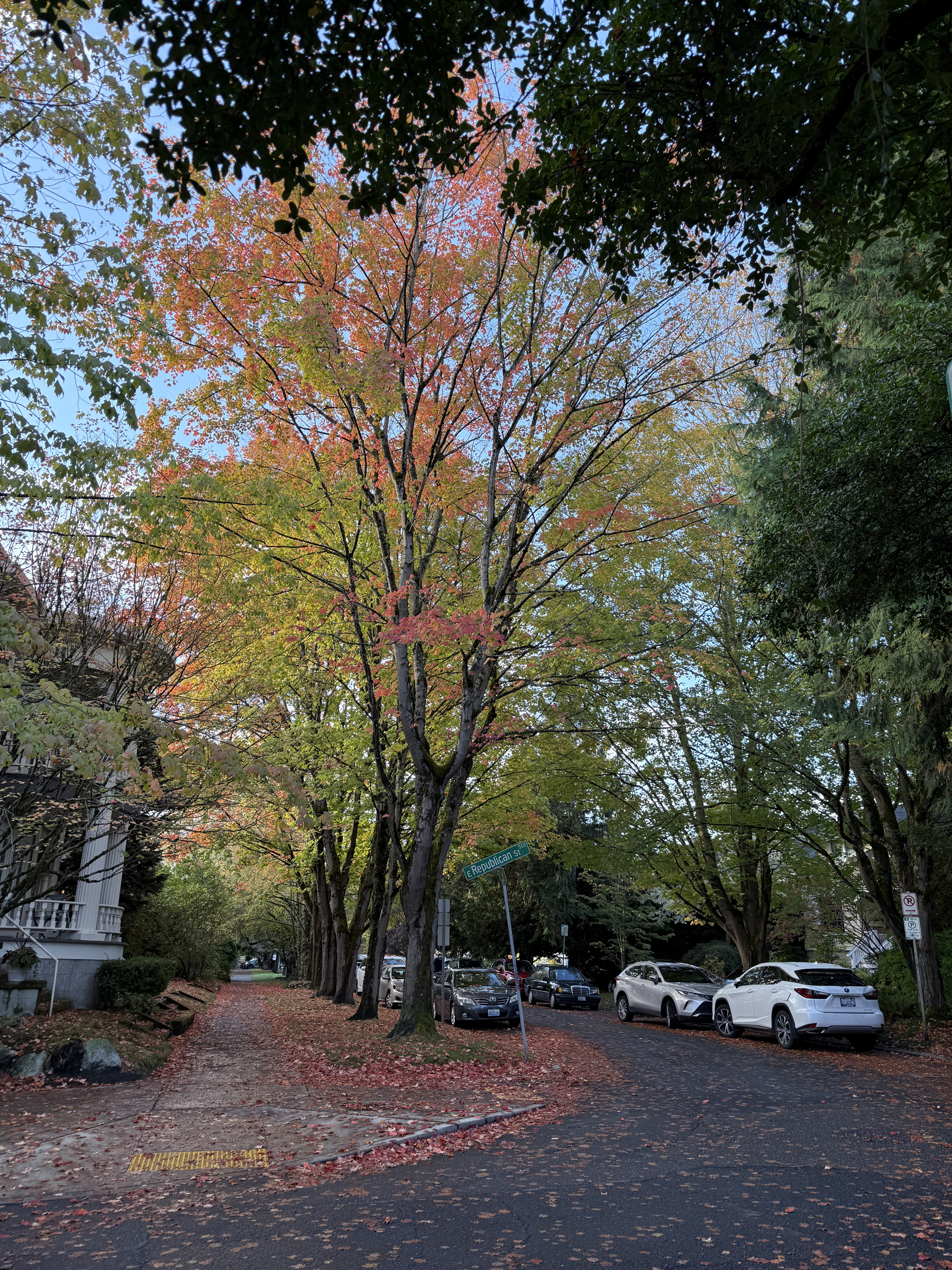
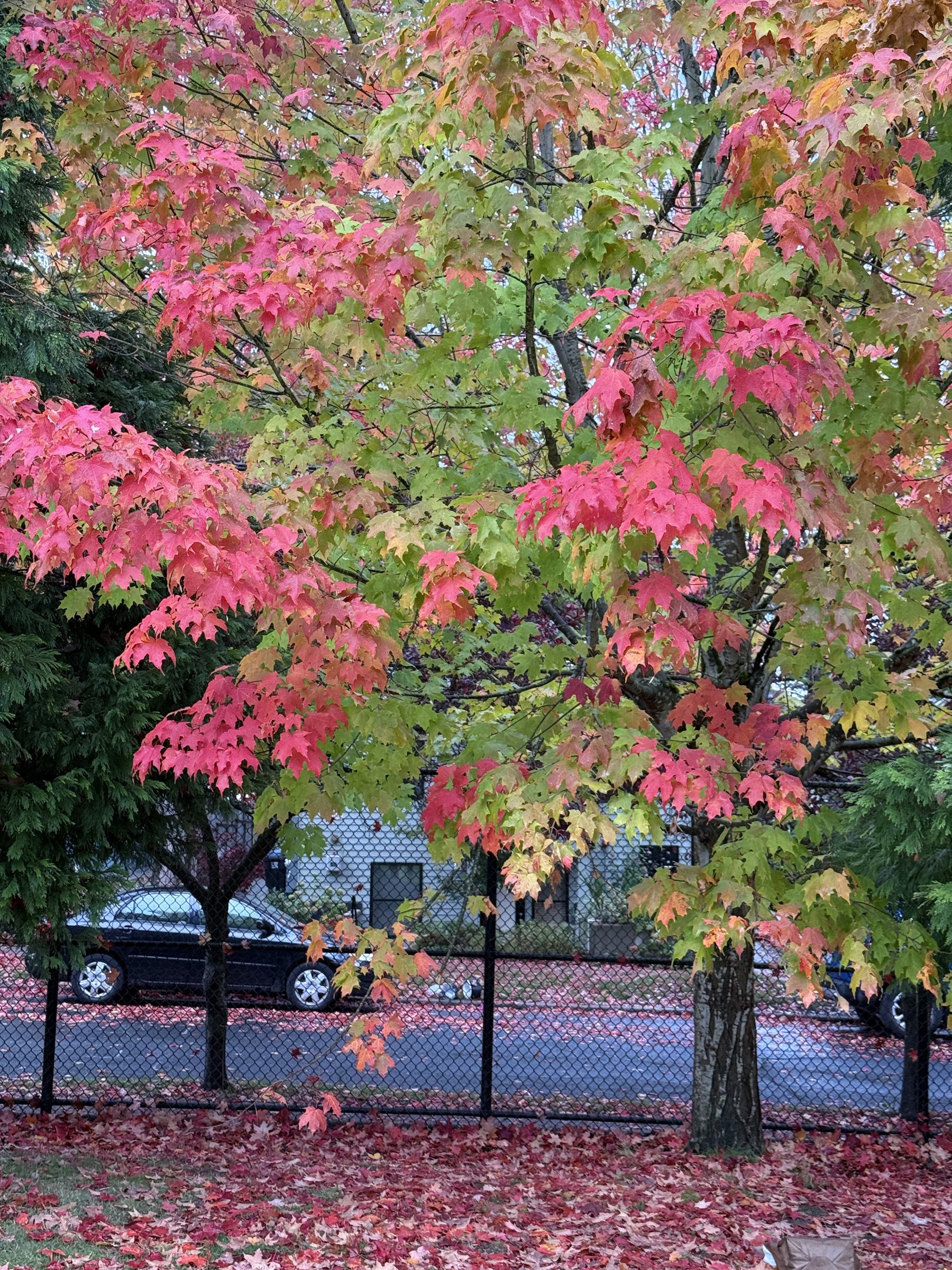
Here are this weekend’s fall photos.


Happy National Chess Day (here in the United States).
I asked Gemini AI to give me an overview of the history of chess machines. Supremacy for humans was already over some 30 years ago— in 1997.
That was the year in which IBM’s supercomputer Deep Blue defeated reigning world chess champion Garry Kasparov in a six-game match.
The history of chess machines spans from 18th-century mechanical hoaxes to modern supercomputers and AI.
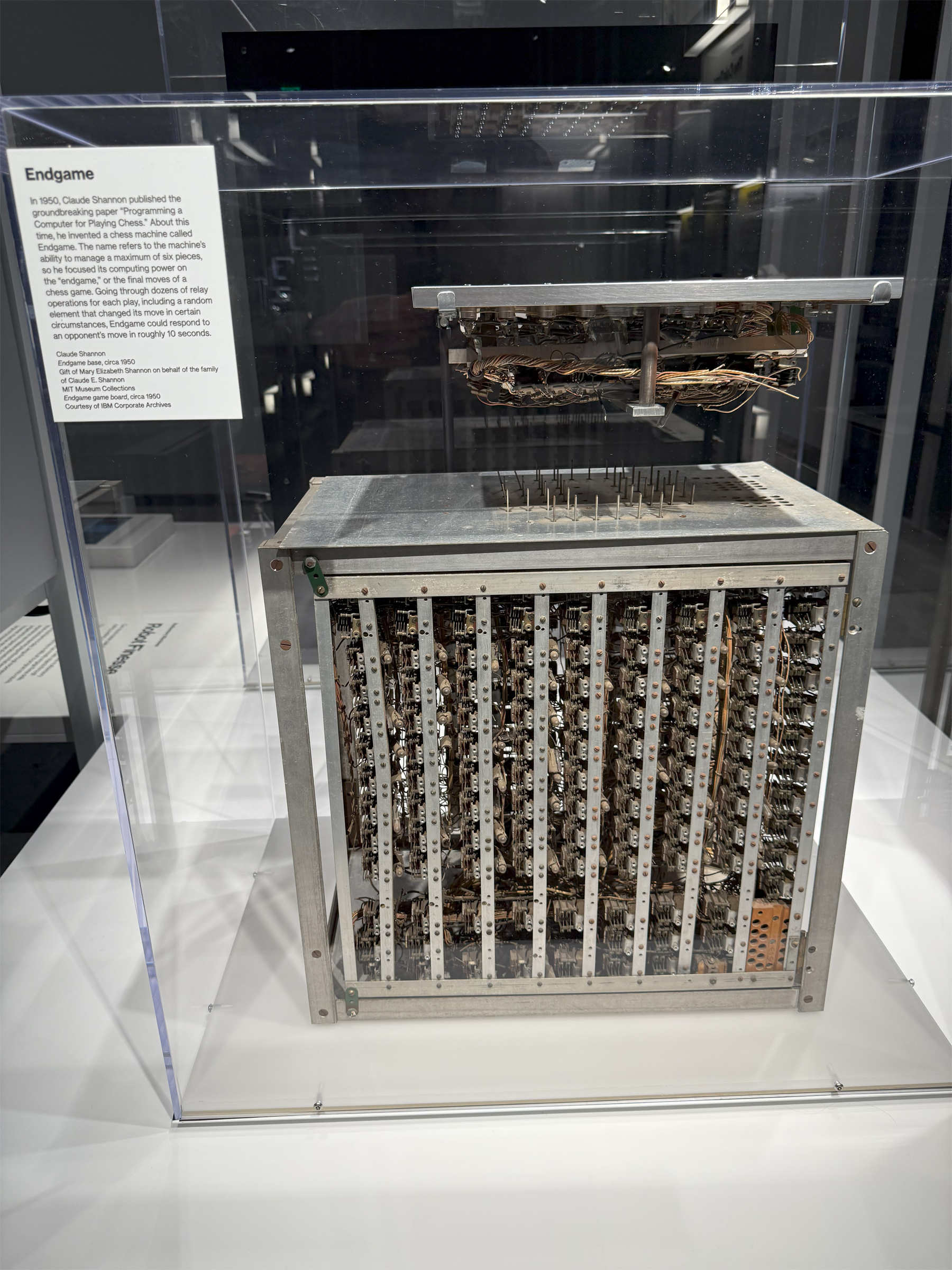
Endgame
In 1950, Claude Shannon published the groundbreaking paper “Programming a Computer for Playing Chess.” About this time, he invented a chess machine called Endgame. The name refers to the machine’s ability to manage a maximum of six pieces, so he focused its computing power on the endgame, or the final moves of a chess game. Going through dozens of relay operations for each play, including a random element that changed its move in certain circumstances, Endgame could respond to an opponent’s move in roughly 10 seconds.
Claude Shannon
Endgame base, circa 1950
Gift of Mary Elizabeth Shannon on behalf of the family of Claude E. Shannon
MIT Museum Collections
Endgame game board, circa 1950 Courtesy of IBM Corporate Archives
Happy Friday.
There was rain on and off today here in the city in Seattle, with a high 59°F (15°C). That is a far cry from the blazing sun and 100°F (38°C) highs we had in Palm Springs.
We started out in Bend, Oregon, a little after 8 am this morning.
We first stopped by the very last Blockbuster video rental store in all of the United States (and all of the world, in fact). We made another stop at the spectacular Smith Rock State Park.
After that we made our way north and west to Ellensburg, and across Snoqualmie Pass to Seattle.
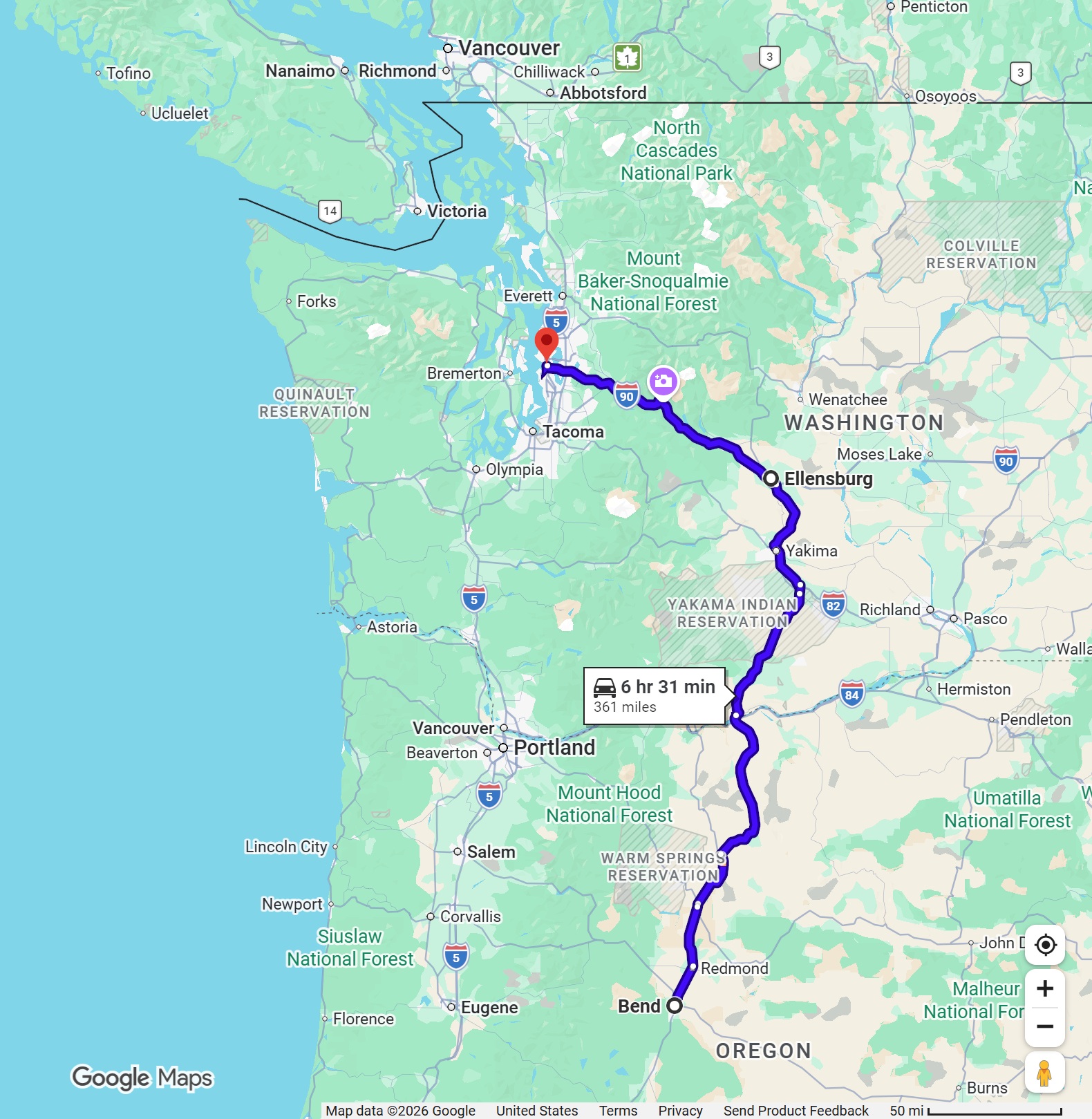

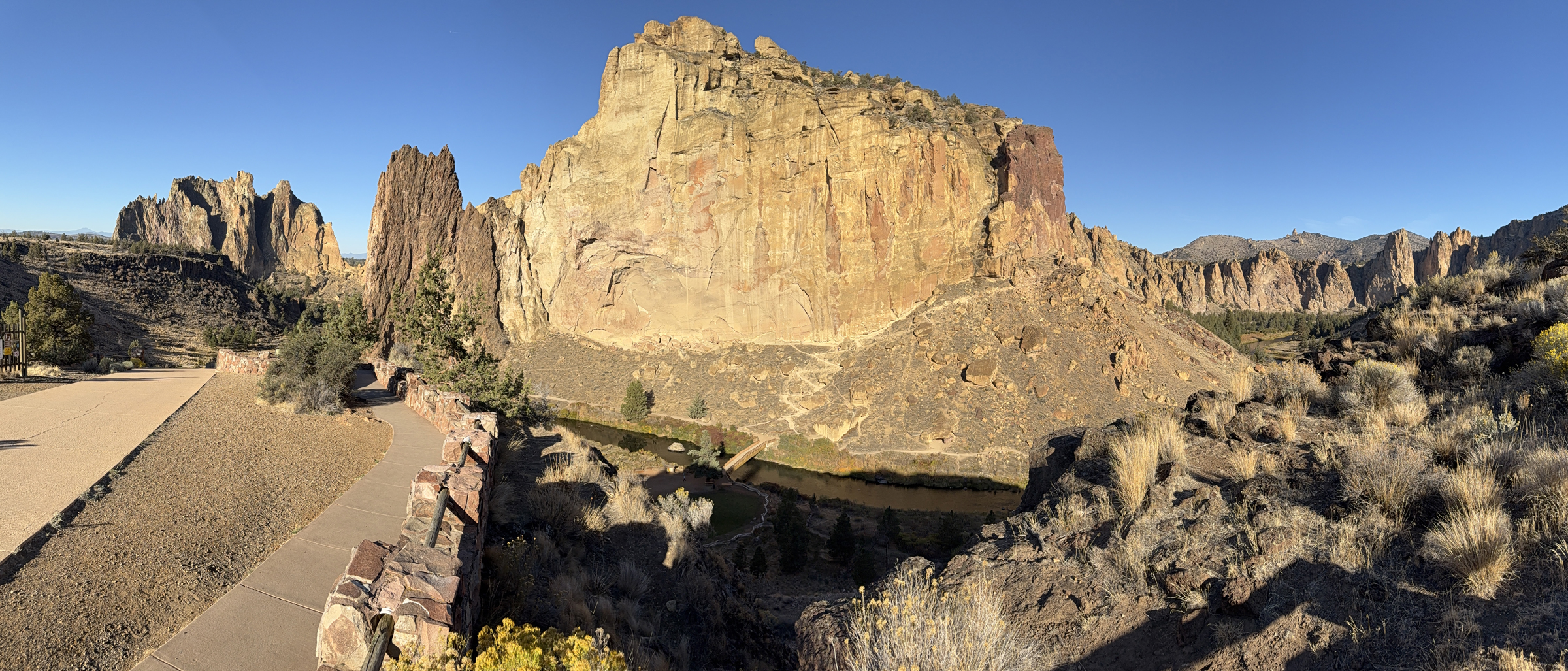
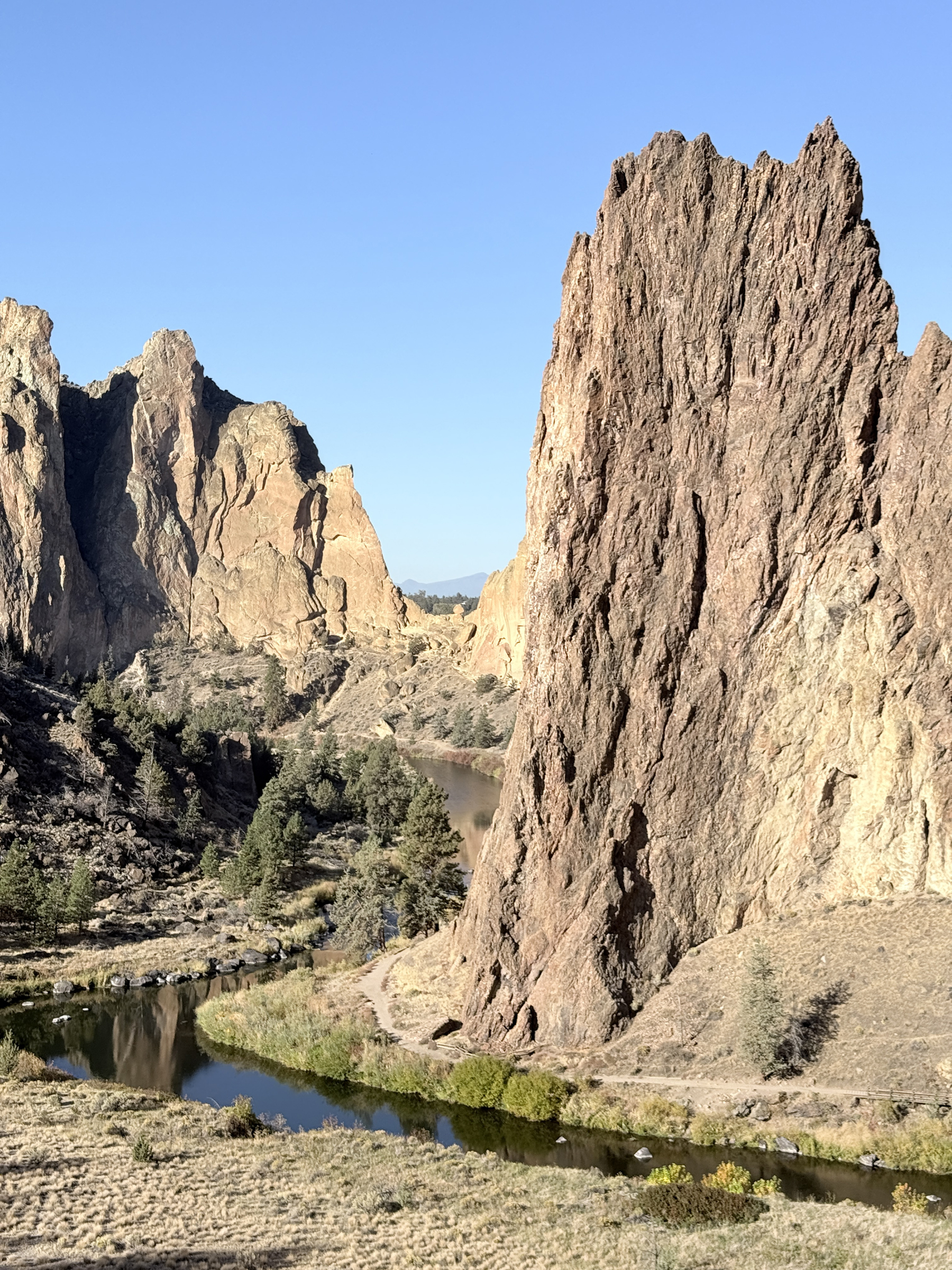
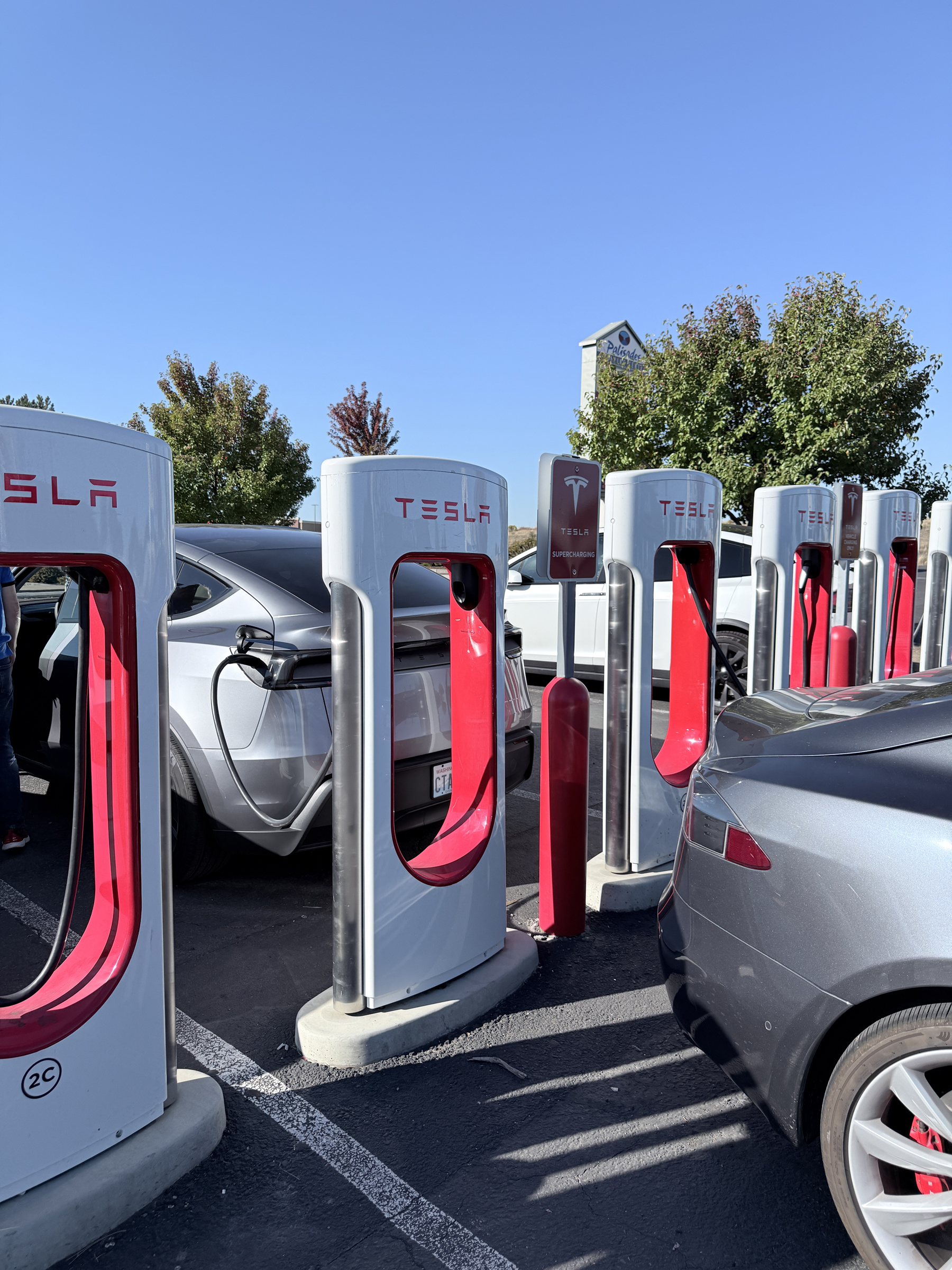
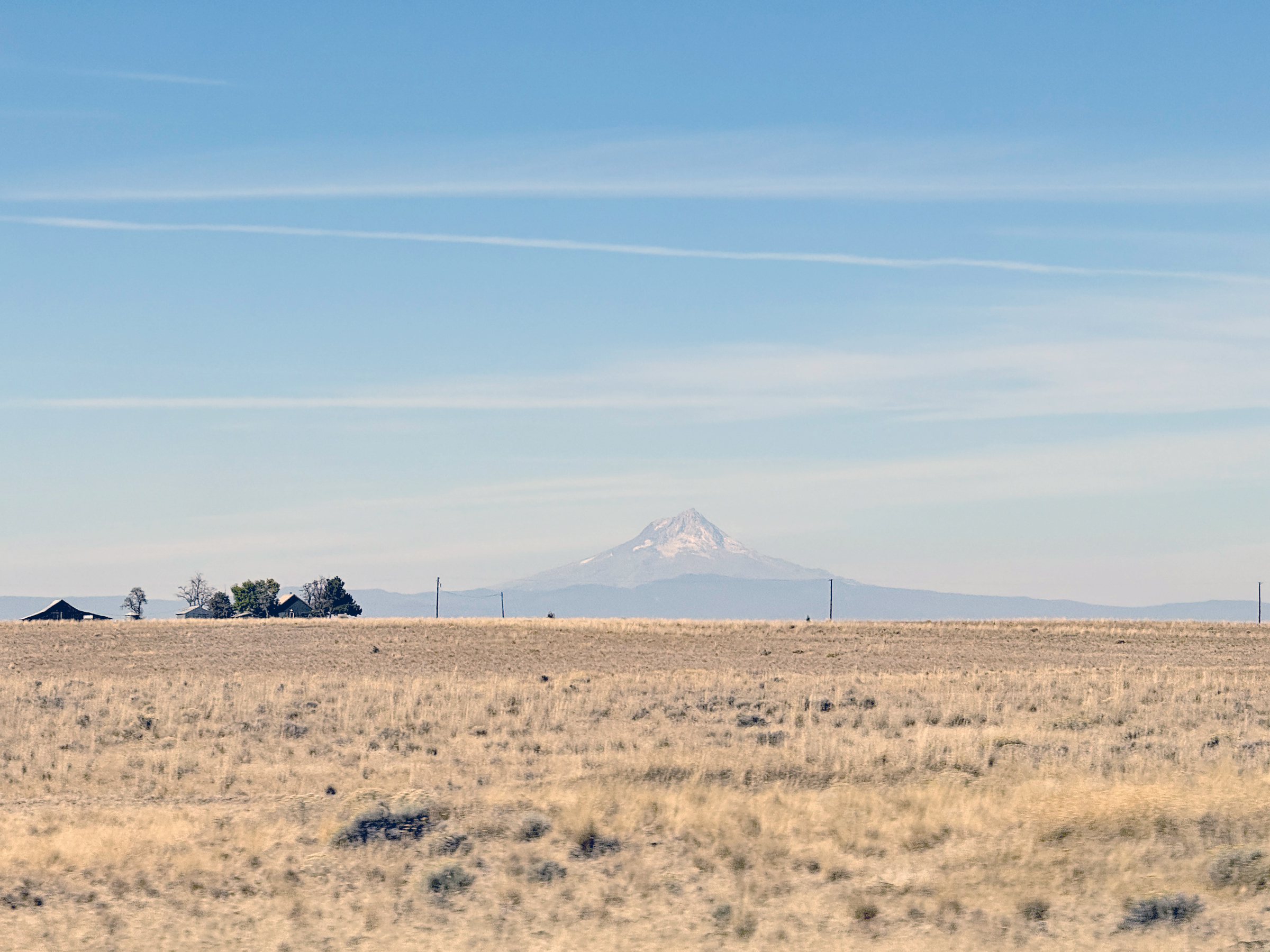
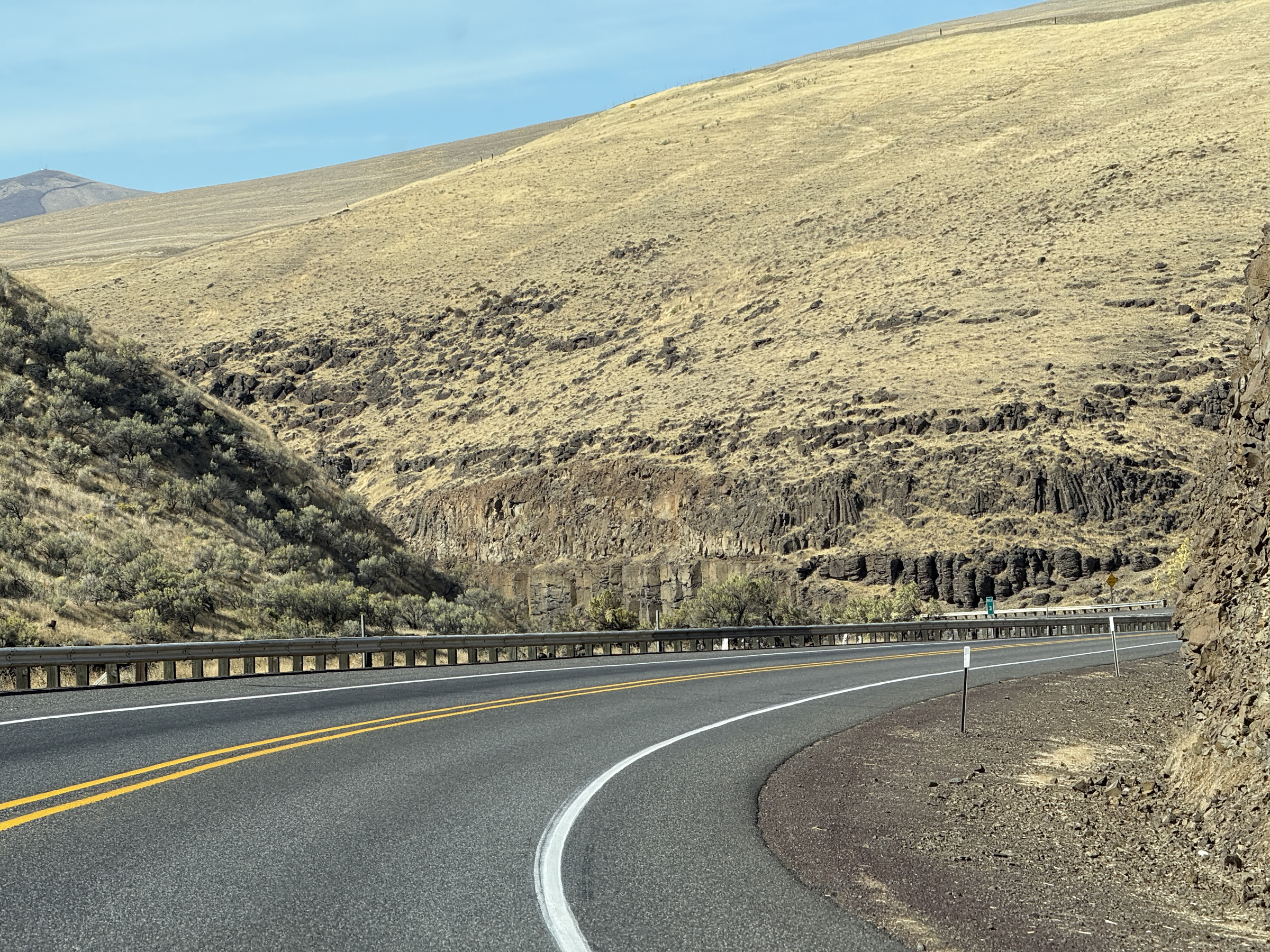
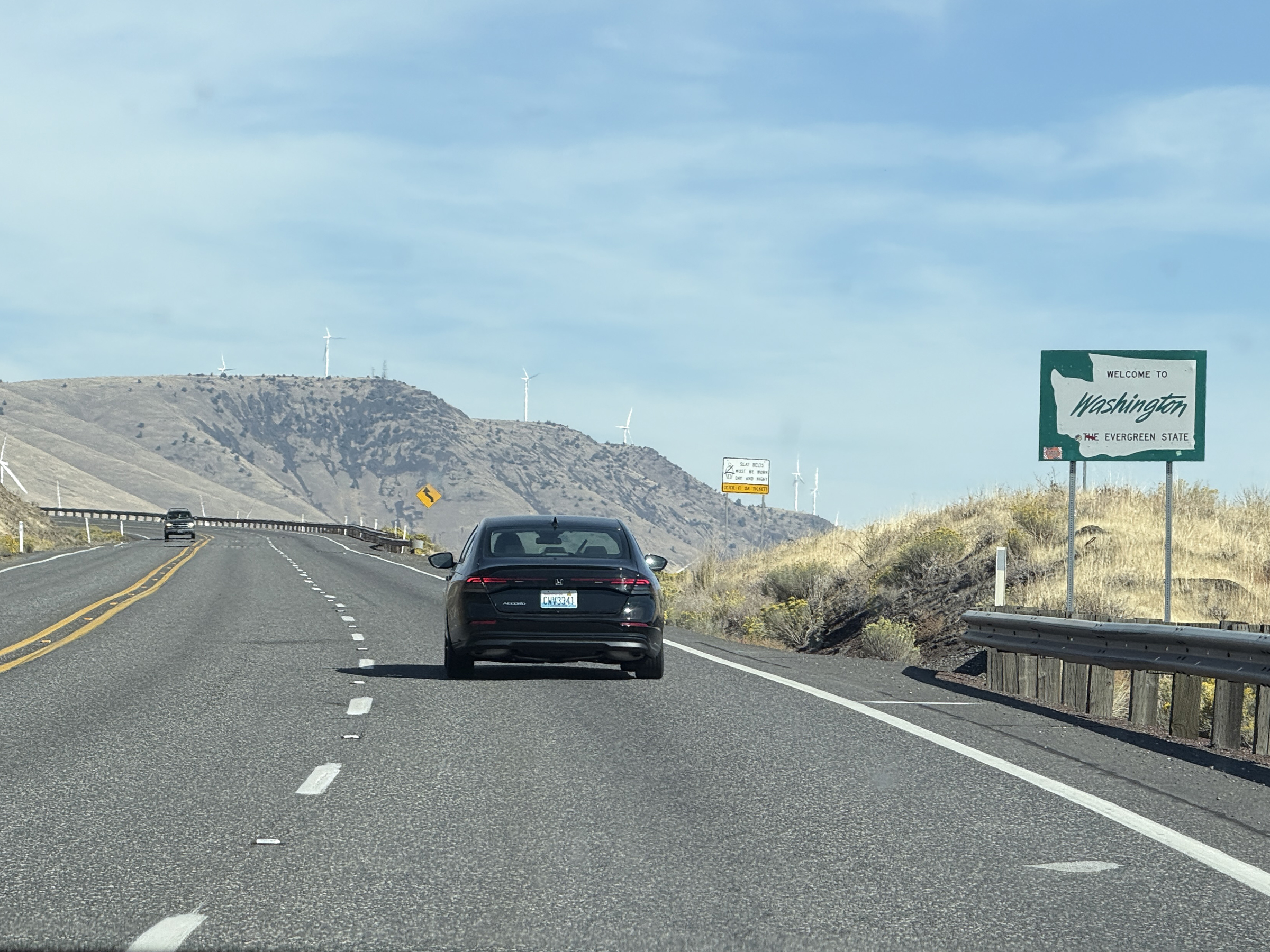
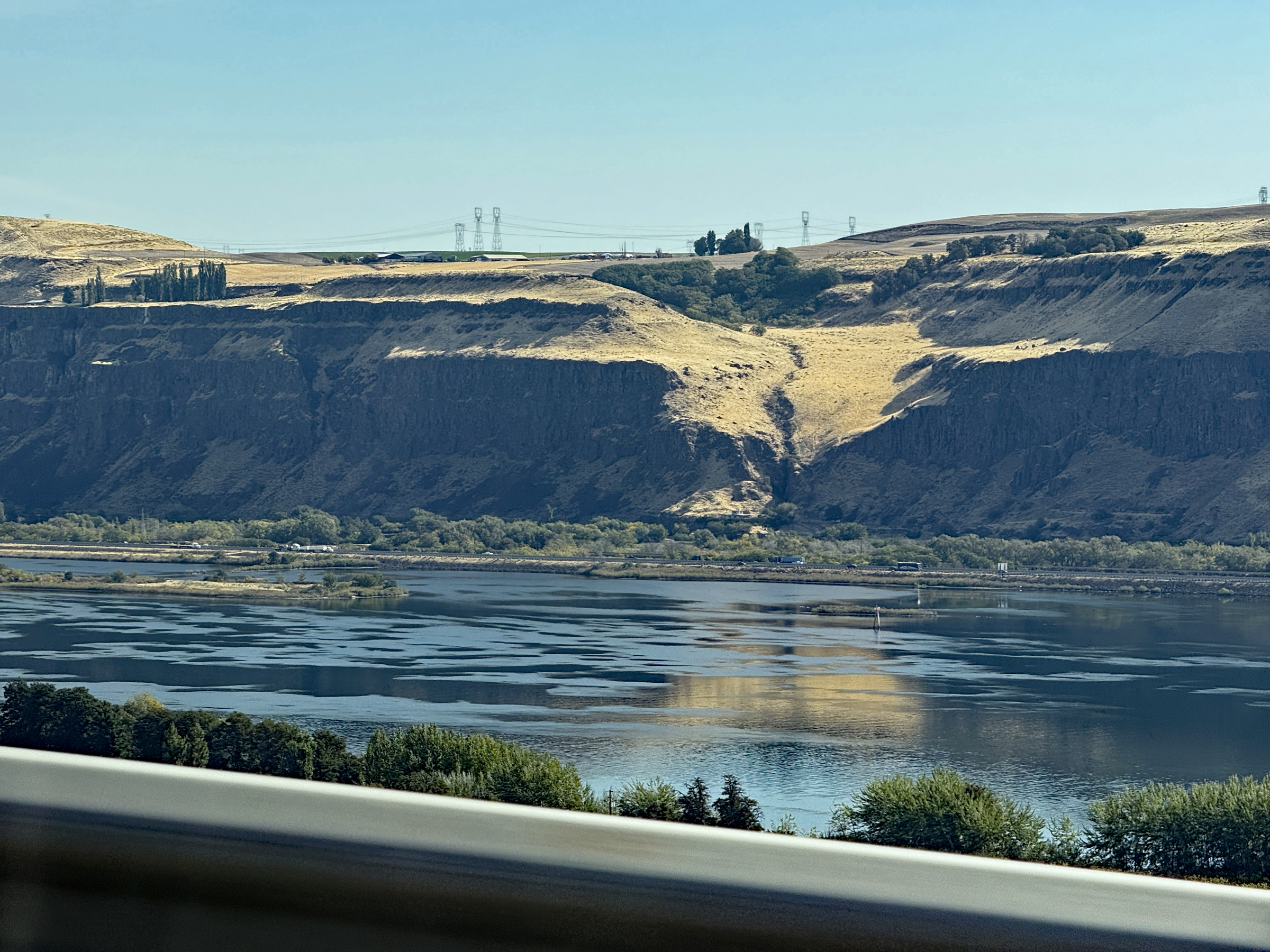
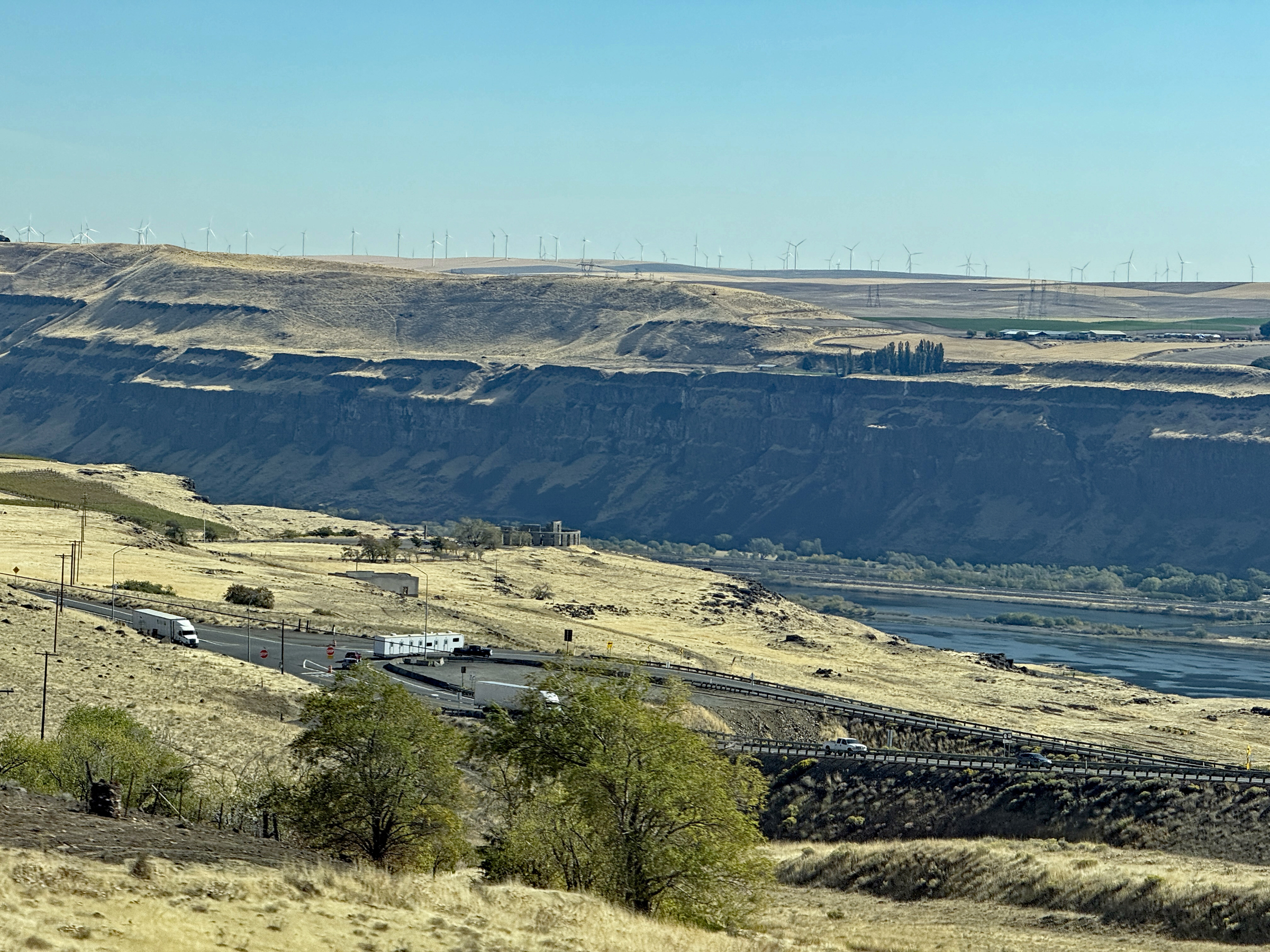
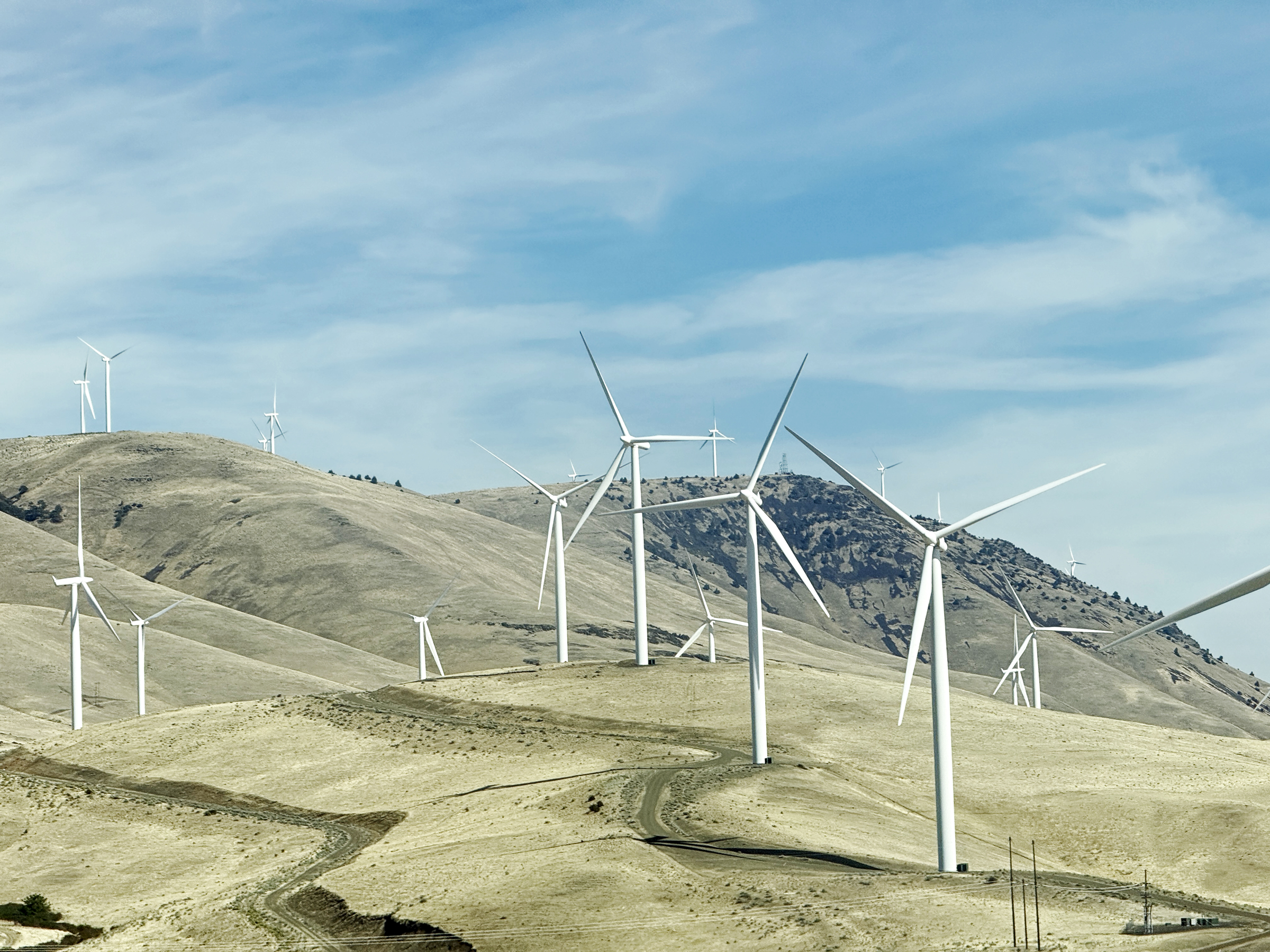

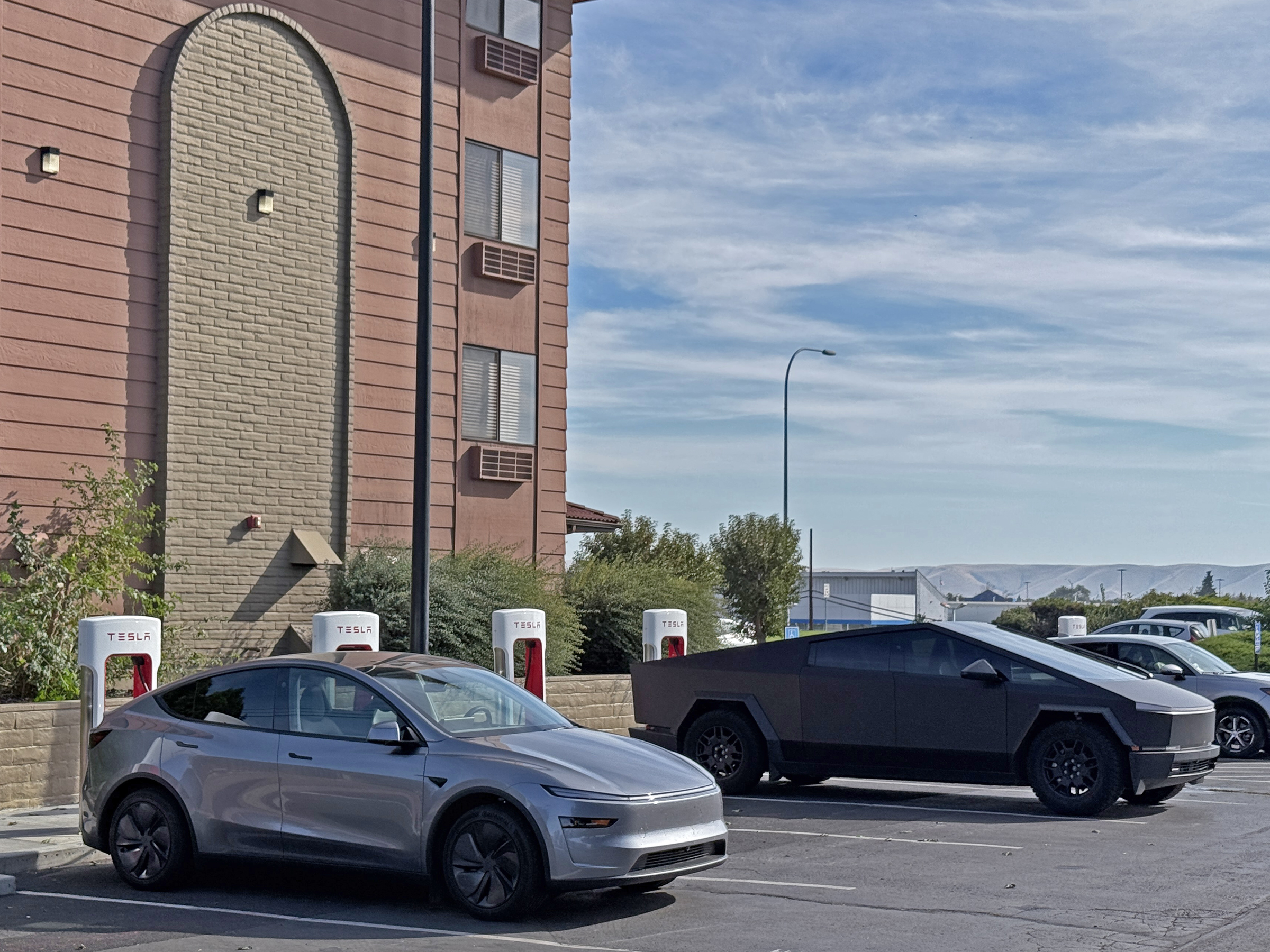
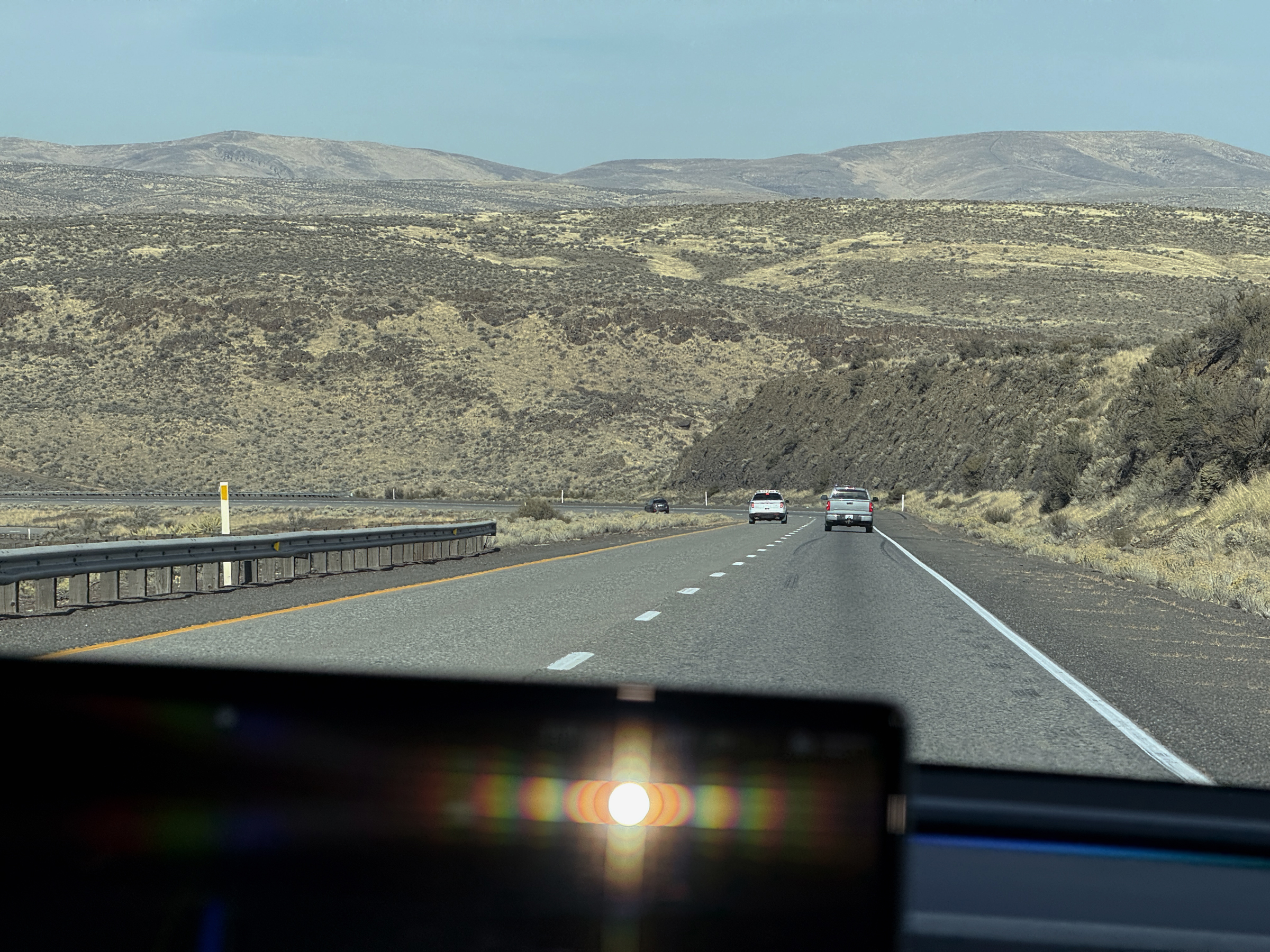
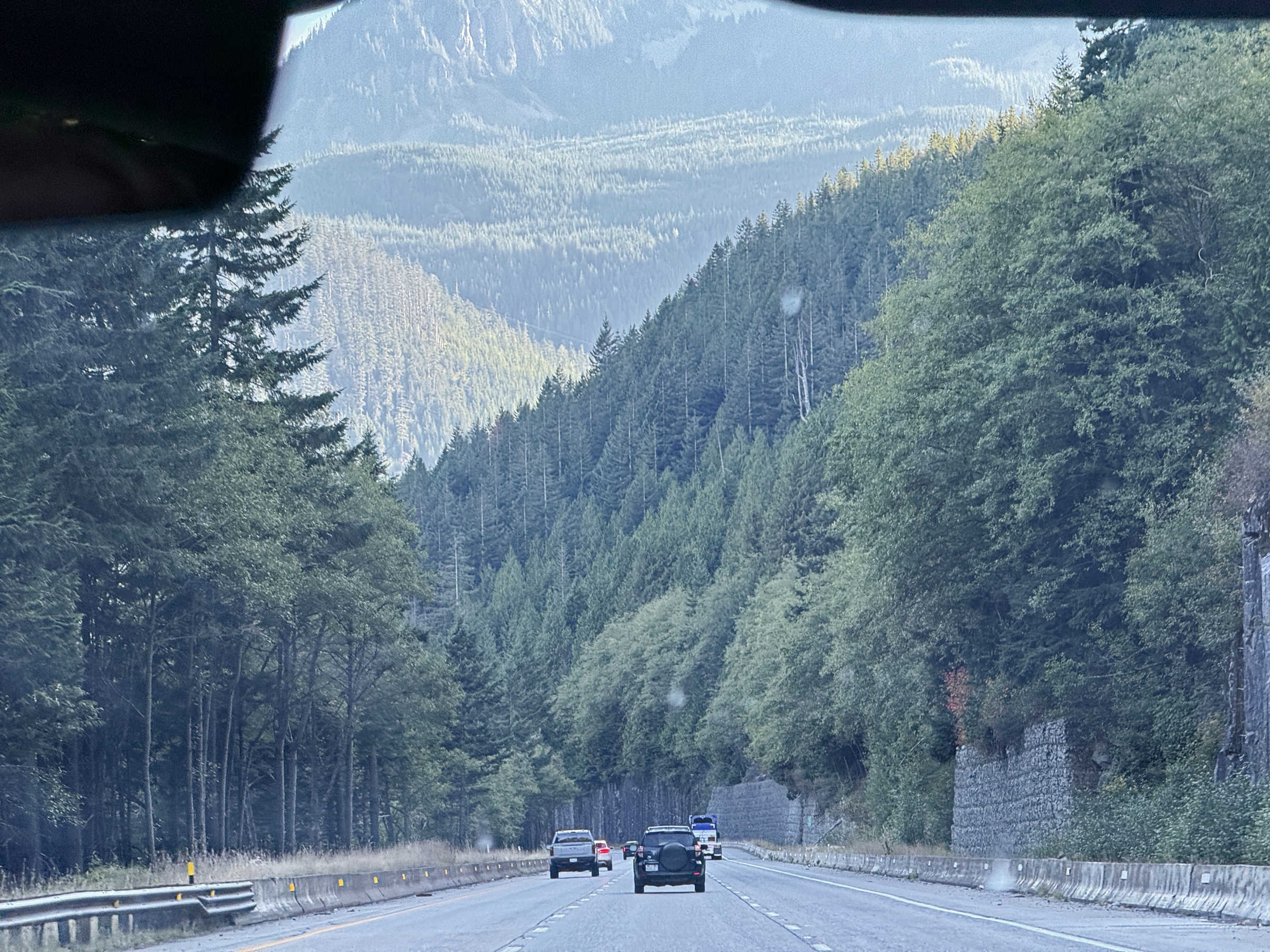
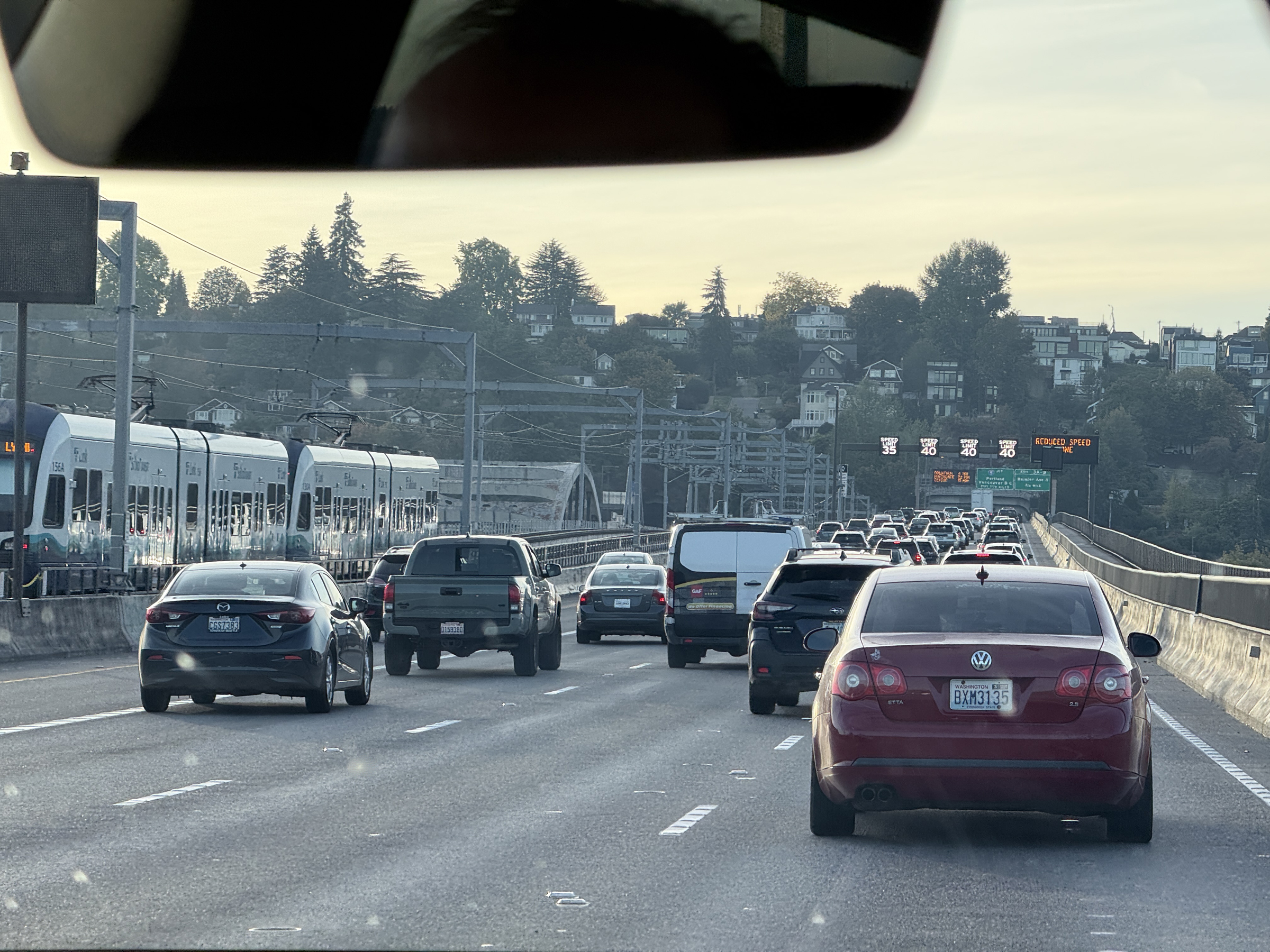
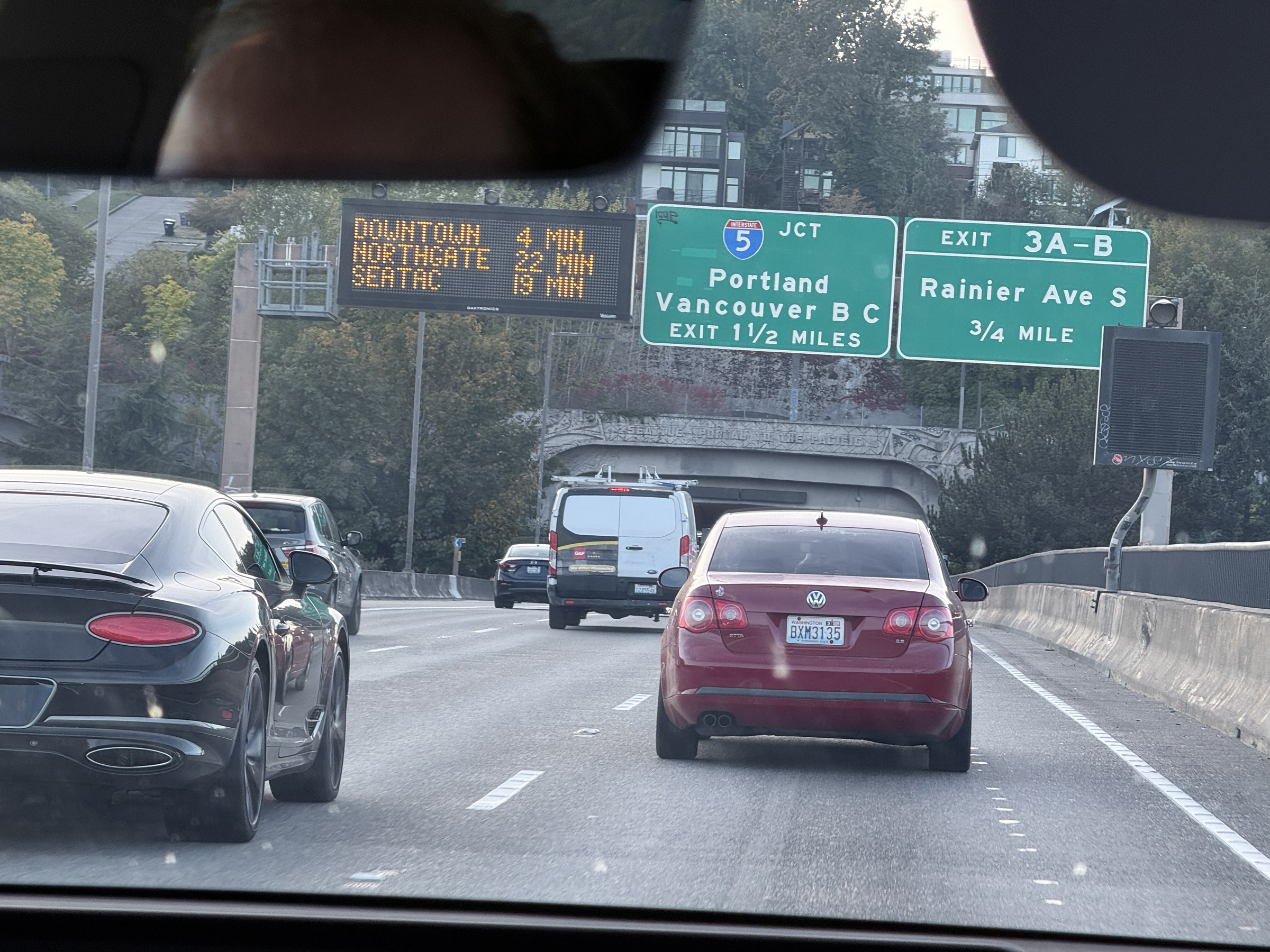
Here is our drive for today: about 475 mi and just under 8 hours.
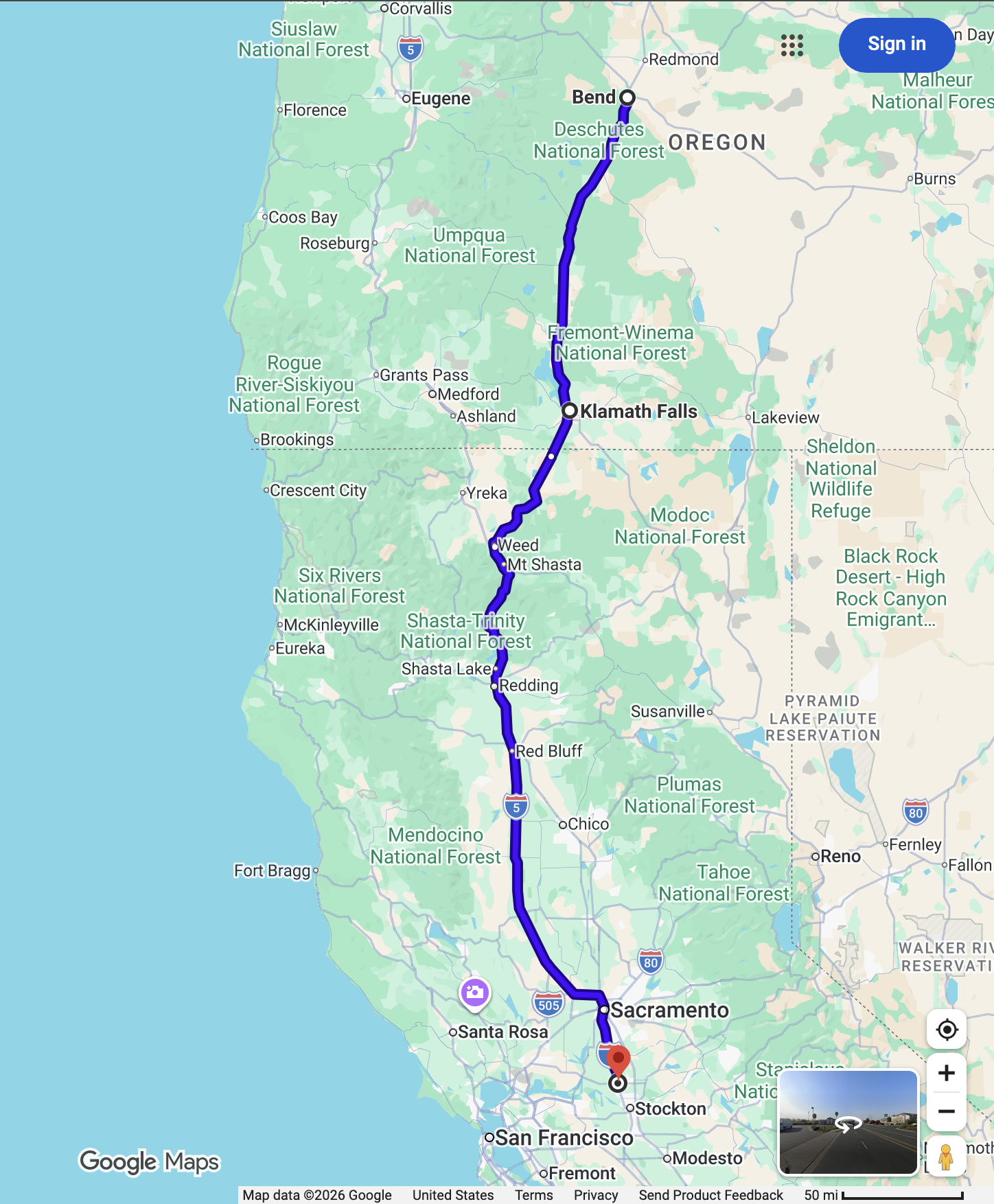
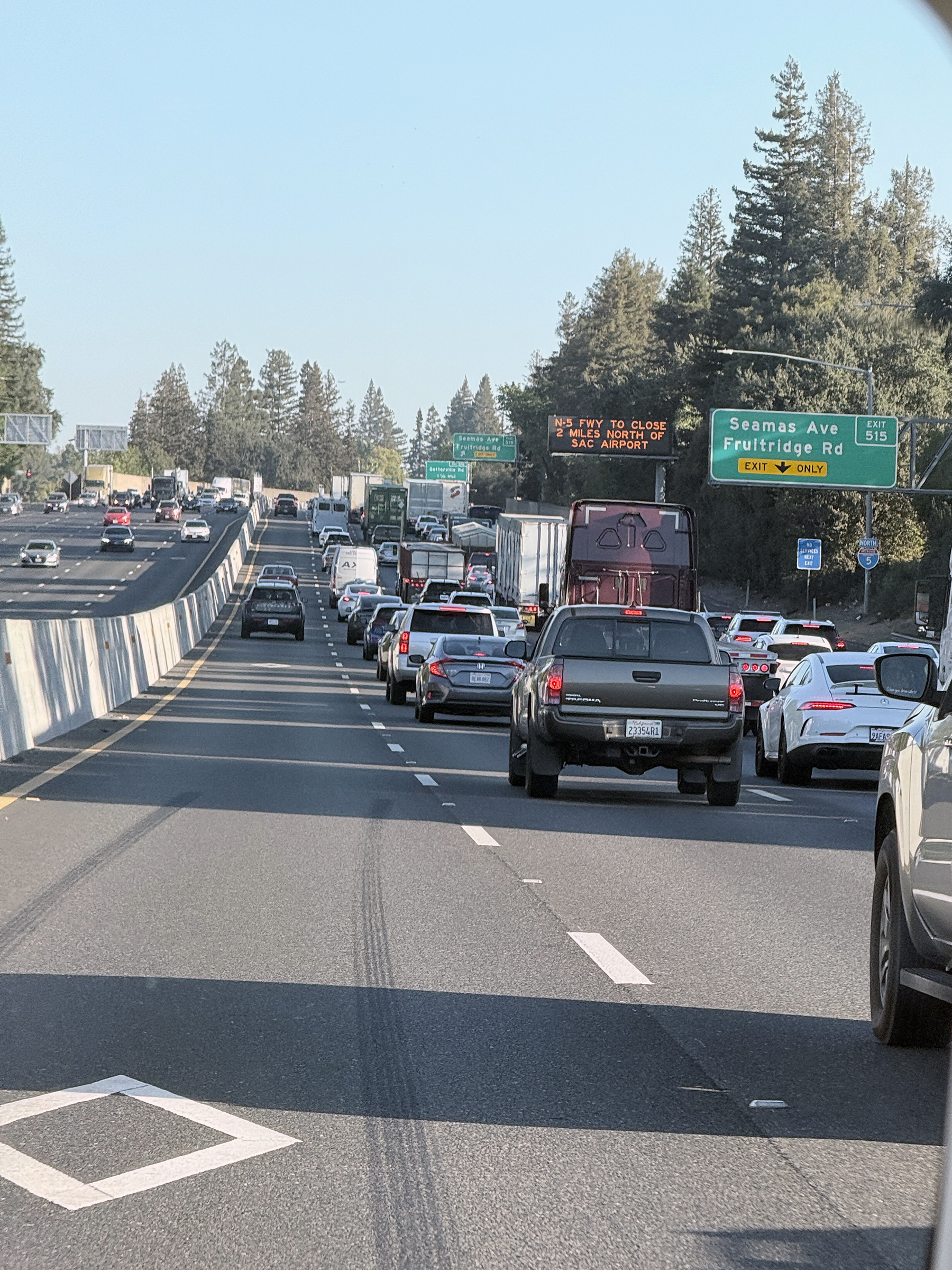
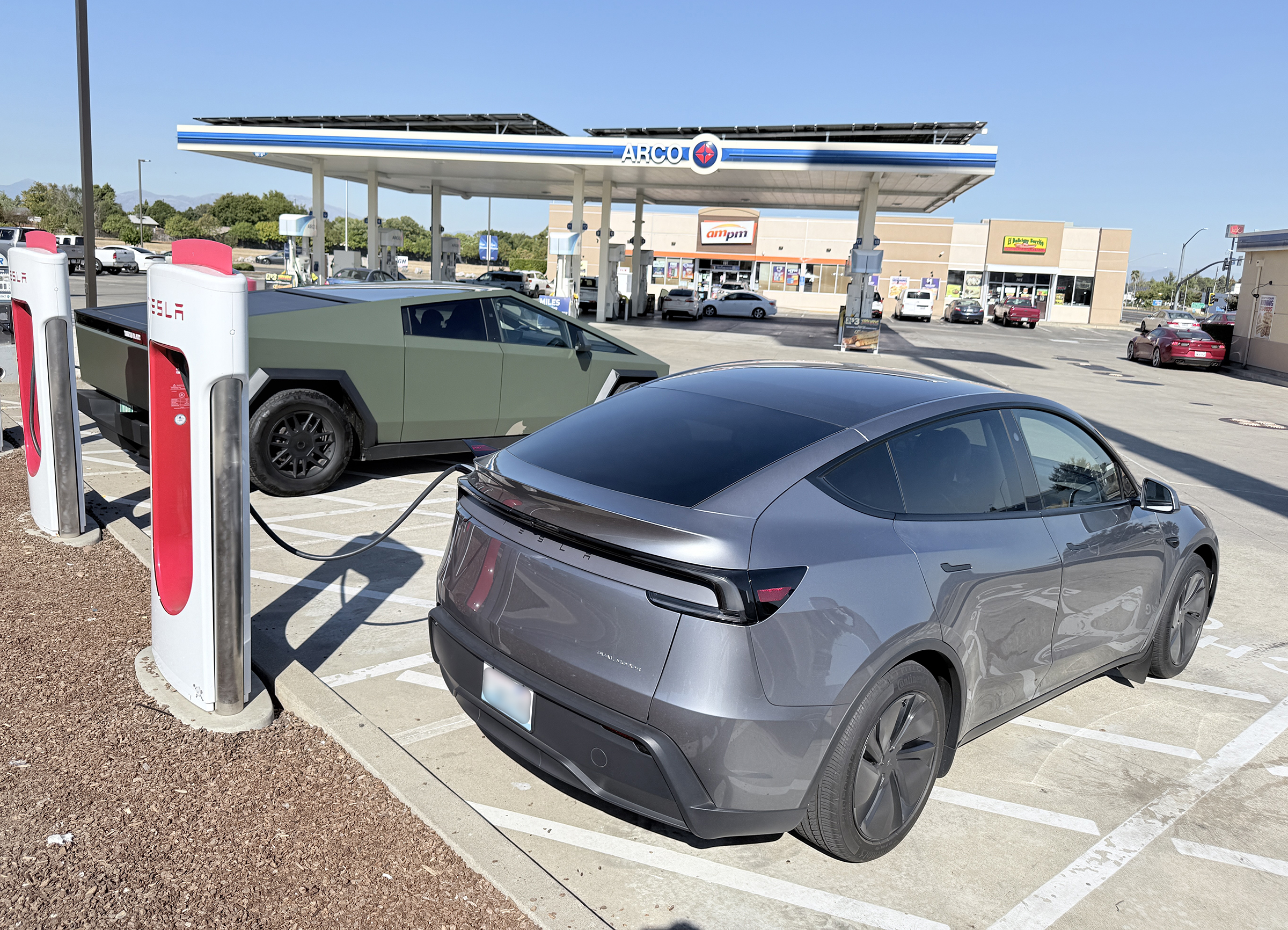
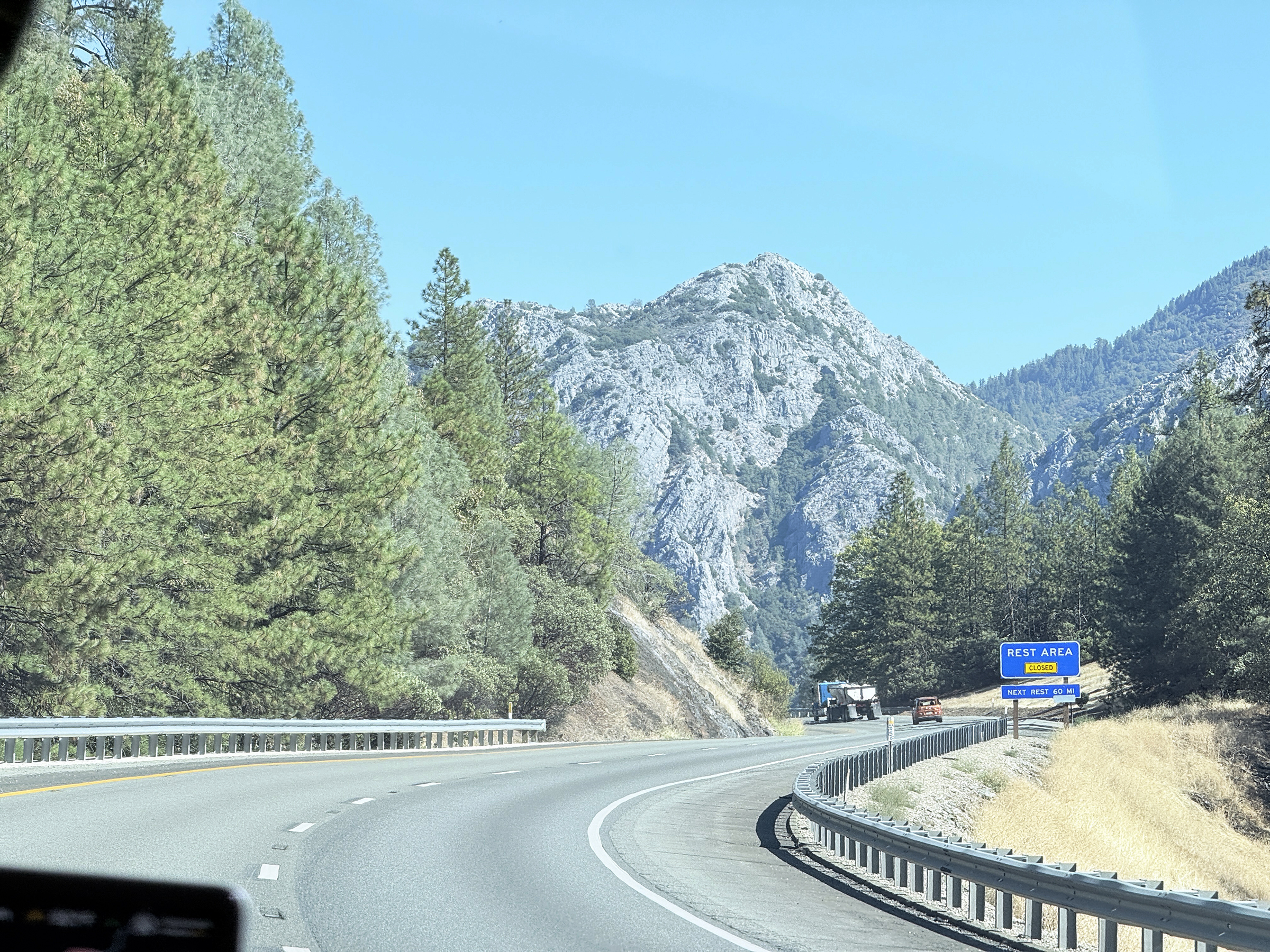
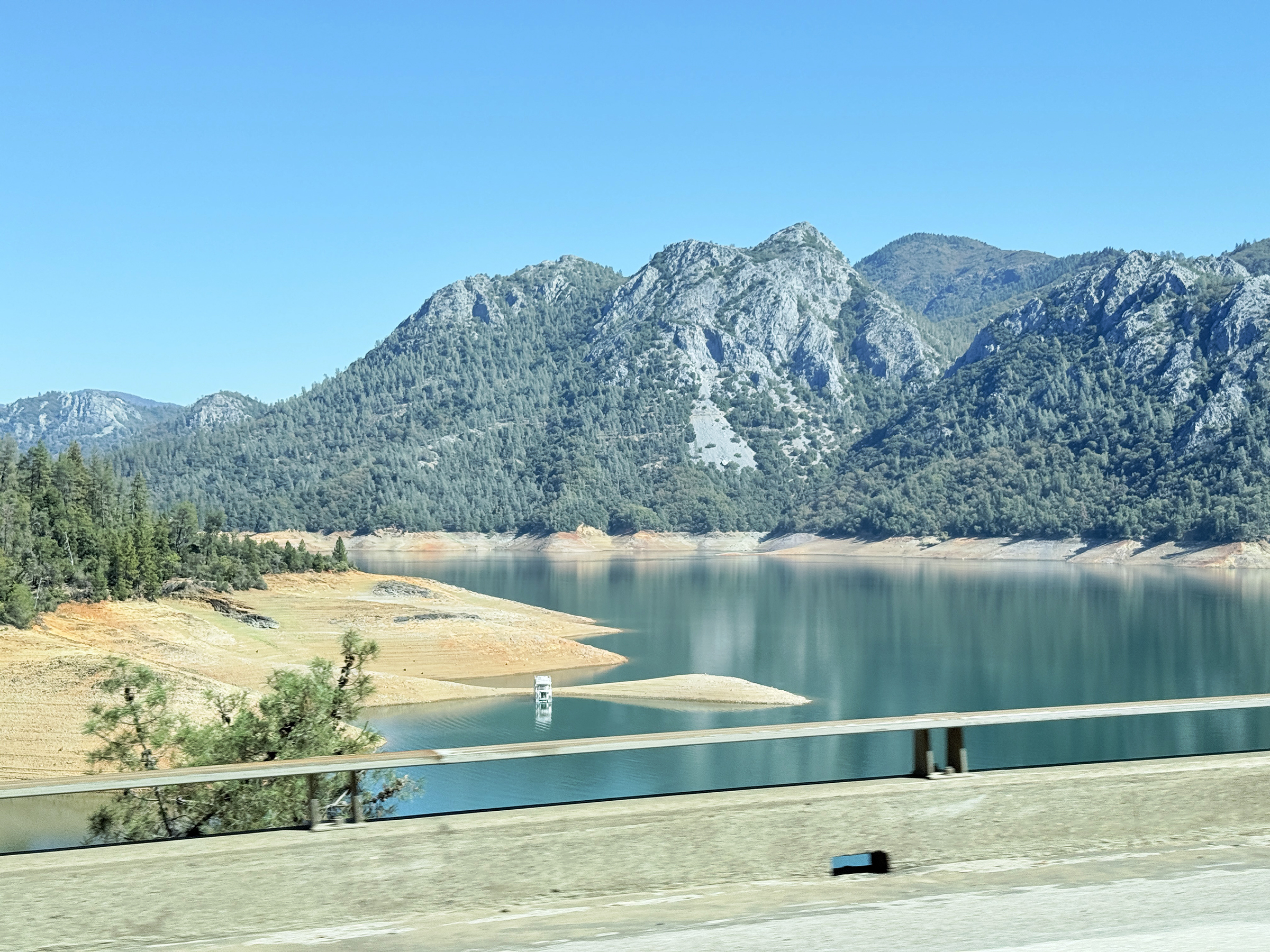

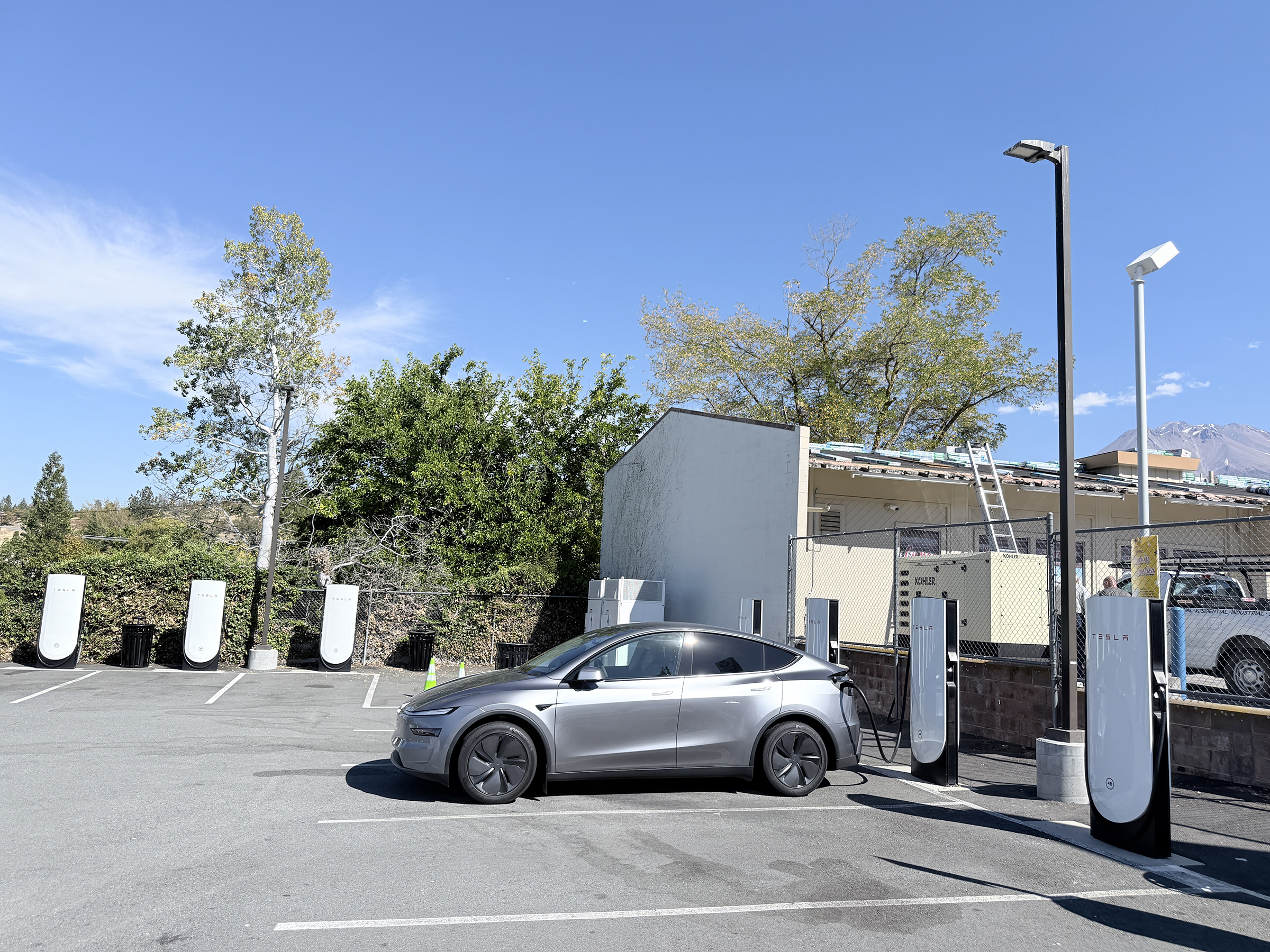
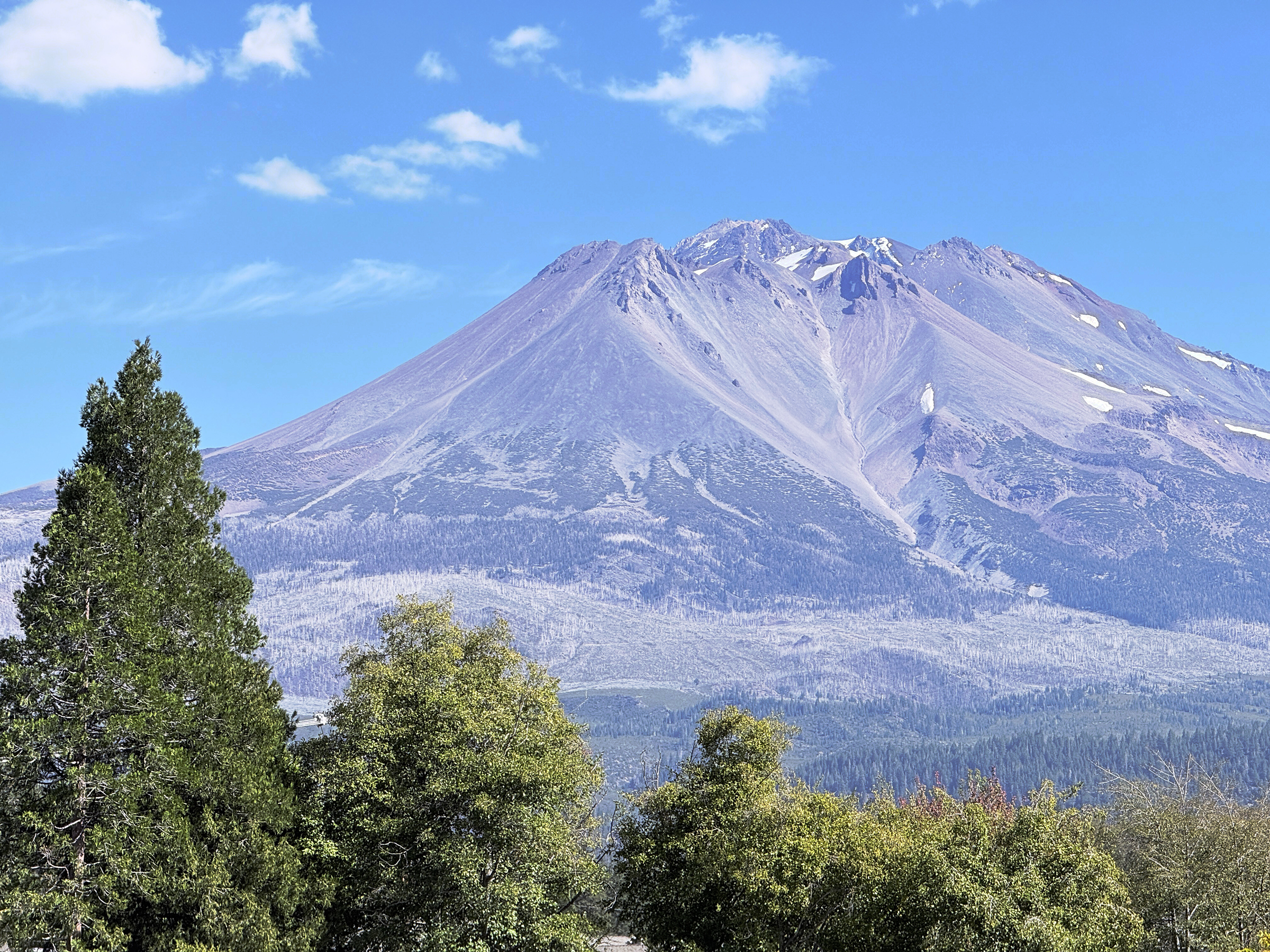
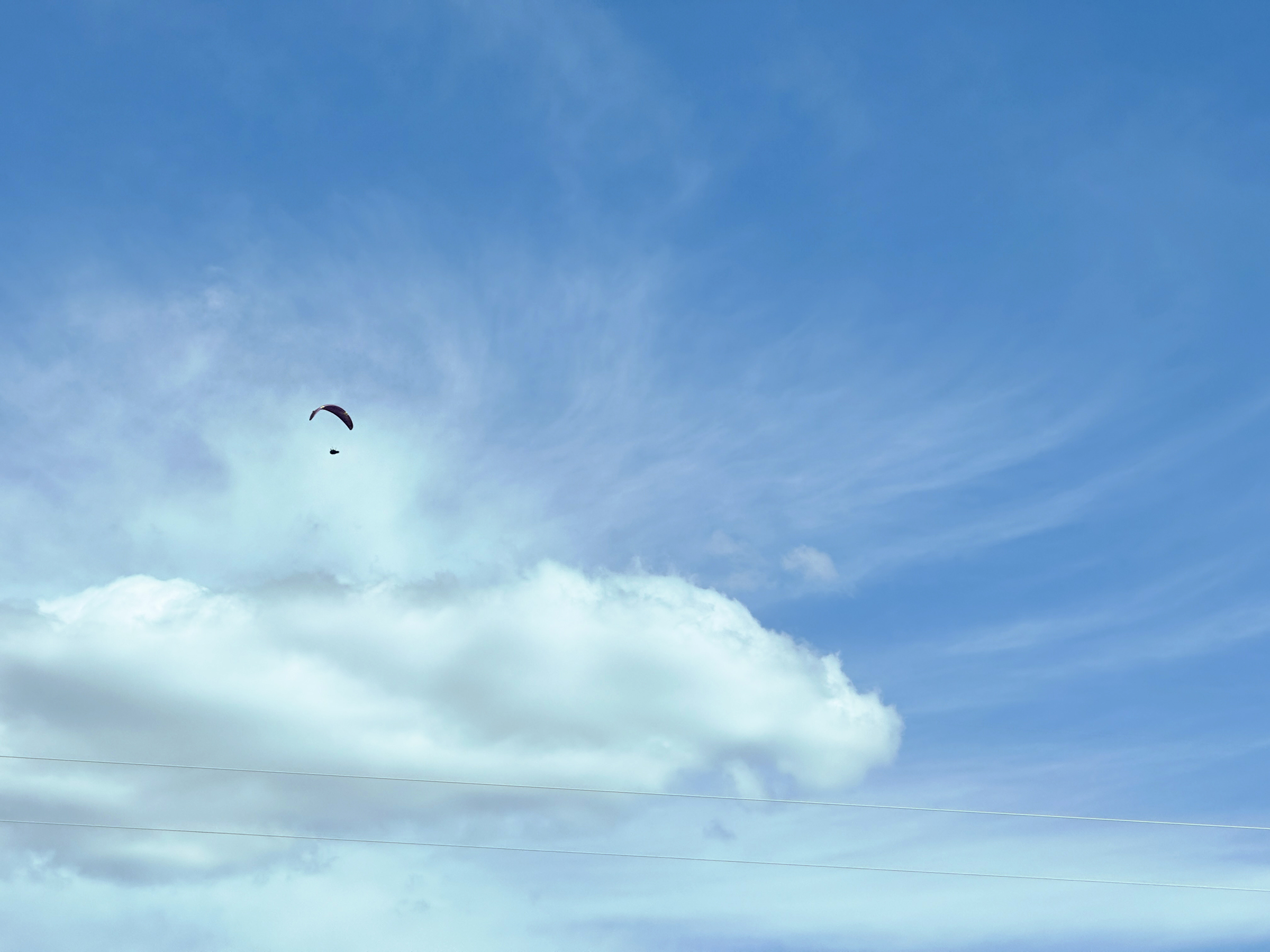
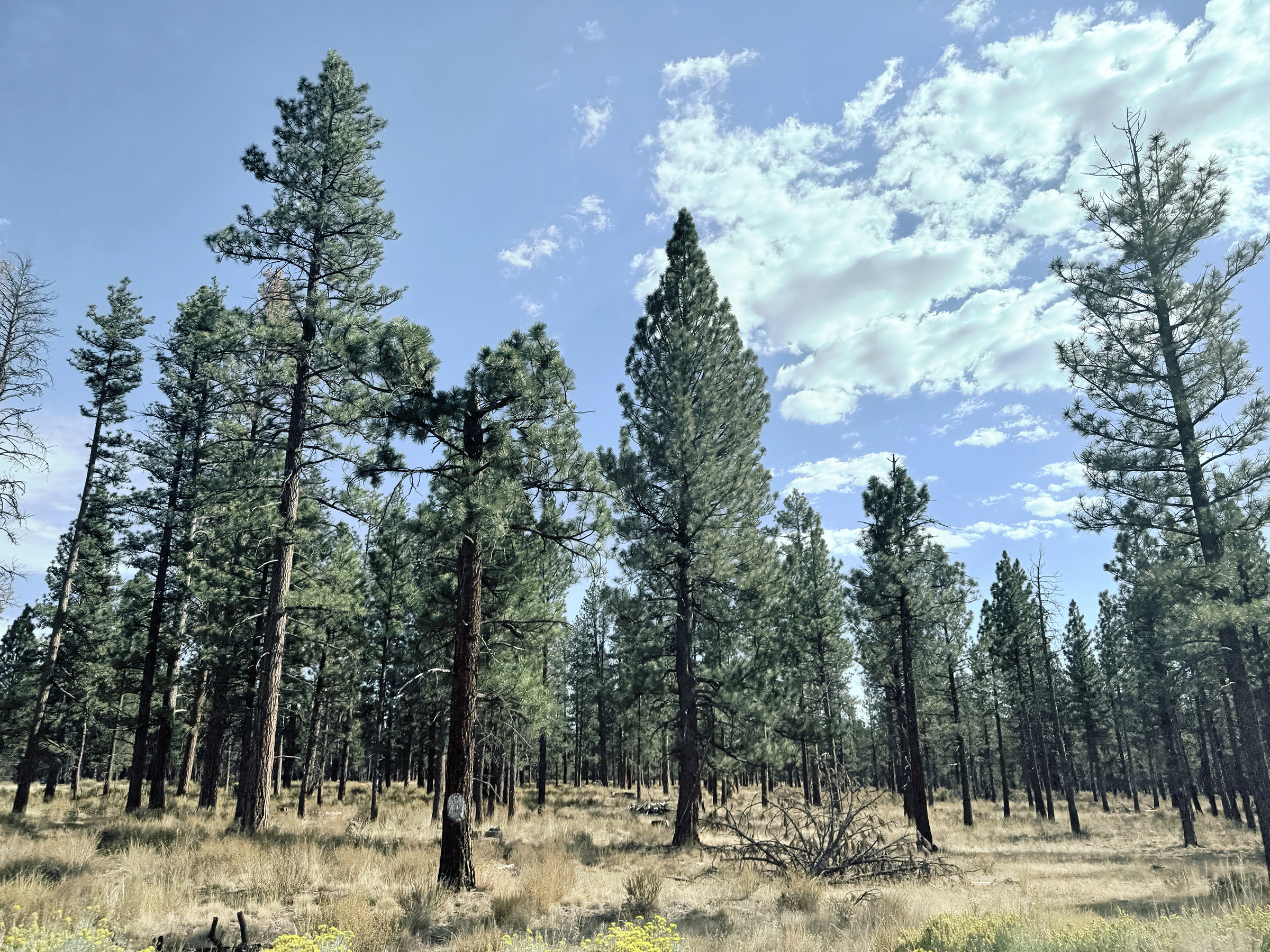
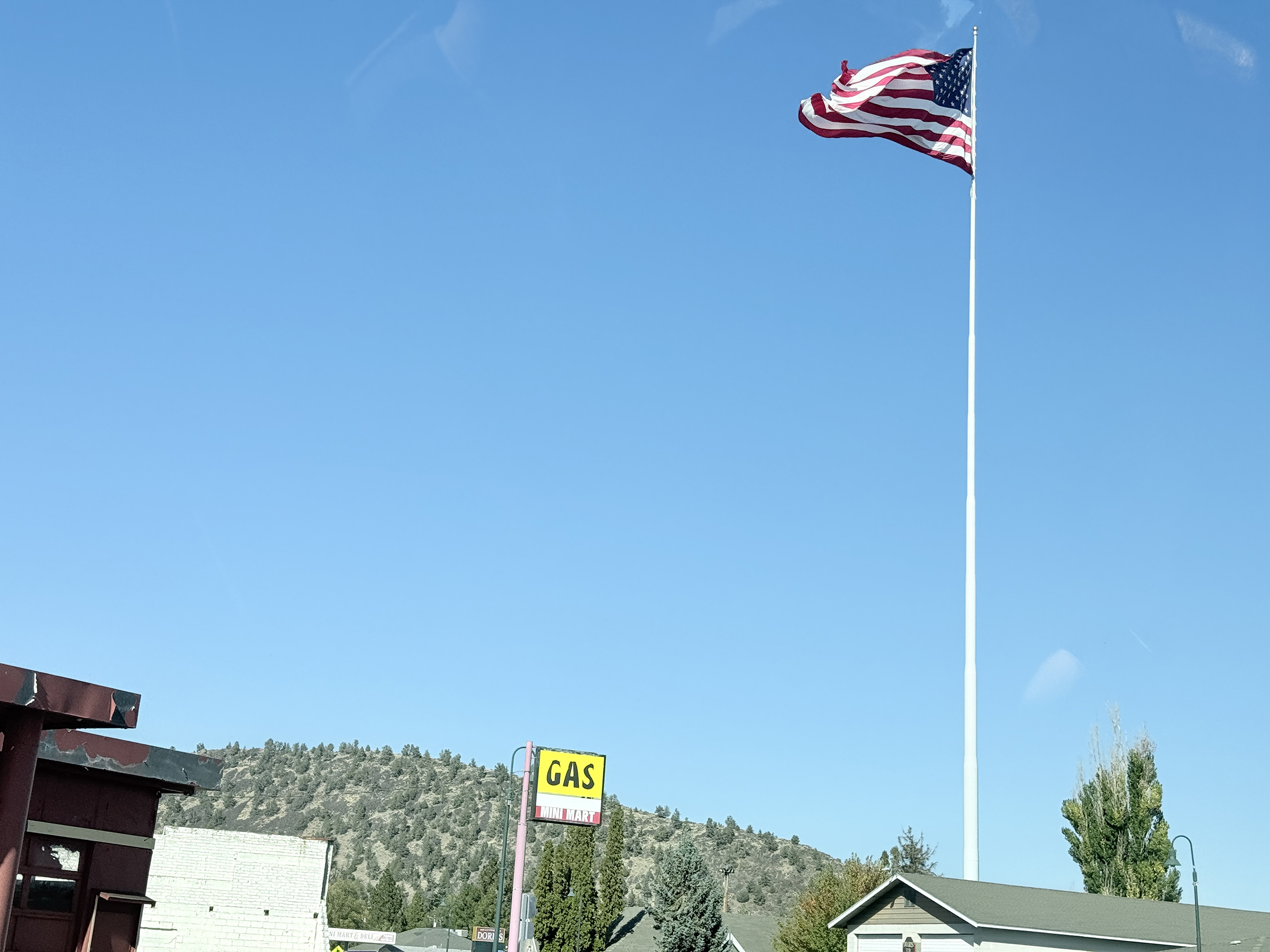
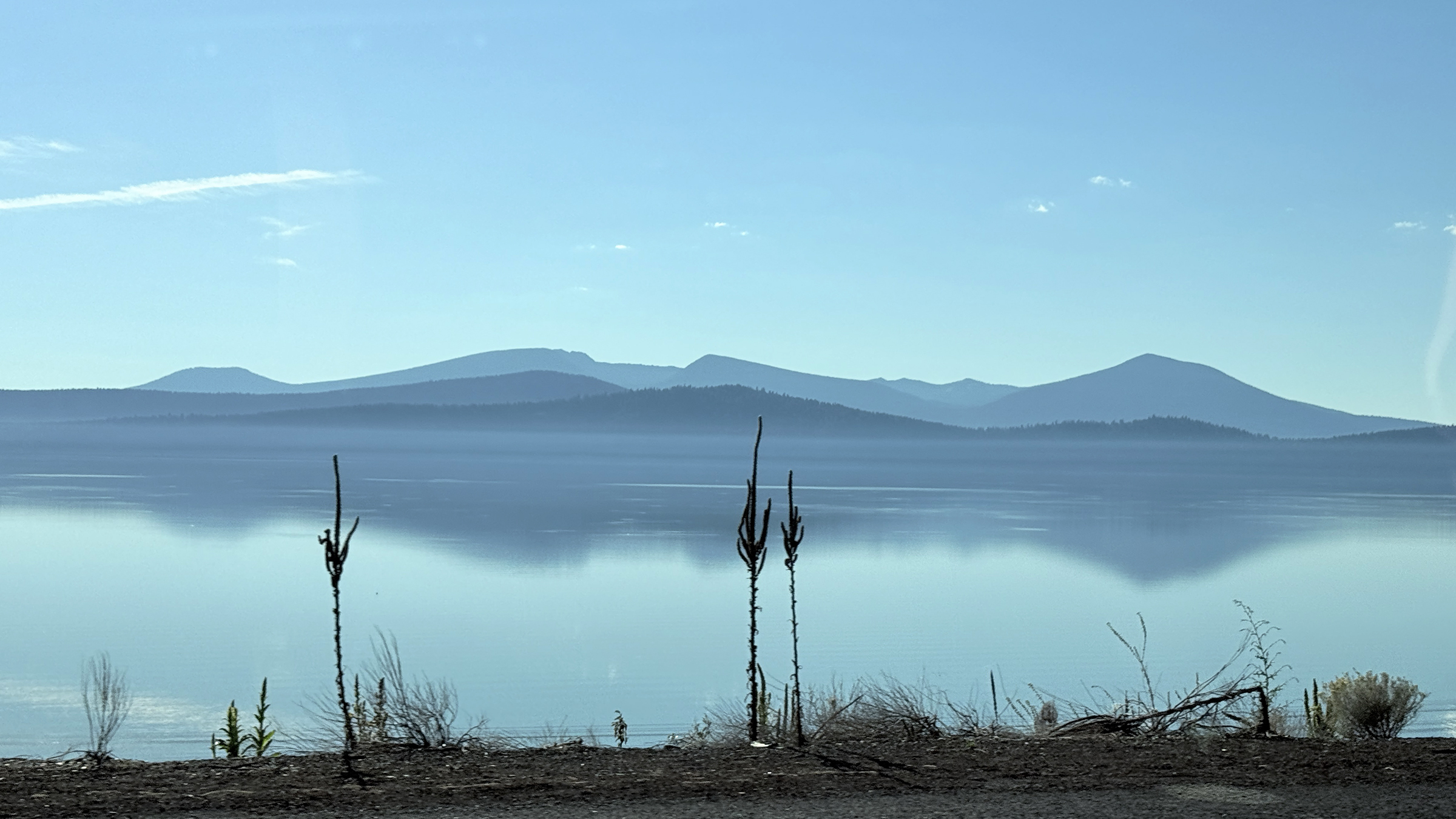
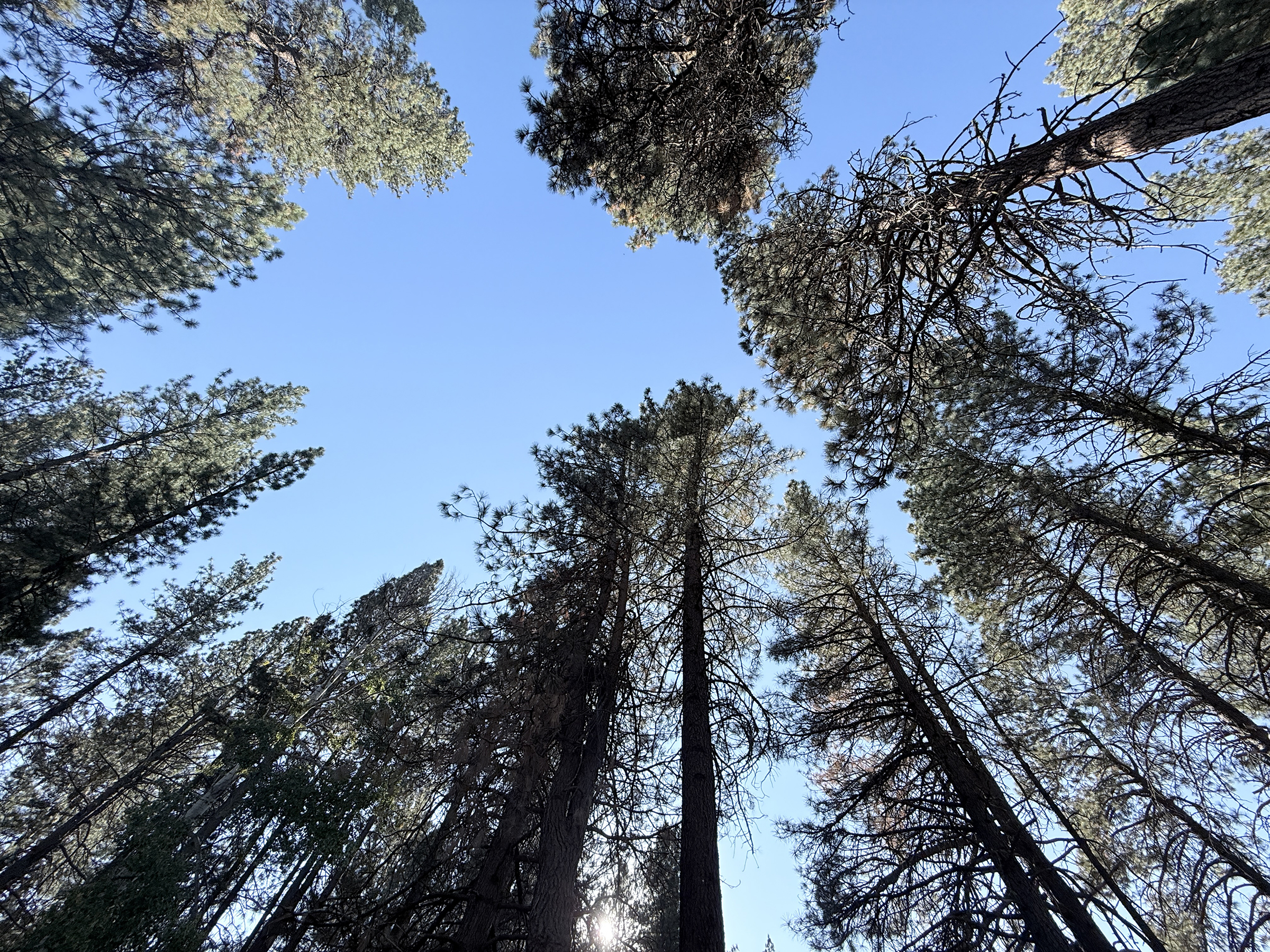
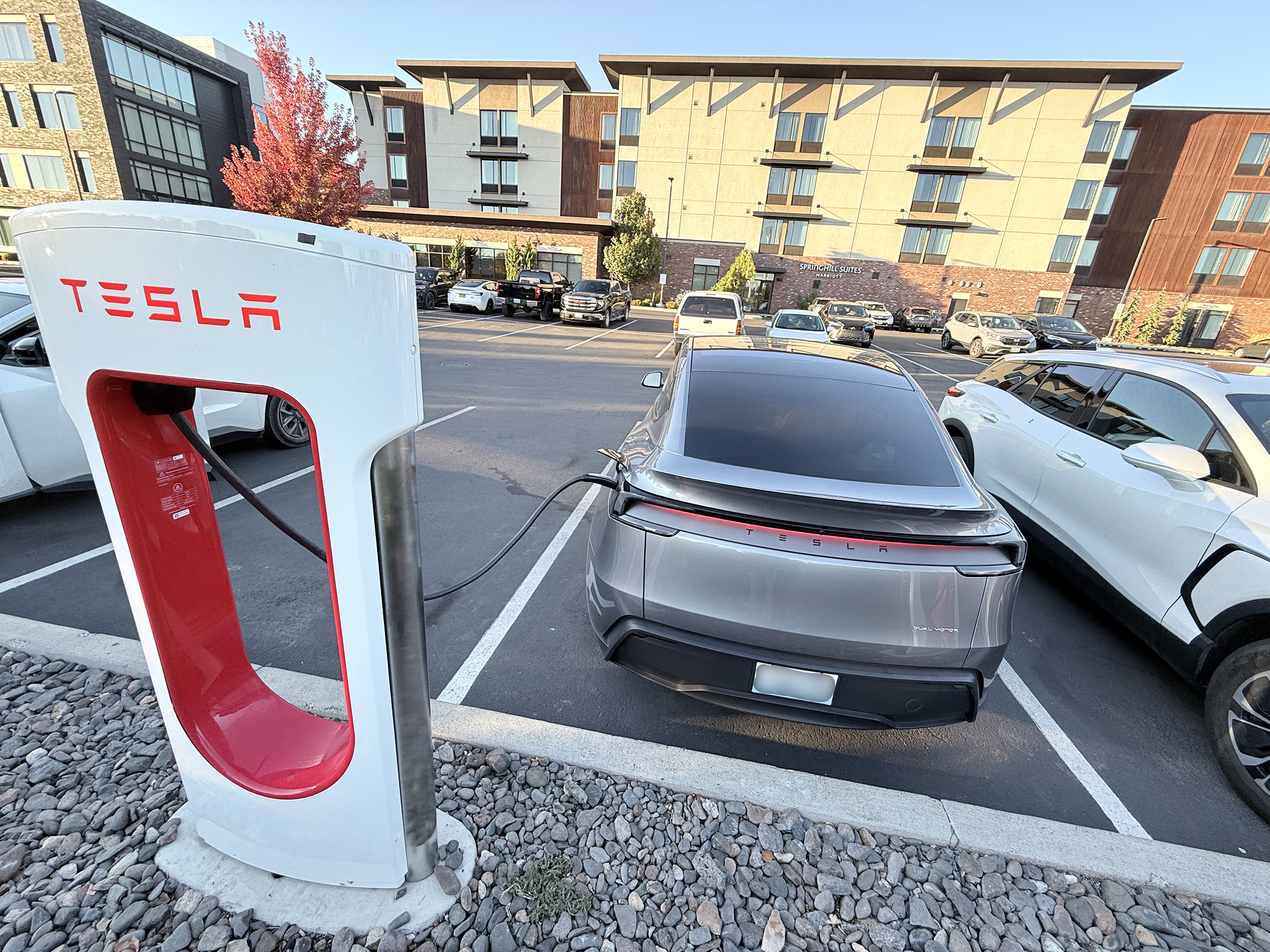
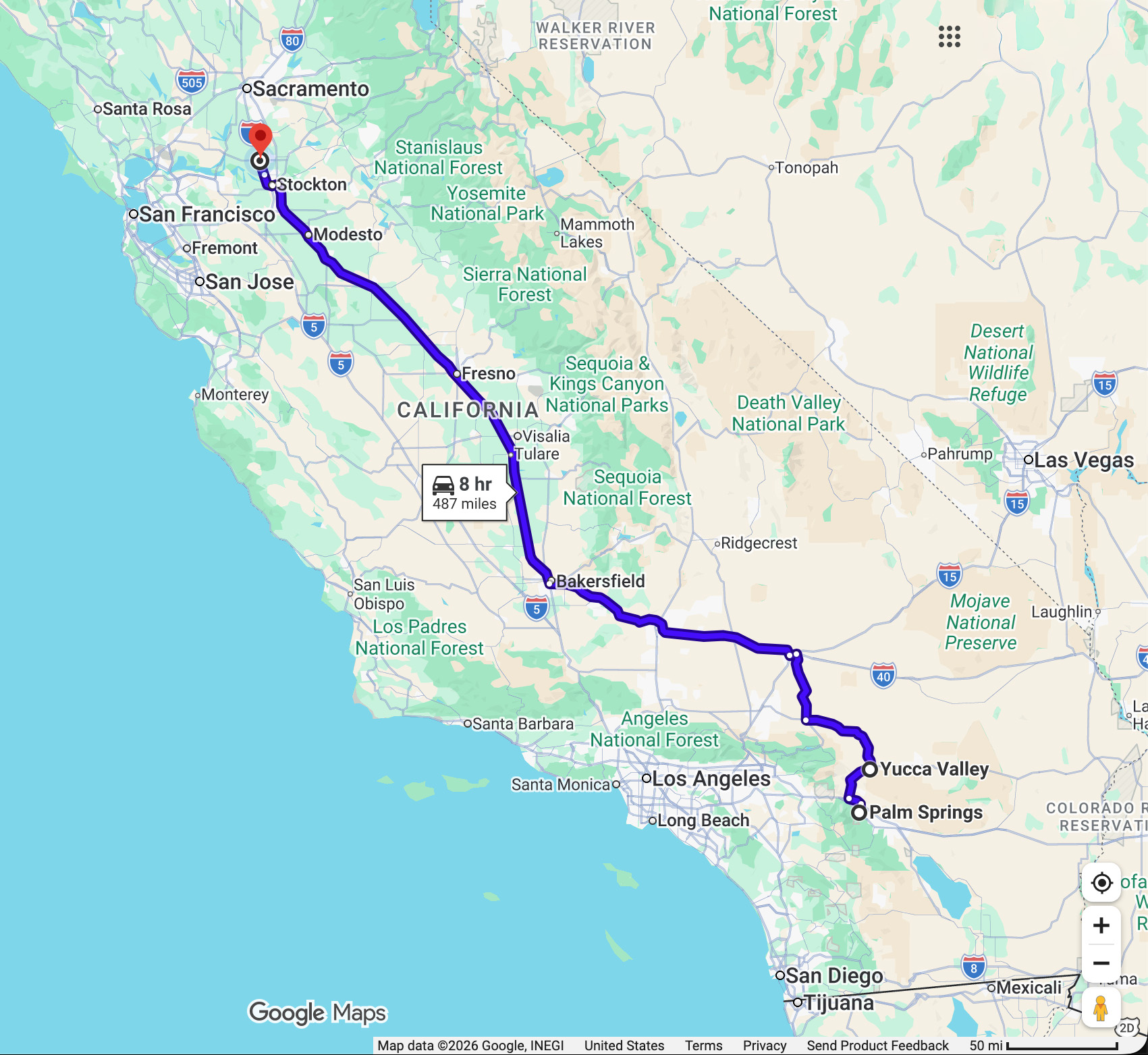
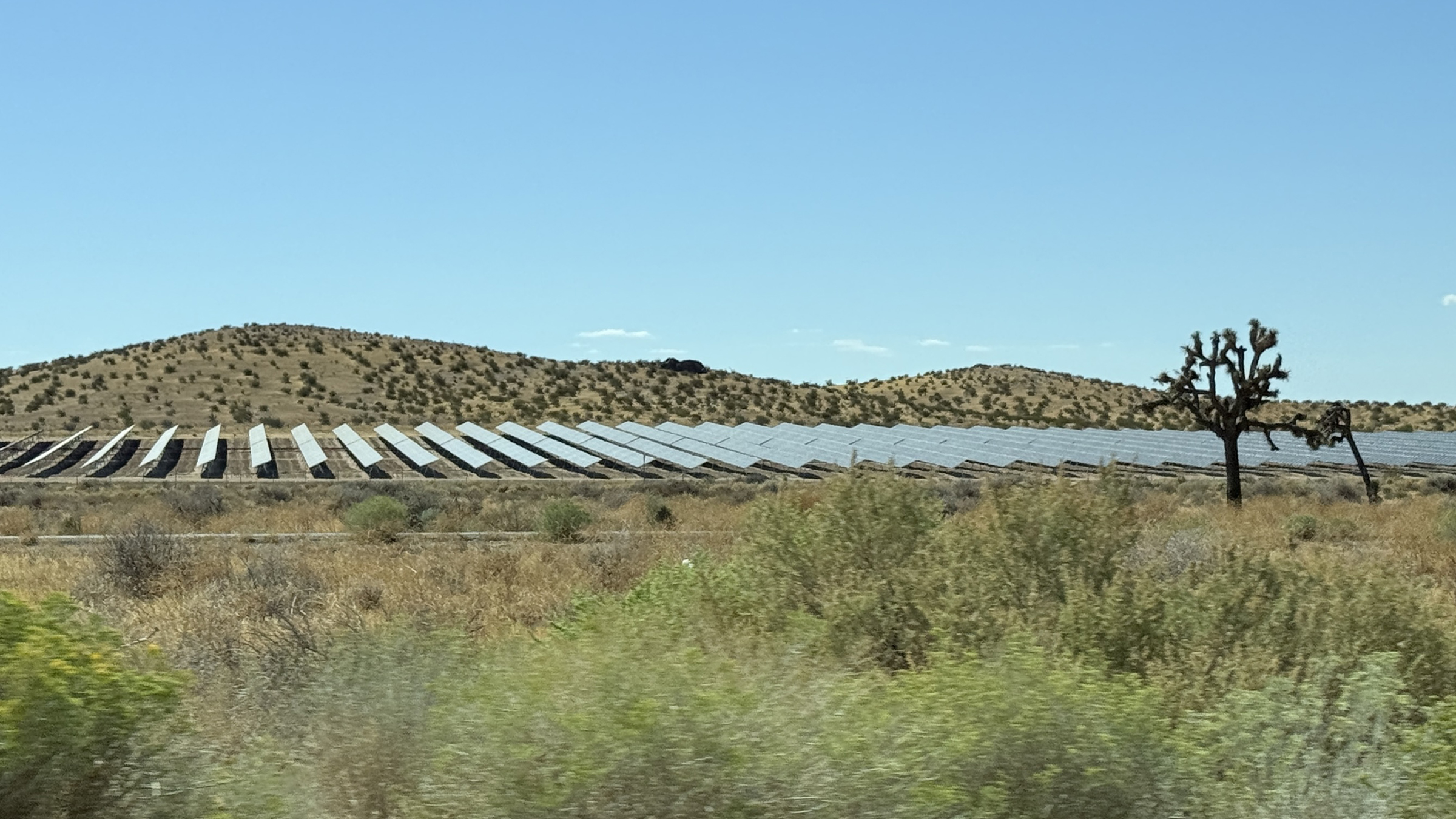
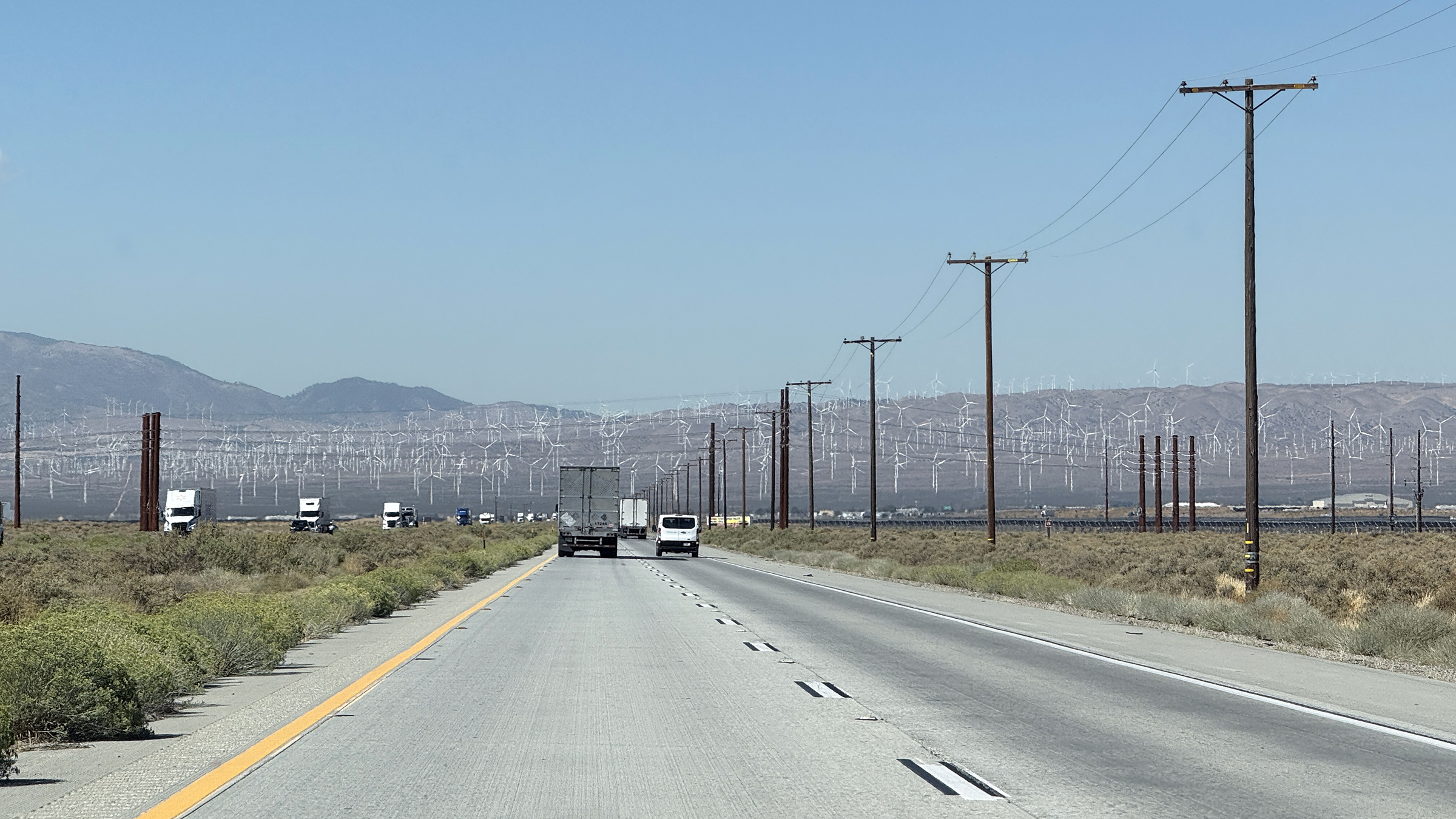
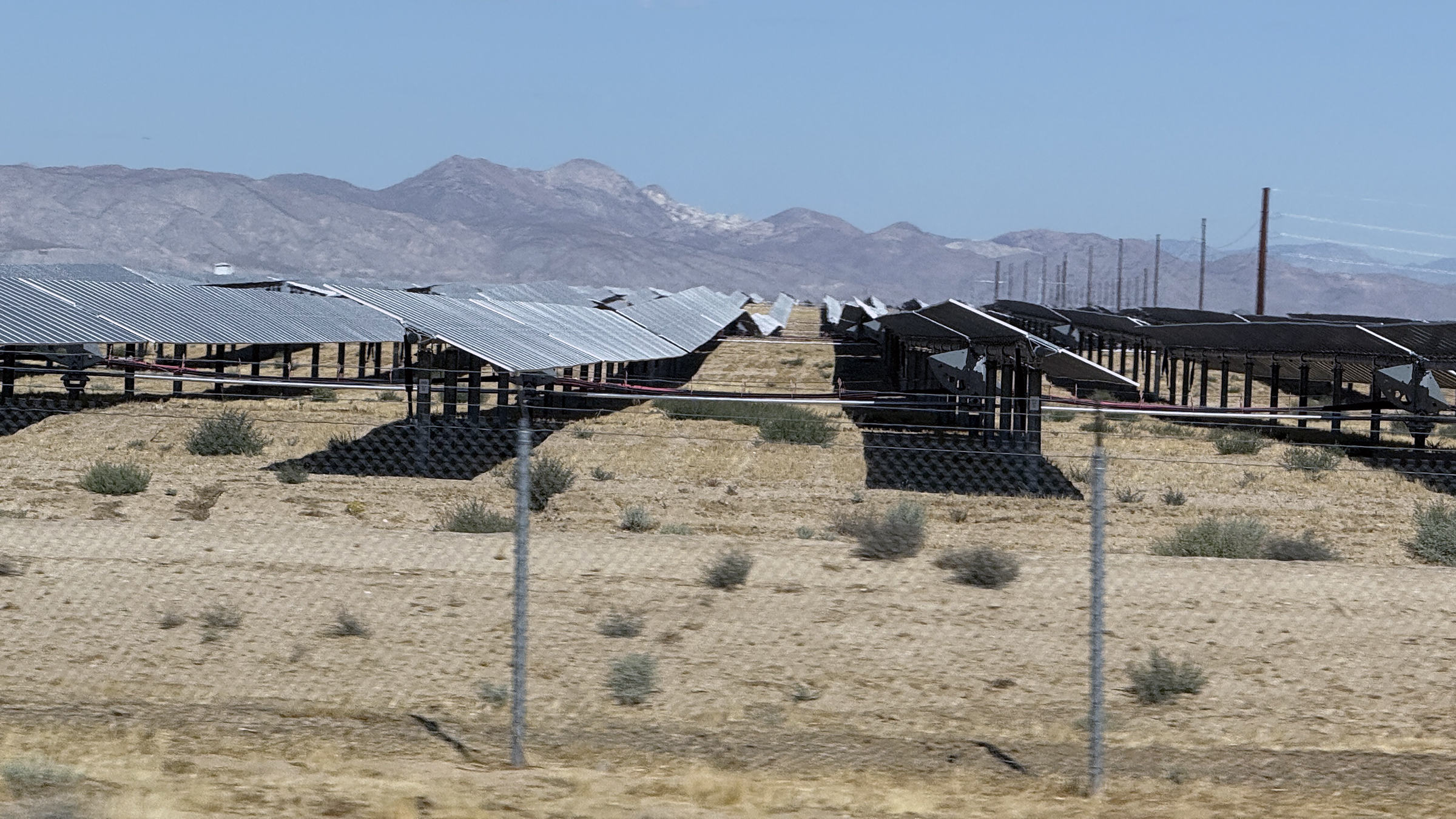
We left Palm Springs shortly after 8 am this morning.
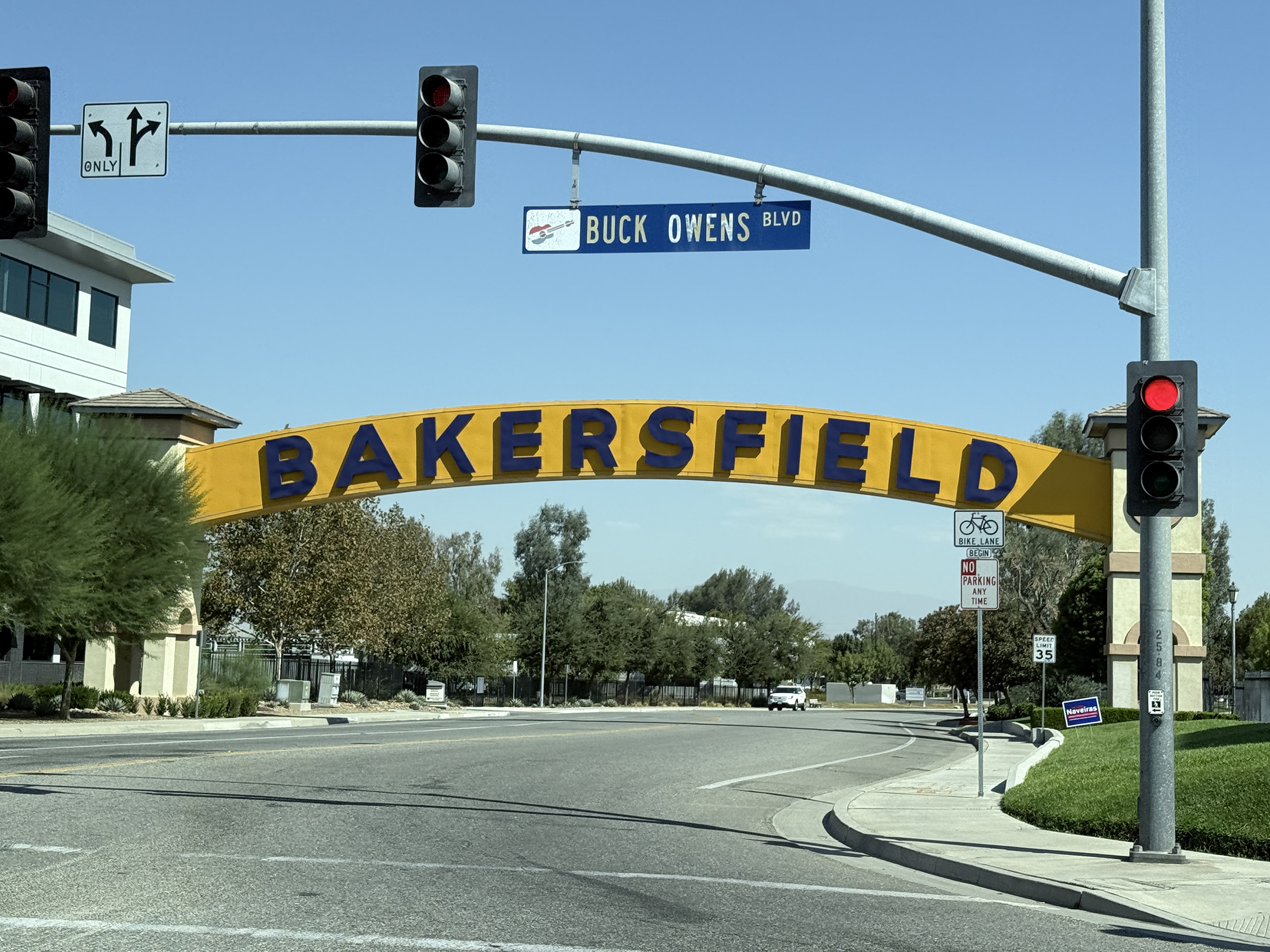
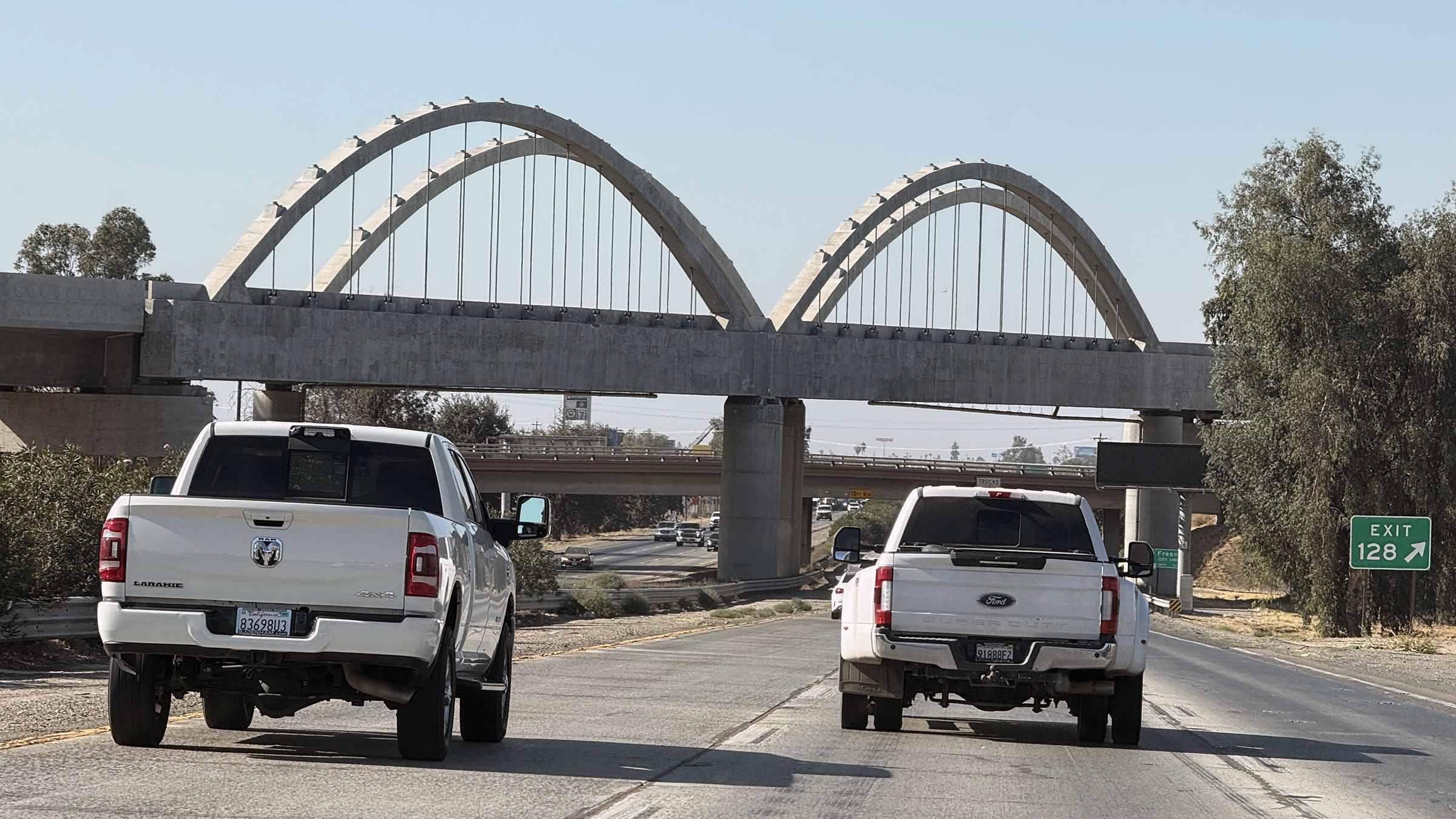
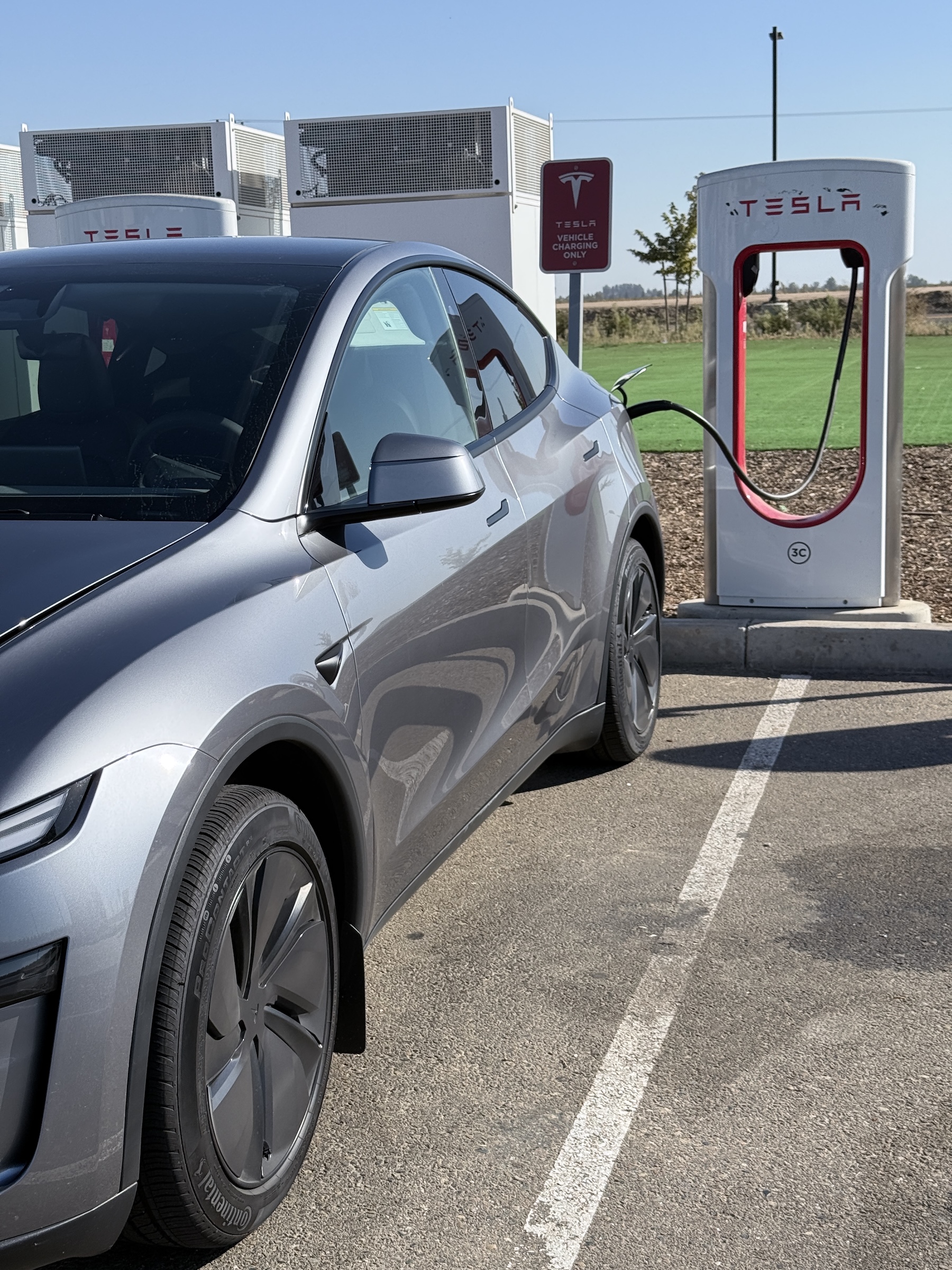
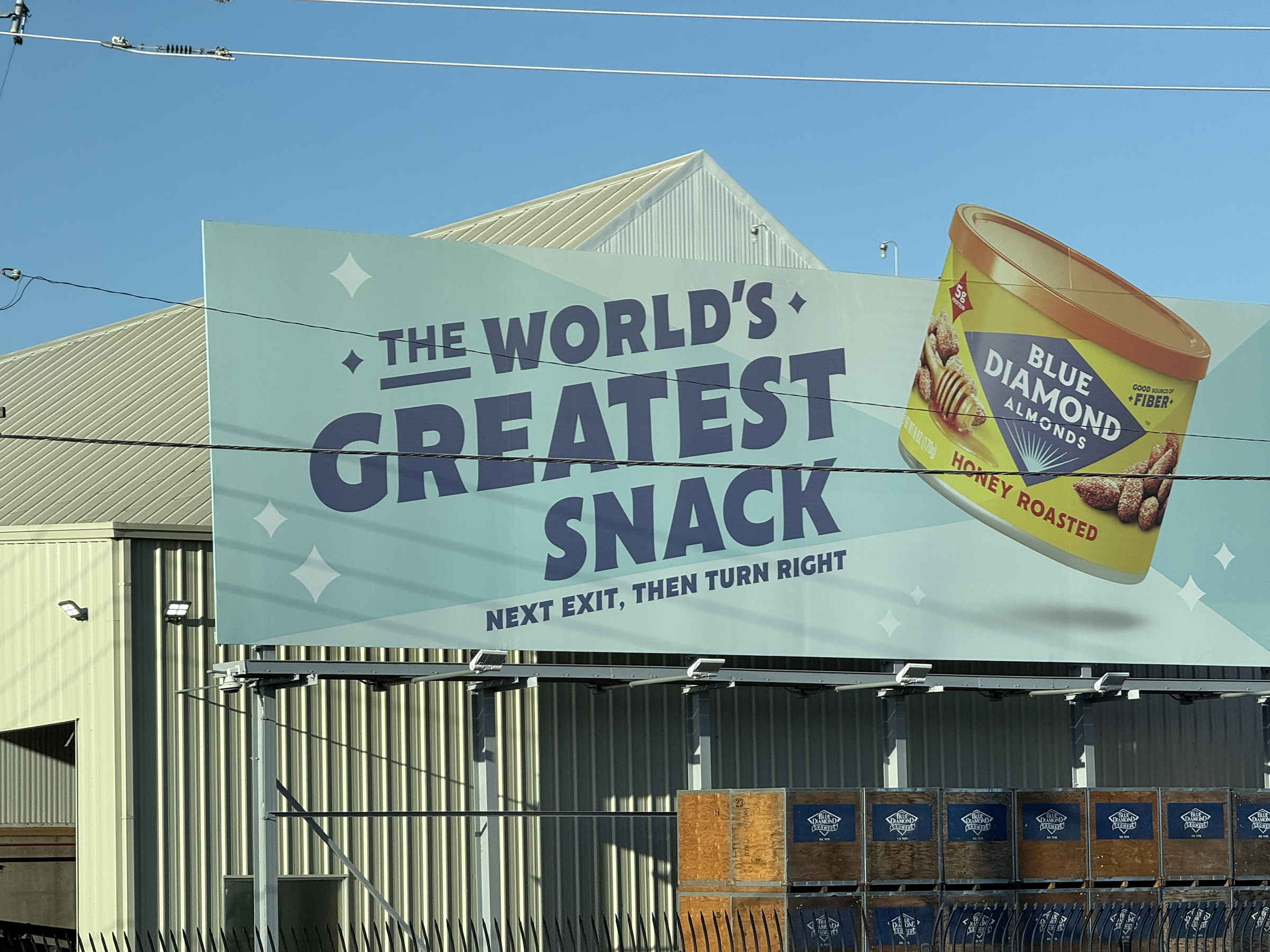
We made two charging stops, a lunch stop in Bakersfield, and two additional stops, and arrived at Lodi, California, shortly after 6 pm.