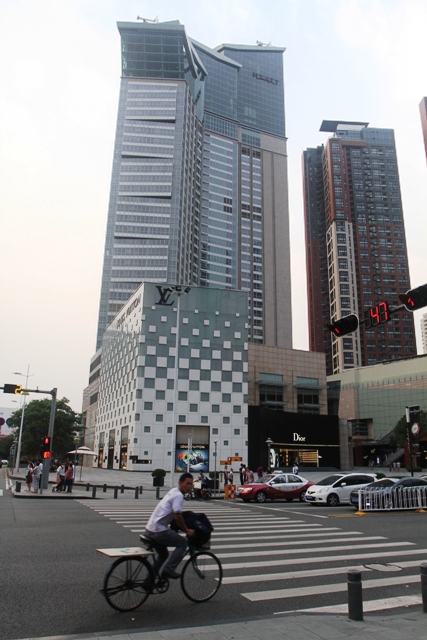
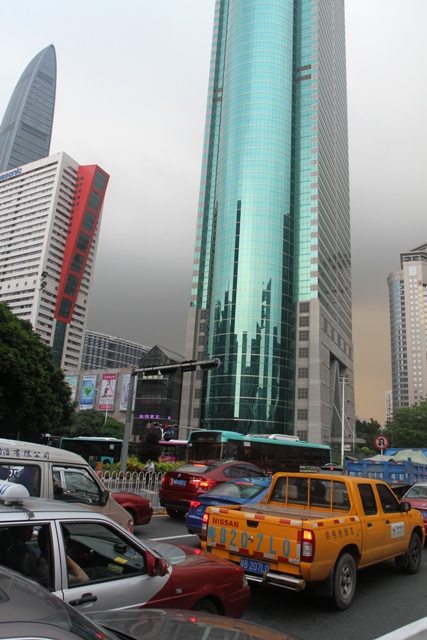
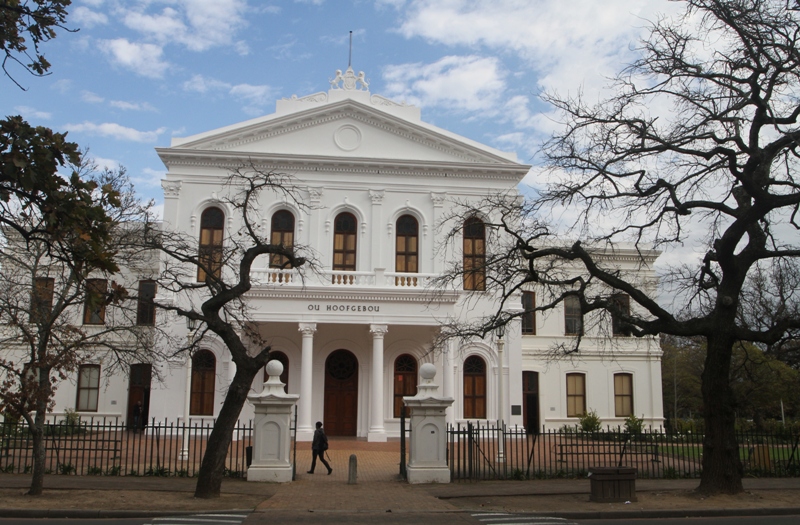
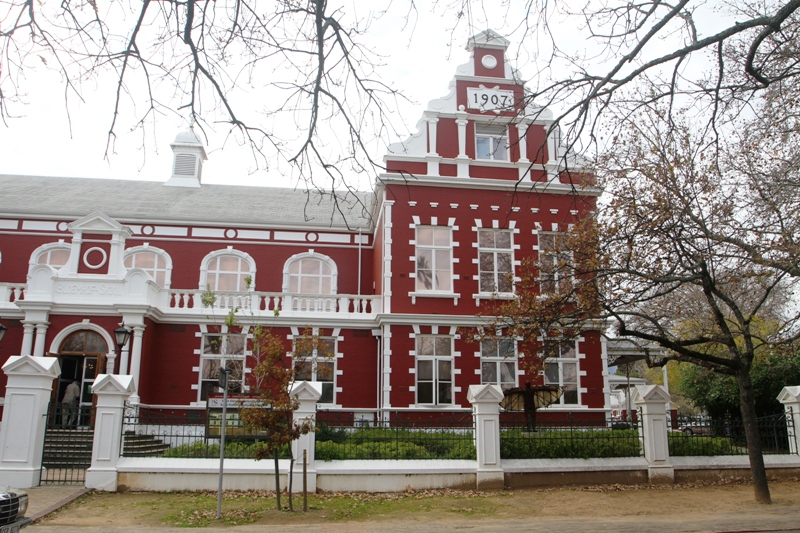
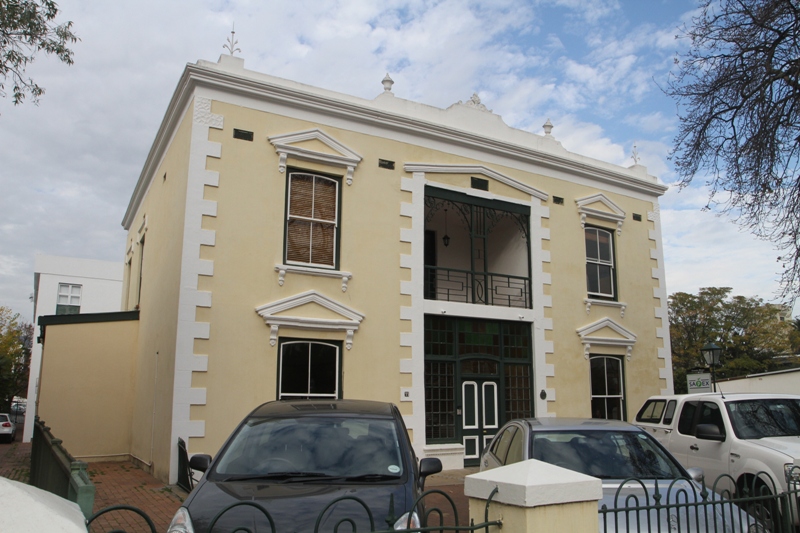
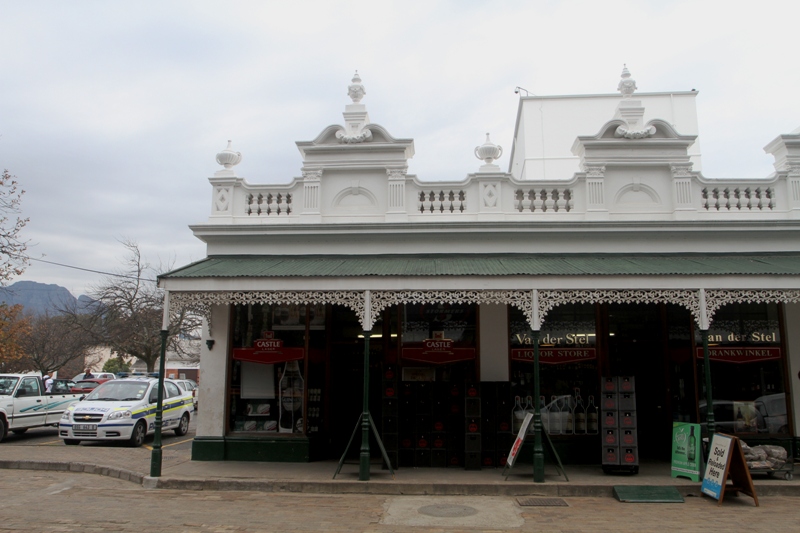
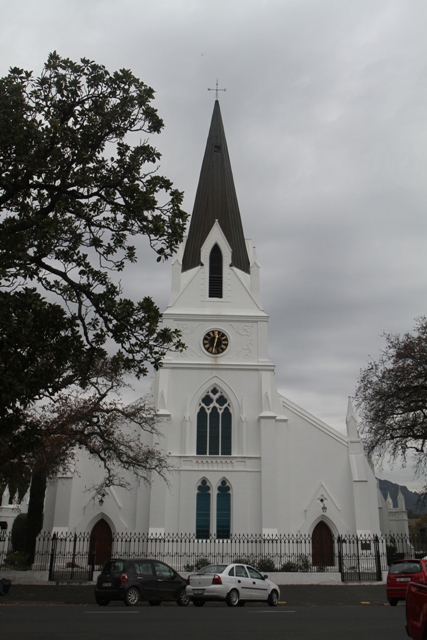
Thursday was overcast and cool which made for good picture-taking weather. All the buildings are from the central area of Stellenbosch.
a weblog of whereabouts & interests, since 2010
Thursday was overcast and cool which made for good picture-taking weather. All the buildings are from the central area of Stellenbosch.
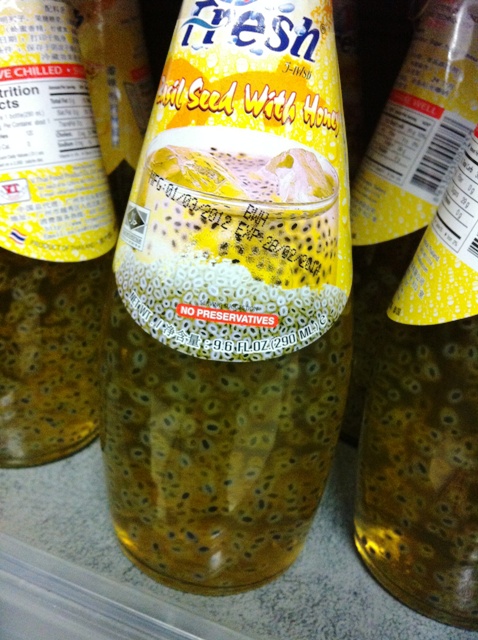
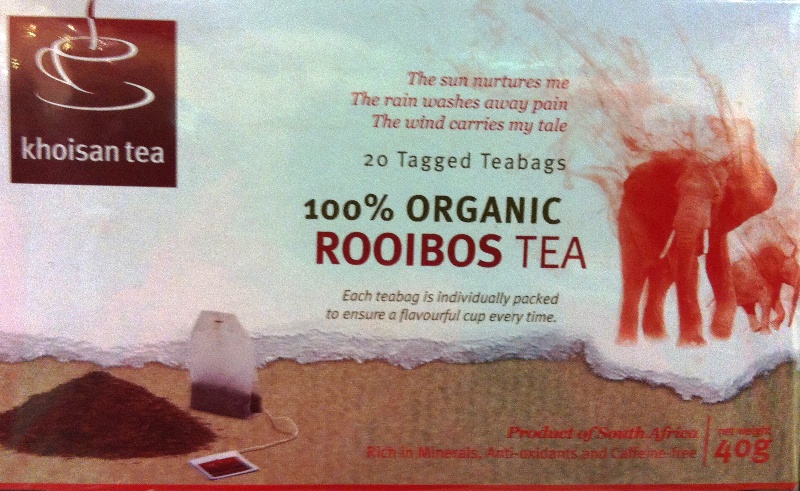
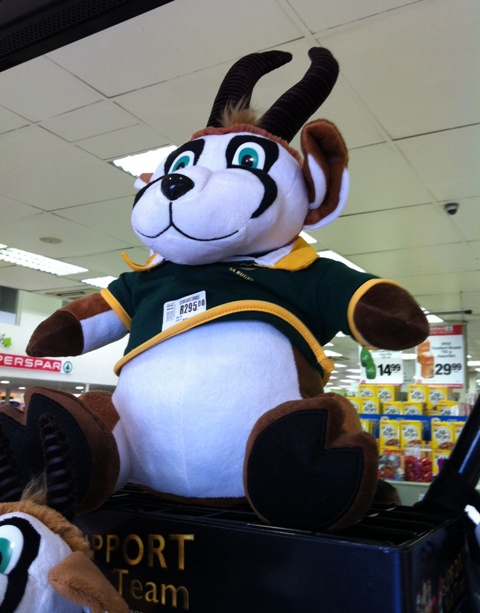
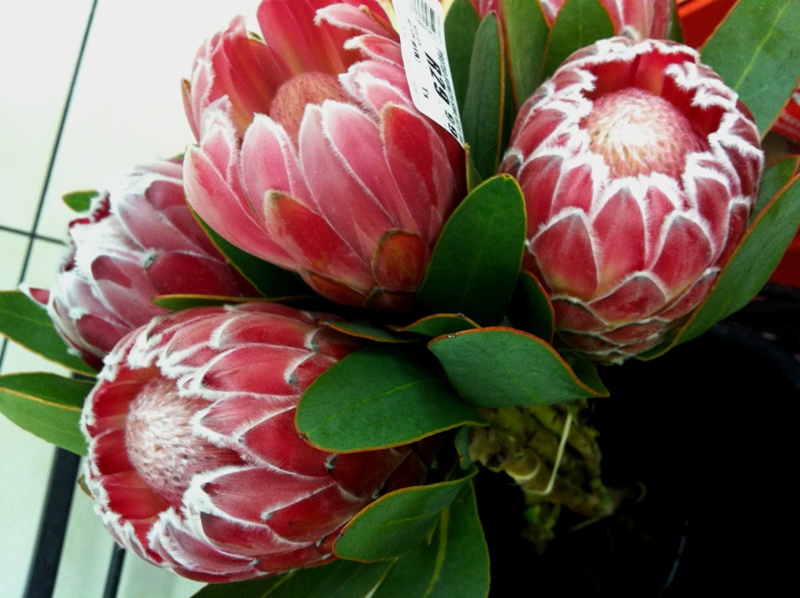
I am staying in the town of Stellenbosch in the Cape Town area with my family for the week. Here are some of my favorite offerings from the big local grocery store – that sells much more than just groceries.
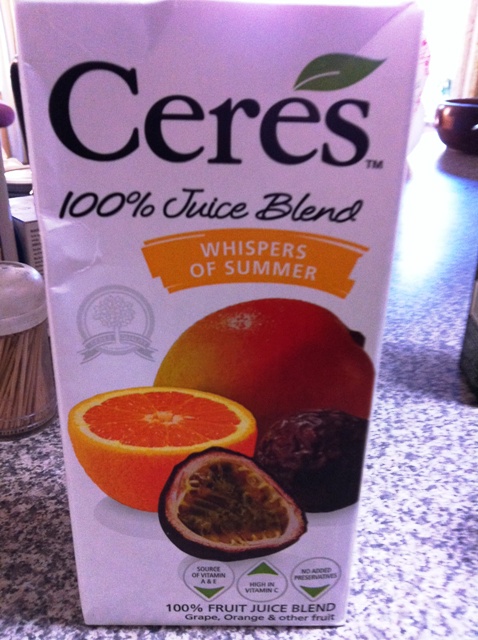
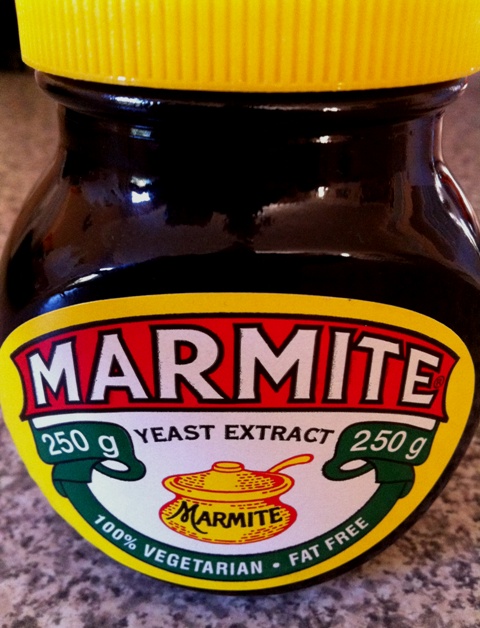
My journey to Cape Town at the southwestern tip of Africa was complete on Monday evening. Here are a few more pictures from the connecting airports.
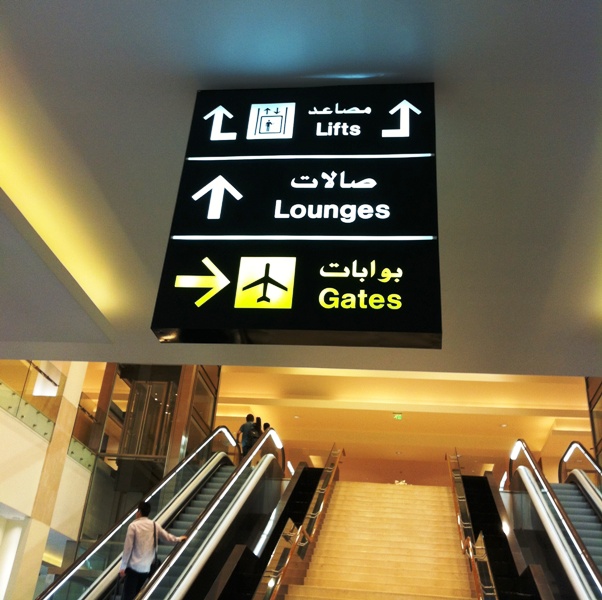
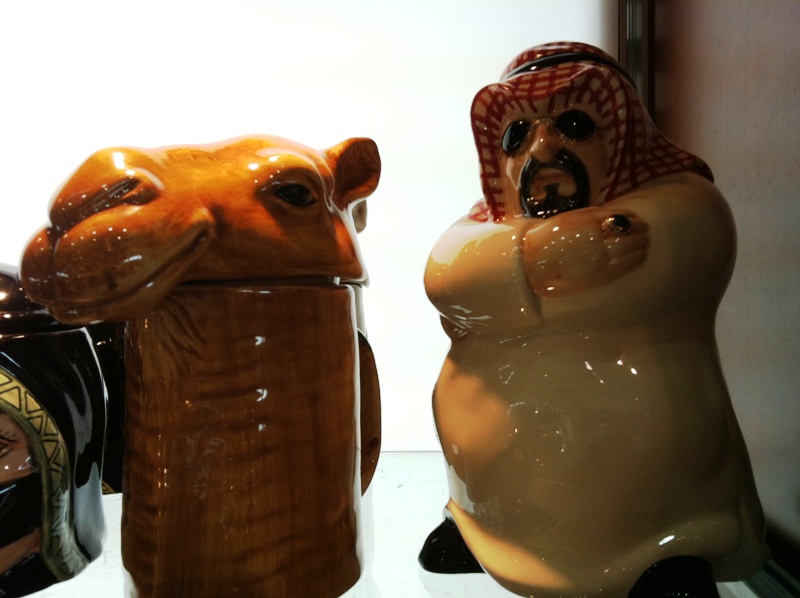
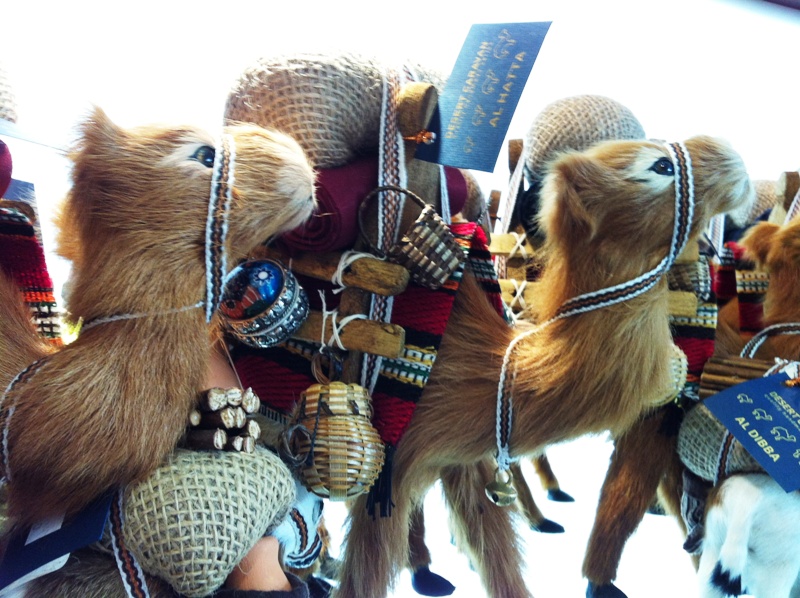
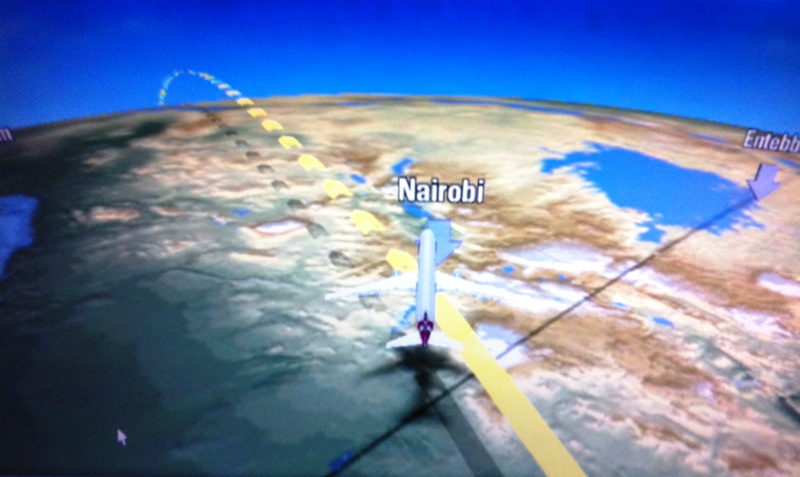
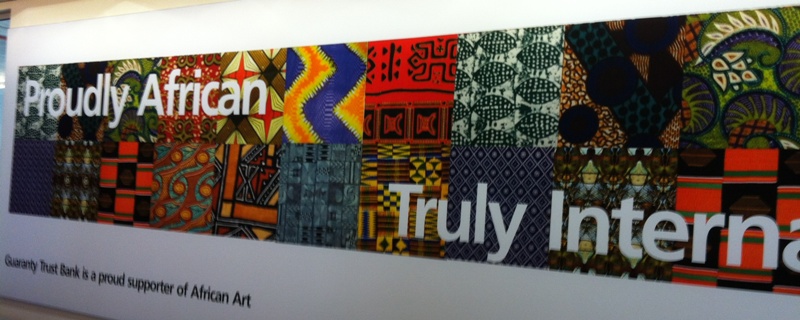
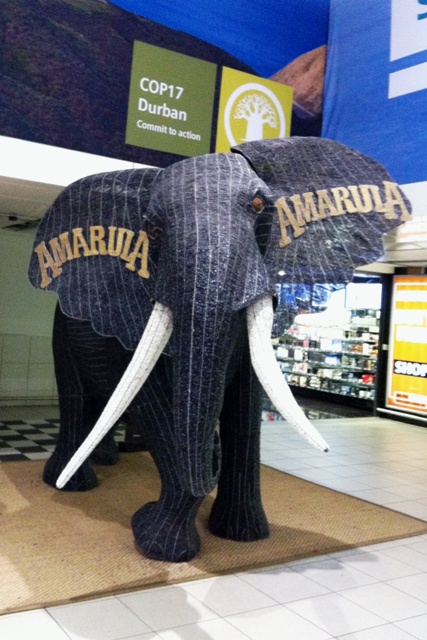
We arrived at 4.45 am local time with the sun just coming up from the east. So one of two 8 hr flights done, and the next one is due south to Johannesburg.
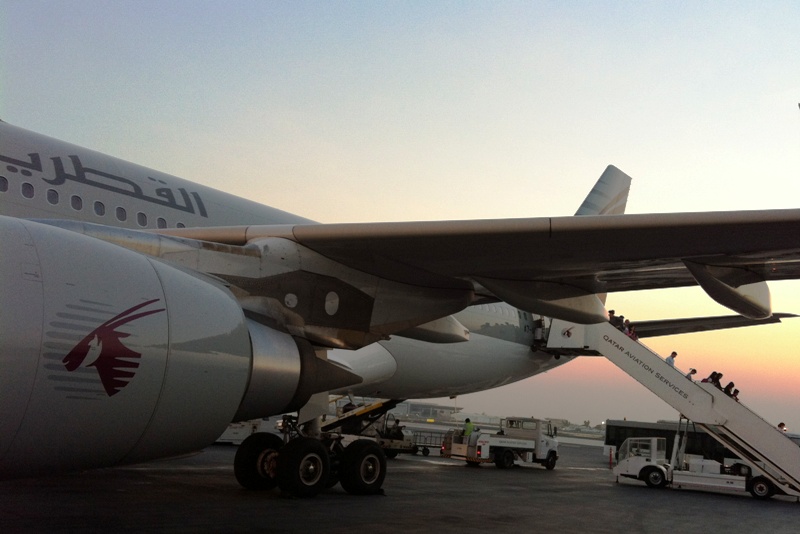
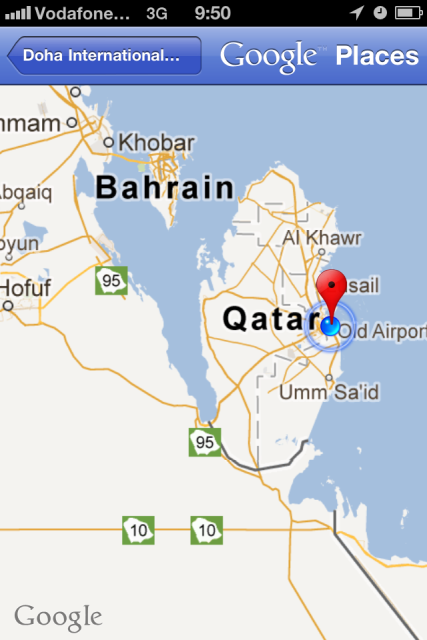
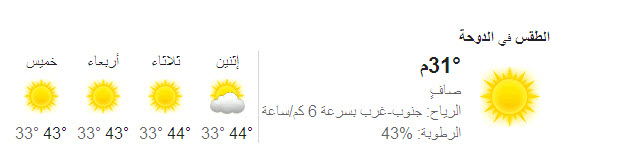
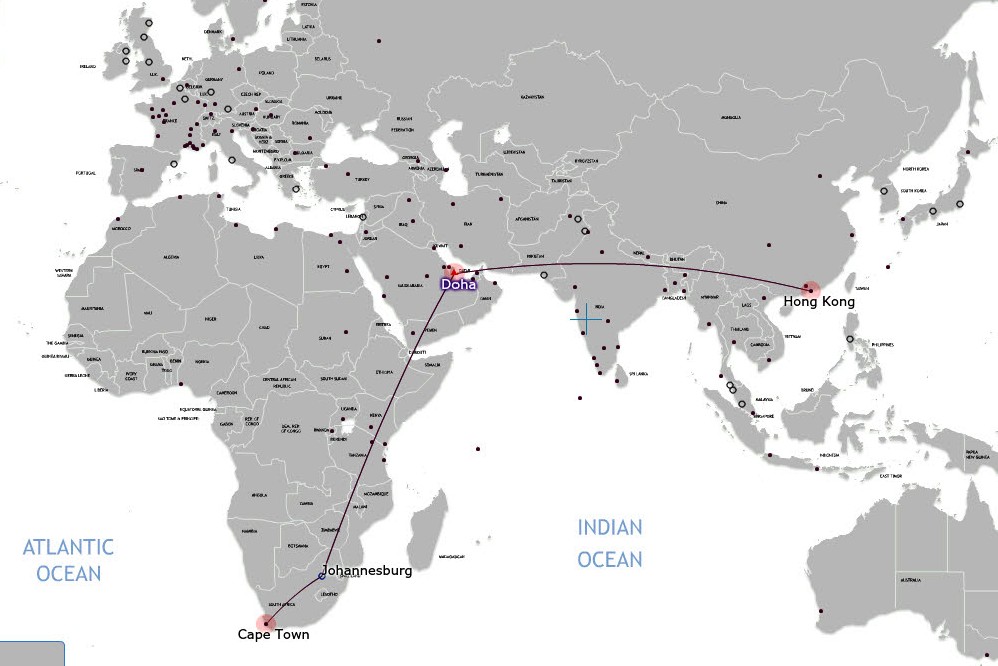
Here is how I will get to Cape Town from Hong Kong. It’s on Qatar Airways with two 8 hour flights and then the ‘hop’ down to Cape Town on South African Airways from Johannesburg. The stop in Doha shows where Qatar is : a kingdom on the small Qatar Peninsula on the much larger Arabian Peninsula. Qatar is arguably the world’s richest country : it’s estimated 2011 GDP per capita was $102,943 according to the International Monetary Fund.
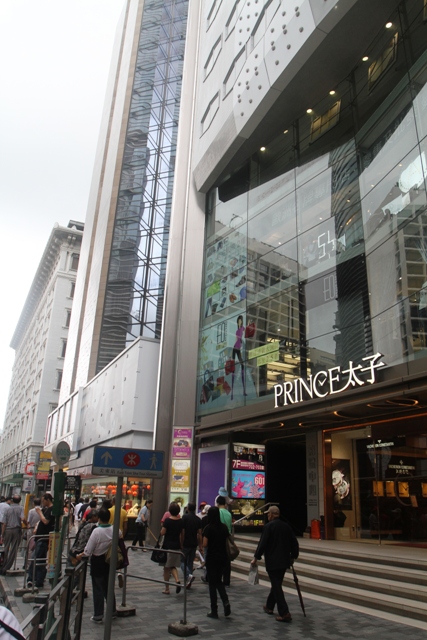
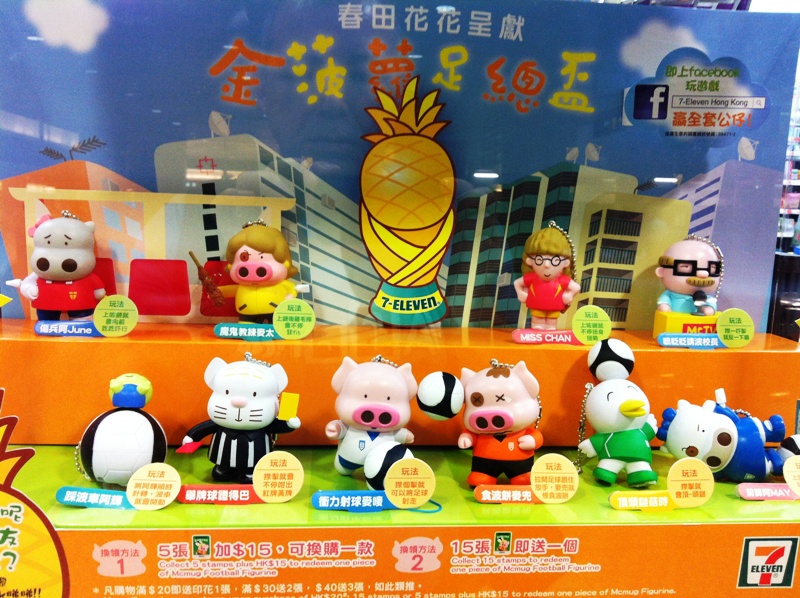
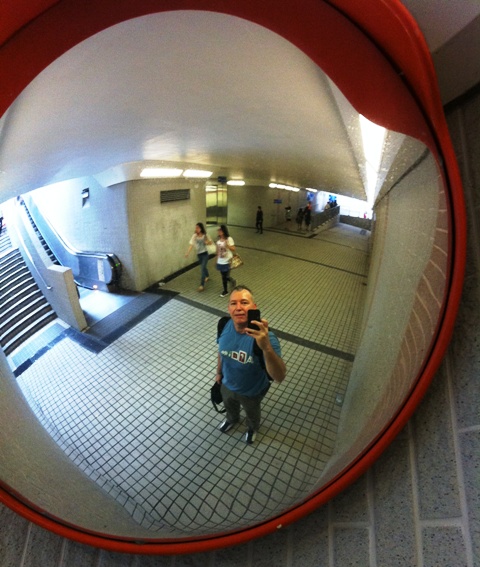
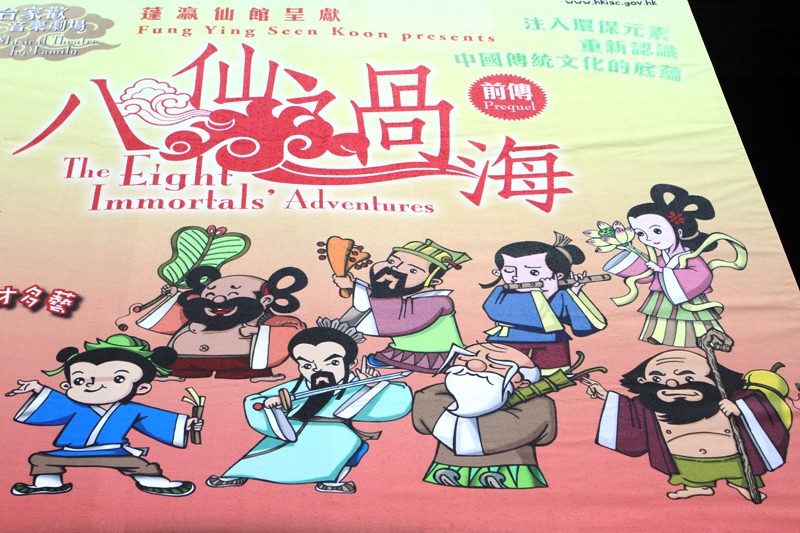
These pictures are from near the Tsim Tsa Tsui station in Kowloon, along Nathan Road. It is warm and muggy outside! Walking around makes you break out in a soaking sweat for that ‘swimming in it’ feeling.
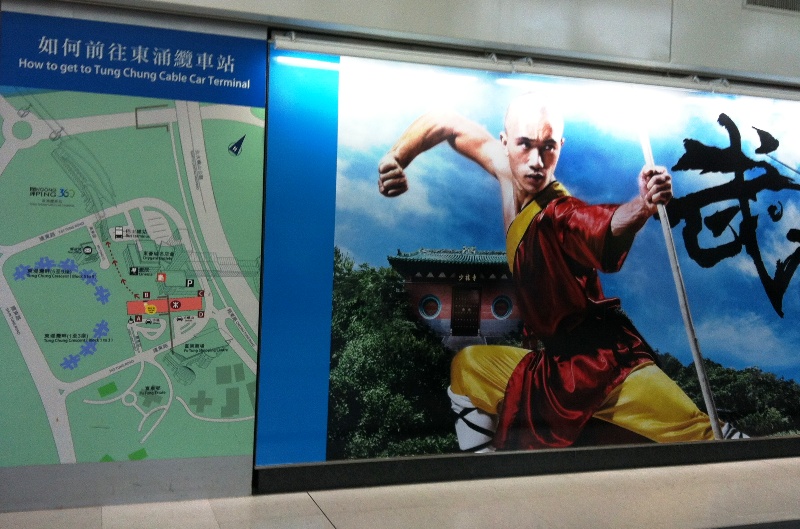
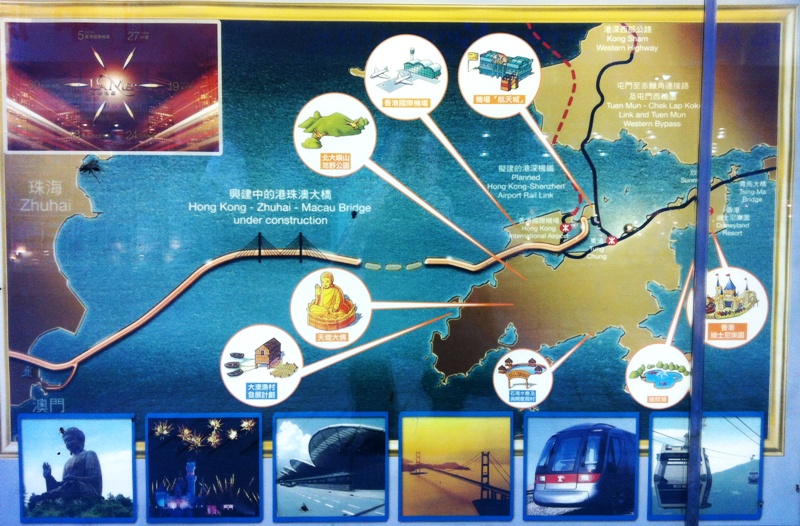
My flight to South Africa is on Sunday. It rained all Saturday which was fine with me : I could use it as an excuse to relax in the hotel and catch up on what’s happening in the world with the TV coverage of the elections in Greece and in Egypt this weekend. I did catch the Marriott SkyCity’s shuttle bus to the Tung Chung station and shopping mall close by.
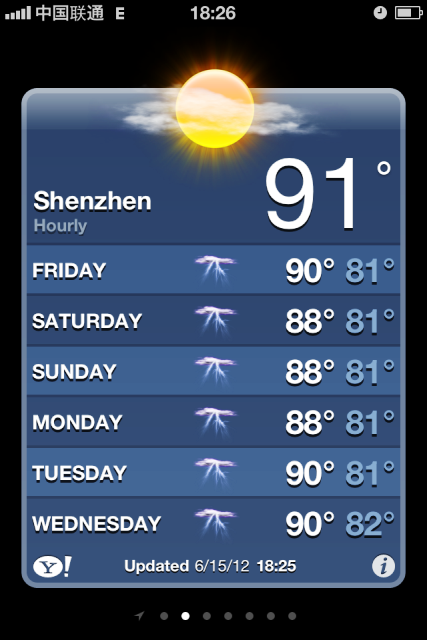
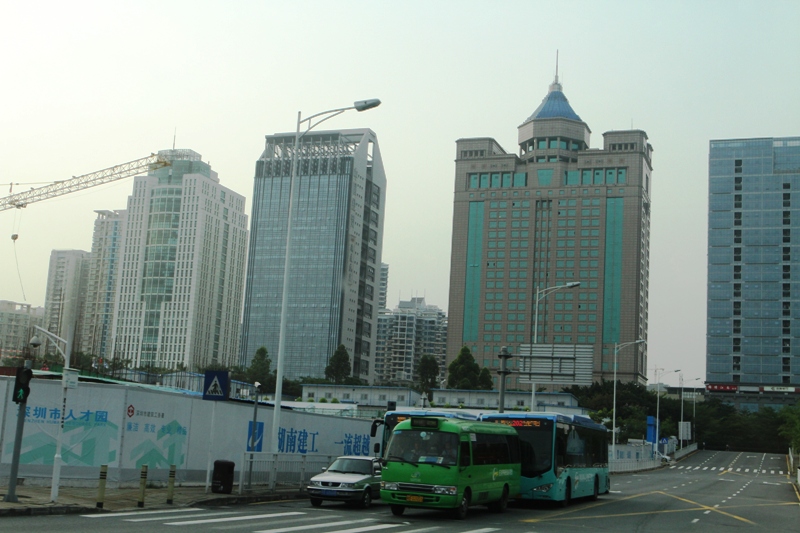
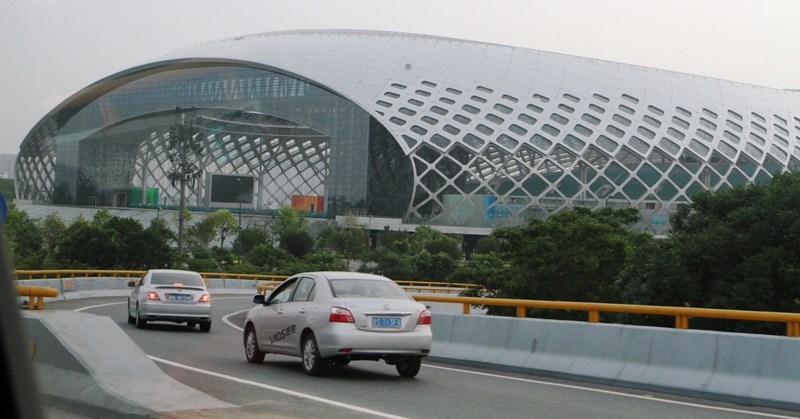
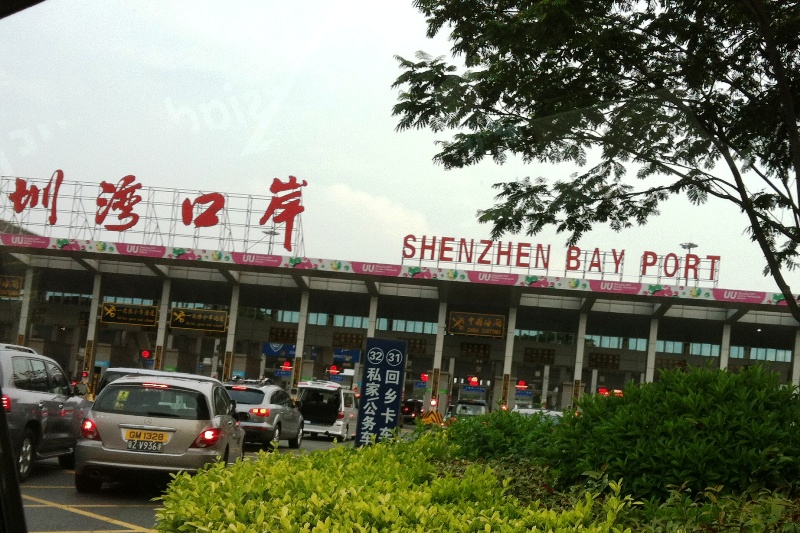
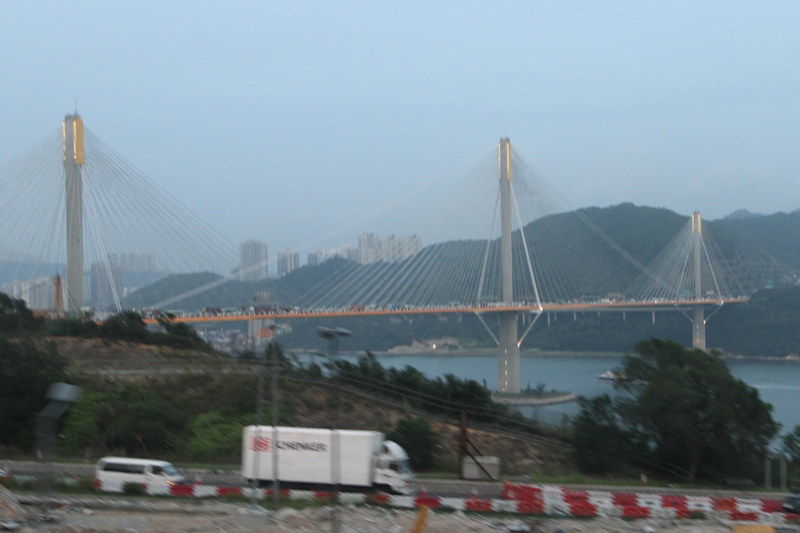
It is time for a get-away from the slog at work. A colleague and I got the van to Hong Kong on Friday for our flights from the airport this weekend. A little travel disaster struck me when I got out of the van at the hotel : inadvertently left my cell phone on the seat, with the driver disappearing from sight as I ran back out of the hotel. We did have his phone number but as I was trying to figure out the dialing codes for mainland China to call him from my room, the front desk called. Was I the person that left my phone in the van? Yes, yes! I said. May we ‘inconvenience you, sir’ into coming down to the lobby to get it? (You can inconvenience me all you want!). And there he was, the driver with my phone. Don’t worry so much! he said, as he handed me the phone.
par·a·sol [par-uh-sawl, -sol] noun
a lightweight umbrella used, especially by women, as a sunshade.
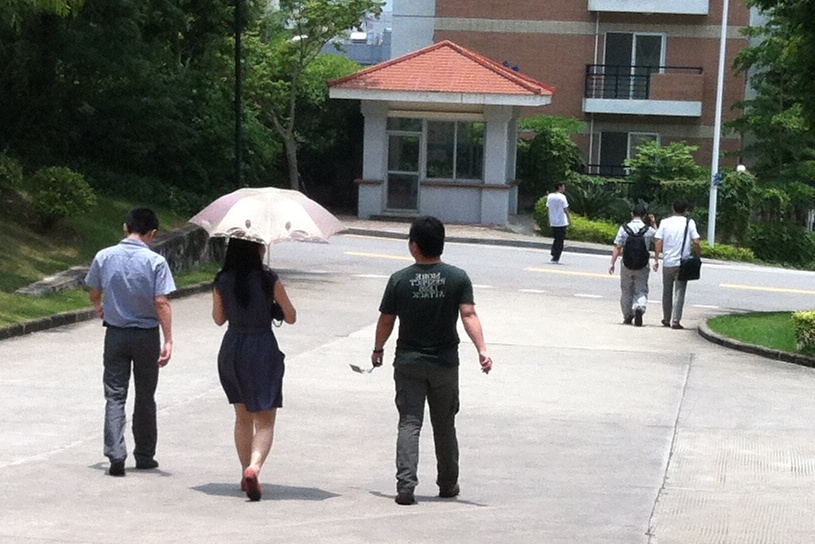
Parasols are not used much in the USA (why is that?), but they seem to be quite popular in China – especially when the sun is scorching down. This is not far from where I work. It is lunch time and a good thing that the cafeteria is close by !
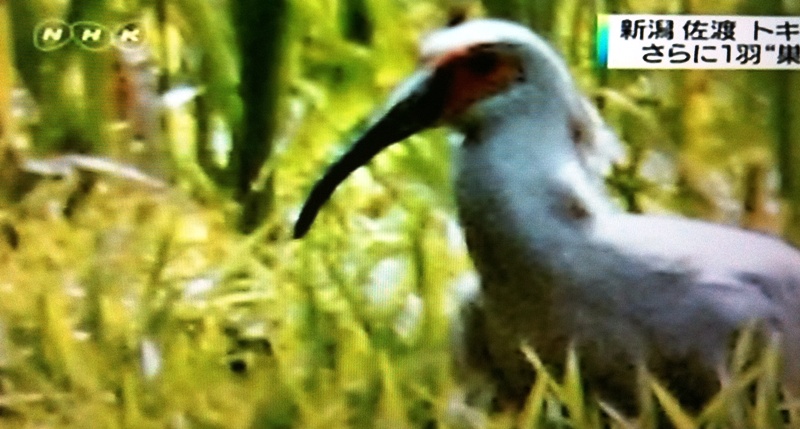
I had to find out what the deal with this bird is : several nights now I have seen reports about it on the Japanese TV channel NHK. One evening there was a news clip showing a nest with a new chick in it. The researchers watching through a camera with a telephoto lens were beside themselves. Well, it is a toki or a Japanese crested ibis. The birds hover on the brink of extinction. They used to be found in pine forests and wetlands all over Japan, China and also in South Korea. A small population does remain in Shaanxi Province in China – but in Japan there are only 5 breeding pairs, on Sado Island in Niigata Prefecture. They are all fitted with GPS devices, designated as National Natural Treasures. I see some websites show its scientific name as Rhacophorus schlegelii – but Wikipedia says it is Nipponia nippon. It does not get any more Japanese than that !
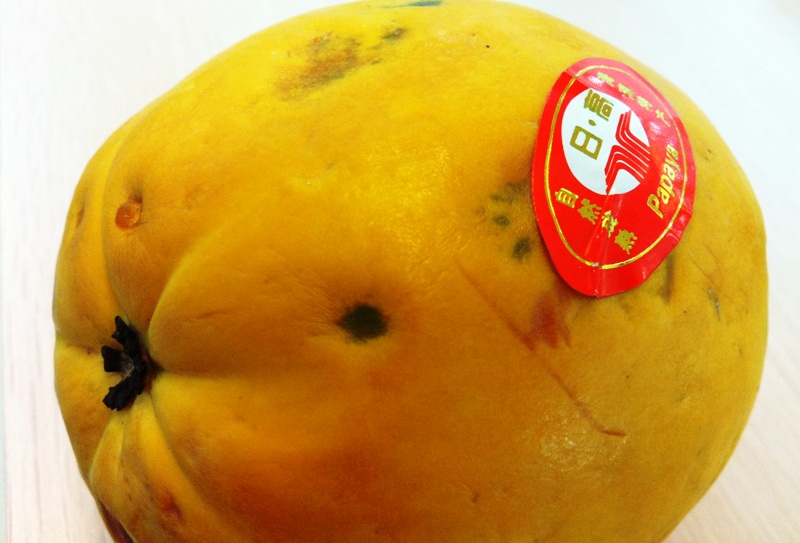 Here is my acquisition of the day from the fruit market : a papaya (in Chinese木瓜 mù guā), which means ‘tree melon’. Yes, papayas grow on trees with a single stem that can get 10m (30ft) tall. Papayas have good stuff inside, with lots of vitamin A and vitamin C.

I checked into the news reports about Apple’s annual world-wide developers conference in San Francisco (WWDC 2012) and found this beautiful conference logo. (There is a new operating system for the iPhone and iPad on the way, new Macbook computers but no iPhone 5 announcement. That’s fine with me. I’m not itching to get a new phone!).
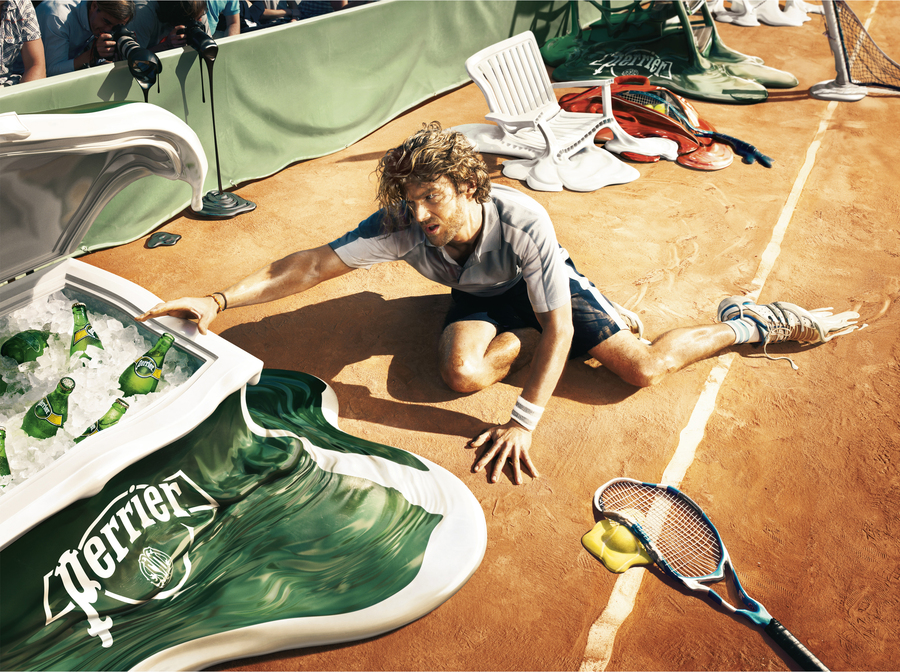
There was lots of water at the 2012 French Open Mens Final between Nadal and Djokovic : not Perrier mineral water, but rain. So when the match was suspended (again) for the day, Nadal was up two sets to one, and Djokovic up 2-1 in the 4th set. Play is to resume at 1pm local time on Monday.
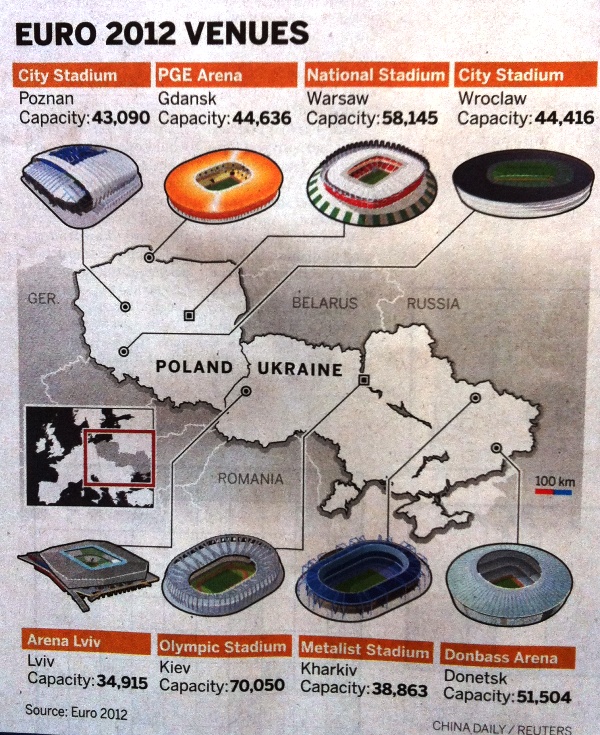
 Poland and the Ukraine are co-hosting the Euro Cup 2012 soccer event that started Friday night
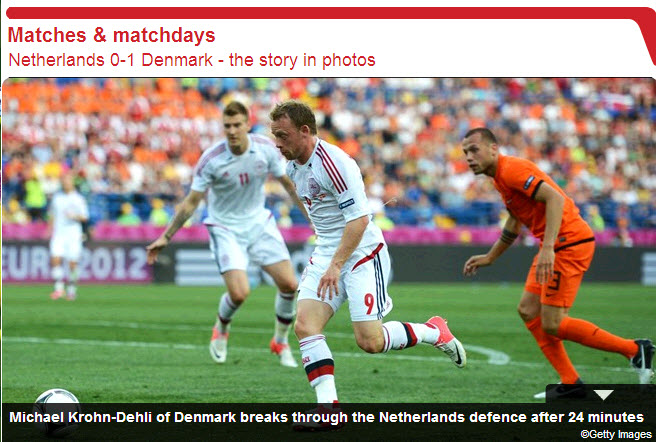 . CCTV1 transmitted the Netherlands-Denmark match live last night. I watched until the Danes got the first goal in the 24th minute and then went to sleep .. turned out that was the only goal. ‘Slordig Oranje hard onderuit’ (Sloppy Orange team fell down hard’) says Dutch paper Volkskrant on-line. But they point out that the Orange team lost their first-round match in 1988 against Russia and then went on the win the Cup. So all is not lost for the Dutch?
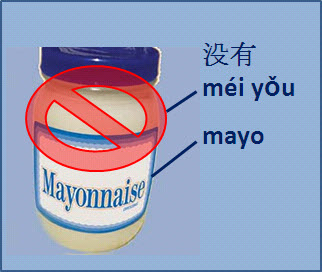 Friday night found us in the Damiesha Sheraton’s lobby again for a beer and a burger (and other food). One of us ordered the burger without mayonnaise. ‘Mei you mayo’ I chimed in, and we all laughed at the instant double entendre (of sorts). Méi yǒu (没有) means have not / has not / does not exist / to not have / to not be. Here is another example. Some time ago I called the front desk after I had settled in my room. There was no internet connection cable in the wall (there usually is). Up to my room comes a guy, takes a look under the desk, looks up at me – somewhat surprised – and says ‘méi yǒu’. Yes, yes, ‘méi yǒu cable’ I said, grinning. (The cable was actually tucked away in another place in the desk). And what is mayonnaise in Chinese? Dàn huáng jiàng, literally ‘yellow egg jam’.
The National Higher Education Entrance Examination here in China, or commonly known as Gaokao, is an academic examination held annually for two to three days across the country. There is a lot of pressure : almost 9.15 million students will take the exam to vie for 6.85 million vacancies in the country’s universities and colleges. There are about 310,000 exam rooms at 7,300 venues nationwide. All of this sounds very similar to my situation in high school in South Africa with the Matriculation Exam I did ! (Once upon a time, a long time ago).
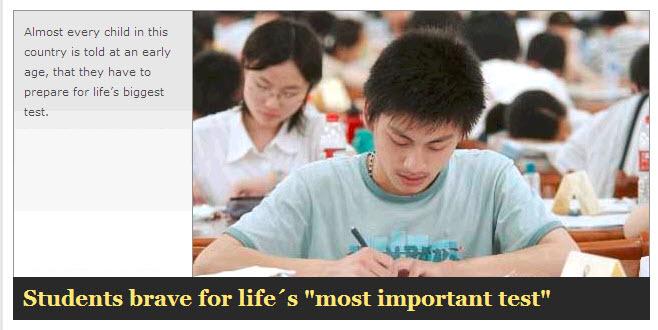
In the USA taking the SAT (Scholastic Aptitude Test) is an important part of the admissions process – but just one of many criteria used by colleges and universities to make admissions decisions. The SAT test consists of three parts- Critical Reading, Mathematics and Writing. The scores from each section can range from 200 to 800, so the best possible total score is 2400. The average score is about 1500, though.
I love the beautiful design on this dinner plate. It’s from a grocery store right here in Dameisha.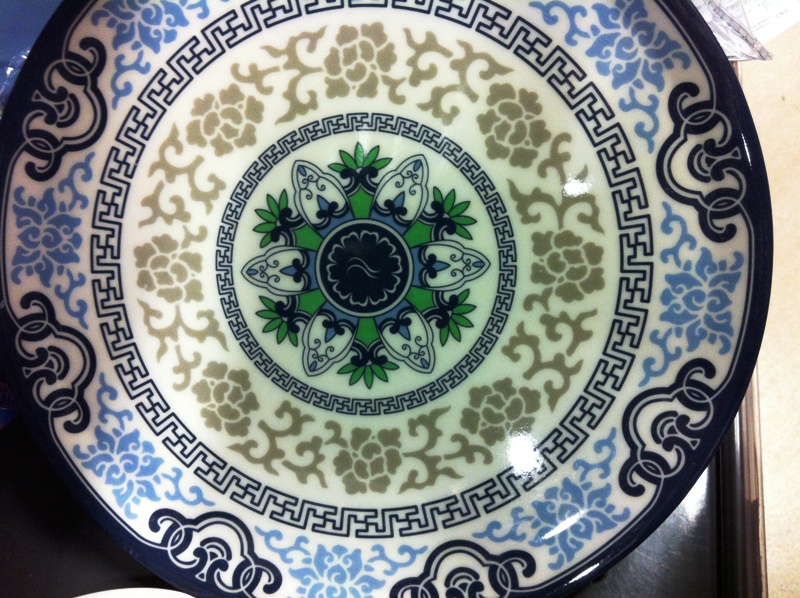
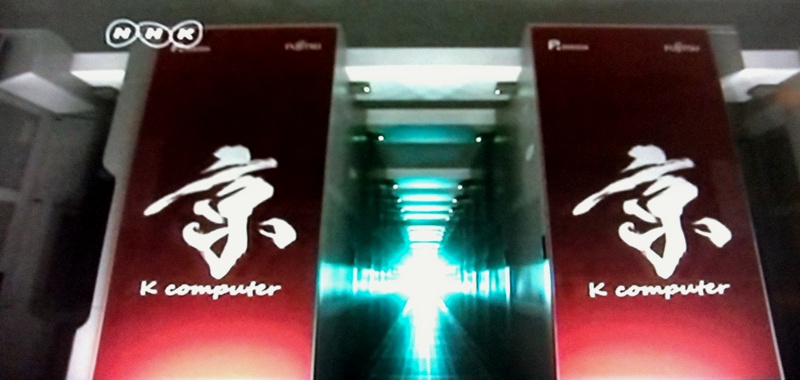
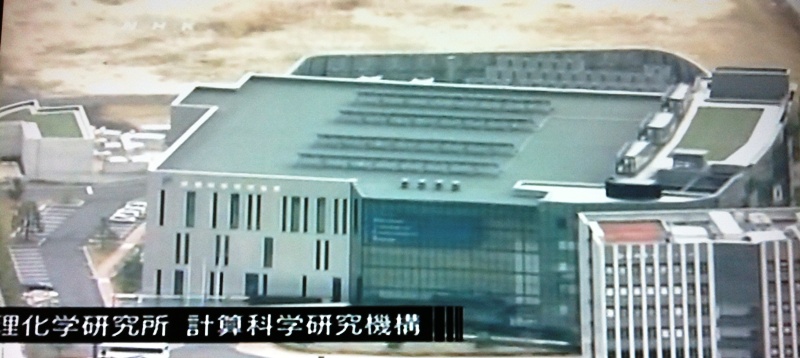
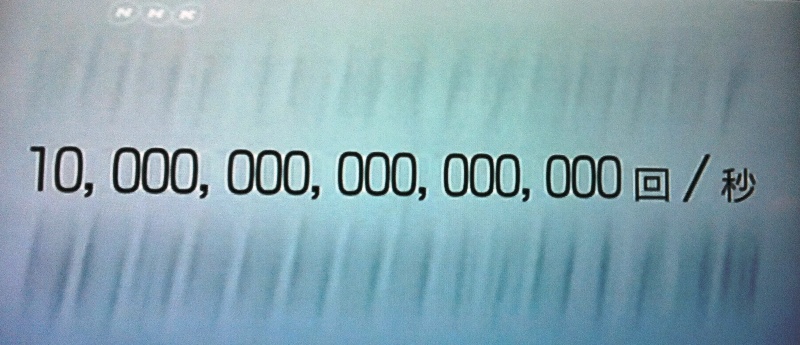
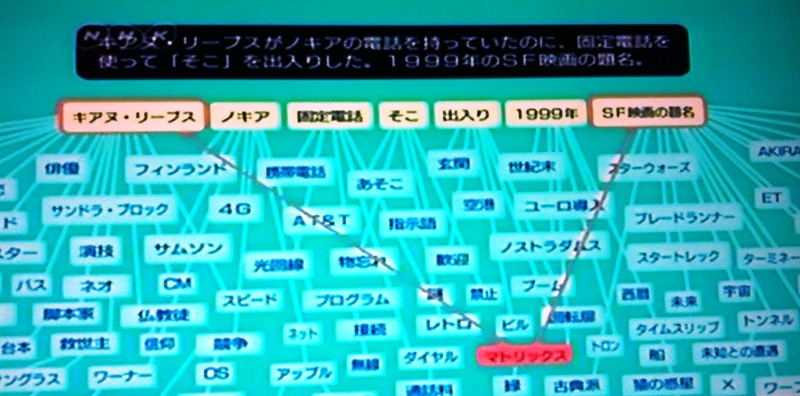
NHK World TV had a documentary on Sunday night, reporting that the world’s fastest supercomputer in the city of Kobe is nearing completion. It is called the K computer. The water-cooled beast has more than 80,000 nodes and consumes 13 MW of electricity. That’s enough power for 10,000 homes. It is the first machine to break 10 petaflops : 10 15 or 10 quadrillion calculations per second. It used mostly for research – molecular modeling and finding matching molecules or genes for cancer treatments and the like.

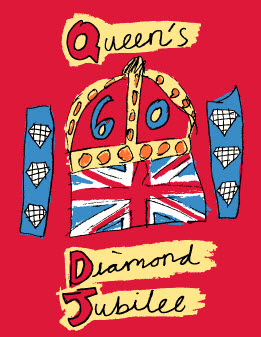
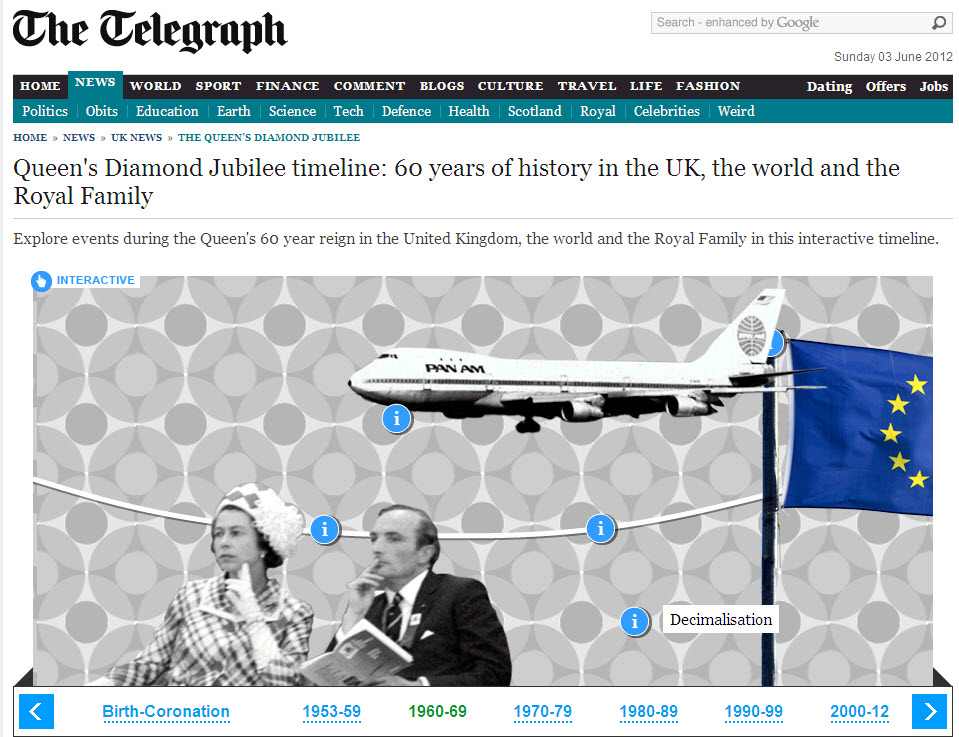
The Telegraph has compiled a cool interactive timeline of the 60 years since Queen Elizabeth ascended the throne, here http://www.telegraph.co.uk/news/uknews/the_queens_diamond_jubilee/9305109/Queens-Diamond-Jubilee-timeline-60-years-of-history-in-the-UK-the-world-and-the-Royal-Family.html
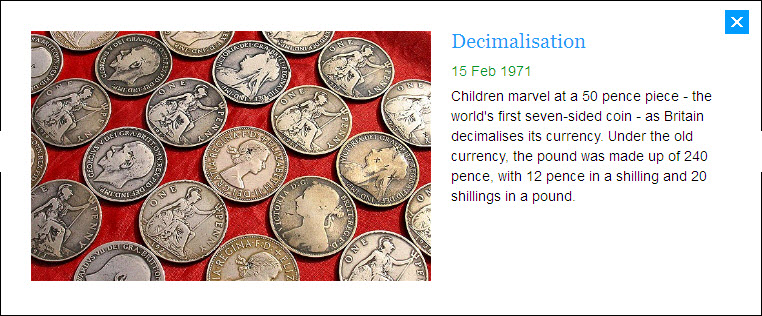
The decade when I made my entrance into the world shows a Pan Am 747. I see decimalization of the currency in the UK occurred in 1971. The penny farthing (¼ penny) bit the dust in this conversion, and the Pound became the Pound Sterling. In South Africa a decimal currency was actually introduced 10 years earlier almost to the day, on 14 February 1961. TWO South African Rand replaced one South African pound.
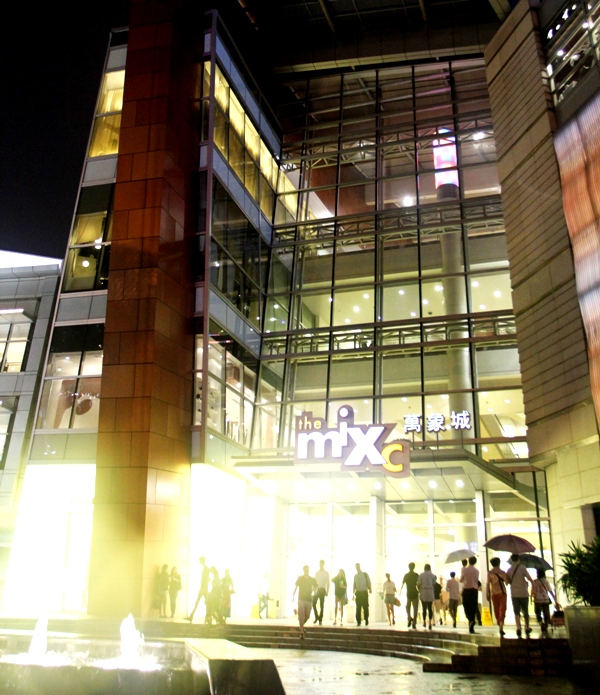
I had to get out of the hotel room for a bit on Saturday, and off to the Mix-C Mall in Shenzhen I went late afternoon, a 20 minute taxi ride. I would have walked around more but it was raining when I emerged from the mall, and I decided to come back instead of waiting to see if it would clear up.