Thursday/ building the sun

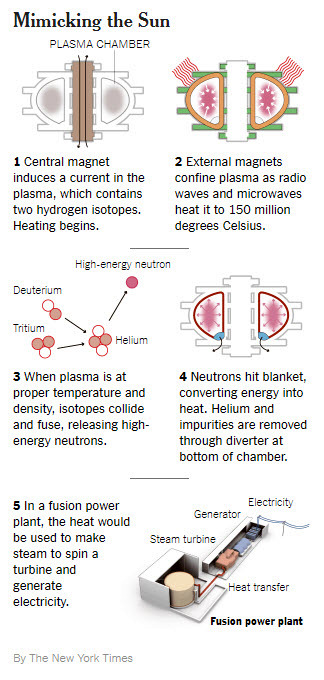
Check out these illustrations from the New York Times, of the world’s first nuclear fusion reactor, underway in Saint-Paul-lès-Durance in Provence, France.   It is a structure that will be some 100 feet in diameter and 100 feet tall, with the largest stainless-steel vacuum vessel ever made, and an electro-magnet so strong that it could lift an aircraft carrier.

This is the stuff that science fiction is made of.  The first major operating goal for the plasma chamber is to contain pure hydrogen that will not undergo fusion, ‘first plasma’ (target: 8 years from now).  Then the goal is to establish a so-called burning plasma, which contains a fraction of an ounce of fusible fuel in the form of two hydrogen isotopes, deuterium and tritium, which can be sustained for perhaps six or seven minutes, but will release large amounts of energy (in the form of heat).  This goal will not be achieved until 2035 at the earliest.
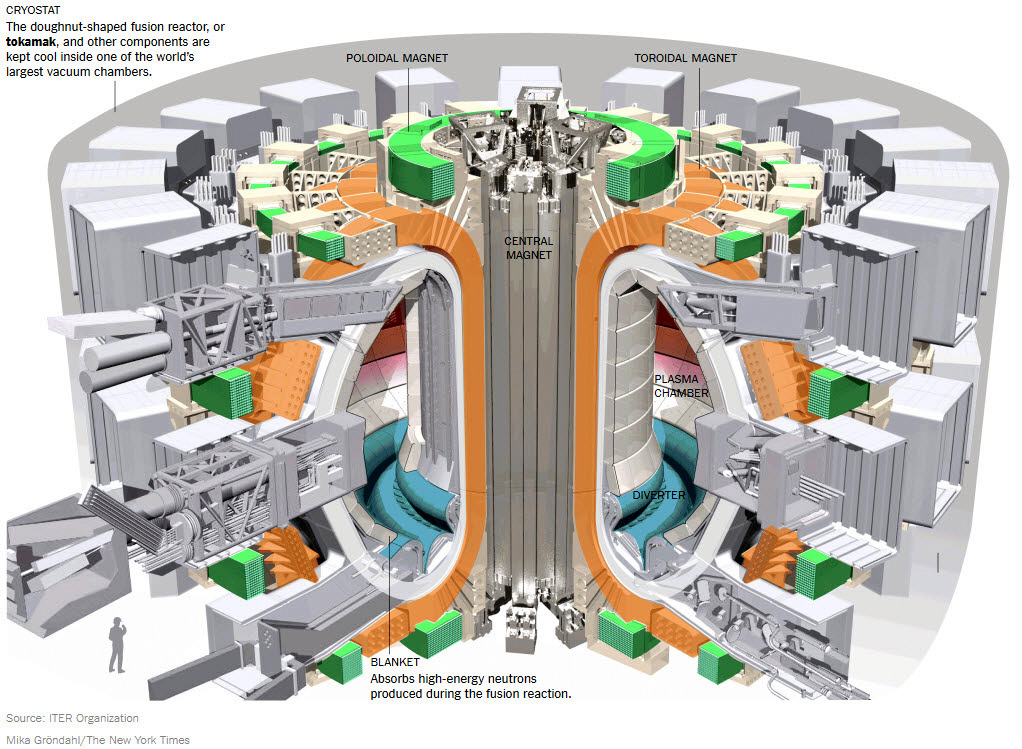
[From the New York Times] ITER, short for International Thermonuclear Experimental Reactor (and pronounced EAT-er), is being built to test a long-held dream: that nuclear fusion, the atomic reaction that takes place in the sun and in hydrogen bombs, can be controlled to generate power. First discussed in 1985 at a United States-Soviet Union summit, the multinational effort, in which the European Union has a 45 percent stake and the United States, Russia, China and three other partners 9 percent each, has long been cited as a crucial step toward a future of near-limitless electric power.

Wednesday/ Total Eclipse of the Sun stamps

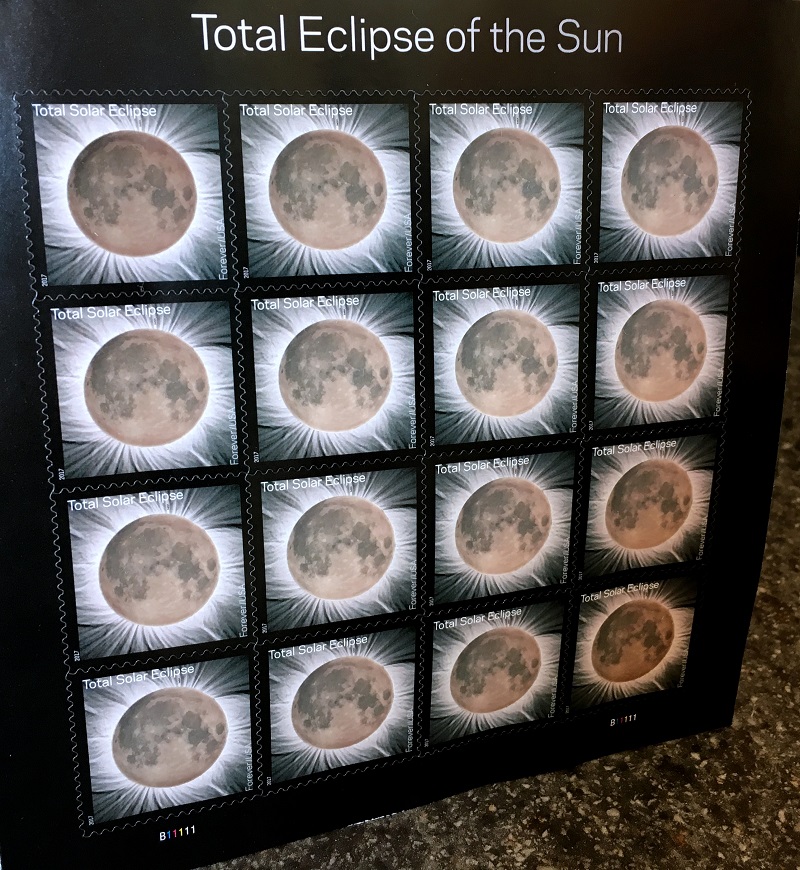
The Total Eclipse of the Sun ‘forever’* stamps that I ordered, arrived today. I promptly put my fat finger on one to see if the thermochromic ink works as advertised.  It does, and the image of the moon reverts back to a ‘total eclipse’ (black blob) soon after one removes the source of heat.

*’Forever valid as standard postage, no matter how much the US Postal Service increase the rates (currently $0.49).  Well, OK, but not even our solar system’s sun is ‘forever’. At some fantastical point in time 5.5 billion years out, it will deplete its supply of hydrogen and helium and collapse into a white dwarf.

Here is what the sheet of stamps look like right after I had bathed it in bright sunlight for a minute or two.  As soon as the surface of the stamp cools down, the moon turns back into a black shadow, though. The white lines must be the solar wind: a stream of charged particles released from the upper atmosphere of the Sun

Tuesday/ forever spin

‘Simplicity is the ultimate sophistication’ said Leonardo da Vinci once, a quote that appears on Toronto-based metal top maker ForeverSpin’s web site.

Tops are among the world’s oldest toys, and it really is fascinating to watch a spinning top, no?  (But yes, we live in the real world, and so due to the hard reality of friction, the top does not really spin forever, of course).

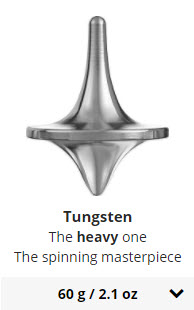
I think I should go for Tungsten, the heavy one, with the added bonus that chemical symbol W for wolfram matches my first initial. Hmm, yes.

It’s just so hard to choose which one of the 17 tops (ForeverSpin does a fine job of marketing, romanticizing the metals): titanium (the ‘strongest one’), 24kt gold mirror (the ‘luxurious one’), stainless steel (the ‘original one’), copper (the ‘classic one’), aluminum (the ‘playful one’), Damascus steel (the ‘unique one’), rose-plated gold (the ‘romantic one’), 24kt gold plated (the ‘stylish one’), magnesium (the ‘lightest one’), cast iron (the ‘medieval one’), zirconium (the ‘exotic one’), brass (the ‘mature one’), stainless steel mirror (the ‘shiny original’ one), bronze (the ‘ancient one’), nickel (the ‘fine one’), tungsten (the ‘heavy one’) or black zirconium (the ‘elegant one’).

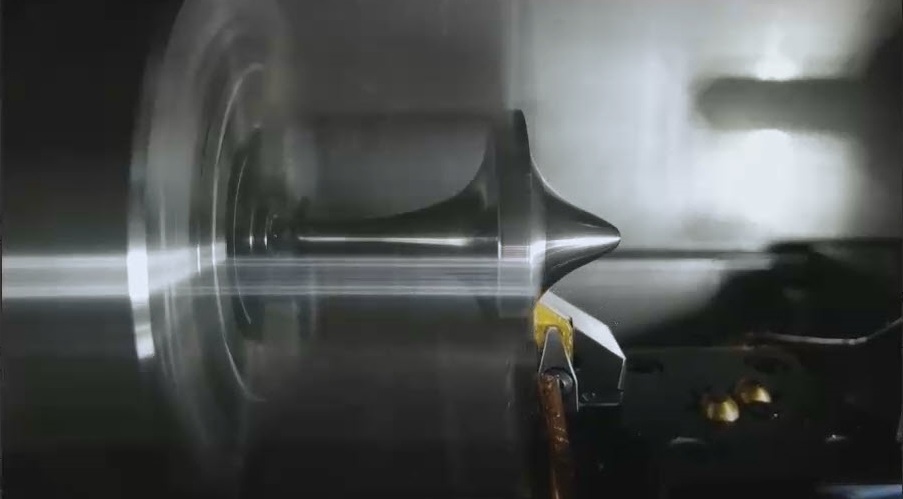
Still from the foreverspin.com website, showing how the tops are fashioned with a numerically-controlled (NC) lathe.


Monday/ the tennis ball says: stop

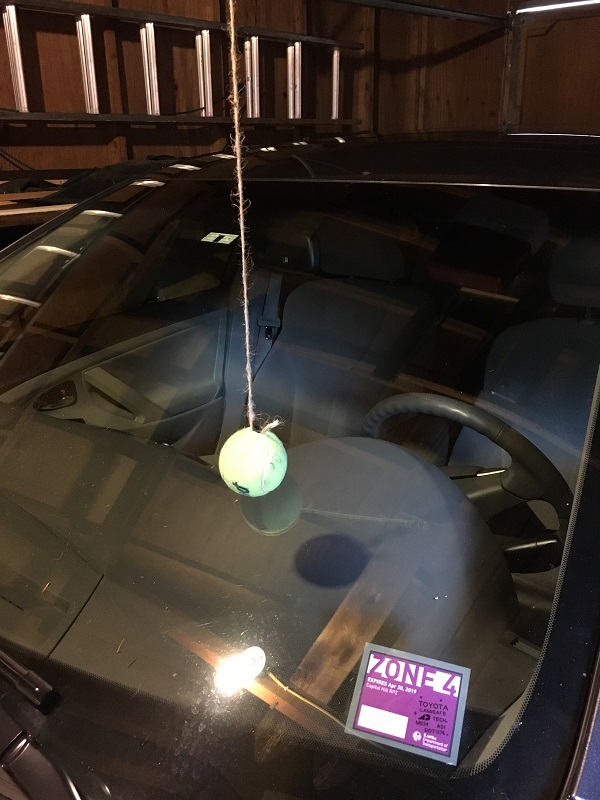
Hard to miss, the tennis ball touching the windshield saying: stop!
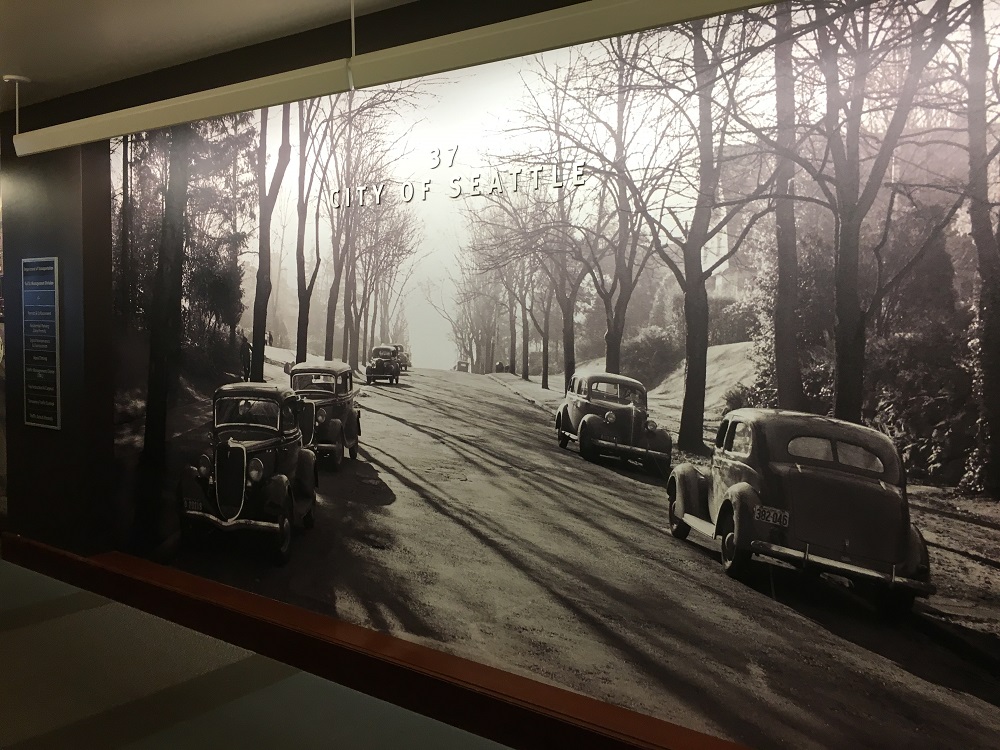
This cool blown-up wall picture from years gone by in Seattle is in the elevator lobby of the 37th floor in the Seattle Municipal Tower on 5th Ave (went there to get my residential zone parking permit for my car).  Unfortunately I don’t know the year or the location of the photo on the wall.


I’ve been wanting to do this for a long, long time, and now I finally did it: installed an old tennis ball on a string, dangling from a rafter in my garage.

My ‘new’ (used) Camry is bigger than the one I had, and now I do not have to wonder if I left enough room at the back for the garage door to close!


Sunday/ happy Pride!

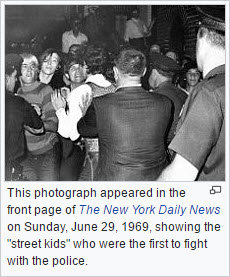
Photo from the Wikipedia entry for Stonewall Riots.

It was LGBTQ Pride weekend in Seattle (as was the case in many other cities in North America).

June is recognized each year as LGBTQ Pride Month in the USA, not because the weather is nice! .. but to commemorate the Stonewall Inn event on the morning of June 28, 1969 in New York City’s Greenwich Village. Police raided the popular bar, not notable in itself for the late ’60s, but this time the patrons of the bar and on-lookers outside, fought back. There were riots for several nights after that in the Village, as well.   The following year, on June 28, 1970, saw the first gay pride marches in New York, Los Angeles, San Francisco and Chicago.

Fast forward to 2017, and here are a few colorful pictures from today’s march in Seattle. We have all come a long, long way. Happy Pride!

These marchers with their Canadian maple leaf are from the Consulate General of Canada’s offices.
Kaiser Permanente (hospital operator and health-care provider) is new to Seattle (they bought GroupHealth), and it was nice to see them march in the parade.
Seattle Gay Families, LGBT Parenting Social Group, says the banner .. and they all look very happy!

Saturday/ summer is here

Well, summer has arrived here in Seattle.
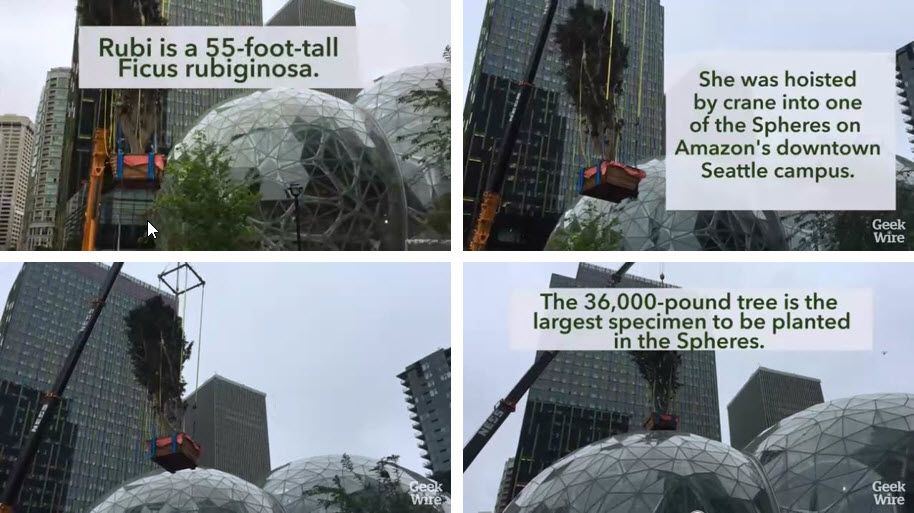
Saturday saw temperatures of 89 °F (32 °C) in the city – and Sunday even warmer at 96°F (36°C). On Tuesday, a giant ficus tree (transported all the way from California) was hoisted into one of the Amazon biospheres.  I see the tree is also called the rusty fig or Port Jackson fig, and it is really native to eastern Australia.

Stills from a video clip on Geekwire.com, showing the hoisting of the Ficus tree into one of the Amazon biospheres.


Friday/ more South African coins (1983)

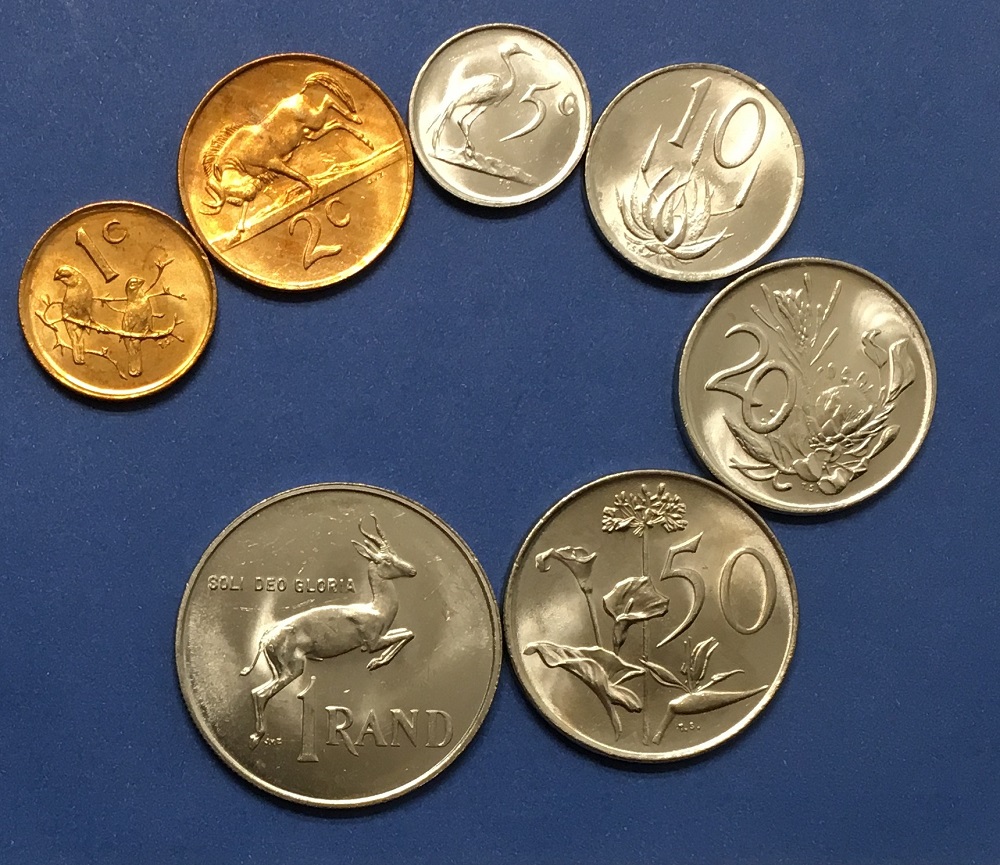
Here is the set from 1983 (this set ran from 1965 to 1988, designer-engraver Tommy Sasseen).  I love the animals and birds on the coins, especially the wildebeest on the 2c.  So two bronze coins, with the others made of nickel. Nickel replaced silver in earlier coin sets – and the nickel would in turn (in later years) be replaced with cupro-nickel.

I bought some old South African coins a while ago, but I could not resist this 1983 set when I saw them on eBay (only $12).

These were the ones I grew up with, were my pocket money, and I will never forget the images on them.  In my first year in school a boy called Leon gave me a 20c coin out of the blue as a gift (to ‘buy’ my friendship?). My mom was shocked, of course, that I had accepted it, and I had to promptly return the coin to Leon. No can do, I had to tell him.

DenominationDiameterMass Metal Design
1 cent19.0 mm3.0 gBronzeSparrows
2 cents22.4 mm4.0 gBronzeBlack Wildebeest
5 cents17.3 mm2.5 gNickelBlue Crane
10 cents20.7 mm4.0 gNickelAloe Plant
20 cents24.2 mm6.0 gNickelKing Protea (Cynaroides)
50 cents27.8 mm9.5 gNickelWhite Arum Lily, African Lily & Strelitzia
1 Rand (100 c)31.0 mm12.0 gNickelSpringbok


Thursday/ in America, you’re dead without money

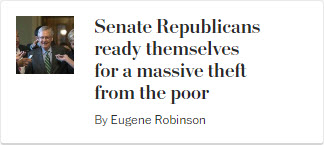
Opinion headline in the Washington Post.

Another day in American politics under the Trump administration, and I would say, a particularly bad one.  This is not how democracy is supposed to work: for a few Republican senators to craft a major piece of legislation in secret – legislation that will take away the average citizen’s affordable or life-saving existing healthcare, basically to provide the rich with tax cuts, that they surely do not need.

From the New York Times: Senate Republicans, who for seven years have promised a repeal of the Affordable Care Act, took a major step on Thursday toward that goal, unveiling a bill to make deep cuts in Medicaid and end the law’s mandate that most Americans have health insurance.  The 142-page bill would create a new system of federal tax credits to help people buy health insurance, while offering states the ability to drop many of the benefits required by the Affordable Care Act, like maternity care, emergency services and mental health treatment.

So much for President Trump’s campaign promises to ‘take care of people’ and provide them with ‘terrific healthcare’, and that there will be no cuts to Medicare and Medicaid.

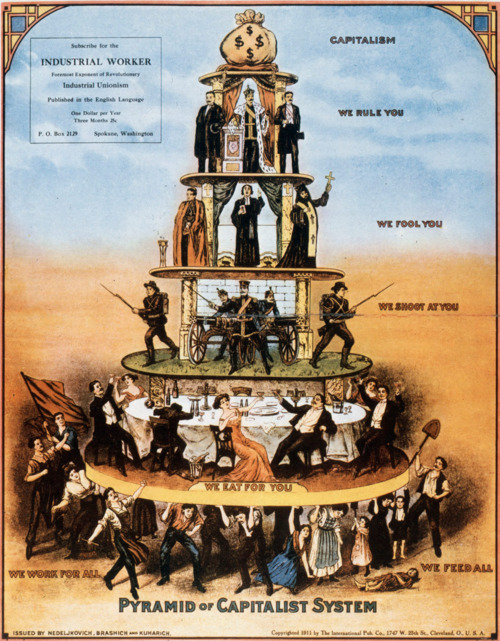
The Pyramid of Capitalist System is a common name of a 1911 American cartoon caricature critical of capitalism, closely based on a Russian flyer of circa 1900.  Says the poster: We rule you. We fool you. We shoot at you. We eat for you.  Let’s also stipulate, in 2017 : ‘We take away your affordable healthcare’.

Wednesday/ neat postage stamps

I have always loved postage stamps, for the miniature works of art that they are.
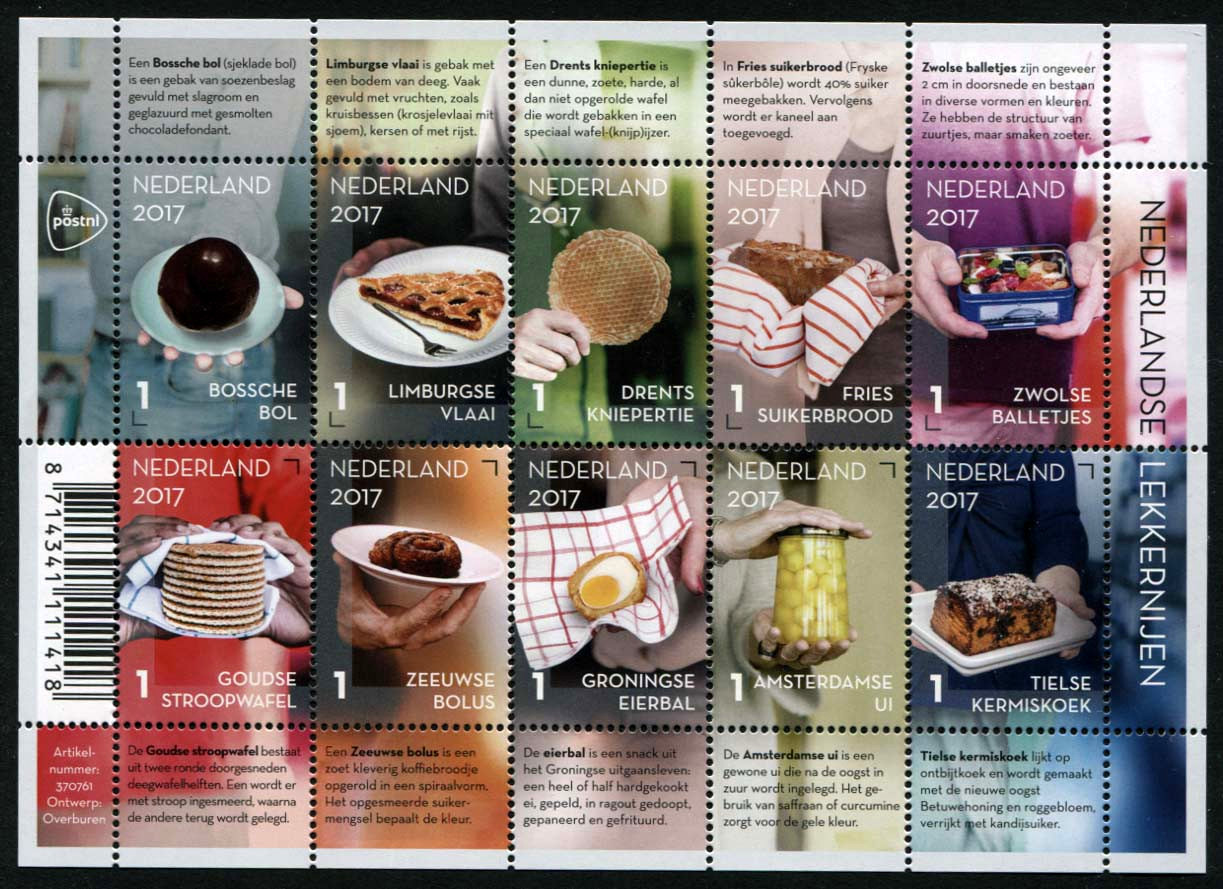
Here is a sample of my new favorites that I found browsing around on the Dutch website postbeeld.com.

Stamp set from the Netherlands celebrating favorite Dutch foods and treats. I see the city Utrecht (in the province of Utrecht) is very unhappy, though : the set omitted the region’s very popular Vockingworst, a ground liver sausage named after its inventor, and a favorite since 1891.
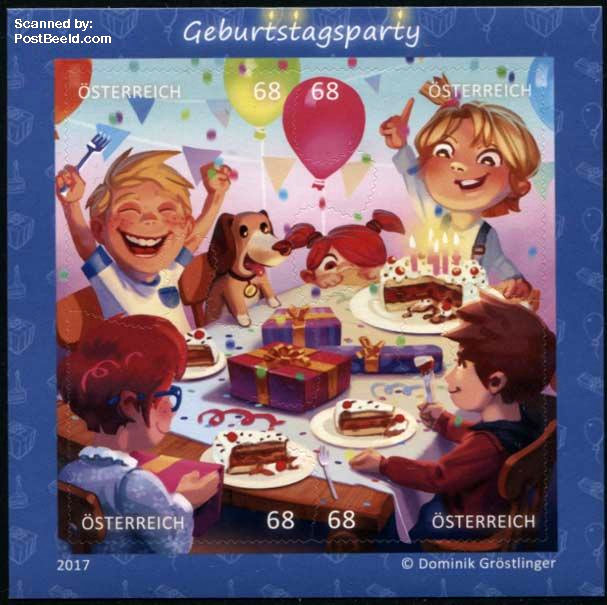
‘Birthday Party’ .. new 2017 stamps from Austria.
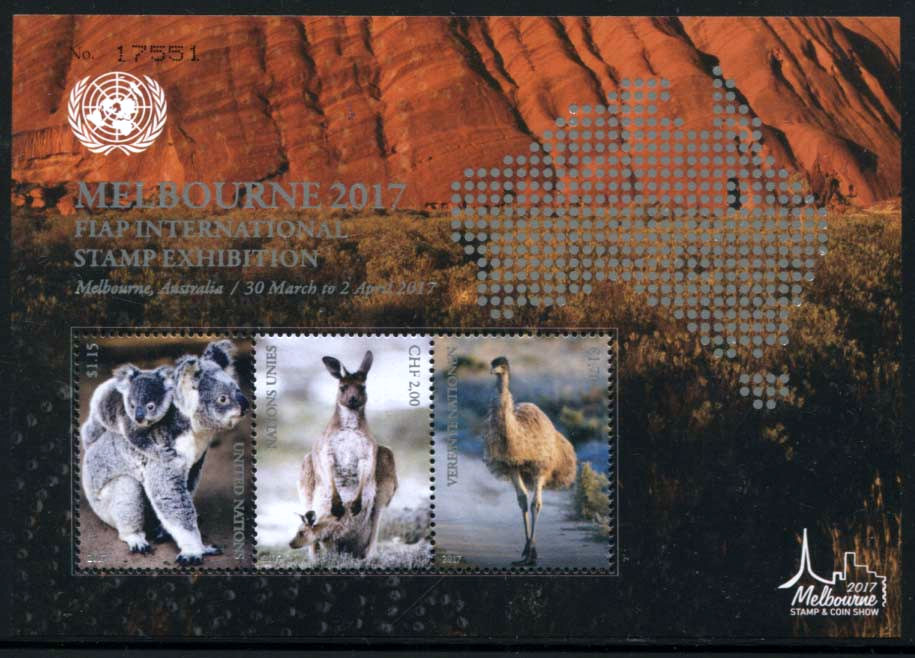
Koala (Australian Dollar AUD 1.15), red kangaroo (Swiss Frank CHF 2.00)  and emu (Euro EUR 1.70) on new United Nations commemorative stamps issued in Australia in March.  Very unusual for a set of stamps to have different currency denominations.  I guess you have to make sure your stamp matches your sending country!
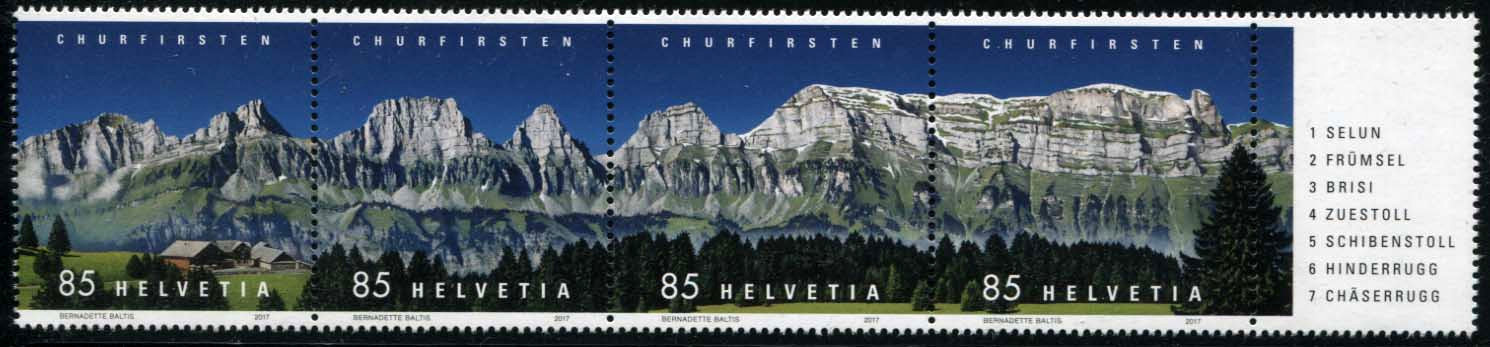
Churfirsten is a mountain range in the Canton of St. Gallen, Switzerland. The range has a limestone ridge running east to west, with the individual peaks formed by erosion. Seven peaks in the range are listed on the right. I can more or less (but not exactly) tell which the seven peaks are, going from left to right.
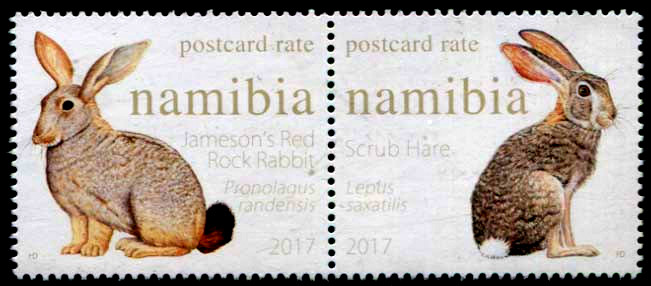
And here is a pair of stamps from Namibia, one of a rabbit (a wabbit, as Elmer Fudd would say), and a hare. Hares are usually larger than rabbits, with longer hind legs and longer ears.
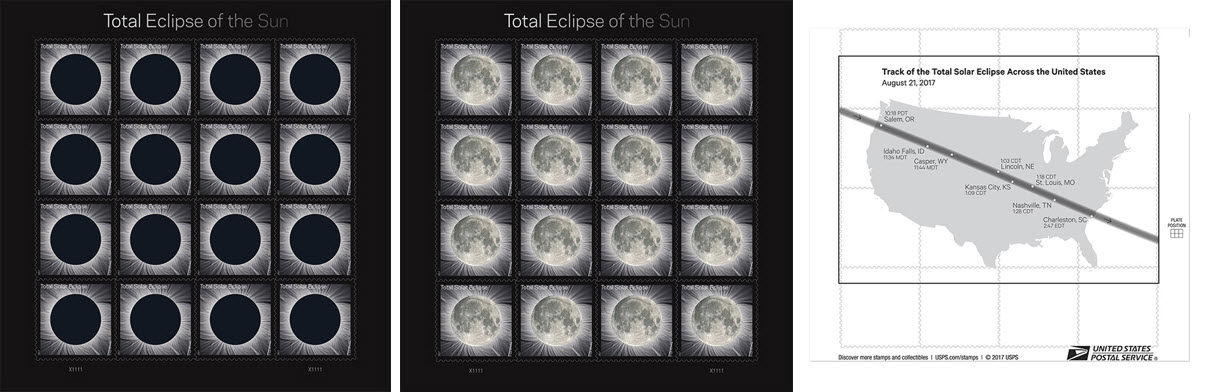
(These images from usps.com). Finally, since it’s the first day of summer here in the north AND there is a total solar eclipse in the making for the continental United States, the USPS issued solar eclipse stamps that are printed in thermochromic ink, which means they will react to touch (the black will turn to an image of the moon, and revert back to black afterwards. How cool is that?). Of course, now I have to have these, so that I can test them with my grubby hands for myself!

Tuesday/ how Australia feels

From the New York Times: Australia’s Dark Vision of the World


Monday/ eutherium = tulip bulbs?

I have known about the cryptocurrency* Bitcoin for a long time, with its shady reputation as a currency for ransomware payments and drug dealers.  (*A cryptocurrency is a digital currency, used on-line for payments, for which encryption techniques are used to regulate the generation of units of currency, and verify the transfer of funds, with all of this operating independently of a central bank.

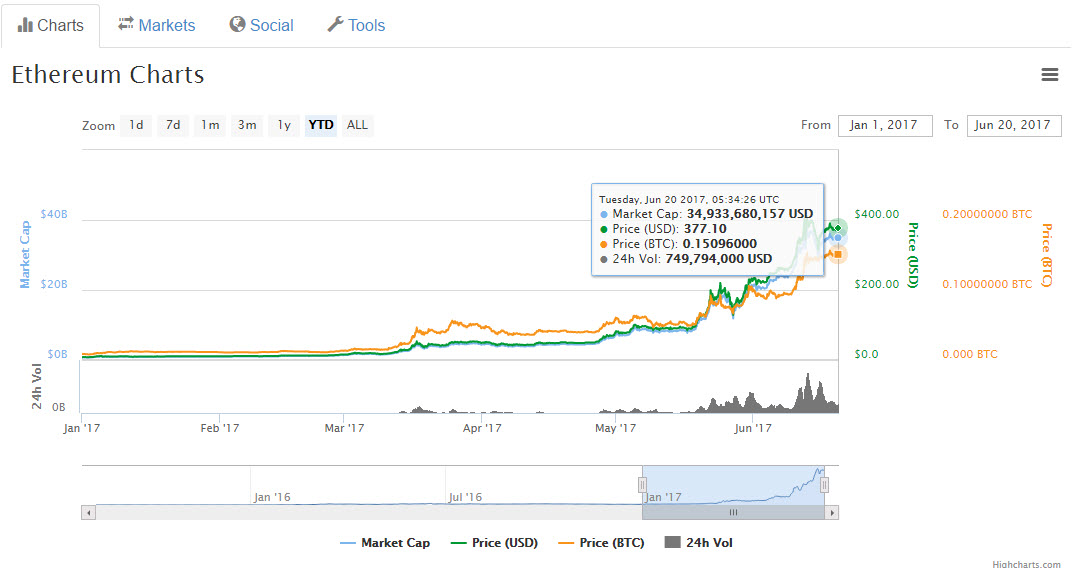
But I see the tracking website coinmarketcap.com lists a hundred of these cryptocurrencies (whoah, is that 97 or 98 too many to be viable?).  Word is now (see NYT article) that Bitcoin is losing out to a currency called Eutherium. (An unfortunate reference to ‘ether’, meaning it is as volatile as ether? Are these virtual currency units the tulip bulbs of the 21st century? .. those tulip bulbs from the Dutch Golden Age that were bid up, up and up, and then collapsed dramatically in 1637.)

The NYT article says virtual currency fanatics are monitoring the value of Bitcoin and Eutherium and waiting for the two currencies to switch place at the top of the market cap listings, a moment that has been called ‘the flippening’.

These cryptocurrencies are volatile, and for mad money investors only. For example: Eutherium dropped from USD 410.68 (Jun 13) to USD 313.87 (Jun 15), a 24% drop in two days. Then again, look at that long-term trend. Easy now to look back and say: I should have gotten in by now!

Saturday/ Fremont Summer Solstice Parade

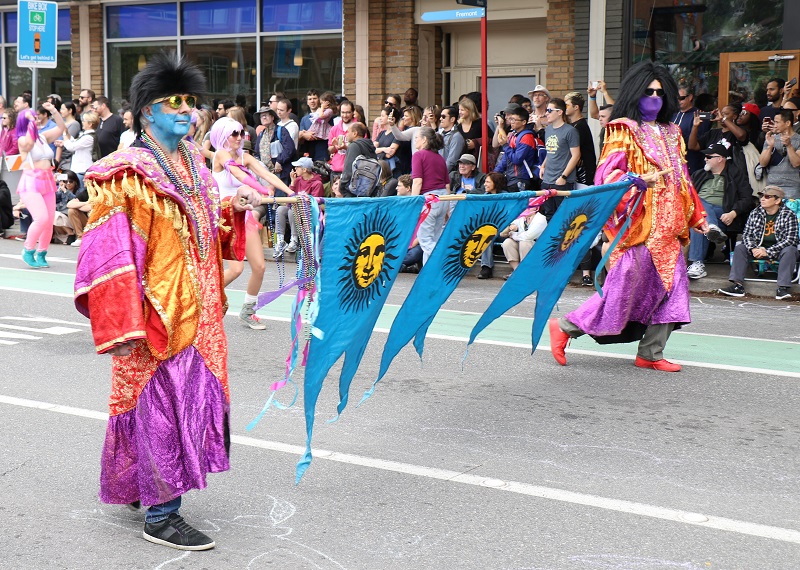
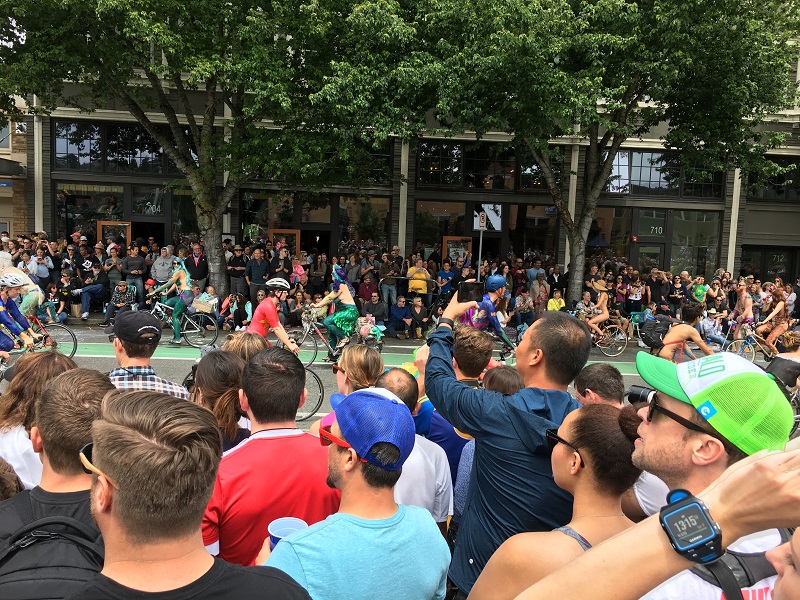
The annual Fremont Summer Solstice Parade took place today, in Seattle’s Fremont neighborhood.  Summer solstice in the Northern Hemisphere will be at 9:24 PM Pacific Time on Tuesday, June 20.
It was overcast for most of the day and so the sun wasn’t really out in full force, but hey! we know it’s there, right?  Here are pictures that I took today, of the parade.

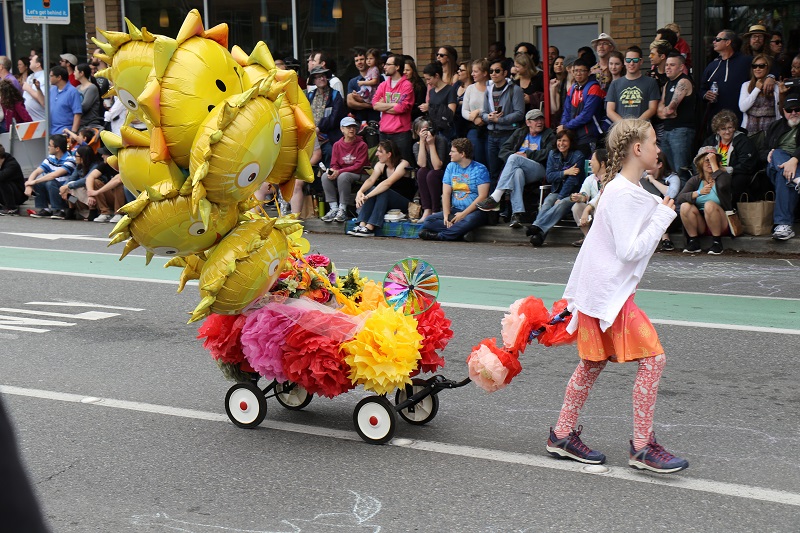
The start of the parade with the friendly sun ‘trademark’ of the Fremont Arts Council that organize the parade every year.
Look! Naked people on bicycles! The naked cyclists provide titillation for the crowds before the parade actually starts. Each year there are LOTS of cyclists, maybe a hundred or so.
Lots of sun balloons, fittingly filled with helium gas. Helium is named after the Greek god of the sun, Helios.
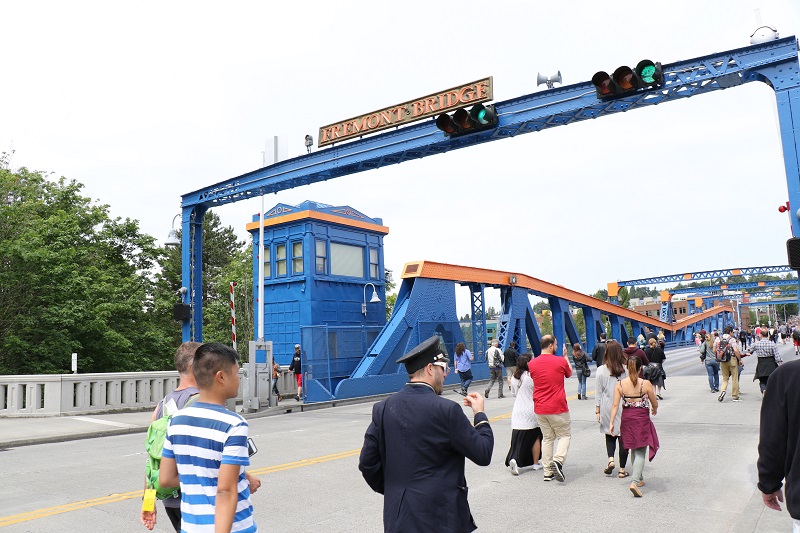
The Fremont bridge was closed for the duration of the parade. The bridge is a double-leaf bascule bridge that spans the Fremont Cut in Seattle, and it is actually 100 years old this year.
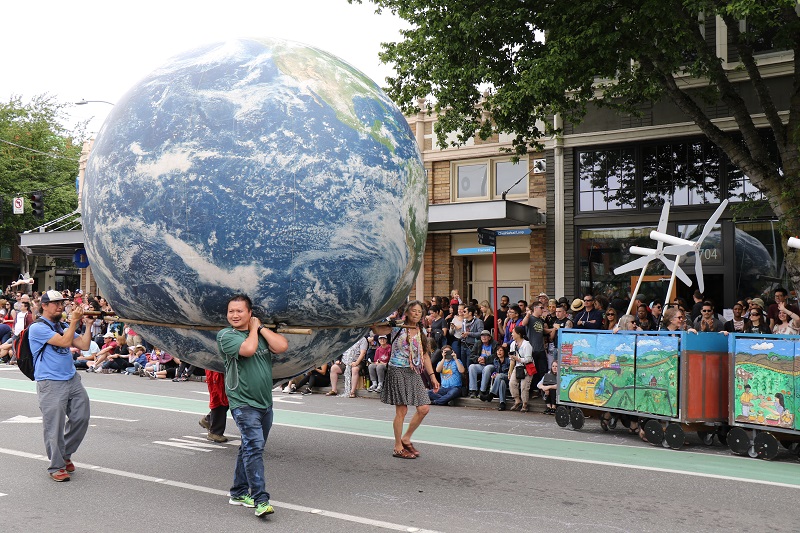
The giant earth balloon is a mainstay of the parade, and comes out every year. I hope it does not get too heavy for the earth-bearers by the end of the parade!
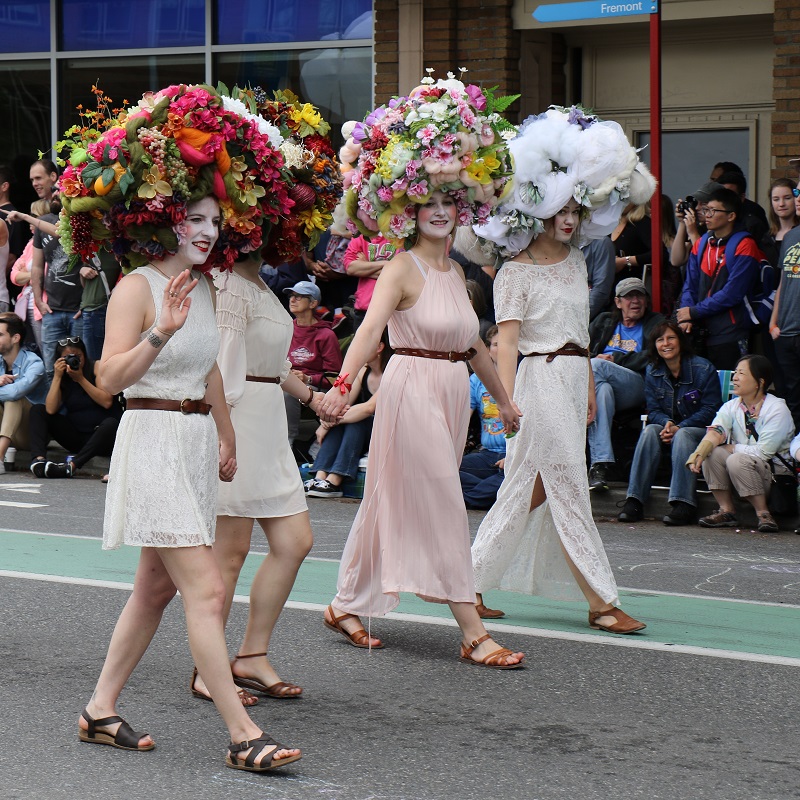
Nice hats, ladies!
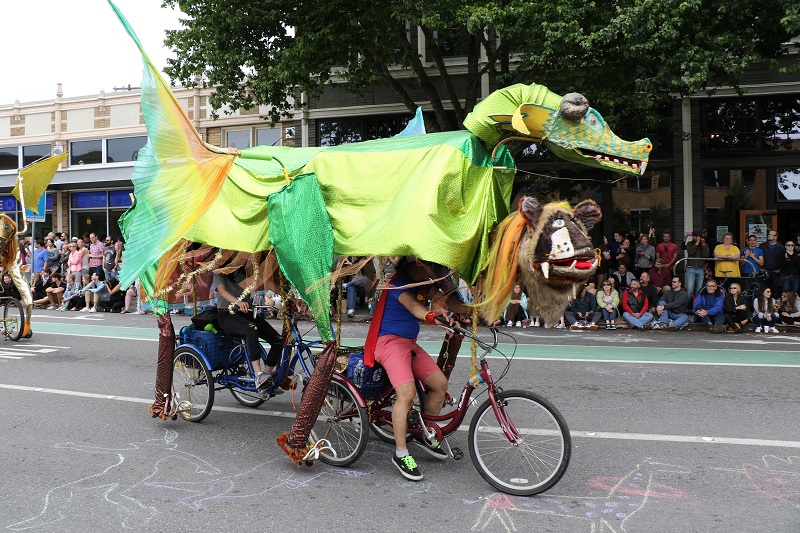
A mythical sun-lizard or a sun-dragon? No motorized vehicles are allowed in the parade; it is pedal power only.
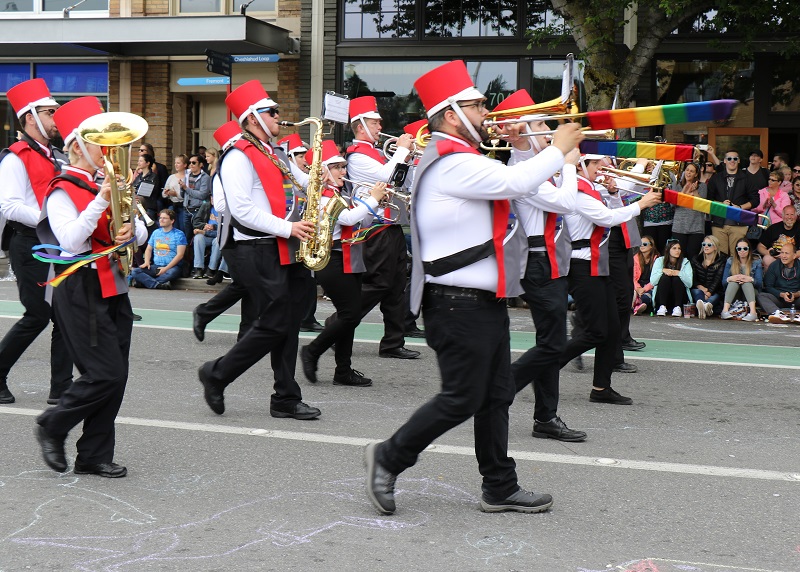
The band provided some lively marching music, with the rainbow sheaths on the trumpets a nice touch.
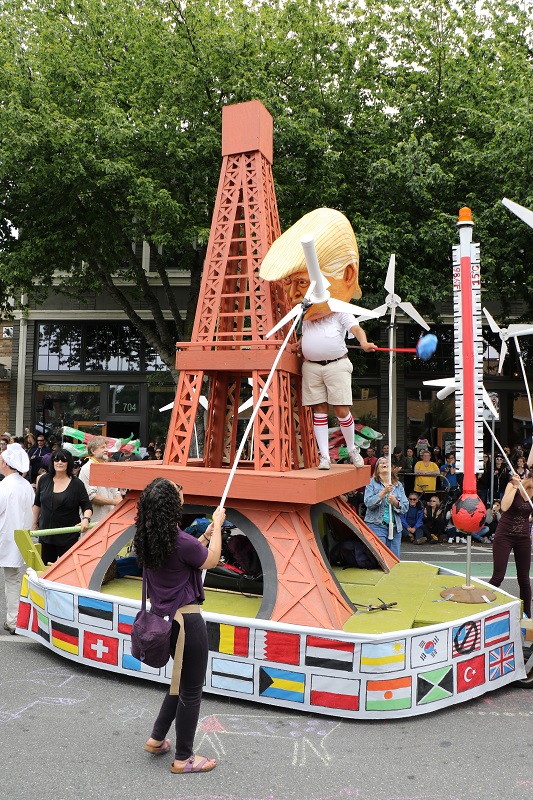
The Eiffel Tower (representing the Paris Climate Accord), with ‘President Trump’ fighting off the pesky ‘clean energy’ teaser with his golf club.
Here’s another President Trump, drawn by a ‘Secret Service’ agent. Some on-lookers could not resist the pink pillows, and went for it, kicking President Trump in the ‘rear’.
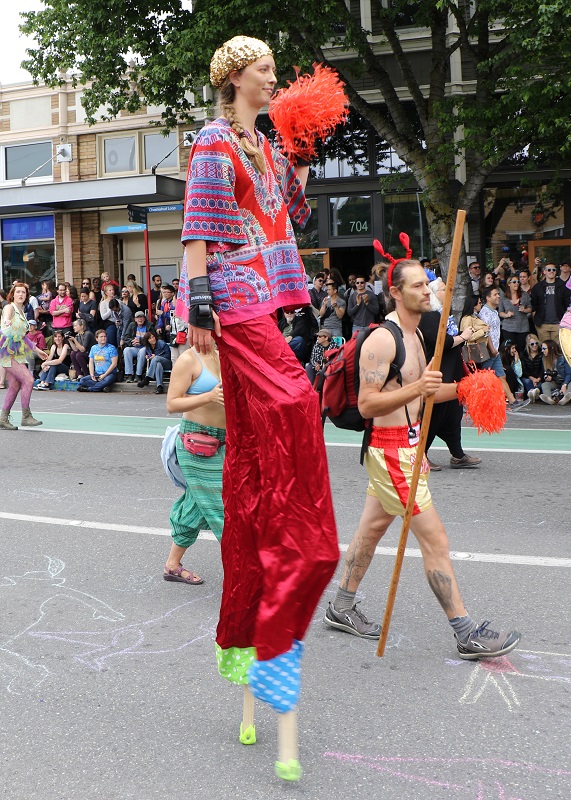
A beautiful parader – and a handsome man, with a red ‘lobster eye’ headband, is that what it is? 🙂 next to her – adding to the festivity with stilts, gold and red pom-poms.


Friday/ hold the butter, coconut oil

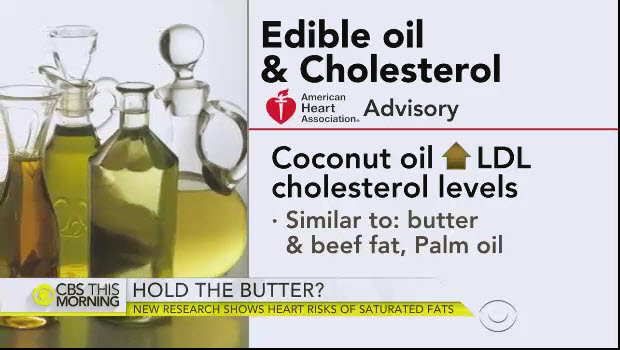
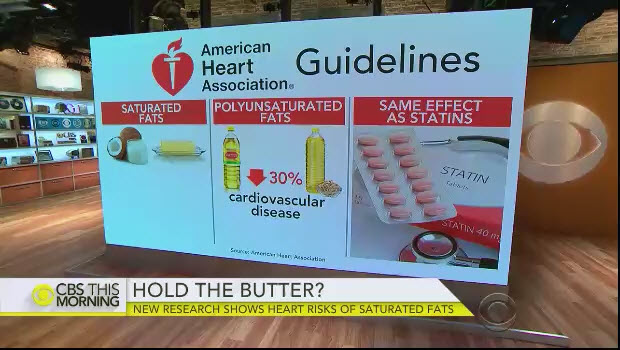
I have coconut oil in my kitchen (that I cook with sometimes), but I see that I should not use it for cooking. It contains 80% saturated fat ! – not good for the heart.

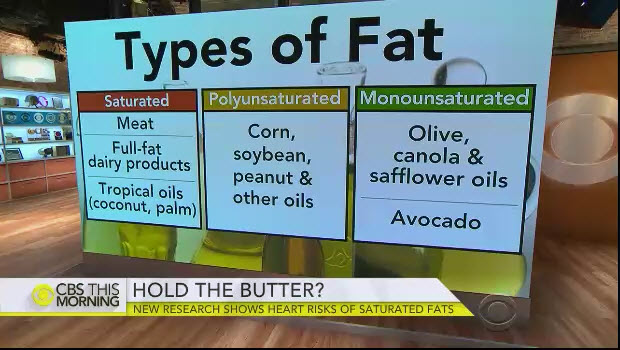
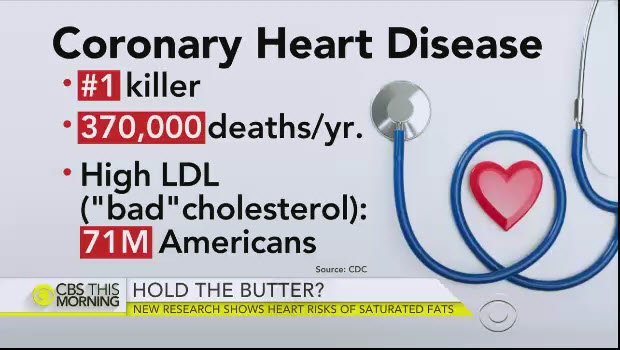
I do cook with olive oil, but I see there is an even better option : polyunsaturated oils such as corn oil, soybean oil or peanut oil. Check out these stills from CBS’s Friday morning show.

Some studies show that a diet with polyunsaturated fats can have the same effect as statin drugs.
Stay away from coconut oil and palm oil, and take it easy on butter and beef cuts with a lot of fat. Butter has 60% saturated fat, and beef has 40%. I suspect ice cream is in the 40% range as well.
Olive oil and avocado is still good – they have monounsaturated fats, but oils with polyunsaturated fat are the best.
Coronary heart disease is still the no 1 killer in the United States.

Thursday/ a soggy drive back

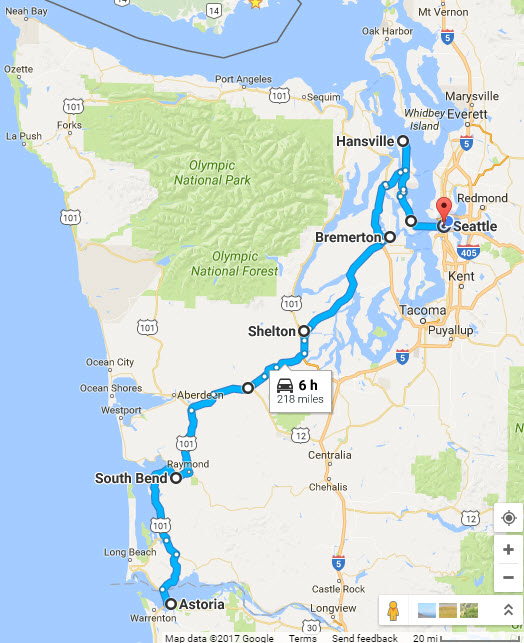
Today’s drive up from Astoria to Hansville, and then driving down to Bainbridge Island for the ferry back to Seattle.
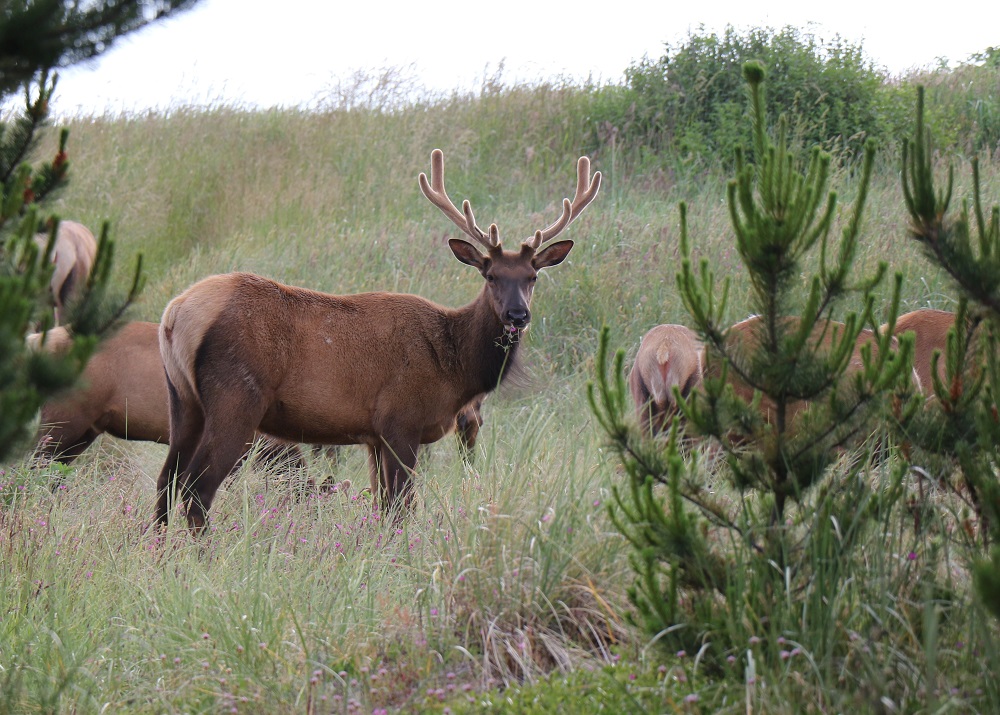
Theses elk (also called Wapiti, one of the largest in the deer family) are part of a herd in the coastal town of Gearhart. They occasionally go into the surf, and even venture onto the streets in the town.
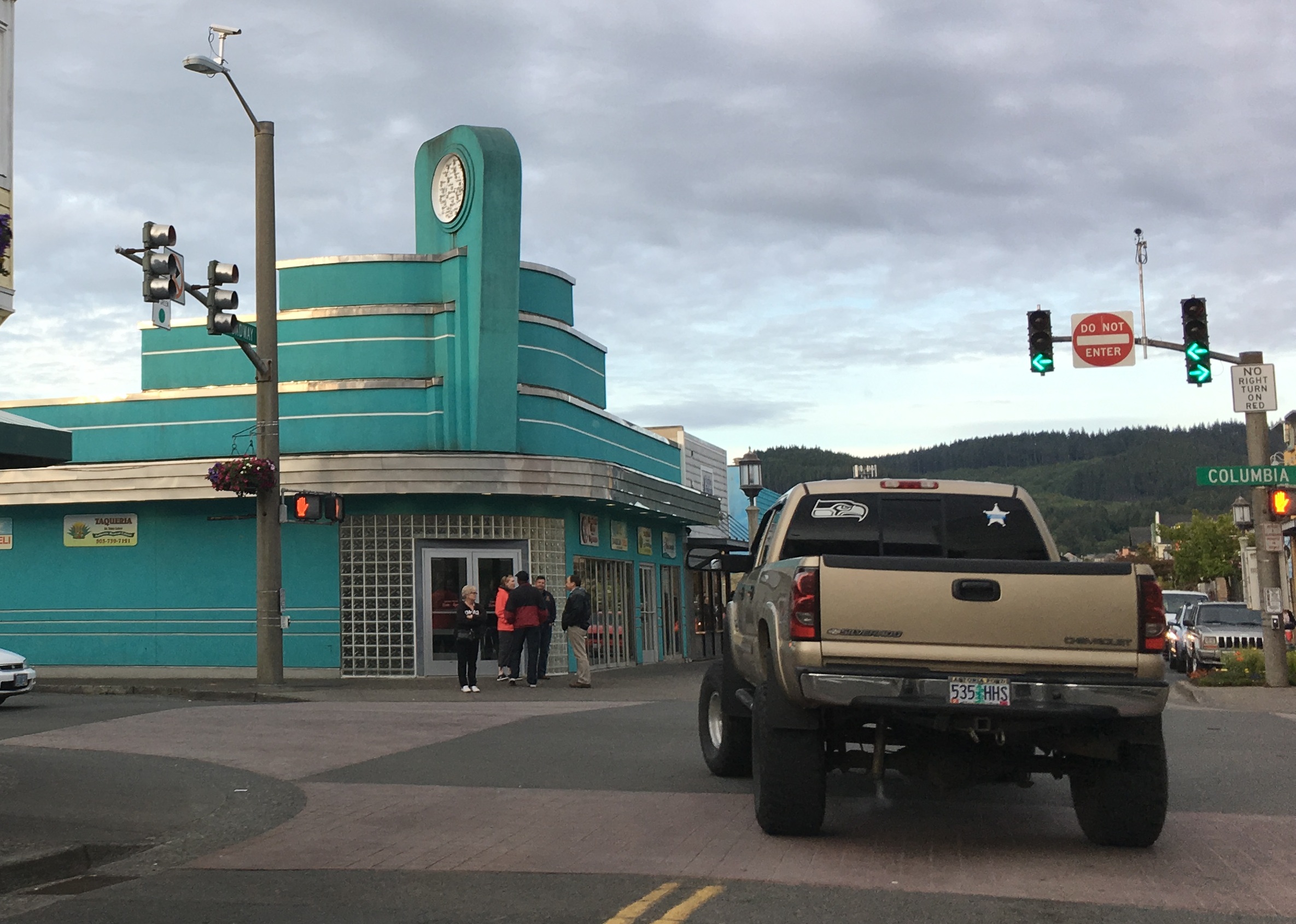
An old art deco theater in Gearhart, now made into shops and game arcades. The gold pick-up truck supports the Seattle Seahawks (NFL football), even though the plates are from Oregon!
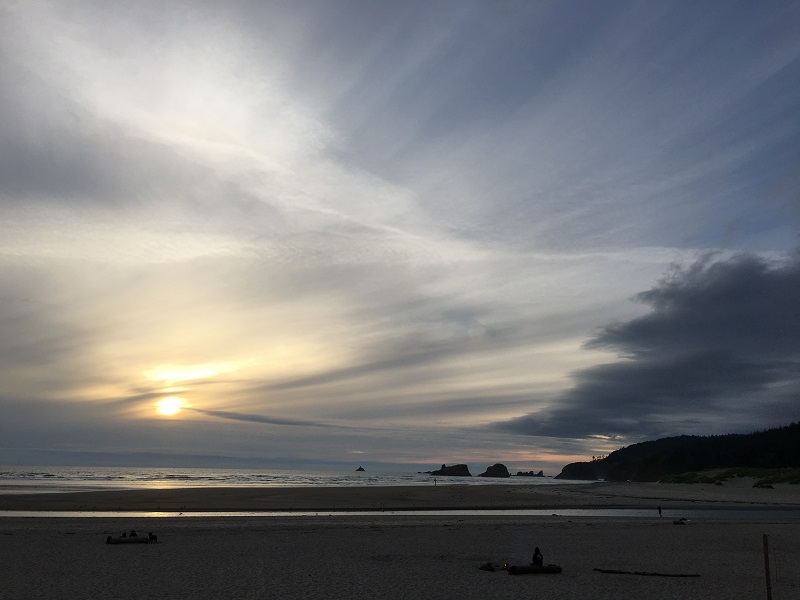
Here is the beach at Cannon Beach, at sunset on Wednesday. A beach-goer has a little fire going in the foreground, and Cannon Beach is famous for the giant rocks in the shallow waters.
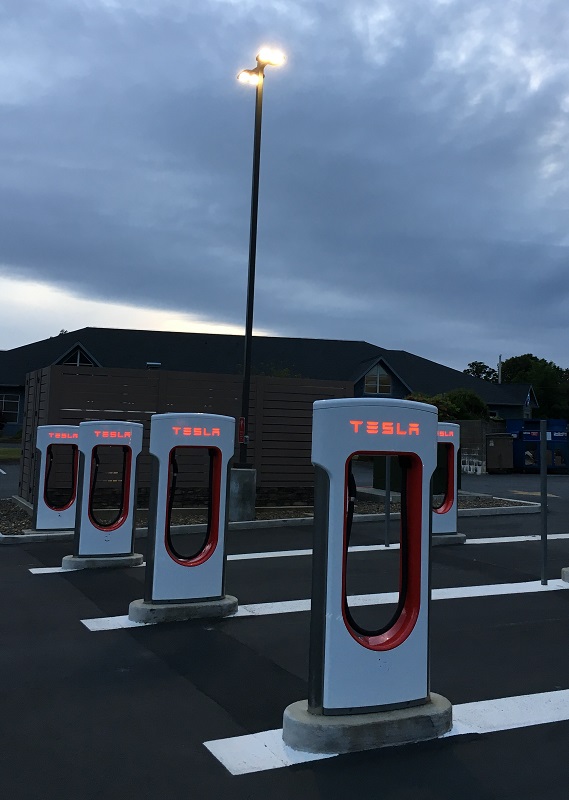
We spotted these futuristic Tesla superchargers in a parking lot in Seaside. This station has 20 chargers, each operating at 480 volt and about 100 A of current, to provide a charge good for up to 170 miles of range in as little as 30 minutes.
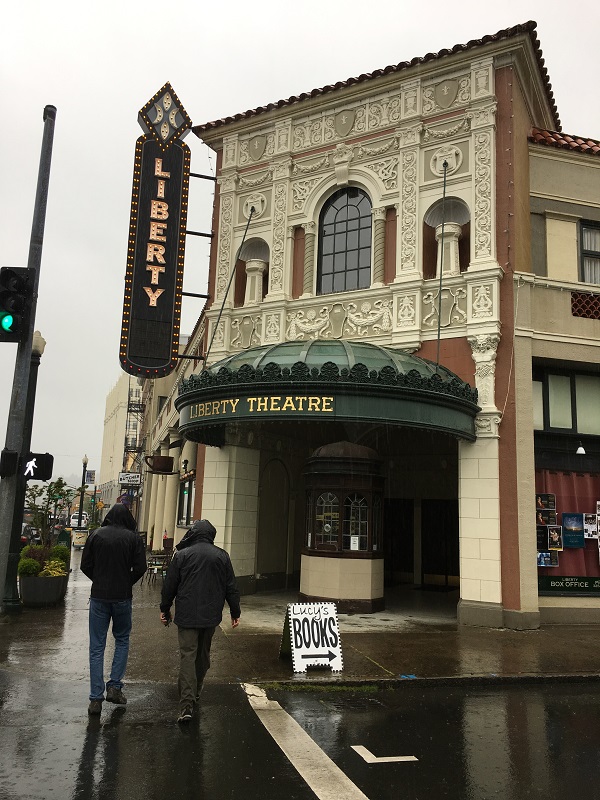
Thursday morning and we are looking for a good breakfast place. We got a little wet, and ended up going back to the Pig ‘n Pancake. The smaller places all seemed full of people, and understaffed.
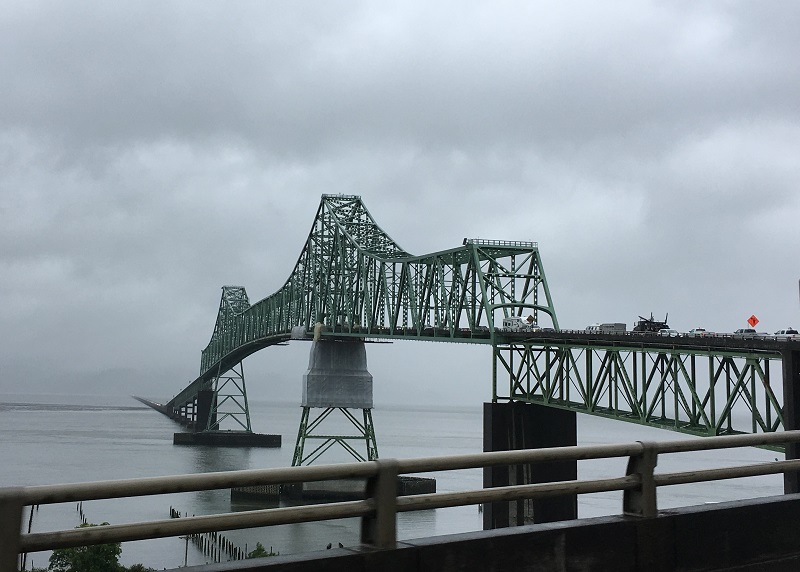
A final look at the Astoria-Megler bridge on the way back. We waited a little bit to cross since one lane is closed due to the maintenance work on the bridge (where the white wrap is, on the bridge pylon).

We made our way back today, with steady rain almost all the way from Astoria to Hansville, and Seattle.

By late night a good inch of rain had been measured in the city of Seattle – quite a lot for one day in June (on average, 1.6 inches falls for all of June).

Here are pictures from Wednesday night in Oregon and from Thursday.


Wednesday/ Cape Disappointment

Yes, it’s a real name: Cape Disappointment, north of the Columbia river and on the southwestern edge of Washington State.  The cape was named on April 12, 1788 by British fur trader John Meares who was sailing south from Canada in search of trade. After a storm, he turned his ship around just north of the Cape and therefore just missed the discovery of the Columbia River.

We made our way there today with short hikes to two lighthouses in the area: the North Head Lighthouse, and the Cape Disappointment Lighthouse.

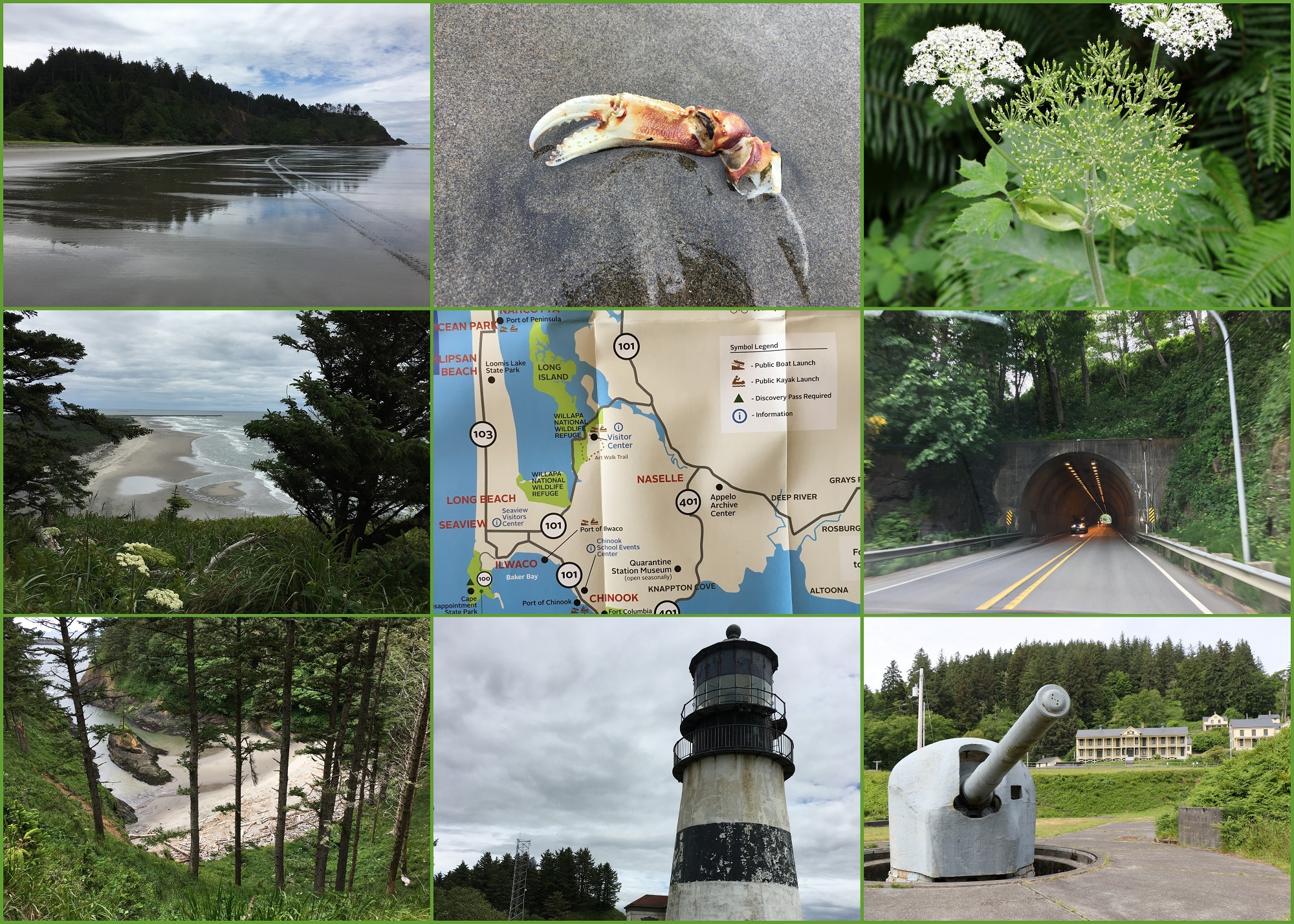
Here is a simplified map with some pictures I took today. Clockwise from top left: Looking south from the south end of Long Beach, from a spot called Beards Hollow; A crab’s claw at Beards Hollow; Lush greenery on the way to Beards Hollow; A short tunnel on Route 101 towards Fort Columbia State Park; A pre-WWII coastal artillary gun, one of two on display in Fort Columbia State Park; The Cape Disappointment Lighthouse. Built in 1856, it still beams out a red and white light visible for 10 nautical miles; A little cove visible from the trail to the Cape Disappointment Lighthouse; The view of the Pacific Ocean, this on the way to the North Head Lighthouse. The thin black line is a man-made breakwater.

Tuesday/ drive down to Astoria

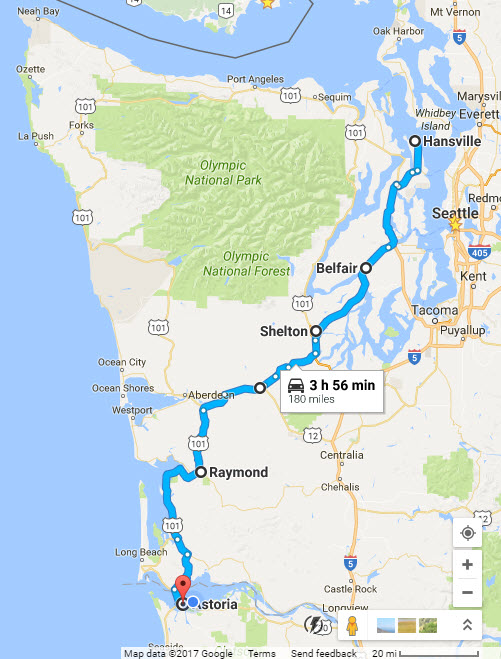
The drive time down to Astoria is slightly less than 4 hrs. We made stops in Shelton and on the Washington State side of the Astoria-Megler bridge, which added to the travel time.
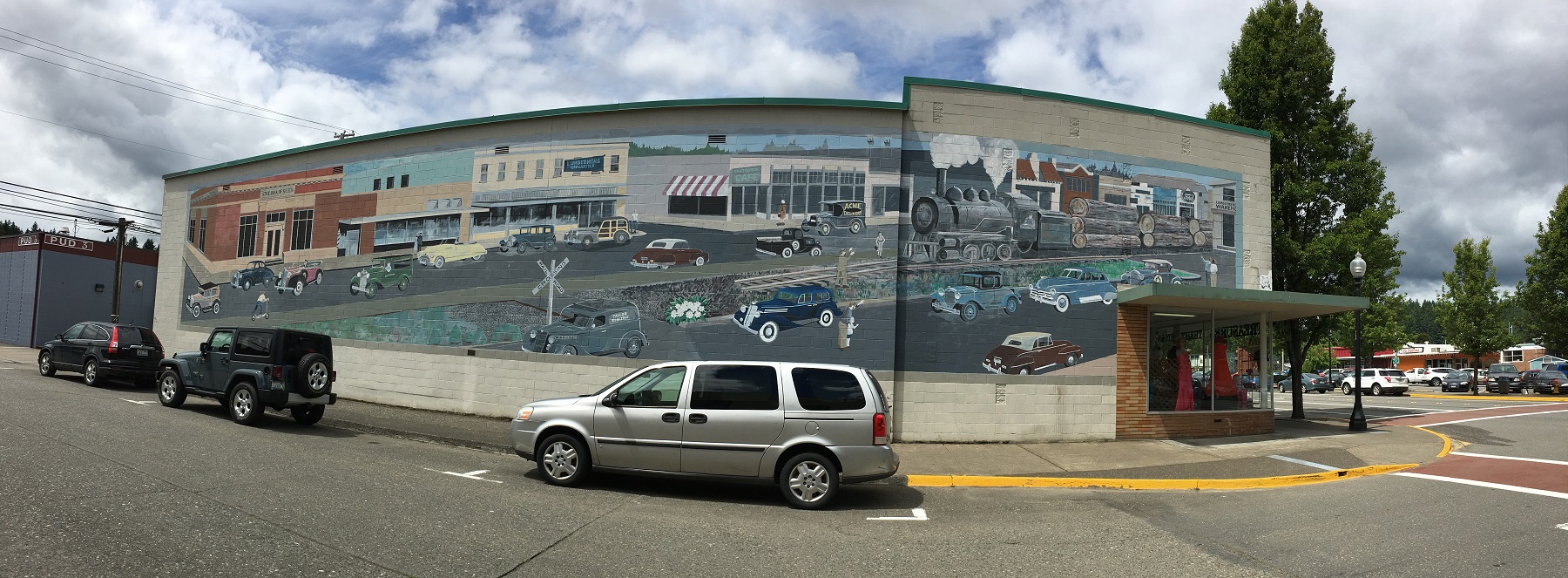
This mural is off the main street in Shelton, a town on one of the south-western extremes of Puget Sound. It is a nod to the times when timber was transported by steam locomotives. The town still have lumber yards, but these days the transportation is done mostly by trucks.
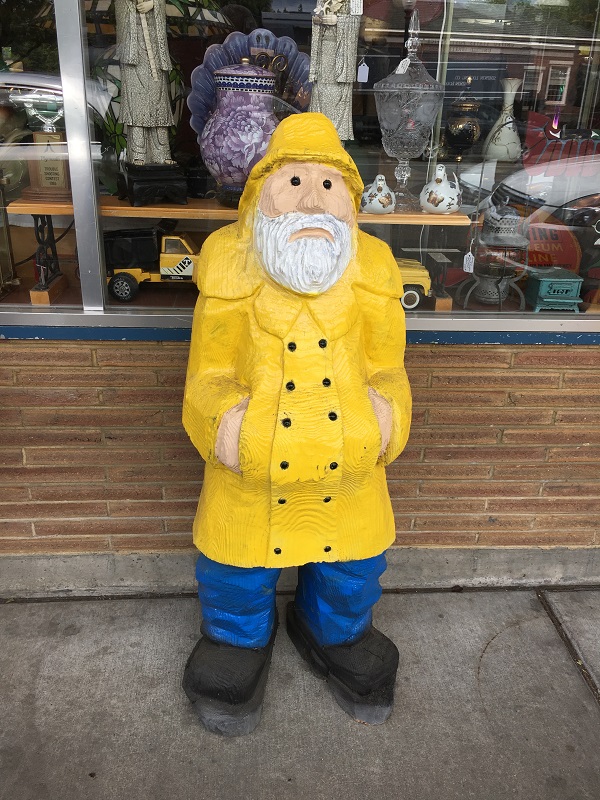
A rain-coated boatsman outside an antique store in Shelton. Shelton gets a LOT of rain, some 62 inches per year.
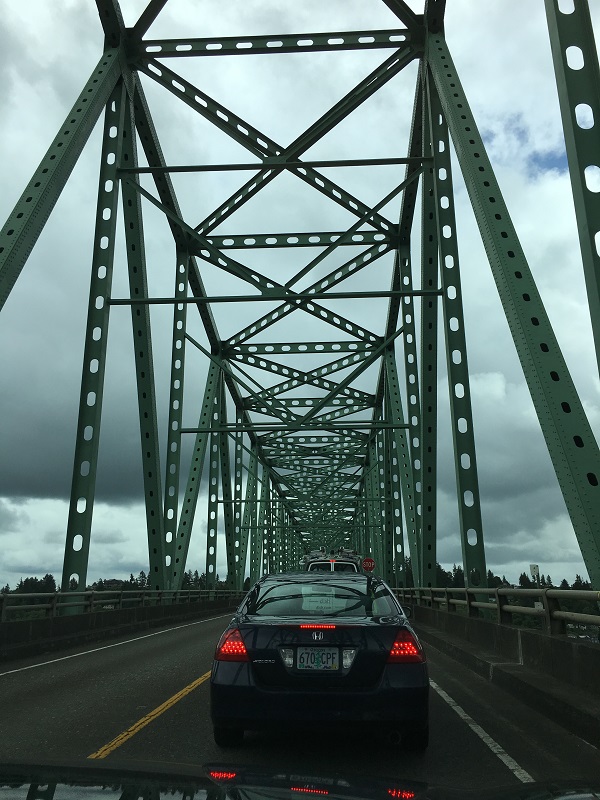
This is on the Astoria–Megler Bridge: a steel cantilever-through-truss bridge that spans the Columbia River between Astoria, Oregon and Point Ellice near Megler, Washington. Construction was completed in 1966. The road surface and sidewalks are being renovated right now, and there was a short stop on the bridge. (Don’t worry, I’m in the passenger seat!).
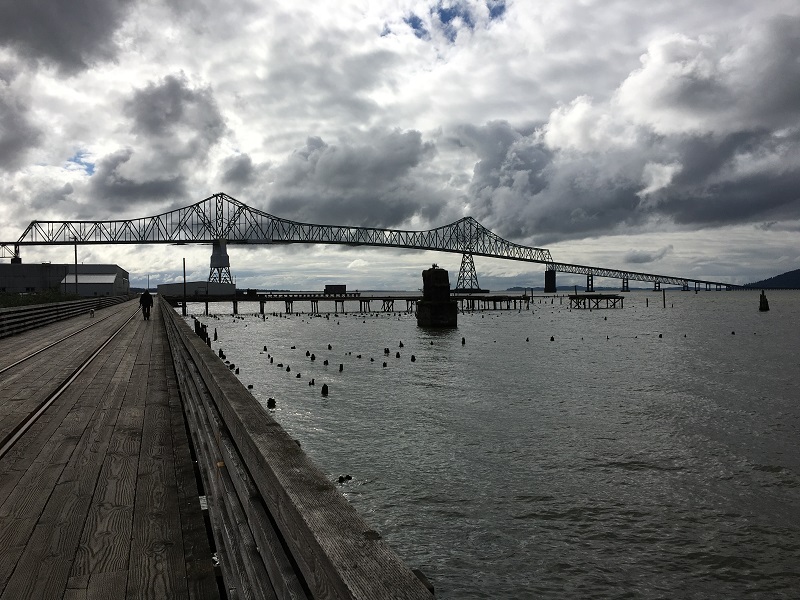
Here’s a view from the Astoria Riverwalk, on the old wooden piers just east of the bridge. So the Pacific Ocean lies in the distance, on the other side of a bluff in the distance.
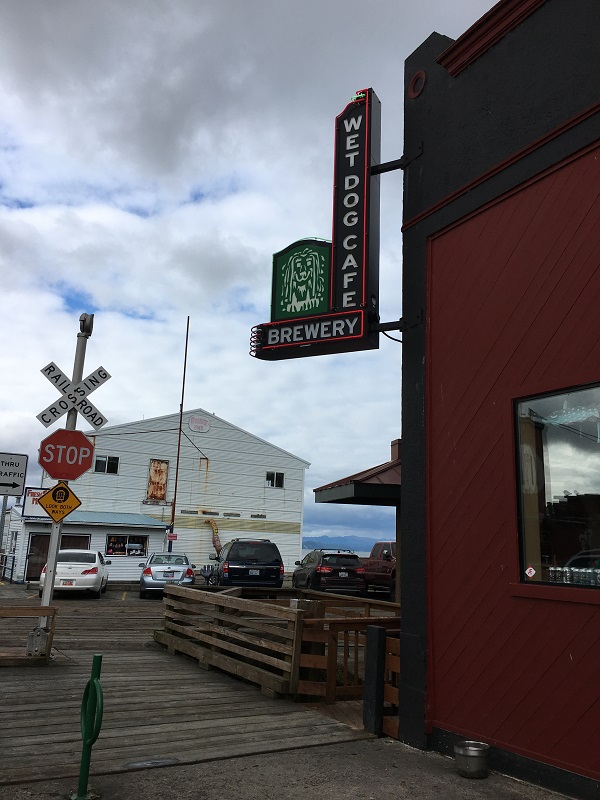
The Wet Dog Cafe Brewery is where we had a beer and something to eat. It is near Pier 11 on the Astoria Riverwalk. There is a trolley (really a train) that runs along the waterfront between 12 noon and 6 pm.
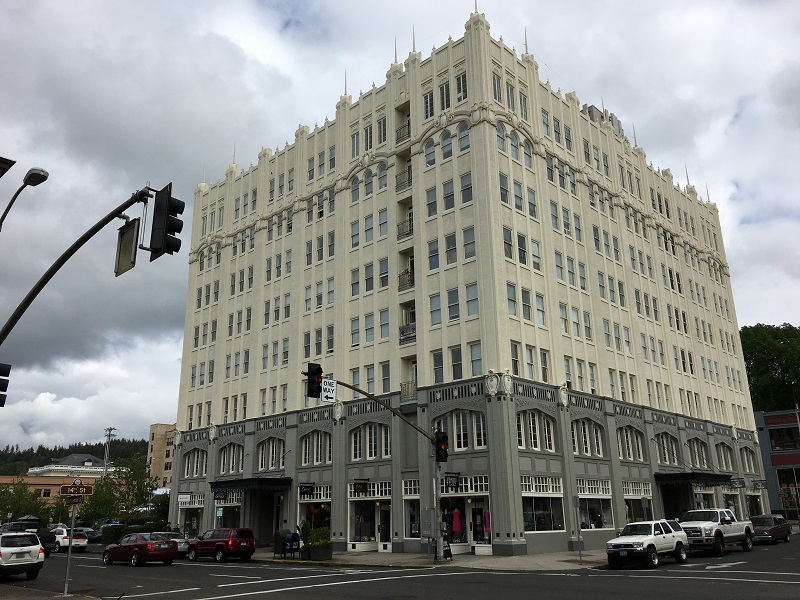
The beautiful John Jacob Astor Hotel building in downtown Astoria. Originally built in 1923, it was renovated in 1986 with 66 apartments of subsidized housing. Businesses moved into the lower floors.
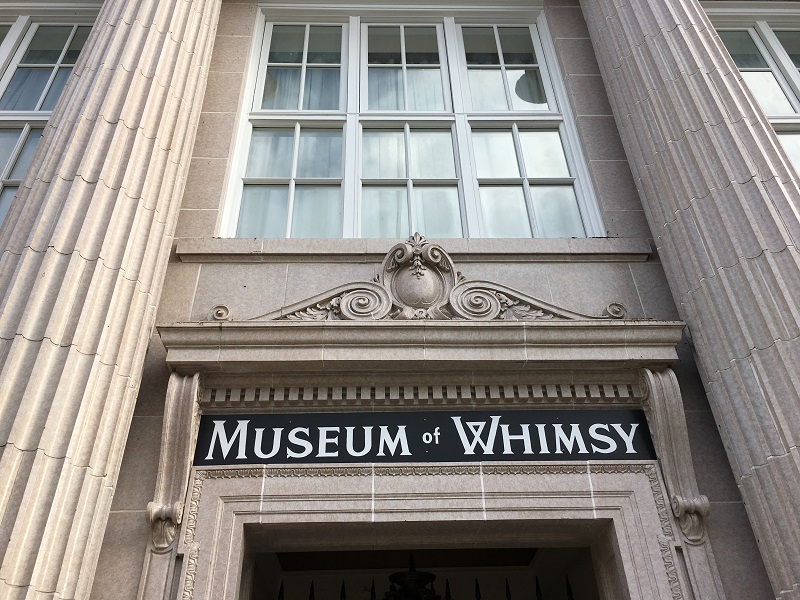
The Museum of Whimsey is an art museum housed in a historic 1925 bank building that had been renovated.
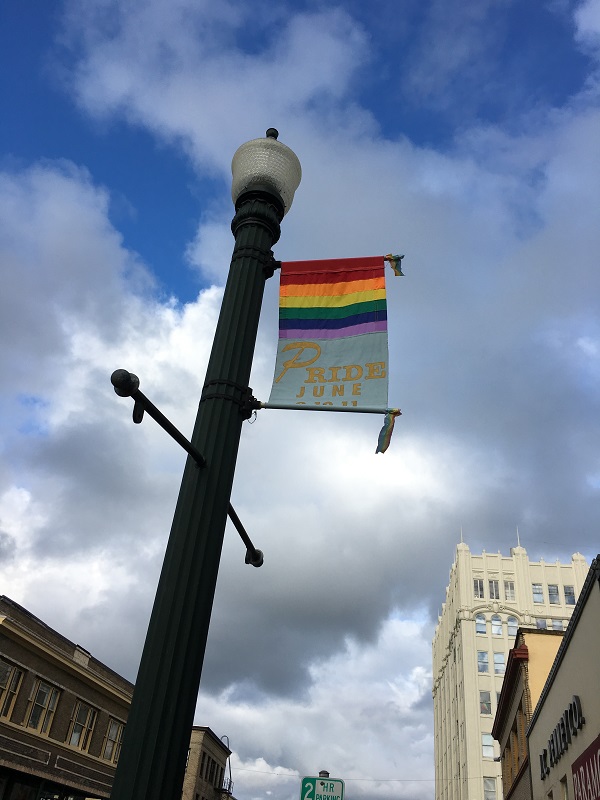
Hey! Nice to see some gay pride celebration lamppost signs. I see we just missed the parade though : it was this past weekend.

We made it to Astoria with a stop or two along the way (Shelton, Dismal Nitch.  There was some rain on the way here, but later in the day it cleared up.

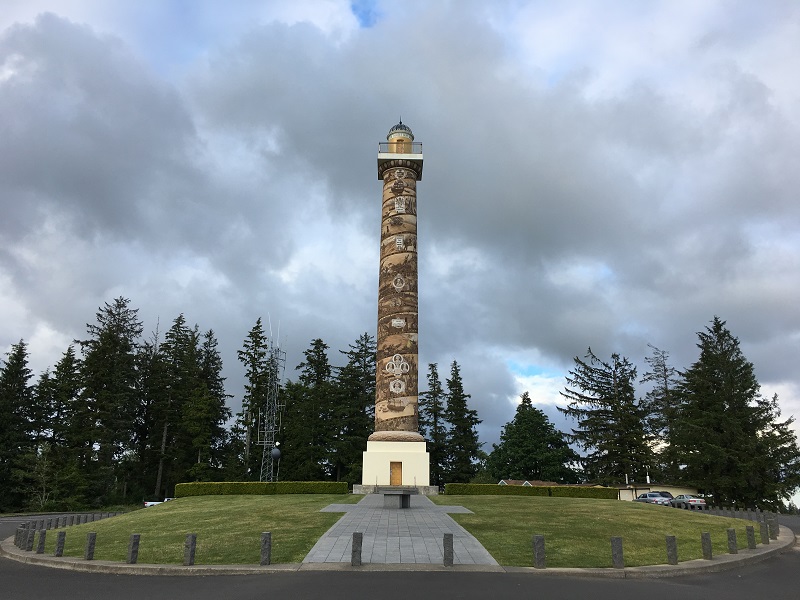
The Astoria column was built in 1926 on Coxcomb Hill in Astoria, financed by Great Northern Railway. The 125-foot (38 m)-tall column has a 164-step spiral staircase case to the small observation deck at the top.

We arrived early enough to check into the motel, and to walk around the waterfront and downtown Astoria.

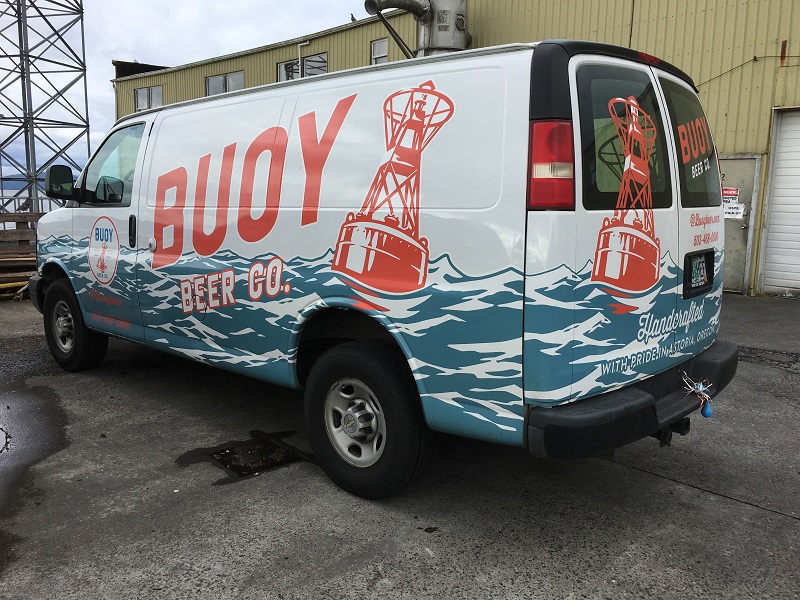
I love the bobbing buoy on the little Buoy Beer Co. truck. Pronunciation note: In South Africa we say ‘boi’ but I learned that in the USA we say ‘boo-ē’.
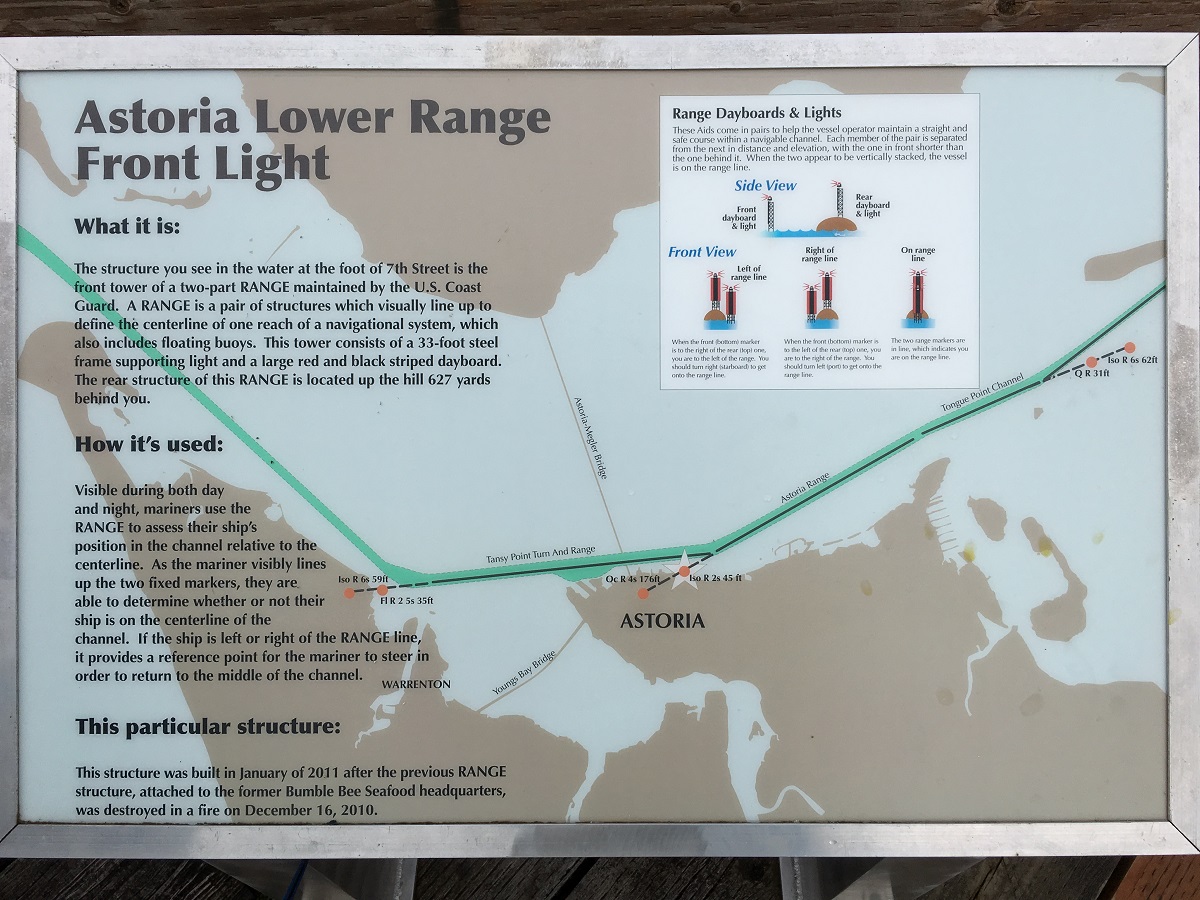
A map of the ship channel (dredged waterway) in the mouth of the Columbia river. There are pairs of buoys in the water and on land at different elevations, that should line up when looked at from the ship, to confirm that the vessel is in the shipping canal.
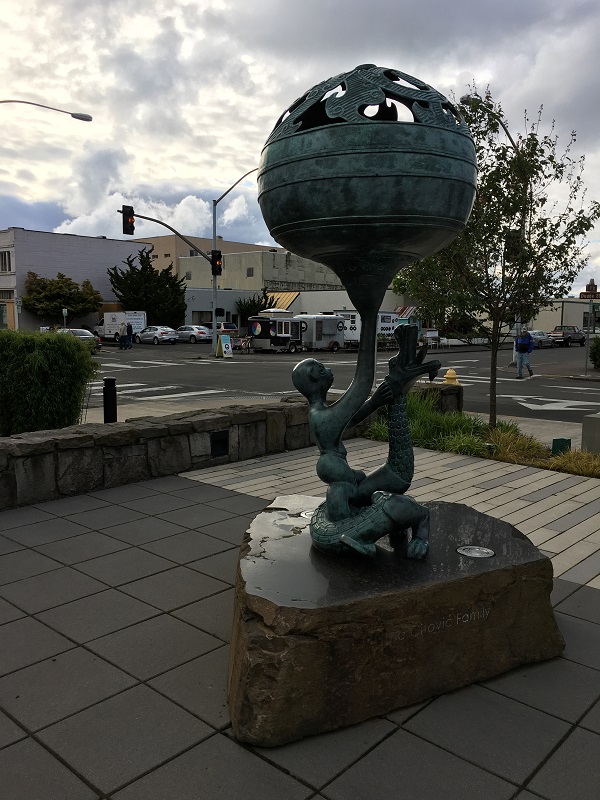
This is artwork at a little plaza that is dedicated to immigrants in downtown Astoria.
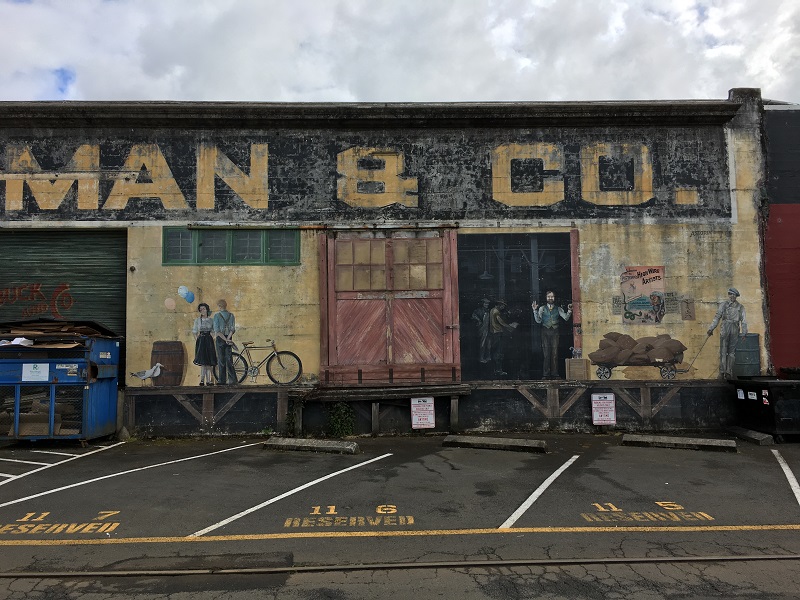
These murals are on old warehouses on the Astoria waterfront, a nod to times long gone now, from the last century.
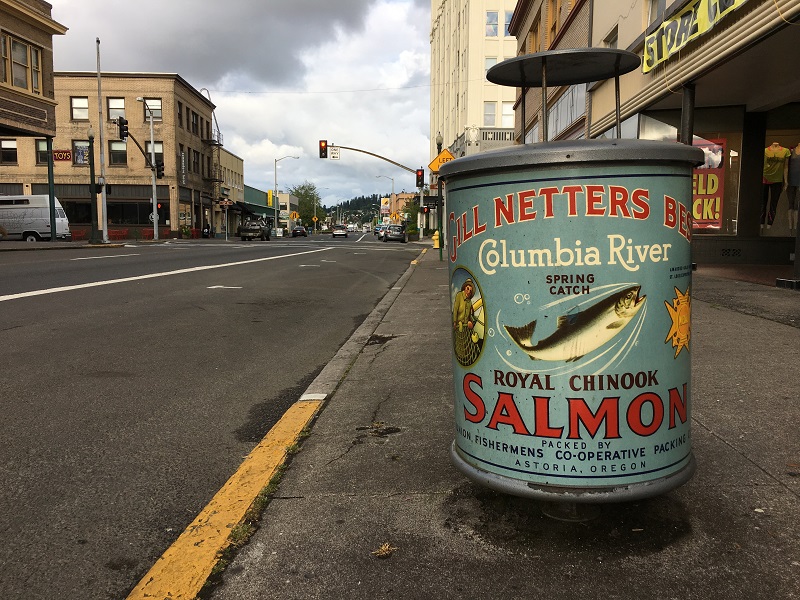
Some of the trash cans downtown are decorated with the seafood cannery labels from long ago.


Monday/ dinner in Kingston

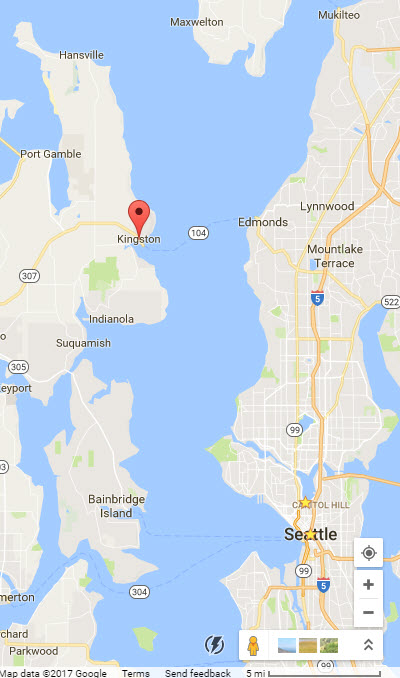
Kingston is on the west side of the Kitsap Peninsula. The short way to get there is by using the Kingston-Edmonds ferry. It can also be reached by driving the long way round, south around Puget Sound.

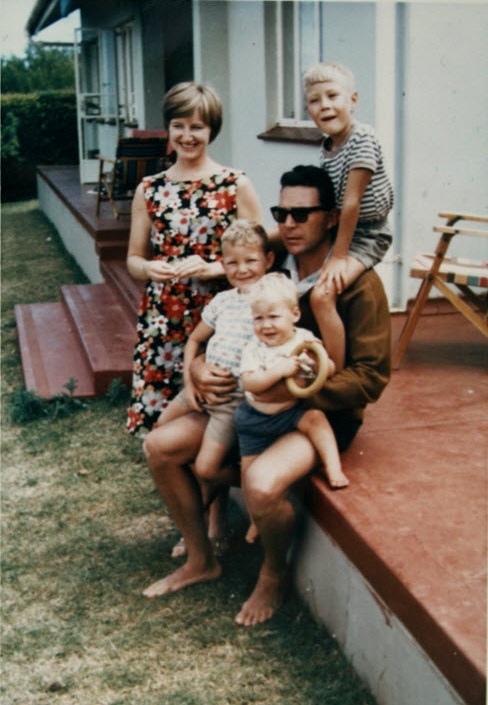
I went out to the Kitsap peninsula on Monday, to get ready for a little road trip down to Astoria in Oregon with my friends Bryan and Paul.  (We had a nice dinner at the Kingston Alehouse).

The plan is to drive down to Astoria, Oregon on the Pacific coast and stay there for two nights, and explore the interesting sights in the area.

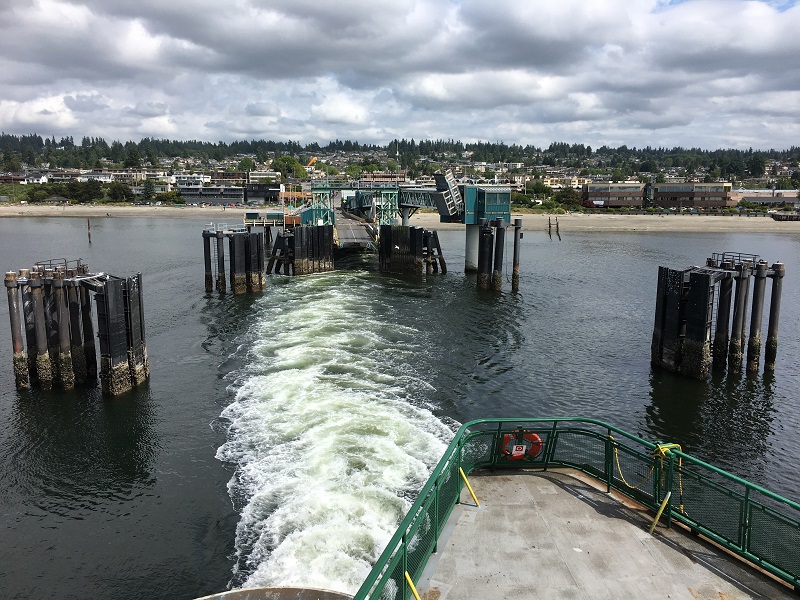
We’re pulling away from Edmonds for the Edmonds-Kingston ferry crossing.
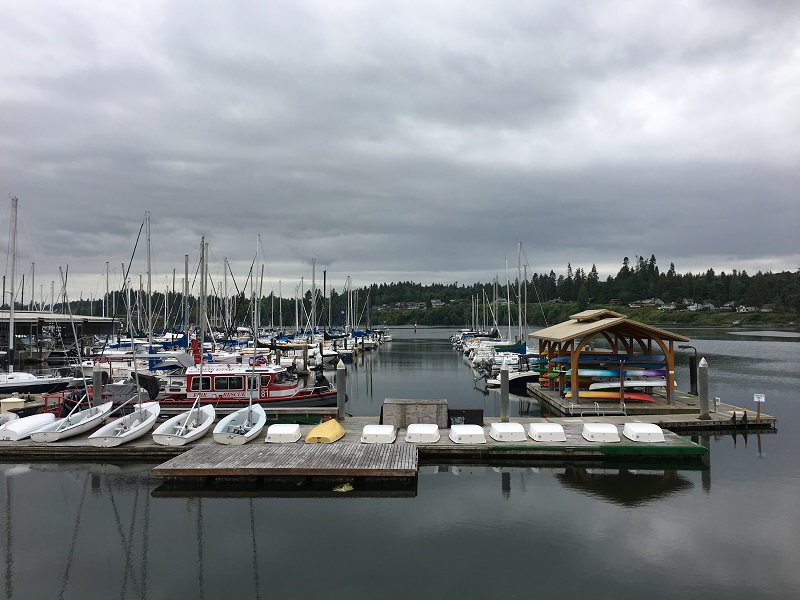
The marina at Kingston on Monday night. The dinghies in the foreground may have been cleaned and need to go back onto their respective yachts or boats, The Kingston ferry terminal is immediately to the left of the marina, and on the right is Appletree Cove.


Sunday/ Jake Tapper’s advice

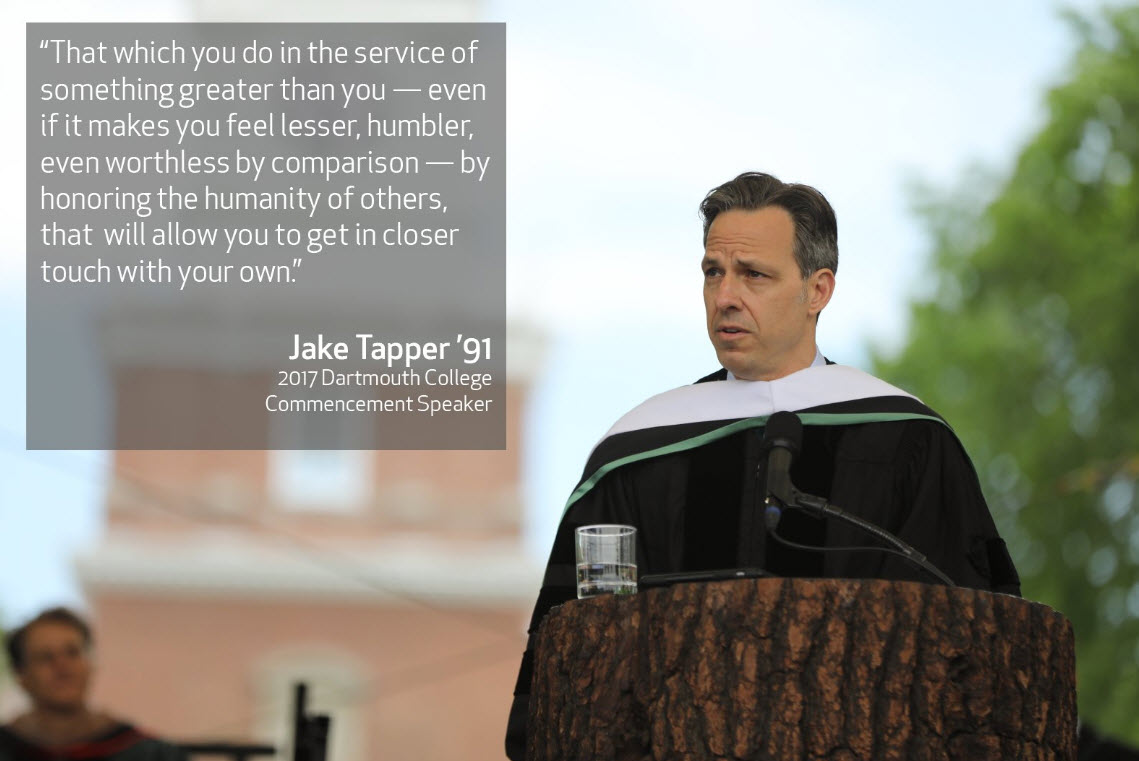
Below is part of Jake Tapper’s commencement address at his alma mater, Dartmouth College.  (Dartmouth is an Ivy League university in Hanover, New Hampshire.  Jake Tapper is the anchor of CNN weekday television news show ‘The Lead with Jake Tapper’).

So, what tangible advice do I have to share, having departed from this campus 26 years ago?  First, let me offer the quick and easy stuff. OK?

Always write thank-you notes.
Be a big tipper.
Always split Aces and Eights.
Floss.
Call your folks.
Invest in a good mattress.
Shine your shoes.
Don’t tweet, post, Instagram, or email anything you wouldn’t feel comfortable seeing on the front page of The New York Times.
Be nice to seniors.
Be nice to children.
Remember birthdays.
Never miss an opportunity to charge an electronic device.
Use two-step verification.
Shake it off. Shake it off.
Stretch before exercising.
Stretch after exercising.
Exercise.
Never play keno.
Never drink airplane coffee.
Never pay $200 for a pair of jeans.
Never wear jean shorts; and
No one has ever had fun on a paddleboat.

Advice from the serious part of Jake Tapper’s speech : ‘honoring the humanity of others, will allow you to get in closer touch with your own’.


Saturday/ the Chishi Bridge

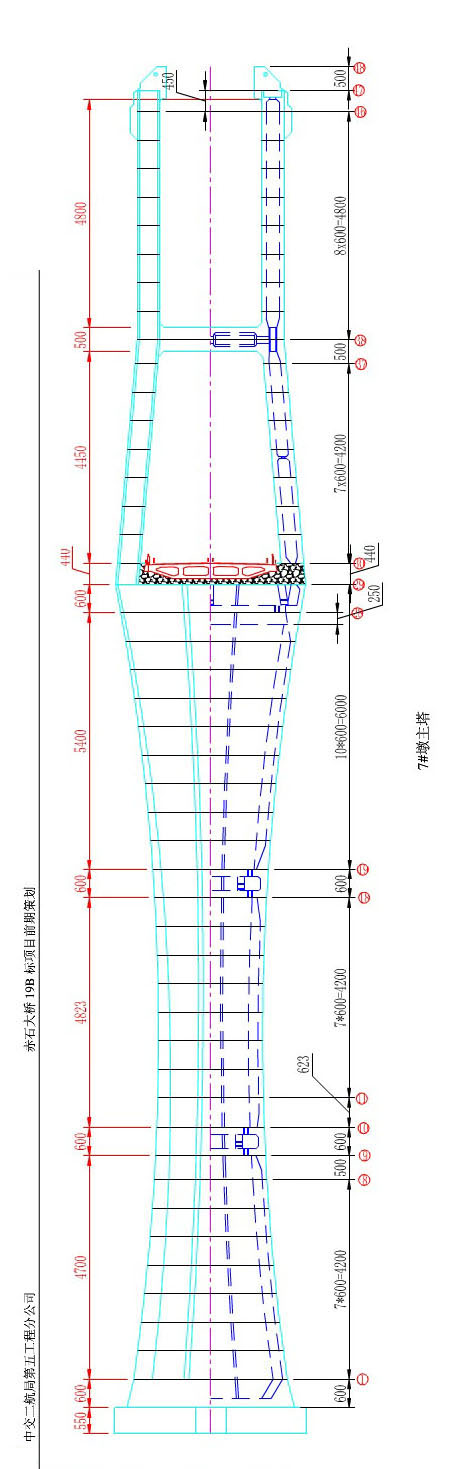
The bridge pylons are 287 m tall (941 ft).

‘Once every decade a bridge comes along that is so large that it can only be described with words like colossal, gargantuan, mammoth and epic’, says the website highest bridges of the Chishi Bridge in the south of China.

(To be sure, there is the Millau Viaduct in the south of France, to compare to it. Since this Viaduct’s opening in 2004, it has been consistently ranked as one of the great engineering achievements of all time).

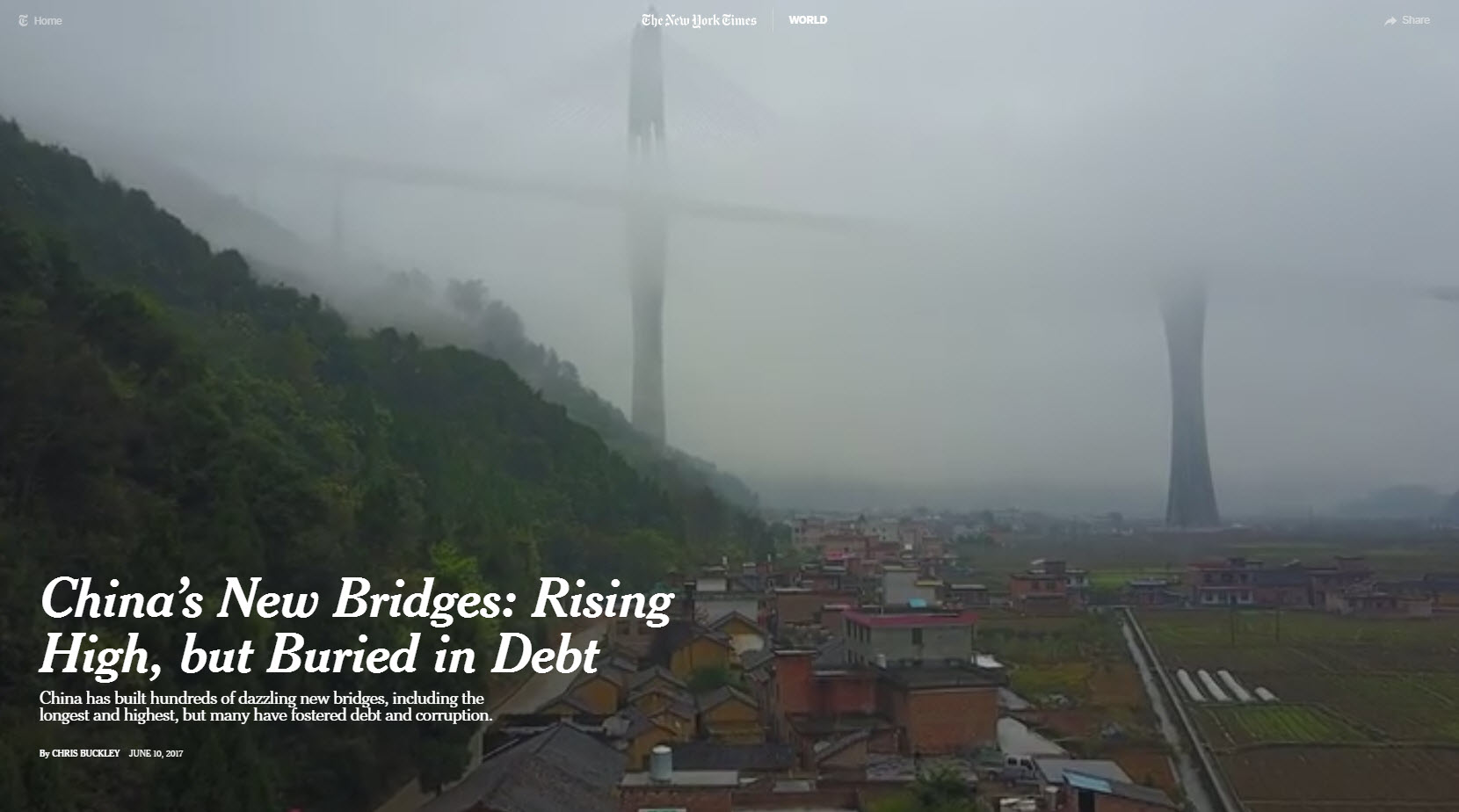
Also – check out this otherworldly animation on the New York Times with the four pillars rising from the valley floor up, up out of the mist like gigantic tuning forks.

The NYT article sounds a cautionary note, as well – be careful not to overspend on infrastructure that goes underused.

This still from the New York Times animation shows how tall the pylons of the bridge are. There are four of these, for a total length of 2.27 km (1.4 mi).
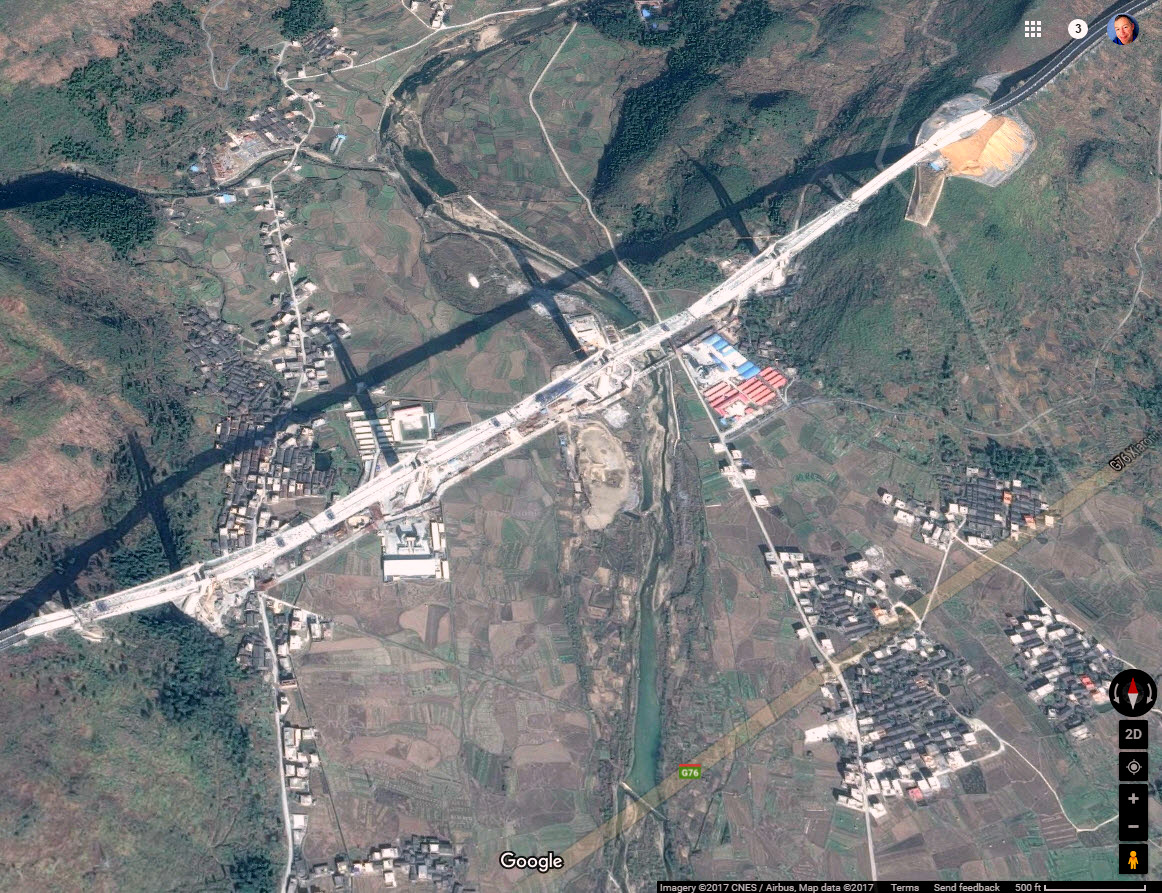
Just for fun, I typed in ‘Chishixiang, Hunan, China’ on Google Maps, to see what the bird’s eyeview of the bridge looks like. I just could not do a ‘virtual drive across the bridge since Google Streetview is not available for this map.