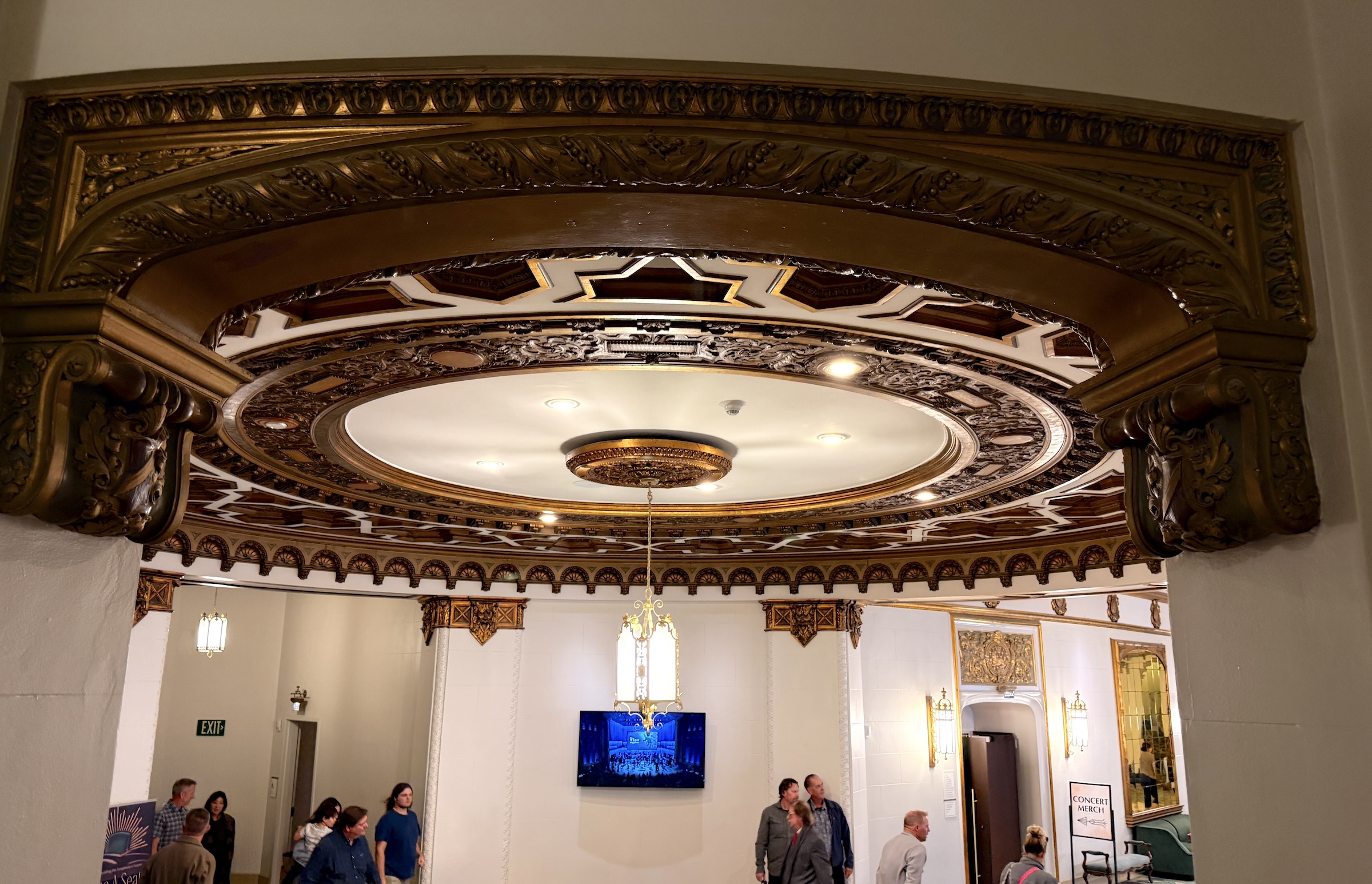
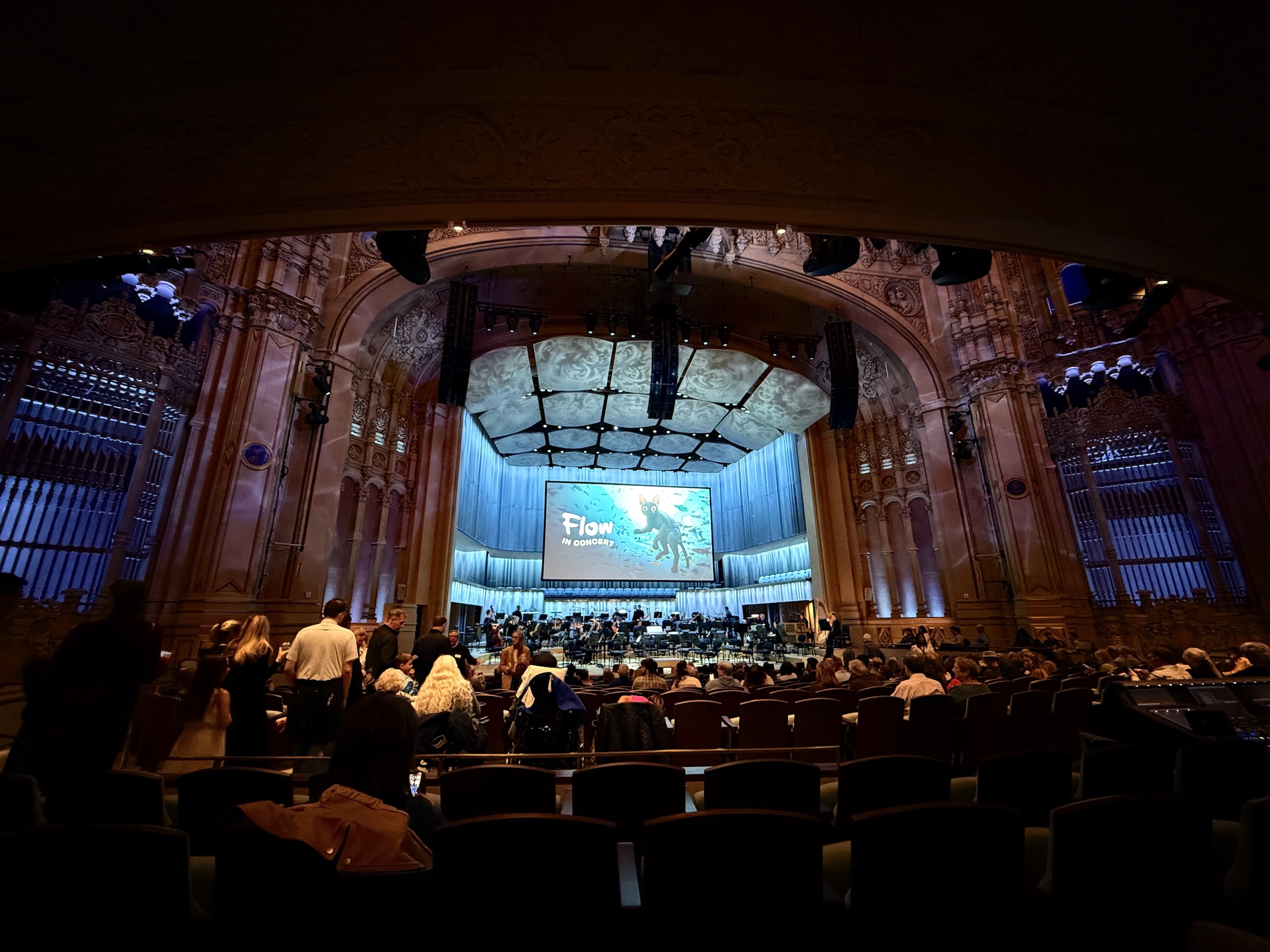
Sunday/ shinkansen to Osaka 🚅

All went well with my train ride to Osaka.
It is an amazing experience to travel at 175 mph (280 km/h) on the tracks, with the landscape flying by the window.

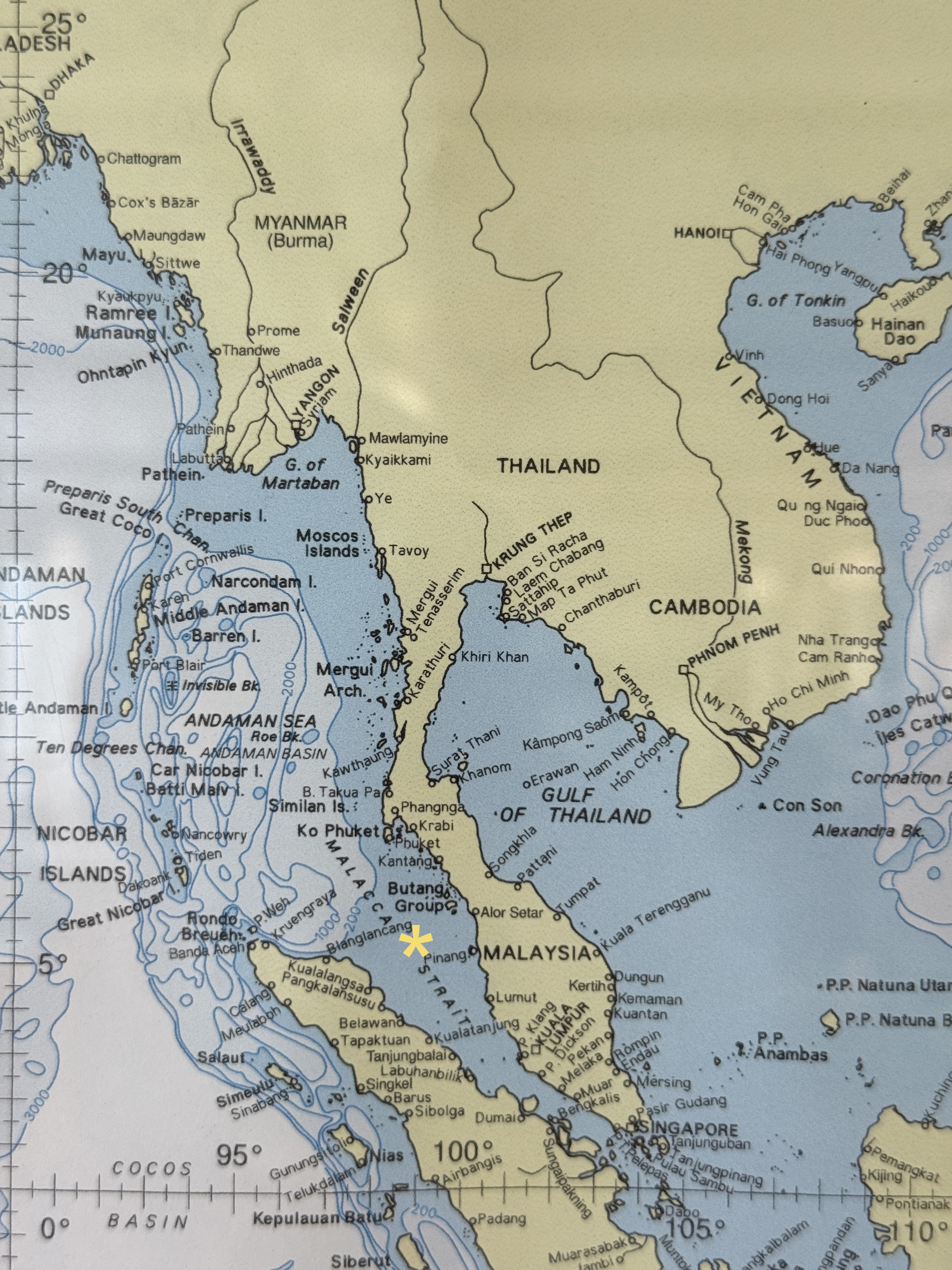
A handy map from the free wifi on the shinkansen. Those lines are just names for the shinkansen* between different cities. Nozomi shinkansen (the express train with the fewest stops) on the Tōkaidō Shinkansen line from Shinagawa to Osaka stop at Shin-Yokohama (where I was yesterday), Nagoya, and Kyoto before arriving at Shin-Osaka.
It was 2 hrs 20 mins from Shinagawa station to Shin-Osaka.
*Shinkansen (新幹線) in Japanese means ‘new trunk line’ or ‘new main line’, but this word is used to describe both the railway lines the trains run on and the trains themselves. In English, the trains are also known as the bullet train.
Taxis, six abreast, at the taxi stand at the Nagoya station. Uber is not big in Japan, but you do see Uber branded taxis. Go Taxi is the app of choice for ordering a ride share taxi in Japan.
This is the 五重塔 (Gojū-no-tō) or Five-storied Pagoda at Tō-ji Temple in Koyoto.
It is known as the tallest wooden tower in Japan and I had a nice view of it from my train seat as we left the Kyoto station.
I have arrived at Shin-Osaka station. I’m just catching my breath and looking for the way to the taxi stand. There is a local train line to the hotel from here, but it’s way too warm outside to walk even four or five blocks with all my luggage in tow. I’m heading to the taxi stand.
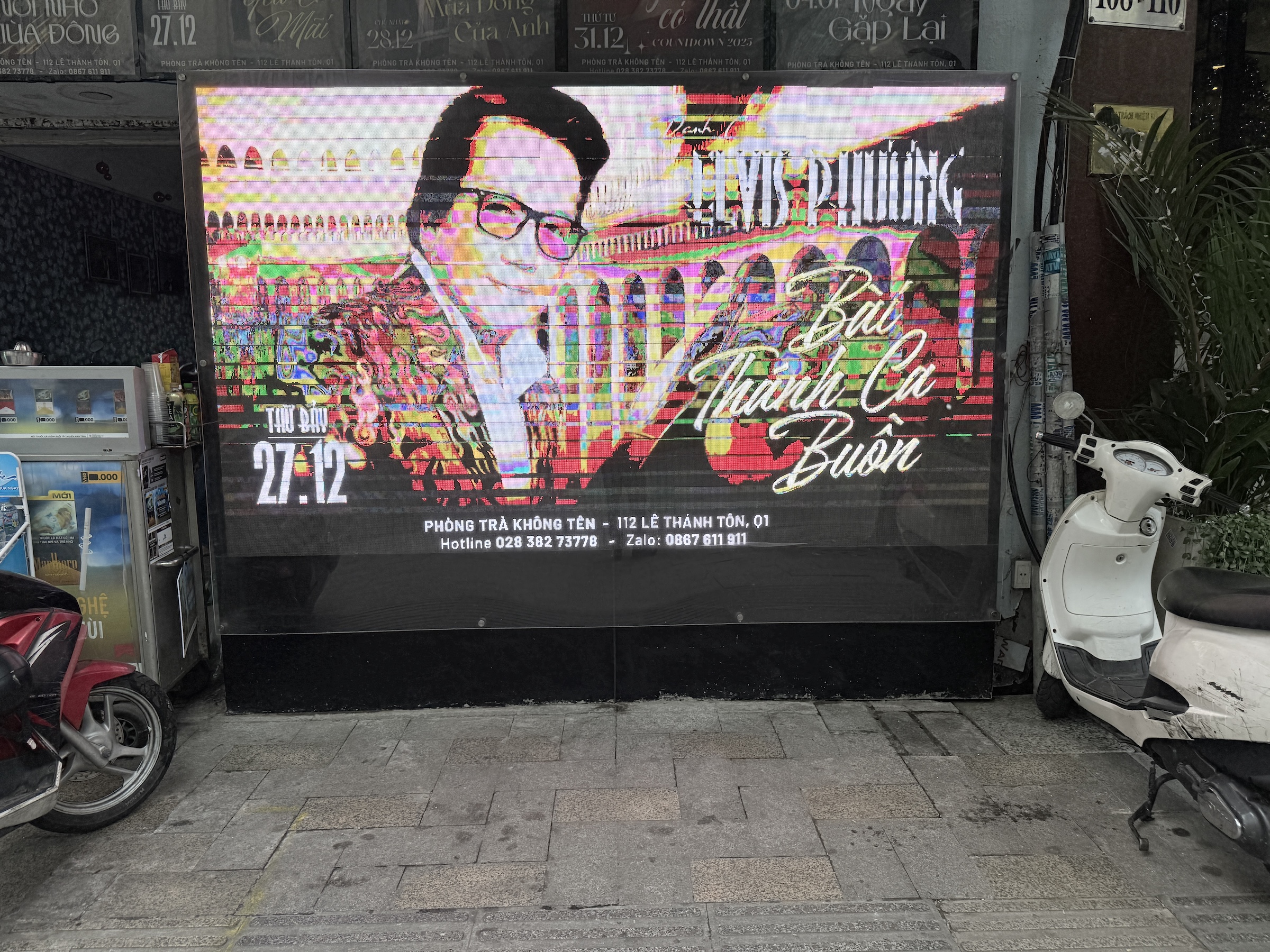
Looking towards the sunset at Dotonbori Bridge.
Earlier, I had checked into my hotel by the Chuo line (that runs to the 2025 Osaka Expo, where I will go to on Monday and Tuesday). The metro stations were swamped with people, and one can see that the metro had added all kinds of signage and directions for the train riders to the Expo to the stations, to try to better manage the congestion.
There is a nice old-fashioned neon sign at Dotonbori Bridge.
It doesn’t show too much in these pictures, but there were throngs of tourists in Dotonbori Street, the vibrant and busy thoroughfare in the heart of Osaka known for its neon signs, entertainment, and wide variety of eateries.
I love the dragon.
Off to the side, and just a block or two away, are quiet alleys that also have restaurants and izakayas (a type of informal Japanese pub that serves alcoholic drinks like sake and beer along with a variety of small snacks).

Saturday/ shinkansen to Yokohama 🚅

Yokohama is south of Tokyo, and one of the first Japanese ports that opened to foreign trade, in 1859.
I made a run there on Saturday morning on the Nozomi shinkansen out of Shinagawa station— a trial run of sorts, for my trip to Osaka on Sunday.
It’s 19 km (12 miles) and only 18 minutes from station to station. A trip by car would take about 40 minutes.

I bought my tickets at Shinagawa at the machine. (The online website does not accept my US credit card.) This is the return ticket portion, and it was very complicated to use. An attendant helped me buy a return ticket for a specific date, time and train, and then I had to put it on top of this one, and both into the slot at the ticket gate to make the gate open up for me. Yikes! Too complicated. 
I have an electronic ticket for Sunday’s run to Osaka (with a QR code), and that should work much better.
Incoming! Pay attention people, here comes the train.
The train has 16 cars. I have a reserved seat* ticket, and I am at the gate for Car No 6. There’s the seat map as well, like the ones for an airplane when you pick your seat online. *The tickets for unreserved seats are cheaper, but you might get booted from your seat by a reserved seat ticket holder and then have to stand all the way.
Built for speed. The N700 series is a Japanese Shinkansen high-speed train with tilting capability developed jointly by Japan Rail Central and JR West, for use on the Tōkaidō and San’yō Shinkansen lines. It has been in operation since 2007.
Inside it looks like an airplane. This car has ‘Ordinary’ seats. The ‘First Class’ seats are a little bigger.
All right, we’re skipping ahead all the way to the Yokohama Air Cabin cableway. A lot has happened since I stepped out of the shinkansen at Shin-Yokohama station. I boarded the local Blue Line and went seven stops to Sakuragicho station, and then walked 5 minutes to where I could board the Air Cabin cableway.
This is the view from the end of the Air Cabin cableway, where there is a 6-story shopping mall complex called Yokohama World Porters. The tall square building is Yokohama Landmark Tower, which stands at 296 meters (971 feet) high. It was Japan’s tallest building from its completion in 1993 until 2014.
A look outside the shinkansen window, on my way back to Shinagawa. The rooftops and steel trusses and pylons flash by at high speed.

Friday/ Shinjuku 🚆

The rain was relentless on Friday here in Tokyo.
I ran out to Shinjuku train station in the morning and got lost inside the enormous station— before getting soaked in the torrential rain outside of it. 😱

Come early evening the rain was over, though, and I went back to see if I could navigate the station better, and to take a few photos.

The view outside my hotel room in the morning. The top of Tokyo Tower is hidden in the low clouds.
Ooh! .. not looking good out here on the ground, I am thinking.
It is mid-morning and I am on the way to Shinagawa station on the hotel’s shuttle bus.
A colorful mural inside Shinjuku station.
There is no lack of directions to the myriad train lines and exits in Shinjuku station, but Shinjuku Station has over 200 exits and many platforms of different shapes, spread out over a large area, along with department stores covering nearly all sides.
I tried to have Google Maps give me walking directions, and it worked— until it said ‘If there is no GPS signal, navigation may stop working’. Yes. No sh**.
A mural inside Shinjuku.
Looking for a used car? Use the Car Sensor app.
The characters and manga style are from the iconic series City Hunter, which is being used here in a parody/comedic fashion to draw attention.
All right! By sunset (6.02 pm) the rain was gone, and now I’m going to run out to Shinjuku one more time.
This is the exit I had looked for in vain this morning: the South East Entrance by the Lumine 2 store. I am on my way to Takashimaya Times Square nearby.
A street-level view of the pedestrian crossing at the South East Entrance.
I walked several hundred yards now, further to the south, where there is an overlook of the railway lines going into the station.
The clock tower located near Takashimaya Times Square is on the NTT Docomo Yoyogi Building. It’s just a day or two until September’s full moon.
I made it back to Shinagawa Station and now heading back to the hotel. No rain!
Check out the sleek billboard above the Hollywood pachinko parlor. It advertises an even sleeker, faster bullet train that is coming— able to fly at 500 km/h (311 mph) on the tracks.
The almost-full moon over a gate in the Japanese garden on the hotel grounds.

Thursday/ Akihabara and Tokyo Station 🚆

There was drizzle on and off here in Tokyo on Thursday, at a damp 85°F (30 °C).
Outside, I could only take pictures here and there with my big camera, but managed to get a few of the iconic 1914 Tokyo Station building (extensively renovated and restored in 2012).
I also made my first run to the Yodobashi Akiba store in Akihabara.

Nice infographic from the hotel room TV. The pink blobs are Japan’s main islands. That’s Tokyo in the bottom right corner, showing that the 30 °C is down 7°C from yesterday (85 °F , down from 99 °F). Yay! .. even though it still feels very warm and humid. (And are those little characters chickens?)
This is about 9.30 am and I caught the tail end of the morning rush hour into, and out of Shinagawa station.
Office workers and a few others (me) streaming out of Shinagawa station. Walk on the sides, if you are coming into the station, said the display screen.
All right, now I’m heading down to the Yamanote Line— the loop line with Shinagawa station on it, near my hotel. This line has been in service for 140 years now (constructed 1885) and is used by some 4 million people every day. The train had left just a minute ago.
Hello, Yodobashi Akiba! It is by Akihabara station, 8 stops to the north of Shinagawa station.
The toys for kids of all ages are on the 6th floor. The bank of pink claw machines was not there two years ago when I last visited.
In Japan, claw machines are most commonly called “UFO catchers” (ユーフォーキャッチャー) or “crane games” (クレーンゲーム). The term “UFO catcher” comes from the appearance of the claw mechanism, which resembles a UFO descending to capture a prize, a term popularized by Sega when they introduced the game in 1985.
[From Wikipedia]
I bought a few of these Takara Tomy animal figures: the lion, the cheetah, a gorilla, a peacock, a shoebill stork.
Help! The shoebill stork fell down (is its bill too big and heavy?) and someone needs to come and fix the display case. The chameleon figure (bottom) has a movable tongue that can be pulled out and pushed back in. Nice. I now regret I did not get the chameleon, as well.
On the way back on the Yamanote line, I saw Tokyo Tower out of the train window by Hamamatsucho station. It seemed nearby and I stepped out and walked the five or six there— kind of regrettting it, because it started to drizzle. This green space near the Tower is called Shiba Park.
I’m standing under a Himalayan cedar, and that’s the Buddhist temple called Zojo-ji Temple.
From Wikipedia: At its peak the temple grounds had more than 120 buildings, but following the decline of Buddhism during the Meiji period (1868-1912), most of them burned down during the bombing of Tokyo in World War II. Reconstruction began after the war, with the Daiden (great hall) being rebuilt in 1974.
Here’s the Himalayan cedar. A plaque by the tree notes that General Grant (18th President of the United States) planted this tree when he visited Zojo-ji Temple as a guest in 1879 (that’s 146 years ago).  The main gate to the grounds is under renovation and enclosed in a sheet metal building behind the tree.
A cemetery by the temple, presumably with ashes from the deceased. The cemetery at Zojo-ji Temple holds the mausoleums of six Tokugawa shoguns* and their families, serving as the family temple for the Tokugawa clan.
*The shogun (short for Sei-i Taishōgun, 征夷大将軍) was the supreme military and political leader of Japan, ruling for nearly 700 years. The rule of the shoguns ended in 1868 with the Meiji Restoration, which was triggered by growing internal discontent and the disruptive arrival of Western powers.
Dai-Nokotsudo, or Shariden, is where the bones of deceased are stored. It is made of stone and was created in 1933.
Here are several pictures of the Tokyo station building, taken late afternoon and early evening. Tokyo Station is surrounded by many modern glass and steel office towers.

Wednesday/ arrival in Tokyo 🗼

It was a smooth and uneventful flight and we arrived 30 minutes early at Tokyo’s Haneda airport.
It was a short ride (20 mins) on the Keikyu train line to get me to Shinagawa station. I had set up my transit card (Suica card) from my visit two years ago as a digital transit card in my iPhone’s wallet. That way I can tap the reader at the gate with my phone, without even needing to unlock it.

Even though it was only a 6 or 7 minute walk to the hotel from Shinagawa station’s exit, I waited for the hotel’s shuttle bus.
The heat was still oppressive at 8 o’clock— 85 °F (30 °C) and high humidity.

P.S. I turned on my eSIM phone line from global mobile data service provider Ubigi and it works great— a first for me, to use an eSIM phone line for international travel on my iPhone. So it’s farewell to the expensive international service provided by AT&T (expensive, as in 3x or 4x more expensive! Yikes).

Top to bottom:
Smoky skies over Washington State;
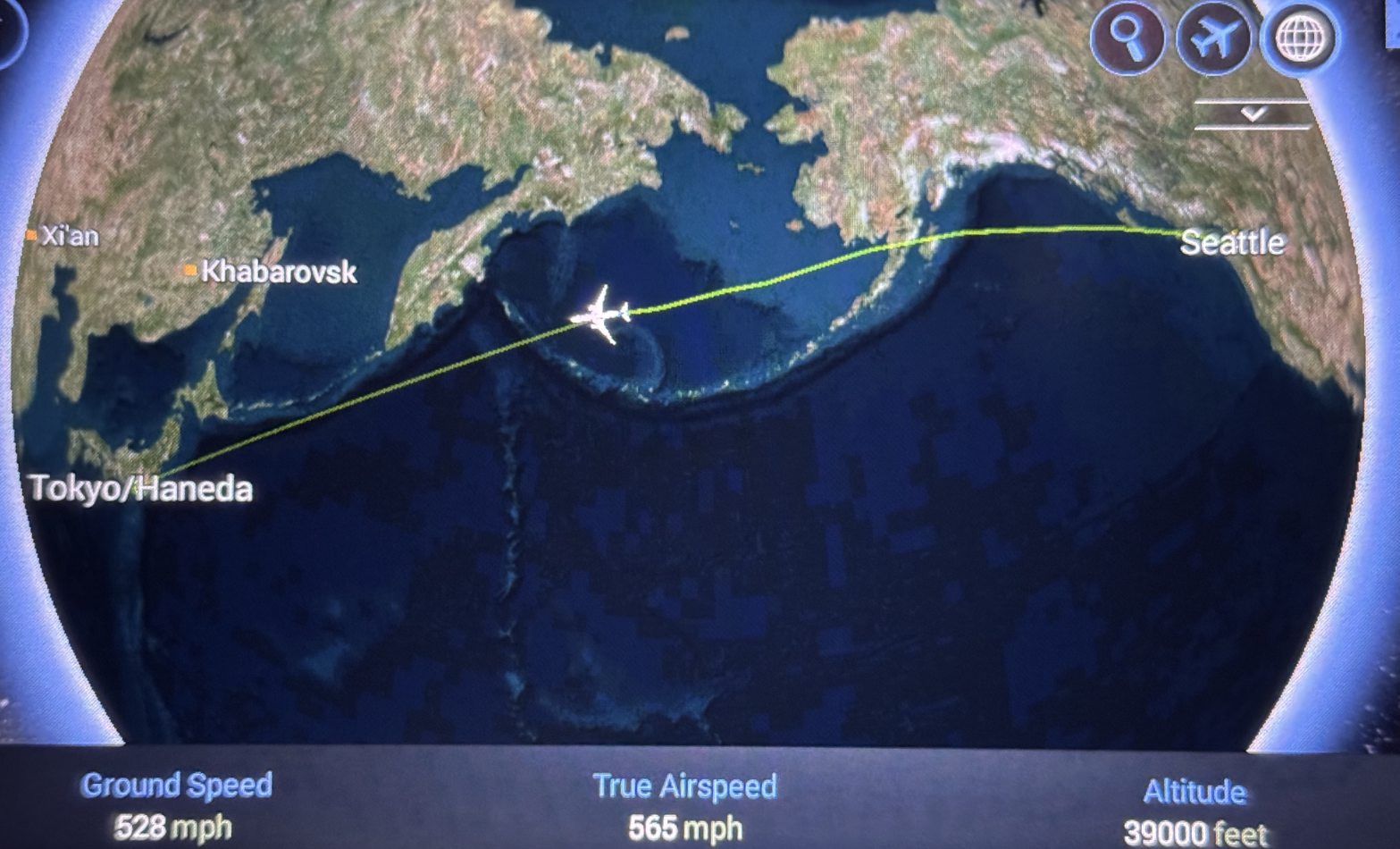
Flying almost due west for 10 hours across the Pacific Ocean;
Welcome signs at the exit of the arrivals hall at Haneda airport.
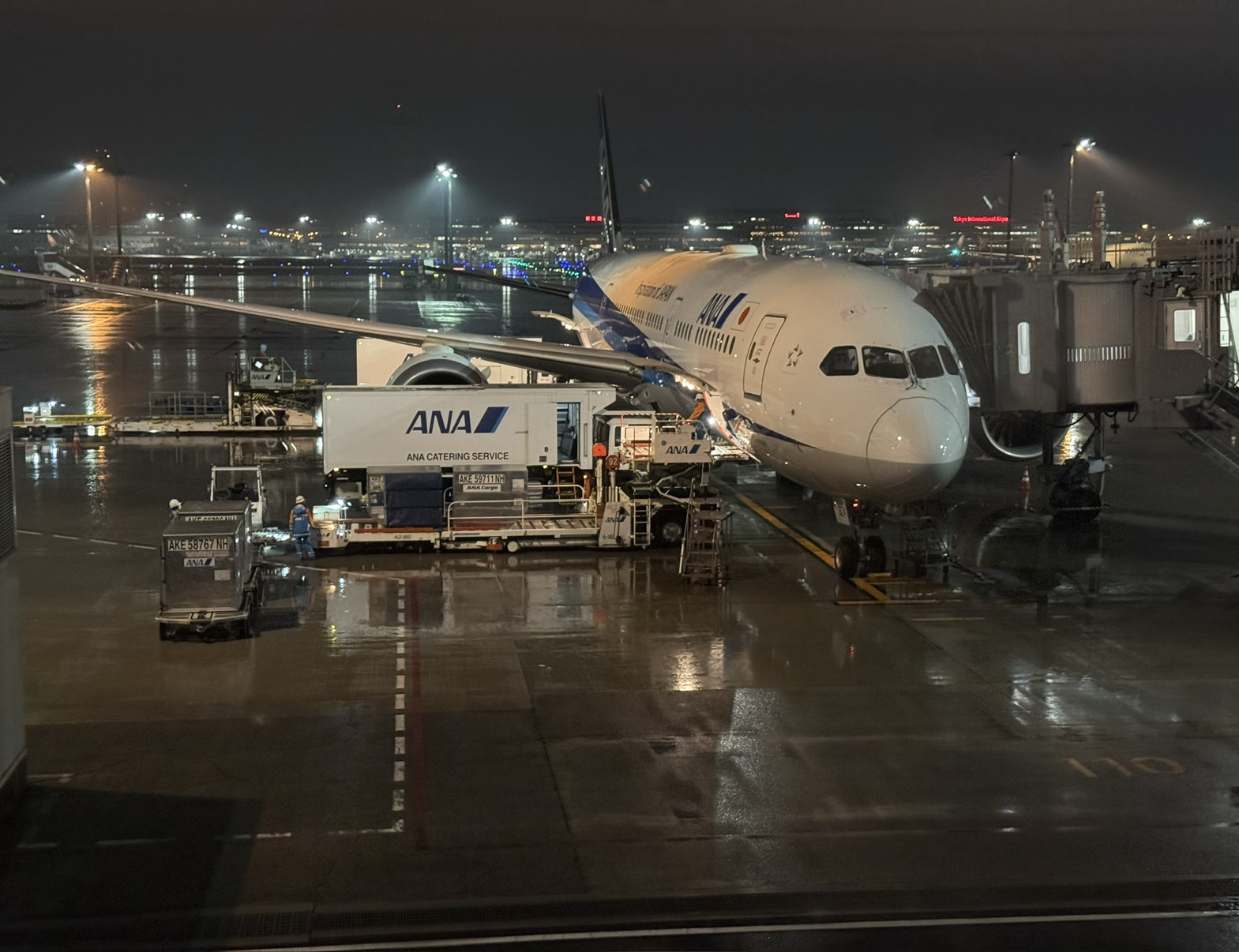
At the gate at Handa airport’s Terminal 3

Tuesday/ at the airport 🛫

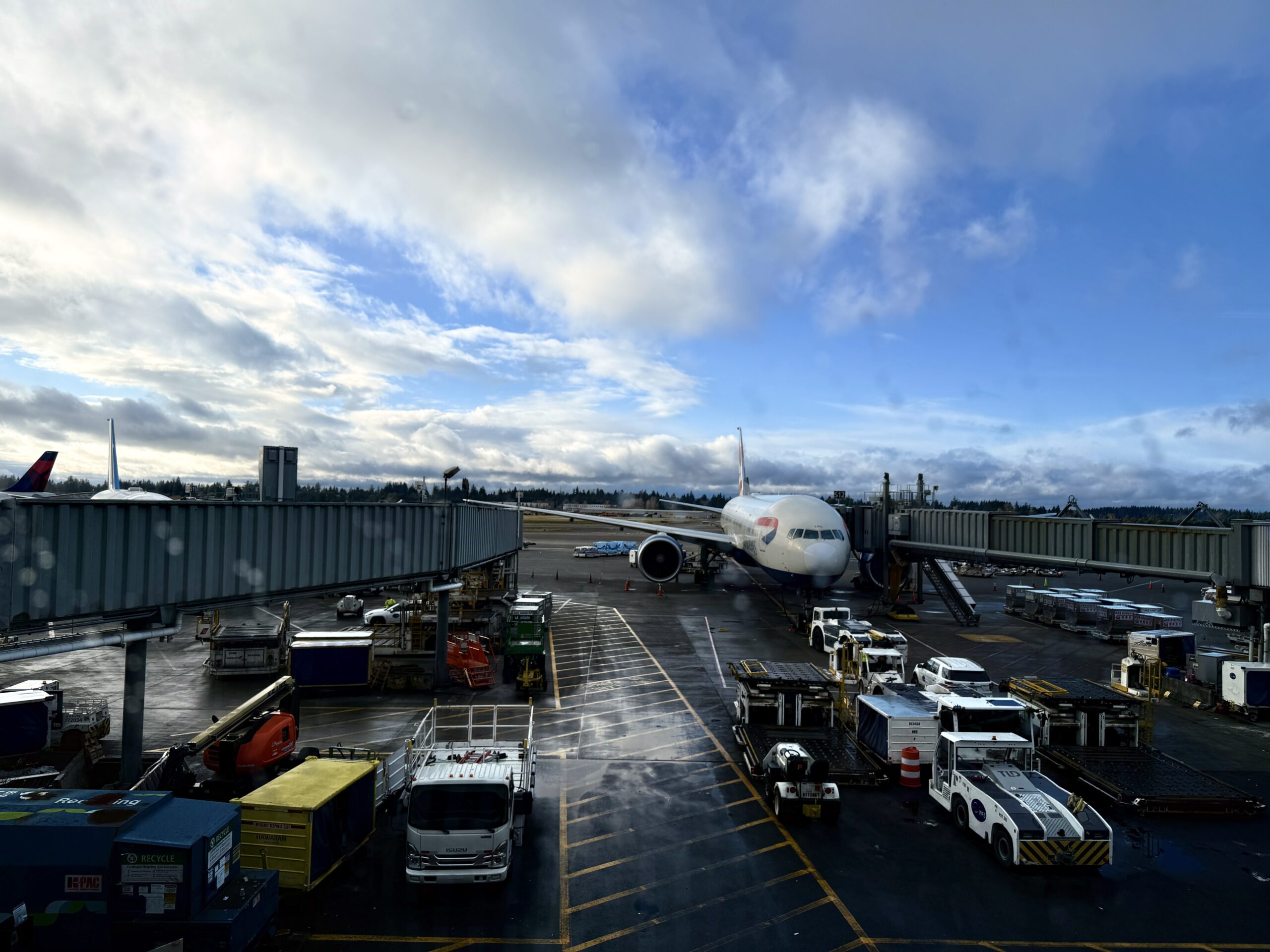
I made it out of the house and to the airport (thanks, Bryan!) and here are two pictures taken from the South Terminal at Seattle-Tacoma airport.

I am in the lounge and cannot see the gate where I’m departing out of. Hopefully the All Nippon Airlines bird has pulled up to the gate already. When I got here an hour and a half ago an Asiana Airlines flight (Korea’s No 2 airline) was just boarding.

Wednesday/ left behind 🛳️

Reporter Claire Fahy writes in the New York Times about passengers from  Norwegian Cruise Line’s Pride of America that were out on an excursion to Hawaii Volcanoes National Park (on the island of Hawaii) when the emergency alerts for the tsunami from the earthquake began.

The bus driver turned around to take them back to the ship, but it was too late. They were still 20 minutes away when the ship departed for open waters.  (During a tsunami, it is safer for ships to be at sea than in port. In port the vessel might get washed ashore with disastrous consequences).

The passengers left behind ended up sleeping on the gym floor of a local high school, or in their tour buses. 

Authorities in Hawaii canceled the tsunami advisory and issued an all-clear on Wednesday morning local time. The Pride of America did return to Hilo, Hawaii, to pick up the passengers who were left behind.

Headlines and picture from the New York Times/ Alamy.

Tuesday/ a successful cruise season in Cape Town 🛳️

South African newspaper Die Burger (‘The Citizen’) reports that Cape Town has had a very successful 2024/25 cruise season. A total of 83 cruise ships visited the cruise terminal at the V&A Waterfront , of which 11 were there for the first time.

The cruise terminal saw an increase of 16% in terms of passengers and crew numbers over last year. (The 2023/24 season generated US$ 67.4 million for the regional economy and supported 2,000 jobs. The numbers for 2024/25 are still being compiled).

A sign at the cruise terminal at the V&A Waterfront in Cape Town.
[Picture from Facebook/Wesgro]
The 2024/25 cruise season in Cape Town concluded with the departure of the Crown Princess from the cruise terminal at the V&A Waterfront on June 29.
The Crown Princess is currently on a 60-day world cruise that began on May 31, 2025, in Auckland, New Zealand. She is scheduled to arrive in Dover, England, on July 30, 2025.
The ship’s itinerary was adjusted last week due to stormy weather conditions around Cape Town and Walvis Bay.
As a result, her arrival in Walvis Bay, Namibia, was delayed until July 1, and she subsequently bypassed Mindelo, Cape Verde (Cabo Verde).
[Picture from Facebook/ Wesgro]

Sunday/ humming along ⚡

Here’s a Hummer EV SUV that I found on the street tonight.
It made me look up the history of the Hummer, as well as a picture I had taken in Chicago of a Hummer stretch limousine.

Here it is (information gleaned from Wikipedia):
The High Mobility Multipurpose Wheeled Vehicle (HMMWV; colloquial: Humvee) rolled into service in the US military in 1985, and saw widespread use in the Gulf War of 1991.
The Hummer H1 was released for the civilian market in 1992, followed by the Hummer H2 (2002-2009) and a Hummer H3 pickup truck (2005-2010). There was a Hummer HX open-air, off-road prototype concept car in 2008, and a prototype plug-in hybrid in 2009.

It was only in late 2021 that the GMC Hummer EV (badged as HEV) made its debut, though— a line of battery electric heavy-duty vehicles produced by General Motors, and sold under the GMC marque.

Here’s the GMC Hummer EV. There’s a HUMMER EV 2X (2 electric motors) and a 3X (3 electric motors) but I don’t know which one this is. I believe this color’s name is Tide Metallic. Look for H-U-M-M-E-R in the small headlights under the hood.
Hard to say exactly what this beast cost its owner, but it must be close to $100k, or even more than that.
.
Here’s a Hummer stretch limousine from 2005, in downtown Chicago, Illinois.
A Hummer H2 was cut behind the cab, and the chassis was extended to create a passenger section for more than a dozen passengers.
There is surely a mini-fridge inside as well, to chill a bottle of champagne, or two— right?

Thursday/ the camera has landed 📷

I left my camera behind in my hotel room in Cape Town on Monday of last week. I had it picked up at the hotel, and shipped back to me.
(Thanks for the help, Chris!)

I think this was the last straw: this camera stays home next time I go on an overseas trip.
I need a light, compact travel camera that can go into my backpack.

Here it is, the big camera with a big, heavy lens on, to boot. (Not shown in the picture is the padded camera bag that the camera was shipped in, bubble-wrapped inside the bag.
I checked the route that the camera took to get to me from Cape Town, and it looks like this:
Picked up in Cape Town, South Africa.
Arrived at DHL Sort Facility in Amsterdam, The Netherlands.
Arrived at DHL Sort Facility in Leipzig, Germany.
Arrived at DHL Facility East Midlands, UK.
Arrived at DHL Facility, London-Heathrow, UK.
Arrived at DHL Sort Facility, Los Angeles Gateway, CA.
Arrived at DHL Sort Facility, Seattle, WA.
Landed on Willem’s porch. (Landed in my hands, that is. I had to sign for it).

Friday afternoon/ east, west, home best 🏡

The world traveler is home.

Departure at Munich International Airport.
We were bused out to the Airbus 350-900 sitting on the tarmac, so that we could clamber aboard with the stairs. Let me just stipulate that the guys wearing t-shirts may create the impression that we had summer weather out there. We did not— it was freezing!
A last look at the fuselage before I step into the warm airplane.
Making the turn onto the runway for take-off.
Halfway into the 10-hour flight, and we are over the north of the giant slab of ice called Greenland.
Somewhere over Canada, with about two hours to go to Seattle.
Arrival at Seattle-Tacoma International Airport. 
We were international arrivals, and so we walked across the skybridge to the baggage claim and passport control, which is where I stopped to take this picture.
Our flight waited a little bit for our luggage, and then found it on the baggage claim carousel next to ours, for the flight from Frankfurt that arrived about the same time as ours. Then it was on to the Global Entry kiosk for me. There the was no line, and it took literally a few seconds for the face-recognition system to greenlight my entry into the United States. This way out, said an official, and that was it. So no passport stamp needed, no passport, no nothing. (Registering for Global Entry does cost $120 for a five-year membership.) 

Friday morning/ at the flughafen 🛫

I am at Munich International Airport, and will be heading home in just an hour or so.

It’s a 45-min train ride from central Munich to the airport. Cost €16.
I could have taken a taxi or an Uber (for €100), but the train is more fun. Our train was split in two at Neufarn station and the front part went to Freising and the back part to the airport (I was in the right part of the train!). There is a split in the train track.
Checking for my departure at the arrivals hall for train passengers .. 11h40 to Seattle, out of Terminal 2.
The view from the 6-th floor public observation deck.

Thursday/ beautiful inside 🇺

It was my last day in Munich, and I ran out to Marienplatz one more time with the streetcar.
It was just about noon, and the glockenspiel* on the townhall’s clock tower played to a smattering of on-lookers that risked getting frostbite on their fingertips as they held up their phones to record a video of it. (I was one of them).
From Marienplatz I went to a few beautiful U-bahn stations on the U1 line to take pictures.

*The Rathaus-Glockenspiel is a large mechanical clock located in Marienplatz square, in old town Munich. Famous for its life-size characters, the clock twice daily re-enacts scenes from Munich’s history.

Here is a jousting scene depicted by the glockenspiel. One of the knights was mortally injured, and falls backward on the horse.
These enormous and dramatic lamp scones are at Westfriedhof on the U1 line.
Here’s a red one.
And I made this yellow one appear to sit on top of the SOS pillar.
On the far end of the U1 line is the Olympia-Einkaufszentrum station. There are huge metal studs that line the wall, creating a spaceship-futuristic look.
Nearby, and also on the U1 line, is Oberwiesenfeld station with a black and white tile pattern on the one side ..
.. and burnt orange on the other.
Candidplatz on the south end of the U1 line is painted in the colors of the rainbow.

Wednesday/ snow on the ground 🌨️

It started snowing at around 8 am this morning here in Munich, but it could not have been more than an inch an or so, from what I could tell.

I used the Line 19 streetcar again to get Hauptbahnhof (the main train station), and from there, ran out to Odeonsplatz and a comic book store on Fraunhoferstrasse.

The view from my hotel room (using my phone’s 5x zoom to zoom in on the Deutsche Bahn train maintenance station) at 8 this morning.
Here comes the Line 18 streetcar, at Am Lok-schuppen station.
At Sendlinger Tor station, I stepped off the streetcar and went underground to the U-bahn.
(The sidewalk surfaces were treacherous with the snow and ice, and there were no pedestrian crossings to speak of. Then I realized that is the other use of any U-bahn station: it’s an under passage for pedestrians to get from one side of an intersection to the other).
Here is Odeonsplatz, named for the former concert hall, the Odeon, on its northwestern side. The church is the Theatine Church of St. Cajetan and Adelaide (German: Theatinerkirche St. Kajetan und Adelheid)— a Roman Catholic church. It was consecrated 11 July, 1675.
Taking a closer look at the heraldic elements in the center (the lions and the white-and-blue checkered pattern is taken from the coat of arms of Bavaria).
Here is the nearby Hofgarten (Eng. ‘Courtyard garden’), established in 1613.
Back inside the Sendlinger Tor U-bahn station. I love the giant white saucer-shaped light fixtures.
This is a comic book store called Comic Company near Fraunhoferstrasse station.
I bought used three comic books for all of Є8.40. More books to weigh down my luggage but hey, I was still 10+ pounds under the weight limit with both my suitcases when I checked them in at Cape Town.
By the time I hopped off the Line 18 streetcar close to my hotel, the snow had started to melt.

Tuesday/ a cold day in Munich 🥶

I put on full kit and kaboodle this morning, before venturing out in the frigid weather. I limited my excursions outside to Hauptbahnhof and Marienplatz.
(The day started at -7 °C and the high briefly reached 0°C.)

The Line 19 street car stops almost in front of my hotel, at Am Lok-schuppen station.
I used it to run out the Hauptbahnhof (main station), and to Marienplatz. There is a ticket machine on the street car– very convenient, and only €11,10 for a Zone 3 day ticket.
There is not much of the Hauptbahnhof buildings visible from the street, because of a major construction-refurbishment project that is underway.
Marienplatz and its ‘new’ town hall. New is a relative term here. Marienplatz has been the city’s main square since 1158. I took this picture from inside the Hugendubel bookstore on the square.
Taking a closer look at the clock tower of the town hall.
Inside the U-bahn station by Marienplatz. This track serves the trains running on the U3 and U6 lines.
Here are the platforms at the Münchner Freiheit U-bahn station.
Now I’m back at Marienplatz, and the sunlight that had added a few degrees to the chilly temperatures is fading fast. So it is getting really cold again.
The iconic town towers of the Frauenkirche nearby Marienplatz. This church was constructed from 1468–1488.
Volt Germany is a social-liberal pro-European, eurofederalist political party in Germany.
A federal election will be held in Germany on 23 February 2025 to elect the 630 members of the 21st Bundestag.
Check out this poster.
LET’S TAKE BACK THE FUTURE— with a strong Europe against Trump and Putin.
Sunset here is at 4.48 pm. I have just stepped off the street car at Am Lok-schuppen station for the 3 minute walk to my hotel.

Monday night/ arrival in Munich 🛬

All went well with my 11-hr flight to Munich.
It is just frightfully cold here (-5°C/ 20°F) and it made for a rough 12-minute walk from the train station to the hotel.

Stepping on board the Airbus A350-900 Lufthansa bird at Cape Town International airport’s Terminal A.
We are about to leave the African continent that lies 41,000 ft below us— 9 hours into the 11-hour flight to Munich.
This is the Hirschgarten S-Bahn (regional) railway station.
I had just stepped off the train from Munich airport, a 40 minute train ride.

Monday morning/ Munich bound ✈️

It was time on Monday morning to squeeze everything into my suitcases and backpack, and head for Cape Town International Airport to catch the Lufthansa flight to Munich.

Two views from my hotel room window: from sunset Sunday night, and from early Monday morning.
In the distance, the mountains are from left to right: Table Mountain, Lion’s Head and Signal Hill.

Sunday/ in Stellenbosch 🍇

My brother and I ran out to Stellenbosch University (our alma mater) on Sunday.
We stopped at the Faculty of Engineering, at Dagbreek Men’s Residence and at the Neelsie Student Centre.

A major remodeling of the main wing of the Faculty of Engineering is underway.
The buildings for the individual departments of the Faculty of Engineering look a little different from 40 years ago, with lettering and new windows. The engineering library is now called the ‘knowledge center’ (Afr. kennissentrum). Hmm.
A little house remodeled into offices, across from the Faculty of Engineering.
Here’s Victoria Street in summer time, with the trees a neon green, and the sky azure blue. The historic dormitories of Stellenbosch University as well as administrative buildings are found here.
The tennis courts where I had spent countless hours playing on as a student, are still there, as is Helshoogte Men’s Residence, and Simonsberg mountain in the distance.
The Neelsie Student Centre is quiet now, but will be abuzz with students come February when the new academic year gets underway.
Red Square* (Afr. Rooiplein) with its sun dial.
*Officially, it is the Jan Marais Square. A long time ago, though, students jokingly started calling the Administration Building nearby the ‘Kremlin’ because the notice boards (where exam results and class marks were pinned up) would declare their fate as a students. So this is a tongue-in-cheek reference to the main city square in Moscow that is the real Red Square.

Saturday/ around Mossel Bay 🏖️

It was time to drive back from Plettenberg Bay to Cape Town on Saturday.
I stopped at my uncle and aunt in Mossel Bay, and took a few pictures around downtown and the beaches.

The town of Mossel Bay lies on a outcrop called The Point, about 2 hours’ drive west from Plettenberg Bay. This is where Portuguese mariner and explorer Bartolomeus Dias set foot on land in 1488 after becoming the first European navigator to round the southern tip of Africa.
In recent years it has become a very popular destination for retirees and for younger people moving from South Africa’s northern provinces to the Western Cape province.
Here’s the sands and calm waters of Santos Beach that has just a hint of surf.
The boat and water sport enthusiasts hang out on the other end of the beach, where there is a launch ramp for fishing boats and other craft.
The ‘Stone Church‘ (Afr. Klipkerk) of the Dutch Reformed Church on Church St in downtown.
The cornerstone was laid in 1878 and the church was consecrated in 1880.
Further down on Church Street the blue water of the bay come into view.
The Prince Vintcent Building on Bland Street dates back to 1901. It hosts architects offices, cafes, bakeries and studios.
The St Blaize Terrace building from 1909 is on Marsh Street near The Point.
Nearby is this beautiful building for the old The Point High School (which now houses Milkwood Primary School).
Keating & Co did the construction, also in 1909. The stones were quarried in the hills and transported with cocopans on the rails to the school. Different stones were used: dark pink stones contrasts with the sandstone around the windows.
This tide pool is across from The Point Caravan Park.