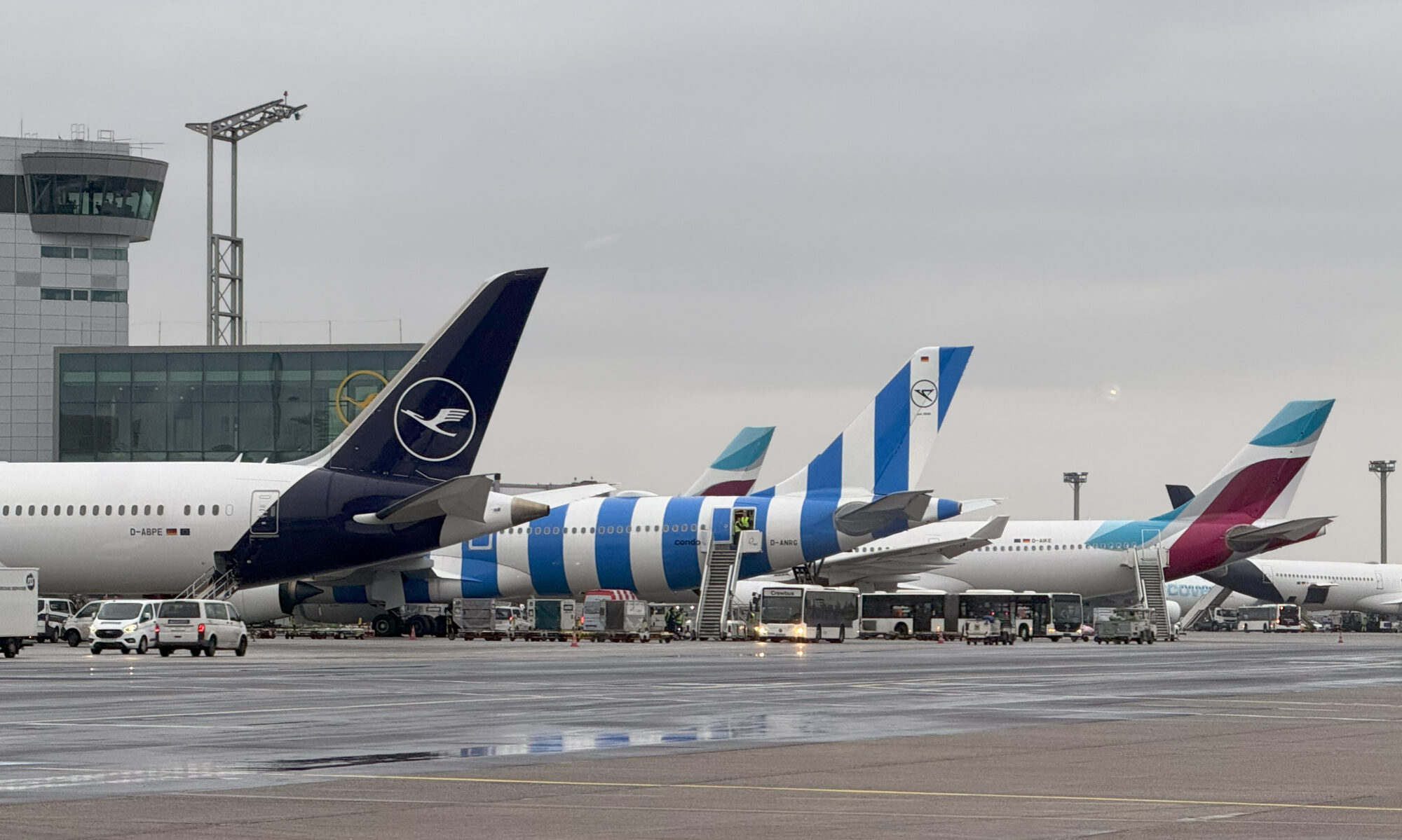
Seattle-Tacoma airport recorded 2.77 in. of rain for October— below the average of 3.46 in.
November is the wettest month of the year (usually coming in at 6.5 in), and we’re off to a good start with a forecast of 1.4 in over the next seven days.
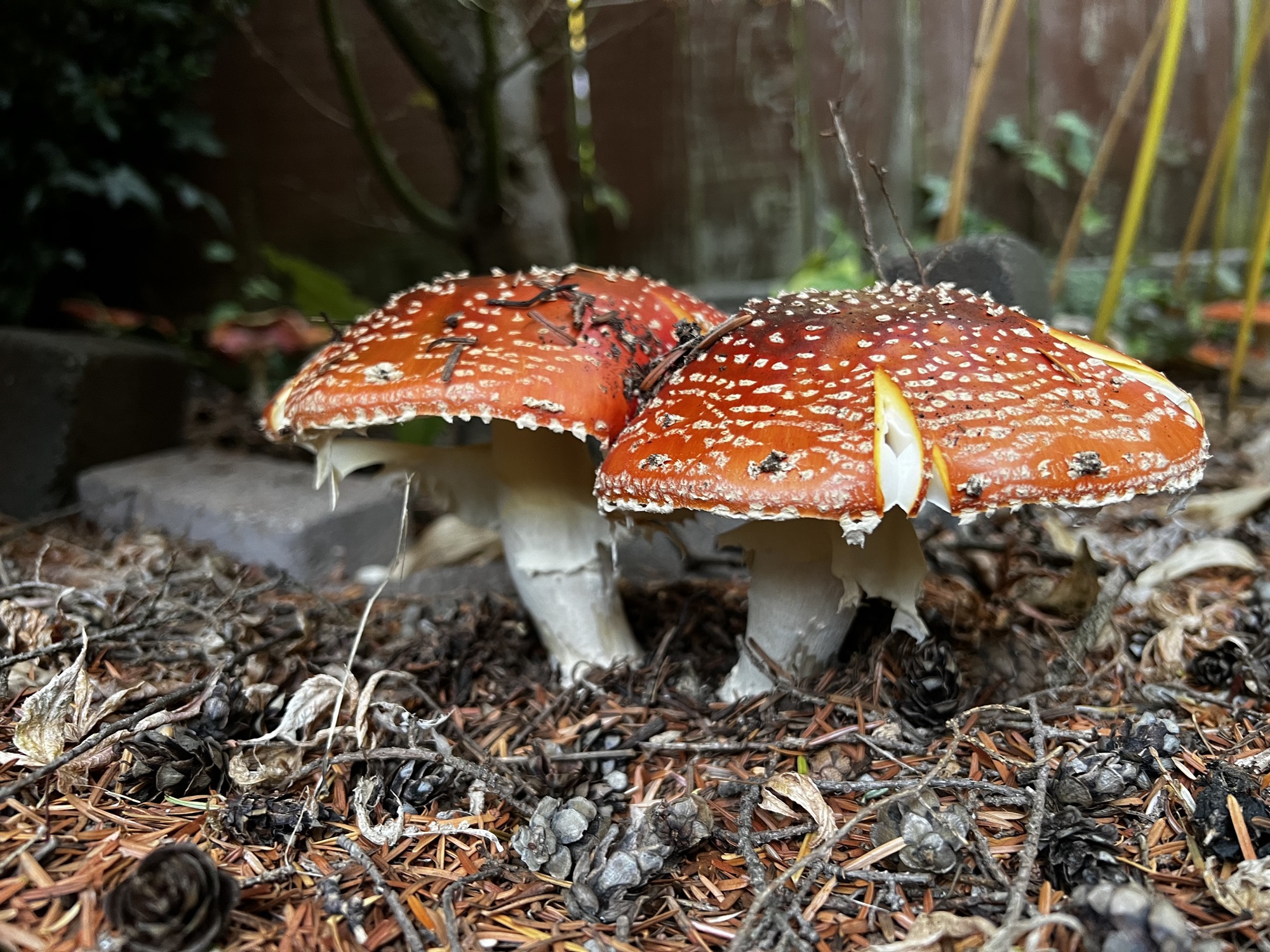
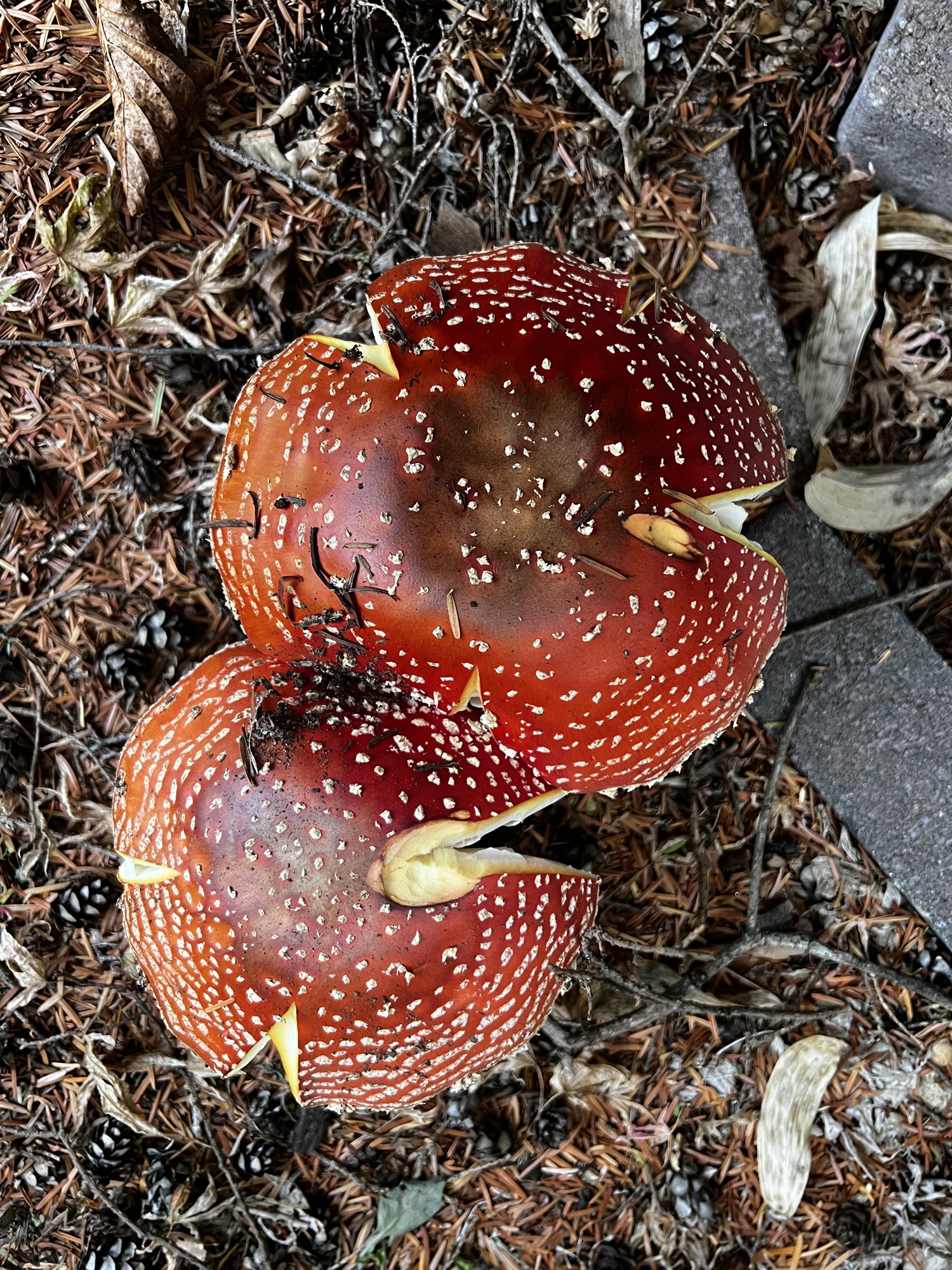
This year’s fly agaric mushrooms in my back yard are smaller than usual (crowns of 3 to 4 inches diameter). These ‘look but don’t touch’ mushrooms (they contain toxic alkaloids).
Happy Monday.
It’s Seattle Forest Week— a yearly campaign by Seattle Parks to promote the city’s green spaces, healthy urban forests, and encourage the planting of native plants.
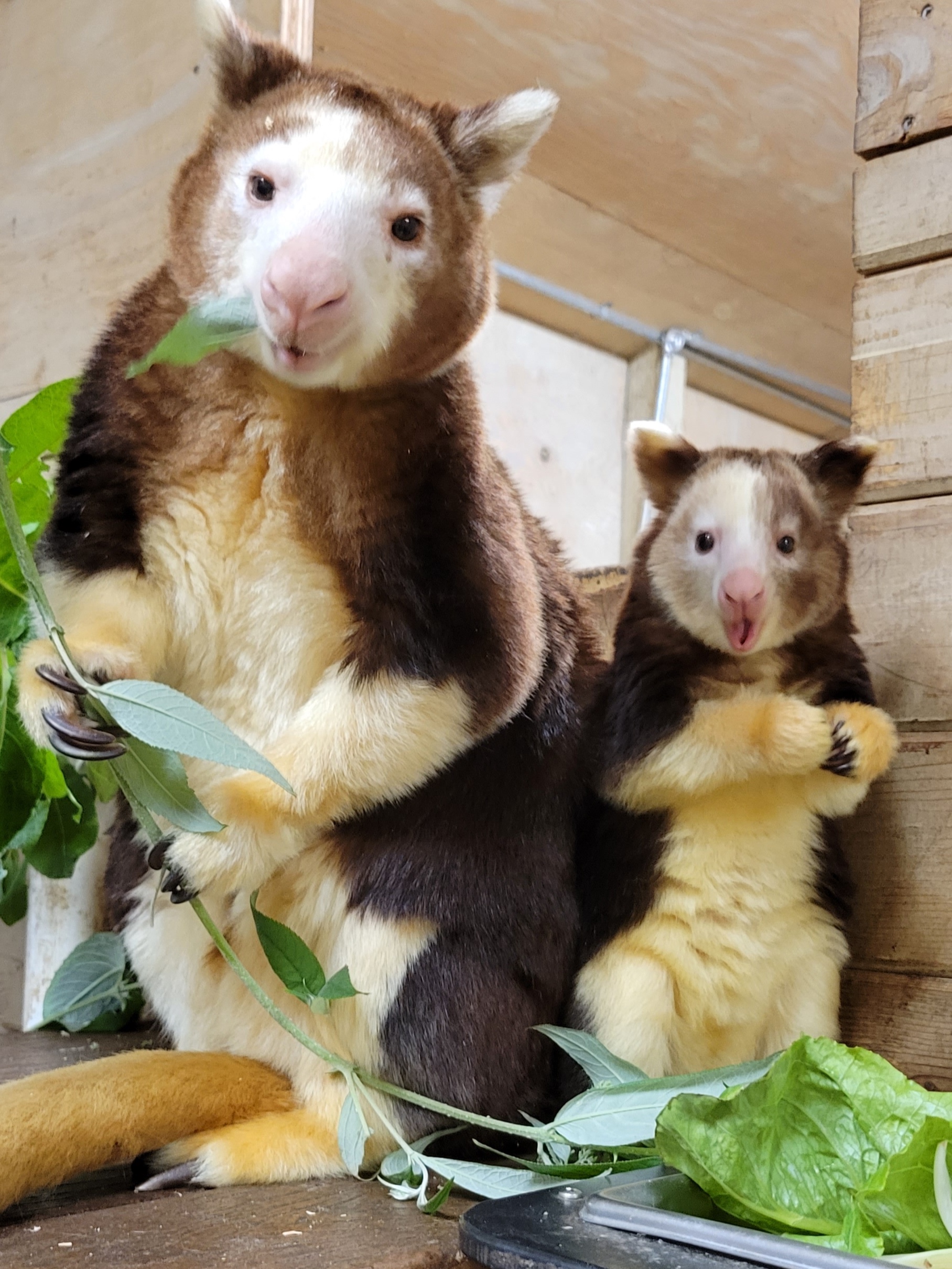
Hello to you, too! We don’t have these furry creatures here in the Pacific Northwest. I had to do a picture search to find out that they are tree-kangaroos, native to the Huon Peninsula of northeastern New Guinea island, in Papua New Guinea. It is an endangered species with only an estimated 2,500 left in the wild. [Picture posted by Woodland Park Zoo @woodlandparkzoo on X]
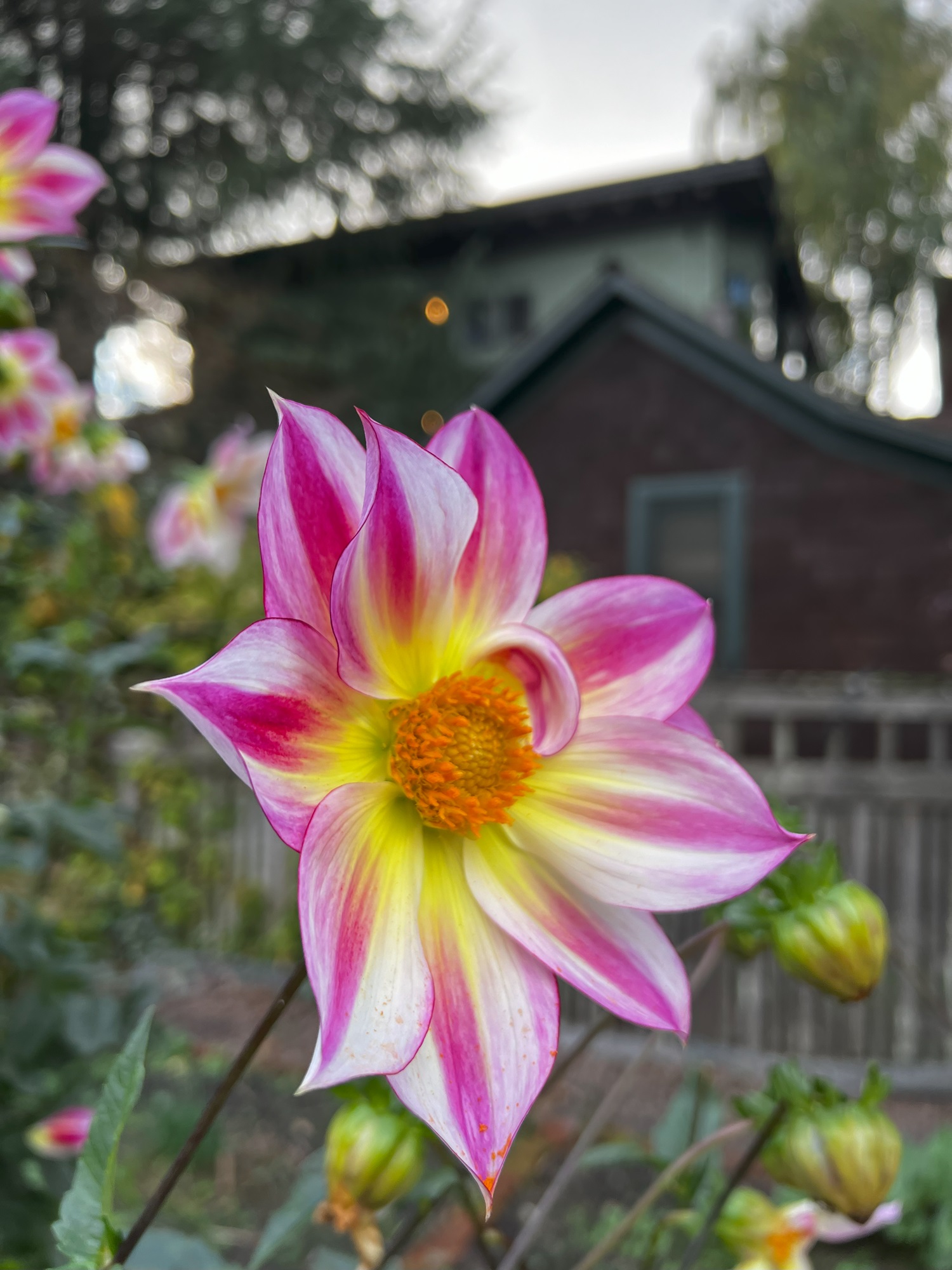
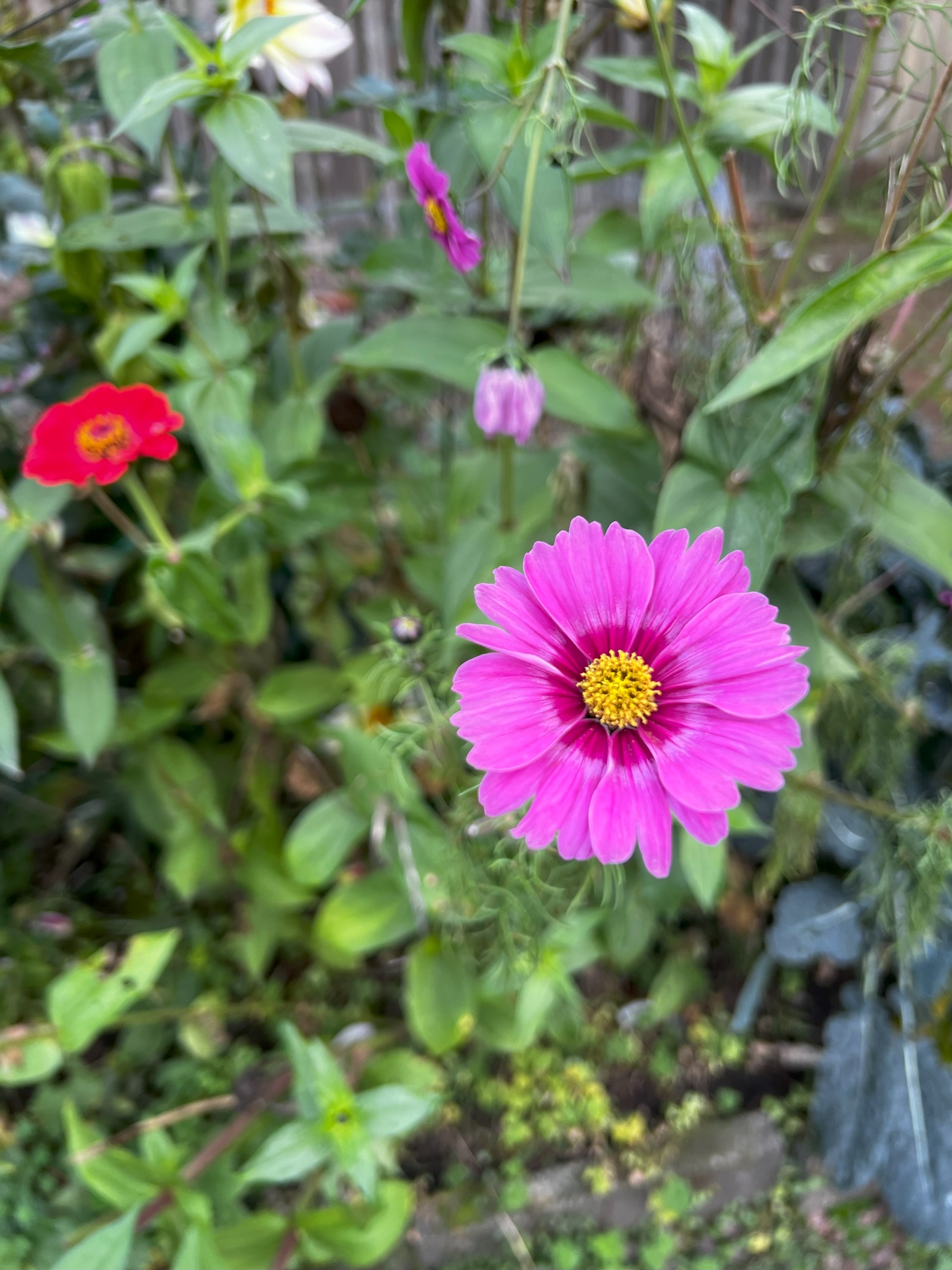
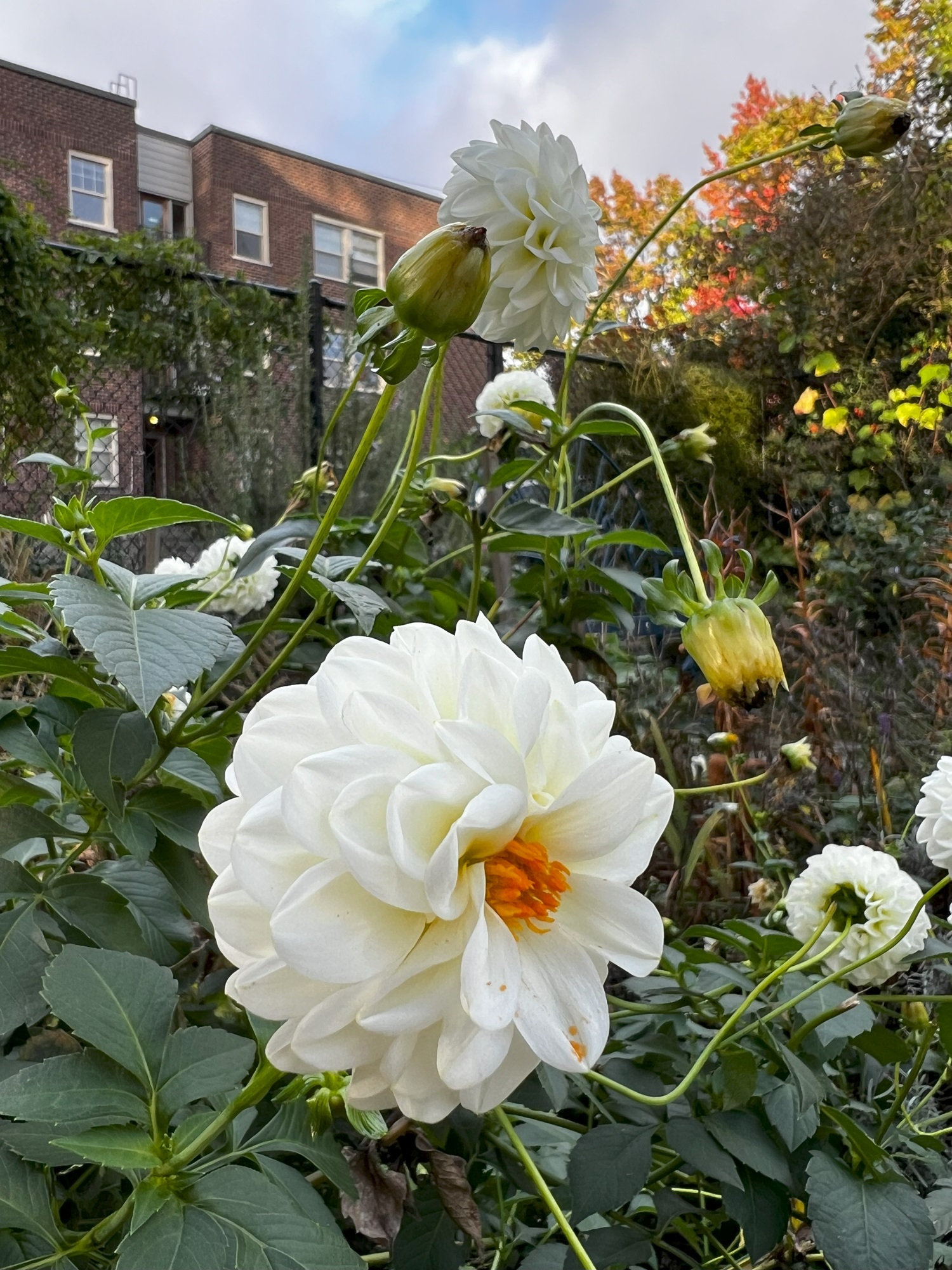
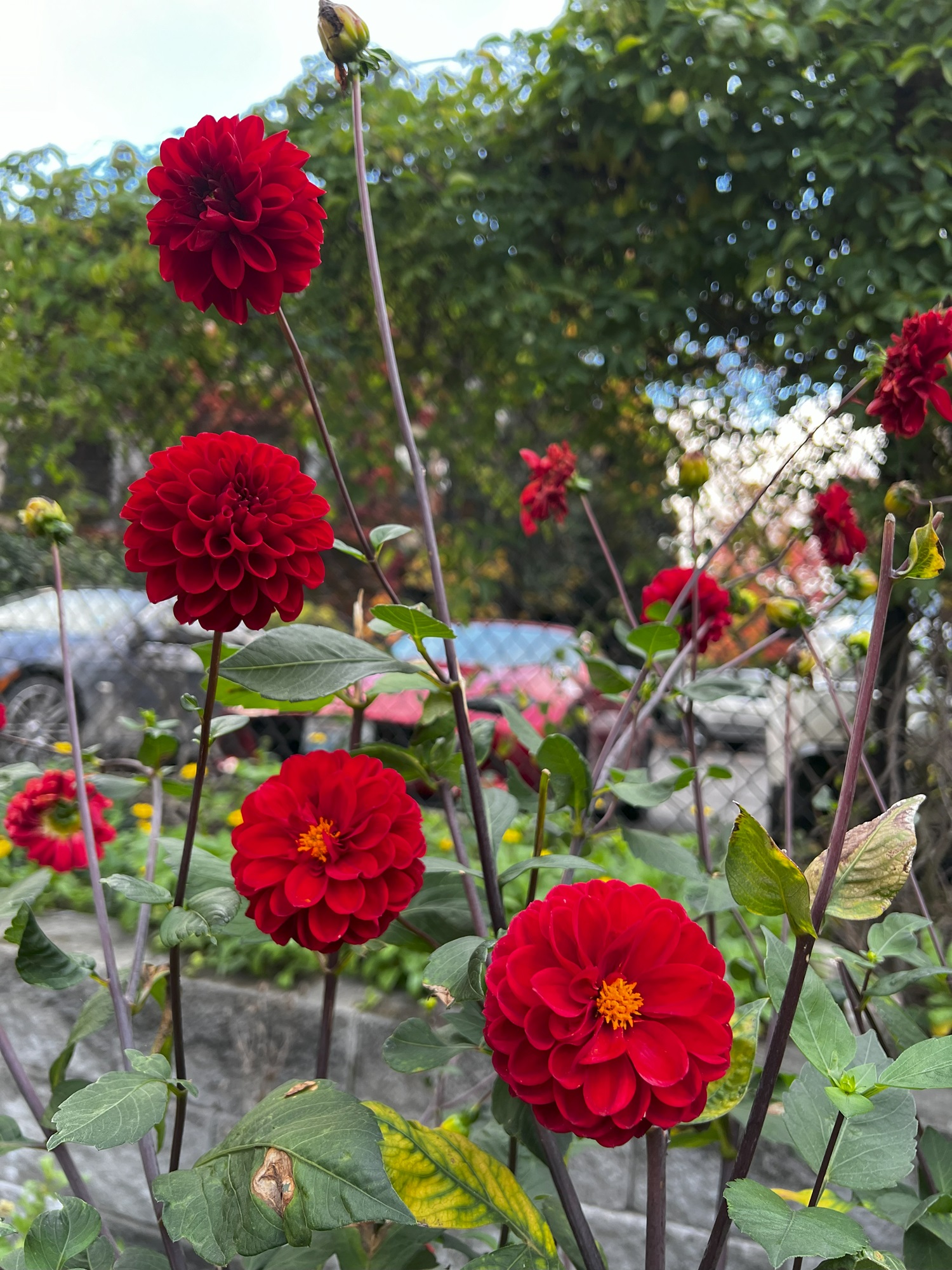
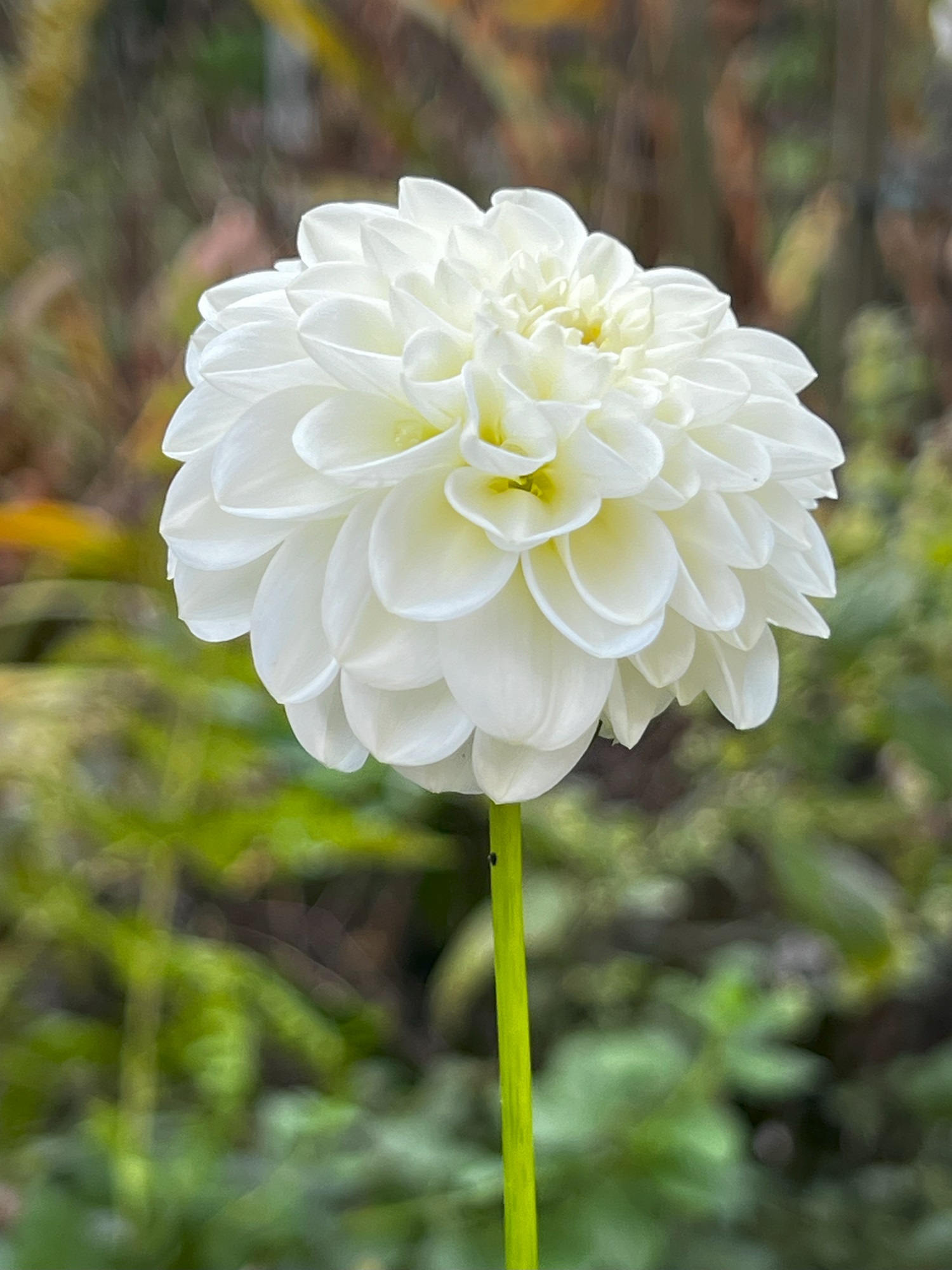
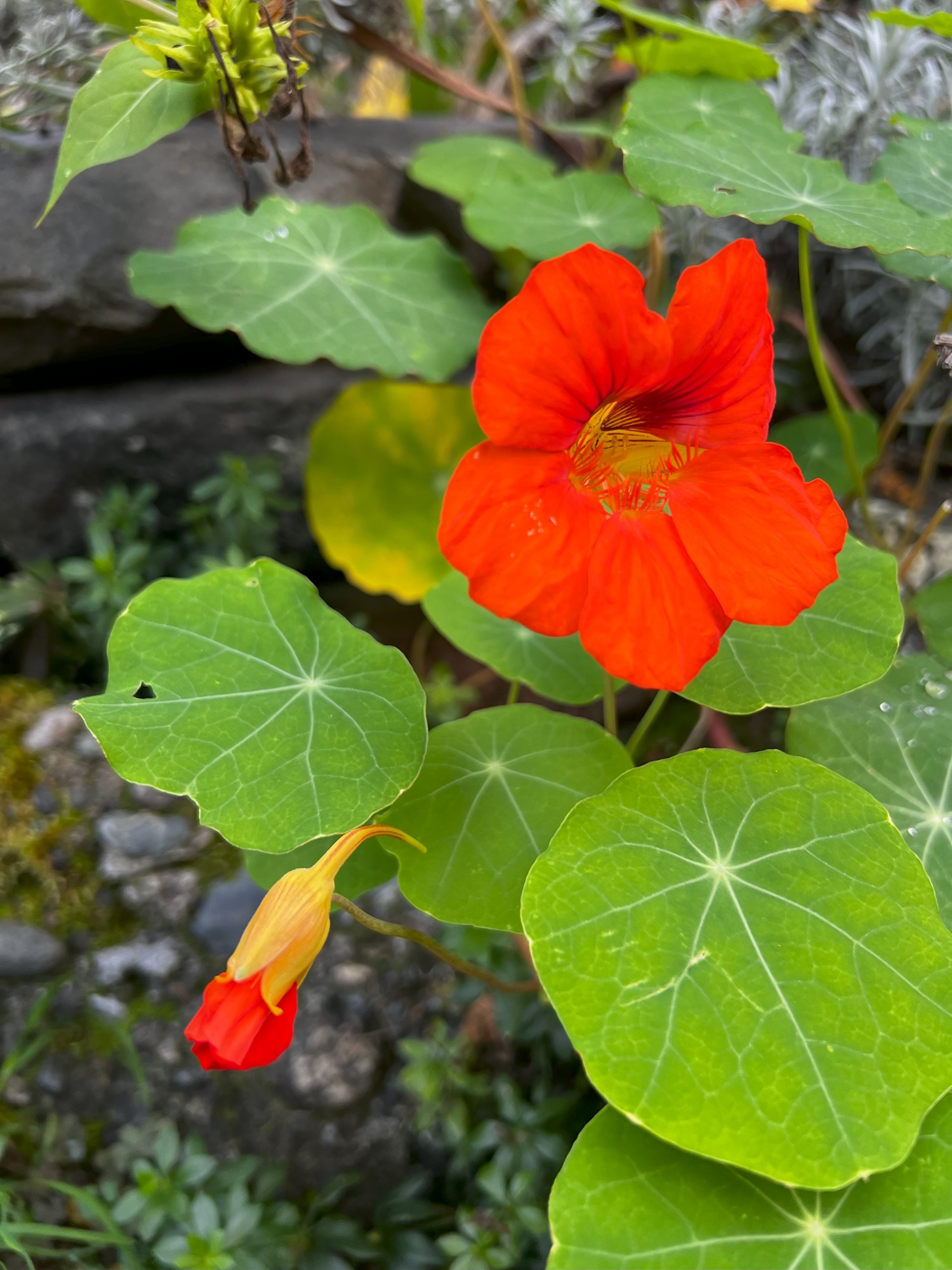
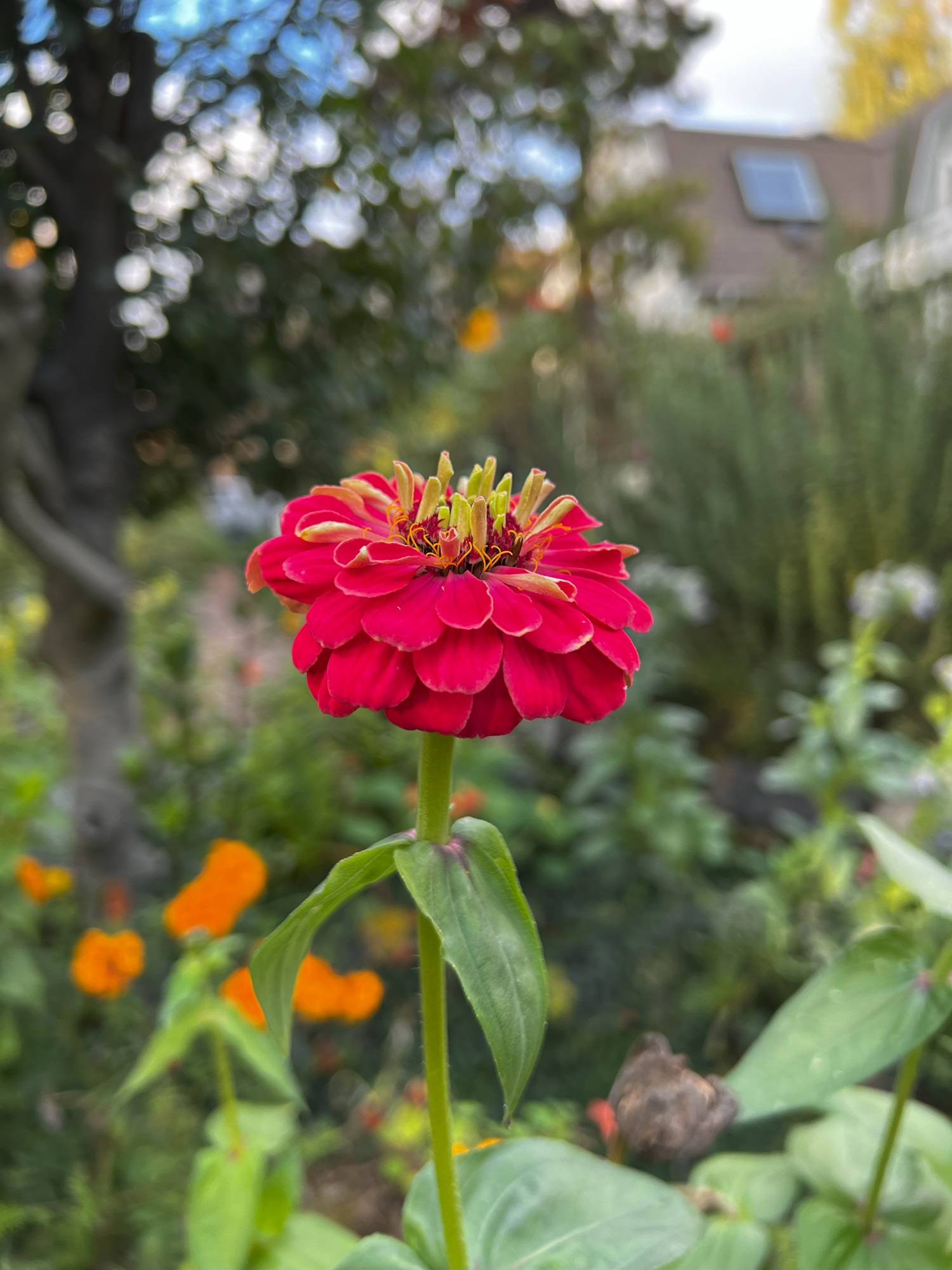
Surely there can’t be flowers anymore in Thomas Street Gardens, I thought, as I made my way there yesterday.
I was wrong though, and there they were— outrageous splotches of color against the gray sky.
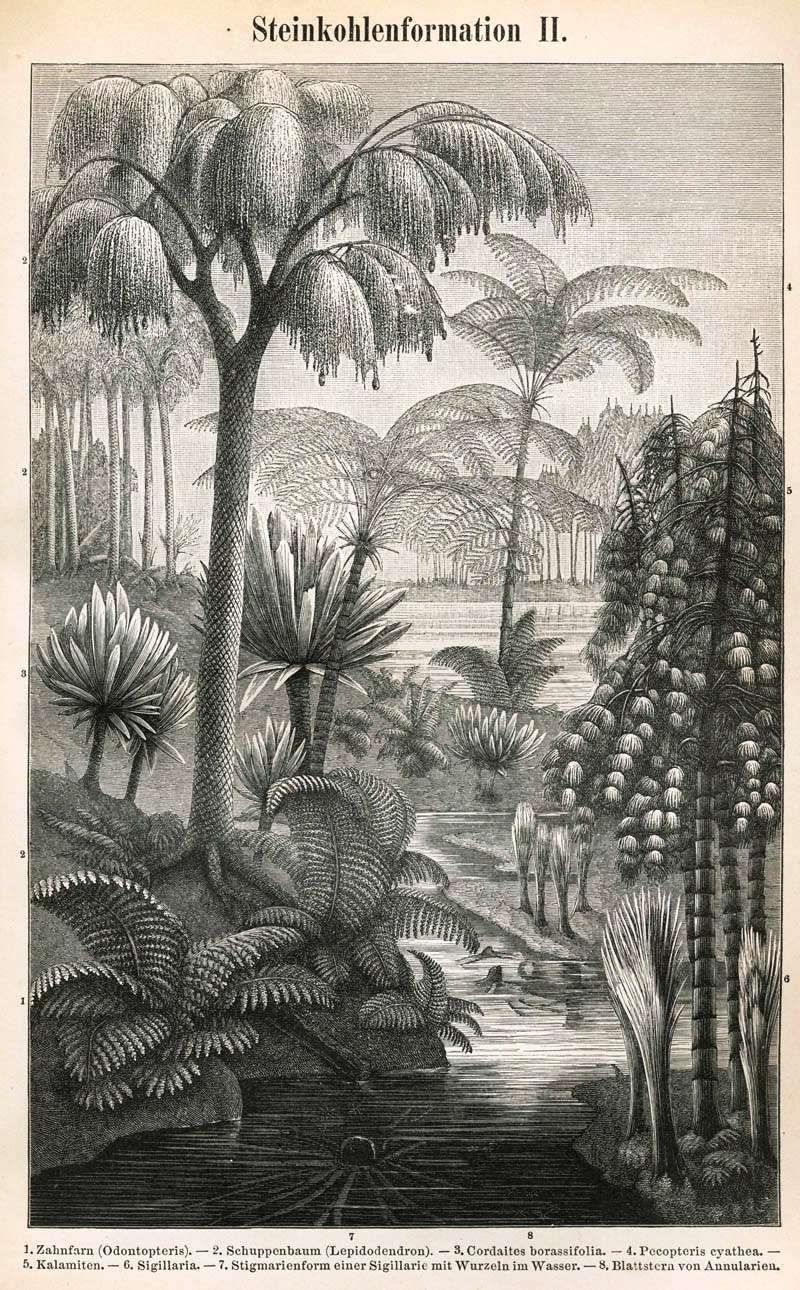
Etching depicting some of the most significant plants of the Carboniferous. The Carboniferous is a geologic period and system of the Paleozoic that spans 60 million years from the end of the Devonian Period 358.9 million years ago, to the beginning of the Permian Period, 298.9 mya. [Picture: Bibliographisches Institut – Meyers Konversationslexikon]From the 2021 book ‘A (Very) Short History of Life on Earth’ by Henry Gee: The Carboniferous* lycopod forests were not like this at all (trees with wood and bark). The lycopods, like their Devonian forebears, were hollow, supported by thick skin rather than heartwood, and covered in green, leaflike scales. Indeed, the entire plant— the trunk and the crown of dropping branches alike— was scaly. With no columns of vessels to transport food, each of the scales was photosynthetic, supplying food to the tissues close by. Even stranger to our eyes, these trees spent most of their lives as inconspicuous stumps in the ground. Only when it was ready to reproduce did a tree grow, a pole shooting upward like a firework in slow motion to explode in a crown of branches that would broadcast spores into the wind. Once the spores had been shed, the tree would die. Over many years of wind and weather, fungi and bacteria would etch away at the husk until it collapsed onto the sodden forest floor below. A lycopod forest looked like the desolate landscape of the First World War Western Front: a craterscape of hollow stumps filled with a refuse of water and death; the trees, like poles, denuded of all leaves or branches, rising from a mire of decay. There was very little shade and no understory apart from the deepening litter forming around the shattered wrecks of the lycopod trunks.
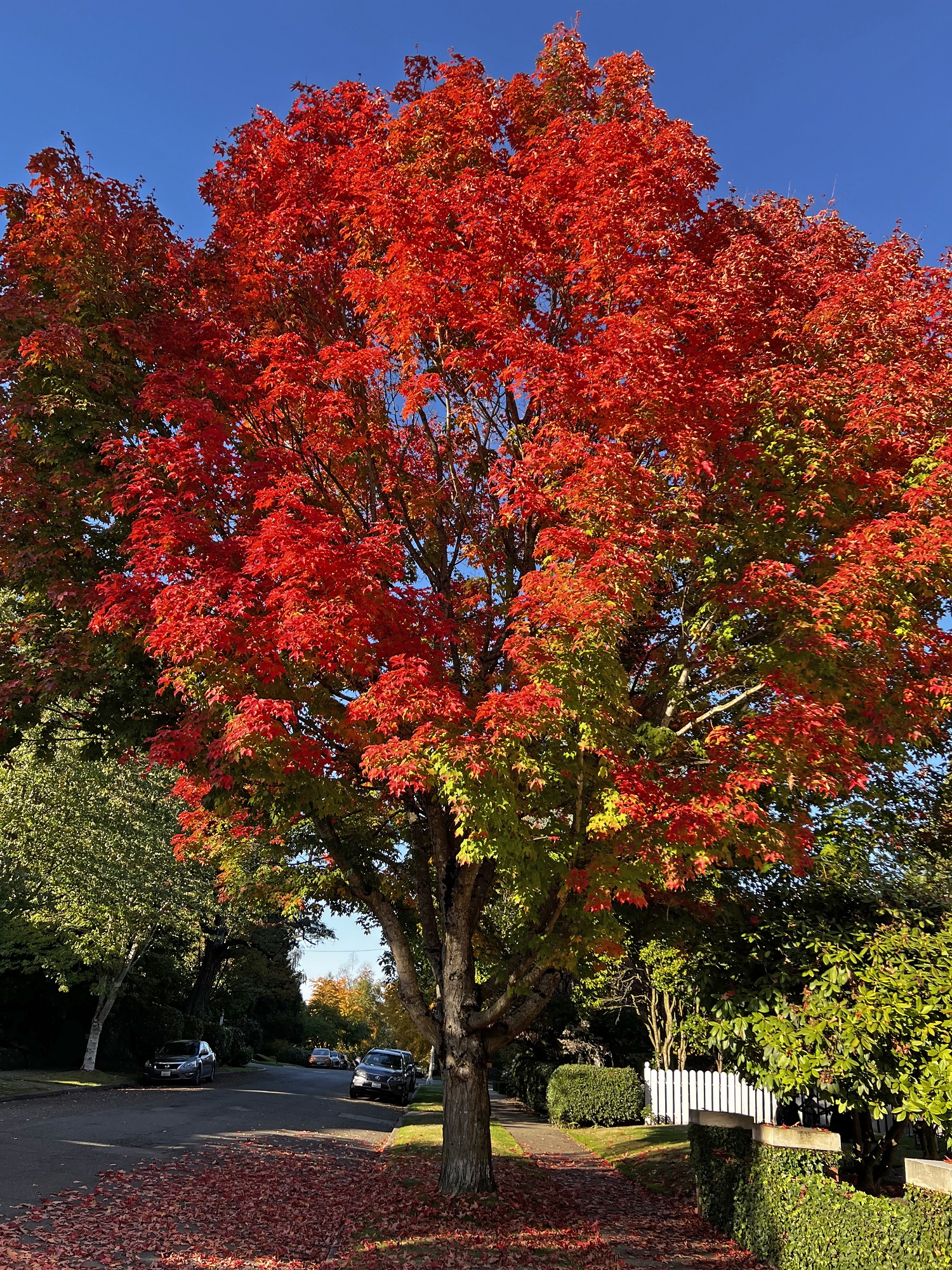
Fall colors, seen on 17th Avenue East here in Capitol Hill, Seattle.
The lack of chlorophyll reveals yellow and orange pigments that were already in the leaves but masked during the warmer months. Darker red leaves are the result of a chemical change. Sugars that can get trapped in the leaves produce new pigments (called anthocyanins) that weren’t part of the leaf in the growing season. [Source: The Smithsonian Institution]
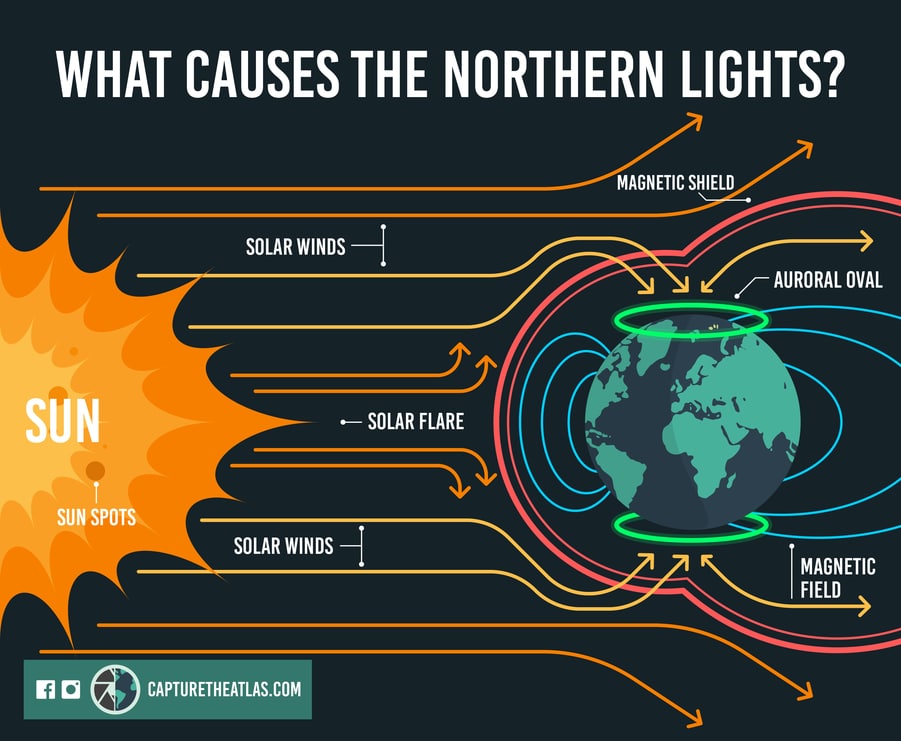
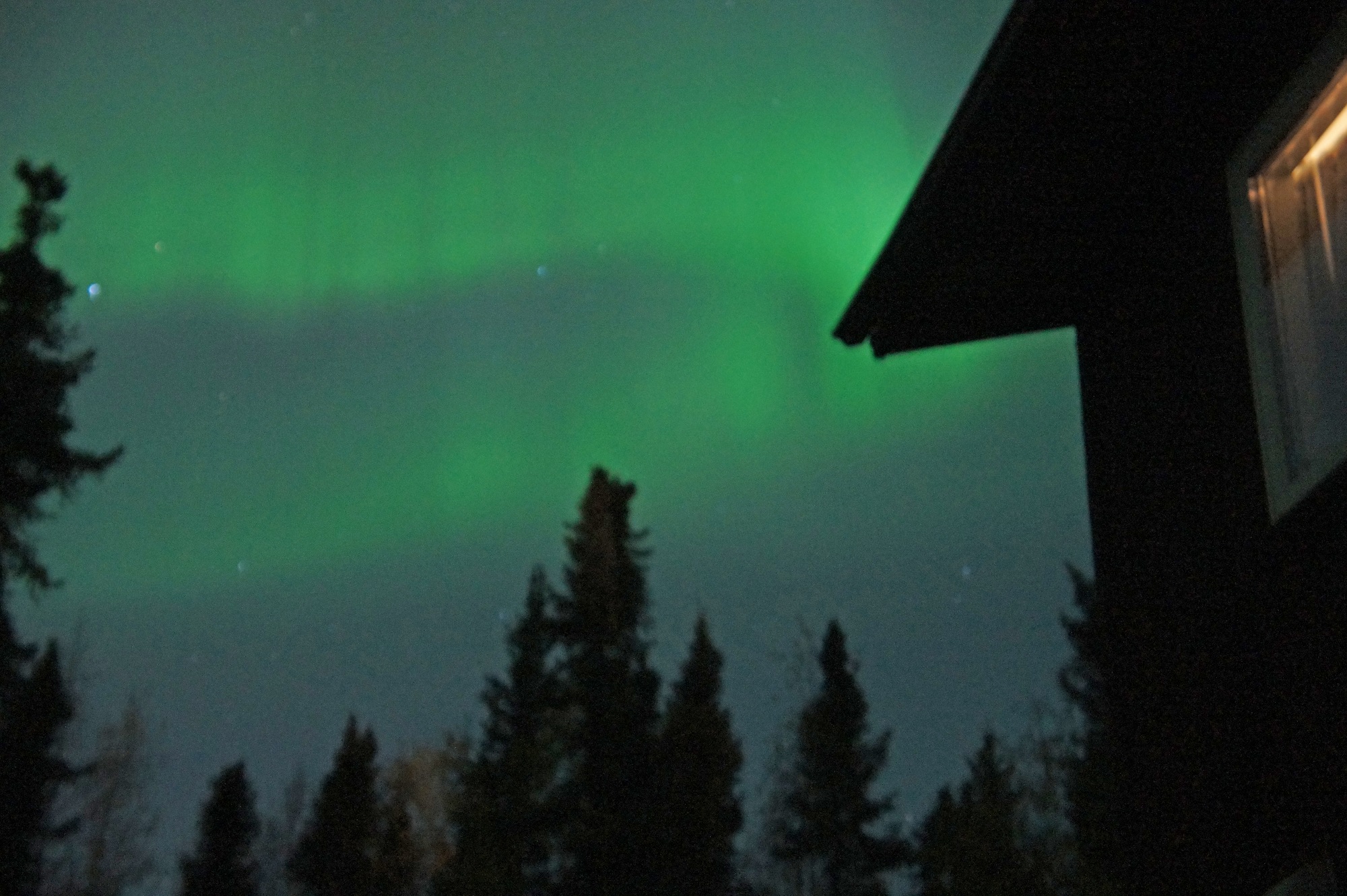
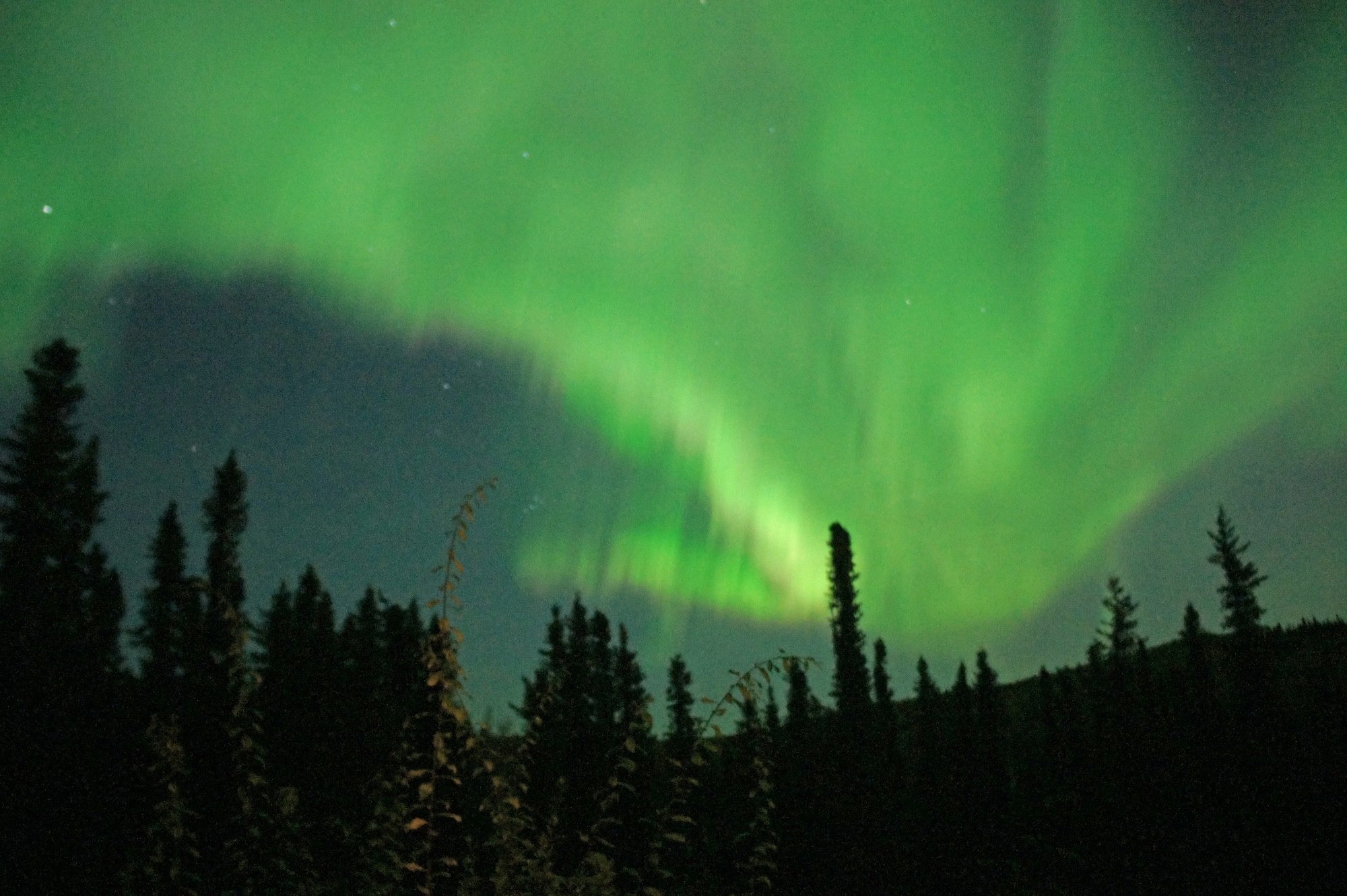
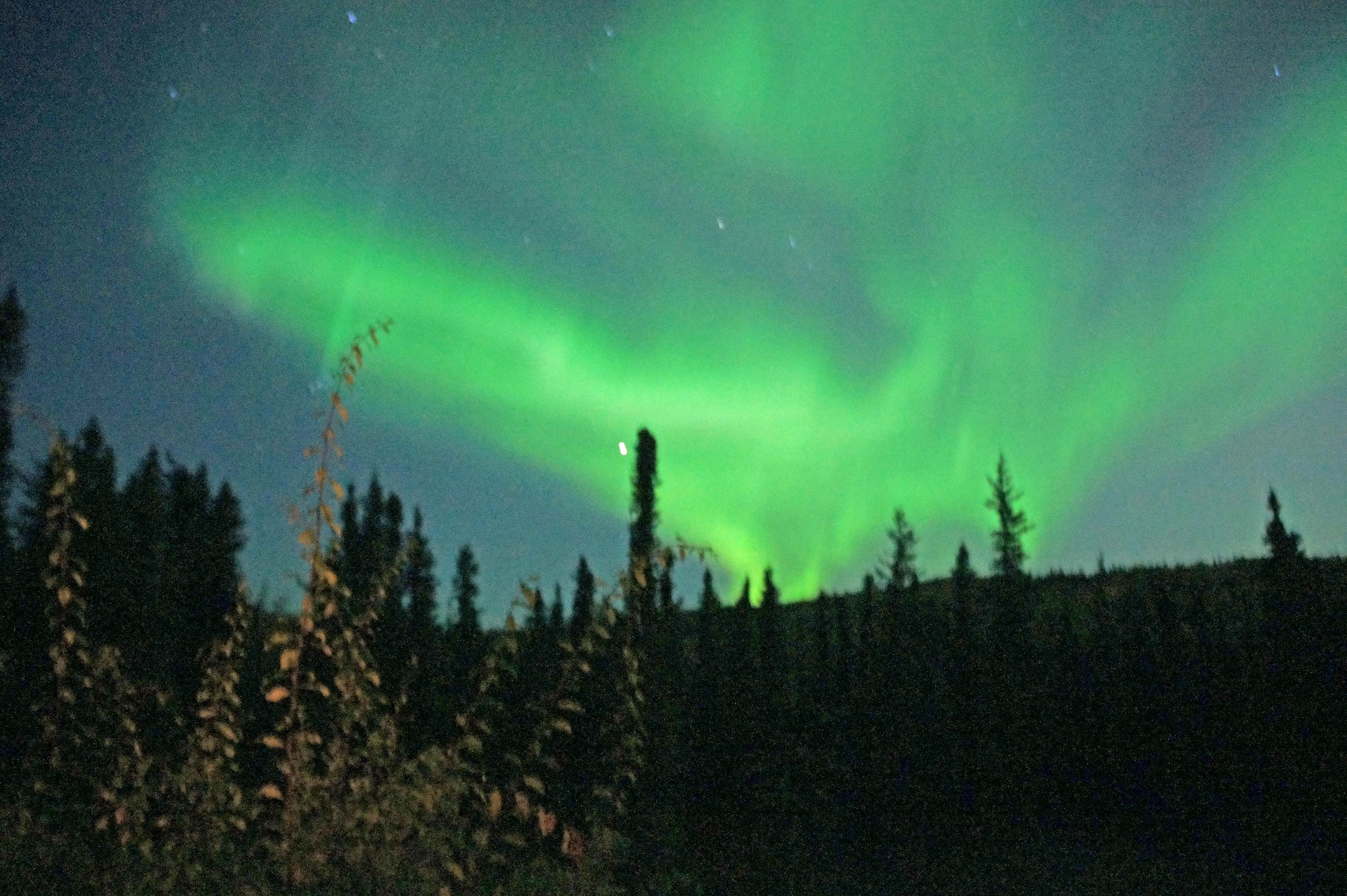
When a solar storm comes toward us, some of the energy and charged particles from the sun (mostly electrons and protons) can travel down the magnetic field lines at the north and south poles into Earth’s atmosphere. There, the particles interact with gases in our atmosphere resulting in beautiful displays of light in the sky. [Infographic by capturetheatlas.com]These pictures are from the northern lights (aurora borealis) as we saw them from our lodgings some 15 miles outside Fairbanks.
Please note: a camera presents severe limitations when the lights appear in an animated fashion, and in the entire night sky overhead!
The photographer is Francois Theron and he used a Sony NEX-3 digital camera with a 10-second exposure.
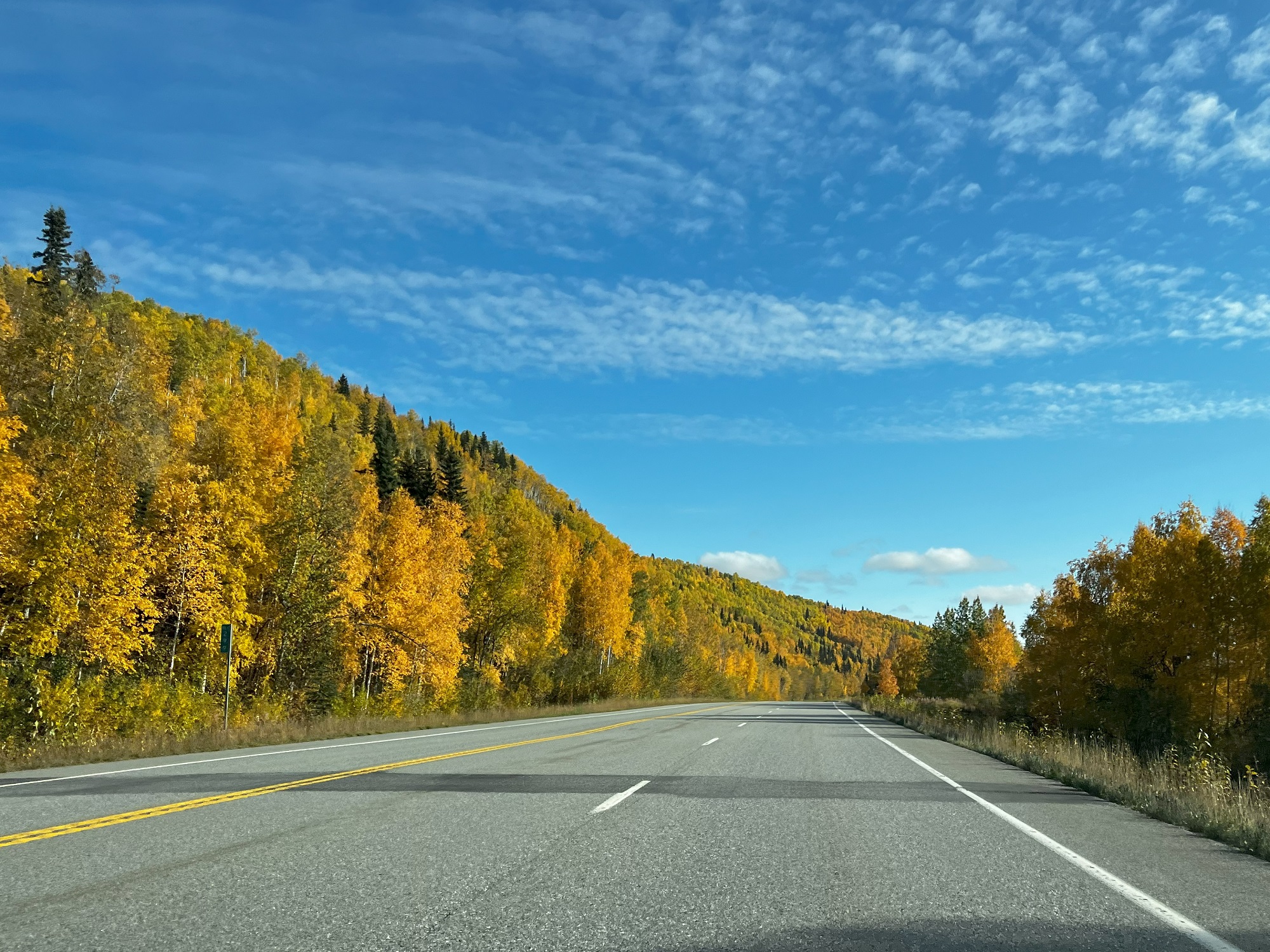
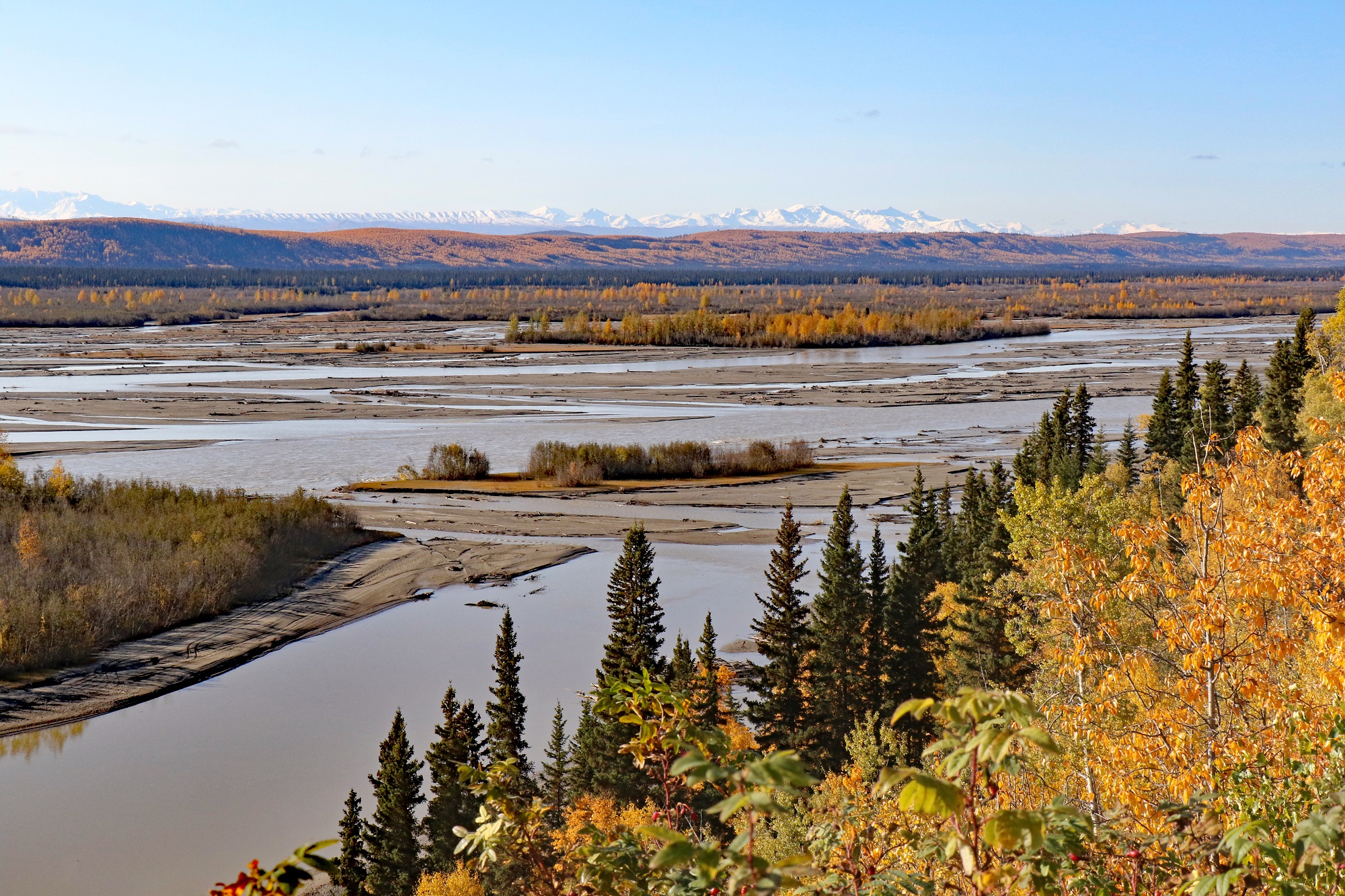
Today we drove in a southeasterly direction from Fairbanks, on Alaska Route 2 South along the Tanana River.
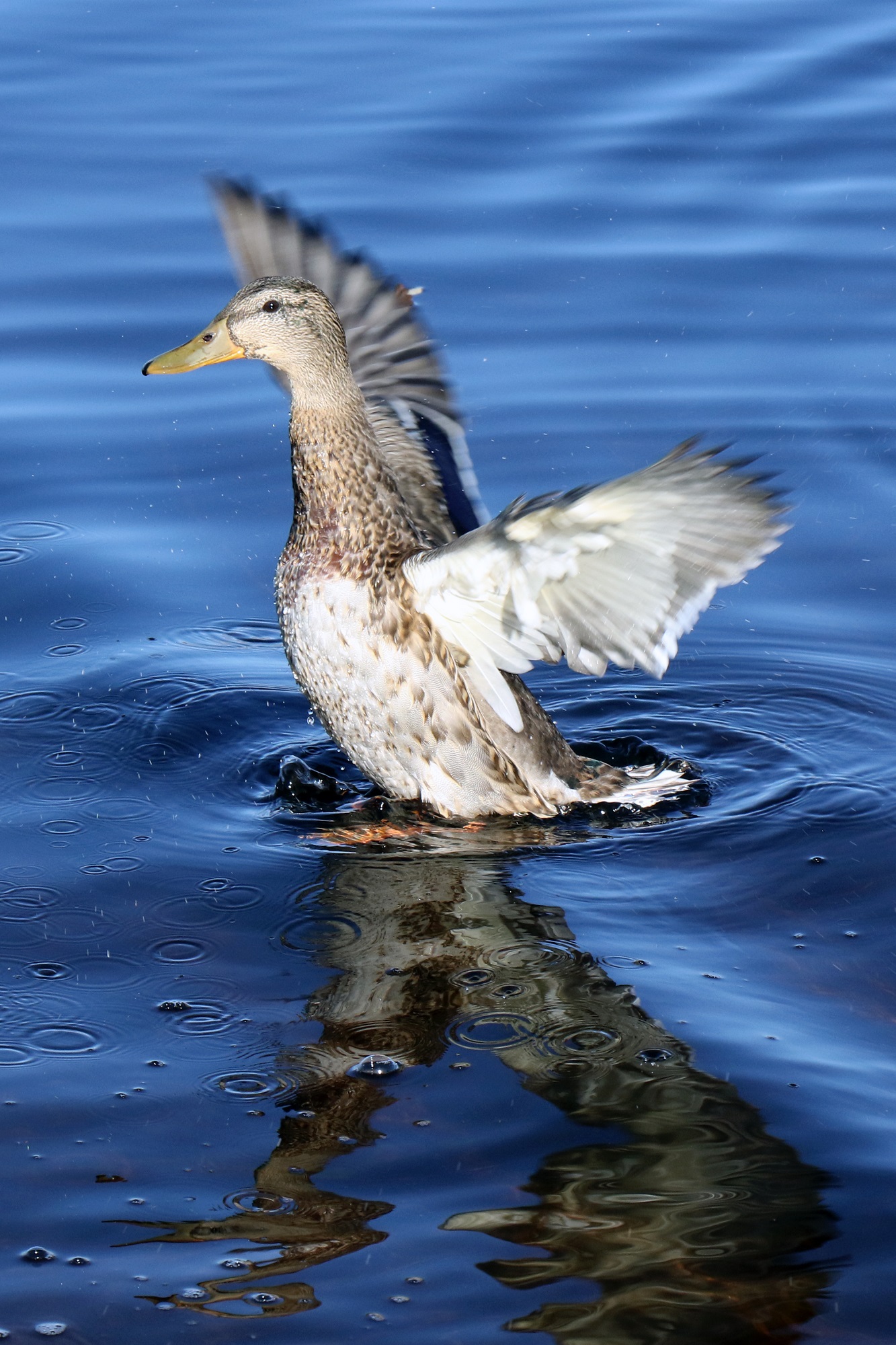
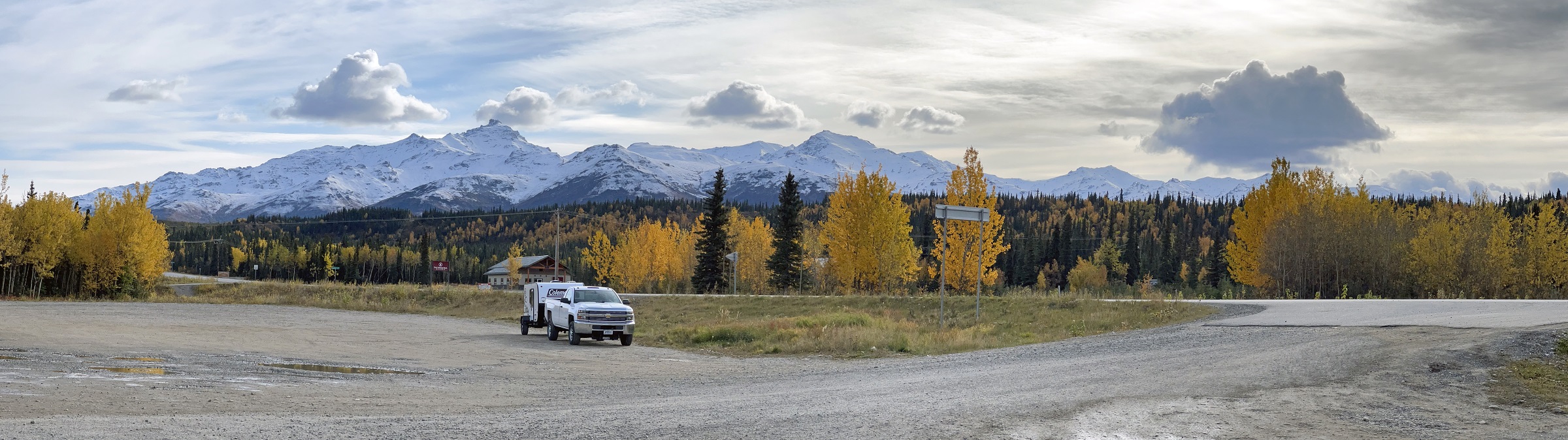
There is gold in the trees on the rolling hills that the Alaska Route 2 road runs through.The vista from the Alaskan Range Viewpoint, a scenic viewpoint on Route 2 that is a few miles from the Harding-Birch Lakes.And here is a feathered friend (wild duck, Anas platyrhynchos) stretching its wings on the waters of the Harding-Birch Lakes.
These pictures are from a four-hour roundtrip drive on Alaska Route 3 South— from Fairbanks to the Denali National Park Visitor Center.
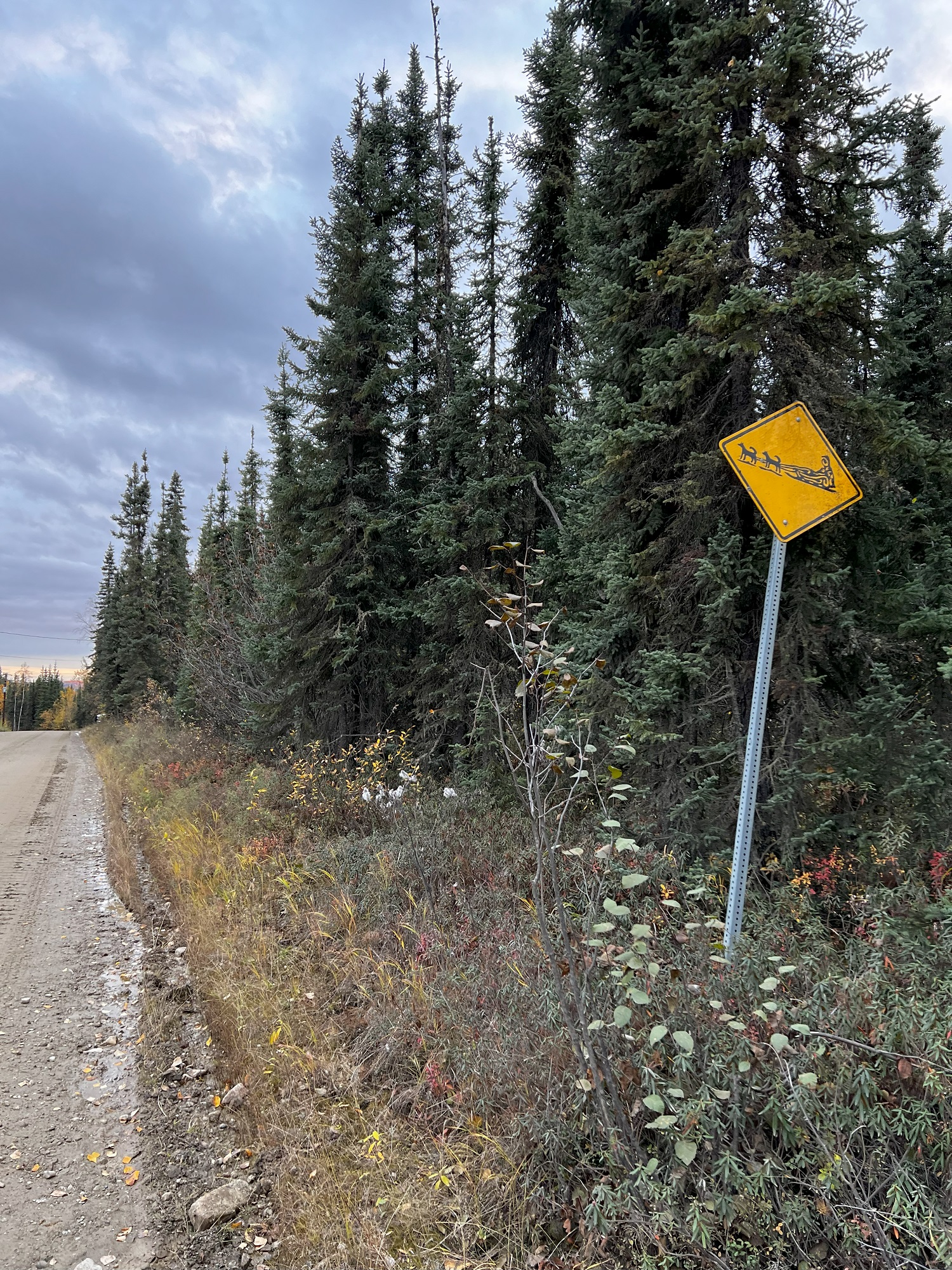
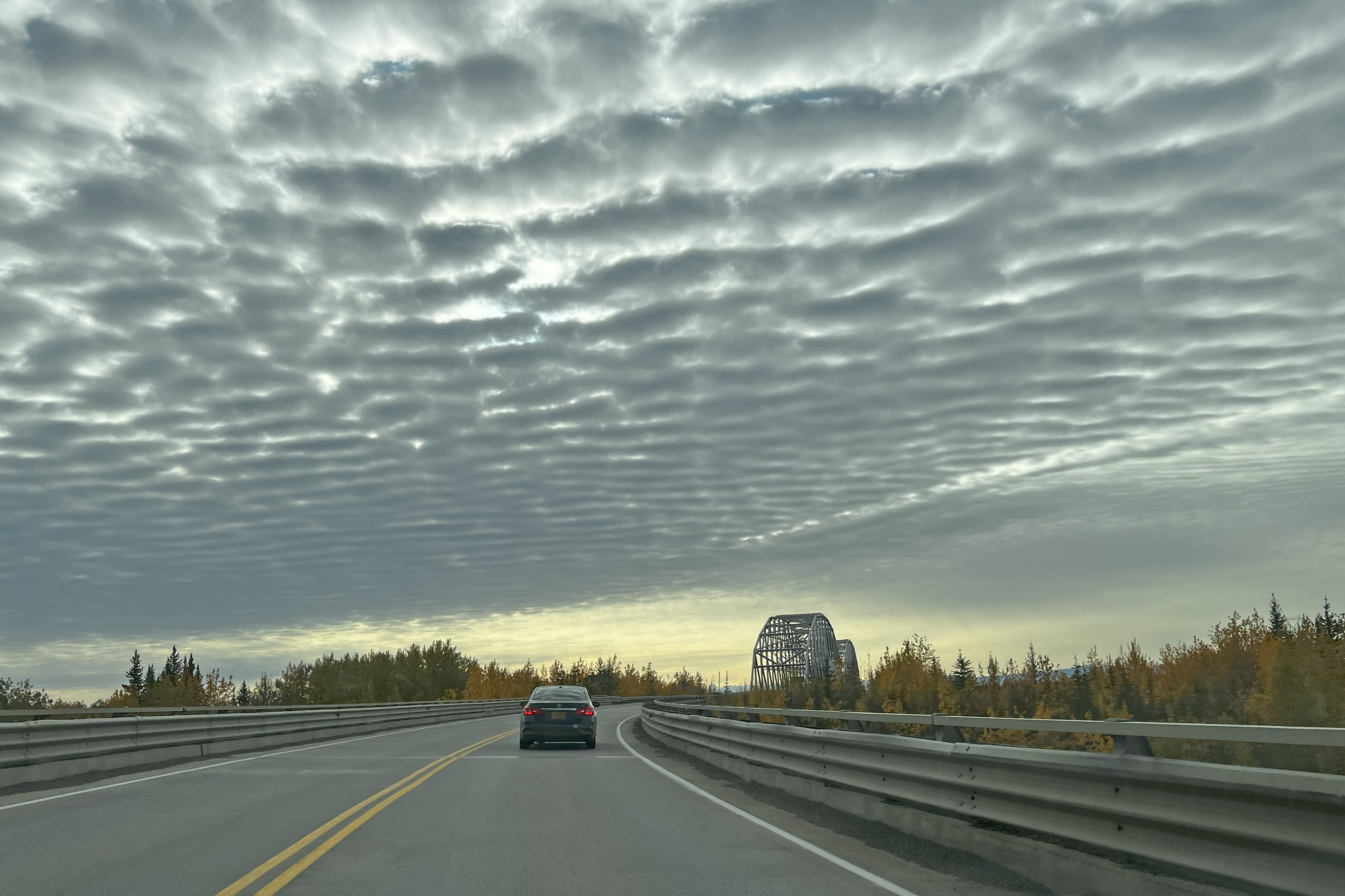
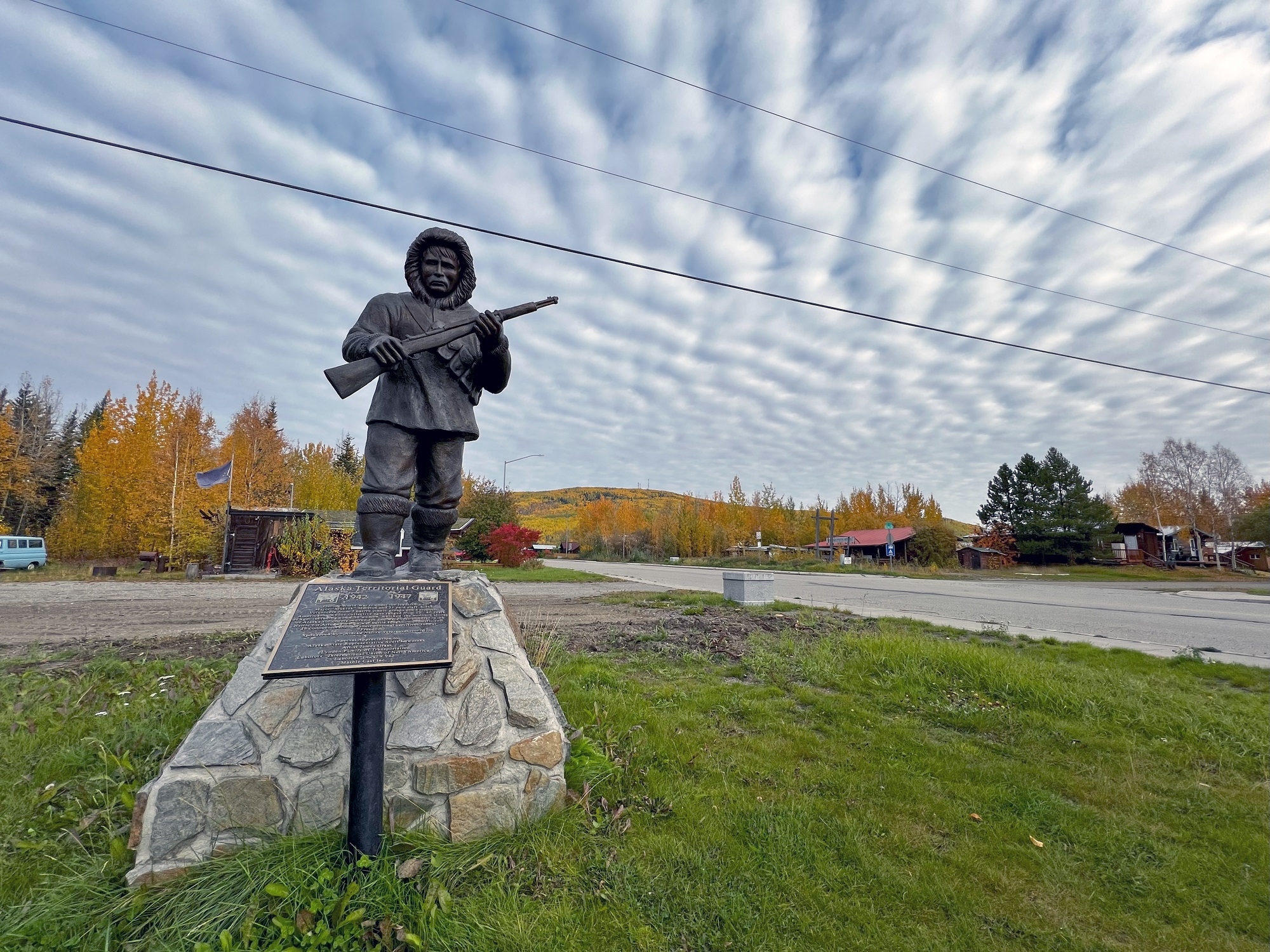
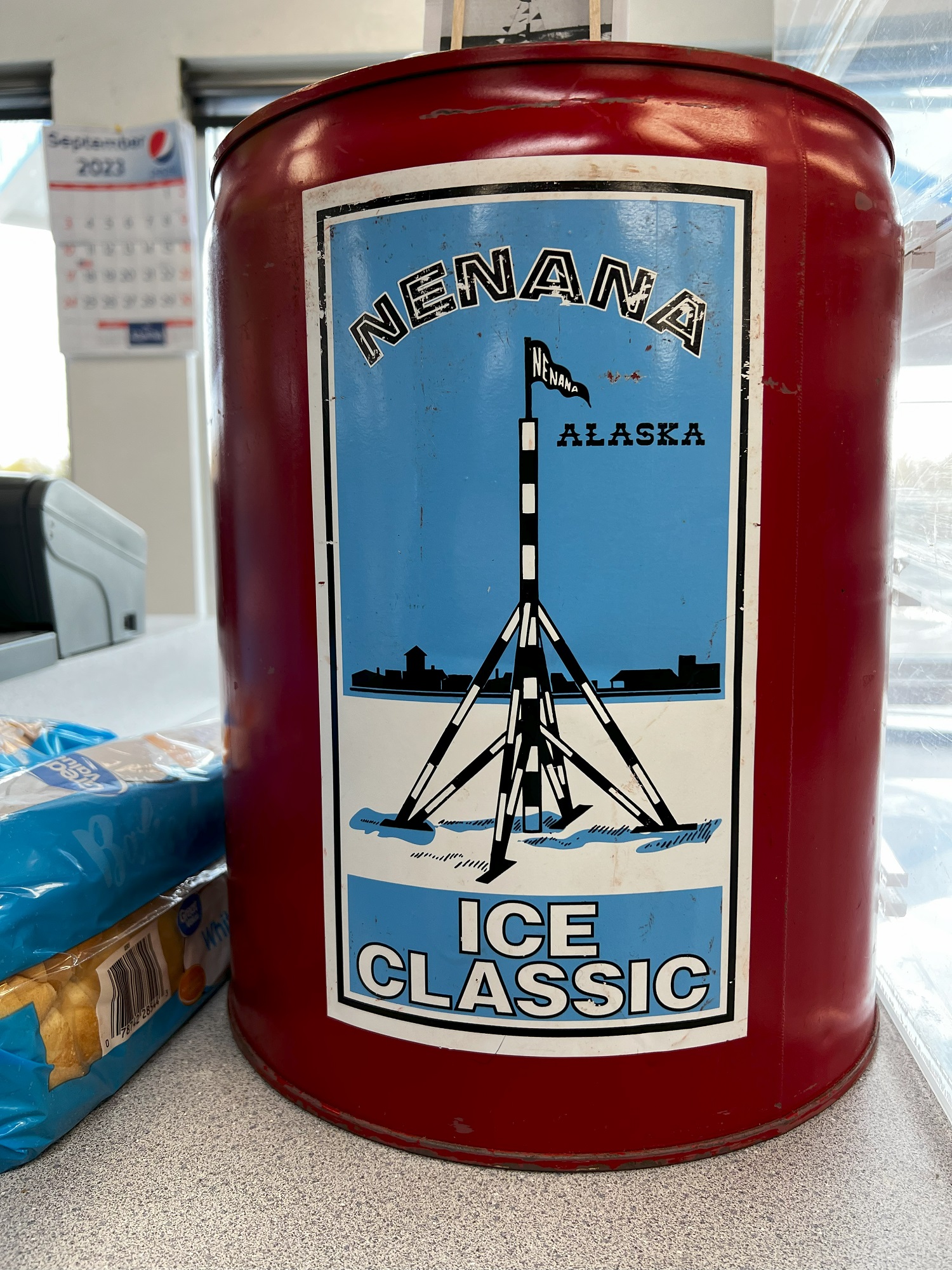
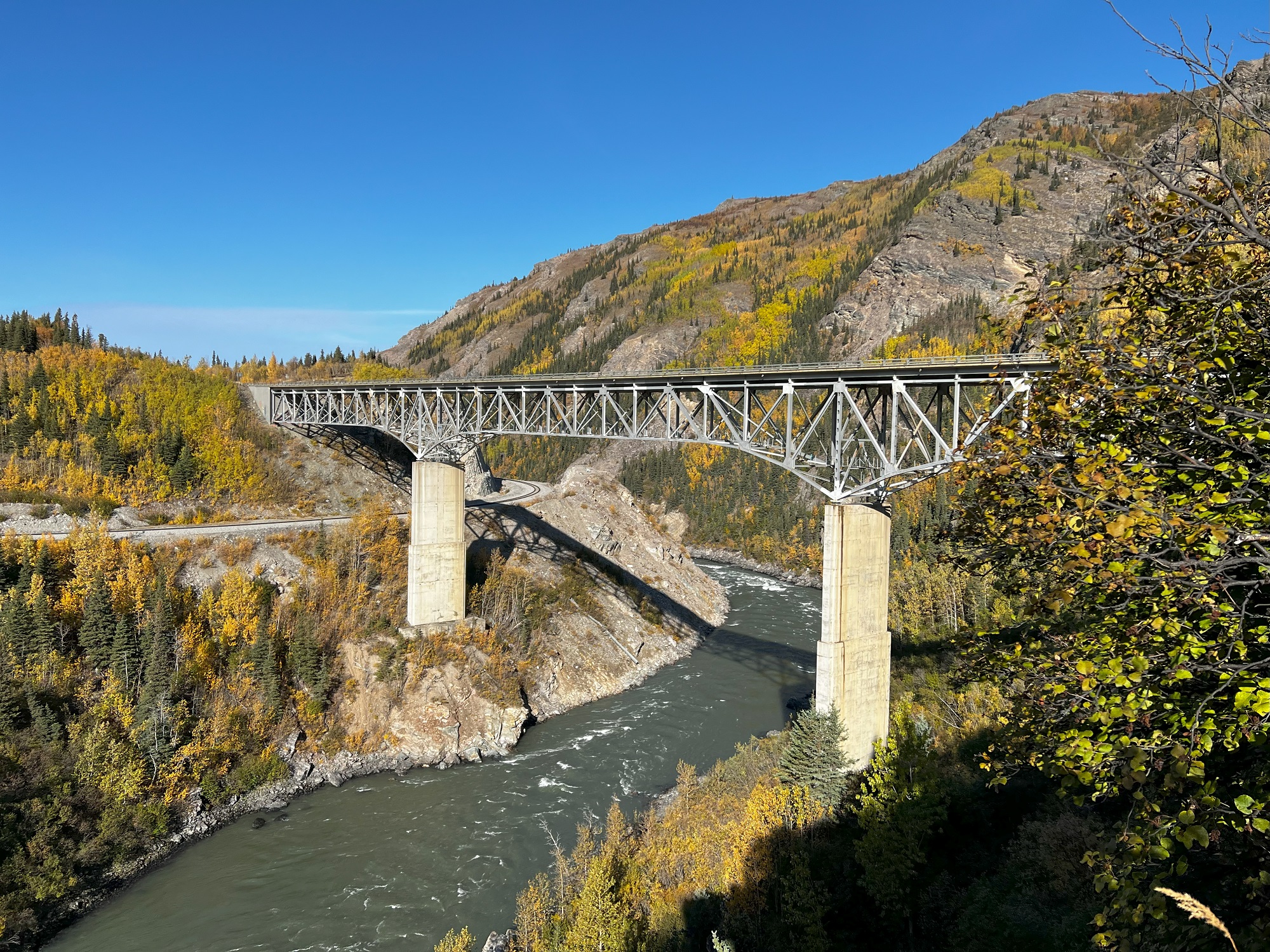
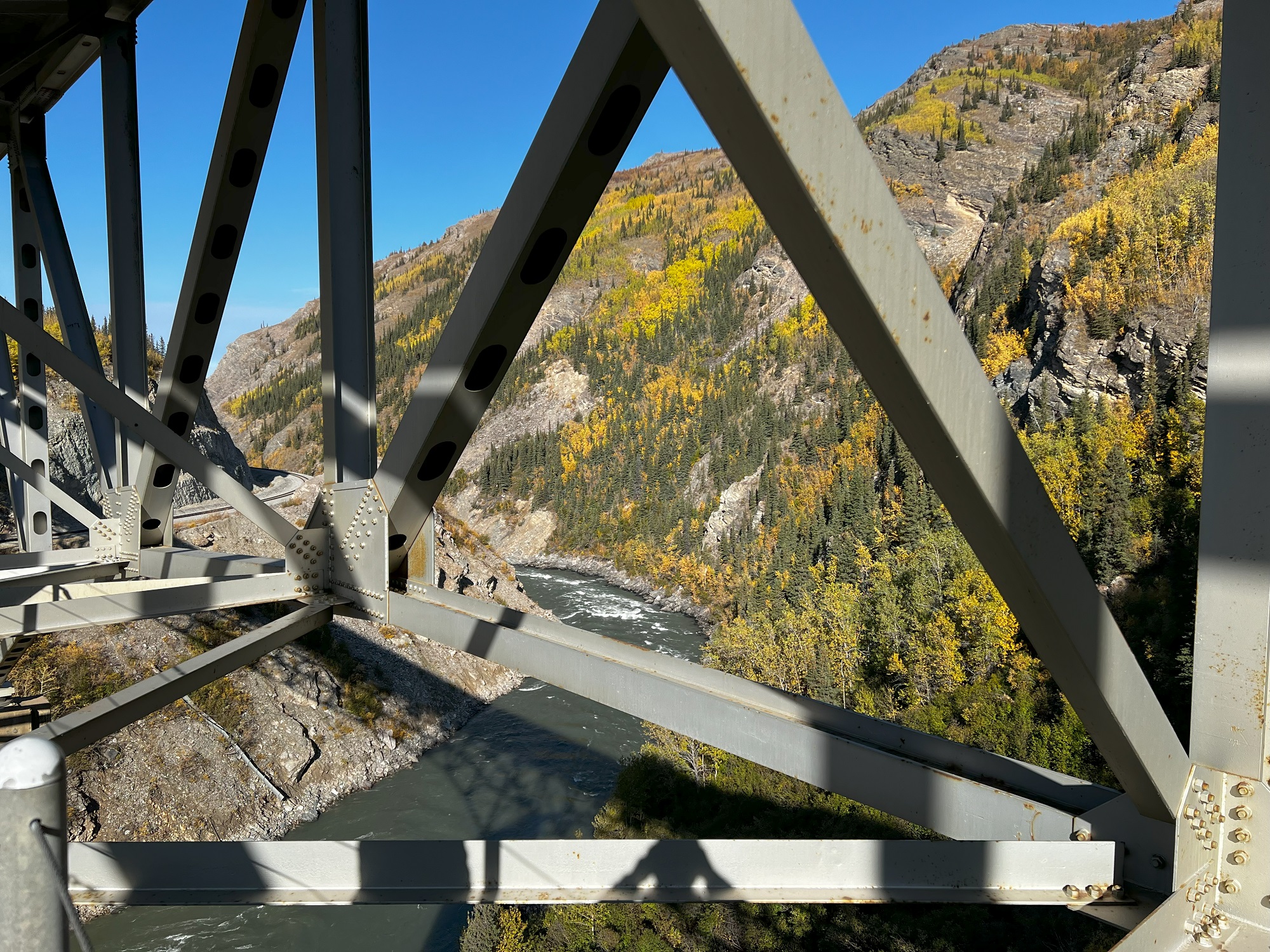
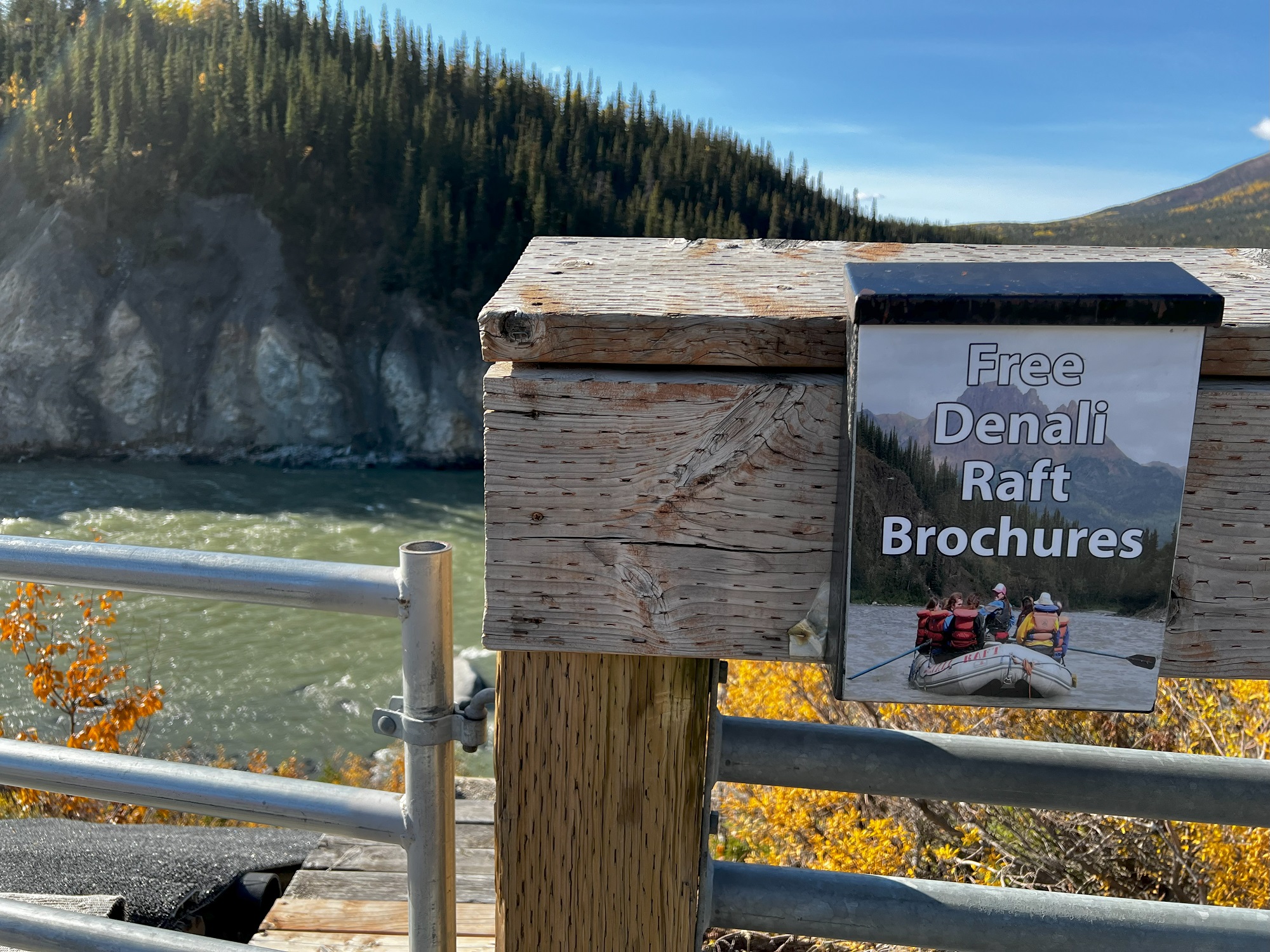
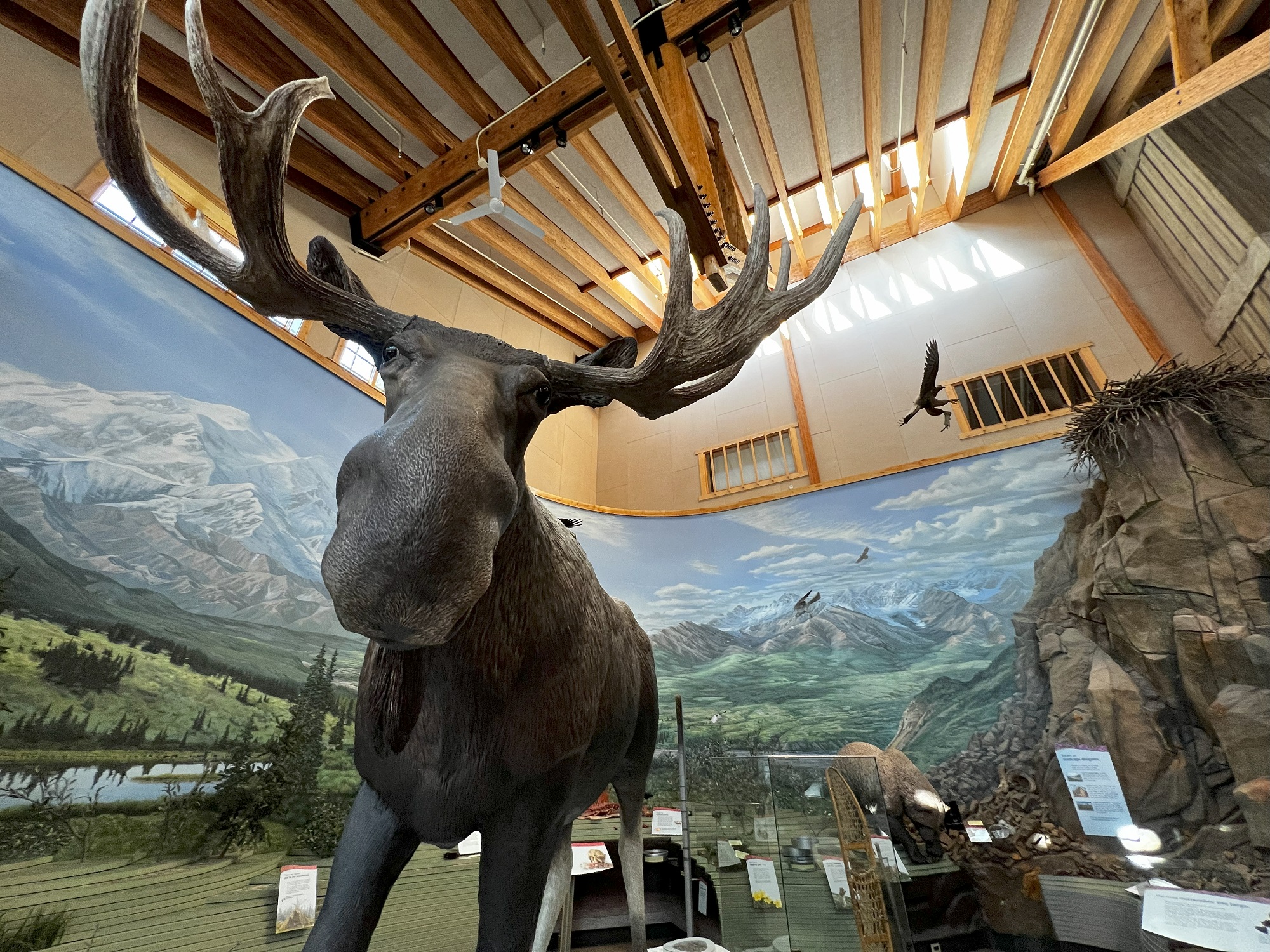
There is a dog sled sign on the dirt road from our cottage to Fairbanks. It’s not that the dogs and sled will cross the road— they will sharethe road with traffic (in wintertime, when there is several inches of snow on the ground).That’s the Alaska Native Veterans’ Honor Bridge over the Tanana River in the distance, constructed in 1967.This monument is at the entrance of the town of Nenana. The plaque on the monument reads as follows: During World War II under the leadership of Major “Muktuk” Marston and 21 paid staff, 6,368 volunteers from 7 native ethnic groups and European Americans, whose ages ranged from 12 to 80 years old, and including some 30 women, watched the northern shores of Alaska for enemy movements and were instrumental in the Battle for Attu, a foreign war battle fought on domestic soil. In commemoration of their personal sacrifices for our Freedom.This canister accepts entries for a ‘lottery’ for which entrants need to predict the exact minute in May of 2024 when this beacon on the ice of the Nenana River will fall over, due to the melting of the ice in spring. (Winner gets several thousand dollars, depending on the number of entries).The Nenana River Bridge near Healy, not far from Denali National Park, was constructed in 1970.A view from under the Nenana River Bridge.The tourist season is over and the rafts are gone, but here is a picture of what the rafts looks like. There is a steep embankment and a launch ramp (without people in, I presume!) for the rafts to the waterside on the left of the picture.Hellooo Mr Moose. Inside the Denali Visitor Center.Looking back at Denali mountain, from Healy on Alaska Route 3. The summit of Denali is the highest mountain peak in North America, elevation 20,310 ft (6,190 m).
It’s fall here in the Northern Hemisphere, and the three friends from Seattle made it out to Fairbanks, Alaska, for a long weekend.
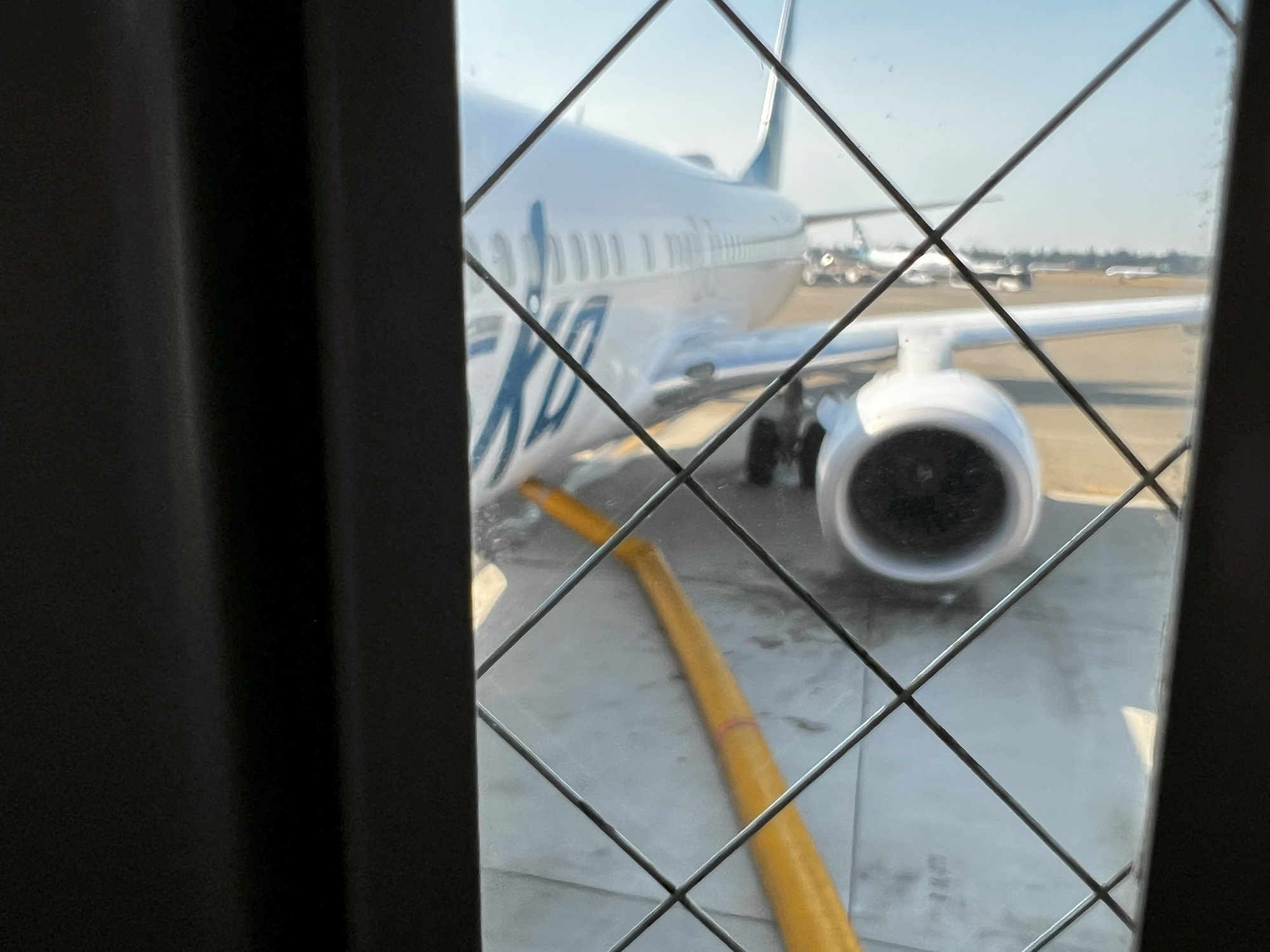
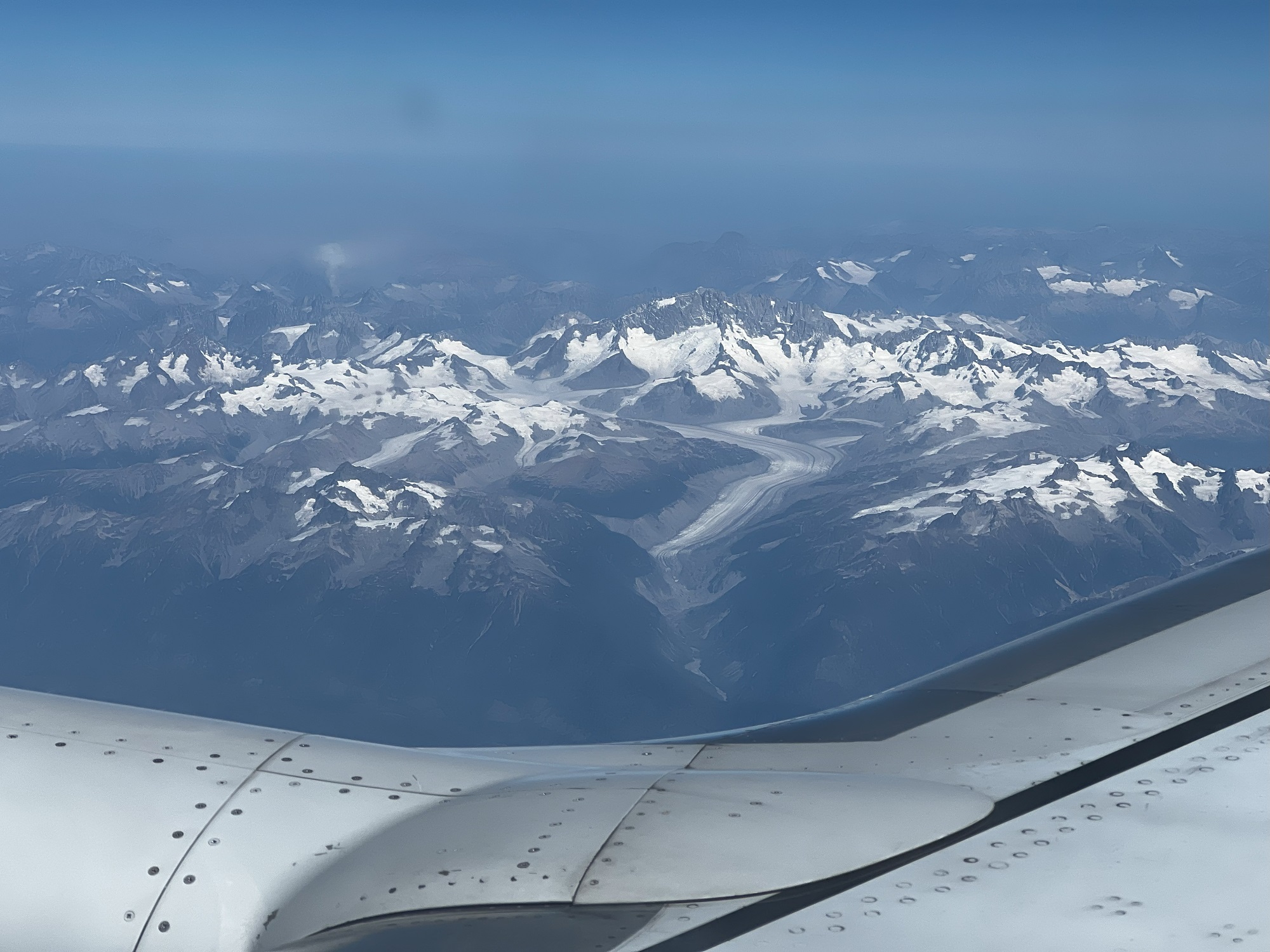
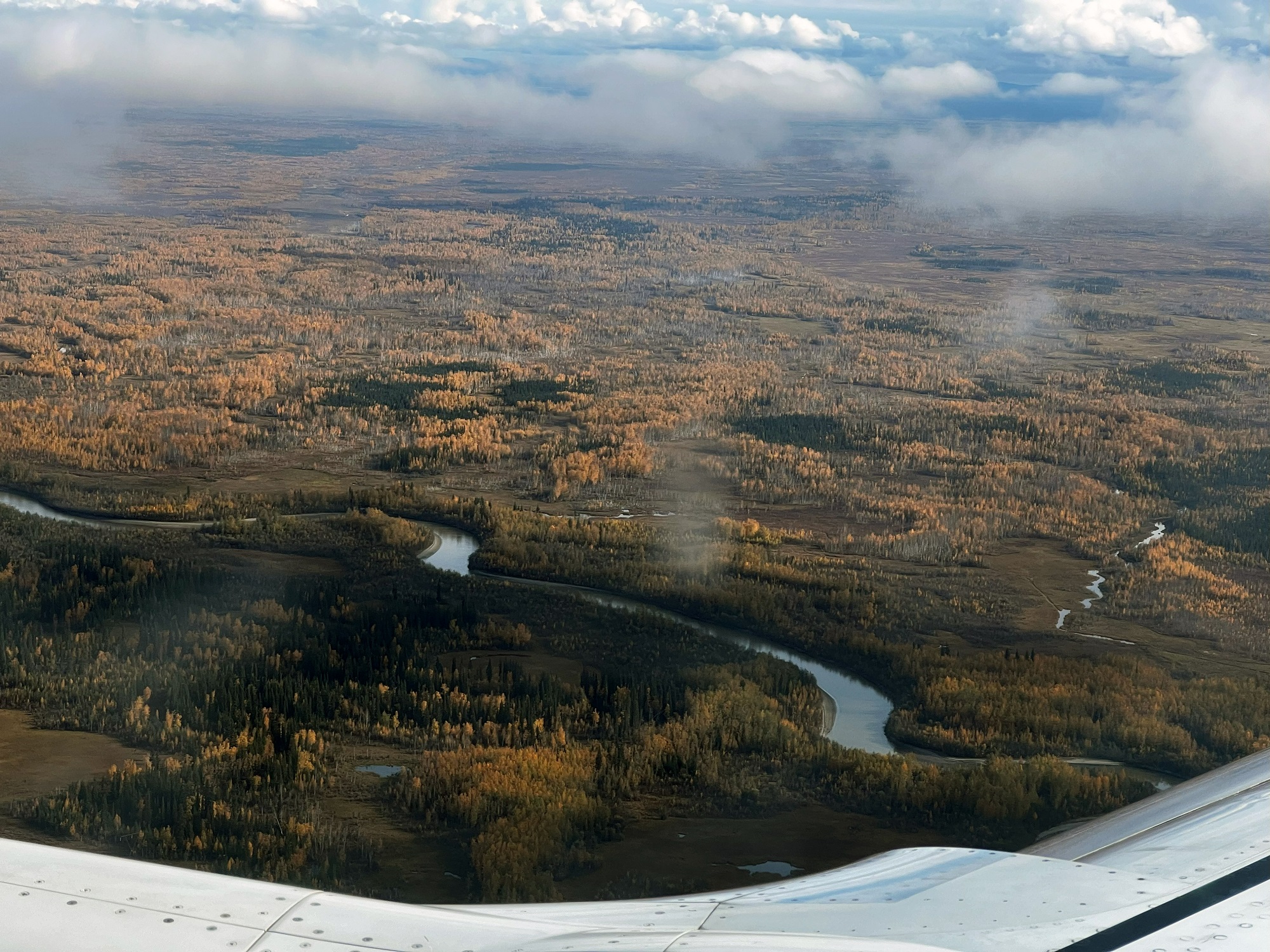
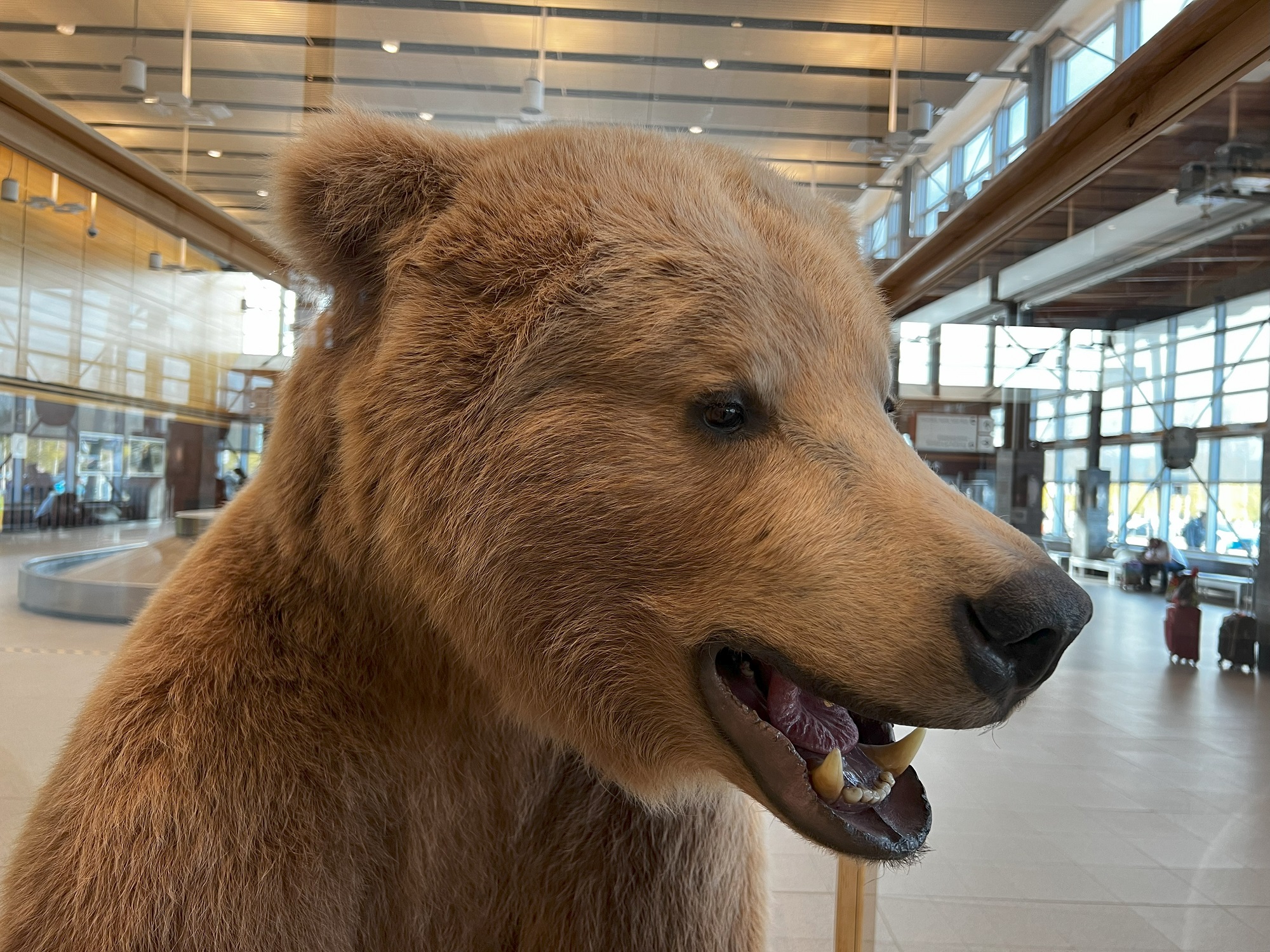
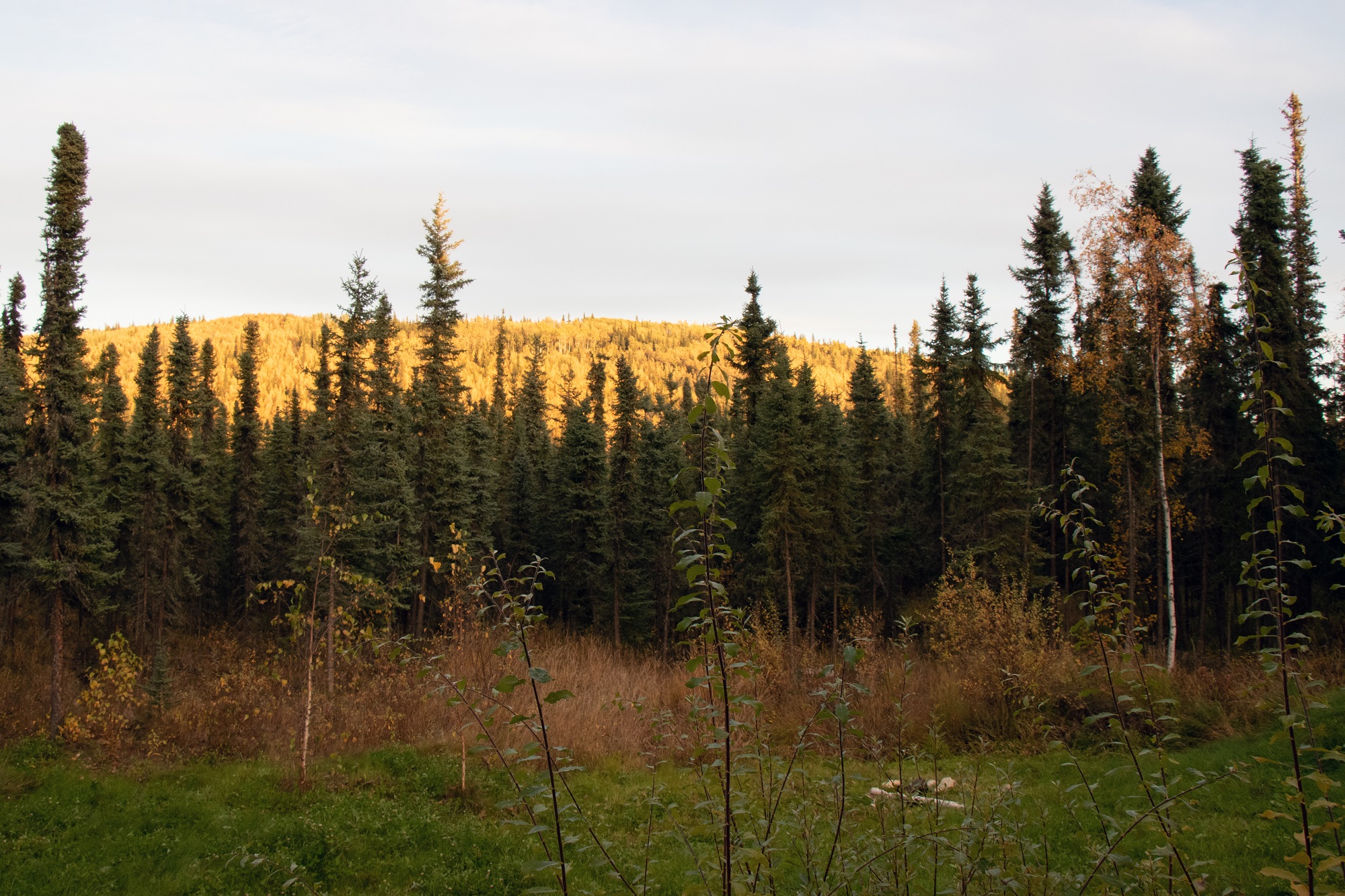
Top to bottom: Stepping on board in Seattle; a glacier somewhere over Canada; approaching Fairbanks— and noticing fall’s colors in the woods; a bear at Fairbanks airport; the view from our rented cottage, some 15 miles outside Fairbanks.
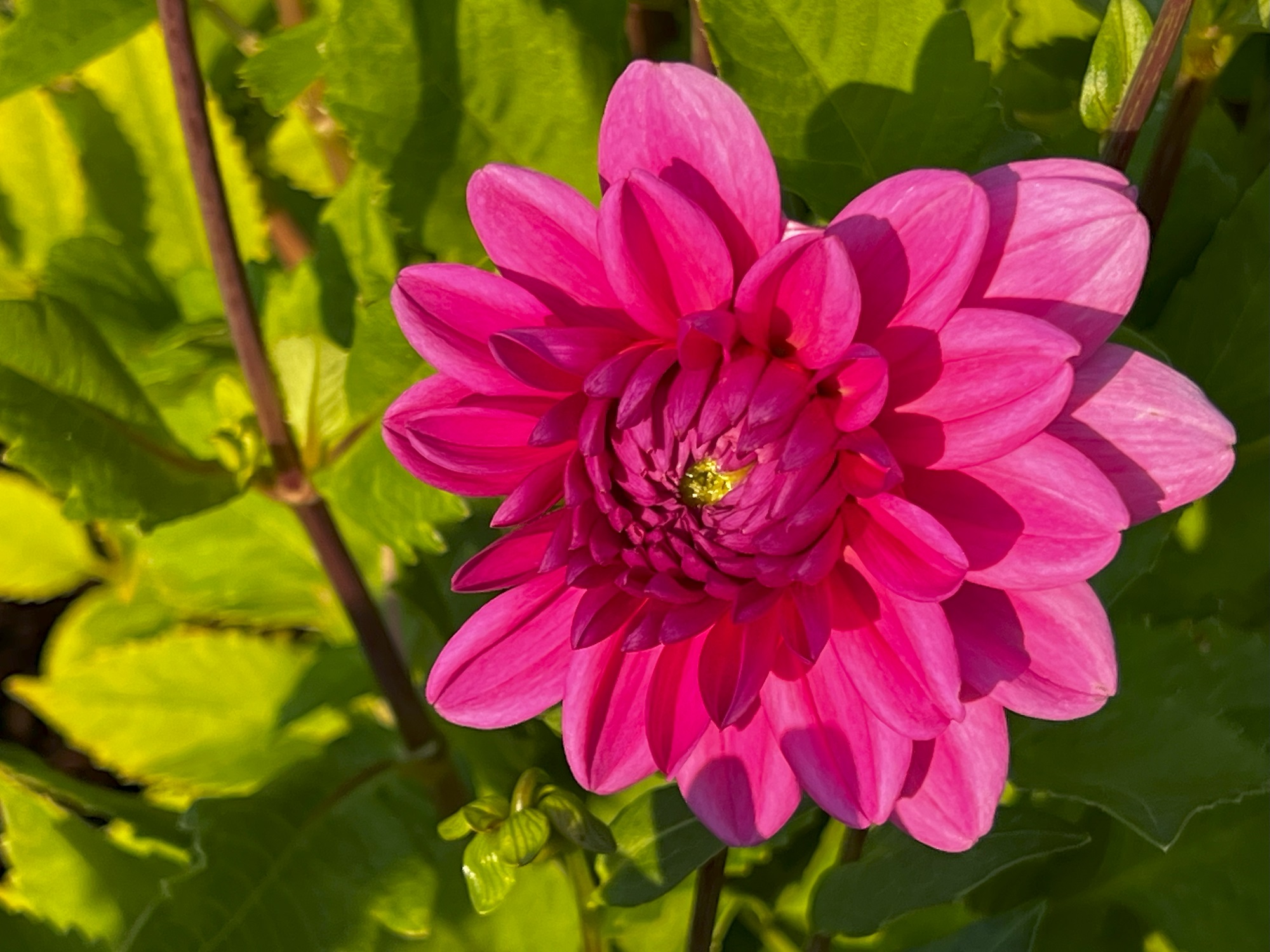
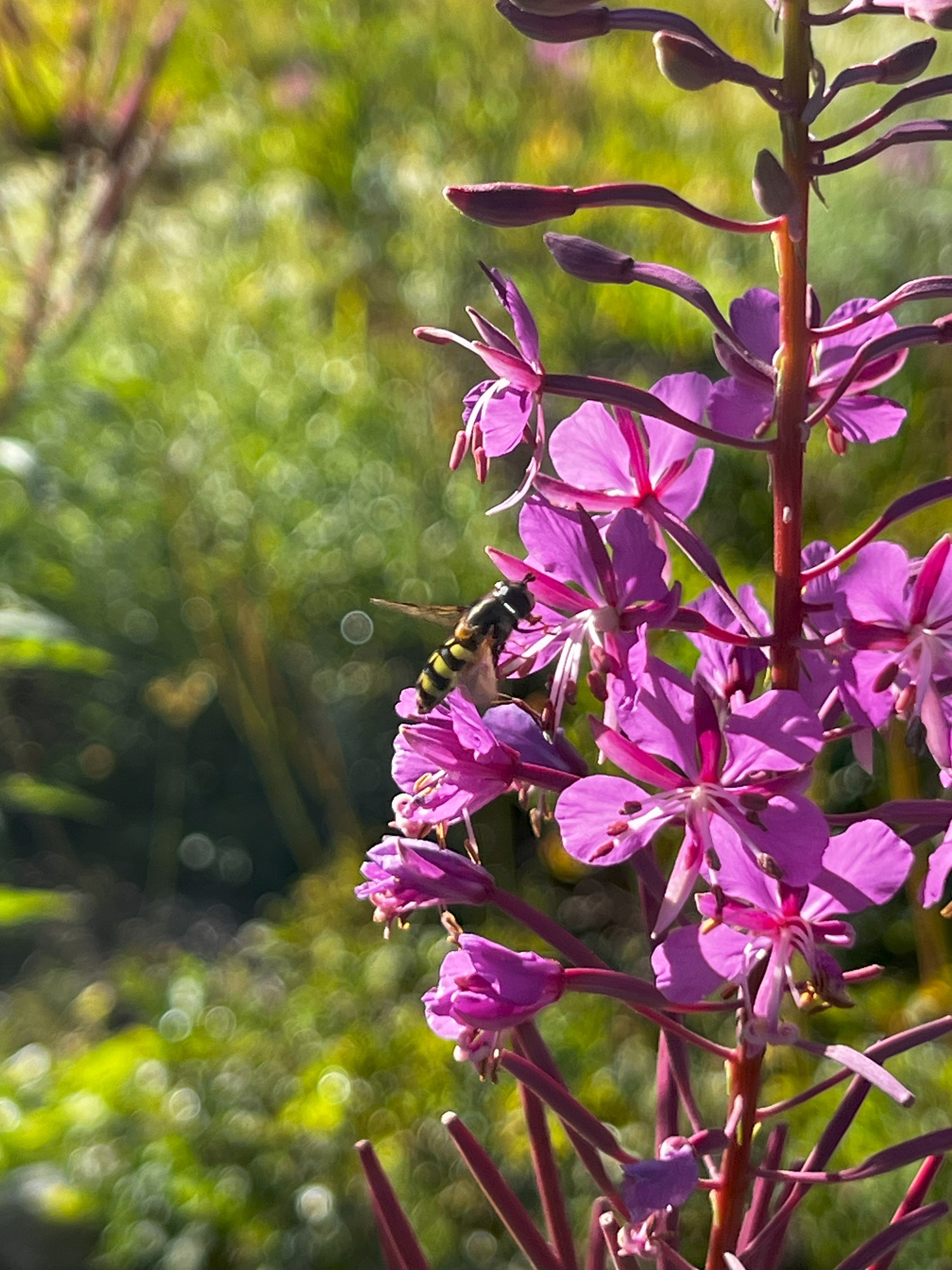
The summer days are rapidly running out, but the dahlias in the little rose garden in Myrtle Edwards Park (the extension called Centennial Park) are still in bloom.
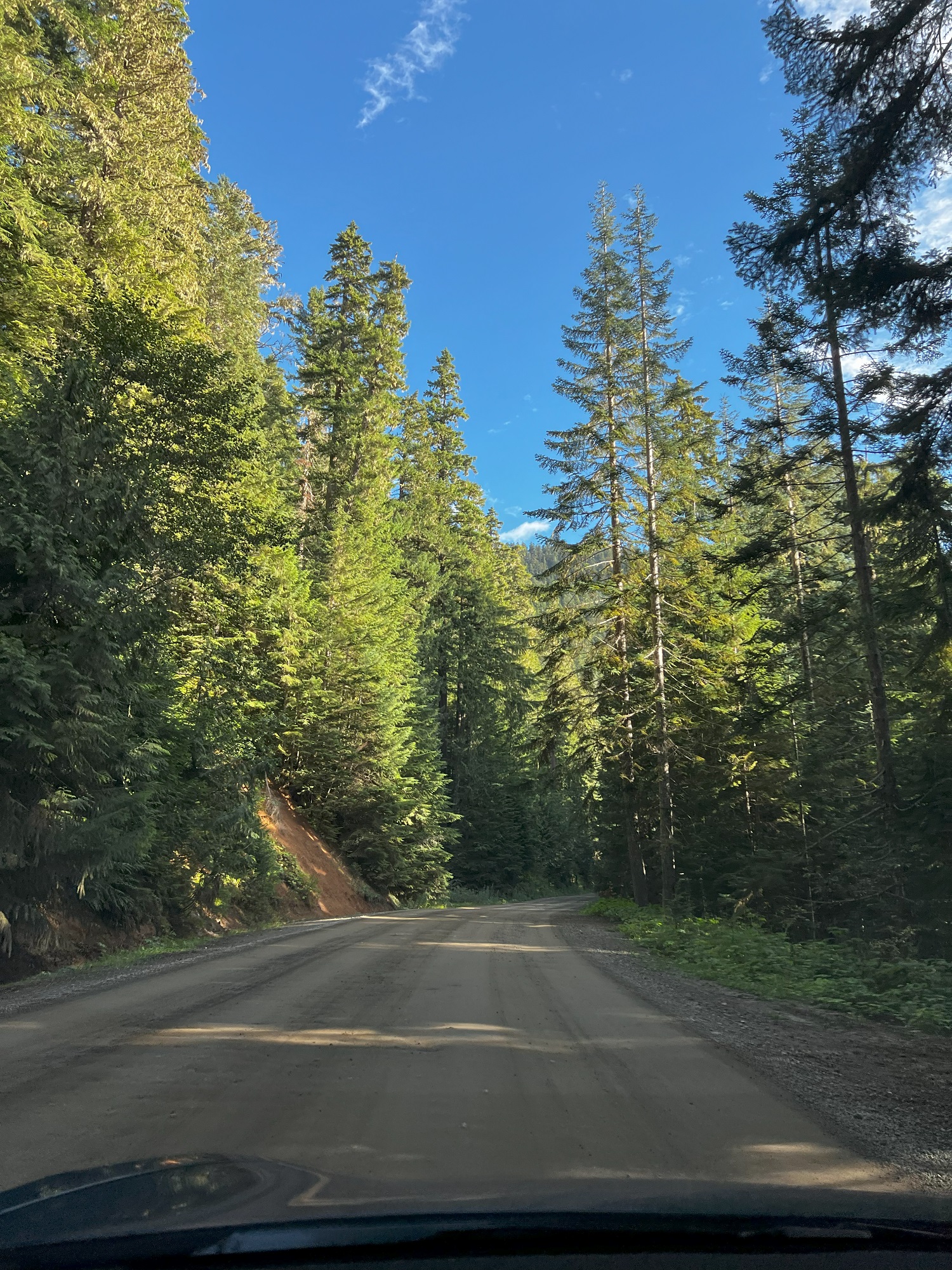
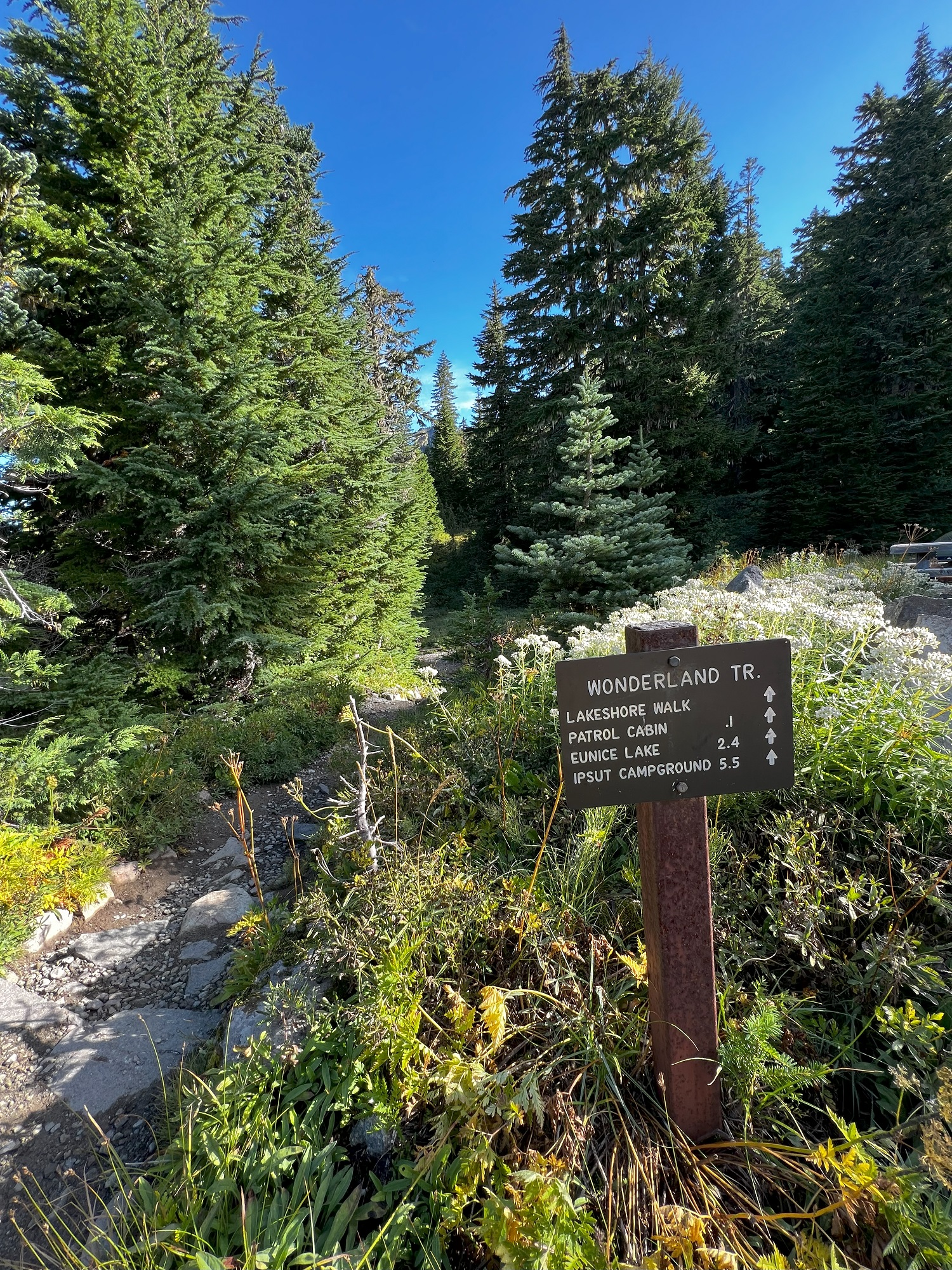
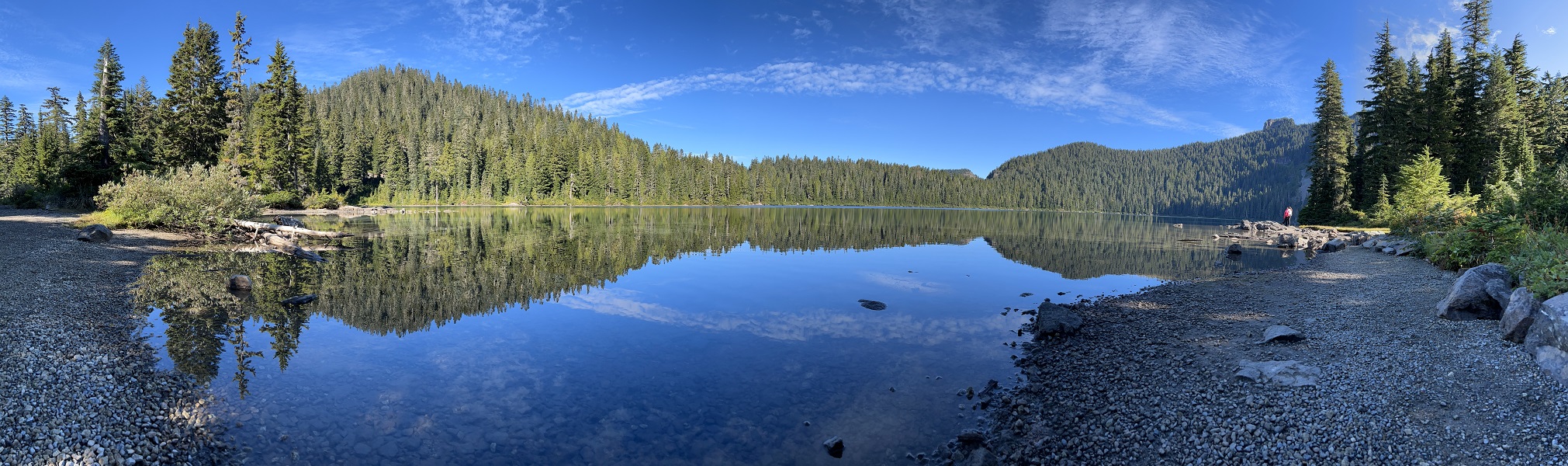
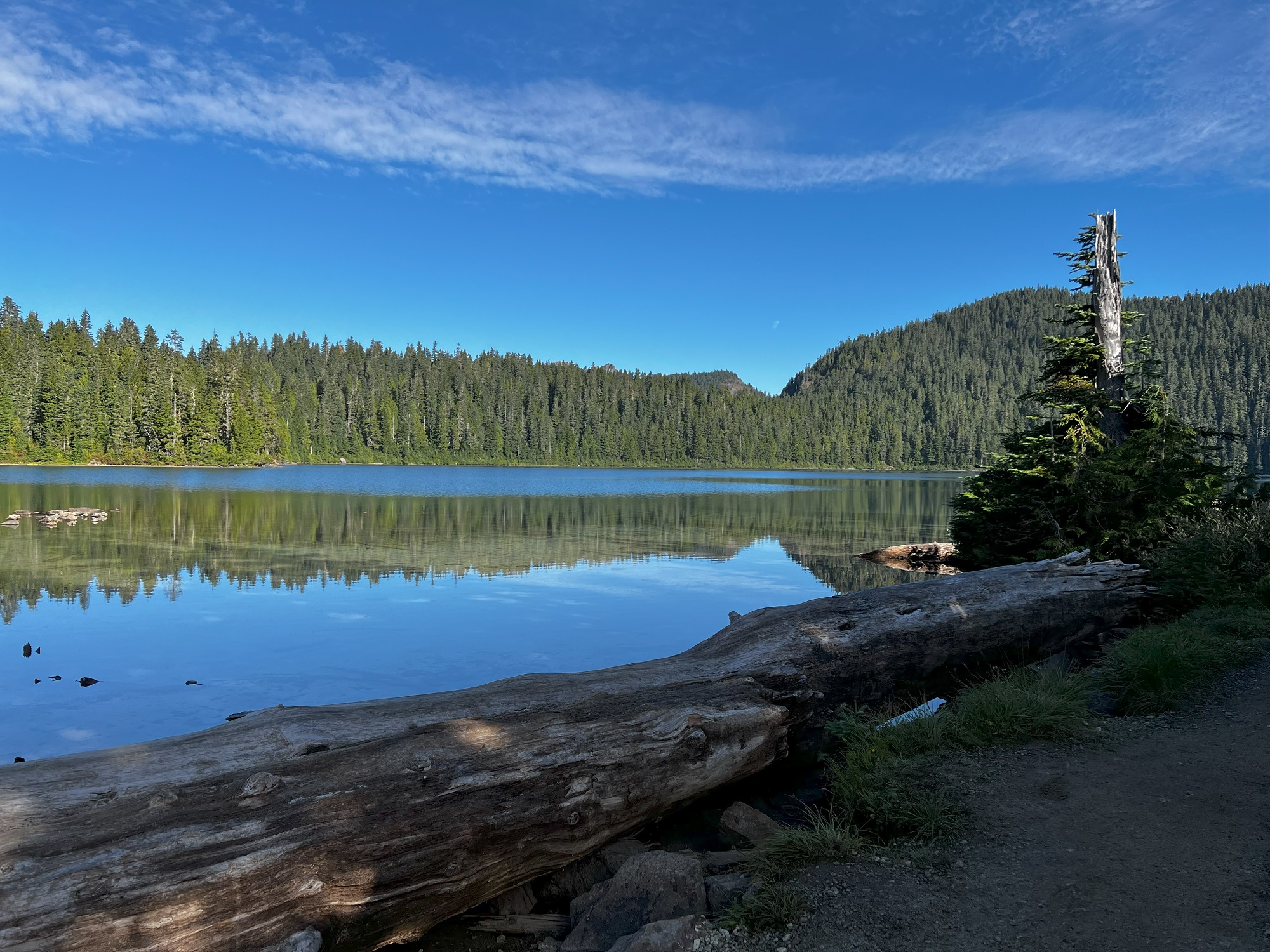
I made a final run out to Mt Rainier National Park today, to pick up the Wonderland Trail hikers where they had started eight days ago: the campground at Mowich Lake.
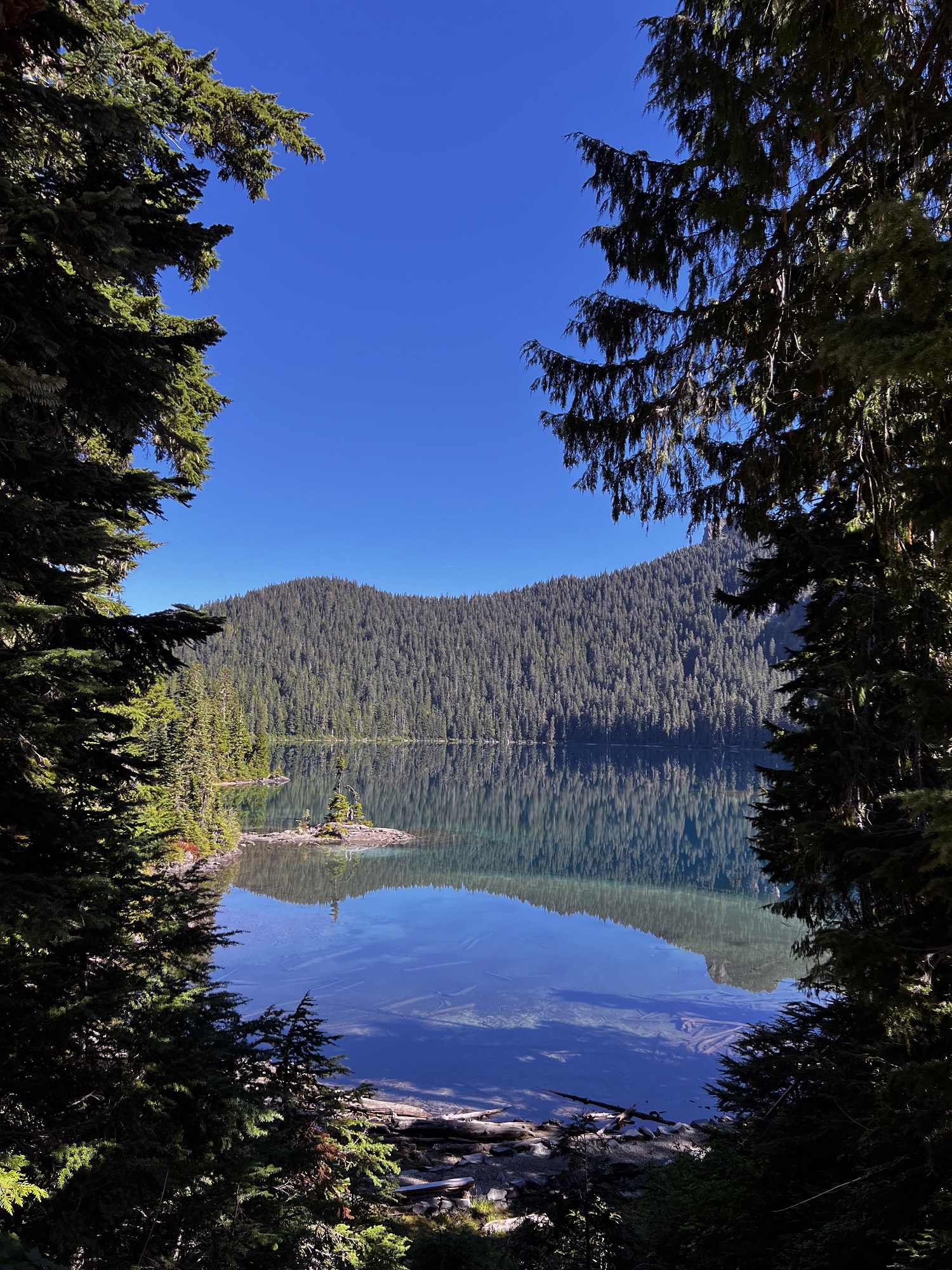
It was a stunningly tranquil and beautiful blue-sky day out at Mowich Lake, elevation 4,929 ft (1508 m). The name “Mowich” derives from the Chinook* jargon word for deer. *The Chinook Indian Nation is made up of the five western-most Chinookan speaking tribes at the mouth of the Columbia River.
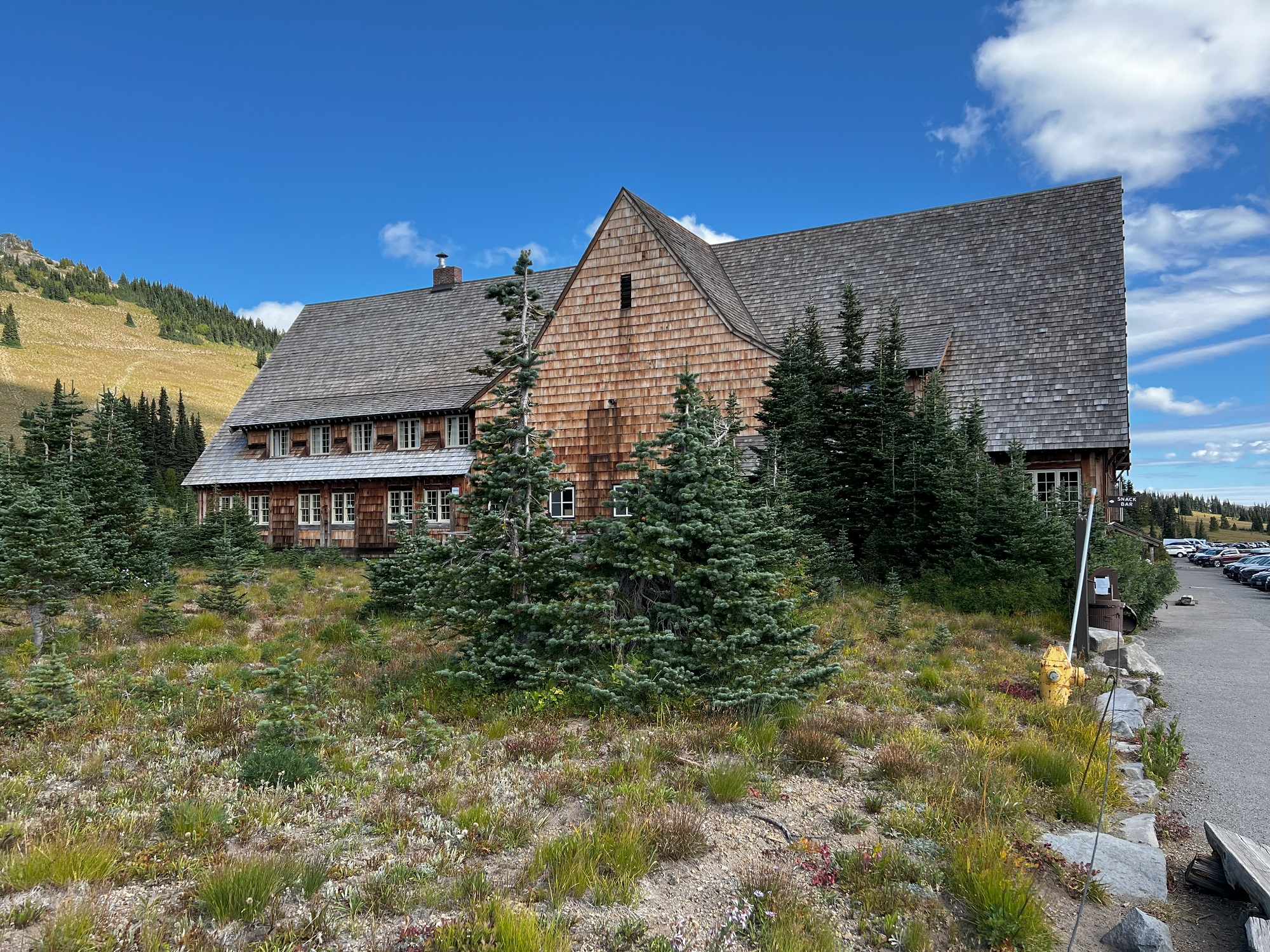
I made another run to Sunrise Visitor Center on the slopes of Mount Rainier on Monday morning. (My hiking party needed me to help them retrieve their food for the next four days. It was in a cache down by the White River Campground, an arduous trek by foot from where they were on the mountainside).
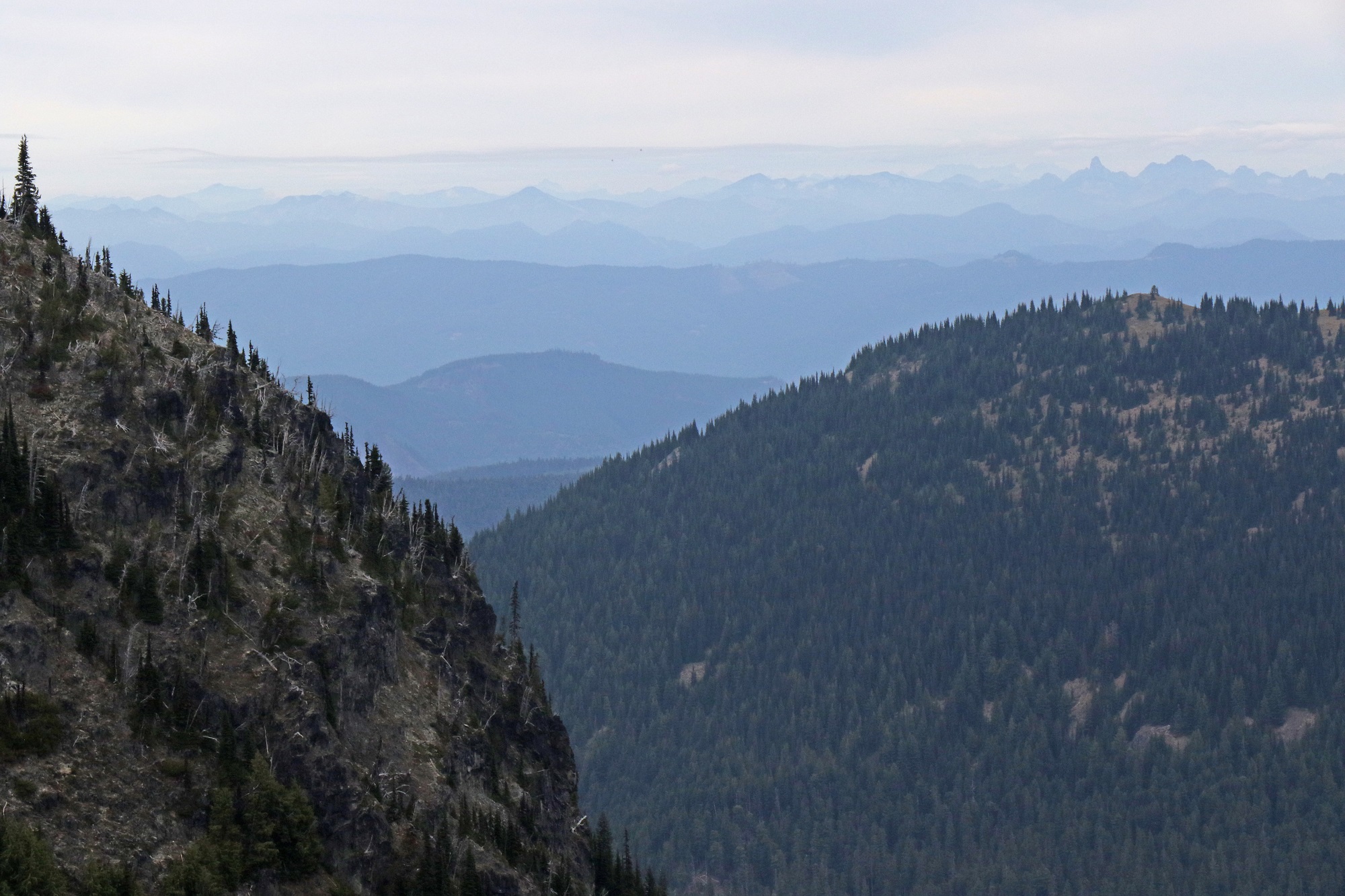
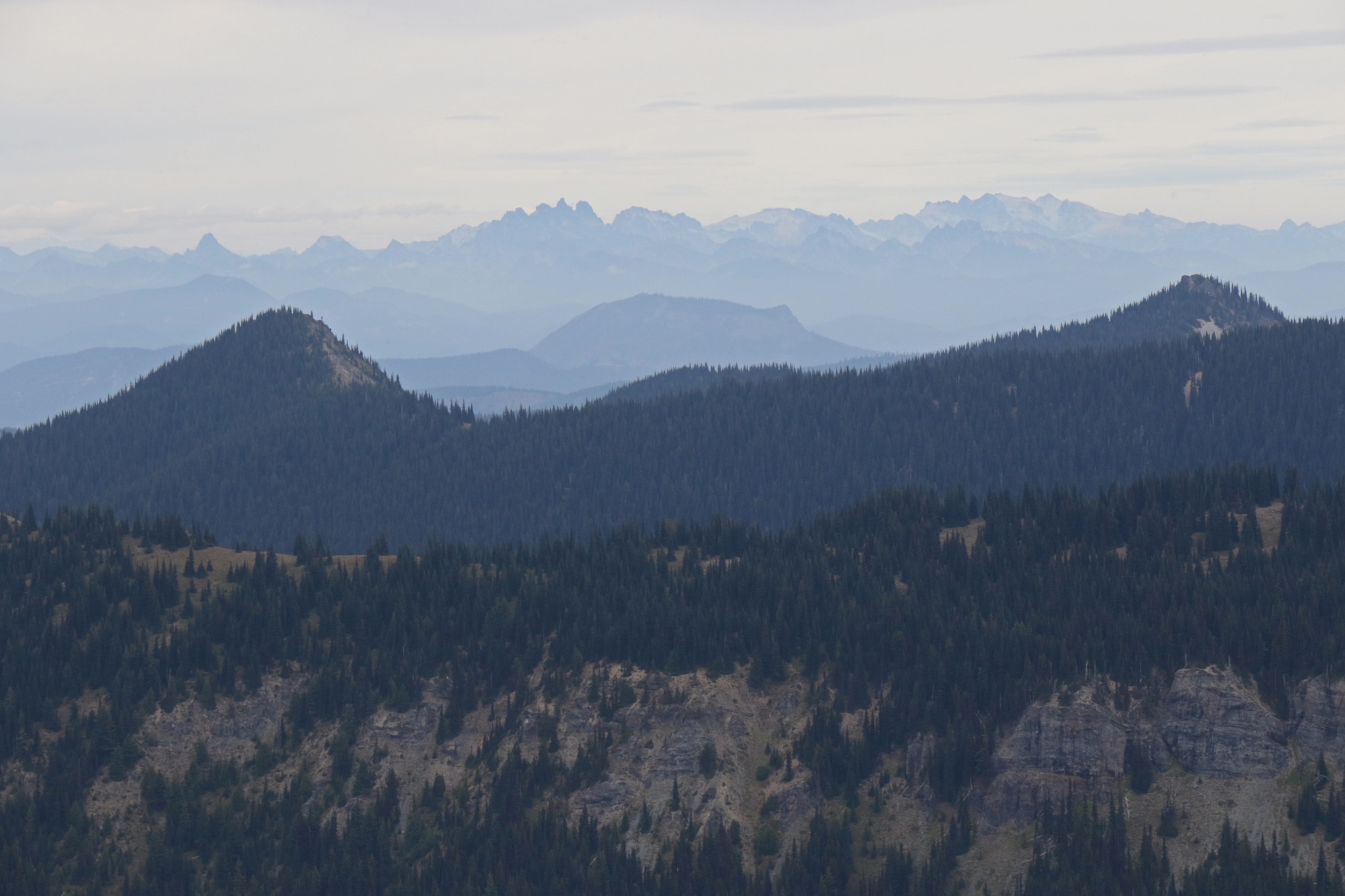
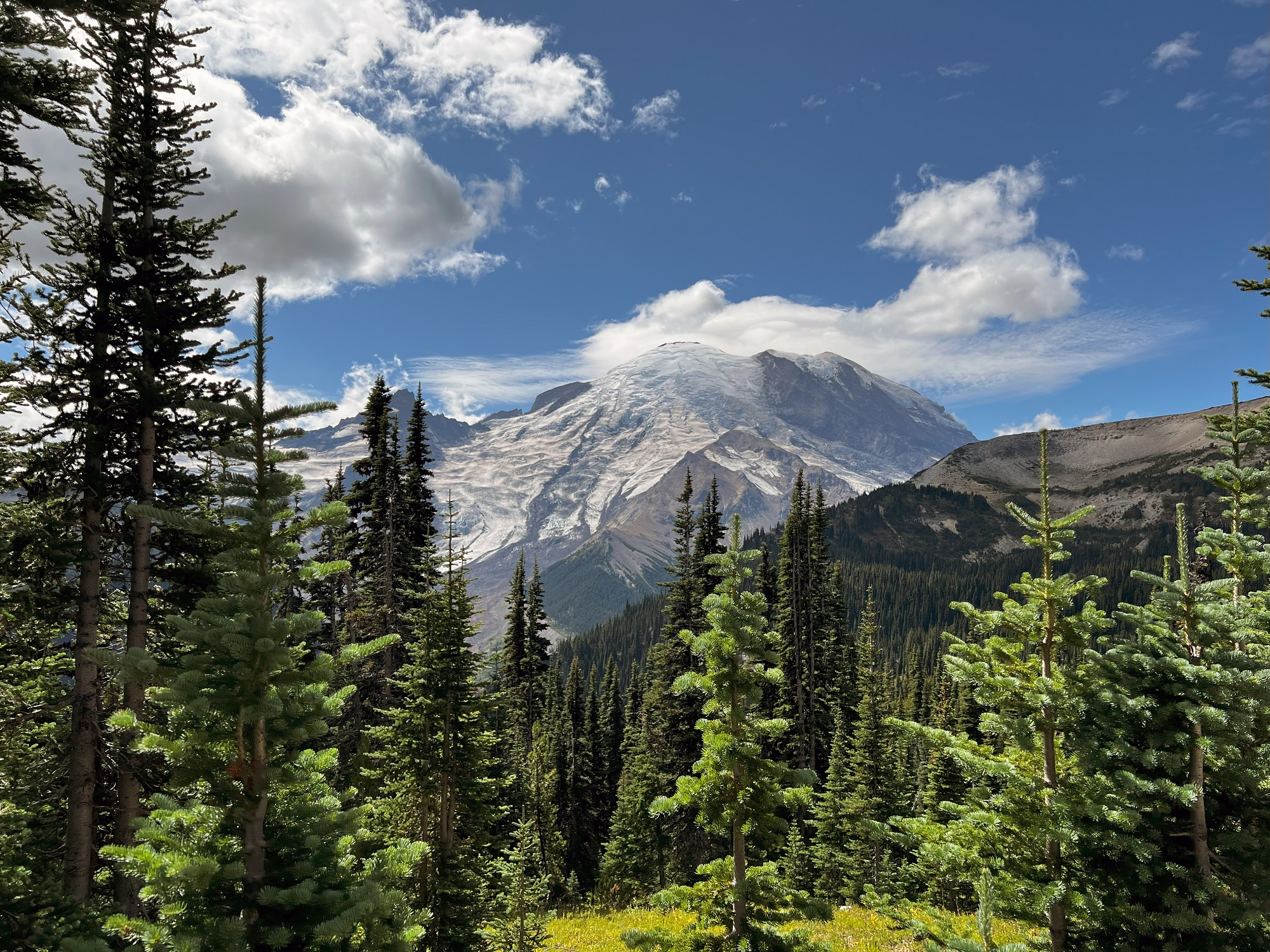
I took the opportunity to walk up to the Sourdough Ridge Trail to the north of the visitor center. The summit of Rainier is then to the west.
There was a little drizzle on the mountain early in the morning.
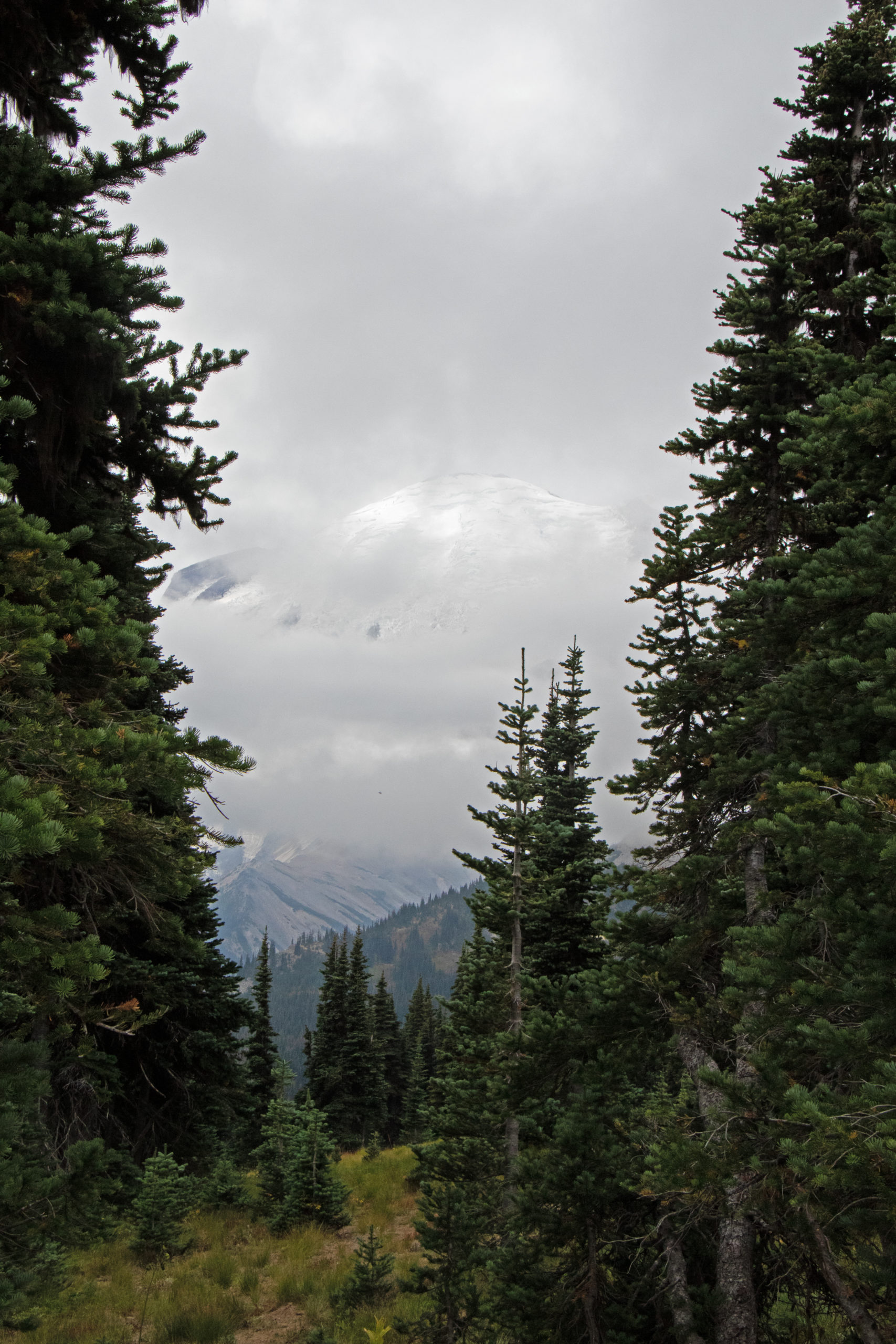
It took a while for the clouds and fog to clear, and for the snow-capped summit to reveal itself for a picture through the trees.
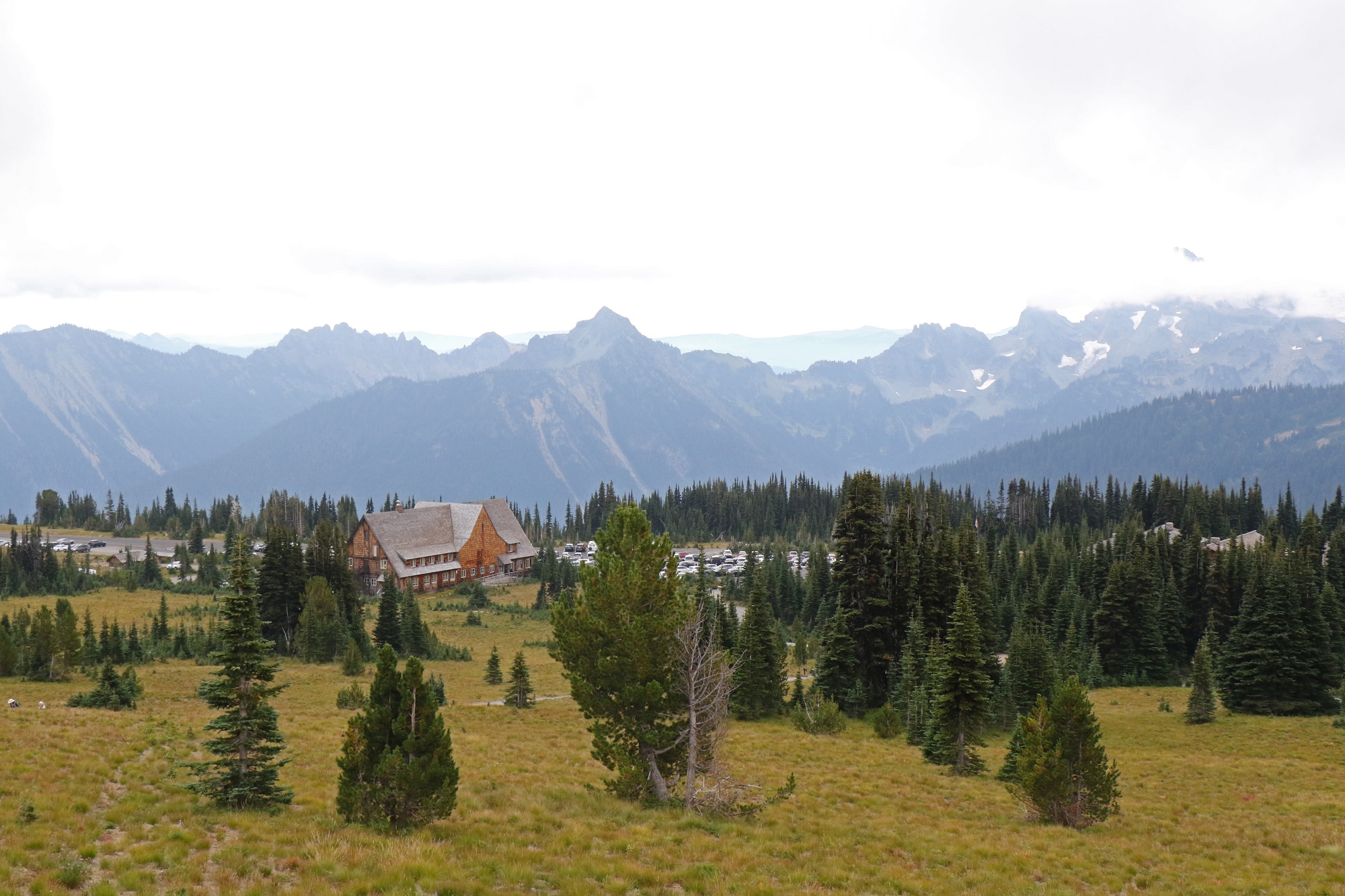
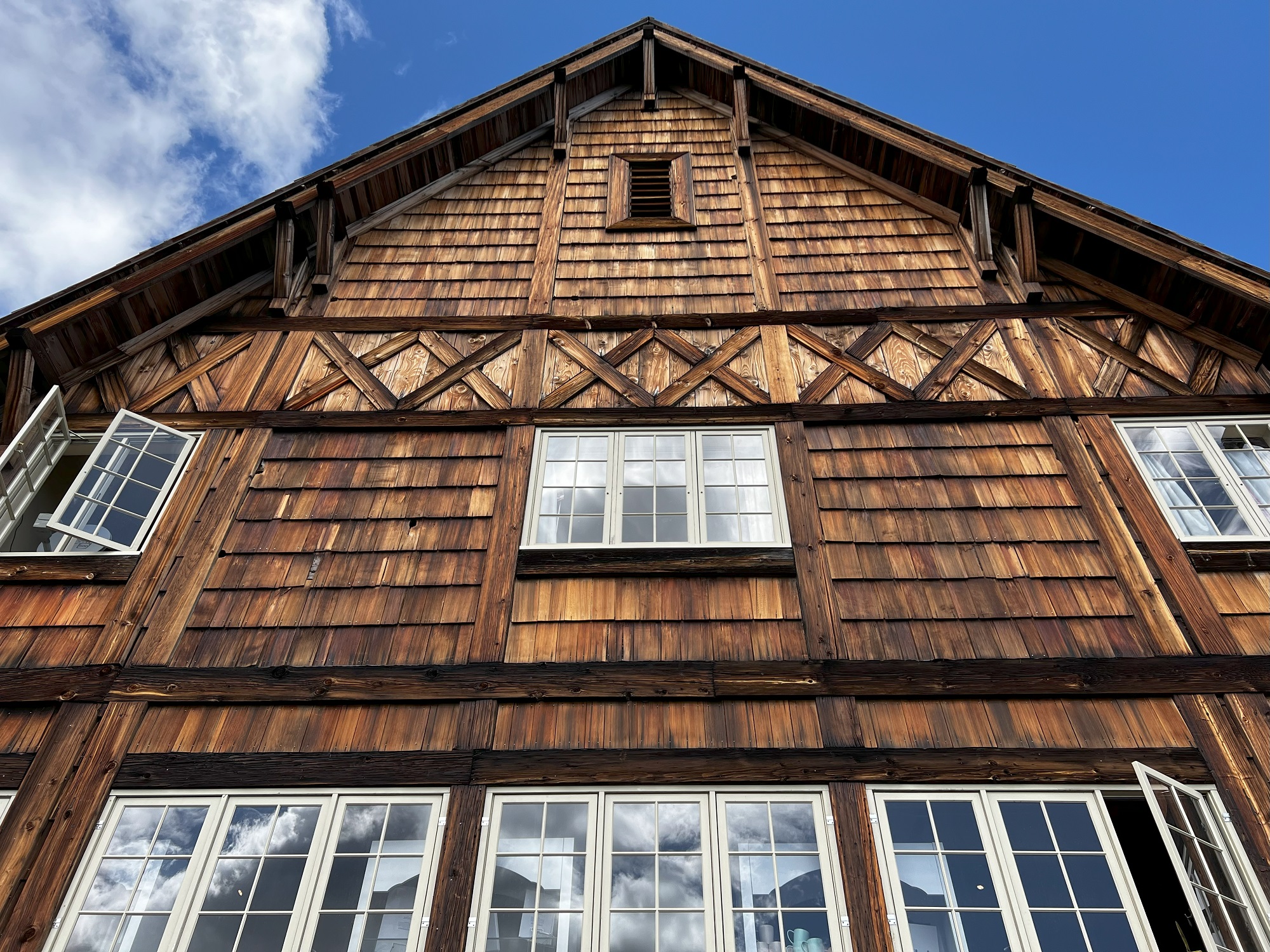
Located in the northeast corner of the park at an elevation of 6,400 ft (1 950 m), Sunrise is Mount Rainier National Park’s highest visitor center.
It is only open from early July to early September.
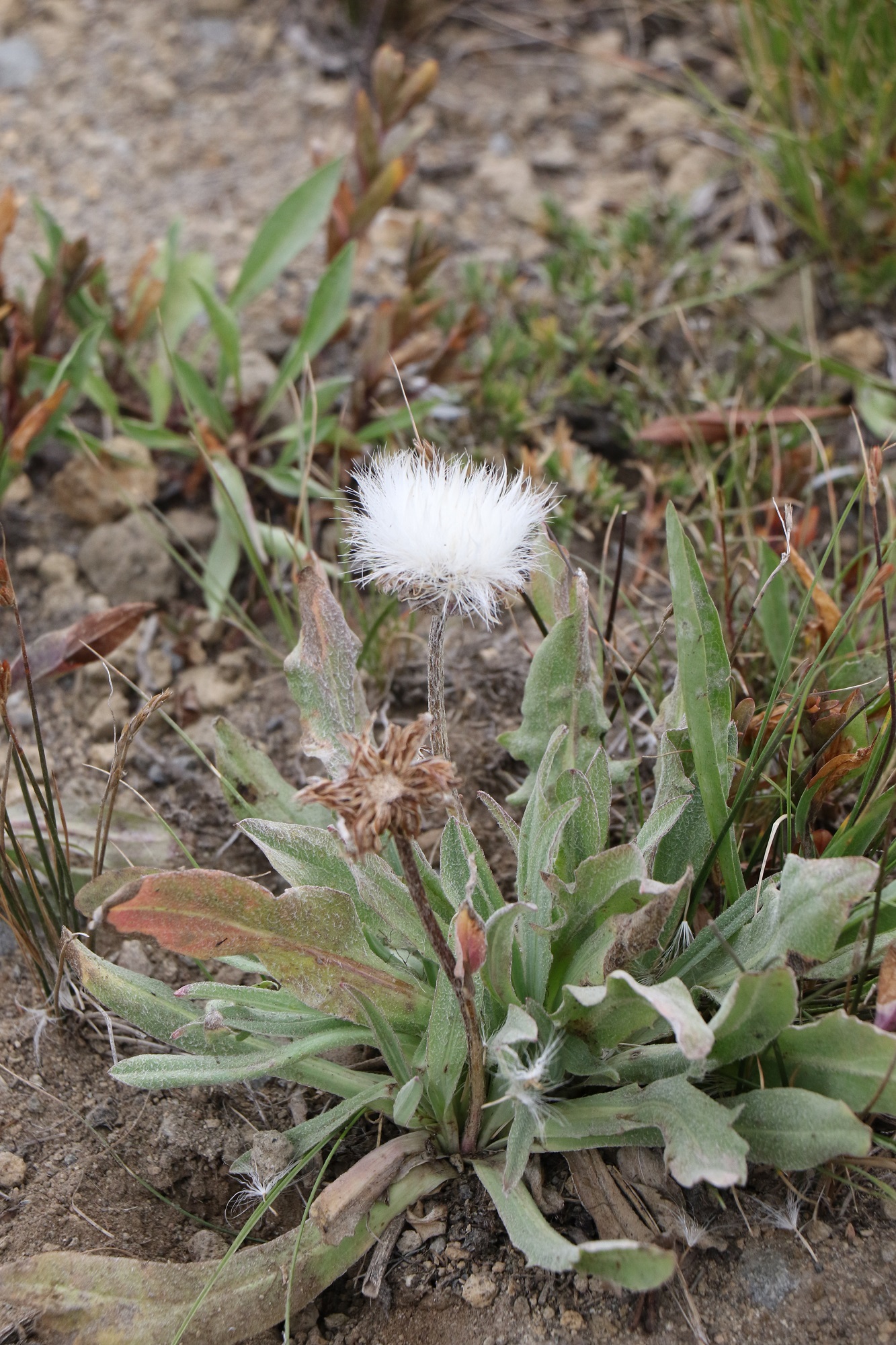
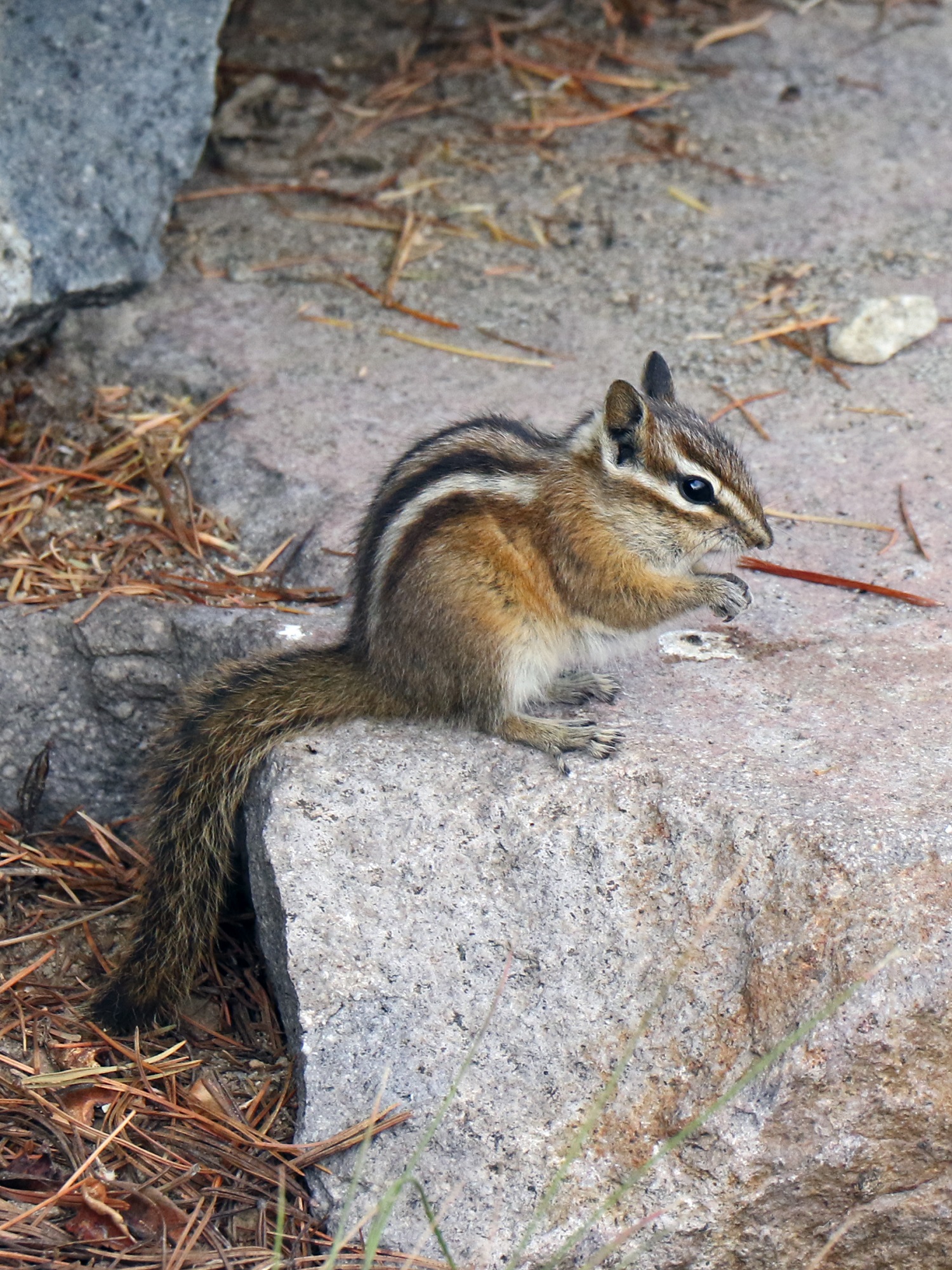
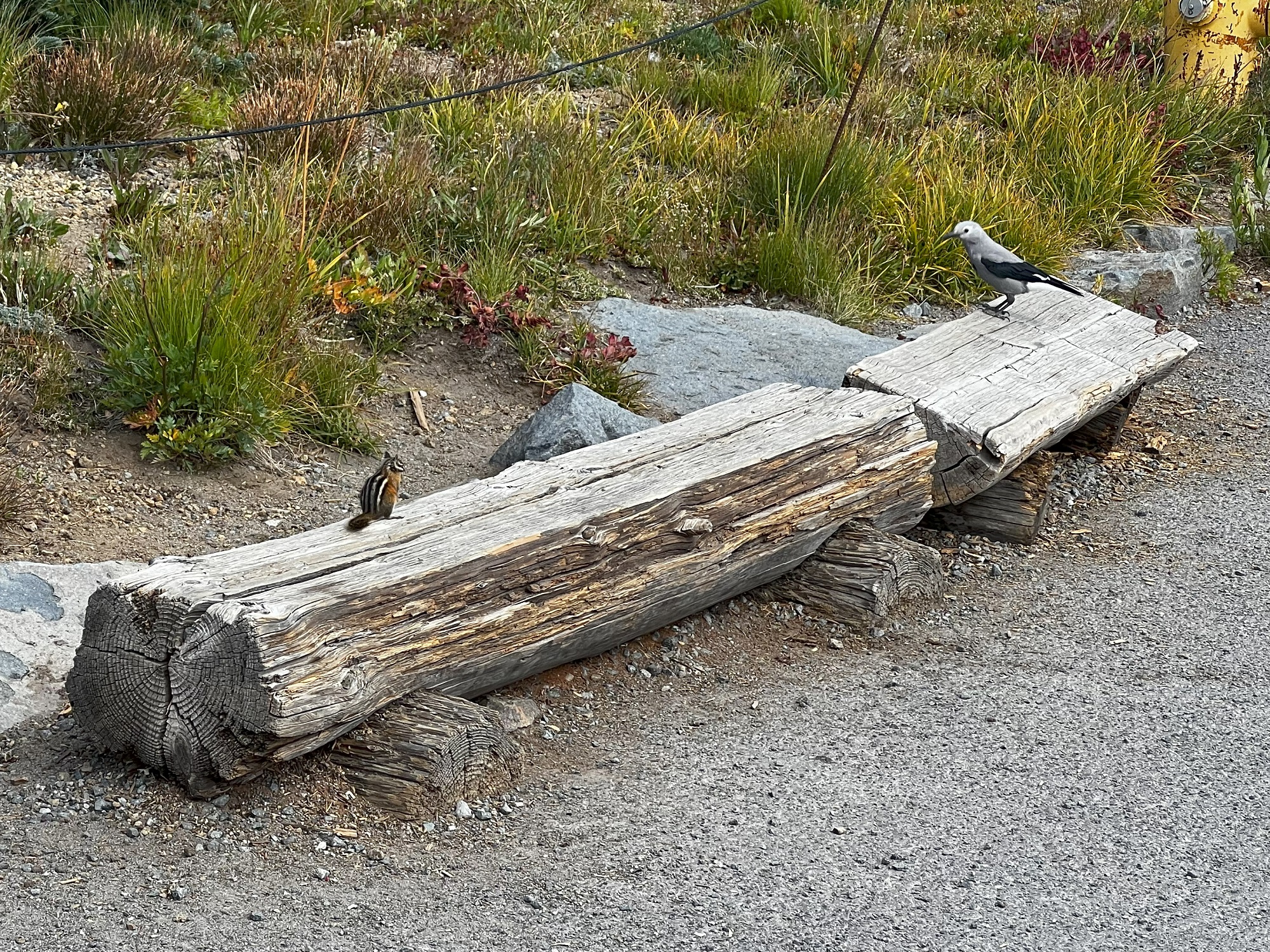
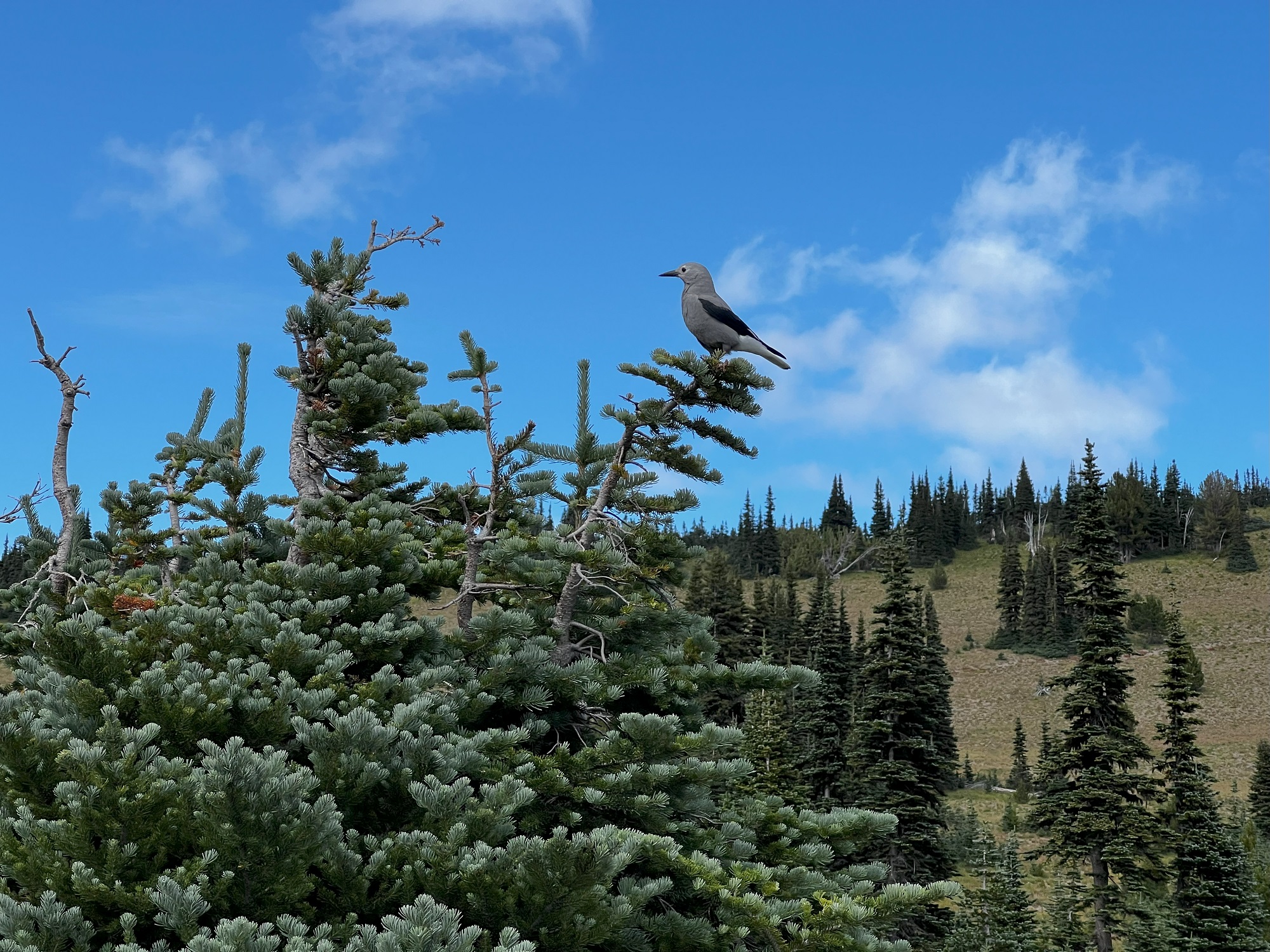
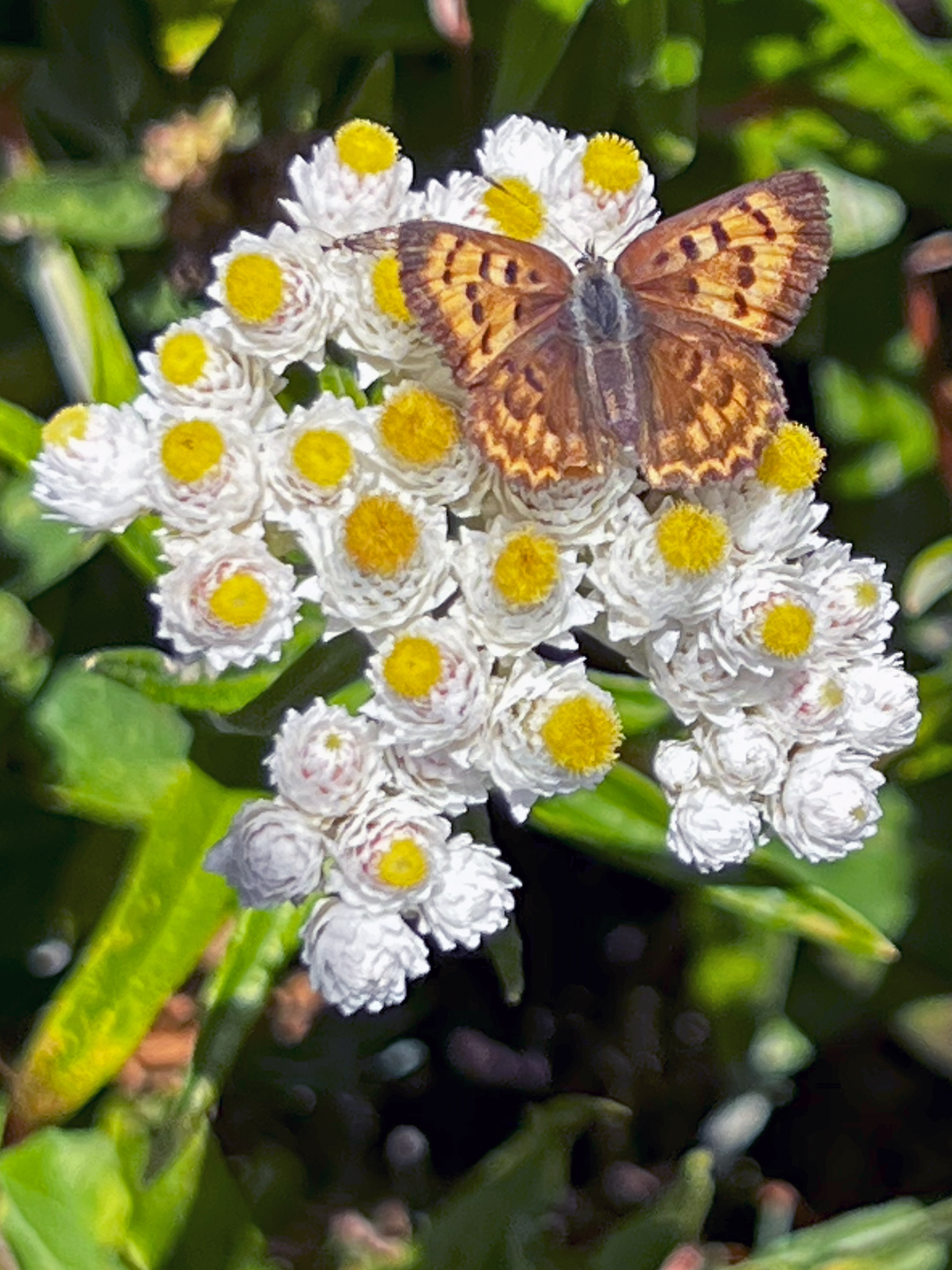
The butterfly is a mariposa copper (Lycaena mariposa), and on the log is a Clark’s nutcracker (Nucifraga columbiana) and a Townsend’s chipmunk (Tamias townsendii).
This morning, I dropped off the hiking party of two (my friends visiting from South Africa) at the Mowich Lake campground on the slopes of Mount Rainier.
Mowich Lake is where they will start out on Thursday morning, on the Wonderland Trail/ Northern Loop Trail for an eight-day hike.
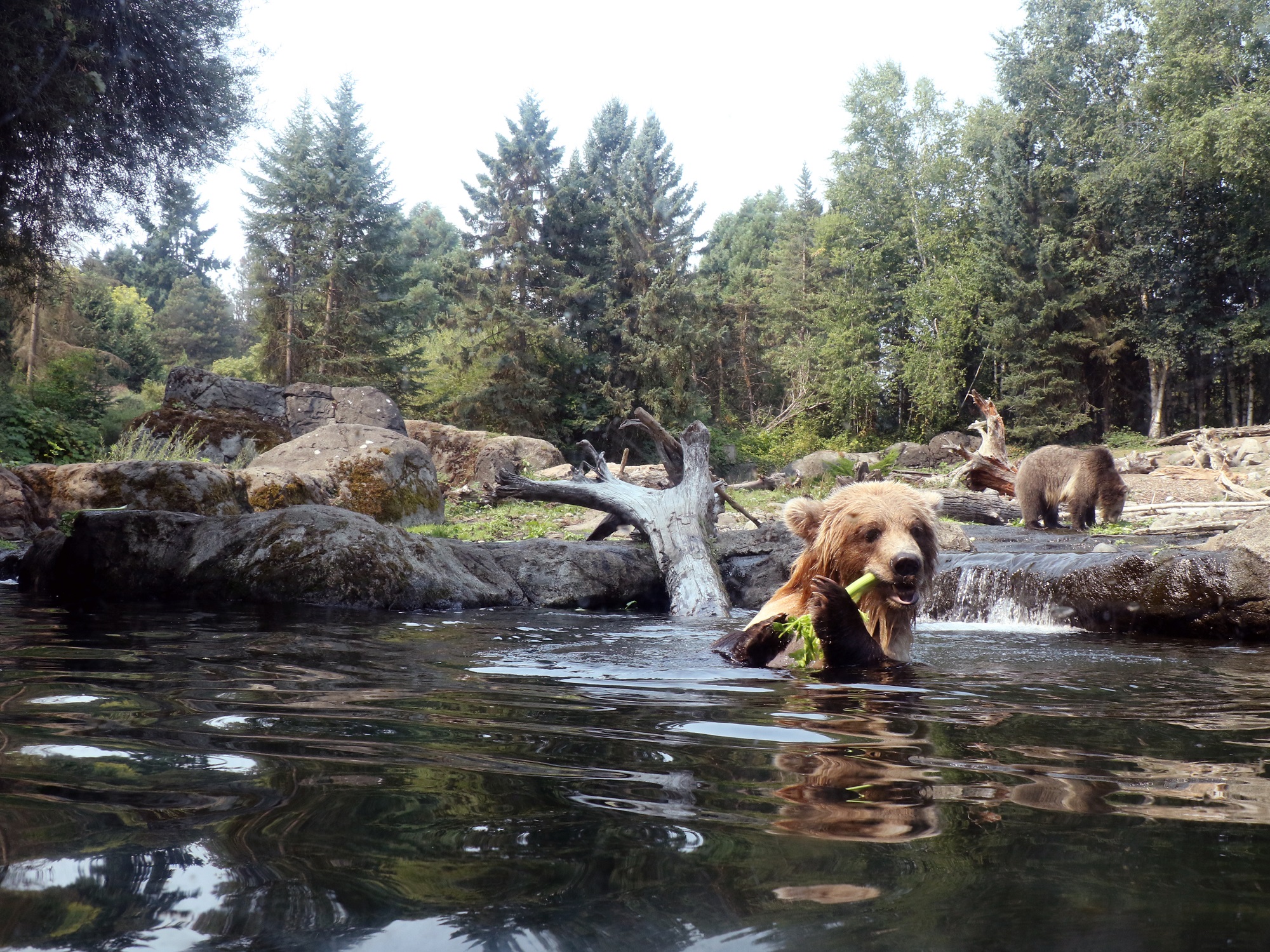
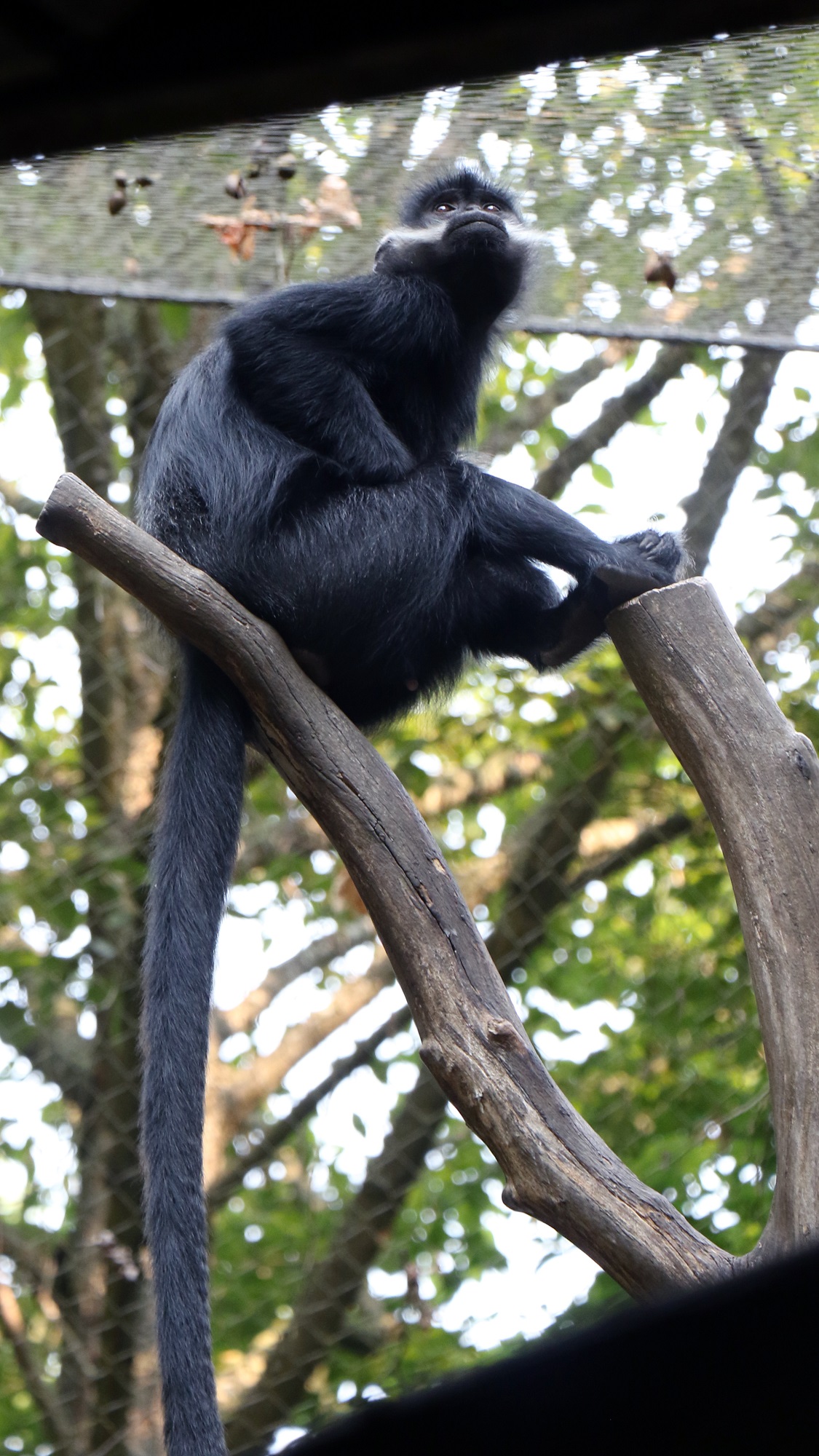
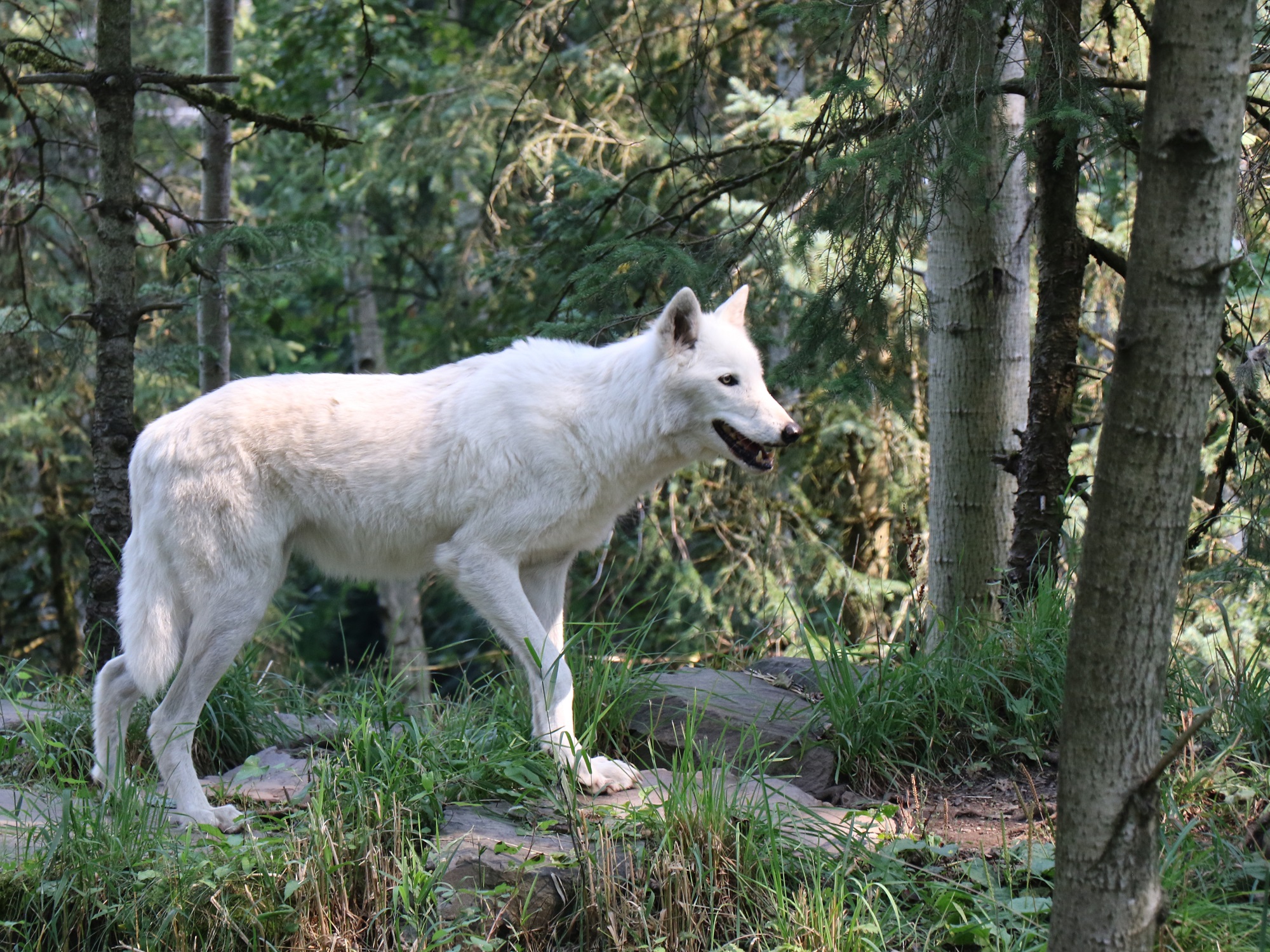
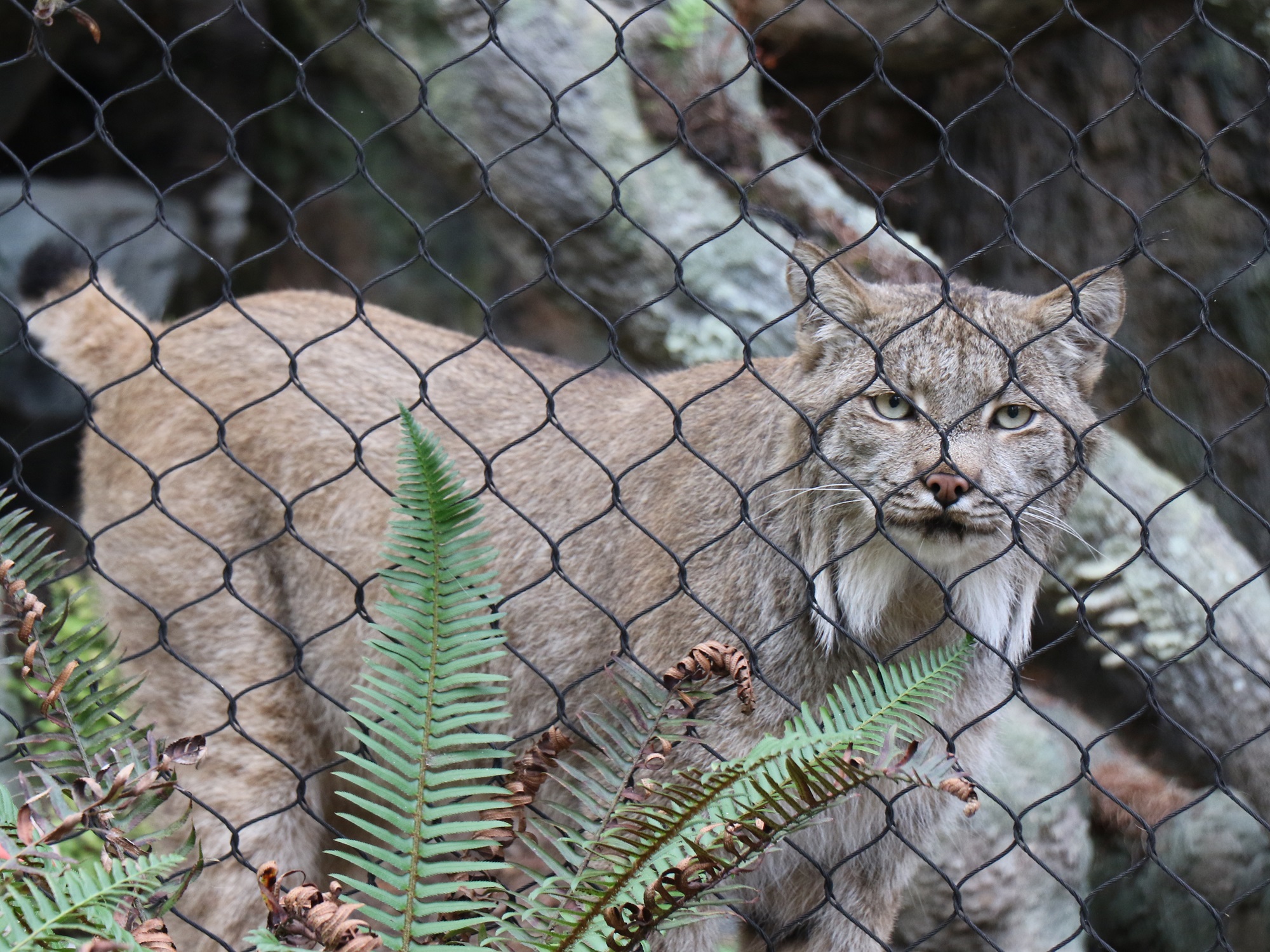
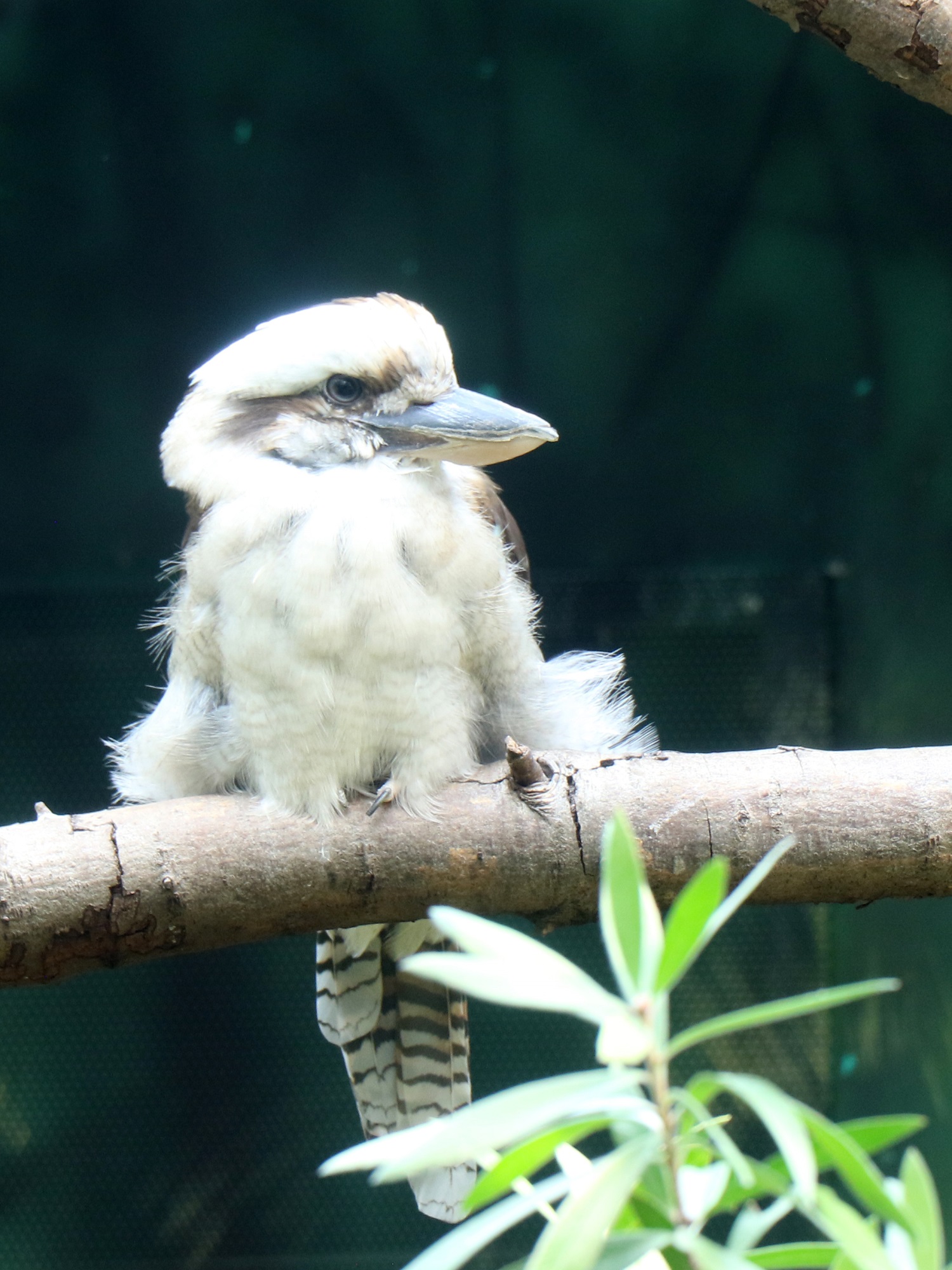
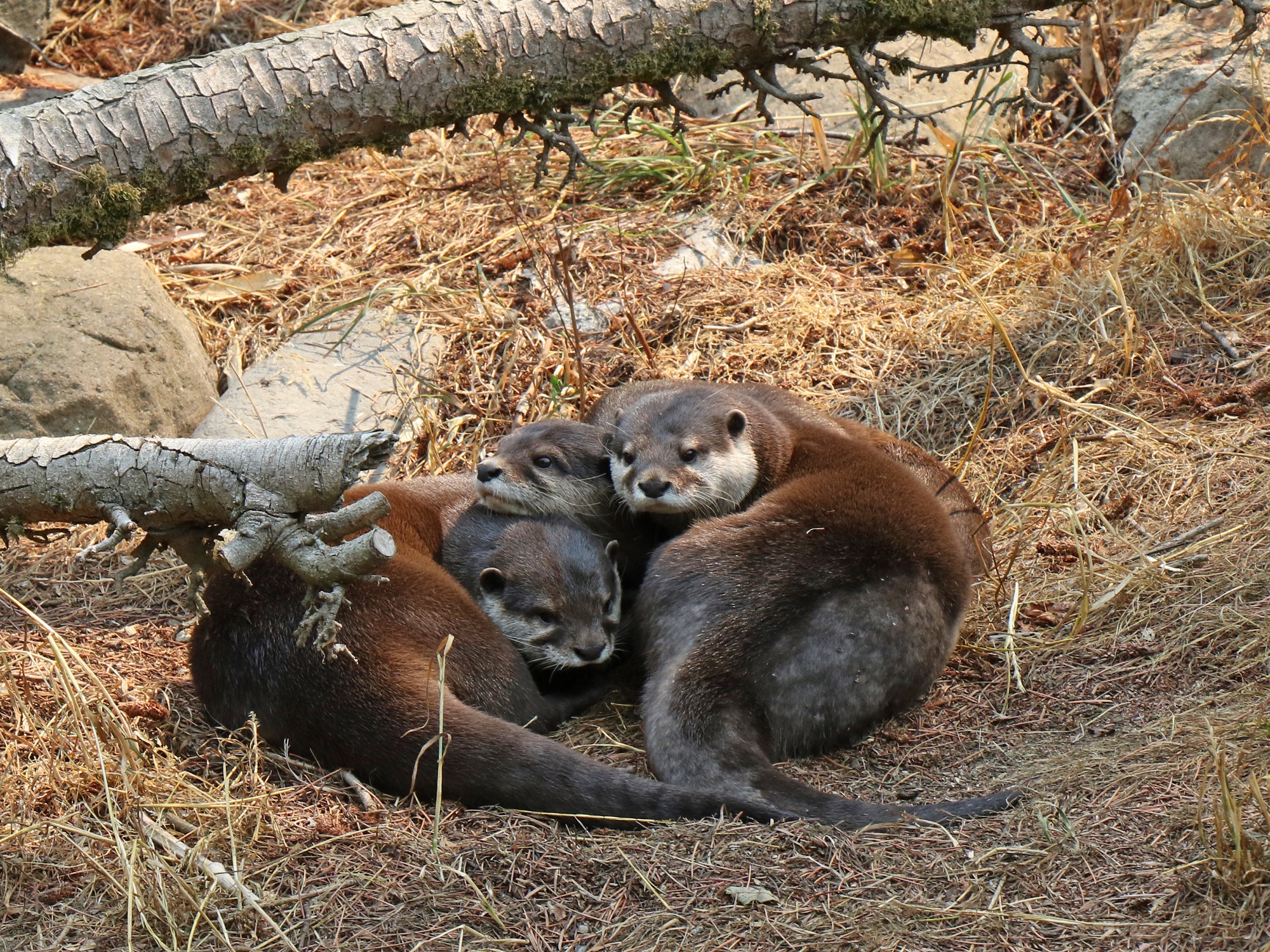
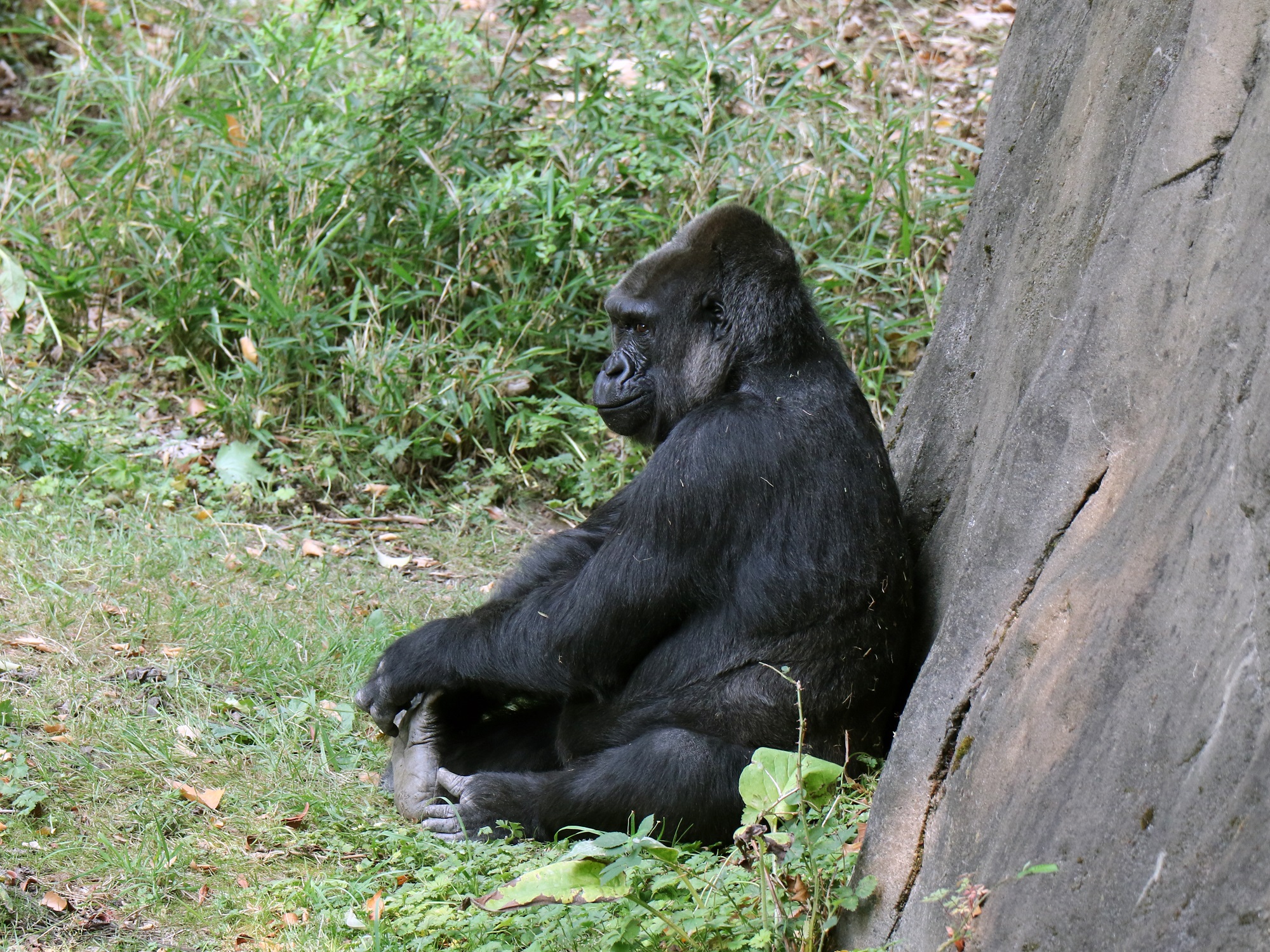
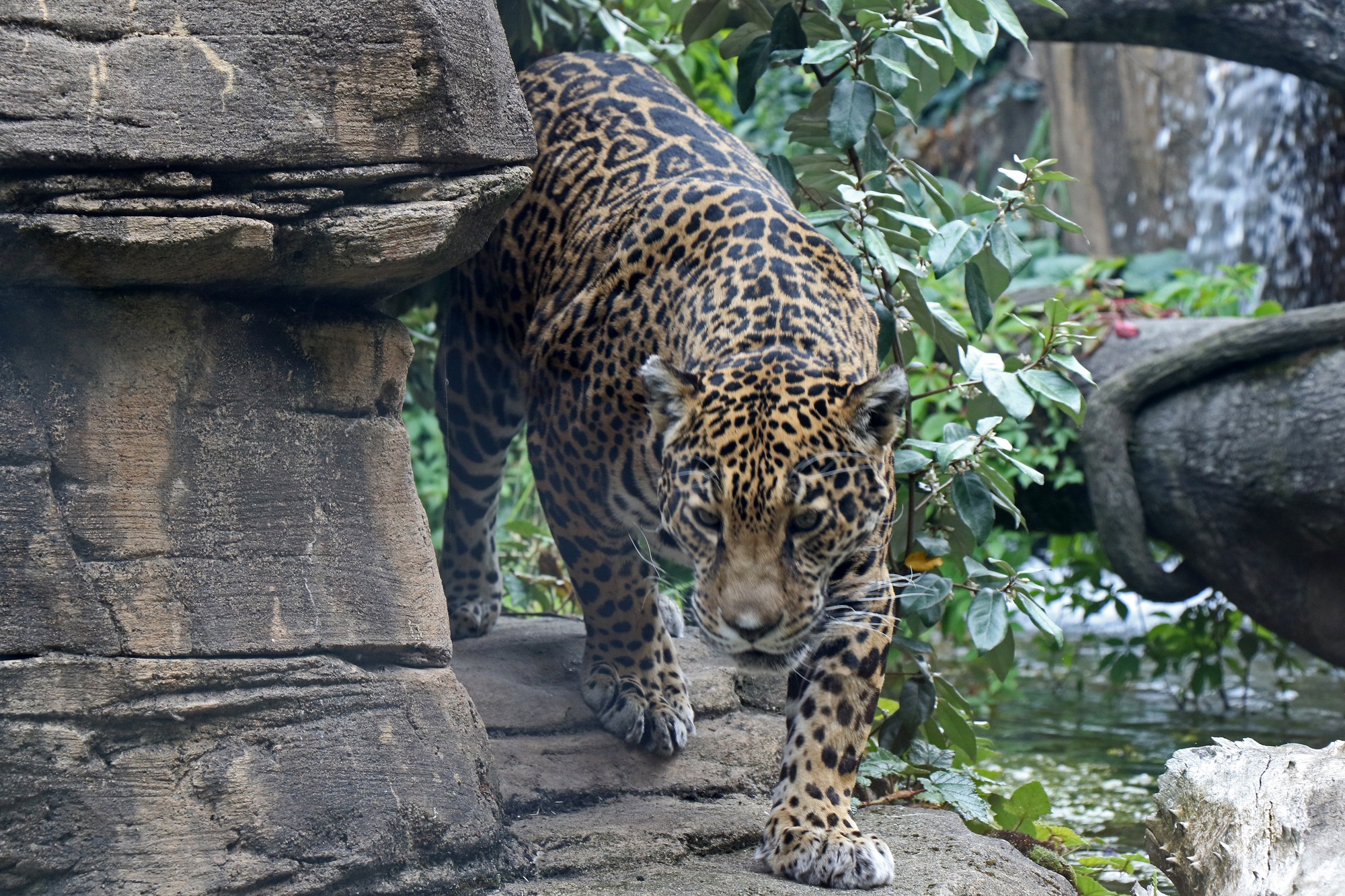
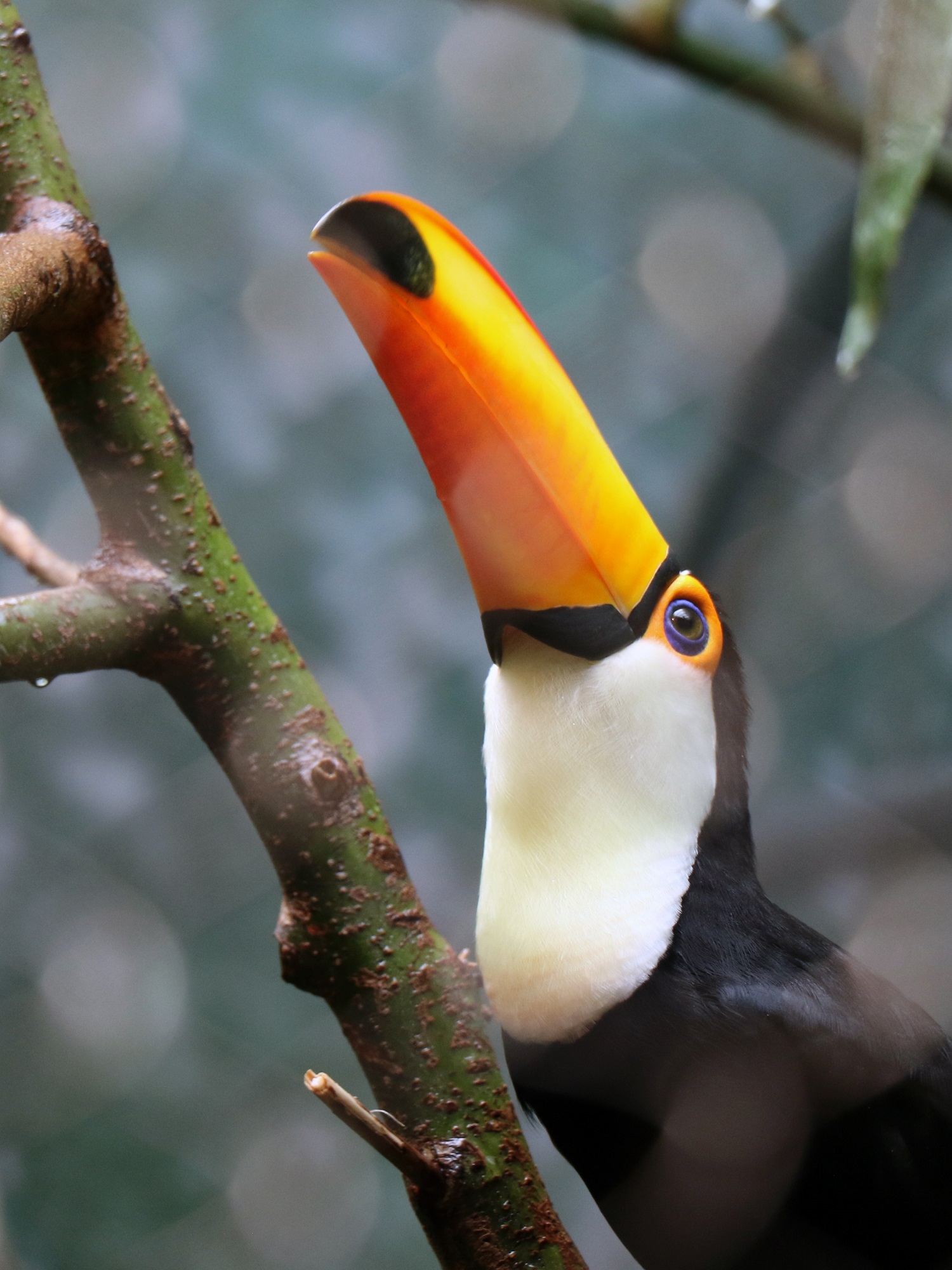
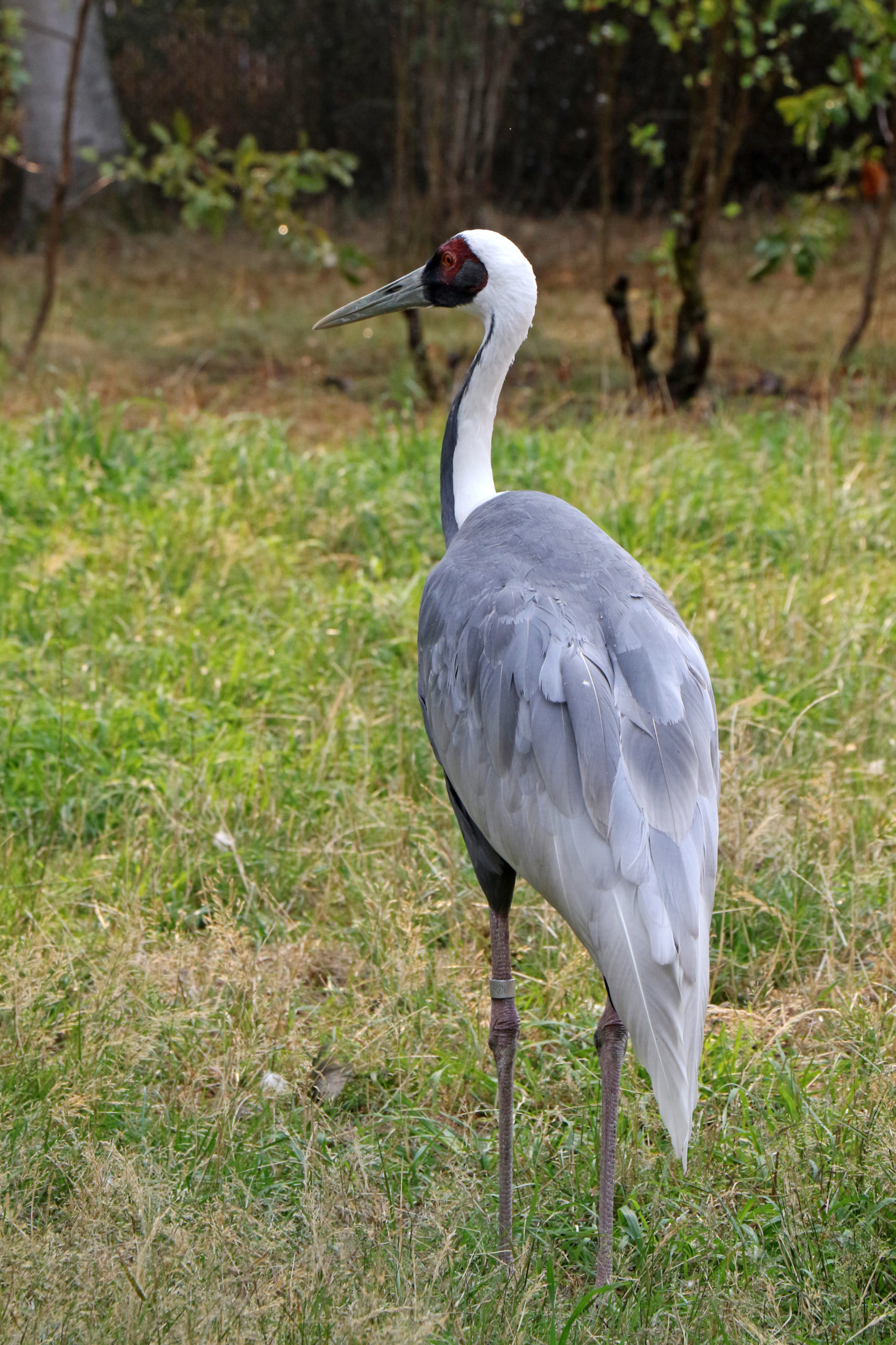
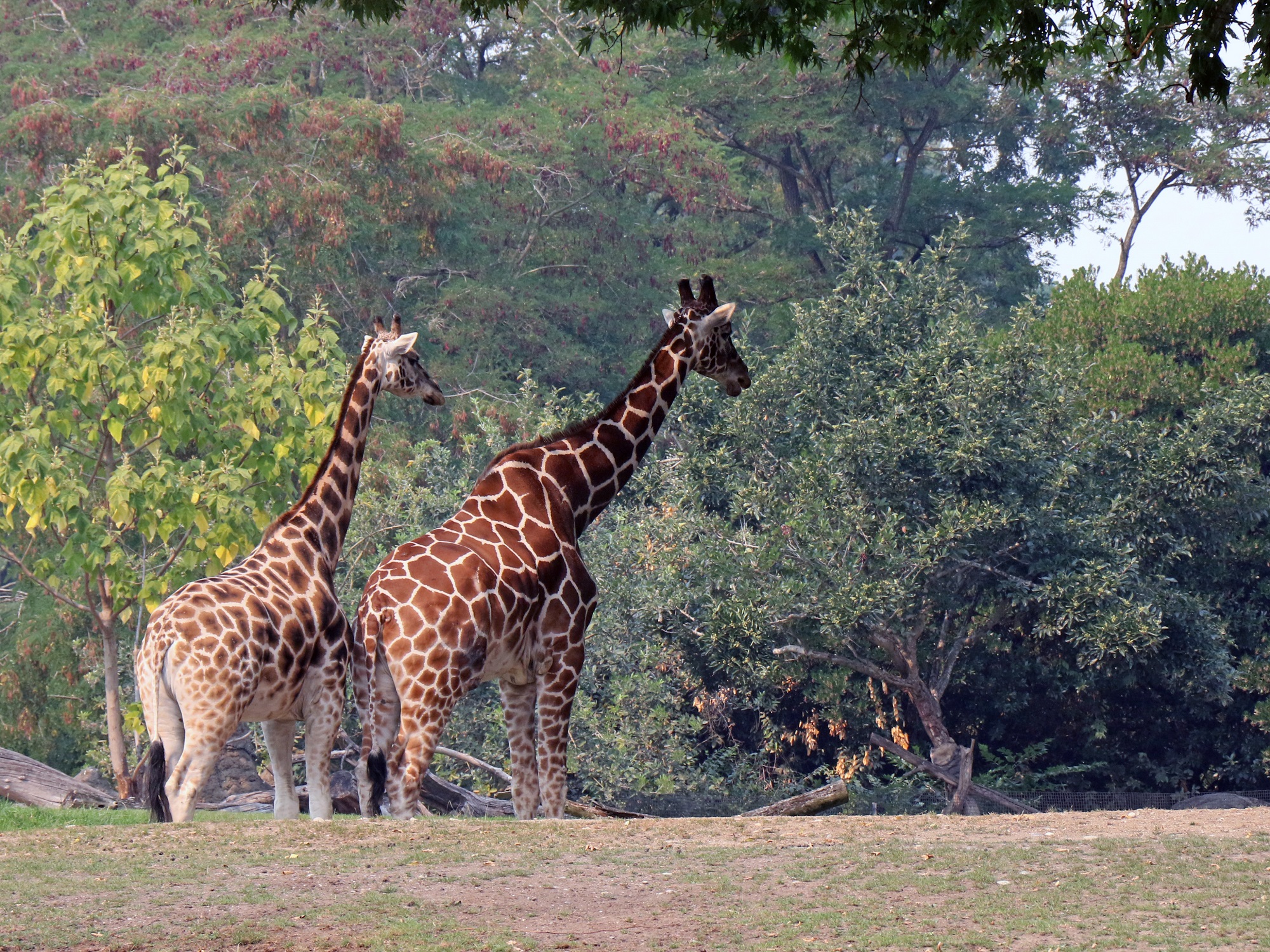
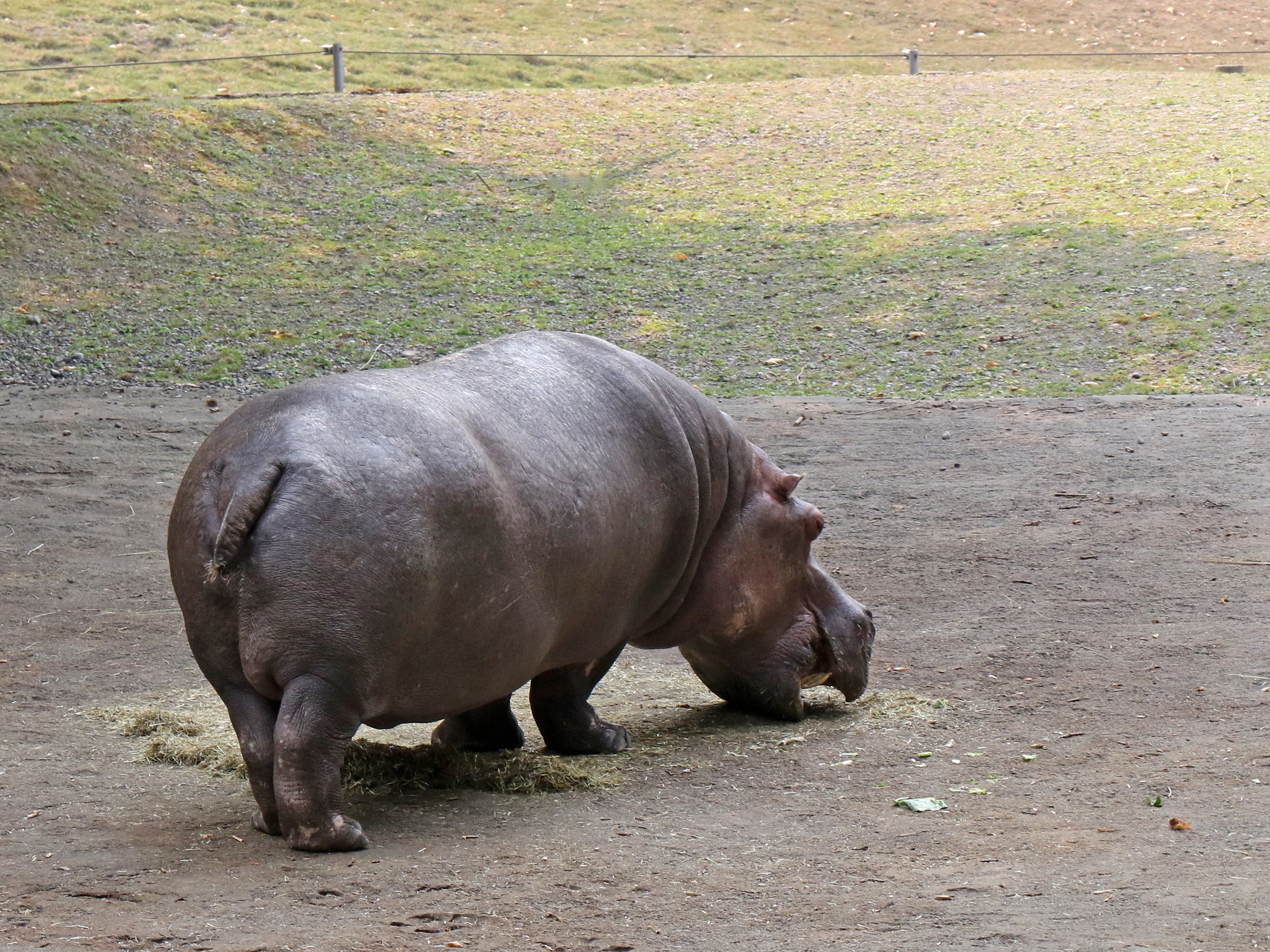
These creatures are all from Seattle’s Woodland Park Zoo.
The zoo opened 124 years ago, in 1899.
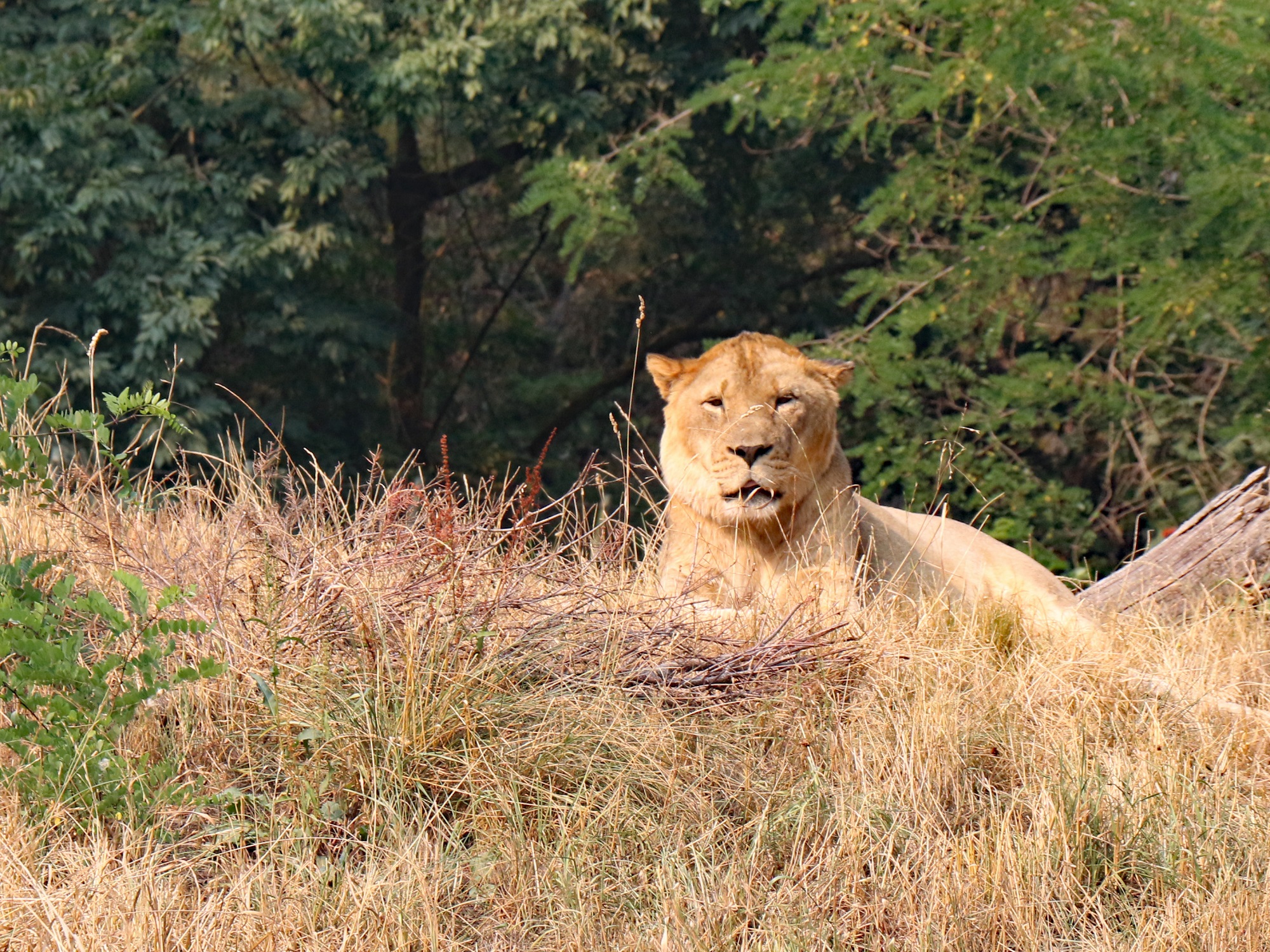
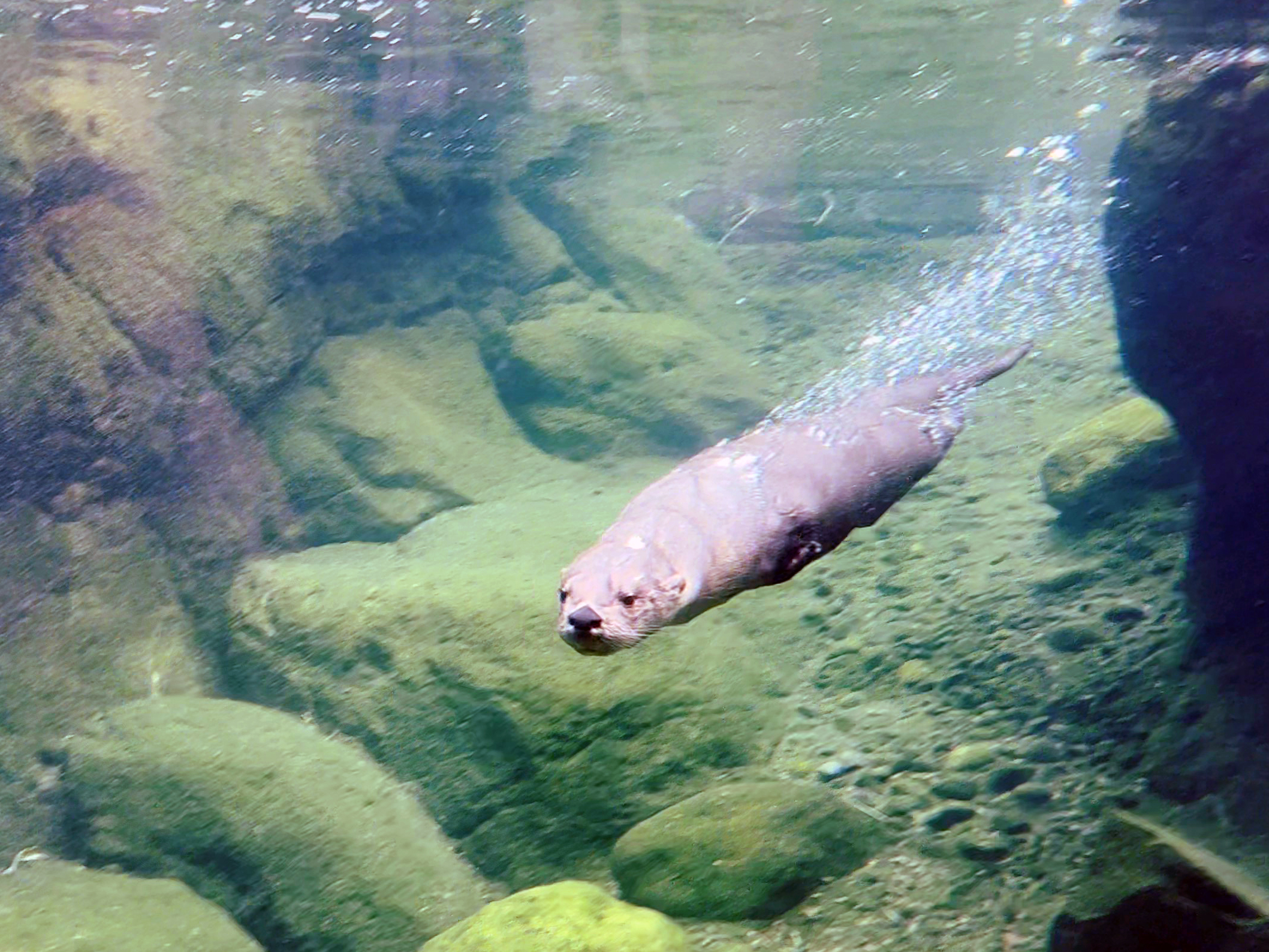
Top to bottom: Grizzly bears, Langur, Gray wolf, Canadian lynx, Kookaburra, Asian small-clawed otter, Western Low-land gorilla, Jaguar, Toco toucan, White-naped crane, Reticulated giraffe, Hippopotamus, African lion, River otter.
This summer is no exception when it comes to apocalyptic scenes of fires and floods, worsened by the changes in the planet’s climate.
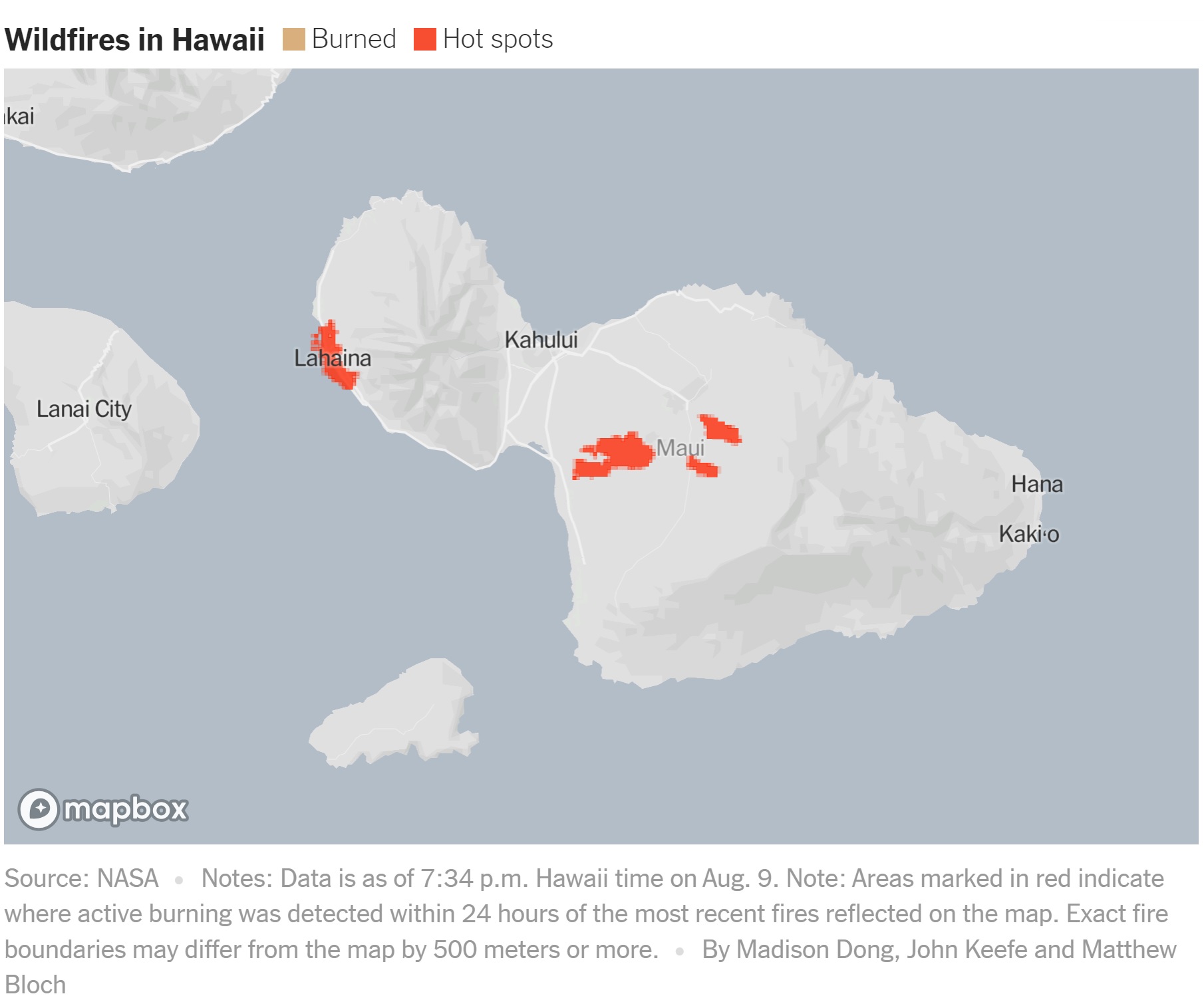
There is very bad news out of Hawaii, as well, now— of destructive firestorms that started yesterday and continued into today.
Thomas Fuller, reporting for the New York Times: From the air, the town of Lahaina looks incinerated. Charred palm trees are reduced to slender matchsticks protruding into the smoky sky. Homes are ash. Streets are deserted. The firestorm that tore through the western shores of Hawaii’s Maui island on Tuesday and continued on Wednesday has killed at least six people and forced the evacuation of more than 2,000, the authorities said. It was the deadliest wildfire in the state’s history, according to Clay Trauernicht, a tropical fire specialist at the University of Hawaii at Manoa.
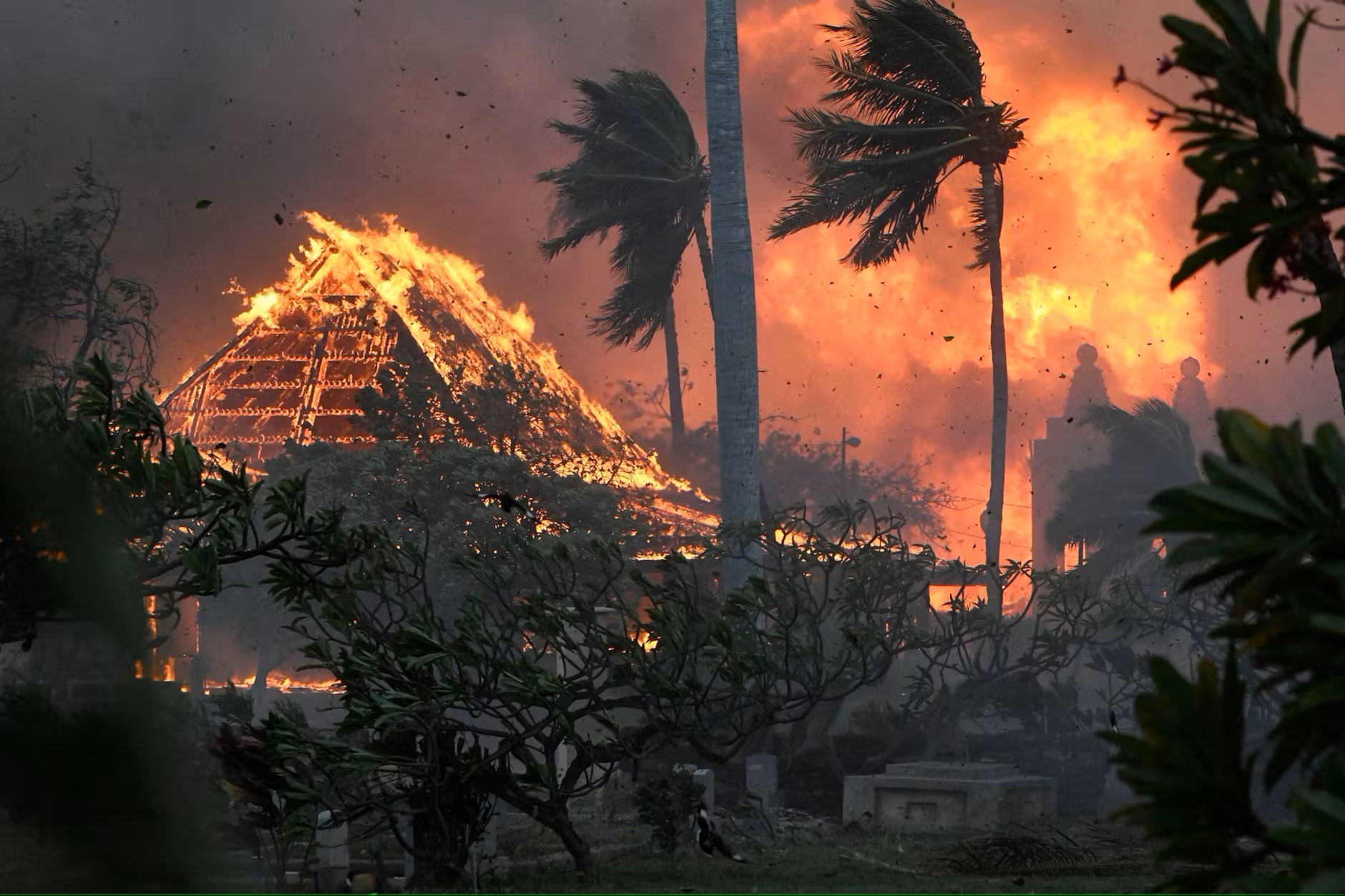
Fast-moving wildfires wreaked havoc on the island of Maui, trapping locals and tourists. Strong winds linked to Hurricane Dora several hundreds of miles to the south fanned the flames, but as of Wednesday it was not known how the fires had started.The hall of Lahaina’s historic Waiola Church and nearby Lahaina Hongwanji Mission, on fire. [Photo by Matthew Thayer/The Maui News/AP]