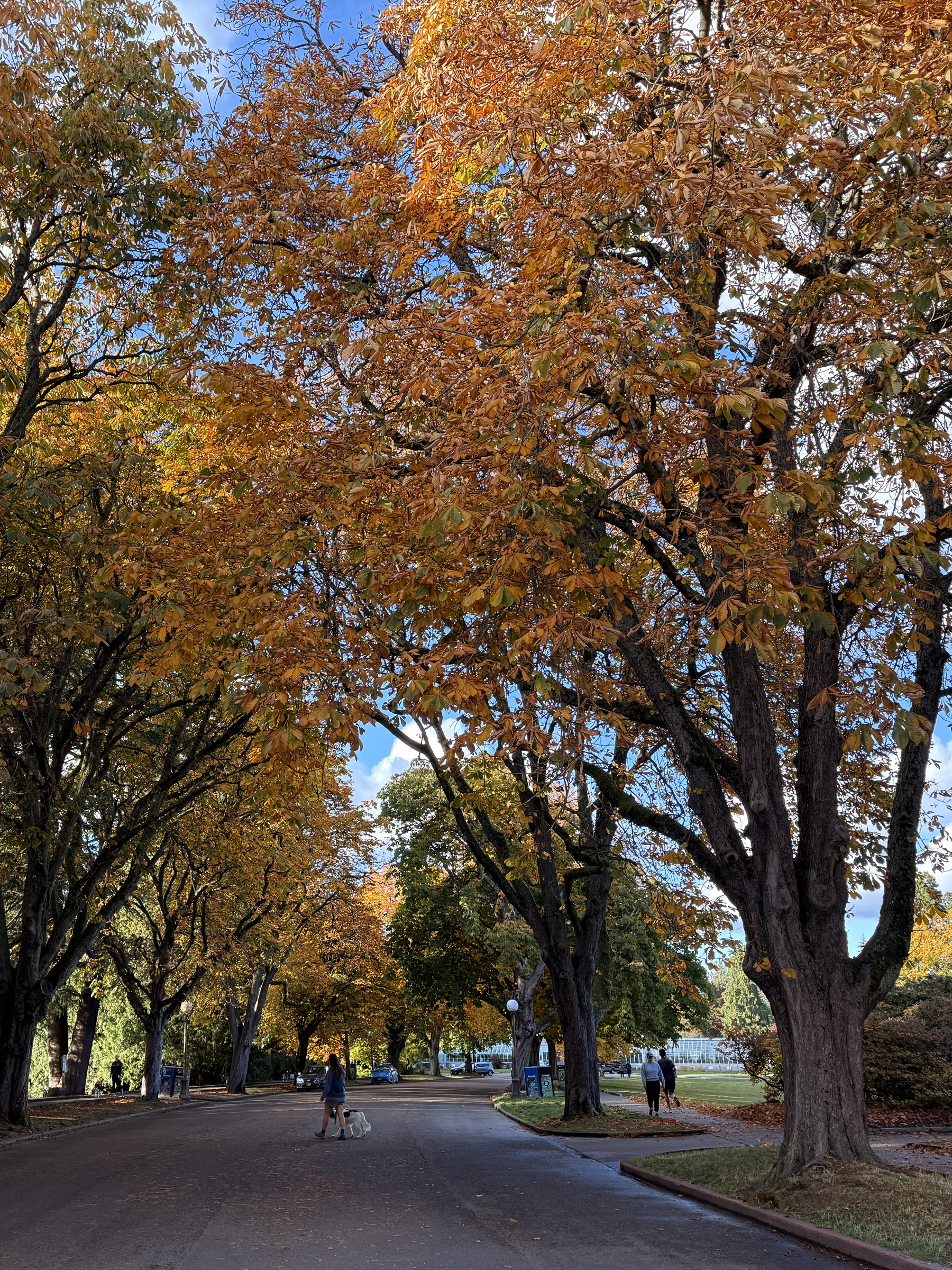
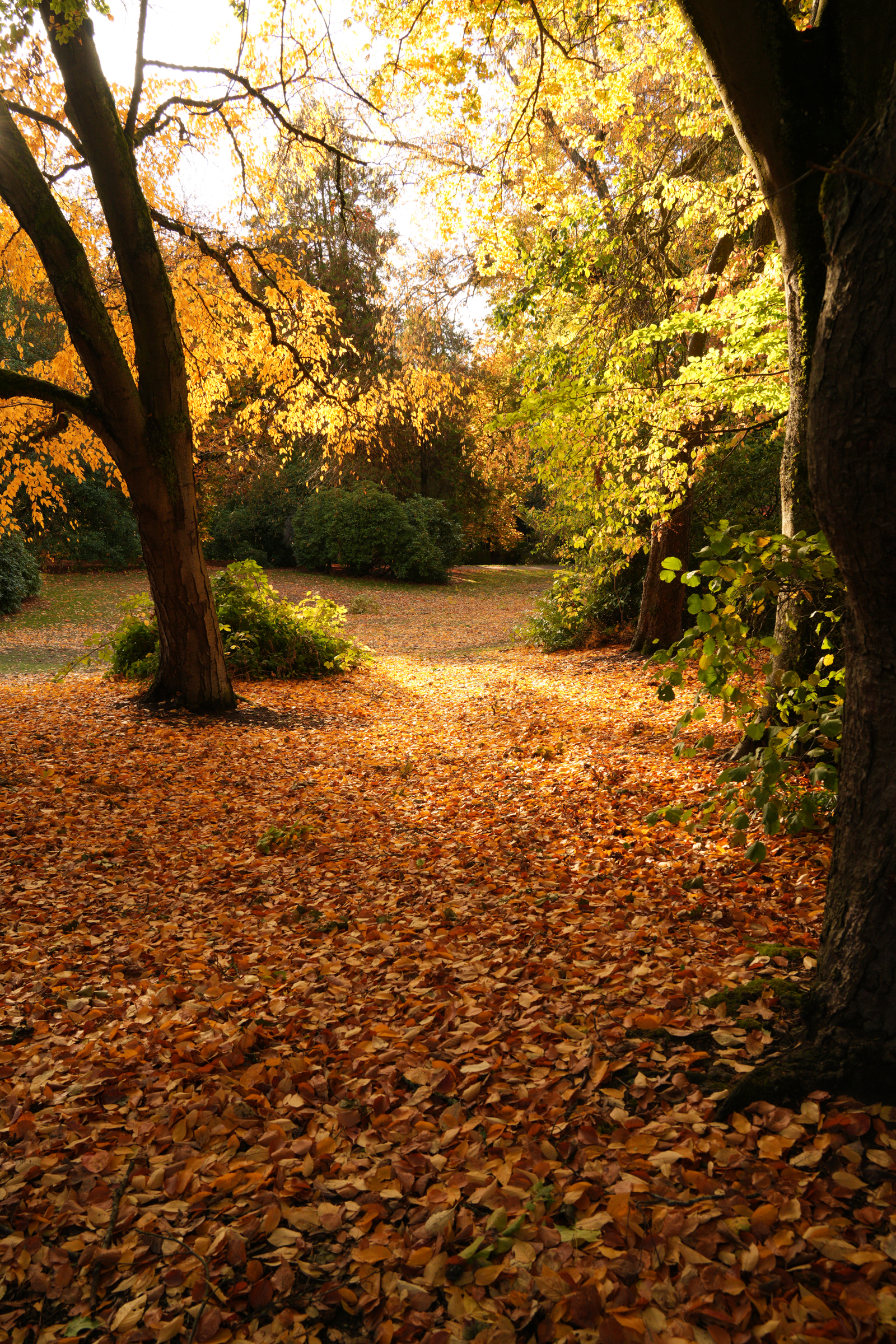
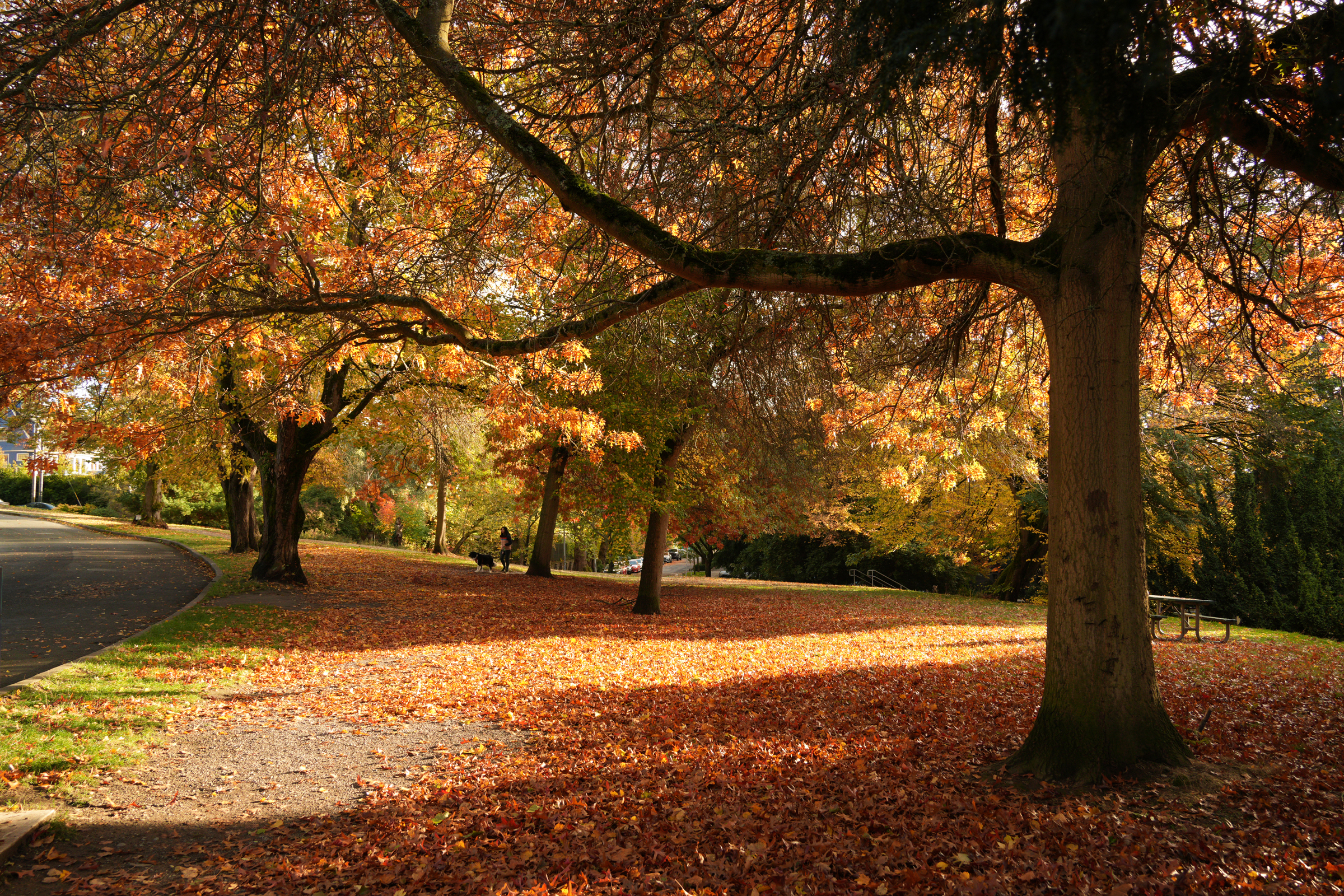
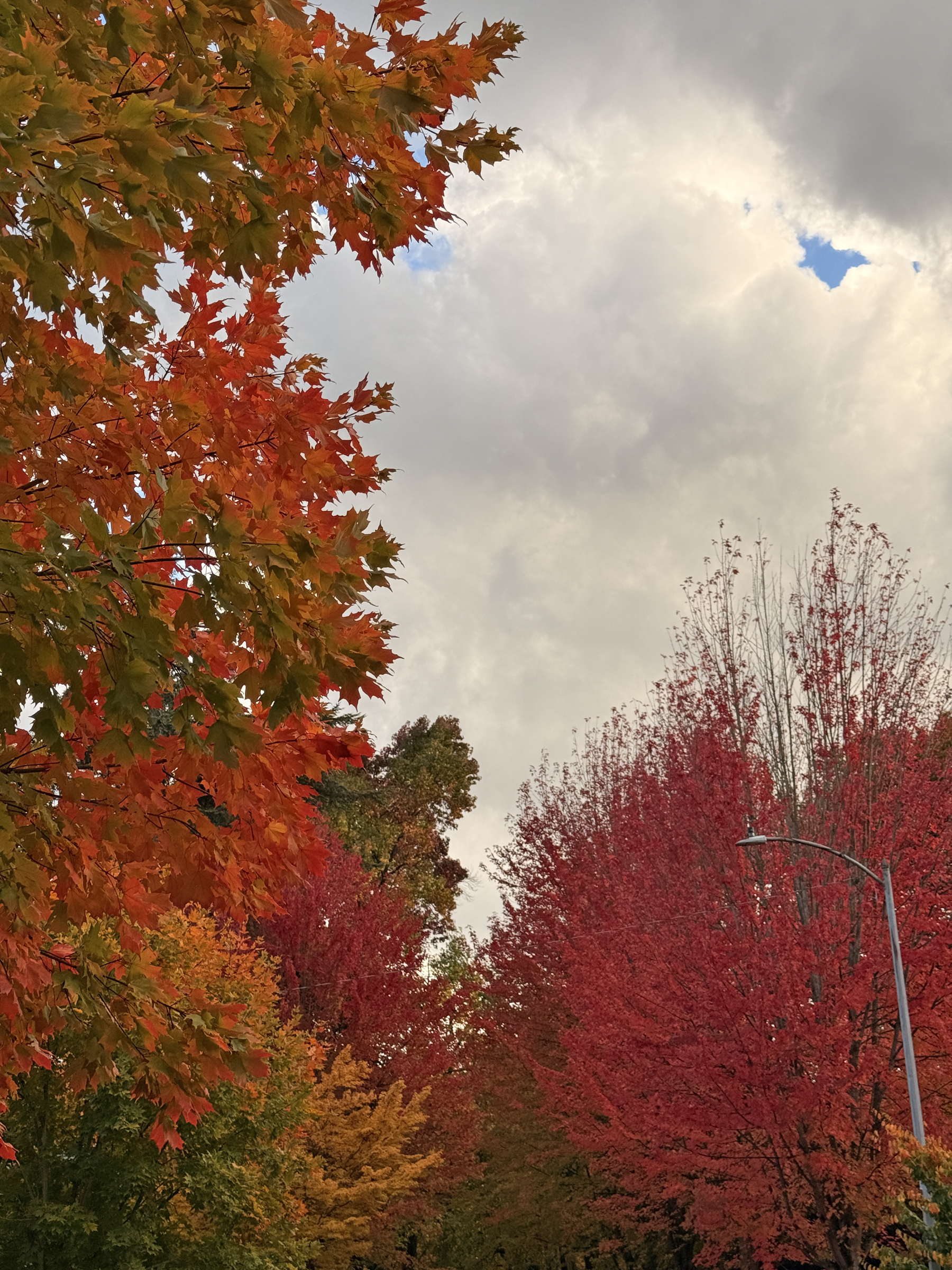
There were blue skies today.
I took these photos at Volunteer Park, and along Capitol Hill’s 14th Ave East.



a weblog of whereabouts & interests, since 2010
There were blue skies today.
I took these photos at Volunteer Park, and along Capitol Hill’s 14th Ave East.
Here is the other sheet of 2025 stamps that I bought at the post office on Friday.
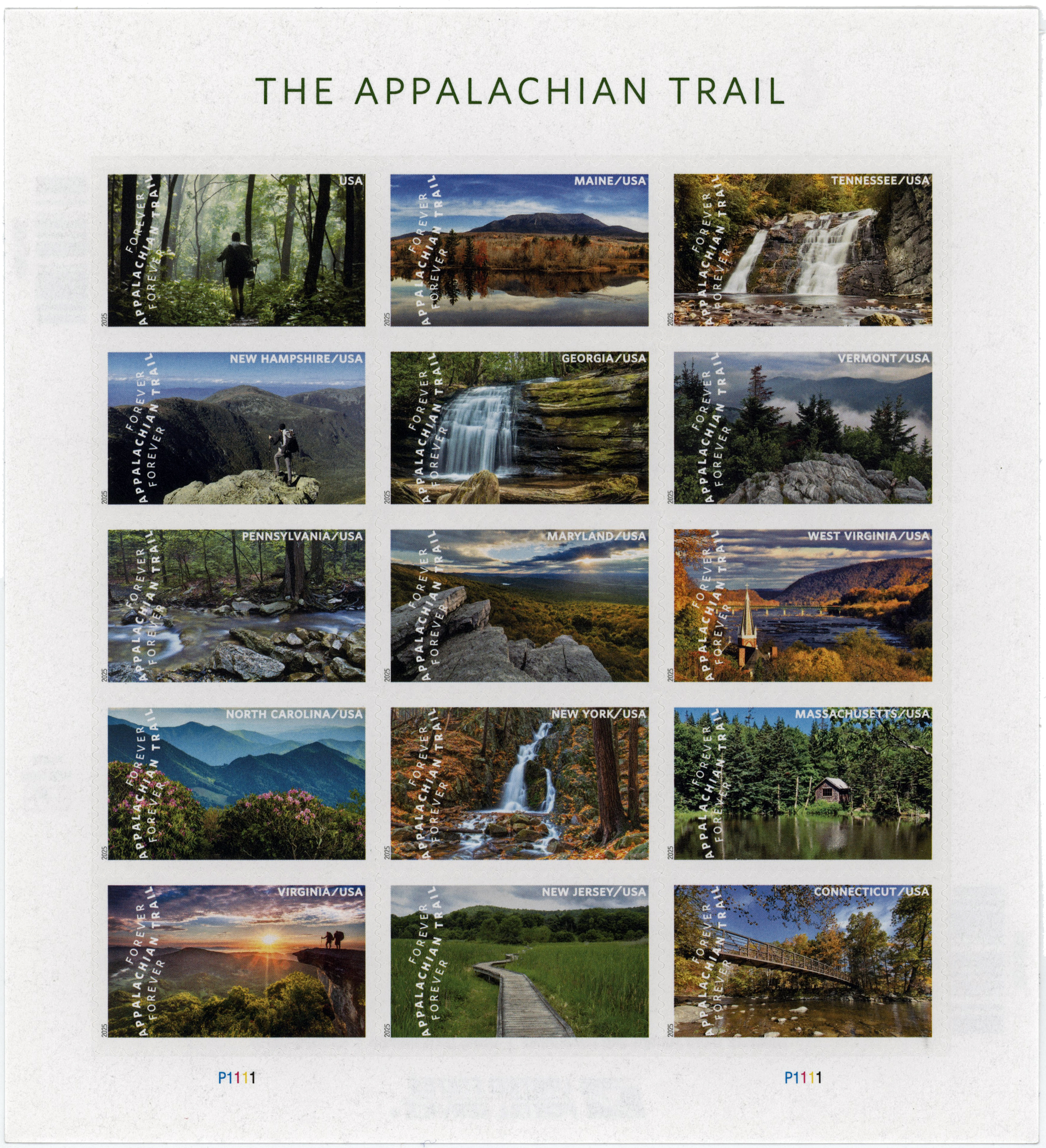
Issued Feb. 28, 2025
Perf. 11 serpentine die-cut |Self-adhesive |Design: Antonio Alcala |Sheet size: 15 stamps | First-Class Mail®’FOREVER’ stamps (75c) |Engraving: Ashton Potter (USA) Ltd. | No watermark
[Source: stampworld.com]
From USPS.com: Take a hike from the stresses of modern life with The Appalachian Trail stamps, celebrating the century-old footpath that rambles through unspoiled nature from Maine to Georgia.
The pane of stamps includes a photographic view from each of 14 states through which the trail winds. An additional stamp represents the so-called “green tunnel,” an affectionate nickname for stretches of trail through dense forest.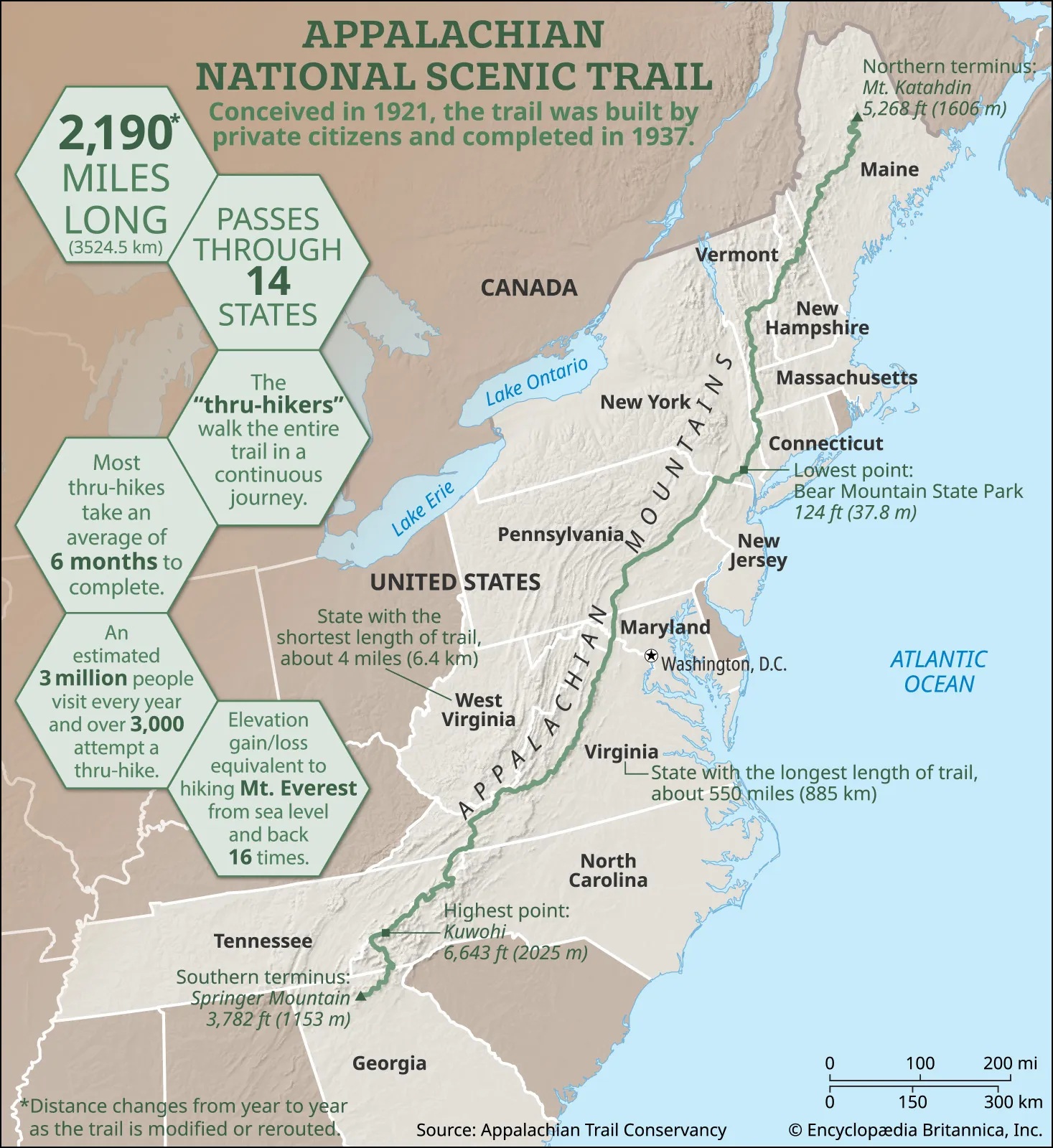
[From Wikipedia]
It was not to be— the Seattle Mariners playing in the World Series.
They lost 3-4 in Game 7 tonight against the Blue Jays, in the deciding game in the American League Championship Series (ALCS).
The Toronto Blue Jays will now take on the Los Angeles Dodgers in the World Series.
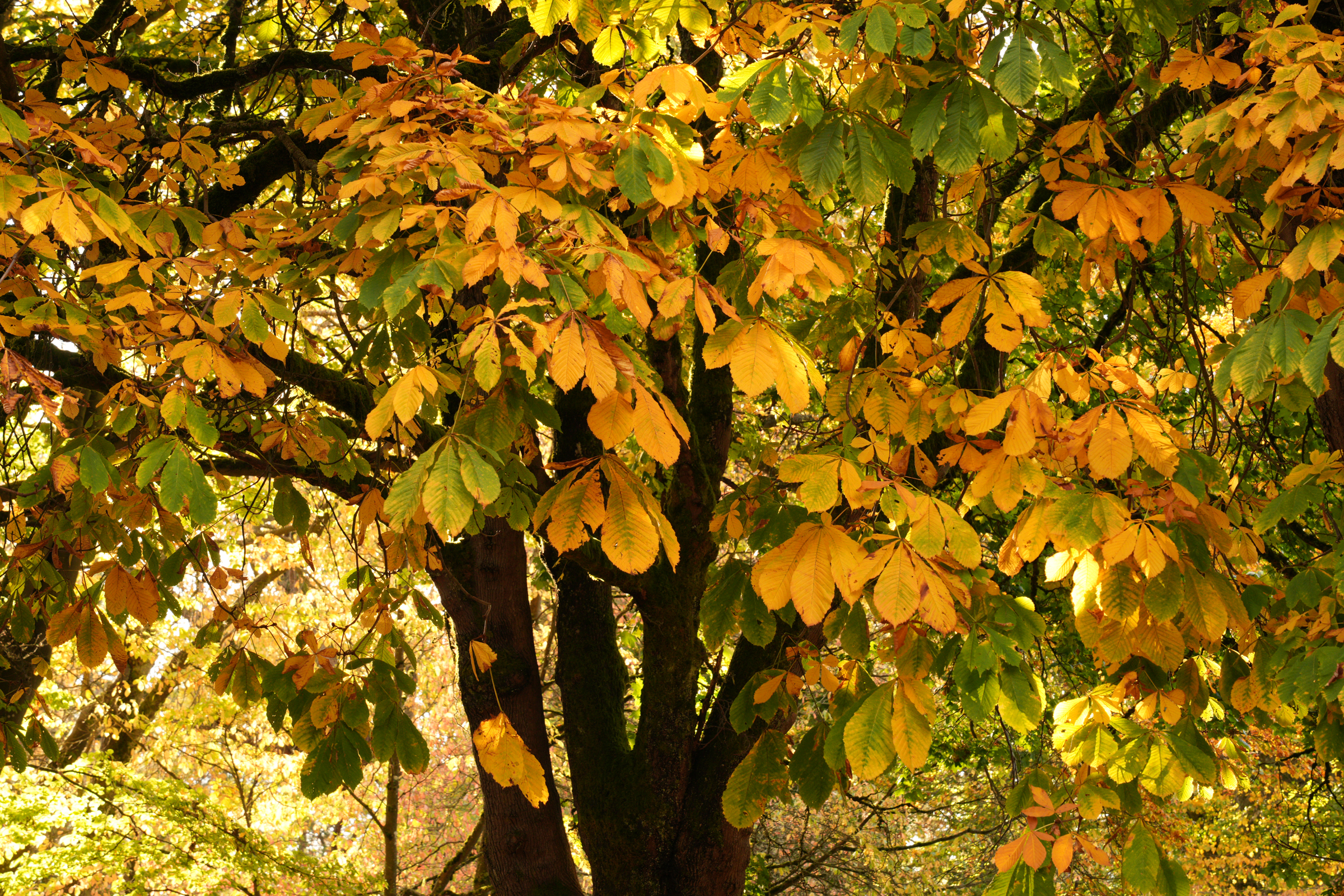
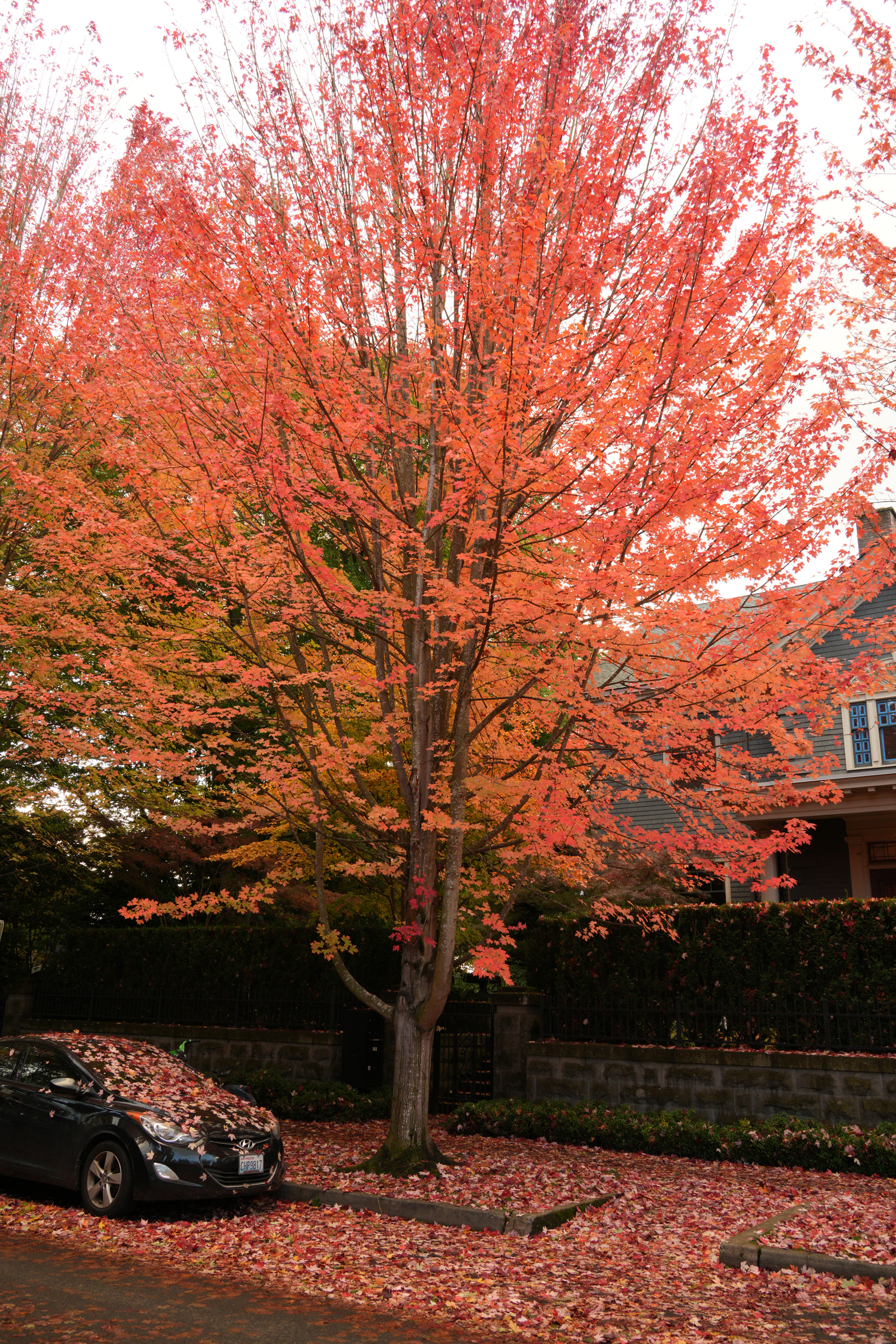
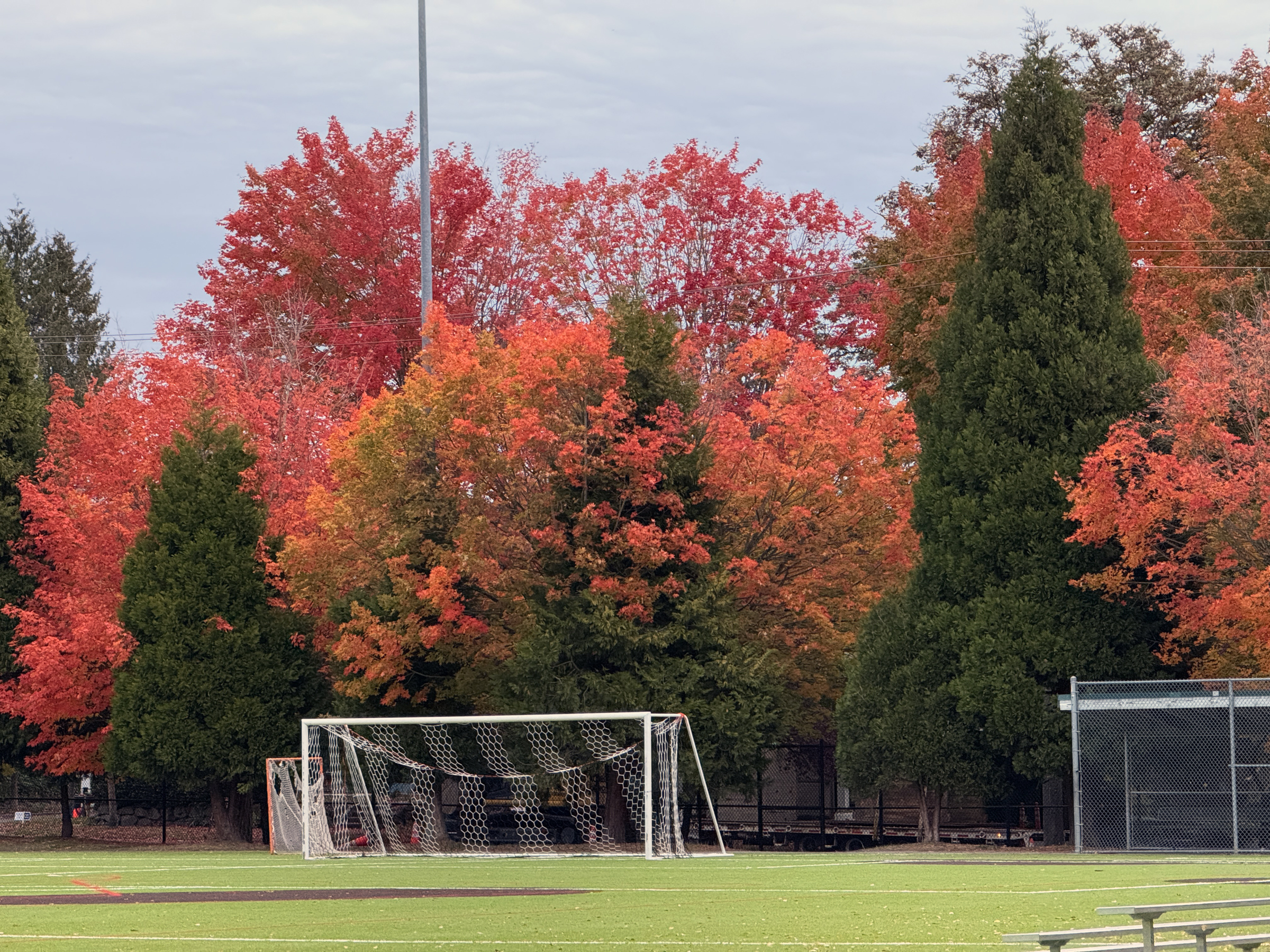
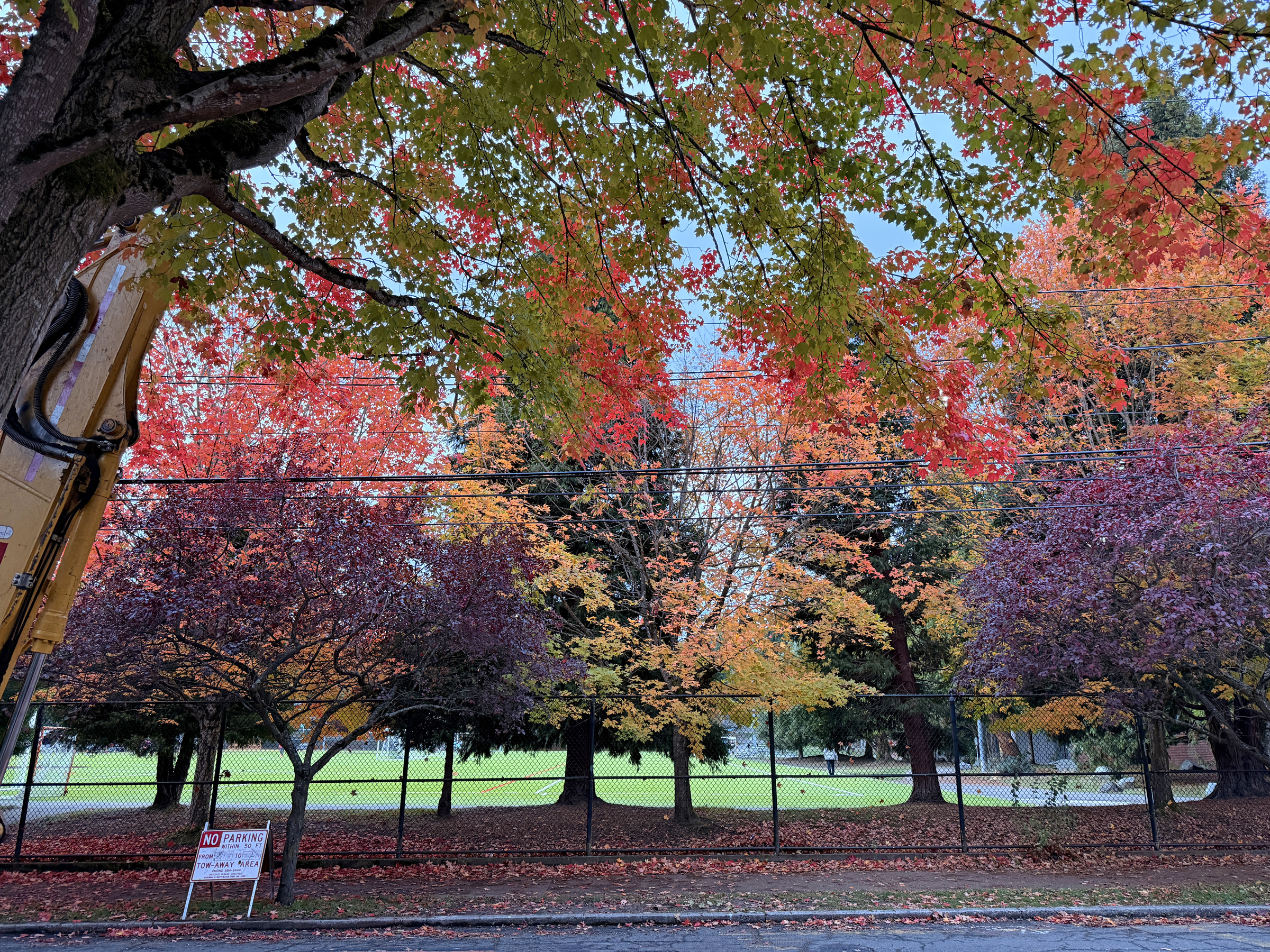
Beautiful fall foliage surrounds the playfields at Miller Community Center on 19th Avenue East on Capitol Hill.
Western Washington’s interior lowlands got its first frost of the autumn this morning.
Here in the city of Seattle the low was still above freezing: 40°F (4°C).
Three of us ran out to the Ballard locks* this morning.
Even though the salmon runs for the season are over (there were none to be seen in the windows by the fish ladder), there was still a lot of activity to look at.
*The Hiram M. Chittenden Locks, or Ballard Locks, is a complex of locks at the west end of Salmon Bay in Seattle, Washington’s Lake Washington Ship Canal, between the neighborhoods of Ballard to the north and Magnolia to the south.
[Source: Wikipedia]




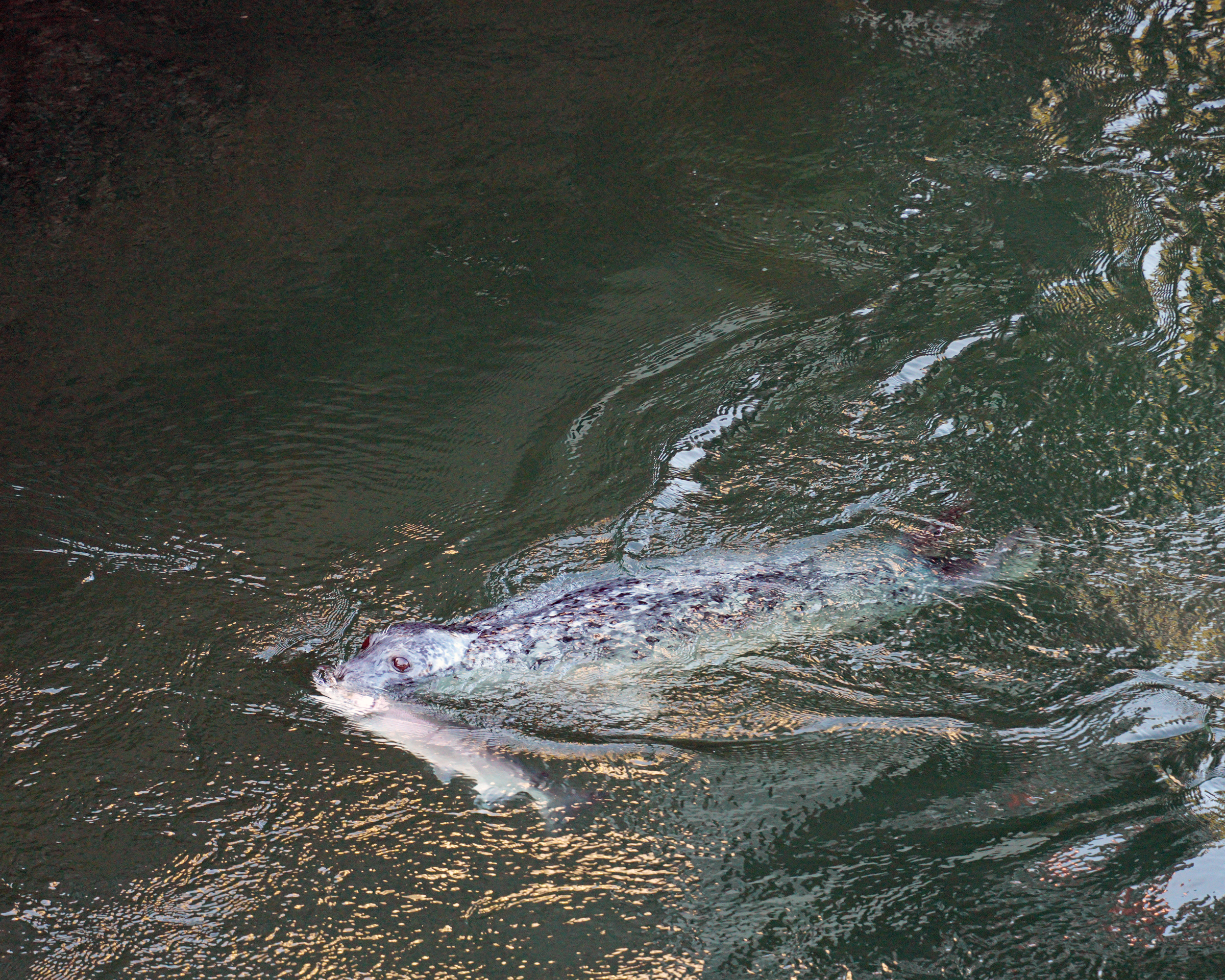
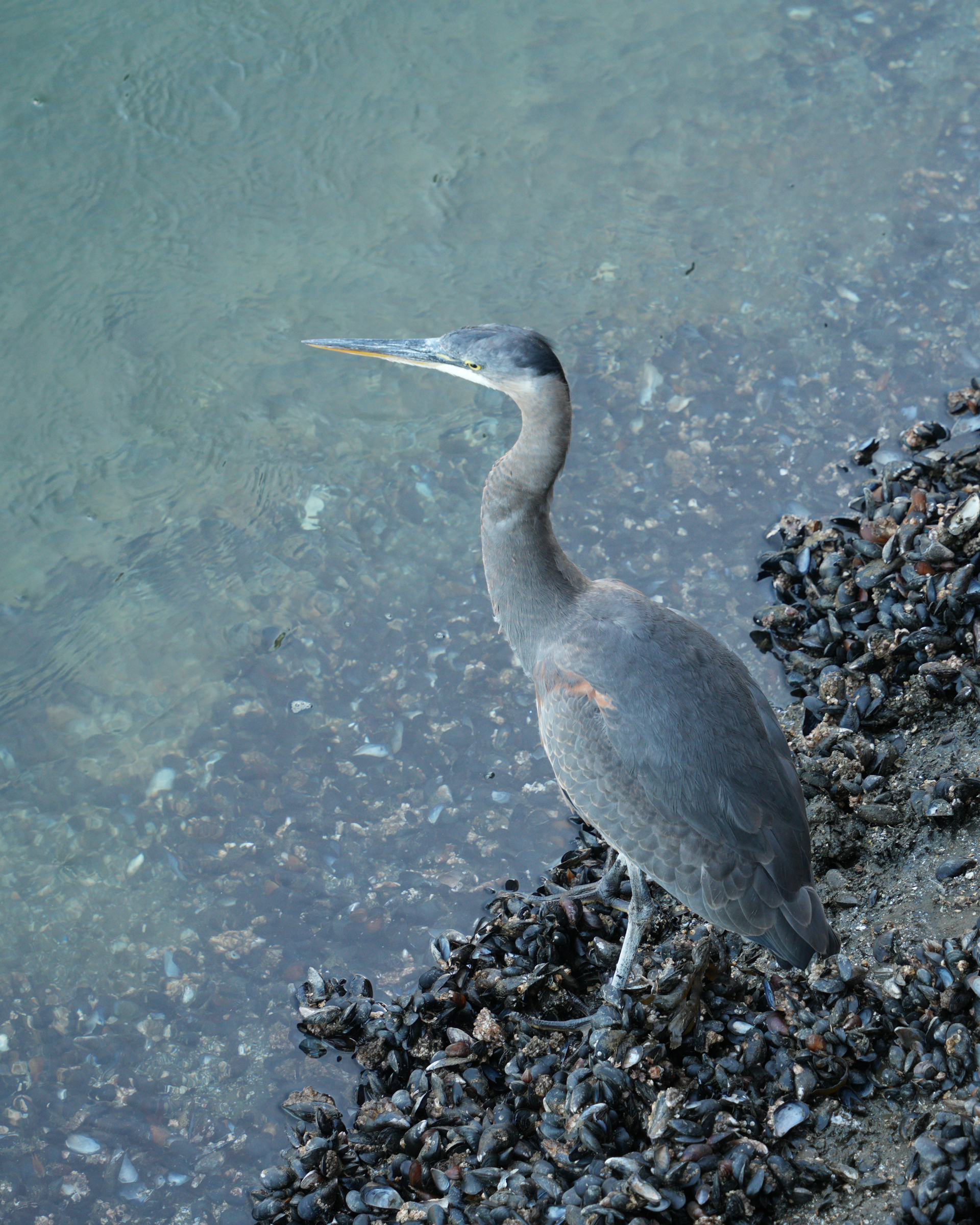
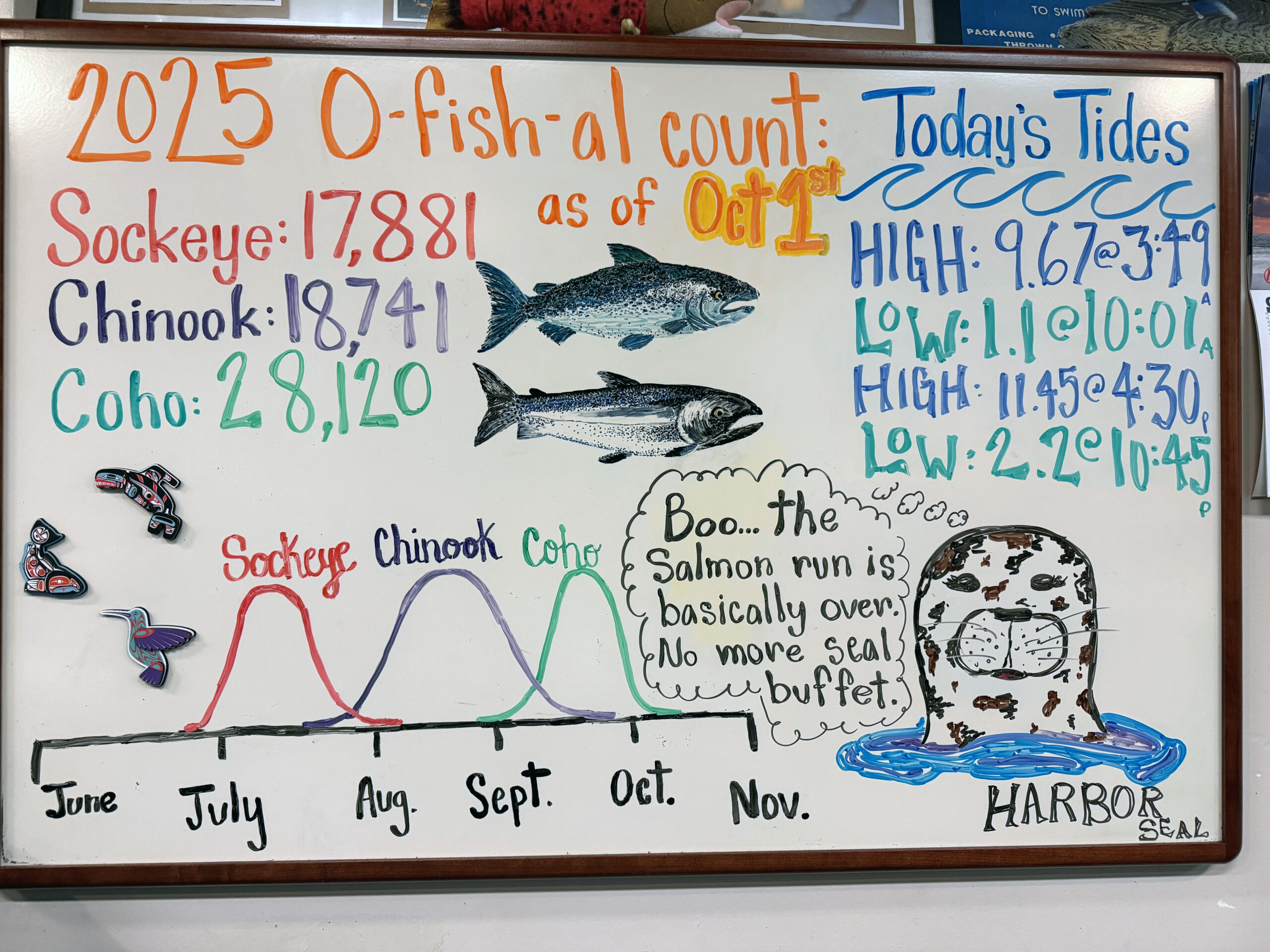
September is a wrap.
We had rain yesterday and today here in the city of Seattle.
The Republican Party is shutting down the United States government at midnight.
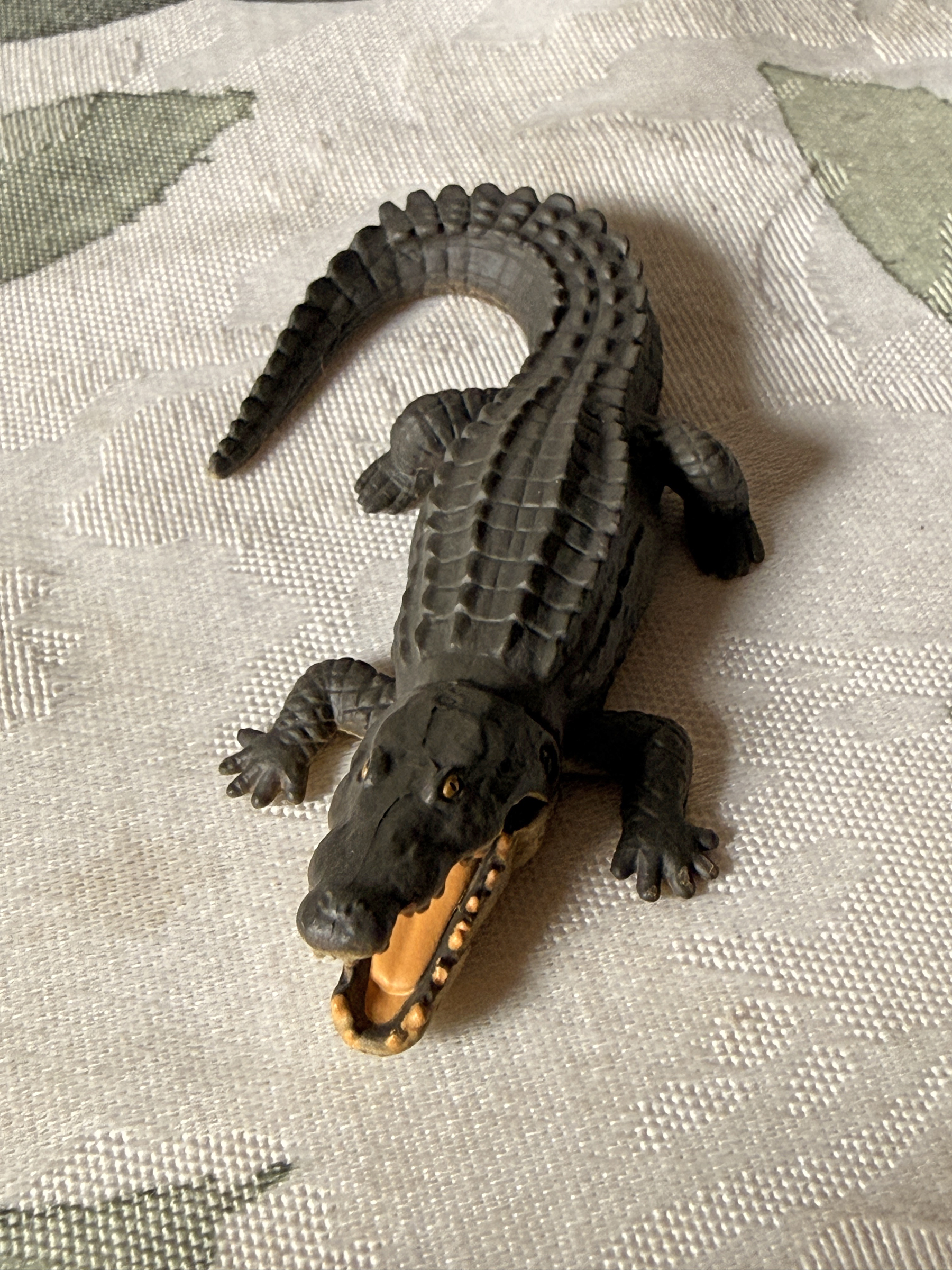
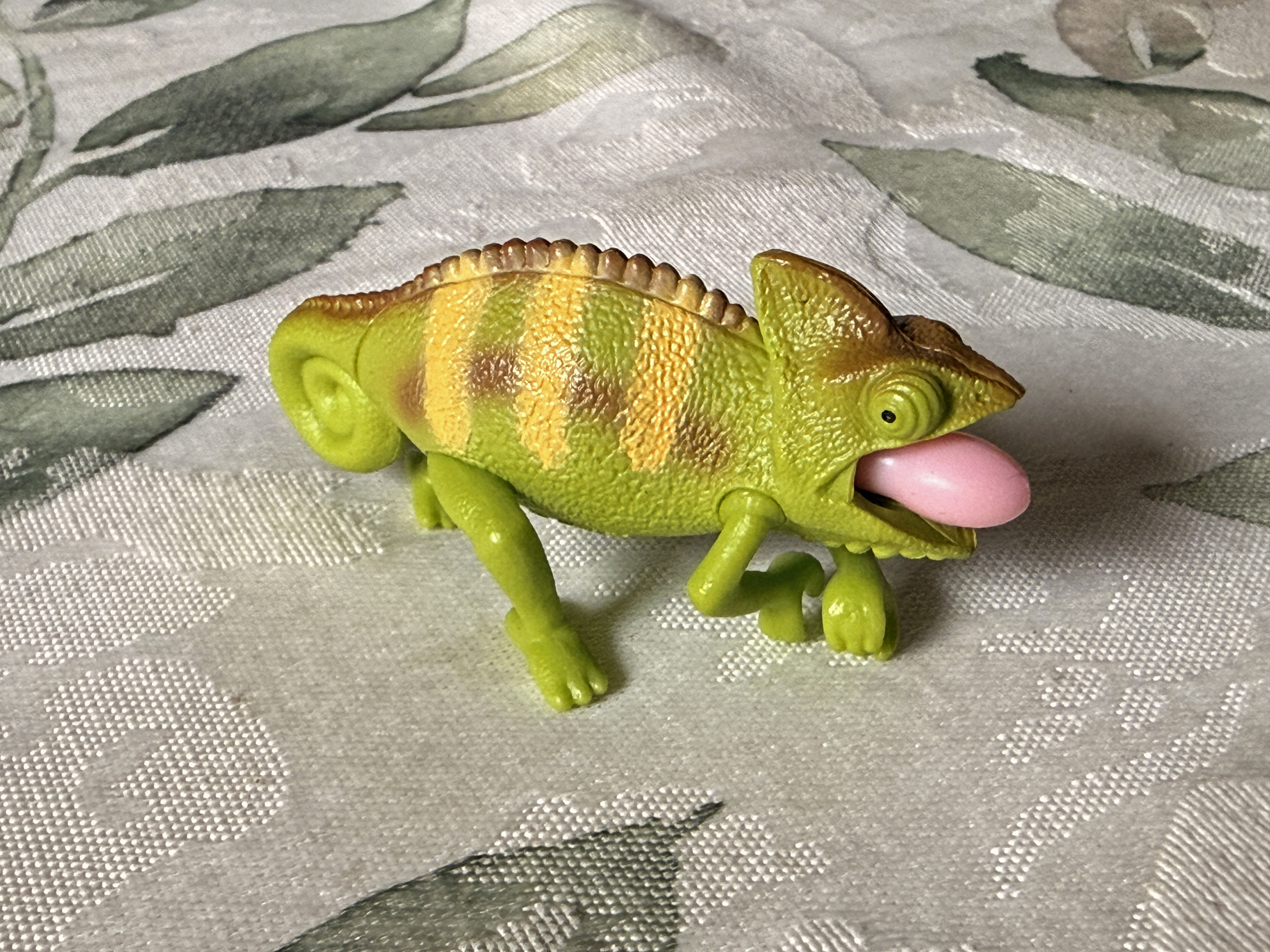
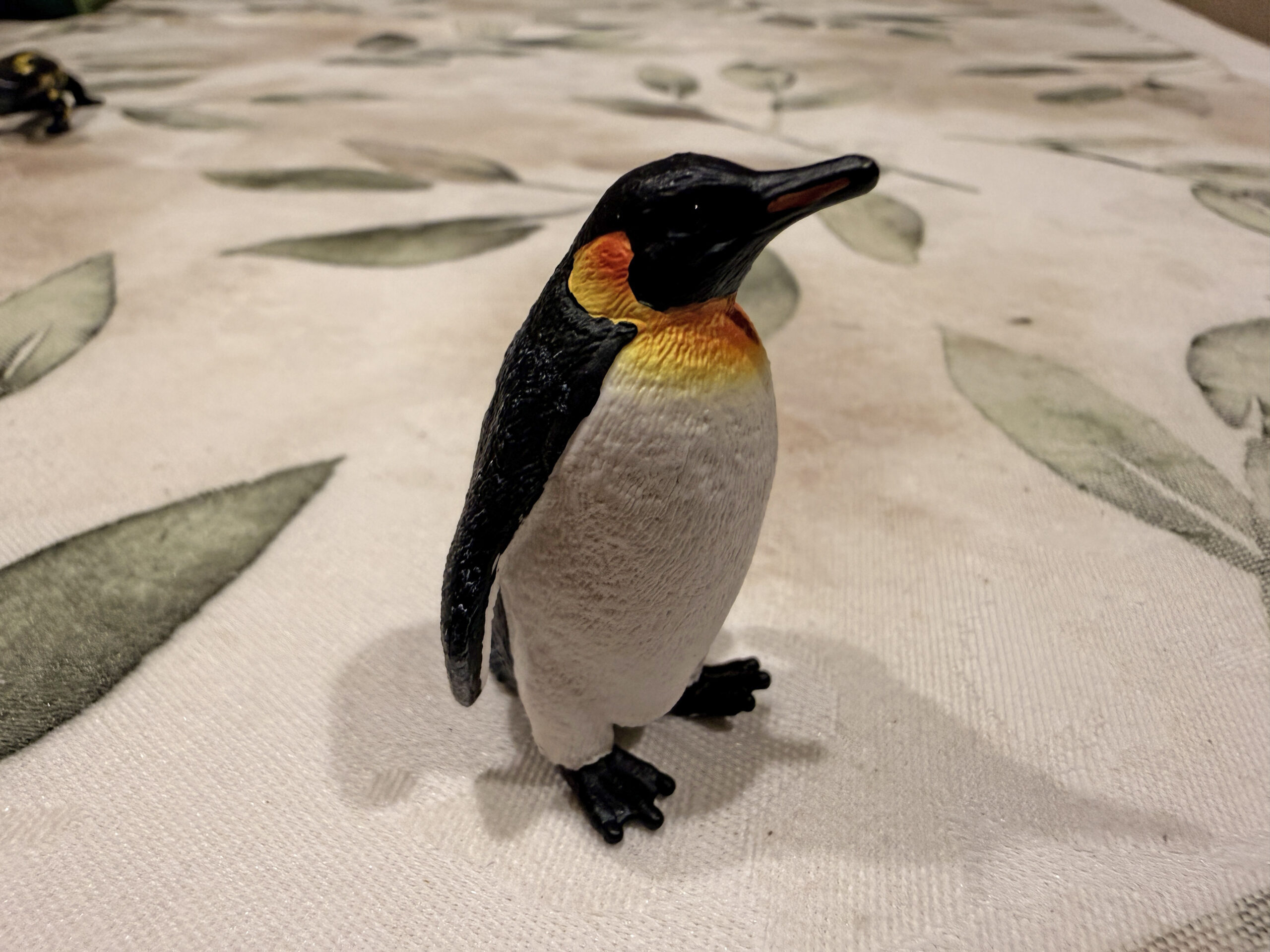
This afternoon I opened my remaining Takara Tomy animal figures that I bought at Yodobashi Camera’s toy department in Tokyo.
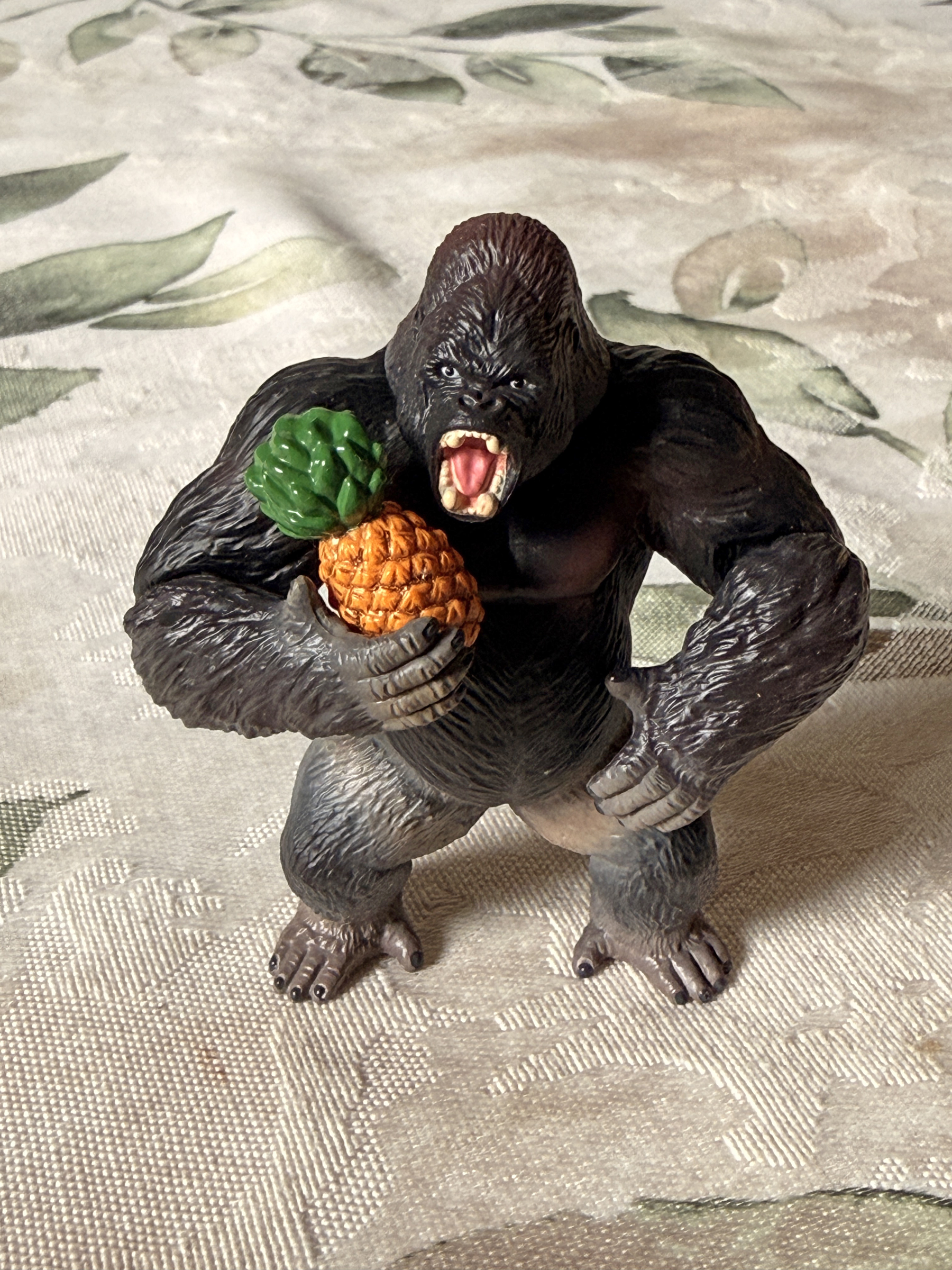
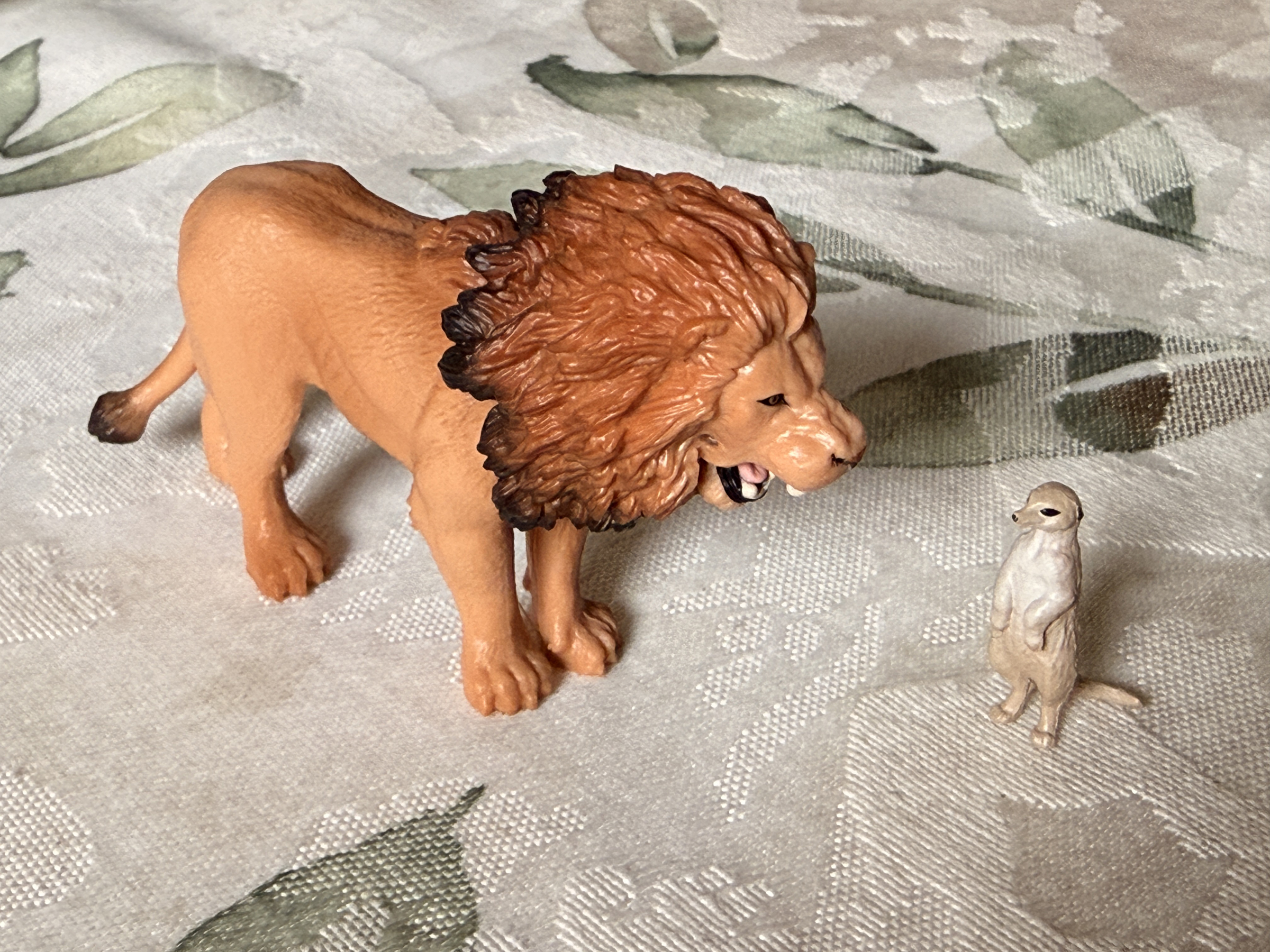
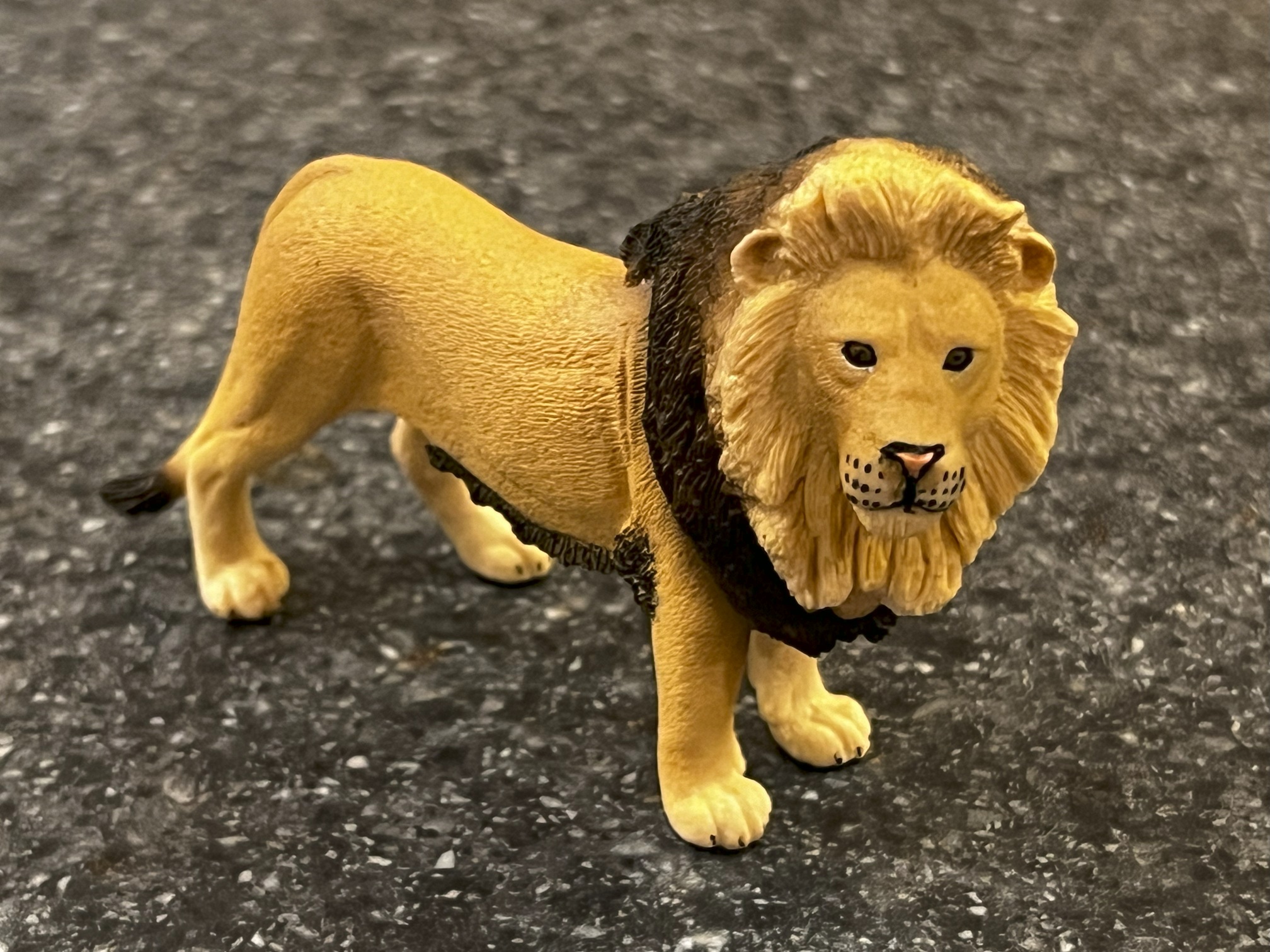
The lion (Panthera leo) is a large cat native to Sub-Saharan Africa and India. It has a muscular, broad-chested body; a short, rounded head; round ears; and a dark, hairy tuft at the tip of its tail. Adult male lions are larger than females and have a prominent mane.
The meerkat (Suricata suricatta) or suricate is a small mongoose found in southern Africa. It is characterised by a broad head, large eyes, a pointed snout, long legs, a thin tapering tail, and a brindled coat pattern.
[Source: Wikipedia]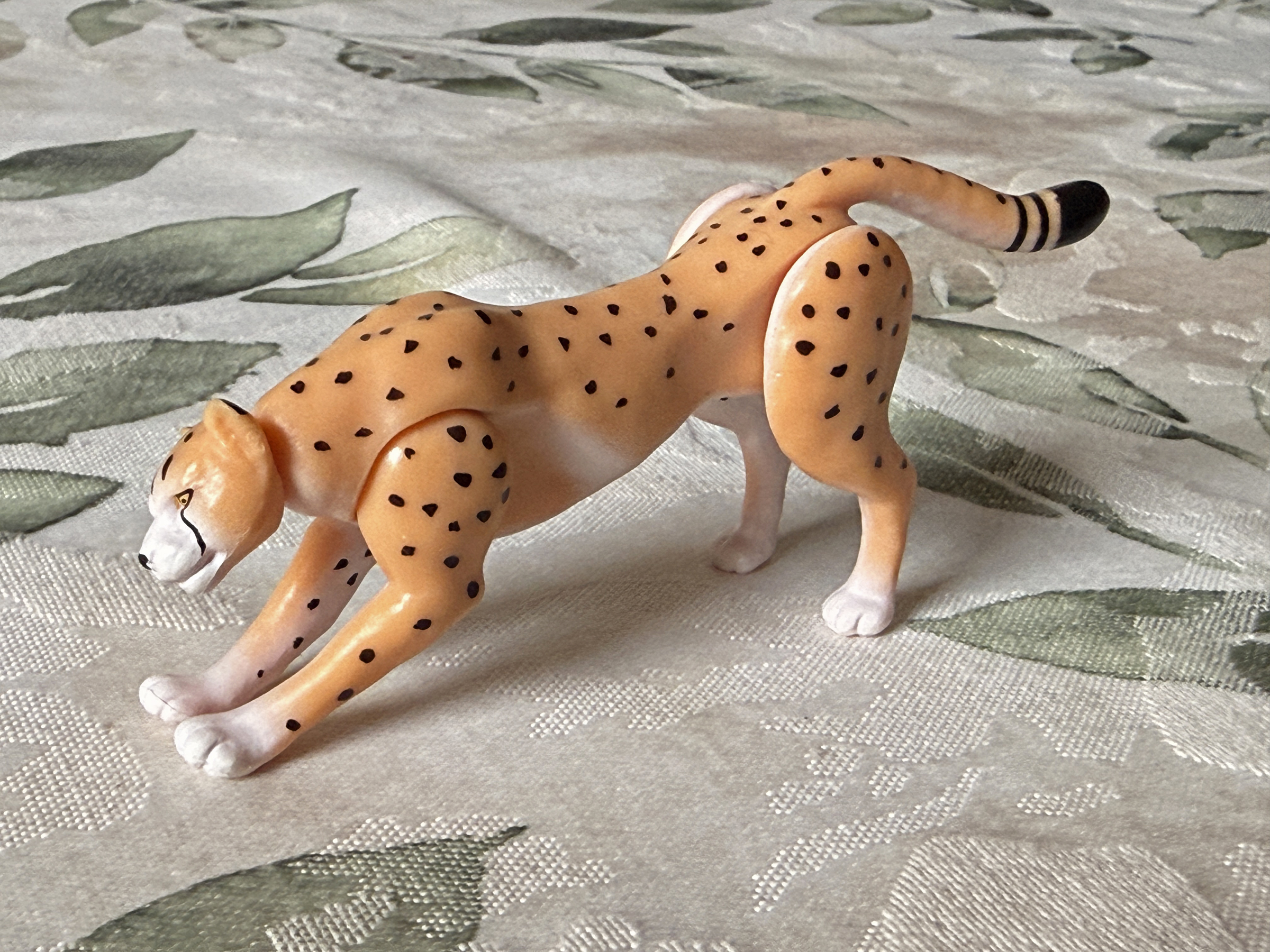
The cheetah (Acinonyx jubatus) is a large cat and the fastest land animal.
It has a tawny to creamy white or pale buff fur that is marked with evenly spaced, solid black spots. The head is small and rounded, with a short snout and black tear-like facial streaks.
[Source: Wikipedia]
Happy autumn equinox (spring equinox south of the equator).
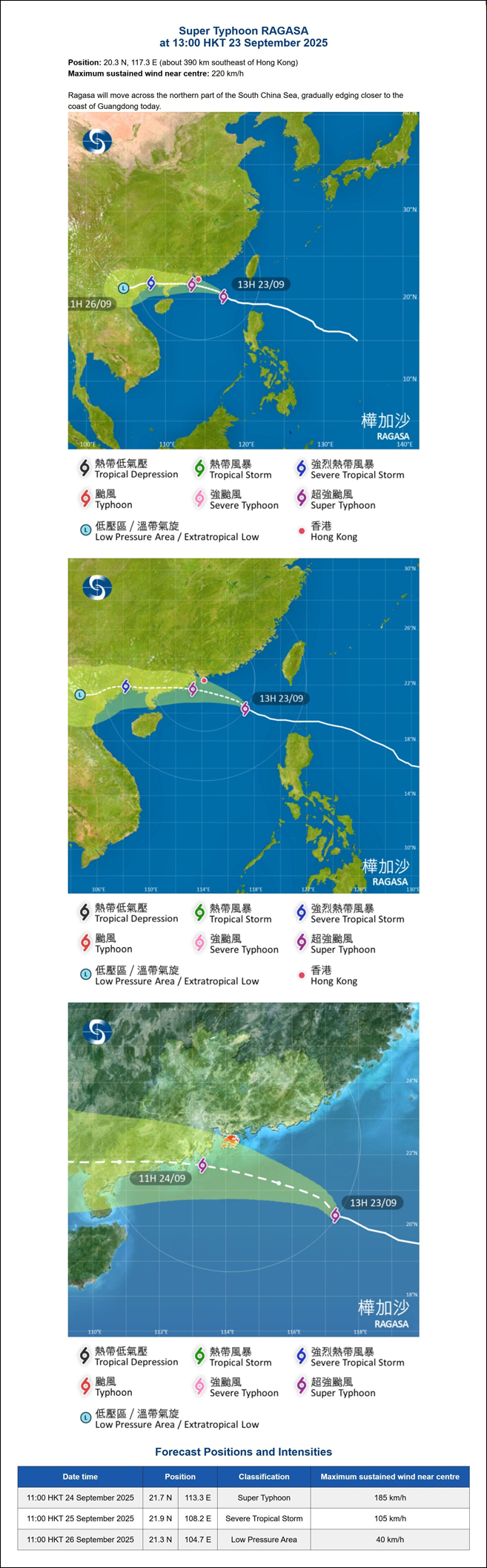
There is a very strong typhoon brewing in the South China Sea— Super Typhoon Ragasa. (Ragasa is Tagalog for scramble.)
The water level in Hong Kong is forecast to rise about 2 meters (6.5 feet), and the maximum water level in some areas could hit 4 to 5 meters (13.1 to 16.4 feet) above the typical lowest sea level.
HONG KONG (AP) — Southern Chinese cities scaled back many aspects of daily life on Tuesday with school and business closures and flight cancellations as the region braced for one of the strongest typhoons in years that has already killed three people and led to the displacement of thousands of others in the Philippines.
Hong Kong’ s observatory said Super Typhoon Ragasa, which was packing maximum sustained winds near the center of about 143 mph (230 kph), is expected to move west-northwest at about 14 mph (22 kph) across the northern part of the South China Sea and edge closer to the coast of Guangdong province, the southern Chinese economic powerhouse.
– Kanis Leung writing for Associated Press
My clothes are out of my suitcases, and through the washing machine.
My refrigerator has milk and eggs again.
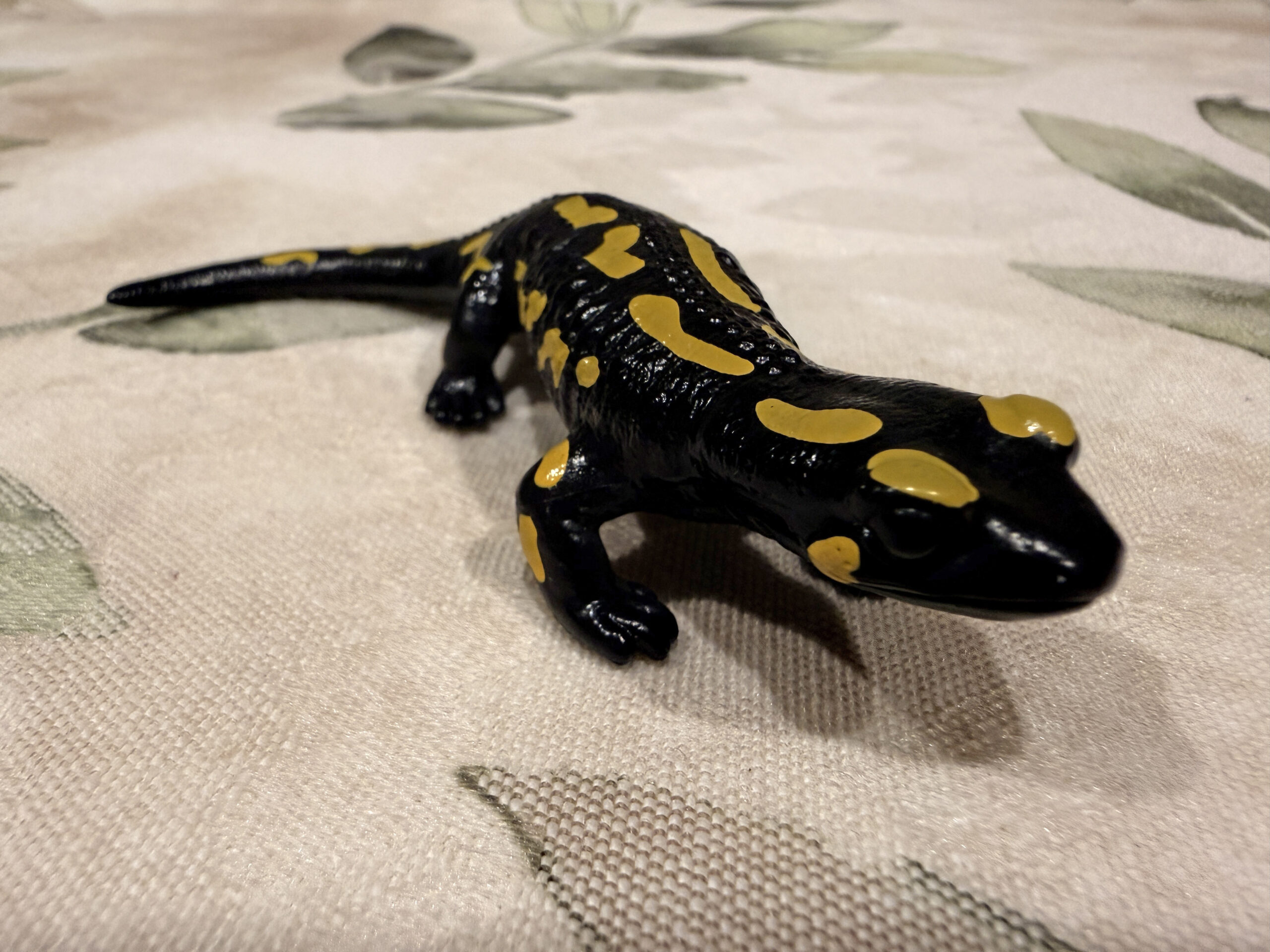
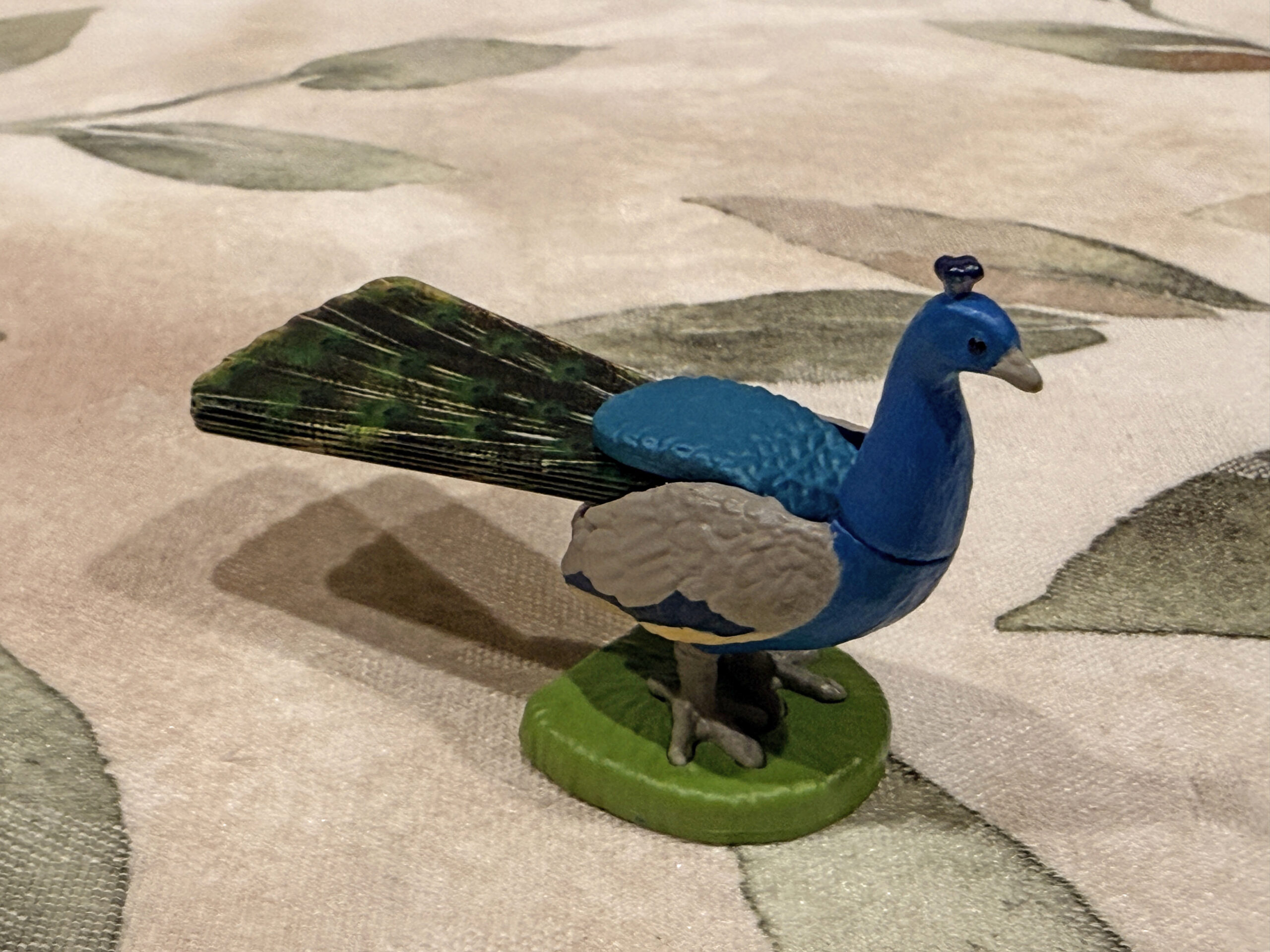
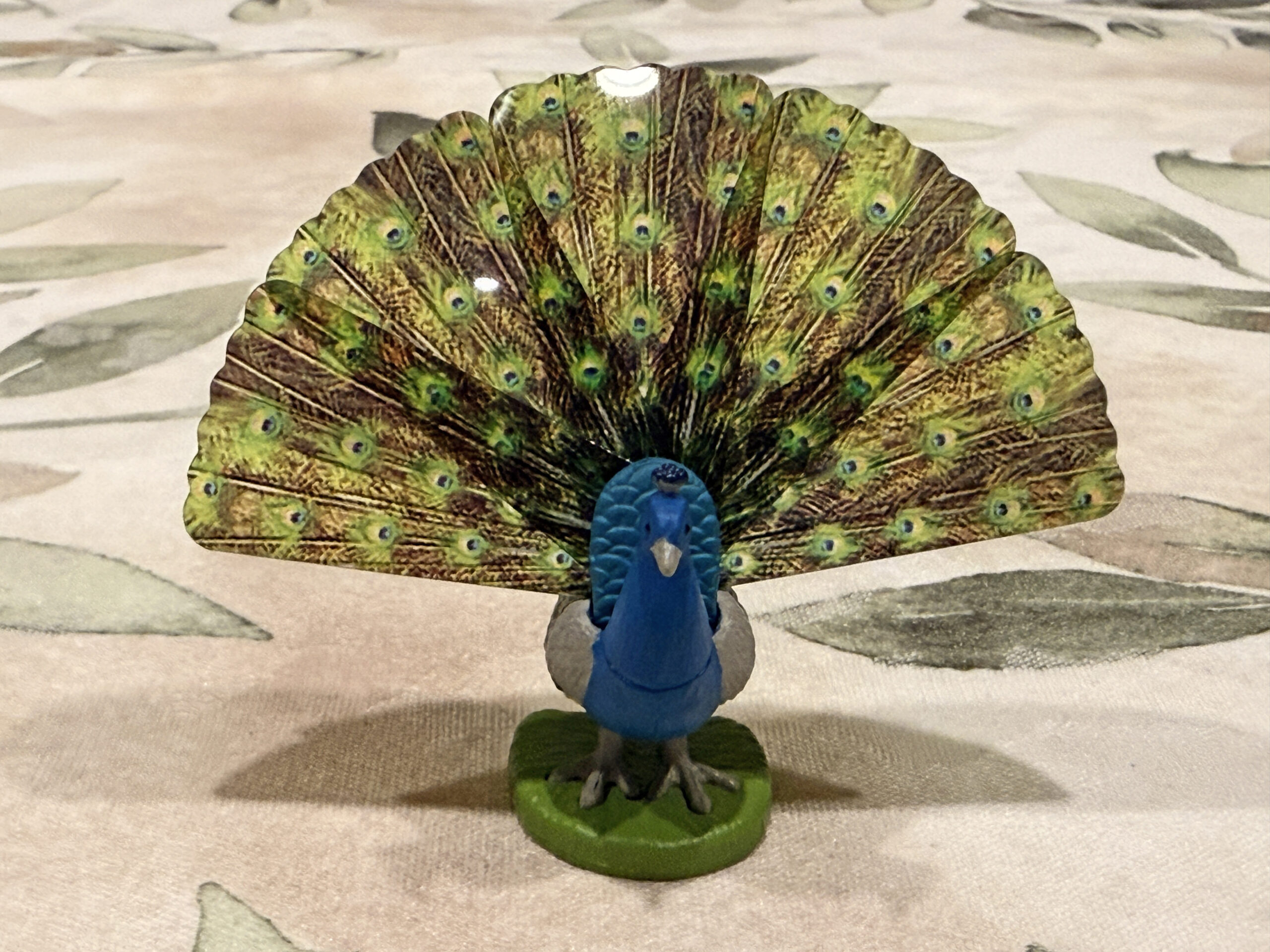
And I have started to open up my ‘acquisitions’ that I have made on my trip.
I have several more of the animal figures from Yodobashi Camera’s toy department and will post more tomorrow.
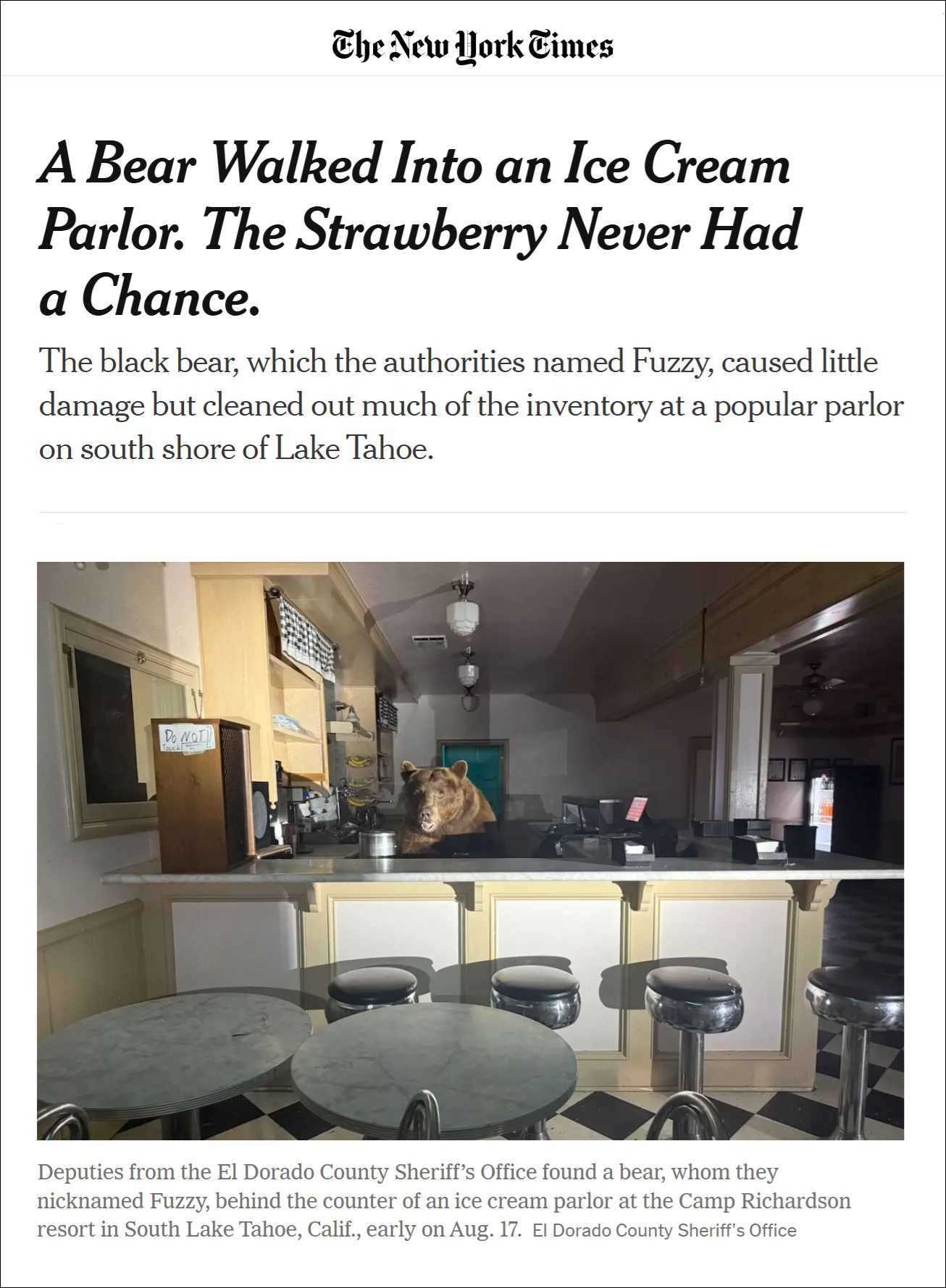
The bear, which the sheriff’s office nicknamed Fuzzy, sampled as many flavors as it could get its paws on, the authorities said.
Tubs lay overturned, ice cream half eaten, the authorities said. Paw prints stretched across the black-and-white floor like stick stamps.
The deputies startled the bear, which stopped eating but could not find the exit. They shouted and shined their lights. Finally, the animal lumbered through the front door and back into the dark, the authorities said. The deputies followed to shoo it away from nearby buildings and into the forest.
—Mark Walker writing for the New York Times, about a bear found in the ice cream parlor at 4 am in the morning at Camp Richardson, a 128-acre resort in South Lake Tahoe, California.
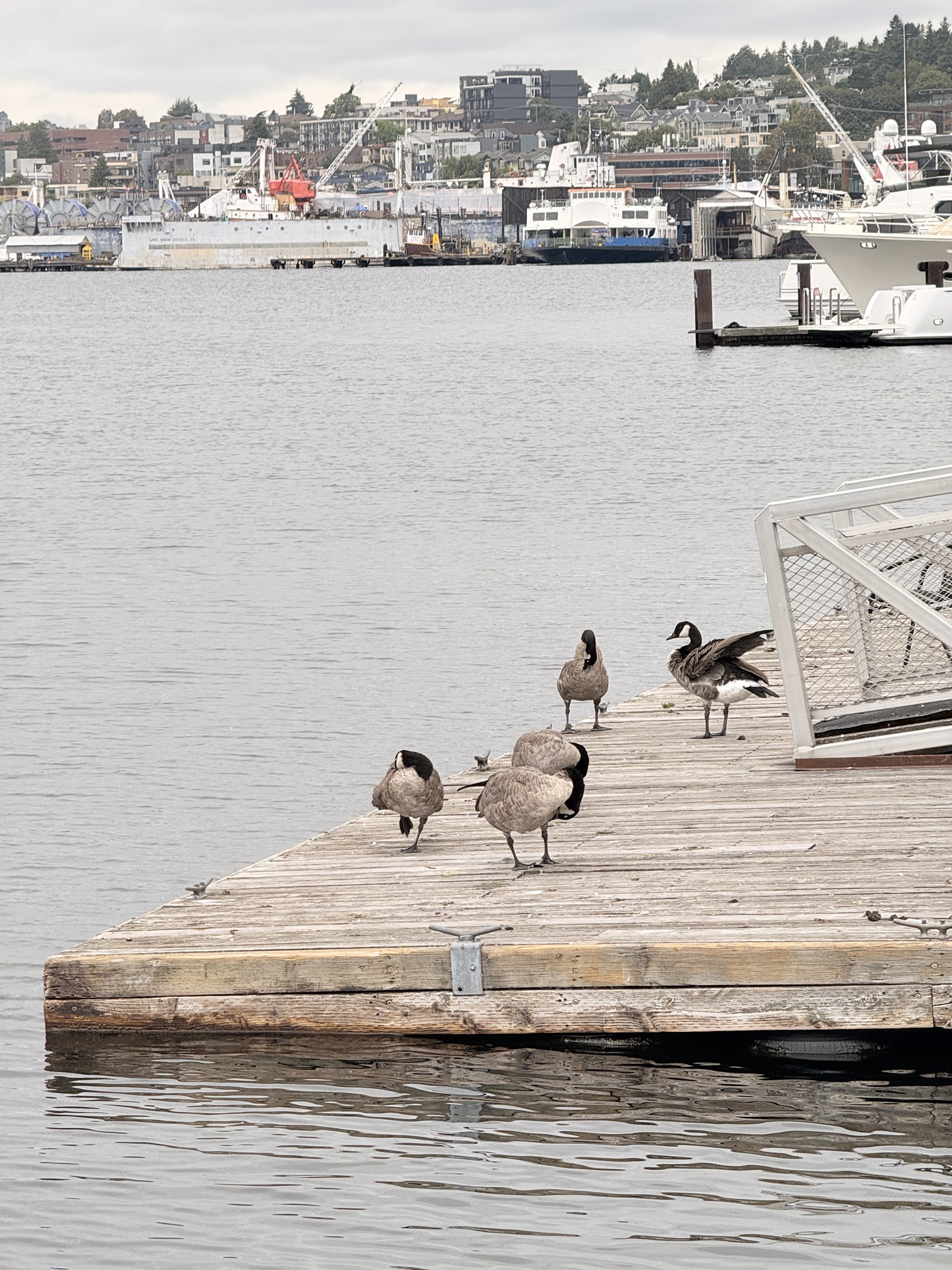
I was near Lake Union for two appointments this morning and took these pictures.
Top to bottom—
Rowing lessons for kids near a flotilla of moored yachts;
Troublemakers (Canadian geese) on the docks;
Space Needle and Museum of History & Industry (MOHAI);
Incoming floatplane;
Departing floatplane— the last one of four in a row— but then the first to become airborne (in the center of the last picture).





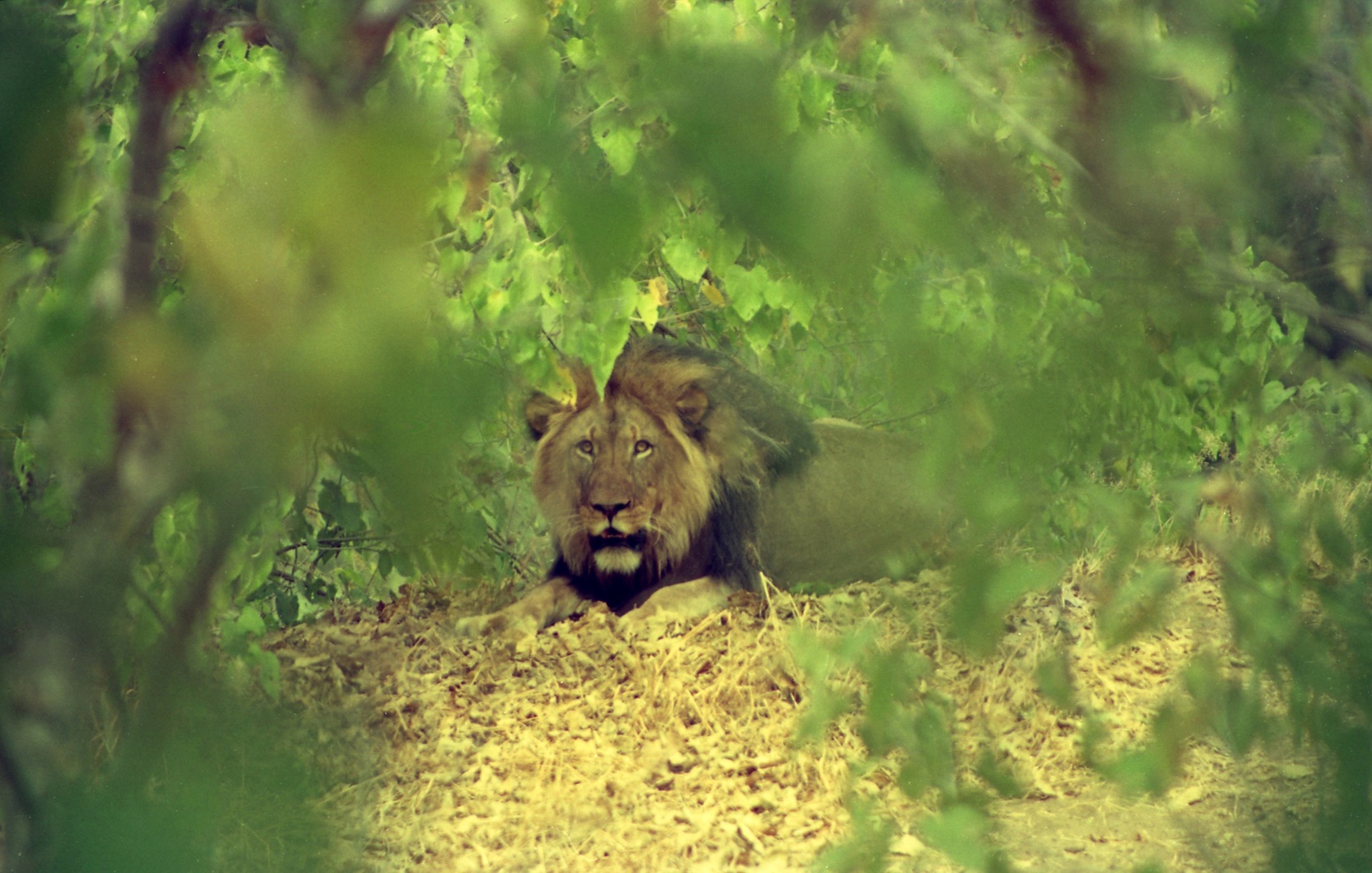
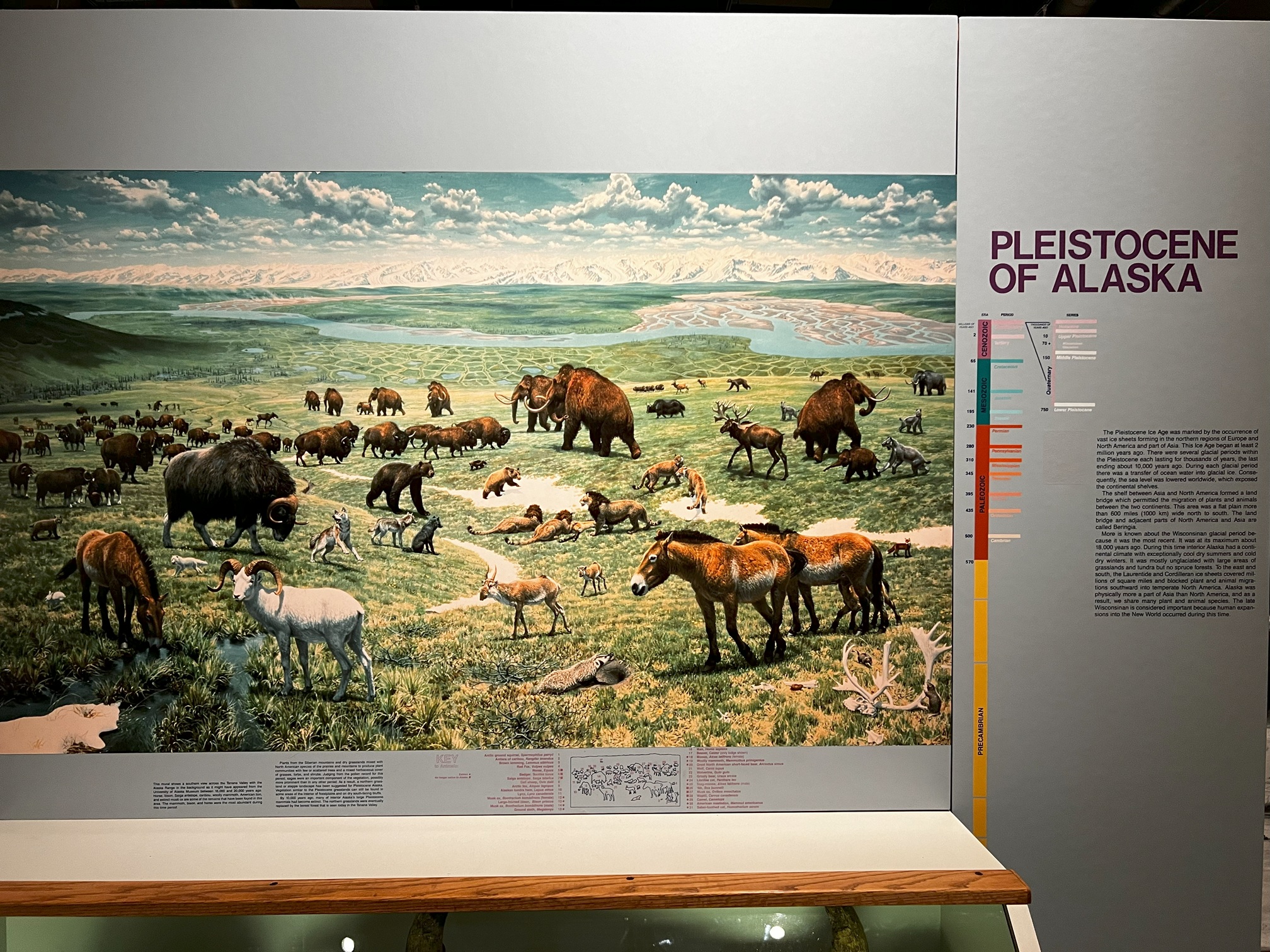
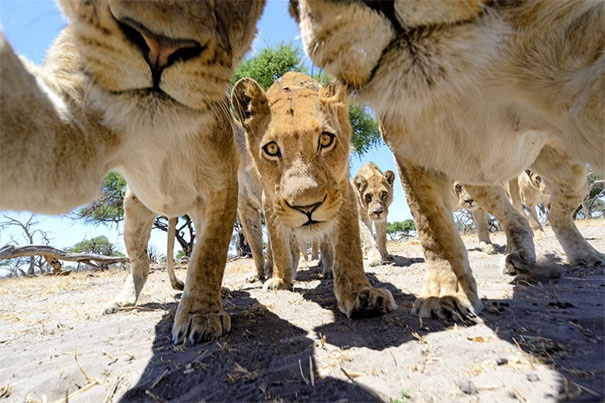
World Lion Day is celebrated annually on August 10th.
It’s a day dedicated to raising awareness about the challenges lions face in the wild and supporting their conservation. The day was founded in 2013 by Derek and Beverly Joubert to highlight the declining lion populations and the threats they face, such as habitat loss and poaching.





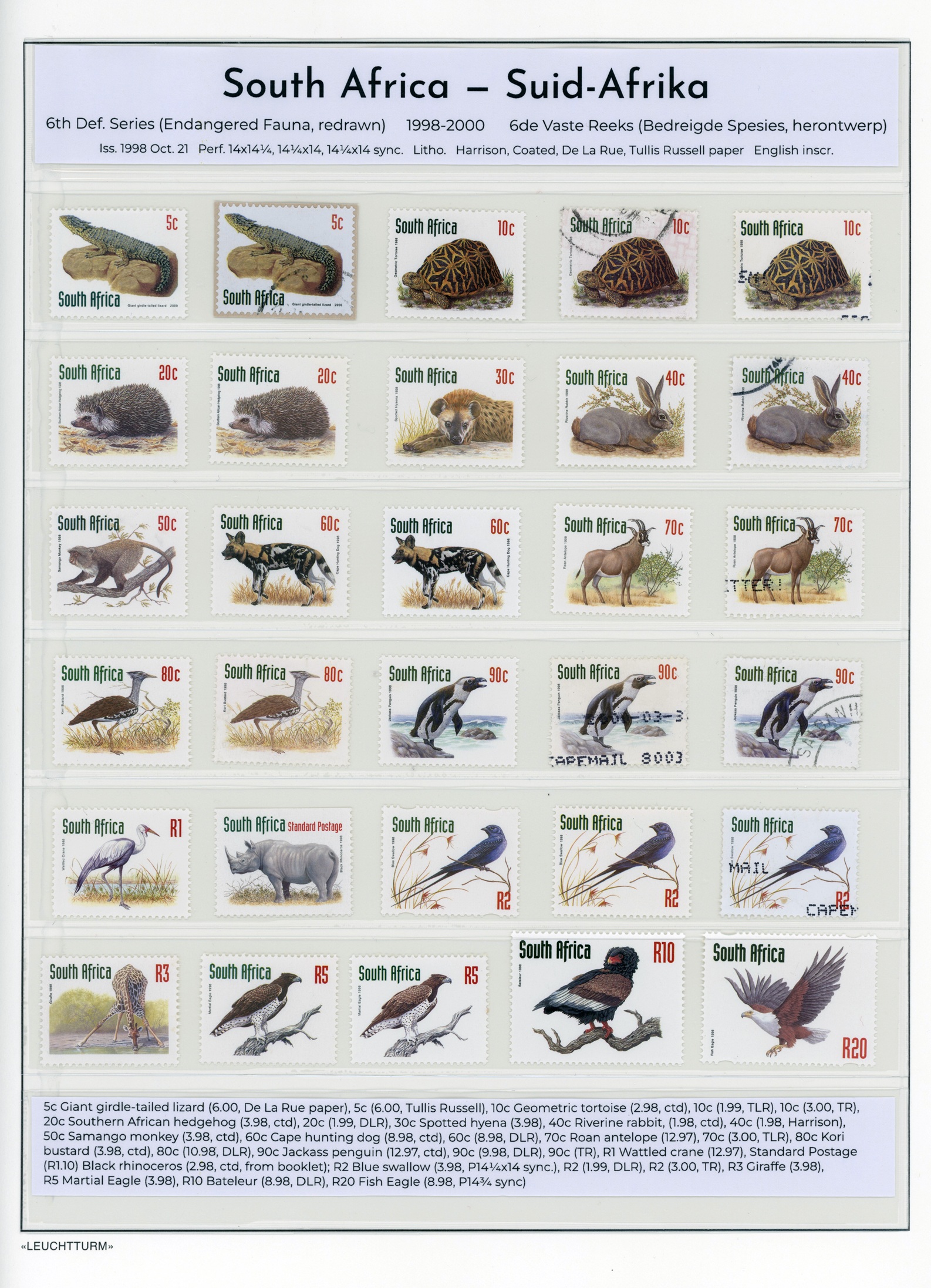
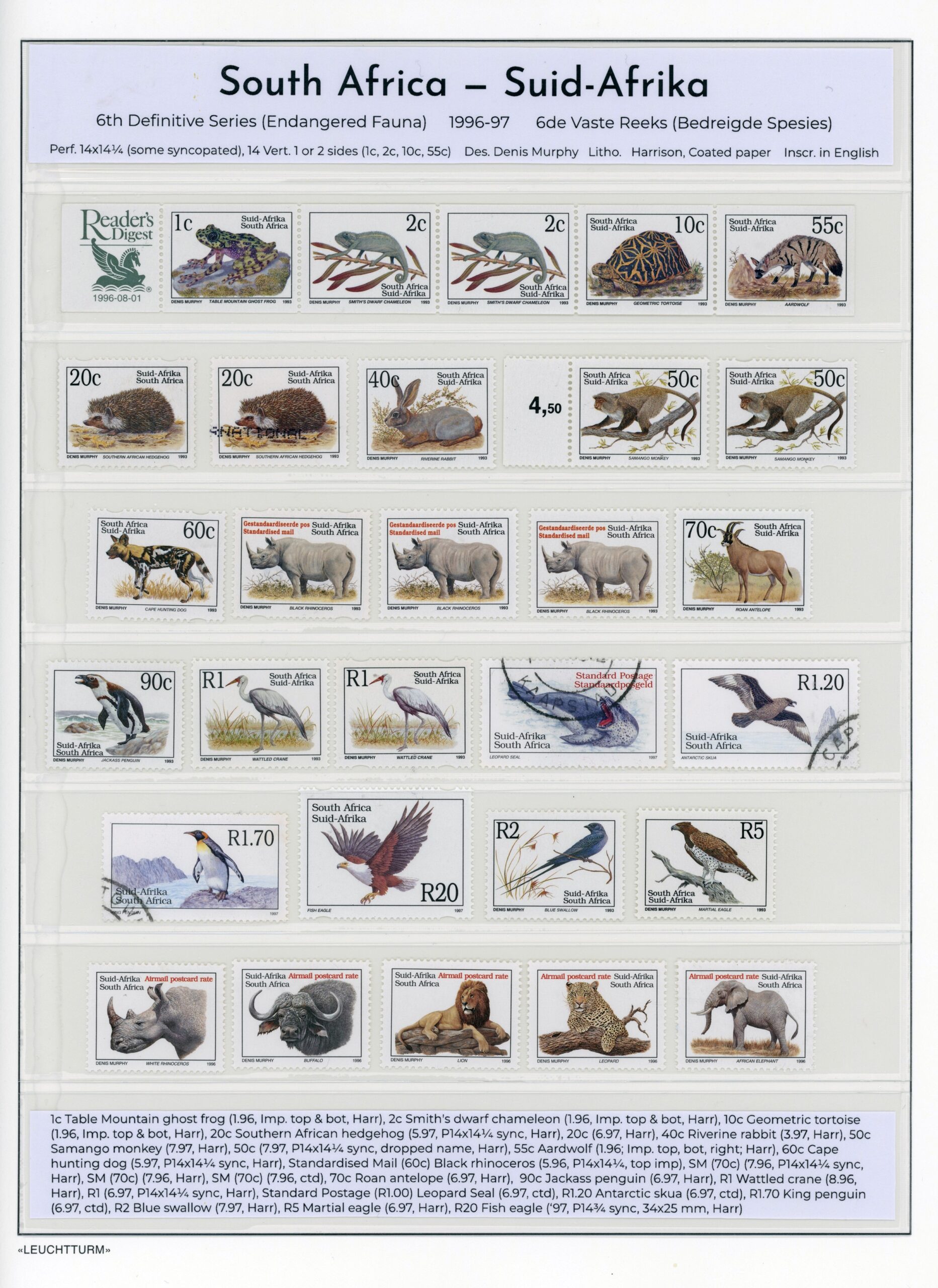
This series is still called the sixth definitive series of South African postage stamps— but the redrawn version of it.
The images of animals and birds are larger and without frames.
Up to four different kinds of paper were used in the printing process for some denominations.
I still don’t have all the combinations, but this is a great start.
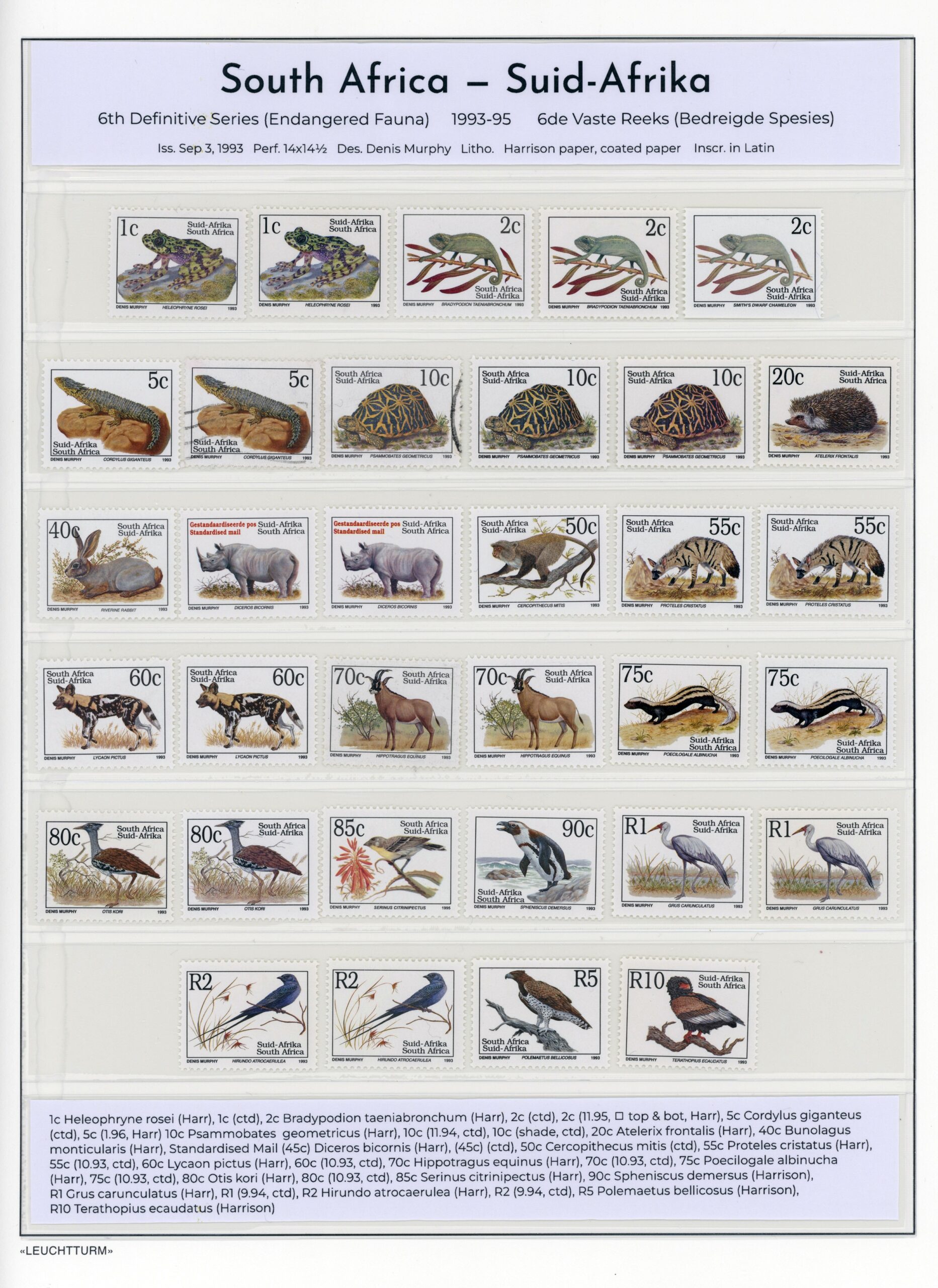
I reworked my pages with the sixth definitive series of South African postage stamps.
The inscriptions with the animal names were first in Latin (1993).
A new set with additional denominations was issued later, with inscriptions in English (1996).
These pages with 8 pockets (rows) allows me to display all the stamps in one set on one page— very nice.
P.S. Some of the pairs of stamps look the same but they are printed on different paper, with slightly different shades of white. That makes the ink colors look different as well. And of course I cannot just choose one. I need to put both in.
Happy Friday.
These black-eyed Susans must be looking out to the skies for a little rain.
It’s the 25th of the month, and there has been none so far.
The average for July in Seattle is 0.78 in.

The lilies in the community garden at Republican St and 20th Ave E here on Seattle’s Capitol Hill are gorgeous.

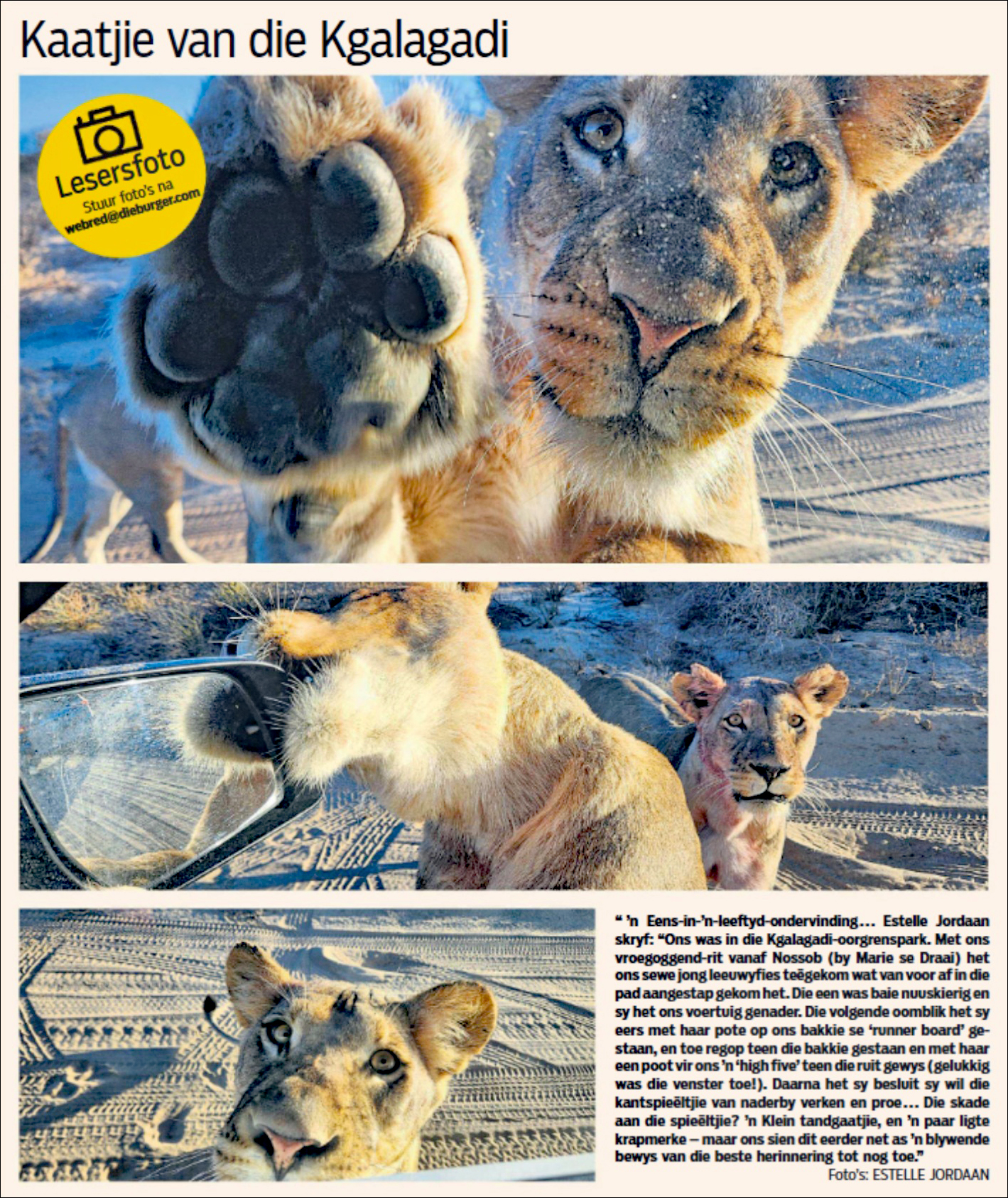
A reader sent in this set of photos to the South African newspaper Die Burger (The Citizen).
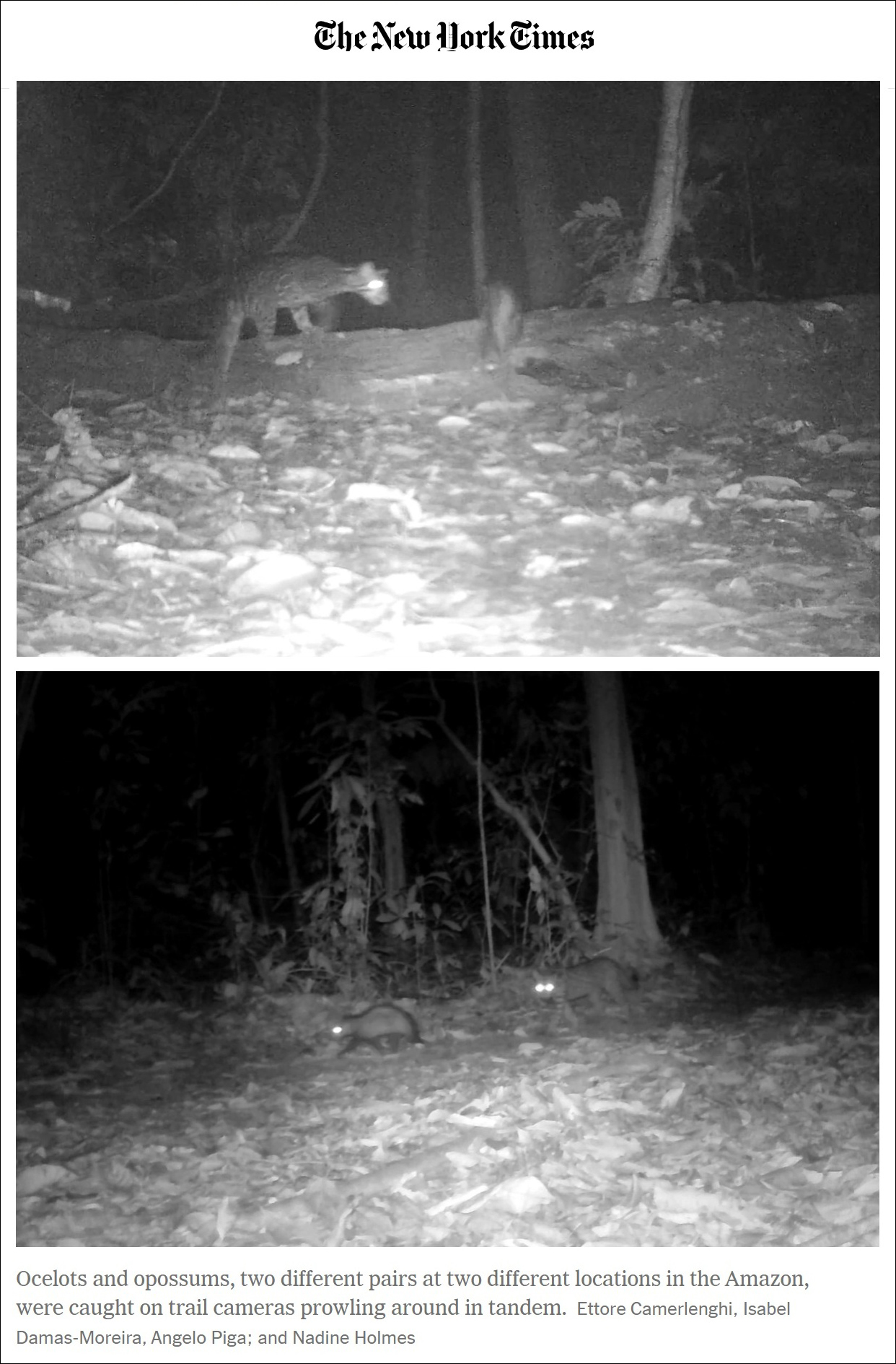
Researchers at Cocha Cashu Biological Station in southeastern Peru set up a camera trap to study bird behavior, but they got a surprise guest appearance instead: an ocelot trailing an opossum through the jungle at night.
The ocelot, a wild cat slightly larger than a house cat, and the common opossum, a marsupial, are usually predator and prey. But in this video, they moved in tandem— like two old friends walking home from a bar.
Intrigued, they contacted researchers in other parts of the Amazon who turned up three additional, nearly identical videos from different locations and years.
…
Opossums’ attraction to ocelots remains a mystery, but Dr. Damas-Moreira and her colleagues suspect there’s something that draws both animals. One hypothesis is “chemical camouflage.”
“Opossums have a strong smell, and a close-by ocelot might help hide the opossum’s scent from bigger predators, or the opossum’s odor might mask the ocelot’s presence from prey,” said Ettore Camerlenghi, an evolutionary biologist and ecologist at ETH Zurich and an author of the study.
Opossums are also resistant to the venom of pit vipers, a snake that lives in the Amazon. Ocelots lack that defense, and teaming up could give both animals an edge when hunting, Dr. Camerlenghi said. In North America, a similar alliance exists between coyotes and badgers, who buddy up to hunt squirrels.
We did have the hottest day so far this year here in Seattle, with a high of 91°F (33°C). I waited until it was almost dark before I ventured out for a walk.
Sunset is now at 9.02 pm.

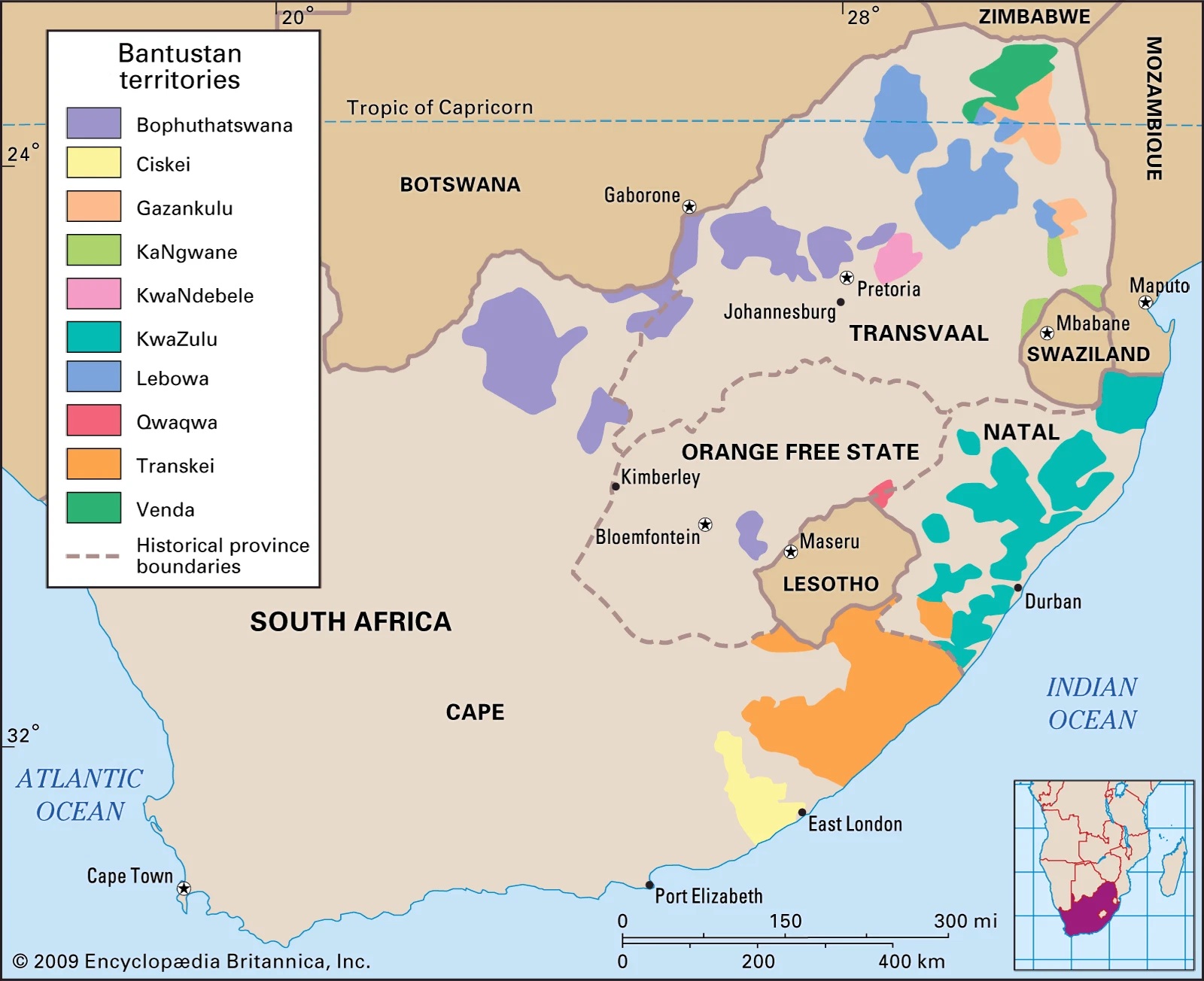
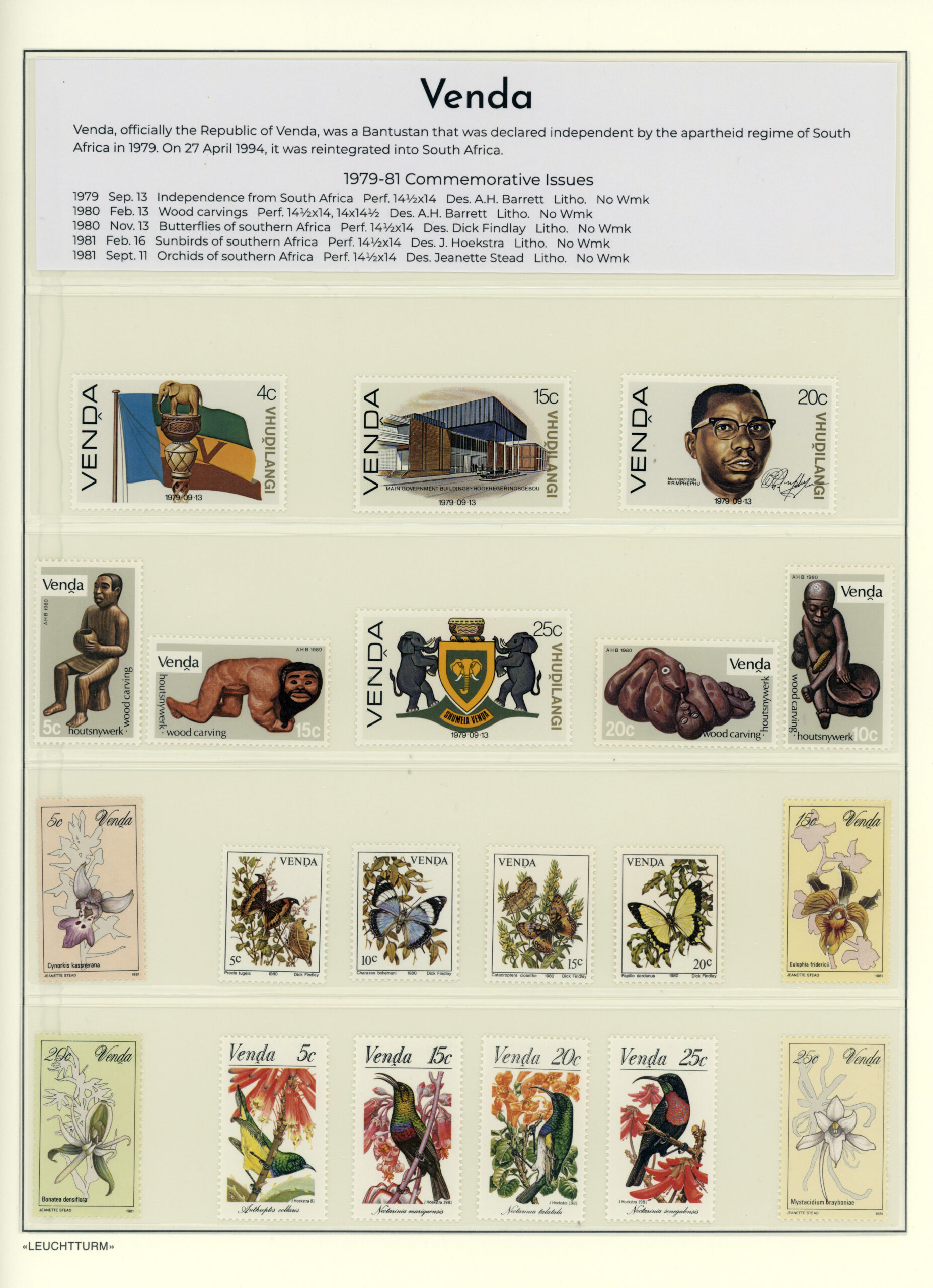
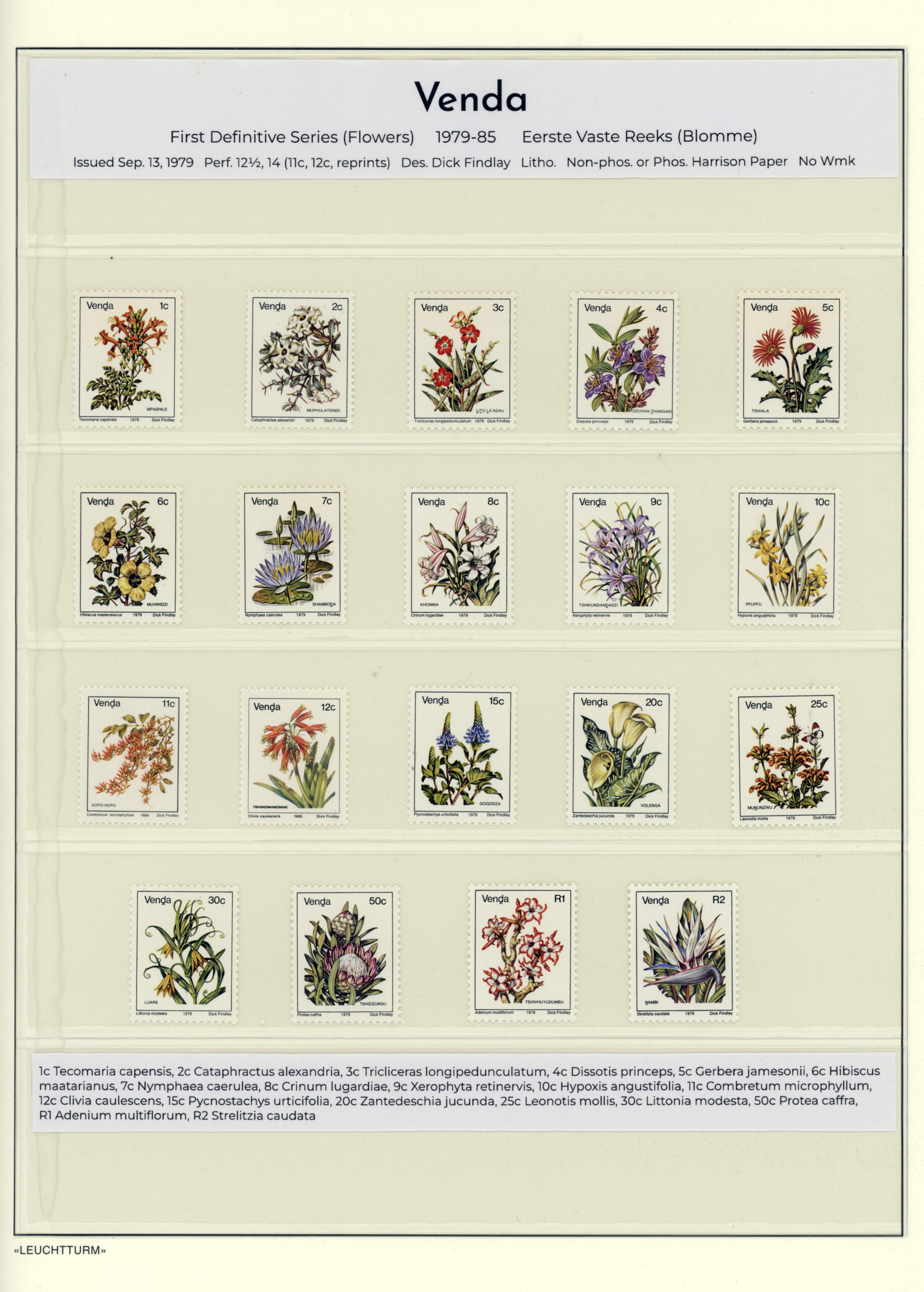
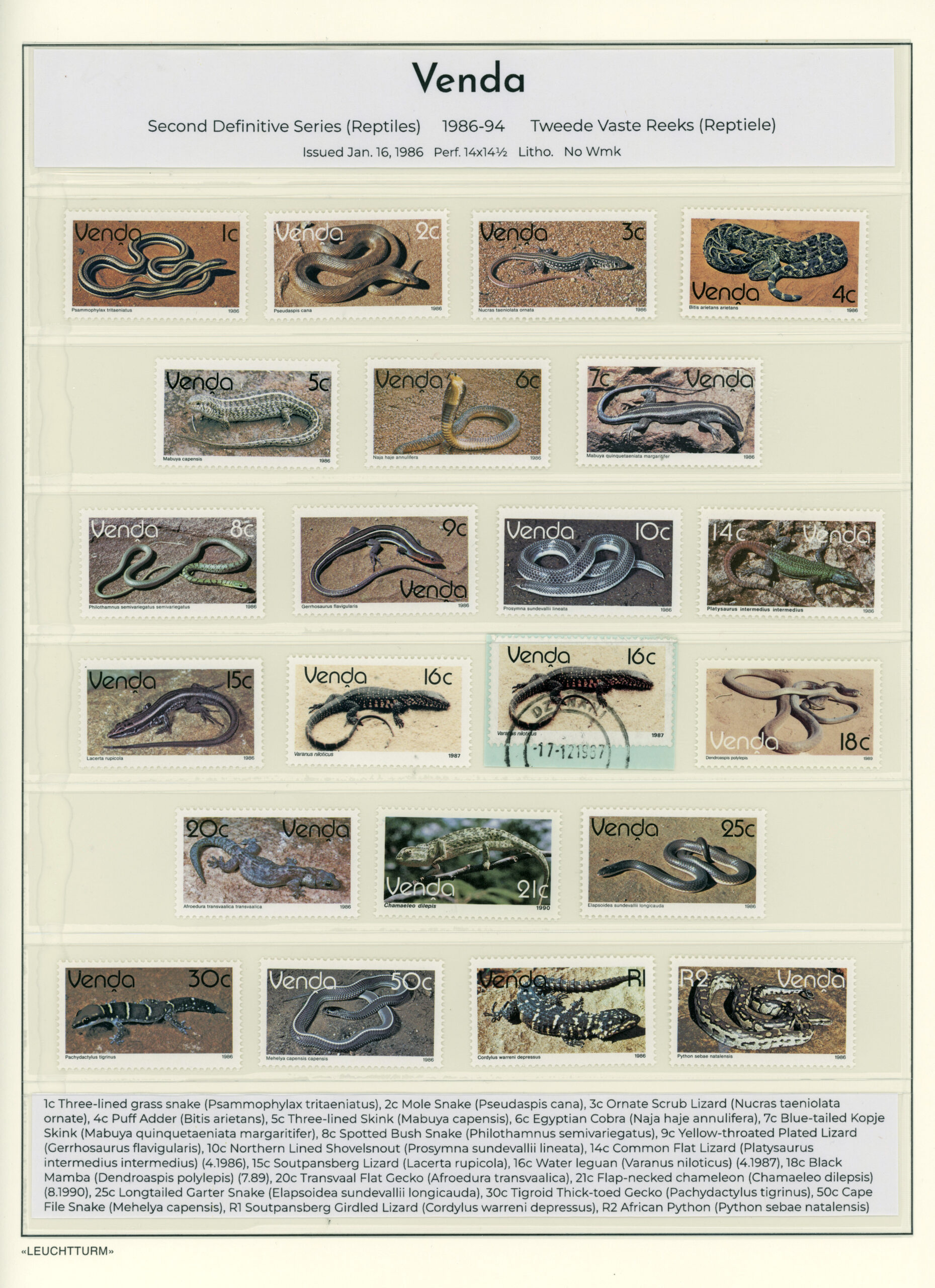
The stamps of last of the four South African homelands that issued stamps, made it into my album: those of Venda. (A sample below).
South African President Cyril Ramaphosa’s parents were of the Venda ethnicity. The Venda people reside primarily in the Limpopo province of South Africa, near the border with Zimbabwe. They have a rich and distinctive culture, including a unique language called Tshivenda or LuVenda (I see it is simply called ‘Venda’ on Google Translate).
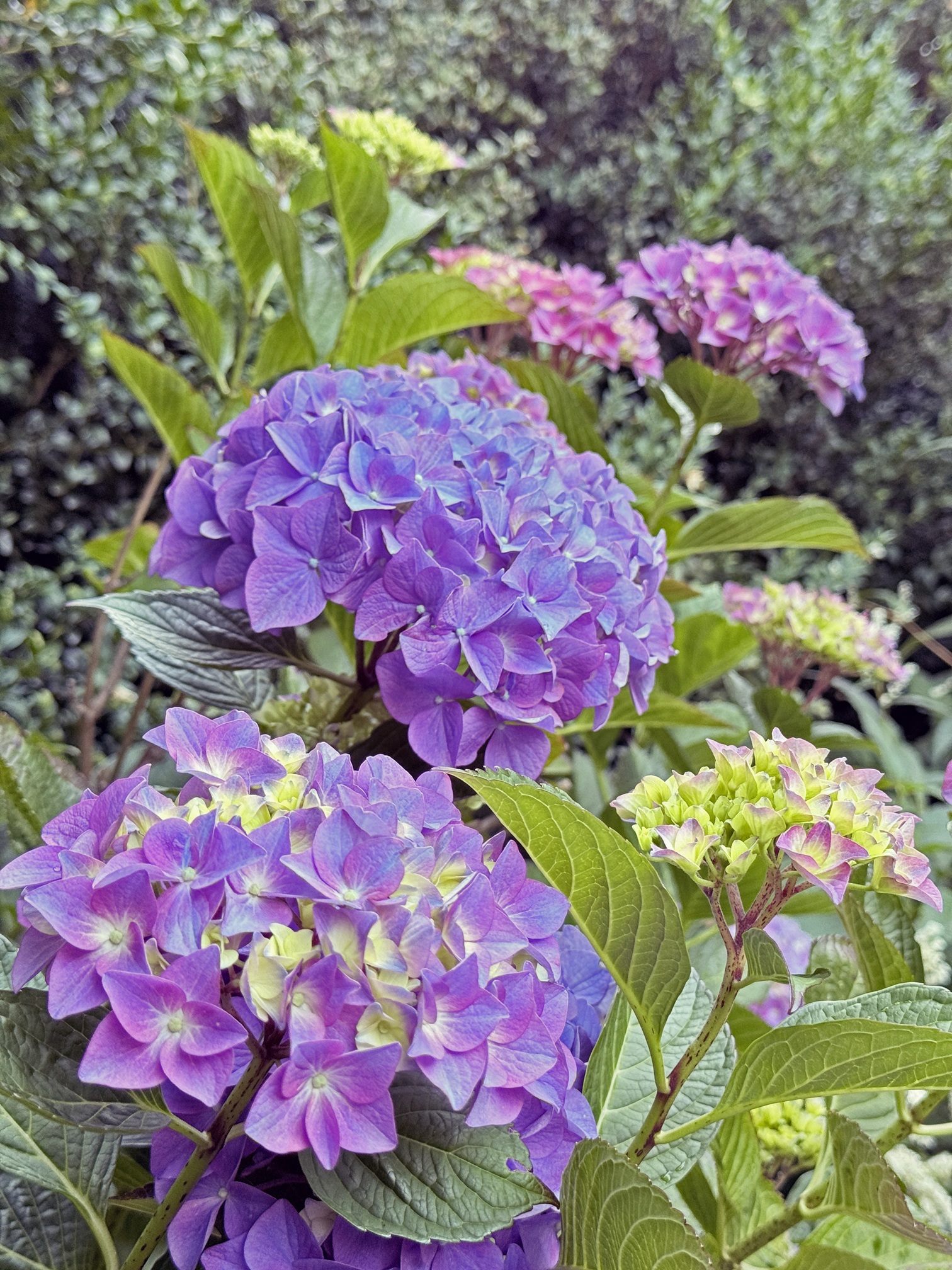
My hydrangea is blooming.