Happy Mothers Day to all the moms, with flowers from my neighborhood.


a weblog of whereabouts & interests, since 2010
Happy Mothers Day to all the moms, with flowers from my neighborhood.
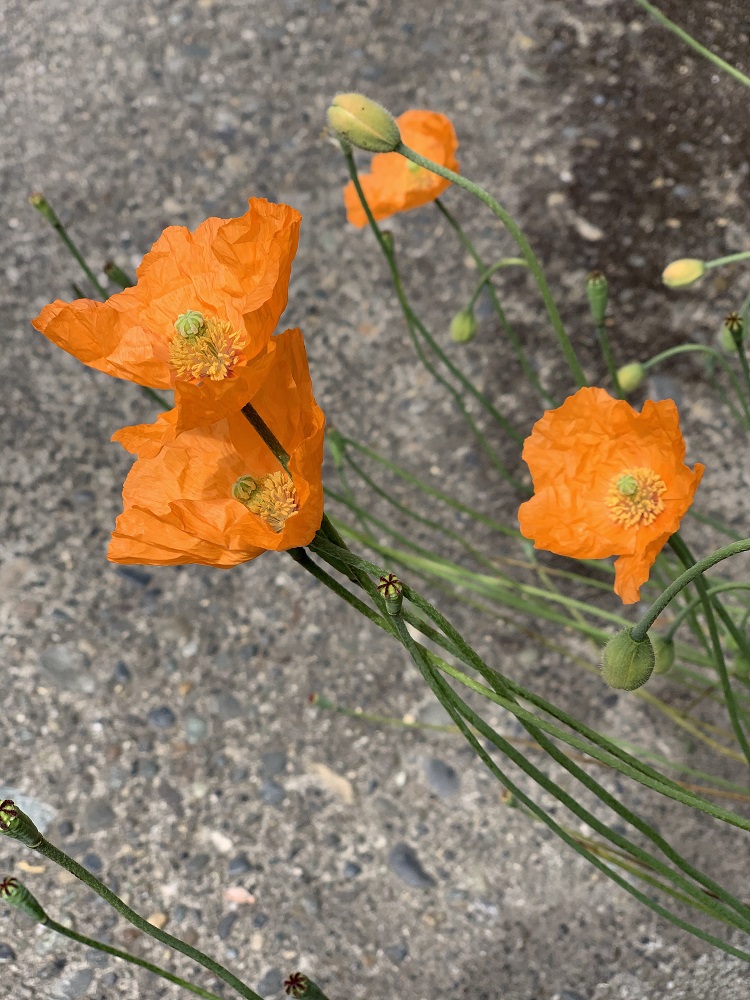
I found these beautiful poppy flowers in a scruffy back alley here on Capitol Hill.
From Wikipedia: Ancient Egyptian doctors would have their patients eat seeds from a poppy to relieve pain. Poppy seeds contain small quantities of both morphine and codeine, which are pain-relieving drugs that are still used today.
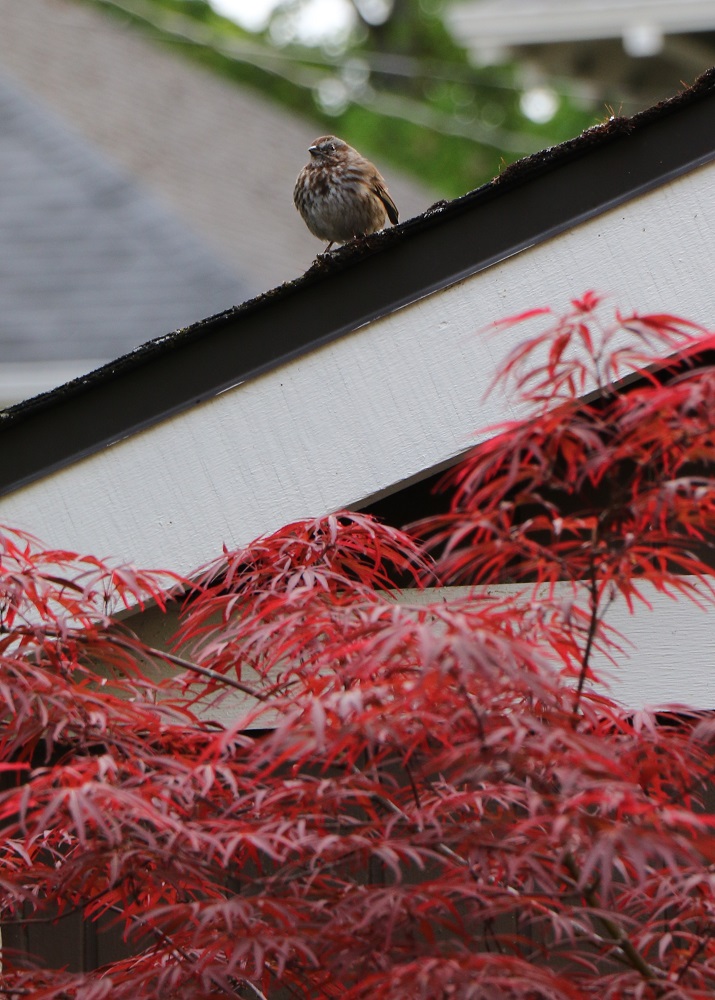
This little pot-bellied thrush came and sit on my garage roof last night at dusk. It sang a song or two before leaving. I believe it is a hermit thrush (Catharus guttatus). In French: grive solitaire, the lone thrush.
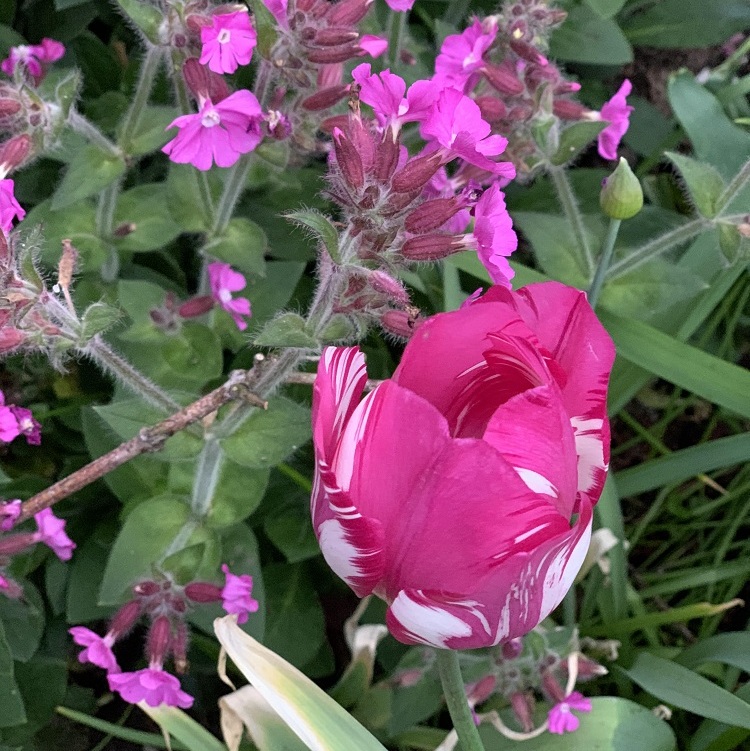
Here’s a tulip from my walk around the block tonight.
It might be a broken tulip: one infected with a plant virus called a potyvirus. The virus infects the bulb and breaks the single color in the petals. Bars, stripes, streaks, flames or feathers of different colors can be the result.
Unfortunately the virus is not benign — it eventually kills the bulb. The Semper Augustus with its fine red and white stripes was a broken tulip, famous for being the most expensive tulip sold during tulip mania. It is now long gone, and growing broken tulips (except under supervision) is illegal in the Netherlands.
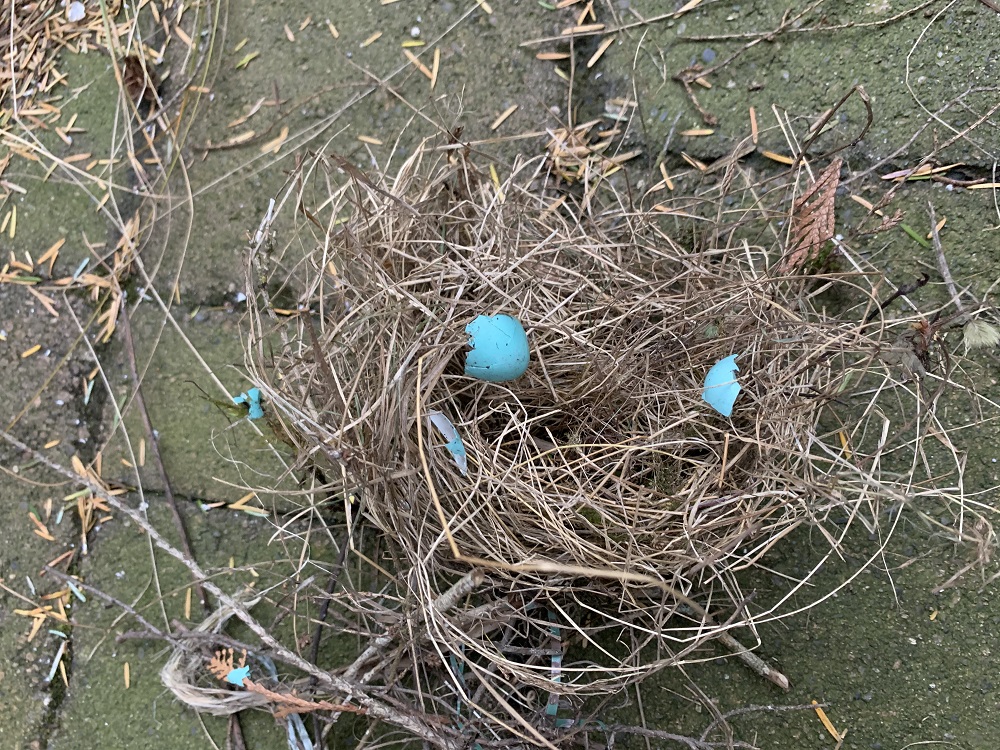
We had gusty winds on Saturday. The wind blew a robin’s nest out of the tree in front of my house – at least I think it’s a robin’s nest. Other birds lay blue eggs as well. As far as I can tell, there were no chicks that came down with the nest.
Happy Earth Day!
Denis Hayes, who coordinated the first Earth Day 50 years ago, April 22, 1970, was a graduate student at Harvard at the time. These days he is president and C.E.O. of the Bullitt Foundation, wdenbis hayes hich funds environmental causes in Seattle. He is chairman emeritus of Earth Day 2020.
Hayes wrote in an essay in the Seattle Times, saying that ‘Covid-19 robbed us of Earth Day this year. So let’s make Election Day Earth Day.’ He wants his readers to participate in the ‘The Most Important Election of Your Lifetime’. ‘This November 3,’ he wrote, ‘vote for the Earth.’
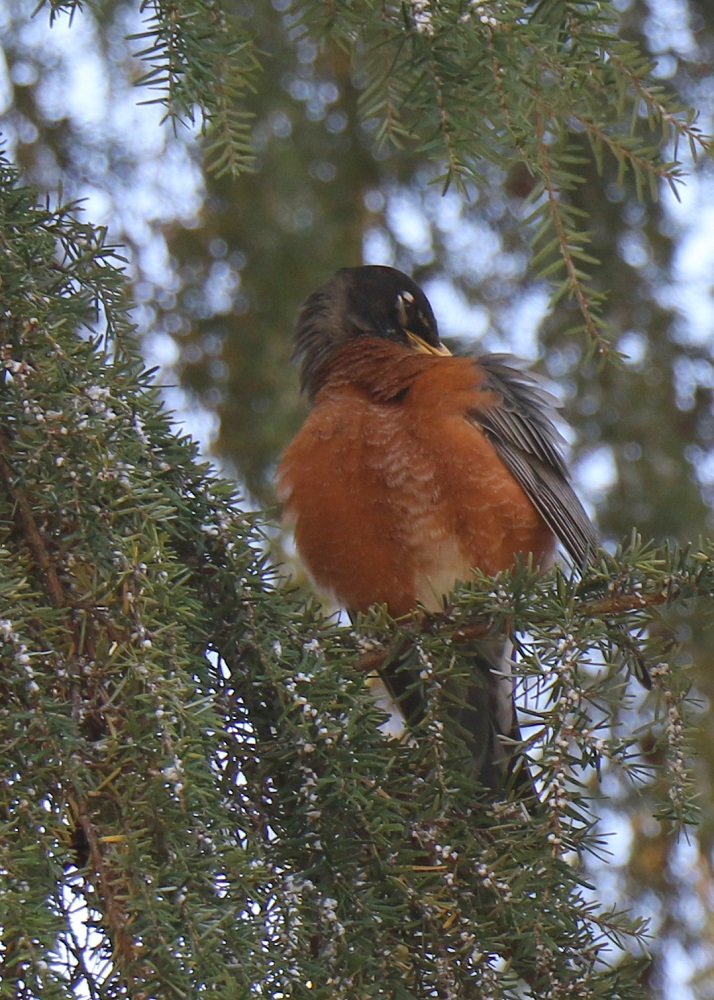
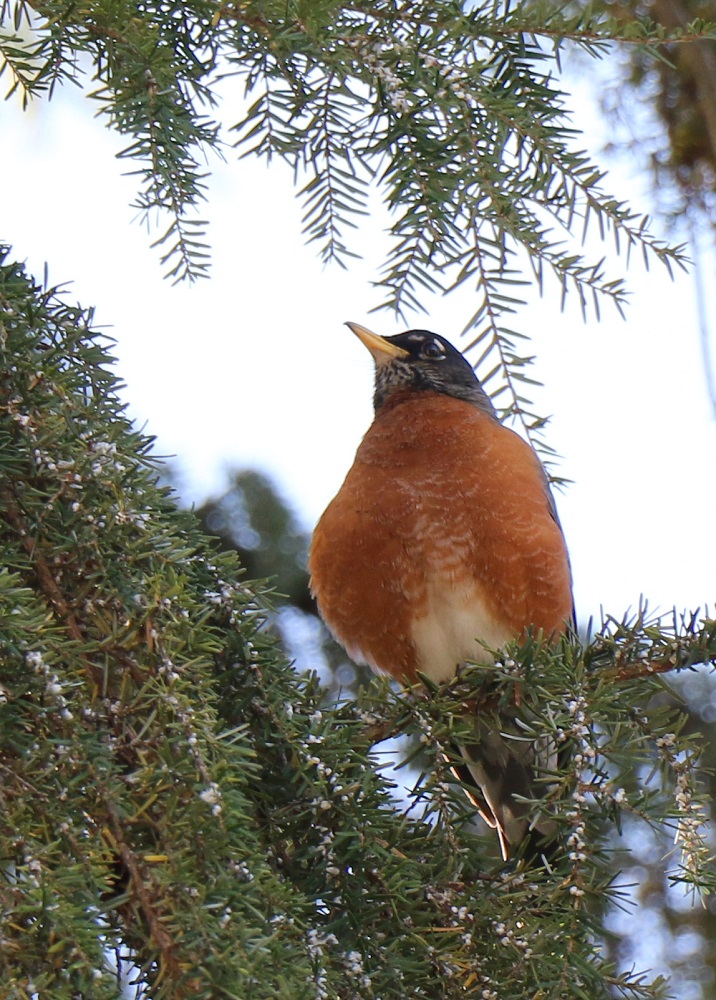
More robin pictures. I took these on Sunday, and the tree is the Douglas fir in my backyard.
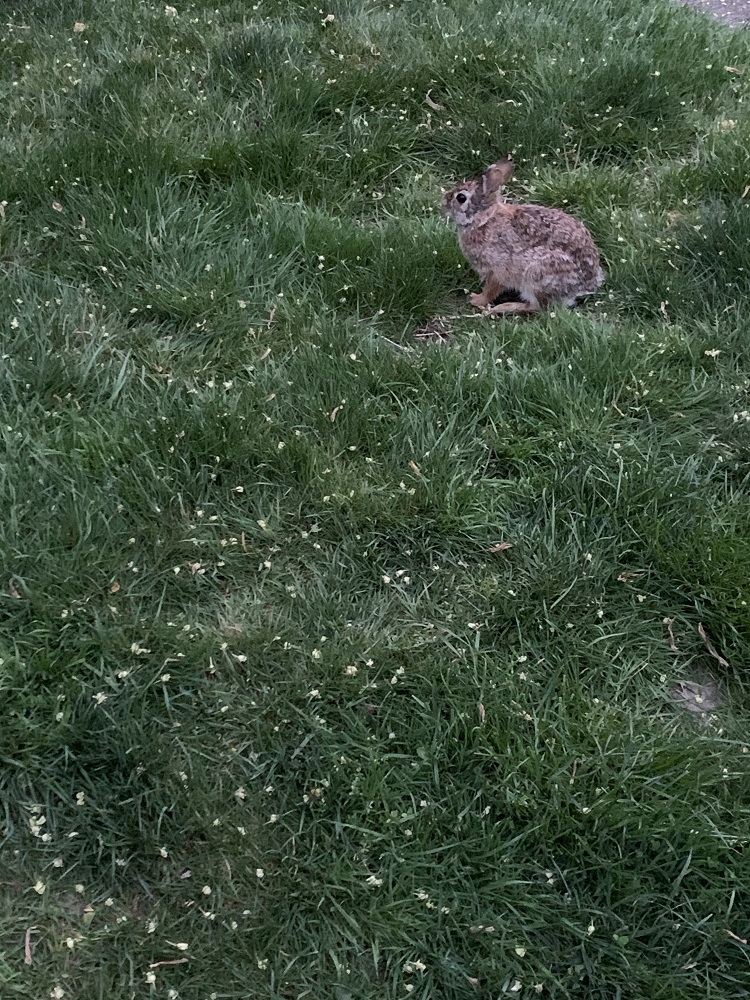
I spotted two little rabbits here on 17th Ave tonight. Below is a picture of one of them.
Can rabbit populations grow exponentially, as well? Yes, sure can. A female rabbit can give birth to several litters in one year, with up to 12 baby rabbits per litter. Yikes.
There was a little rain this morning — just a sprinkle.
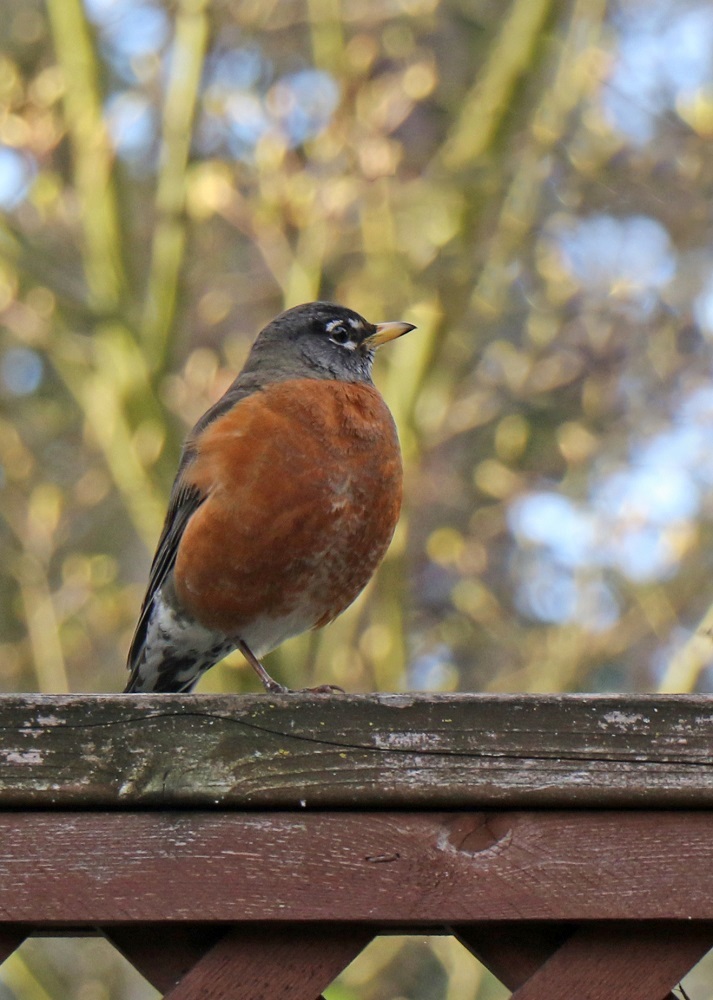
This afternoon Mr Robin came by (American robin, Turdus migratorius). He sat still on the fence for just long enough so that I could snap him.
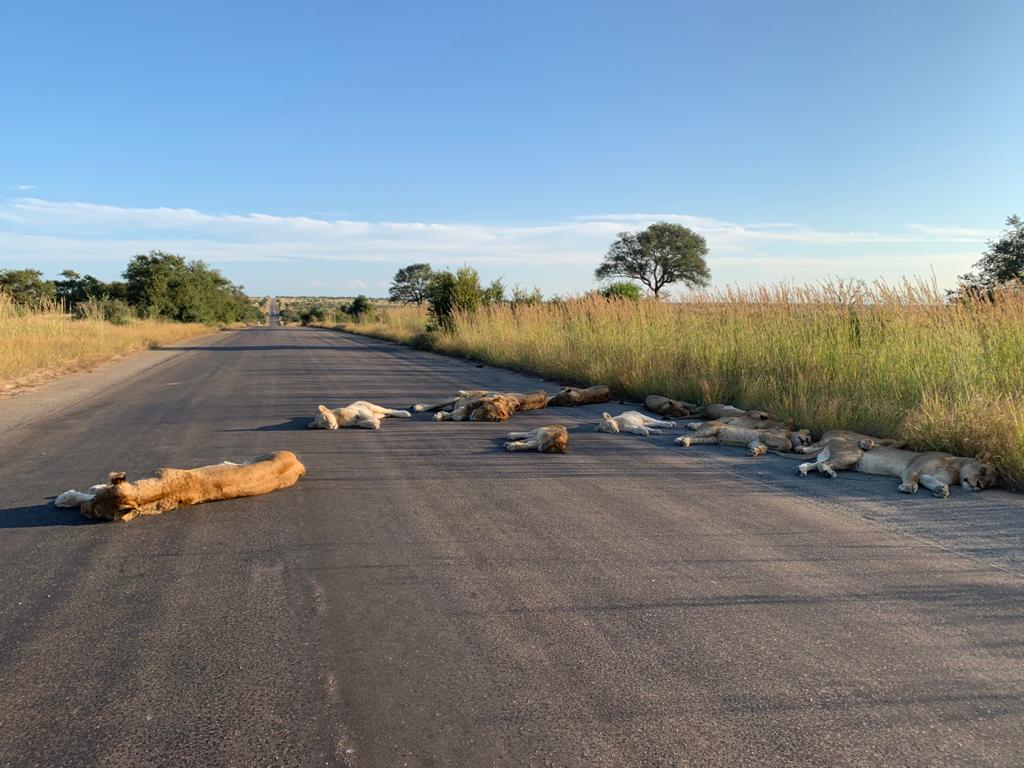
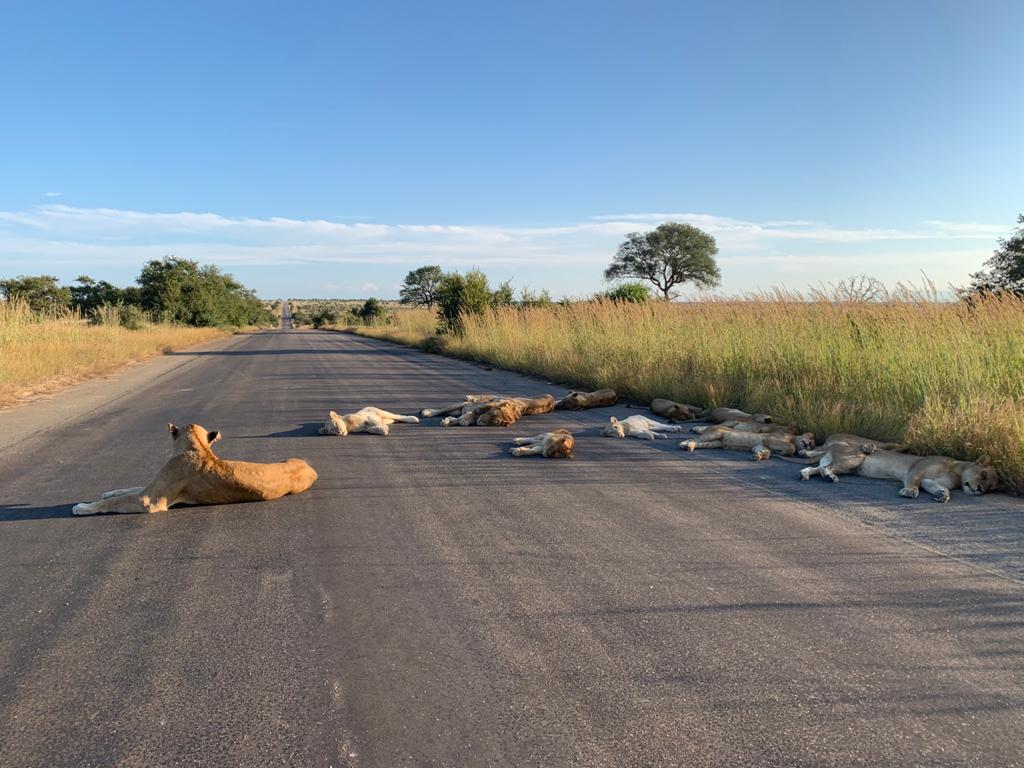
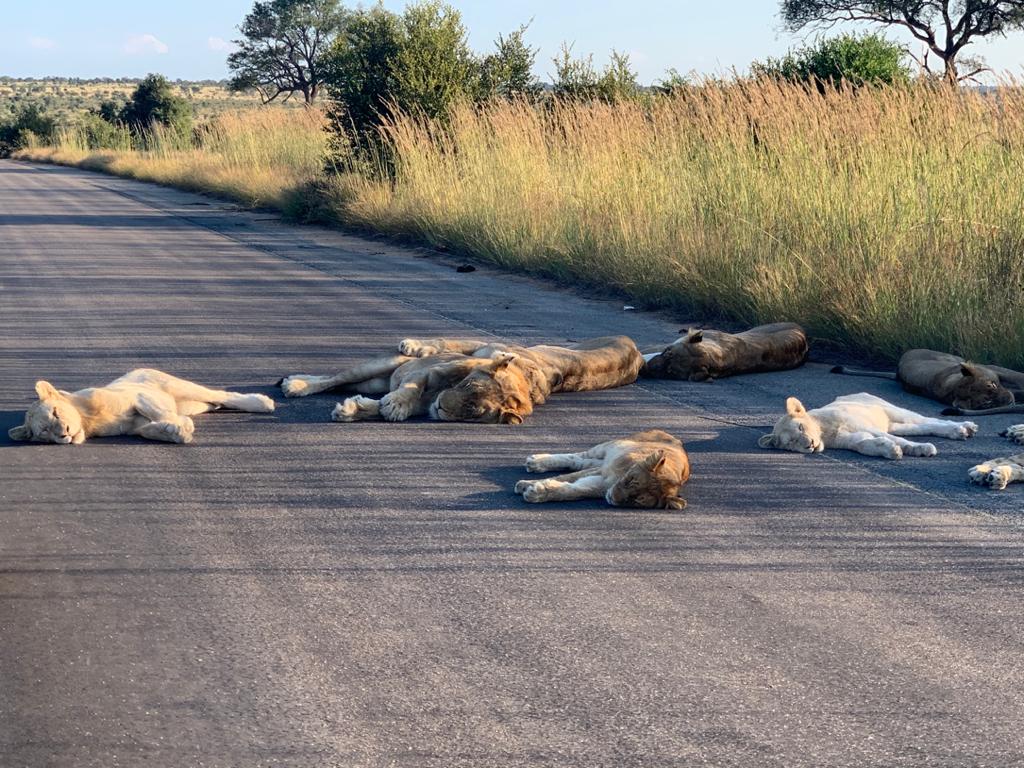
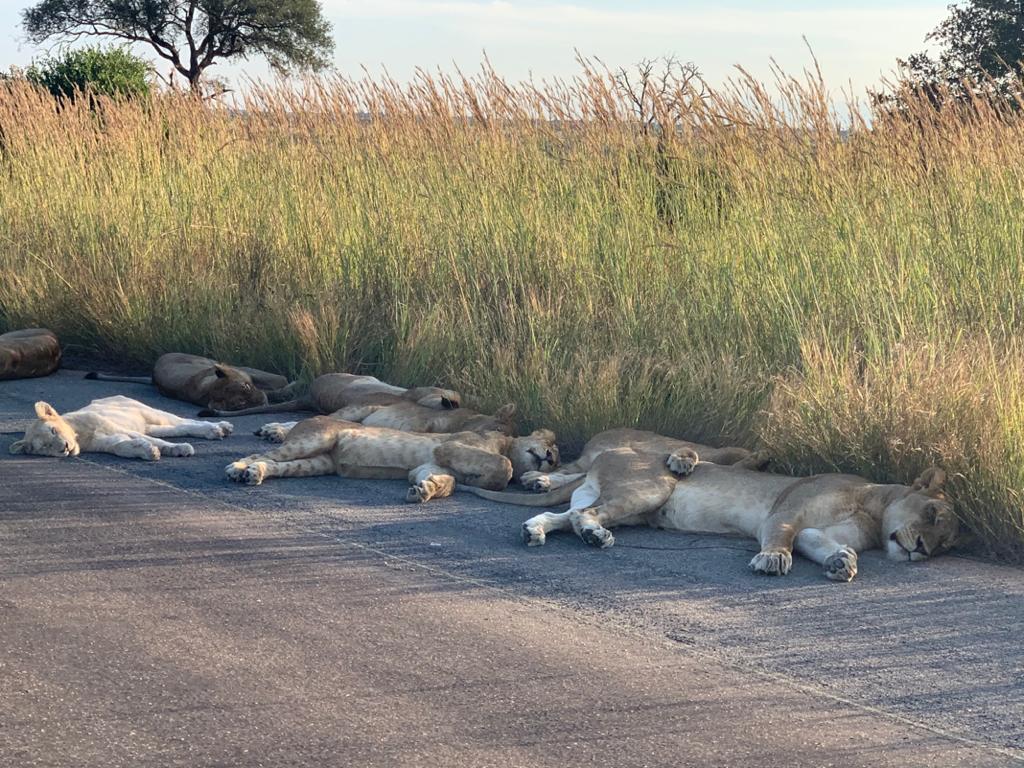
South Africa is under national lockdown orders, as is much of the world.
This pride of lions is enjoying the warmth of the quiet tar road just outside of Orpen Rest Camp. These ones are resident on neighboring Kempiana Contractual Park, and wandered over to Kruger National Park.
Pictures were taken by Section Ranger Richard Sowry, and tweeted from Kruger National Park@SANParksKNP.
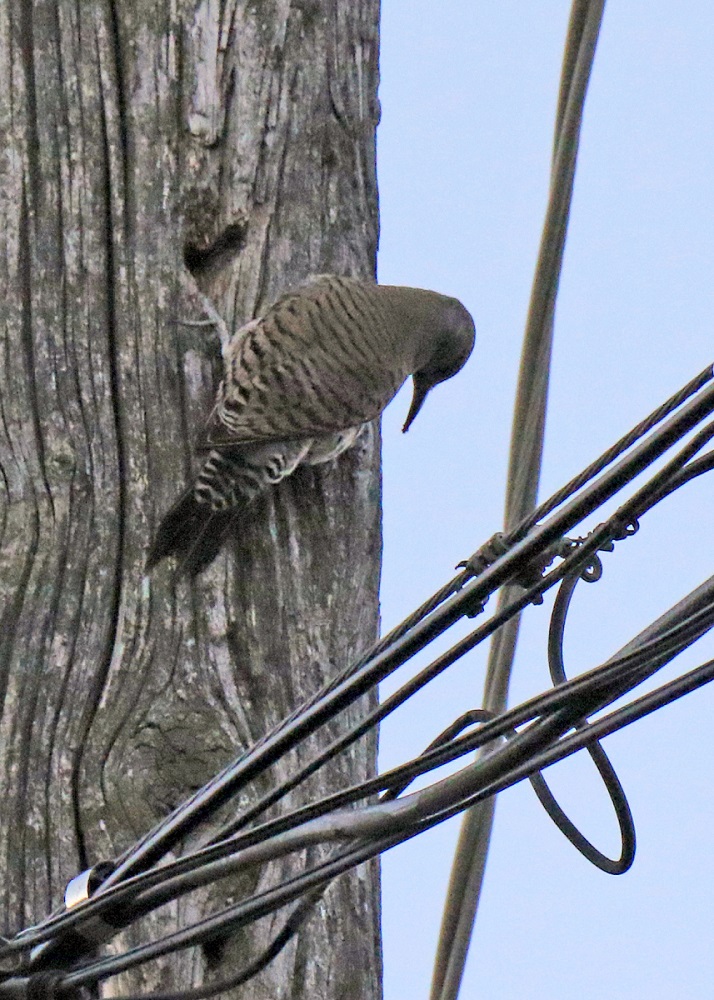
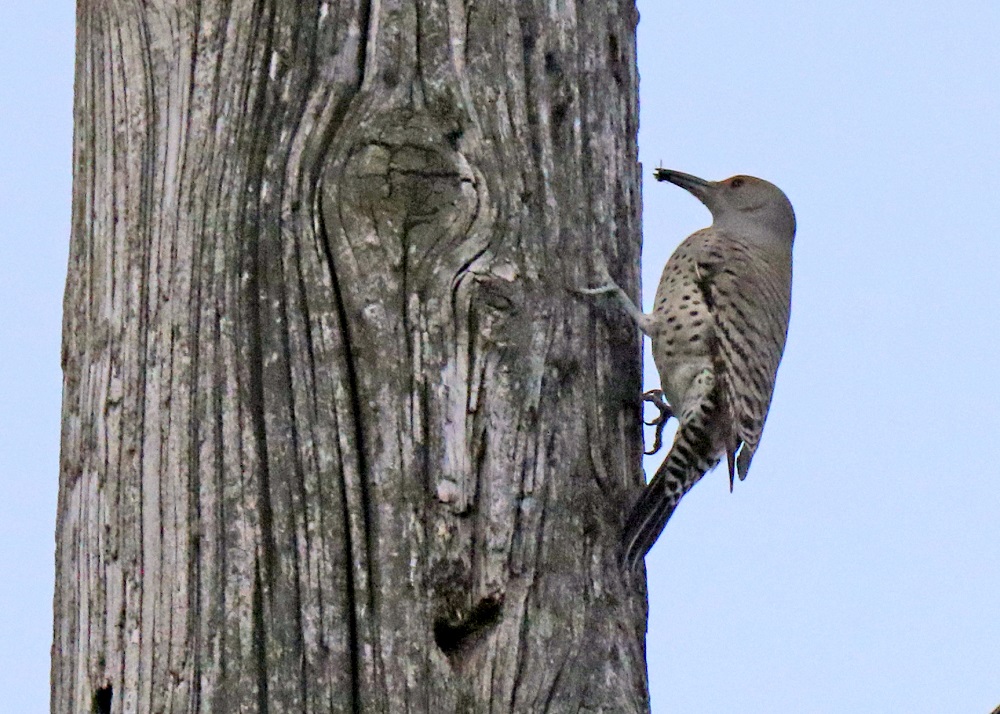
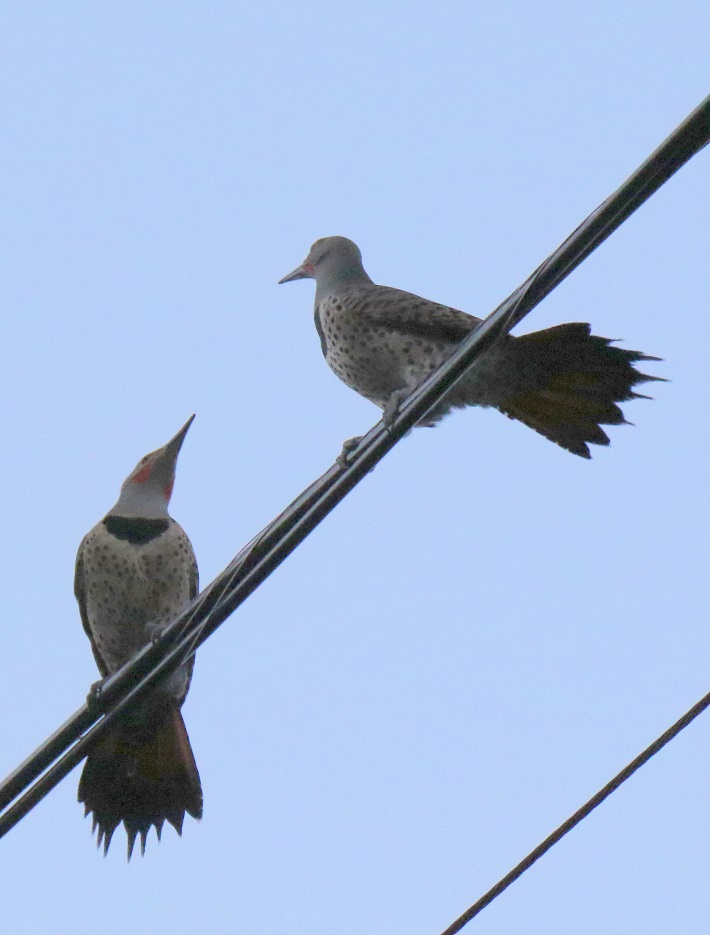
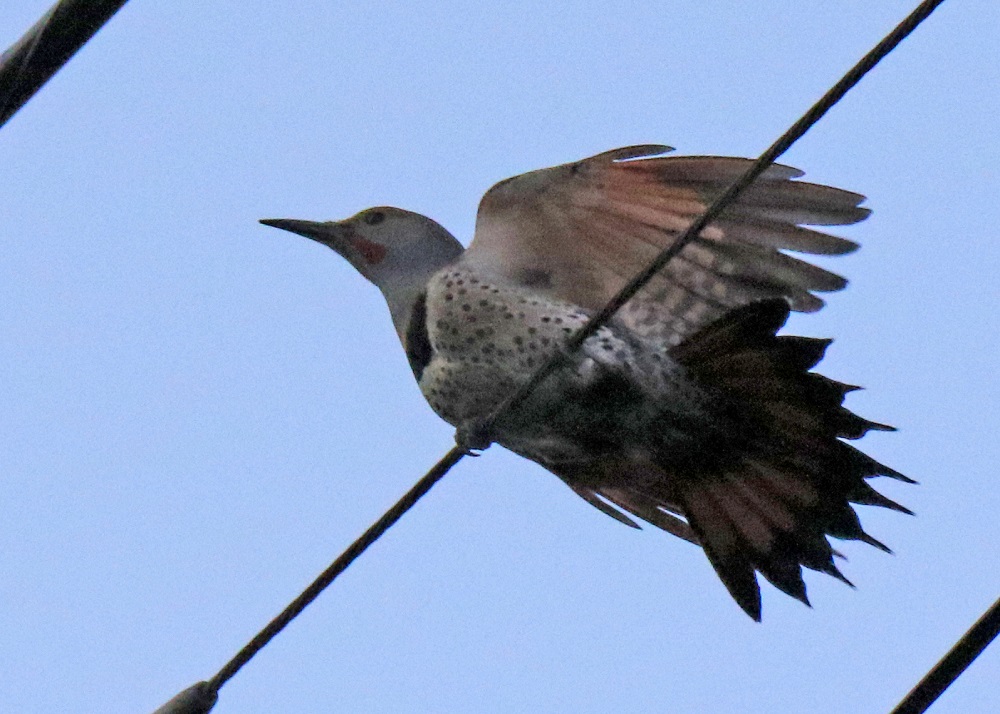
There were three woodpeckers (Northern flickers/ Colaptes auratus) in the alley, at the back of my house, at dusk tonight.
One was looking for bugs in the wooden utility pole — and found one.
Nearby on the overhead power lines, a male was courting a female.
Be careful, I thought : don’t let the sparks fly between you two.
Volunteer Park is closed for picnics and group gatherings, but it is still OK to walk through (while steering clear of others, of course).
It would be impossible for bugs and butterflies to miss the flaming orange tulips, by the Asian Art Museum.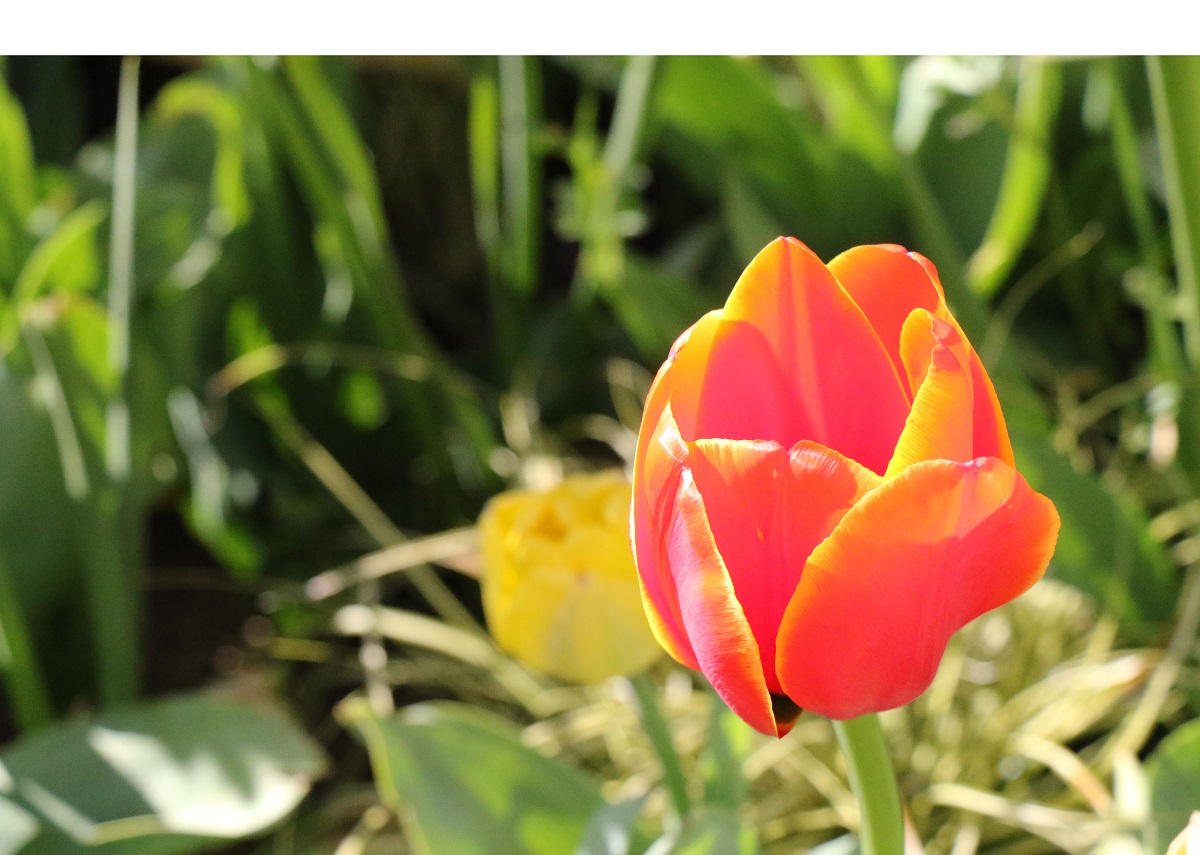
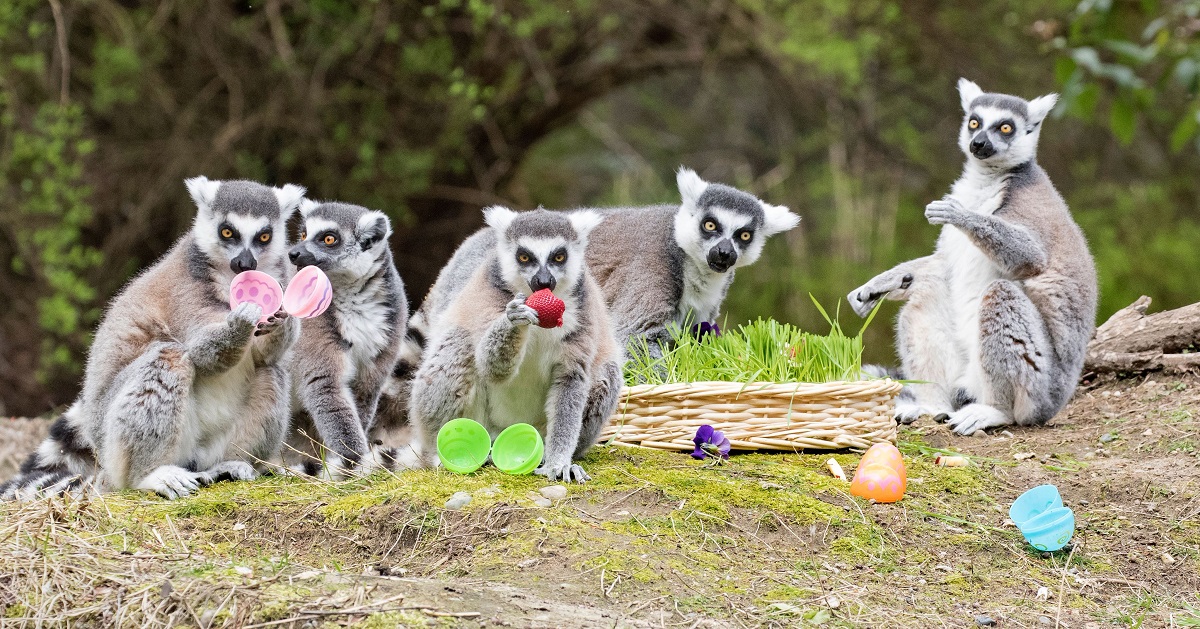
Here are the ring-tailed lemurs at the Woodland Park Zoo in Seattle, enjoying their Easter treats (strawberries .. and ‘Was that all?’ they seem to ask).
Lemurs are classified as neither monkeys, nor apes: they belong to a group called prosimian primates. Prosimians have moist noses, and rely on their sense of smell to determine what is safe to eat — and to distinguish between individuals in their social groups.
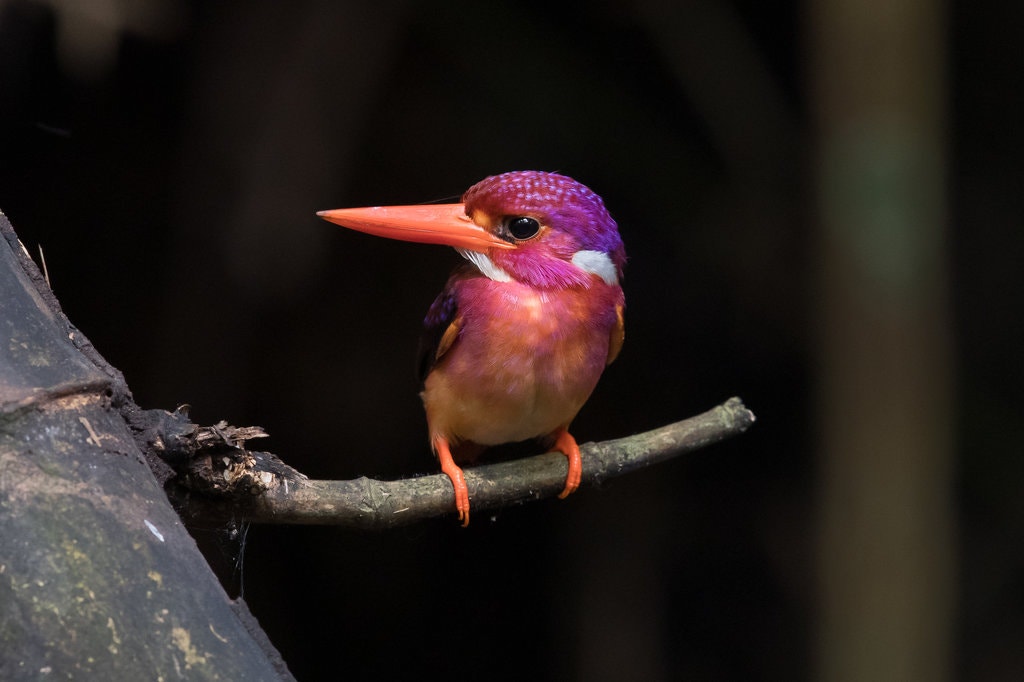
Check out this stunning picture Miguel David De Leon for the Robert S. Kennedy Bird Conservancy, in a forest in the .
The little birds are just about impossible to catch sitting still, and it took three years of patience and trying to get a picture of the bird.
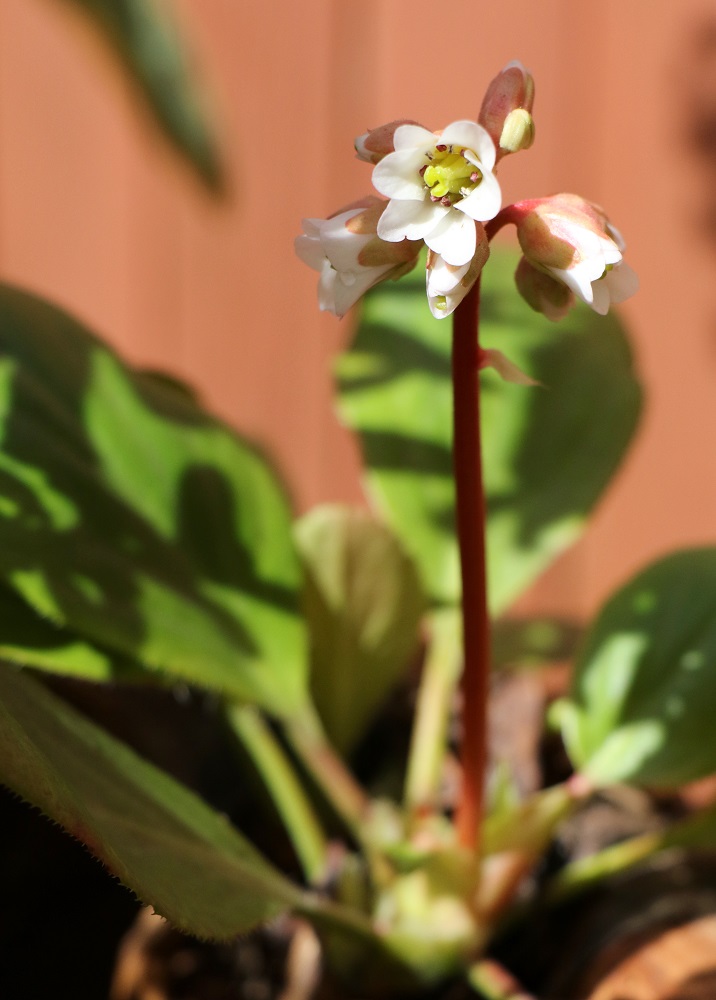
The little bergenia ‘Bressingham White’ that I have in a pot, has produced its first flowers.
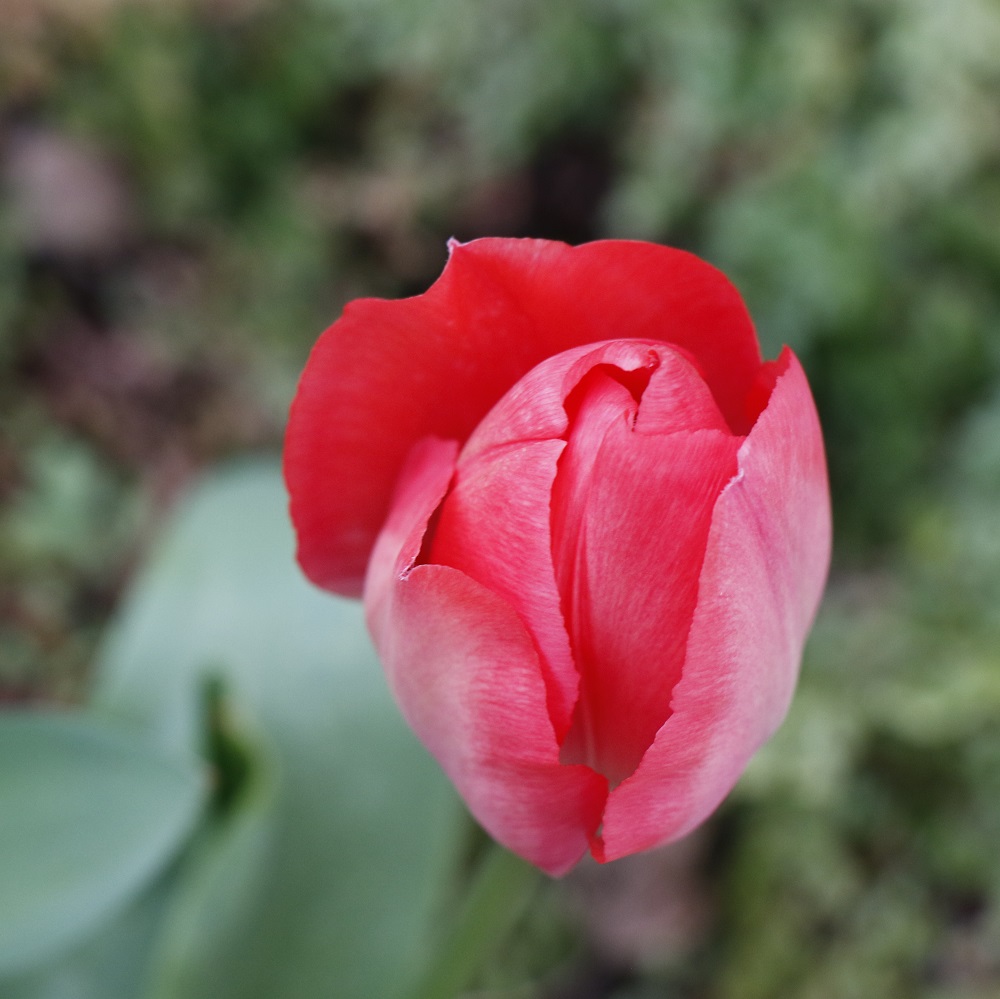
Tulips were coveted in the late 1500s in Europe, for their saturated, intense petal color — that no other cultivated plant had at the time.
At the height of Tulip Mania in the Dutch Golden Age (February of 1637), tulip bulbs sold for some 10,000 guilders: enough money to buy a mansion on the Amsterdam Grand Canal.
The market for tulip bulbs collapsed soon after that.
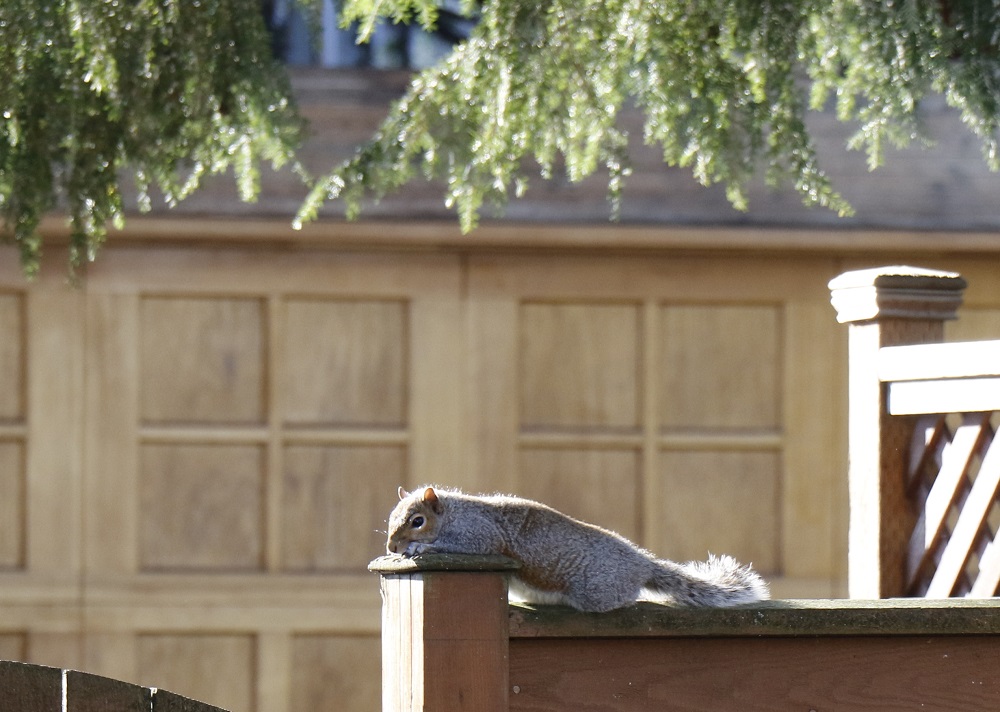
Mr Squirrel is catching a little sun, oblivious of the pandemic that the humans have to deal with.
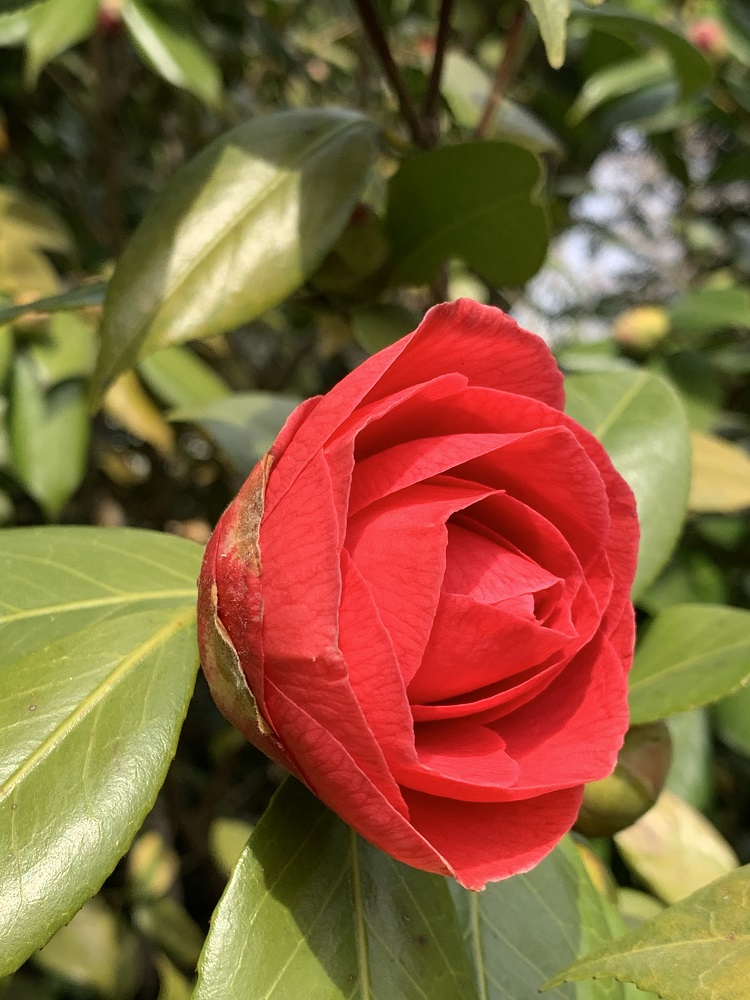
The new spring blooms on my camellia are serious competition for roses, as far as looks go. As for fragrance: no match at all.
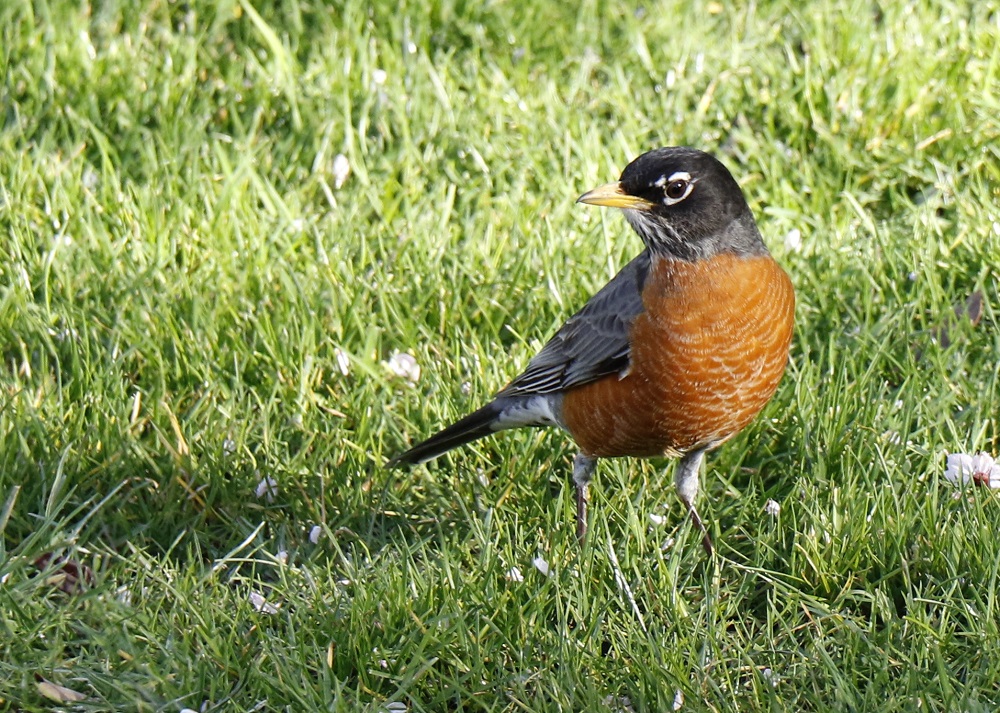
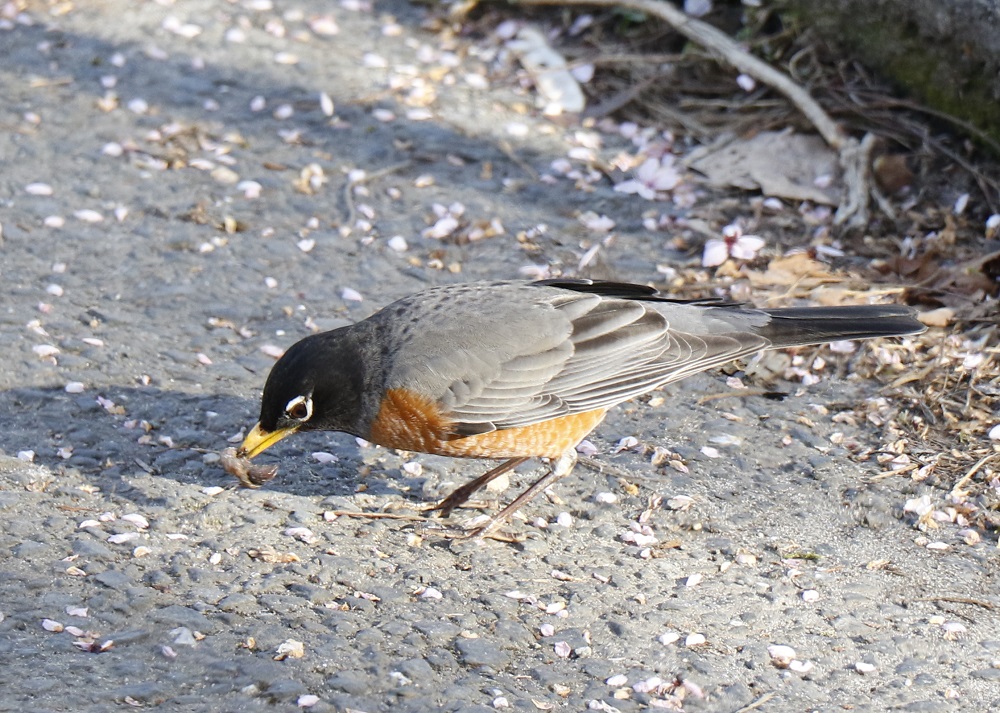
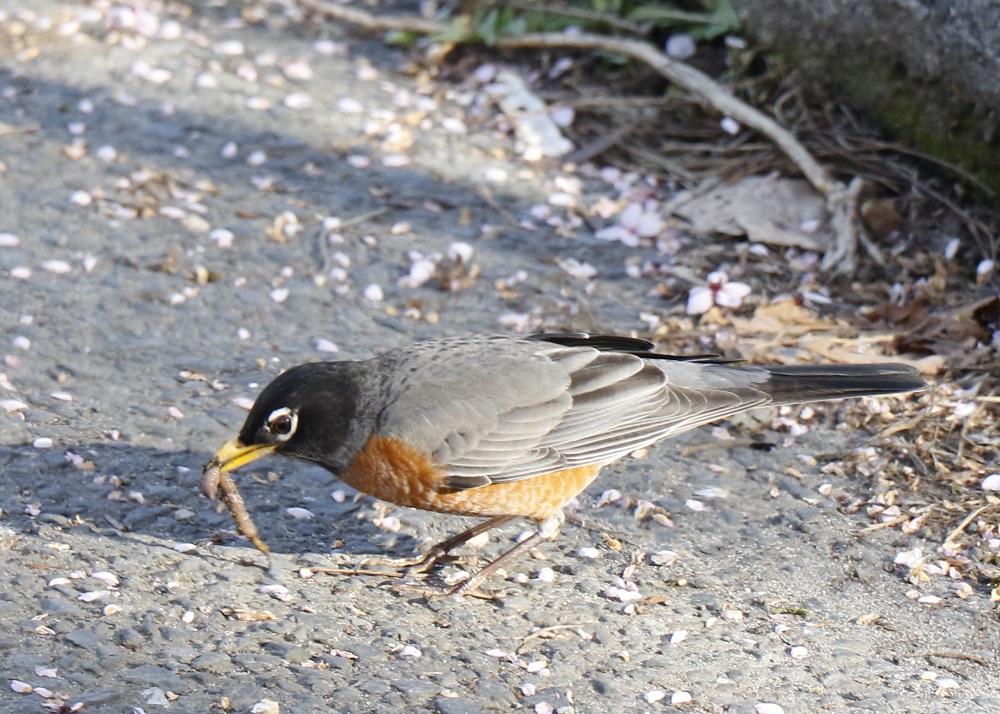
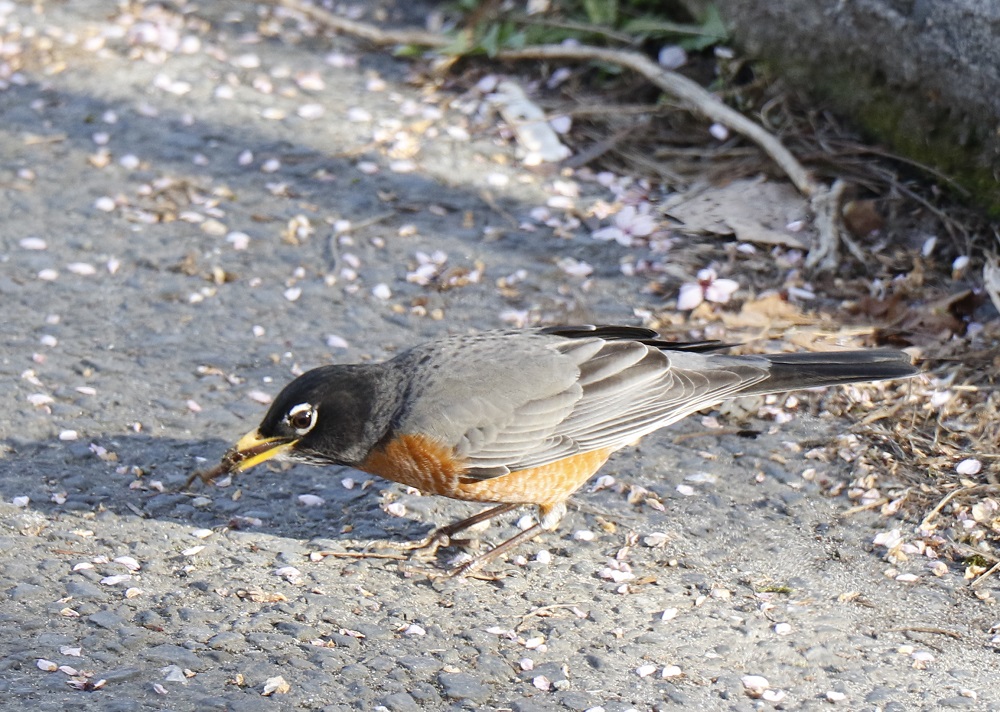
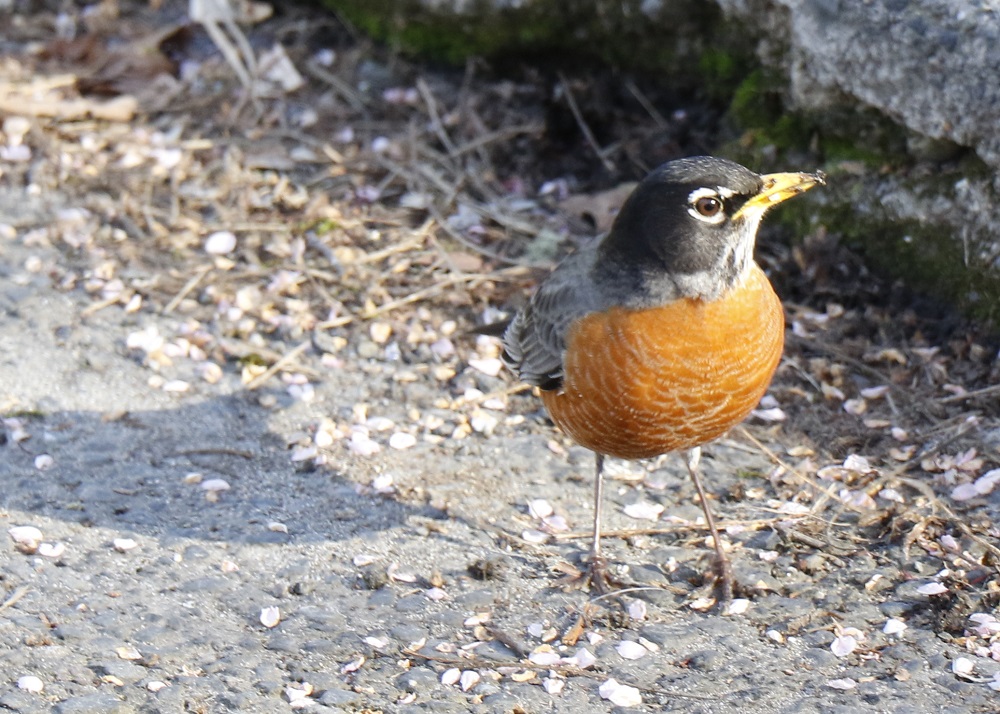
I ventured out of the house with my camera this afternoon, and found this American robin (Turdus migratorius).
The ‘late’ bird was looking to catch a worm, and sure enough! it found one in the dirt next to the sidewalk.
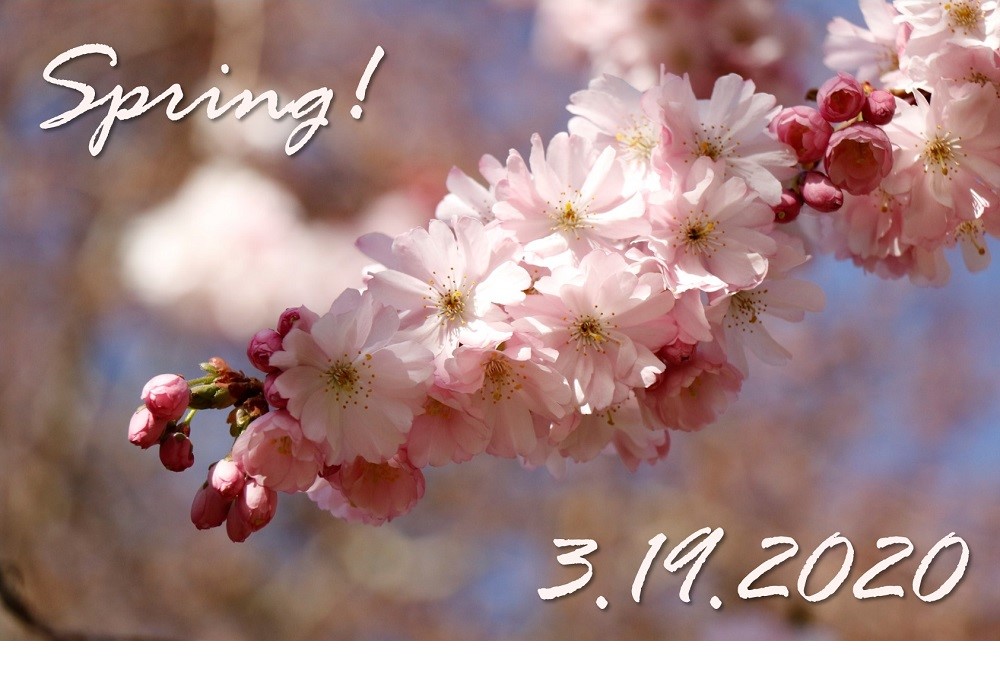 Spring has arrived here in the North.
As of this hour, Earth’s Northern Hemisphere is starting to tilt towards our sun.
P.S. This year marks the earliest start to spring on the Gregorian calendar in 124 years. How so? Well, it’s complicated.
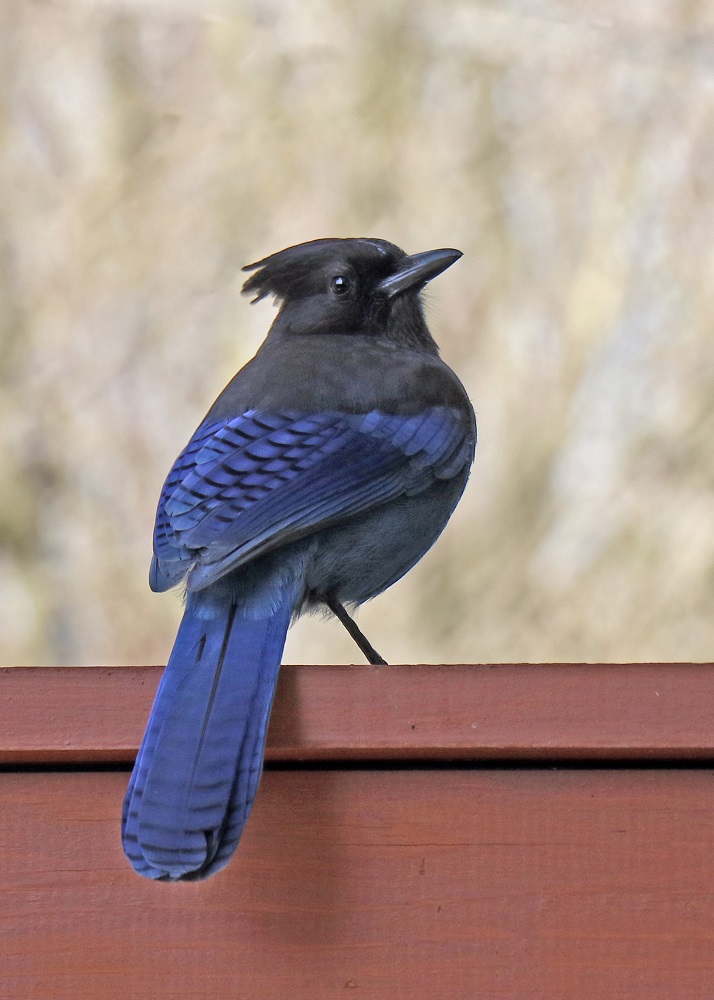
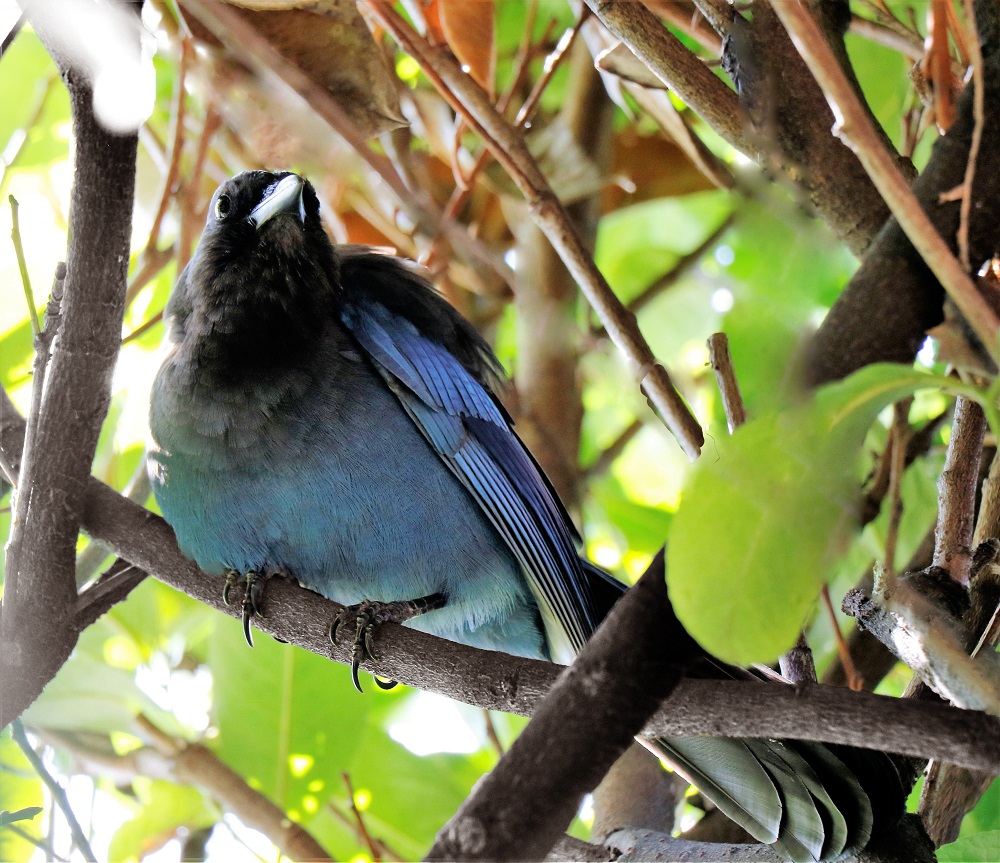
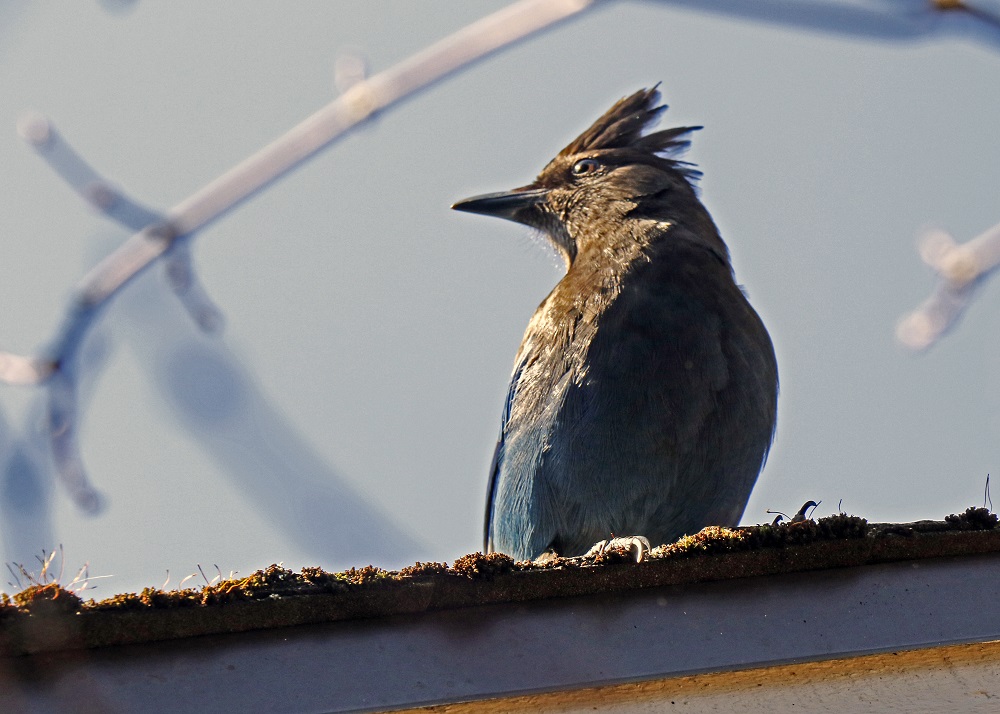
I had three of the beautiful blue-feathered Steller’s jays (Cyanocitta stelleri) in my backyard today.
For a while, they sat quietly inside my laurel fence (the second photo), and then got out and flew away.