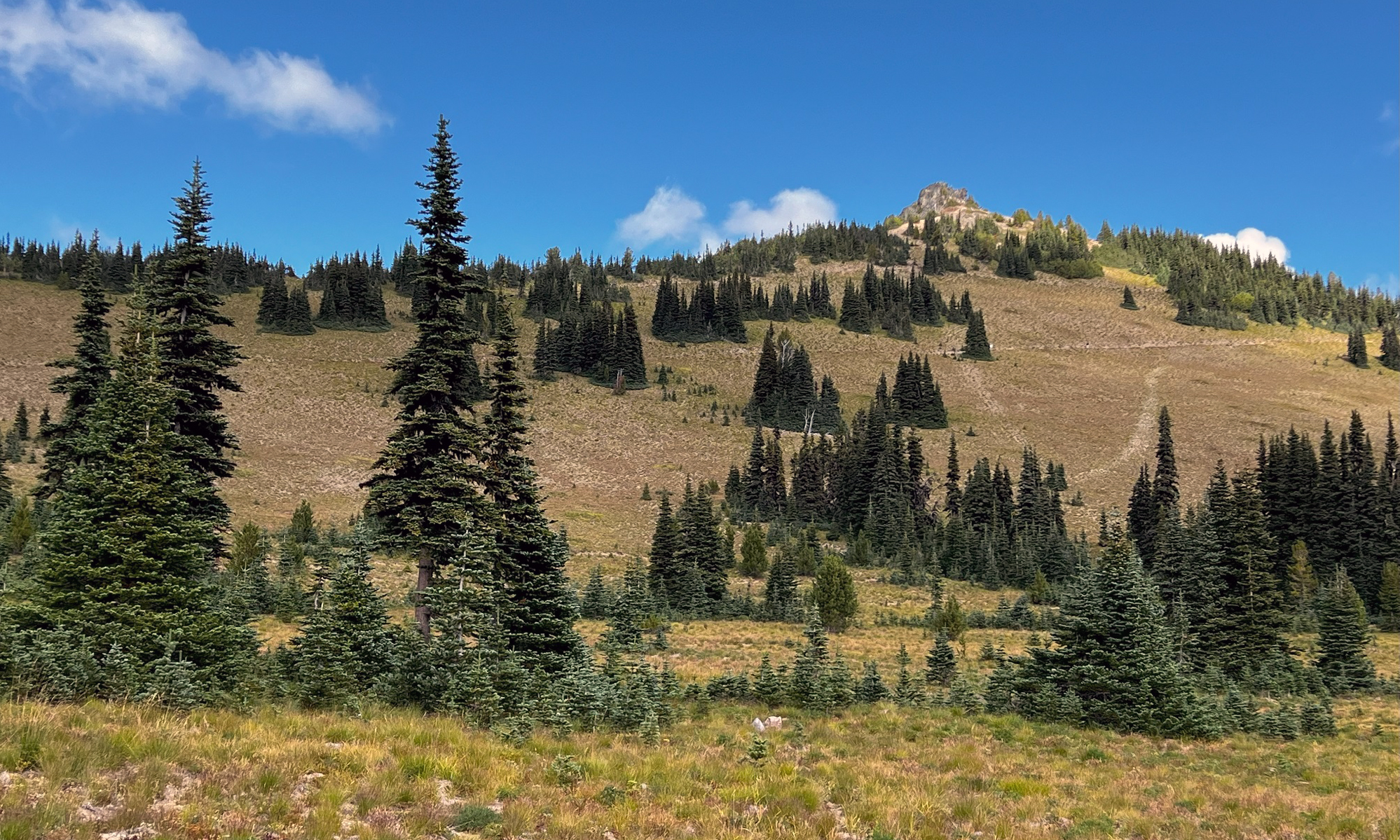
Saturday/ spring blossoms

It was a lovely day (56 °F/ 13 °C), and I chased myself out of the house this afternoon, to go look at the tree blossoms & spring flowers outside.
Tomorrow will be stormy and rainy.

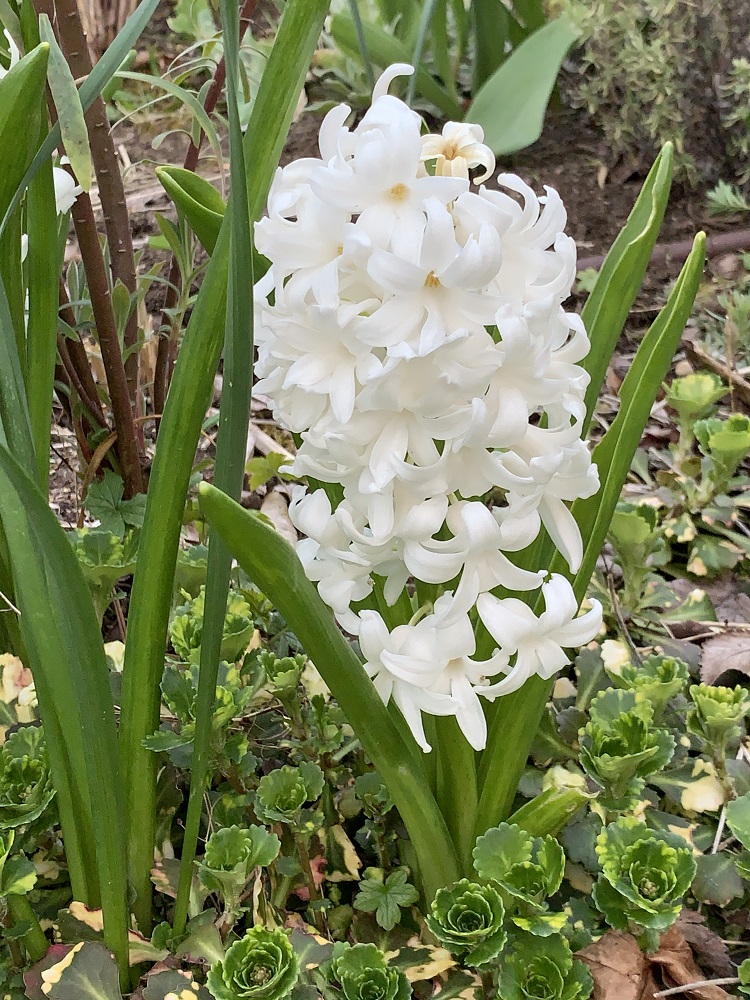
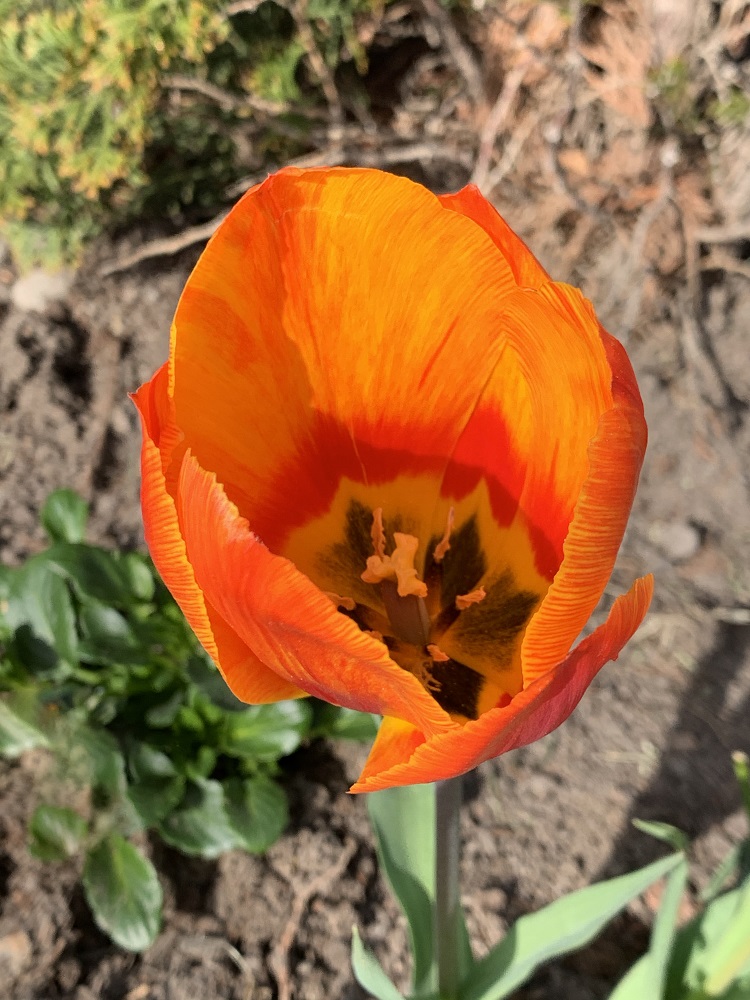
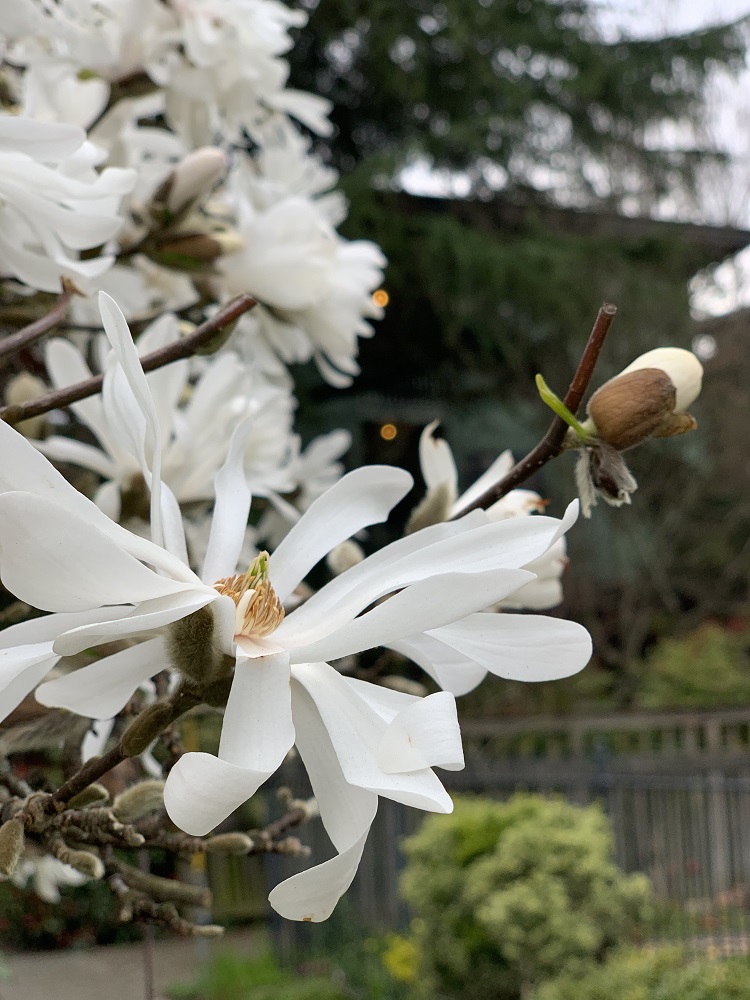
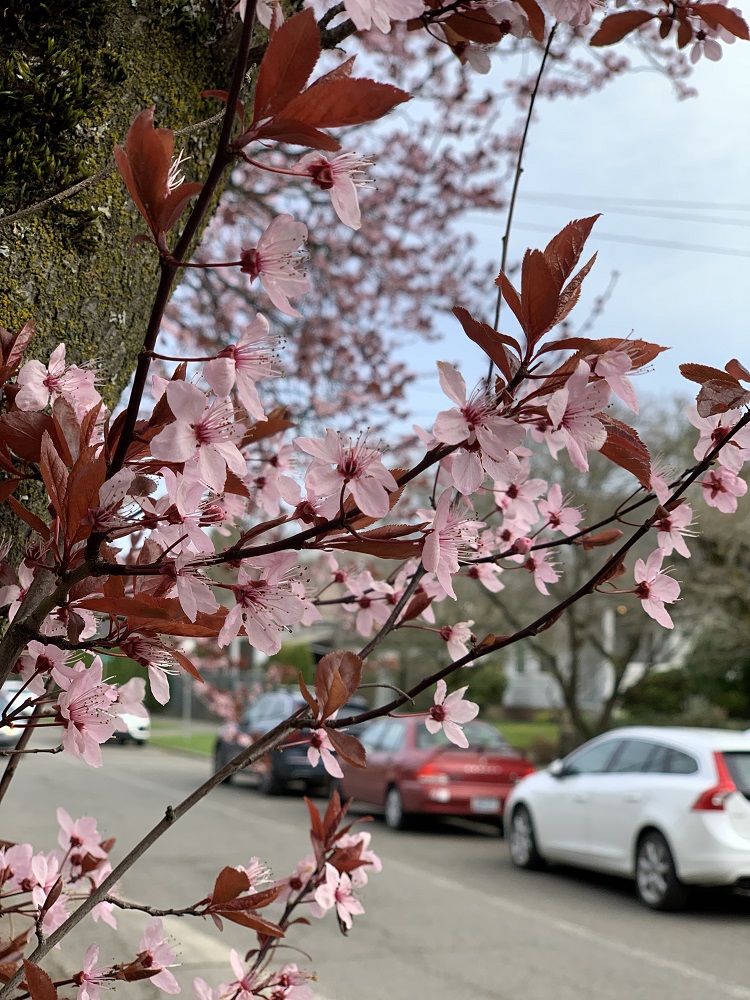
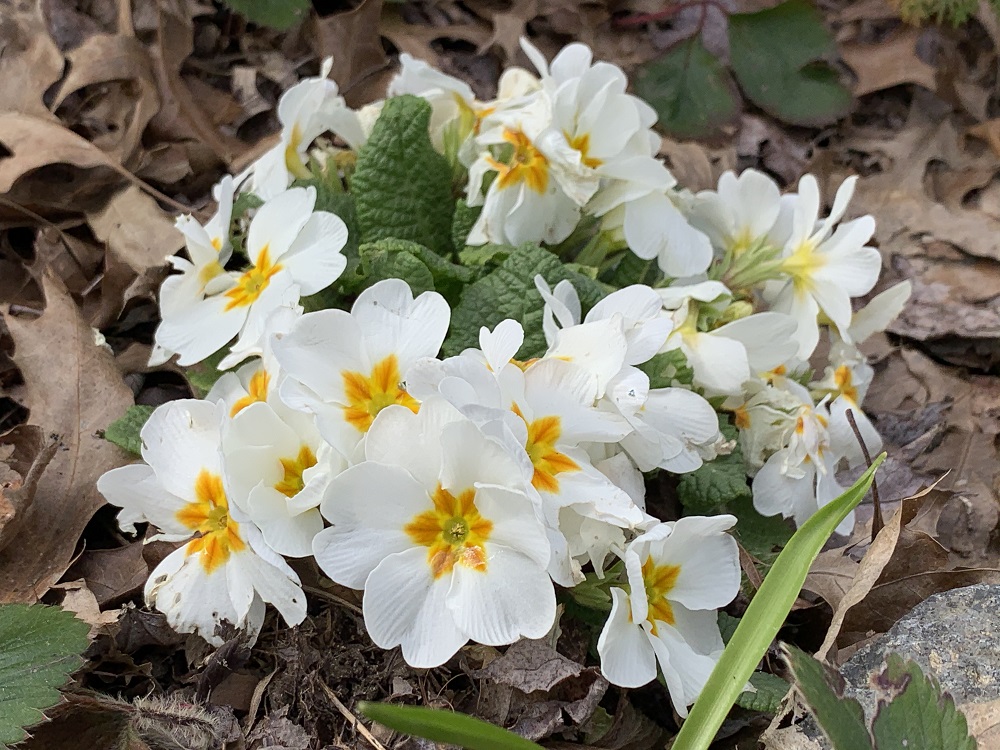
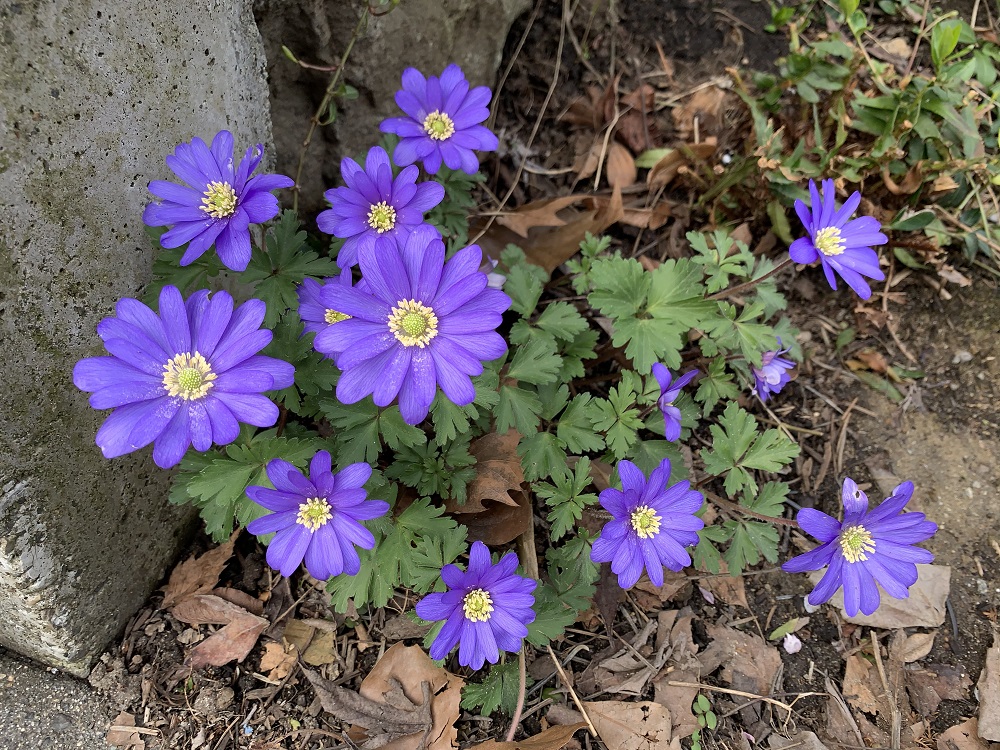
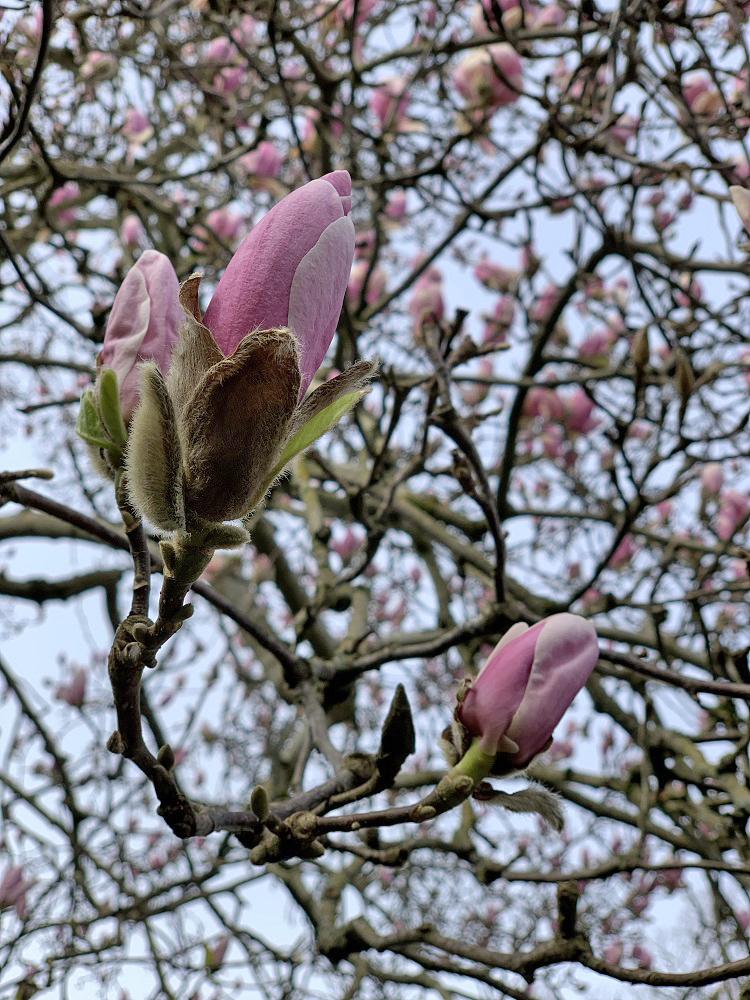
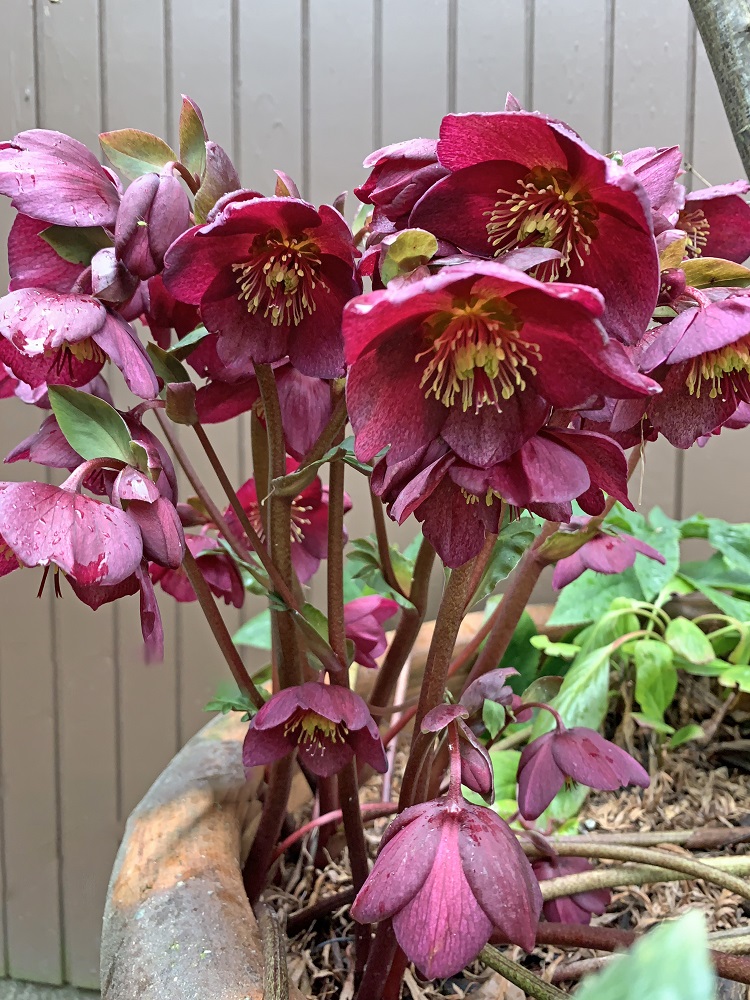
Top to bottom: cherry tree blossoms, wild primrose, asters, magnolia tree blossoms.  I hope I have it right! I’m not a flower expert.

Tuesday/ tea flowers, pink & white

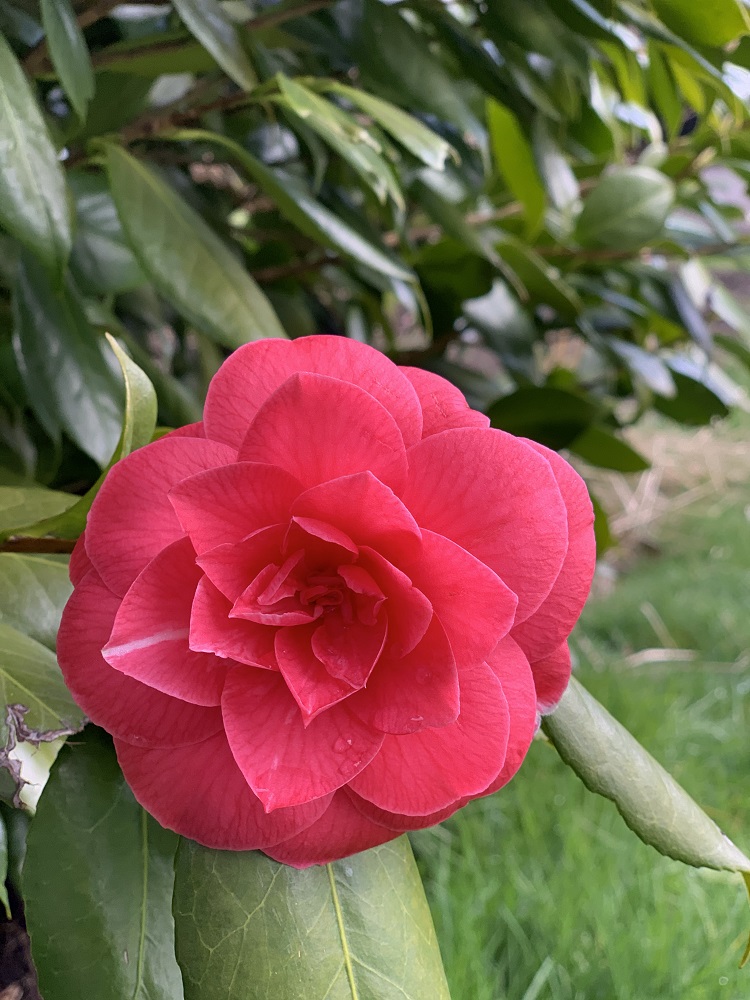
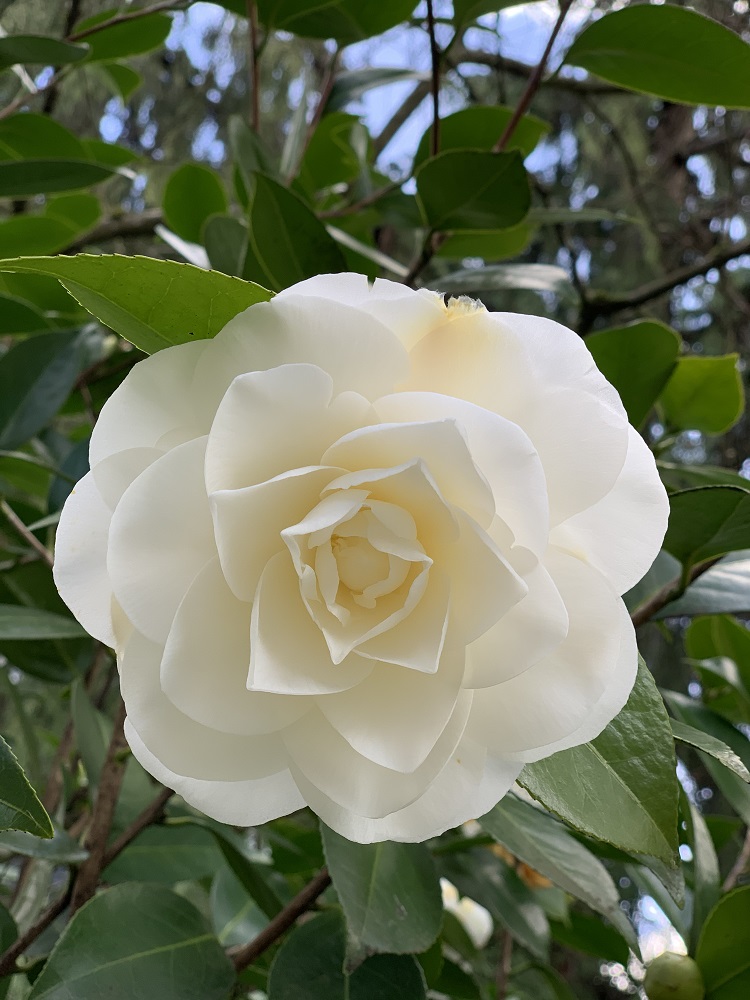
The camellias* are starting to bloom here in the city. The pink one is mine, and the white one from a street nearby.

*Camellias are famous throughout East Asia; they are known as cháhuā (‘tea flower’) in Chinese, tsubaki in Japanese, dongbaek-kkot in Korean, and as hoa trà or hoa chè in Vietnamese. [From Wikipedia]
The tea plant with its little tea leaves, is in fact, a camellia: Camellia sinensis.

Monday/ the many meanings of corona

co·ro·na
/kəˈrōnə/

From the Latin word corona, mid-16th century, meaning ‘wreath, crown’.
Architecture: a circular chandelier in a church, or a part of a cornice having a broad vertical face.
Astronomy: the rarefied gaseous envelope of the sun and other stars.
Biology: the cup-shaped or trumpet-shaped outgrowth at the center of a daffodil or narcissus flower.
Medical: coronavirus is any of a family (Coronaviridae) of large single-stranded RNA viruses that have a lipid envelope studded with club-shaped spike proteins.
Physics: the glow around a conductor at high potential.
Smoking: a long, straight-sided cigar.


It was only 45 °F (7 °C) for my late-afternoon stroll around the block today, but hey, now there is an hour more of sunshine.

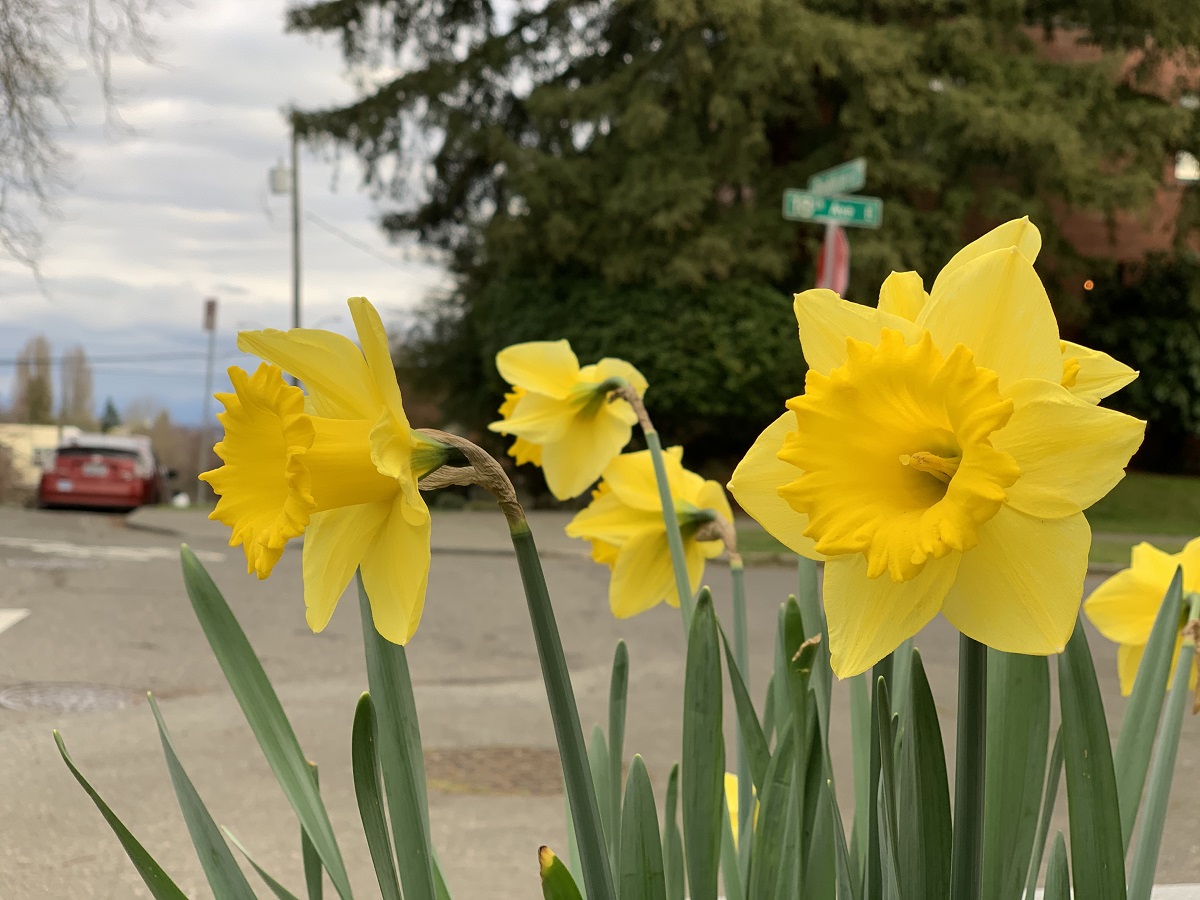
Daffodils (genus Narcissus) at the corner of 18th Avenue & Republican St. The cup-shaped structure at the center of the flower is called the corona. Yes, the term has come to have decidedly negative connotations, I guess. Maybe it’s best to just shrug it off. We even have apartment buildings in the city called Corona Apartments and Corona Lofts.

Saturday/ saving the daylight

We had sunny afternoons all week and the high touched 60 (15.5 °C) today.

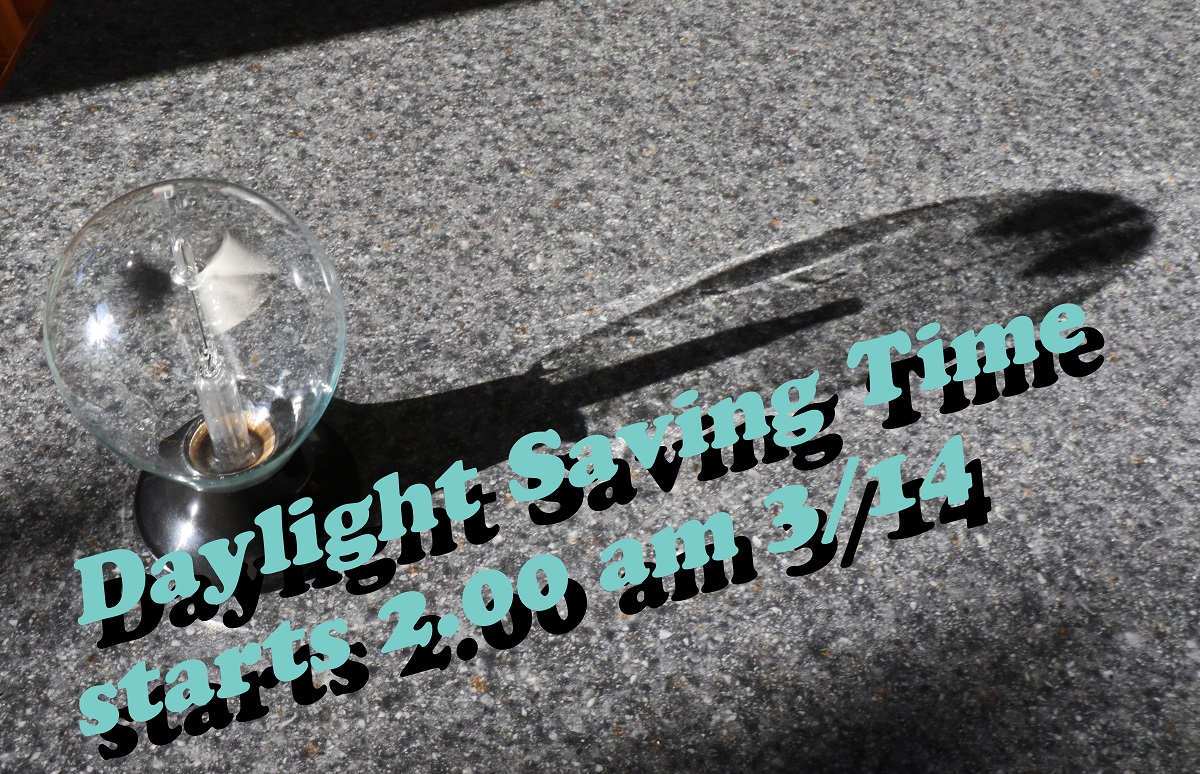
Daylight Saving Time starts tonight in the United States. (‘Saving’ means shifting the day’s hour markers forward, so that the sun ‘rises’ an hour later, and ‘sets’ an hour later).
Pacific Daylight Time = Universal Time Coordinated (UTC) minus 7 hrs.
The bright sunlight (electromagnetic radiation visible to the human eye) propels the vanes of the radiometer on my kitchen counter top.

Saturday/ Paradise visitor center update

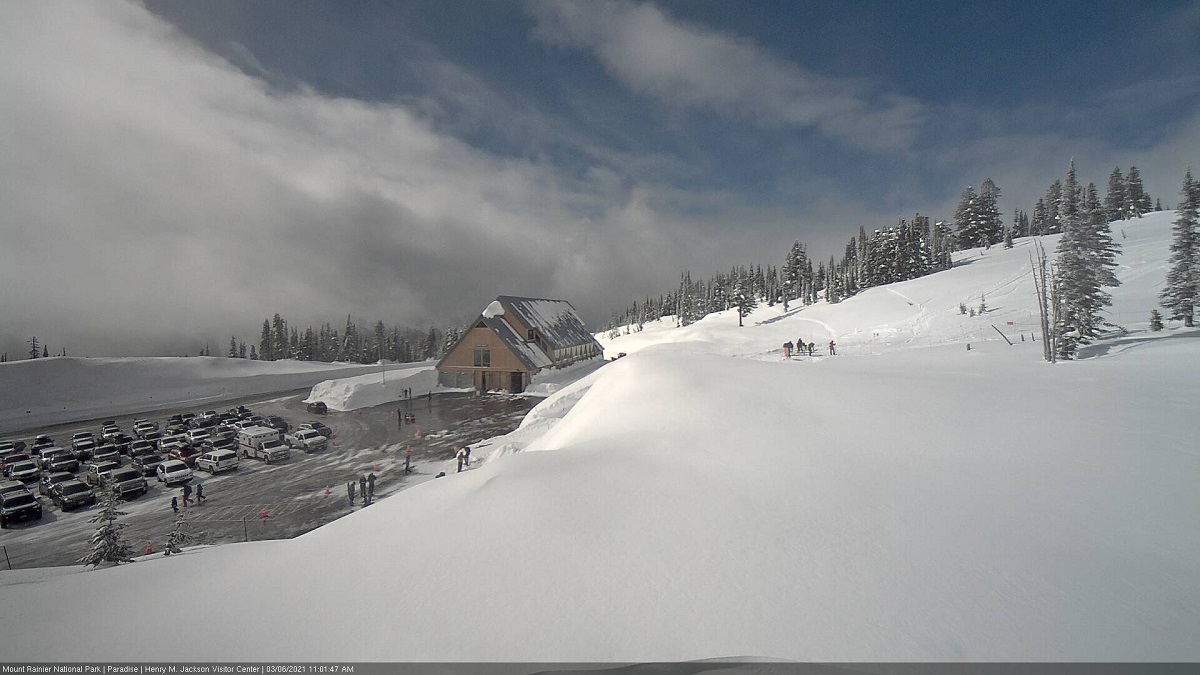
Here is this morning’s picture of the Paradise visitor center on the slopes of Mt Rainier.  That’s a lot of snow, that had been cleared from the parking lot!

The center itself is still closed to visitors, so those vehicles must belong to sightseers or merrymakers looking to sled on the low slopes.
The elevation there is 5,400′ (1,646 m), and the Mt Rainier summit is at 14,411′ (4,392 m).

Wednesday/ more animals

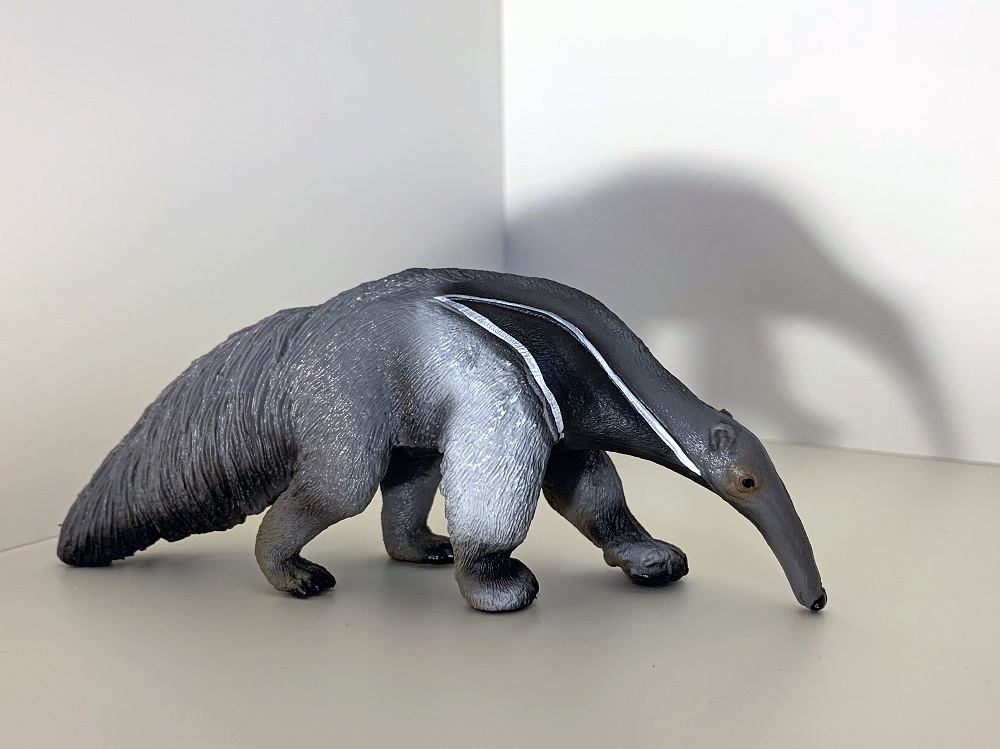
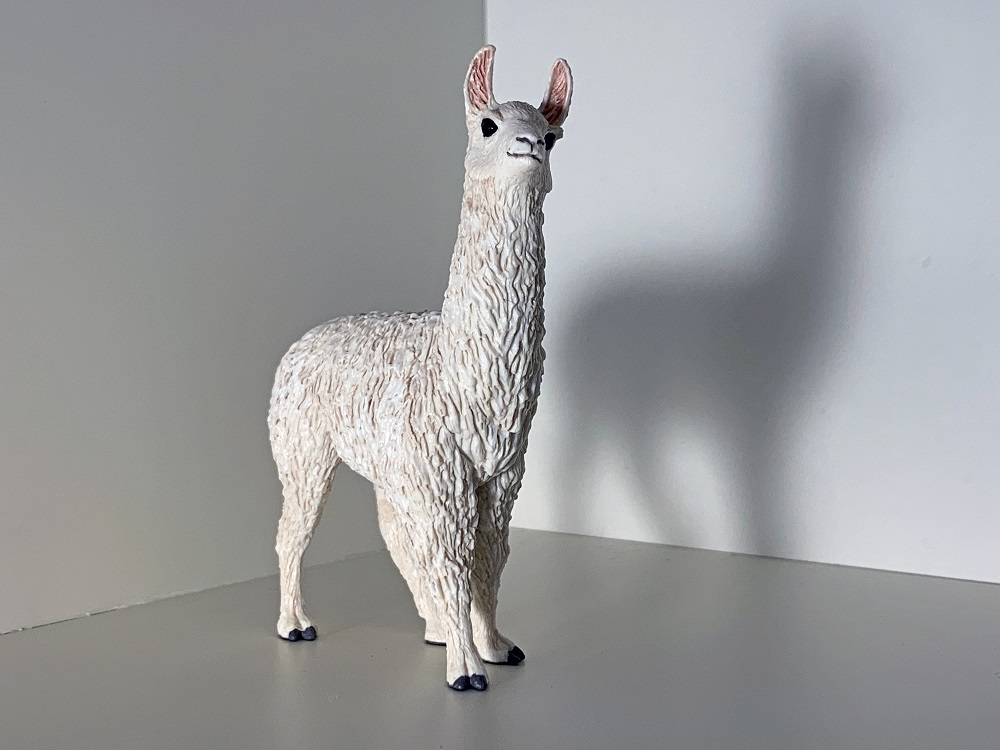
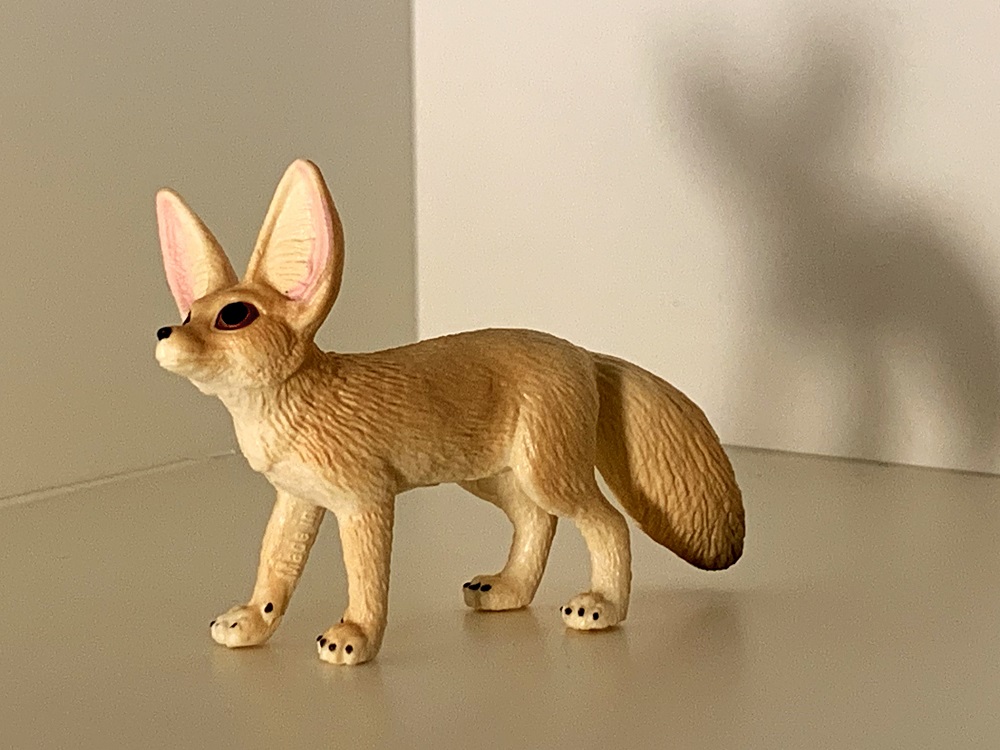
I’m still adding animals to my collection.
These came with the poodle that I posted about on Friday.

The giant anteater (Myrmecophaga tridactyla), also known as the ant bear, is an insectivorous mammal native to Central and South America. It belongs to the same order as sloths, actually. [Schleich Anteater, Catalog No 14844, New for 2020]
The llama (Lama glama) is a domesticated South American camelid, widely used as a meat and pack animal by Andean cultures for more than five centuries. [Schleich Llama, Catalog No 13920, New for 2020]
The fennec fox (Vulpes zerda) is a small crepuscular (active primarily during the twilight period) fox, native to the Sahara Desert and the Sinai Peninsula. Its enormous ears serve to dissipate heat. [Schleich Desert Fox, Catalog No 14845, New for 2020]

Friday/ a poodle called Snowflake

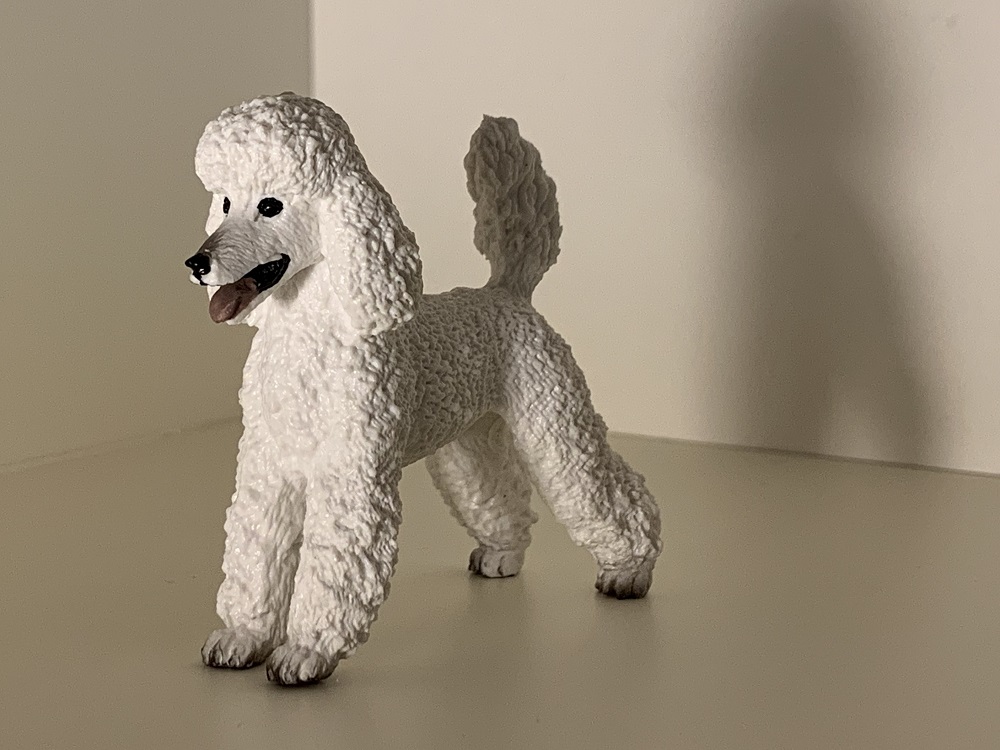
One of the latest animal figures I had ordered from Schleich happens to be a poodle. I am naming the white pooch ‘Snowflake’ .. and no,  not because of the recent snow here in Seattle.

Texas Senator Ted Cruz took his family to sunny Cancun in Mexico on Wednesday night (to the Ritz Carlton Hotel, no less), leaving behind millions of his constituents in freezing homes with no electricity and no water.
That was bad enough, and Cruz returned the very next morning after a media firestorm erupted. It got even worse. It turned out that their family poodle, named Snowflake, was left behind in the freezing house.

Here is ‘Snowflake’. (Schleich® Poodle, part of their Farm World collection, Catalog Number 13917, new for 2020).
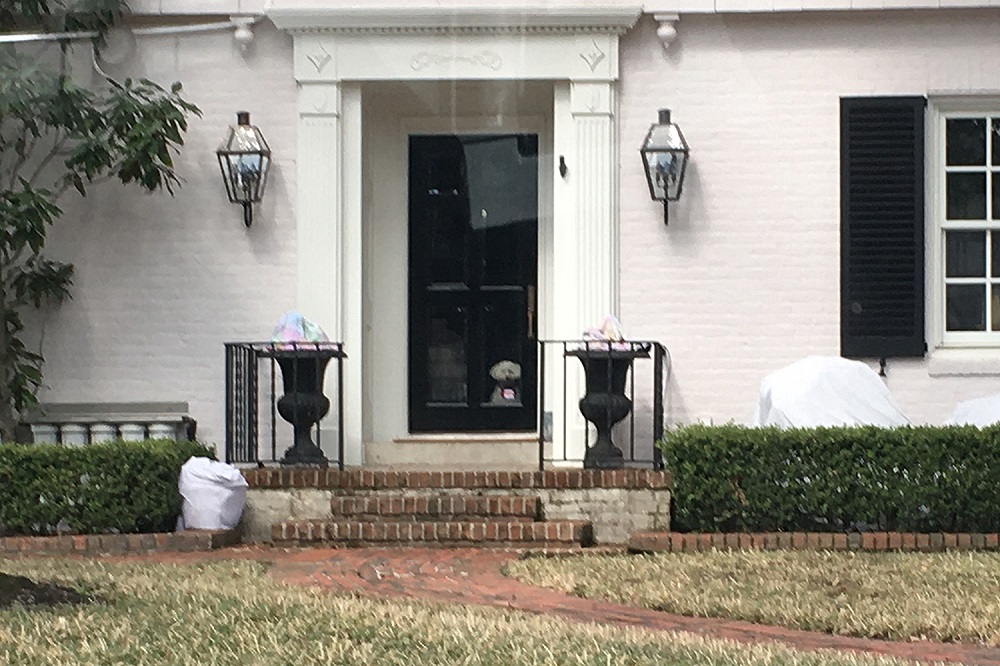
Snowflake got left behind in Houston in the Cruz’s freezing house. A security guard at the house assured the photographer that he is taking care of Snowflake.
[Photo Credit: Michael Hardy @mkerrhardy on Twitter]

Wednesday/ the last of the little bell flowers

There was a little sun this morning, before a blanket of clouds moved in. (There is going to be snow in the city on Thursday night and into Saturday, say the weather forecasters).

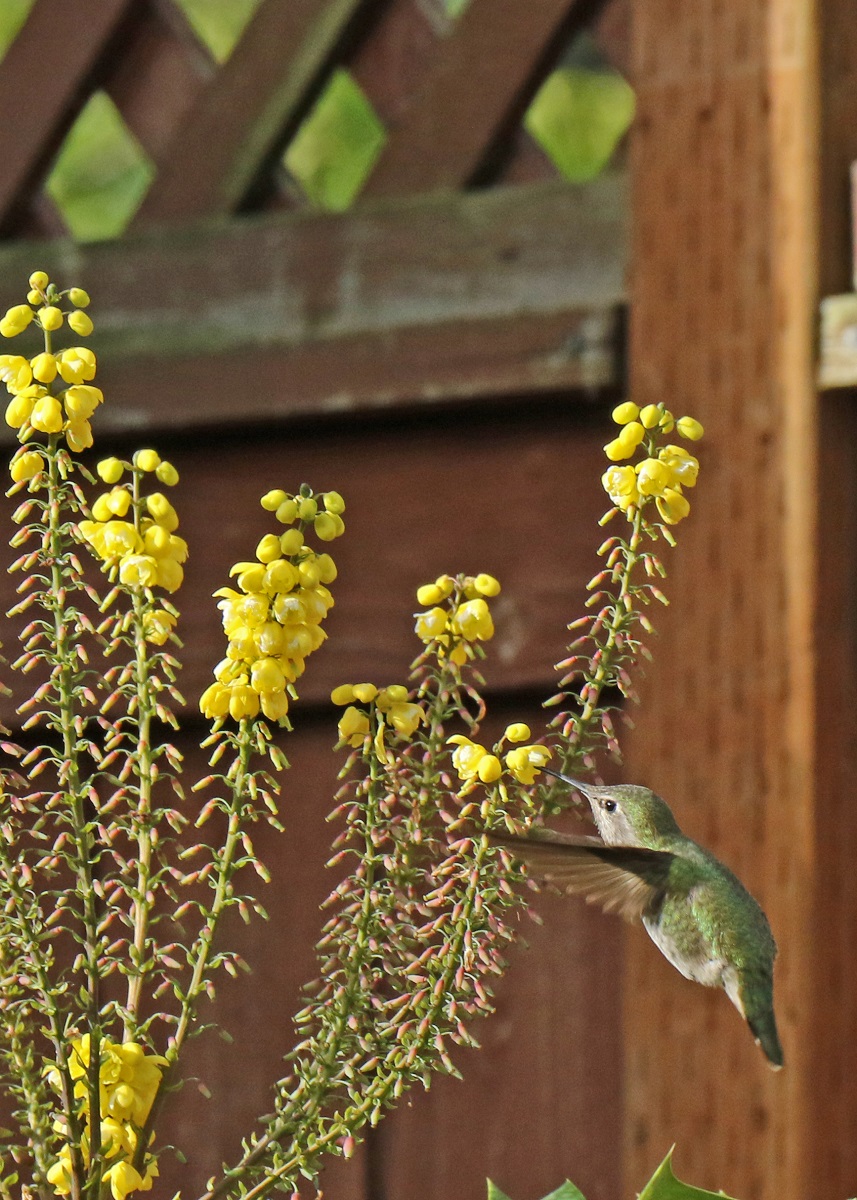
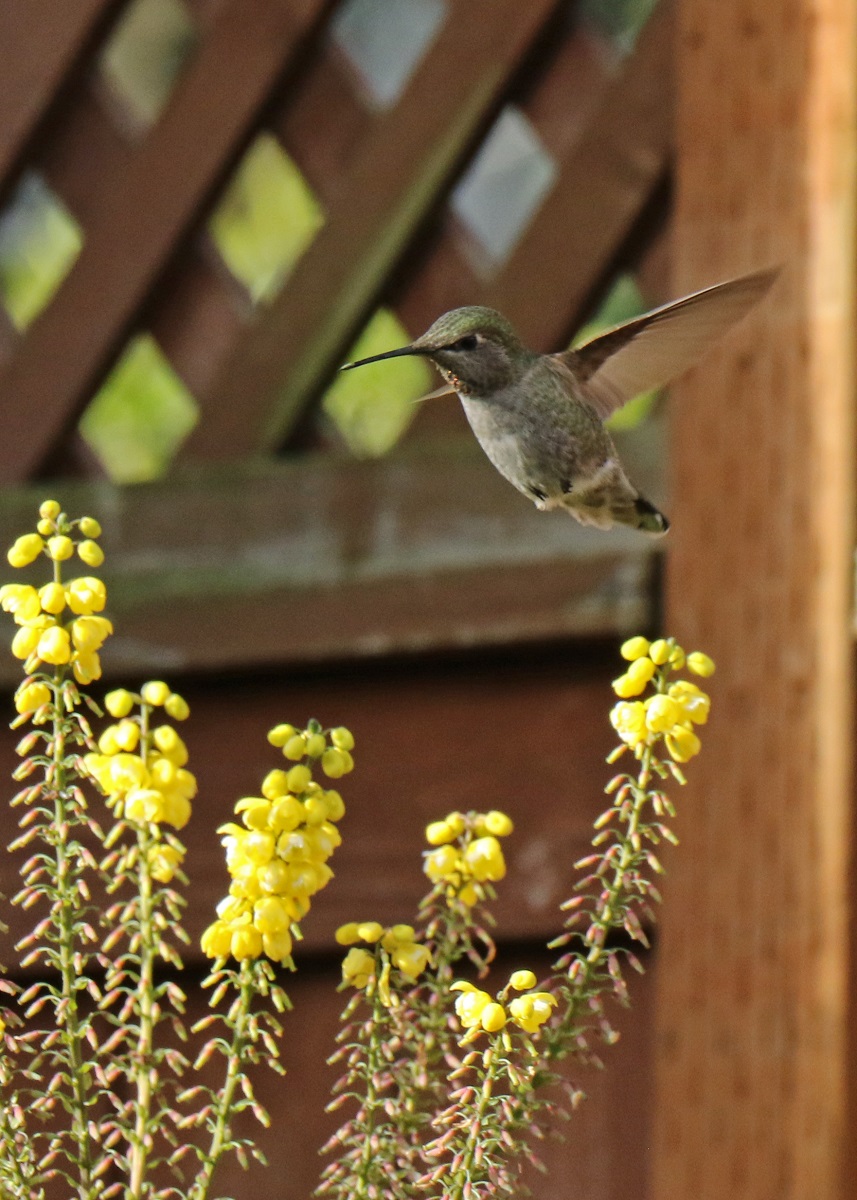
By now the hummingbirds have ‘consumed’ most of the little bell flowers on my mahonia, but there are still a few left.

Anna’s hummingbird (Calypte anna), a female. They beat their wings about 50 times per second.
I got a little too close with my camera. The little bird whipped up from the flowers, gave me a long, dirty, why-are-you-bothering-me? look, as I snapped this picture, and then buzzed off into the sky.

Wednesday/ robins & jays

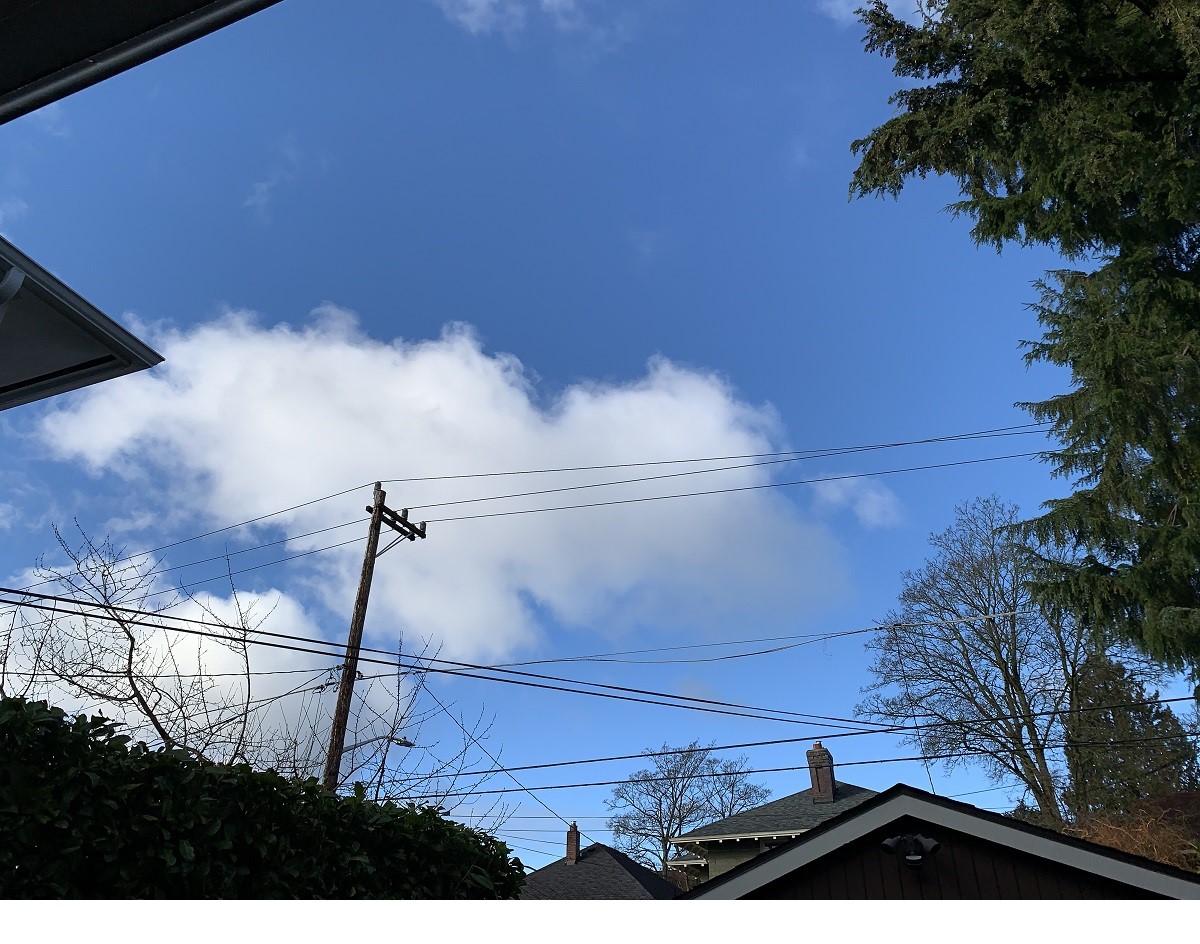
There was a break in the rainy weather today, with blue skies and fluffy white clouds. For the first time in a long while, I saw robins and jays around my house.

The Washington Dept. of Fish & Wildlife is advising homeowners to take down their bird feeders, though.  Outbreaks of salmonellosis (infection of the bacterium salmonella) are going around in the local bird populations.  There is enough natural food for them, and birds that crowd around feeders can infect one another.

So now our feathered friends need to keep their social distance for awhile as well? Oy vey.

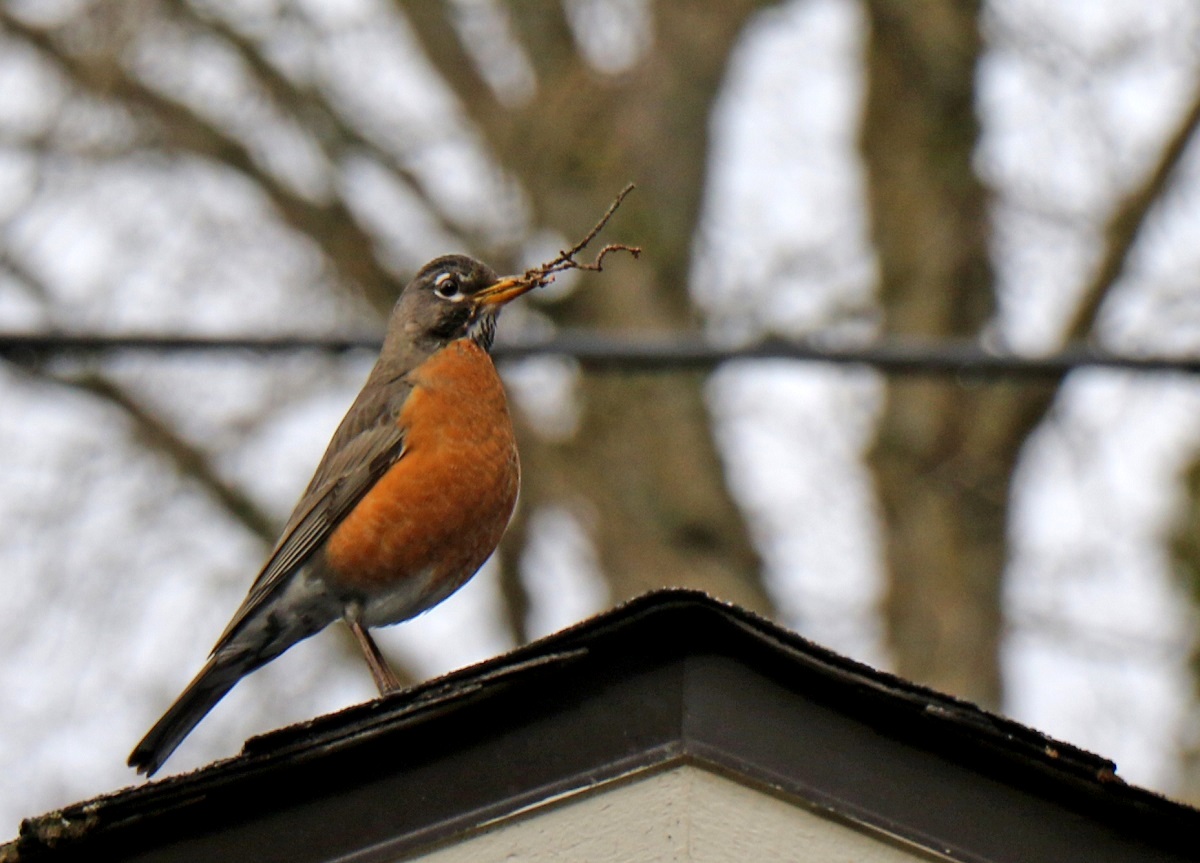
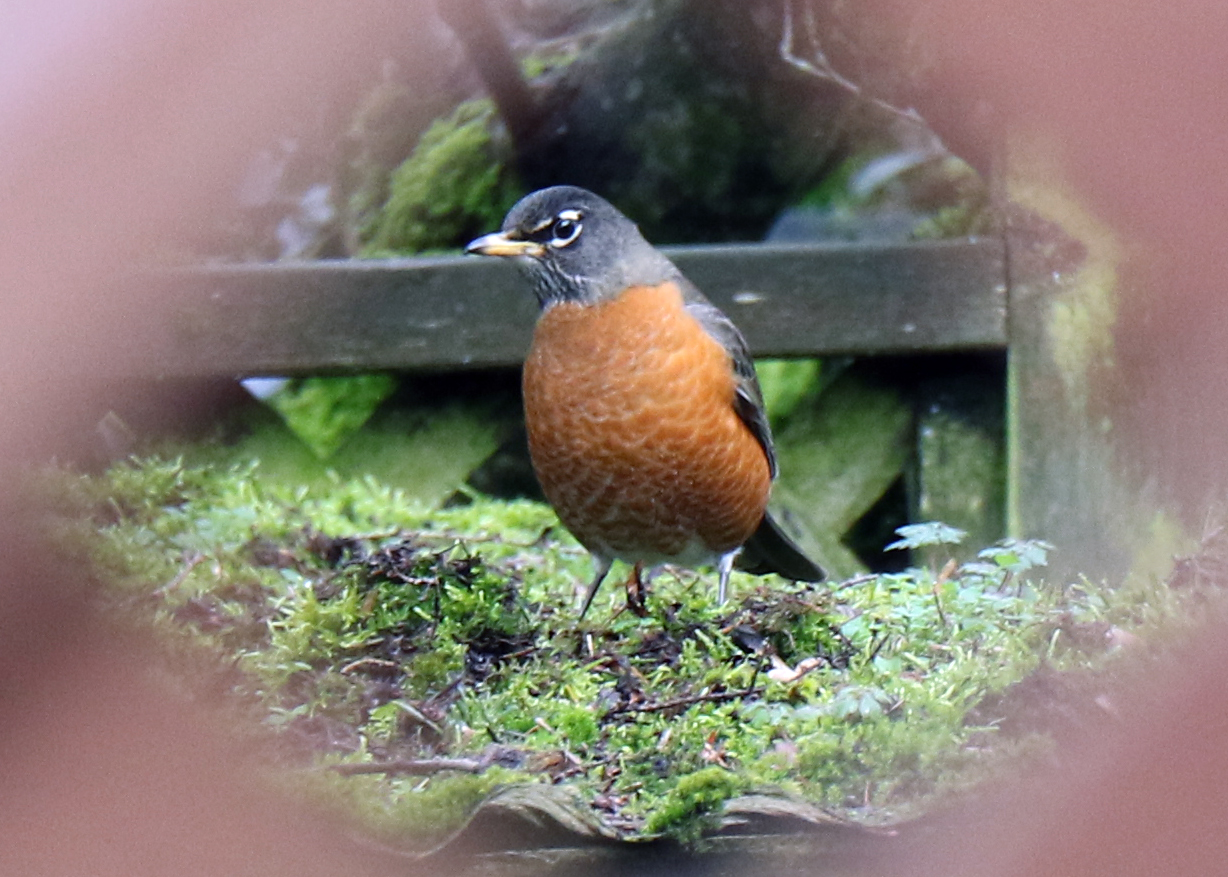
This American robin (Turdus migratorius) was foraging for insects in the moss-covered roof in my neighbor’s yard. The crosshatch pattern in my yard’s fence is vignetting the picture.
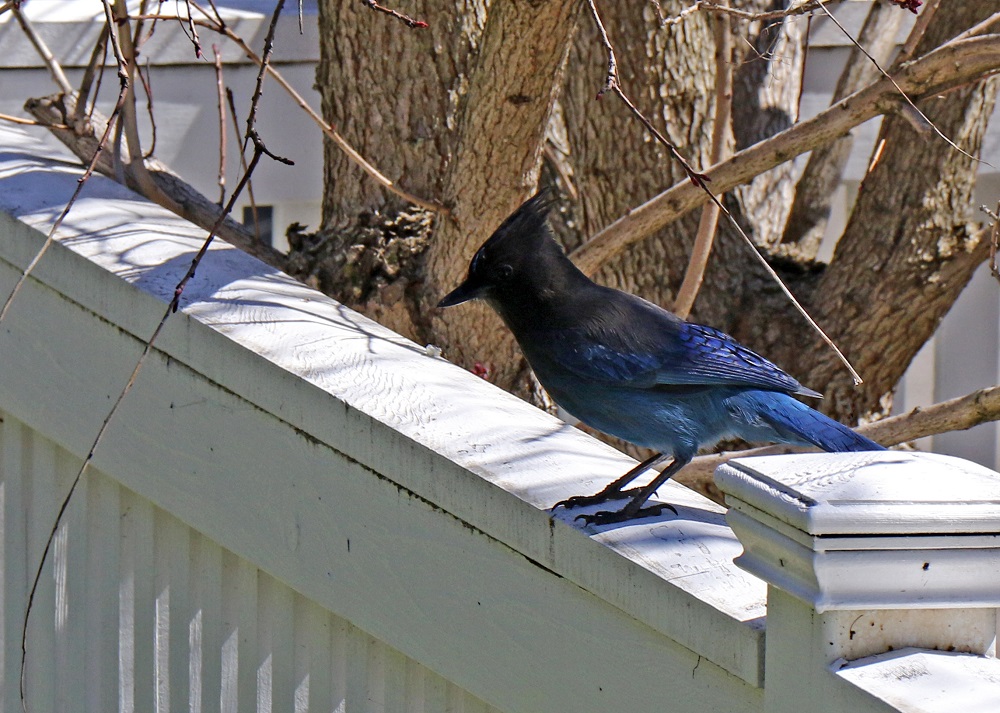
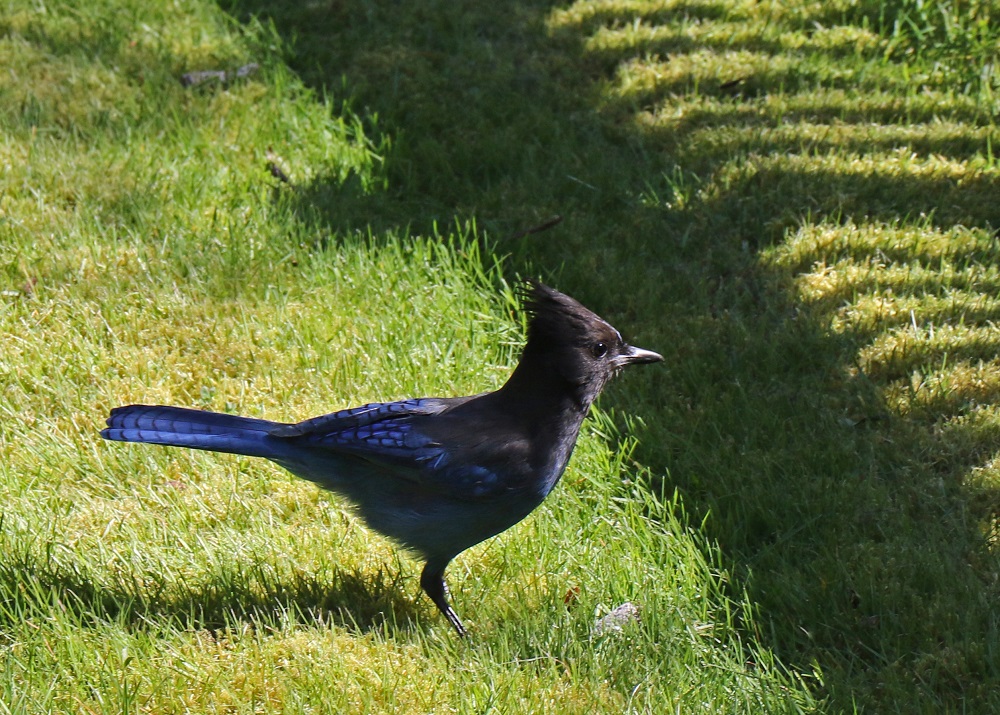
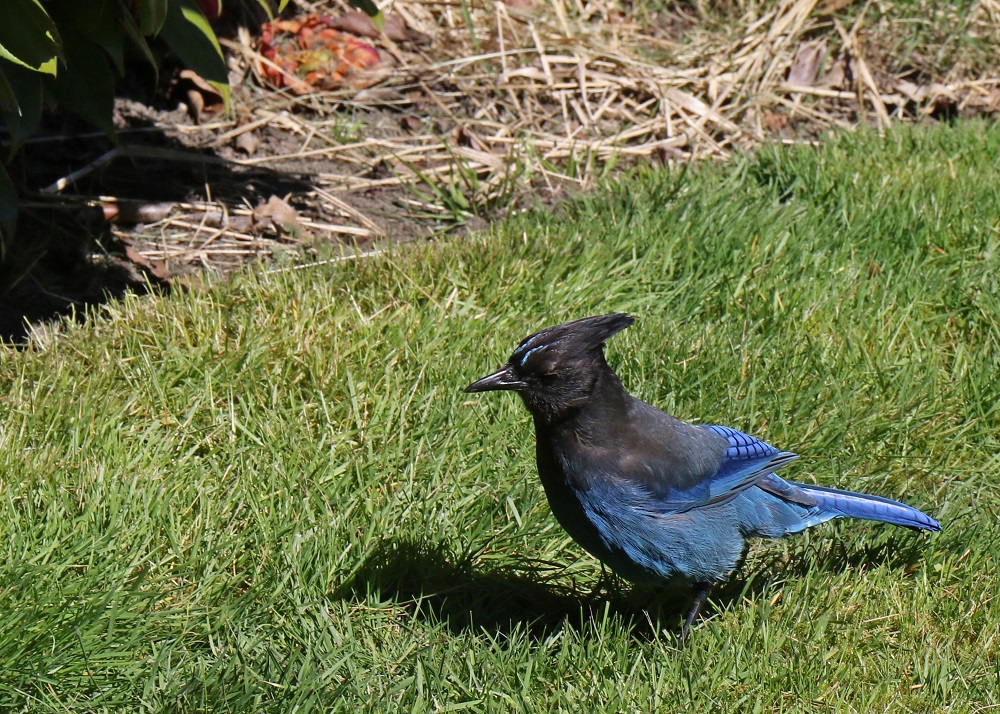
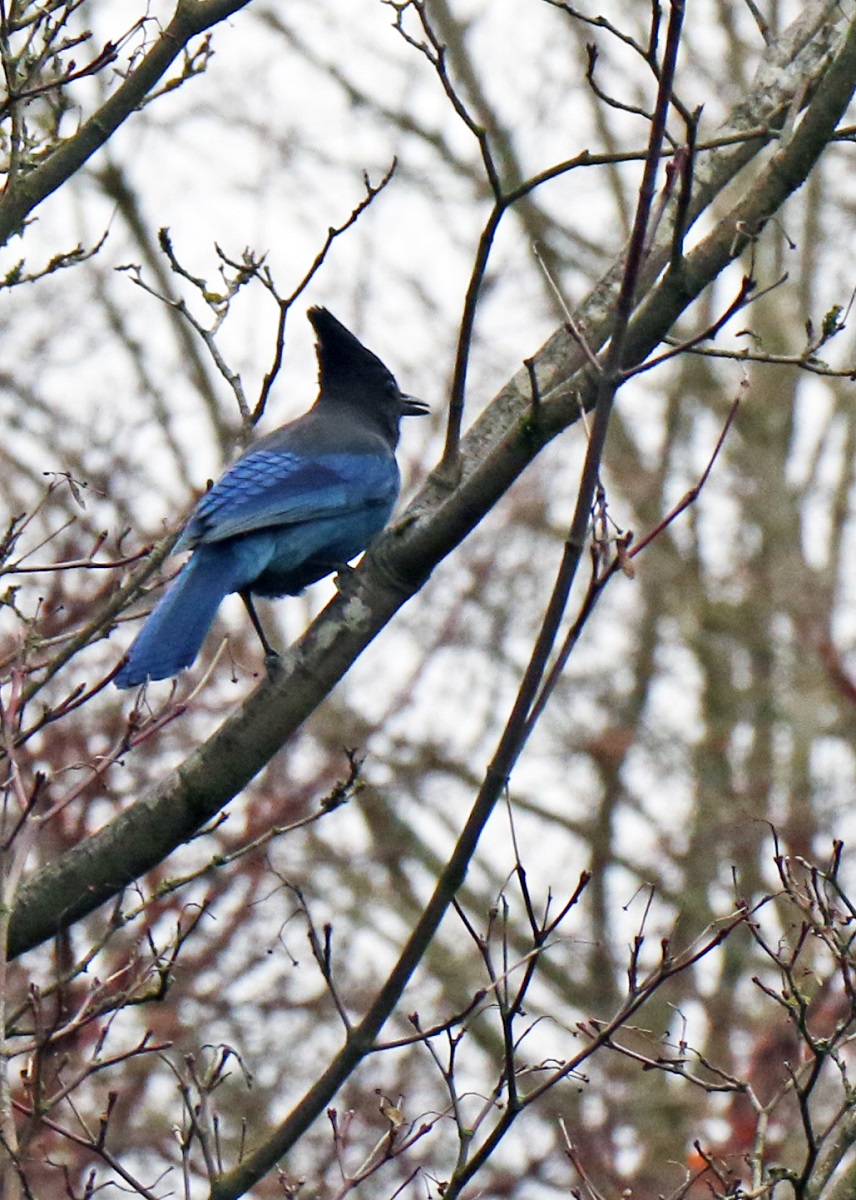
A Steller’s jay (Cyanocitta stelleri) with its black crest and striking blue wings & tail, was squawking up in a tree close by.

Monday/ tropical storm Eloise

I’ve been following tropical storm Eloise for a few days now. There has not been large loss of life (official death toll in Mozambique: 12), but some 5,000 homes in Mozambique were destroyed or badly flooded.

I believe the Kruger National Park, the national parks in Zimbabwe, and the Moremi Game Reserve on the eastern side of Botswana’s Okavango Delta* will be OK. Some areas are getting soaked with 5 or 6 inches of rain, and this summer’s corn harvest is going to be damaged badly.

*This is the time of year that the enormous and very shallow bowl of the Okavango Delta fills up with about 2.6 cubic miles (11 cubic km) of water, spread over as much as 5,800 square miles (15,000 km2).

Tropical storm Eloise brought heavy rains over the south of Mozambique, the little land-locked country Eswatini, and the north and east of South Africa. [Infographic by Theuns Kruger/ Grafika24 for Beeld newspaper]

Friday/ Volunteer Park’s ducks

We had a lot of sun today.
It’s January, though – the doldrums of winter – and the day’s highs only made it to 45 °F (7 °C).
These pictures are from Monday.

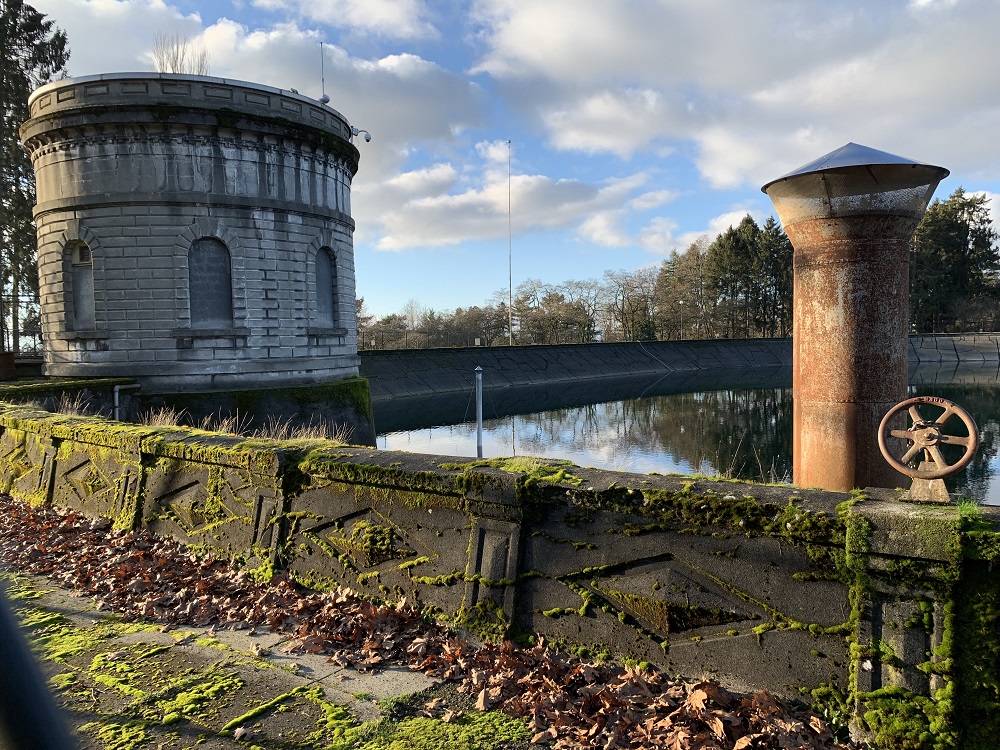
Here’s the Volunteer Park reservoir, here on Capitol Hill in the city. Its water is not considered usable for drinking water (the city has already covered several other reservoirs with lids, but not this one). The Cedar River’s water filled the 22 million-gallon reservoir for the first time in January 1901. The chlorophyll in the moss on the parapet (low wall) around the reservoir, is glowing neon green in the sunlight.
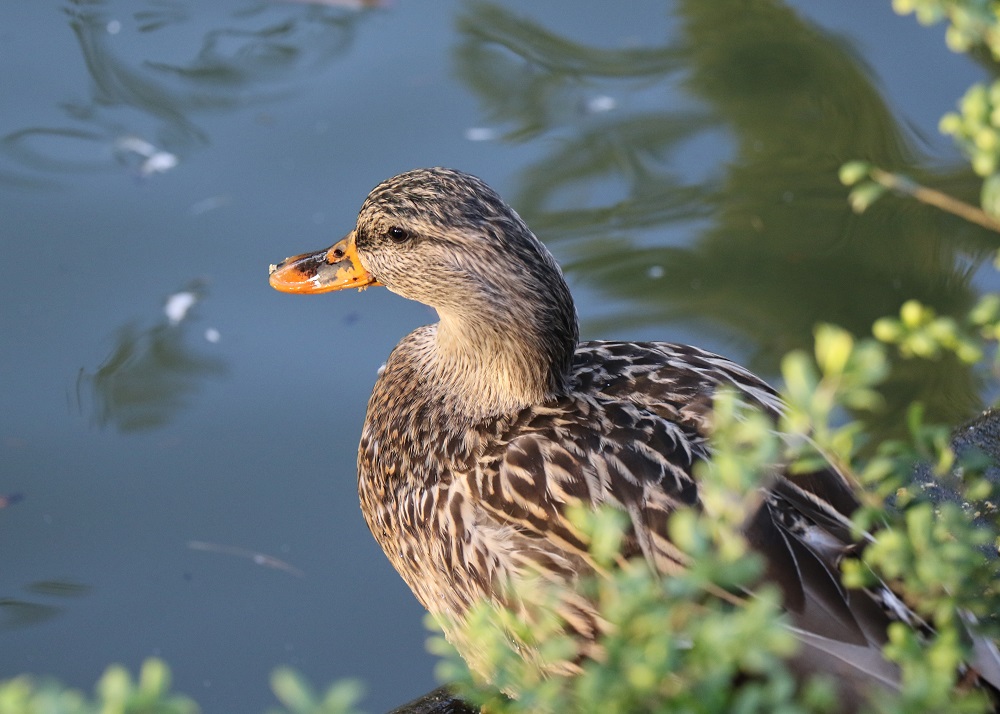
Here’s a female mallard (Anas platyrhynchos), at one of the two duck ponds near the reservoir.
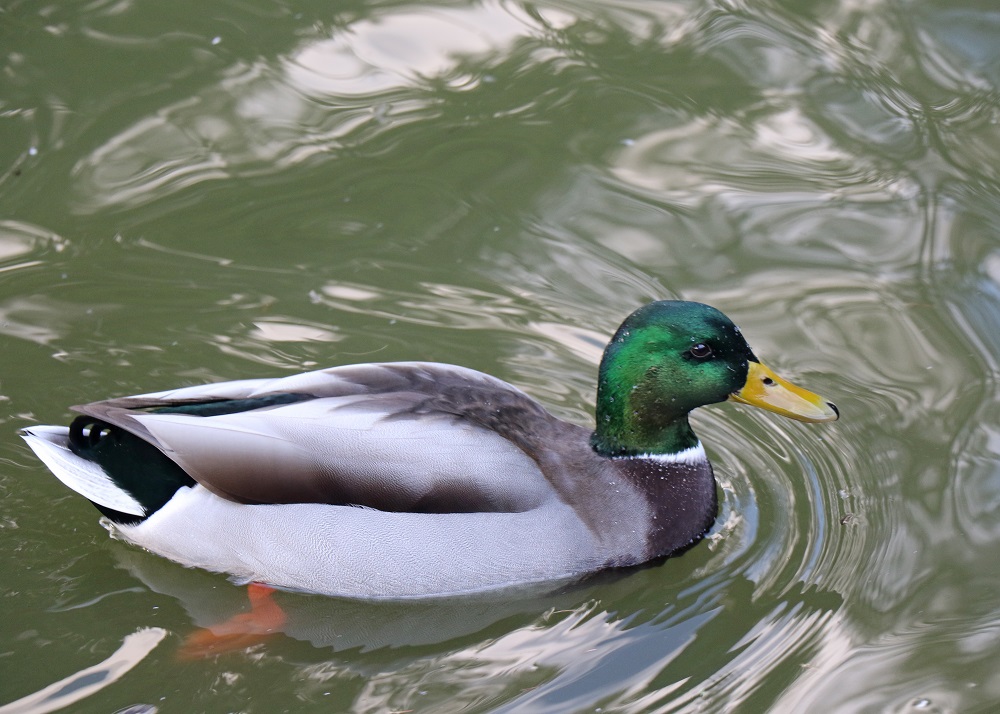
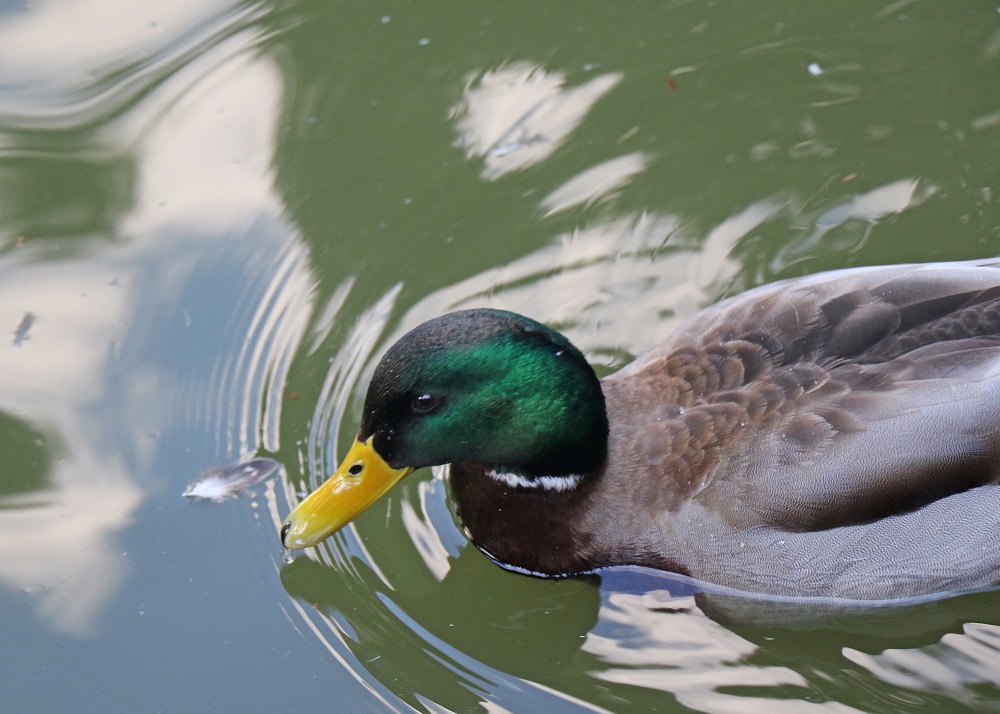
The male with its glossy green head, doing the duck thing, paddling in the water. Mallards are dabbling ducks: freshwater ducks that feed in shallow water by dabbling and upending as they look for food.
This species is the main ancestor of most breeds of domesticated ducks (the white ones that are kept for their meat, eggs and down). Mallard ducks were first domesticated in Southeast Asia, at least 4,000 years ago. [Source: Wikipedia]

Thursday/ time is fleeting

Art is long, and Time is fleeting ..
– Henry Wadsworth Longfellow, from his poem ‘A Psalm of Life’ (1839)


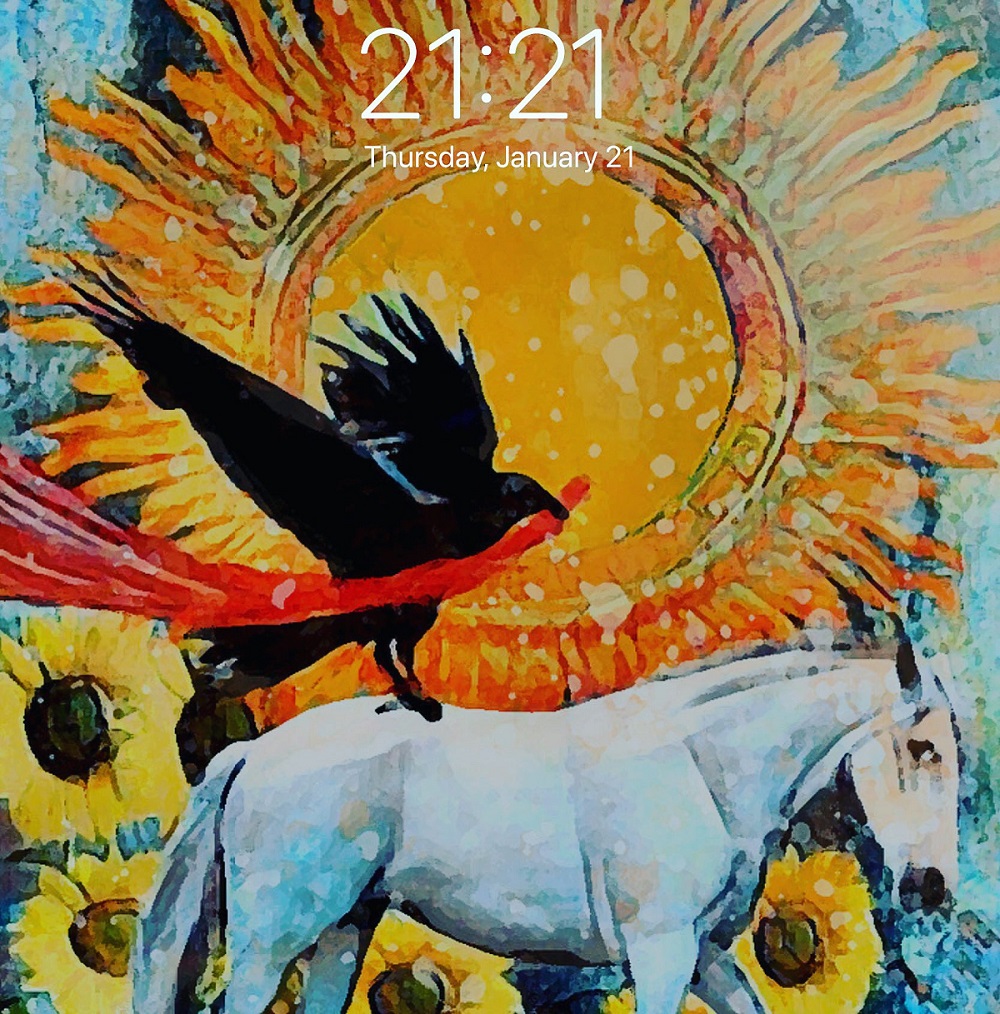
iPhone home screen from Twitter, showing 21:21 on Jan 21.

I know that our Gregorian calendar and Arabic numerals, used for date & time notation, is a completely man-made construct.

Even so: the clock here on the Pacific coast is about to run into a cascade of 21s, the way it has all over the world today.

At 9.21:21 pm tonight it will be the ..
21st second into the
21st minute into the
21st hour into the
21st day into the
21st year into the
21st century.

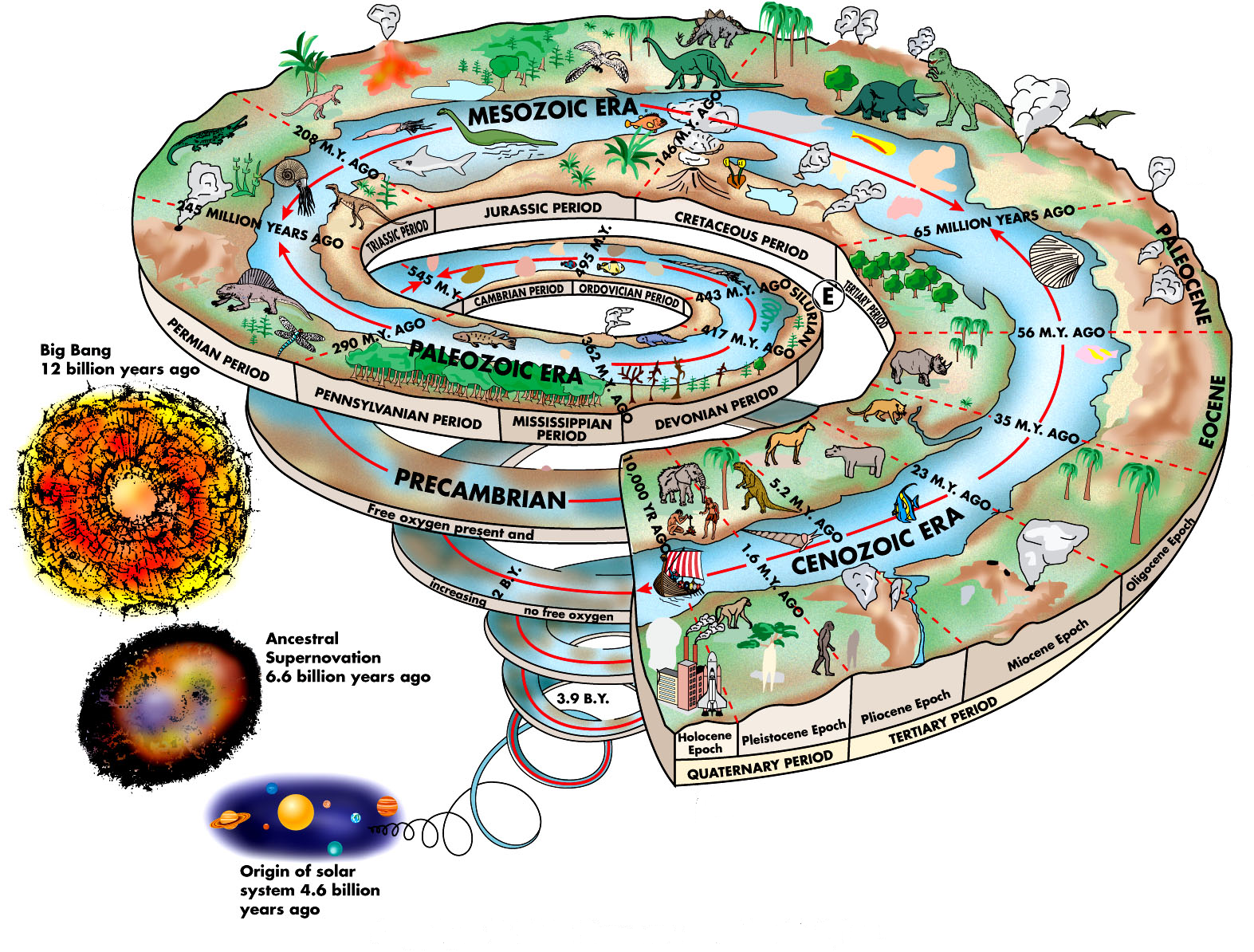
In Earth’s geological timeframe of 4.6 billion years, humans find themselves in the Halocene epoch of the Quarternary Period.  The Halocene epoch started some 11,650 years ago. I love the pictures of the dinosaurs and animals. That must be a Neanderthal man, and hey, a space shuttle right at the end. Last space shuttle flight was in 2011, but that’s OK. That was just a moment ago. [Source: A blog called NaturPhilosophie, run out of Glasgow, Scotland]

Thursday/ my new animals

My shipment from Amazon Japan* has arrived: a chess set, which I will show later, and three animal figures to add to my collection.

*German international courier DHL picked the package up in Tokyo, flew it to their hub in Cincinnati, and then on to Seattle where it was put on the delivery truck. Yes, I know, I am a bad person. I should not burn fossil fuels to buy a product that is made from fossil fuels (plastic). Sorry.

I had to get the giant panda (Ailuropoda melanoleuca), because I had one in my hand in the Yodobashi store in Tokyo, and put it back on the shelf. There are fewer than 2,000 pandas left in the wild. An additional 400 are in captivity, most of those in China. Pandas play an enormous role as ambassadors for China, and to generate goodwill towards the country around the world. (Model is Schleich 14772 Giant Panda, Male. Introduced 2017).
The gray wolf (Canis lupus), a native Washington State species, nearly became extinct in the state in the early 1900s. The Washington Dept. of Fish & Wildlife reported in 2019 that there were at least 145 wolves living in 26 packs in the state. (They are elusive and hard to count). (Model is Schleich 14821 Wolf, Introduced 2019).
And my collection did not have an American bison (Bison bison) until today, so that could certainly not stand! The vast herds on the North American continent are estimated to have had 60 million animals at their peak. They were just about hunted into extinction by the animal called Homo sapiens: by 1889 there were 541 left. Recovery efforts were put in place, and today there are some 31,000 in the wild. (Schleich 14714 American Bison. Introduced 2014).

Sunday/ scenes from Gas Works Park

I felt like a change of scenery today for my walk, and went down to the Gas Works Park area on Lake Union.

Looking south here. That’s Interstate 5 and the Ship Canal Bridge with its double-deck truss (opened Dec. 1962). On the left edge is the fishing vessel Peggy Jo, built in Tacoma in 1966. This may be a fueling dock. I believe that orange ‘float’ line is to keep accidental oil or gas spills from spreading out further on the water. Look for the Space-Needle-in-a-haystack elsewhere in the picture.
A view across Lake Union to the southeast. Merrymakers on the water and a lone sailboat. That prominent square building on the horizon, towards the right, is St. Mark’s Episcopal Cathedral. Its intended architecture was never completed. The reason is the fateful date of its groundbreaking for construction: Sept. 1928, a year before the start of the Great Depression. Construction was incomplete when the cathedral was dedicated on April 25, 1931, and the parish was in default on its mortgage throughout the 1930s. The cathedral was foreclosed upon in 1941 and shut for the next two years. From 1943 -44, the US Army used the cathedral as an anti-aircraft training facility. The mortgage was finally paid off in 1947. [Source: Wikipedia].
This raft of waterfowl is a group of American coots (Fulica americana). They are not ducks: they belong to the rail family, Rallidae.
I finally arrived at Gas Works Park: a 19.1-acre public park on the site of the former Seattle Gas Light Company gasification plant, located on the north shore of Lake Union at the south end of the Wallingford neighborhood. [Wikipedia]
Just some interesting geometric lines to look at. Maybe a cylinder or some other structure had rested on these as a foundation.
Needles, all the way down?*. A view from the little promenade that overlooks Lake Union.
*It’s my picture – but I’m borrowing the title from a similar picture that I had seen a while ago on Reddit.
And the clear view, almost due south, of the ever-changing city skyline. That’s Queen Anne Hill on the right, one of the highest spots in the city at an elevation of 456 feet (139 m).

Saturday

It’s Caturday, as ailurophiles (cat lovers) like to say.

Look at those beautiful eyes. A picture posted in Nov. 2020 on the popular Instagram account ‘missenell’ from Copenhagen, Denmark. On the left is Gilbert, a 4-year old Bengal, and on the right is Nelly, a 5-year old Birman-Ragdoll mix.

Saturday/ going for the gold

I took these pictures on Thursday, when there was a break in the rain.
These are Anna’s hummingbirds (Calypte anna), medium-sized as hummingbirds go.


After they were done with the mahonia’s flowers, the little birds sat on the power cables that run into my house for a long time.

Their feathers are mostly green and gray. The male’s head and throat have feathers that light up in a stunning iridescent reddish-pink when the light strikes it at just the right angle.

Monday/ winter is here, and a little snow

It’s winter here in the North, officially.
The city has had plenty of rainy, windy weather yesterday and today (1.58 in. measured in 48 hrs at Seatac Airport’s gauge).
.. and hey! the snowflakes coming down in the mix tonight, formed a thin layer on my back deck.

There was a break in the rain this morning, and I spotted this Anna’s hummingbird (Calypte anna) outside, attracted by the budding yellow flowers on the mahonia behind it. The rain and wind picked up again soon, though, and the little bird was gone.

Wednesday/ golden mushrooms

I did have a few of the large fly agaric mushrooms in my backyard in October (red with white spots), but they were not as big as last year’s.

I have not seen these golden ones before in my backyard, though. Looks like they are golden Pholiota (Pholiota aurivella).  They are supposedly edible; some people report that they taste like marshmallows without the sugar.
(That does not sound tempting .. and as I’ve said before, the only mushrooms I eat are ones from the grocery store!).

A clump of golden Pholiota (Pholiota aurivella). These are gilled mushrooms that reproduce with spores. The bamboo stick in the ground is about ½ in. thick.
These are a little more mature, with their brown scales that contrast with the golden cap color.