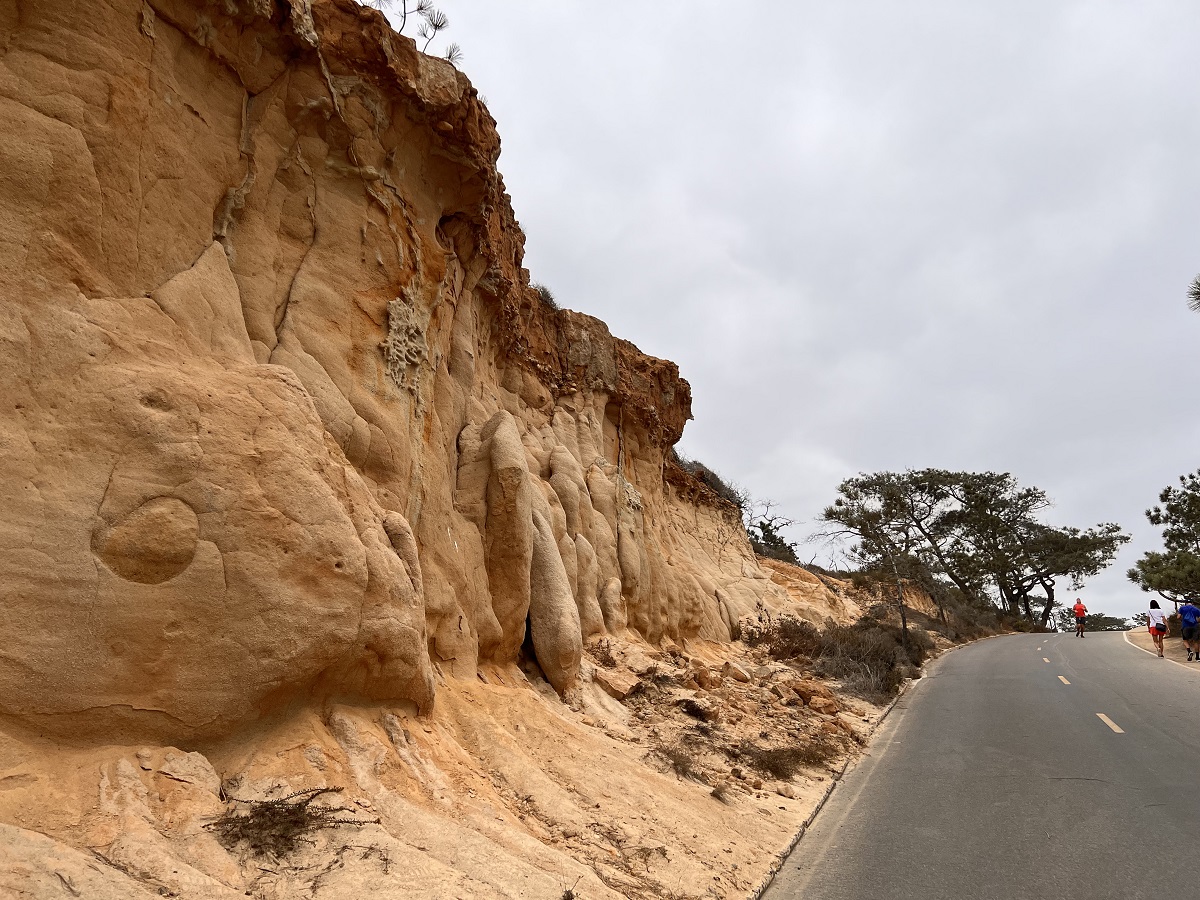
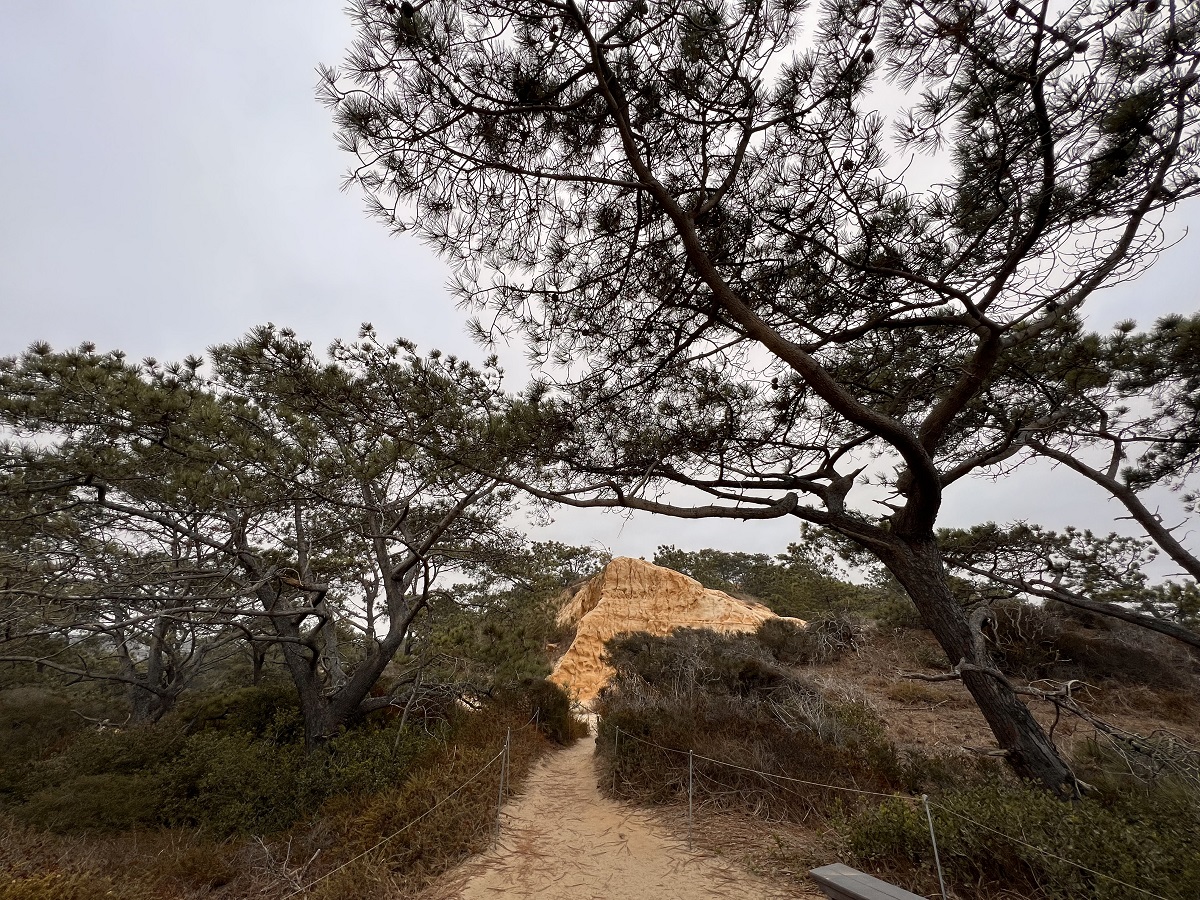
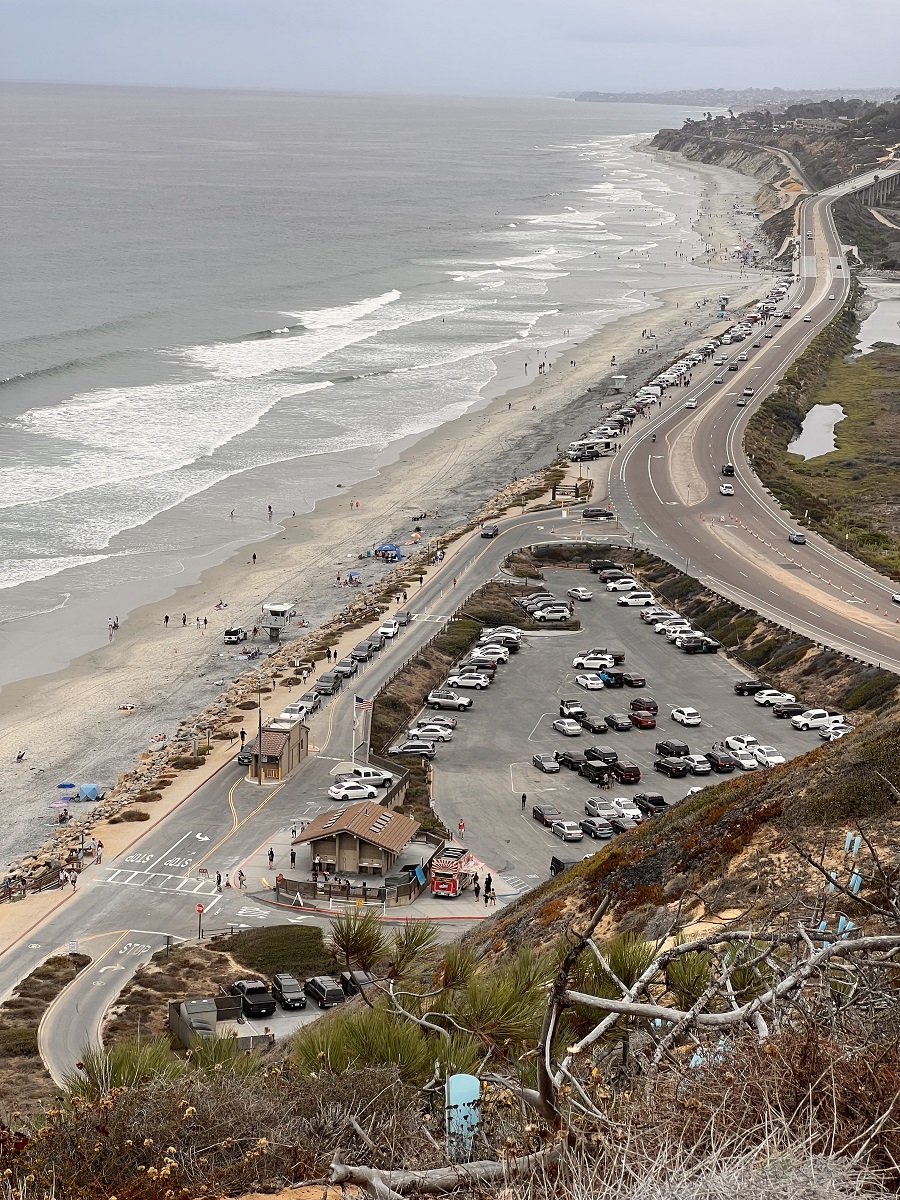
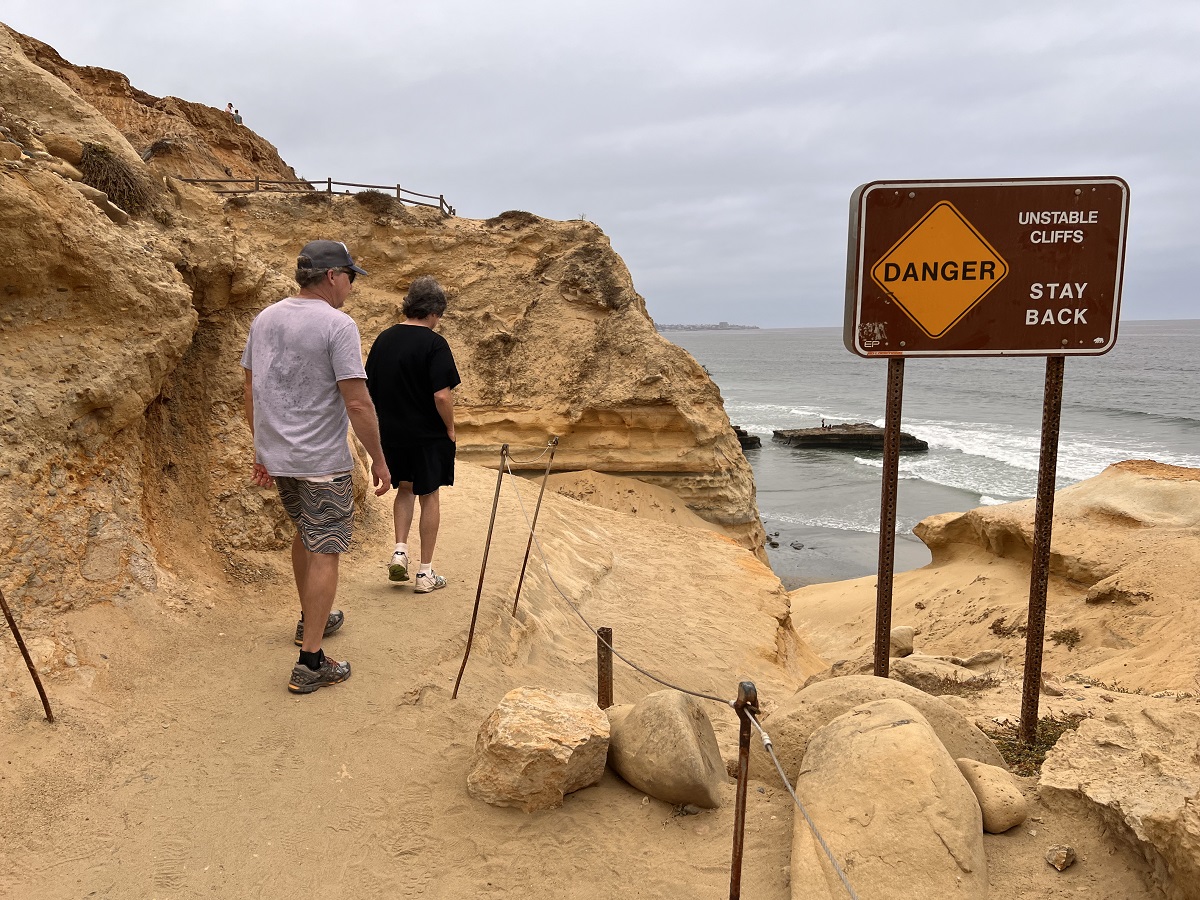
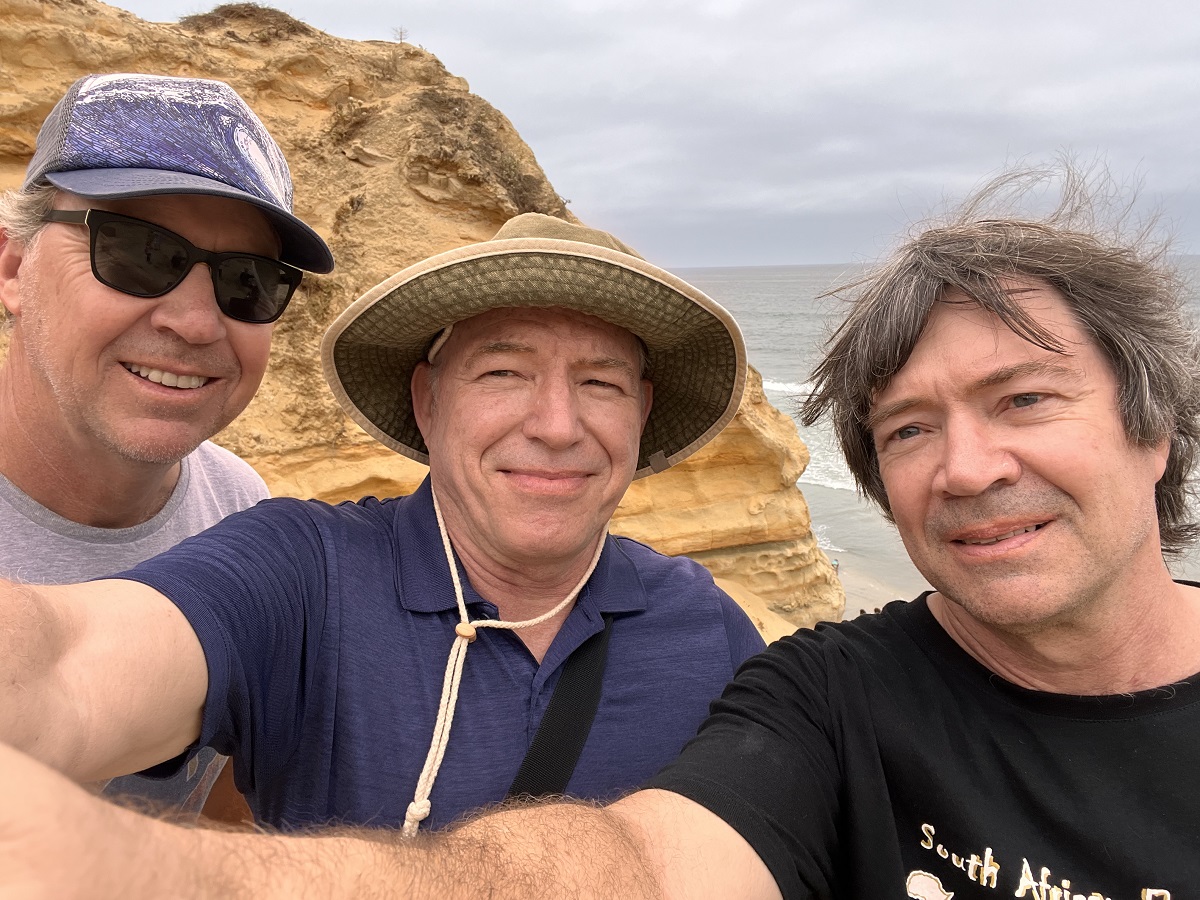
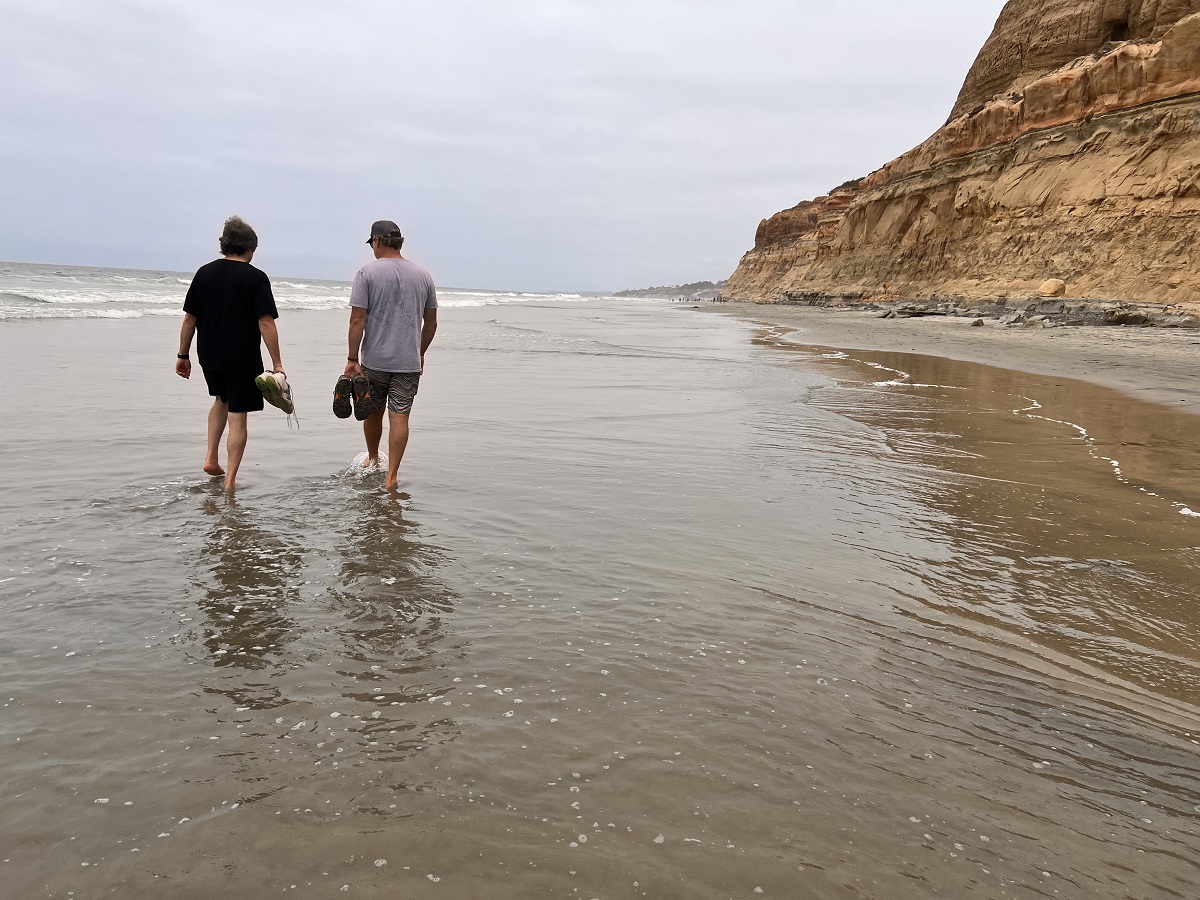
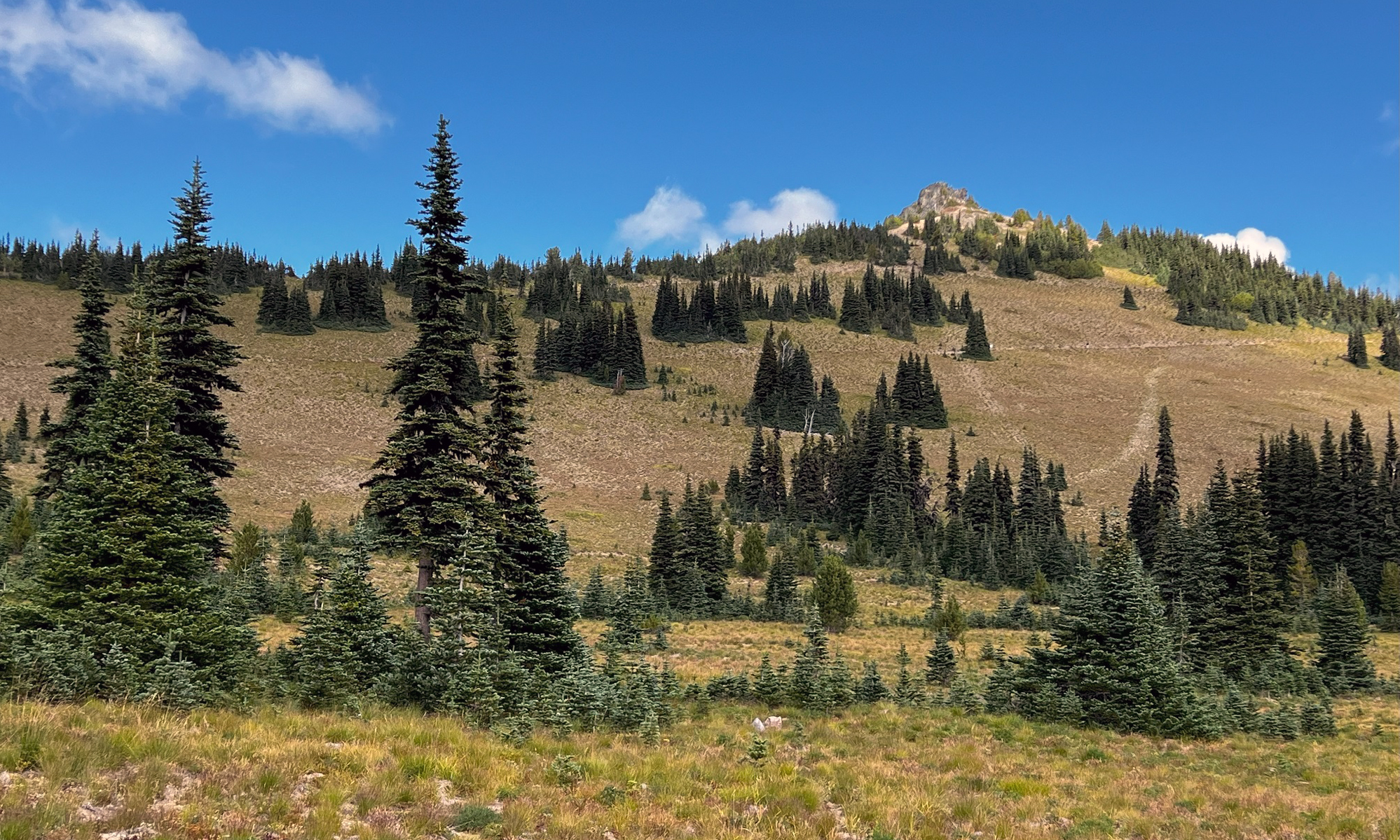
Today my brothers and I did a short hike up to the buff in Torrey Pines State Park, and then made our way down to the beach and back to the parking lot.

a weblog of whereabouts & interests, since 2010
Today my brothers and I did a short hike up to the buff in Torrey Pines State Park, and then made our way down to the beach and back to the parking lot.
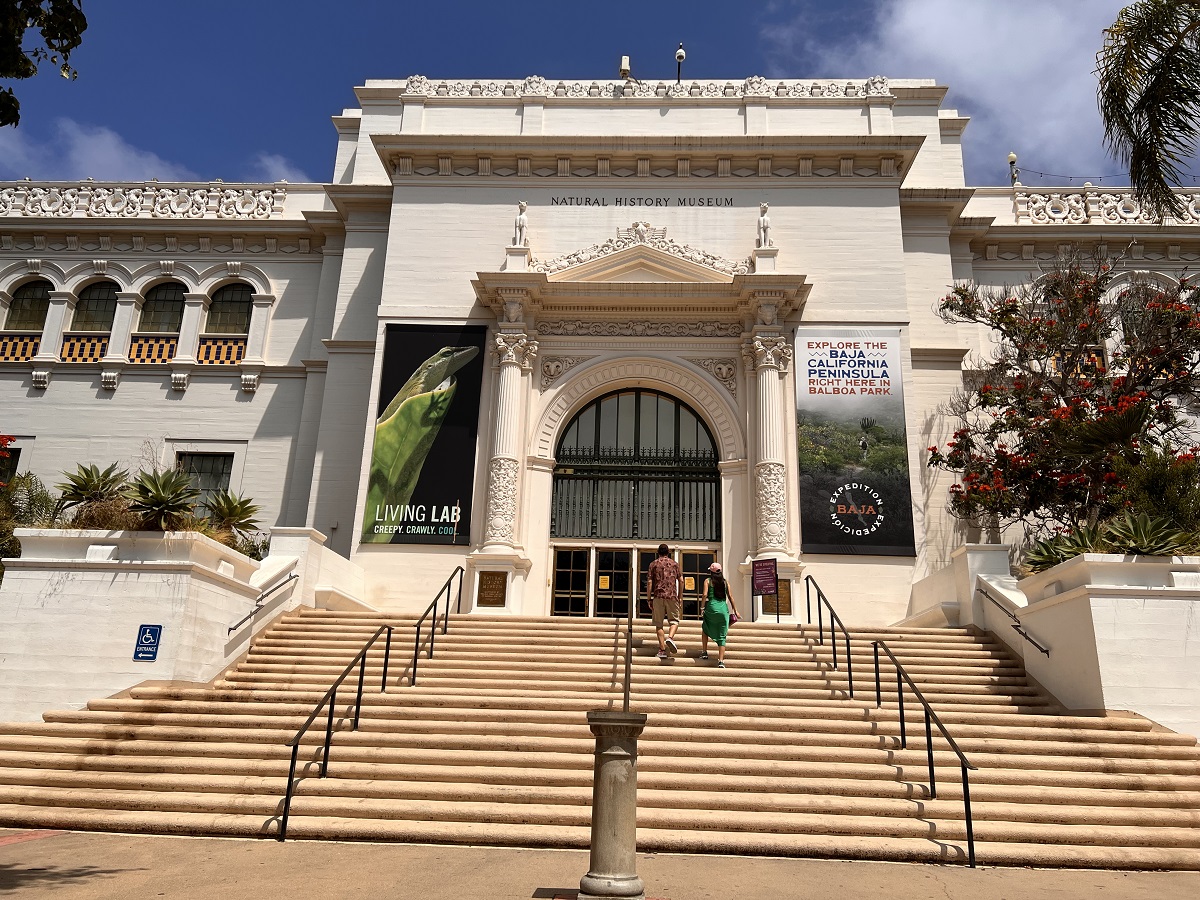
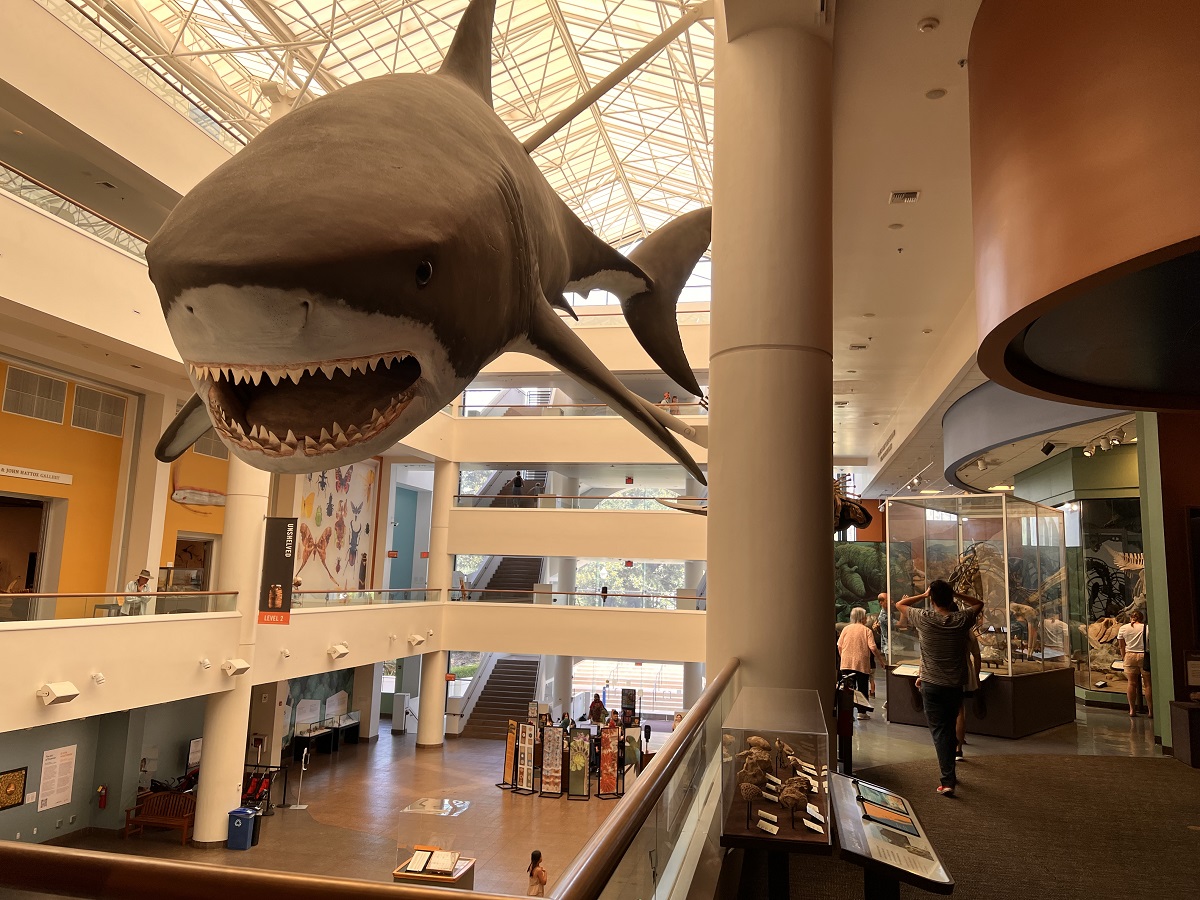
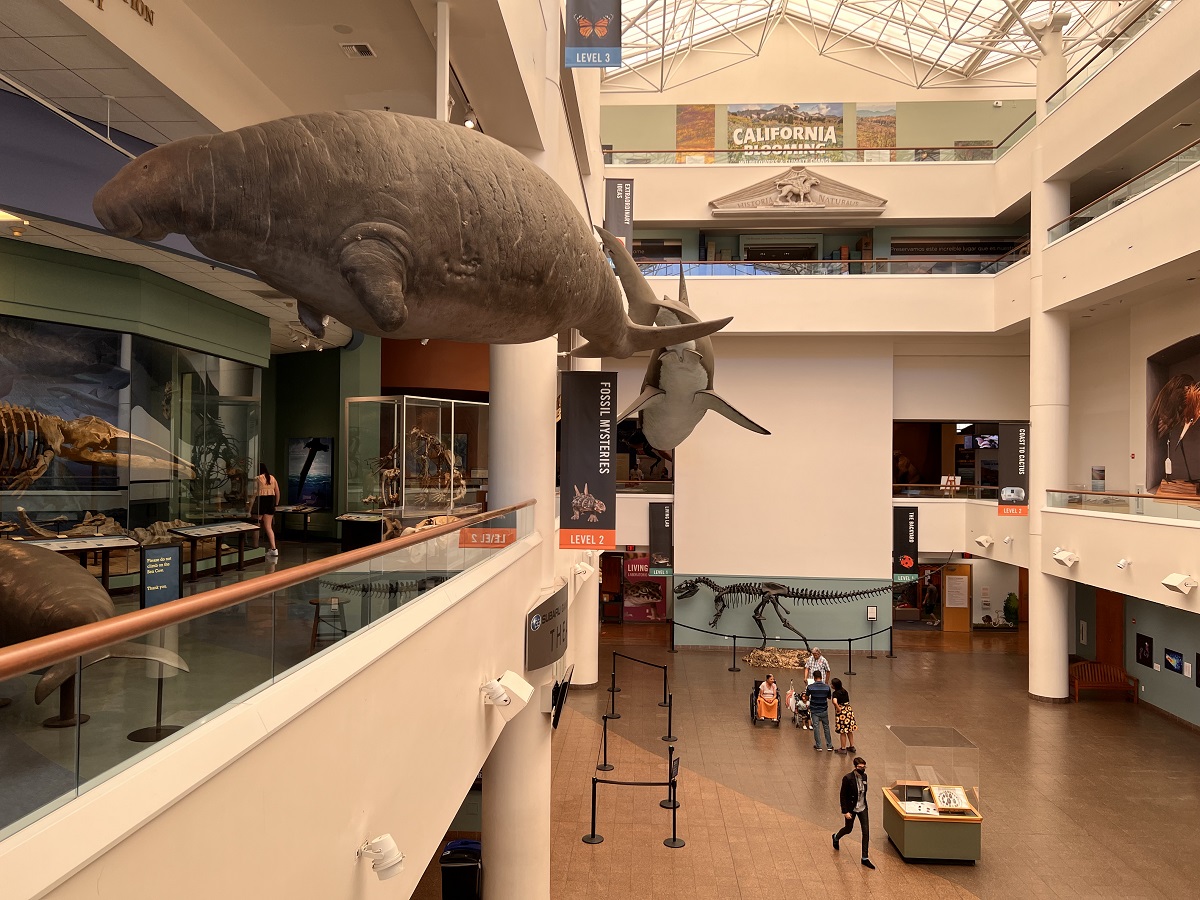
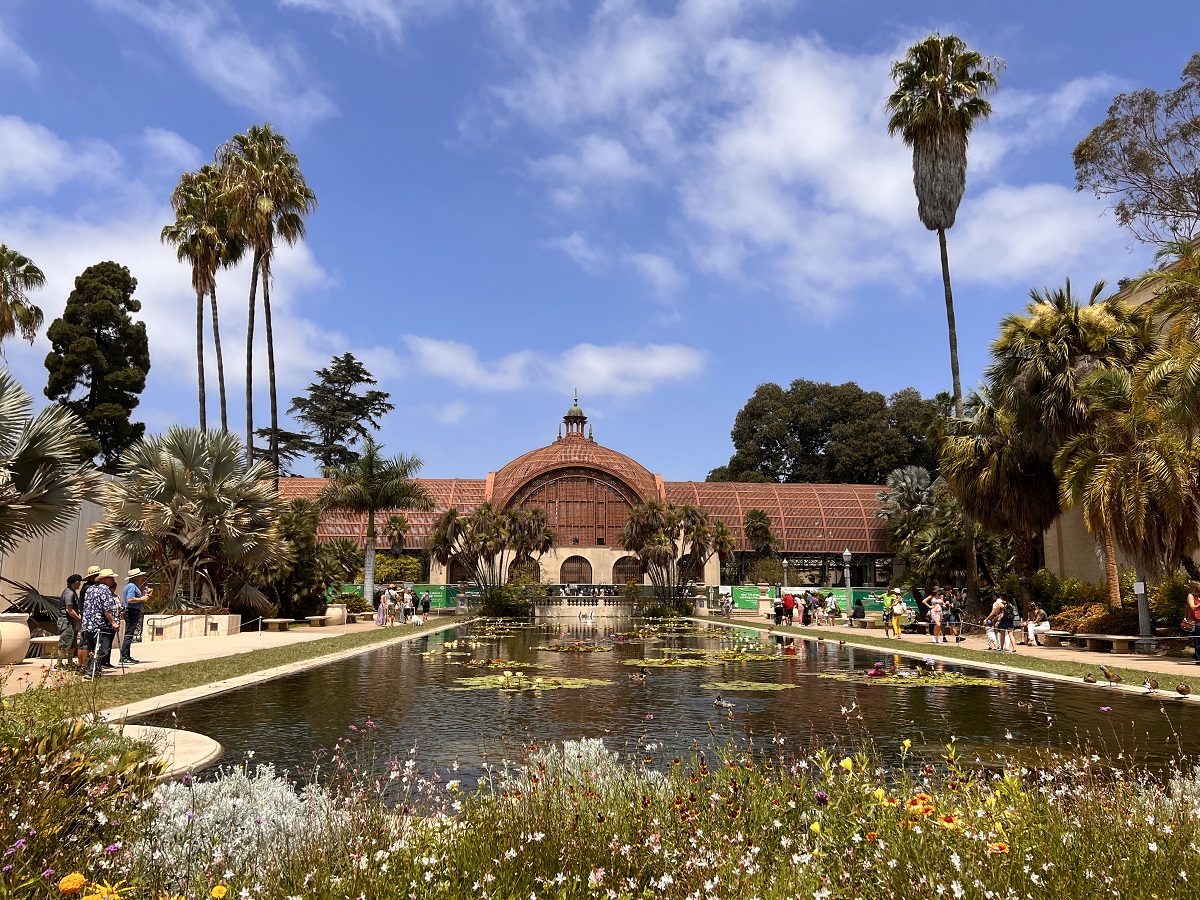
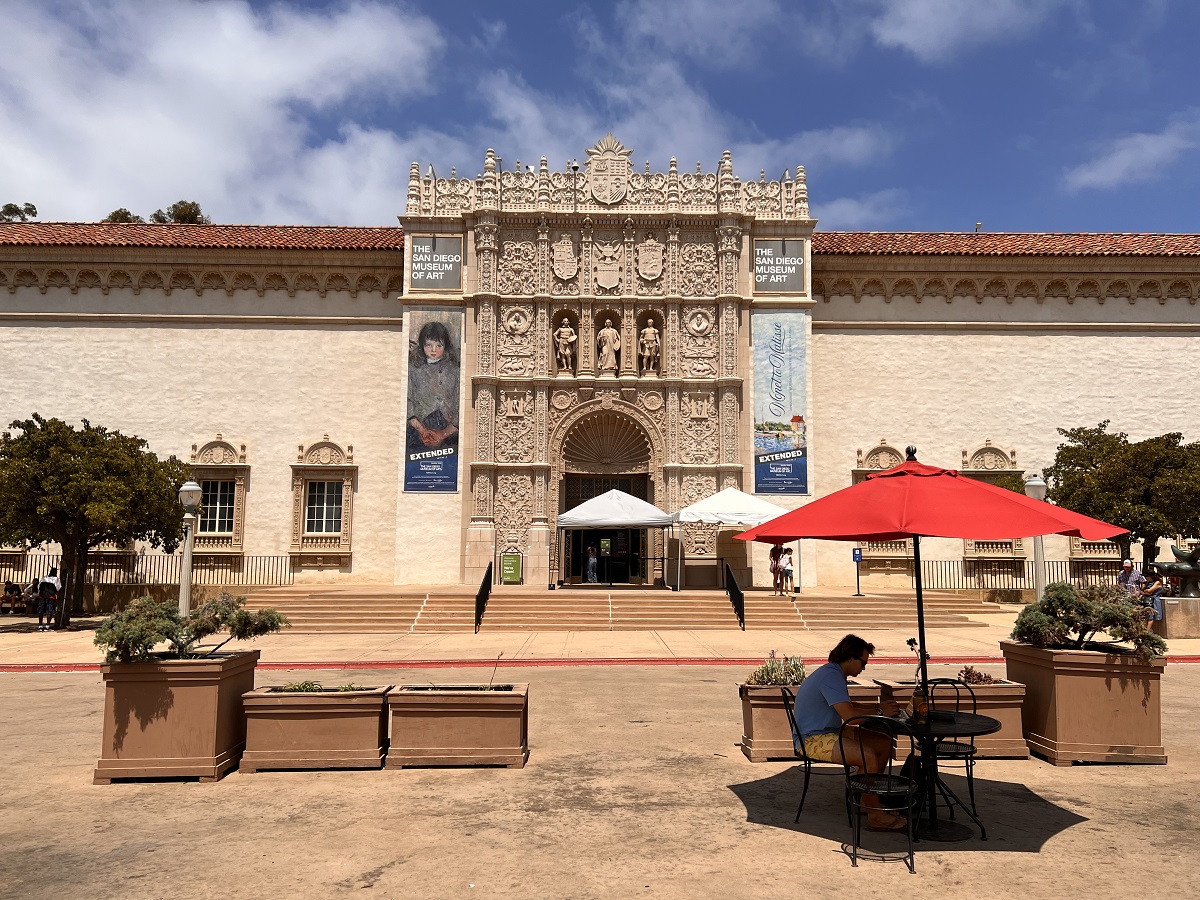
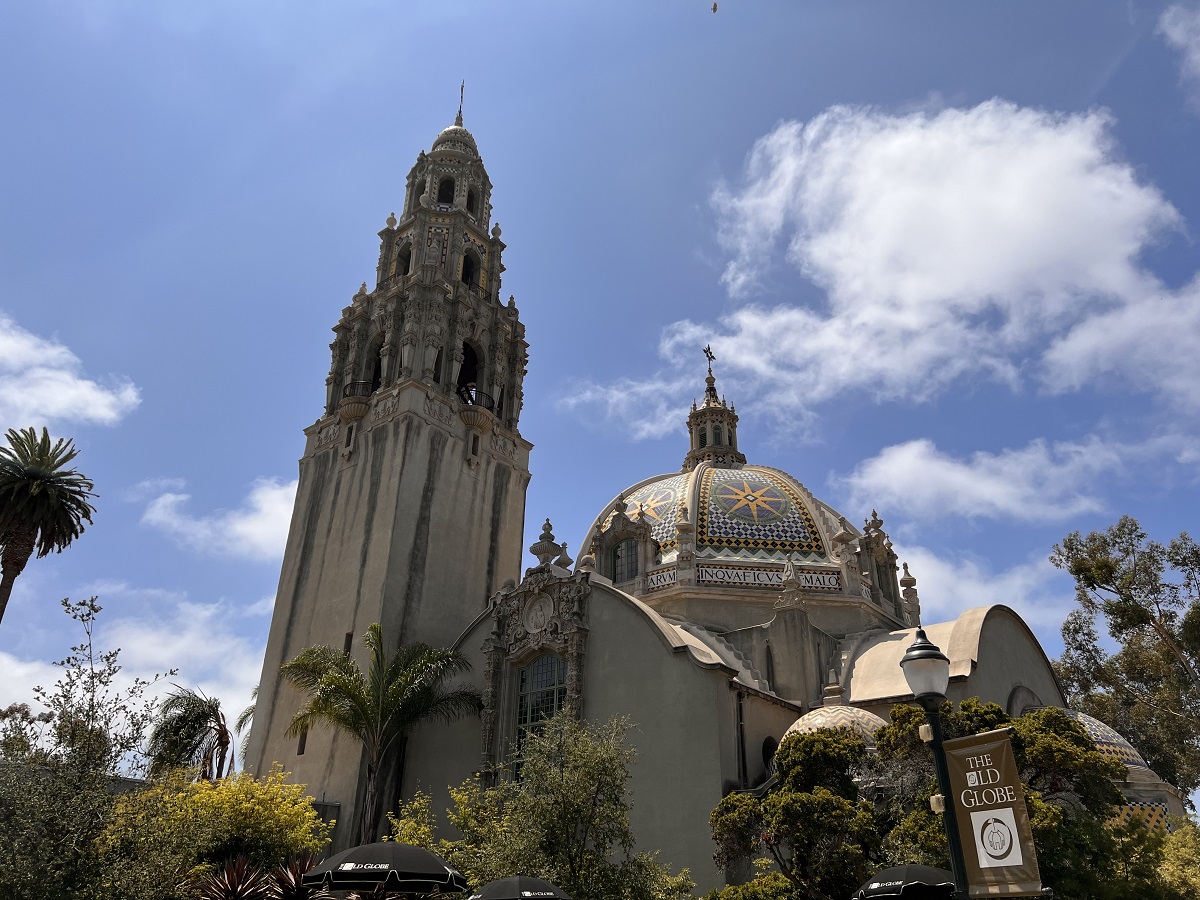
Balboa Park is a 1,200-acre historic and urban, cultural park in San Diego.
The park was originally called ‘City Park’, but was renamed after Spanish explorer Vasco Núñez de Balboa, in honor of the 1915 Panama-California Exposition, held in the park that year.
The architecture of the buildings in Balboa Park are a mix of Mediterranean and Spanish Colonial Revival style.
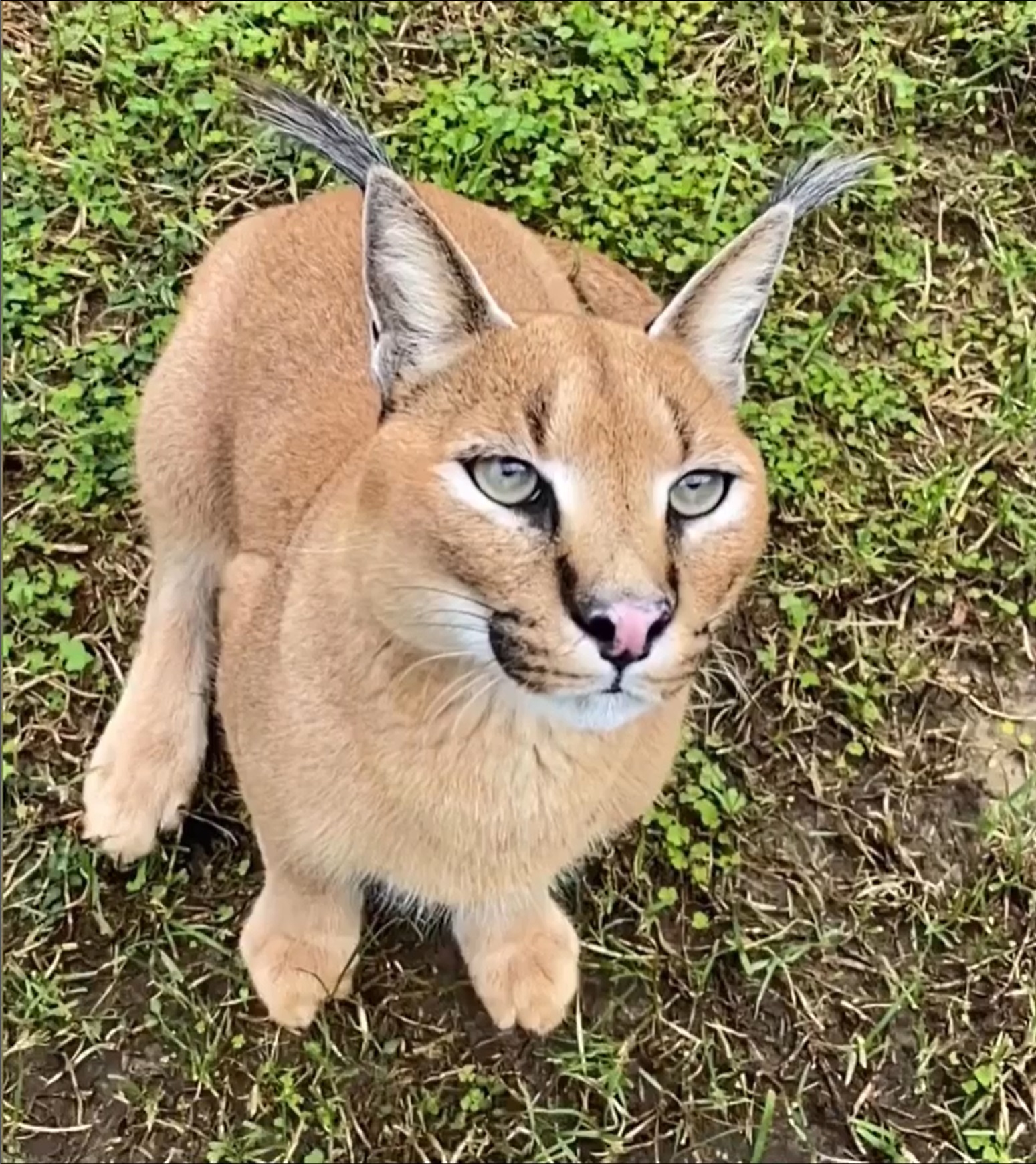
The caracal is a medium-sized wild cat (weight is 30-40 lbs) native to Africa, the Middle East, Central Asia, and arid areas of Pakistan and northwestern India.
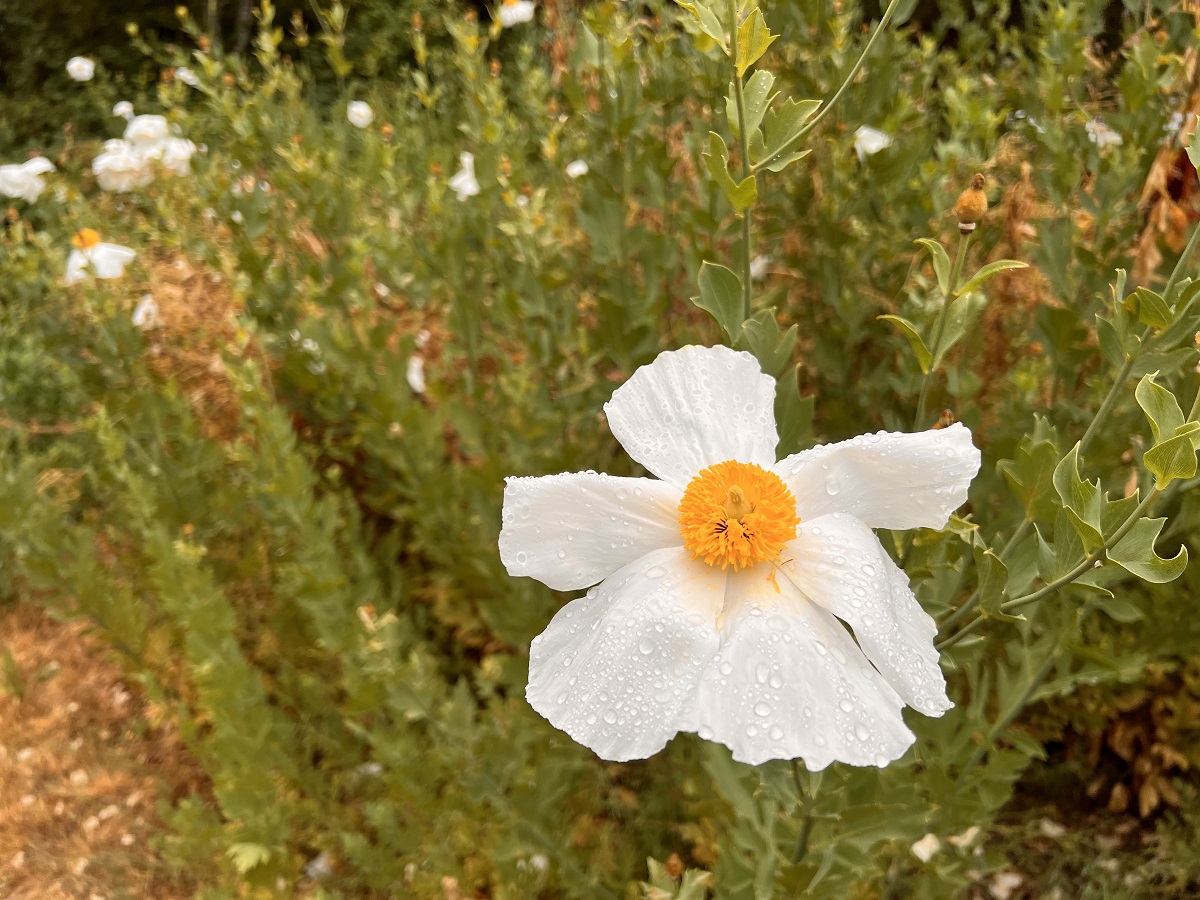
Here’s a Matilija poppy (Romneya coulteri) that I had found on Kitsap Peninsula yesterday.
Our stretch of warm weather continues, with a high of 95 °F (35 °C) today.
The meteorologists assure us we will have much cooler weather on Monday— something civilized like 79°F (26 °C).
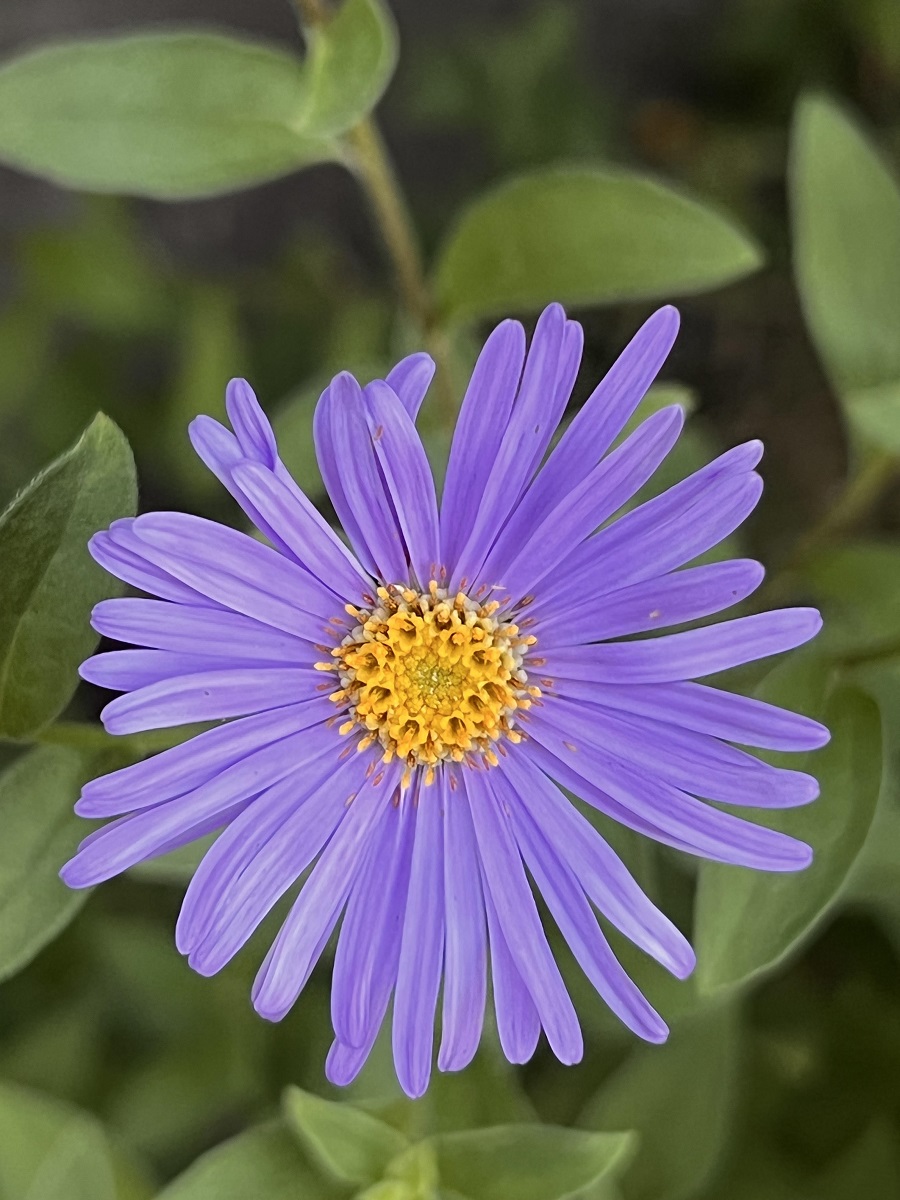
These beautiful daisies are from Thomas Street Gardens here on Capitol Hill.
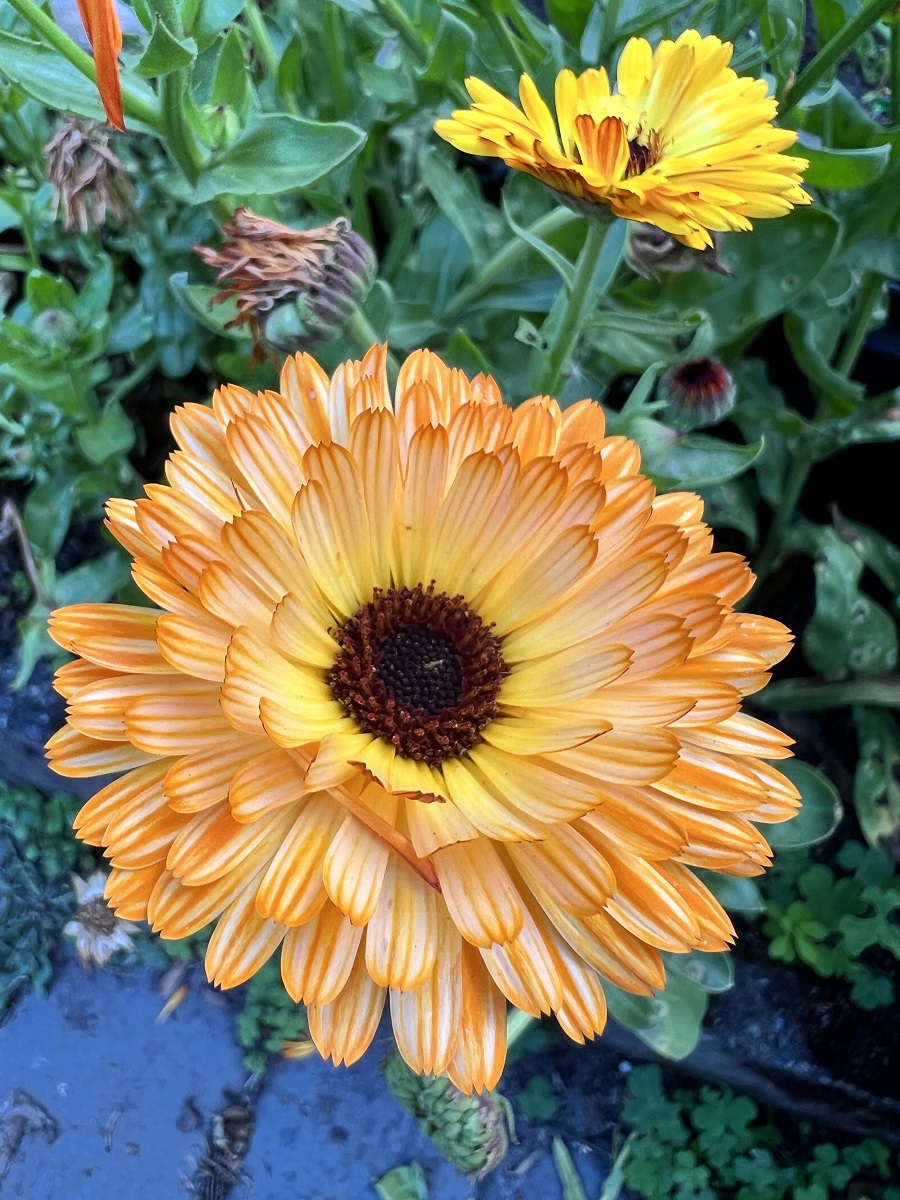
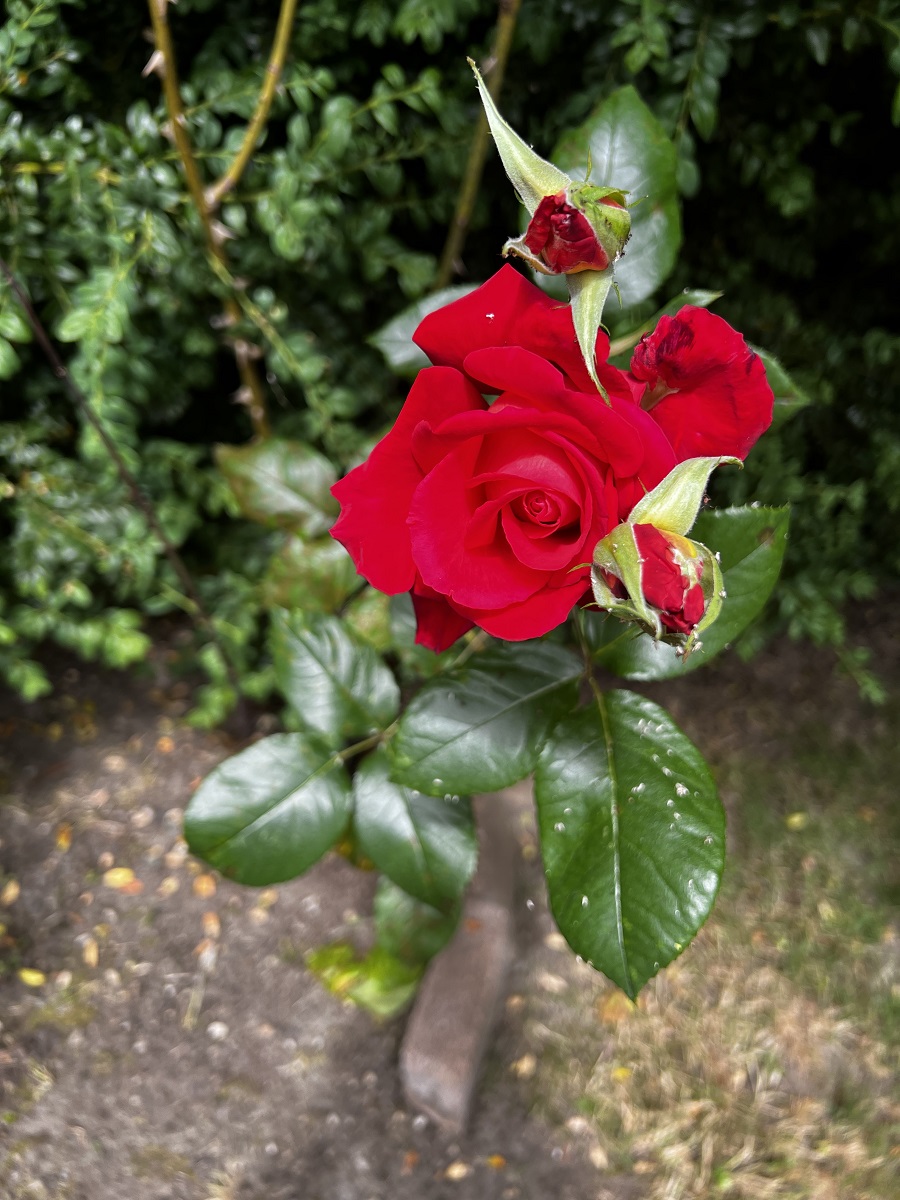
My little rosebush has produced its first bloom for the summer.
Is there any flower more famous than a rose?
Roses were probably cultivated in Asia first, some 5,000 years ago.
The Chinese philosopher Confucius wrote of growing roses in the Imperial Gardens about 500 BCE and mentioned that the emperor’s library contained hundreds of books on the subject of roses.
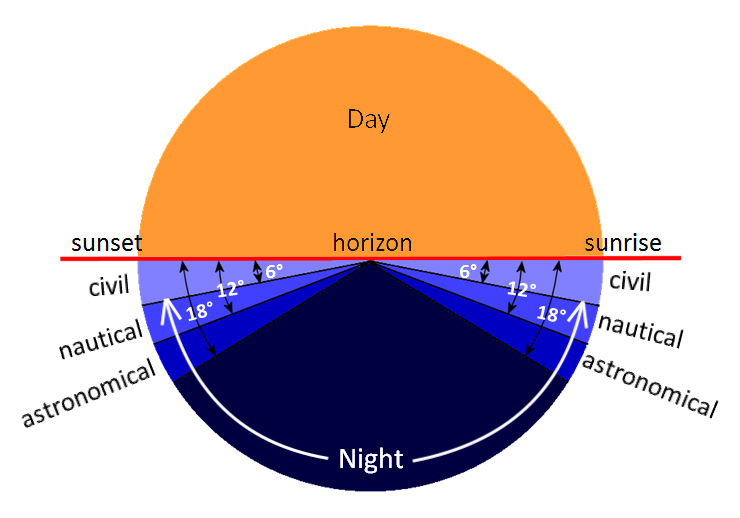
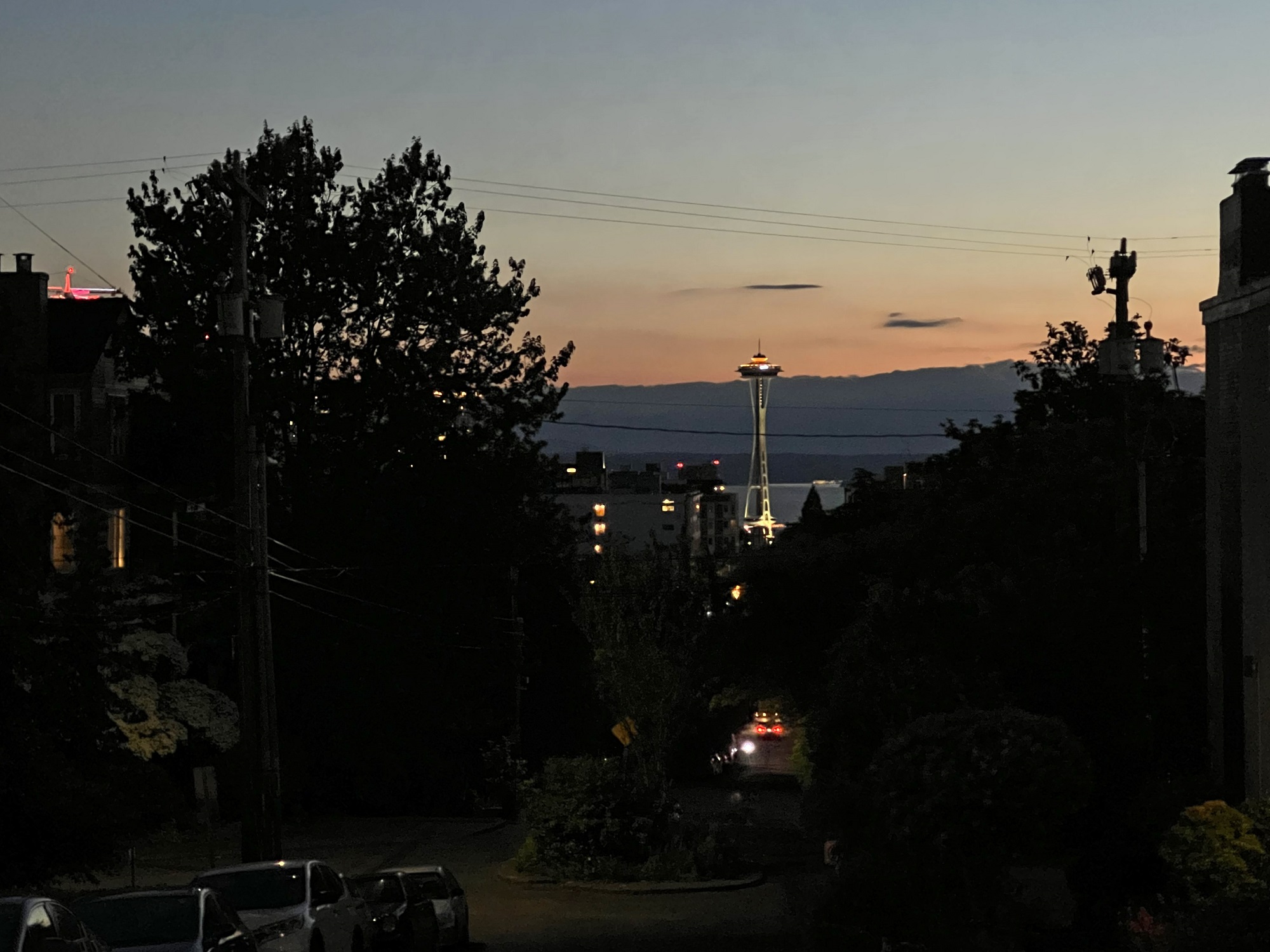
The days are long here in the north, and the twilight lingers.
It takes until midnight before the sky is completely dark.
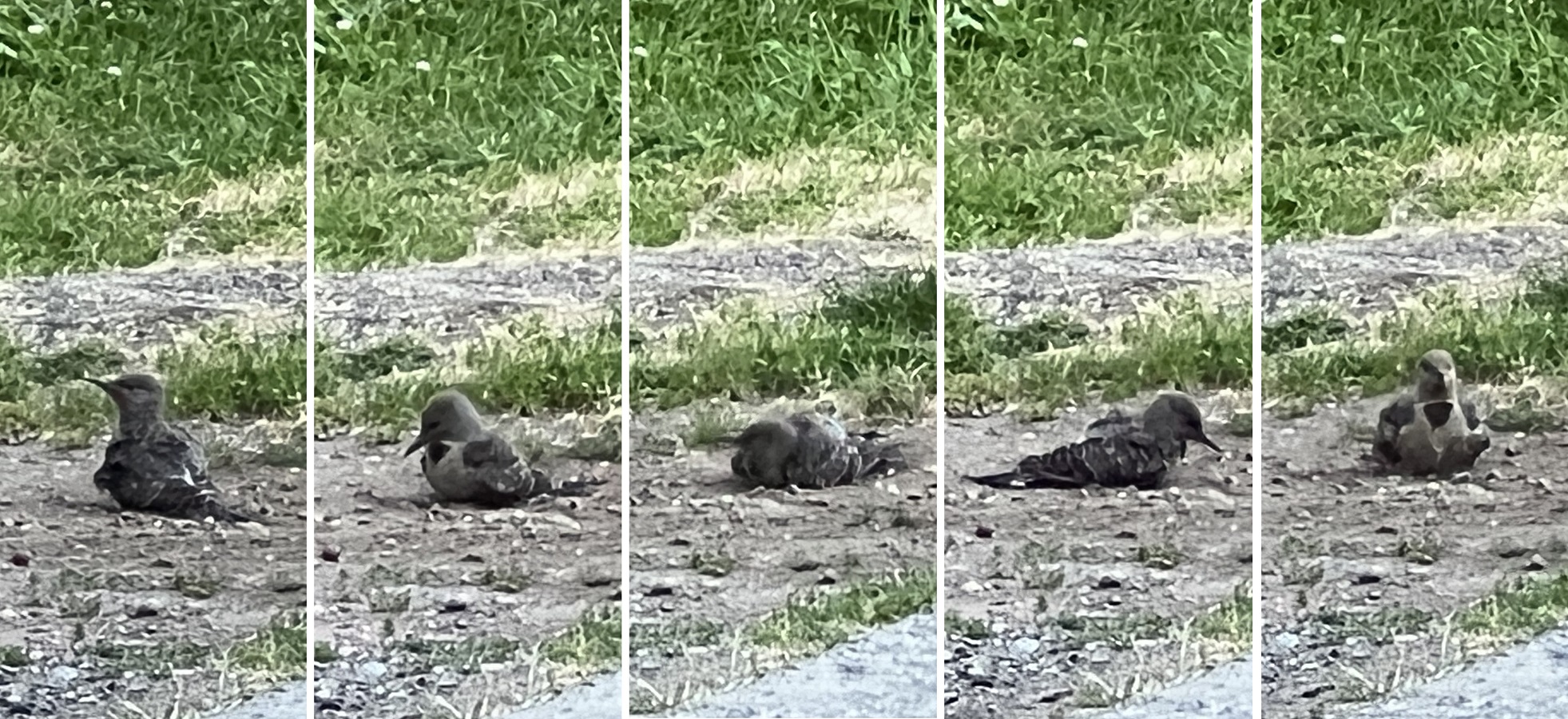
The pair of woodpeckers that I see around here in summer, were at my house late afternoon (they are Northern flickers).
One of them was rolling around in the dirt, taking a dust bath.
Dust baths are part of a bird’s preening and plumage maintenance routine.
The dust that is worked into the bird’s feathers, absorb excess oil, which can then be shed so that the feathers don’t become too greasy or matted.
The dust can also bring relief from lice, feather mites or parasites.
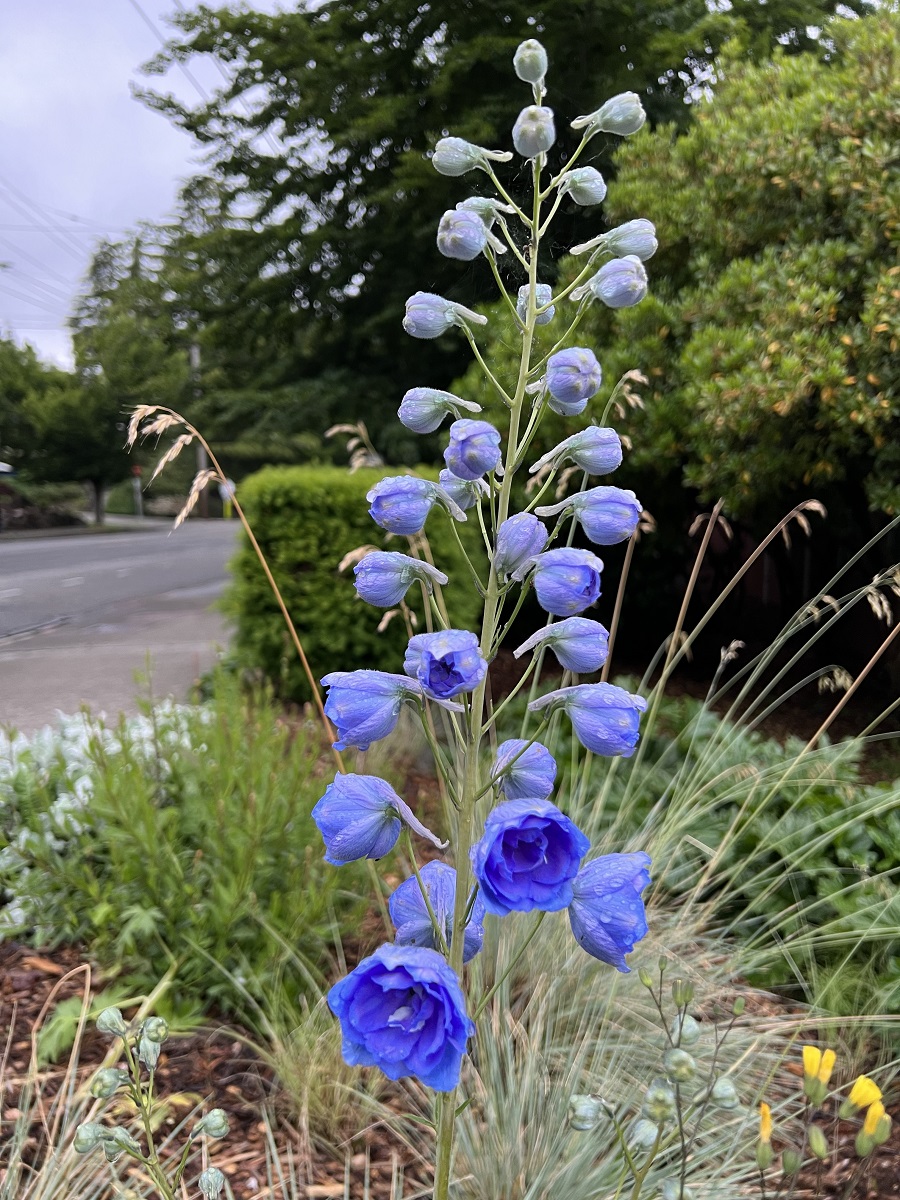
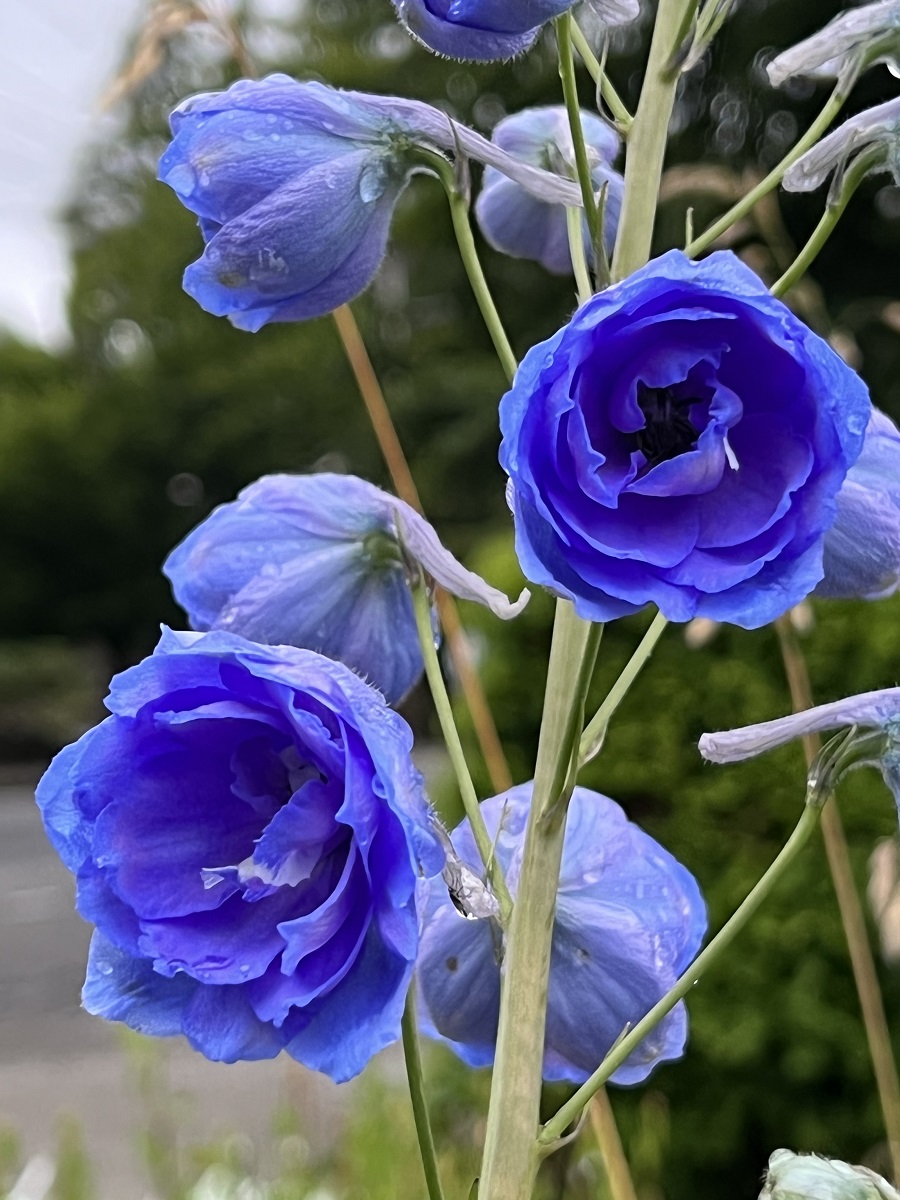
We’ve had gray skies all day, so it was nice to run into this beautiful blue candle larkspur by Miller Community Center on 19th Avenue.
The ‘Lookup- Plant’ function on my iPhone found for me the name of the flower, from the picture that I had taken. Very helpful.
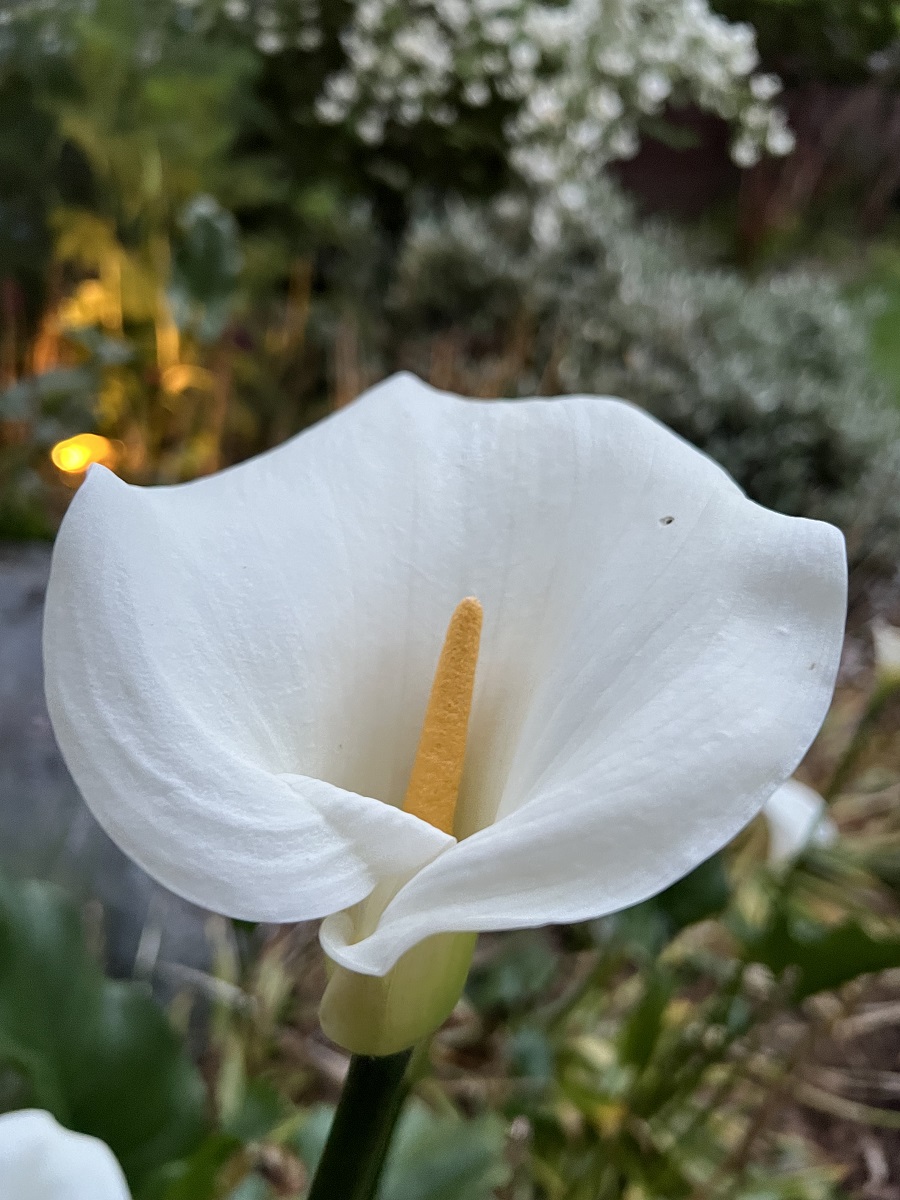
I found this arum lily (genus: Zantedeschia) on 16th Ave, at twilight (time stamp on the photo is 9.16 pm).
These lilies are native to southern Africa and South Africa. We call them varkore in Afrikaans (Eng. pig’s ears). The flower comes in pink hues as well, but all the ones I had ever seen in South Africa were white, like this one.
Come late afternoon, there was a little rain.
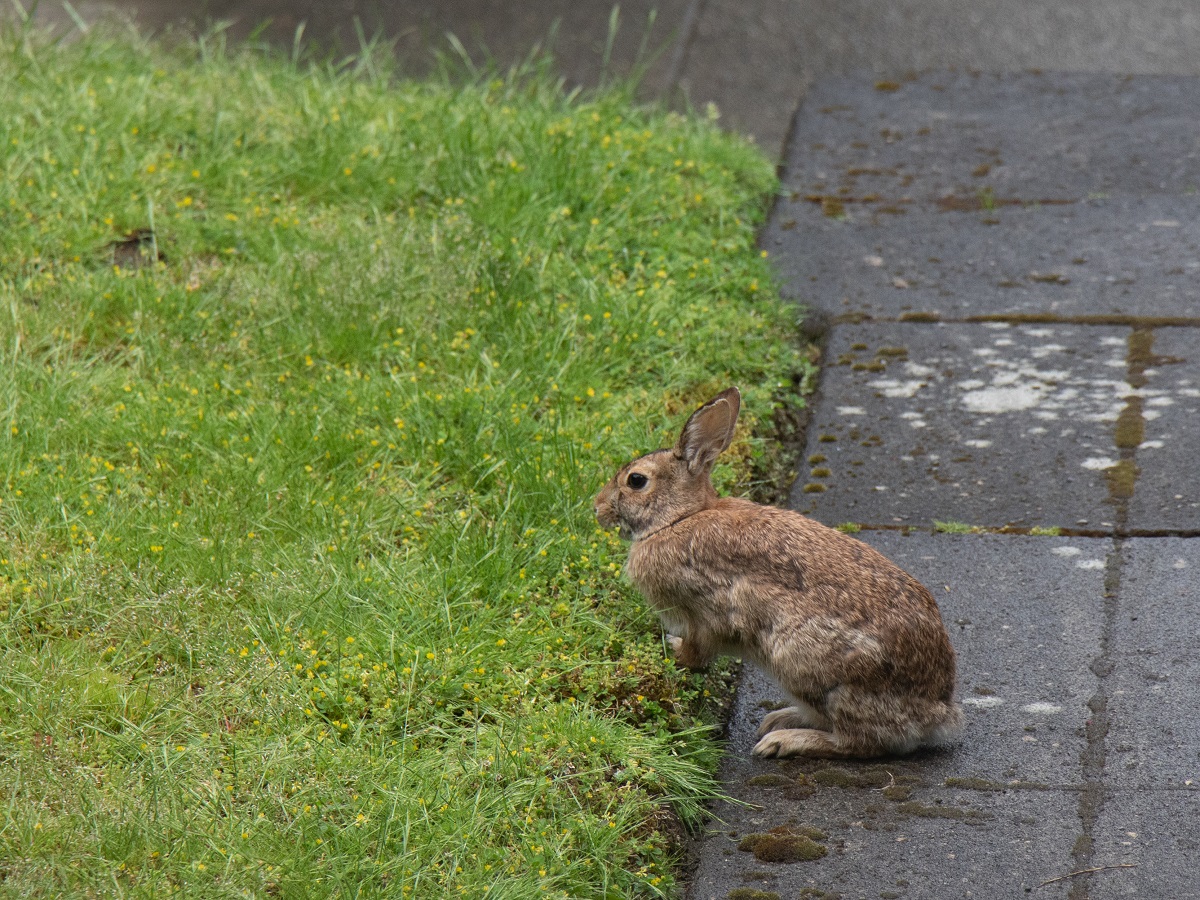
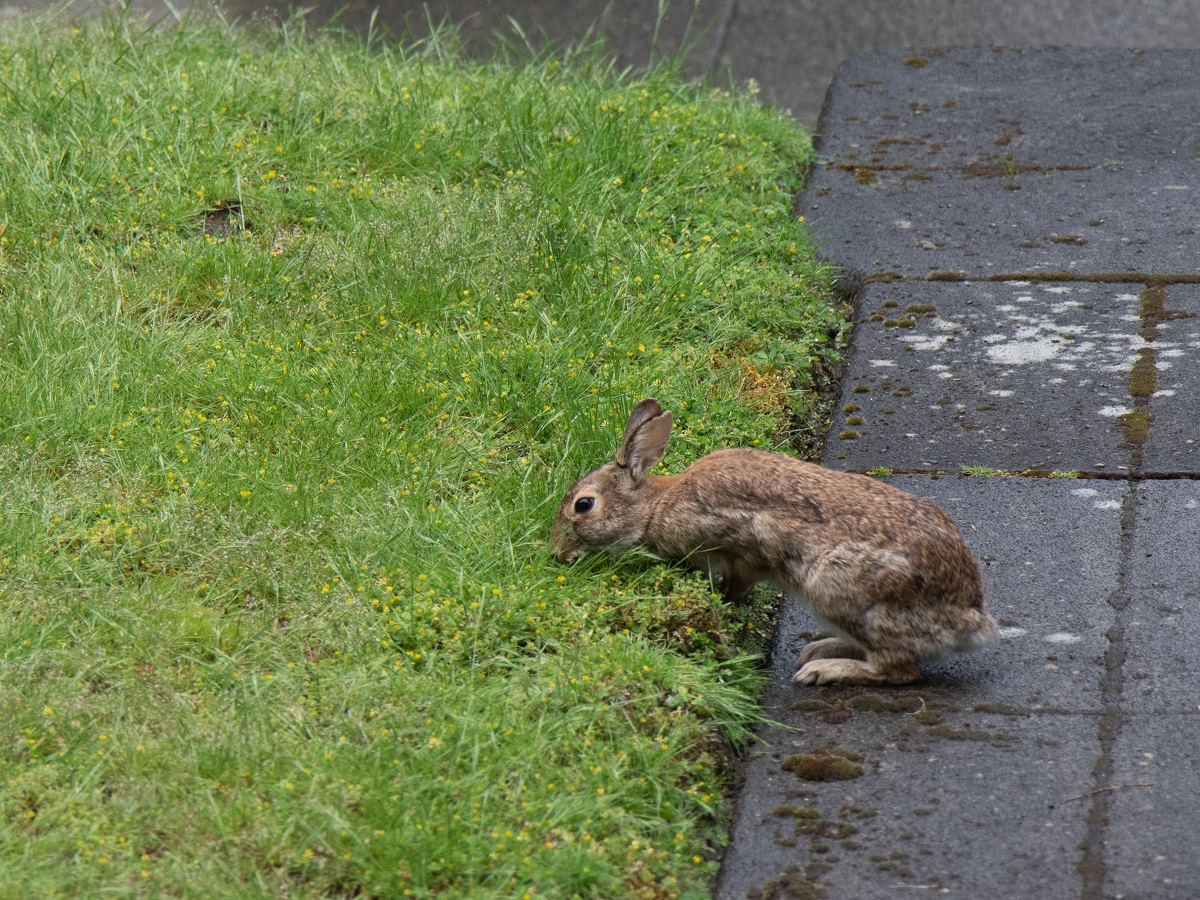
The neighborhood rabbit* was out front just then, munching on the soft new grass from my lawn.
He has good timing: the mowers will come by tomorrow.
*Eastern cottontail rabbit (Sylvilagus floridanus)
Memorial Day is the unofficial start to summer here in the US. The week’s warm weather arrived a little late for this past weekend here in the city of Seattle, but we made it to 70°F / 21°C today, and it will be 75°F/ 24°C on Wednesday and Thursday.
It is bound to be a rough summer for domestic travelers and airline employees (the airlines do not have enough capacity for the demand).
As for wedding celebrations, wedding planners are in short supply too.
The Wall Street Journal says some 2.5 million couples in the US plan to celebrate their wedding this year, some 250,000 more than in recent pre-COVID years.
Many of these weddings have been postponed more than once.
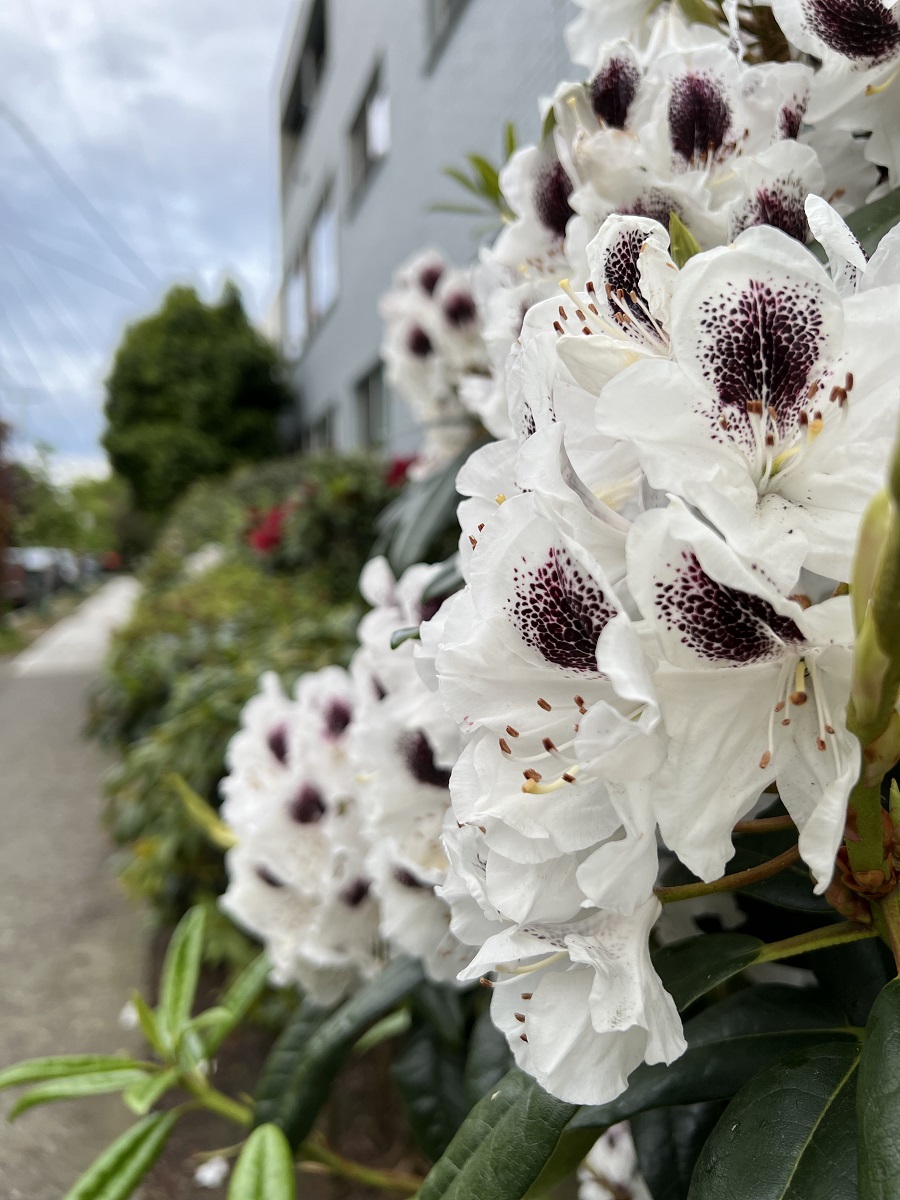
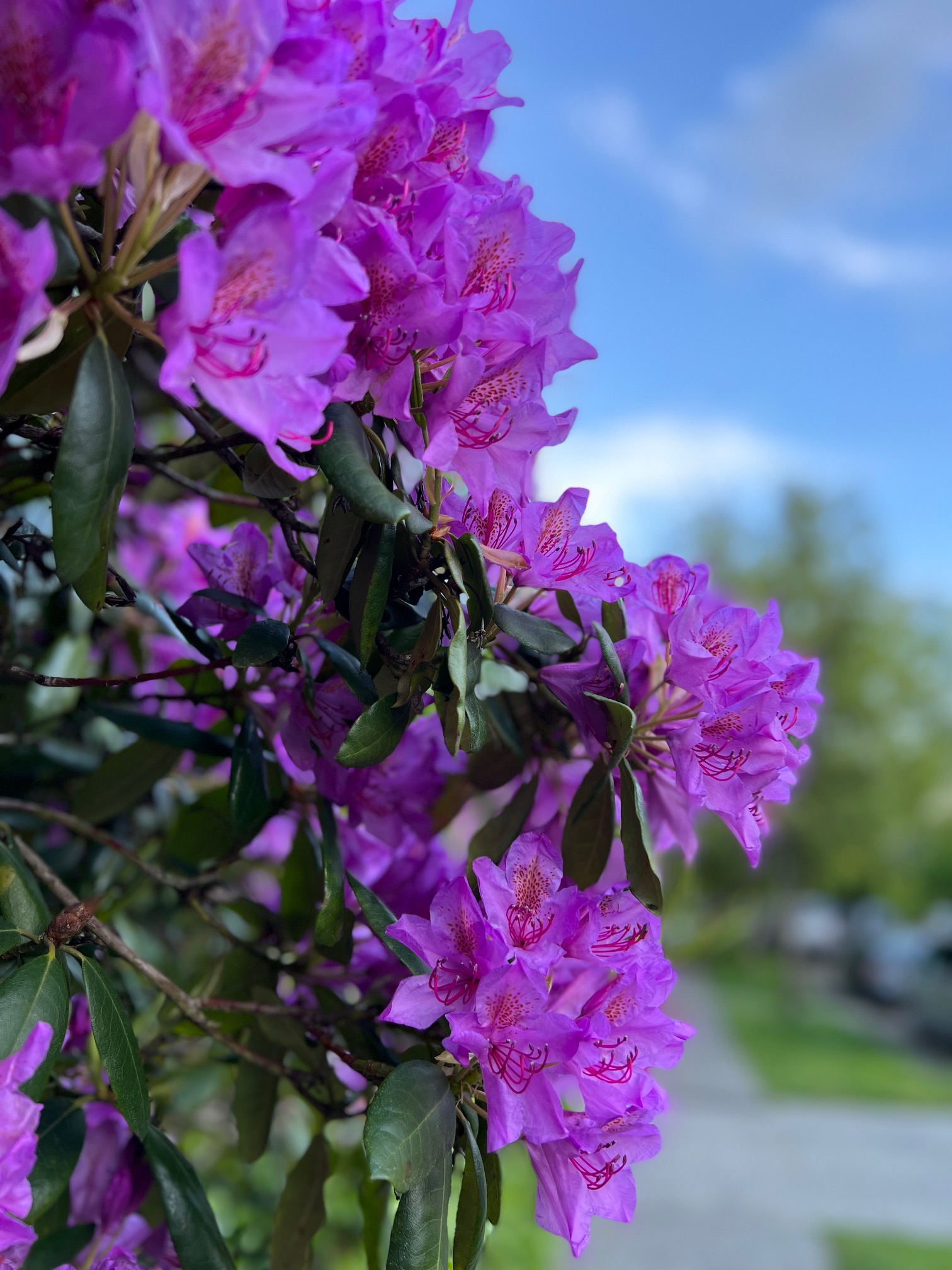
When rain has hung the leaves with tears
I want you near, to kill my fears
To help me to leave all my blues behind
For standing in your heart
Is where I want to be and long to be
Ah, but I may as well try and catch the wind
– From Catch the Wind (1965), a song by Scottish singer-songwriter Donovan
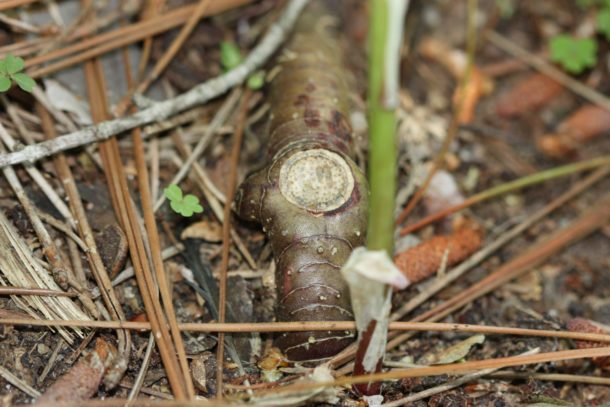
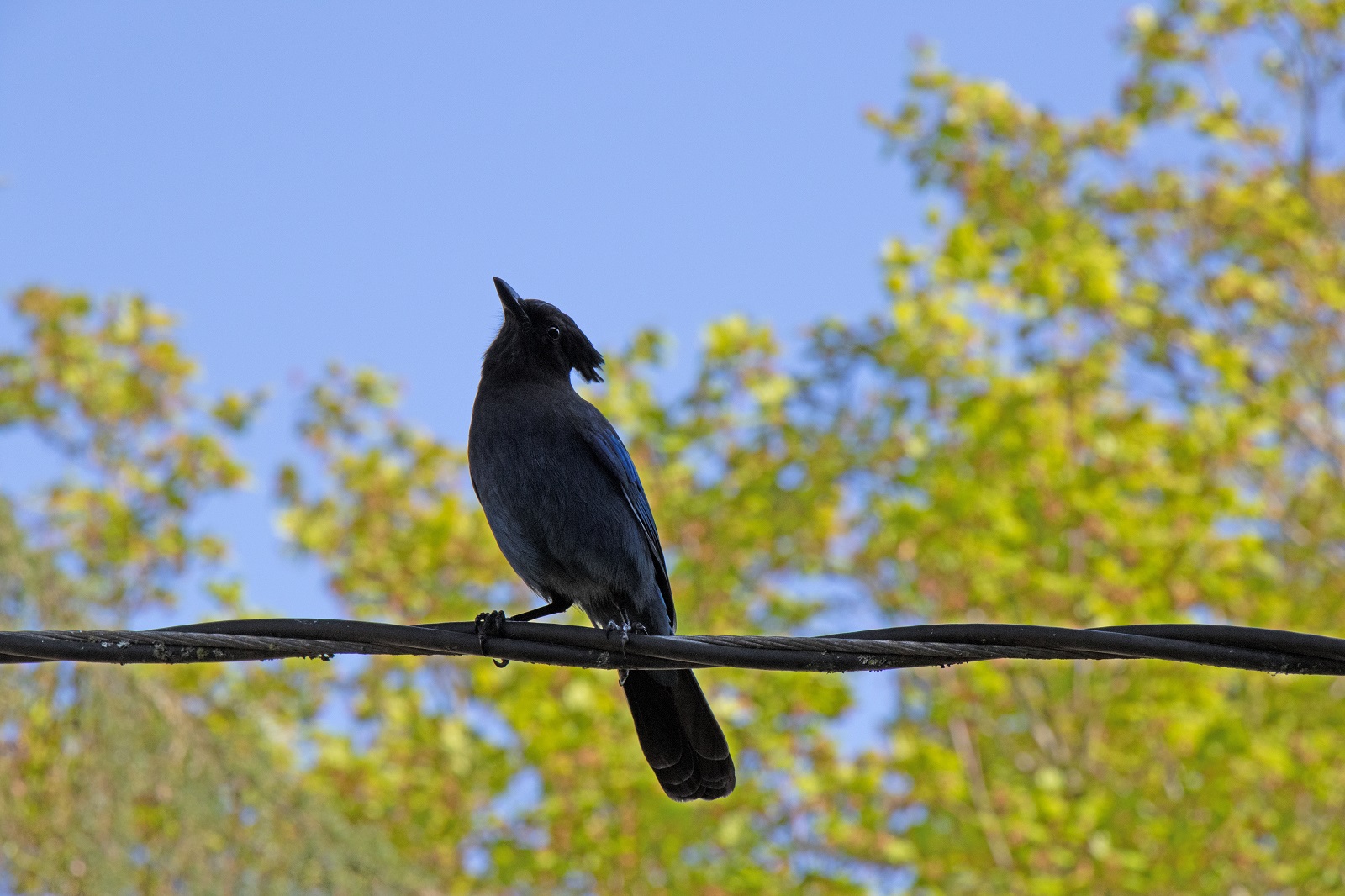
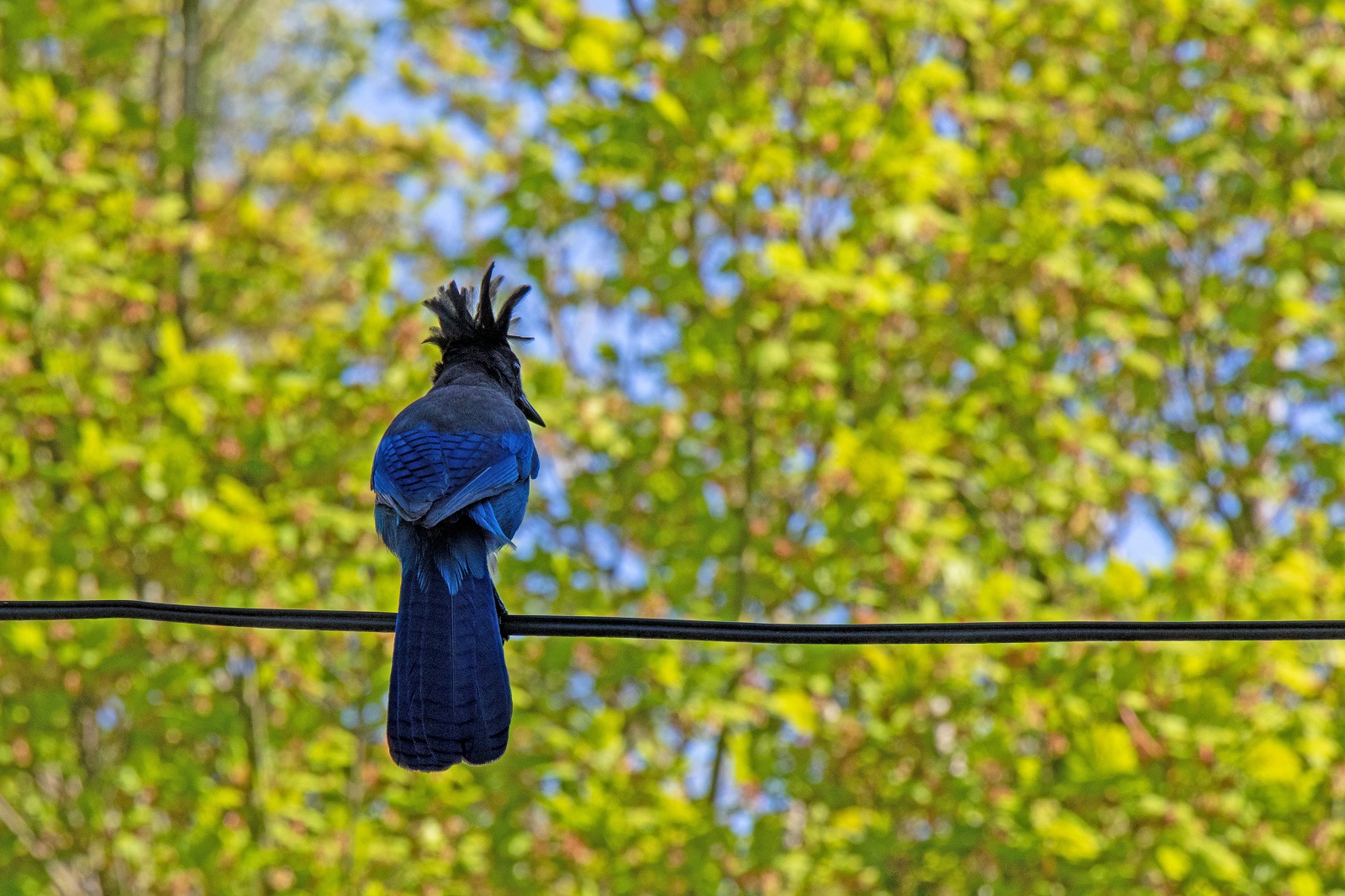
A pair of Steller’s jays (Cyanocitta stelleri) came to visit this morning.
We sometimes call these ‘blue jay’ in the Pacific Northwest, but the species is distinct from the blue jay (C. cristata) of eastern North America.
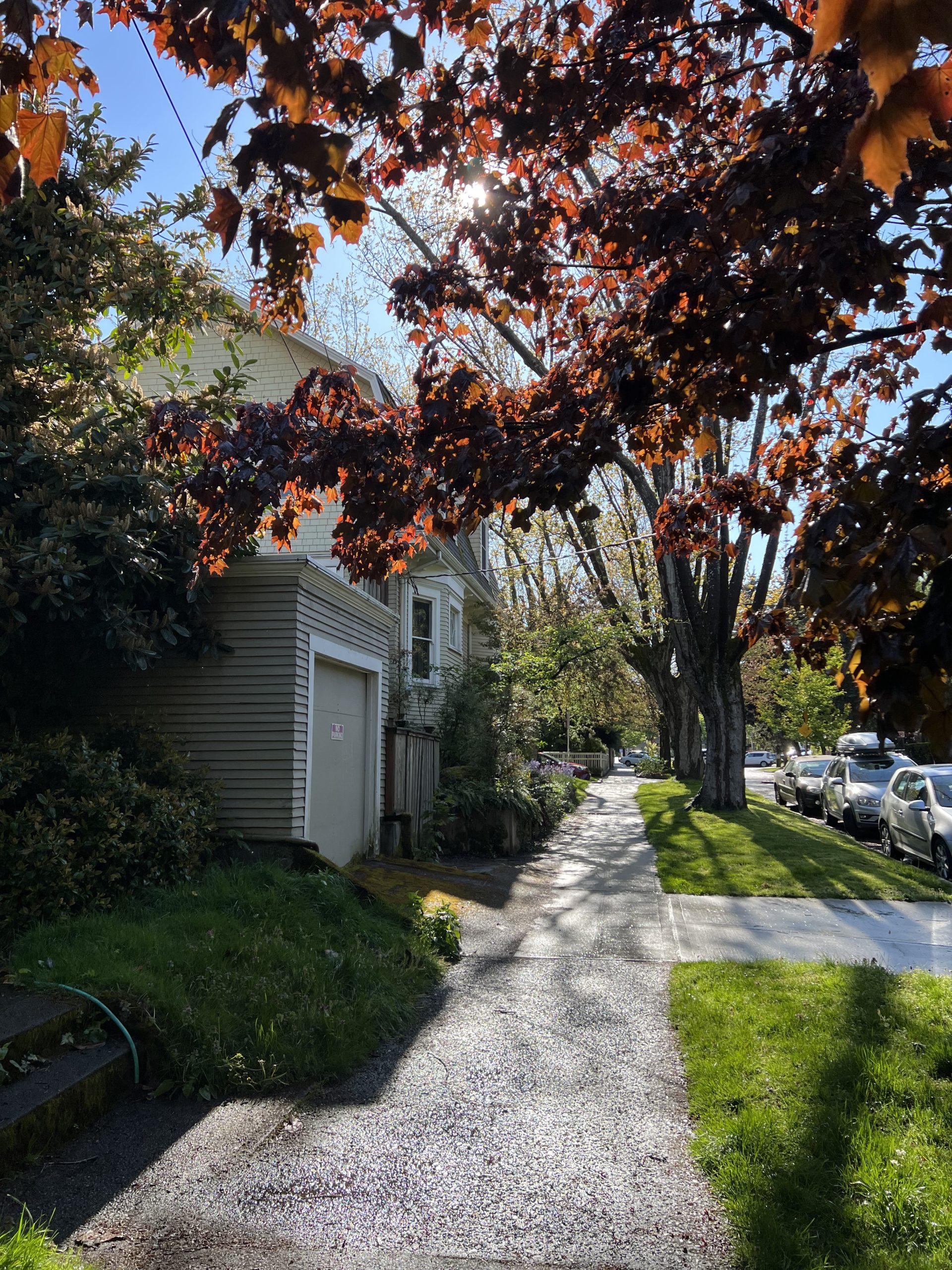
It rained all day— but late afternoon it was suddenly all blue with bright sunlight.
The yellow poppy is from Thomas Street Gardens.

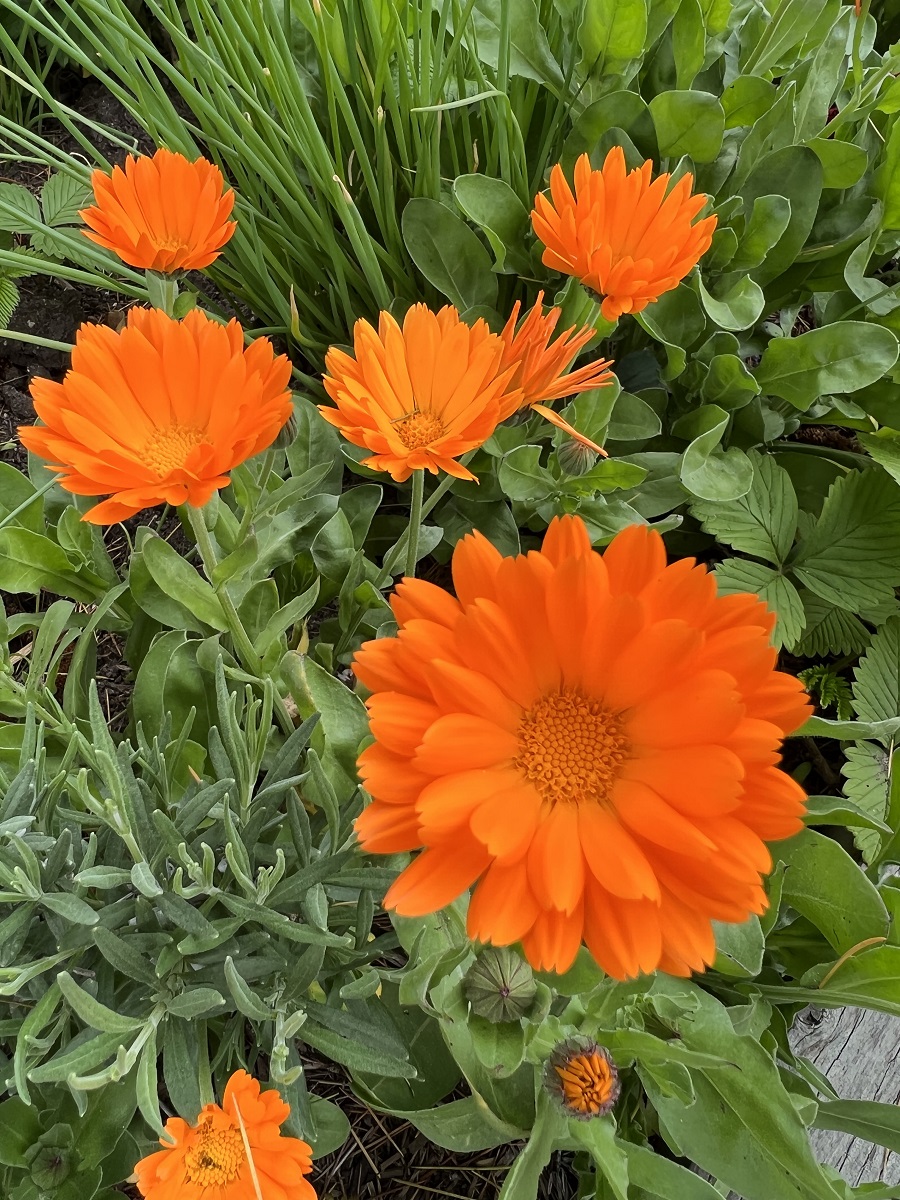
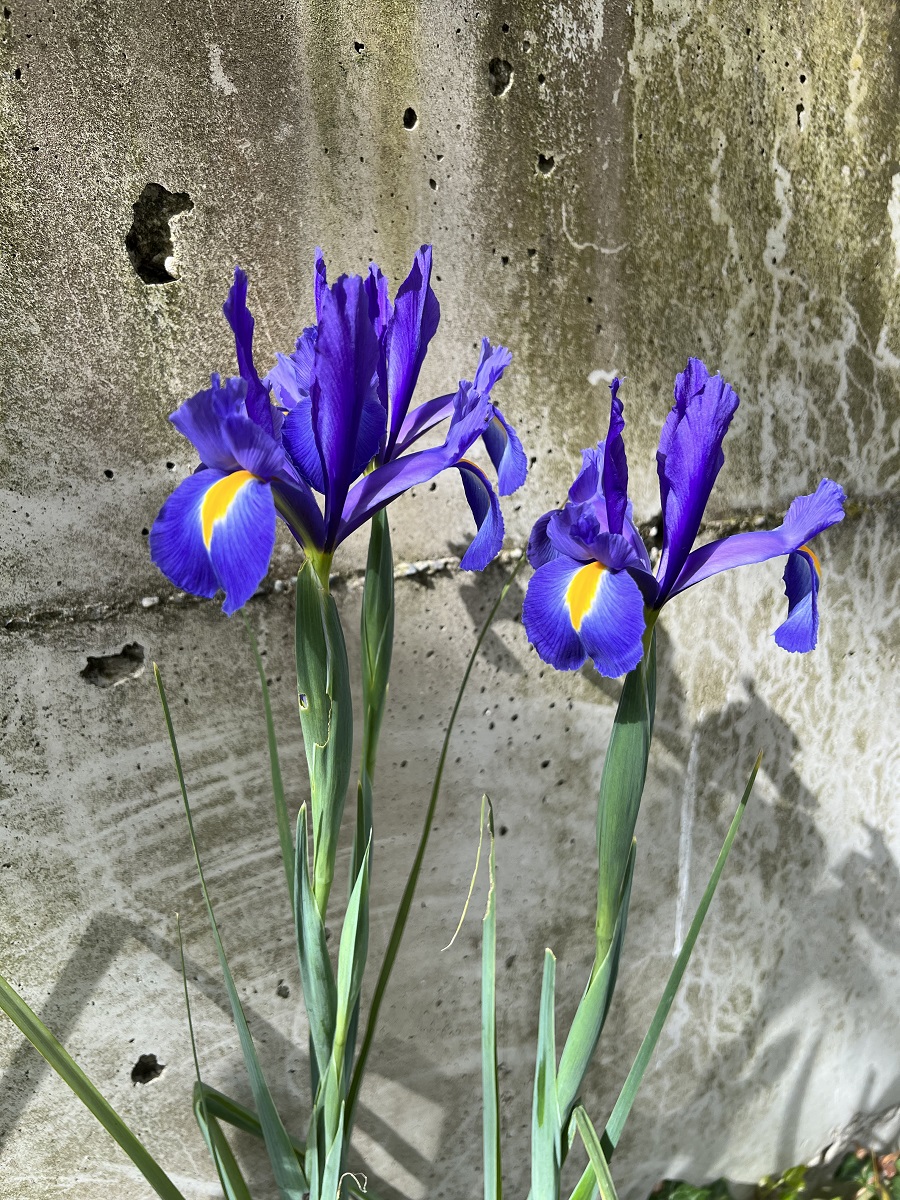
Flowers— for Mother’s Day.
We’re coming out of the coldest Aprils in many years here in Seattle.
It should start to warm up, though. We are halfway from the start of spring to the summer solstice.
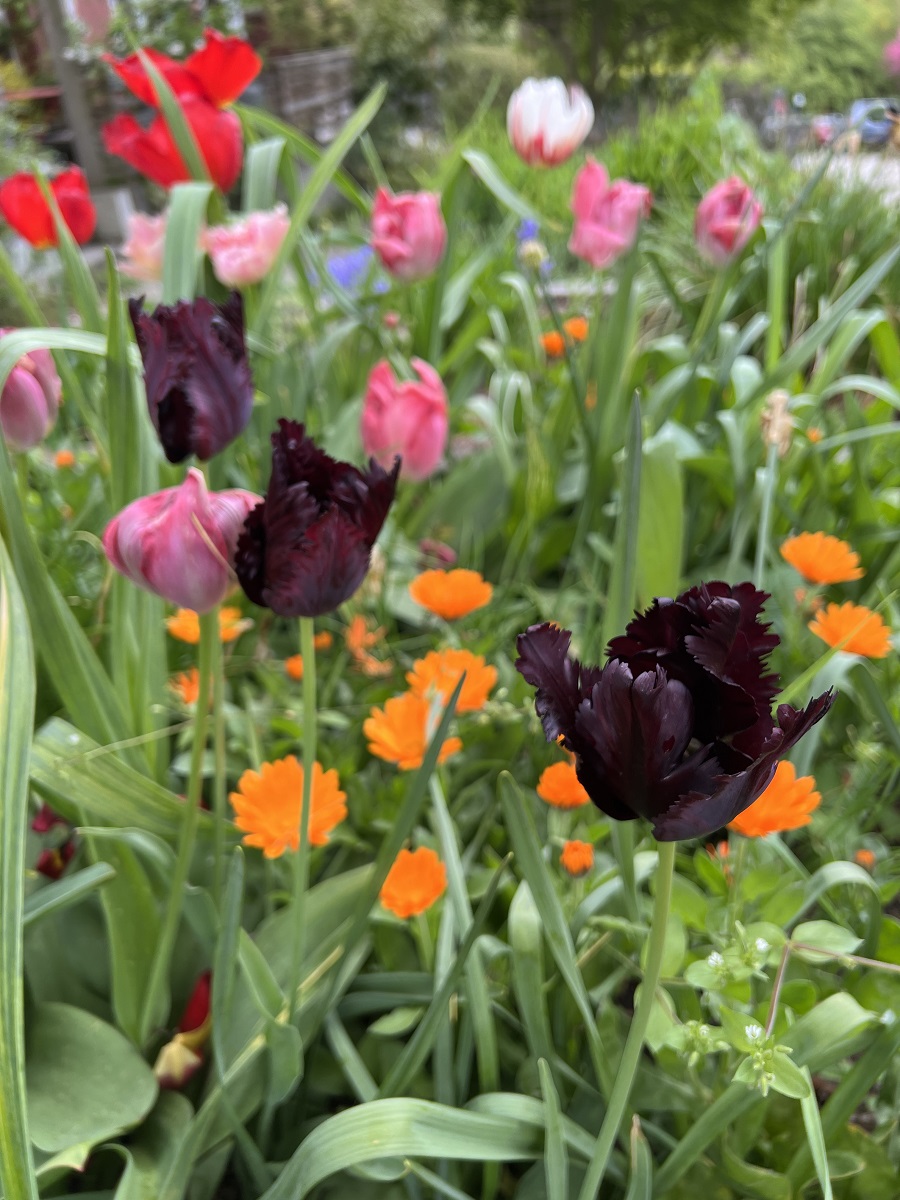
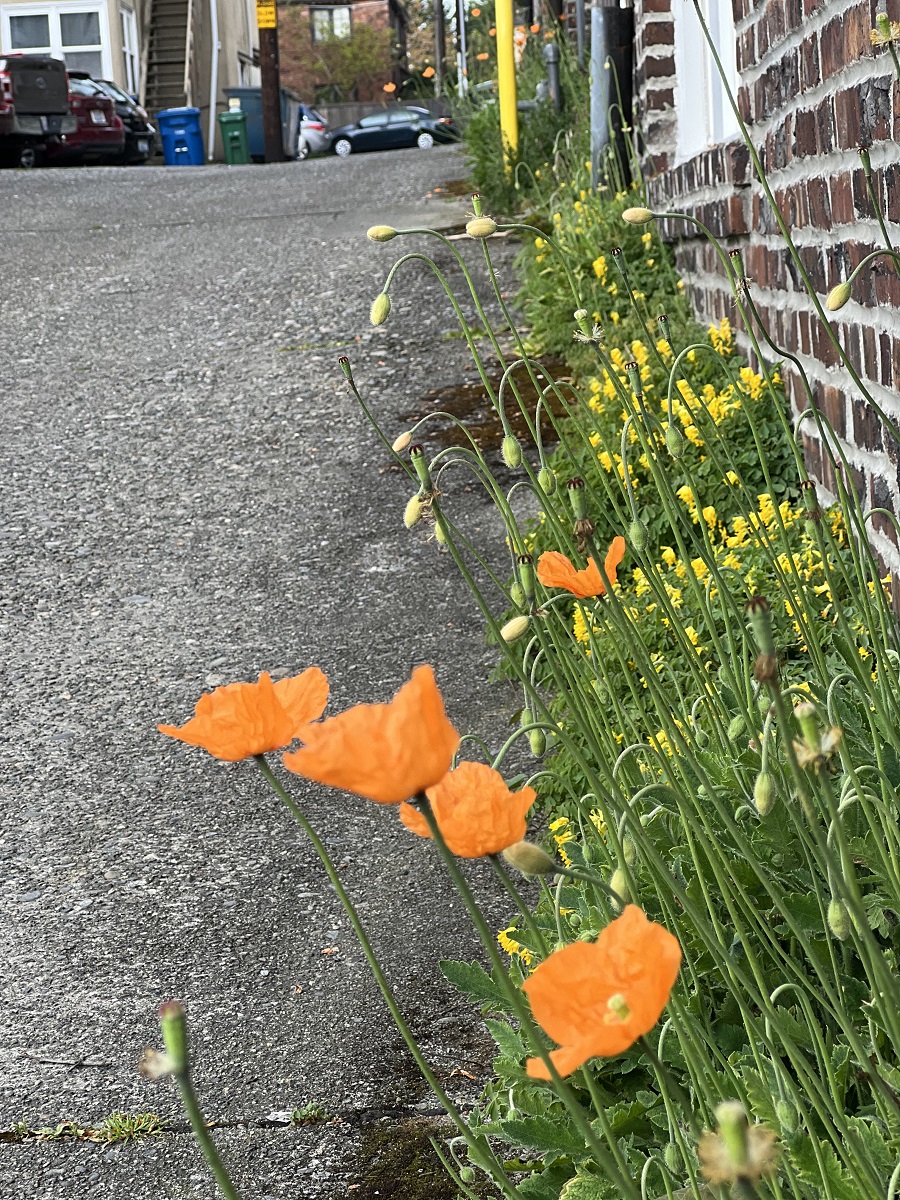
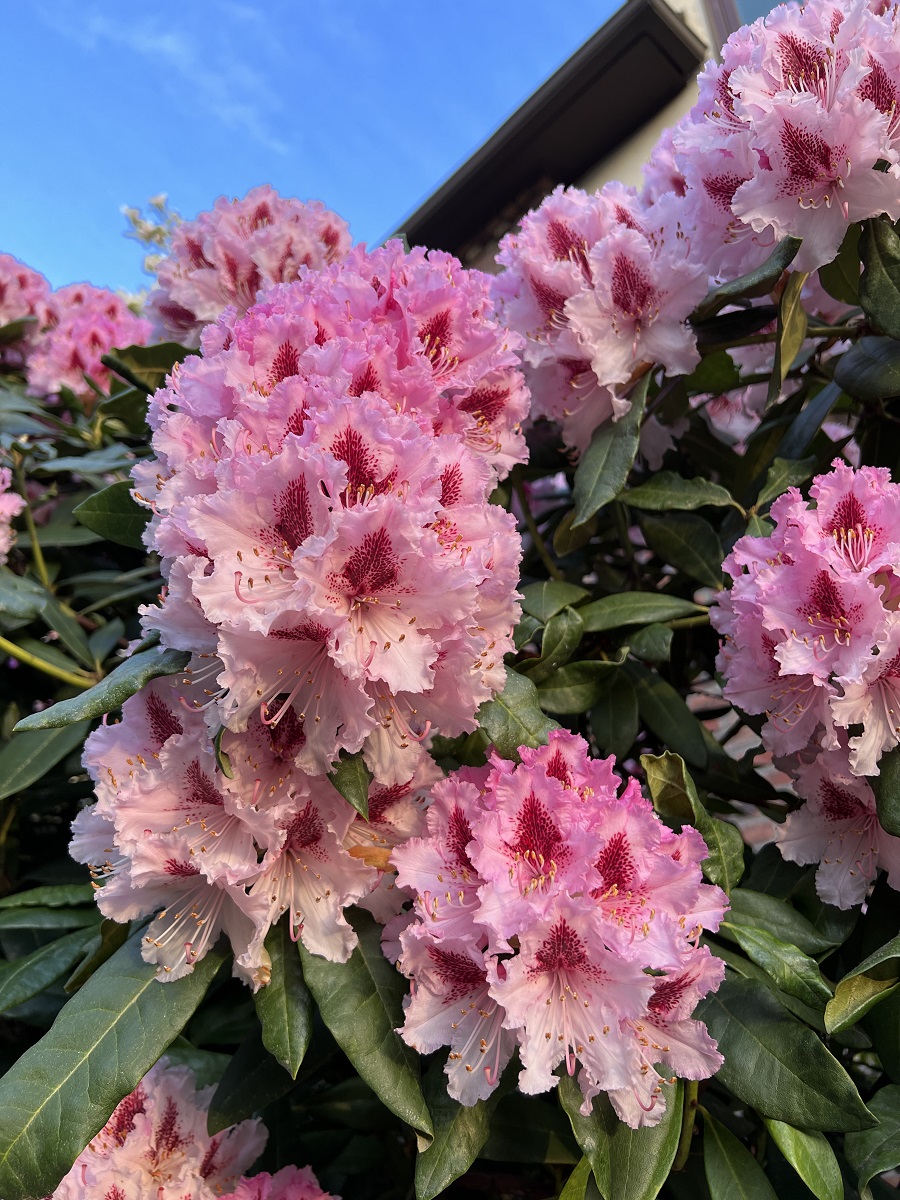
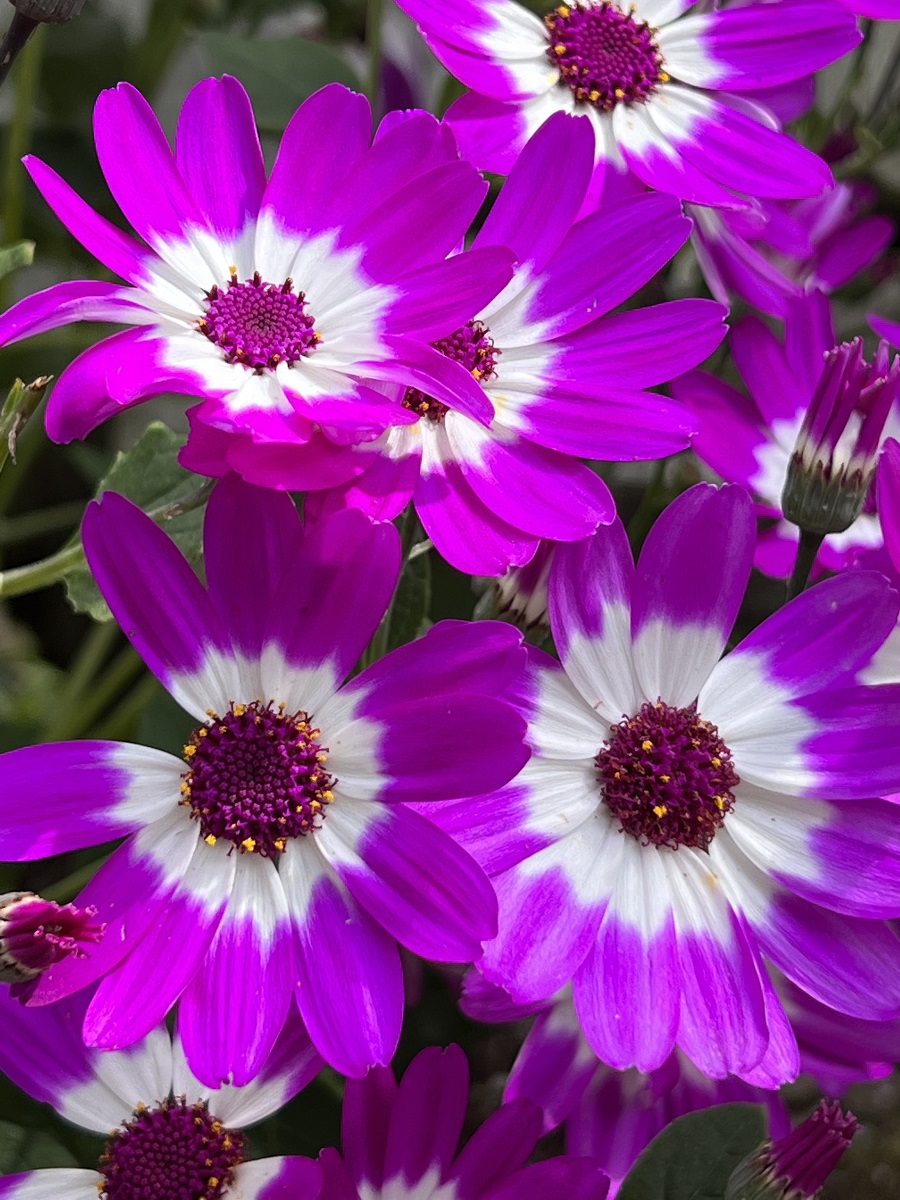
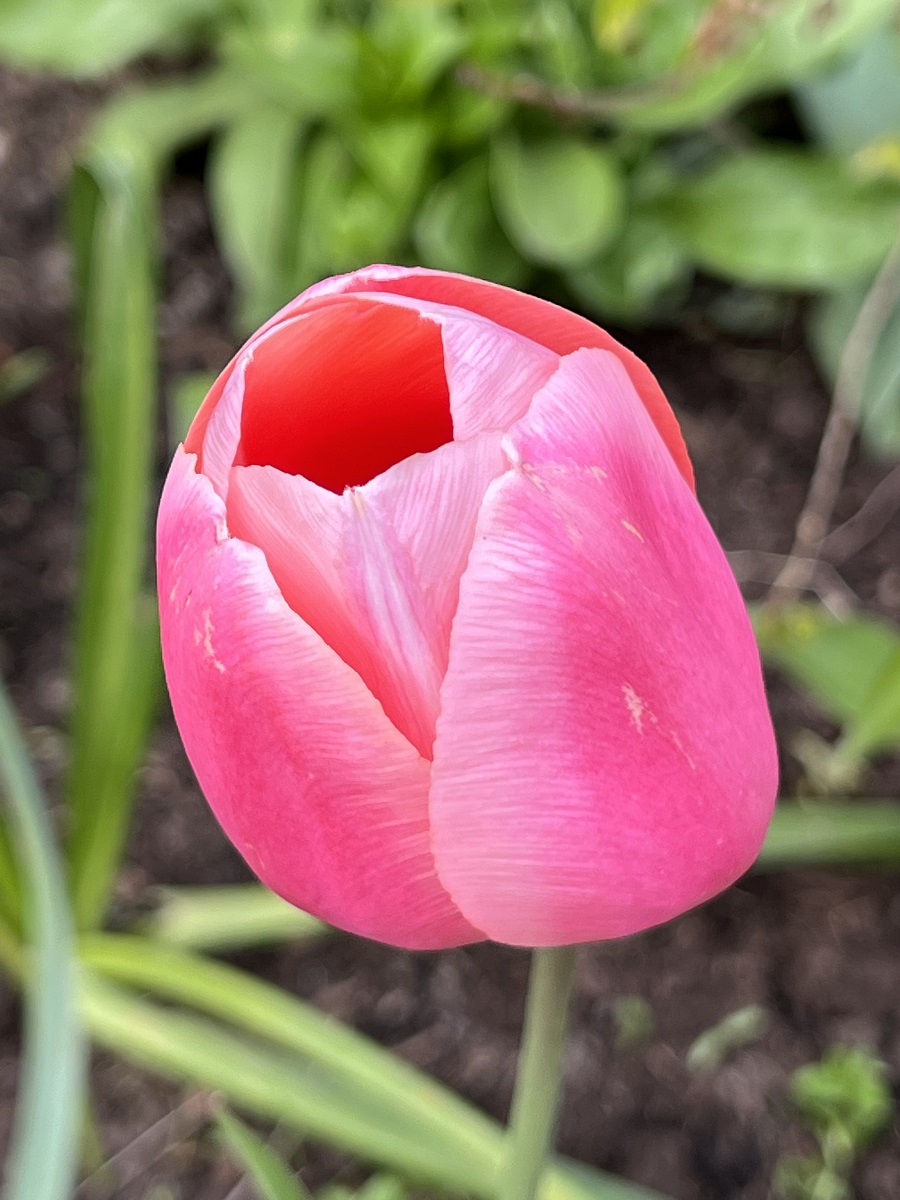
These flowers are from all over Capitol Hill: back alley poppies, rhododendron, florist’s cineraria or common ragwort (genus Pericallis), and a lovely pink tulip, of course.
Mariette (looking at a picture of a tree) : What’s that?
‘K’ (the Blade Runner) : A tree.
Mariette : I’ve never seen a tree. It’s pretty.
– from the 2017 movie about a dystopian Earth, ‘Blade Runner 2049’
The Prez was here in Seattle today. He talked about legislation to help the U.S. Forest Service plant 1.2 billion trees on national forest lands.

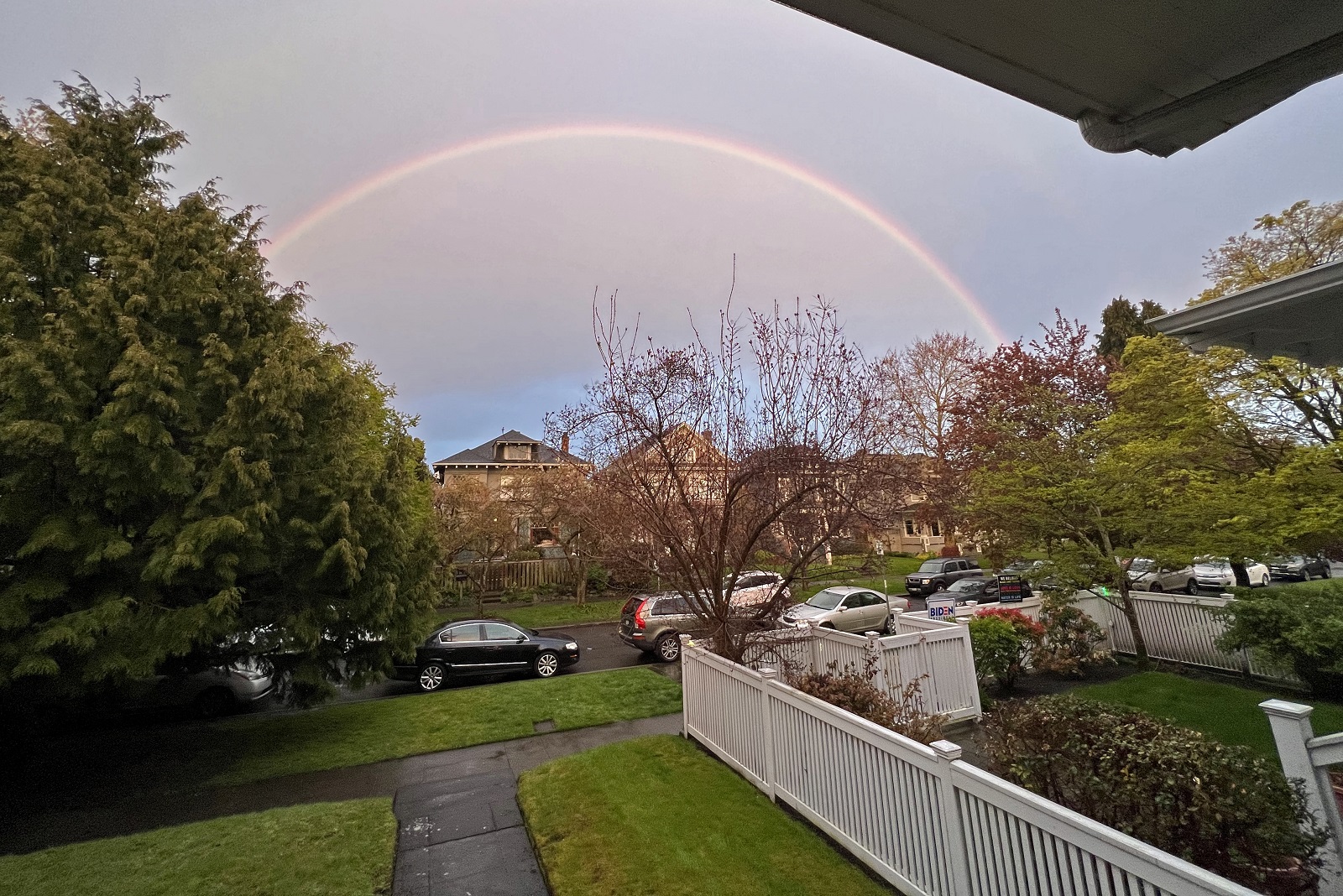
Here is my picture of tonight’s rainbow that was visible just before sunset, now at 8.08 pm.