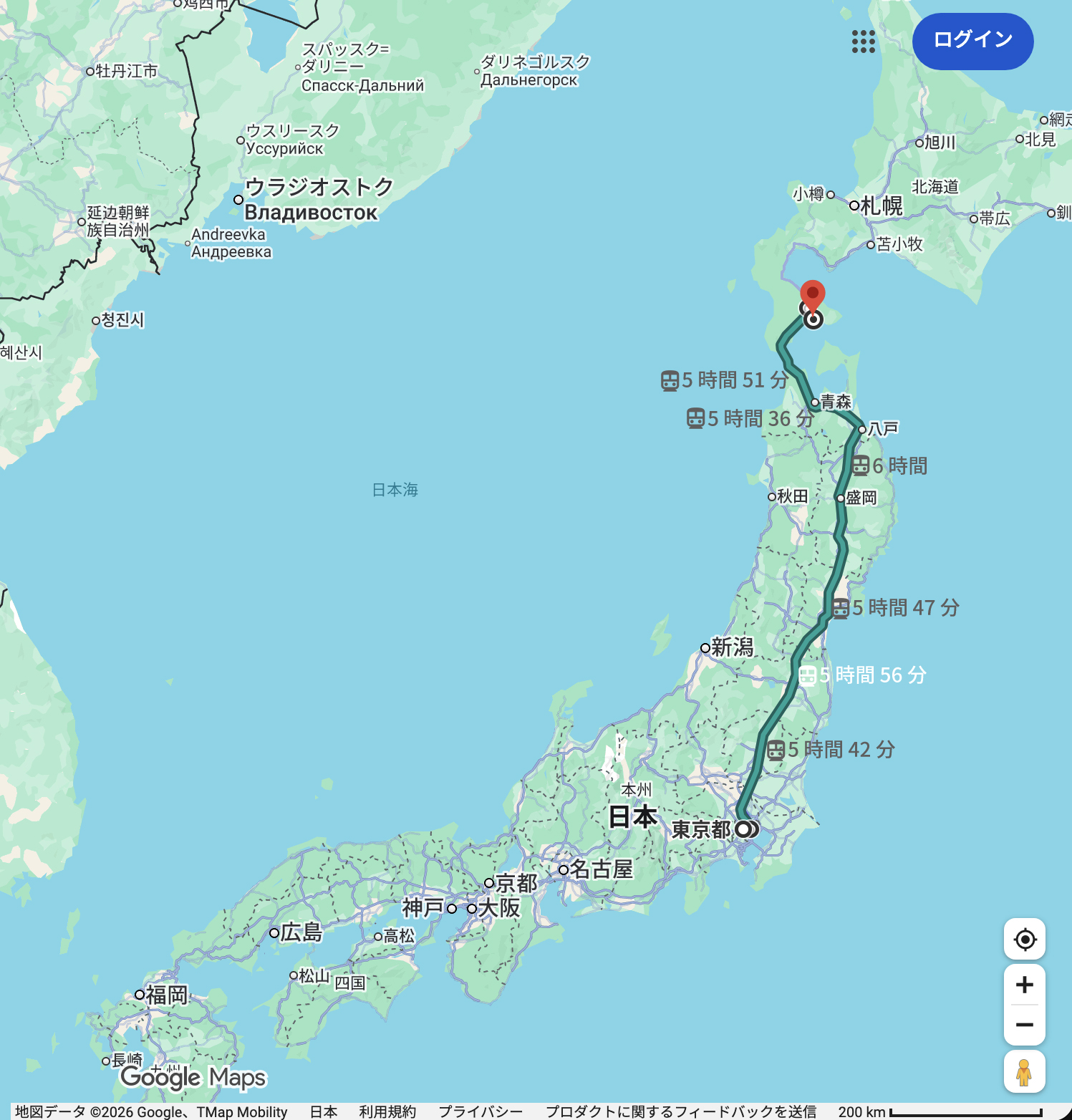
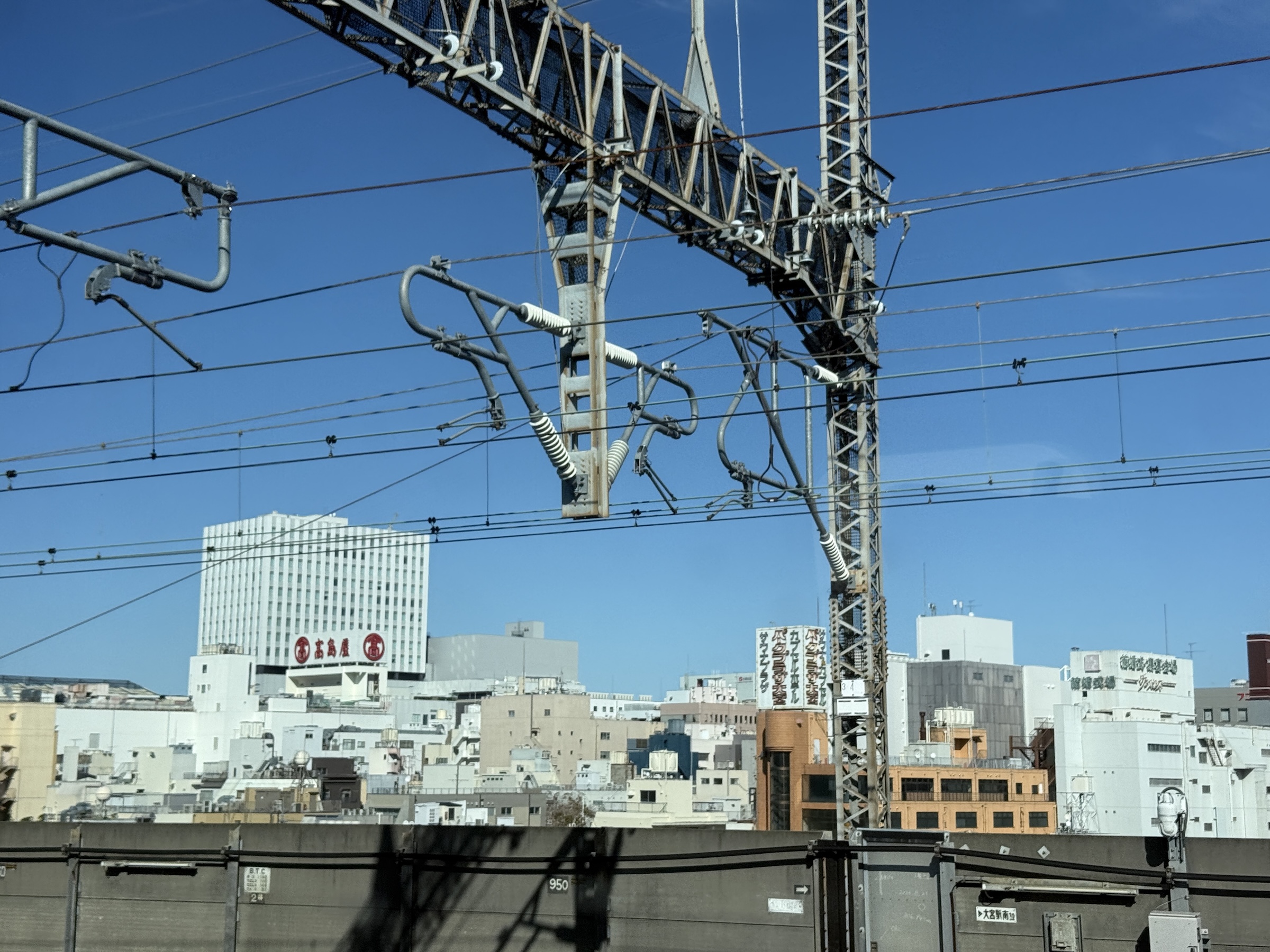
I boarded the Hayabusa 23 at Tokyo station on Sunday morning, to travel north to Hakodate on Hokkaido island.
There was a slight delay due to ‘cable issues’ on most of the morning departures on the Tohoku Shinkansen line. My train was scheduled for 12.20 pm and departed at 12.38 pm.
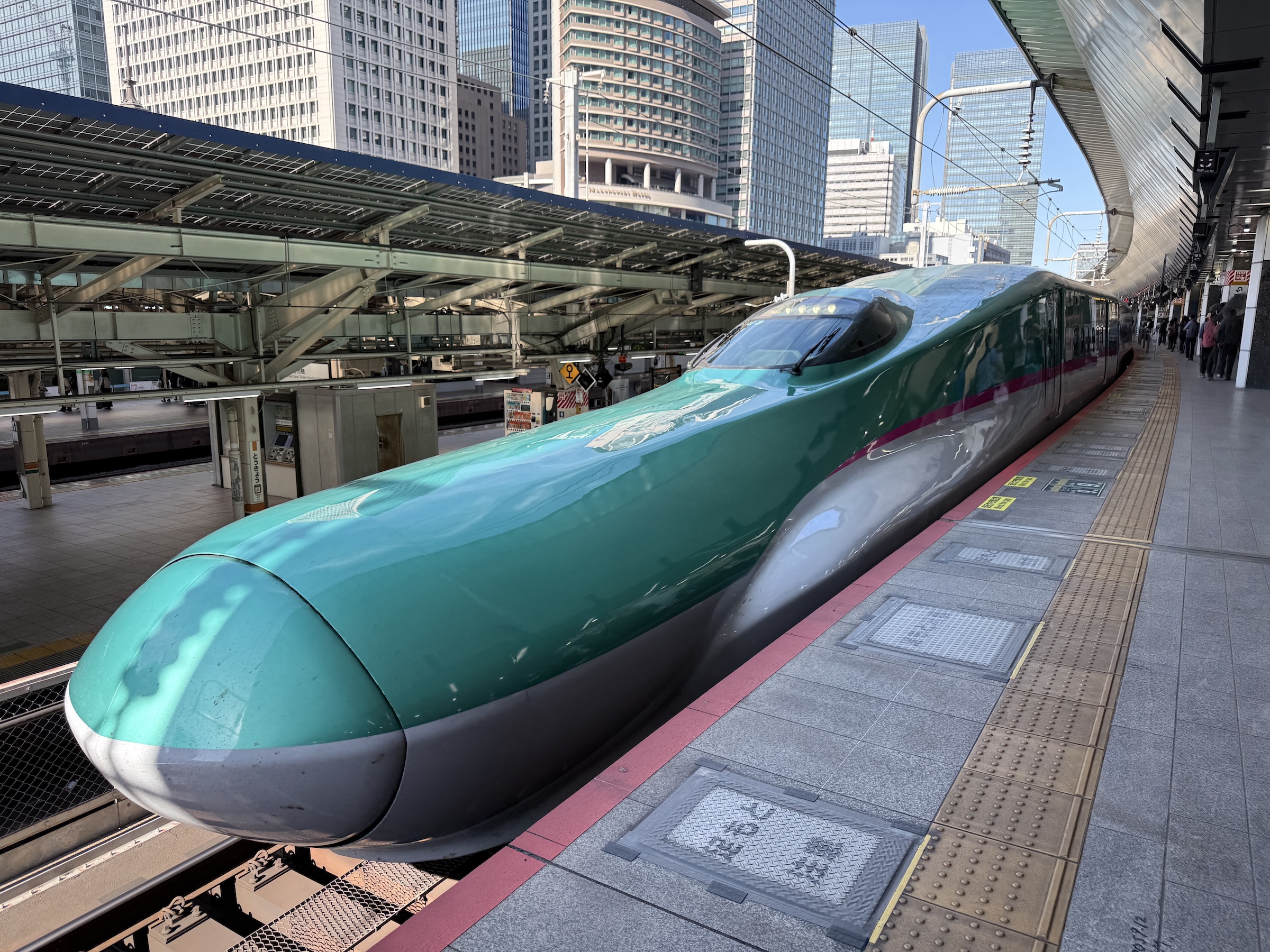
The Hayabusa is the fastest regular bullet train service in Japan, operating on the Tohoku Shinkansen line and Hokkaido Shinkansen lines between Tokyo and Shin-Hakodate-Hokuto. Its top speed is 200 mph (320 km/h).
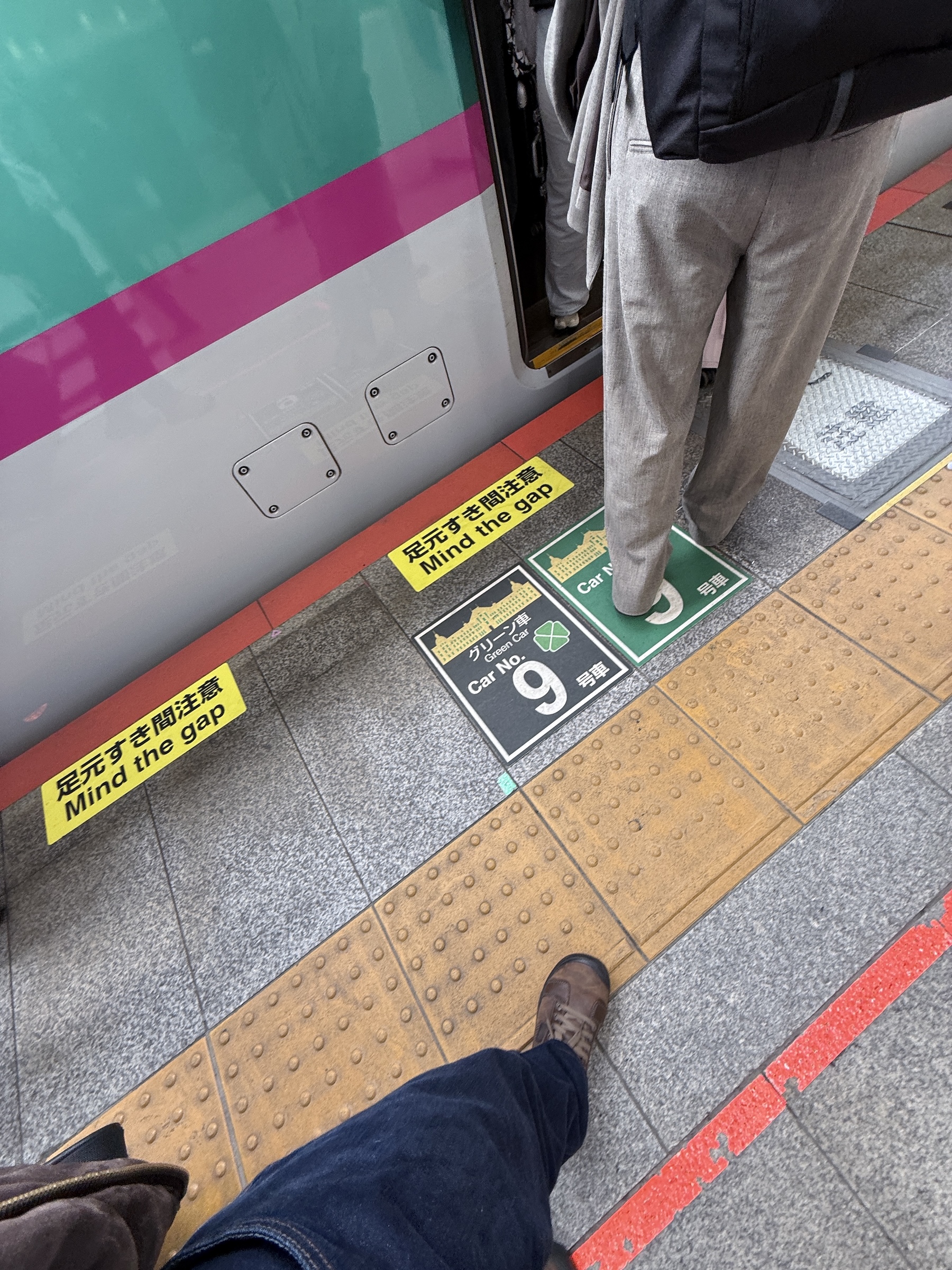
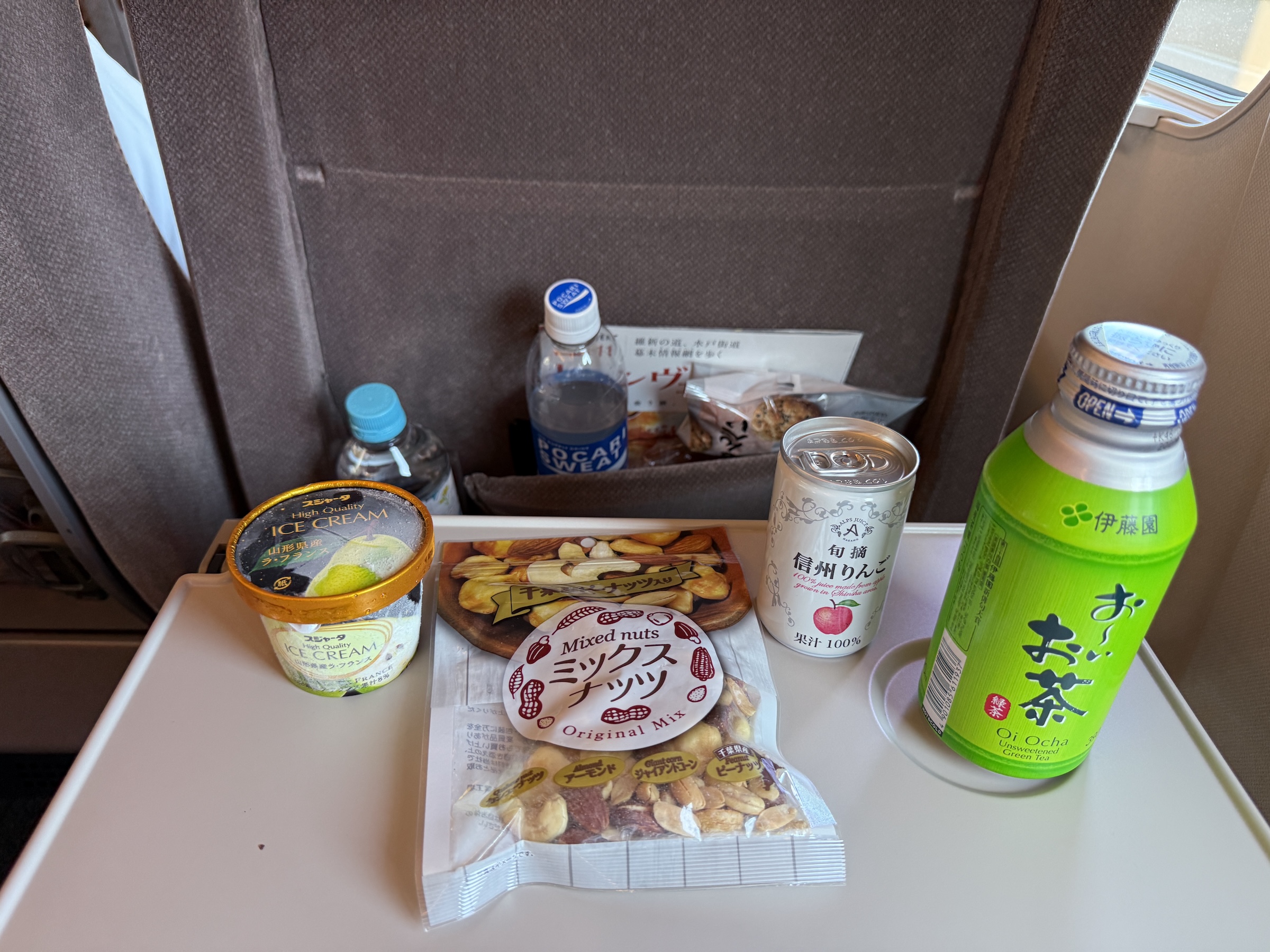
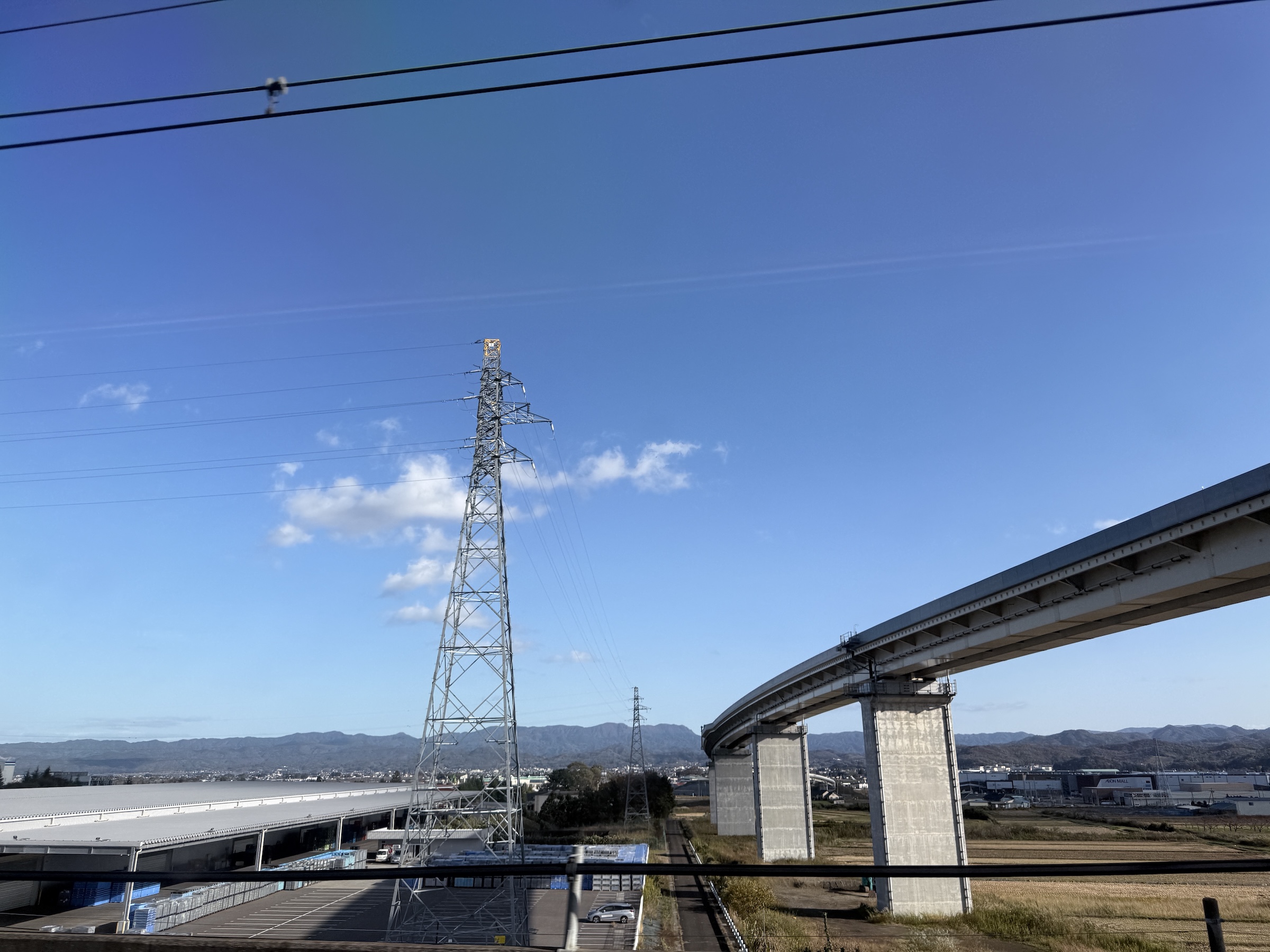
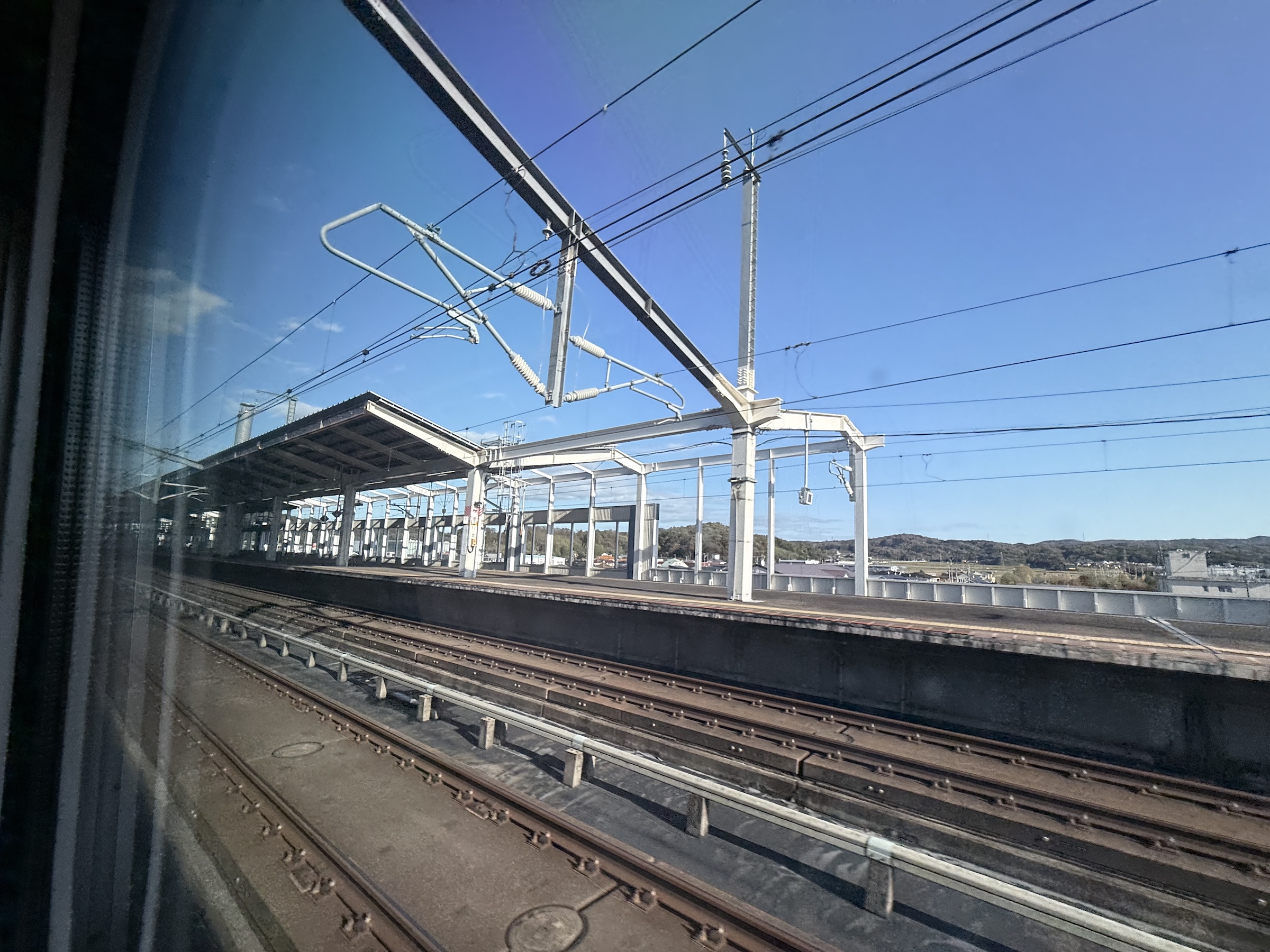
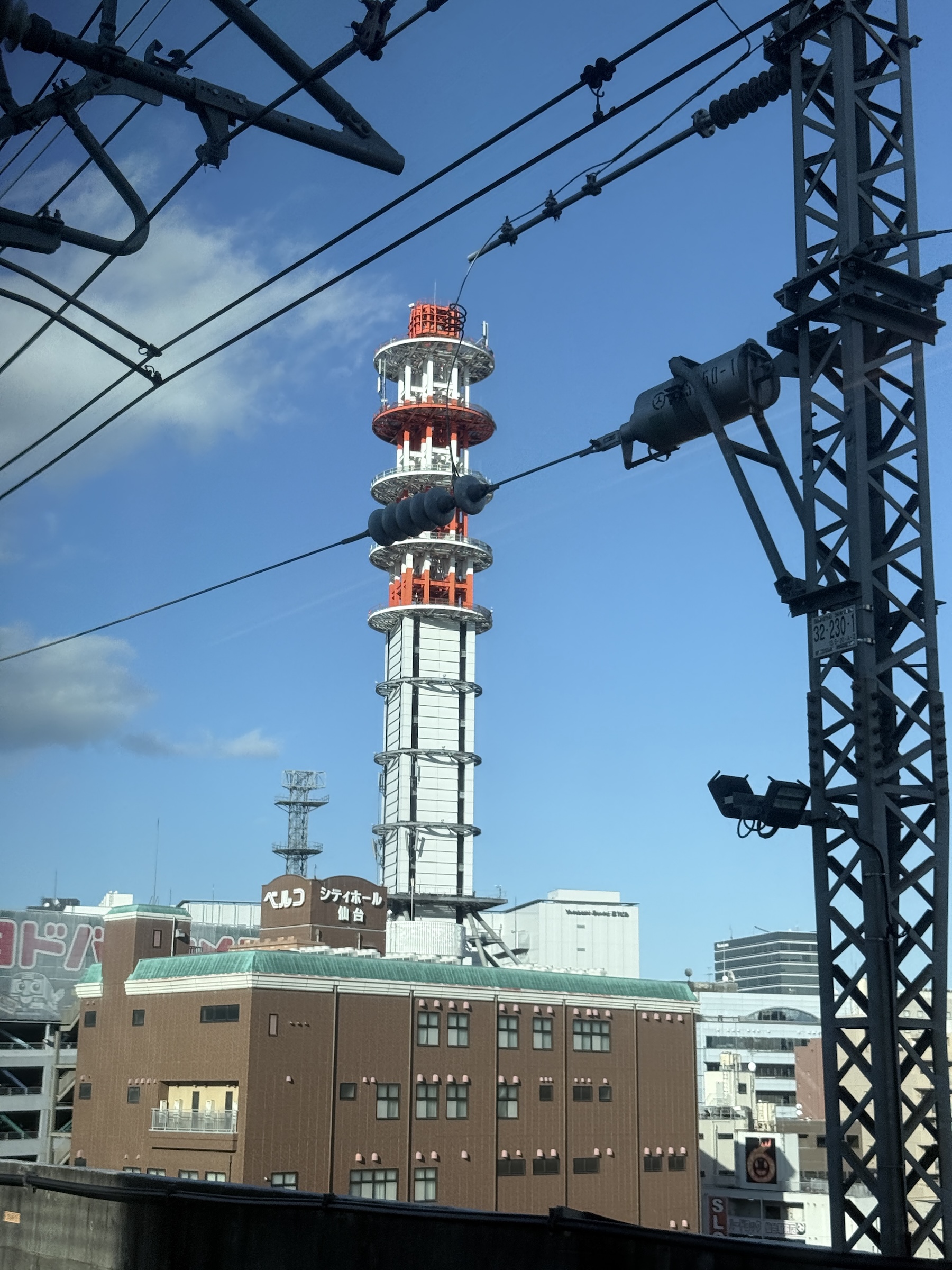
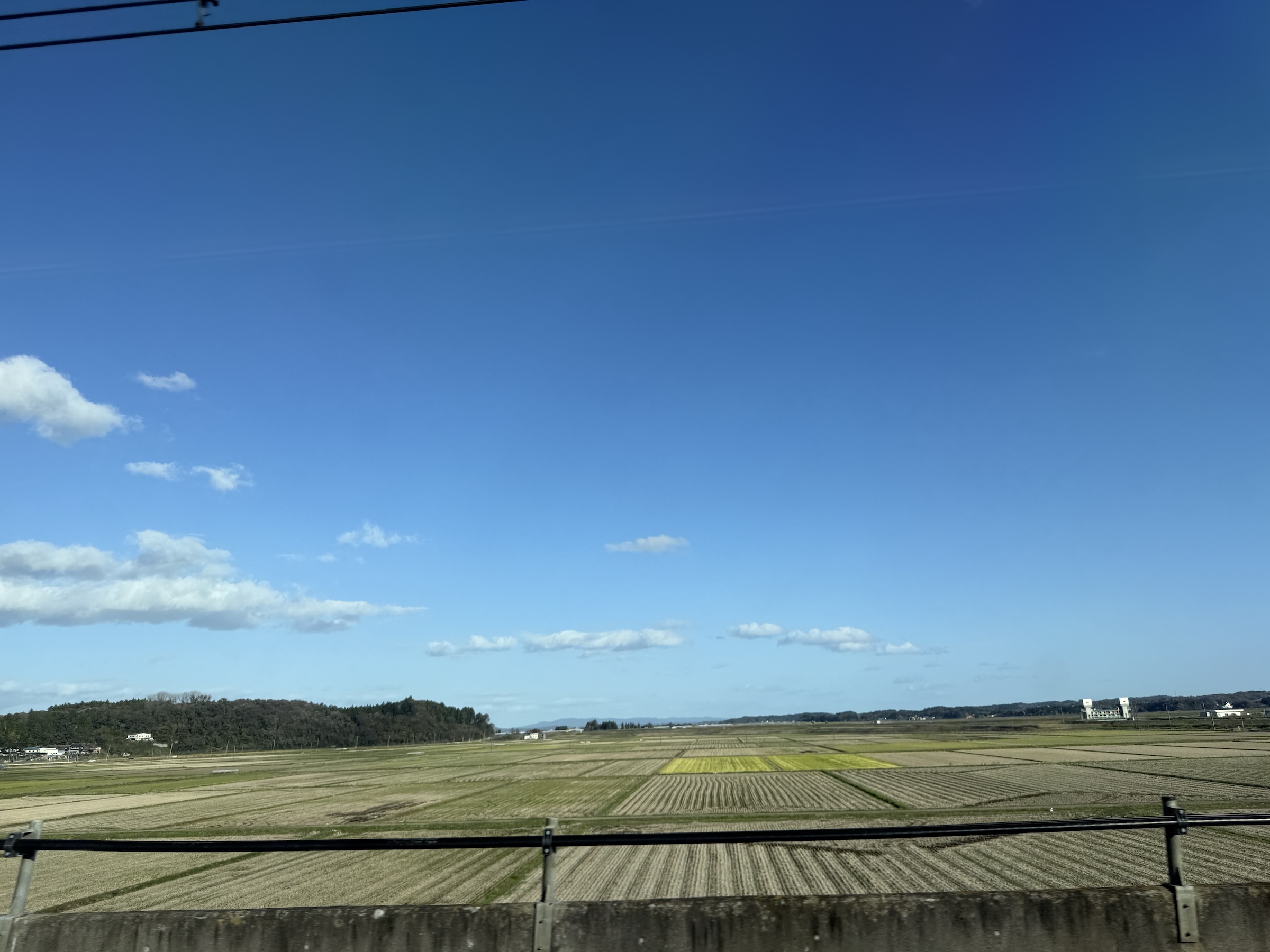
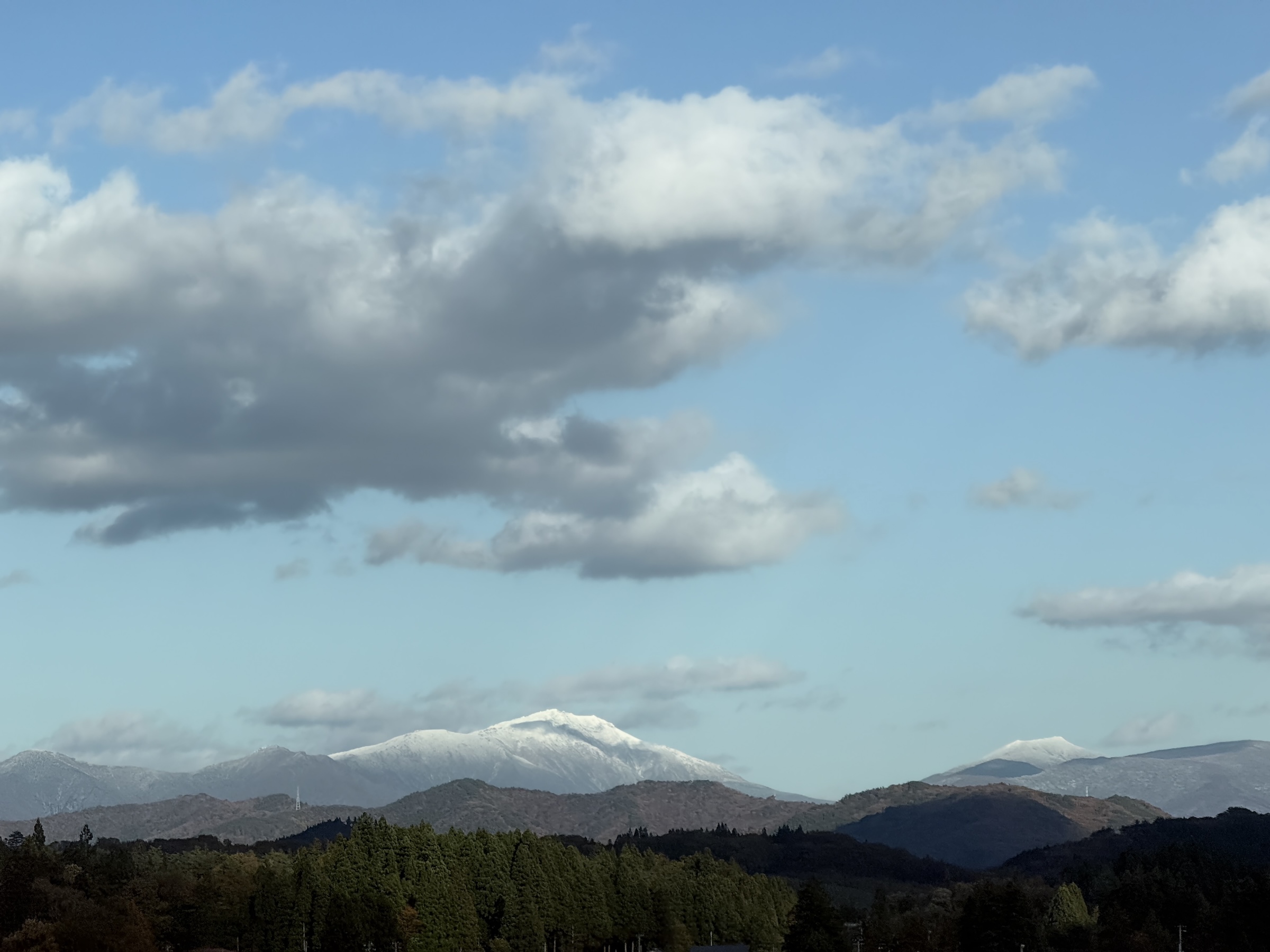
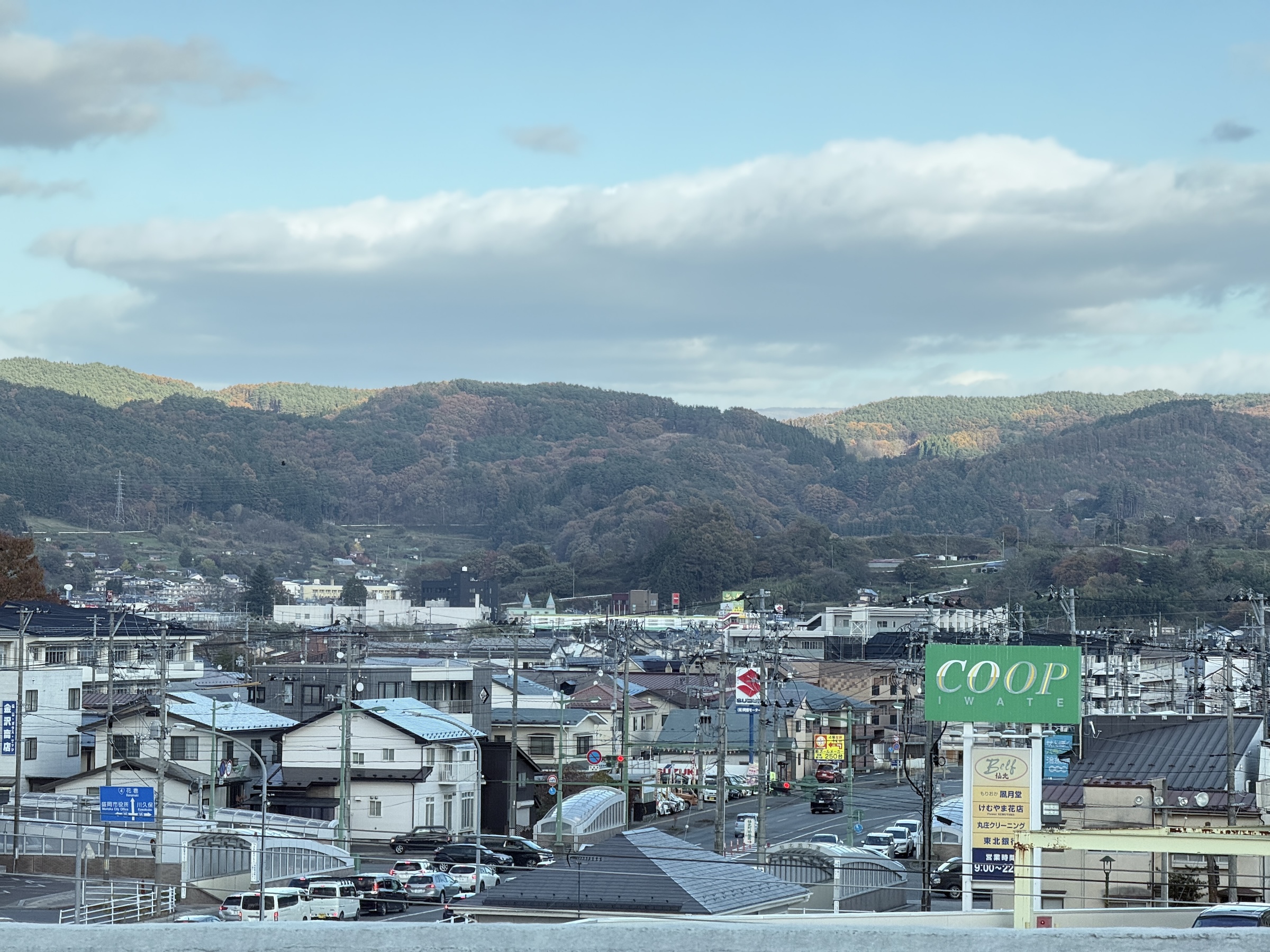
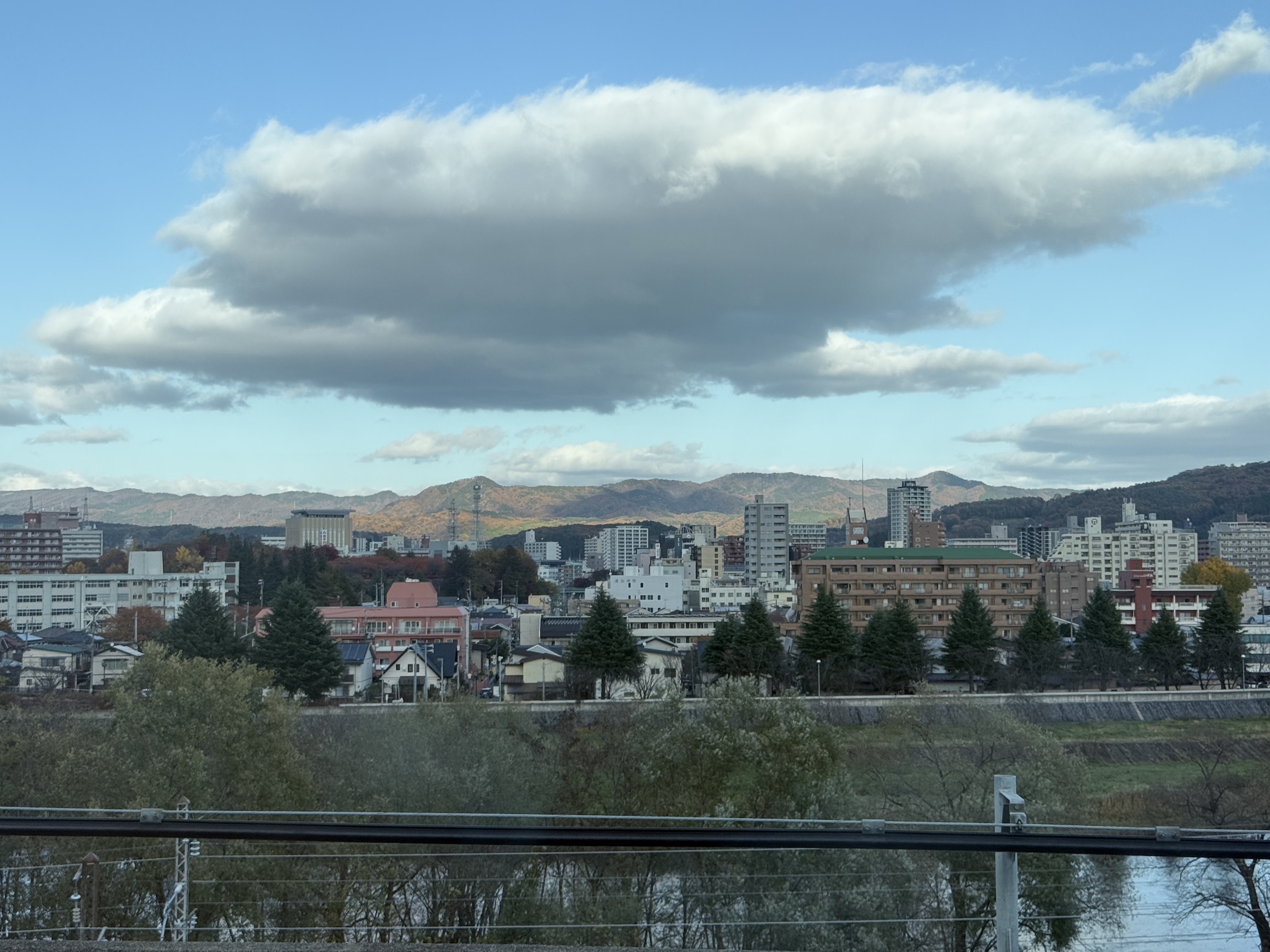
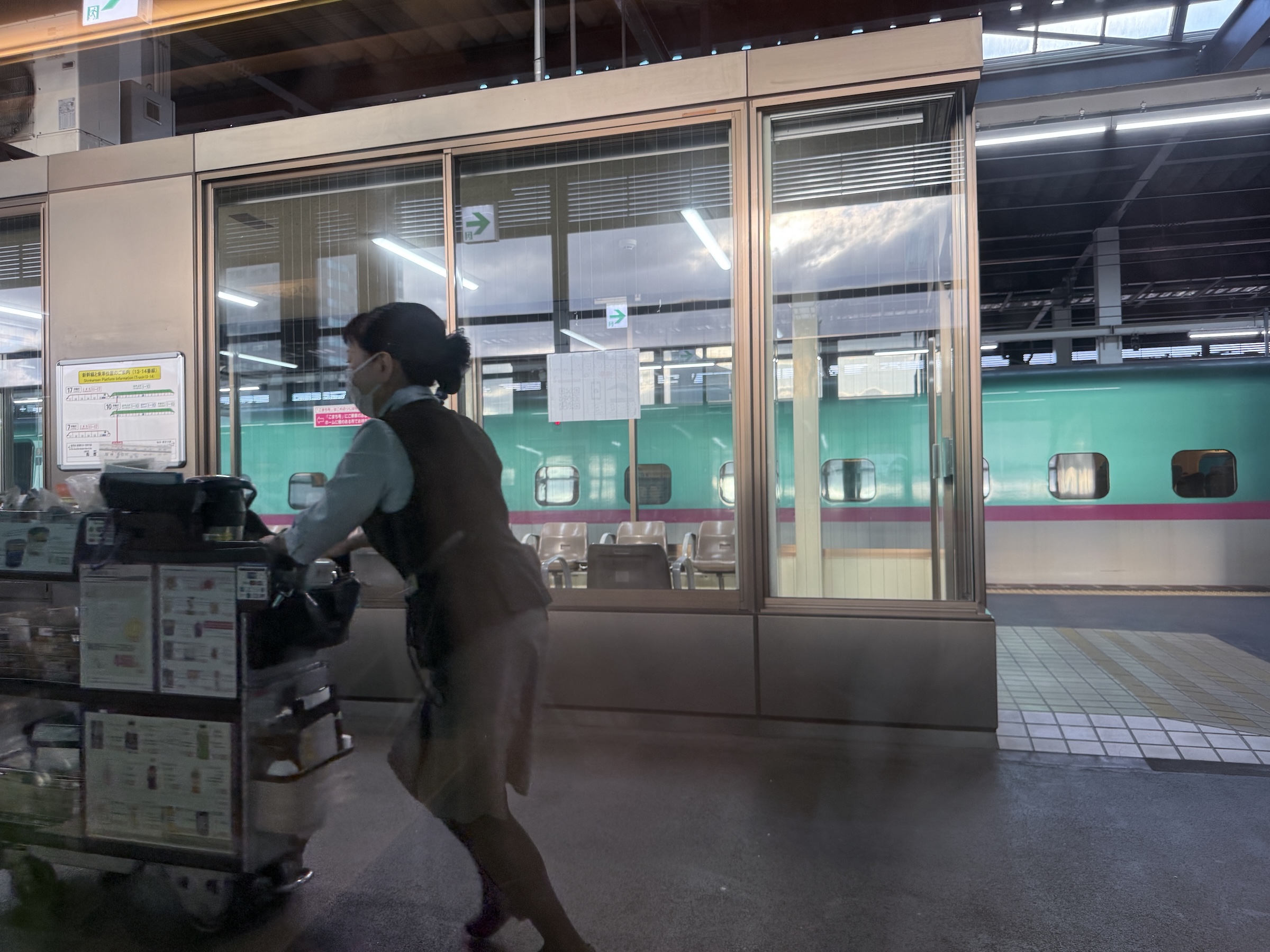
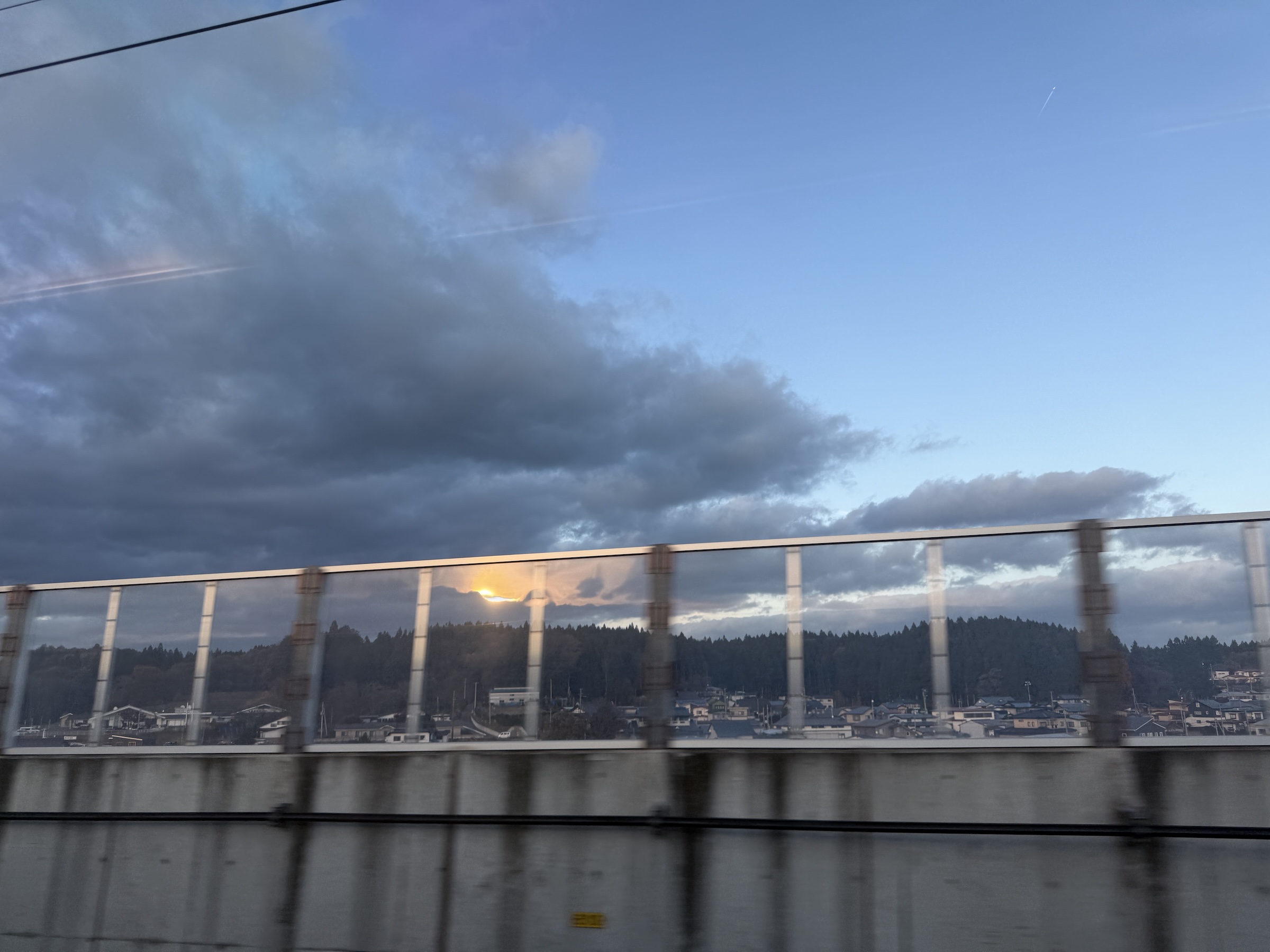
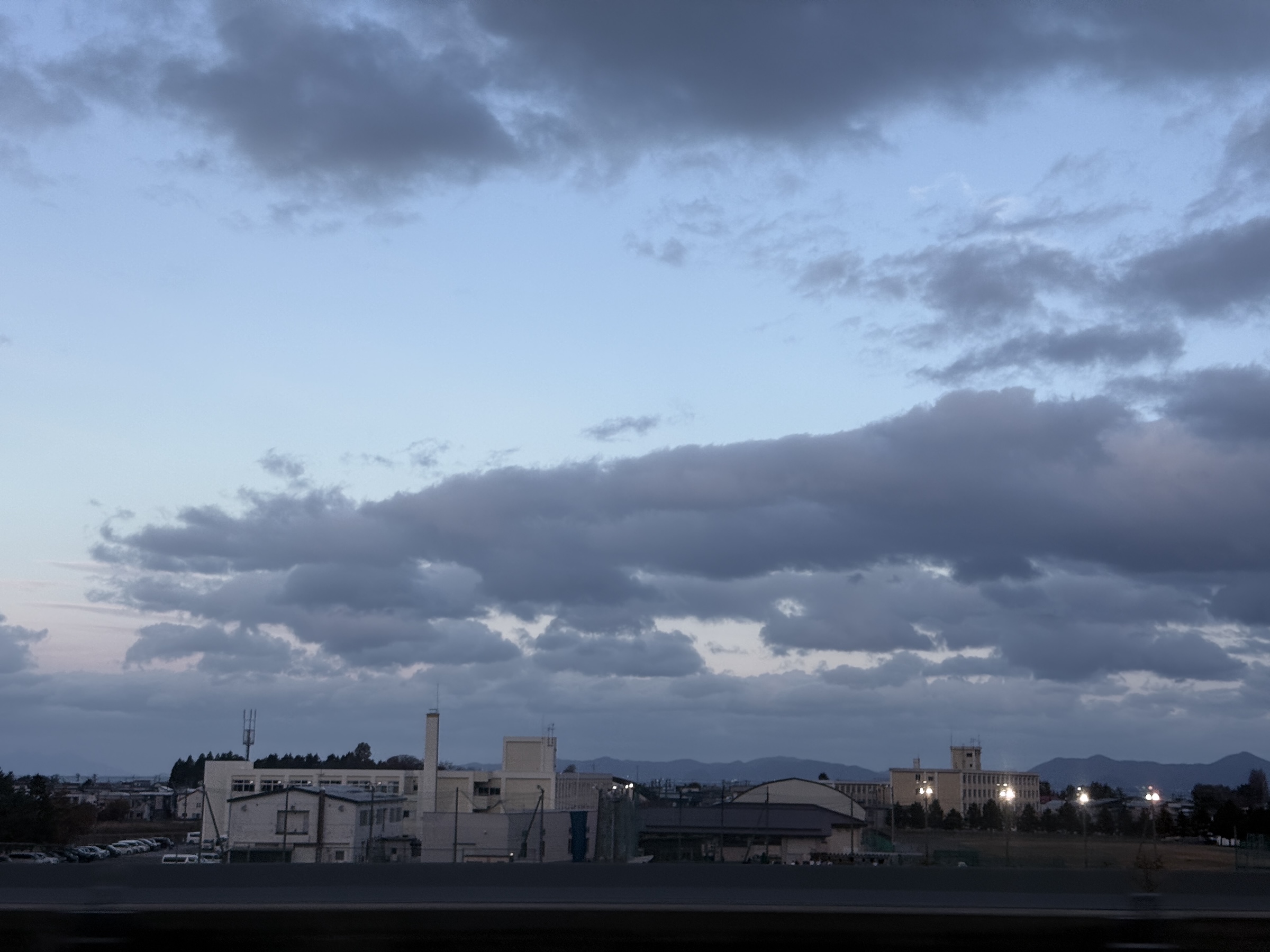
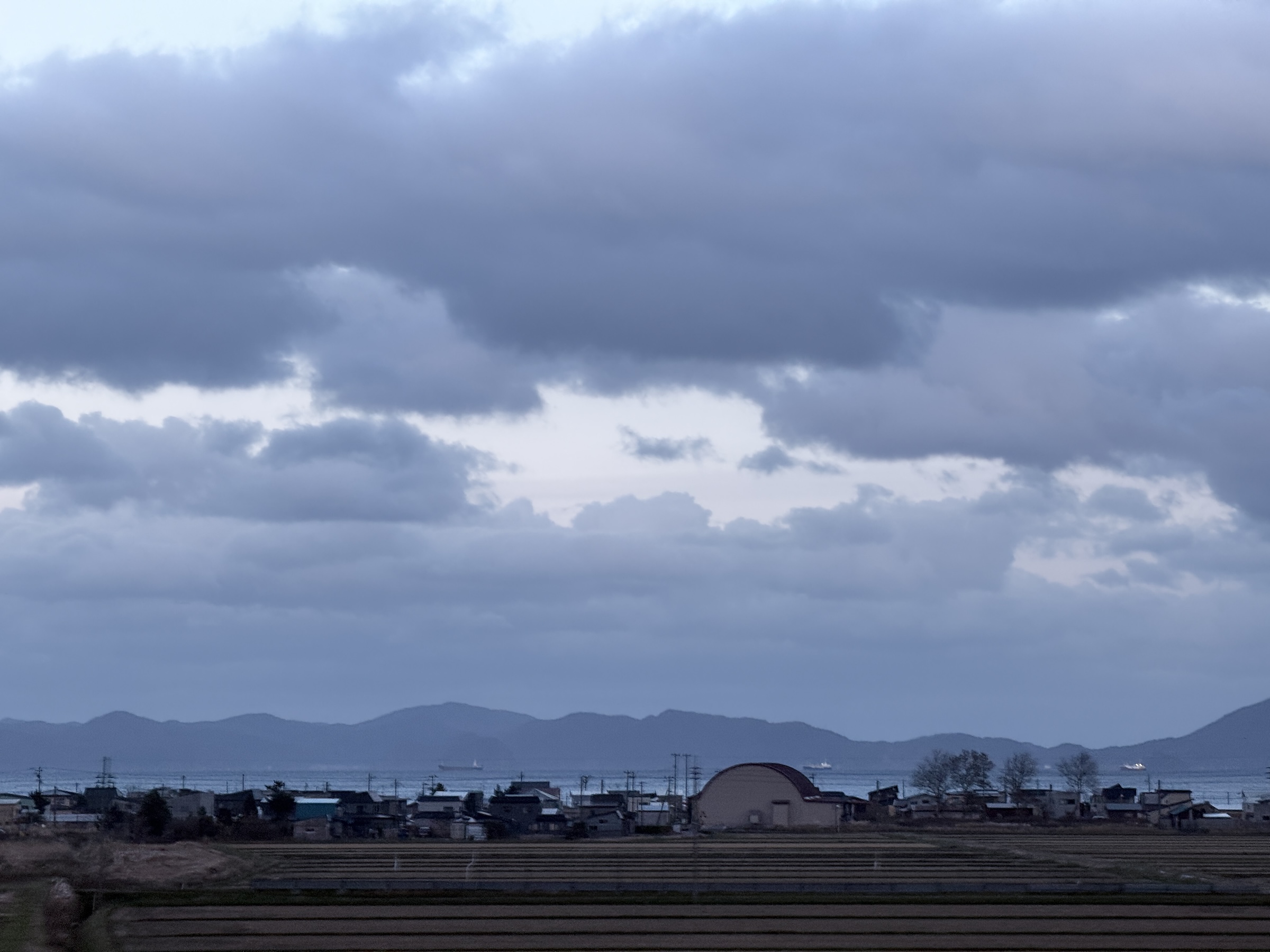
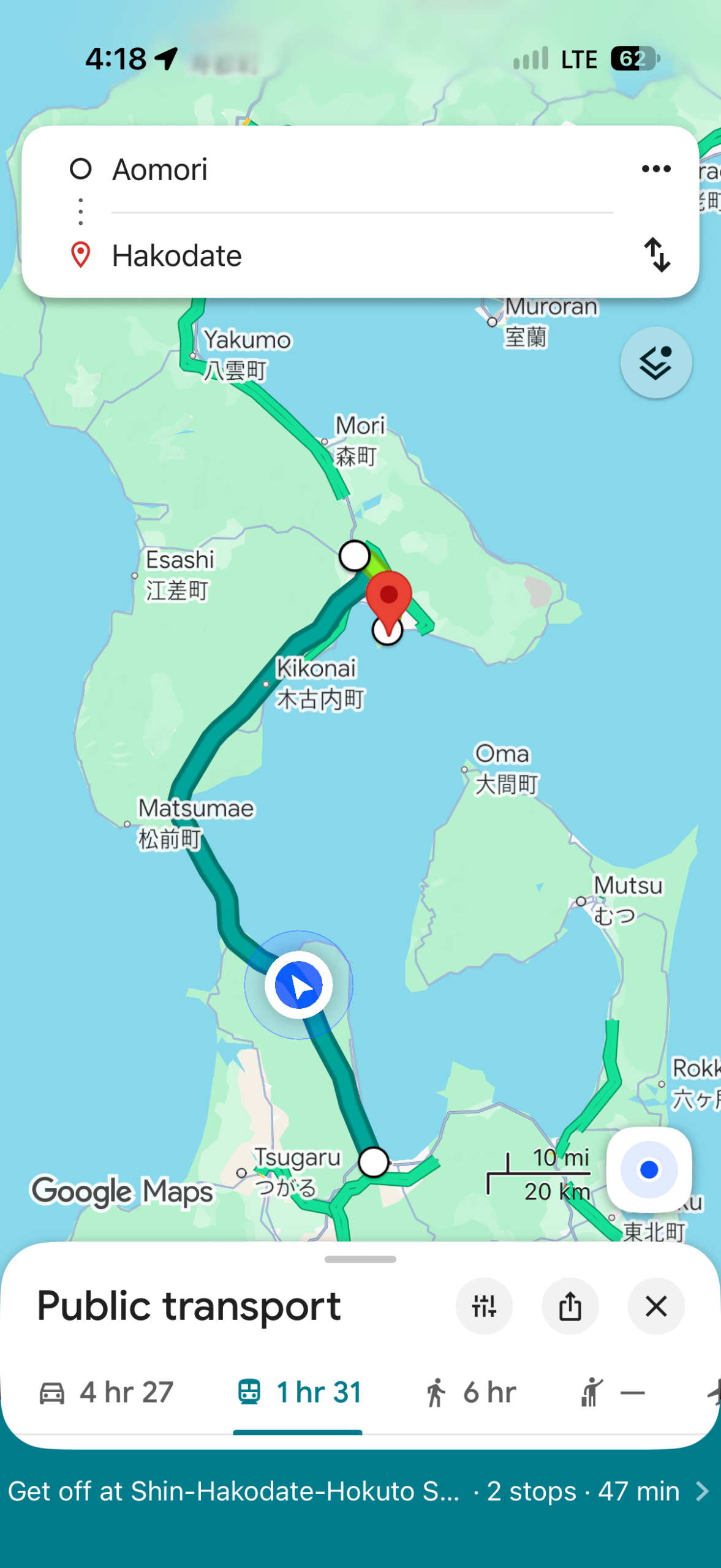
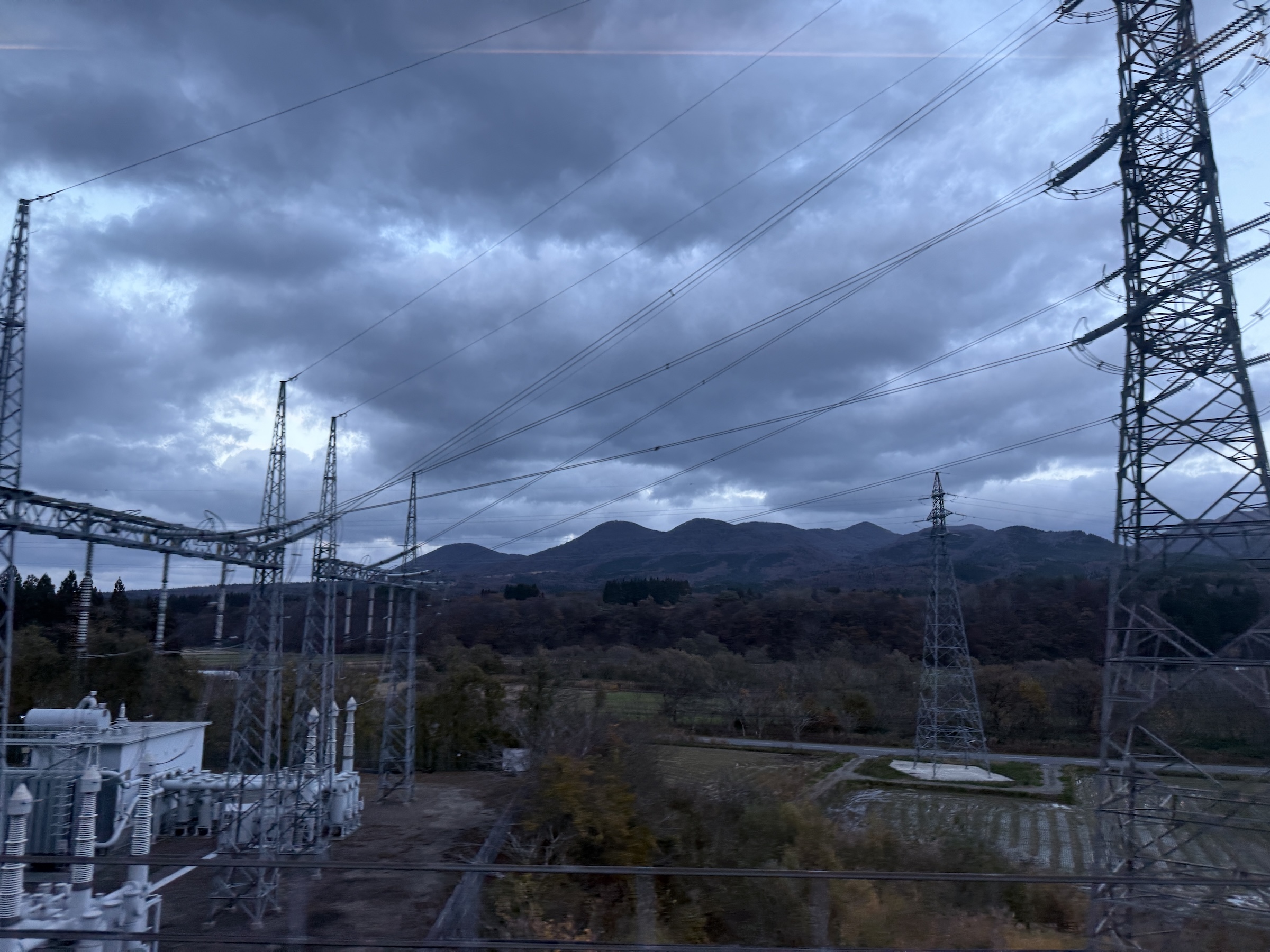
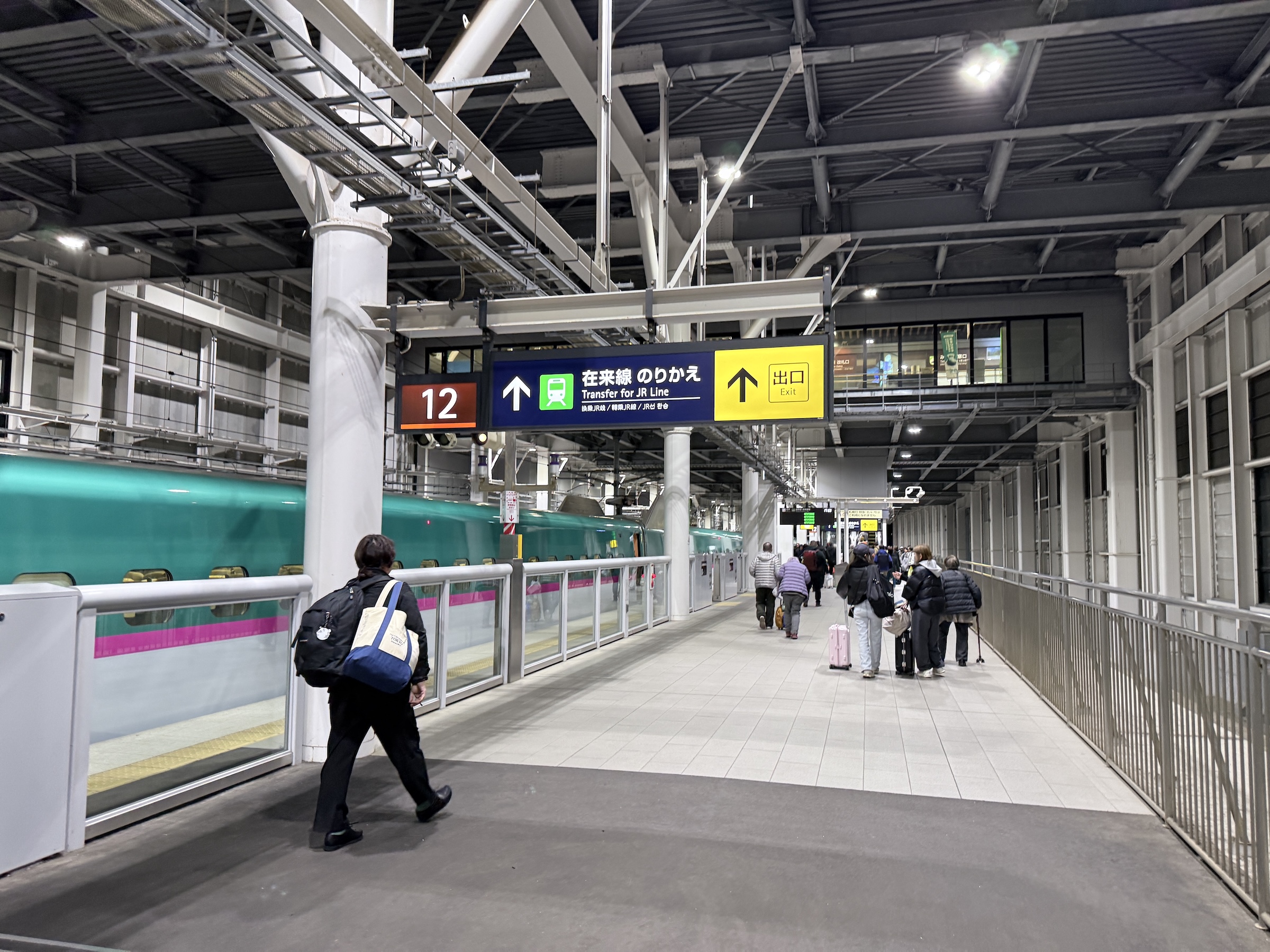
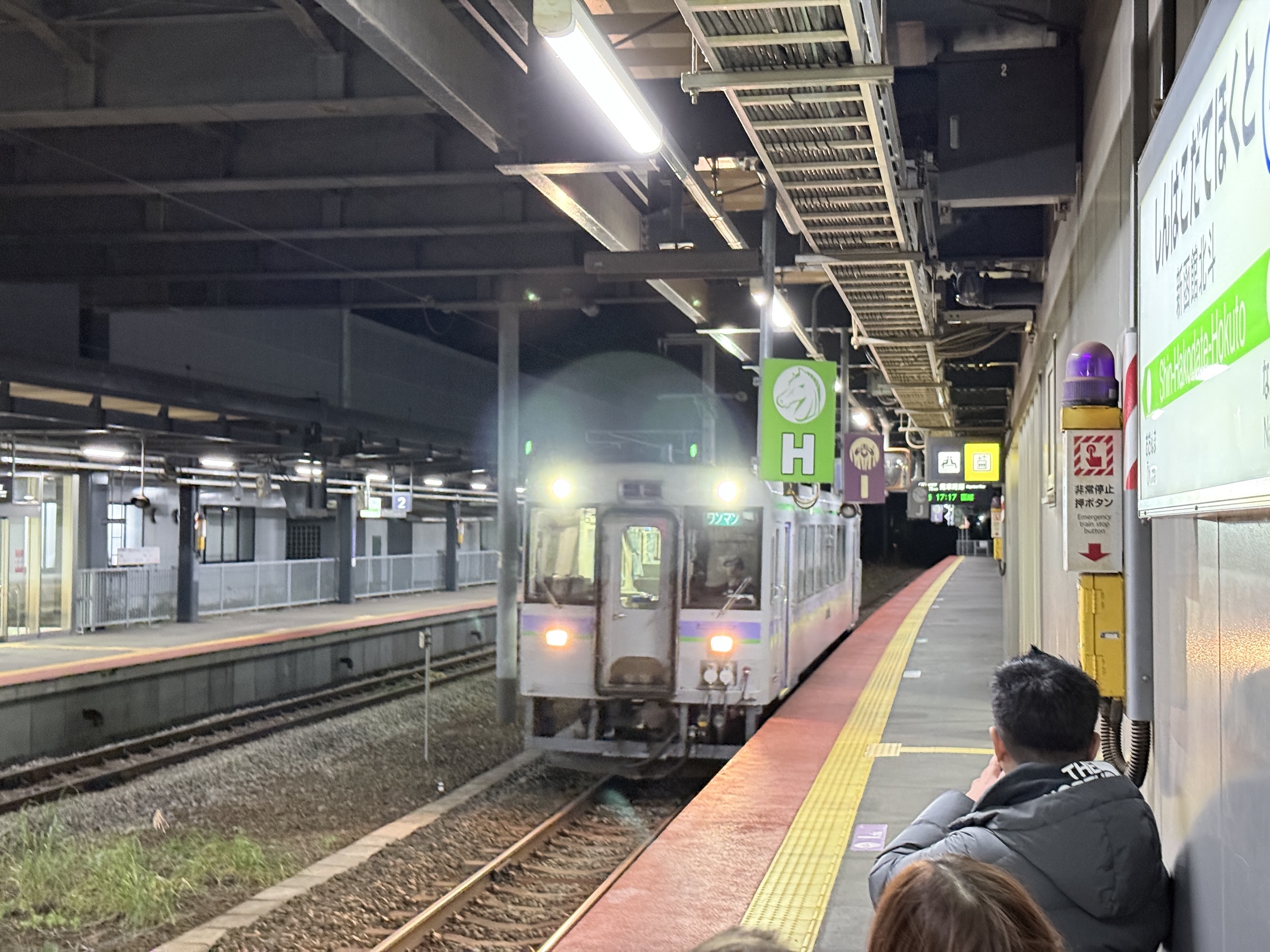
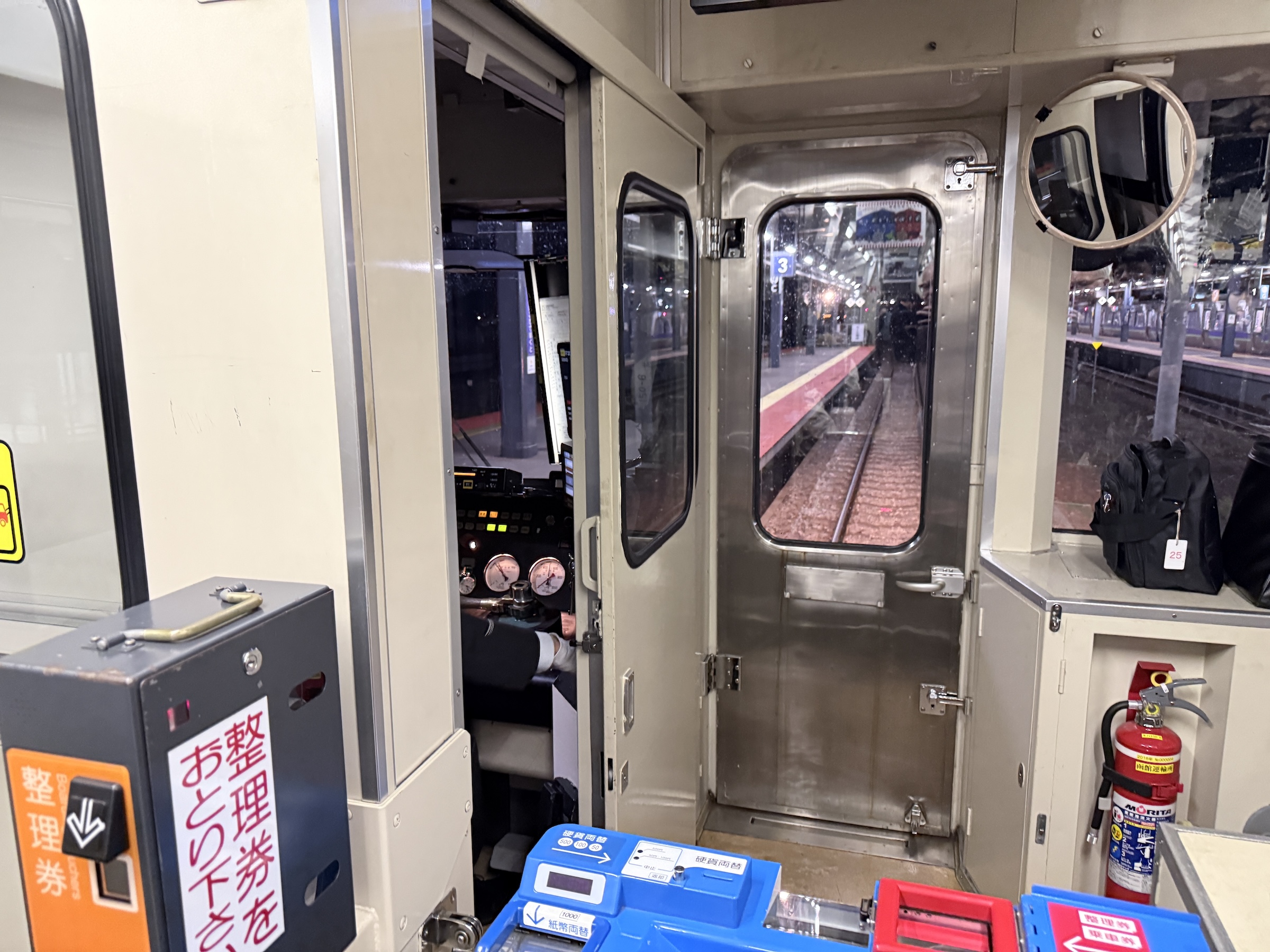
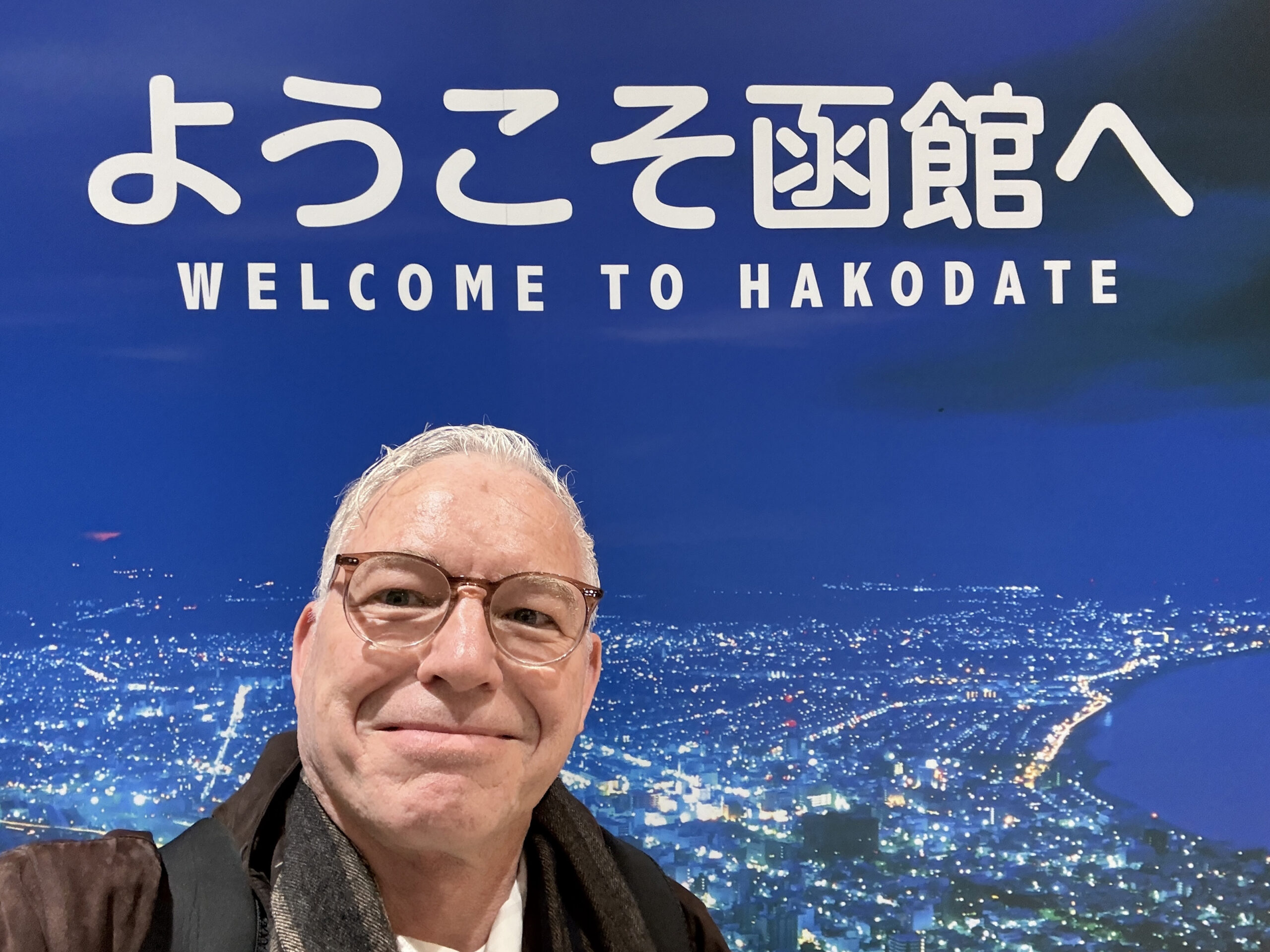
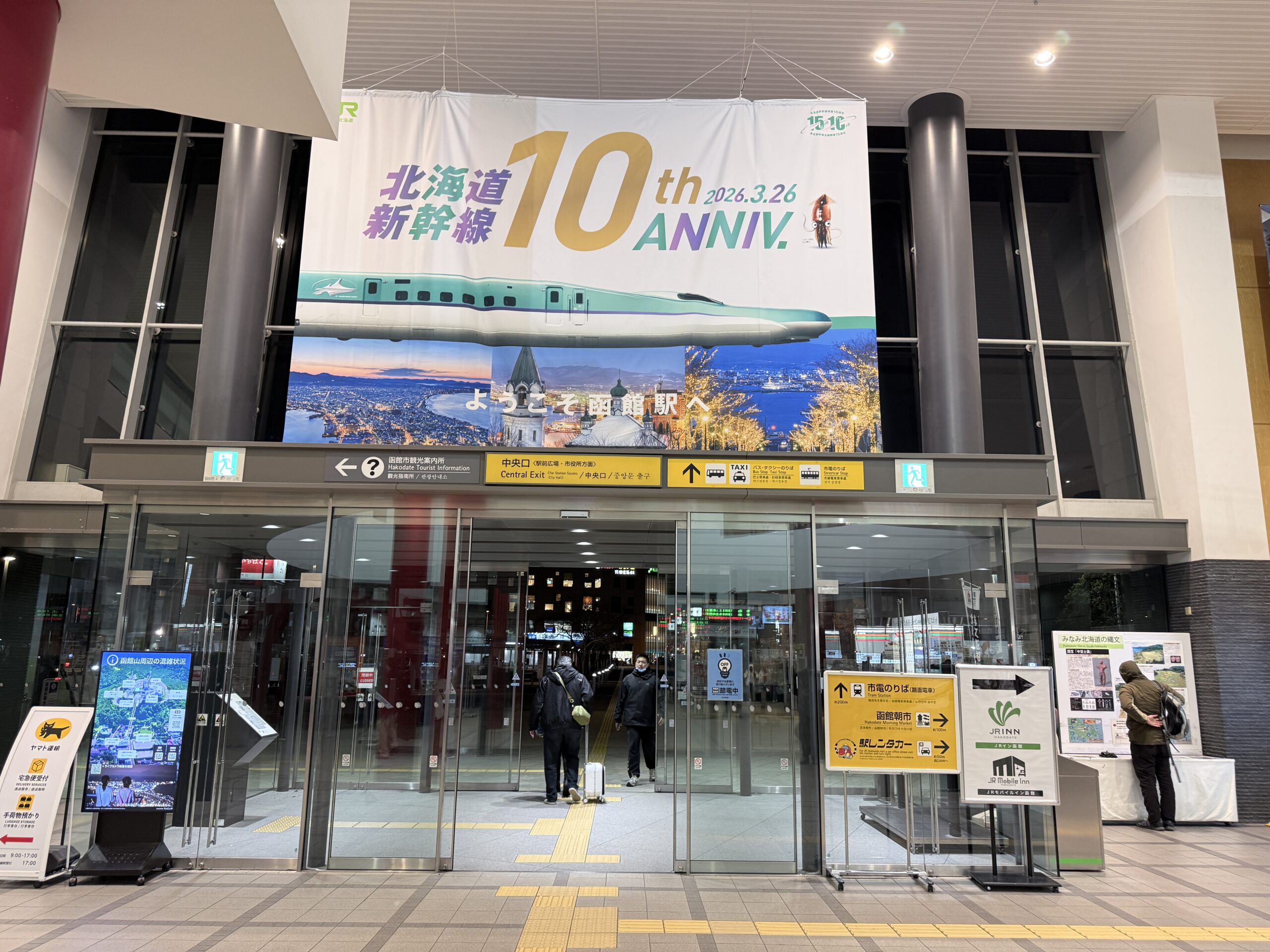
The route up to Hakodate is a 4h30 min train ride. The train stations for Hayabusa 23 are Tokyo, Ueno, Omiya, Sendai, Morioka, Hachinohe, Shin-Aomori, Kikonai, and Shin-Hakodate-Hokuto.The sleekest of them all? The Hayabusa train is celebrating its 10th anniversary this year. Some humans on the platform were cluttering the lines in the picture and I edited them out for a clean look for the sleek machine.Stepping on board. Mind the gap. You know your car and your seat, and this is the green car, a step up from the regular cars. The Tokyo Station building on the platform plaque that says Car No. 9 is a nice touch.All settled in.The entire rail line and the trains that run on them are an engineering marvel.I raided the snack cart when it came by: pear flavored ice-cream, mixed nuts, apple juice, green tea. About US$10 for all of it.This overpass is just north of Fukushima, where the nuclear power station accident in the wake of the 2011 Tōhoku earthquake and tsunami happened.. Is there still radiation in the area? Yes, says Google, about 3 times what it used to be, but generally considered safe.The shinkansen sails right through most of the smaller train stations along the way. An explosive WHOOFF for 3 or 4 seconds, means a another shinkansen is passing by.We must have gone through two dozen short tunnels on the way up to Hakodate.This is the view after stopping at Sendai station. The train stops for two minutes and no more than that. At the next station, Morioka, the rail line splits into two, and a few cars were disconnected from the train to go onto the other line. We stopped for only a few minutes longer.Rice paddies? I’m not sure.This is near Morioka, where a view out east of Mt Himekami was visible. Mt Himekami is a neat cone-shaped peak in the Kitakami range. Look for it on the left. Behind it are higher ridges of the Kitakami range.A glimpse of the streets in Morioka.Another view of Morioka, and I believe this is the Nakatsu River that flows right through the center of the city and empties into the Kitakami River.The train station at Morioka. Another Hayabusa train on the track on the other side of the platform.The sun was setting at 3.45 pm as we approached Aomori. This is a reflection on the panel from the west side of the train. I am sitting on the right, looking out east.Approaching Aomori and the lights are coming on.Here’s a glimpse of Mutsu Bay by Aomori. The lights on some of the ships are on. We are about to go under Tsugaru Strait that separates Hokkaido from the main island Honshu.A screen shot from Google Maps. My phone lost the GPS signal as we went into the undersea tunnel.The last picture before we went into Seikan Tunnel to get to Hakodate.Stepping of the Hayabusa train at Shin-Hakodate-Hokuto Station (新函館北斗駅) which is the northern terminus of the Hokkaido Shinkansen bullet train line, located in the city of Hokuto, Hokkaido, Japan.Here comes the local train bound for Hakodate main station. It is one car only!We packed the little train and I have to stand up front, but hey, look at the nice view of the track that I got.At Hakodate main station. I had to stop at the Welcome to Hakodate picture.A banner to celebrate the 10th anniversary of the inauguration of the Hayabusa train.