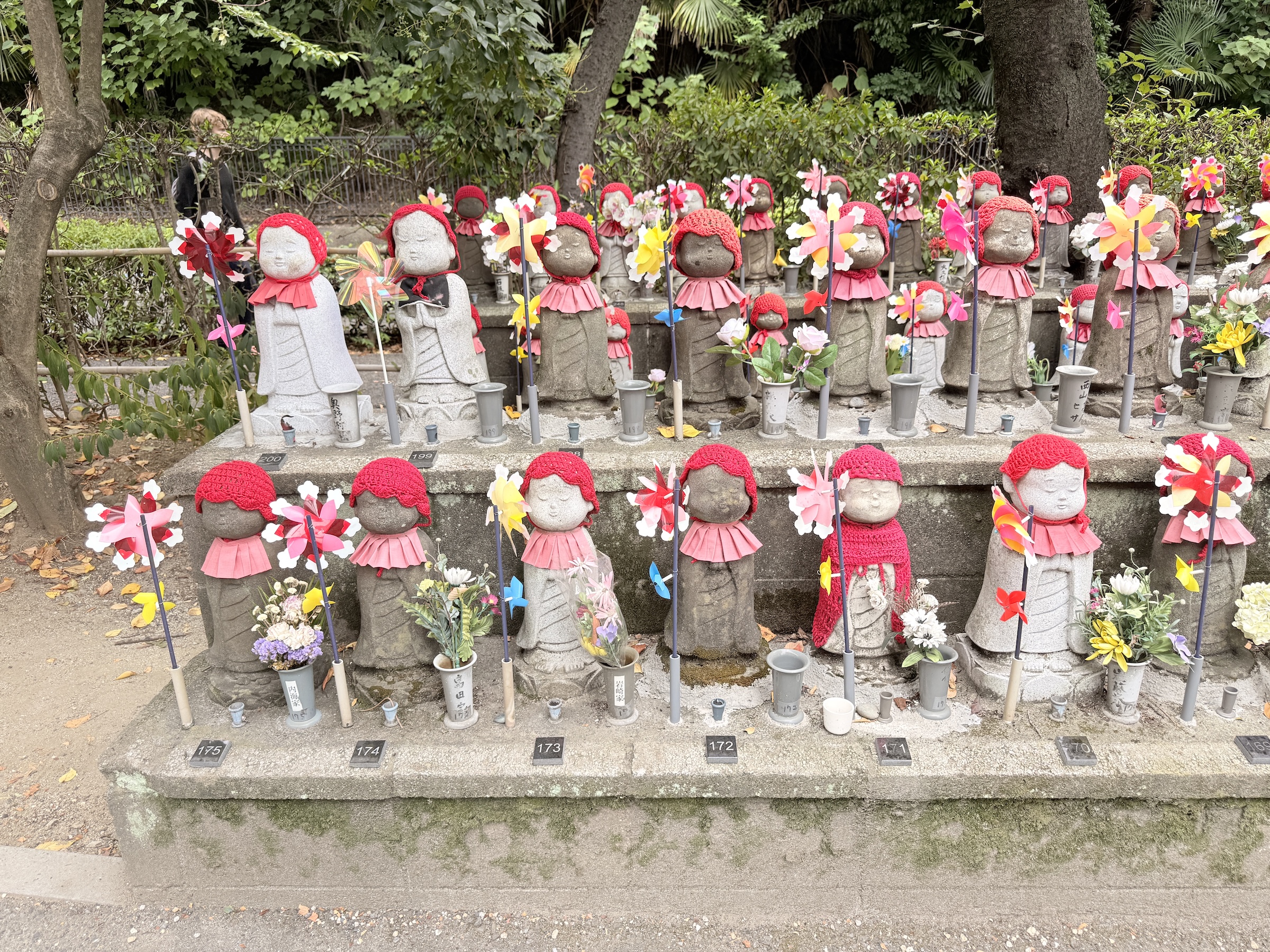
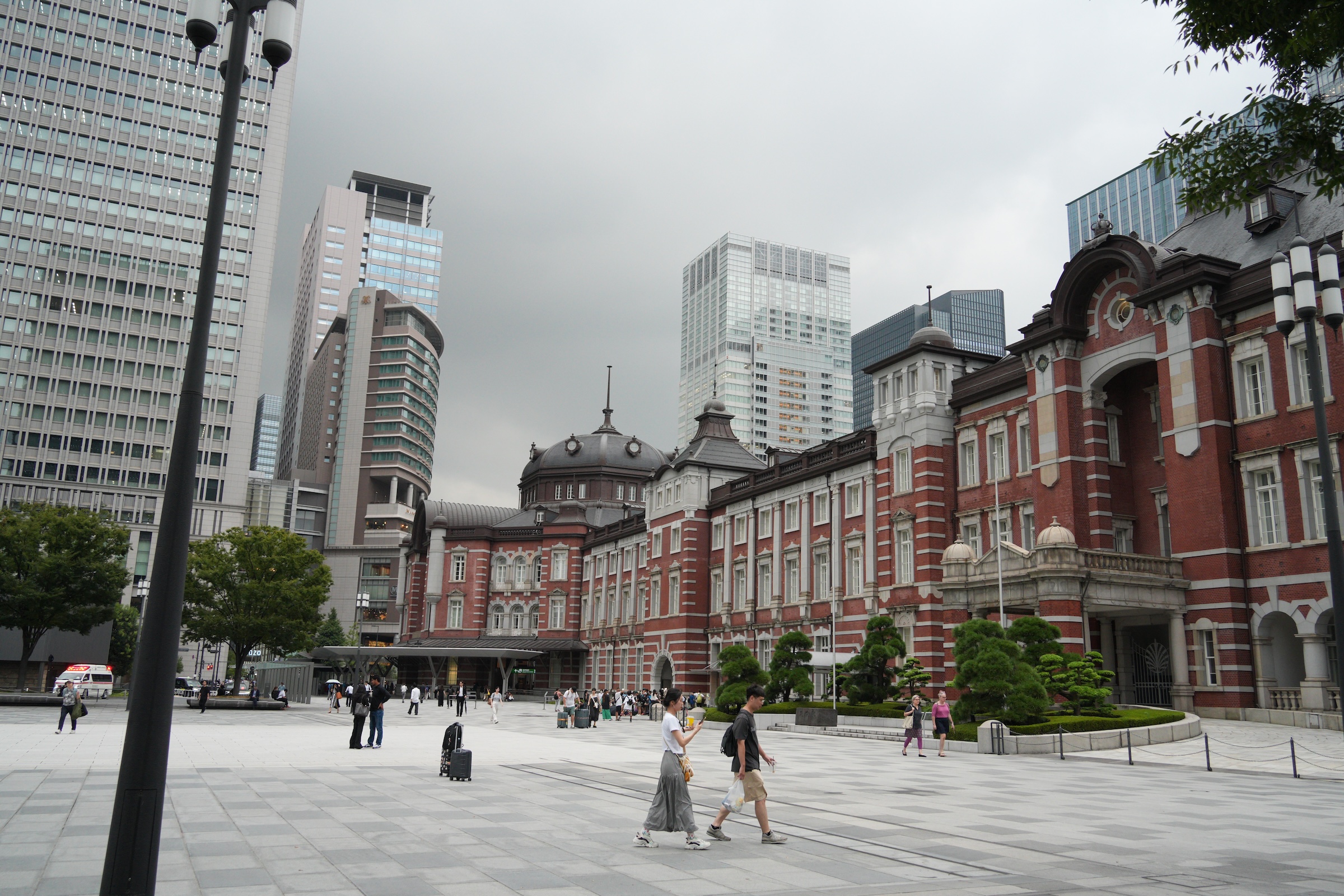
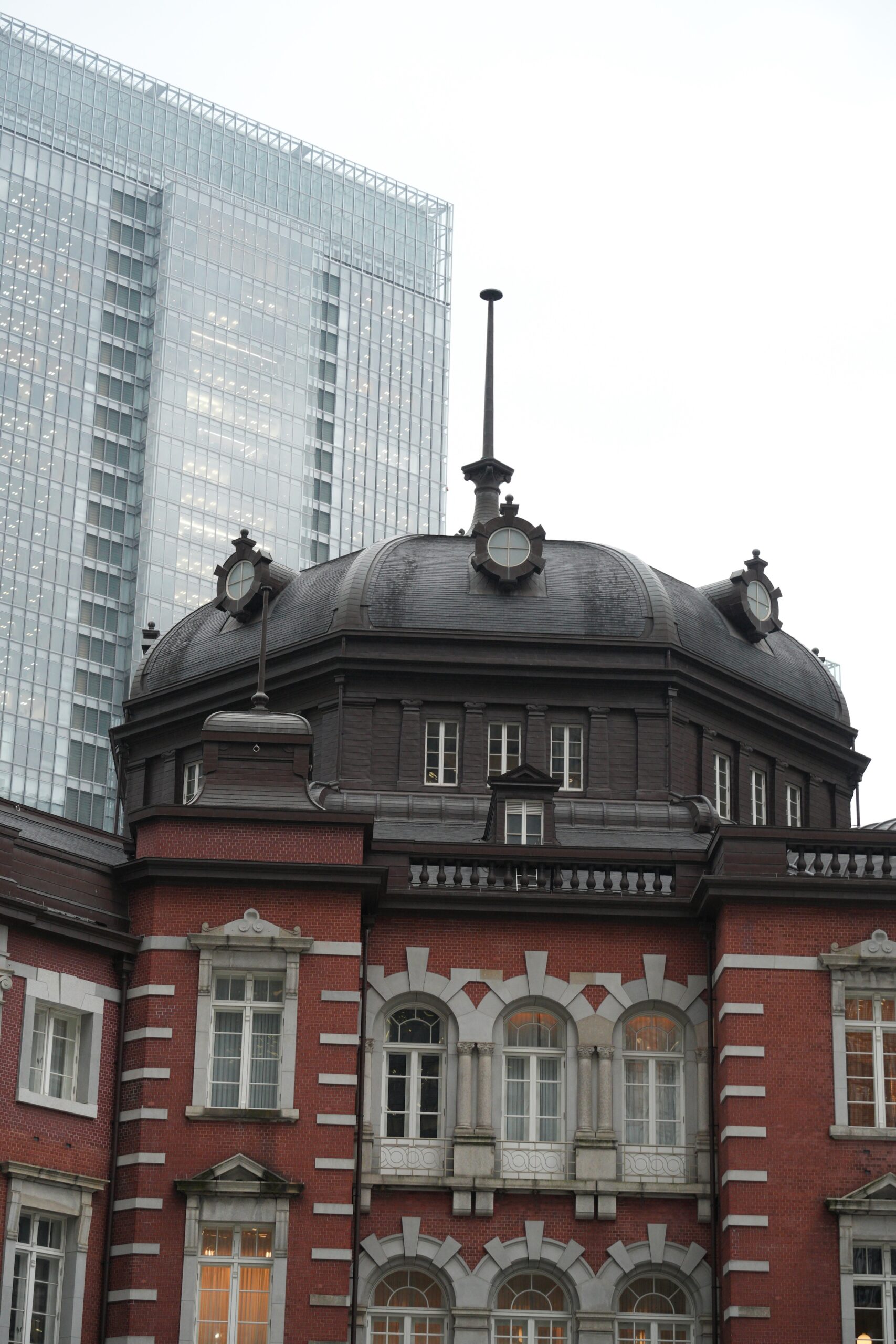
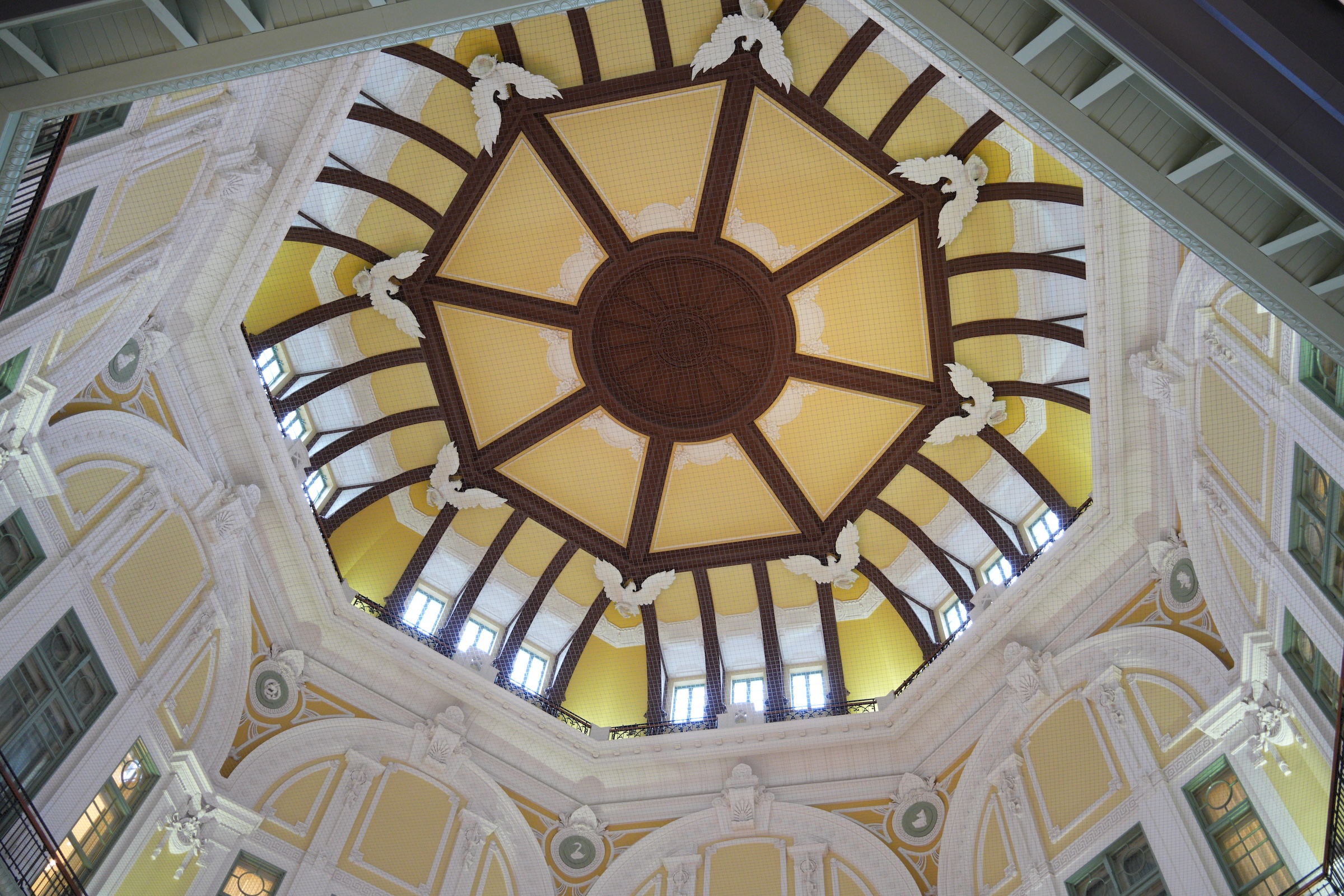
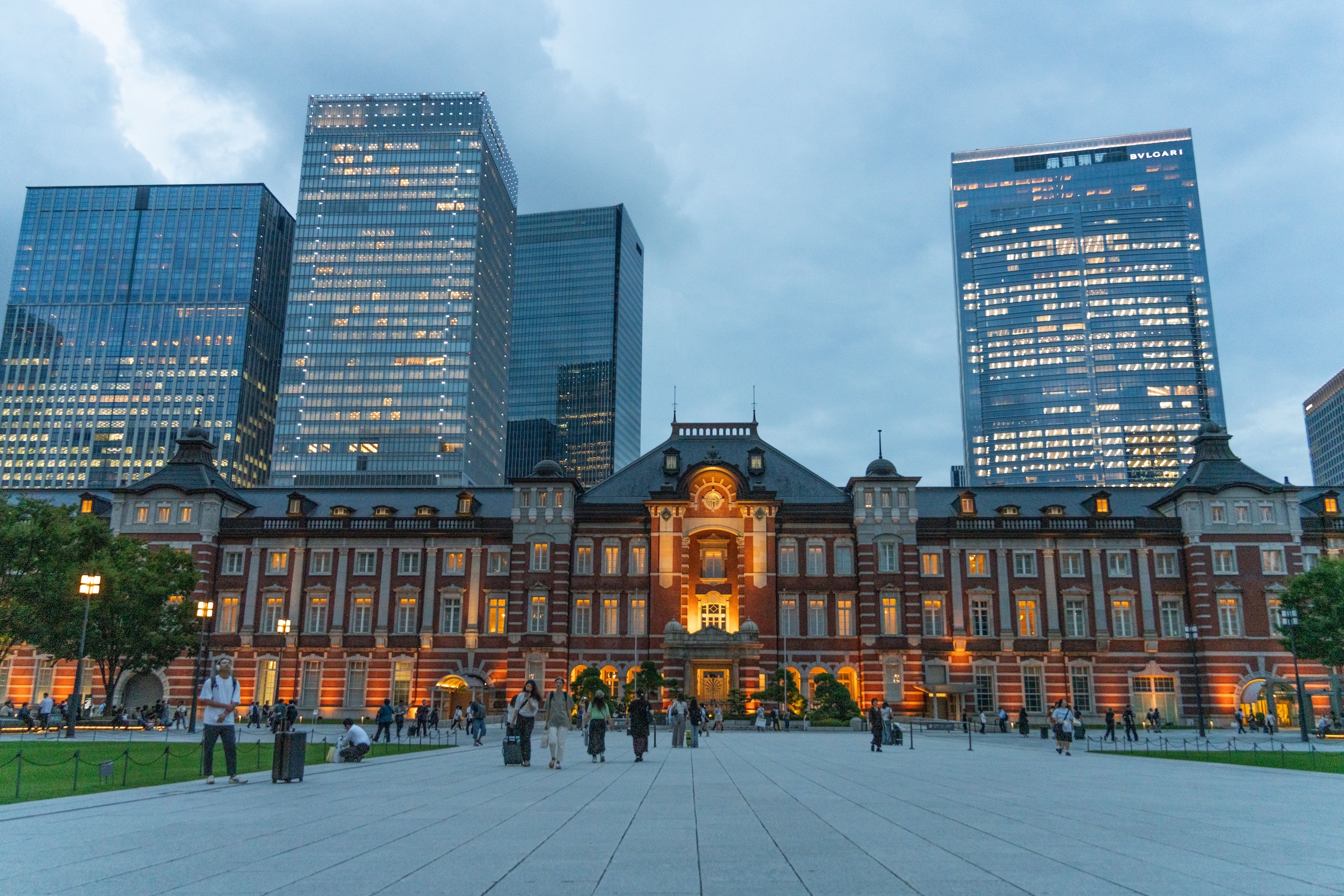
There was drizzle on and off here in Tokyo on Thursday, at a damp 85°F (30 °C).
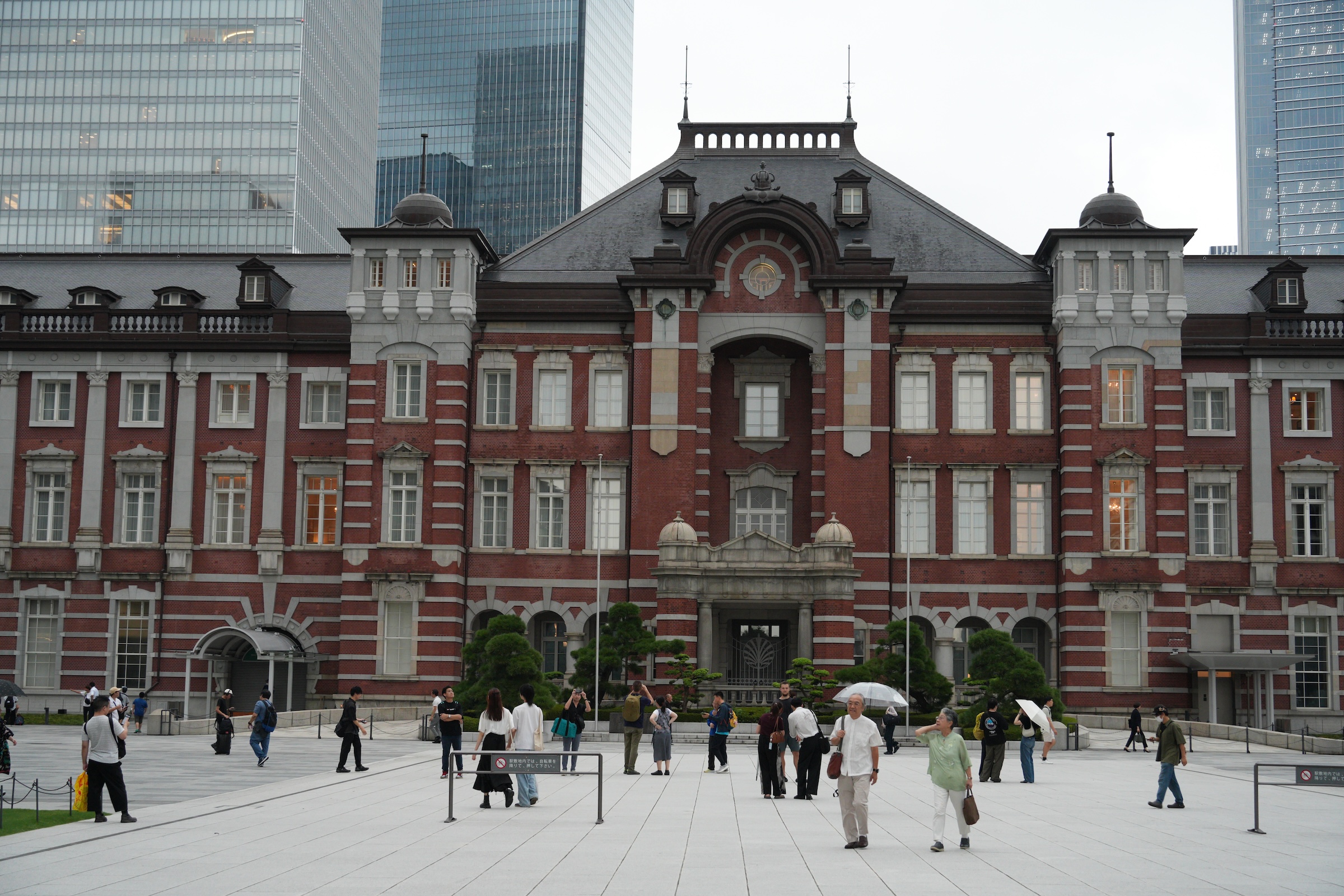
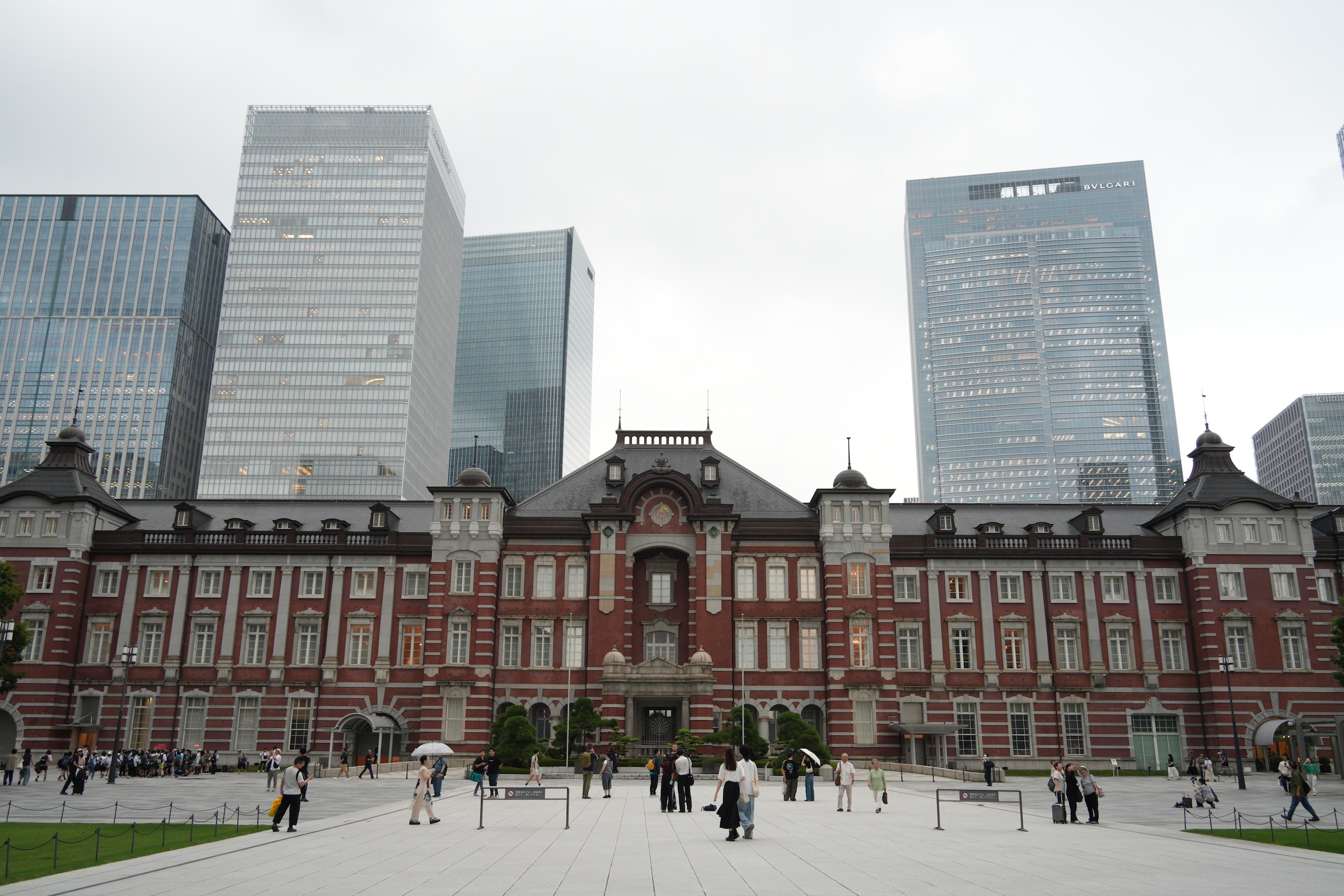
Outside, I could only take pictures here and there with my big camera, but managed to get a few of the iconic 1914 Tokyo Station building (extensively renovated and restored in 2012).
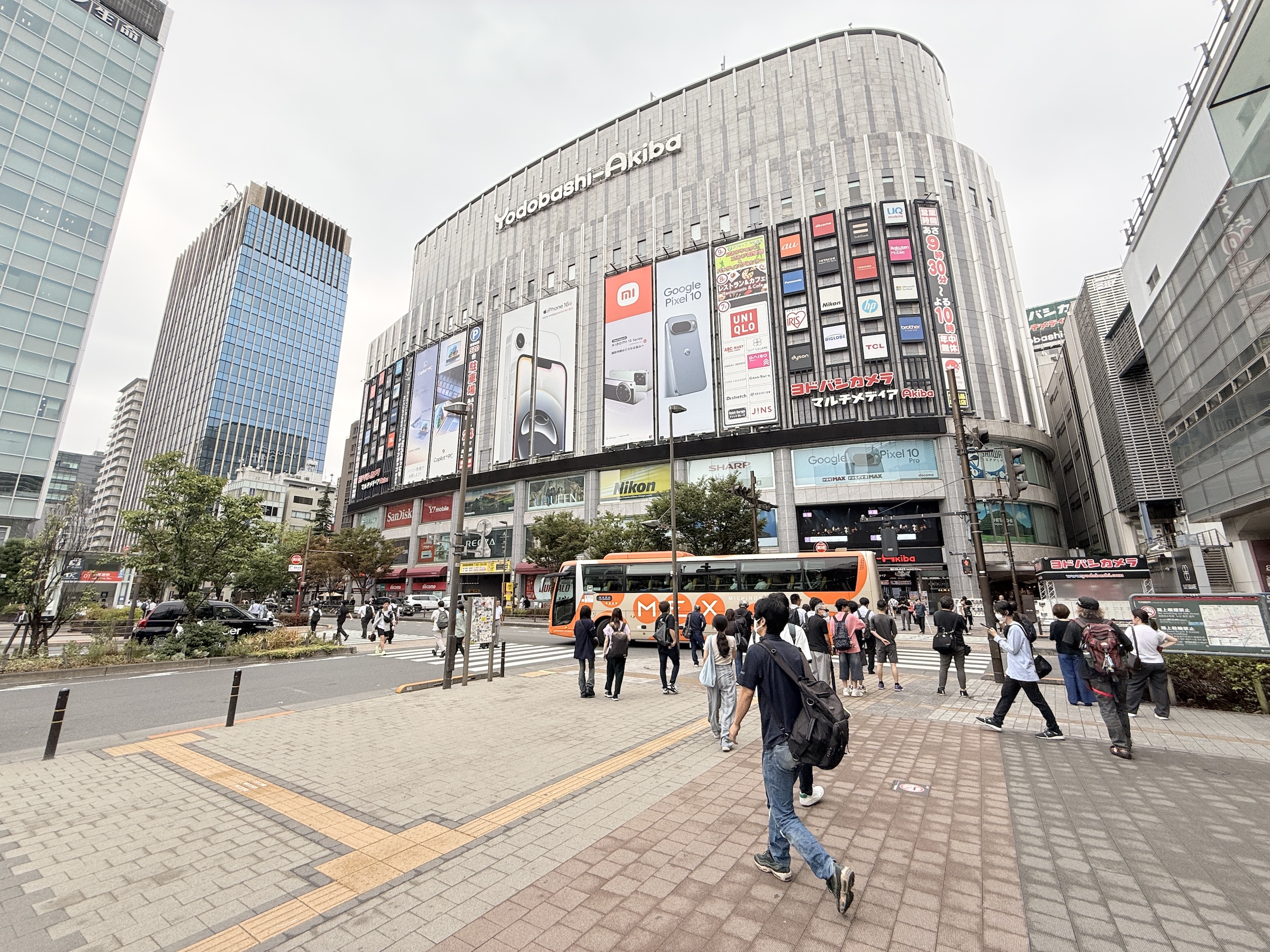
I also made my first run to the Yodobashi Akiba store in Akihabara.
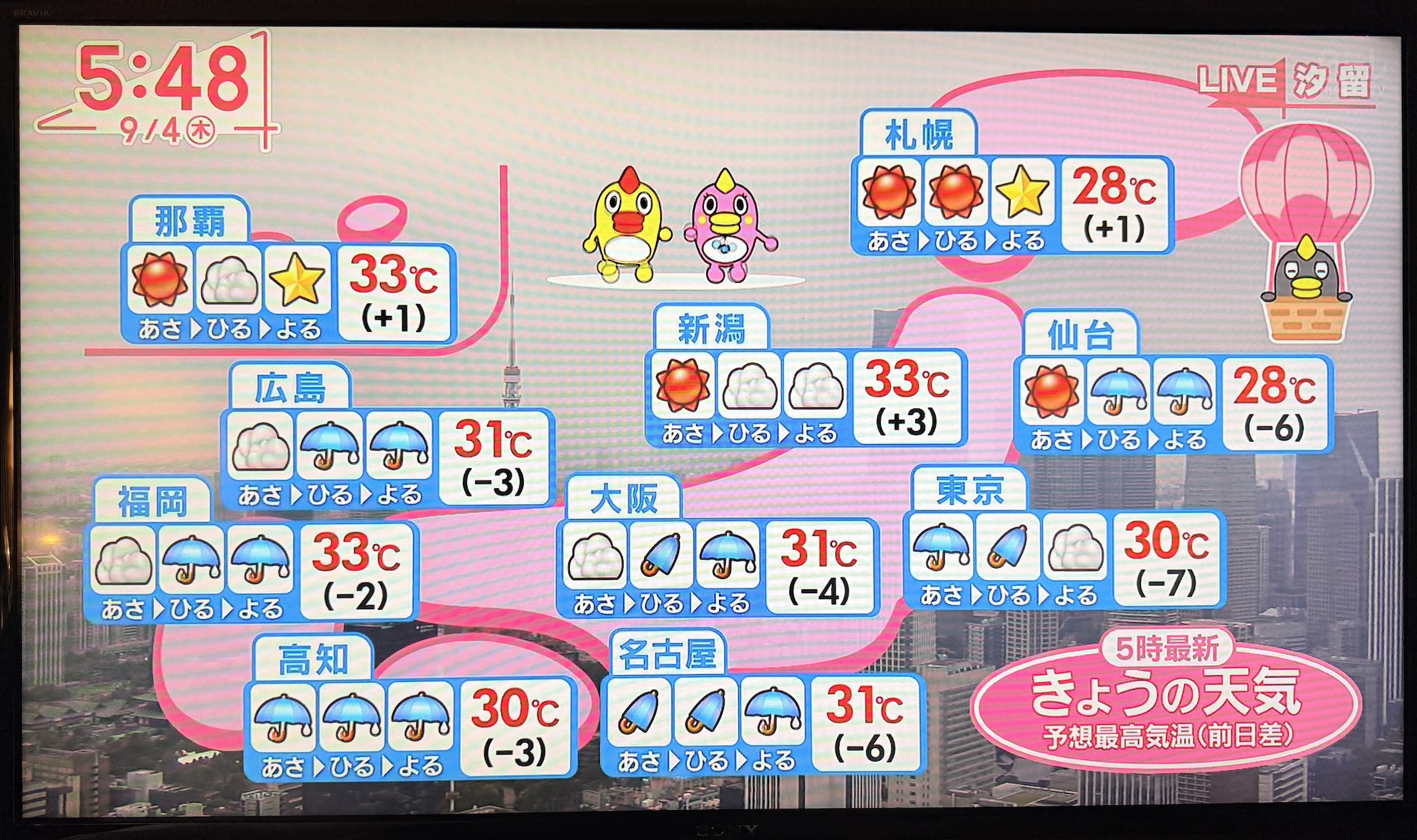
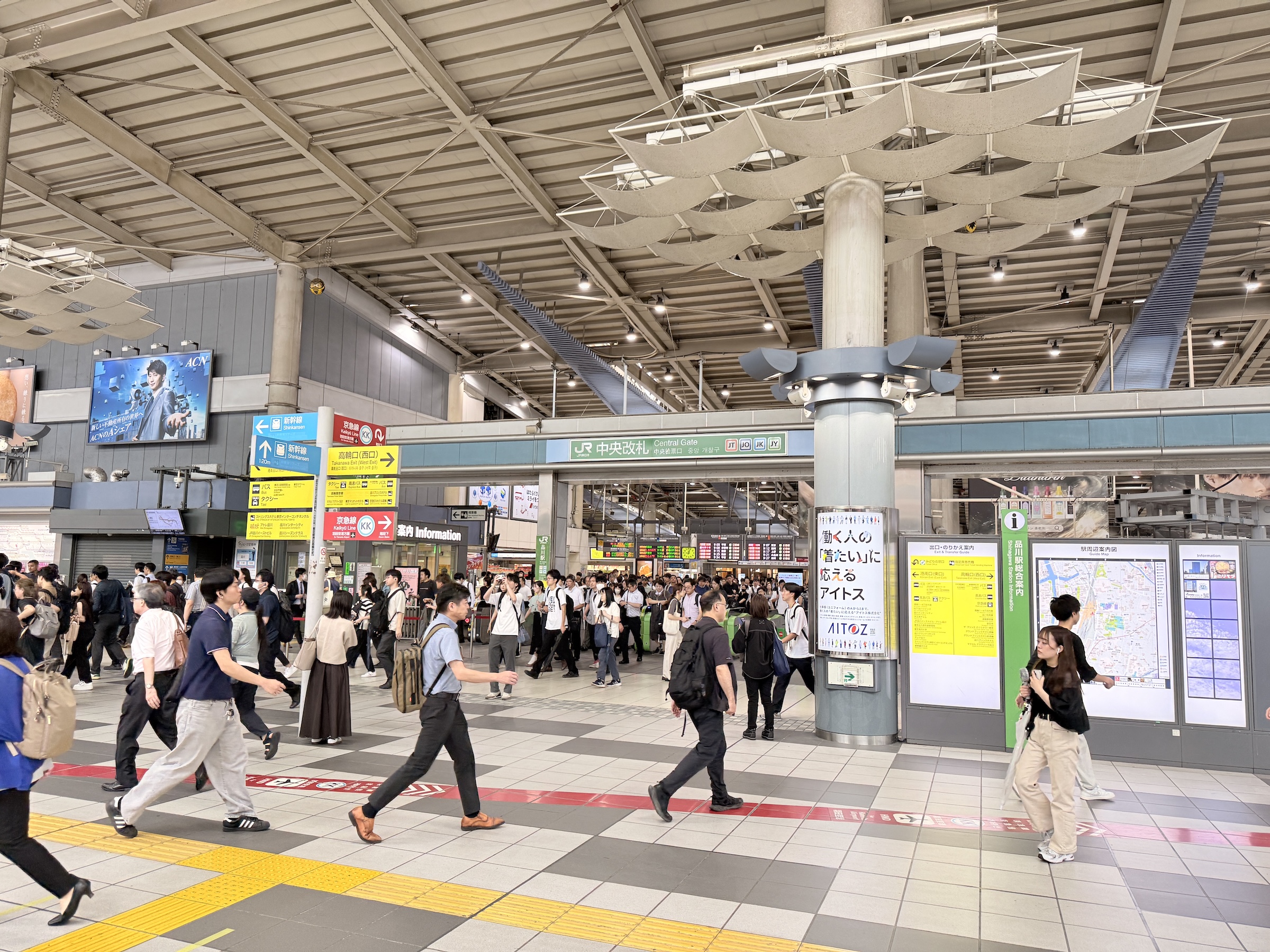
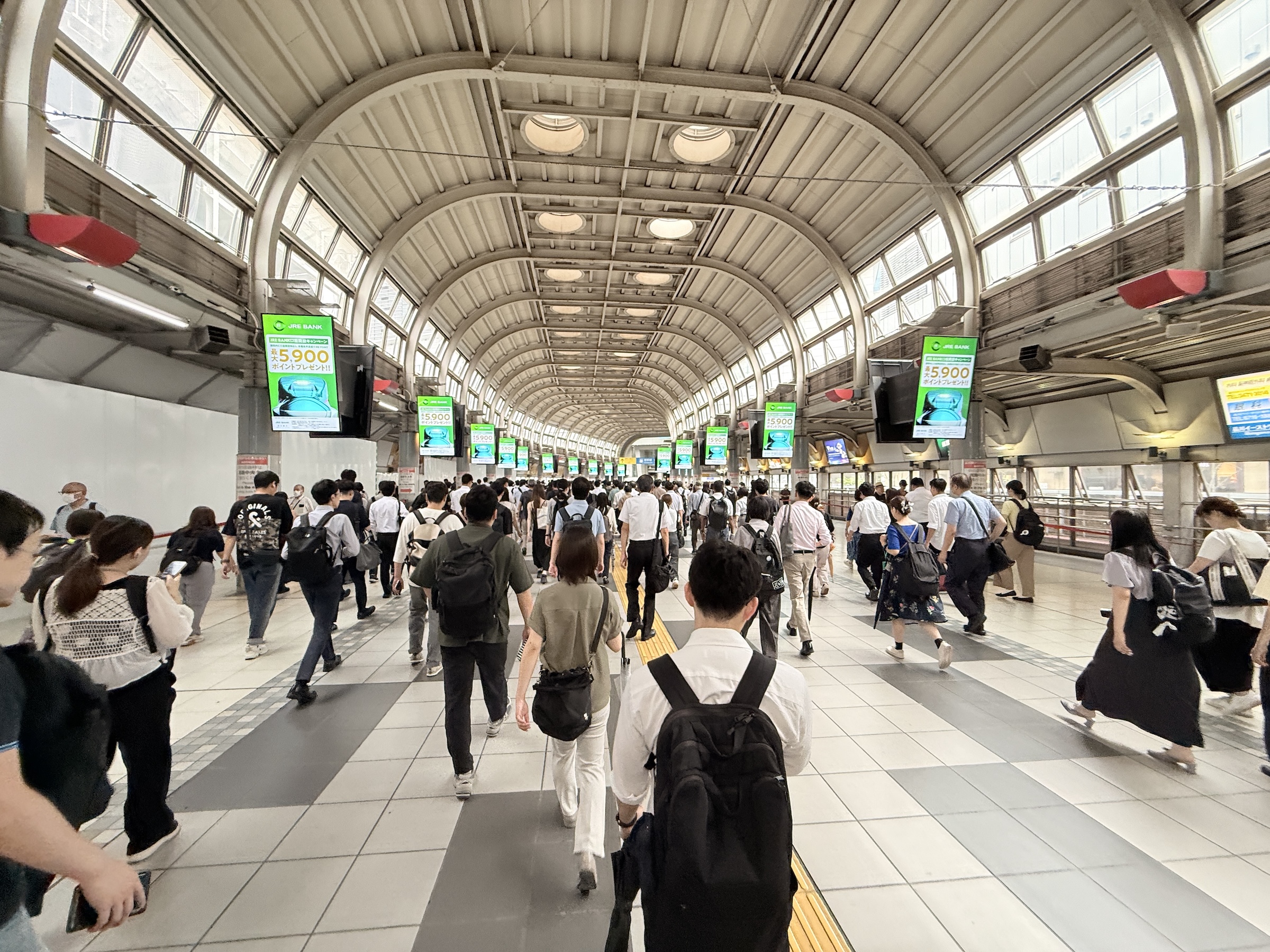
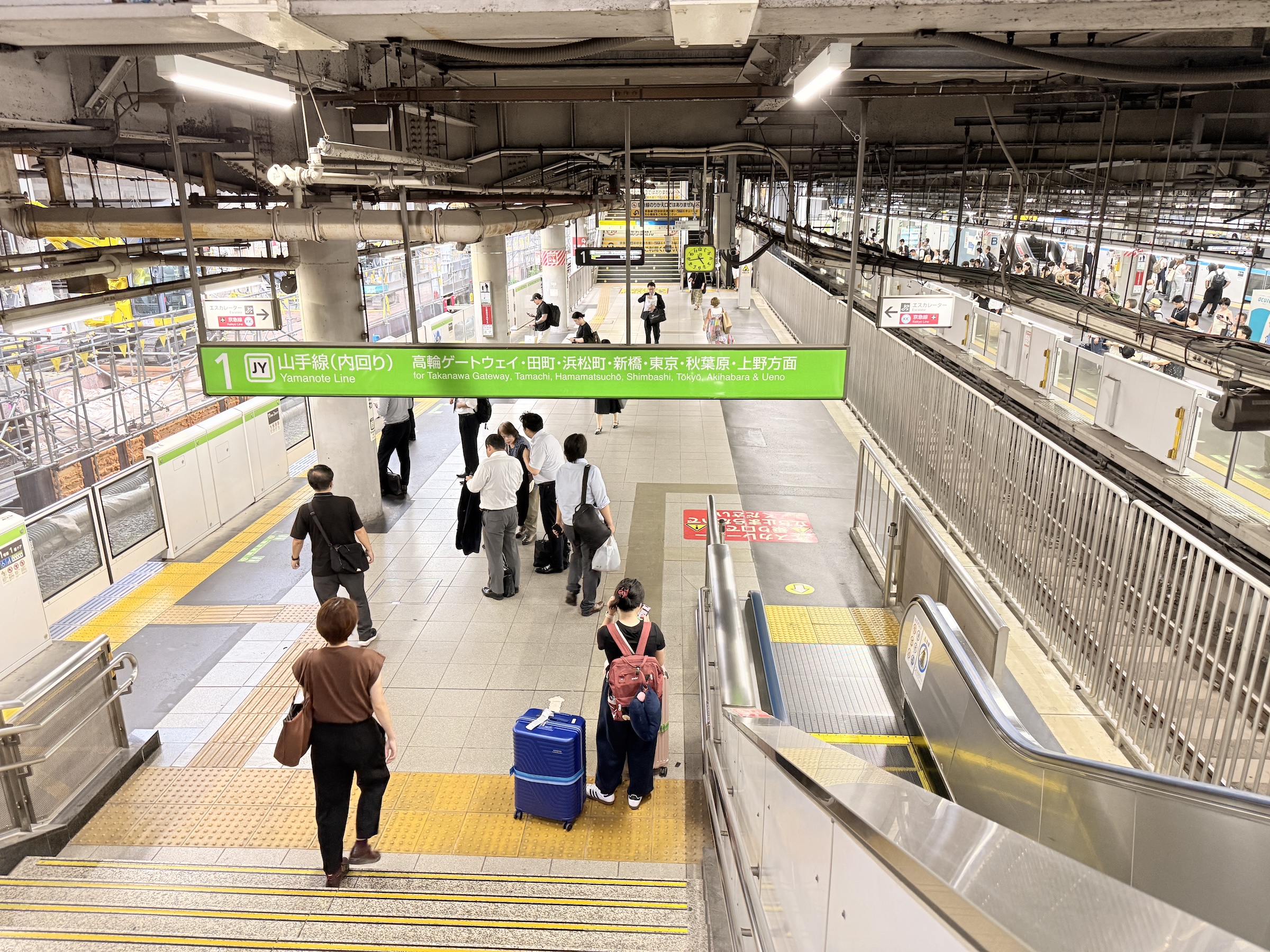
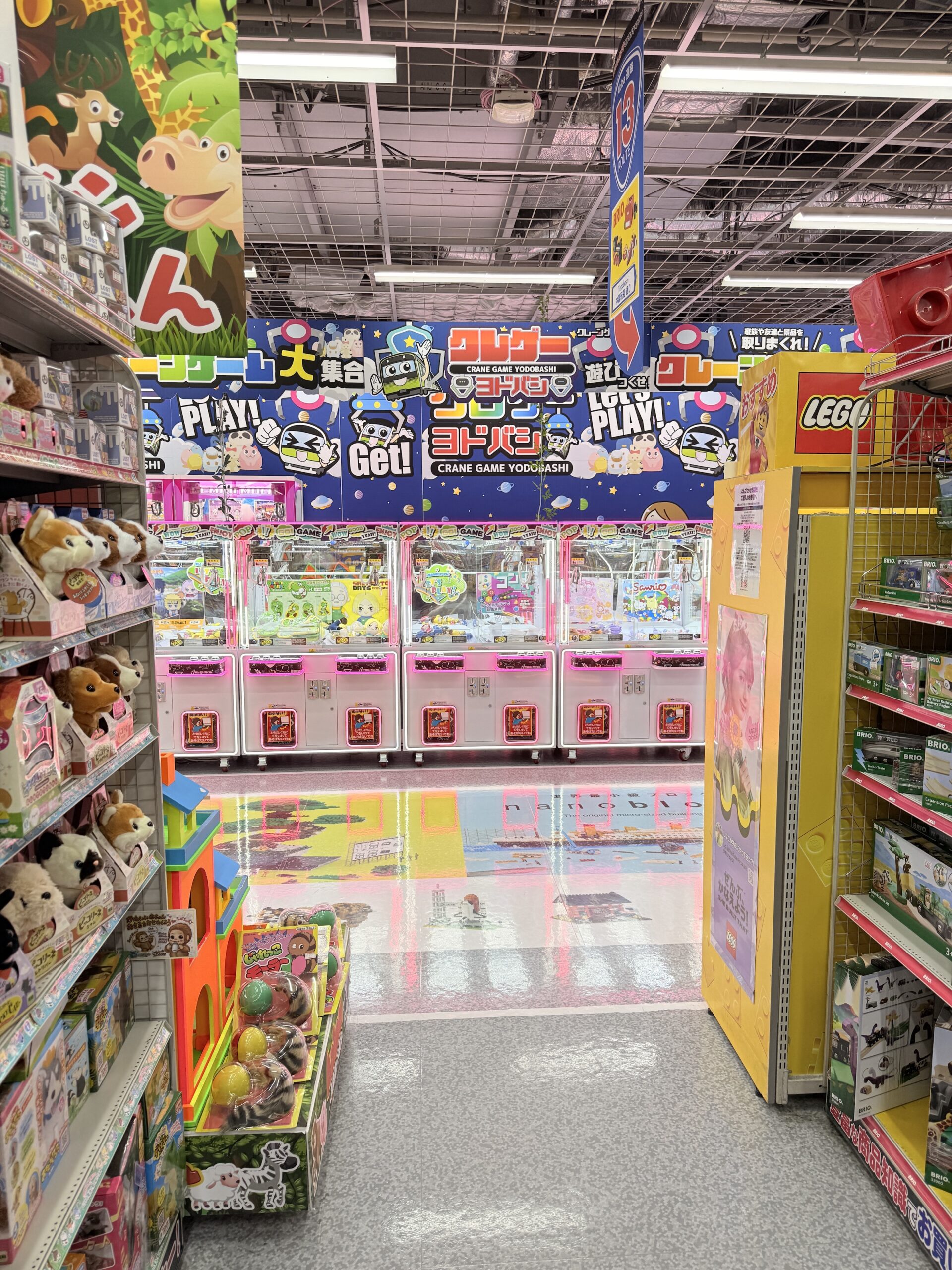
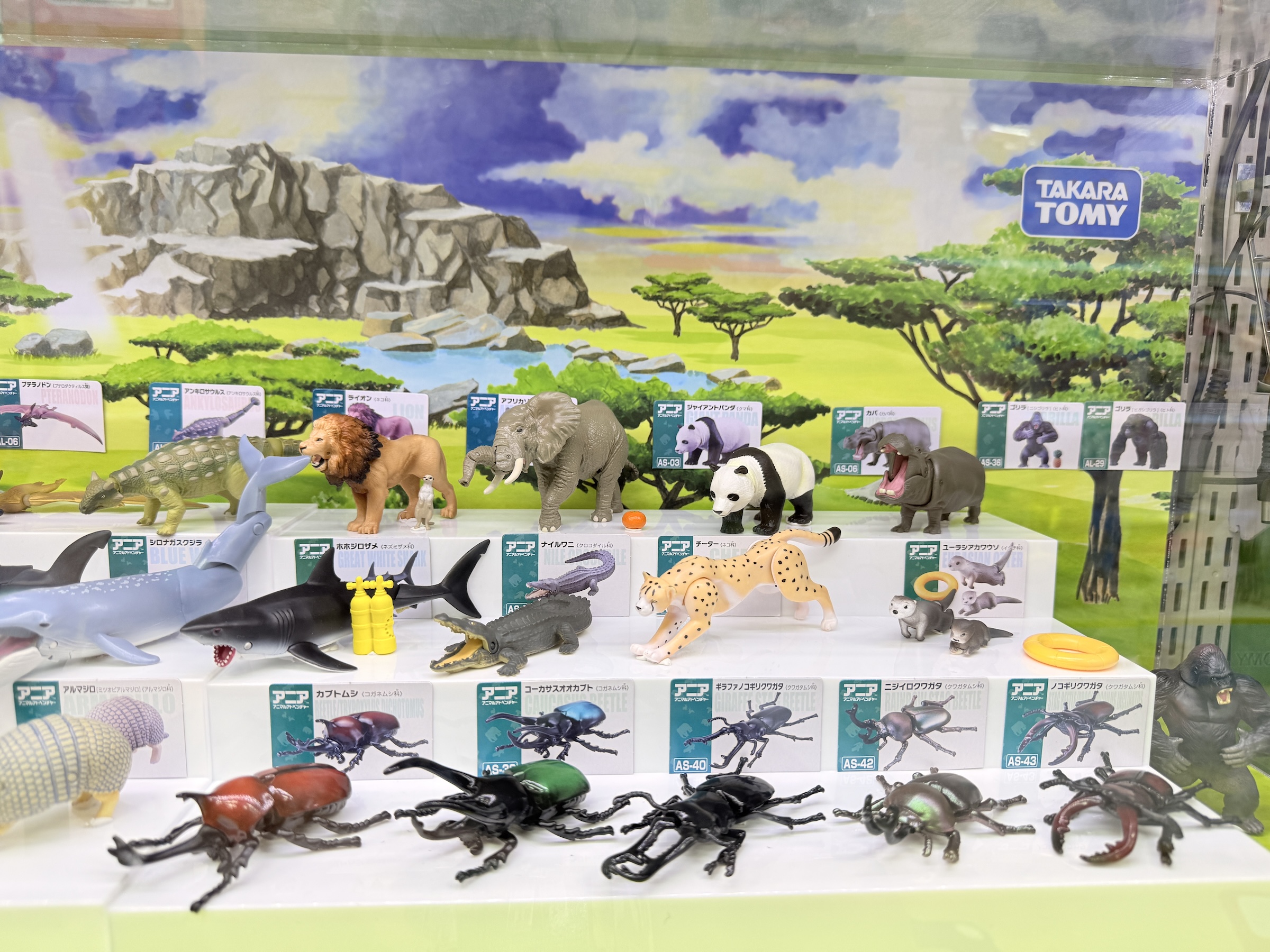
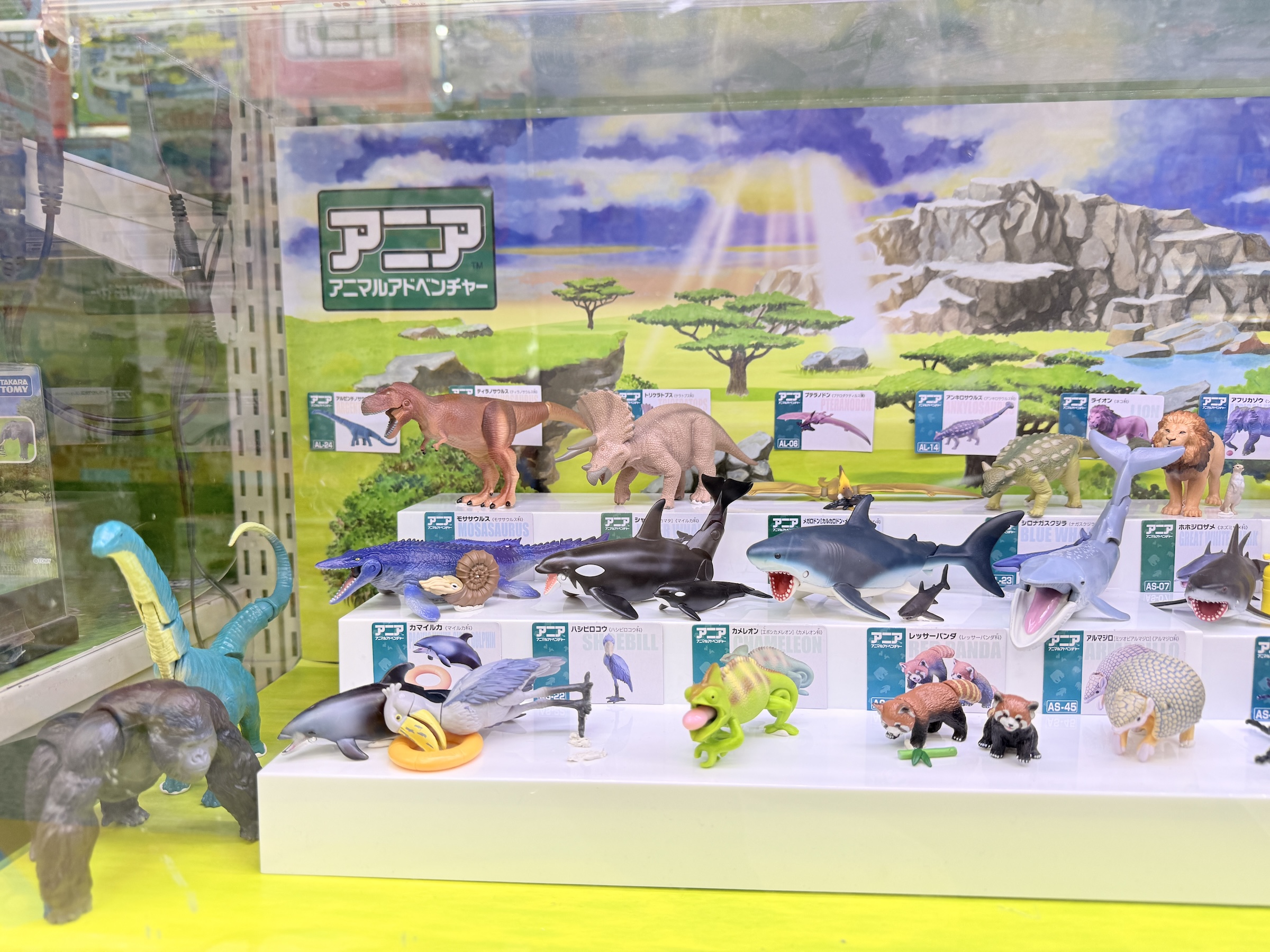
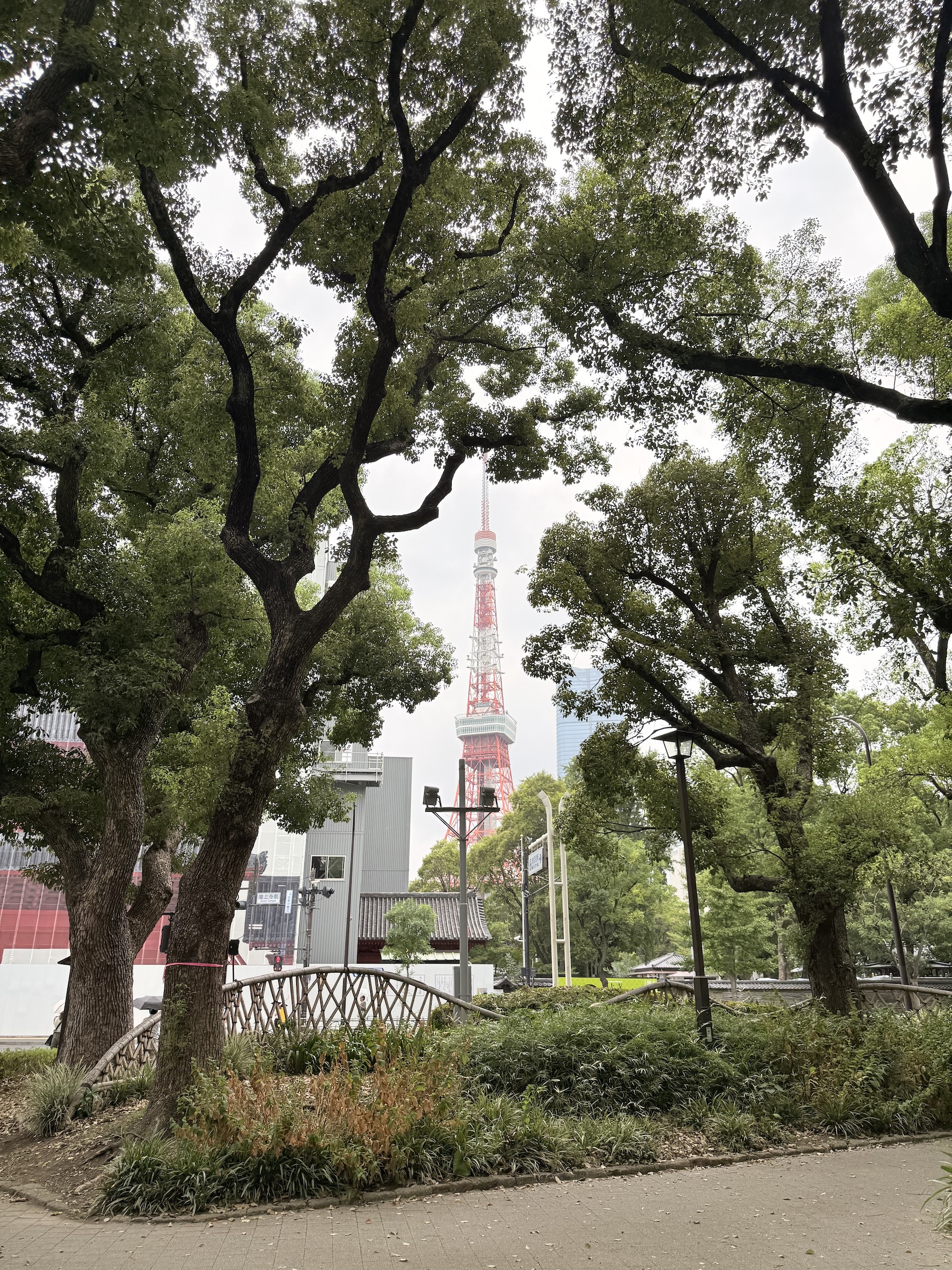
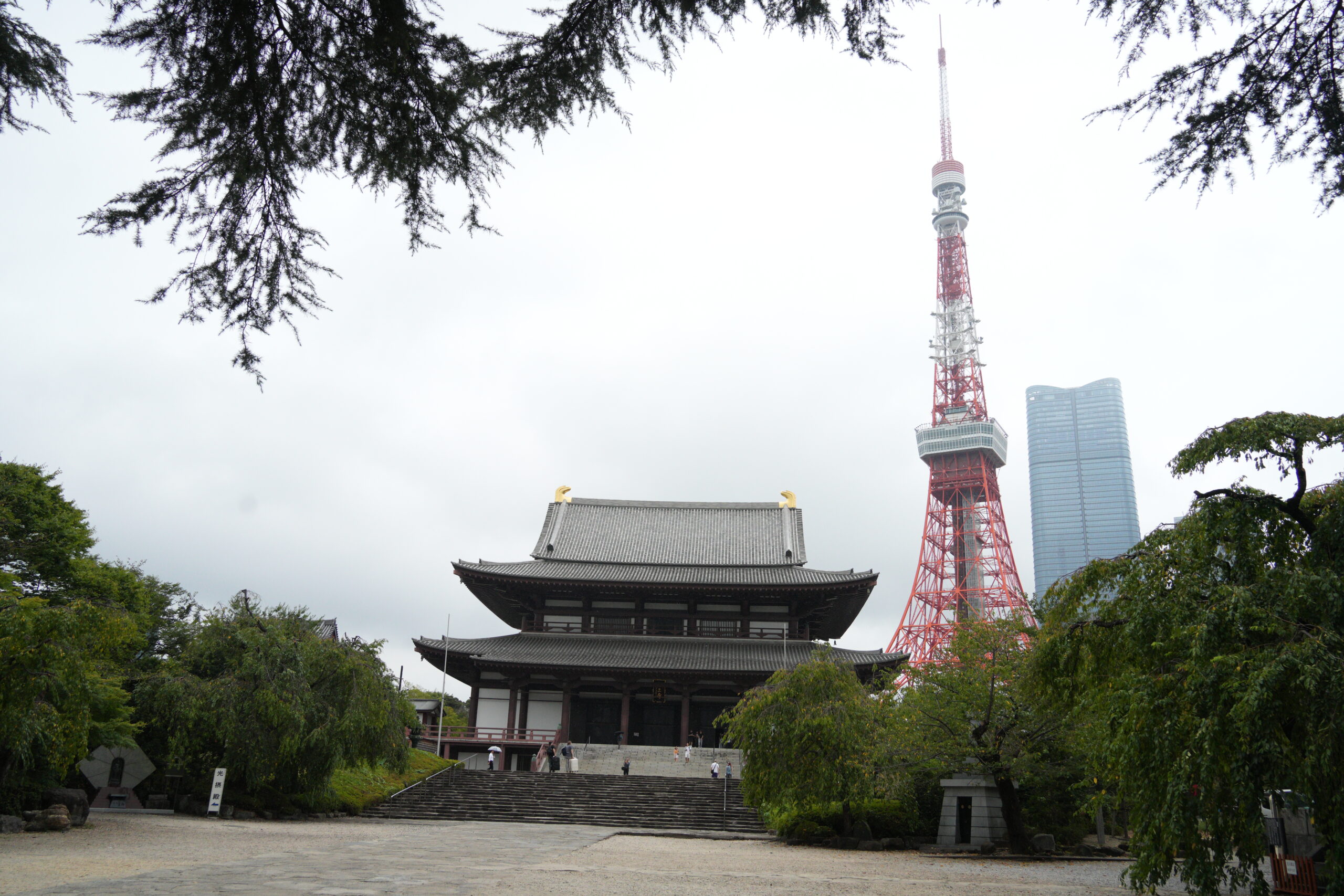
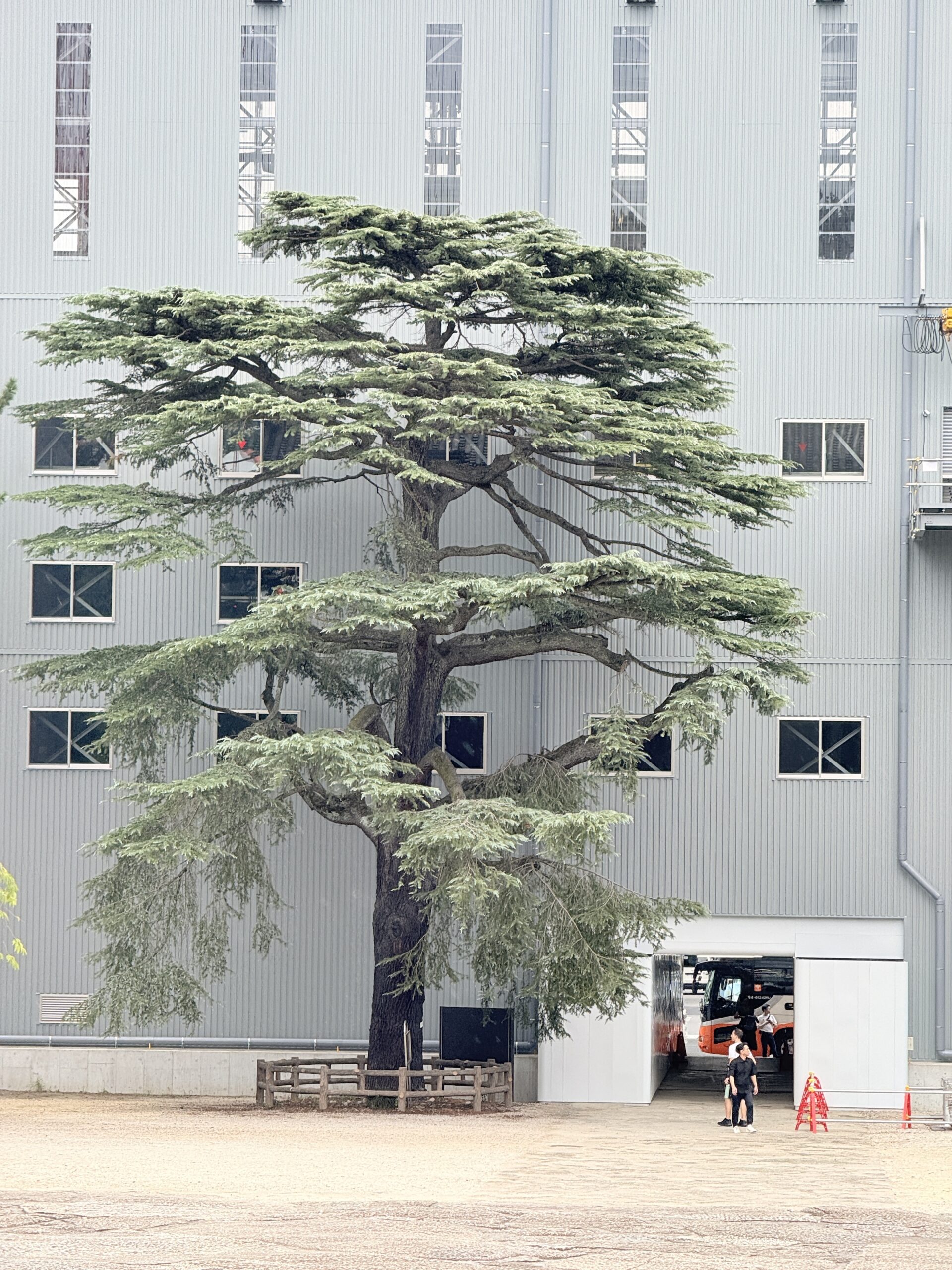
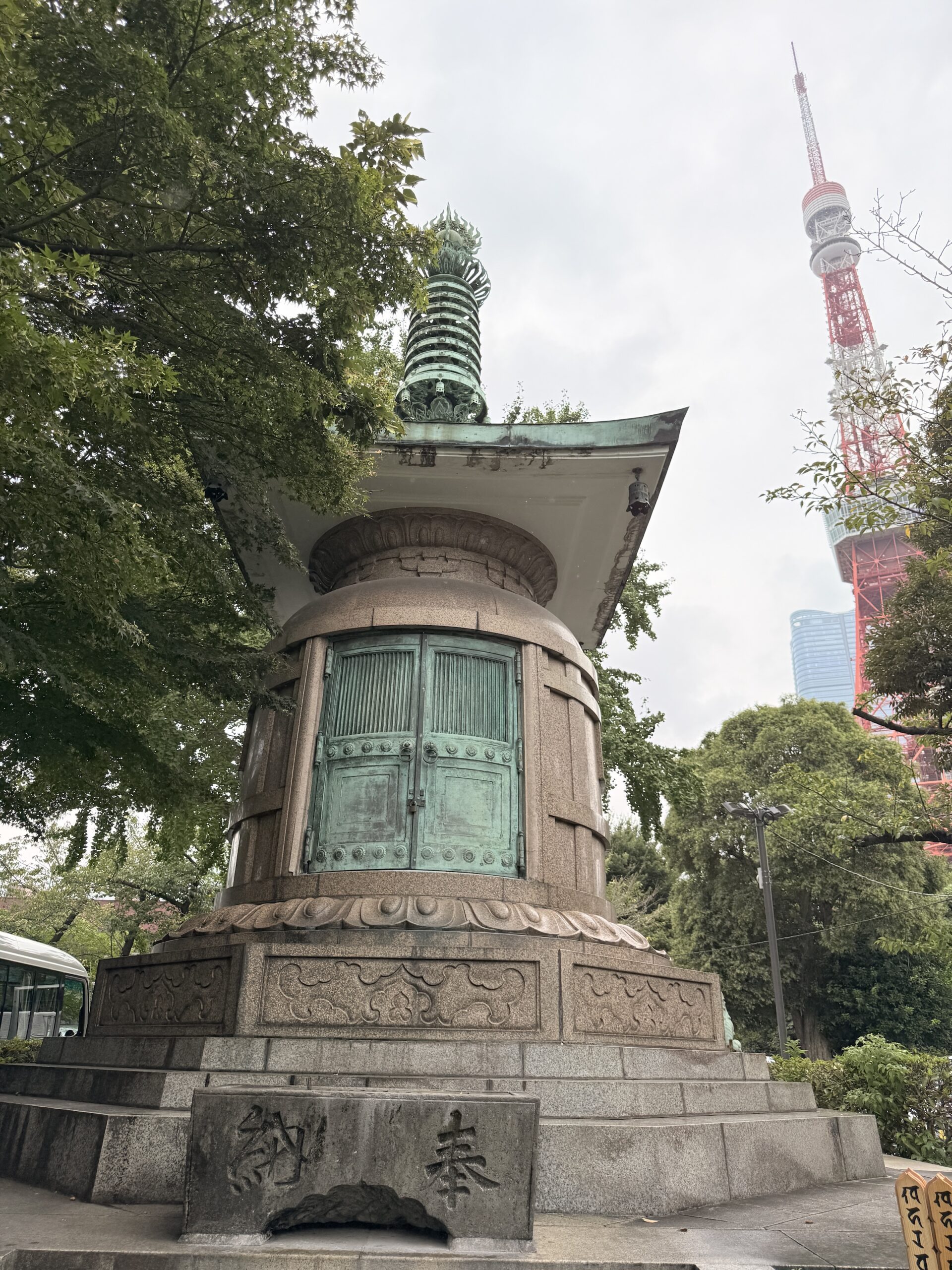
Nice infographic from the hotel room TV. The pink blobs are Japan’s main islands. That’s Tokyo in the bottom right corner, showing that the 30 °C is down 7°C from yesterday (85 °F , down from 99 °F). Yay! .. even though it still feels very warm and humid. (And are those little characters chickens?)This is about 9.30 am and I caught the tail end of the morning rush hour into, and out of Shinagawa station.Office workers and a few others (me) streaming out of Shinagawa station. Walk on the sides, if you are coming into the station, said the display screen.All right, now I’m heading down to the Yamanote Line— the loop line with Shinagawa station on it, near my hotel. This line has been in service for 140 years now (constructed 1885) and is used by some 4 million people every day. The train had left just a minute ago.Hello, Yodobashi Akiba! It is by Akihabara station, 8 stops to the north of Shinagawa station.The toys for kids of all ages are on the 6th floor. The bank of pink claw machines was not there two years ago when I last visited. In Japan, claw machines are most commonly called “UFO catchers” (ユーフォーキャッチャー) or “crane games” (クレーンゲーム). The term “UFO catcher” comes from the appearance of the claw mechanism, which resembles a UFO descending to capture a prize, a term popularized by Sega when they introduced the game in 1985. [From Wikipedia]I bought a few of these Takara Tomy animal figures: the lion, the cheetah, a gorilla, a peacock, a shoebill stork.Help! The shoebill stork fell down (is its bill too big and heavy?) and someone needs to come and fix the display case. The chameleon figure (bottom) has a movable tongue that can be pulled out and pushed back in. Nice. I now regret I did not get the chameleon, as well.On the way back on the Yamanote line, I saw Tokyo Tower out of the train window by Hamamatsucho station. It seemed nearby and I stepped out and walked the five or six there— kind of regrettting it, because it started to drizzle. This green space near the Tower is called Shiba Park.I’m standing under a Himalayan cedar, and that’s the Buddhist temple called Zojo-ji Temple. From Wikipedia: At its peak the temple grounds had more than 120 buildings, but following the decline of Buddhism during the Meiji period (1868-1912), most of them burned down during the bombing of Tokyo in World War II. Reconstruction began after the war, with the Daiden (great hall) being rebuilt in 1974.Here’s the Himalayan cedar. A plaque by the tree notes that General Grant (18th President of the United States) planted this tree when he visited Zojo-ji Temple as a guest in 1879 (that’s 146 years ago). The main gate to the grounds is under renovation and enclosed in a sheet metal building behind the tree.A cemetery by the temple, presumably with ashes from the deceased. The cemetery at Zojo-ji Temple holds the mausoleums of six Tokugawa shoguns* and their families, serving as the family temple for the Tokugawa clan. *The shogun (short for Sei-i Taishōgun, 征夷大将軍) was the supreme military and political leader of Japan, ruling for nearly 700 years. The rule of the shoguns ended in 1868 with the Meiji Restoration, which was triggered by growing internal discontent and the disruptive arrival of Western powers.Dai-Nokotsudo, or Shariden, is where the bones of deceased are stored. It is made of stone and was created in 1933.Here are several pictures of the Tokyo station building, taken late afternoon and early evening. Tokyo Station is surrounded by many modern glass and steel office towers.