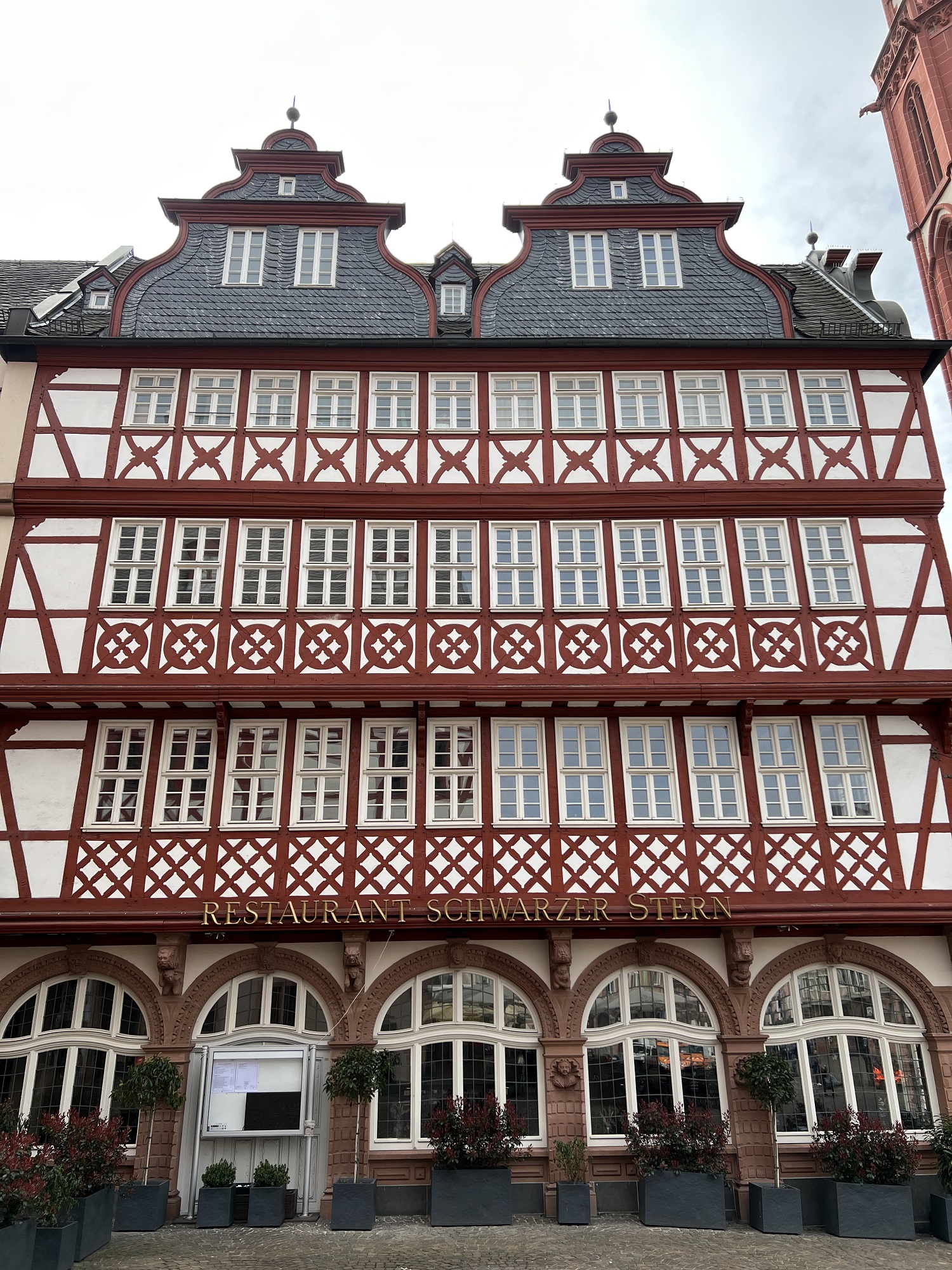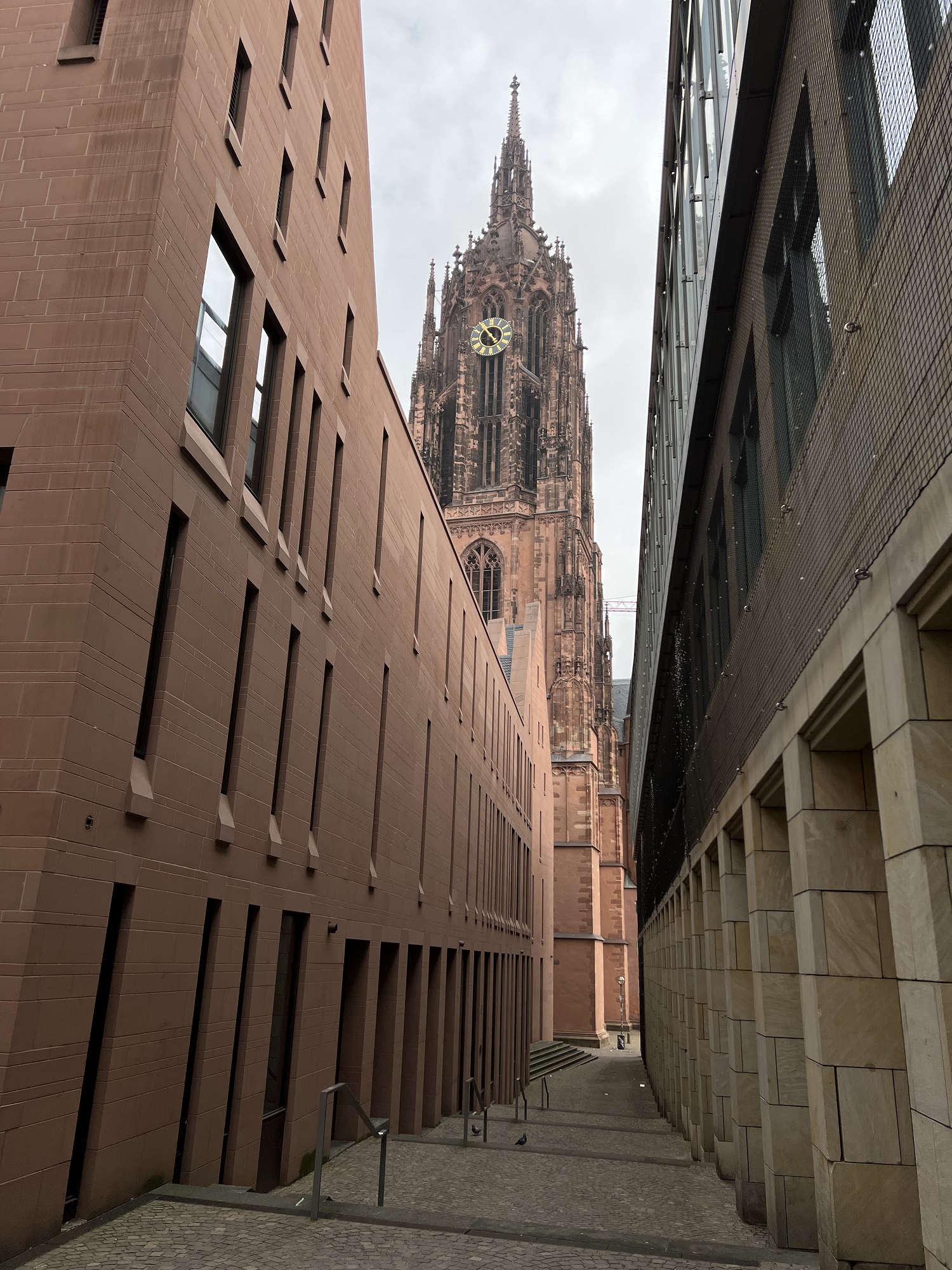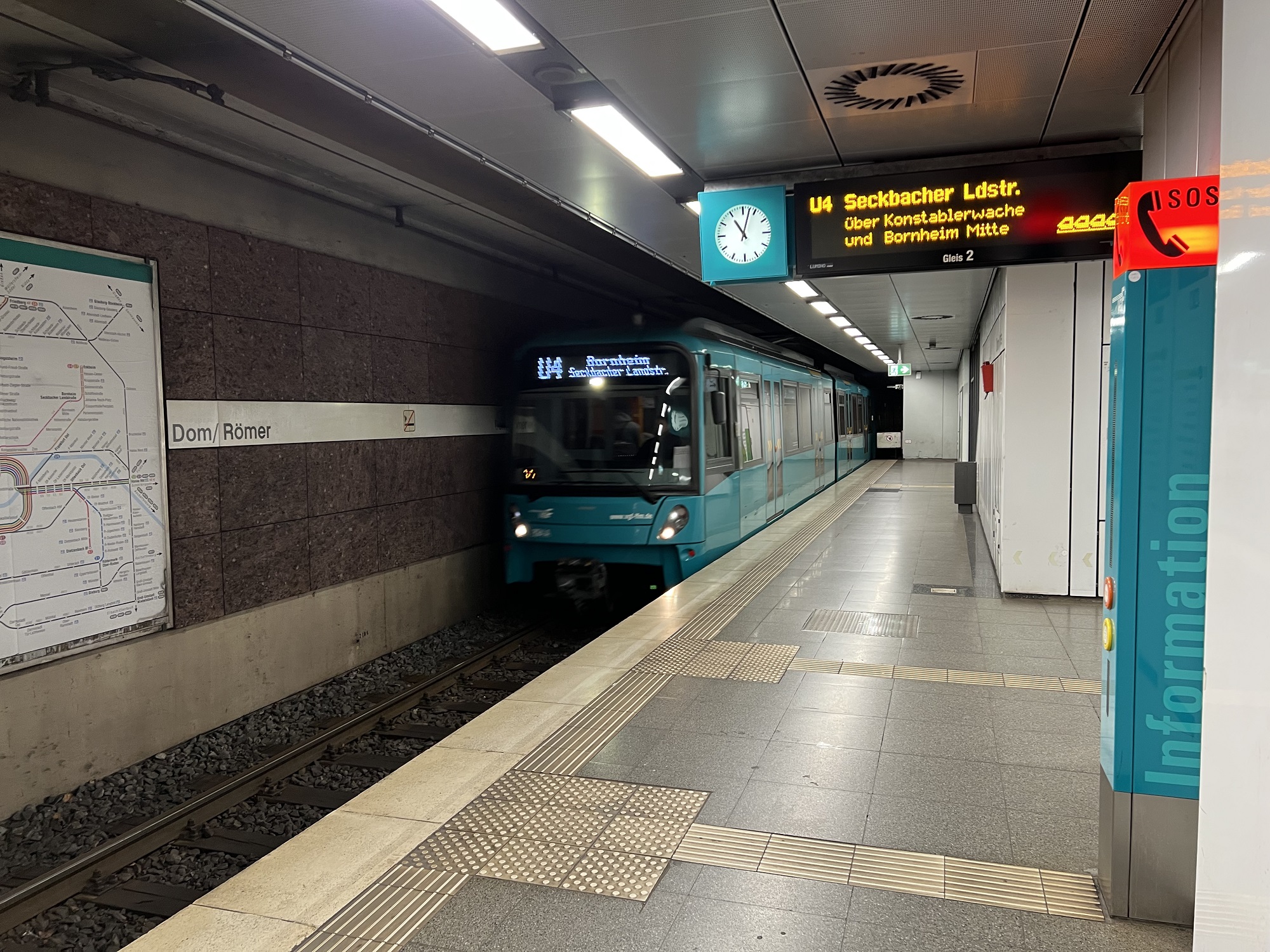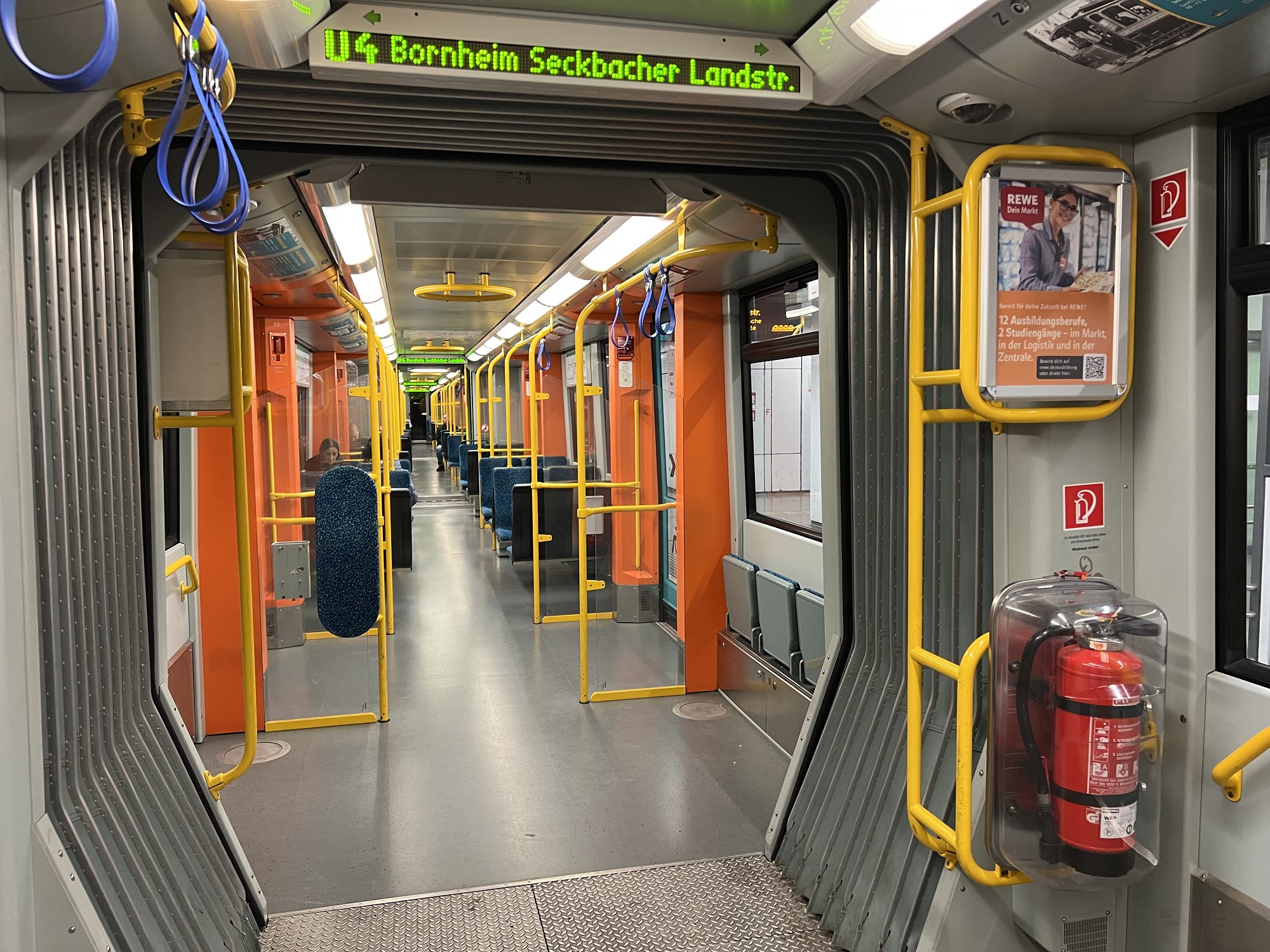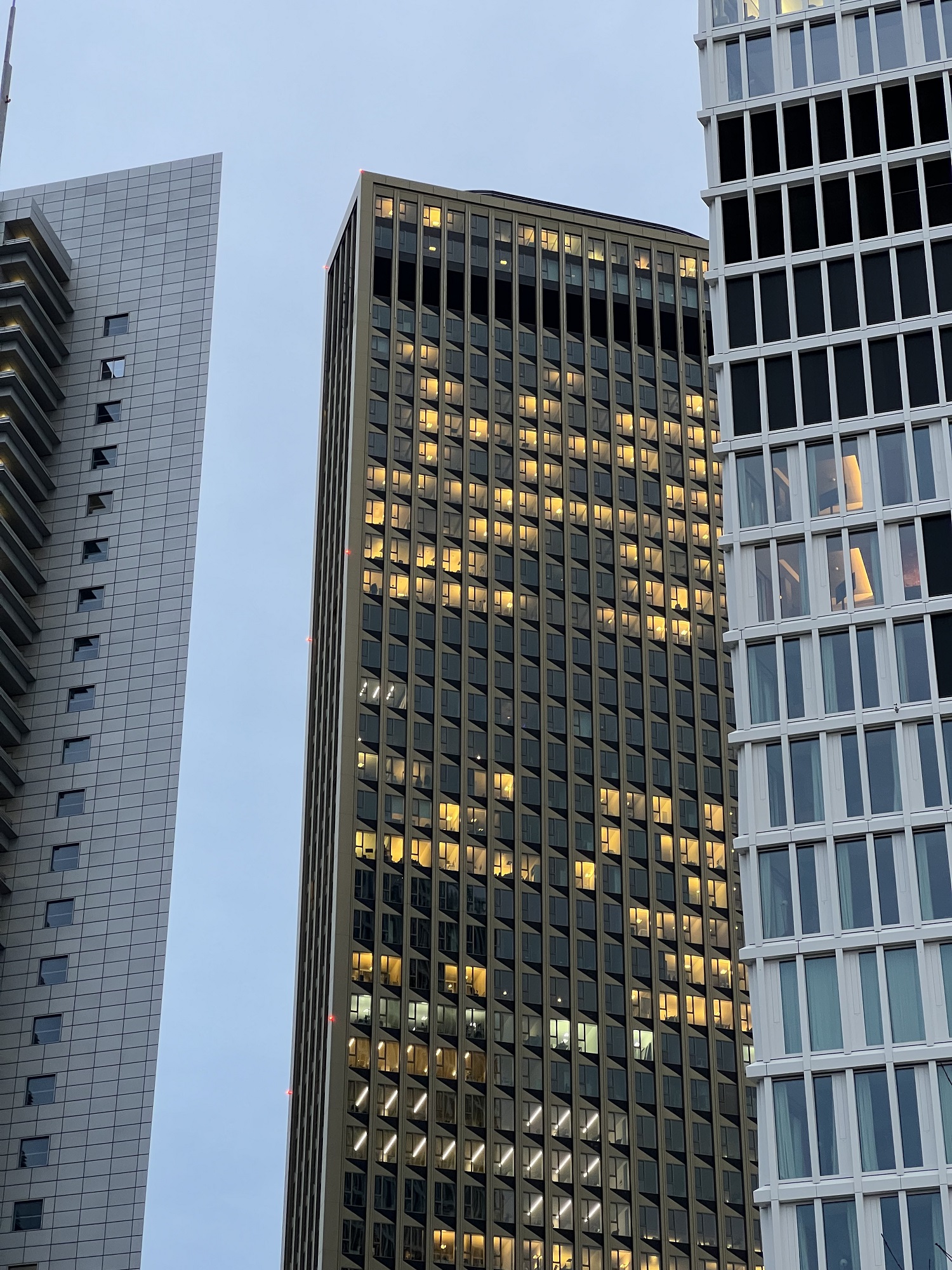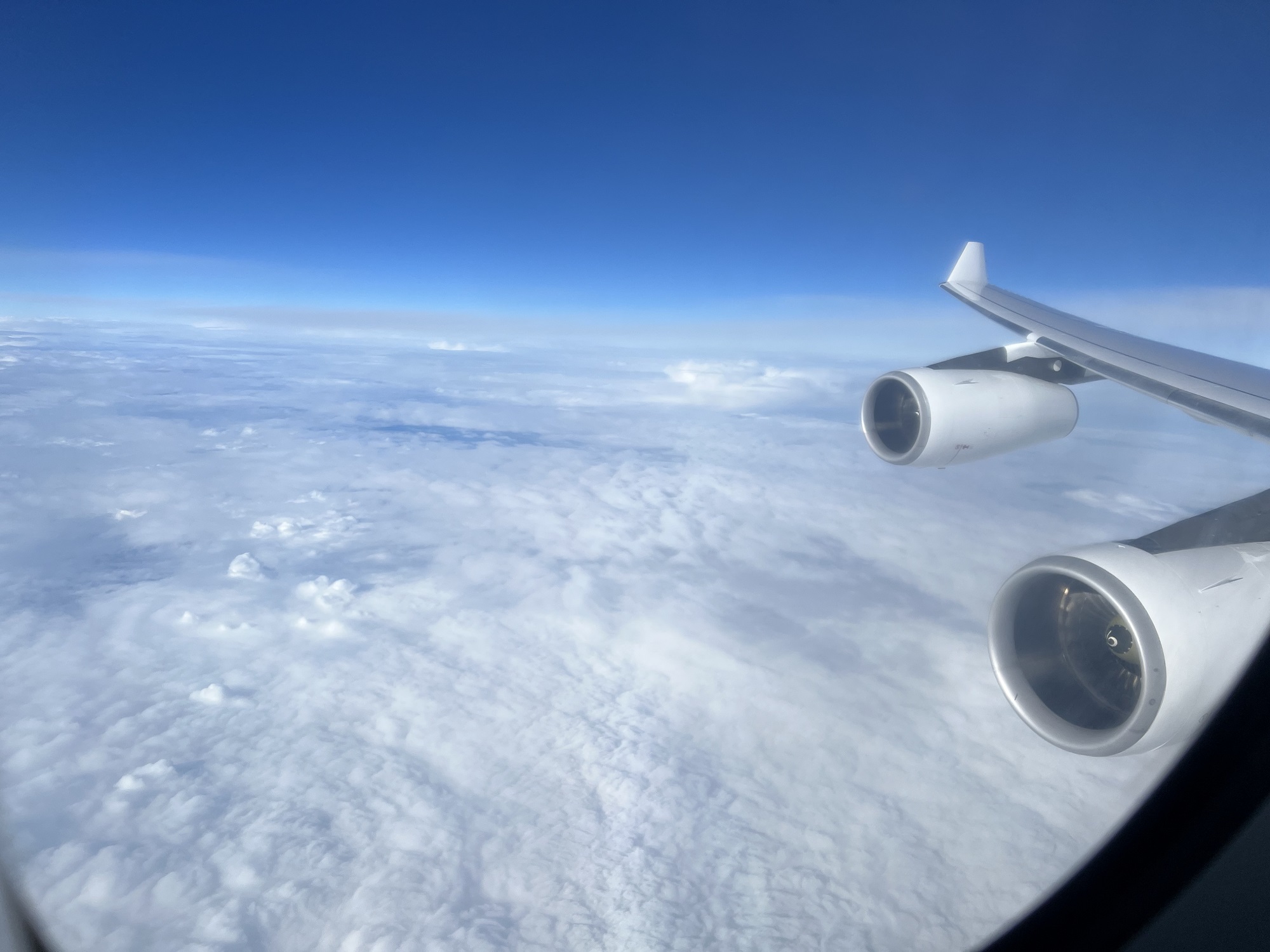
Wednesday/ arrival in Berlin 🚊

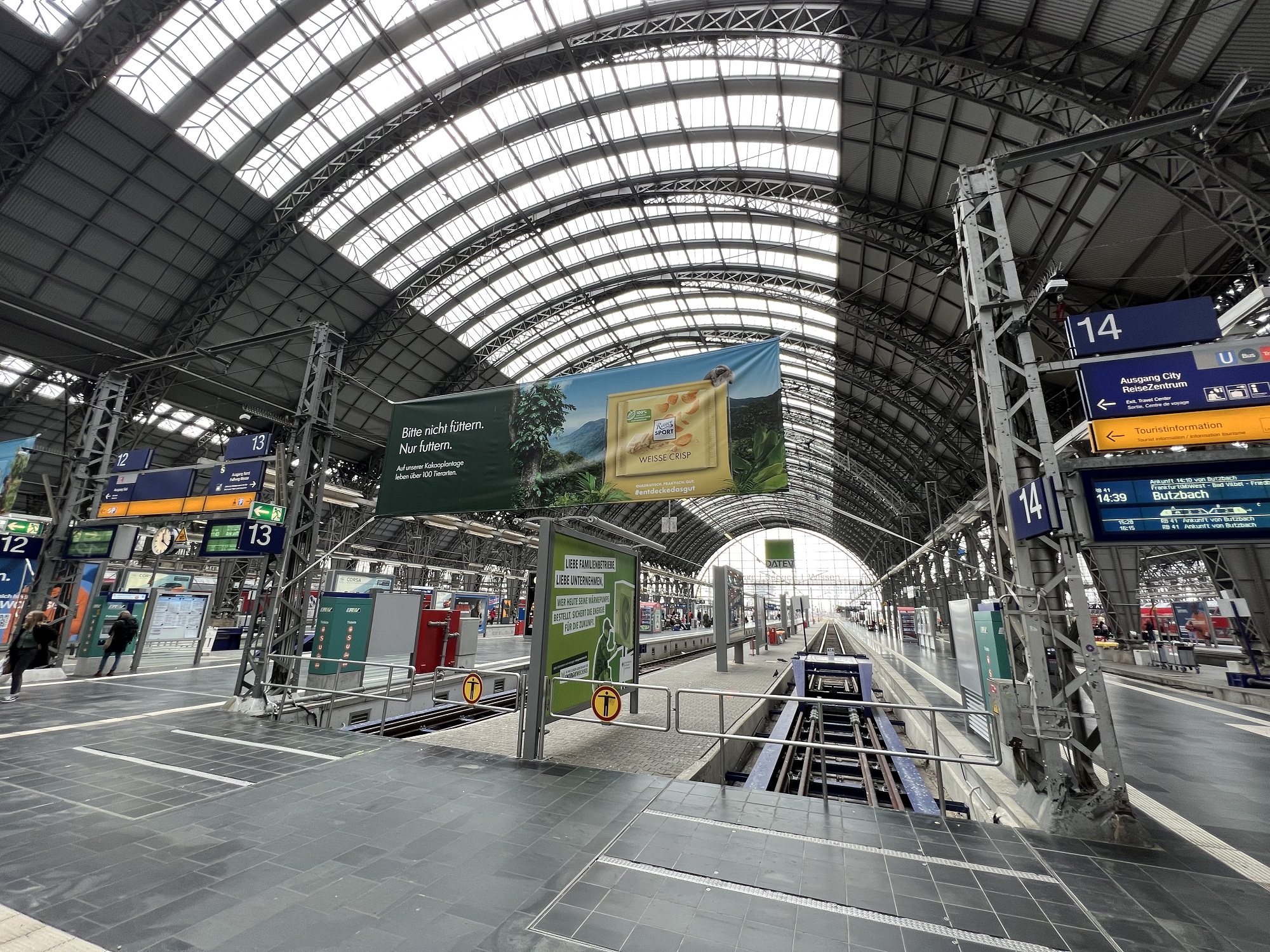
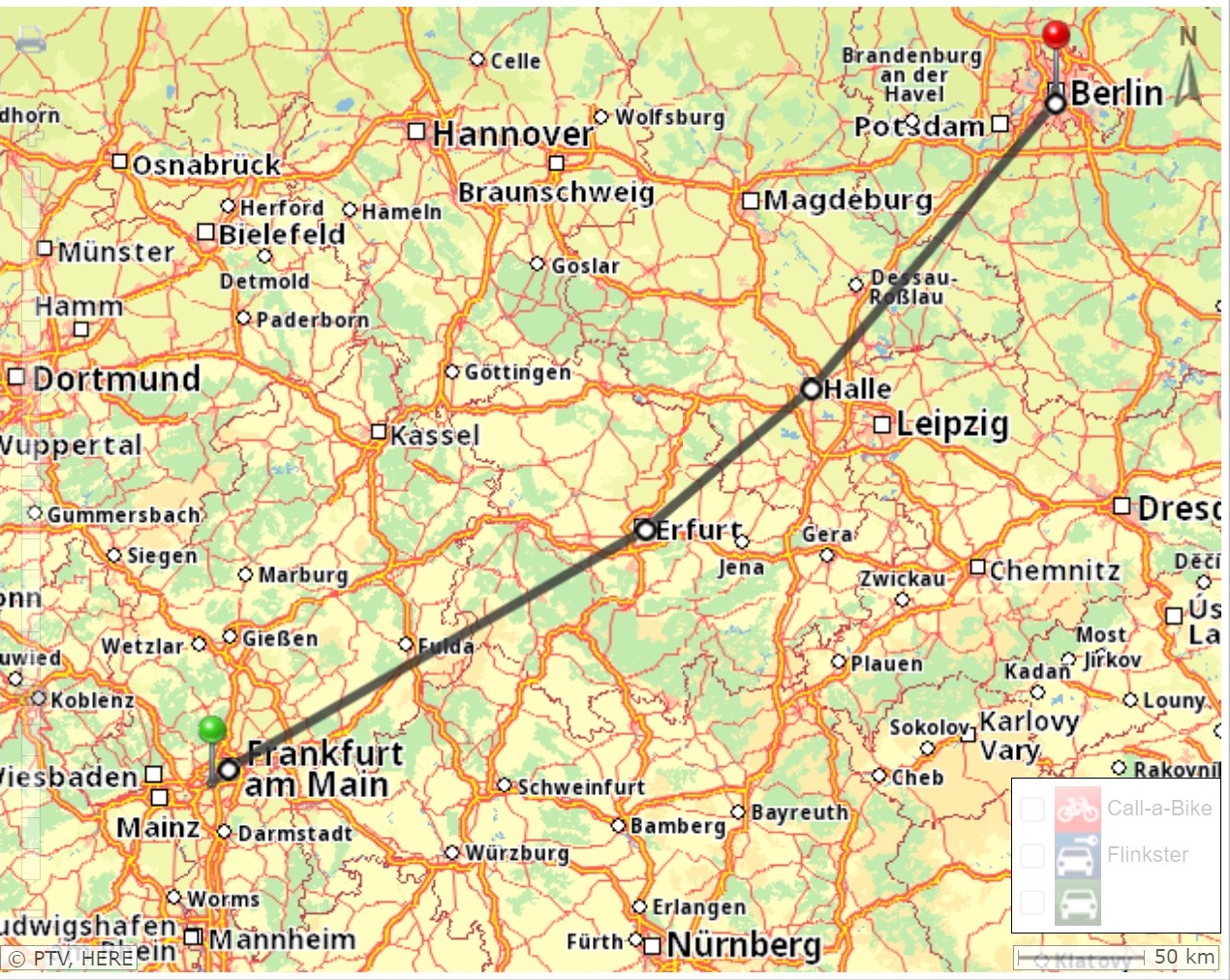
It was still dark when we landed at Frankfurt airport. I had plenty of time to find the platform for my train to Berlin, and spent some time in the airport terminal before walking to the platforms at the train station.

The train to Berlin took four hours, with four stops along the way.
A sign inside the car said the train ran at 200 km/h (124 mph), but it can actually go much faster—with a maximum speed of 330 km/h (205 mph).
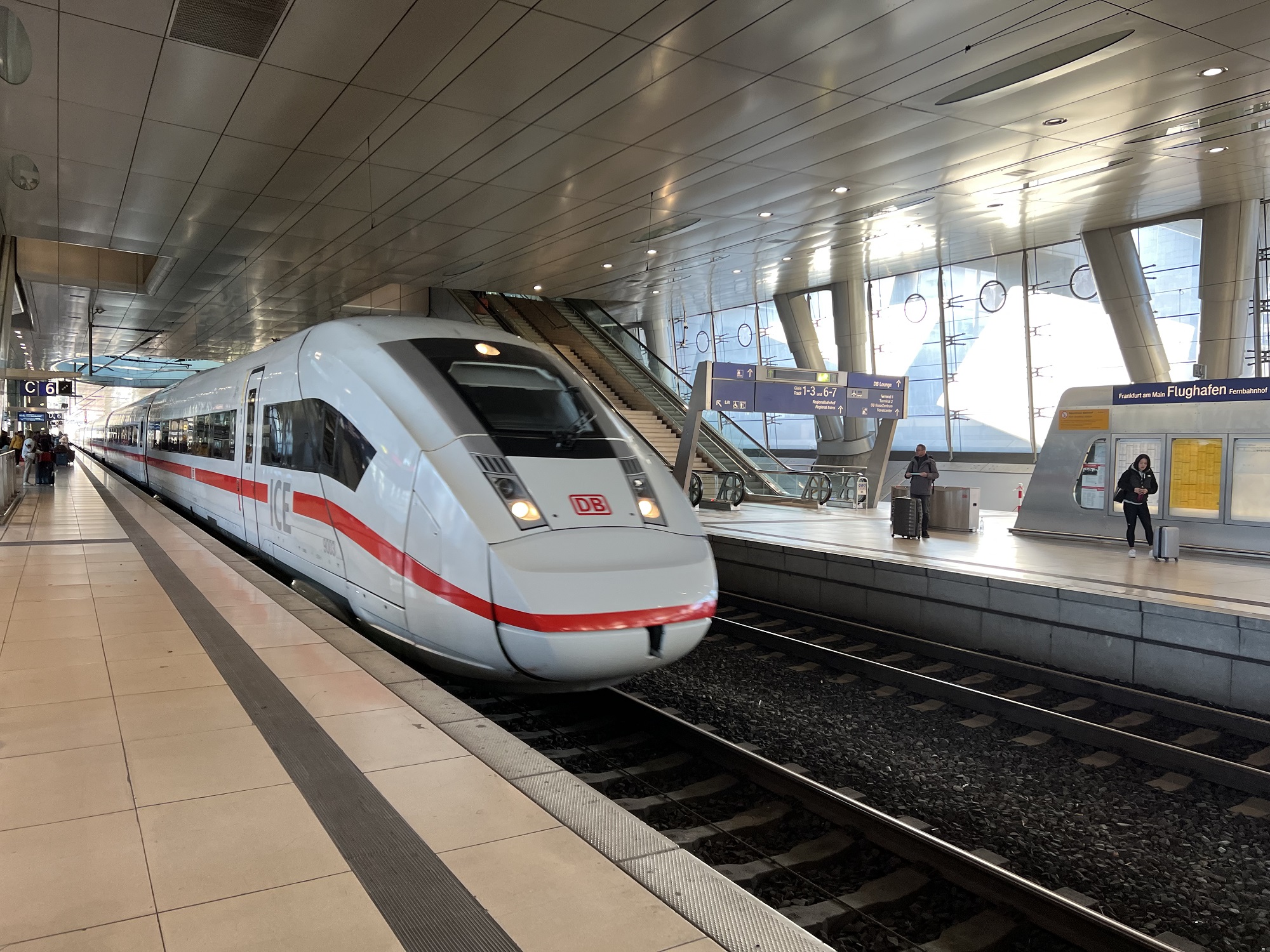
Deutsche Bahn’s Intercity Express (ICE) train rolling into the station at Frankfurt Airport. The train stops for only 3 minutes! Get on board if you’re not at the right car — you can always find your car and seat once you’re on the train. I had a reserved seat at the window in first class, and chased a guy with a general ticket out of my seat. (The car was not full, but if I didn’t sit in my reserved seat, I risk getting chased out of my seat as well as more passengers board at stations along the way). The Deutsche Bahn app also lets you ‘Check In’ to your seat. The ticket inspector can see that, and then he does not have to nudge you while you sleep, or bother you, to ask for your ticket.
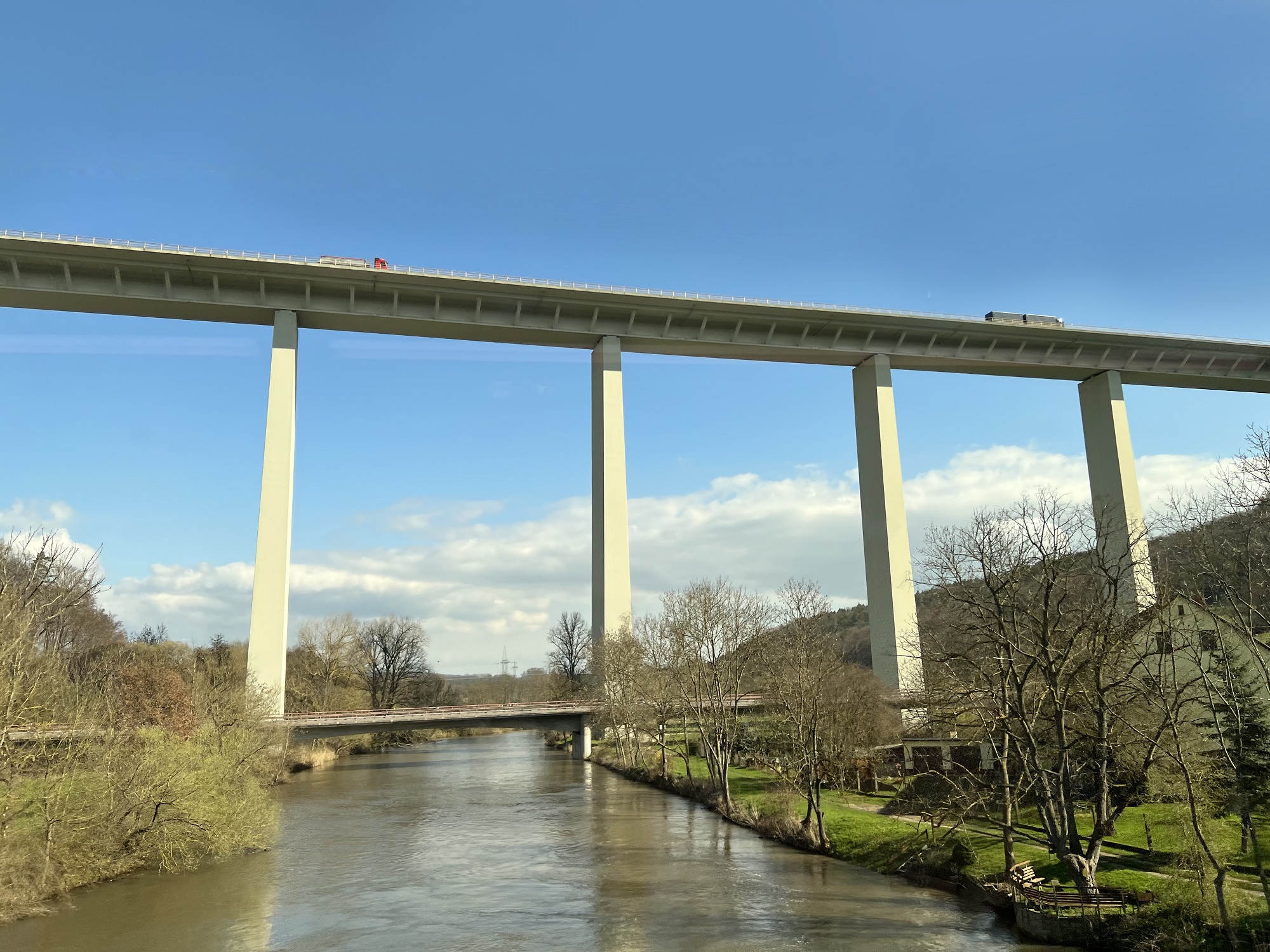
We passed by this impressive viaduct in the Werra-Meißner-Kreis district in the north of the state of Hessen.
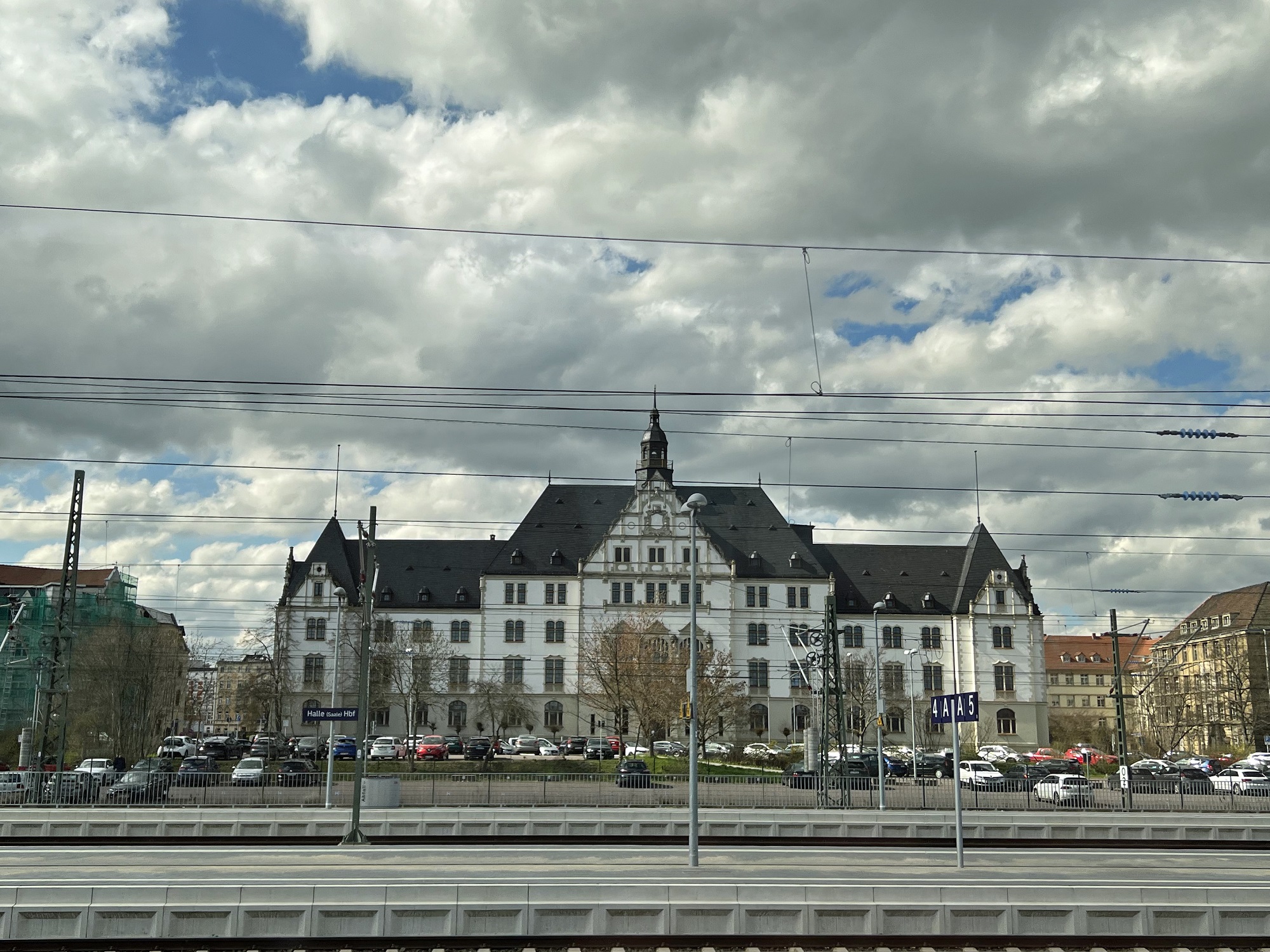
Here’s the stop at the main train station in Halle, a city in central Germany. I think this is a stately old hotel.
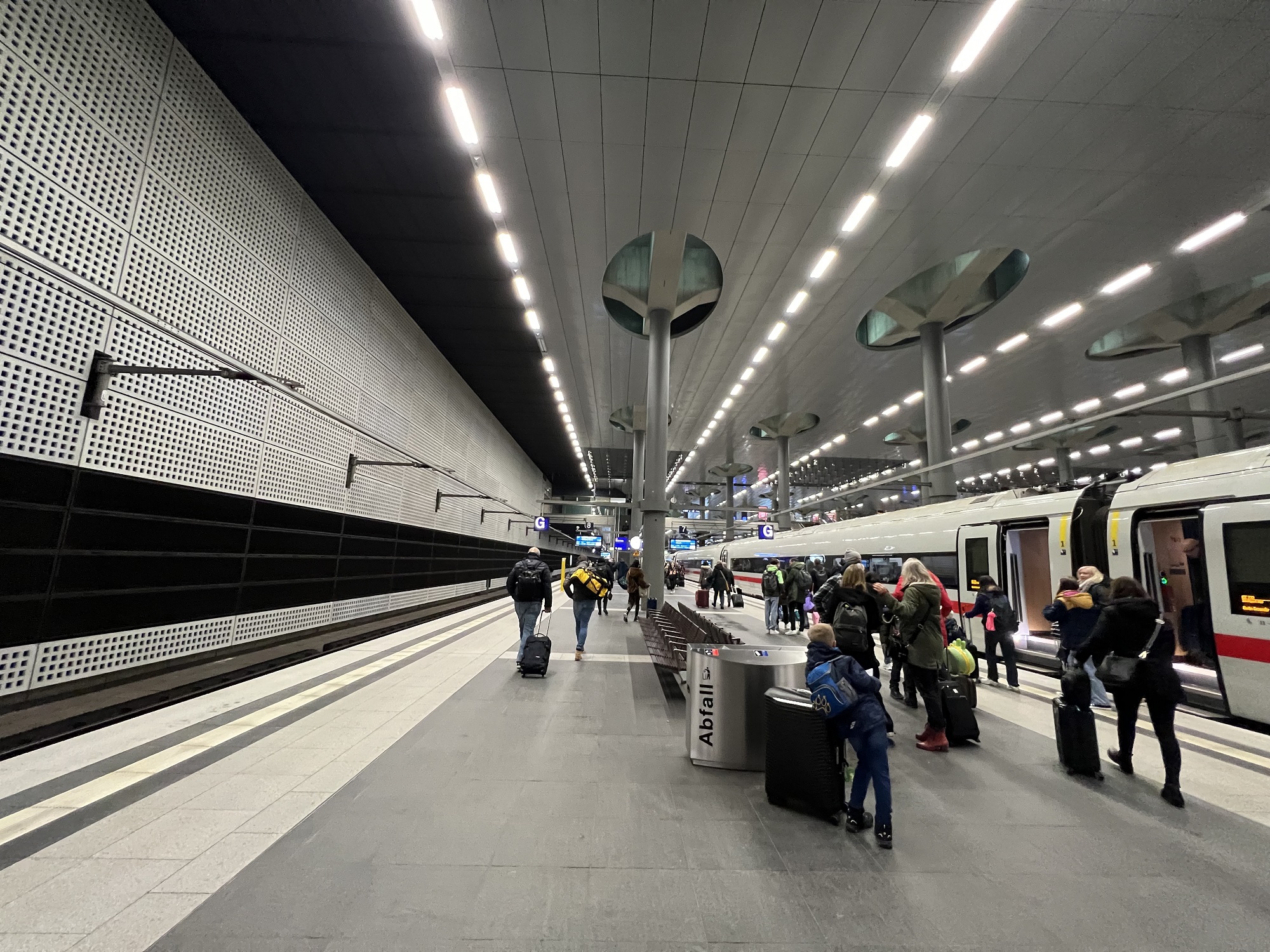
We had just stepped off the train at Berlin Hauptbahnhof.
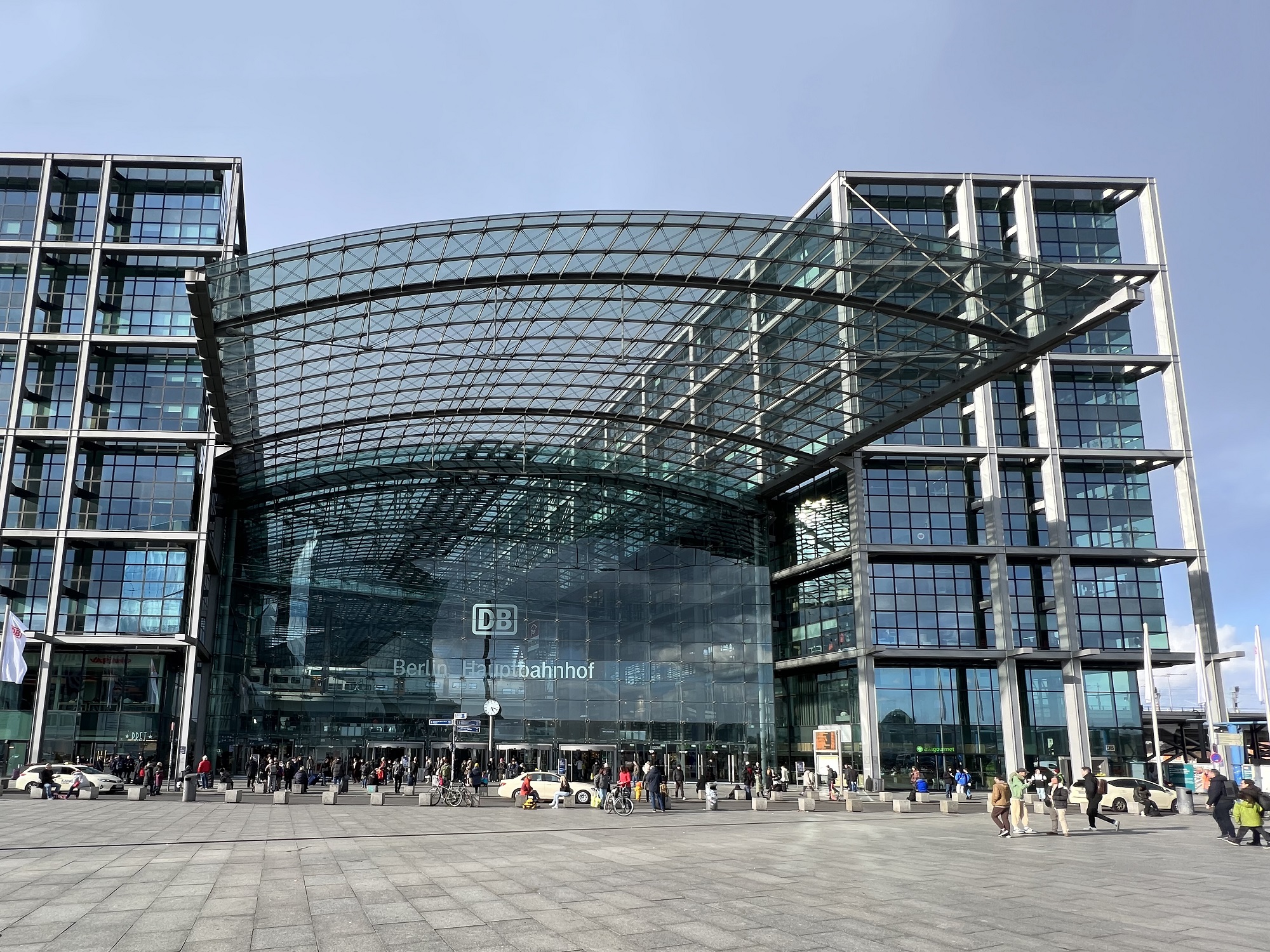
Outside of Berlin Hauptbahnhof.
The impressive modern structure— with multiple levels of shops and offices and train platforms— came into operation in 2006.
Tuesday/ northbound ✈️

My time in Cape Town is has come to an end, and I will fly out to Frankfurt overnight.
From there I will take the train to stay in Berlin for a few days before I go home.

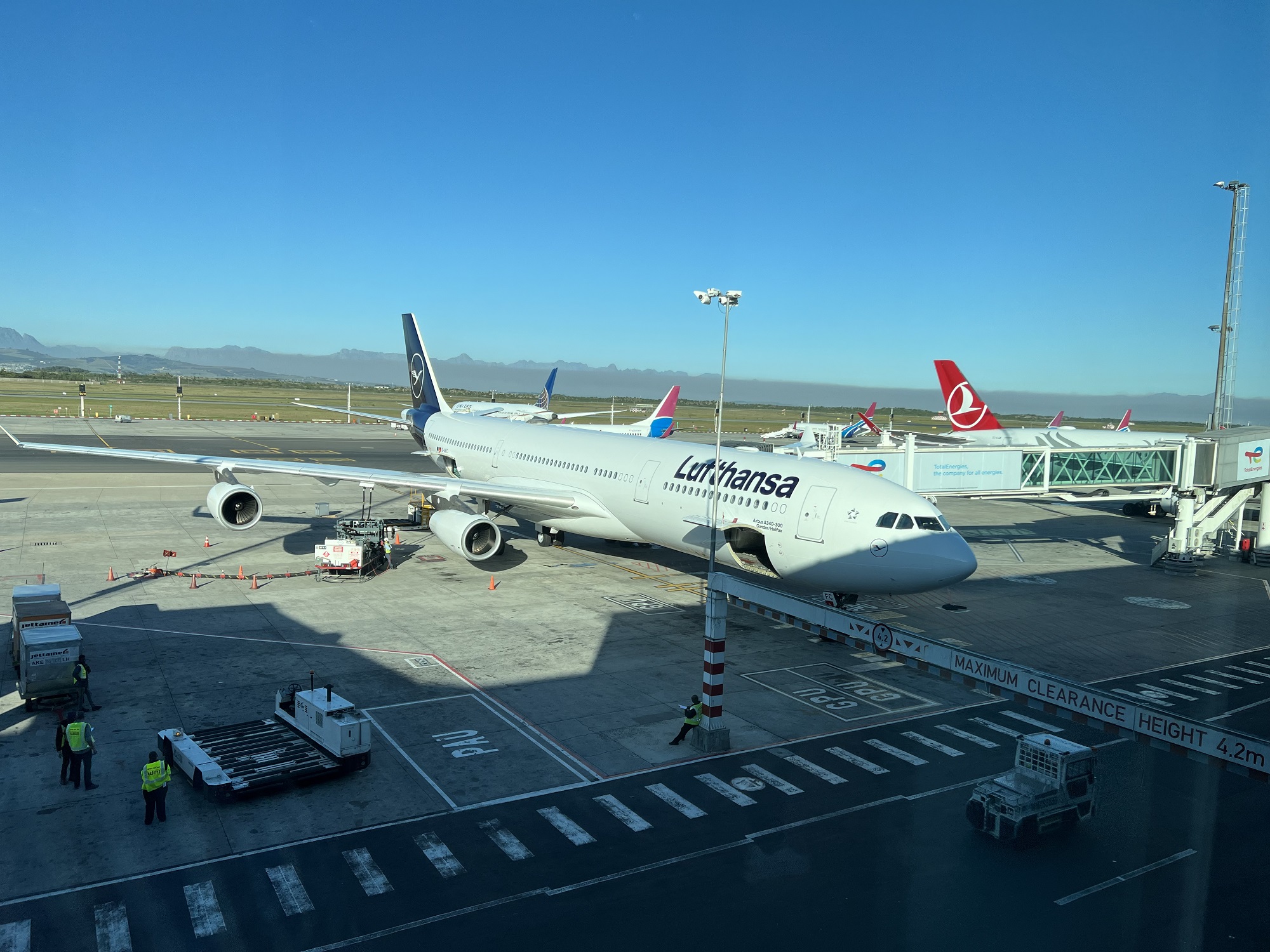
The Lufthansa Airbus A340-400 that will take us to Frankfurt, at the gate at Cape Town International airport.

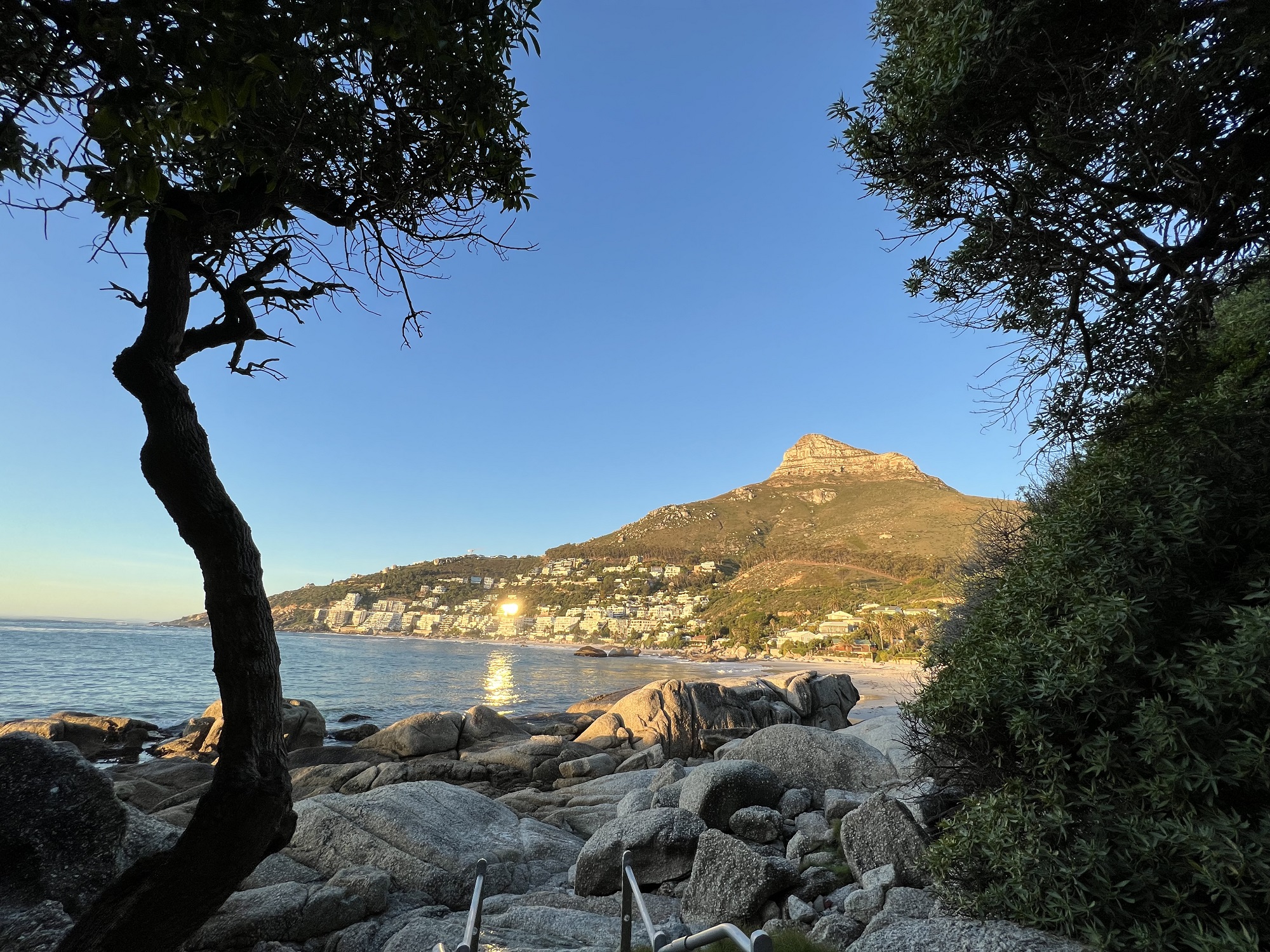
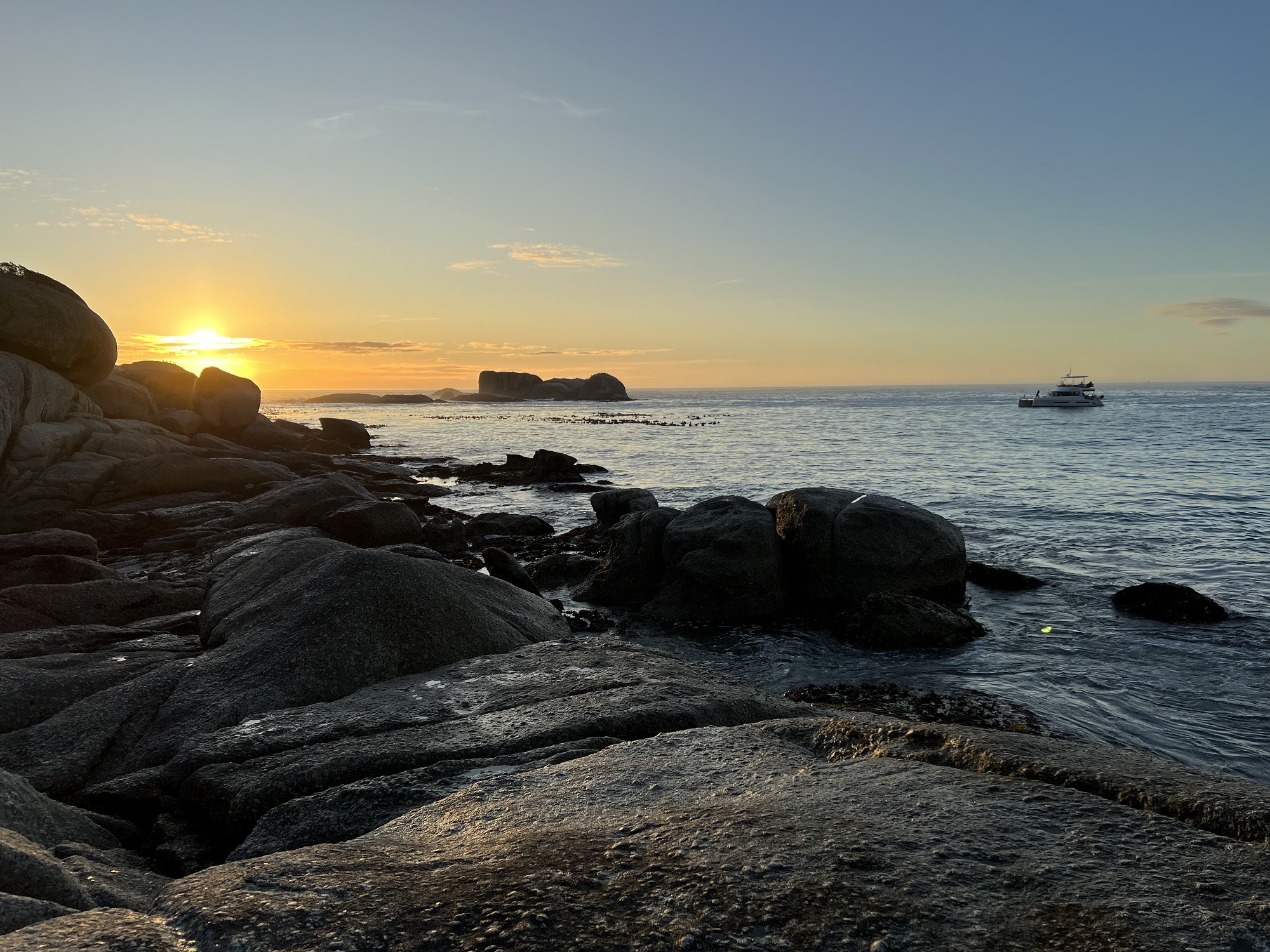
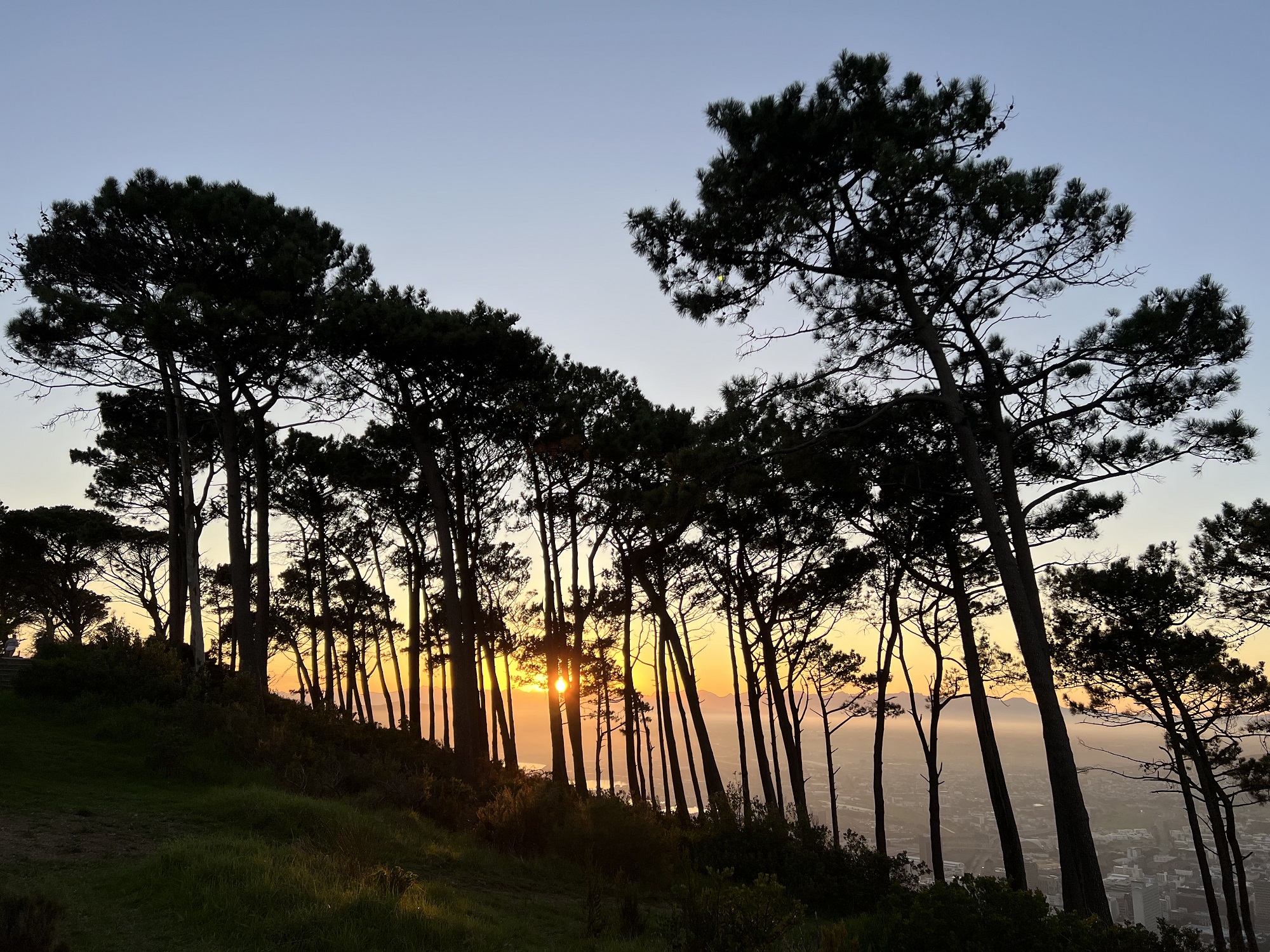
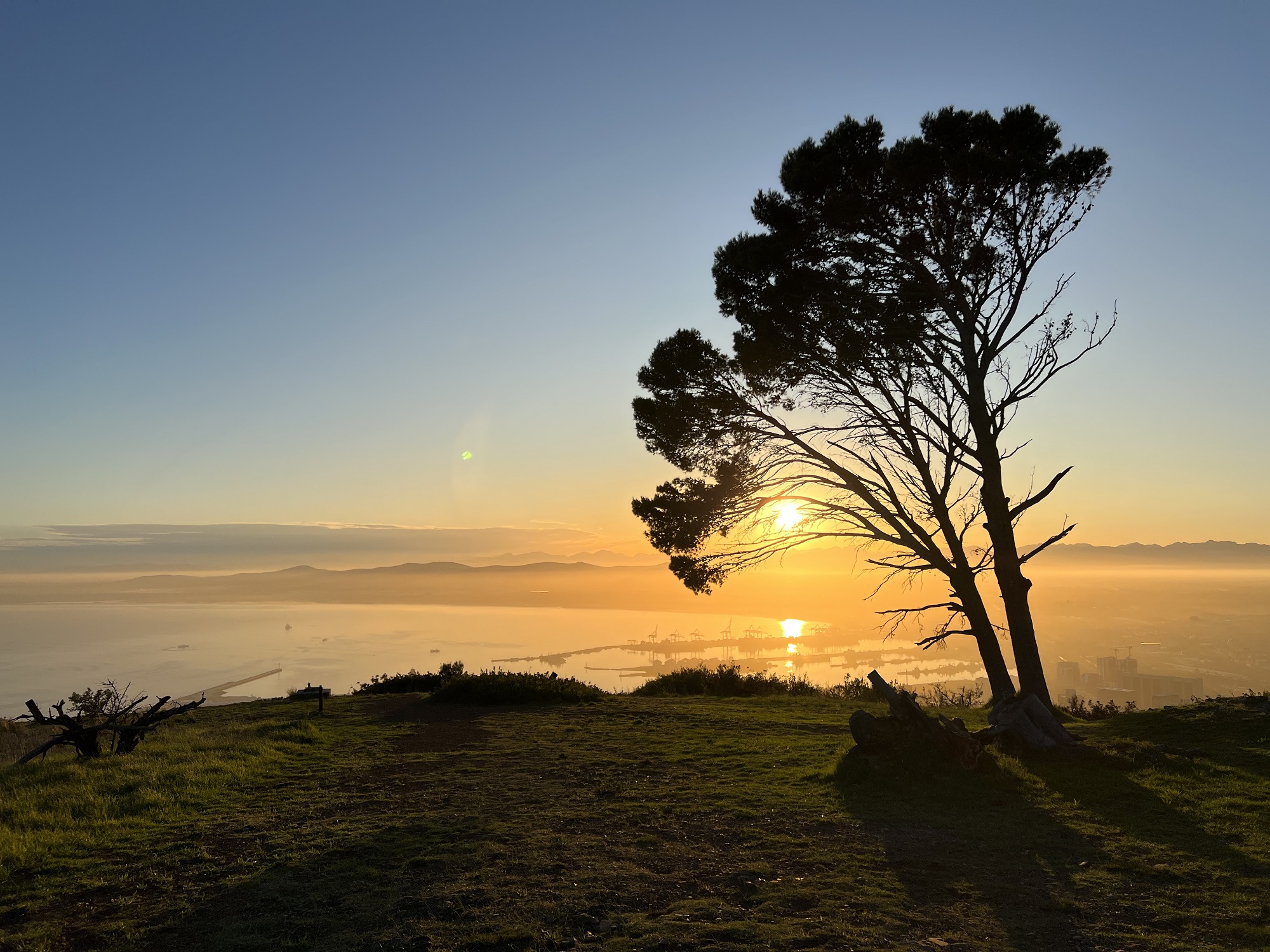
These sunset pictures are from Clifton 4th Beach last night. The steps down to the beach are called the Seagull Steps, and the rocky hilltop overlooking the beach is Lion’s Head.

Sunday/ here comes the sun ☀️

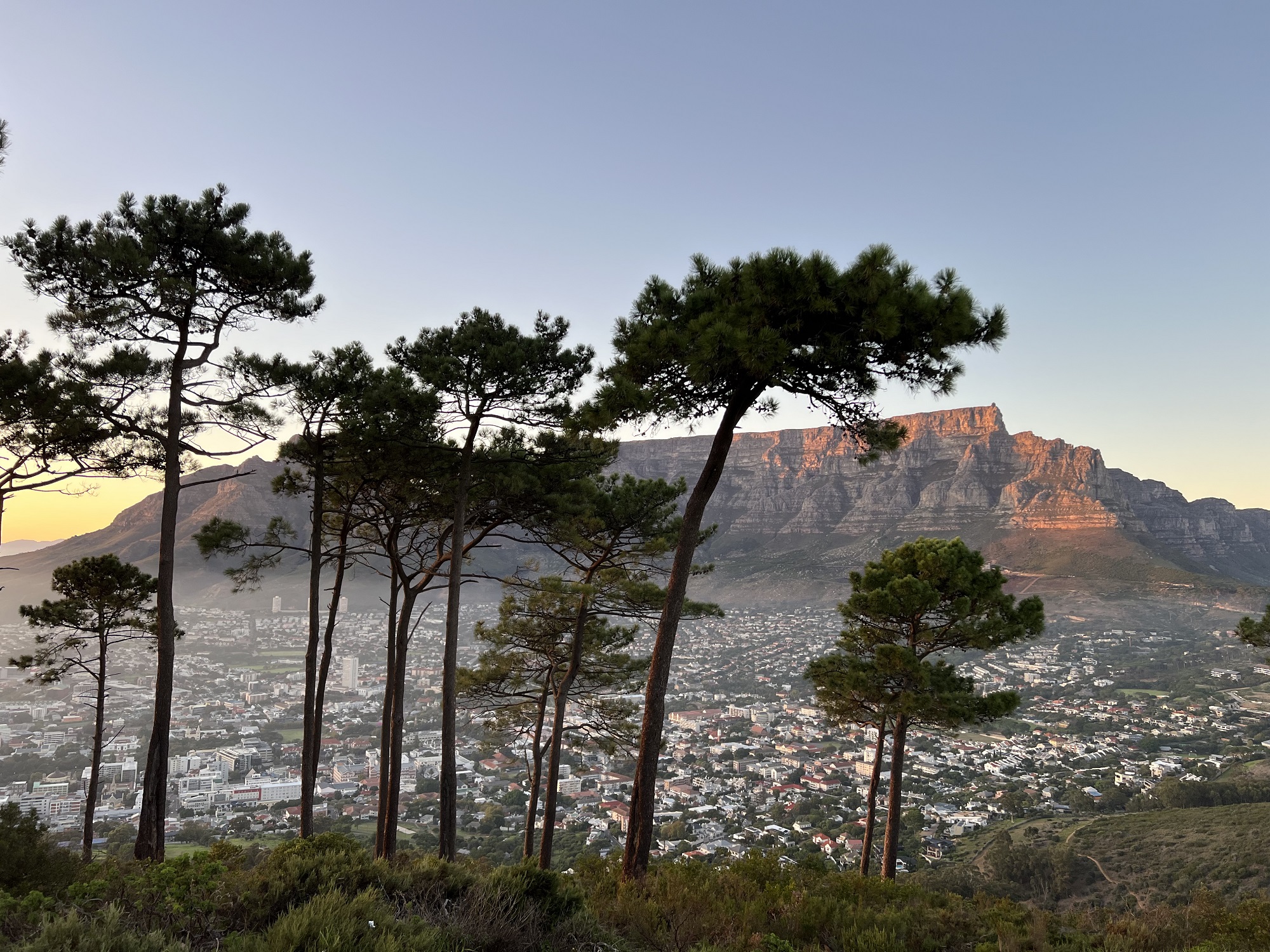
It’s a short drive from my hotel up with Kloof Nek Road, to reach the turnout onto Signal Hill Road that runs to the viewpoint at the top of Signal Hill.

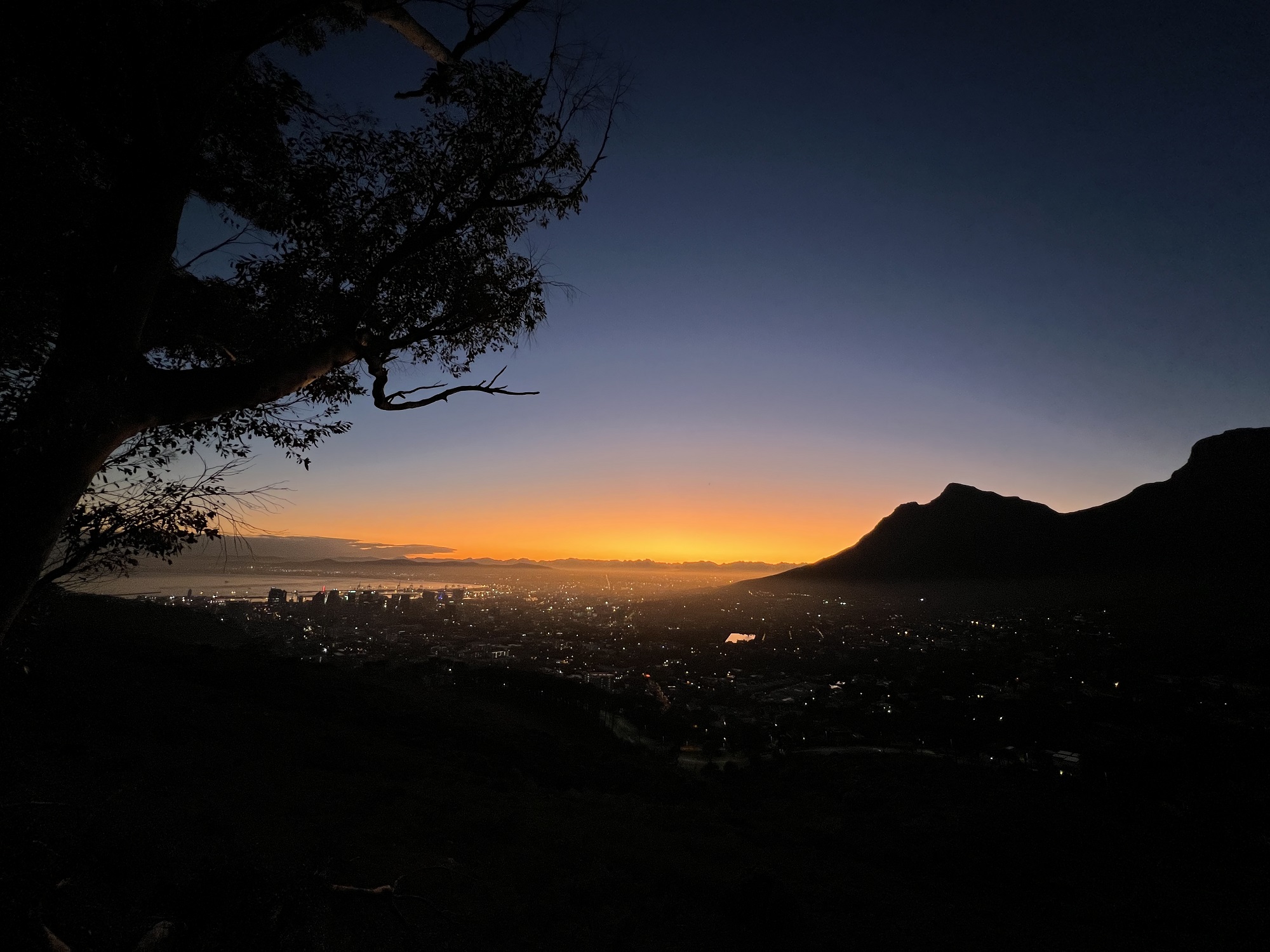
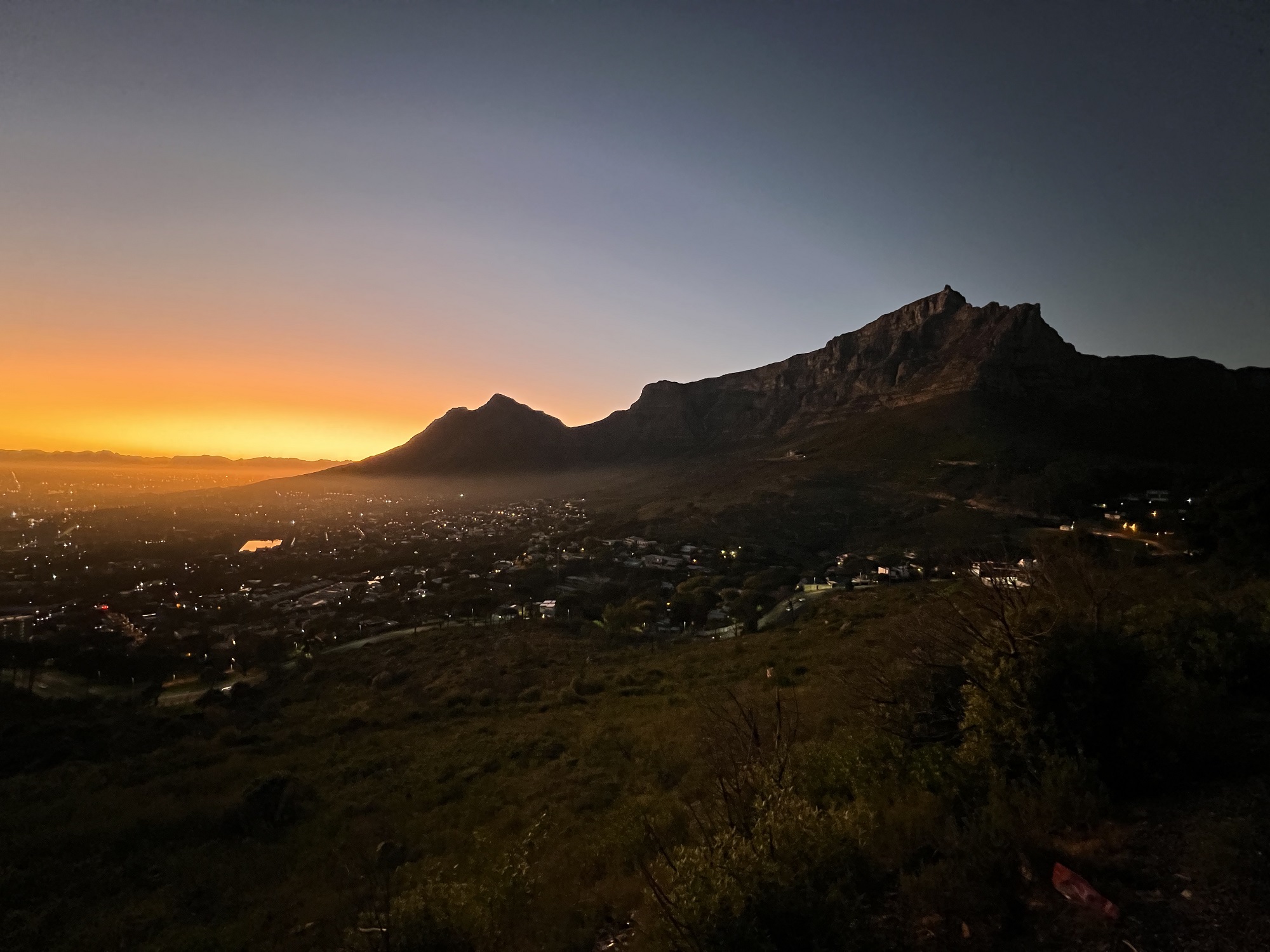
Sunrise is at 7 am, and I was in position and ready to take a few pictures of Table Mountain catching the first light of the day.

Saturday/ a walk in the Gardens 🌺

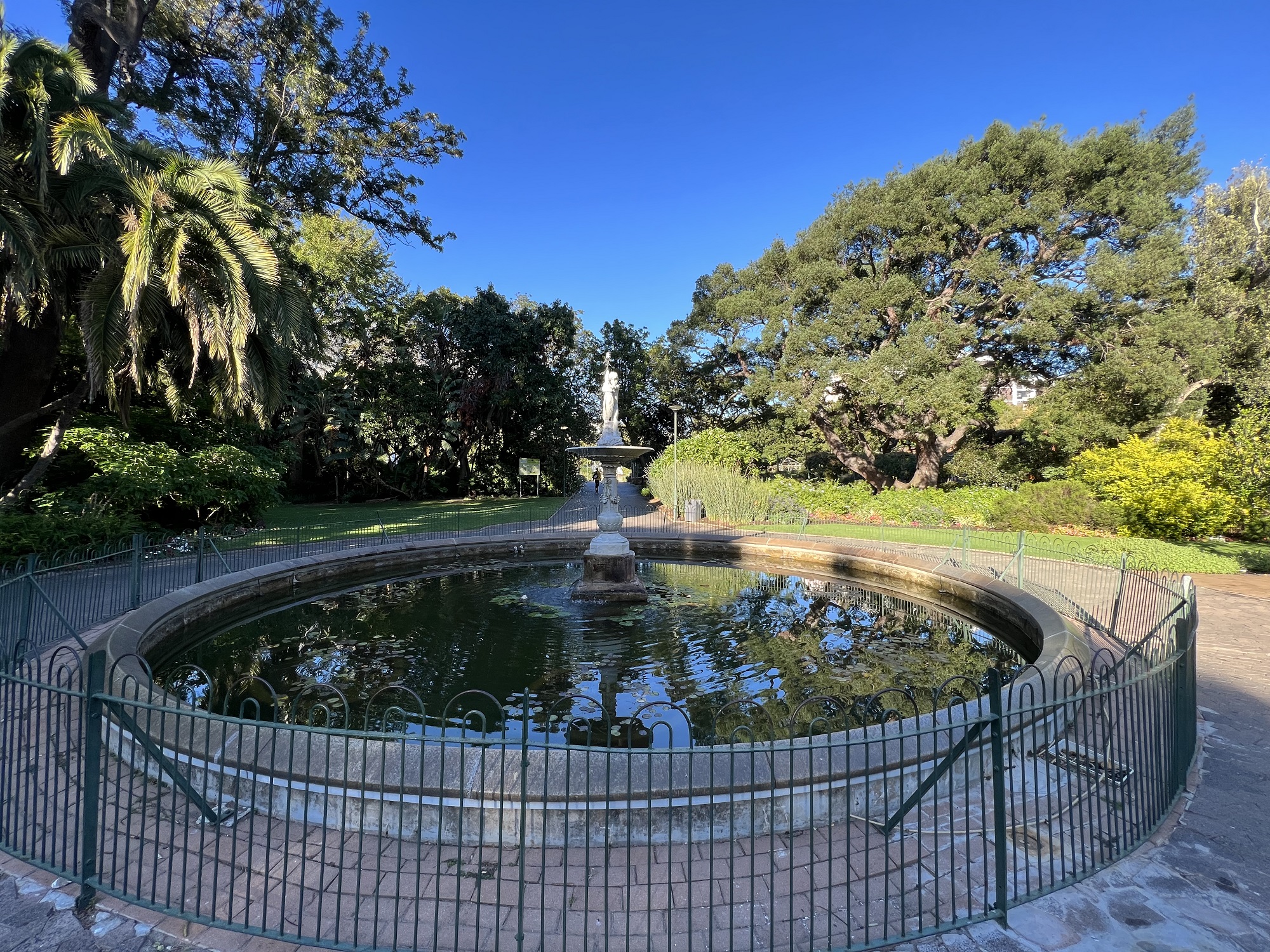
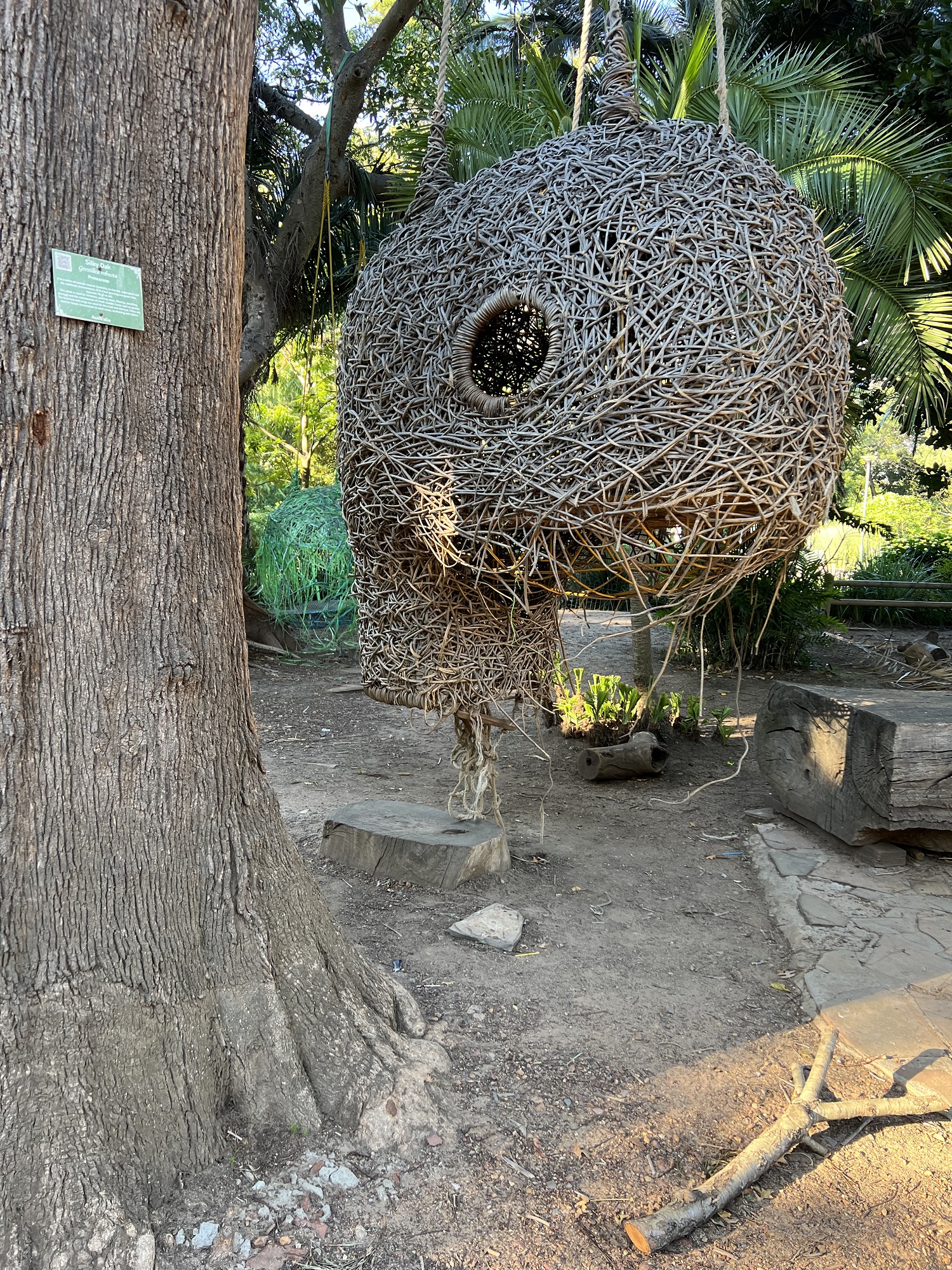
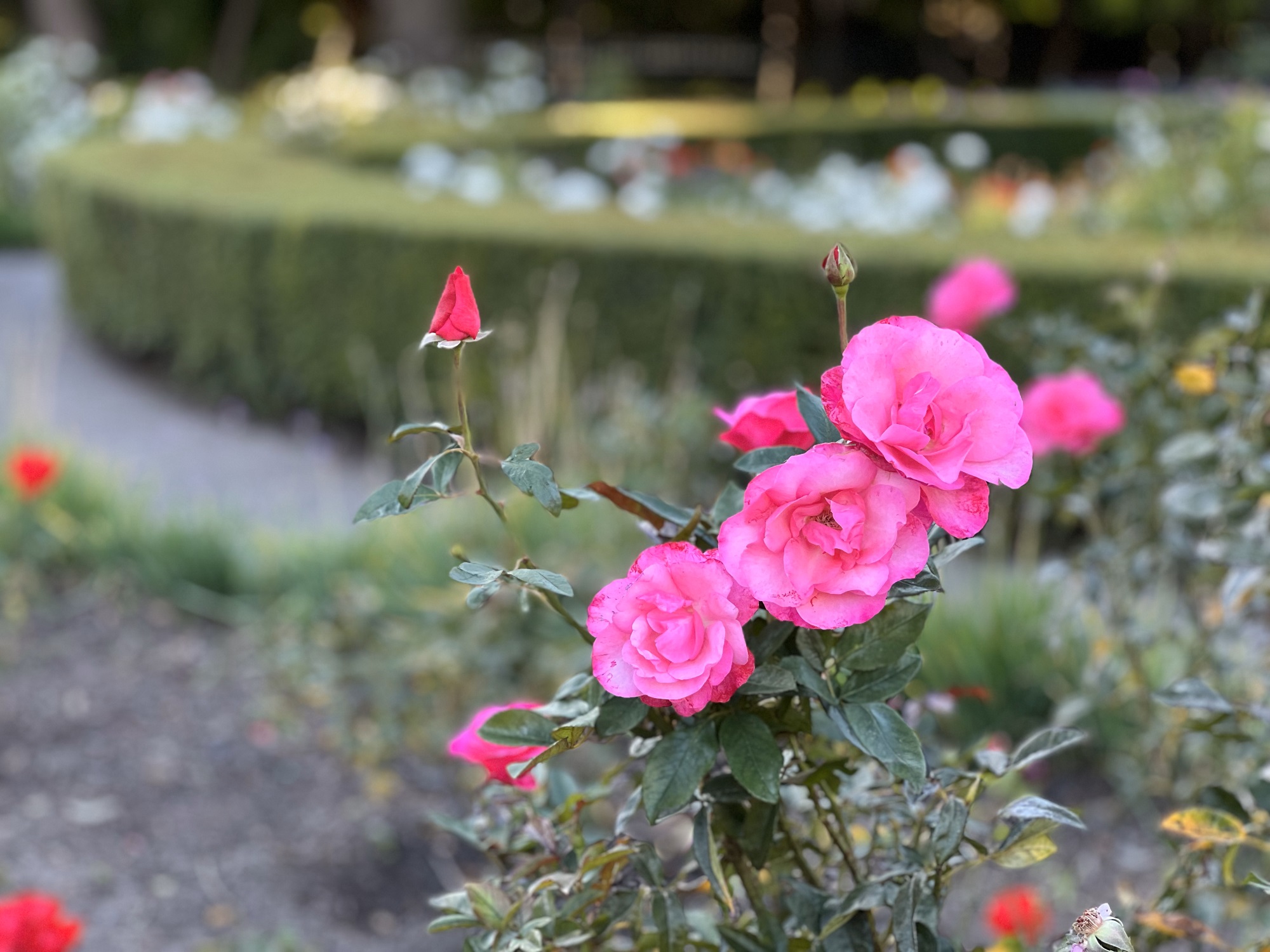
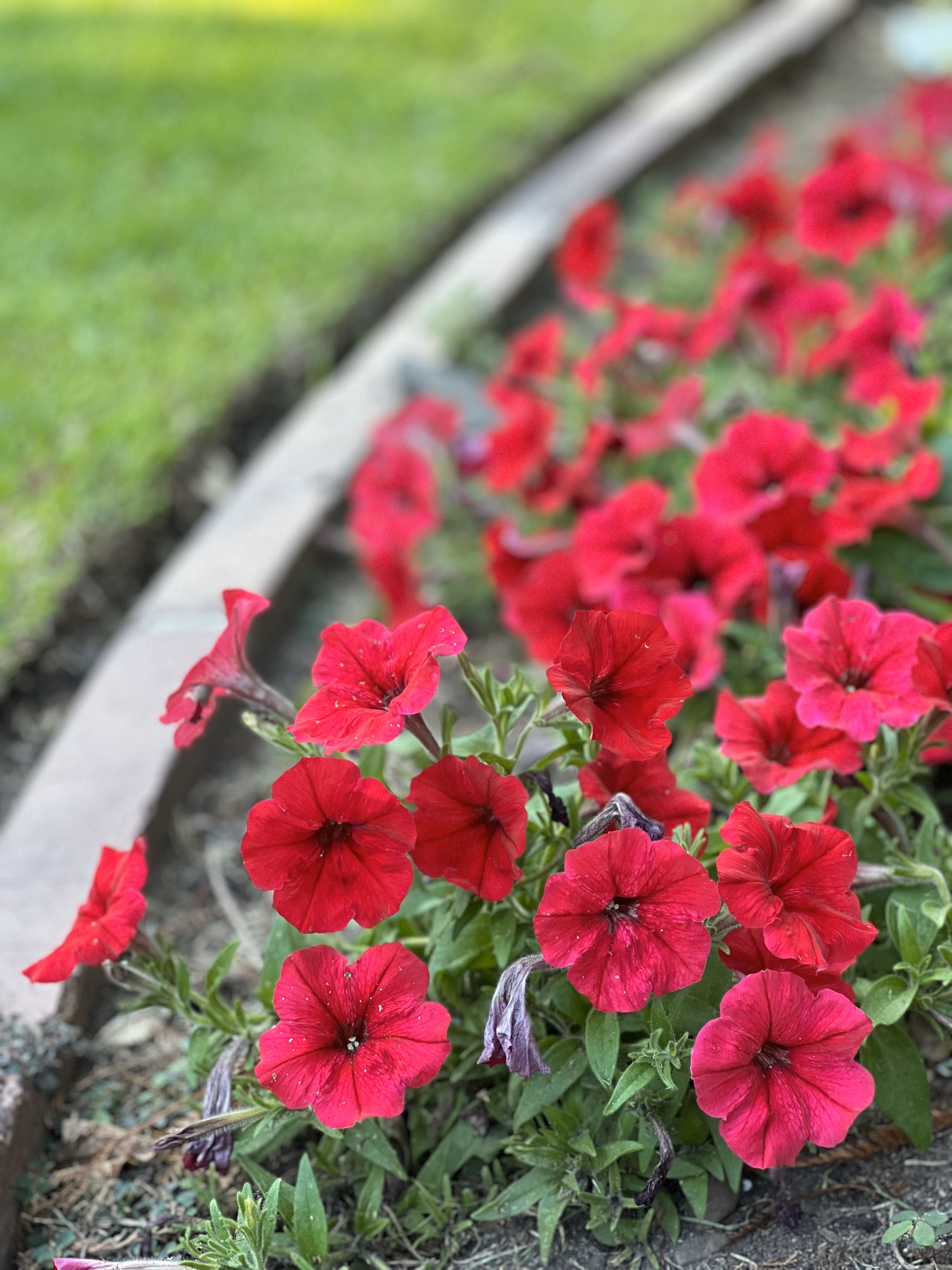
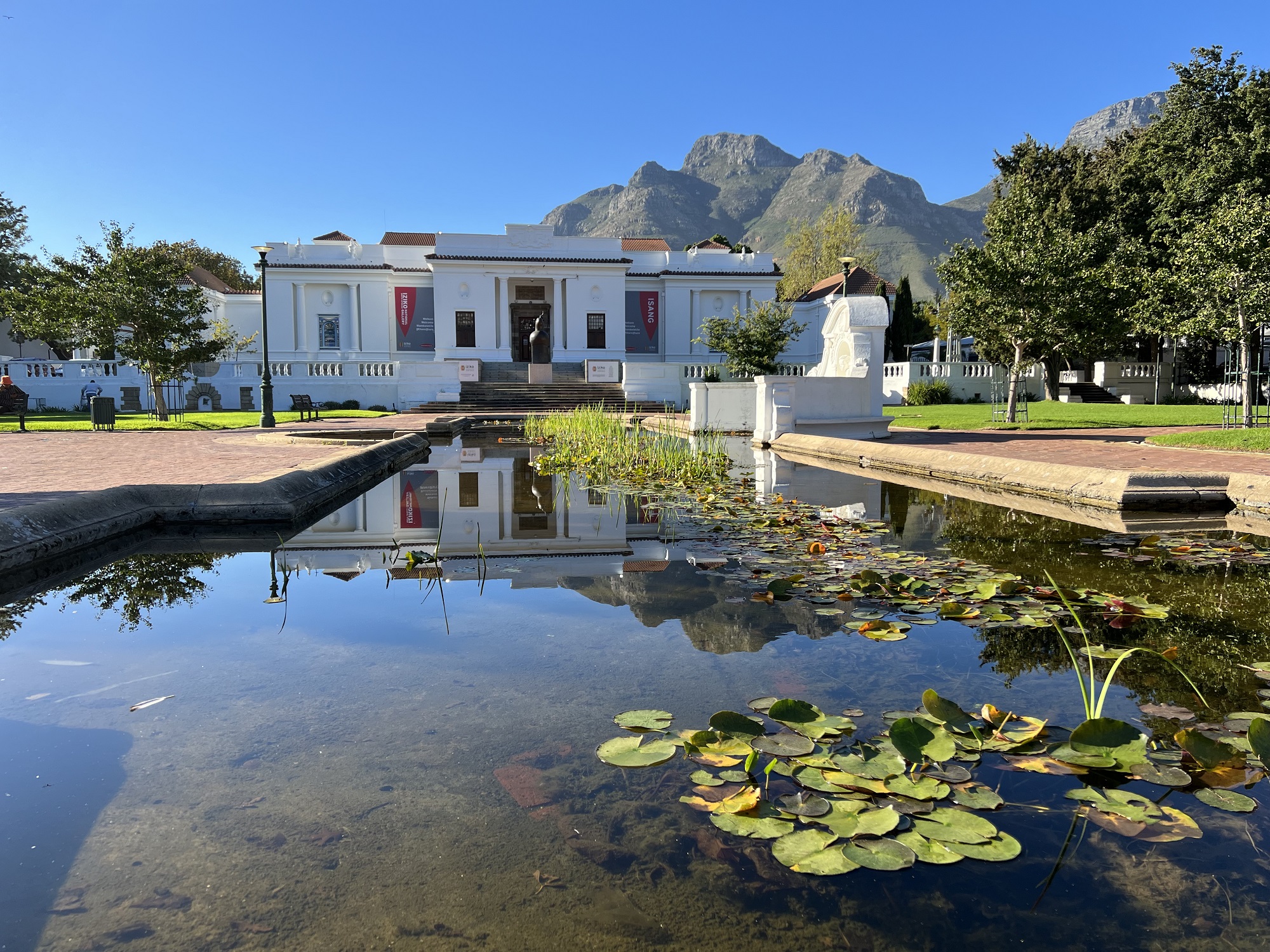
It was quiet early on Saturday morning in the Gardens (also called ‘The Company’s Garden).
The garden was originally created in the 1650s by the region’s first European settlers and provided fertile ground to grow fresh produce to replenish ships rounding the Cape.

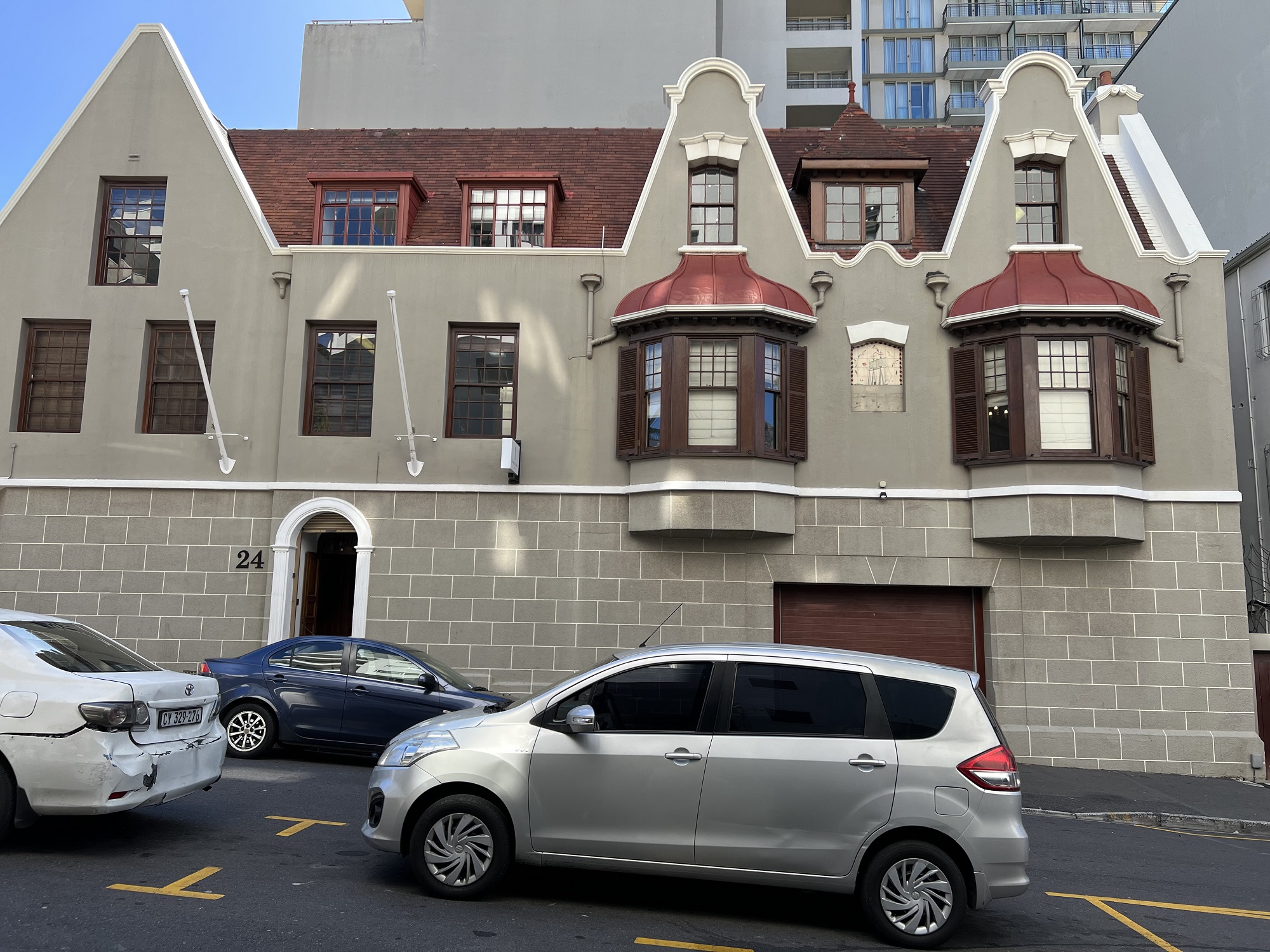
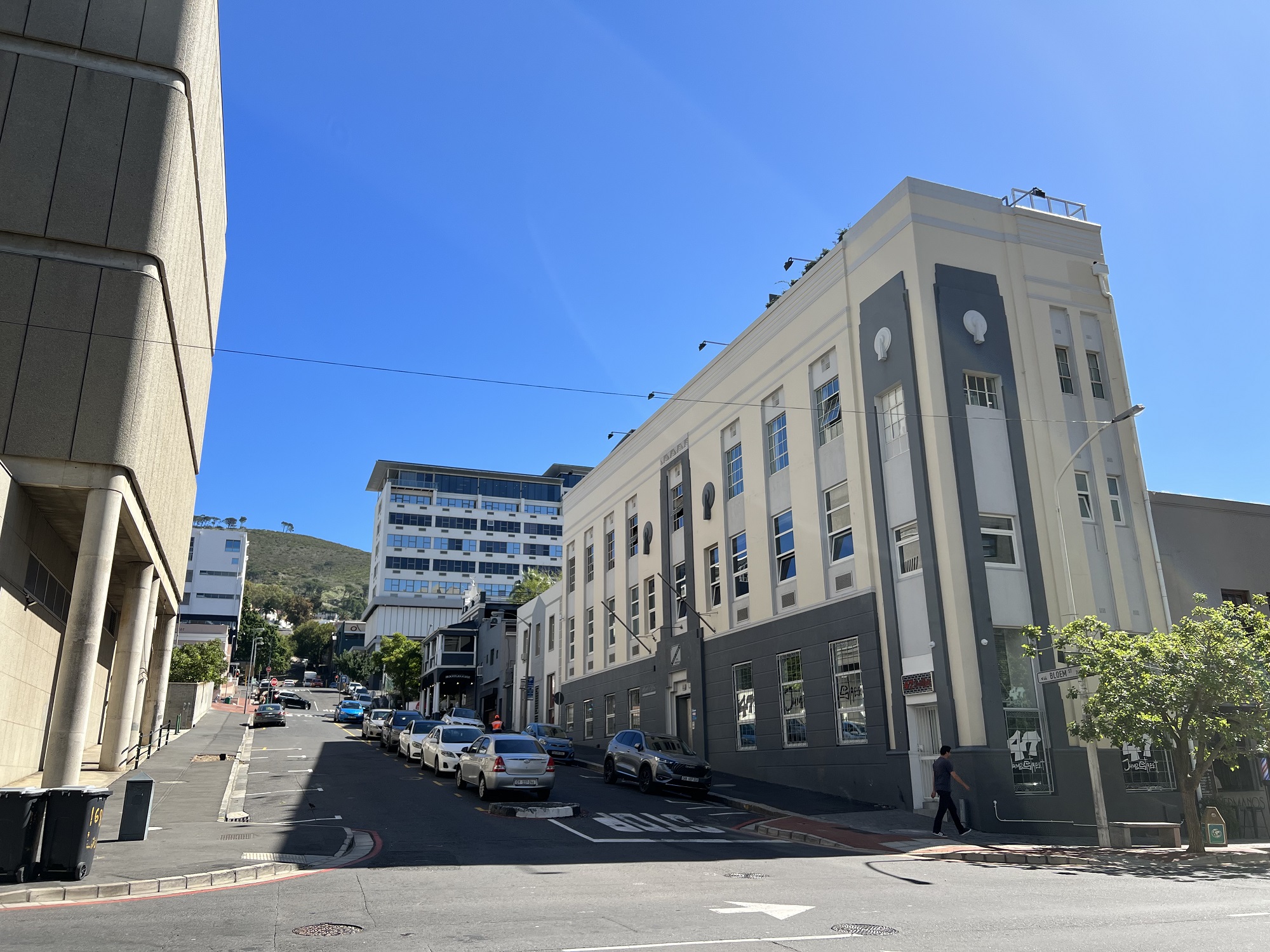
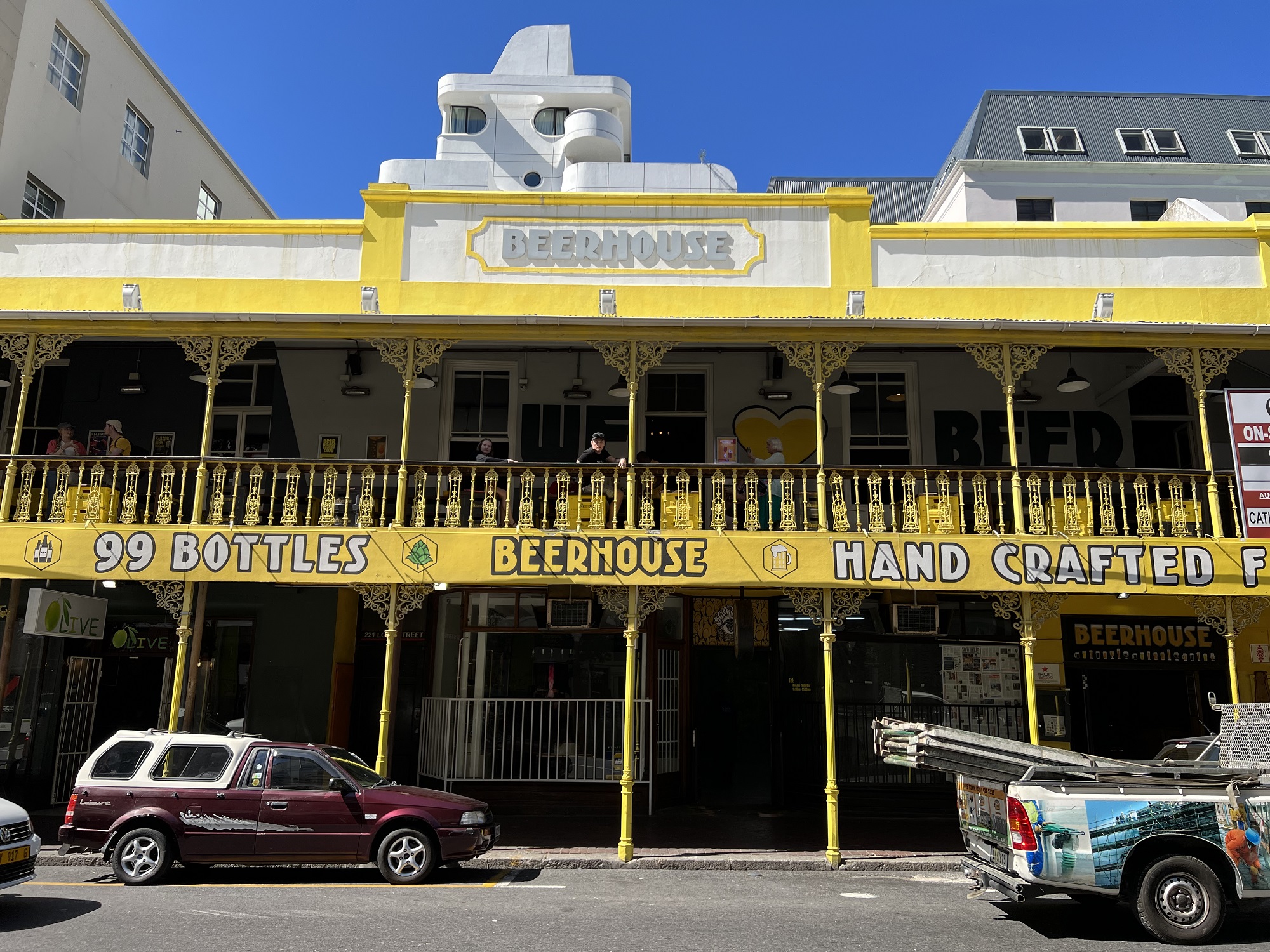
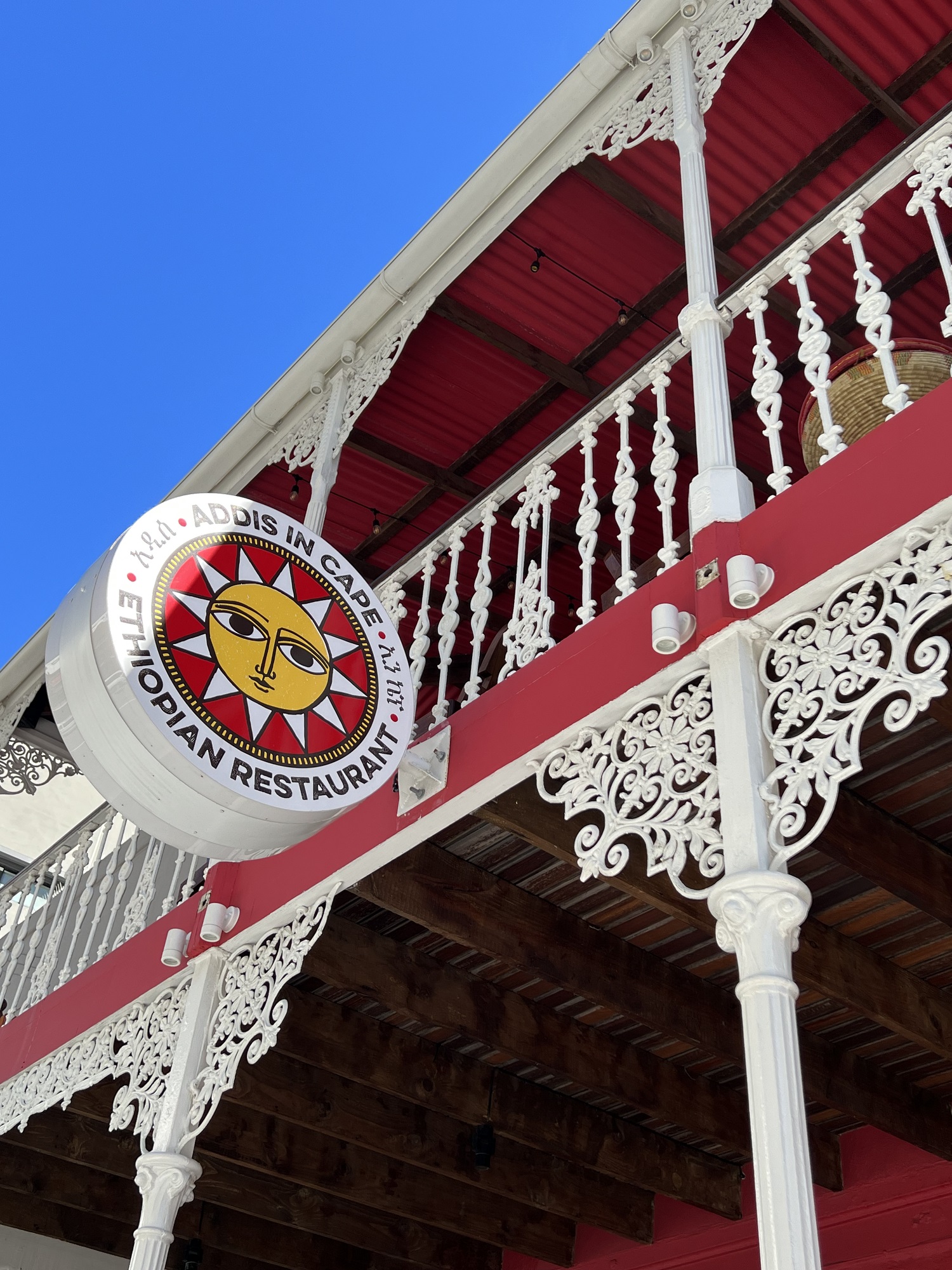
Friday/ Long Street 🏫

My hotel is in the Tamboerskloof neighborhood in Cape Town.
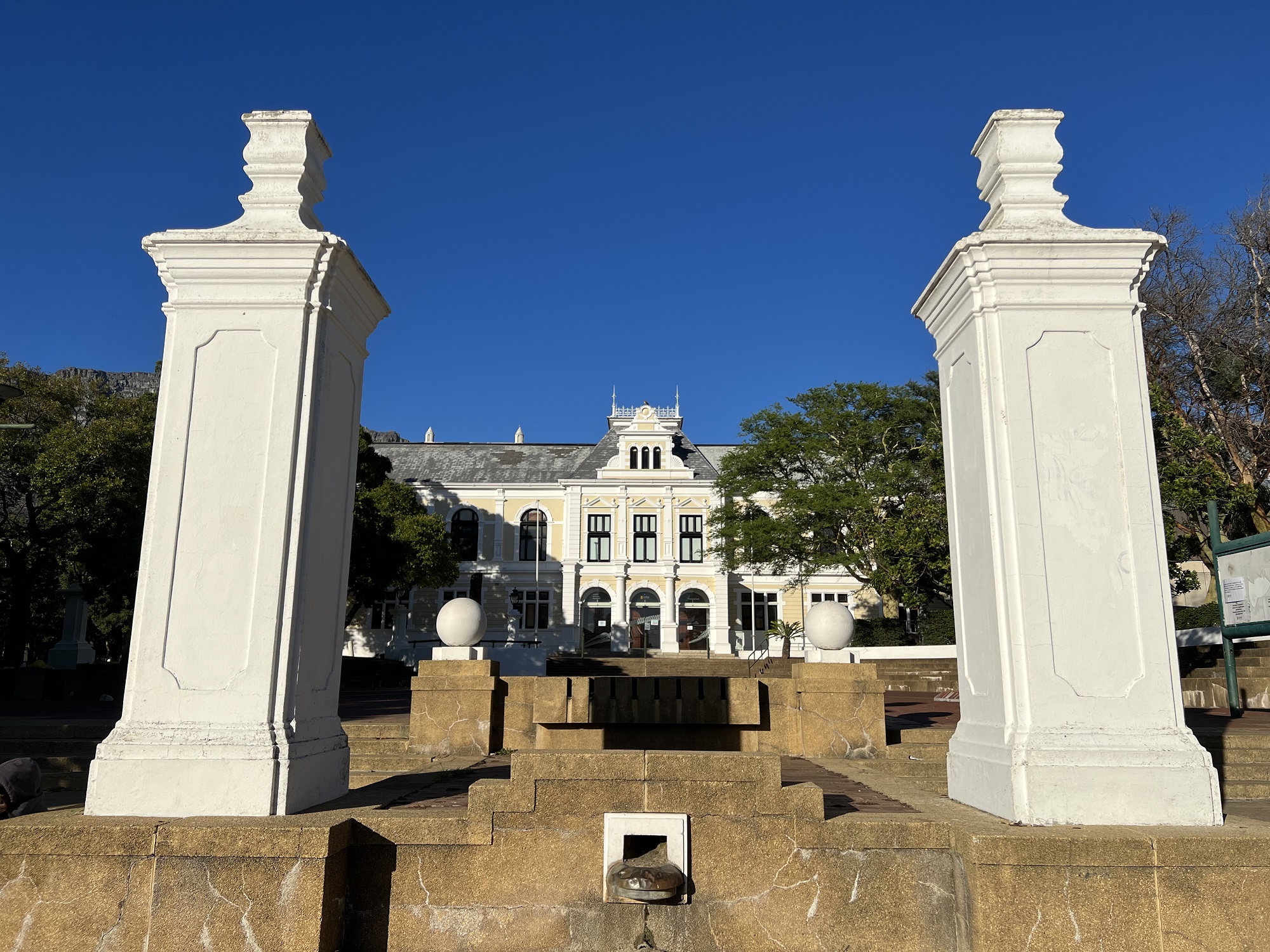
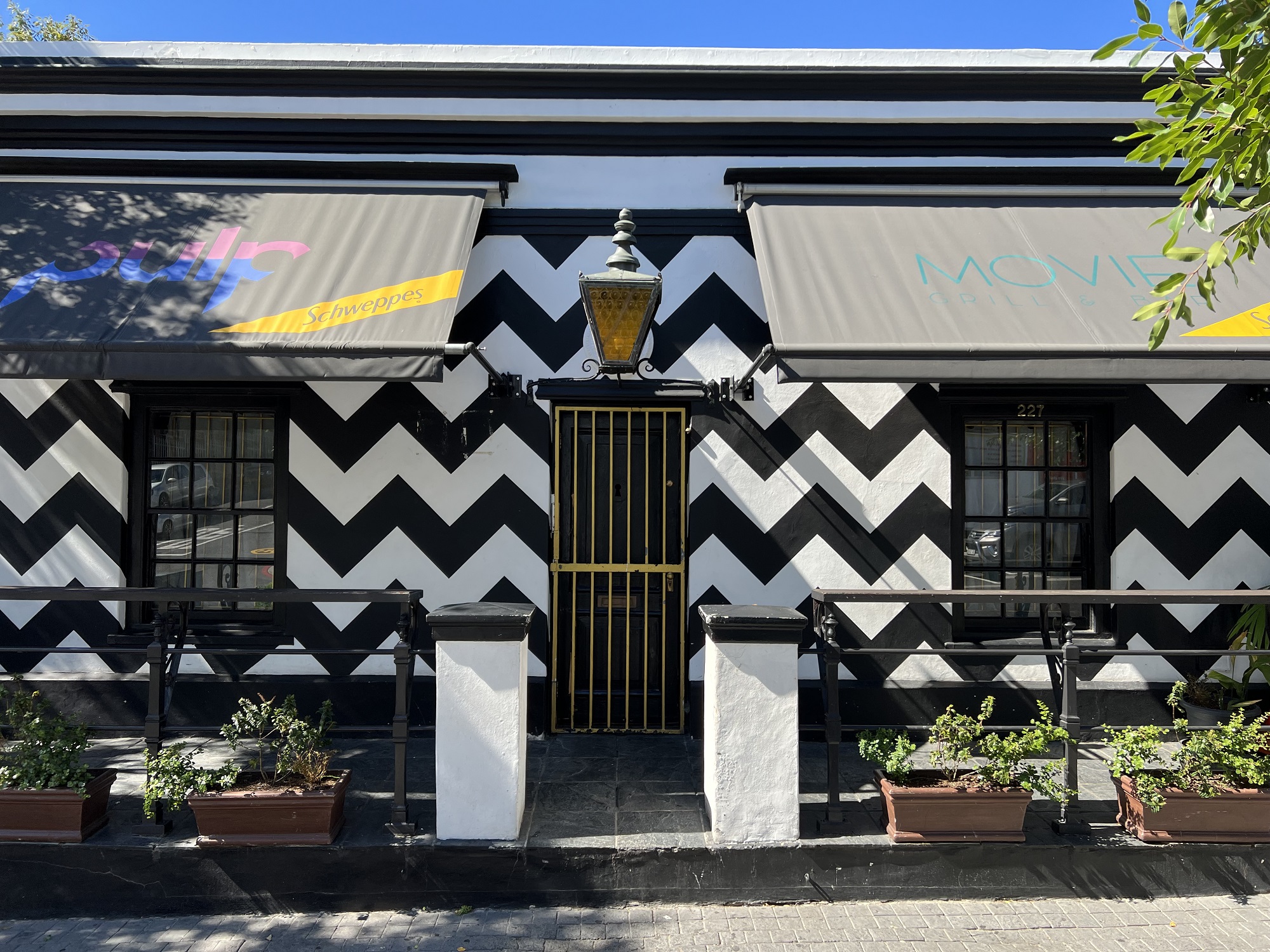
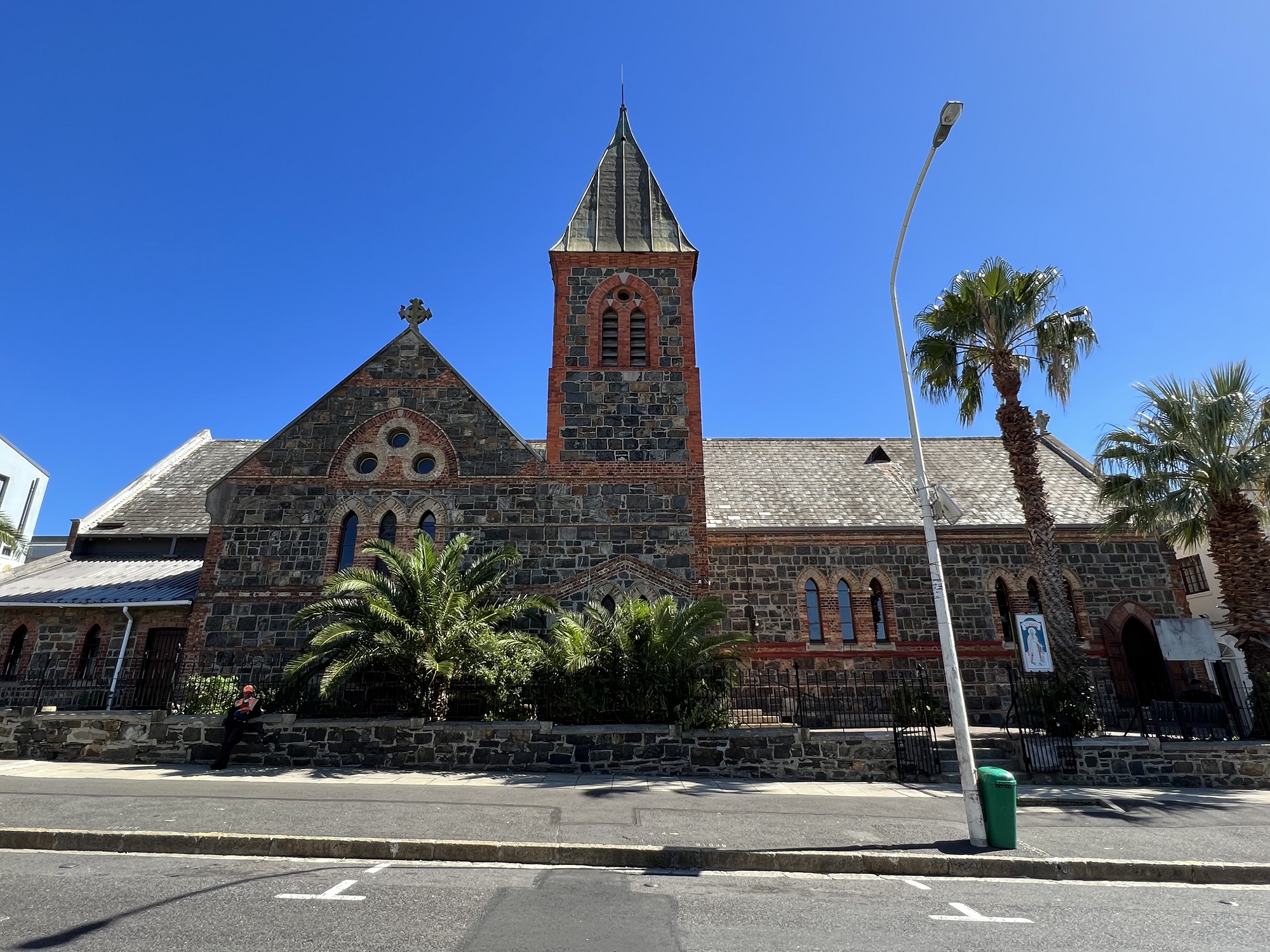
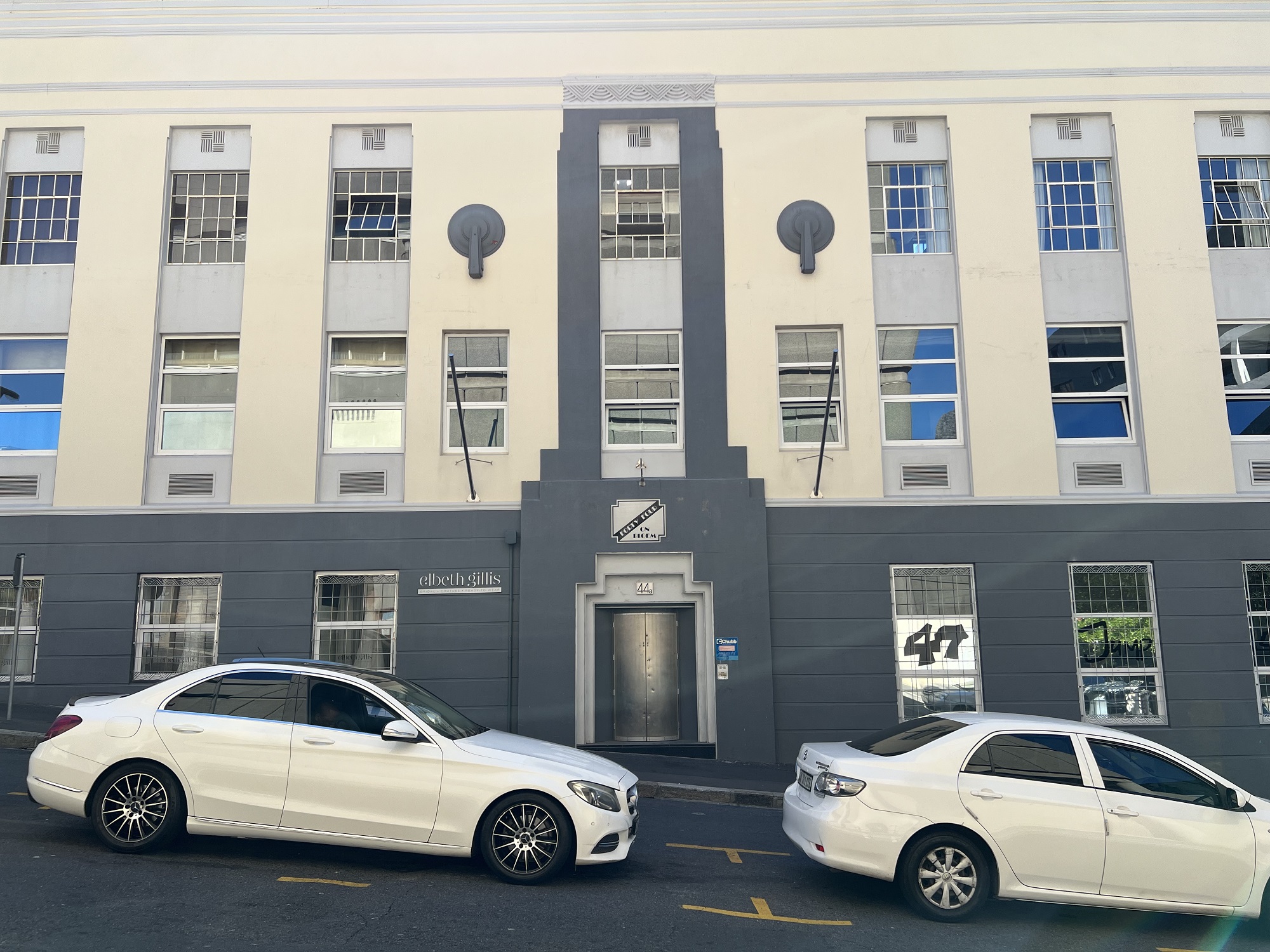
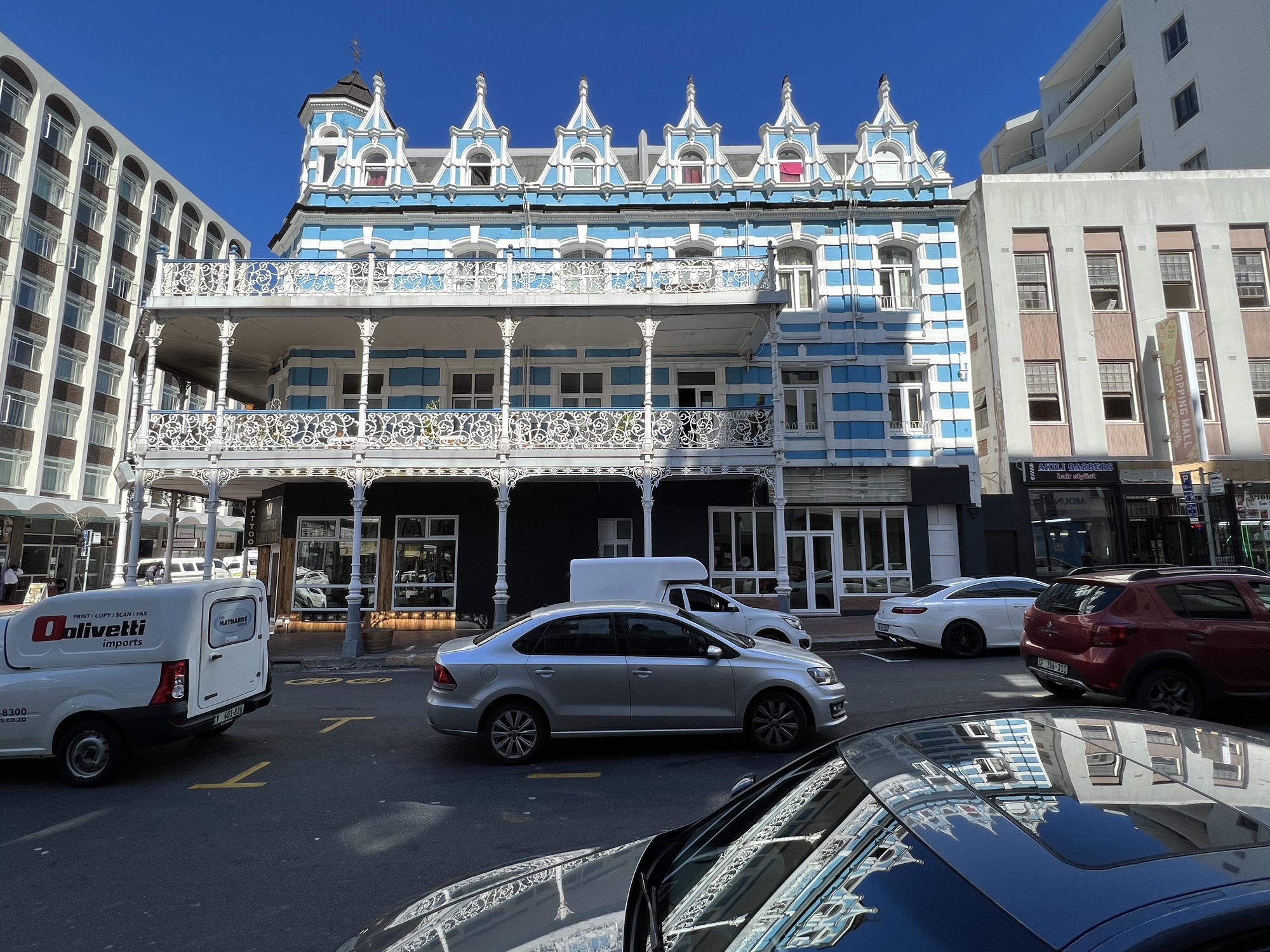
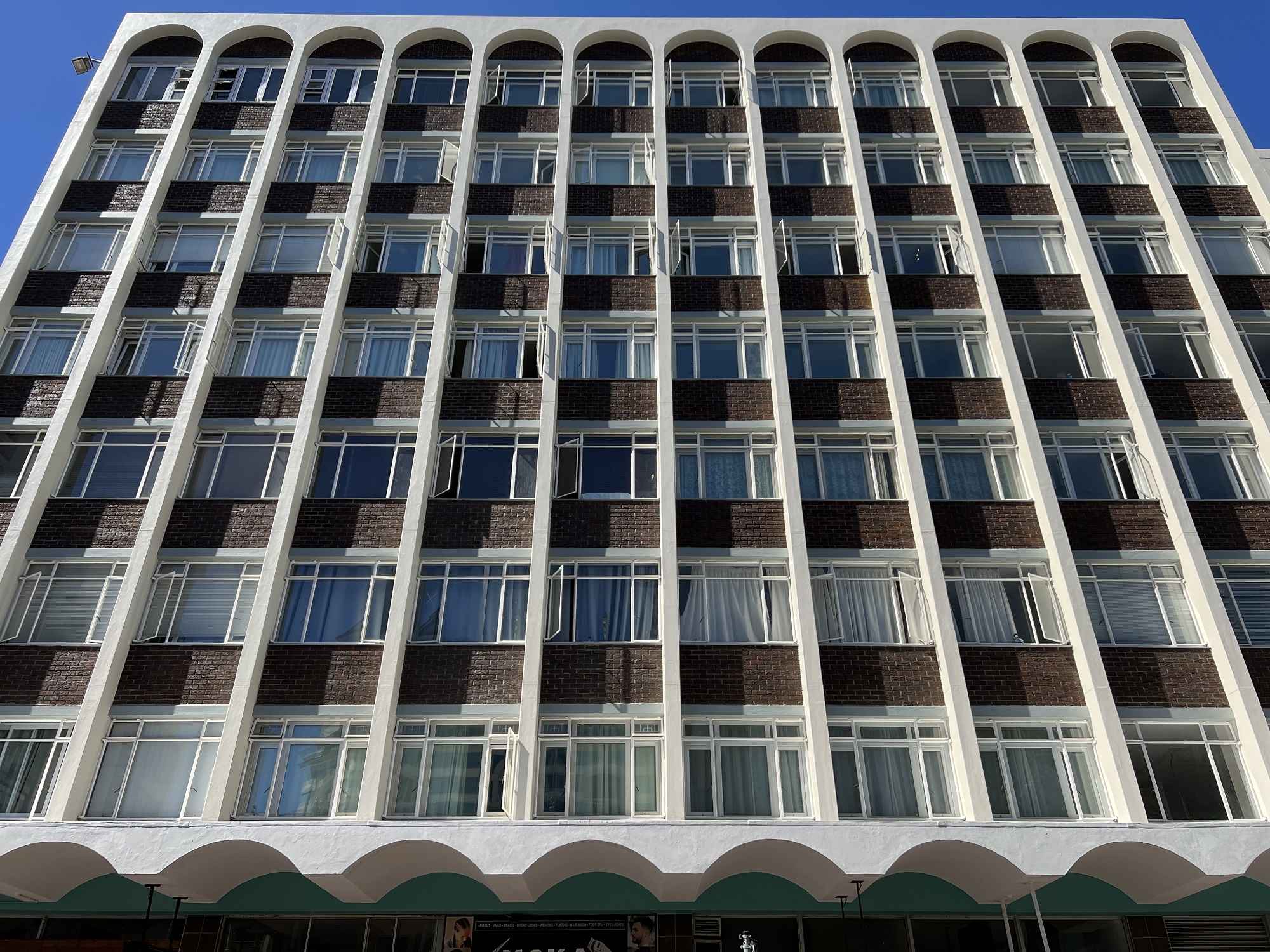
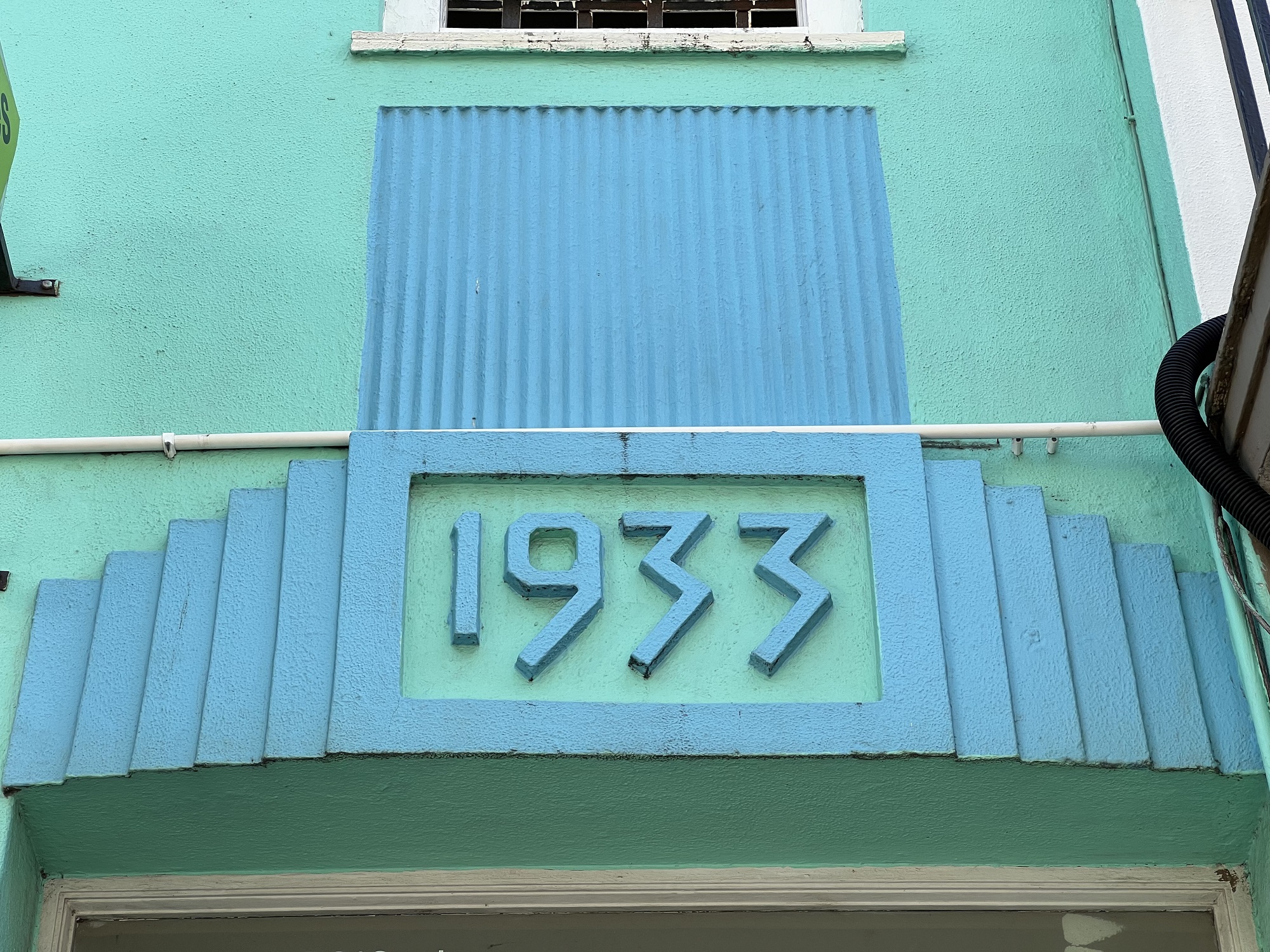
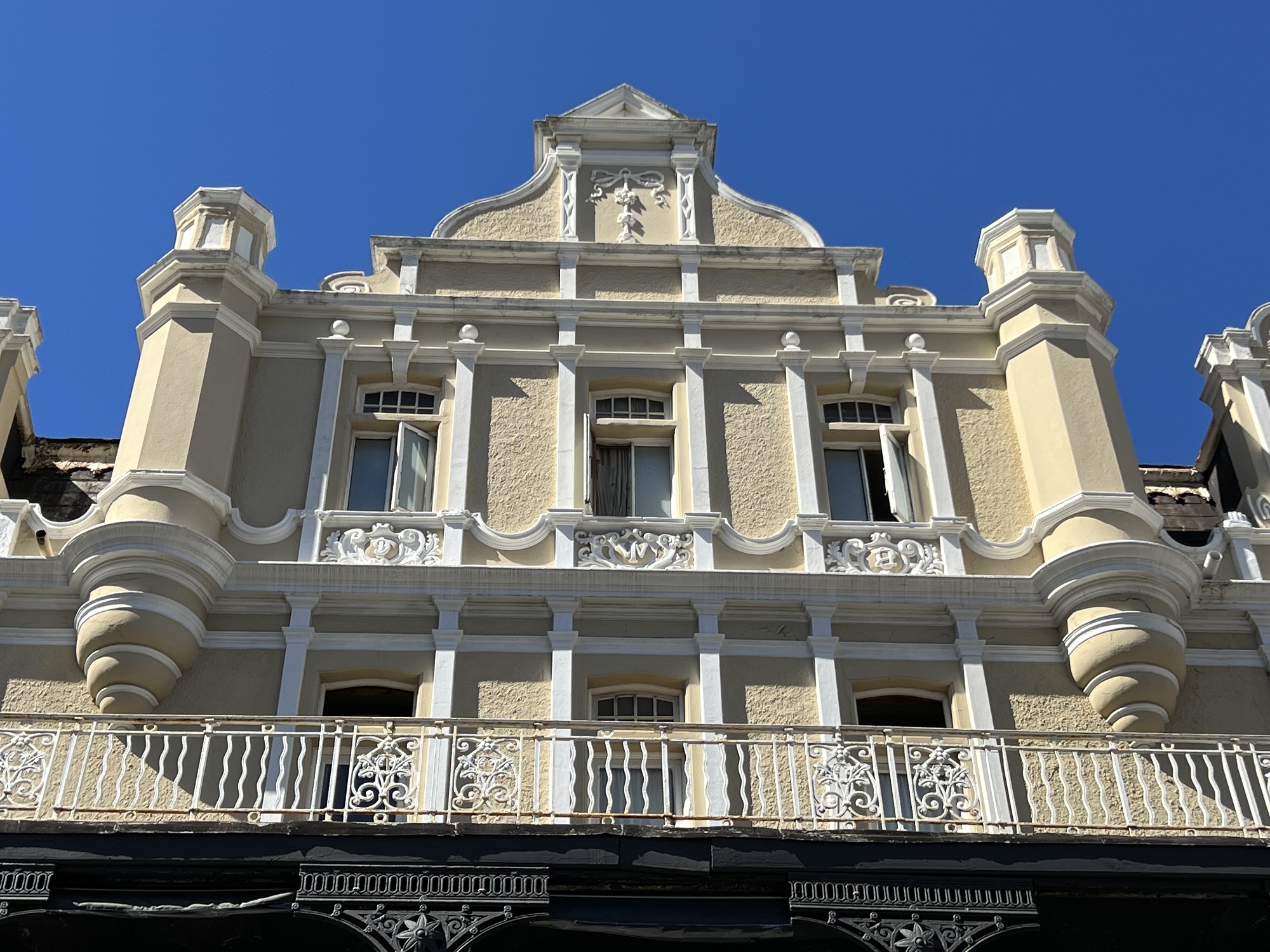
Theses pictures from my self-directed architecture walk are all from Long Street or nearby.
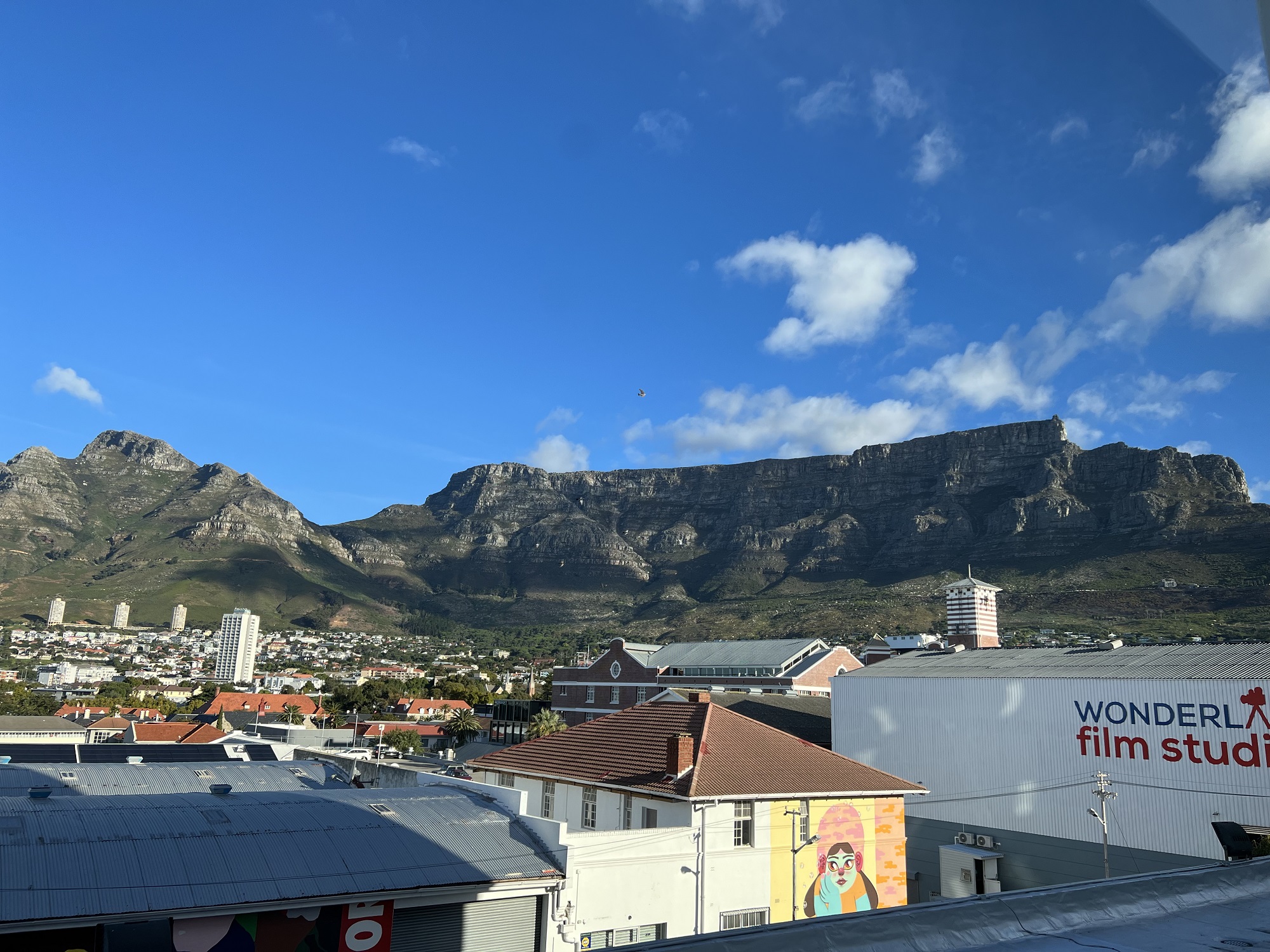
That’s Table Mountain in the last picture, of course.

Thursday/ Cape Town bound

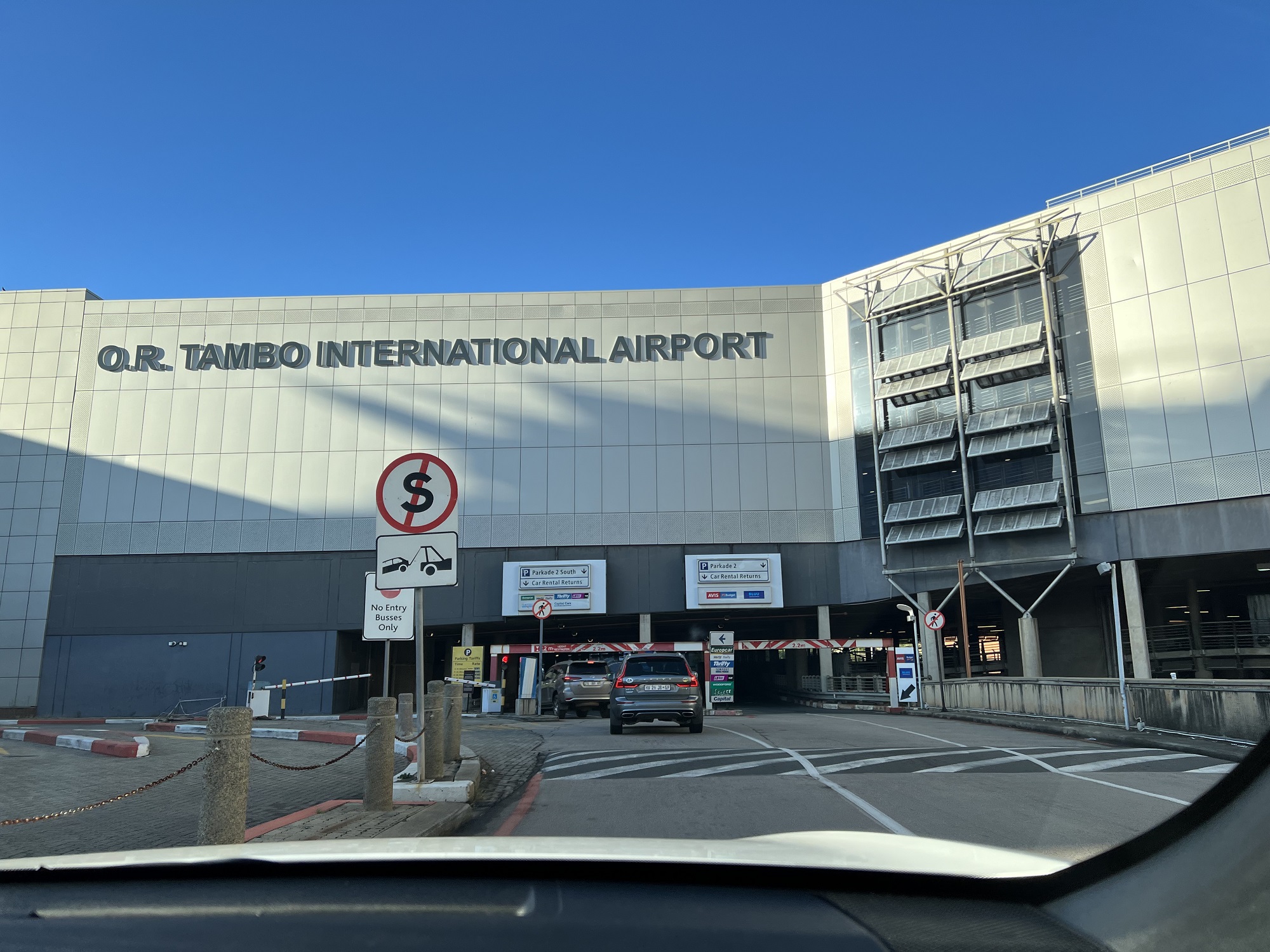
I’m back at Johannesburg’s Oliver Tambo International Airport, and getting ready to travel to Cape Town.

Returning my rental car ..
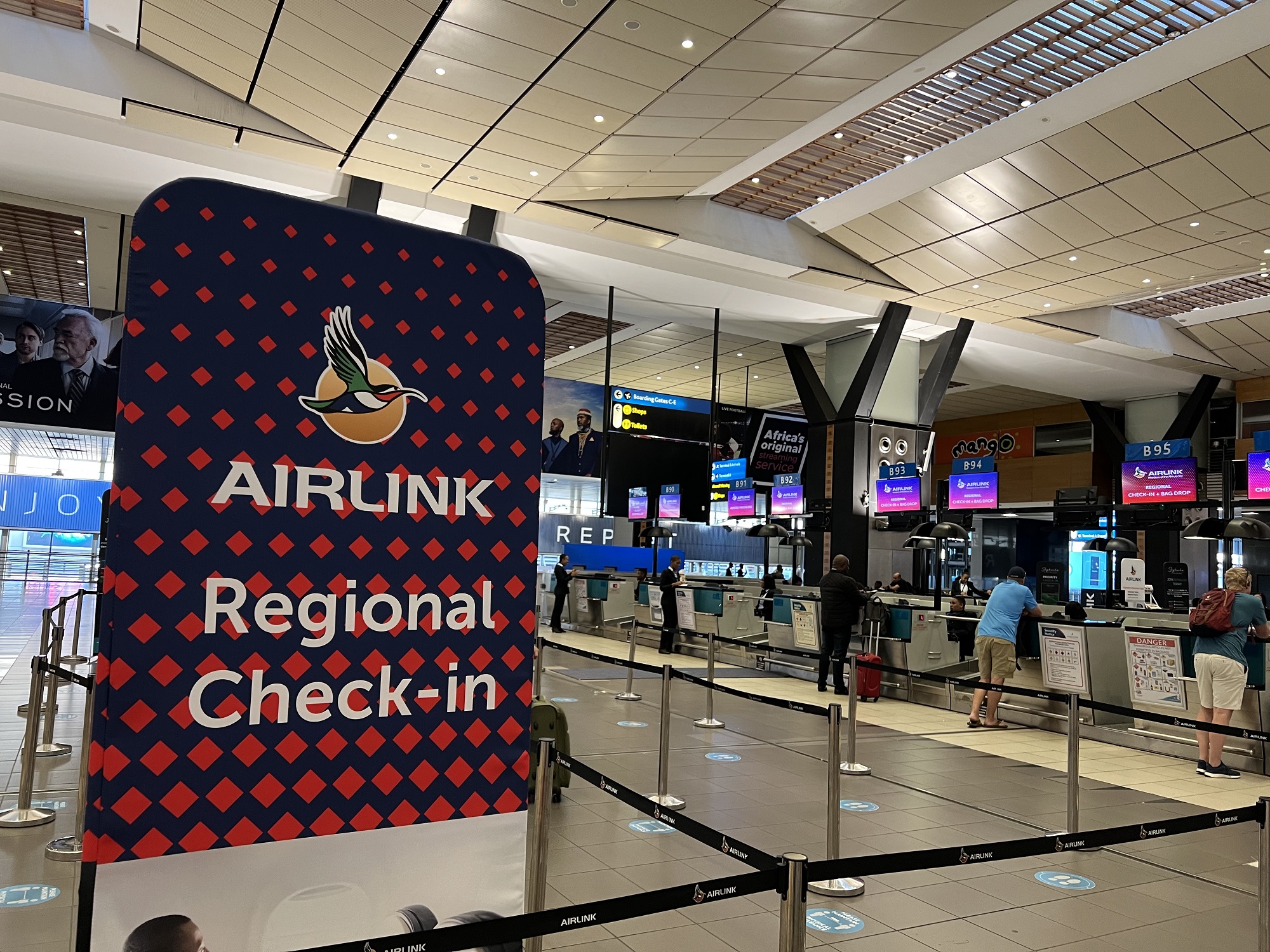
.. and checking my two bags
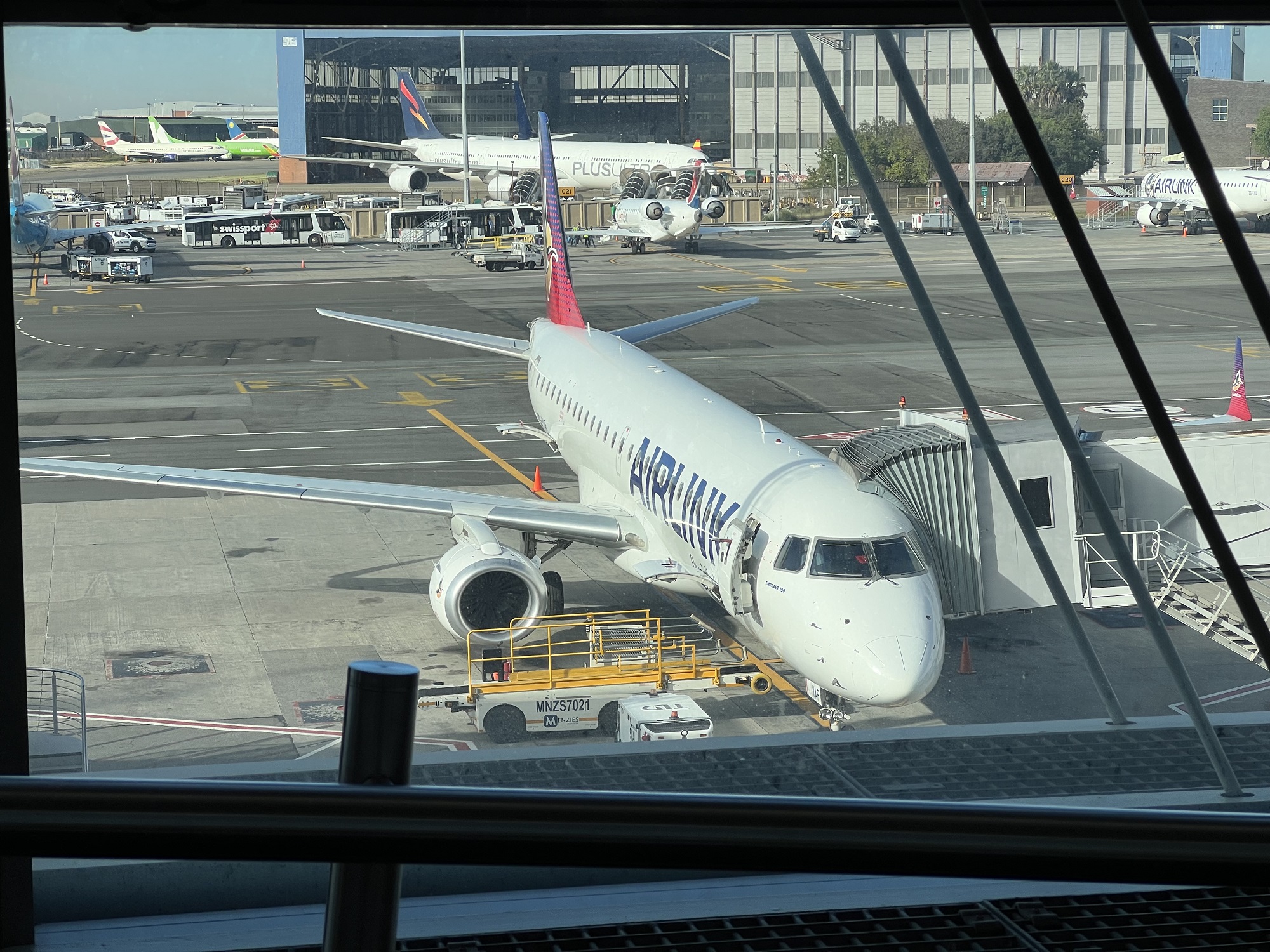
My magnificent flying machine at the gate here at OR Tambo International airport.
The Embraer E195 jet is made by the Brazilian-led multinational manufacturer Embraer SA and is the largest member of the Embraer E-Jet family.

Tuesday/ a drive to the city 🚗

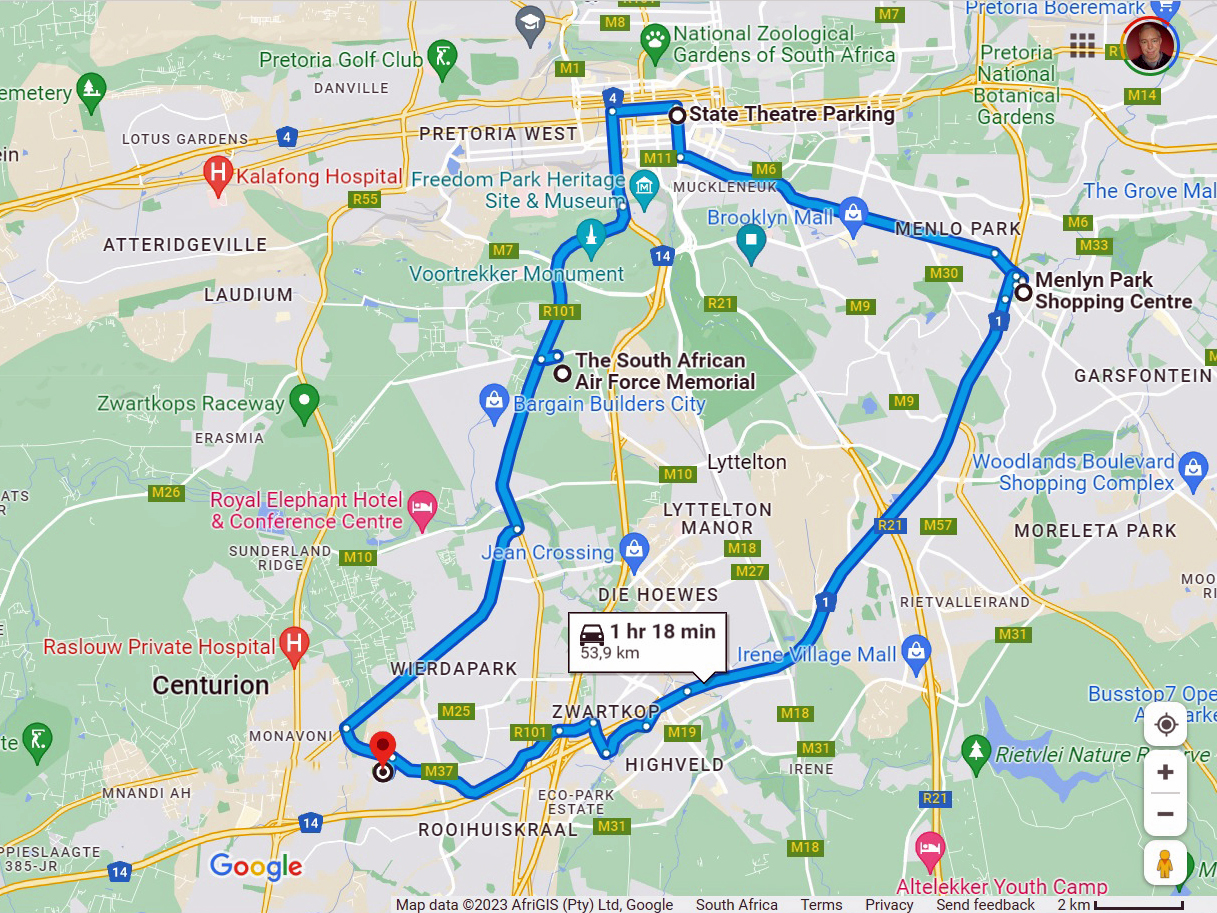
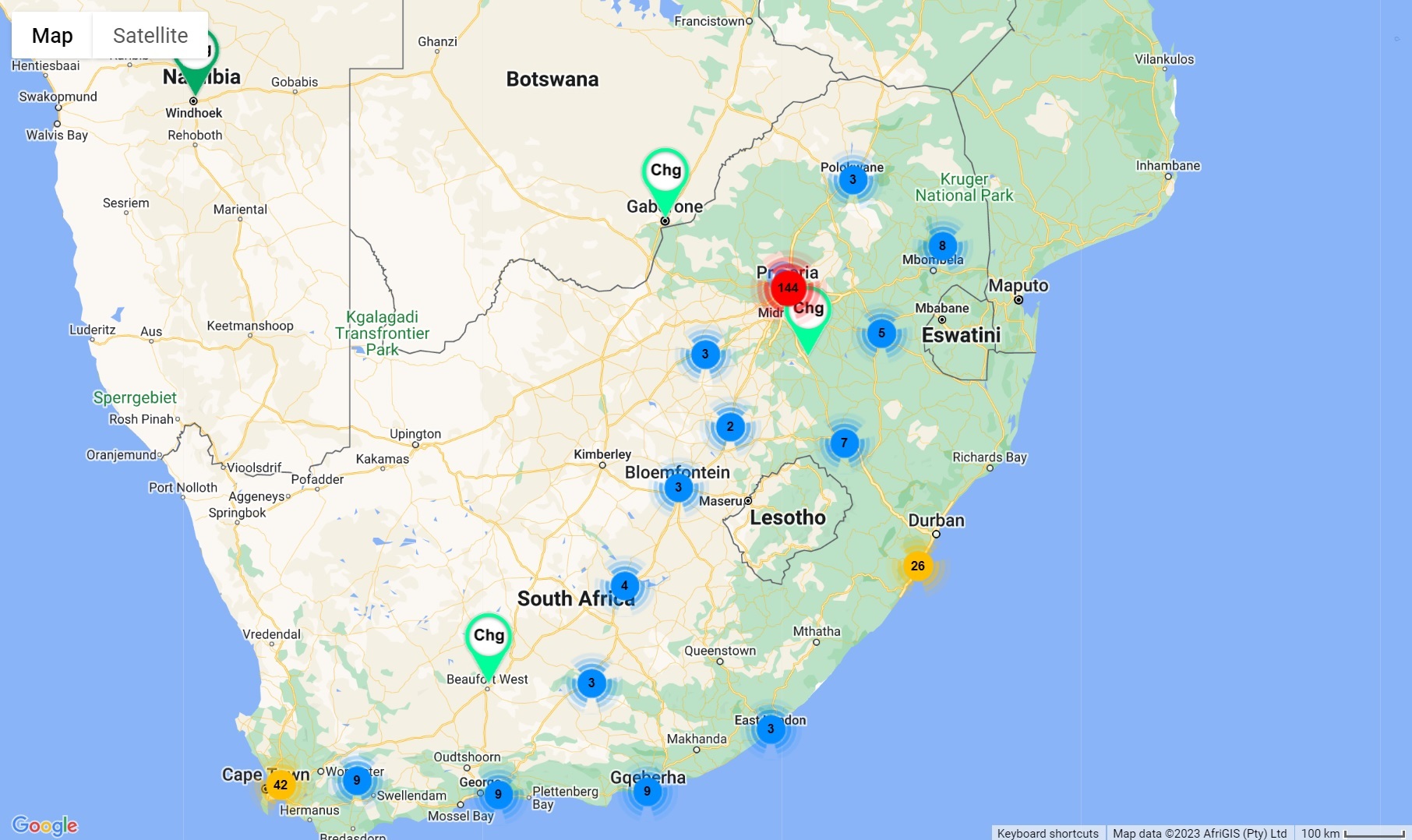
Here’s my round trip that I made on Tuesday, with a few stops.
I thought to stop in downtown Pretoria and walk around a little bit around Church Square, but decided against it.

I made my way to the city by using the Old Johannesburg Road, and then came back via the N1 highway.
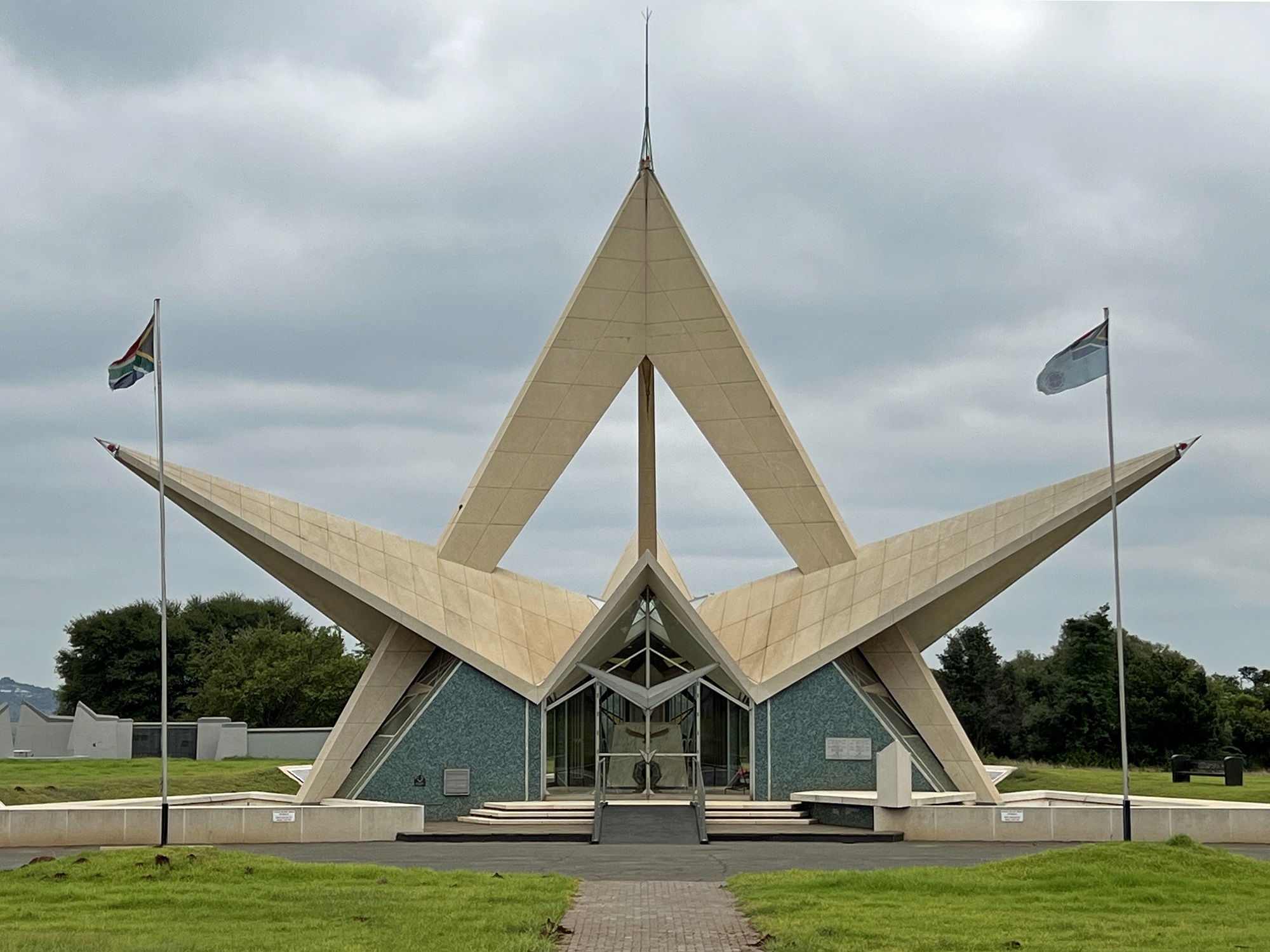
The South African Air Force Memorial is a memorial to South African Air Force members who have died whilst in service of the South African Air Corps and its successor, the South African Air Force from 1915 to the present during times of war and times of peace. It was inaugurated in 1965.
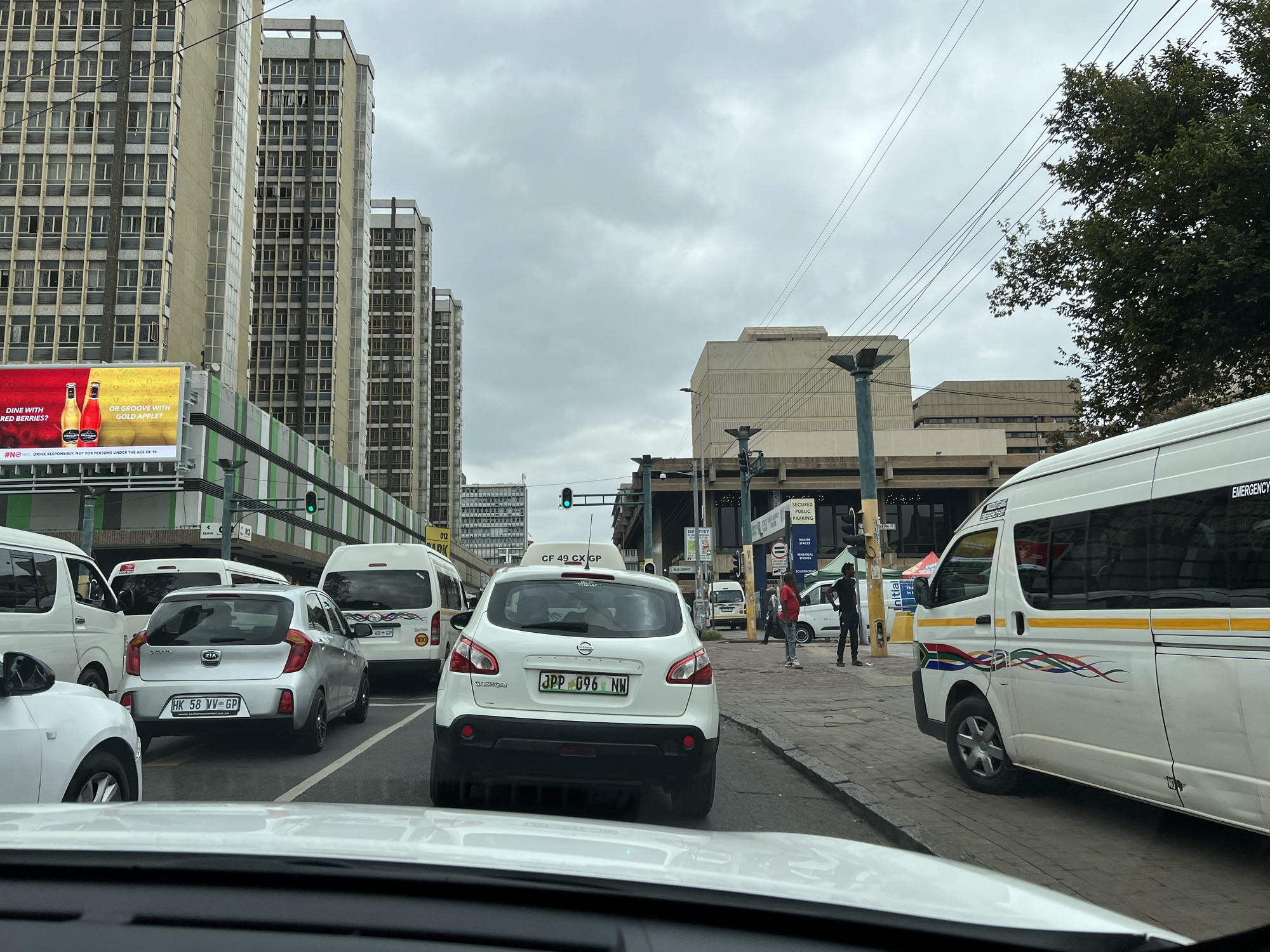
Here’s downtown Pretoria, in a street crowded with minibus taxis. Honk honk! all the time. Are they honking at me? you think. No, at prospective passengers on the sidewalk.
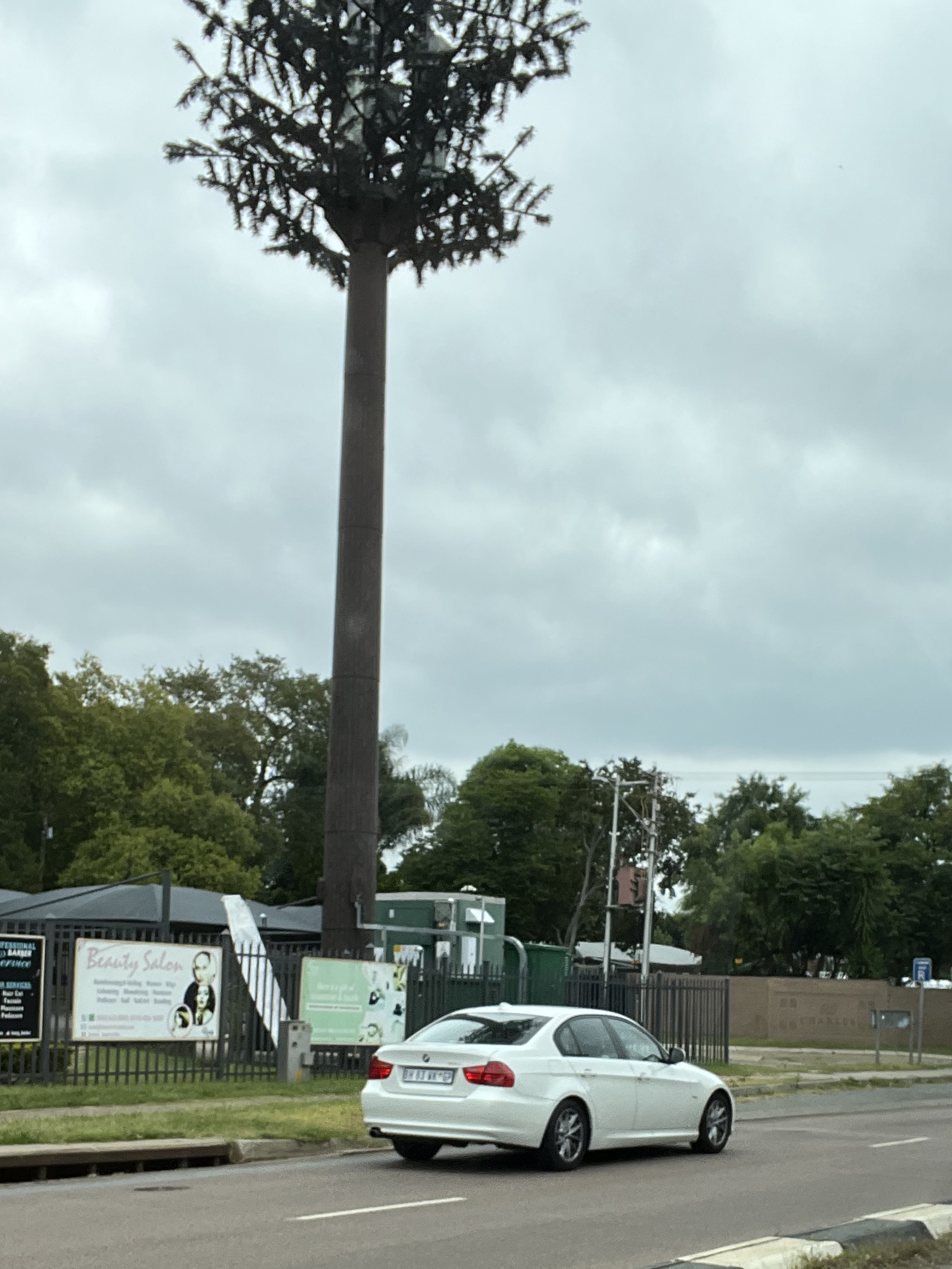
This is not a tree. It is a cell phone tower.
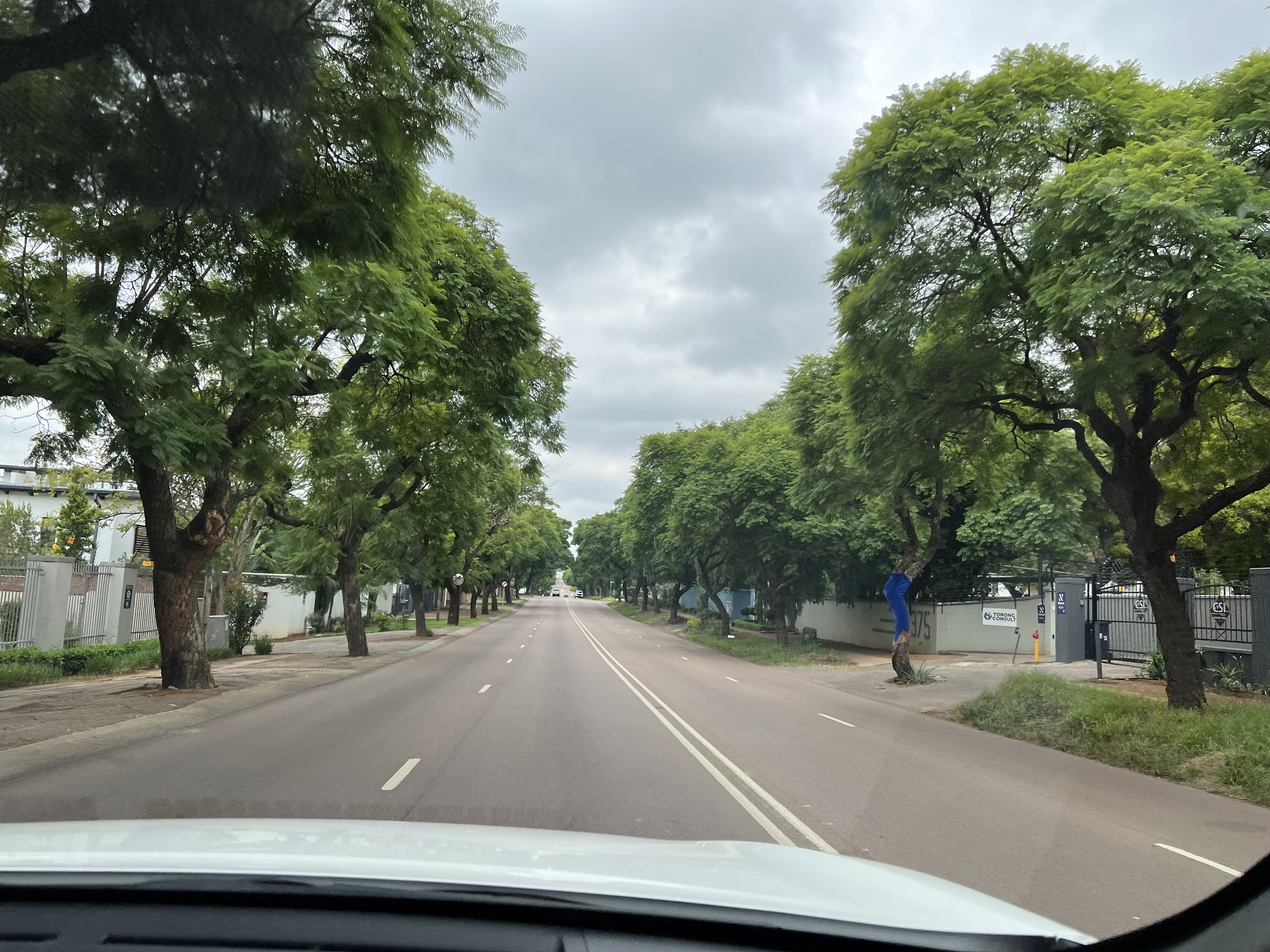
Now making my way to the east side of the city along the M11 route. Many of the streets are lined with jacaranda trees like this one.
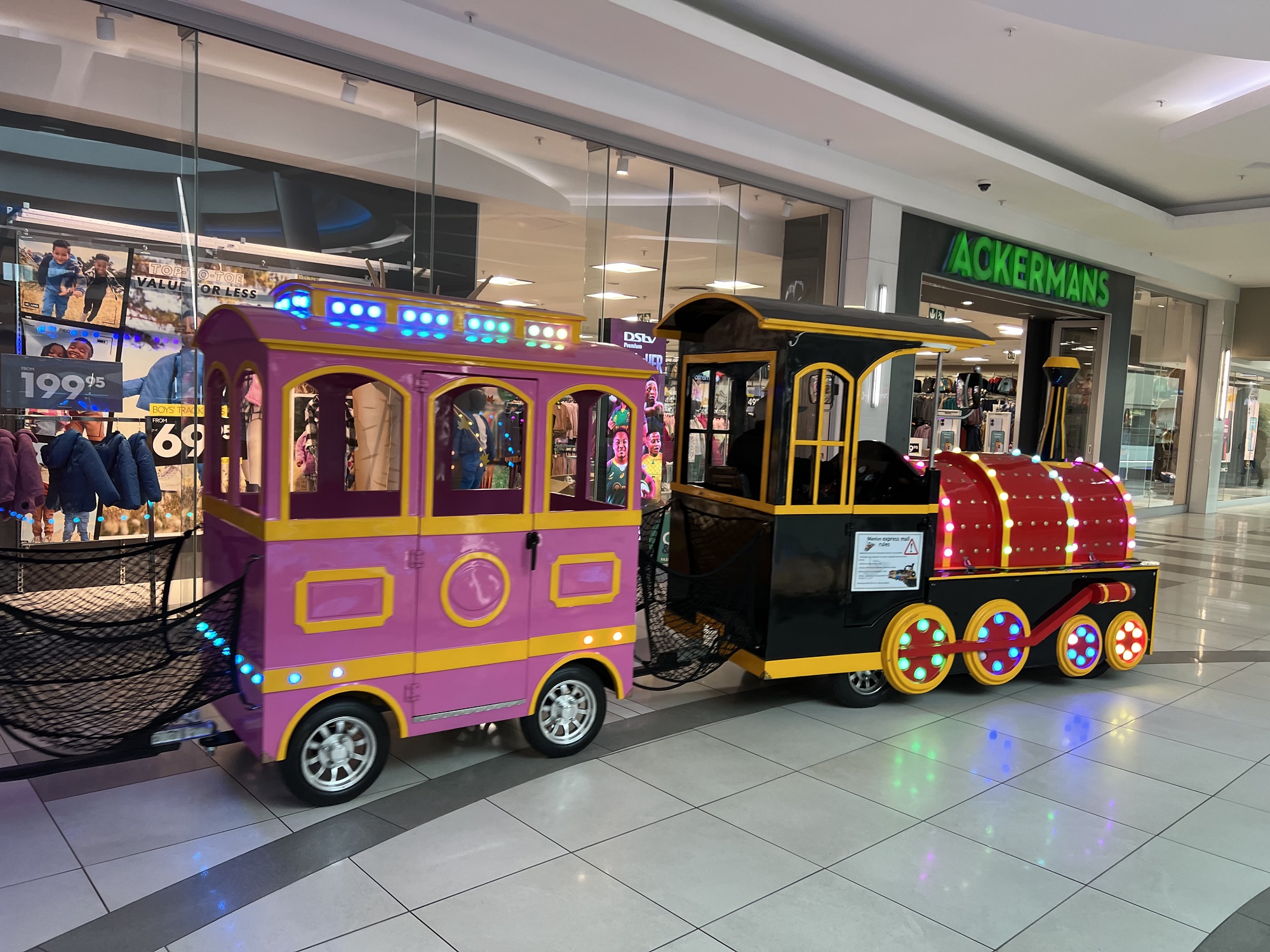
Inside the enormous Menlyn Park mall off Atterbury Street.
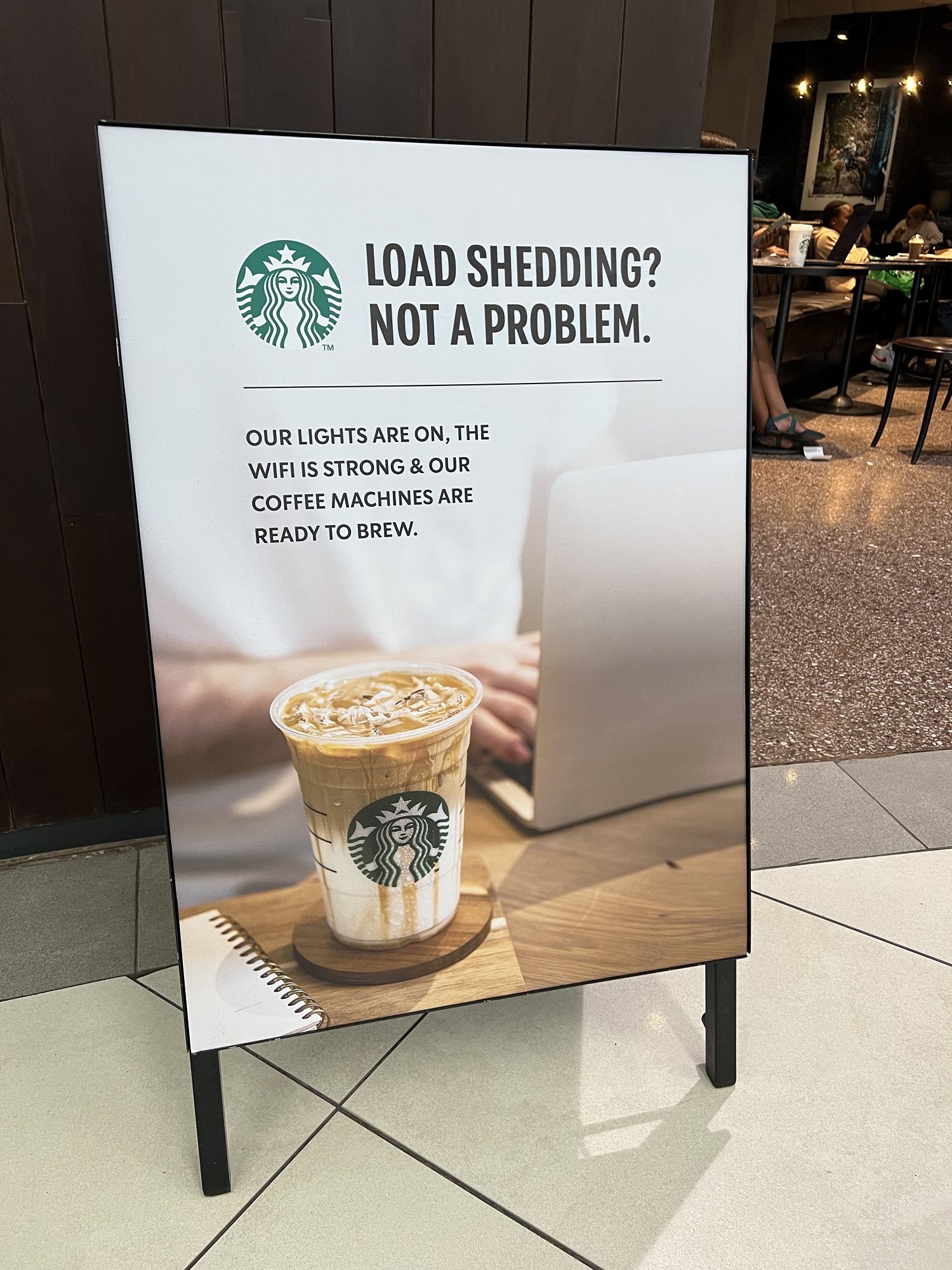
Sign outside the Starbucks store. The mall has a Seattle Coffee as well as a Starbucks.
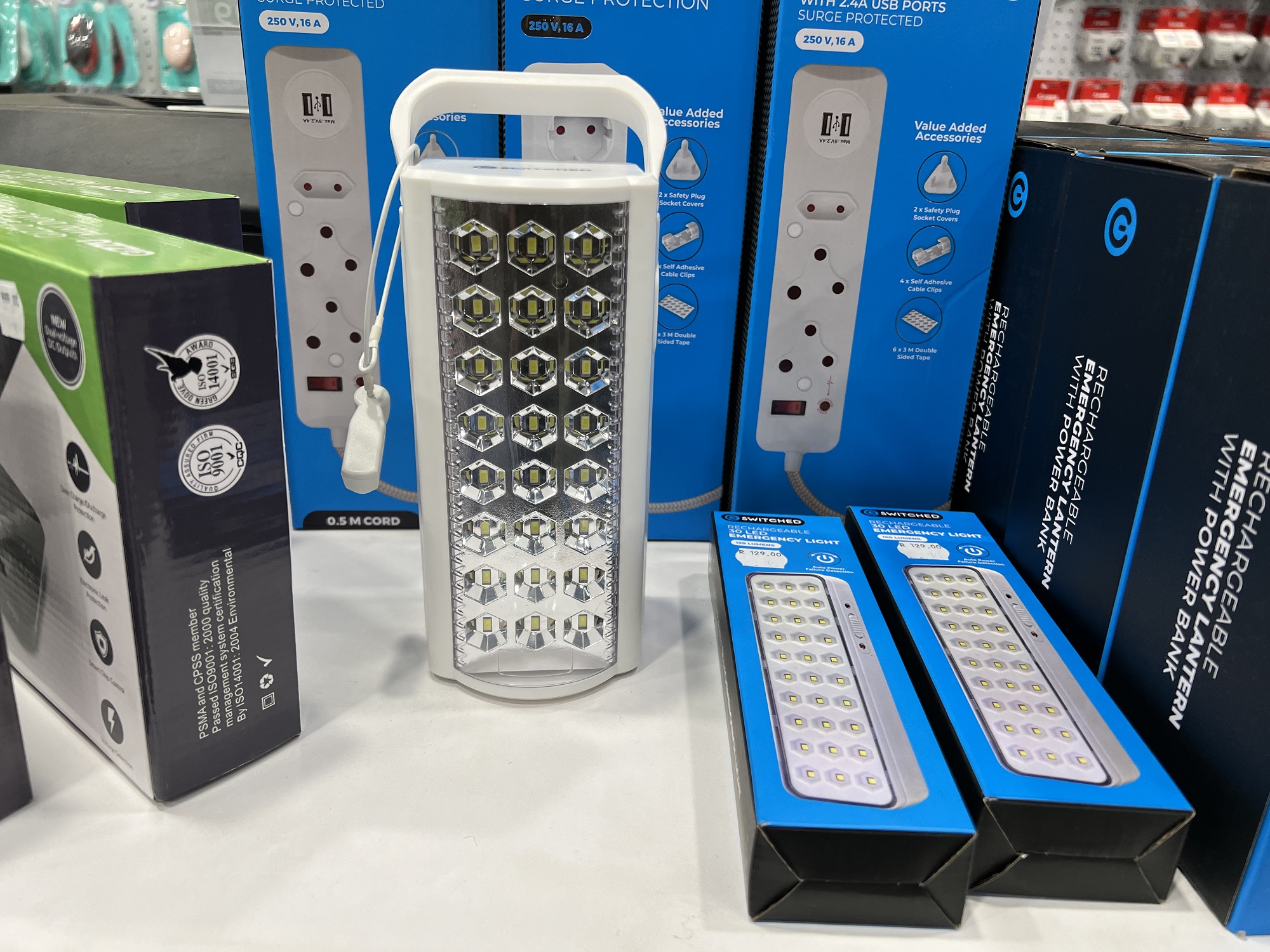
A display in a store, offering some nice lighting options to help mitigate the darkness of load shedding (blackouts).

Monday/ the Voortrekker Monument

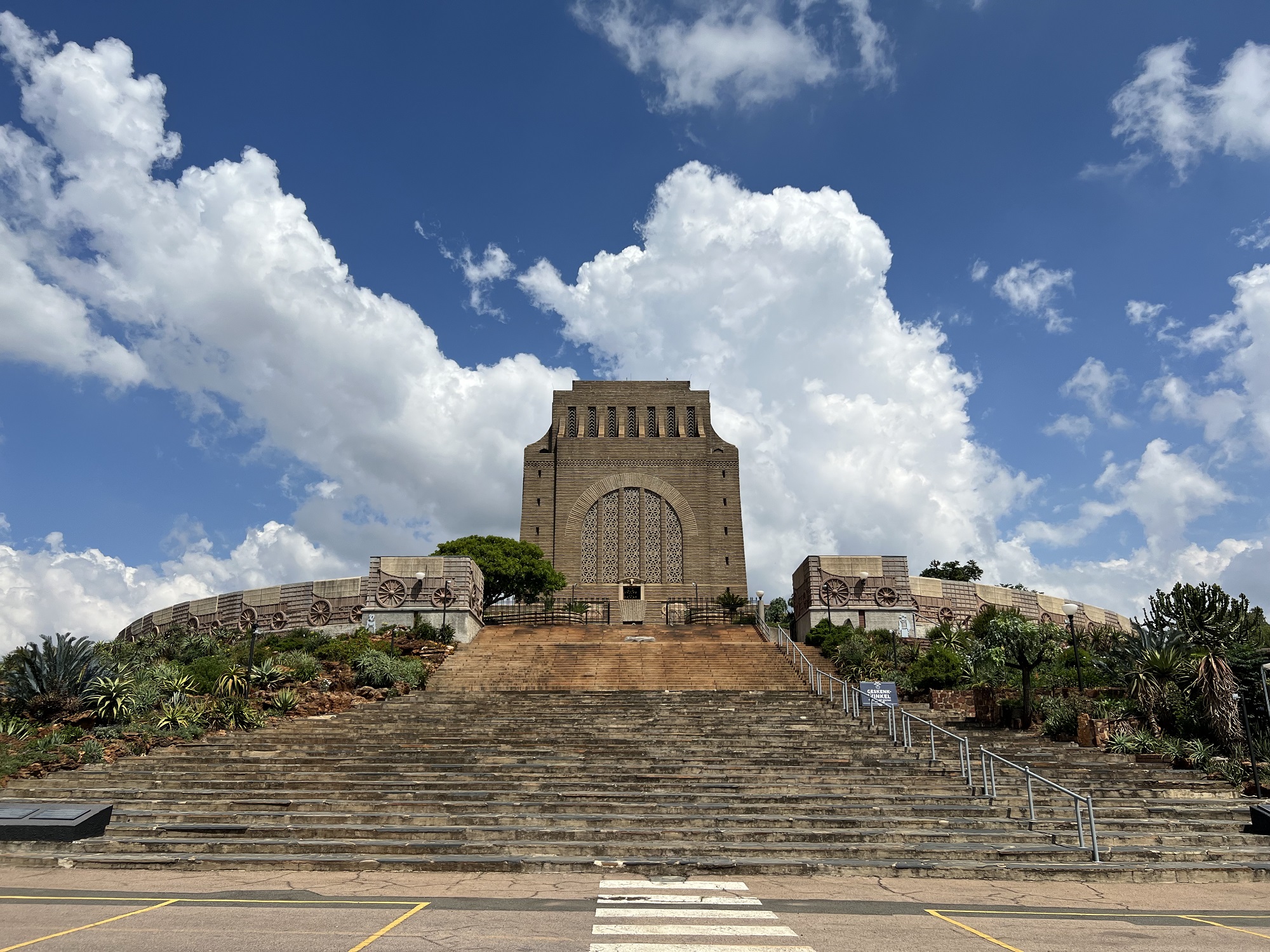
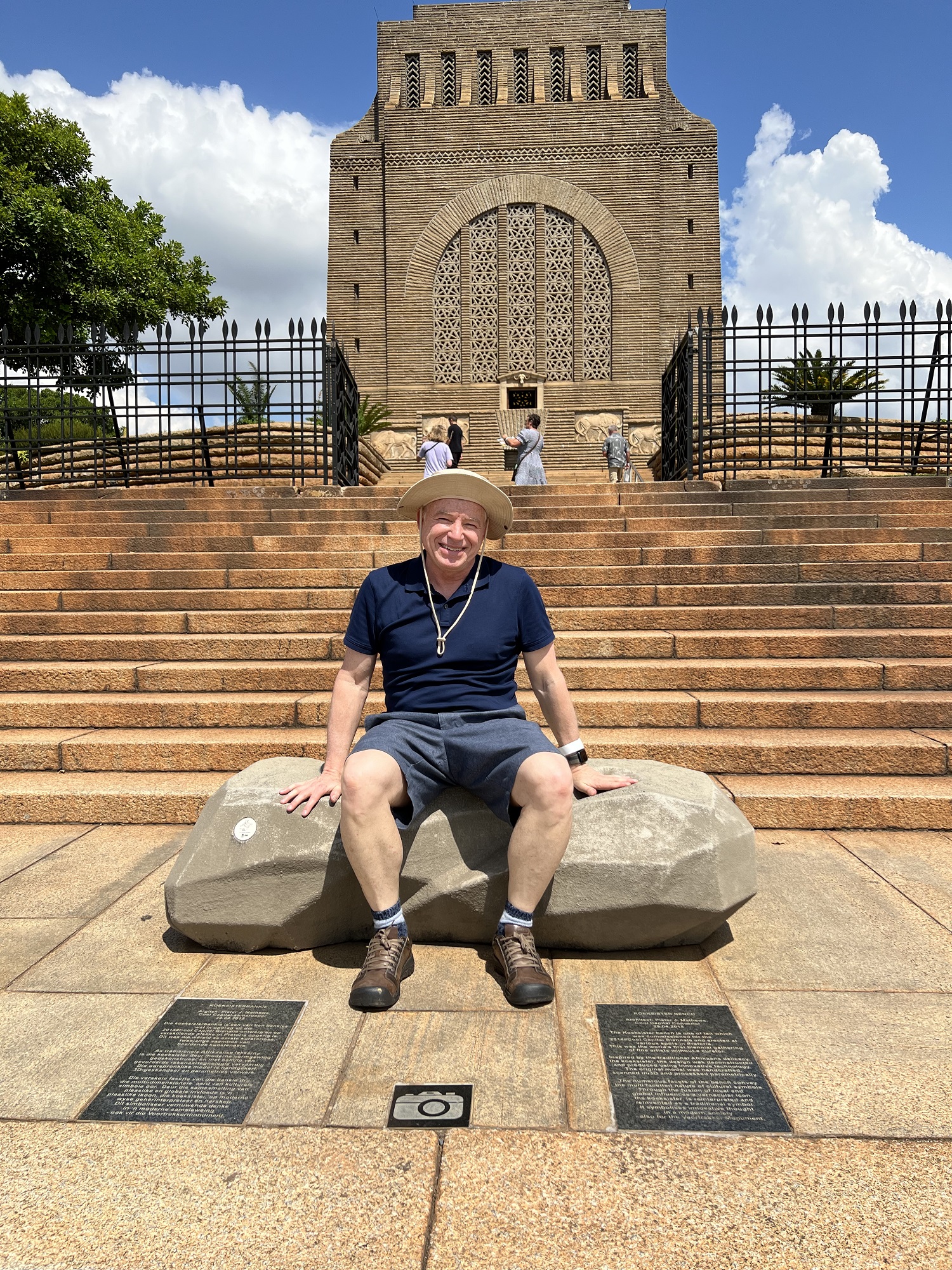
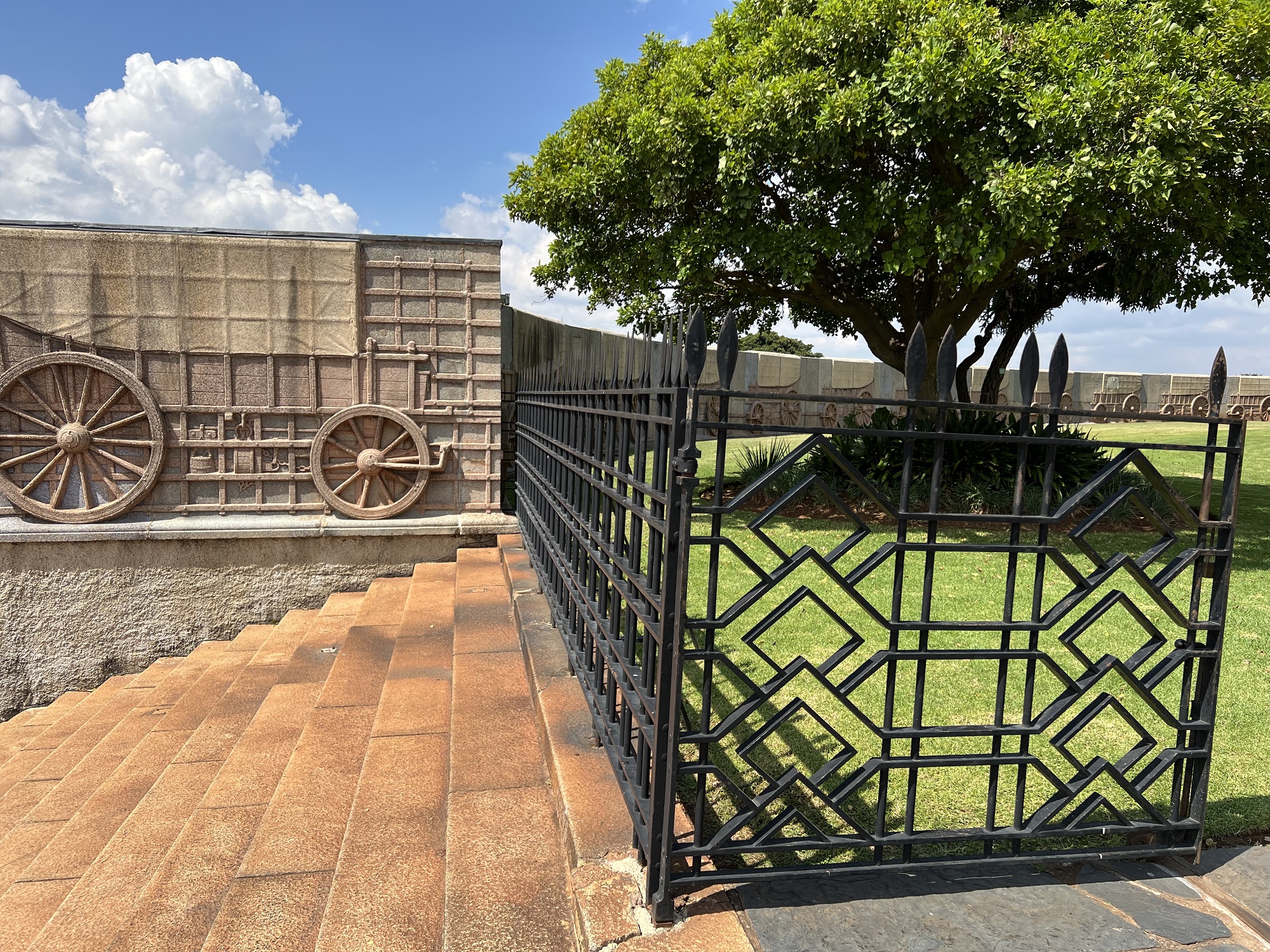
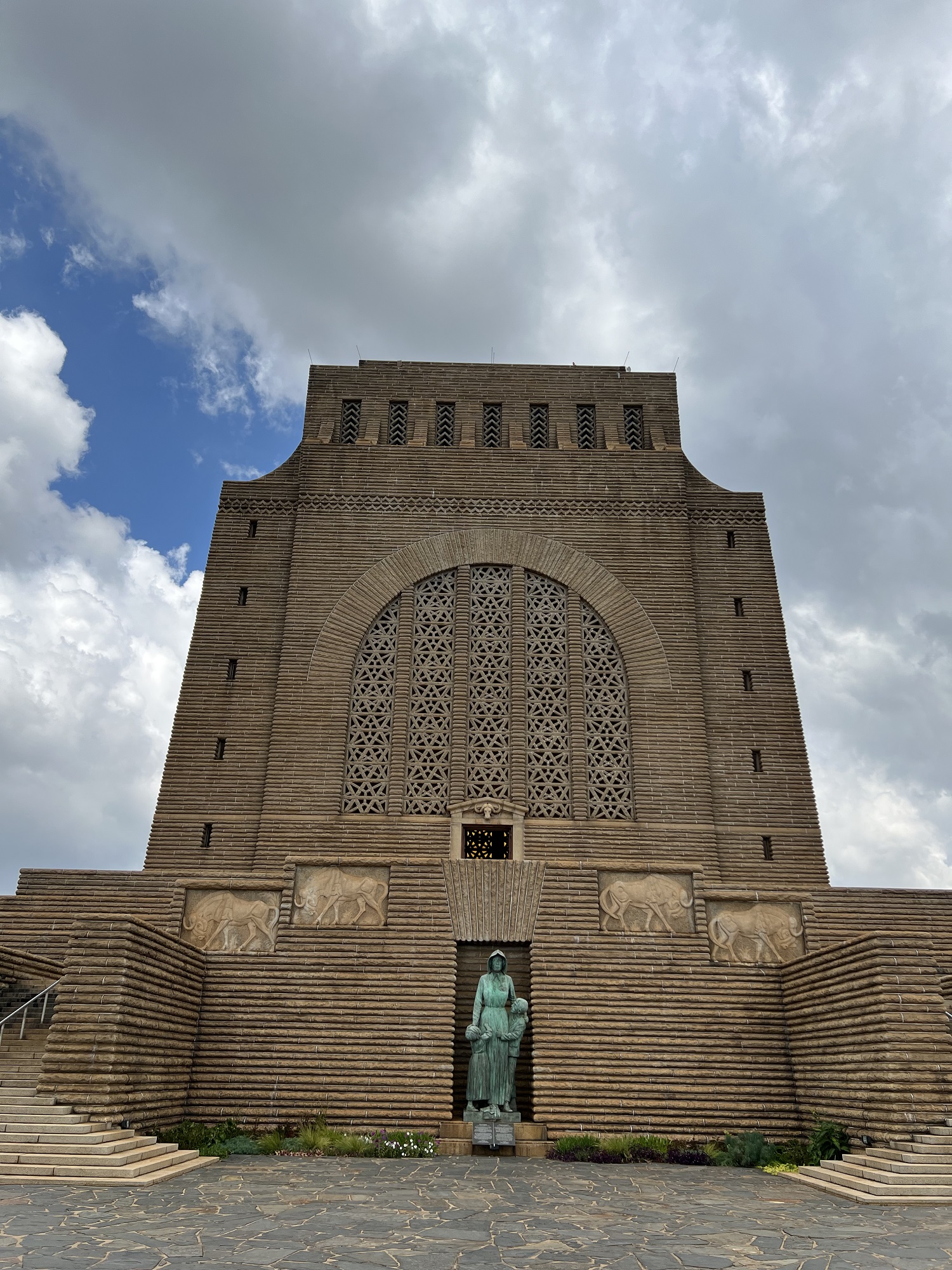
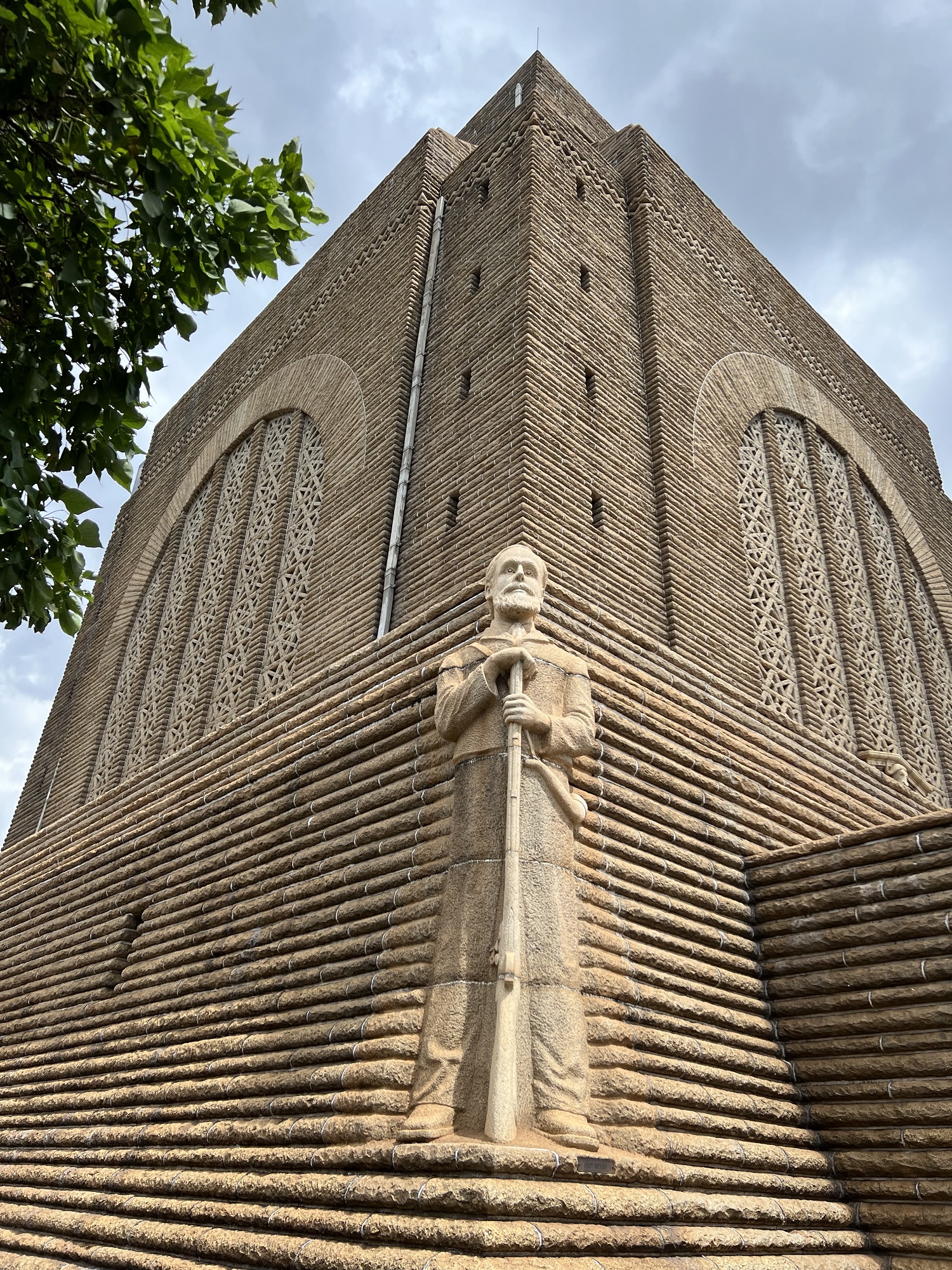
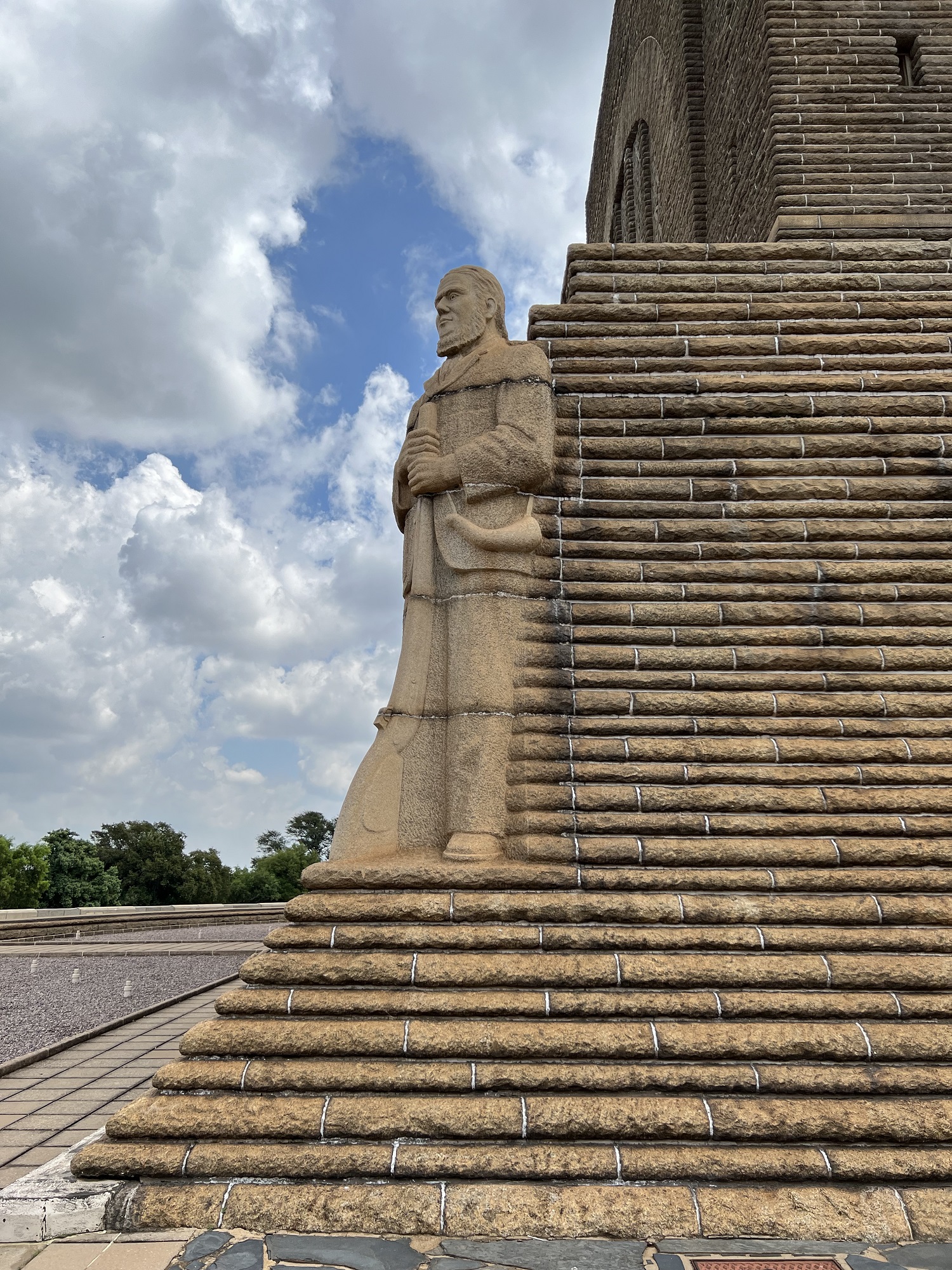
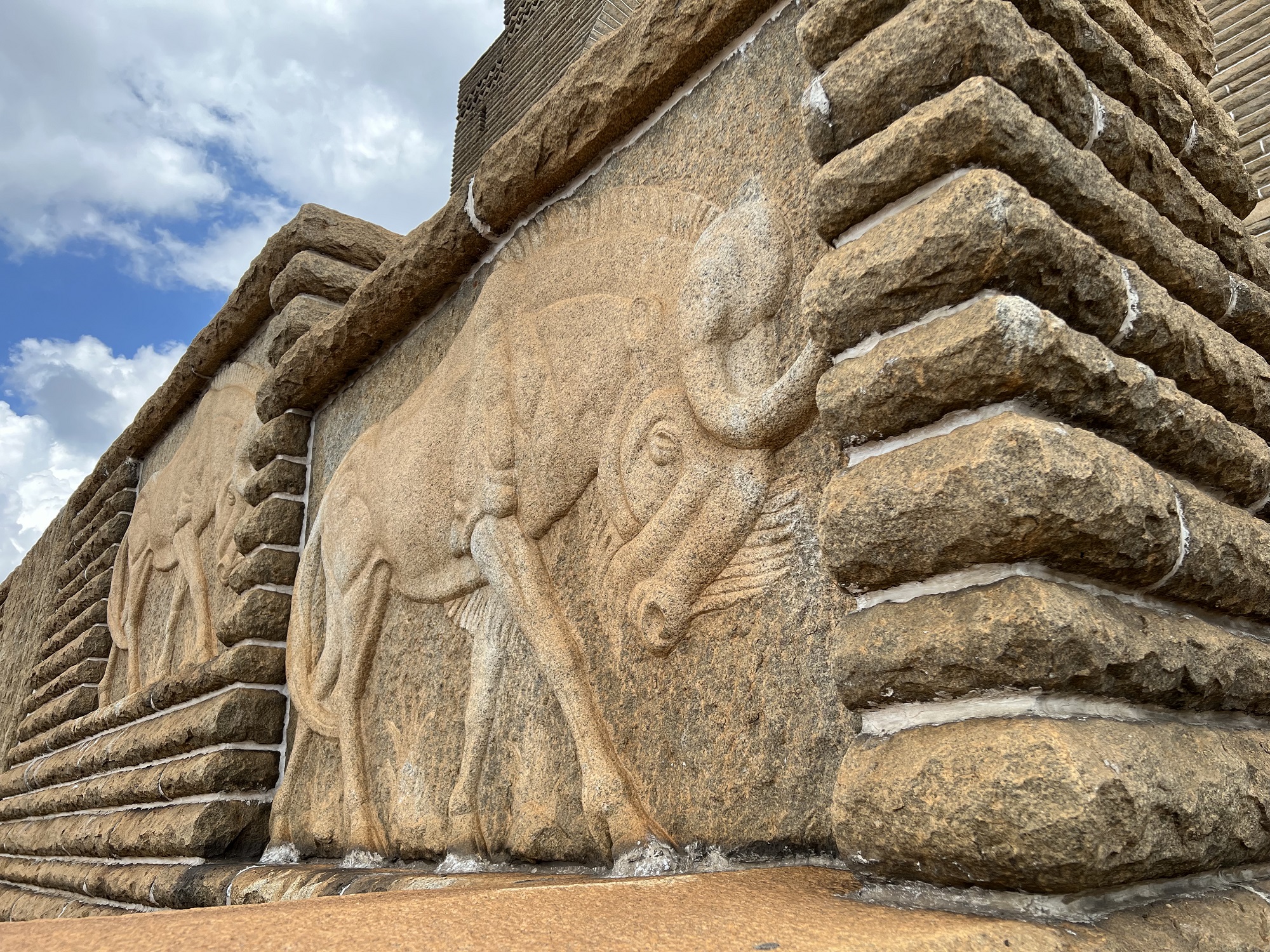
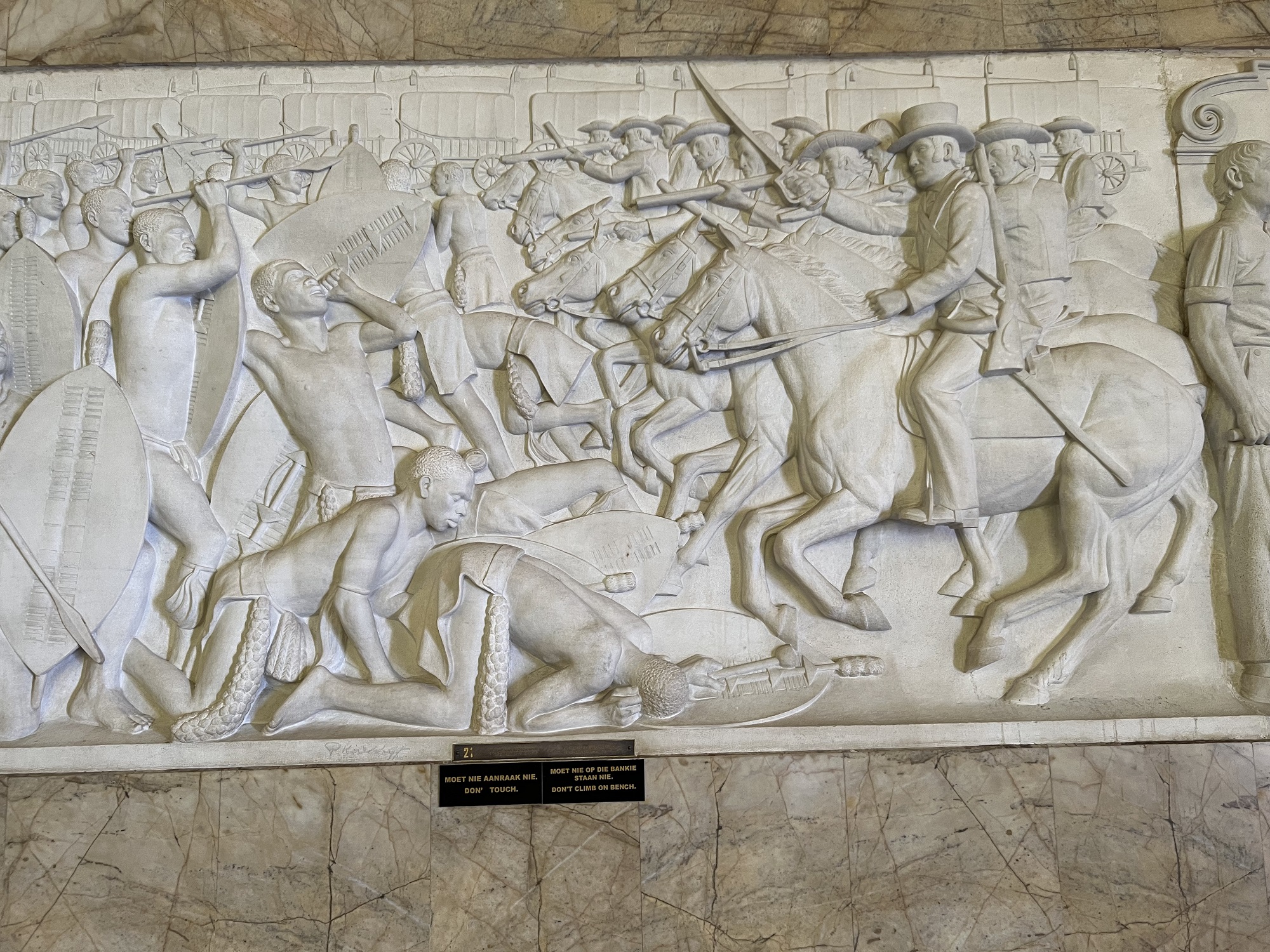
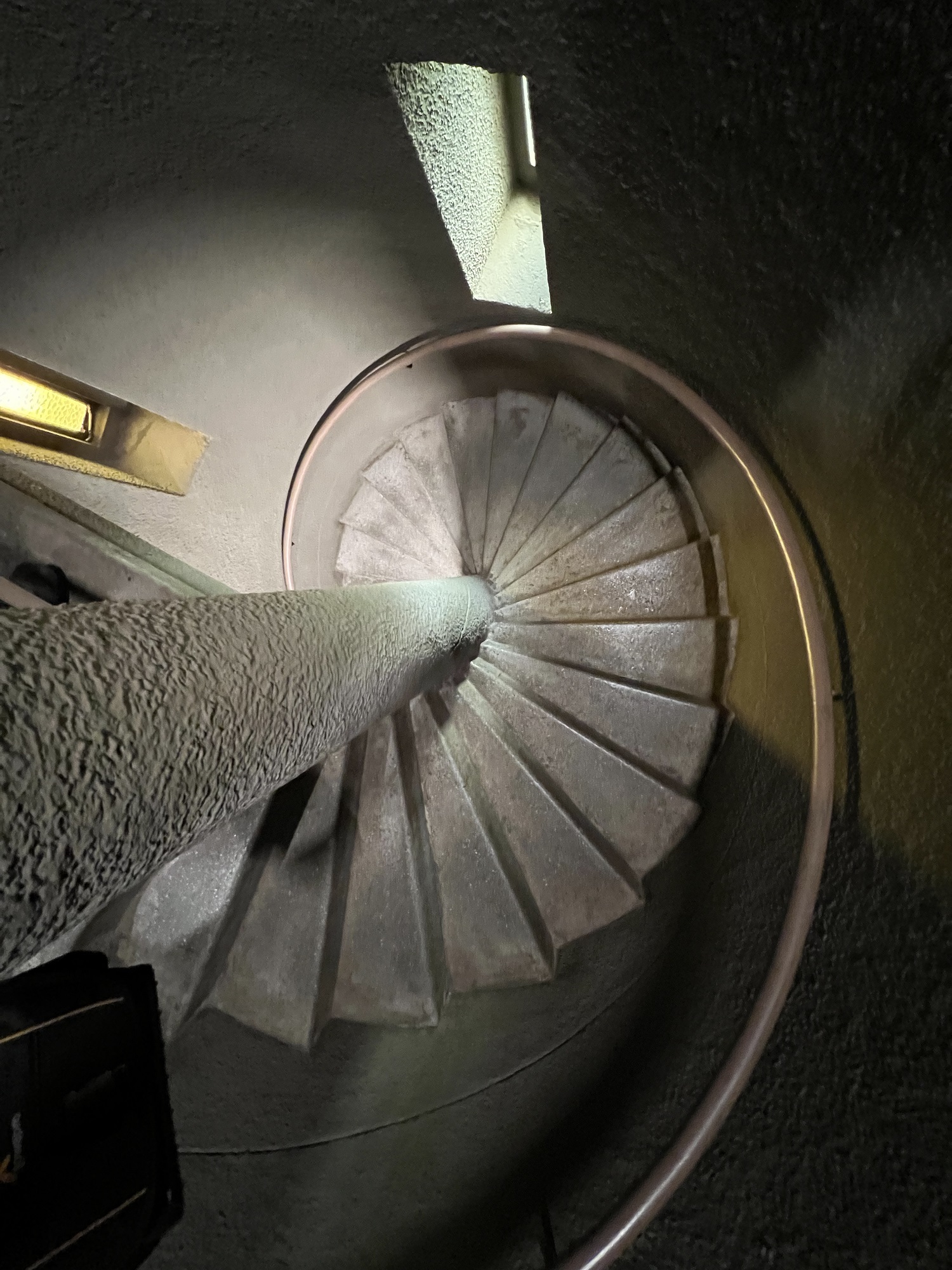
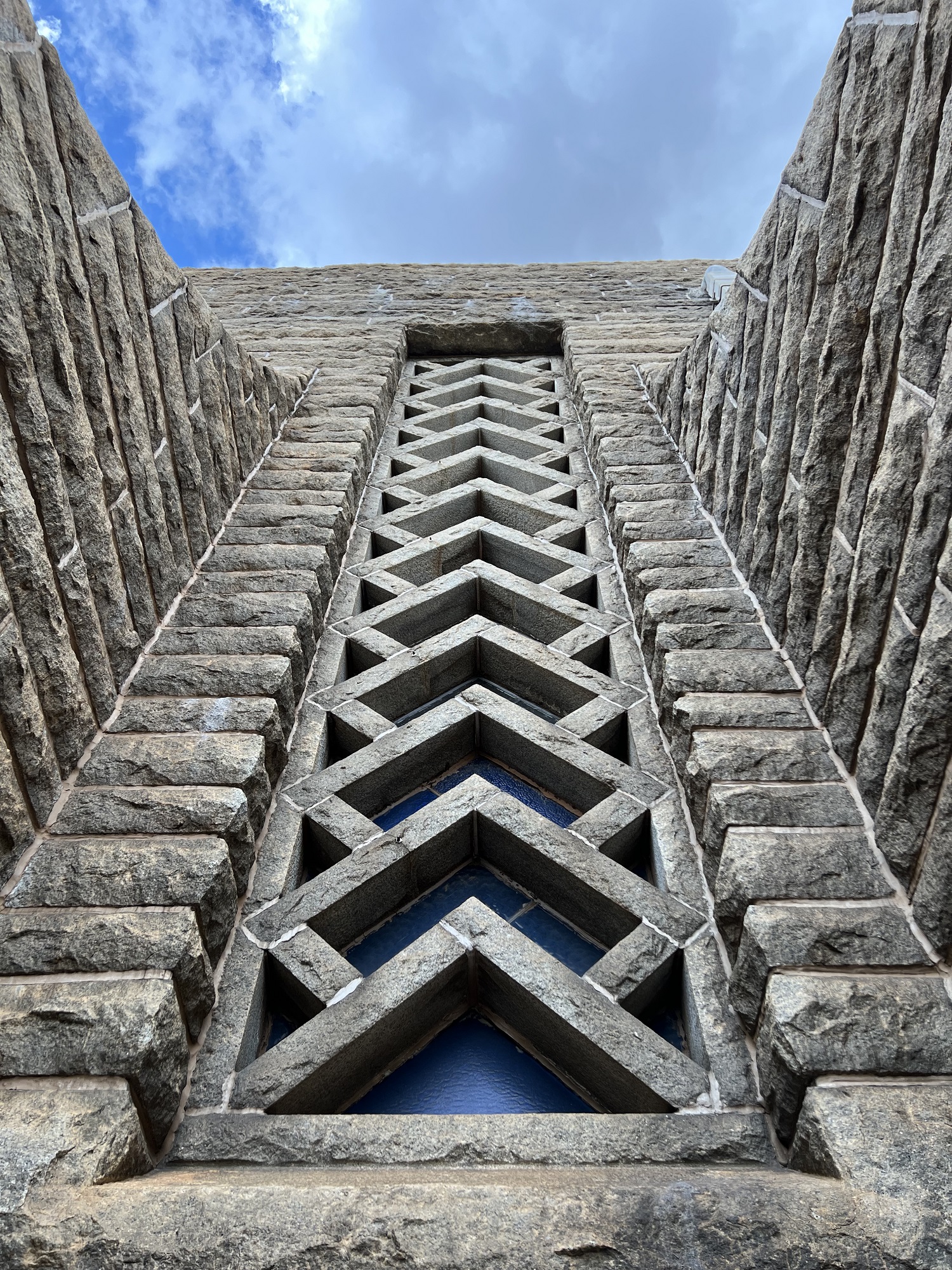
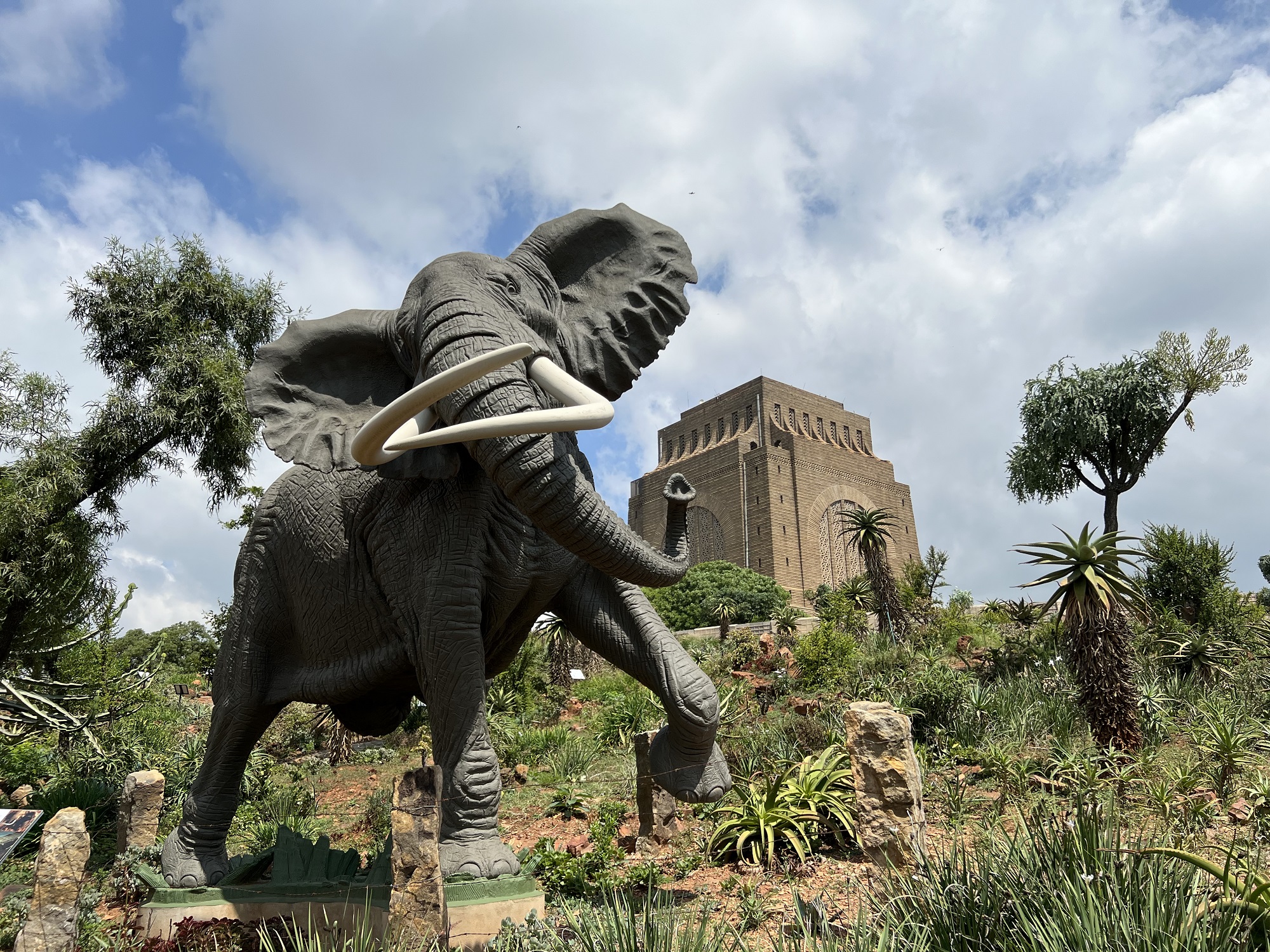
The Voortrekker Monument is located just south of Pretoria in South Africa. The granite structure is located on a hilltop, and was raised to commemorate the Voortrekkers (pioneers) who left the Cape Colony between 1835 and 1854. It was designed by the architect Gerard Moerdijk.
Construction started on 13 July 1937 and the monument was inaugurated on 16 December 1949 by Prime Minister D. F. Malan.
[Information from Wikipedia entry for Voortrekker Monument].

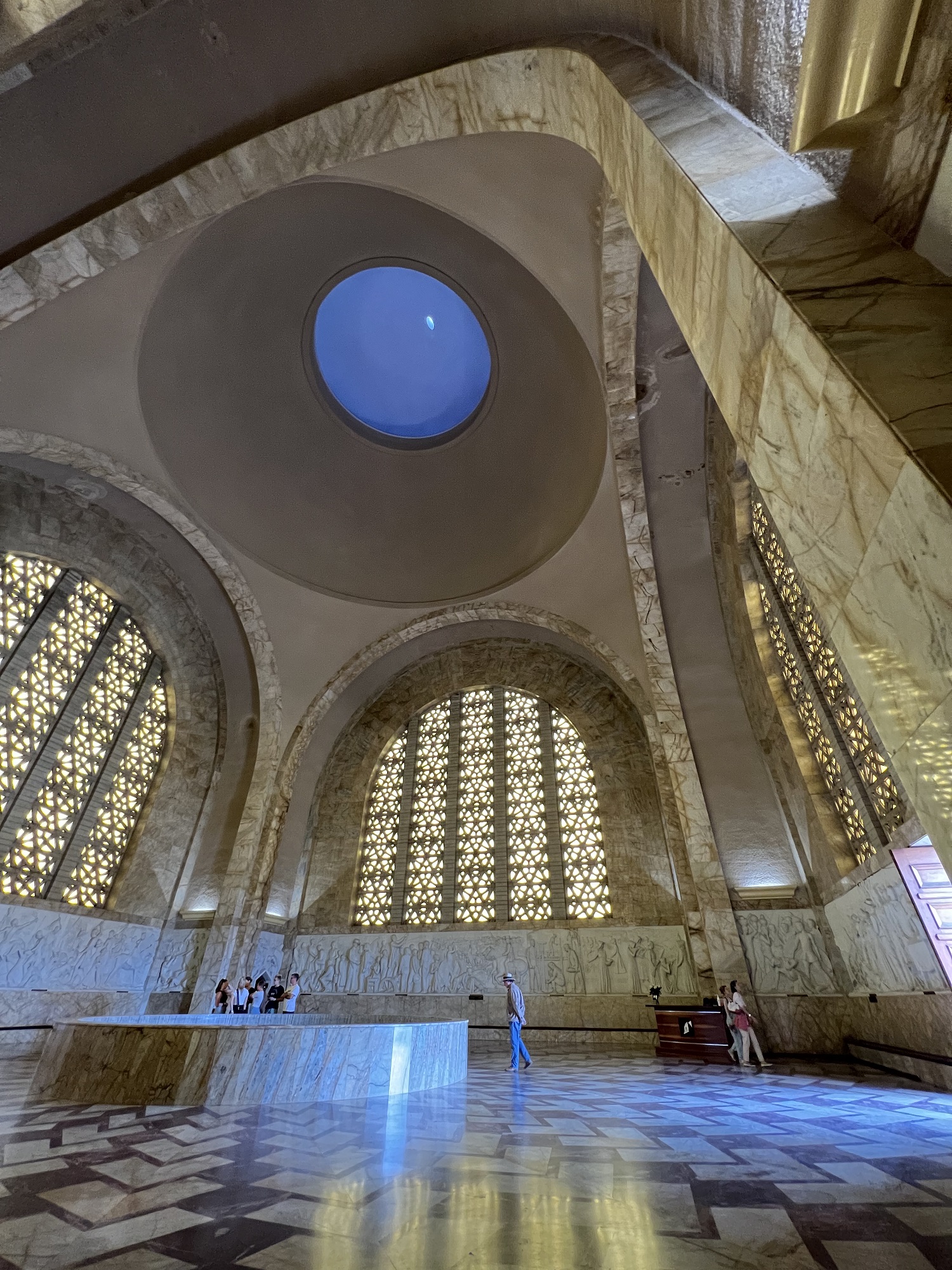
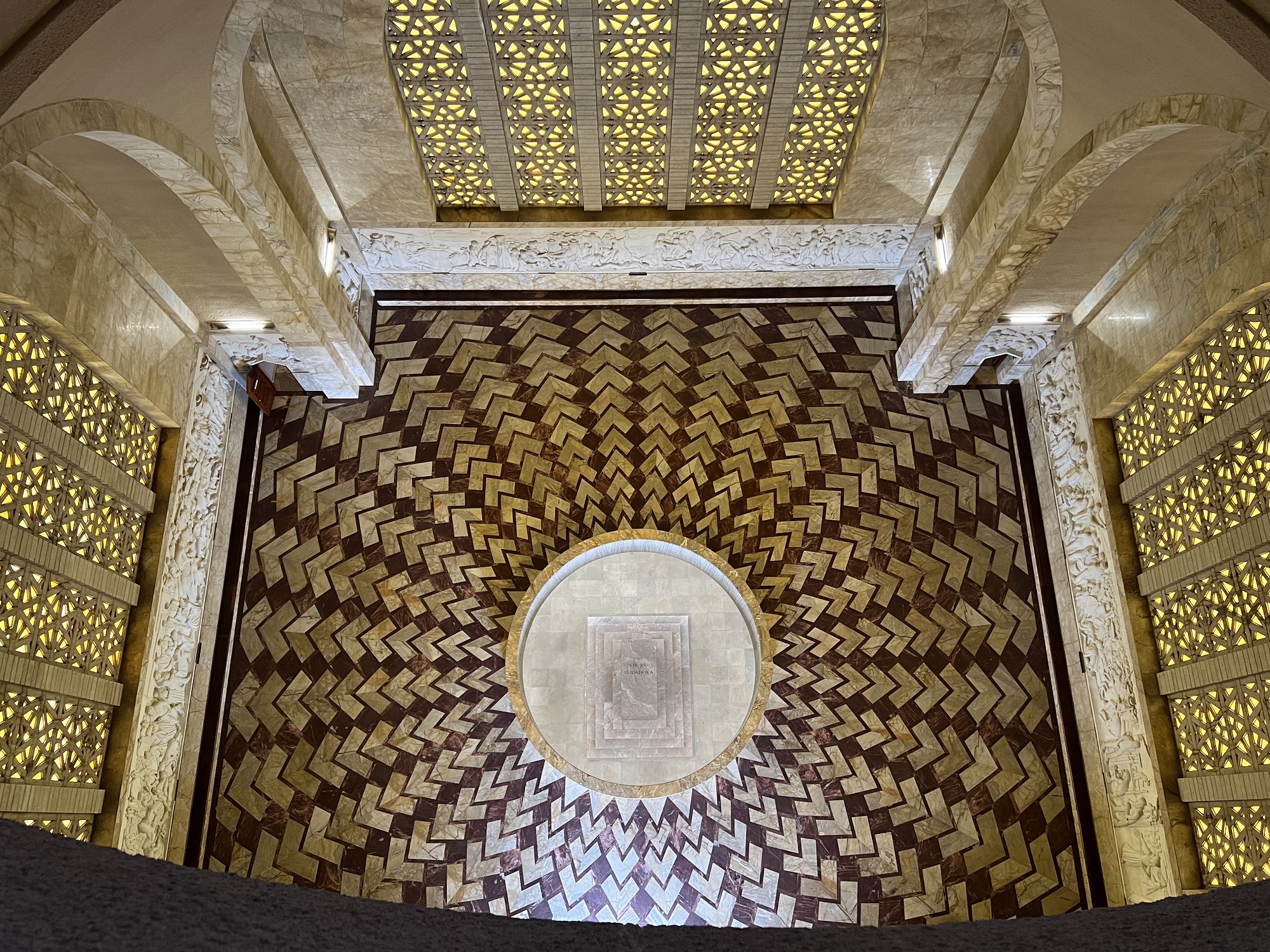
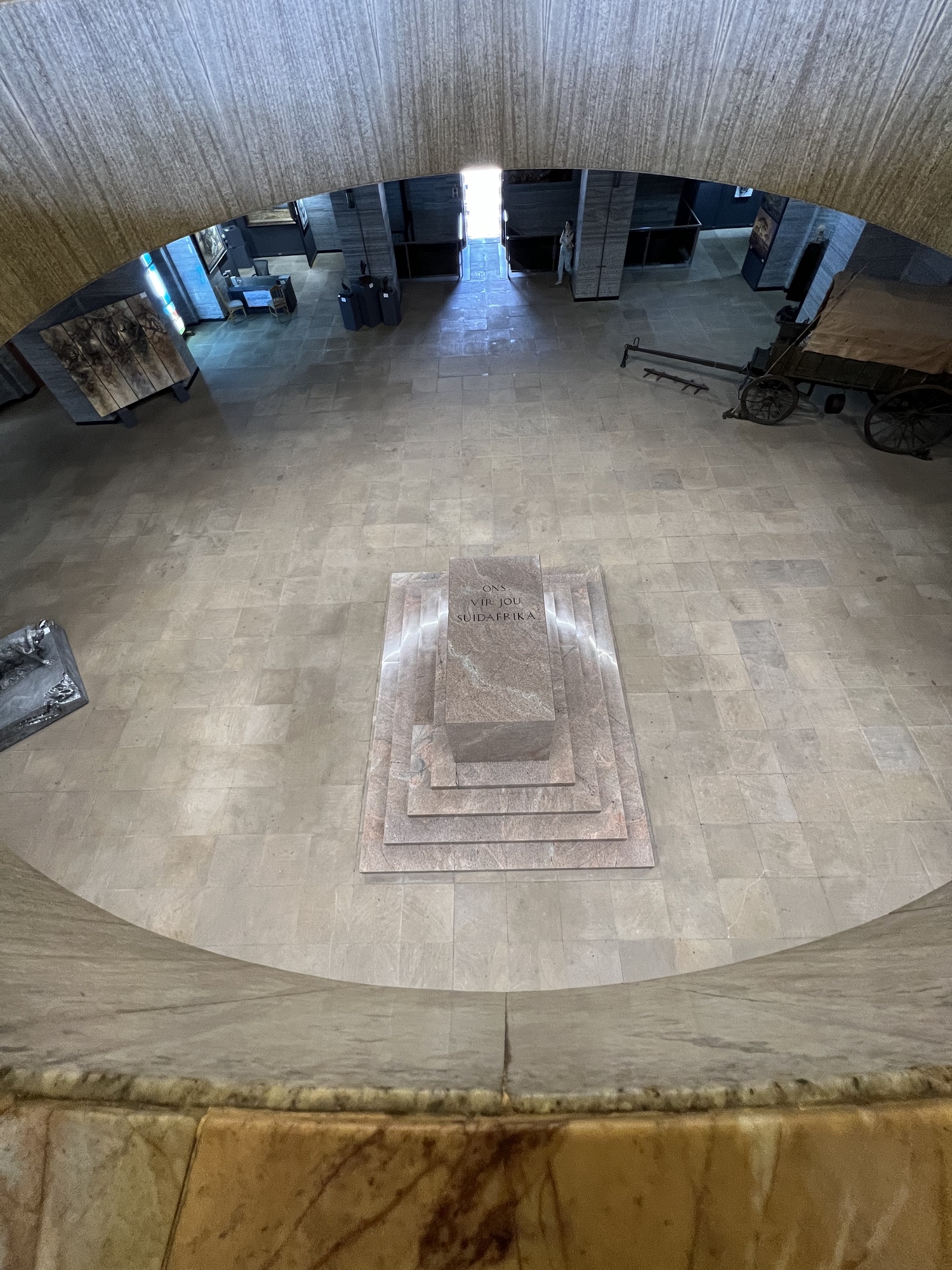
I walked around the monument today, before going inside. I climbed the 299 granite steps from the carpark to the top (at the inside), in the process. From the ceiling balcony one looks down at a cenotaph* that says ‘Ons Vir Jou Suid-Afrika’ (‘We For You South Africa’). 

*A cenotaph is an empty tomb or a monument erected in honor of a person or group of people whose remains are elsewhere.

Sunday/ ‘no need to despair’ 🍺

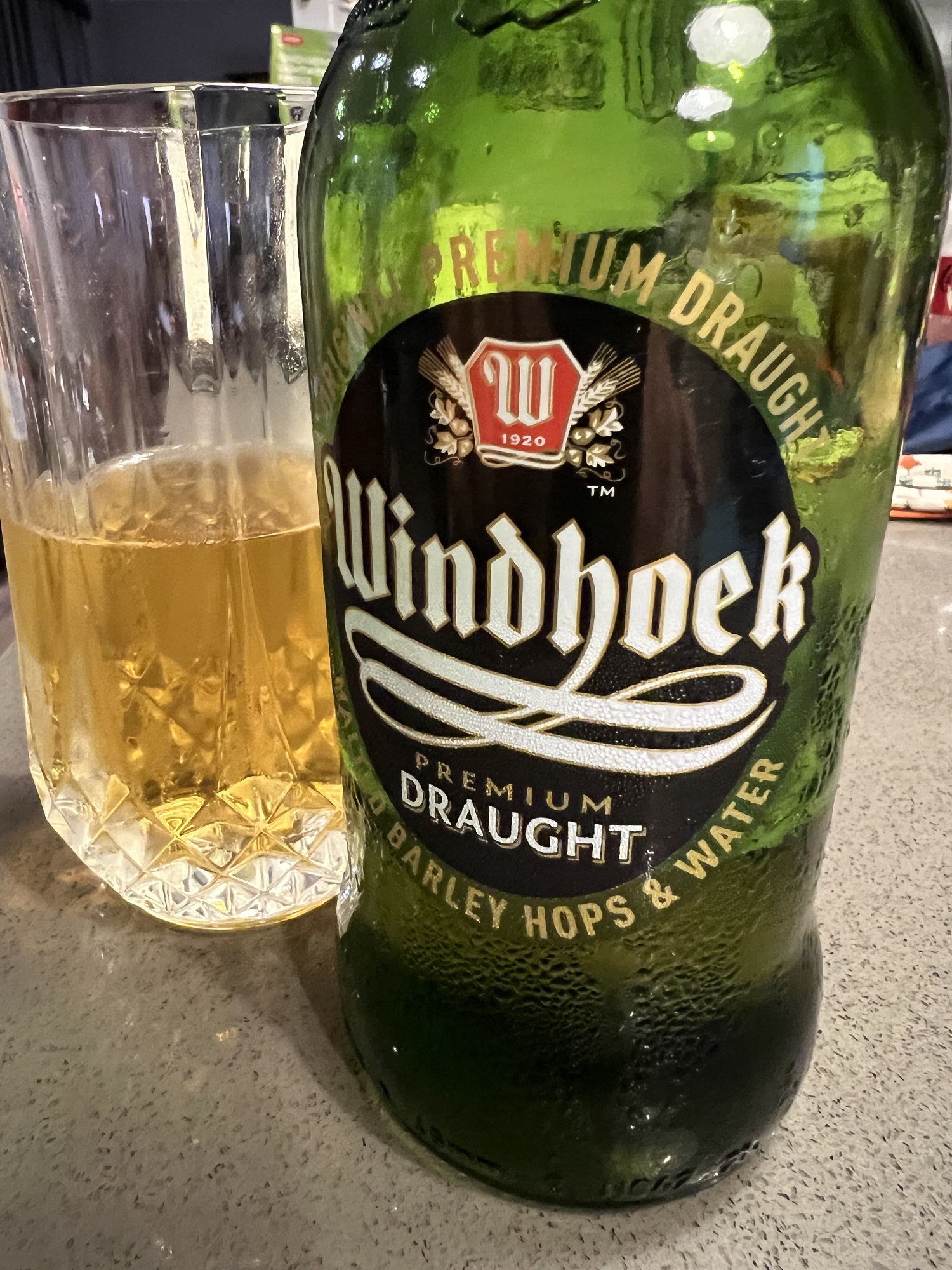
My favorite African beer Windhoek Light⁠— a 2% alcohol beer from Namibia Breweries⁠— is not available in stores. Its production has been temporarily discontinued.

Says the Namibia Breweries website: ‘Consumers looking for a substitute need not despair, as NBL will continue to offer its other low- and non-alcoholic beverage products‘.

Windhoek Draft beer (4% alc. by volume) from Namibia Breweries is the closest substitute to Windhoek Light.
The brewery was founded in 1920 when Carl List and Hermann Ohlthaver acquired four small breweries with financial difficulties. The breweries were merged under the name South West Breweries Limited (SWB).

Saturday/ leading the charge ⚡️

Tesla has not yet announced any plans to bring the their electric vehicles to South Africa.  EV models from Audi, BMW, Jaguar, Mercedes-Benz, Mini Cooper, Porsche, Volvo are available in South Africa.

These car companies are leading the charge to build out the EV charging network in the country, and a total of some 280 public charging stations are currently available.

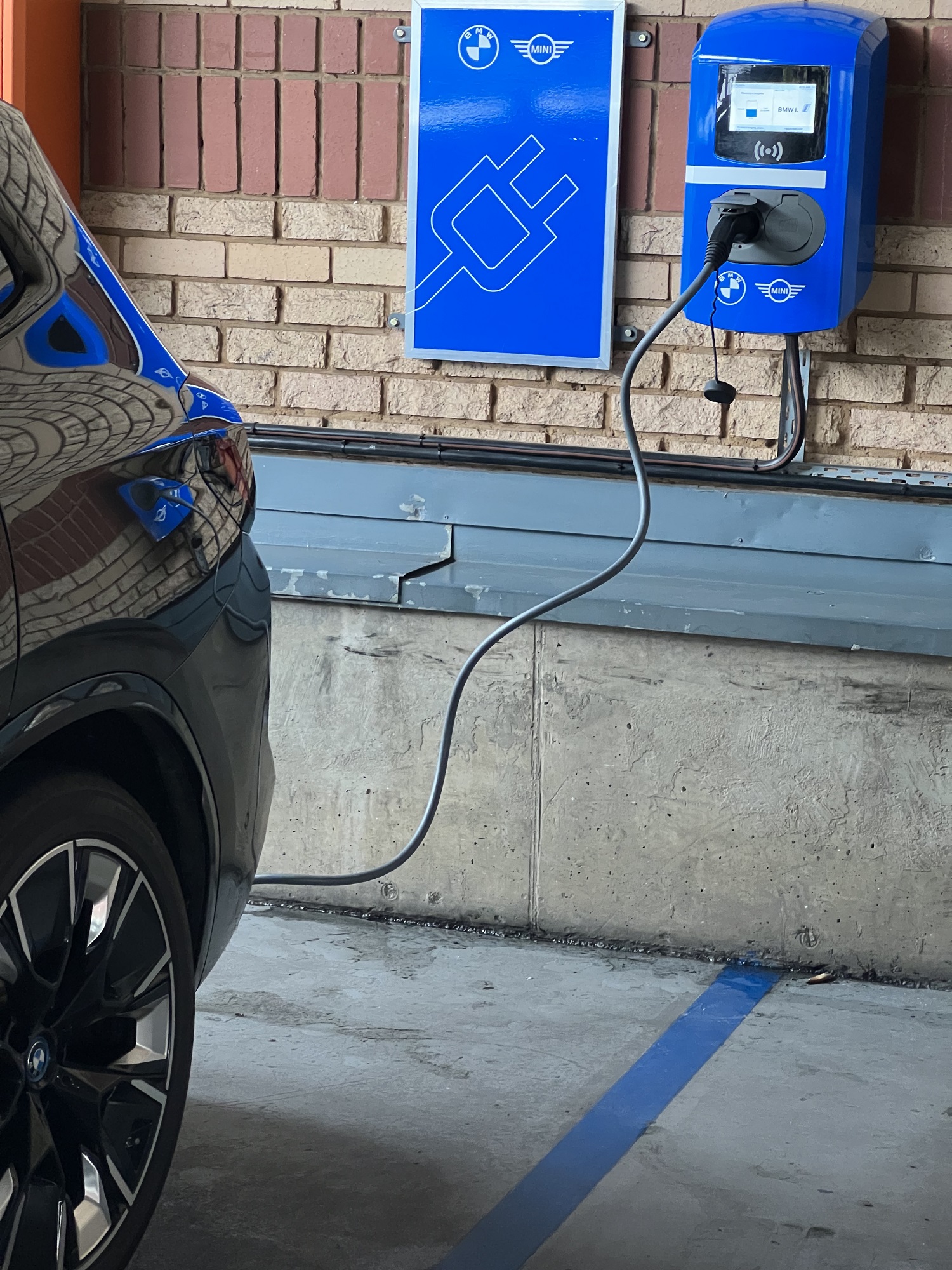
BMW owners with a BMW Charging card charge for free at all BMW Retailer chargers in South Africa. Here is a BMW iX3 that I found today, being charged at a public charging station at Brooklyn Mall in Pretoria.
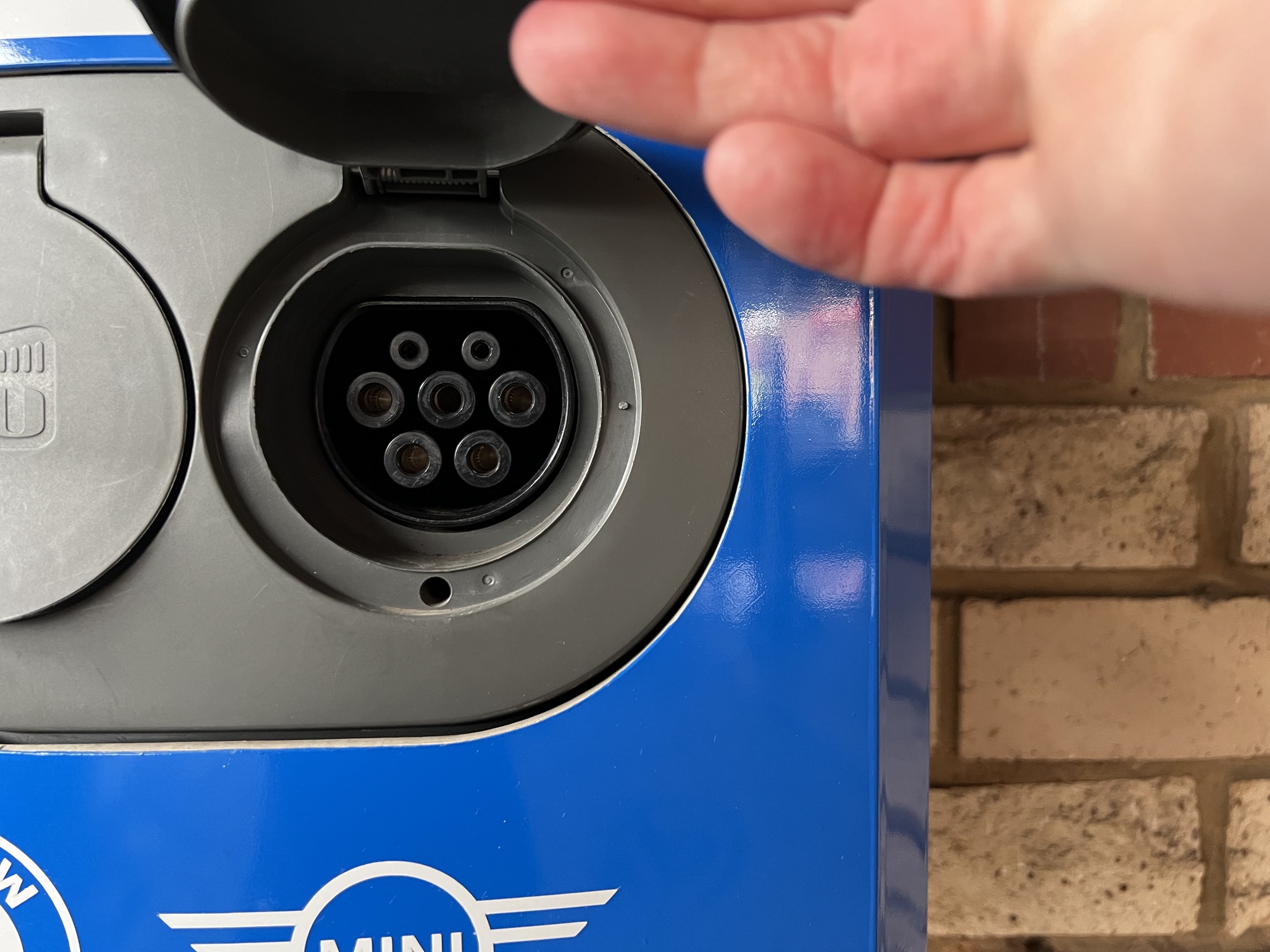
This EV charger uses a Type 2 cable and plug— the standard for European and Asian vehicles from 2018 onwards. It’s a triple-phase plug and can charge at a level of up to 43 kW.
If I read the BMW website information correctly, this wall box delivers about 11 kW. It will take 1h 38 mins for a range of 100 km (62 miles).
South Africa’s EV charging network currently has 280 public charging stations, half of which are clustered in the Johannesburg-Pretoria area.
It seems to me it’s definitely possible to drive from Cape Town to Johannesburg— with careful planning, and patience.
It’s just not going to be possible to make the trip in 12 hours the way one does with an ICE car.

Friday/ a blast from the past 📻

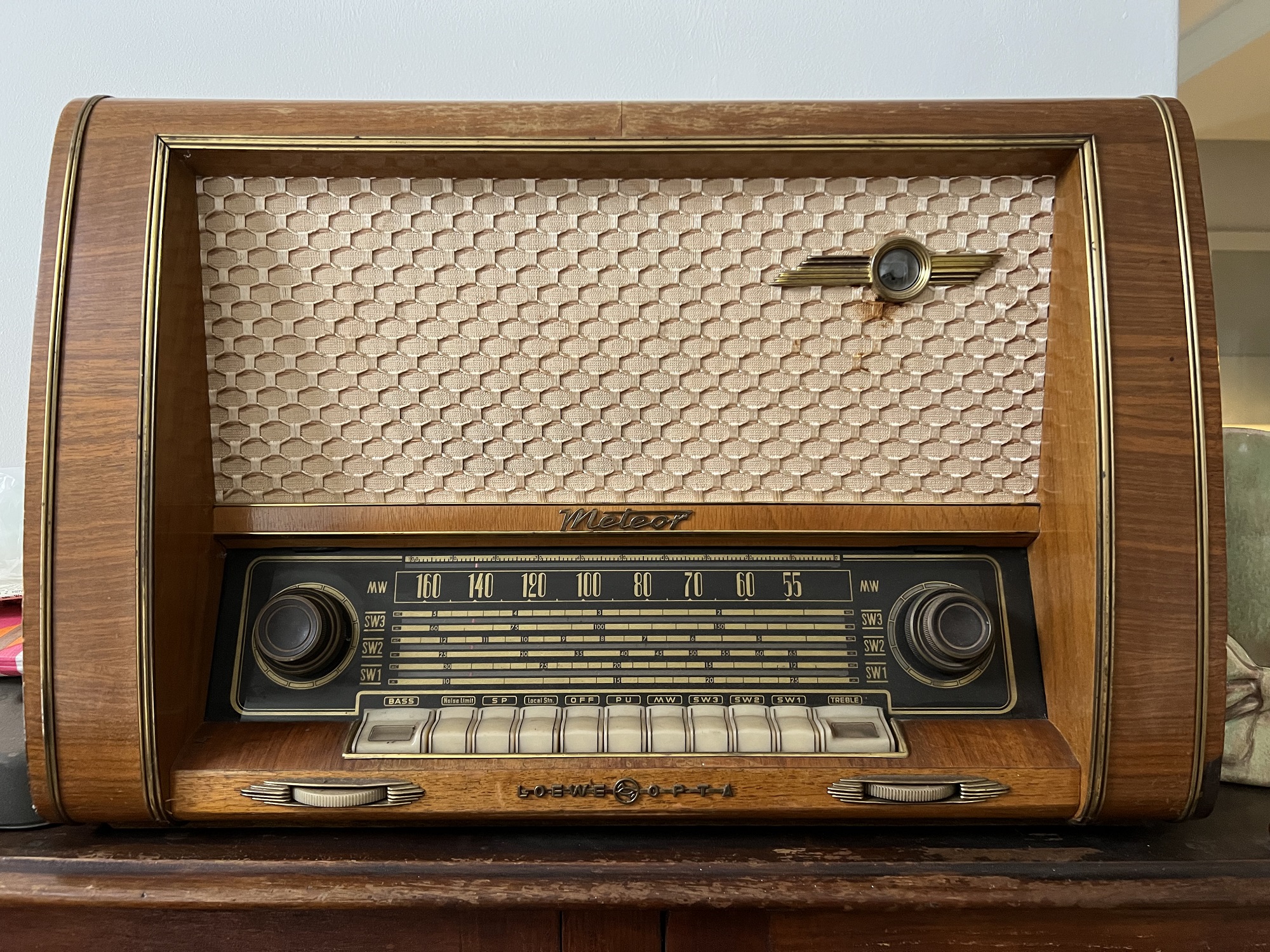
My friend is hoping to find someone to help her restore this Loewe Opta vacuum tube radio from the 1950s to a working condition.
It was made by the Loewe AG company based in Berlin, Germany.
In addition to the front speaker, ones are found on each side to create an early version of “3D sound”.

This model already has connections for turntables, loudspeakers, a VHF antenna, and a diode plug for recording radio transmissions on tape, on the back.

The vacuum tube radio Loewe Opta Meteor Plastik 781W, manufactured circa 1955
Plastik refers to its sound qualities, not the materials it is made of.
Dimensions 600 mm (24 in) x 400 mm (16 in) x 280 mm (11 in). Weight 12,3 kg (27 lbs).

Thursday/ ready to braai 🔥🥩

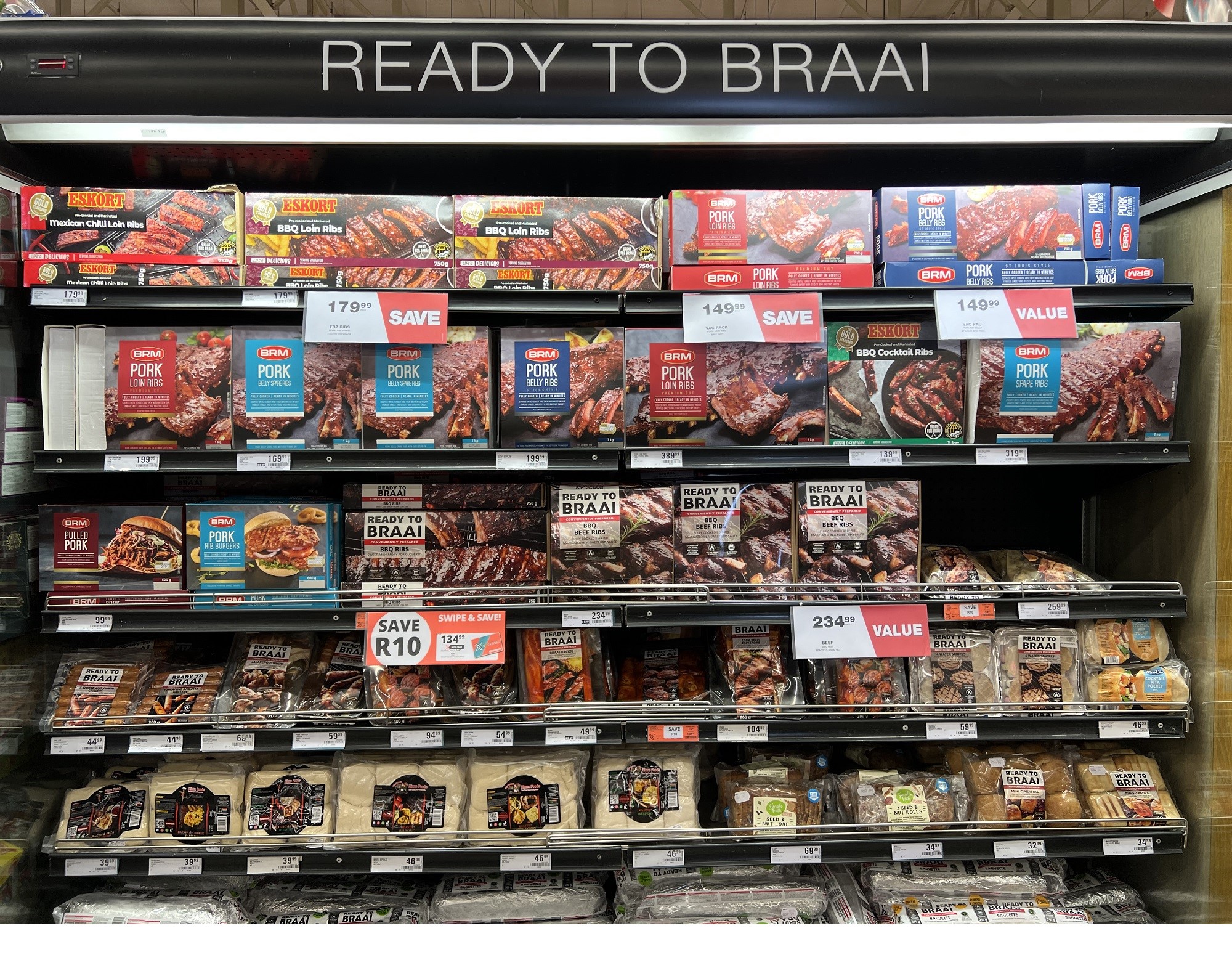
Summer is winding down⁠— officially over, of course⁠— here in South Africa, but the grocery stores still have their ‘Ready to Braai’ displays up. Any time of year is good for a braai*.

*braai
transitive verb
South African for grilling— especially meat, boerewors (sausage), and also  veggies and tomato-and-cheese sandwiches.
noun
The South African equivalent of an American barbecue.

Wednesday/ arrival in Johannesburg 🌇

All went well with the flight to Johannesburg, and our Boeing 747-8 pulled up at the gate at Johannesburg’s Oliver Tambo International Airport at 9.20 am this morning.

Johannesburg— also known informally as Joburg, Jozi or Goudstad (Afr. for ‘The City of Gold’)—  is South Africa’s biggest city, and the capital of Gauteng province.

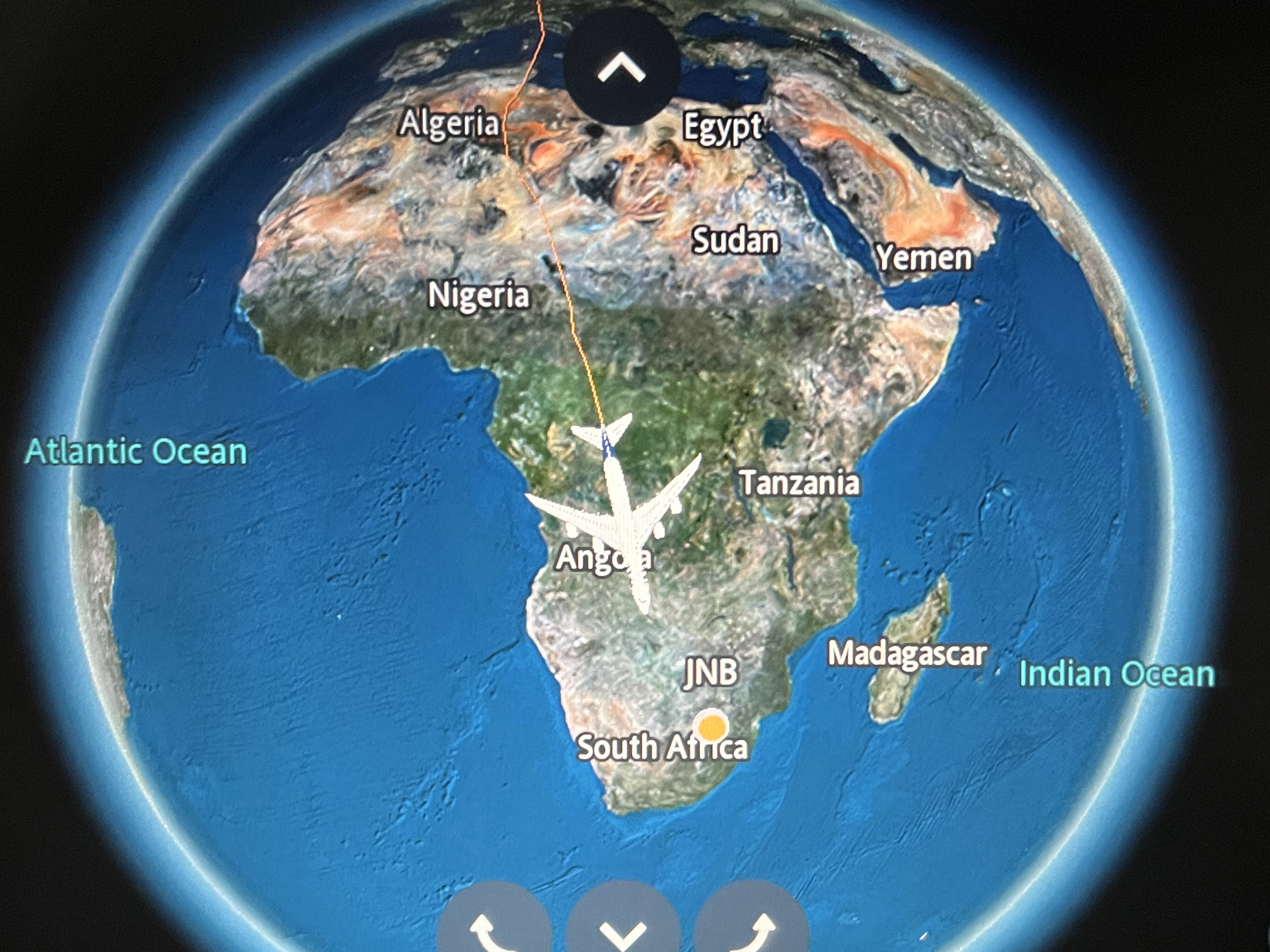
Frankfurt-Johannesburg is a 10h 35 m flight across the length of Africa.
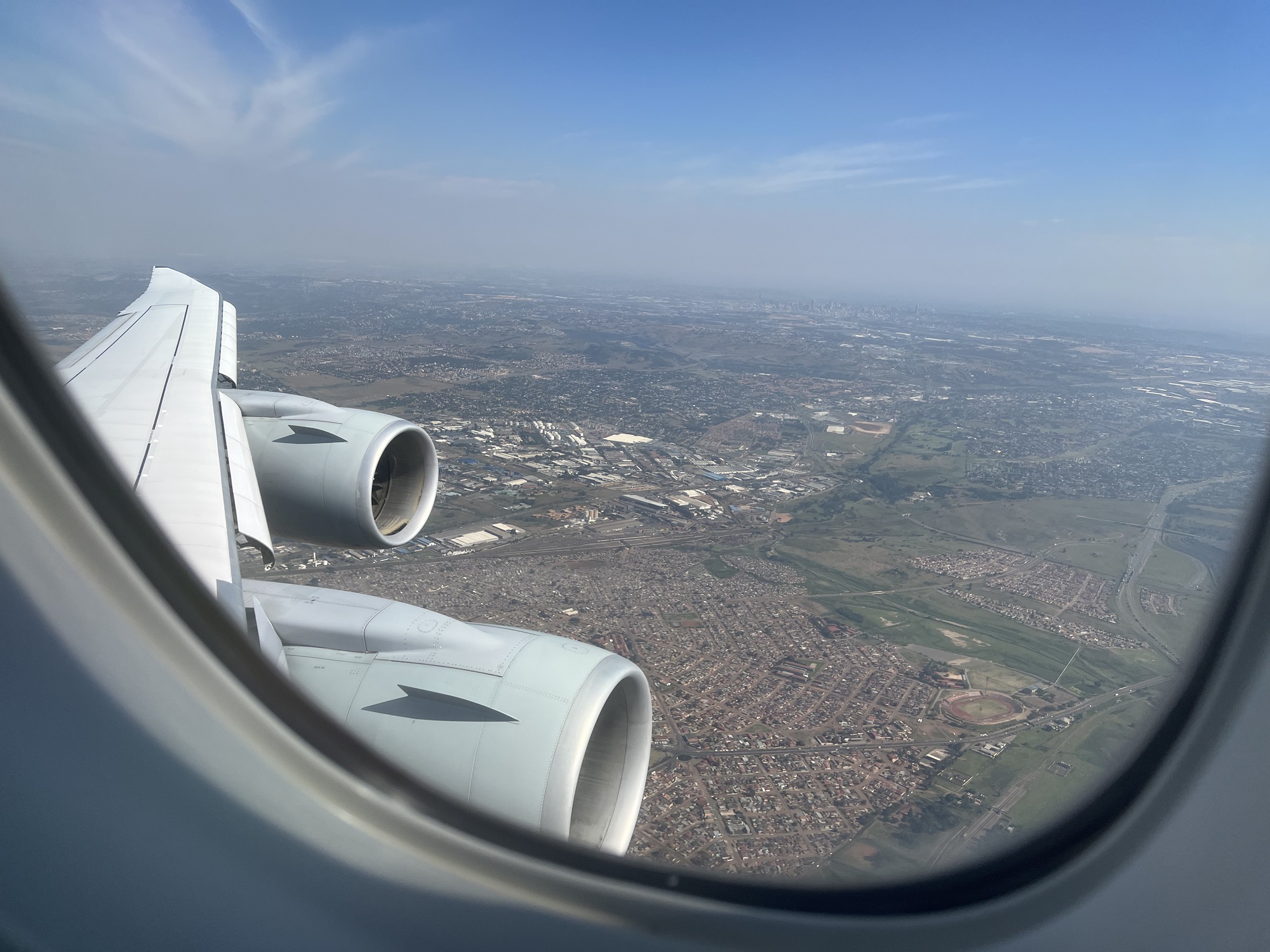
The obligatory airplane engine picture, from my perch on the upper deck as we approached Oliver Tambo international airport. These are General Electric ‘GEnx’ engines.
In the distance, obscured by the haze, is downtown Johannesburg, the city that is the real El Dorado (the city that gold had built).
The main Witwatersrand gold reef, Earth’s largest known reserves of gold, was discovered in June 1884 on the farm Vogelstruisfontein by Jan Gerritse Bantjes, son of Jan Bantjes, and this triggered the Witwatersrand Gold Rush and the founding of Johannesburg in 1886.
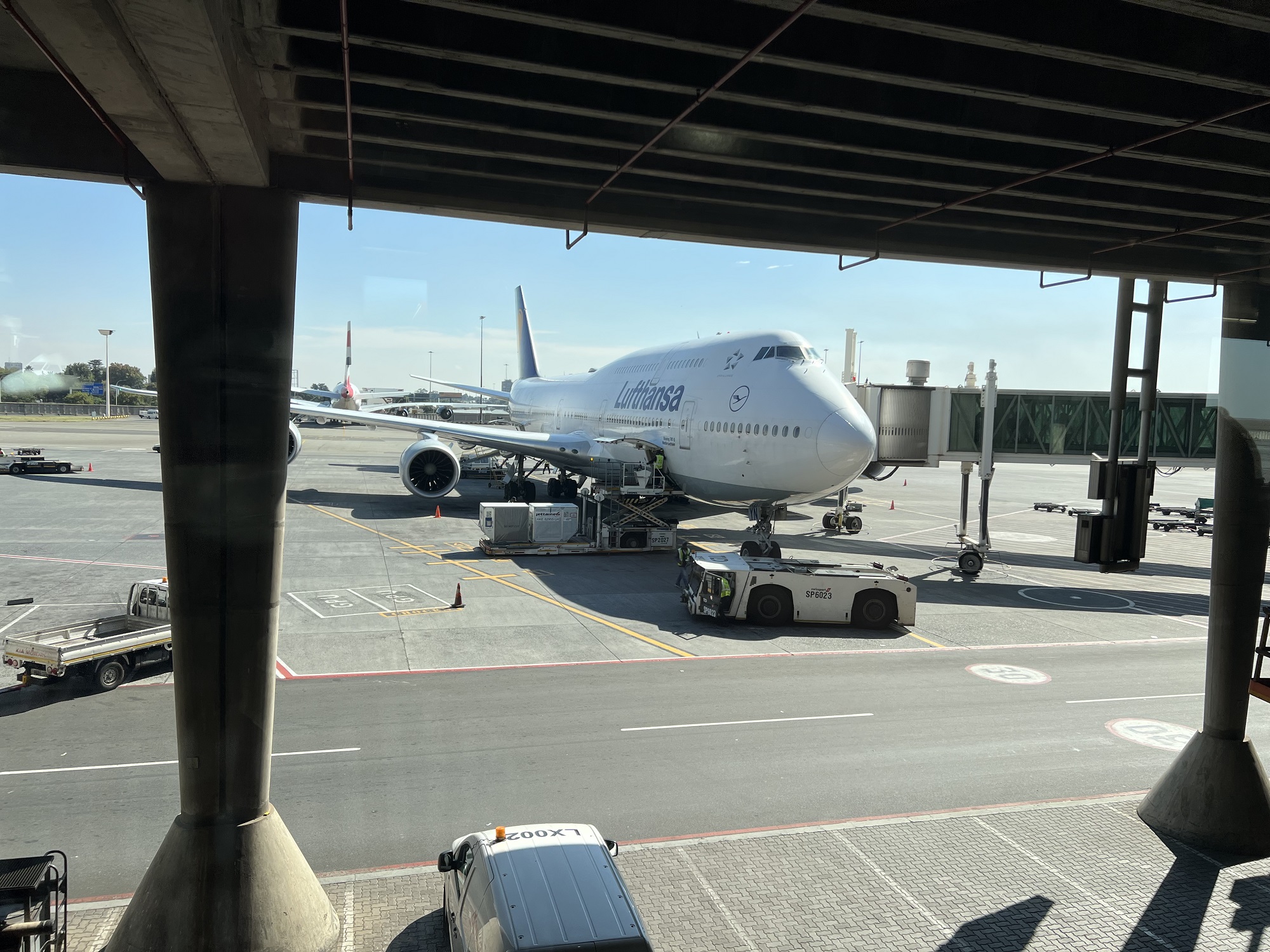
The ‘Queen of the Skies’ at the gate at Johannesburg’s Oliver Tambo International Airport. This one was christened ‘Niedersachsen’ (Lower Saxony, a state in northern Germany).  
Tuesday/ southbound ✈️

It’s Tuesday night here in Germany, and it is time to fly south, on the redeye flight to Johannesburg. It leaves at 10 pm and arrives at 9.30 am in the morning.

Our magnificent flying machine is a Boeing 747-8. Lufthansa has 19 of them, and 8 of the older Boeing 747-400.
I am sure I will sleep on the flight, because I had to check out of the hotel before I could take my afternoon nap of the last few days.

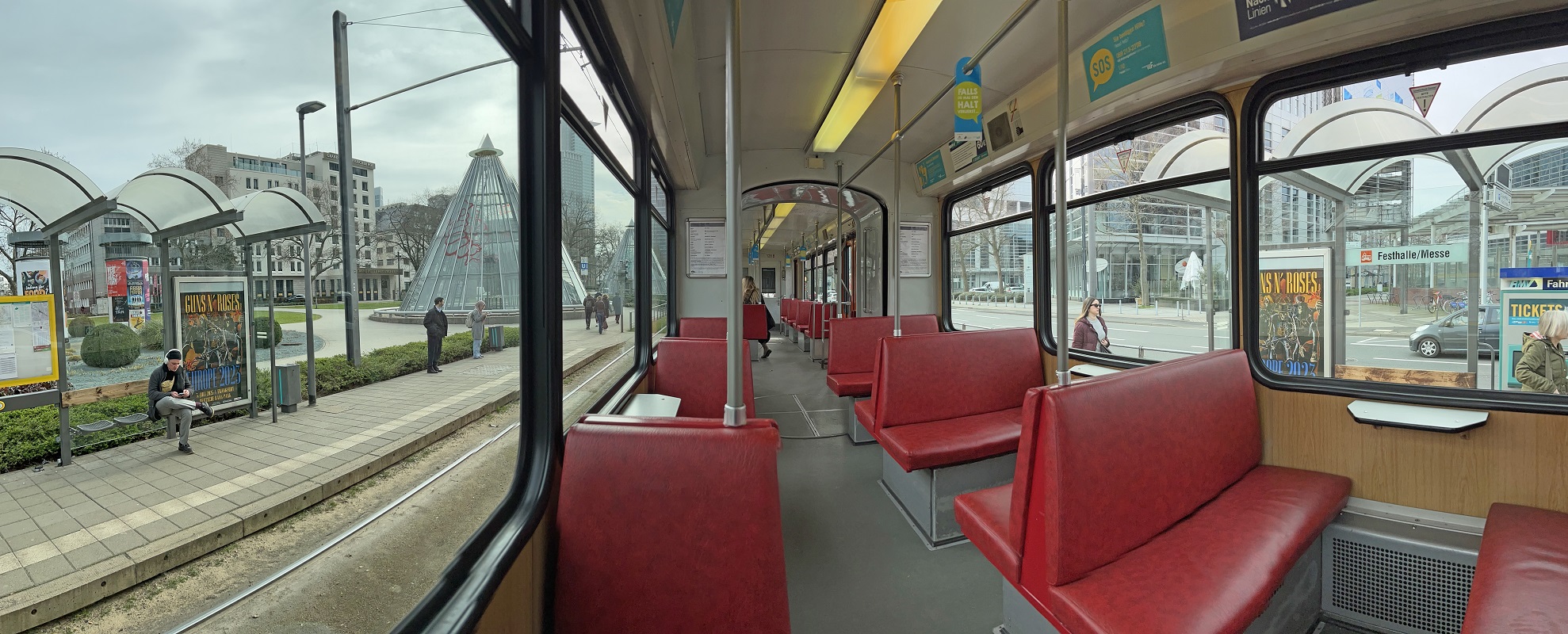
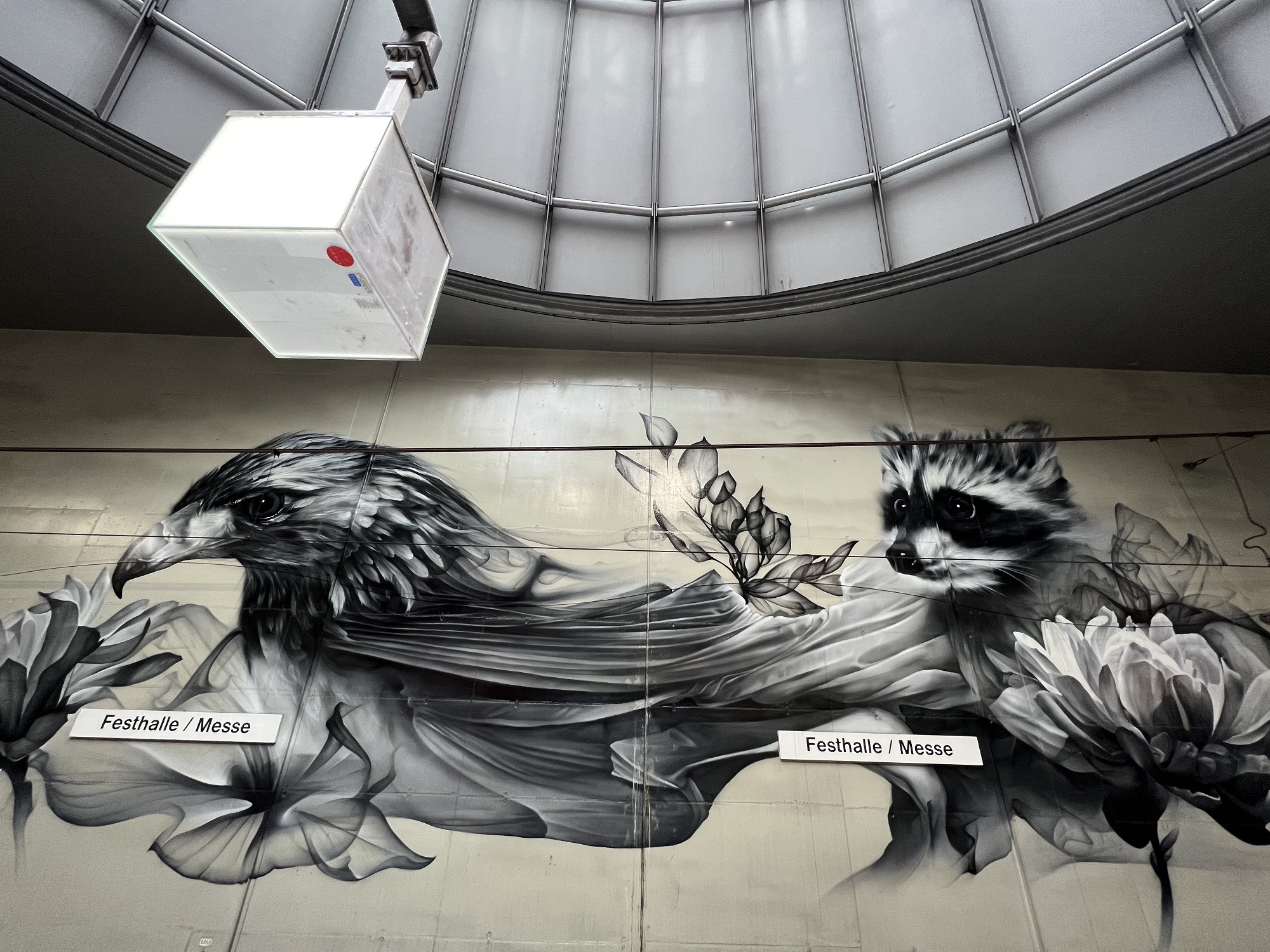
The streetcar on the No 17 line at the Festhalle/ Messe stop.
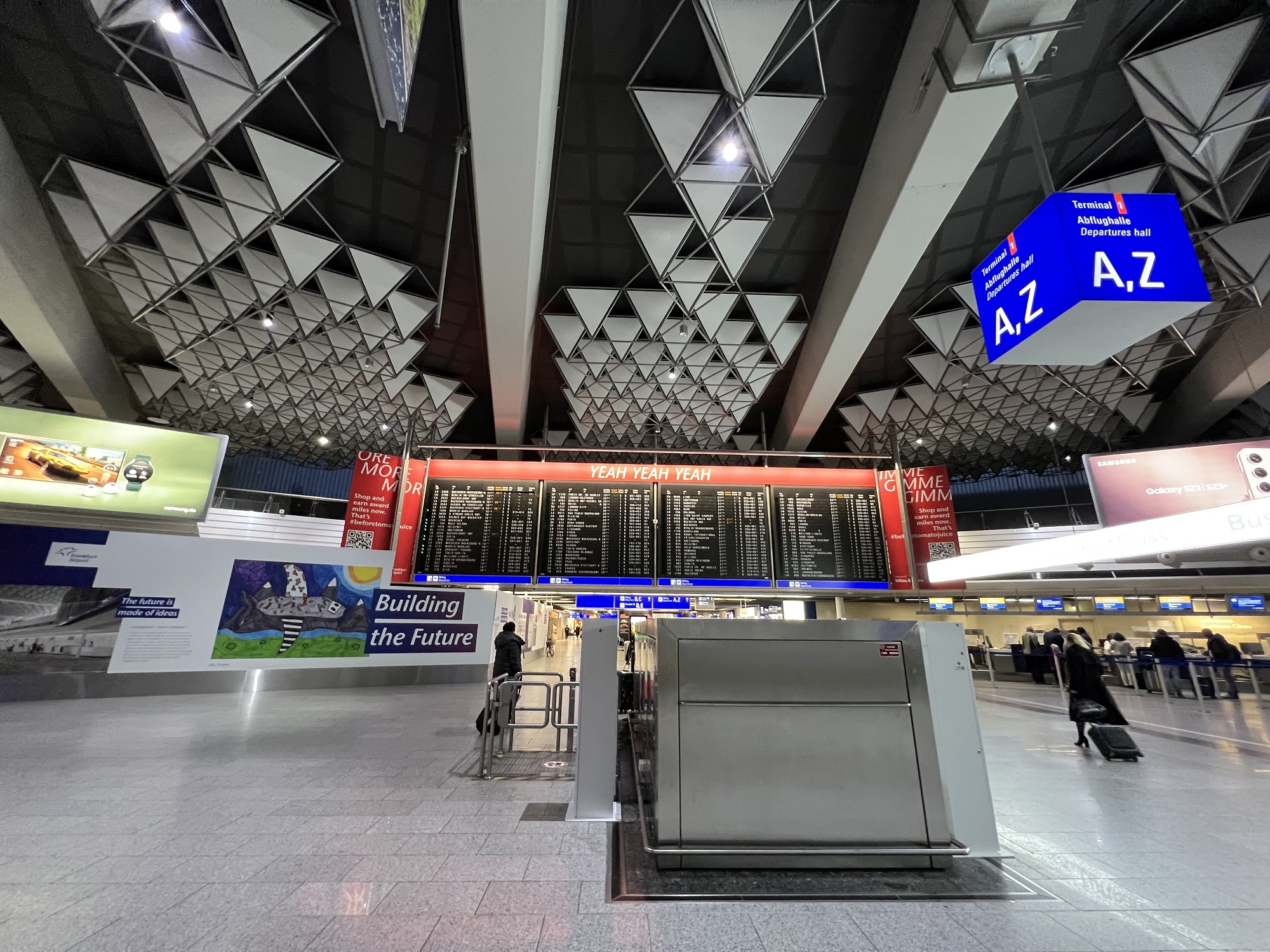
The check-in lounge at Frankfurt airport’s No 1 terminal.
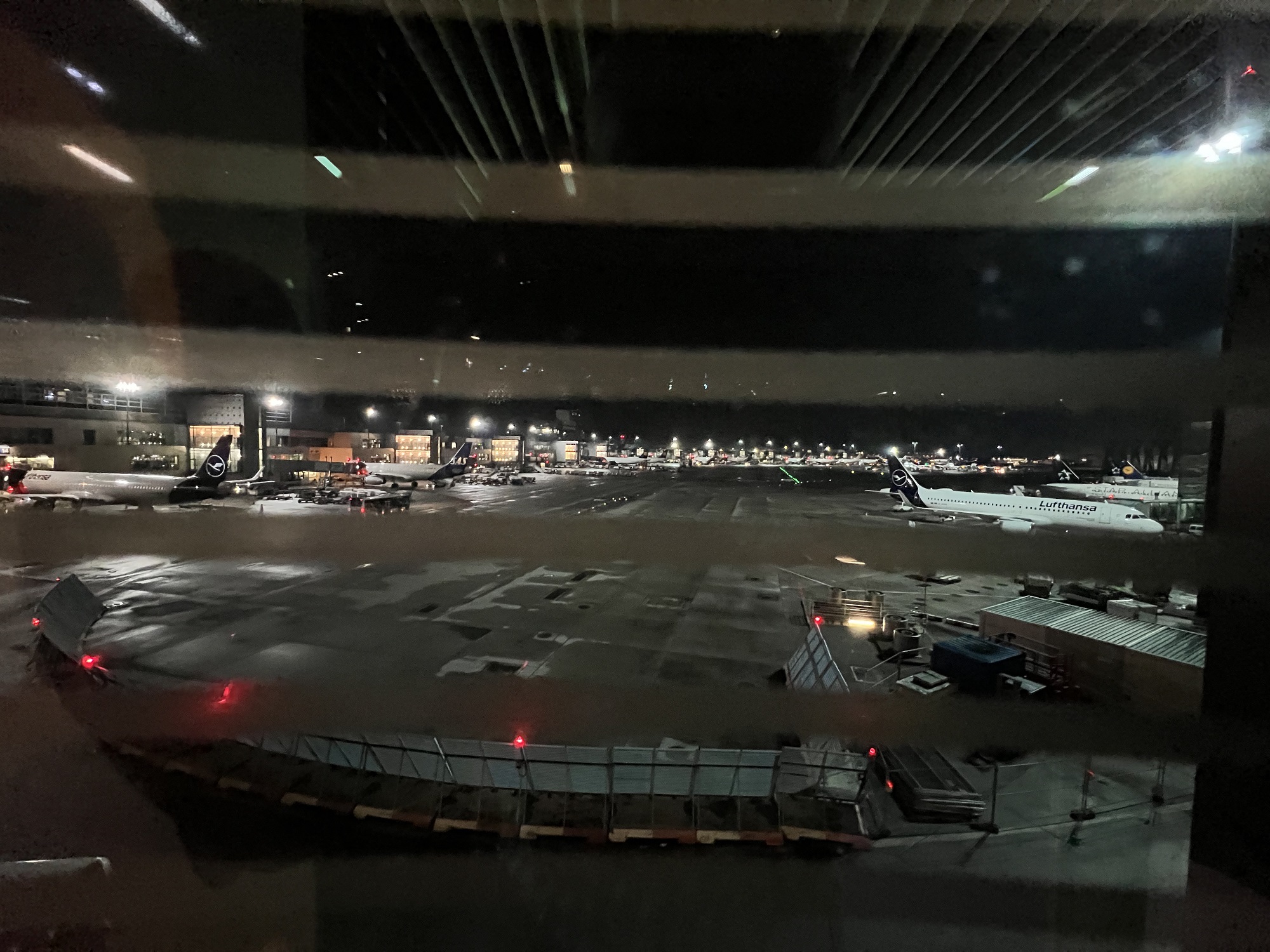
The view to the outside is somewhat obstructed by the lines on the windows. I will try to to get a picture of our Boeing 747-8 as we board or after we have landed in Johannesburg. 

Sunday/ arrival in Frankfurt 🏙

My flight went without incident, and I took a train and a tram to get to my hotel here in Frankfurt.

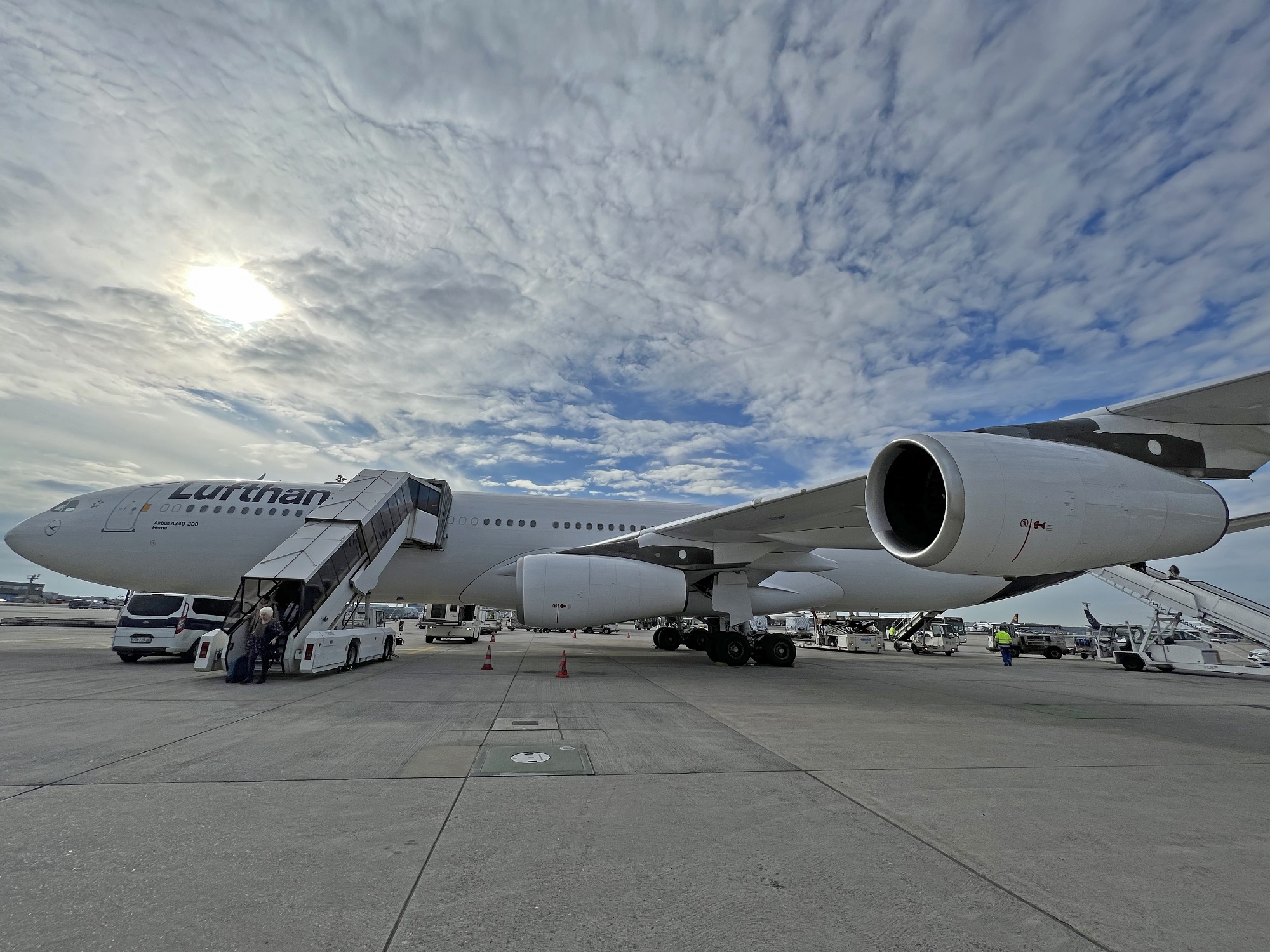
Just about an hour away from landing, somewhere over the British Isles. The Airbus A340-300 has FOUR main engines. The newer jets such as the A350 and Boeing 787 have only two. More efficient (less fuel) but more risk in the case of an engine failure?
On the tarmac at Frankfurt airport— the view from the bus that will take us to the terminal.
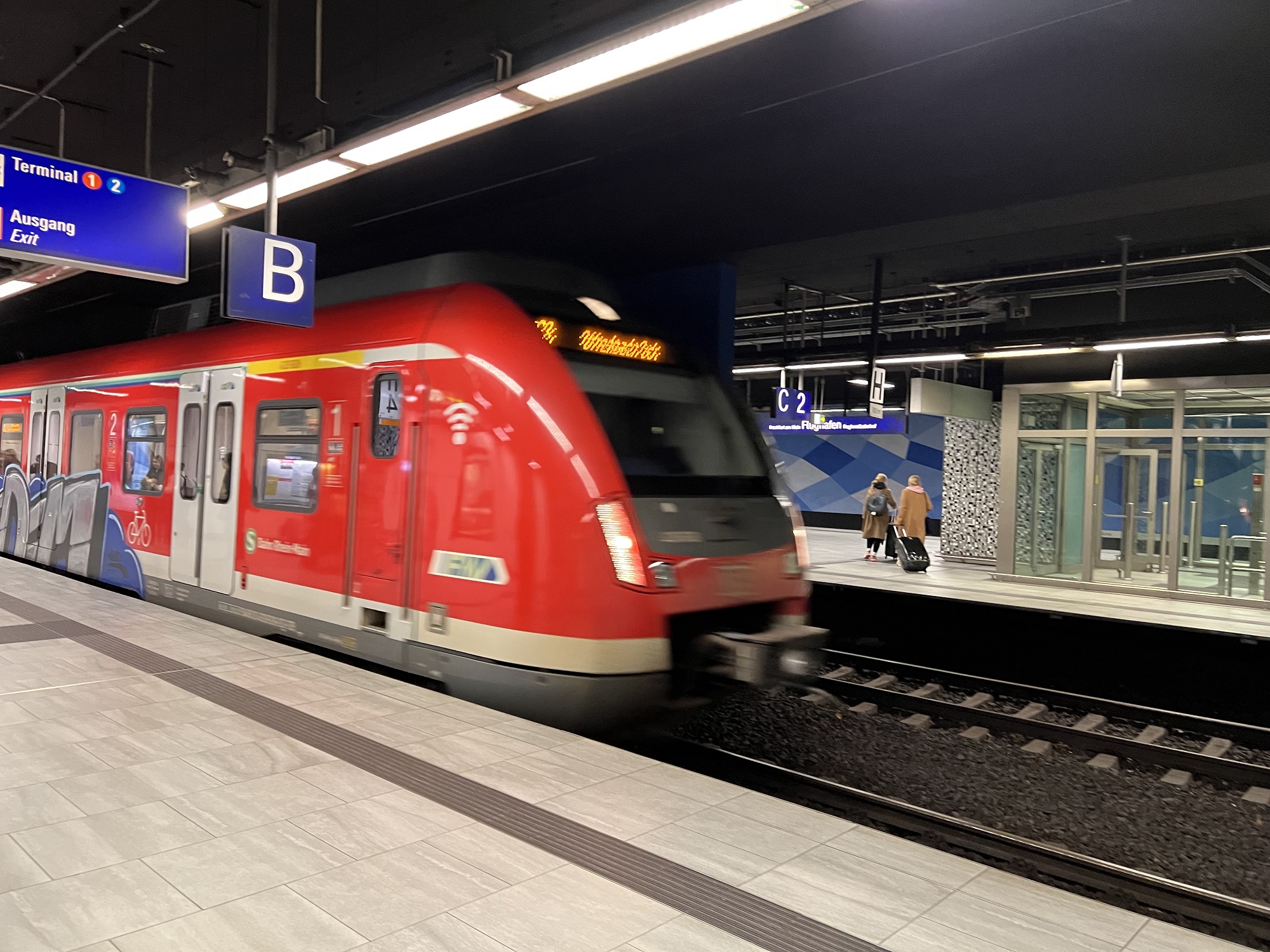
Here comes my train. The train station is underneath Frankfurt airport’s Terminal 1, and the S8 or S9 regional train will get one into the city.
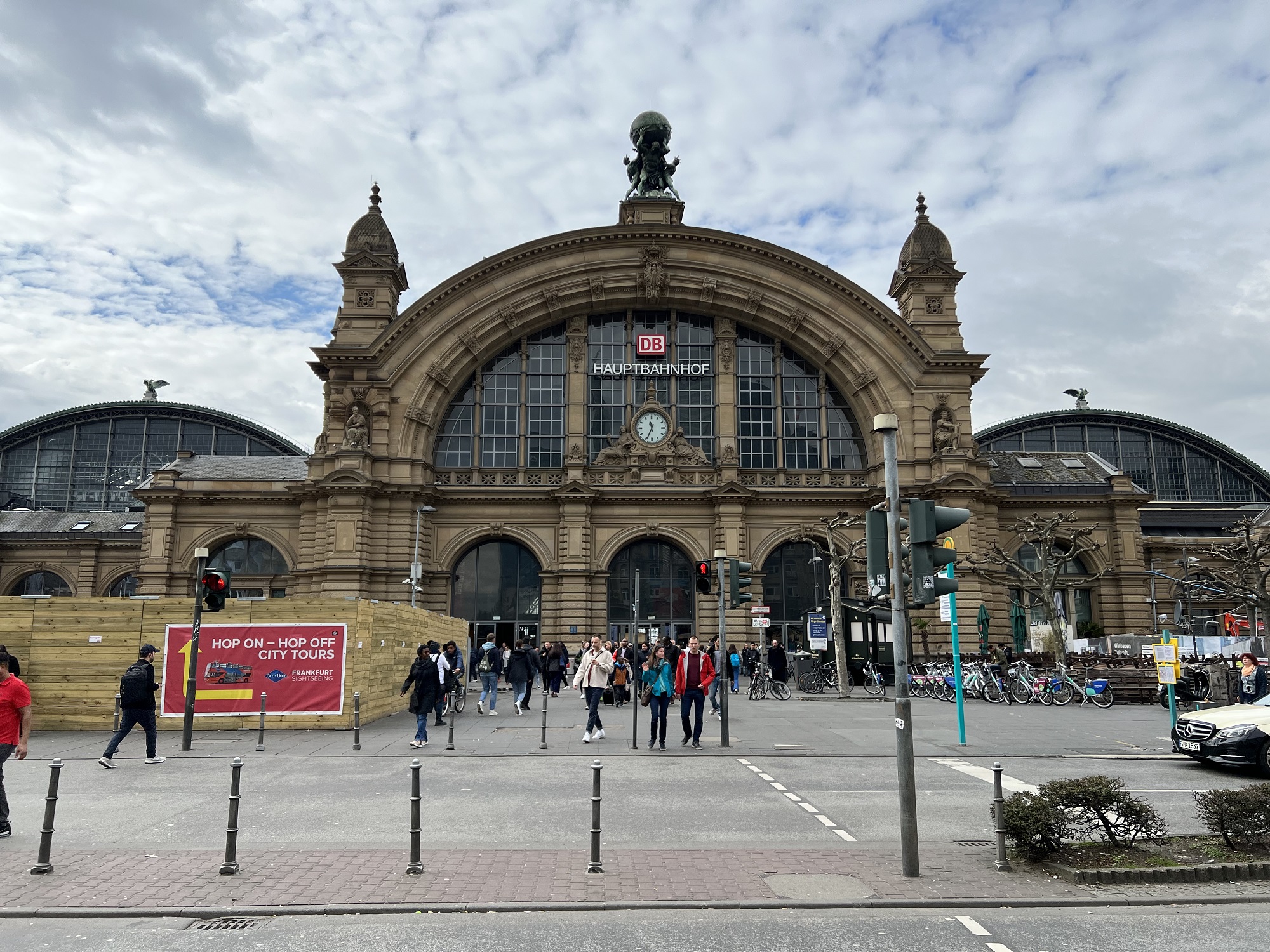
Frankfurt Hauptbahnhof (Main Train Station).
Heading outside to catch the tram (streetcar) to the hotel.
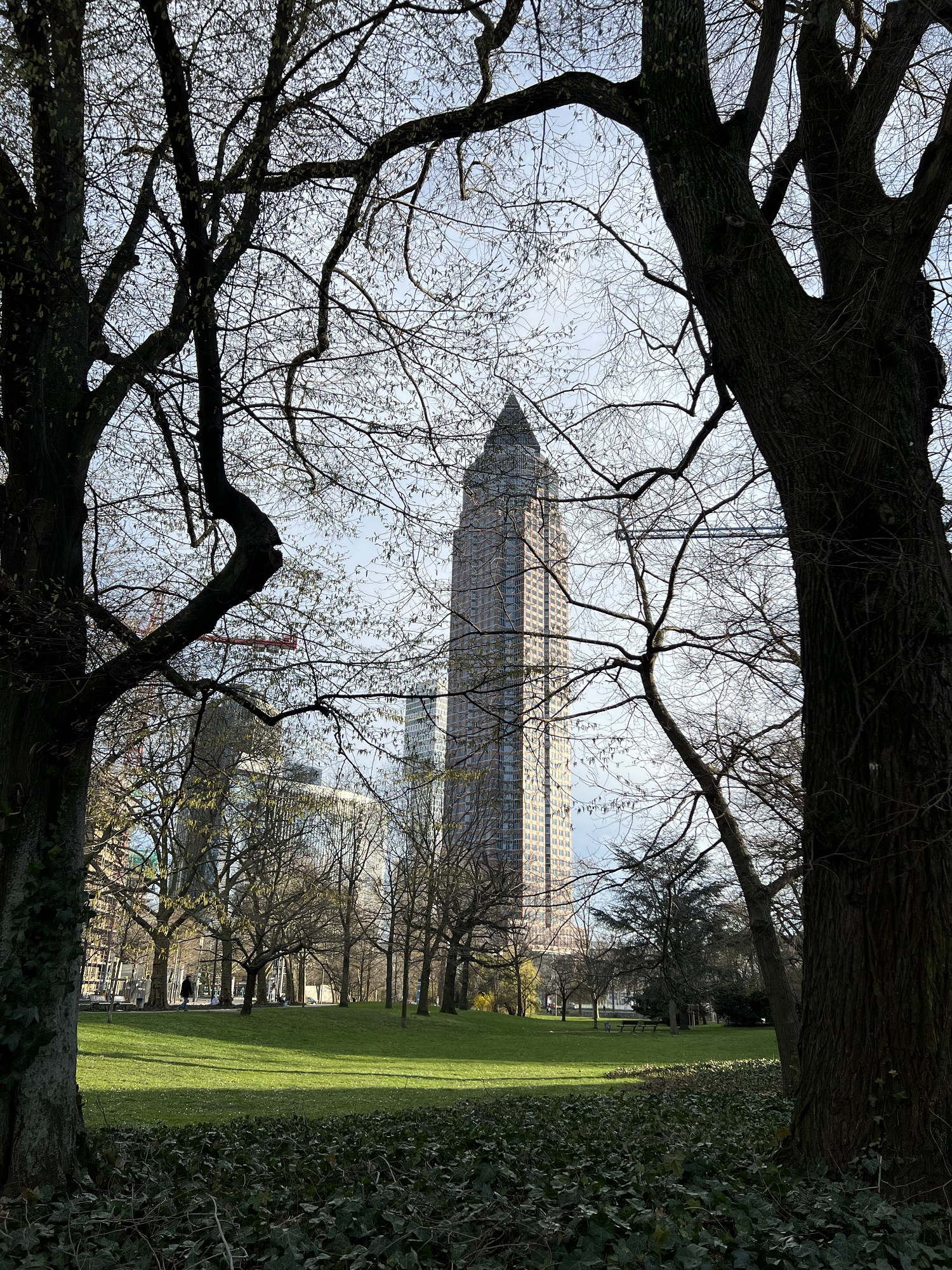
A little later, after I had settled into the hotel, I went for a walk in a park called Senckenberganlage.  It got to 16 °C today (60°F) but will fall back to 10 °C (50°F) tomorrow.
The tower is the Messeturm, or Trade Fair Tower, 63 stories and  257 m (843 ft) tall.

Saturday/ at the airport 🛫

It’s a cloudless afternoon here at Seattle-Tacoma airport, and I’m waiting for my flight to board.

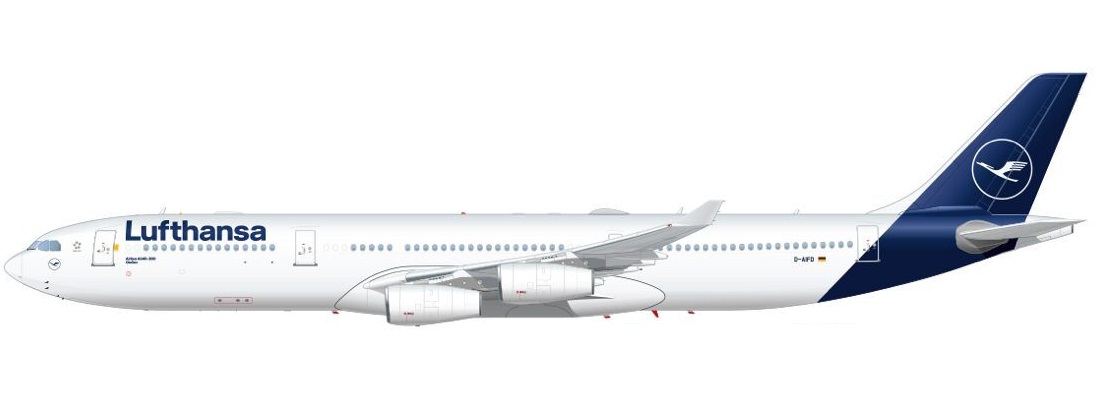
I forgot to take a picture of the Lufthansa bird at the gate before coming up to the lounge, so for now an online image will have to suffice.

Lufthansa is the largest operator of the Airbus A340-300, with 17 in its fleet. The airplane was built from 1991–2012 and was replaced by the Airbus A350-900. (Boeing offers the 787-9 as an equivalent airplane).

Friday/ my bags are packed ✈️

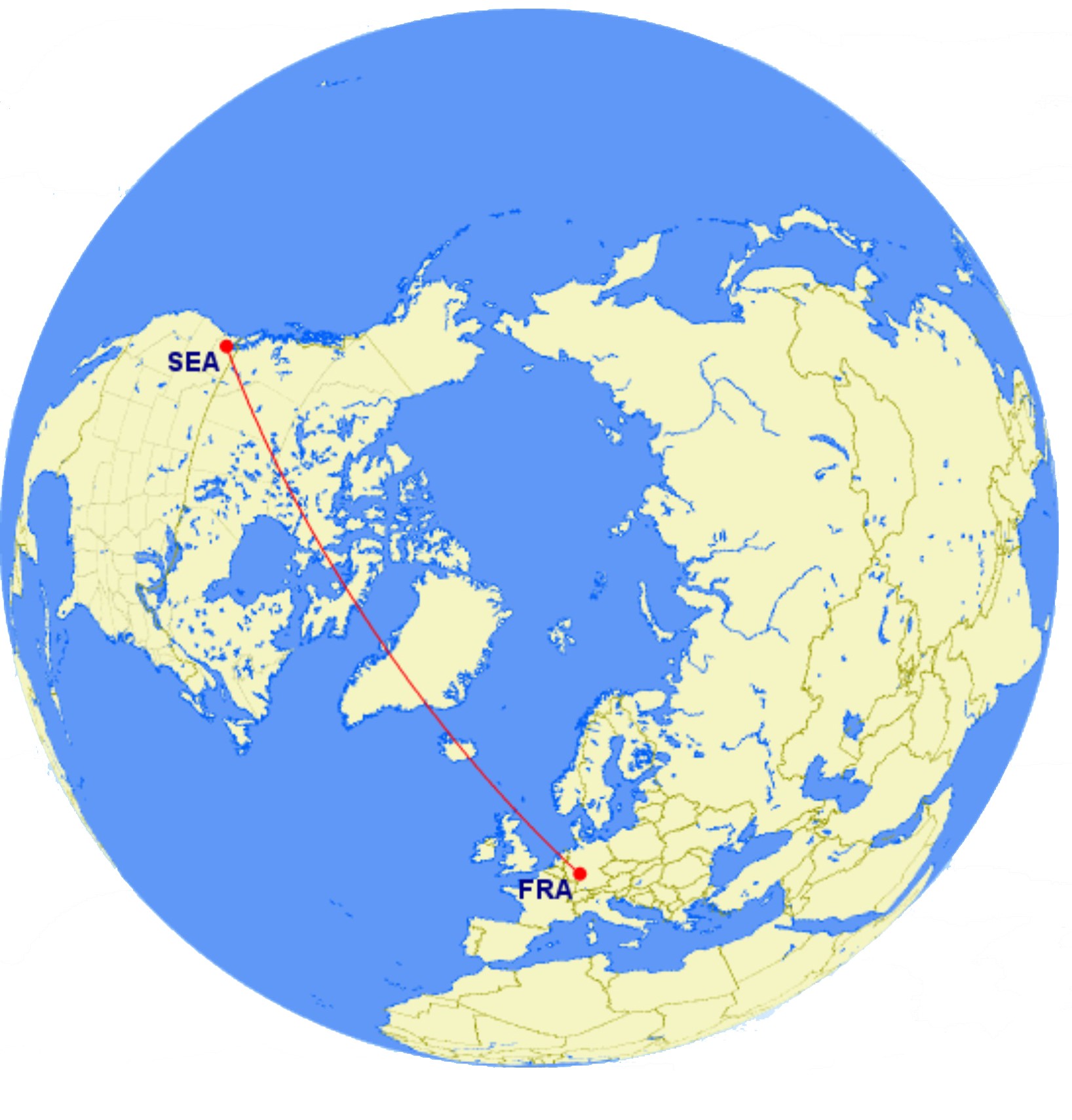
Flying northeast out of Seattle for some 10 hours and 5,100 miles, will get you to Frankfurt.

I am bound for Frankfurt on Lufthansa tomorrow afternoon— the stop on my way to Johannesburg, South Africa.
I will stay over for two nights in Frankfurt.

I double-checked, for Germany as well as for South Africa:
Travel is allowed;
Quarantine is not required;
Proof of a pre-departure COVID-19 test is not required;
Visa is not required for Germany nor for South Africa (US passport holders).

So I am just about ready to dislodge myself from the comforts of my home and go board the flying machine that will take me across Canada and Greenland to Europe.

My phone is all set for international use (how did we ever travel with no phone?), my debit card for those foreign ATMs, and my credit card with its RFID chip.  I already have some Euros and South African Rands (paper money).
New for this trip to the set of gadgets & cables in my bag: a portable charger for my phone. Electricity is in short supply in South Africa (rolling blackouts).