It’s 2025!
Happy New Year!
The cartoon is from the South African newspaper Die Burger (“The Citizen”) and by cartoonist Dr Jack.
“Good news, swarrie*! Even though your barbecuing leaves a lot to be desired, we have decided to stay until after New Years” “You may have to run out to the store today, since the brannas** is AGAIN running a little low. “ #$!&🤬 Side Comment by the little hippopotamus: “House guests are like fish— after three days they start to stink”
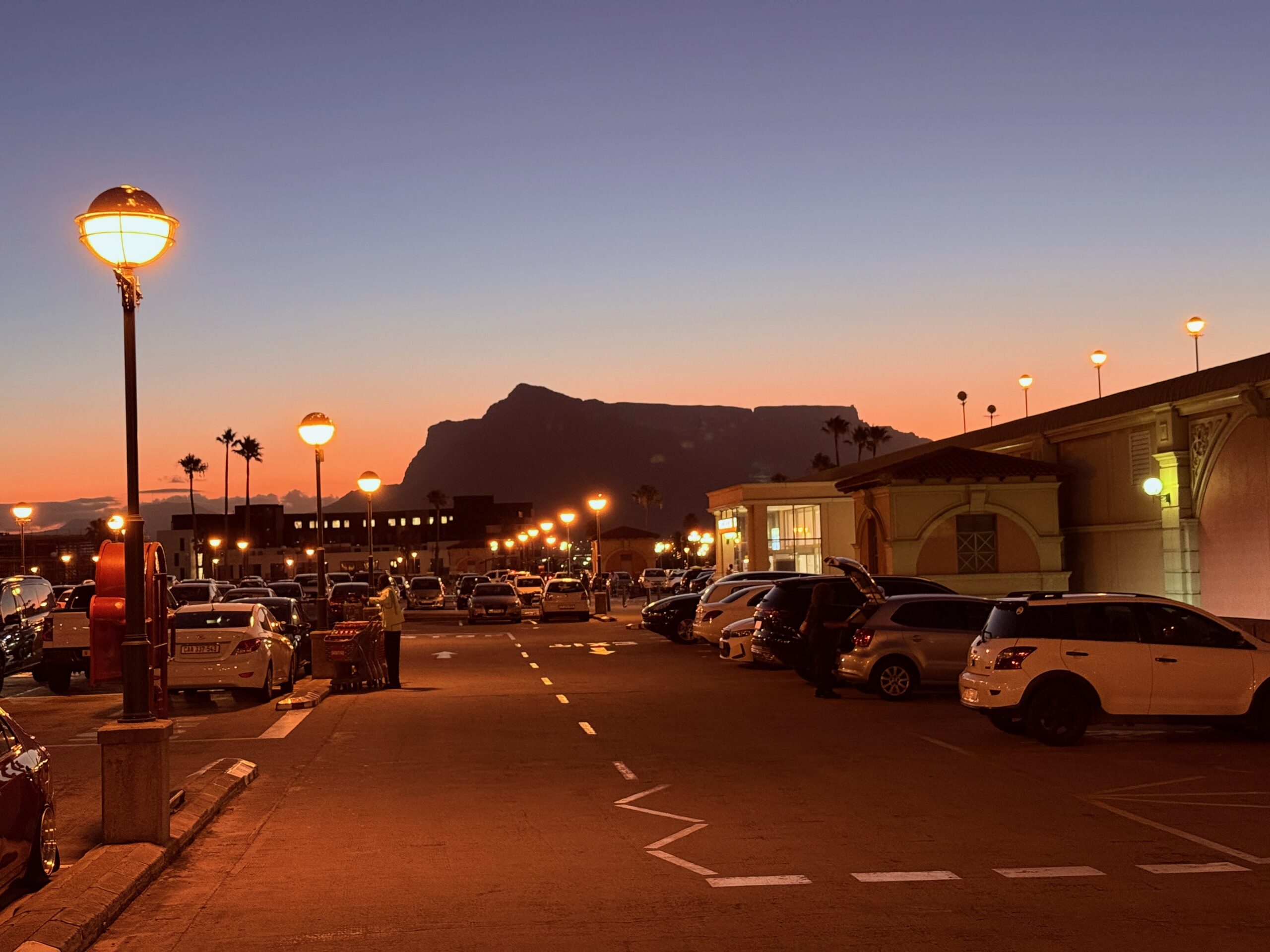
Four of us had a great seafood dinner at the Century City mall outside of Cape Town.
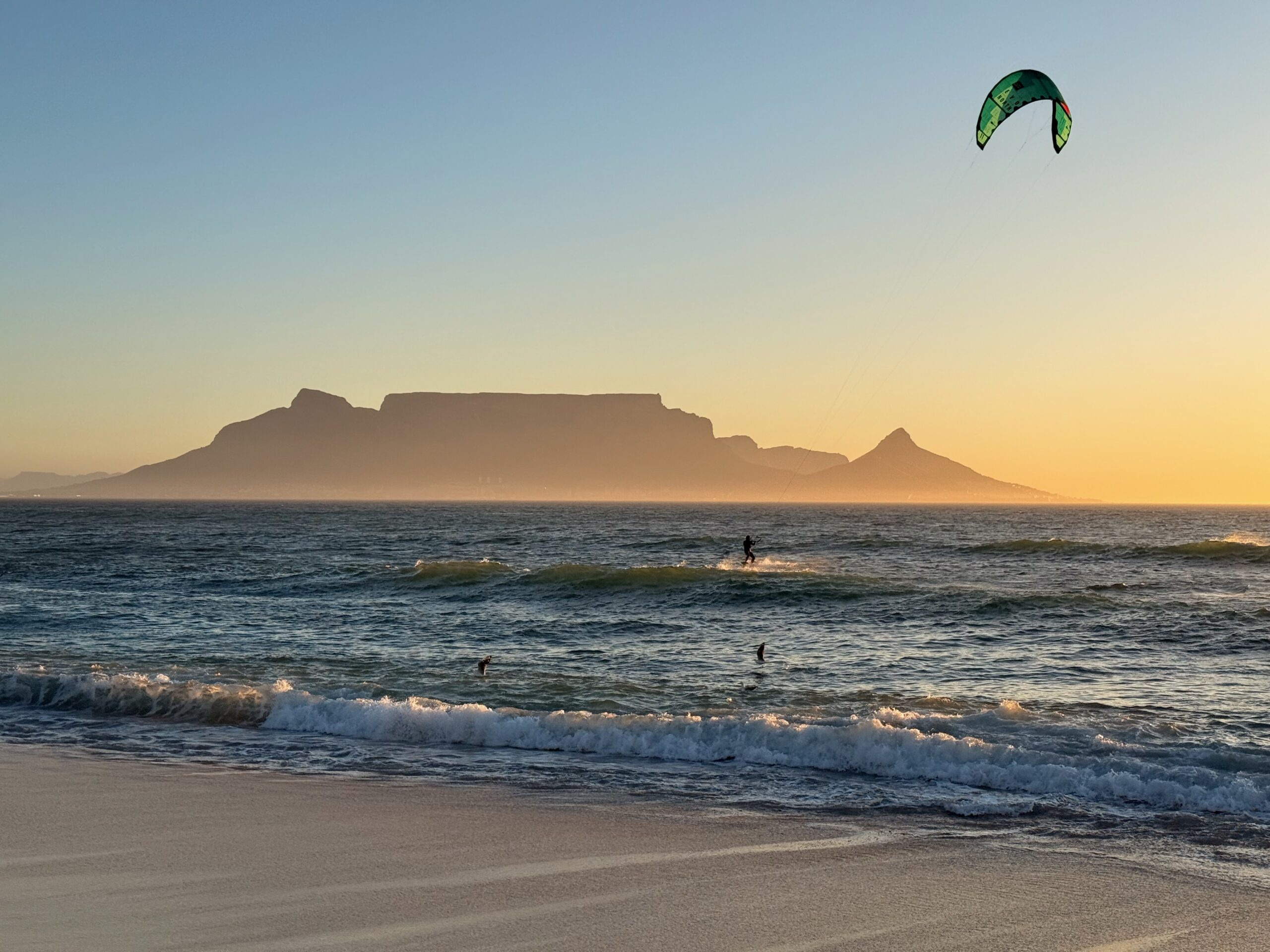
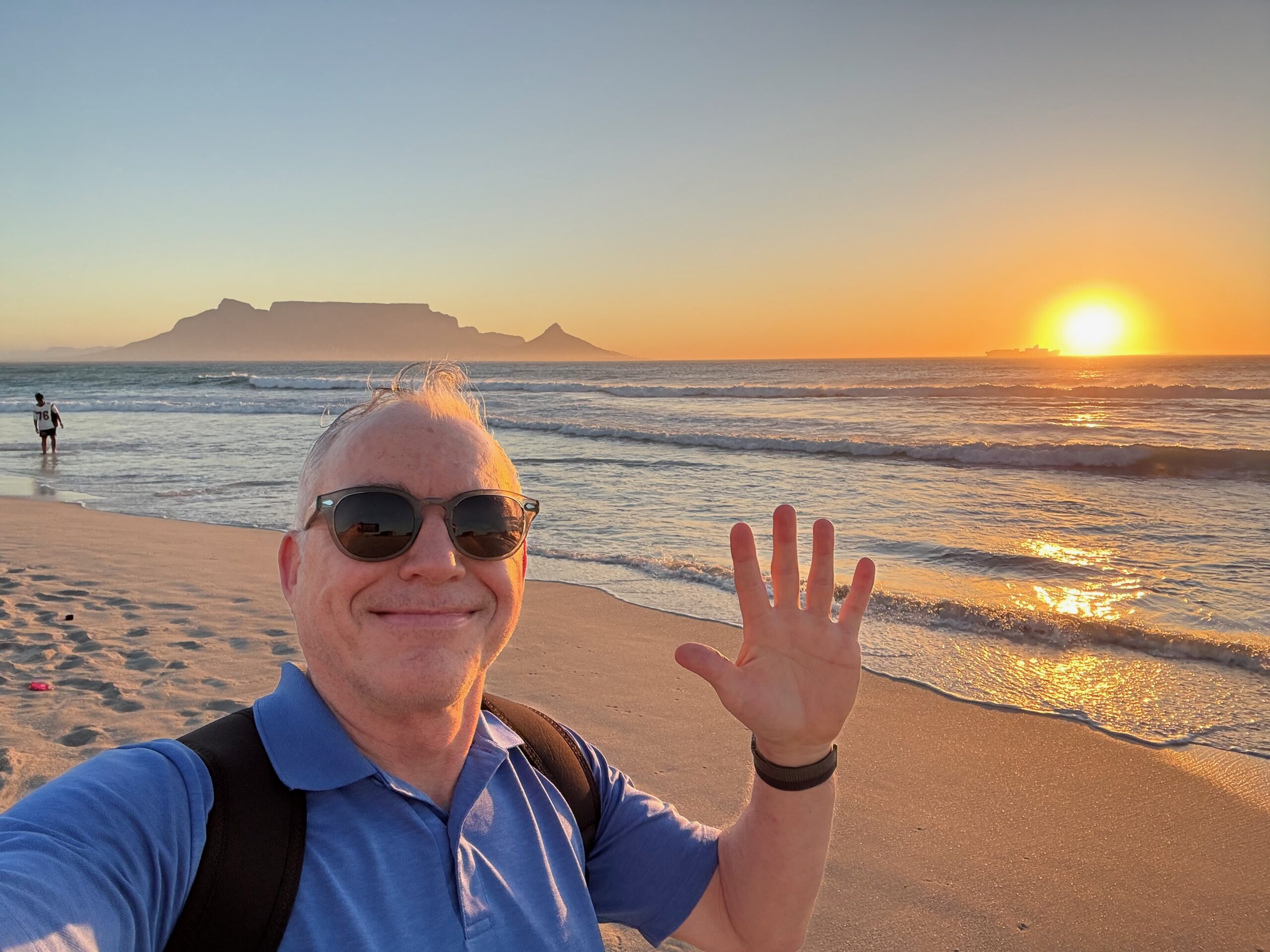
As we walked outside, we caught this view of beautiful twilight colors over Table Mountain.
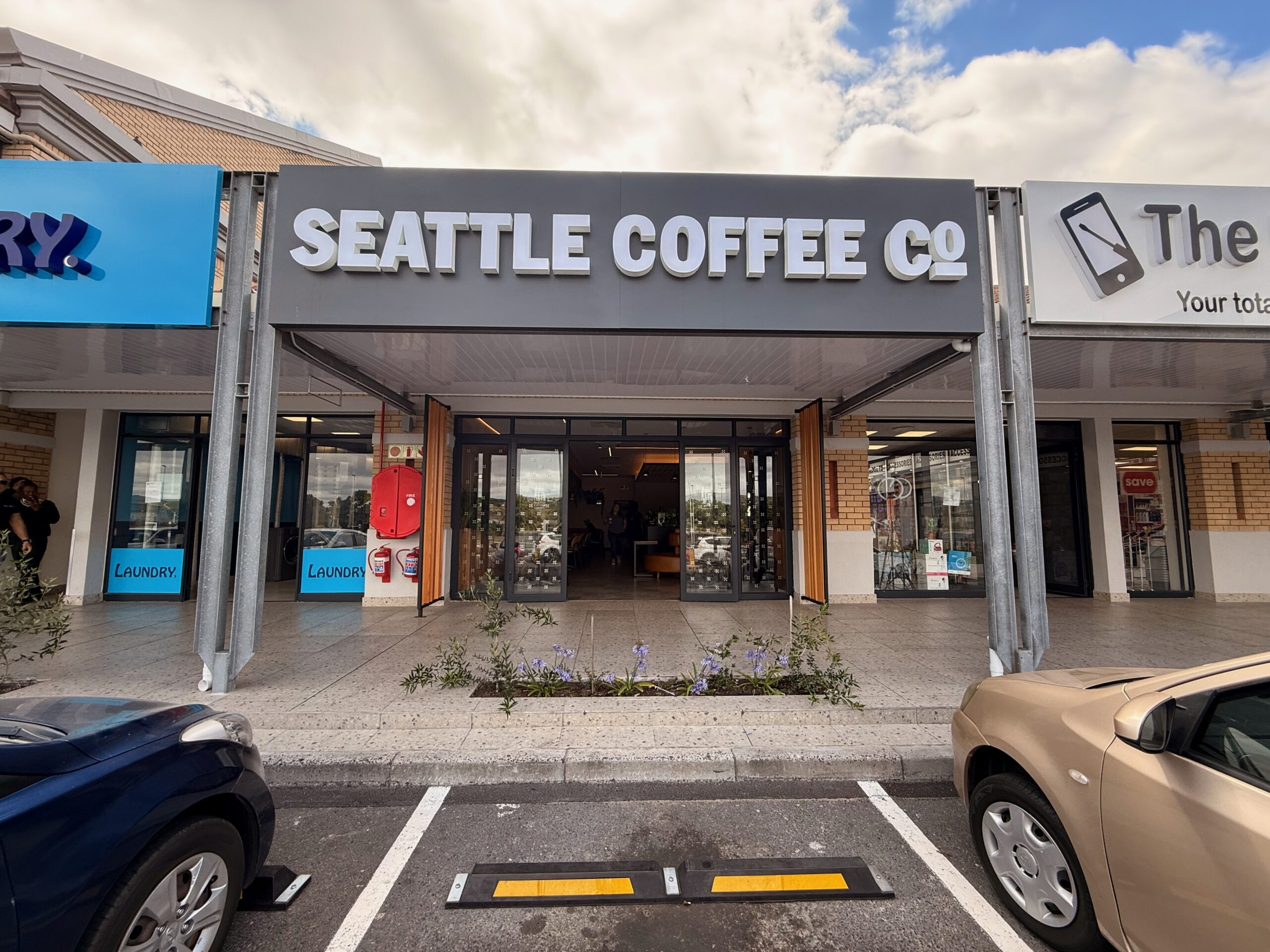
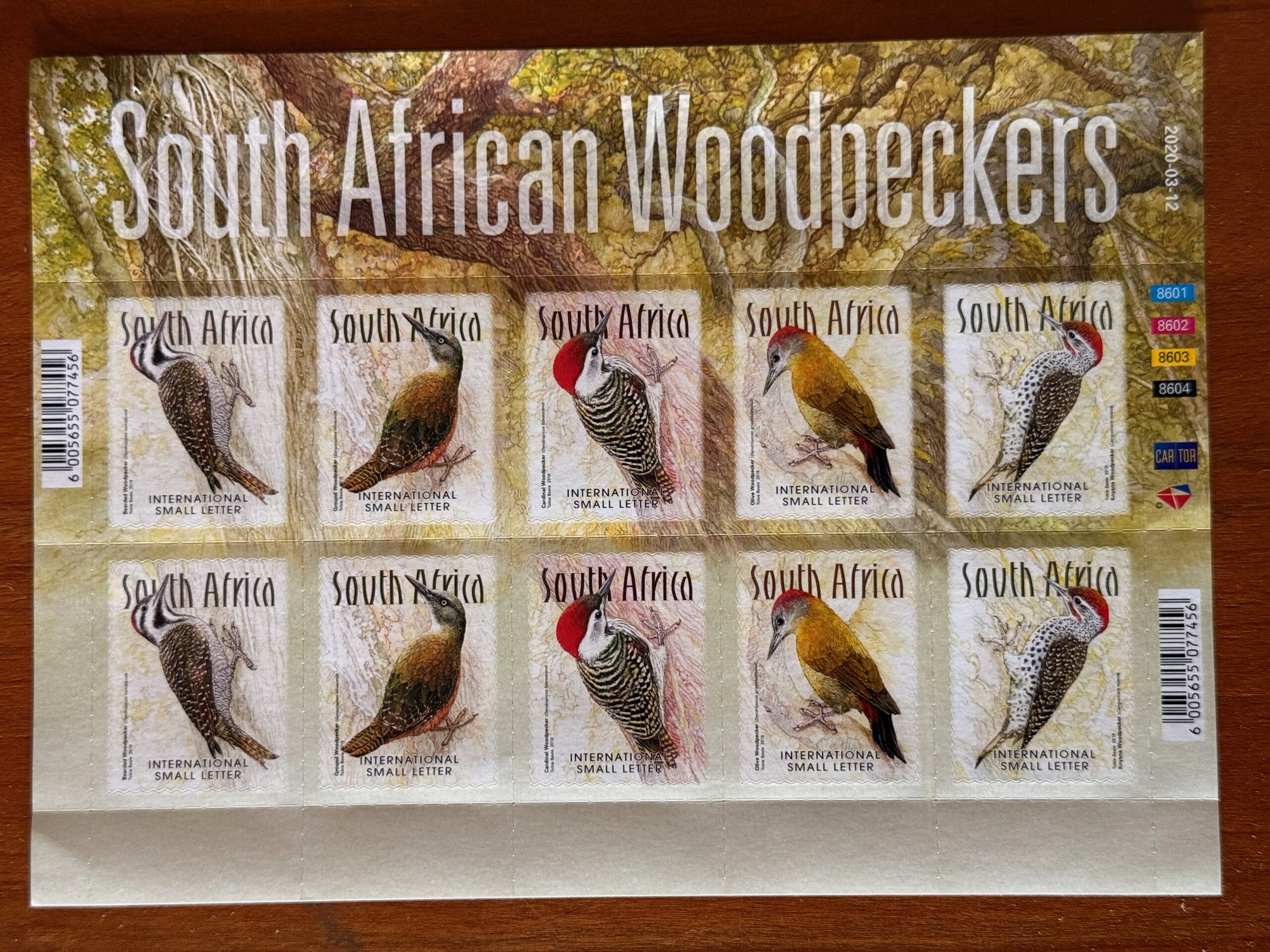
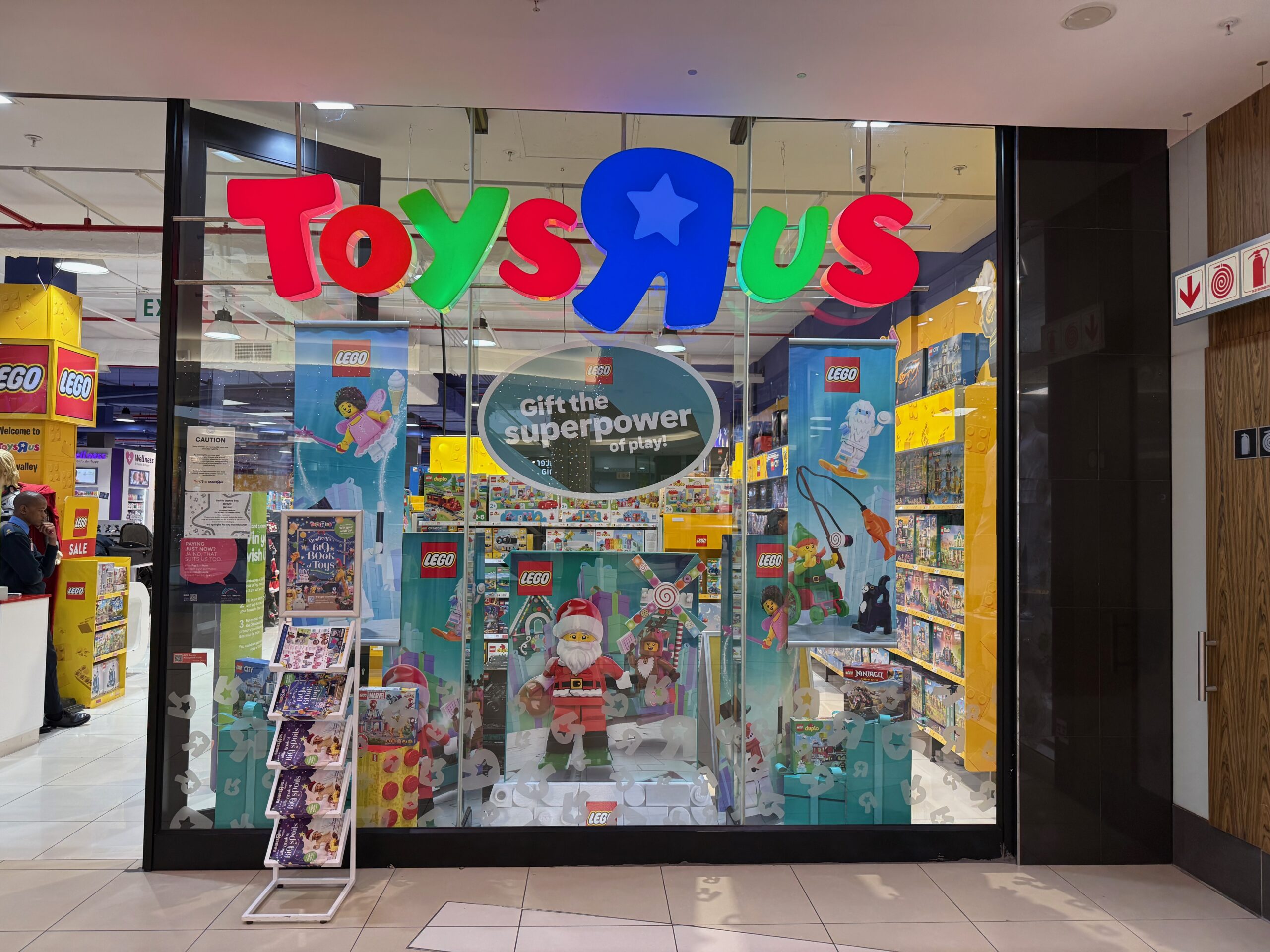
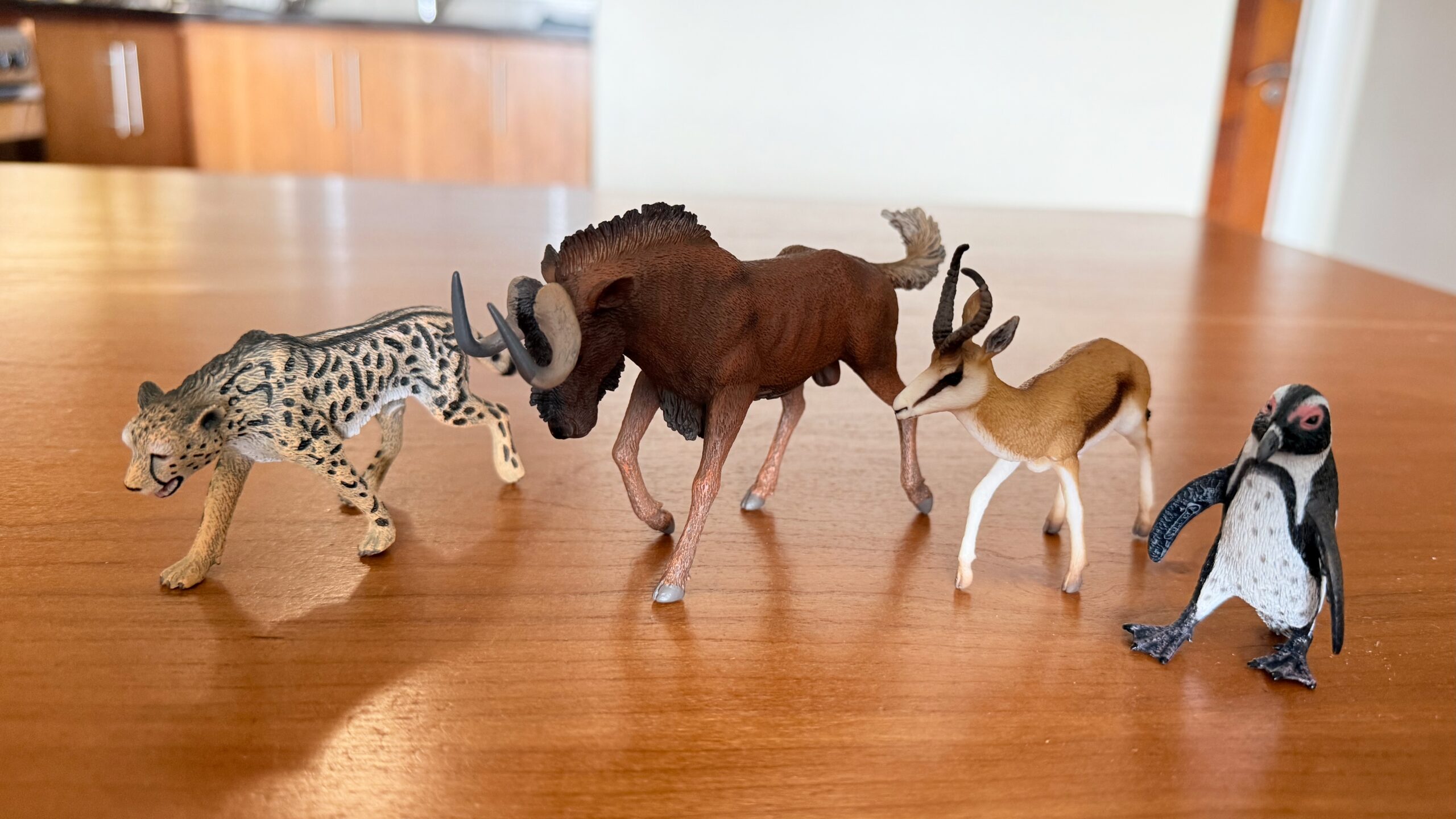
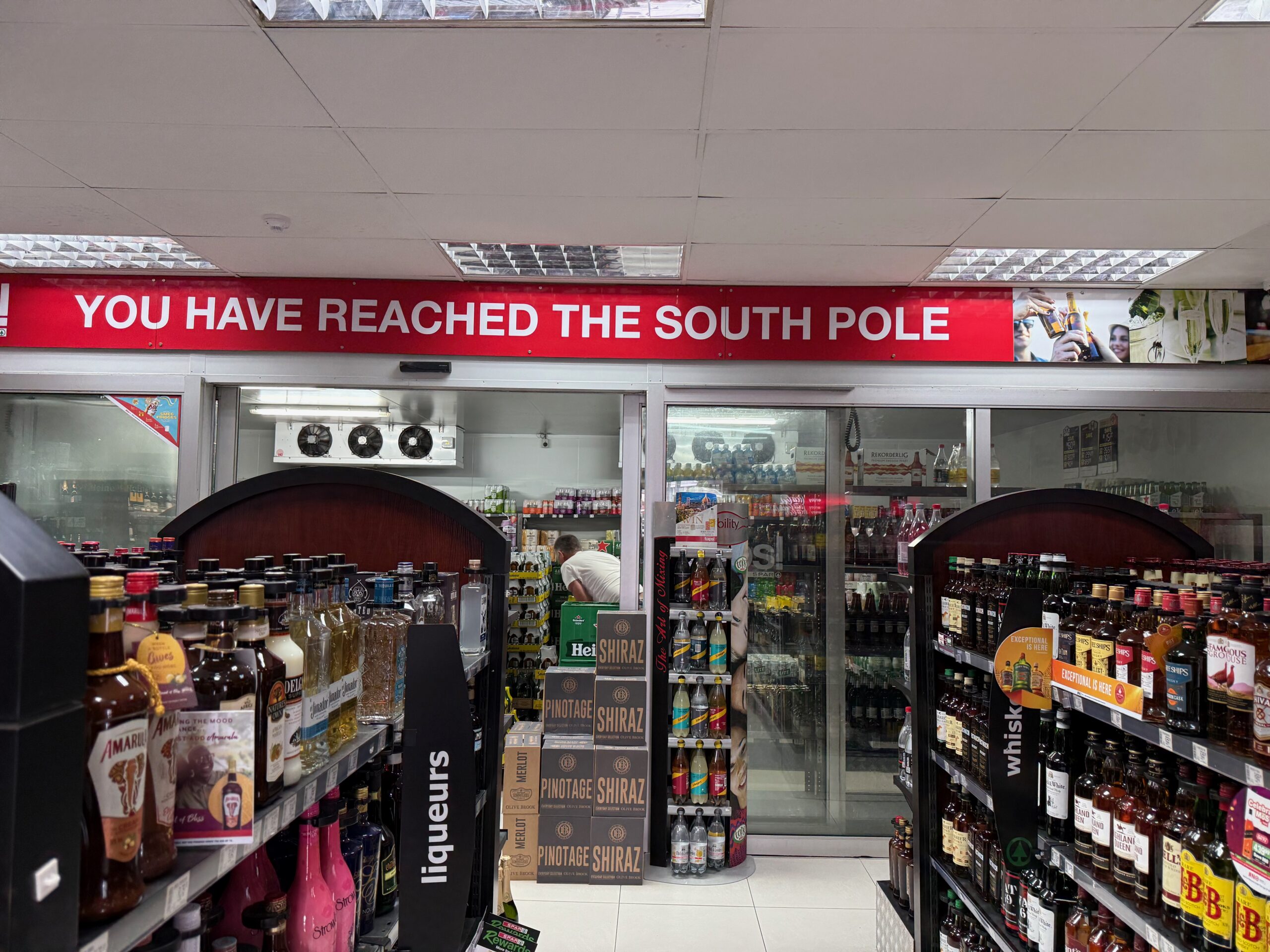
It’s great to see my home town as part of a store name— so far away from home. There are 54 Starbuckses in South Africa (but the first one opened only in 2016). The Seattle Coffee Co. franchise has been around a lot longer. The first store opened its doors in Cavendish Square, Cape Town in November 1997.I stopped at a branch of the beleaguered South African Post Office. It was supposed to have completely run out of money and options to stay open by the end of October 2024, and go into bankruptcy, but now it is unclear what the new ‘Day Zero’ is. Do you have any postage stamps to sell to me? I inquired. I came away with this sheet of woodpeckers (issued 2020), one of the last sets of stamps issued by the South African Post Office. No new issues appeared after 2020. 😱Hey! We still have Toys “R” Us in South Africa. (On June 29, 2018, Toys “R” Us permanently closed all of its remaining U.S. locations, after 70 years of operations).And here is what I acquired to add to my collection of African animals: king cheetah (distinctive coat pattern due to a recessive gene; there may only be 10 or so in the wild, with some 50 or so more in captivity); black wildebeest, springbok antelope, and African penguin (these are the ones found in the Boulders Penguin Colony in Simons Town, South Africa).My quest for a six-pack of Beck’s Blue (Beck’s non-alcoholic beer) continues. This store did not have any. Beer and hard liquor are only sold in dedicated liquor stores in South Africa. Wine may be sold at grocery stores as well as at liquor stores. The “YOU HAVE REACHED THE SOUTH POLE” is just a little joke, indicating that the walk-in refrigerated room with chilled beers is right there below the sign.
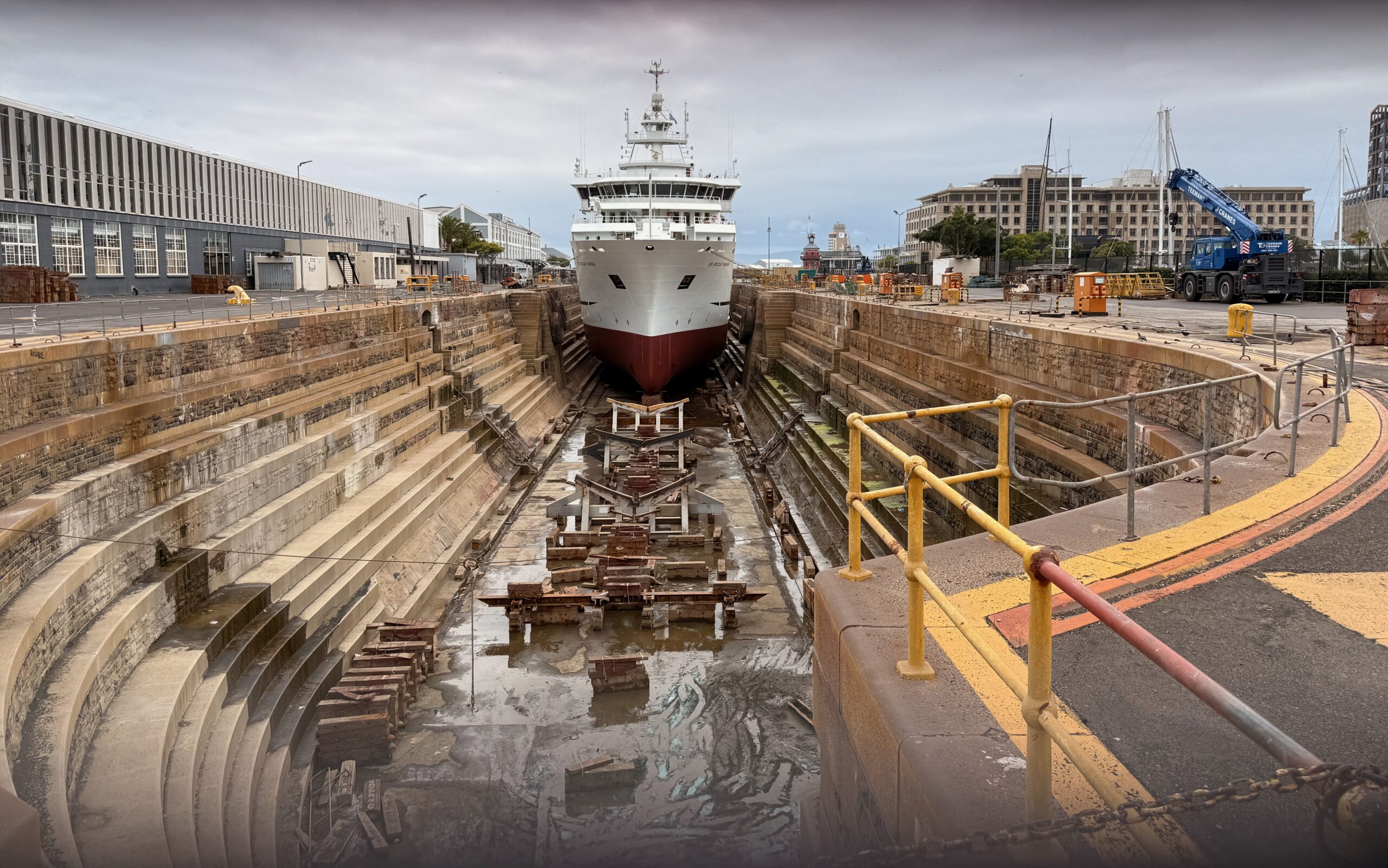
I stopped briefly at the Victoria & Alfred Waterfront today, to use one of the parking garages there.
This is the Robinson Dry Dock in the so-called Alfred Basin in the Waterfront, and it is the oldest operating dry dock of its kind in the world. It dates back to 1882. The foundation stone for the dock was laid by Prince Alfred, second son of Queen Victoria. Named after Governor Sir Hercules Robinson, it was used to repair over 300 ships during World War II.
The Robinson Dry Dock is currently occupied by research vessel DR. FRIDTJOF NANSEN, sailing under the flag of Norway. Ships are typically dry-docked every five years for a special survey, but may also be dry-docked for inspections, maintenance, and repairs, in between.
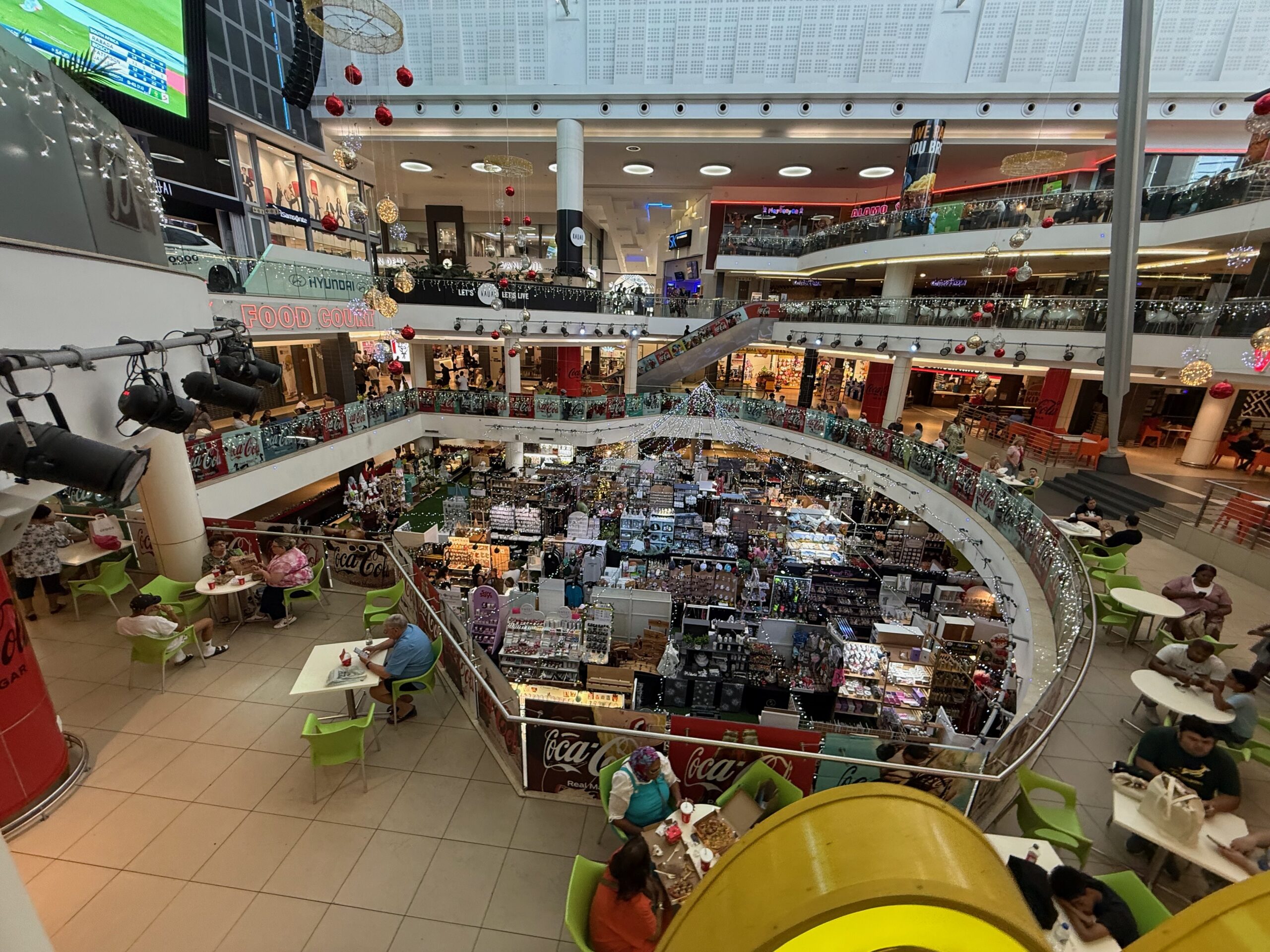
There is a little Christmas market in the Tyger Valley Shopping Centre, still open for a final few days.
It’s good that it is indoors: day-time highs here were 35°C and 34°C (95°F and 93°F) on Wednesday and Thursday, and 30°C (86°F today).
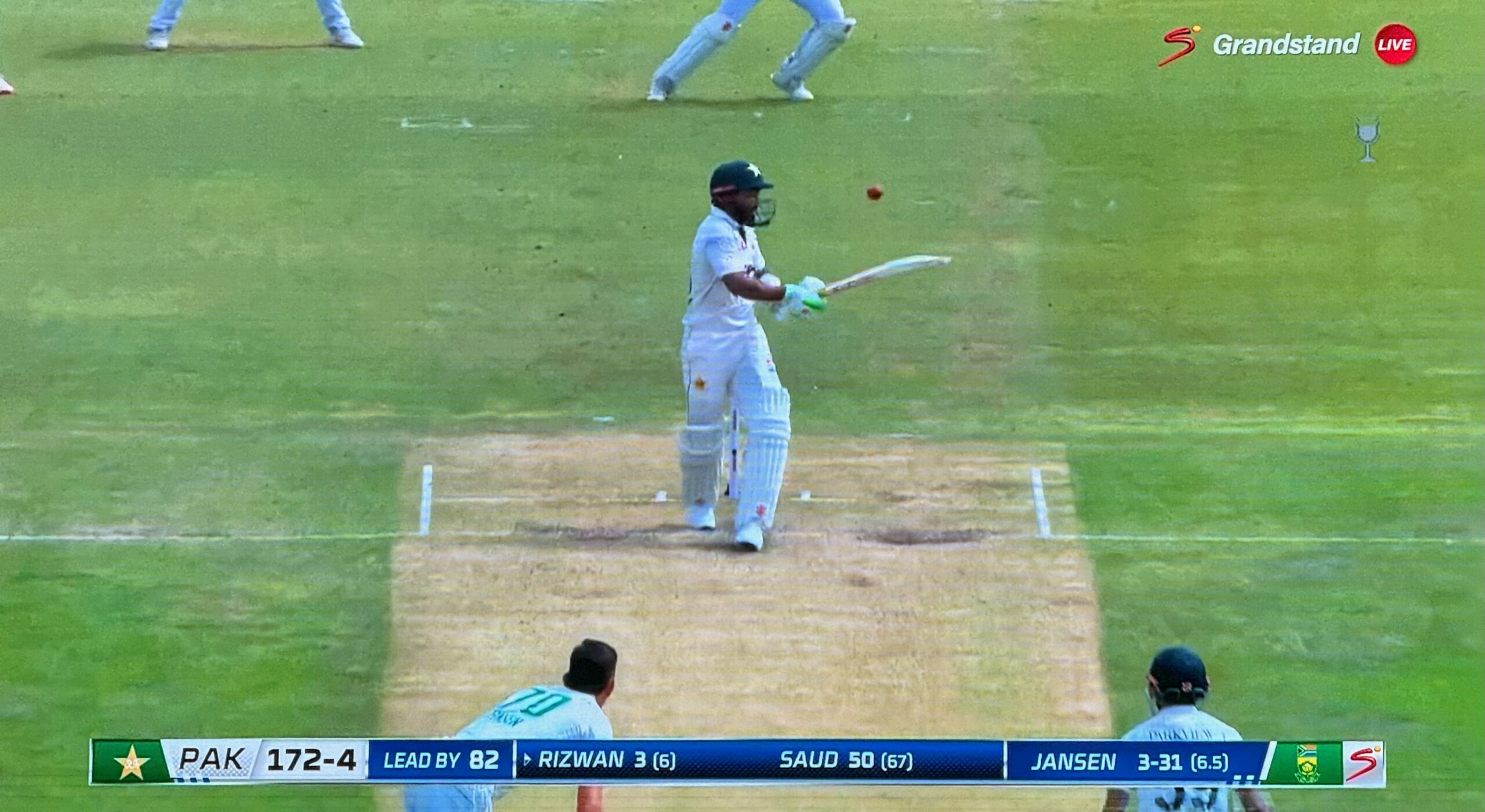
The Christmas market on the lower level of the food court in the Tyger Valley Shopping Centre. The jumbotron screen (top left corner) showed what was happening in the first of two cricket tests between South Africa 🇿🇦 and Pakistan 🇵🇰.And what happened today in the first of two cricket tests between South Africa and Pakistan that is underway in Centurion in Gauteng Province? From espncricinfo.com: “The first Test match at Centurion is tantalisingly poised after Pakistan took three wickets in nine overs to leave South Africa wobbling at 27 for 3, still 121 runs away from the 147-run target that seals a win, as well as a place in the 2023-25 World Test Championship [WTC] final. After South Africa had bowled Pakistan out for 237, they needed a fairly comfortable 148 to secure victory, but an unerring spell of accurate medium-fast bowling from Mohammad Abbas and Khurram Shahzad was well rewarded. Aside from Aiden Markram, the South Africa batters were somewhat timid in their approach to the last few overs of the day, while Abbas and Shahzad targeted the pads. Abbas brought one to jag back in sharply into Tony de Zorzi for the first breakthrough.” Update Sun 12/29 [From espncricinfo.com] “South Africa have qualified for the World Test Championship (WTC) final after beating Pakistan by two wickets in a high-drama encounter at SuperSport Park. Set a modest but challenging target of 148 to win, they were 99 for 8 just before lunch and it was left to Kagiso Rabada and Marco Jansen to score the remaining 51 runs in a tense ninth-wicket stand against a Pakistan attack with their tails up.”
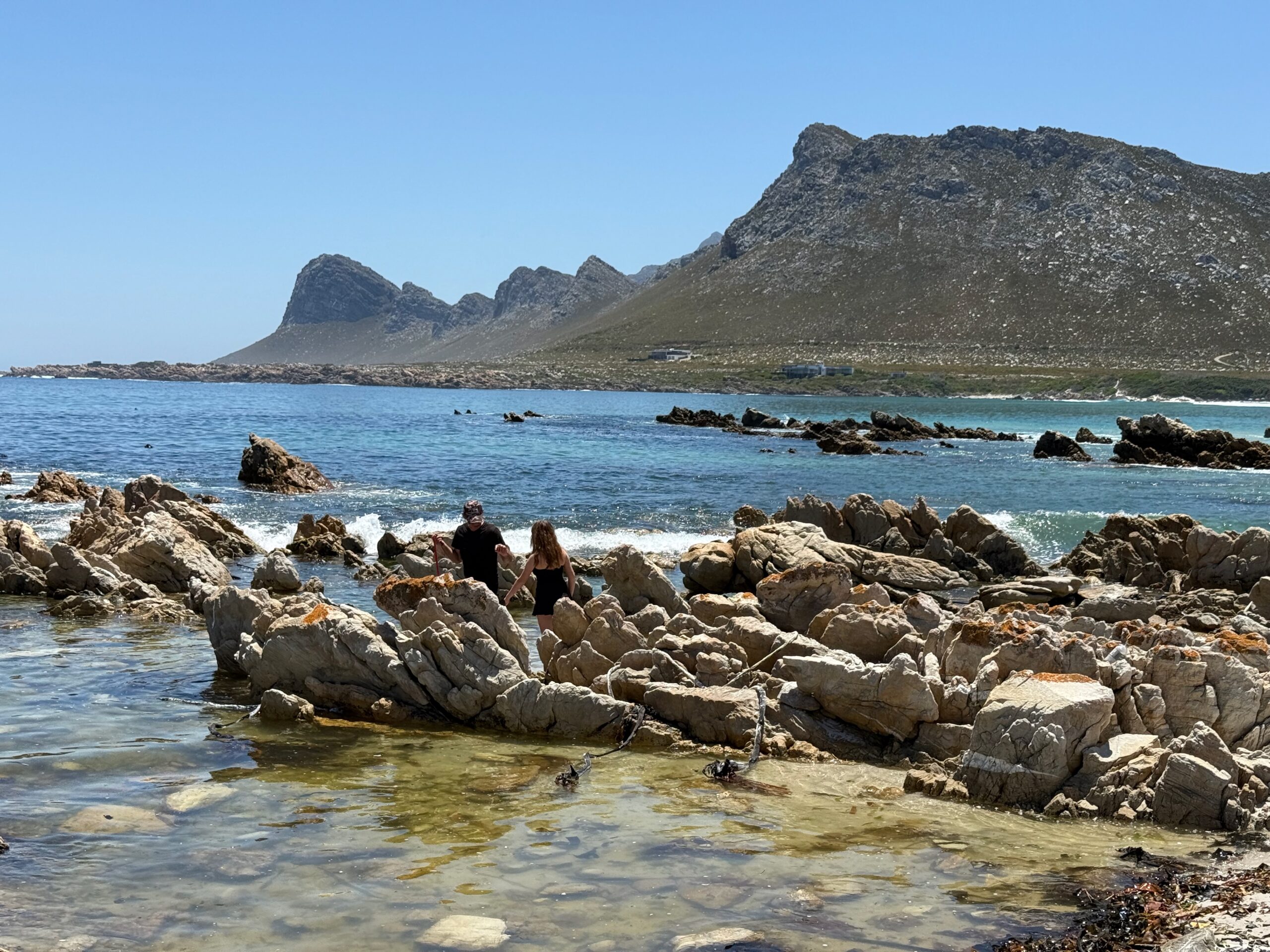
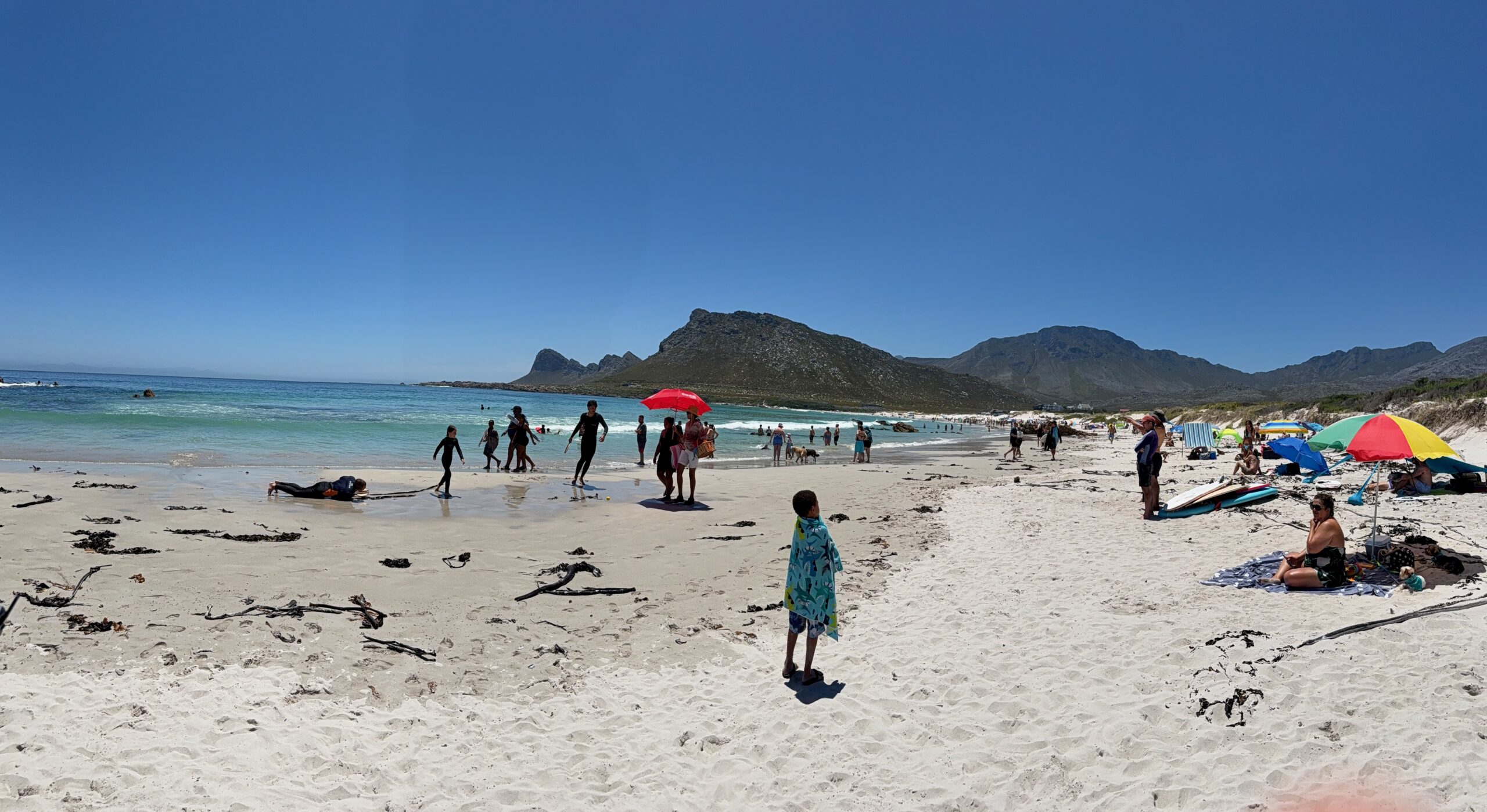
These photos are from yesterday, from a little trip I made with my family to Pringle Bay.
Pringle Bay is a small, coastal village in the Overberg region of the Western Cape, in South Africa. It is situated at the foot of Hangklip, on the opposite side of False Bay from Cape Point. The town and surrounds are part of the Kogelberg Biosphere Reserve, a UNESCO Heritage Site. [Wikipedia]
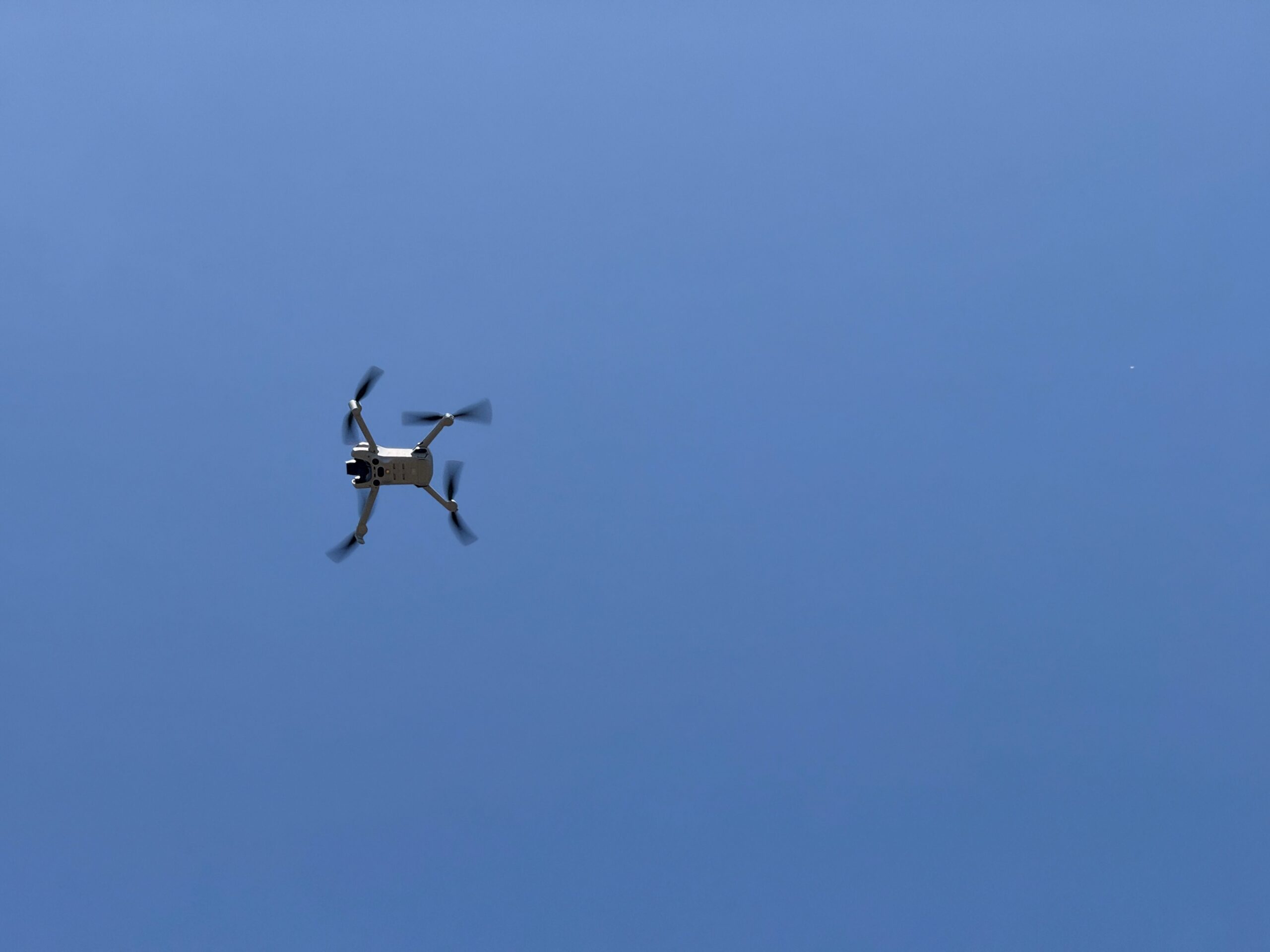
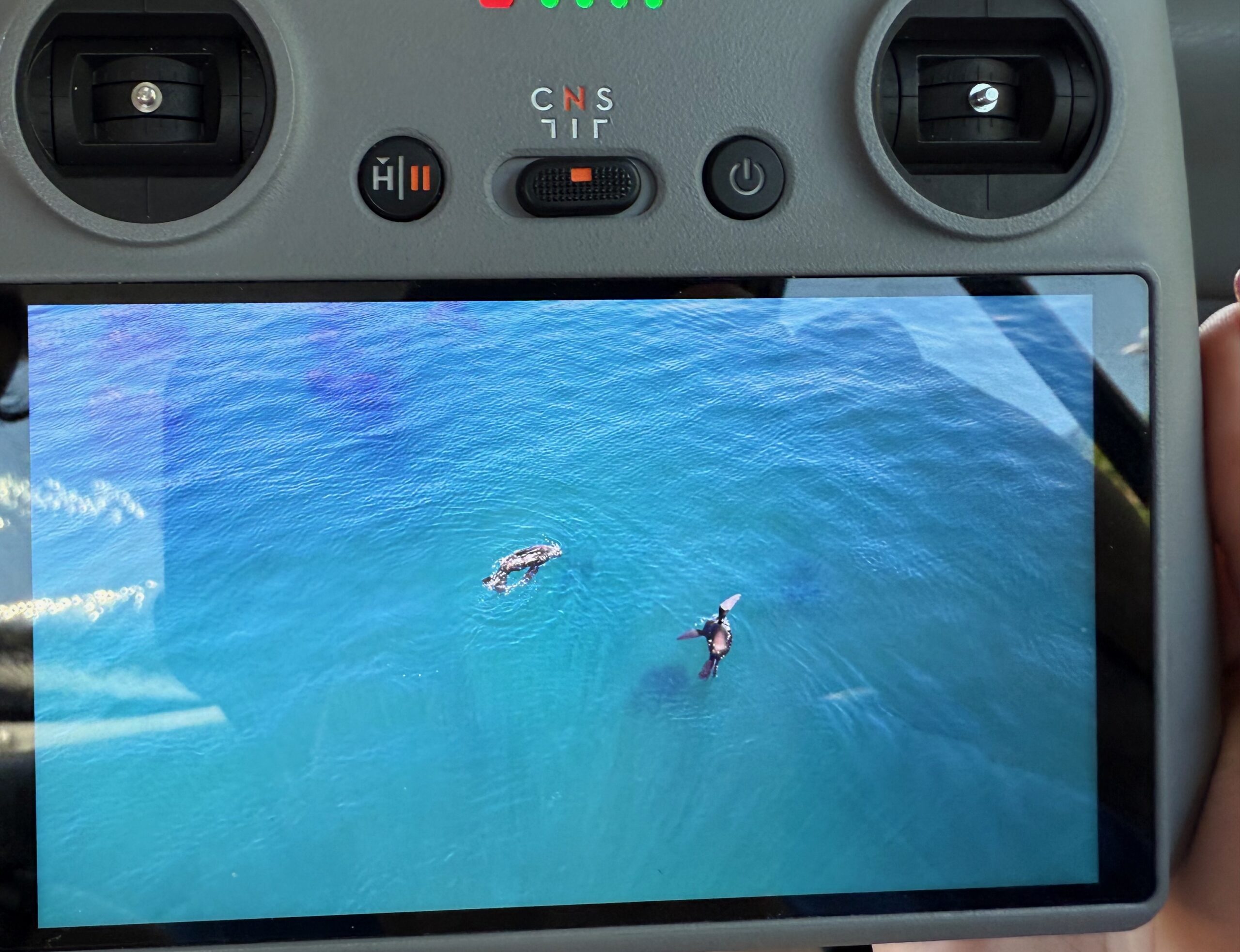
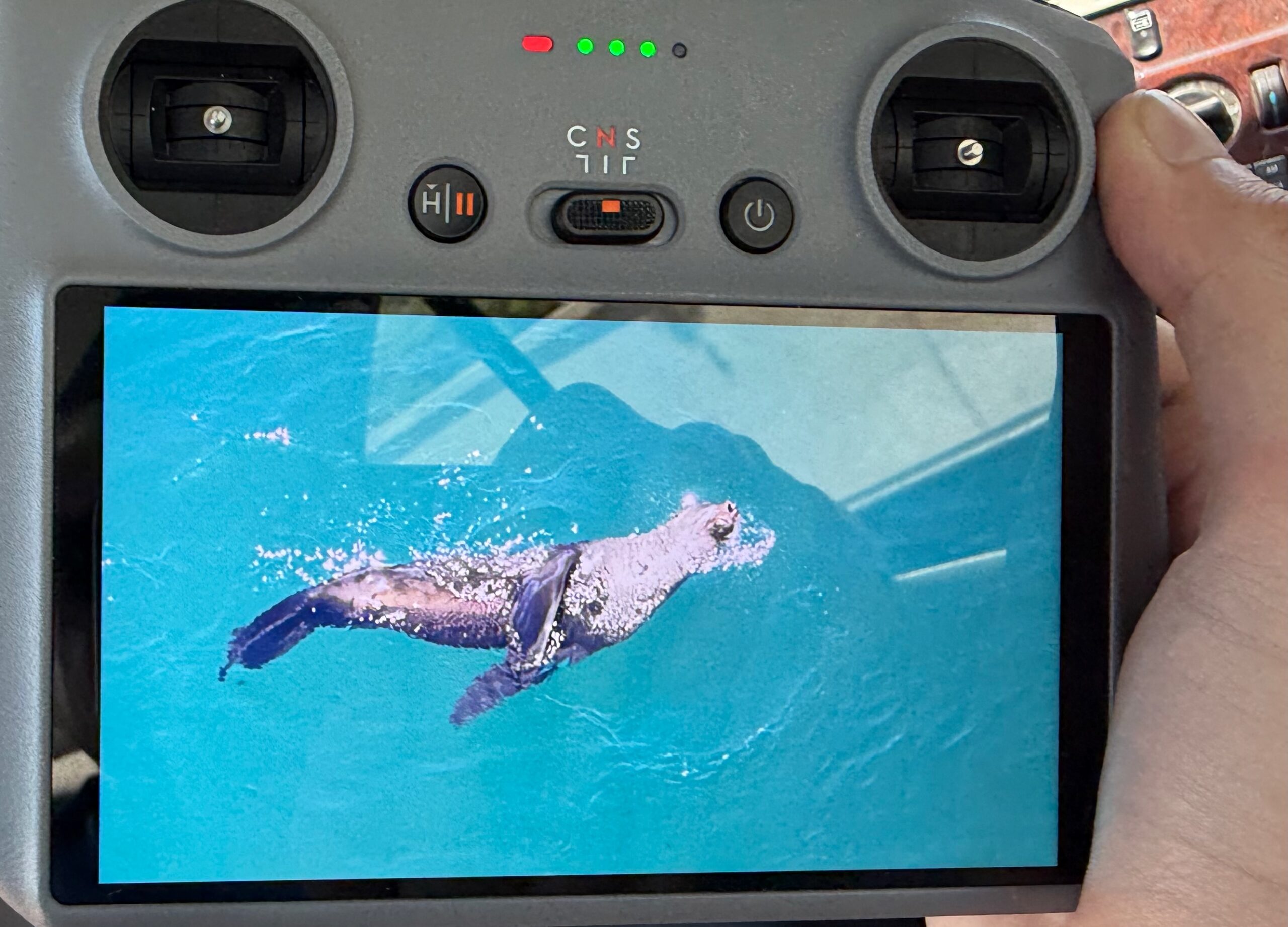
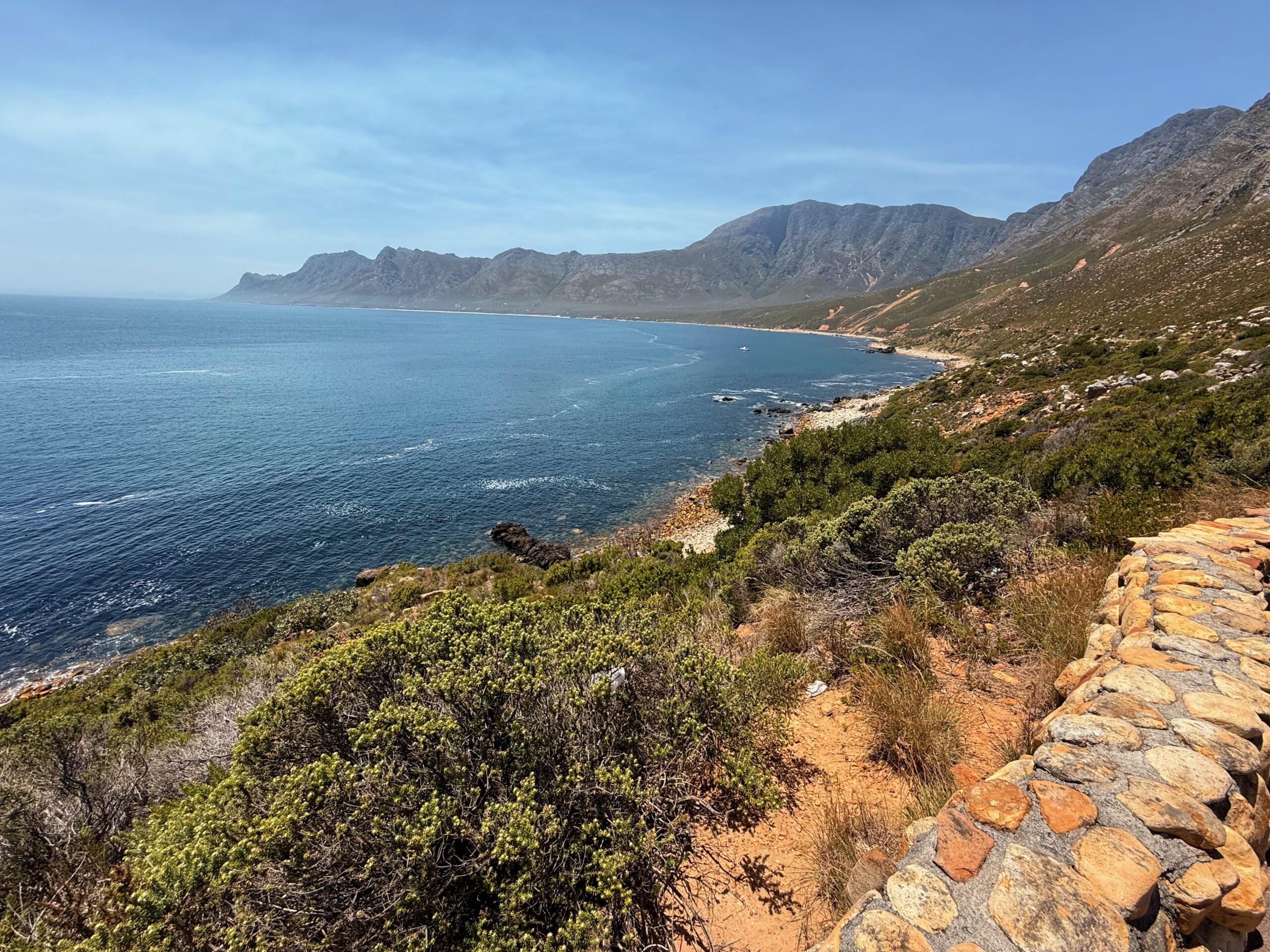
The main beach at Pringle Bay has rocks and tide pools, and then a sandy stretch for heliophiles and bathers. The rocky outcrop in the distance on the left is Hangklip (Afr. “hanging rock”), 420 m tall (1,377 ft), marking the entrace to False Bay as one approaches Cape Town along the coast from the east.Here is the main beach at Pringle Bay. We’re on the Indian Ocean side of Cape Town (only just), and here the beaches have warmer waters than on the Atlantic side: the effects of the warm Agulhas Current that comes down along Mozambique from Africa’s eastern coast.Time for my nephew to deploy his drone (I don’t know the model name, but it’s a technological marvel; cost: about $800). It has very sophisticated navigation abilities and a super-high resolution 360° swiveling camera.Off it goes, up, up to 1,000 m (3,280 ft)— at which point it is invisible to the naked eye.We only saw something black with fins, maybe, from the beach out in the distance. The drone footage shows that the fins belong to the sea lions. (Seals or sea lions? These are sea lions: brown, bark loudly, “walk” on land using their large flippers and have visible ear flaps. Seals have small flippers, wriggle on their bellies on land, and lack visible ear flaps. – Source: noaa.gov).The drone’s camera has a very high resolution and superzoom capabilities.A viewpoint on the way back to Cape Town, showing the coastline and the fynbos* of the Kogelberg Biosphere Reserve. *Fynbos: fine-leaved shrubland or heathland vegetation found in the Western and Eastern Cape provinces of South Africa.
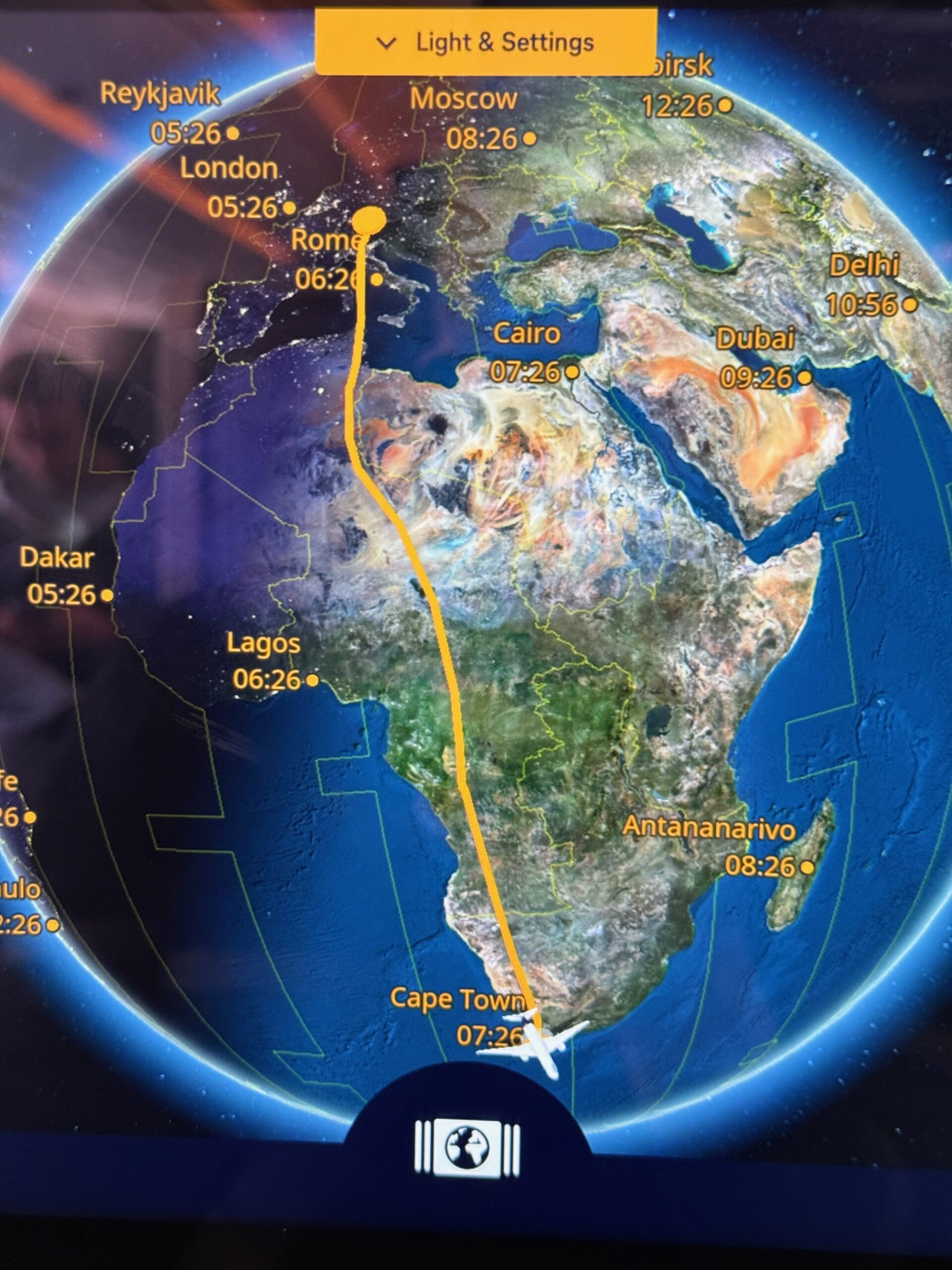
Here is our flight path south on Monday night and into Tuesday morning. We were directlyover Tunis (capital of Tunisia) after crossing the Mediterranean Sea. Later on we were at 39,000 ft (the plane’s cruising altitude) over Kinshasa (Democratic Republic of the Congo) and Windhoek (Namibia).
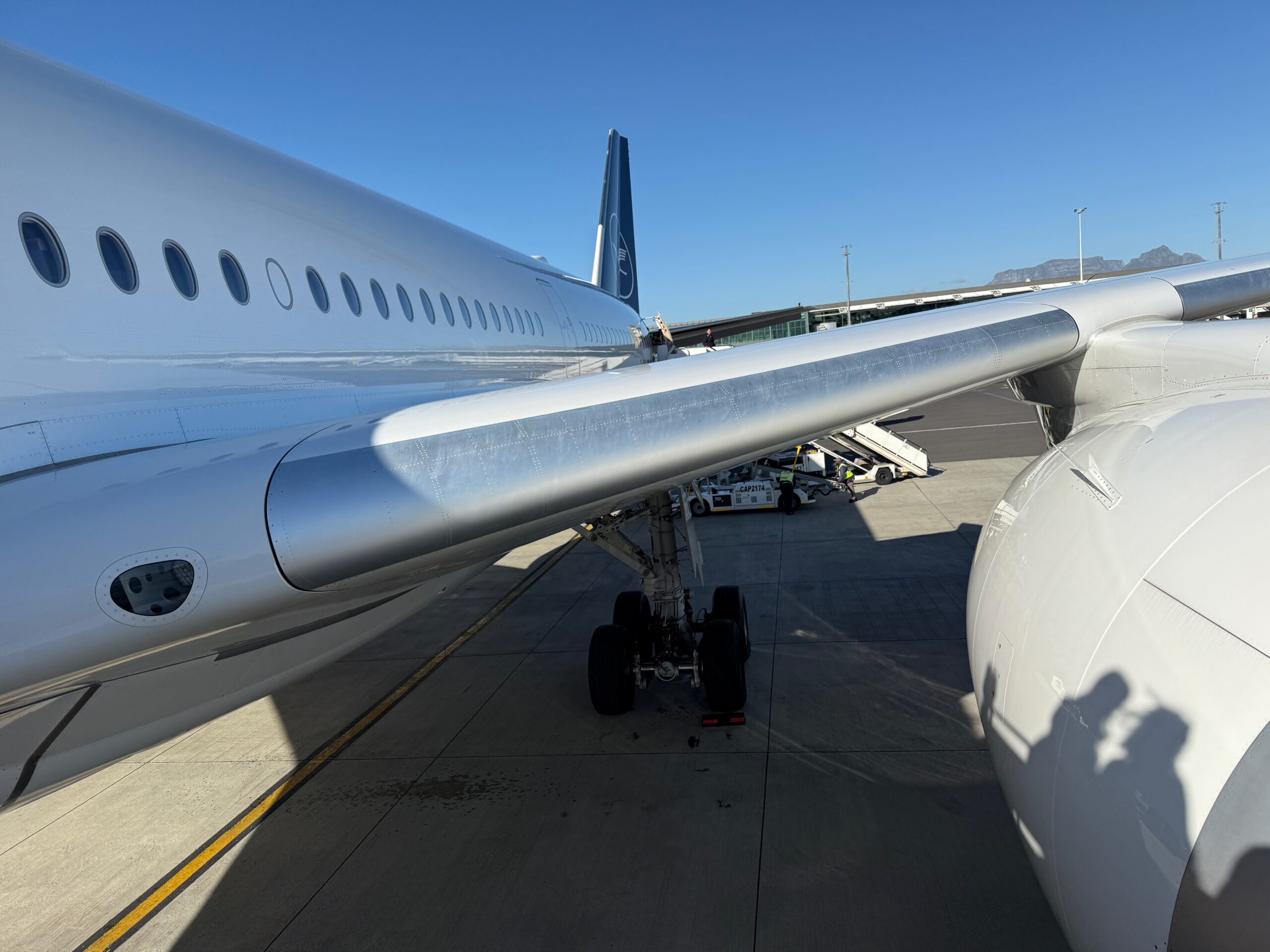
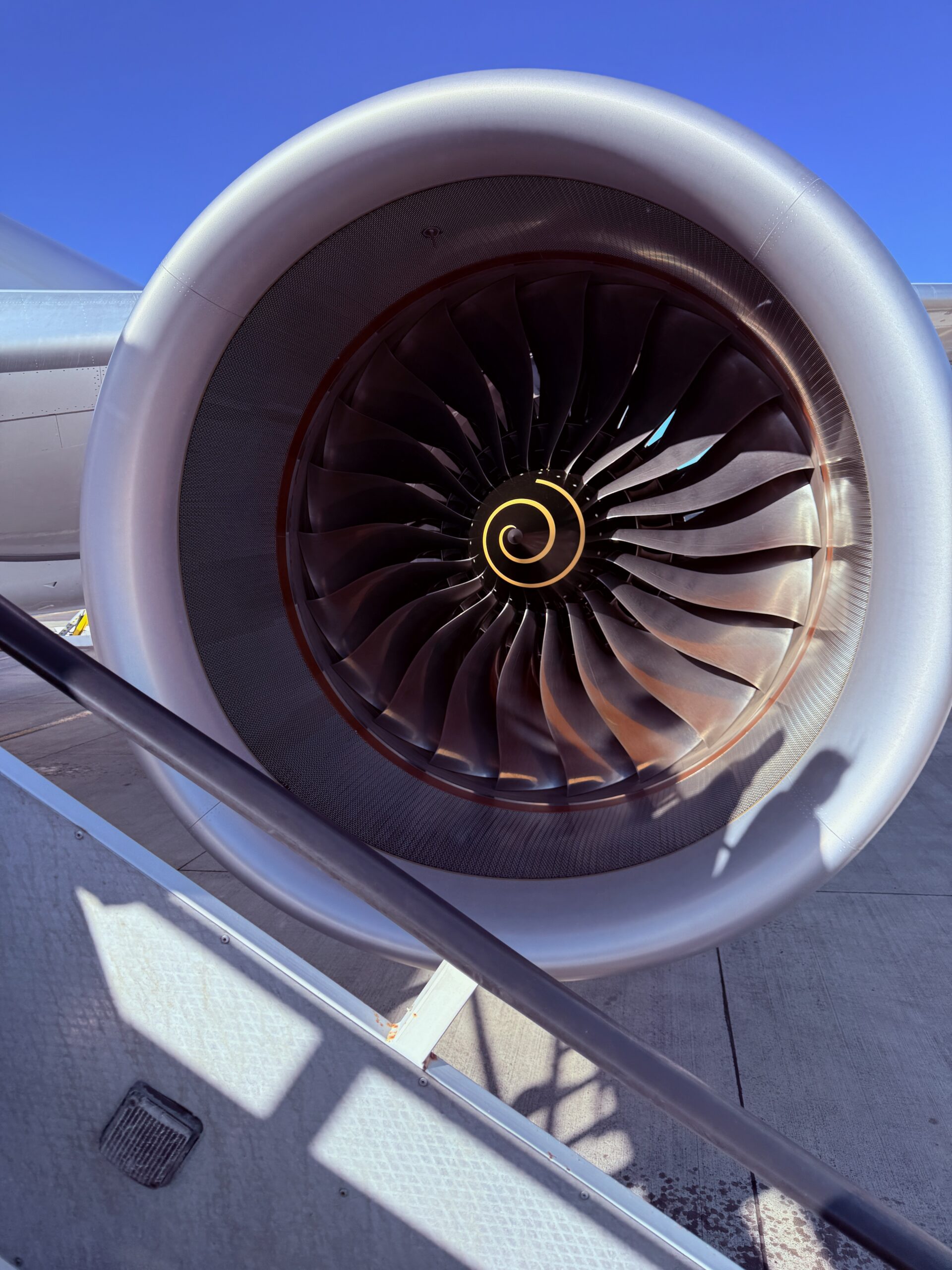
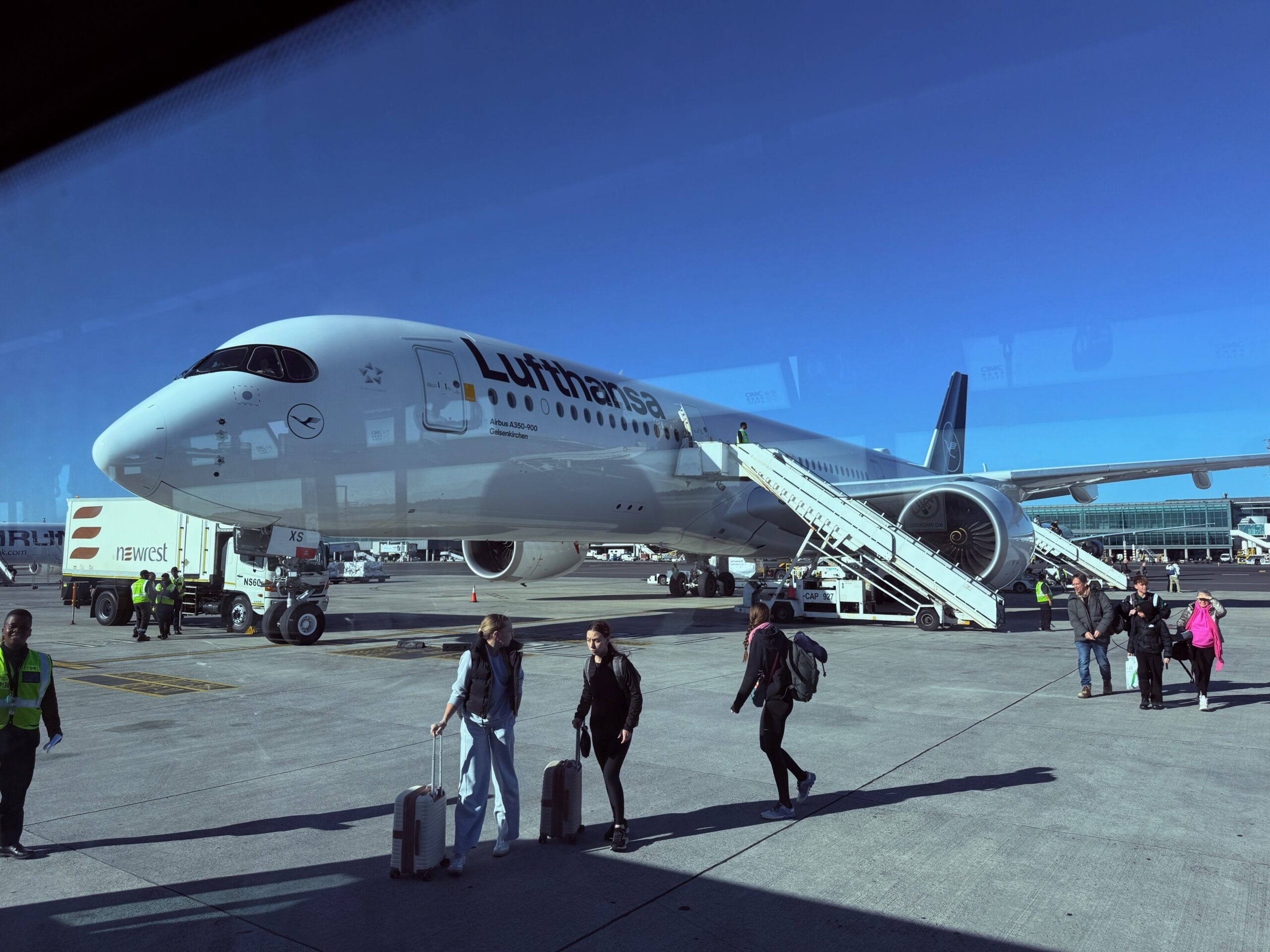
We landed at Cape Town International at 7.30 am local time (it’s an Airbus A350-900) and were bused into the terminal.
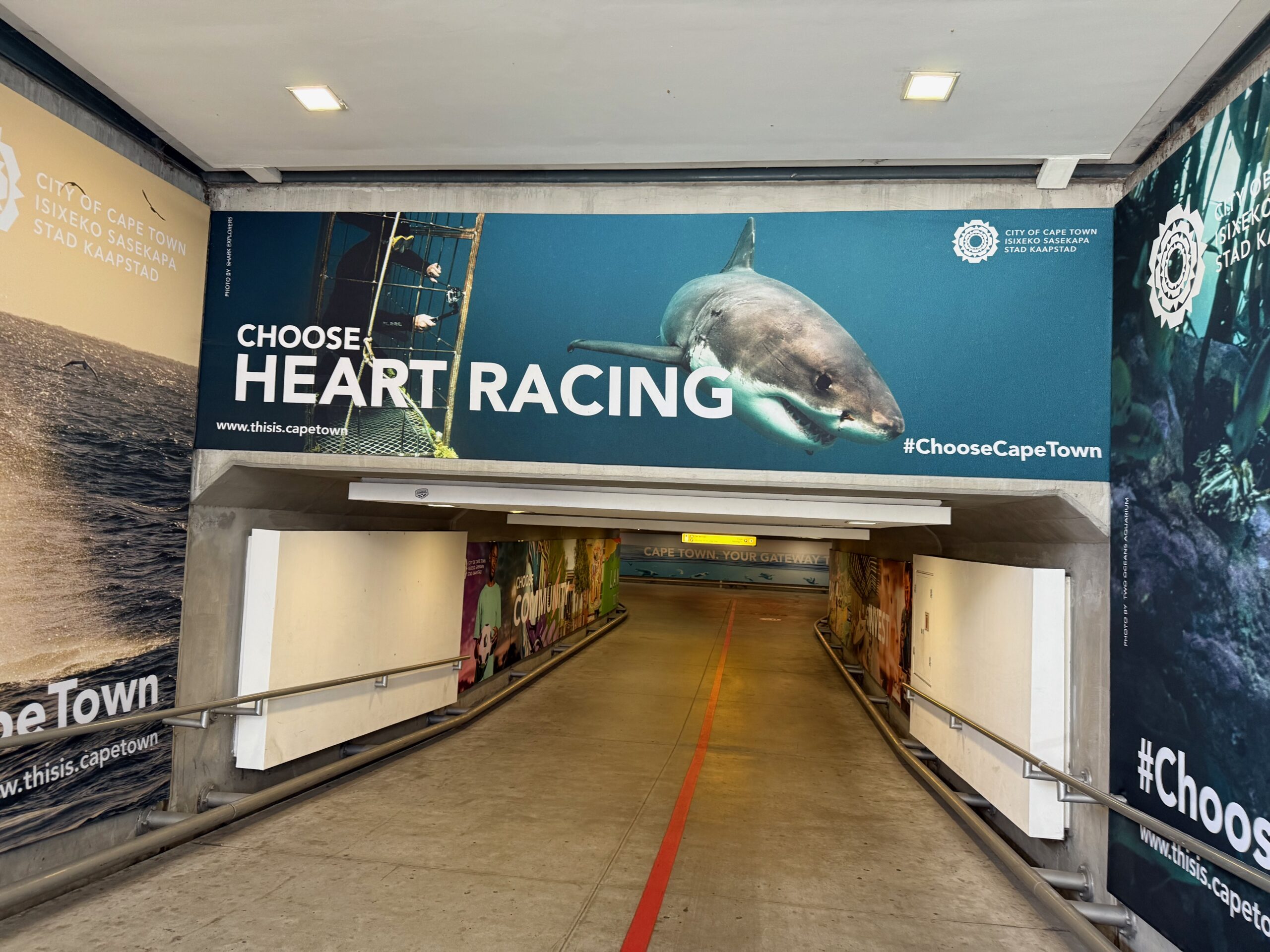
The shark tank dive billboard 😱 is from the pedestrian underpass to the rental car companies at the airport.
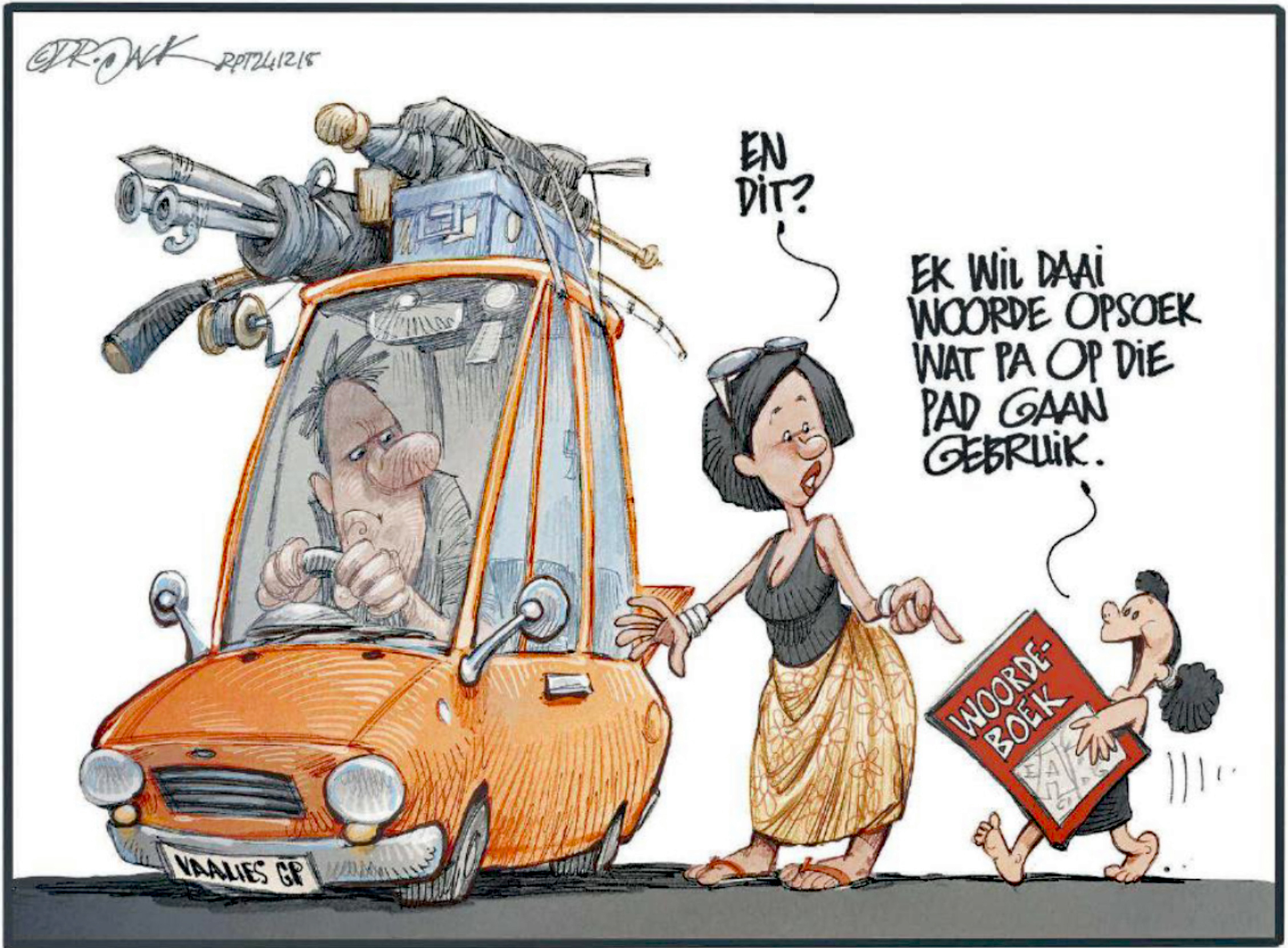
Here is today’s cartoon from South Africa’s Sunday newspaper Rapport.
The summer school holidays are underway in South Africa, and with it the exodus of the binnelanders* to the coast.
*Afrikaans word for those that live ‘inside’ the country— far away from the coast.
“And this?” “I want to look up those words that dad will use on the road.” About the car’s license plate: VAALIES = Old South Africa (pre-1994) nickname for inhabitants of Transvaal province, home to Johannesburg, and which is now called Gauteng (GP) province. [Cartoon by Dr Jack for Rapport newspaper]
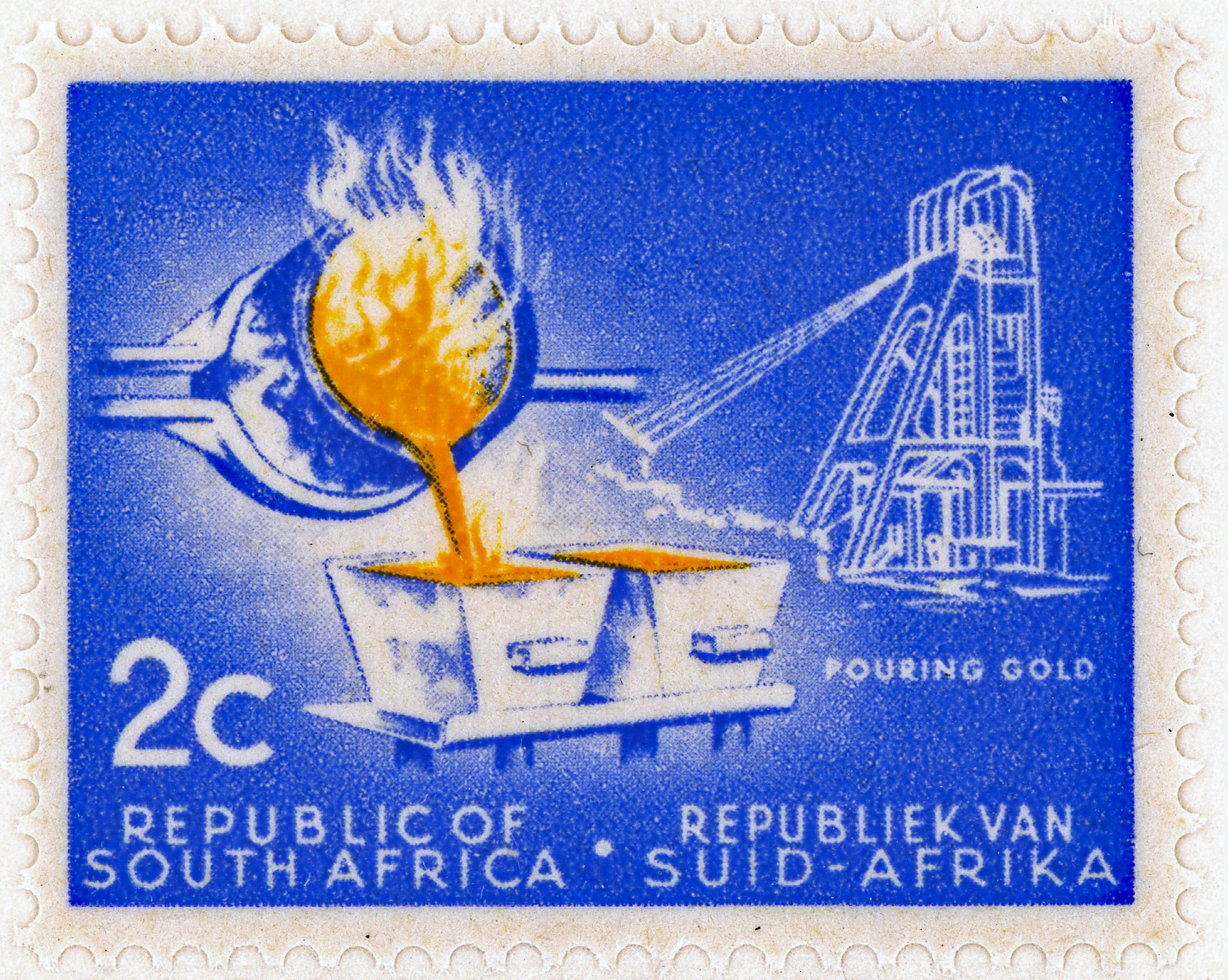
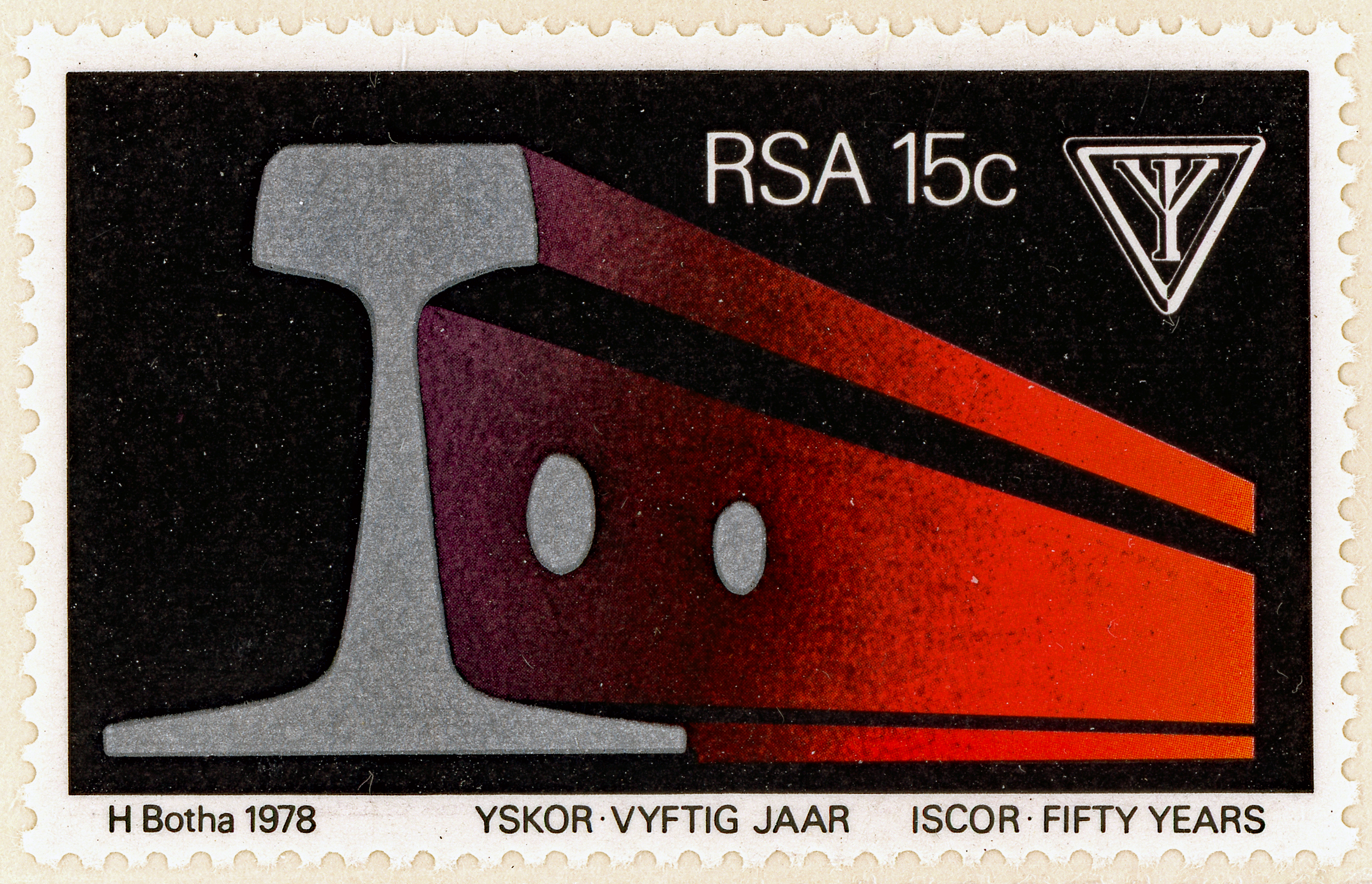
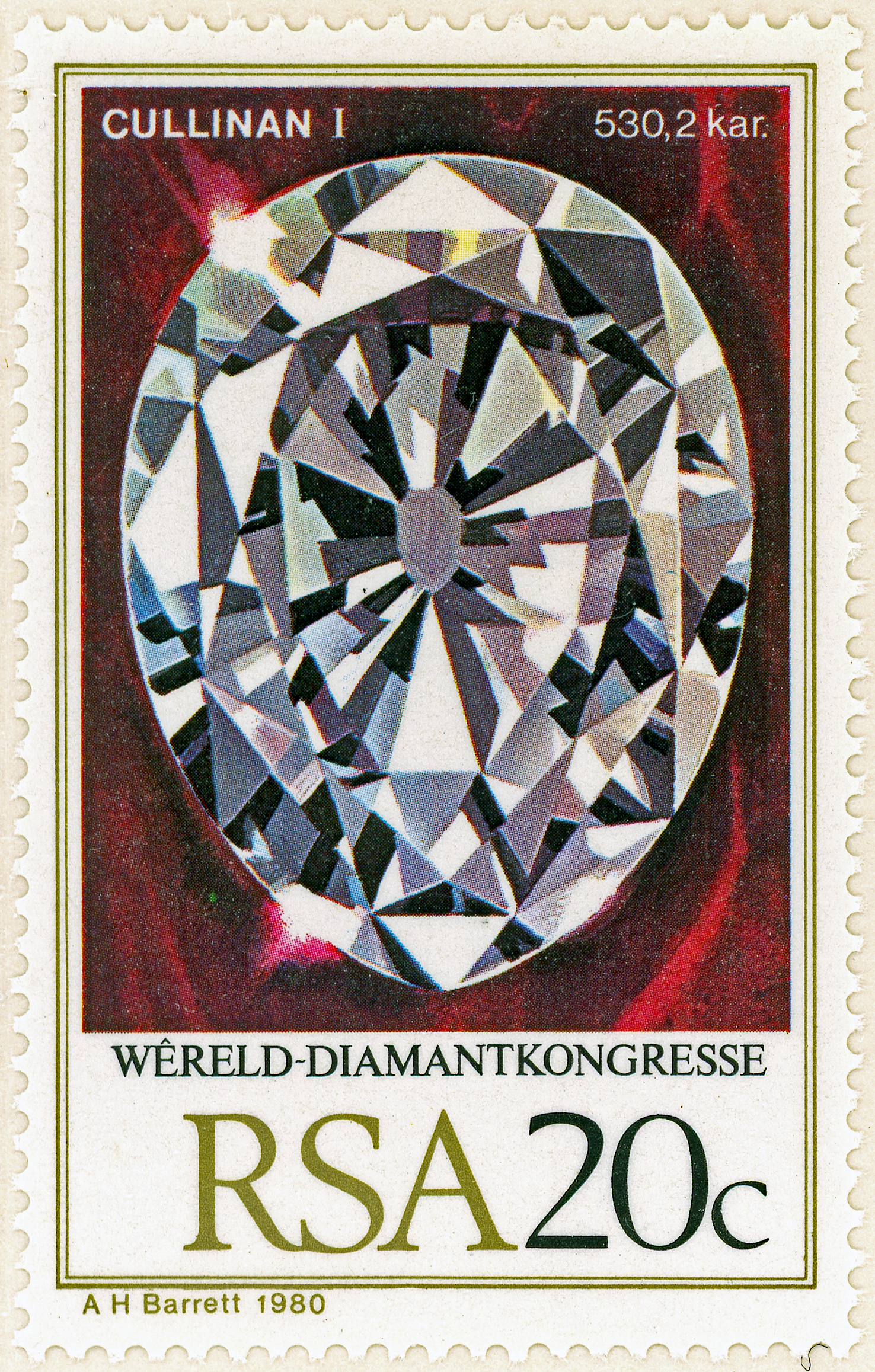
Here are stamps issued by South Africa that would be candidates for a themed collection of elements on stamps.
Given South Africa’s large mining industry, it is somewhat surprising that relatively few stamps with a mining theme have been issued.
Gold (atomic number 79) 1961 First Definitive Issue Issued May 31, 1961 Perf. 14 | Photogravure | Wmk Coat of Arms 201 113 2c Ultramarine and yellow | Pouring gold [Source: Stanley Gibbons Stamp Catalogue Part 1, British Commonwealth 1997]Iron (26) Steel is primarily composed of iron, with most types containing around 98% to 99.5% iron, with the remaining percentage typically made up of carbon and trace elements depending on the specific steel grade.
1978 50th Anniversary of ISCOR* (South African Iron and Steel Industrial Corporation) Issued Jun. 5, 1978 Perf. 12 | Design: Hein Botha | Litho. | No Wmk 441 225 15c Multicolored | Steel rail *In the early 2000s, Iscor was sold by Thabo Mbeki’s government as his administration sought to run a tight ship and right the country’s finances. The name Iscor disappeared for good in March 2005. [Source: Stanley Gibbons Stamp Catalogue Part 1, British Commonwealth 1997]Carbon (6) 1980 World Diamond Congress, Johannesburg Issued May 12, 1980 Perf. 14 |Design: A.H. Barrett |Litho. |No Wmk 478 20c Multicolored | Cullinan II diamond*
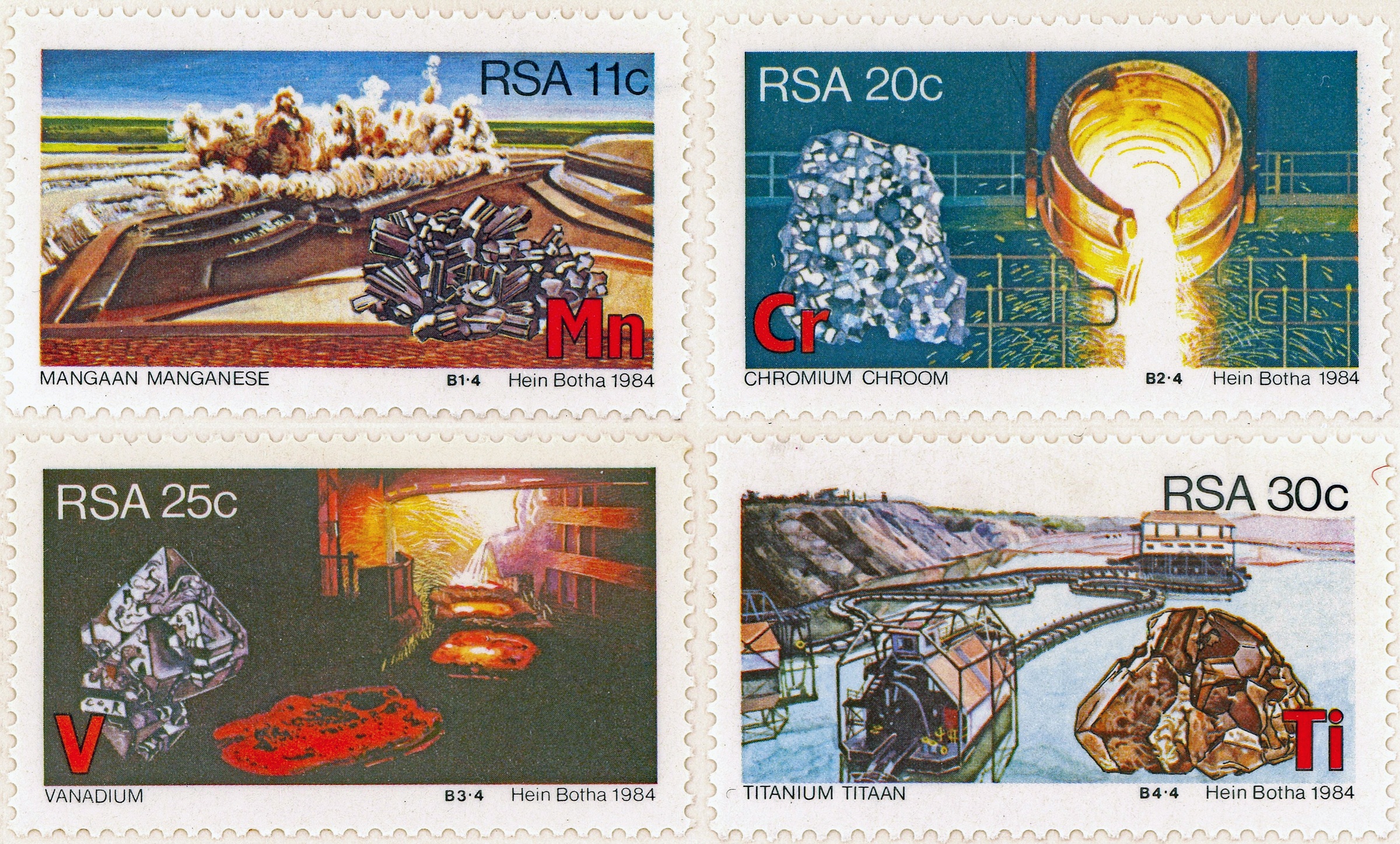
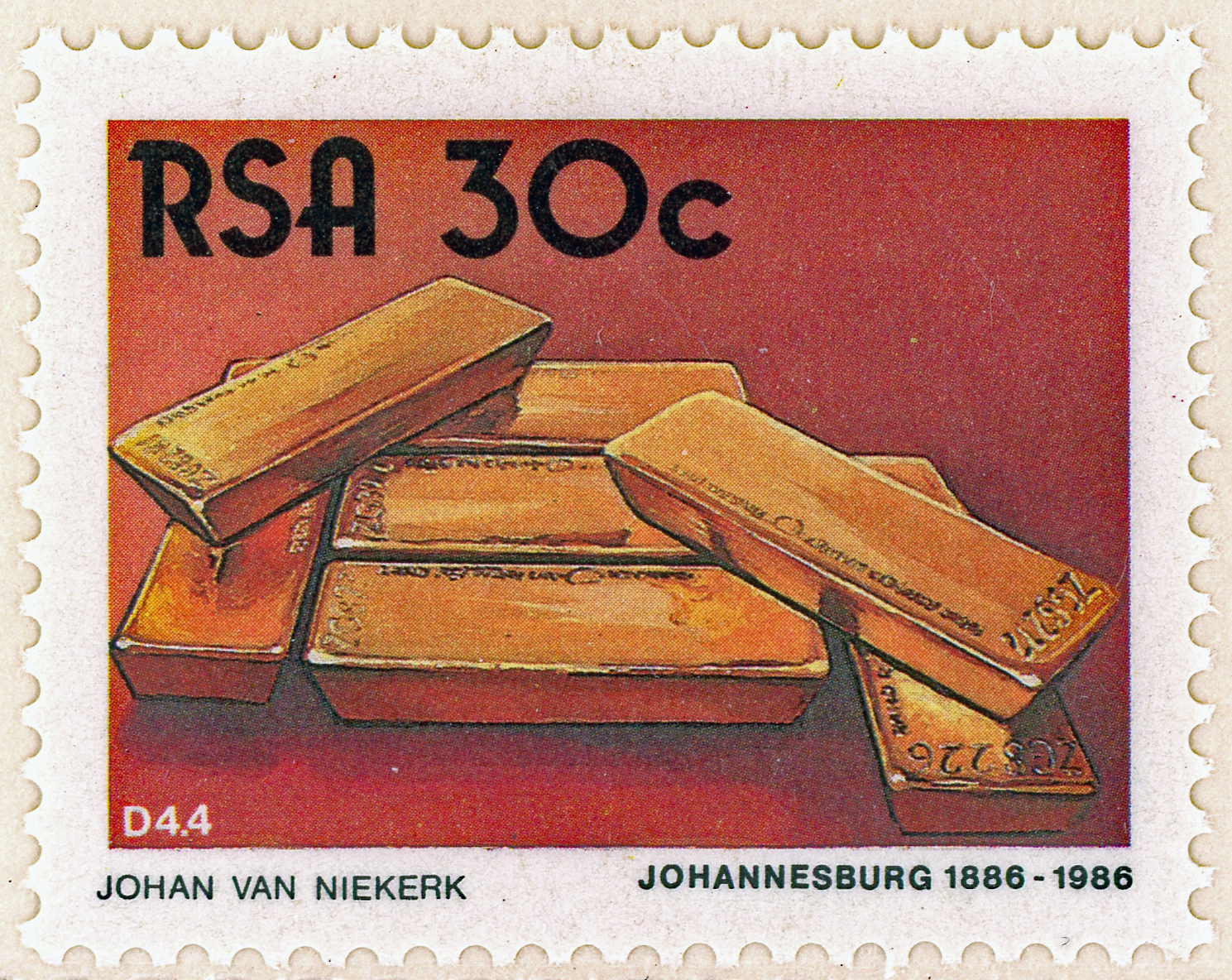
*Yes, a diamond is nothing but a lump of carbon. The Cullinan II is a 317.4 carat cushion-cut diamond that is the second-largest cut from the original Cullinan diamond. It is also known as the Second Star of Africa and is the most valuable stone in the Imperial State Crown in the Tower of London. The Cullinan Diamond is the largest gem-quality rough diamond ever found, weighing 3,106 carats (621.20 g), discovered at the Premier No.2 mine in Cullinan, South Africa, on 26 January 1905. [Source: Stanley Gibbons Stamp Catalogue Part 1, British Commonwealth 1997]These four metals happen to sit right next to one another in the periodic table: Titanium (22) Vanadium (23) Chromium (24) Manganese (25) 1984 Strategic Minerals Issued Jun. 8, 1984 Perf. 14 x 14¼ | Design: Hein Botha | Litho. | No Wmk 558 11c Multicolored | Manganese 559 20c Multicolored | Chromium 560 25c Multicolored | Vanadium 561 30c Multicolored | Titanium [Source: Stanley Gibbons Stamp Catalogue Part 1, British Commonwealth 1997]Gold (79) 1986 Centenary of Johannesburg Issued Sep. 25, 1986 Perf. 14 | Design: J. van Niekerk | Litho. | No Wmk 607 30c Multicolored | Gold bars [Source: Stanley Gibbons Stamp Catalogue Part 1, British Commonwealth 1997]
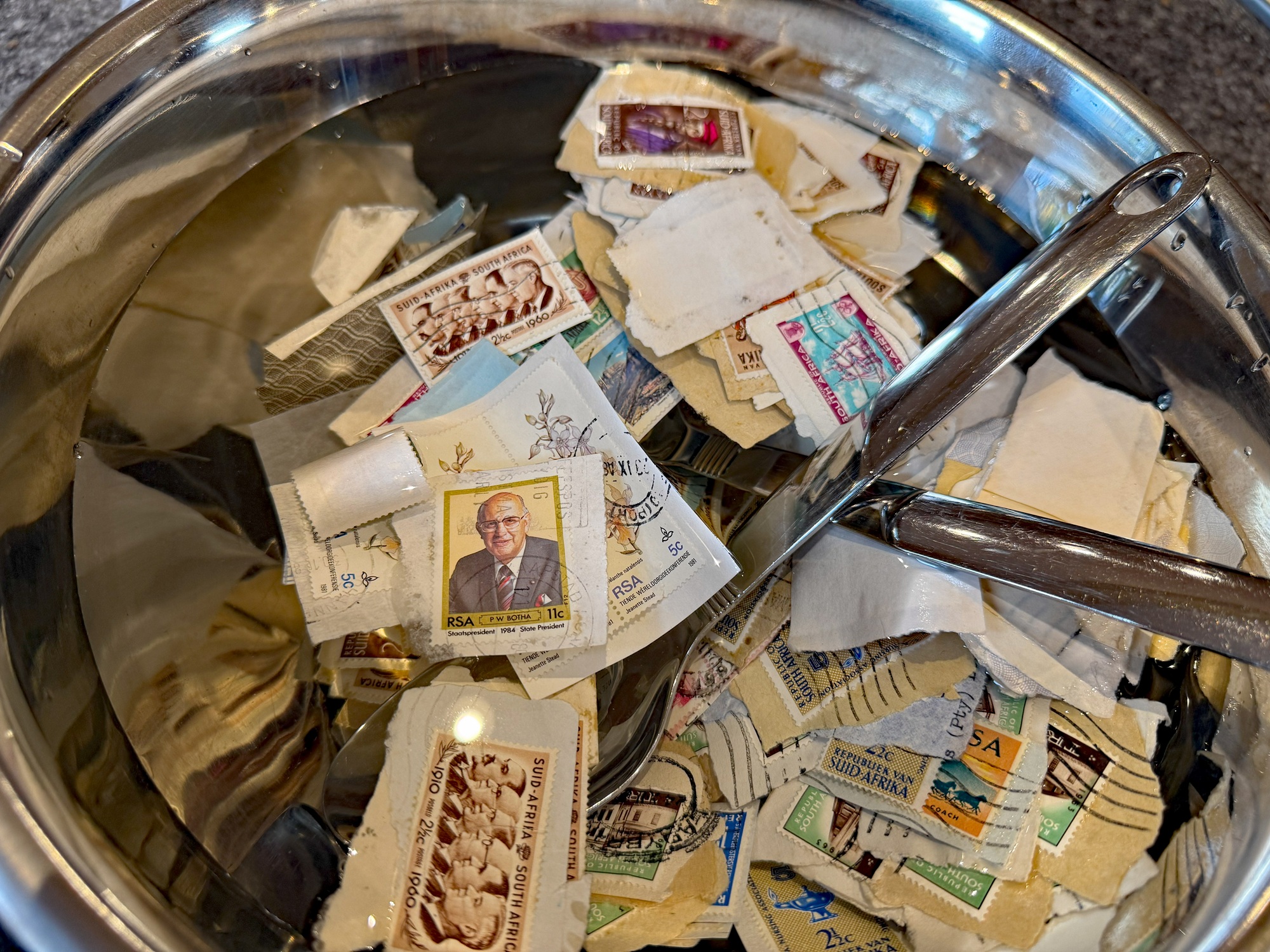
The last batch of my on-paper stamps are getting dunked into the water here (to separate the stamps from the paper).
There he is, in the middle of the picture, The Big Crocodile (Afr. Die Groot Krokodil): nickname of South African State President Pieter Willem (P.W.) Botha in 1984. (Botha passed away in 2006). By 1985, push had came to SHOVE in South Africa’s national politics, with a State of Emergency in place (effectively a form of martial law), and thousands of demonstrators detained in jail. Botha declared in his famous Rubicon speech in August 1985 that he would not support majority rule or the participation of black South Africans in the national government. He fell ill in 1989, though, and was forced to hand over the reigns to F.W. de Klerk. De Klerk introduced radical policy changes that led to the dismantling of the apartheid system, and to the release of Nelson Mandela from jail (in February 1990), which paved the way for the country’s first multiracial elections in April 1994.
Here’s December.
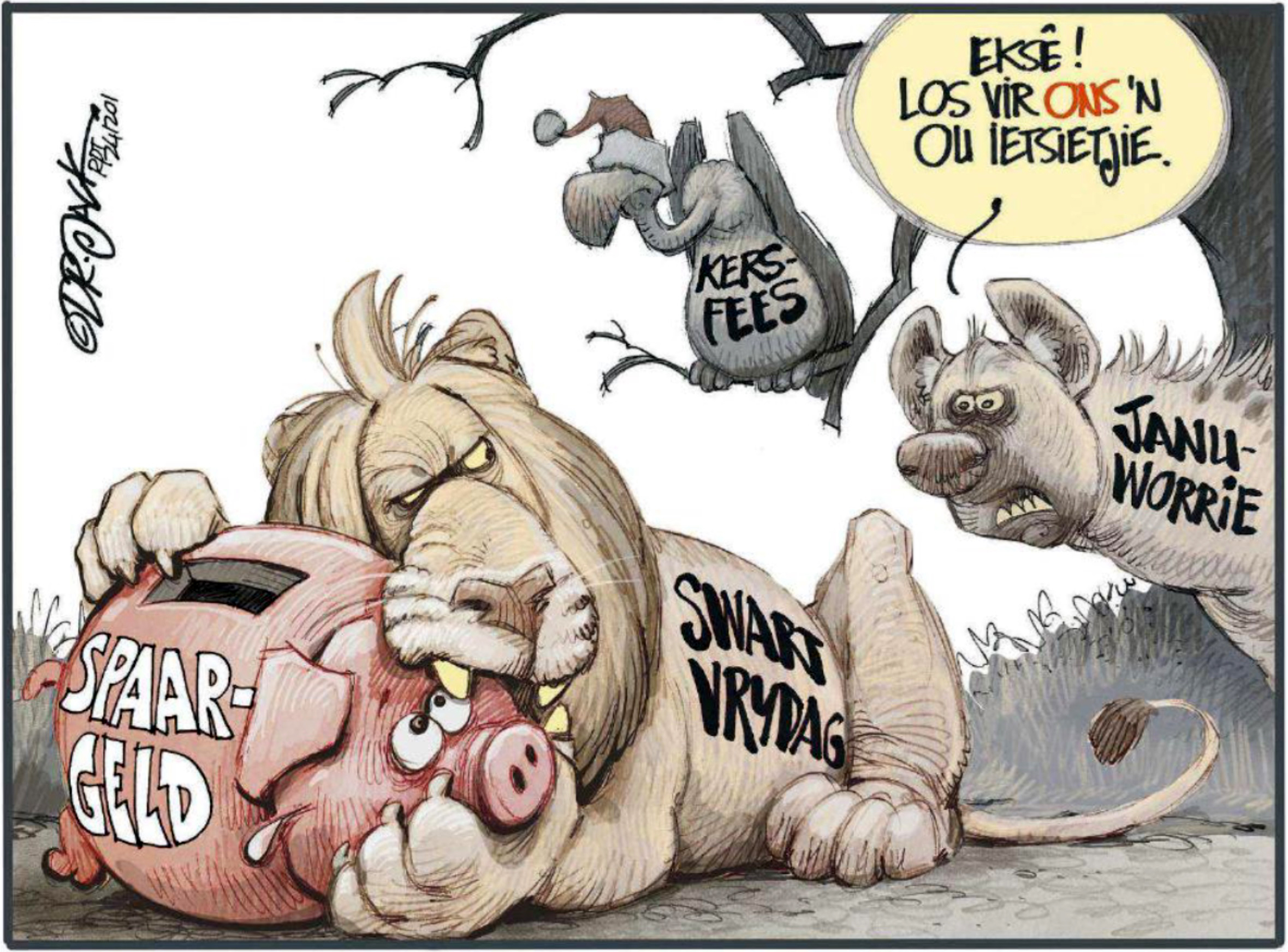
This cartoon is from South African Sunday paper Rapport.
The piggy/ piggy bank is called Savings. The lion is Black Friday. The vulture is Christmas. The hyena is Janu-worry, and says “I say! Leave a little something for us.” [Cartoon by Dr. Jack, published in Rapport newspaper].
I need to die before I’m dead when my heart is still fertile and red before I eat the darkened soil of doubt
give me two lips and bright ink for tongue to write the earth one vast love letter swollen with the milk of mercy
– From the poem ‘Rebel Song’ by Breyten Breytenbach
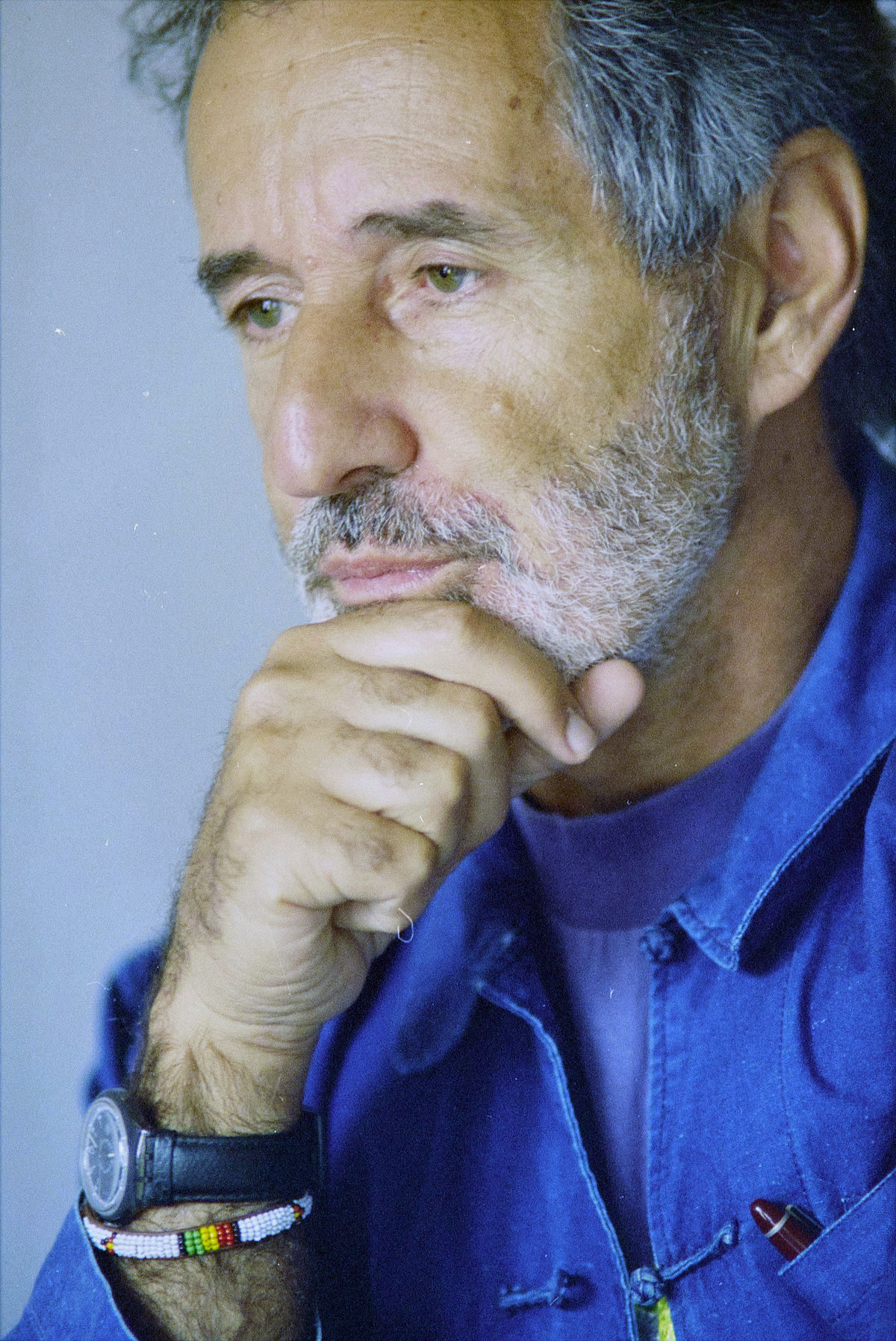
Breytenbach in 1995 ‘Breytenbach was a political dissenter against the ruling National Party and its white supremacist policy of apartheid in the early 1960s. He was a founding member of the dissident literary movement of Afrikaner writers, the Sestigers in 1961, and participated in protests against the exclusion of black youth from educational pathways’. [Picture and text from Wikipedia]The iconic South African writer and activist Breyten Breytenbach passed away in Paris, France, yesterday (he was 85). His wife Yolande was by his side.
Breytenbach wrote mostly in Afrikaans, but also in English. He was a fierce critic of apartheid as he embarked on his long and illustrious career, as a writer that would redefine the Afrikaans literary landscape.
In 1960, Breytenbach left South Africa under a self-imposed exile.
After a two-year tour of Europe, he settled in France (he later became a French citizen).
In 1962 he married a French woman of Vietnamese ancestry, Yolande: a criminal act under South African law at the time.
The Prohibition of Mixed Marriages Act of 1949 and Immorality Act (1950) made it a criminal offence for a person to have any sexual relations with a person of a different race.
In 1975, Breytenbach was arrested in South Africa after travelling there on a false passport. His intention was to help black Africans organize trade unions, and to recruit members for a branch of the African National Congress (ANC) for white people. He sentenced to nine years’ imprisonment for high treason, the first two in solitary confinement in in Pretoria Central Prison’s maximum security wing. He was released after seven years, thanks to a campaign led by former French President Francois Mitterand.
In 1984, his memoir The True Confessions of an Albino Terrorist was published, describing aspects of his imprisonment.
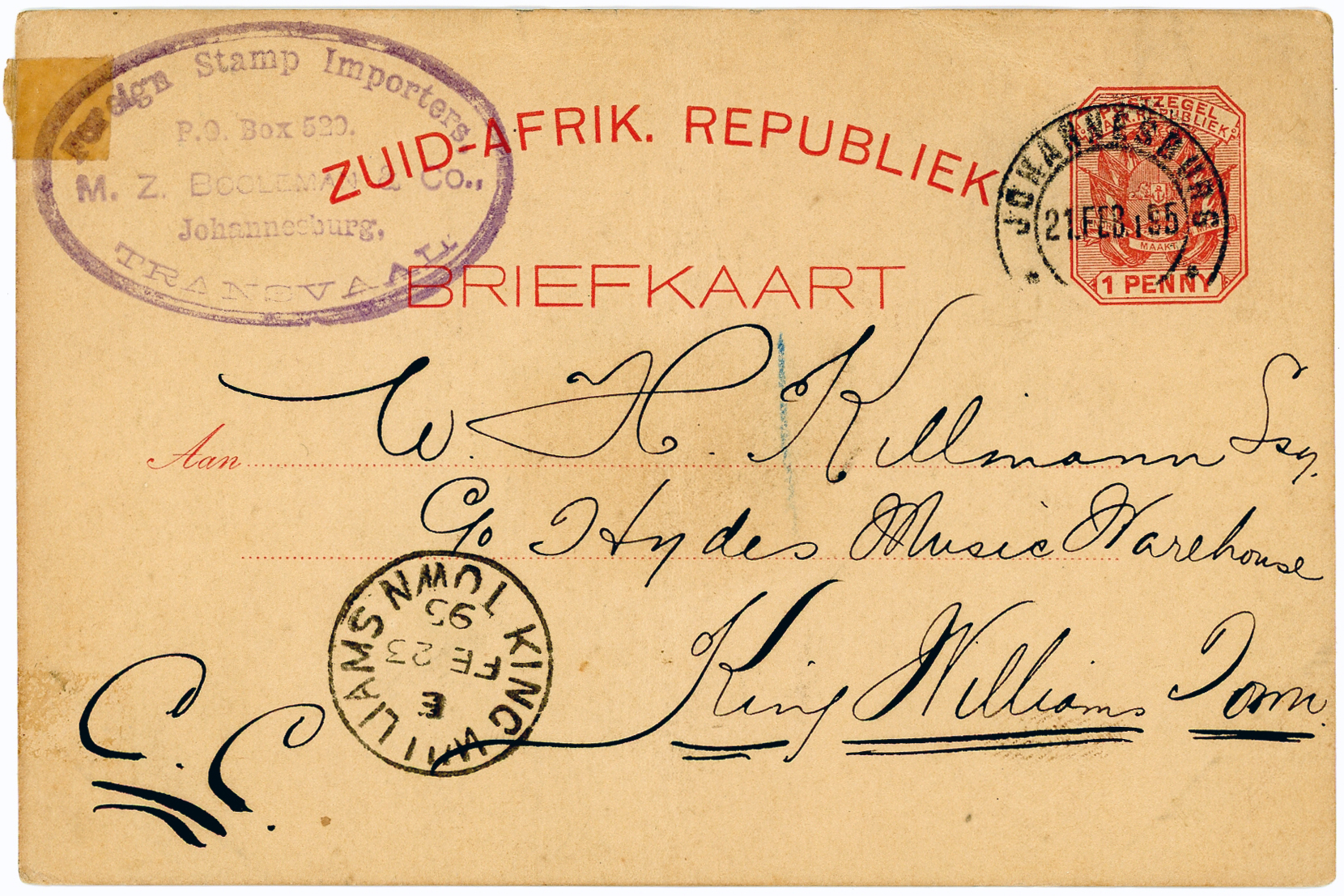
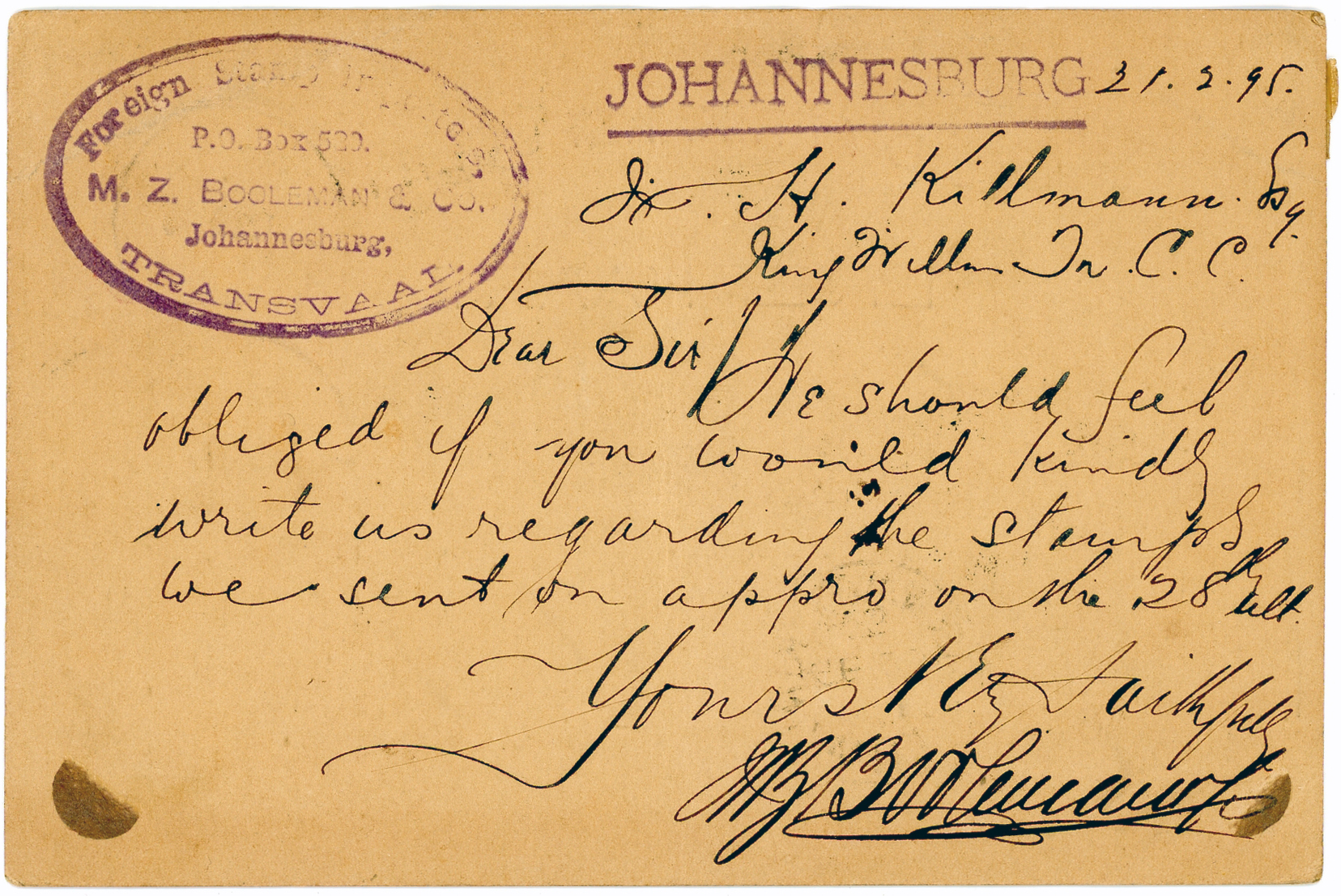
I don’t collect whole pieces of mail (such as envelopes, first day covers and post cards), but I found this post card that was for sale on Ebay impossible to resist.
This post card (‘Briefkaart’) is Afrikaans only and doesn’t bother to offer English wording (later ones were bilingual, and did). Check out the gorgeous cursive writing, an art form lost in the century that followed. The card was mailed in 1895, in Johannesburg, City of Gold, ‘El Dorado’ for real— founded only nine years prior, in 1886. (In that year the Witwatersrand Gold Rush started, which led to the establishment of Johannesburg). Just a few years earlier still, the outcome of the First Boer War (1880-81) had led to the temporary independence of the South African Republic (‘Zuid-Afrikaanse Republiek’) from the British Empire.
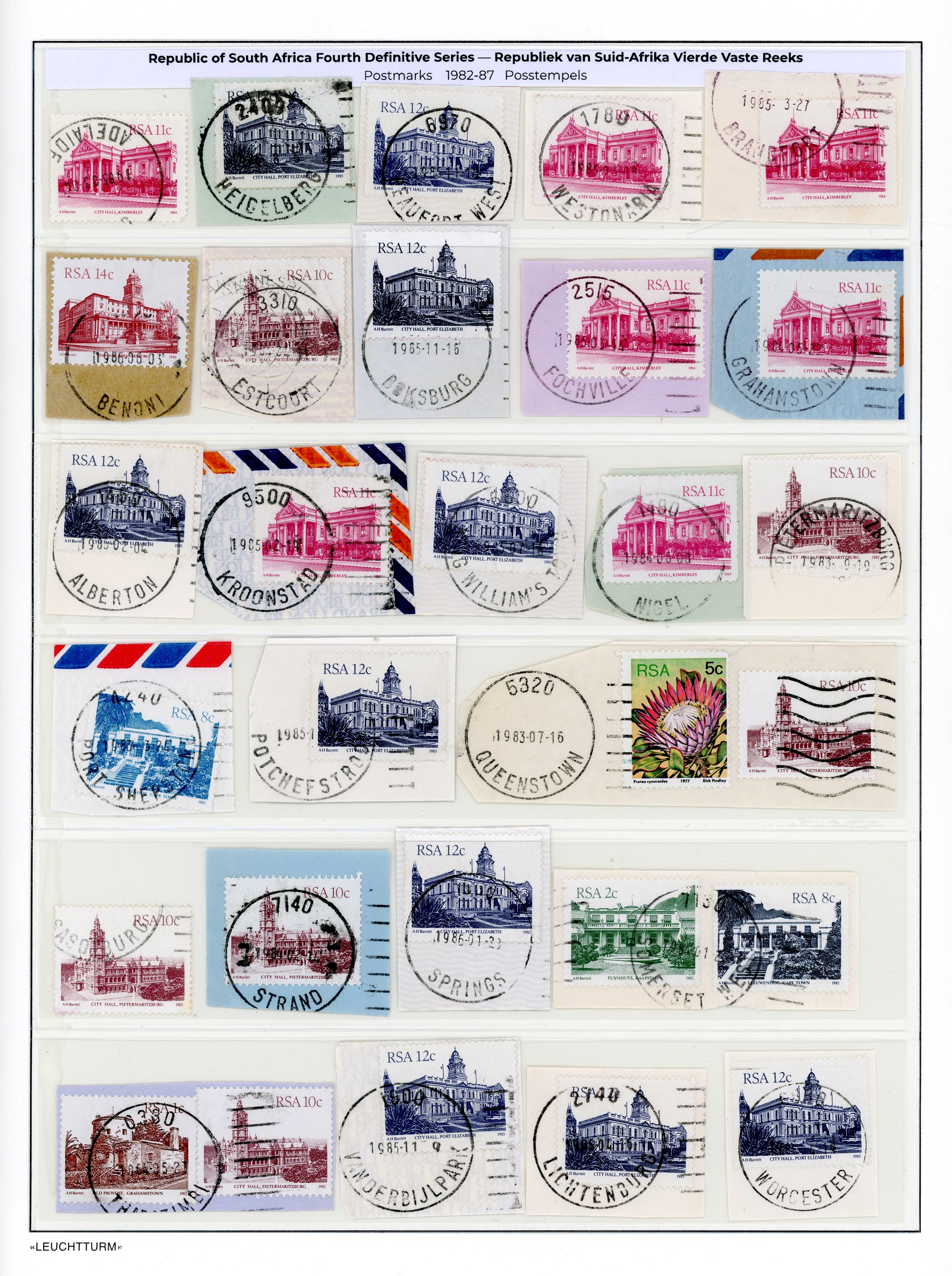
I still have shoeboxes full of South African stamps on paper cutouts, and I dunk them batch by batch into water to separate the stamp from the paper.
Those that have nice postmarks on (place name and date), I keep on the paper, though.
Below is such a page.
Some of these postmarks belong completely to history.
The cities and towns that they denote have been renamed in recent years.
Fourth Definitive Issue (1982-87)— South African Buildings Issued Jul. 15, 1982 Perf. 14½x14, 14×14½ | Litho. and Recess Printing | No watermark 564 A229 1c Brown (’84) | Old Provost, Grahamstown 566 A229 2c Green | Tuynhuys, Cape Town 574 A229 8c Intense Blue (’83) | Leeuwenhof, Cape Town 576 A229 10c Light red-brown | City Hall, Pietermaritzburg 578 A229 11c Cerise (’84) | City Hall, Kimberley 579 A229 12c Deep Ultramarine (’85) | City Hall, Port Elizabeth 580 A229 14c Rose brown (’86) | Johannesburg City Hall (Note- Only the stamps in the picture are listed here; several others were issued as part of the fourth definitive series). [Source: 2021 Scott Standard Postage Stamp Catalogue, Vol. 6A]
Postmarks: ADELAIDE, HEIDELBERG, BEAUFORT WEST, WESTONARIA, BRANDFORT (Winnie Mandela since 2021), BENONI, ESTCOURT, BOKSBURG, FOCHVILLE, GRAHAMSTOWN (now also known as Makhanda), ALBERTON, KROONSTAD, KING WILLIAM’S TOWN (Qonce since 2021), NIGEL, PIETERMATIZBURG, PORT SHEPSTONE, POTCHEFSTROOM, QUEENSTOWN (Komani since 2016), SASOLBURG, STRAND, SPRINGS (now part of the City of Ekurhuleni), SOMERSET WEST, THBAZIMBI, VANDERBIJLPARK, LICHTENBURG, WORCESTER.
Some 50 million voters have already cast their ballots for the 2024 US Elections (one third of the electorate).
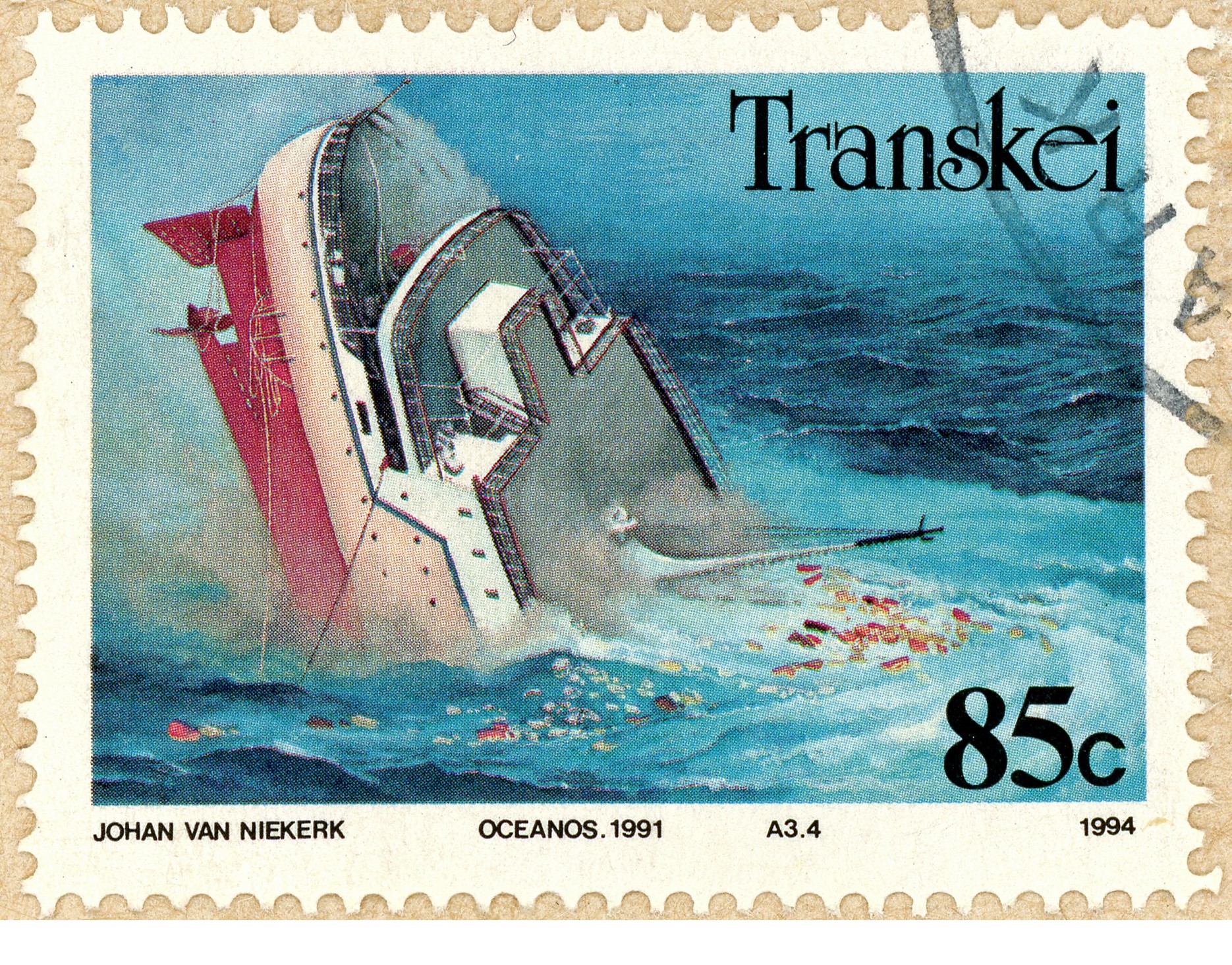
I came across this stamp in my shoebox with on-paper stamps today.
1994 Modern Shipwrecks Issued Mar. 18, 1994 by Transkei, from the final set of stamps issued by Transkei* Perf. 14½ x14 | Litho. | No watermark 301 A62 85c |Multicolored | Oceanos**, 1991 *Transkei was a self-governing tribal homeland in South Africa from 1976 to 1994 in the Eastern Cape province. Transkei ceased to exist on Apr. 27, 1994. It was reincorporated into the Republic of South Africa after the 1994 national election. **MTS Oceanos was a French-built and Greek-owned cruise ship that sank in 1991 off the coast of South Africa when she suffered uncontrolled flooding. Friends of my parents were on the ship as she was going under 😱, and came away on a lifeboat with nothing other than the clothes that they had been wearing. [Sources: Scott Standard Postage Stamp Catalog, Vol. 6A, Wikipedia]
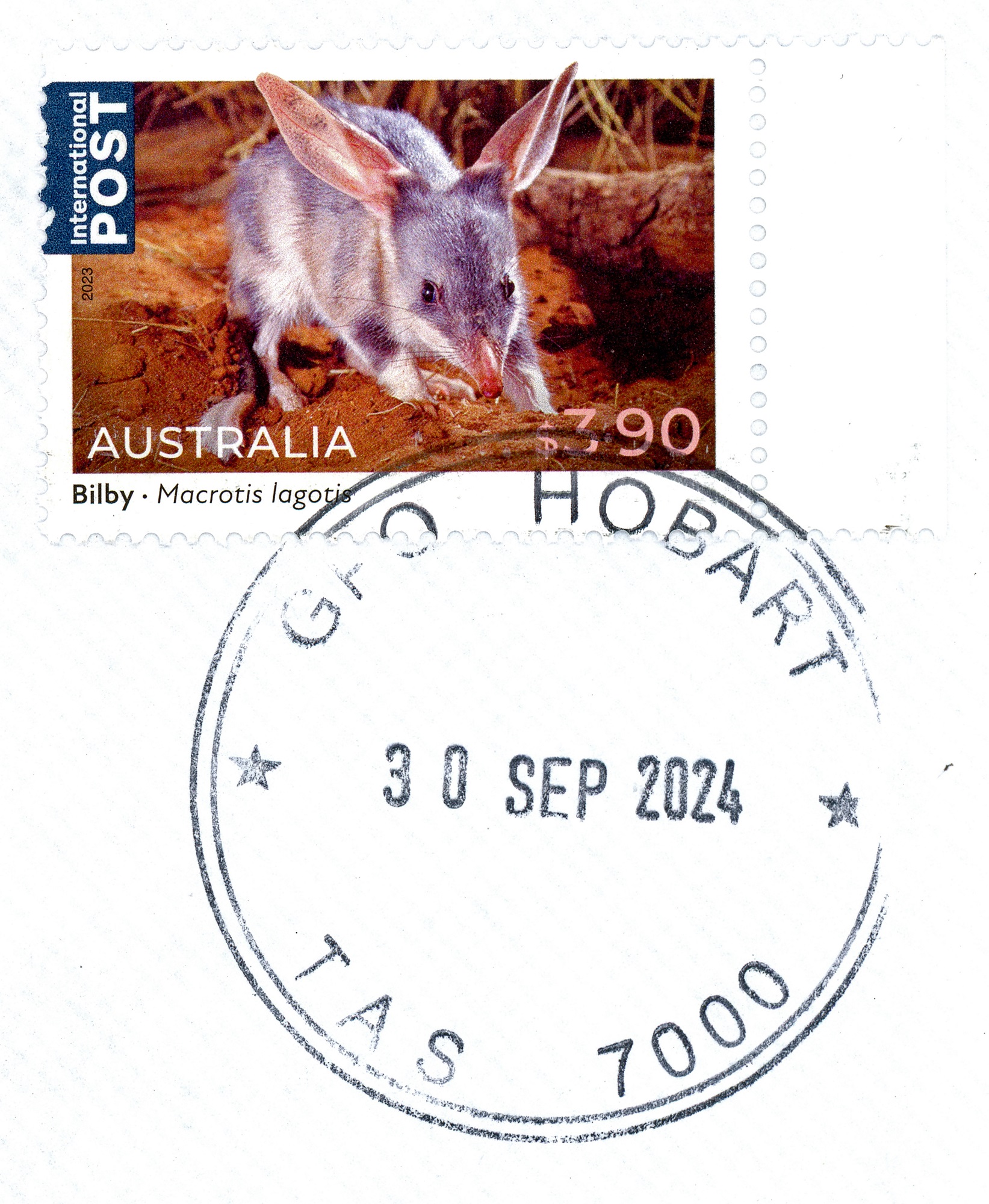
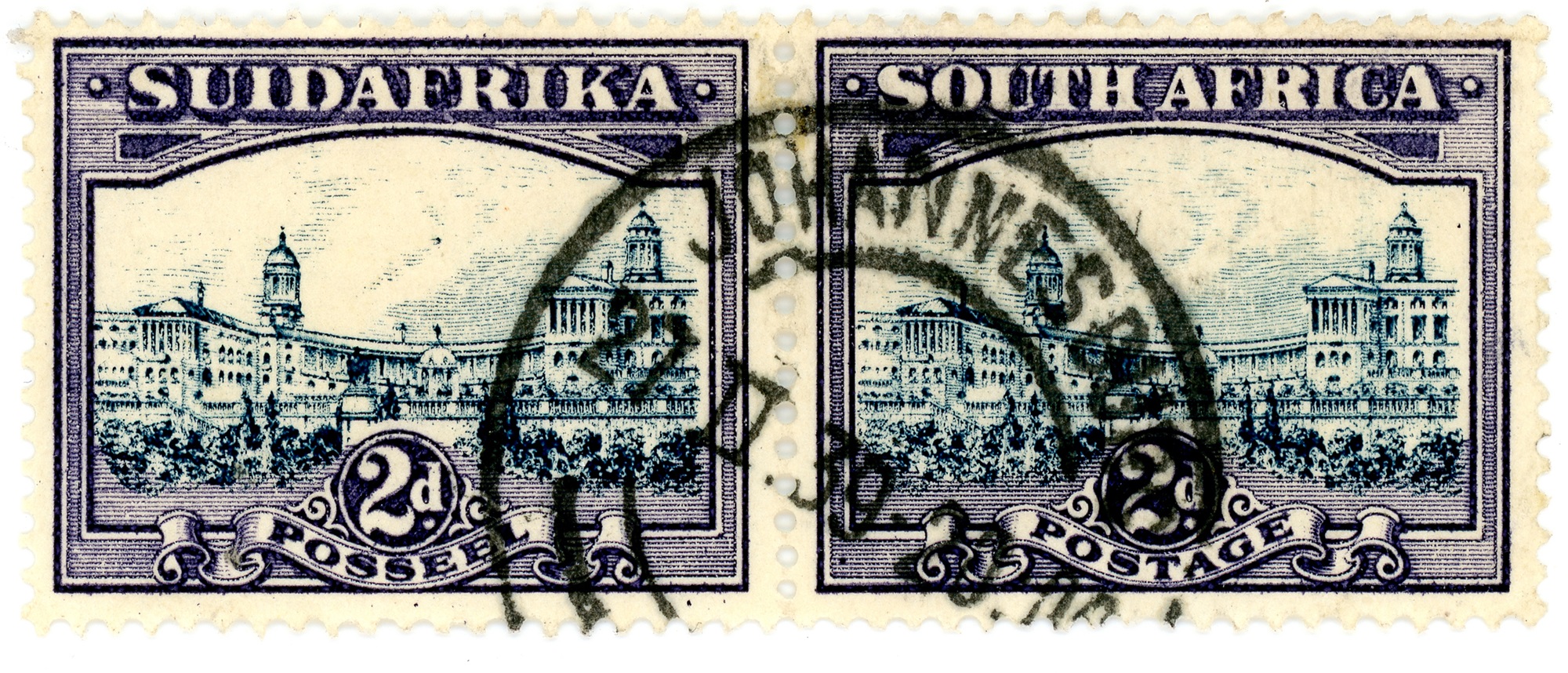
There was mail from an Ebay seller in Tasmania, Australia, in my mailbox today— with a single pair of South African stamps inside.
2023 Australia’s Native Animals – International Stamps Issued Jun. 26, 2023 Perf. 13¾ x 14½ |Design: Jason Watts Engraving/RA Printing | No watermark No. 4205 AUS$ 3.90 |Multi-colored |Bilby (Macrotis lagotis) Notes: The bilby (Macrotis lagotis) is a desert-dwelling marsupial about the size of a rabbit. It was once widely distributed through arid and semi-arid Australia, but wild populations are now restricted to spinifex grassland in Western Australia and the Northern Territory, and to a small region of southwestern Queensland. [Sources:stampworld.com, Australia Post Stamp Bulletin No 384]1930-1945 South Africa Definitive Issue (designs redrawn) Issued Sep. 1, 1938 Perf. 15×14 |Photogravure |Wmk. Multiple Springbok heads Se-tenant pair of Afrikaans & English inscribed stamps SACC 43c 2d |Blue and violet |Union Buildings, Pretoria [Source: The South Africa Stamp Colour Catalogue, 1988]
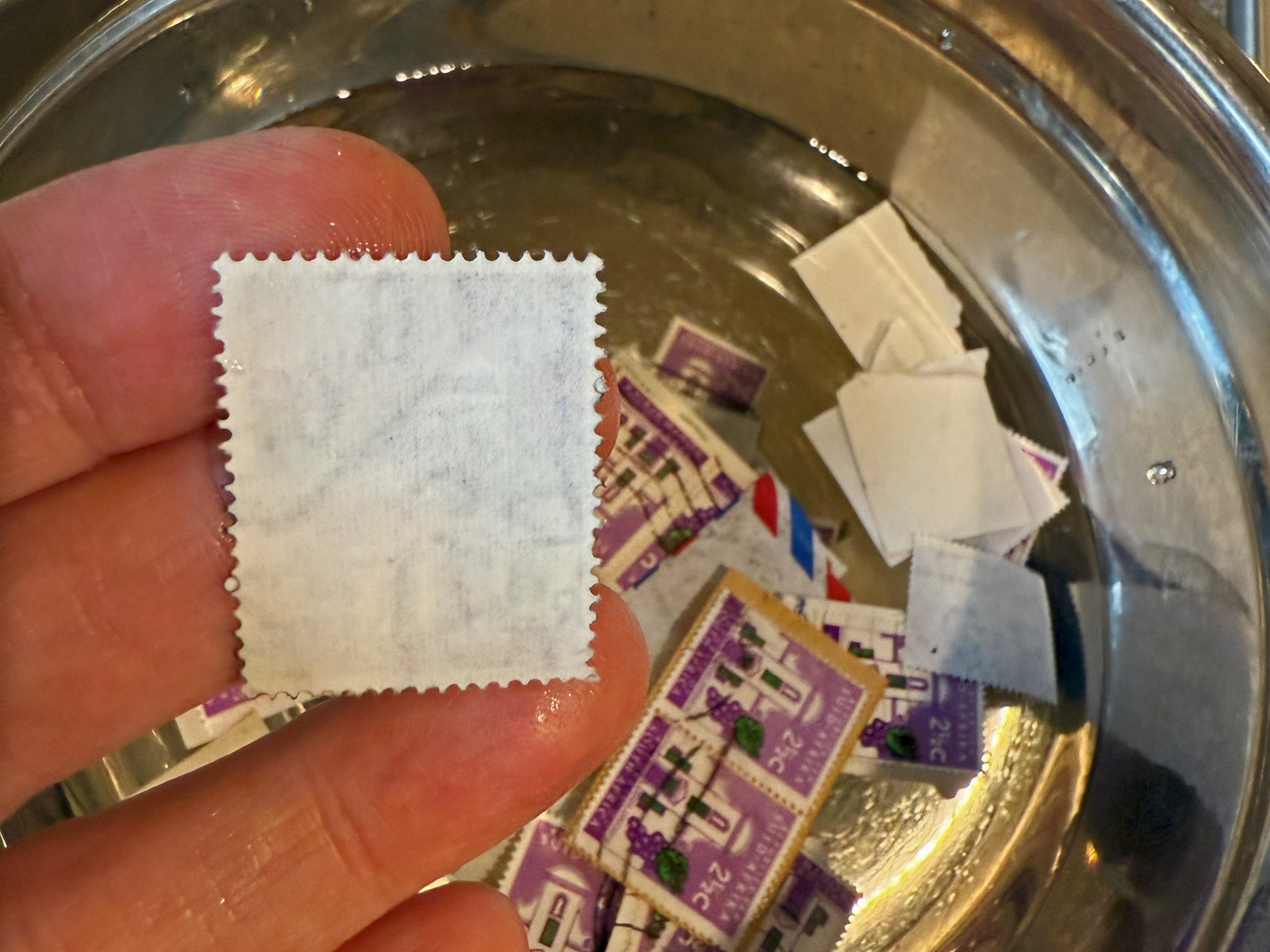
I still dunk a batch of used stamps from my large stash into warm water now and again— to separate them from the paper they were pasted on.
The stamps are put on paper towels to dry out until they are damp, and then I press them between sheets of paper under a stack of heavy books for 24 hours.
There’s the watermark, the RSA (Republic of South Africa) in a rounded triangle, embedded in the paper* used for printing the purple 2½c stamp down below in the water. It’s a very delicate process, separating the stamp from the paper, and then gently rubbing the back with one’s fingertips until it is no longer slippery (meaning that all the glue has been rubbed off). Is that something that Tesla’s Optimus robot will ever be able to do for me— put the stamps in the water, gently rub the backs to get the glue off, dry them out, and press them under books before bringing them up to my study for me? I seriously doubt it.
* These watermarks were probably made with a so-called dandy roll. During the wet-paper phase of the paper-making process, a light roller is pressed onto the paper. The repeating pattern is embossed into the paper, compressing and thinning the fibers in that area. The thinner areas allow more light to pass through, making the watermark visible.
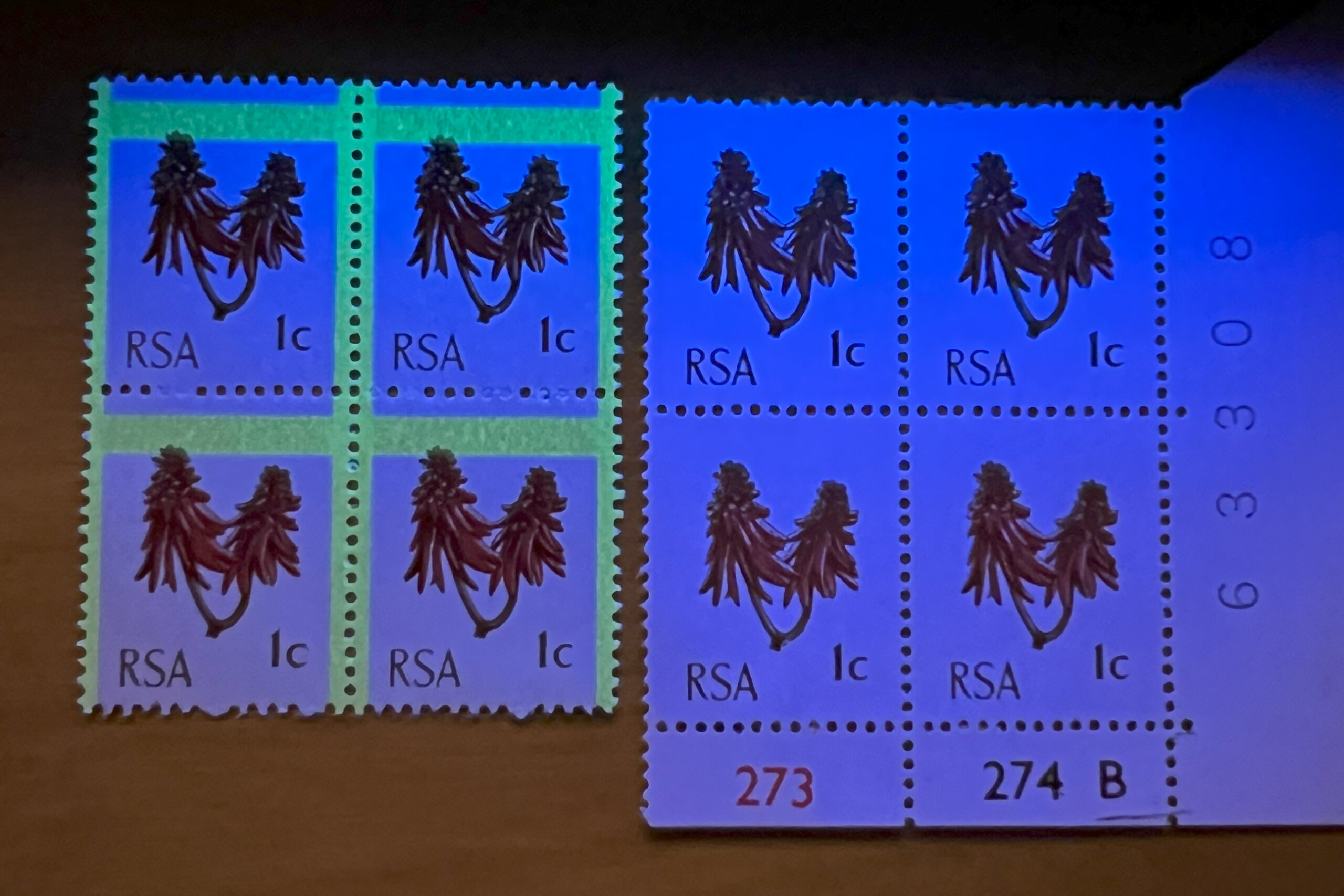
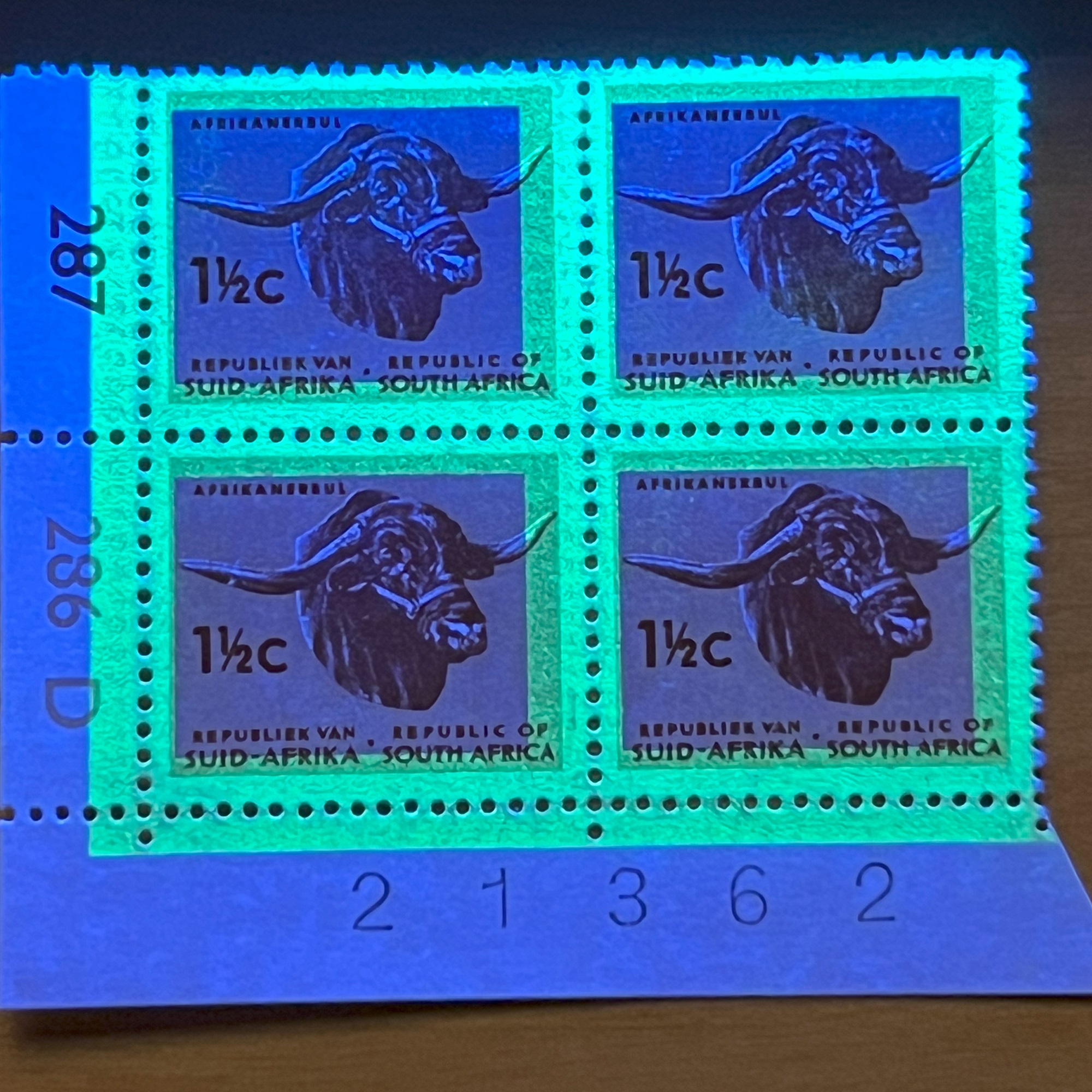
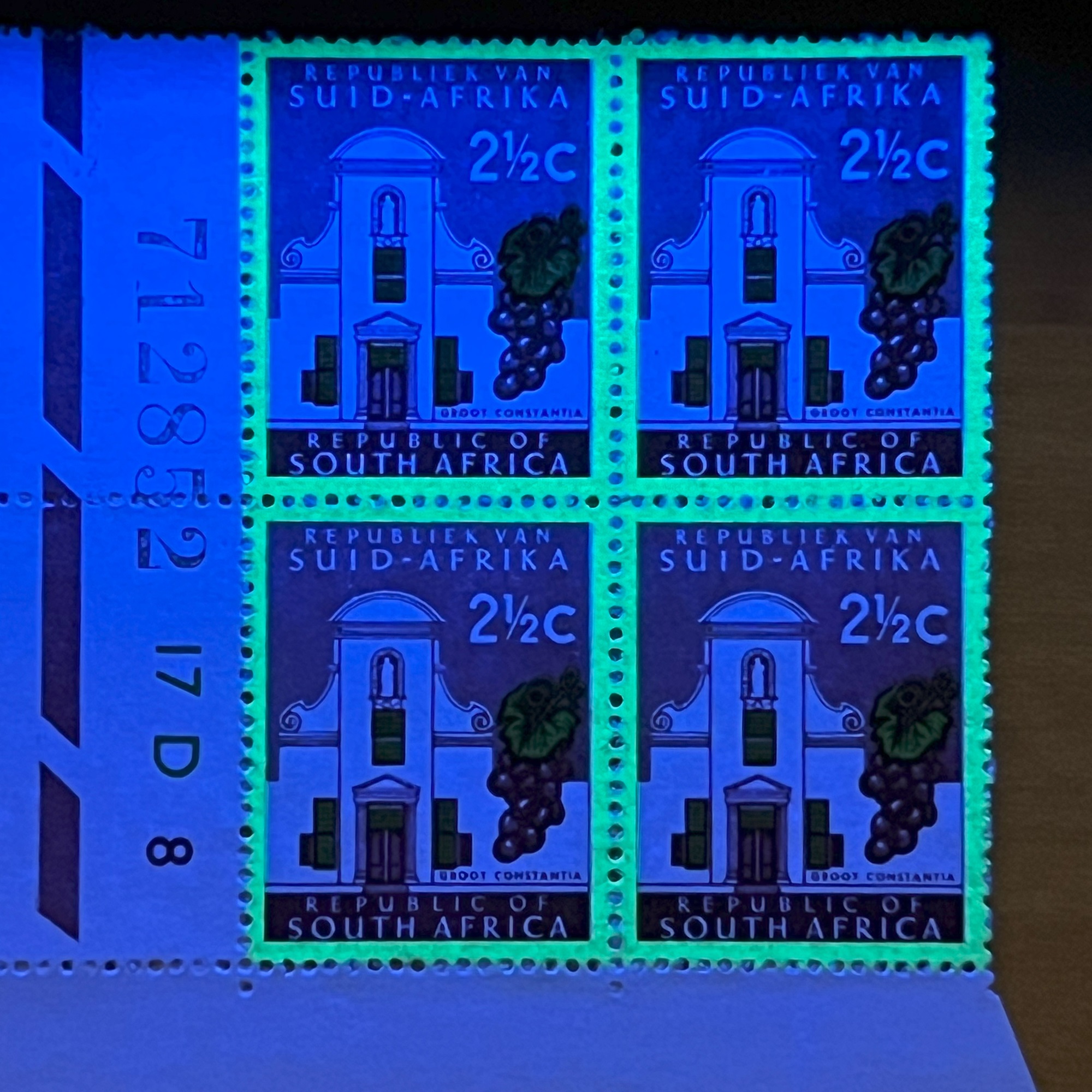
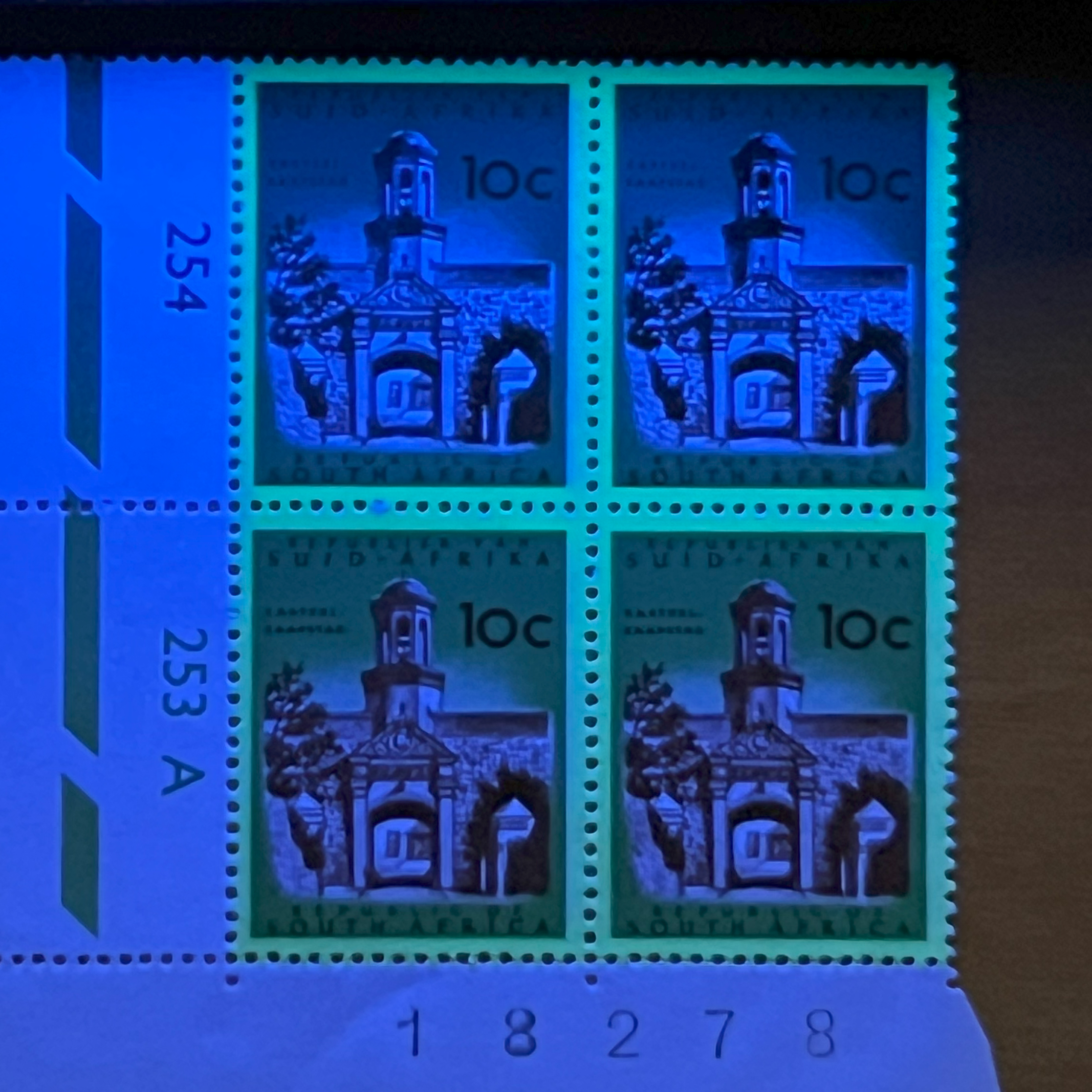
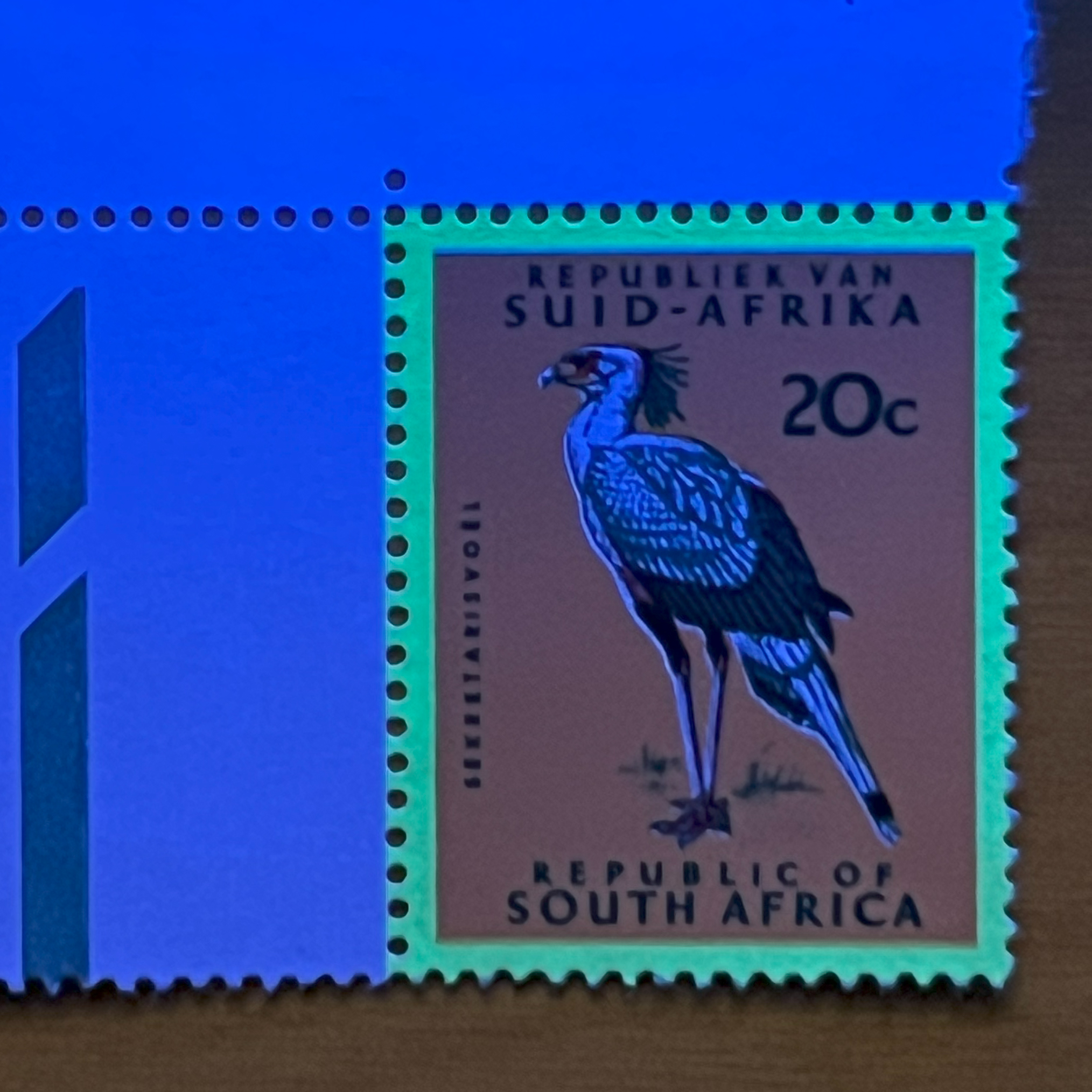
My little ultraviolet lamp arrived today: one that is specifically designed to inspect postage stamps. (My pictures below).
Starting in 1969, South Africa began to add phosphorescent frames to stamps from its first definitive series of stamps*. Starting in 1971, the phosphorescent element appeared throughout the paper. It is almost impossible to distinguish between these two types of stamps without the aid of an ultraviolet lamp.
*Definitive series of stamps for the Republic of South Africa. The Union of South Africa became the Republic of South Africa in 1961 when it gained its independence from Great Britain.
Republic of South Africa First Definitive Series, Redrawn Issued 1969-1972 Perf. 14×13½ Photogravure, chalk-surfaced paper, printed with phosphor bands 282 168 ½c New blue, carmine-red and yellow ochre | African Pygmy Kingfisher [Source: Stanley Gibbons Stamp Catalogue: Commonwealth & British Empire Stamps, 2016 Edition]Republic of South Africa First Definitive Series, Redrawn Issued 1969-1972 Perf. 13½x14 Photogravure, chalk-surfaced paper, printed with phosphor bands (LEFT, issued 1969, with bands badly misplaced! ) and without phosphor bands (RIGHT, issued 1971) 277 169 1c Rose-red & olive brown | Coral tree flowers [Source: Stanley Gibbons Stamp Catalogue: Commonwealth & British Empire Stamps, 2016 Edition]Republic of South Africa First Definitive Series, Redrawn Issued 1969-1972 Perf. 14×13½ Photogravure, chalk-surfaced paper, printed with phosphor bands 284 132 1½c Red brown and light purple | Afrikaner bull [Source: Stanley Gibbons Stamp Catalogue: Commonwealth & British Empire Stamps, 2016 Edition]Republic of South Africa First Definitive Series, Redrawn Issued 1969-1972 Perf. 14 Photogravure, chalk-surfaced paper, printed with phosphor bands 285 133 2c Ultramarine and yellow | Pouring gold [Source: Stanley Gibbons Stamp Catalogue: Commonwealth & British Empire Stamps, 2016 Edition]Republic of South Africa First Definitive Series, Redrawn Issued 1969-1972 Perf. 14 Photogravure, chalk-surfaced paper, printed with phosphor bands 286 134 2½c Violet and green | Groot Constantia wine estate [Source: Stanley Gibbons Stamp Catalogue: Commonwealth & British Empire Stamps, 2016 Edition]Republic of South Africa First Definitive Series, Redrawn Issued 1969-1972 Perf. 14 Photogravure, chalk-surfaced paper, printed with phosphor bands 287 135 3c Red and deep blue |Burchell’s gonolek [Source: Stanley Gibbons Stamp Catalogue: Commonwealth & British Empire Stamps, 2016 Edition]Republic of South Africa First Definitive Series, Redrawn Issued 1969-1972 Perf. 14 Photogravure, chalk-surfaced paper, printed with phosphor bands 293 138 10c Brown and pale green | Cape Town Castle gate [Source: Stanley Gibbons Stamp Catalogue: Commonwealth & British Empire Stamps, 2016 Edition]Republic of South Africa First Definitive Series, Redrawn Issued 1969-1972 Perf. 14 Photogravure, chalk-surfaced paper, printed with phosphor bands 294 139 20c Turquoise-blue, carmine and brown orange| Secretary Bird [Source: Stanley Gibbons Stamp Catalogue: Commonwealth & British Empire Stamps, 2016 Edition]
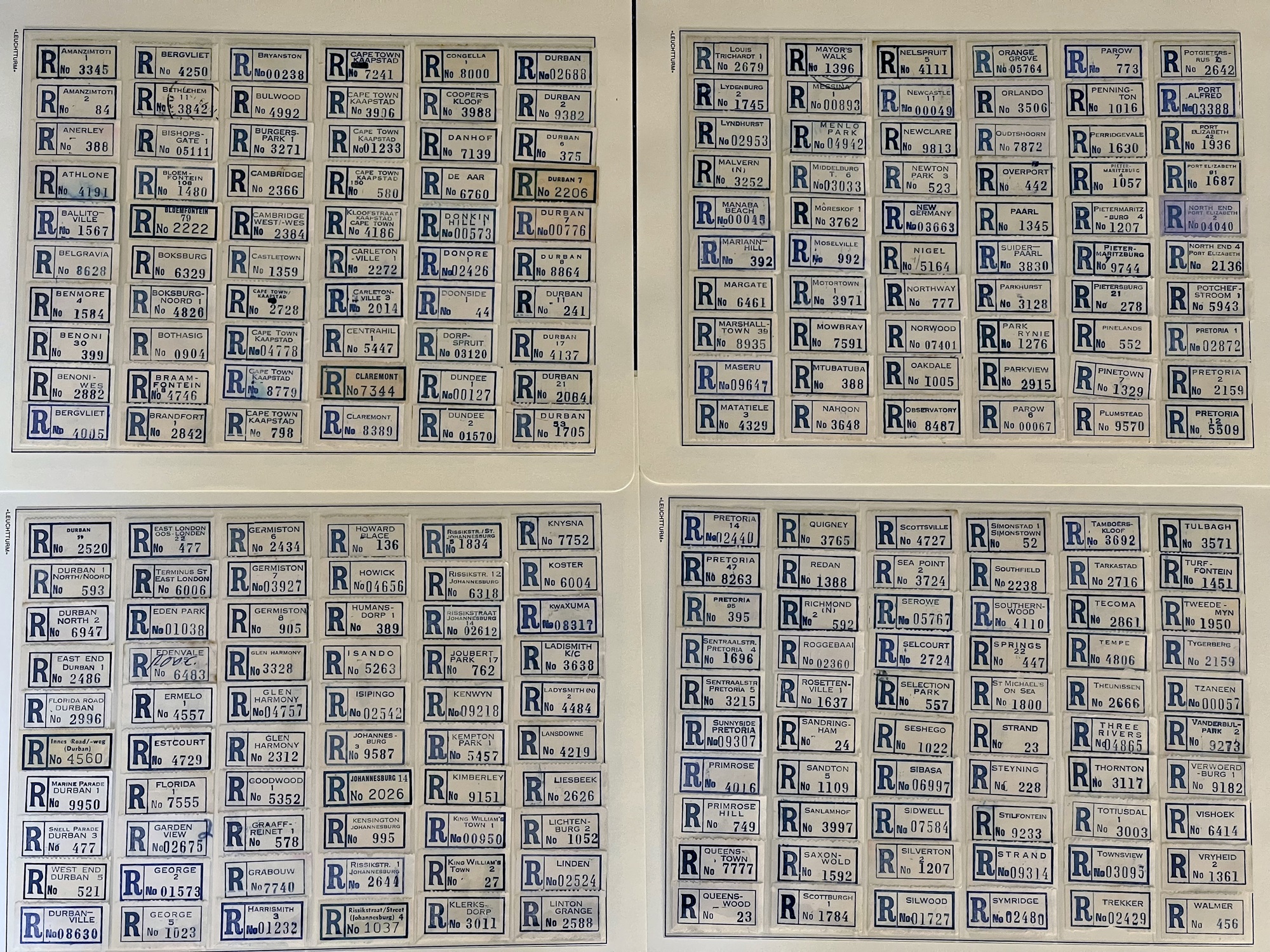
Below is my four-page collection of the South African Post Office labels.
These labels were widely used by post offices use to track registered mail from the 1940s until about 2000.
After that, computer-generated labels with numbers and barcodes became the standard— with no city name or post office name.
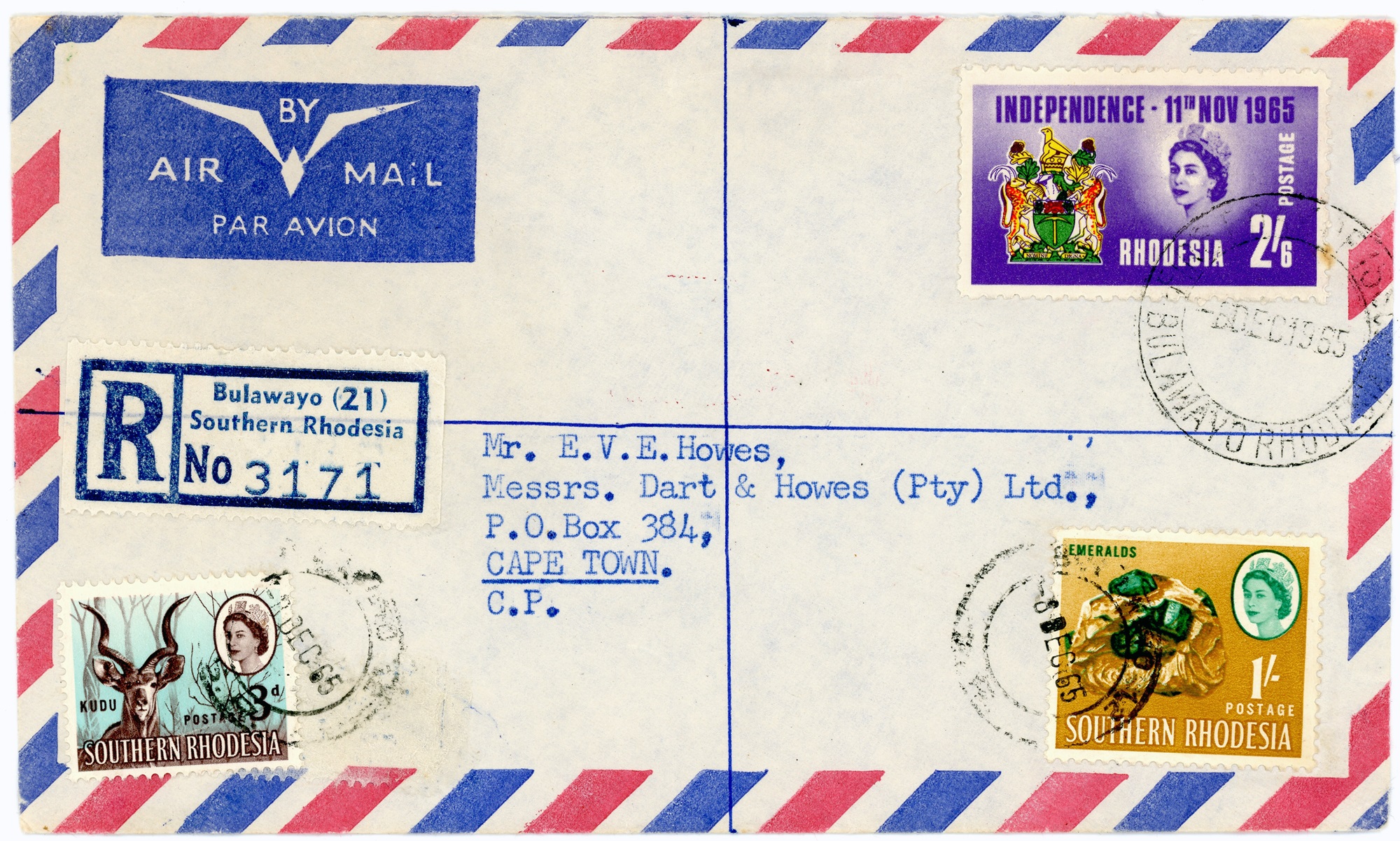
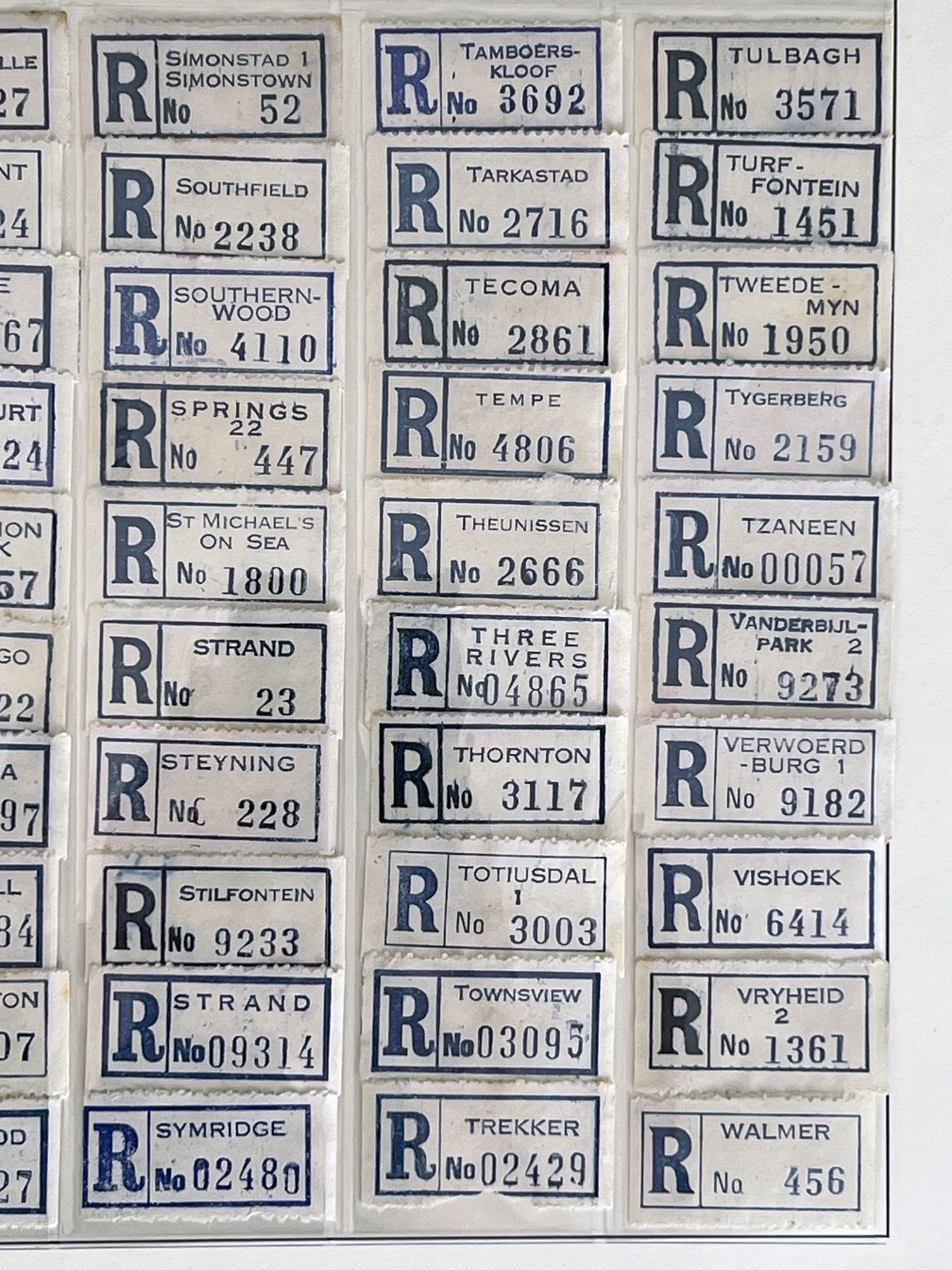
Registered air mail from Bulawayo, Rhodesia to Cape Town, South Africa, postmarked Dec 8, 1965. Rhodesia was the de facto successor state to the British colony of Southern Rhodesia, and in 1980 became modern-day Zimbabwe.The yellowed labels are probably from the 1950s or 60s. The font of the boxed letter R changed a few times over the years.A closer look. Look for the label called THREE RIVERS. Three Rivers is the suburb in Vereeniging, Gauteng province, South Africa, where I grew up and went to elementary school and high school. I am sure that registration labels exist that show VEREENIGING (for Vereeniging’s main post office). With a little luck, I should be able to find one to put into this collection.