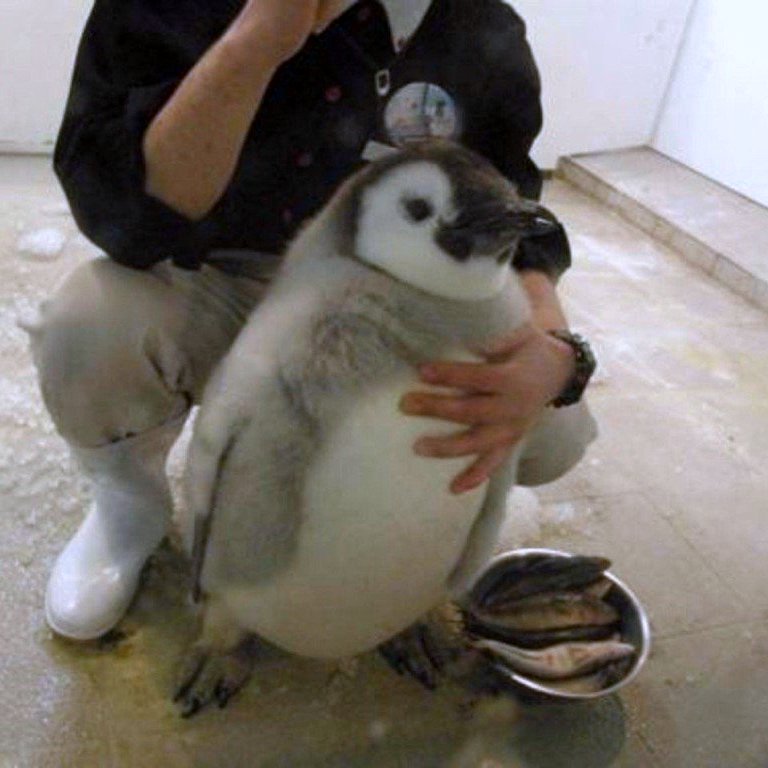
Animals that qualify, have to be ‘cute’ or otherwise ‘interesting’. (Yes, I know: not very scientific, my criteria).

a weblog of whereabouts & interests, since 2010
Animals that qualify, have to be ‘cute’ or otherwise ‘interesting’. (Yes, I know: not very scientific, my criteria).
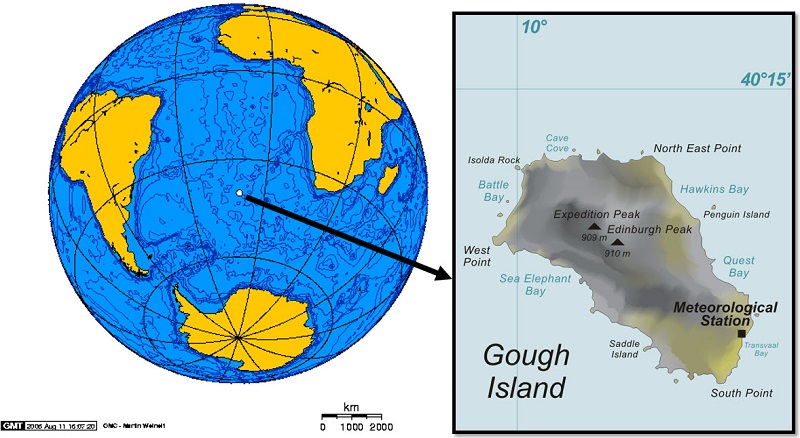
Friday night saw almost 3 inches of rainfall in Kirstenbosch Botanical Gardens in Cape Town. Still, the Cape Town City Council is said to be entertaining the possibility of towing an iceberg from Antarctica to Cape Town, to further help boost the city’s low water inventory. Say what? Can that possibly work? was my first reaction.
Well, here are the numbers*. Some 200 billion tons of ice from Antarctica slide into the sea in a typical year – the equivalent of more freshwater than the world uses in a year. Some icebergs float for 5 years in the ocean, and some make it to Gough Island. Such an iceberg could be towed from there, for the roughly 2,700 km (1,700 mi) distance to Cape Town. The iceberg will be stationed off the coast (Cape Columbine on the west coast is mentioned), and could conceivably deliver 100 megaliter of water every day for a year as it melts. (About 20% of the city of Cape Town’s needs). If such a project is can be pulled off successfully, its cost is projected to be less than half the cost of desalinating an equivalent amount of seawater.
*From an article in the Sat Jun 2 issue of ‘Die Burger’ newspaper.
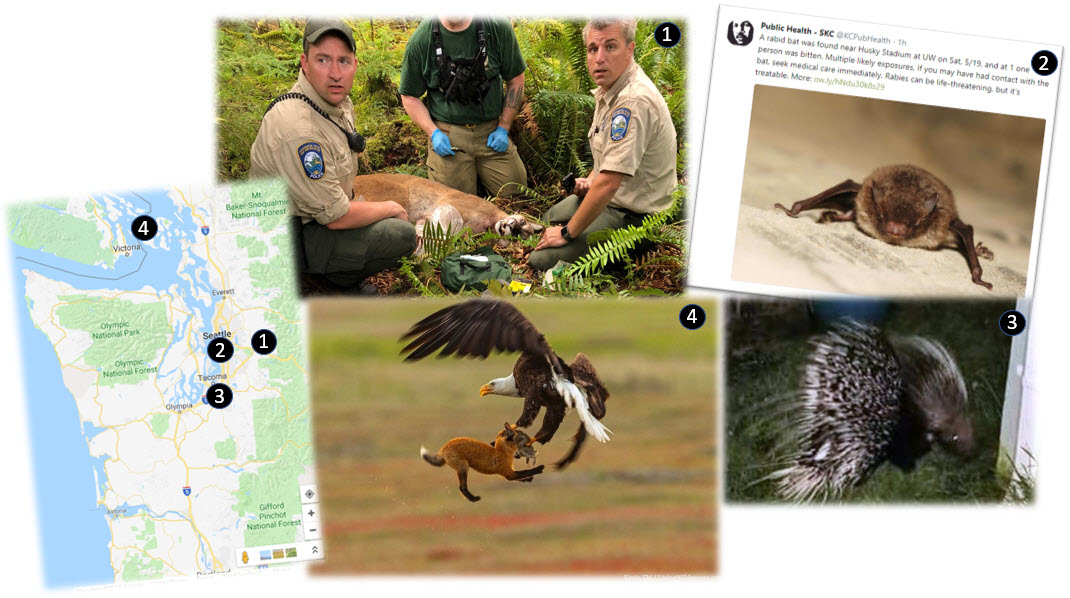
There was a mountain lion (cougar) attack on two mountain bikers on Saturday morning. Isaac Sederbaum (31) was injured but is OK, but his friend S.J. Brooks (32), tragically, did not survive. Brooks was an avid biker that had moved here from Boston. Before Saturday, 16 cougar attacks, one of which was fatal, had been reported in Washington state during the past century.
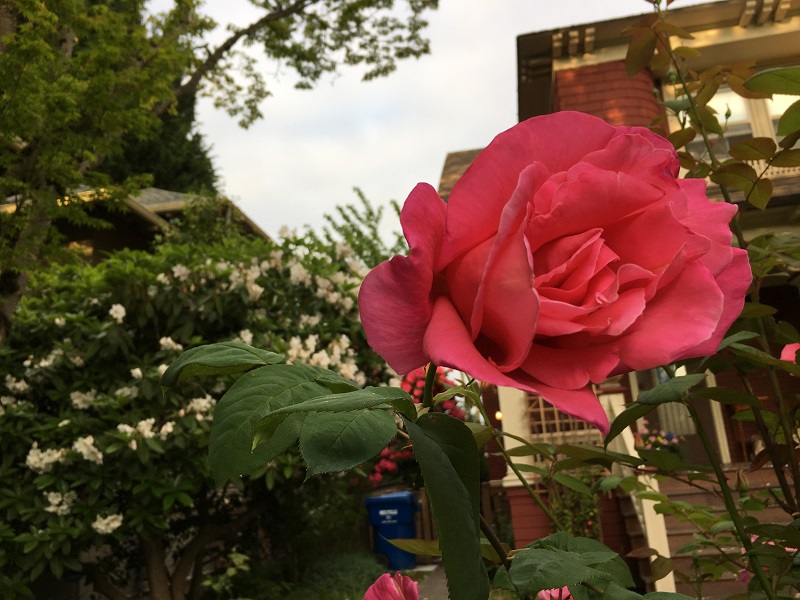
I walked to Trader Joe’s grocery store late afternoon, the way I do once a month. I trade dollars at Trader Joe’s (well, electronic units of it) for frozen blueberries that I put in my hot oatmeal in the morning, and for unsweetened vanilla-flavored soy milk, that also goes with it. Good stuff !
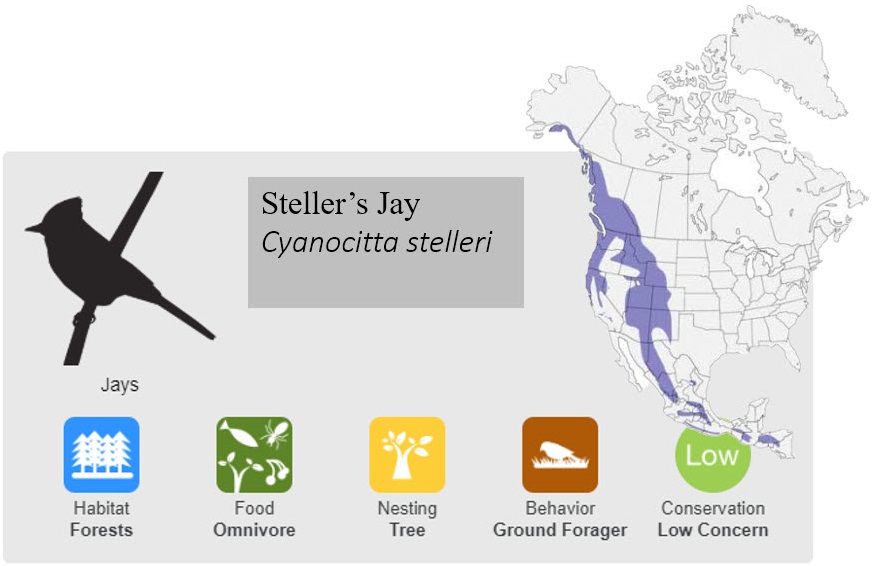
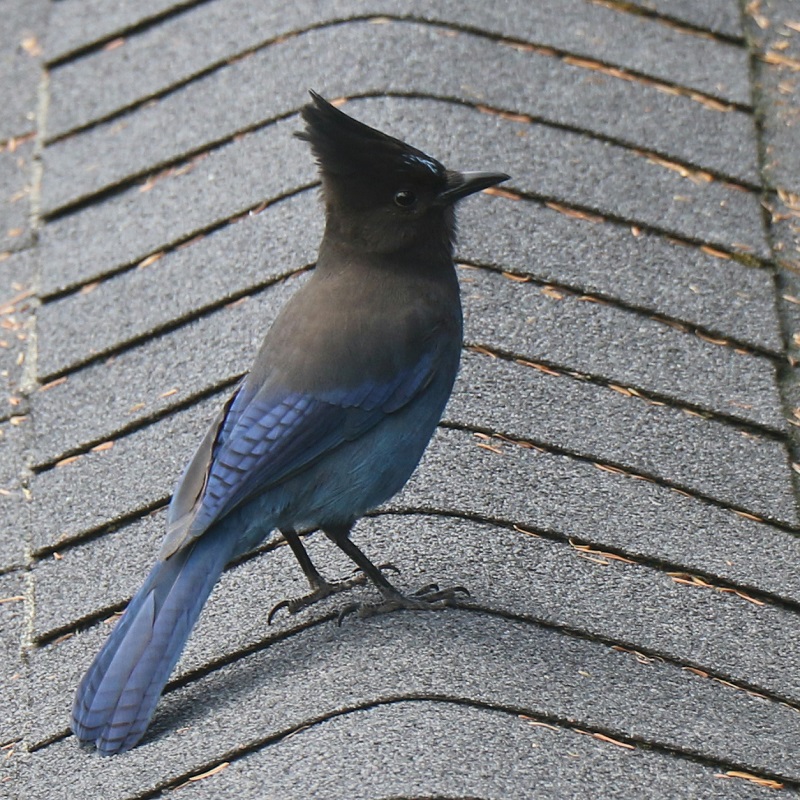
I saw this jay sitting on my garage roof this morning, so I ran upstairs and snapped the Mr Jay Bird from my bedroom window. This one is called a Steller’s jay, named after German naturalist Georg Wilhelm Steller. (Blue jays are close relatives, but a different species. Their feathers are mid-blues and they have a ‘black necklace’ on their off-white throats).
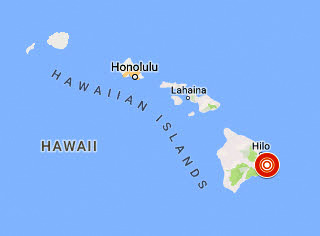
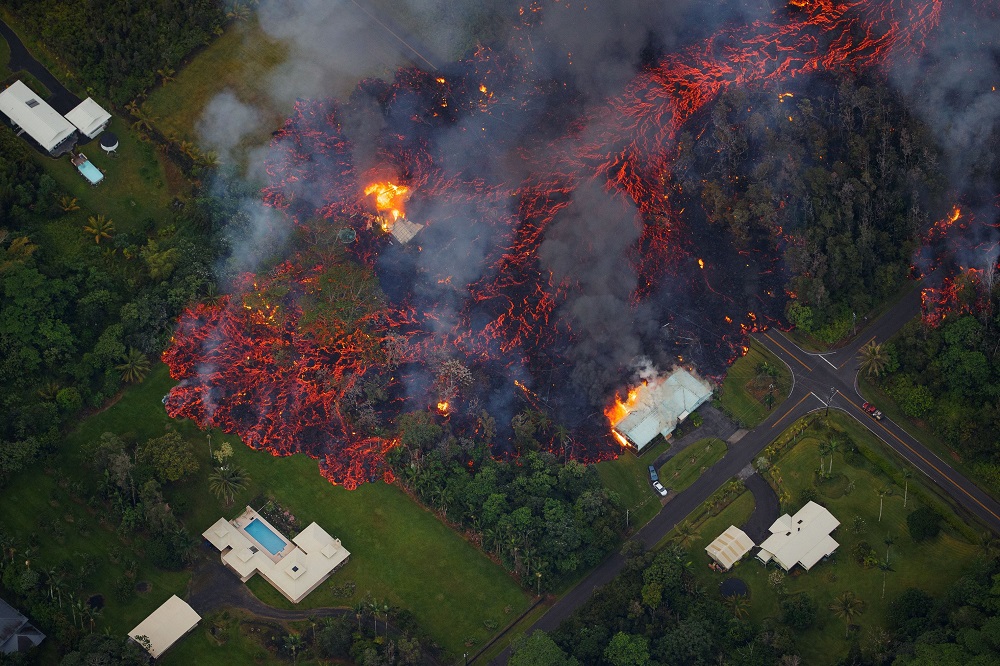
Hawaii’s Kilauea volcano erupted last week, causing lava at 2,200 °F (1,204 °C) to burst through cracks, and into people’s backyards in the Leilani Estates neighborhood on the Big Island. So far 36 structures, including 26 homes, have been destroyed.
Residents and the Hawaii National Guard are now on standby for a possible evacuation of 2,000 people. The lava level inside the volcano could drop below sea level. Once that happens, water will pour onto the lava, and generate steam that will likely explode from the summit in a shower or rocks, ash and sulfur dioxide gases.
The day temperature got up to 82 °F (28°C) on Thursday, tying the calendar day record for Seattle set back in 1947. But now our little Indian summer is over, and we will drop back to 66°F (18°C) on Friday, and even lower over the weekend.

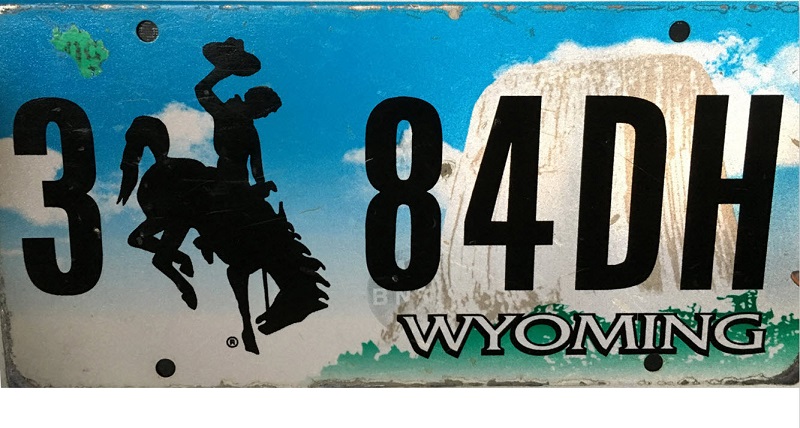
The restaurant where my friends and I had our Wednesday beers & a bite, has old car licence plates for the covers of the menus. I was not sure what the rock image on the Wyoming plate was called, and had to look it up.
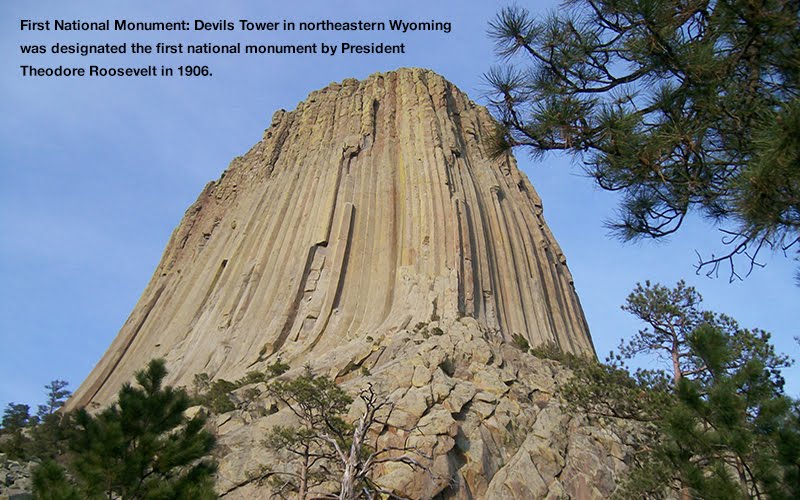
It’s Devil’s Tower, located in the north-eastern corner of Wyoming. Geologists still debate exactly how the structure was formed, described as a laccolithic butte composed of igneous rock. In plain English: an isolated hill with steep sides and a small, relatively flat top, formed by magma pressed into sedimentary layers and then pushed upwards.
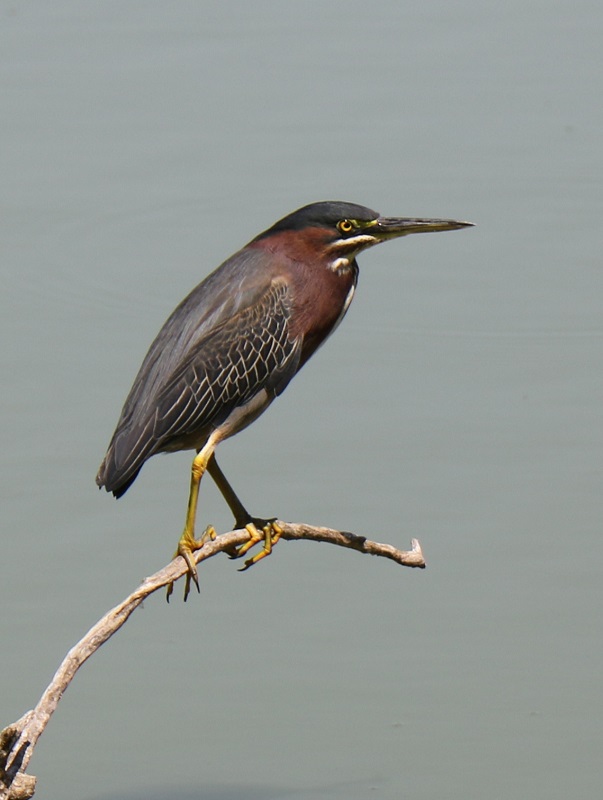
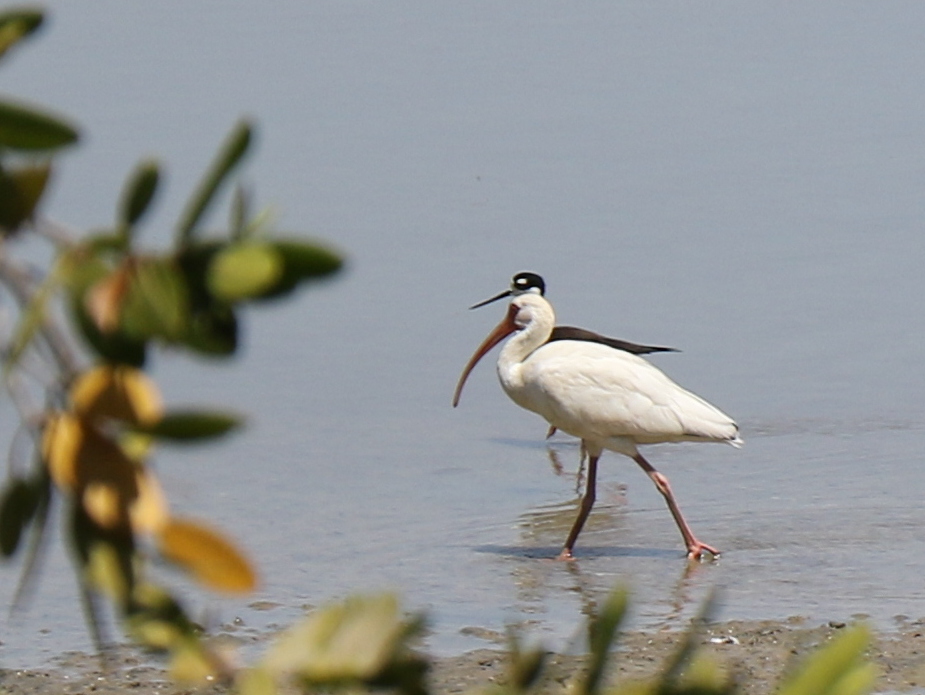
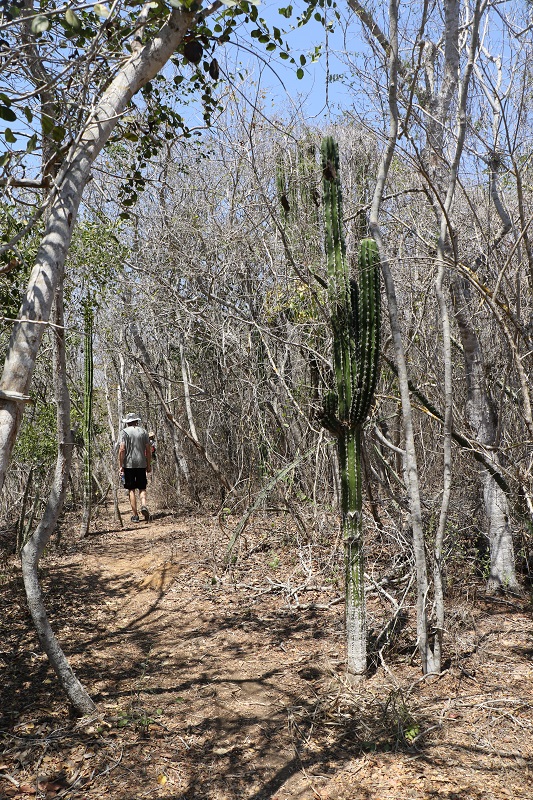
Estero del Yugo is an estuary in the far northern outskirts of the city of Mazatlán. There is a trail around it that we traversed today. The foliage around the estuary is dry this time of year, and the water level was low.
Even so, we spotted herons, ibises, pelicans and a beautiful pileated woodpecker with its red-crested head. A single deer across the water made an appearance as well, but we did not see it again, even after we had made it to the other side.

March 14 is Pi* Day, celebrated by math geeks. But Michael Hartl says we should celebrate ‘Tau Day’ instead, in his Tau manifesto. Tau is an alternative circle constant referred to by the Greek letter τ that equals 2π, or approximately 6.28. (So Tau Day would be June 28).
*Pi is the Greek letter used in math for the ratio of a circle’s circumference to its diameter. No matter the size of the circle, this is always the same value (approx. 3.14): a mathematical constant.
One big thing that Tau fixes, is radian angles (see diagram). It also makes sine and cosine functions simpler, and higher math like integrals in polar coordinates, the Fourier transform, and Cauchy’s integral, simpler.
Postscript: I found  this great cartoon tribute to theoretical physicist Stephen Hawking that had passed away on Mar 14.
He once said ‘The greatest enemy of knowledge is not ignorance, it is the illusion of knowledge’.

Alright – as of now, there is no real use for these monster numbers, but modestly large primes are put to good use in computer encryption.
The Great Internet Prime Search foundation will award $150,000 for the discovery of the first prime number with 100 million digits, and $250,000 for the first prime with at least a billion digits. The search is on!
*Prime numbers are whole numbers that can be divided only by themselves, and by 1. The number 1 is not considered a prime, but then the primes are 2, 3, 5, 7, 11 and so on. Mersenne primes are named for the French monk that studied them some 350 years ago. They are written in the form 2n -1. (So 3 is the first Mersenne prime, since it can be expressed as 22 -1). Euclid’s proof shows that there are infinitely many regular primes. We do not know if that is the case for Mersenne primes.

This utility box from my walk on Sunday, reminded me of the 8½-foot mammoth tusk discovered right here in the city, in South Lake Union, in February 2014.
The water-logged tusk was put in a protective plaster cast, carefully removed from the soil and taken to the local Burke Museum of Natural History.
It belonged to a Columbian mammoth. These were the largest of the mammoths that roamed around in North America during the last Ice Age – as recently as 11,000 years ago. They reached 13 ft/ 4m in height at the shoulders, and weighed up to 22,000 lbs/ 10 tonnes.
This sheet of ‘Great Plains Prairie’ stamps (issued 2001) was on sale on-line, and I ordered it for my stamp collection. The manila envelope that the sheet had arrived in today, had itself some interesting stamps on. Are these old stamps even legit? I wondered .. but it turns out they are. Postage stamps do not have expiration dates, as a general rule.


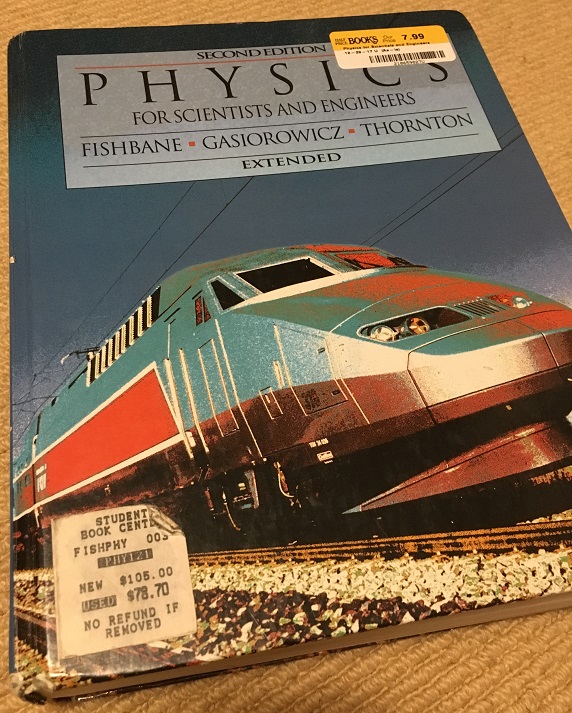
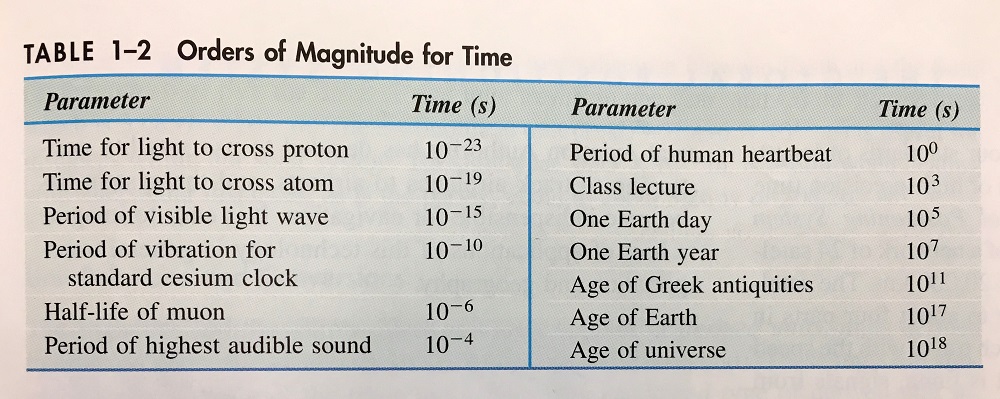
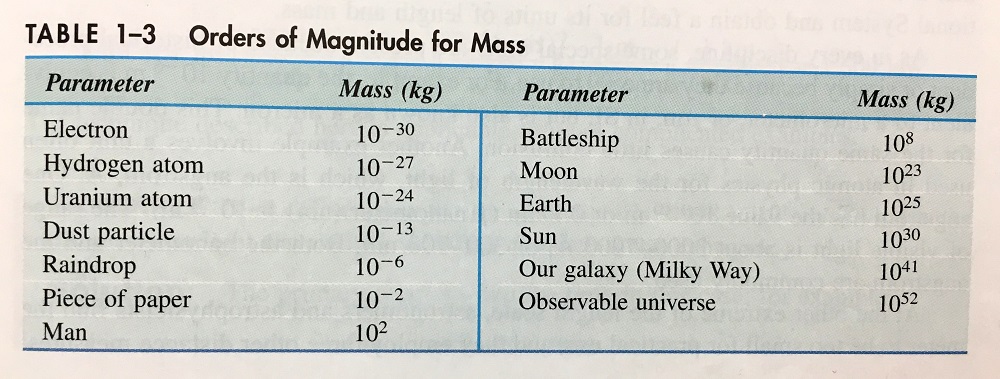
I picked up this physics handbook at a secondhand bookstore today. What in the world do I want to do with it? Well, it is very similar to one that I had as a freshman engineering student, and it brings back happy memories.
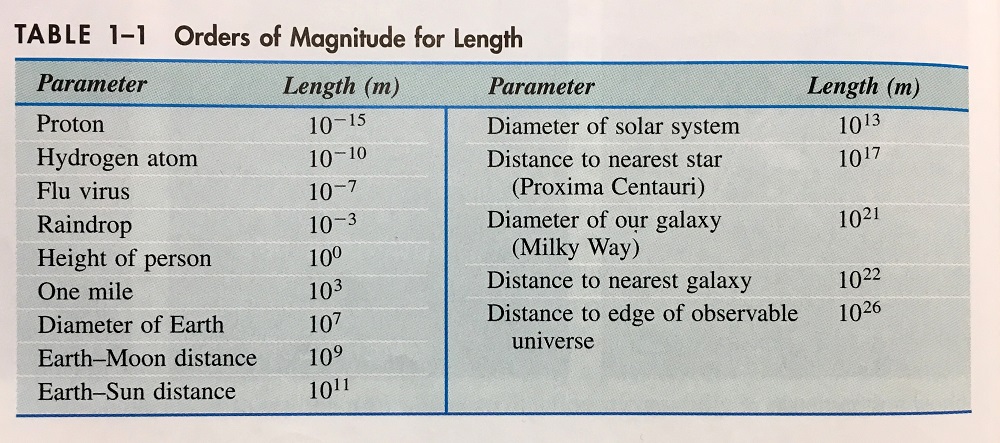
The first chapter has tables that illustrate the orders of magnitude in time, mass and length that physics deal with. The rest of the book is packed with pictures and diagrams.
Elon Musk’s SpaceX team had a spectacularly successful Falcon rocket lift-off and recovery of two booster units today. (The middle booster failed to land on its drone ship target and was lost).
This rocket is called Falcon Heavy because it can lift nearly 64 metric tons (141,000 lbs) into orbit*. Check out the photos that SpaceX had posted on Flickr, here.
*The massive Saturn V moon rocket, last flown in 1973, could deliver 137 tons into orbit. There was also a Russian rocket, the Energia, that made flights in 1987 and 1988 that could lift 100 tons into space.


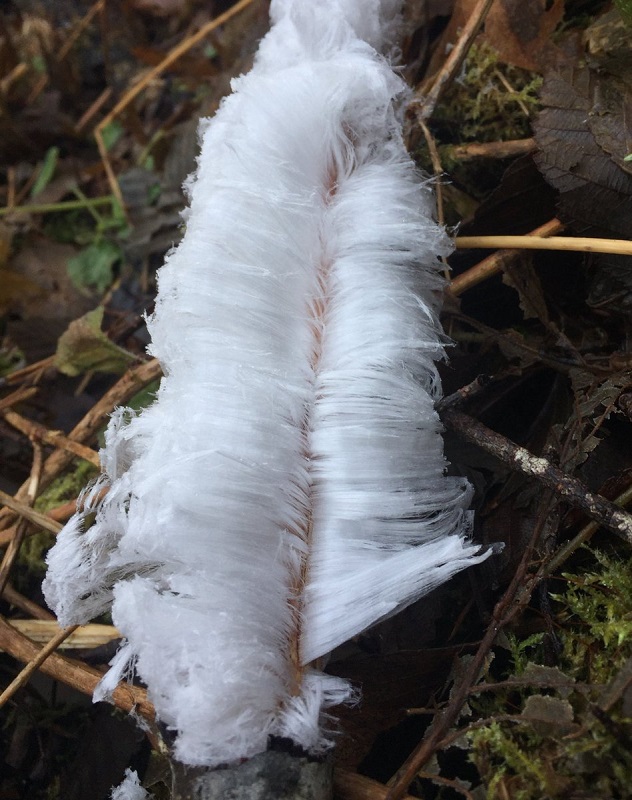
Check out this amazing picture of hair ice. It was posted on the local TV station’s web site, and is from the Olympic forest nearby Seattle.
Hair ice forms on moist, rotting wood from broadleaf trees when temperatures are slightly under 0 °C (32 °F) and the air is humid. Swiss and German researchers found that the fungus ‘Exidiopsis effusa’ in the wood, as key to the formation of hair ice.
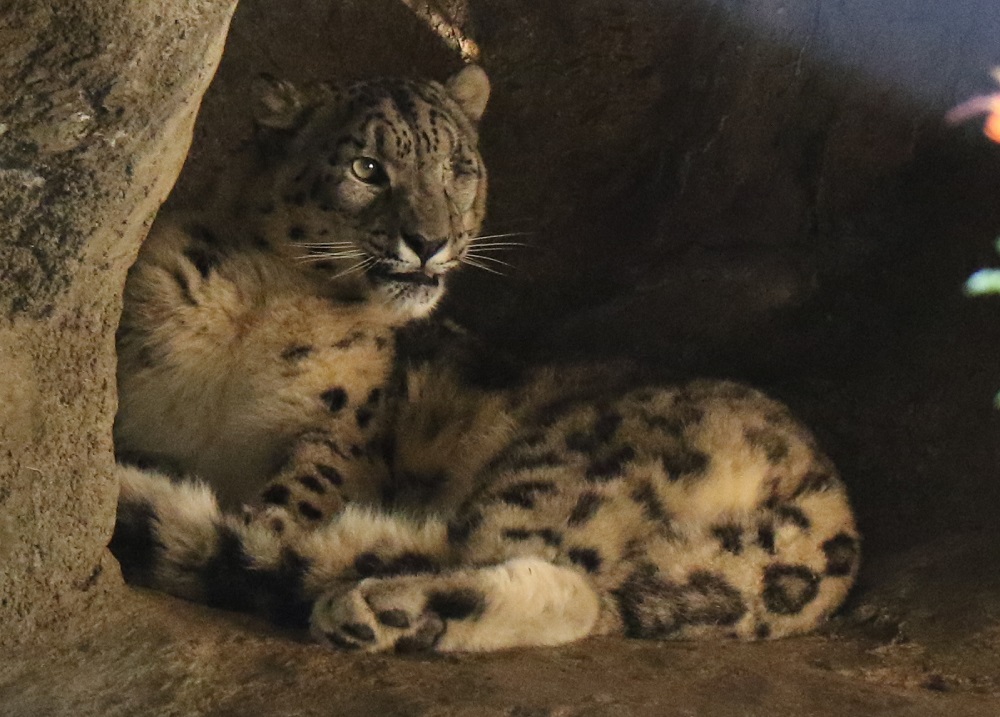
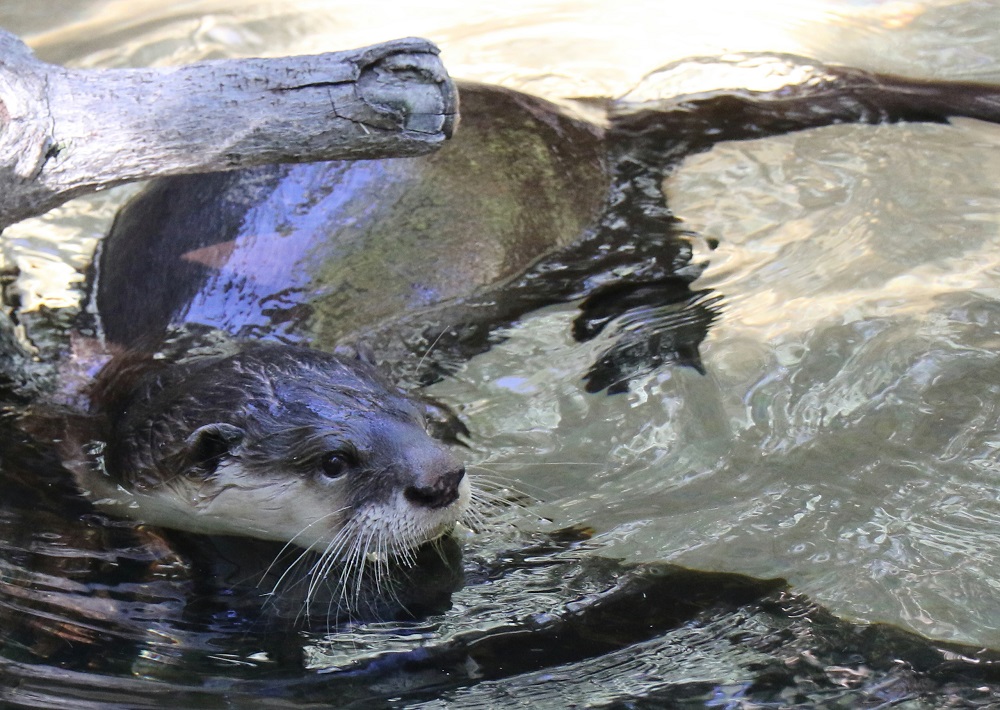
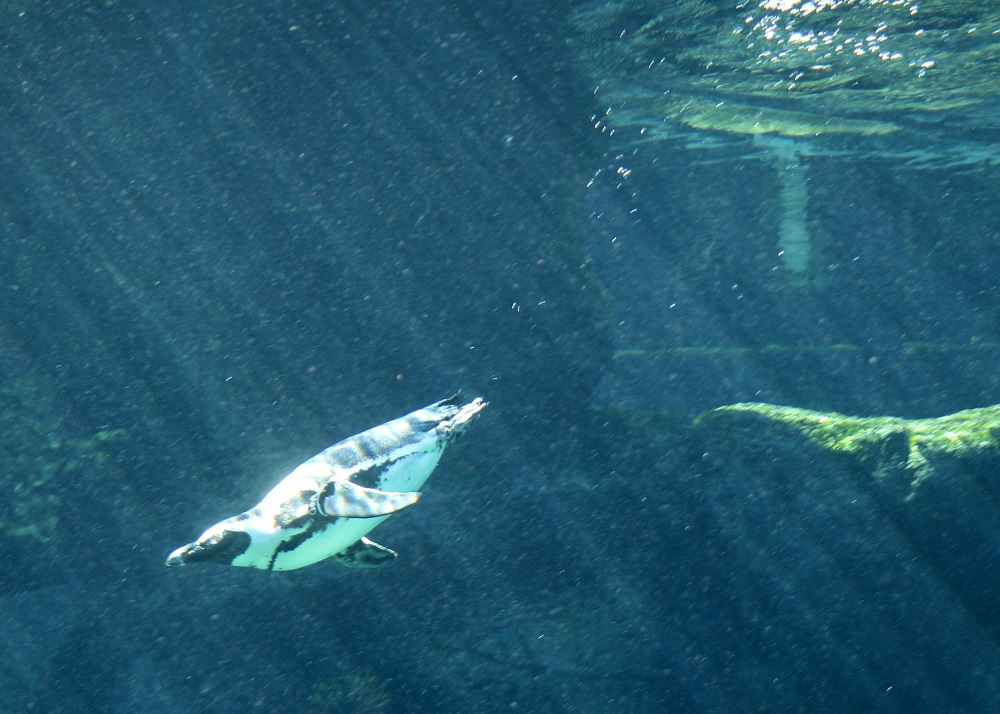
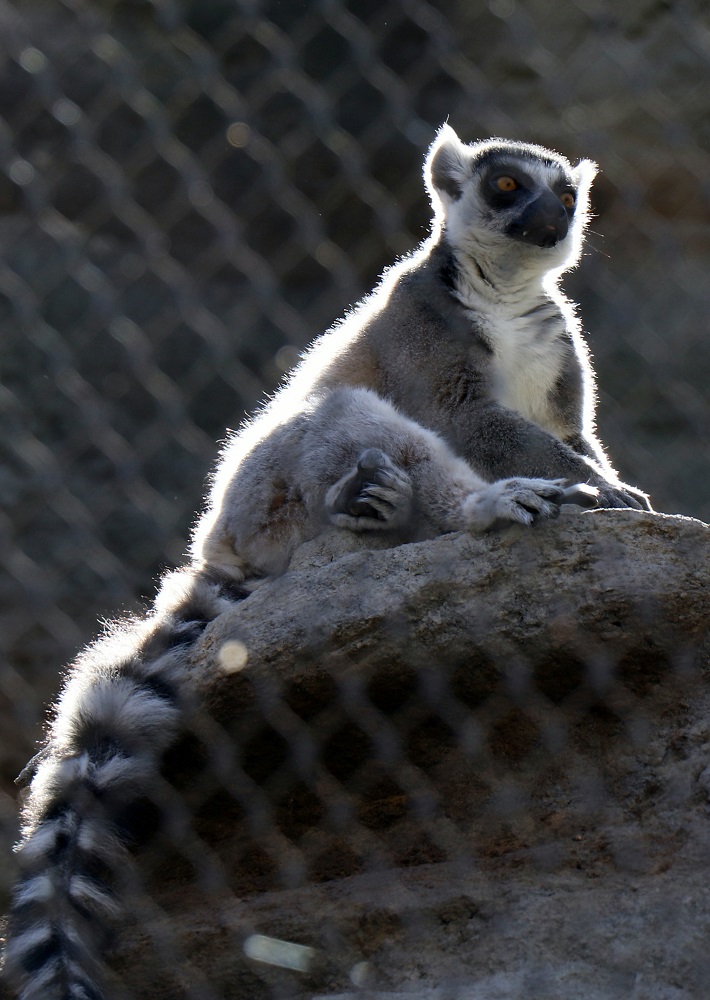
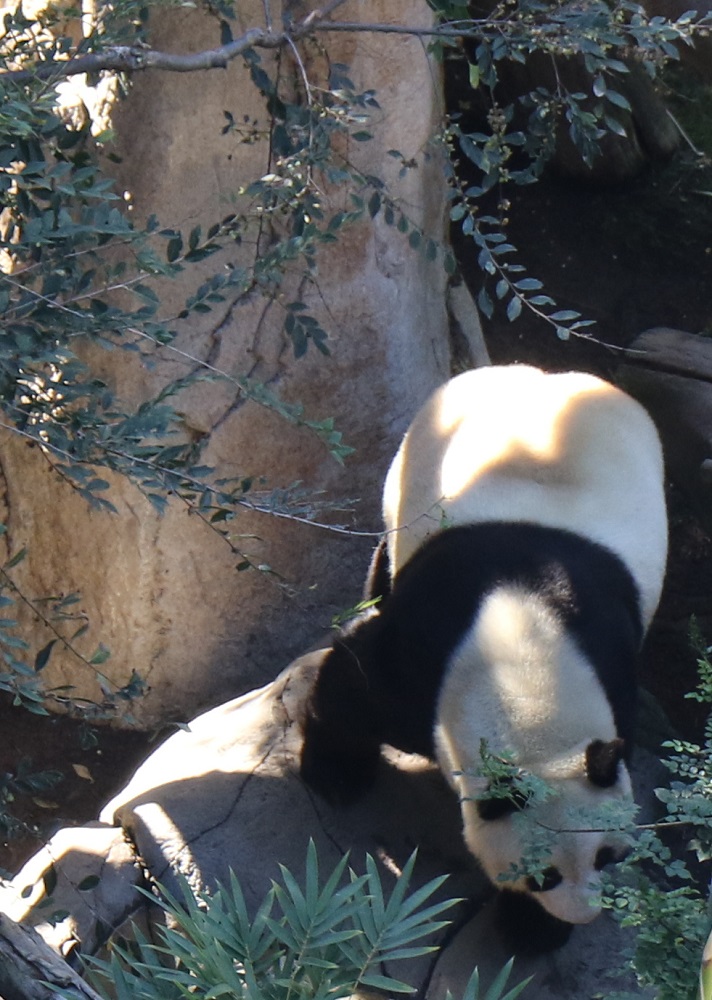
We checked in on the San Diego Zoo today. We tried to get there before the warmest part of the day (82°F, 27°C), when the animals hide away in the shadows and under rocks. Here are a few of my favorite pictures of the day.
Here are some pictures from our visit today at Birch Aquarium. The aquarium is managed by the world-renowned Scripps Institution of Oceanography at UC San Diego.
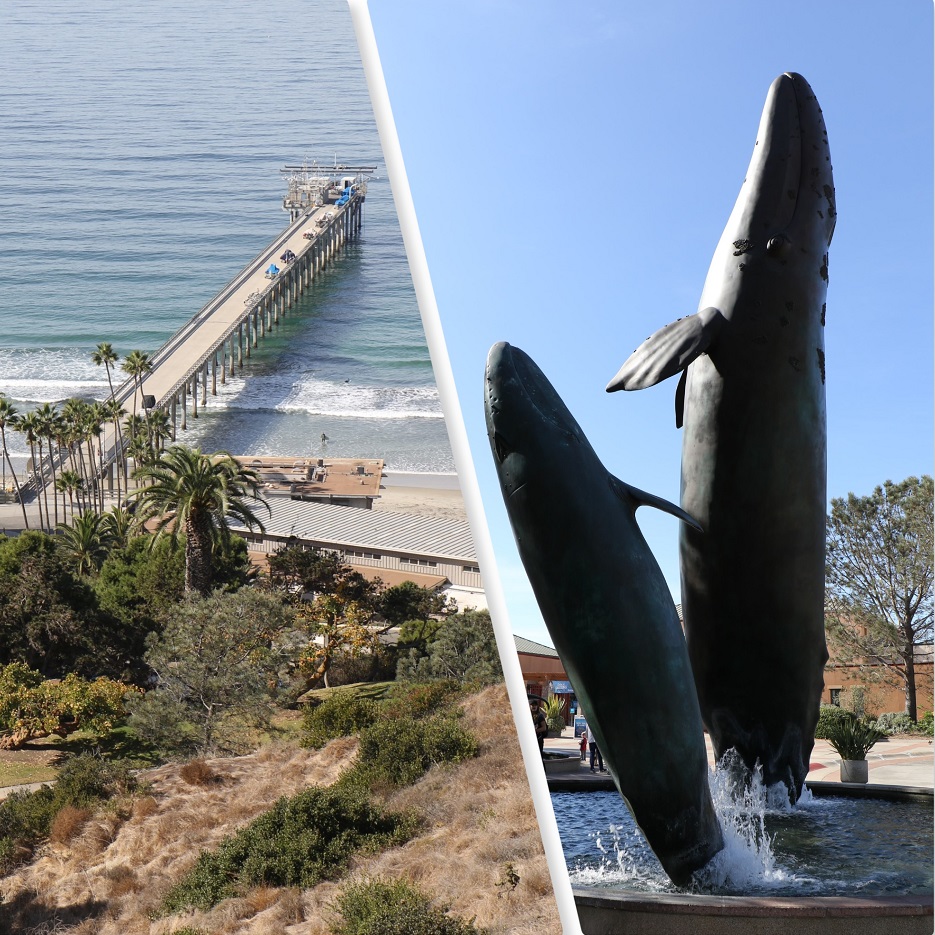
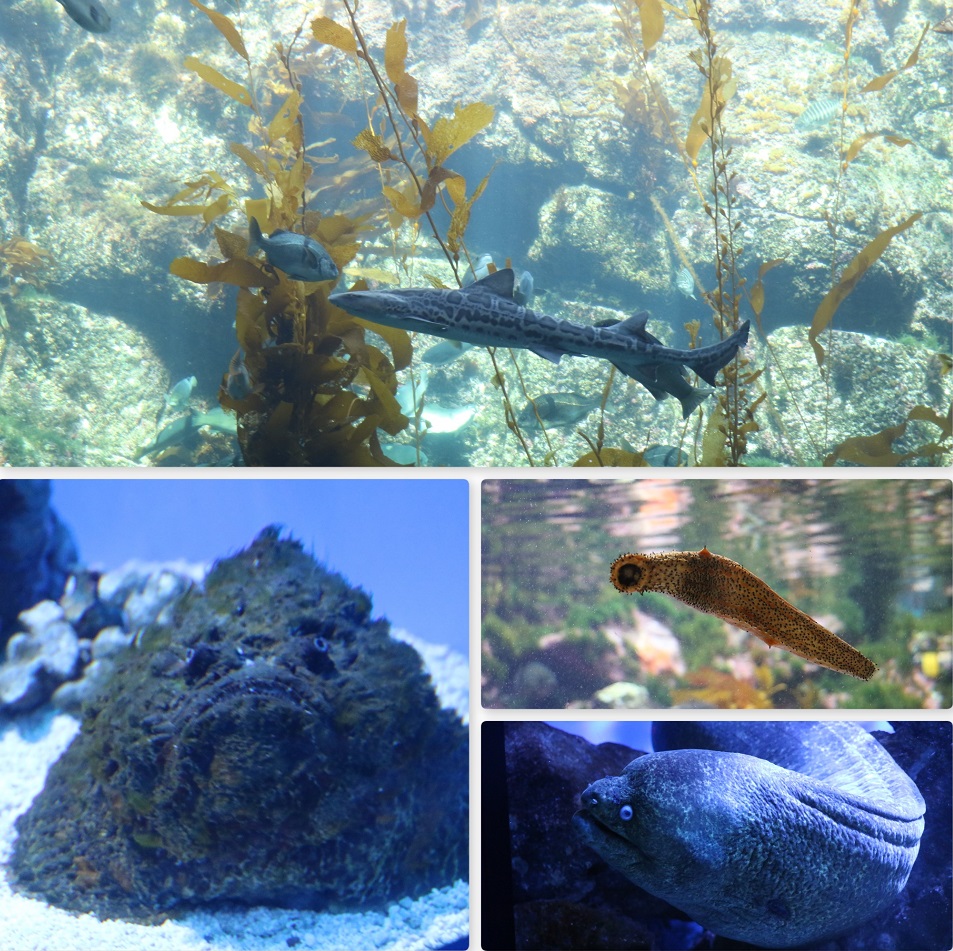
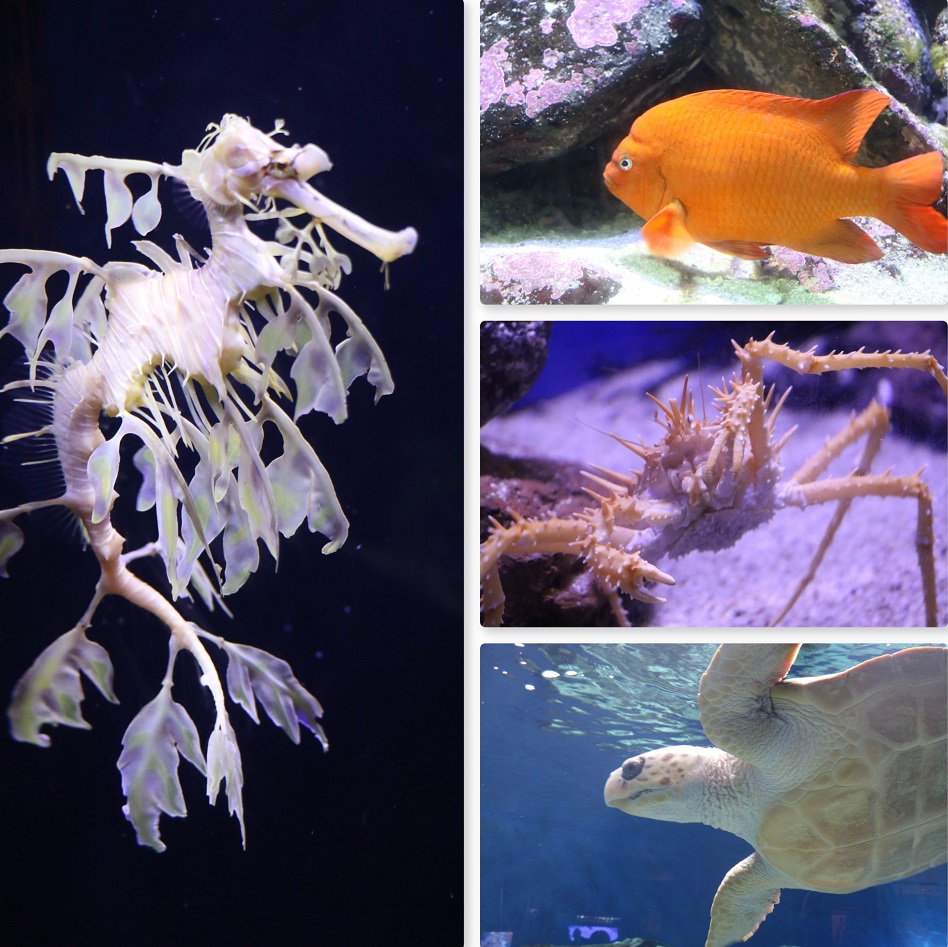
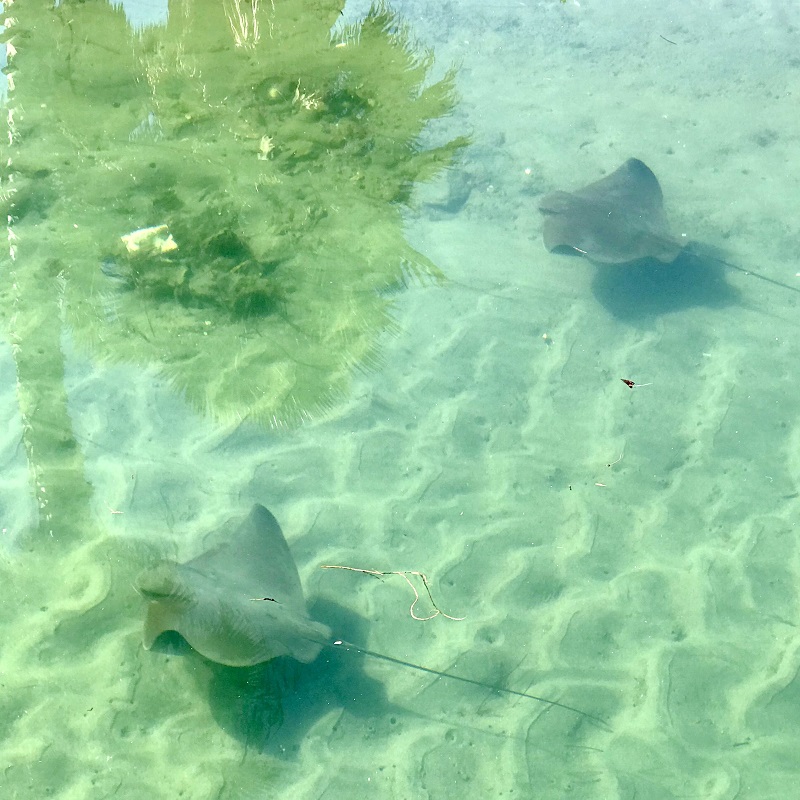
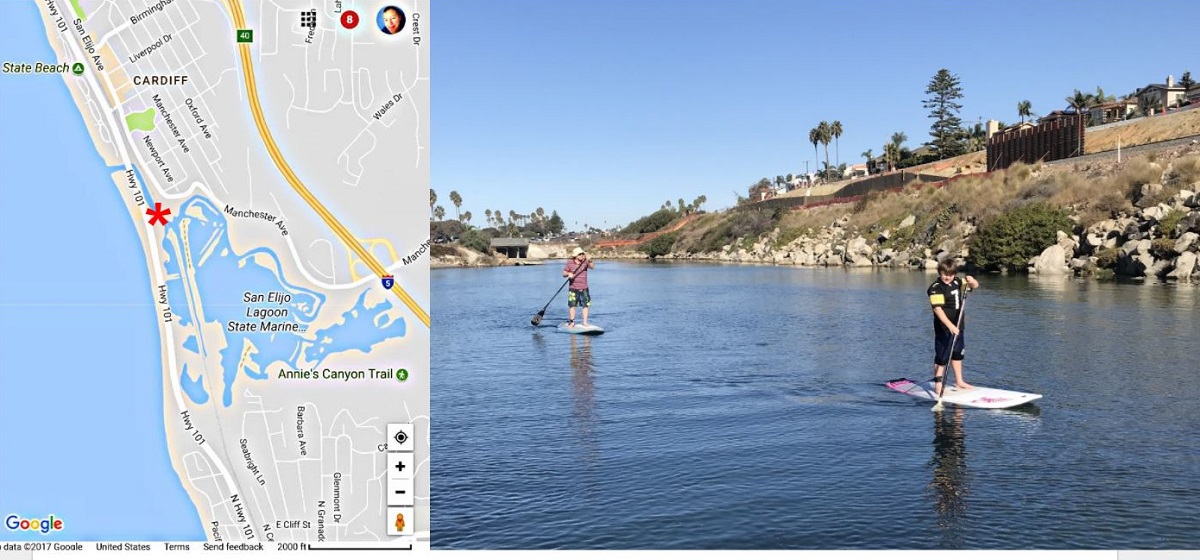
There are sting rays and bat rays here in the California waters. My brother knows where to go look for them (in the San Elijo lagoon, using paddle boards) .. and indeed, we sighted some, scurrying on the sand below.
Die Klima-Tüftler (‘The Climate Tinkerers’), says this page from the kids’ section in the German newspaper Die Zeit. It discusses the feasibility of some ideas for reducing the rate of global warming. No mention of clean-energy generation or electric cars, though.
Here are the four ideas:
Artificial Clouds
Question: Could artificial clouds be used to block/ reduce the sun’s radiation reaching Earth (and warming it)?
Answer: Researchers are sceptical – and the results are unpredictable. These gigantic clouds could drift far away, and result in droughts where rain is needed most (reduce the evaporation of water there).
Radiation Reflectors
Question: Could sunlight be reflected back with giant mirrors, or many small ones, or even say, by painting rooftops of all buildings white?
Answer: Impractical. Installation of many billions of mirrors would be needed, and it seems impossible to get most people in the world to paint their roofs white!
Air Purification
Question: Could CO2 be sucked out of the atmosphere, and its carbon stored underground?
Answer: The equipment is very expensive; the filters would have to be changed frequently, and if landfill areas to store the carbon are not chosen carefully, the solid waste from the air would contaminate groundwater.
‘Wolverine’ Algae
Question: Could we cultivate voracious algae that would absorb CO2?
Answer: The algae in the water would have to be replenished frequently and as it dies, it would drift to the bottom of the lake or sea, and start to rot, which would take oxygen out of the water and air again.