Just on the border of your waking mind There lies another time Where darkness and light are one And as you tread the halls of sanity You feel so glad to be Unable to go beyond I have a message from another time
– Lyrics from ‘Prologue’ on the album ‘Time’ by Electric Light Orchestra, 1981
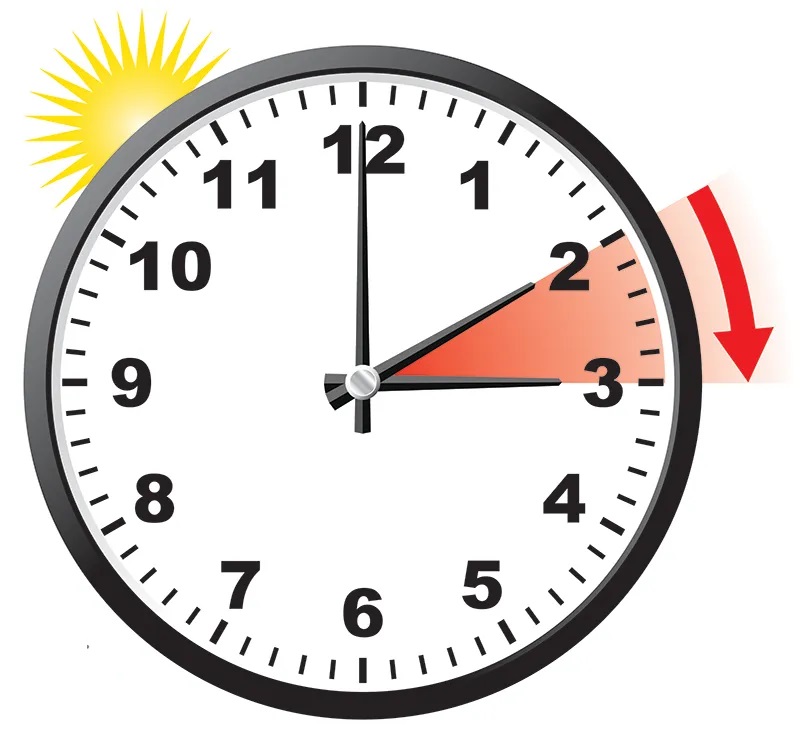
It’s time to fiddle with our clocks again here in the United States.
Daylight Saving Time starts Sunday morning at 2 am.
Yeah, an hour extra daylight at the end of the day— robbed from the daylight in the early morning.
So we’re not really saving any daylight now, are we?
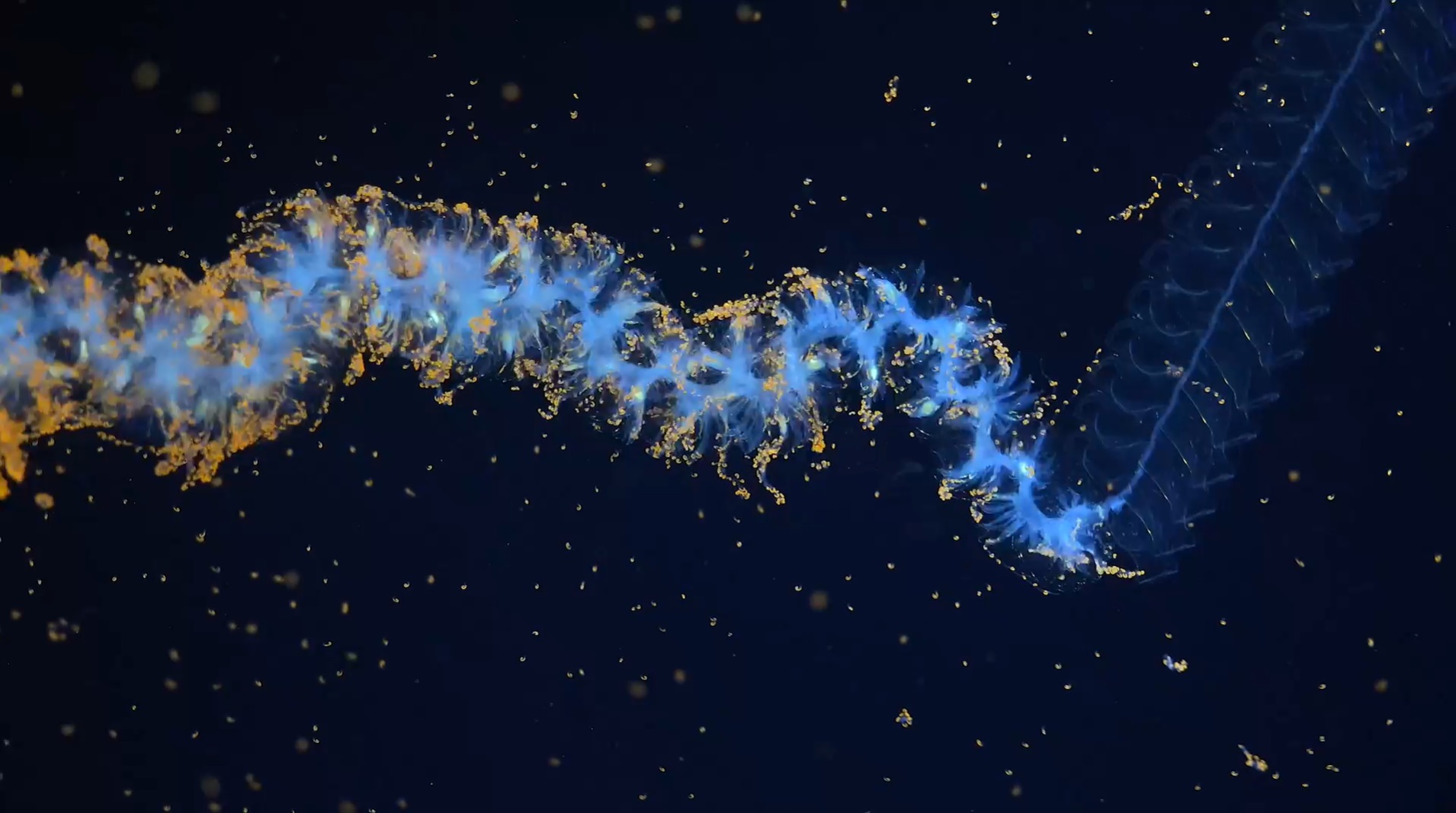
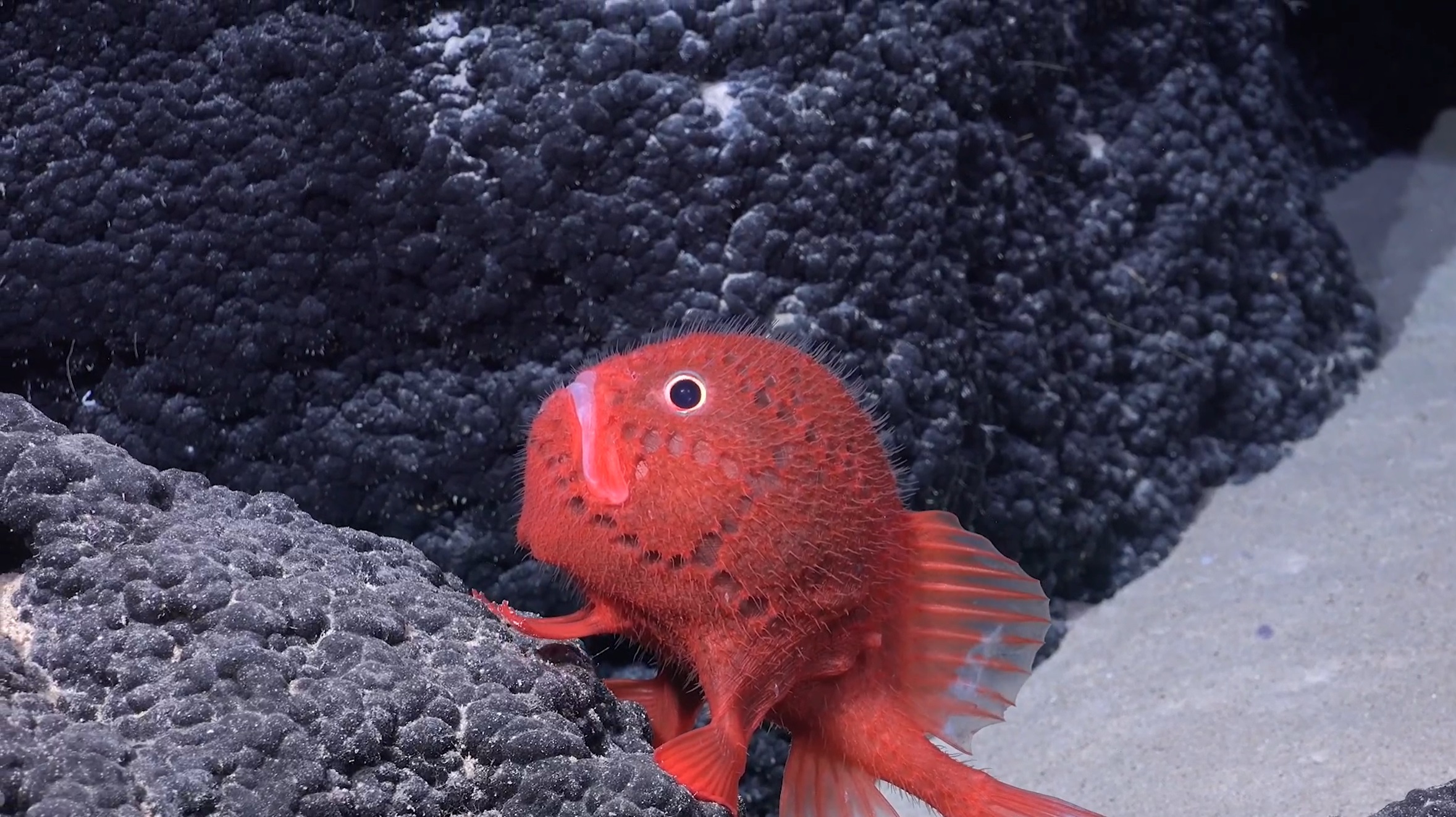
‘Alien-looking lobsters, sponges, urchins, sea stars and sea lilies are among the creatures deep-sea explorers found off the coast of Chile.
Deep-sea explorers searching below the waves off the coast of Chile may have found more than 100 species completely new to science.
The potential discovery of the new creatures across 10 seamounts in the southeast Pacific does more than just add to the depth of understanding of the sheer diversity of ocean life. For the researchers, it shows how ocean protections put in place by the Chilean government are working to bolster biodiversity, an encouraging sign for other countries looking to safeguard their marine waters’.
– From a report by Dino Grandoni for the Washington Post of Feb. 24.
– Pictures are stills from a video by the Schmidt Ocean Institute.
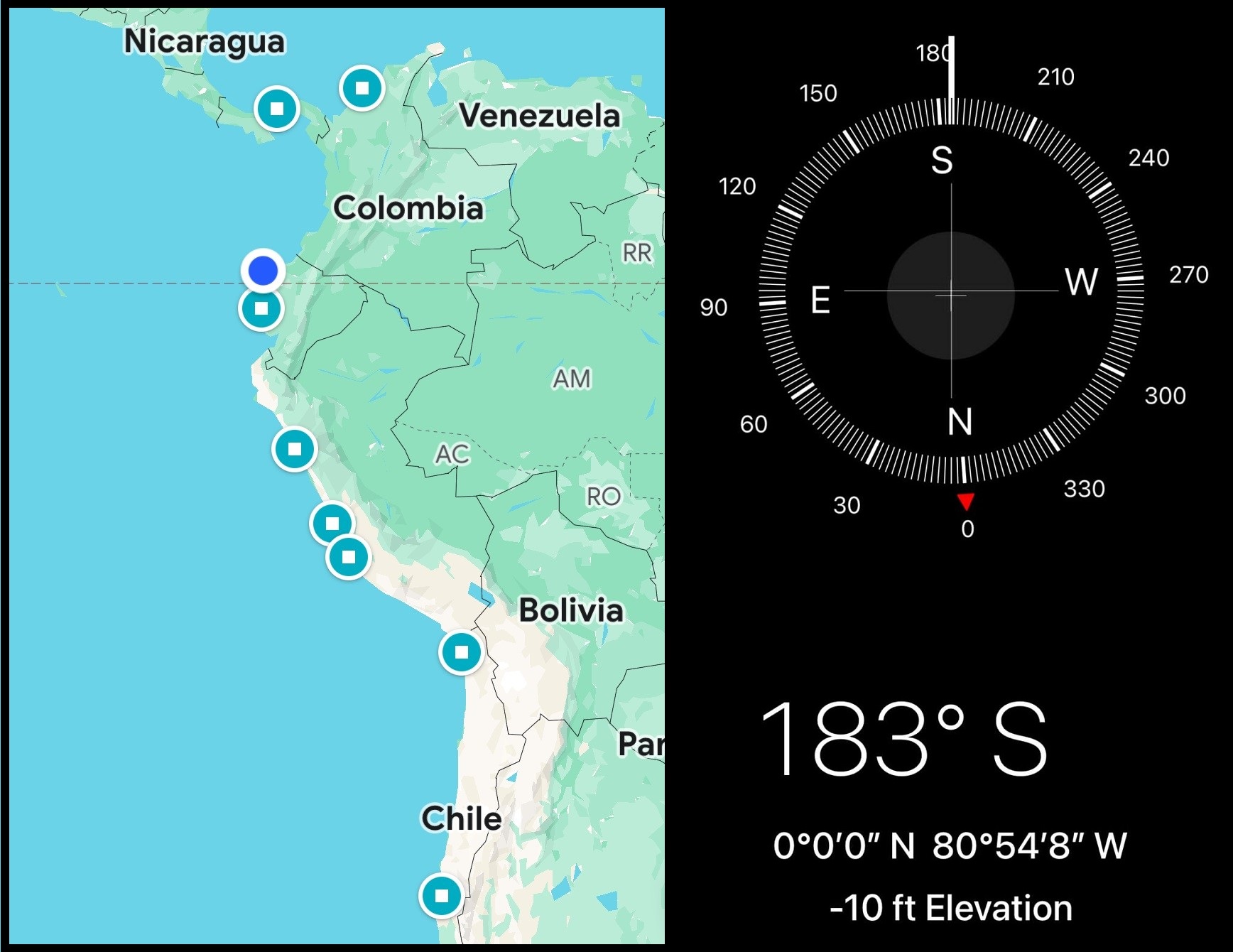
We were sailing just about due south, as we crossed the equator at noon today, close to Manta on the coast of Ecuador.
The captain made an announcement, and sounded the horn of the ship.
There it is, the imaginary line that divides Earth into the Northern Hemisphere and the Southern Hemisphere. My weather app instantly changed the location from North Pacific Ocean to South Pacific Ocean, and the latitude has now turned negative (south) as well. (Thanks to Bryan for the iPhone compass picture).There was pickleball today— on deck and on the equator, how about that? Two of the five pickleball Amigos from Seattle showed off their skills on the very breezy pickleball enclosure. The entire space is enclosed by netting, so that the pickleball cannot go flying into the ocean. Great!
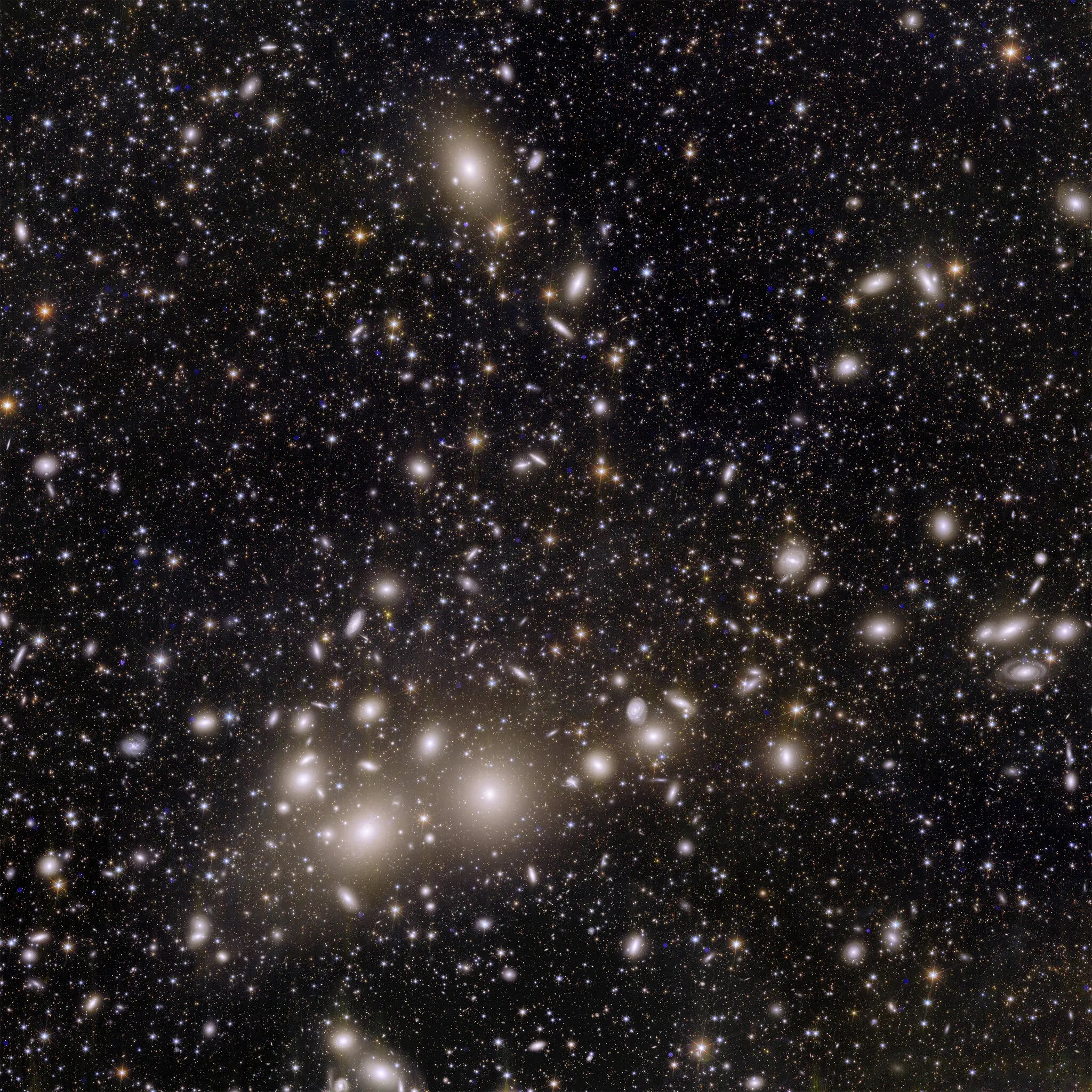
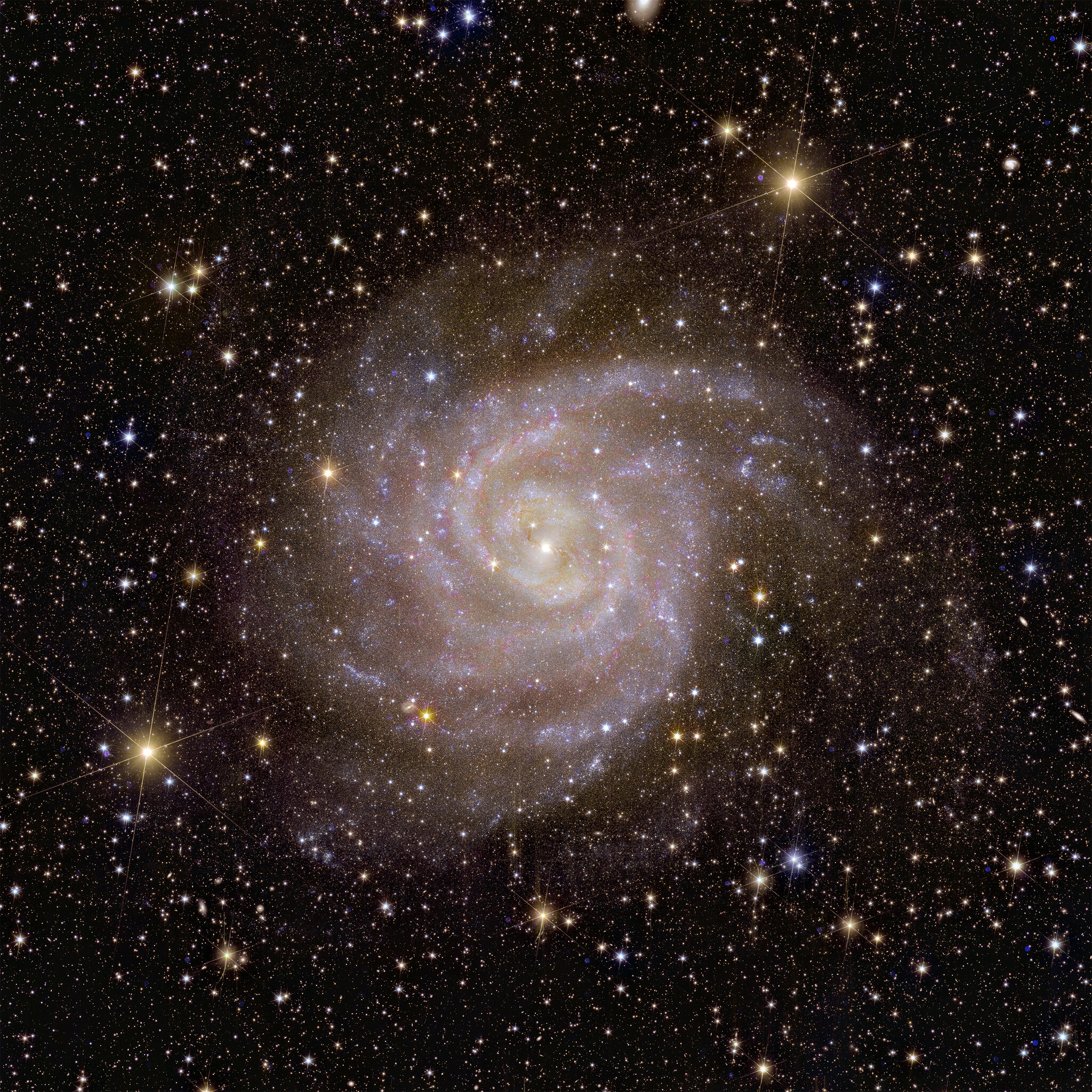
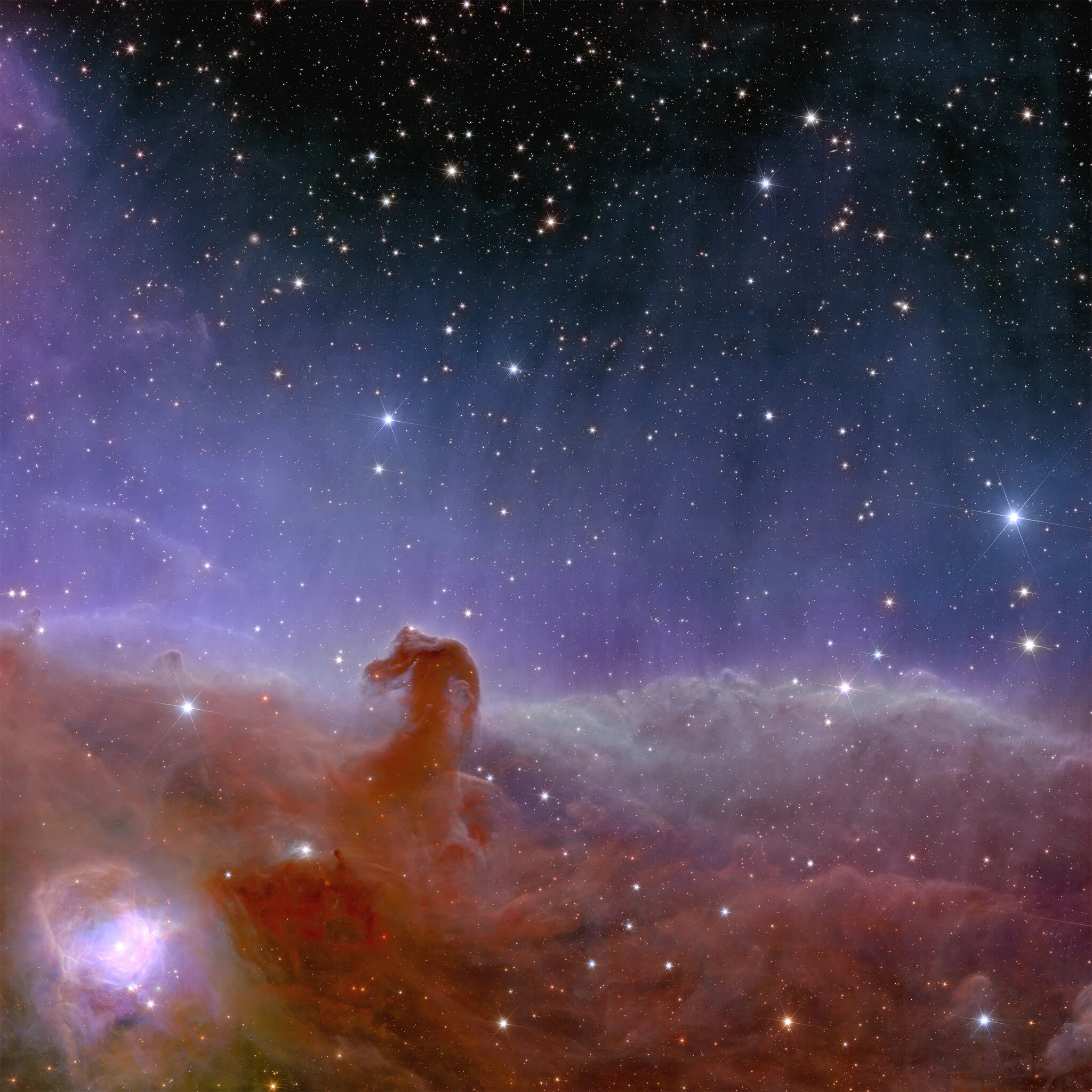
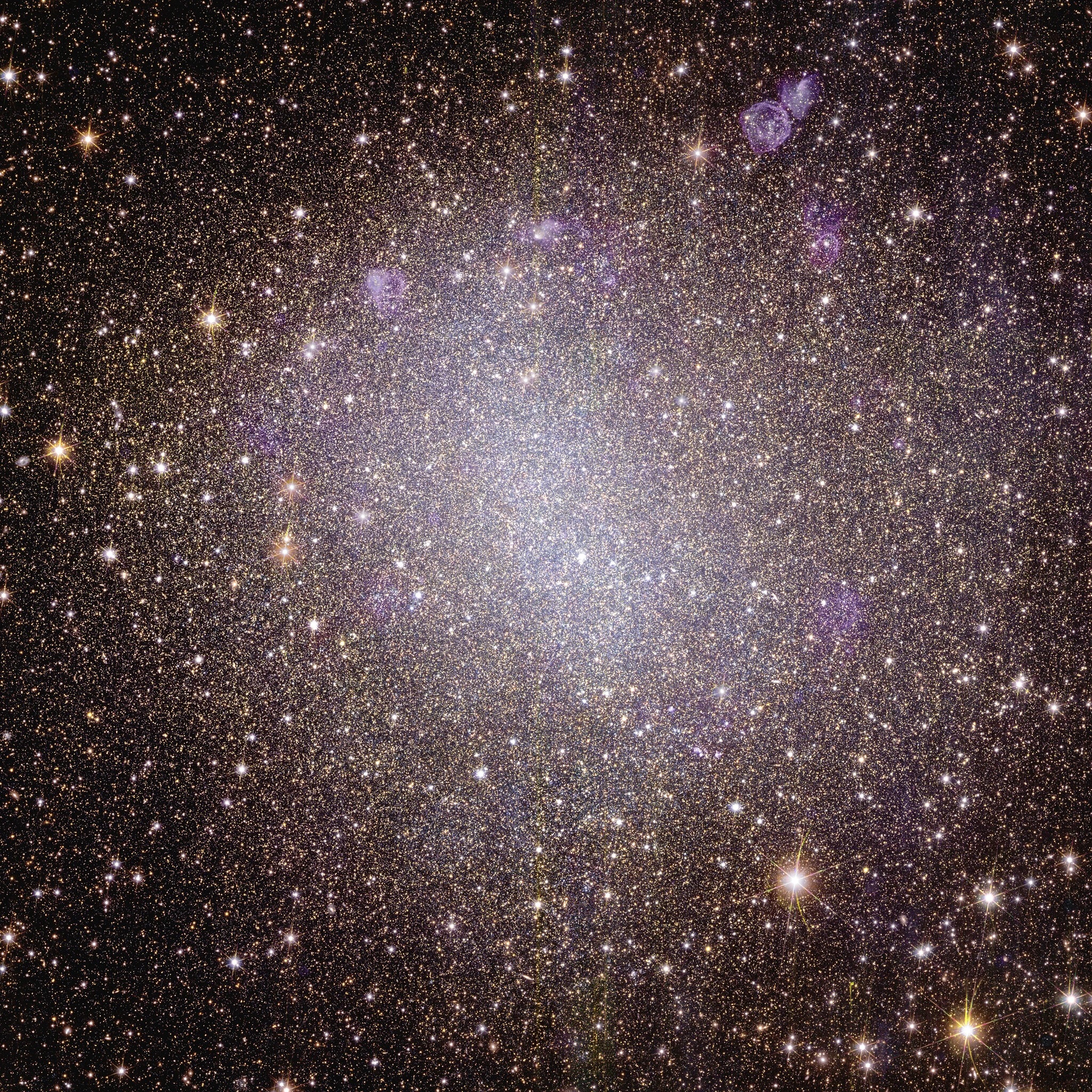
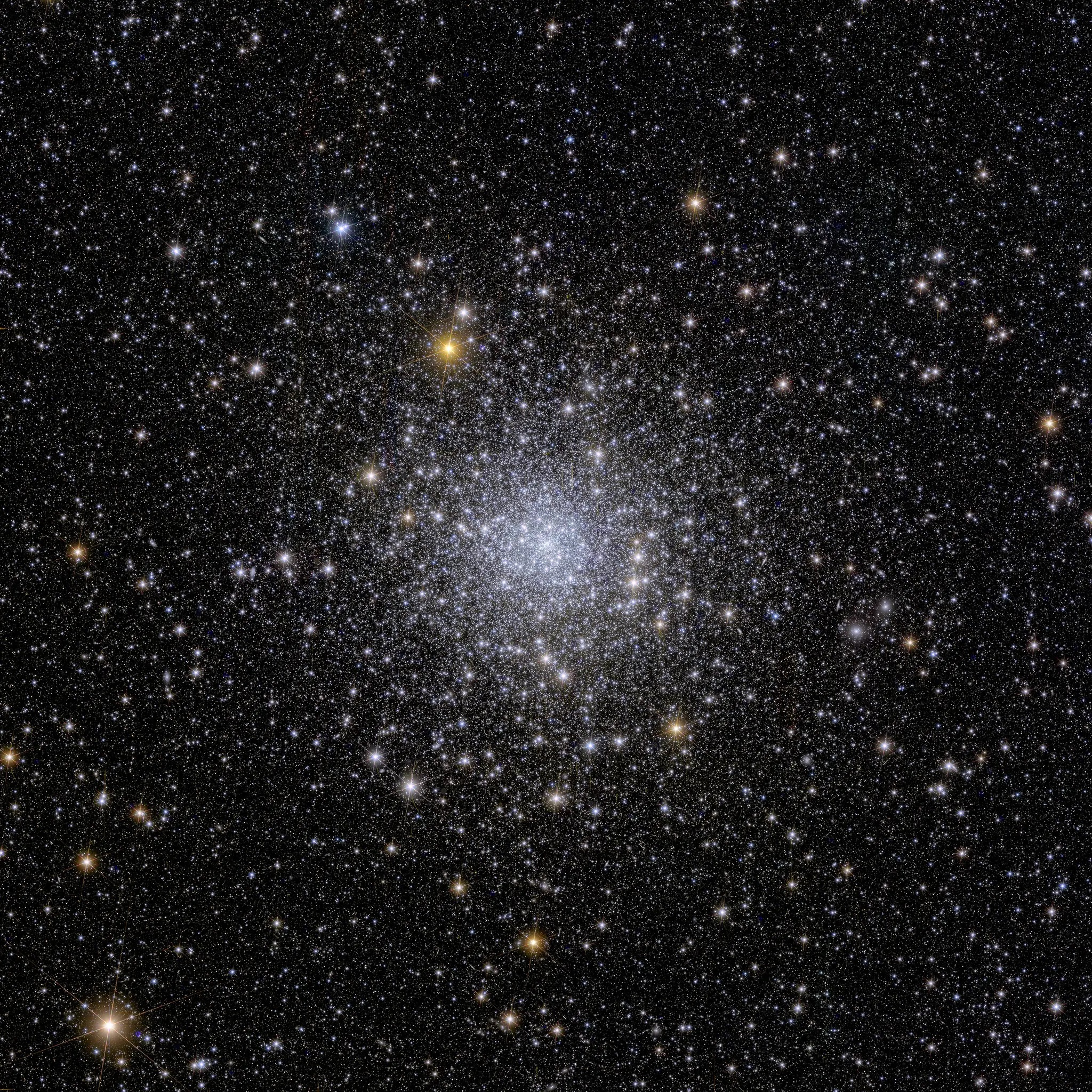
Euclid is a wide-angle space telescope with a 600-megapixel camera to record visible light, a near-infrared spectrometer, and photometer, to determine the redshift of detected galaxies. It was developed by the European Space Agency and the Euclid Consortium, and was launched on 1 July 2023.
– Wikipedia
Today, the European Space Agency shared the first images obtained from the telescope.
One thousand galaxies belonging to the Perseus Cluster with more than 100,000 additional galaxies visible farther away. Each can contain up to hundreds of billions of stars. [Courtesy European Space Agency/Euclid Consortium/NASA; image processing by J.-C. Cuillandre, G. Anselmi]The spiral galaxy IC 342, an intermediate spiral galaxy in the constellation Camelopardalis, located relatively close to our own Milky Way galaxy. Radius 35,000 light years | discovered 1892 | distance from Earth 10.76 million light years. [Courtesy the European Space Agency/Euclid Consortium/NASA; image processing by J.-C. Cuillandre, G. Anselmi]The Horsehead Nebula is a small dark nebula in the constellation Orion (in the Milky Way galaxy). Radius 3.5 light years | discovered 1888 | distance from Earth 1,500 light years. [Courtesy of the European Space Agency/Euclid Consortium/NASA; image processing by J.-C. Cuillandre, G. Anselmi]Irregular galaxy NGC 6822. Discovered 1884 | distance from Earth 1.6 million light years. [Courtesy the European Space Agency/Euclid Consortium/NASA; image processing by J.-C. Cuillandre, G. Anselmi]A full view of the globular cluster NGC 6397 in constellation Ara in the Milky Way. Radius 34 light years | distance from Earth 7,800 light years. [Courtesy the European Space Agency/Euclid Consortium/NASA; image processing by J.-C. Cuillandre, G. Anselmi]
I ran out and got the new RSV vaccine yesterday (from Pfizer, marketed as ‘Abrysvo’). It does feel like my system is reacting to it, more so than was the case for the flu shot or the latest COVID vaccine.
Respiratory syncytial virus (RSV) is spread through contact with contaminated surfaces (and from what I understand, not by airborne transmission).
RSV causes mild cold symptoms in most people, but if the virus ends up flourishing in the lungs, it can lead to hospitalization and even death in older people and babies.
Researchers have been trying for decades to create effective RSV vaccines.
One turning point came with the investigation of an RSV protein called ‘RSV prefusion (RSV preF)’ that turned out to provide potent stimulation of the immune system.
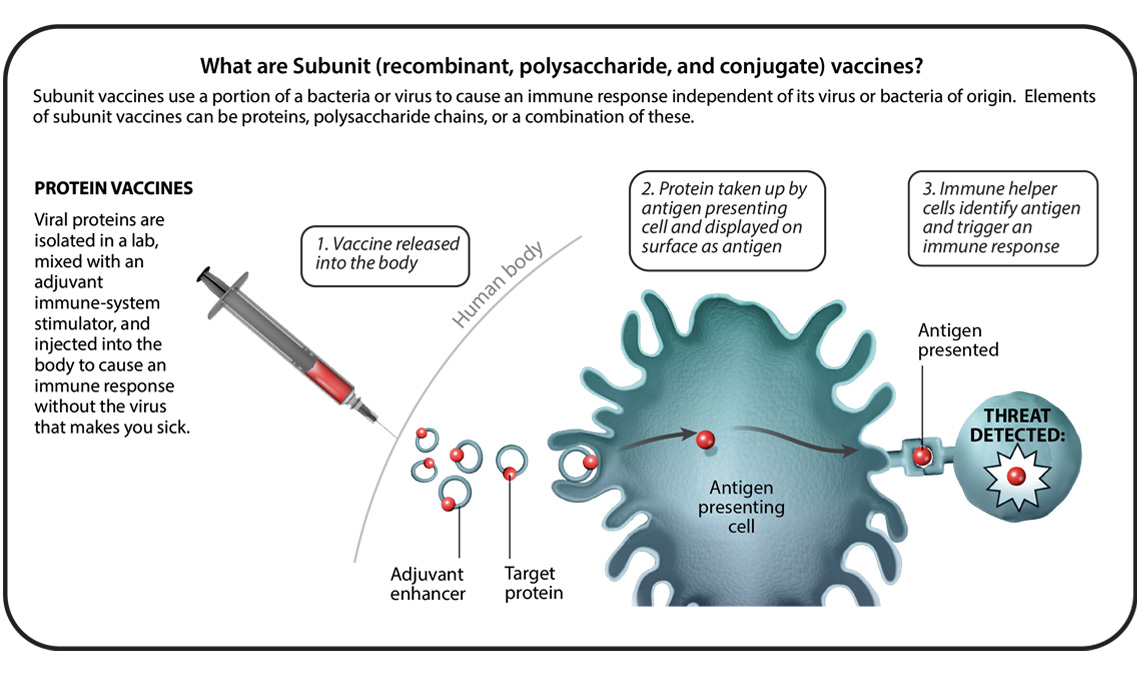
Abrysvo contains proteins from the surfaces of two strains of the RSV virus. When a person is given the vaccine, the immune system treats the viral proteins as ‘foreign’ entities and makes defenses against them. If, later on, the vaccinated person comes into contact with the virus, the immune system will recognize the viral proteins and be prepared to attack it.
An illustration of how subunit vaccines work, from Pfizer’s website. This mechanism is one of SIX major categorizations of vaccines. Ready? 1. Live-attenuated vaccines (such as for measles/mumps/rubella, chicken pox). 2. Inactivated vaccines (for polio, flu). 3. Subunit vaccines (shingles, hepatitus B, and now RSV). 4. Toxoid vaccines (such as for tetanus, diphteria). 5. Viral vector vaccines (such as the Ebola vaccine, some COVID vaccines). 6. Messenger RNA (mRNA) vaccines (used for Pfizer’s COVID vaccine).
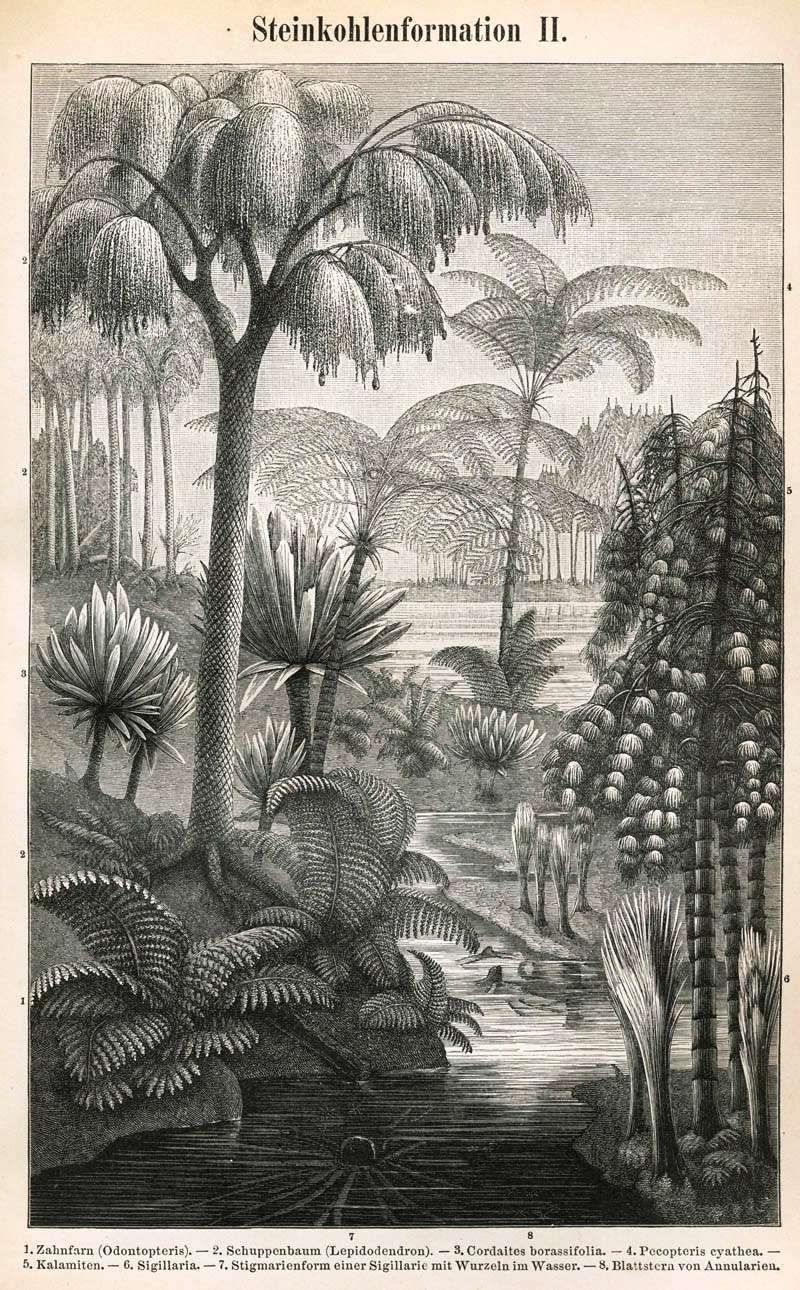
Etching depicting some of the most significant plants of the Carboniferous. The Carboniferous is a geologic period and system of the Paleozoic that spans 60 million years from the end of the Devonian Period 358.9 million years ago, to the beginning of the Permian Period, 298.9 mya. [Picture: Bibliographisches Institut – Meyers Konversationslexikon]From the 2021 book ‘A (Very) Short History of Life on Earth’ by Henry Gee: The Carboniferous* lycopod forests were not like this at all (trees with wood and bark). The lycopods, like their Devonian forebears, were hollow, supported by thick skin rather than heartwood, and covered in green, leaflike scales. Indeed, the entire plant— the trunk and the crown of dropping branches alike— was scaly. With no columns of vessels to transport food, each of the scales was photosynthetic, supplying food to the tissues close by. Even stranger to our eyes, these trees spent most of their lives as inconspicuous stumps in the ground. Only when it was ready to reproduce did a tree grow, a pole shooting upward like a firework in slow motion to explode in a crown of branches that would broadcast spores into the wind. Once the spores had been shed, the tree would die. Over many years of wind and weather, fungi and bacteria would etch away at the husk until it collapsed onto the sodden forest floor below. A lycopod forest looked like the desolate landscape of the First World War Western Front: a craterscape of hollow stumps filled with a refuse of water and death; the trees, like poles, denuded of all leaves or branches, rising from a mire of decay. There was very little shade and no understory apart from the deepening litter forming around the shattered wrecks of the lycopod trunks.
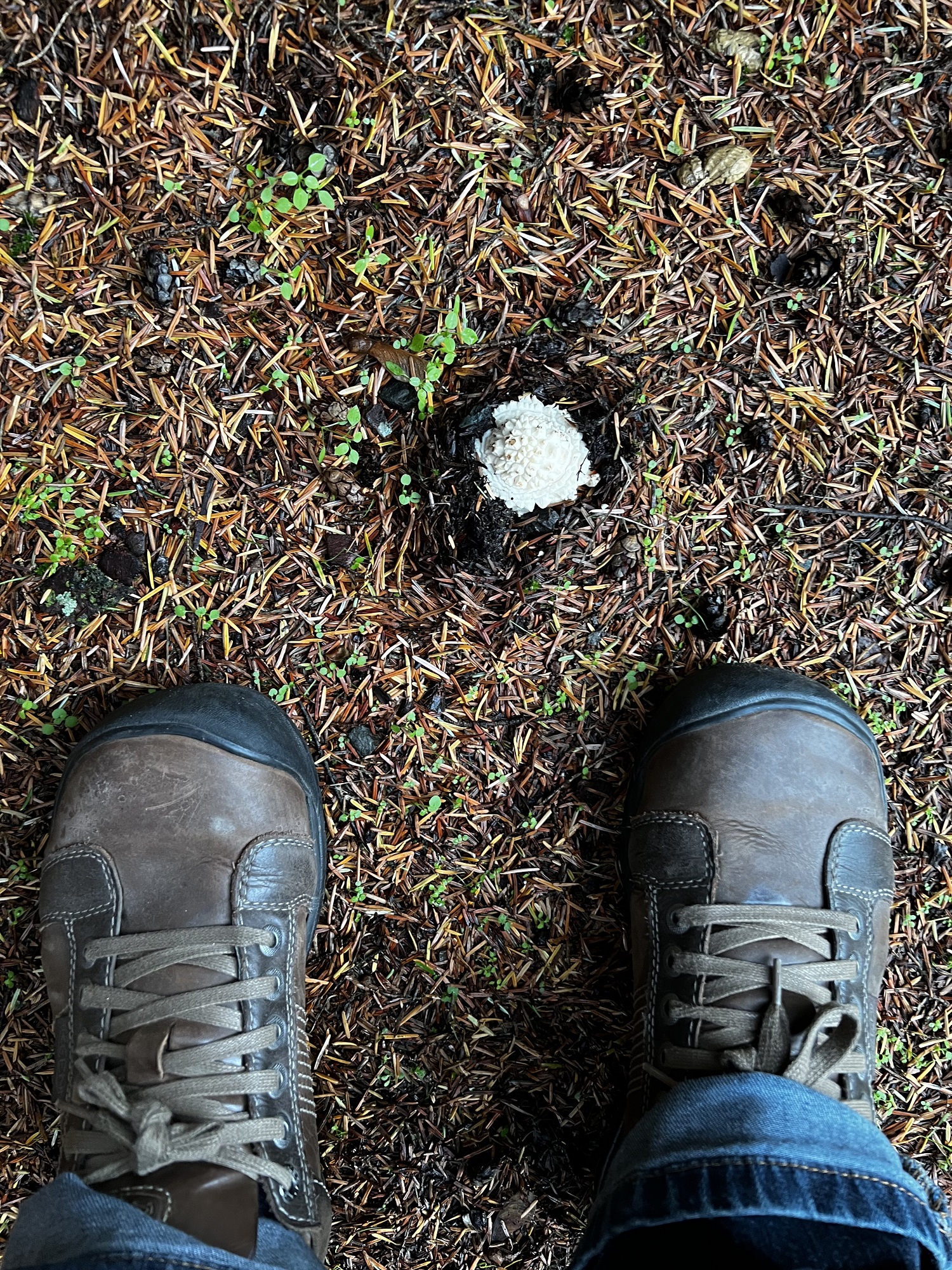
The mushroom spores in the ground in my backyard have started to sprout— the way they usually do in October.
The right kind of soil, and changes in temperature, light and water, trigger them to start growing.
Mushrooms, as living organisms, belong to a kingdom separate from plants (see table below).
Kingdom
Organisms
Monera
Bacteria, blue-green algae (cyanobacteria), and spirochetes
Protista
Protozoans and algae of various types
Fungi
Funguses, molds, mushrooms, yeasts, mildews, and smuts
Plantae
Mosses, ferns, woody and non-woody flowering plants
Animalia
Sponges, worms, insects, fish, amphibians, reptiles, birds, and mammals
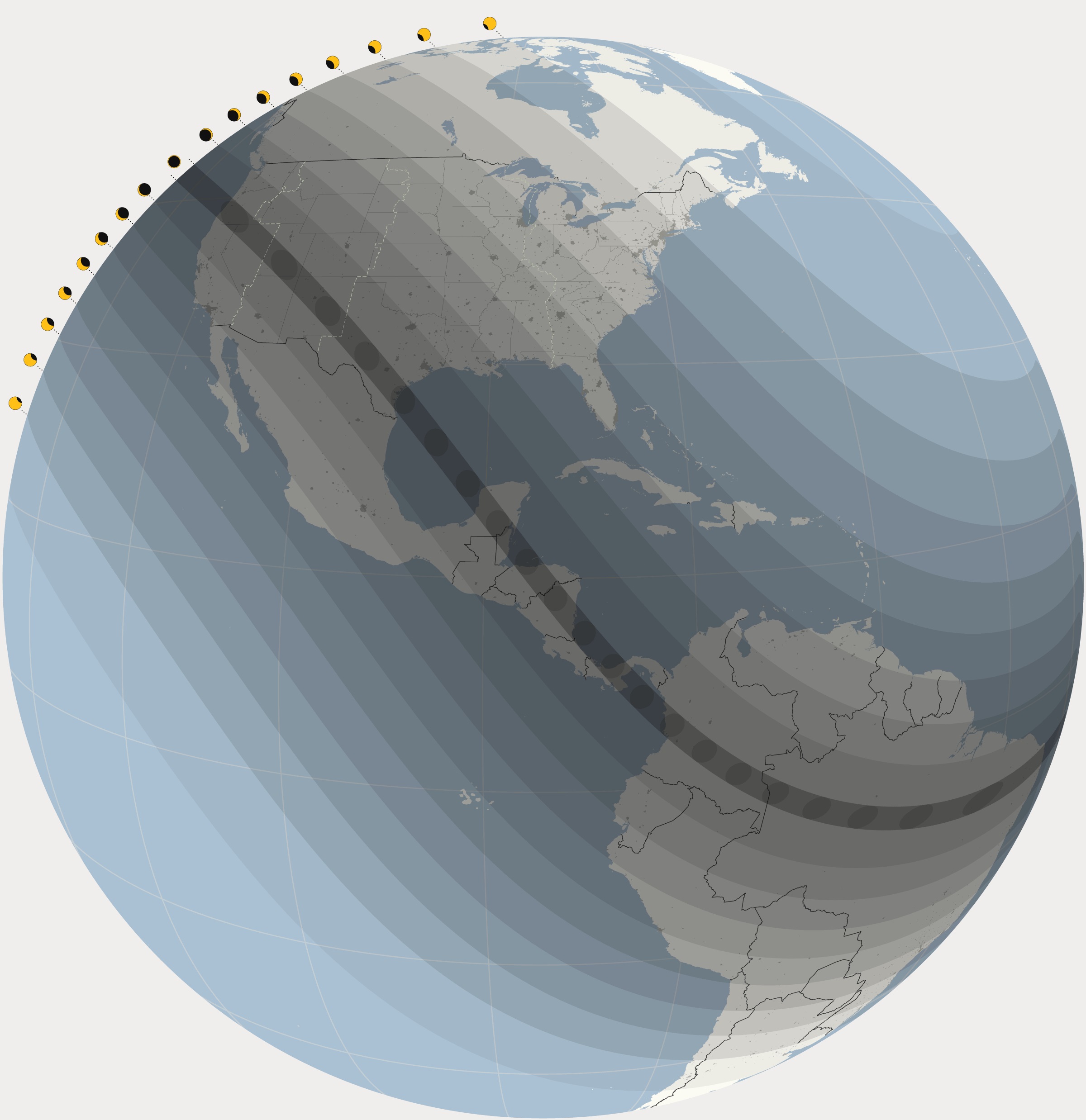
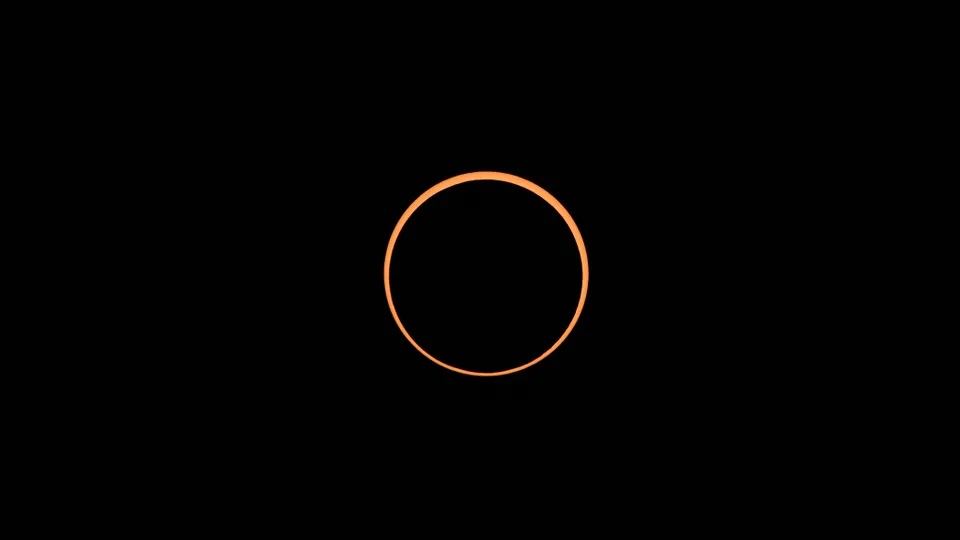
The band of area from which the ‘ring of fire’ view of the solar eclipse could be seen ran through the Pacific Northwest, New Mexico and Texas. Farther afield, the moon passing in front of the sun made it appear as a crescent shape. [Source: Eclipse data from NASA’s Scientific Visualization Studio]The ‘ring of fire’ as seen from Albuquerque, New Mexico. [Photo: PATRICK T. FALLON / AFP]Here in Seattle, the sun came out from behind the clouds just in time for this morning’s partial solar eclipse.
At about 9.20 am, 81% of the sun was obscured.
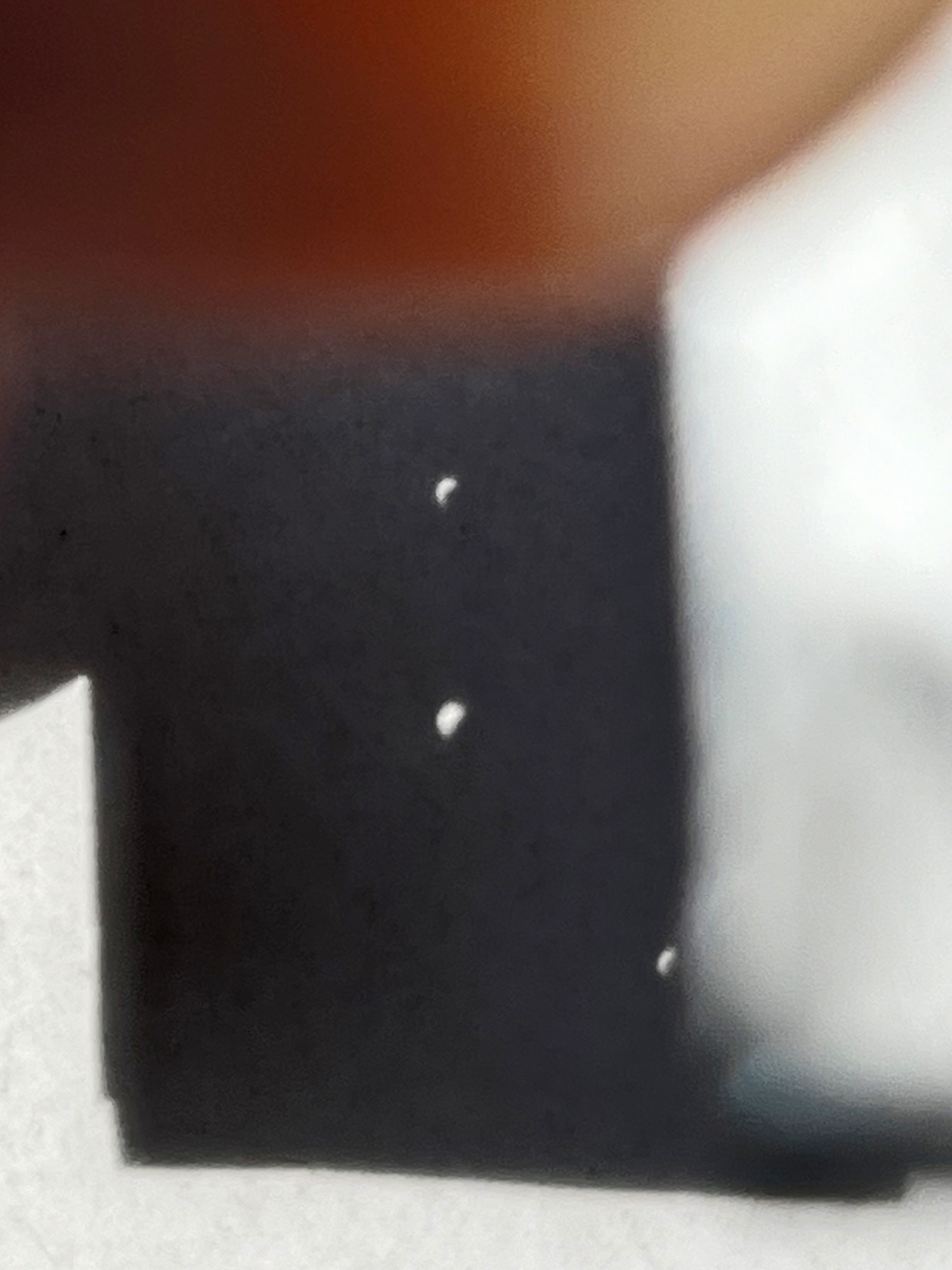
Here is my own ‘pin hole camera’ view of the sun, taken at about 9.11 am in Seattle. (The sun’s light passing through three pin holes in a piece of tin plate, catching the crescent shape of the sun not obscured by the moon).
I got my flu shot today, the one branded as the FLUCELVAX® Quad 2023-24.
It’s the first flu vaccine in the United States that was cultured in cells* and not in chicken eggs.
Some observational studies have shown cell culture-based vaccines to provide greater protection against flu or flu-like illness (as opposed to ones grown in eggs).
*From the CDC’s website: ‘Cell culture-based flu vaccine production does not require chicken eggs because the vaccine viruses used to make vaccine are grown in mammalian cell cultures (no animals are harmed by this process)’.
One of several animal posters published by the CDC to tout the benefits of the flu vaccine. [Source: https://www.cdc.gov/flu/resource-center/shareable-resources.htm]
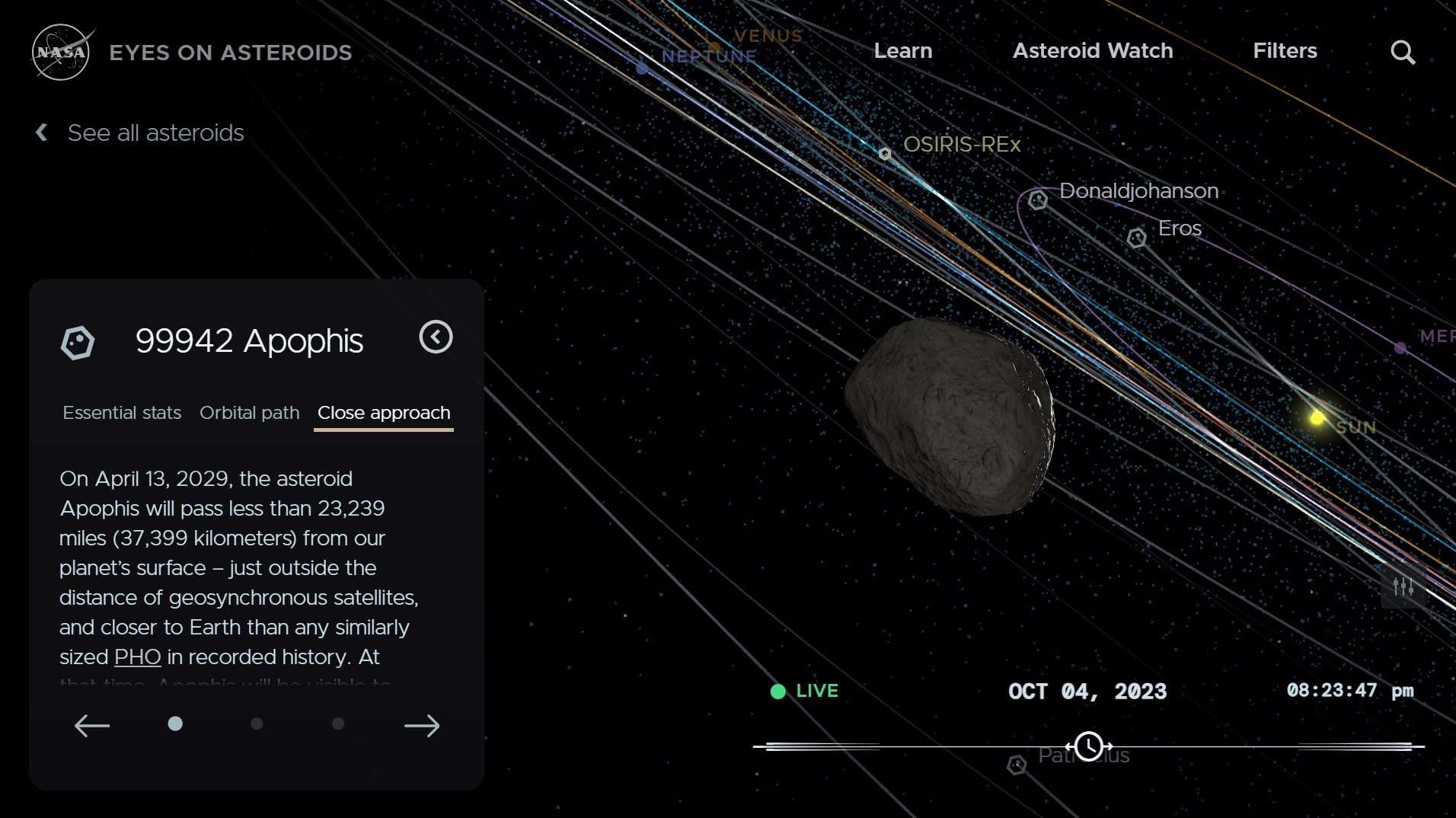
I stumbled across an old YouTube video in which astrophysicist Neil deGrasse Tyson talks about the dire possibility of giant asteroid Apophis hitting Earth.
Luckily, I also found this updated report on NASA’s web site: Estimated to be about 1,100 feet (340 meters) across, Apophis quickly gained notoriety as an asteroid that could pose a serious threat to Earth when astronomers predicted that it would come uncomfortably close in 2029. Thanks to additional observations of Apophis, the risk of an impact in 2029 was later ruled out, as was the potential impact risk posed by another close approach in 2036. Until March 2021, however, a small chance of impact in 2068 still remained.
When Apophis made a distant flyby of Earth around March 5, 2021, astronomers took the opportunity to use powerful radar observations to refine the estimate of its orbit around the Sun with extreme precision, enabling them to confidently rule out any impact risk in 2068 and long after.
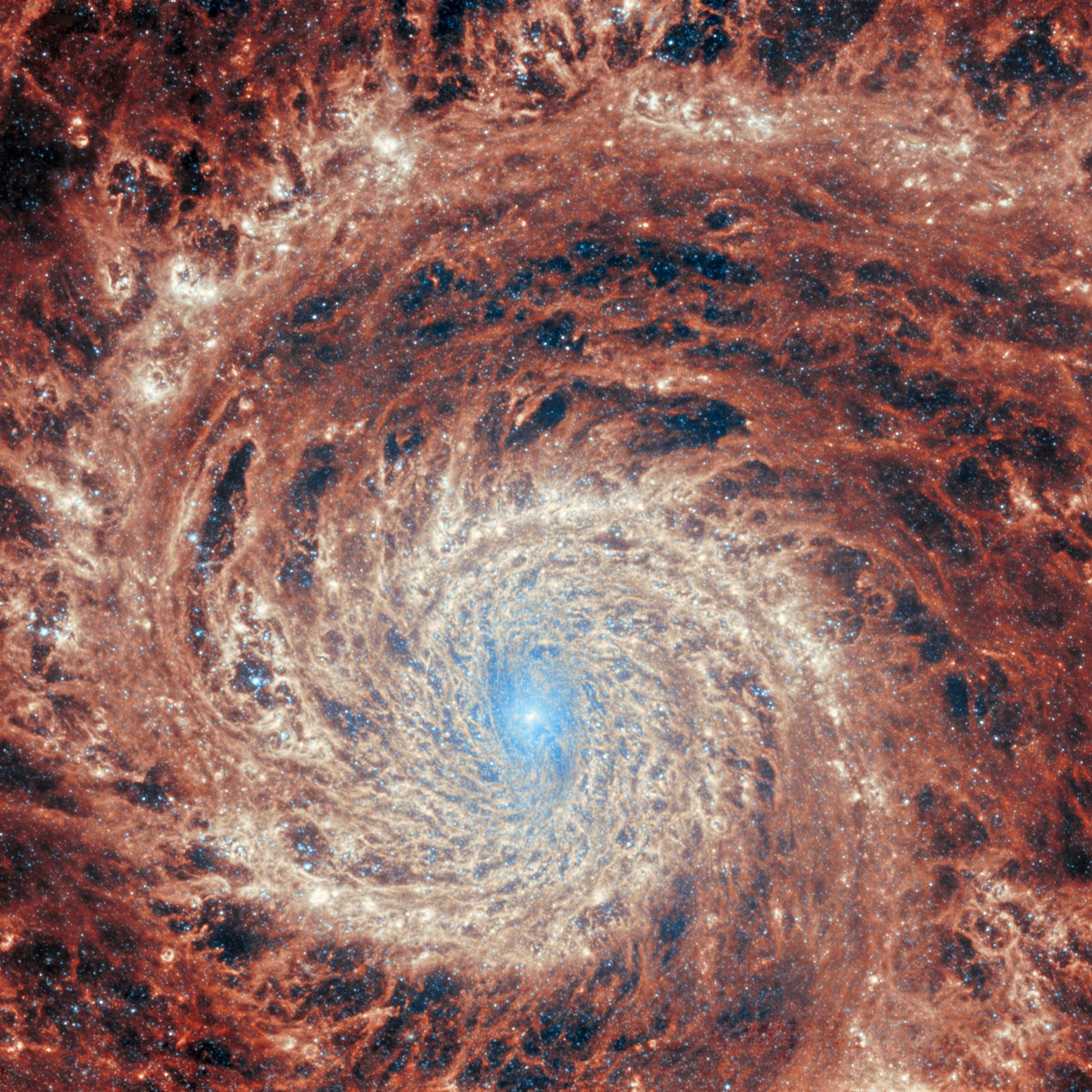
In 2011, scientists imaging M51 with Hubble hoped to capture the galaxy with the James Webb Space Telescope one day. That day has arrived.
– Monisha Ravisetti writing for space.com
Messier 51 (M51), the ‘Whirlpool Galaxy’ — also known as NGC 5194 — lies about 27 million light-years away from Earth in the constellation Canes Venatici, and is trapped in a tumultuous relationship with its near neighbor, the dwarf galaxy NGC 5195. This description of the image from the European Space Agency: A large spiral galaxy takes up the entirety of the image. The core is mostly bright white, but there are also swirling, detailed structures that resemble water circling a drain. There is white and pale blue light that emanates from stars and dust at the core’s centre, but it is tightly limited to the core. The rings feature colors of deep red and orange and highlight filaments of dust around cavernous black bubbles. [Image credit: NASA/ James Webb Space Telescope]
Here is the news Coming to you every hour upon the hour Here is the news The weather’s fine But there may be a meteor shower
– From Electric Light Orchestra’s 1982 concept album “Time”, about a man from 1981 travelling into the far off future of 2095 and having to deal with the stresses and setbacks of the future.
In this song, a news program is playing all the hourly (and quite depressing) headlines, some of which do have basis in reality.
It is a great year to look for Perseid meteors entering Earth’s atmosphere (and burn up), and this weekend is the peak time to do that.
There is a crescent moon in the sky, meaning the sky will be dark.
The best time to catch them is just before dawn— around 3:30 a.m. to 4:30 a.m. local time (eek!).
One can expect to see a Perseid every minute or so, or roughly 40 to 50 an hour during the peak, though rates could be even higher under ideal viewing conditions.
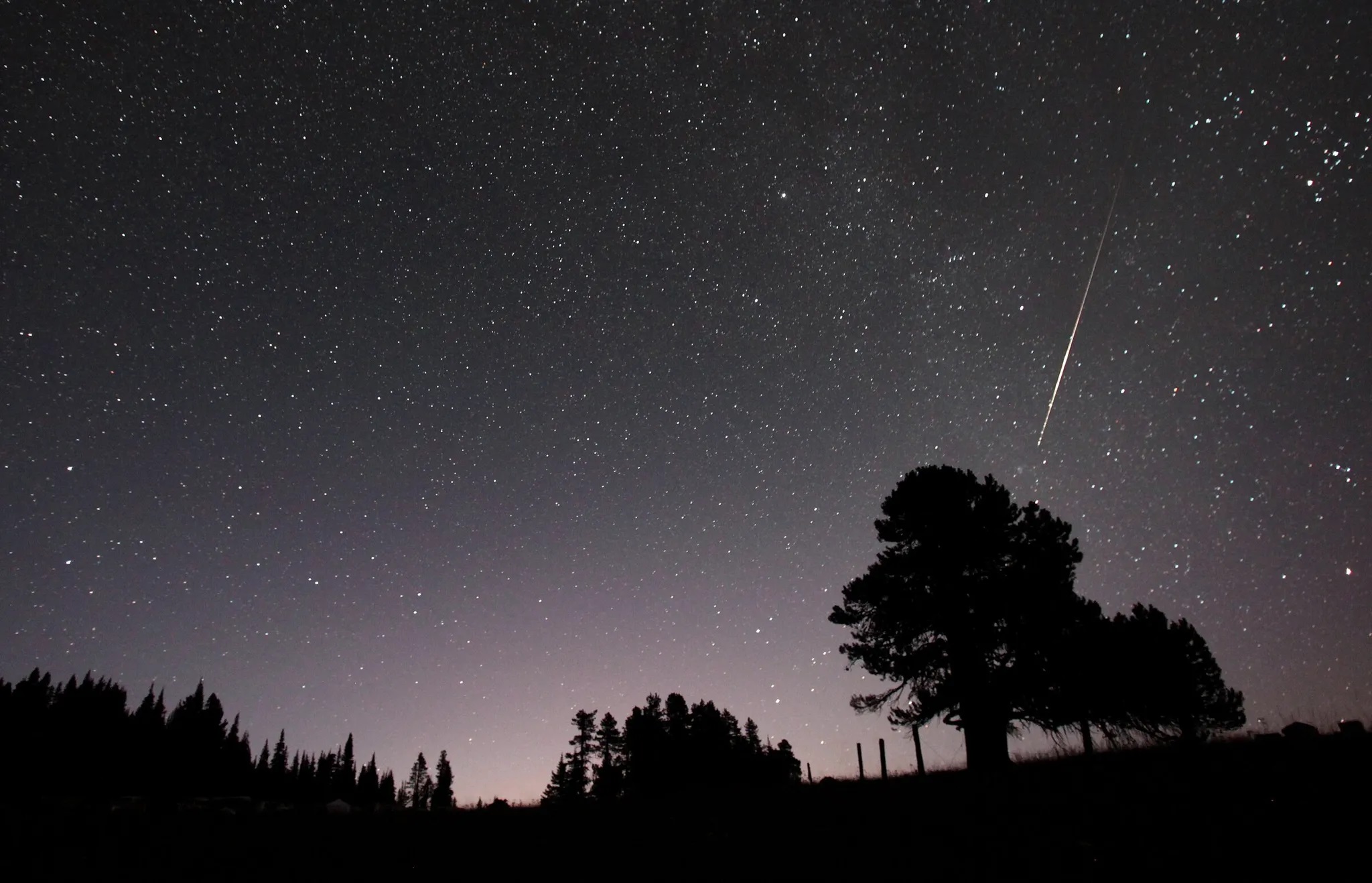
A Perseid meteor makes its entrance to the Earth’s atmosphere, seen looking east at 6,000 feet on top of Table Mountain near Ellensburg. [Photo by Steve Ringman, published in The Seattle Times, 2010]
David Grusch, a former employee of the Pentagon’s UAP task force, even claimed that the government has recovered “non-human” “biologics” at the scene of various crashes. Say what?
Happy Friday after a busy news week.
From the Washington Post: On Wednesday alone, the hearing for “unidentified anomalous phenomena” (UAP) by a House Oversight subcommittee had stiff competition for the public’s attention. Aplea deal involving President Biden’s son Hunter fell apart in court, raising questions about the future of the government’s case against him for tax and gun charges. Mitch McConnell (R-Ky.) was escorted out of a news conference after he appeared momentarily unable to speak, sparking concerns about the Senate minority leader’s health. Donald Trump was charged with 3 more counts in the documents case, along with a new co-conspirator, the property manager at Mar-a-Lago. (Charges for the Jan.6 events are still expected). And the ongoing, dramatic heat waves in Europe and the United States and wildfires in Canada and North Africa continued — with rising warnings about how climate change is rapidly altering life on Earth.
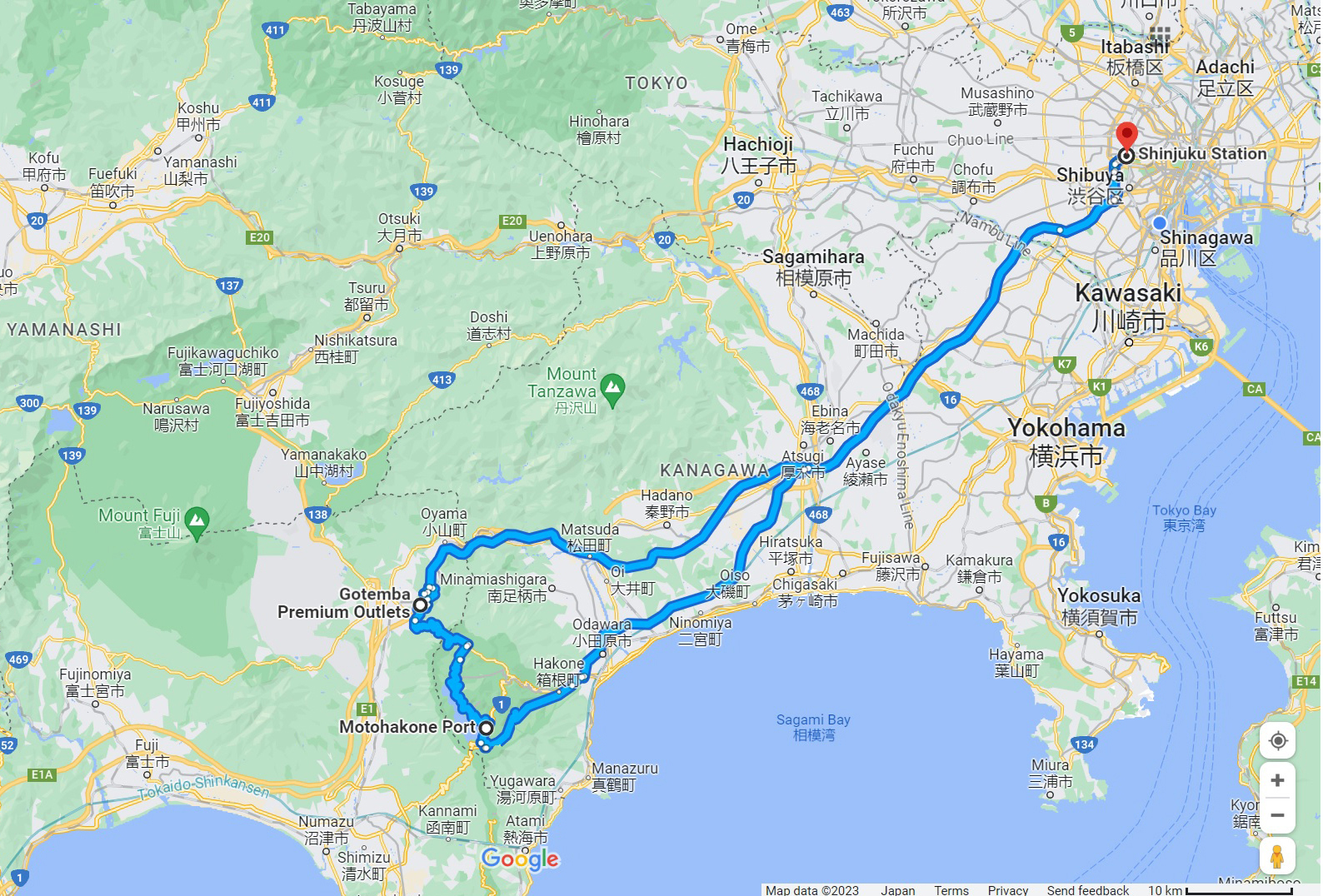
Here are pictures of our round trip bus tour to Mount Hakone and Lake Ashi in Kanagawa prefecture.
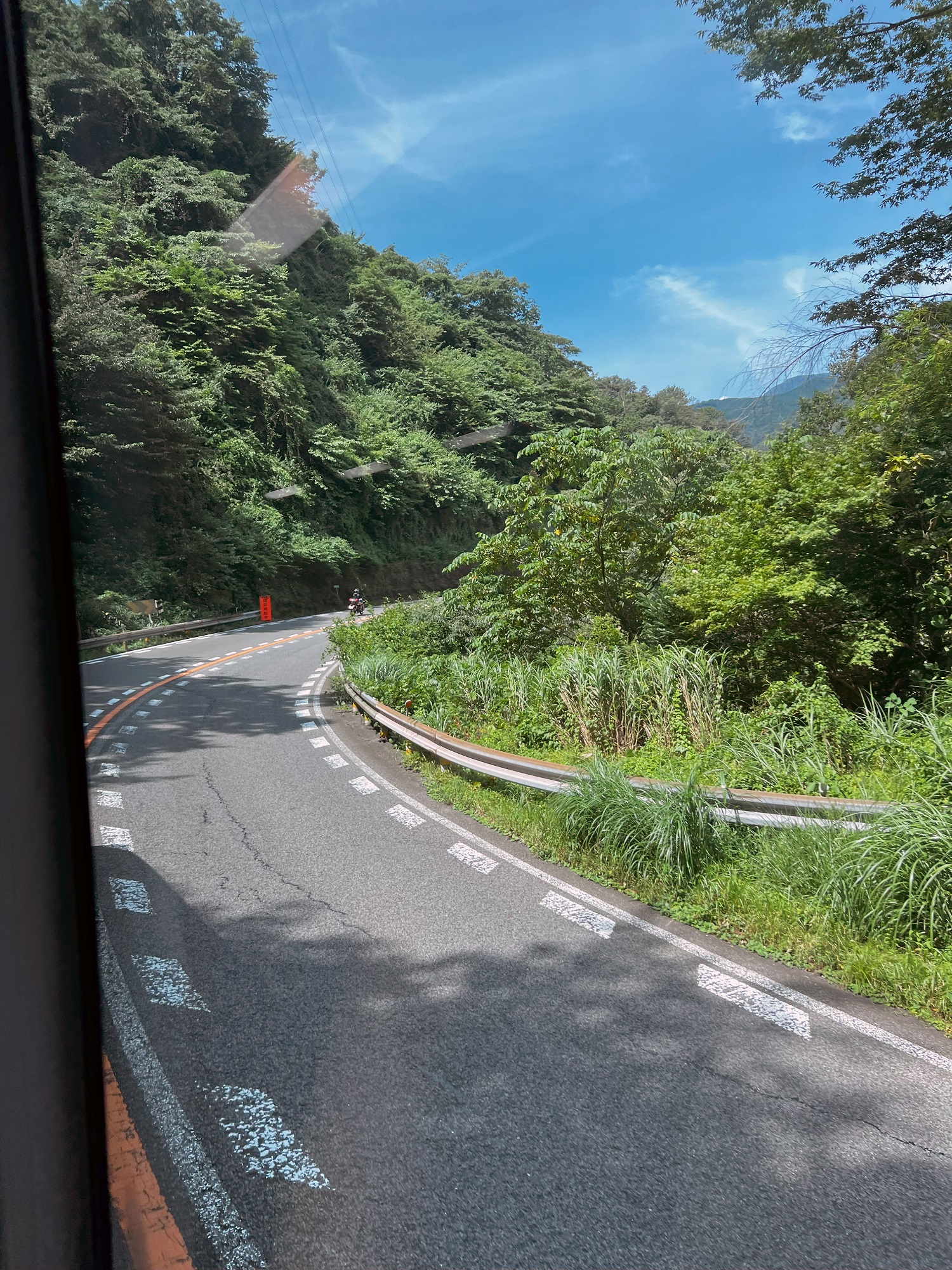
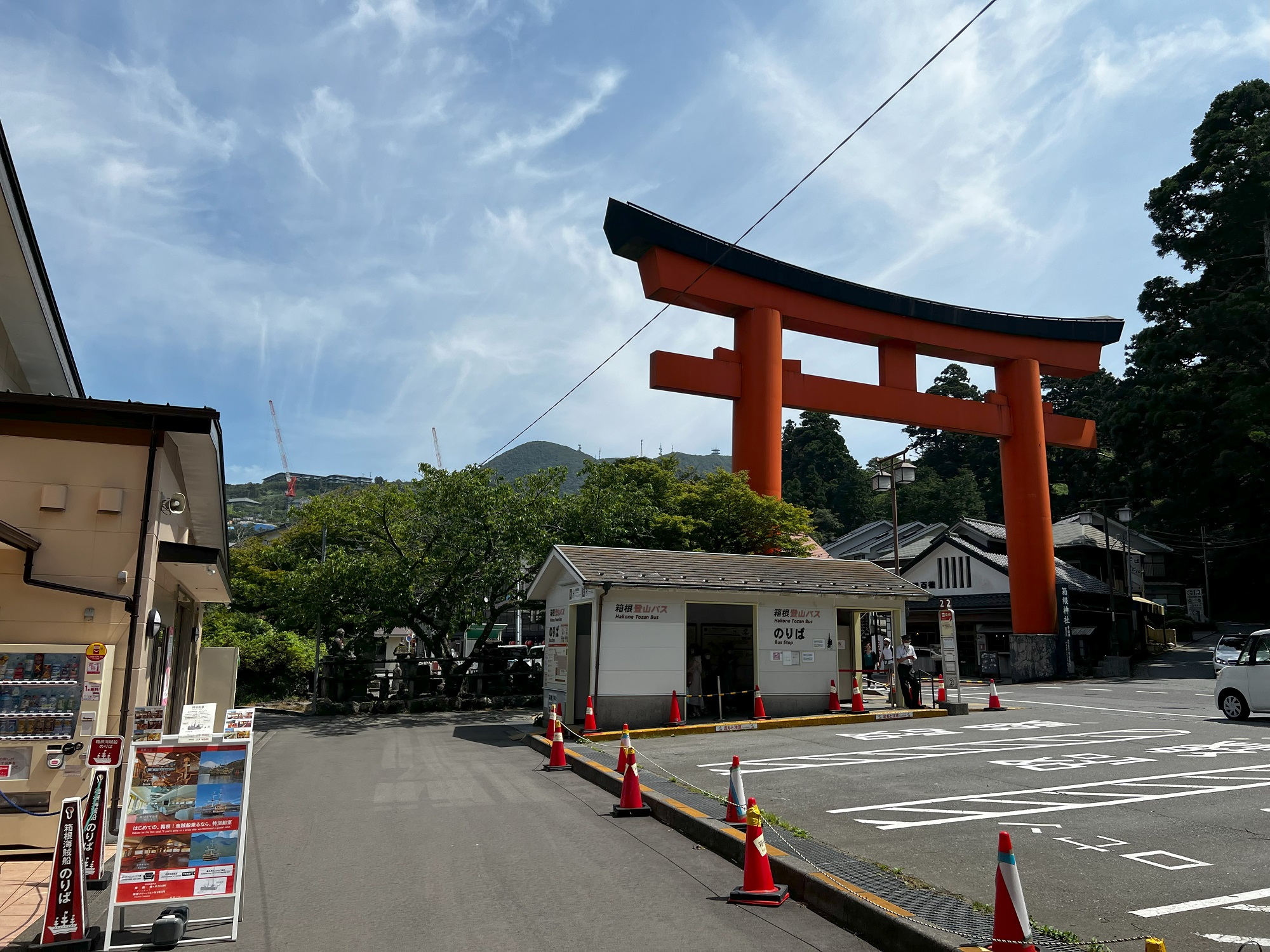
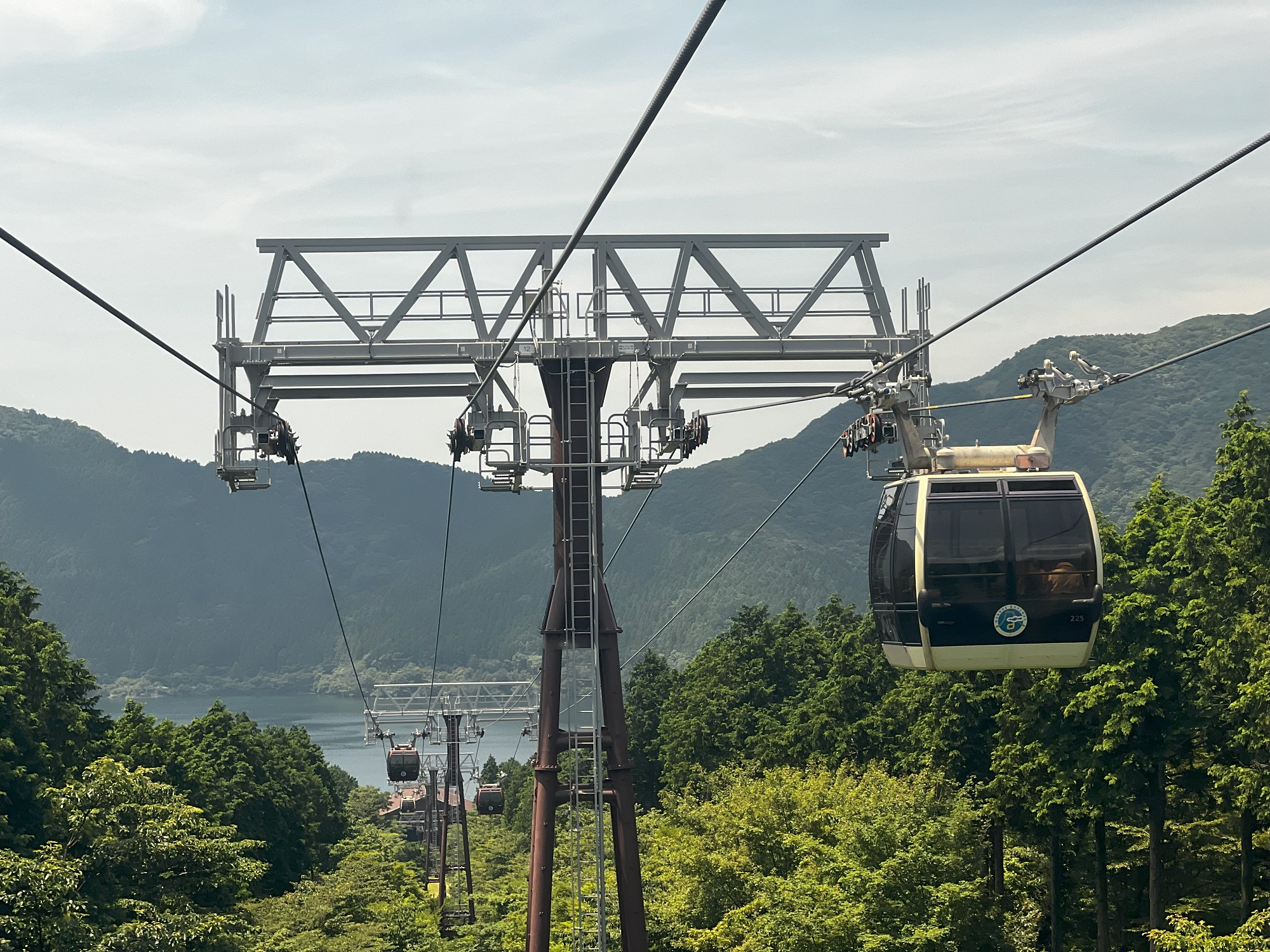
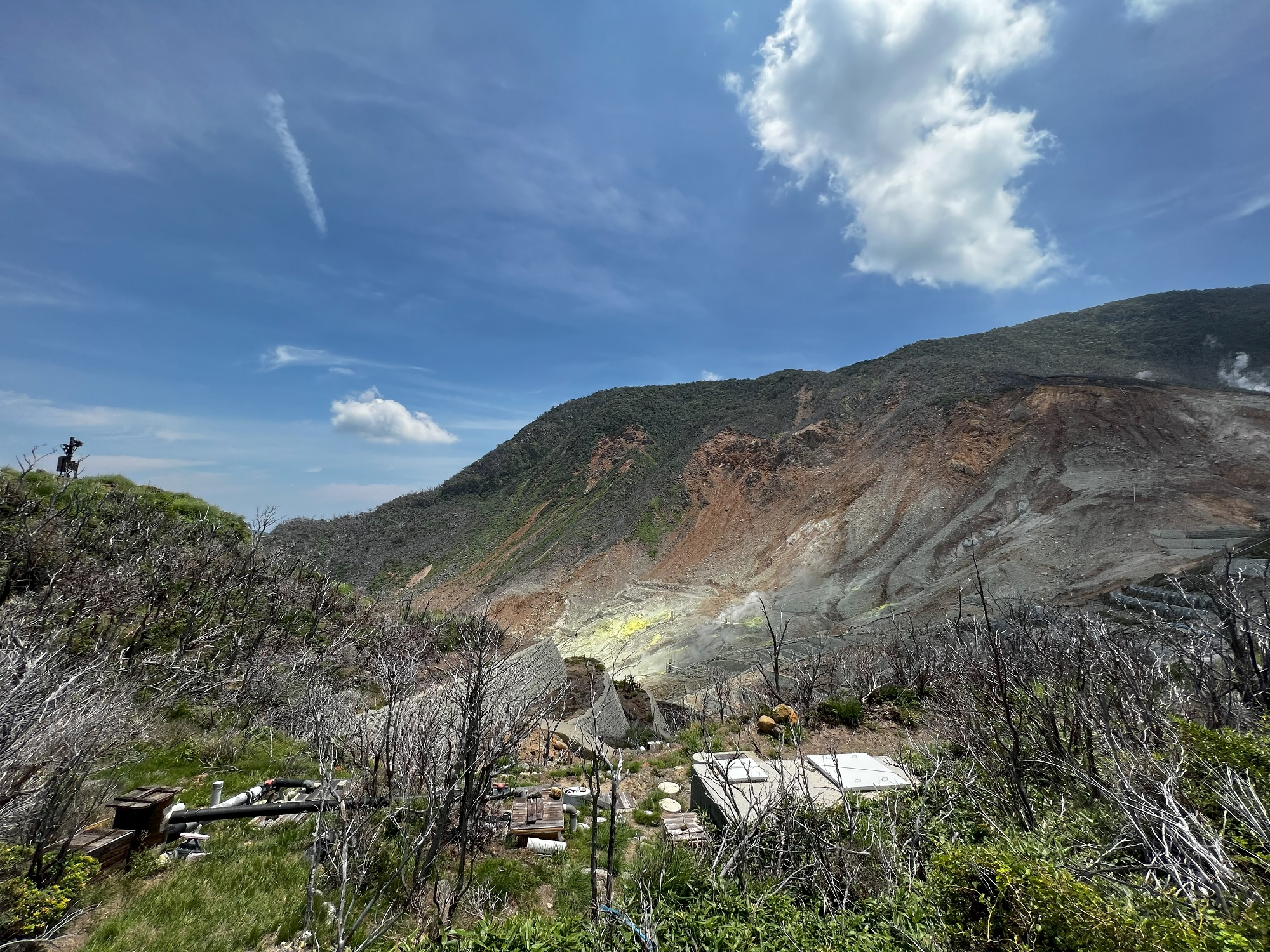
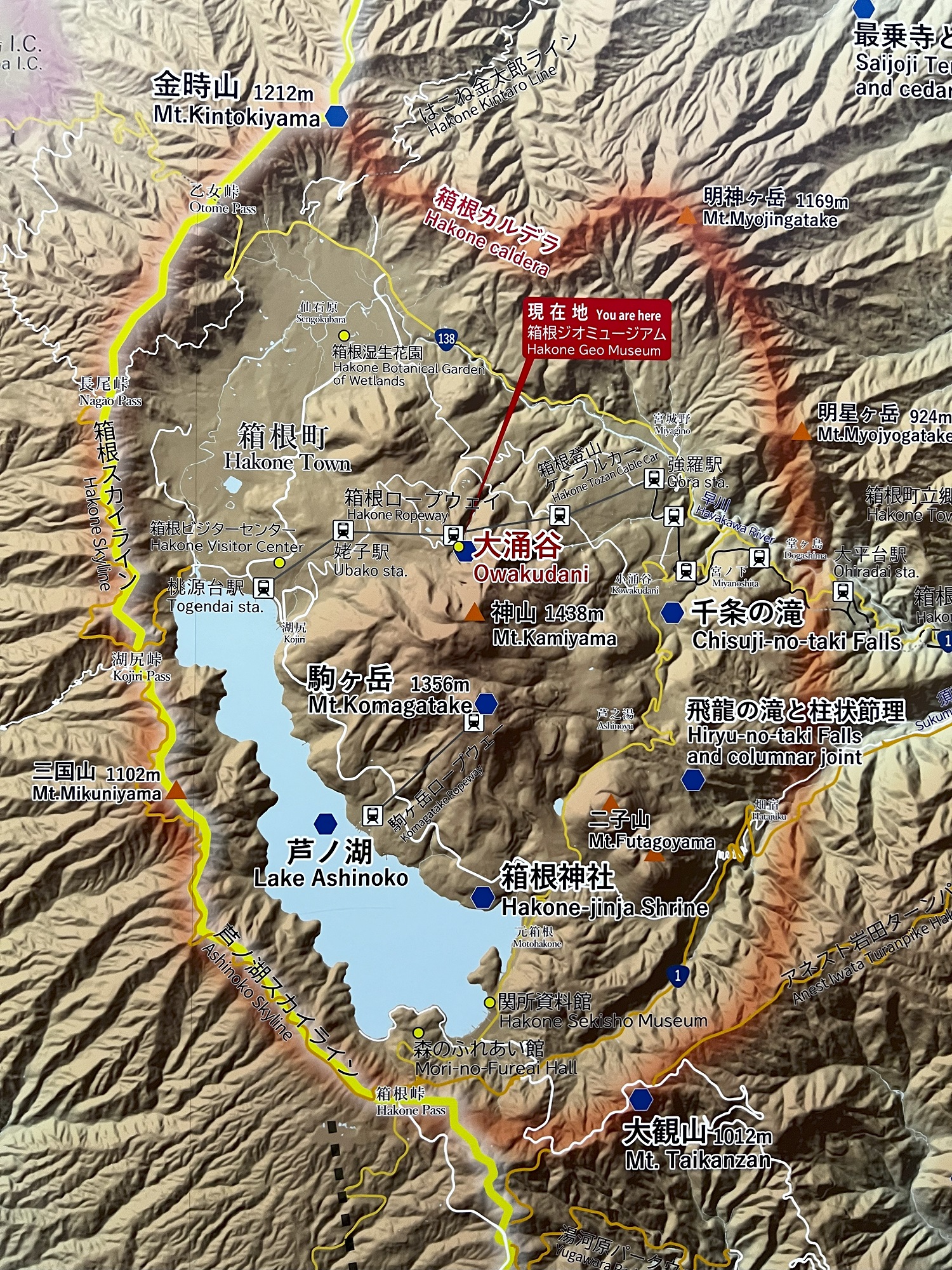
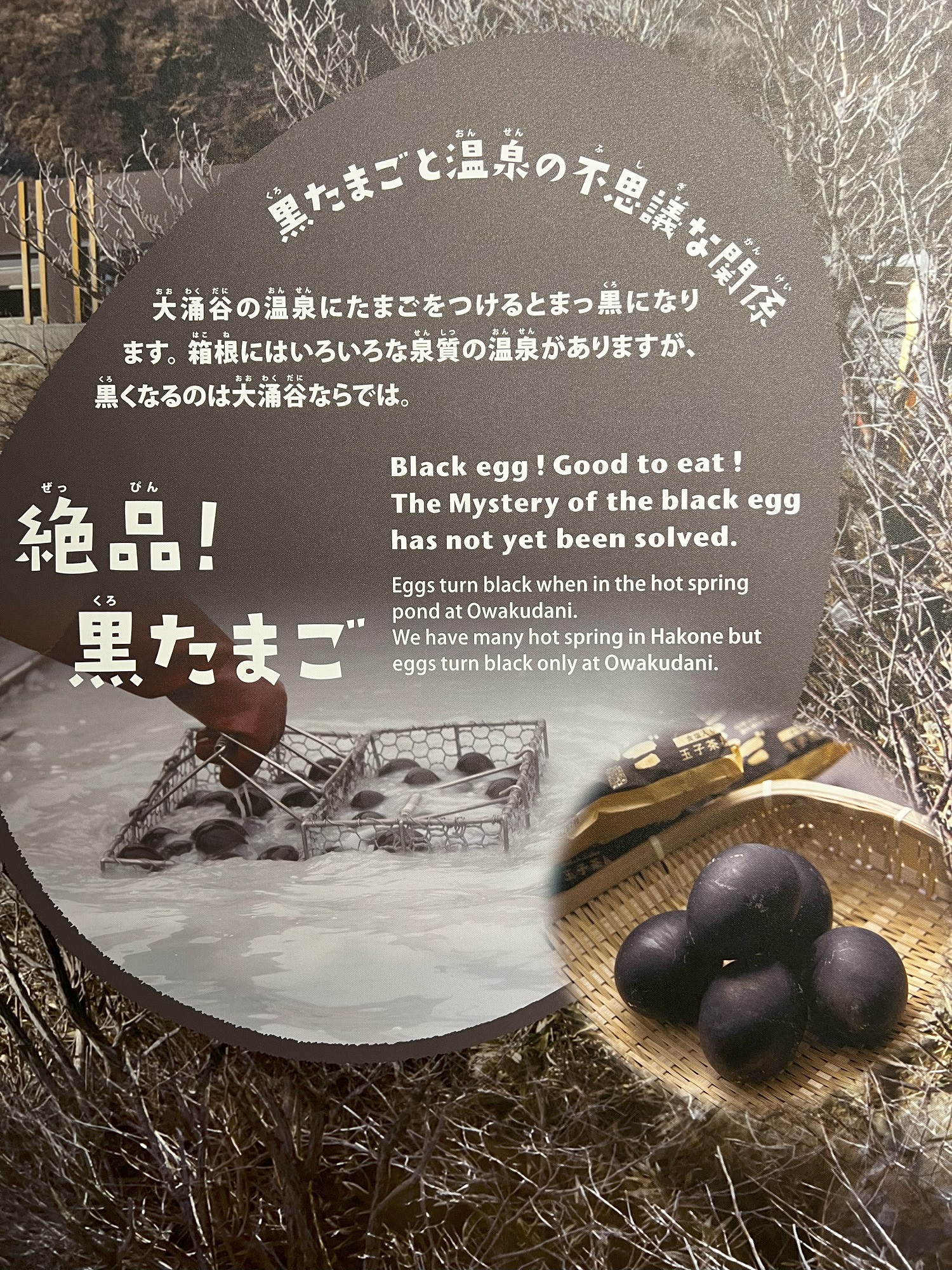
We left from Shinjuku Station in Tokyo. The bus ride to Motohakone Port at the edge of Ashinoko Lake (called ‘Lake Ashi’ for tourists) was about 2 hours.Here’s our luxury tour bus, parked at Gotemba Outlet Mall.The Hiratsuka toll gate on the Odawara-Atsugi toll road in Kanagawa prefecture.Driving up on the winding road to get to the caldera on Mount Hakone. *A caldera is a large depression formed when a volcano erupts and collapses.The torii* at the mountainous town of Hakone. Hakone is known for its hot springs resorts (onsen) and views of the iconic volcano Mount Fuji. *Traditional Japanese gate most commonly found at the entrance of or within a Shinto shrine, where it symbolically marks the transition from the mundane to the sacred.From the bus we headed straight for the ‘pirate ship’ that took us across Ashinoko Lake to the bottom of the cable car way.On the short (15 mins) cruise across Ashinoko Lake (mean depth 15m/ 49 ft). The elusive Mount Fuji peak can be seen behind the clouds. Mount Fuji is Japan’s tallest at 3 776 m (12,388 ft).On the cable way called the Hakone Ropeway that took us to the village of Owakudami on the Mount Hakone caldera.A view of the inside slopes of Mount Hakone at Owakudani. There are pure sulfur deposits in the soil (the yellow color on the slopes). The air is heavy with hydrogen sulfide here: the smell of rotten eggs. On the far right edge of the picture, wisps of steam and gas can be seen escaping from the soil.The Hakone caldera encompasses a much larger area than just that of the lake itself.The village is famous for its black eggs. We were scaredy-cats and did not try one. I’m blaming our reluctance to try the eggs on the pervasive rotten egg smell in the air.
aphelion
noun
ASTRONOMY
the point in the orbit of a planet, asteroid, or comet at which it is farthest from the sun.
perihelion
noun
ASTRONOMY
the point in the orbit of a planet, asteroid, or comet at which it is closest to the sun.
Happy Aphelion Day.
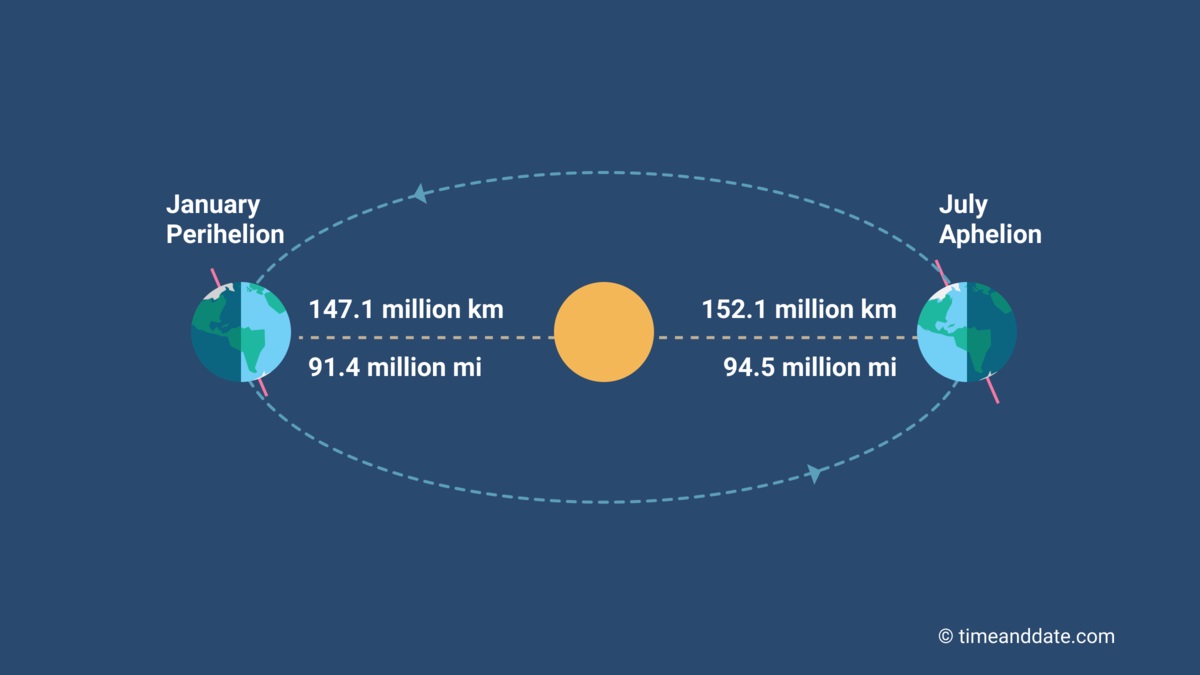
Today at 2:06 p.m. Pacific time, Earth was at the outermost point in its (slightly elliptical) orbit around our Sun, known as aphelion.
We are all some 3 million miles farther from our Sun today than when we were closest* to it in January (the date changes slightly from year to year). It doesn’t feel like it here in the Northern hemisphere, but Earth is in fact receiving 7% less direct sunlight than it does in January.
(Seasons on Earth are the result of changes in the amount of direct sunlight as the planet is tilted toward and away from the sun, and not a result of its orbital path).
*Earth’s average distance from the sun is about 93 million miles.
Earth is farthest from the sun during summer in the Northern hemisphere. [Infographic from timeanddate.com]
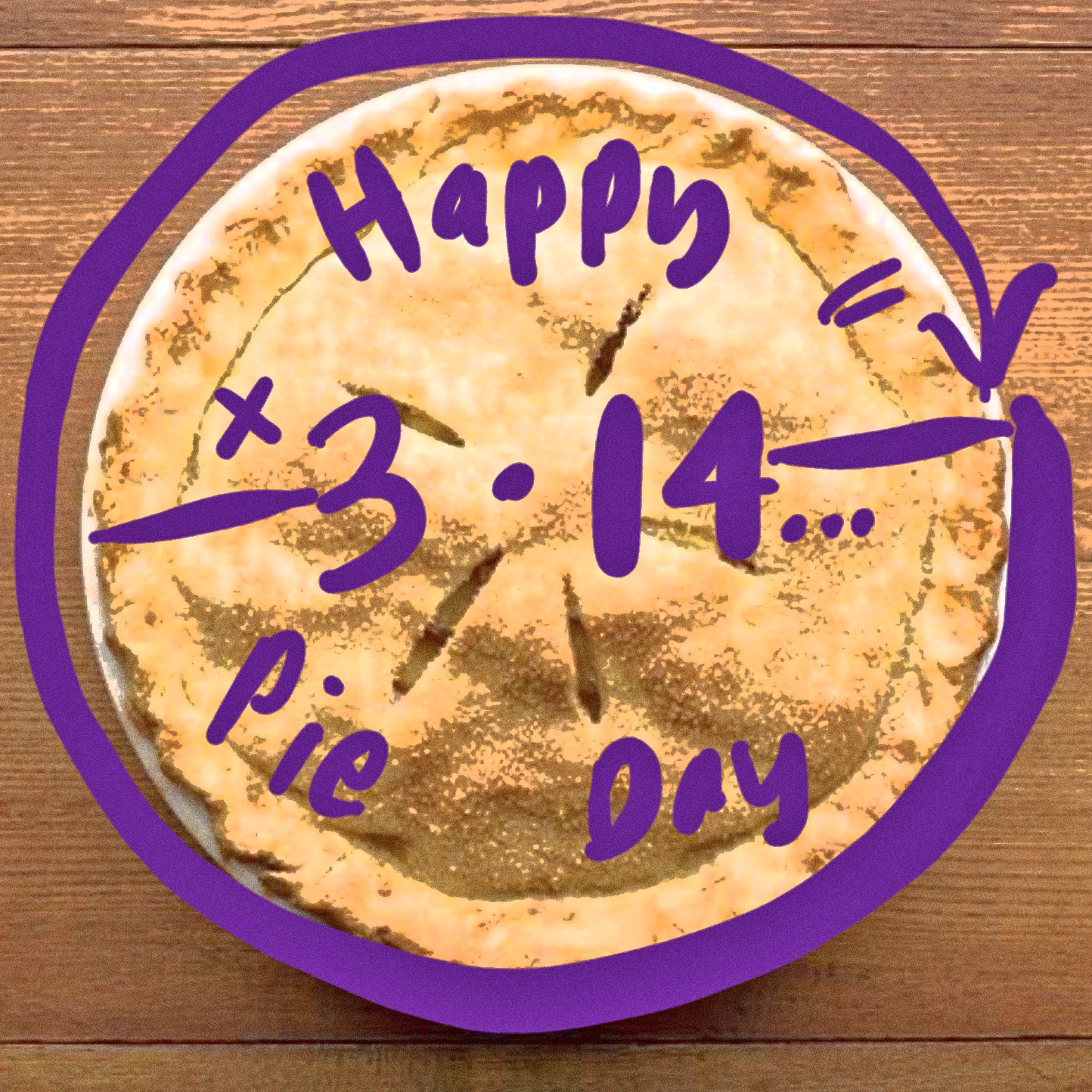
No matter what size the pie (the circle) is, its circumference divided by its diameter is always pi*.
*The number pi (symbol π) is a mathematical constant and is a transcendental number (a number that is not algebraic—that is, not the root of a non-zero polynomial of finite degree with rational coefficients).
The value of pi is approximately 3.14159.
Pi appears in many formulas in mathematics and physics.
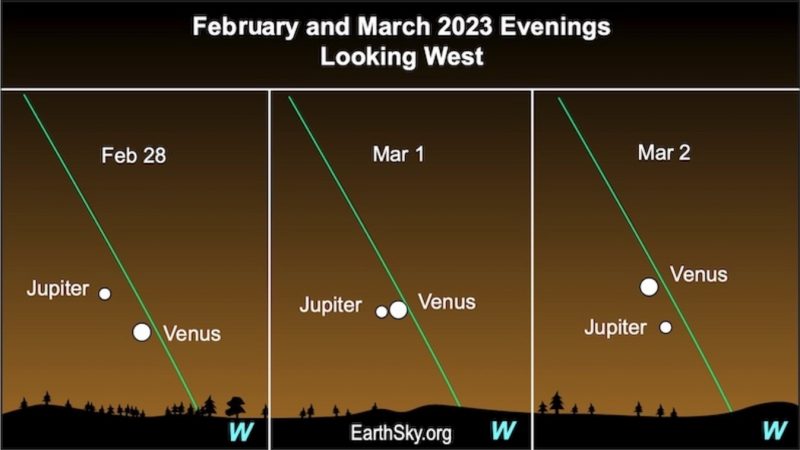
The clouds have cleared, and there is a nice view of the Venus-Jupiter conjunction* tonight in the Western night sky here tonight.
Hopefully the sky will be clear tomorrow night as well, when they will appear to be even closer.
*Conjunction means two astronomical objects appear close to each other in the sky, as seen from our view on Earth. Jupiter is still some 400 million miles away from Venus (on average 416 million miles away).
From EarthSky.org: Throughout February 2023, Venus and Jupiter shine brightly in the west after sunset. They edge closer together throughout the month. On the evening of February 28, 2023, they are approaching a close conjunction. As seen from the Americas, their closest pairing is shortly after sunset on March 1. After their conjunction, Venus will continue its reign as our bright “evening star” until August 2023. Jupiter will disappear in the sunset glare sometime in March. [Chart via John Jardine Goss / EarthSky]
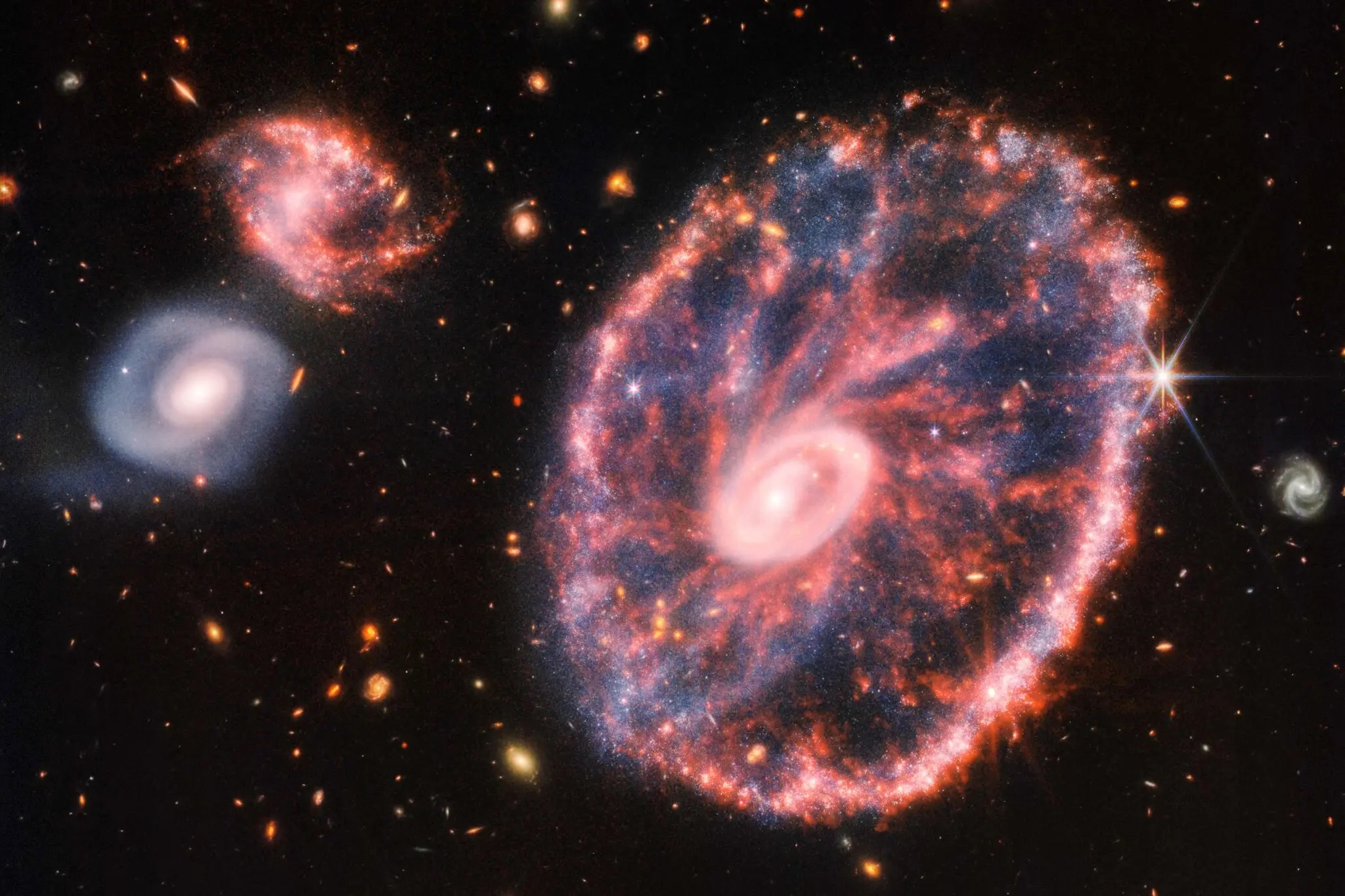
The James Webb Space Telescope recorded new images of the Cartwheel galaxy. This image is a composite made with two tools, the Near-Infrared Camera and the Mid-Infrared Instrument. The Cartwheel Galaxy is 500 million lightyears away from us. It was created hundreds of millions of years ago when two galaxies collided. [Image credits: NASA, ESA, CSA, STScI]
There’s so many different worlds So many different suns And we have just one world But we live in different ones
-From the song ‘Brothers in Arms’ by Dire Straits (1985)
Well, so I had to check the ‘Met’ home page (short for the Meteorological Office, the United Kingdom’s national weather service), for an official reading of the high temperatures there today.
Looks like the high was 37 °C (99 °F) at 15:00.
So: extremely warm, but not quite 40 °C.
All-time record highs were reached in many other locations in the UK and in Europe, though.
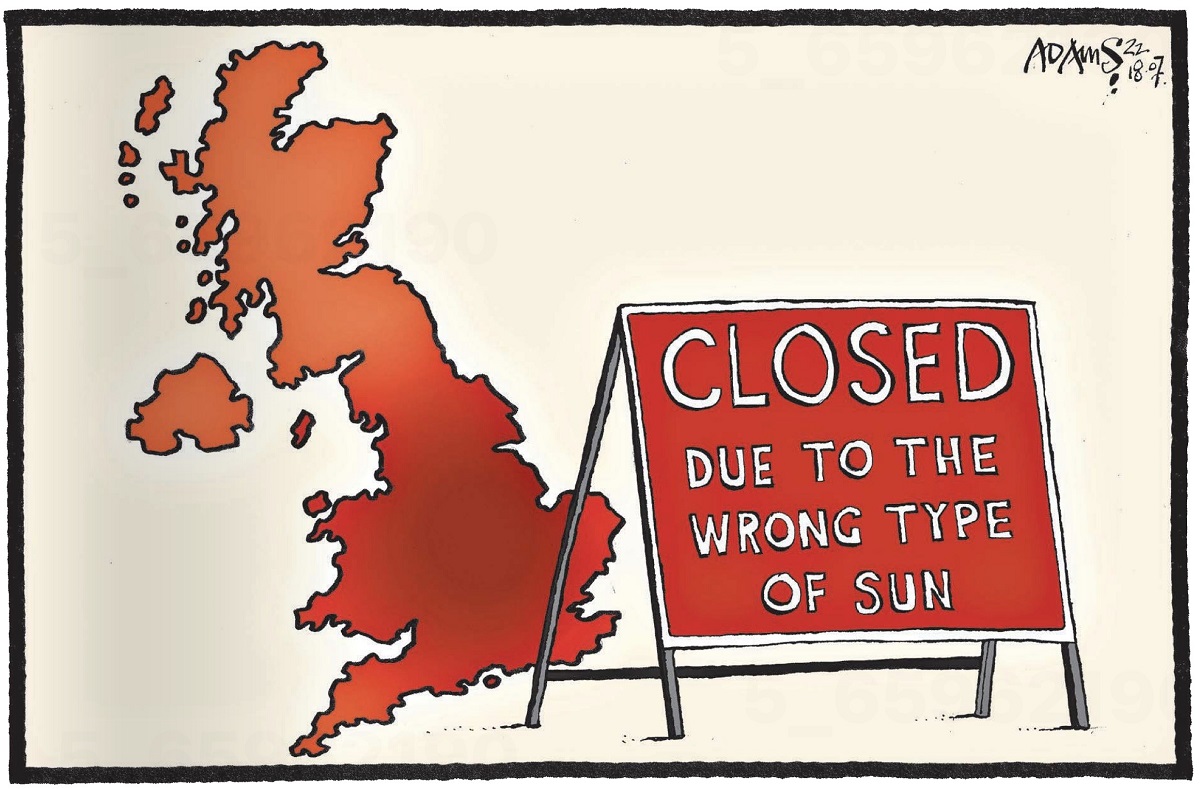
Cartoon by Christian Adams (Instagram @adamstoon) in today’s Evening Standard newspaper, a commentary on the extremely warm temperatures in London today. Best I can tell, the ‘CLOSED’ sign is a reference to train operator Southeastern Rail explaining (this is some years ago) that delays in the trains in south London were due to ‘the wrong kind of sunlight’—the angle of the winter sunlight on the dispatch monitors in the trains. There are also reports just appearing online now of anunexpected solar flare that had erupted on the sun, and that a solar storm (magnetic field disruptions) is expected on Wednesday July 20.
 It’s time to fiddle with our clocks again here in the United States.