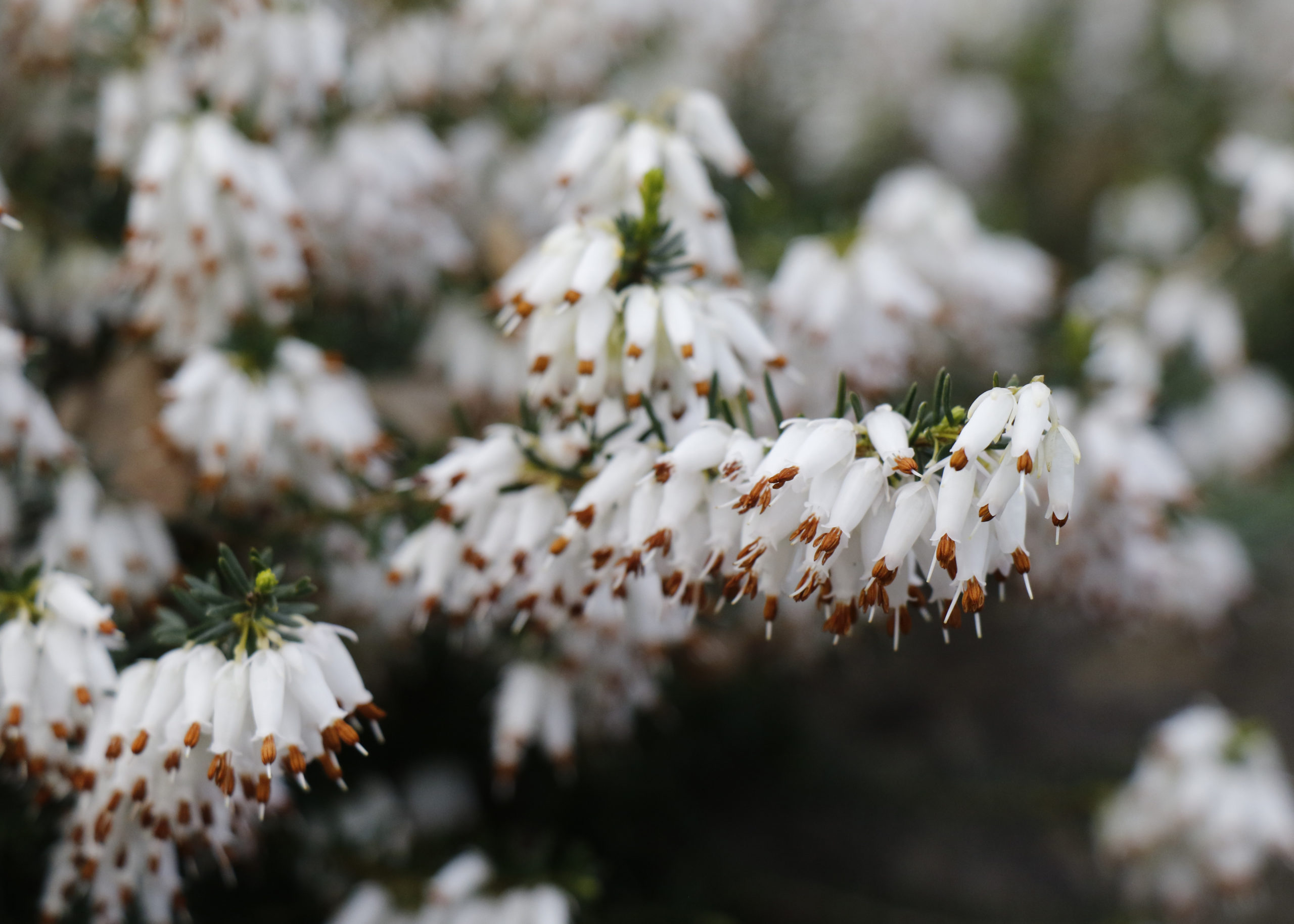
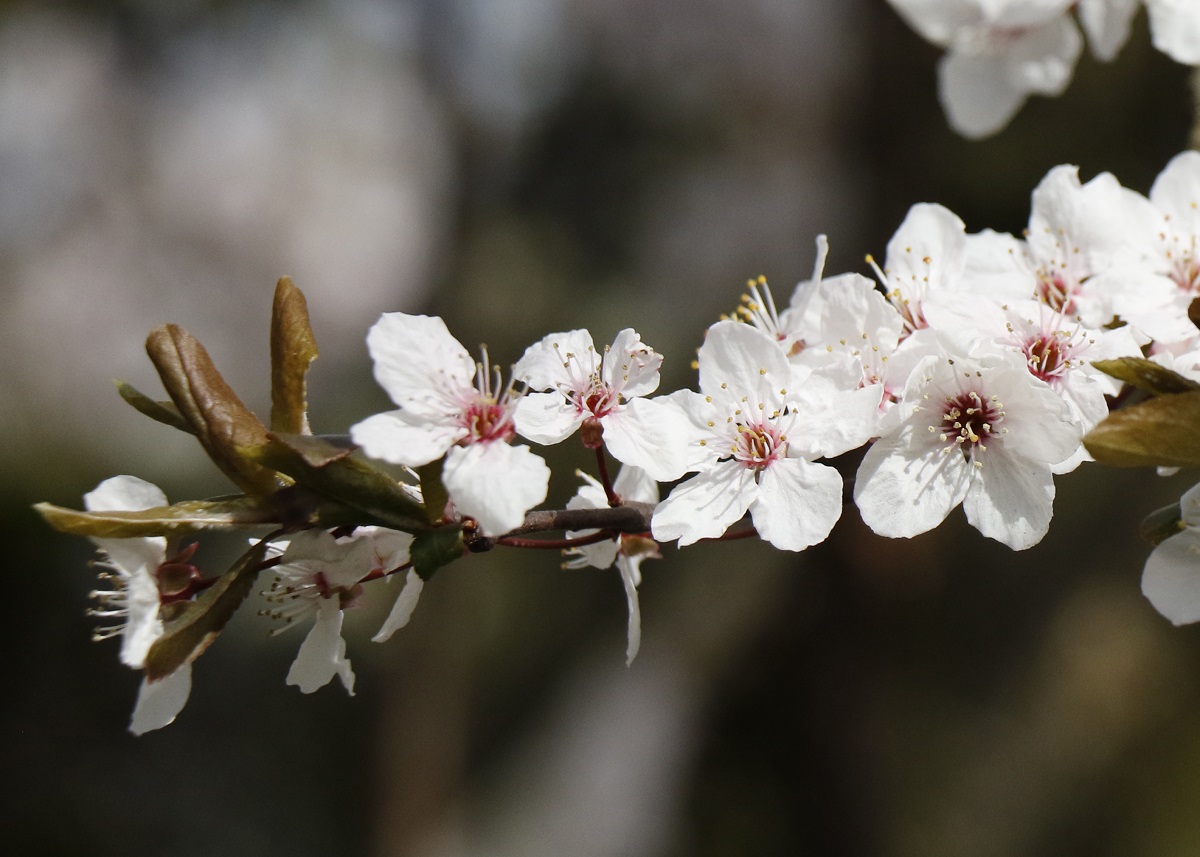
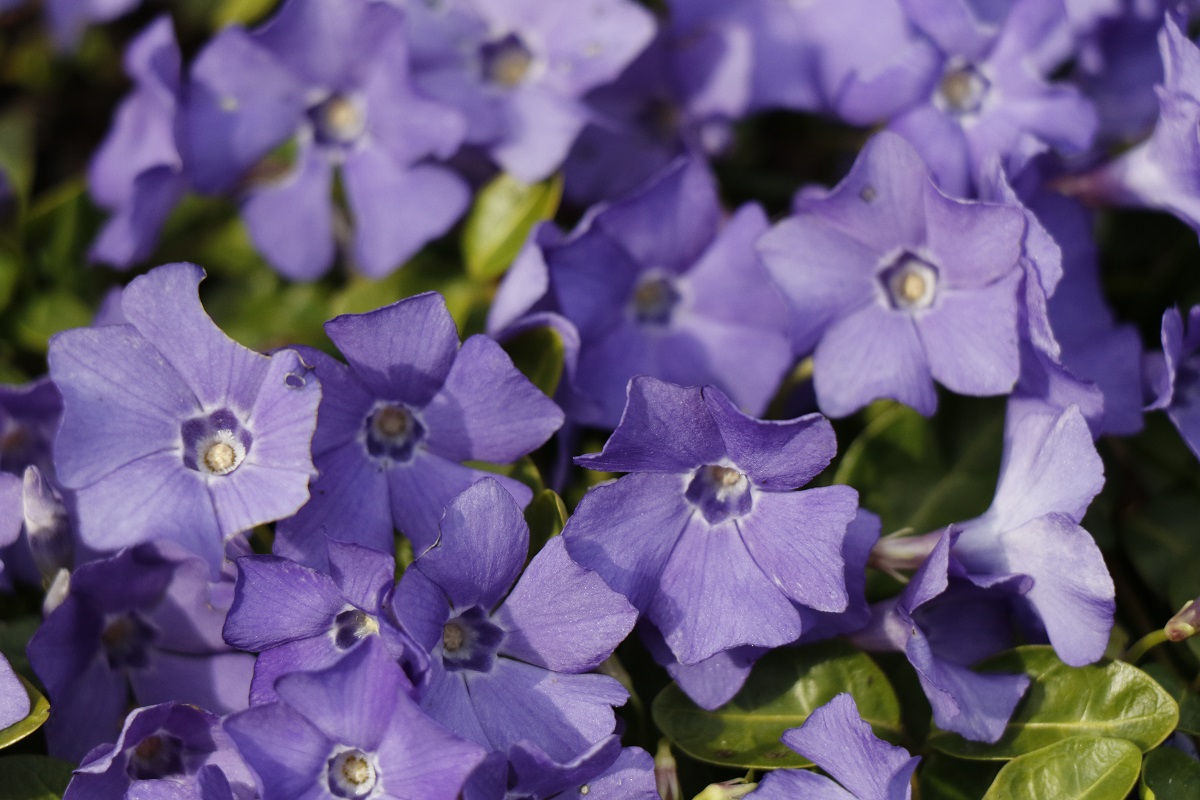
I went hunting for spring flowers and blossoms this afternoon, just up to five or six blocks around my house.
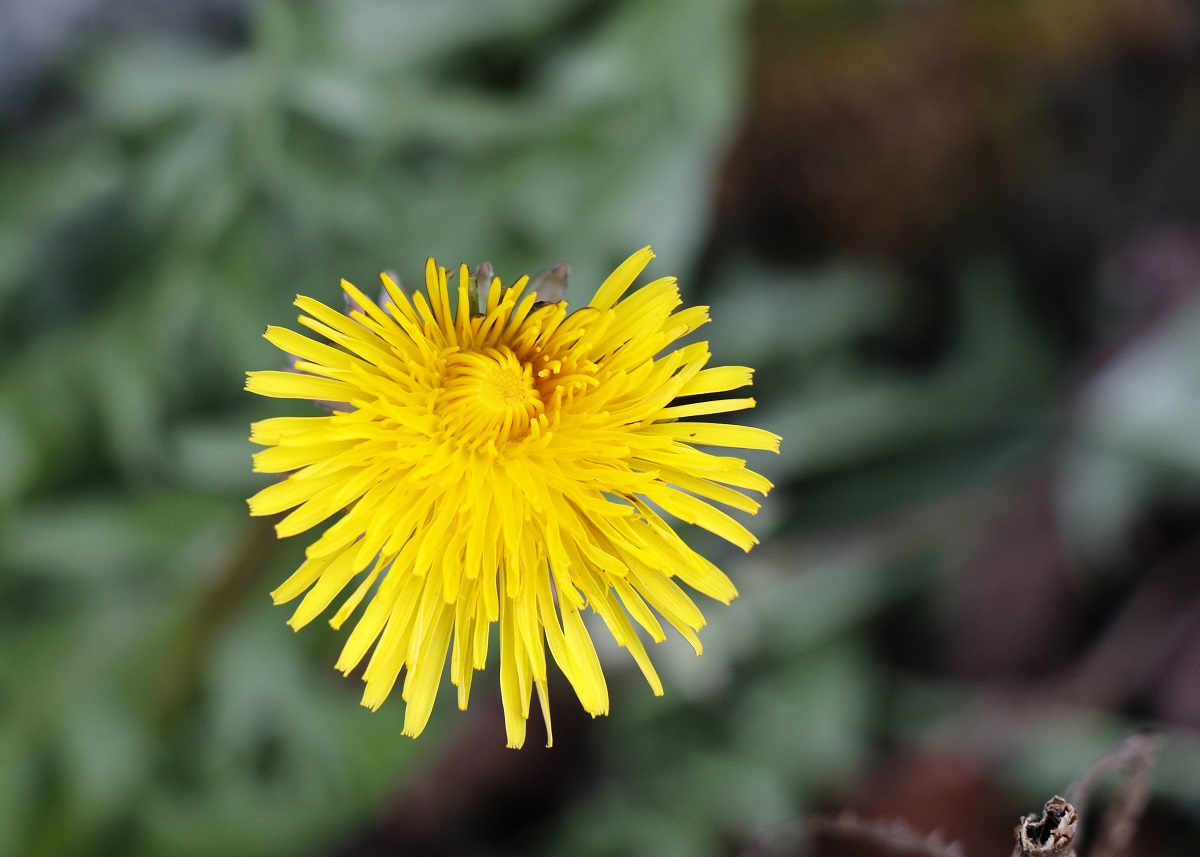
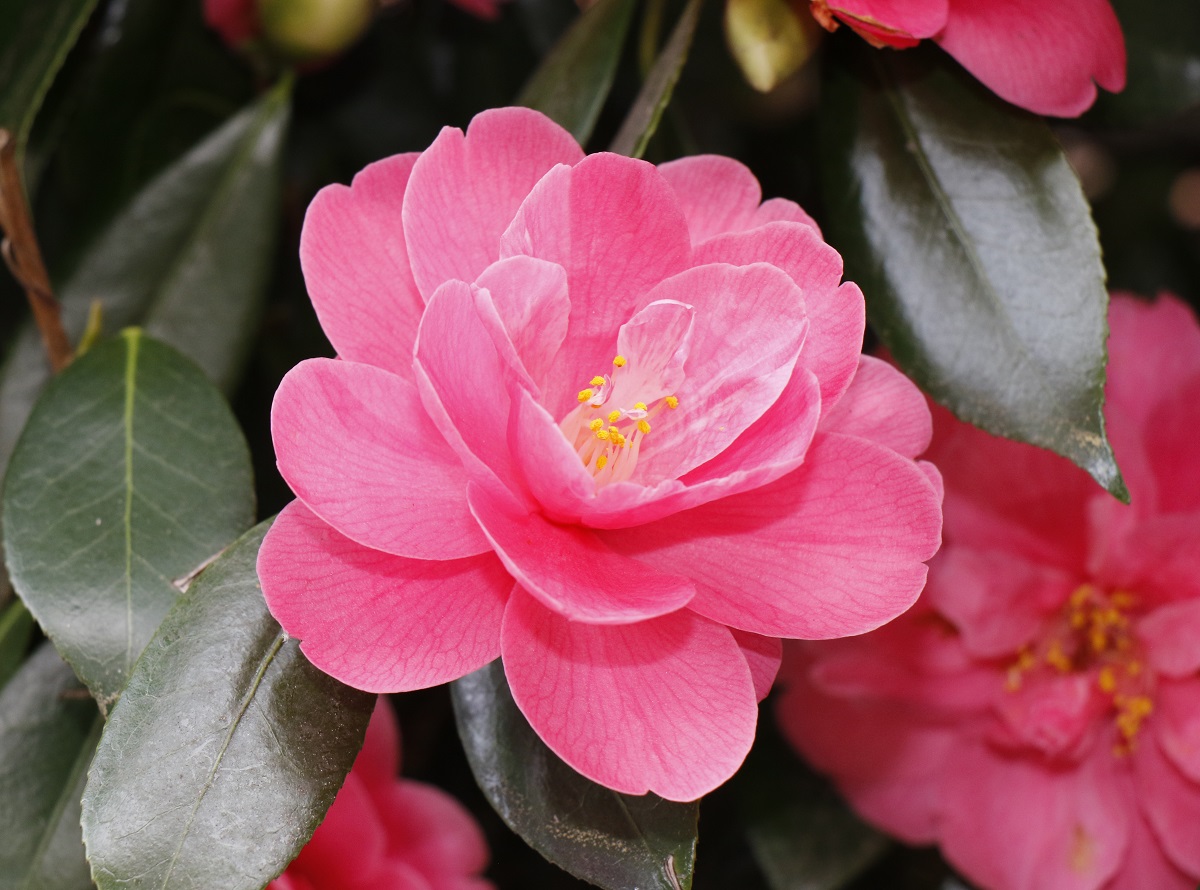
All I know is that the gorgeous pink one is a camellia, and the bright yellow one, a dandelion weed flower.
a weblog of whereabouts & interests, since 2010
I went hunting for spring flowers and blossoms this afternoon, just up to five or six blocks around my house.
All I know is that the gorgeous pink one is a camellia, and the bright yellow one, a dandelion weed flower.
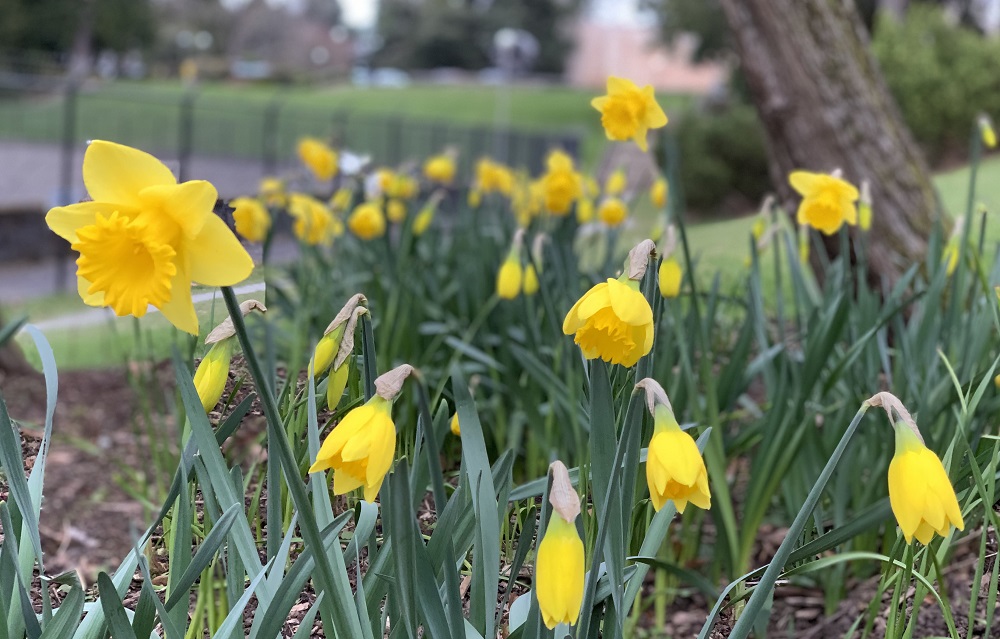
I found these daffodils in Volunteer Park today.
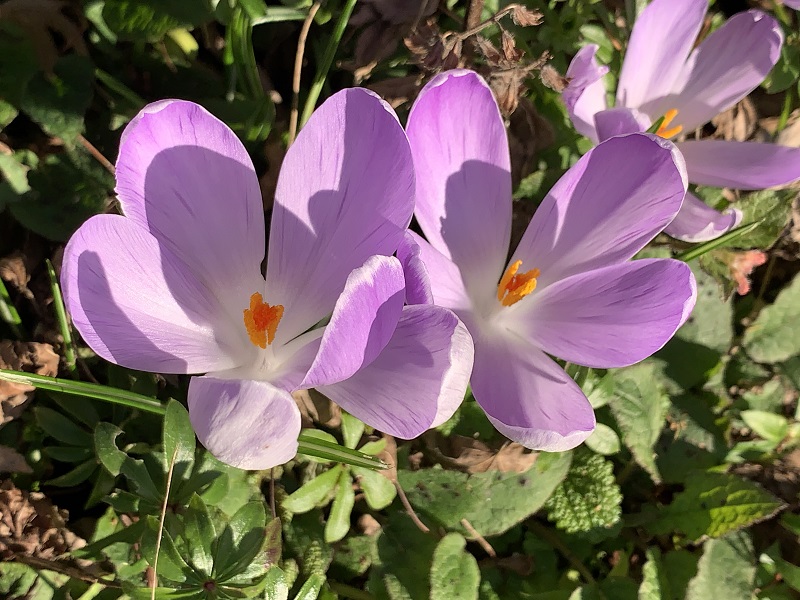
These little crocus flowers are harbingers of spring, now around the corner here in the North.
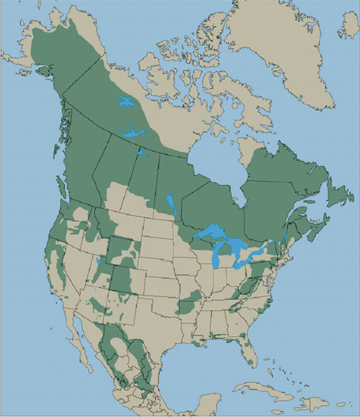
The tweet does not give the location where they were found, and it could have been anywhere except in central Washington State.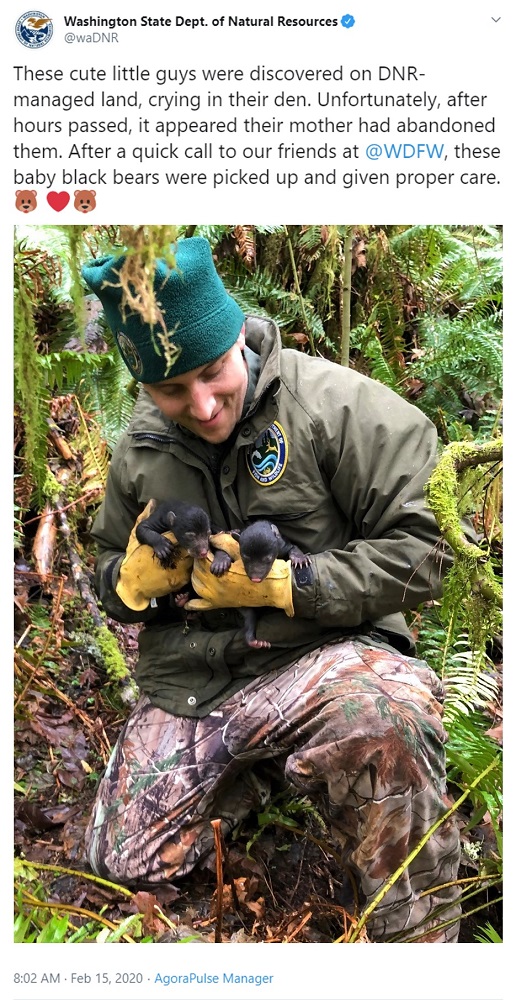
Nice to see South African proteas* here in my local Safeway (grocery store).
These may have been offered specially for Valentine’s Day.
*Pronounce ‘pro-tee-ah’.

It has been raining almost non-stop this week, but at least it was warm enough today to go for a walk with a raincoat & hoodie or an umbrella (50 °F/ 10 °C).
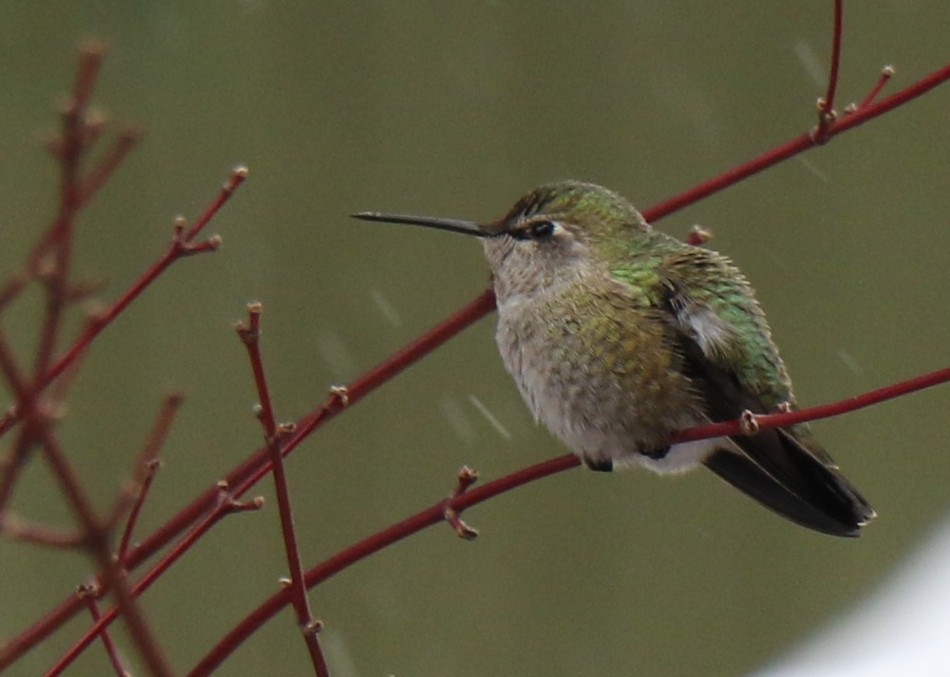
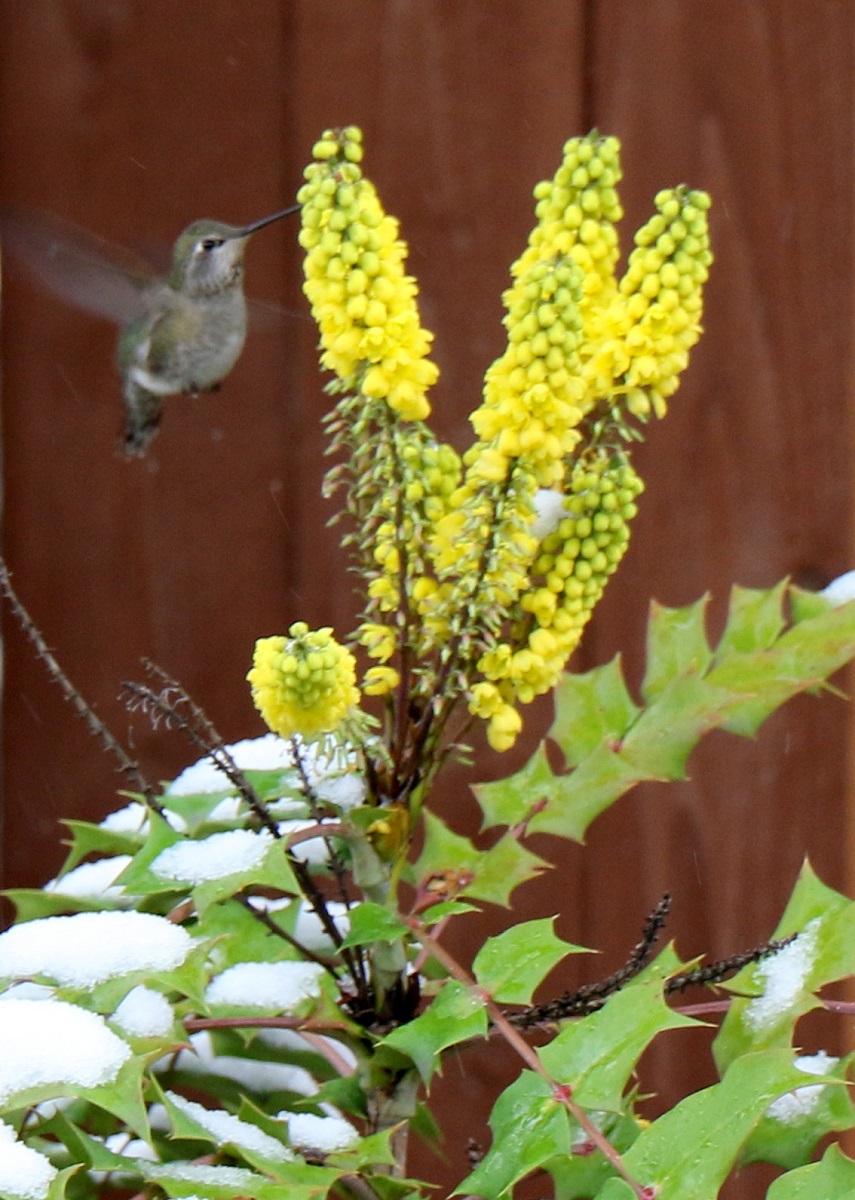
A hummingbird visited my backyard today, attracted by my cold-hardy mahonia’s bright yellow flowers.
(There was a little more snow on the ground on Monday morning, but not enough to make too much trouble on the city’s streets).
My bags are unpacked.
As usual, I dug out several items between the layers of clothes in my suitcases that I had ‘acquired’ during my visit to Tokyo and Perth.

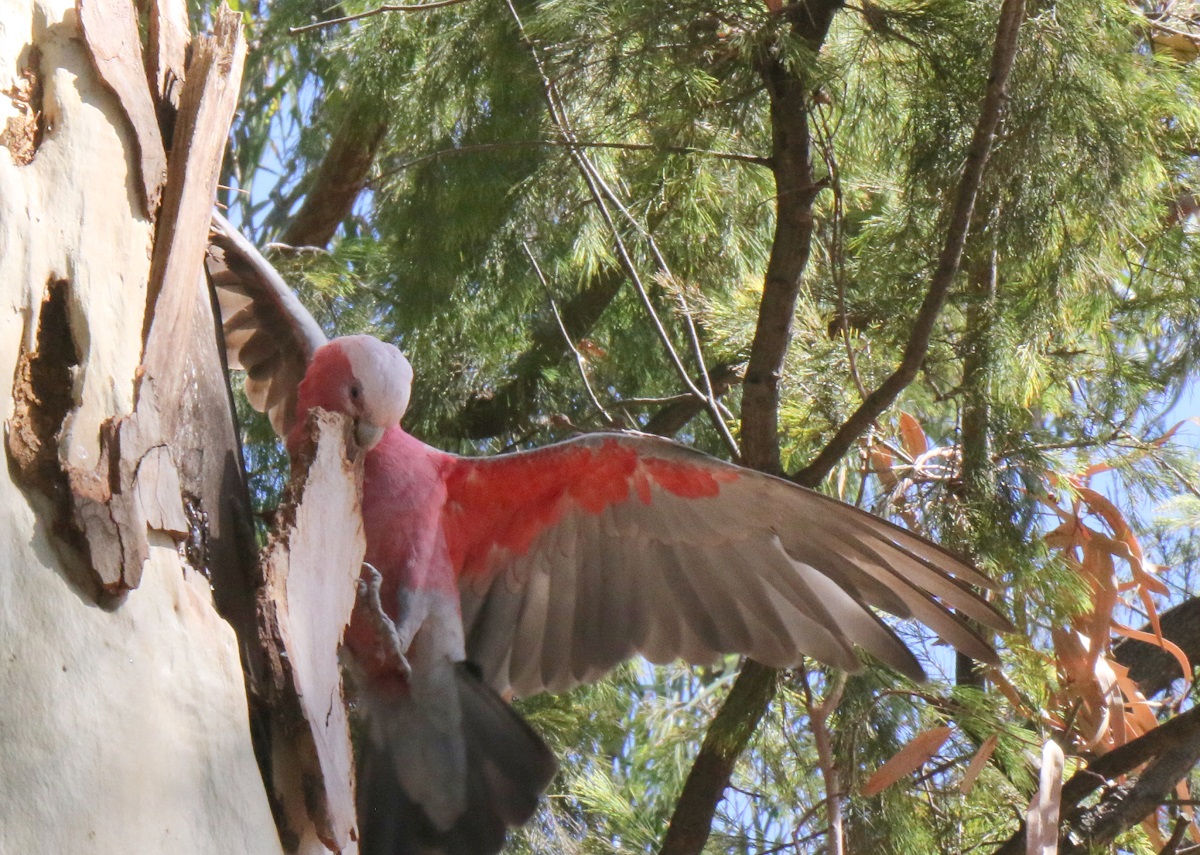
Alright .. one more picture of the pink and gray cockatoo called the galah.
This one was in an eucalyptus by the tennis courts here in Bull Creek.
It is steadying itself, while sharpening its beak on the hard bark of the tree trunk.
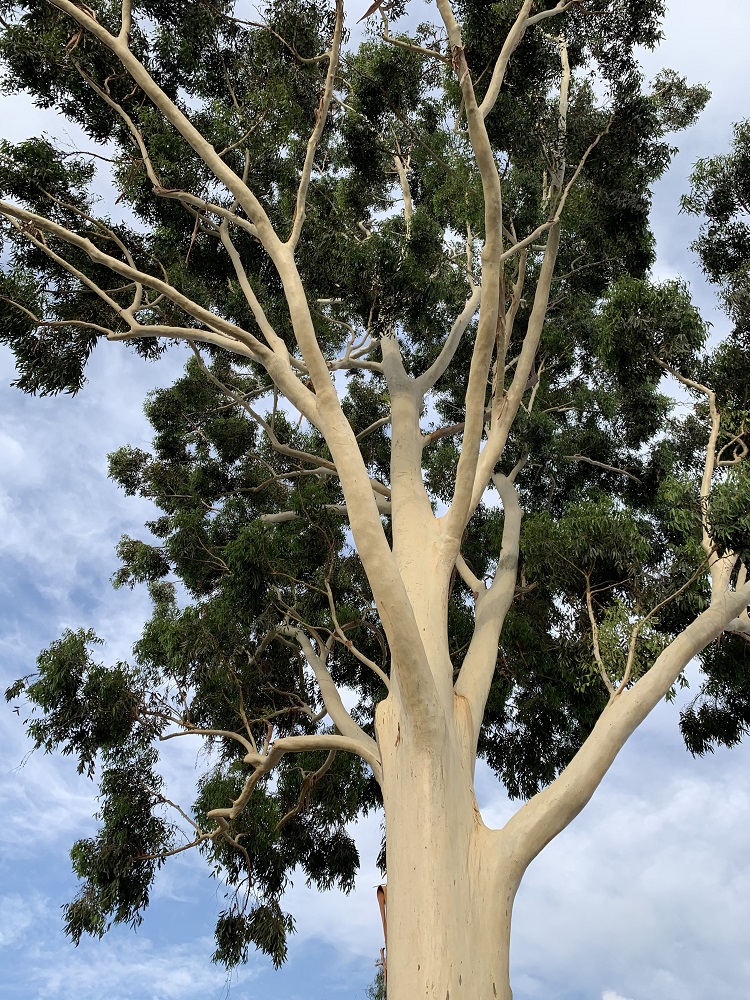
This beautiful eucalyptus tree is by the tennis courts here in Bull Creek.
I am still trying to identify the specific name of it. The term ‘eucalypt’ includes some 900 species in the three genera Eucalyptus, Corymbia and Angophora.
And where is its bark?
In almost all types of eucalyptus, the bark dies every year. It comes off in flakes, curls or long strips. This might be the tree’s way of shedding harmful mosses, lichens, fungi and parasites that live on the bark.
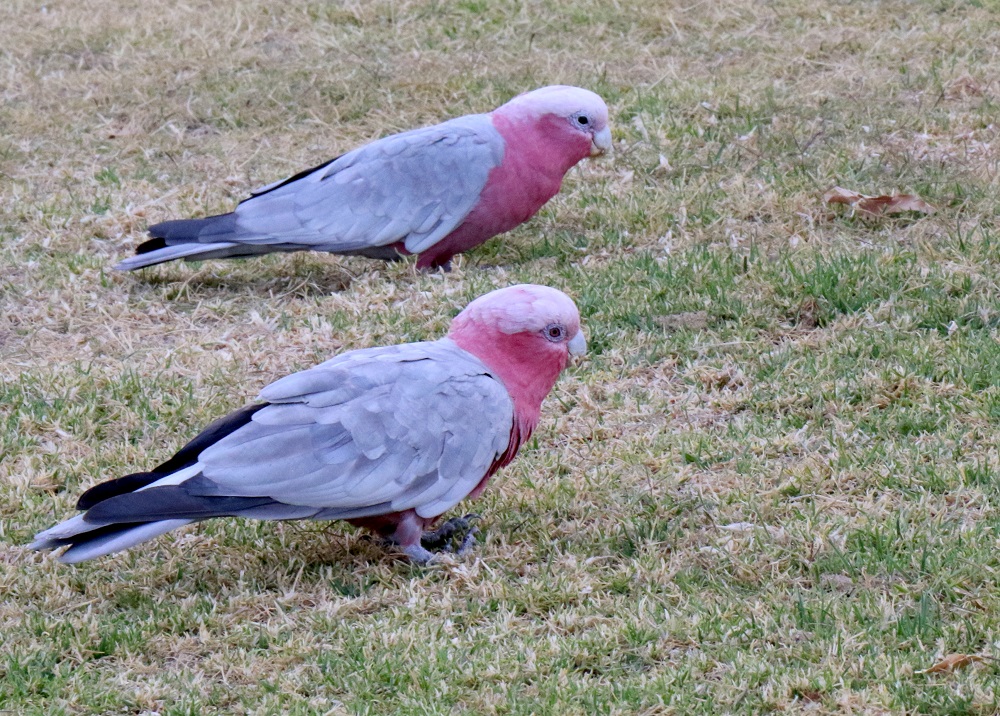
Here are the pink and grey cockatoos that I had mentioned in the post of Thursday, Dec 19.
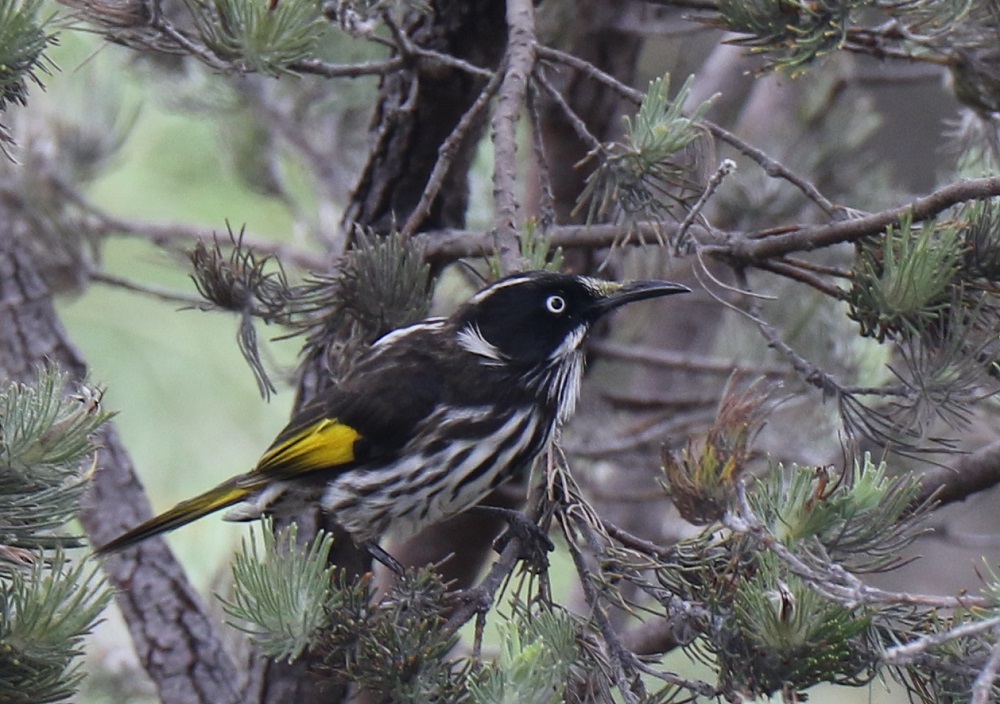
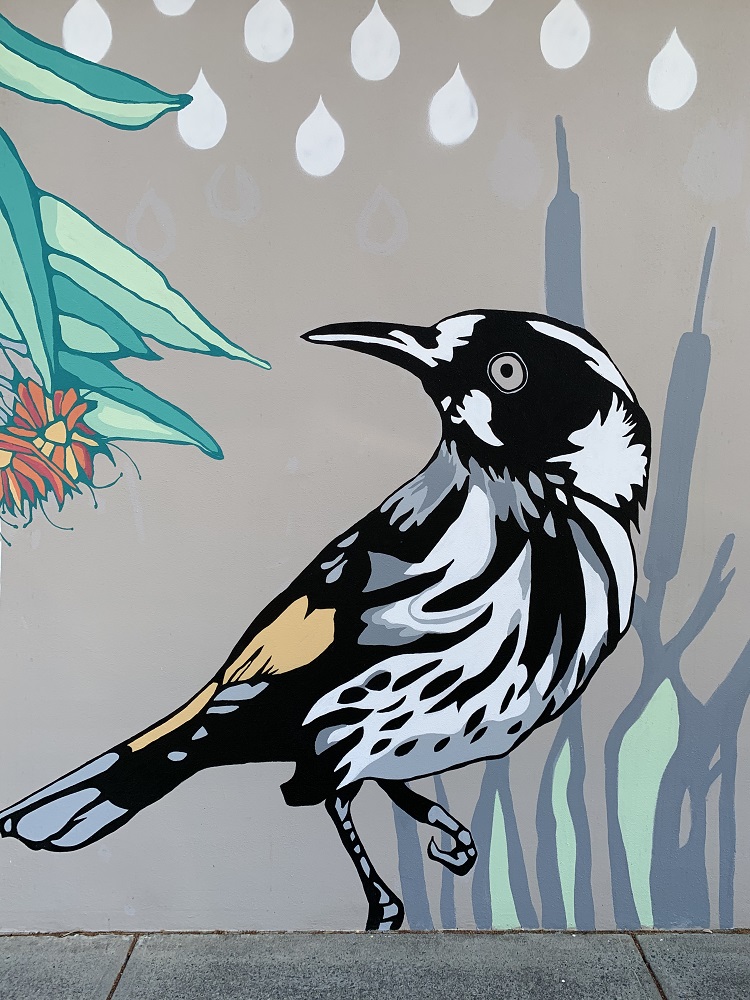
Here is the New Holland honeyeater.
They are found throughout southern Australia.
I found a picture of one on the wall at the Stockland shopping center, and the real McCoy in the Ron Carroll Reserve green space.
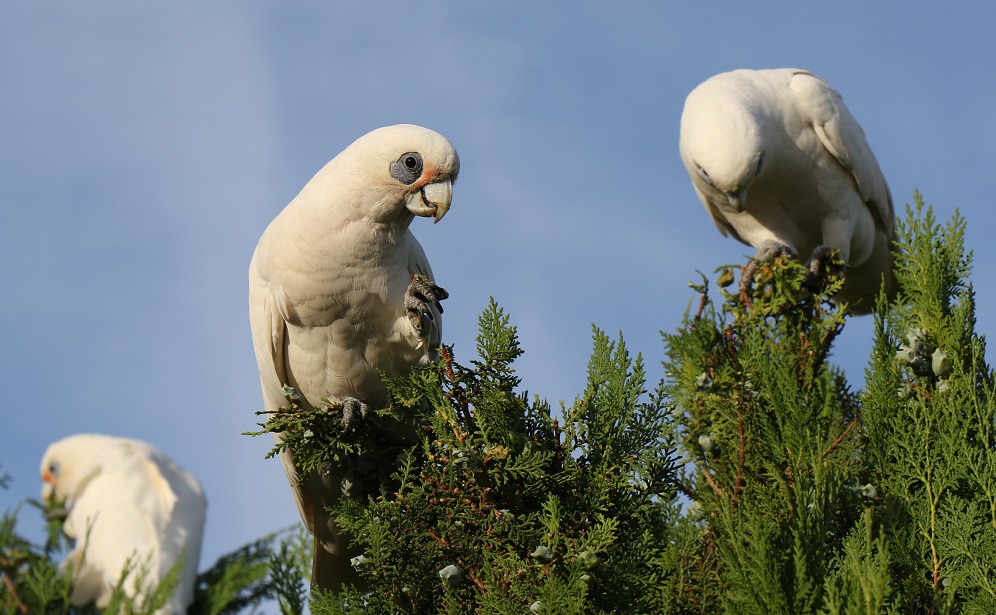
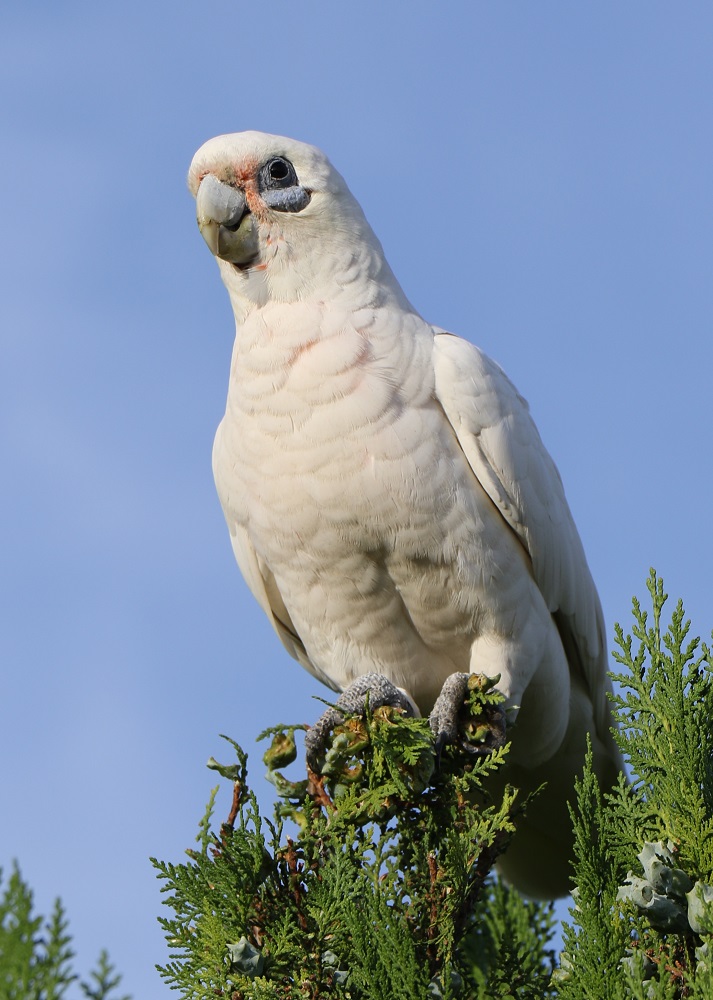
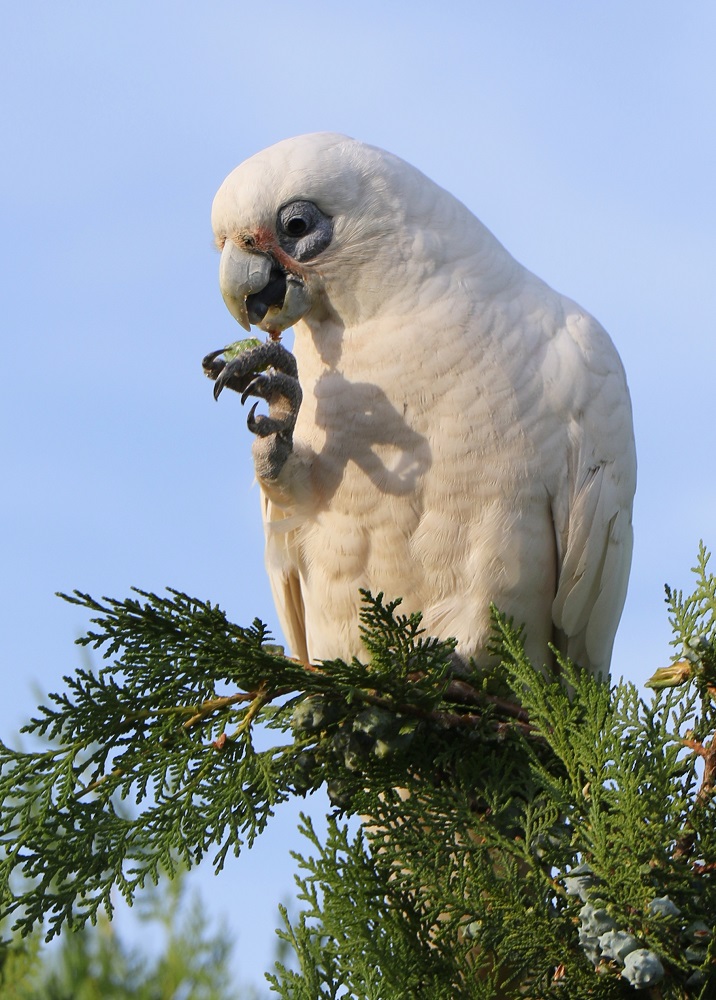
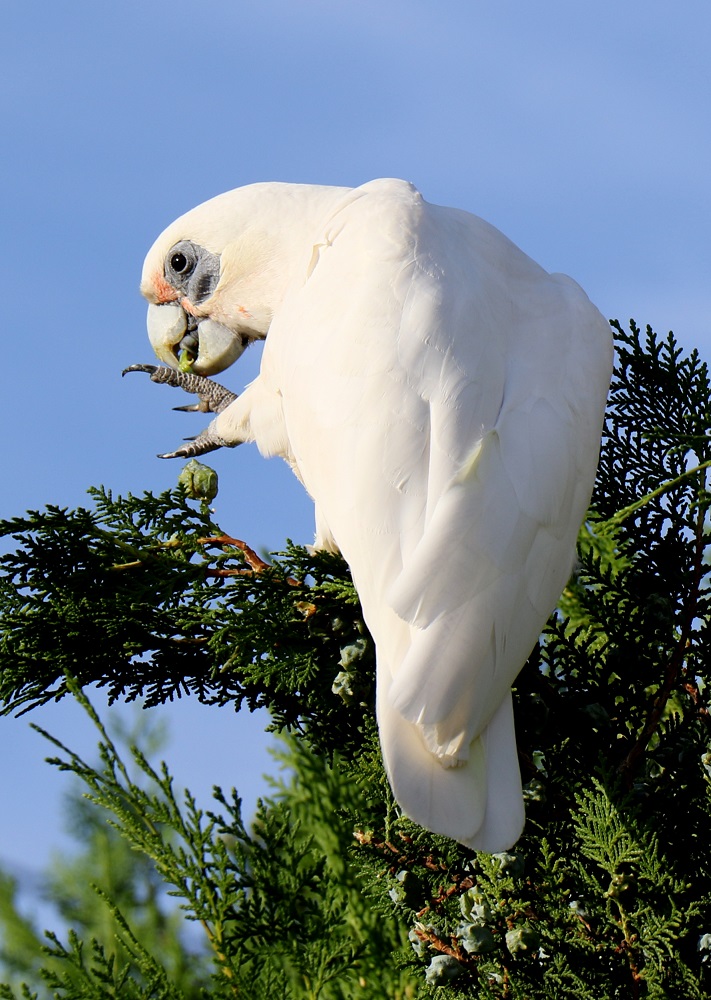
I ran into a flock of western corellas (Cacatua pastinator) across from the little shopping center here in Bull Creek. The white cockatoos were eating the seeds of a cypress bush and did not mind me too much, as I came closer to them to take some pictures.
By some estimates the number of these birds have increased tenfold in the greater Perth area over the last 20 years. The city council is mulling how to control their numbers, and has called on bird lovers to refrain from feeding them, as a start.
I stopped at an ‘Australia Post’ post office today.
I had the poor clerk behind the counter flip through the big album, full of sheets of stamps, so that I could pick out colorful and interesting stamps to buy. She was very patient with me!

Here’s a galah (cockatoo) depicted on a wall at the Stockland shopping center here in Bull Creek, Perth. I have seen them around, but have not gotten close enough to one, to take a picture.

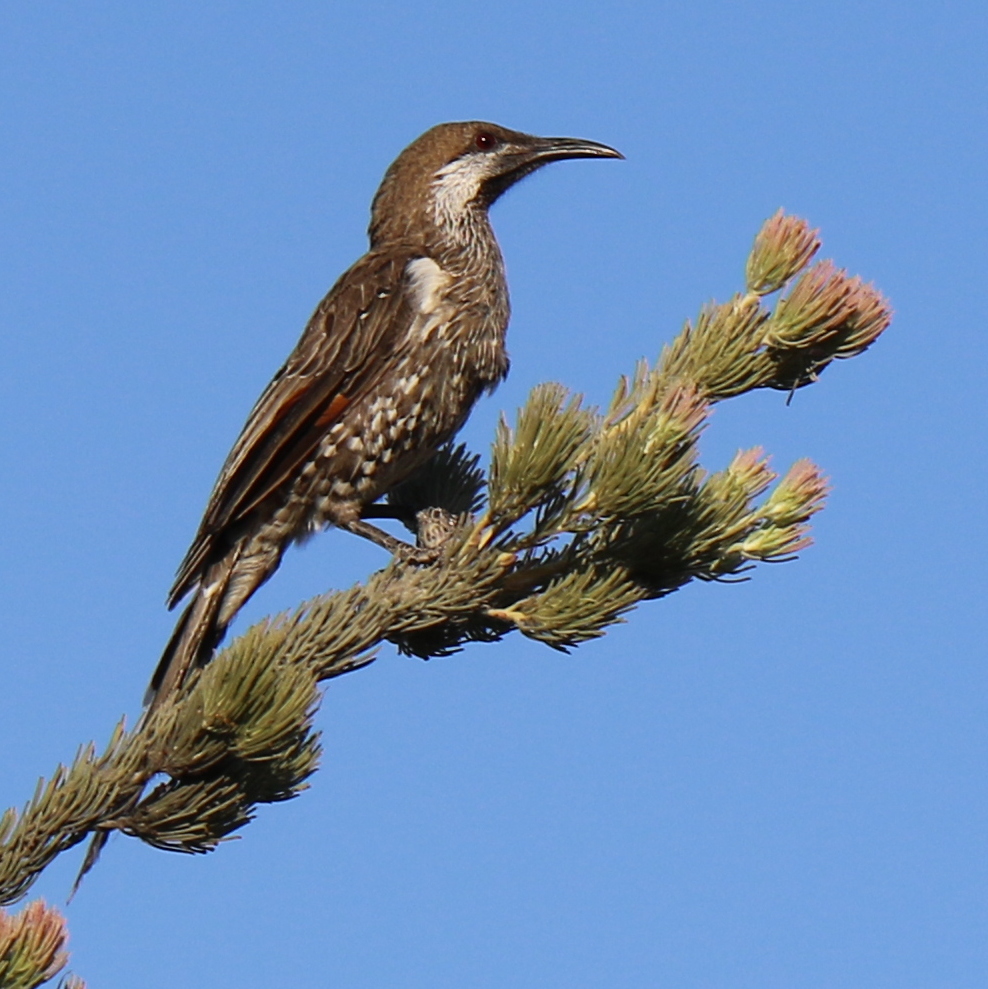
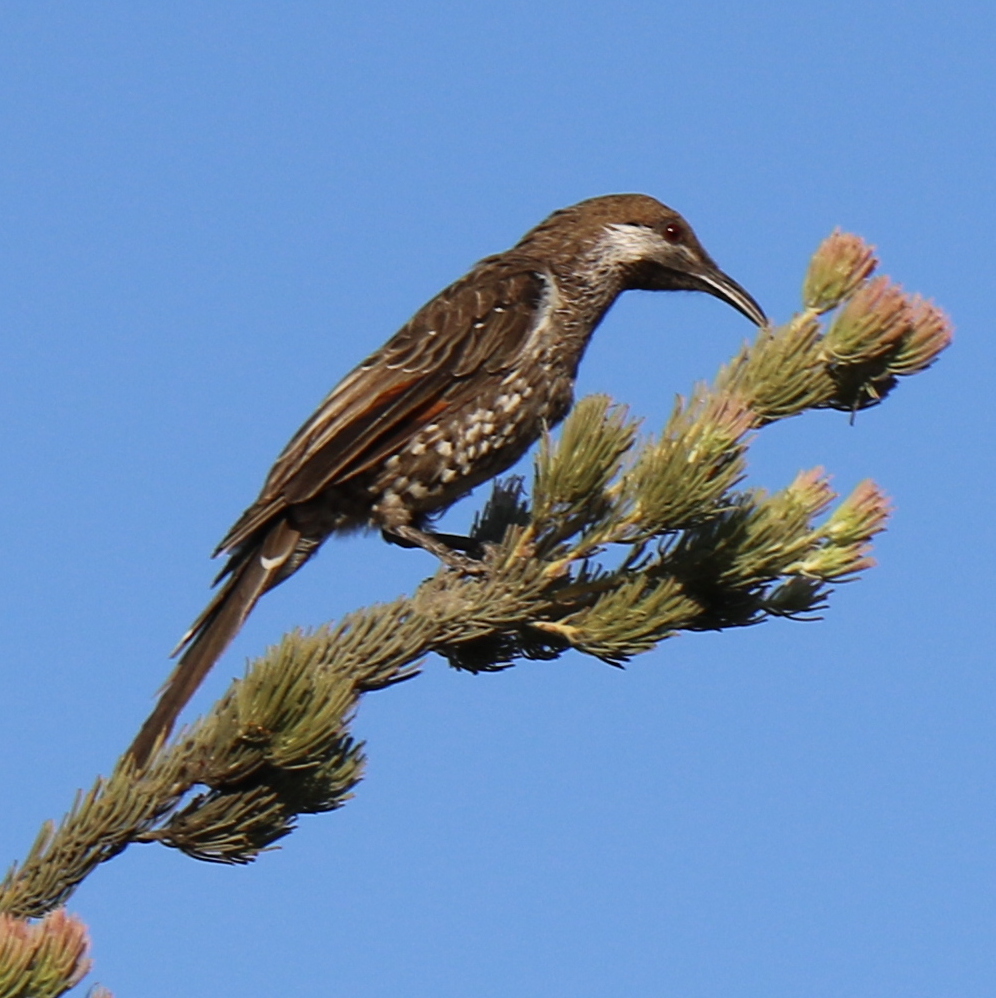
I found this western wattlebird (Anthochaera lunulata) in the Ron Carroll Reserve, a green space here in suburban Perth.
The bird is a large honeyeater, long and slender, with dark grey-brown upper-parts.
There are pale streaks and spots on the neck, chest and belly.
They have ‘brush-tipped’ tongues, with which they eat nectar from flowers. They do eat insects as well.
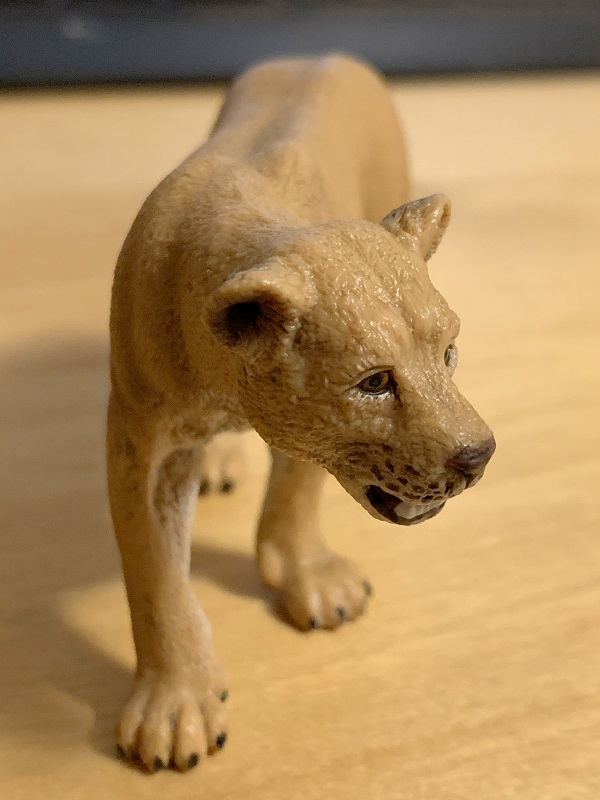
I finally bought the lioness figure at the Red Balloon toy store nearby, to add to my animal collection.
When it comes to lions, it is almost exclusively the females that go hunting. Their prey are usually faster than they are, so they have to first creep up to a close distance from different sides and then sprint towards their prey. Then when the prey had been caught, the males are always the first ones to eat.
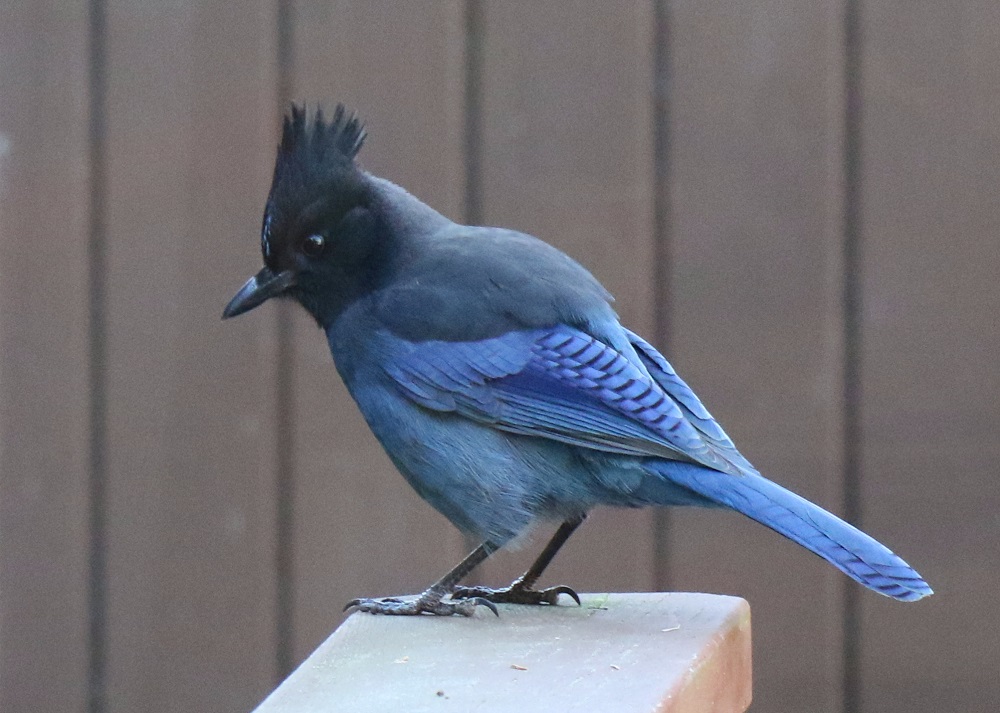
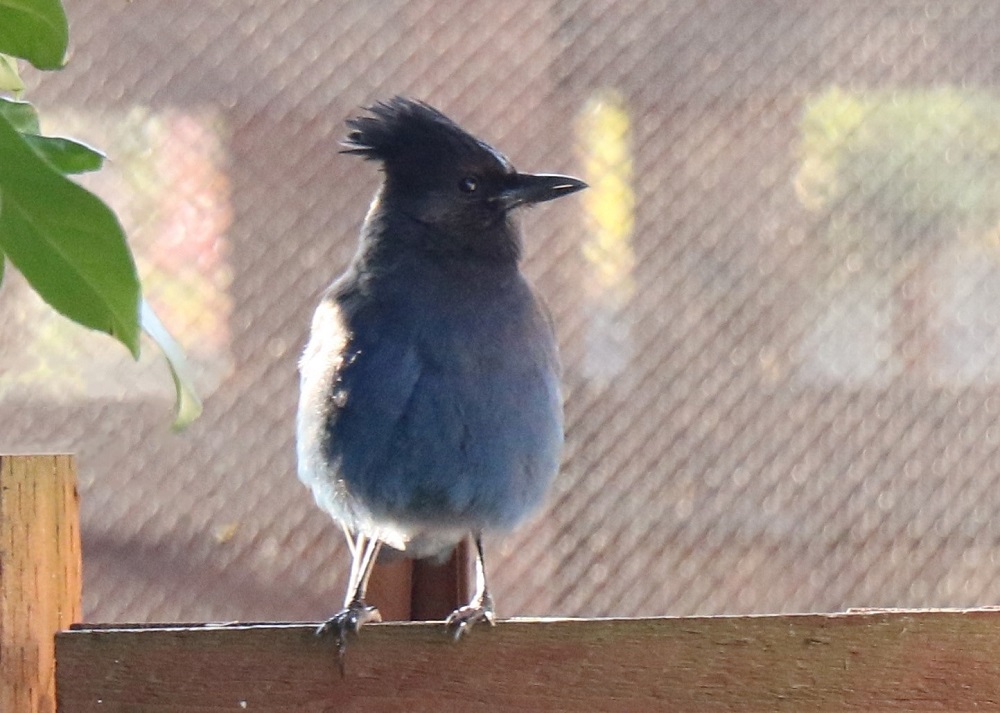
The neighborhood’s pair of Steller’s jays visited my backyard this afternoon.
They did come up: the giant red fly agaric mushrooms, in my backyard. Those other paler, smaller ones from earlier in October might be a different species or subspecies of mushroom. I made sure I took a few pictures before the squirrels took large bites out of it, the way they do sometimes.