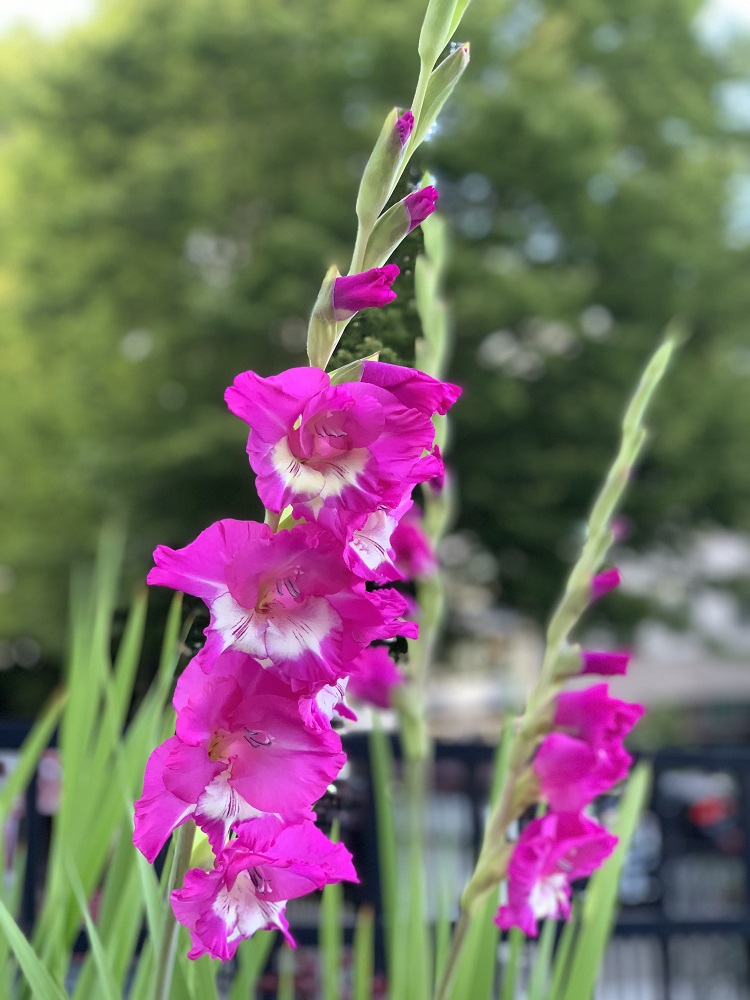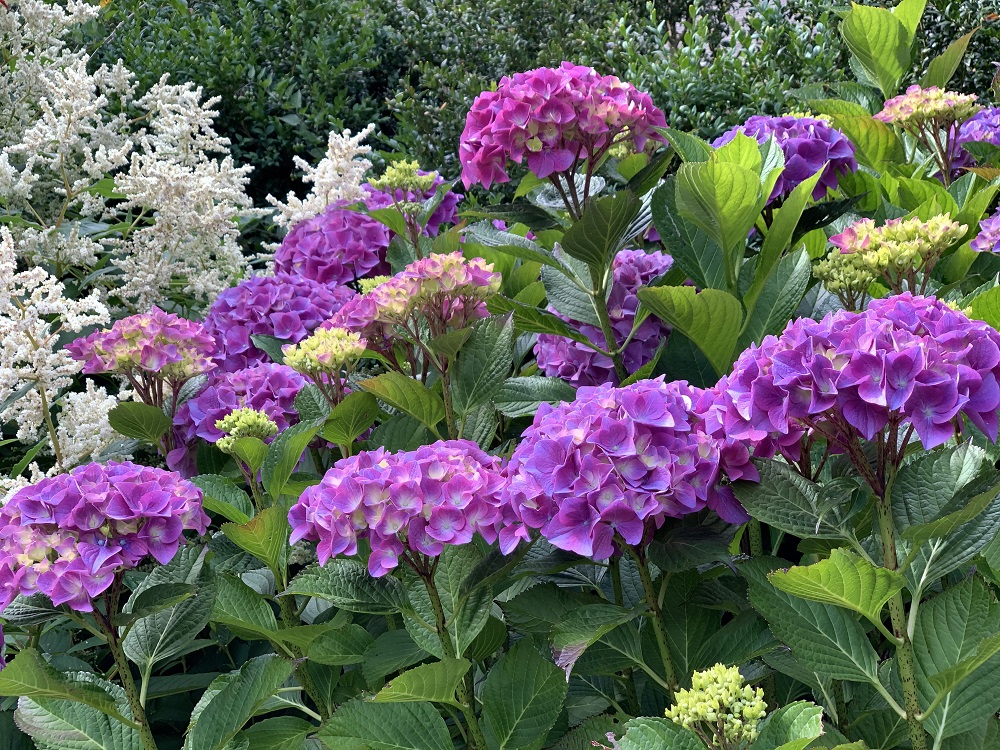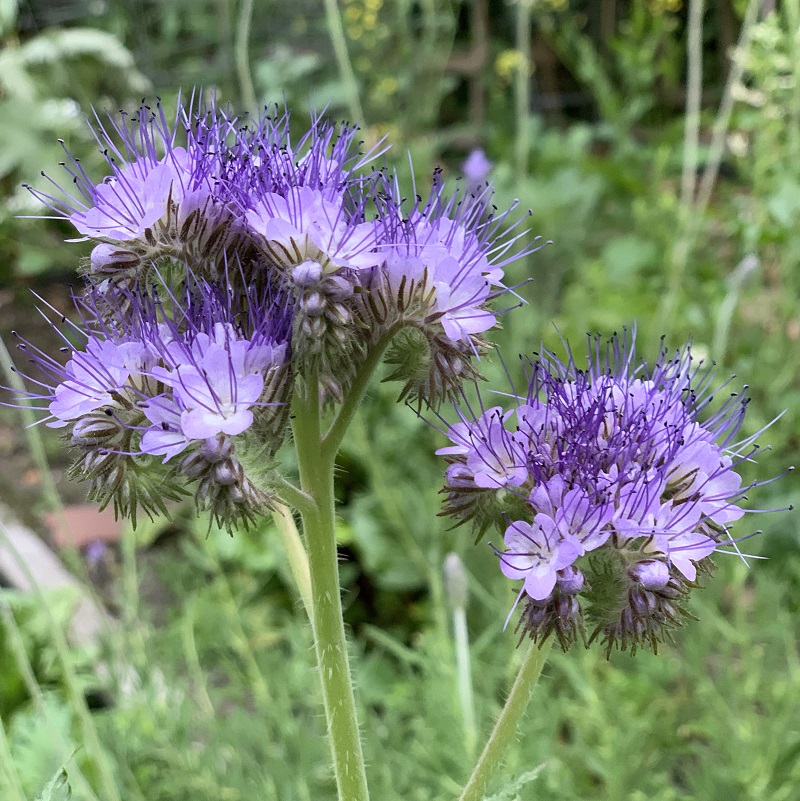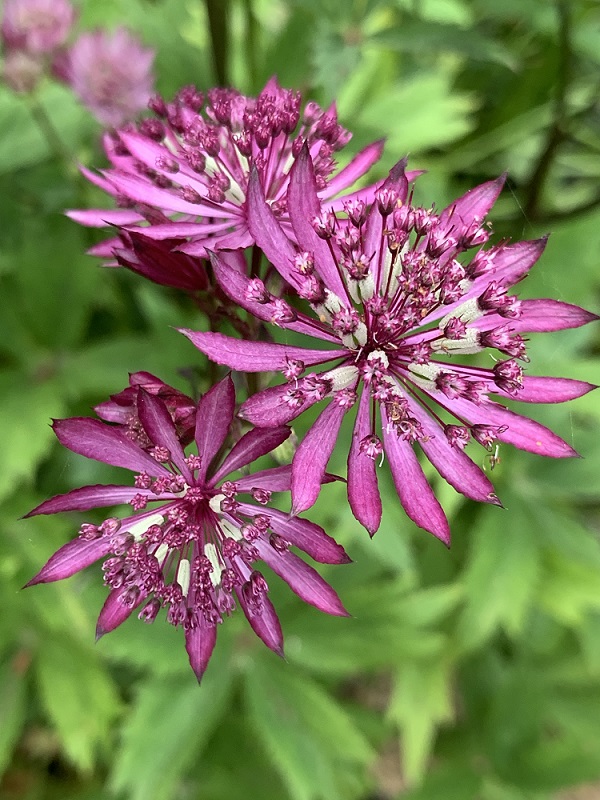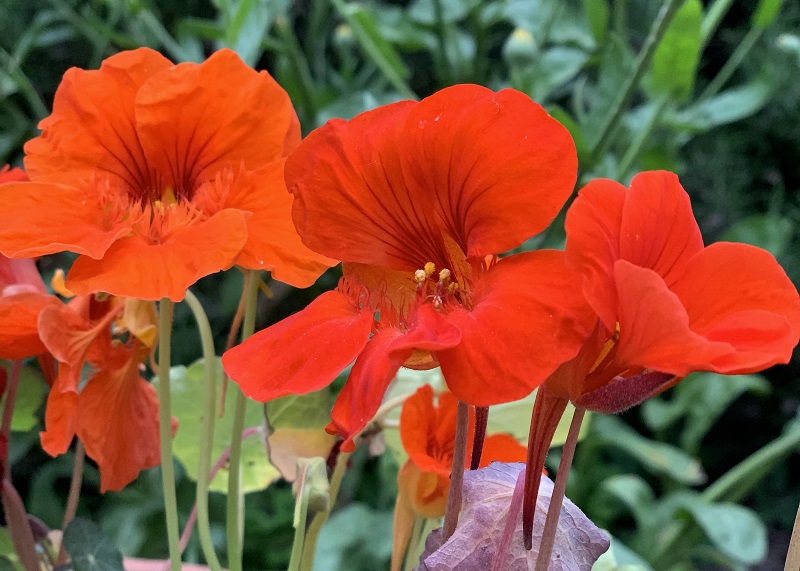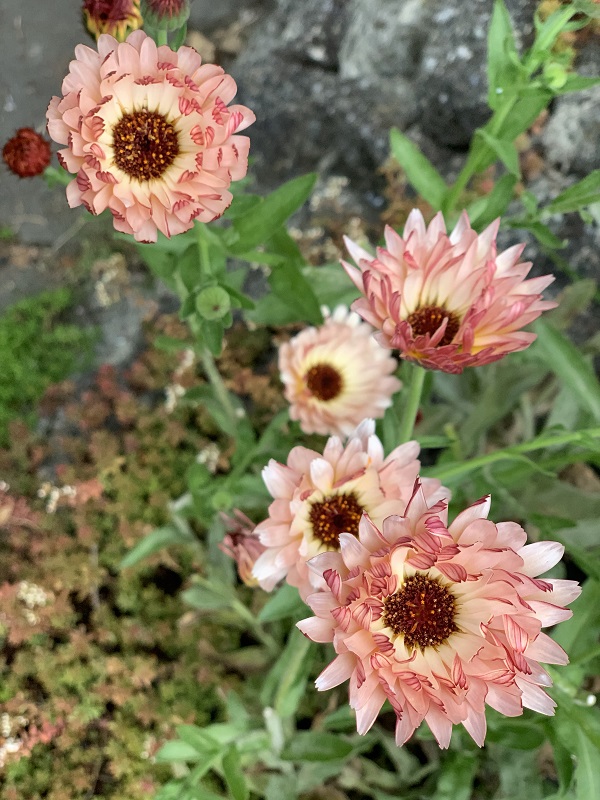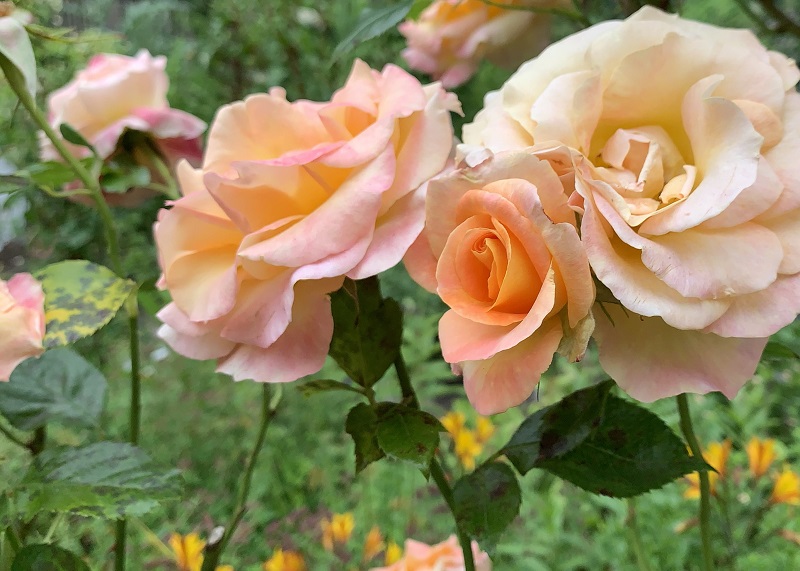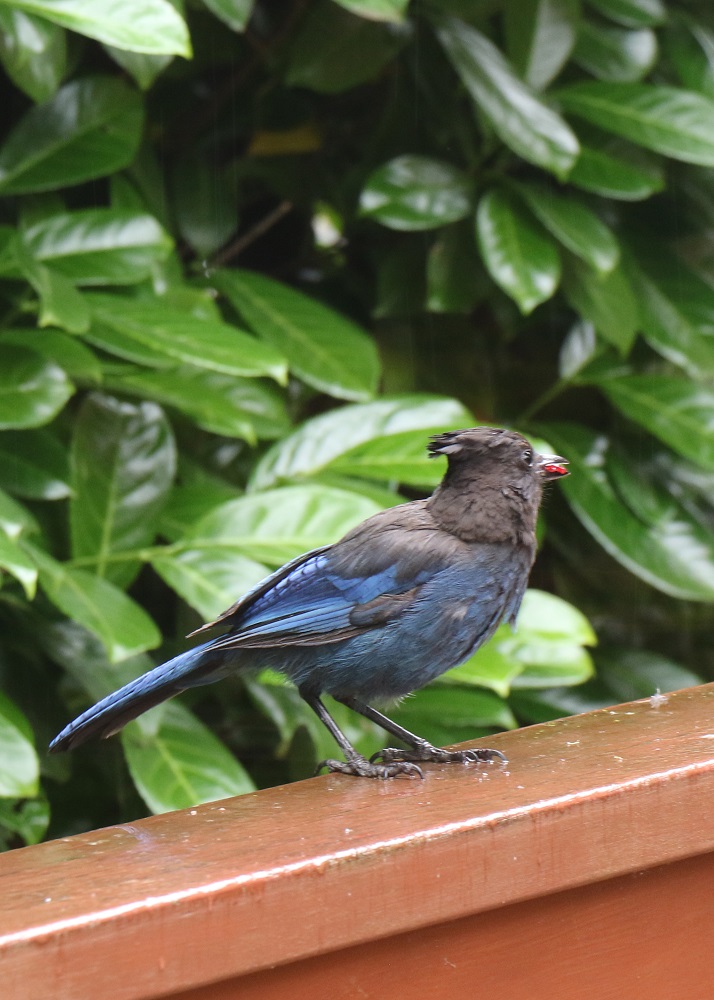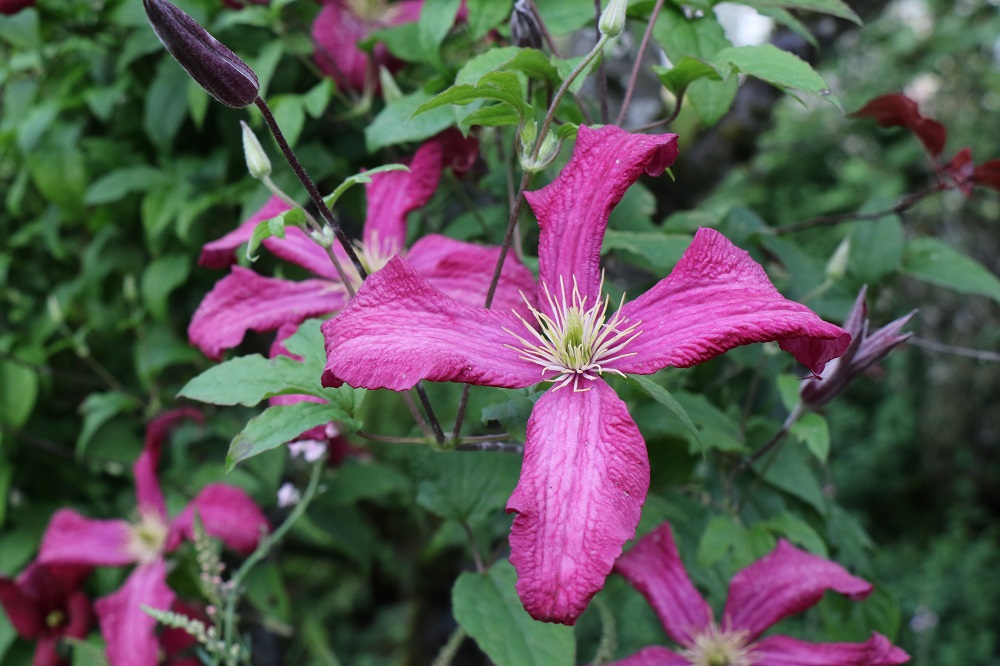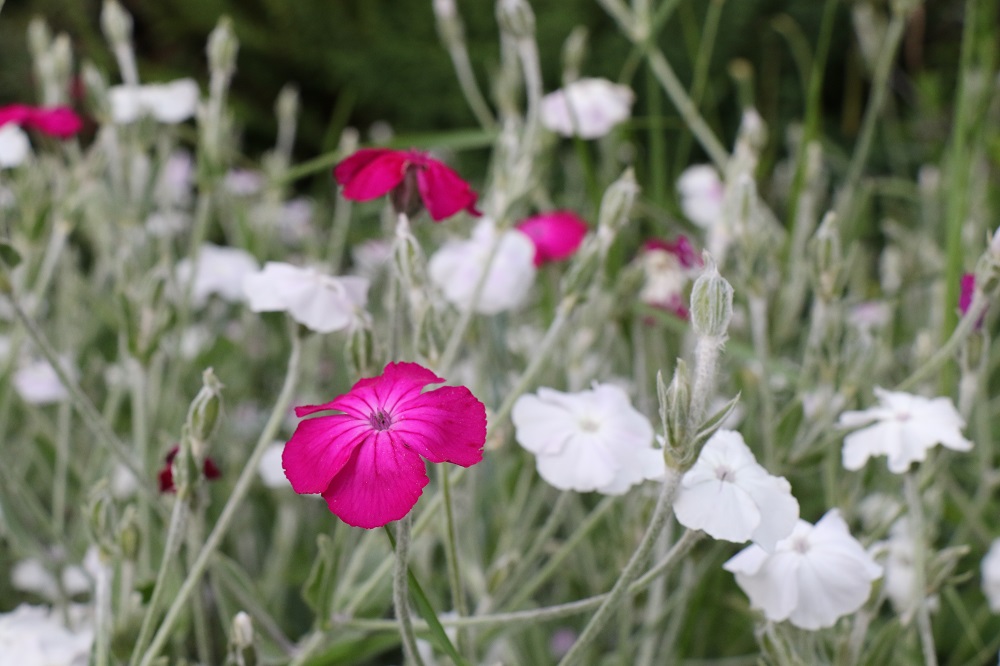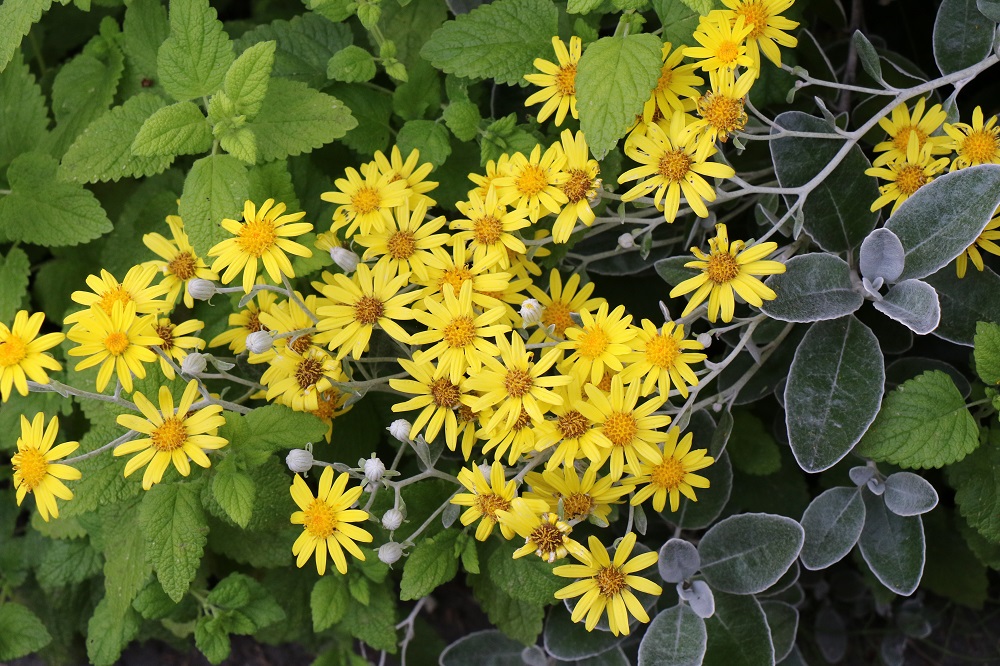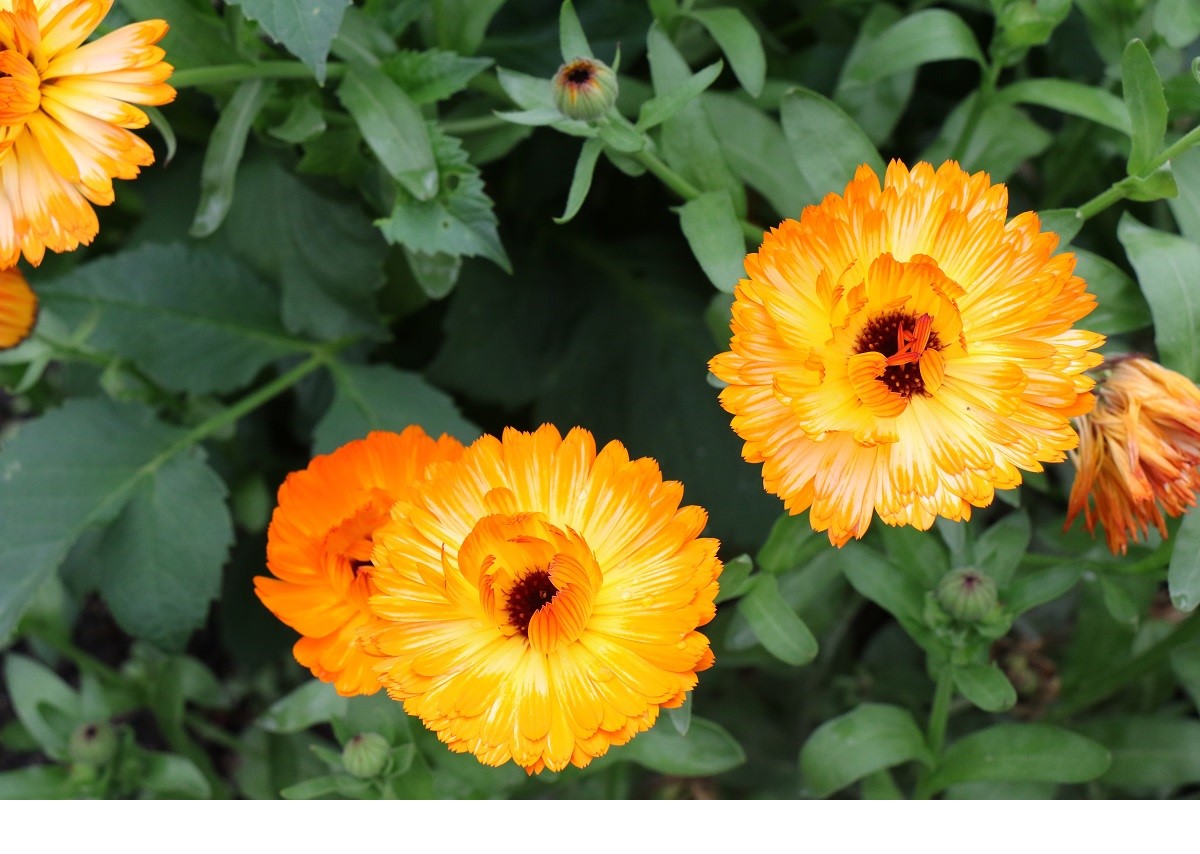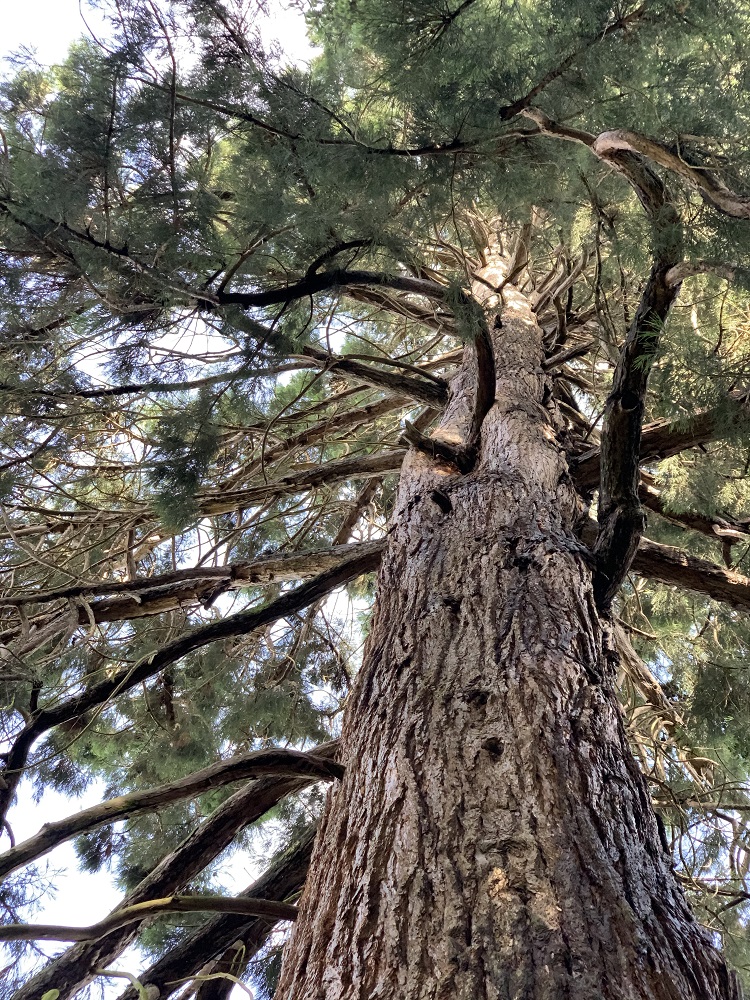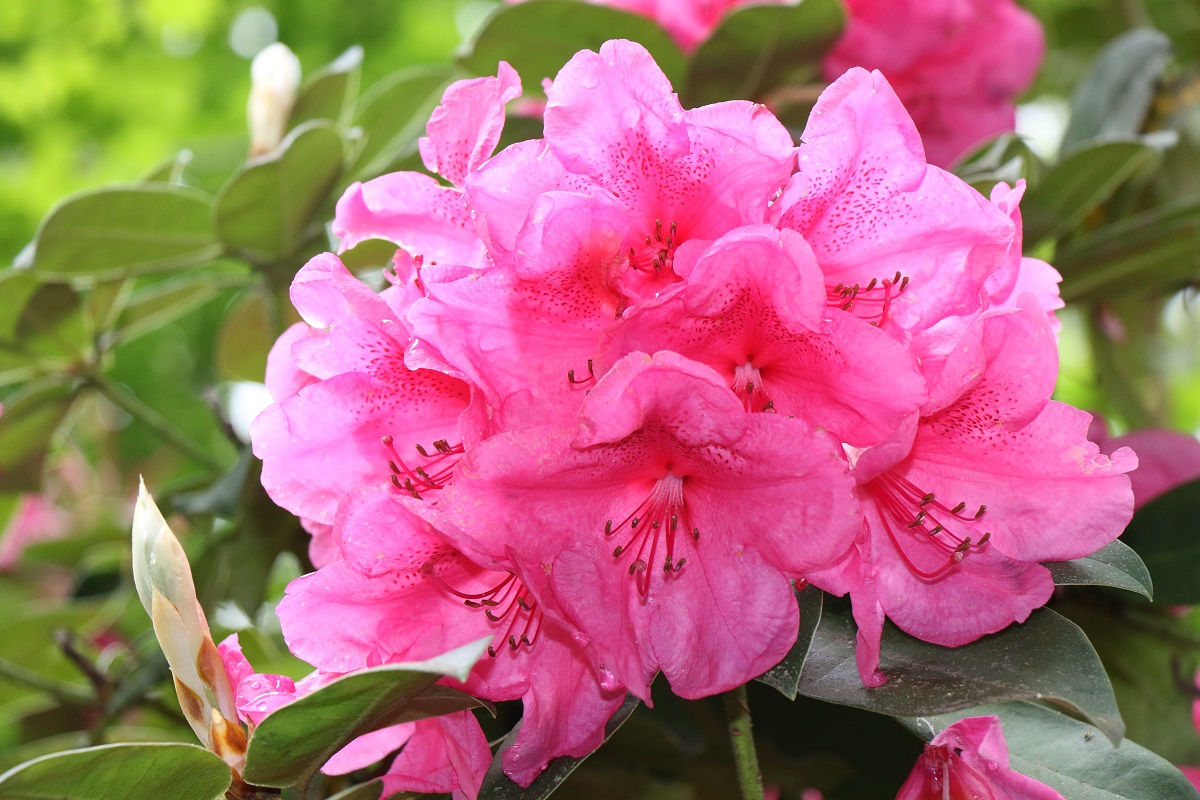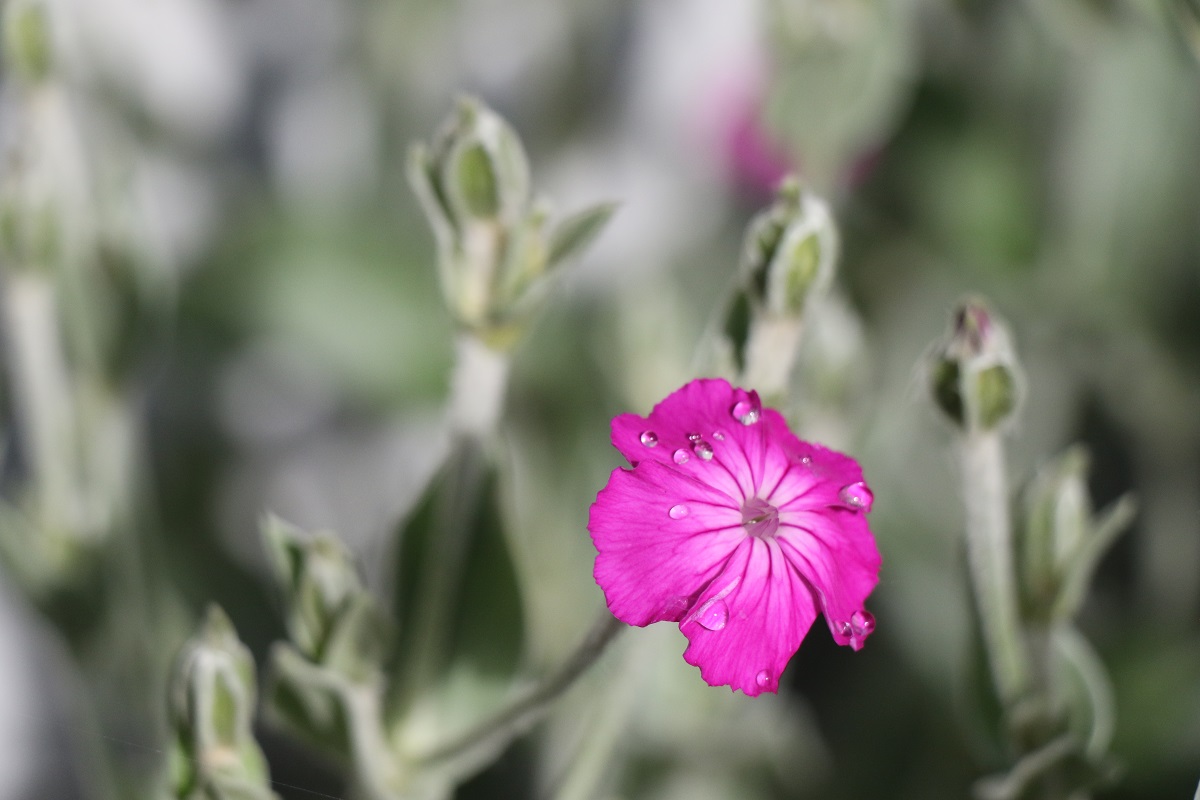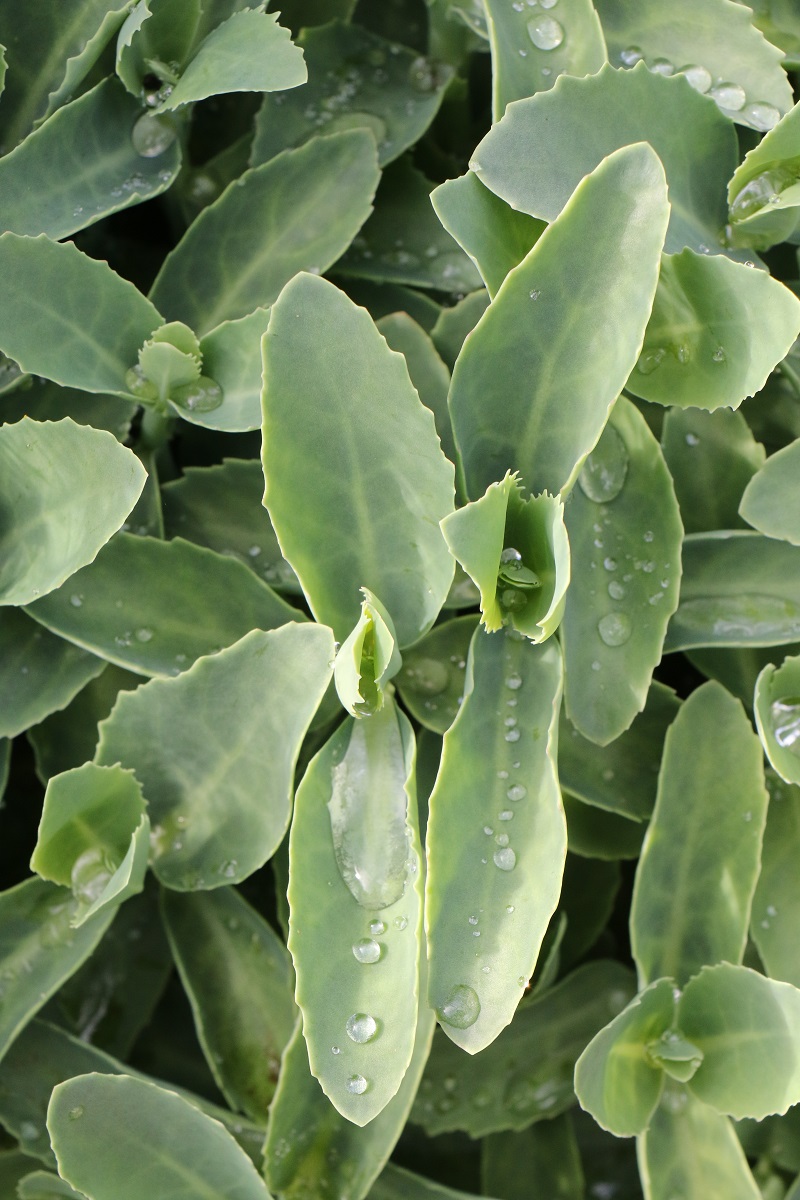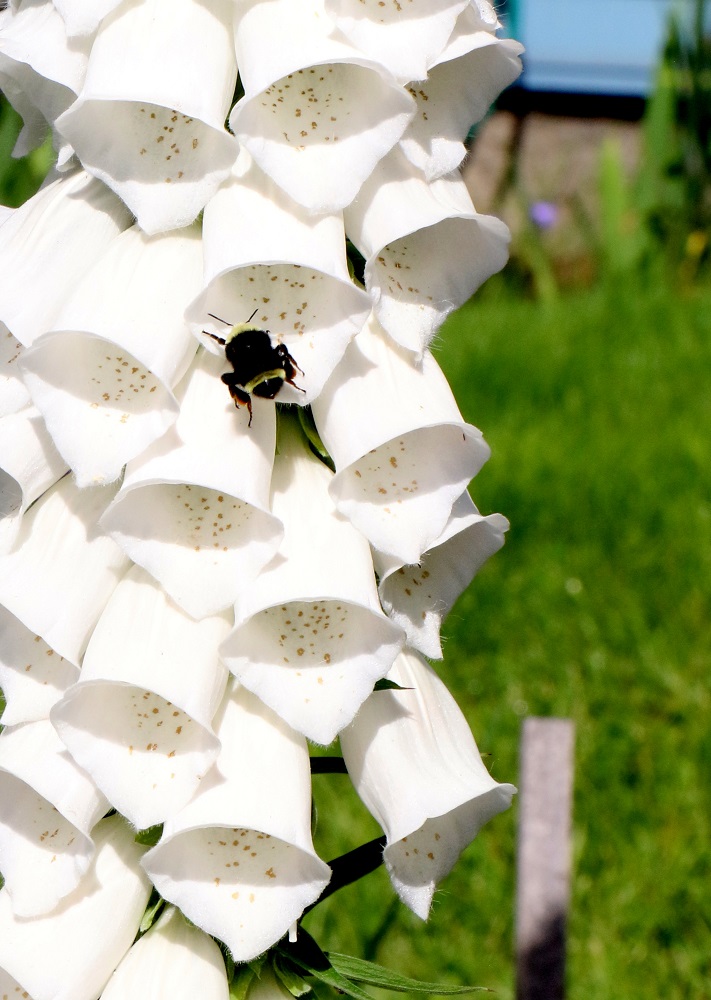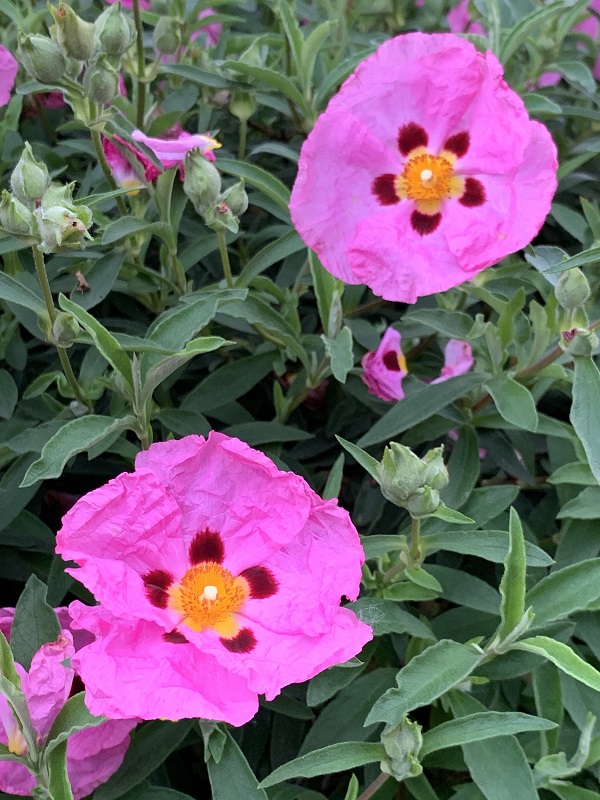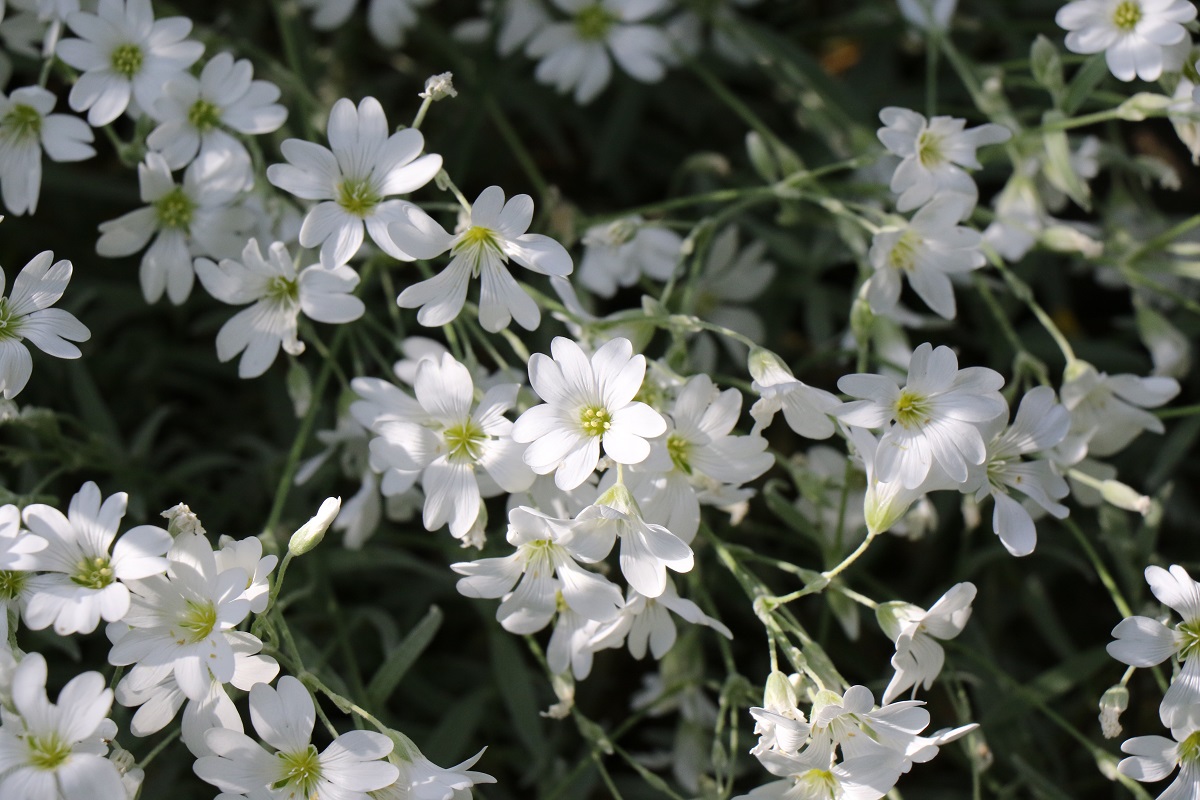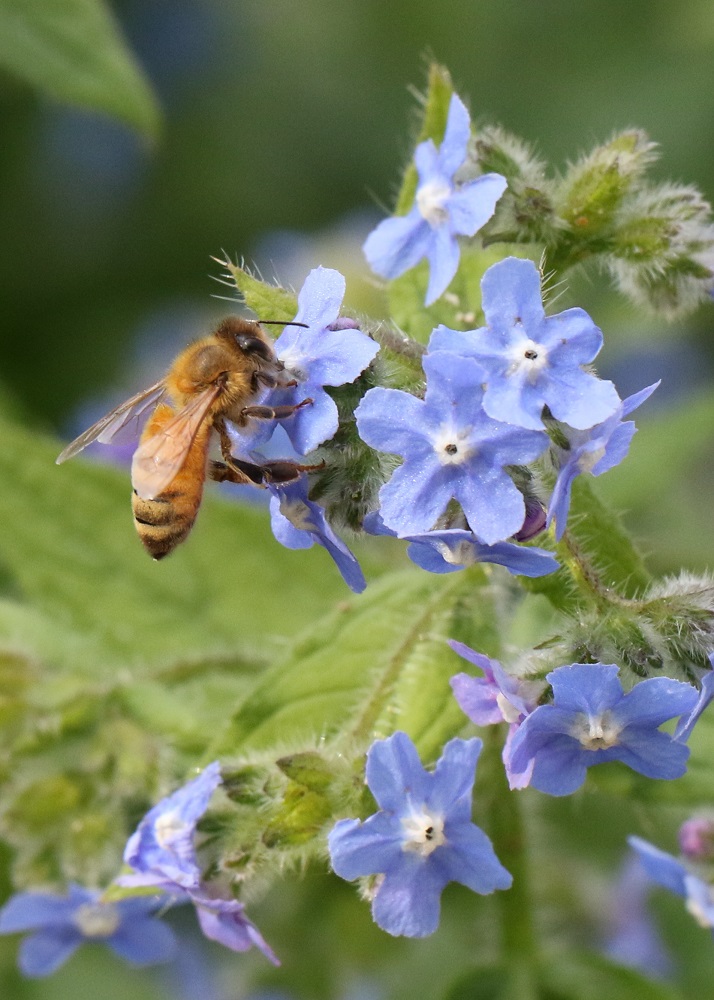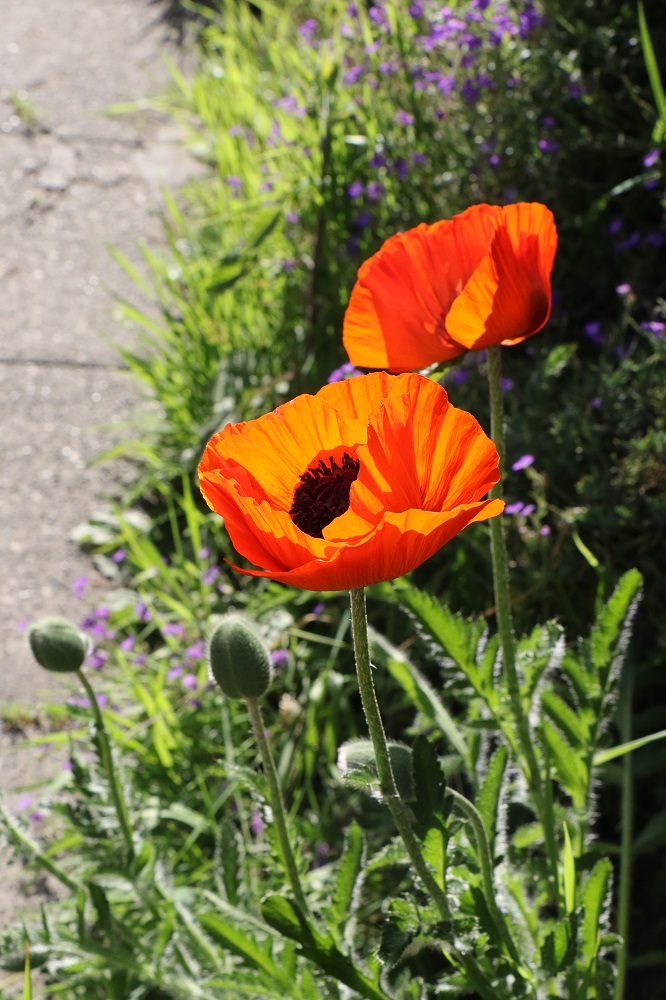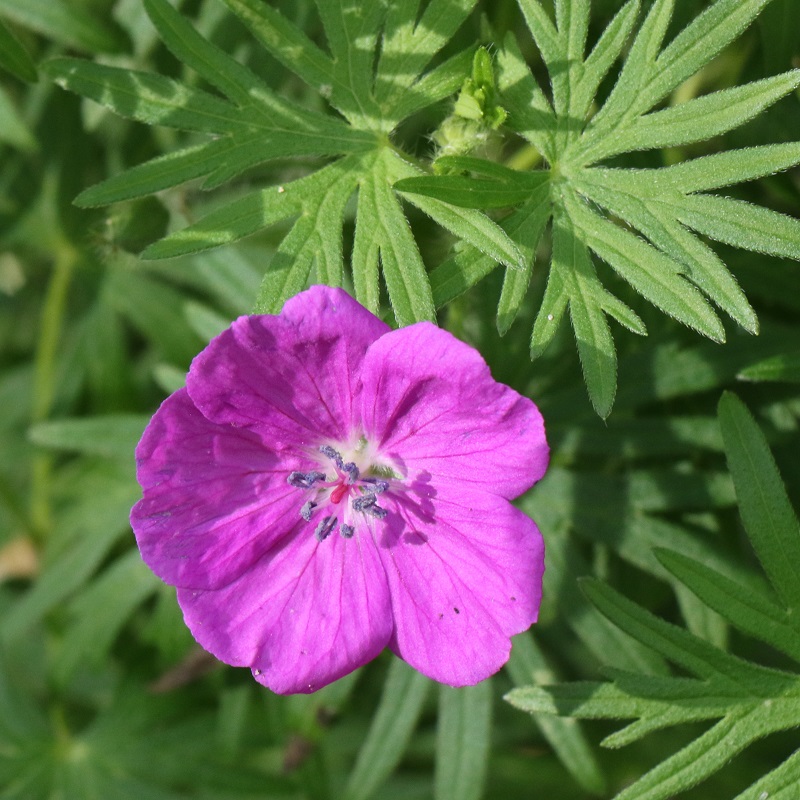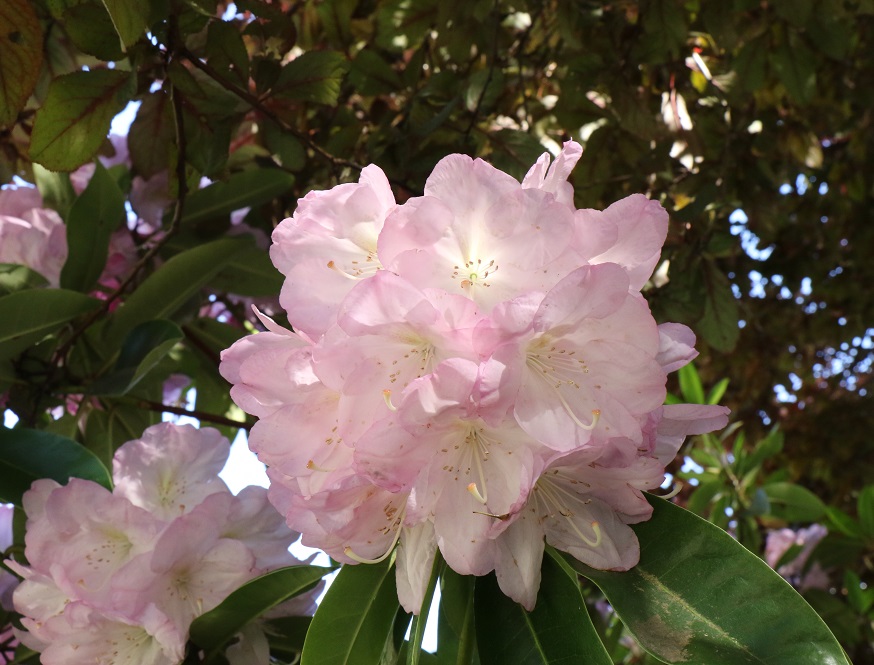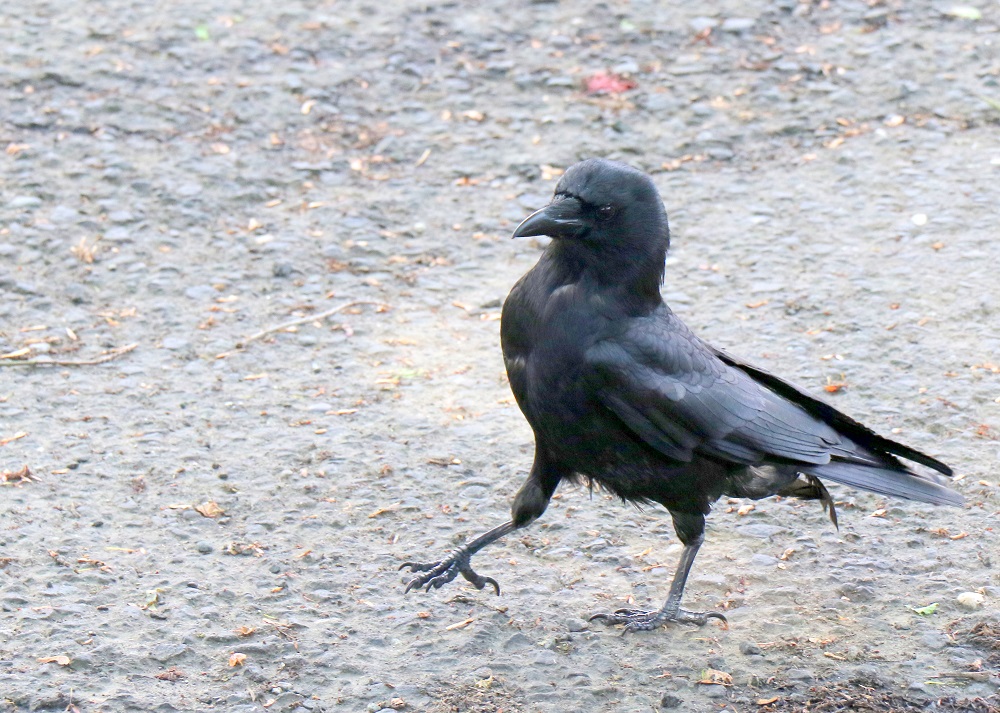
These flowers are from the little pumpkin patch called Thomas Street Gardens, by Thomas & 10th Ave on Capitol Hill.
Wednesday/ a juvenile jay rescue
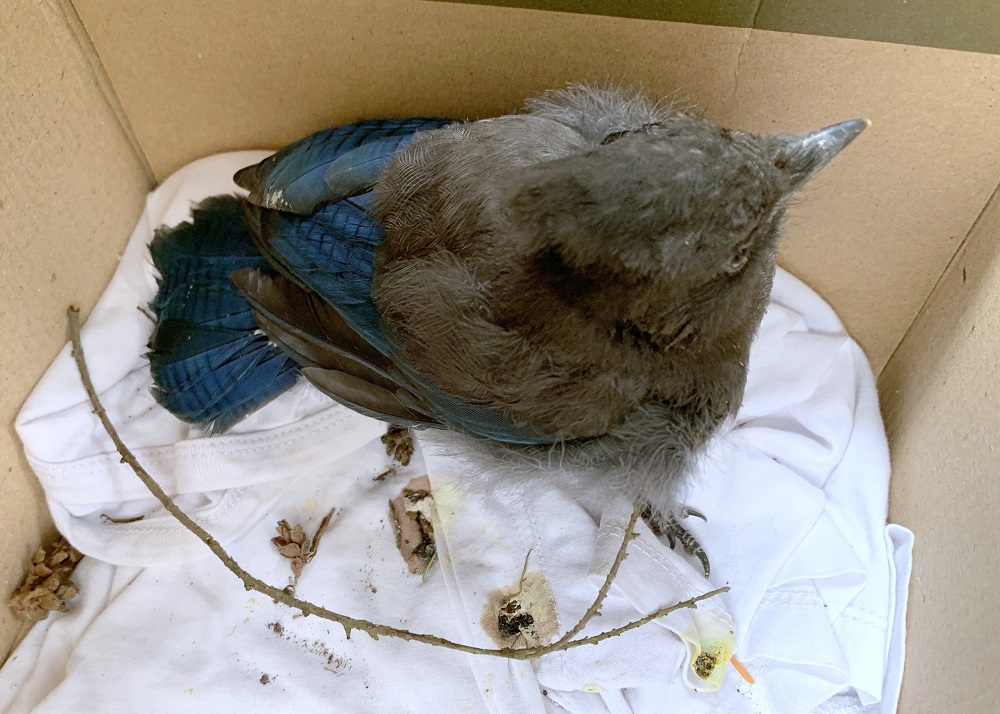
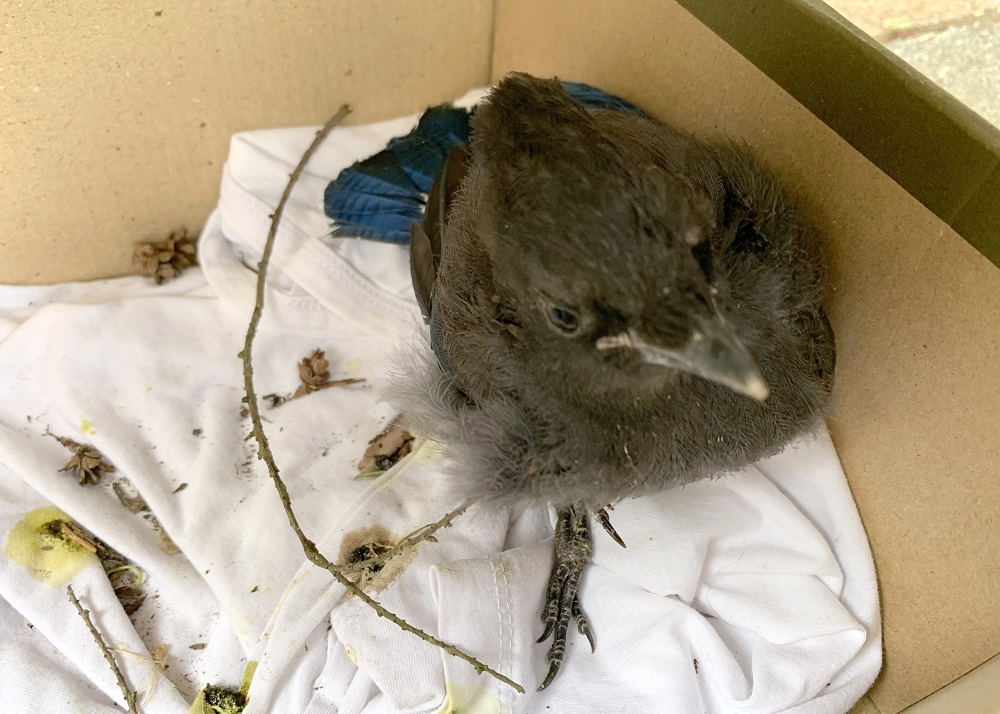
A Steller’s jay made such a ruckus in the tree in front of my house last night, that I had to go investigate. Sure enough, there was a second one on the ground, unable to fly. Oh no, I thought, I’ll have to do something.
I put the struggling bird in a shoebox, and left a message for the wildlife rescue center in Lynnwood. They called back in the morning. I texted them these pictures, and they said to bring it in.
They found an injury below its left eye; could have been the work of a crow. It was also a little thin and they were going to take care of it for a while and set it free. What could also be going on, is that the bird is just learning to fly, said the bird expert. Most fledgling birds don’t fly straight out of the nest. They spend a day or two on the ground flapping their wings (and hope they don’t catch the attention of predators), and then get going.


Sunday/ birds from Kitsap county
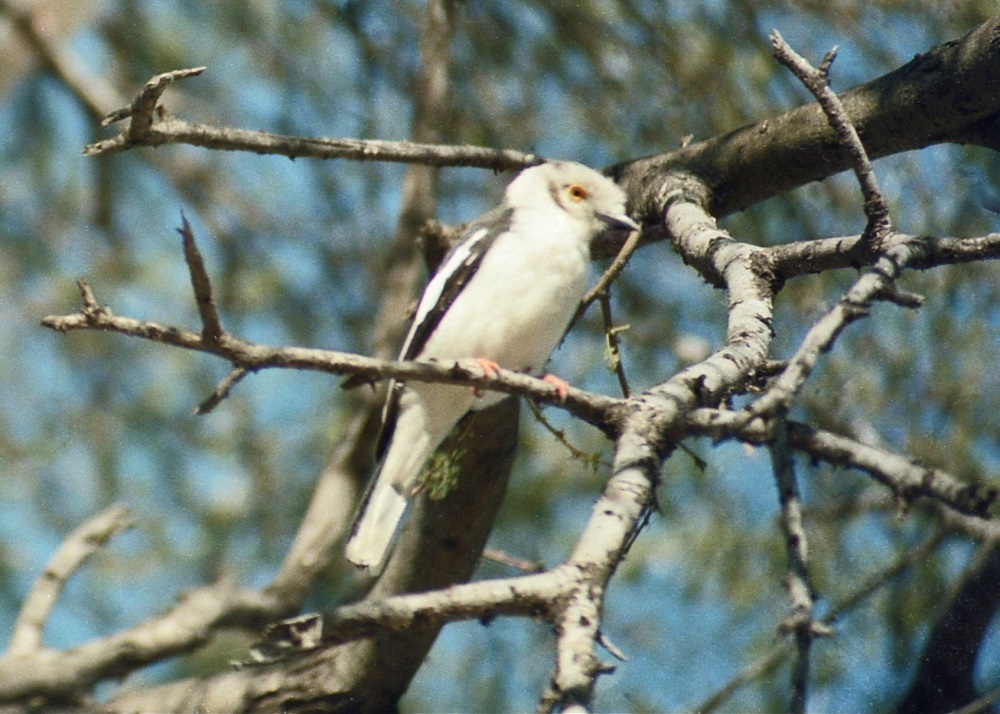
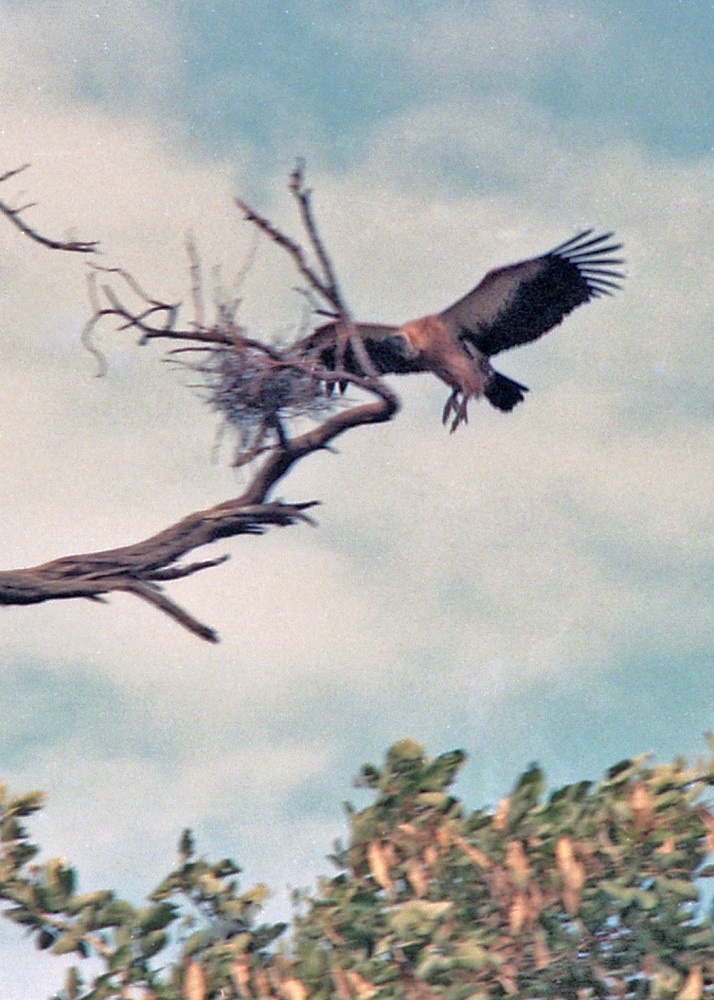
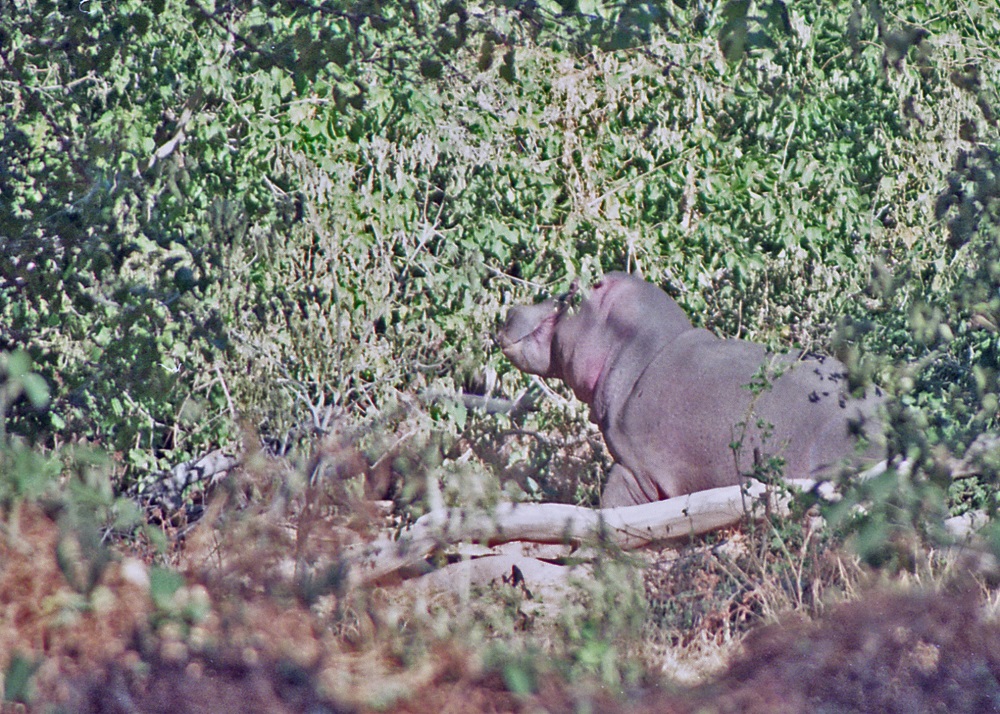
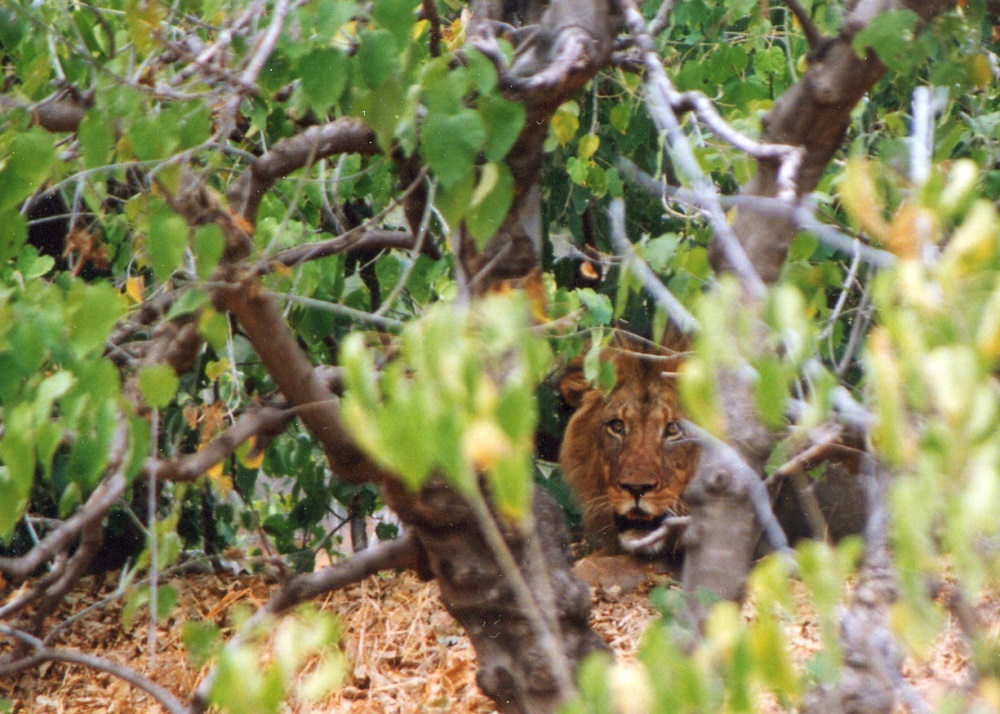
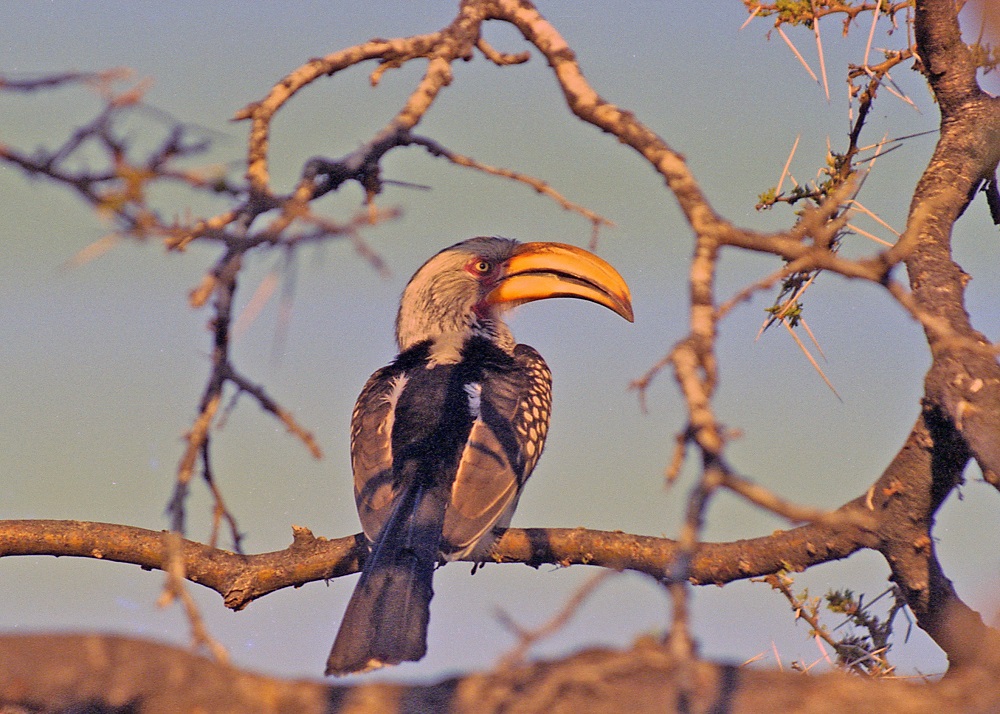
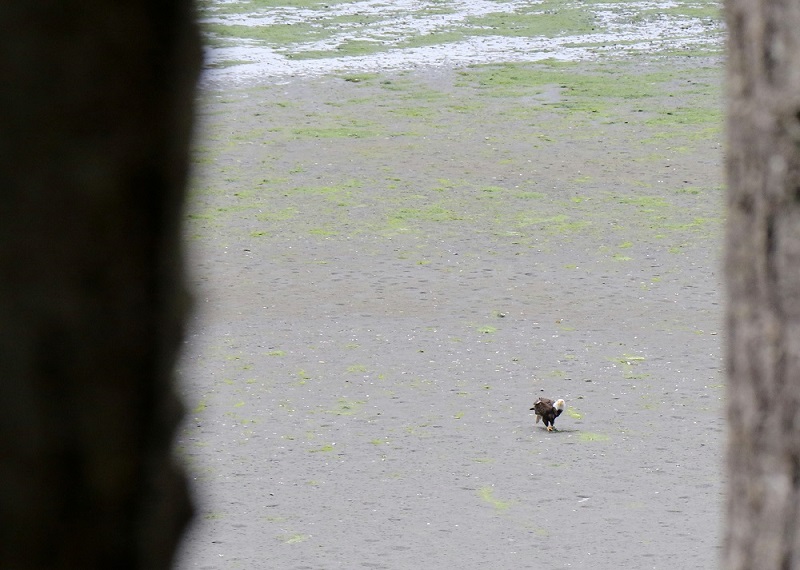
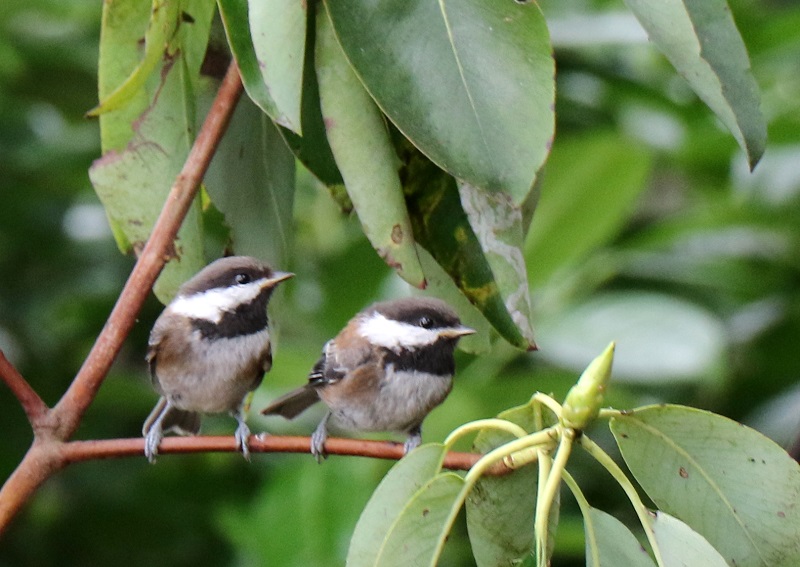
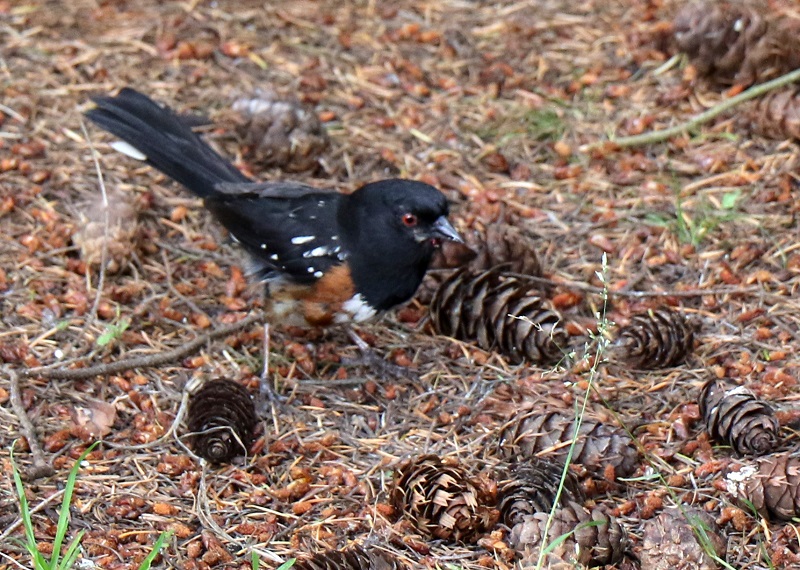
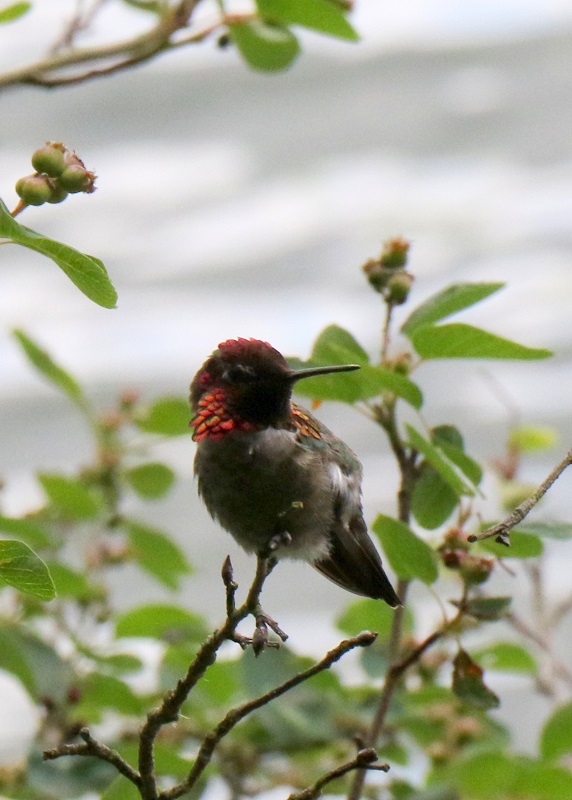
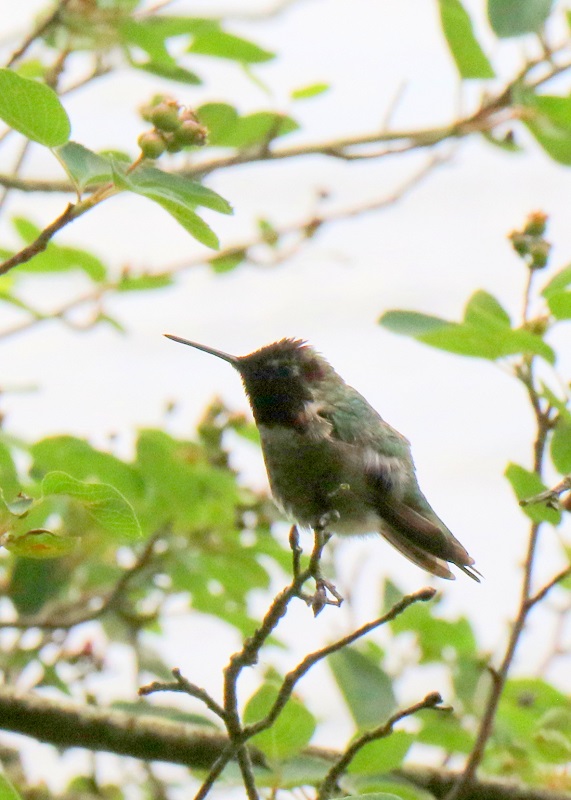
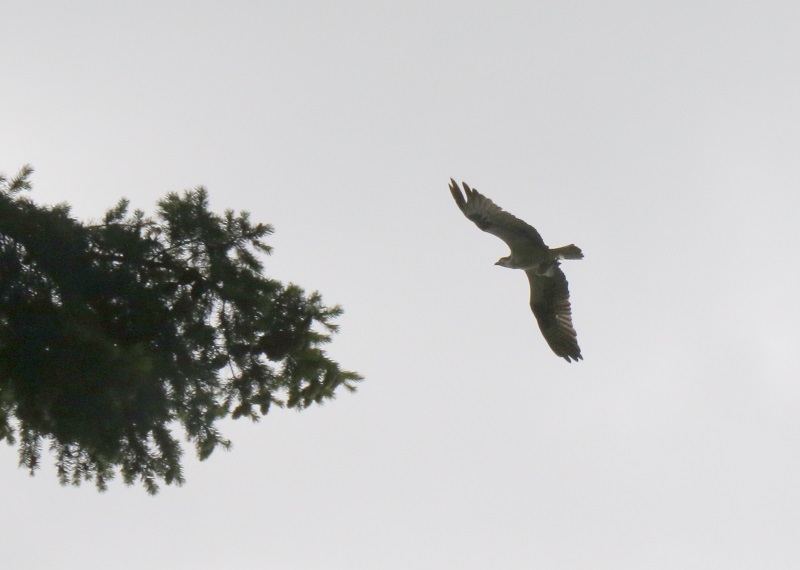
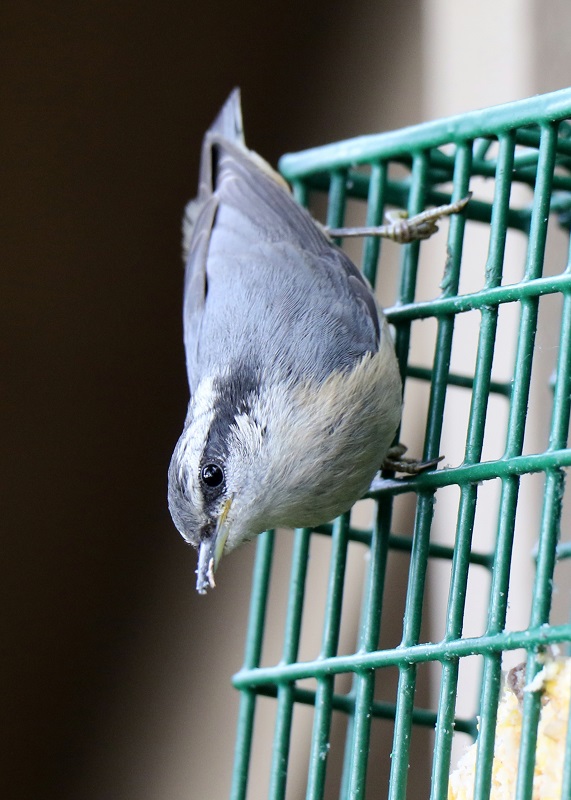
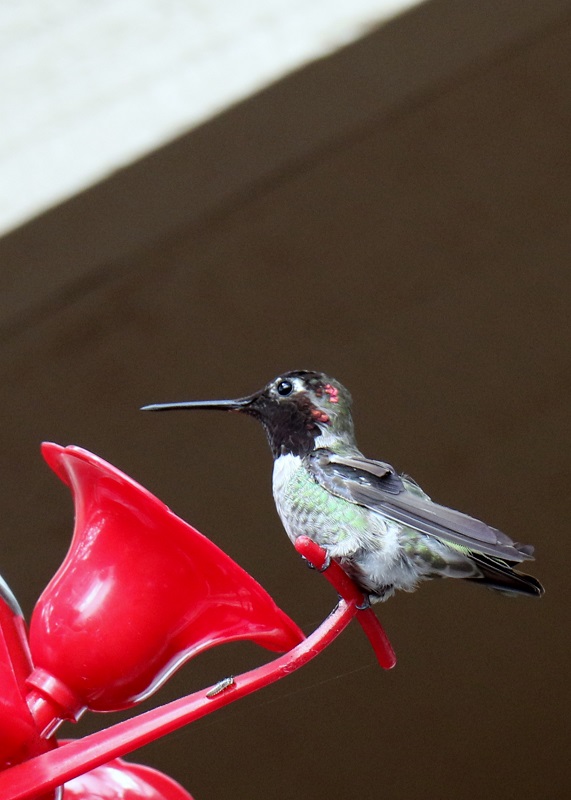
These bird pictures are from Saturday, from around our friend Paul’s house in Hansville. (Hansville is in Kitsap County, north and west from Seattle, across the Puget Sound).


Saturday/ hello summer
The summer of our discontent has arrived. Our city’s traditional Fremont Solstice Parade to celebrate it, has been cancelled this year.
At least the sun still rises, and sets, as if nothing on Earth had changed.
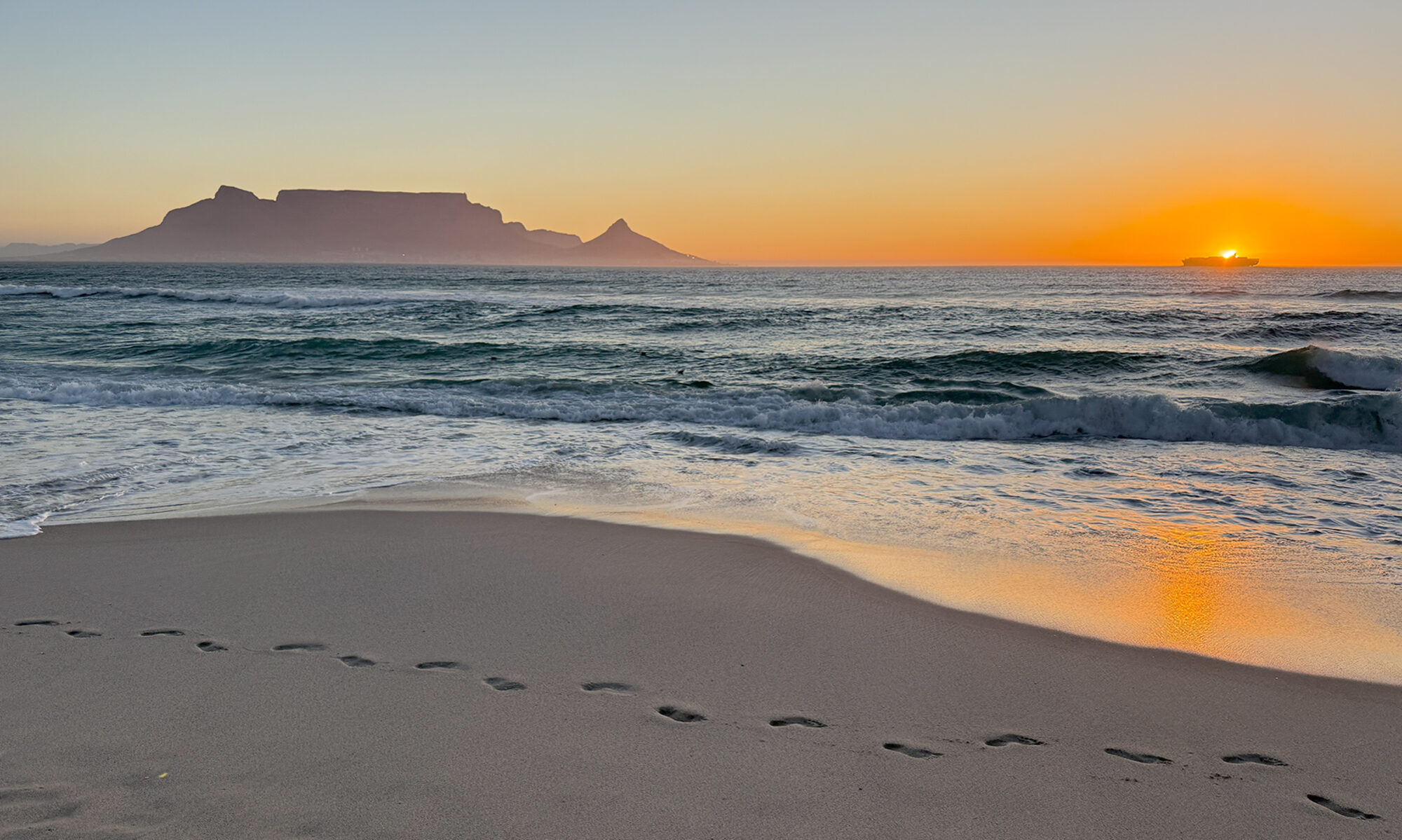
Daylight time here (sunrise at 5.11 am through sunset at 9.10 pm) is at its peak, now just shy of 16 hrs, at 15:59:17.

Wednesday/ flowers
Friday/ daisies and poppies
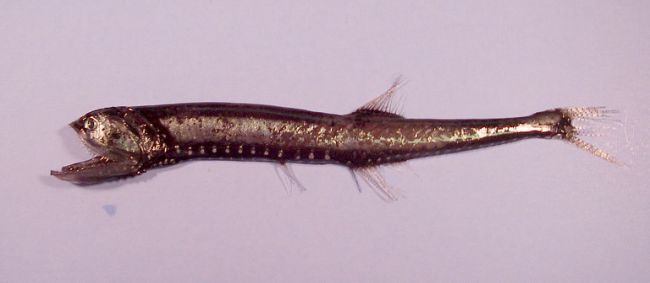
Monday/ a freaky little fish, for World Oceans Day
The deeper you go, the stranger things get.
– Dr. Bruce Robison, marine biologist, of voyages into the Monterey Canyon and beyond (Monterey Canyon is a sub-marine canyon in Monterey Bay, California).

It’s World Oceans Day.
Scientists agree that there are still hundreds of thousands of undiscovered species of animals and plants in the oceans.
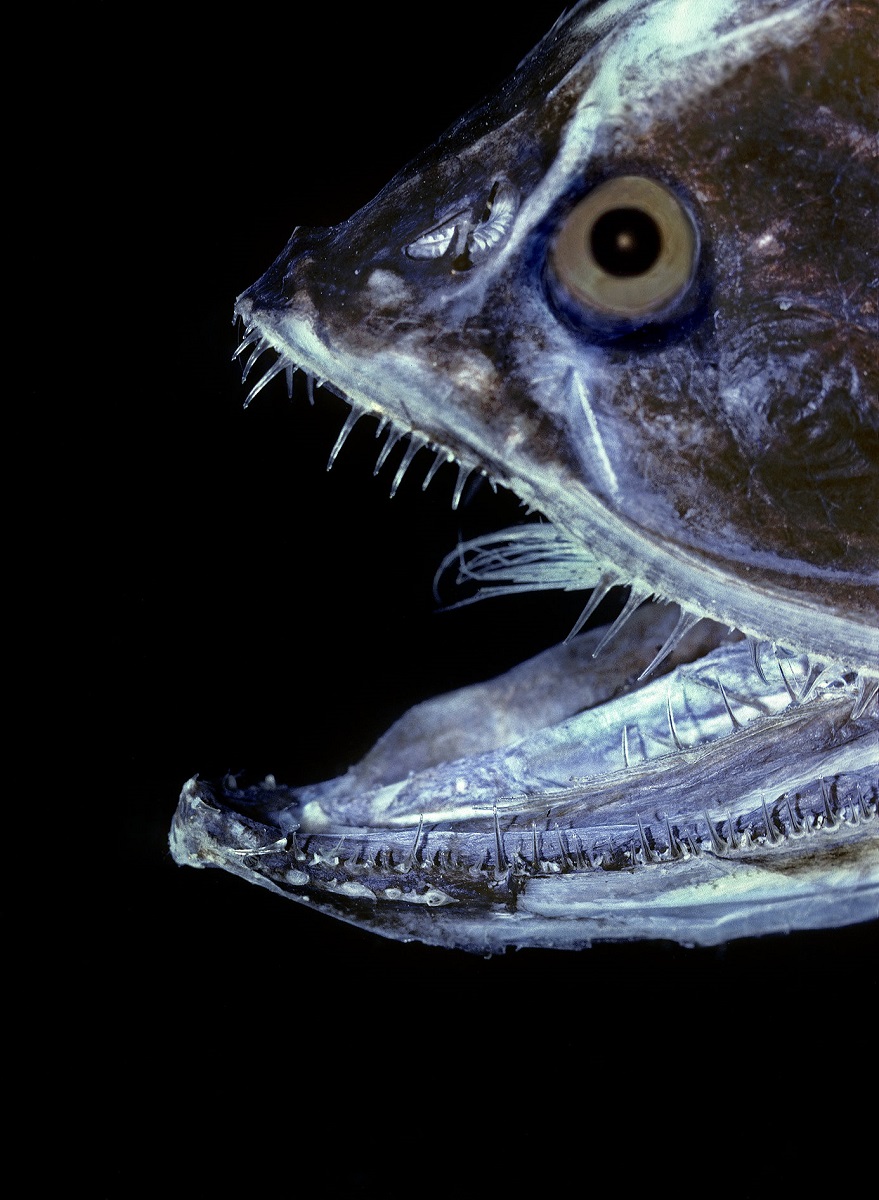
More and more has been discovered about the bristlemouth : easy in a way, since they are everywhere in the oceans — the world’s most prevalent vertebrate, by far. There may be a quadrillion – 1,000,000,000,000,000 (1015) – of them, all told. They live in the middle depths of the ocean where there is little light. They have bioluminescent spots that glow in the dark, and can open their mouths extraordinarily wide, baring needle-like fangs.
Many of them have another trick up their sleeve: start life as a male, and later, switch to become a female. Scientists call it protandrous — that is, a male-first hermaphrodite — a phenomenon also seen in certain worms, limpets and butterflies.

Thursday/ geranium & germanium
ge·ra·ni·um
/jəˈrānēəm/
noun
a herbaceous plant or small shrub of a genus that comprises the cranesbills and their relatives. Geraniums bear a long, narrow fruit that is said to be shaped like the bill of a crane.
ger·ma·ni·um
/ˌjərˈmānēəm/
noun
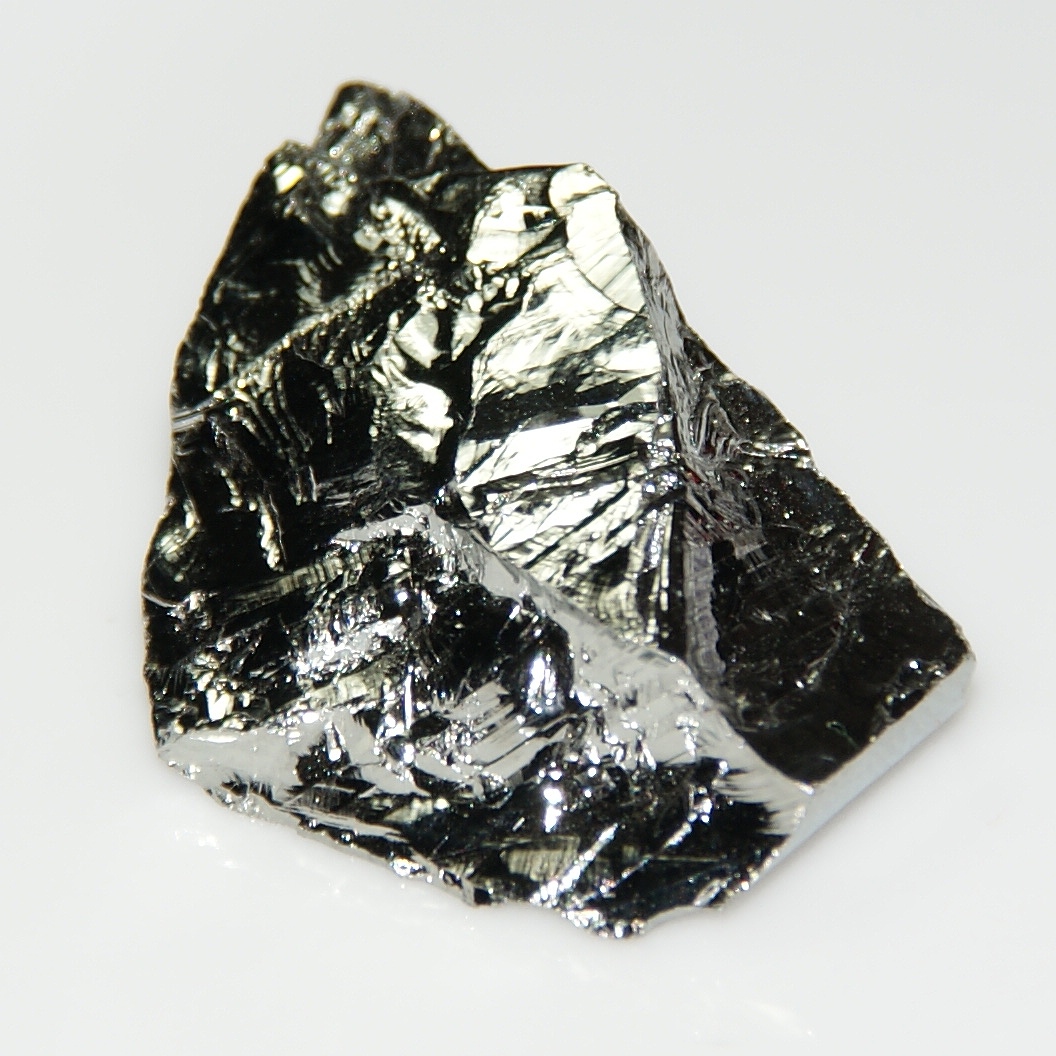
The chemical element of atomic number 32, a shiny gray semi-metal. Germanium was important in the making of transistors and other semiconductor devices, but has been largely replaced by silicon.
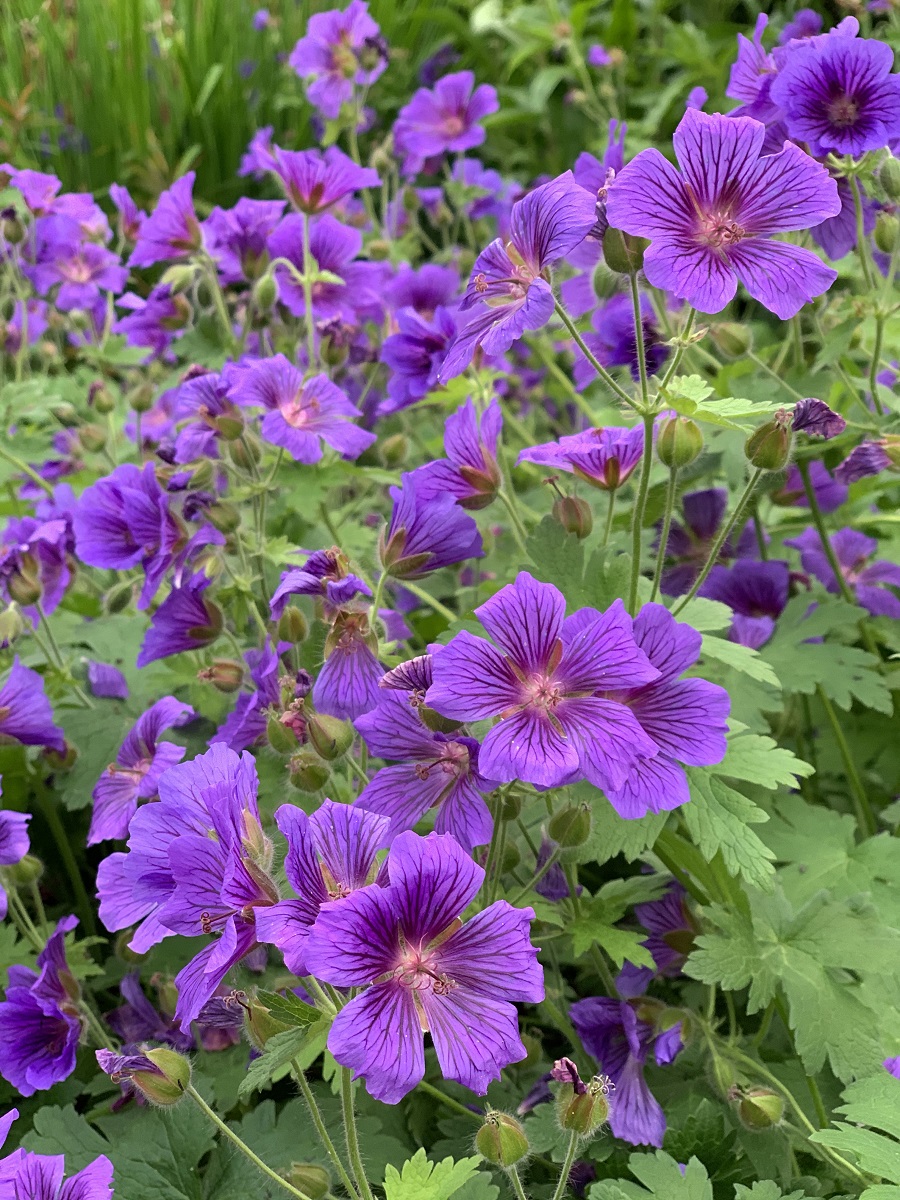
I found some geranium (cranesbill) flowers on my walk around the block tonight (had to do an image search on Google).
Just for fun, below is a picture of a chunk of germanium.

Sunday/ greenery in the park
Saturday/ primrose, maybe
Sunday
Friday/ the ‘ghost dog’ of the forest
Today is the 15th annual Endangered Species Day.
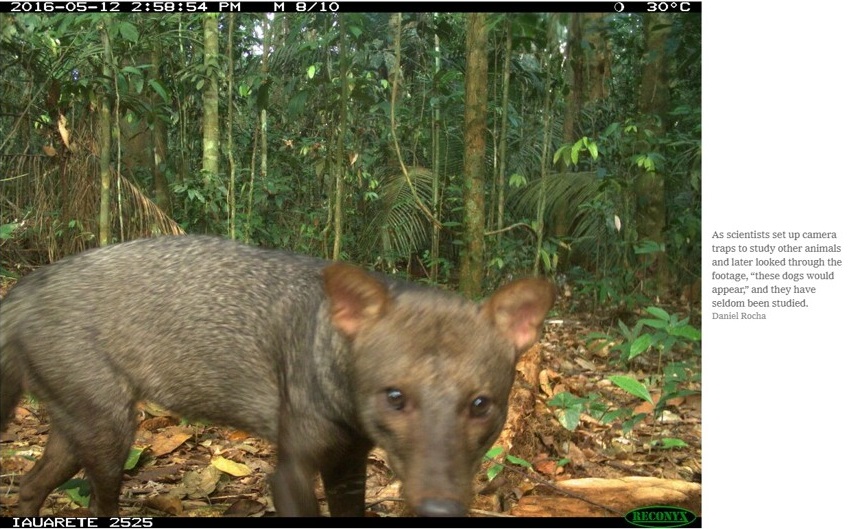
Check out this picture of the ‘ghost dog’ of the Amazon rain forest.

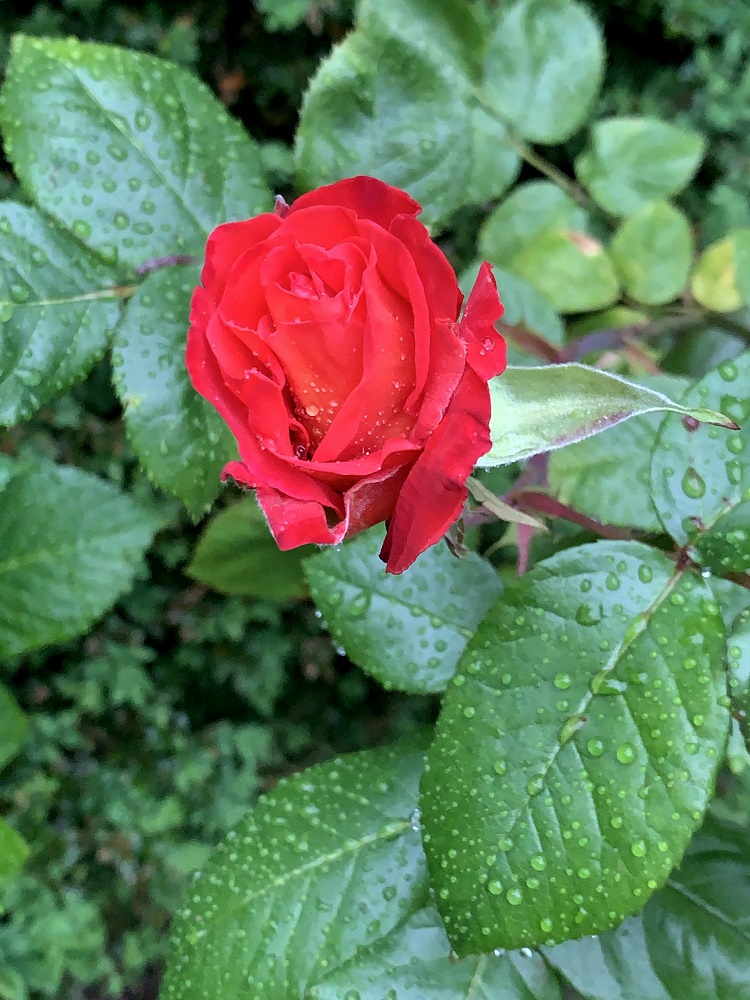
Monday/ the season’s first rose
When the night has been too lonely and the road has been too long
And you think that love is only for the lucky and the strong
Just remember in the winter, far beneath the bitter snows
Lies the seed, that with the sun’s love in the spring becomes the rose
– first recorded by Bette Midler for the soundtrack of the 1979 film The Rose, lyrics by Amanda McBroom

Sunday/ flowers, for Mothers Day
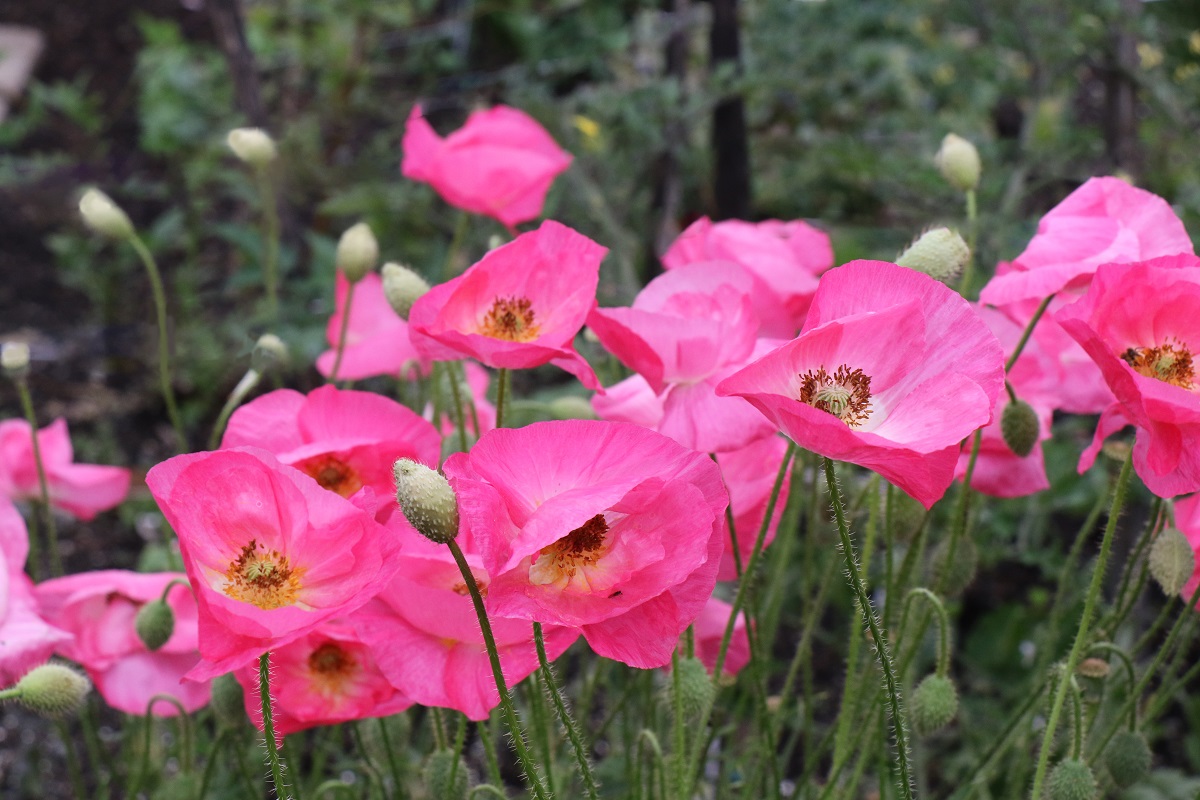
Monday/ poppy flowers
I found these beautiful poppy flowers in a scruffy back alley here on Capitol Hill.
From Wikipedia: Ancient Egyptian doctors would have their patients eat seeds from a poppy to relieve pain. Poppy seeds contain small quantities of both morphine and codeine, which are pain-relieving drugs that are still used today.
Sunday/ a plump little thrush
Tuesday/ a broken tulip?
Here’s a tulip from my walk around the block tonight.
It might be a broken tulip: one infected with a plant virus called a potyvirus. The virus infects the bulb and breaks the single color in the petals. Bars, stripes, streaks, flames or feathers of different colors can be the result.
Unfortunately the virus is not benign — it eventually kills the bulb. The Semper Augustus with its fine red and white stripes was a broken tulip, famous for being the most expensive tulip sold during tulip mania. It is now long gone, and growing broken tulips (except under supervision) is illegal in the Netherlands.
Sunday/ robin egg blue
We had gusty winds on Saturday. The wind blew a robin’s nest out of the tree in front of my house – at least I think it’s a robin’s nest. Other birds lay blue eggs as well. As far as I can tell, there were no chicks that came down with the nest.

Wednesday/ Earth Day turns 50
Happy Earth Day!
Denis Hayes, who coordinated the first Earth Day 50 years ago, April 22, 1970, was a graduate student at Harvard at the time. These days he is president and C.E.O. of the Bullitt Foundation, wdenbis hayes hich funds environmental causes in Seattle. He is chairman emeritus of Earth Day 2020.
Hayes wrote in an essay in the Seattle Times, saying that ‘Covid-19 robbed us of Earth Day this year. So let’s make Election Day Earth Day.’ He wants his readers to participate in the ‘The Most Important Election of Your Lifetime’. ‘This November 3,’ he wrote, ‘vote for the Earth.’
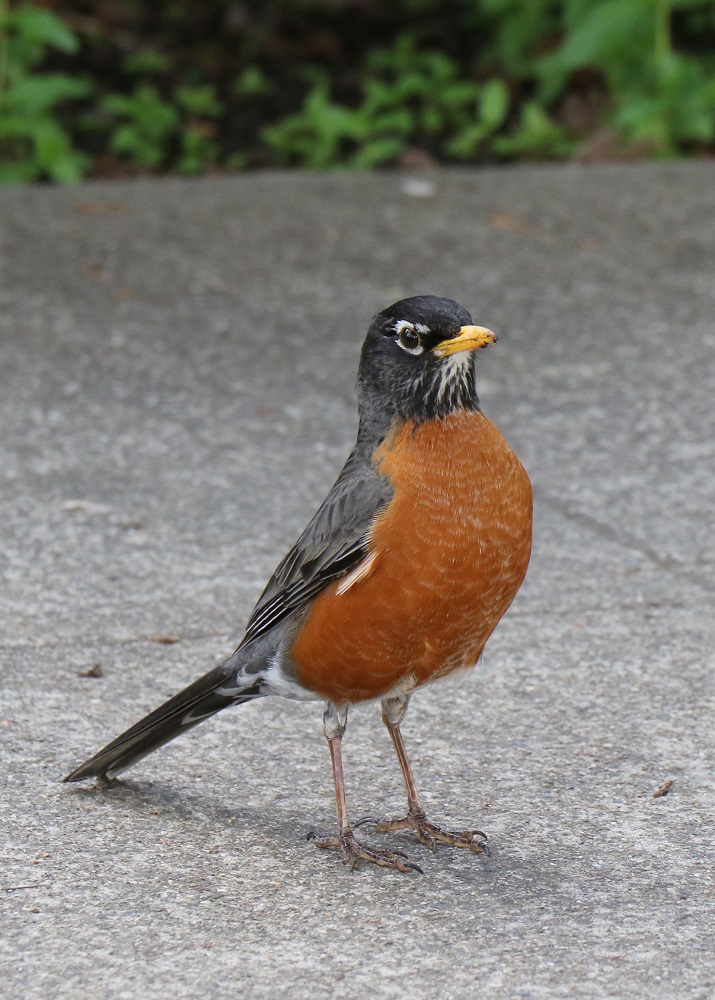
More robin pictures. I took these on Sunday, and the tree is the Douglas fir in my backyard.