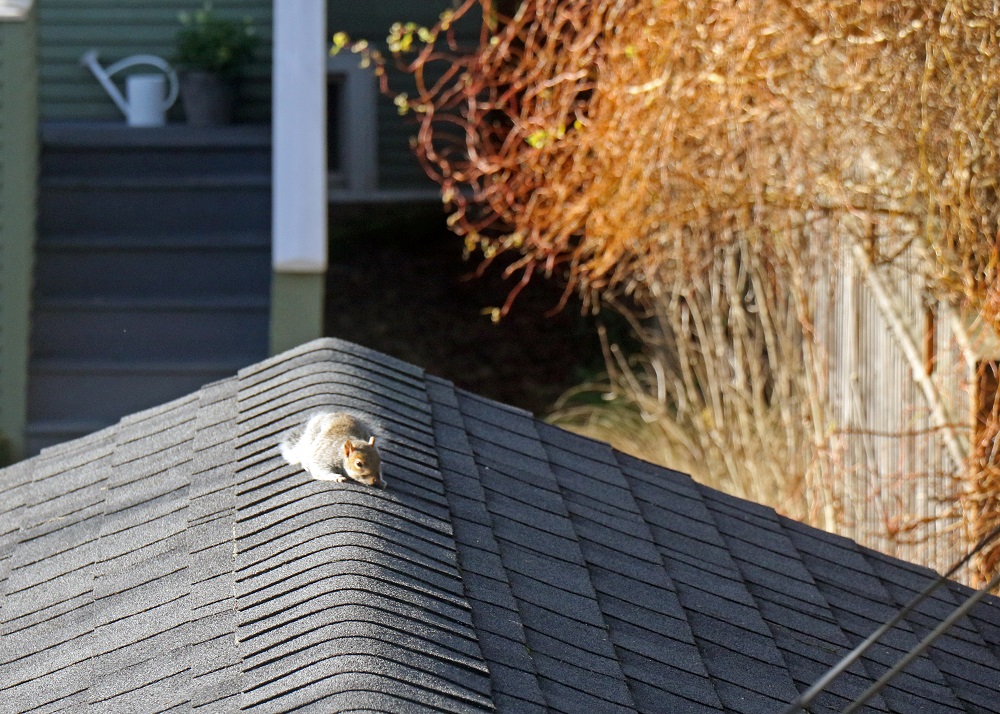
We had a few hours of blue sky & sun this morning (50 °F/ 10 °C).
Look at Mister Squirrel, catching a few rays from the ridge of my garage roof.
a weblog of whereabouts & interests, since 2010
We had a few hours of blue sky & sun this morning (50 °F/ 10 °C).
Look at Mister Squirrel, catching a few rays from the ridge of my garage roof.
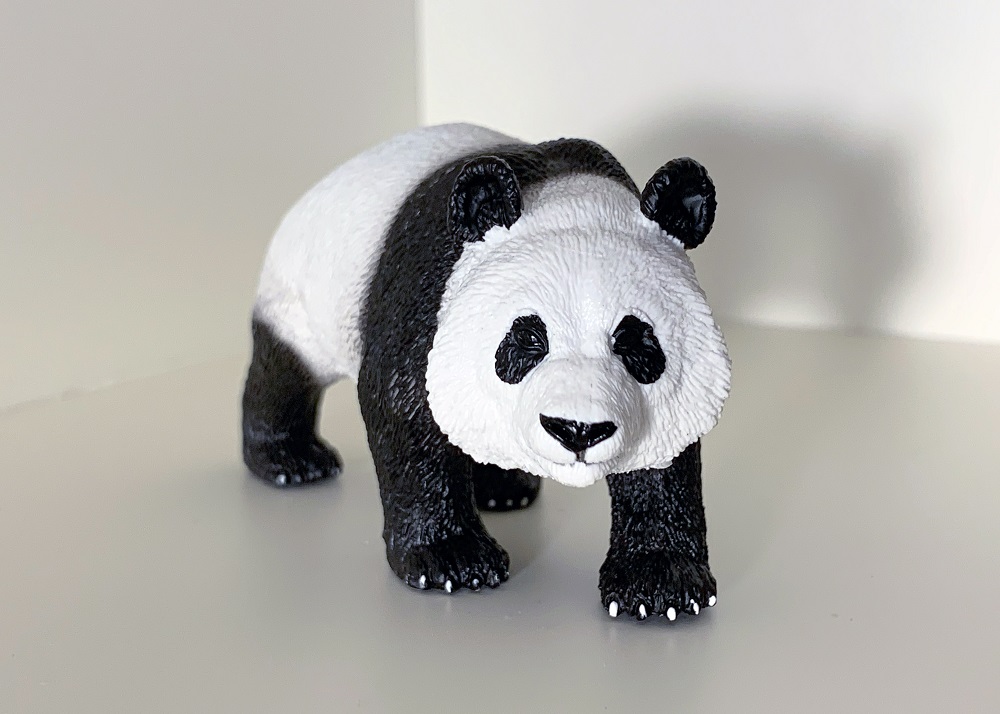
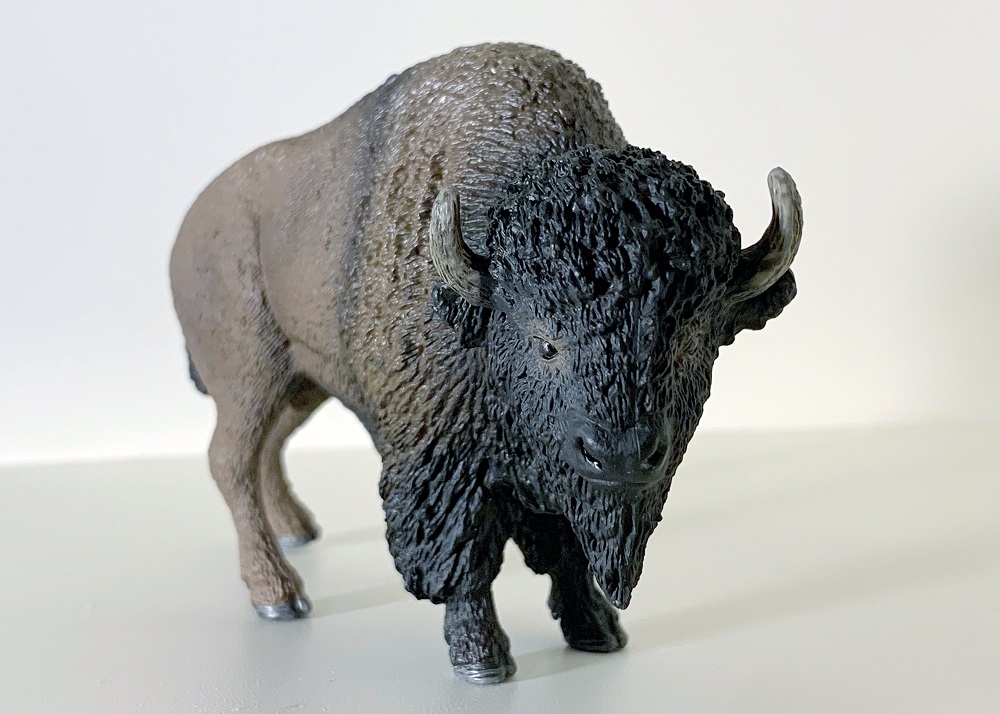
My shipment from Amazon Japan* has arrived: a chess set, which I will show later, and three animal figures to add to my collection.
*German international courier DHL picked the package up in Tokyo, flew it to their hub in Cincinnati, and then on to Seattle where it was put on the delivery truck. Yes, I know, I am a bad person. I should not burn fossil fuels to buy a product that is made from fossil fuels (plastic). Sorry.

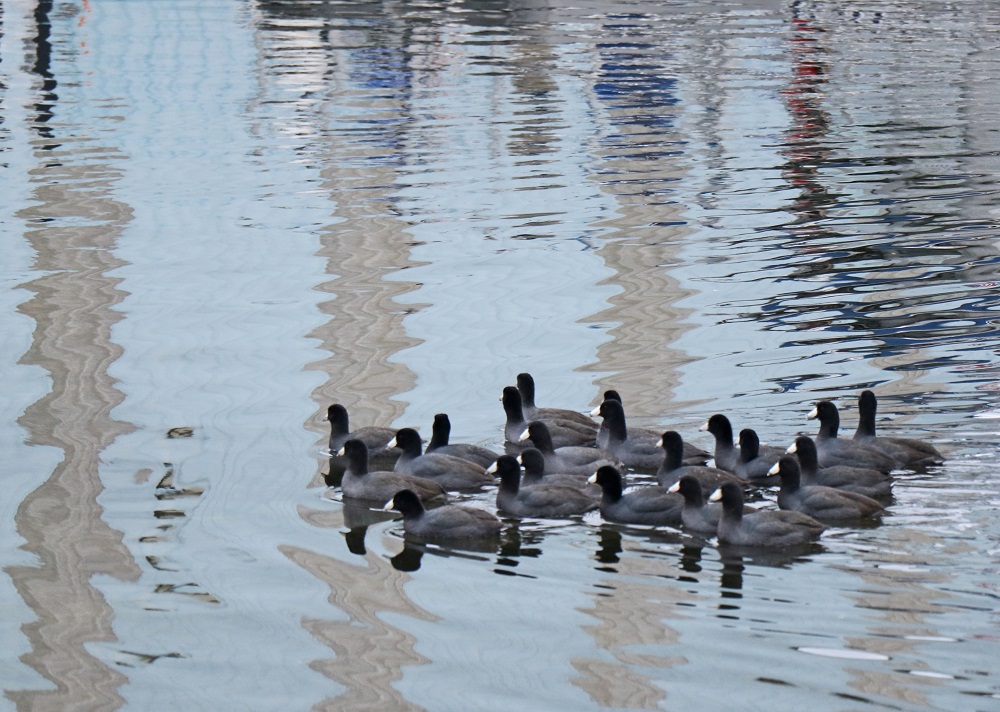
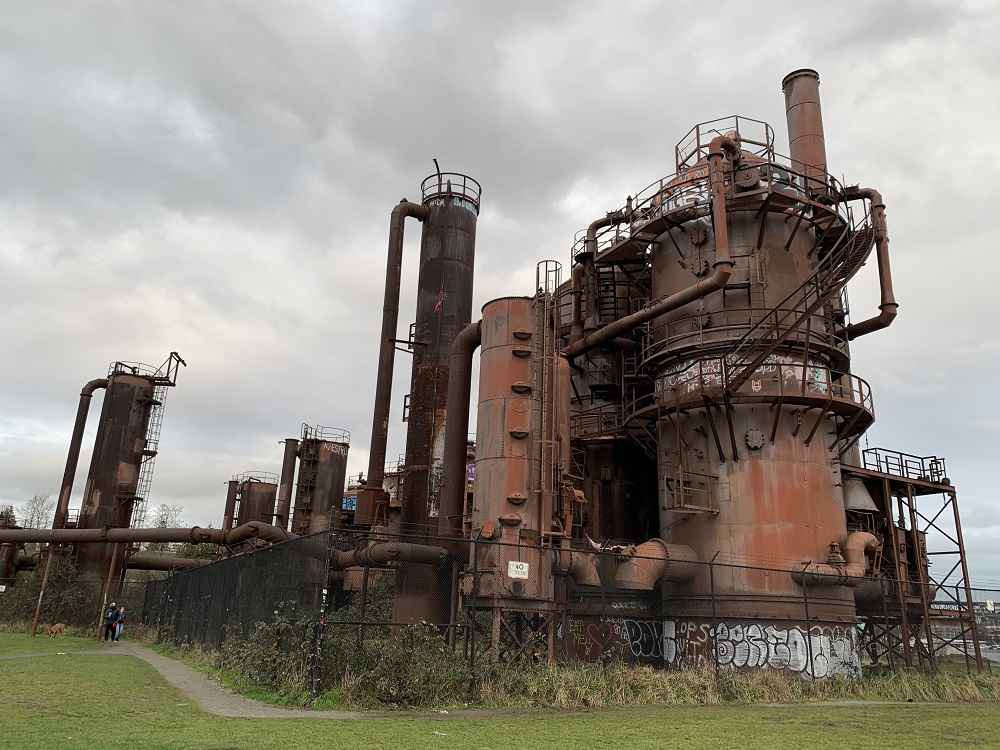
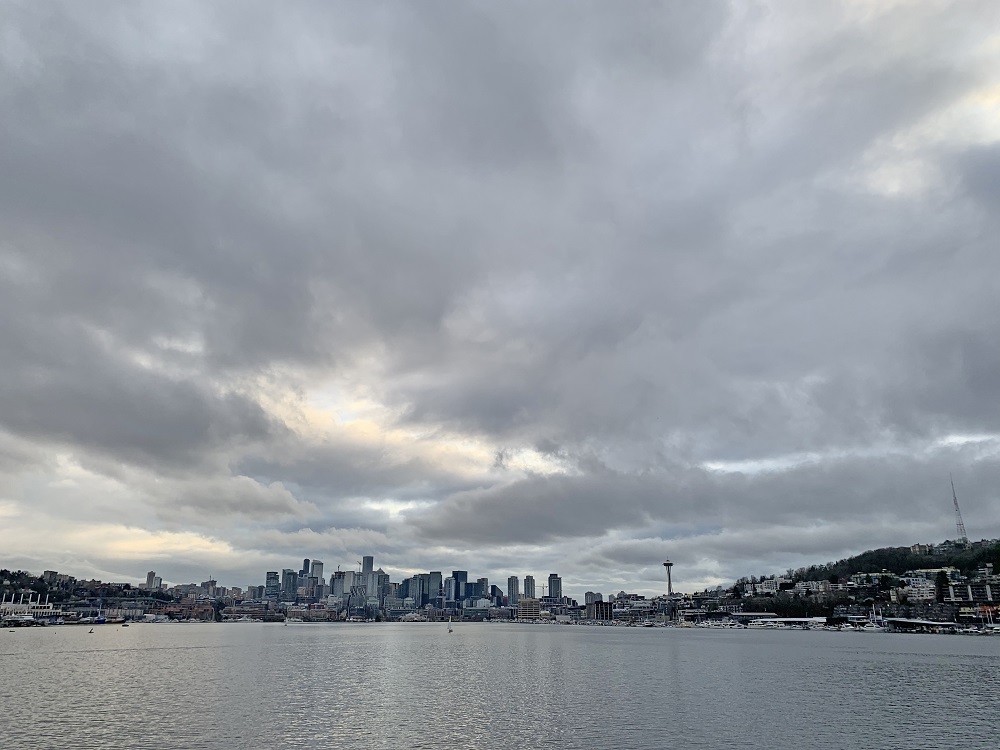
I felt like a change of scenery today for my walk, and went down to the Gas Works Park area on Lake Union.




It’s Caturday, as ailurophiles (cat lovers) like to say.

I took these pictures on Thursday, when there was a break in the rain.
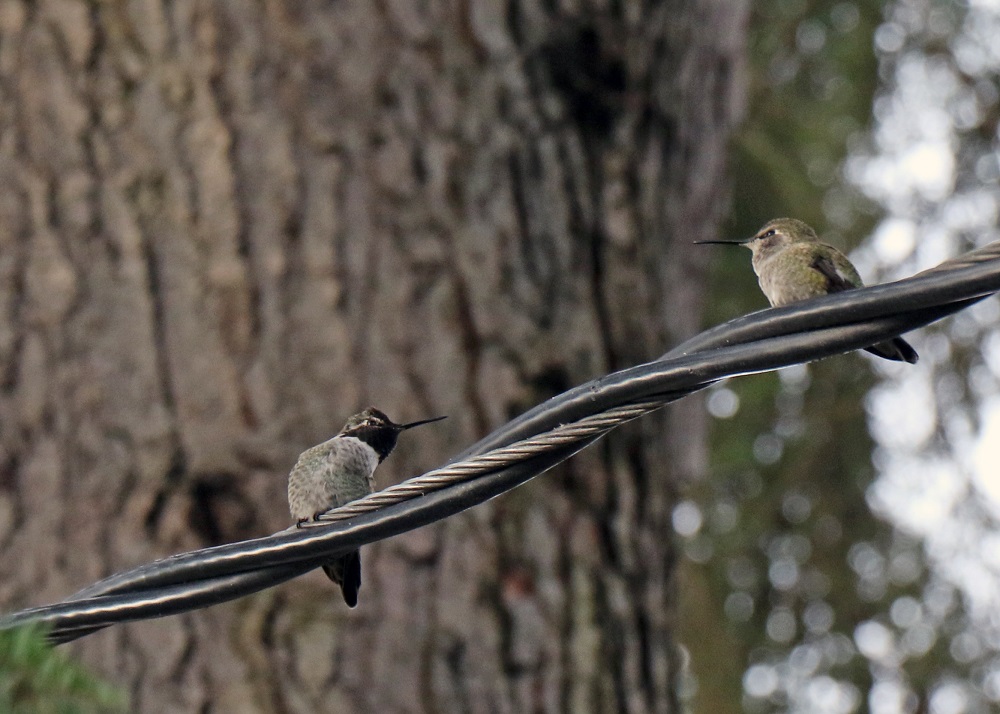
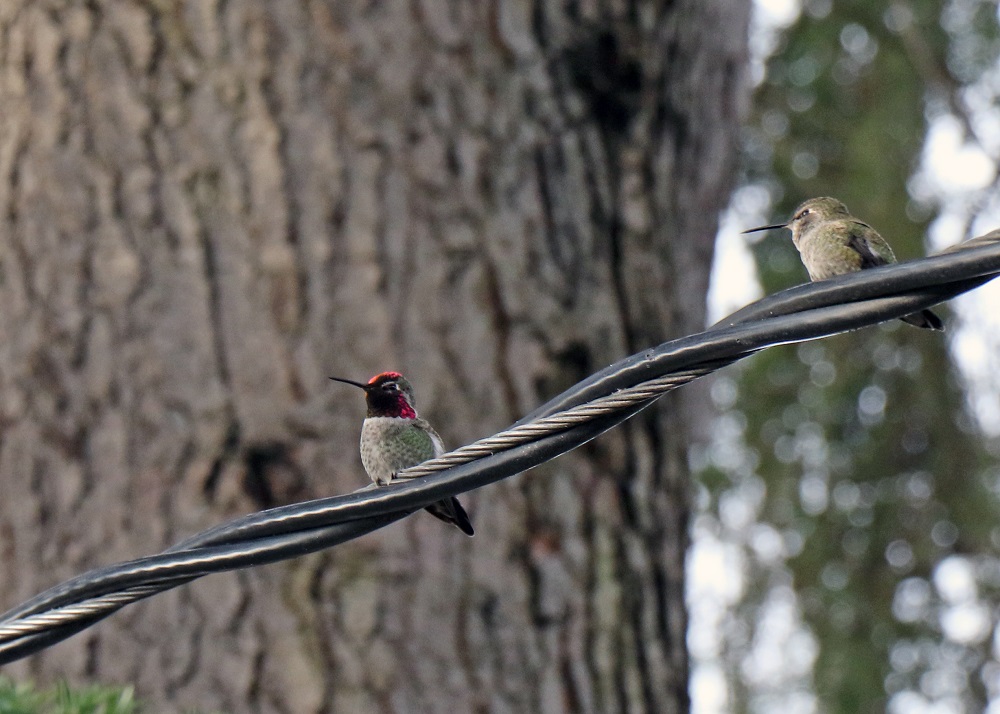
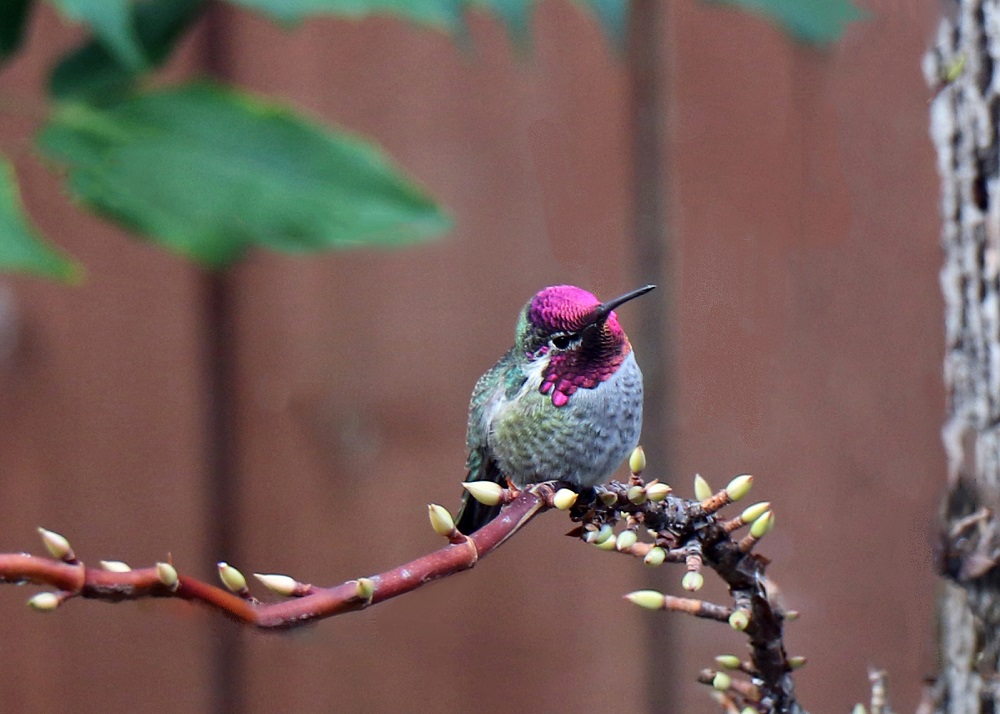
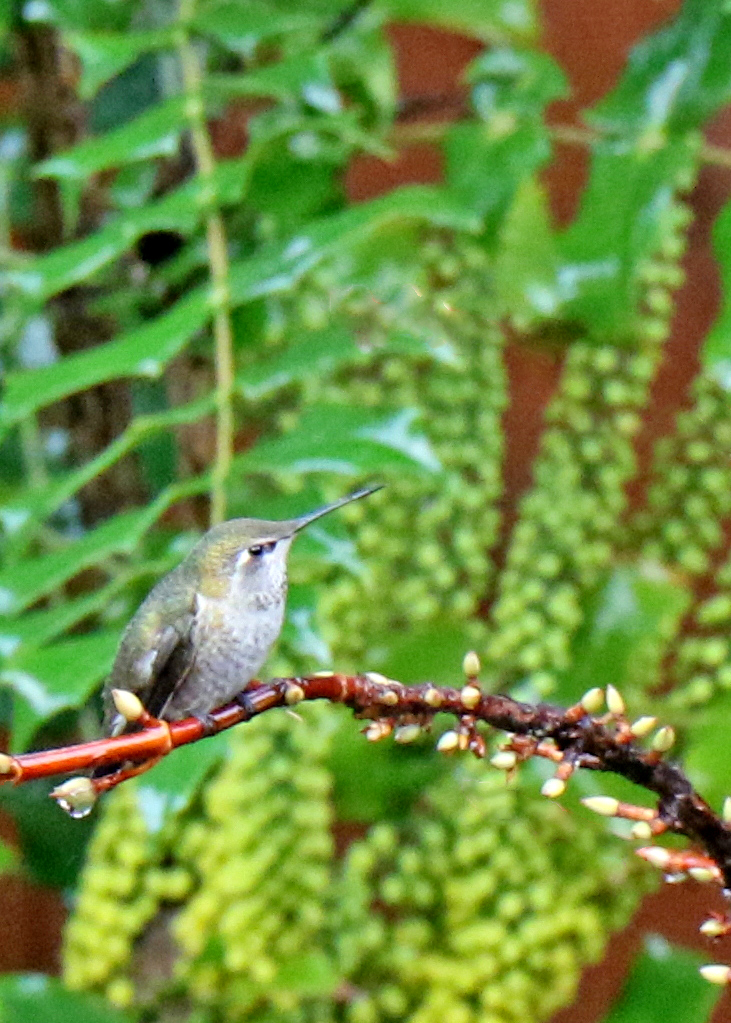
These are Anna’s hummingbirds (Calypte anna), medium-sized as hummingbirds go.
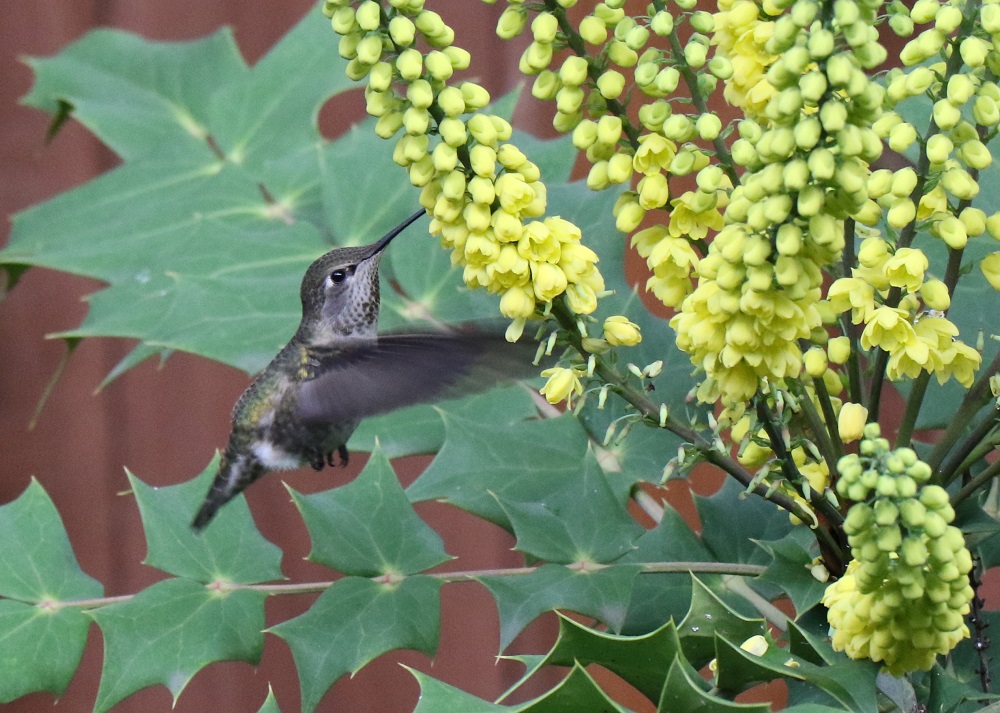
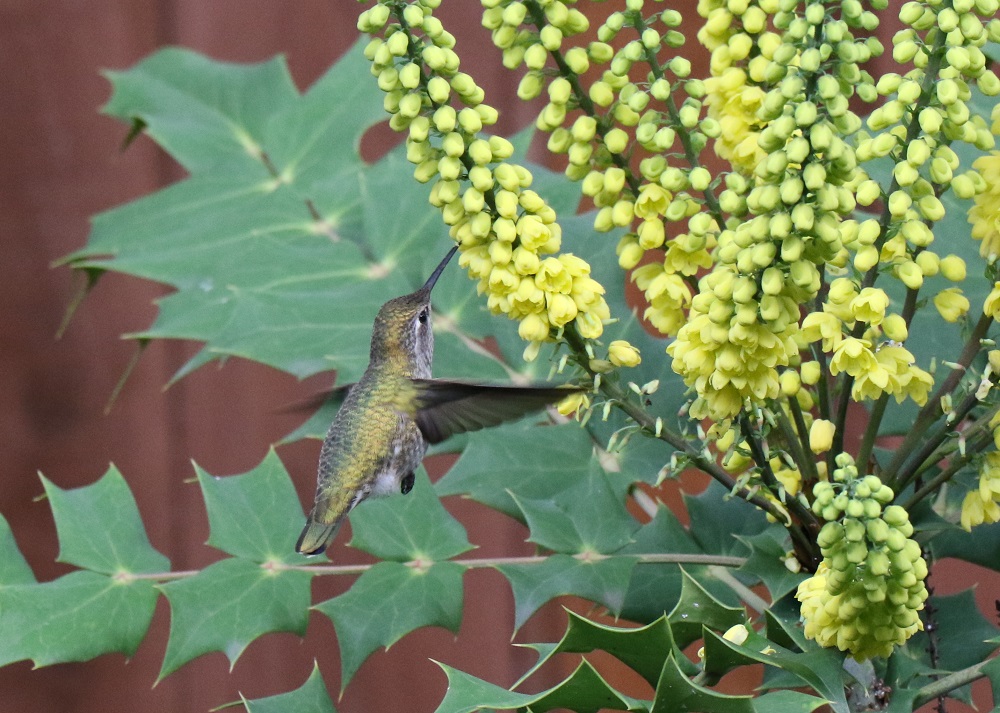
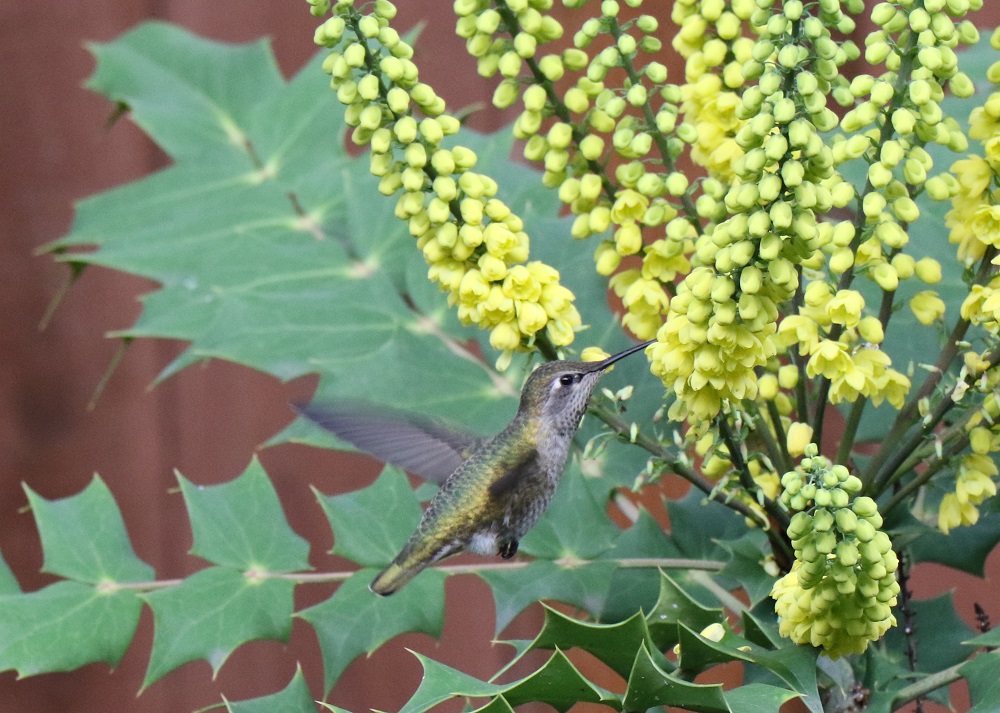
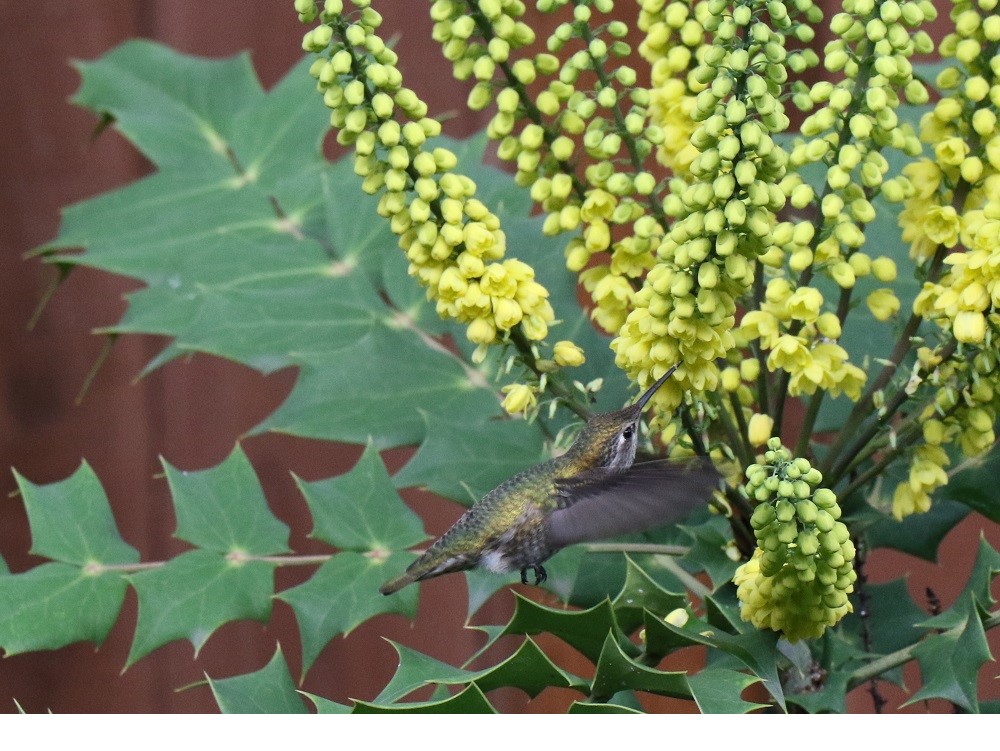
After they were done with the mahonia’s flowers, the little birds sat on the power cables that run into my house for a long time.
Their feathers are mostly green and gray. The male’s head and throat have feathers that light up in a stunning iridescent reddish-pink when the light strikes it at just the right angle.
It’s winter here in the North, officially.
The city has had plenty of rainy, windy weather yesterday and today (1.58 in. measured in 48 hrs at Seatac Airport’s gauge).
.. and hey! the snowflakes coming down in the mix tonight, formed a thin layer on my back deck.
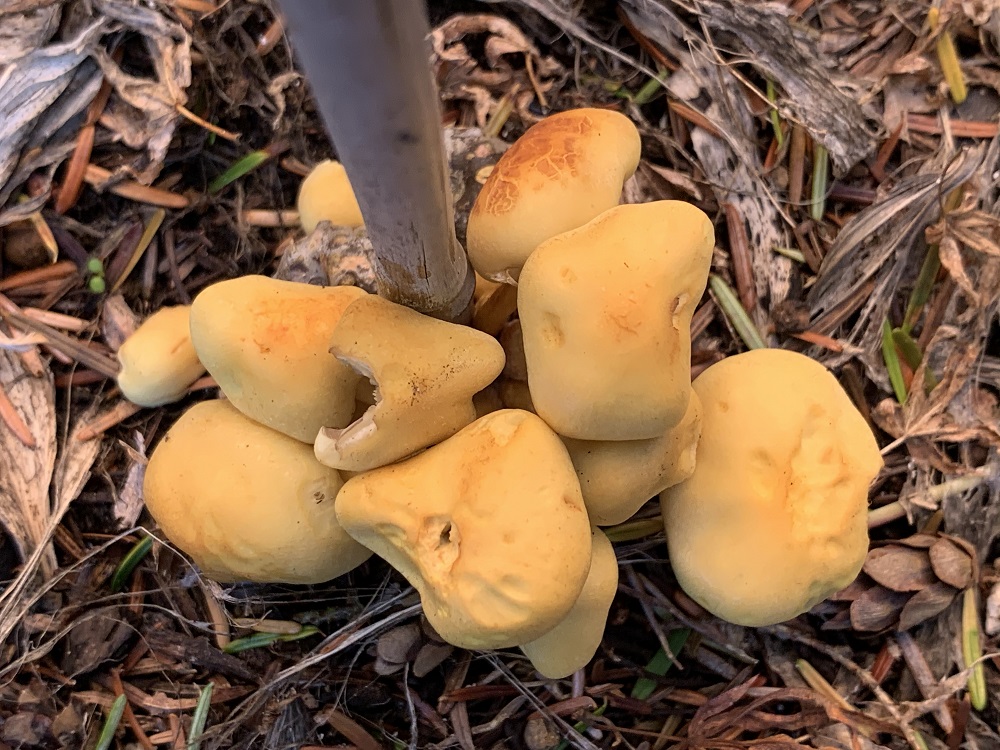
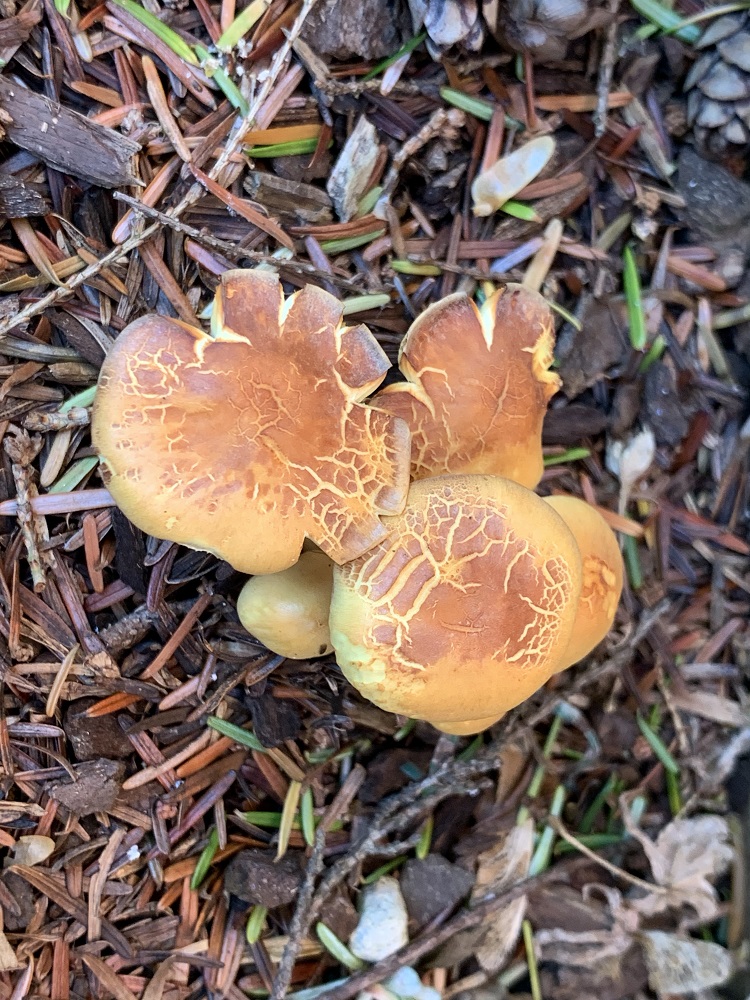
I did have a few of the large fly agaric mushrooms in my backyard in October (red with white spots), but they were not as big as last year’s.
I have not seen these golden ones before in my backyard, though. Looks like they are golden Pholiota (Pholiota aurivella). They are supposedly edible; some people report that they taste like marshmallows without the sugar.
(That does not sound tempting .. and as I’ve said before, the only mushrooms I eat are ones from the grocery store!).
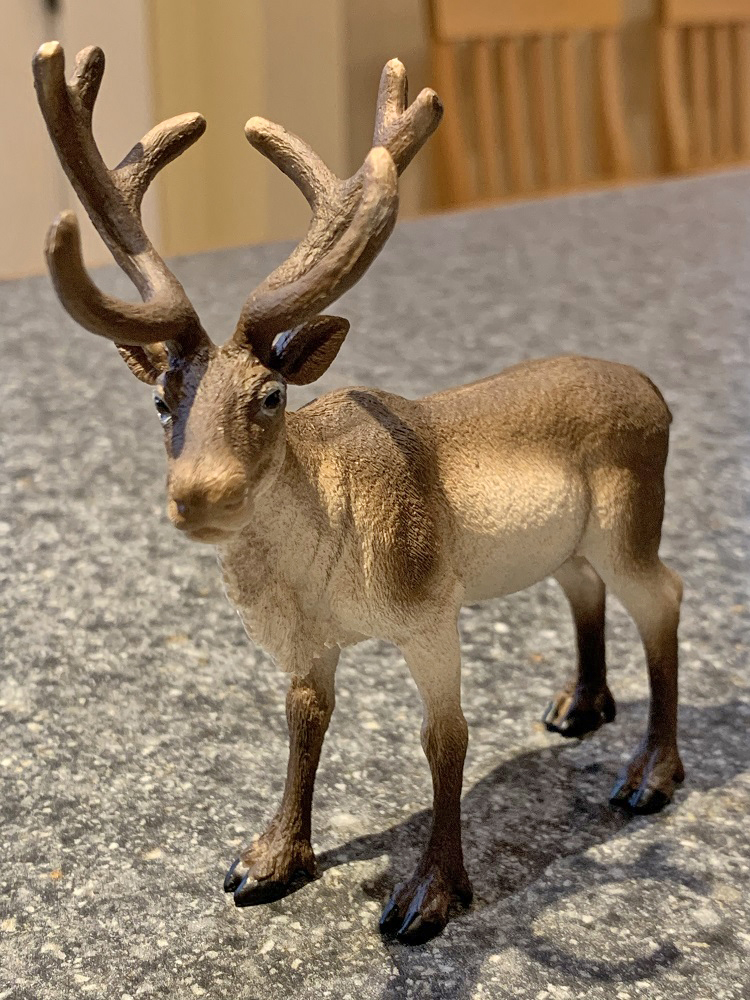
Behold the latest addition to my collection of Schleich animals: a reindeer (Rangifer tarandus). In North America, we call them caribou.
Some arctic regions still have huge migrating herds of reindeer. The Taimyr herd of migrating Siberian tundra reindeer (R. t. sibiricus) in Russia is the largest wild reindeer herd in the world, varying between 400,000 and 1,000,000 [from Wikipedia].
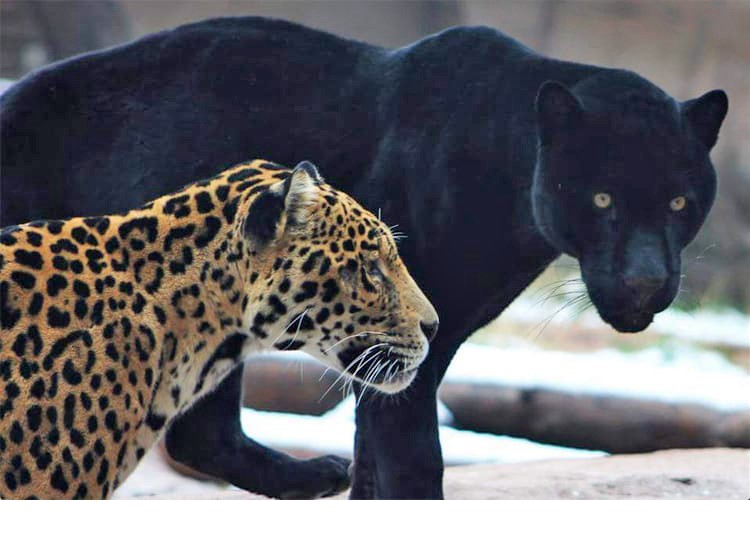 It’s National Cat Day. Yes, I know: these are not your garden variety house cats!
BeArizona, a popular wildlife park near the Grand Canyon, adopted these two jaguars in October 2018.
Nacho is the black one (melanistic) and Libre is the spotted one (rosette). They are brothers and will turn six years old on Tuesday, Nov. 3. Fancy that, the same day the presidency of the United States will be clawed back from The Orange Imposter.
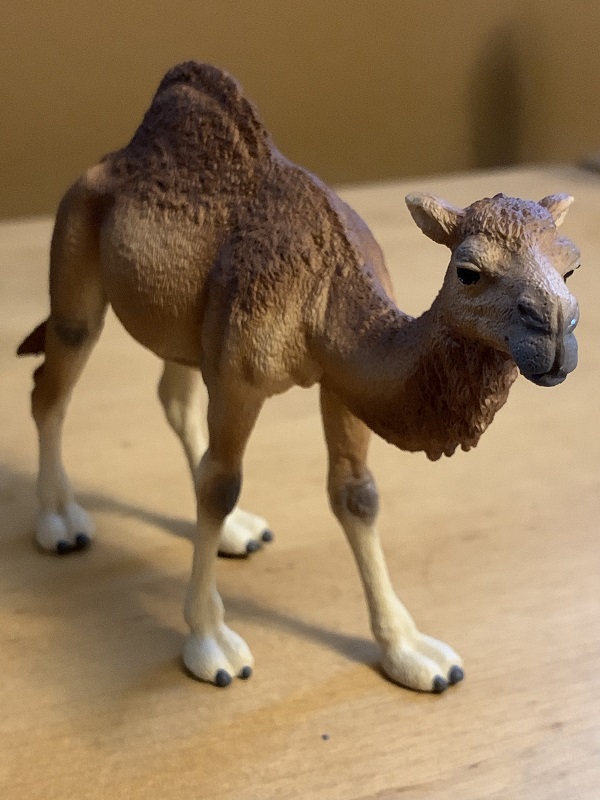
Oh, look! A dromedary had landed in my Amazon order of last week (for light bulbs, and a hub ethernet switch).
OK, I confess: I picked the camel and added it to my order. I needed to brighten up the shipment’s mundane content.
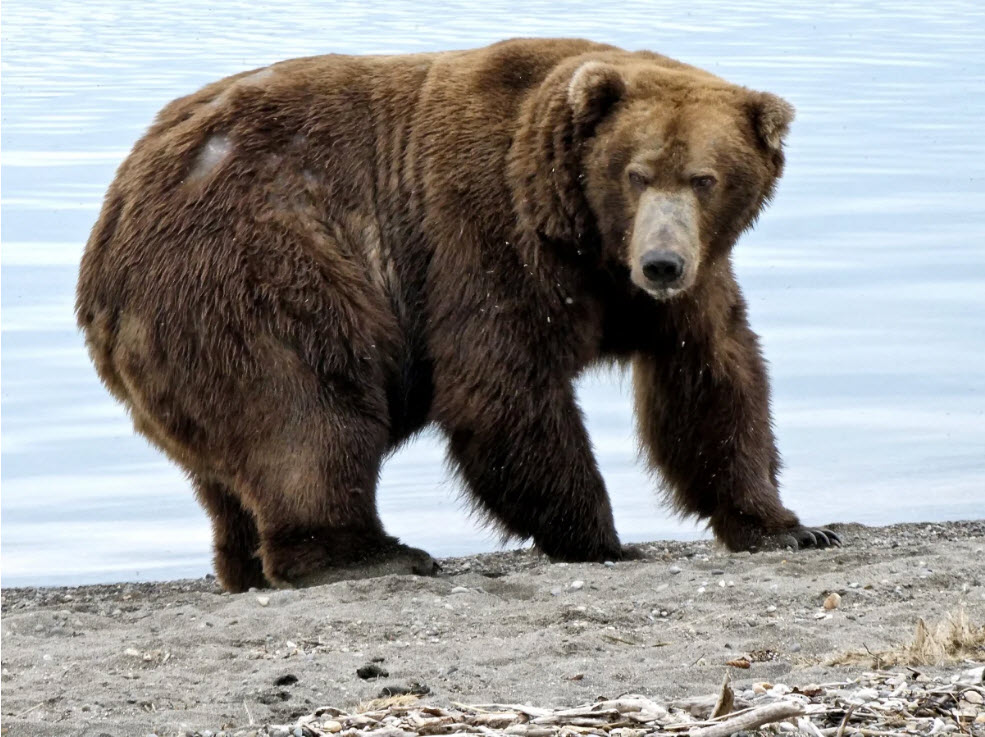
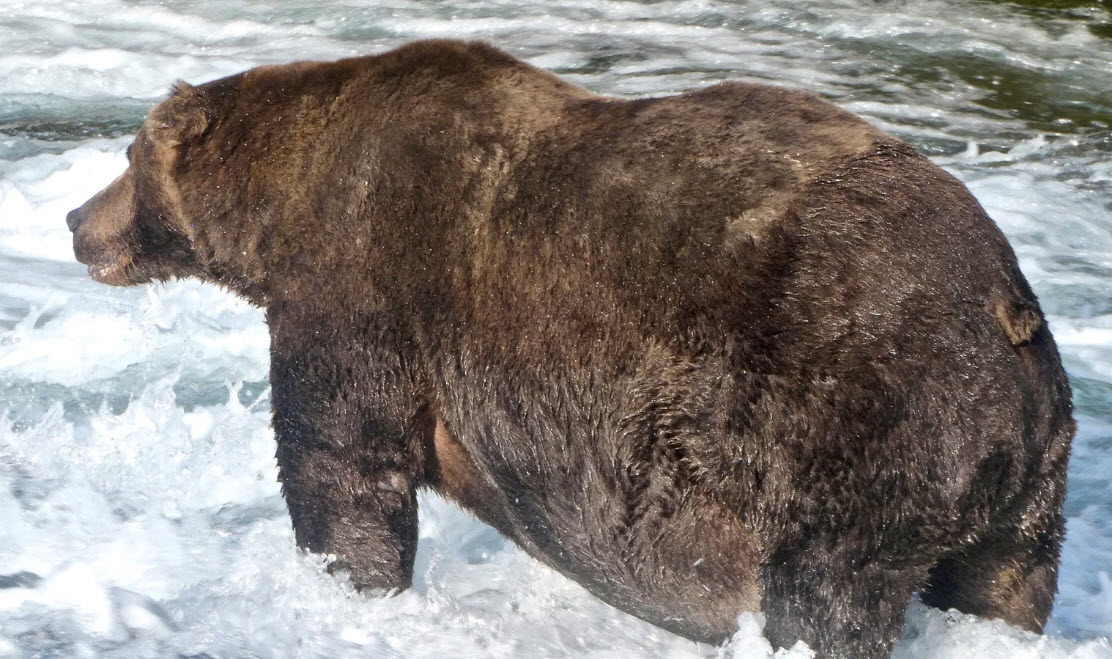
It’s Fat Bear week in Katmai National Park in Alaska, and the winner has been announced: Bear 747, nicknamed ‘Jumbo Jet’. Rangers post pictures of the bears online (just a handful of the more than 2,000 in the park), and fans get to cast a vote for Fattest Bear.
These last few weeks bears could gorge themselves one last time before winter sets in, on the salmon swimming upstream to spawn in the Brooks River, in Katmai National Park. Bears can lose up to 40% of their weight while hibernating through winter.
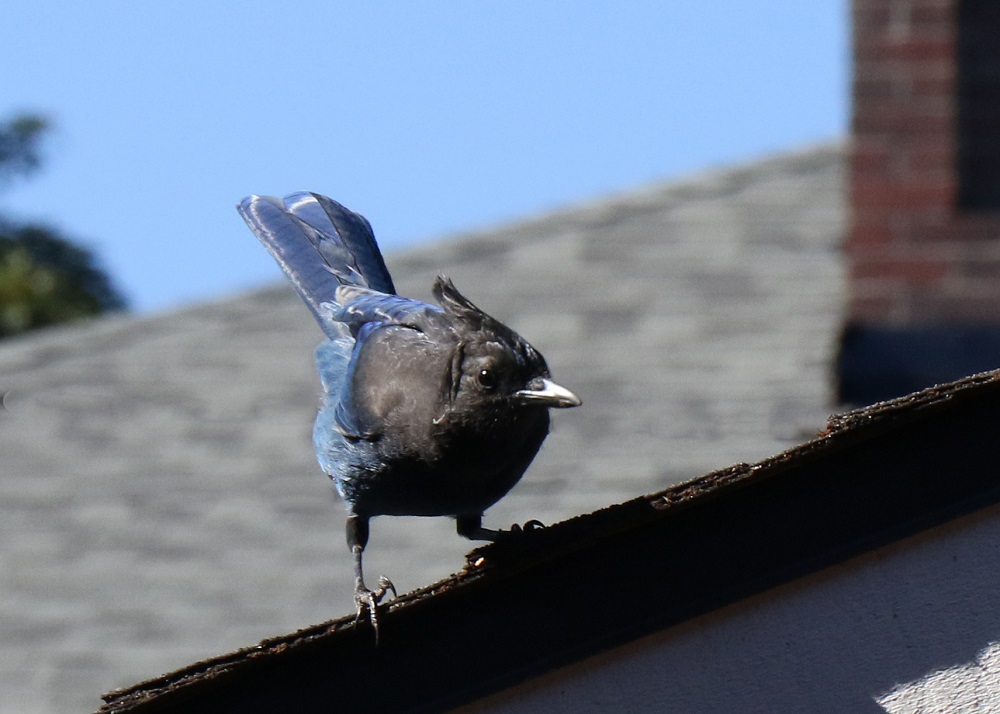
It was a beautiful fall day here with clear blue skies (72 °F/ 22 °C).
This Stellar’s jay (Cyanocitta stelleri) was in my laurel fence, and hopped onto my garage roof for just long enough, so that I could take a picture of it.
It’s the last day of summer here in the North.
Summer will swing by again next year, of course .. but for now we need the rain and cooler temperatures, so that the fires that still char up the West coast can be put out.
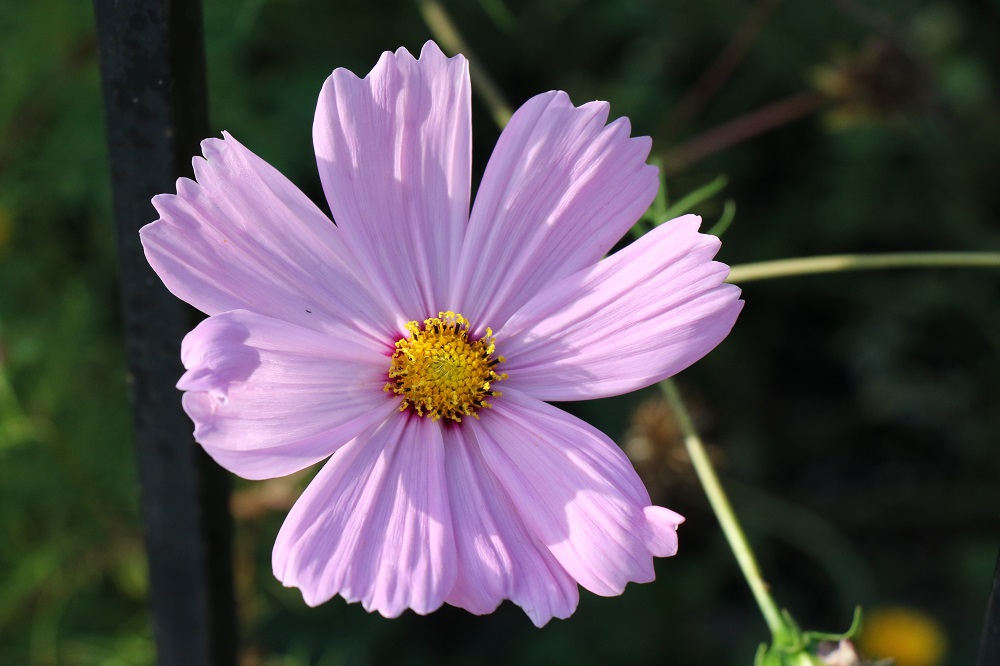
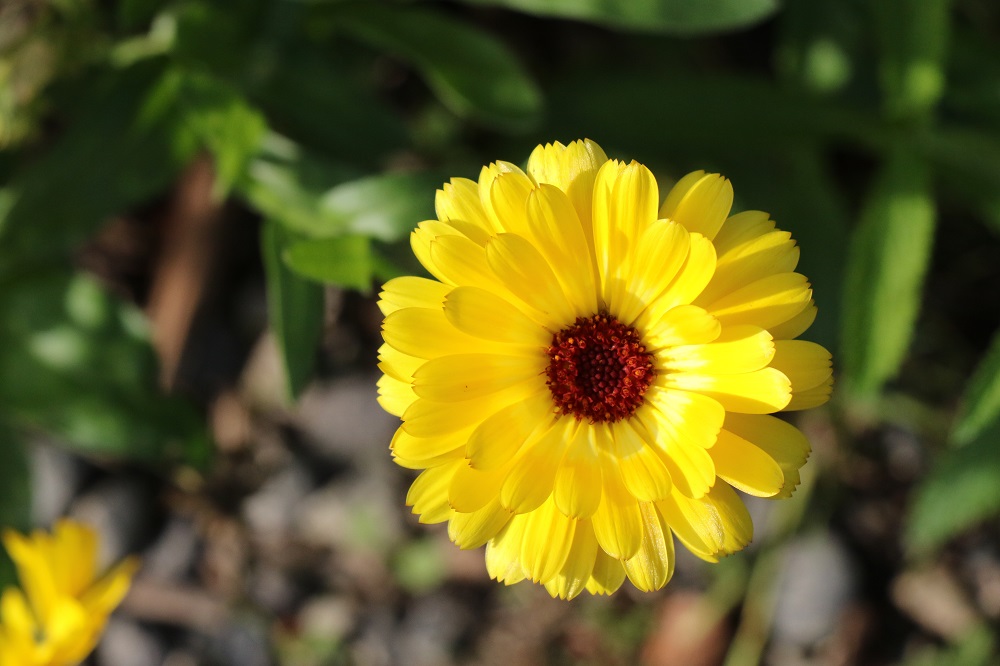
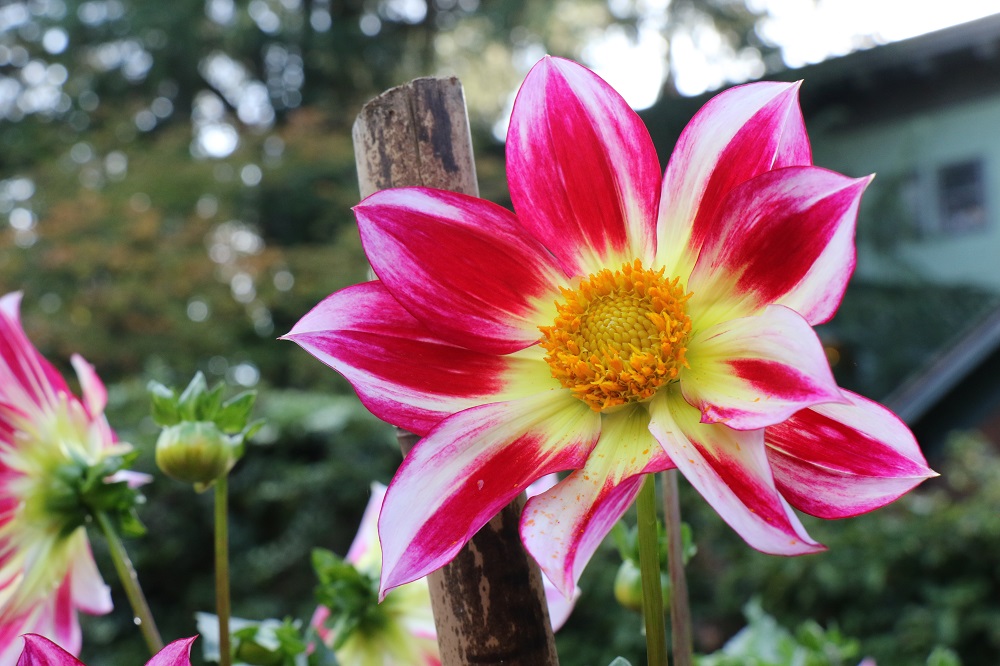
These flowers are from my walk yesterday.
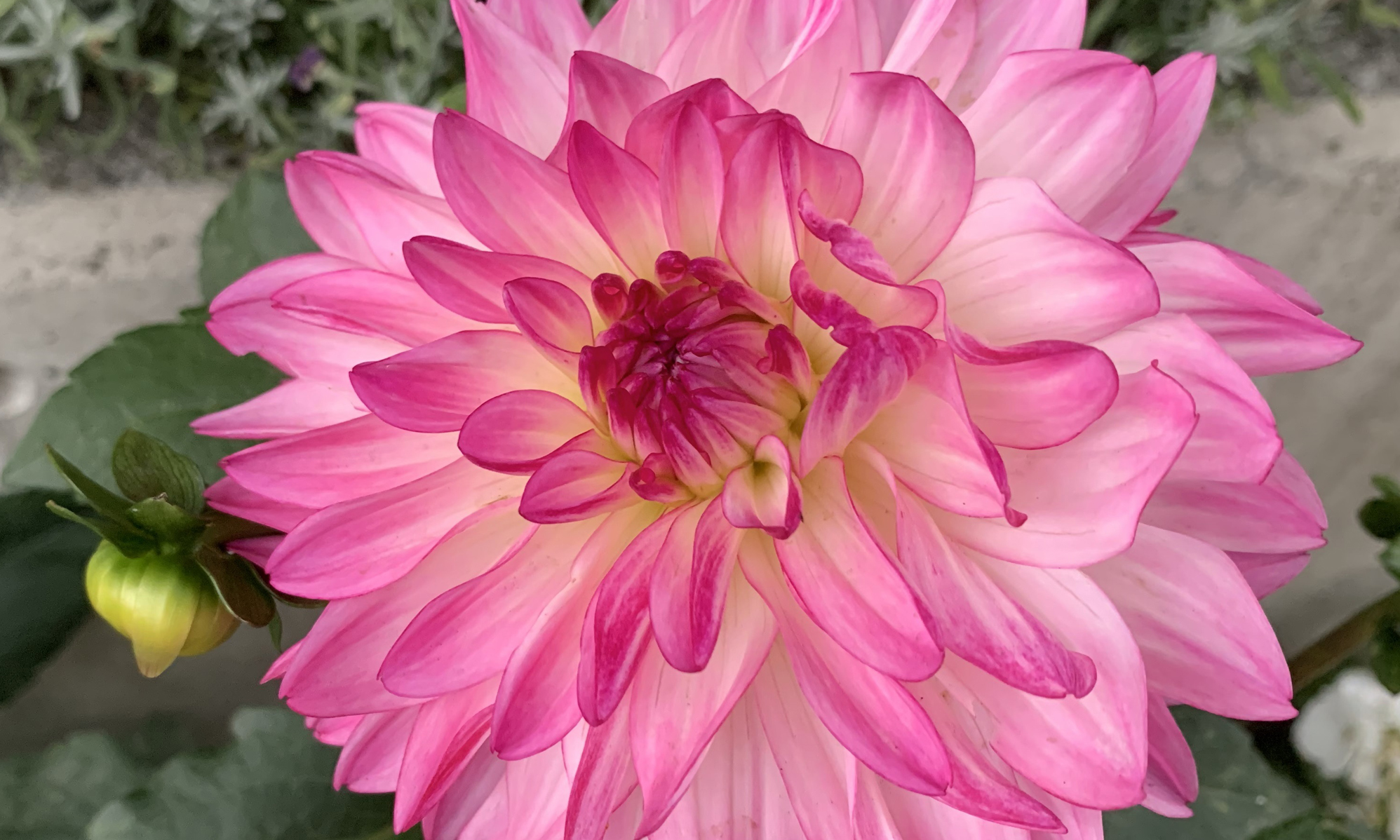
From top to bottom: garden cosmos, English marigold, African daisy and dahlia.
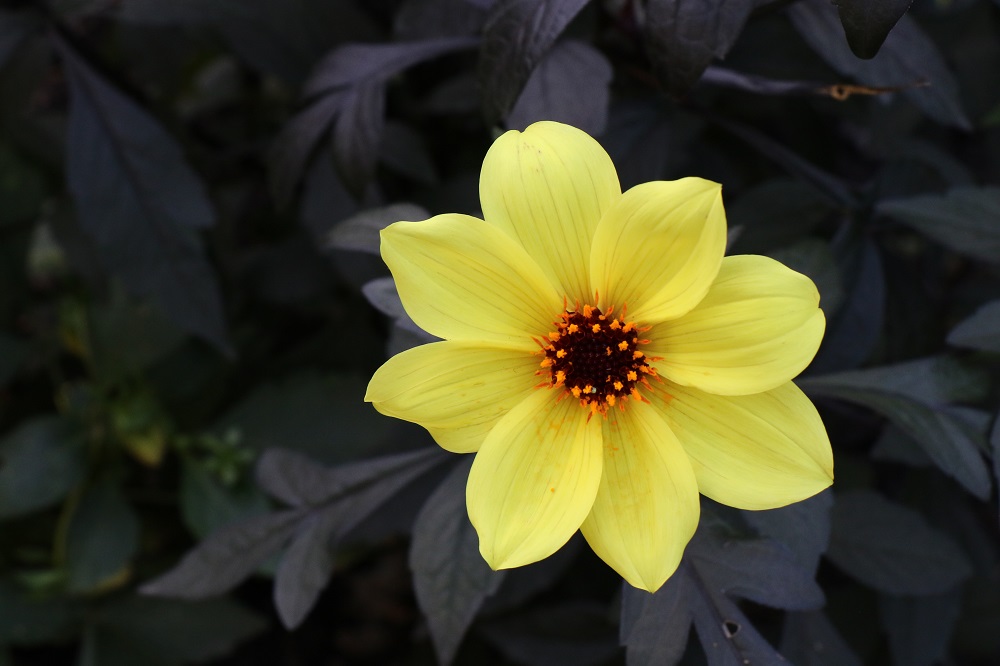
There was rain this morning, and more tonight, and the weather system that swept in from the Pacific, brought in fresh air as well.
Man! it’s great to be able to go outside and breathe clean air.
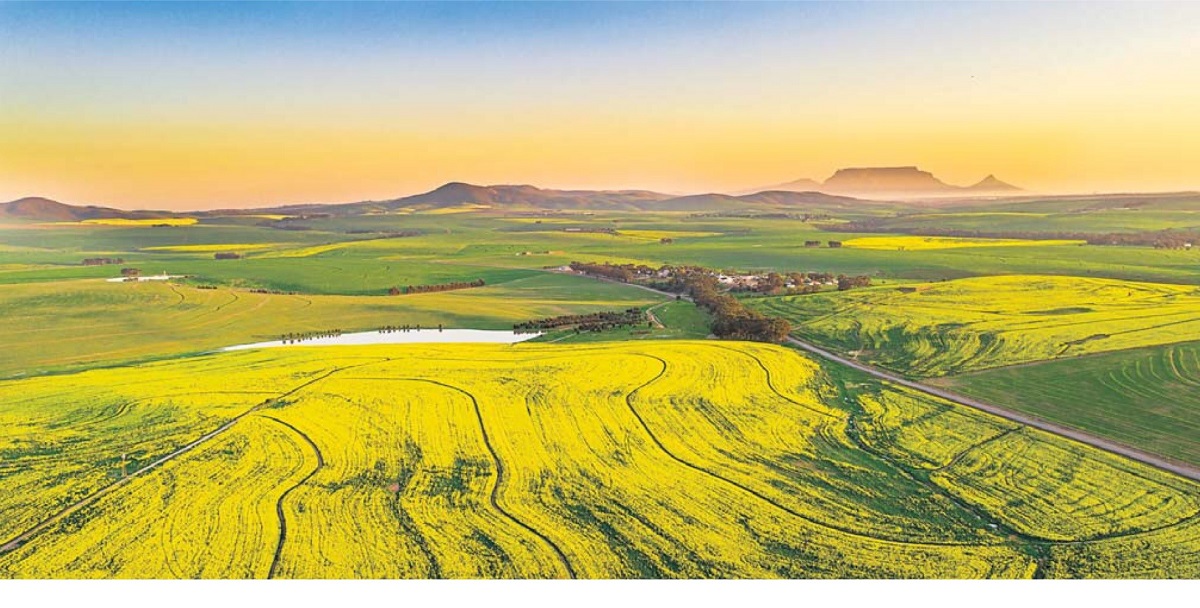 Here’s a beautiful bird’s eye* view of the canola fields just outside Durbanville, South Africa. Look for Table Mountain and Lion’s Head to its right, in the distance.
*Picture was taken with a DJI Mavic 2 Pro drone.
[Photo from ‘Die Burger’ newspaper, submitted by Dirkie Heydenrych]
‘Oh look! another month’
– Tweeted by @Twitter
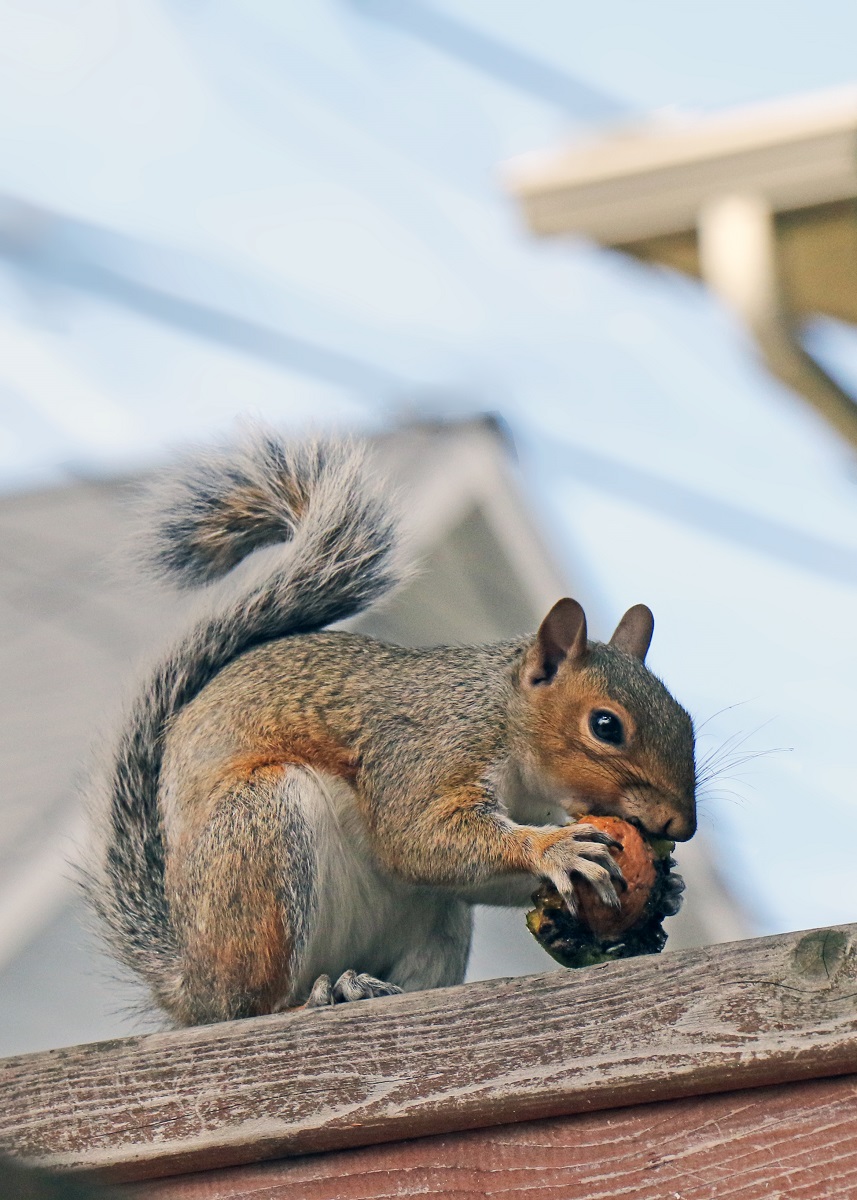
Mr Squirrel was sitting on my fence this morning, nibbling on a chunk of fruit from my neighbour’s tree.
There was a little welcome rain this morning, with mild highs later on (70 °F/ 21 °C).
There was nary a cloud in the blue sky today, and at Seattle-Tacoma Airport a high of 94°F (34.5 °C) was recorded.

It’s going to be warm (for Seattle, that is) this week — 87 °F (30.5 °C) on Monday, and slightly cooler on Tuesday.