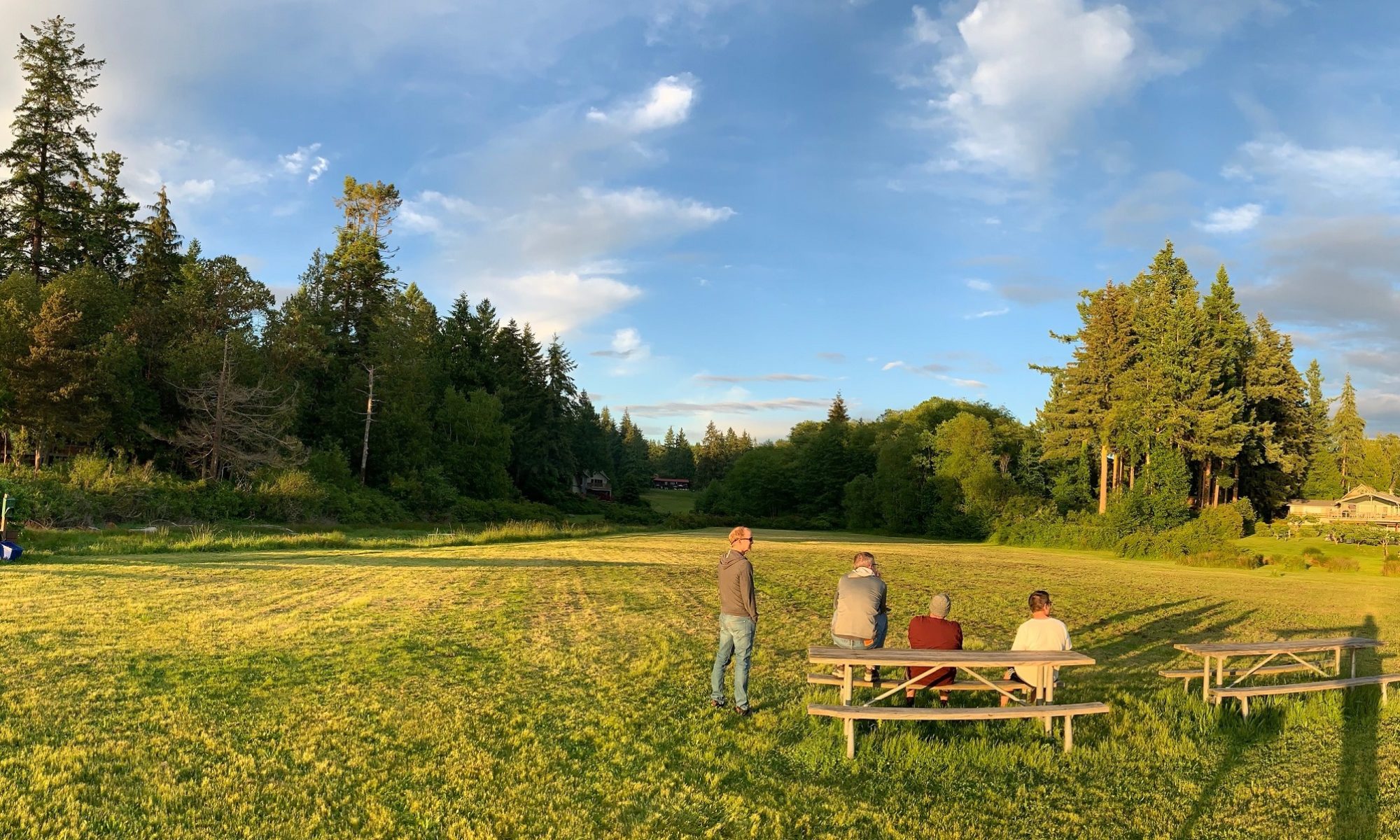
Monday/ Martin Luther King Day ☀️

Happy MLK Day.
It was one of those Mondays that felt like a Sunday. It was bright and sunny today here in the city, with a high of 50 °F (10 °C).

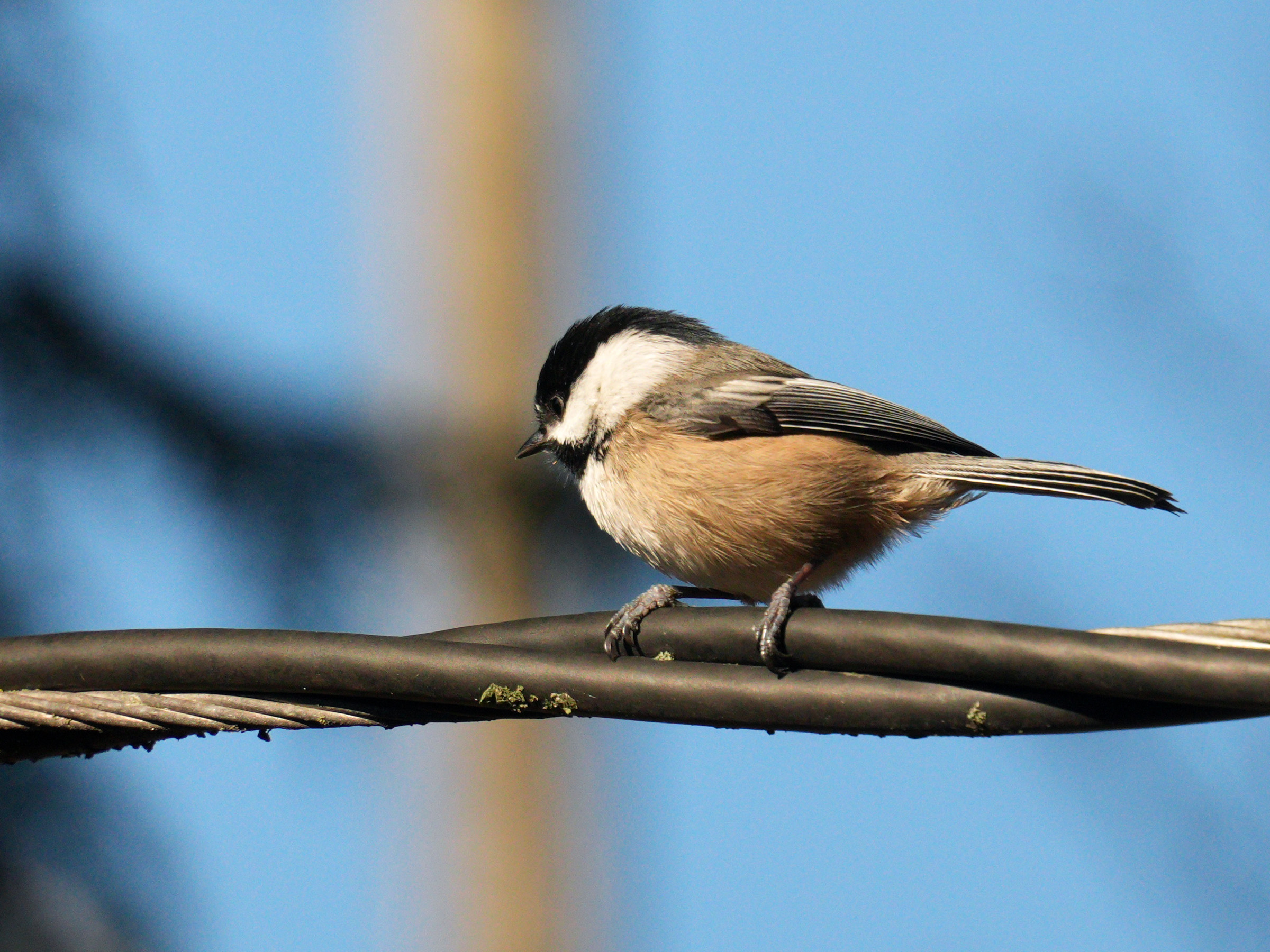
Here’s a little black-capped chickadee (Poecile atricapillus) that I caught outside on the power line. These are small songbirds, well-known for their distinctive black caps and bibs, white cheeks, and gray and white body.

Friday/ an orca show 🦈

Manuel Valdes writes for The Associated Press:
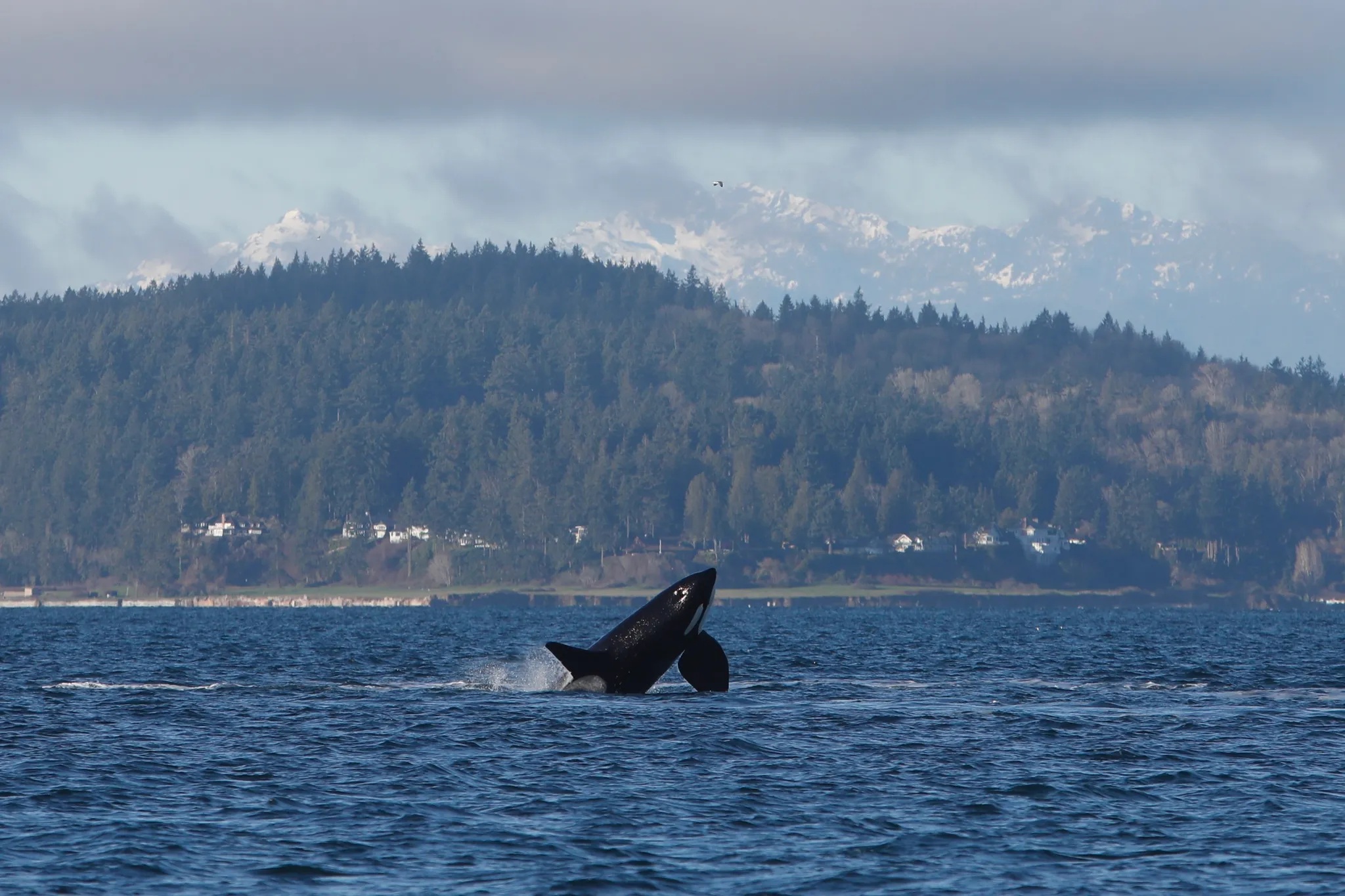
With breaches and tail slapping, a pod of orcas put on a show near Seattle on Friday.
The close encounter attracted dozens of people to the shore of the West Seattle neighborhood. Whale watchers identified the pod as Bigg’s killer whales, a group that hunts sea mammals and lives in the Salish Sea. The pod was seemingly hunting.

An orca whale breaches the surface of the water off Seattle on Friday, Jan. 16, 2026. The whale was part of a pod that swam by the West Seattle neighborhood, attracting onlookers to shore.
[AP Photo/Manuel Valdes]

Tuesday/ เกาะสมุย Koh Samui, Thailand 🇹🇭

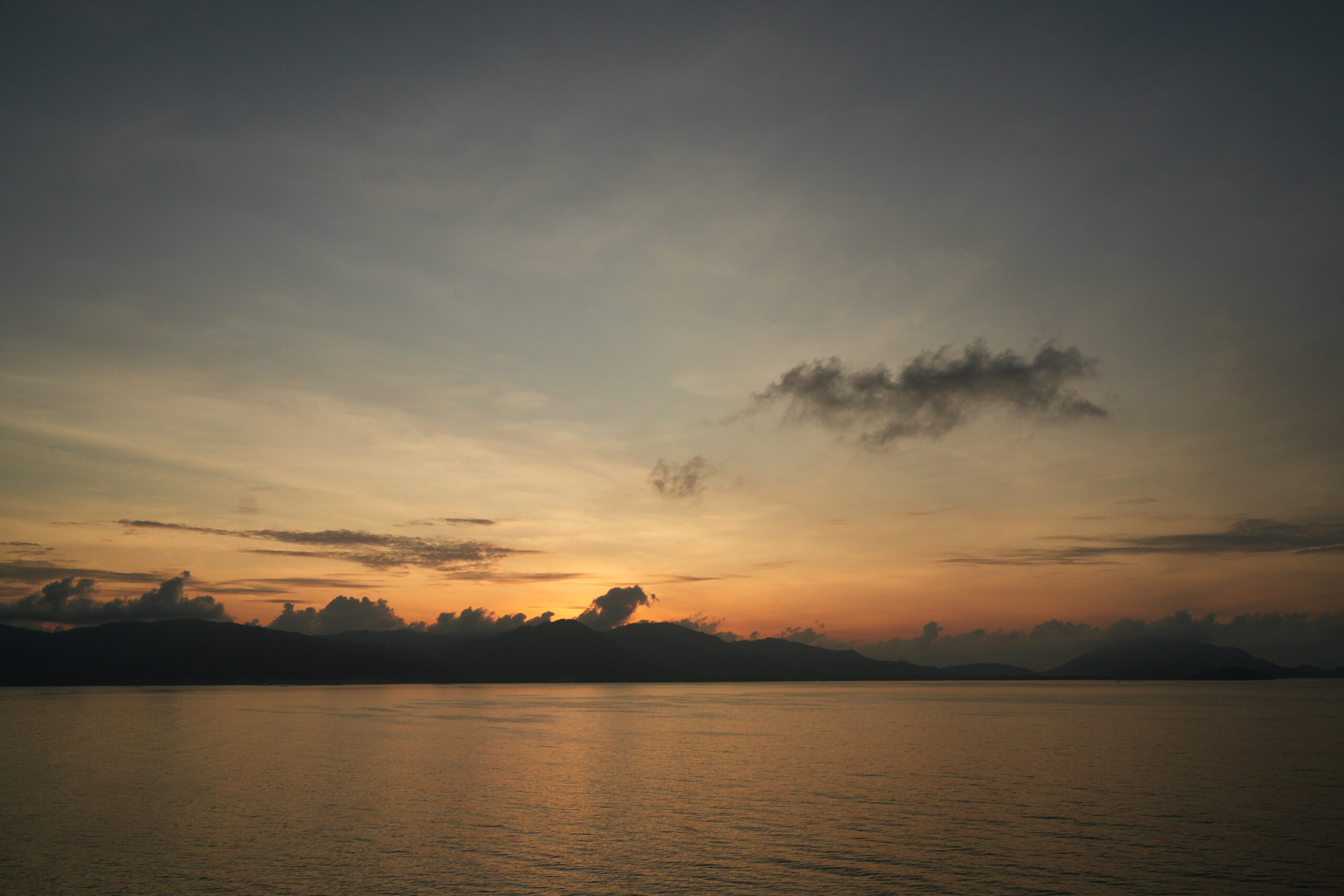
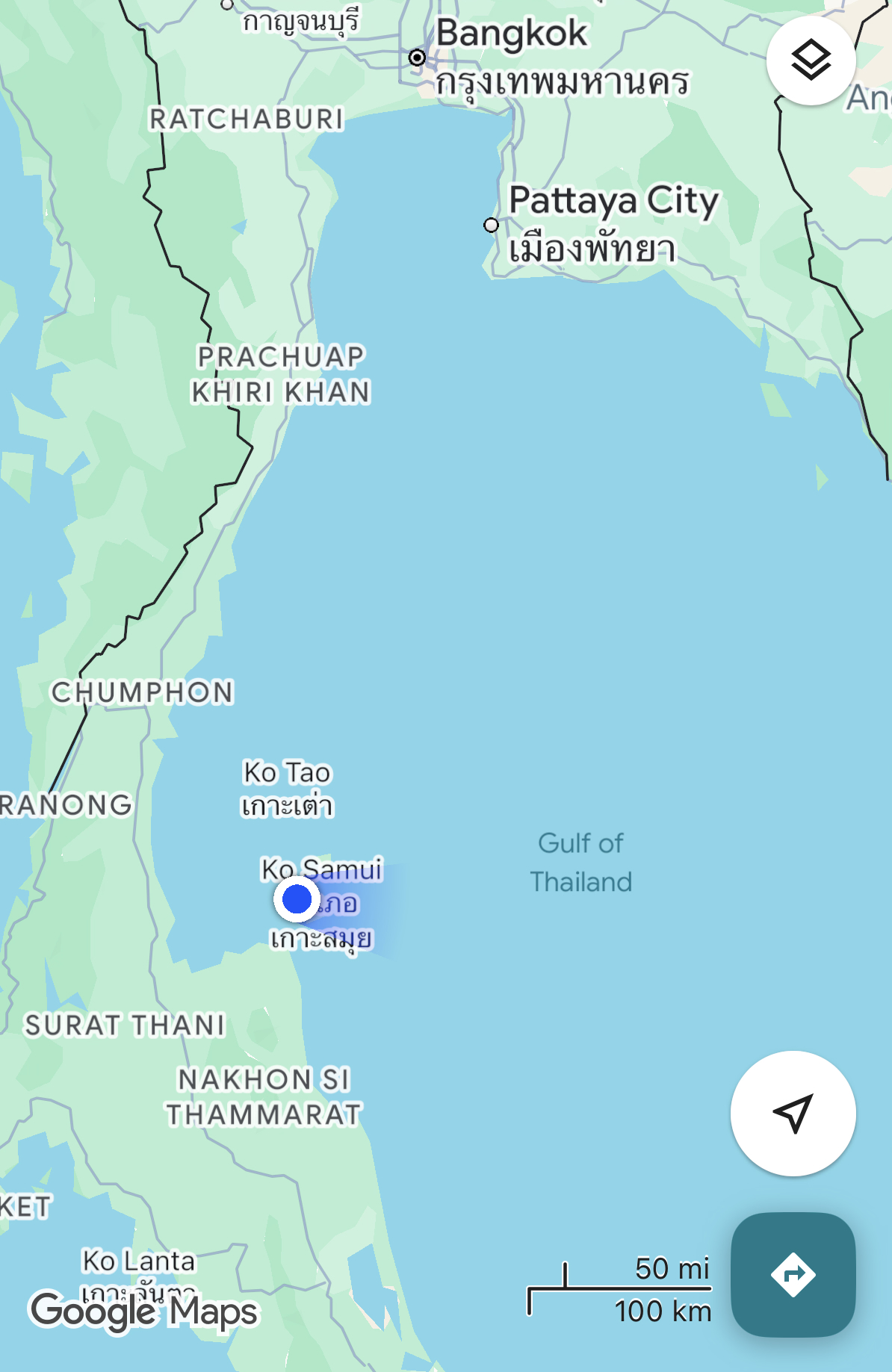
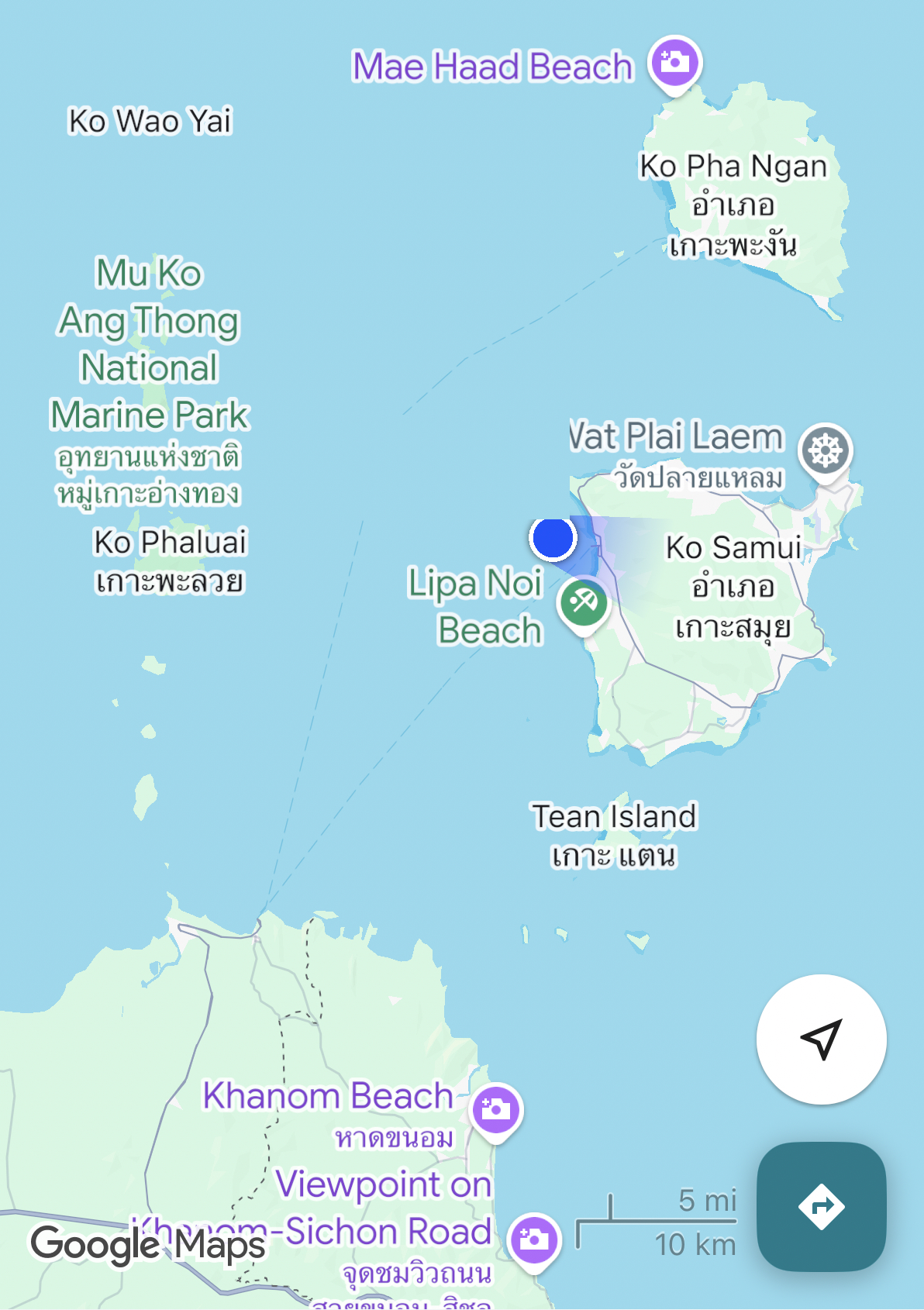
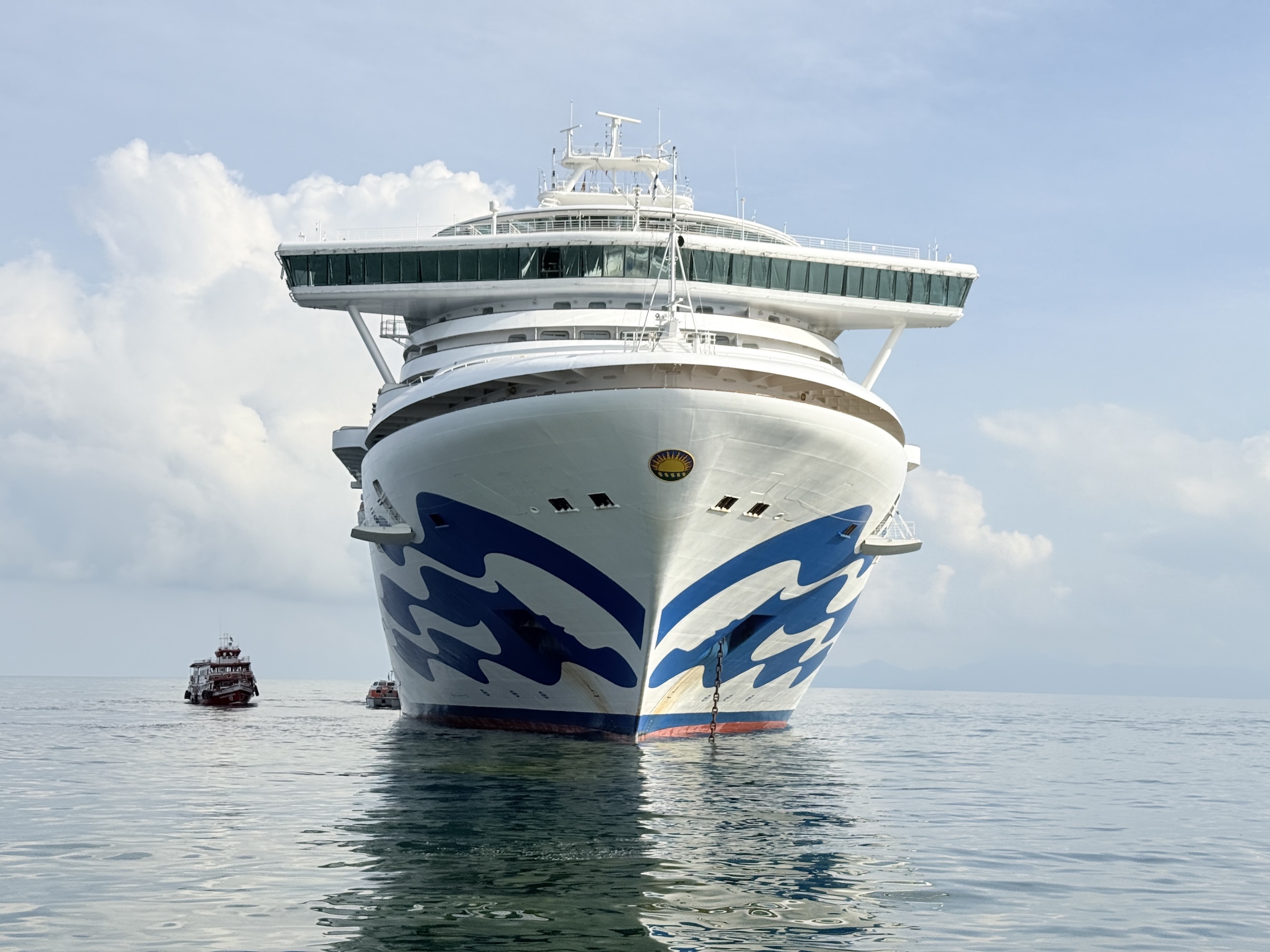
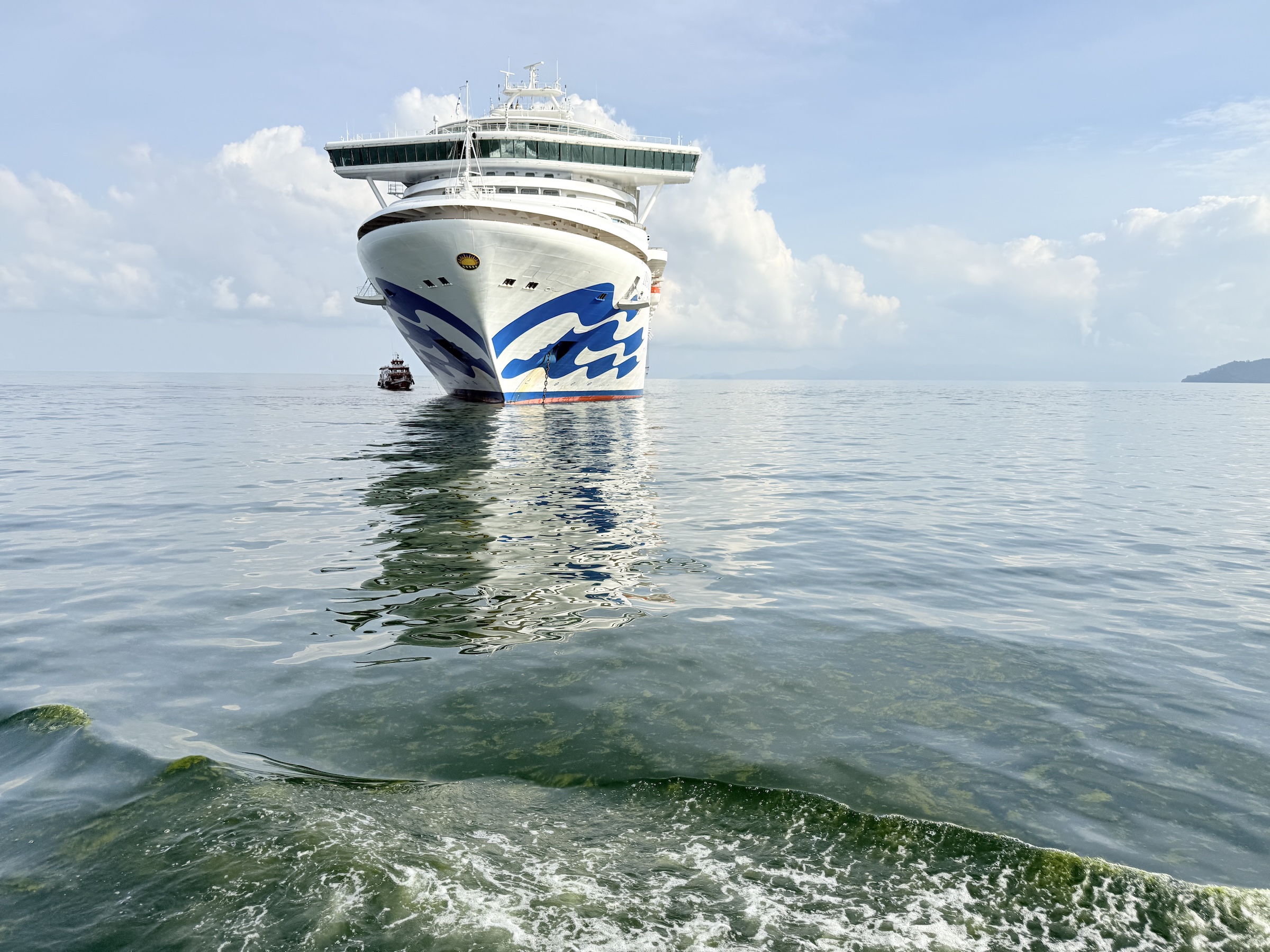
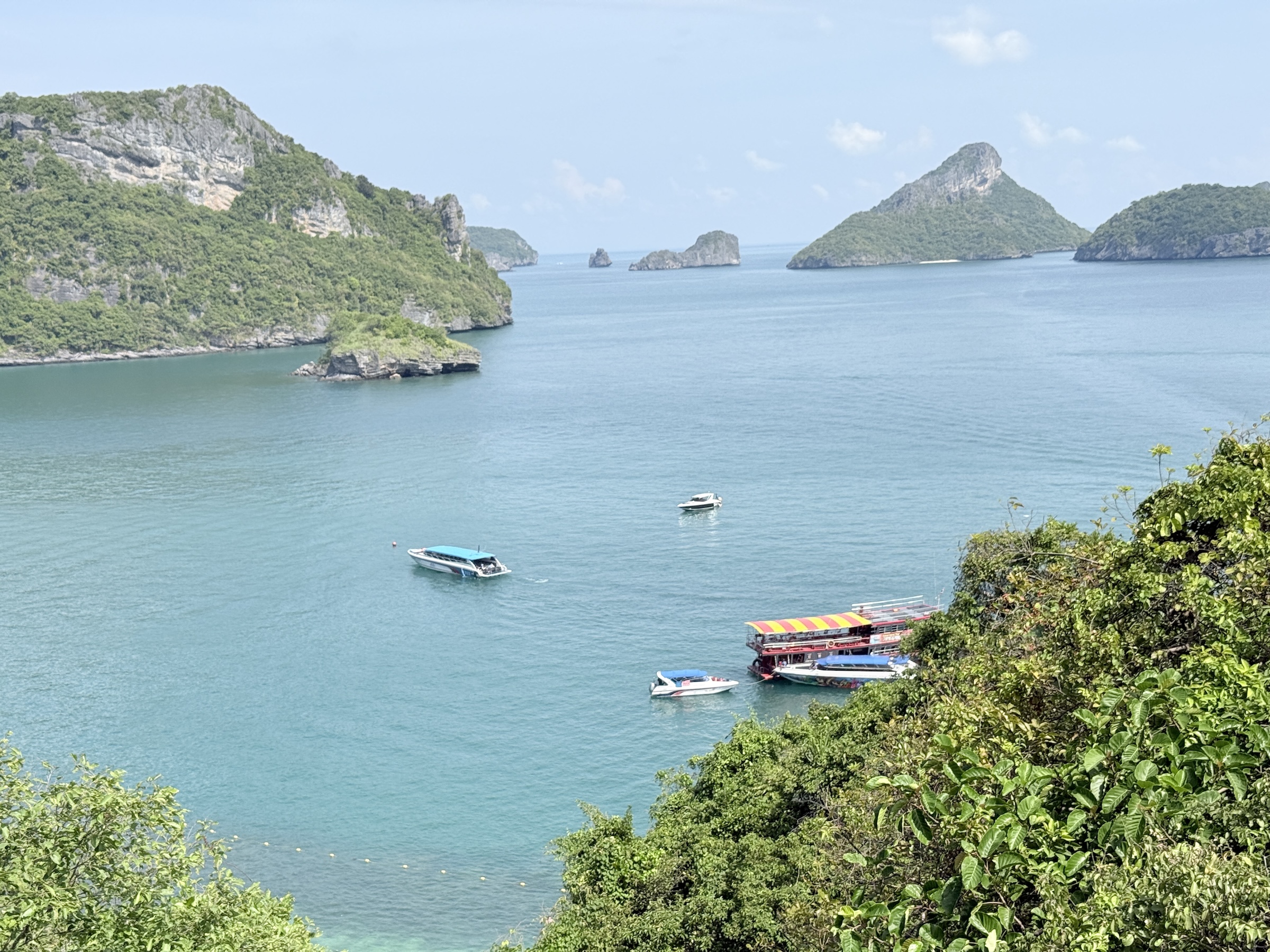
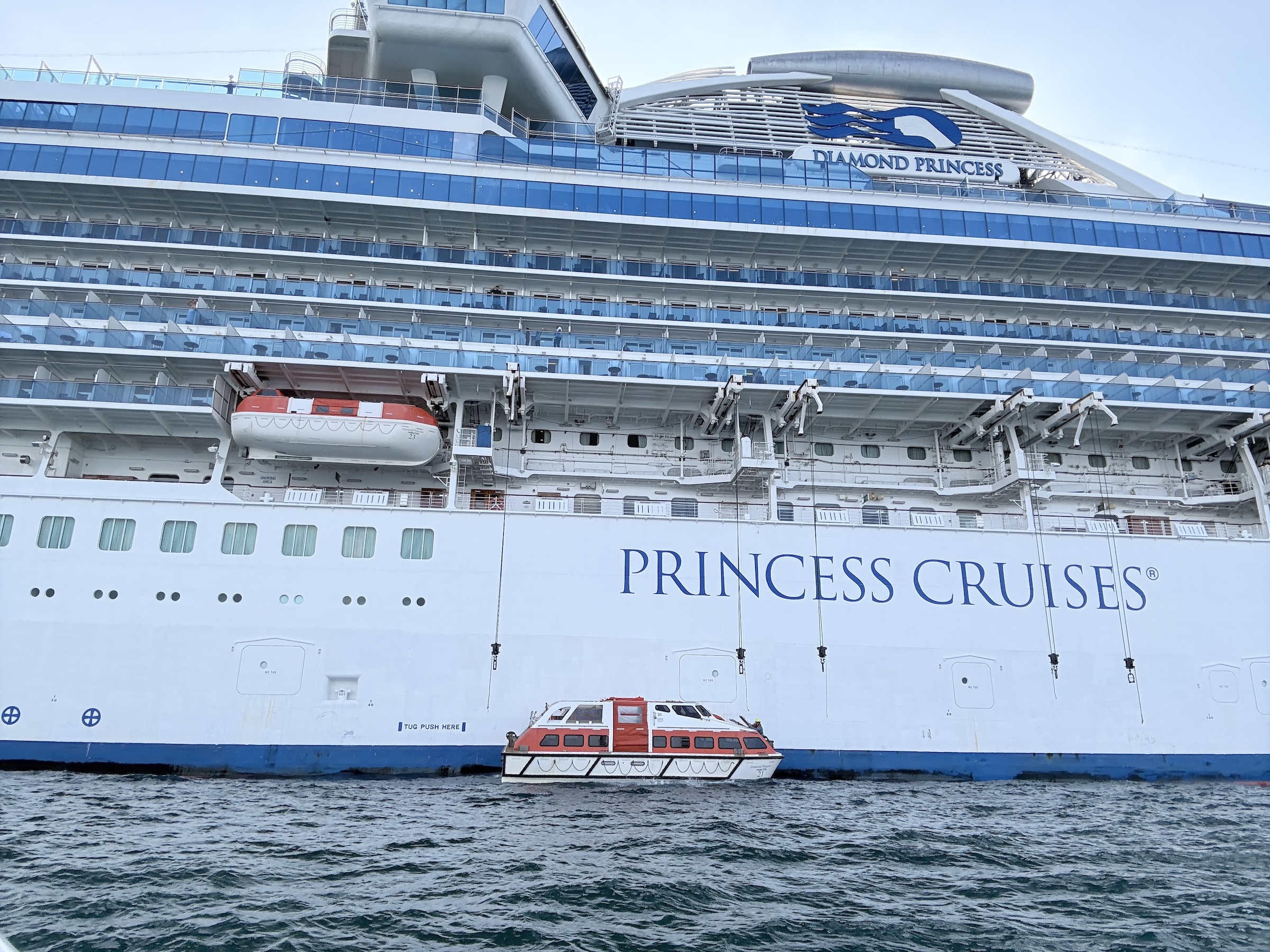
The Diamond Princess arrived at Koh Samui in the Gulf of Thailand on Tuesday morning. (Koh Samui is Thailand’s second largest island, after Phuket. )

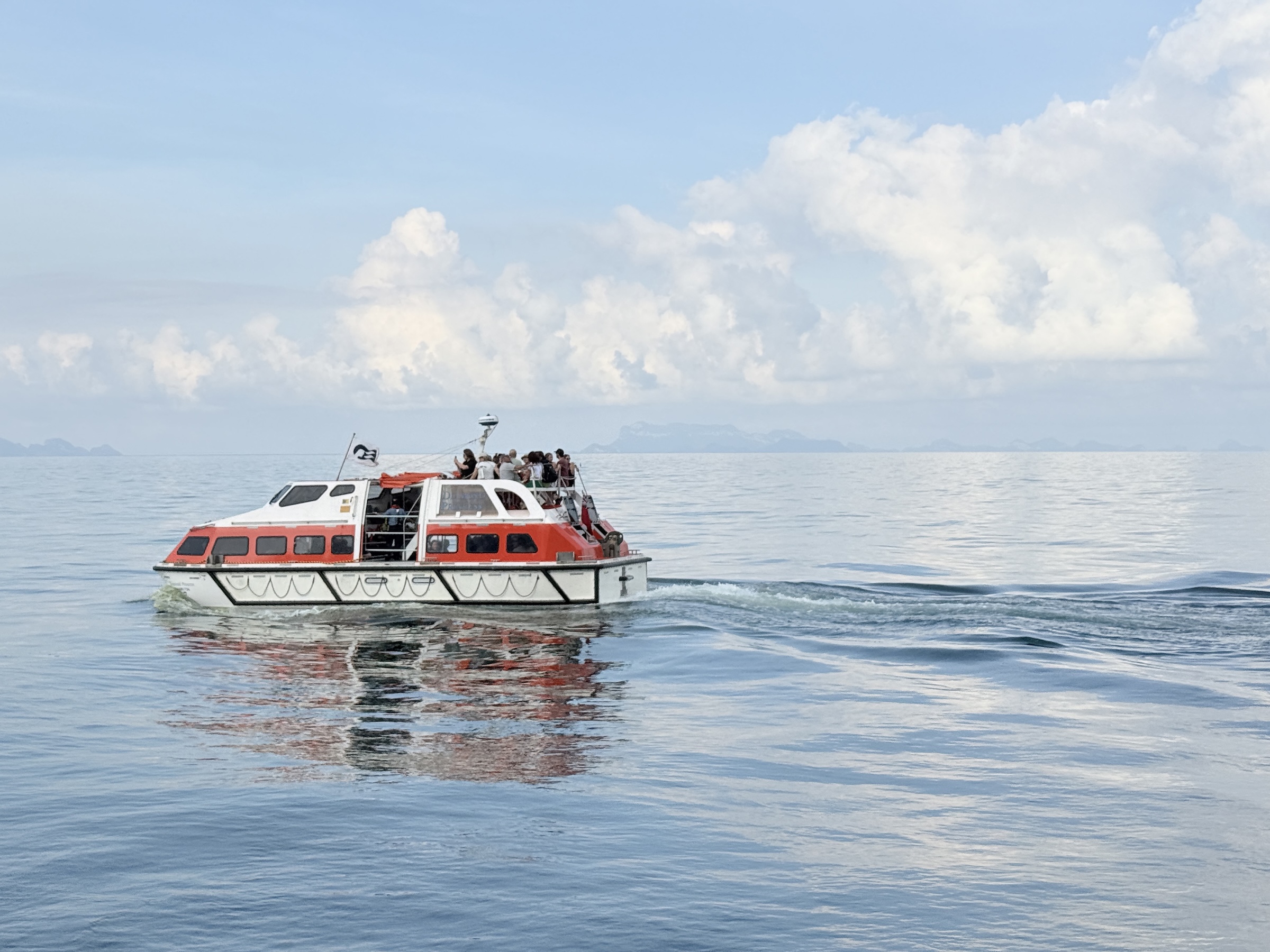
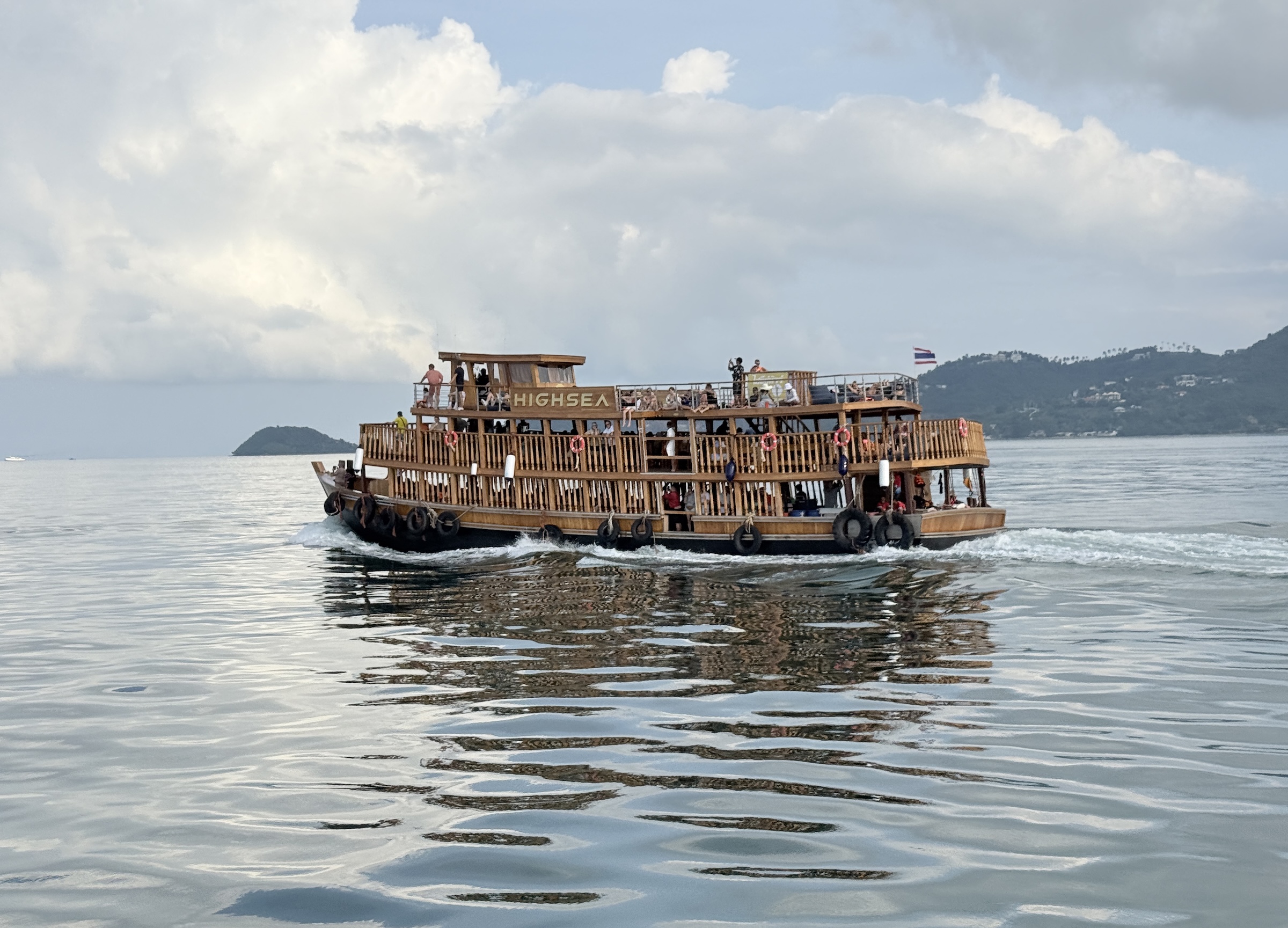
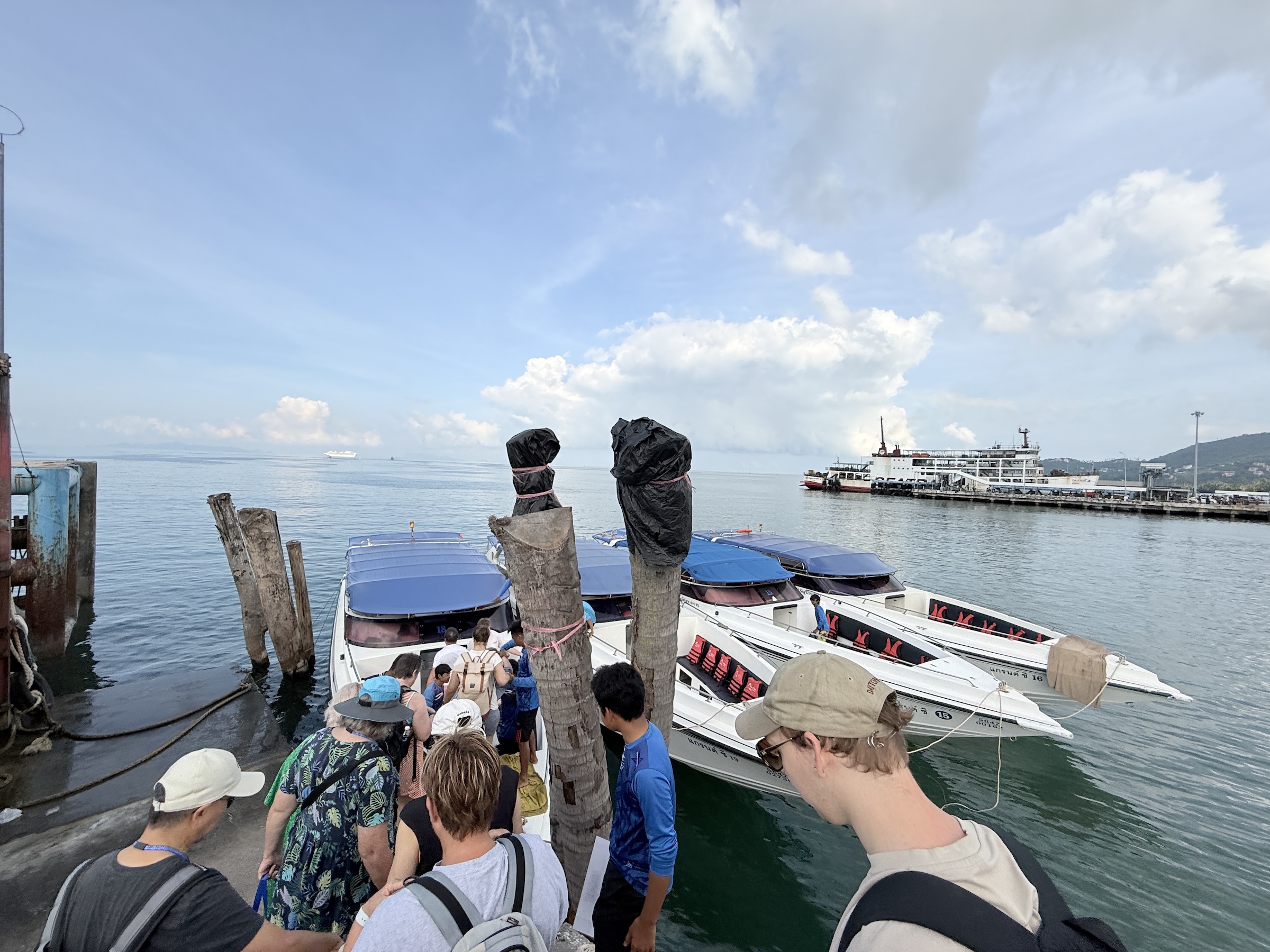
There is no deepwater port at Koh Samui and we were taken ashore and back to the ship by tender boat. (The wooden boat is from a private tender operator.)
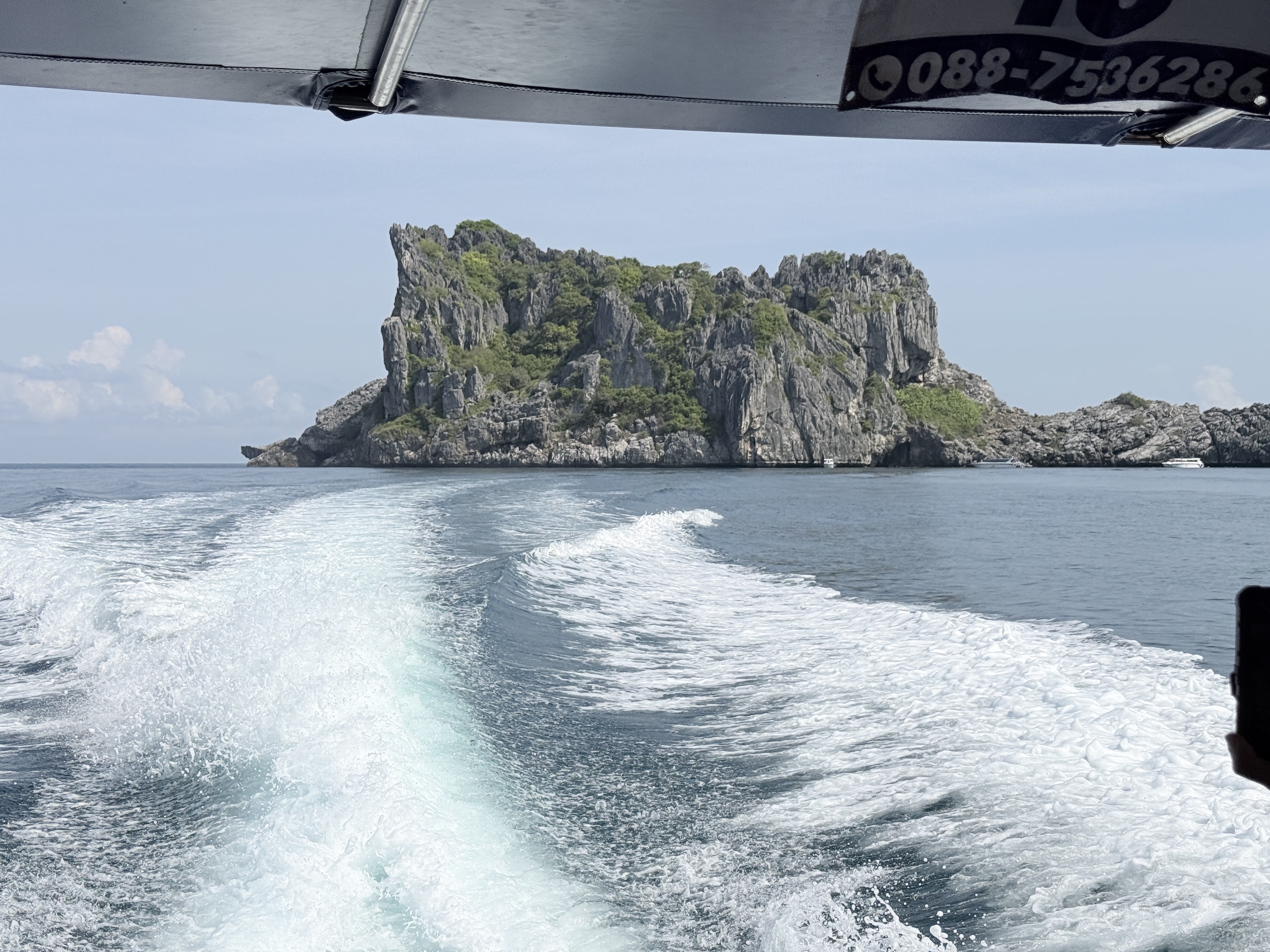
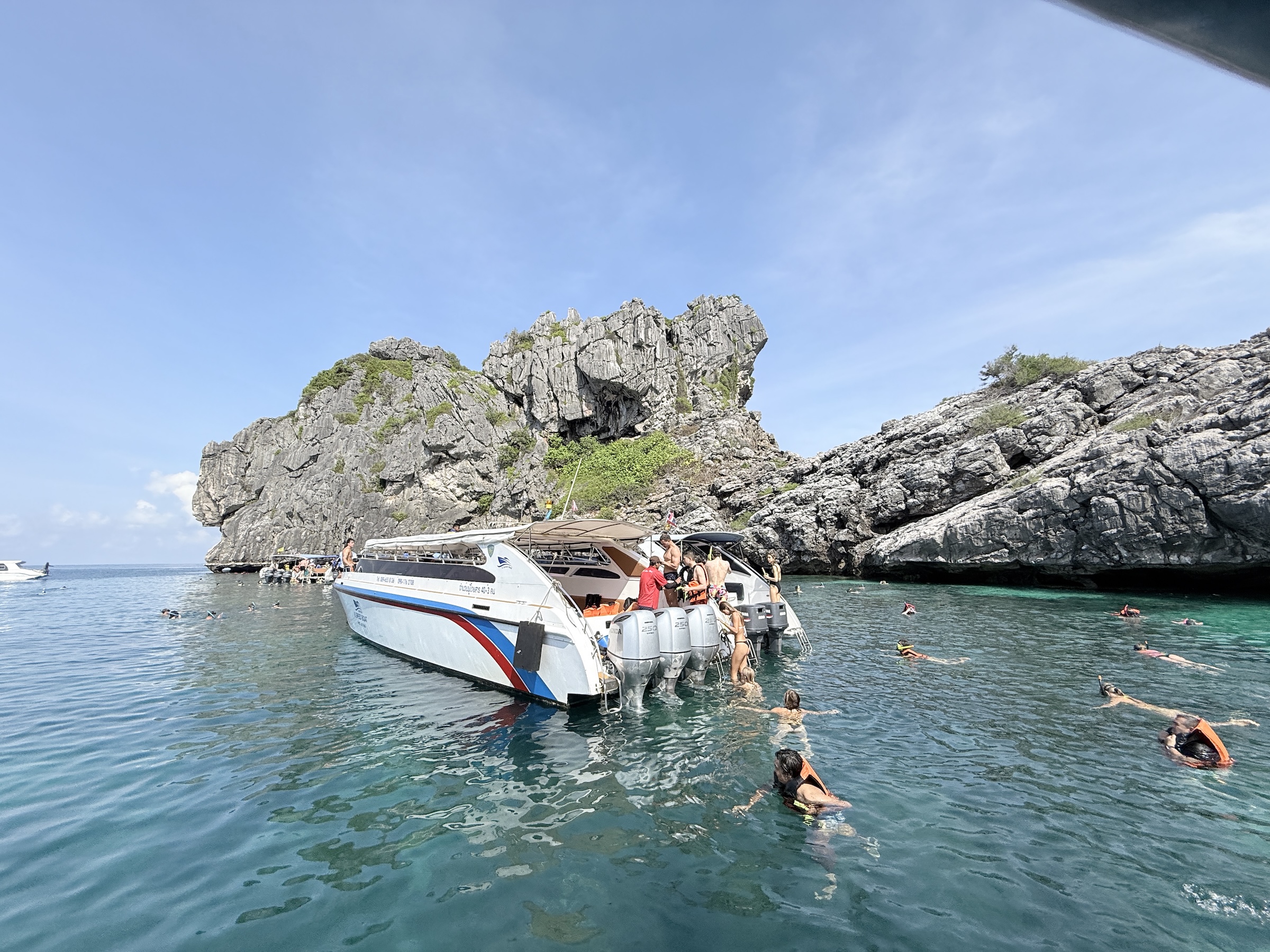
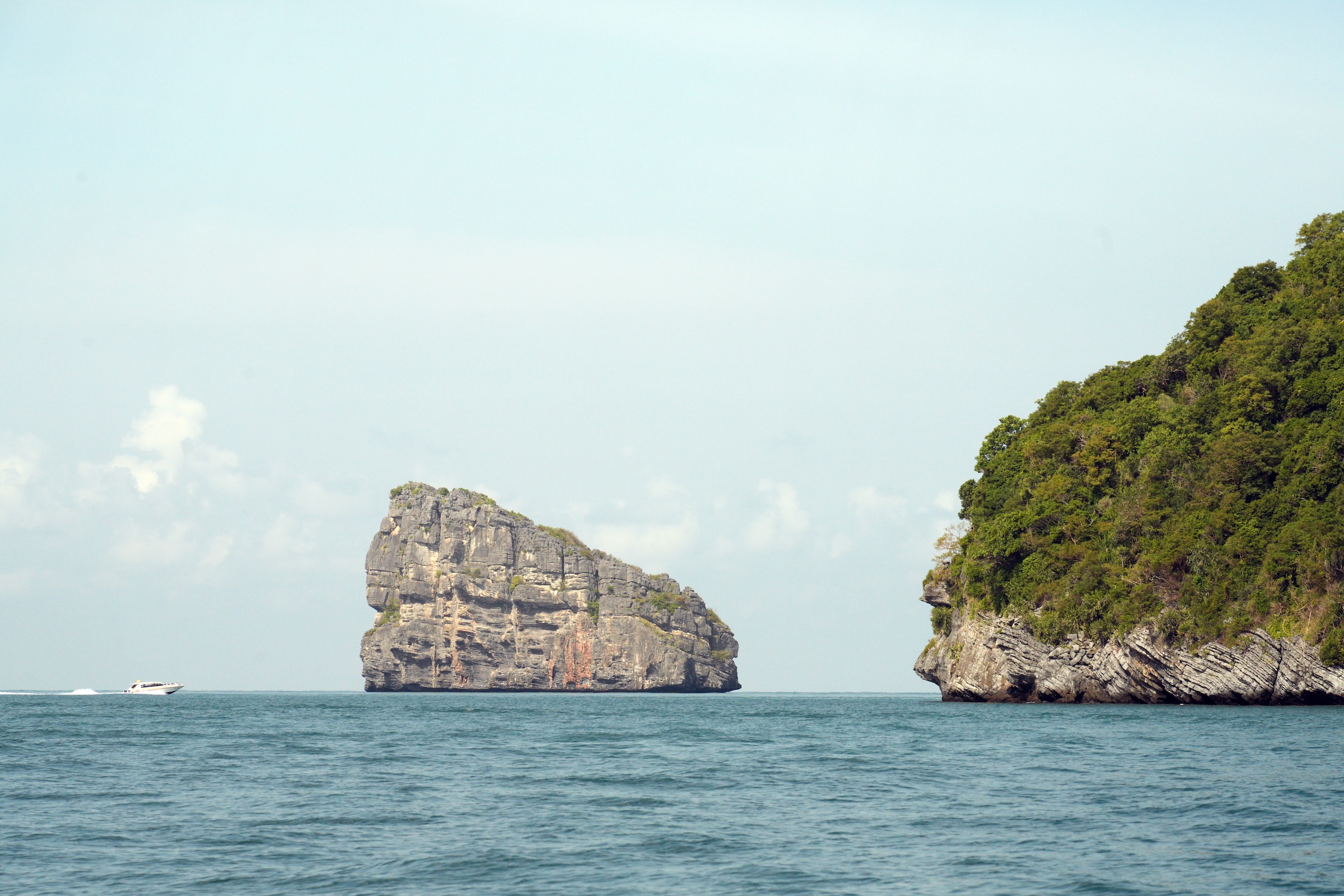
From the shore we went to the islands in Angthong Marine National Park by speedboat.

The first stop was for a little snorkeling.
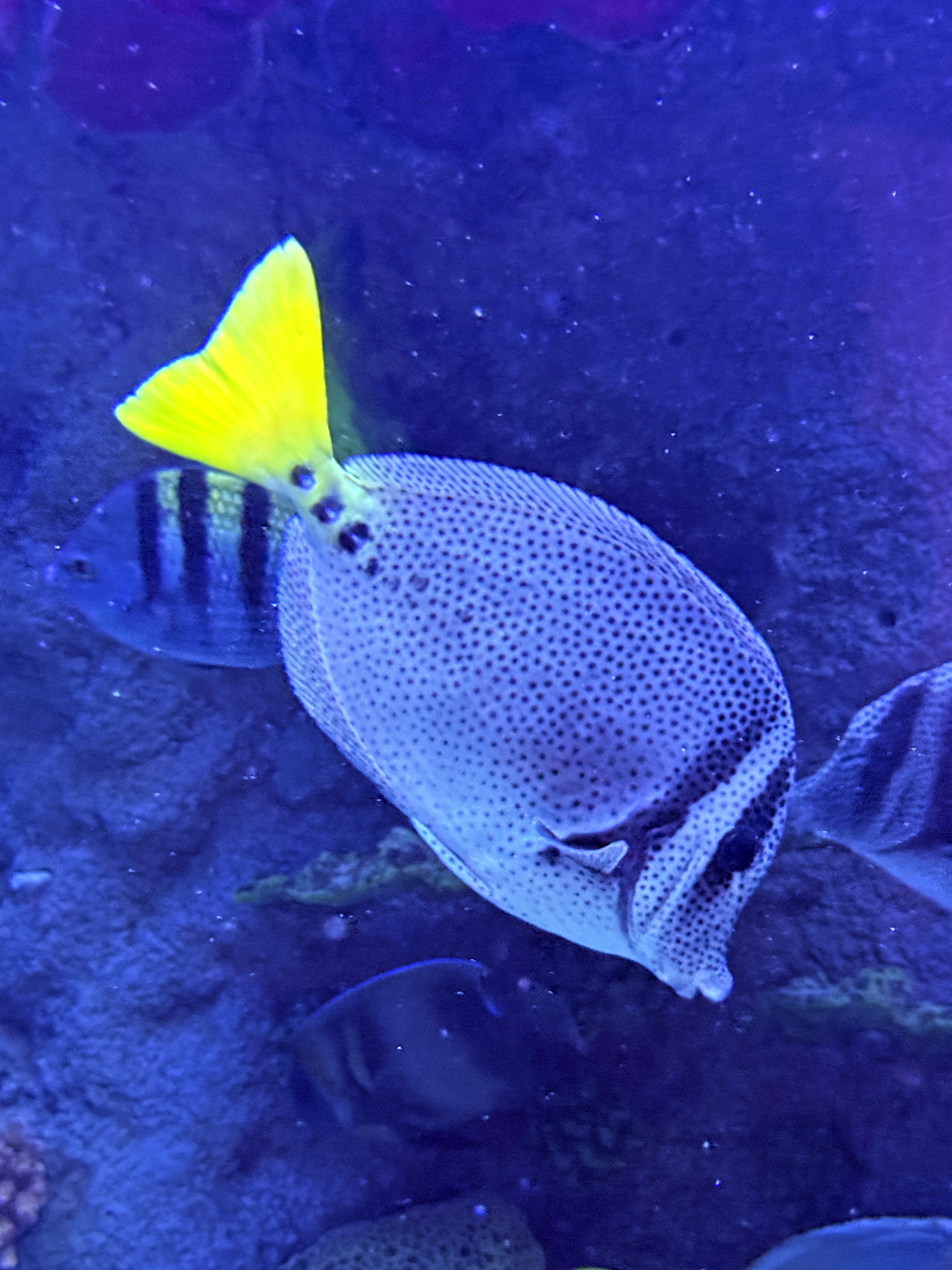
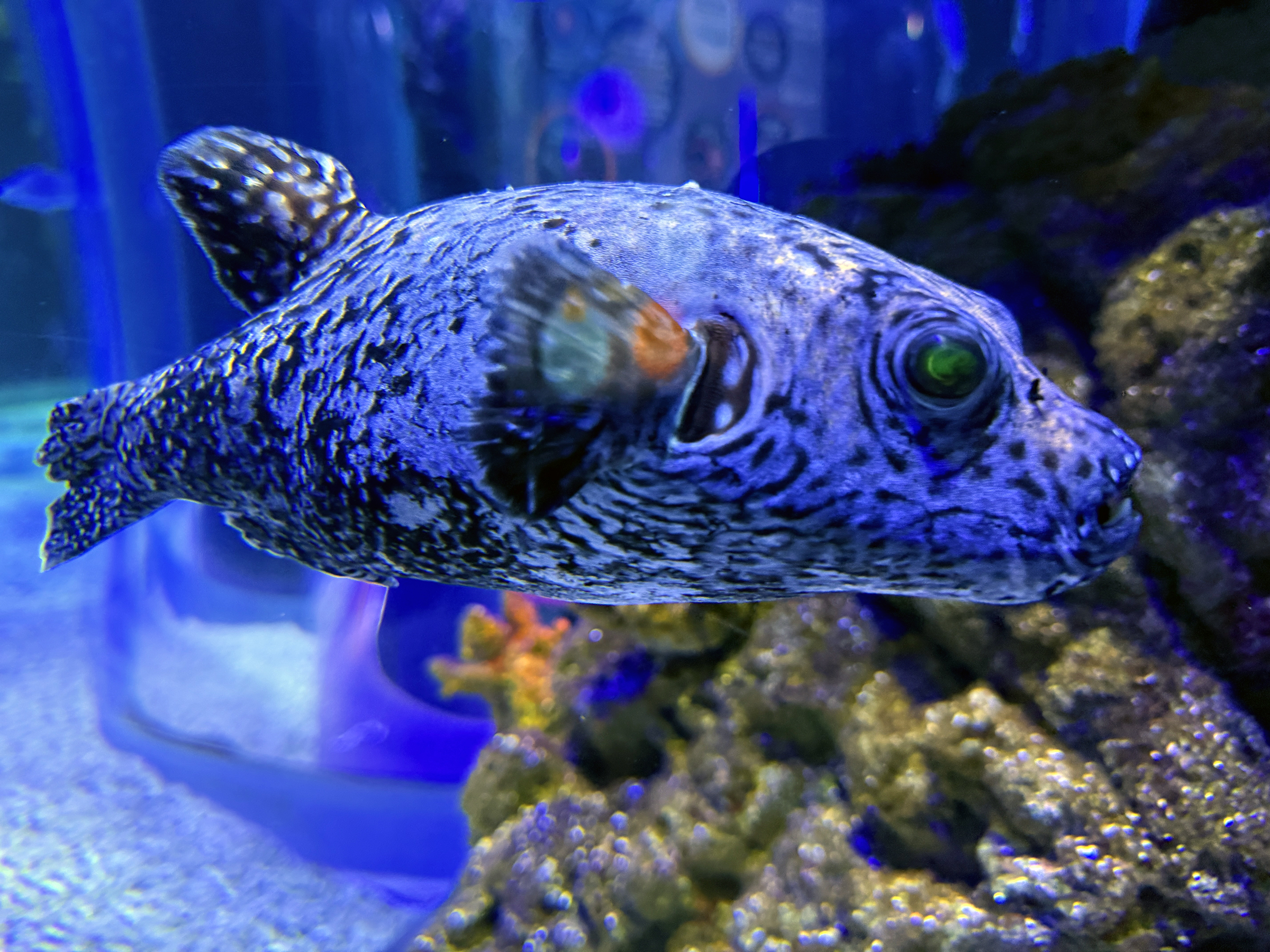
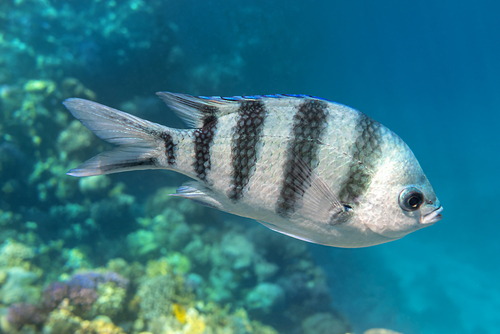
I did not bring my underwater camera— I don’t have one, actually! 😩— but I looked up some of the tropical fish that I saw in the water, online.
The one in the picture (source: Shutterstock) is a sergeant major or píntano (Abudefduf saxatilis).

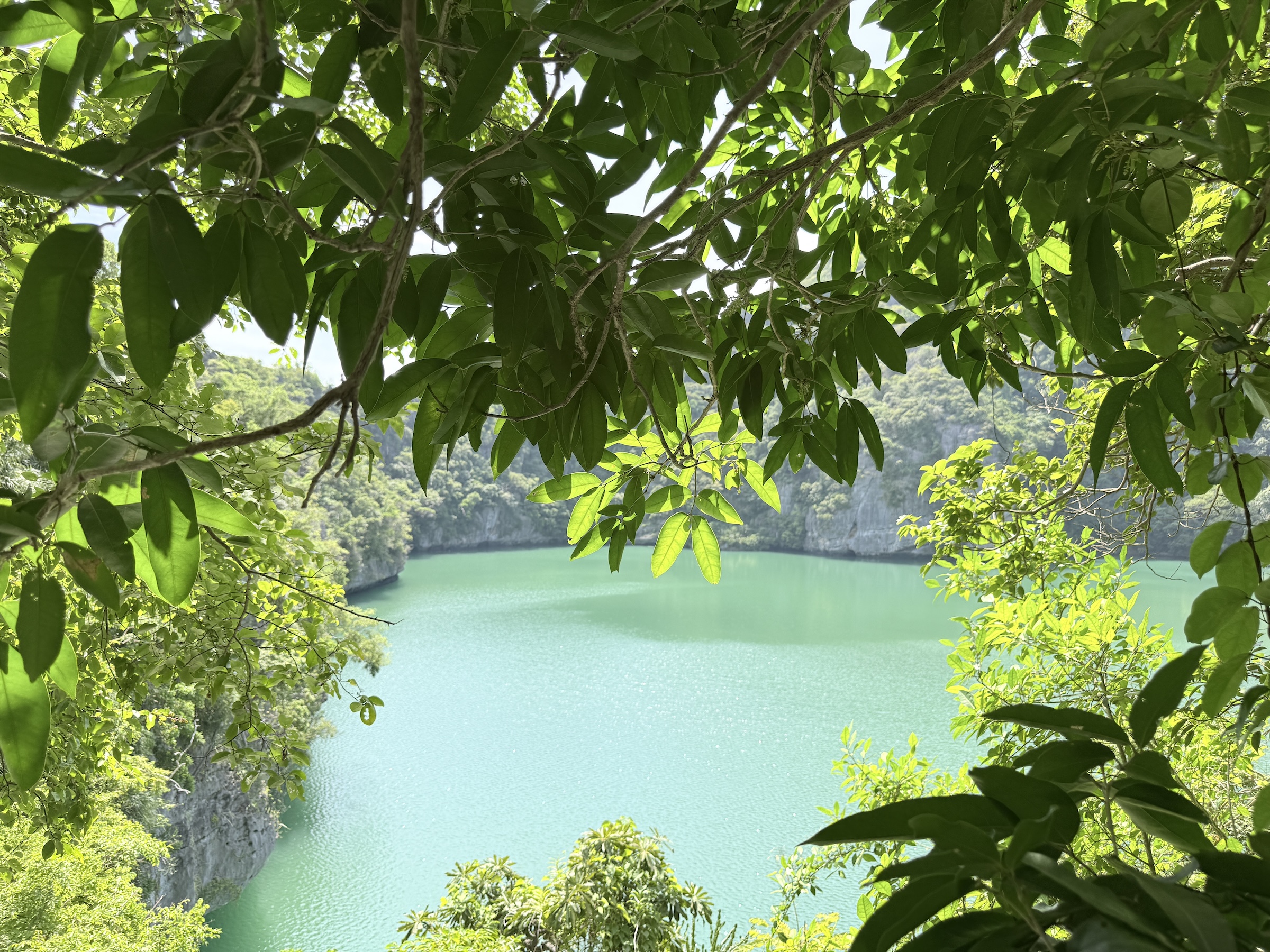
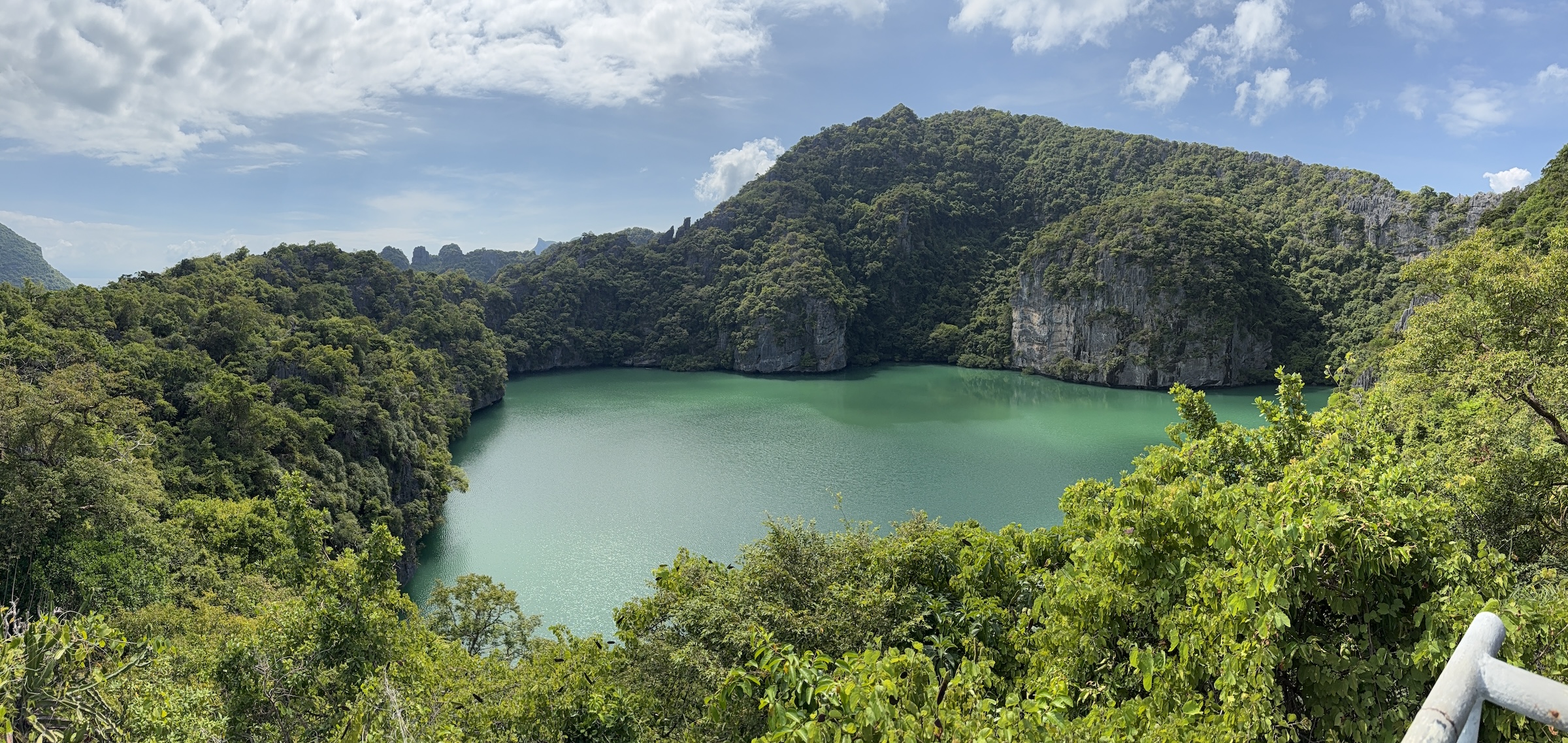
The stop at Ko Mae Ko Island was for a very steep staircase climb up to the island’s main attraction: Emerald Lake. The lake is surrounded by a tropical rainforest and limestone cliffs.

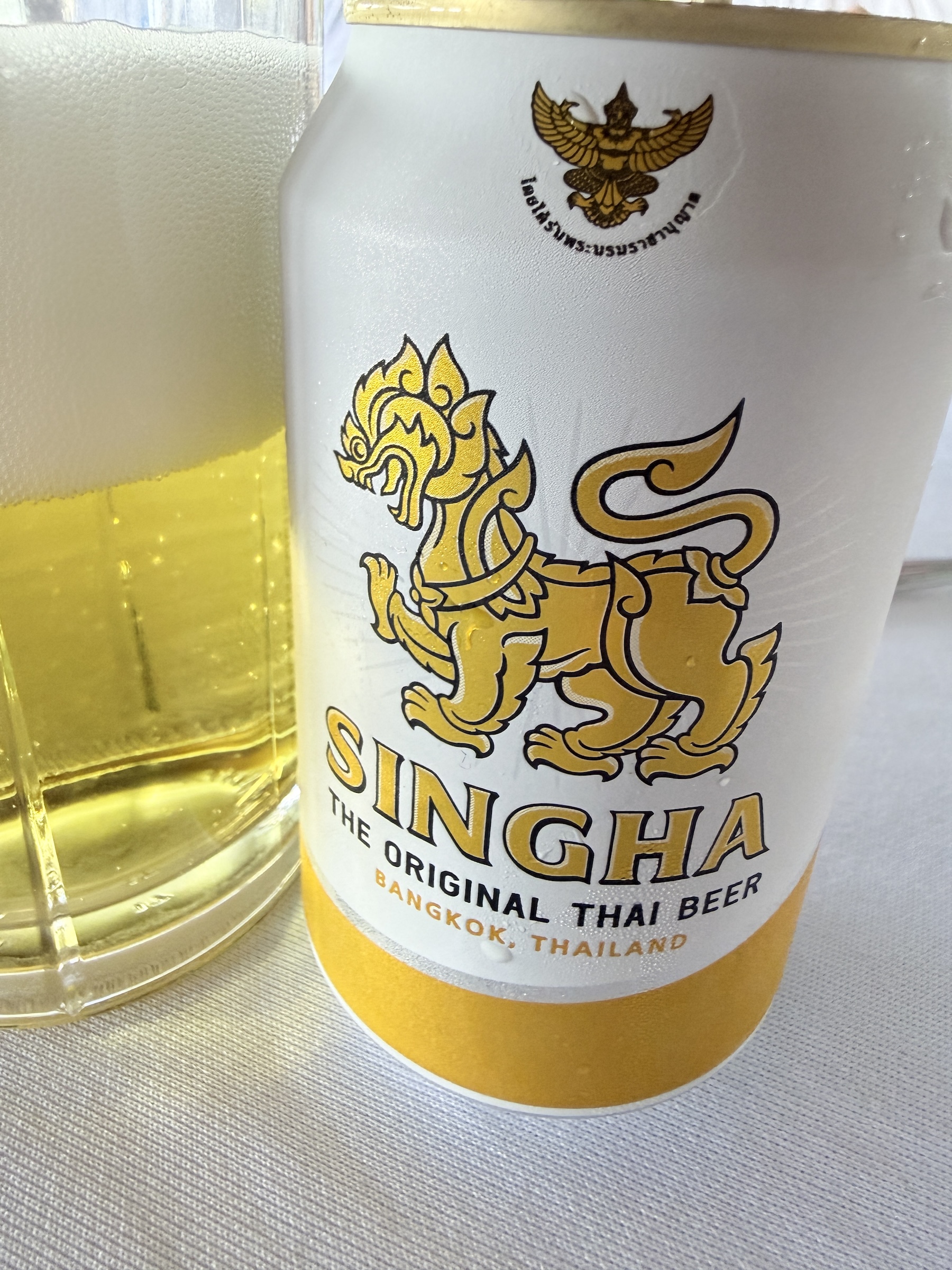
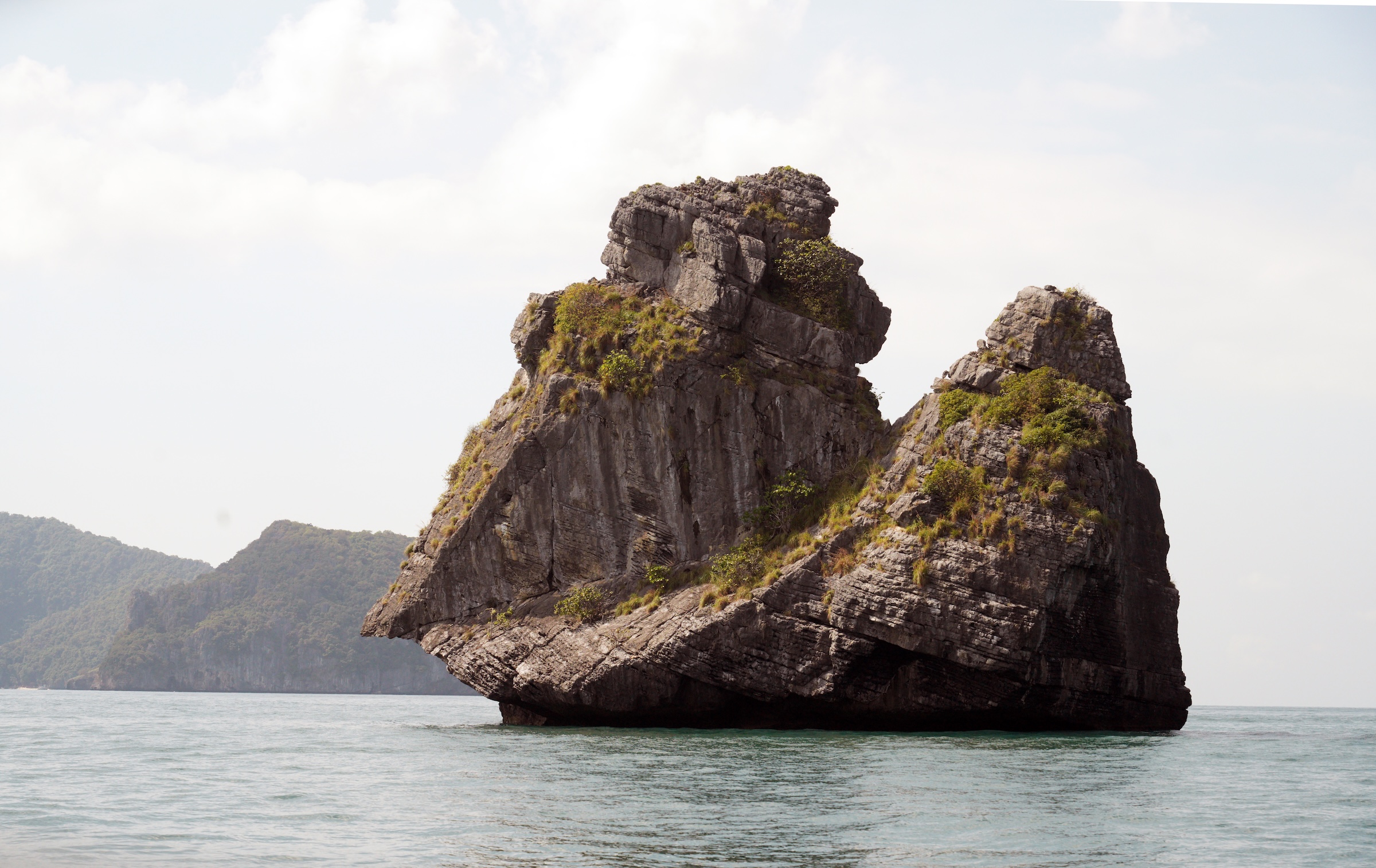
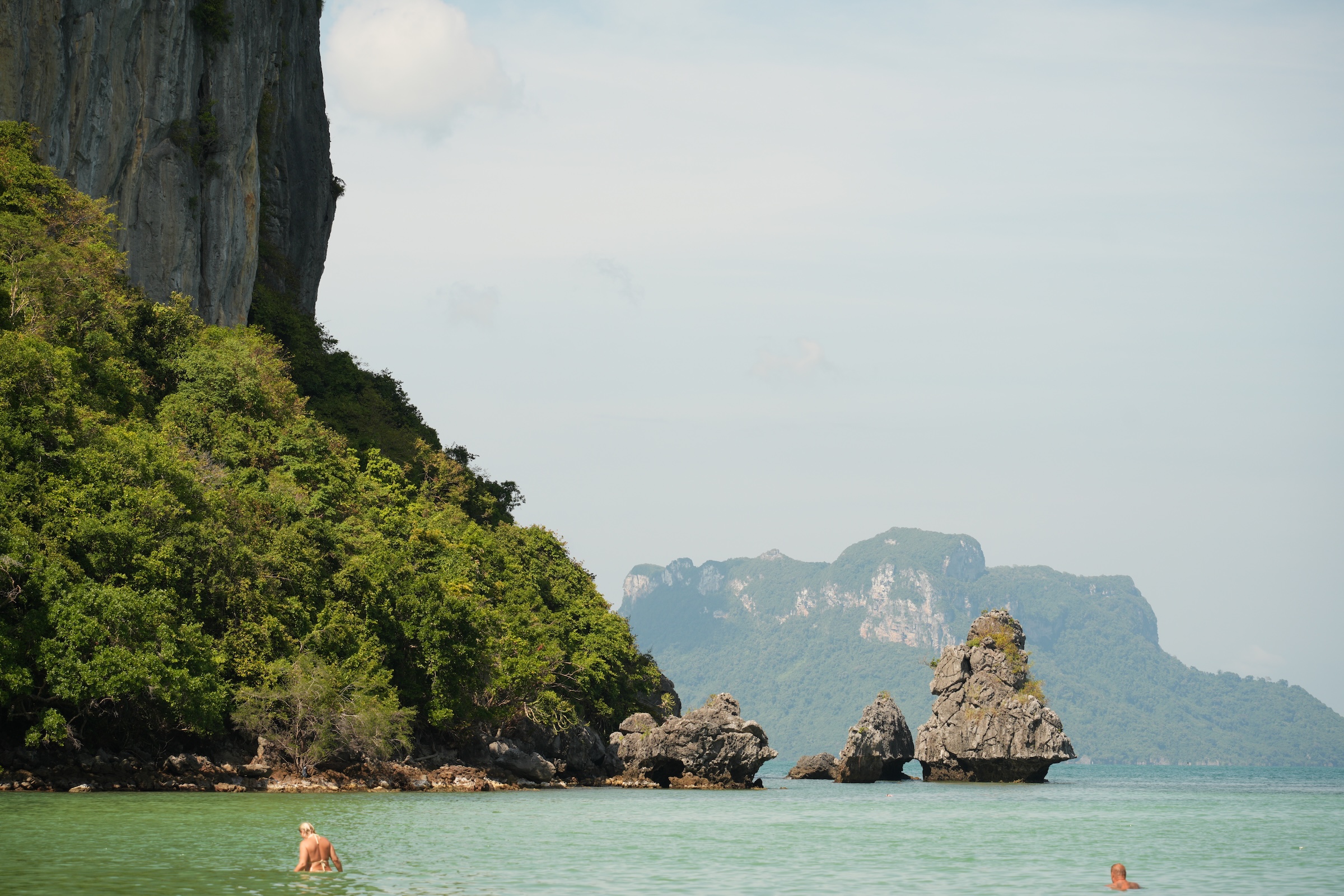
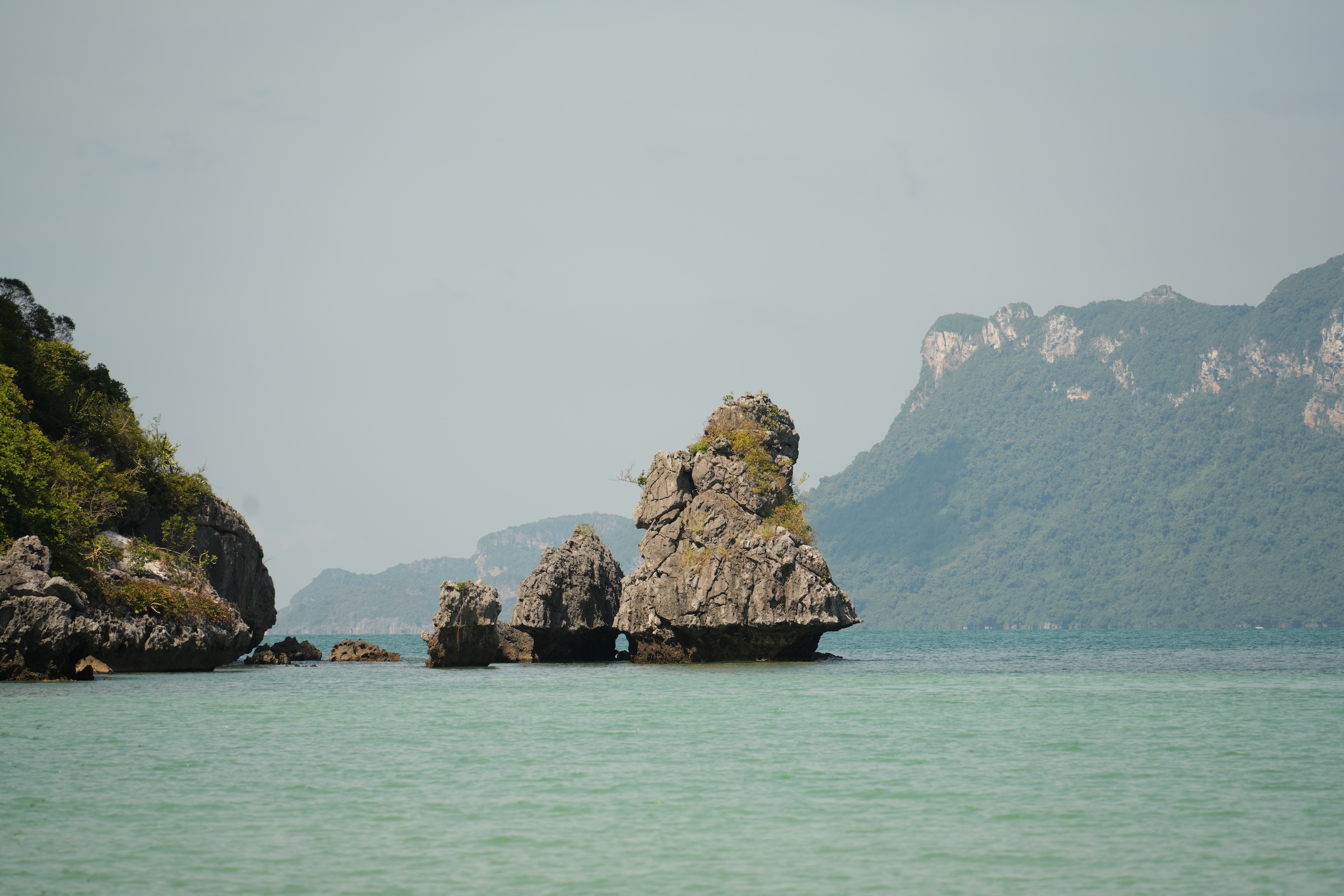
After lunch and a Singha beer on Paluai Island, we checked out Praying Monkey Rock and made one more stop at a beach nearby.

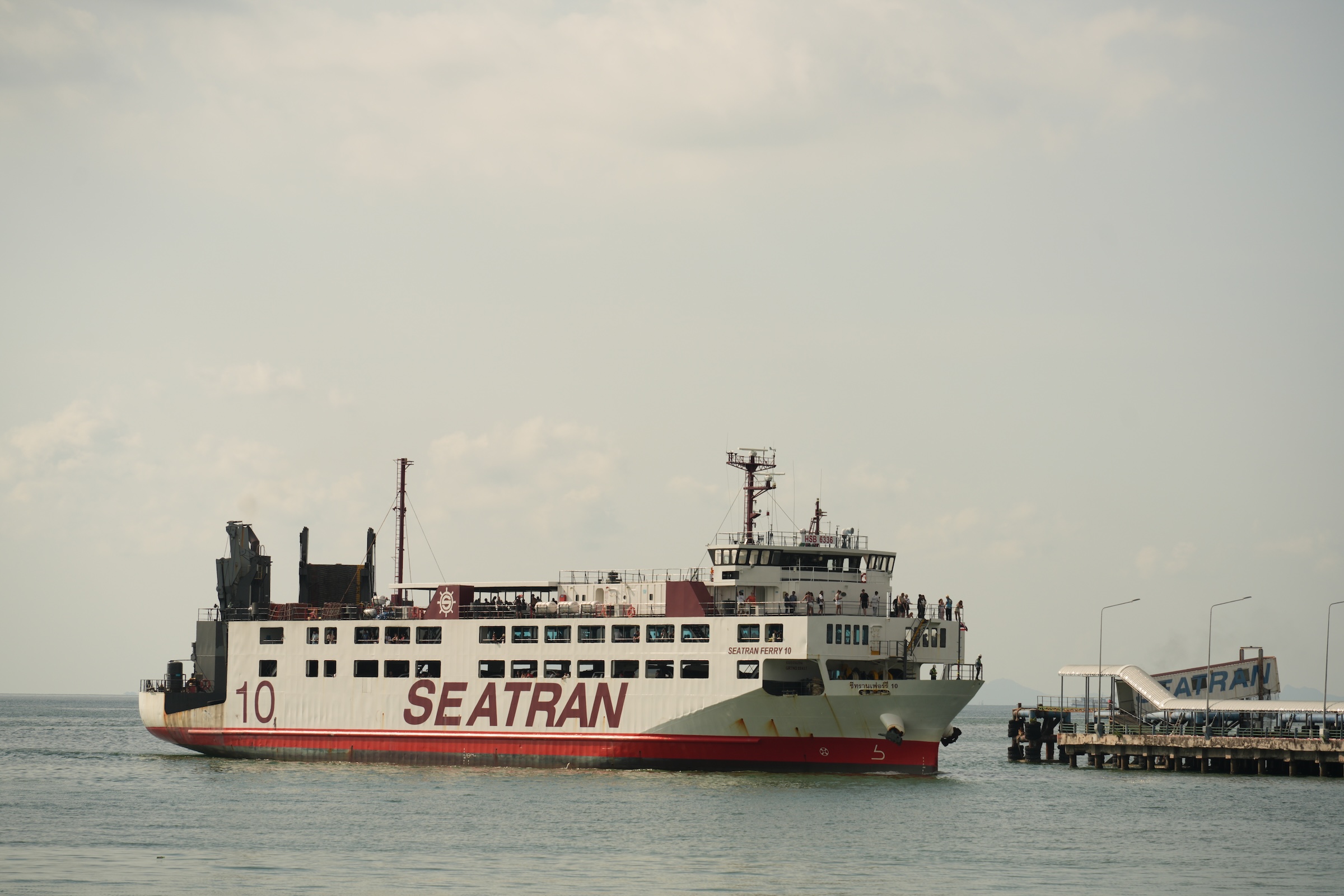
The Seatran ferry goes to Donsak on the Malay peninsula (about 90 mins, US$5 for foot passengers, US$15 for a car).

Monday/ Ream National Park, Cambodia 🇰🇭

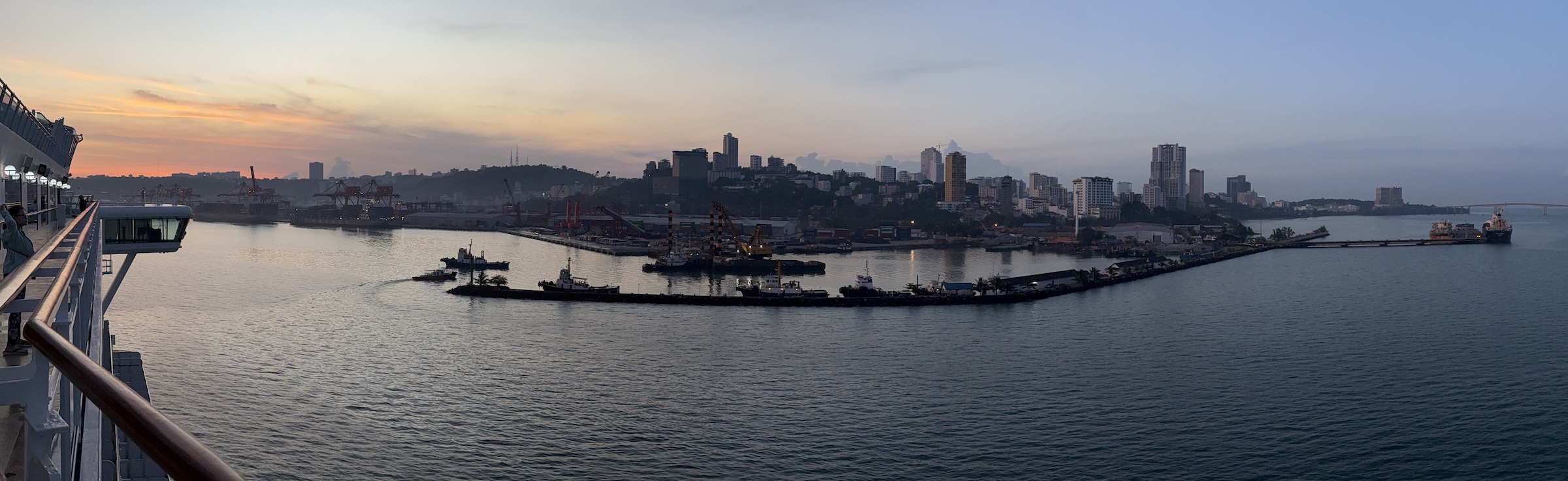
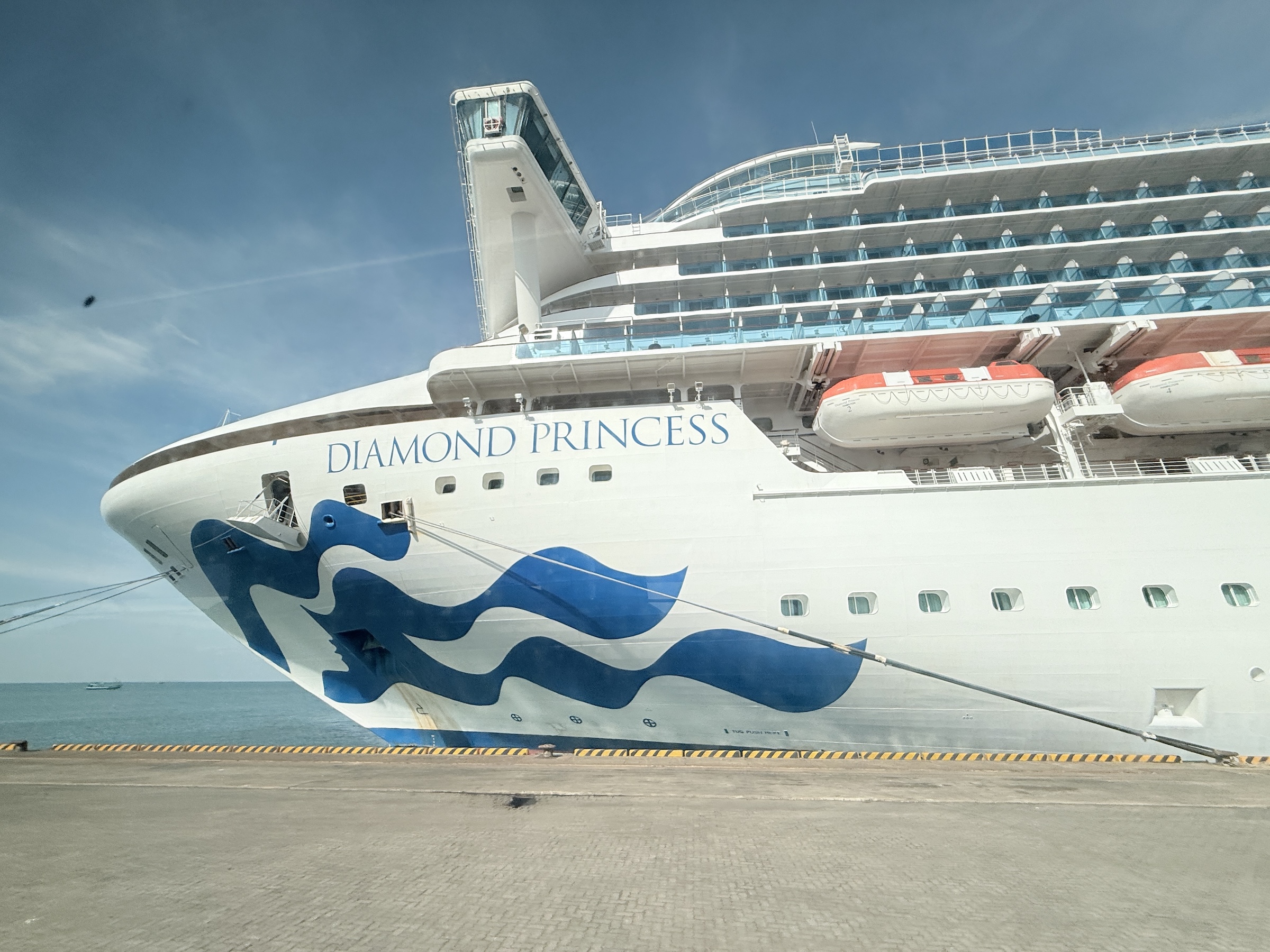
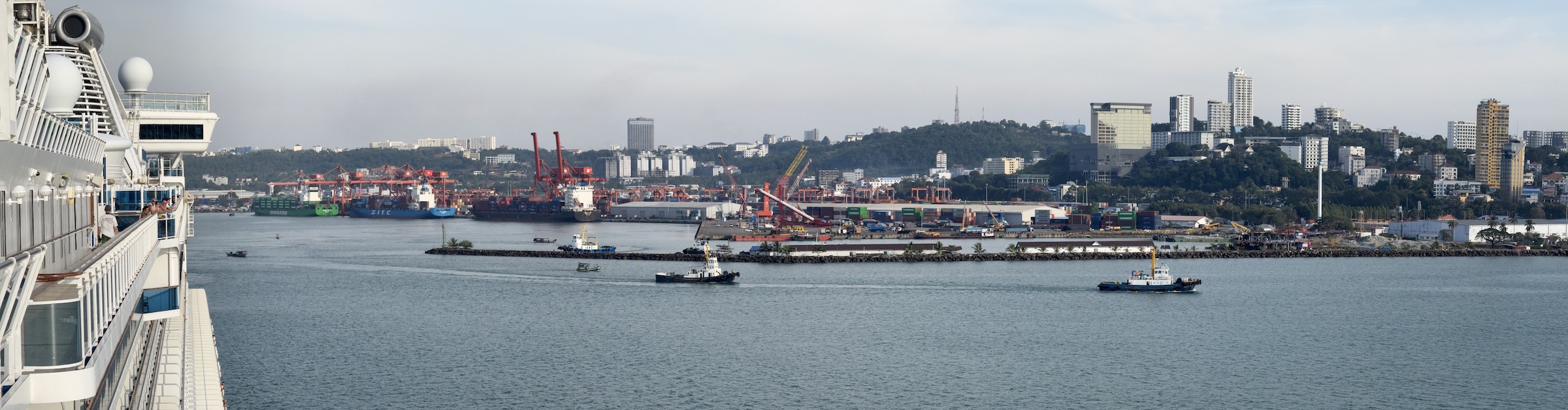
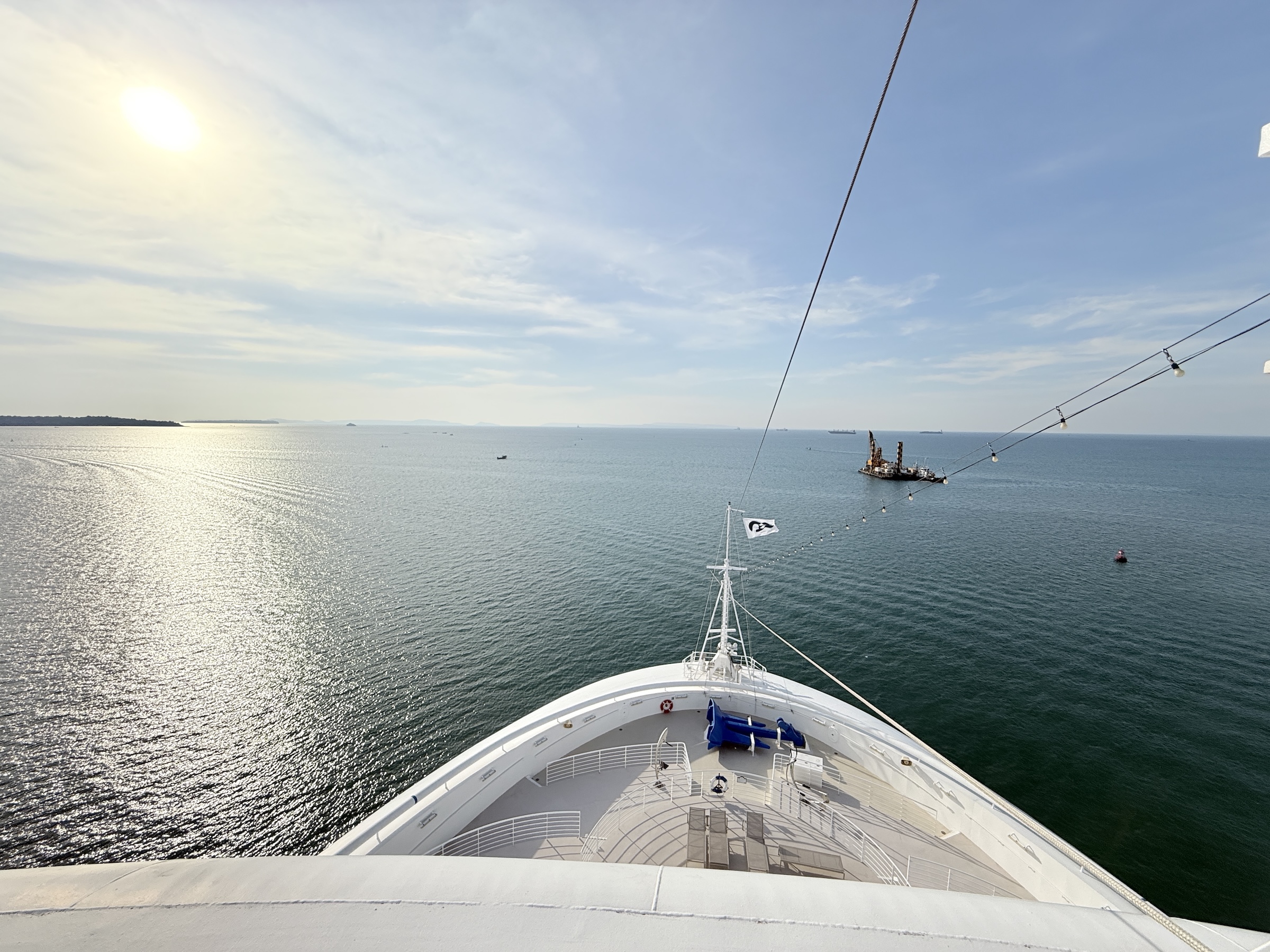
The Diamond Princess arrived at Preah Sihanouk (Sihanoukville) at 7 am this morning.

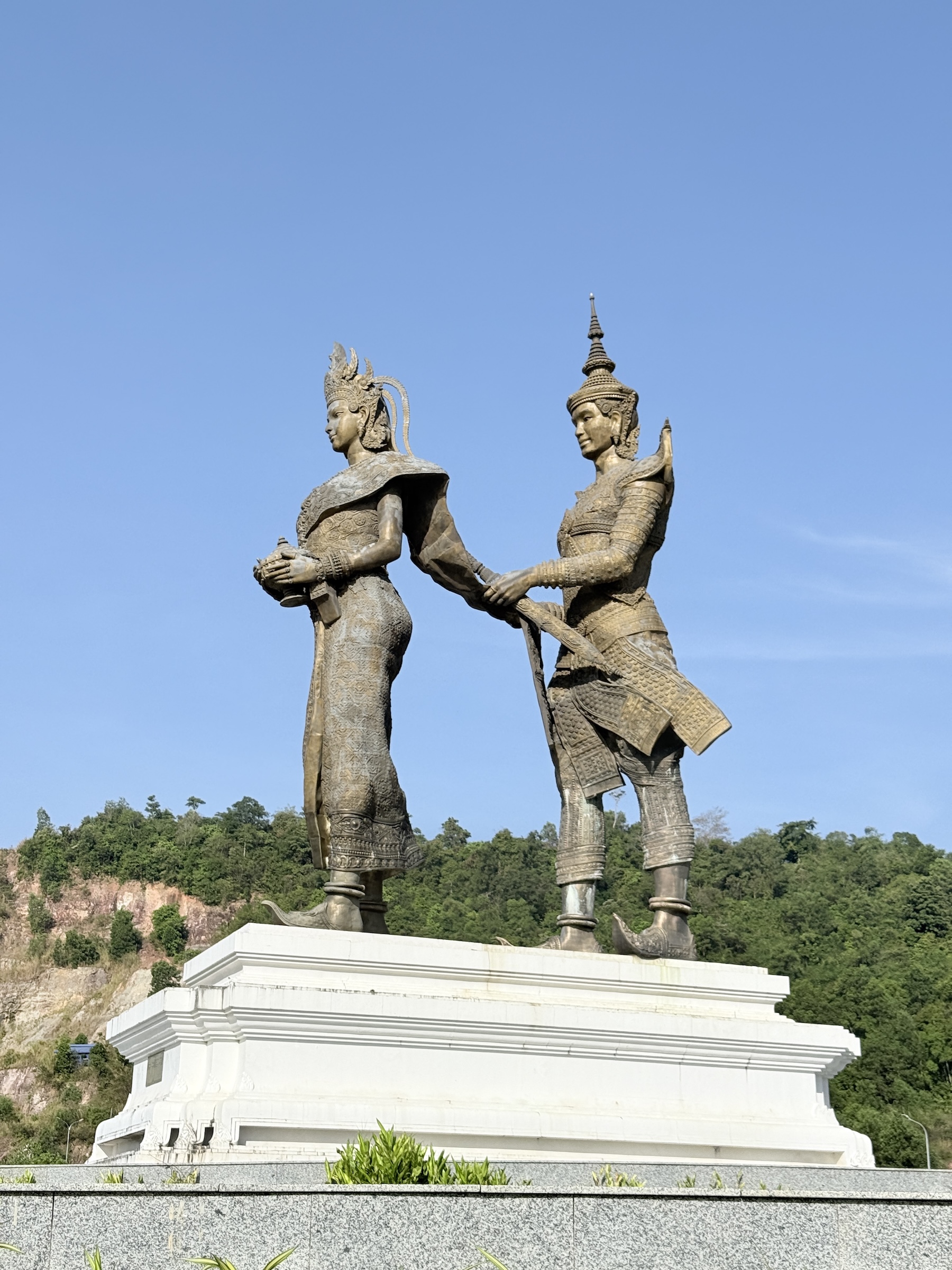
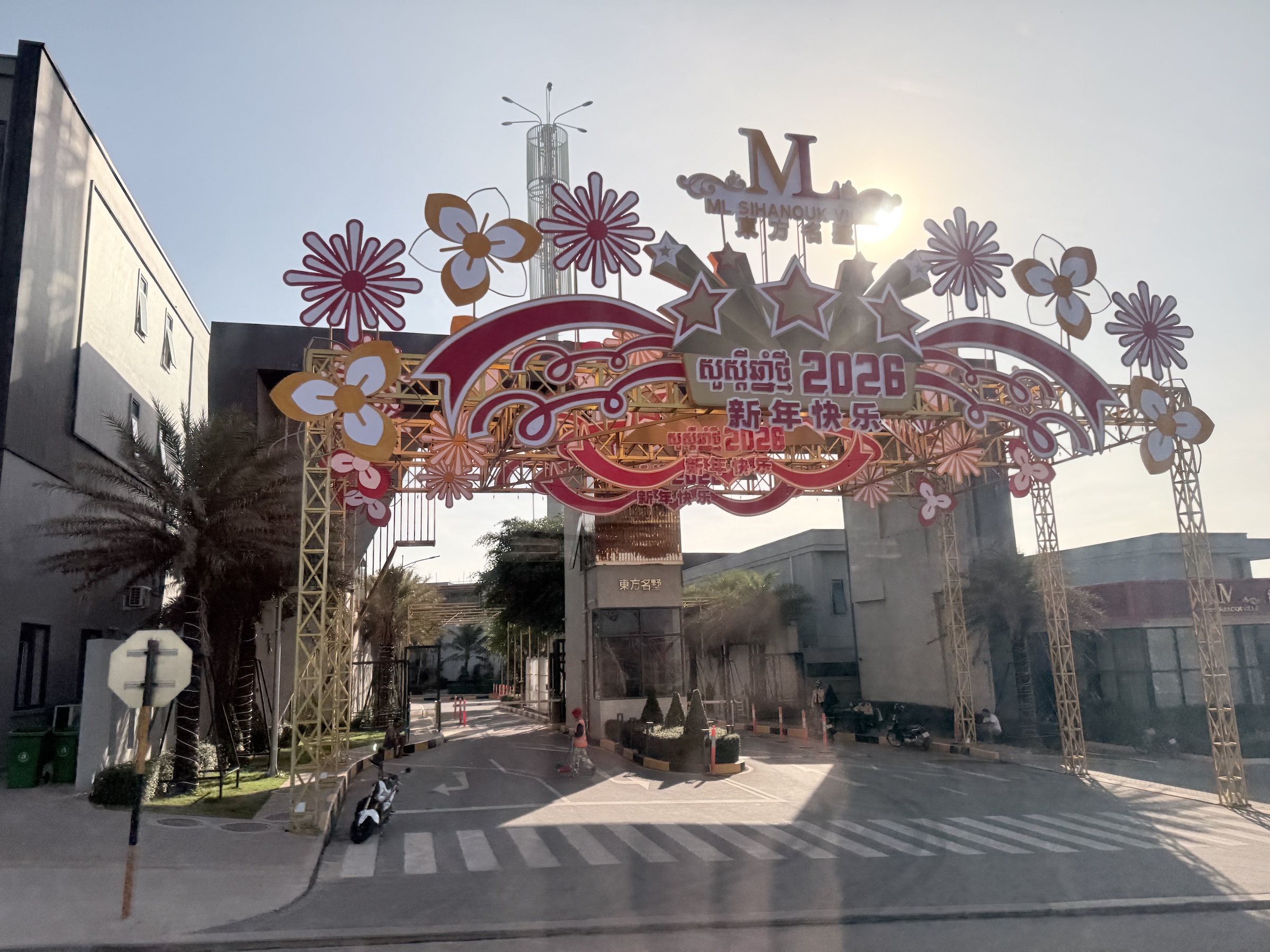
The tour bus that took us to Ream National Park and the beaches on the Gulf of Thailand first made its way through Sihanoukville, with a stop at the ‘love monument’.  The love monument is a a massive copper sculpture depicting the legendary Khmer couple Prince Preah Thong and Naga Princess Neang Neak, symbolizing the origin of Khmer civilization and culture, located at a major roundabout facing the sea. 

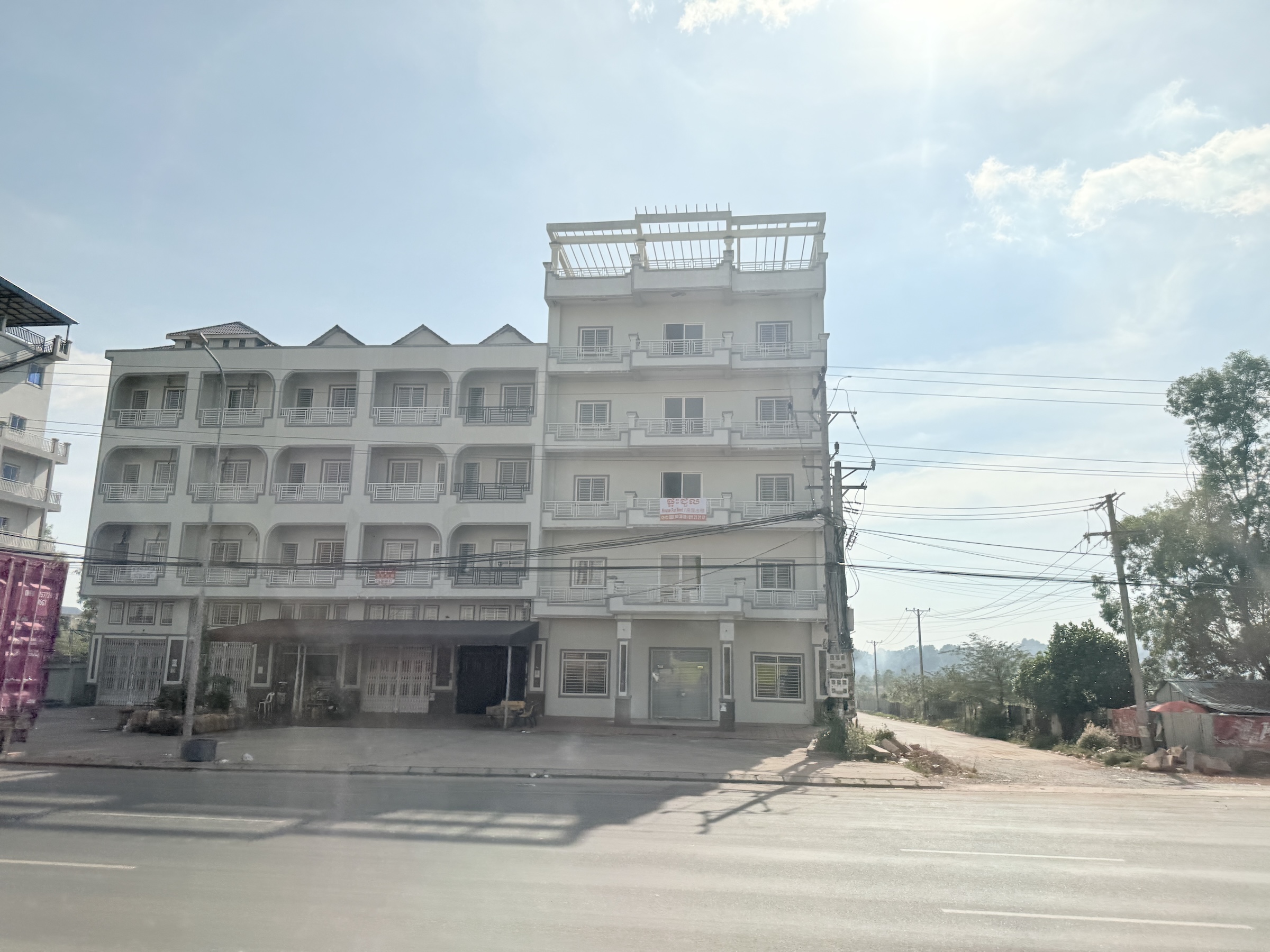
There were a lot of abandoned buildings lining the streets Sihanoukville: many of them projects by Chinese investors and entrepreneurs that were abandoned after the Covid pandemic had forced the stoppage of work on them.

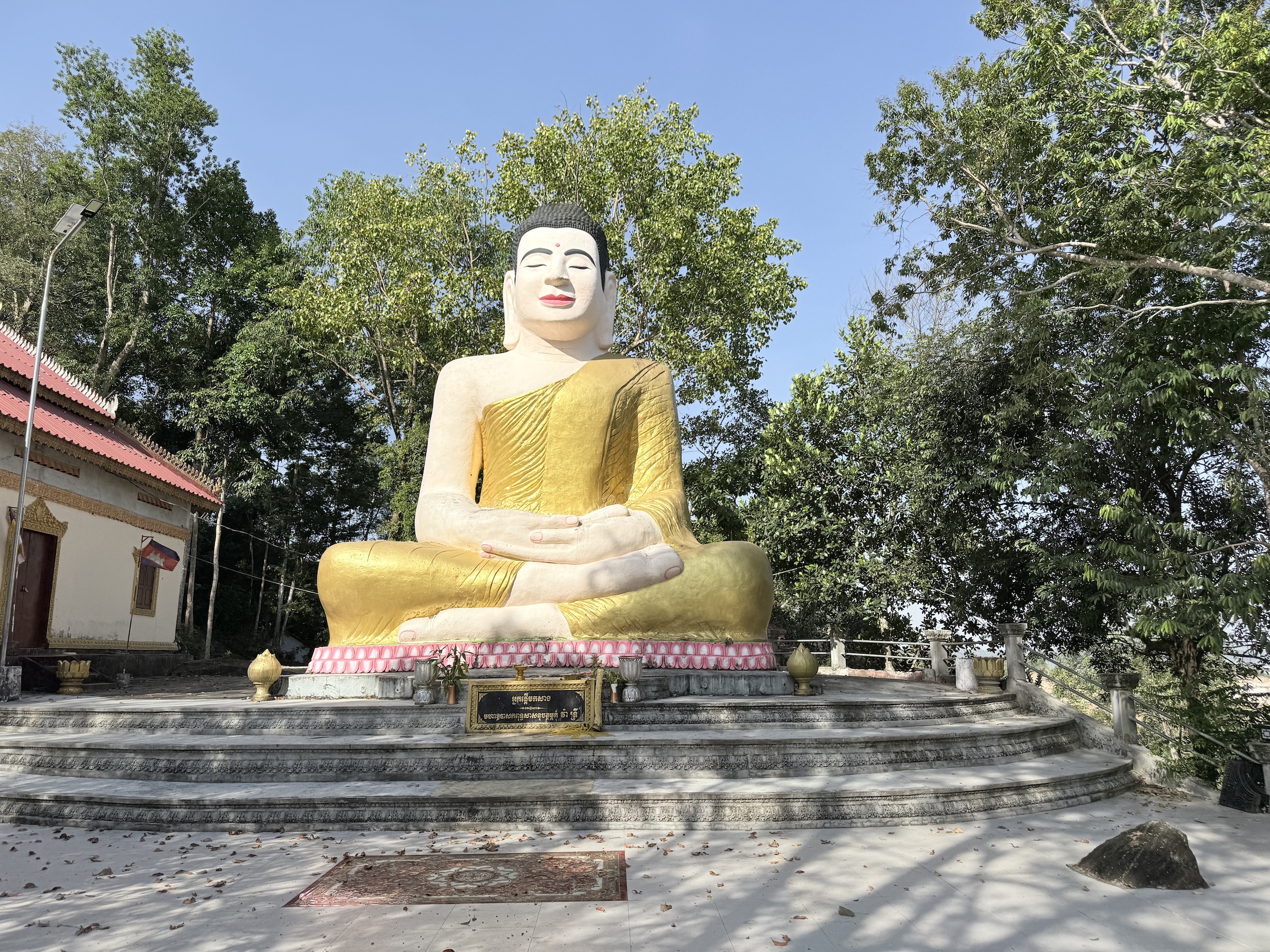
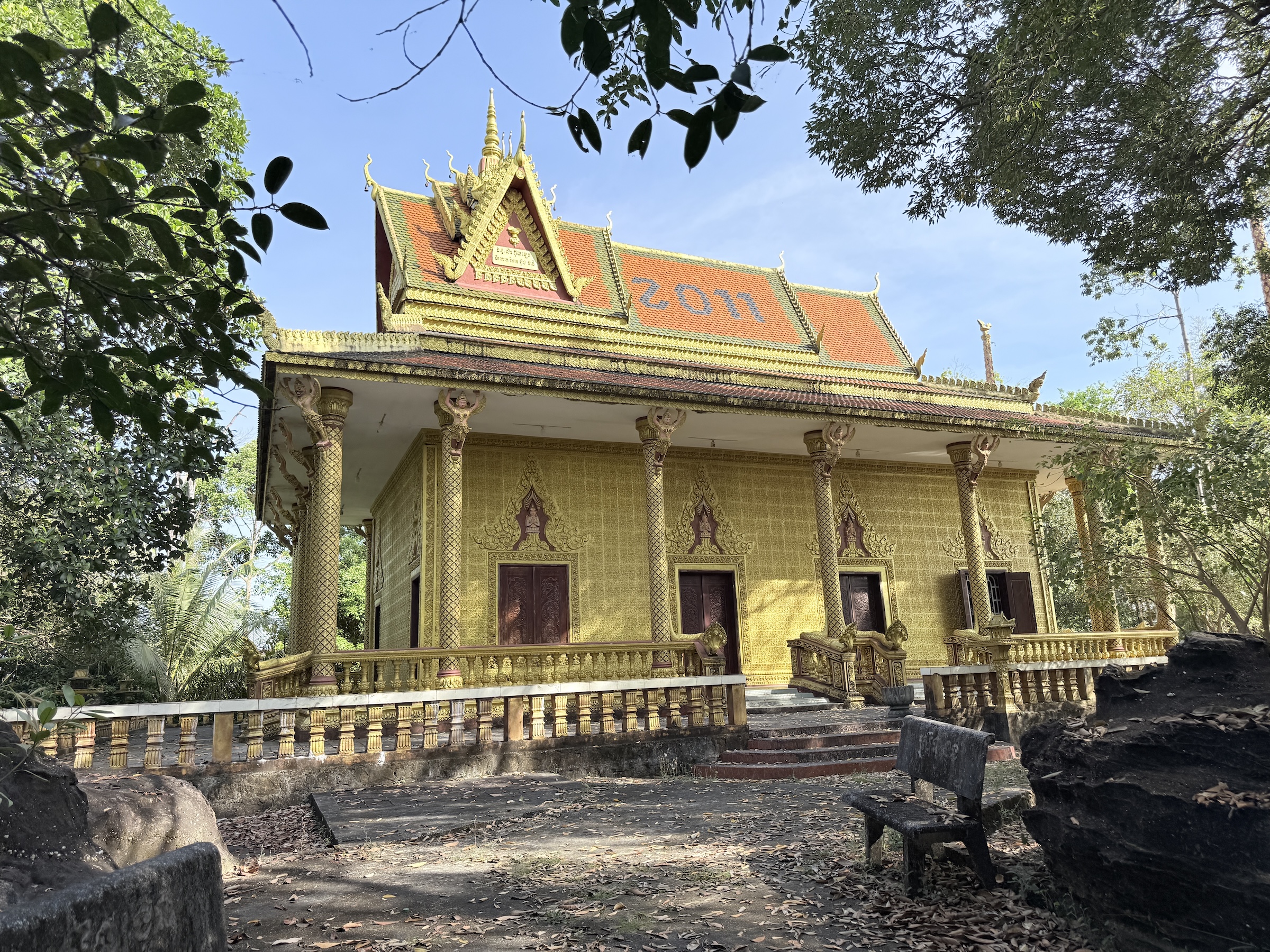
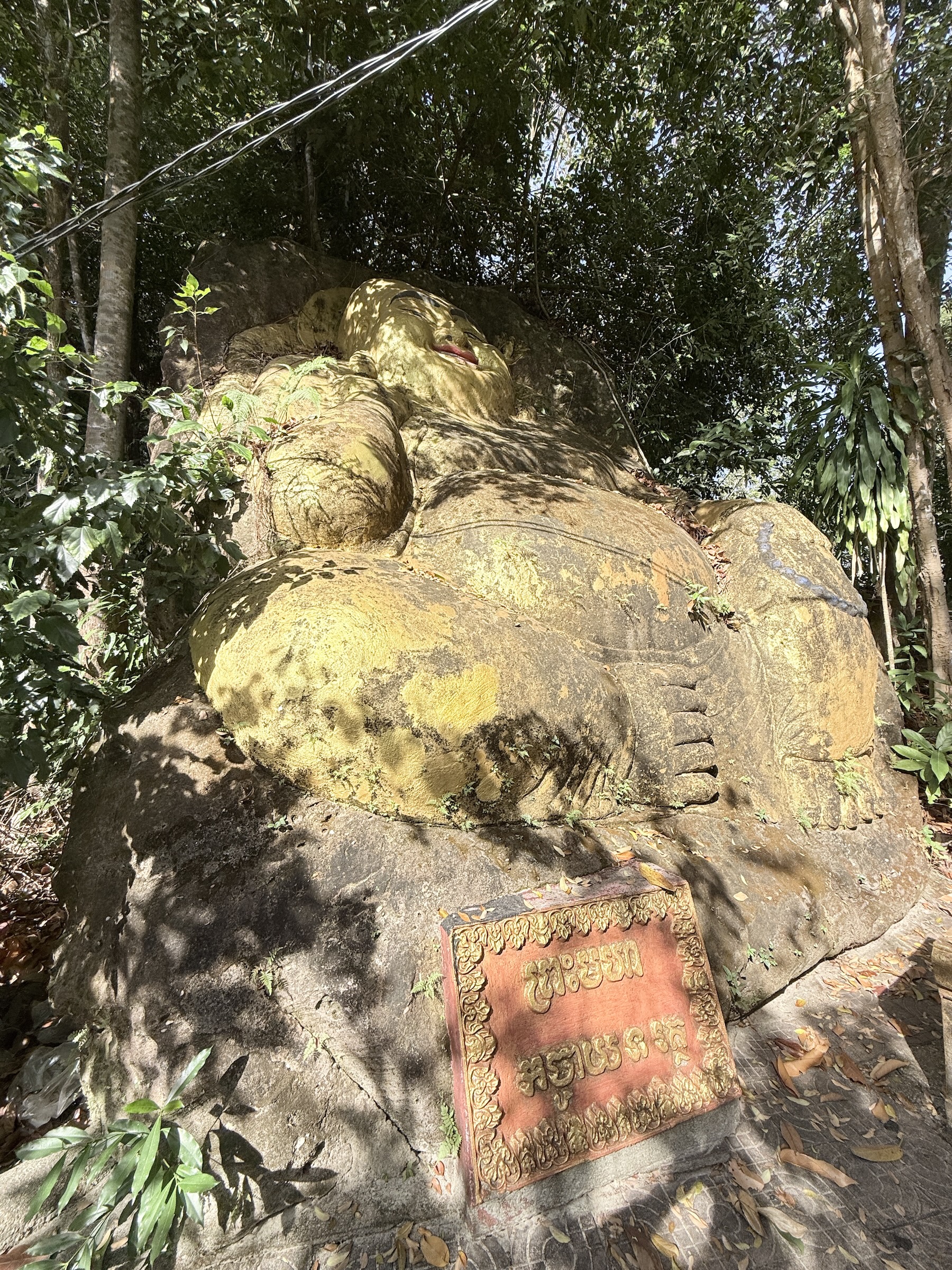
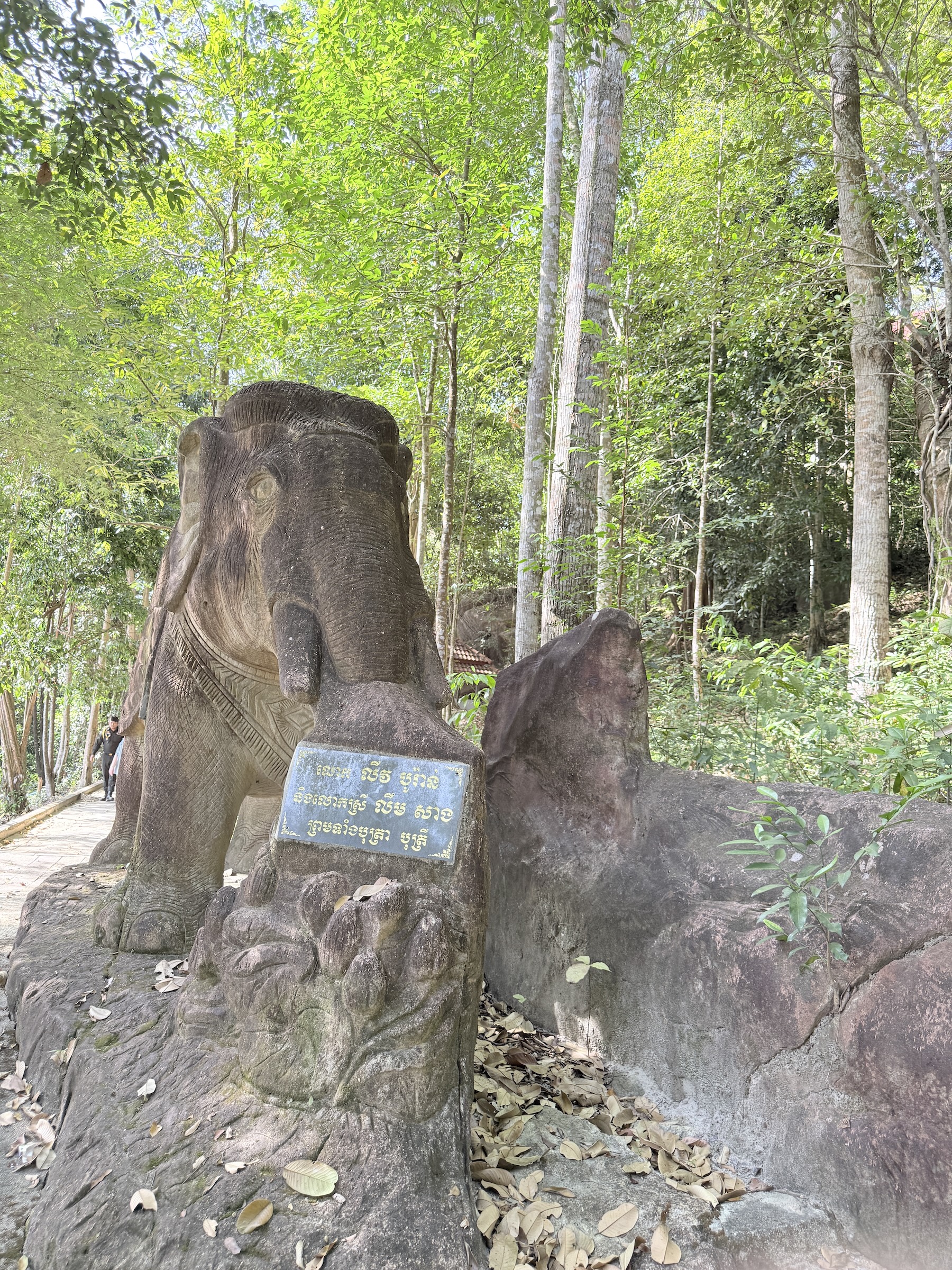
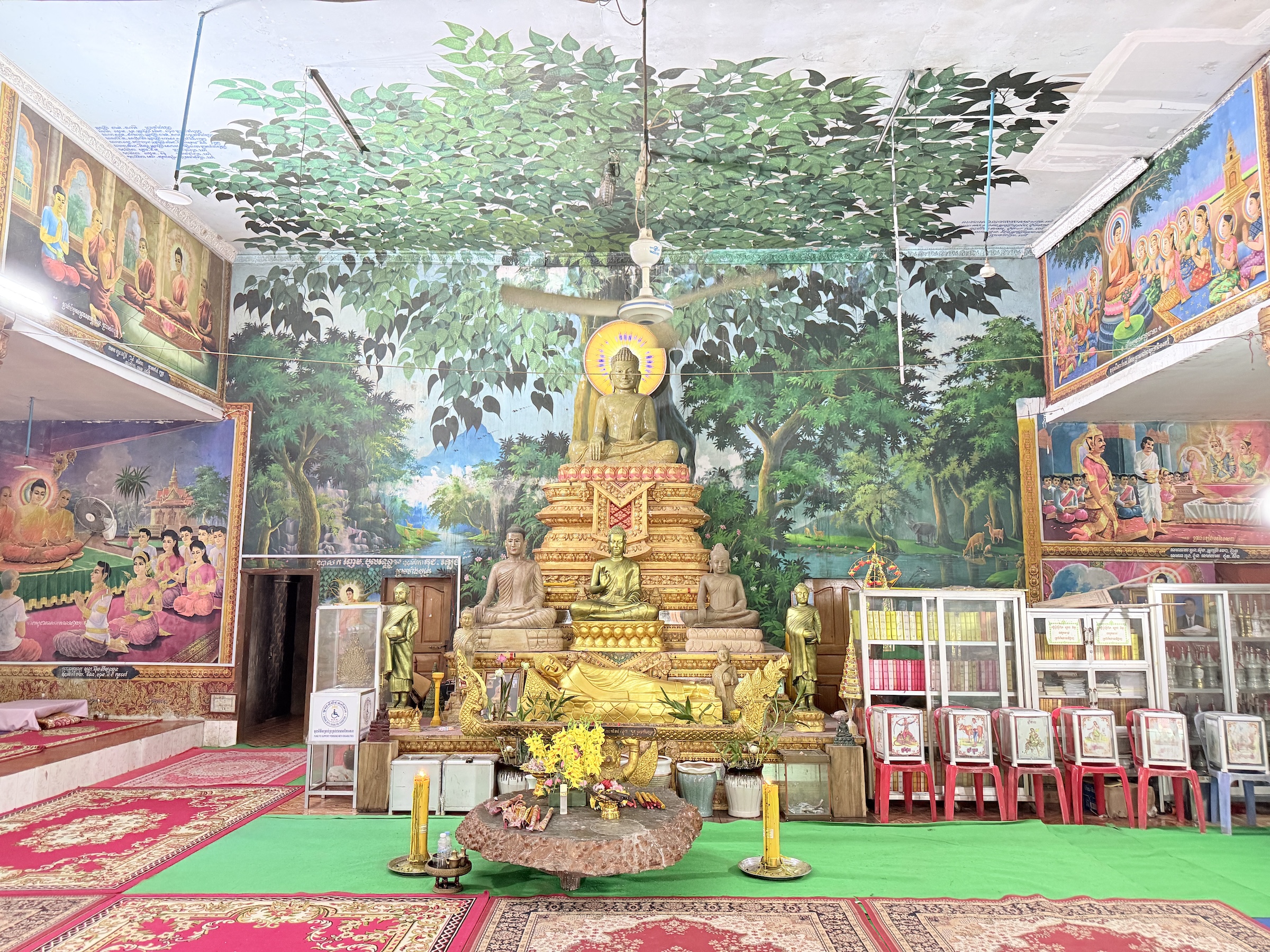
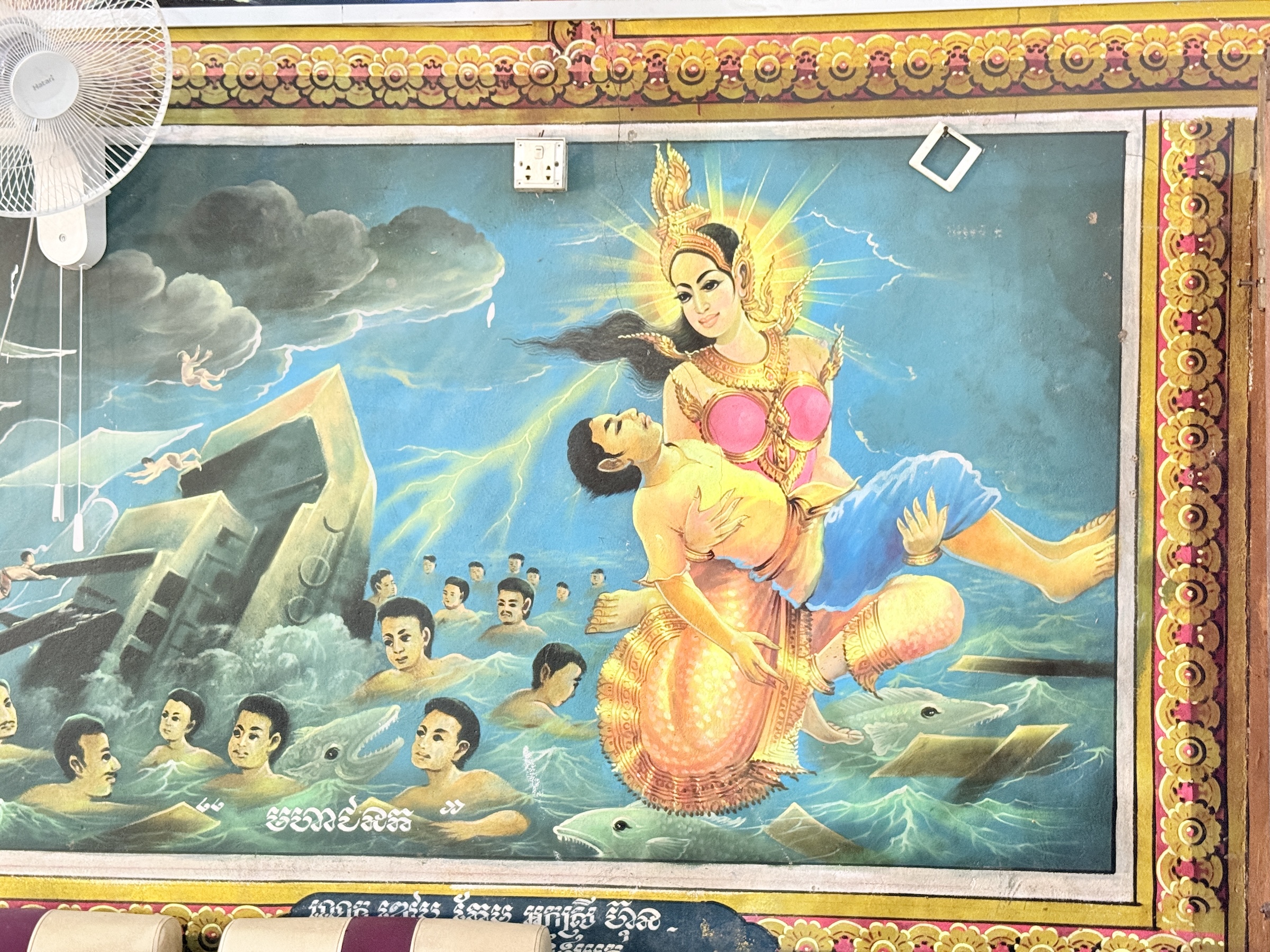
The next stop was at a Buddhist compound with several temples, and Buddhas. (Theravada Buddhism is practiced by over 90% of the population).

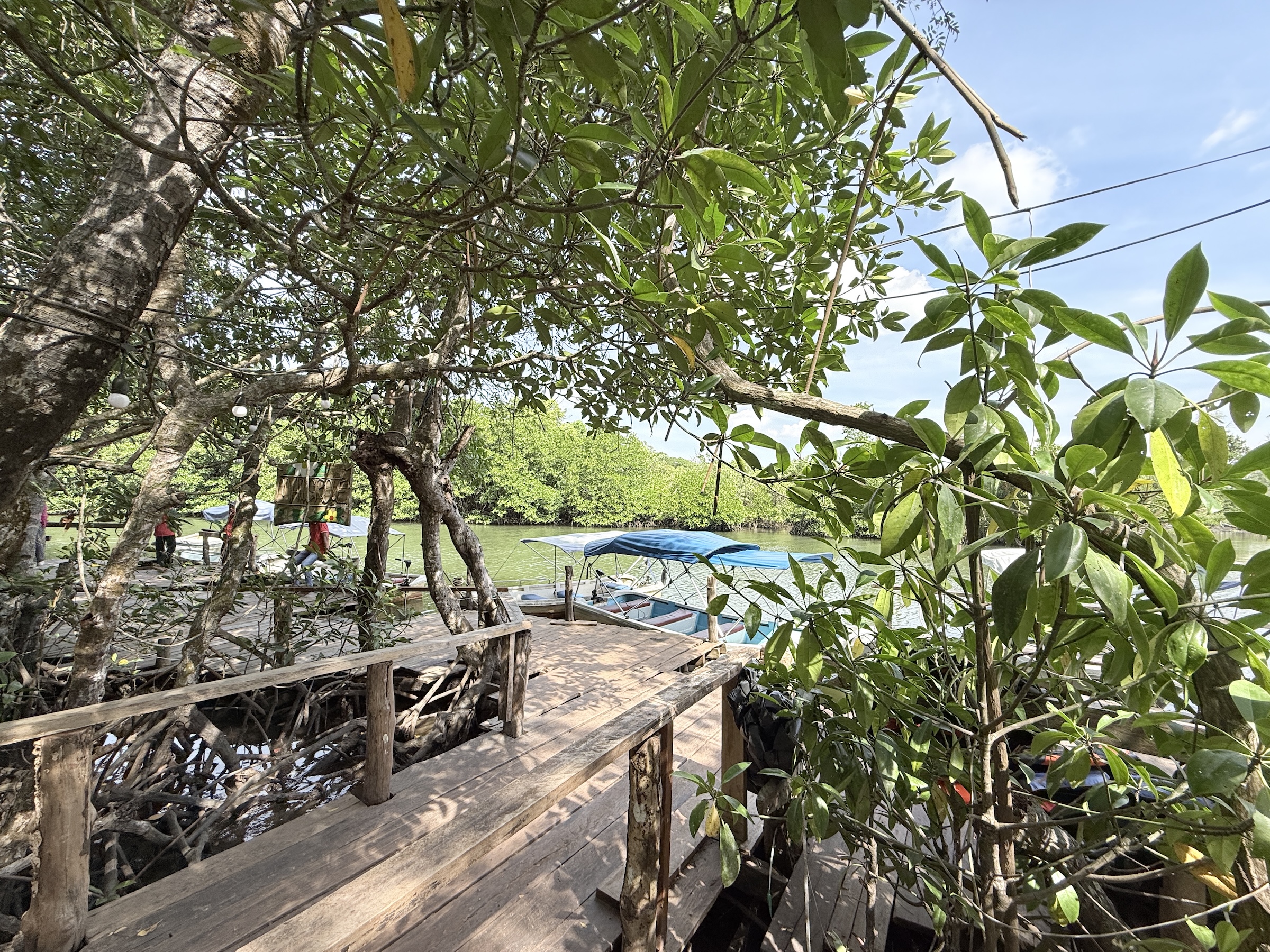
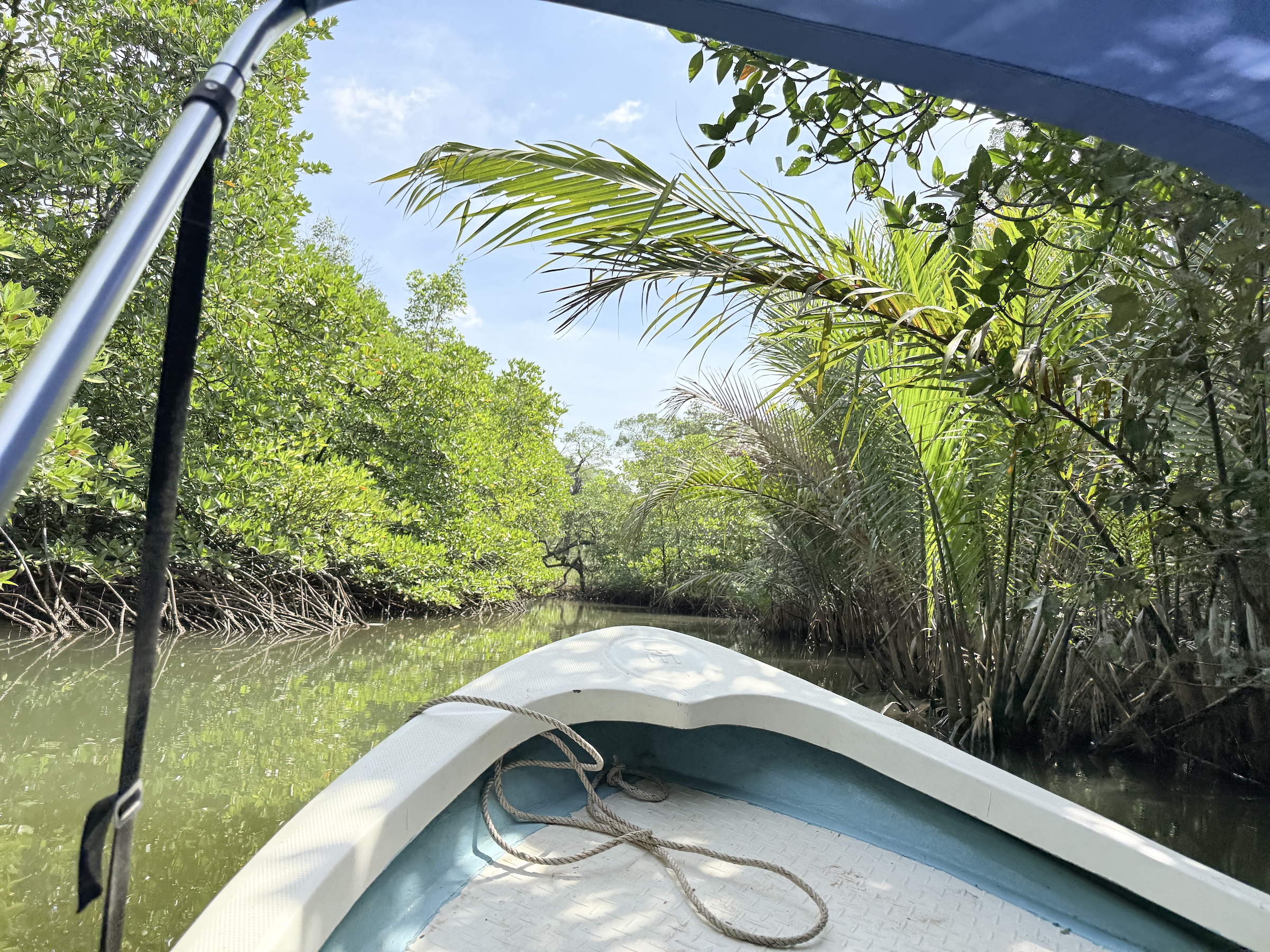
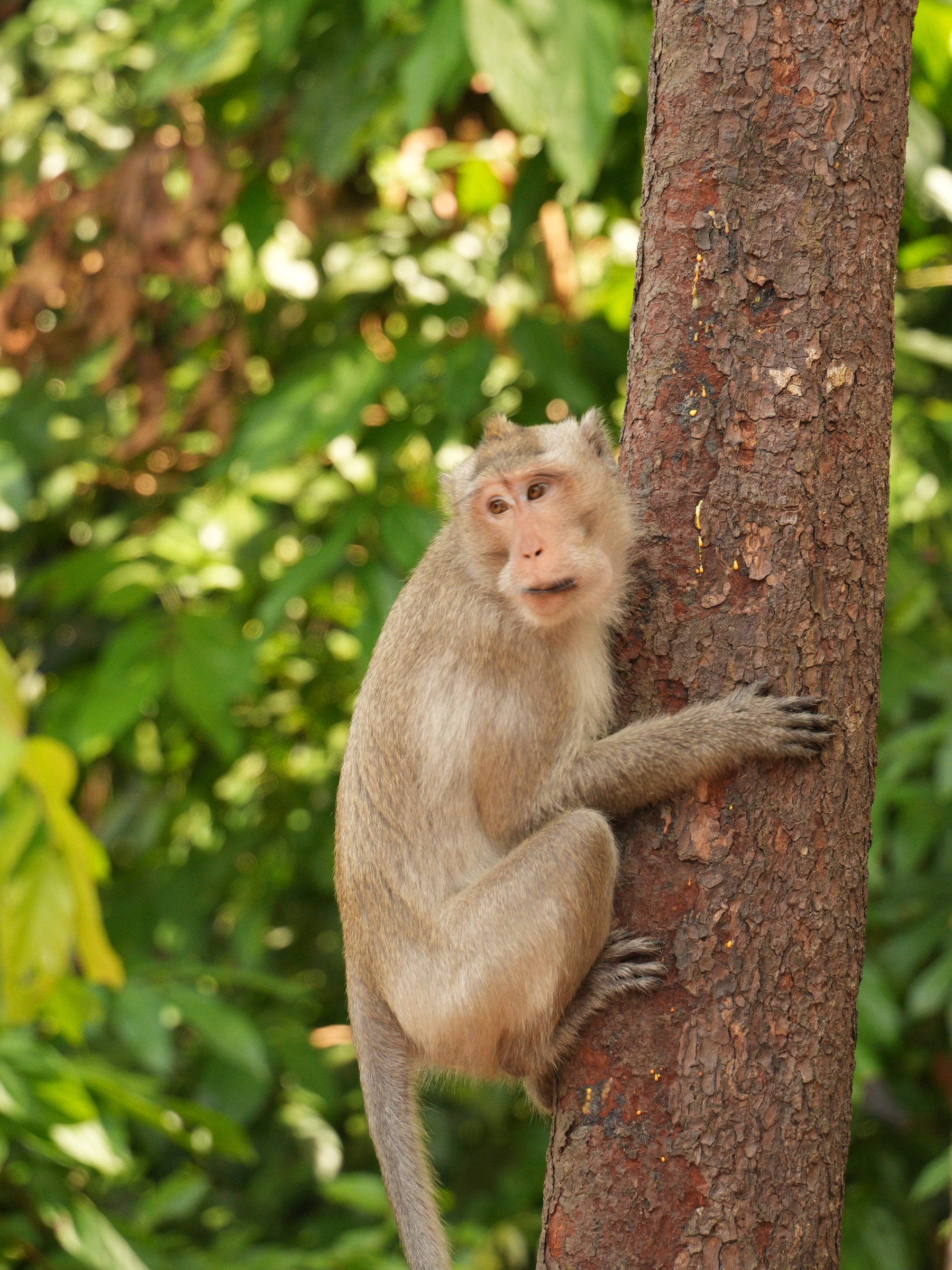
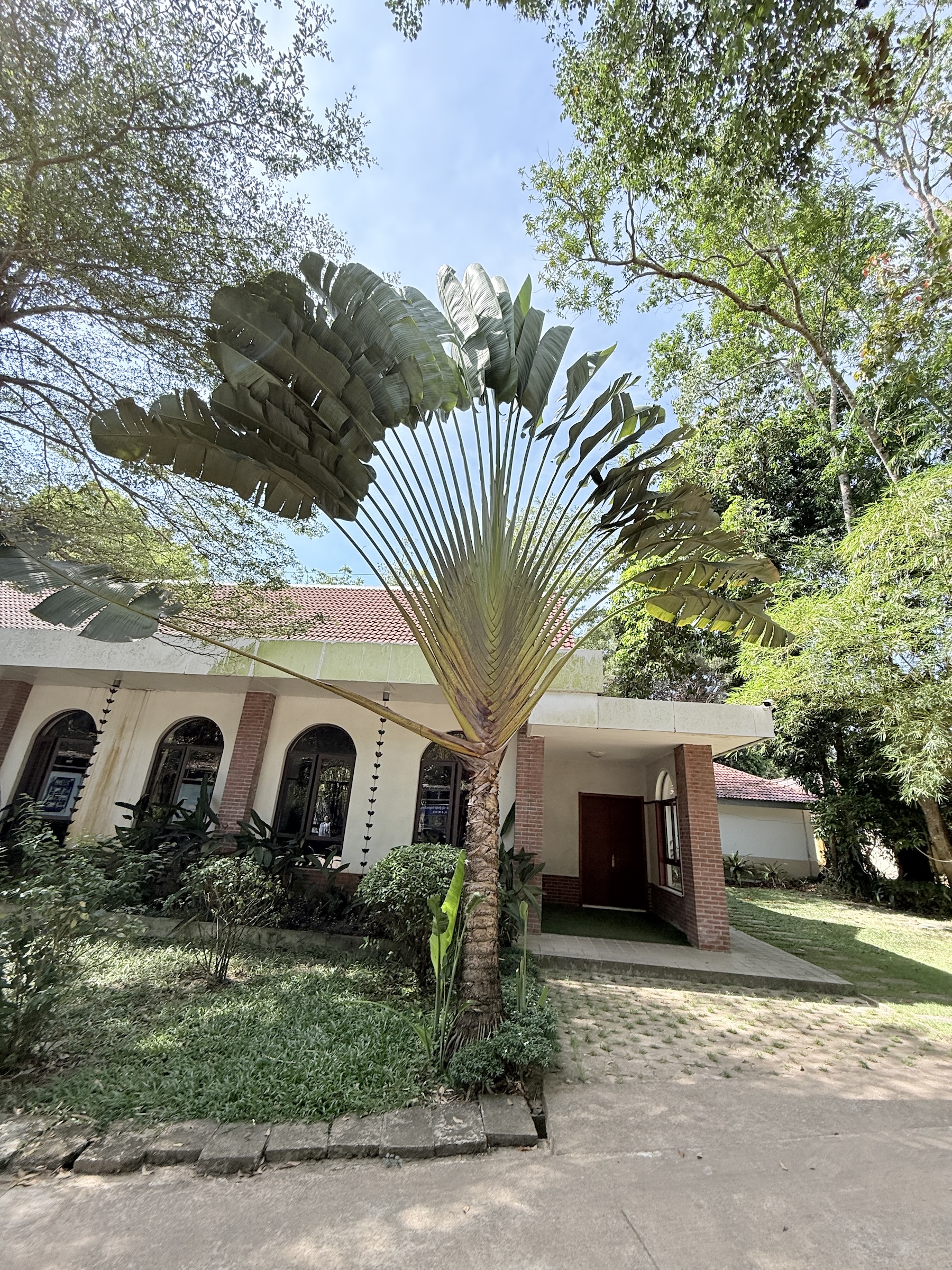
After that it was off to the beaches of Sampounch Island, and the national park. We did a little motor boat cruise through the mangroves and walked on an elevated plank walkway through the forest. There was not a single bird in sight, but we ran into a few long-tailed macaques right at the end of the walk.

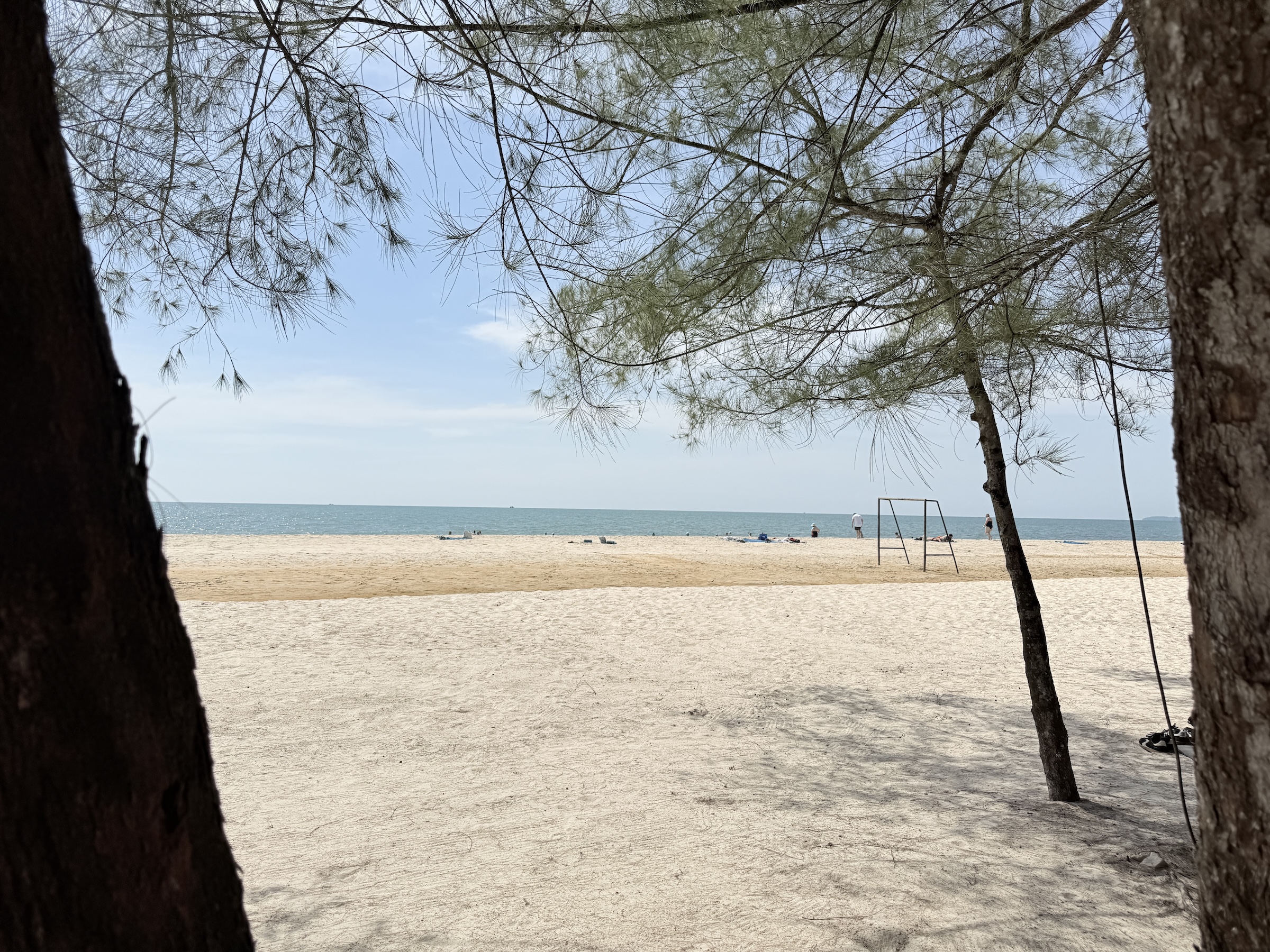
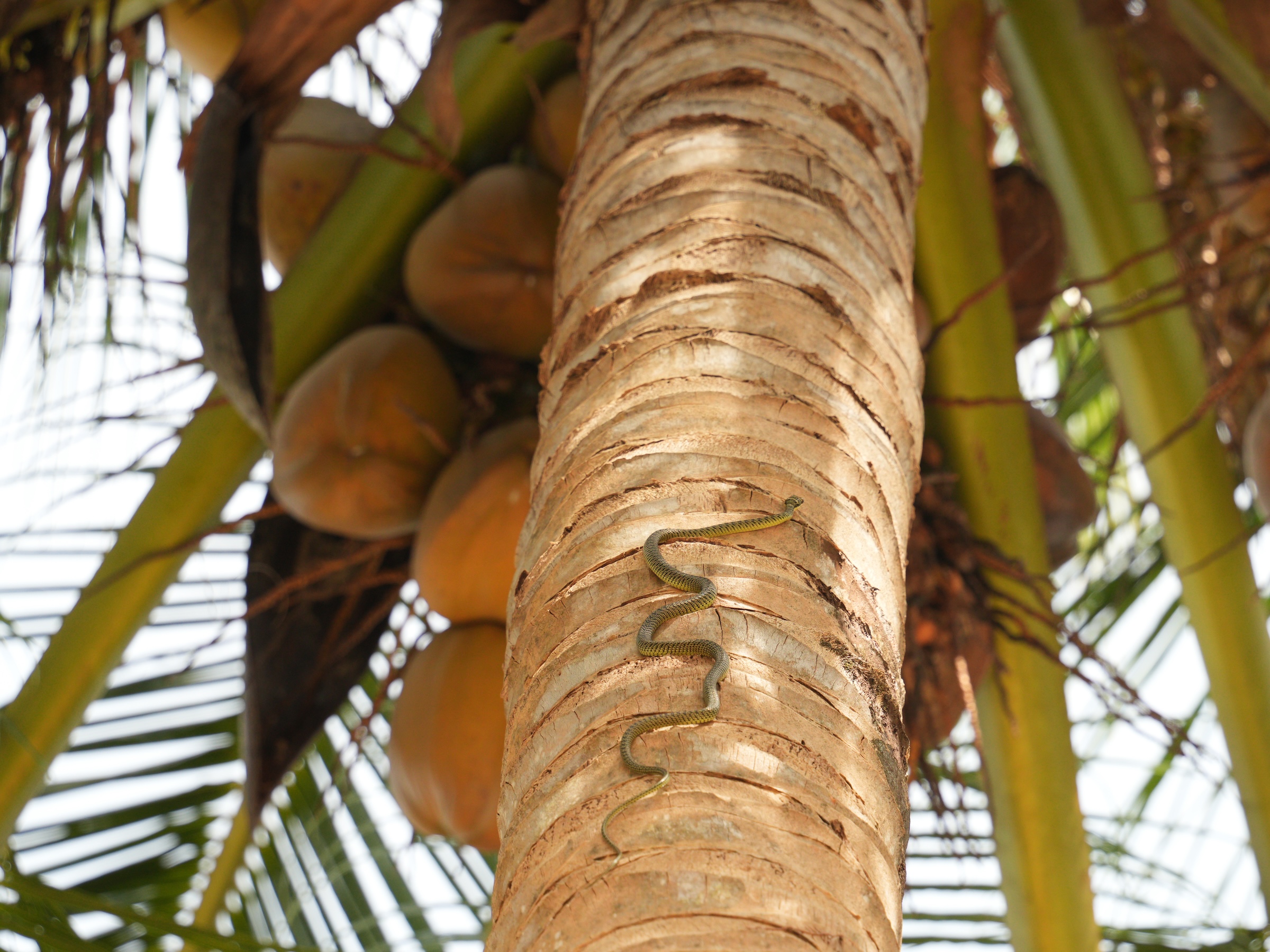
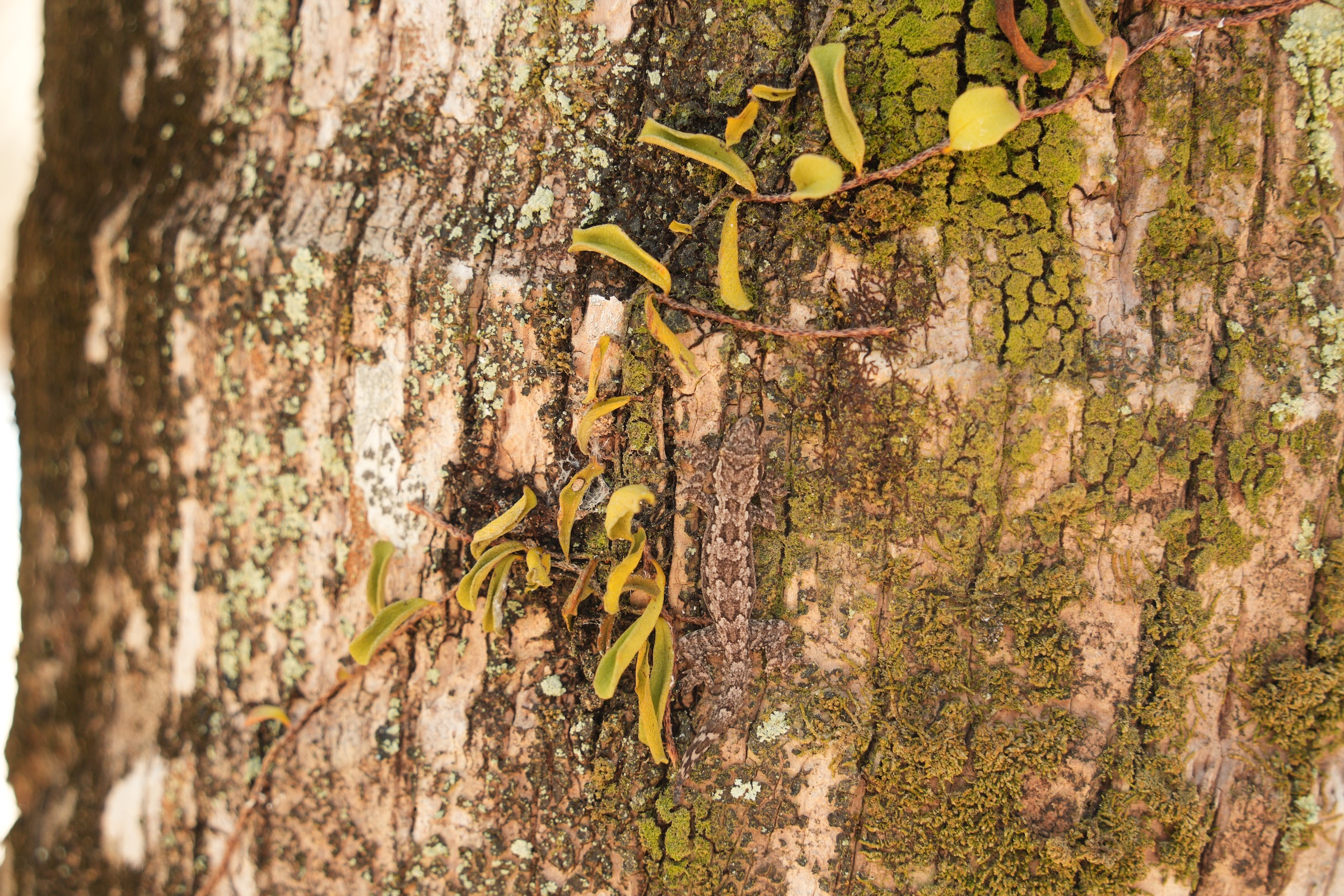
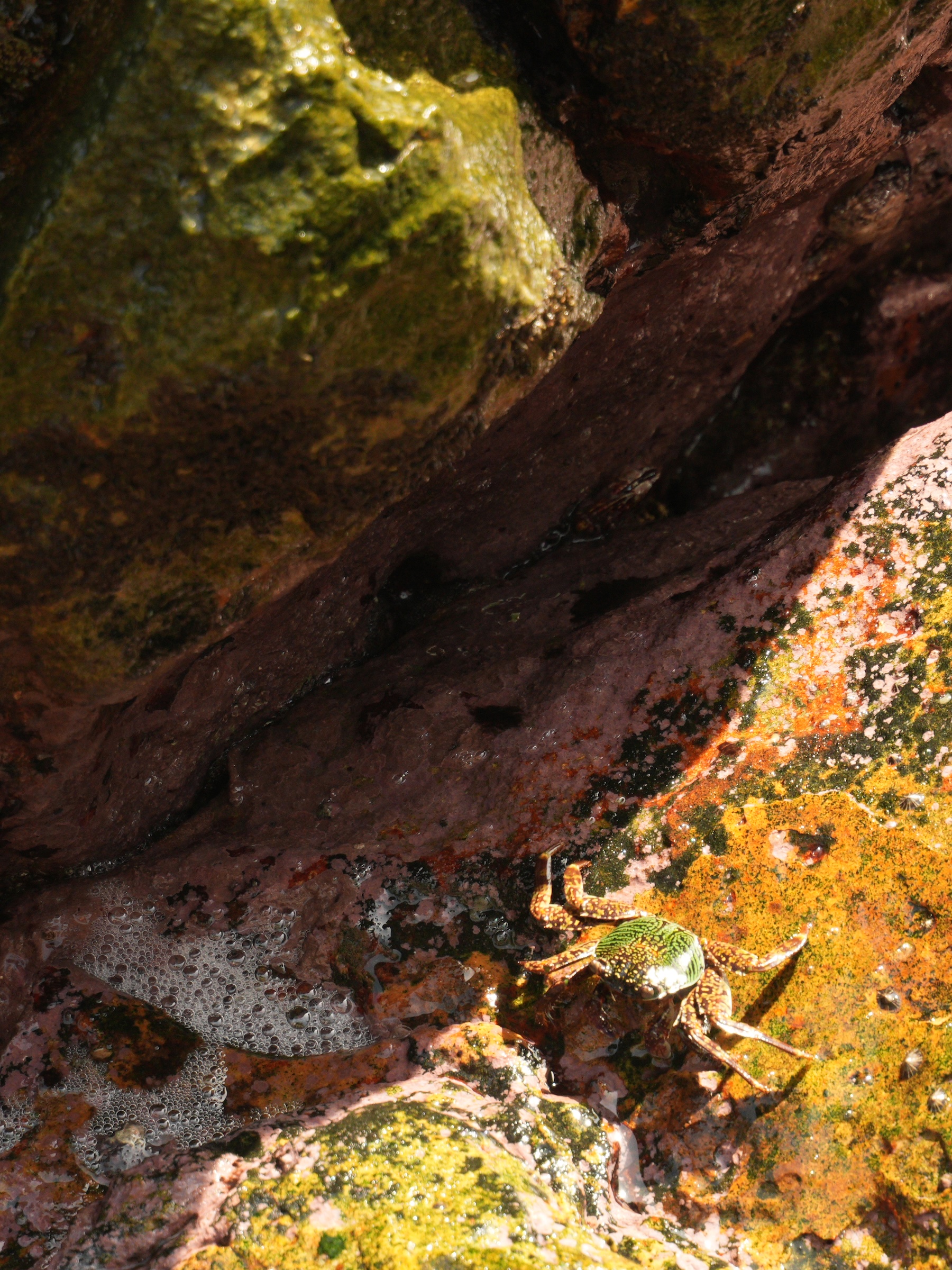
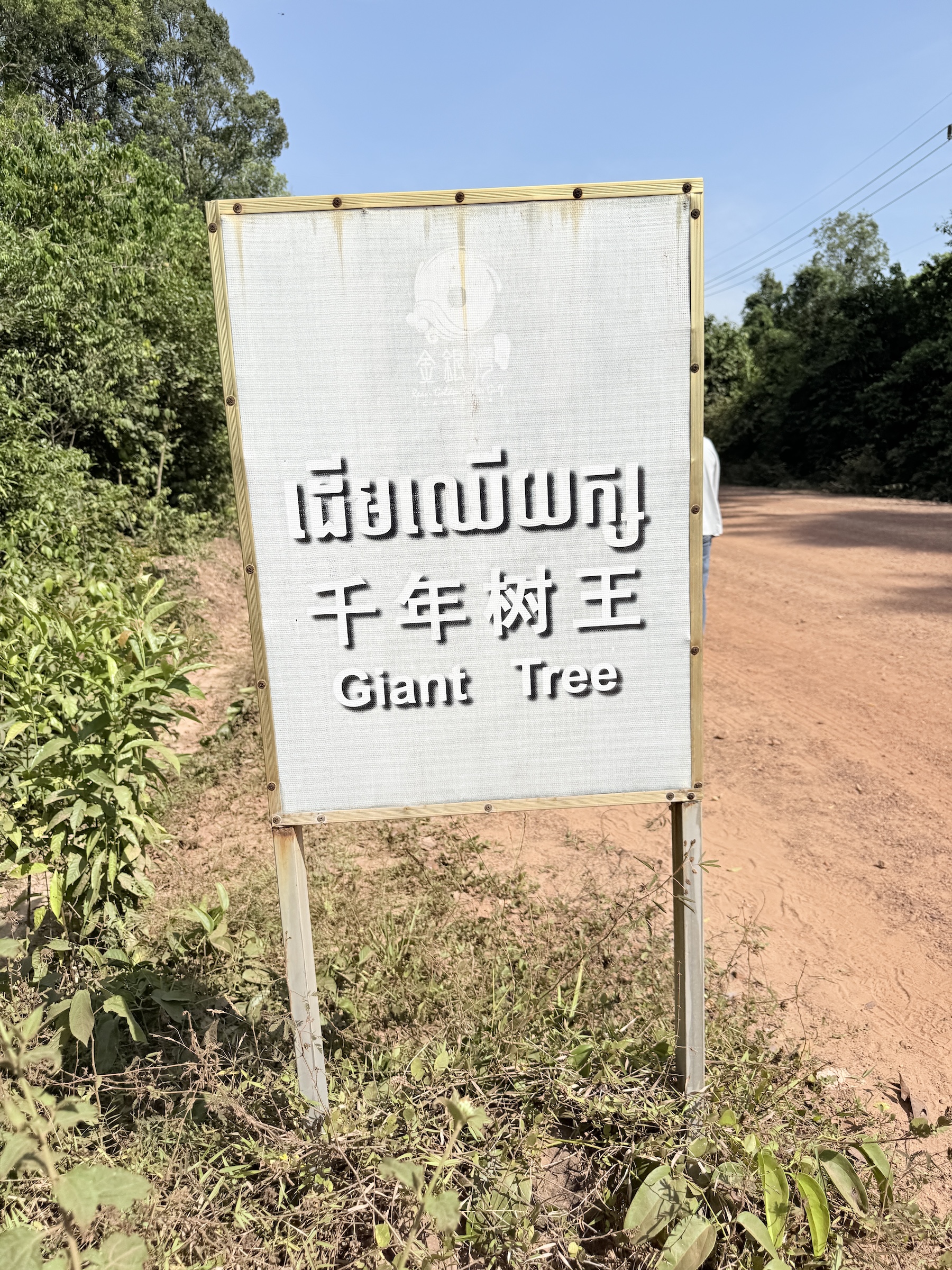
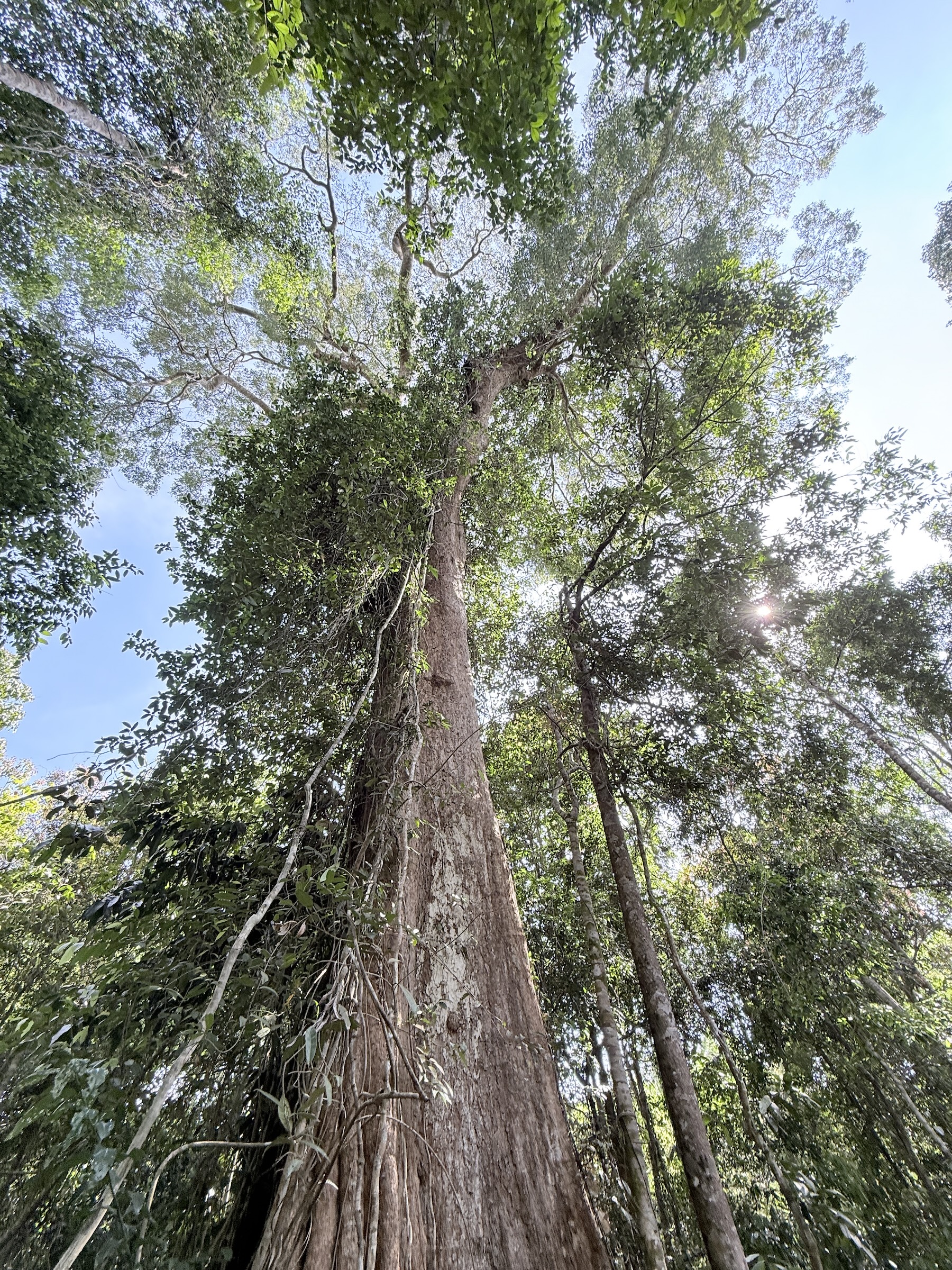
The other beach pictures and the crab, the gecko, the snake and the giant tree are near the beach at the Ream Boutique Hotel. We had lunch there, and a dip in the lukewarm waters of the Gulf of Thailand.

Monday/ the Gardens by the Bay 🌴

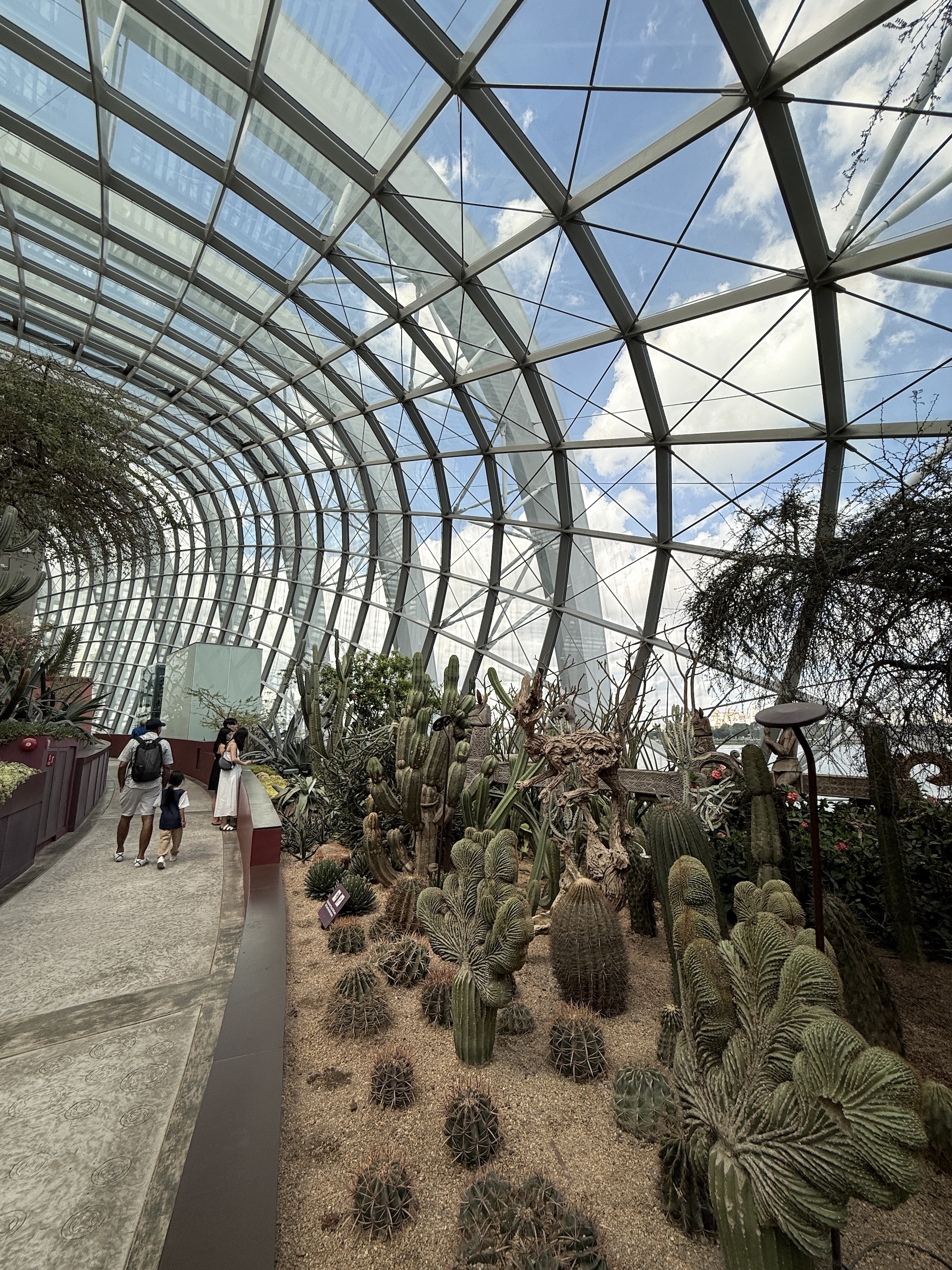
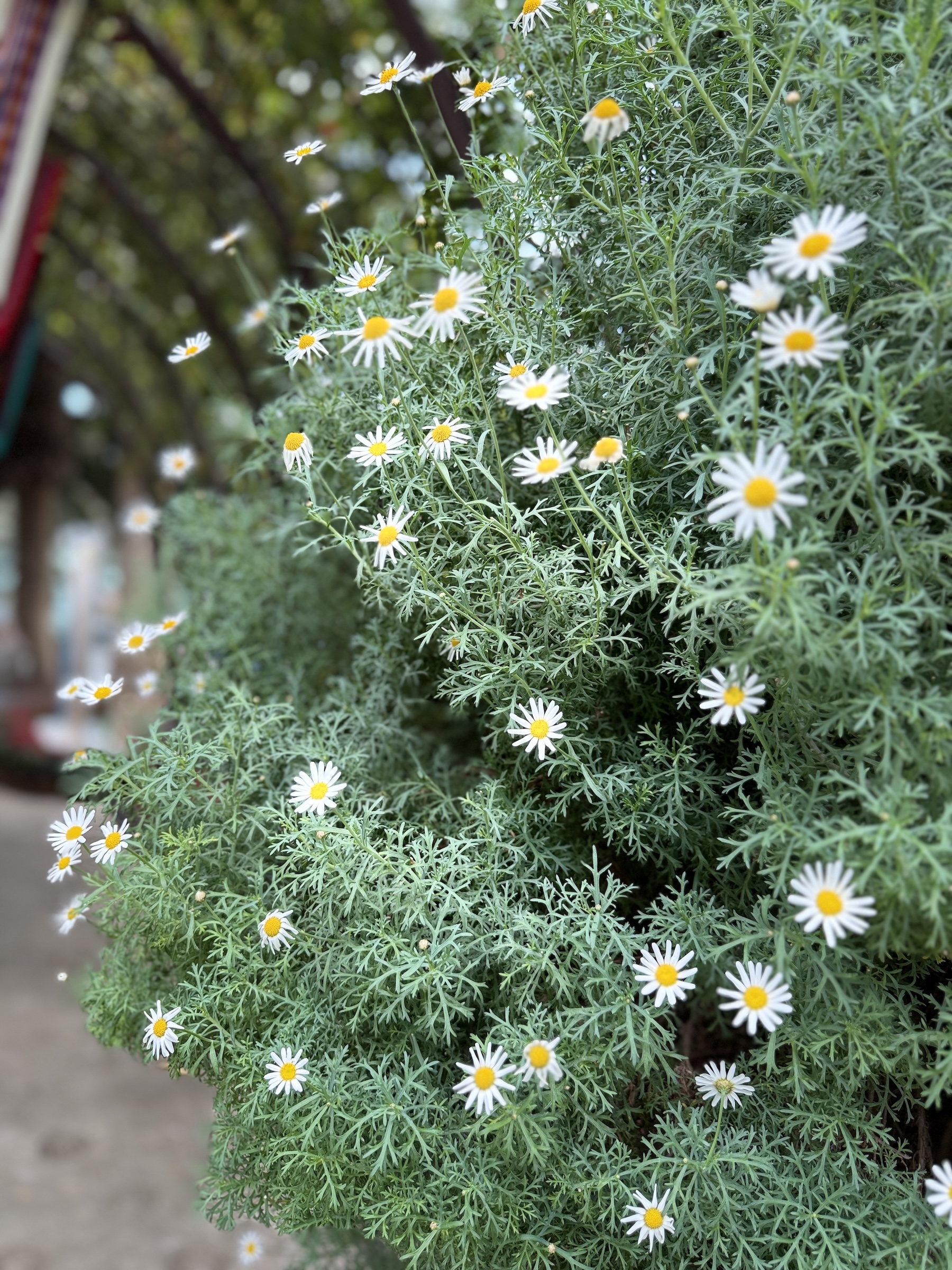
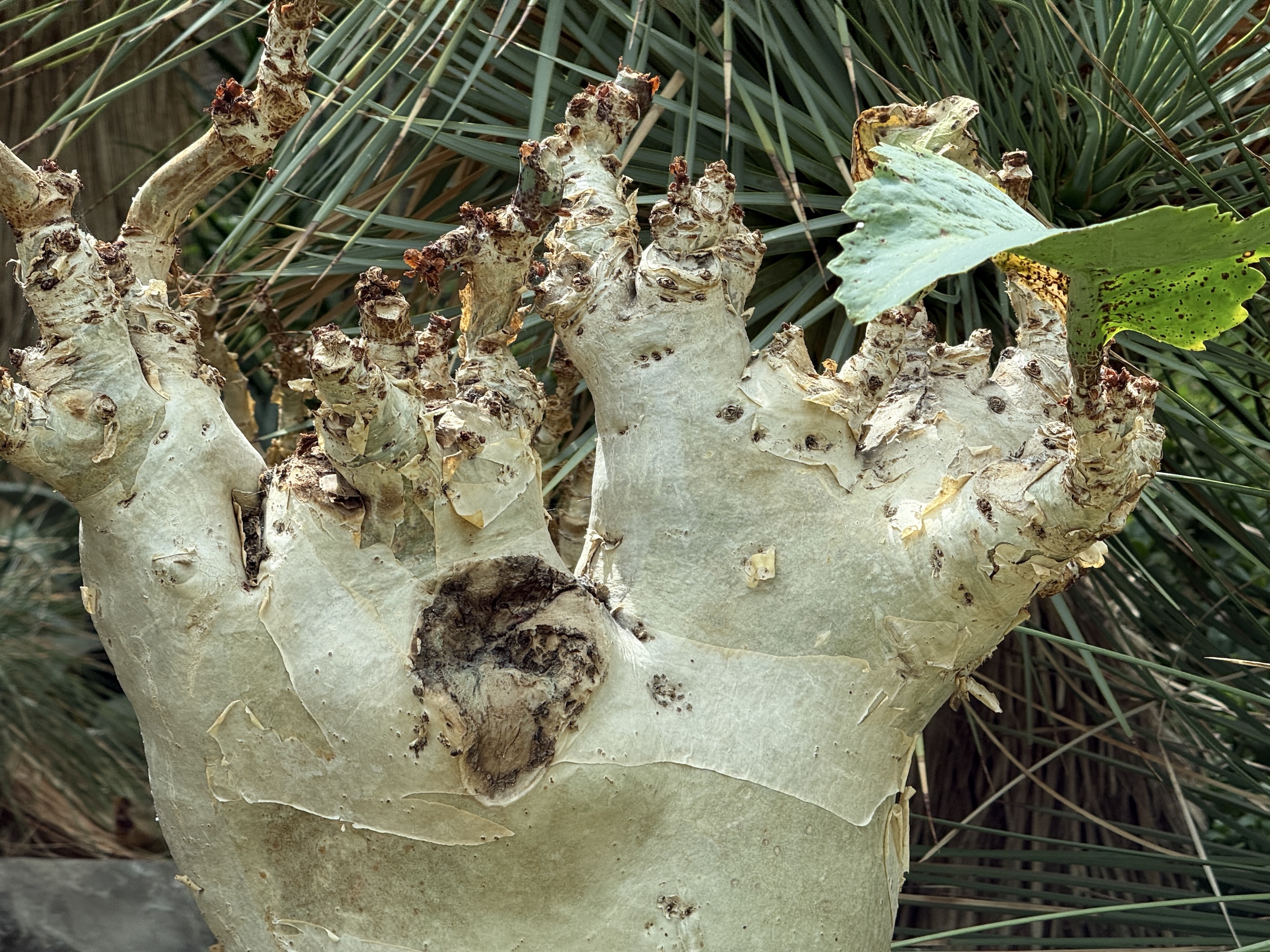
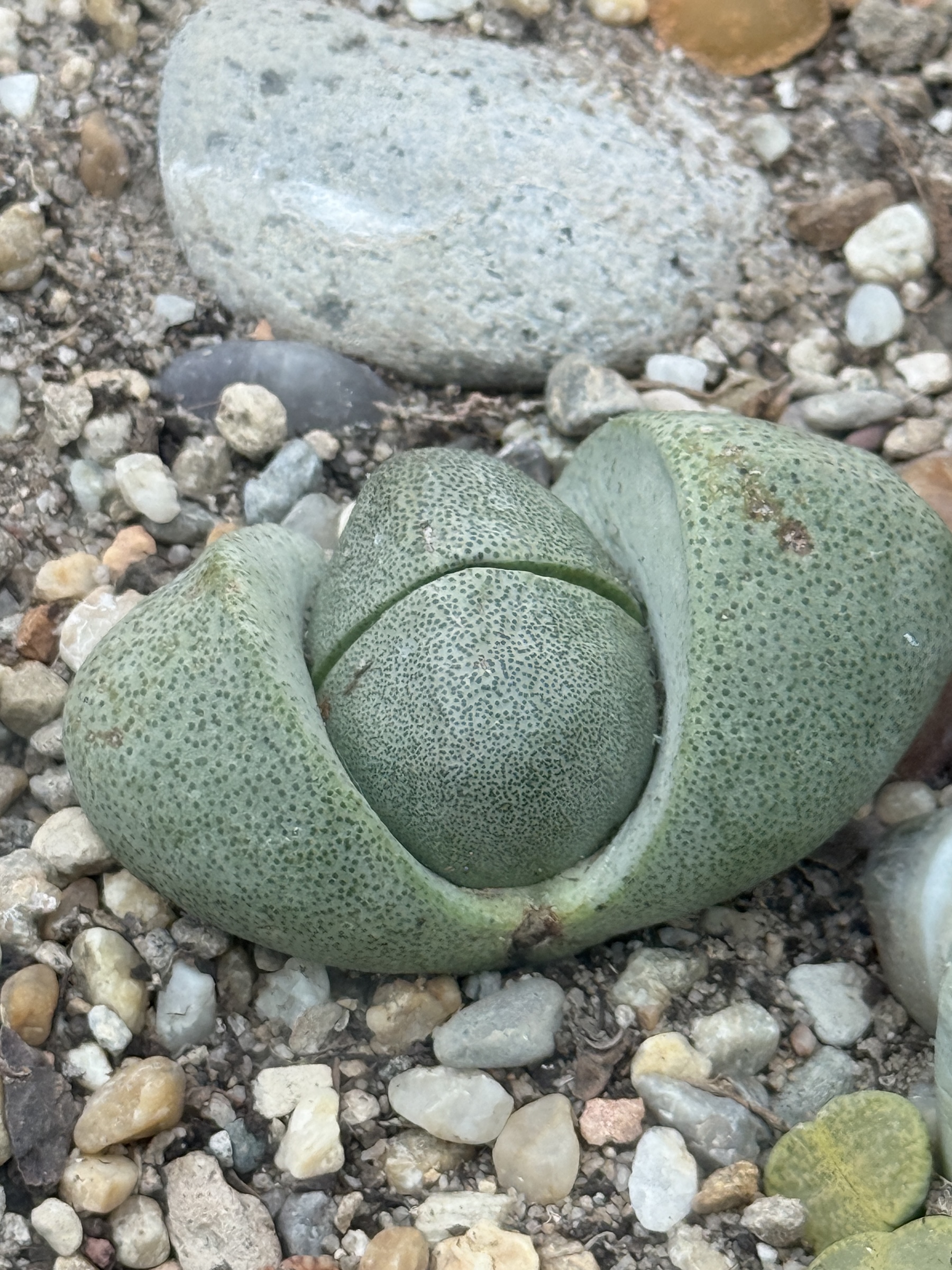
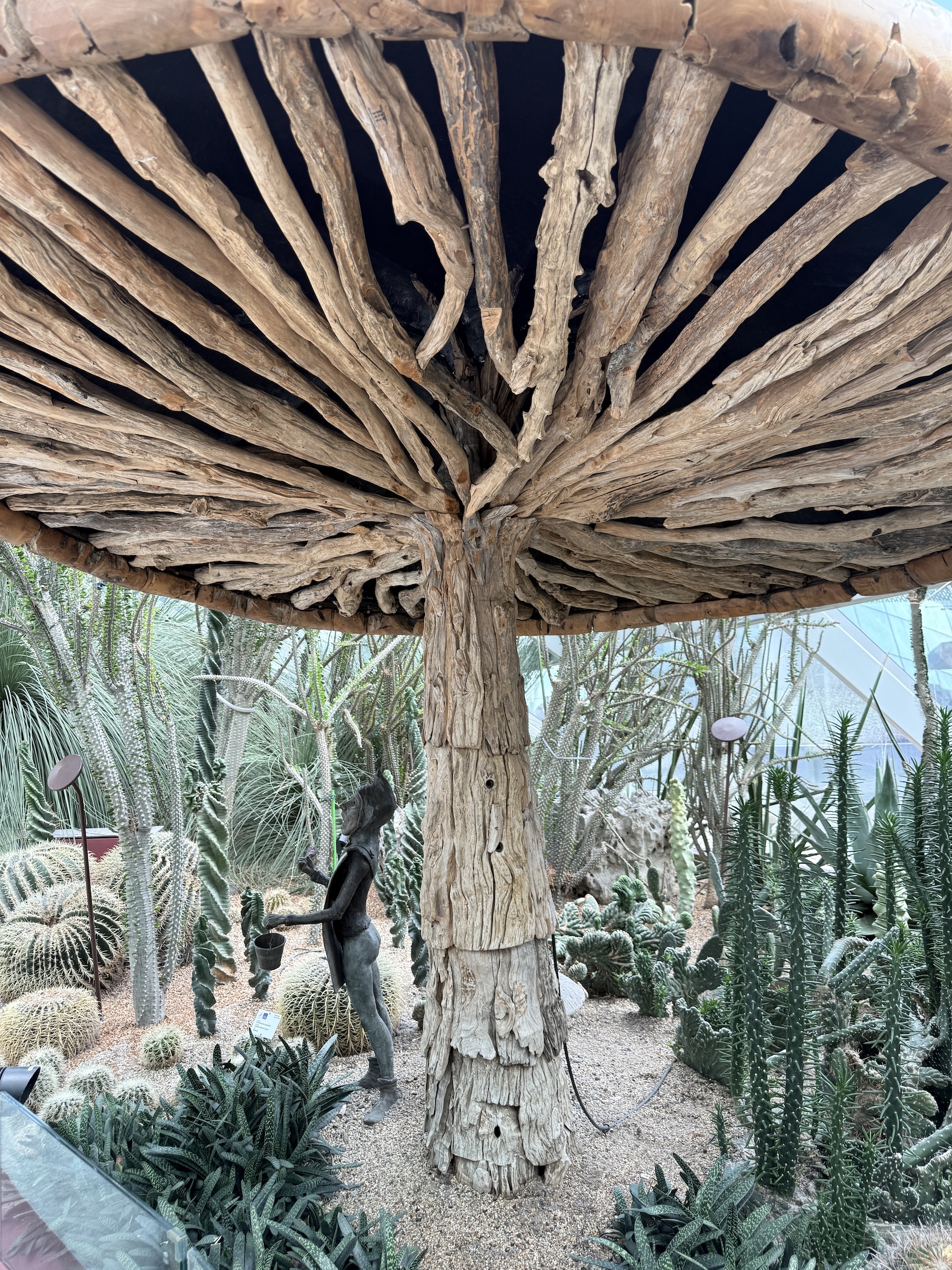
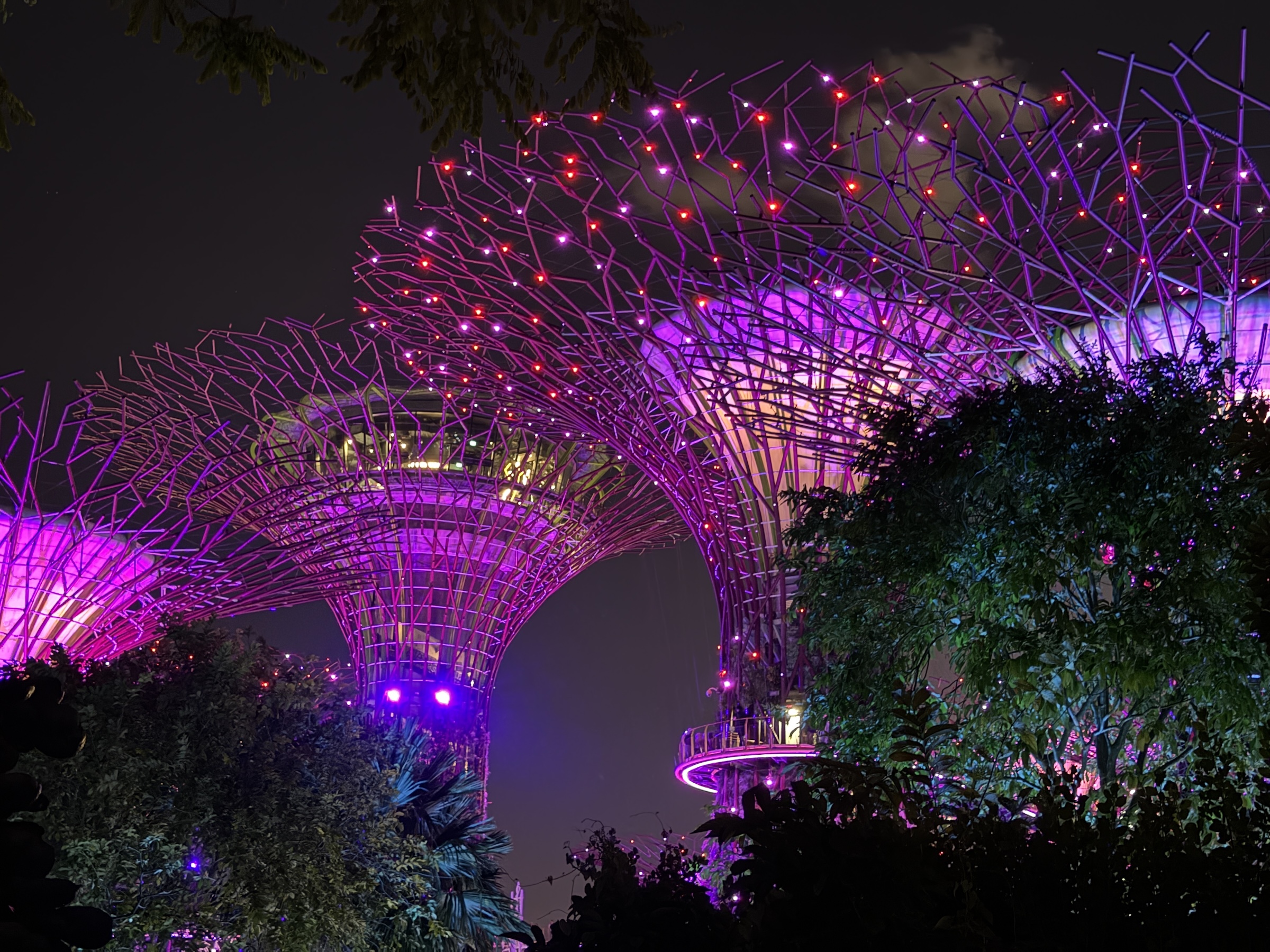
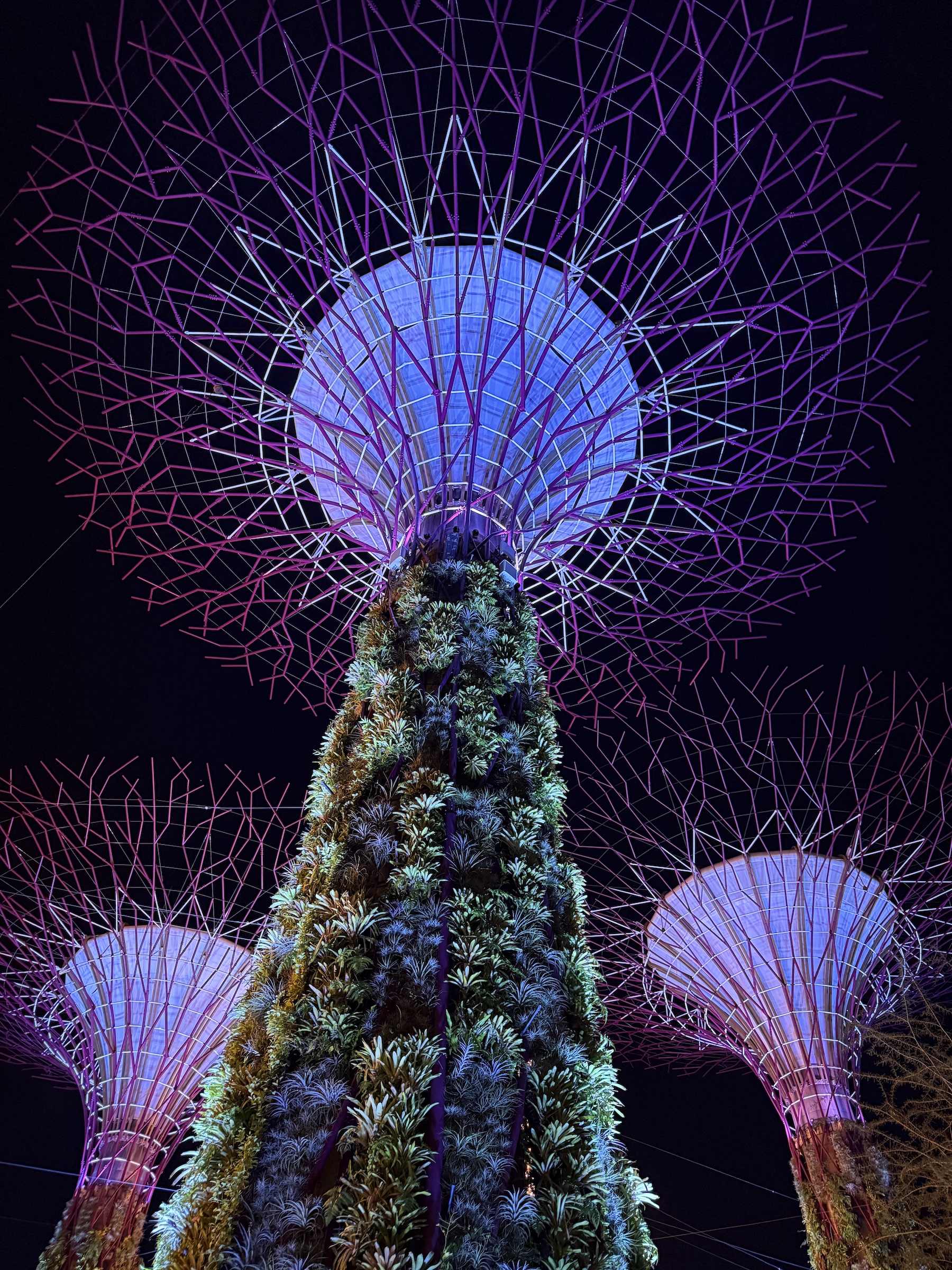
The Gardens by the Bay is a futuristic nature park spanning 101 hectares of reclaimed land right in the center of the city.

The Flower Dome is the world’s largest glass greenhouse and features a spectacular ensemble of plants, trees and flowers from all over the world.

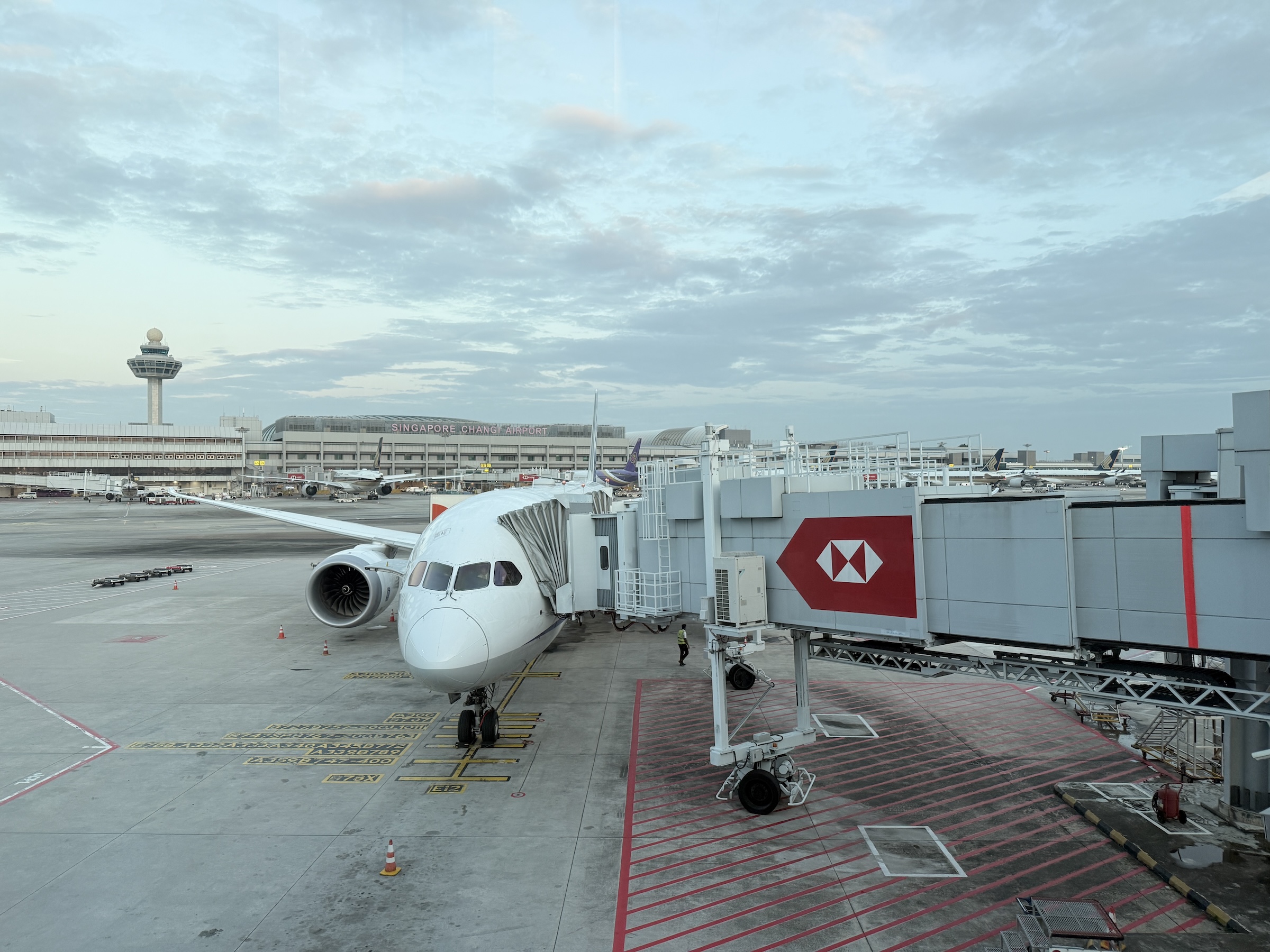
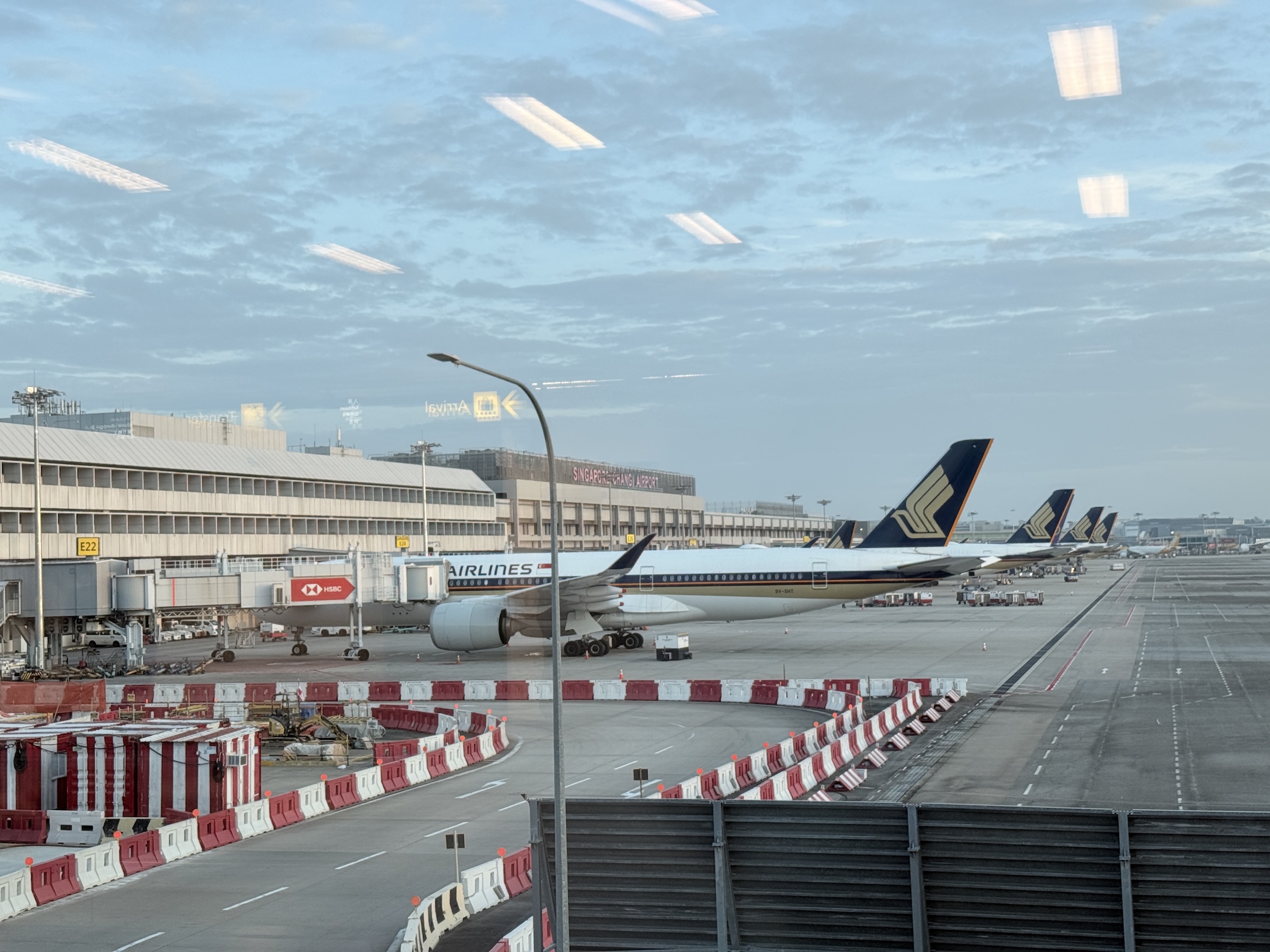
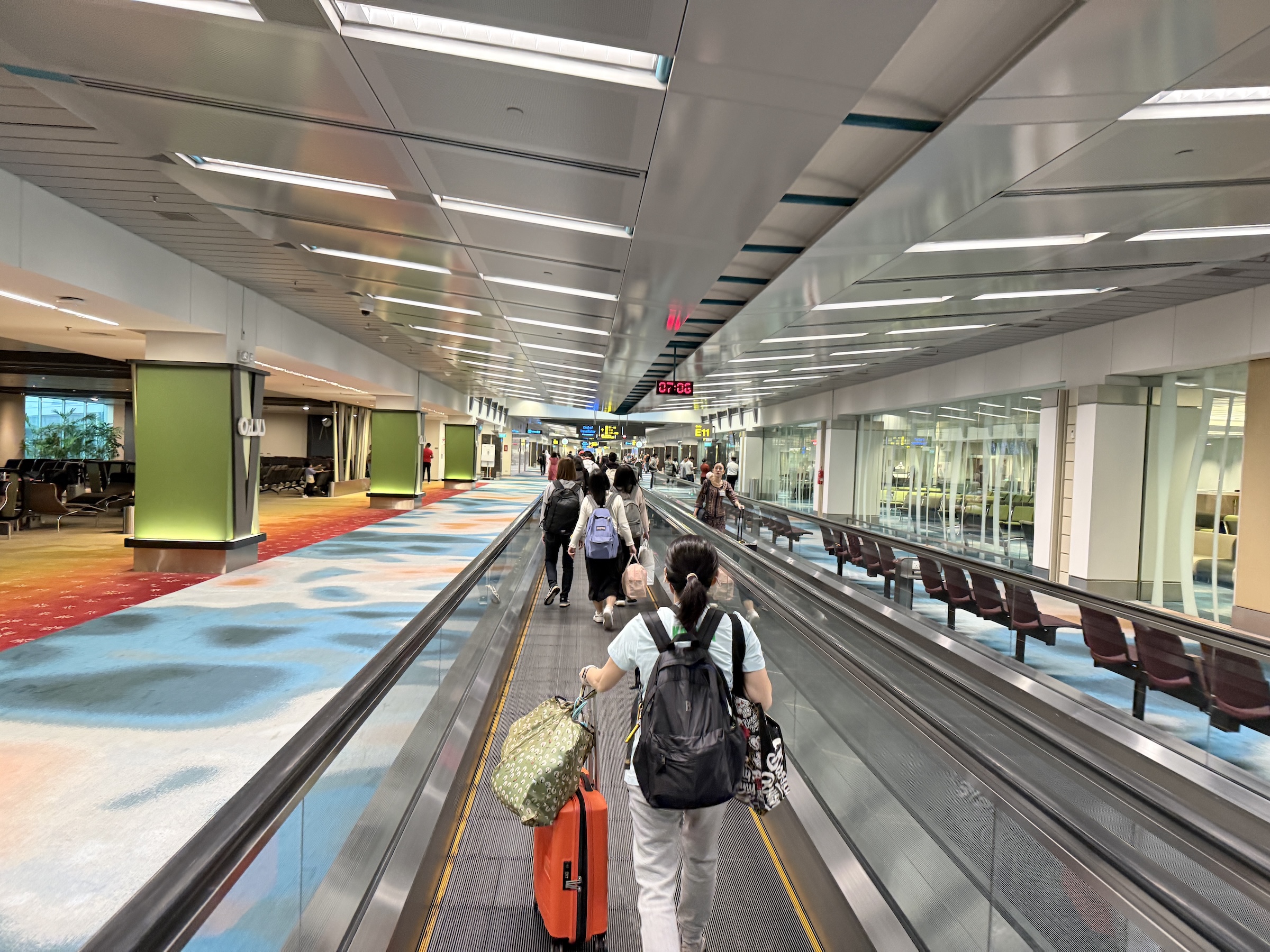
Sunday morning/ arrival in Singapore 🇸🇬

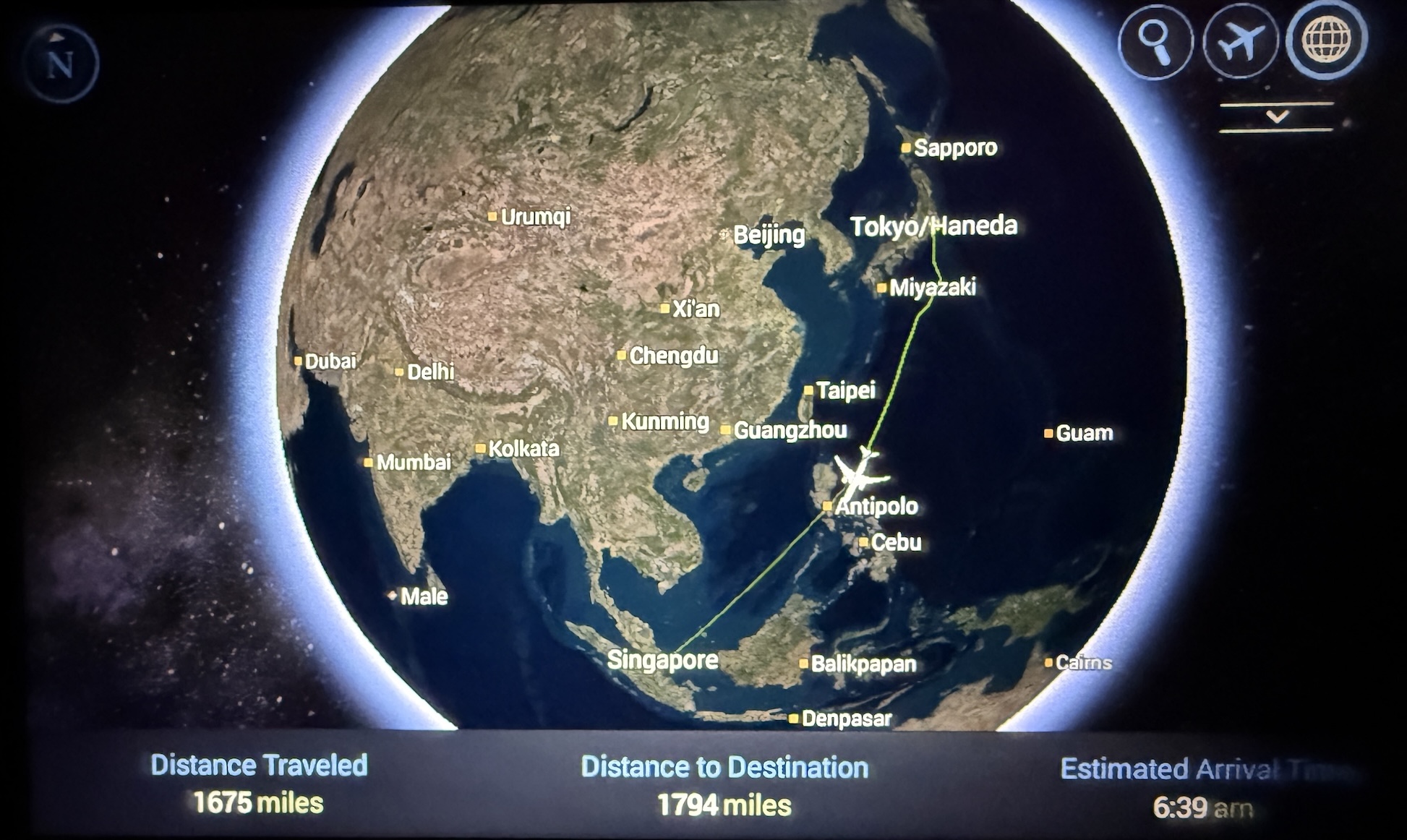
My red-eye flight that departed out of Tokyo after midnight local time (12.35 am), landed in Singapore at 6.55 am.
Passport control and customs was quick and efficient.  I interacted with no humans— only with two camera stations.
One did a facial recognition scan (after I had scanned my passport picture page) and the other instructed me to press my right thumb on the glass for a fingerprint. Twenty seconds and done.

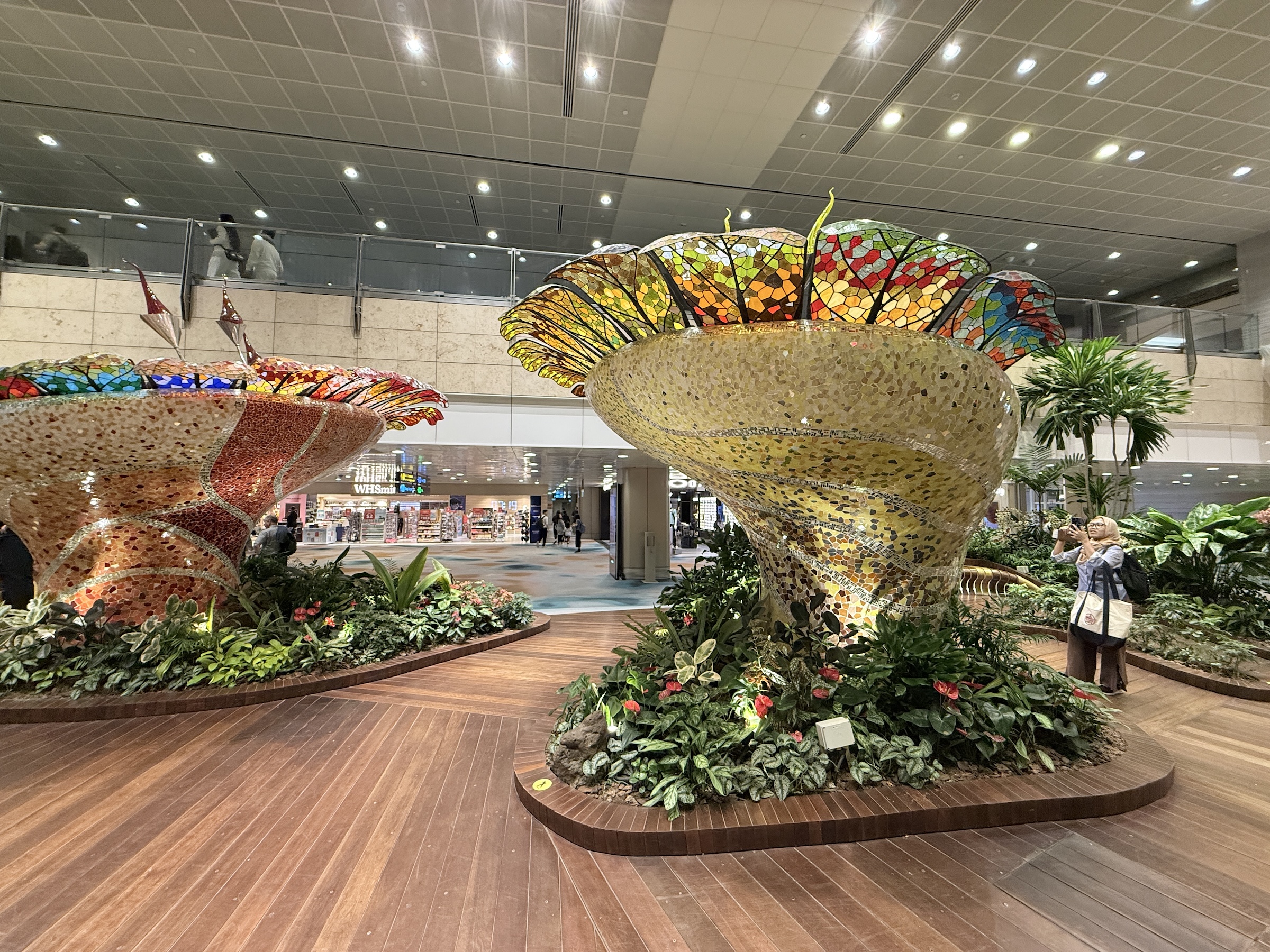
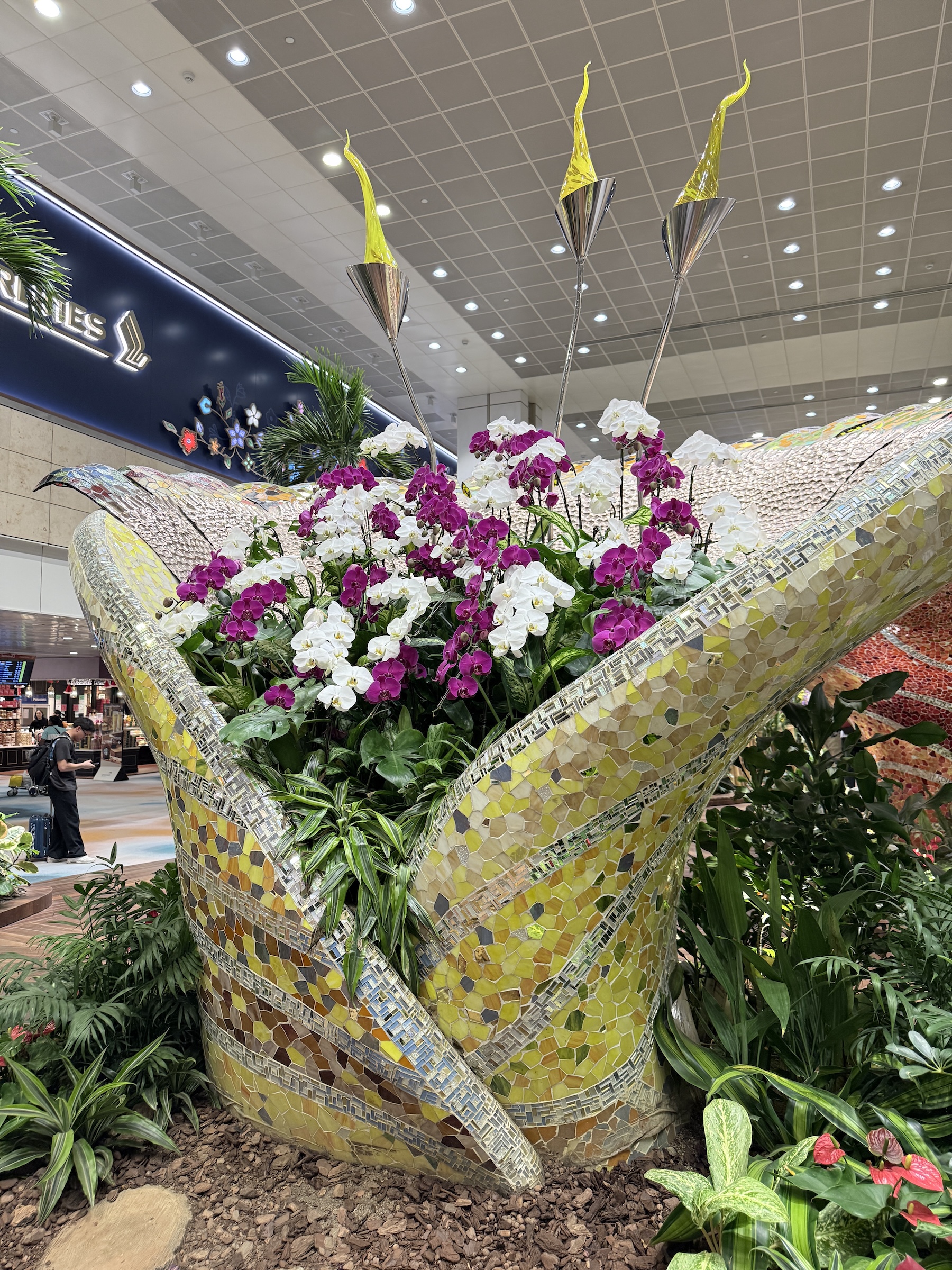
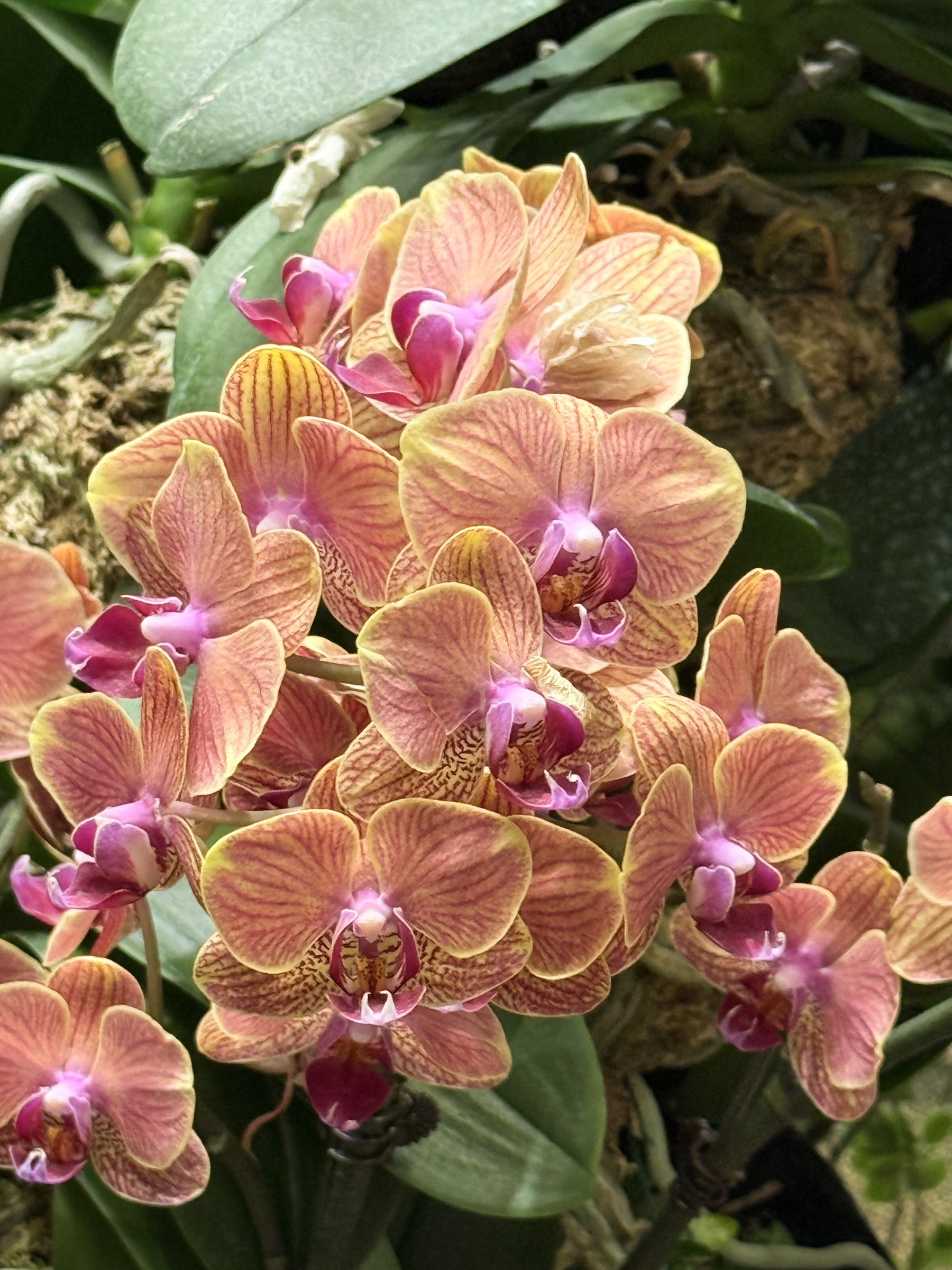
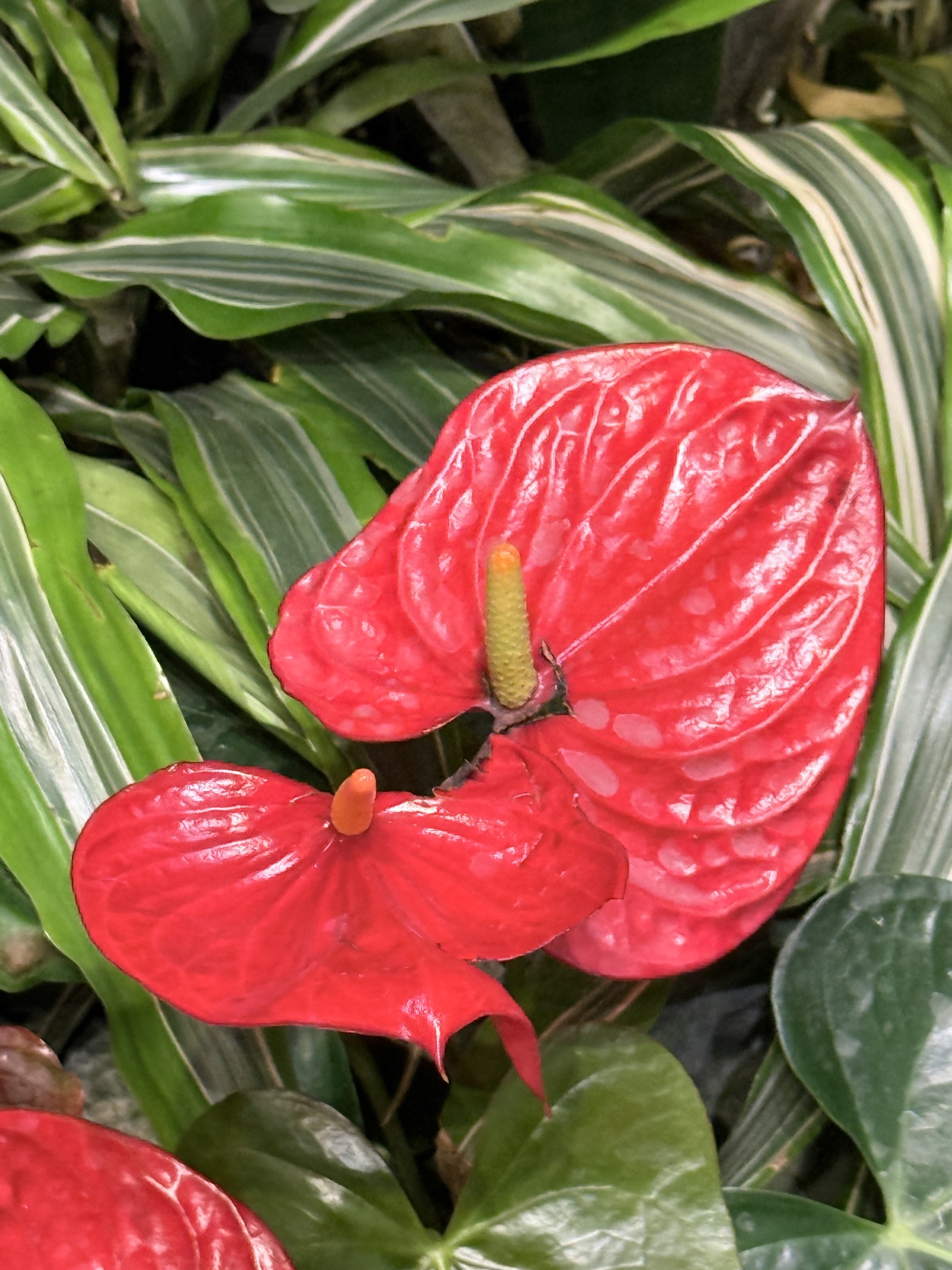
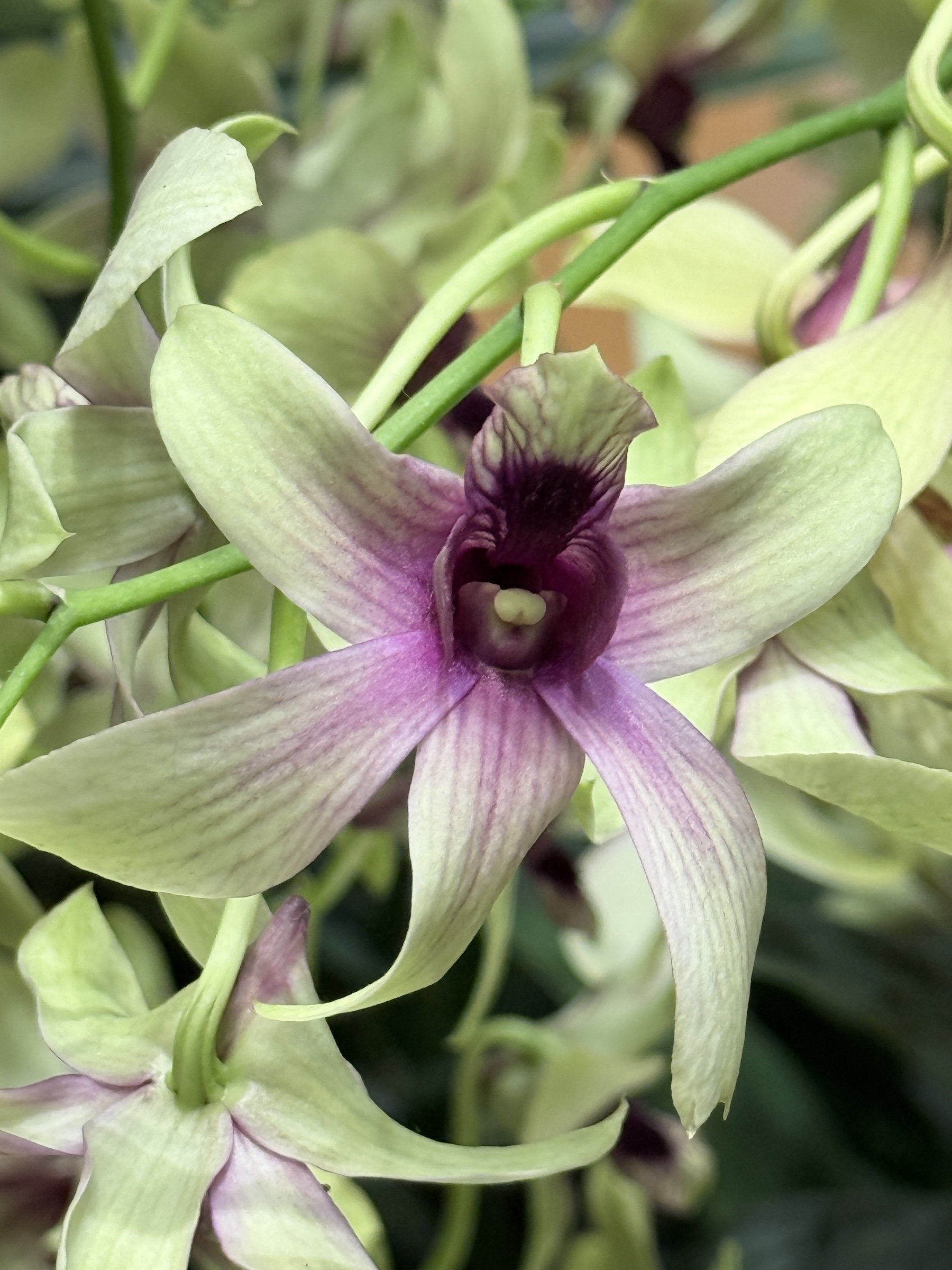
I took a few pictures of the orchids inside the secure area at Changi airport, and then had to move on to pick up my bags and go through passport control.

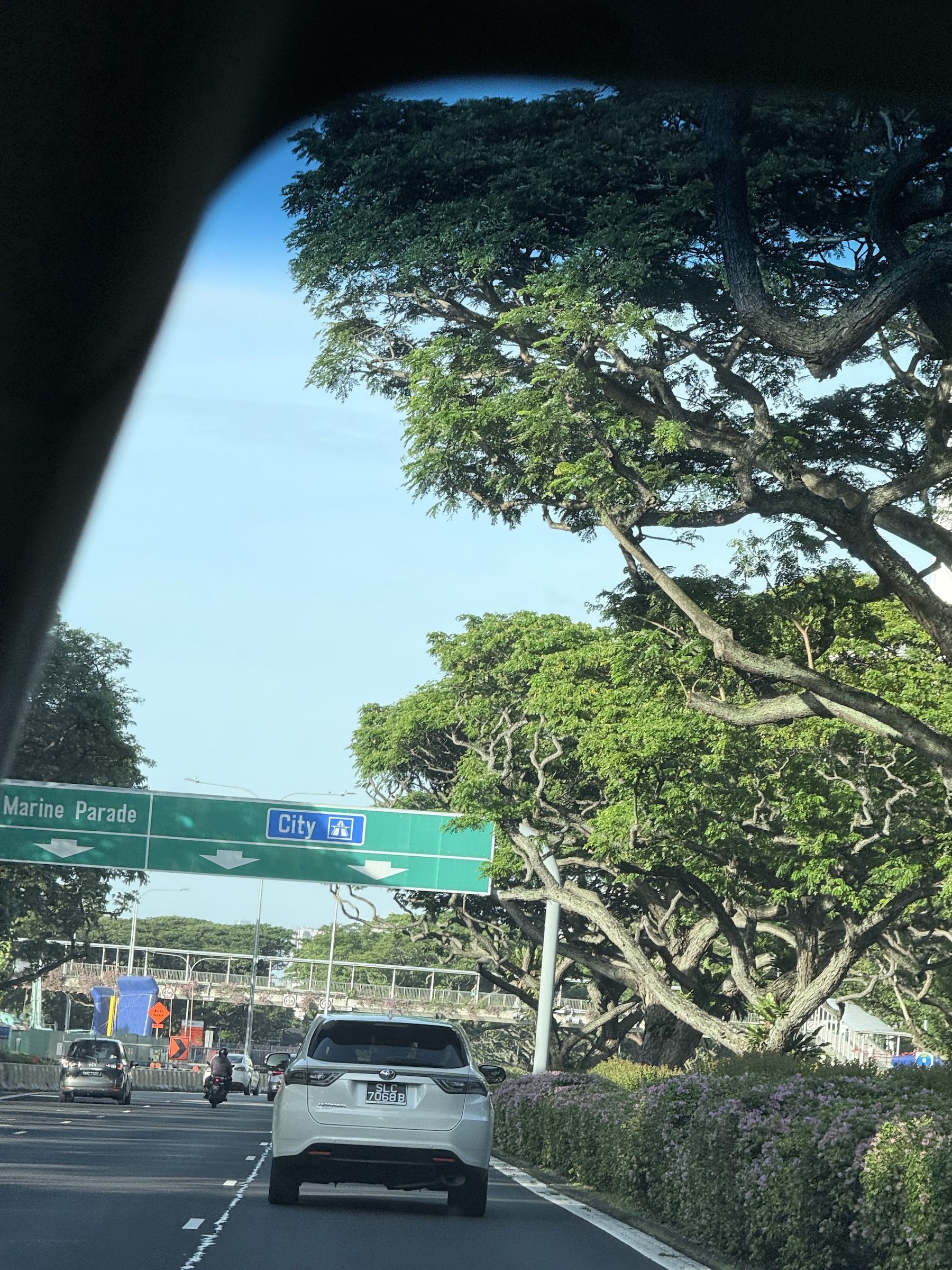
The mid-day conditions outside— 88°F (31°C)  with a little humidity— is a shock to someone now used to Pacific Northwest winter weather.
I took a taxi to the hotel, instead of roughing it by walking with my luggage and using the metro train.

Thursday/ Prince and Beni 🦙

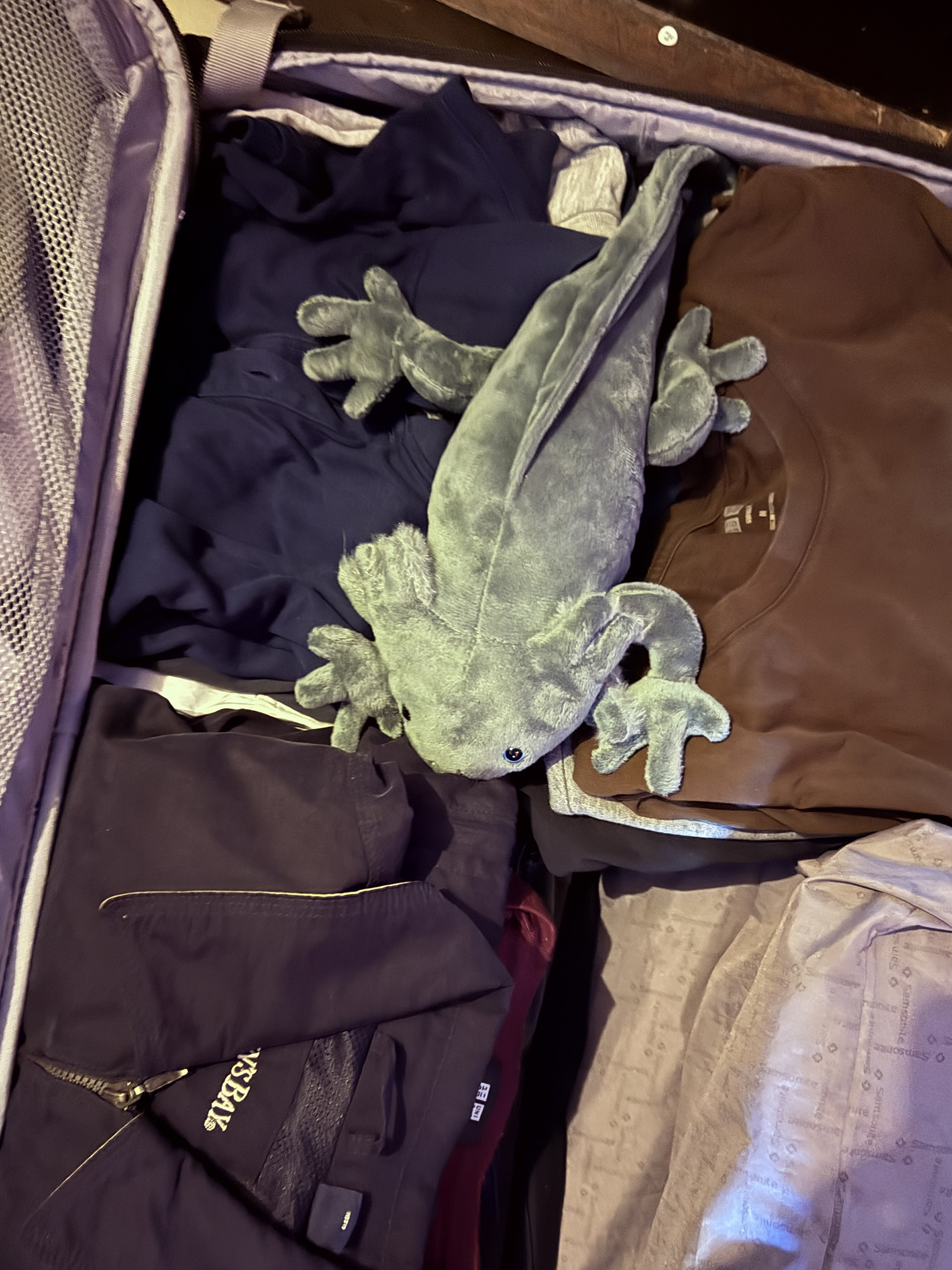
My bags are packed for my trip out tomorrow. (Well, almost. I still have to put a few things in and close them).

I fly out to Singapore on All Nippon Airlines with a stop at Haneda airport in Tokyo, Japan.
I will arrive in Singapore early on Sunday morning local time, and spend two days there before my Princess cruise departs on Tuesday.

We don’t have therapy llamas at Seattle-Tacoma airport— and I really should be OK without needing these gentle beasts for my flight out tomorrow. 😁
(Do they not have a reputation for spitting at you if they find you annoying? I will have to look into that first before I get too close too them).
[Page from the online Readers Digest at rd.com]

Wednesday/ ‘catastrophic’ flooding 🌊

The second wave of moisture from a strong atmospheric river filled in across western Washington last night.
All that water is flooding from the western slopes of the Cascade mountains into the streams and rivers below.

Greg Kim writes for the Seattle Times:
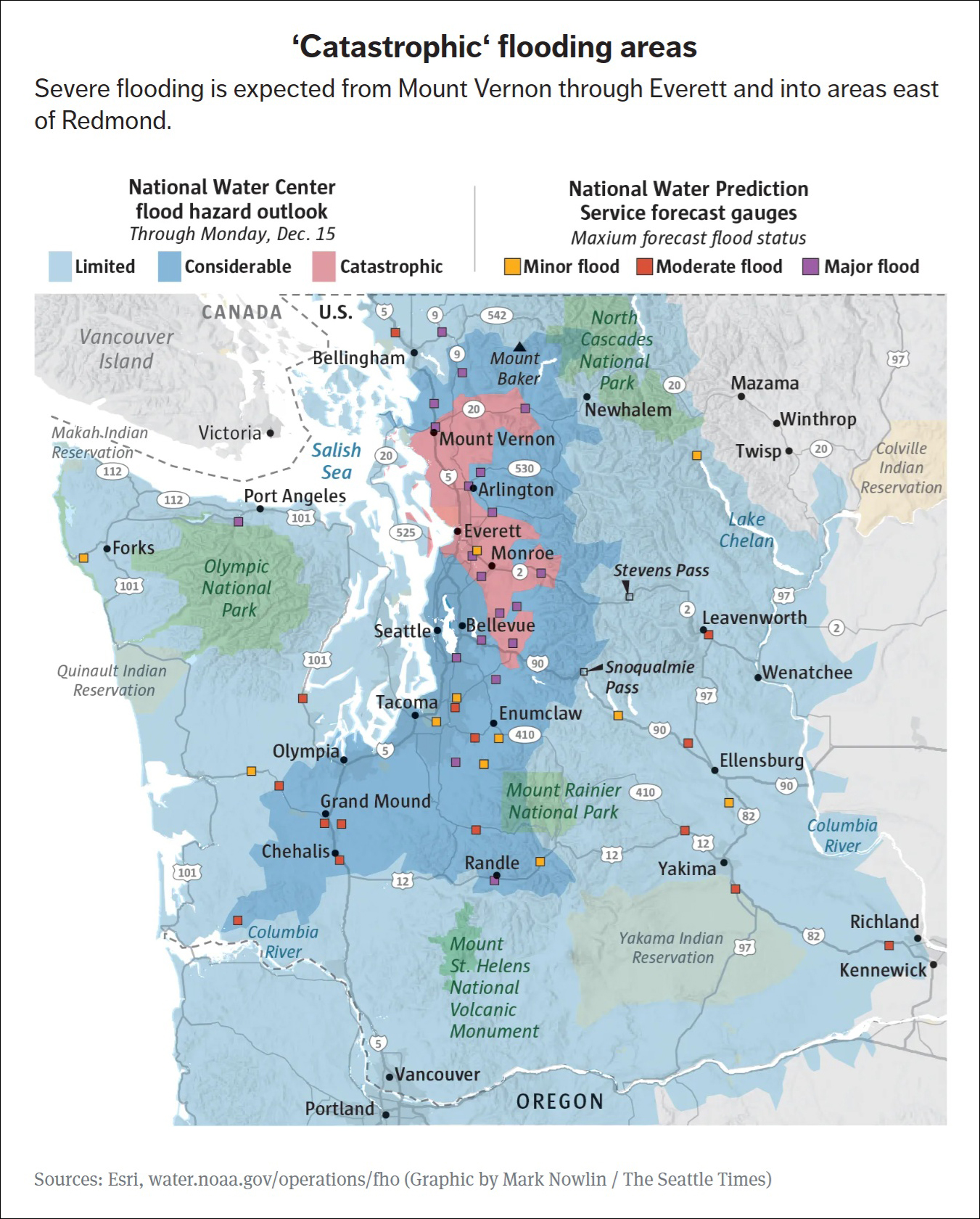
River flooding in parts of Western Washington is expected to be “catastrophic,” especially in the coastal lowlands near the Snohomish, Stillaguamish and Skagit rivers, according to a new assessment by the National Weather Service.
Areas facing “considerable” flooding stretch from Bellingham through south of Olympia.
Catastrophic flooding could bring significant risk to life and property, with a high risk of levees being topped and landslides expected in steep terrain, according to the National Weather Service. It could also mean record floods that destroy roads and structures and require evacuations or rescues of people and property, National Weather Service meteorologist Steve Reedy said.

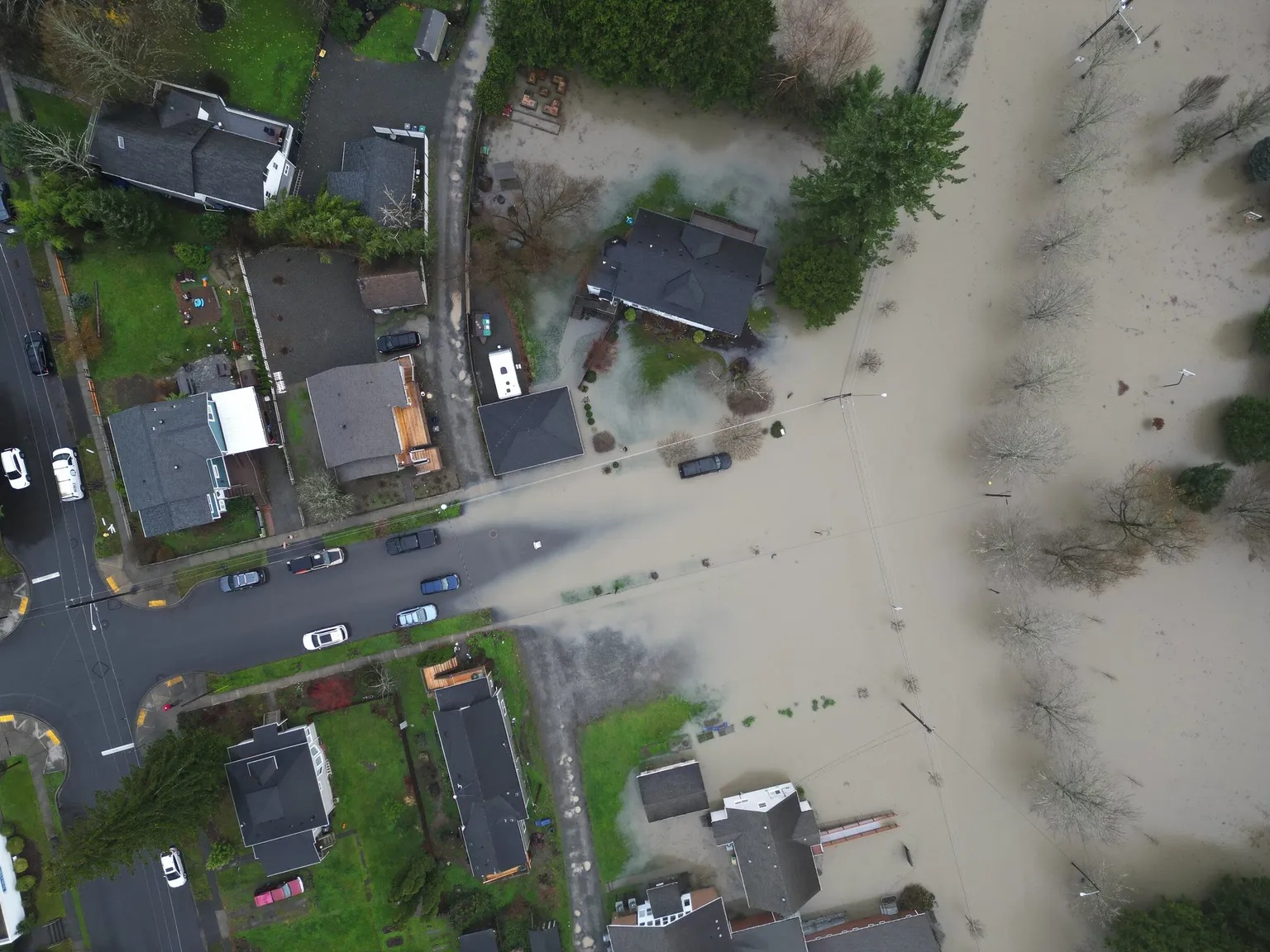
The Snoqualmie River floods over its banks in Snoqualmie at Riverview Park, with water heading towards homes, Wednesday afternoon, Dec. 10, 2025.
[Photo by Ken Lambert / The Seattle Times]
Map compiled by Mark Nowlin for Seattle Times with information from ESRI and water.noaa.gov/operations/fho
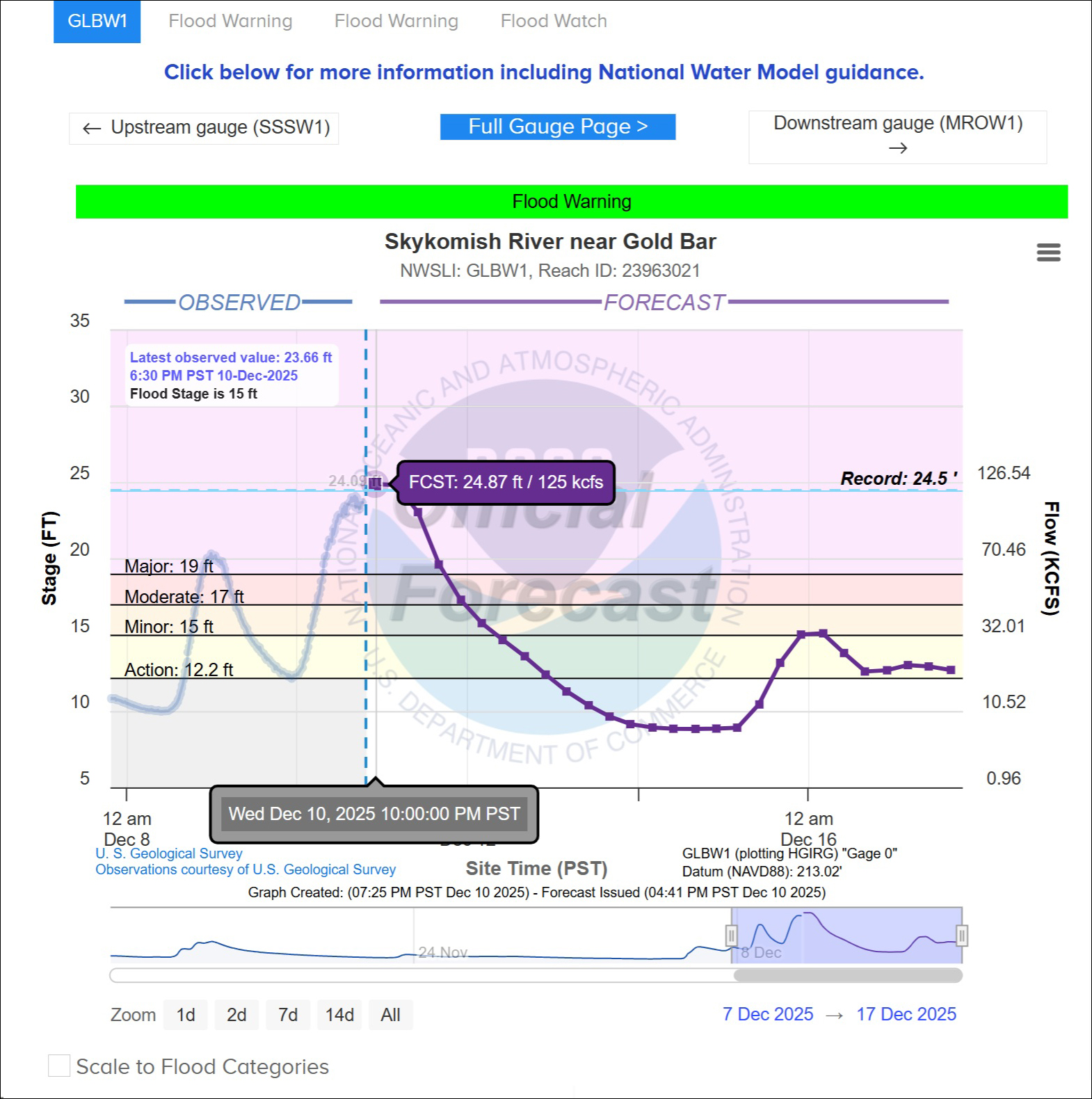
The Skykomish River near Gold Bar is the purple block just east of Monroe on Highway 2 in the map above.
The river is projected to top out at its highest level ever, at 24.87 ft. Flood stage is 15 ft.
[Graphic from National Water Prediction Service at https://water.noaa.gov/]

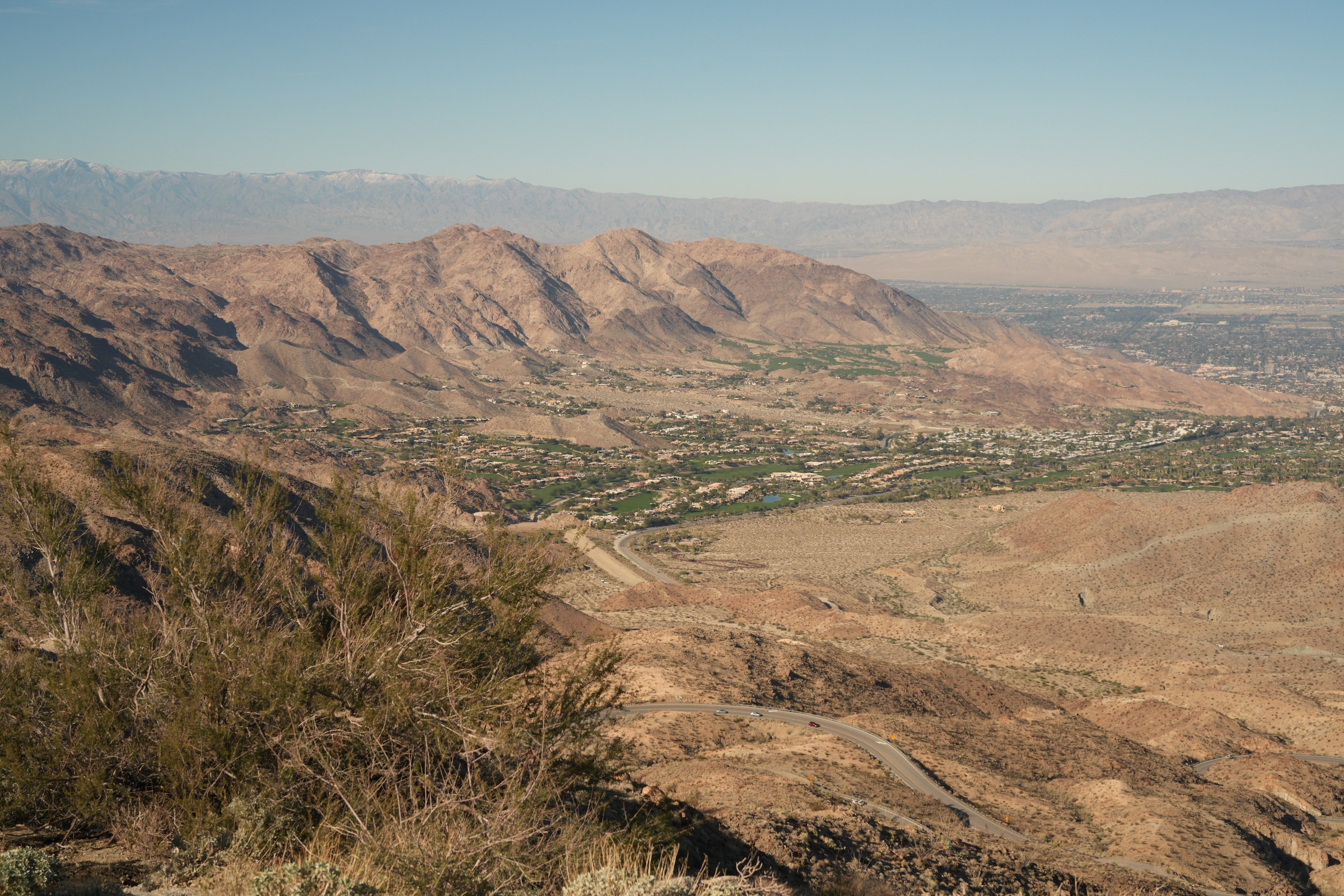
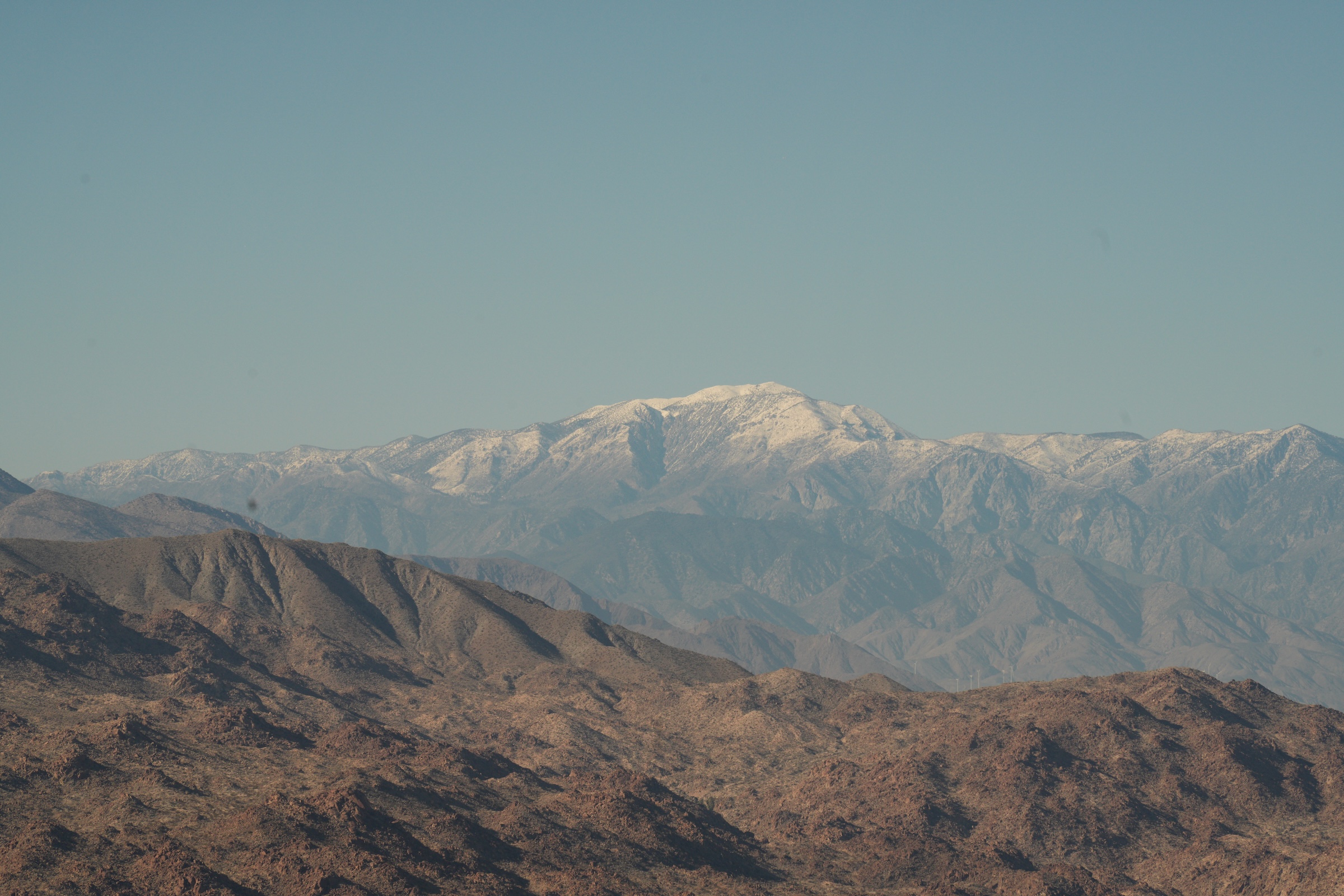
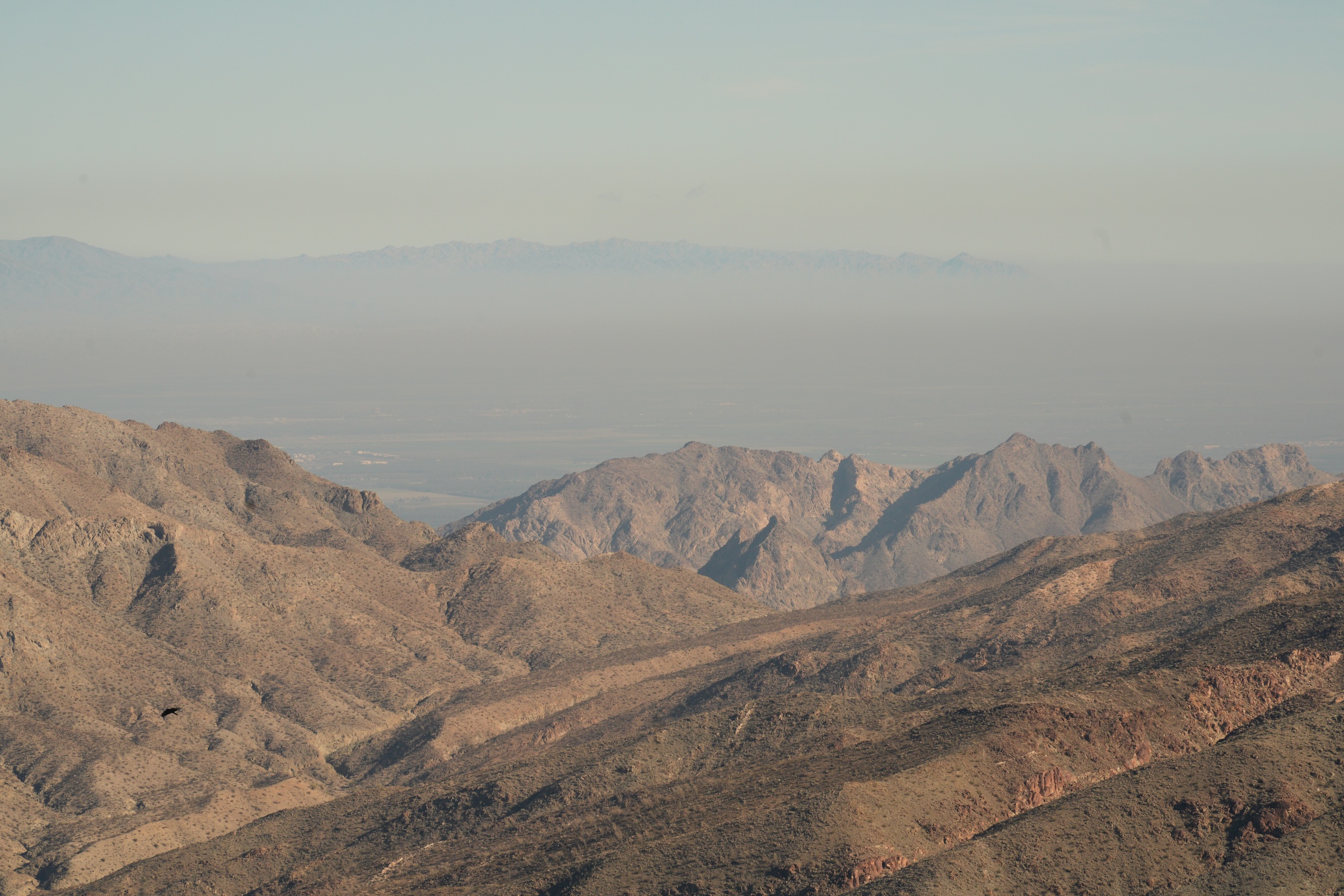
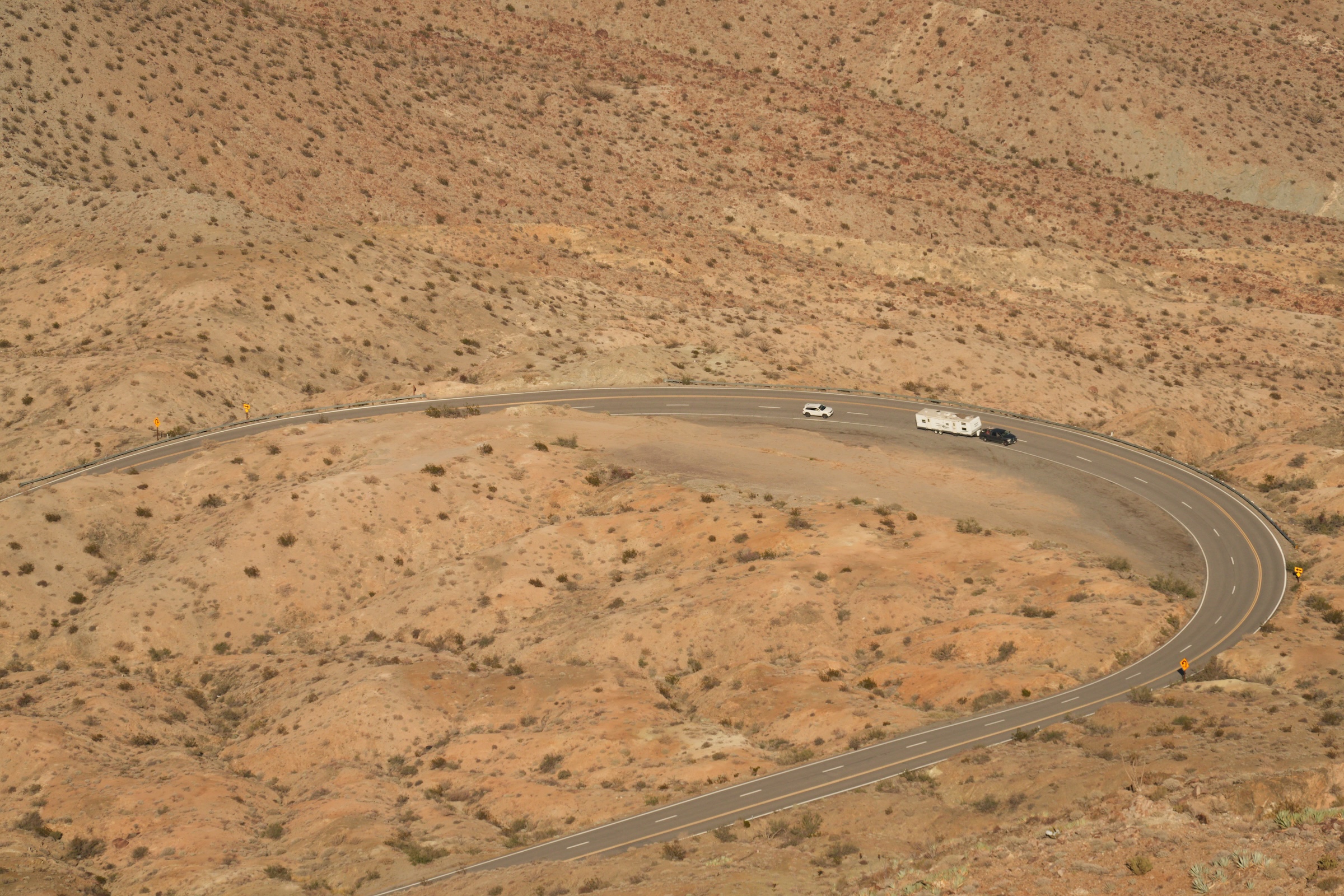
Monday/ from Solana Beach to Palm Springs ⛰️

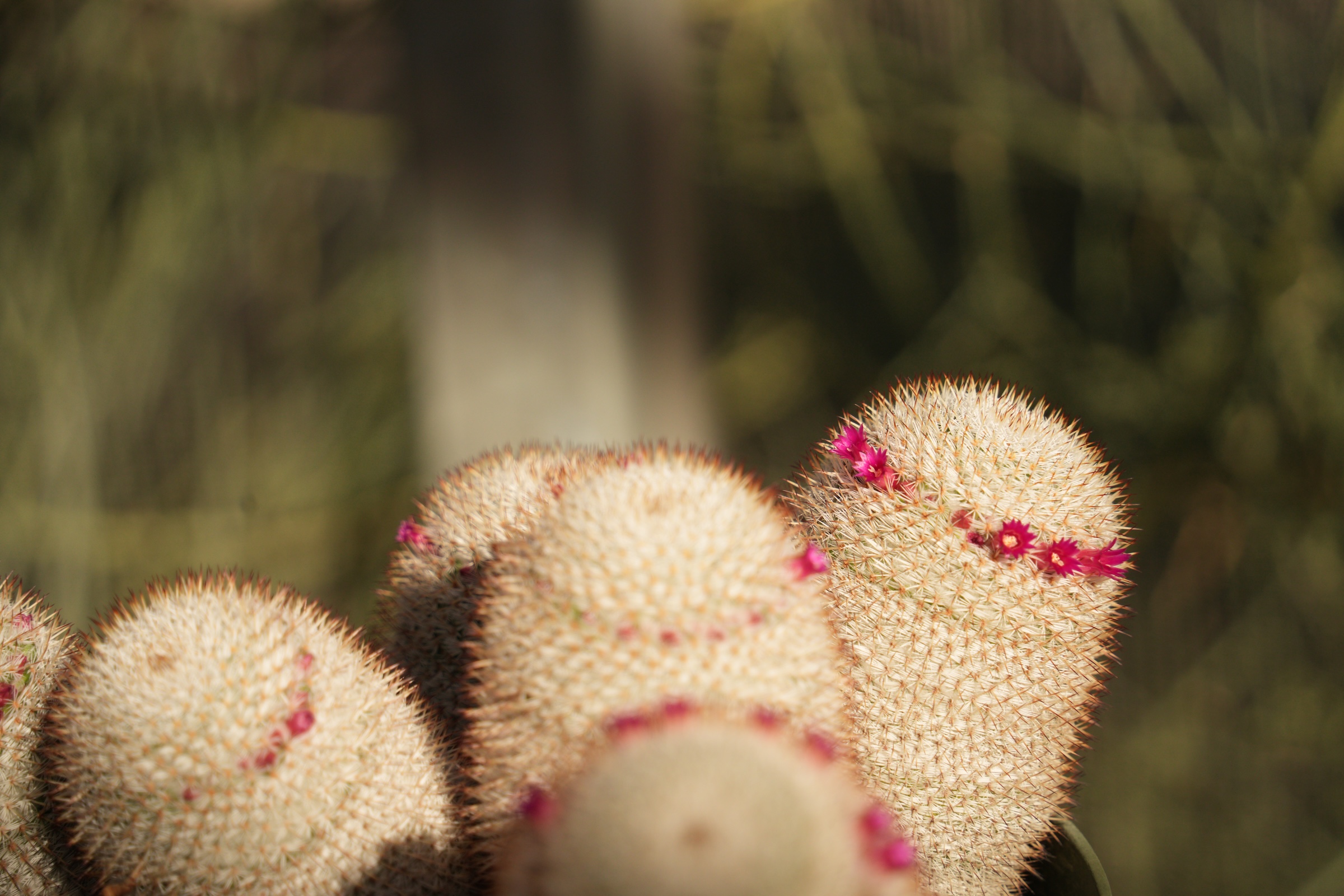
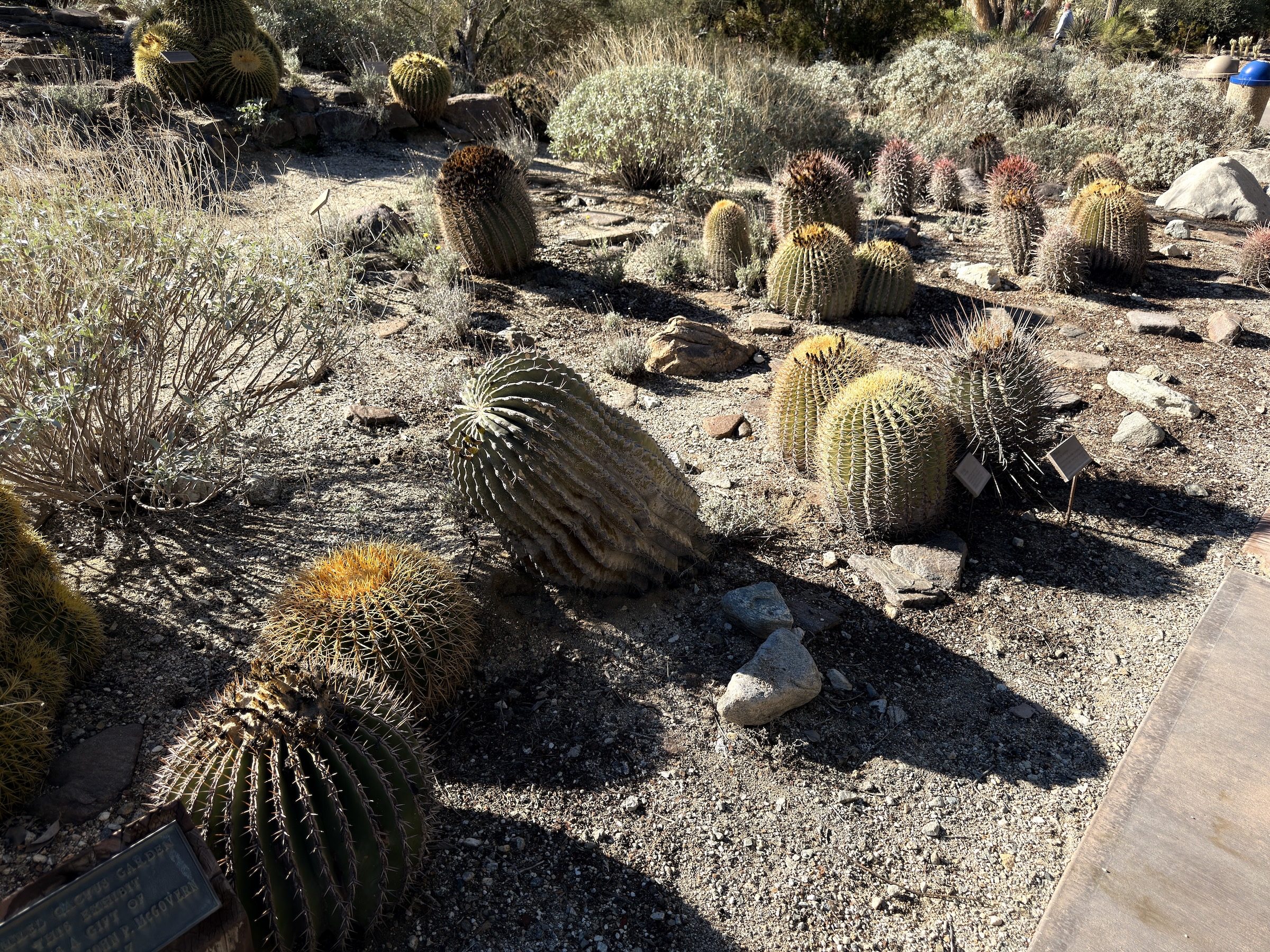
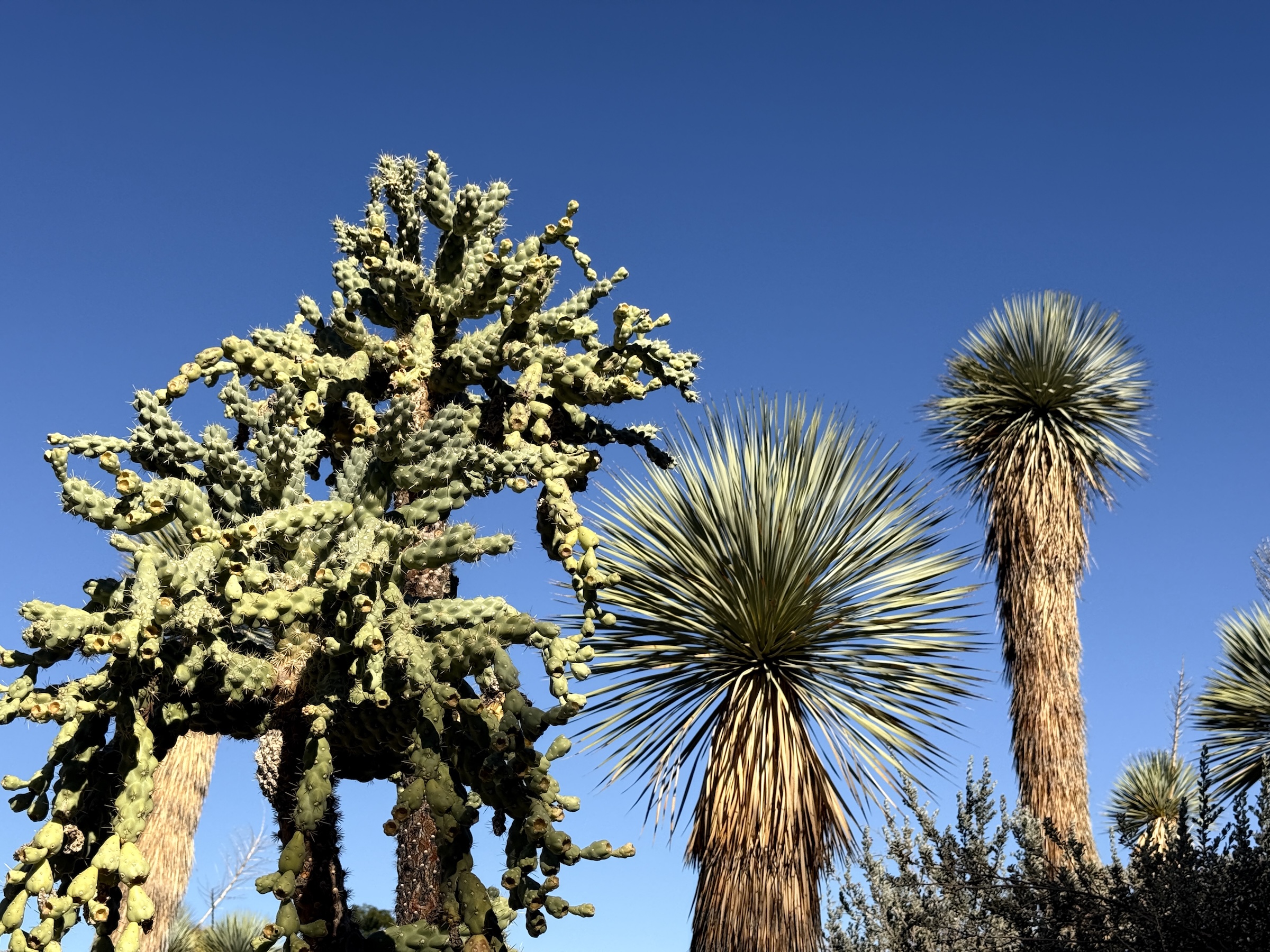
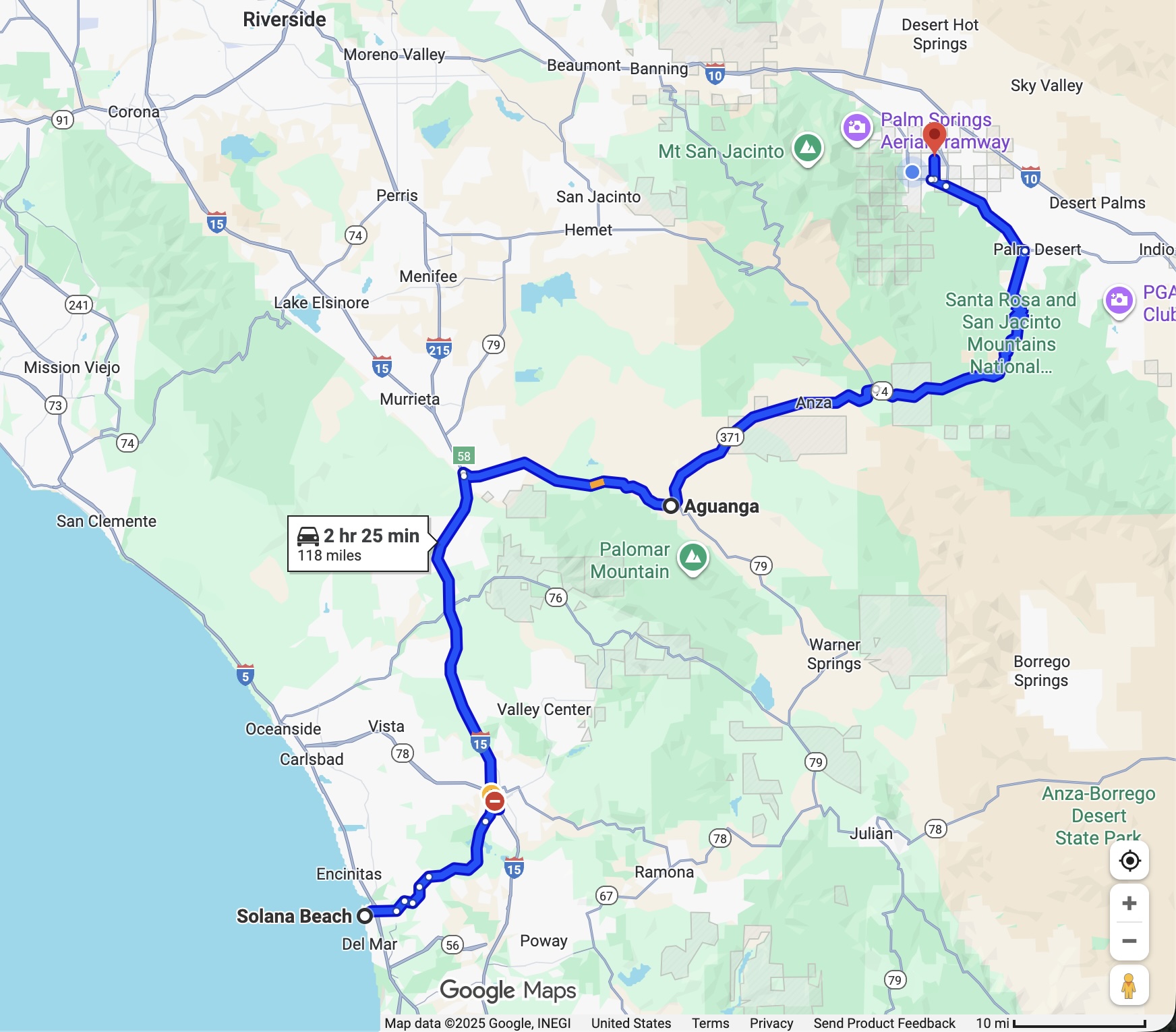
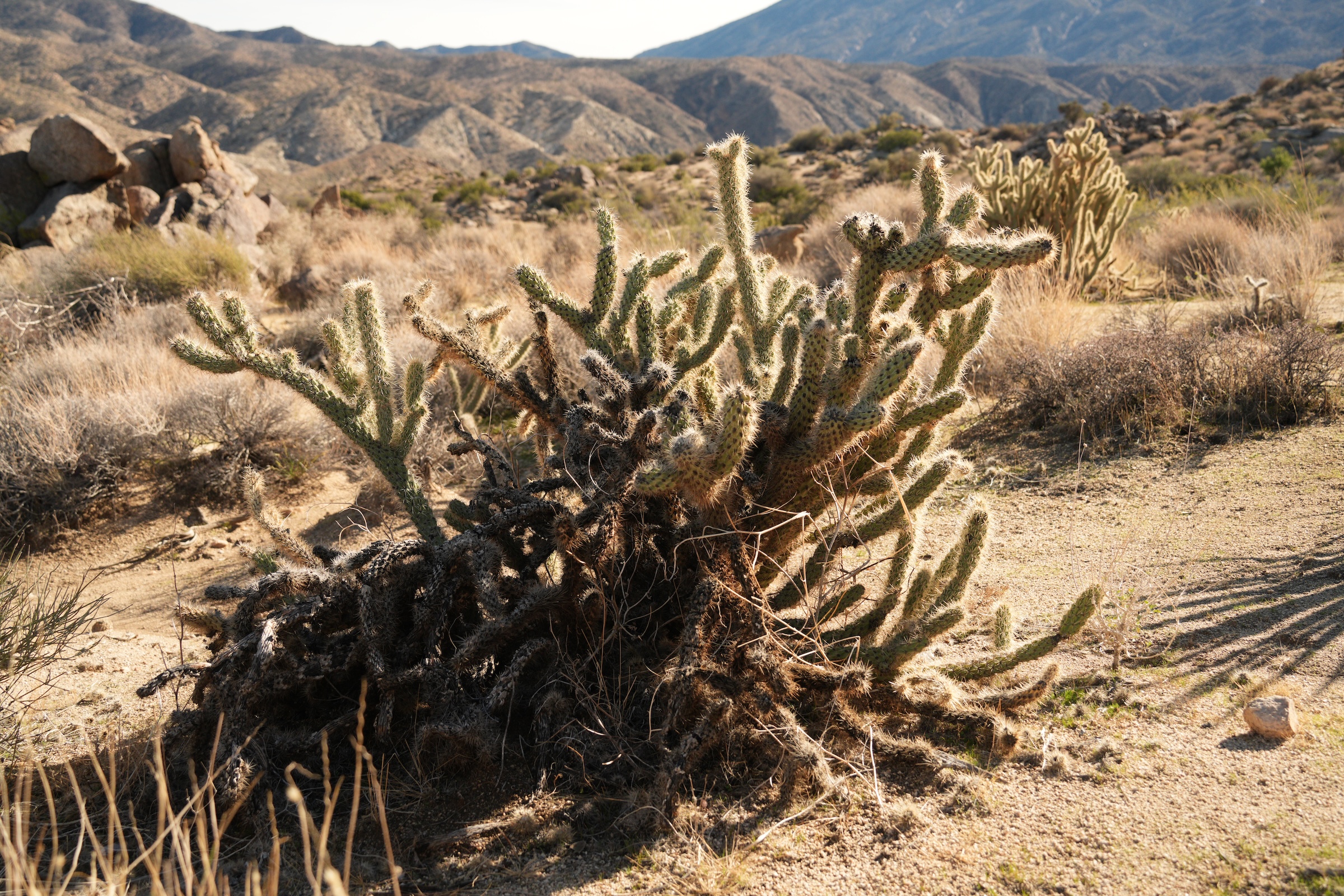
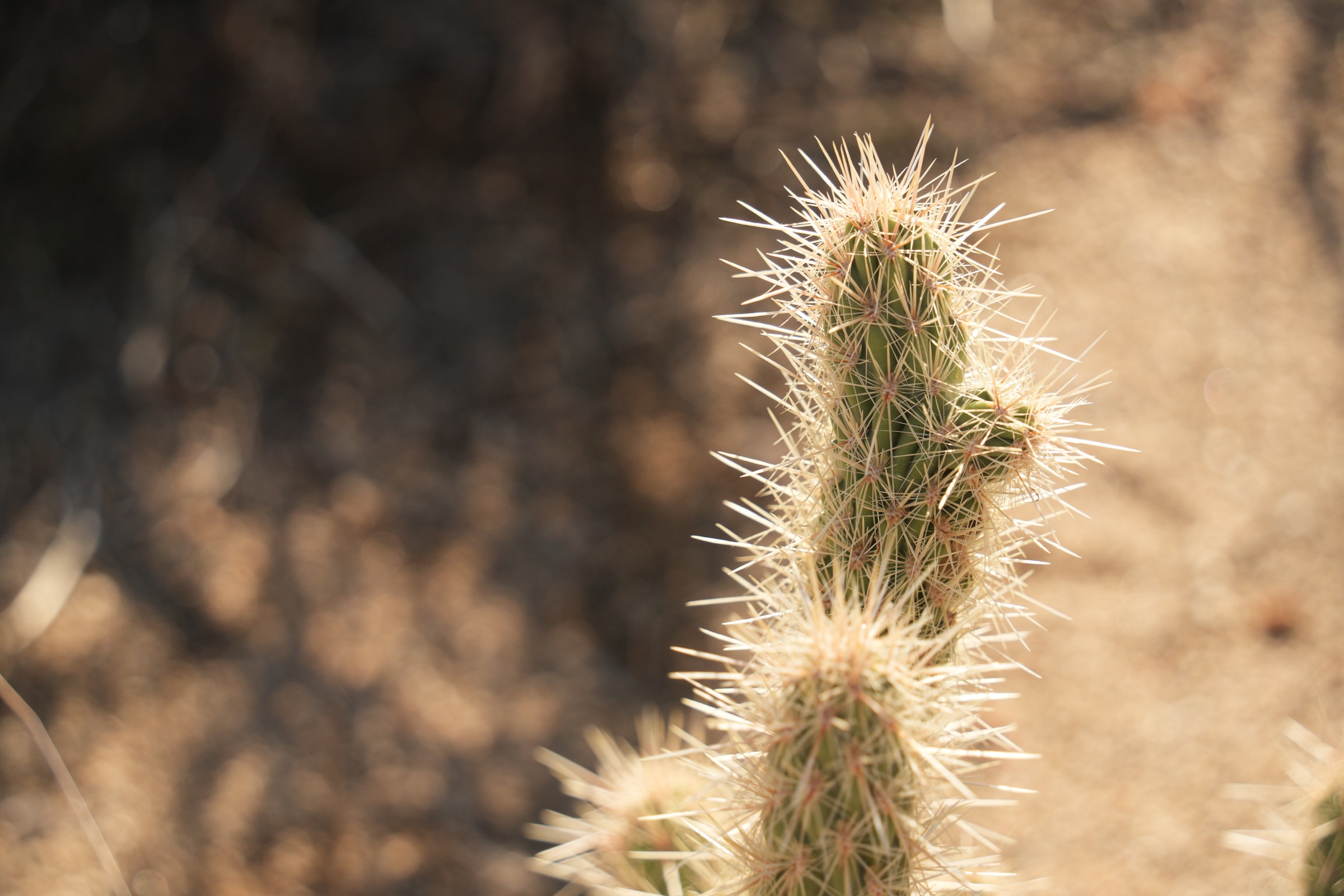
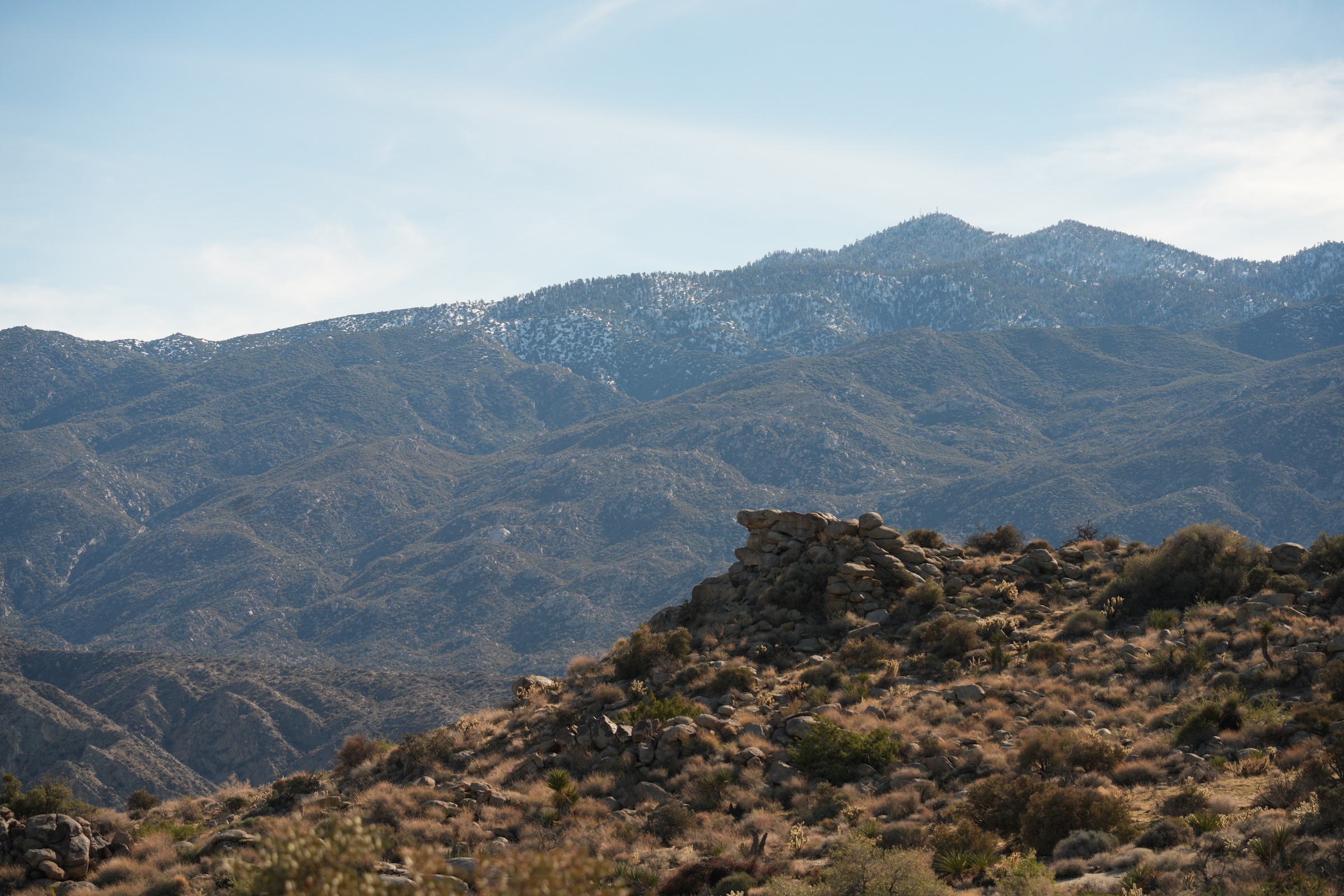
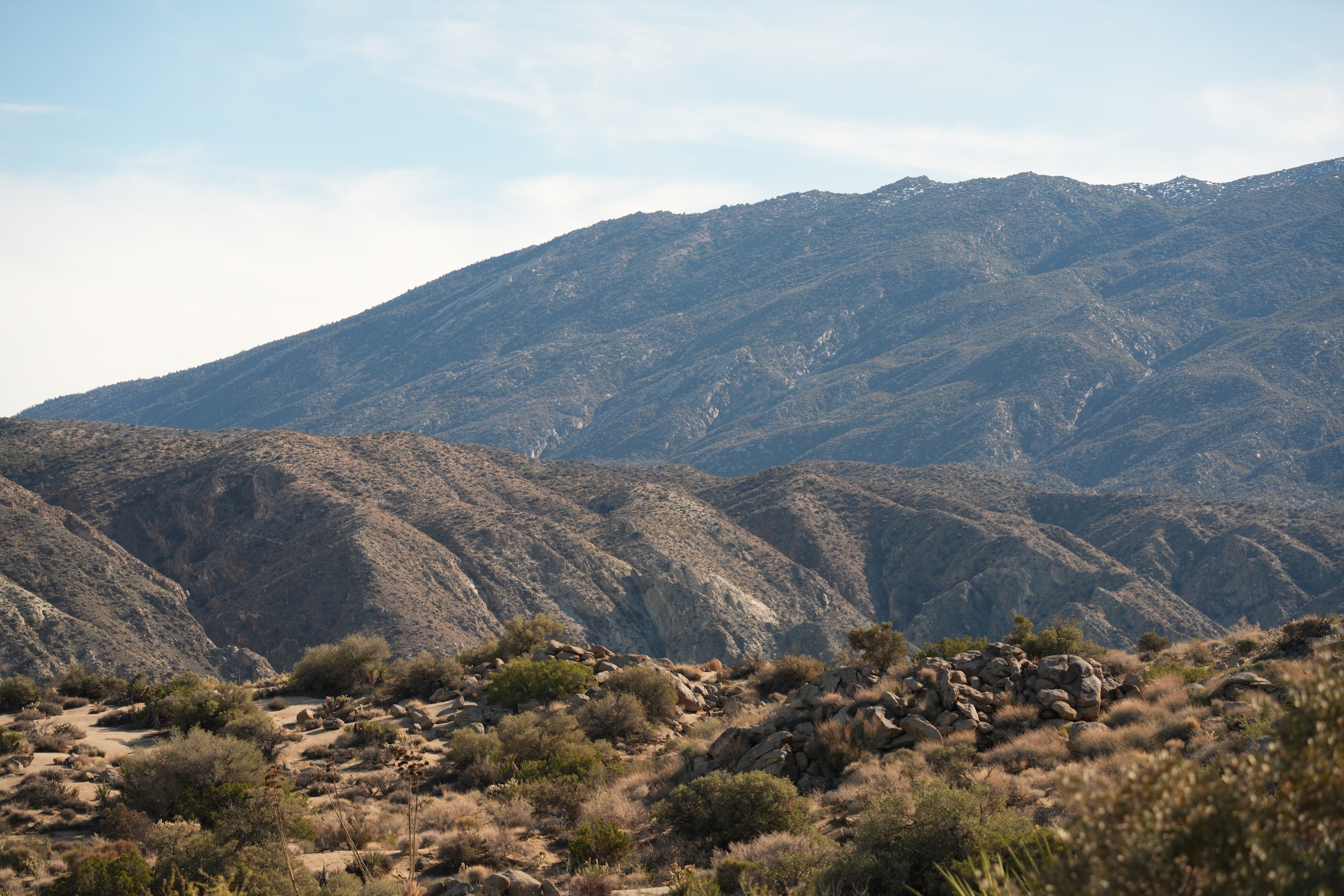
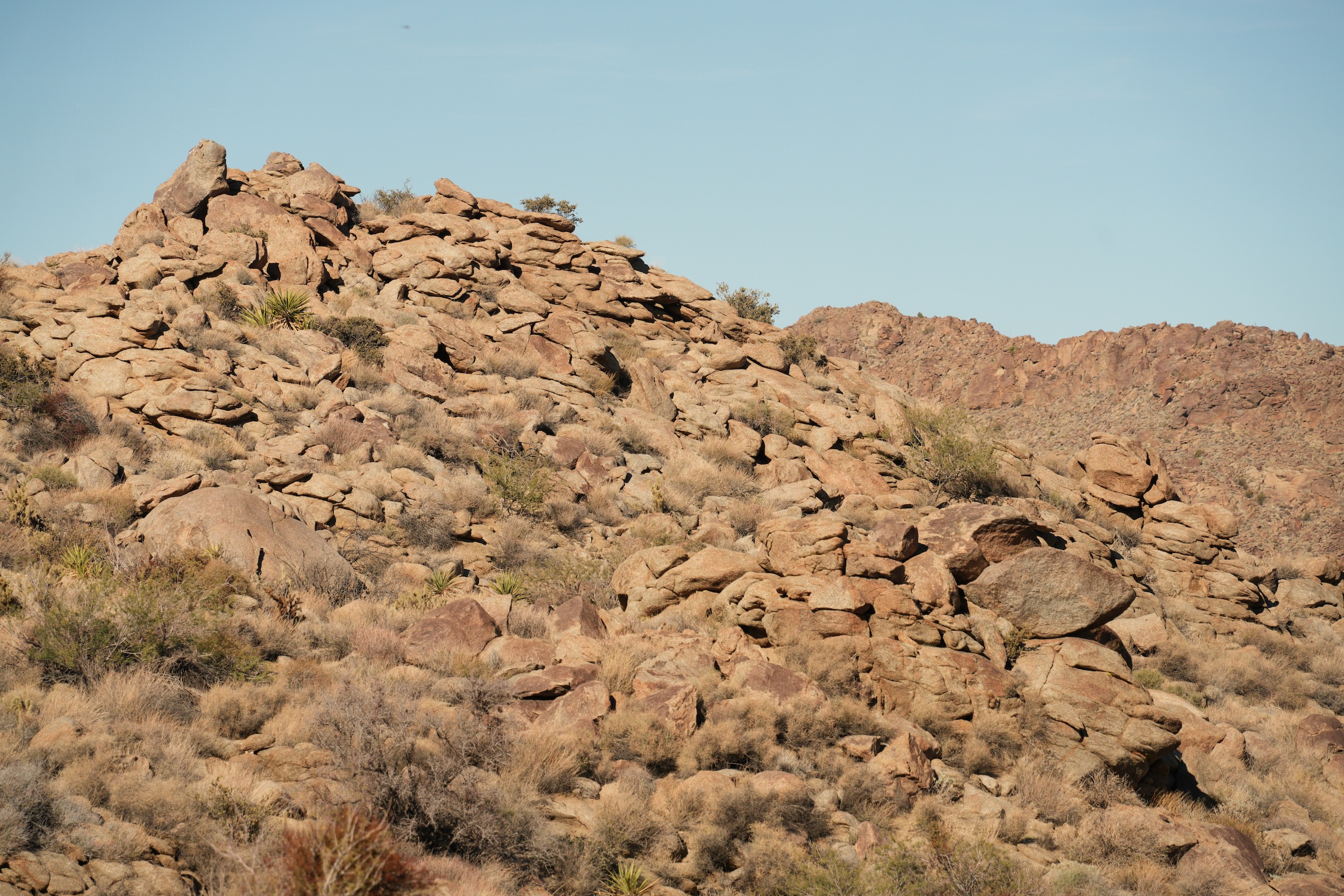
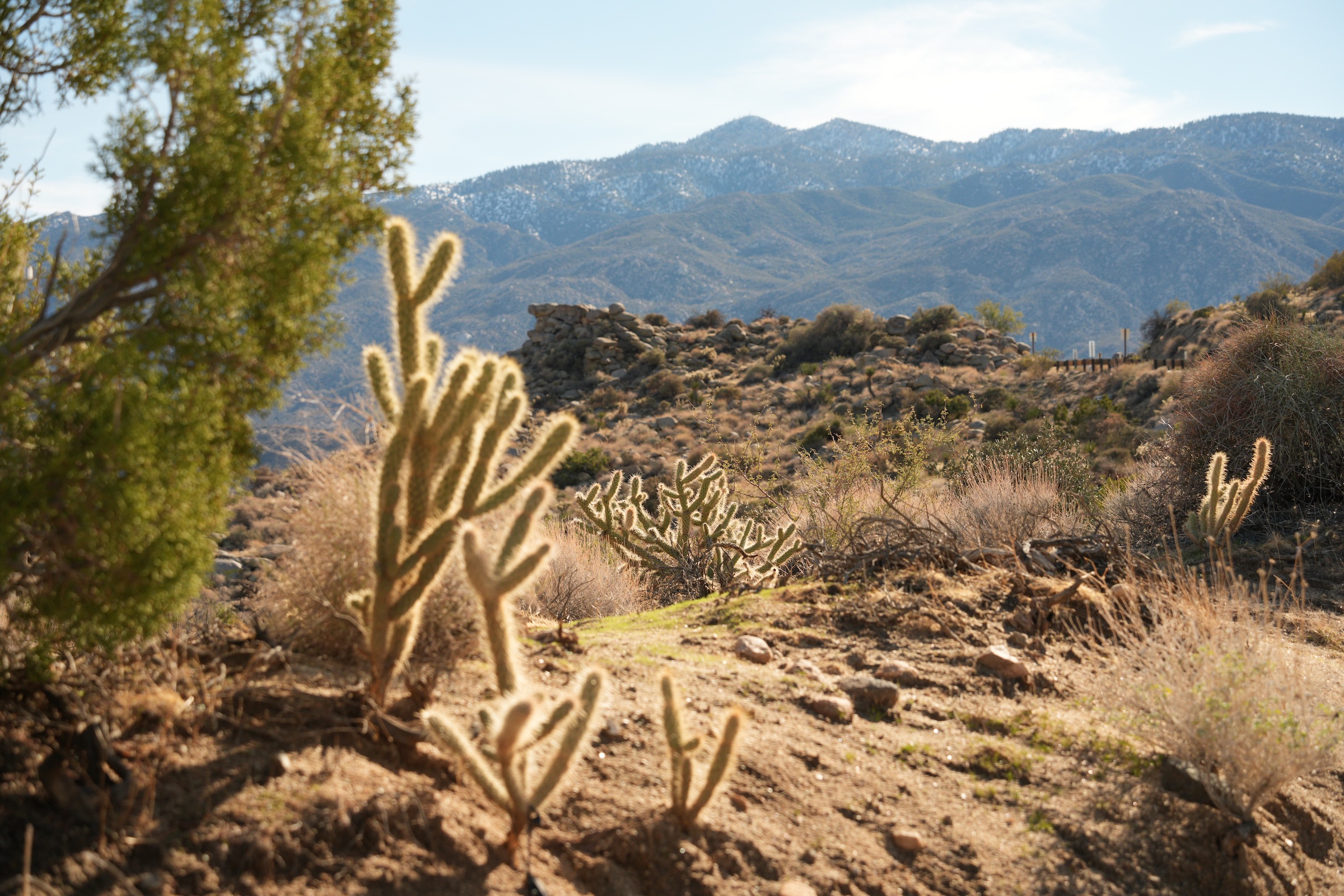
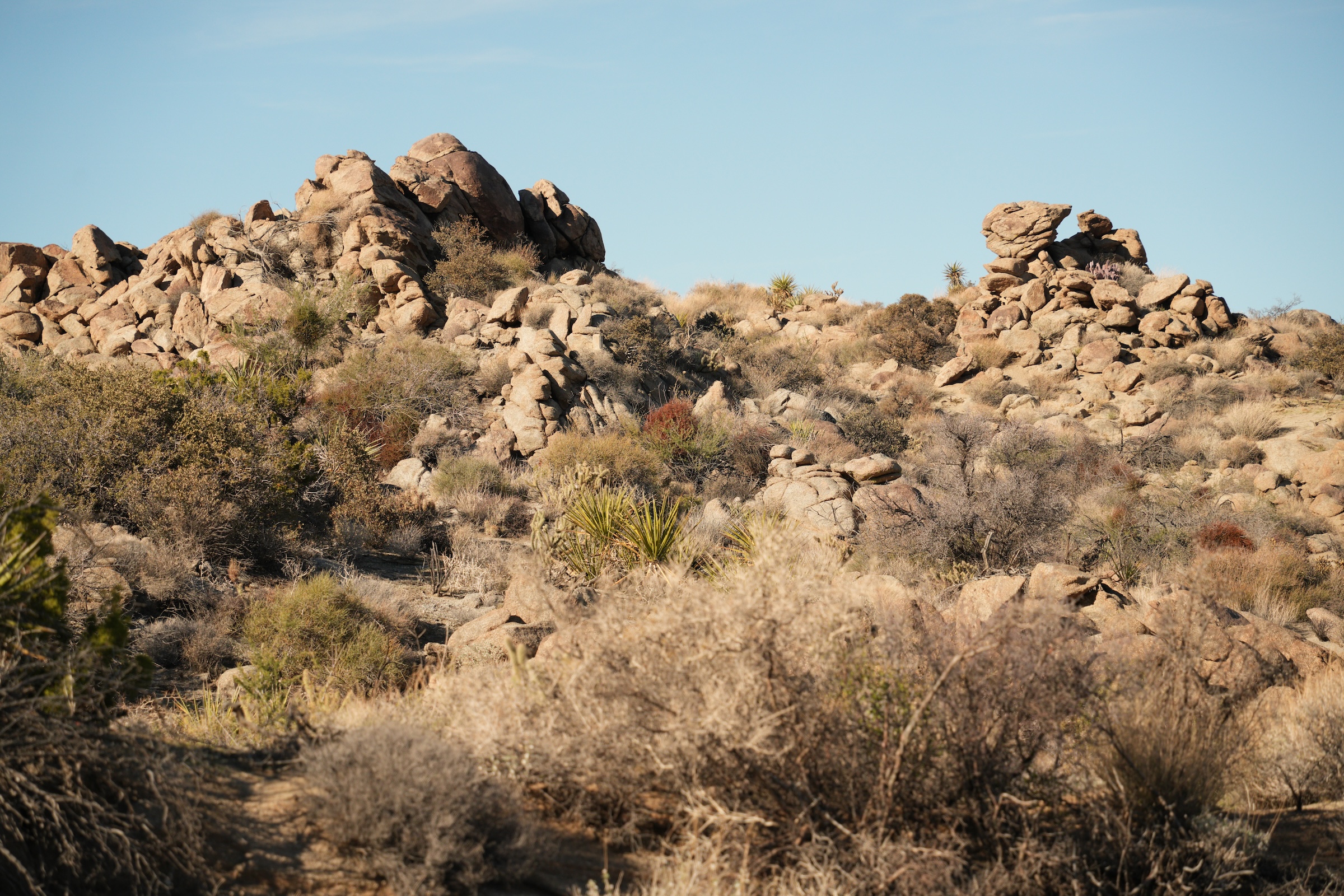
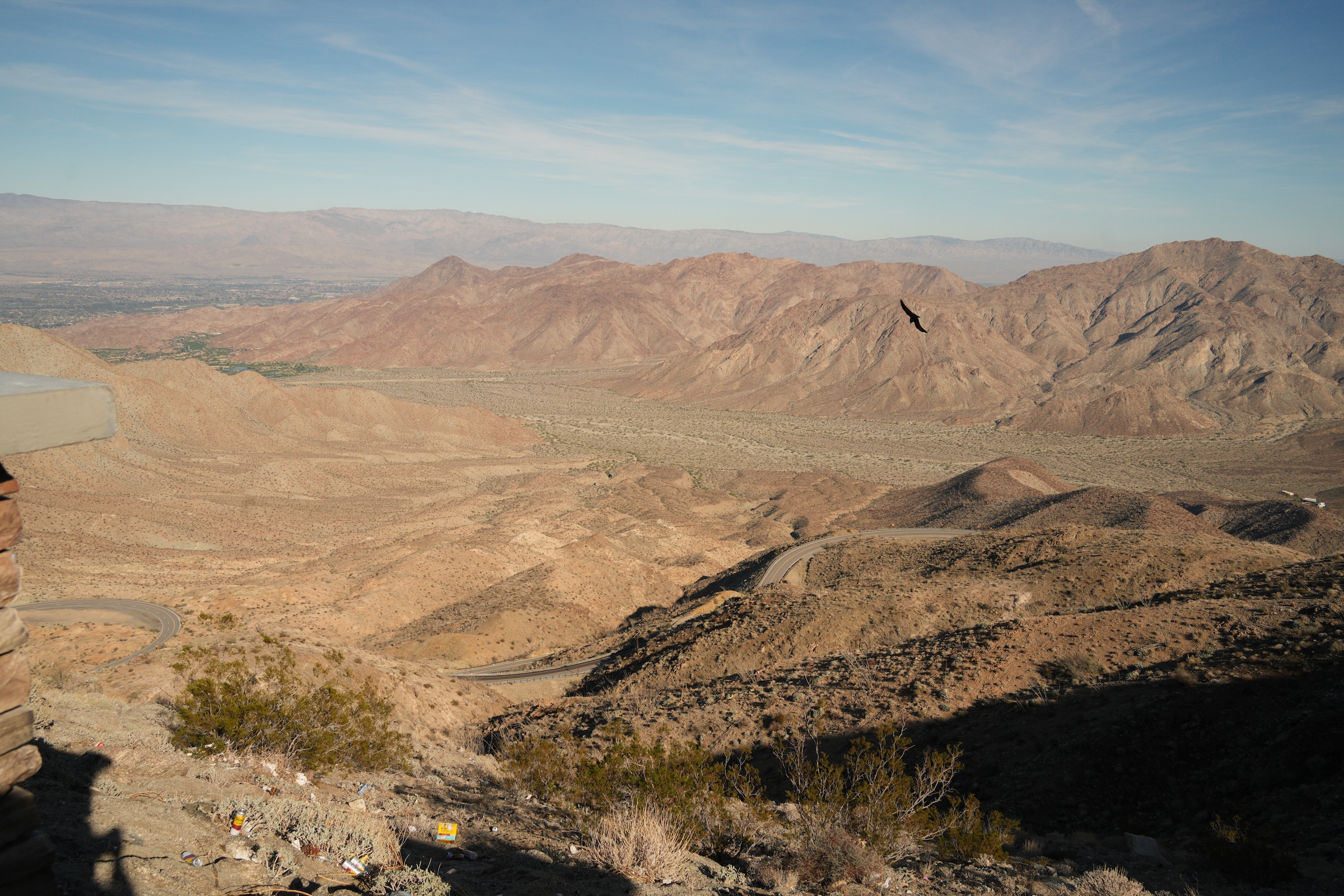
I took the scenic route from Solana Beach to Palm Springs today, driving across the Santa Rosa and San Jacinto mountains.
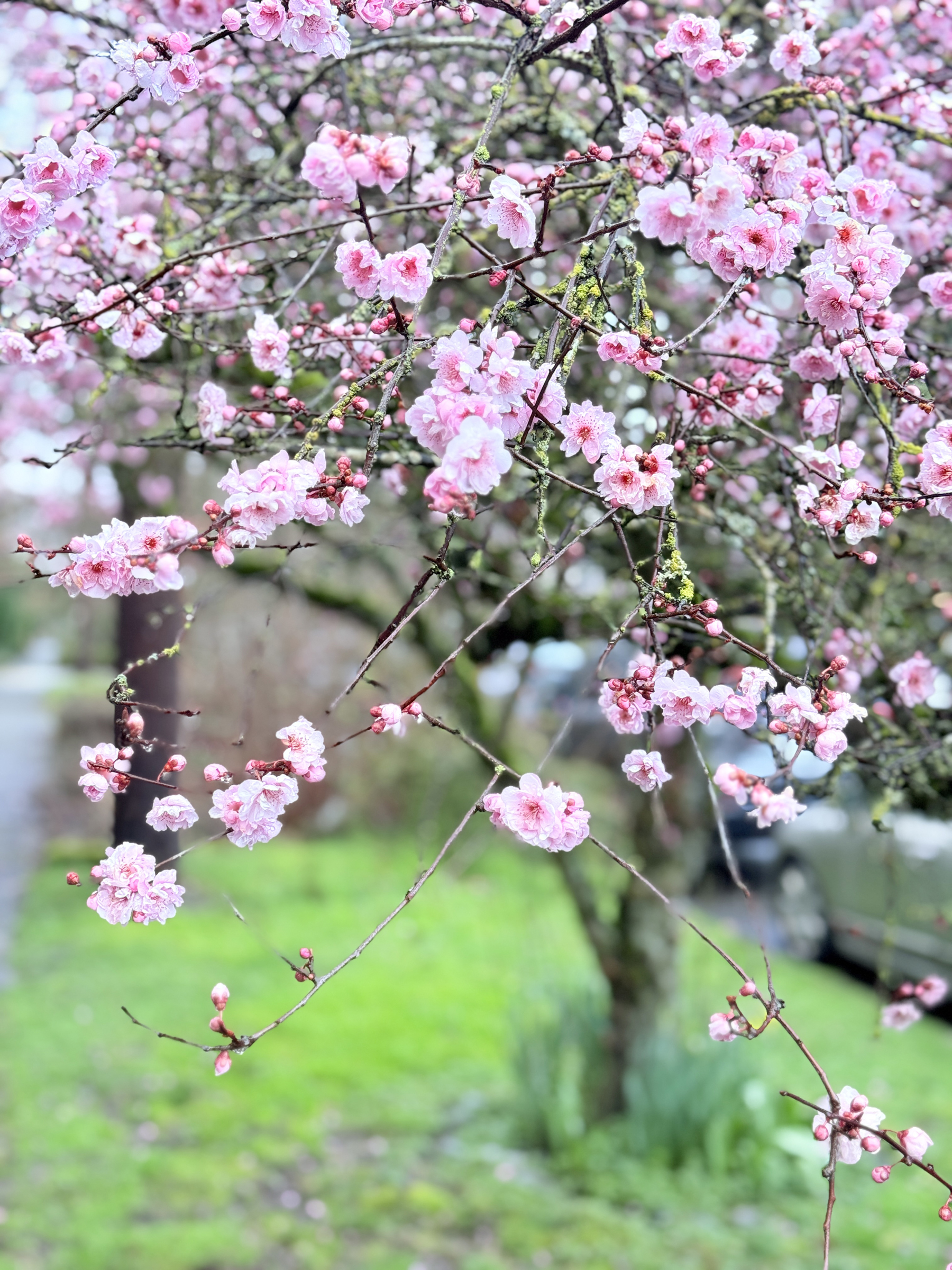
The first few pictures are from a turnout point a few miles after Ribbonwood (elevation 4,397′) on Highway 74.
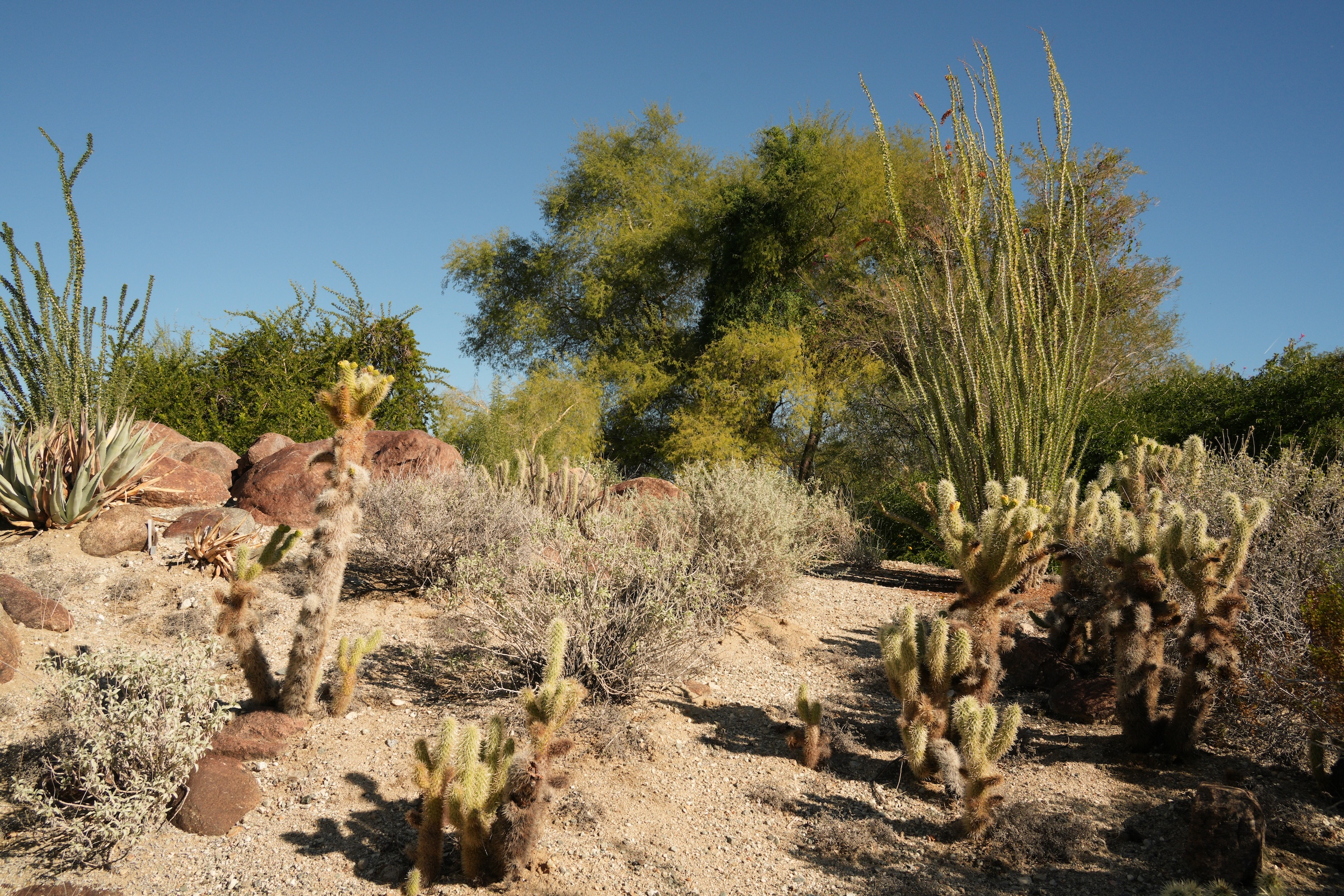
The last ones were taken from the Coachella Valley Vista Point on Highway 74, with Palm Desert visible down below in the valley.

Friday/ a flight to San Diego ✈️

Happy Friday.
I took a flight out to San Diego this morning to visit my brother and his family, and to catch some California sun.

Top to bottom:
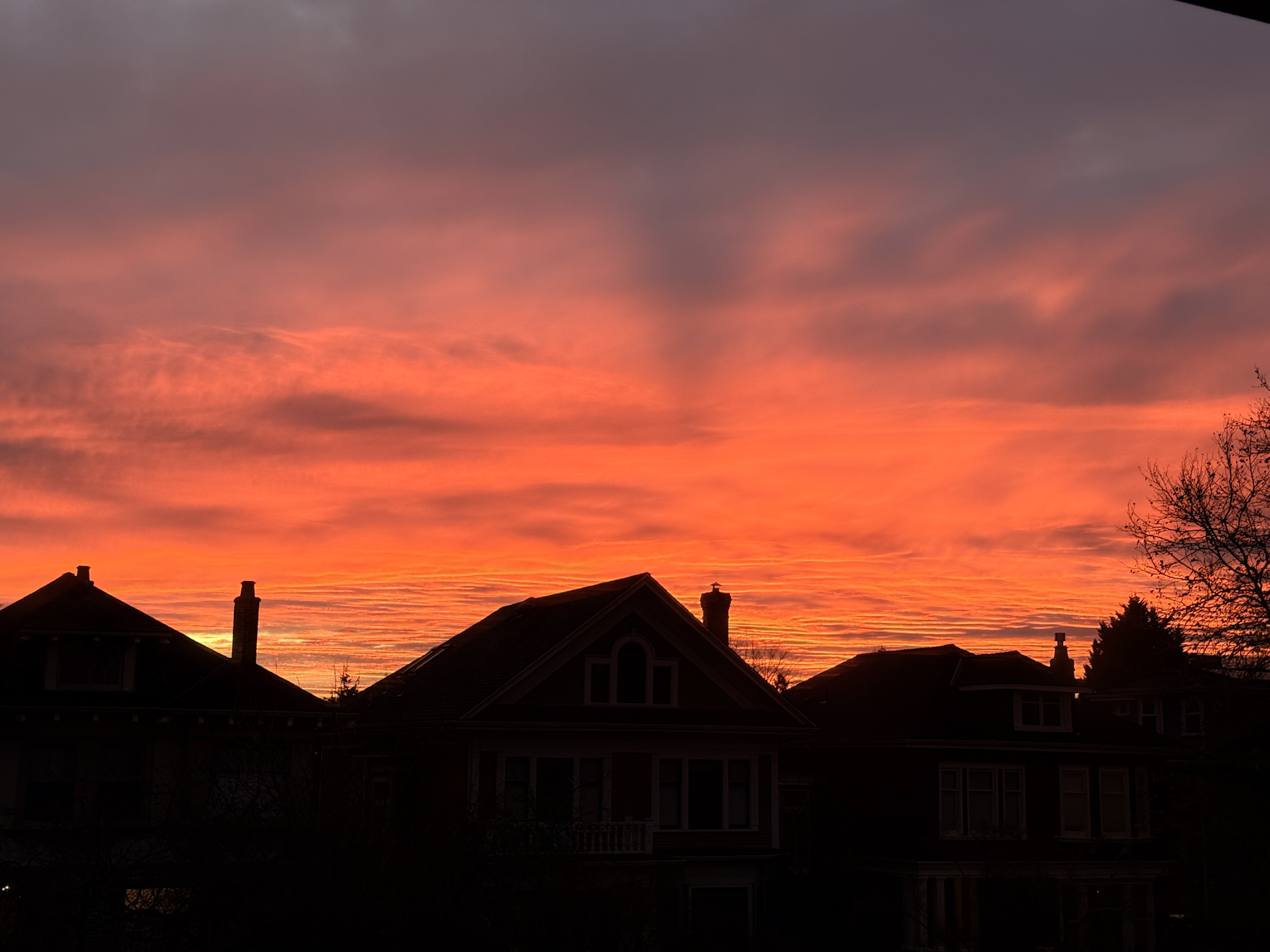
A gorgeous sunrise in Seattle;
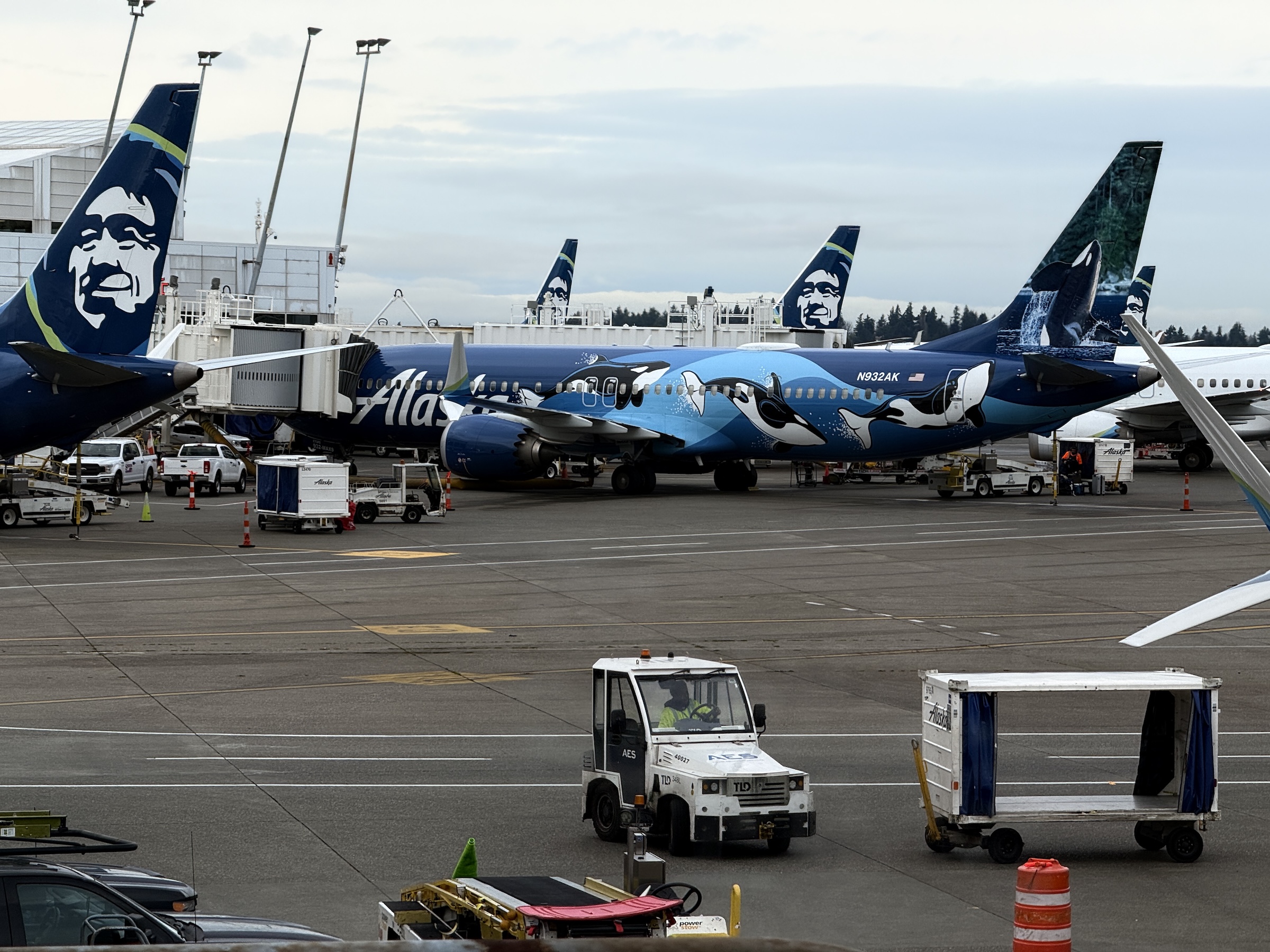
Alaska Airlines Boeing 737 MAX 9 with orca livery at Seattle-Tacoma airport;
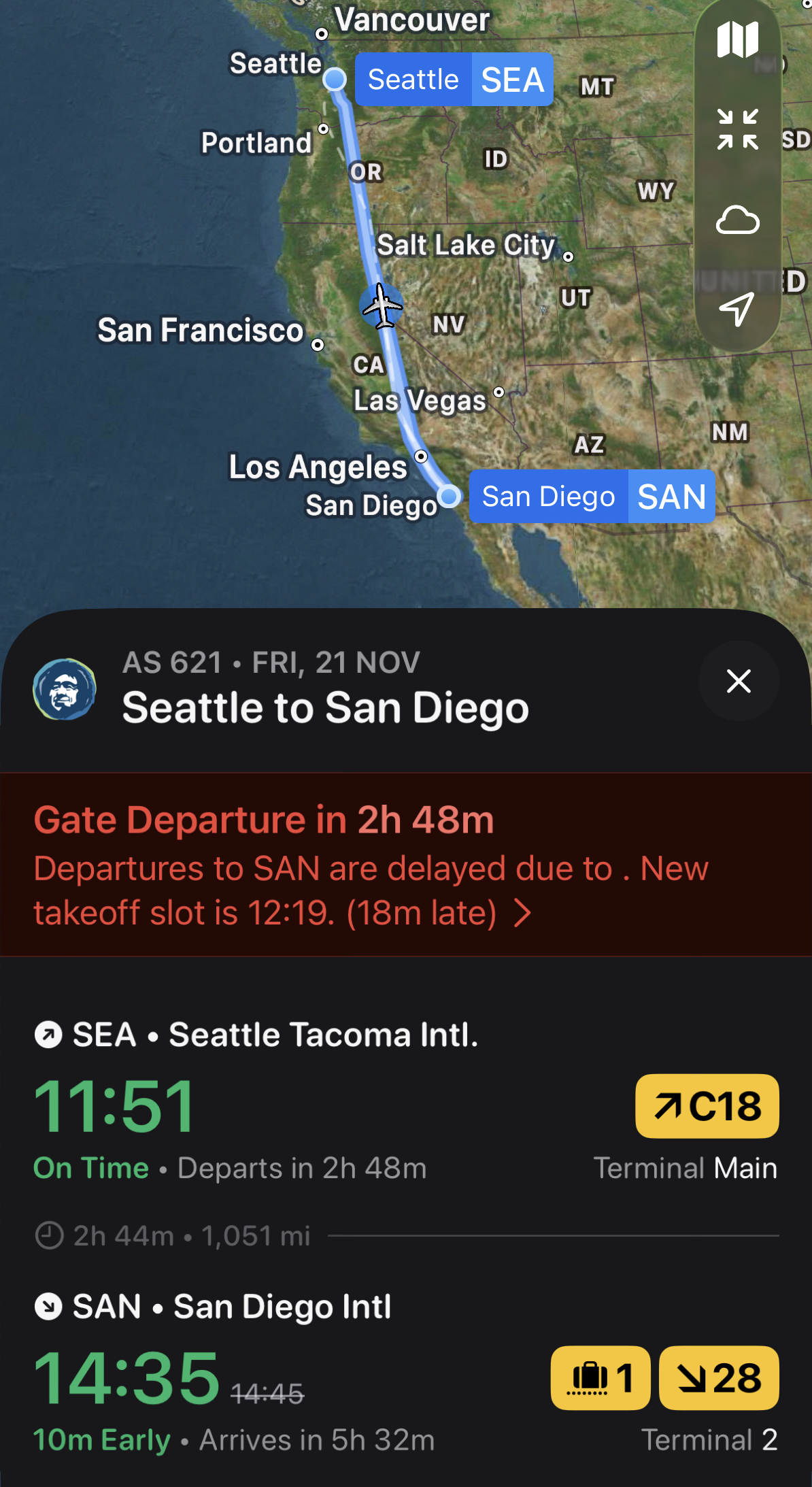
Screenshot from my Flighty app warning that we will have an on-time departure (pushback from the gate), but that there will be an 18 min delay in taking off (which was exactly what happened, but we still arrived 10 mins early);
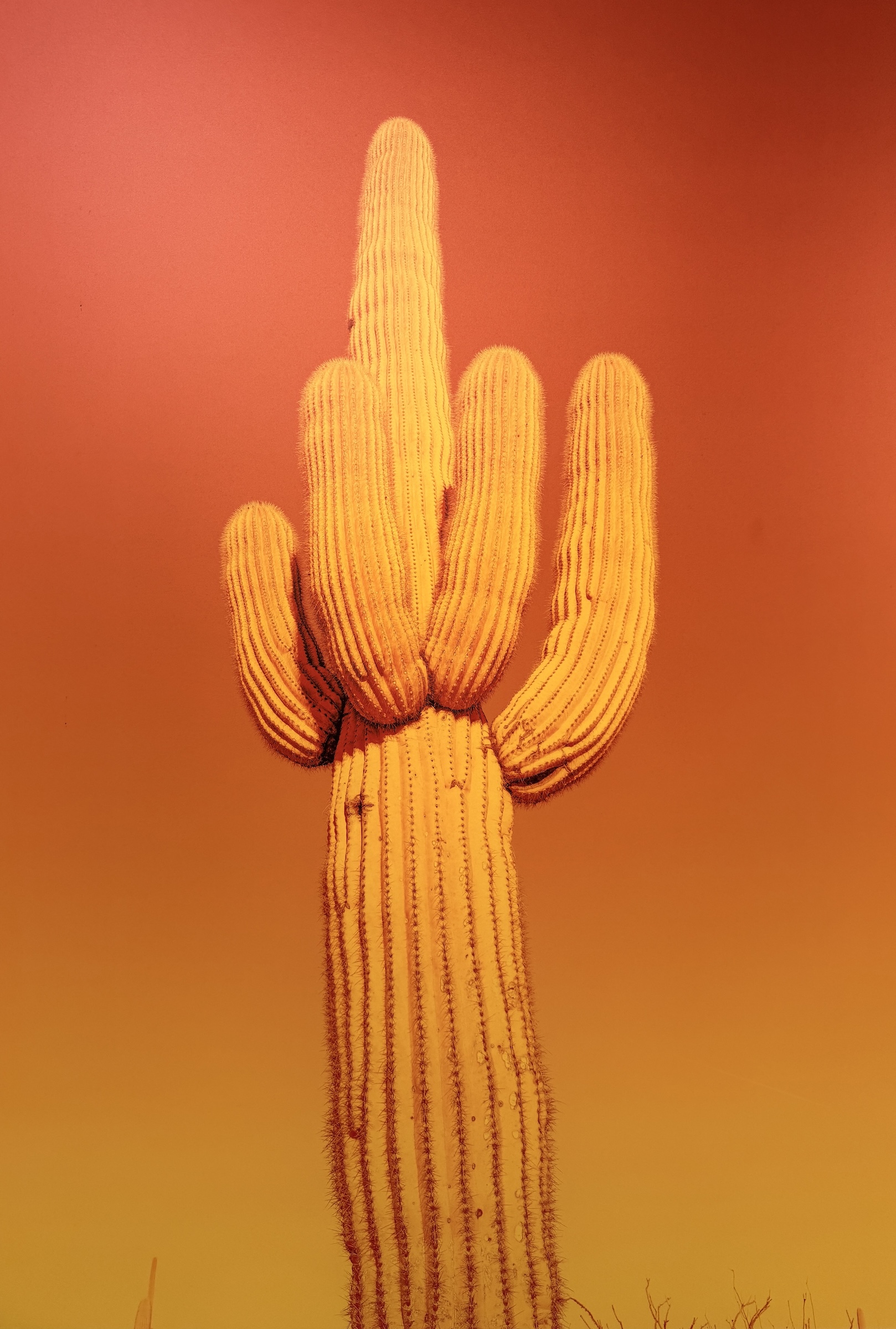
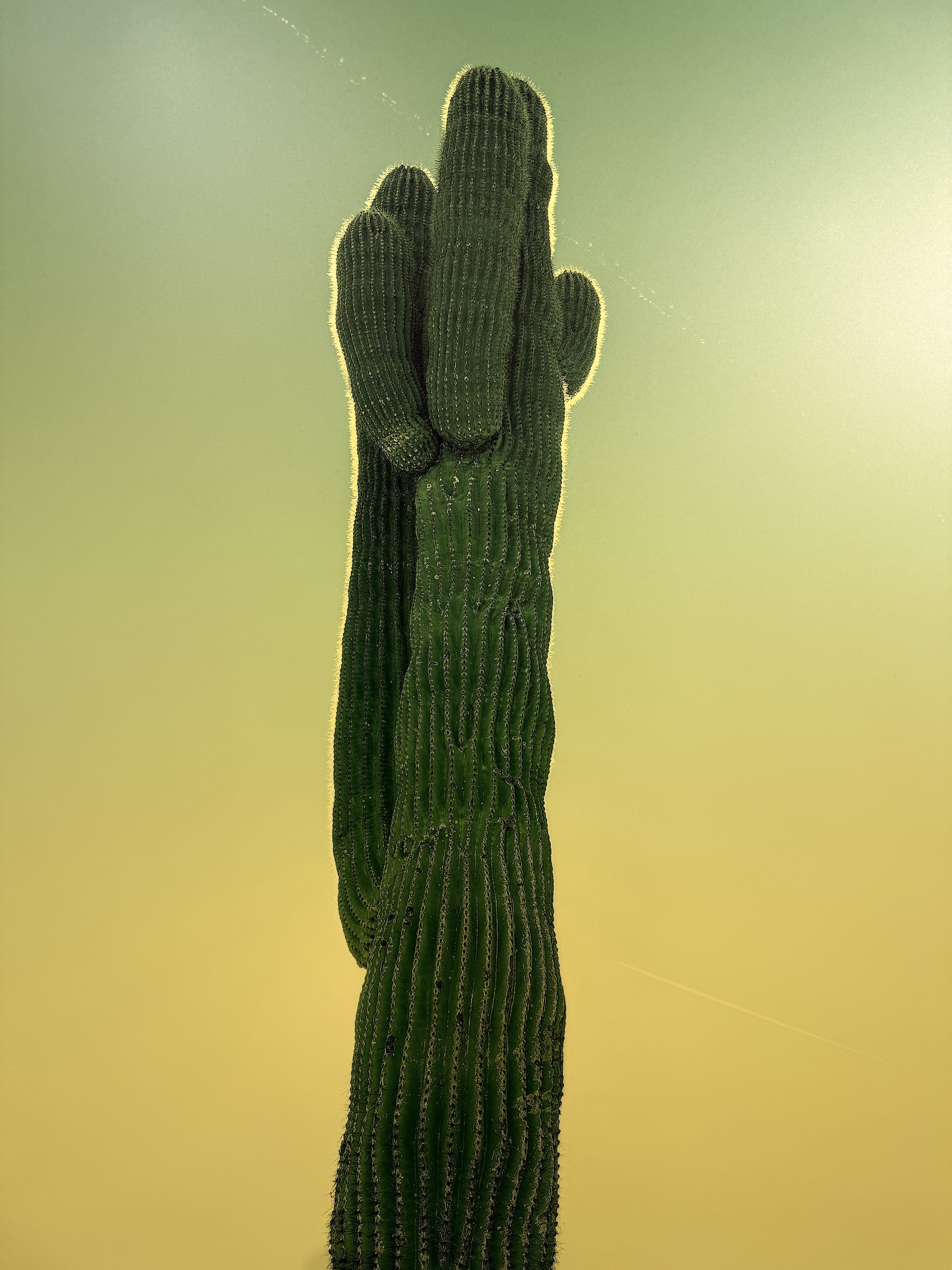
Beautiful gel photos of saguaros in the arrival concourse in San Diego airport (I forgot to take note of name of the photographer);
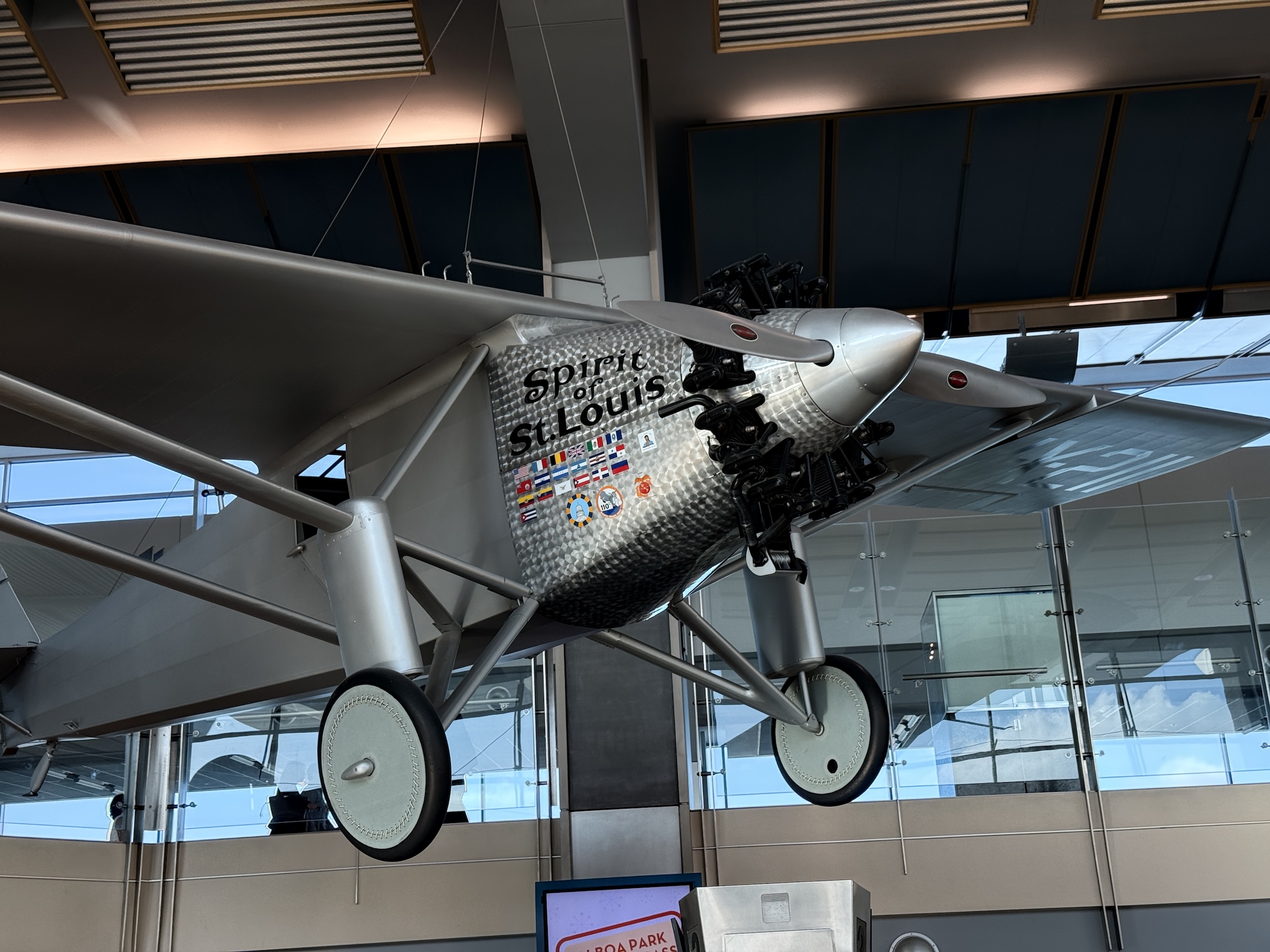
The Spirit of St Louis airplane is still in the baggage claim hall in San Diego airport’s Terminal 2.

Tuesday/ the Appalachian Trail 🥾

Here is the other sheet of 2025 stamps that I bought at the post office on Friday.

The Appalachian Trail
Issued Feb. 28, 2025
Perf. 11 serpentine die-cut |Self-adhesive |Design: Antonio Alcala |Sheet size: 15 stamps | First-Class Mail®’FOREVER’ stamps (75c) |Engraving: Ashton Potter (USA) Ltd. | No watermark
[Source: stampworld.com]
From USPS.com: Take a hike from the stresses of modern life with The Appalachian Trail stamps, celebrating the century-old footpath that rambles through unspoiled nature from Maine to Georgia.
The pane of stamps includes a photographic view from each of 14 states through which the trail winds. An additional stamp represents the so-called “green tunnel,” an affectionate nickname for stretches of trail through dense forest.
The Appalachian Trail, also called the A.T., is a hiking trail in the Eastern United States, extending almost 2,200 miles (3,536 km) between Springer Mountain in Georgia and Mount Katahdin in Maine, and passing through 14 states.
[From Wikipedia]

Monday 🍂

It was not to be— the Seattle Mariners playing in the World Series.
They lost 3-4 in Game 7 tonight against the Blue Jays, in the deciding game in the American League Championship Series (ALCS).
The Toronto Blue Jays will now take on the Los Angeles Dodgers in the World Series.


Beautiful fall foliage surrounds the playfields at Miller Community Center on 19th Avenue East on Capitol Hill.

Tuesday/ the first frost ❄️

Western Washington’s interior lowlands got its first frost of the autumn this morning.
Here in the city of Seattle the low was still above freezing: 40°F (4°C).

On my fence this morning: Mr. Squirrel, contemplating life while catching a little sun.

Sunday/ at the Ballard locks ⛵

Three of us ran out to the Ballard locks* this morning.
Even though the salmon runs for the season are over (there were none to be seen in the windows by the fish ladder), there was still a lot of activity to look at.

*The Hiram M. Chittenden Locks, or Ballard Locks, is a complex of locks at the west end of Salmon Bay in Seattle, Washington’s Lake Washington Ship Canal, between the neighborhoods of Ballard to the north and Magnolia to the south.
[Source: Wikipedia]

Here’s looking towards the waters of Puget Sound.
It looks like the Salmon Bay bridge (drawbridge) had to be opened just for the little sailboat with its tall mast! (in the middle of the picture). There are seagulls in the sky above the sailboat, and a speck that is a seaplane, as well.
This is the smaller of the two side-by-side locks.
The gates are just closing behind the two vessels. We chatted briefly with the owners (an elderly couple) of the larger vessel at the back that goes by De Anza III.
She was built in 1958, and this was the first summer they owned her.
A closet look at the woodwork on De Anza III, as she is lifted up by the water being pumped into the lock. The new owners have done some work this summer to sand the woodwork and give it a new coat of varnish, but they still have a lot to do.
This is the larger of the two locks, with two commercial vessels about to leave the lock and go on to Lake Union.
Hey! There’s a harbor seal that had just caught a salmon.
So even though the salmon runs for the season are over and done with, there are still a few of them in the water. I wonder if the fish are fatigued (from their swim upstream), and easy to catch.
A great blue heron (Ardea herodias) on the edge of the canal’s water is patiently waiting its turn for an opportunity to pounce.
The O-fish-al count (get it? official count) for 2025.
So there are distinct times for the peaks of the runs of the different species of salmon.
Q. And how do they count the fish?
A. Fish are counted at the Ballard Locks through daily visual counts by Washington Department of Fish and Wildlife (WDFW) and Muckleshoot Indian Tribe staff using the fish ladder itself. Fish are observed passing through the ladder during specific periods, and these visual counts are converted into daily and weekly totals to estimate the overall fish run for the year.
[Google AI Overview]

Tuesday/ Takara Tomy animals 🦁

September is a wrap.
We had rain yesterday and today here in the city of Seattle.
The Republican Party is shutting down the United States government at midnight.

This afternoon I opened my remaining Takara Tomy animal figures that I bought at Yodobashi Camera’s toy department in Tokyo.

Gorilla (model AS-36) with movable arms
There are actually two species of gorillas: the eastern gorilla (Gorilla beringei) and the western gorilla (Gorilla gorilla). And yes, wild gorillas eat pineapples, skin and all.
Nile crocodile (model AS-08) with movable jaw
The Nile crocodile (Crocodylus niloticus) is native to freshwater habitats in Africa, where it is present in 26 countries (including South Africa and Botswana).
Chameleon (model AS-28) with pliable tongue😝
Chameleons (or chamaeleons) are a distinctive and highly specialized clade* of Old World lizards with 200 species described as of June 2015.
The members of this family are best known for their distinct range of colors, being capable of color-shifting camouflage.
*Clade: a group of organisms believed to have evolved from a common ancestor
[Source: Wikipedia]

Lion (model AS-01) with movable head, and meerkat
The lion (Panthera leo) is a large cat native to Sub-Saharan Africa and India. It has a muscular, broad-chested body; a short, rounded head; round ears; and a dark, hairy tuft at the tip of its tail. Adult male lions are larger than females and have a prominent mane.
The meerkat (Suricata suricatta) or suricate is a small mongoose found in southern Africa. It is characterised by a broad head, large eyes, a pointed snout, long legs, a thin tapering tail, and a brindled coat pattern.
[Source: Wikipedia]
Cheetah (model AS-13) with movable head and legs
The cheetah  (Acinonyx jubatus) is a large cat and the fastest land animal.
It has a tawny to creamy white or pale buff fur that is marked with evenly spaced, solid black spots. The head is small and rounded, with a short snout and black tear-like facial streaks.
[Source: Wikipedia]

Monday/ a typhoon at autumn equinox 🌏

Happy autumn equinox (spring equinox south of the equator).
There is a very strong typhoon brewing in the South China Sea— Super Typhoon Ragasa. (Ragasa is Tagalog for scramble.)

The water level in Hong Kong is forecast to rise about 2 meters (6.5 feet), and the maximum water level in some areas could hit 4 to 5 meters (13.1 to 16.4 feet) above the typical lowest sea level.


HONG KONG (AP) — Southern Chinese cities scaled back many aspects of daily life on Tuesday with school and business closures and flight cancellations as the region braced for one of the strongest typhoons in years that has already killed three people and led to the displacement of thousands of others in the Philippines.

Hong Kong’ s observatory said Super Typhoon Ragasa, which was packing maximum sustained winds near the center of about 143 mph (230 kph), is expected to move west-northwest at about 14 mph (22 kph) across the northern part of the South China Sea and edge closer to the coast of Guangdong province, the southern Chinese economic powerhouse.
– Kanis Leung writing for Associated Press

A typhoon and a hurricane are the same type of storm—a powerful tropical cyclone—but they are given different names based on their geographical location. A hurricane is the term used for these storms in the North Atlantic, Central North Pacific, and Eastern North Pacific, while a typhoon refers to a storm of the same intensity and structure that forms in the Northwest Pacific Ocean.
[Sources: Google AI Overview; Hong Kong Observatory]