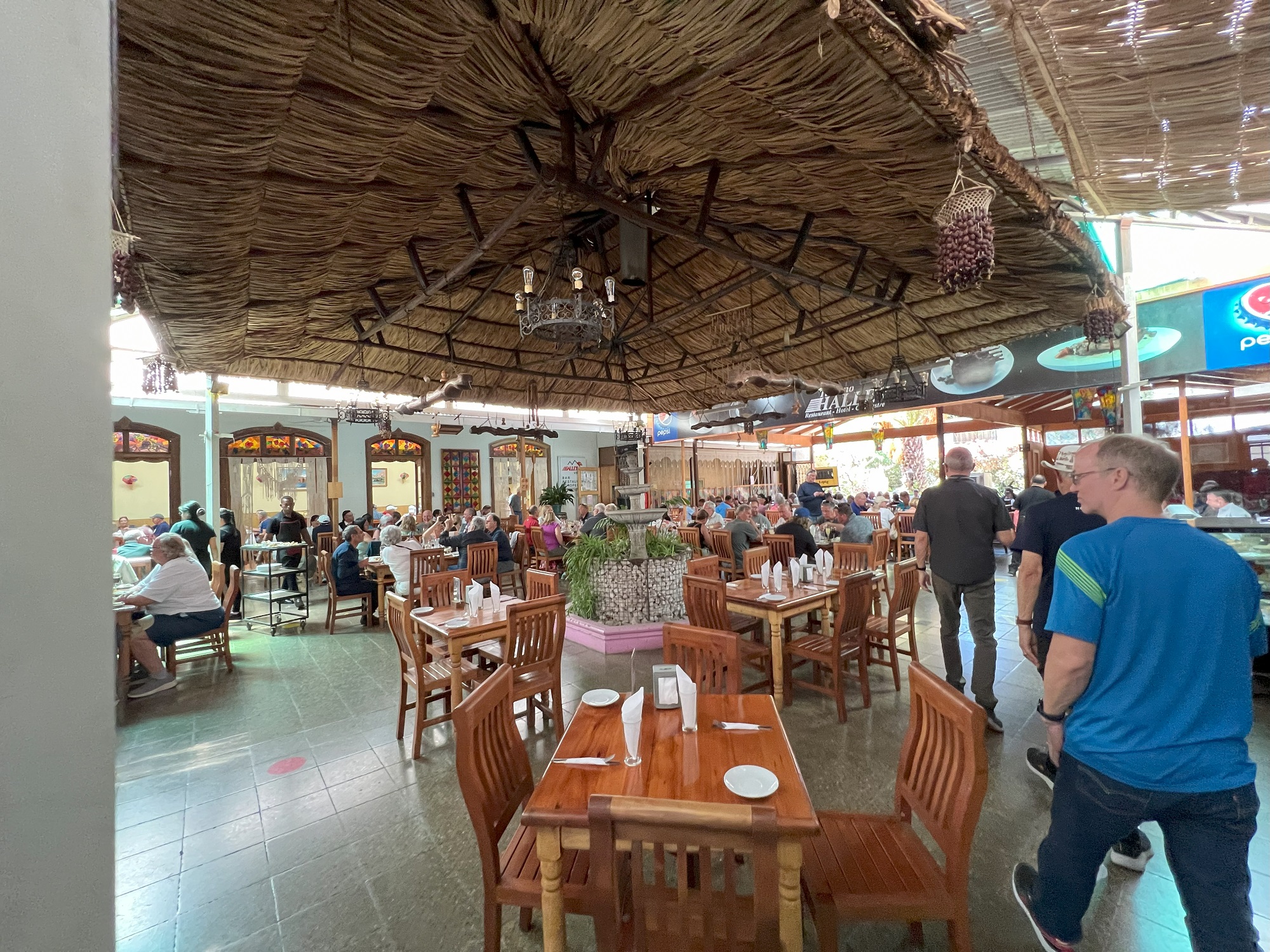
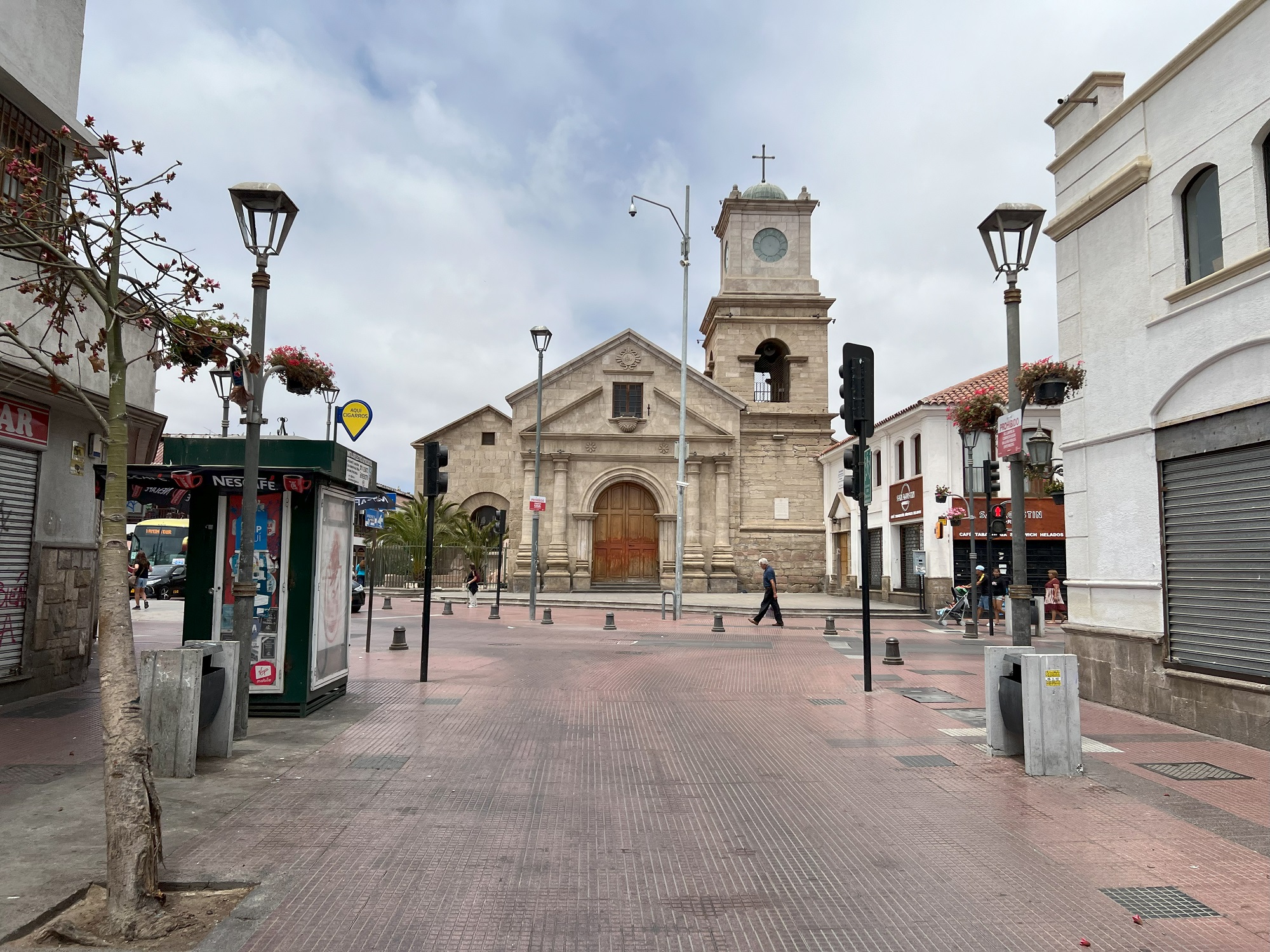
We arrived at the port city of Coquimbo this morning.
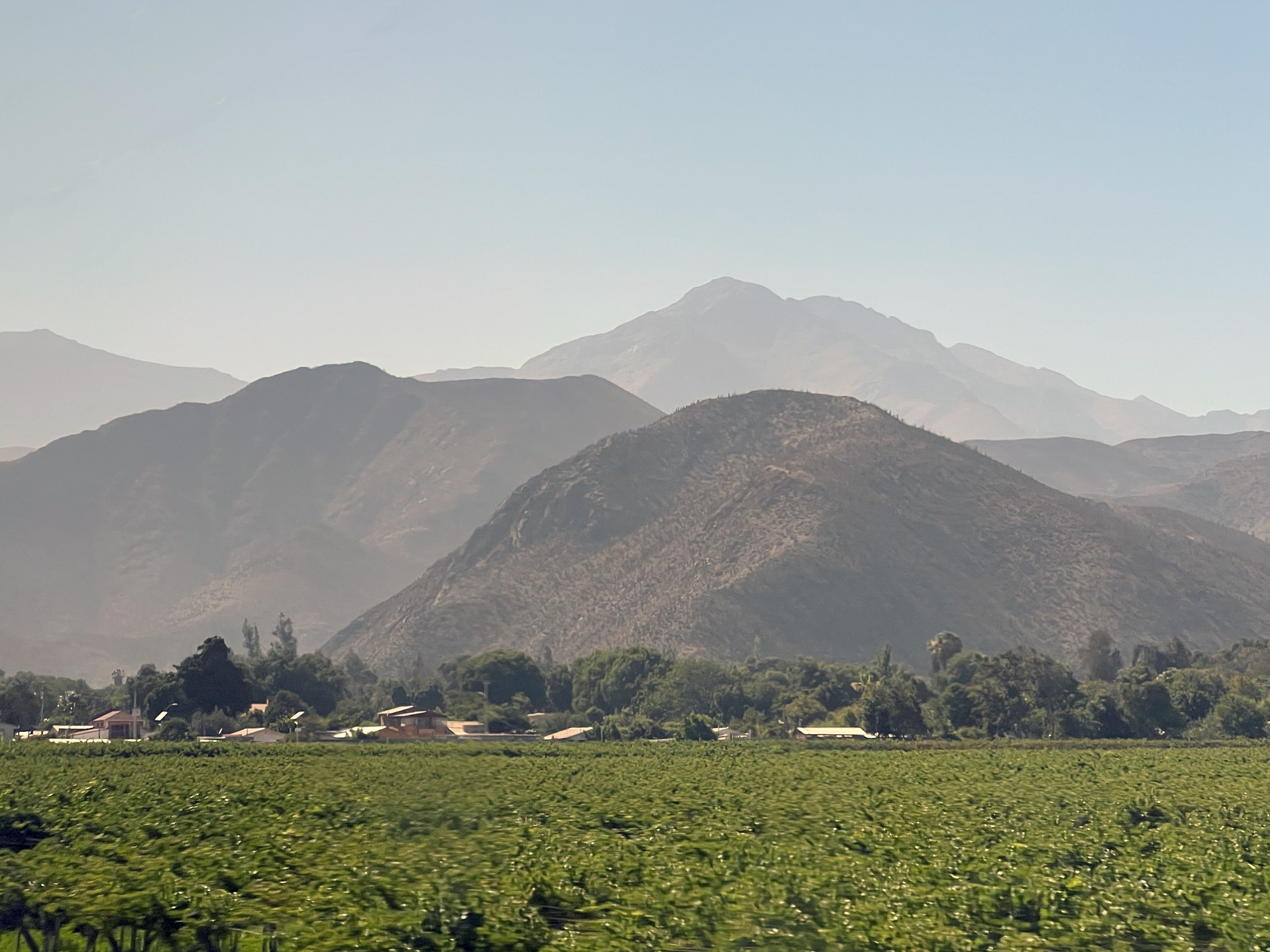
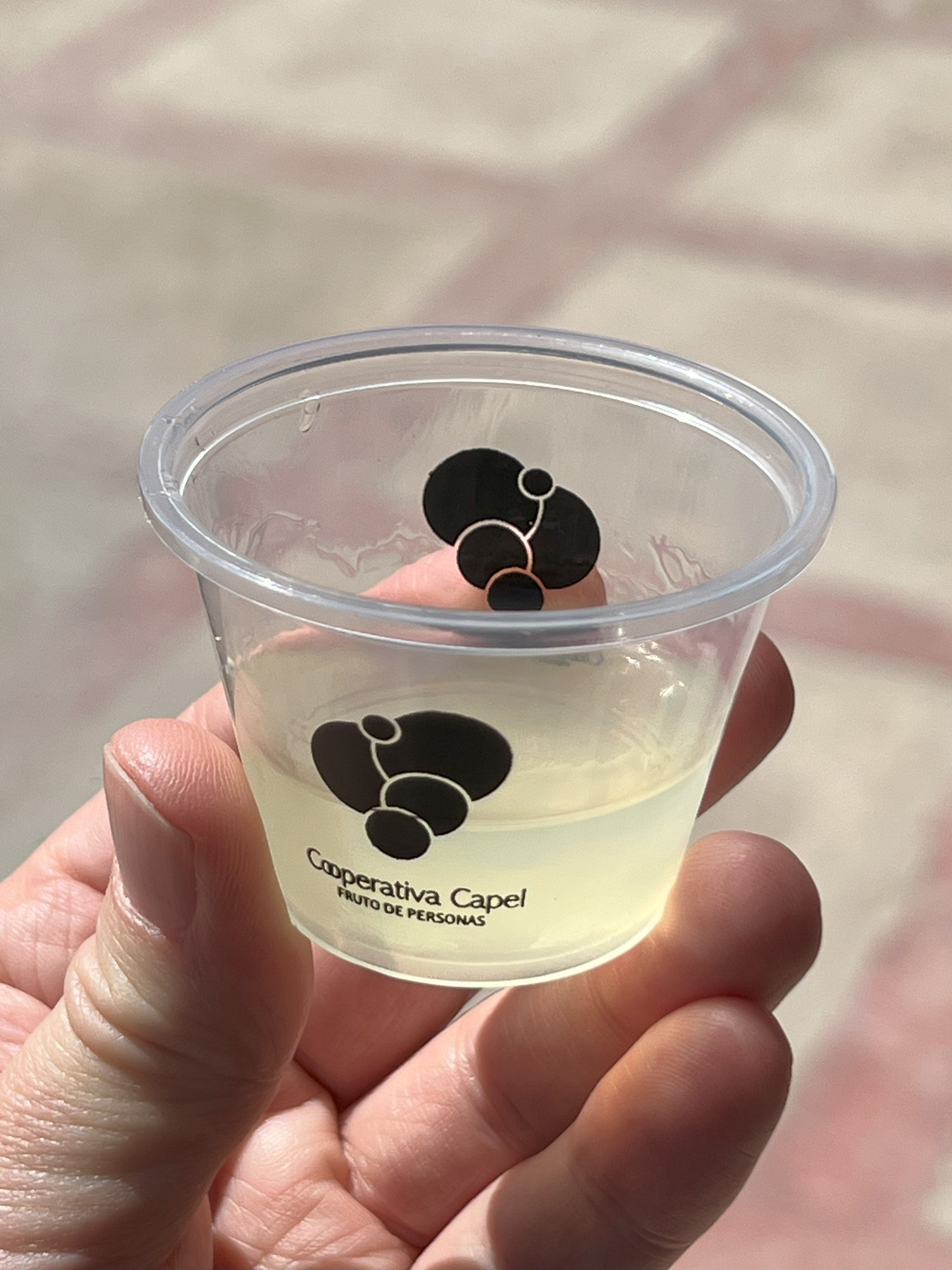
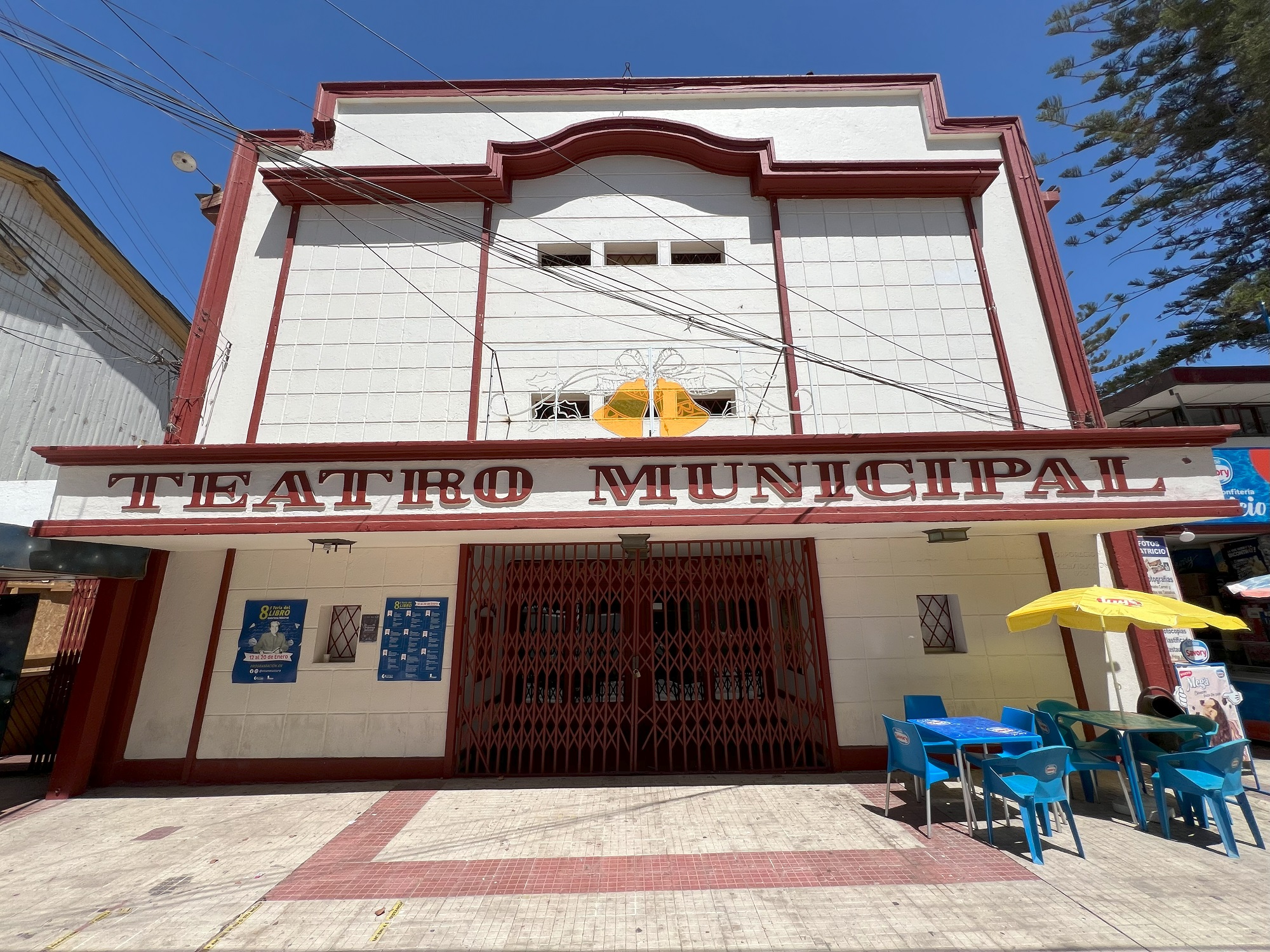
Our excursion today was a bus ride along the shoreline into the neighboring town of La Serena, followed by a drive inland to the commune of Vicuña (pop. 25,000).



a weblog of whereabouts & interests, since 2010
We arrived at the port city of Coquimbo this morning.
Our excursion today was a bus ride along the shoreline into the neighboring town of La Serena, followed by a drive inland to the commune of Vicuña (pop. 25,000).
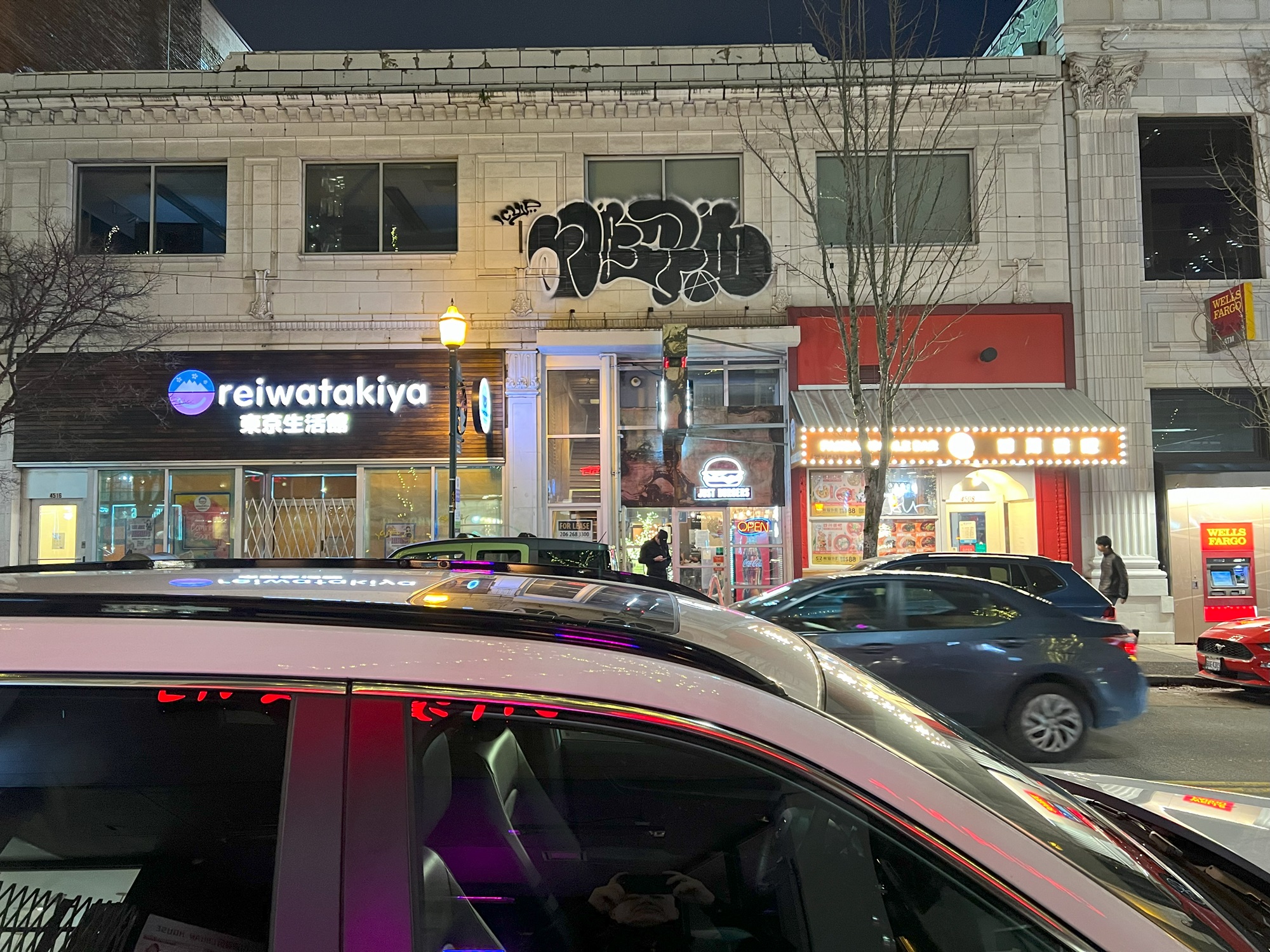
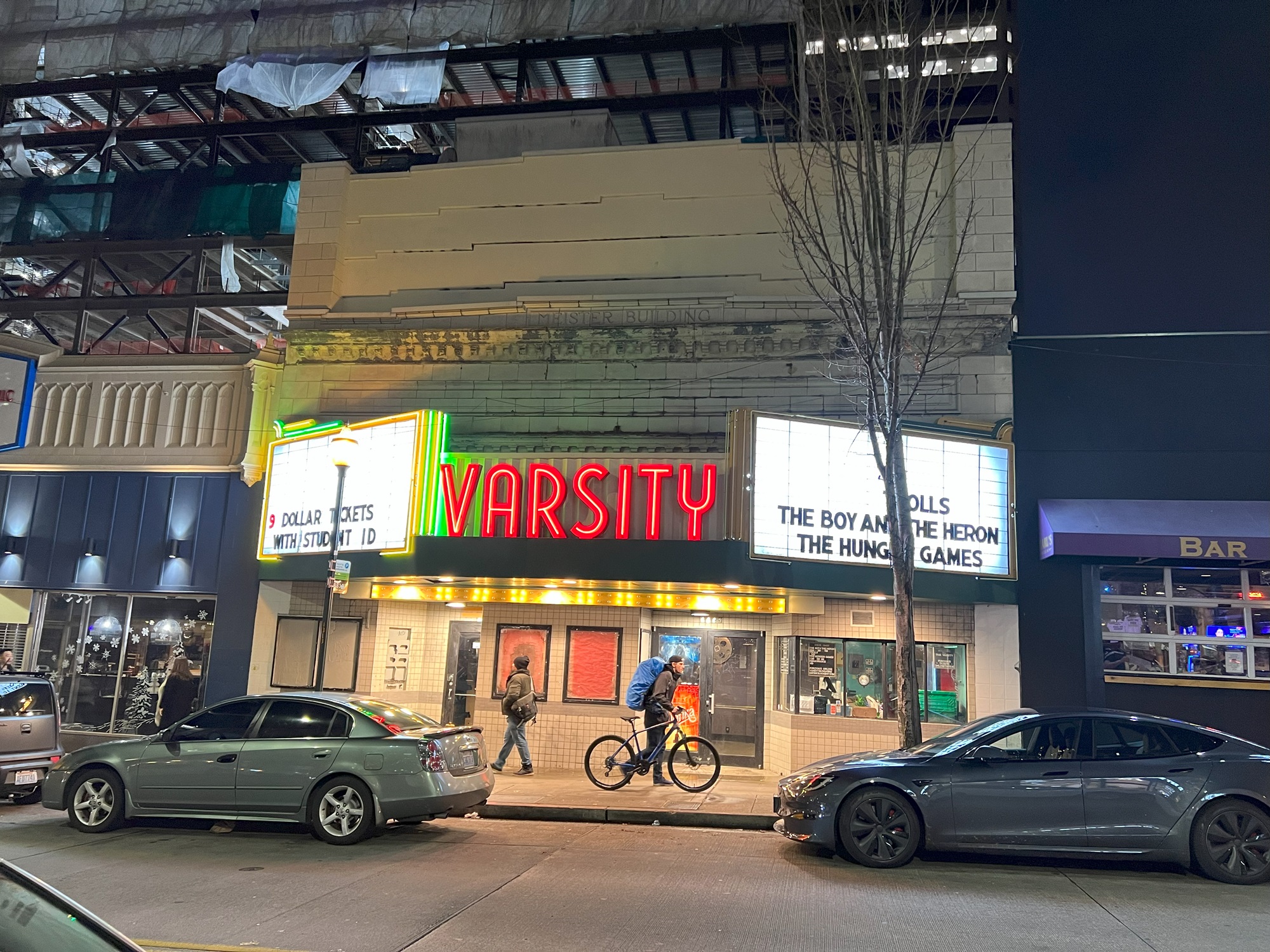
Sunday is a good day to make a run up to U-district to check out the used book-stores and music stores (yes, they still sell CDs there).


I don’t always drink beer but when I do, I prefer Dos Equis
– From the Dow Equis beer commercial (and meme for it)
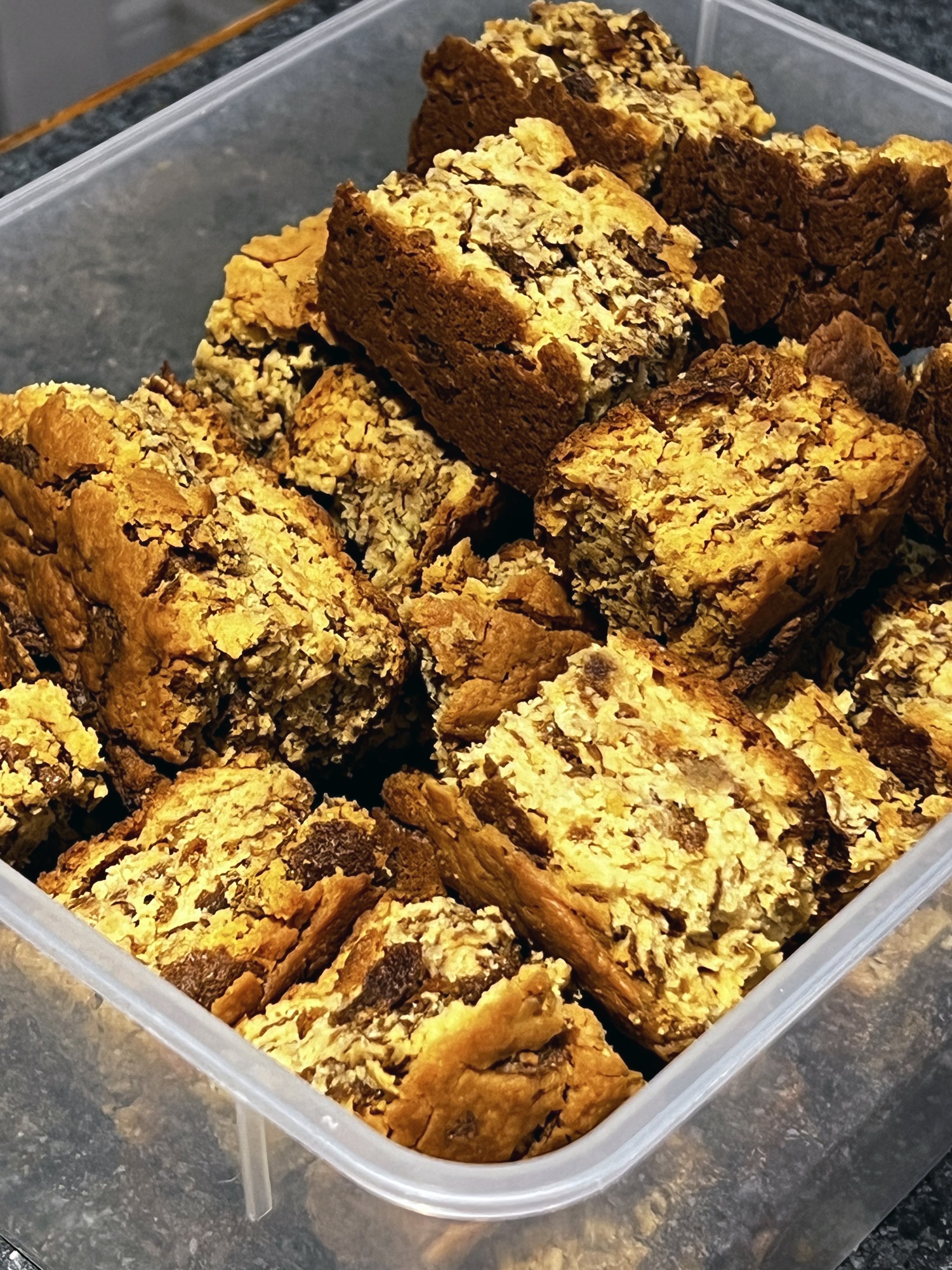
I don’t always bake, but when I do, I bake beskuit*
*’Rusks’ in English— made from dough, broken or cut into chunks or slices after baking, and then slowly dried in an oven.
I was tired of buying expensive biscotti at the store (for my coffee in the morning), and so I baked a batch of South African beskuit.

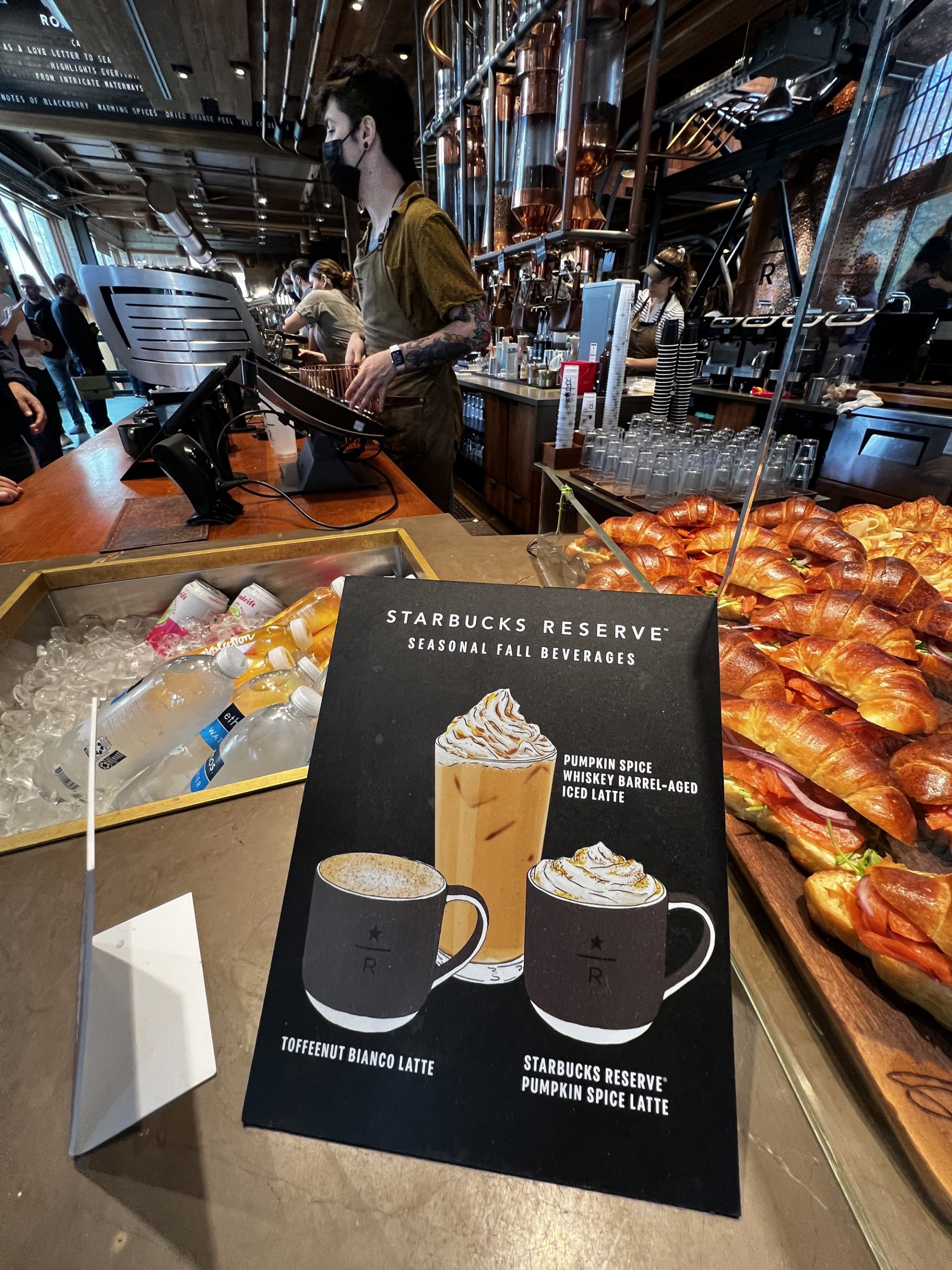
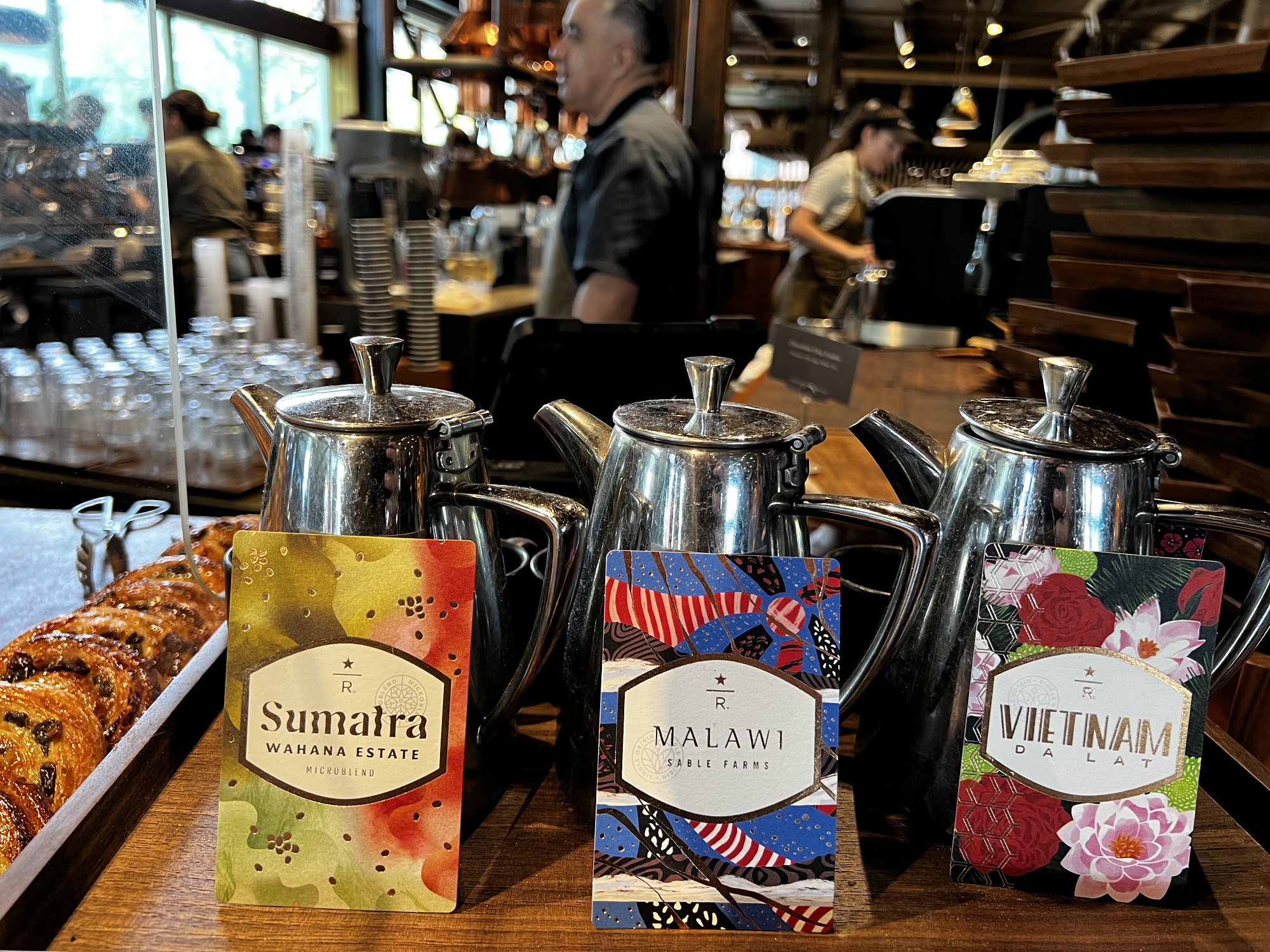
Here’s the scene at the Starbucks Reserve Roastery on Pike street.
We didn’t get to see the roasted coffee beans spill from the roasting barrel into the giant cooling pan, but the place was packed with tourists and locals (a guy wearing a shirt with an Amazon Web Services logo on, for example).
Coffees from Sumatra, Malawi and Viet Nam were being brewed, and we picked Malawi. (My friends that are visiting Seattle, are from South Africa).
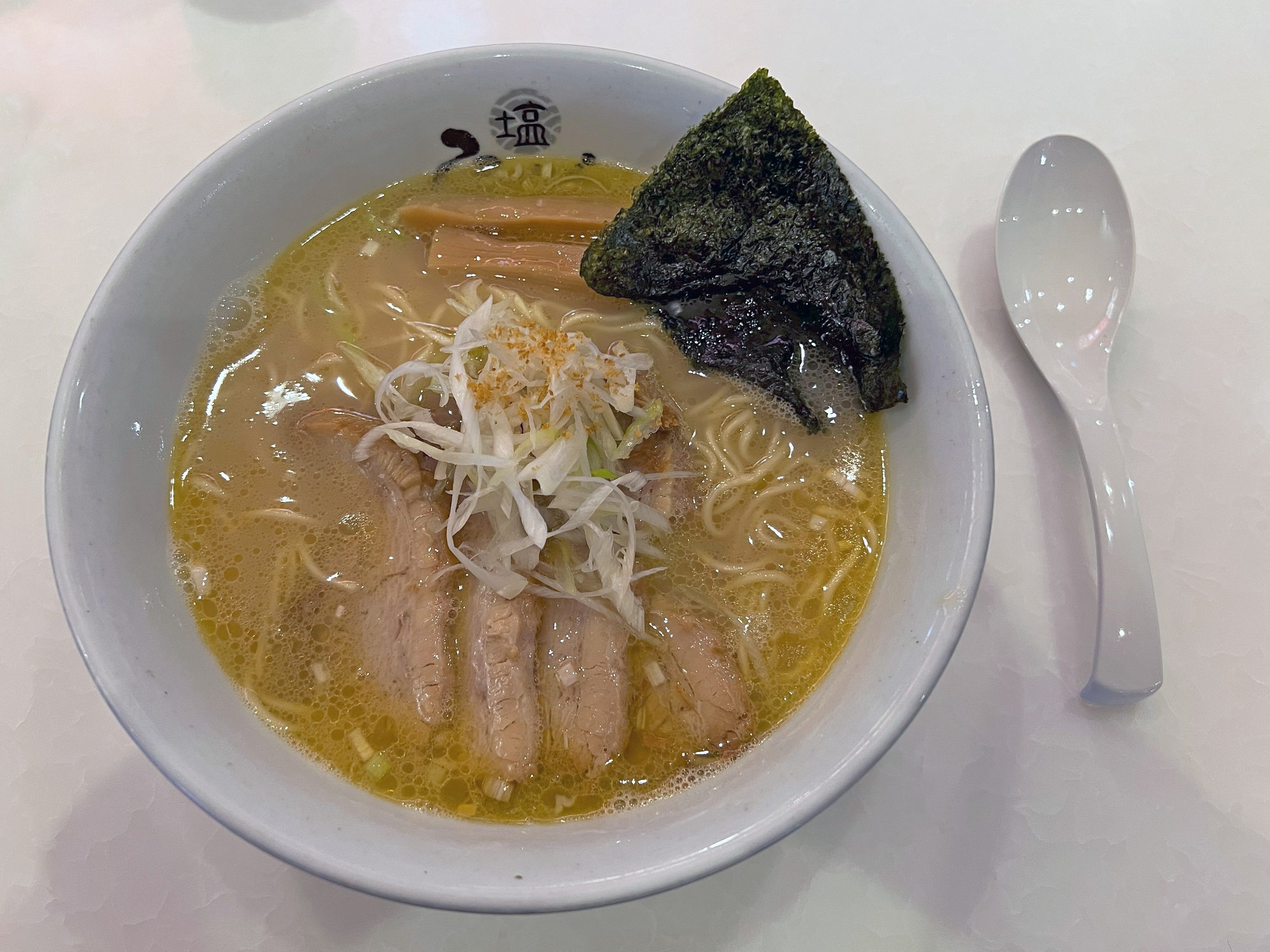
Here is a ramen dinner that we had. The broth & noodles are garnished with shredded salad and spices. The other toppings are pork, nori (seaweed) and menma (fermented bamboo shoot).
*A Japanese noodle dish made by serving Chinese-style wheat noodles in a broth with several toppings. I believe it is fair to say it is Japanese comfort food.
Eat food. Not too much. Mostly plants.
– Advice that journalist and activist Michael Pollin offers in his 2008 book ‘In Defense Of Food’.
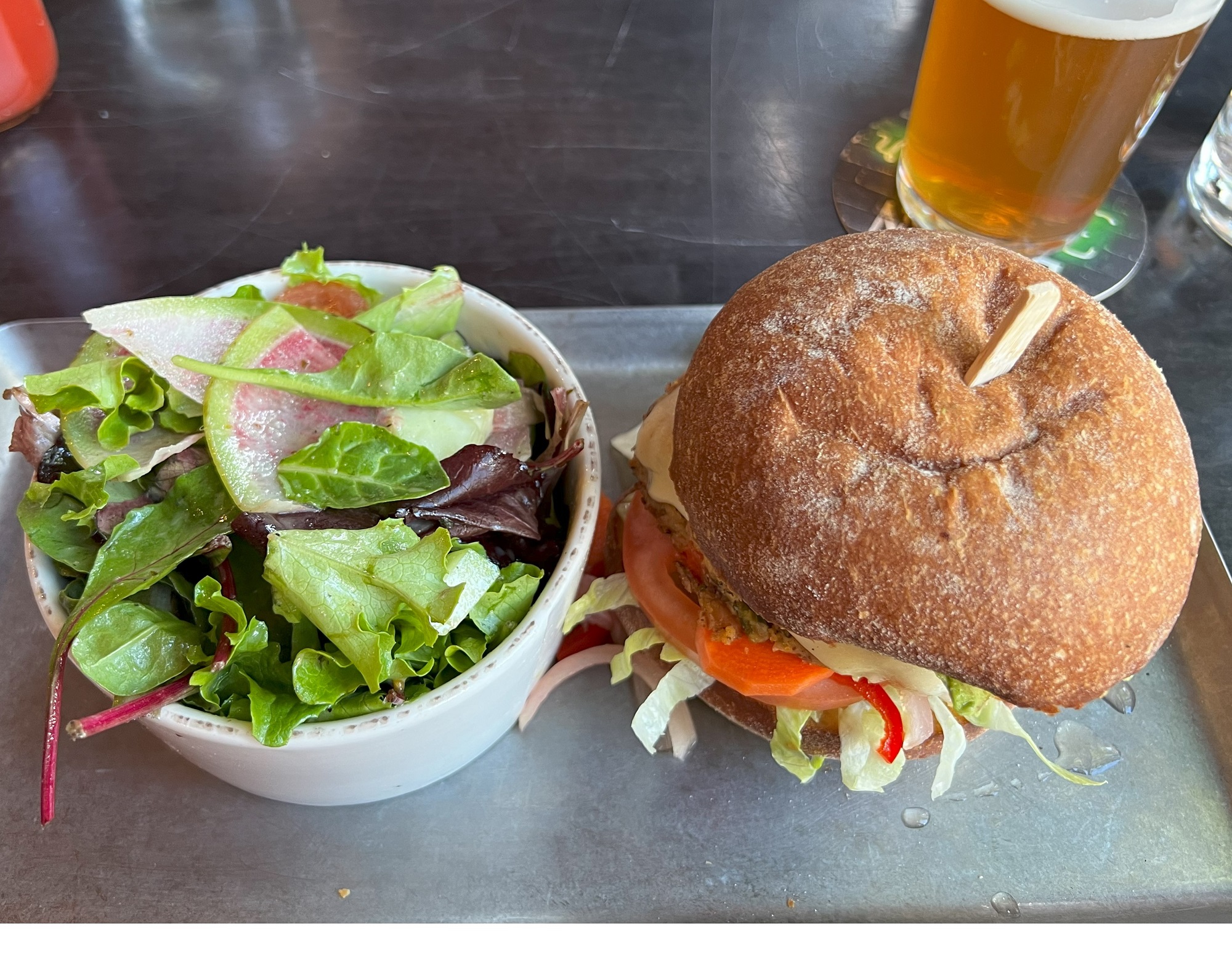 I tried the black bean vegetarian burger at Capitol Hill Elysian Brewing tonight.
It was tasty and light—and I will definitely order it again.
The beer is a Superfuzz Blood Orange Pale Ale, 5.6% ABV.
The green salad I had with it had slices of watermelon radish in: great to look at, and great to eat.
Happy Friday.
It’s Memorial Day weekend, the unofficial start of summer here in the US.
It’s also the end of Seattle Beer Week, and The Seattle Times reports that Seattle is a city full of beer snobs.
Cheers!

You talk like Marlene Dietrich
And you dance like Zizi Jeanmaire
Your clothes are all made by Balmain
And there’s diamonds and pearls in your hair, yes, there are ..
– From ‘Where Do You Go To My Lovely’ by Peter Sarstedt (1969)
It was crowded on the streets and in the stores today.
As Easter weekend goes, Friday was a Sunday (and German stores close on Sundays), today is Saturday, with tomorrow Sunday— and Monday another Sunday.
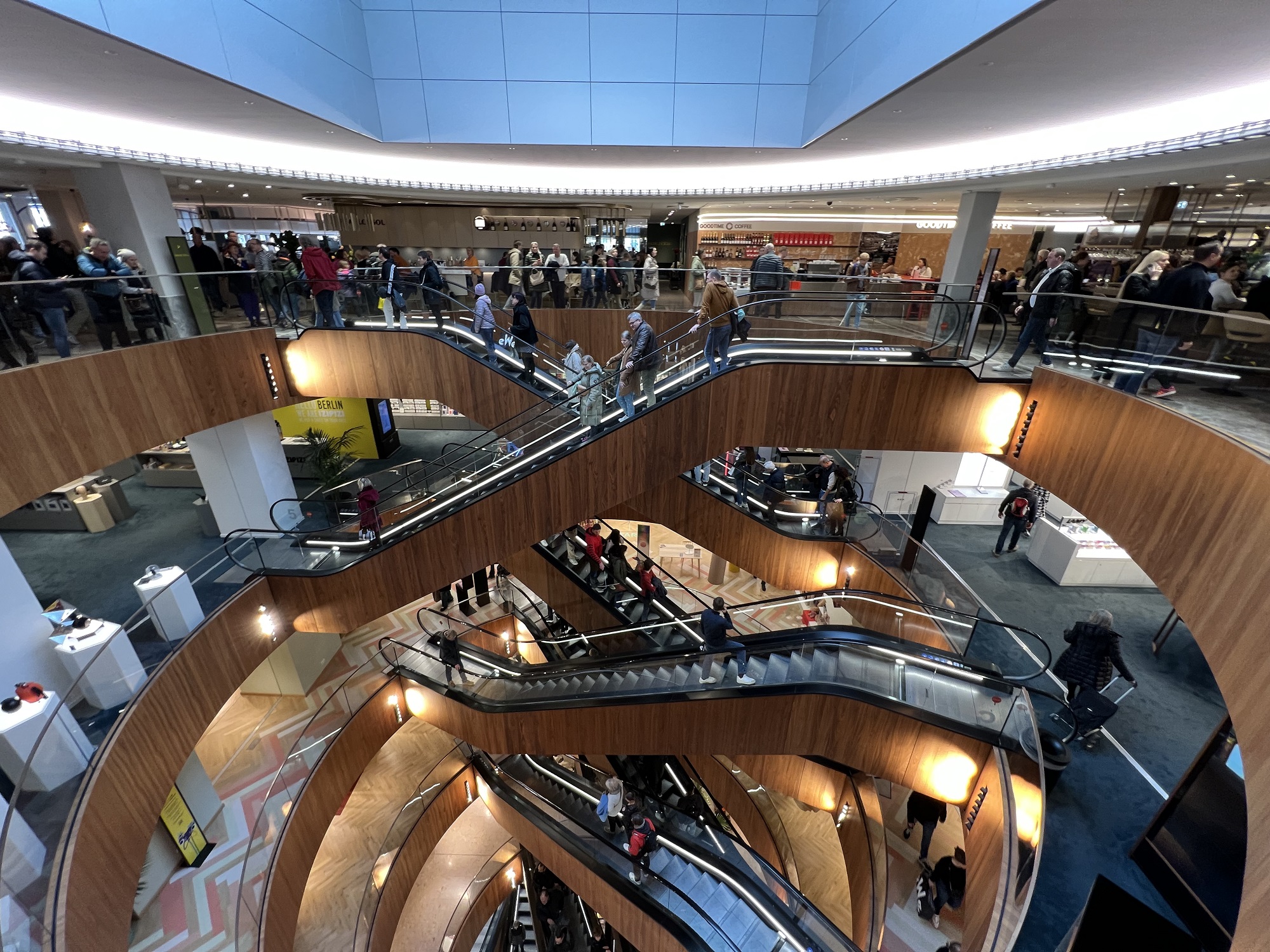
The highlight of my day was to rub shoulders with Berlin’s upper crust at KaDeWe.
KaDeWe is Kaufhaus Des Westens, ‘Department Store of the West’, second in size only to Harrods in London.
The eateries on the top floor include an oyster bar— and I’m sure I would have found caviar if I looked for it.



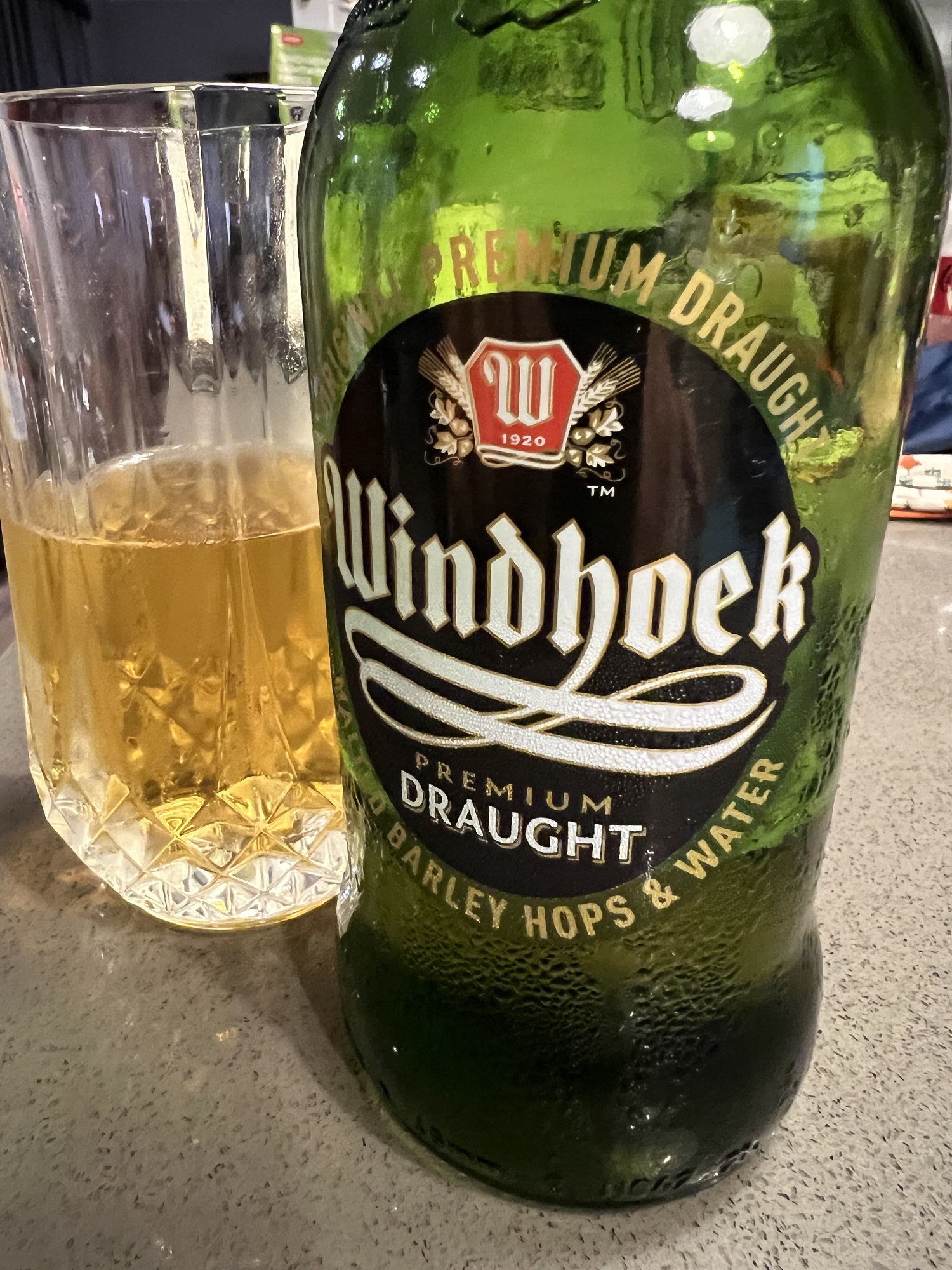
My favorite African beer Windhoek Light— a 2% alcohol beer from Namibia Breweries— is not available in stores. Its production has been temporarily discontinued.
Says the Namibia Breweries website: ‘Consumers looking for a substitute need not despair, as NBL will continue to offer its other low- and non-alcoholic beverage products‘.
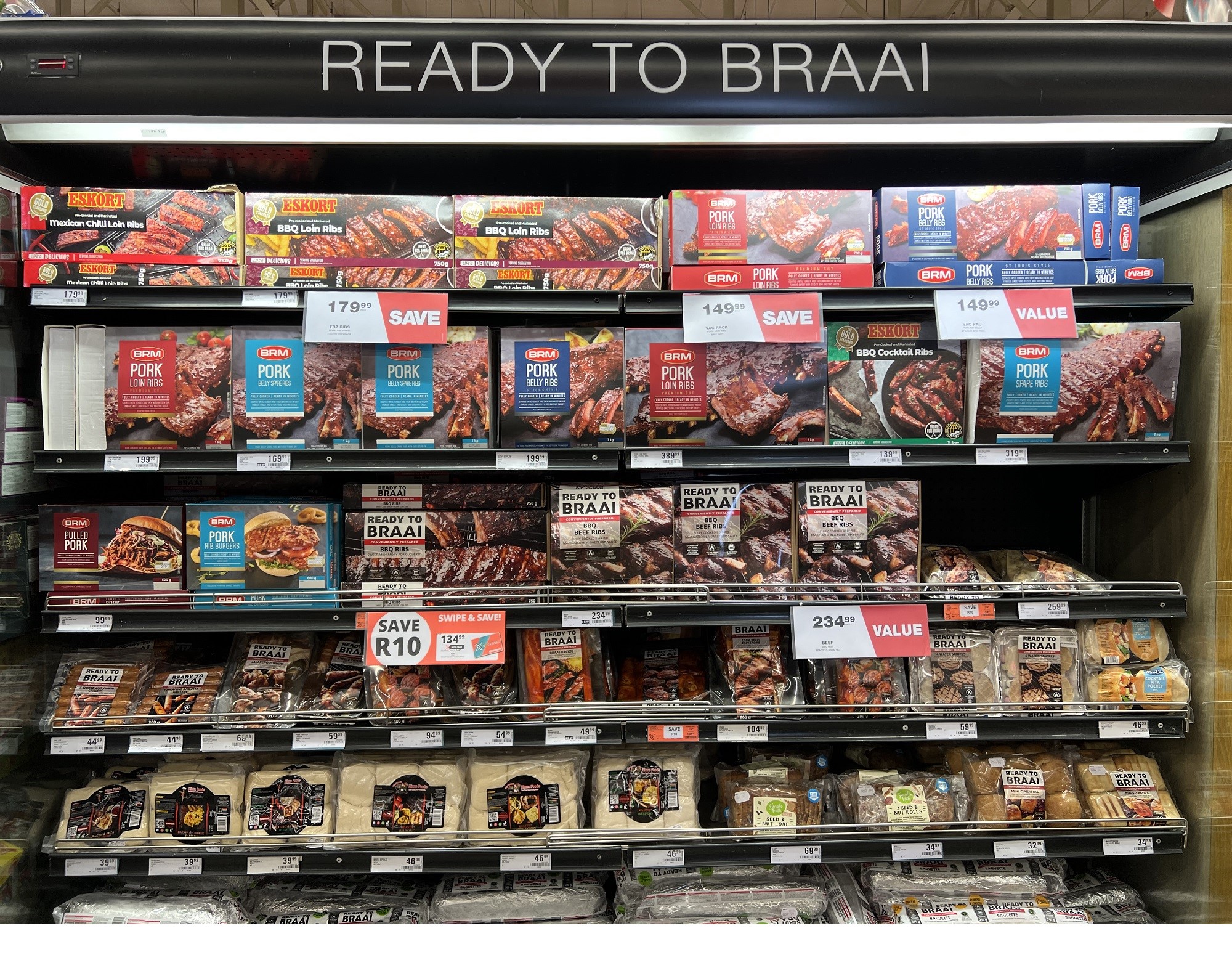 Summer is winding down— officially over, of course— here in South Africa, but the grocery stores still have their ‘Ready to Braai’ displays up. Any time of year is good for a braai*.
*braai
transitive verb
South African for grilling— especially meat, boerewors (sausage), and also veggies and tomato-and-cheese sandwiches.
noun
The South African equivalent of an American barbecue.
Eggs are eggs. And people want eggs.
– Amy Smith, agriculture business expert
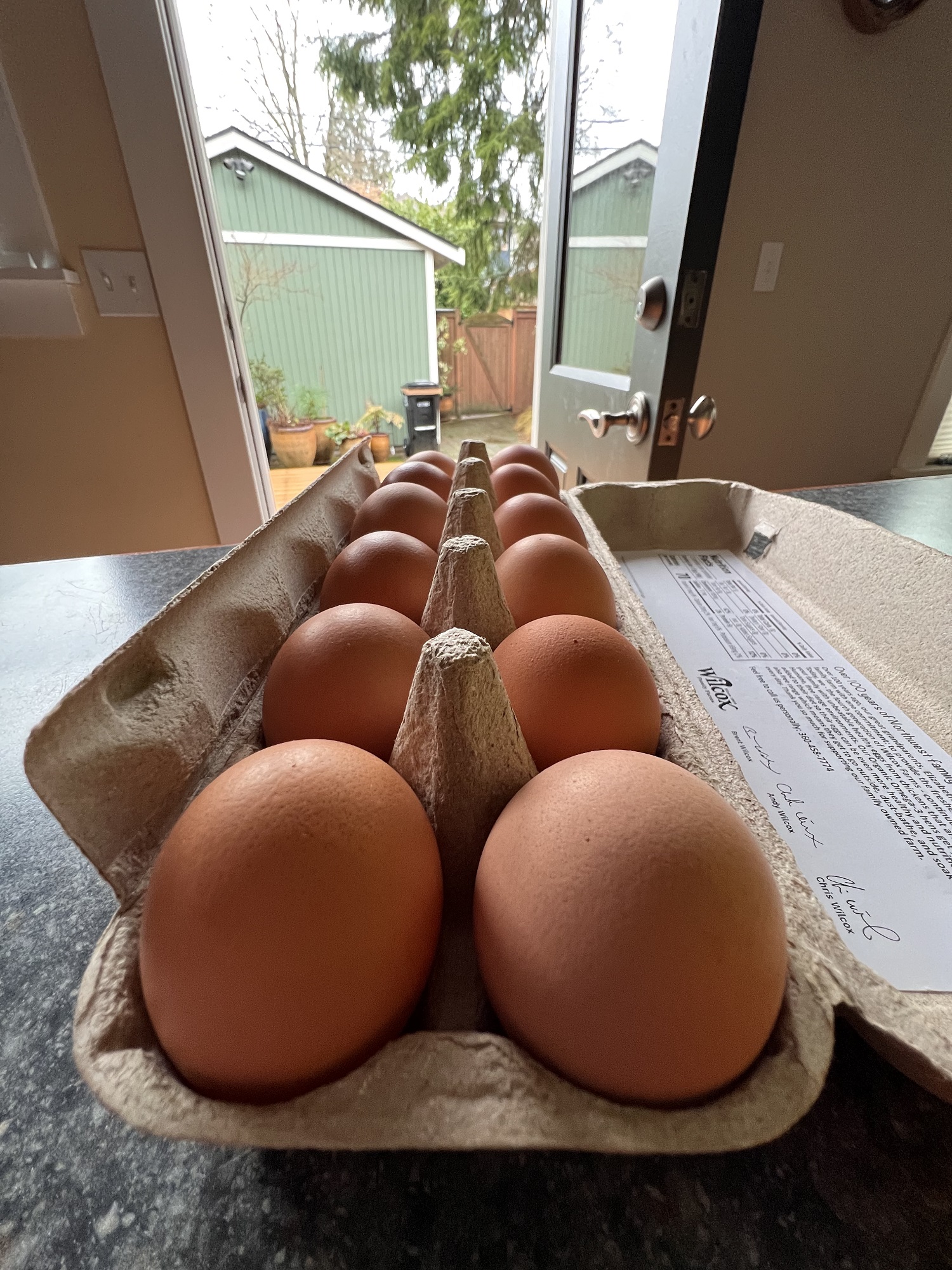
I had to go back to the Safeway (grocery store) around the corner for eggs today. They were completely out of their good eggs three days ago. Avian flu is partly to blame for the limited egg supply, but it also seems everyone now wants eggs from free-range chickens.
Observers say prices will still have to go up substantially before they will make a dent in the demand for eggs.
Americans consumed an average 286 eggs per capita in 2020, which means many people eat an egg every day.
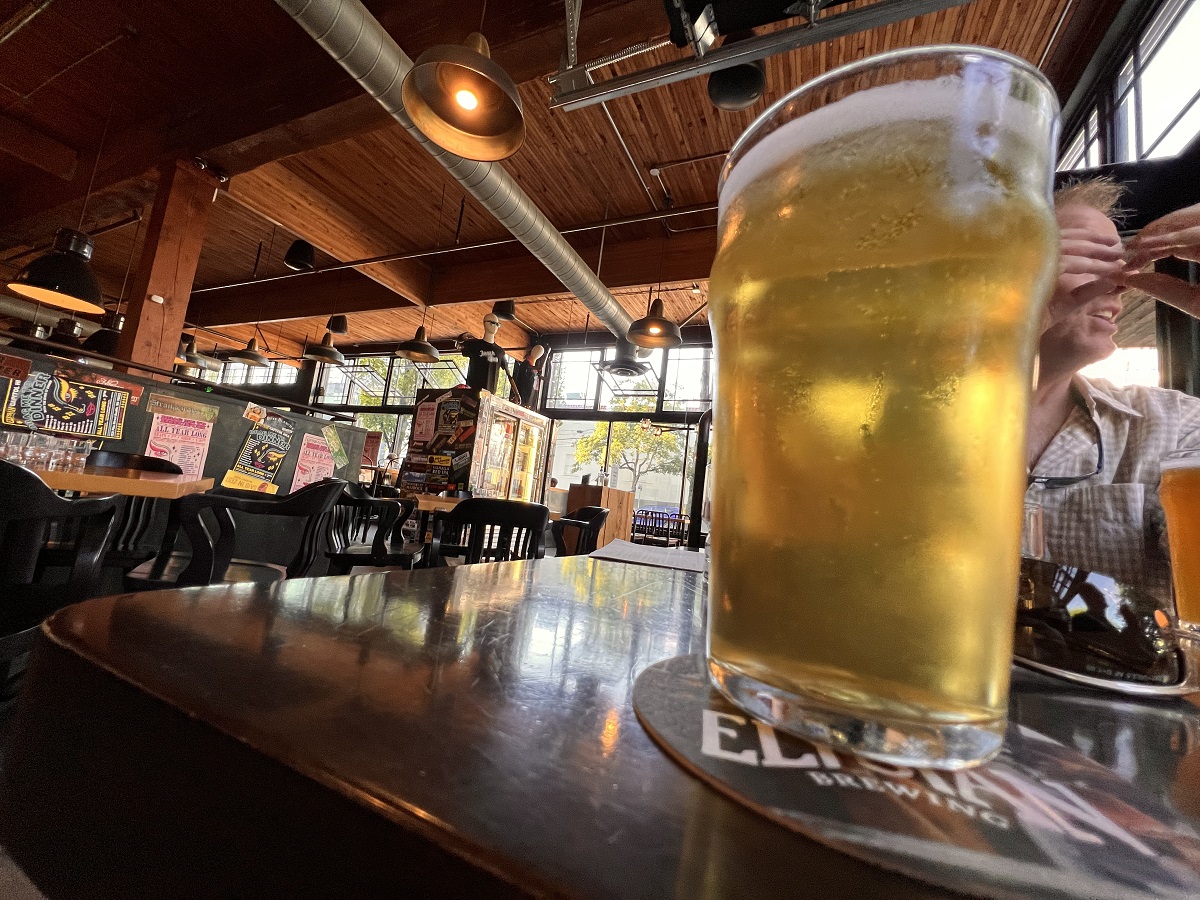
The amigos went to Elysian Capitol Hill Brewery for beers tonight.
Mine is a lager, and everyone else got ales (Indian Pale Ales and other Pale Ales).
Ales are hoppier, heavier beers than lagers and pilsners.
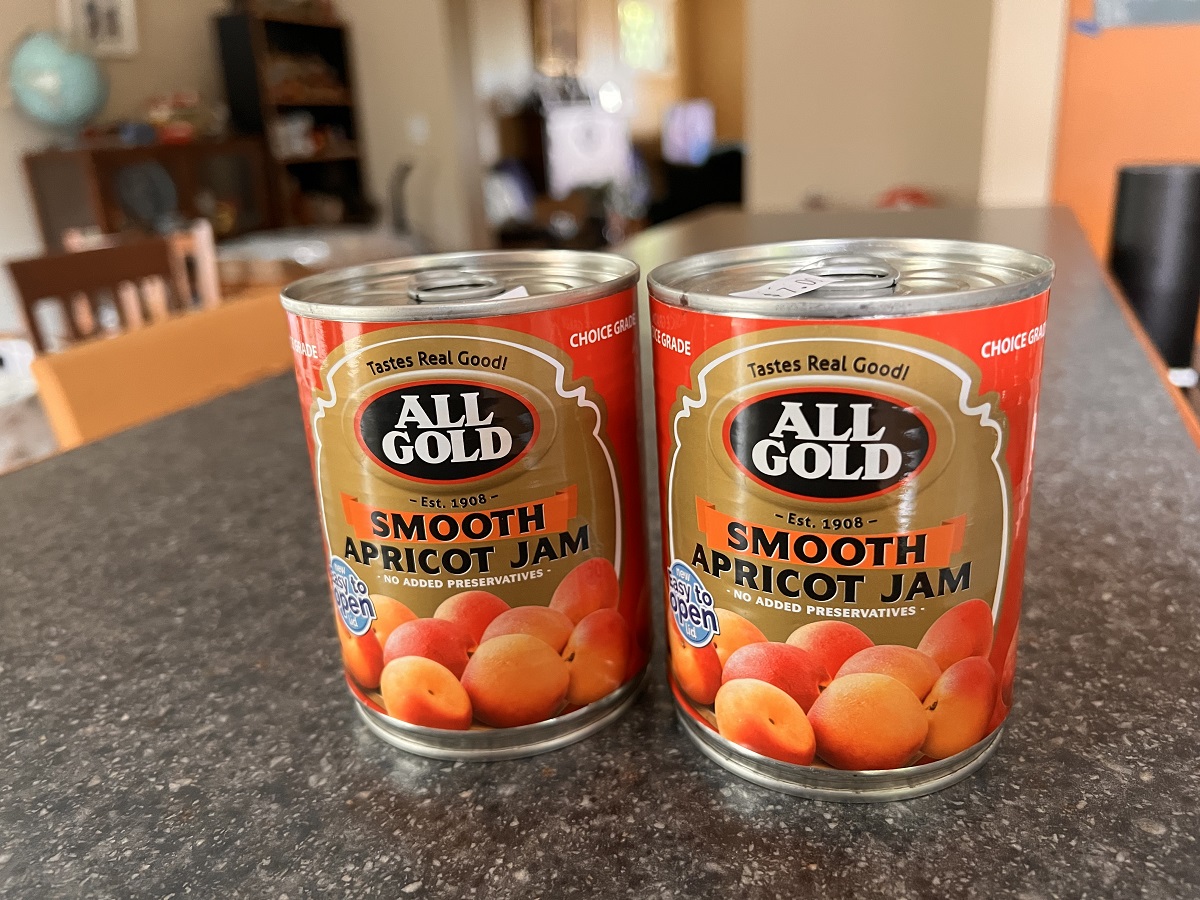
Here’s what happens when you leave your reading glasses in the car, and you grab a pair of ‘marmelade’ jam tins (at the British Pantry store on Thursday).
It turns out it was apricot jam.
No matter: it’s good stuff— one of the most popular jams in South Africa.
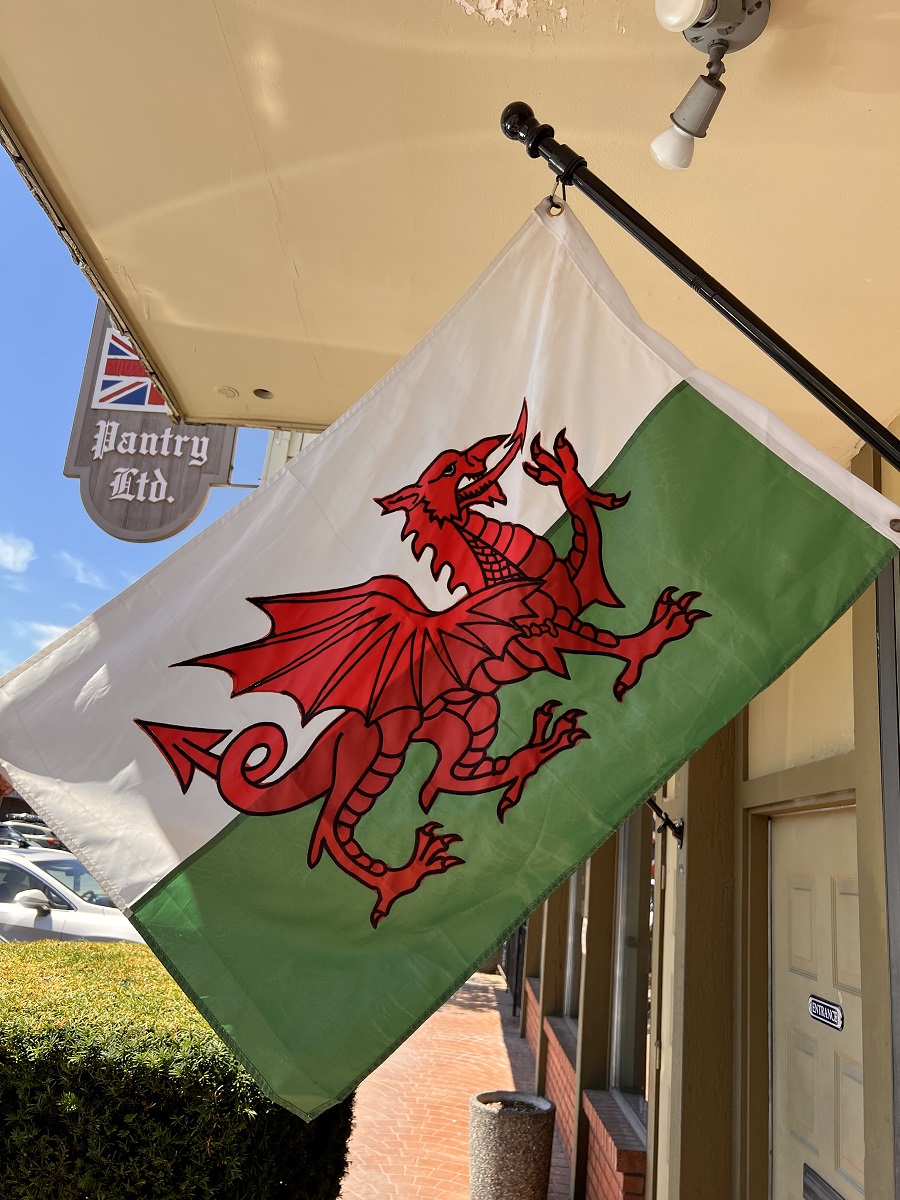
I picked up my notebook computer today in Redmond— and stopped by the British Pantry store to replenish the South African marmalade and chutney in my own pantry.
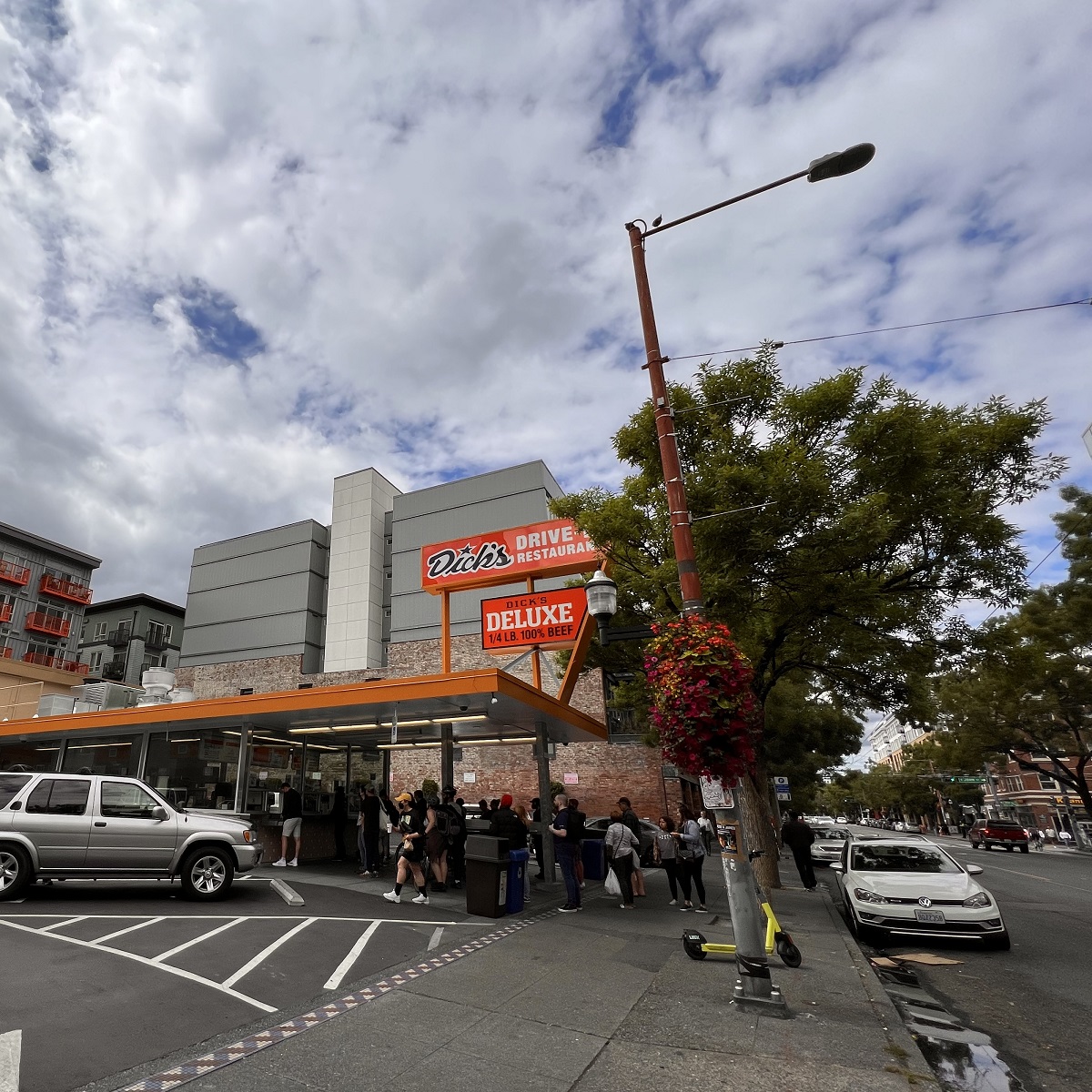
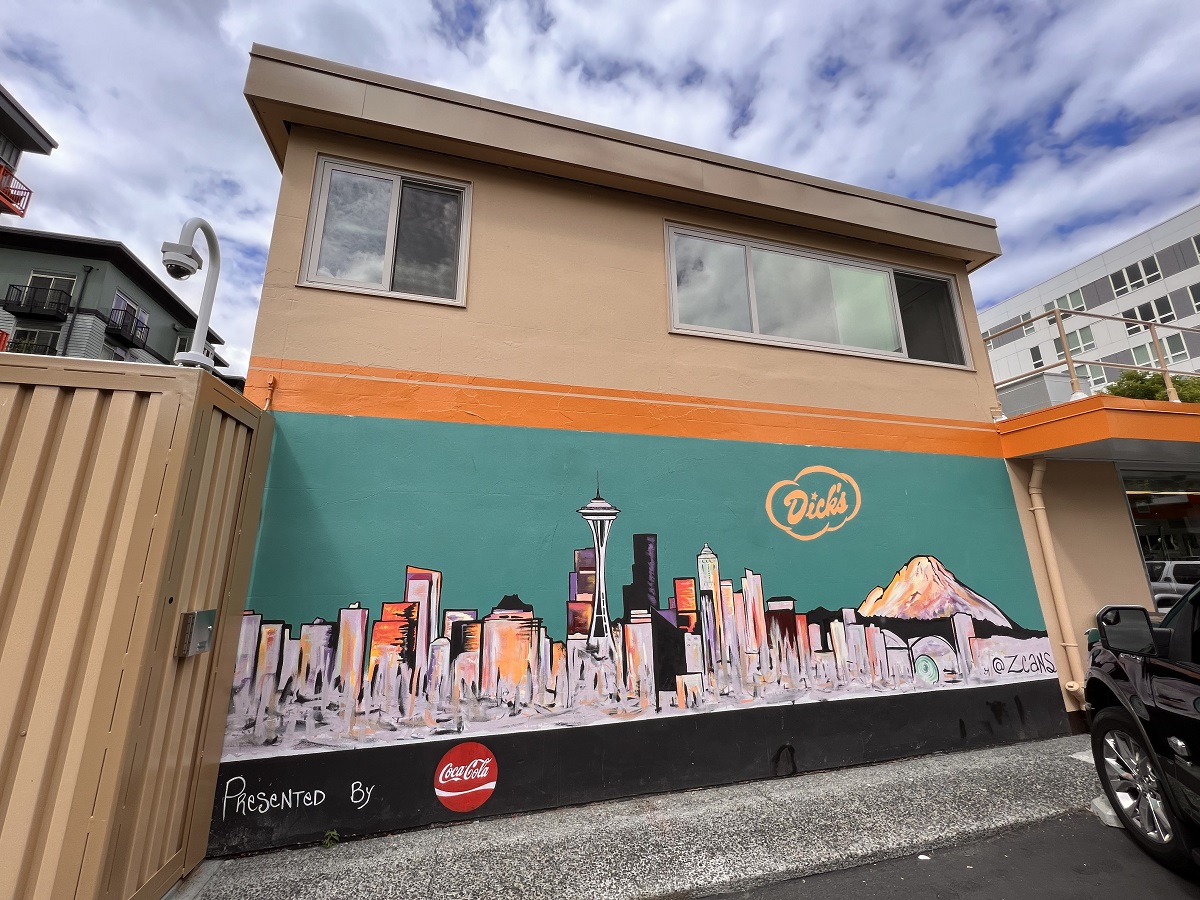
Dick’s Drive-in burger joint on Broadway is open after its remodel .. has been open for a few weeks already, actually.
We had a very mild 20 °C (68 °F) here in the city today.
Whoah at the first-ever red-alert temps of 40 °C (104 °F) forecast for London for Monday.
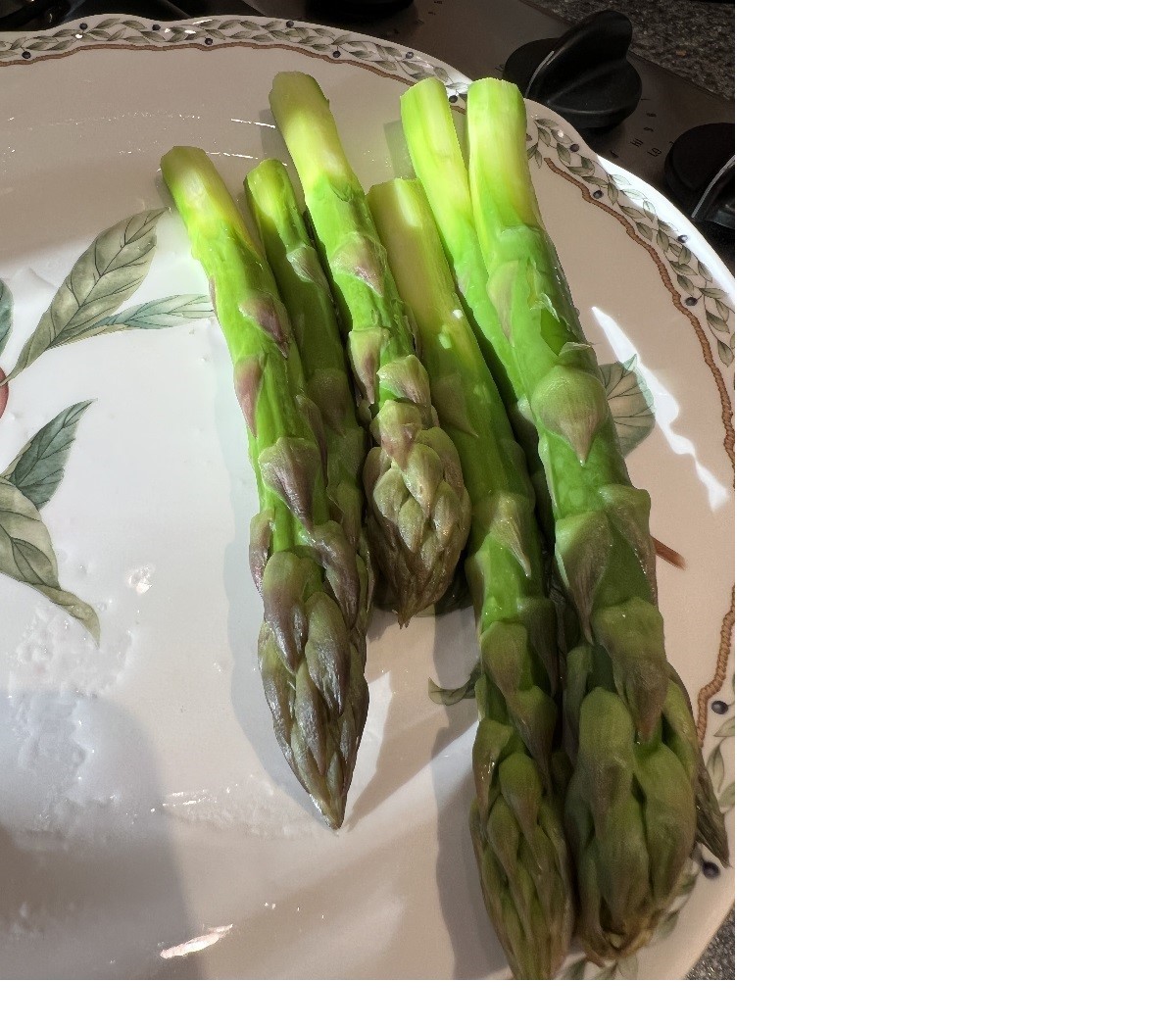 My new trick in the kitchen helps me keep a little more of the asparagus stalks that I like to steam in the pressure cooker.
I use a knife to cut off just an inch or so of the dry bottom of the stalk. (It’s a little hit-and-miss to break off the bottom by hand.)
Then I peel off one or two inches at the bottom with a vegetable peeler.
Now I can eat the whole stalk, without chewing on any tough fibrous skin.
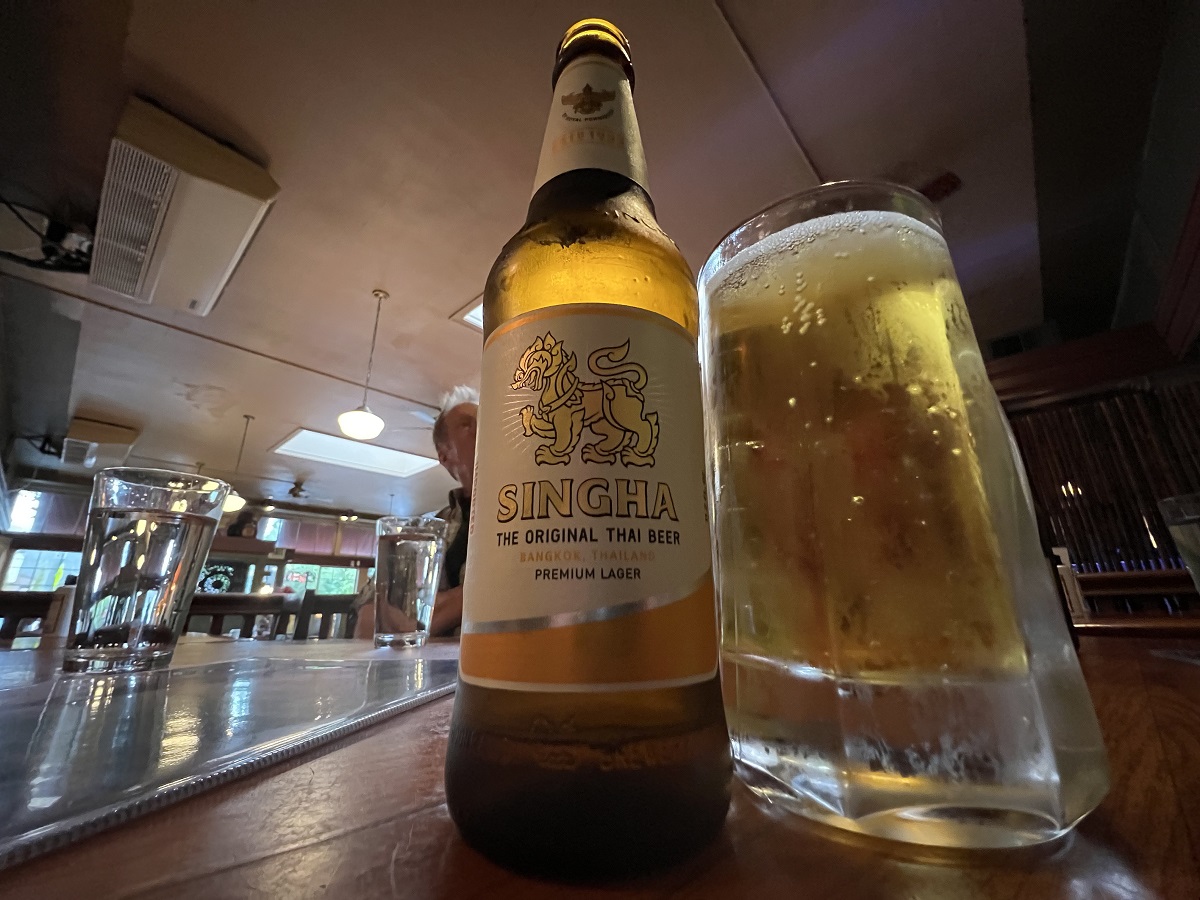
Here come the beers!
As for the food, we barely glance at the menu anymore.
Someone just order our usual four dishes for the table with some rice, and we’re good to go.
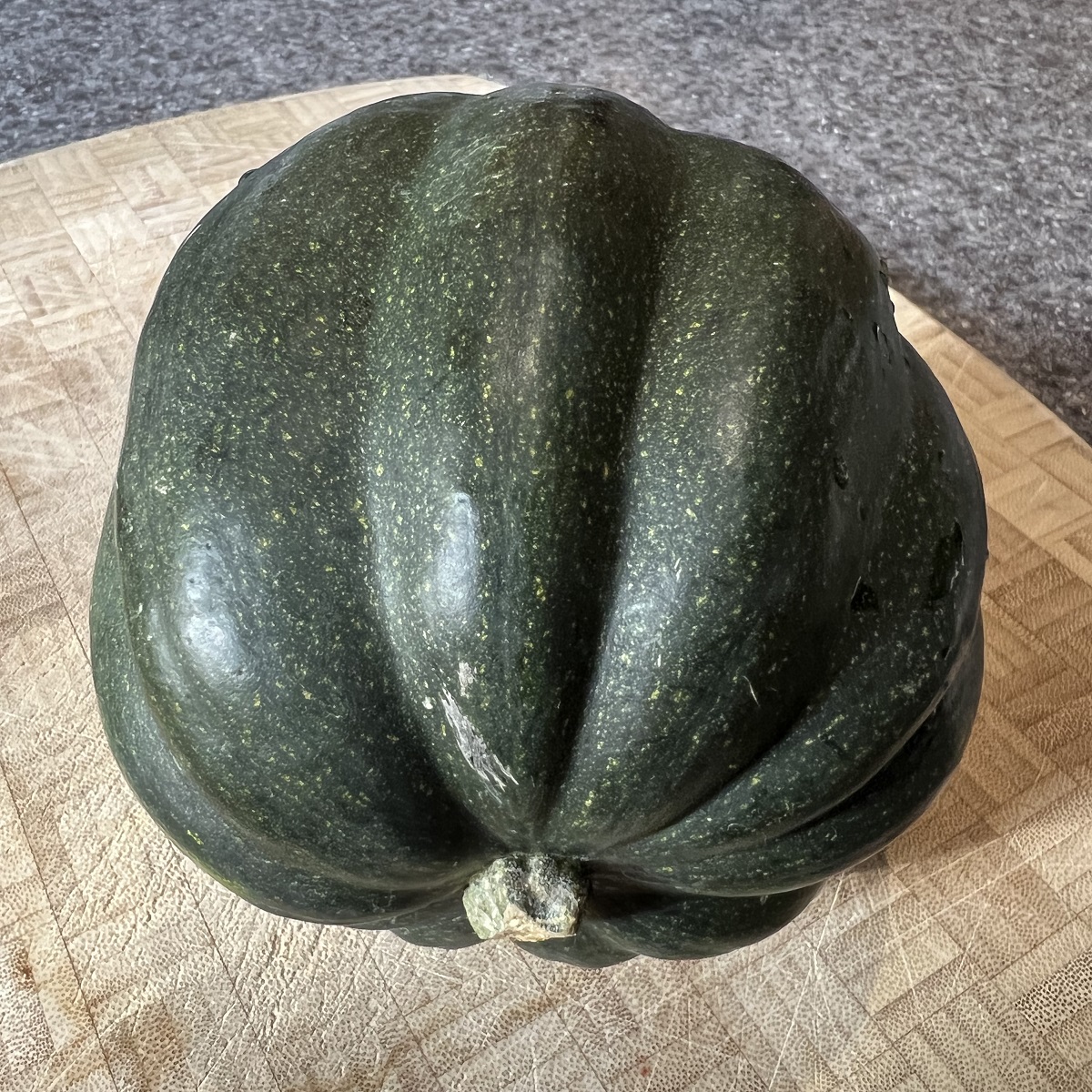
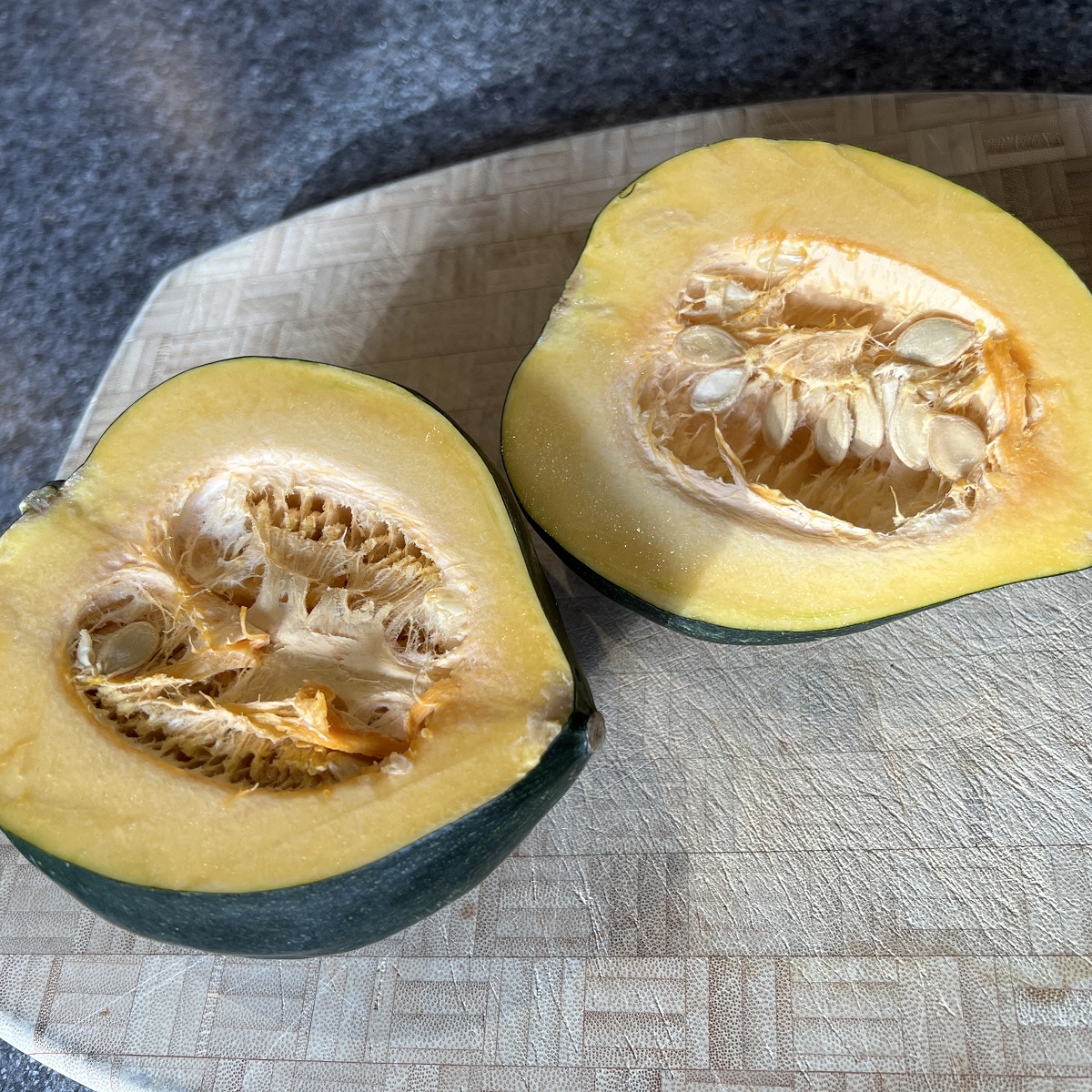
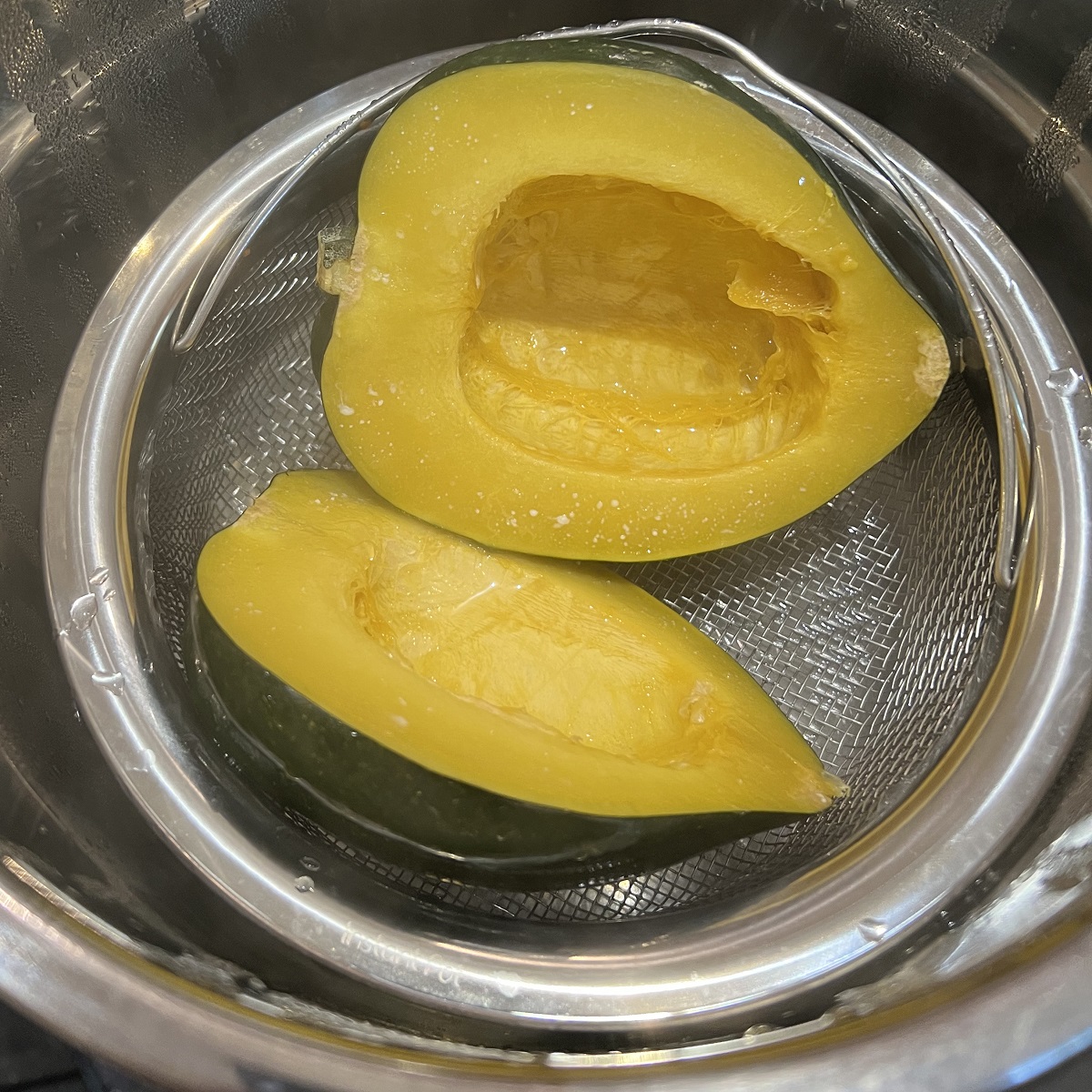
The acorn squash that I had pressure-cooked tonight, came out O.K.— but not great.
Even though I cooked it for a minute longer than my recipe called for (6 instead of 5 mins), it still came out a little tough.
Some recipes say to add butter and cinnamon (or nutmeg) onto the squash as it goes into the cooker, but I elected not to do that.
 .
.
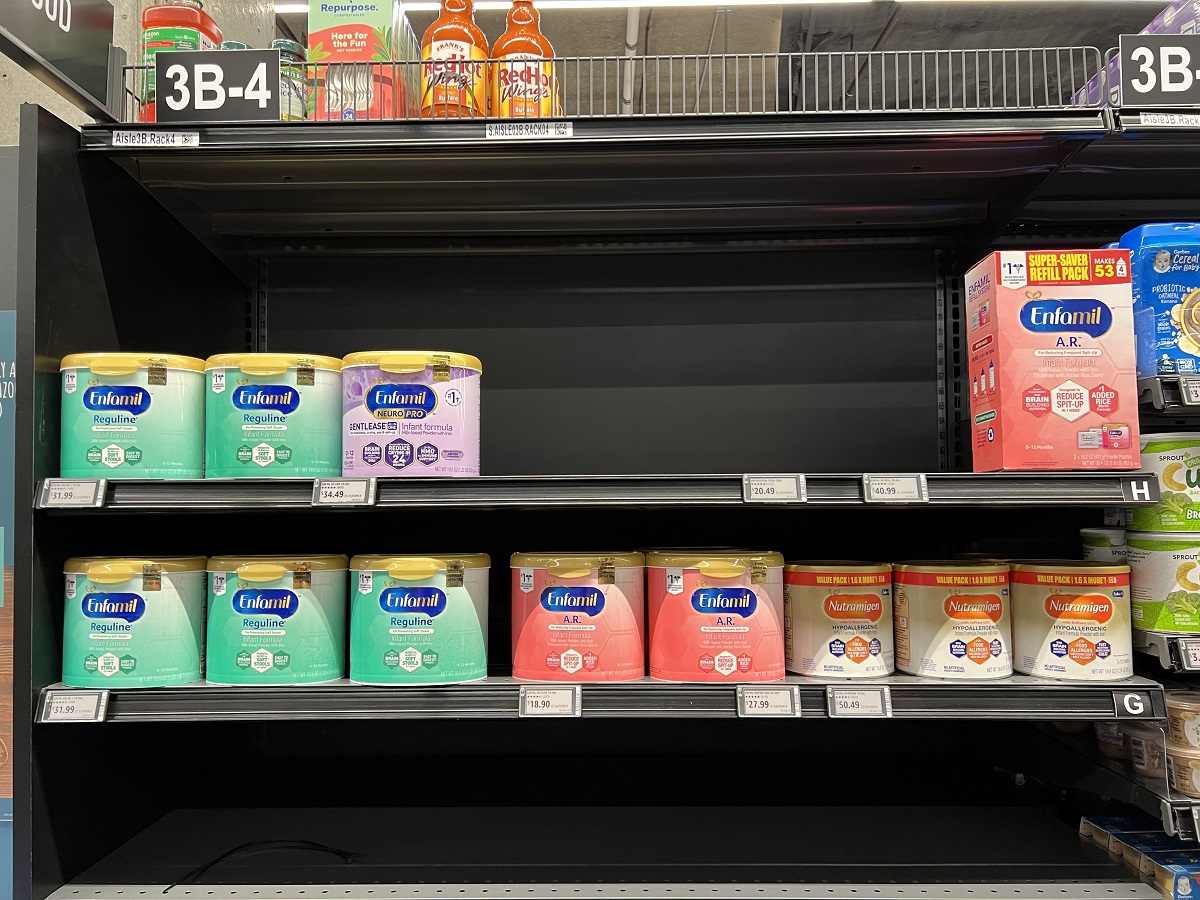
I know absolutely nothing about babies, but I know a little bit more after reading a report in the NYT about the baby formula shortage in the US.
Babies basically need breast milk or formula until they can start to eat solid food (at 6 months).
Do not dilute formula.
Do not try to make your own formula.
If you are out of options, give your baby pasteurized whole cow’s milk for a brief period of time.
Get advice from a pediatrician if your baby needs a special formula that has become unavailable.
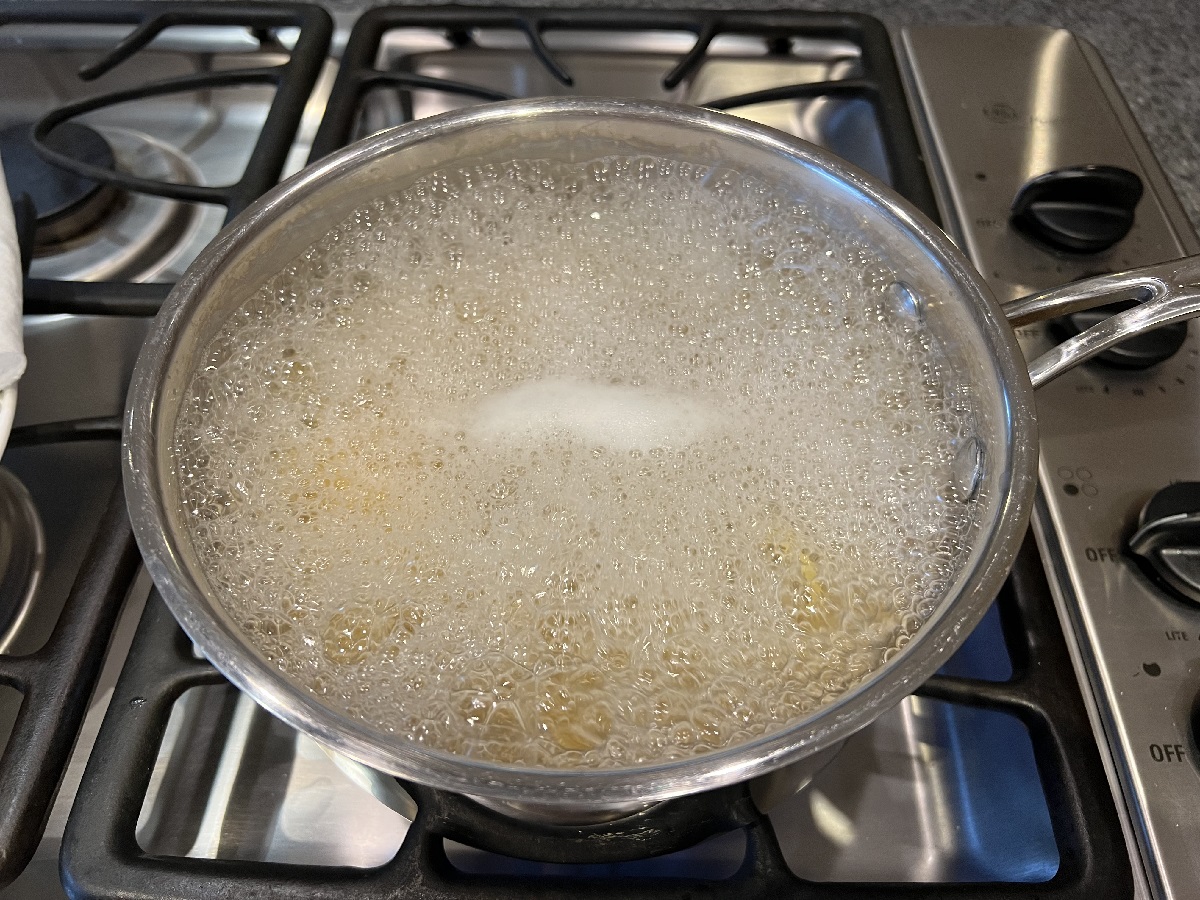
My first attempt at cooking pasta in the Instant Pot® pressure cooker was not a success. (It was off-the-shelf Barilla Protein+ spaghetti).
The Instant Pot instructions that I used, called for a high-pressure cooking time of 2 mins plus 5 mins until releasing the pressure, stir well, and leave in the pot for another 5-10 mins.
Even with doing all of that, the pasta came out cooked unevenly. Aargh. I also felt it had a different texture compared to what I’m used to, by boiling it on the stovetop.