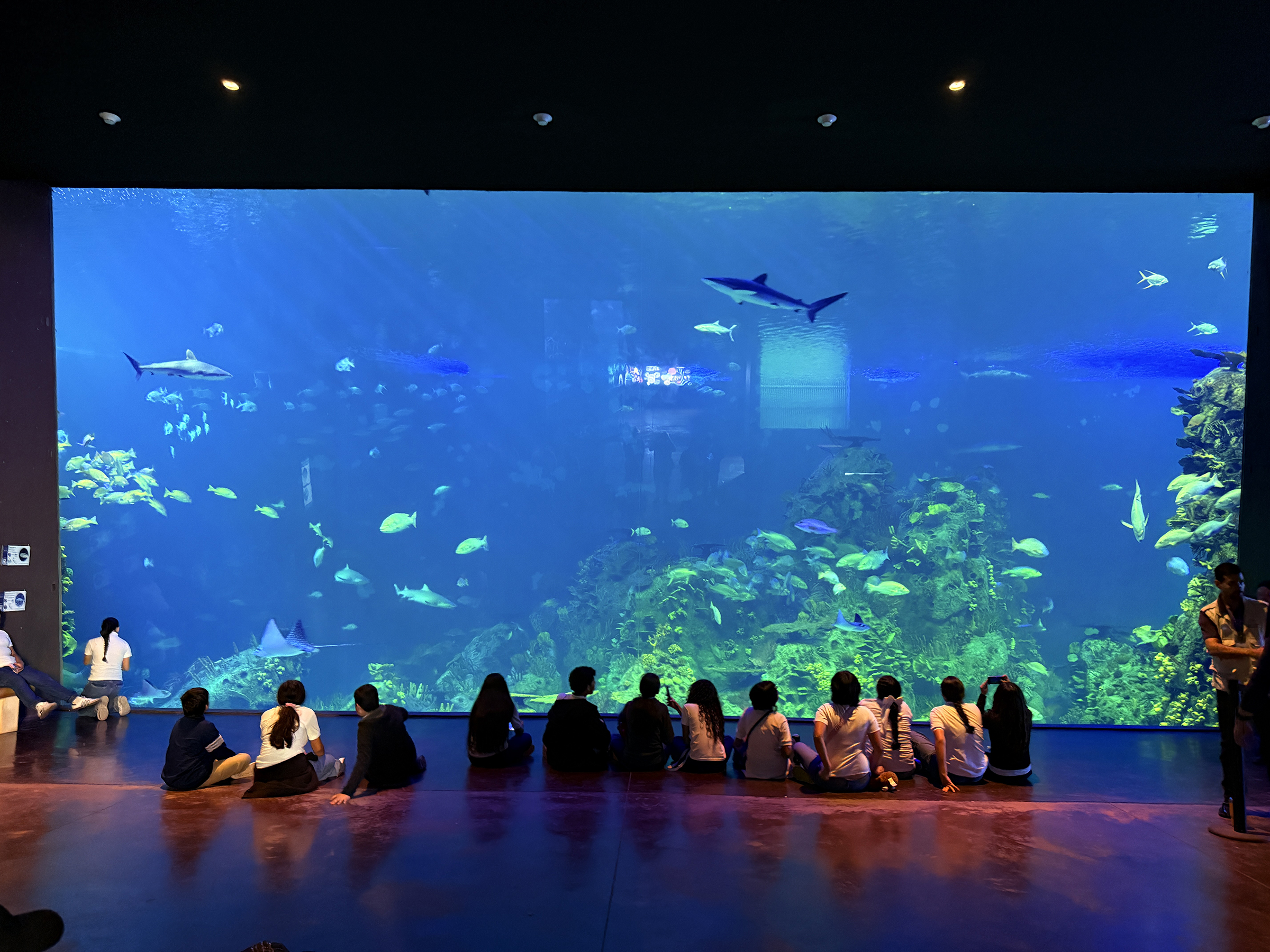
The Gran Acuario Mazatlán hosts over 250 species of fish. It is the is the largest aquarium in Latin America.
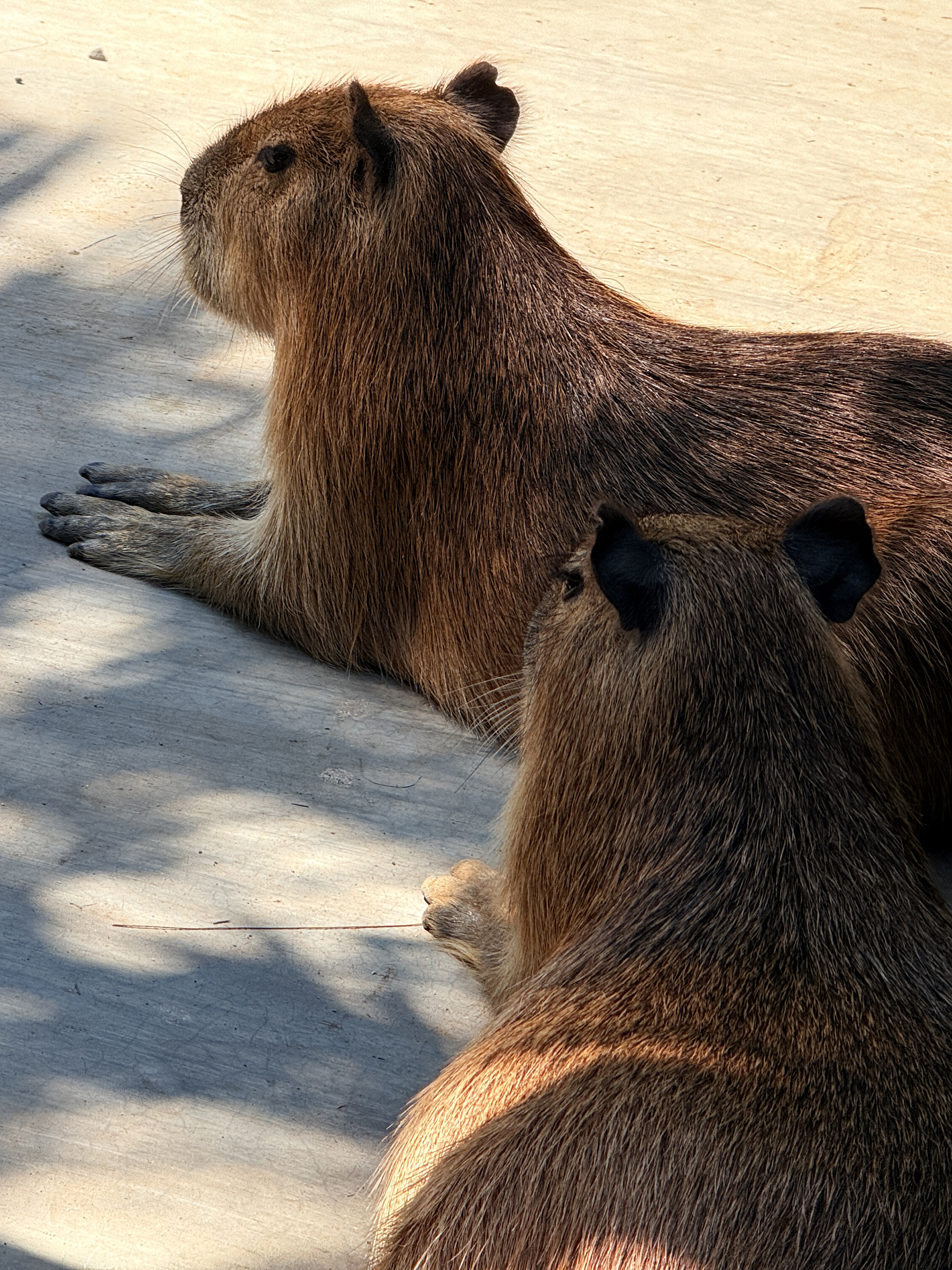
It contains a marine museum, the Gulf of Mexico Oceanic Fish Tank, a walk-through aviary, a boardwalk along the lagoon outside, crocodile exhibits, and a capybara petting area. The penguin area and flamingo area are currently closed.
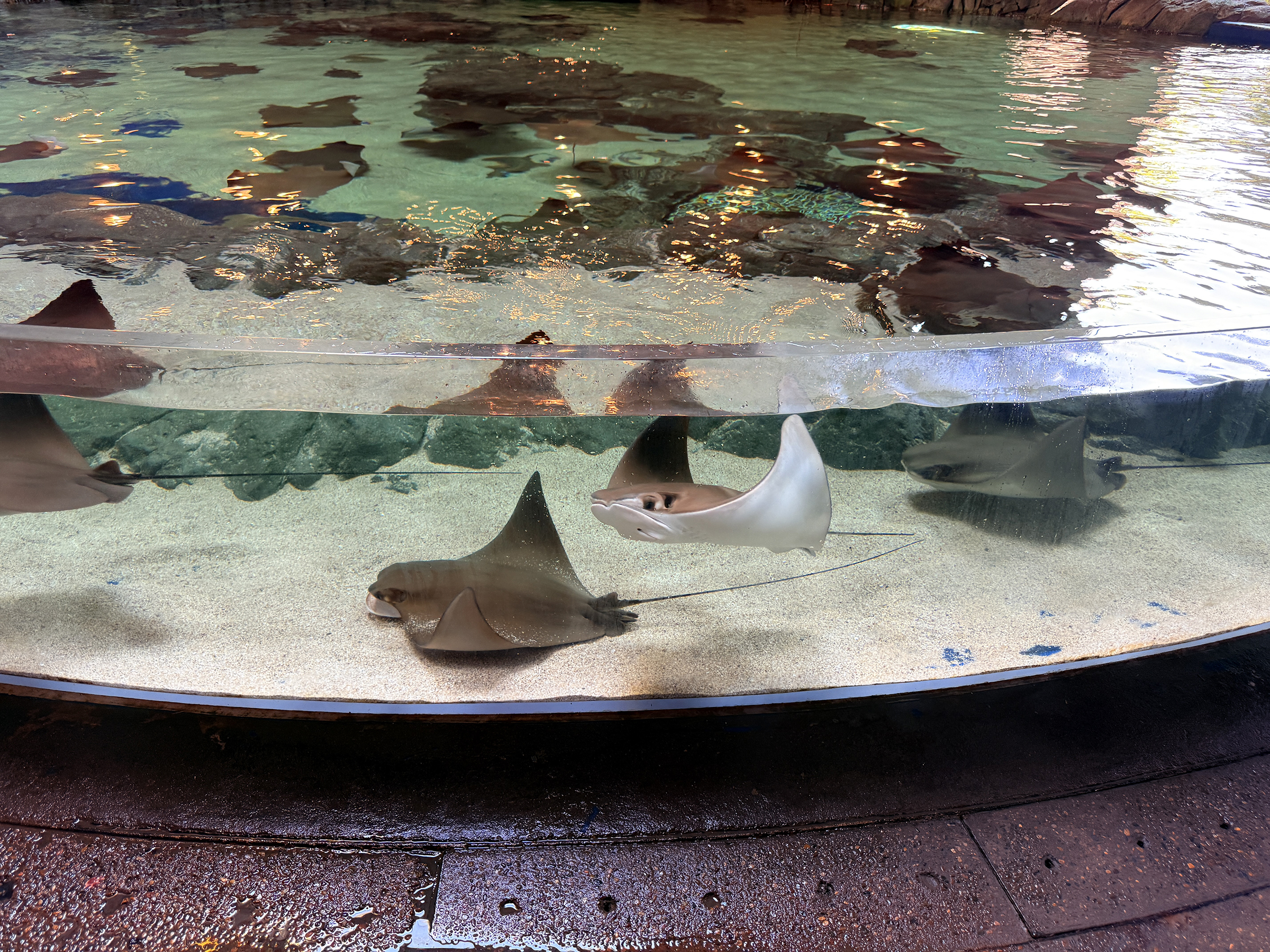
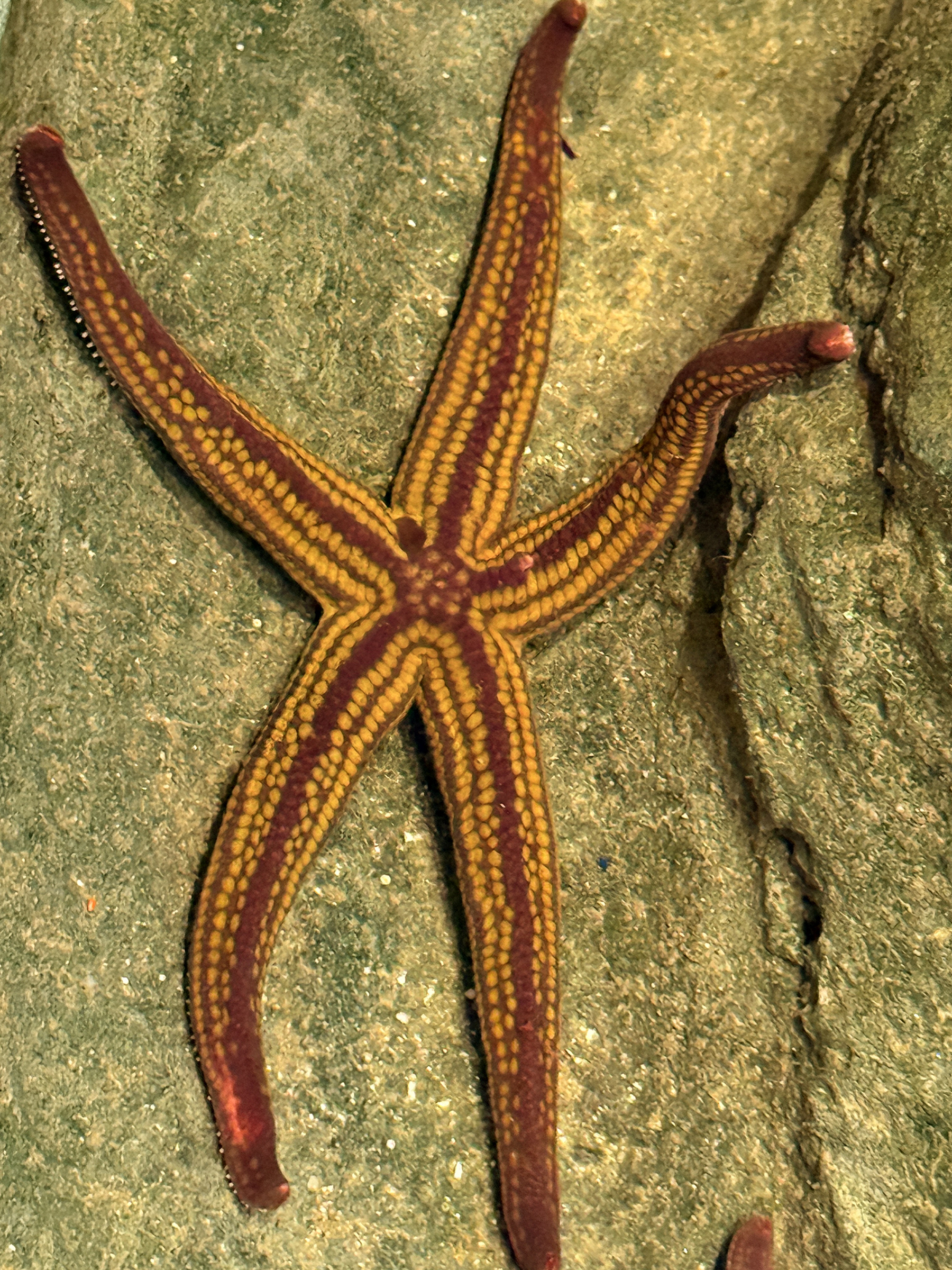
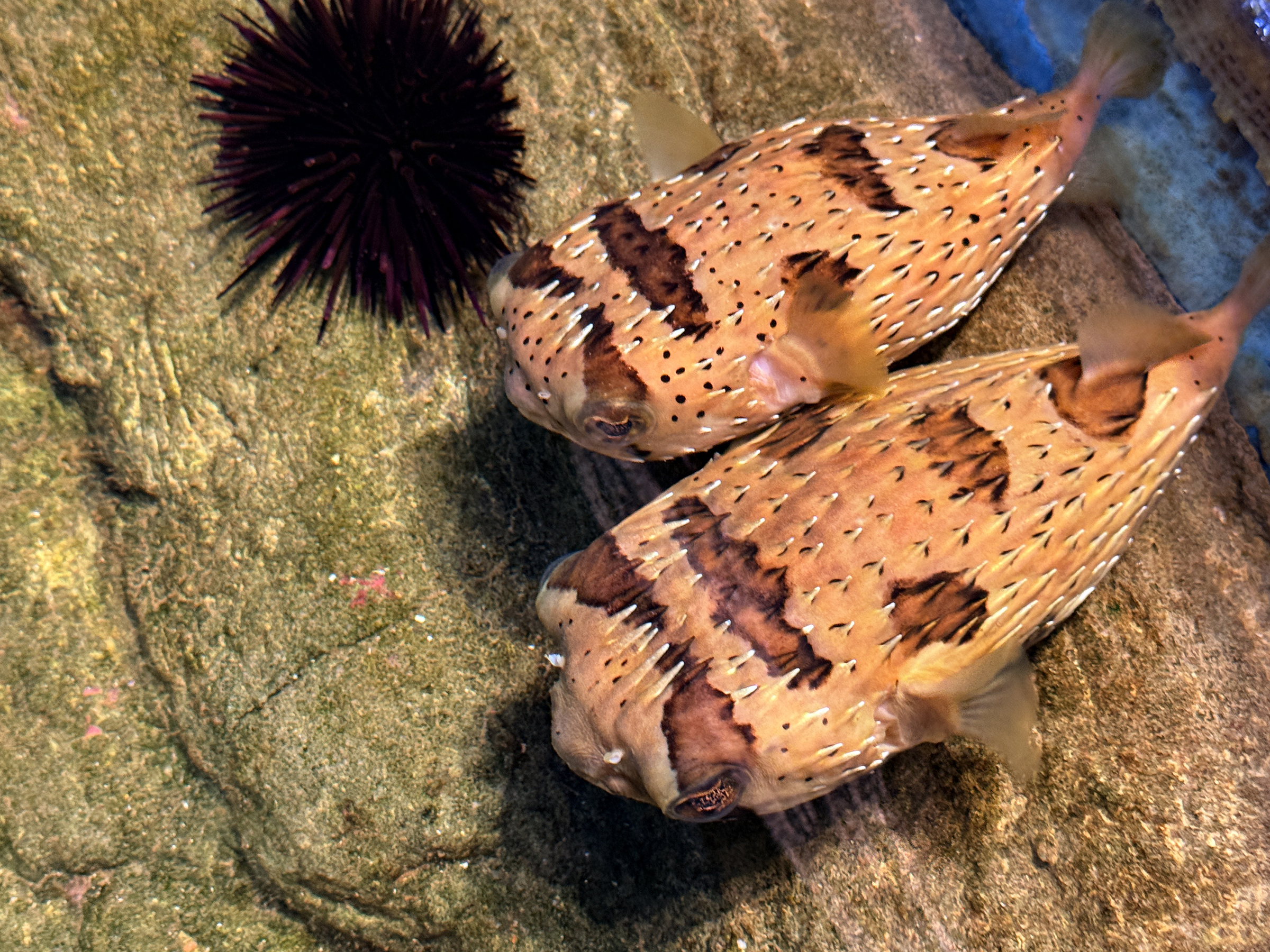
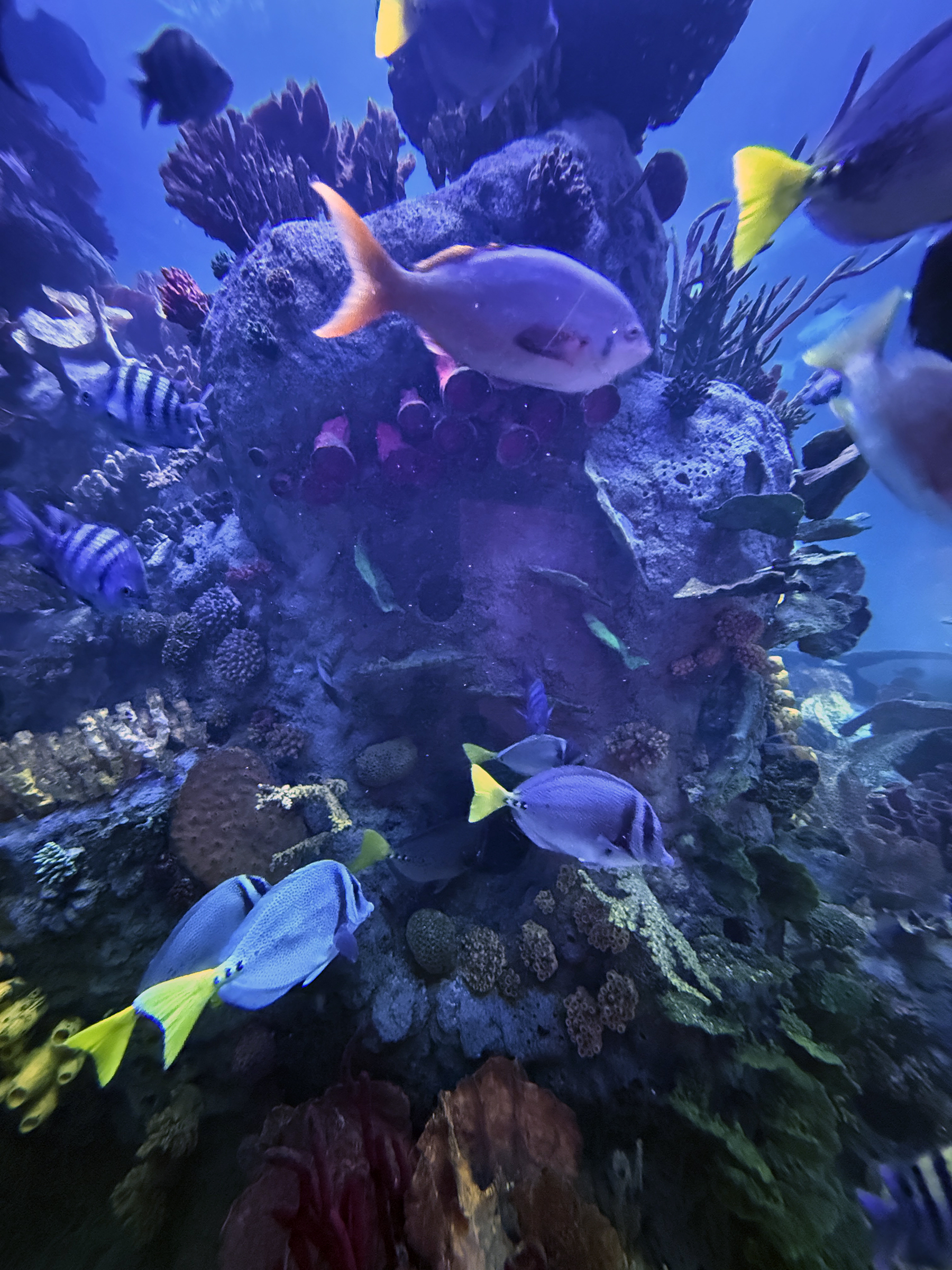
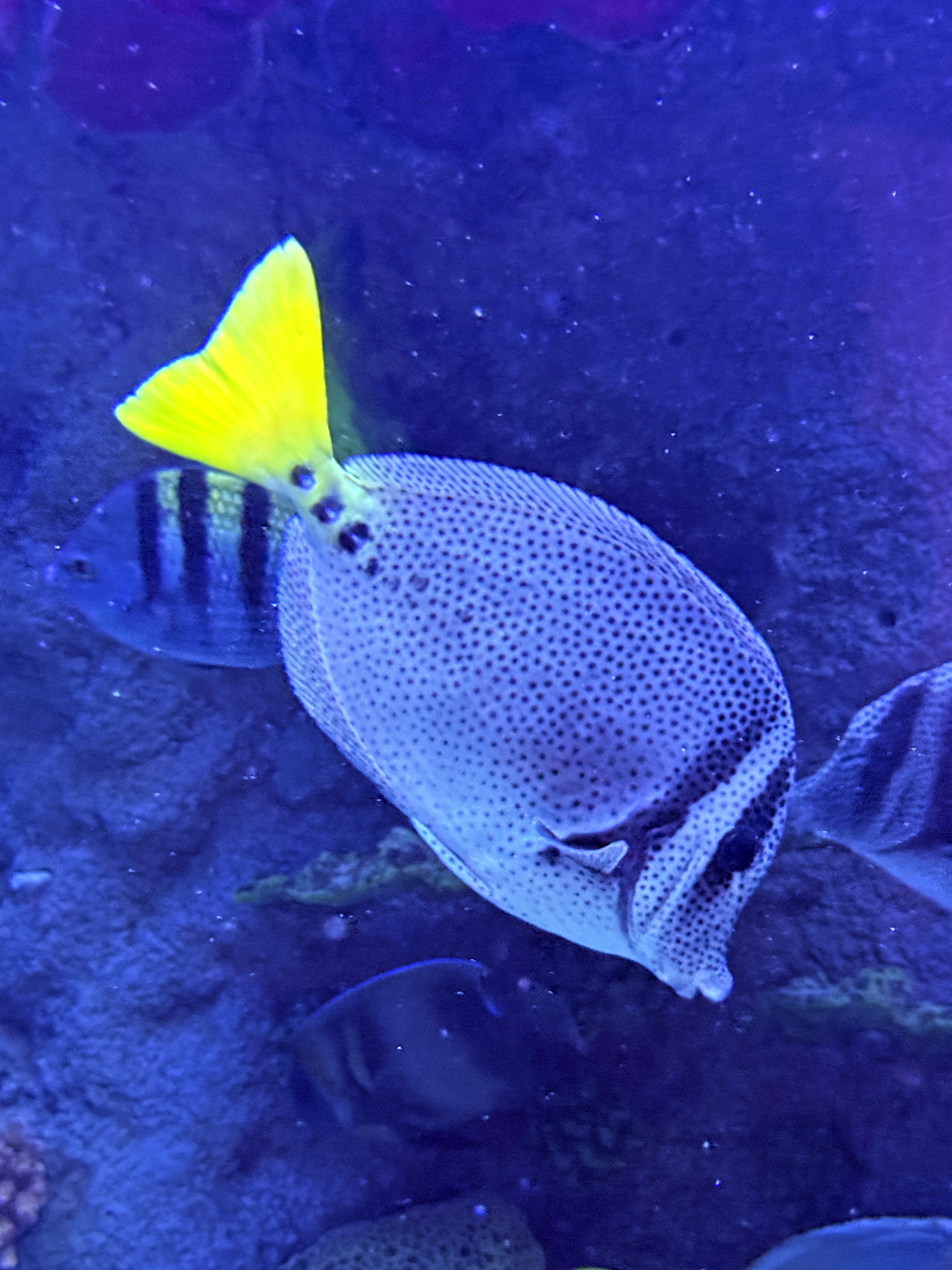
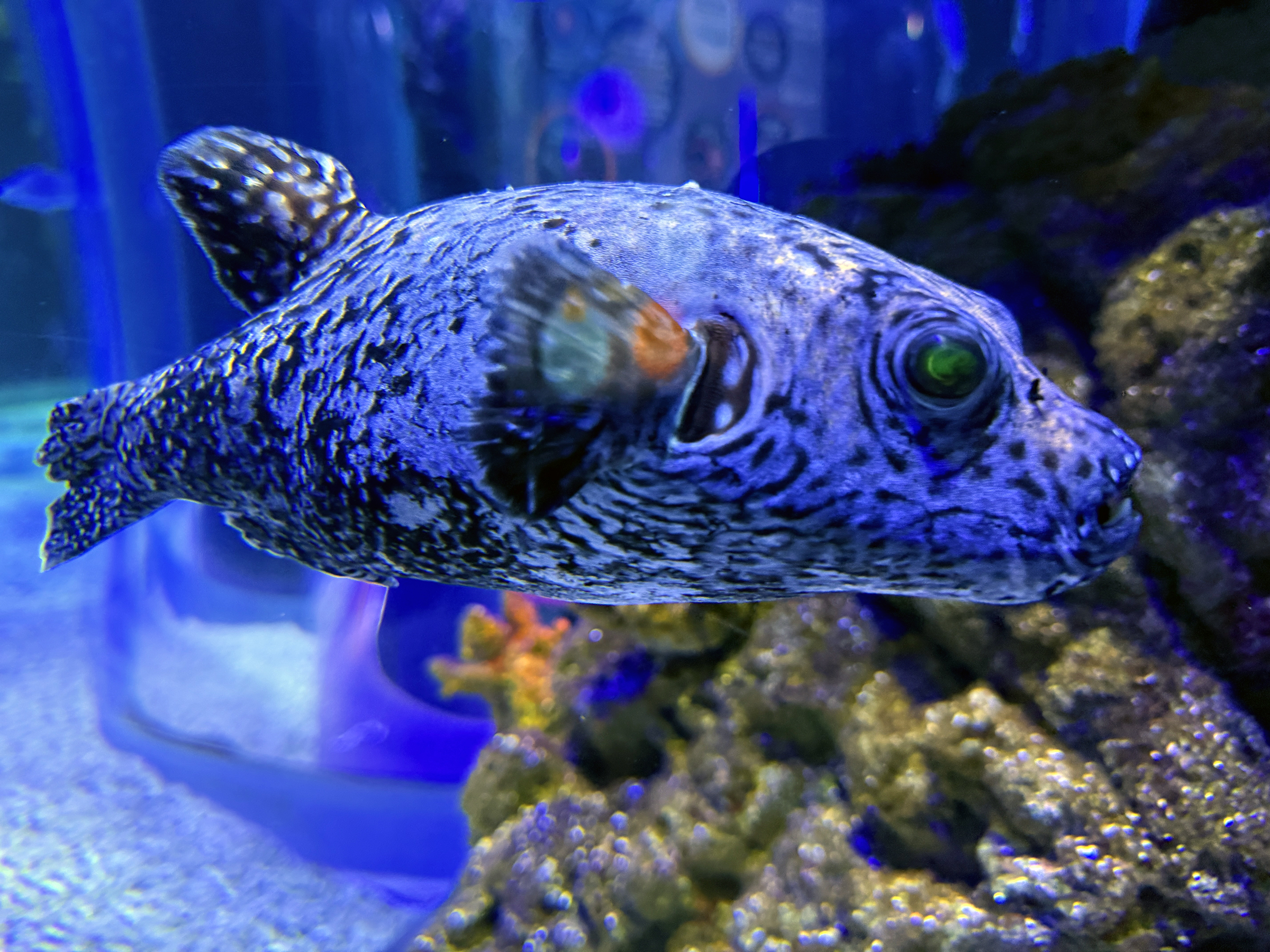
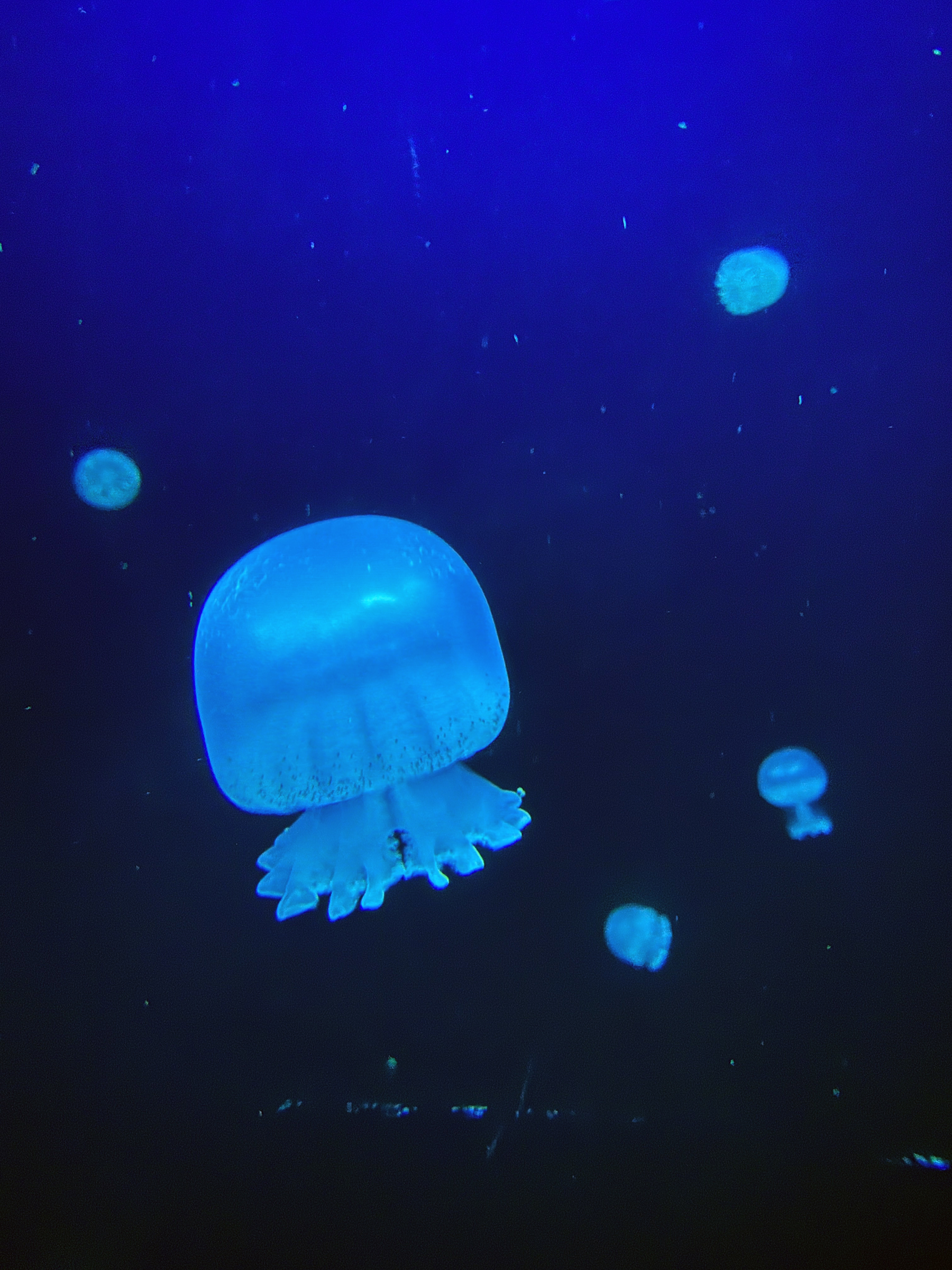
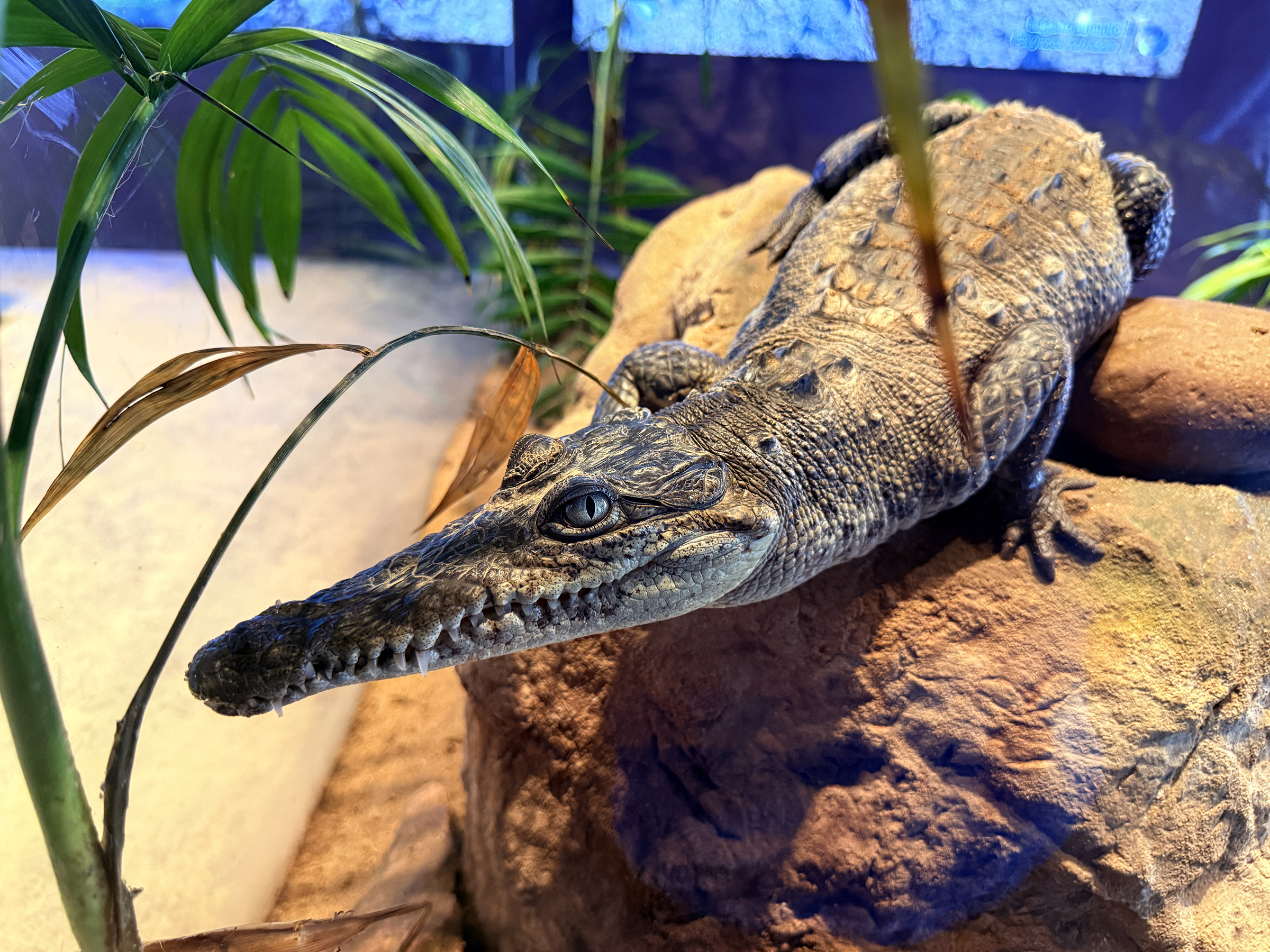
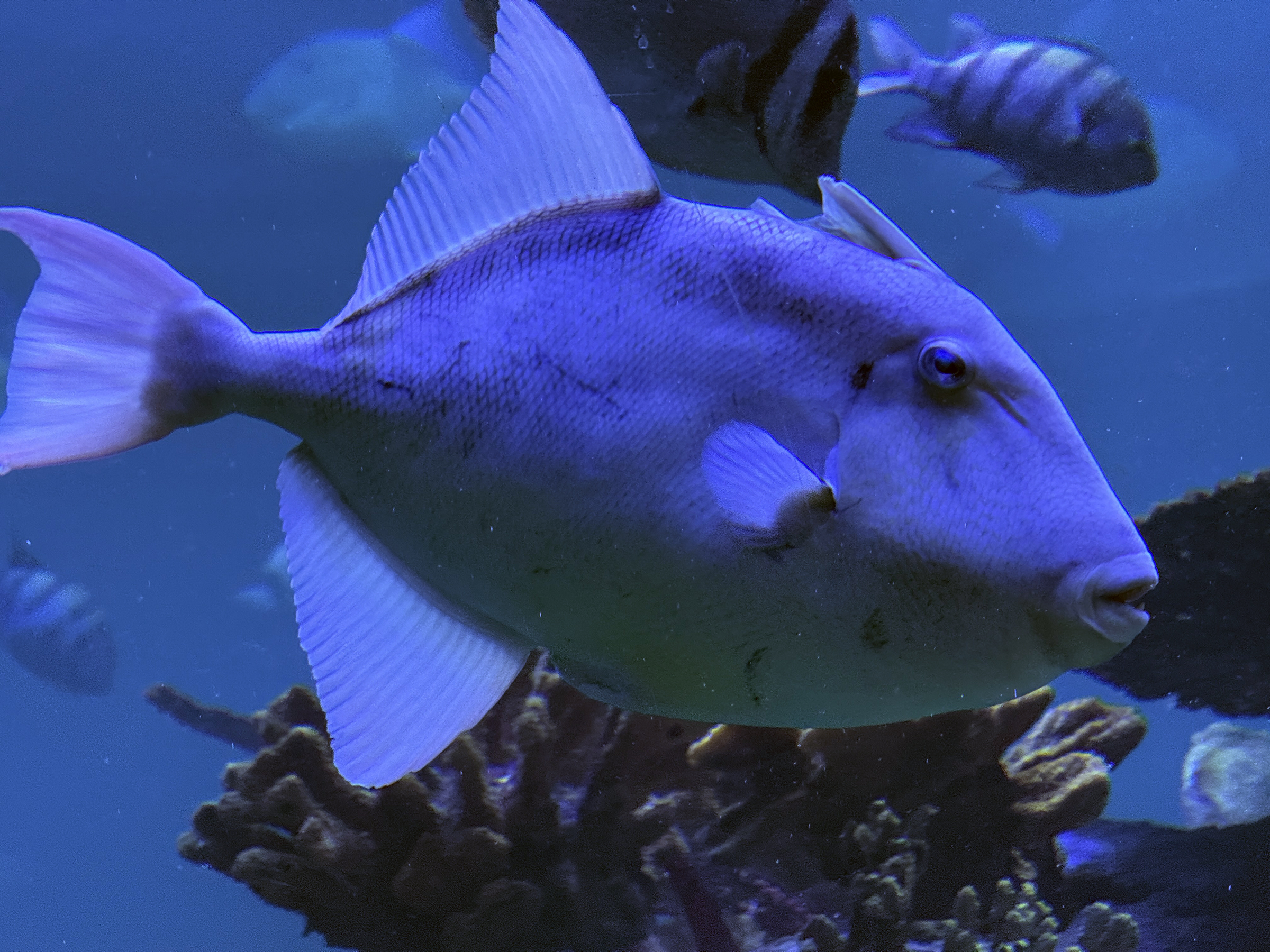
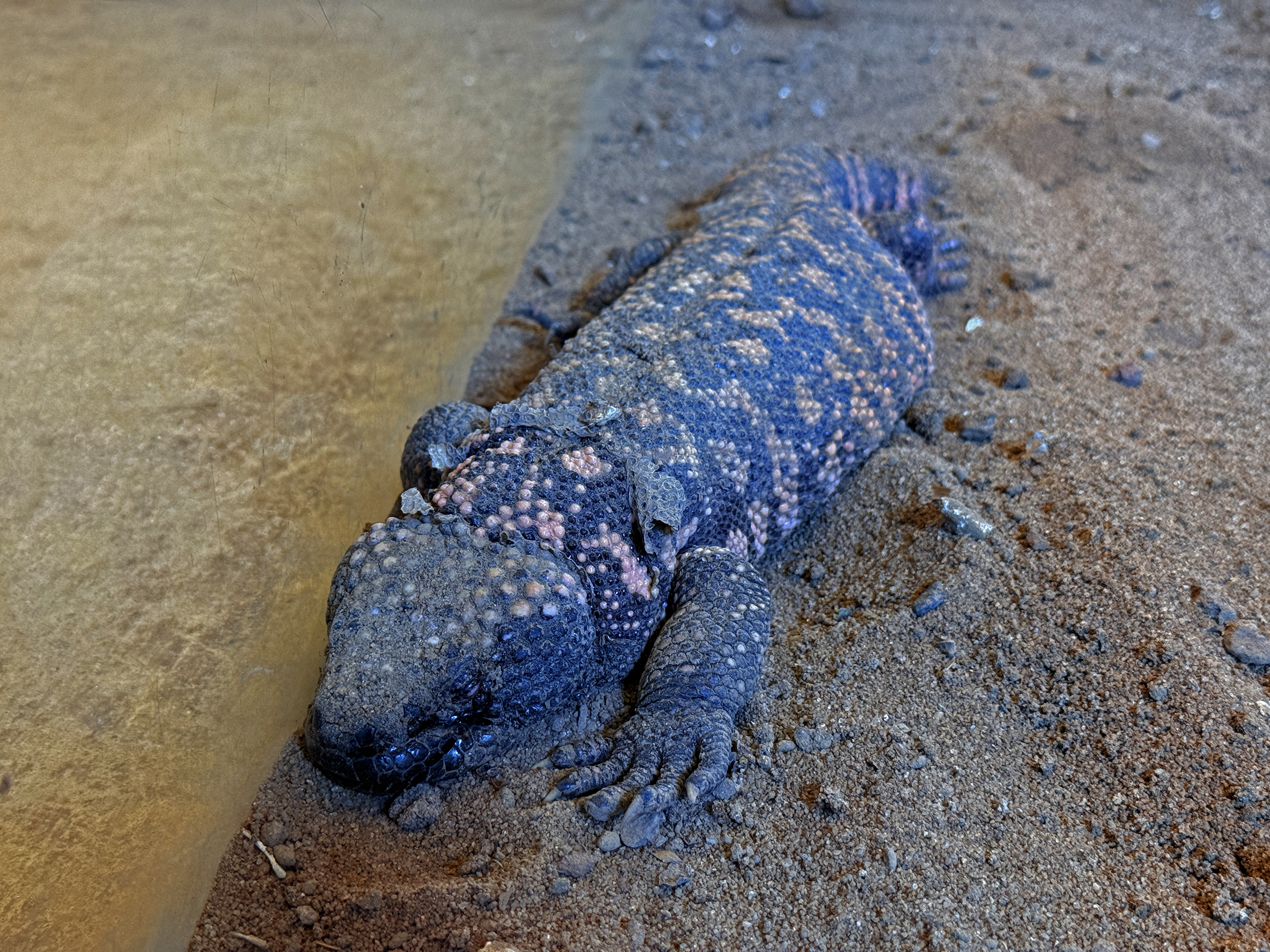
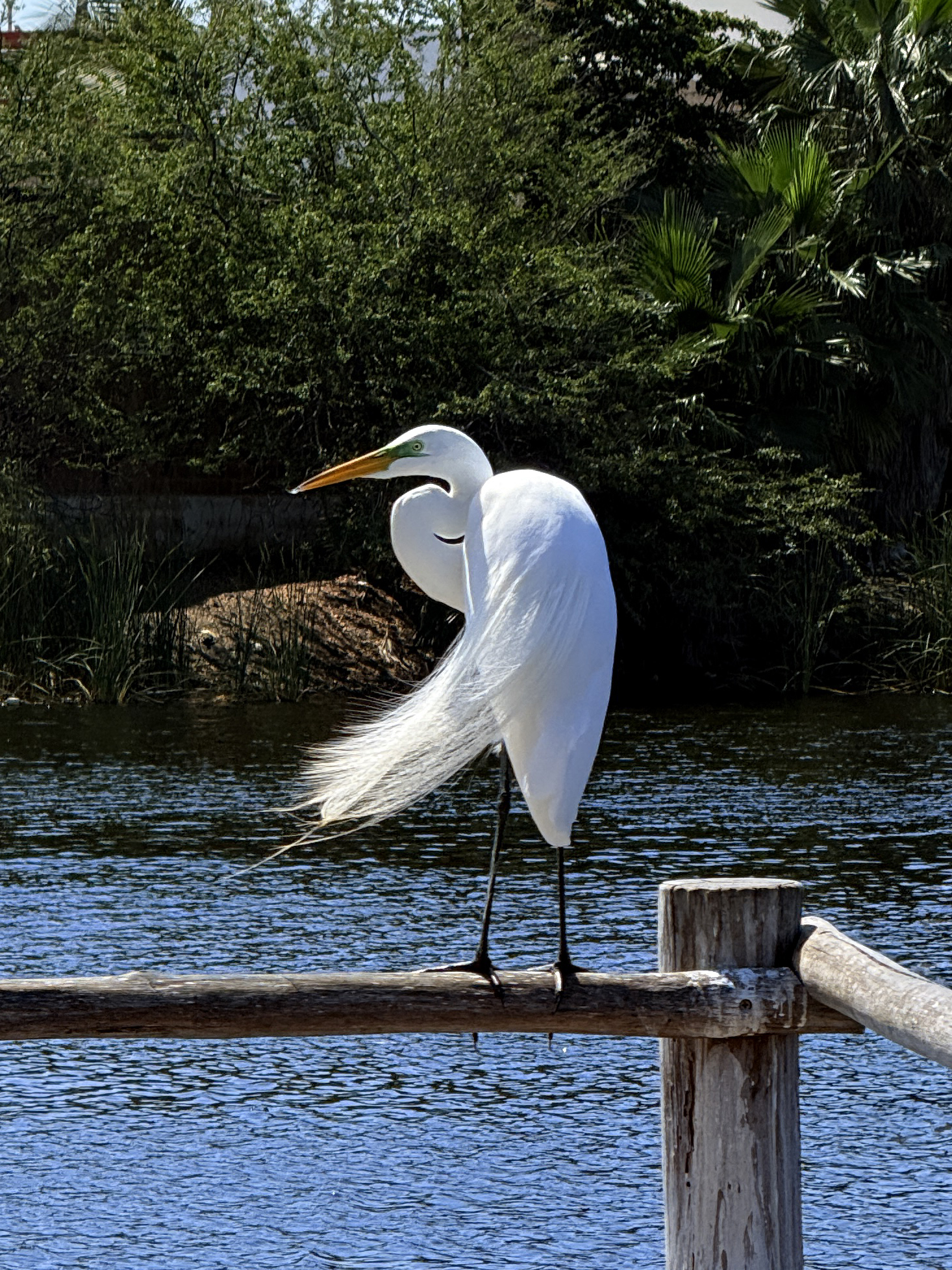
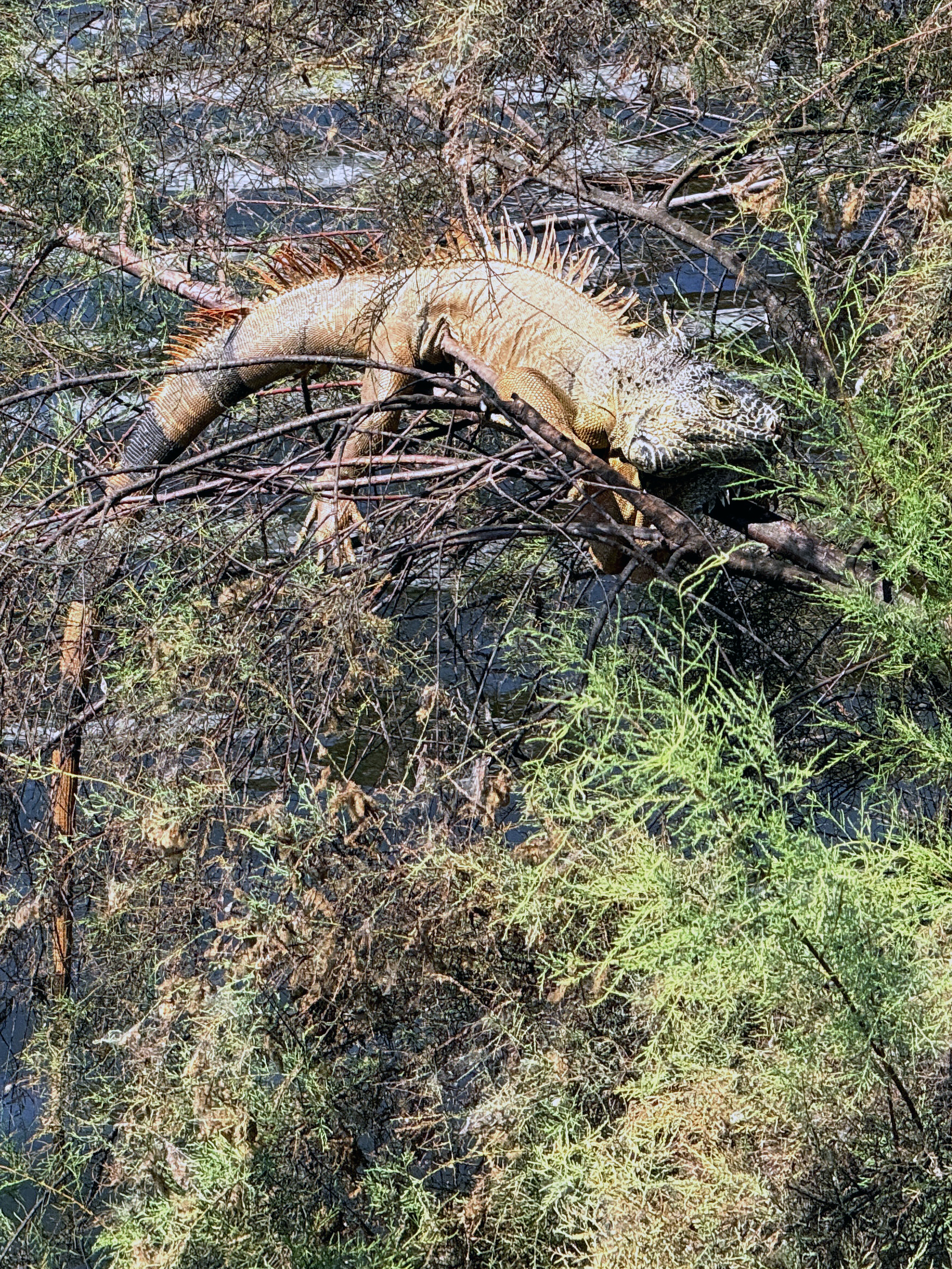
The new Gran Acuario Mazatlán opened to the public in May 2023. This large new set of concrete structures and spaces were designed by architecture firm Tatiana Bilbao Estudio from Mexico City, and replaced the old municipal aquarium. [Image from tatianabilbao.com/projects]Here is the main courtyard inside the new Gran Acuario Mazatlán complex.A shallow round tank with cownose rays (Rhinoptera bonasus), a species of eagle ray commonly found in aquariums. A beautiful pyramid sea star (Pharia pyramidata). About 1,900 species of starfish form the taxonomic class Asteroidea. These creatures live on the seabed and are found in all the world’s oceans, from warm, tropical zones to frigid, polar regions. They can occur from the intertidal zone down to abyssal depths, at 6,000 m (20,000 ft) below the surface. [Source: Wikipedia]Two long-spine porcupinefish (Diodon holocanthus) alongside a sea urchin. This is a large cylindrical tank. A yellowtail surgeonfish (Prionurus laticlavius or Prionurus punctatus).A blackspotted puffer (Arothron nigropunctatus), also known as the dog-faced puffer. The Gulf of Mexico Oceanic Fish Tank, with a little group of elementary school students.The blue blubber jellyfish (Catostylus mosaicus) swimming in a tank. A young slender-snouted crocodile (Mecistops cataphractus), a critically endangered species native to Africa. A finescale triggerfish (Balistes polylepis).The Mexican beaded lizard (Heloderma horridum) or beaded lizard is a species of venomous lizard in the family Helodermatidae, one of the two species of venomous beaded lizards found principally in Mexico and southern Guatemala. (The other is the similar-looking Gila monster, Heloderma suspectum, which is found in the southweatern United States as well).A great egret (Ardea alba) perched on the boardwalk fence by the lagoon. A green iguana (Iguana iguana) catching the sun on the water’s edge. This monster in the bushes does not prey on smaller animals. Iguanas are strict herbivores that eat a diet consisting almost exclusively of leafy greens, vegetables, and fruit.The capybara (Hydrochoerus hydrochaeris) or greater capybara is the largest living rodent, native to all countries in South America except Chile. Together with the lesser capybara, it constitutes the genus Hydrochoerus. [Source: Wikipedia]