Monday/ day trip to Düsseldorf

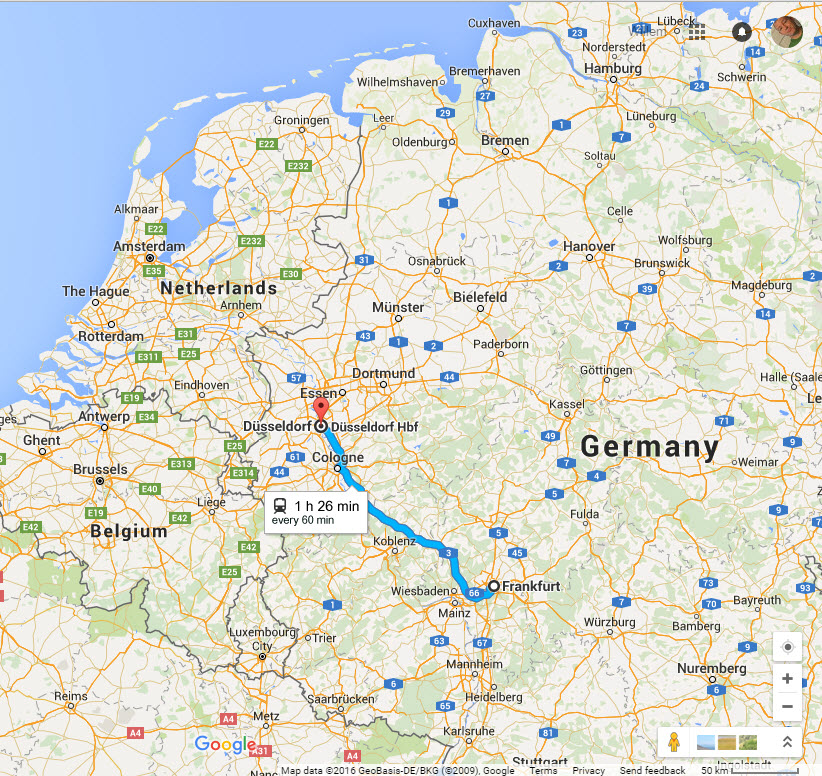
I took the4-11-2016 8-13-23 PM Intercity Express (ICE) train to Düsseldorf today.  The train is no slouch !  .. the electronic speed indicator in the cabin showed 297 km/h (185 mph), at times.  It runs very quietly, and even with four stops, it took just an hour an a half one way. The train comes up all the way from Munich, Nuremburg, and then Frankfurt, on to Cologne and Düsseldorf, and its final stop is Essen.  The one-way fare does not come cheap at €82, but hey : time is money, right?

IMG_3786 sm
Our train was ICE 820, and here it is, just arriving into Frankfurt Hauptbahnhof.
IMG_3793 sm
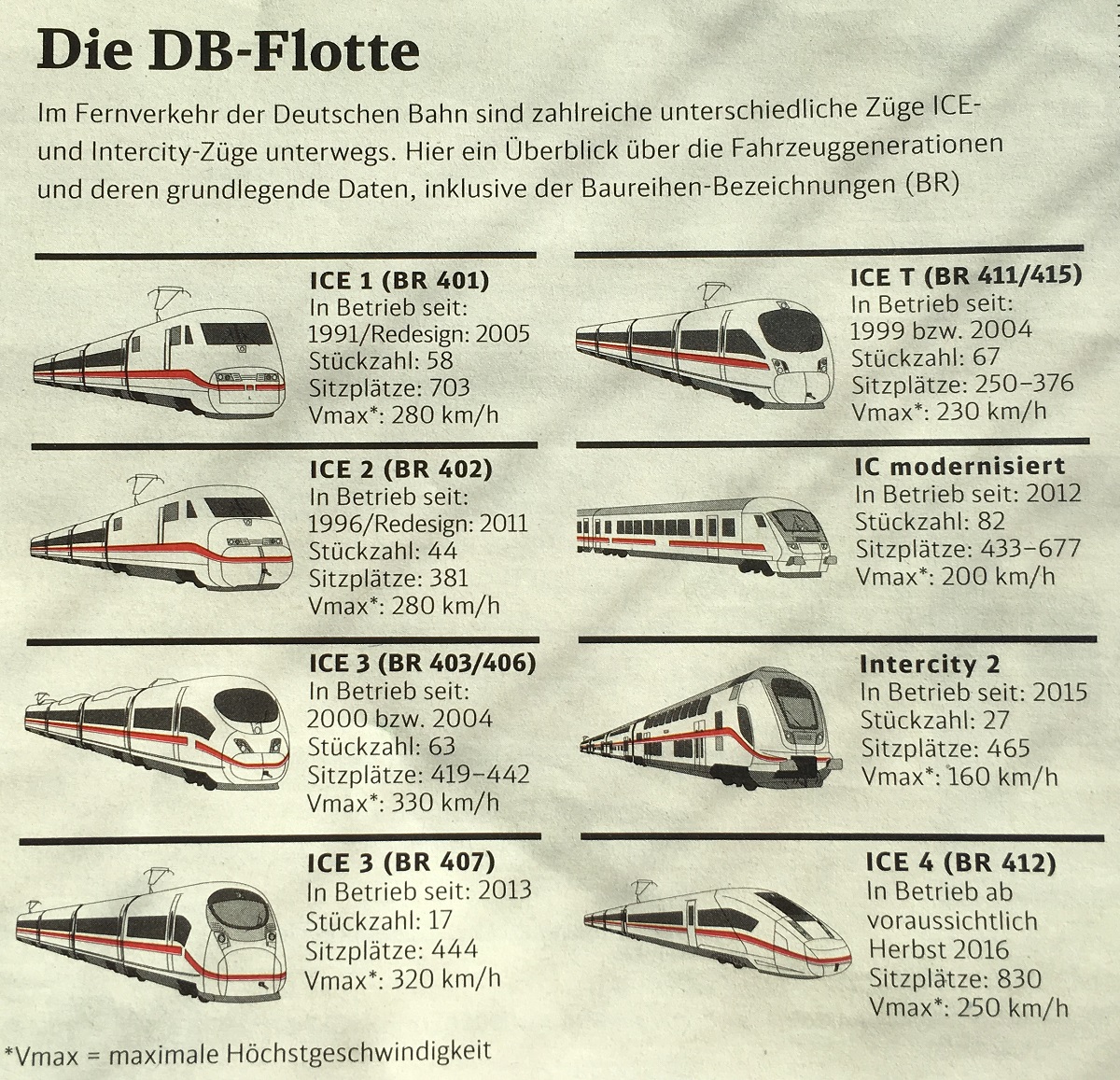
Here is the fleet of trains operated by Deutsche Bahn (German Rail) . I see the ICE4 is supposed to top out at 250 km/h .. but our train went faster than that !
16040185 sm
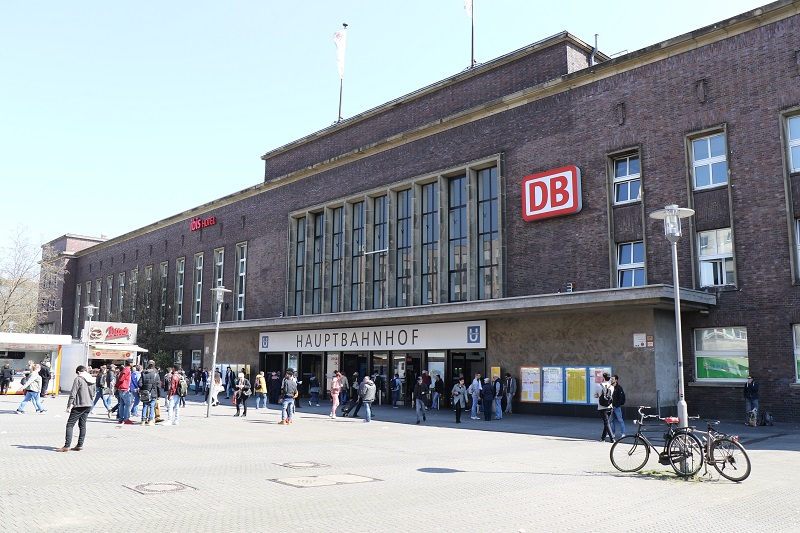
The modest brick facade of the entrance into the Dusseldorf Hauptbahnhof (main train station).
16040170 sm
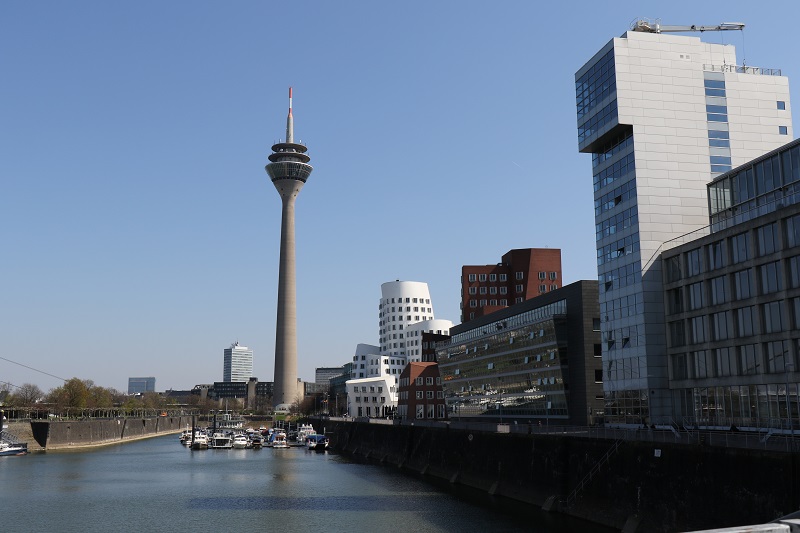
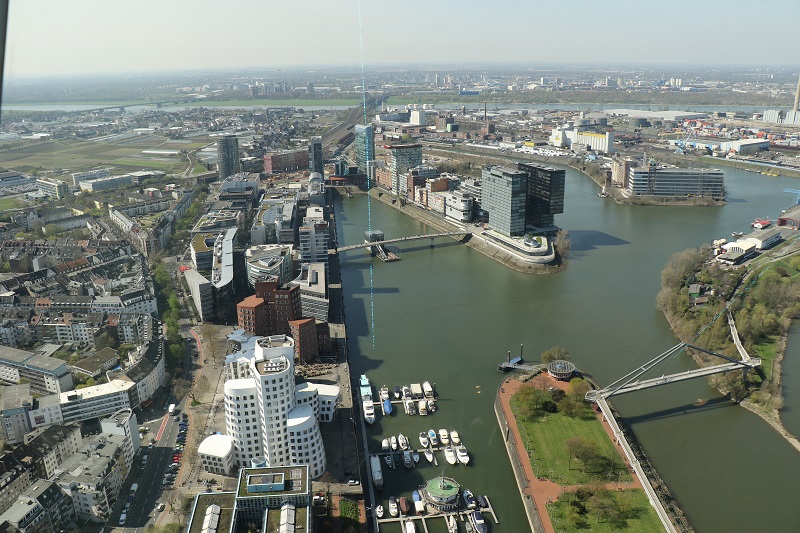
The water is from the Rhine river (it is a canal connected to the river), the tower is the Rheinturm (Rhein Tower), and the weird white and brown buildings that look like they are about to tumble into the water, are apartments designed by architect Frank Gehry.
16040139 sm
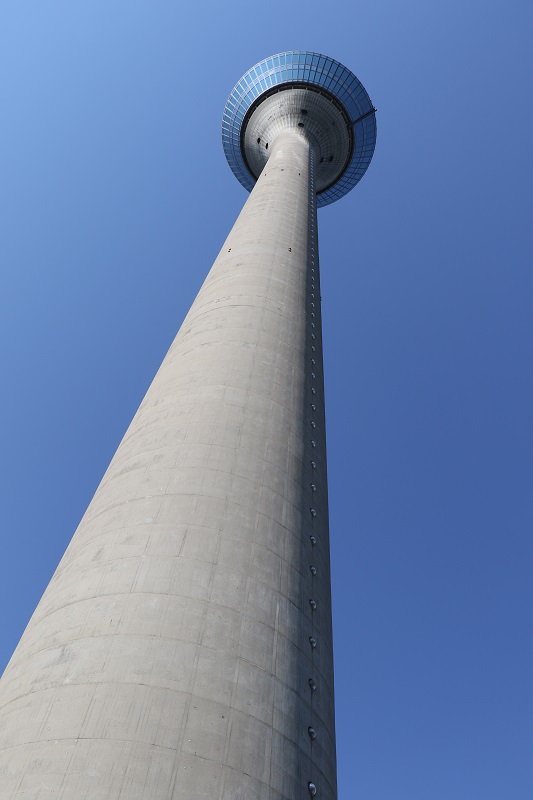
The Rheinturm is a 240.5 meter (722 ft) high concrete telecommunications tower in Düsseldorf, capital of the federal state of North Rhine-Westphalia, Germany. Construction commenced in 1979 and finished in 1981.
16040146 sm
The view from the top of the Rhein Tower. The slanted windows enable views straight down : definitely not for sufferers of vertigo! You will pass out, looking down. The lines of colored light are reflections generated by the tower; maybe it helps the viewer align the view out there with the descriptions inside the tower, or they indicate a specific direction.  The rectangular blocks piled on top of one another on the peninsula is a Hilton hotel.
16040180 sm
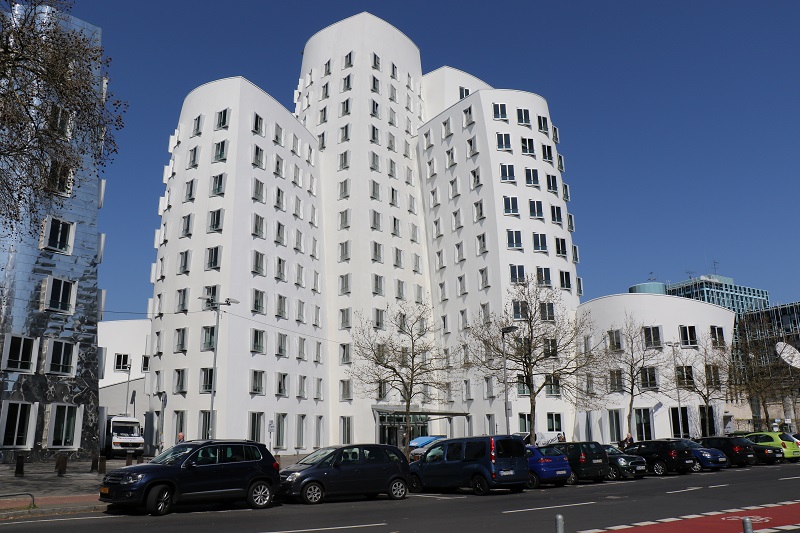
It really does not look as if there is ONE straight line in this apartment building. 1. I hope they paid the construction workers extra and 2. one has to wonder if the insides of the building, the rooms, follow the same kooky contours as the outside would suggest !
16040179 sm
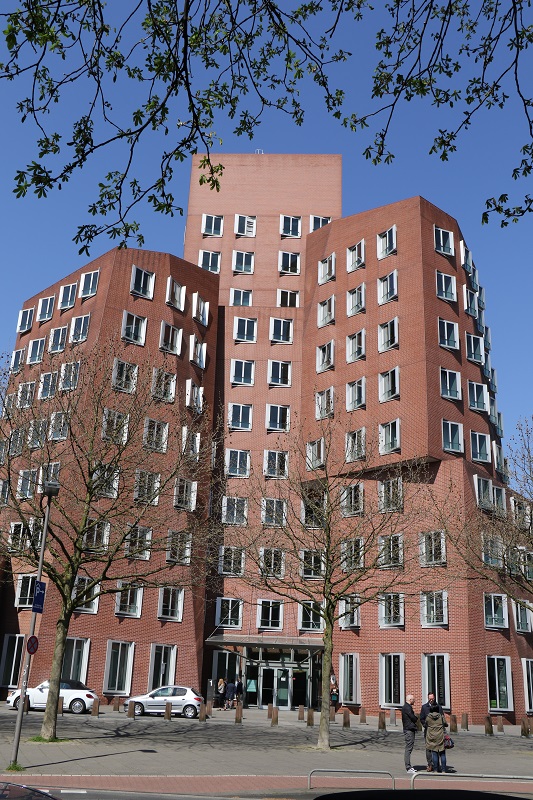
Here’s the second of the three Frank Gehry designed buildings in the Neuer Zollhoff, as the area is called. Construction was completed in 1998.
16040166 sm
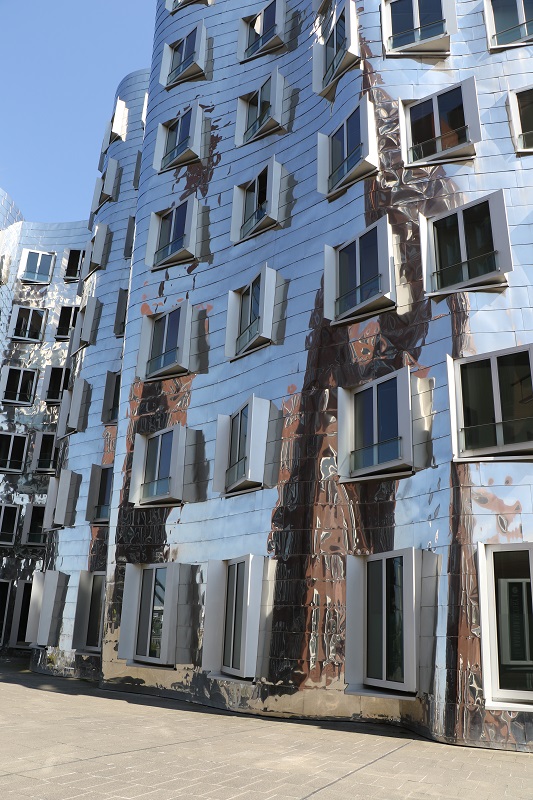
Check out the stainless steel used on the exterior of the shiny building, wedged in between the other two, so that it can reflect the colors in the steel. It looks (to me) like the exterior is holding up well, given that the building is now approaching 20 years of age.
16040168 sm
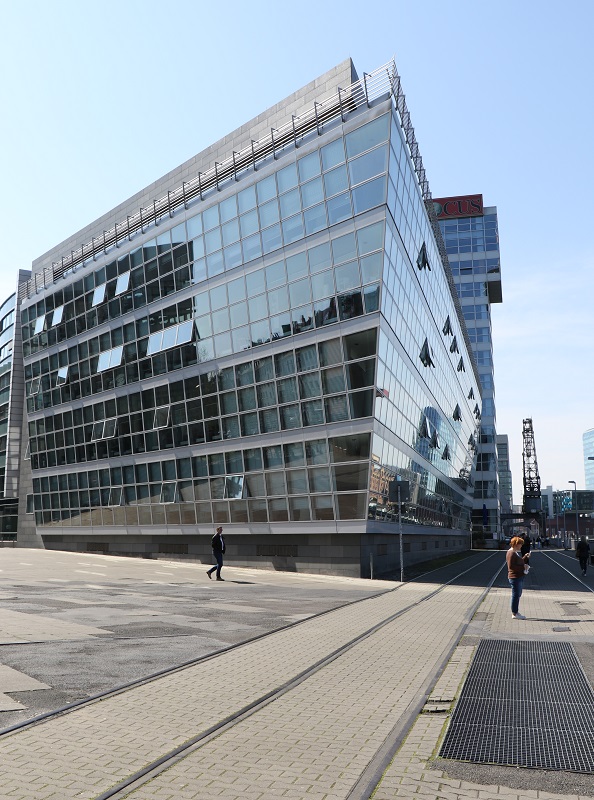
Is there one square or rectangular building in the entire Neuer Zollhof? Apparently not! These are offices of some kind, but I did not check the details.
16040123 sm
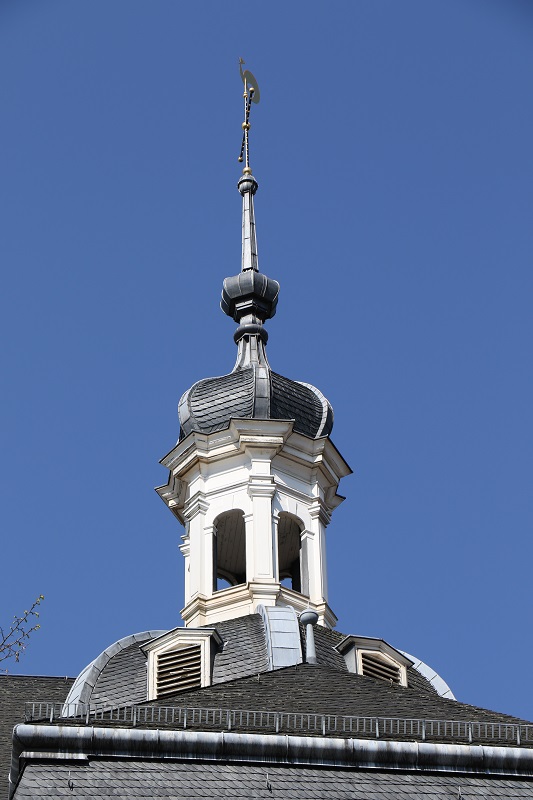
How about some very classic architecture from the Altstadt (old town)? I loved this clock tower on top of one of the buildings but did not make a note of the name of the building.
16040115 sm
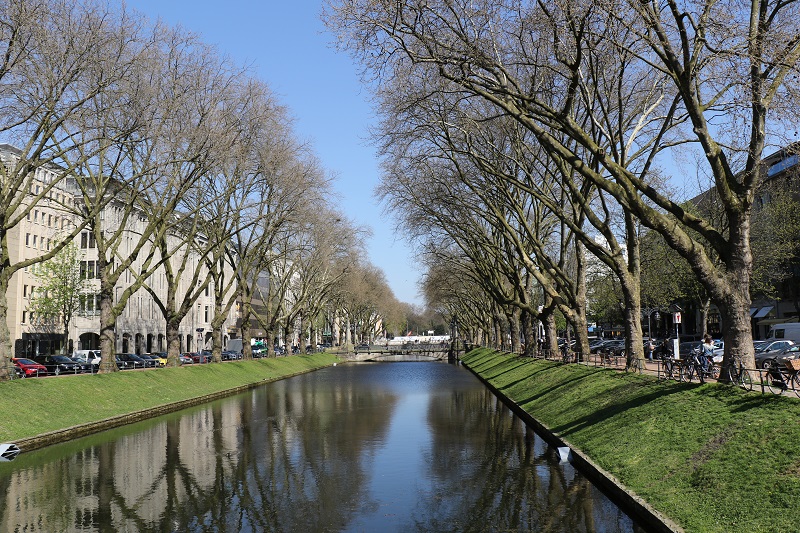
And here is what the canal in Koningsallee (the king’s alley) looked like today. It is beautifully lit up at night, and full of color in fall. Check out the little stepping ledges on the sides of the canal. It is to enable ducks and waterfowl to get out of the water and onto dry land.

Sunday/ the Palmengarten

I lucked out with an early check-in into the hotel on Sunday, so I could catch a few hours of sleep (did not get much on the overnight flight).  By the time I woke up in the afternoon, there was not much time to go out, and besides, most German stores and buildings are closed on Sunday.   So .. since it is spring and the Palmengarten botanical garden not far from my hotel in the west end of the city was open, that was a *natural* choice to make.

The Palmengarten botanical garden opened in 1871 and was an instant success with the public.  It covers some 22 hectares (54 acres) and is one of the largest botanical gardens in Germany.

16040016 sm
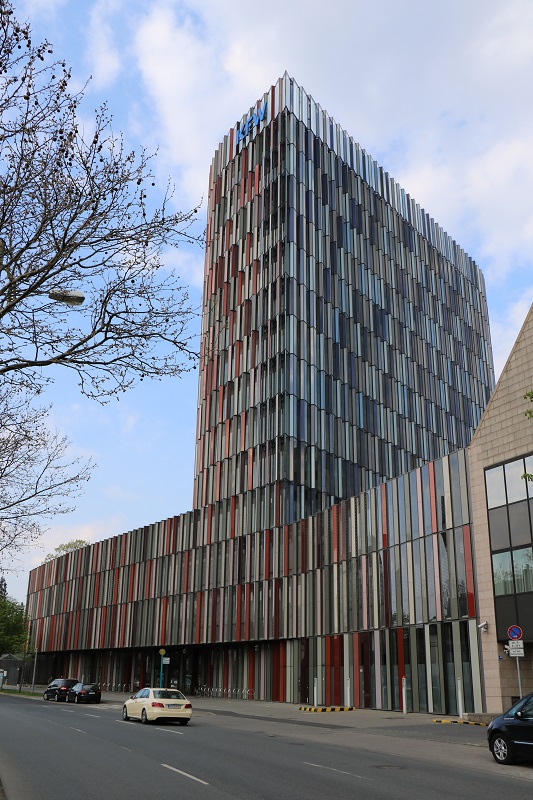
I admired the complicated exterior and colored panels on this building for a banking group (KFW) on the corner of Bockenheimerstrasse and Zeppelinallee.
16040042 sm
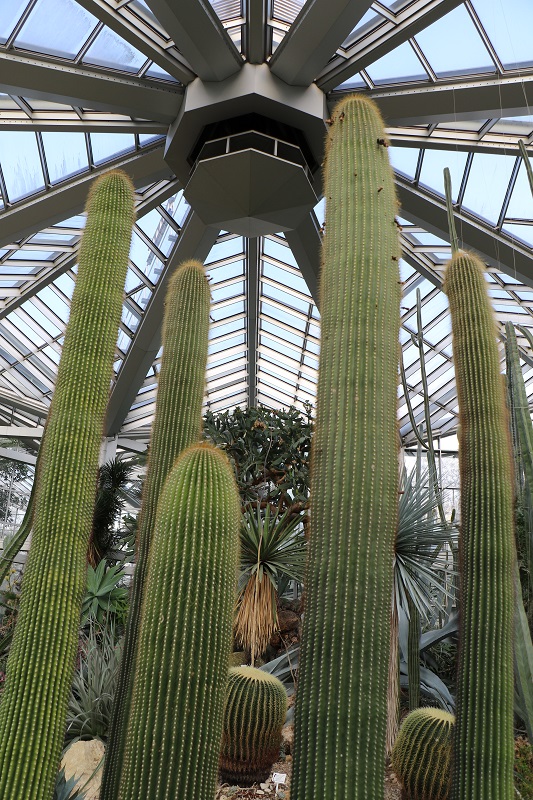
This is the cactus collection in the greenhouse of the Palmgarten. It’s worth a trip just to go check out the desert and semi-desert displays : from South America, Mexico (picture), Northern and Southern Africa and even Madagascar.
16040065 sm
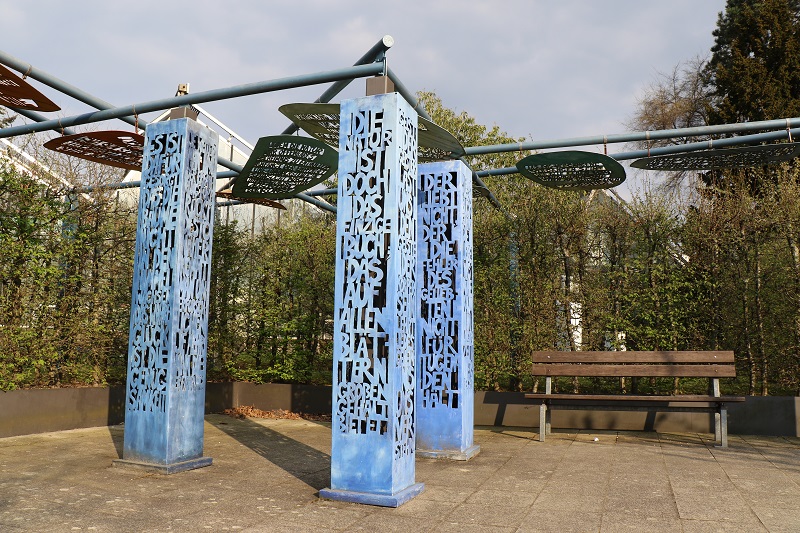
This is the Goethe garden and memorial in the Palmengarten. Johann Wolfgang von Goethe was a writer and poet, and born in Frankfurt in 1749. The words on the middle pillar says something like ‘Nature is the only book of which all pages offer high quality’.
16040068sm,jpg
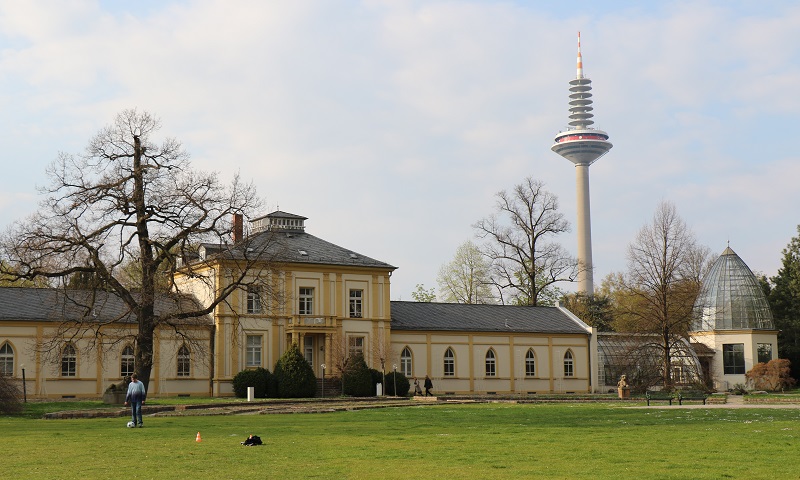
One of the open spaces in the Palmengarten with another greenhouse, and the Frankfurt tower in the background.
16040072 sm
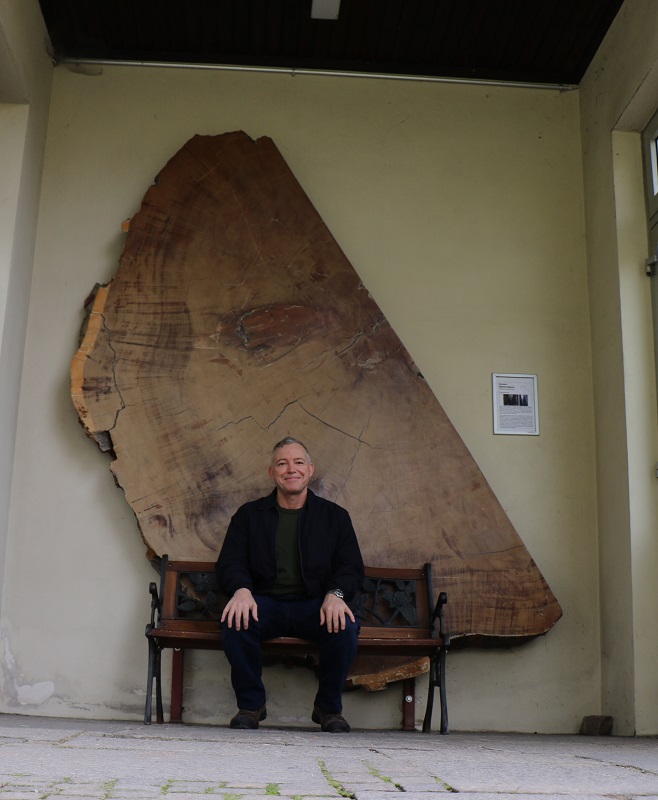
I’m sitting in front of a piece of the trunk of a giant sequoia redwood tree (hopefully from a fallen tree!). These sequoias occur naturally only in groves on the western slopes of the Sierra Nevada Mountains of California.
16040080 sm
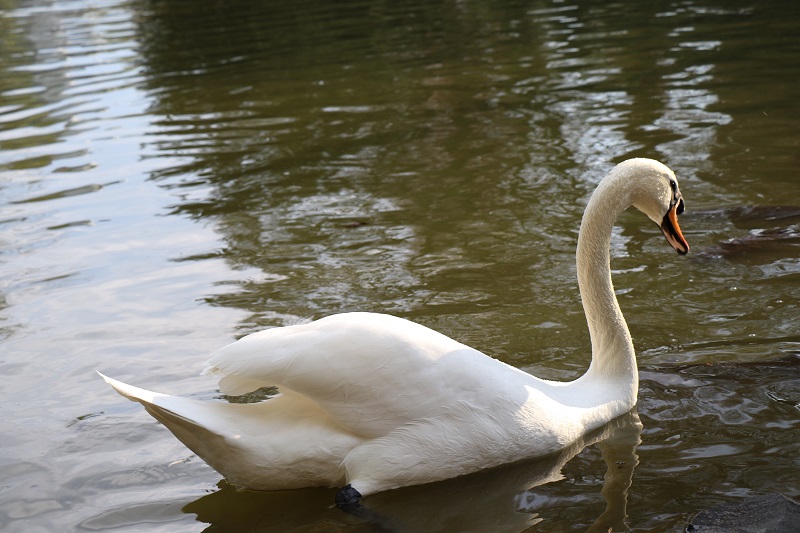
A swan in the little lake in the Palmgarten.
16040093 sm
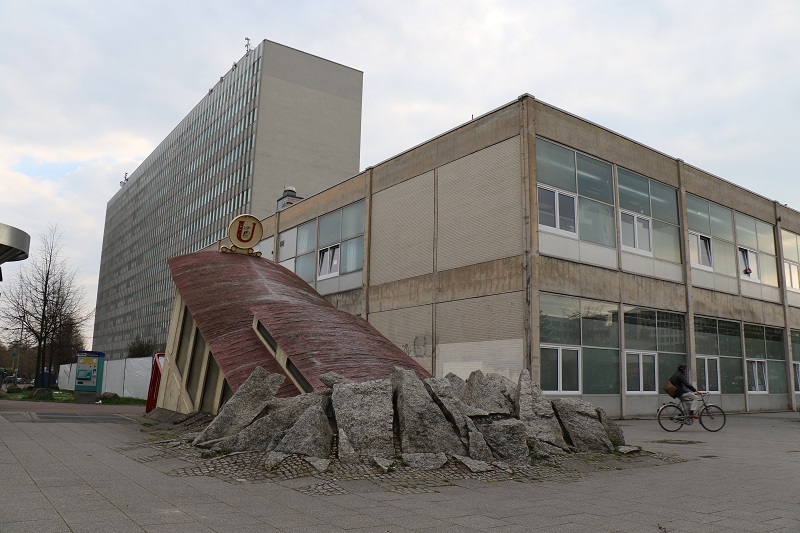
I love this tongue-in-cheek entrance to the Bockenheimer-Warte U-bahn station : a train car that crashed into the ground. (Or maybe not a good idea? .. it will scare off passengers?).
16040100 sm
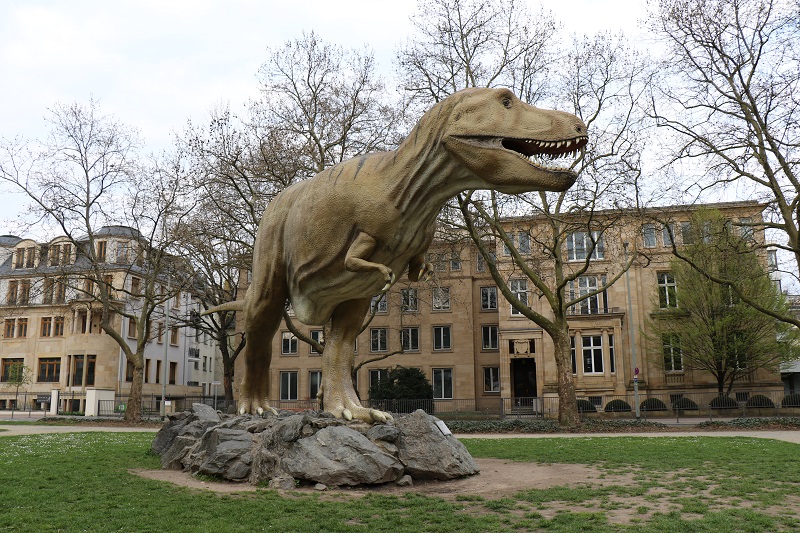
This life-size Tyrannosaurus Rex is in front of the Senckenberg Museum of Natural History that I had visited on a previous trip, but not noticed. It must not have been there at that time, or I would have noticed it.
16040101 sm
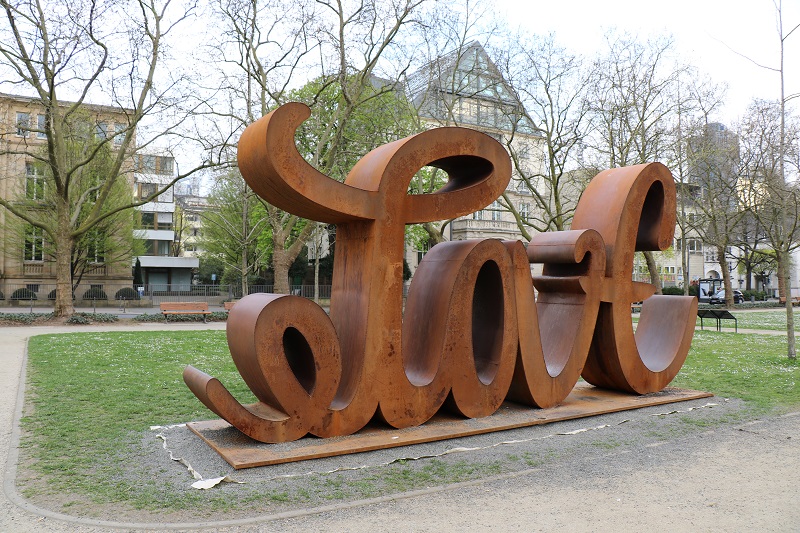
And this is artwork nearby called Love Hate. (If you stand on the other side, it reads ‘Hate’). Yes : love and hate are sometimes two sides of the same coin, no?

Saturday/ flight to Frankfurt

IMG_3727 sm
Here’s our on-board flight tracker. We just flew over Greenland and is approaching Iceland down below.

We left Seattle on time and traveled without incident.  I sat next to a guy that told me he was on his way to Nuremberg in Bavaria to Adidas headquarters to talk to them about their e-commerce* efforts.   Frankfurt was sunny and a decent 50°F/ 10°C at our arrival.

*A general term meaning the buying and selling of goods and services, or the transmitting of funds or data, over an electronic network, primarily the Internet. These business transactions occur either business-to-business, business-to-consumer, consumer-to-consumer or consumer-to-business.

IMG_3736 sm
Here is the 747-400 that took us to Frankfurt. I sat on the top deck! It was great. We just stepped off the plane at Frankfurt. I guess they did not have a gate for us at the terminal, so we were taken there by bus.
IMG_3745 sm
It is 10.30 am Sunday morning and we had just arrived at Frankfurt Hauptbahnhof (main train station). Just ten minutes later a train full of rowdy football (soccer) fans arrived, so there was mayhem on the platform with loud singing and banging fire-cracker explosion noises. Wow, go, go, go – get out of here! I thought, before they caught up with you, I was leaving the station. A dozen policemen were on hand to keep an eye on them, though.
IMG_3757 sm
The main entrance at Frankfurt Hauptbahnhof (main train station). I took a tram from there to the hotel.

Friday/ my bags are packed

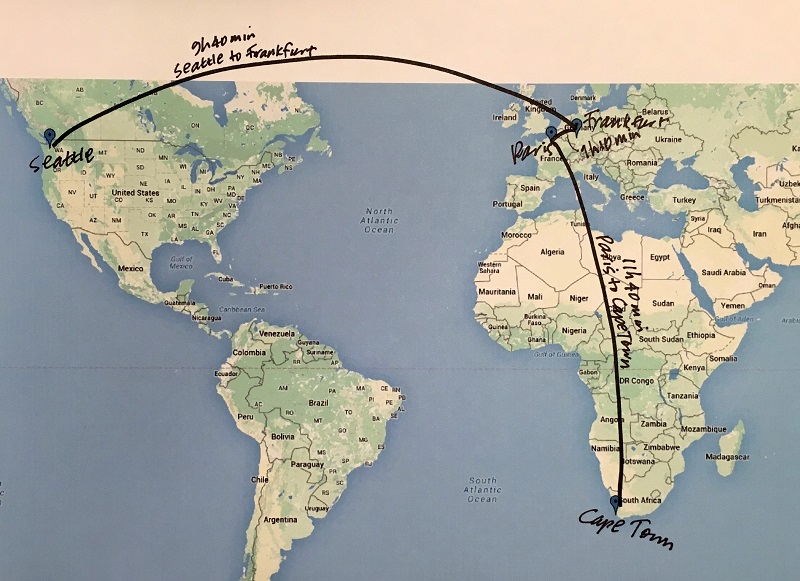
It is time to start my journey to South Africa on Saturday morning.  I’m making a stop in Frankfurt before picking up Air France there for Cape Town.  I tried to generate a graphic itinerary in Google Maps but ended up drawing the flights in.  Google only offers graphics for flights between one start point and one end point.  As for driving, it offered a fascinating road trip from Paris to Cape Town : 172 hrs of drive time, with a ferry crossing across the Mediterranean, following the Trans-Sahara Highway through Algeria and Niger, and then another ferry to get across the mighty Congo River at Brazzaville.  Now that would be a trip to remember.

IMG_3713 sm
Seattle to Frankfurt is 9 h 40 mins, then (on Tuesday) a short hop to Paris for the 11 h 40 min flight to Cape Town.

Thursday/ the singularity is NOT near

83417341 smThe New York Times noted in an article ‘When Is the Singularity? Probably Not in Your Lifetime’ that humans won’t be obsolete for a long time, if ever.

The concept of a ‘singularity’ was posited in 1993 by Vernor Vinge, a computer scientist and science fiction writer, who said that accelerating technological change would inevitably lead to machine intelligence that would match and then surpass human intelligence.

Well, there has been a long history of over-promising on what technology can do, and what is really delivered. (My internet access at home was completely flaky and unreliable on Wednesday, for example).   There are significant barriers ahead as far as creating ever-more powerful computer chips (the circuits are now down to a few atoms wide), and we still don’t understand well enough how the human brain works, so that computer learning programs can be modeled on the brain.  And hey, check out this 1958 write-up in the NYT about a thinking machine called the Perceptron, developed by the US Navy.

Wednesday/ my new camera

I finally took the IMG_3698 smplunge and acquired a new camera.  It was overdue, seeing that the one I have dates back to 2009.  Digital cameras are computers that take pictures, and my new EOS 7D Mark II has two new processors in, two card slots, a new sensor*, and a massive array of 65 autofocus elements in the focusing screen.  It can take up to 10 frames per second, and can set the shutter to 1/8,000 of a second. (That may be enough to freeze a hummingbird’s wings in flight).   I could have bought the camera on-line, but since the Best Buy electronics store let me put my grubby hands on 12 different cameras they had on display, and gave me good advice, I felt it’s only right that they get my money.

*It’s not a full-frame sensor, something I took a long time to make my peace with.  But at $1,500 the camera body is an absolute bargain, compared to the $3,200 mirrorless camera from Sony that is generating quite a buzz, and that I had also considered. (The Sony camera takes 42 MP photos and super-high definition (4K) video with its brand new full frame sensor). But by sticking with Canon, I don’t have to buy new lenses (good lenses start at $600 and go up from there) and battery packs, and I don’t have to learn all the little settings for the new camera.
Tuesday/ a Trojan horse?
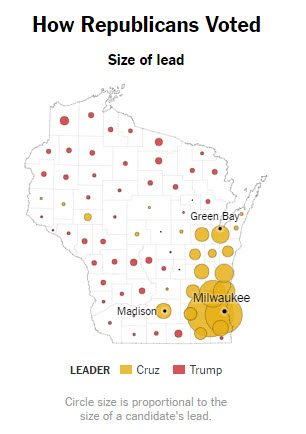
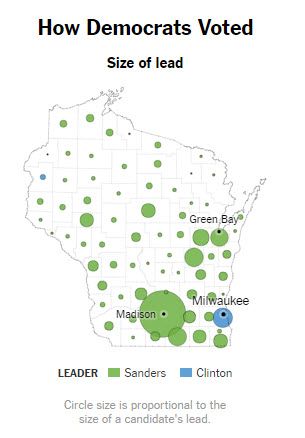
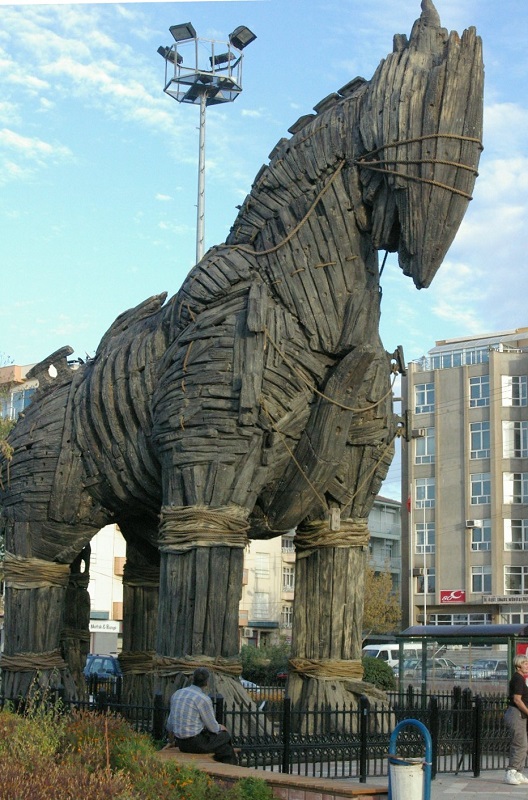
4-5-2016 9-40-19 PM4-5-2016 9-40-29 PMThe leading candidates on both sides got a beating in the Wisconsin presidential primary elections tonight : Trump beaten by Cruz and Hillary Clinton by Bernie Sanders.  Check out the maps from the New York Times.  The bigger the bubble, the bigger the margin of victory was.  Trump acted like a sulking loser, and accused Cruz of being a Trojan horse (of the Republican establishment trying to stop him from winning the nomination).  Oh, and Trump also says Cruz indulged in illegal politicking, without offering any evidence.

Trojan_horse_Çanakkale
Here’s the Trojan horse from the 2004 movie Troy.
4-5-2016 9-42-00 PM
And here is Trump’s campaign statement after the Wisconsin results.

Monday/ in the nick of time

i
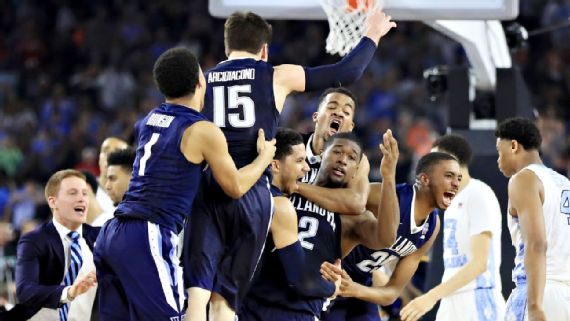
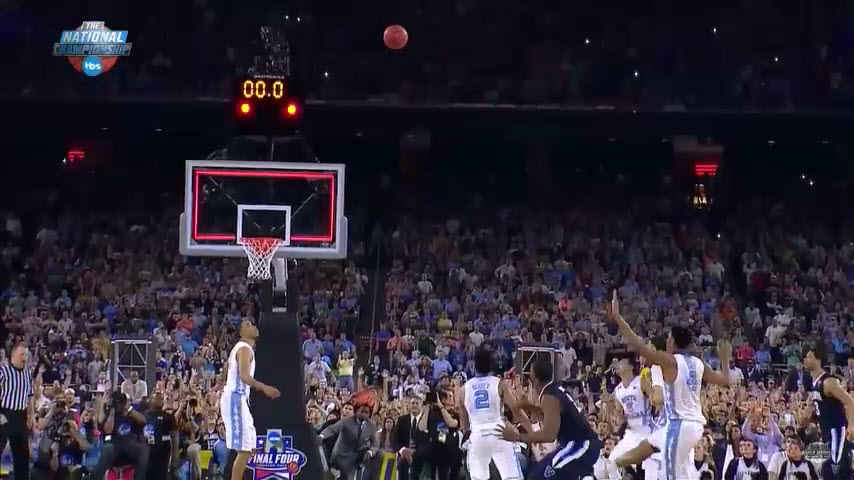
Kris Jenkins’ buzzer-beating 3-pointer won Villanova its second-ever national championship. Ronald Martinez/Getty Images

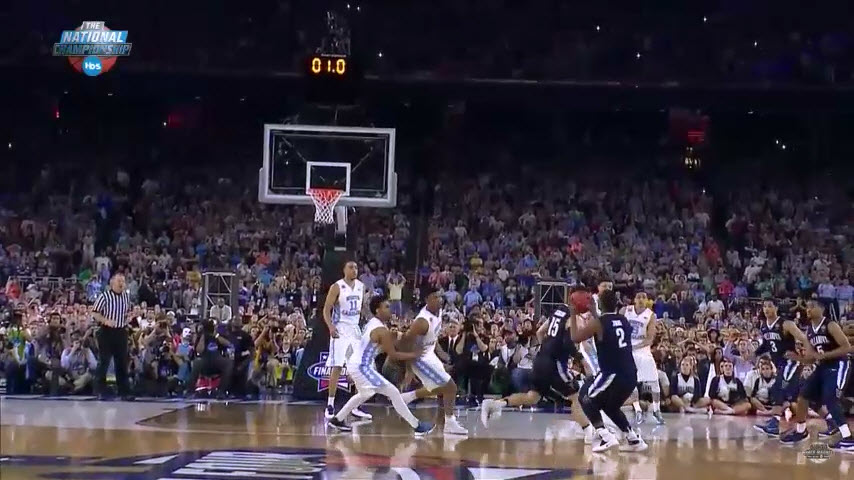
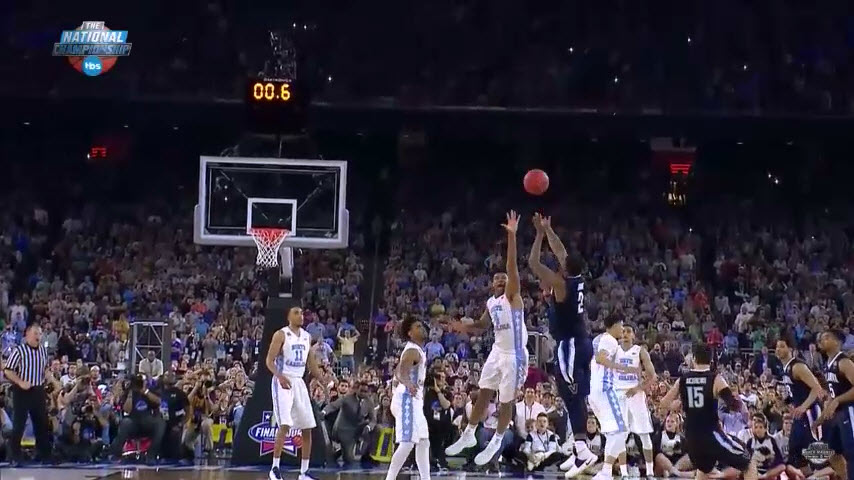
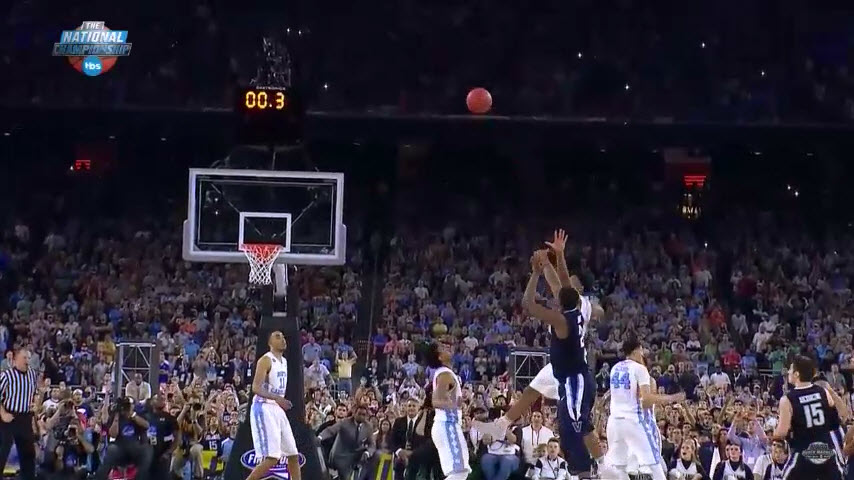
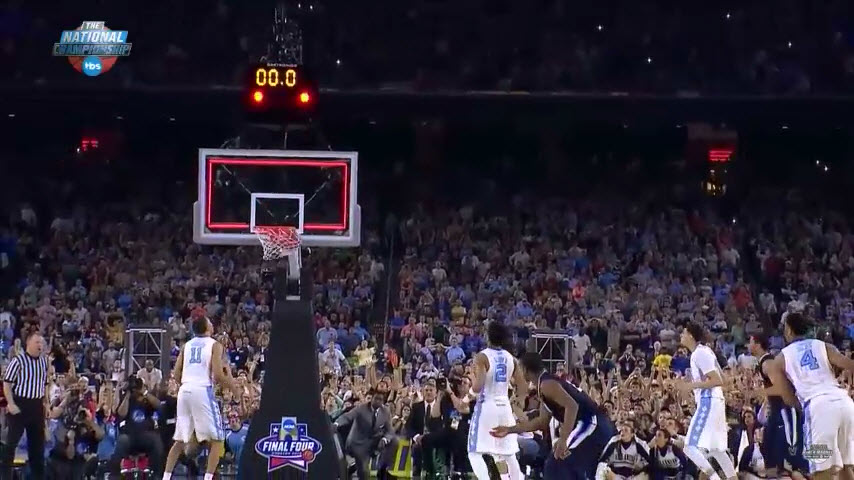
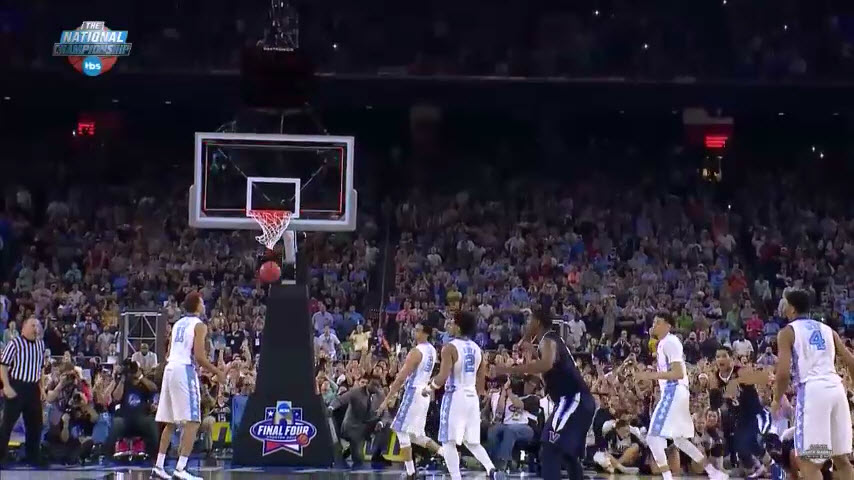
There was an epic finish to the National Collegiate Athletic Association’s annual basketball tournament tonight : Villanova defeated North Carolina 77-74 thanks to a game winning 3-pointer from Kris Jenkins in the 2016 National Championship game.   The final points were made in the final second of the game. Check out the sequence of frames below, that shows the clock running down in tens of seconds, then the buzzer starts with the ball in the air, and it makes it through just before the buzzer stops.  I guess the championship games are not called March Madness for nothing.

1 sec
1.0 sec
0.6 sec
0.6 sec
0.3 sec
0.3 sec
0 sec .. the buzzer starts
0.0 sec .. game time is over. the buzzer starts, with the red lights flashing –
0 secs .. buzzer is on
0.0 secs .. buzzer is on, the lights are still flashing –
0 sec .. the buzzer stops and the game is over
the buzzer stops and the game is over.  The Villanova supporters erupt and storm onto the court, of course!

Sunday

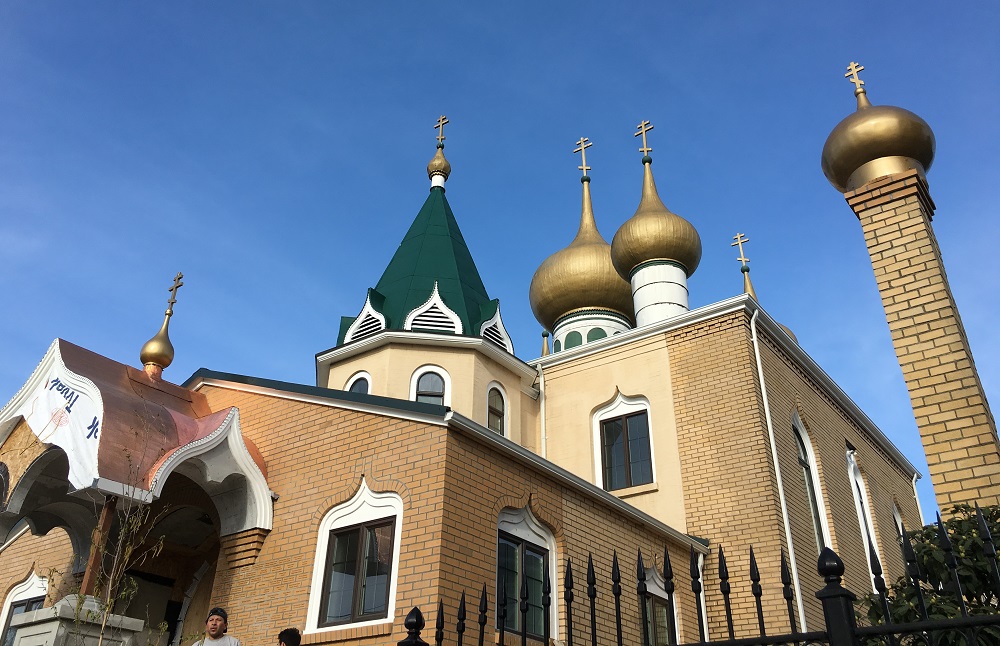
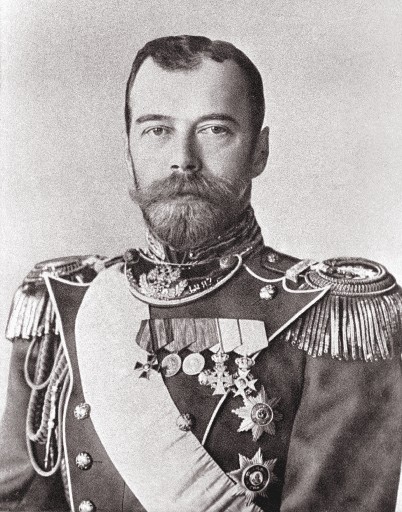
It was another nice spring day here in Seattle, nikolai-iibut there is some rain on the way for Sunday night and Monday morning. I walked by the St. Nicholas* Russian Orthodox Cathedral on 13th Ave to check on the progress of its entry-way renovation, and saw that it is almost done.

*[From Wikipedia] Nicholas II was the last tzar of Russia, ruling from  Nov 1, 1894 until his forced abdication on Mar 15, 1917. His reign saw the fall of Imperial Russia from being one of the foremost great powers of the world, to economic and military collapse.

IMG_3683 sm
The St. Nicholas Russian Orthodox Cathedral was built with the donations of the people who found refuge from the Communist regime here in Seattle in 1930.  It is named after the last Russian tzar, Nicholas II.

Saturday/ SR 520 floating bridge opening

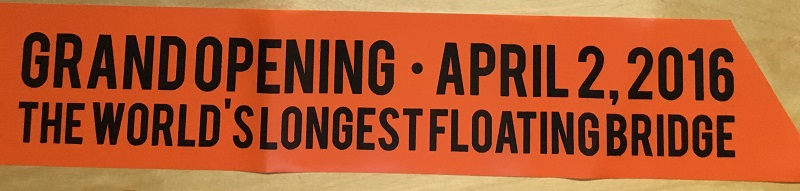
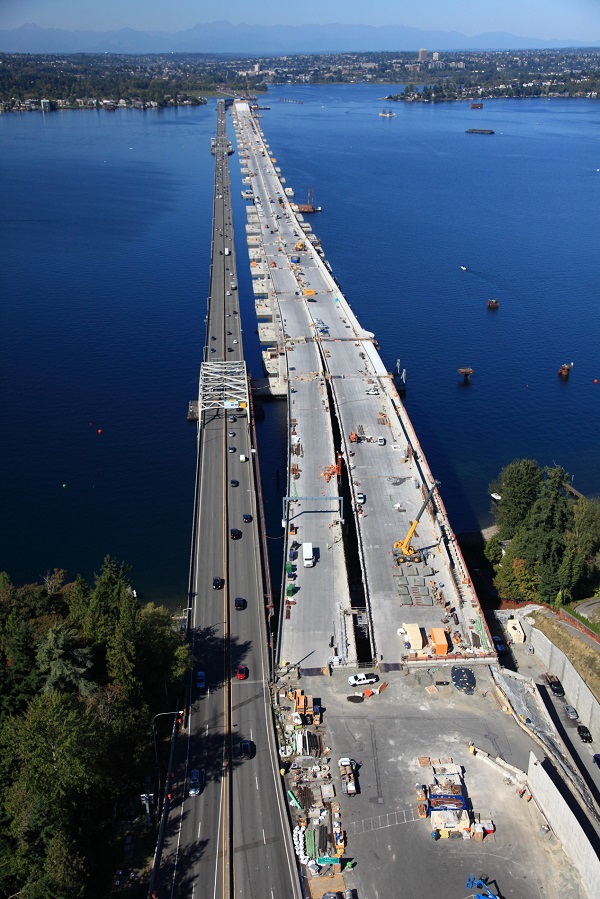
IMG_3673 smThe new SR 520 Floating Bridge and Landings project has been underway since early 2012, and parts of it is really for final commissioning and use by the general public.   Bryan, Gary and I went to the official opening of the new State Route 520 Floating Bridge today.  The new bridge has been built alongside the old (which will be dismantled and recycled).  The final work on the ‘approaches’ to the bridge (the on-ramps and off-ramps) will continue, but vehicles (and pedestrians and cyclists) will be able to start to use the new bridge just a little later in April.  The west-bound lanes will open first, with the east-bound lanes to follow two weeks later.

New SR520 bridge
This picture (from the Washington Dept of Transport website) shows how much bigger the new bridge is, compared to the old. The surface of the new bridge is 20′ above the water surface of Lake Washington, whereas that of the old bridge is only 6′ above the water. (So that water in very stormy weather does not slosh over the road surface). The right-side lanes going to the top of picture, are the westbound ones.
IMG_3649 sm
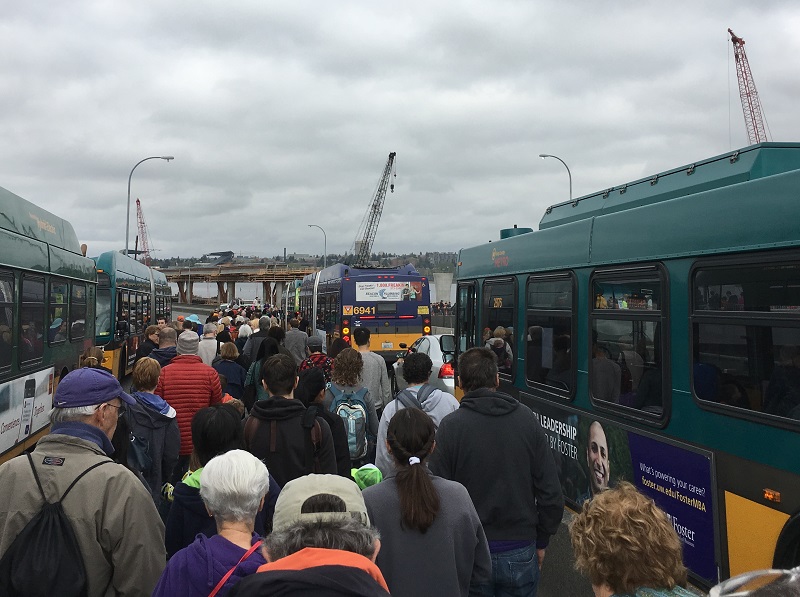
We just got off the shuttle bus that took us from the University of Washington Stadium station to the SR 520 bridge.
IMG_3657 sm
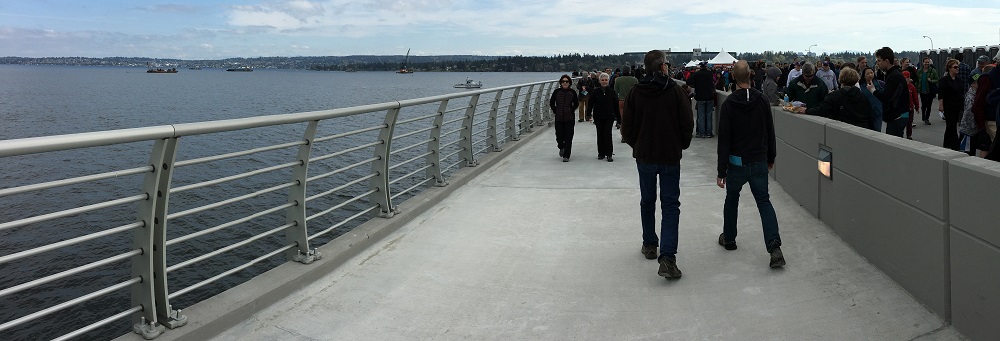
This is the pedestrian and bicycle lane on the bridge.
IMG_3663 sm
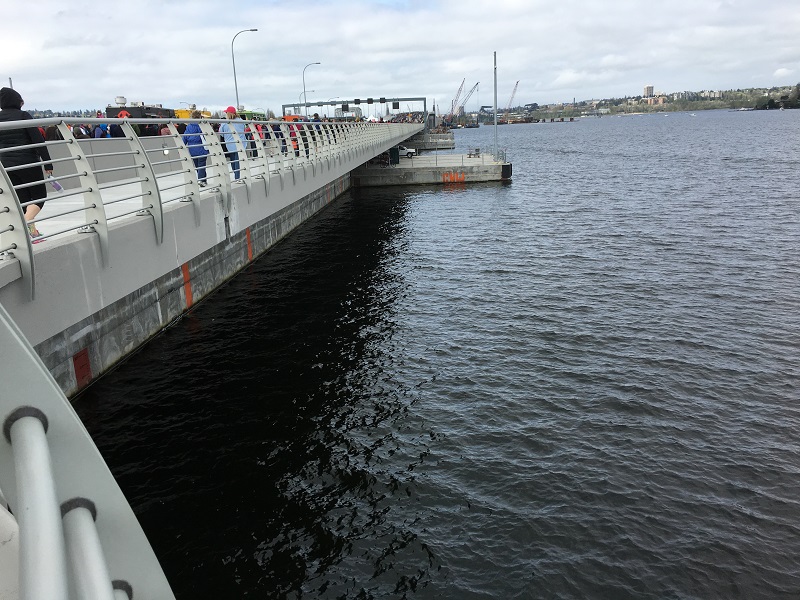
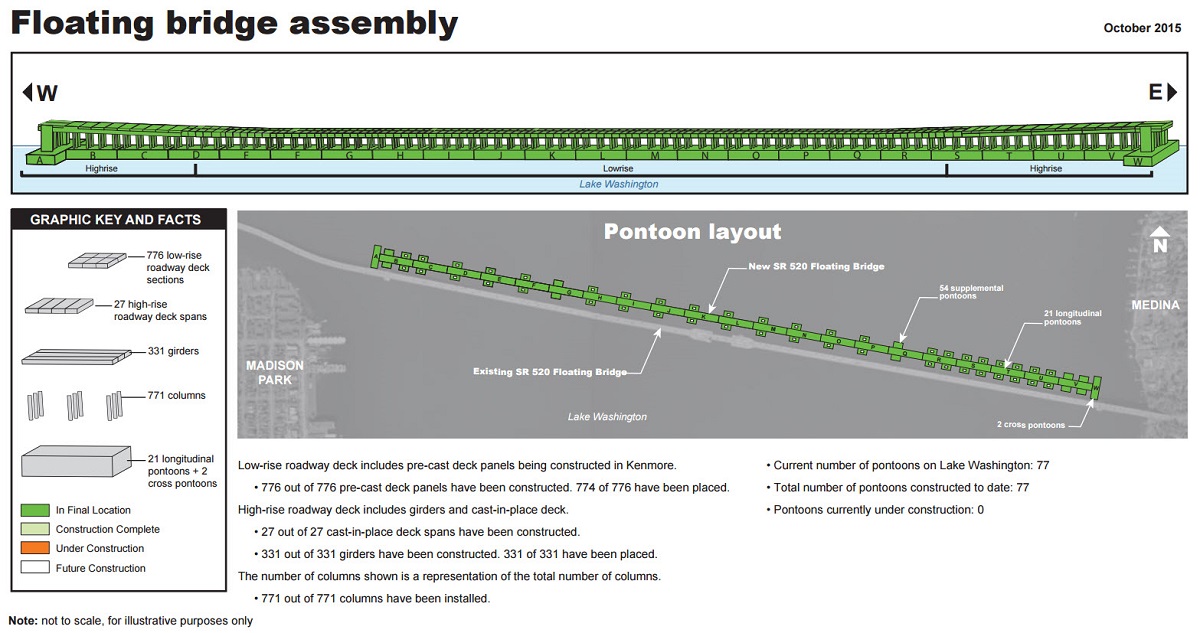
This viewpoint provides a glimpse of the giant pontoons on which the bridge is ‘floating’. There is a total of 77 pontoons : 21 longitudinal, 54 supplemental and 2 cross pontoons.
Pontoons sm
Longitudinal pontoons are labeled alphabetically from west to east. There is a total of 77 pontoons : 21 longitudinal, 54 supplemental and 2 cross pontoons.
IMG_3670 sm
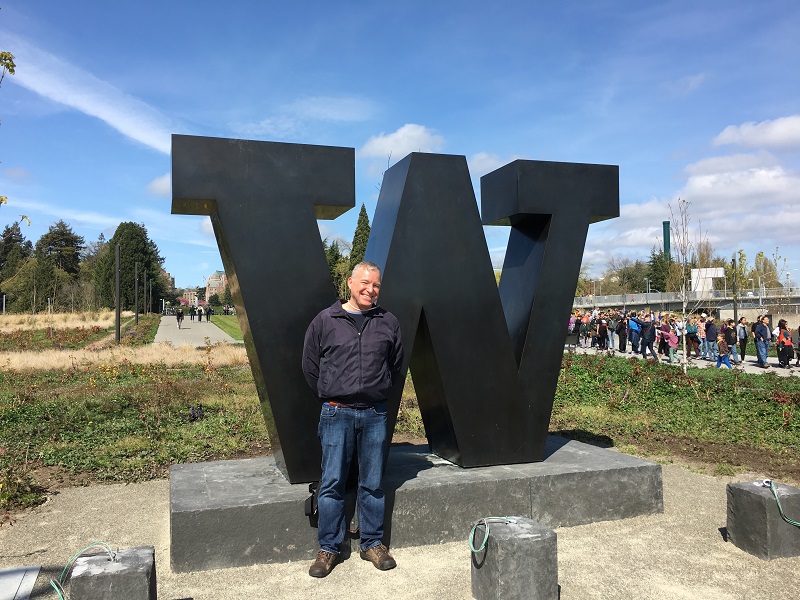
I couldn’t resist a picture in front of the big W close to the train station by the bridge. (The W stands for Washington as in Washington University .. and for Willem, of course).

Friday/ more art

Here are a few more pictures from my visit to the Seattle Asian Art Museum on Thursday night.  We have had a nice run of warm spring days here in Seattle, touching 70 °F (21°C) for the first time since October of last year.  70° weather usually arrives only in mid-April.

IMG_3631 sm
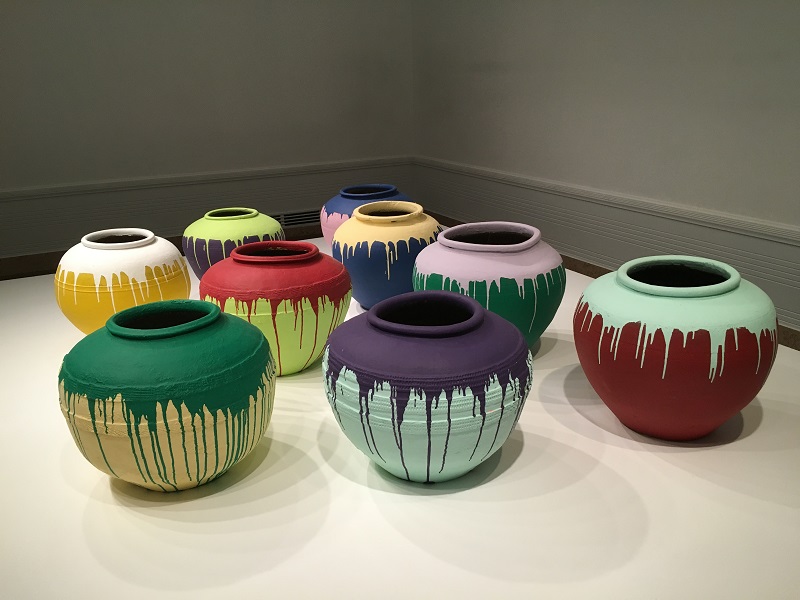
This is the Museum’s first acquisition from famous Chinese artist Ai WeiWei, called ‘Colored Vases’. The earthenware vases were dipped in industrial paint, and then turned up and left to dry.
IMG_3627 sm
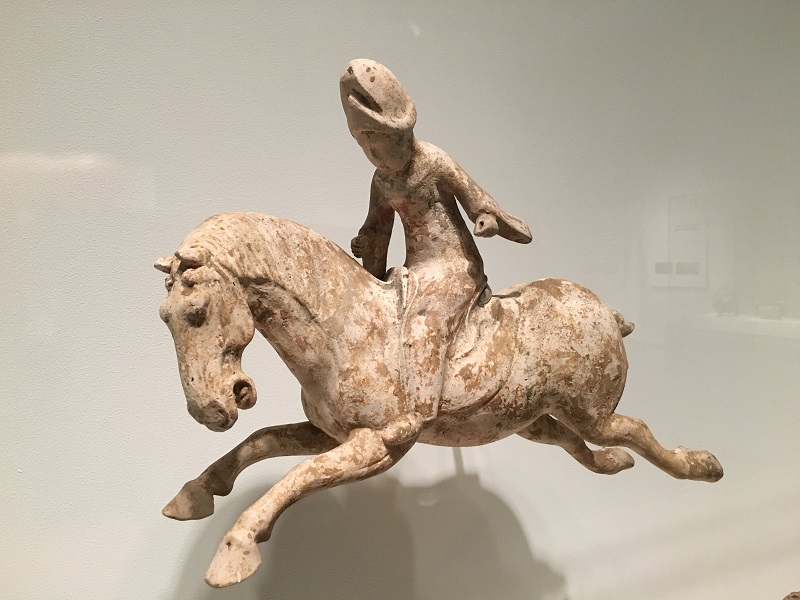
This is a polo player (I think the horse is beautiful), depicted in earthenware from the 7th-8th century in the Tang period. (Yes, polo was a foreign influence, from Central Asia).
IMG_3639 sm
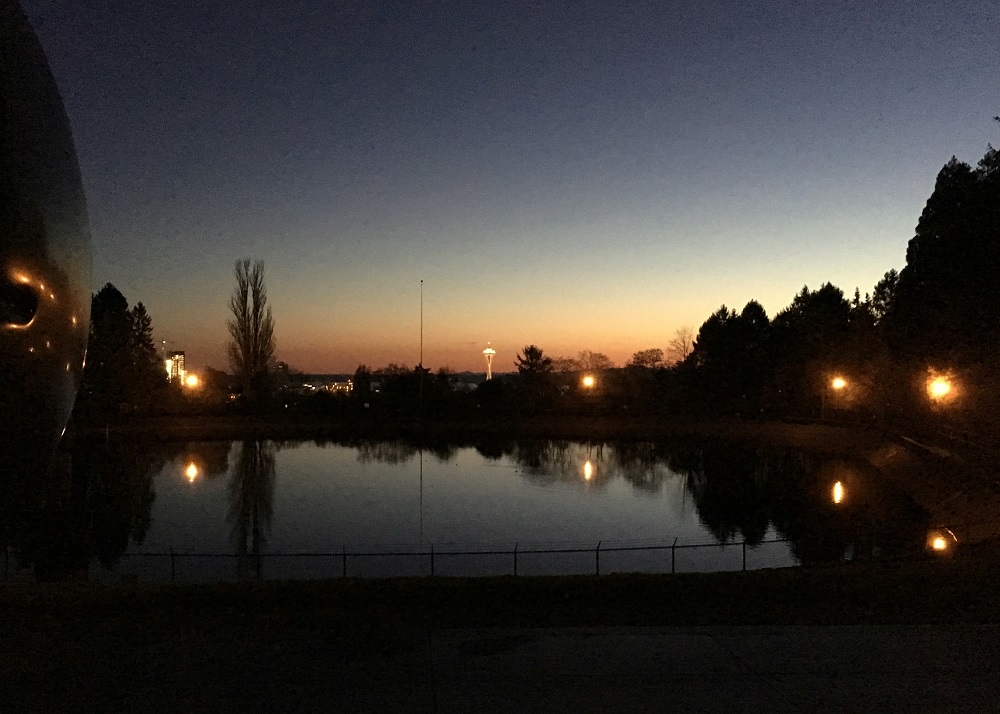
The view towards the Space Needle from the Volunteer Park reservoir on Thursday night.