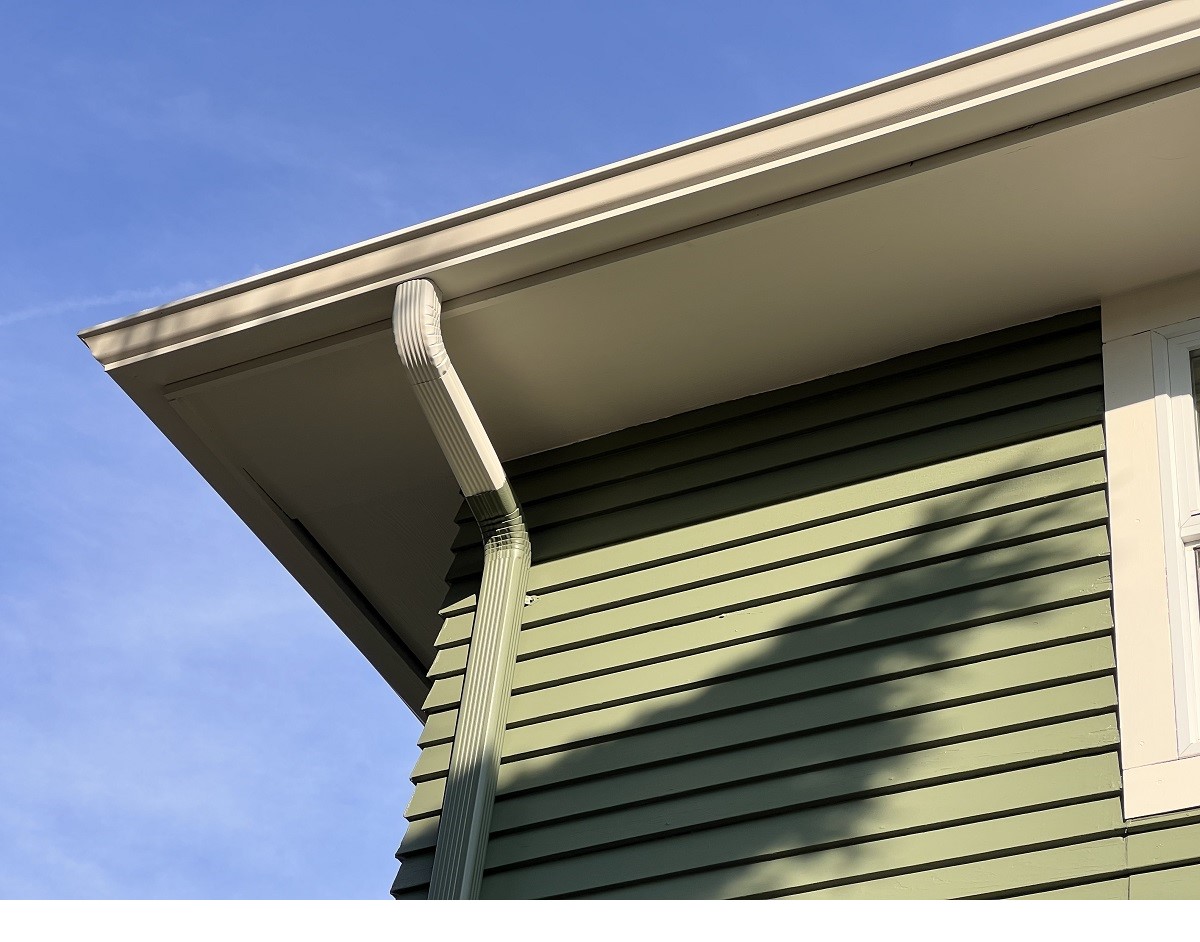
 Here’s the new green paint for my house that is called rosepine by Benjamin Moore & Co. They describe is as ‘a muted moss green that verges on a dark taupe’.

a weblog of whereabouts & interests, since 2010
Here’s the new green paint for my house that is called rosepine by Benjamin Moore & Co. They describe is as ‘a muted moss green that verges on a dark taupe’.
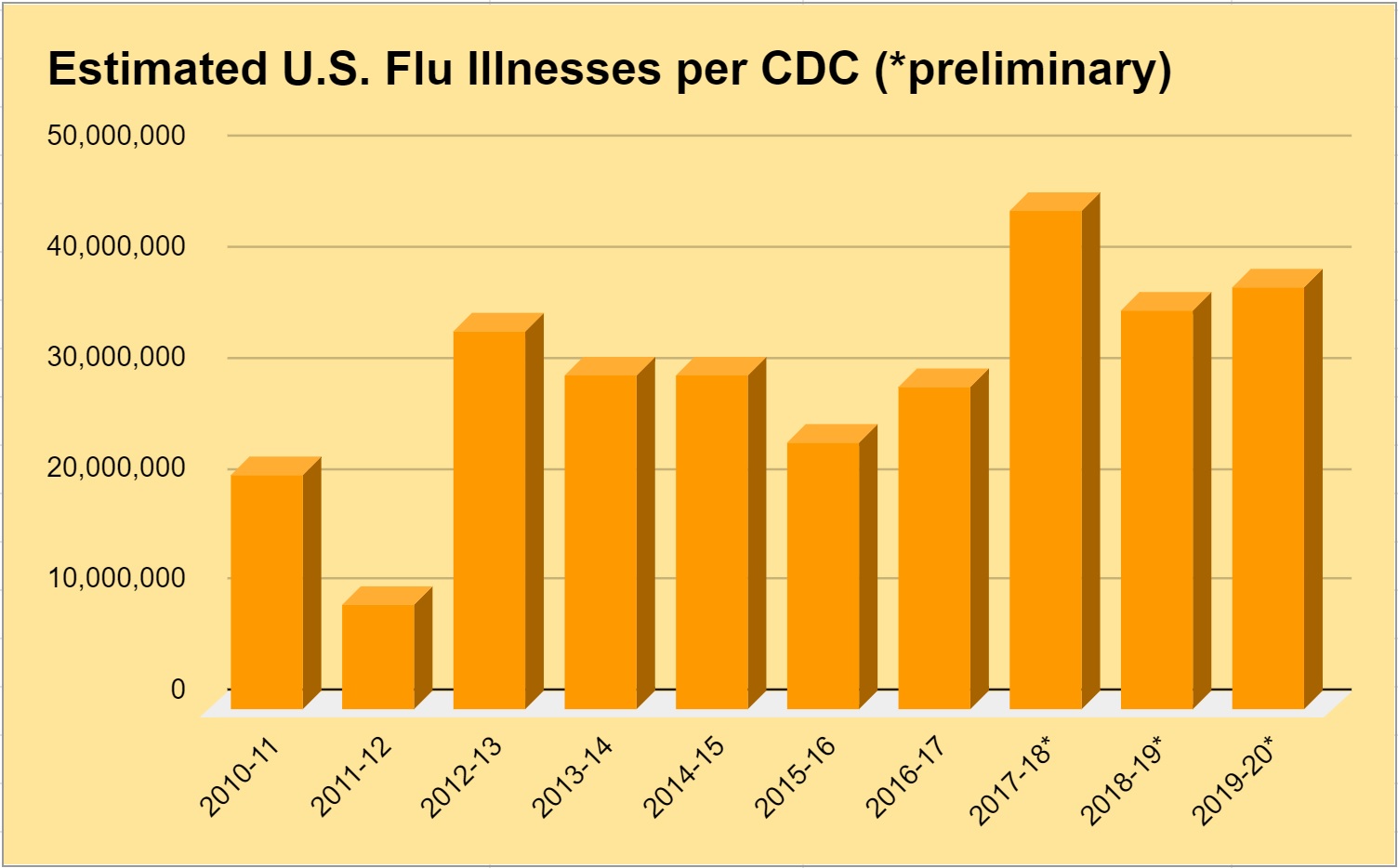
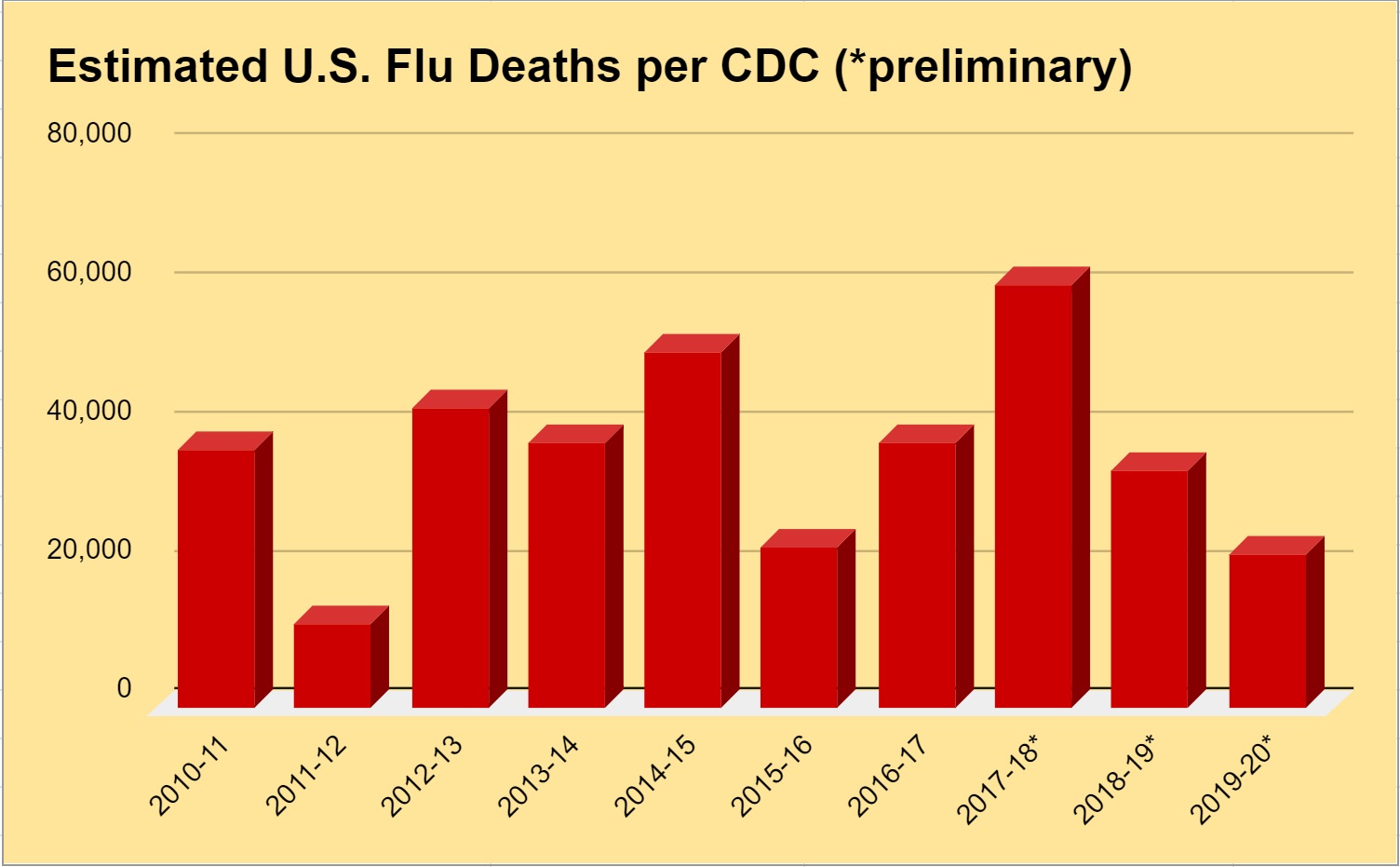
I got my flu shot today, and checked the CDC website for numbers for the last few years.
These are graphs I pulled together from the CDC website, just for myself.
Bottom line, and just speaking rough numbers: flu can make 40 million people in the USA sick in a bad season— 1 out of 10 in the population!— and result in 40,000 deaths.
It was a hazy, sunny Sunday (81°F / 27 °C), warm for this late in the year.
Our 10-day forecast still does not show any rain.

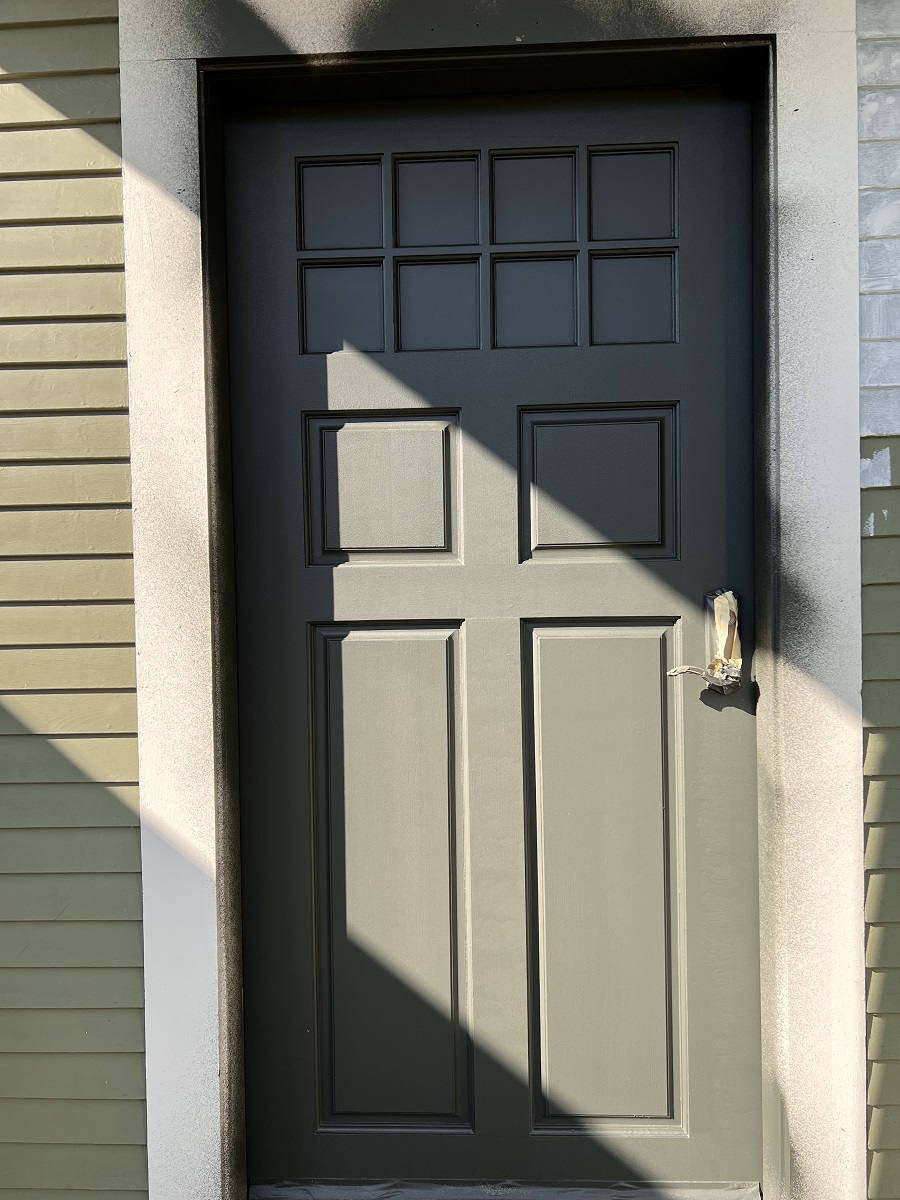
Here’s my house’s front door (that used to be brown) with its new paint— a color called ‘Deep River’.
‘Reminiscent of vast jungle rivers, this saturated gray has a hint of green in its undertone’, says the Benjamin Moore brochure.
One of crew of two painters fell ill yesterday, and so I was down to a crew of one today. My car needed a wash badly, and I was off to the car wash after the painter had left for the day.

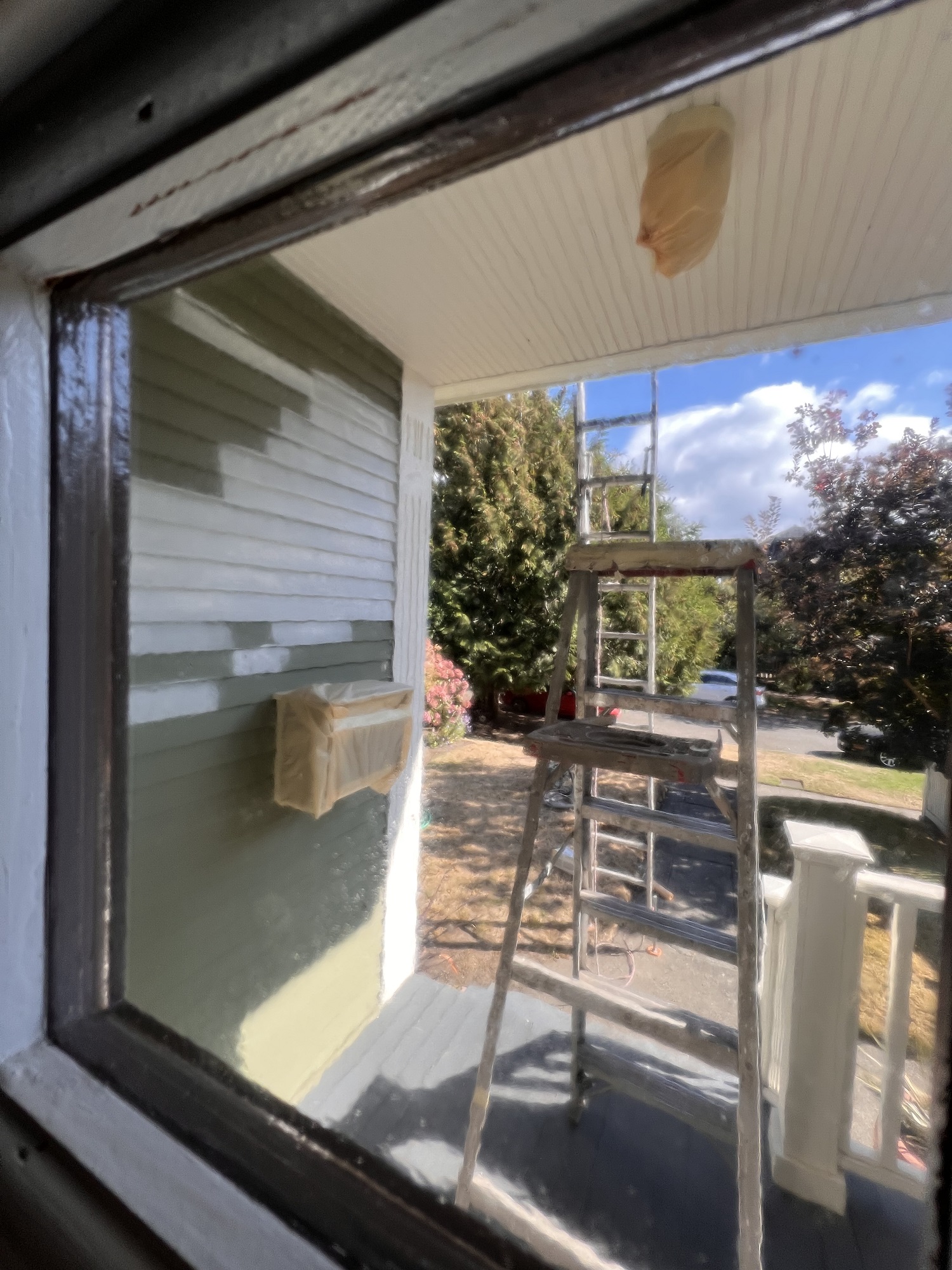
My house is getting a new coat of paint.
Luckily we still have stretches of warm and sunny days this year in the early days of autumn.
The painters tell me they paint outside until Oct. 15 every year, weather permitting, and then they call it quits and paint inside only.
From the New York Times:
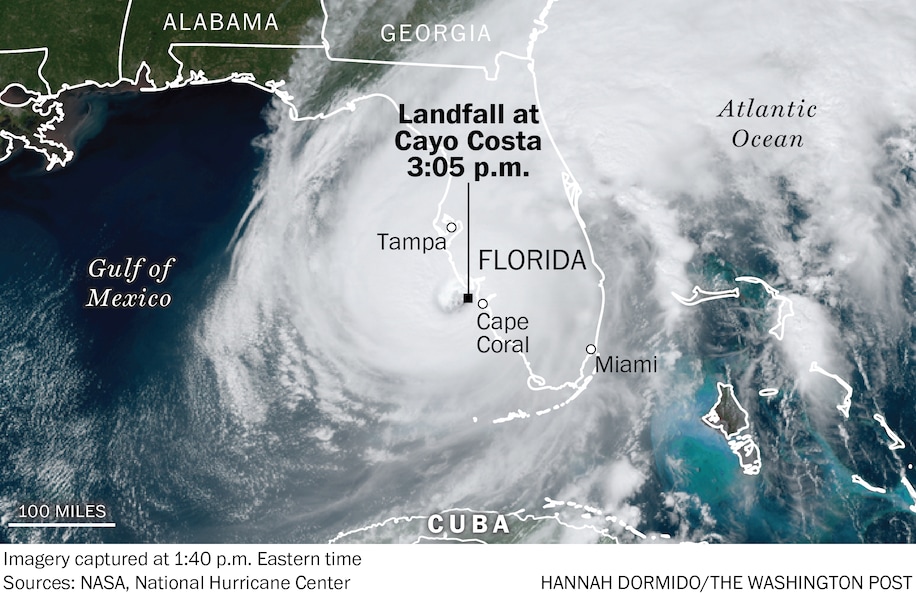
Millions of Florida residents faced a harrowing night as wind, rain and storm surge from Hurricane Ian pounded the southwestern coast and moved inland late Wednesday on a path toward Orlando, knocking out power to more than two million customers statewide.
The latest:
A storm surge of up to 12 feet submerged cars, knocked over houses and trapped residents near where the hurricane came ashore west of Fort Myers. Some places remained too dangerous for water rescues, officials said, adding that they were taking down addresses to deploy resources once it was safe.
Ian is among the most powerful storms to strike the United States in decades, and Gov. Ron DeSantis said it would go down as one of the strongest in Florida history. It was just shy of Category 5 status as it made landfall about 3 p.m., but had been downgraded to a Category 1 by Wednesday night.
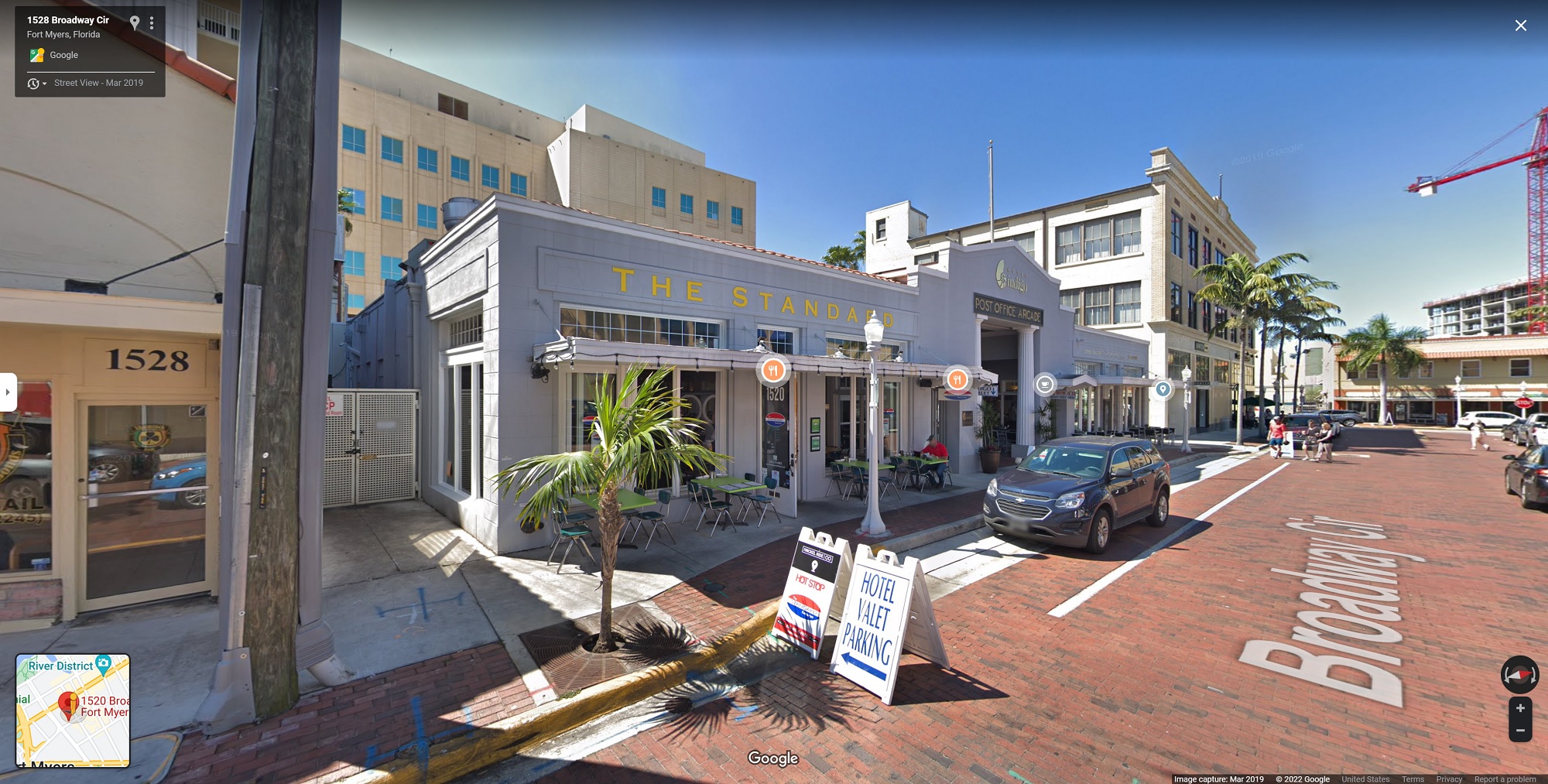
[Google Streetview, 2019]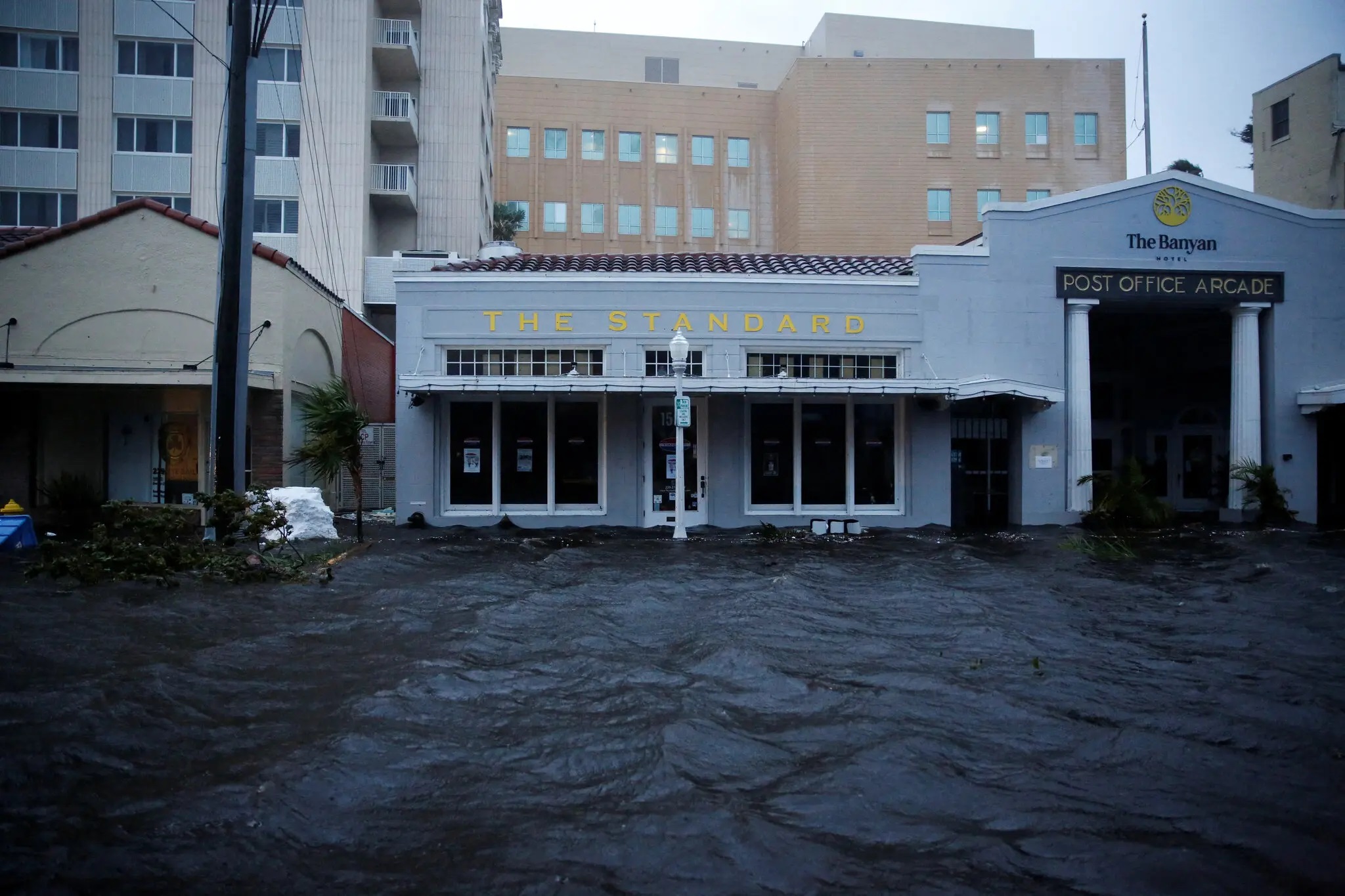
[Photo: Marco Bello/ Reuters]
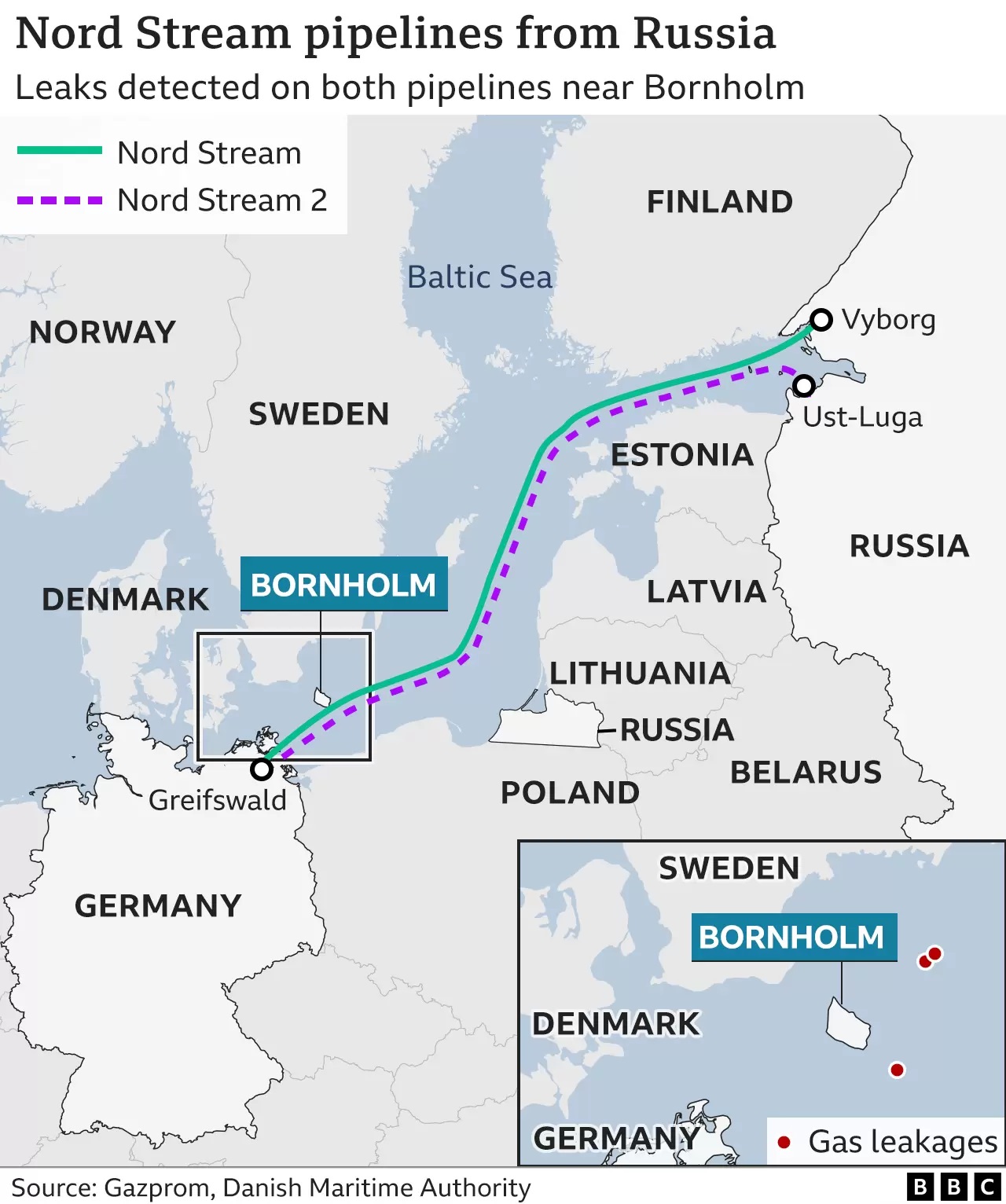
These tweets are from @FortuneMagazine on Twitter.
An energy crisis the likes of which hasn’t been seen in decades is unfolding around the world.
1) Europe’s long-standing gambit on cheap Russian gas could backfire into one of the worst energy crises on the continent since the 1970s.
2) Before the war in Ukraine, EU nations relied on Russia for 40% of their natural gas—the second most common energy source in Europe behind petroleum oil.
Now, the limited supplies have more than doubled the price of natural gas and tripled electricity bills.
3) The situation is so dire that governments that previously renounced fossil fuels and nuclear power are desperately reopening coal plants and nuclear sites, and nationalizing utility companies to save them from going bankrupt.
4) But as bad as it is now, these might still be the good days for Europe.
With winter and higher gas demand on the way, even the slightest uptick in energy demand anywhere in the world could entirely shut down some manufacturing sectors.
5) Expanding natural gas infrastructure is expensive, demands years of investment, and the results likely won’t kick in until the summer of next year,
That’s why many countries focus mainly on saving energy to increase reserves for winter.
6) European governments have already implemented some energy measures:
💡turning of traffic lights at night
💡dimming lighting on historic buildings
During the winter, consumer use might also have to be restricted.
7) So far, most European factories have reduced their capacity.
But the worst-case scenario would be a shutdown of European manufacturing industries most reliant on natural gas—including glassmakers and steel companies.
8) Cutting back on industrial capacity could lead to lower economic activity, higher unemployment rate, and even recession.
9) If rising bills combine with a wave of unemployment and economic downturn, the crisis could spill out onto the streets (which has already begun in some countries like Germany and the Czech Republic).
10) “EU and members will work in solidarity, supporting each other .. or there is another scenario: everybody is for himself,” said
Fatih Birol, head of the watchdog International Energy Agency.
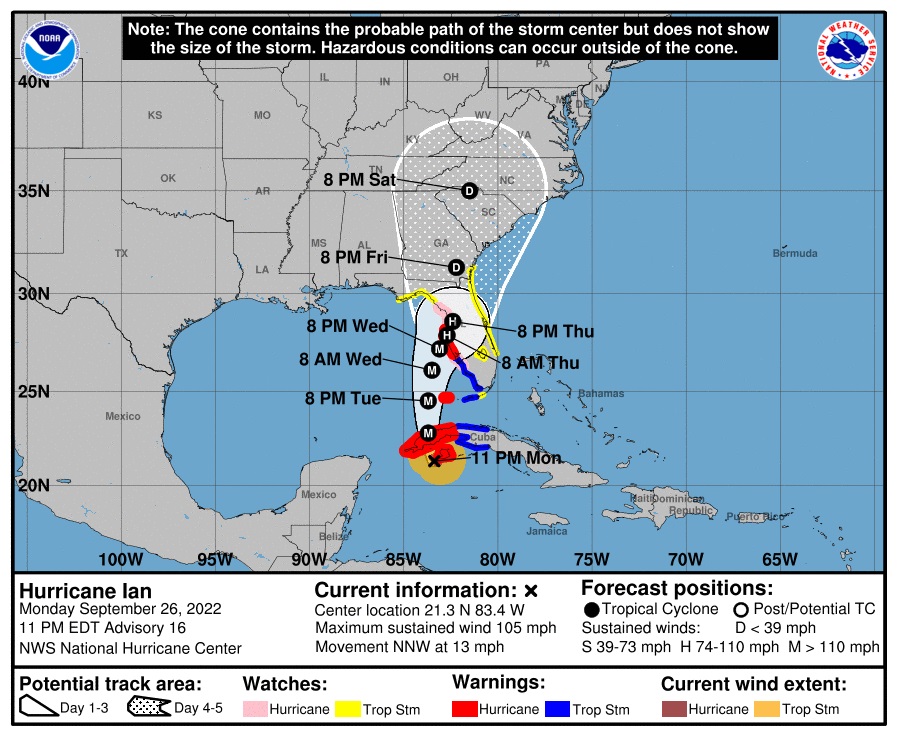
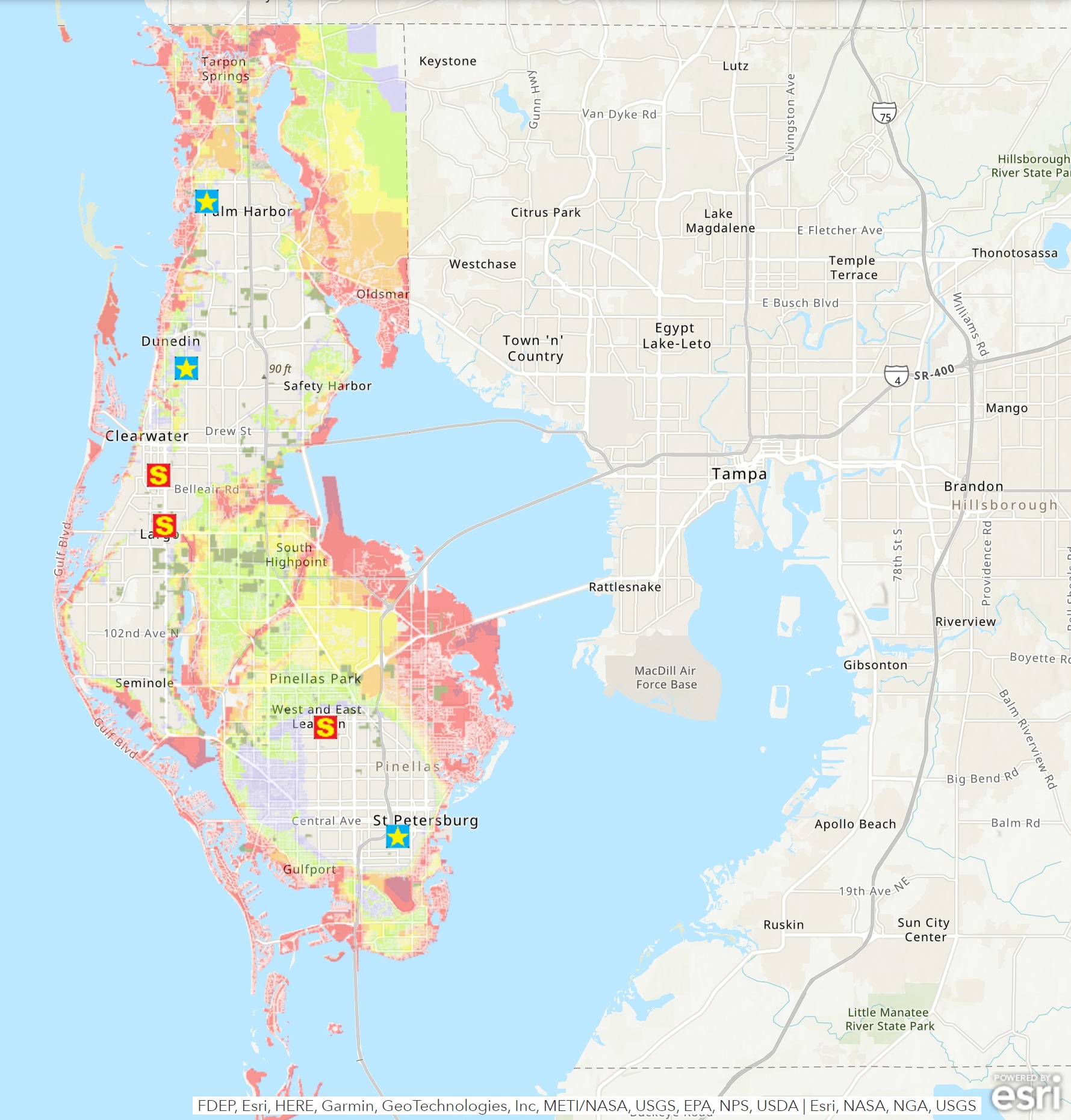
There’s trouble brewing in the Gulf of Mexico: a monster storm system that’s 500 miles wide and at this point just about certain to make landfall in Florida. The trouble with the large natural harbor and shallow estuary that is called Tampa Bay, is that water being pushed into it, has nowhere to go. So the storm surge level could reach up to 10 feet in some places.
mo·tif
/mōˈtēf/
noun
a distinctive feature or dominant idea in an artistic or literary composition.
“The great search for a little happiness, is this novel’s delicate motif”
It was a beautiful day outside, and I walked down to the Capitol Hill light rail station for a run up to the bookstores in U District.

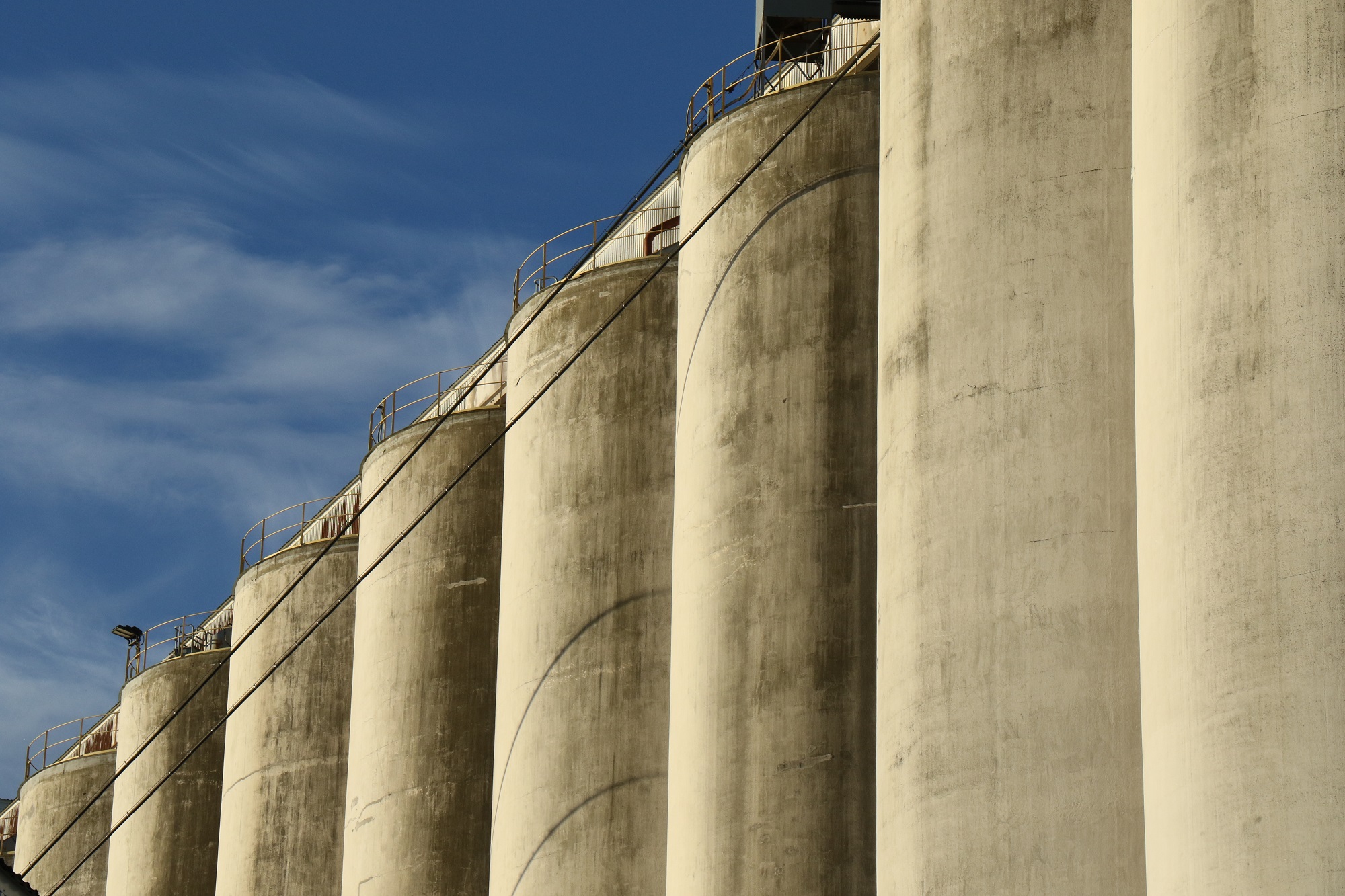
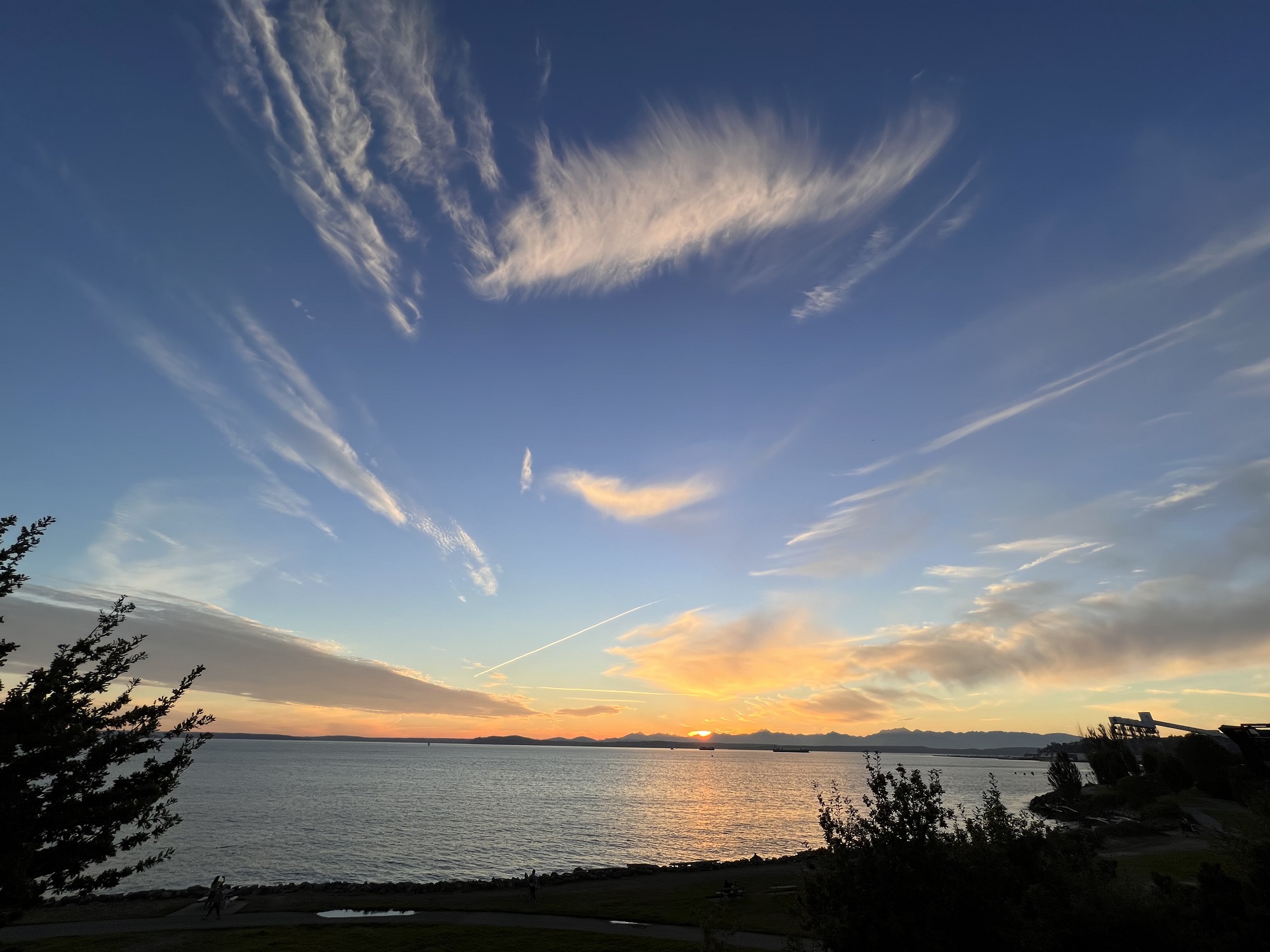
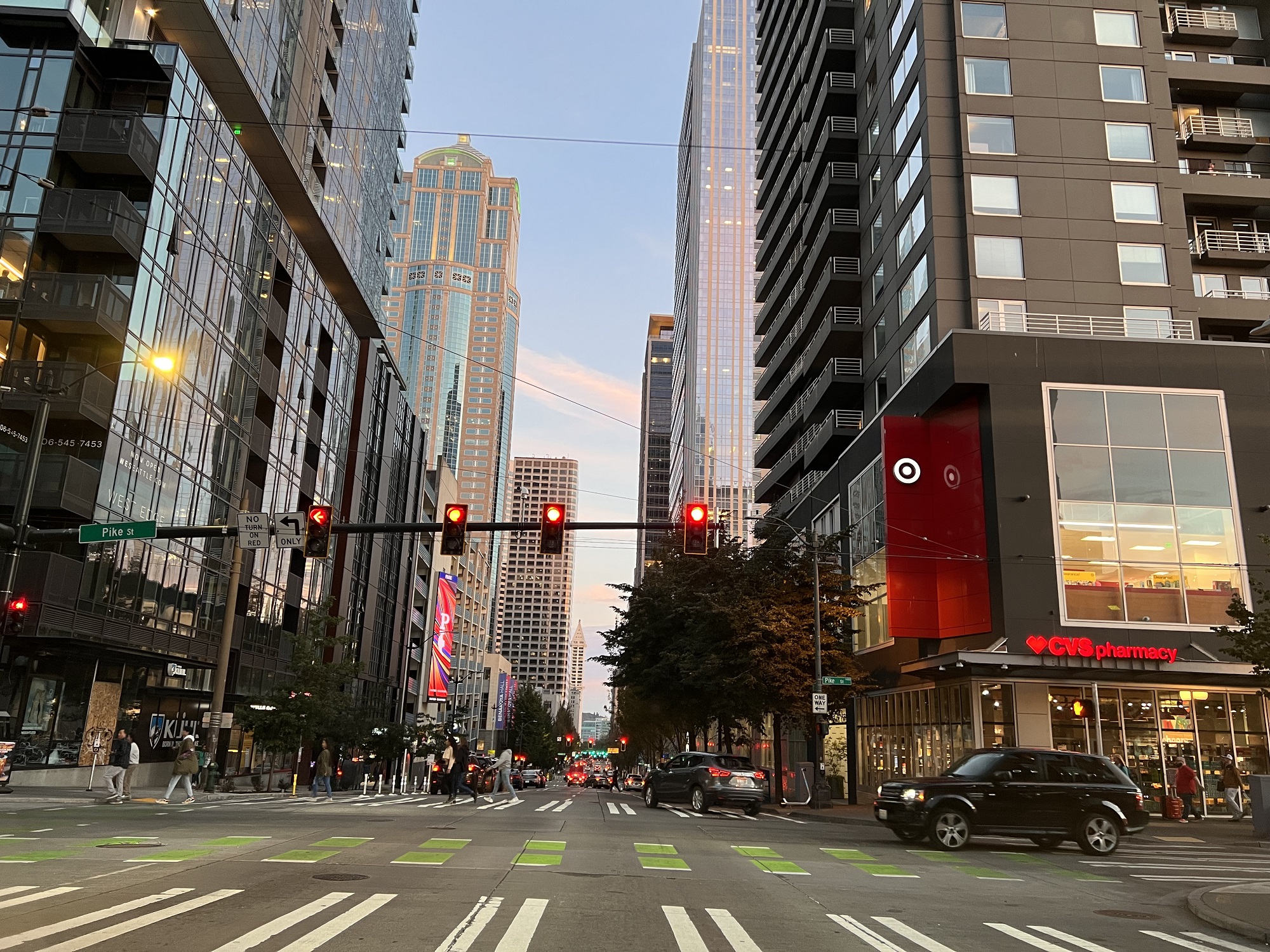
These views are from the Myrtle Edwards Park and the trail that runs along Puget Sound’s Elliott Bay.
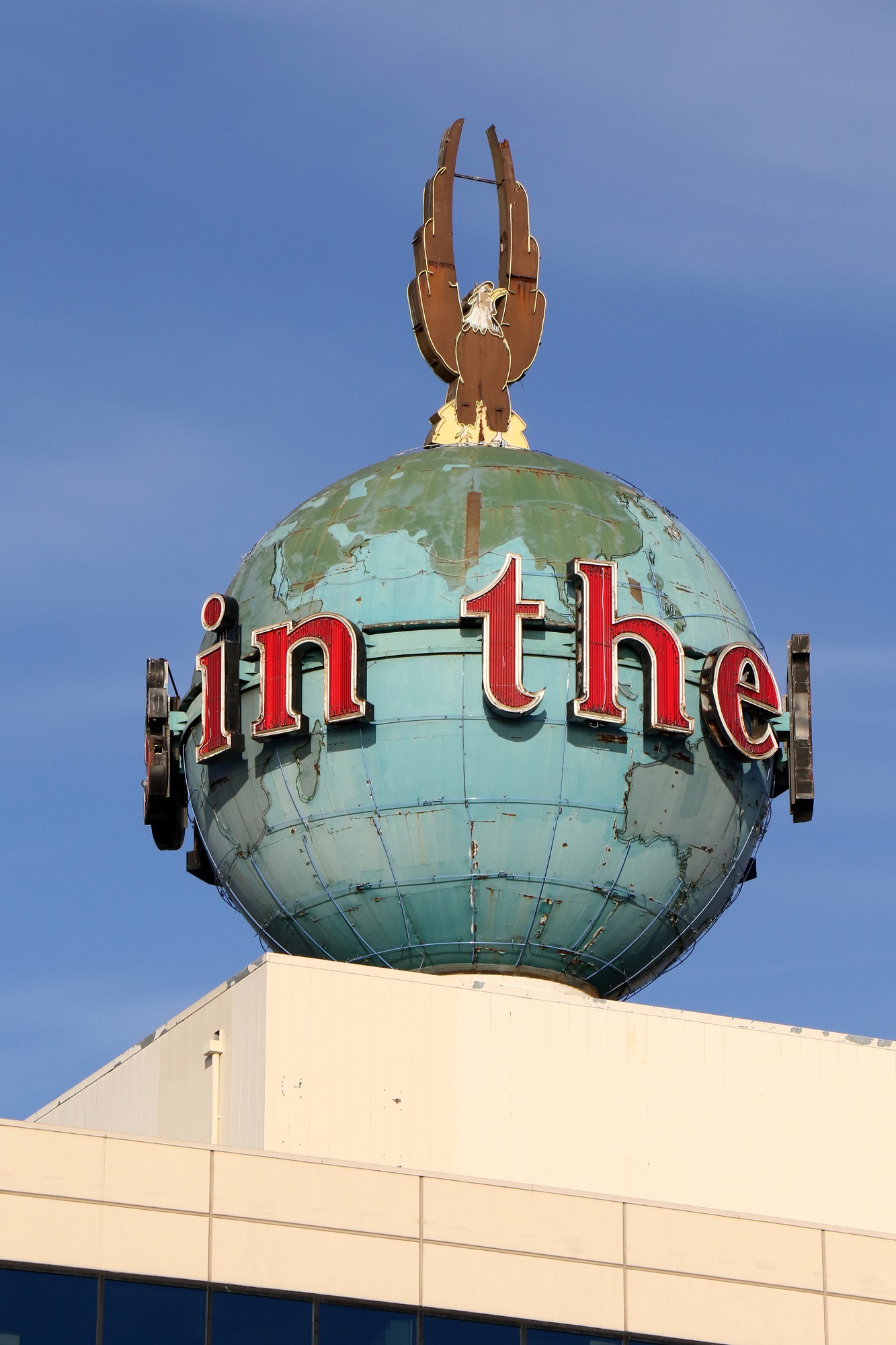
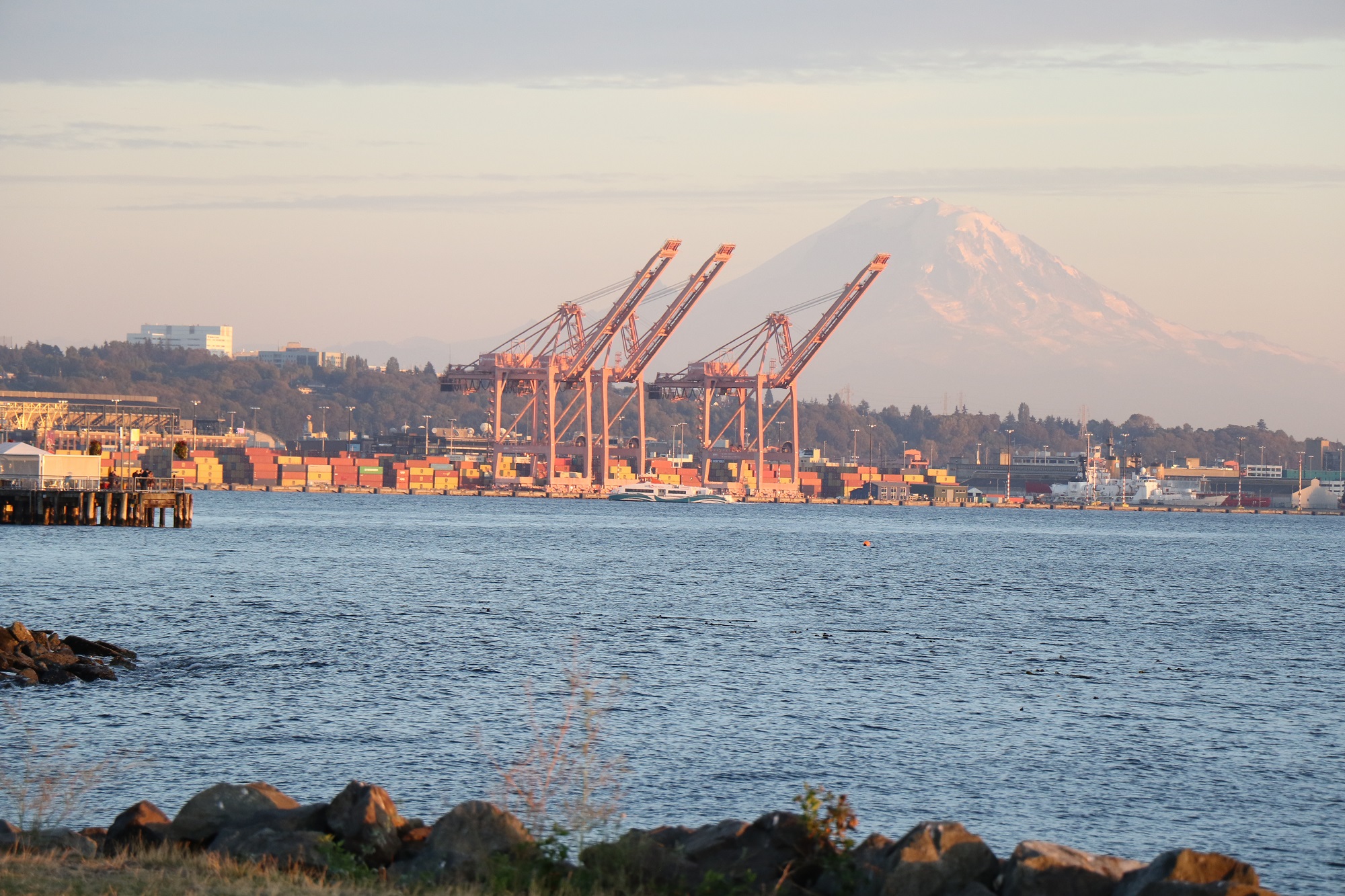
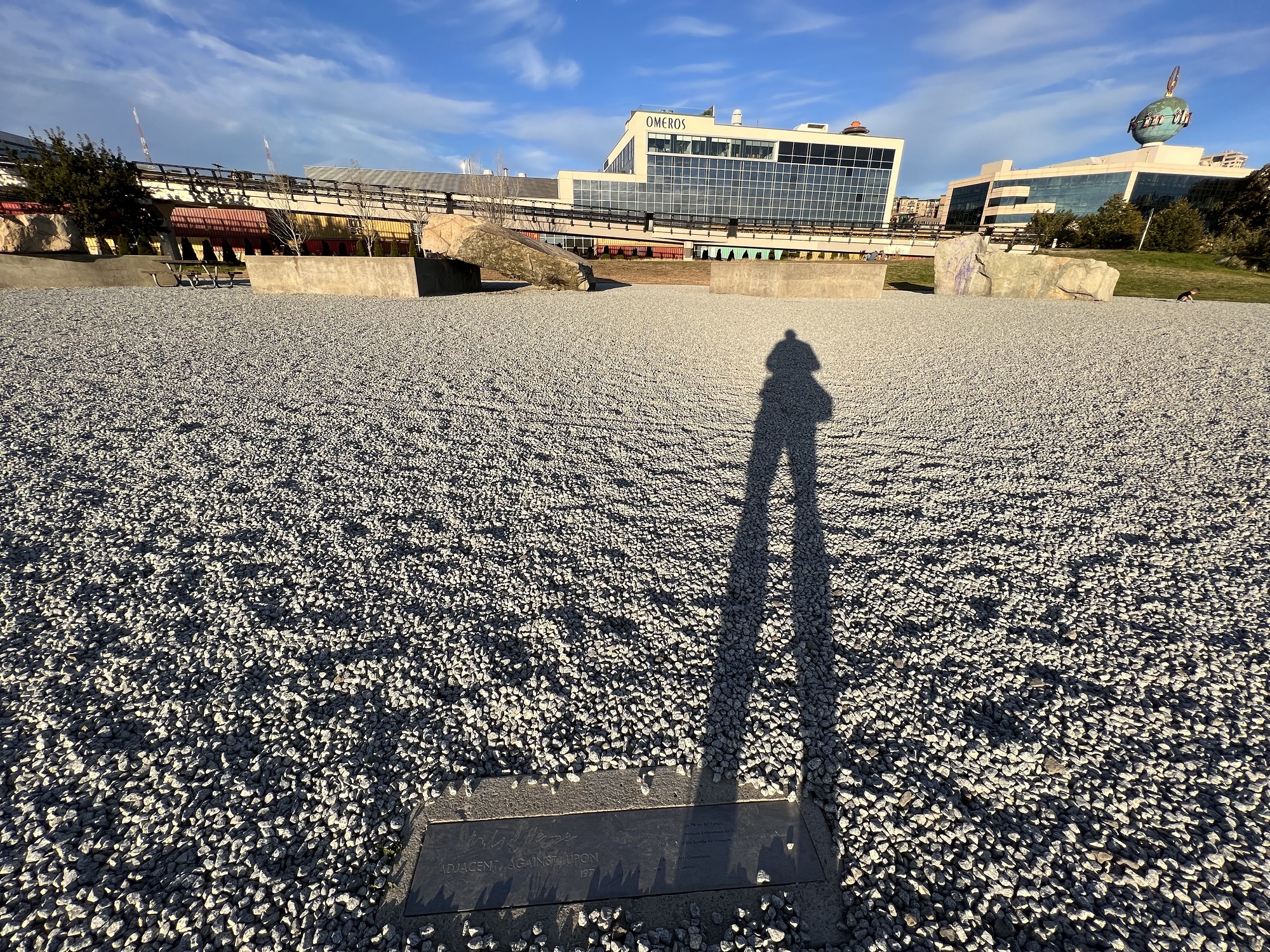
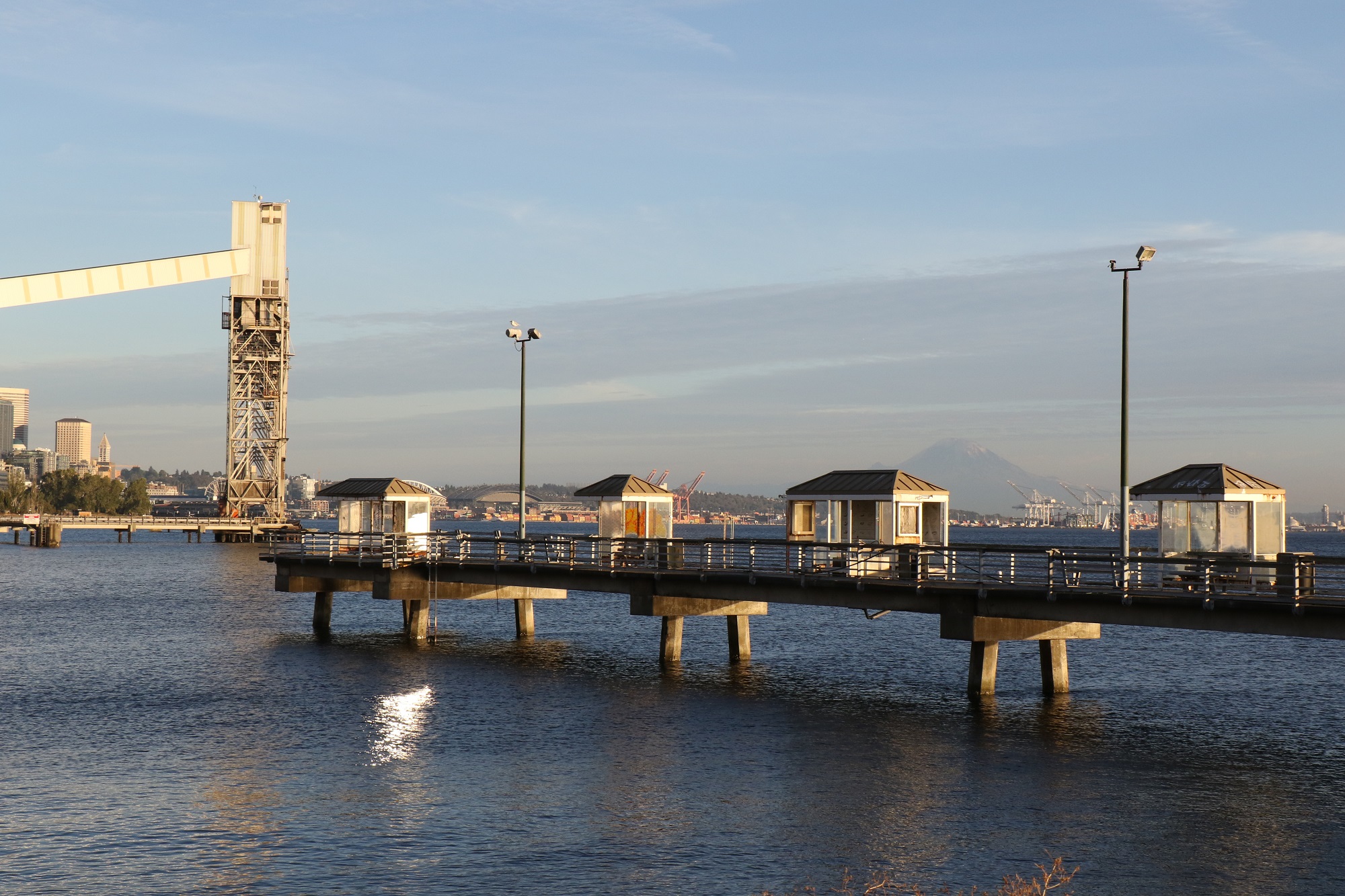
I watched all of the Laver Cup* doubles match today, Roger Federer’s last official match on the ATP tour.
Age catches up with all of us, and Federer turned 41 in August.
He will still be around to play in exhibition matches and to be an ambassador for the sport that he had graced for so long.
*Somewhat similar to golf’s Ryder Cup: Team Europe plays against Team World (which includes the USA). This is the 5th Laver Cup. Team Europe has won all four of the previous ties.

So that’s it: astronomical summer here in the North is over.
It turned out to be the driest one ever recorded at the Sea-Tac rain gauge.
Only 0.5 in. of rain fell for all of summer (usually more than 3 inches).
Rainfall is still well above normal for the calendar year, though.
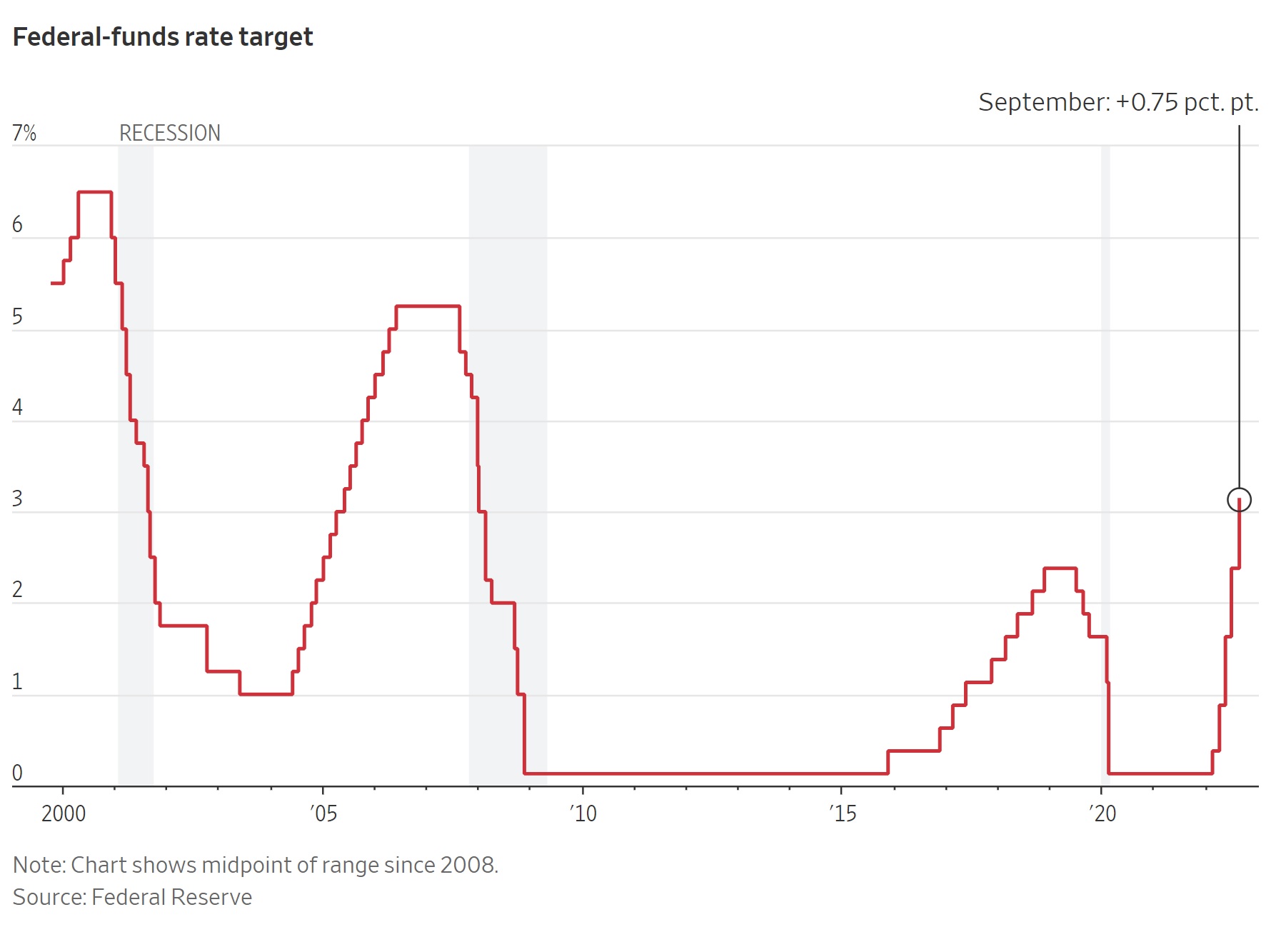
Fed officials voted unanimously to lift their benchmark federal-funds rate to a range between 3% and 3.25%, a level last seen in early 2008. Nearly all of them expect to raise rates to between 4% and 4.5% by the end of this year, according to new projections released Wednesday, which would call for sizable rate increases at policy meetings in November and December.
– The Wall Street Journal


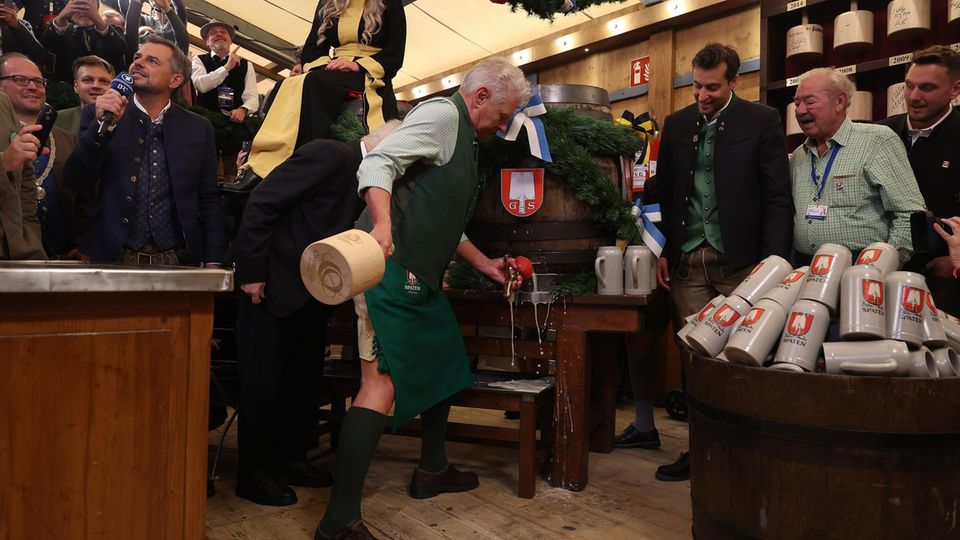
Hey! Oktoberfest is back.
The festivities kick off officially on the second to last Saturday in September at noon when the mayor of Munich taps the first barrel at the Schottenhamel Tent, crying O’zapft is!*
*Bavarian dialect for “Es ist angezapft” – literally meaning ‘It has been tapped’.
I found this Audi A6 four-door sedan by Cal Anderson Park this afternoon.
Don’t ask me how one would wash it, or clean it— but now I am sure I am being wa-ay too practical.

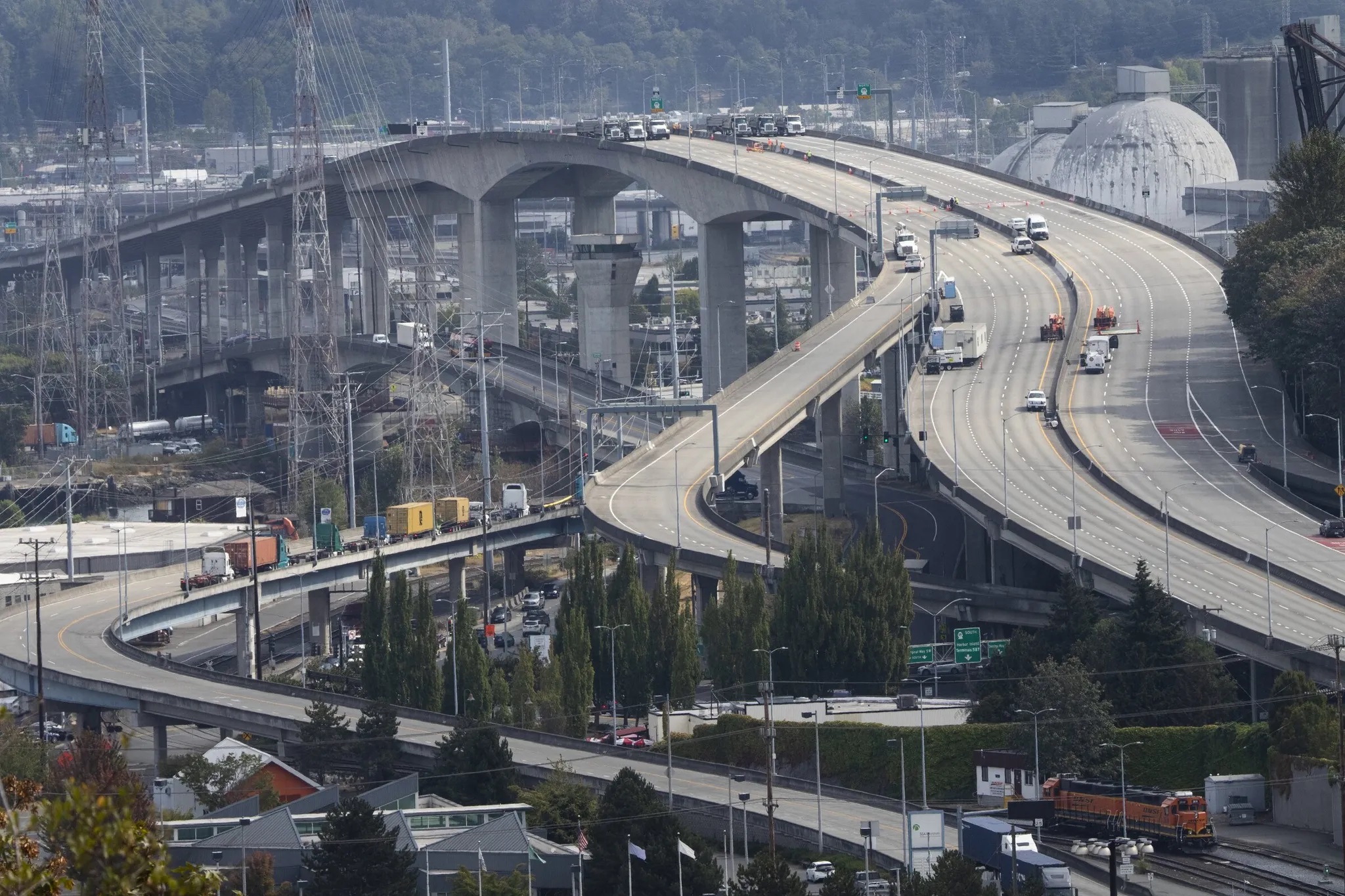
Yay! The West Seattle bridge is open.
From the Seattle Times:
SDOT closed the span March 23, 2020 because cracks discovered seven years earlier were beginning to accelerate at a dangerous pace, in four areas within the 150-foot-high central main span.
Stabilization and strengthening work, at a cost of up to $78 million, is expected to keep the concrete structure aloft until about 2060. And drivers will no longer need to make a six-mile detour that sometimes lasted 30 to 60 minutes, through the Duwamish River valley highways or streets.
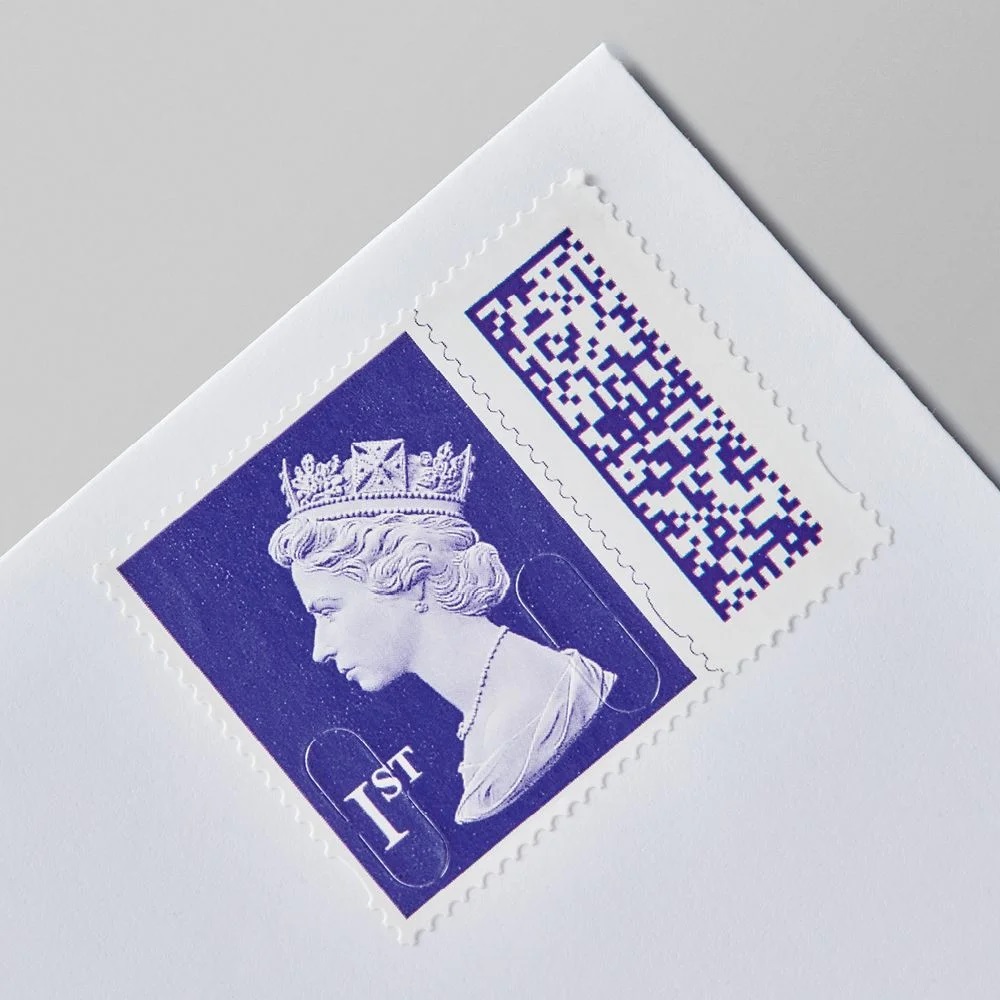
The Wall Street Journal reports that the wheels have been set in motion in the United Kingdom for a vast effort to (eventually) replace the 29 billion coins and 4.7 billion bank notes in circulation that are carrying the likeness of Her Majesty Queen Elizabeth II.
The same will be true for stamps. The current definitive series first class mail stamps for the Royal Mail in the United Kingdom all feature the queen.
The Royal Mail has been around forever— well, almost. It was founded 506 years ago in 1516.
Stamps are a more recent invention: the first ones were printed in 1840.
[Image from royalmail.com]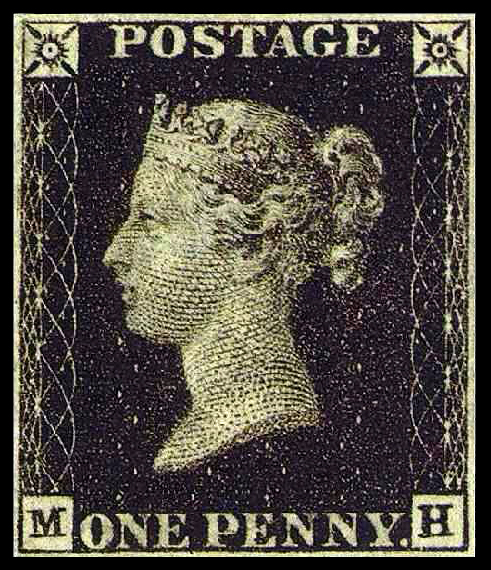
[From wikipedia.com]
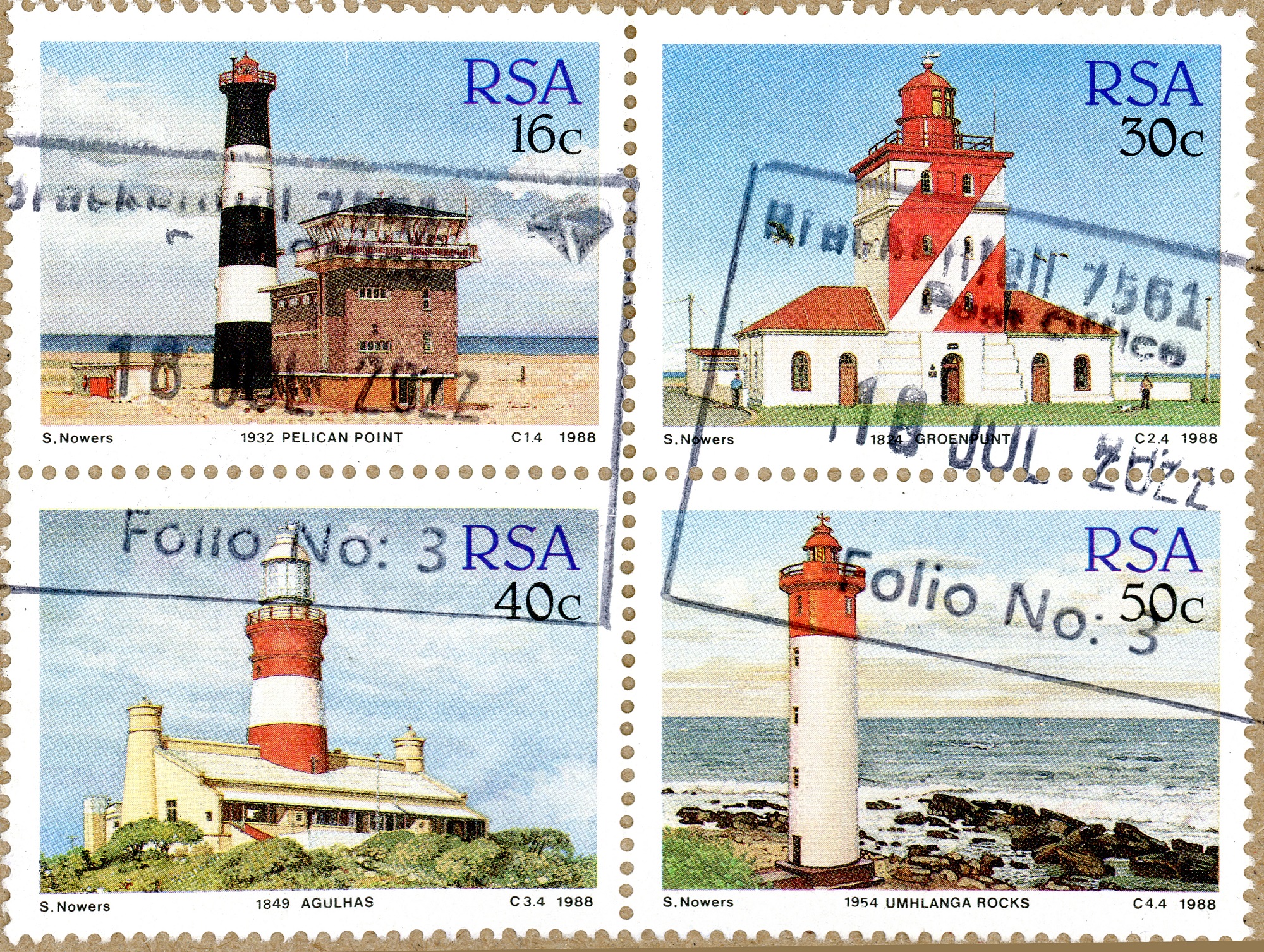
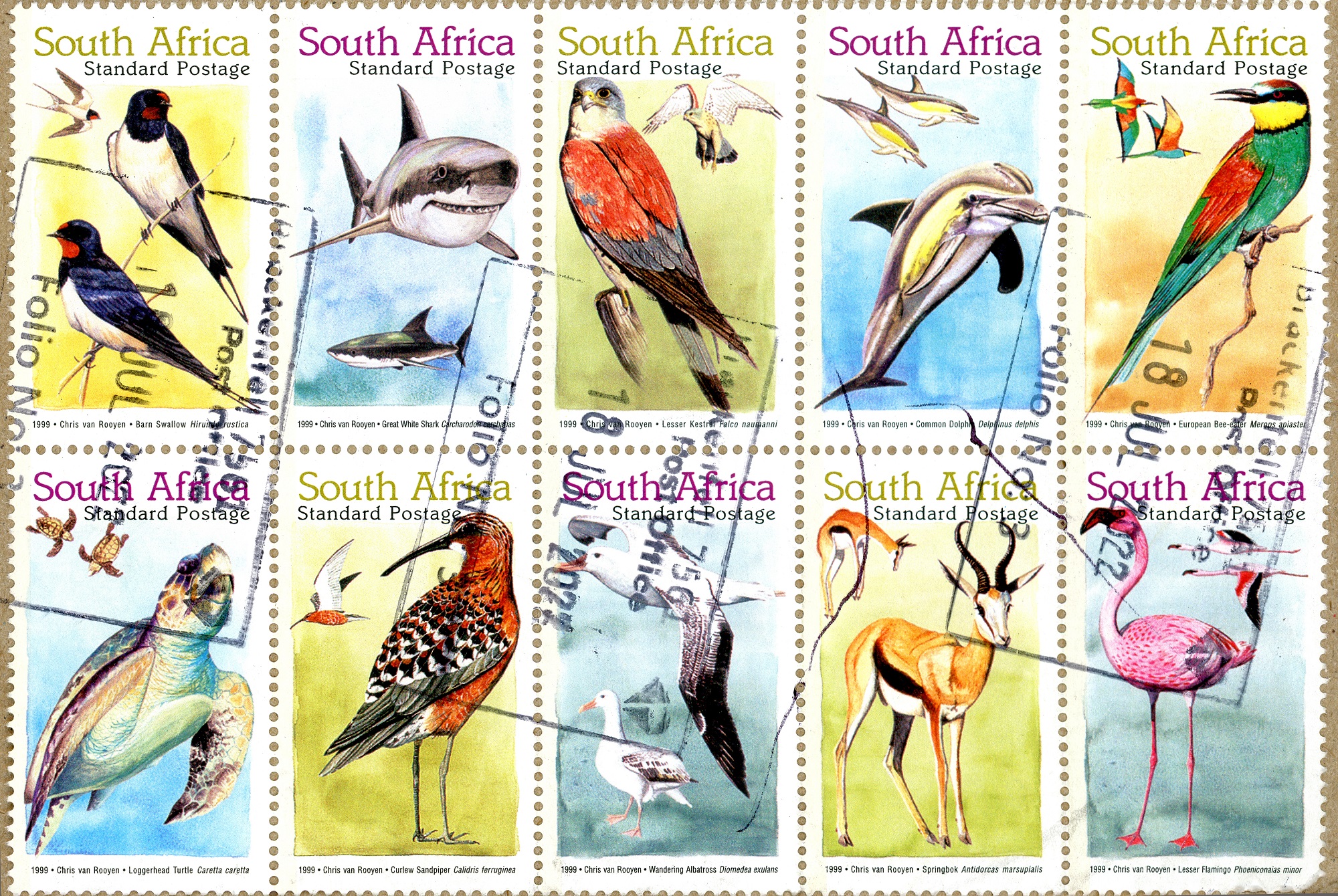
My shipment of stamps from a seller in South Africa that I had bought in July, arrived today— in a sturdy envelope covered with South African stamps.
(Very ‘meta’ to use stamps to send stamps .. and so much nicer than using a bland computer-generated postage paid label).