Happy Friday.
I have been keeping tabs on the Norwegian Sun every few days, ever since I had stepped off the ship eleven days ago.
She left the Falkland Islands yesterday and is headed for Punta del Este in Uruguay. She will arrive there on Sunday (the dotted line).
From there it is just over 90 nautical miles (about 100 miles) to the port of Buenos Aires in Argentina, for the completion of the 14-night sailing out of San Antonio, Chile.
Map and route of Norwegian Sun depicted by cruisemapper.com.
The 62 °F (16 °C) high of today here in the city was the highest recorded so far for January 29.
Maybe there will be several such days in a row, fifty Januaries from now.
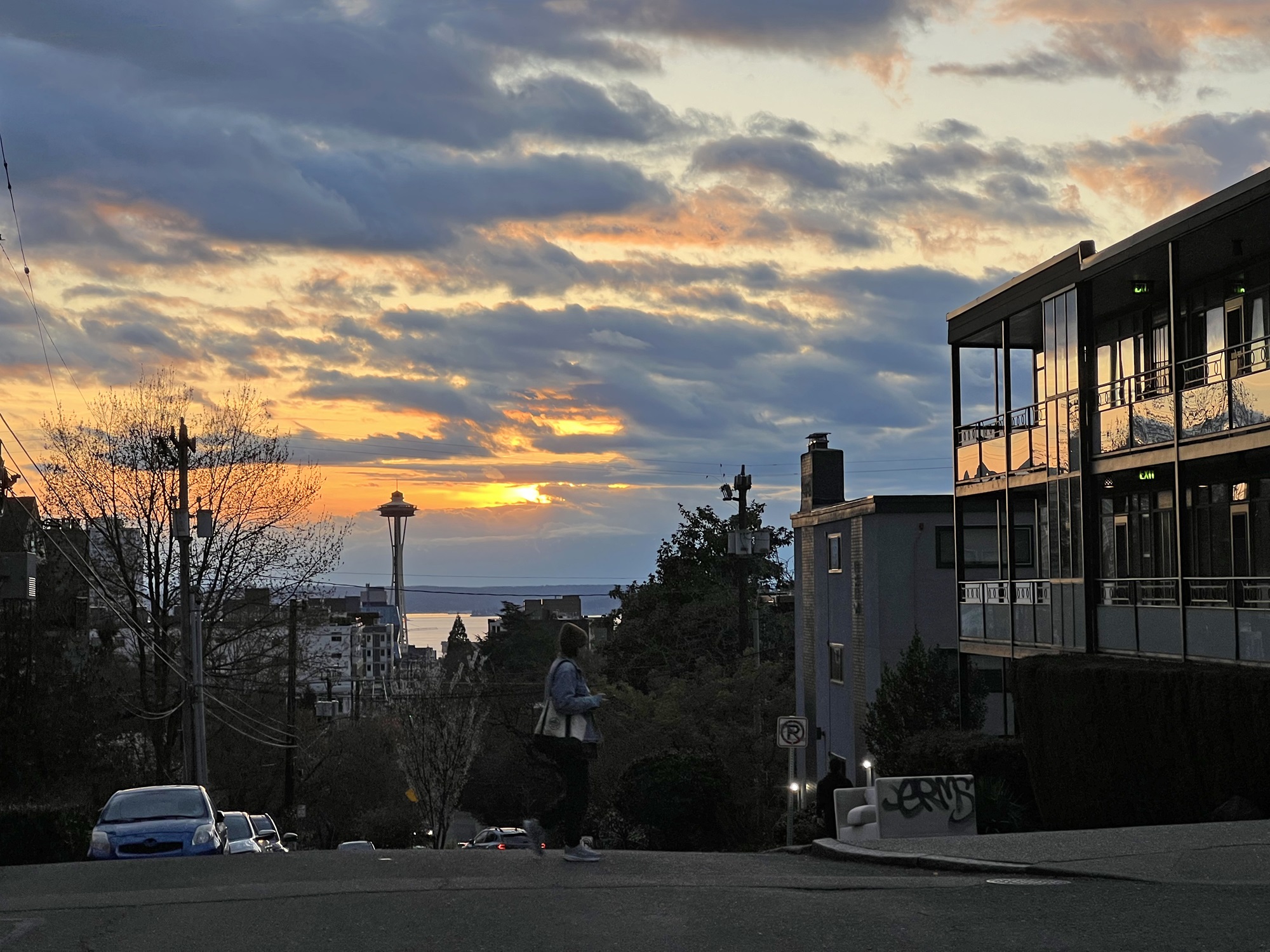
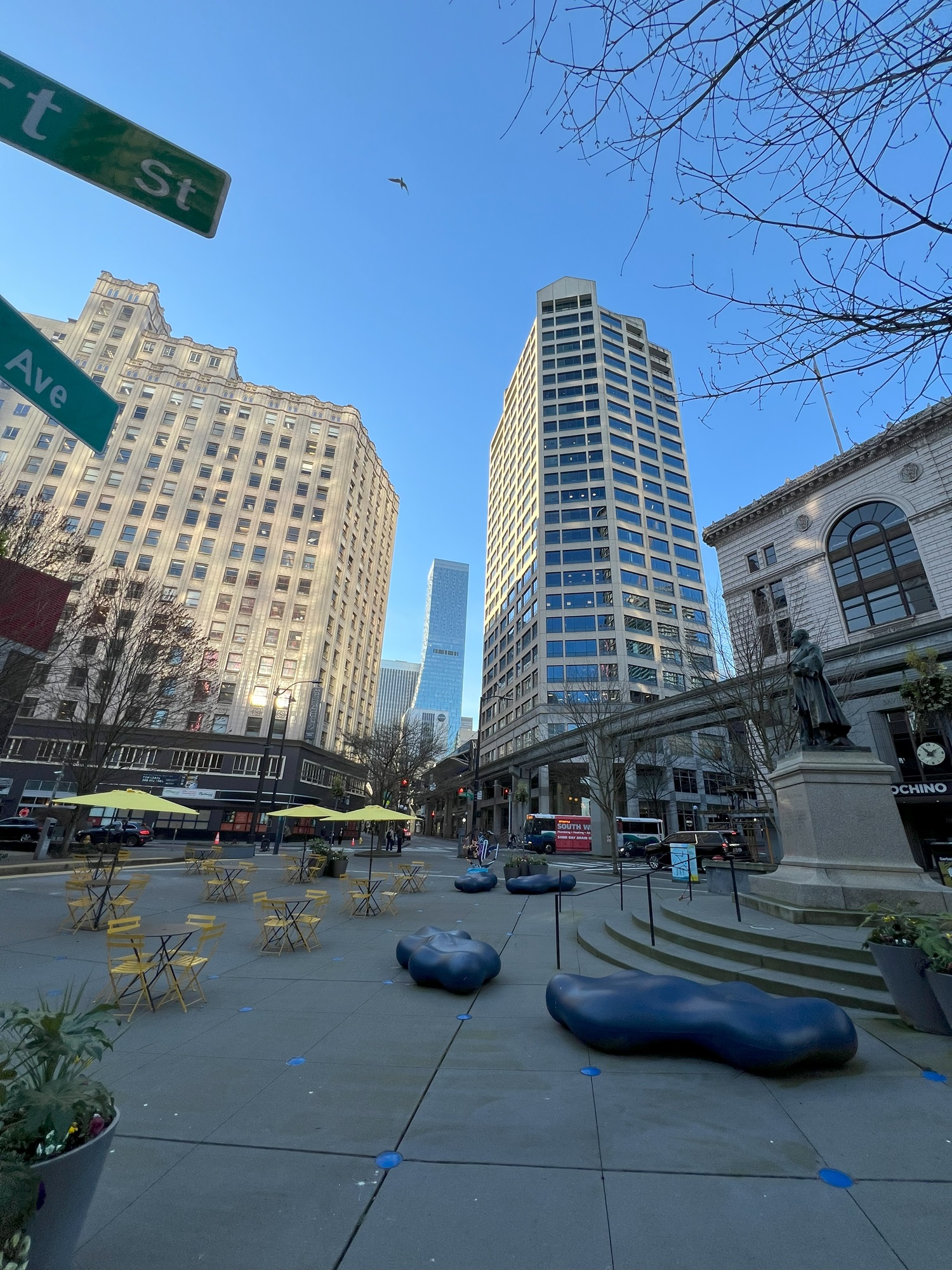
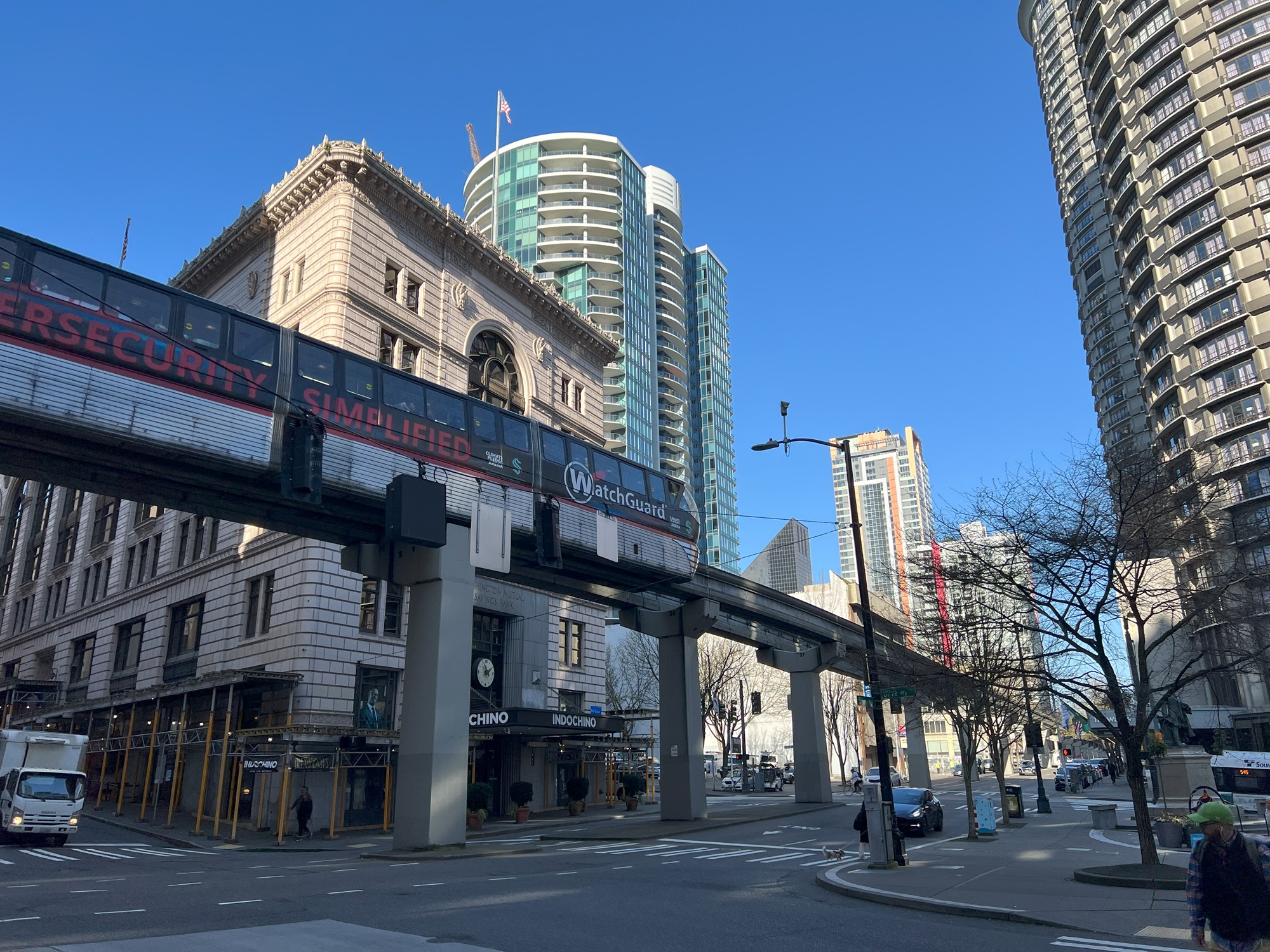
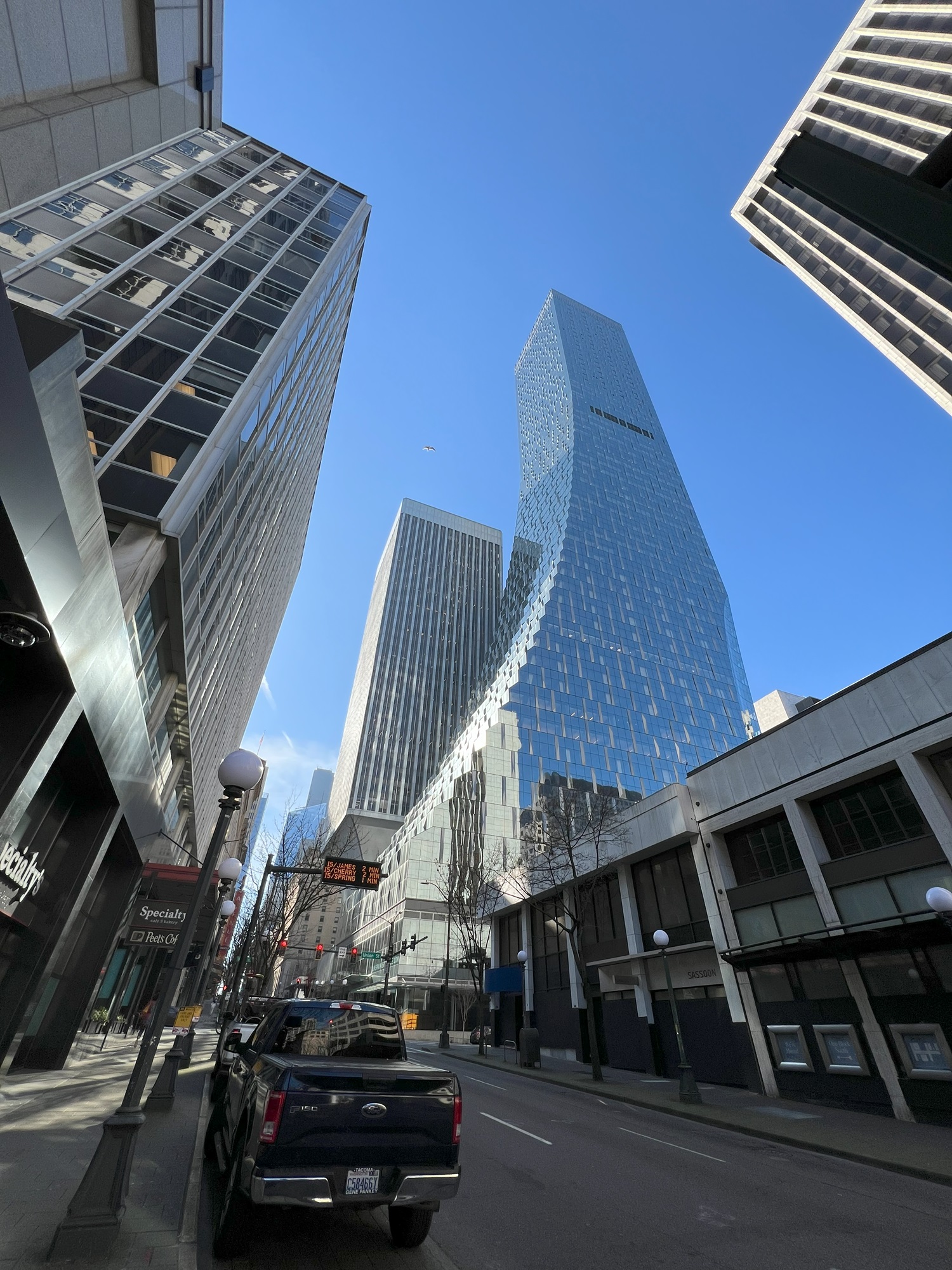
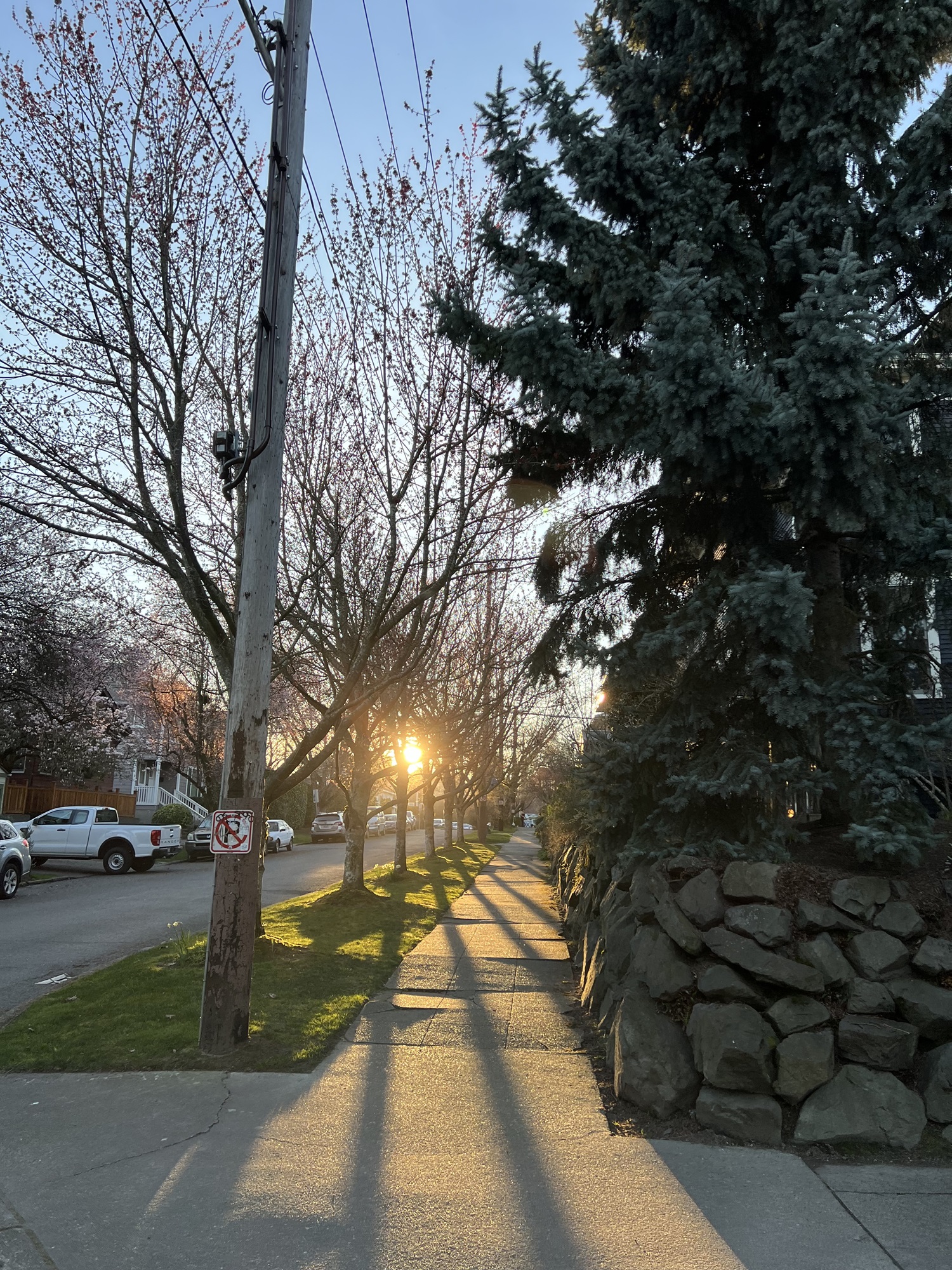
Here’s 4.40 pm at Republican and 11th Avenue. I’m walking down to the QFC grocery store on Broadway. I was so focused on the new construction that had mushroomed up from the ground during the time I was away, that I hardly noticed the new white Ford F-150 Lightning parked across it. (I was also in a hurry, knowing sunset is at 5 pm, and not wanting to walk back in the dark. Maybe I will go look for the Ford again tomorrow).
Congratulations to Jannik Sinner (Italian, 22), the 2024 Australian Open Men’s Singles champion. It’s his first Grand Slam title.
Sinner rallied back from two sets down, to outlast Daniil Medvedev 3-6, 3-6, 6-4, 6-4, 6-3. Medvedev was definitely the underdog, since he had lost his past three matches against Sinner.
Picture from the Australian Open website. The carrots are a nod to Sinner’s red-orange hair.
People film and wave from South Pointe Park, as Icon of the Seas, the world’s largest cruise ship, sails out of Port Miami on its first public cruise. [Image: Rebecca Blackwell/AP/picture alliance]The world’s largest cruise ship, Royal Caribbean’s Icon of the Seas, began its maiden journey on Saturday as it set sail from Port of Miami in the US. The vessel runs nearly 1,200 feet (365 meters) from bow to stern. The ship— which is embarking on a seven-day island-hopping tour through the tropics— was officially christened on Tuesday with help from soccer star Lionel Messi and his Inter Miami teammates.
The Icon was built over a period of 900 days at a shipyard in Turku, Finland. It comprises of 20 decks and can accommodate 7,600 passengers at maximum capacity and a crew of 2,350. There will be 50 musicians and comedians as well as a 16-piece orchestra on board as the ship goes on its sold-out inaugural voyage. The $2 billion (€1.84 billion) Icon features the latest technology and, despite its gigantic size, claims to be more eco-friendly than some smaller cruise ships. The Icon is powered by what the Royal Caribbean Group says is eco-friendly Liquefied Natural Gas (LNG). Some experts, however, say LNG systems can leak damaging amounts of methane gas into the atmosphere.
– Reporting by dw.com
Exactly 324 years ago today— on Jan. 26, 1700, at 9 pm— the Juan de Fuca plate slipped an average of 20 meters (66 ft) along a fault rupture about 1,000 kilometers (620 miles) long in the Pacific Ocean.
The magnitude 9 earthquake caused a tsunami which struck the west coast of North America and the coast of Japan.
Source: ‘The Orphan Tsunami of 1700’ by Brian F. Atwater, published in 2005
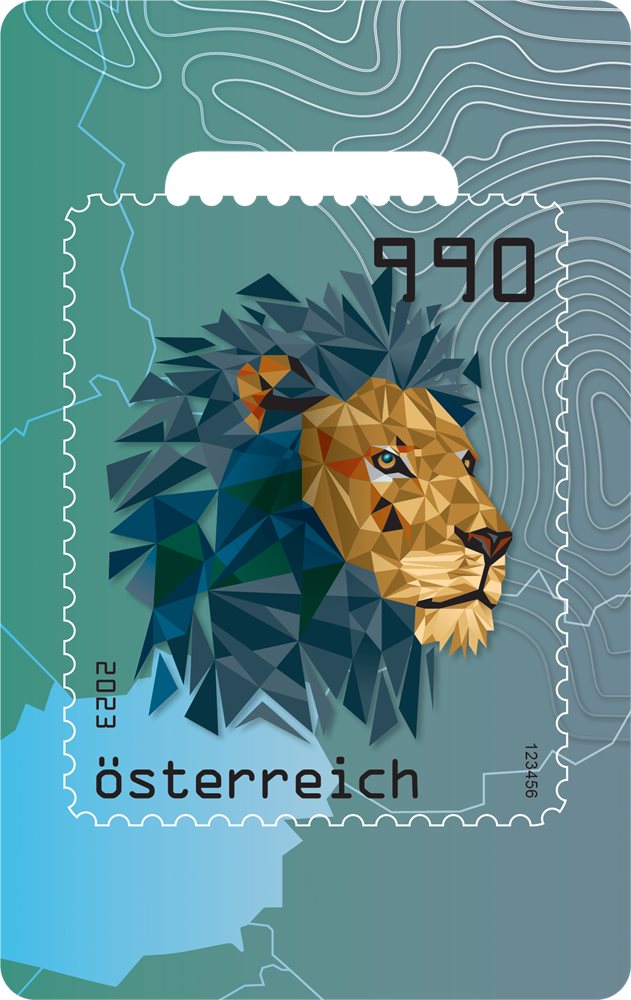
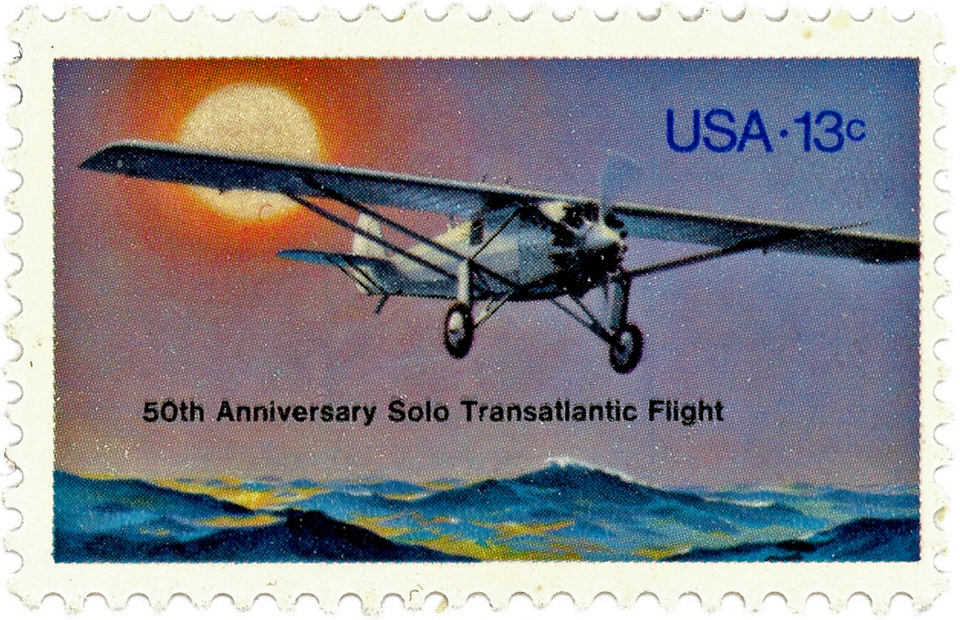
I have by now (inadvertently) compiled a mini-collection of cancelled stamps from Great Britain— from envelopes sent to me with South African stamps inside.
Here are stamps from an envelope that arrived today.
(Des Roundel, Litho De La Rue) 2004 (13 Jan – 16 Mar). Classic Locomotives. One side phosphor band (20p.) or two phosphor bands (others). Perf. 14 ½. 2417 1705 20p. greenish yellow, magenta, new blue, silver and black Dolgoch, Rheilffordd Talyllyn Railway, Gwynedd 2418 1706 28p. greenish yellow, magenta, new blue, silver and black CR Class 439, Bo’ness and Kinneil Railway, West Lothian 2420 1708 42p. greenish yellow, magenta, new blue, silver and black GWR Manor Class Bradley Manor, Severn Valley Railway, Worcestershire 2421 1708 47p. greenish yellow, magenta, new blue, silver and black SR West County Class Blackmoor Vale, Bluebell Railway, East Sussex [Source: Stanley Gibbons Great Britain Concise Stamp Catalogue 2009](Des Johnson Banks) 2007 (9 Jan). The Beatles. Album Covers. Two phosphor bands. Self-adhesive. Photo Walsall. Die-cut irregular perf. 13½-14½. 2690 1946 72p. greenish yellow, magenta, new blue, silver and black “Revolver” [Source: Stanley Gibbons Great Britain Concise Stamp Catalogue 2009]
It is ‘rough’ to return to real life after a 17-day cruise at sea as a pampered passenger.
First and foremost: after I turned the main water back on yesterday in my house, I found out that the severe cold snap of last week caused a pipe in my kitchen to rupture.
Then I had to actually make my bed this morning, get food for my empty fridge, make myself breakfast, lunch and dinner, and do my own laundry!
The flights that brought us home to Seattle went without incident.
It was 10 hours from Santiago to Dallas-Fort Worth, and then some 4 hours to Seattle.
On the way to Santiago International airport, just about 10 miles away from here.
It’s summer at 33° South in the Southern Hemisphere, and only a little snow is visible on the Andes Mountain Range in the distance, only some 50 miles away across the border with Argentina. The Andes Mountains form the longest continental mountain range on the planet.
Santiago’s Arturo Merino Benítez International Airport has two terminals: a domestic one and an international one. Santiago International is the longest non-stop destination for most European carriers including Iberia, Air France, and British Airways from their respective hubs in Madrid–Barajas Airport, Paris–Charles de Gaulle, and London–Heathrow Airport.Our flight from Santiago International to Dallas Fort Worth took us by Lima, Peru, across Mexico’s Yucatan peninsula.
We were late off the ship this morning due to a delay with the crew processing our luggage.
So we had to scramble to find a replacement driver that could take us around the area before we head out to Santiago airport for our red-eye flight out to Dallas.
It all worked out— we did a whirlwind road trip out to Valparaiso, to a restaurant with live music for lunch, to wine farm, another stop for pisco and beers, before we headed out for the airport.
We have just arrived at San Antonio, a port city, commune, and the capital of the San Antonio Province in the Valparaíso Region.
Alas— our journey at sea and around South America has come to an end.
The Norwegian Sun has just arrived at the port of San Antonio and we will disembark shortly.
We will take a long-haul red-eye flight from Santiago to Dallas at midnight, to catch the flight that will take us home to Seattle on Tuesday morning.
We arrived at the port city of Coquimbo this morning.
Our excursion today was a bus ride along the shoreline into the neighboring town of La Serena, followed by a drive inland to the commune of Vicuña (pop. 25,000).
The Monumental Lighthouse of La Serena (Faro Monumental de La Serena) is located on the beach at the Avenida del Mar of La Serena. It was built between 1950 and 1951 at the request of President Gabriel González Videla.The beautiful, parched landscape and cactuses, as seen from our bus on Route 41 on the way to Vicuña.Lush green vineyards in the Elqui Valley.We stopped by a pisco distillery on the way to Vicuña . Here is my sample of pisco sour, made from distilled muscatel grapes and lemon juice. Pisco is the national drink of Peru, but a version of it is made in Chile as well.Here is the municipal theater house in Vicuña.We were one of four buses full of cruise ship tourists had lunch at this restaurant. We had an empanada appetizer, followed by a large steak with rice and tomato salad, and papaya for dessert. Oh, and they served pisco and original Coca-Cola for drinks.Back in Coquimbo, for our final stop at a little tourist market next to this church.
Our next-to-last stop tomorrow morning will be the port city of Coquimbo in Chile’s Elqui Province, and located on the Pan-American Highway.
Norwegian Sun is making her way down south along the Chilean coast, and we crossed the Tropic of Capricorn* today.
*The Tropic of Capricorn lies 23° 26′ 22″ (23.4394°) south of the Equator and marks the most southerly latitude at which the sun can appear directly overhead at noon.
Our self-directed excursion into Arica this morning took us up the steep path to the top of the hill called Morro Arrica.
At the top there is an enormous Chilean flag, a museum and a statue called Christ of the Peace (a reference to the Treaty of Lima in 1929 that settled lingering territorial disputes between Peru and Chile).
Morro de Arica is 139 m (459 ft) above sea level. It was the last bulwark of defense for the Peruvian troops who garrisoned the city during the War of the Pacific (1879–1883). Morro de Arica was assaulted and captured on June 7, 1880, by Chilean troops in the last part of the Tacna and Arica campaign.The Gothic San Marcos Cathedral dates from 1876 was designed by none other than the French architect Gustave Eiffel.We are now making our way up to the staircase that run op Morro de Arica. This is the consulate for Peru in Arica.Mural art at the corner of Cristobal Colon and Morro Street.More eye-catching mural art nearby.A view of the city from halfway up the staircase to the top of Morro de Arica.There is a giant Chilean flag at the top of Morro de Arica.Looking down at the cruise terminal with Norwegian Sun, Silver Nova and an assortment of fishing boats, presumably.Cristo de la Paz Statue at the top of Morro de Arica. Long after the War of the Pacific ended in 1883, the lingering territorial disputes between Peru and Chile were finally settled by the Treaty of Lima in 1929. In this Tacna-Arica compromise, the city of Arica officially became the northernmost point of Chile. As part of this sign of peace, the Cristo de la Paz statue was designed by Raul Valdivieso in 1987 and then erected in 1999 on Morro de Arica, the scene of the crushing Peruvian defeat in 1880. Also called the Cristo de la Concordia, this steel and bronze statue stands 36 feet on a concrete pedestal. The outstretched hands of Christ measure 33 ft across. [From encirclephotos.com]Downtown Arica.A compact fire station in downtown Arica.The administrative building of the Ferrocarril De Arica a La Paz railway was declared a national monument in 1990. There is a flea market of sorts on the promenade that runs in front of it.We found this white hibiscus in a park in downtown Arica.As we returned to the ship, there was live entertainment from a band and dancers— decked out in festive traditional Chilean costumes.
Norwegian Sun sailed further along the Peruvian coast today, heading for the port town of Arica in Chile.
The Norwegian Sun continued her journey along the Peruvian coast towards Chile today. That’s the Silver Nova from the Silversea luxury cruise line out at sea with us.
We should reach Arica— just south of the border with Peru— early in the morning.
We arrived at the cruise terminal on the Paracas peninsula near Pisco this morning at 7 am.
Our excursion was to nearby Paracas National Reserve, an area with protected desert and marine ecosystems.
Most of the area is a moonscape with no vegetation.
It is really part of the Atacama Desert— the driest nonpolar desert in the world.
At our first stop there was a trail with an overlook to Supay Beach.Please do not collect fossils (of shells imbedded in stones).Here is Supay Beach.The rocky outcrop on the left full of seabirds and guano is called La Cátedral (The Cathedral).This stop in Paracas National Reserve provided a great view of Playa Roja (Red Beach).Looking in the other direction, one can see dunes and the soft pastel colors of the sand and the soil.This beach is called Playa La Mina Pisco.
The blackish oystercatcher is a species of wading bird in the oystercatcher family Haematopodidae. It is found in Argentina, Chile, the Falkland Islands and Peru, and is a vagrant to Uruguay. [Wikipedia] I caught this one digging a little crab out of the sand at the edge of the surf.The grey gull, also known as garuma gull, is a medium-sized gull native to South America. Unusual among gulls, it breeds inland in the extremely dry Atacama Desert in northern Chile, although it is present as a non-breeding bird along much of the Pacific coast of South America. [Wikipedia]
These little gray geckos scurry along on the dry seaweed. I have a little research to do to find out the name of the specie.Almost time to leave Pisco, at about 5 pm this afternoon. The anchoring ropes are still in place but the dock workers are standing by to loosen them. Here is where we were at about 8 o’clock tonight: leaving the shores of Peru behind and sailing south towards the coast of Chile.
Today’s excursion into Lima took us to Lima Main Square (Plaza de Armas) with the Lima Cathedral just adjacent to it.
We also stopped by the Basilica and Convent of Santo Domingo.
On the way back to Callao and the cruise terminal, we stopped at the Parque Domodossola in Miraflores for a look at the Pacific Ocean and the playas (beaches) below.
Colorful housing in Callao. We again drove through Callao (where the cruise terminal is) to get to central Lima.There are lots of street vendors to be seen in Callao, but also on the city streets in Lima.Lima Main Square (Plaza de Armas). Unfortunately we could not really walk around the square since preparations are underway for a major celebration.The Municipal Palace of Lima building that borders the square. The ornate wooden window frame is made from wood from Central America.Inside Lima Cathedral that also borders the main square. It is a Roman Catholic cathedral. This third and current Cathedral of Lima was built between 1602 and 1797.Several very ornate and Baroque-style altars are found in coves inside the church. This is of Mary Magdalene holding a golden rose.The bones of Francisco Pizarro are interred in the Lima Cathedral. Pizarro, Marquess of the Atabillos, was a Spanish conquistador, best known for his expeditions that led to the Spanish conquest of the Inca Empire. Born in Trujillo, Spain to a poor family, Pizarro chose to pursue fortune and adventure in the New World. He was assassinated in 1541 by Spanish soldiers. [Wikipedia]This is a beautiful and historic private house a stone’s throw away from the square that we toured. I did not write down the name of the family that owns it.Inside the Basilica and Convent of Santo Domingo.Looking towards the south from Parque Domodossola .. .. and looking north.Another viewpoint from the park, showing the cliffs along the shore. Peru lies outside the infamous ‘Ring of Fire’ series of fault lines, and do get earthquakes and tsunamis from time to time.
We arrived in Lima* this morning, and for our excursion we visited two museums. (We will go and see the city tomorrow).
Museo Oro del Peru, a private collection assembled by Miguel Mujica Gallo, contains a wide assortment of pre-Columbian gold handicraft, weapons, ceremonial objects, jewelry and gold from both the Incas and pre-Inca civilizations.
The Larco Museum is a privately owned museum of pre-Columbian art, located in the Pueblo Libre District of Lima, Peru.
*Technically we arrived in Callao. Lima right next to Callao is a sprawling city of 11 million people with 43 districts.
The view from Norwegian Sun’s top deck as we arrived at the port of Callao at 7.30 am this morning.Our tour guide Alex beckoning for us to come inside, at the entrance of the Museo Oro.Golden earrings with incredible detail.Mask of gold and turqoise, with cinnabar traces. Culture: Lambayeque (700-1350 dC) north coast of Peru.Decorative clay pot, Chincha (1100-1450 dC)Embroidery. I didn’t make a note of the date or origin.There is art everywhere inside the gates of the Museo Oro del Peru. I love the llama.The following pieces are all from the Larco Museum. This is a ceremonial bowl of gold, Chimu. Imperial Epoch (800 AD-1300 AD).Chimu Idol. Imperial Epoch (1300 AD-1532 AD).Another Chimu Idol. Imperial Epoch (1300 AD-1532 AD).