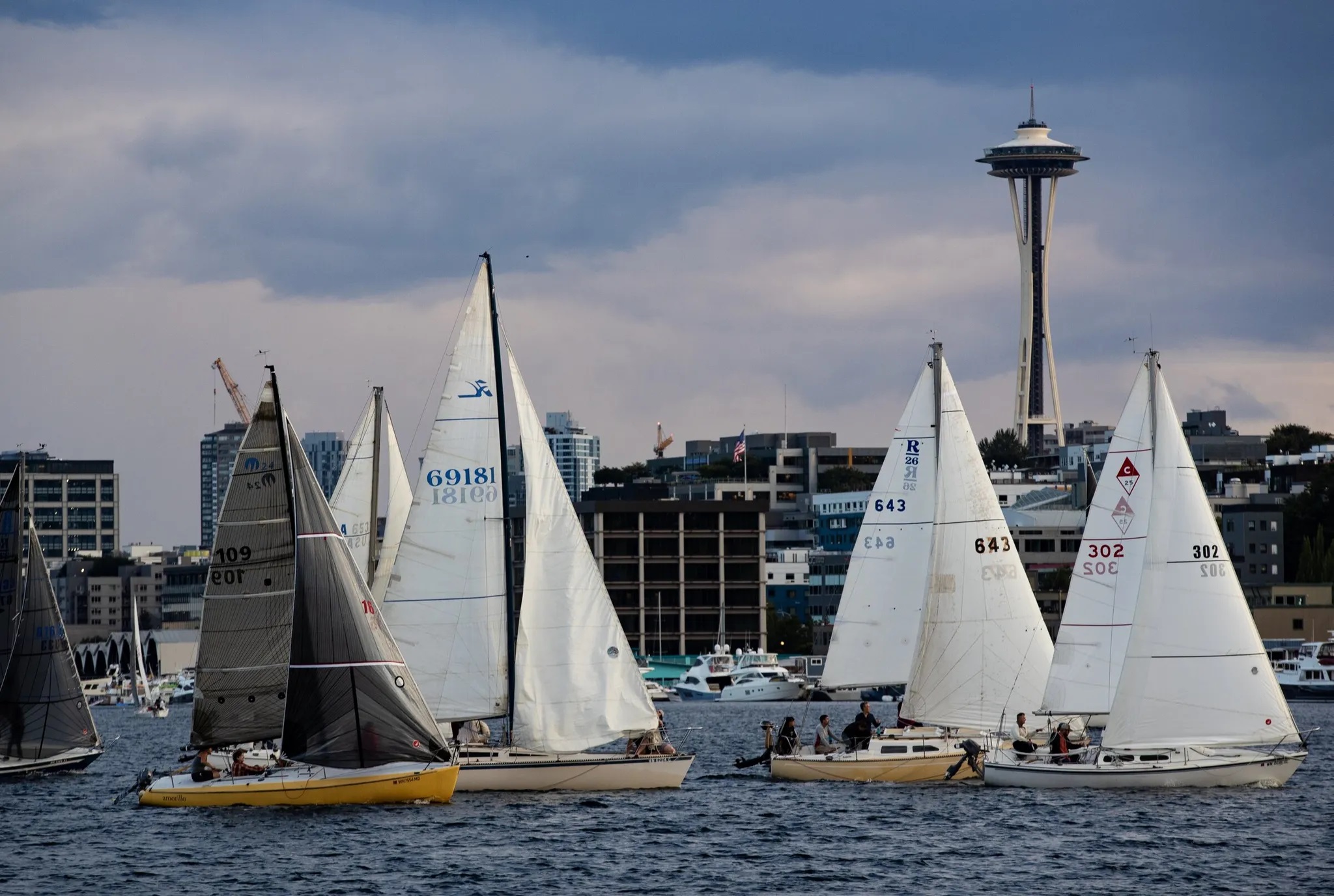
It was a pleasant winter’s day here in the city with sunshine, blue skies and a high of 56°F (13 °C).
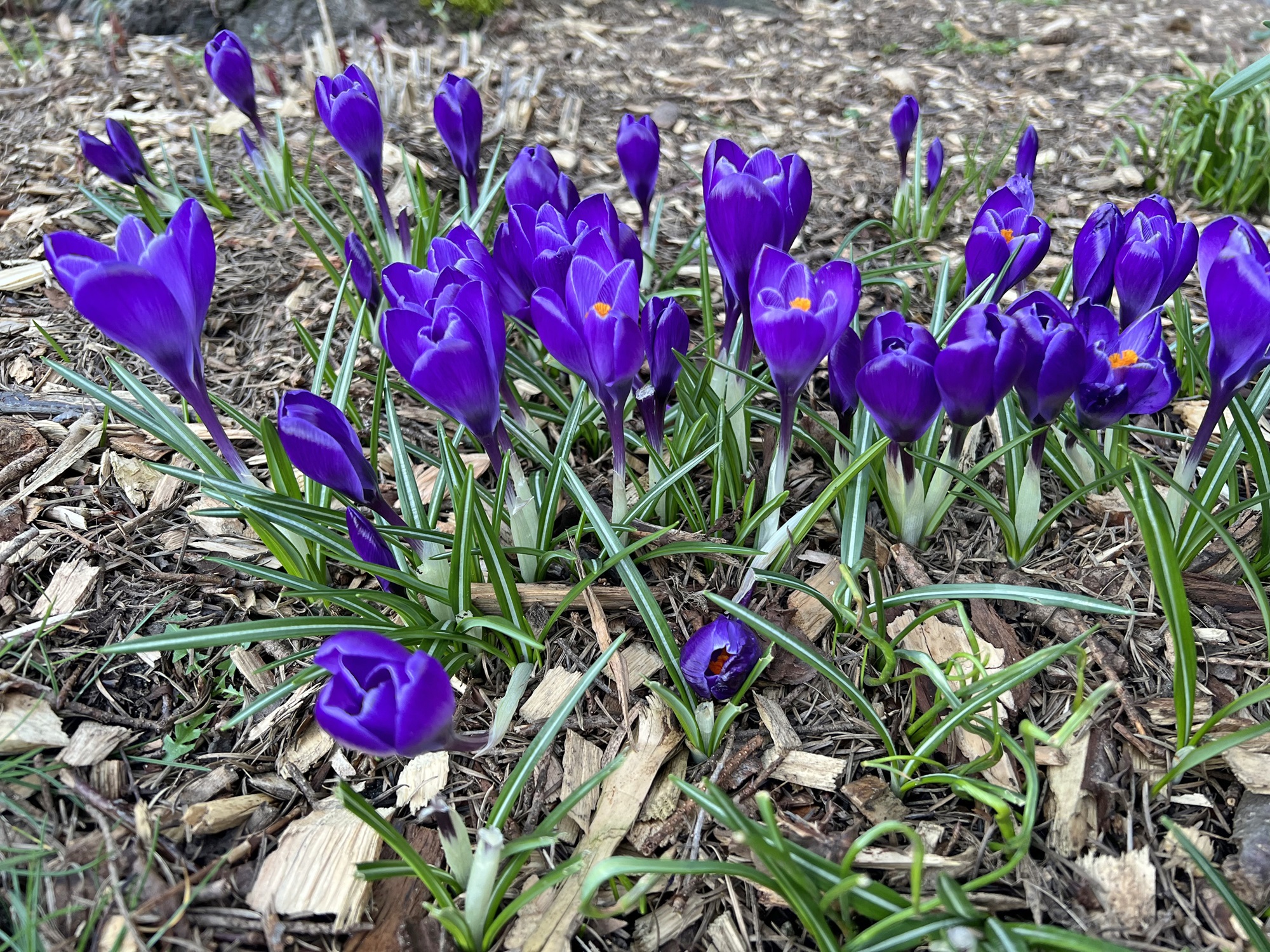
a weblog of whereabouts & interests, since 2010
It was a pleasant winter’s day here in the city with sunshine, blue skies and a high of 56°F (13 °C).
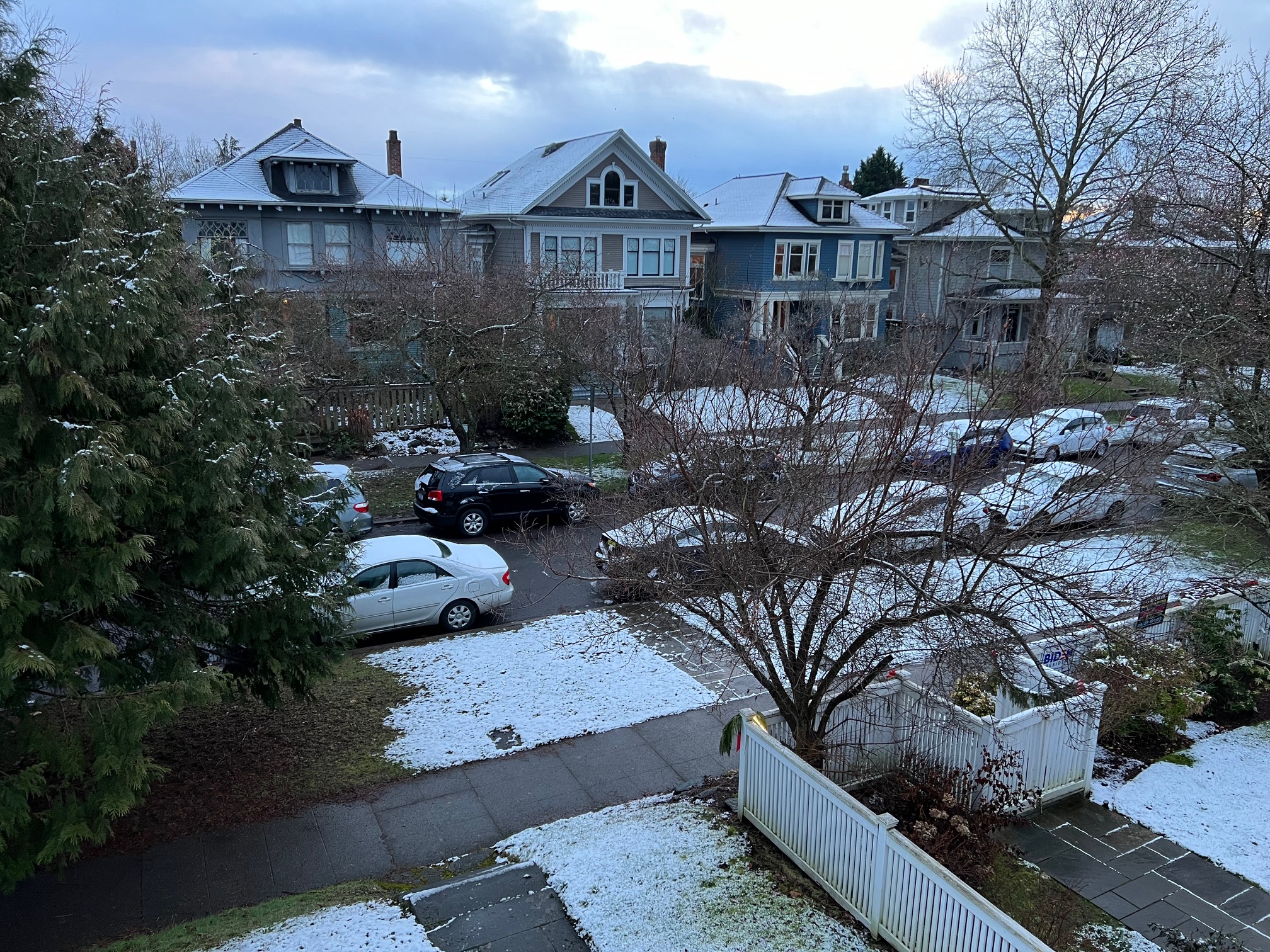
There was a little snow on the ground here in the city this morning.
The day’s high of 43 °F (6 °C) was good enough to melt most of it, though.
This weekend brought terrible news out of Viña del Mar, just a stone’s throw from where had been in Valparaiso, two weeks ago.
The reporting below is from Associated Press.

The 62 °F (16 °C) high of today here in the city was the highest recorded so far for January 29.
Maybe there will be several such days in a row, fifty Januaries from now.

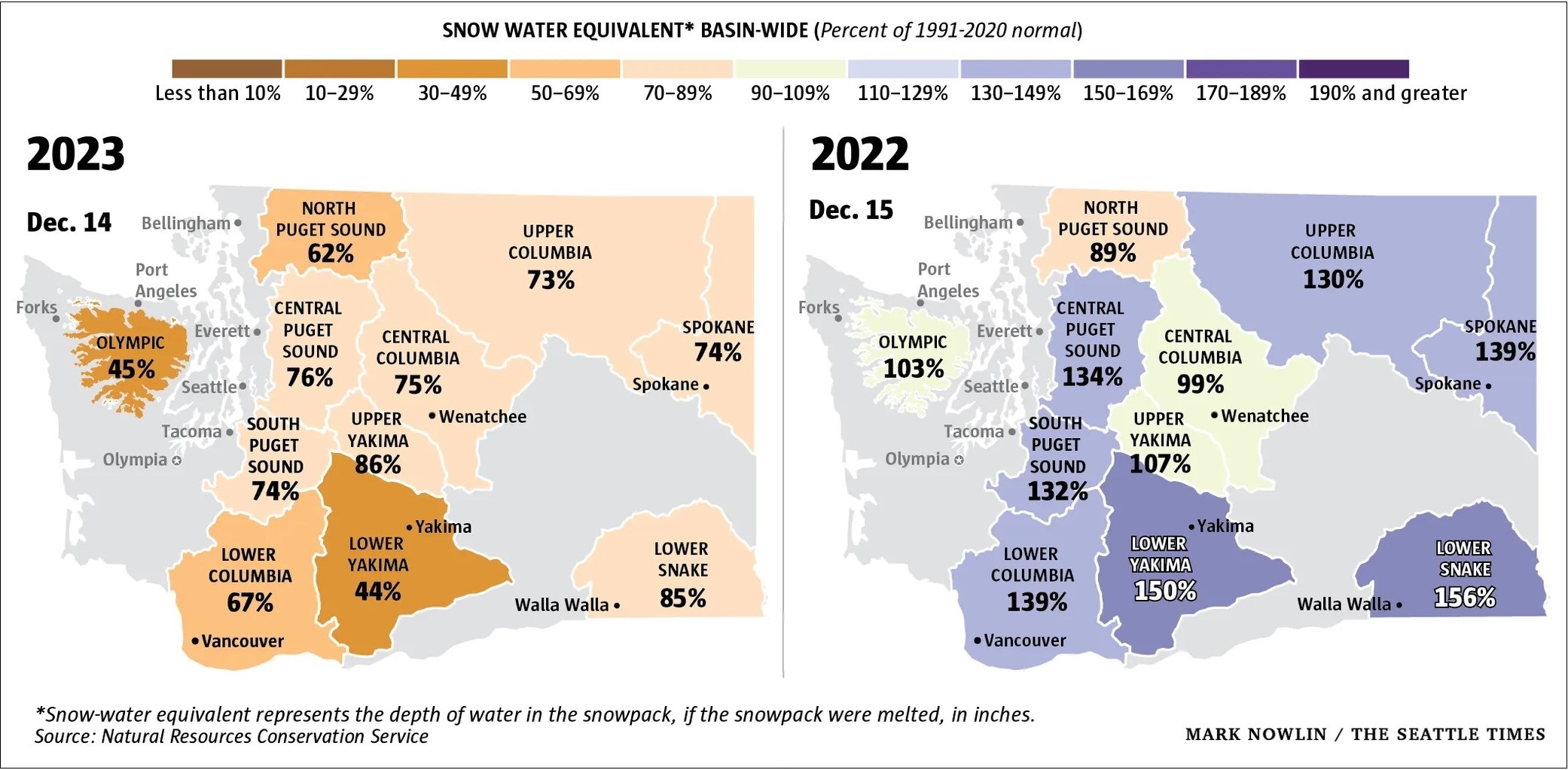
‘The first 10 days of December saw a series of atmospheric rivers flow into Washington and western Oregon, bringing record-breaking rainfall and above-freezing temperatures which further reduced what little snowpack there was’.
– Mark Knowlin writing in the Seattle Times.
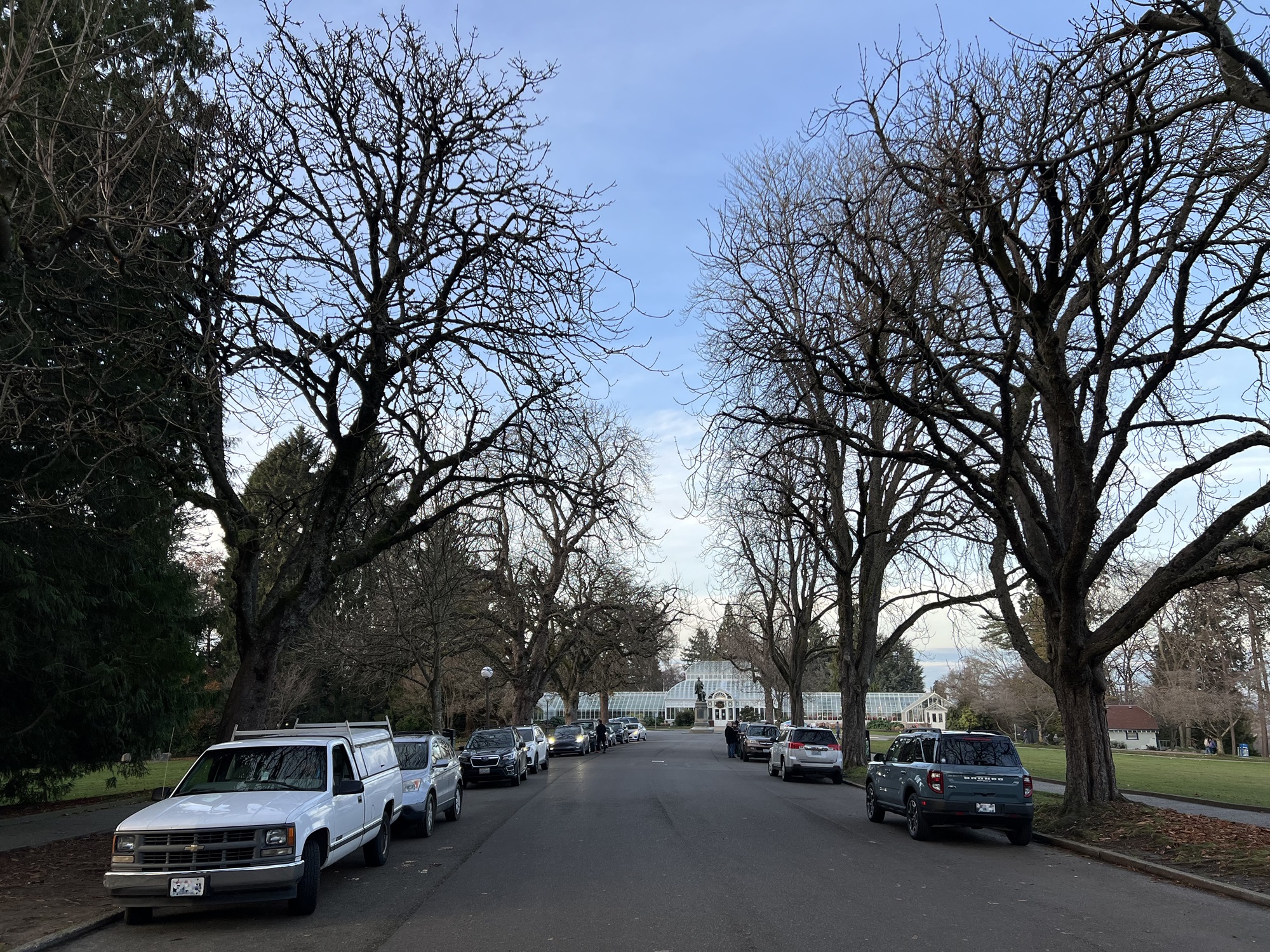
There were blue skies, but not too much sun, here in the city today.
The high was 49°F (9°C).
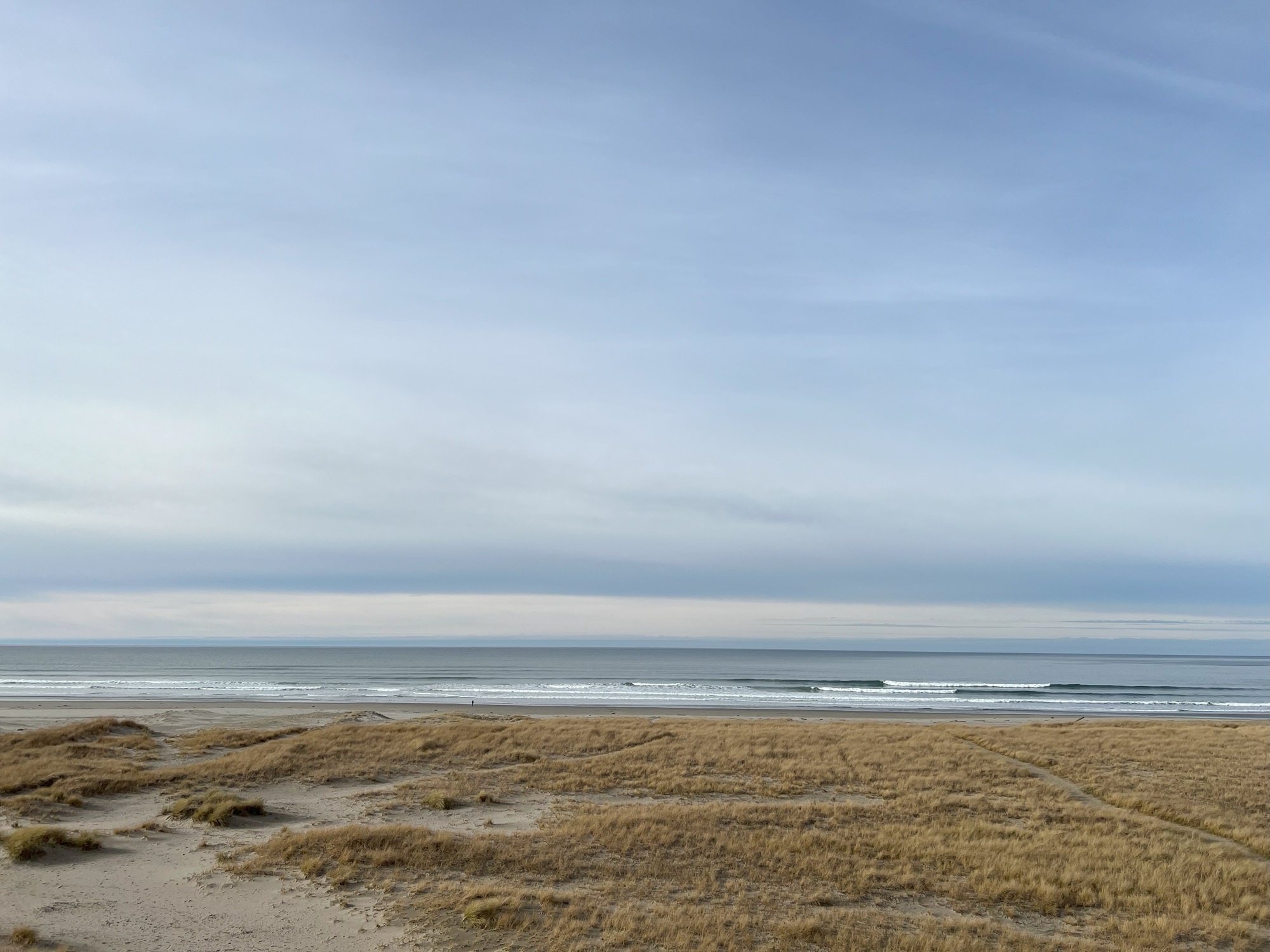
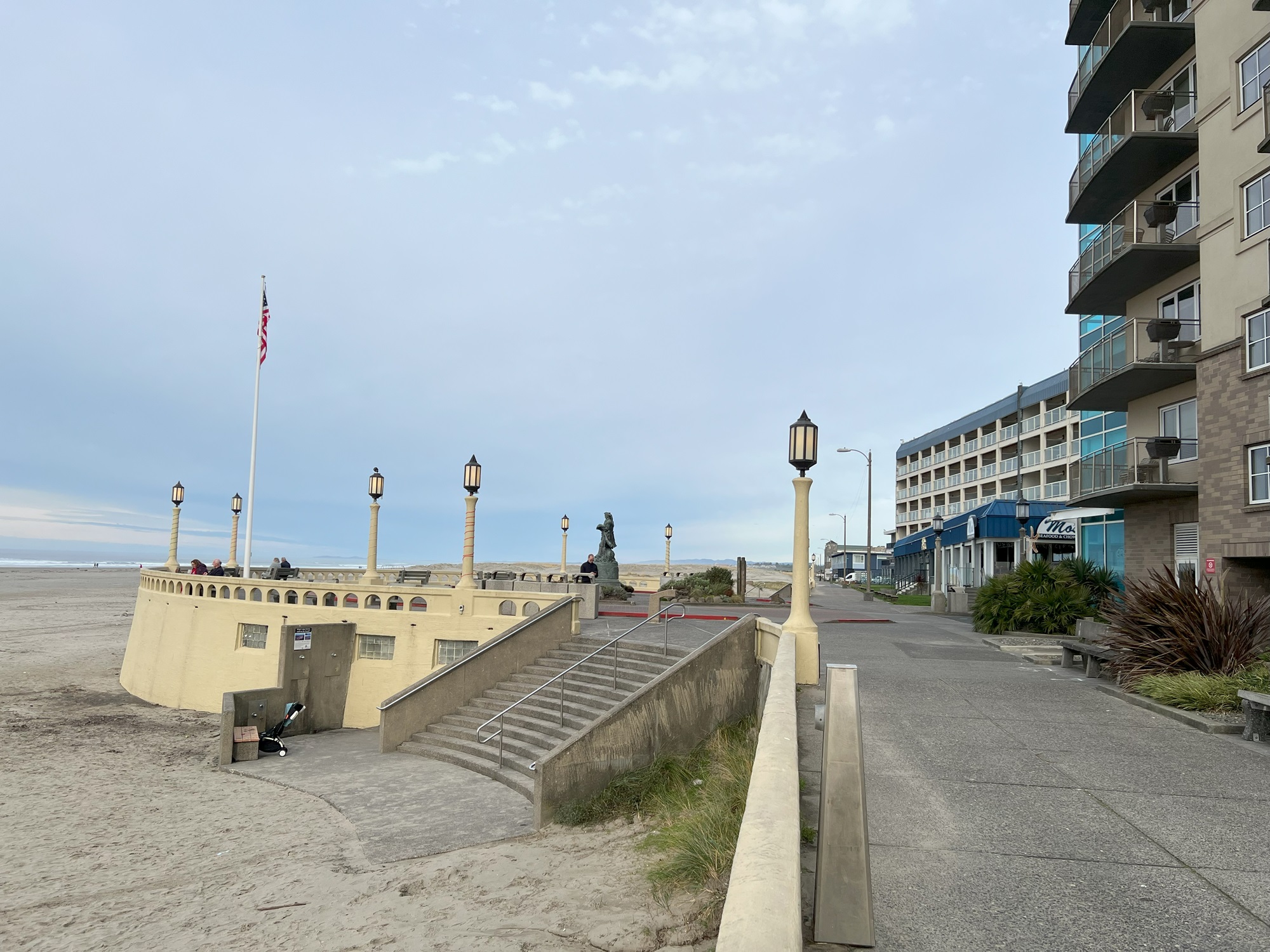
Wednesday was clear and quiet, but there was rain on Thursday morning in Seaside as we packed up and headed home to Seattle.
Pictures:
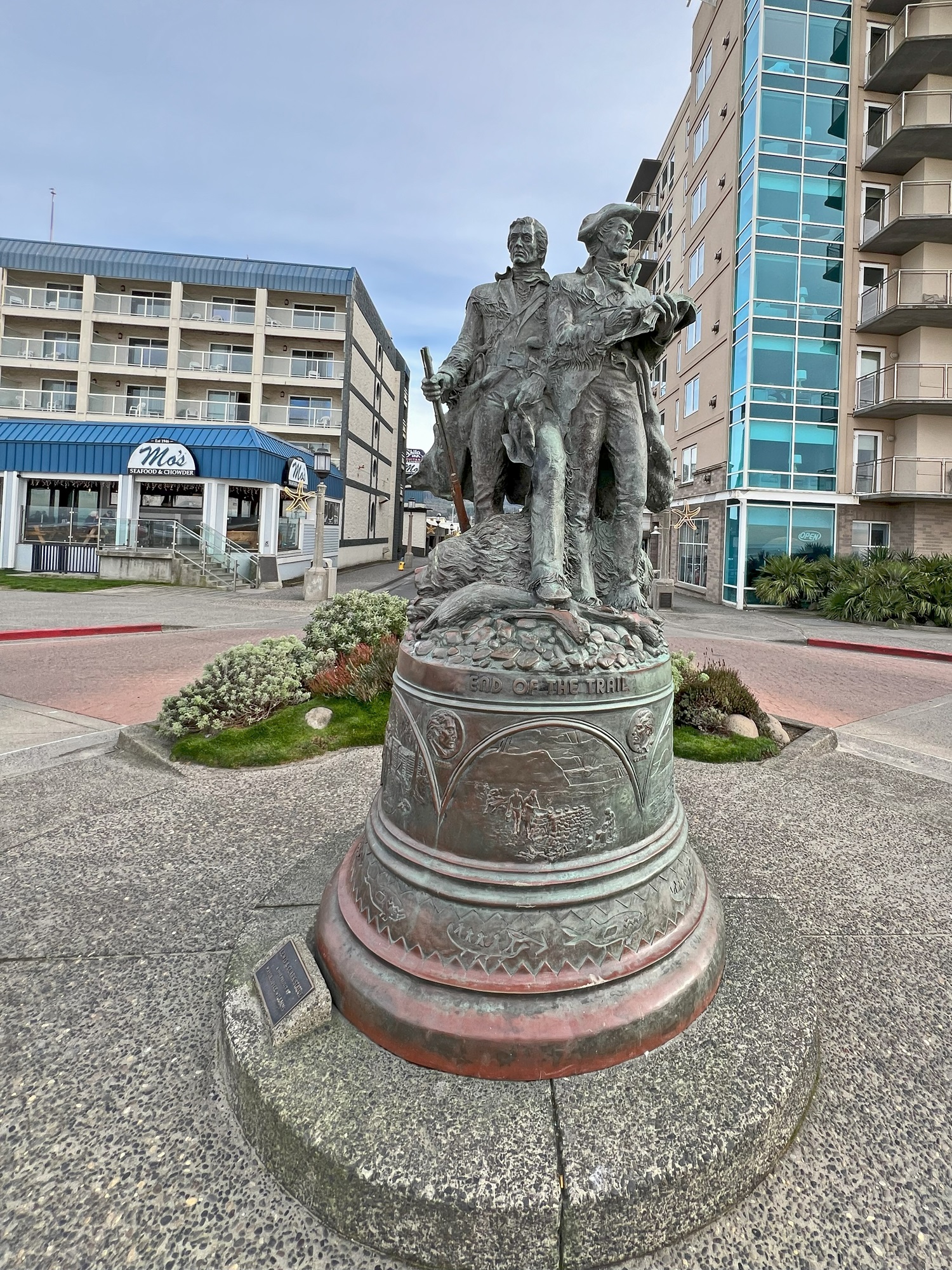
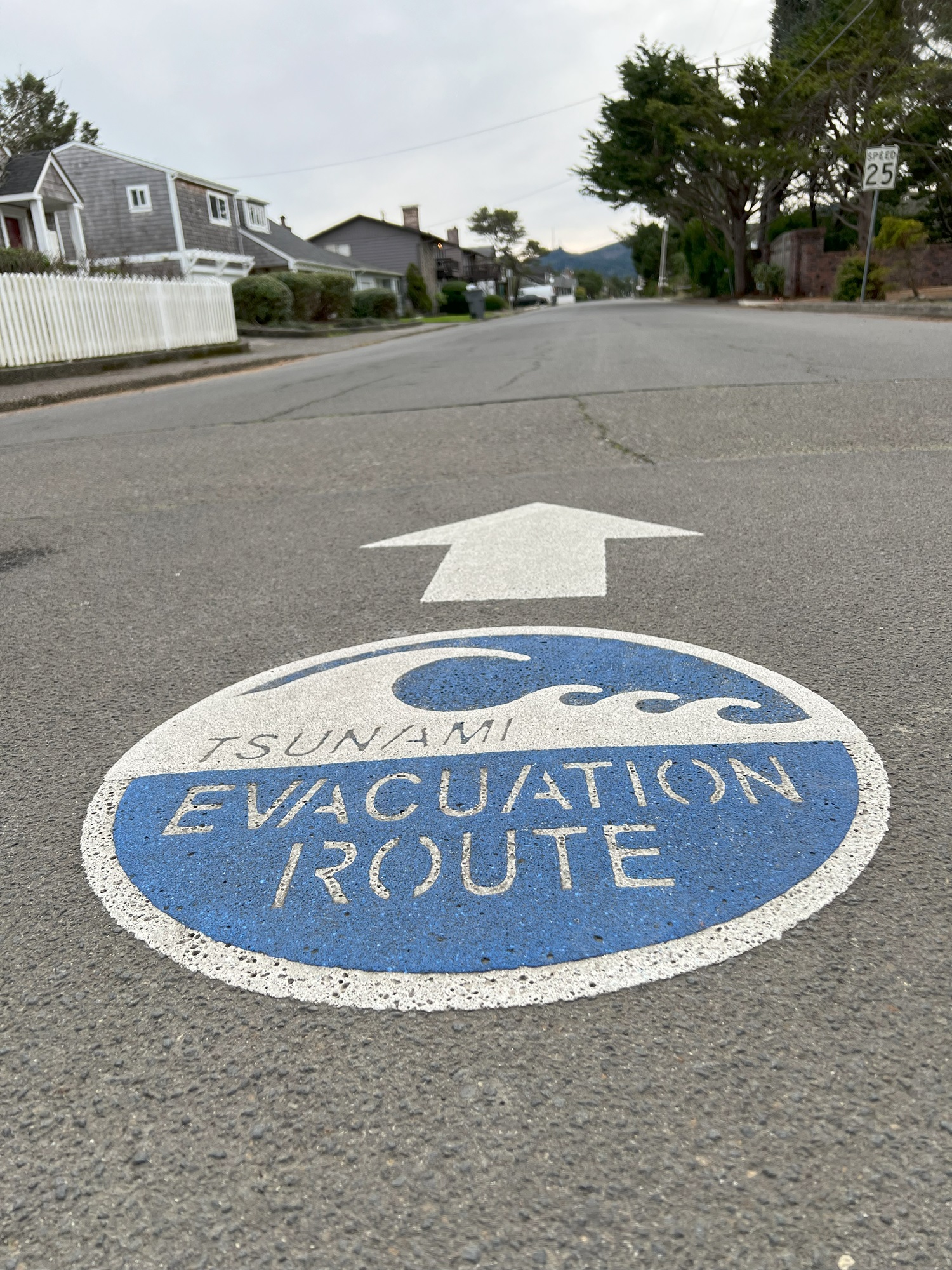
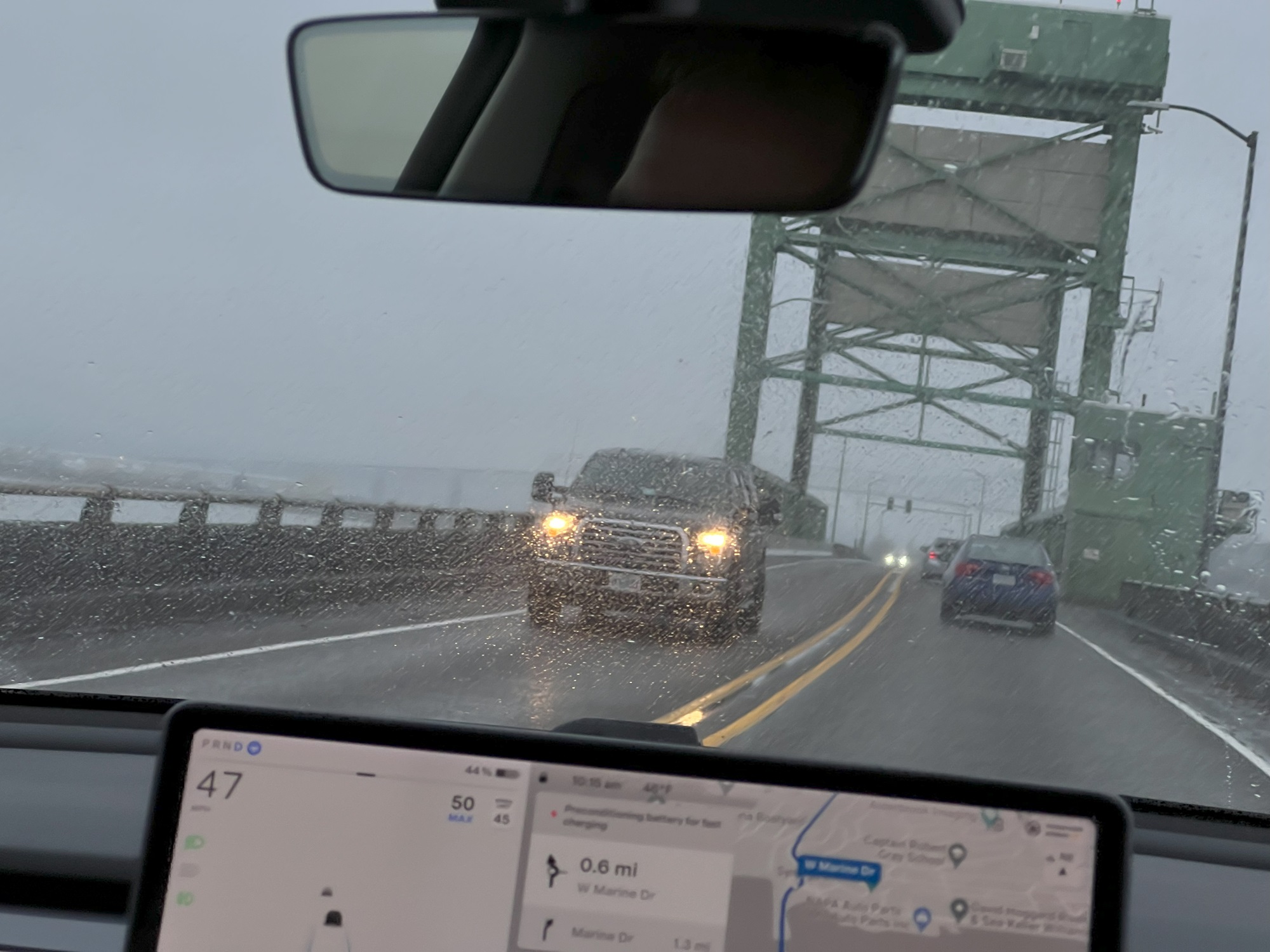
Seaside beach around noon on Wednesday | The historic Seaside Promenade is 1½ miles long and was dedicated in 1921 | Monument for Lewis and Clark, whose expedition had started in St Louis, MO, in May 1804, and ended at Fort Clatsop in Sept. 1806, nearby Seaside, to its north | A marker for an evacuation route (Seaside is only at 23′ elevation and vulnerable to tsunamis) | Approaching the drawbridge on US-101 going over Youngs River
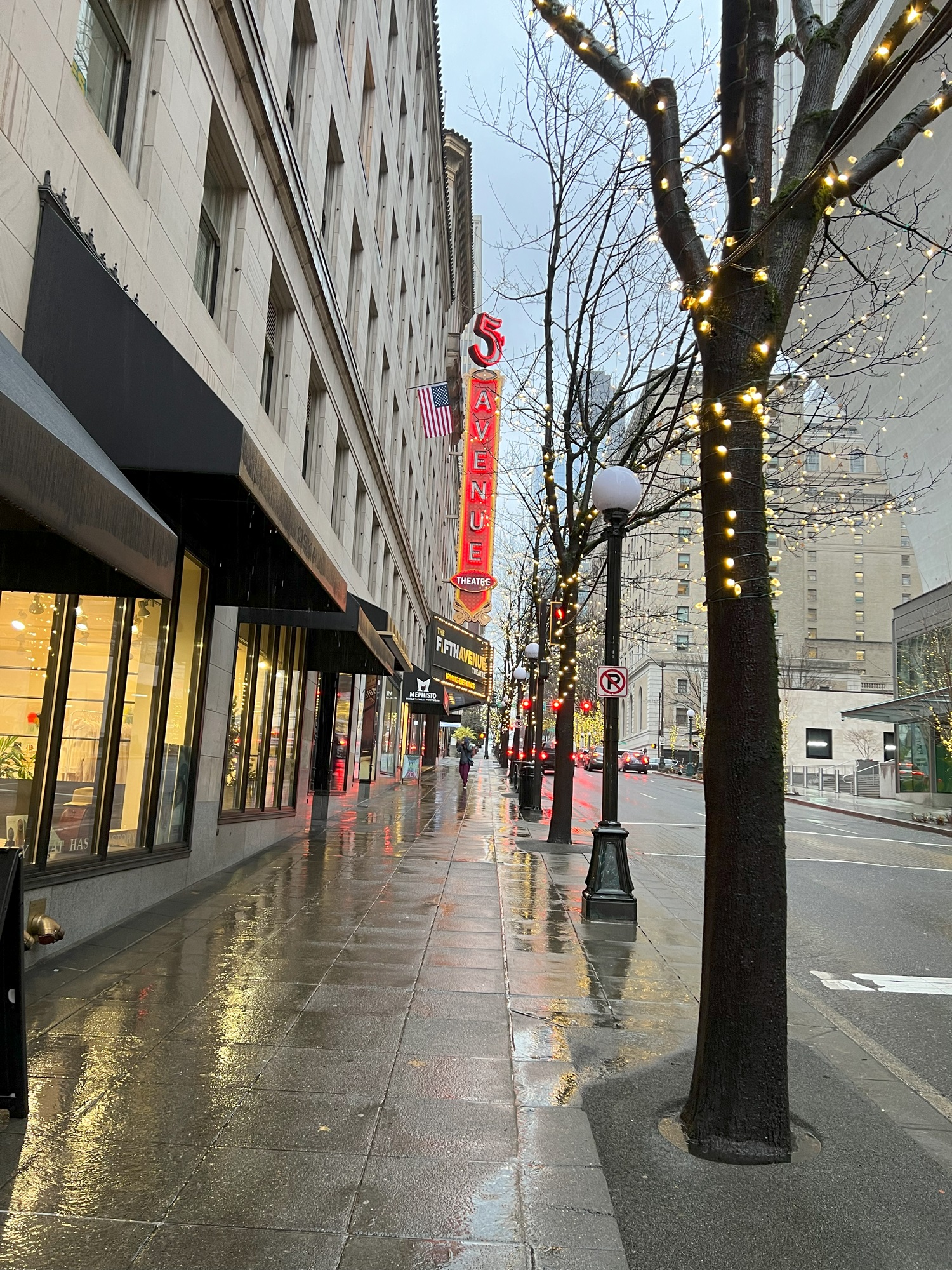
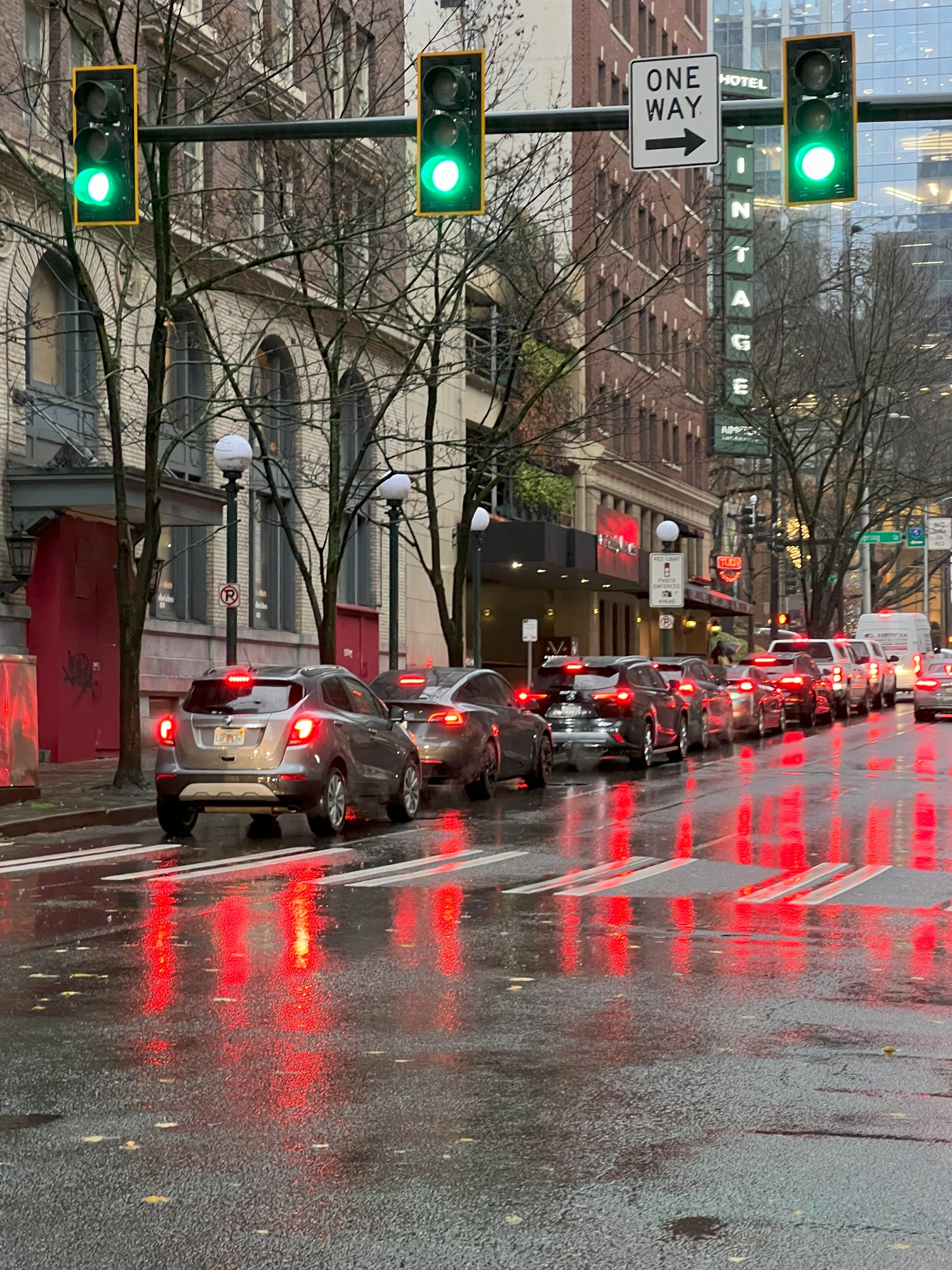
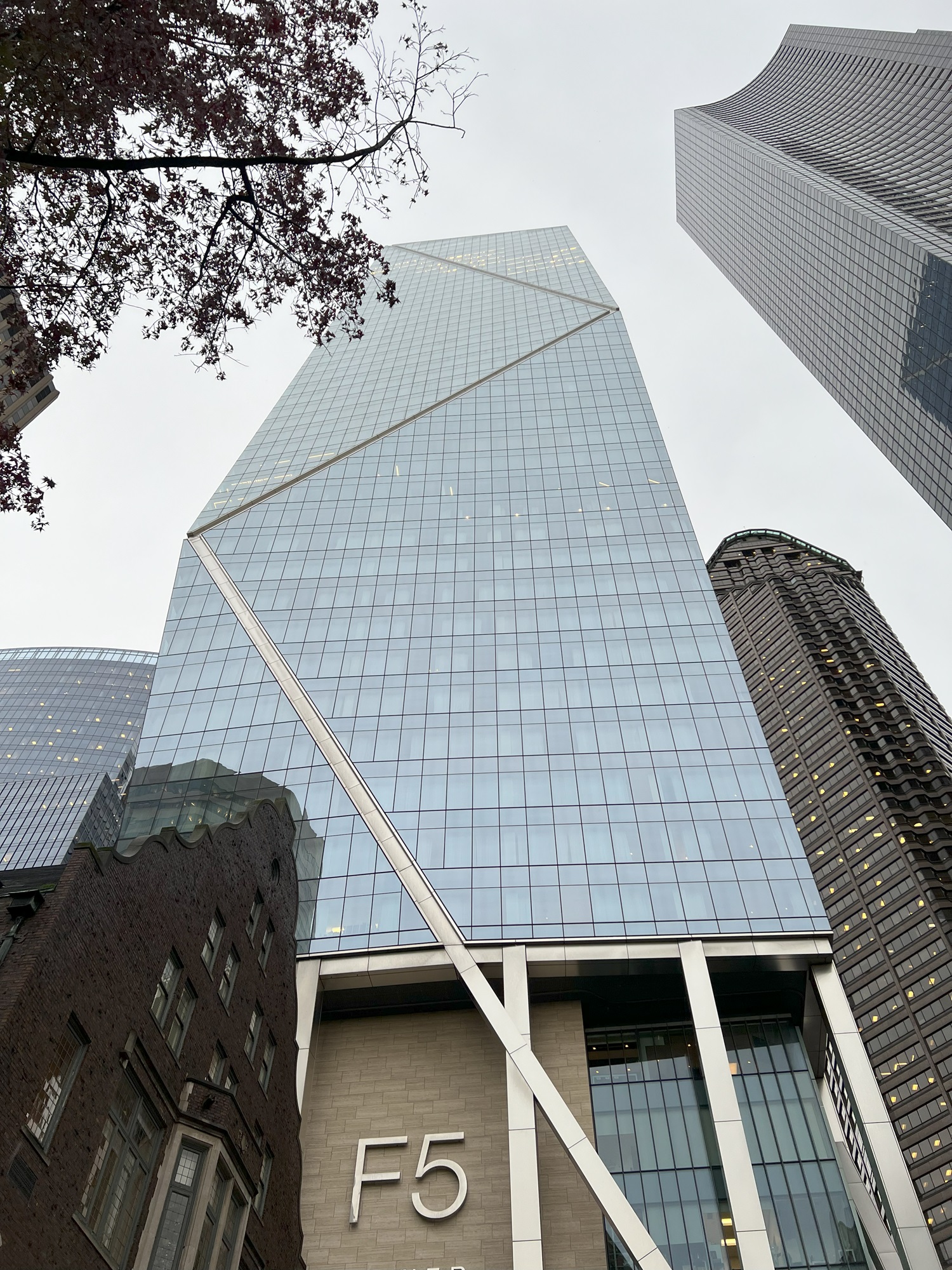
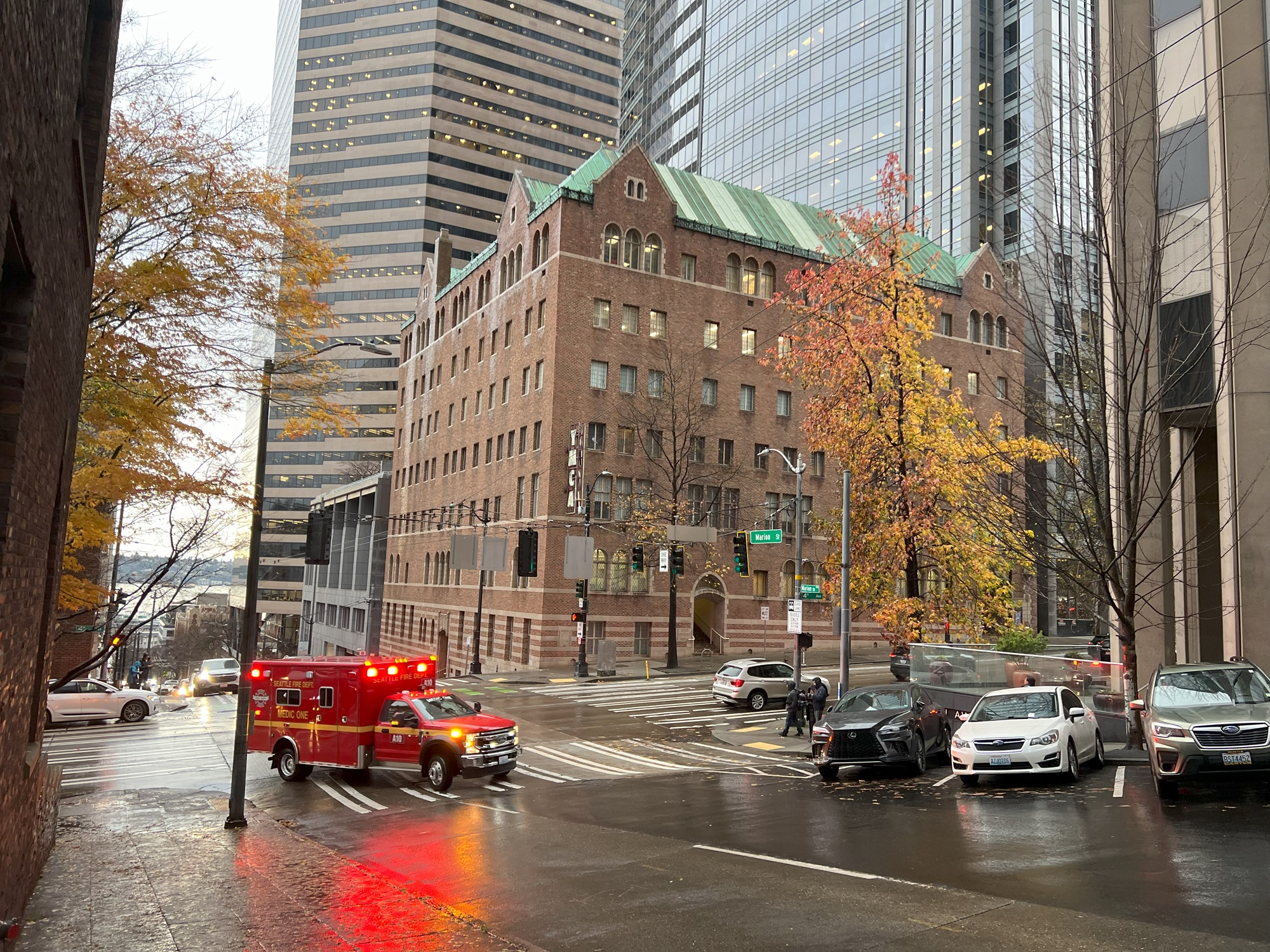
It was still raining on and off today.
(We’re getting a break from the rain tomorrow.)
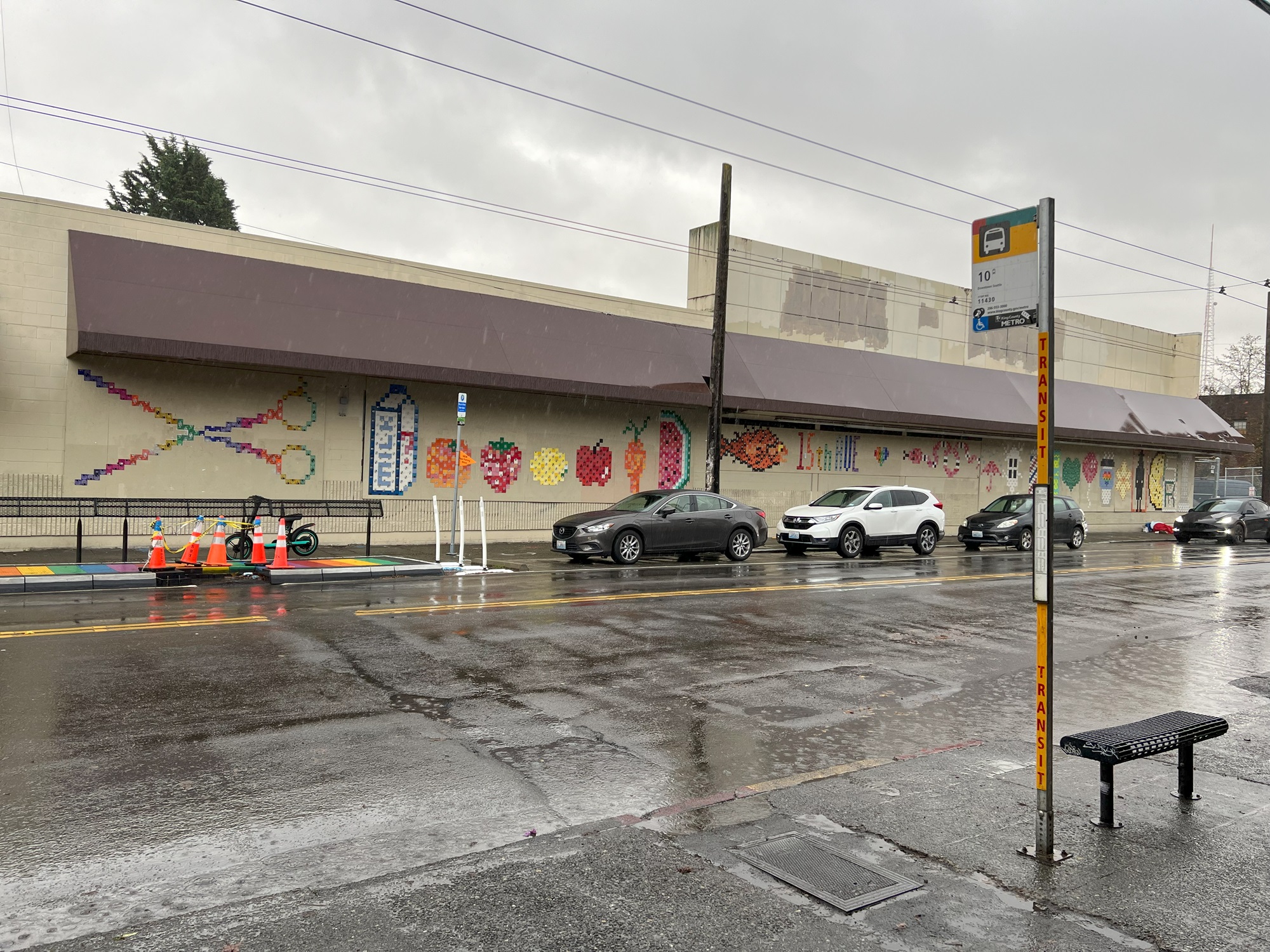
I had an errand downtown and took these pictures.

Reported in the Seattle Times:
Continuous rainfall in Western Washington has caused landslides, train and traffic delays, and flood warnings and emergencies throughout the region Tuesday.
Rainfall at the National Weather Service’s office in Seattle set a record on Monday, at 1.51 inches, “and we’ve had at least three-quarters of an inch of rain since midnight,” said Dana Felton, a meteorologist with the weather service in Seattle, shortly before 7 a.m. Tuesday.
Just before daybreak Tuesday, rain was falling at a rate of up to a half an inch per hour across the lowlands and the mountains, where snow elevations remain as high as 10,000 feet.
It continued throughout the day, reaching 1.61 inches by 5 p.m. Tuesday.
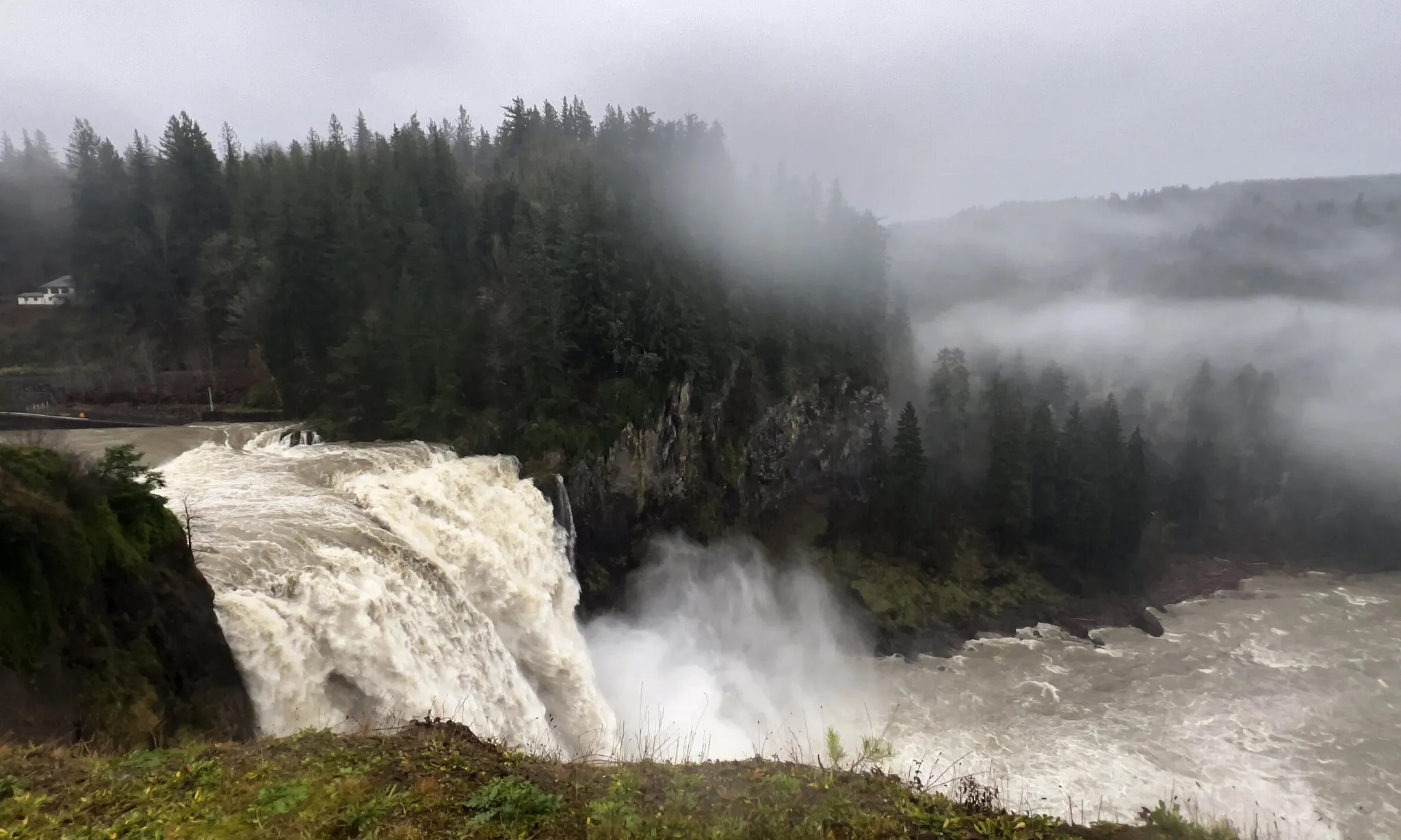
If I read the stream flow data right (from the USGS website for river measuring stations below), some 13 times the long-term median volume of water in the Snoqualmie River is tumbling down over the falls right now.
[Erika Schultz / The Seattle Times]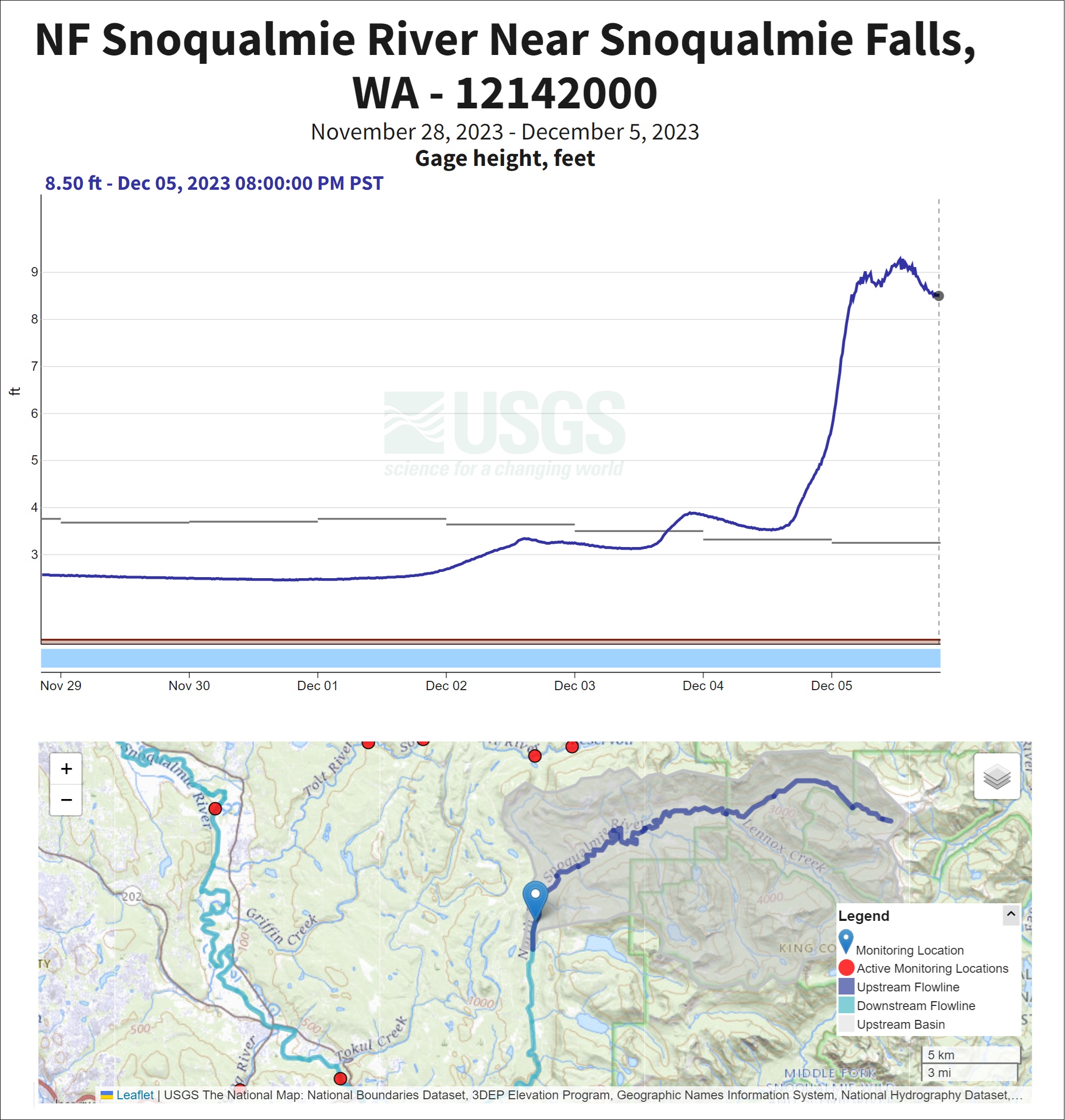
Long-term median flow, cubic ft/s: 445
Discharge, cubic ft/s: 5,740
Gage height, ft: 8.52
[Source: USGS web site waterdata.usgs.gov]
The Pacific Northwest is at the receiving end of a classic atmospheric river over the Pacific Ocean today, and for the next day or two.
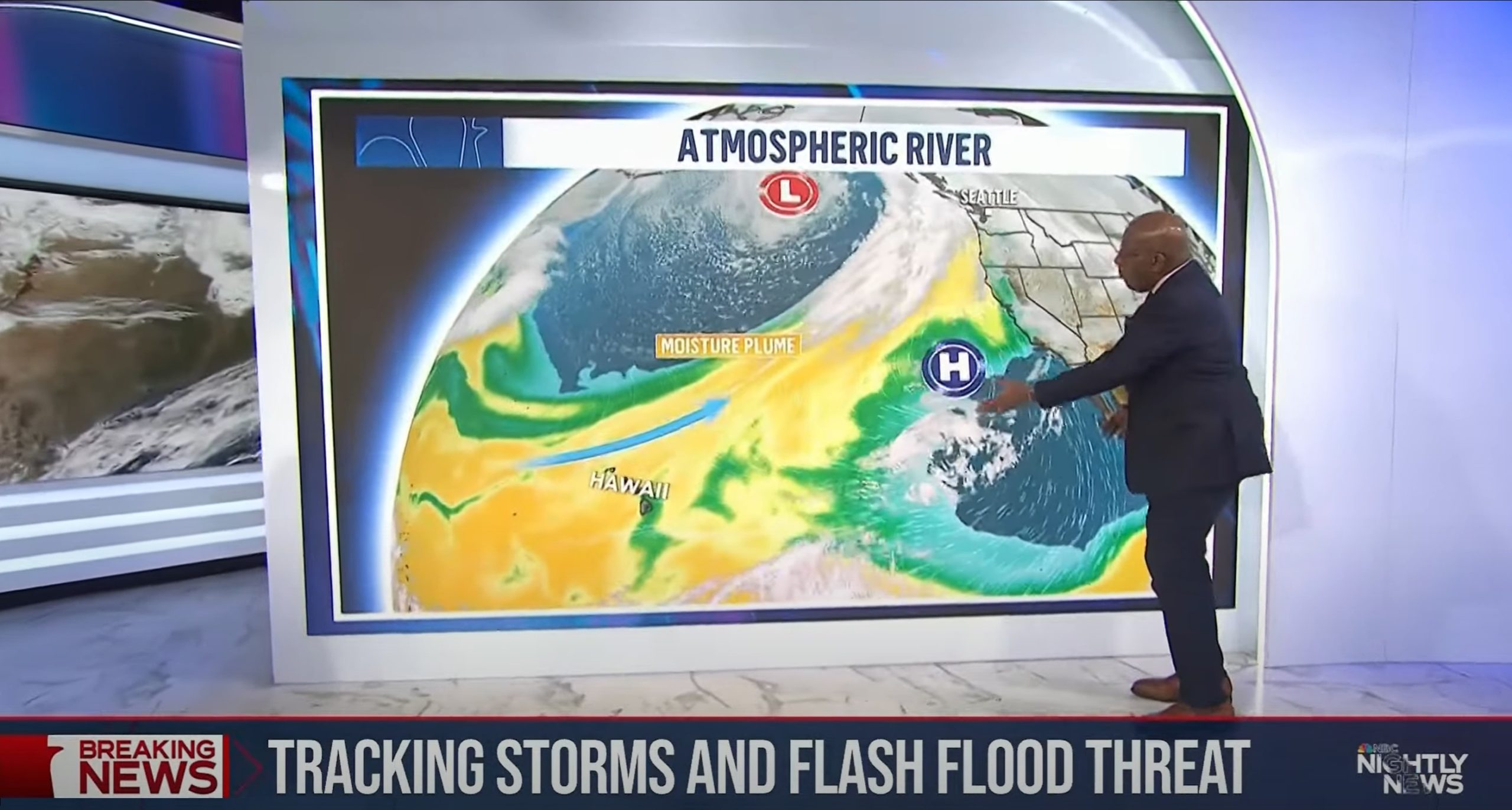
[Screen shots from tonight’s NBC Nightly news broadcast].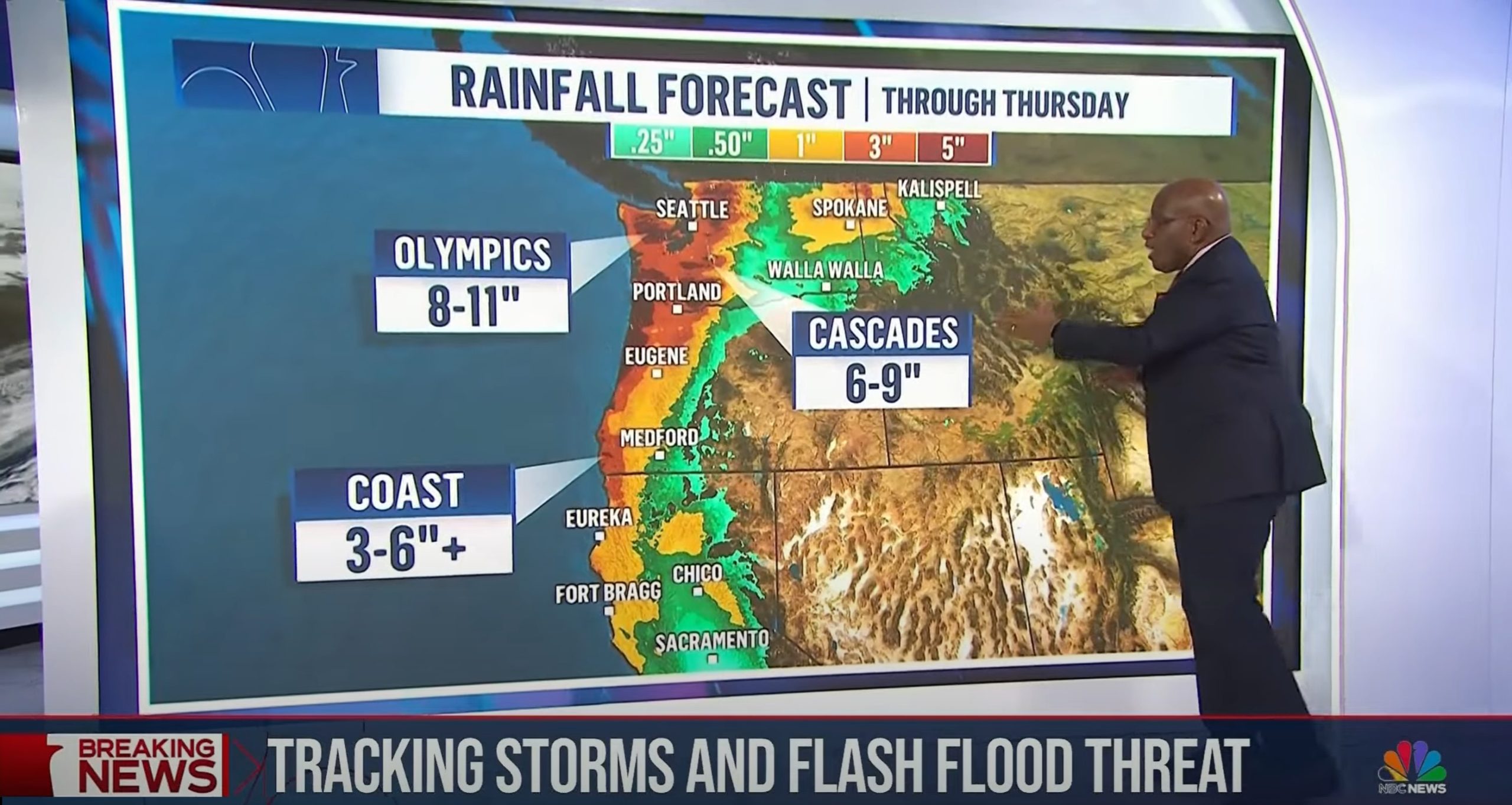
The sun was out for just a little while today— low on the horizon as the daylight was dwindling.
We’ve been through this such a long long time
Just tryin’ to kill the pain, ooh yeah
Love is always comin’, love is always goin’
No one’s really sure who’s lettin’ go today
Walkin’ away
If we could take the time to lay it on the line
I could rest my head just knowin’ that you were mine
All mine
So if you want to love me then darlin’ don’t refrain
Or I’ll just end up walkin’ in the cold November rain
– Lyrics from November Rain by Guns N’ Roses (1992)
It was a gray day today, and the unusual stretch of dry days for November came to an end tonight.
We had our first dry Thanksgiving in eight years.
In fact, the sunny-but-cold weather here in the city will continue until Thursday.
It’s the end of Daylight Saving Time— we have to turn back all the clocks back by an hour.
Seattle-Tacoma airport recorded 2.77 in. of rain for October— below the average of 3.46 in.
November is the wettest month of the year (usually coming in at 6.5 in), and we’re off to a good start with a forecast of 1.4 in over the next seven days.

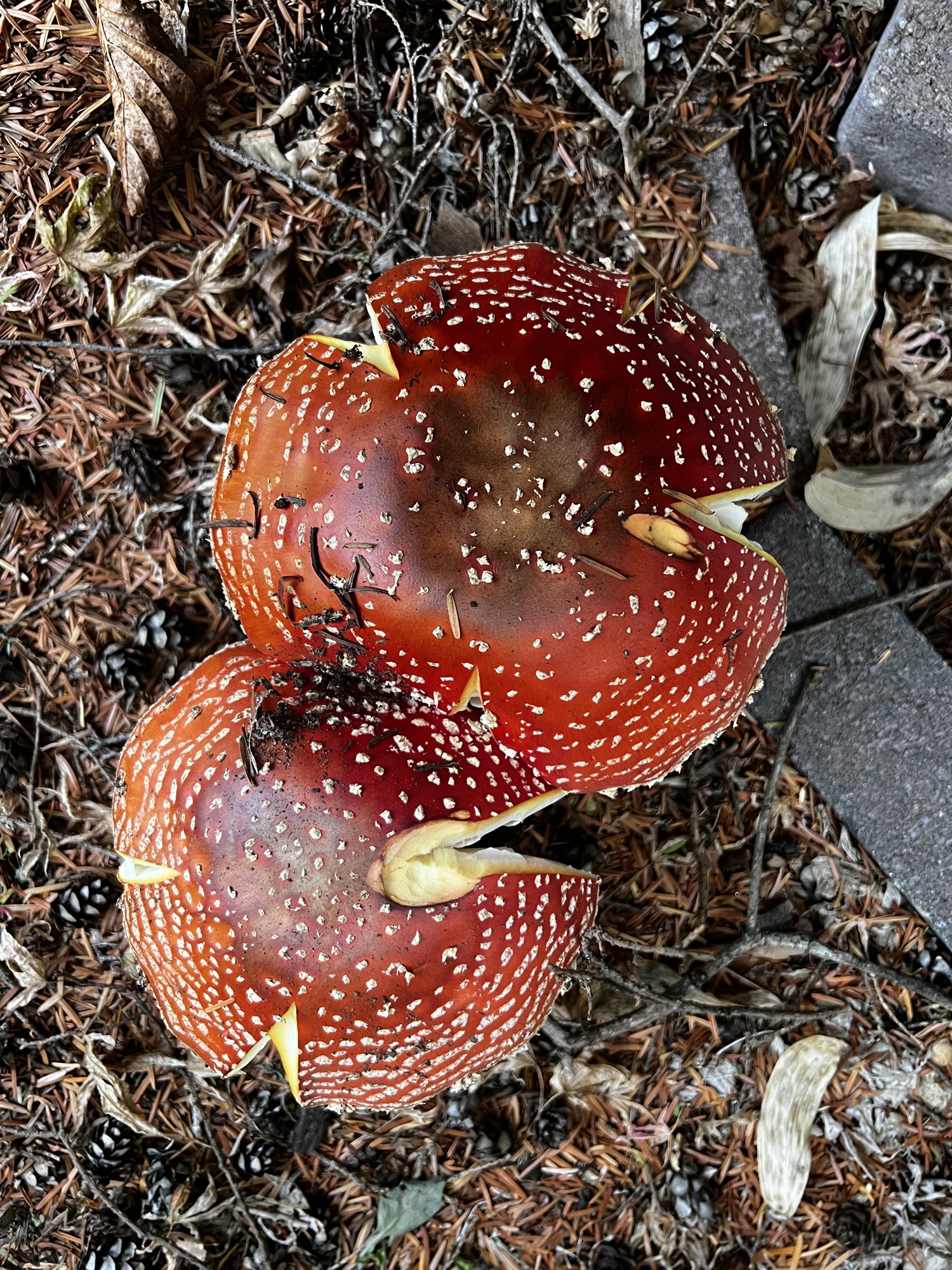
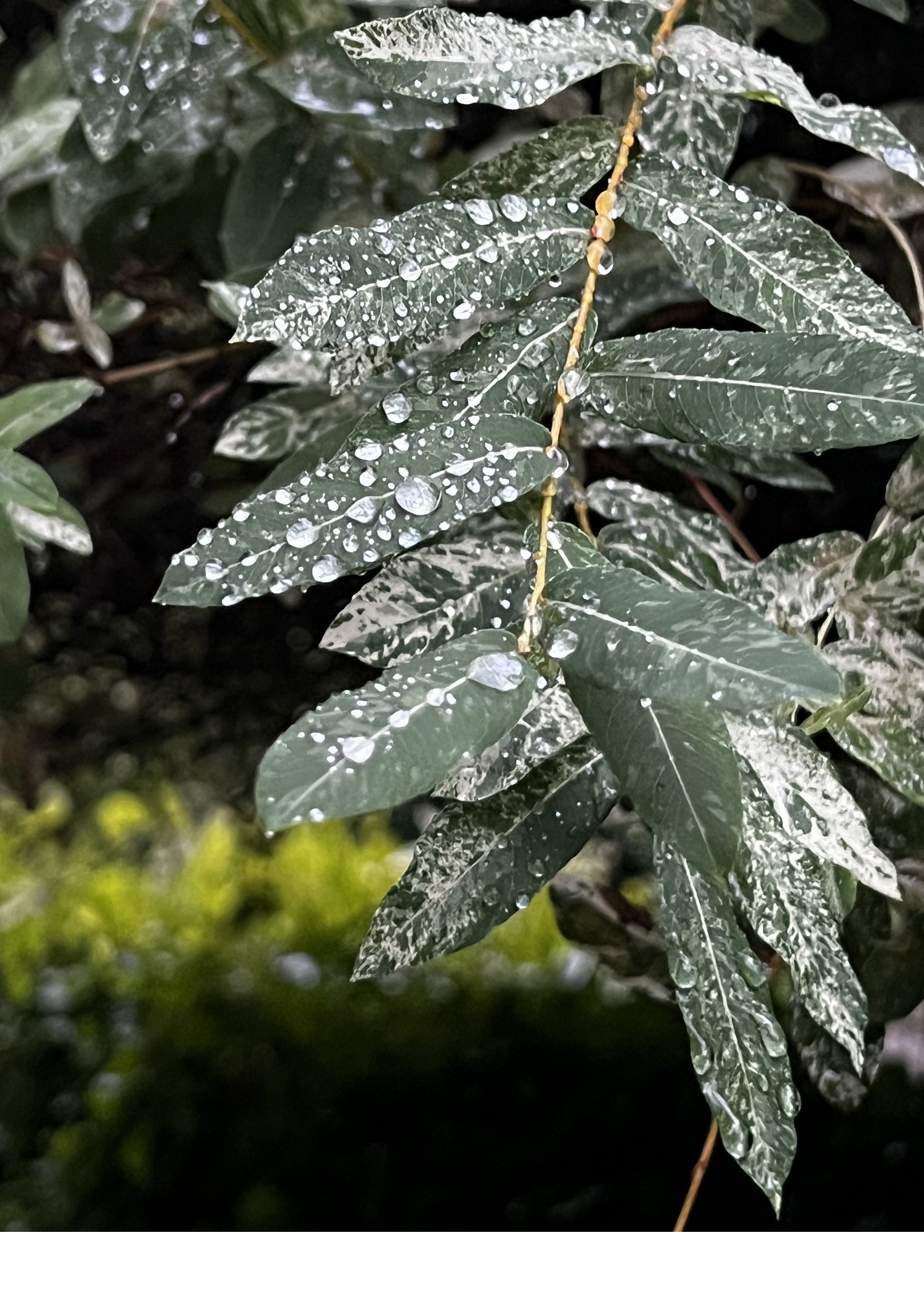
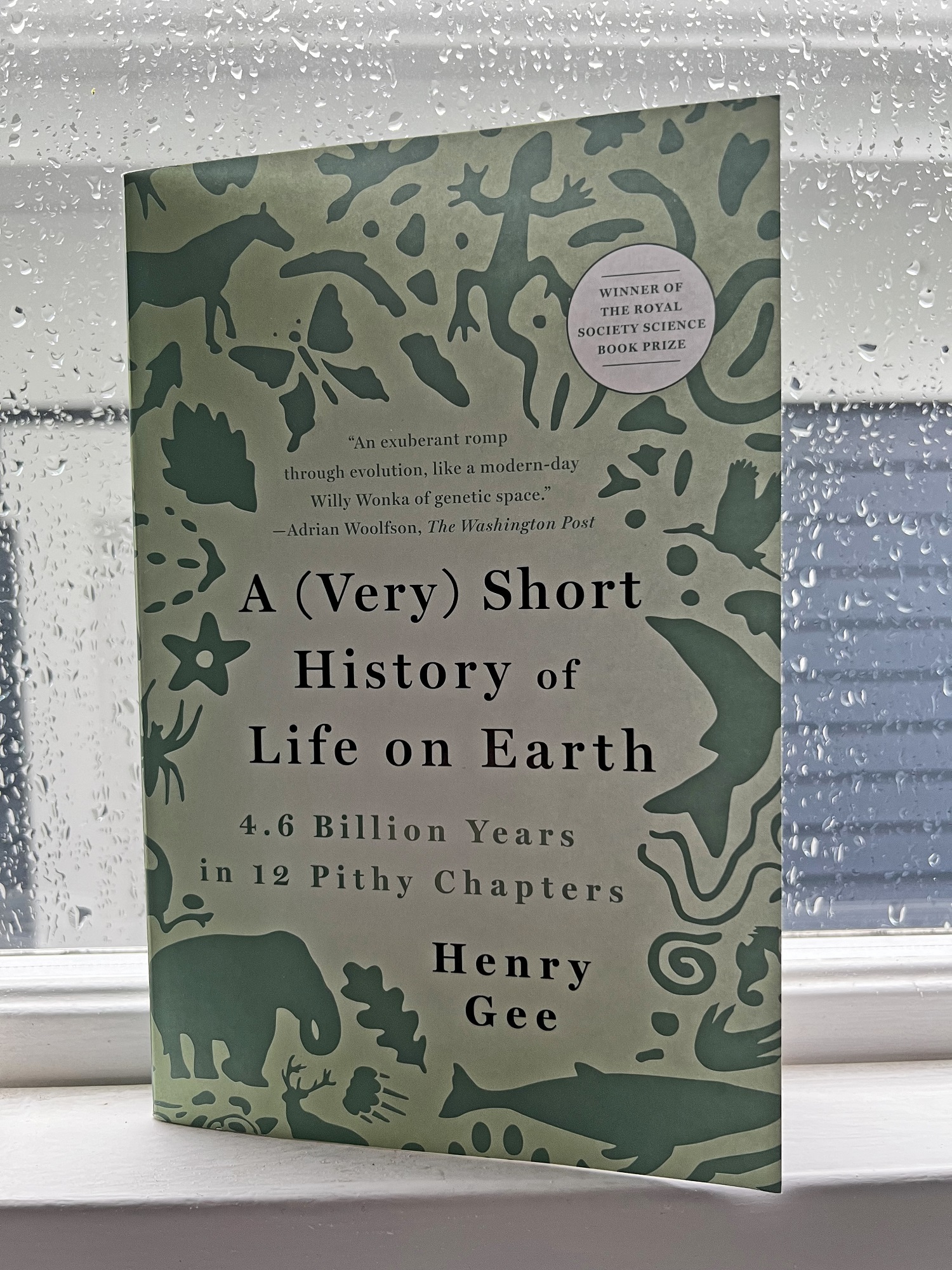 It rained a little today, on and off.
There was time in Earth’s history when it rained for eons.
Here is an excerpt from a book I’m reading:
For a few million years our planet had rings, like Saturn. Eventually, the rings coalesced to create another new world – the Moon. All this happened approximately 4,600,000,000 (4.6 billion) years ago.
Millions more years passed. The day came when the Earth had cooled enough for the water vapor in the atmosphere to condense and fall as rain. It rained for millions of years, long enough to create the first oceans. And oceans were all there were; there was no land. The Earth, once a ball of fire, had become a world of water. Not that things were any calmer. In those days the Earth spun faster on its axis than it does today. The new Moon loomed close above the black horizon. Each incoming tide was a tsunami.
It’s October— and I saw a few Halloween decorations on houses, while I was out on my walk tonight.
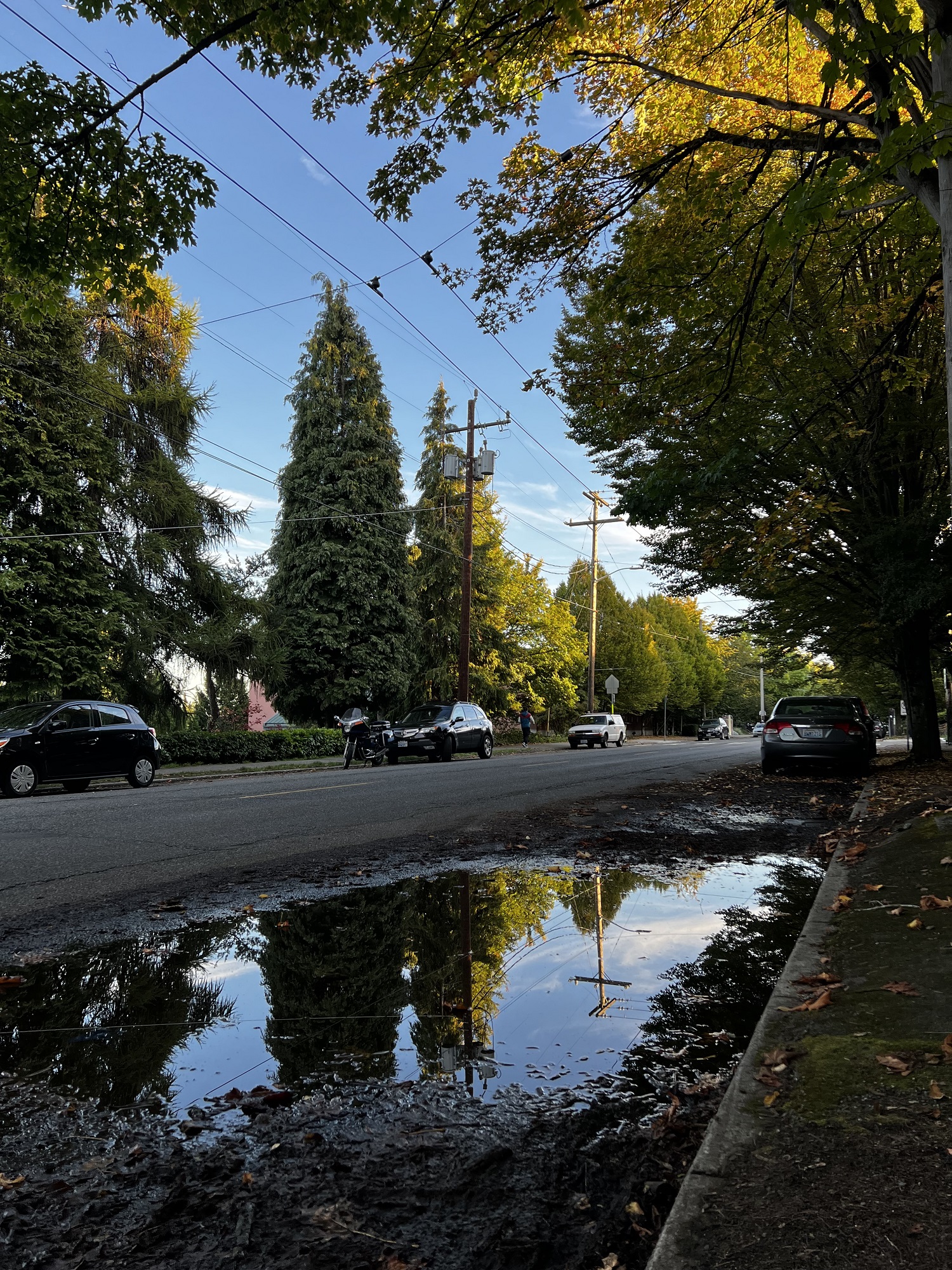
It was a dry and mild weekend here in the city (65°F/ 18 °C), but it might rain a little on Monday.
Wow.
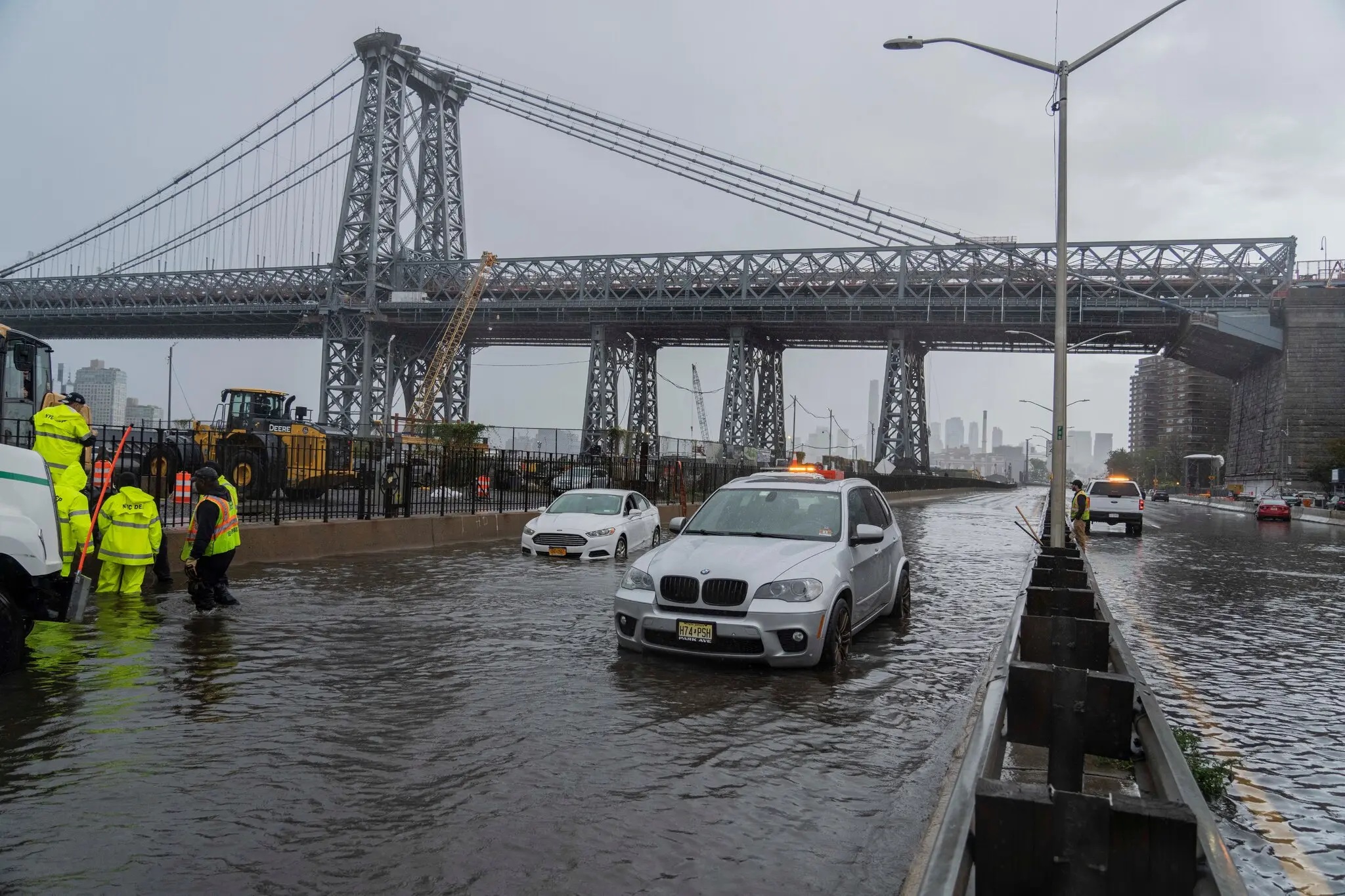
New York City has gotten two or three months’ worth of rain in one day, and there is nowhere for the water to go.
JFK airport recorded an unprecedented 8 inches of rain in 24 hours.
[Hiroko Masuike/The New York Times]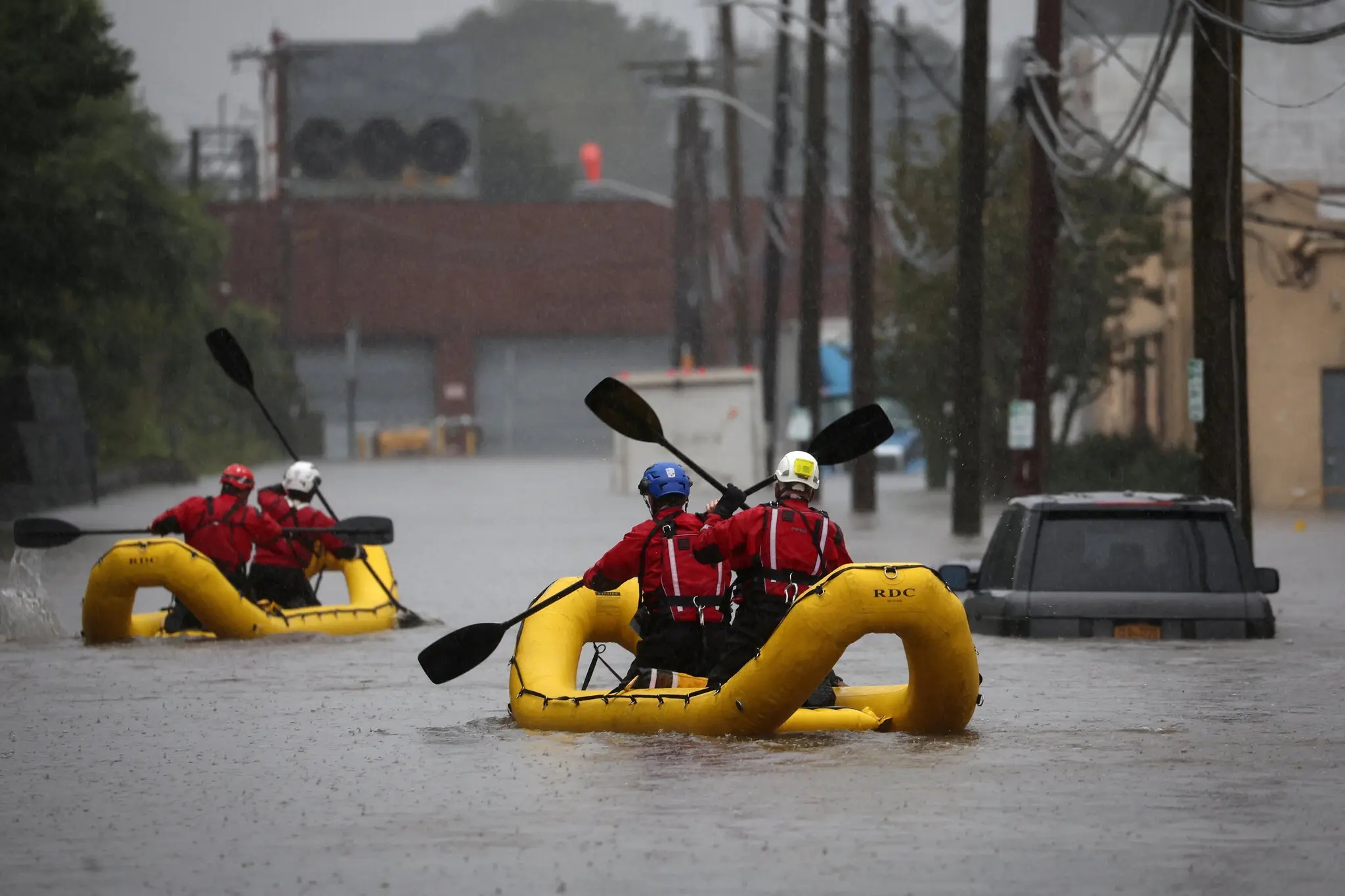
[Mike Segar/Reuters]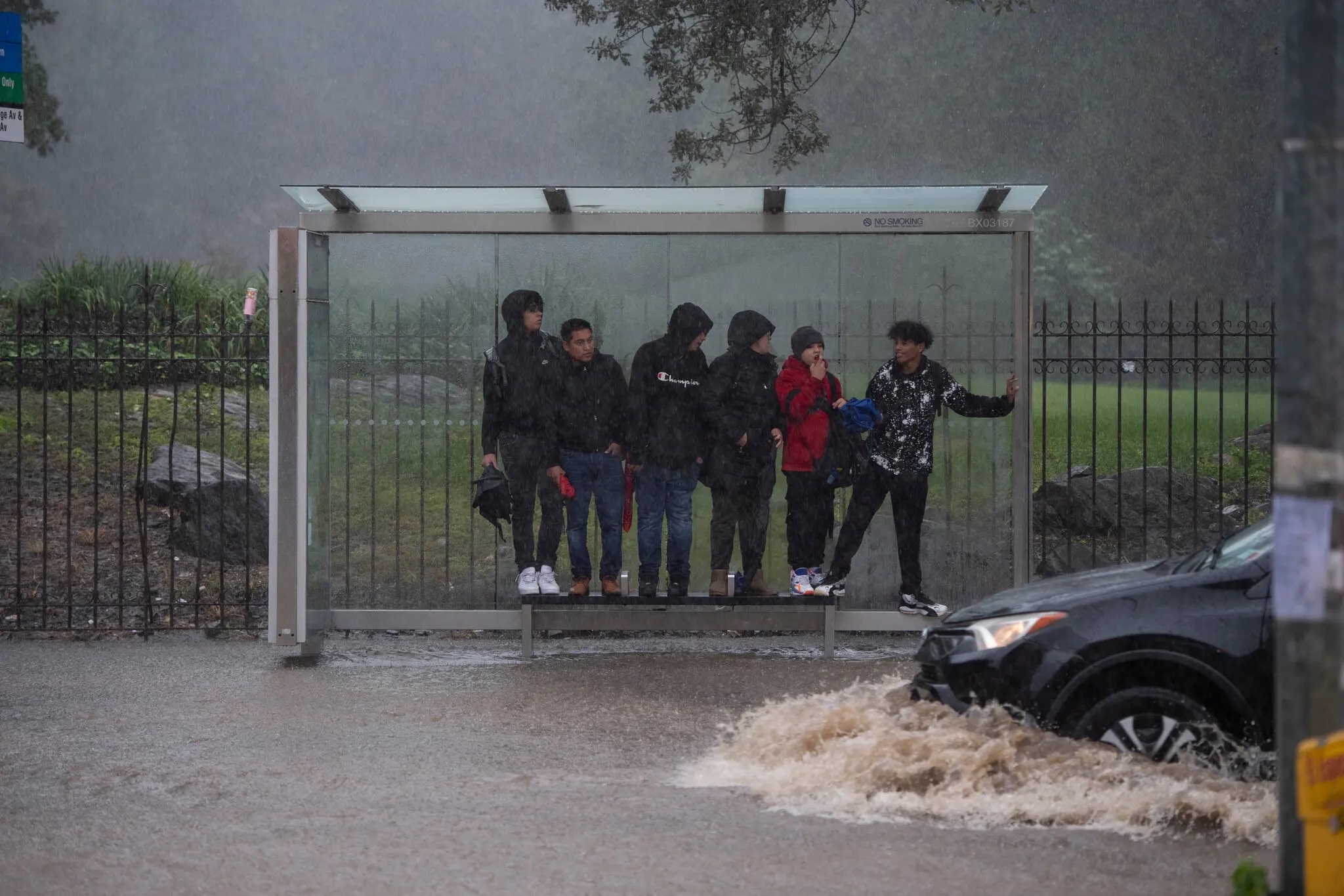
[Gregg Vigliotti/ The New York Times]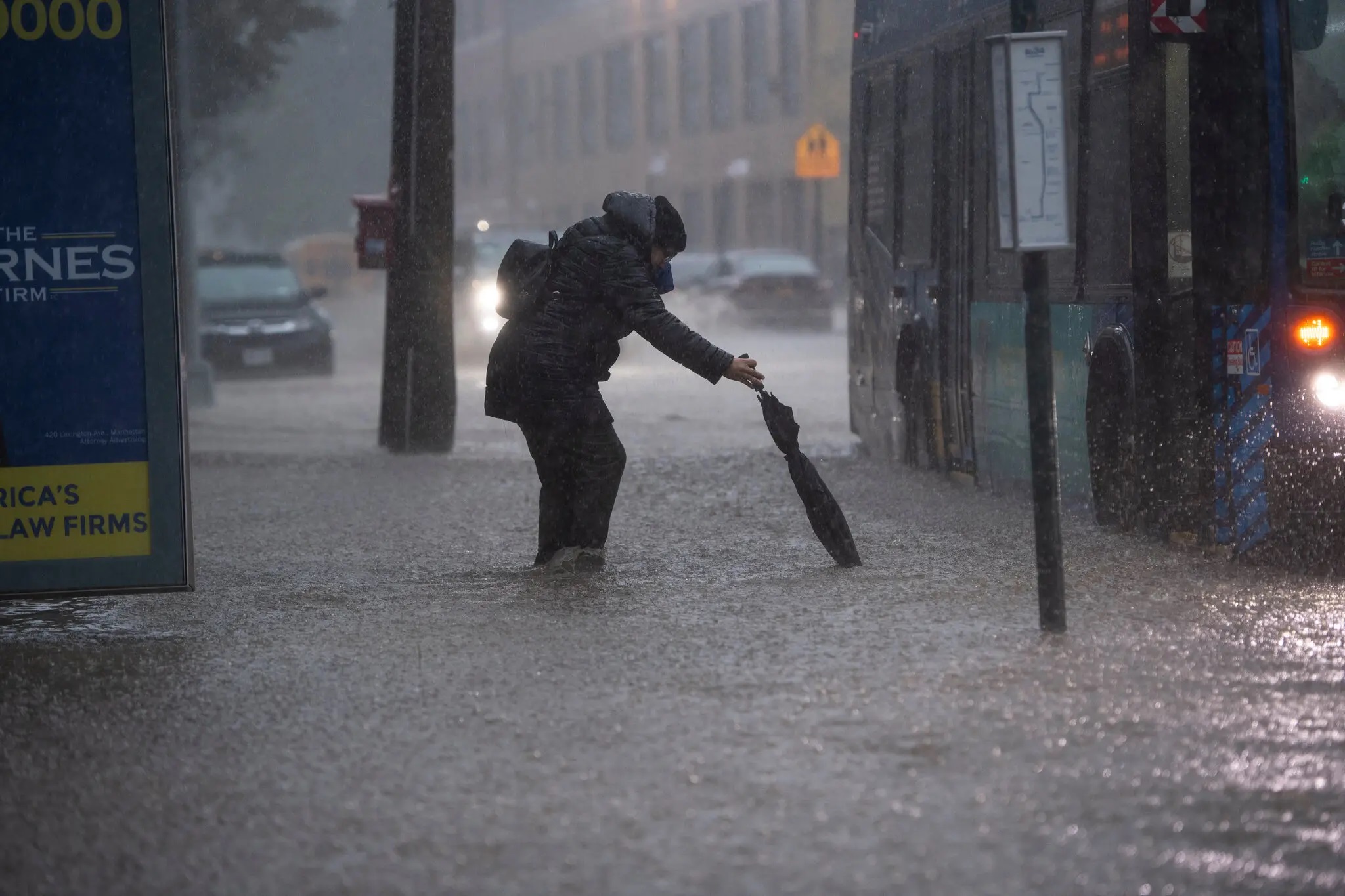
[Gregg Vigliotti/ The New York Times]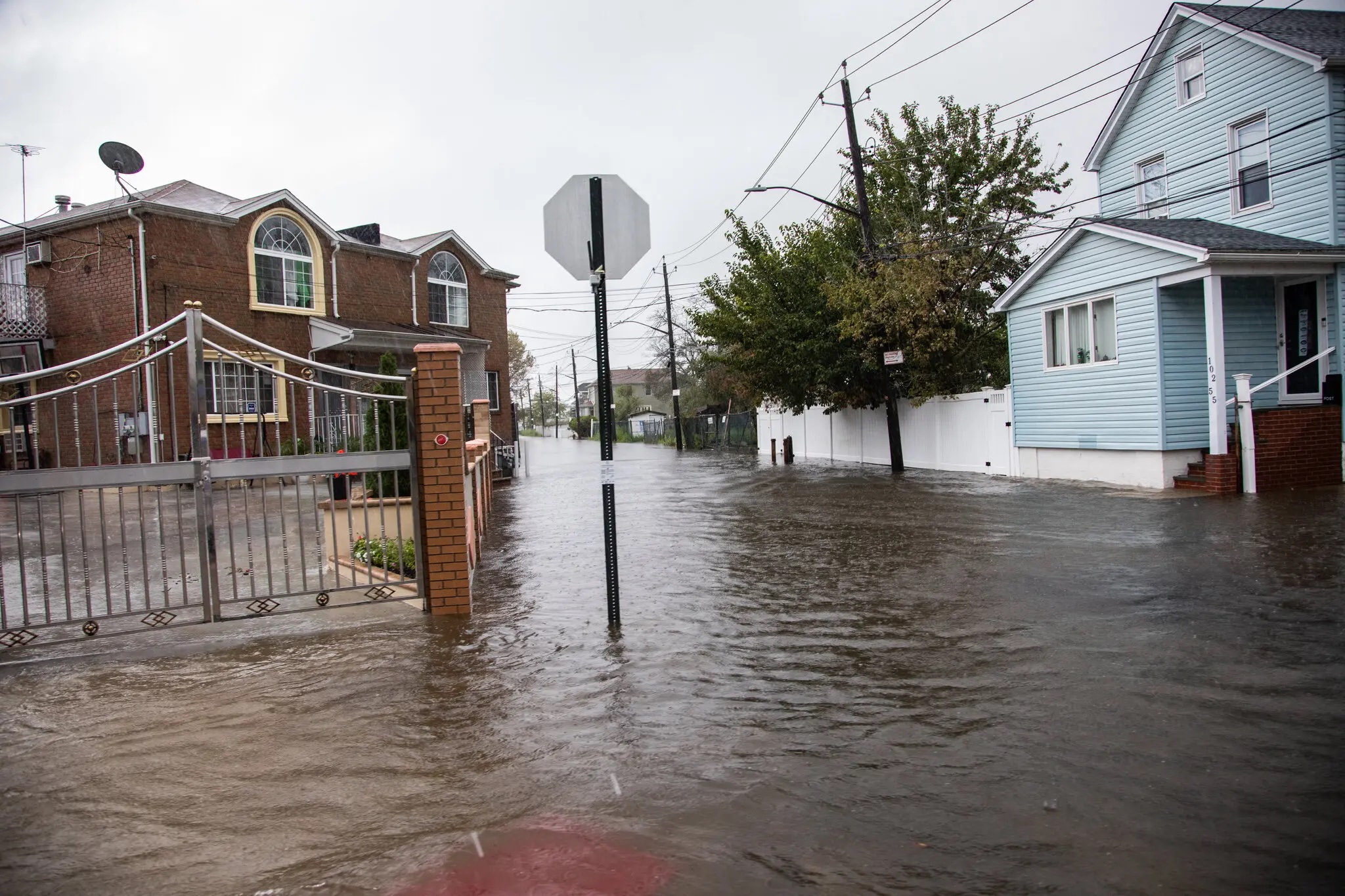
[Uli Seit/ The New York Times]
Hurricane Idalia is about to make landfall in the the Big Bend area of Florida as a Category 3 or 4 hurricane.

Happy Friday.
The weather forecasters say this weekend will be the last of this summer’s warm weather— 88 °F/ 31 °C in Seattle on Sunday.