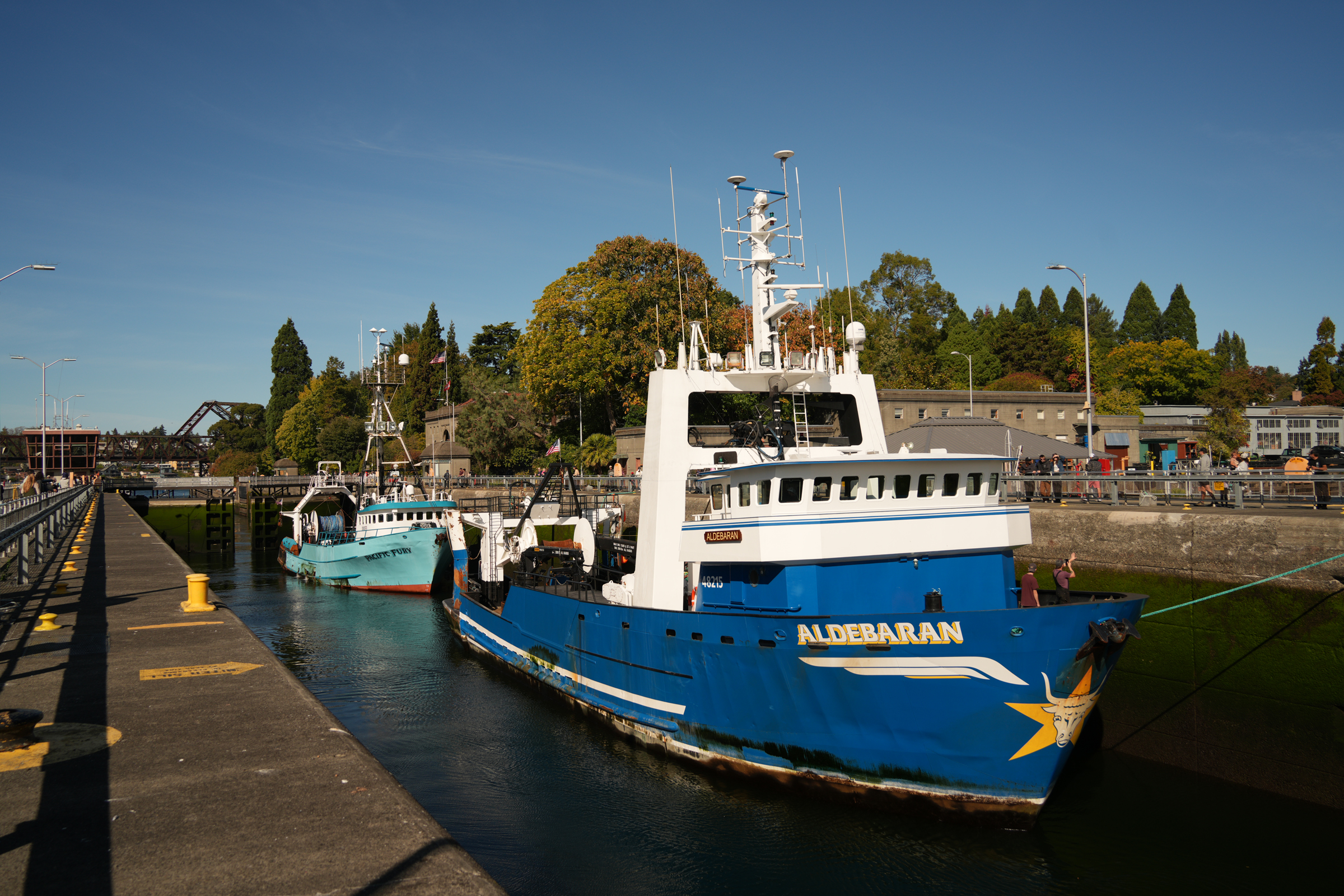
Three of us ran out to the Ballard locks* this morning.
Even though the salmon runs for the season are over (there were none to be seen in the windows by the fish ladder), there was still a lot of activity to look at.
*The Hiram M. Chittenden Locks, or Ballard Locks, is a complex of locks at the west end of Salmon Bay in Seattle, Washington’s Lake Washington Ship Canal, between the neighborhoods of Ballard to the north and Magnolia to the south.
[Source: Wikipedia]
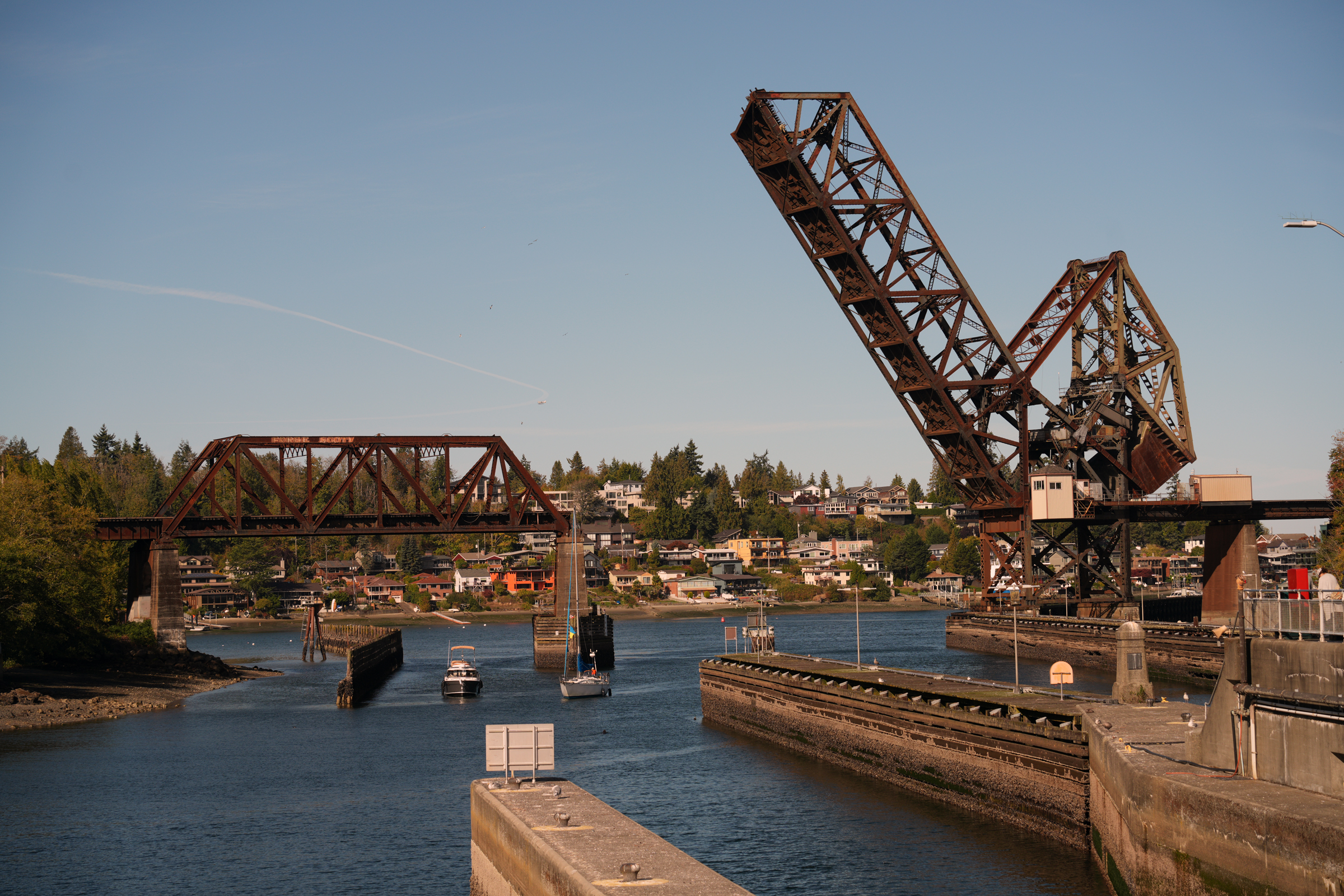
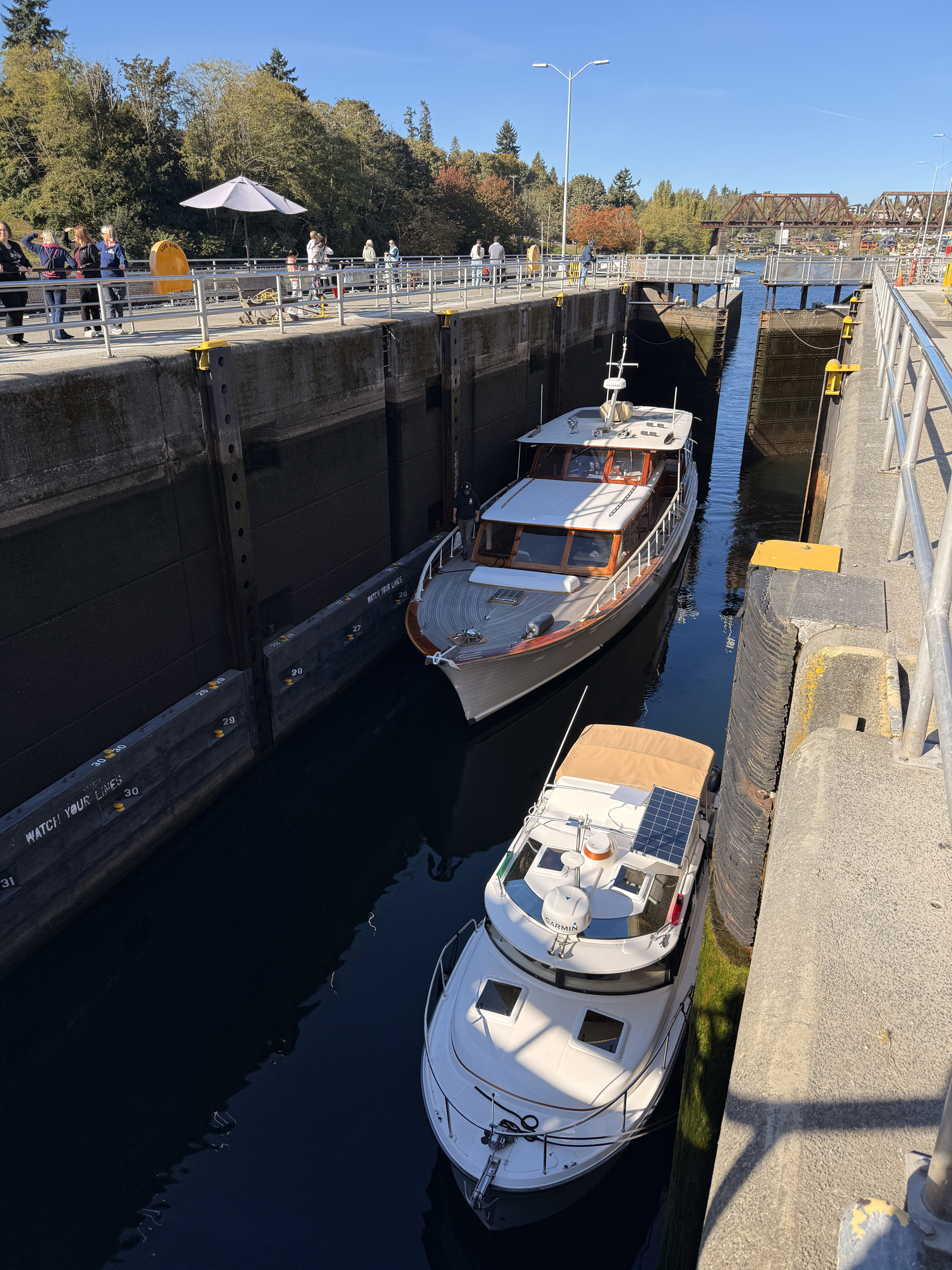
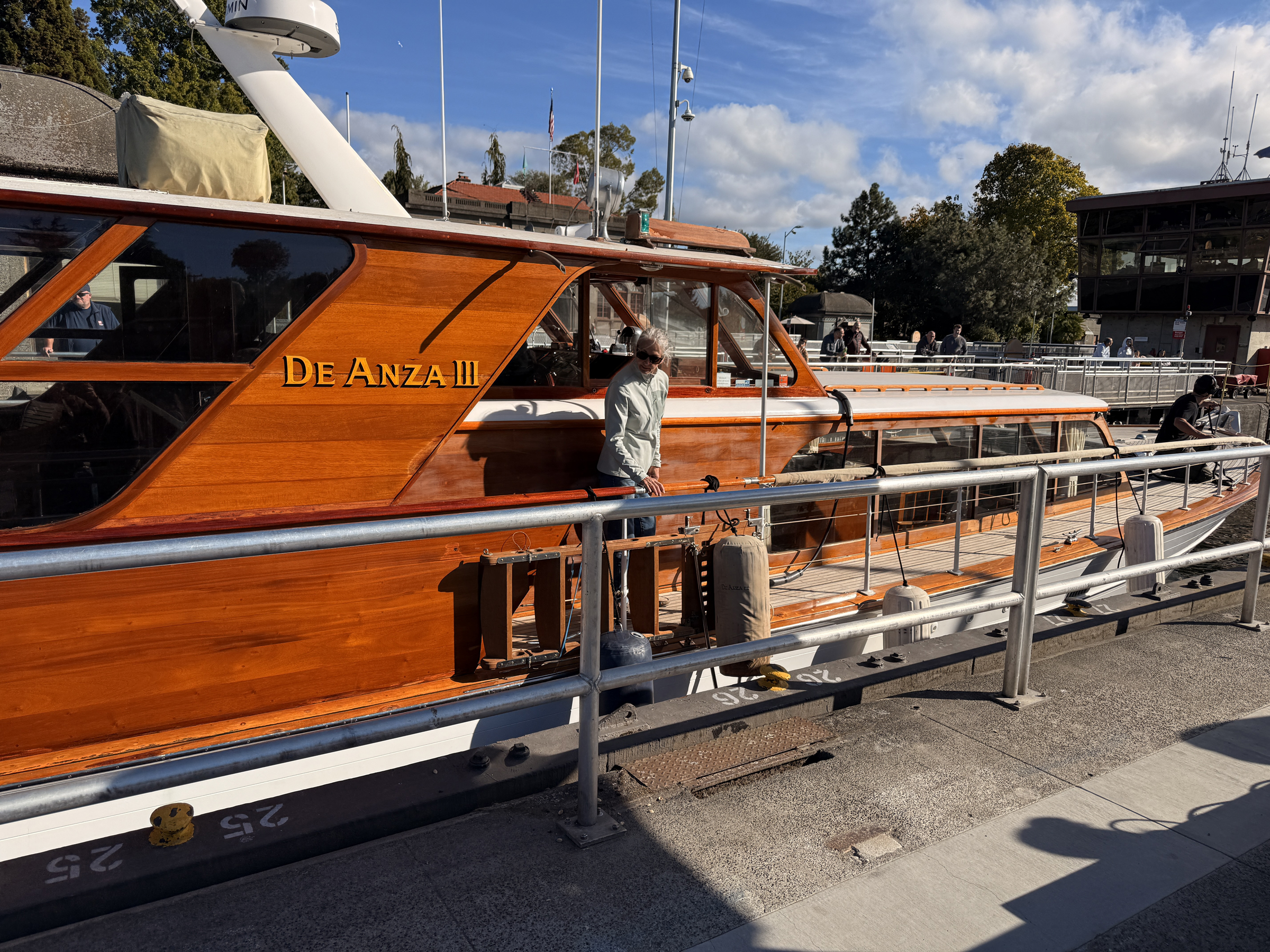
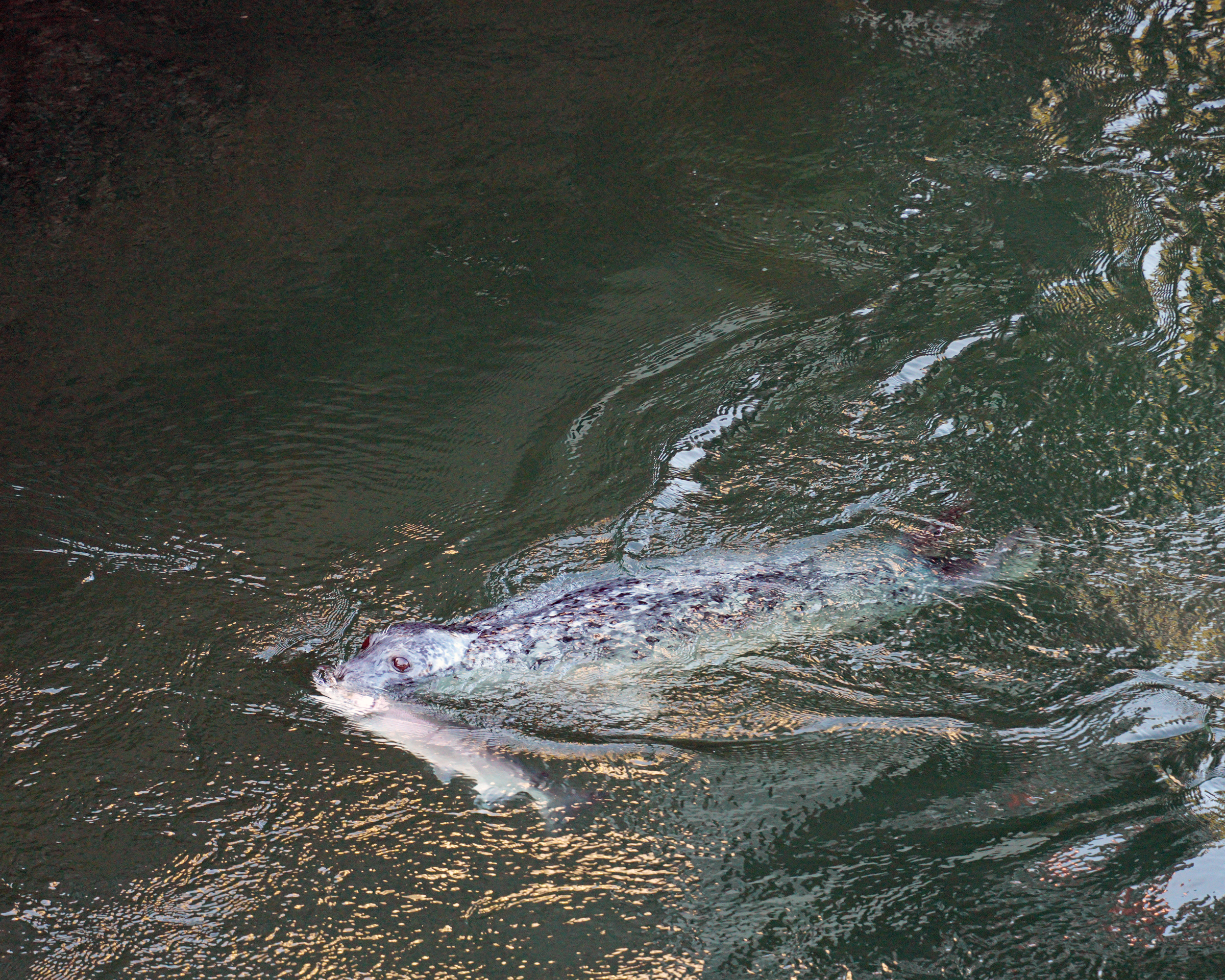
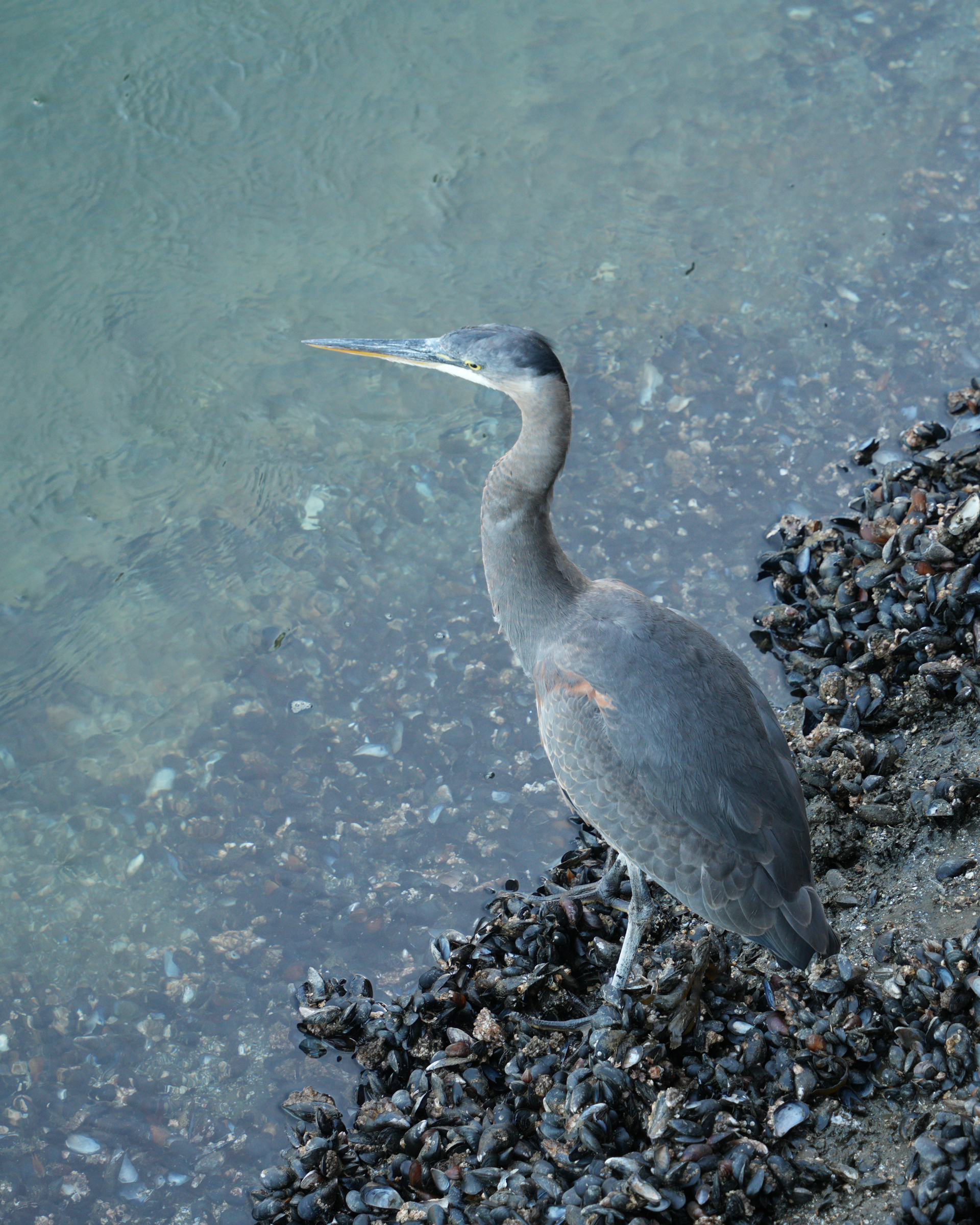
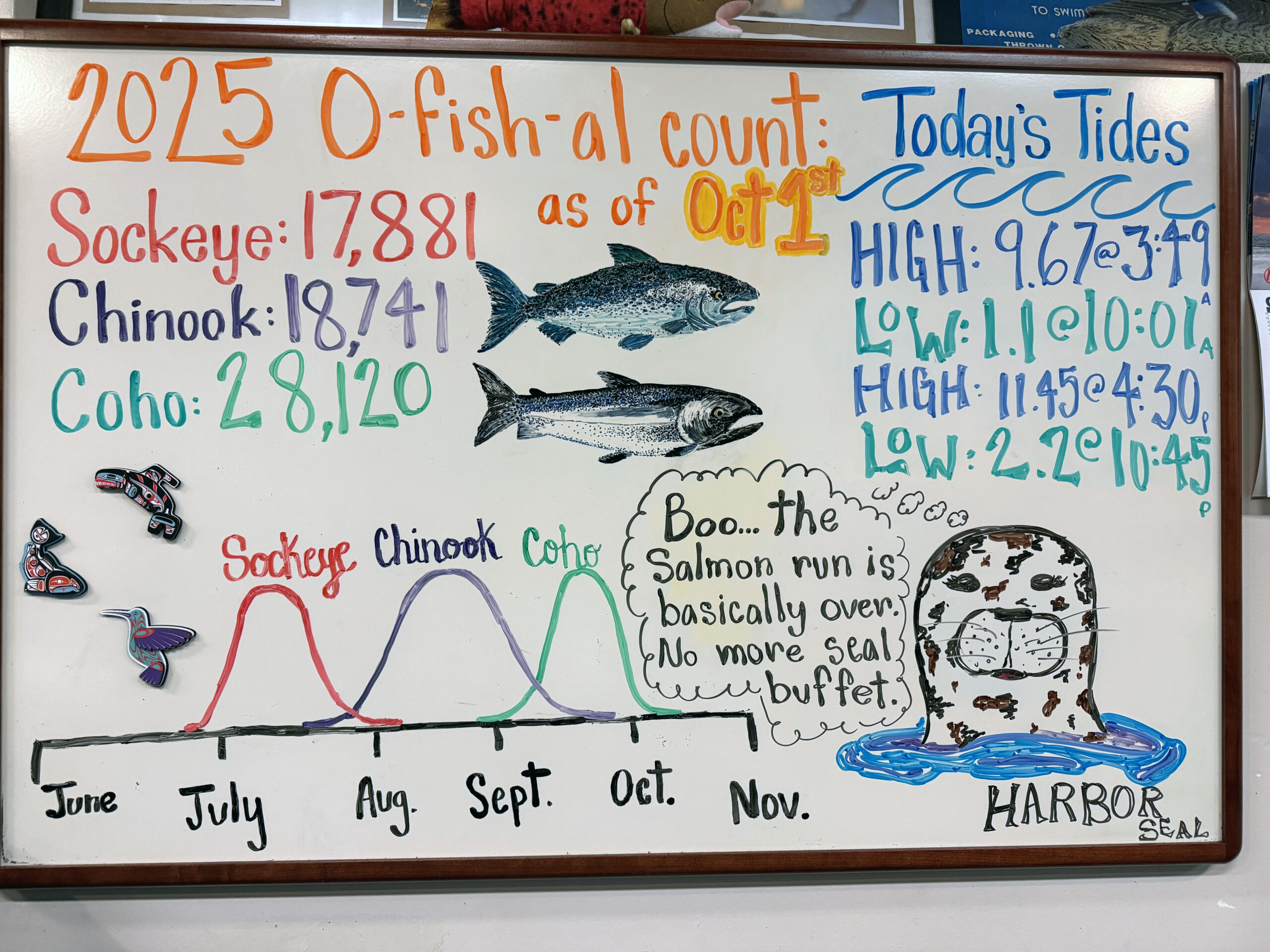
Here’s looking towards the waters of Puget Sound. It looks like the Salmon Bay bridge (drawbridge) had to be opened just for the little sailboat with its tall mast! (in the middle of the picture). There are seagulls in the sky above the sailboat, and a speck that is a seaplane, as well.This is the smaller of the two side-by-side locks. The gates are just closing behind the two vessels. We chatted briefly with the owners (an elderly couple) of the larger vessel at the back that goes by De Anza III. She was built in 1958, and this was the first summer they owned her.A closet look at the woodwork on De Anza III, as she is lifted up by the water being pumped into the lock. The new owners have done some work this summer to sand the woodwork and give it a new coat of varnish, but they still have a lot to do.This is the larger of the two locks, with two commercial vessels about to leave the lock and go on to Lake Union.Hey! There’s a harbor seal that had just caught a salmon. So even though the salmon runs for the season are over and done with, there are still a few of them in the water. I wonder if the fish are fatigued (from their swim upstream), and easy to catch.A great blue heron (Ardea herodias) on the edge of the canal’s water is patiently waiting its turn for an opportunity to pounce.The O-fish-al count (get it? official count) for 2025. So there are distinct times for the peaks of the runs of the different species of salmon. Q. And how do they count the fish? A. Fish are counted at the Ballard Locks through daily visual counts by Washington Department of Fish and Wildlife (WDFW) and Muckleshoot Indian Tribe staff using the fish ladder itself. Fish are observed passing through the ladder during specific periods, and these visual counts are converted into daily and weekly totals to estimate the overall fish run for the year. [Google AI Overview]
I should have stayed on in Tokyo for another week so that I could catch some of the action at the Japan Open ATP 500 men’s tennis tournament there.
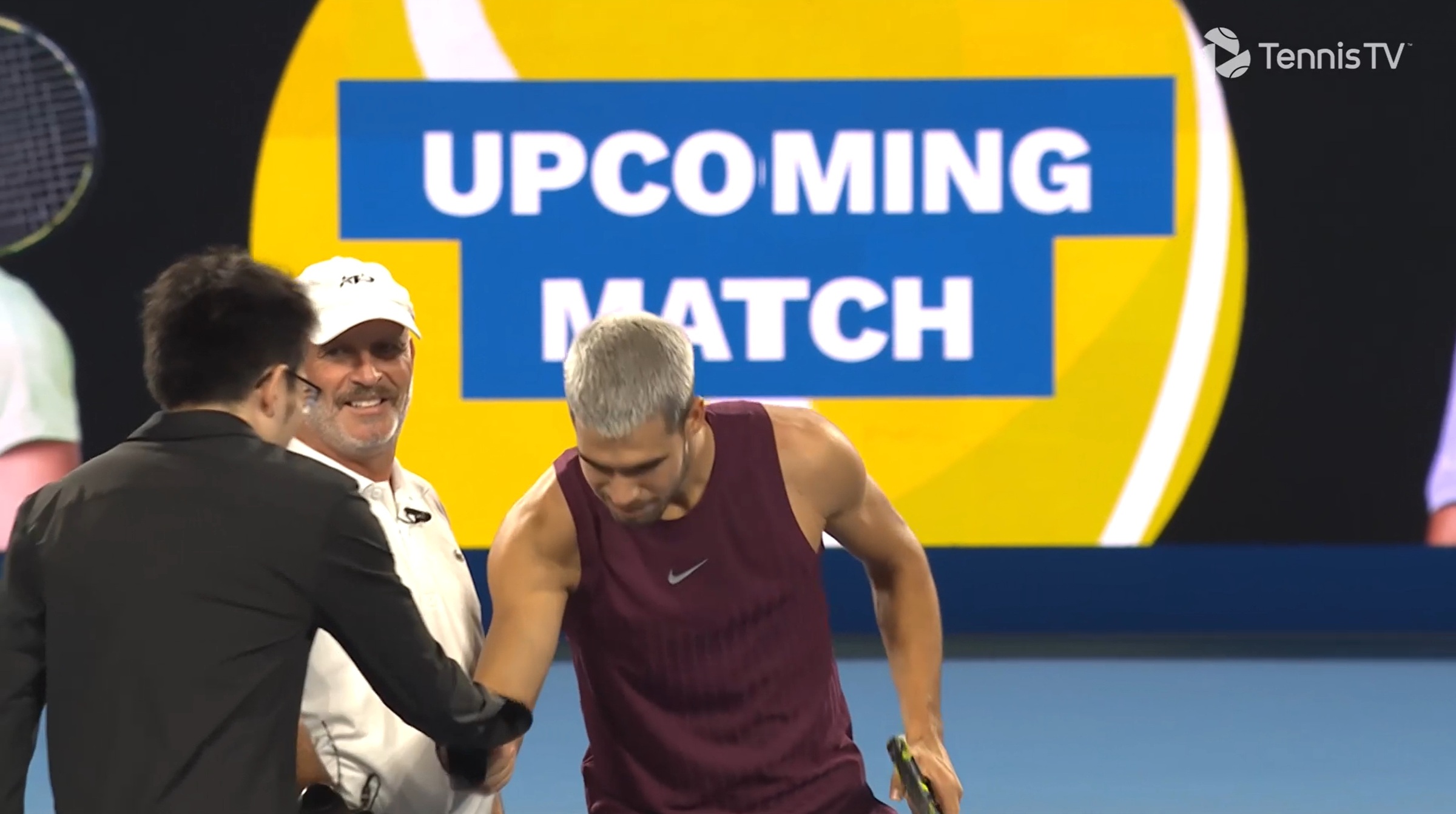
World No. 1 Carlos Alcaraz (🇪🇸, 22) made his debut in Japan there, today.
He scared everybody with an ankle injury in the first set of his match, but recovered to beat Argentinian Sebastian Baez (🇦🇷, 24) by 6-4, 6-2 in the second round.
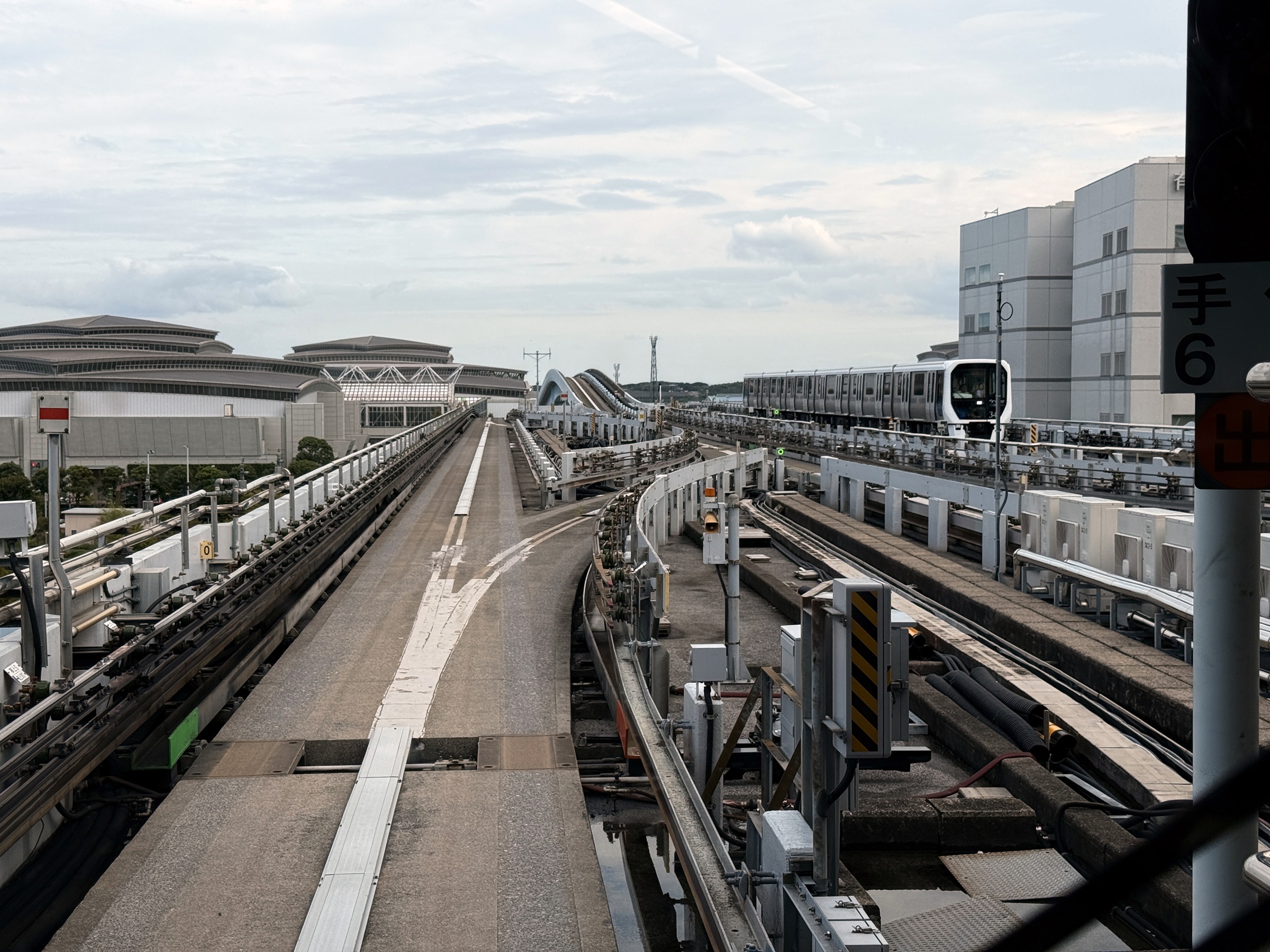
Here is my picture from last Friday on the elevated Yurikamome Line. The structures on the left of the track are in Ariake Tennis no Mori Park with its center court Ariake Coliseum.
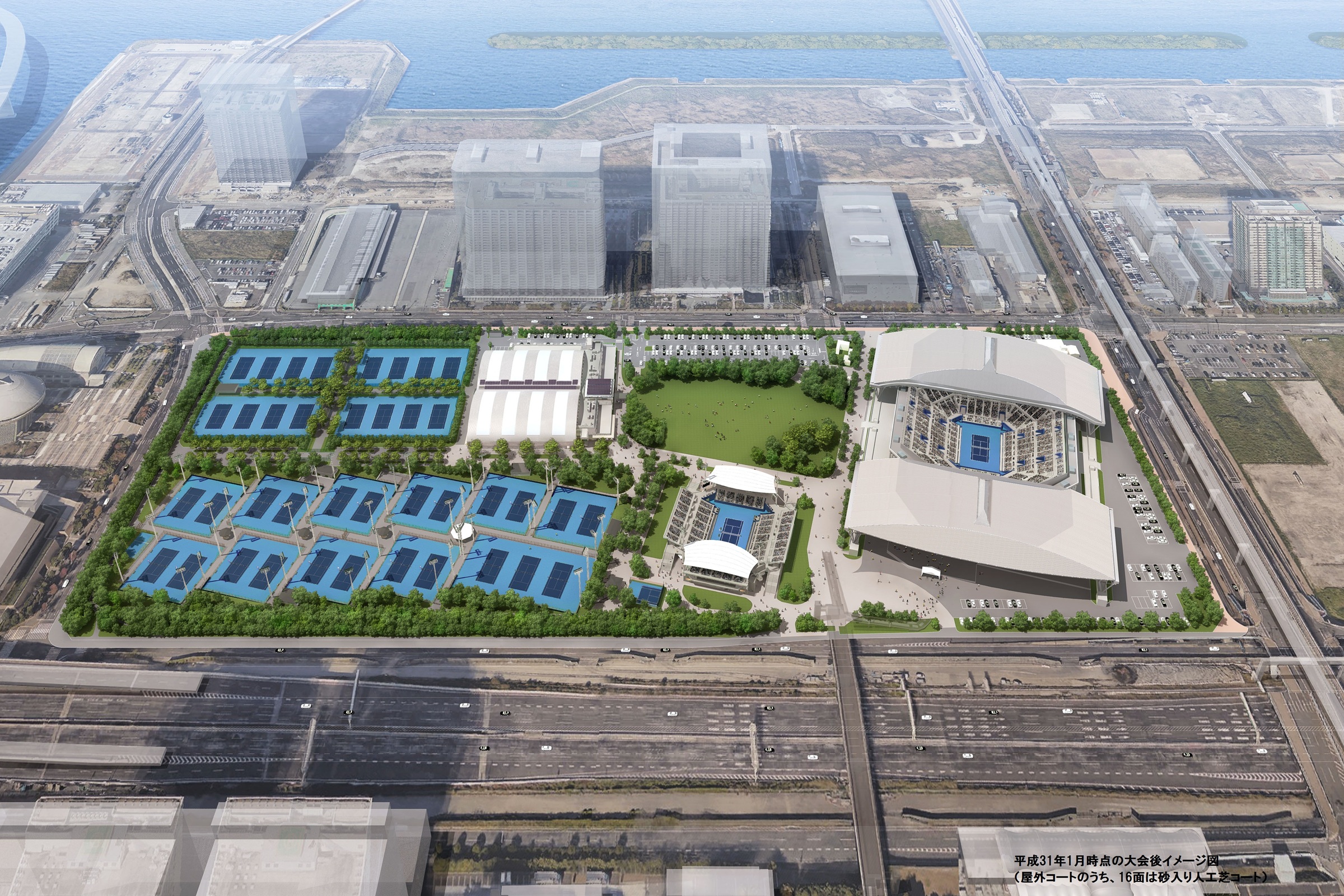
The tennis park opened in 1983 with 32 hard courts. It was extensively renovated to serve as the tennis venue for the 2020 Summer Olympics and today houses a total of 49 tennis courts (33 hard courts and 16 artificial grass courts with sand infill). Look for the elevated Yurikamome Line on the left of the picture. The Ariake Tennis no Mori Park train station is towards the top right of the picture. [Graphic from Olympic and Paralympic Games TOKYO2020 website]Here’s Carlos at the start of his match against Sebastian Baez— his buzz cut from the US Open now grown out a little (and bleached silver, not blond, he says). Carlos is doing a Japanese bow as he greets the representative from Kinoshita Group (I couldn’t get his name). The man in the middle is the umpire of the match, Fergus Murphy from Dublin, Ireland. [Still from TennisTV coverage of the match]
I deployed my 2 ½ -dimensional card that I had bought at a Japan Post Office in Tokyo, on my dining room table.
The cut-outs on the card was done with a laser. Here is an explainer from Google AI Overview: Lasers are very effective for cutting paper, offering high precision for intricate designs on various paper types, including cardstock and corrugated board. The laser beam vaporizes the paper along the path of the design, resulting in a clean, distortion-free edge without mechanical contact. While the laser’s heat can cause slight browning or charring on the edges, this can be minimized by using appropriate power and speed settings for the specific paper.
It’s Friday night in Tokyo and I am at the airport.
I had time today to squeeze in one more train ride, on the Yurikamome Line.
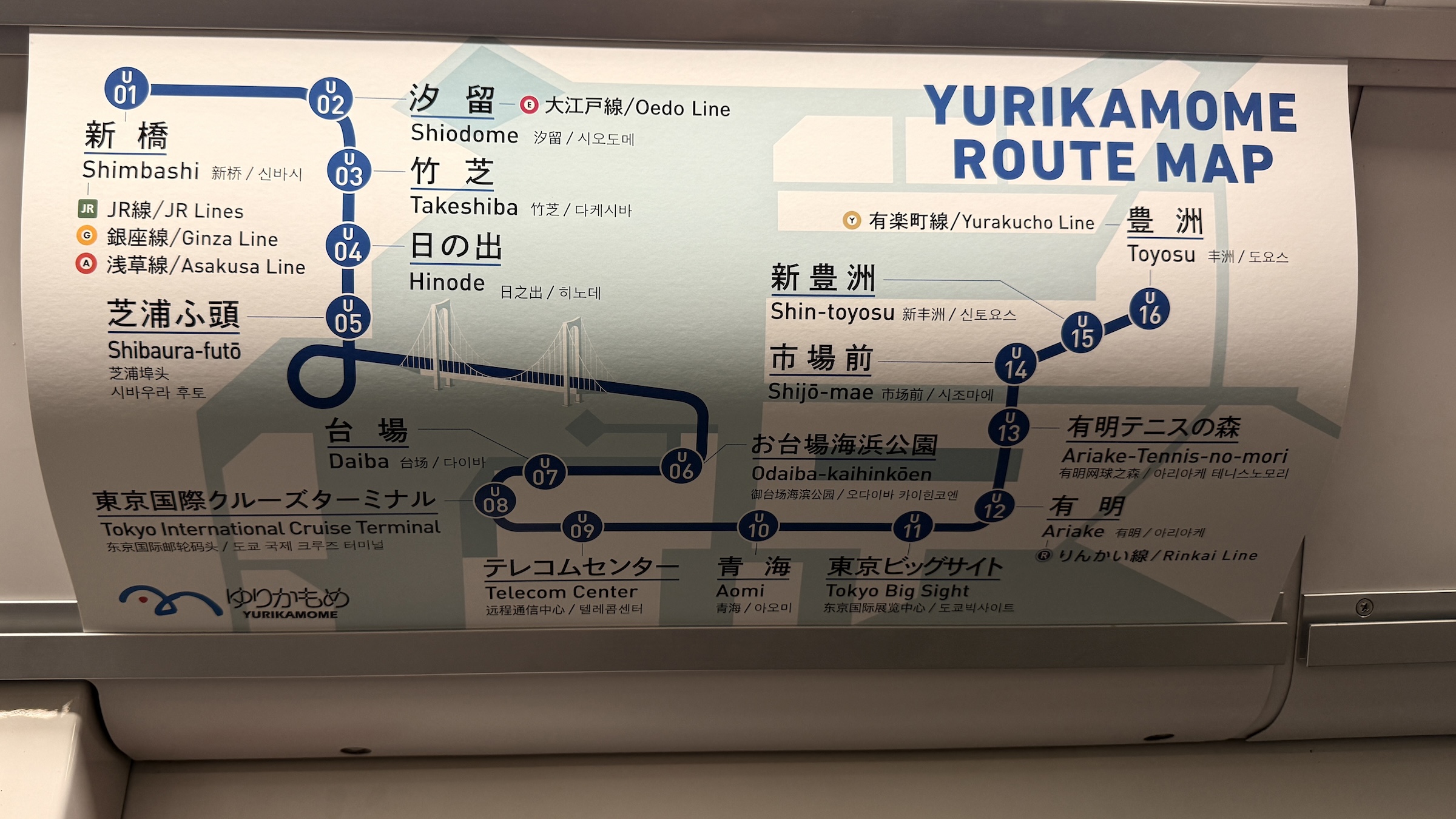
The train on this line runs on an elevated, fully automated track (so no driver) that connects Shimbashi Station to Toyosu Station via the popular Odaiba area.
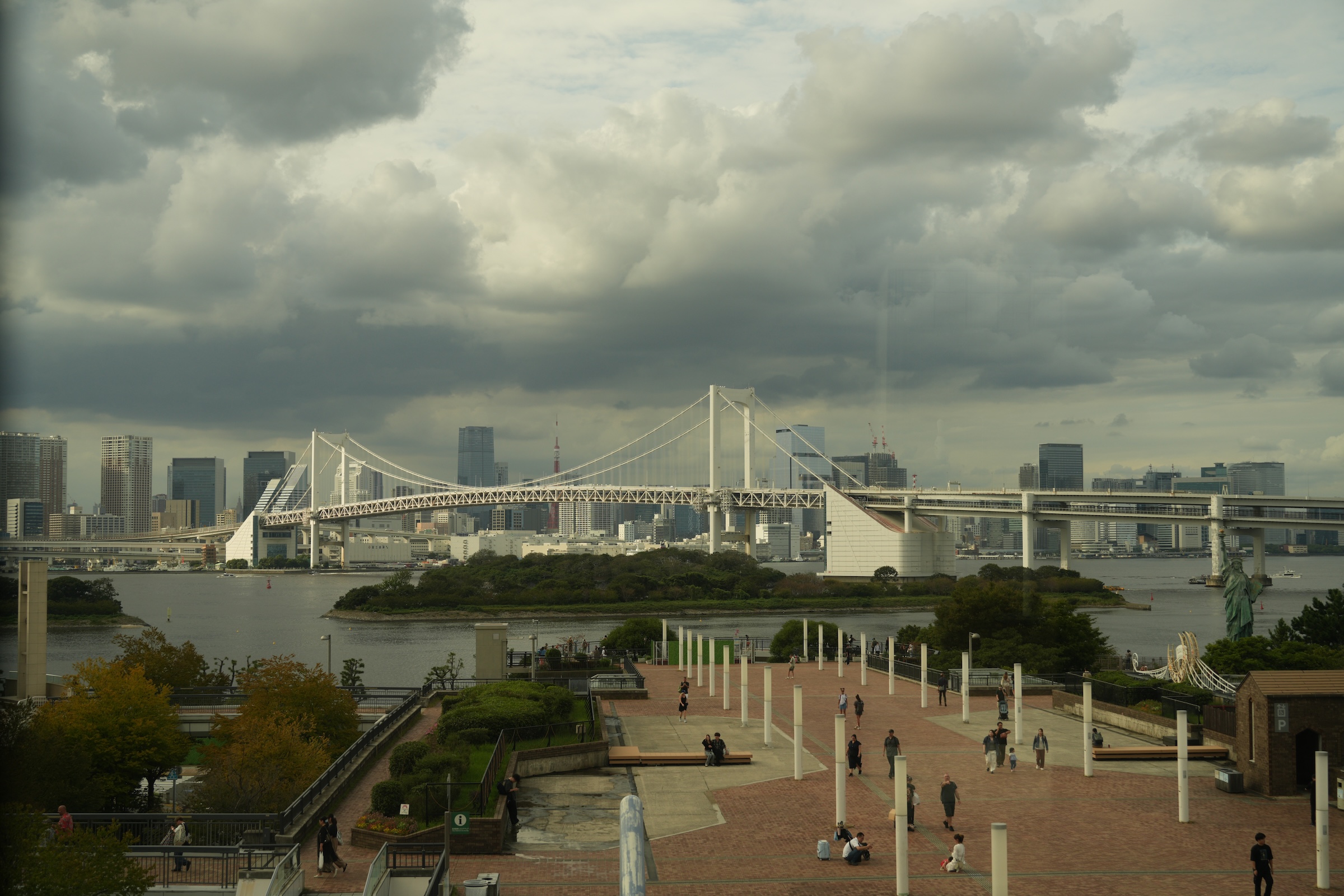
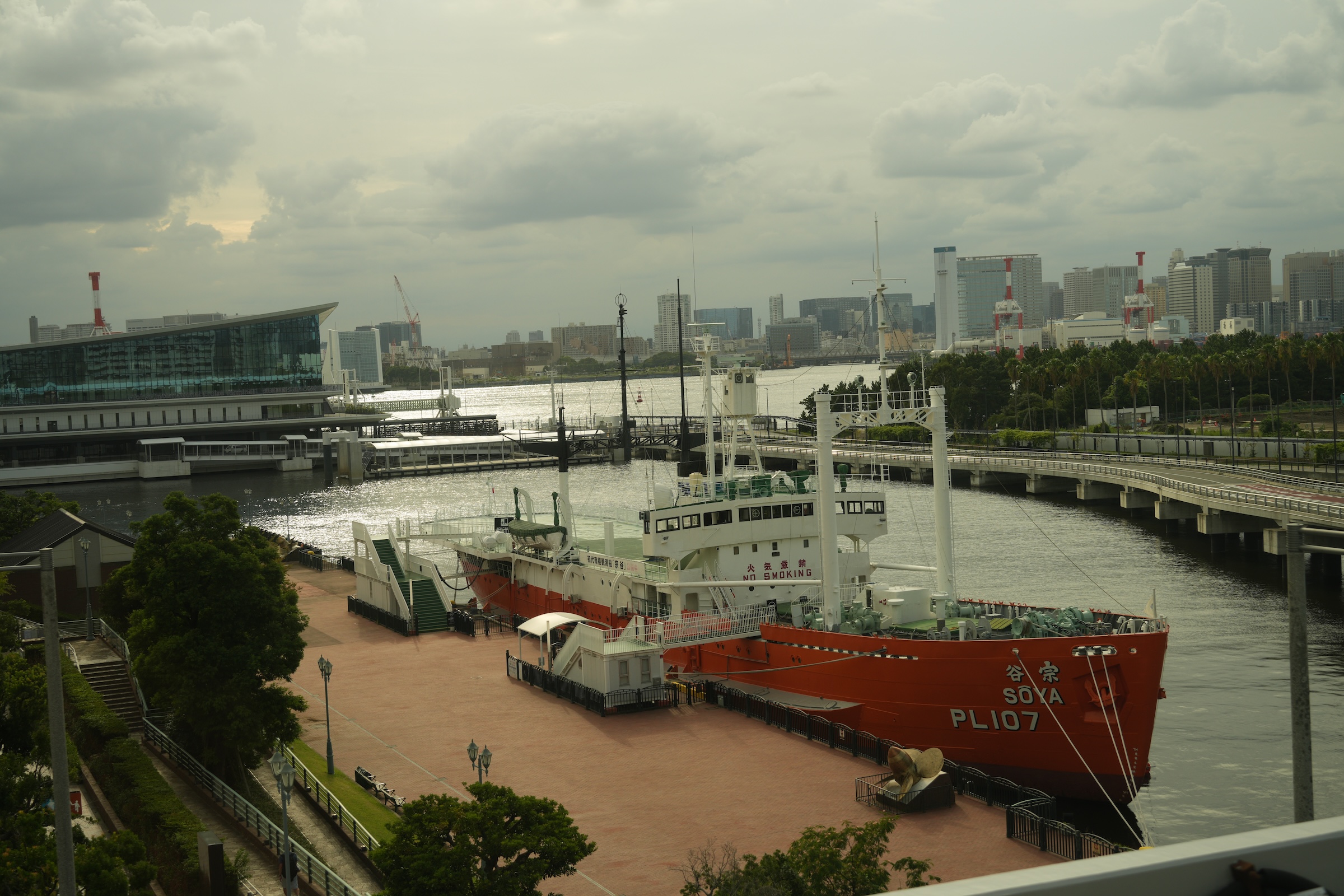
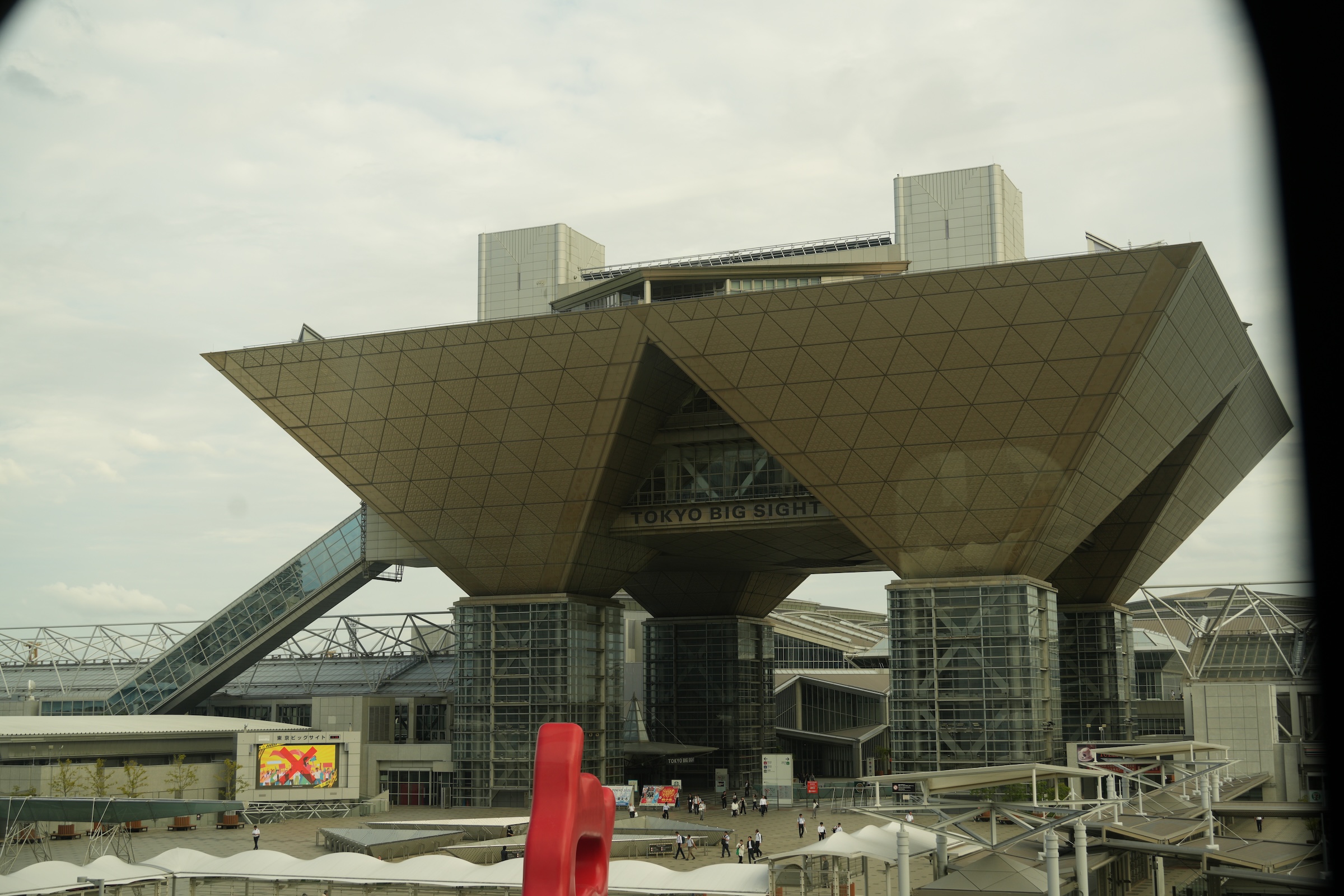
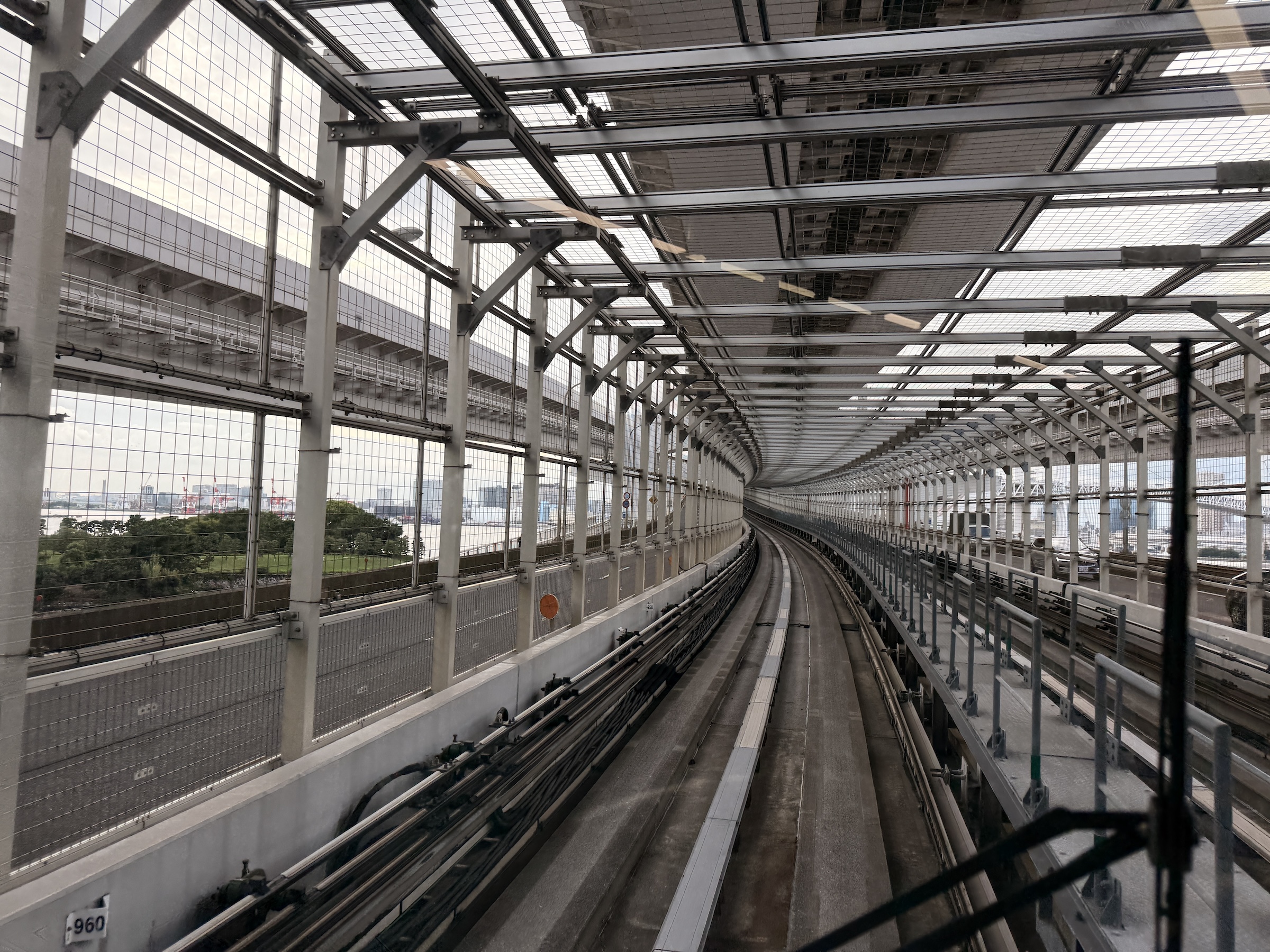
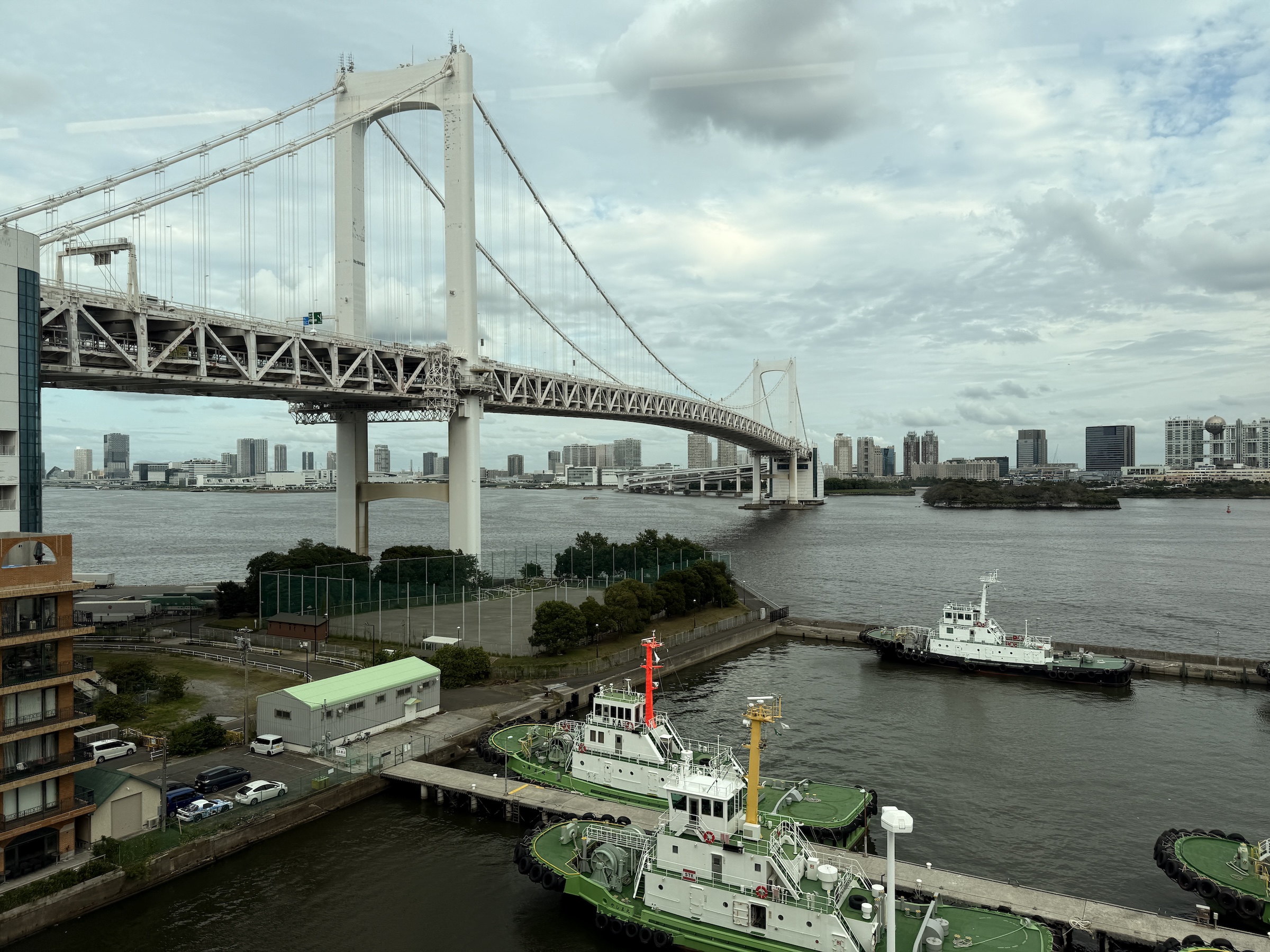
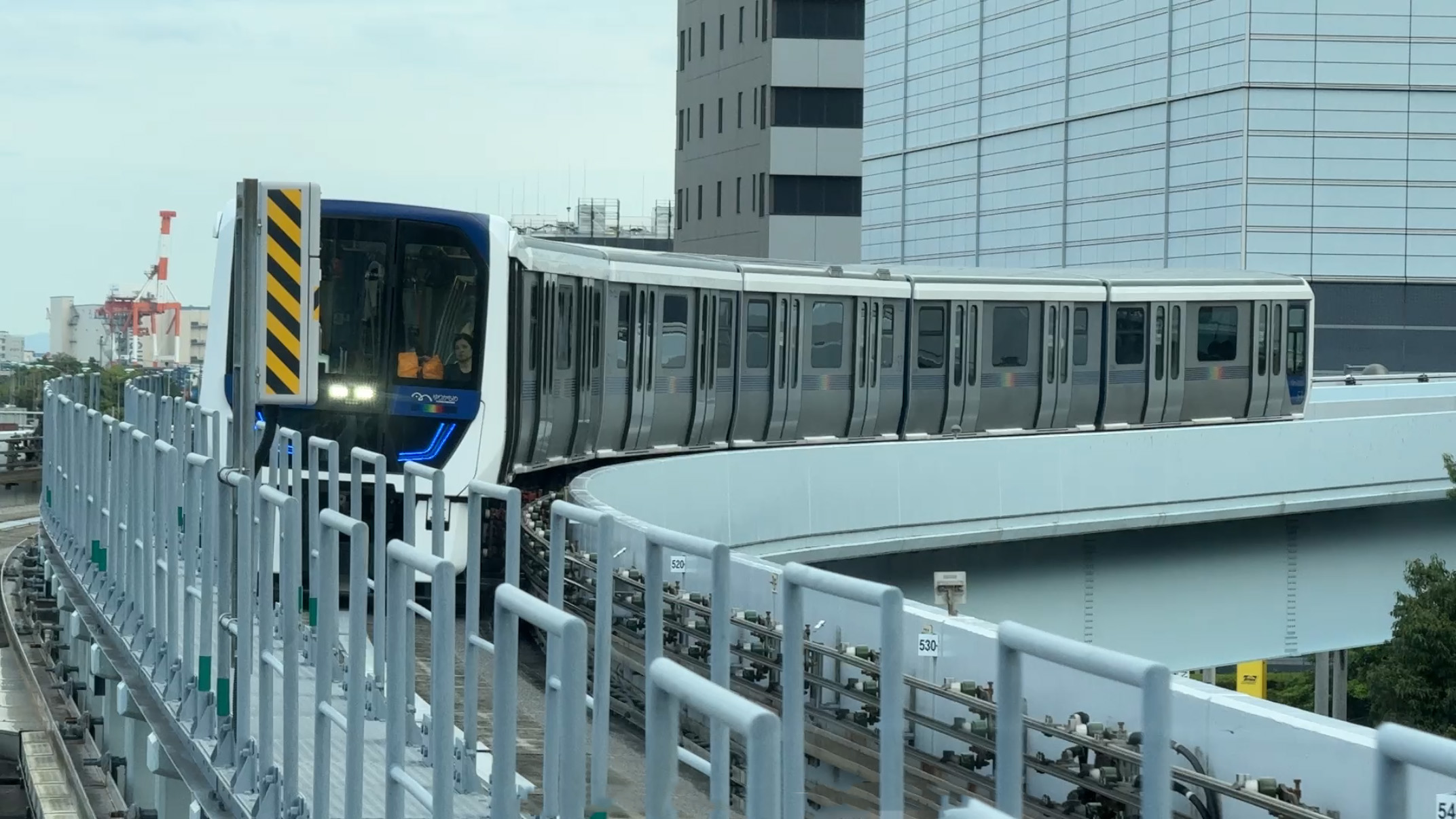
Here’s the Yurikamome route. The loop in the line is a ramp to get the train onto the Rainbow Bridge.This is towards the end of the line on the way out, at Odaiba Marine Park, with a nice view of the Rainbow Bridge. In the distance is the top of Tokyo Tower and look what’s near the right frame of the picture: a mini Statue of Liberty.One station on the line is named Tokyo International Cruise Terminal. I did not spot any cruise ships, but the building on the left is the cruise ship terminal building.Here’s the Tokyo Big Sight International Exhibition Center. The red handle in the foreground is part of a giant wood saw stuck into the ground by the entrance.On the Rainbow Bridge. The train cars actually use rubber tires on the concrete guideway, providing an excellent grip for navigating the sharp curves and steep slopes on the track.Another view of the Rainbow Bridge.Here is what the train looks like. It has five cars.
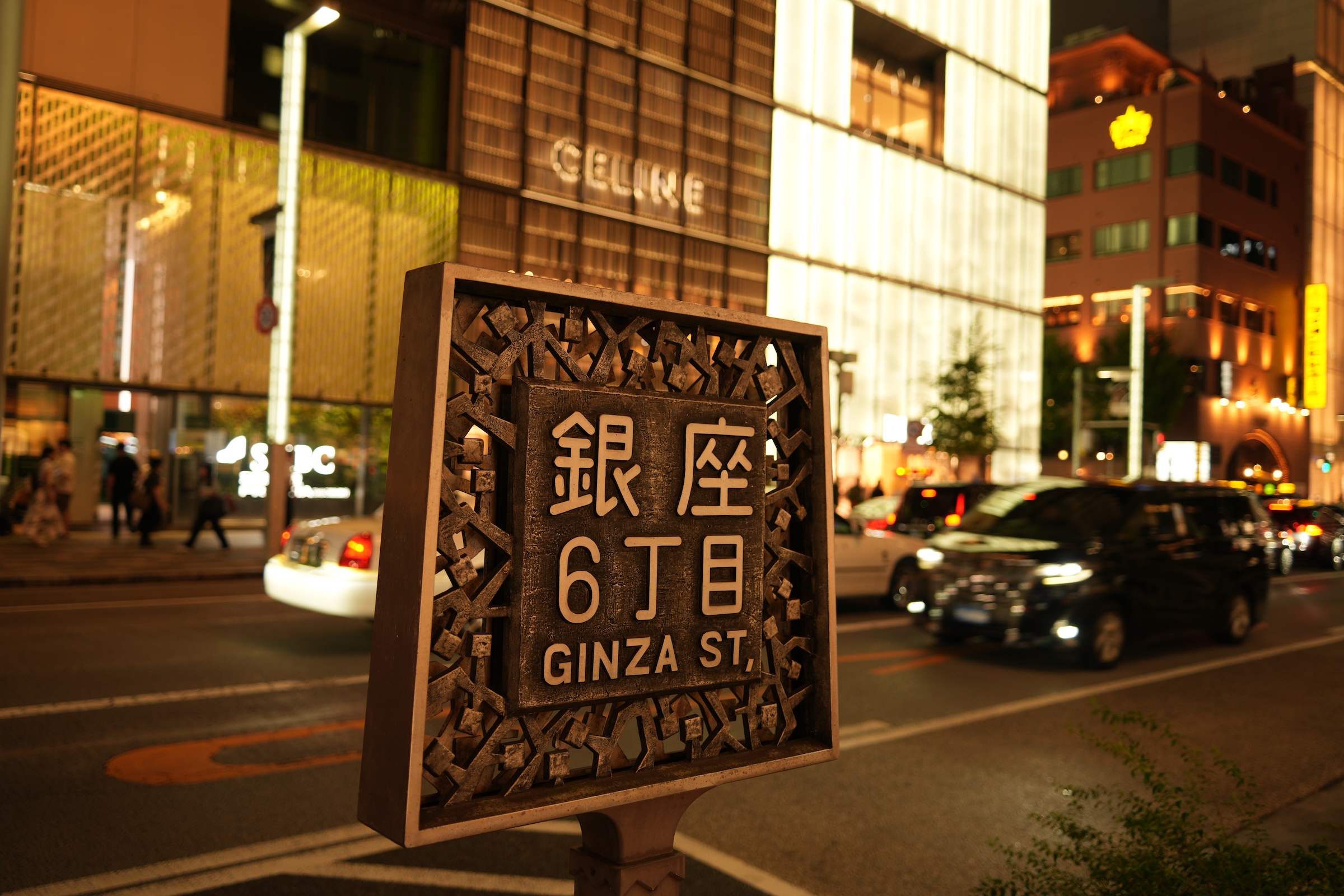
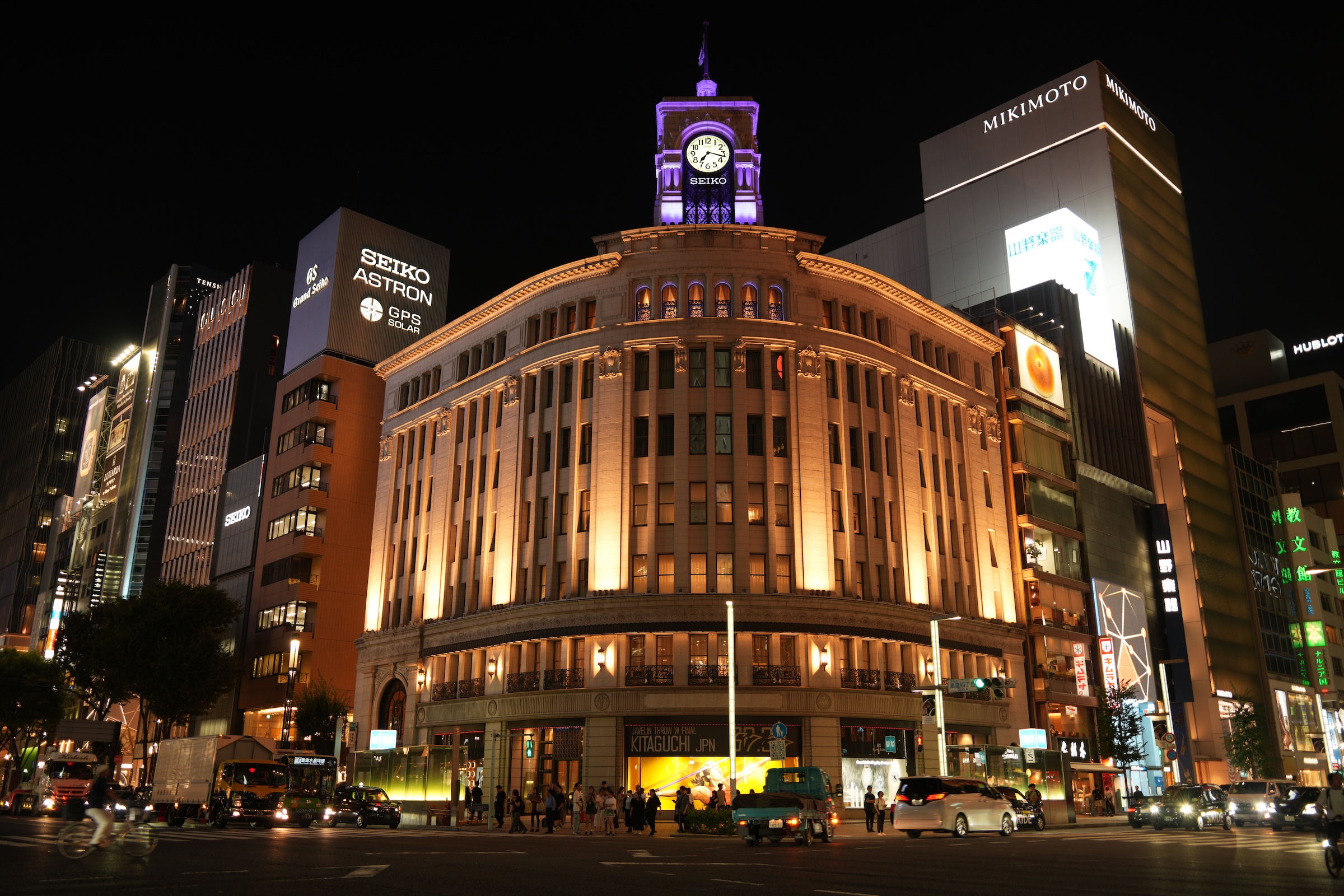
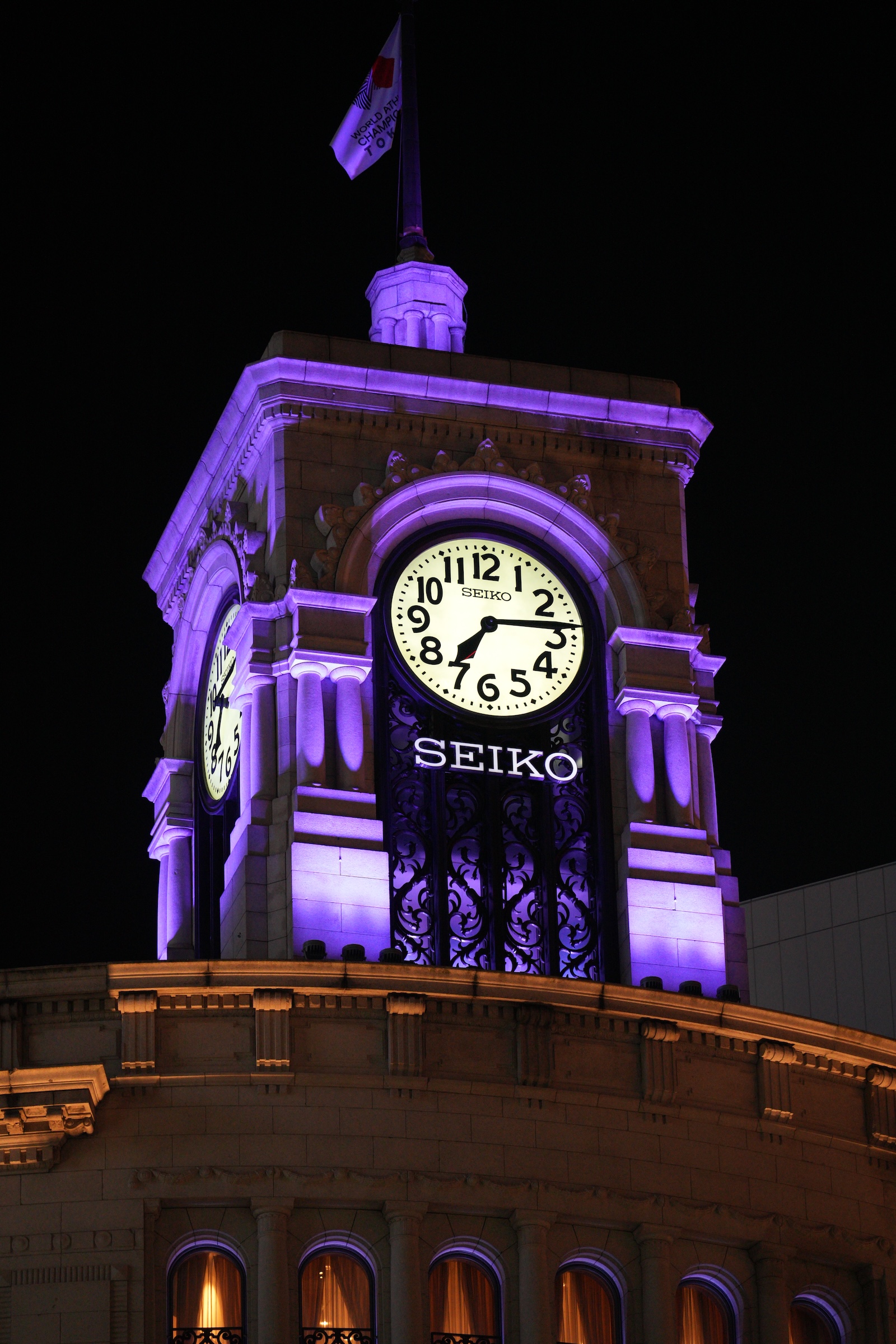
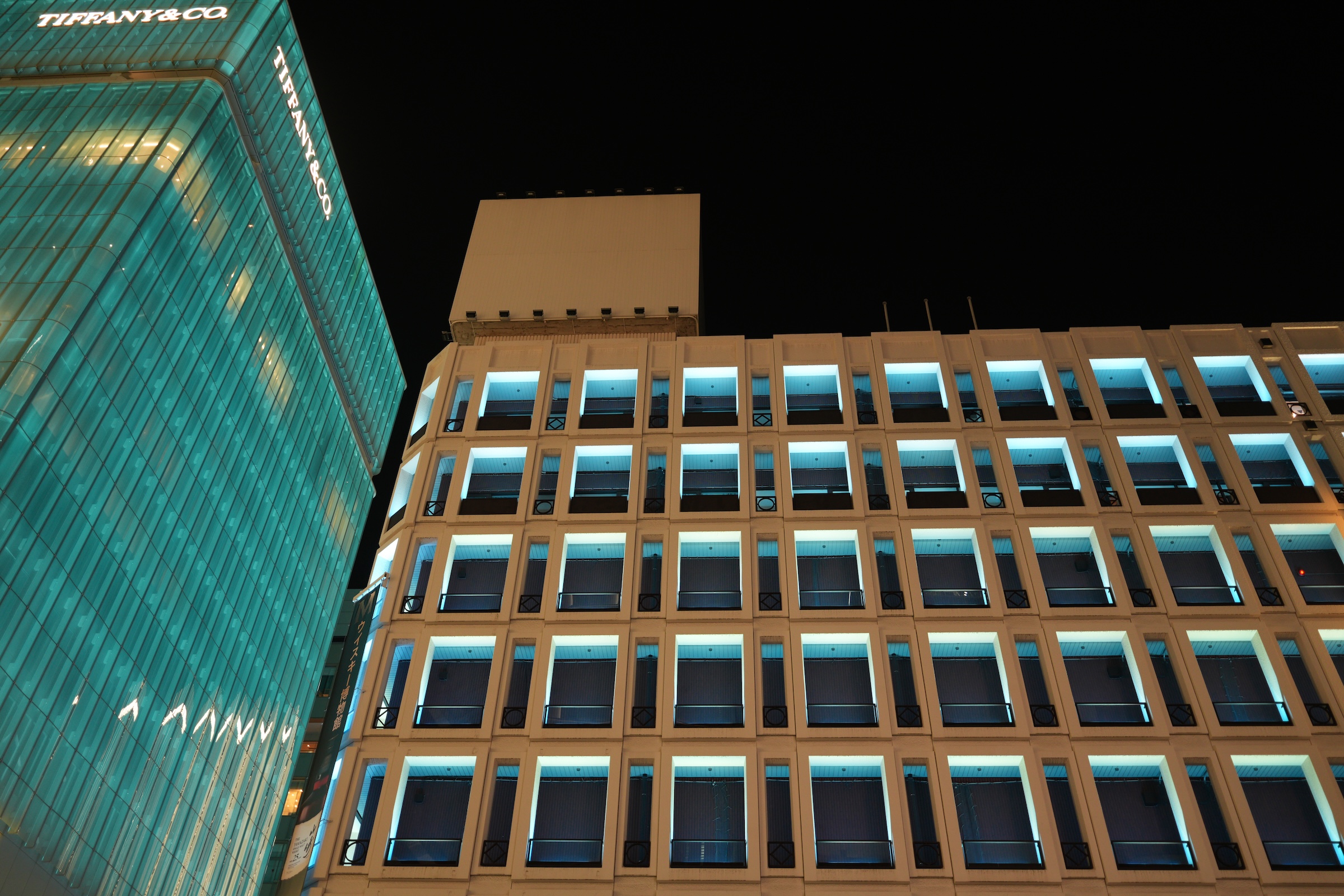
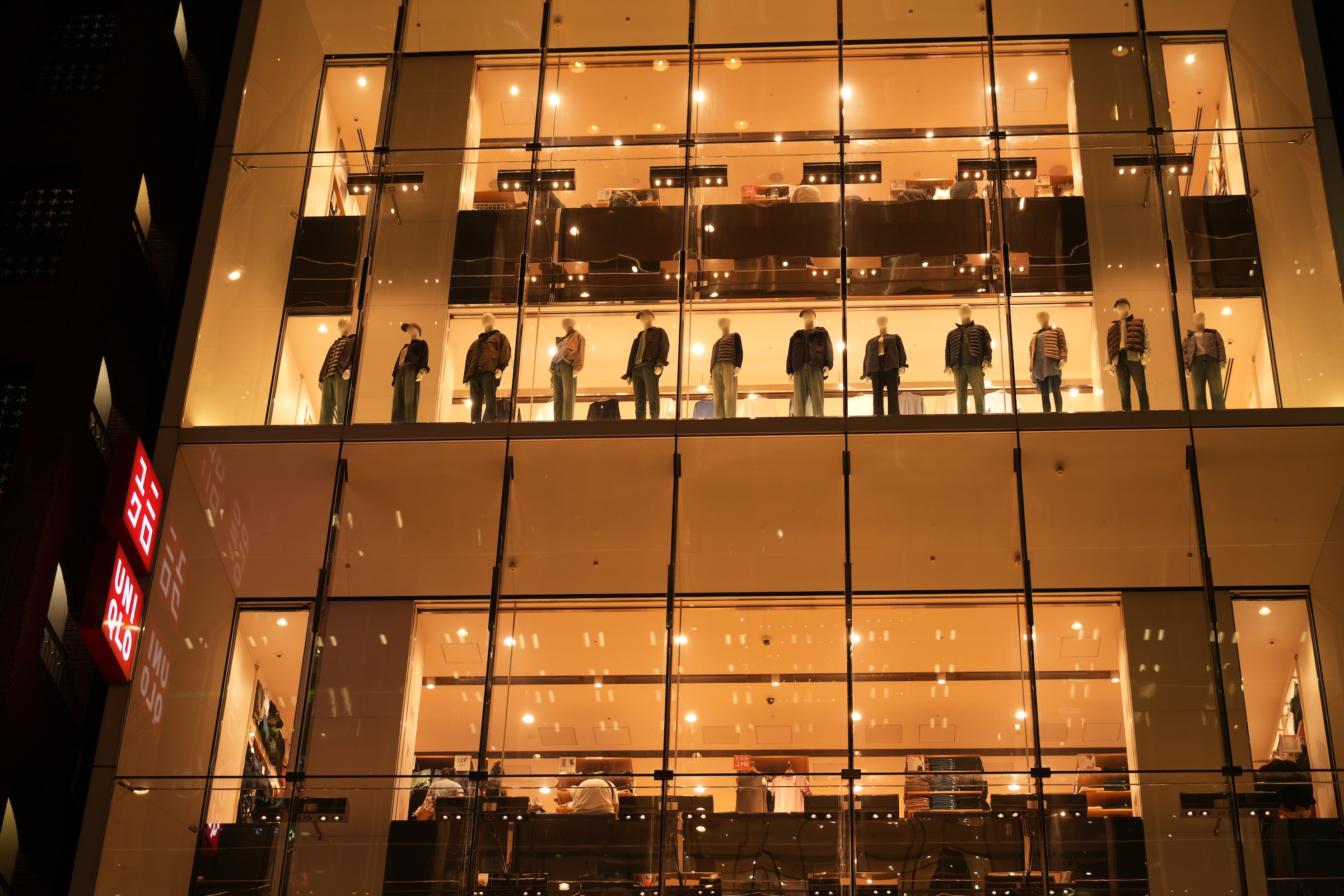
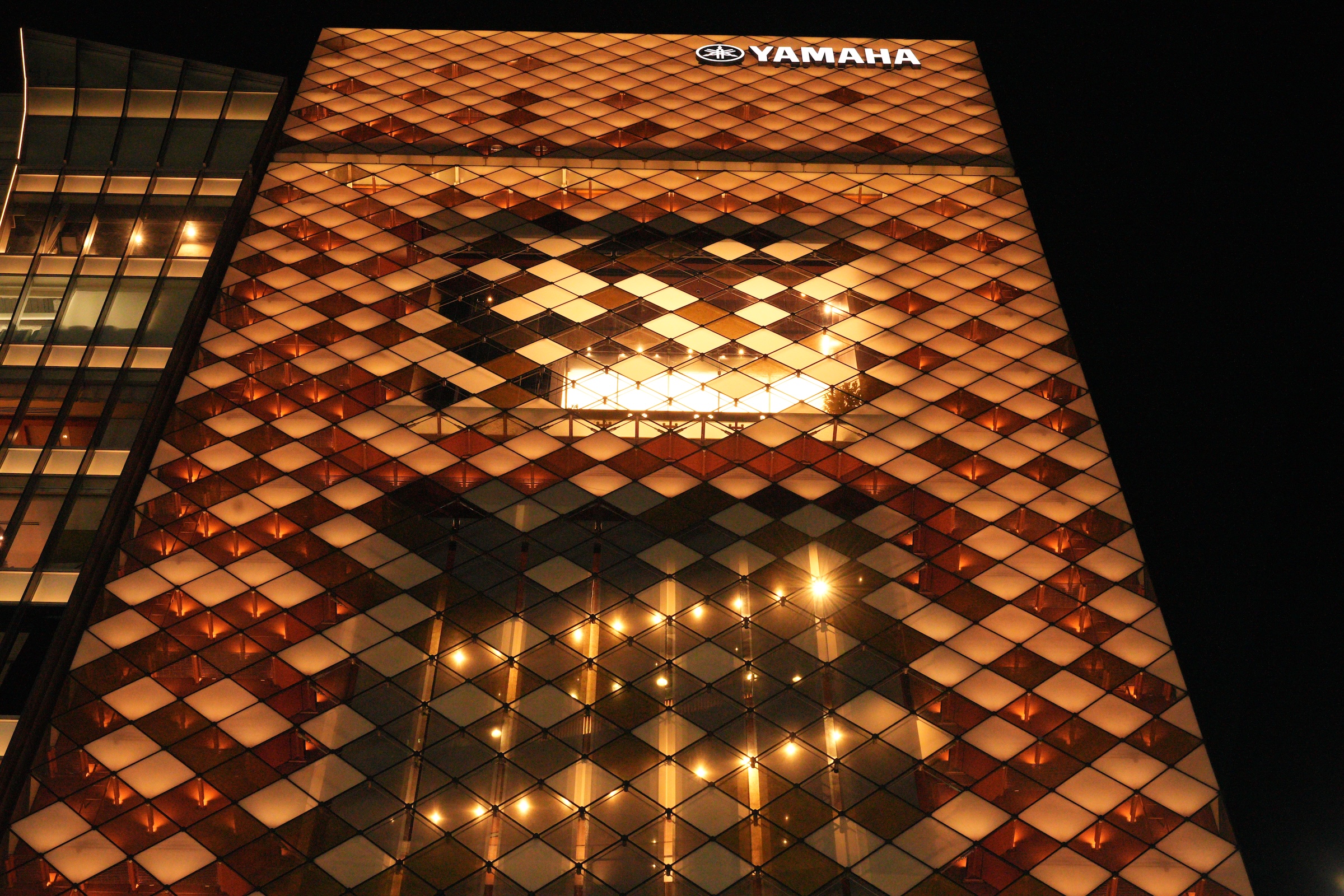
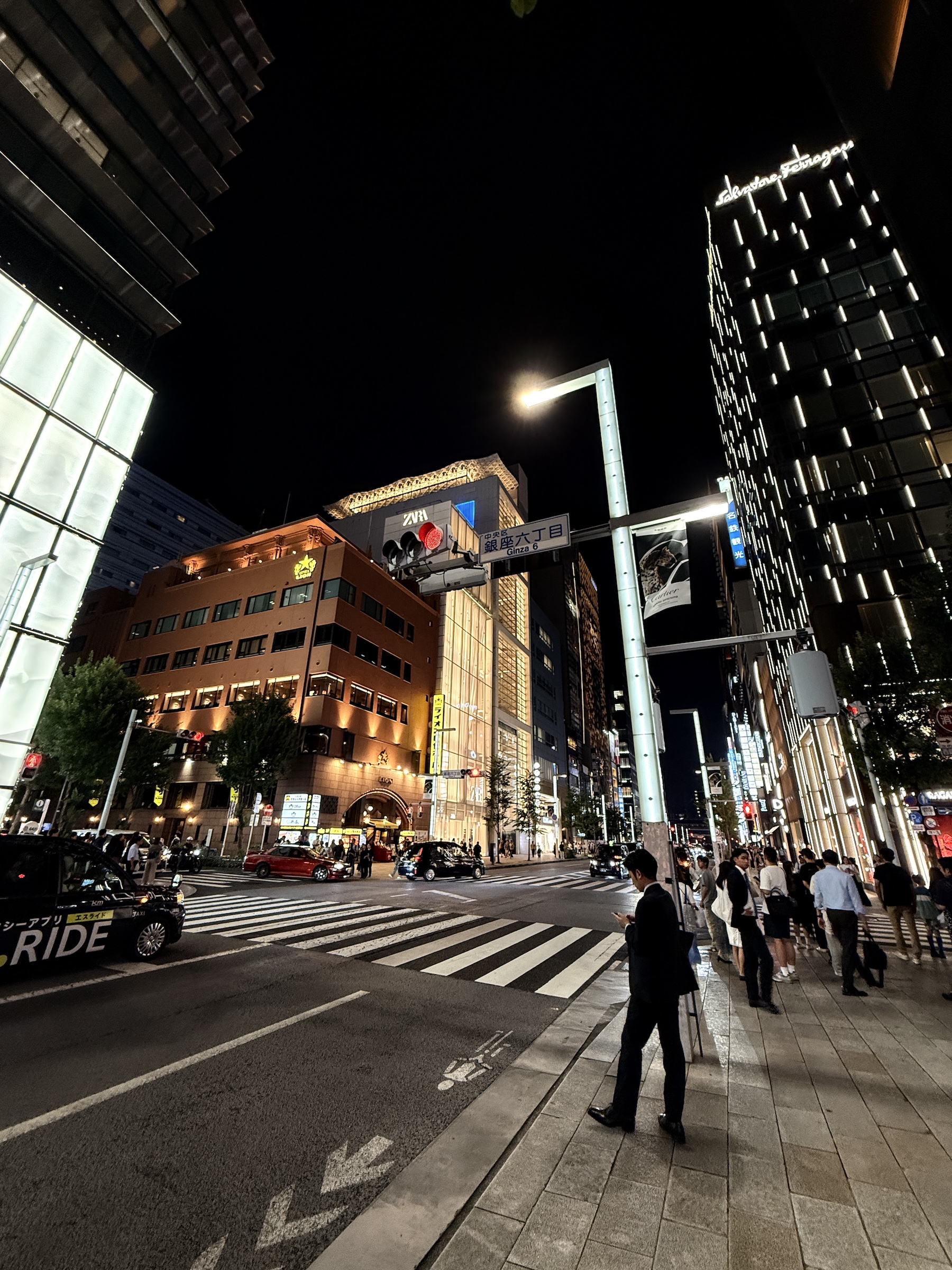
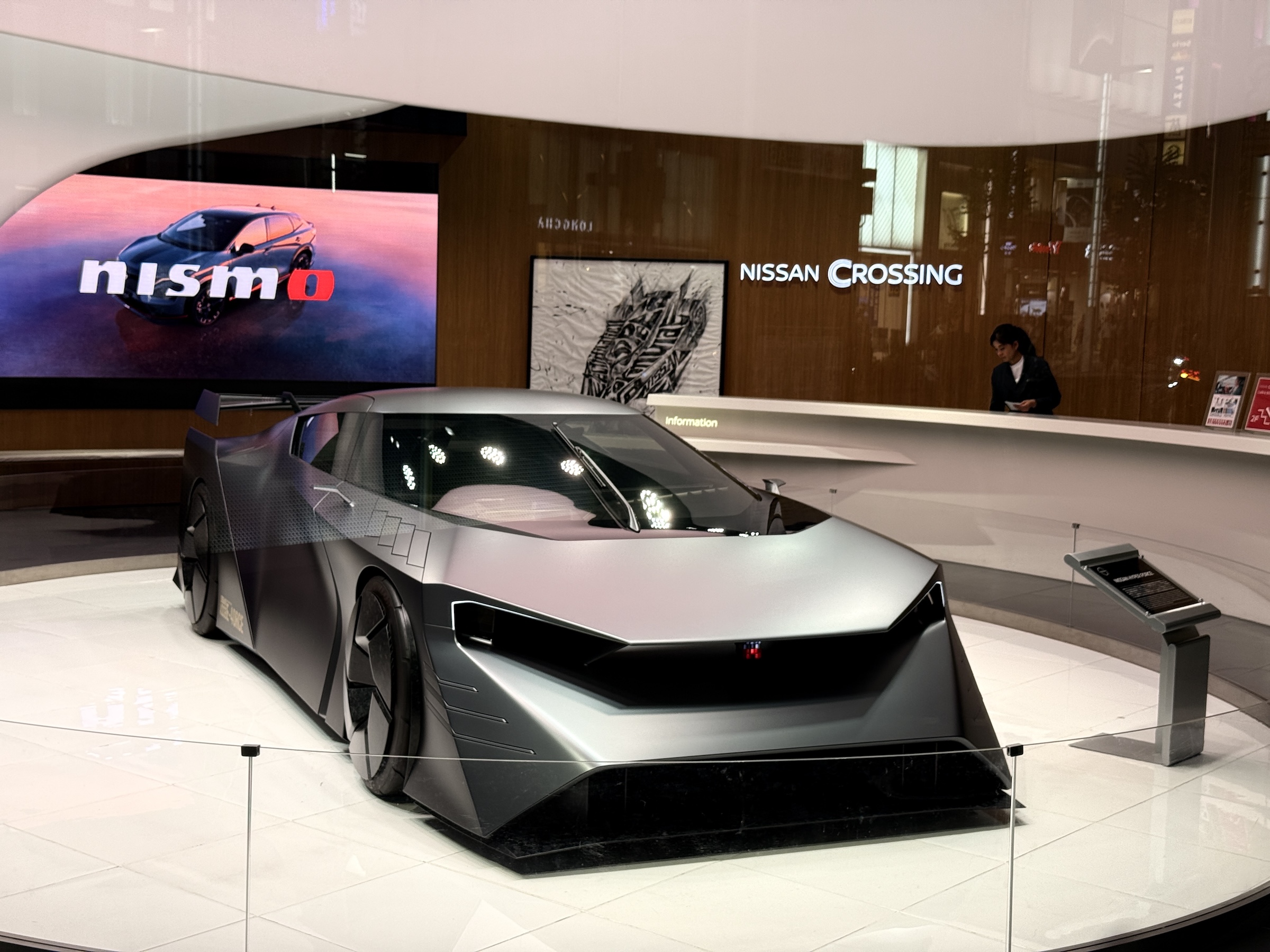
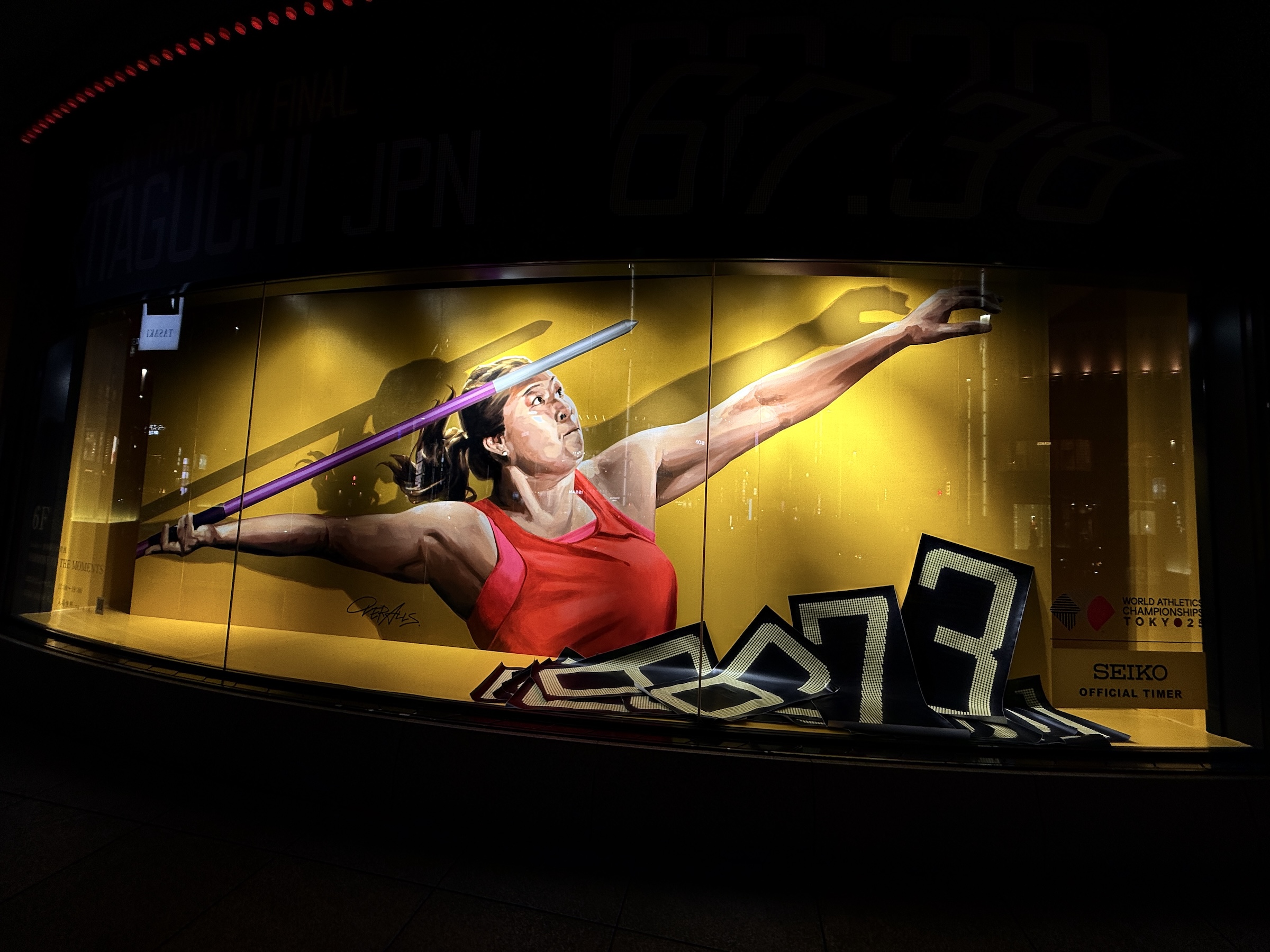
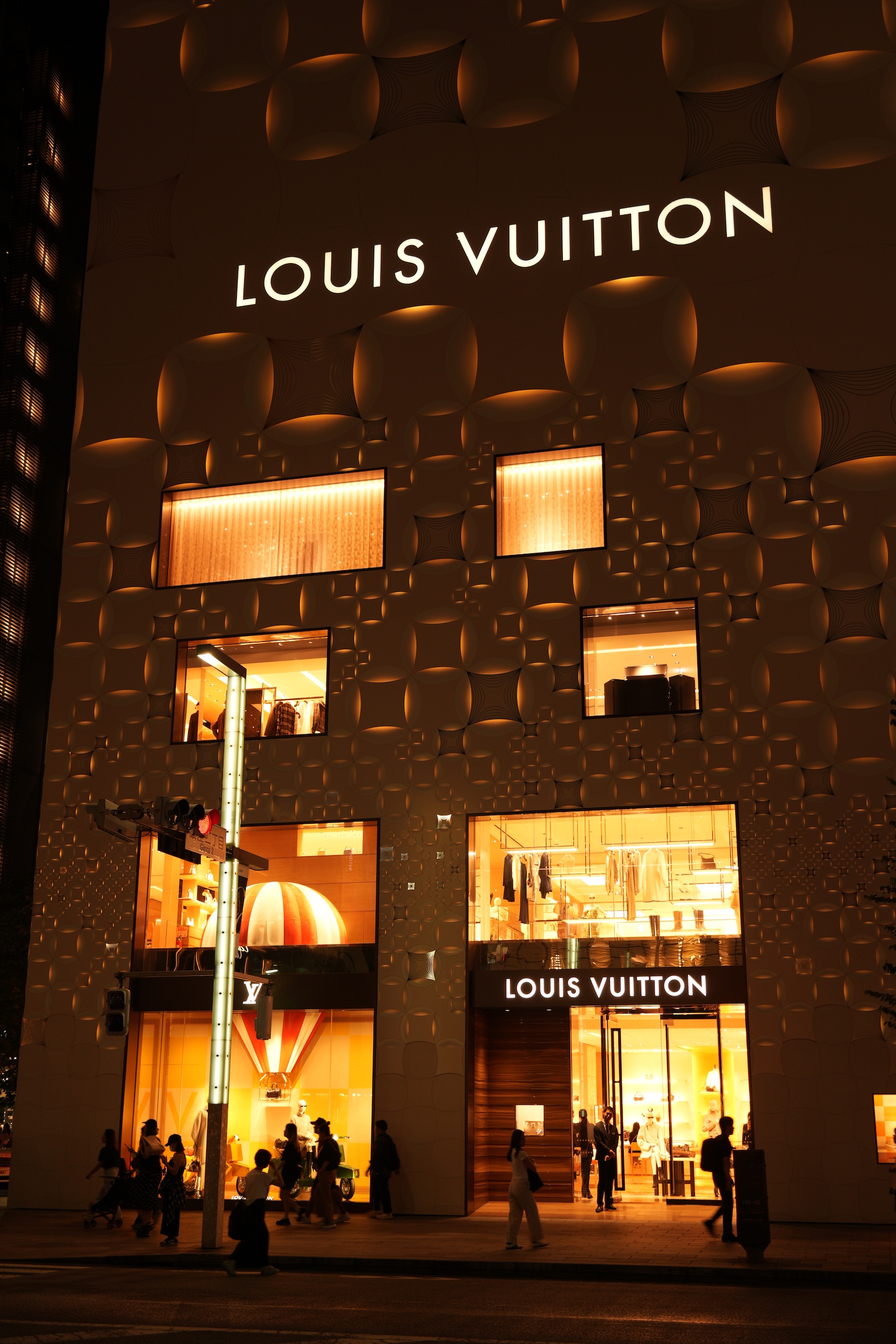
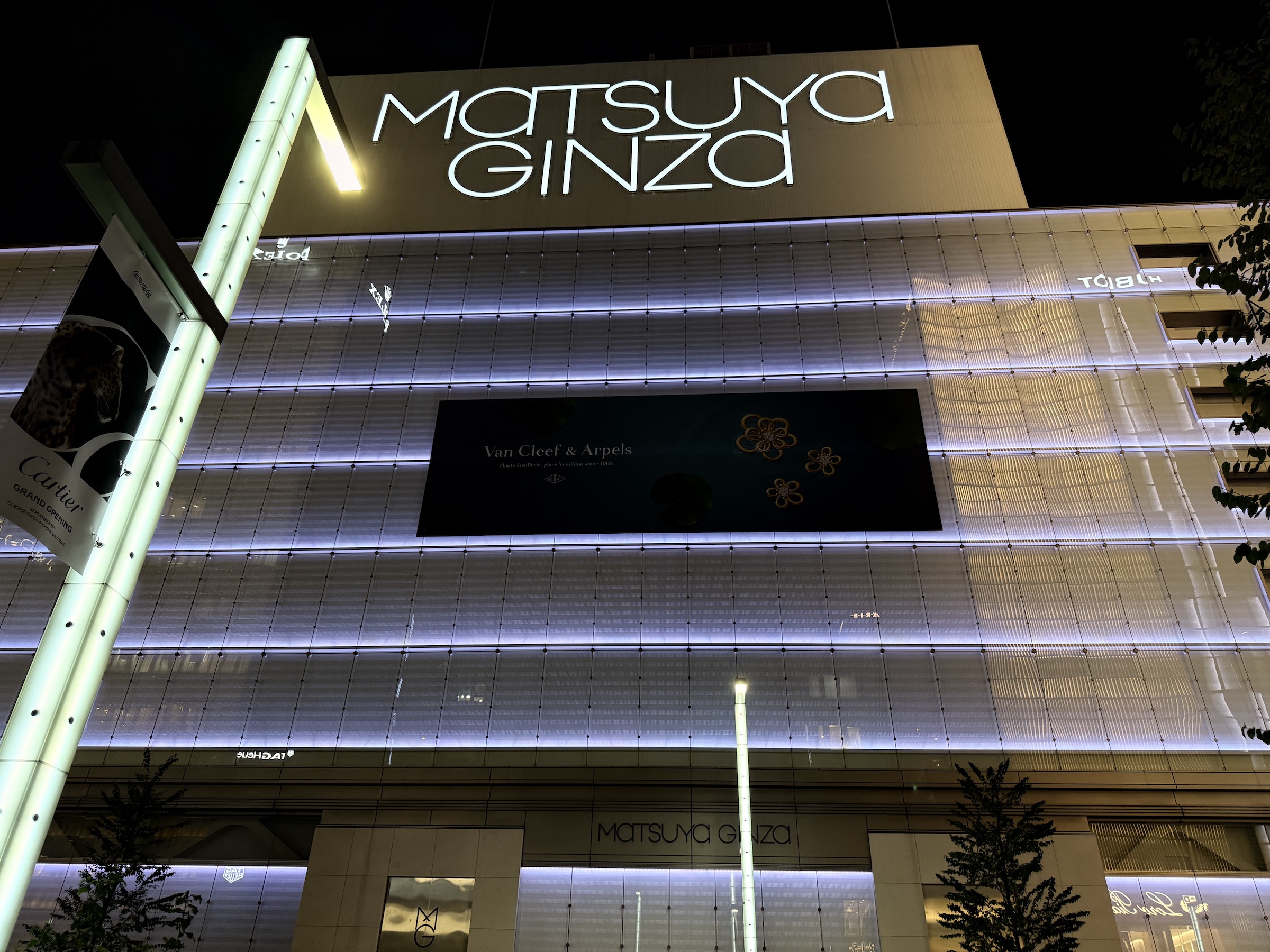
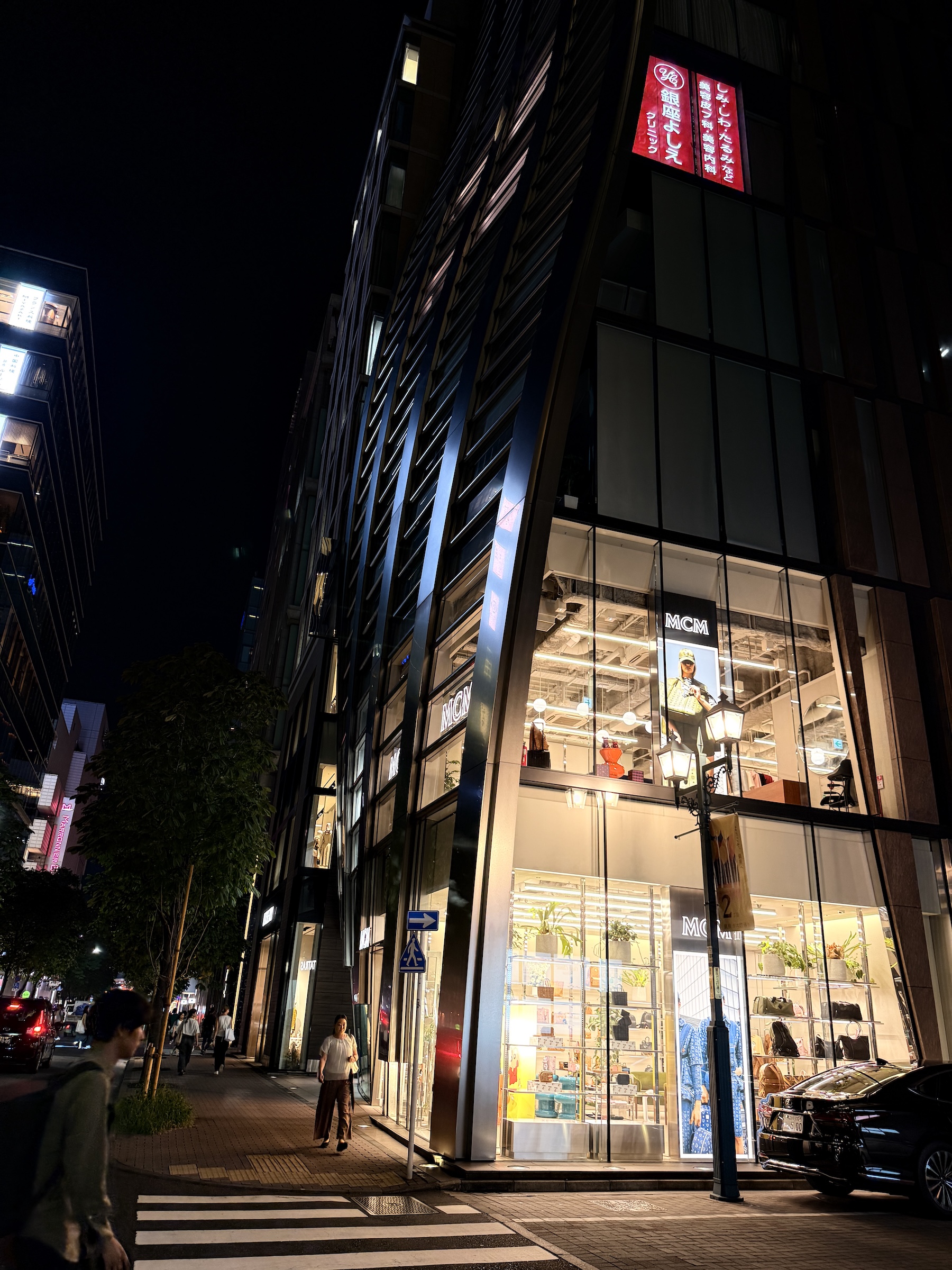
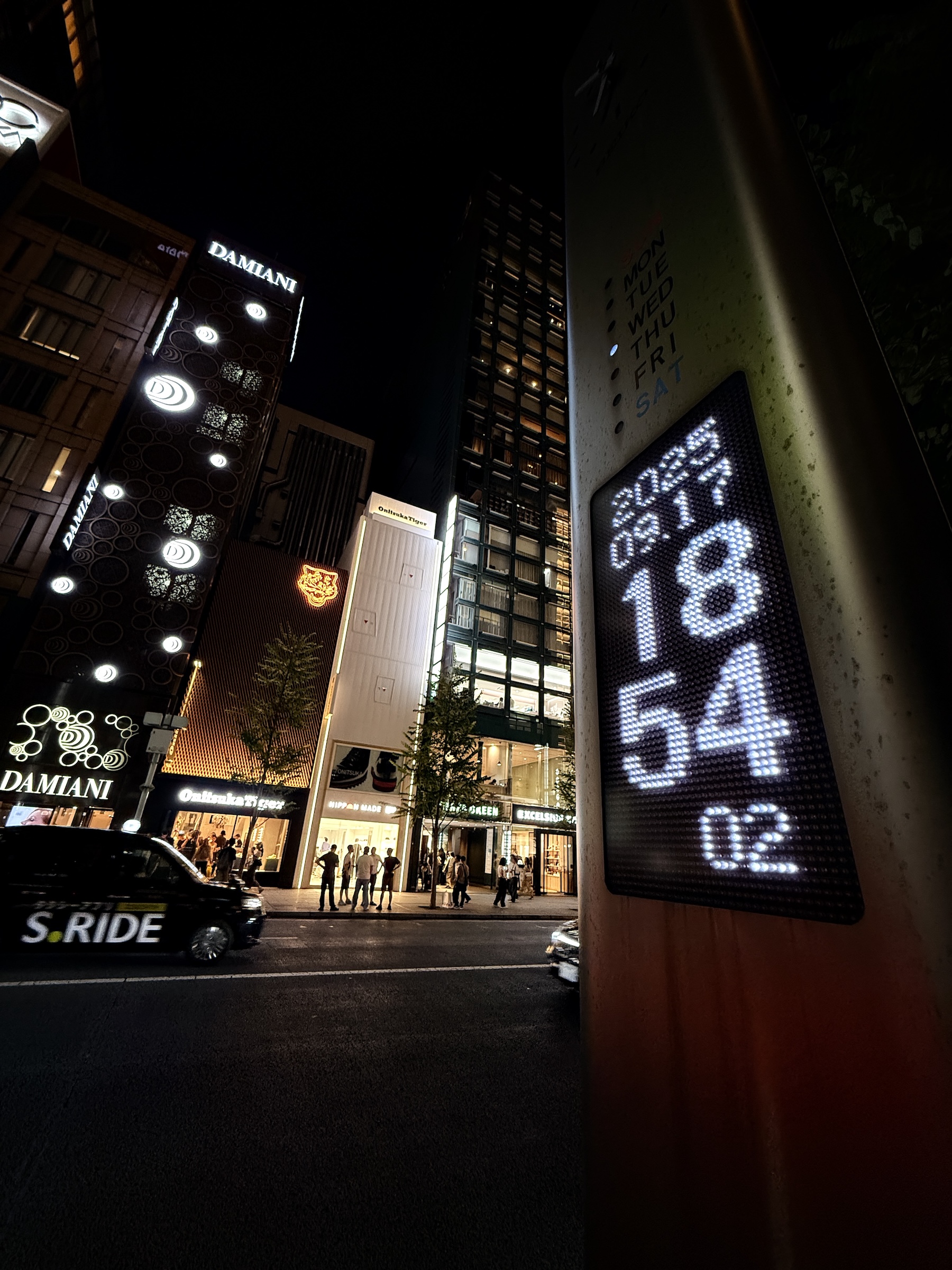
On Wednesday night I did my mandatory (mandatory for me) walk-about along the main street in Ginza, Tokyo’s luxury shopping district. The street is named Chuo-dori, which translates to ‘Central Street’.
The sign in the first picture says ‘Ginza Block 6’.
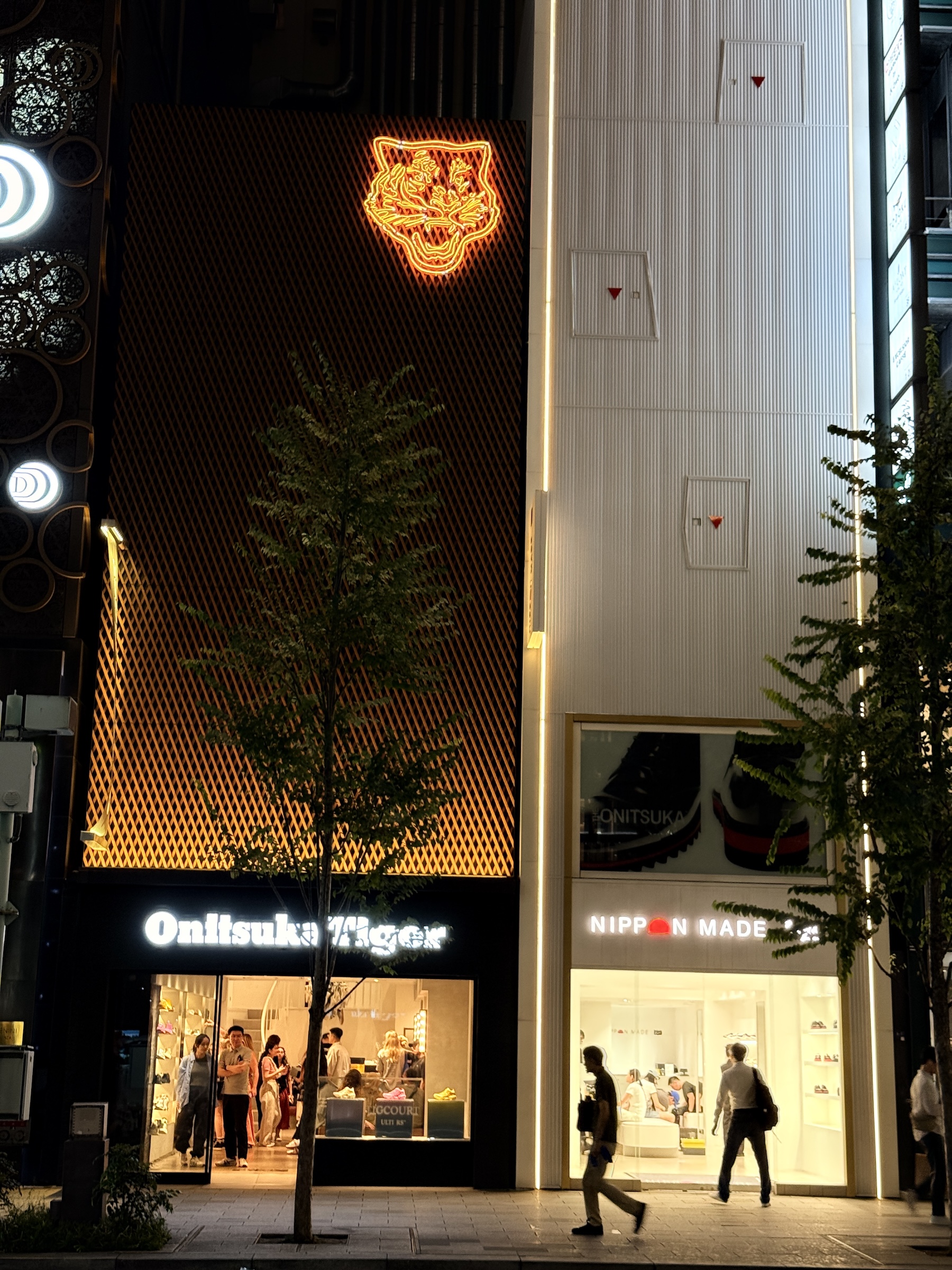
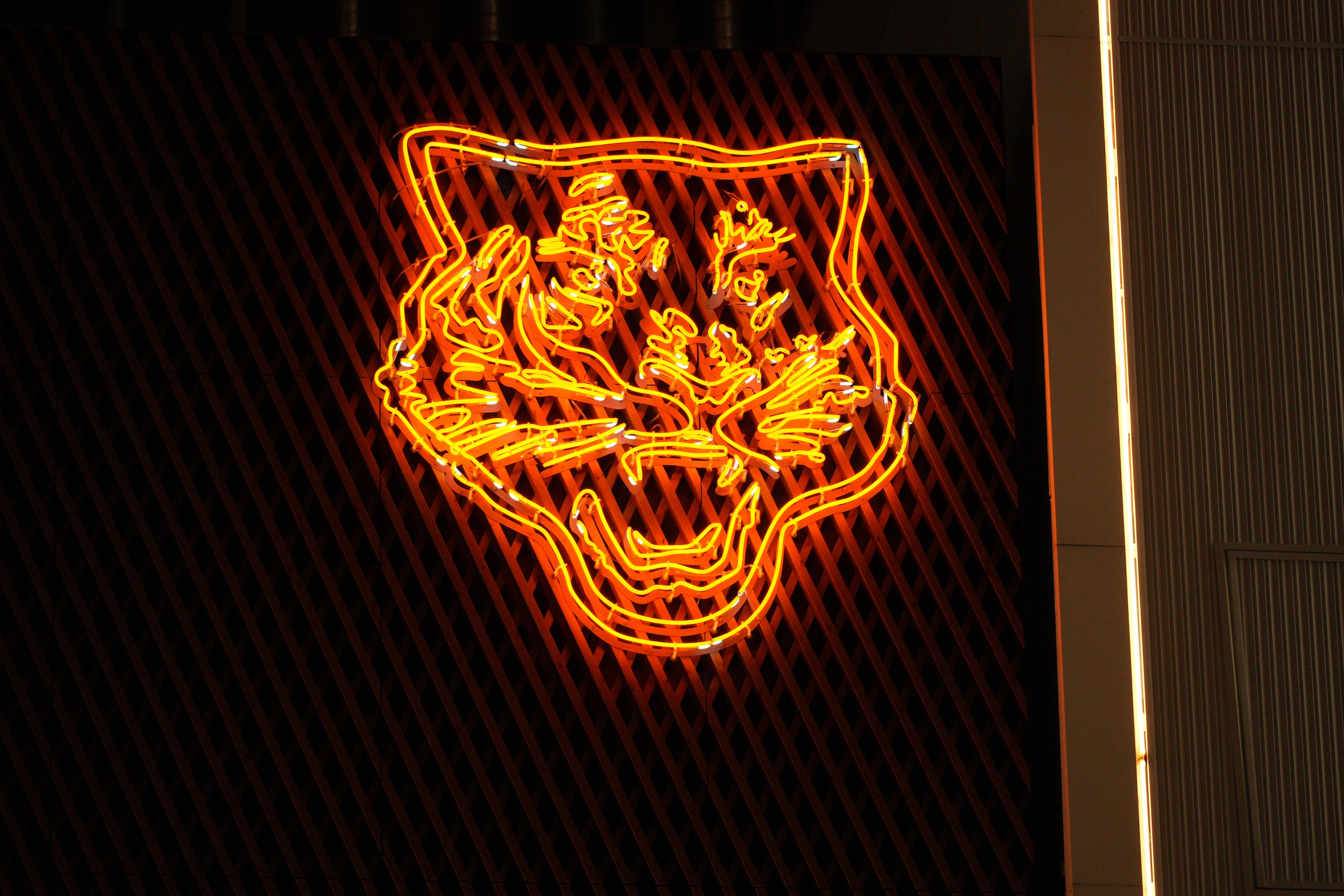
Stores on Chuo-dori close at 7 or at 8. The Onitsuka Tiger store (Japanese footwear maker) was filled with sneaker aficionados right until closing time. Look for the storefront with the cool tiger neon sign in the pictures below.
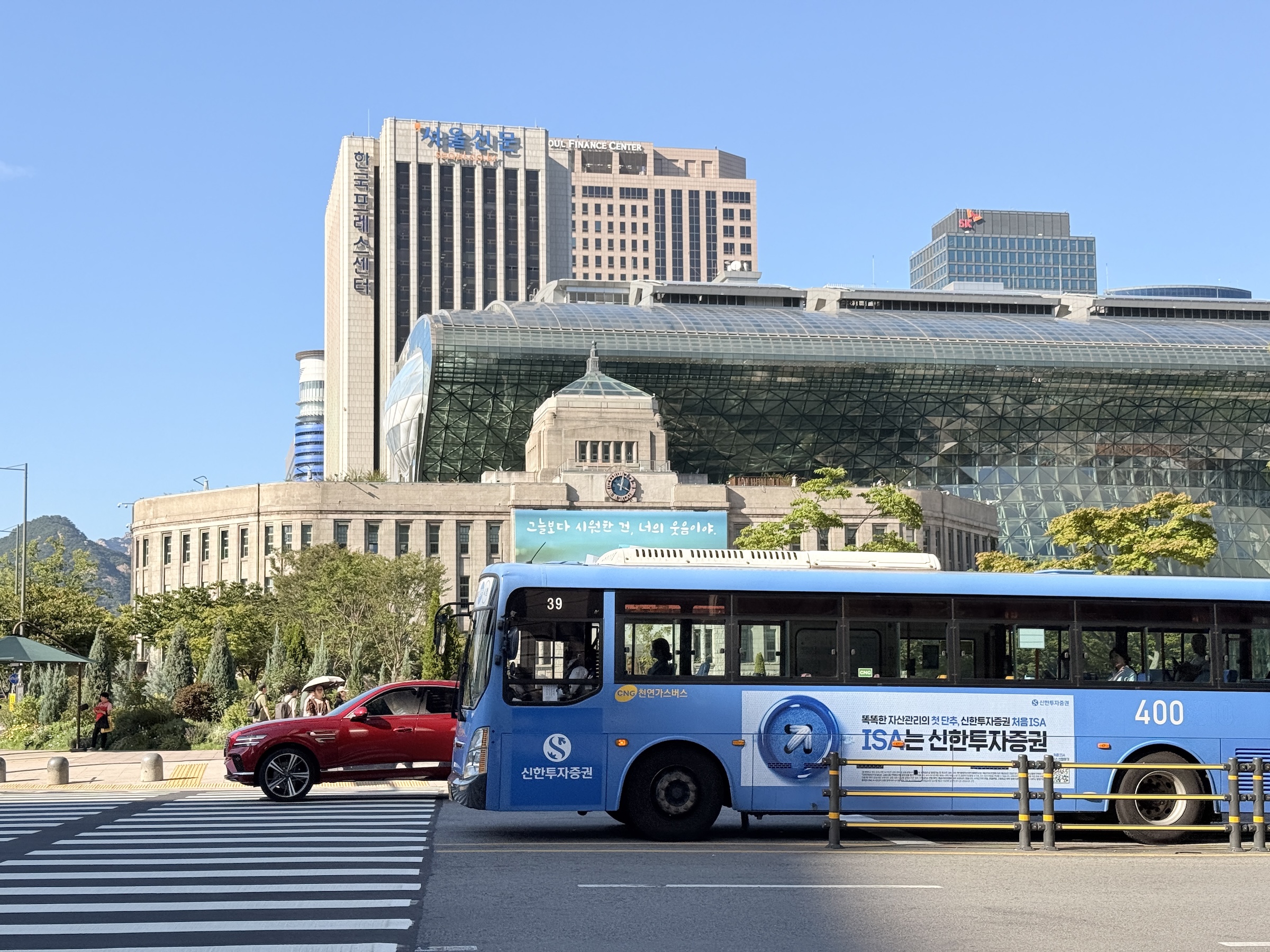
I was out of the bed in my hotel in Seoul shortly after 4 am this morning.
I had to take the first train of the day (5.28 am) on Line 1, from City Hall Station to Seoul Station.
At Seoul Station, I took the 6 am Airport Express train into Incheon International Airport.
(Cost: US$9, with a free bottle of mineral water from Jeju Island thrown in. For me, it’s not really about the cost, though. I just think taking the train is a lot more interesting than taking a taxi.)
The flight out to Tokyo’s far-away Narita Airport was slightly delayed, but went without incident.
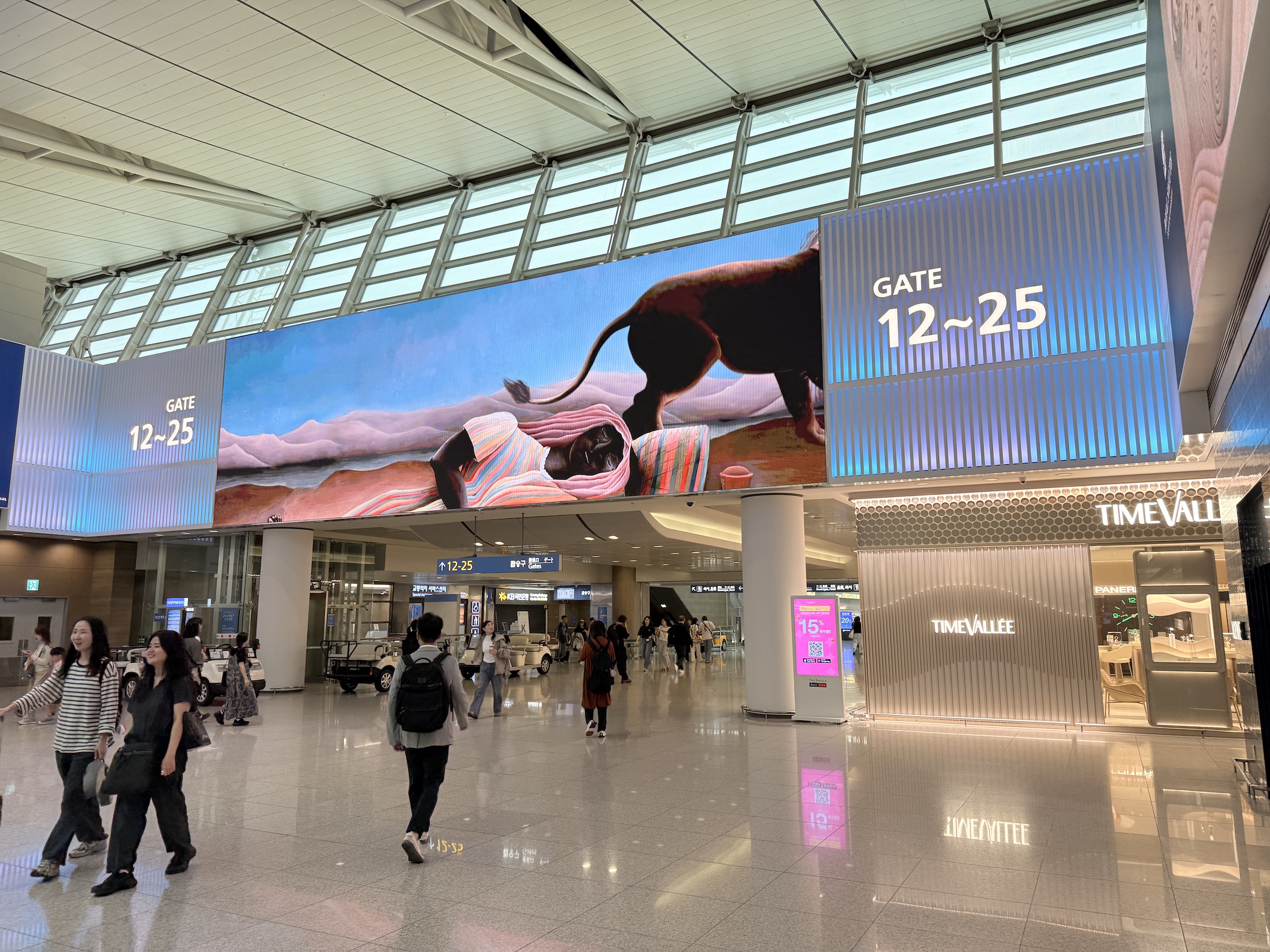
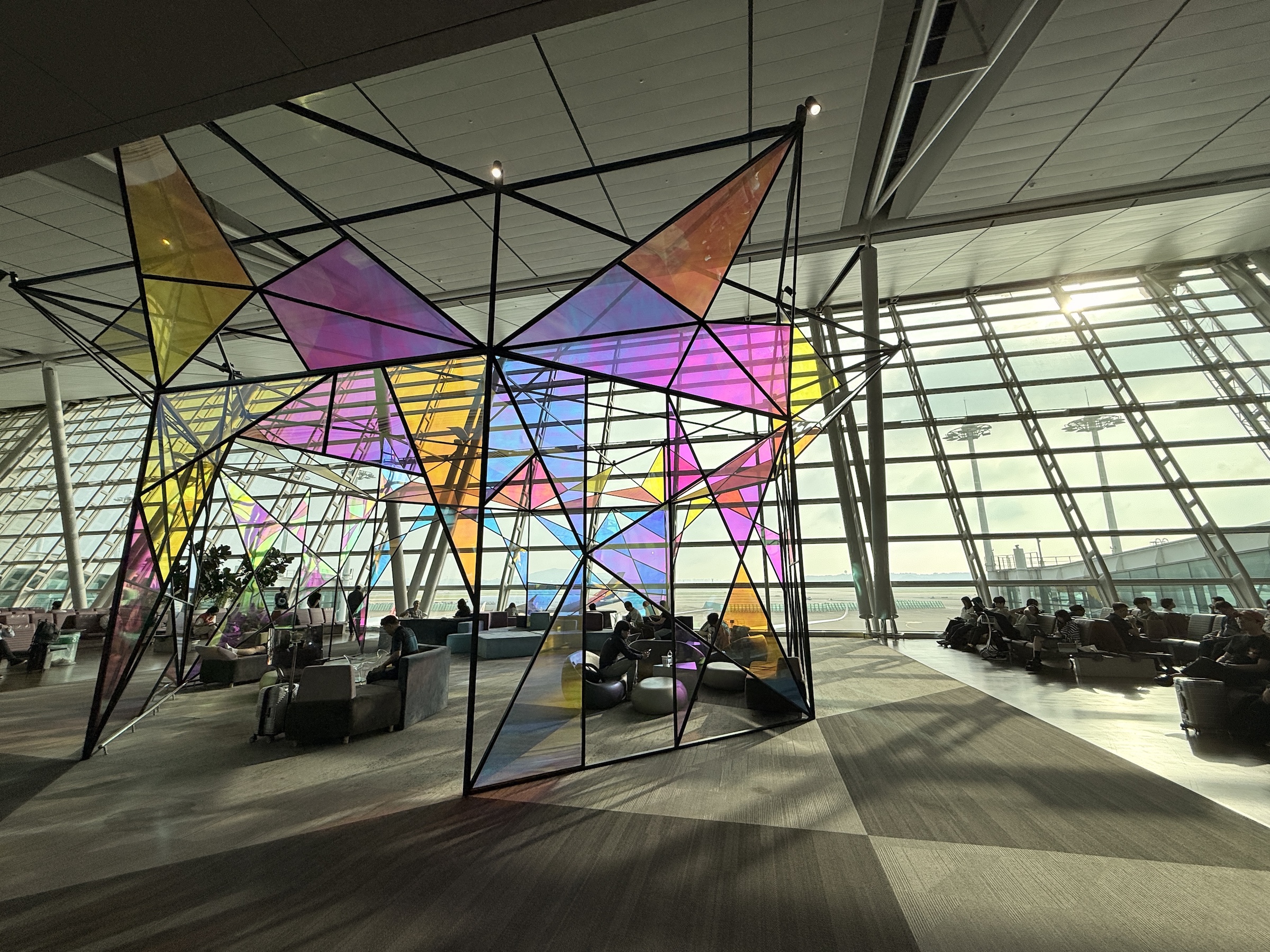
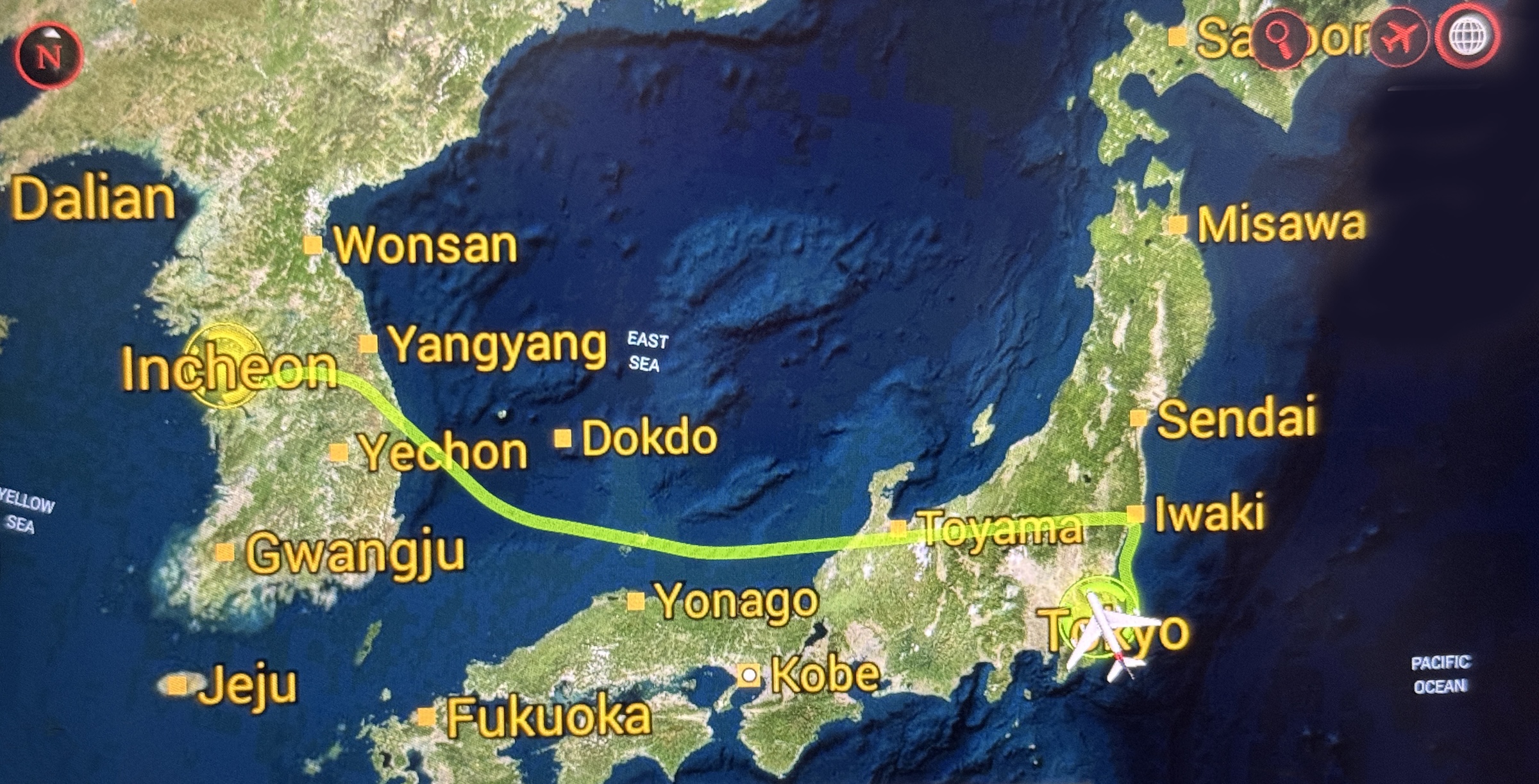
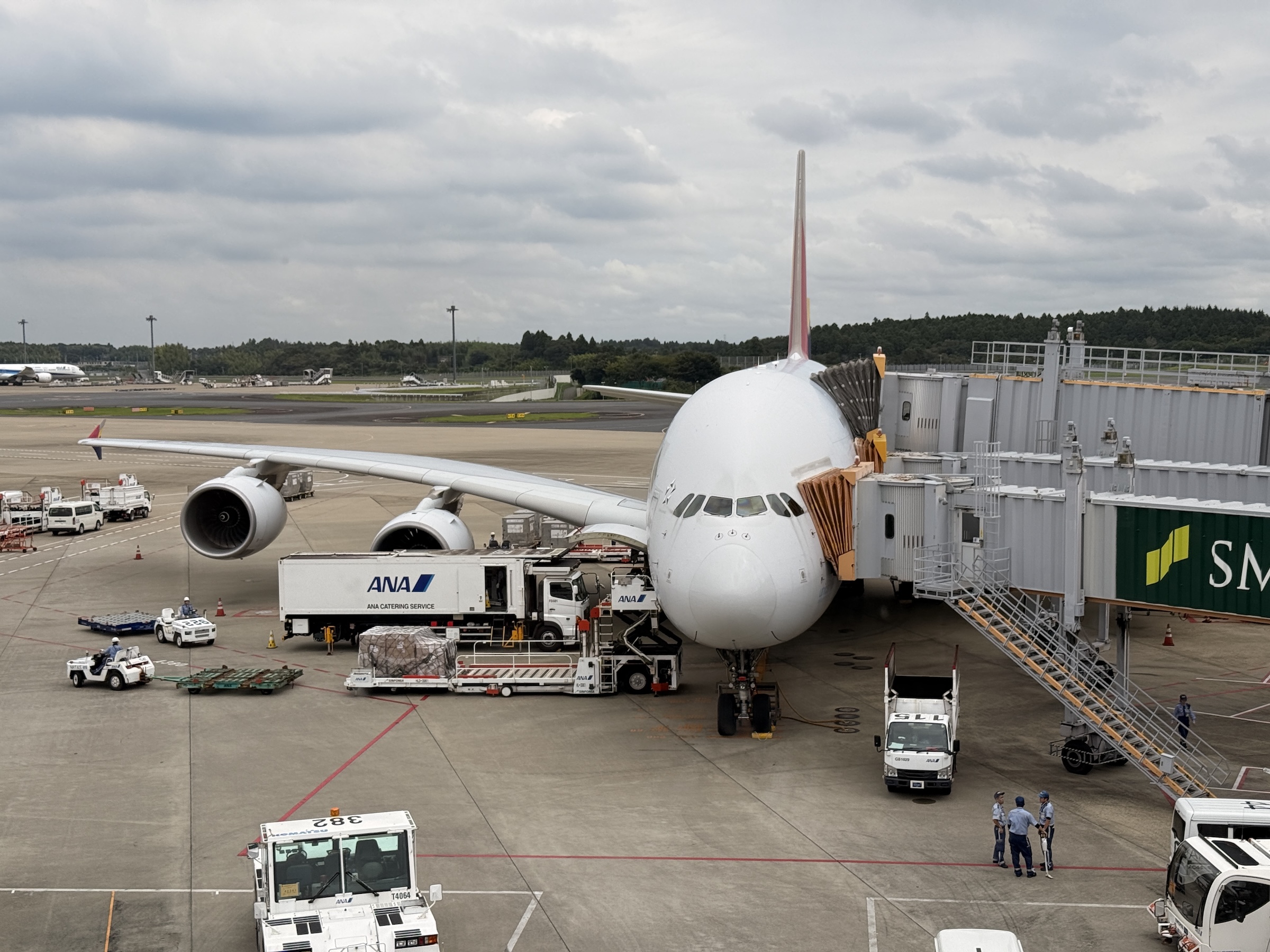
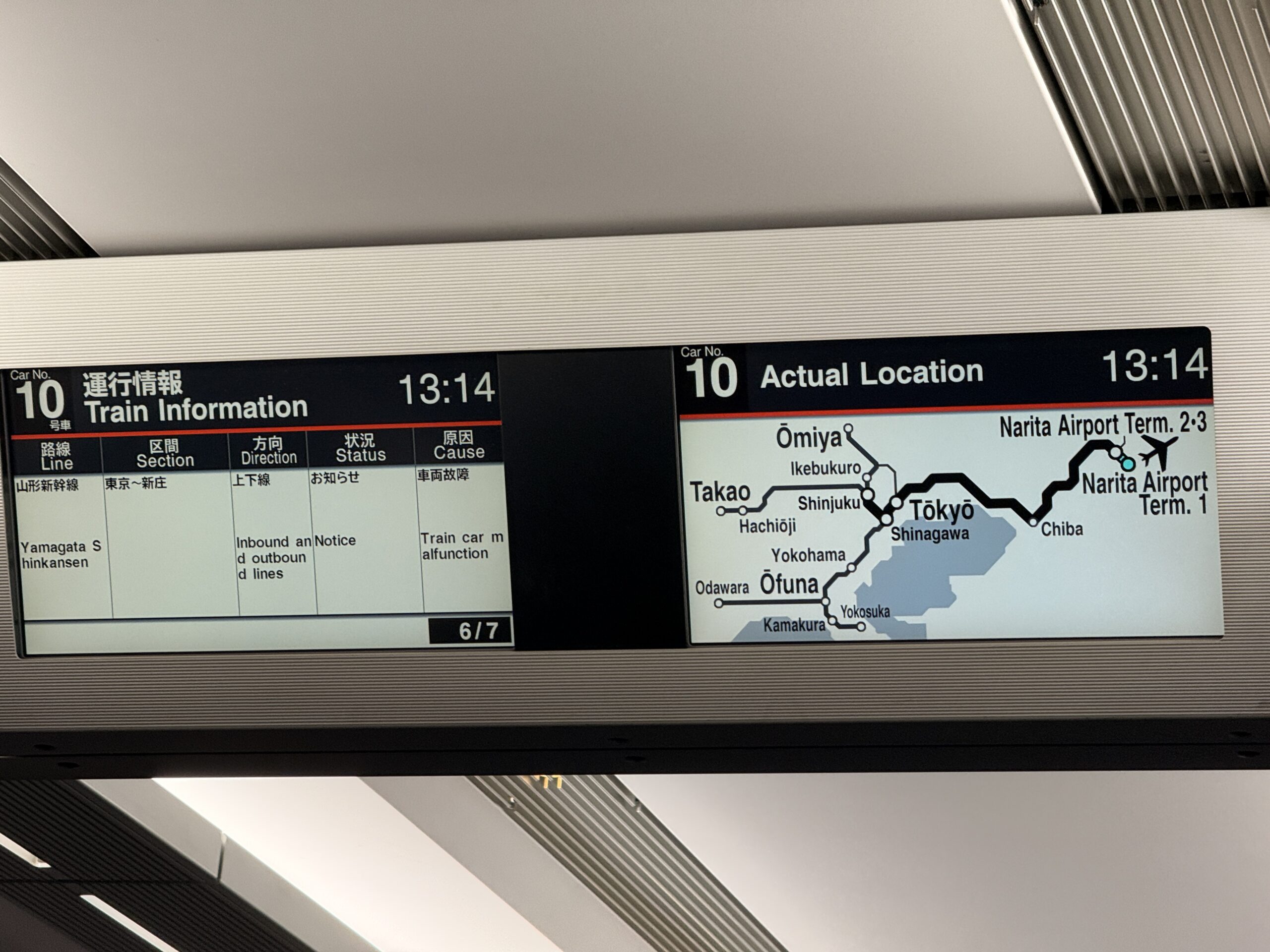
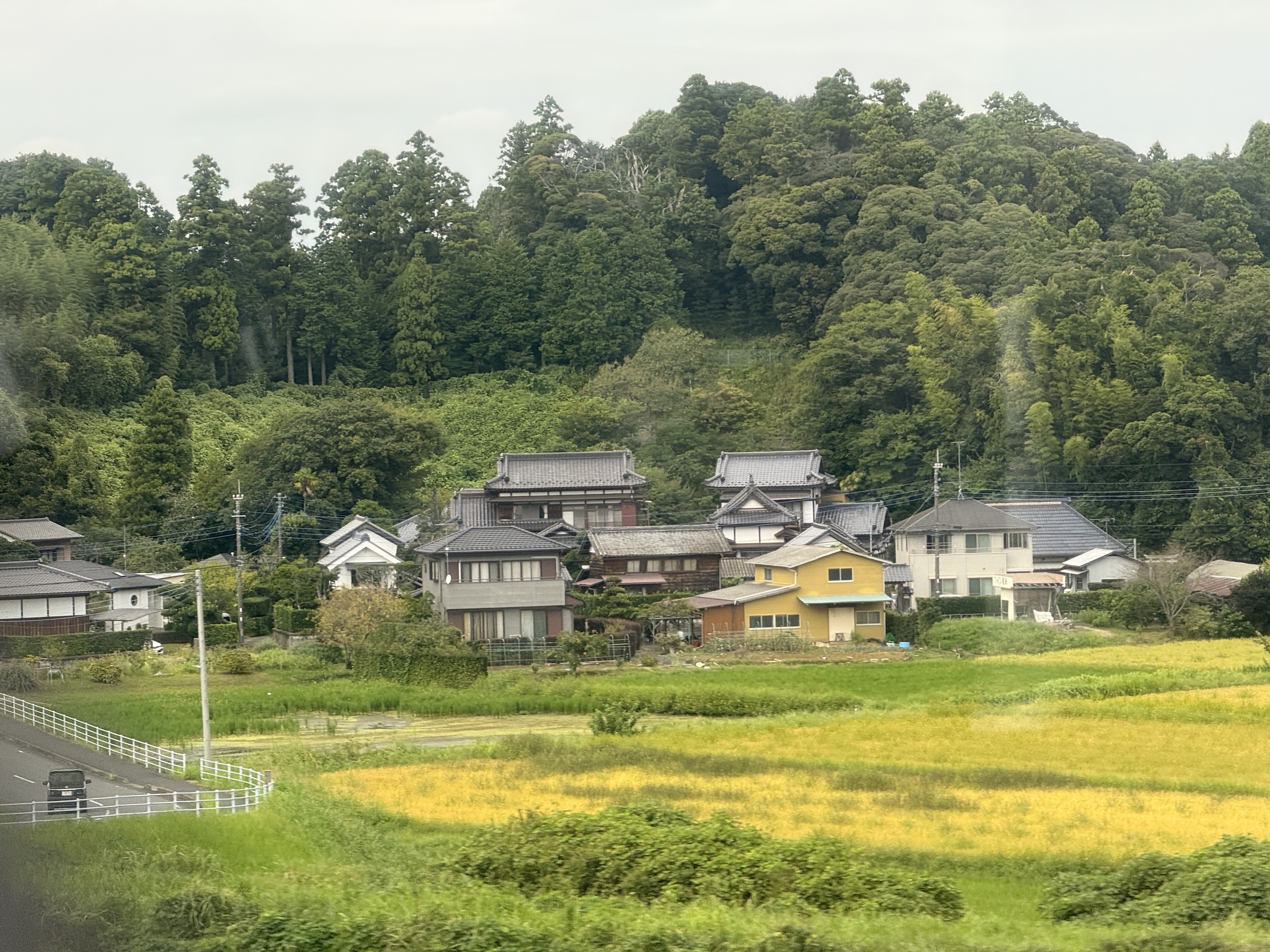
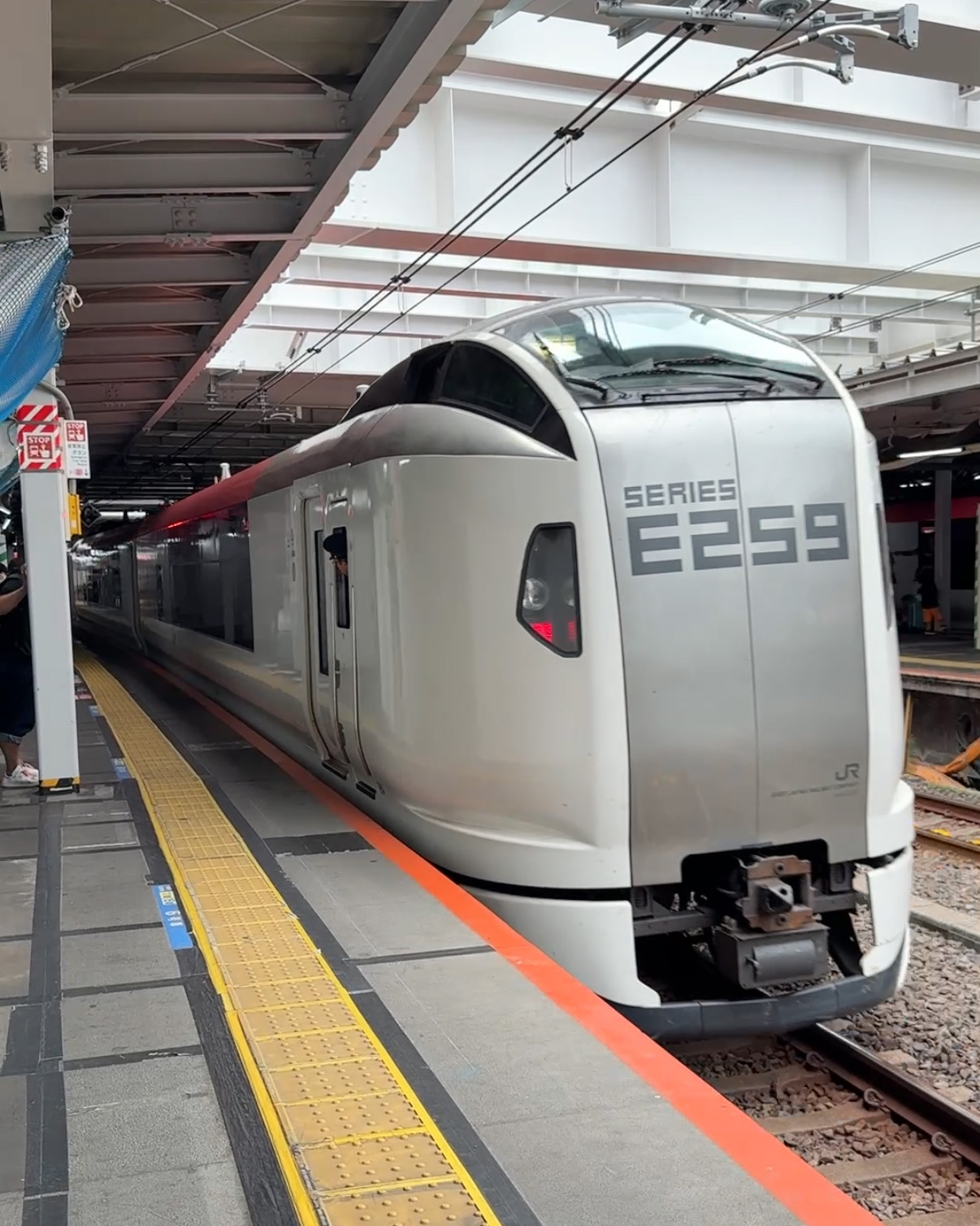
At Incheon International Airport’s Terminal 1. On the large screen there was an animation of “The Sleeping Gypsy” (1897) painting by the French Naïve artist Henri Rousseau. (The lion sniffs at the sleeping woman in the painting).A welcome bit of color added to the beiges at the gates at Incheon International Airport.We flew east for 2 hours across the East Sea to get to Tokyo. The flight route makes it seem as if the pilot was asleep and said Oops! I better turn south to get to Tokyo.Here’s the Asiana Airlines Airbus A380-800 (quad-jet, A388) at the gate at Narita Airport. I had a seat on the aisle at the back and on the upper deck.On the Narita Express train, and on our way to Shinagawa Station where my hotel is. I bought my ticket (13.14 pm departure) for the Narita Express at the ticket counter with only 8 minutes to go until departure time. I know the way to the platform, so I could do that. The next train is 30 minutes later, and I did not want to wait.A nice scene from the countryside.I had just stepped off the Narita Express train at Shinagawa station, this is a quick picture as it departed. Looks like the driver has a nice view of the track from the top of the train. The E259 series (E259系) is a DC electric multiple unit (EMU) train type operated by East Japan Railway Company (JR East) in Japan since October 2009. This train has the new livery which was introduced in 2023.
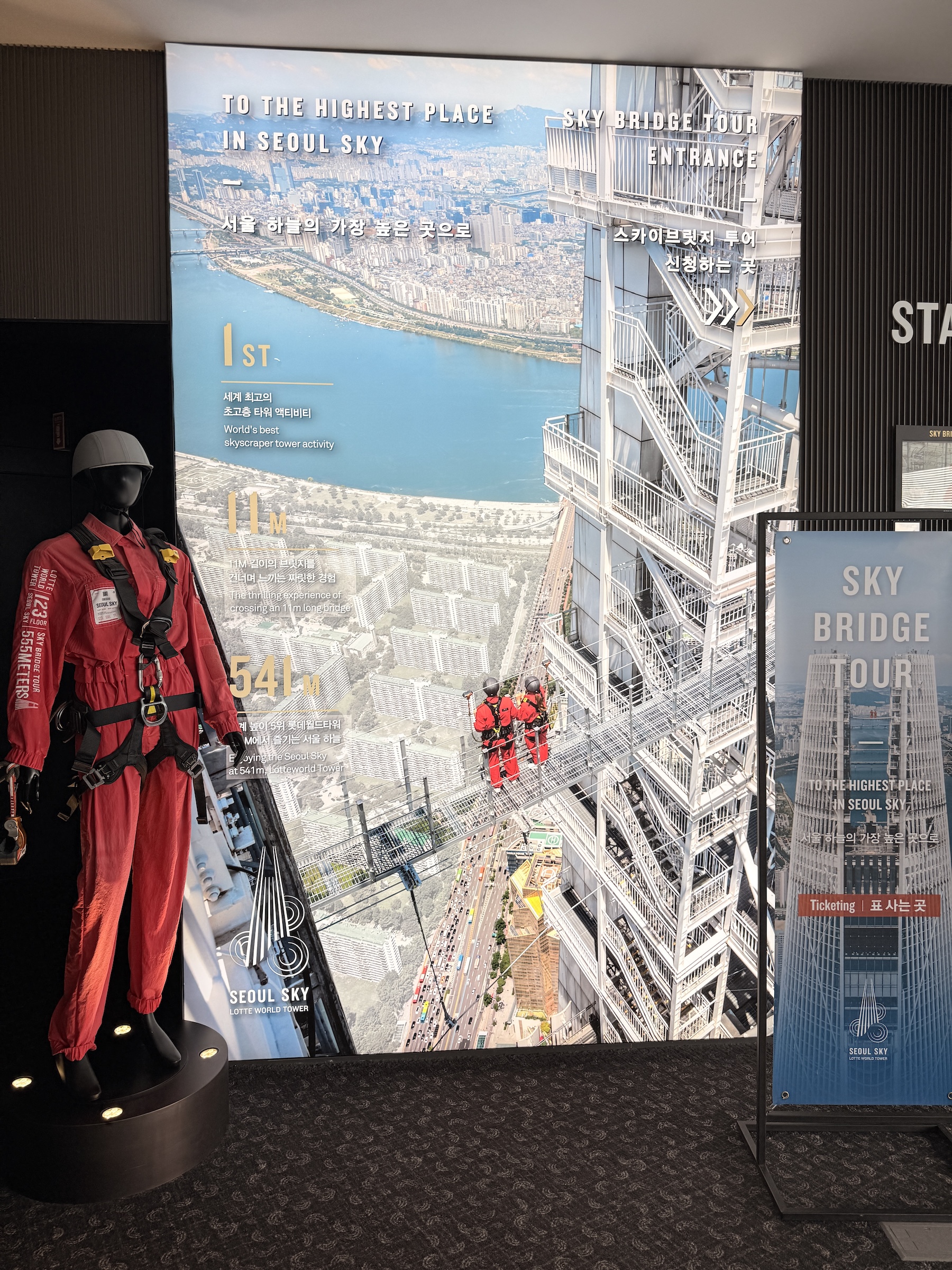
I could not very well go up Seoul Tower, and leave Lotto World Tower out, right?
So off I went today to Lotto World Tower, even though it was a 40 minute train ride out there.
There is an express double-car elevator that whisks the humans inside up to the 117th floor* in one minute flat. I felt a little vertigo, and my ears popped on the way up. There no view to the outside, just display screens on the sides and ceiling of the car.
*The Seoul Sky observation deck in the Lotte World Tower spans seven floors, from floors 117 to 123.
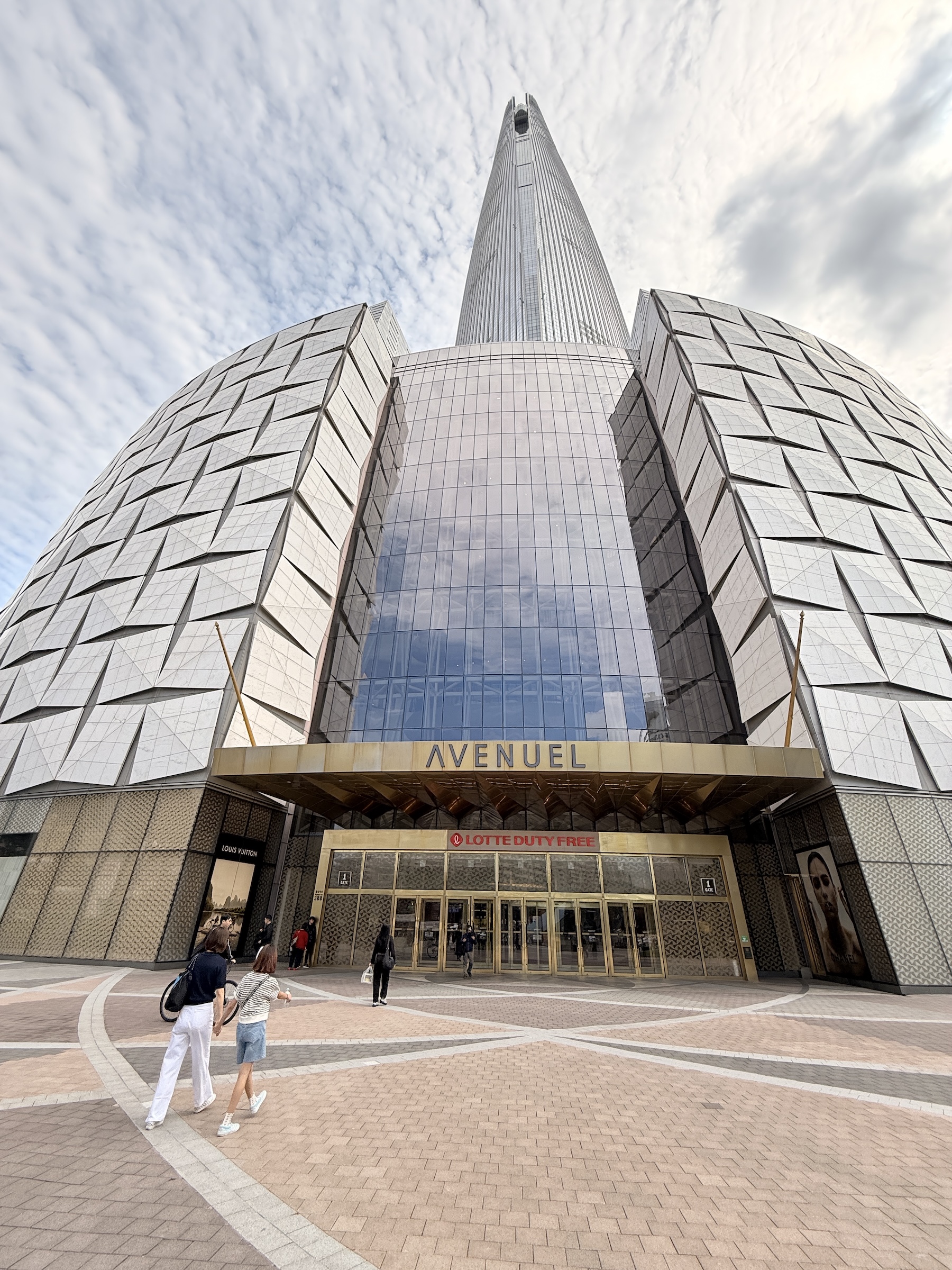
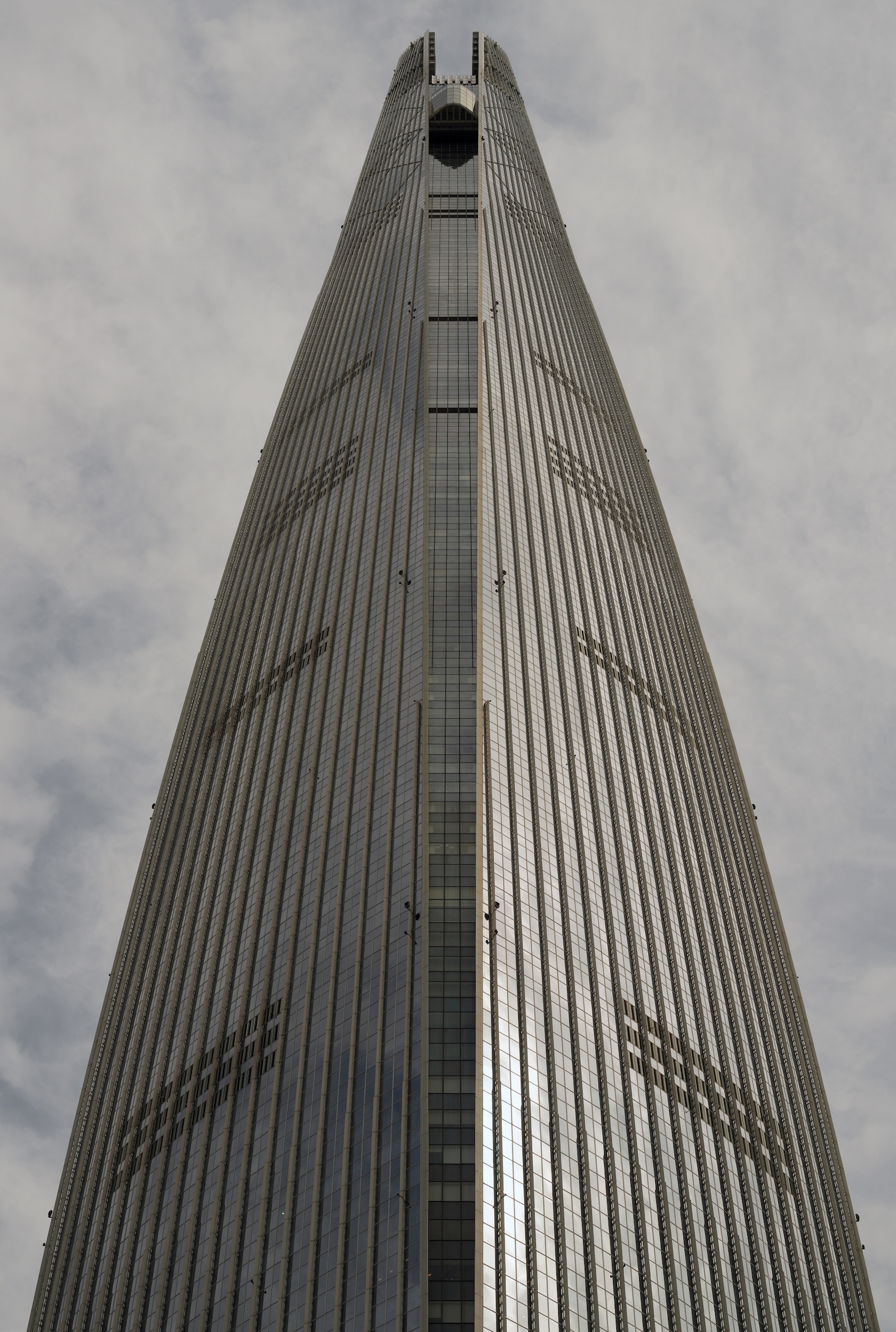
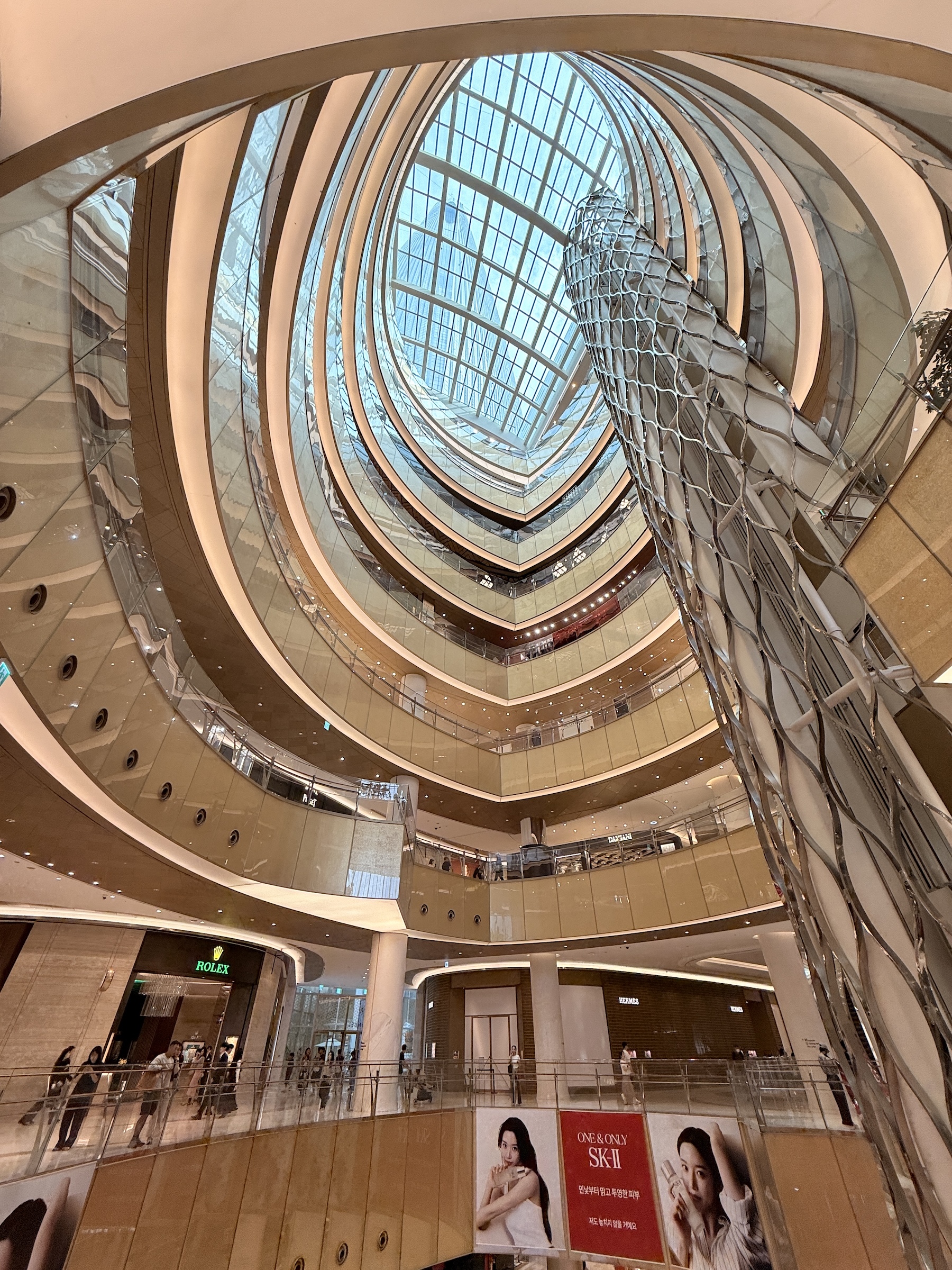
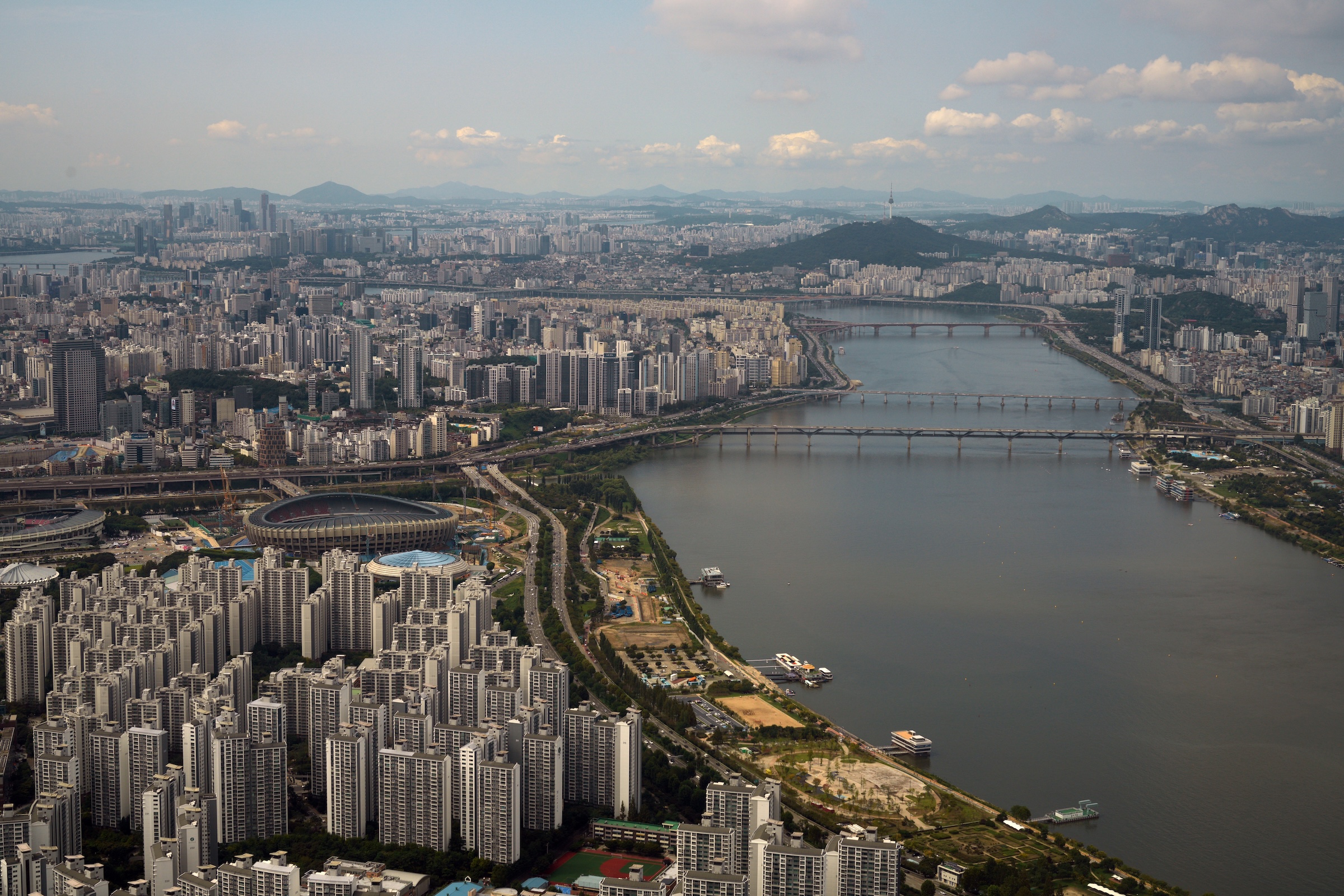
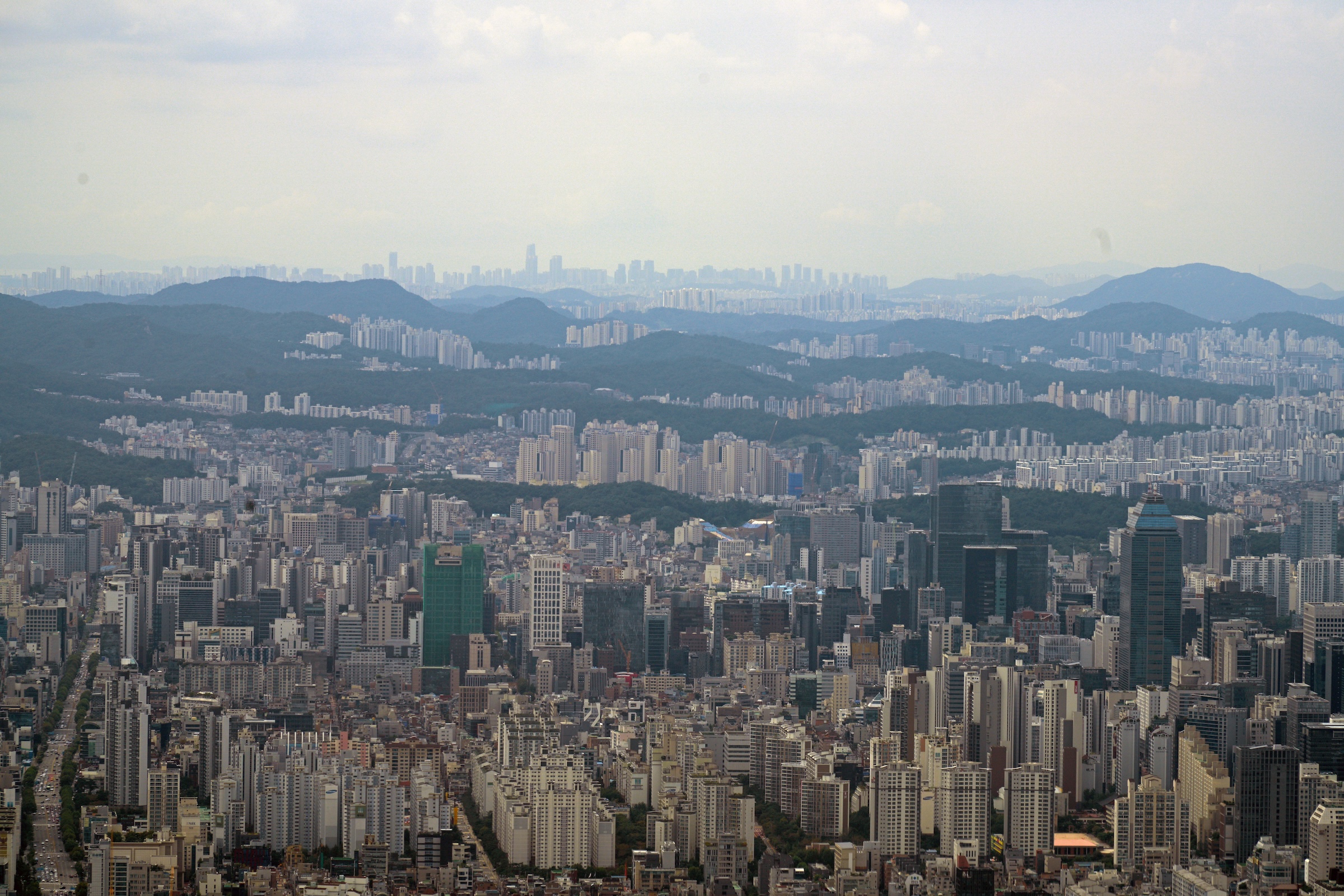
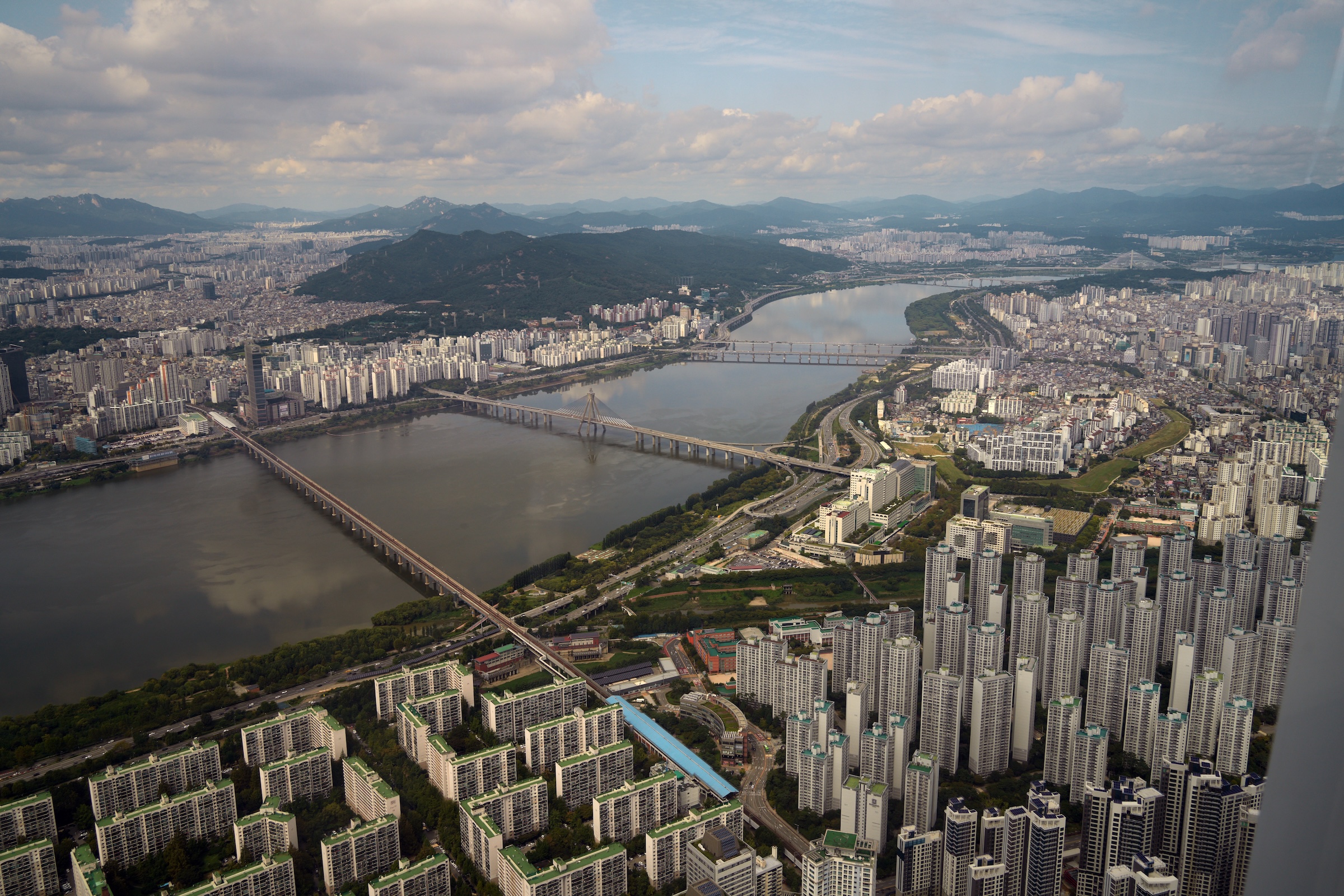
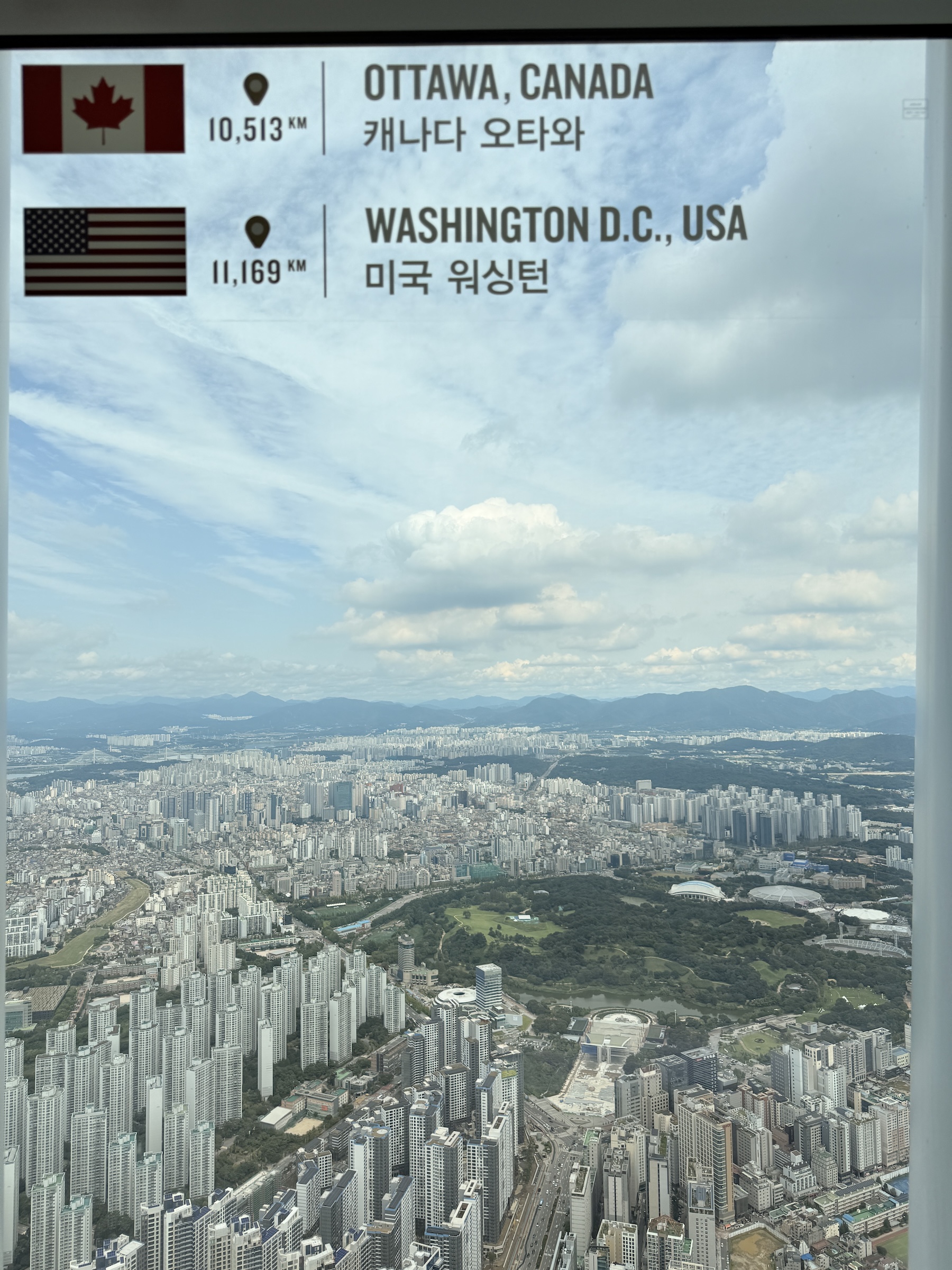
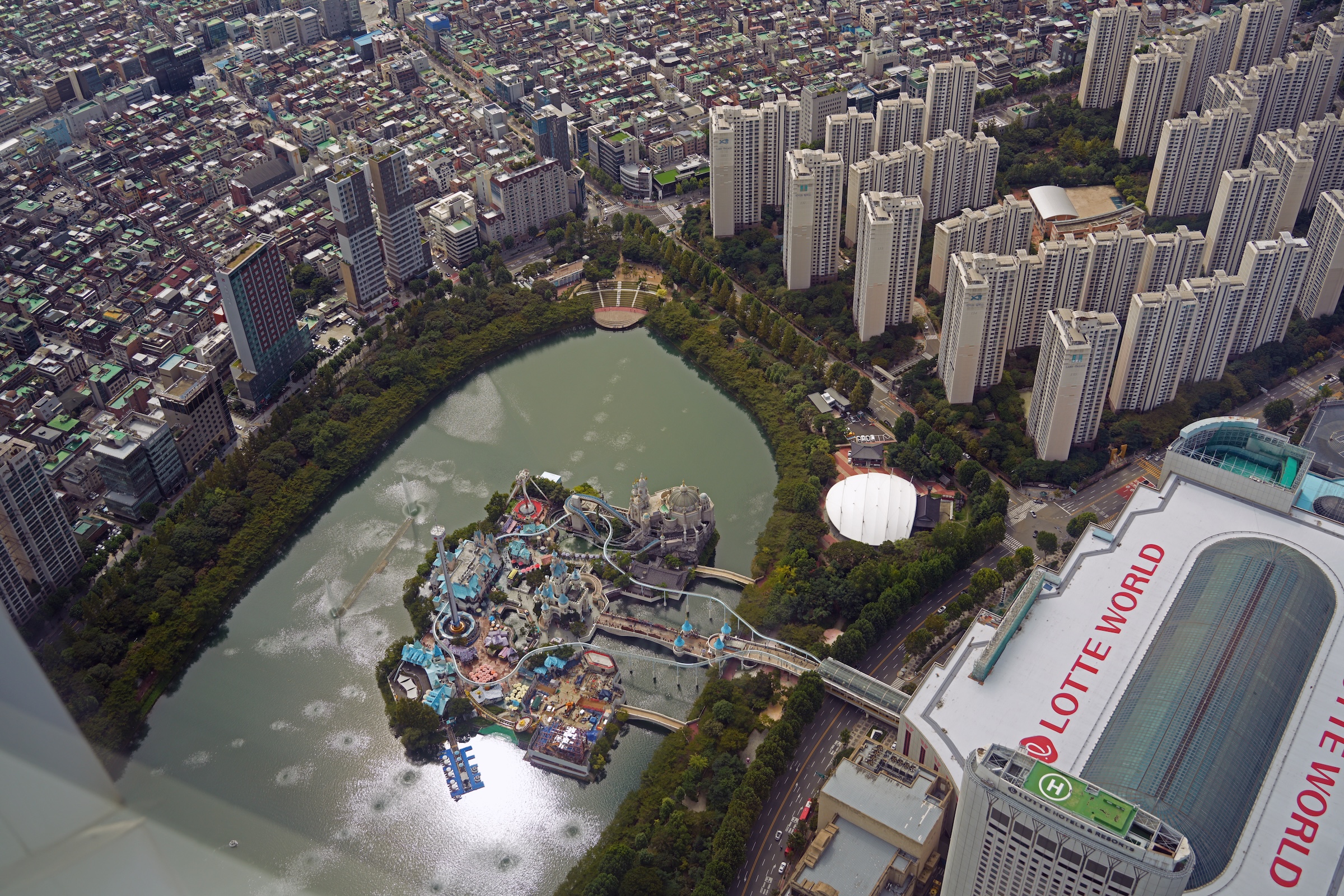
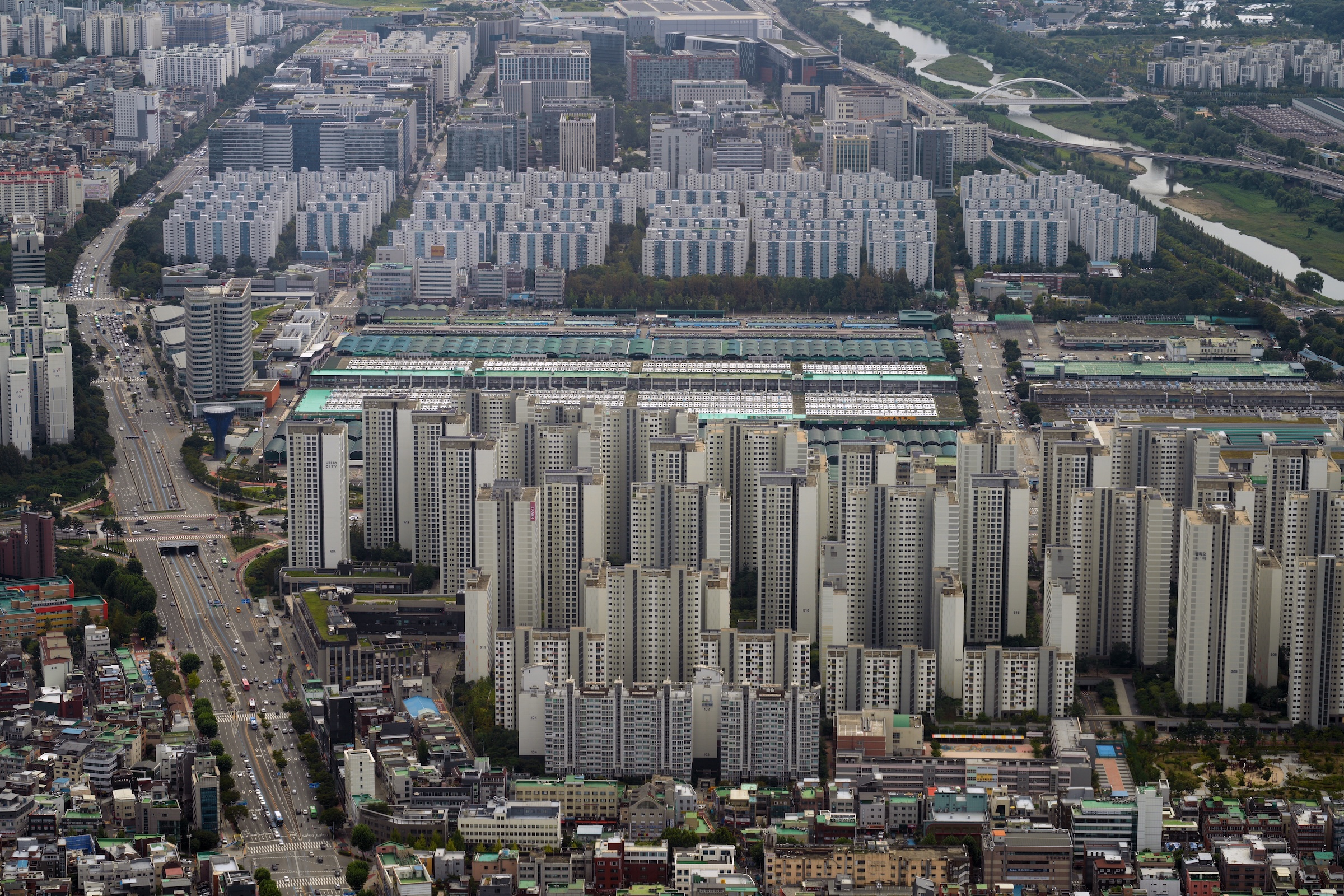
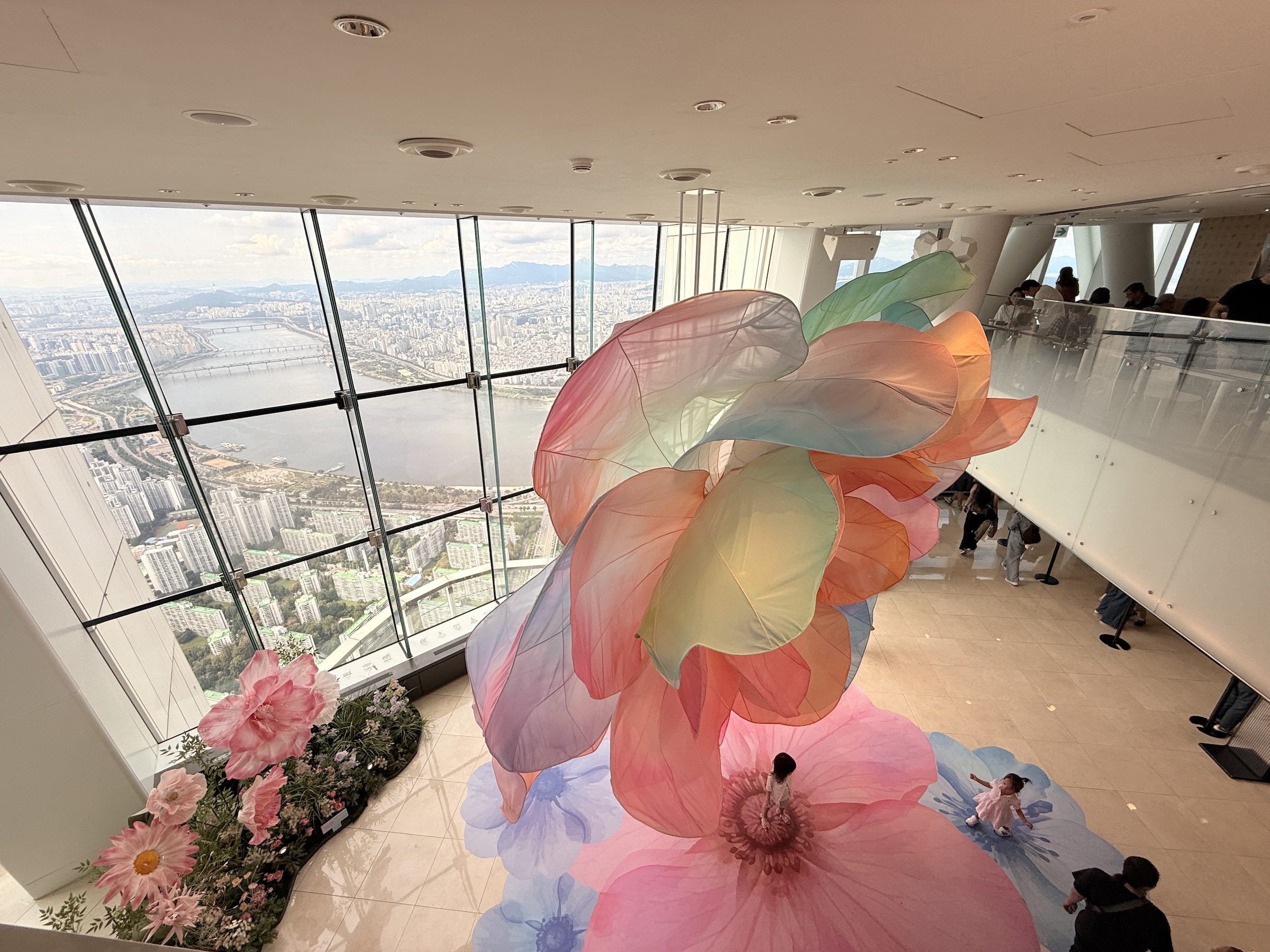
Here is the scene that greets you as you emerge from the exit at Jamsil station on Line 2 of the Seoul metro.I can only get the top of the Tower in when I stand close to it, of course. That little platform in the middle at the top is a sky deck.There is a luxury shopping mall at the base of the Tower, with the tower visible through the skylight. That’s the elevator shaft of the shopping mall on the right.All right! Now we can look out at the world from 120 floors up. Here is the Han River, and Seoul Tower on Namsan Mountain in the distance.Looking southwest here. The skyline in the distance is 40 km away (24 miles), and it is of the city of Ansan, South Korea.A great view of the bridges that span the Han River.This green space is Olympic Park. It opened on May 28, 1986. Built at a cost of US$200 million, it was built to host the 1986 Asian Games and the 1988 Summer Olympics.Down below is the theme park and recreation complex called Lotte World, sometimes called the ‘Korean Disneyland’.Phalanxes of apartment buildings. Yes— no way to house almost 10 million residents in your city by building single family homes on plots of land.Looking down from the 123rd floor into one of the atriums with a photo spot and a scenic view of the Han River.There is a little skybridge at the top of the Tower. I did not sign up for it!
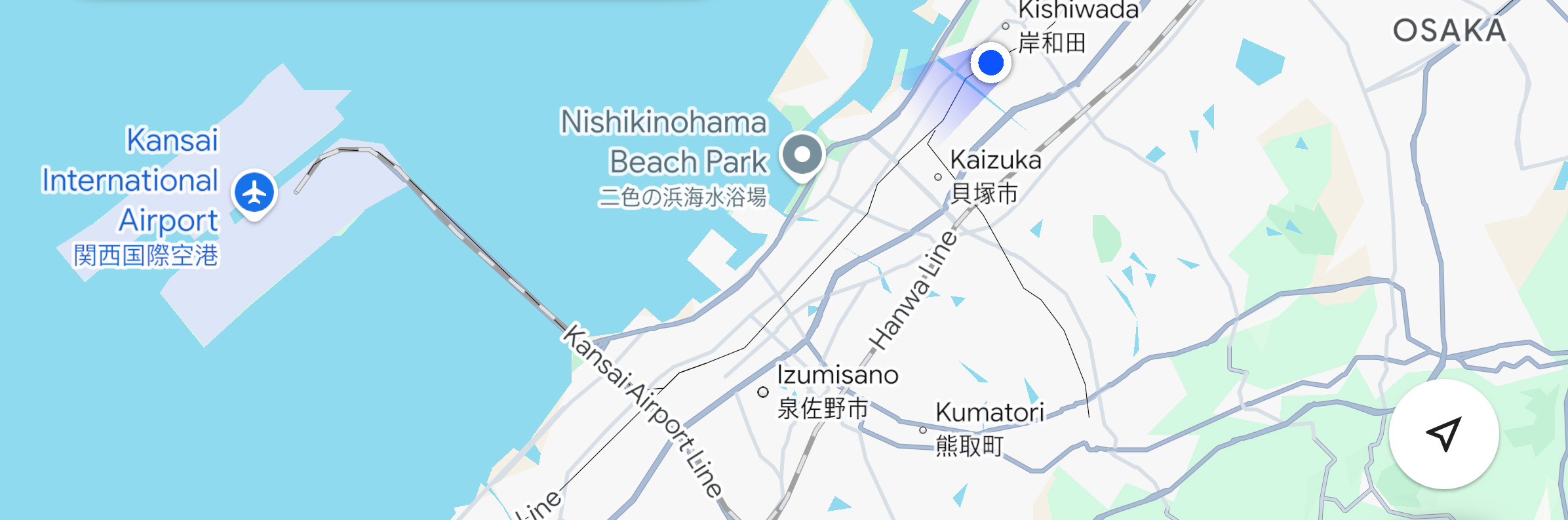
As it happens, both the departure and arrival airports for my flight today are located on man-made islands.
It took two train rides to get me to Osaka’s Kansai International airport (KIX), and after I had arrived at Seoul’s Incheon airport (ICN), two more trains to get me to my hotel in the city.
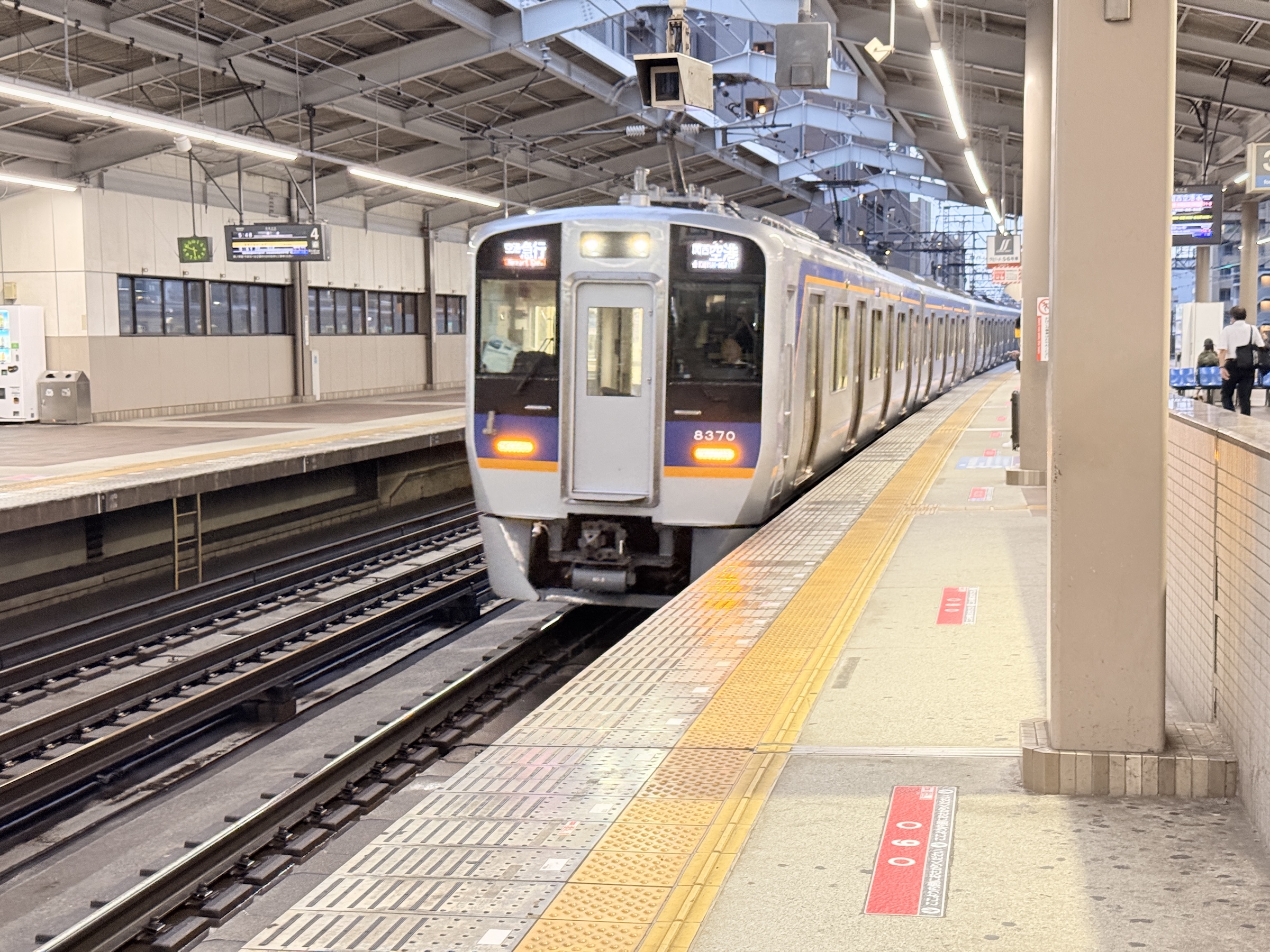
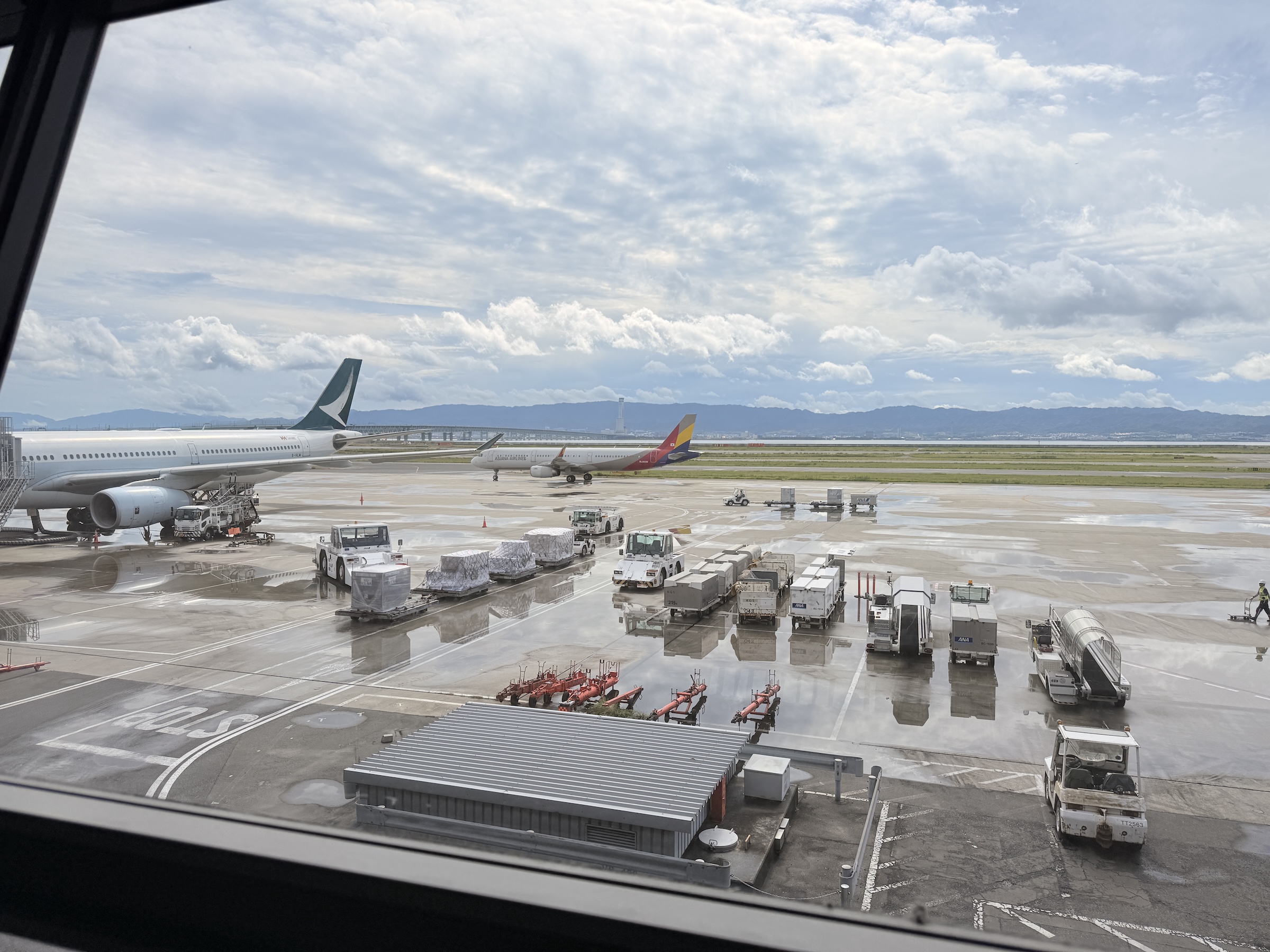
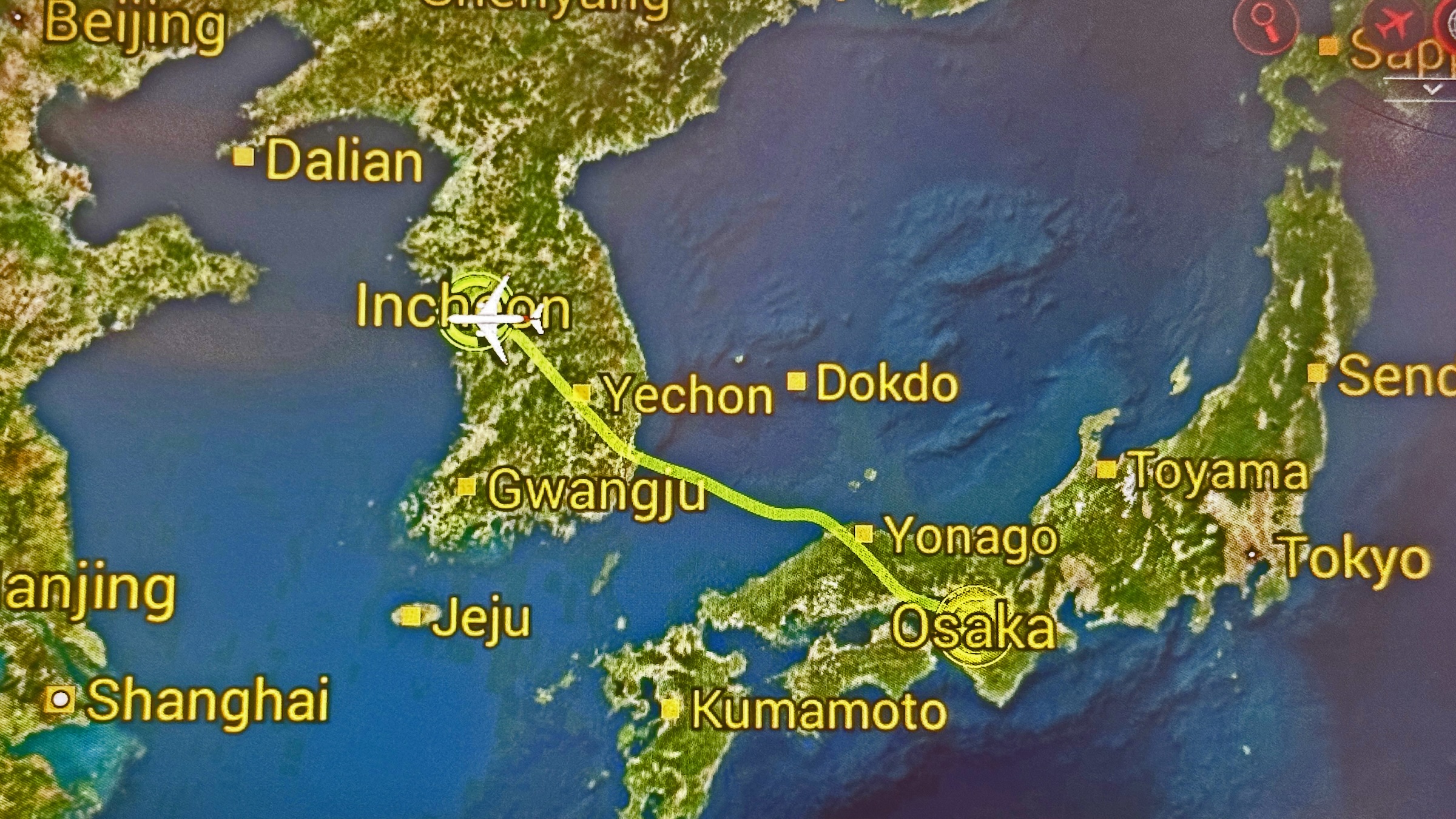
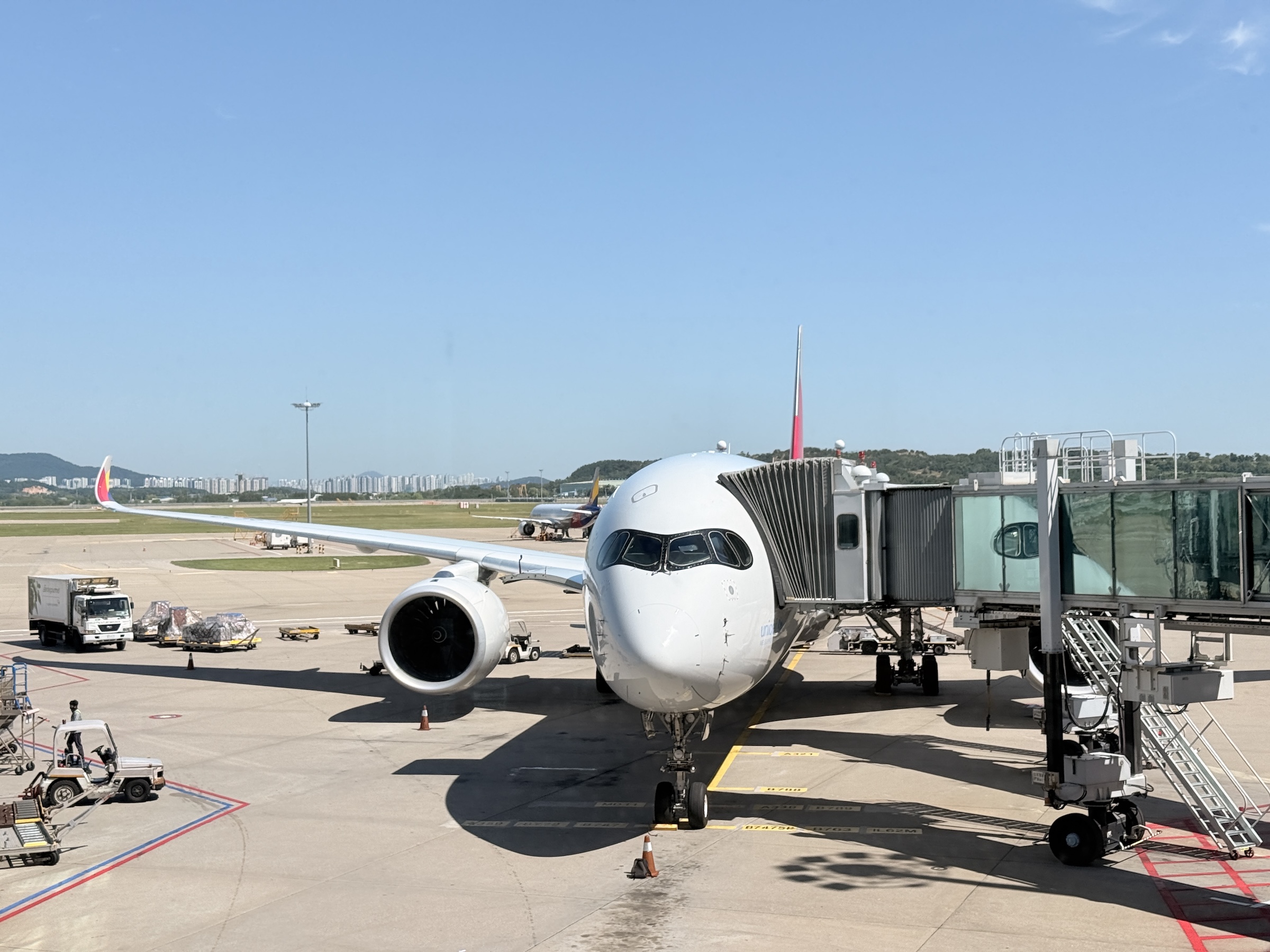
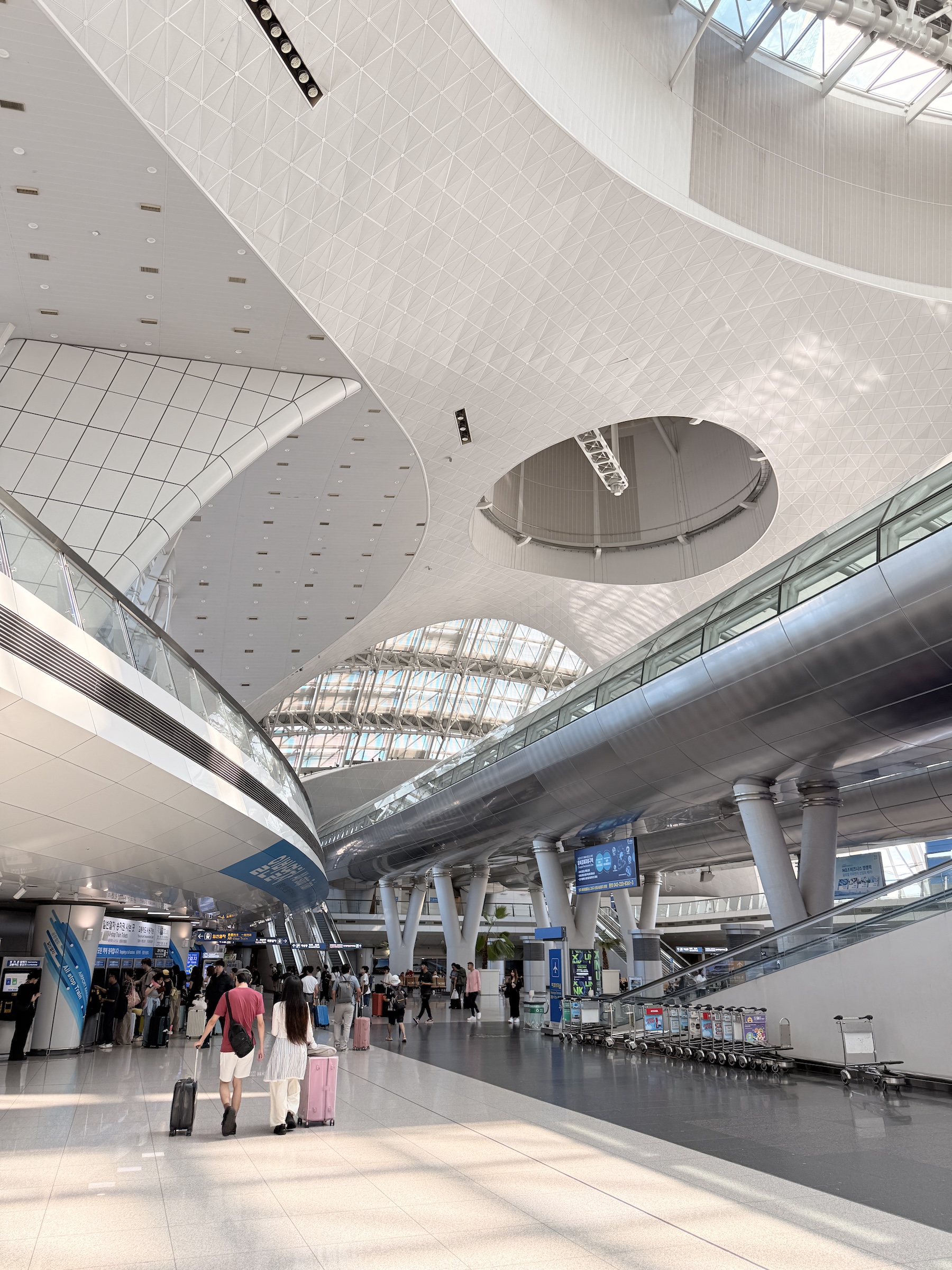
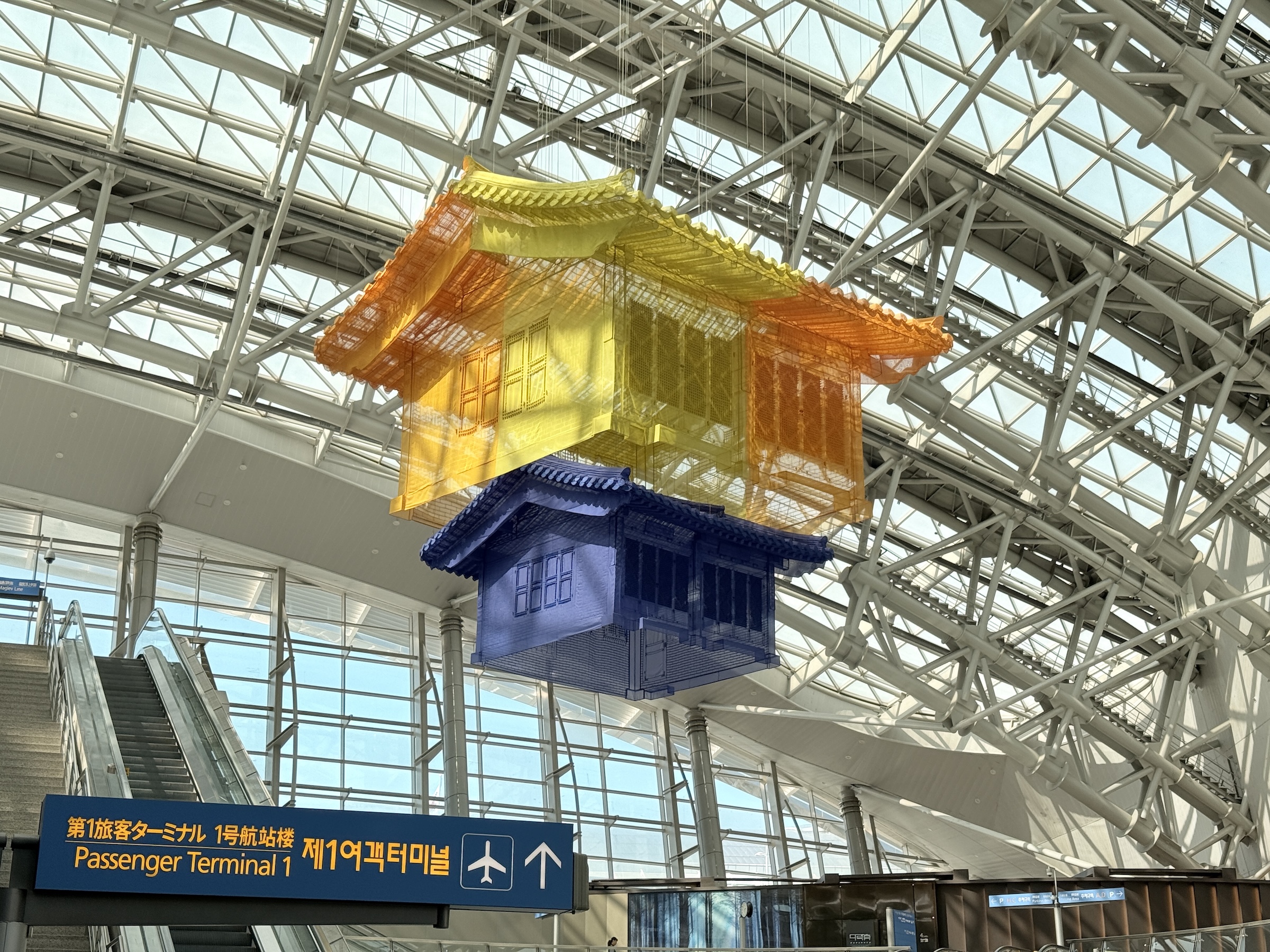
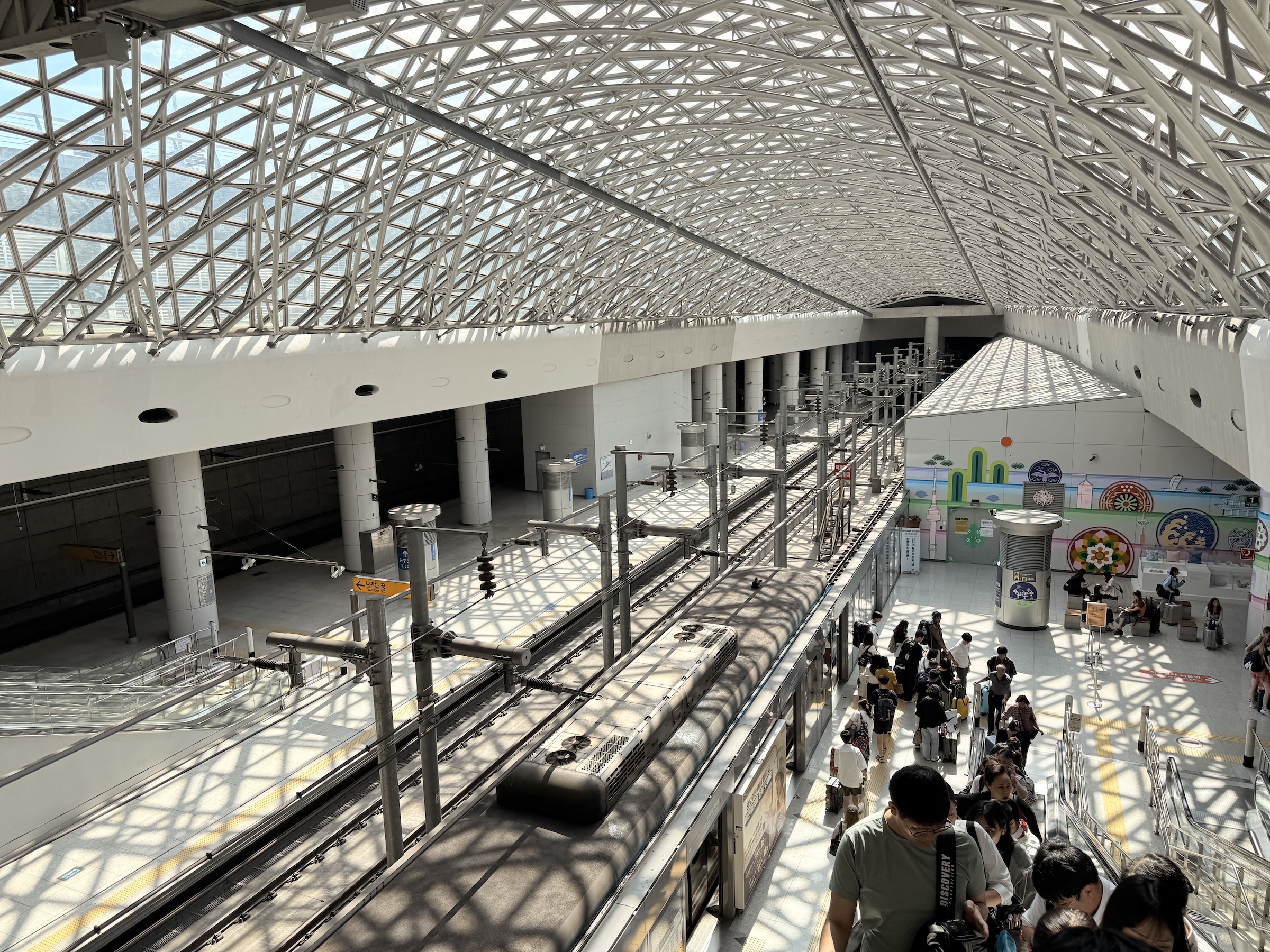
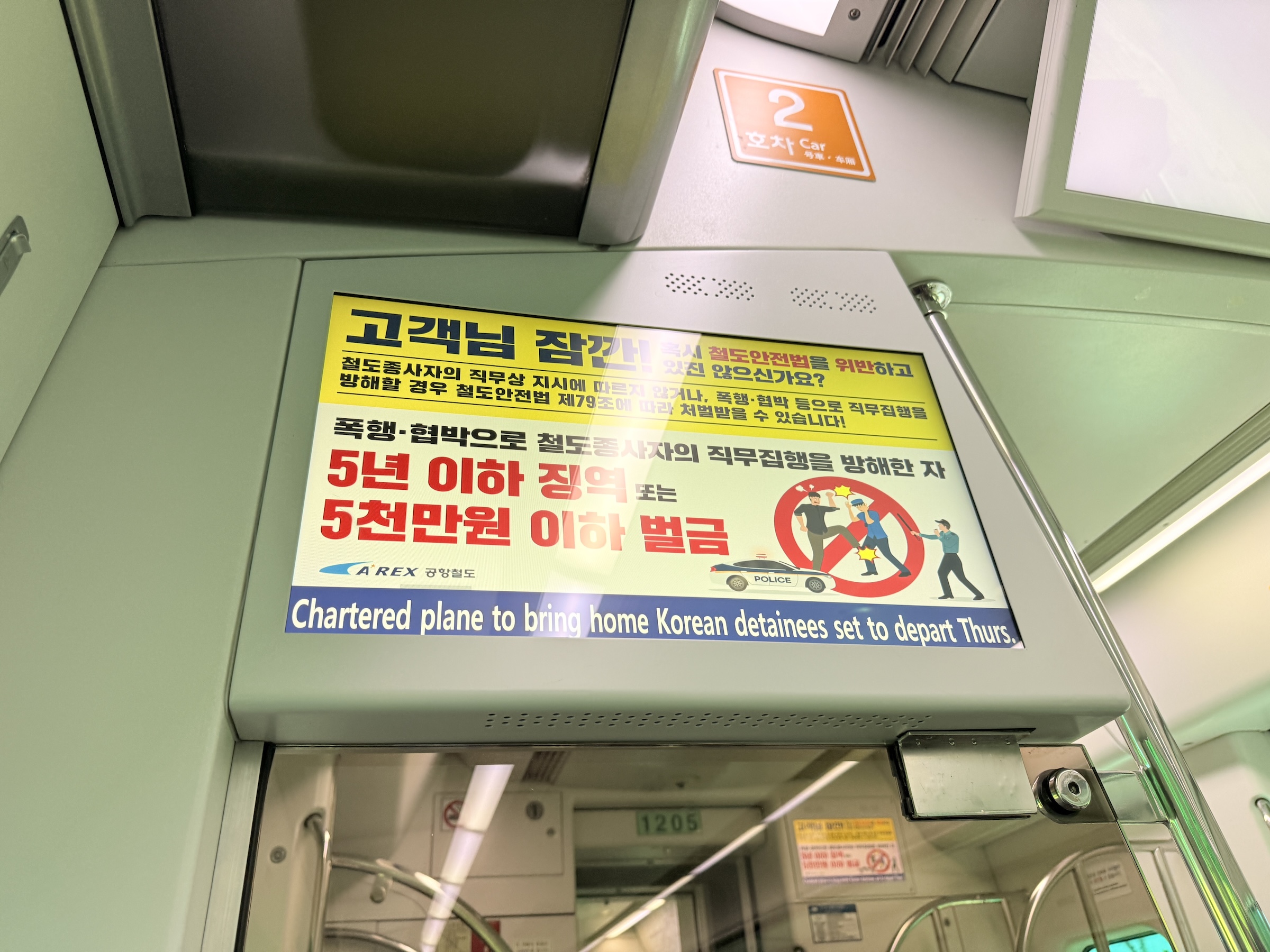
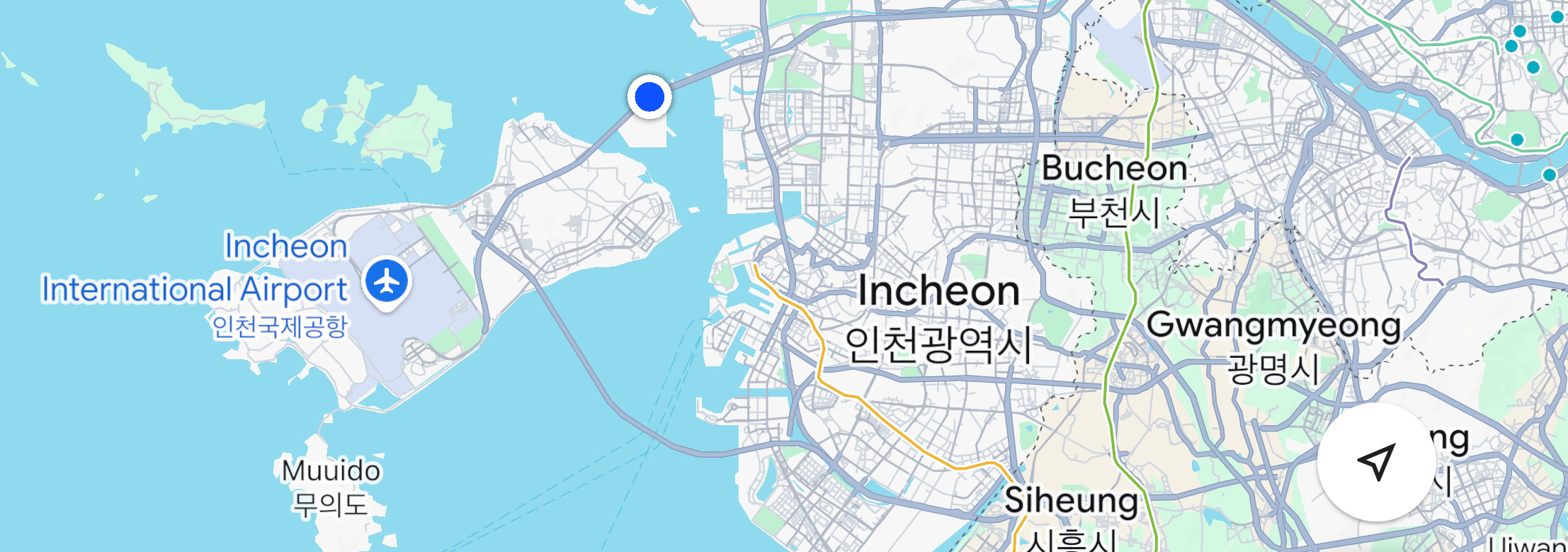
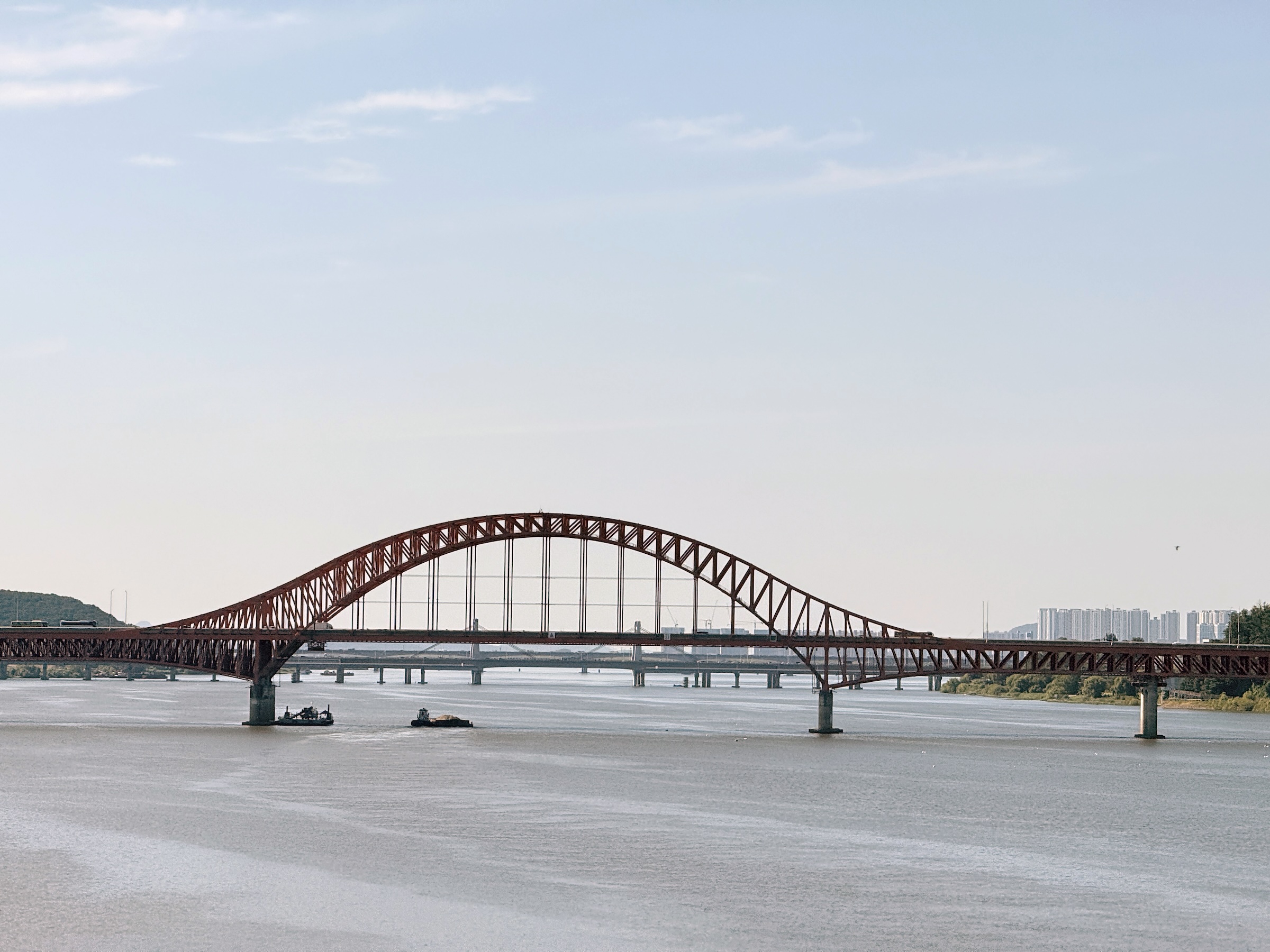
Early morning on the platform at Tengachaya Station, Osaka. This is the train operated by Nankai Electric Railway (Nankai Den-tetsu), that ran us out on the Nankai Line to Kansai International airport.Kansai International Airport sits out in Osaka Bay, and is connected to Osaka by a causeway that carries road and rail traffic.The view out the window at Kansai International Airport (KIX). The airport is famous (infamous?) for sinking into the sea because its foundation was built on the soft, compressible clay in Osaka Bay, which could not fully support the immense weight of the artificial island. Engineers have implemented ground improvement techniques like vertical sand drains to speed up the drainage of water from the clay and stabilize the ground, which reduced the sinking rate from over 19 inches per year to about 2.3 inches annually by 2023. [Source: Google AI Overview]Here’s our flight path to Seoul’s Incheon International Airport, about 2 hours in duration.The Asiana Airlines Airbus A350-900 (twin-jet) that took us to Incheon International Airport, at the gate at Terminal 1.Inside Incheon International Airport’s lower level, with the ceiling that makes me think of a Star Trek spaceship. I’m making my way to the Airport Express train platform.An art installation of stylized traditional Korean houses— known as “hanok” (한옥)—in the airport’s ceiling.Here is the platform for the Airport Express train that runs from Incheon Airport to Seoul Station in the city, with no stops. There are ‘milk trains’ (All Stations trains) that depart from this platform as well.TV screen on the Airport Express train. The debacle with the 300-some South Koreans detained in the immigration raid at Hyundai’s facility in Georgia is front page news here.The route from Incheon International Airport to Seoul Station.Here’s Banghwa Bridge (방화대교), seen from the Airport Express train. It is a distinctive orange-colored arch bridge over the Han River.I had made it into Seoul Station, and took the local line just one stop to City Hall station. That’s City Hall, with a futuristic new (2012) extension behind it. I will take a few more pictures tomorrow.
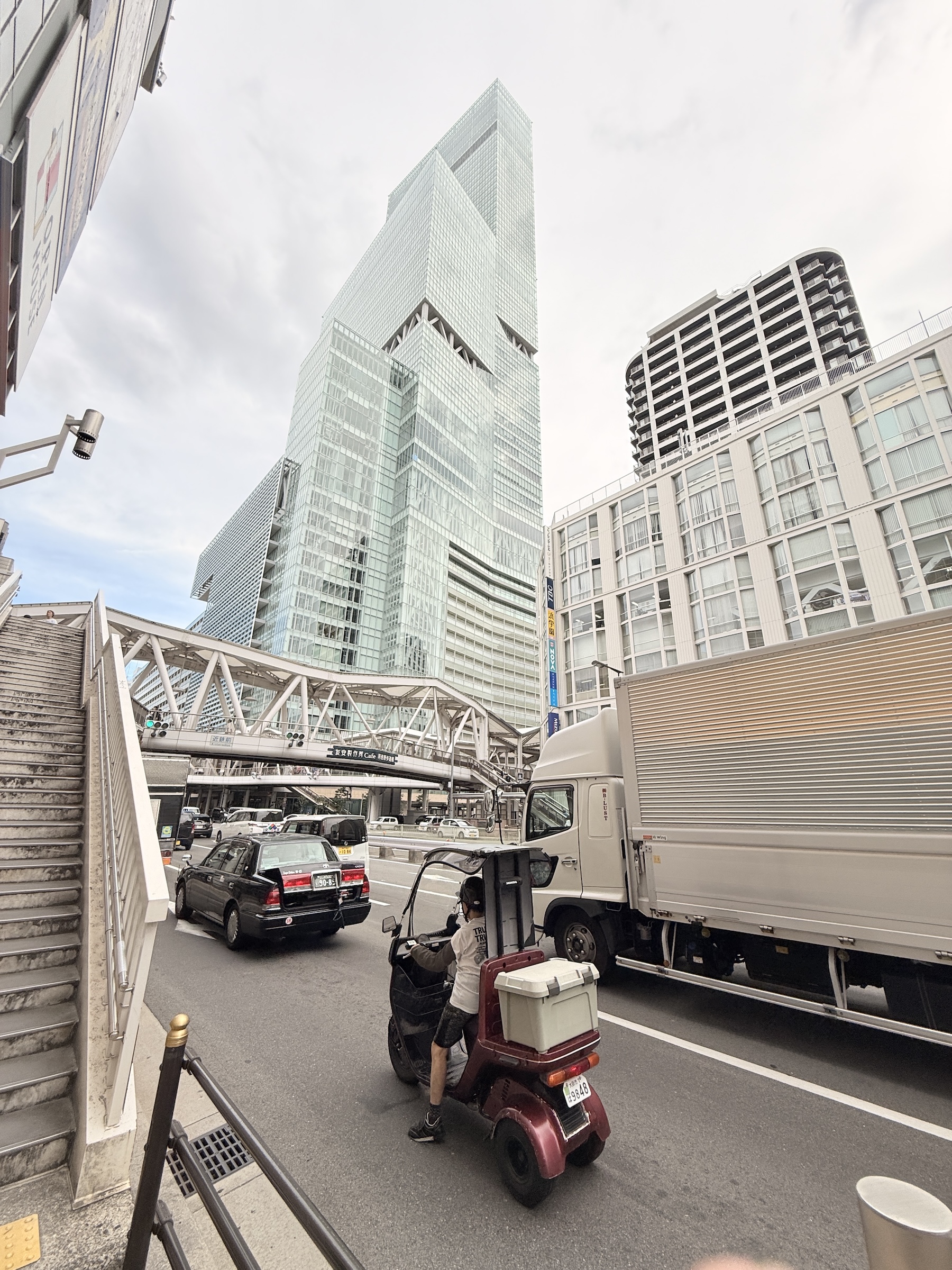
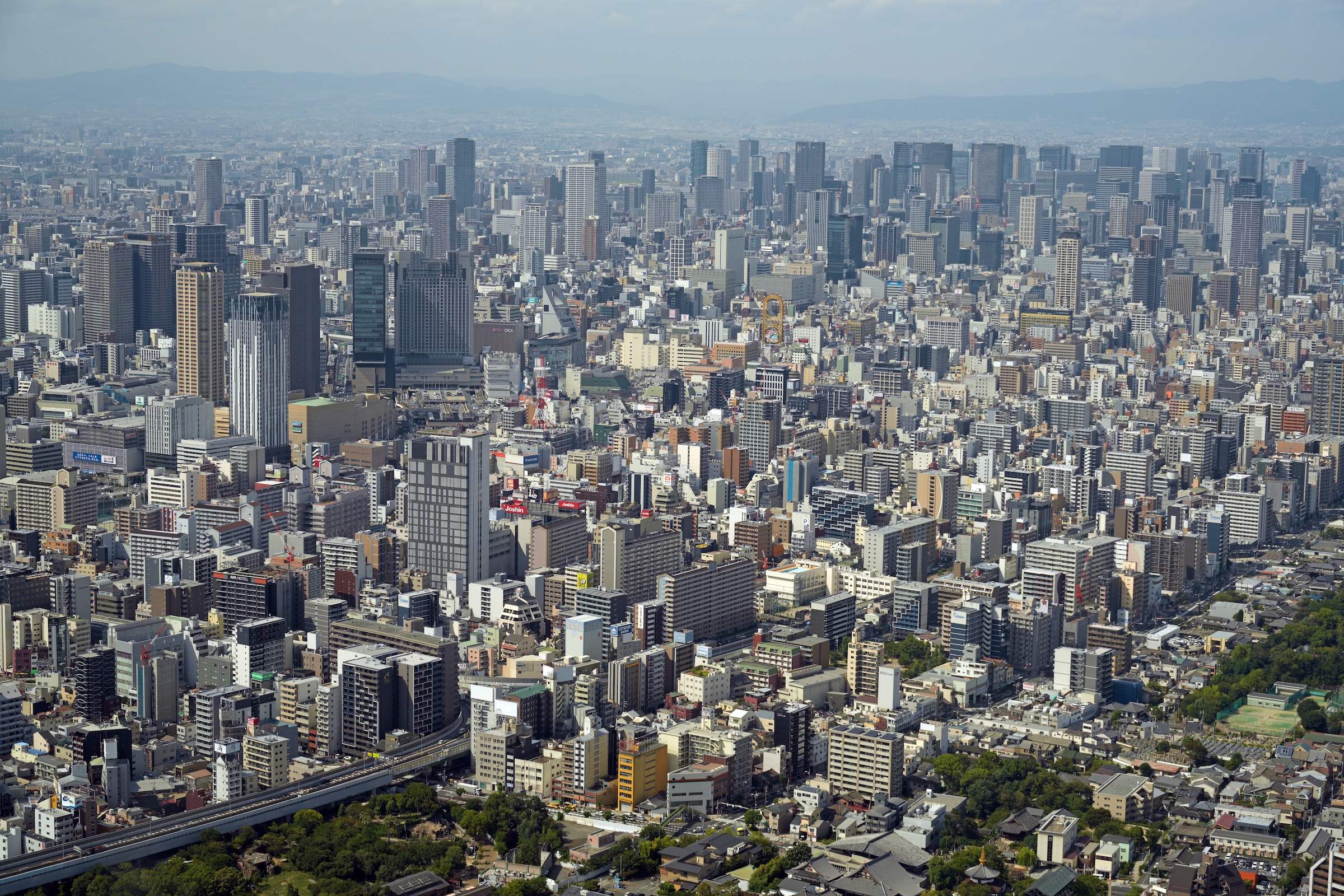
I set out this morning to take a ride on the streetcar that starts at Tennojiekimae Station. Just with dumb luck, I discovered upon arriving there that Osaka’s tallest building is right there, as well.
So I first went up to the observation deck on the 60th story of Abeno Harukas, and then took a short ride on the street car.
Today was my last full day in Osaka.
I am flying out to Seoul, Korea (two hours on Asiana Airlines), in the morning.
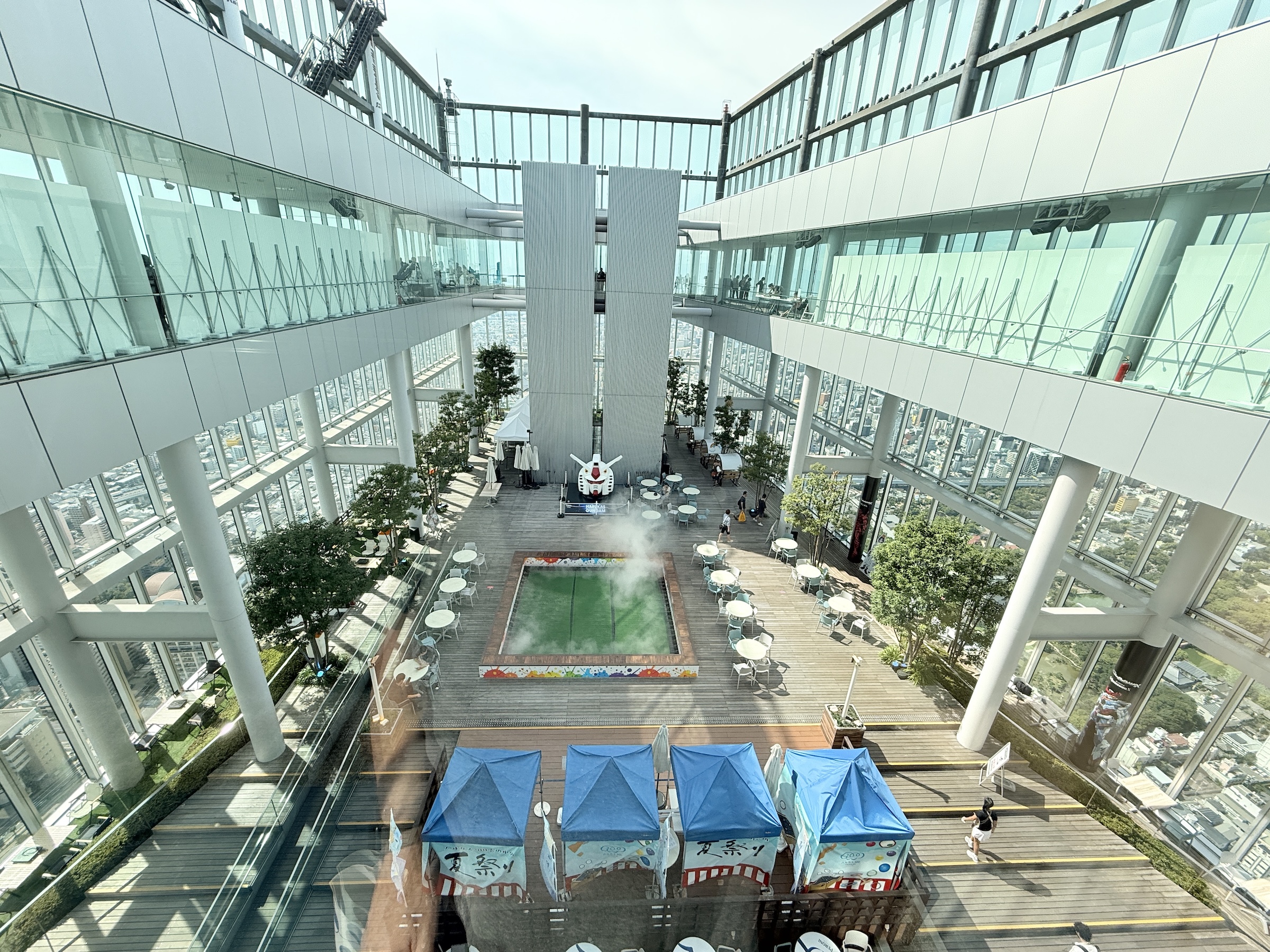
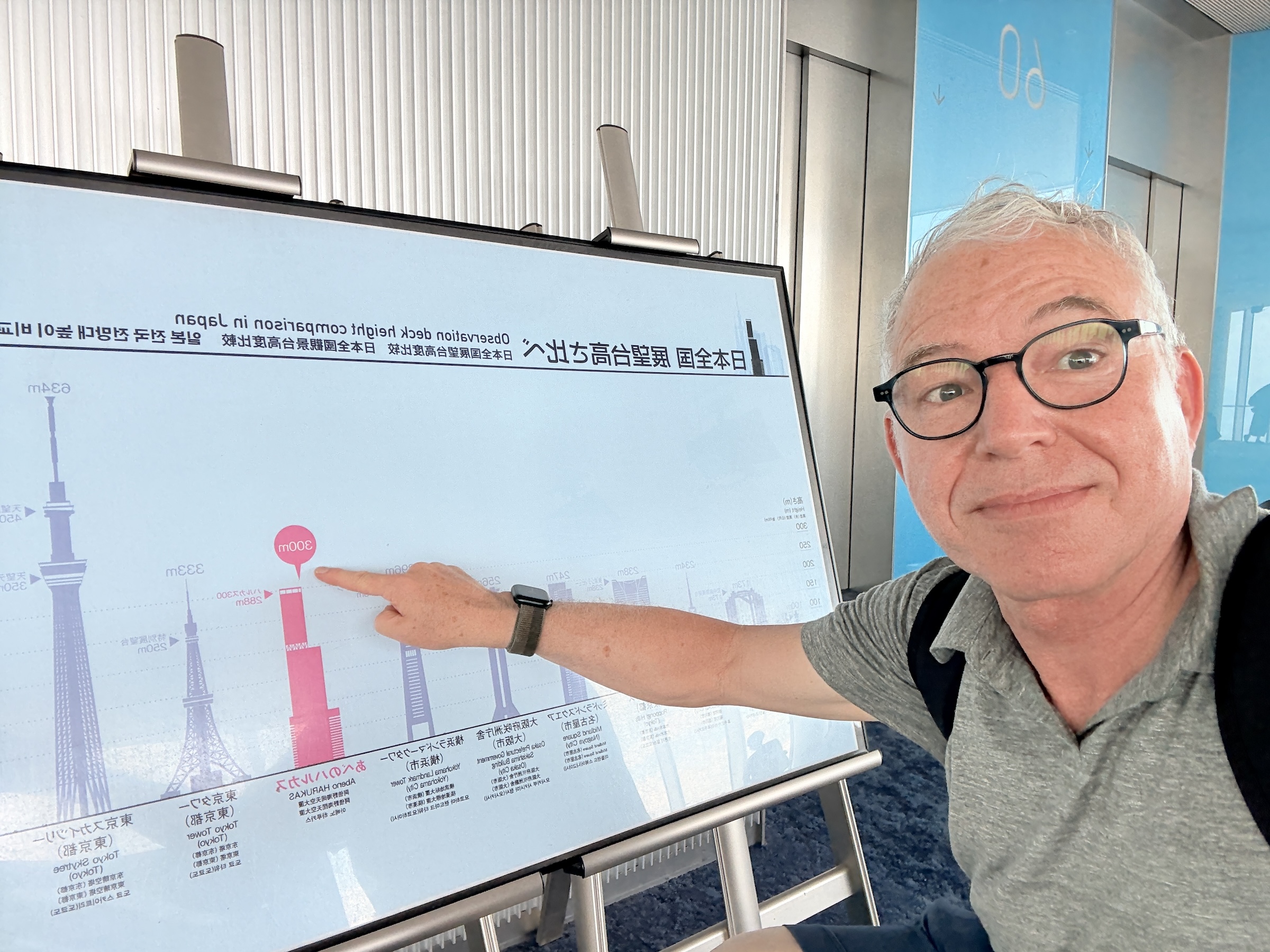
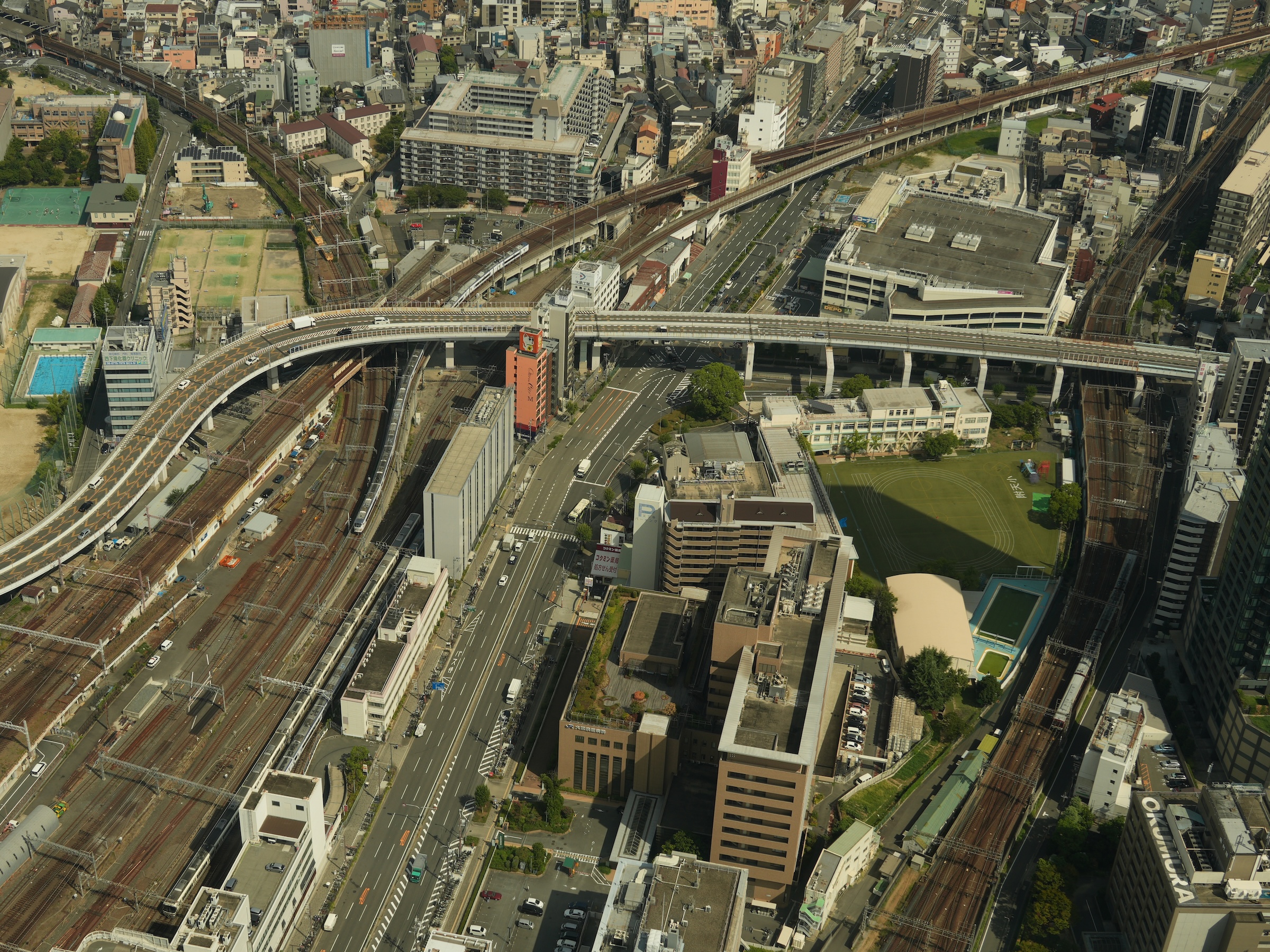
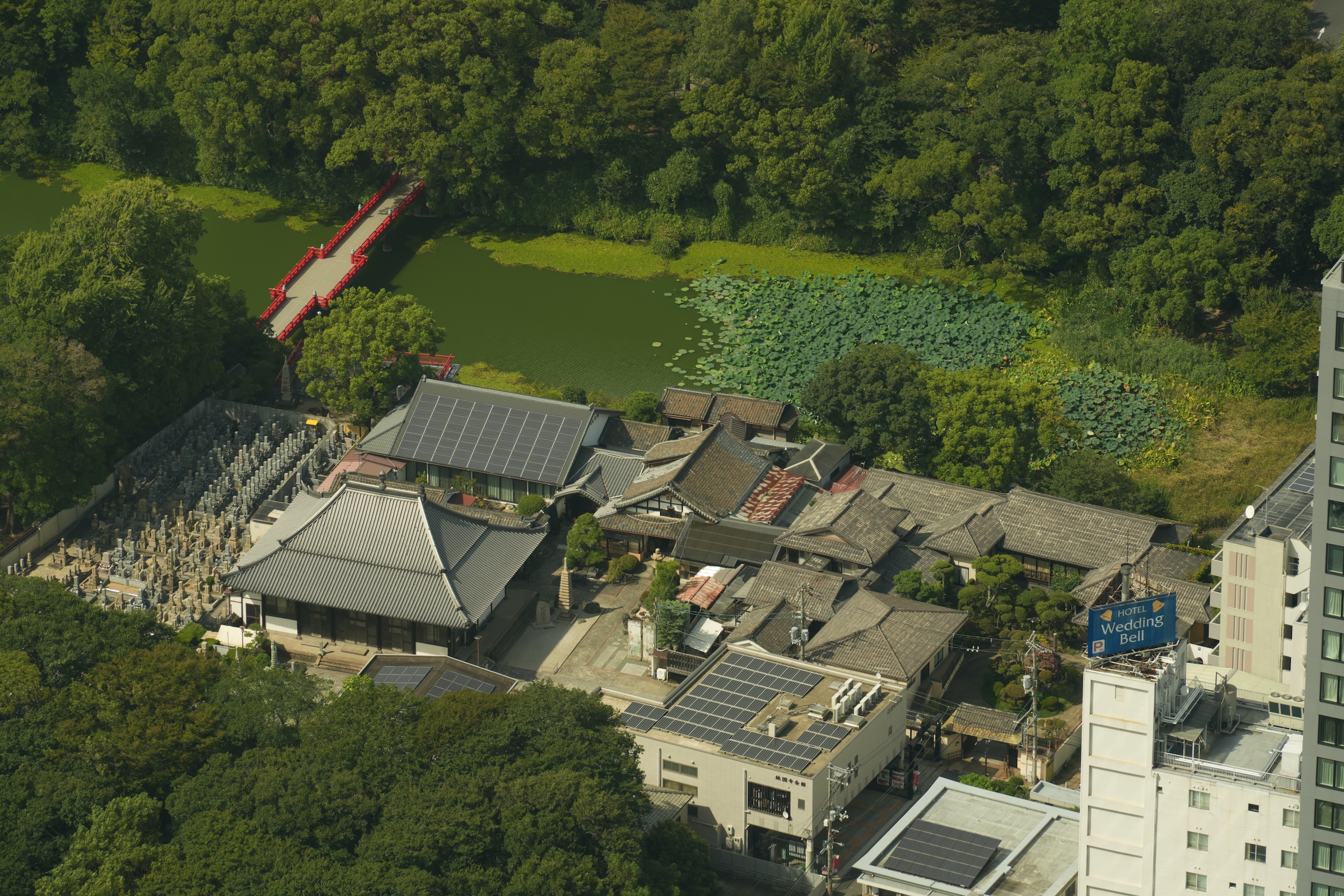
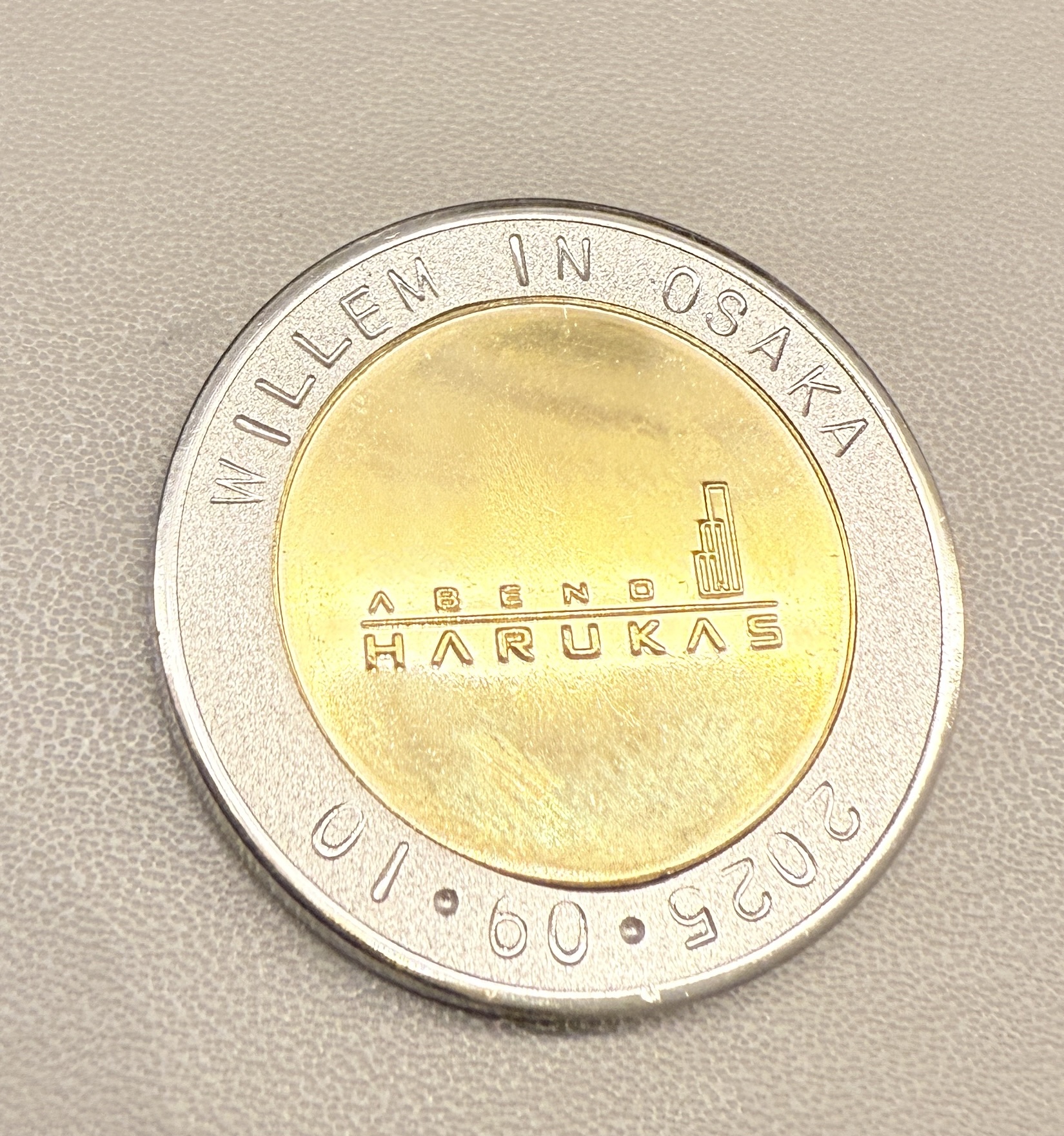
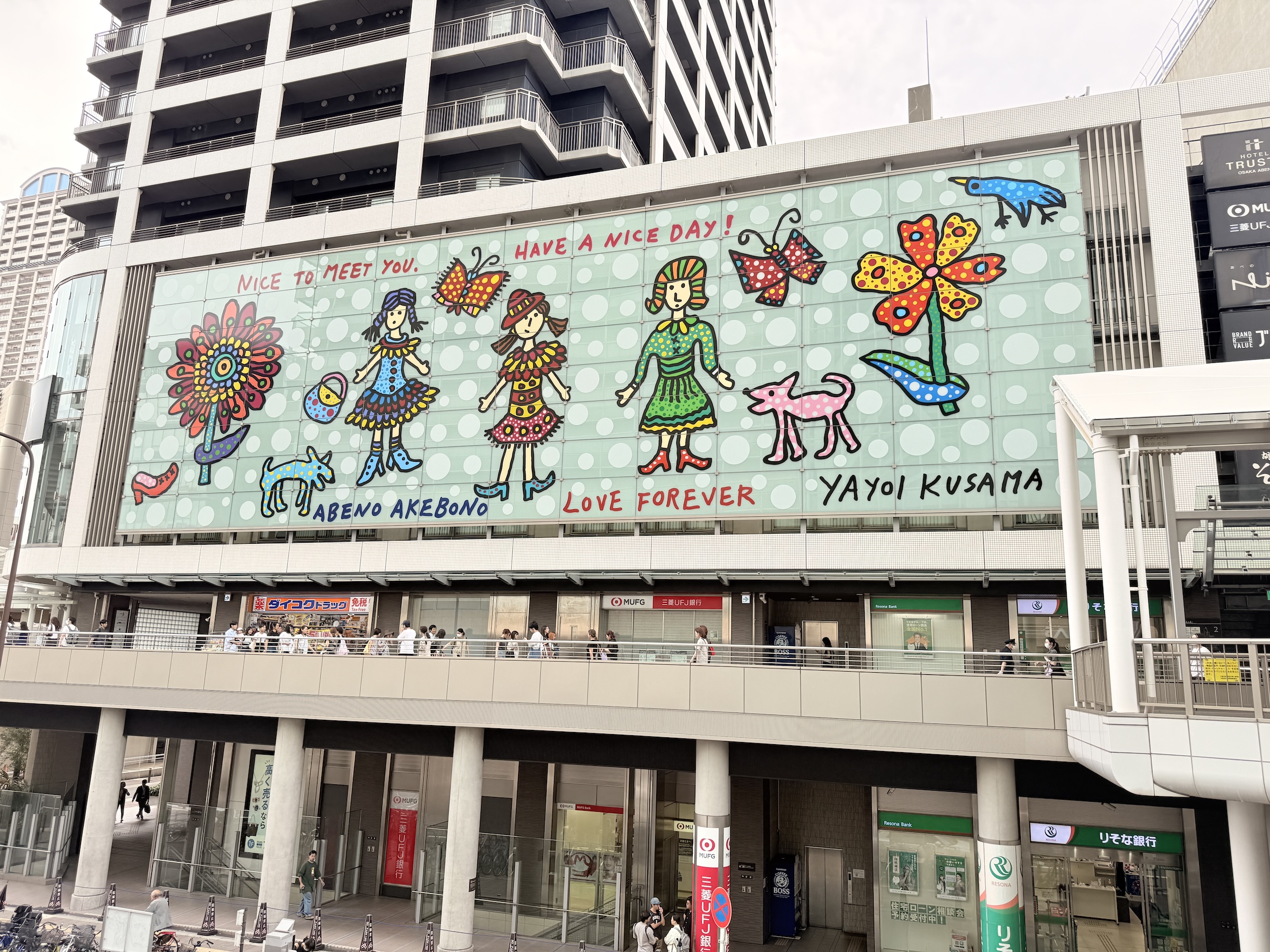
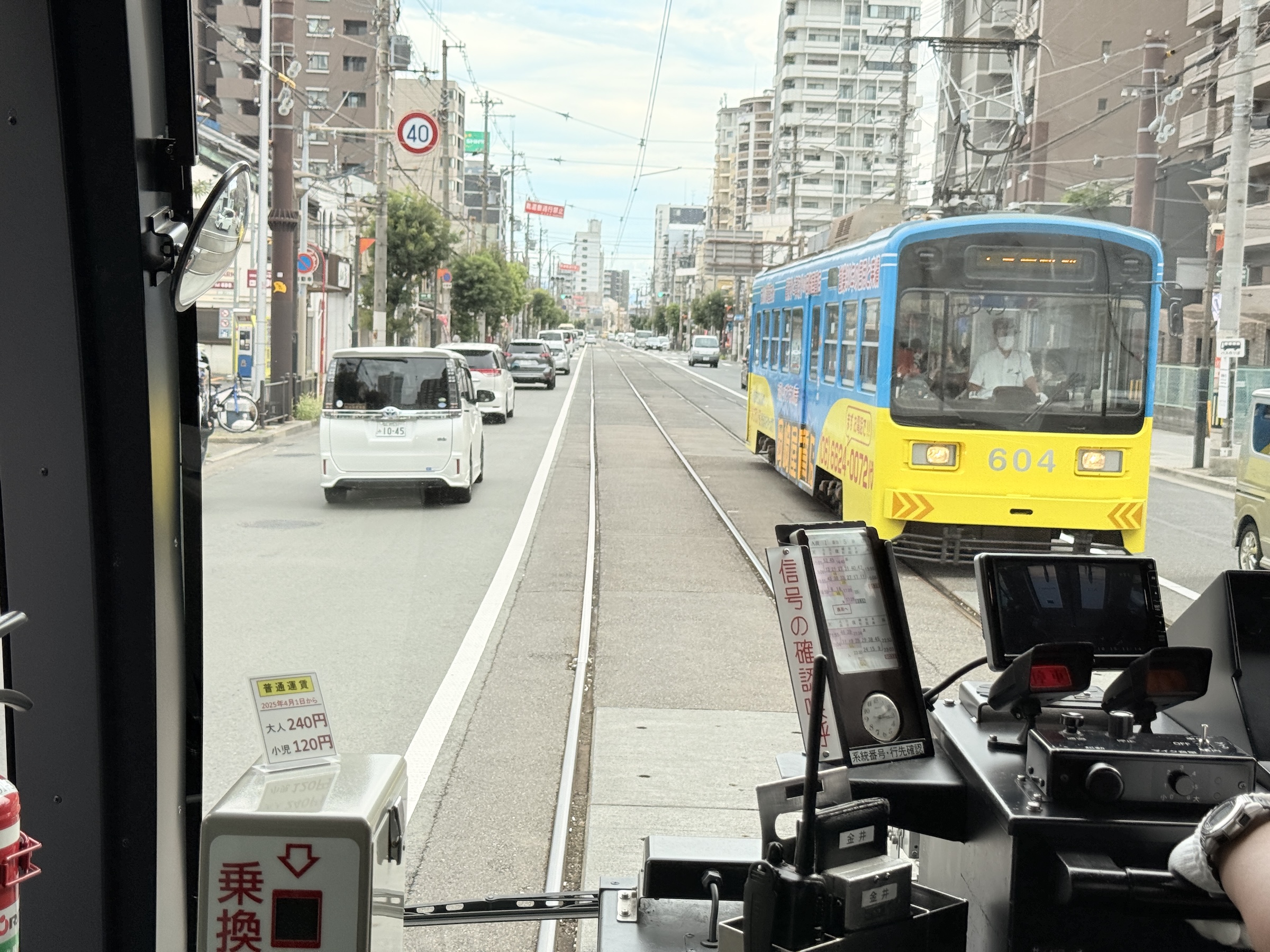
Here’s the Abeno Harukas complex, constructed in 1992. (“Harukas” is an old Japanese expression meaning “to brighten, to clear up.”). It was the tallest skyscraper in Japan from the completion of its observation deck in 2014, until 2023. (The Azabudai Hills Mori JP Tower in Tokyo has 5 more floors and is now Japans’s tallest building.) Abeno Harukas is an amazing building complex that boasts: the 58th-60th floor observatory; from the 38th-55th floors and 57th floor, the Osaka Marriott Miyako Hotel with restaurants; 17th and 18th floor offices; the 16th floor Abeno Harukas Museum and rooftop garden; 2nd basement to 14th floor, the Kintetsu Department Store; 1st basement and 1st floor: Osaka Abenobashi Train Station, and 4th and 3rd basements: parking lot. Wow!I made it to the the 60th floor observatory, and this is an open air atrium consisting of the 58th to 60th floors.There are taller towers than Abeno Harukas in Japan: Tokyo Tower and Skytree.Here’s the view looking more or less north over the city of Osaka. The view was not too hazy, and the air quality index today was 44. Osaka castle lies out north as well, in a large green space, but was too far too see with the naked eye. Looking at the ‘model trains’ that run on the tracks below. The track that runs out to the top left corner is the Osaka Loop Line. The one with the white train on it is the Yamatoji Line (大和路線, Yamatoji-sen), the common name of the western portion of the Kansai Main Line in Japan.Here’s a bird’s eyeview of beautiful Keitakuen Garden. I would have loved to spend a little time there.This commemorative coin from a vending machine in the observation deck was all of ¥600 (US$ 4.00). And you get a little show while the punching machine adds your free engraving on the edge of the coin. Nicely done!All right, now I’m heading to Tennojiekimae Station for my short little street car ride.The street car is full, but I don’t mind standing up front. I have a great view of the track, and the street car that passes us by. The Hankai tram line itself began service in 1900, making it approximately 125 years old.
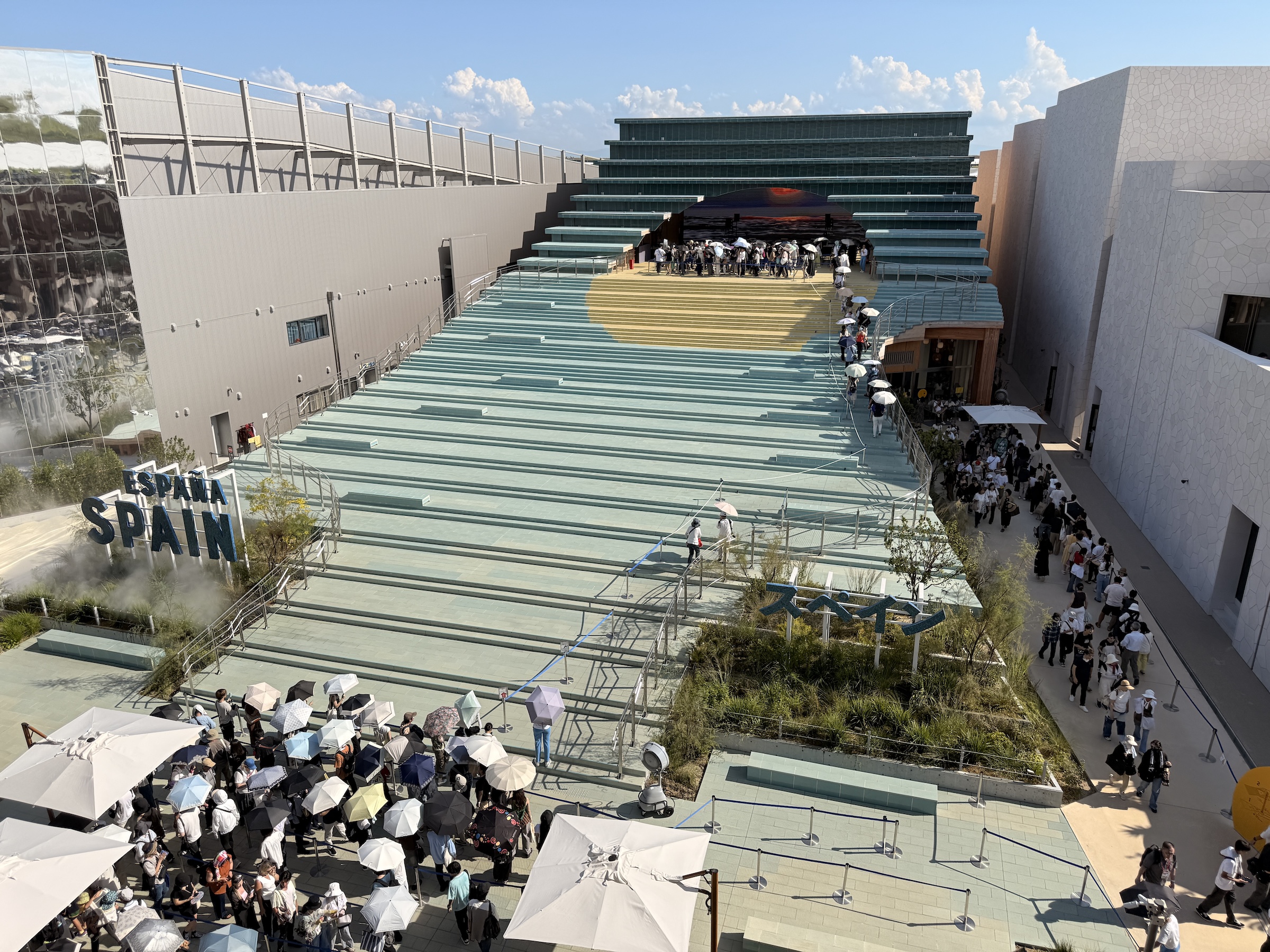
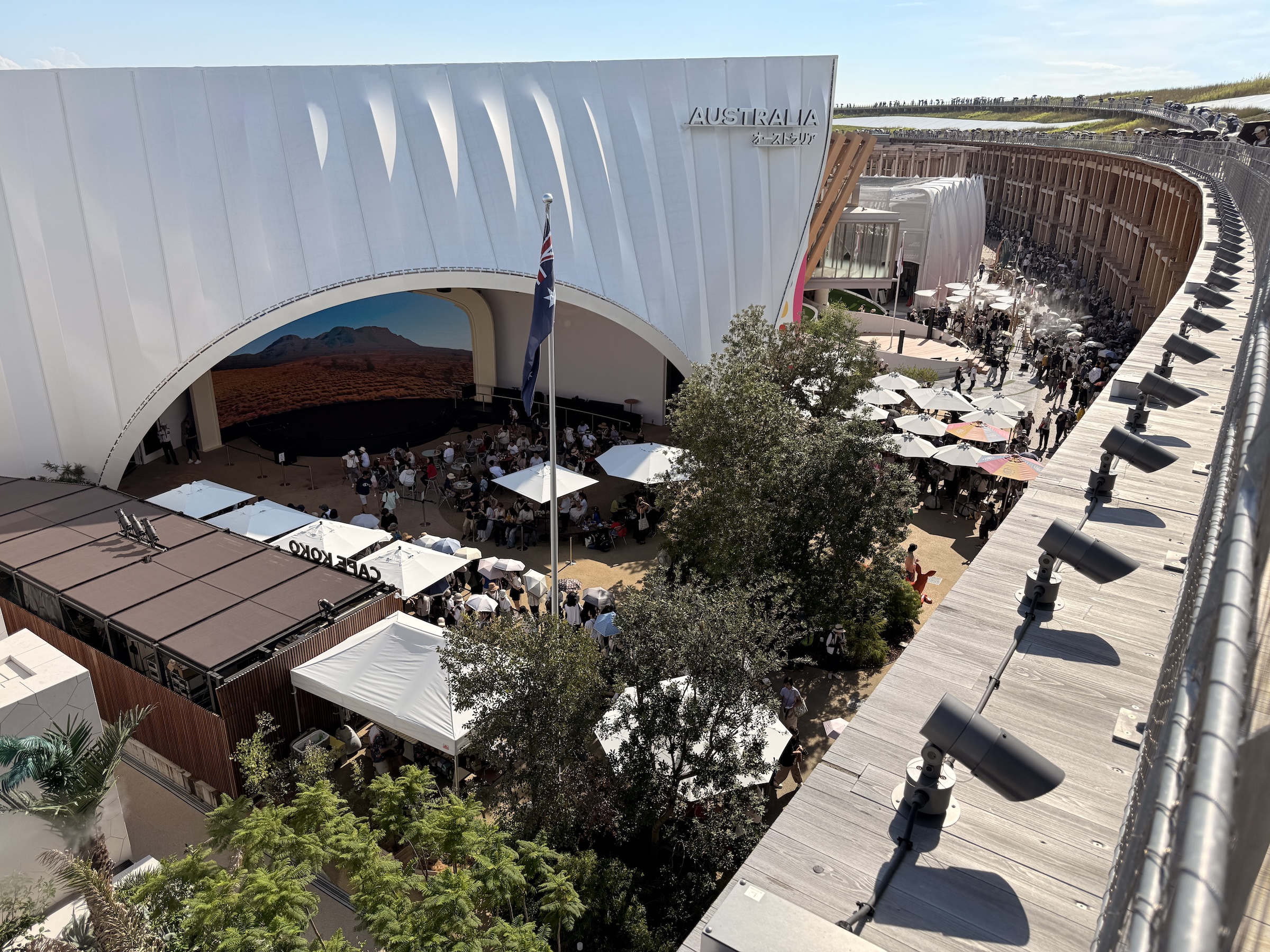
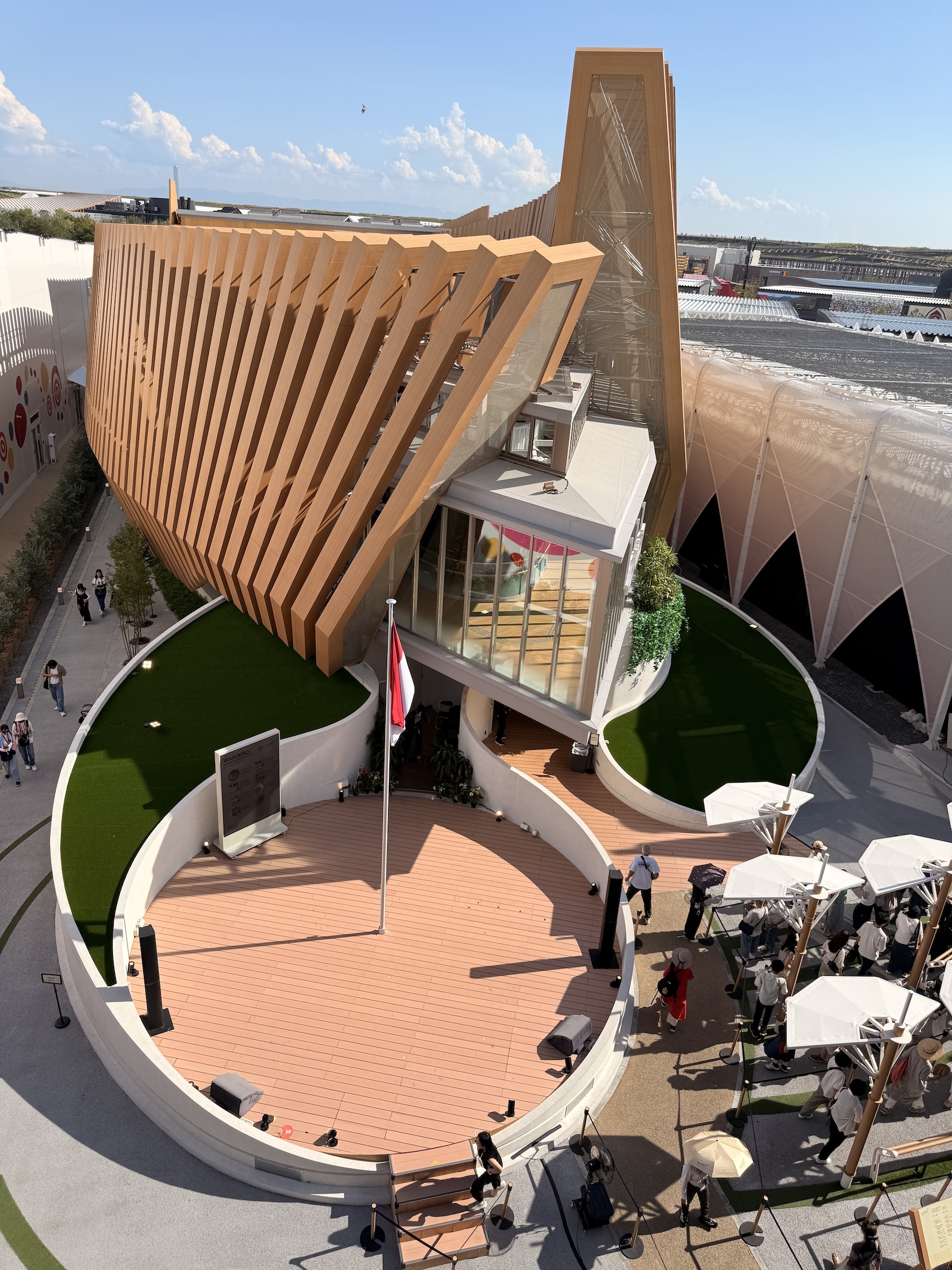
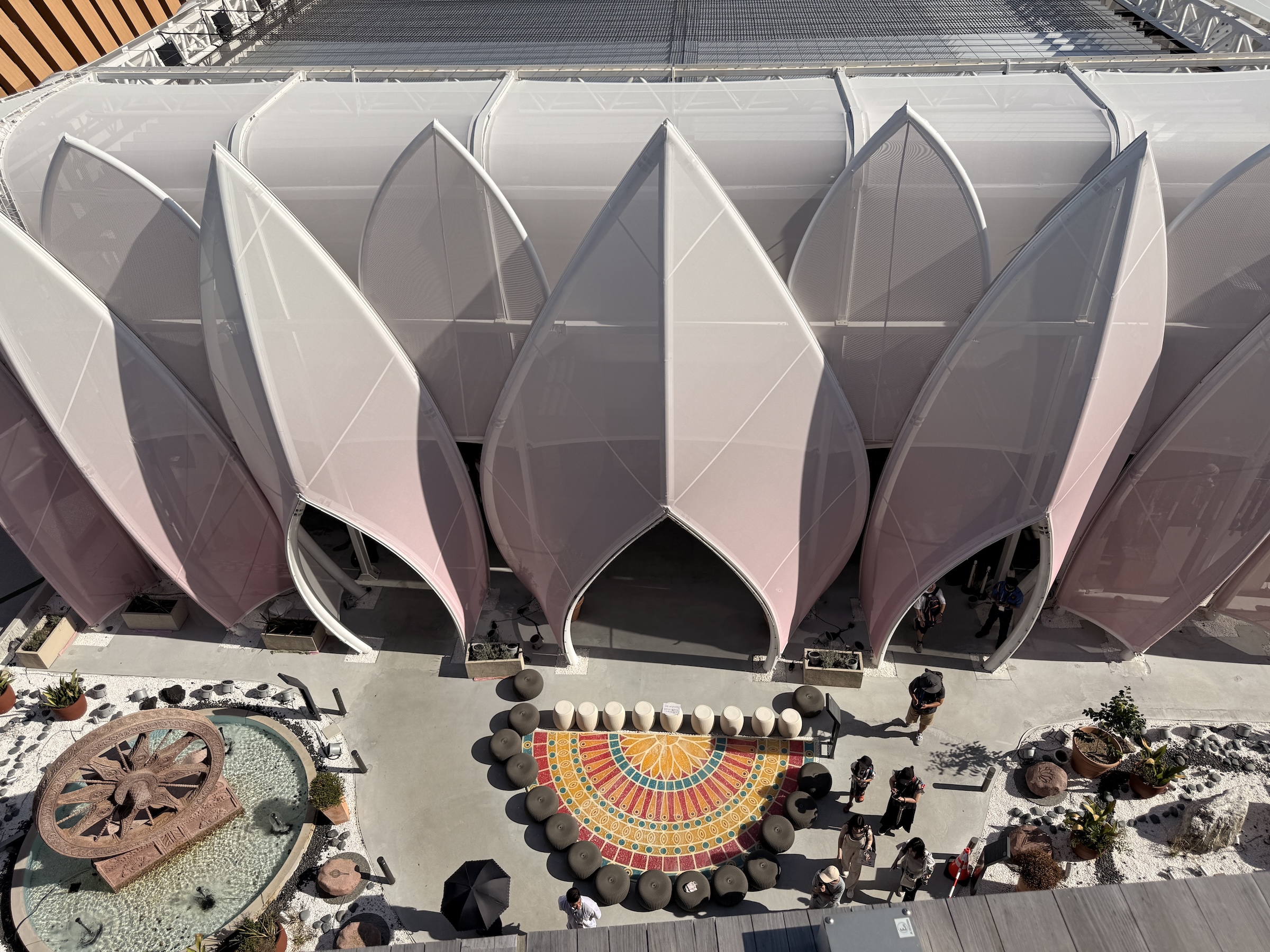
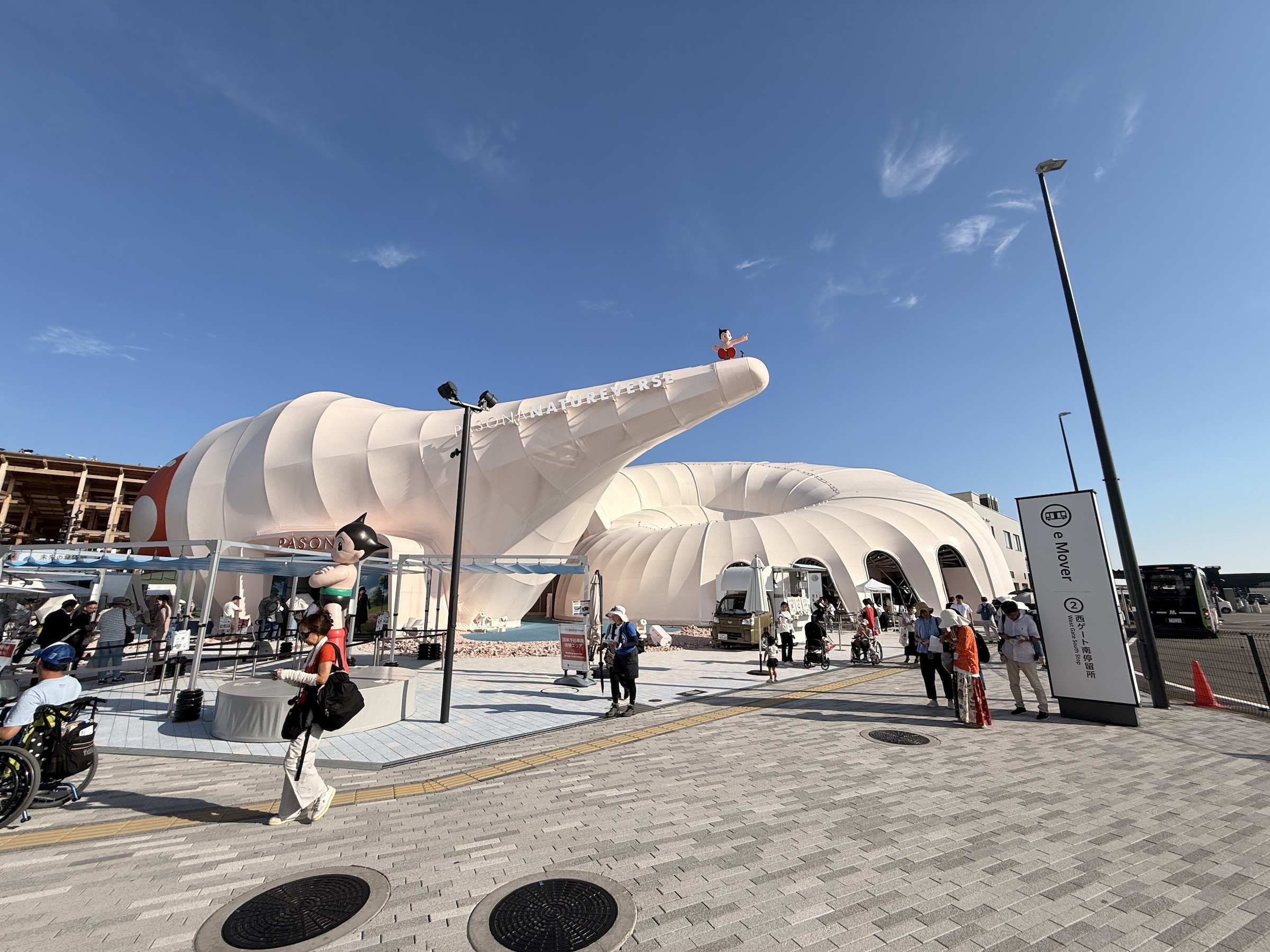
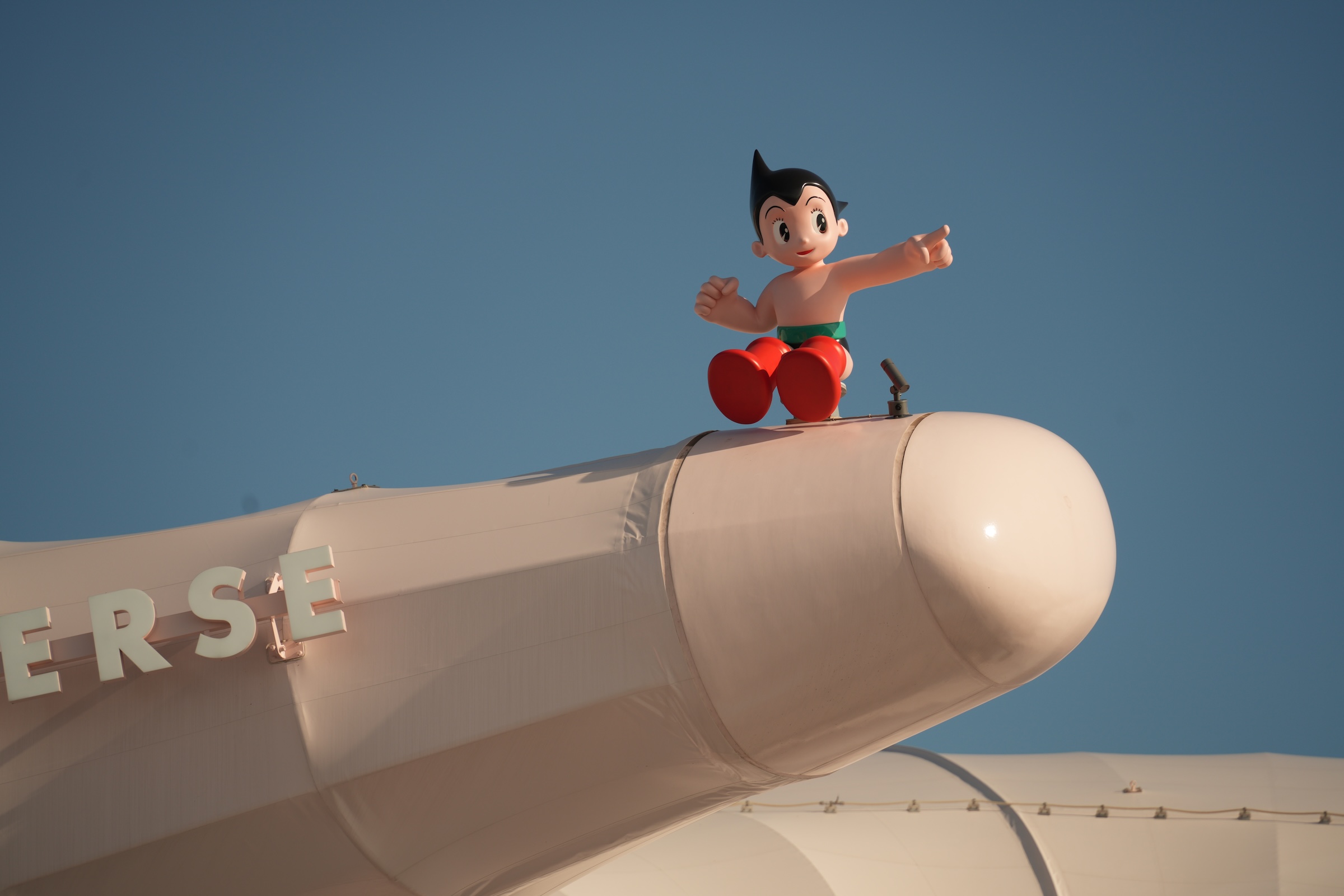
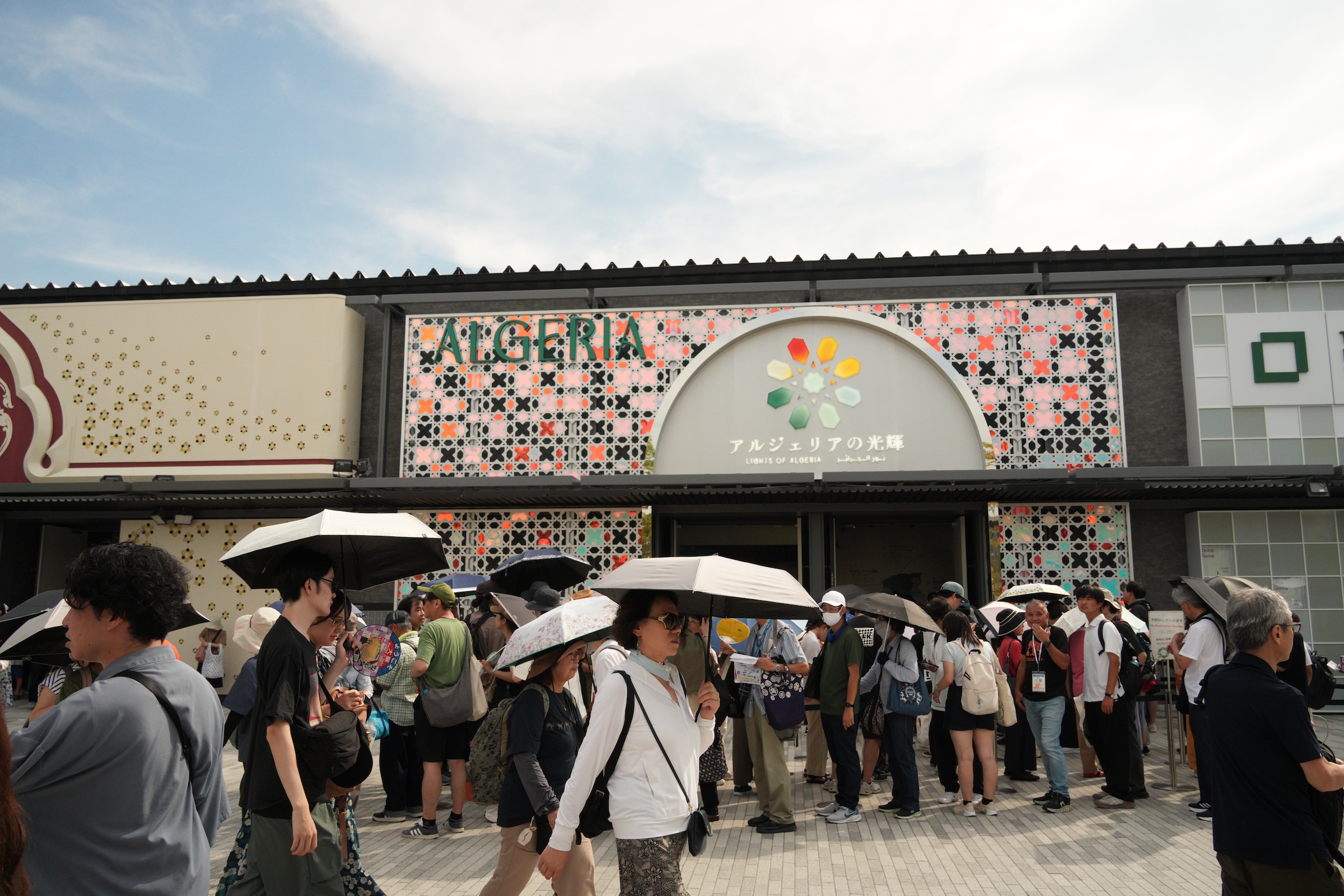
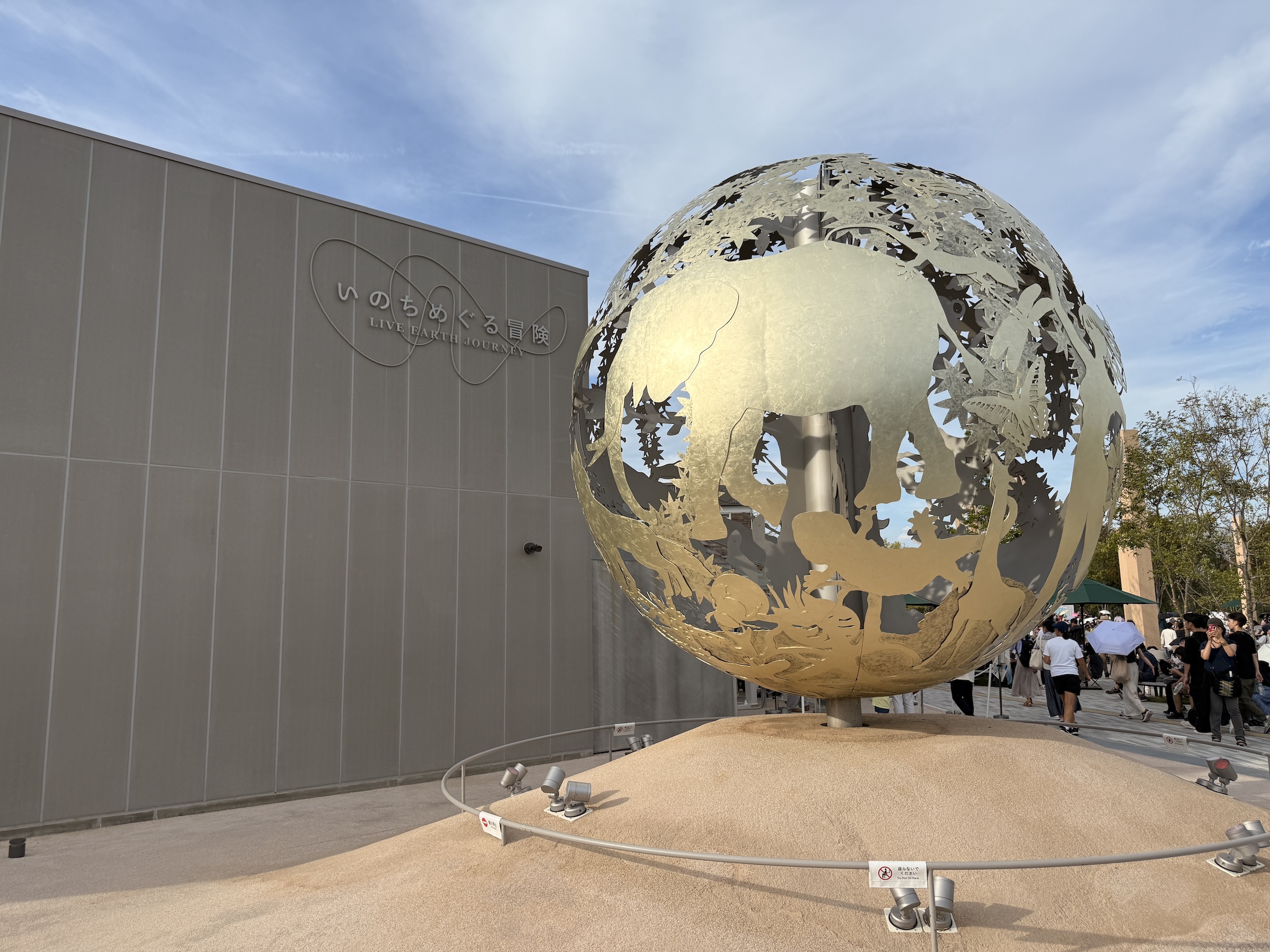
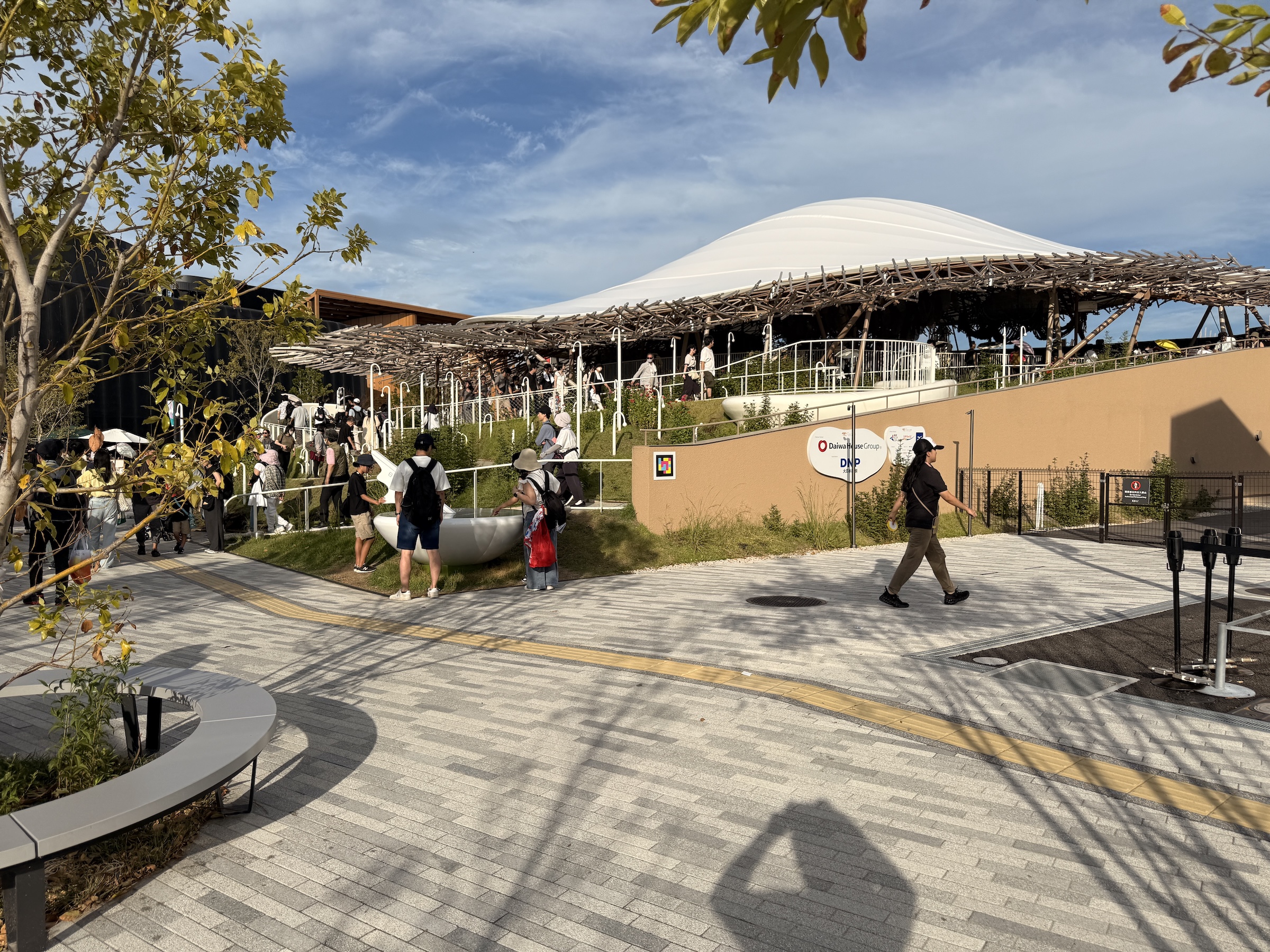
I walked over to the West Gate today (both days I had entered at the East Gate), where I found Astro Boy.
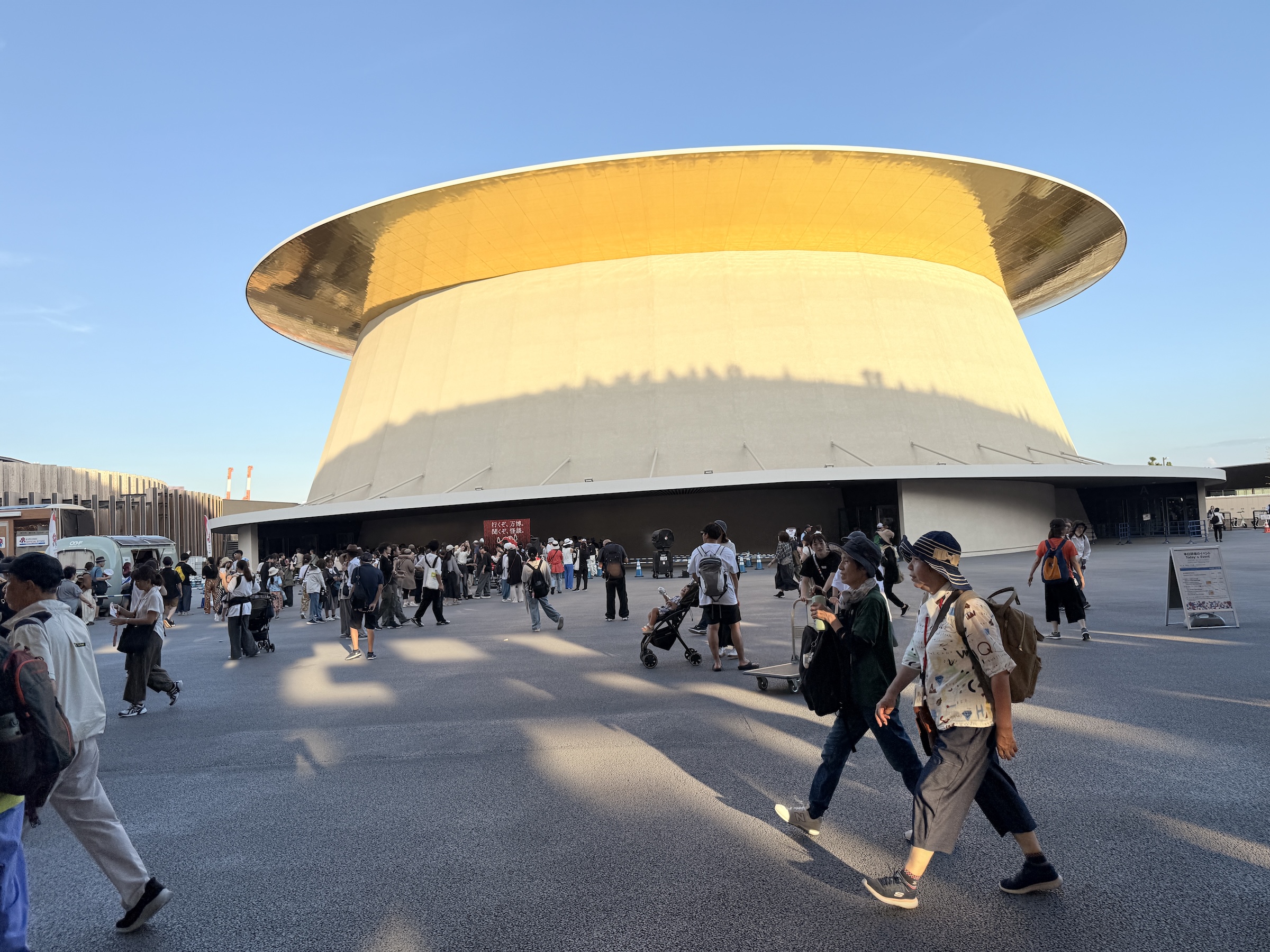
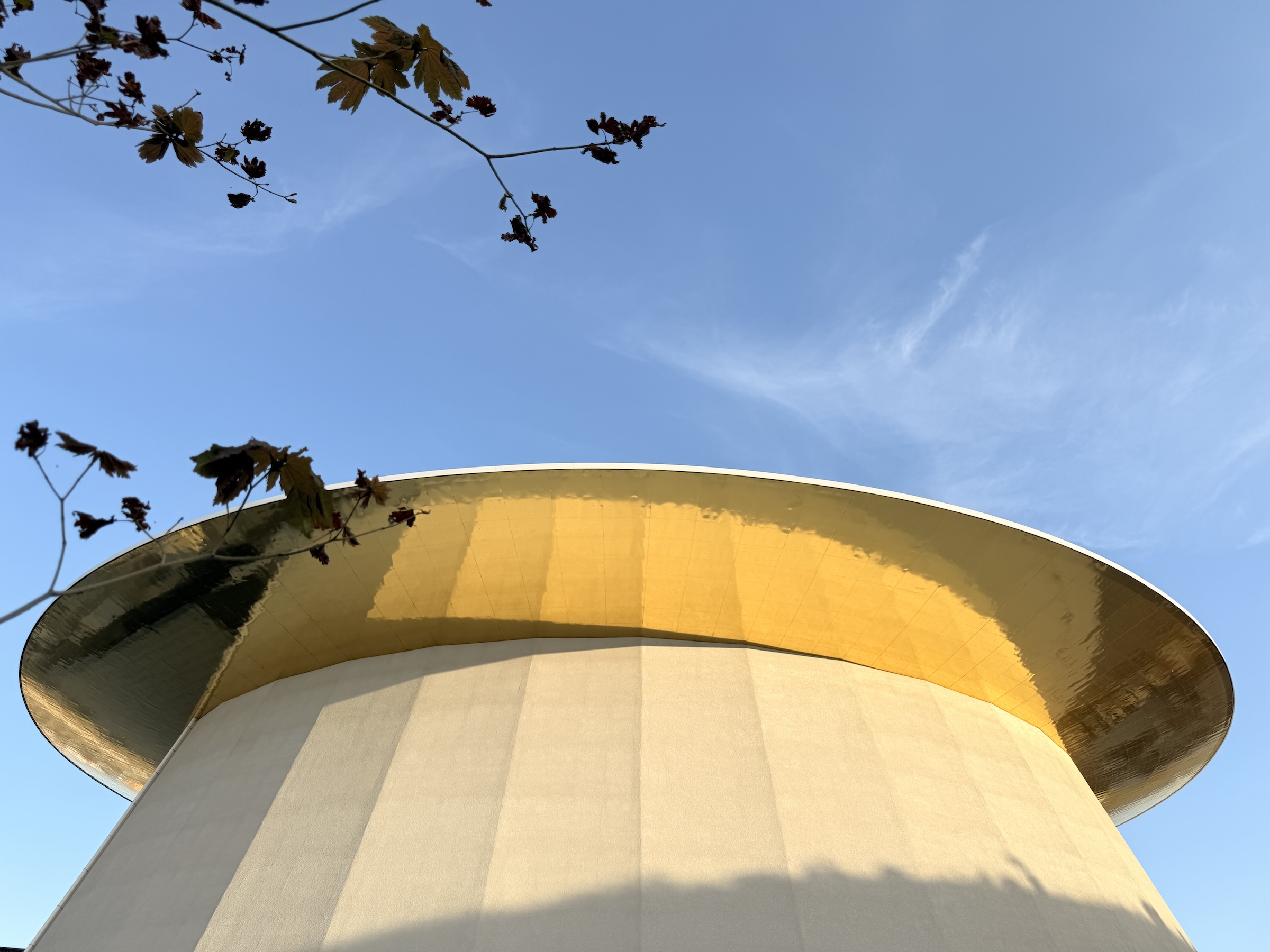
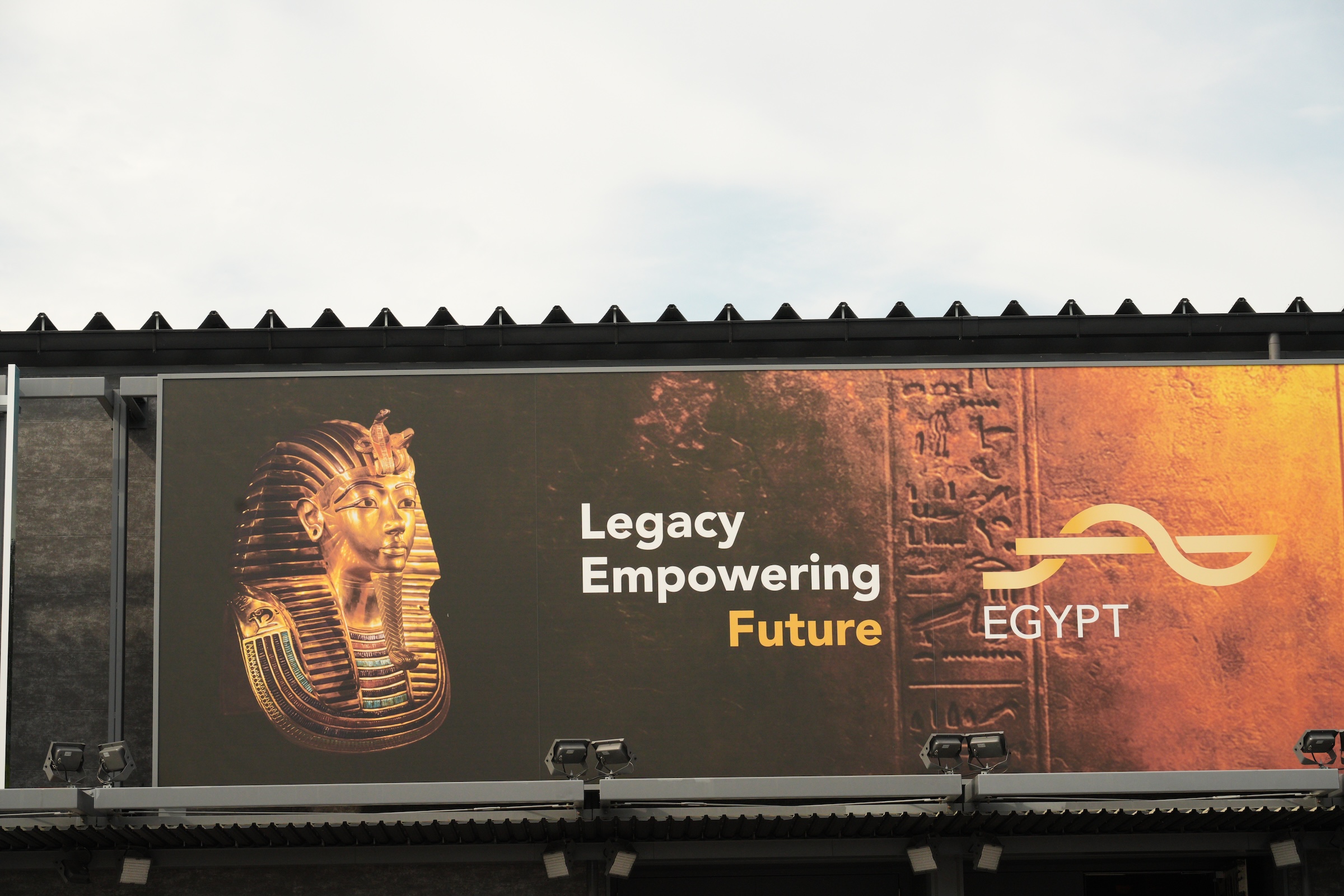
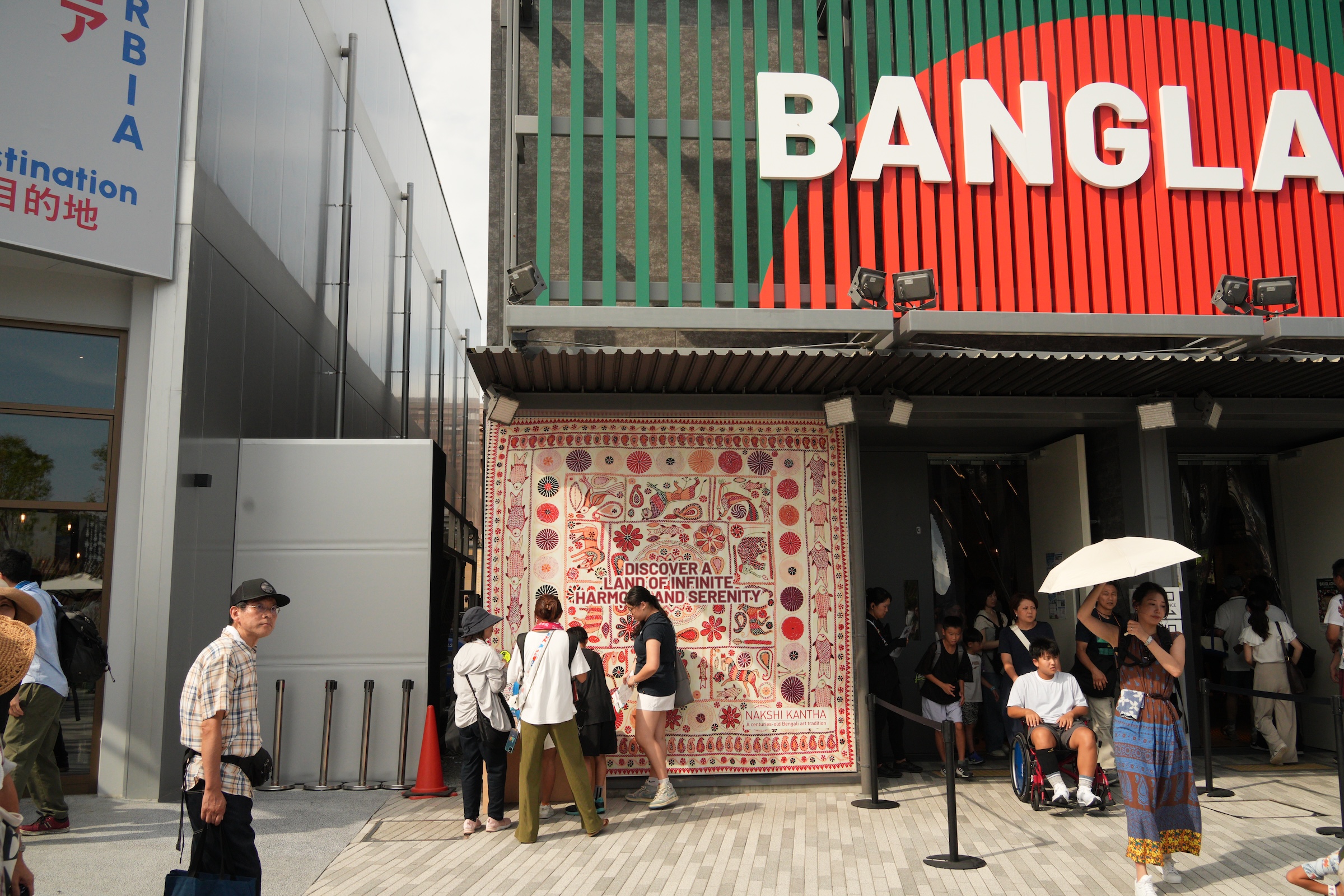
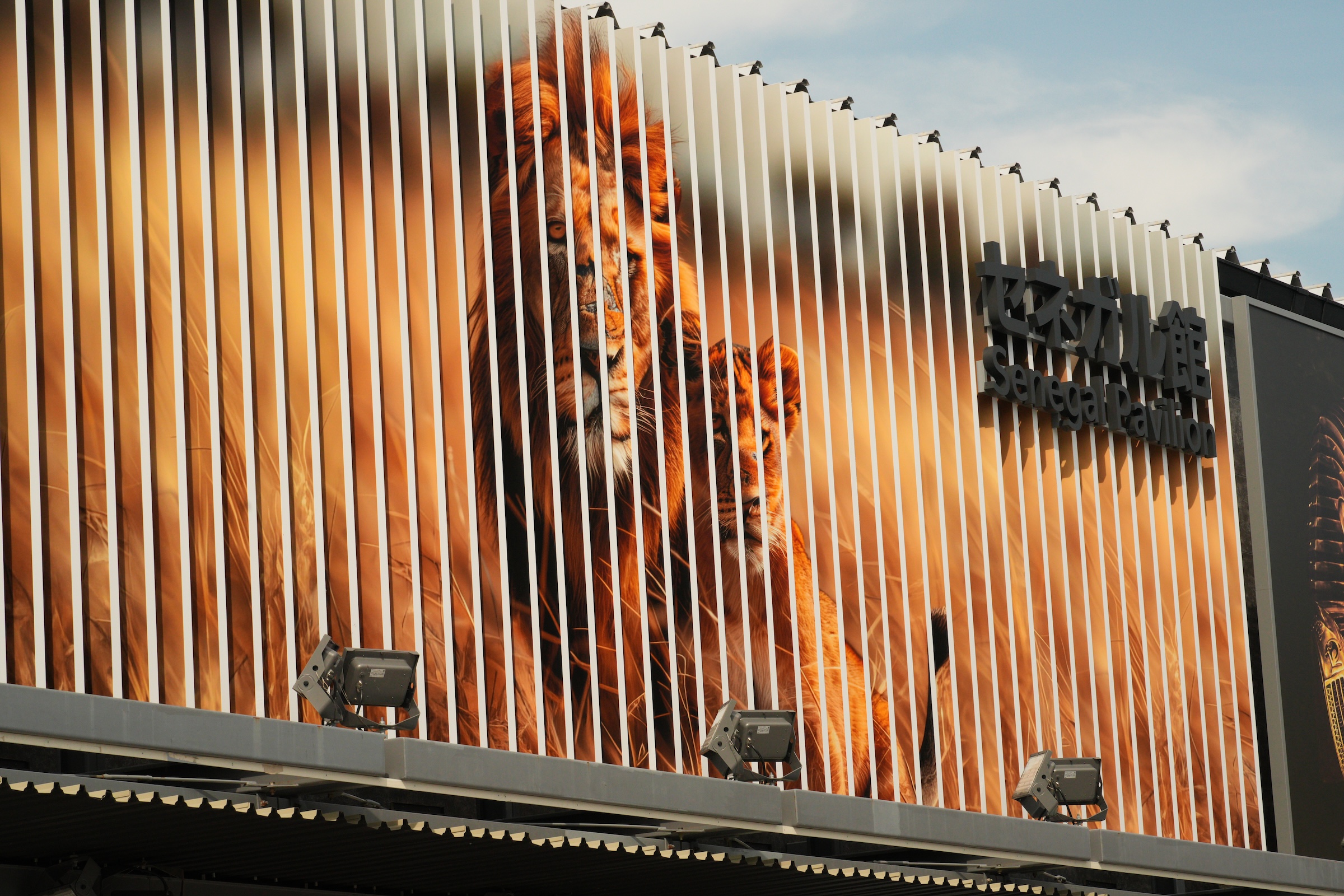
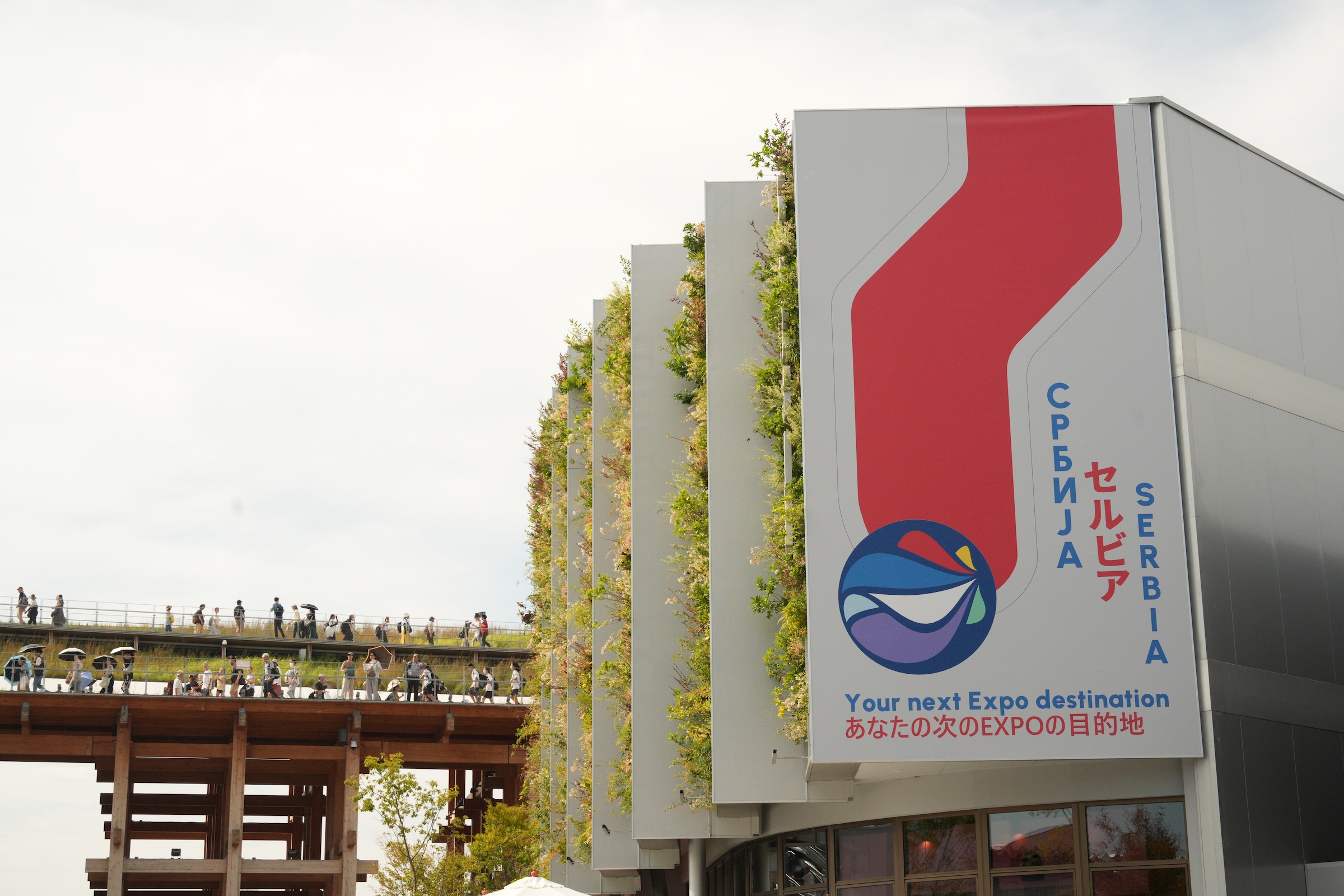
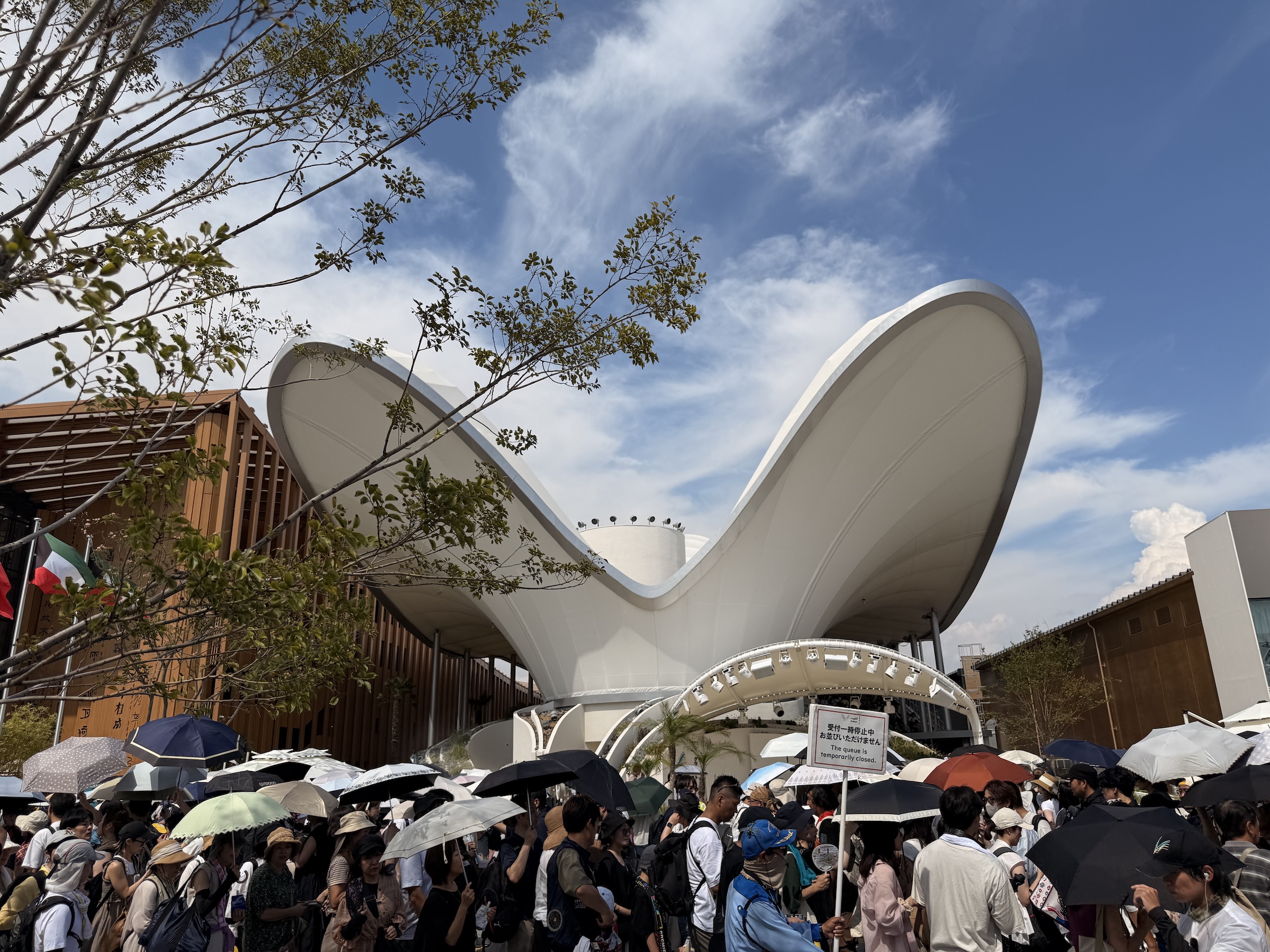
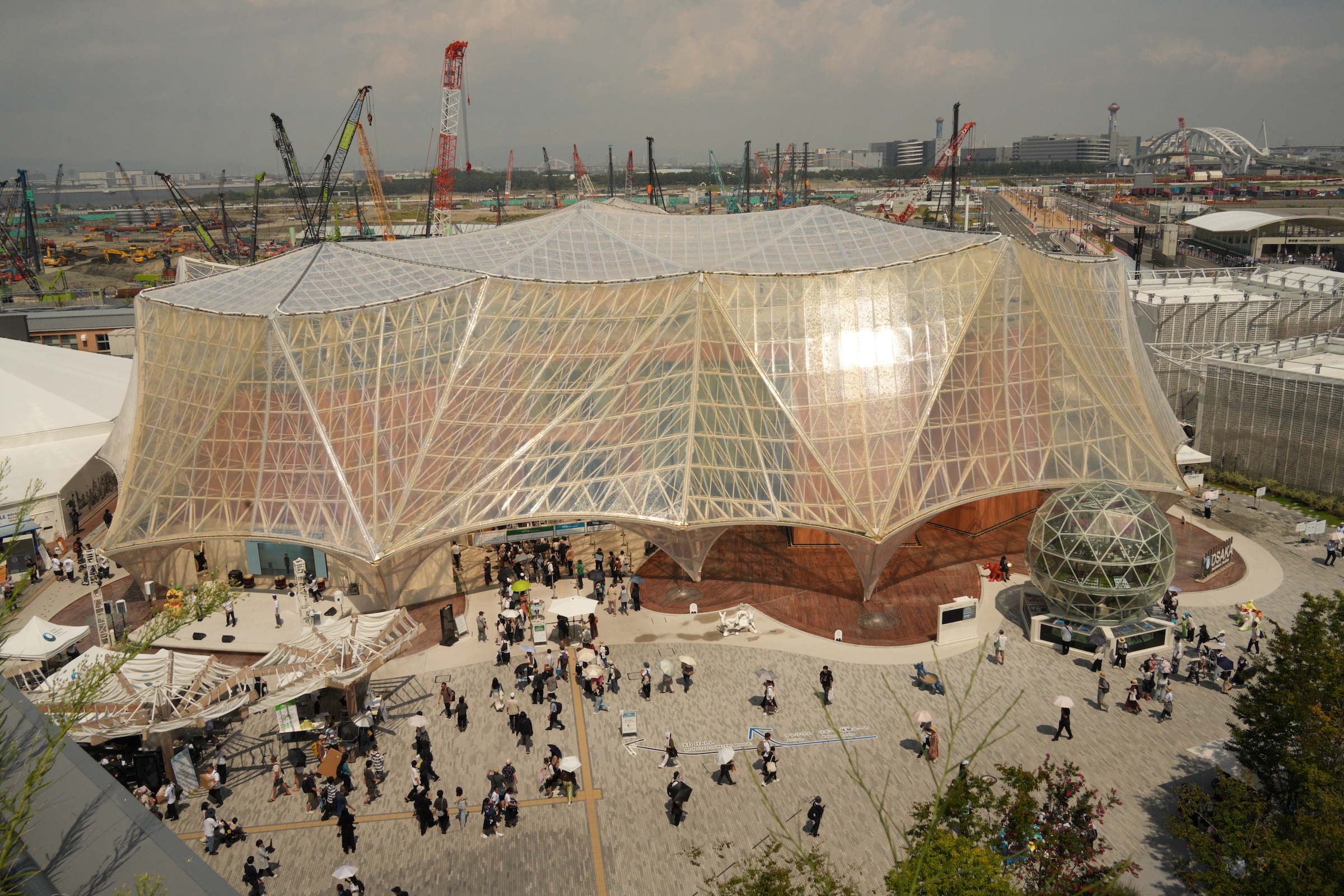
I also tracked down the Japan Pavilion with its beautiful ‘golden hat’ design. The Golden Surface of the Japan Pavilion was created by the designers Nikken Sekkei. They used an iridescent color shining technology— a technique that involves engraving microgrooves onto the surface, which interact with light to produce a dynamic, multi-colored sheen that changes with the viewing angle.
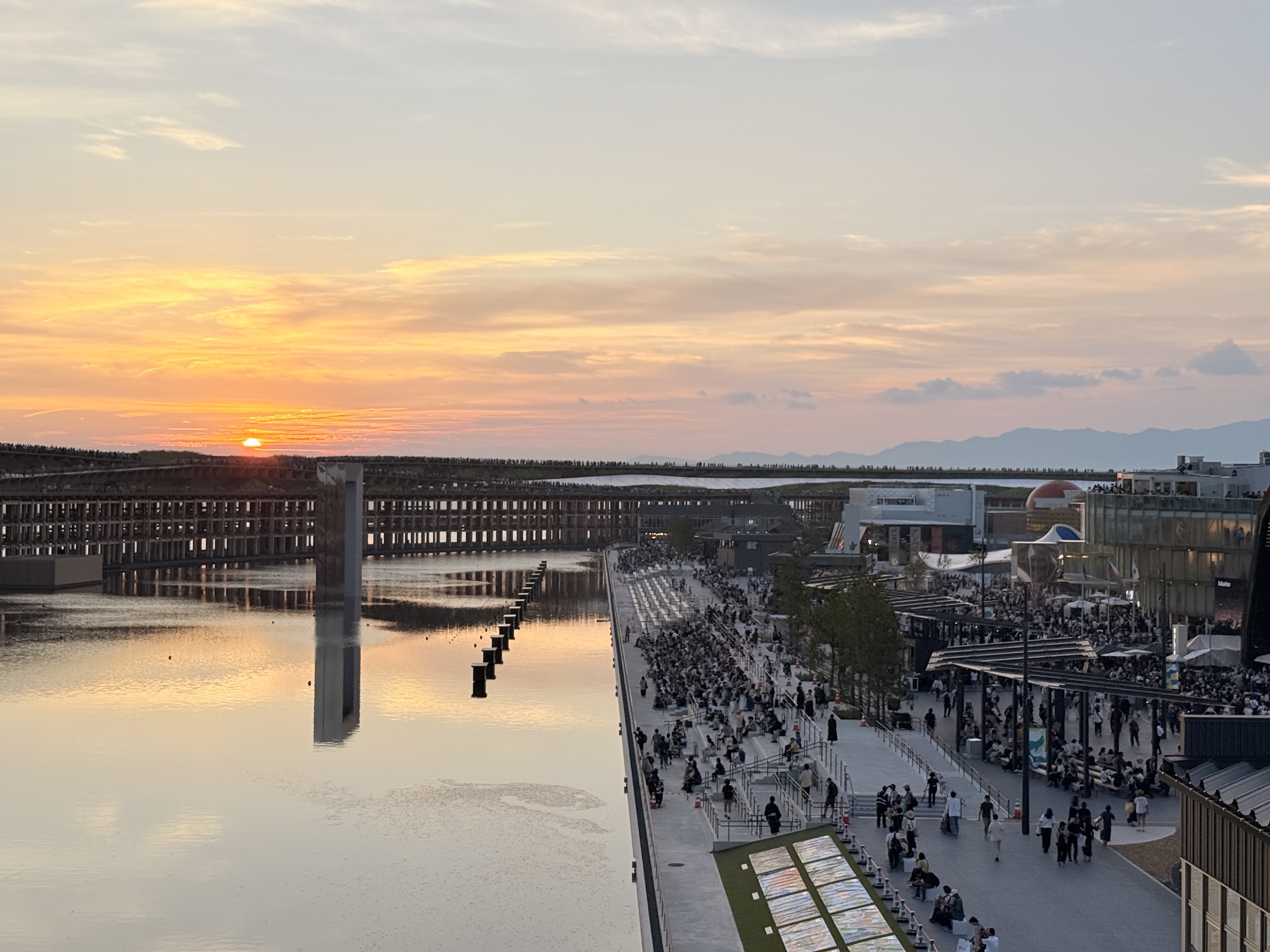
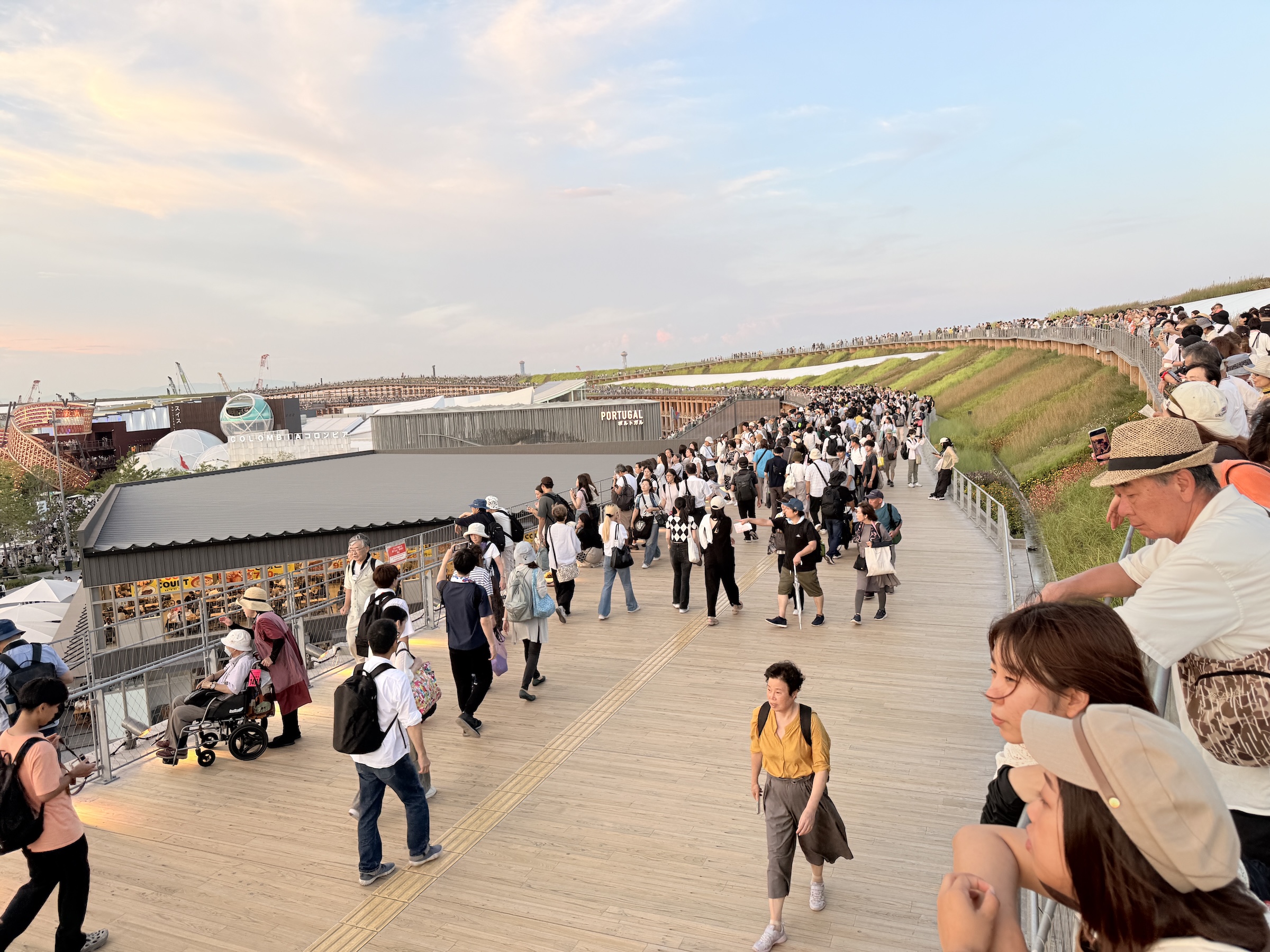
As the sun was setting, everyone went up to the Grand Ring, to watch the daylight end.
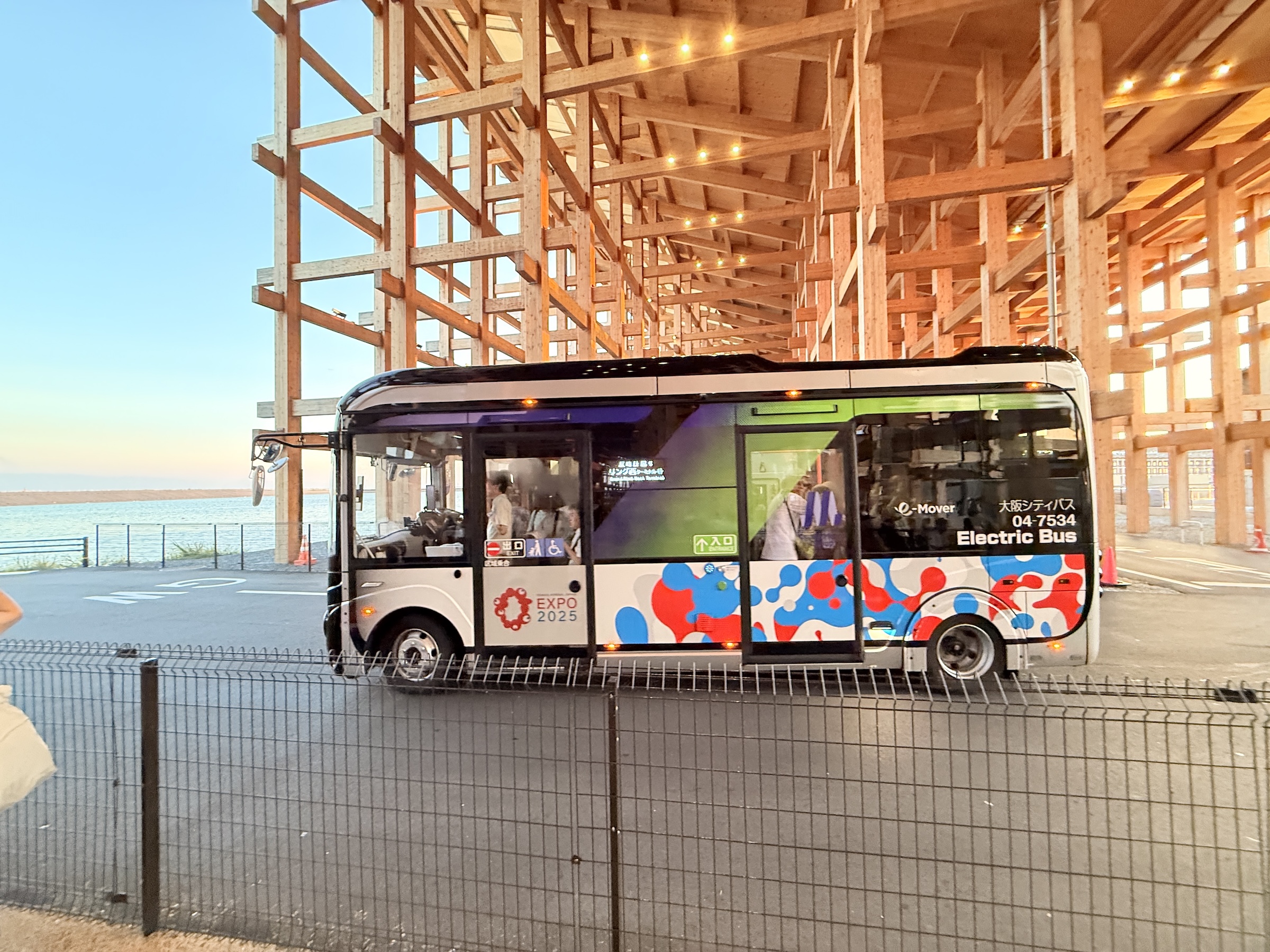
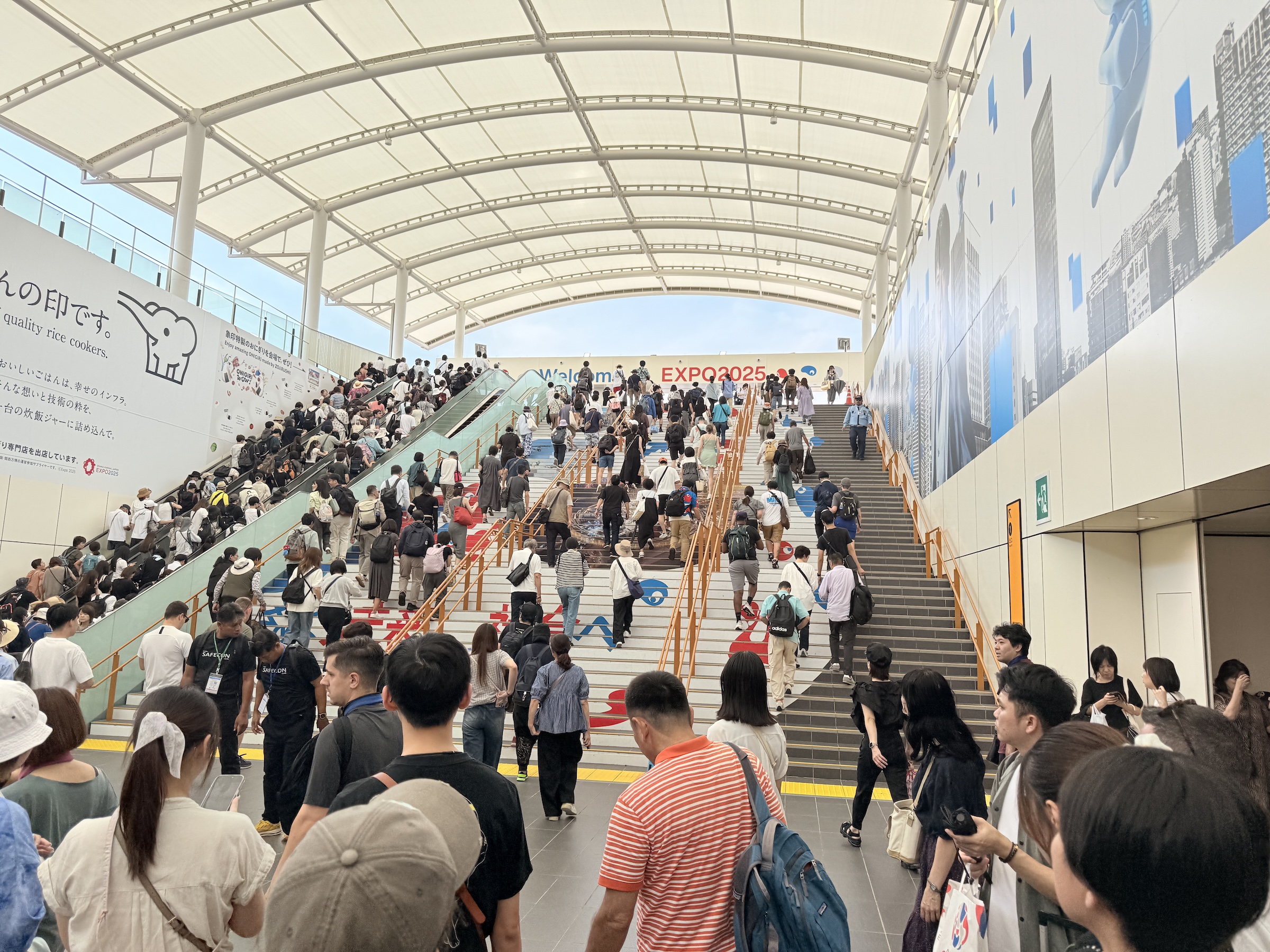
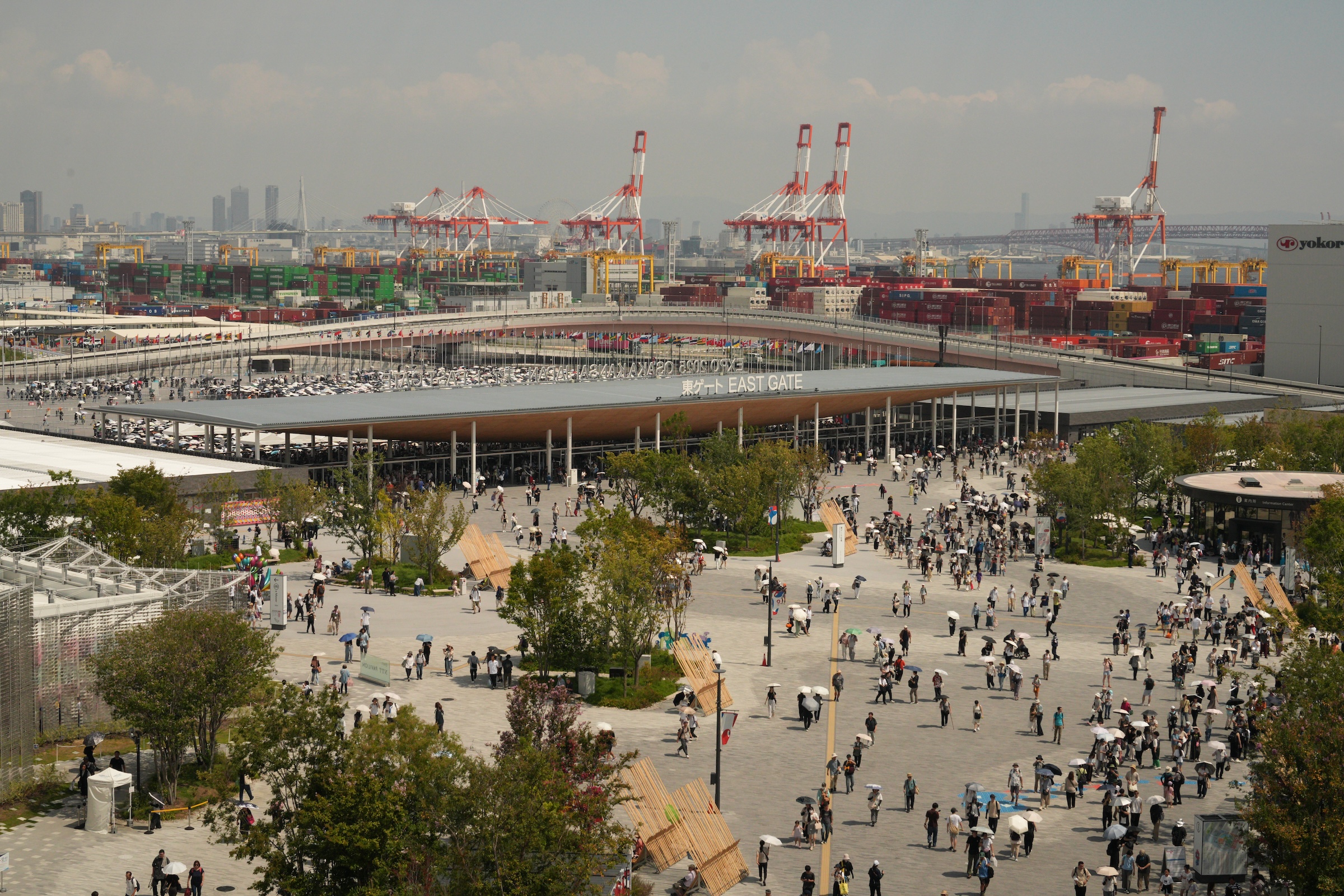
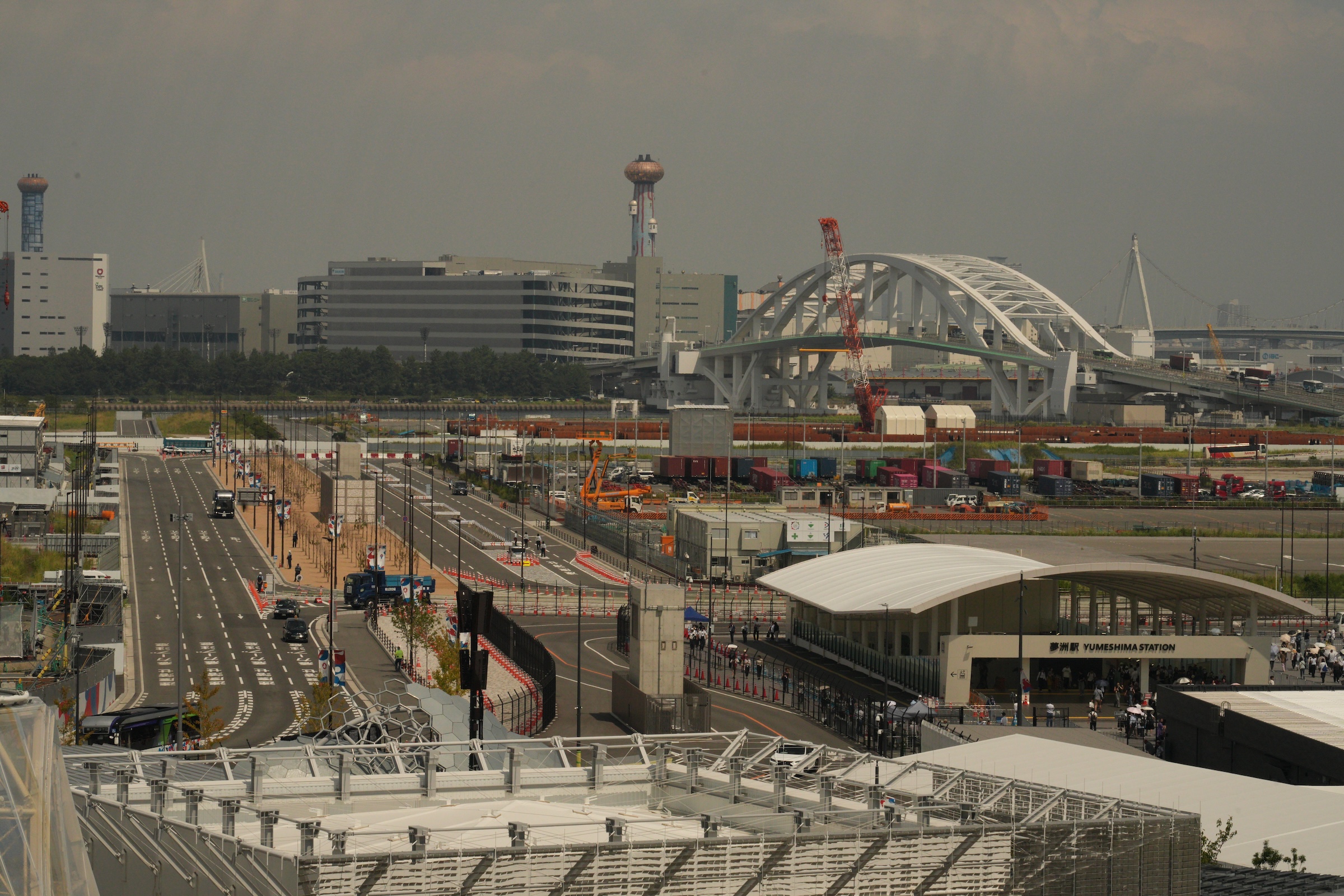
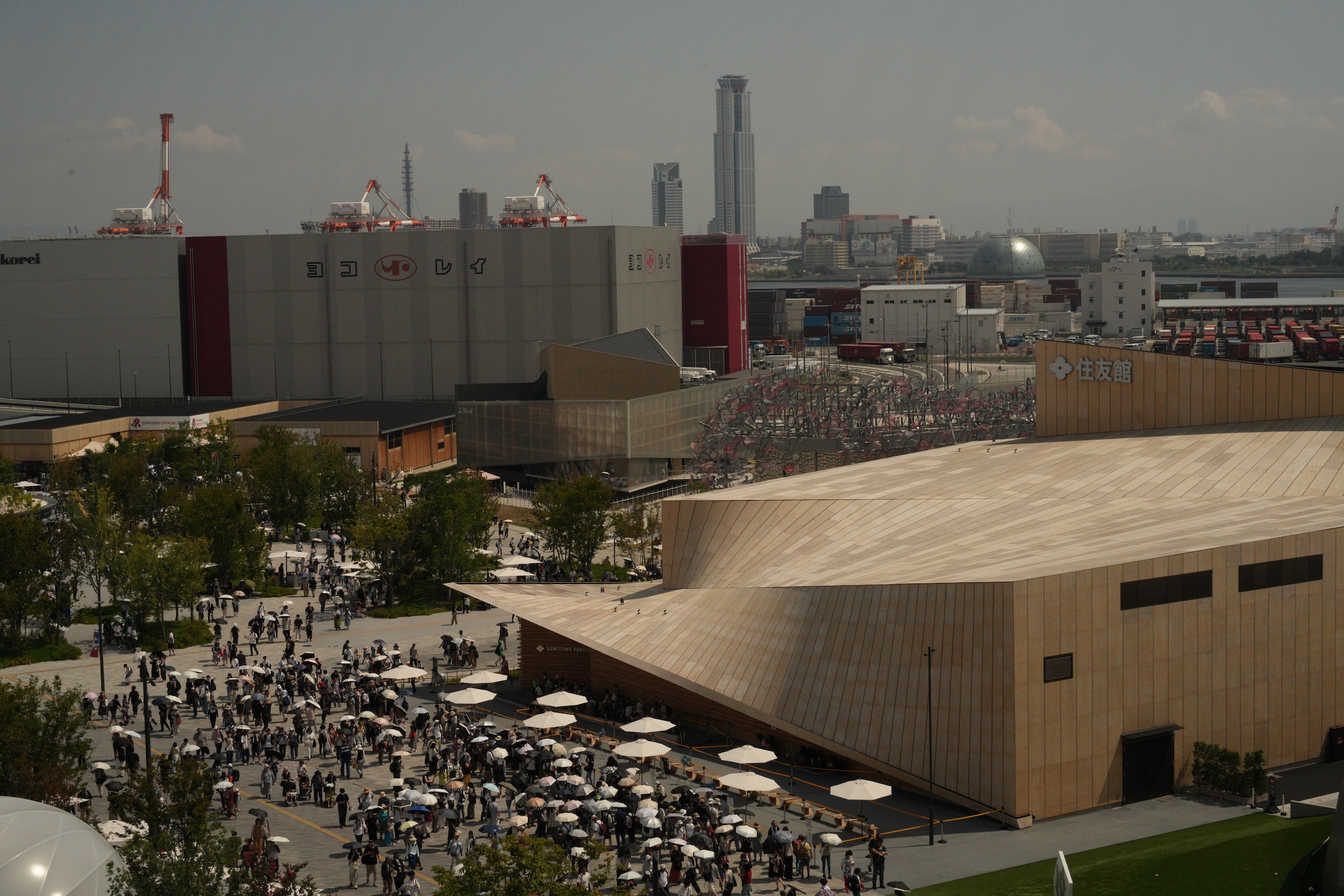
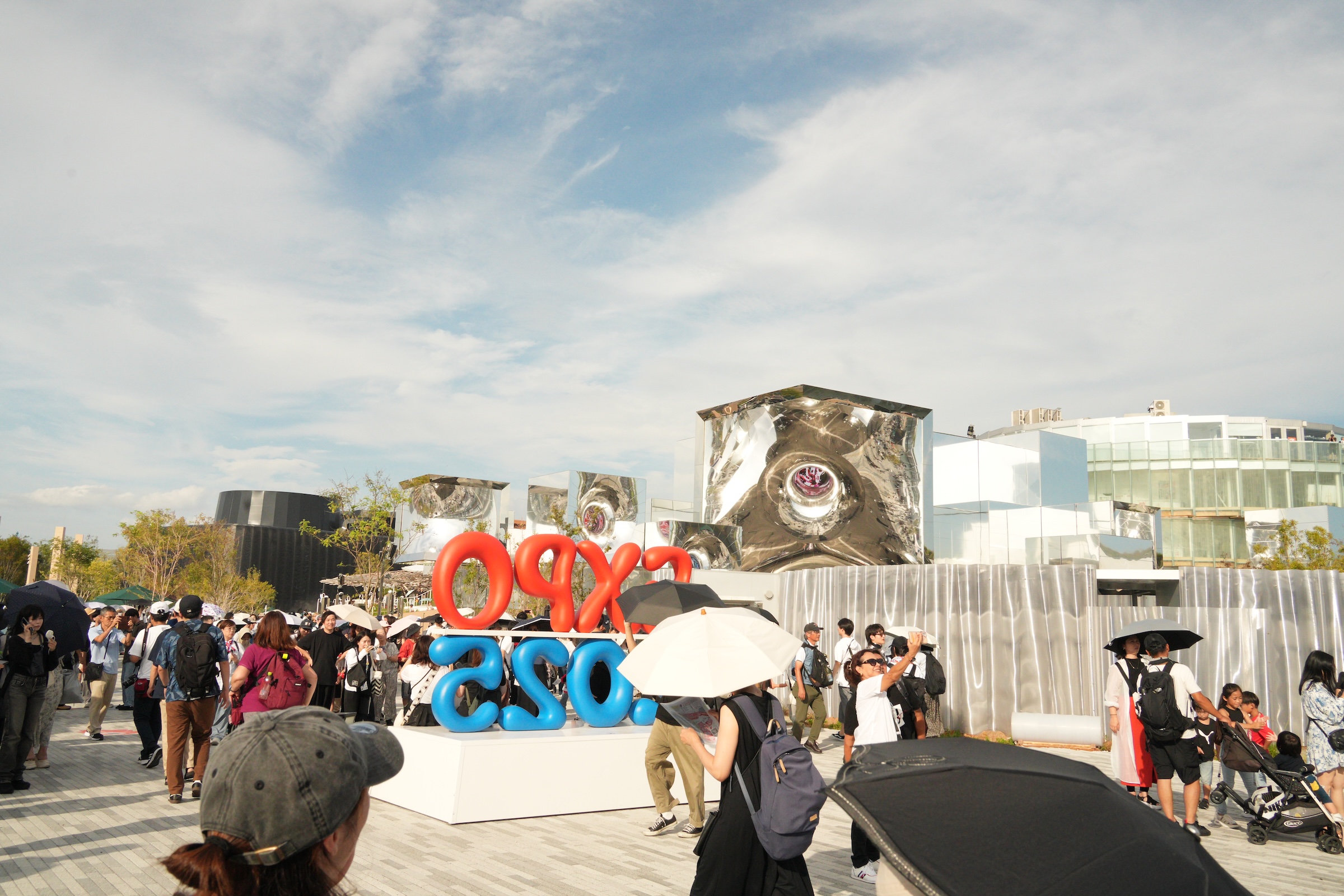
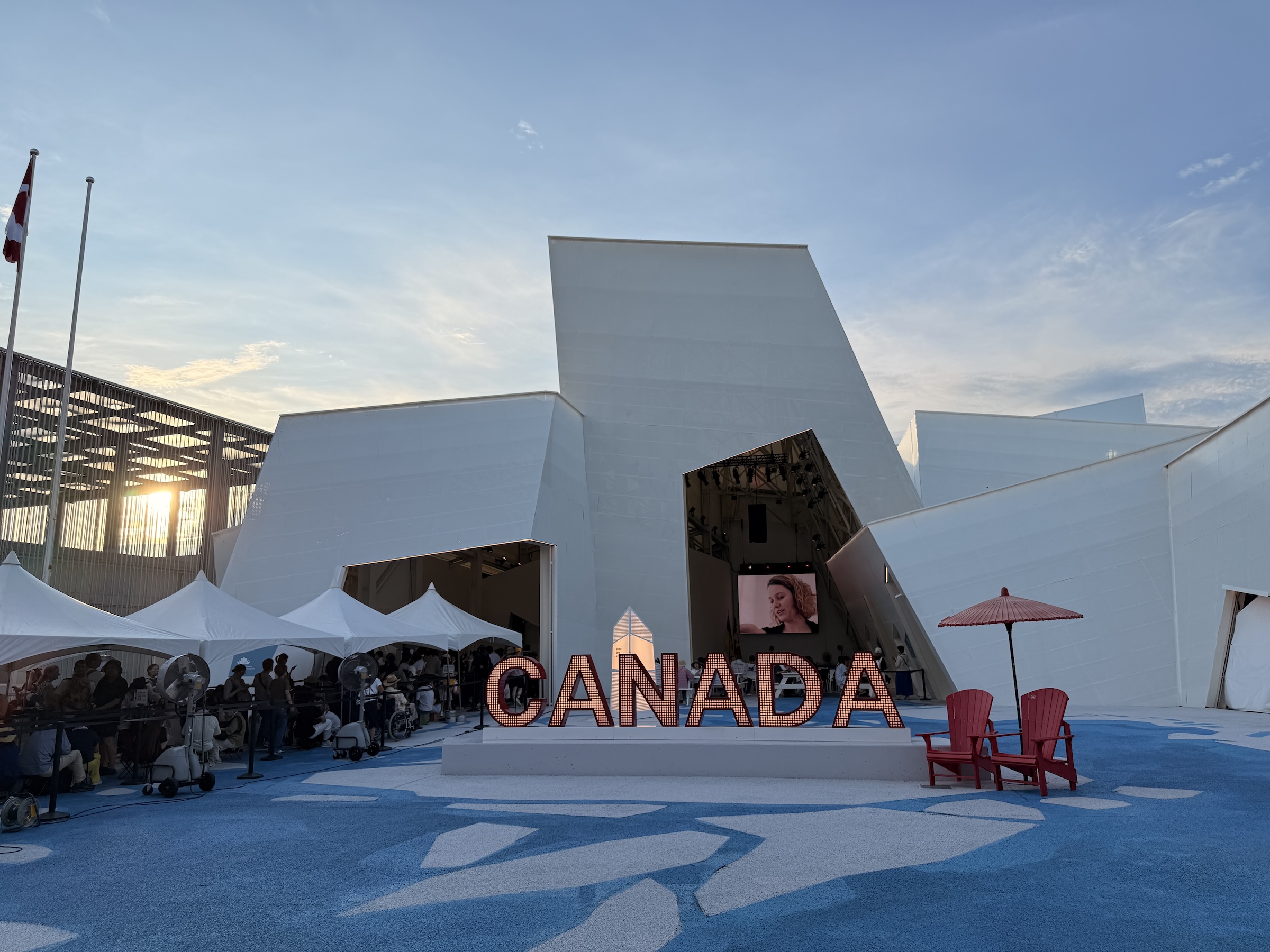
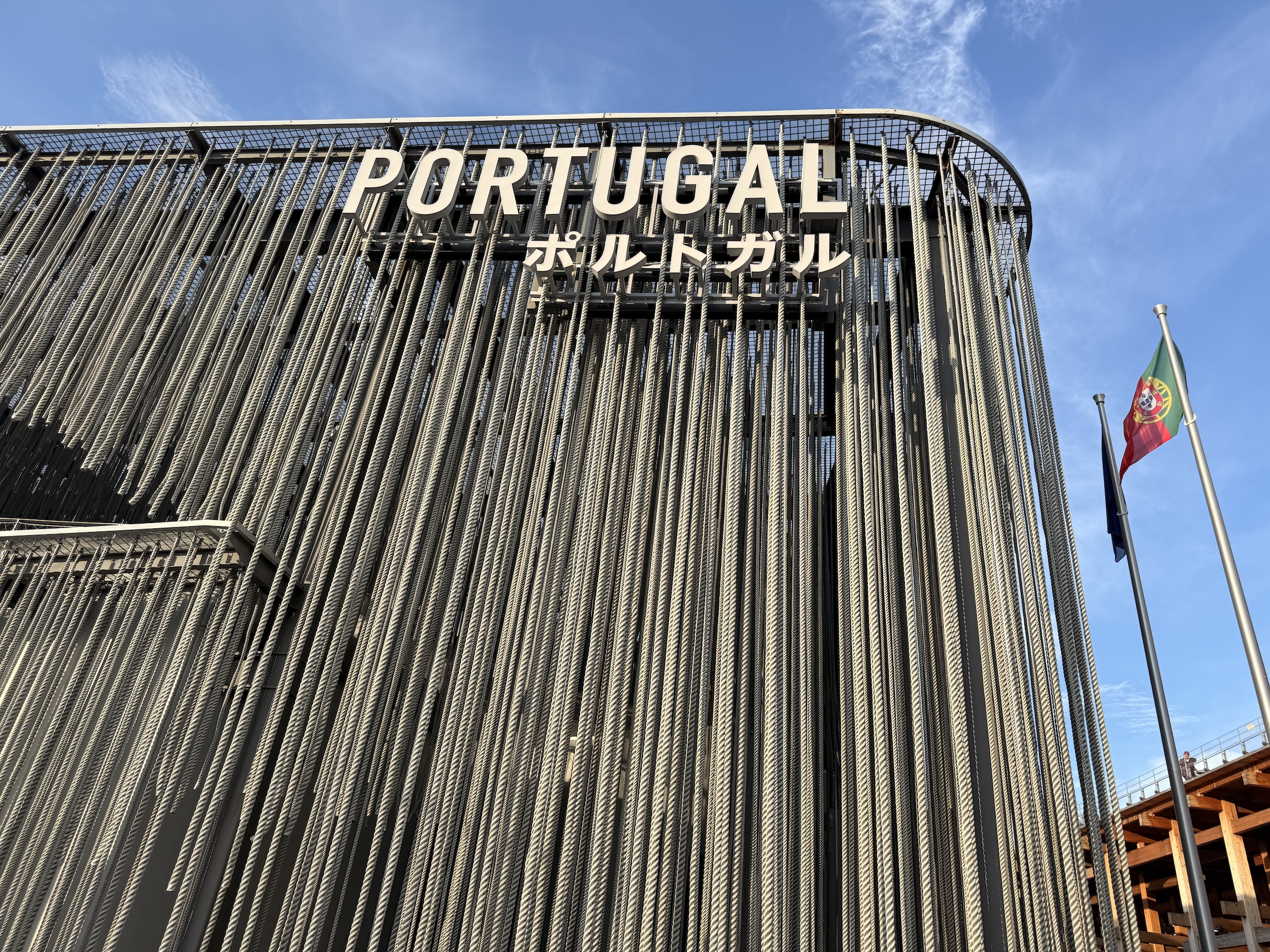
I made it to Expo 2025 Osaka!
It’s hot and it’s crowded with very, very long lines at most pavilions— the ones that allow you in without a reservation, that is.
Entrance to the top-rated pavilions are pre-allocated by a lottery system. I struck out despite diligently applying, as far out as three months before my visit today.
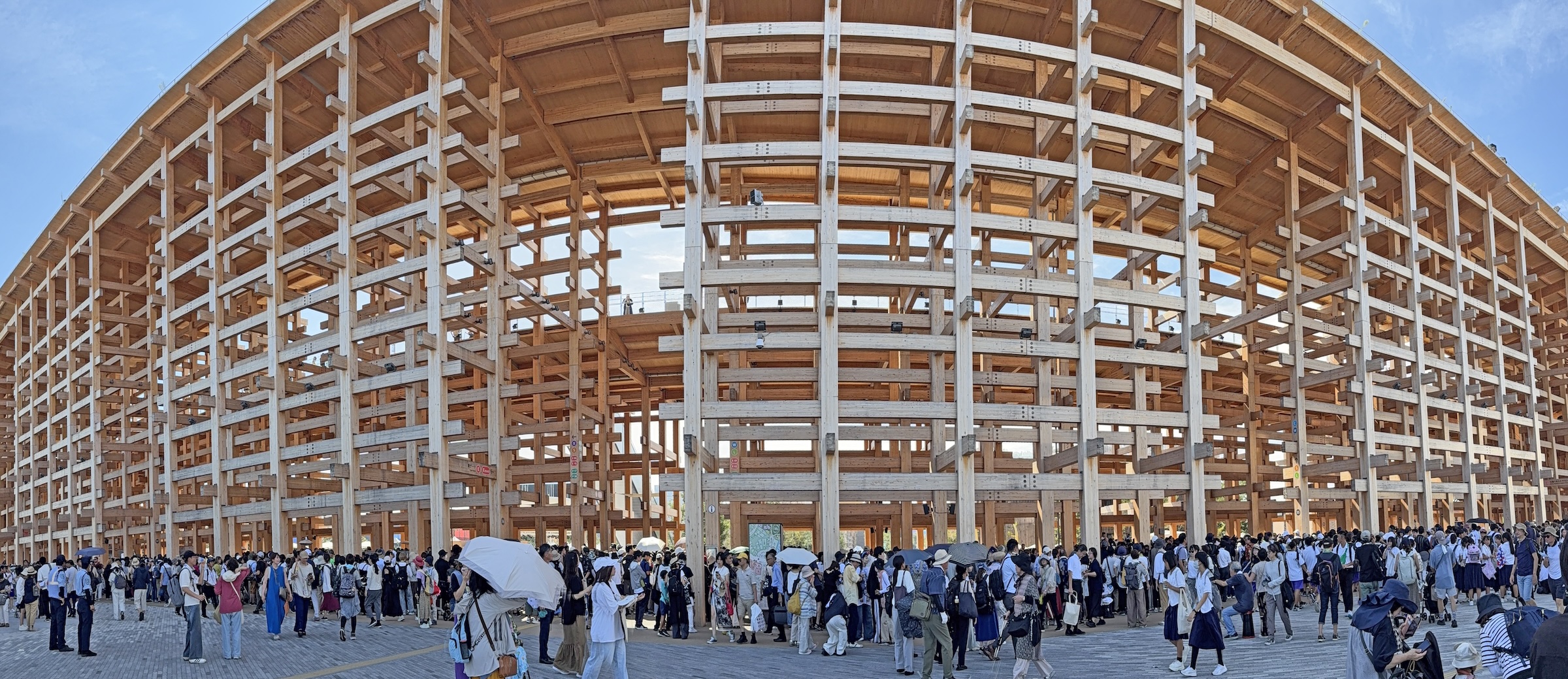
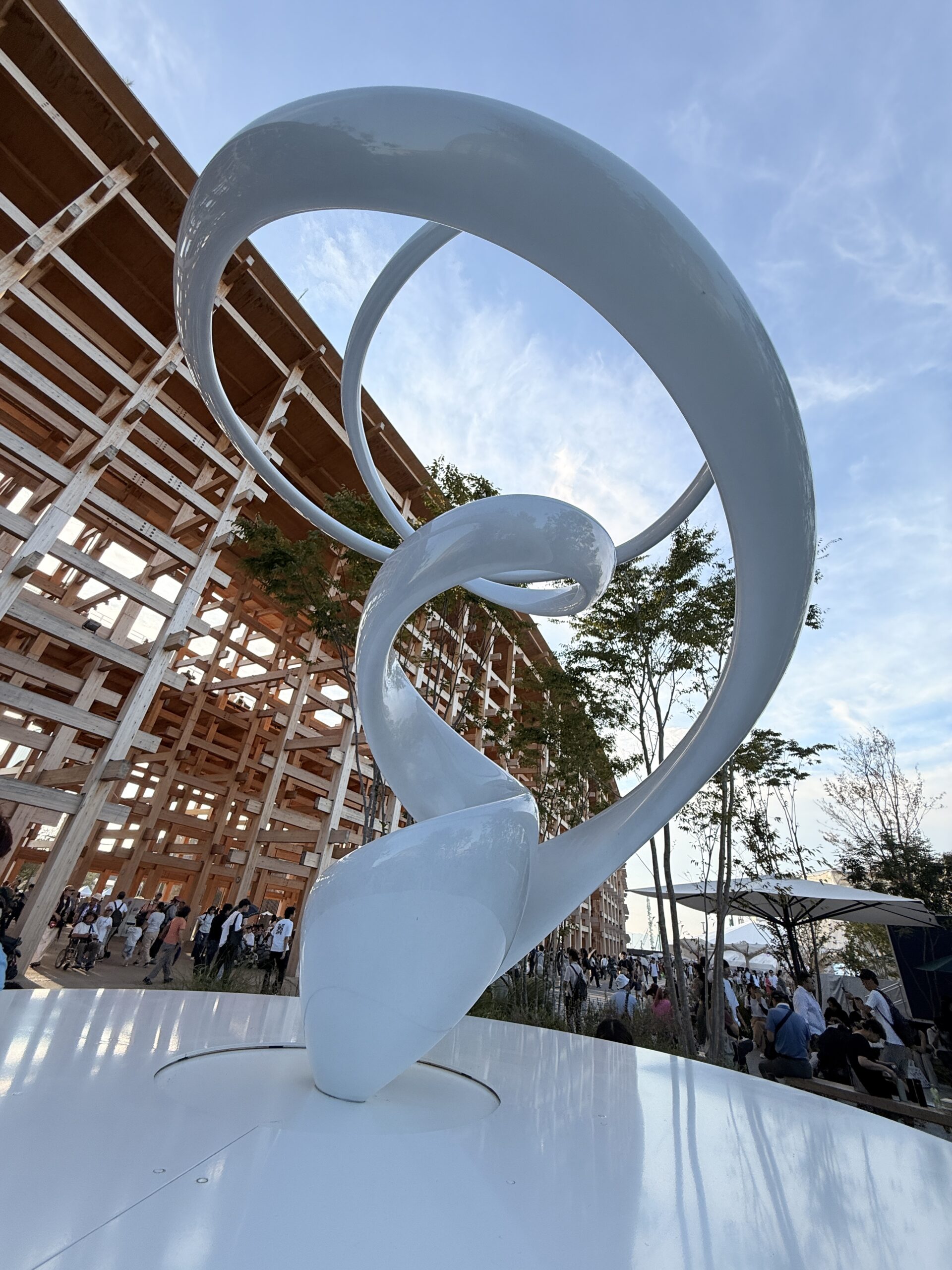
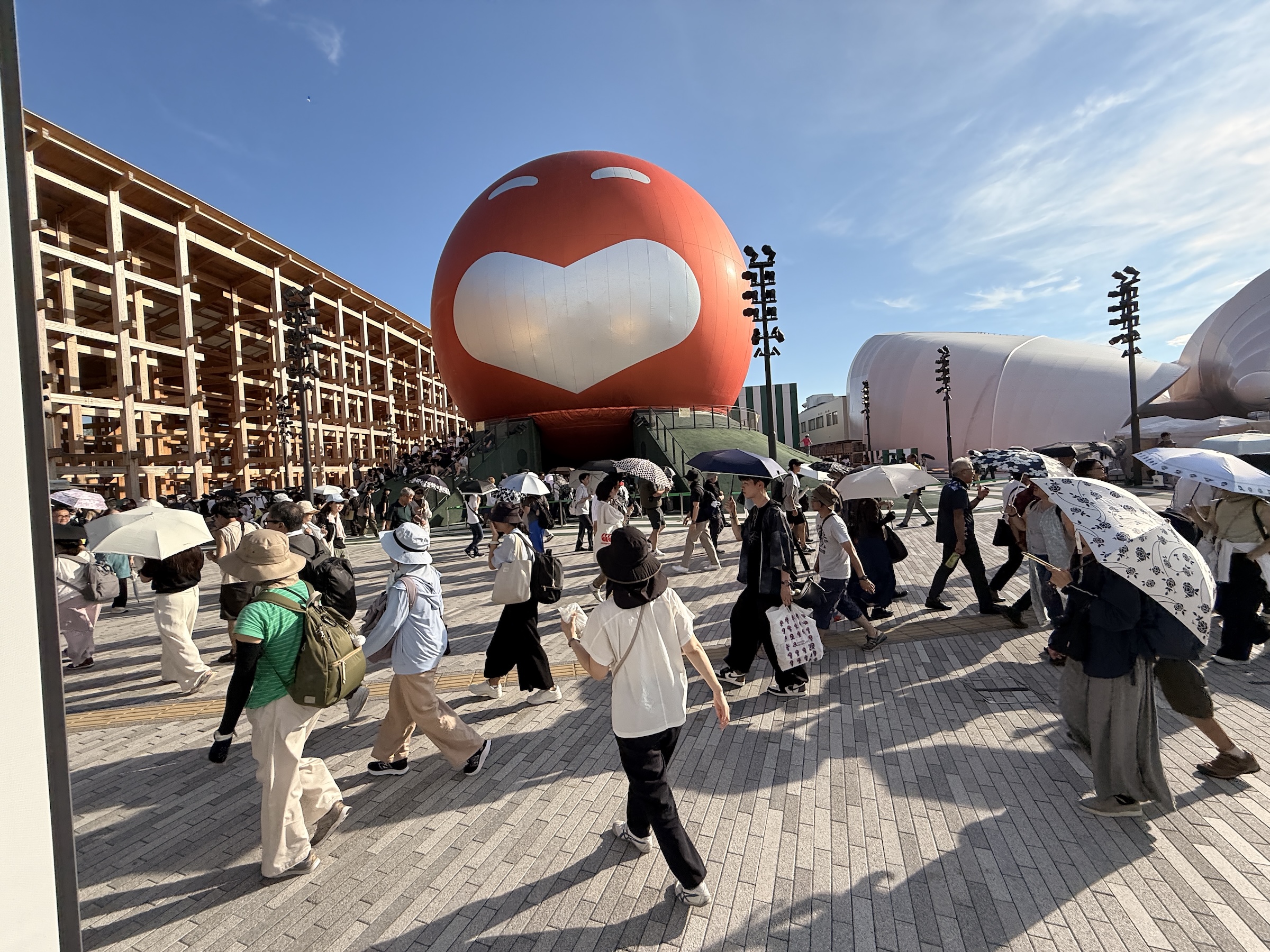
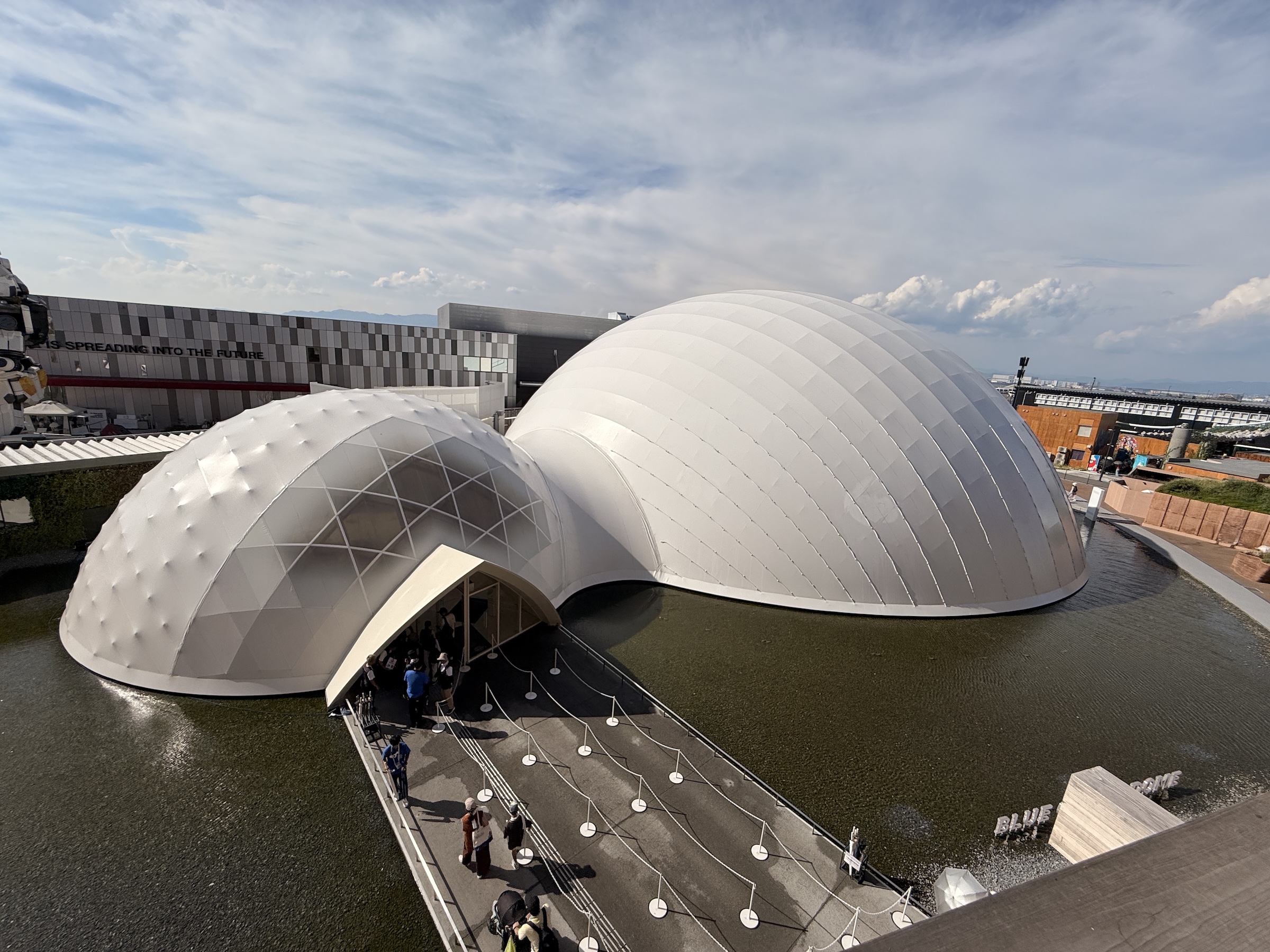
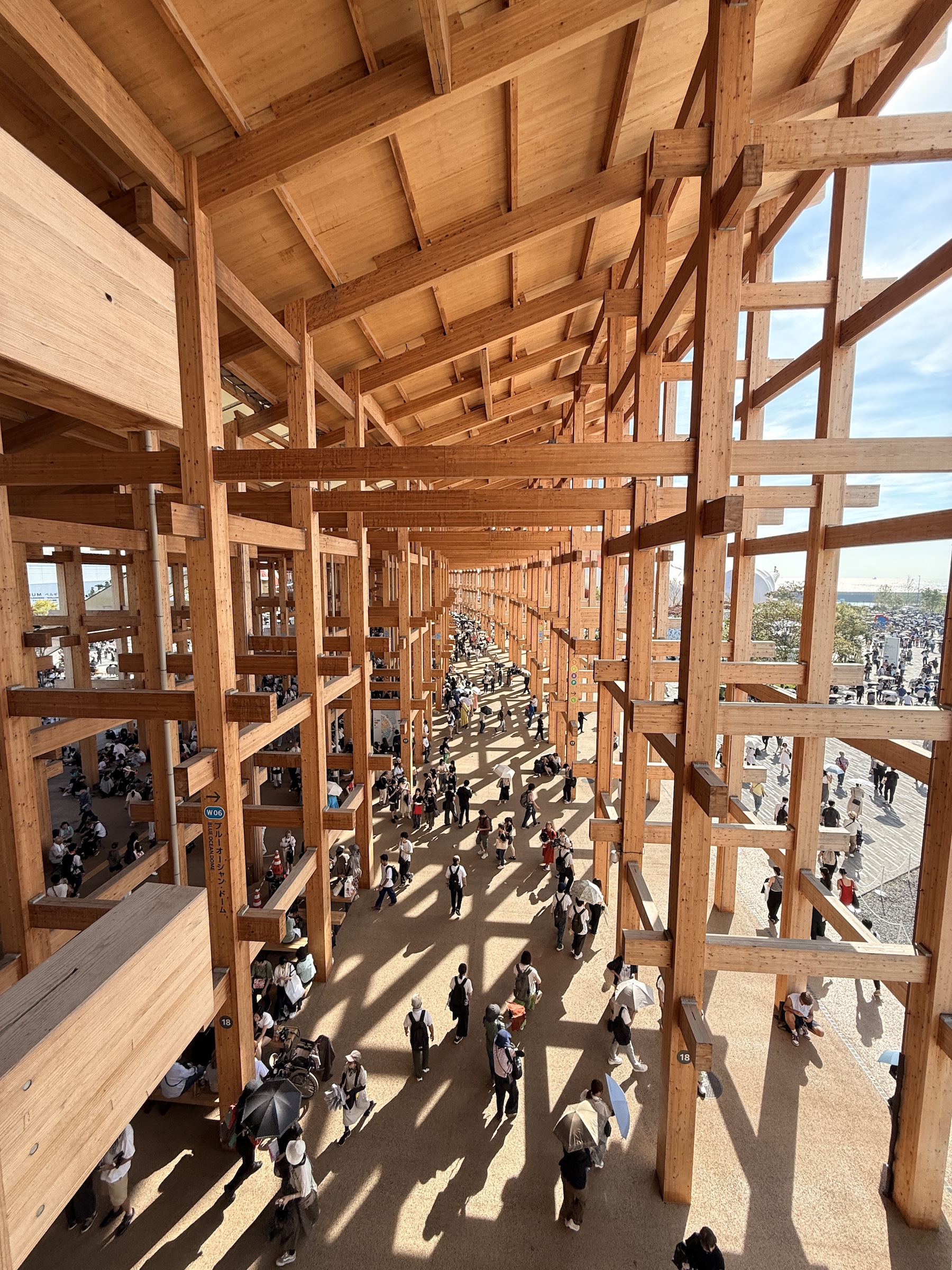
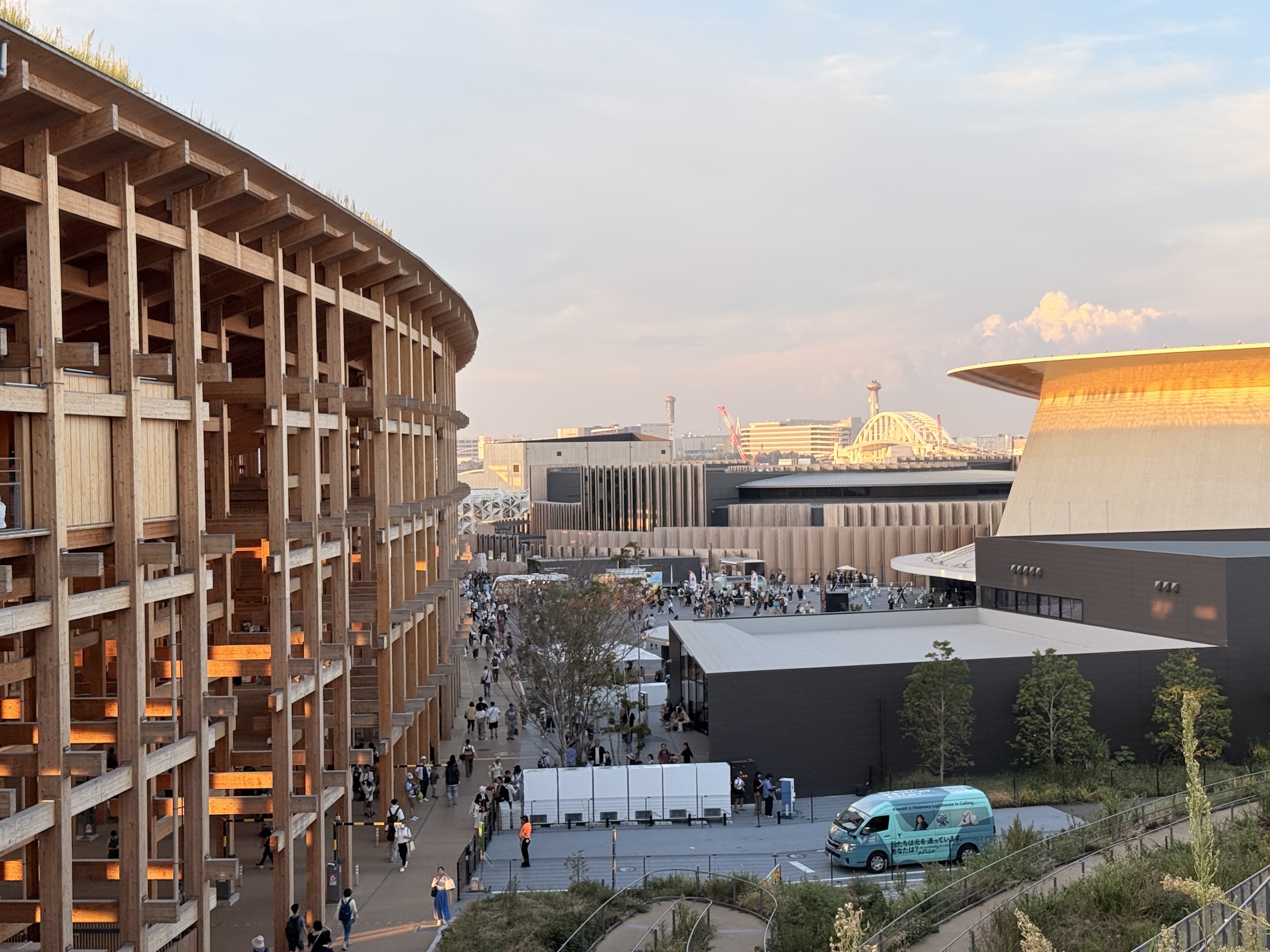
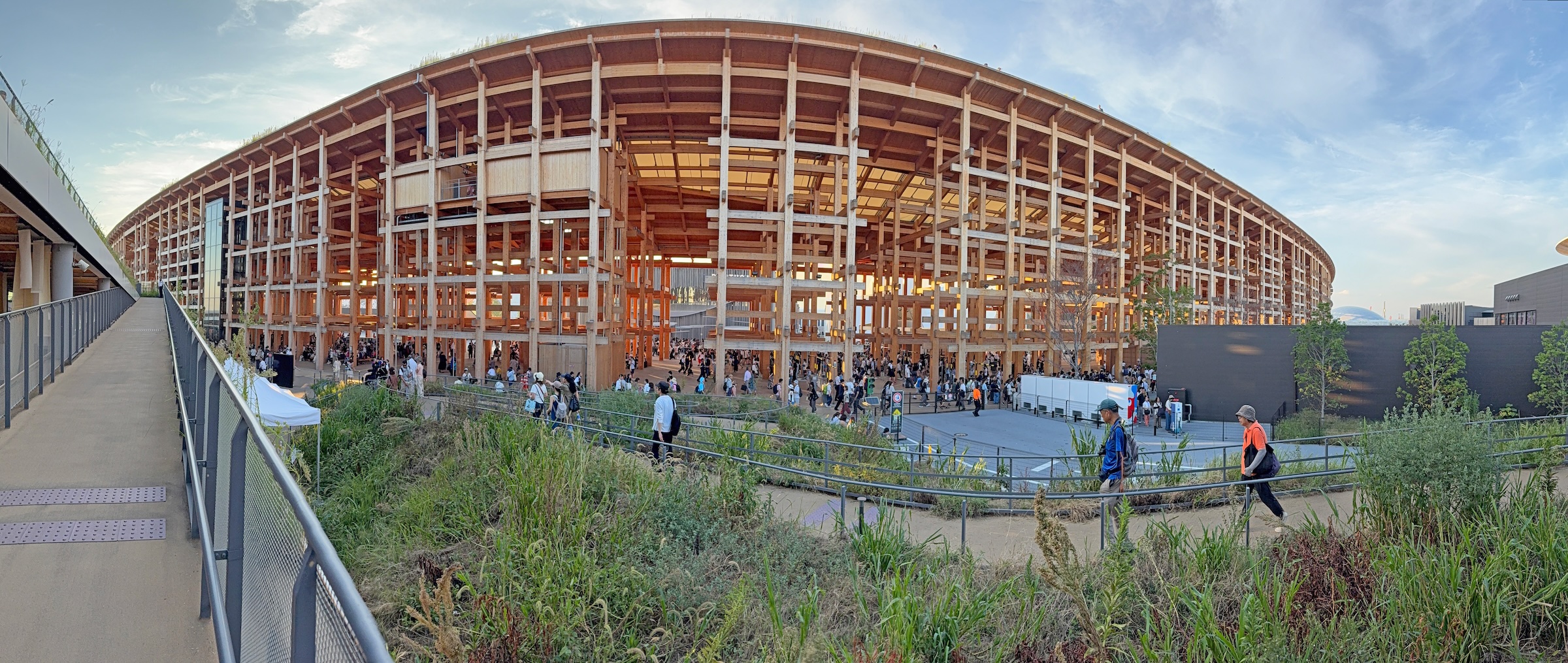
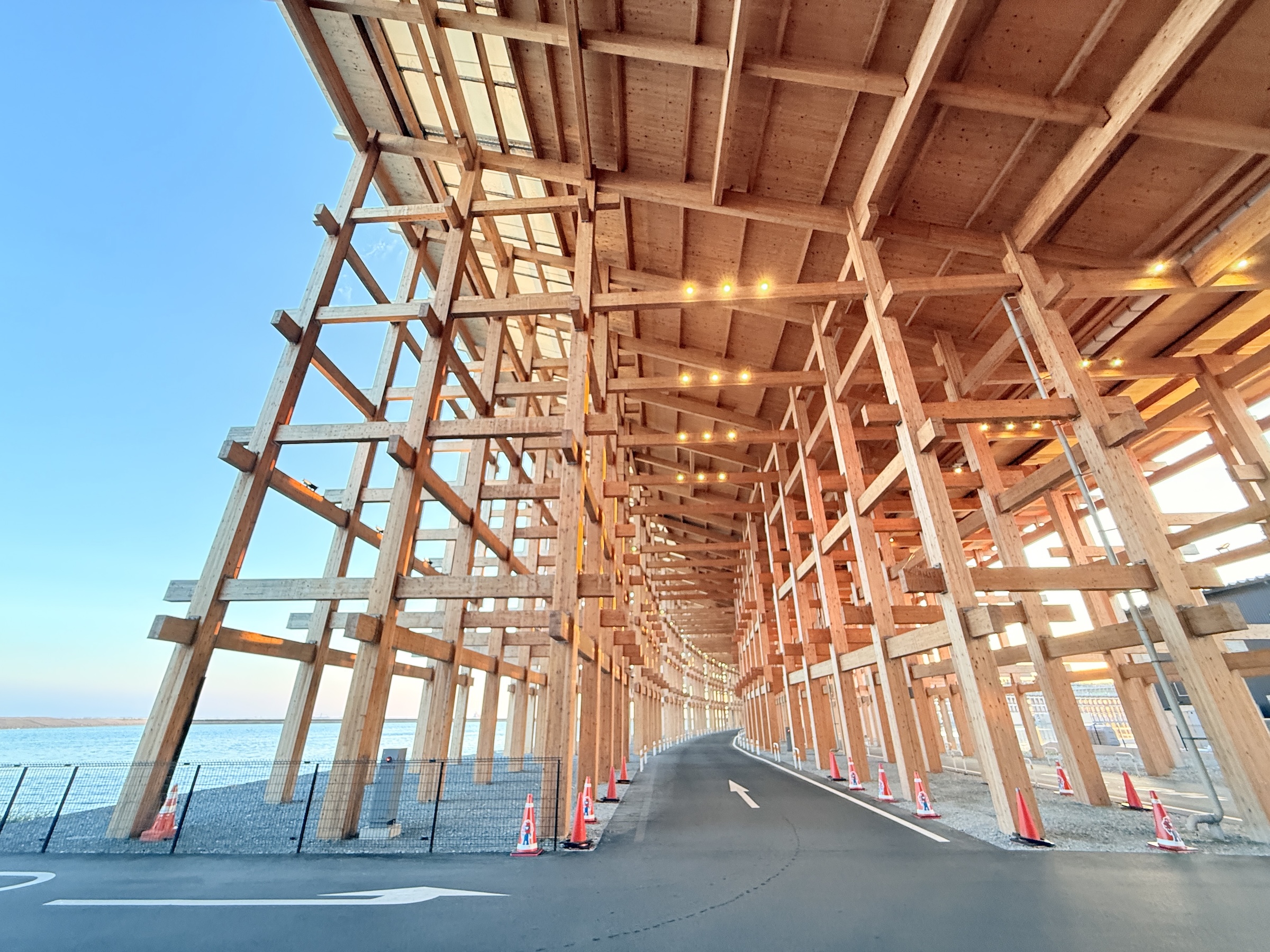
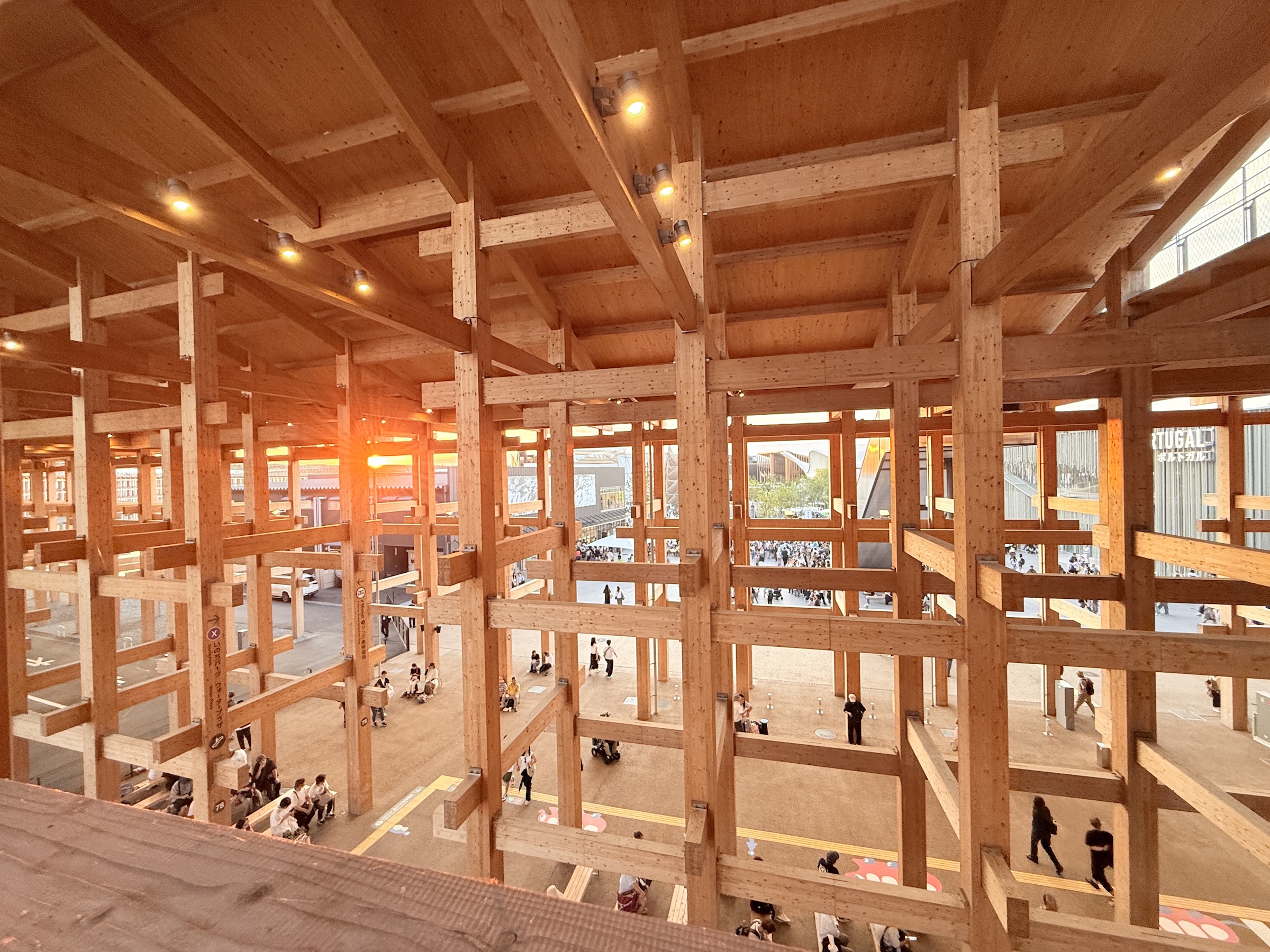
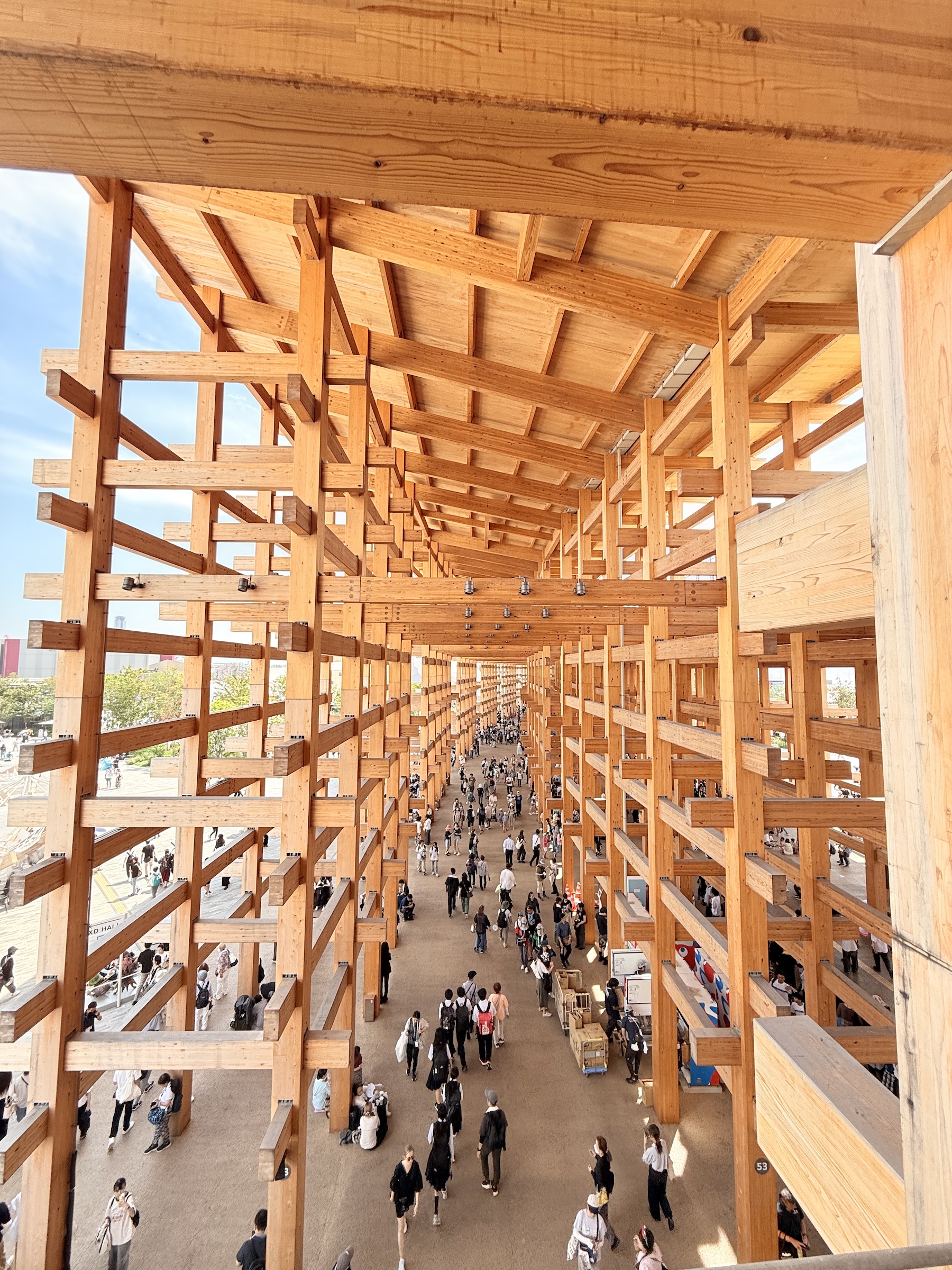
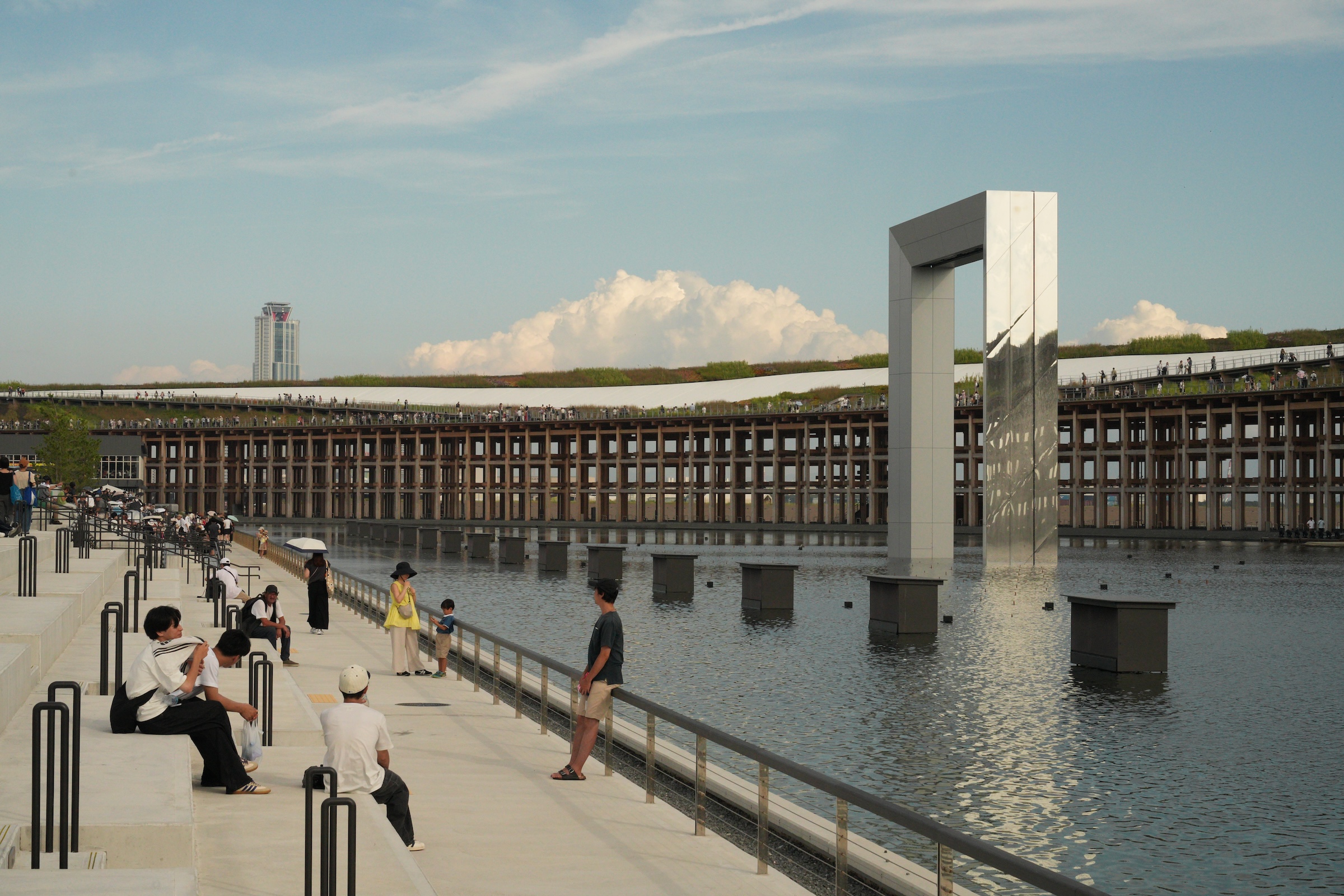
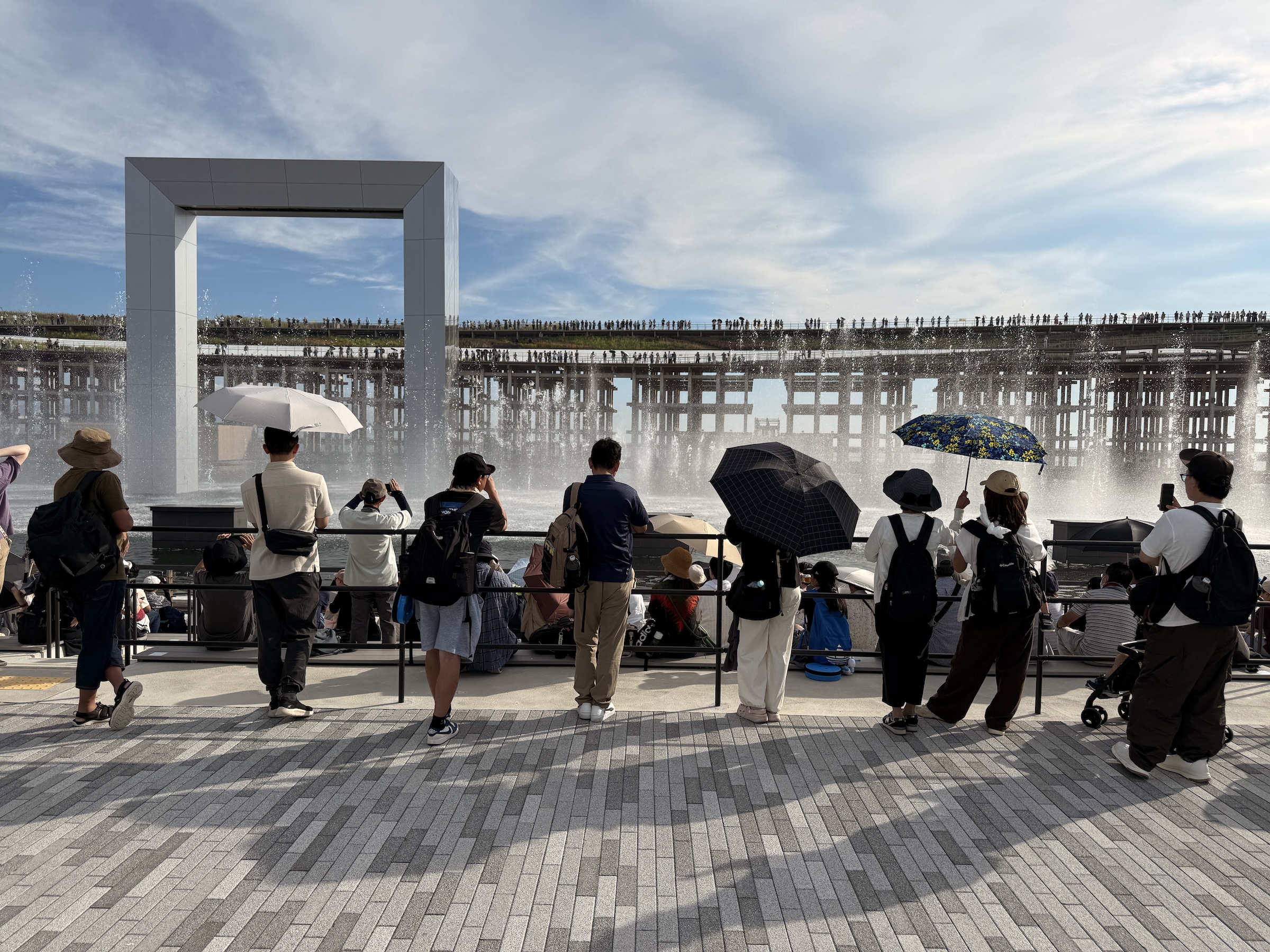
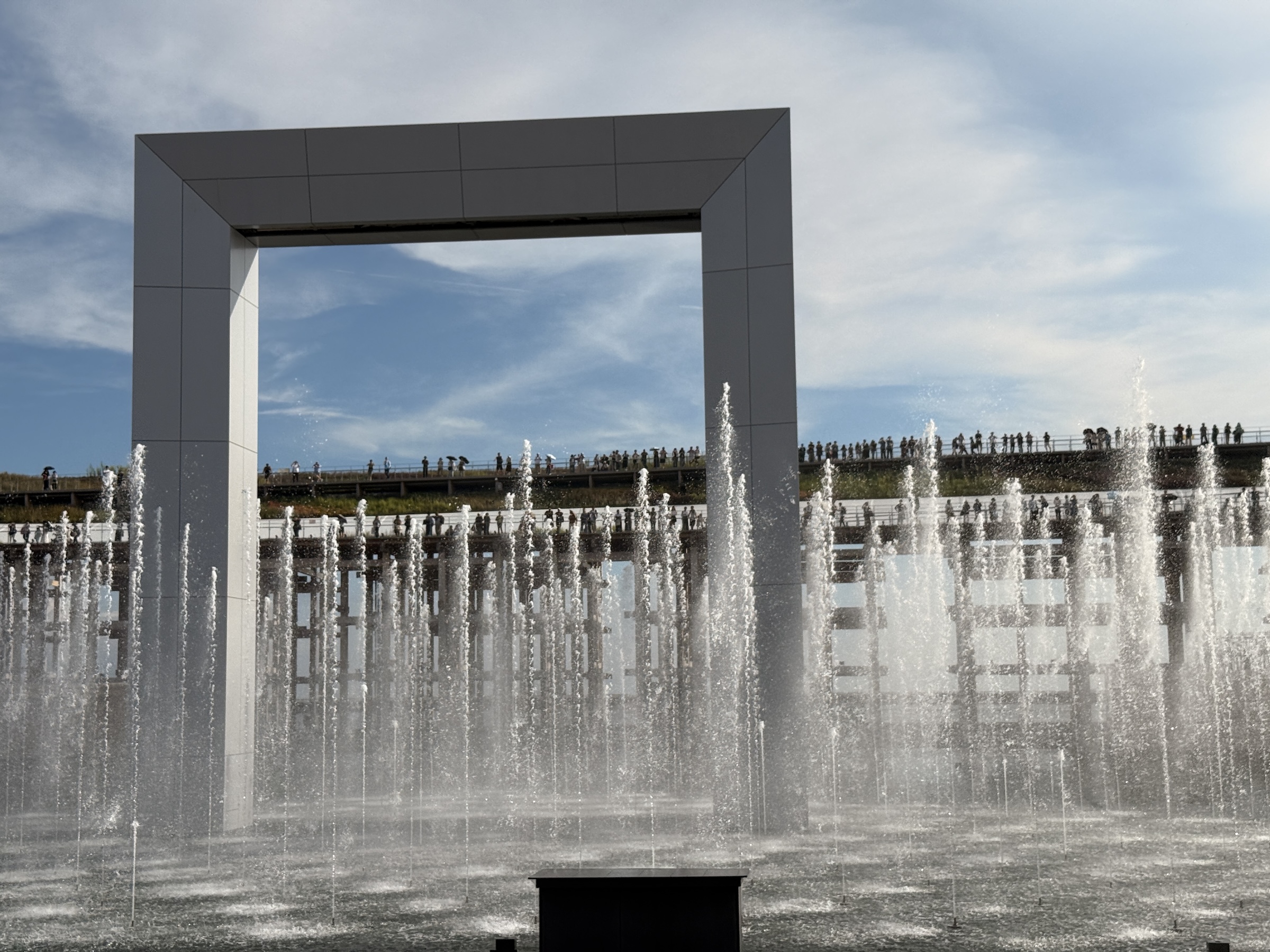
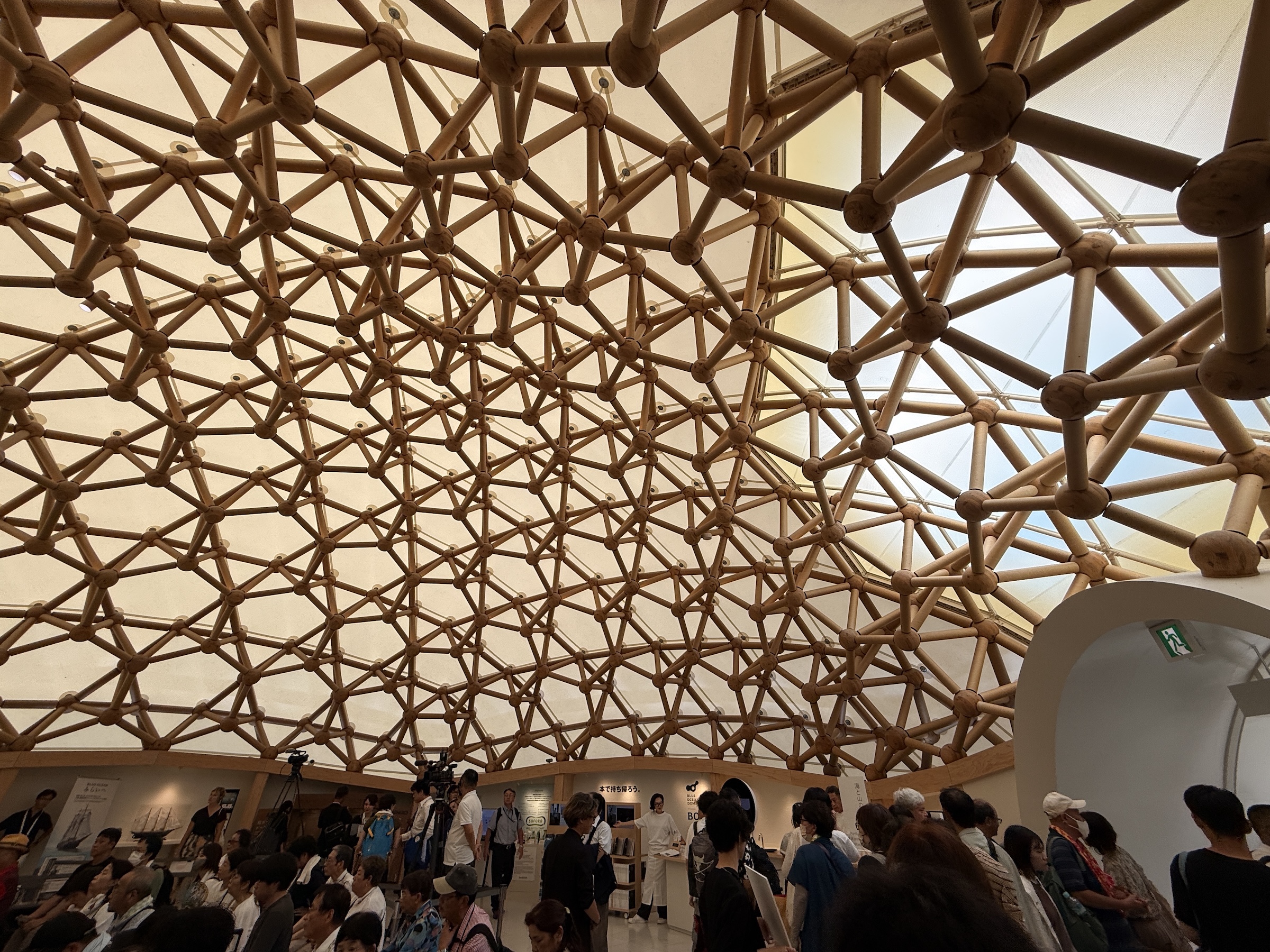
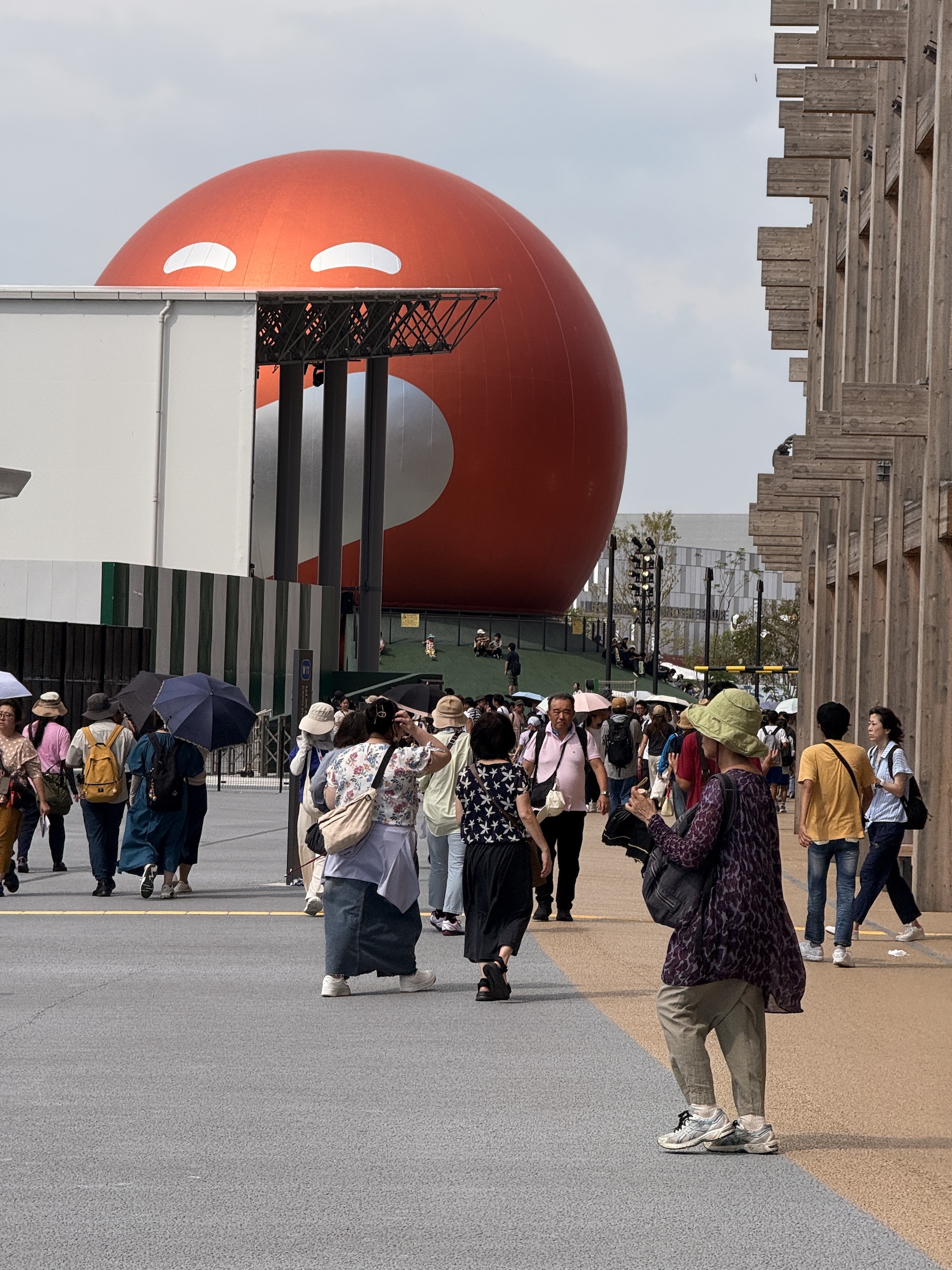
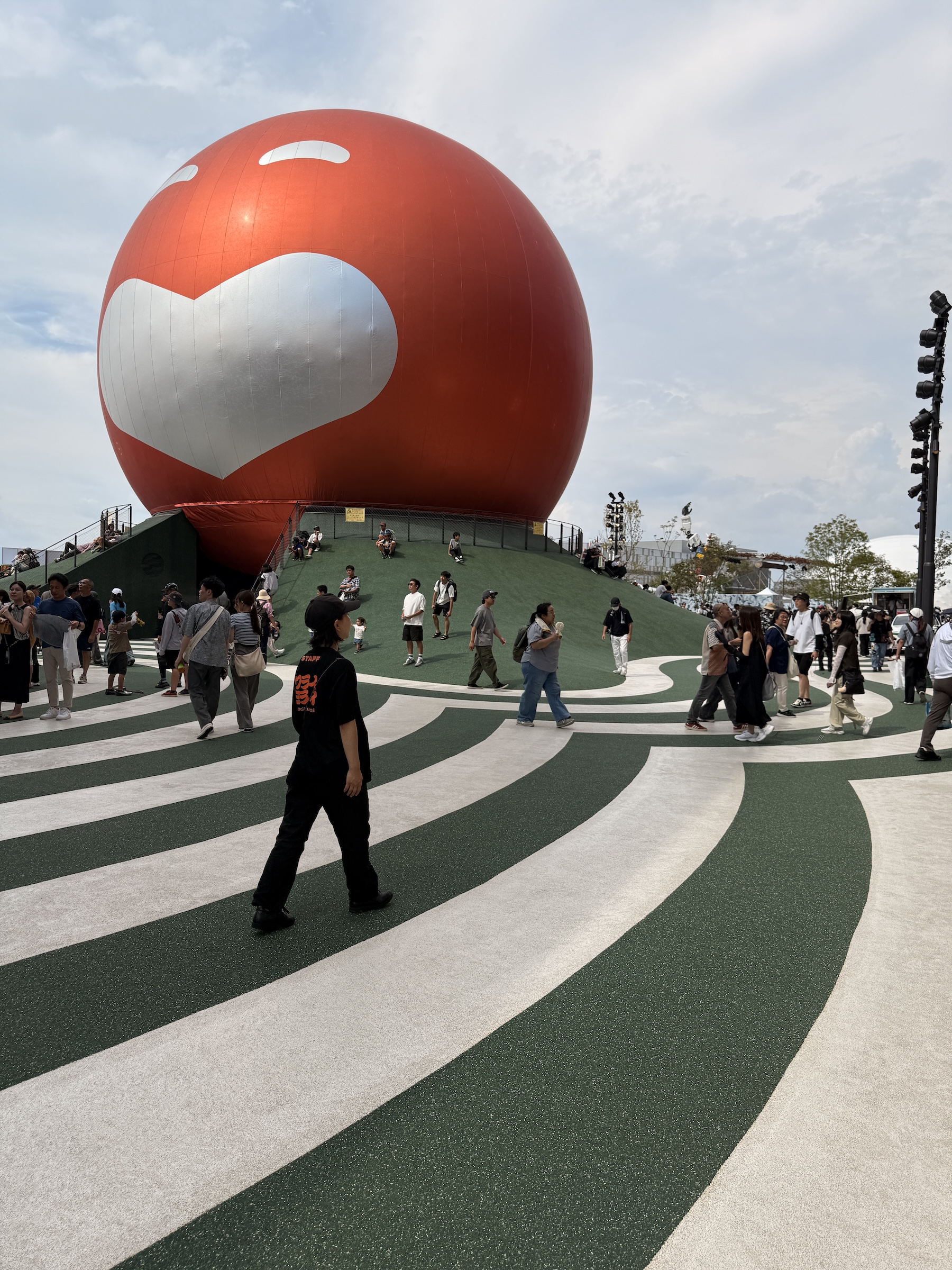
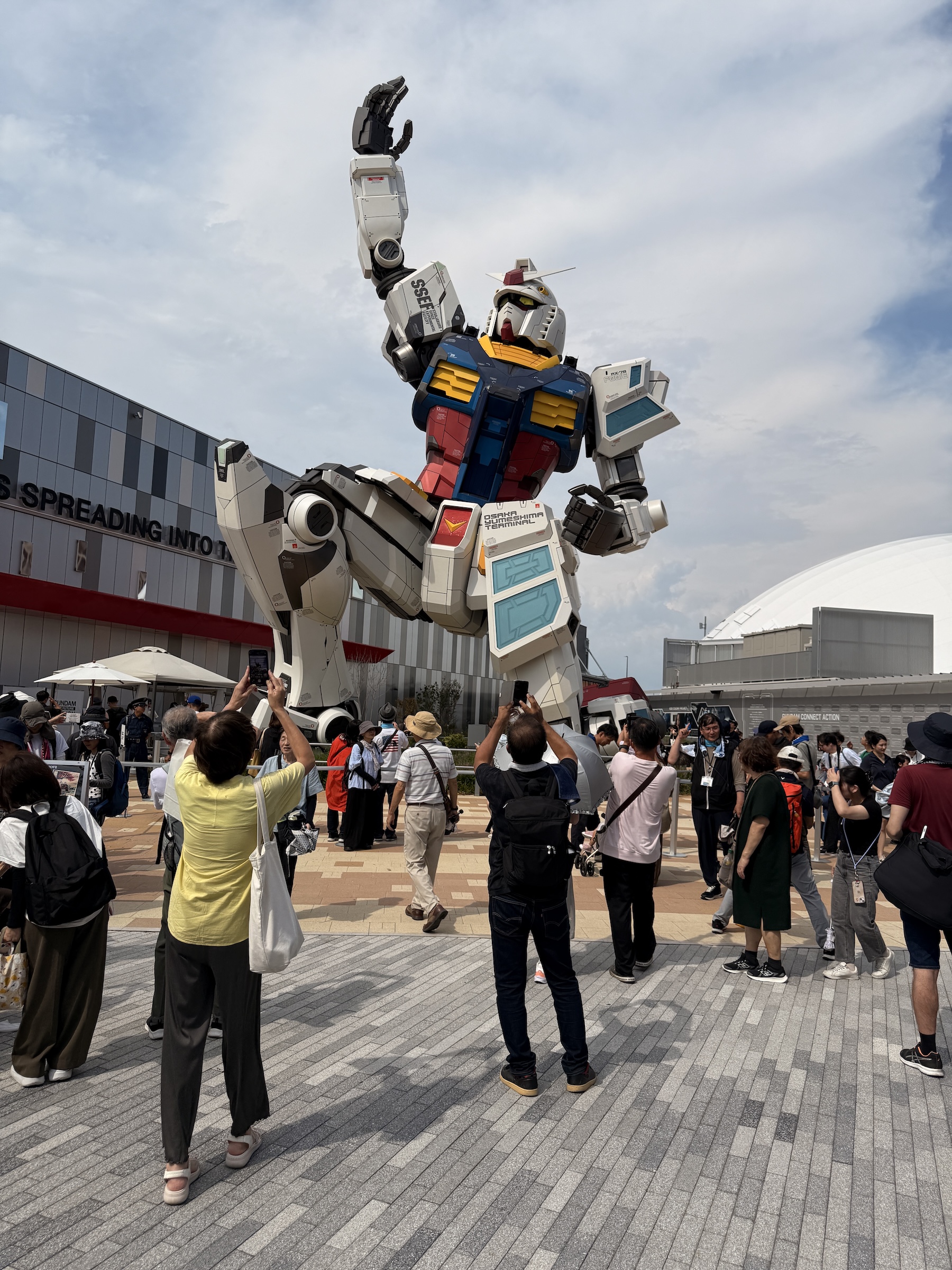
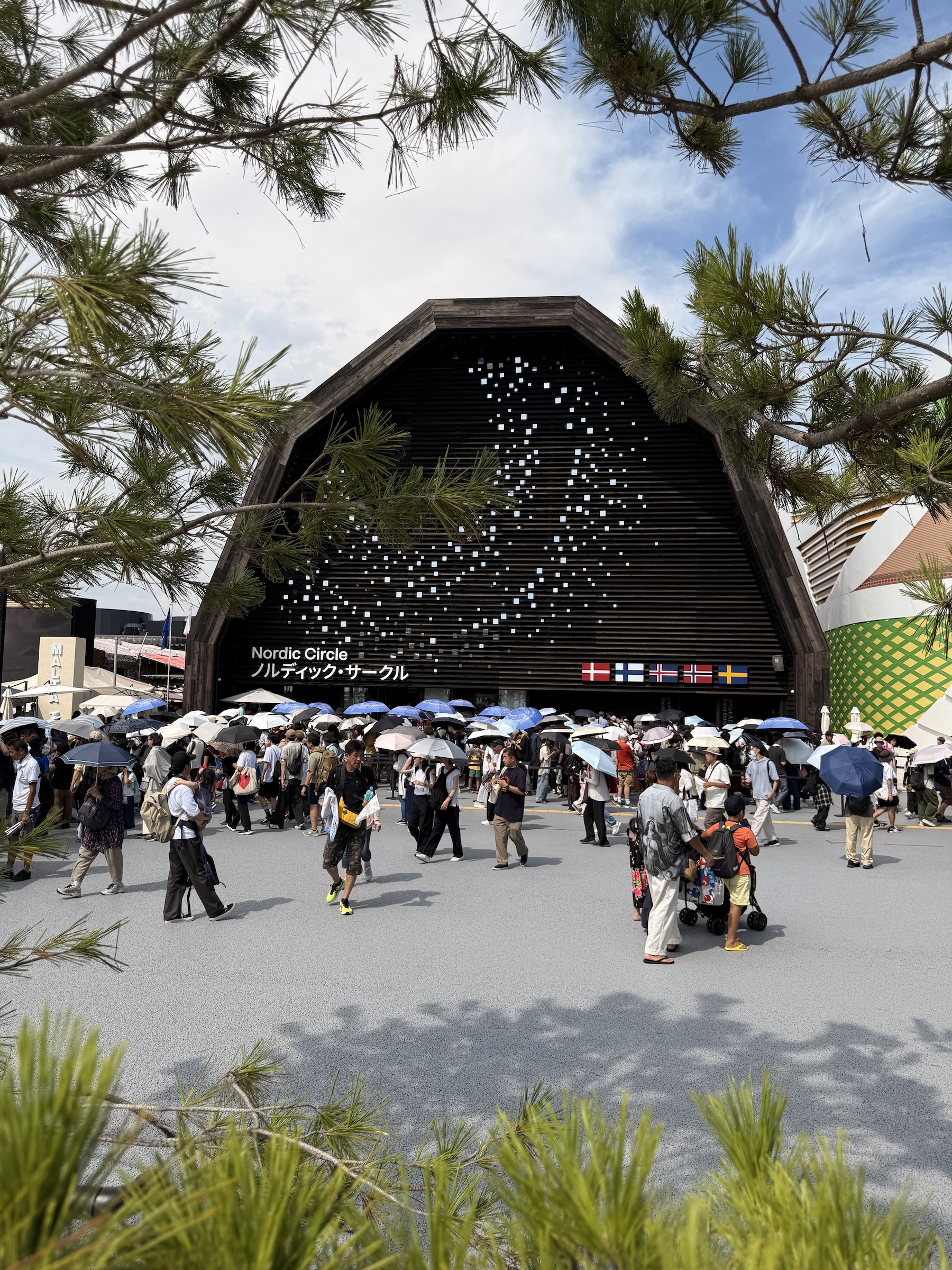
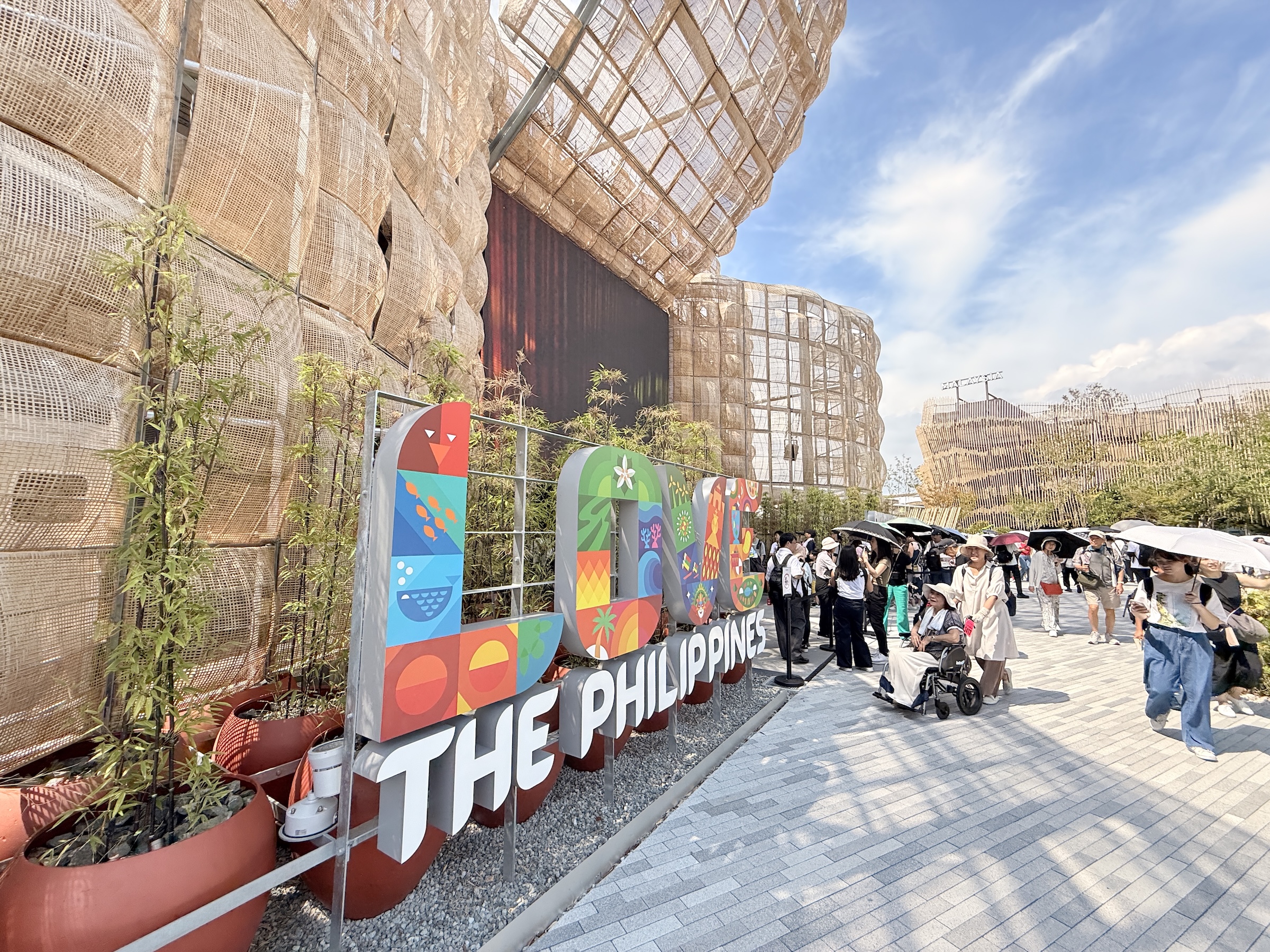
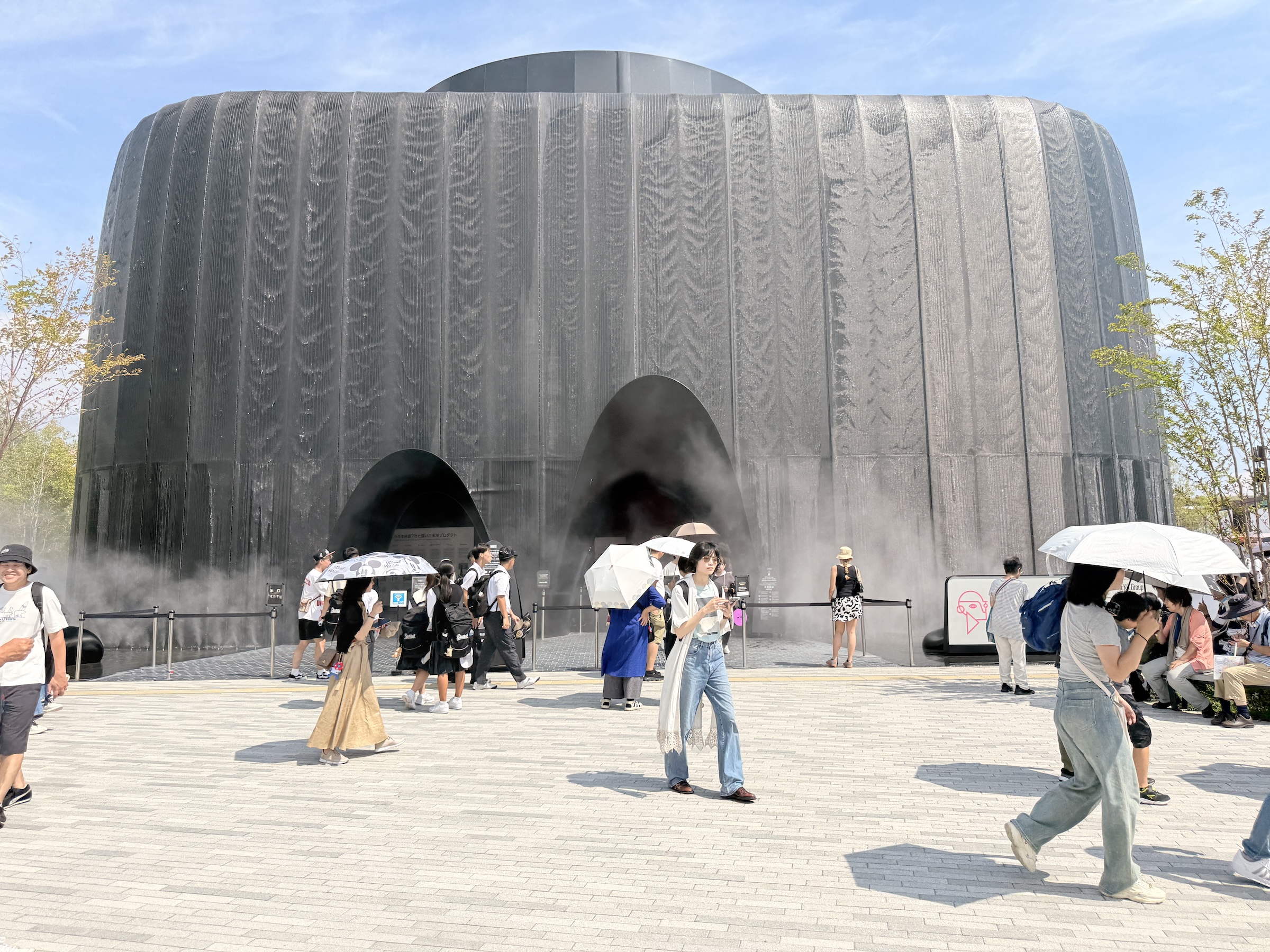
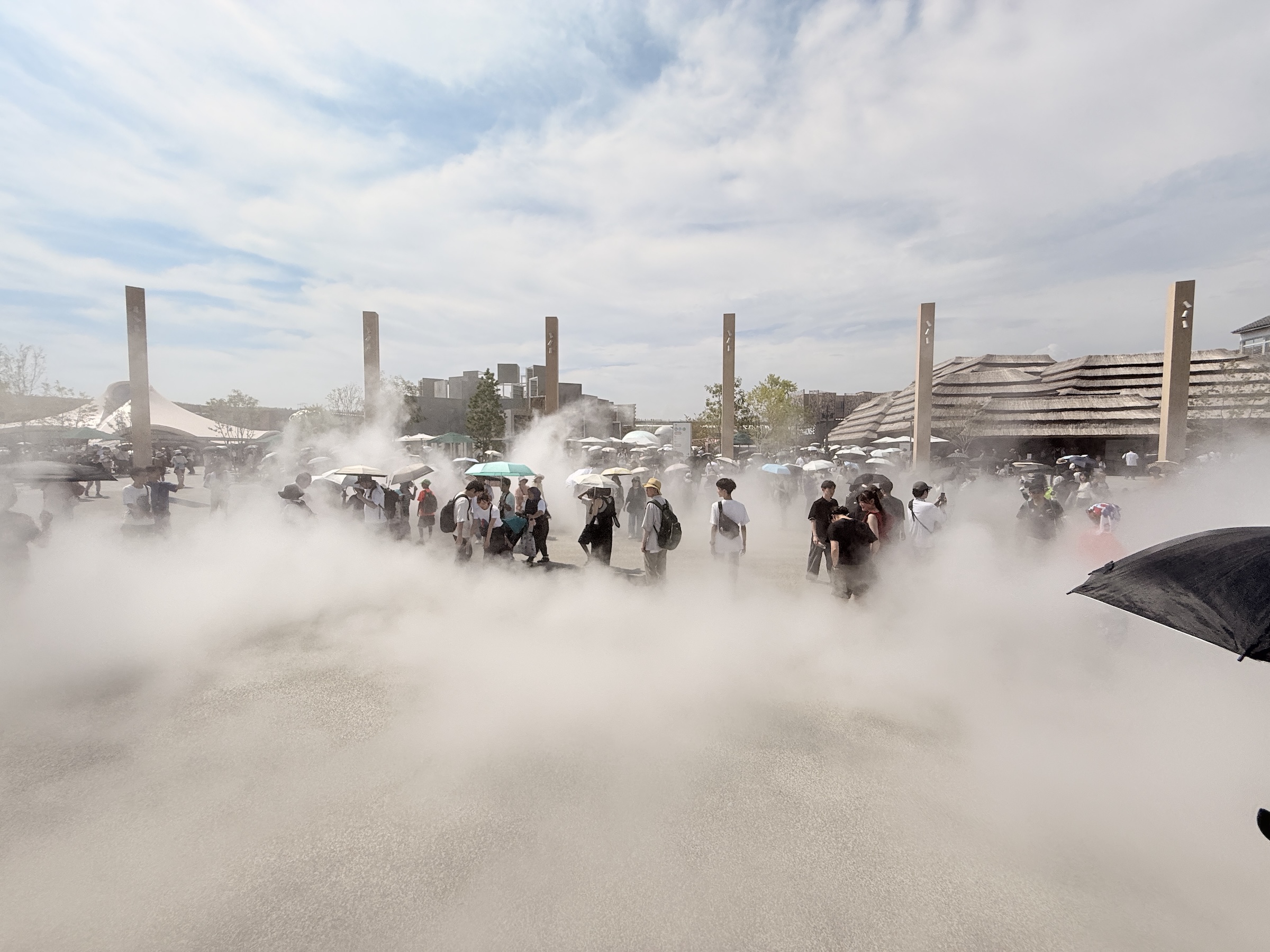
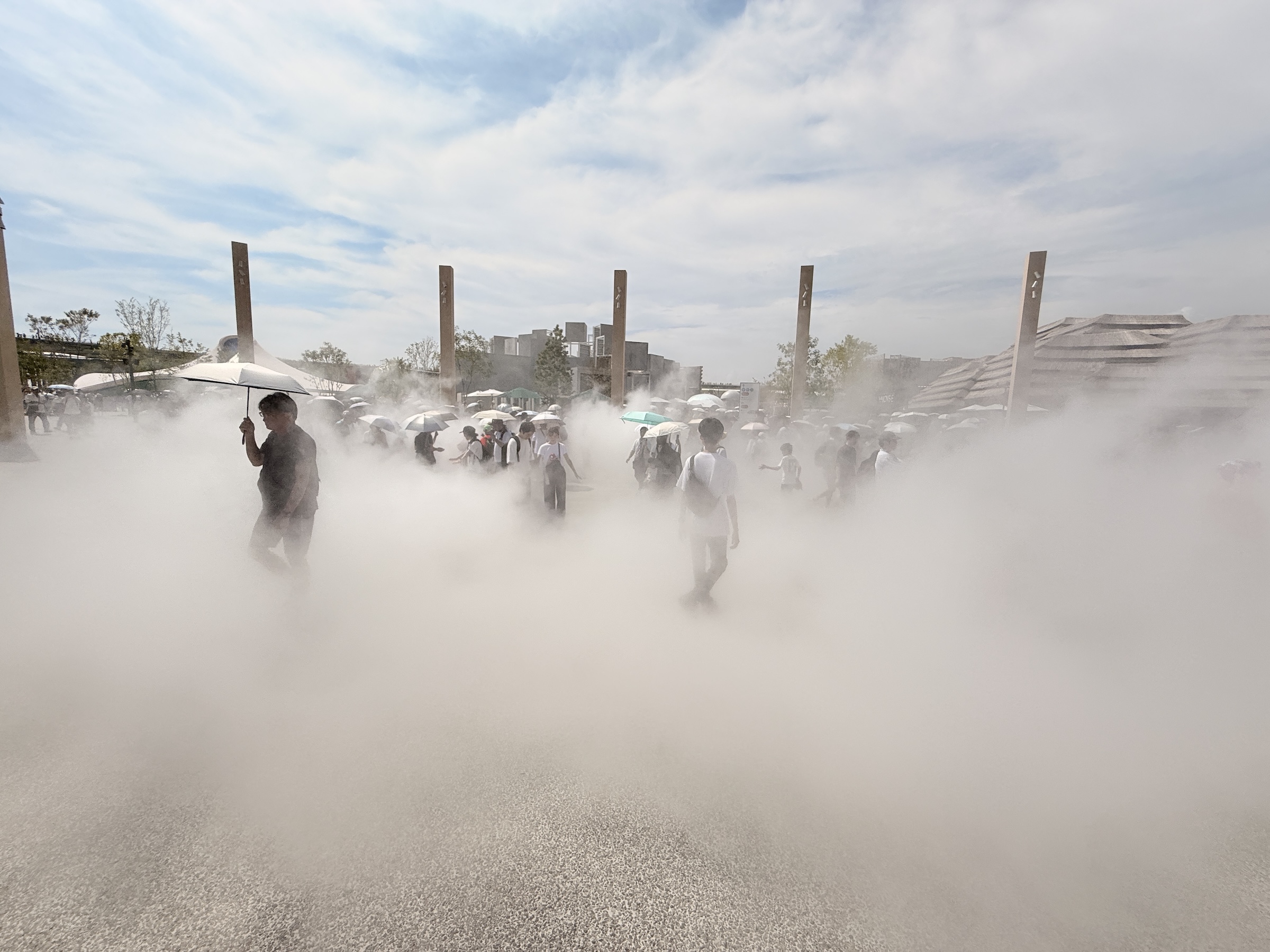
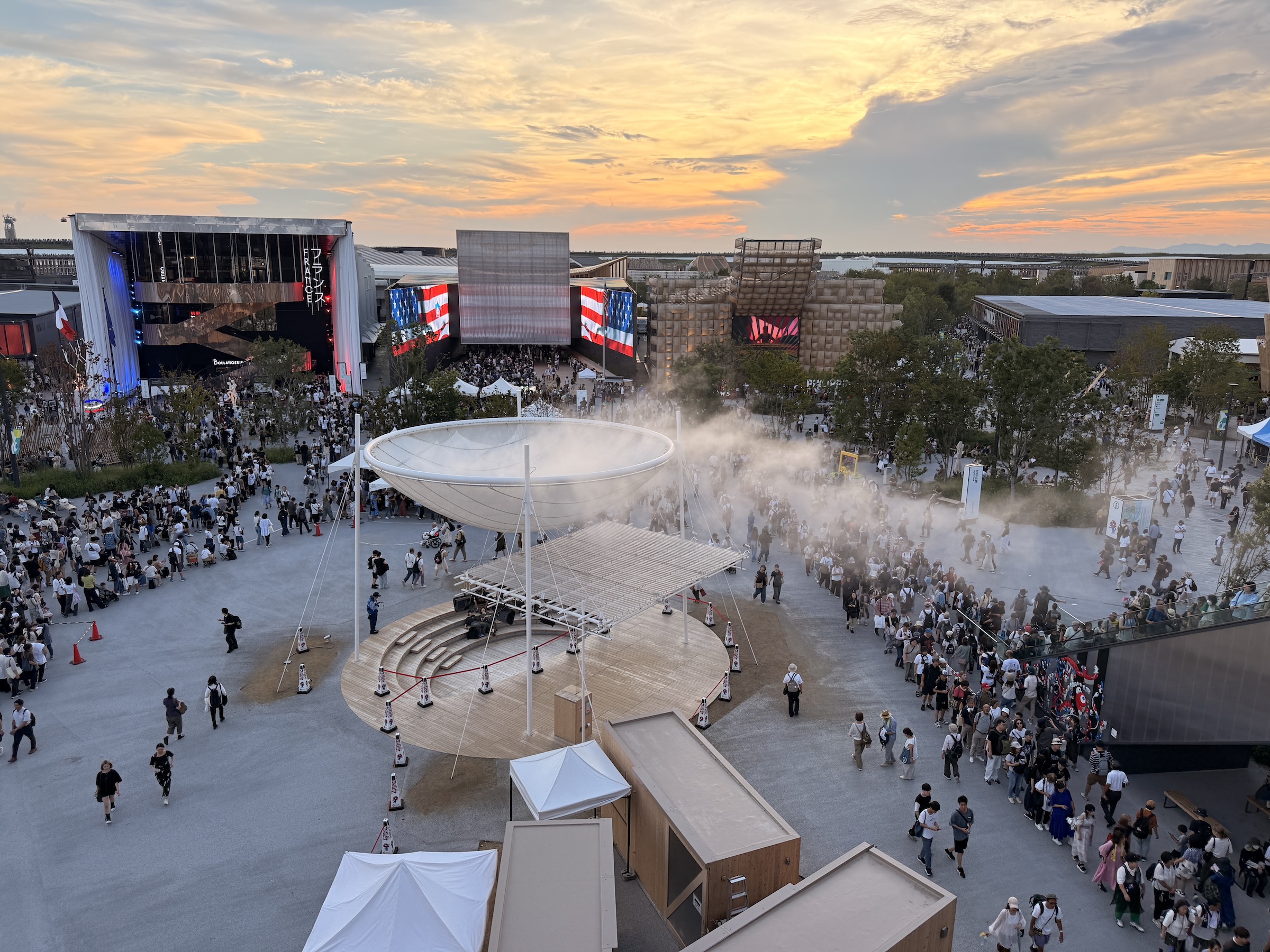
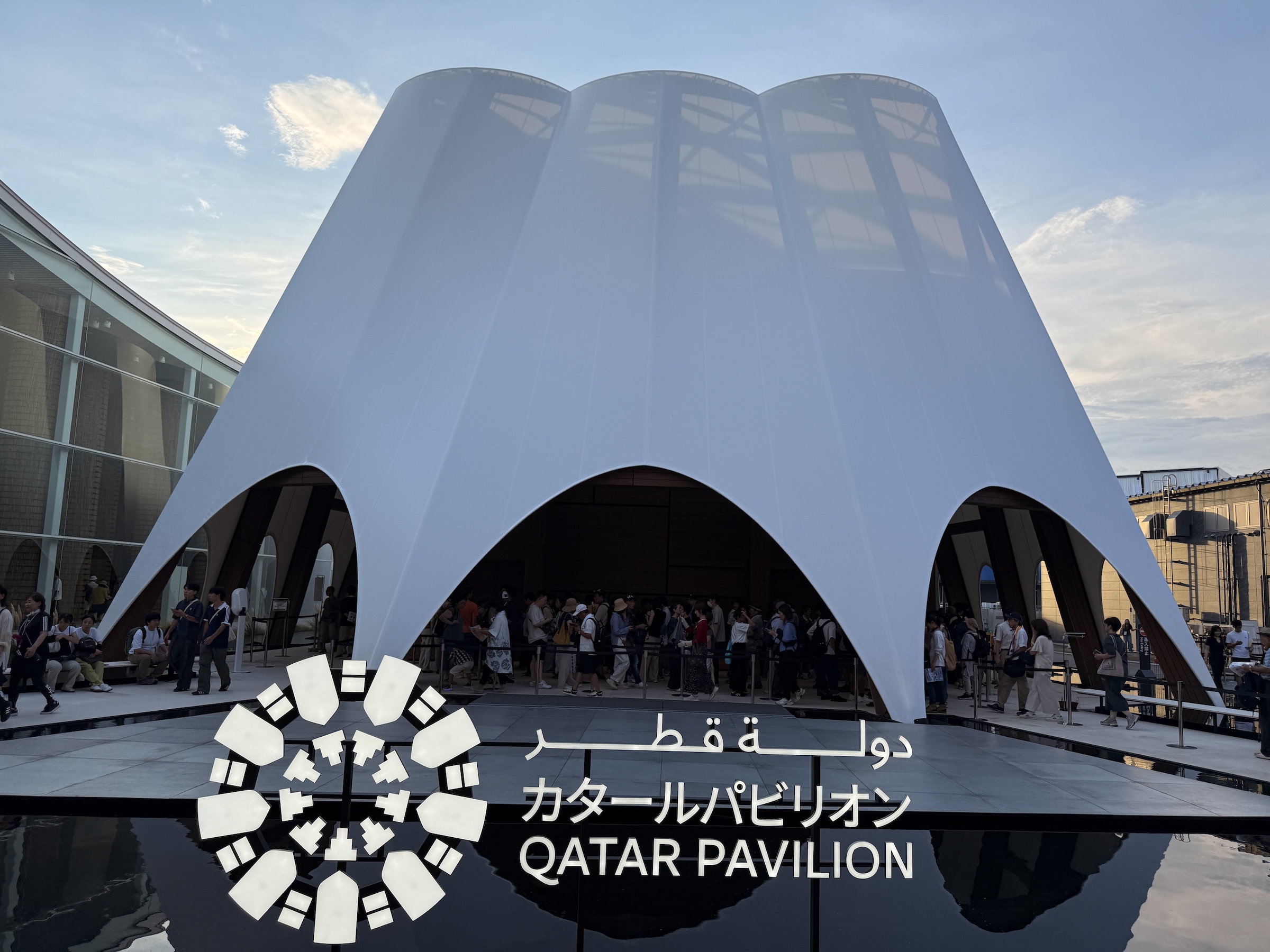
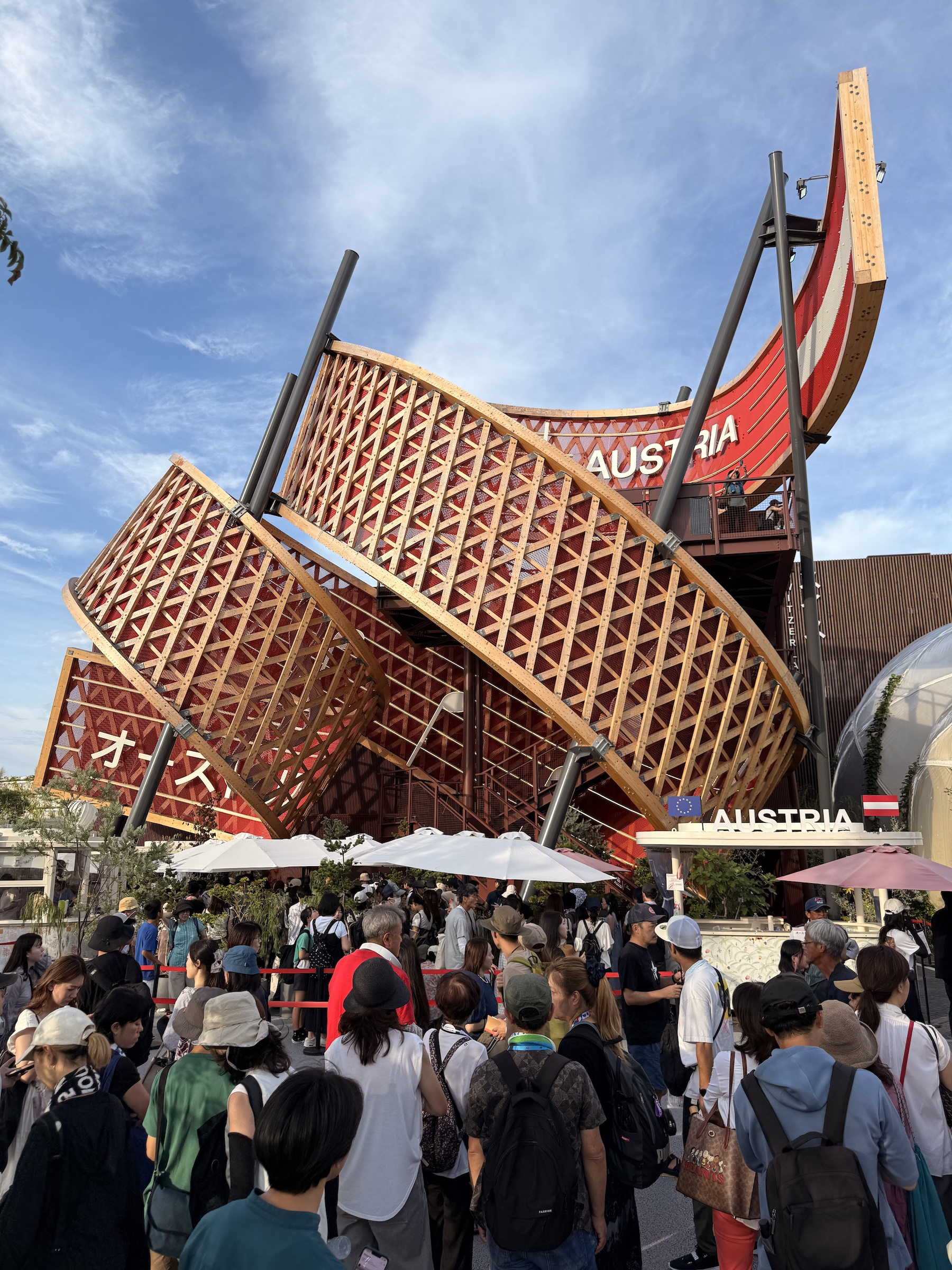
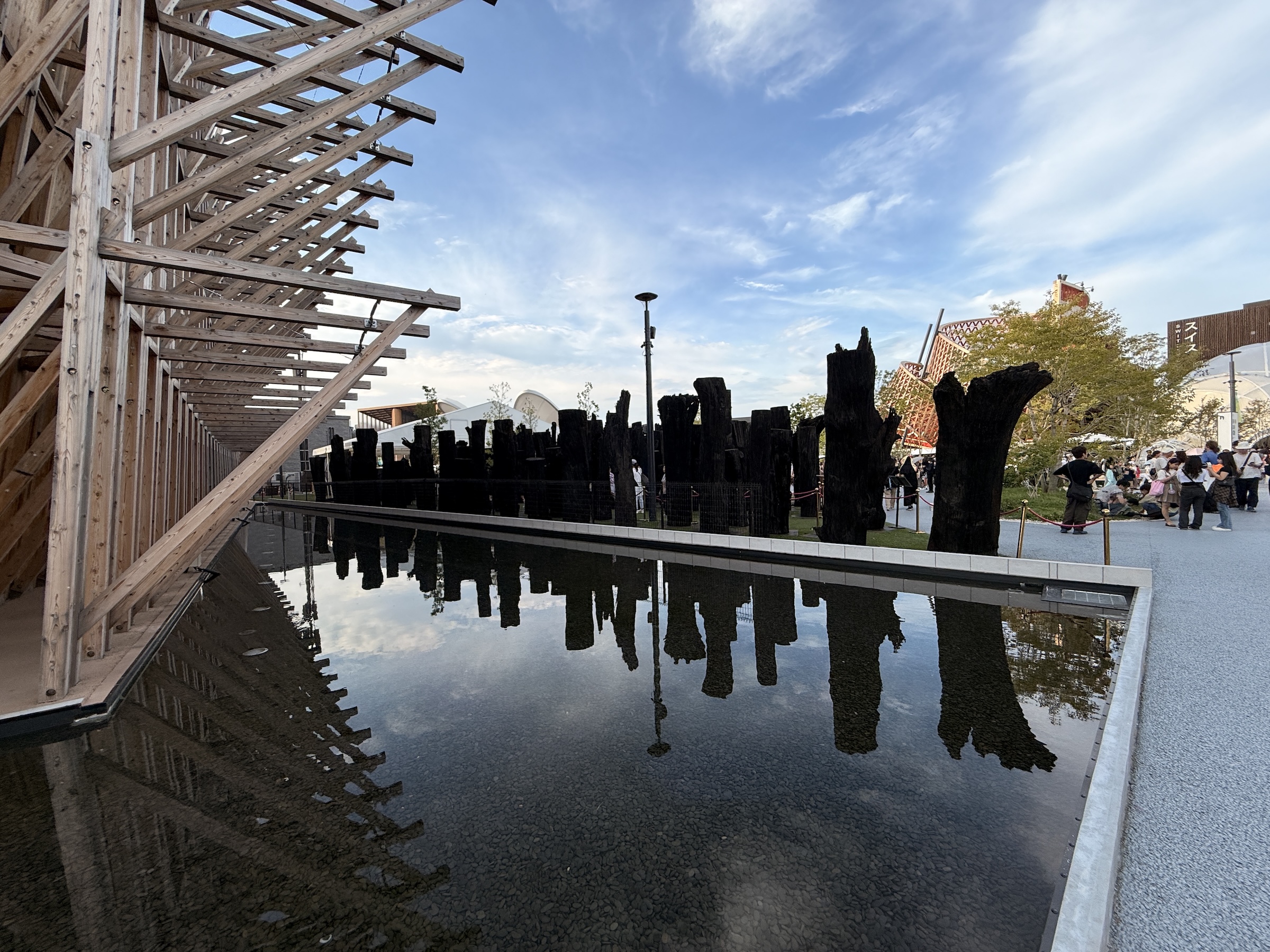
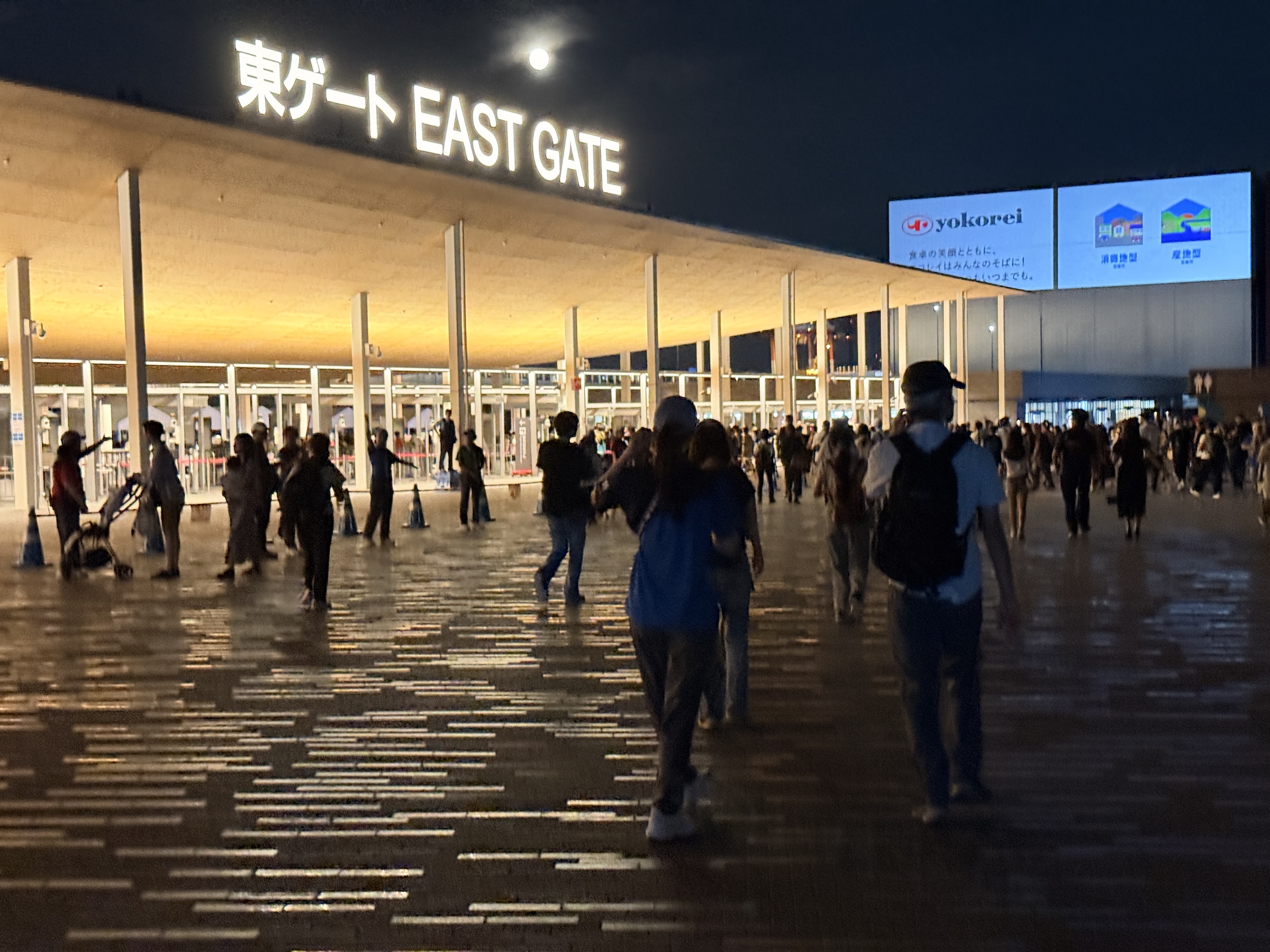
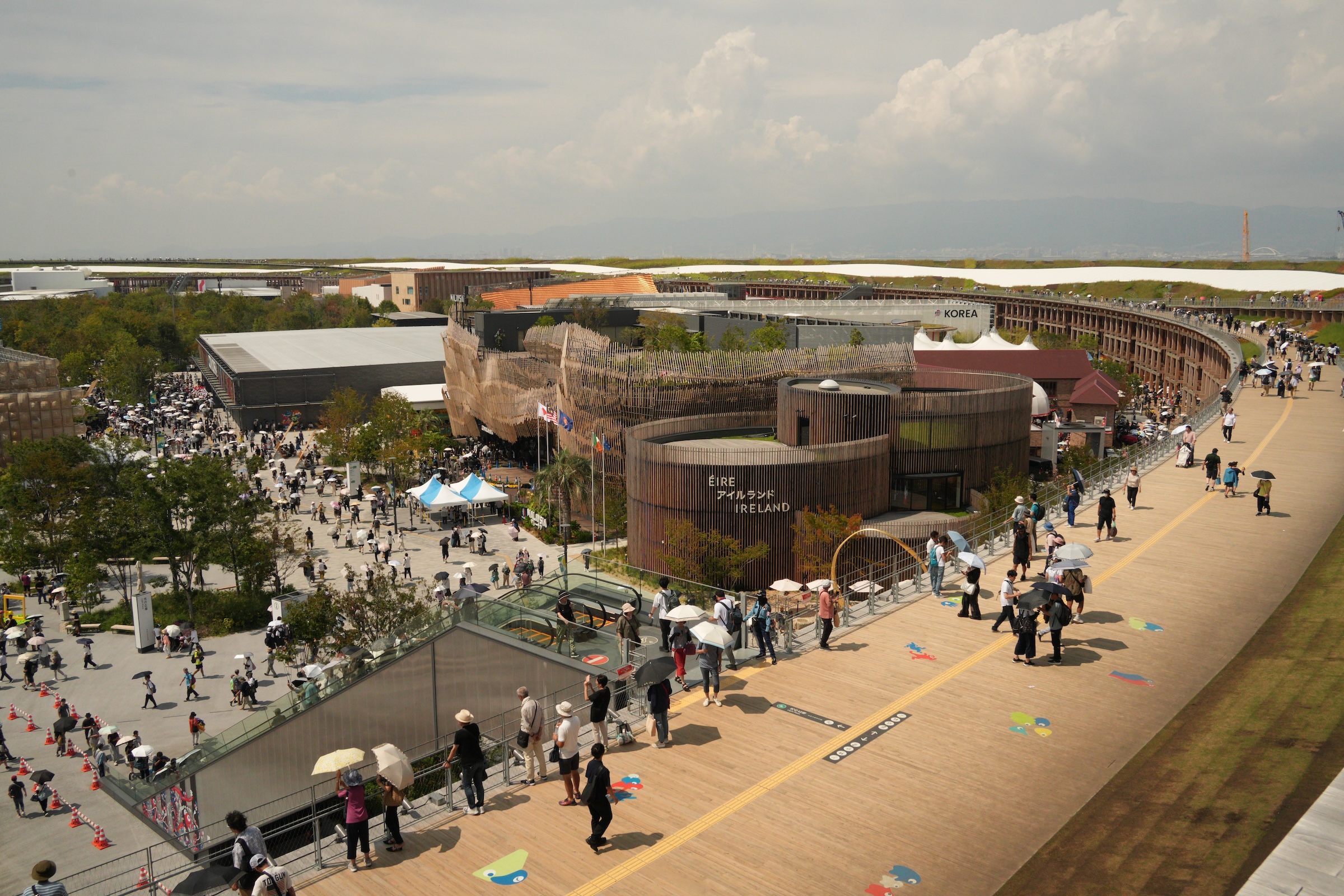
No matter, once you have made it into the entrance gate (with 180,000 others), you are in a world onto its own, inside the Grand Ring. The Ring is the world’s largest wooden structure, constructed on Yumeshima (夢洲), the artificial island located in Osaka Bay.
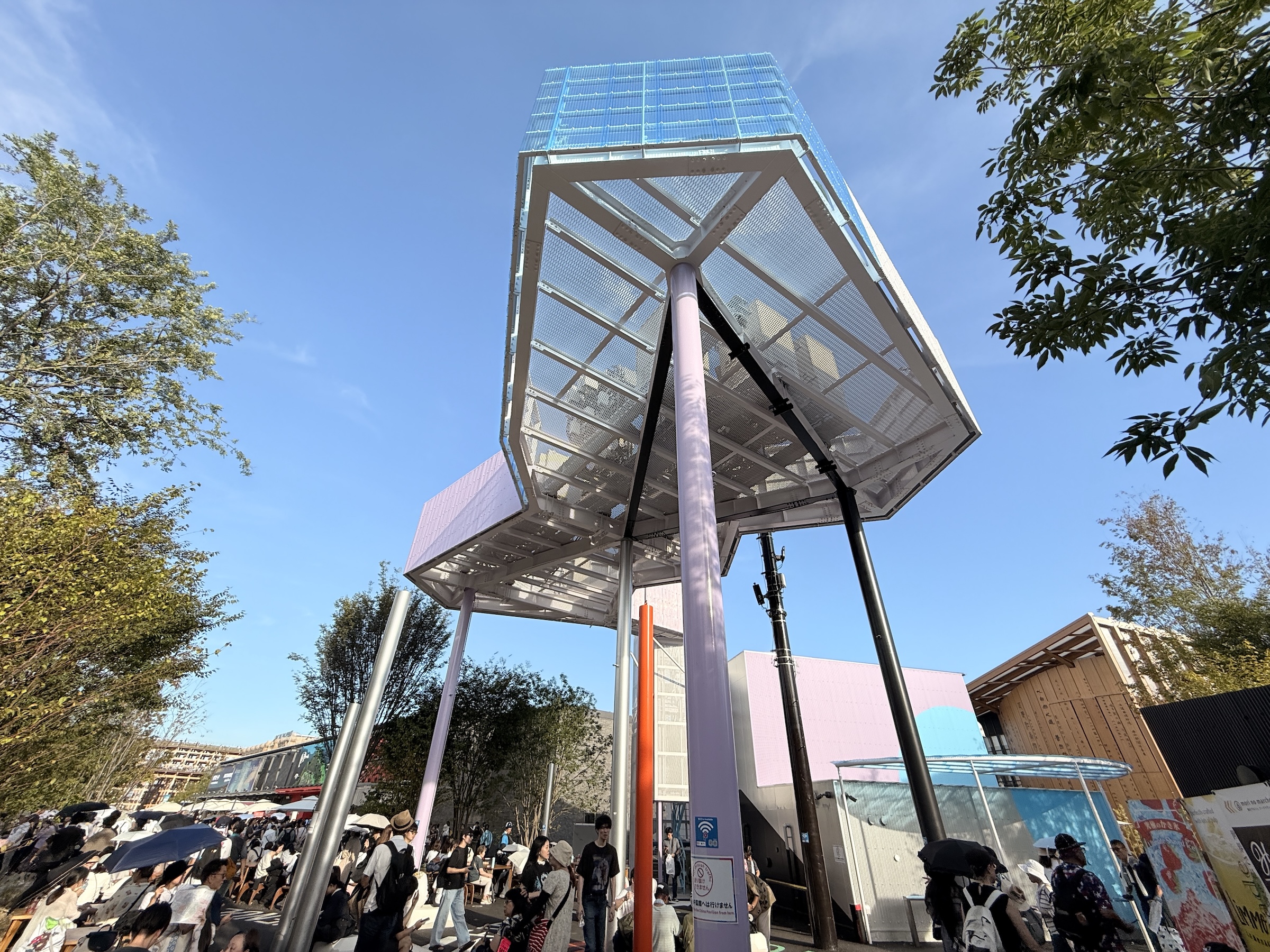
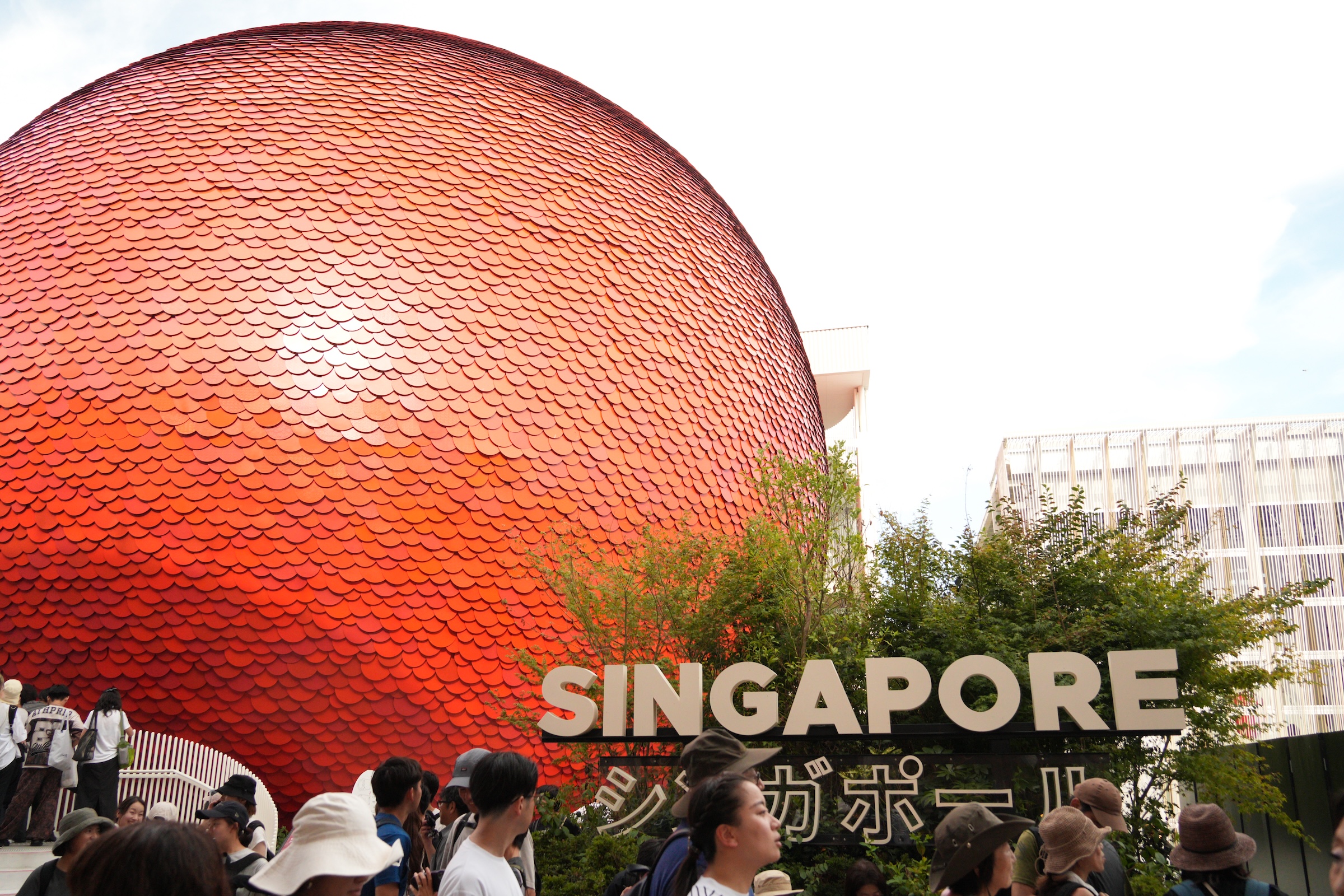
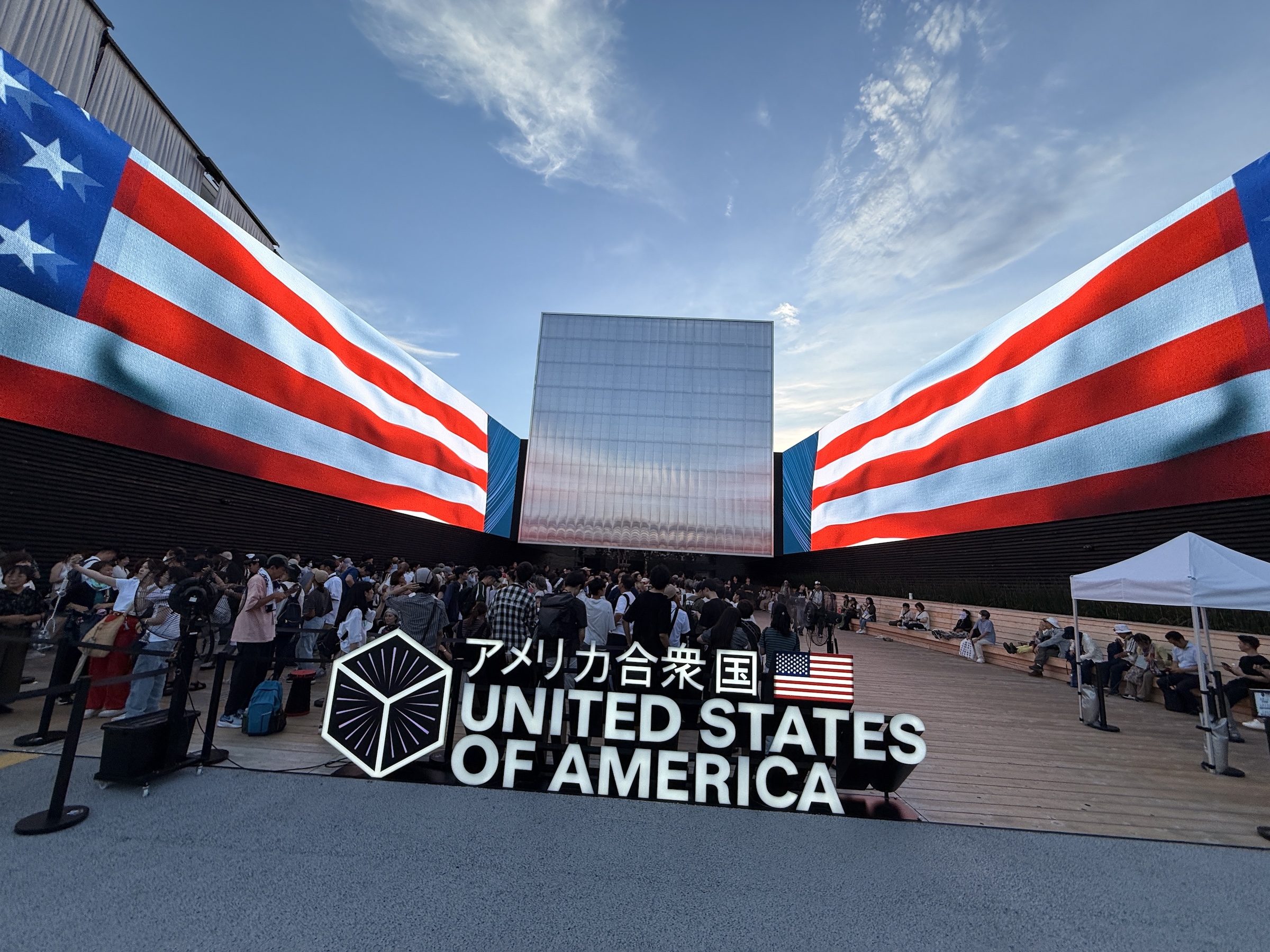
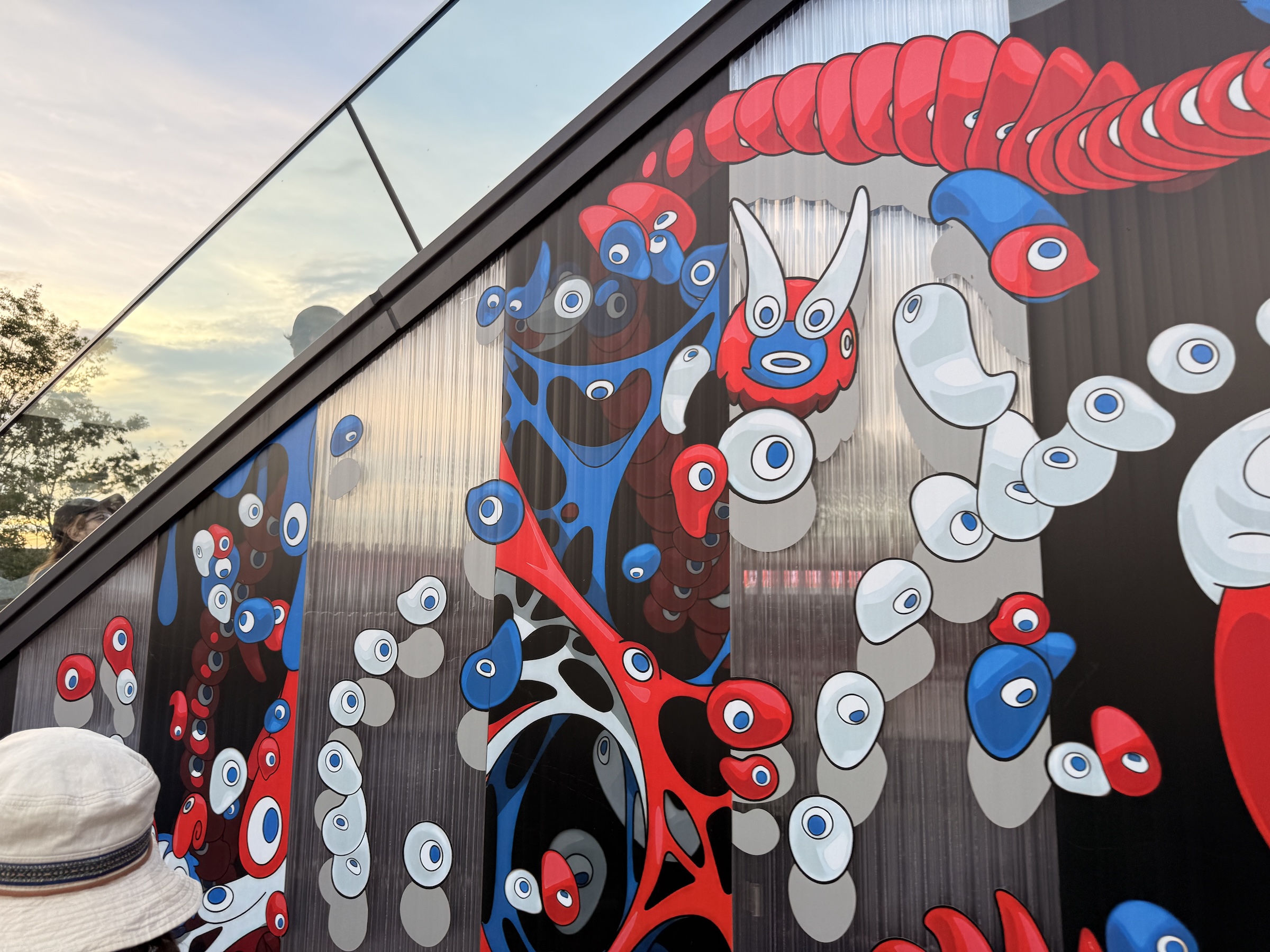
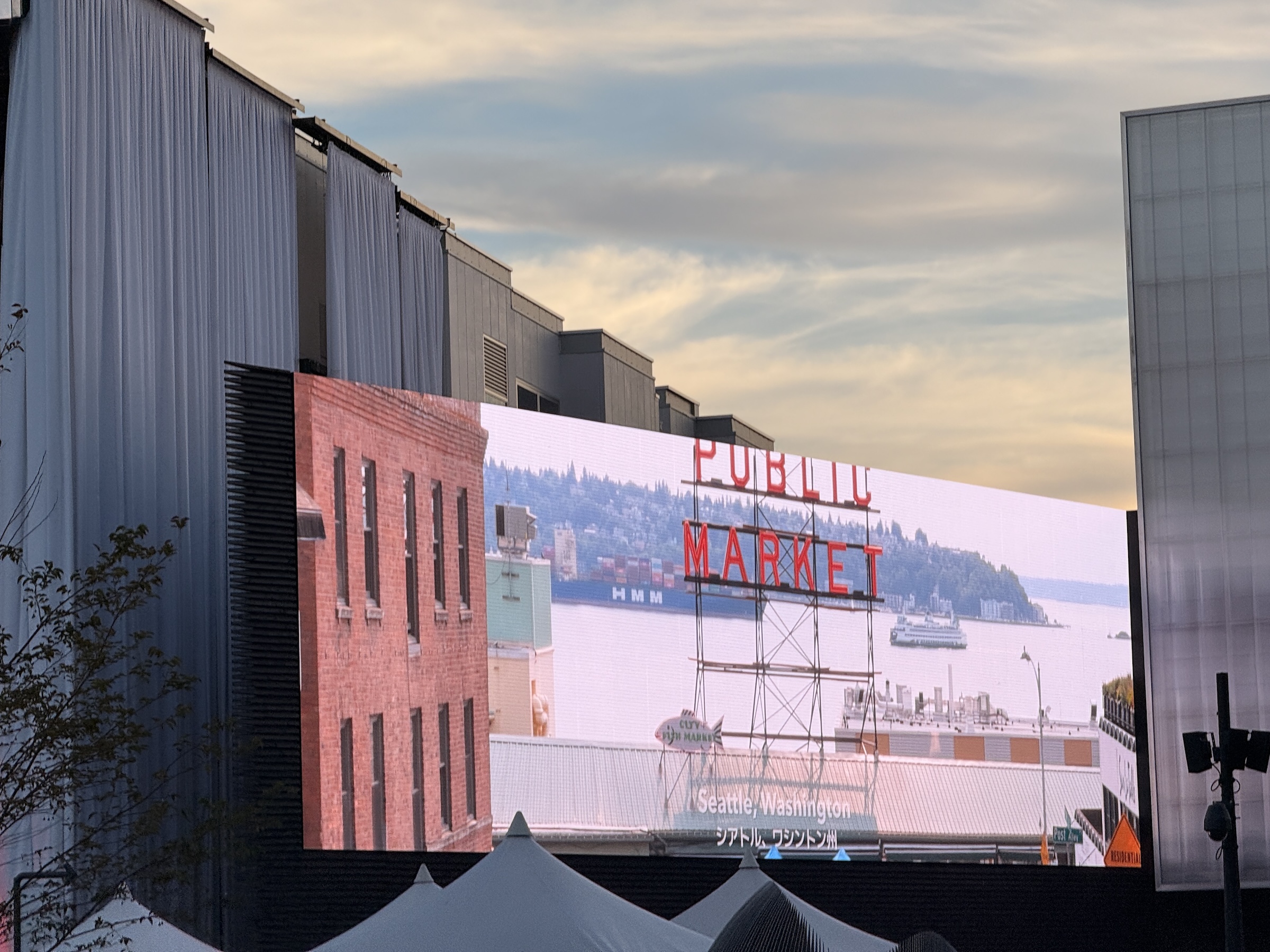
The USA pavilion is a structure designed by Trahan Architects with two triangular wings and a raised translucent cube flanking a central plaza. It features video imagery that features the Plains, the mountains and the cities in the US— and hey! Seattle’s Pike Place market made an appearance as well.
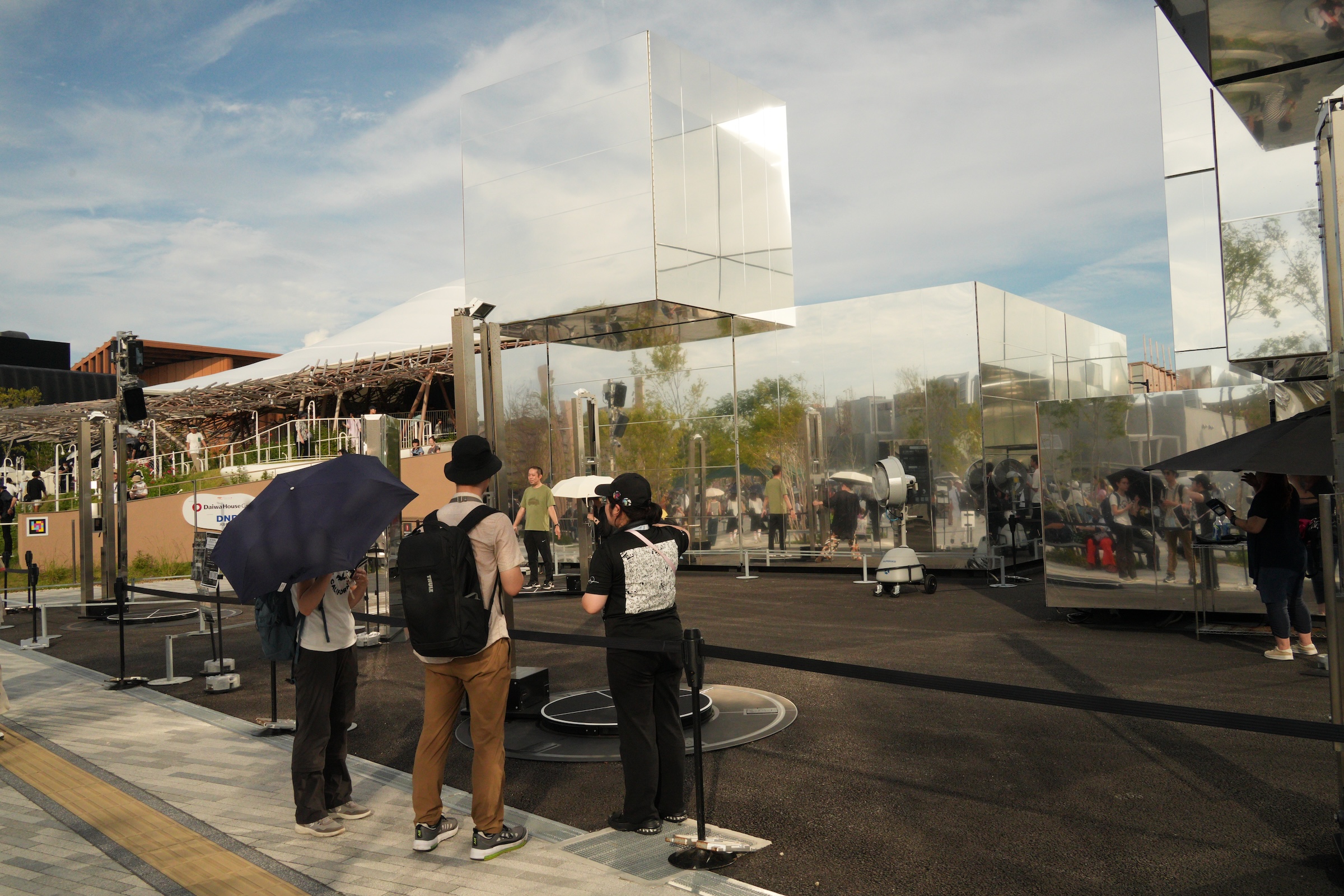
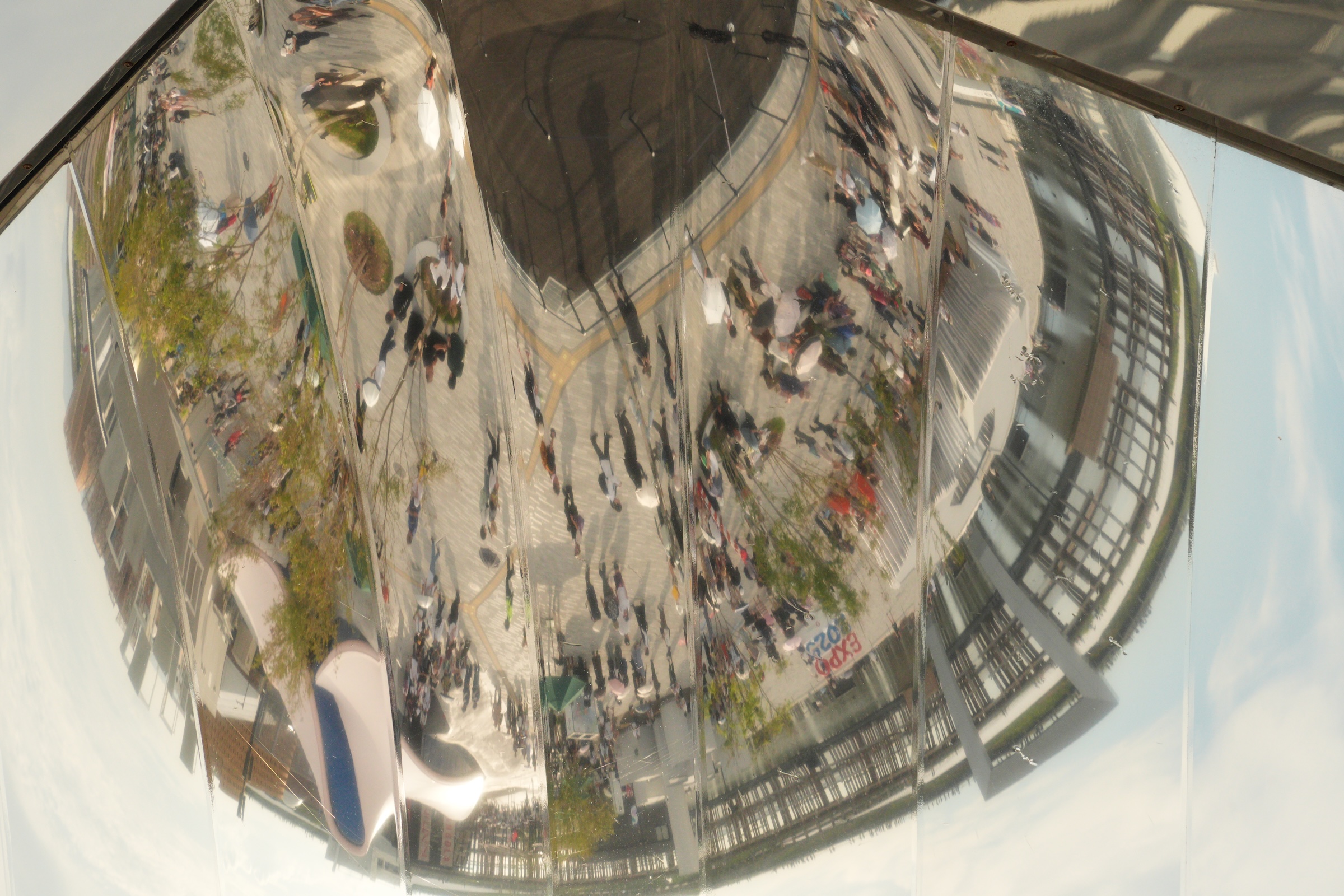
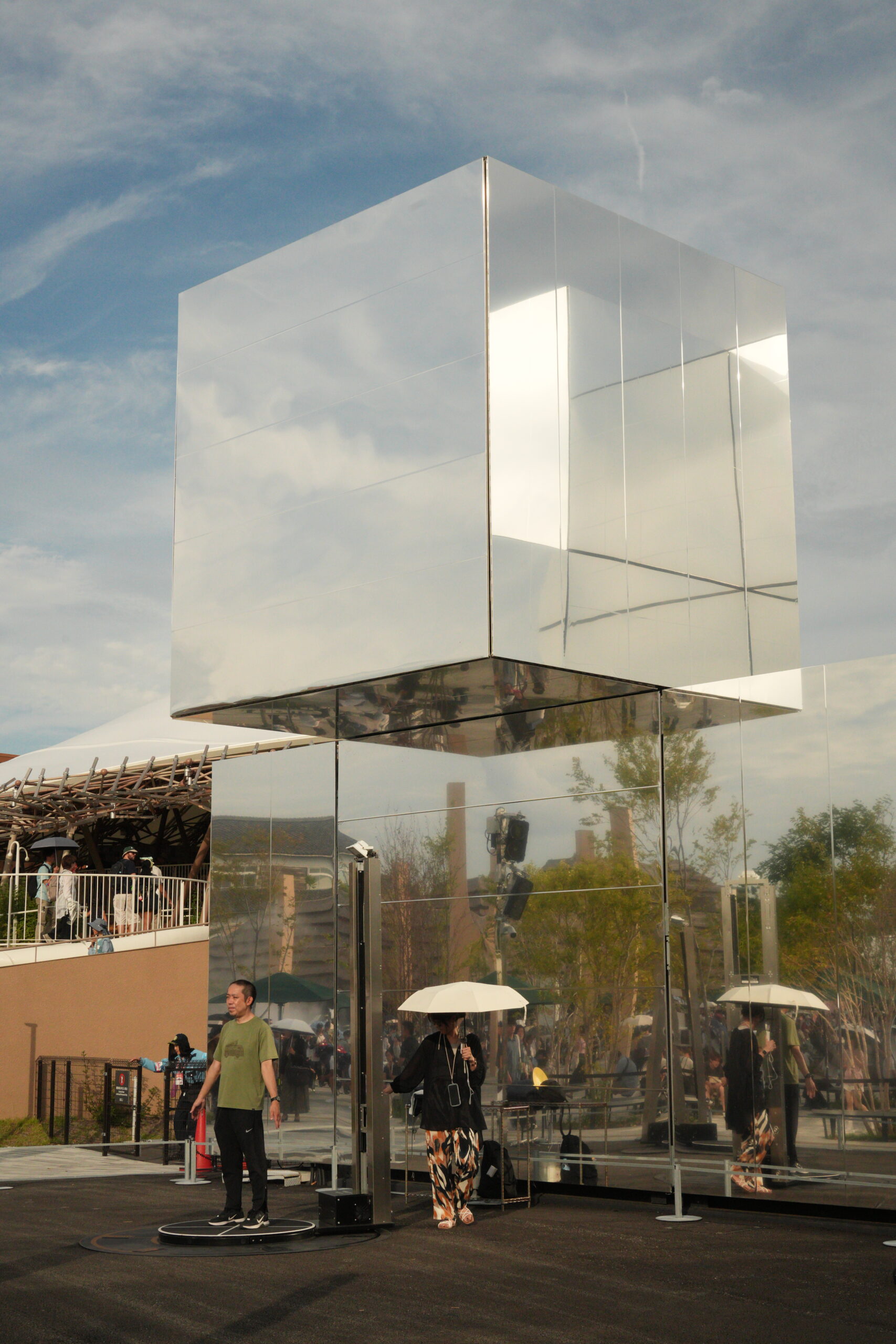
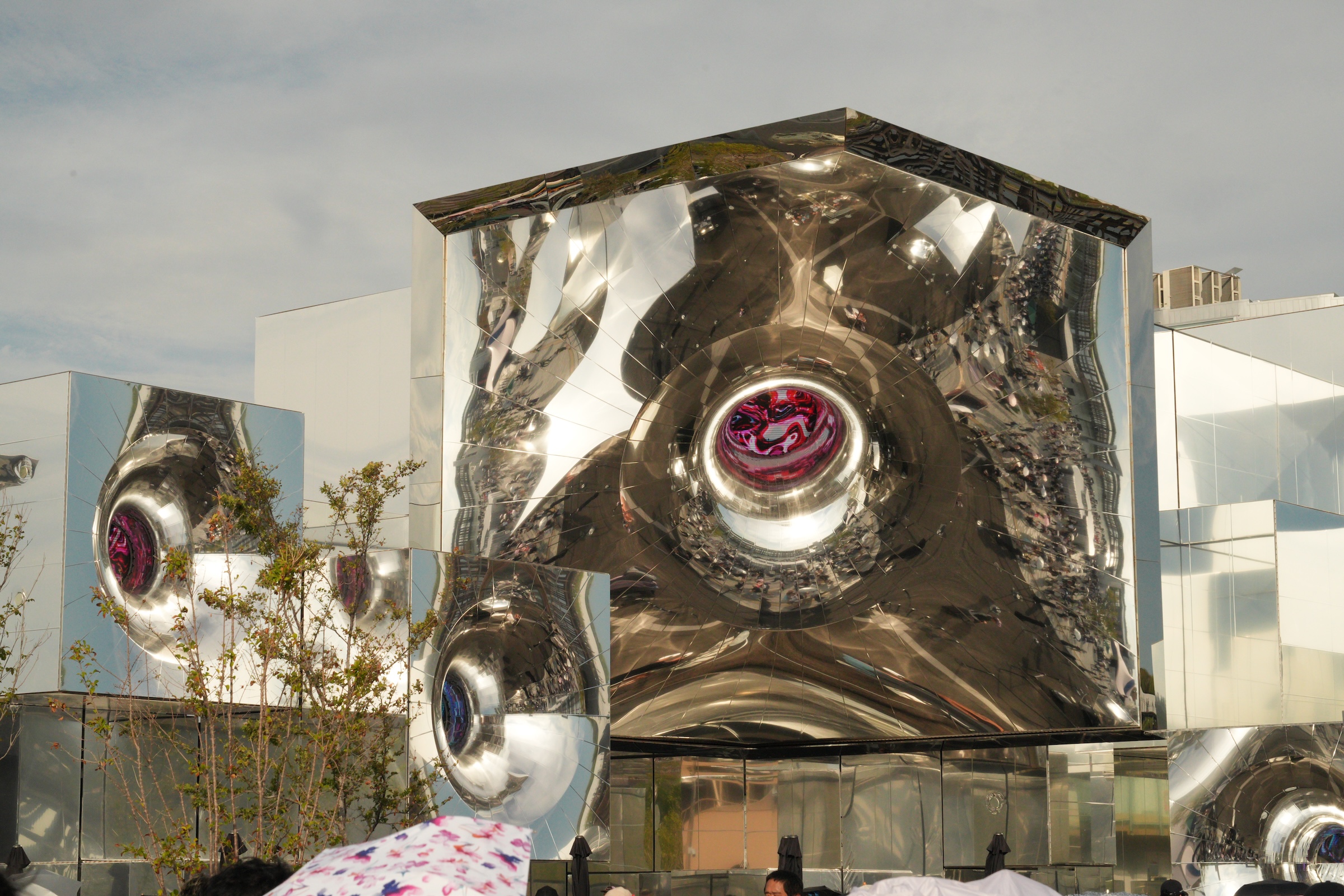
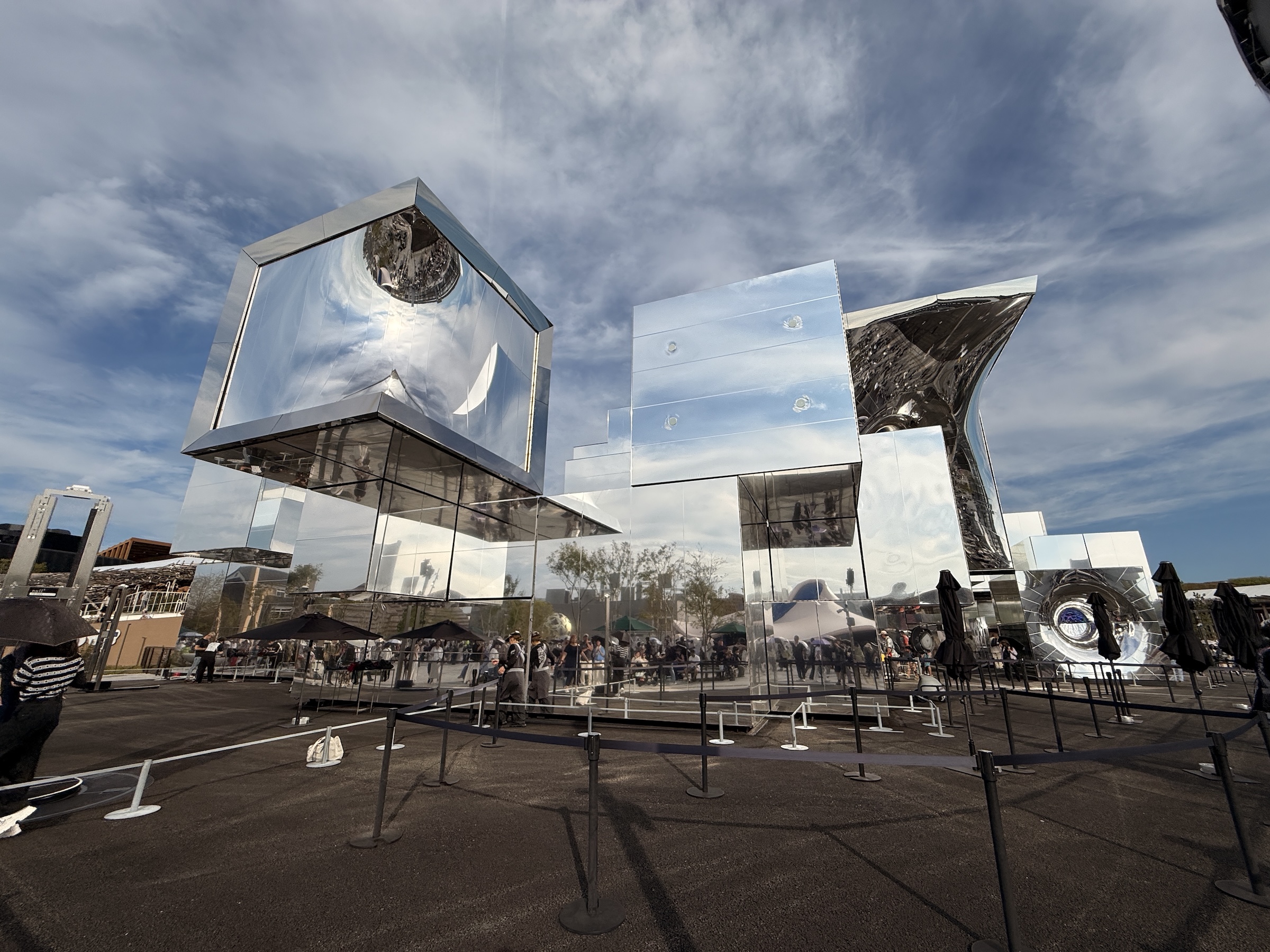
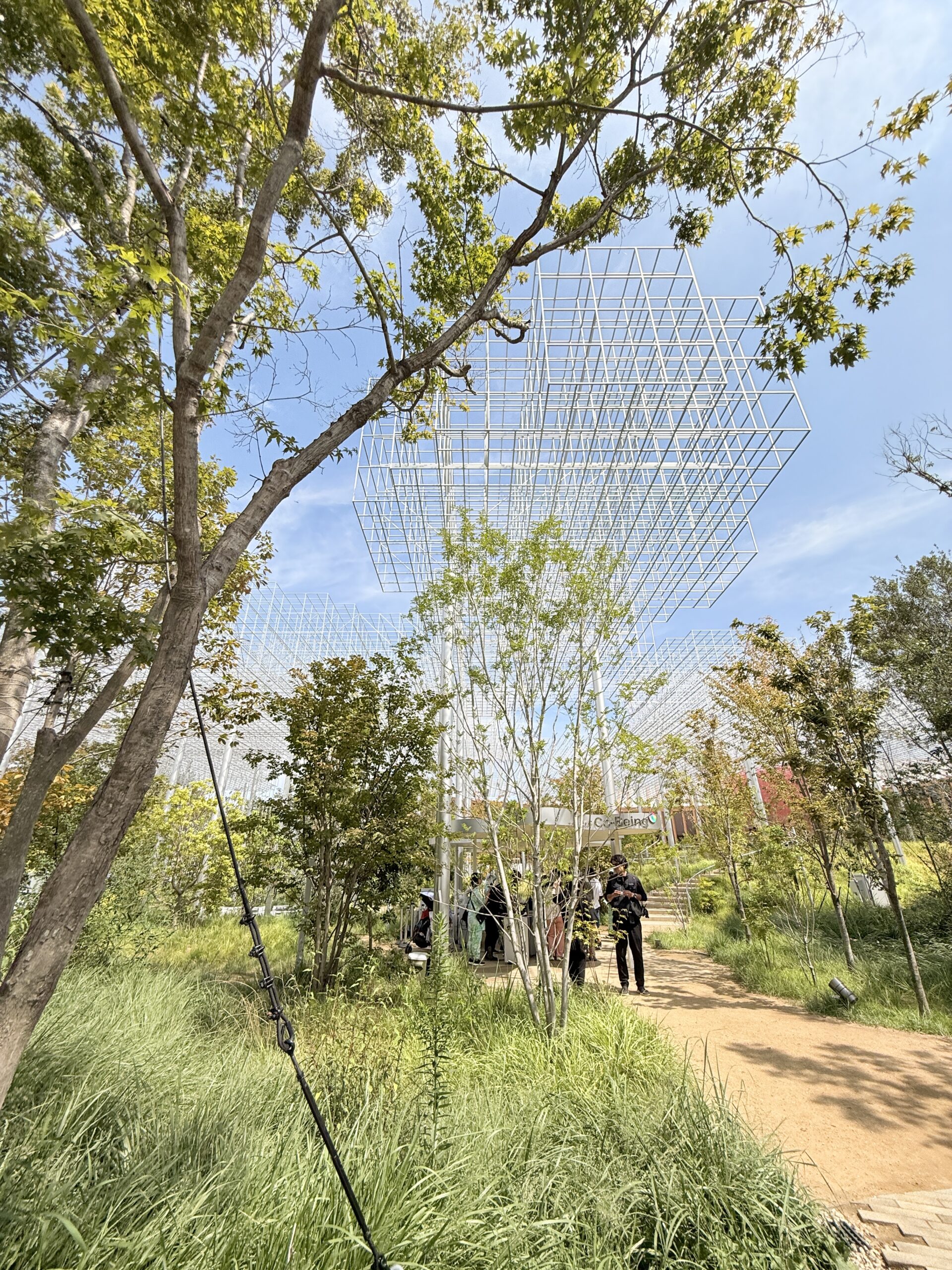
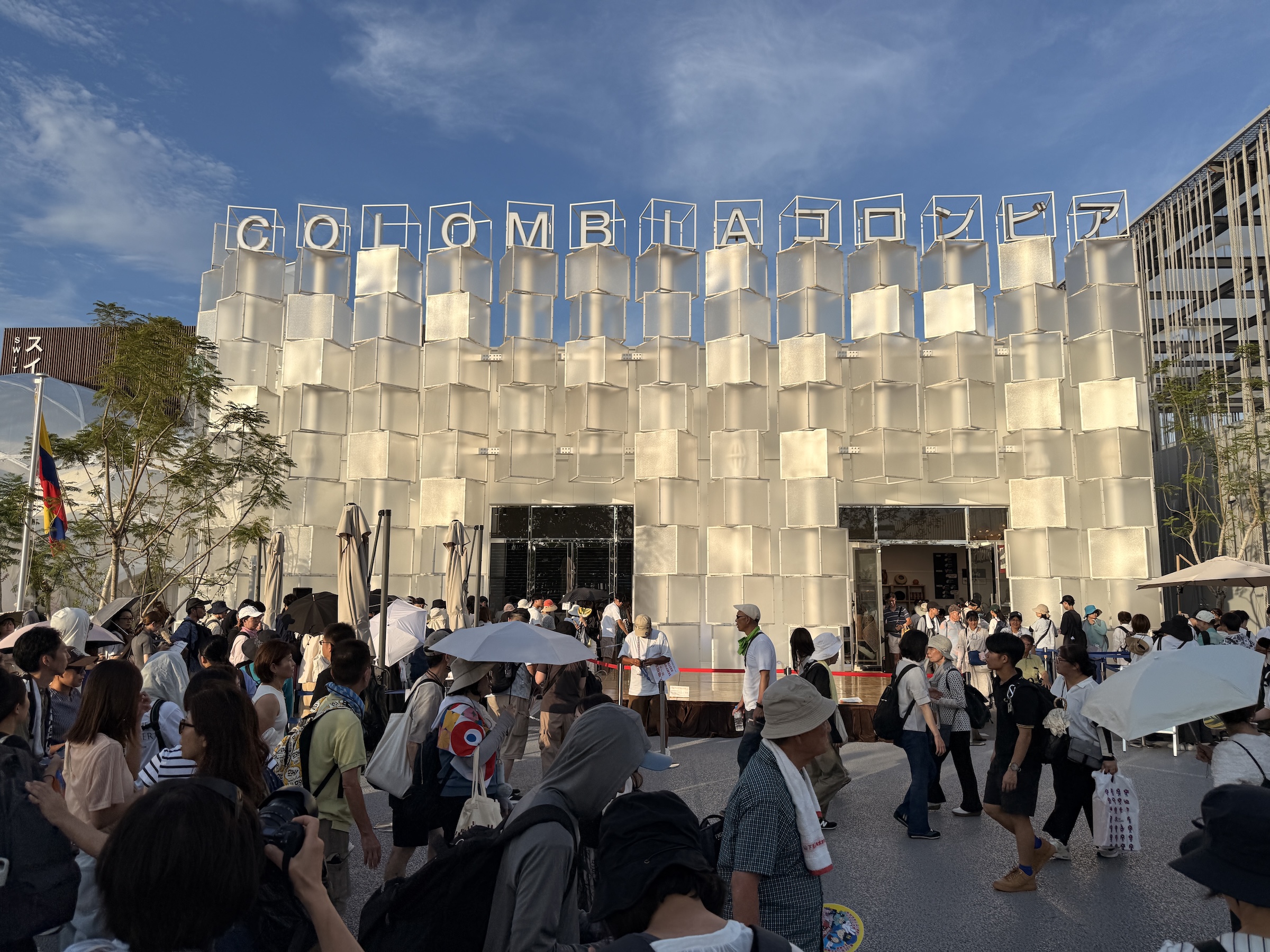
I was mesmerized by the installation of shiny cubes called null². The sun bounced off the surfaces, and a low sound was emitted from the structure.
Developed by Yoichi Ochiai, the pavilion’s structure is based on a cubic grid of voxels measuring 2 to 8 m (6 ft to 26 ft) wide. The facade is covered with a membrane that resembles a mirror. [Source: Wikipedia]
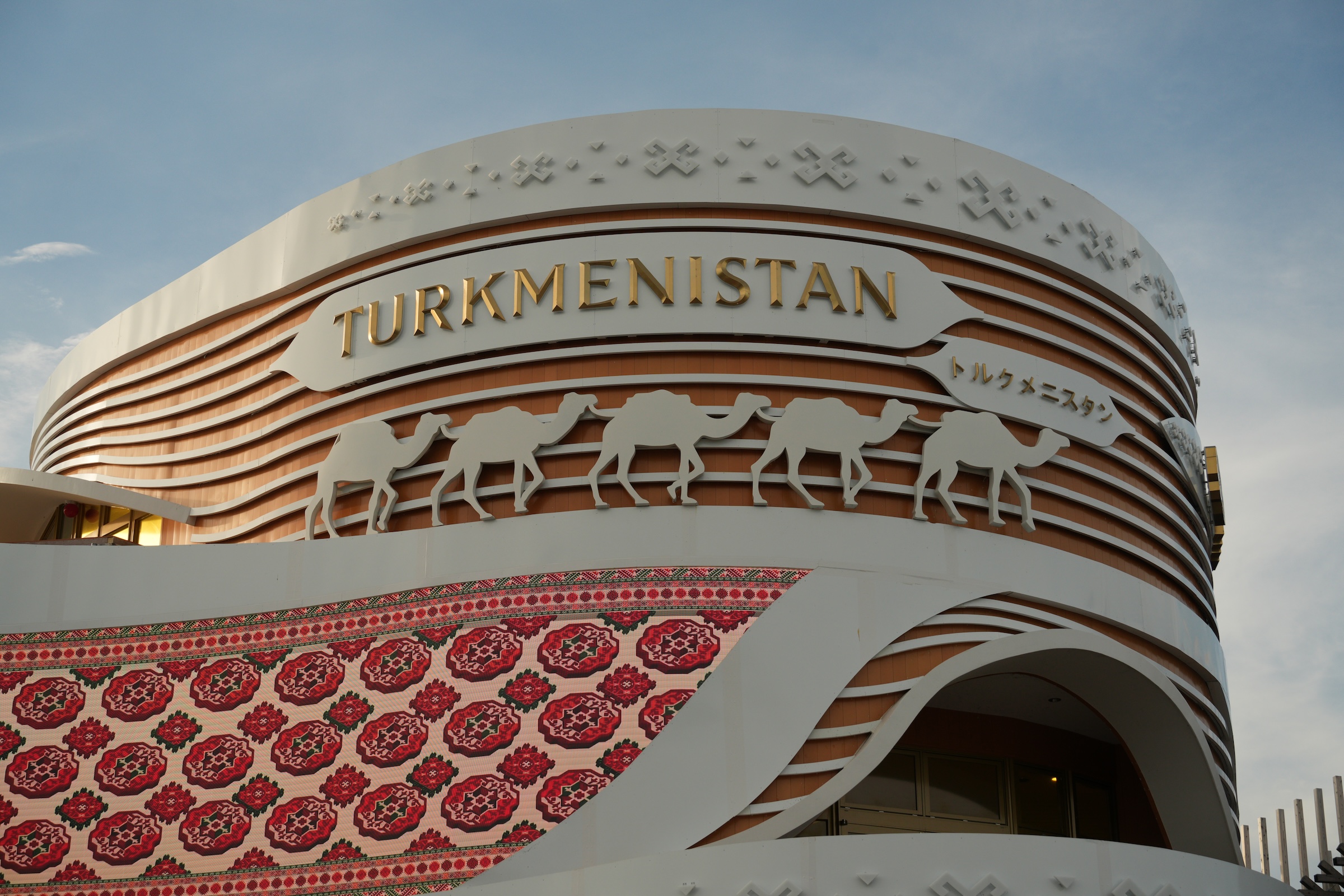
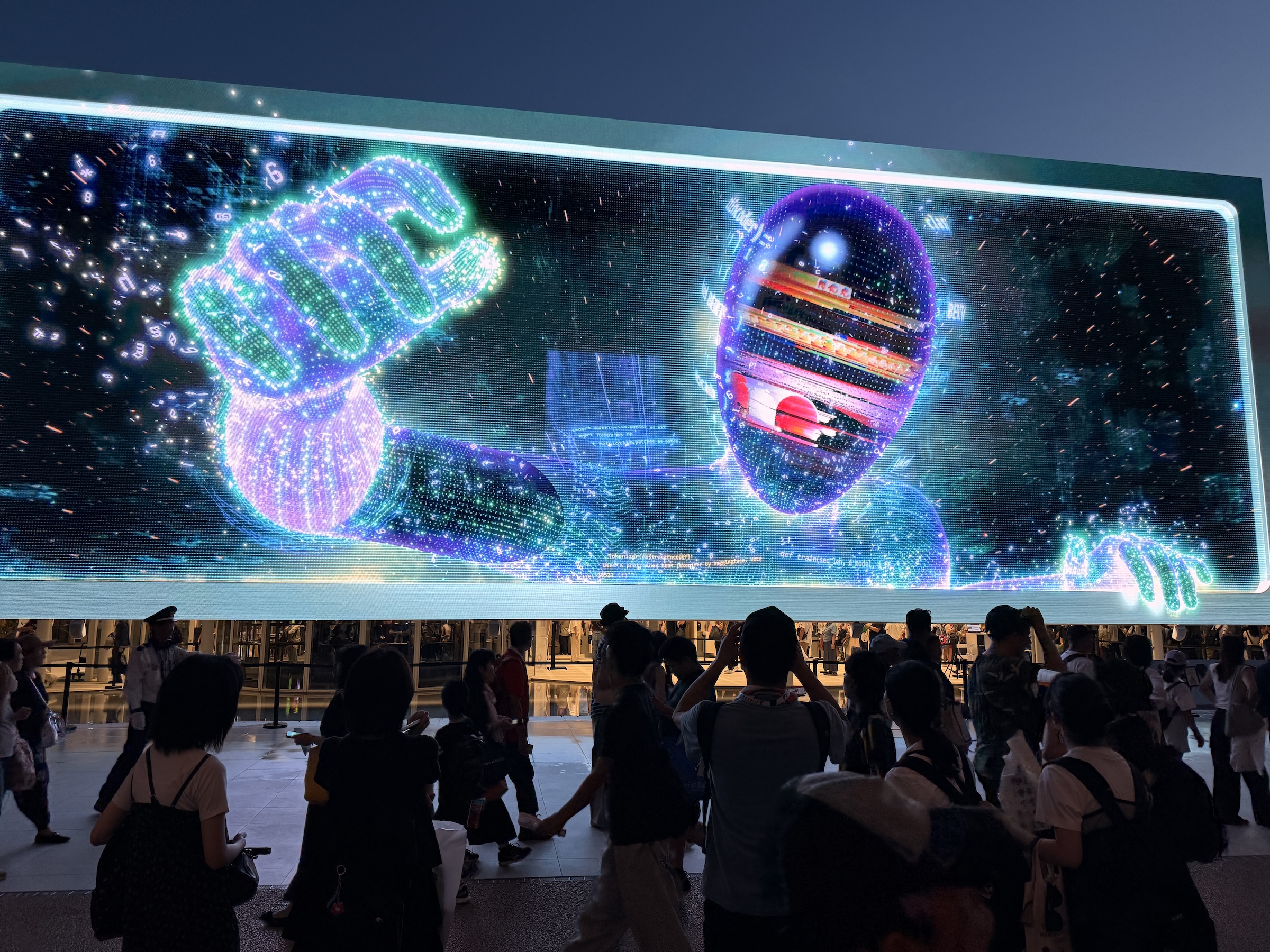
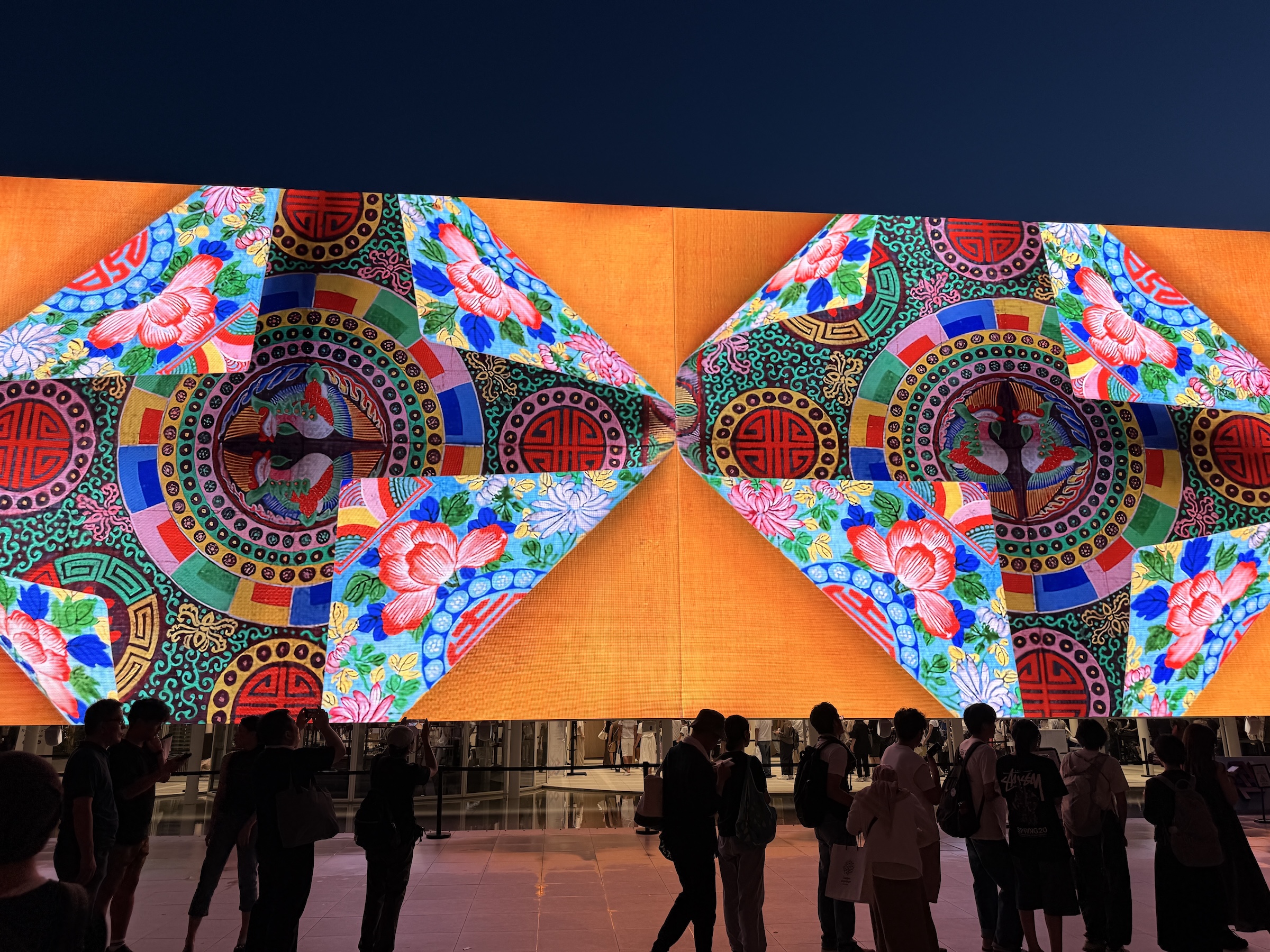
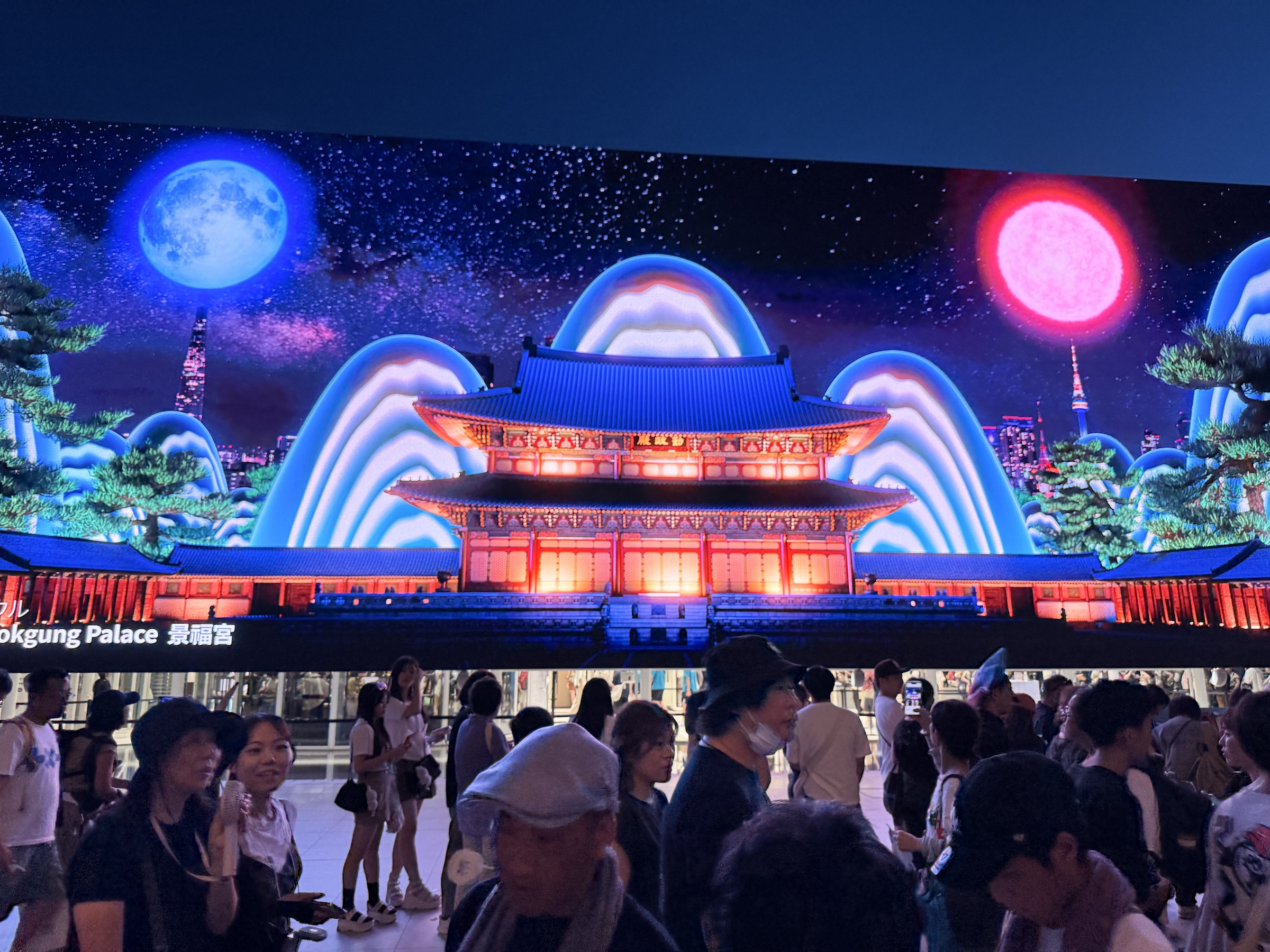
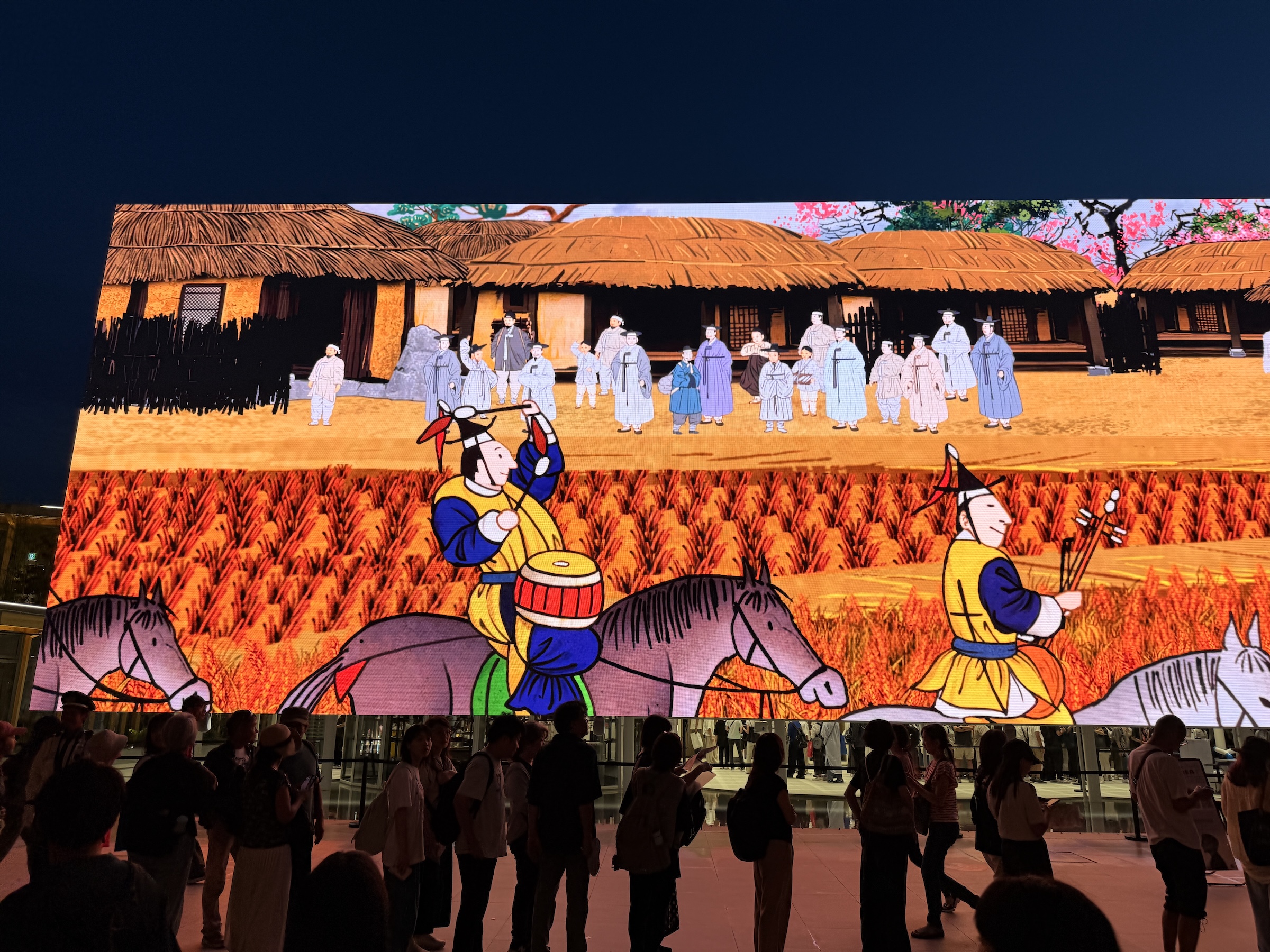
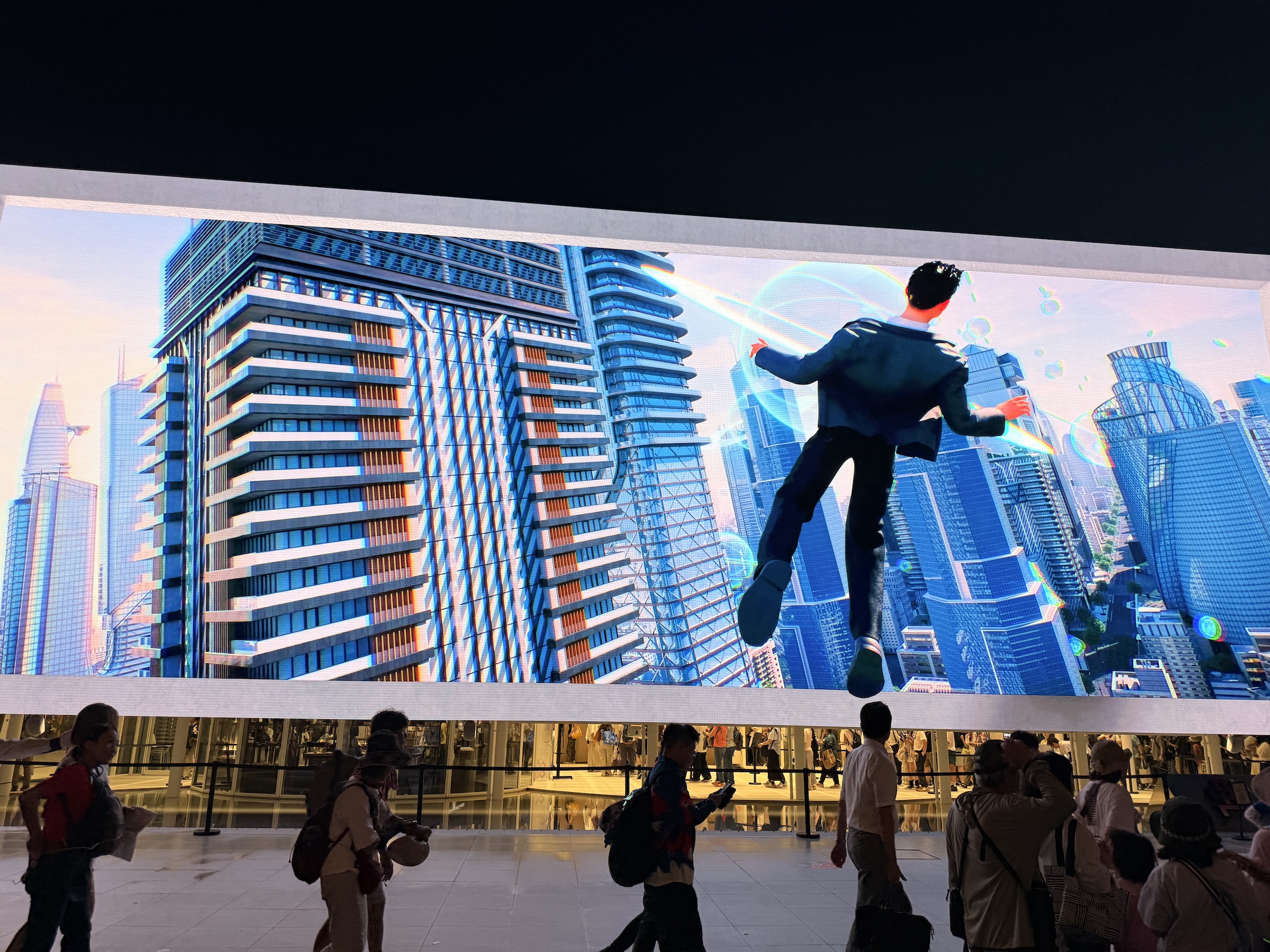
Look for a few images (towards the end) beamed out from the enormous high-resolution screen outside the Korea pavilion. The three-story pavilion has a high-resolution screen on its facade that is 27 m (89 ft) wide. The screen displays on a spectacular series of animated images and videos.
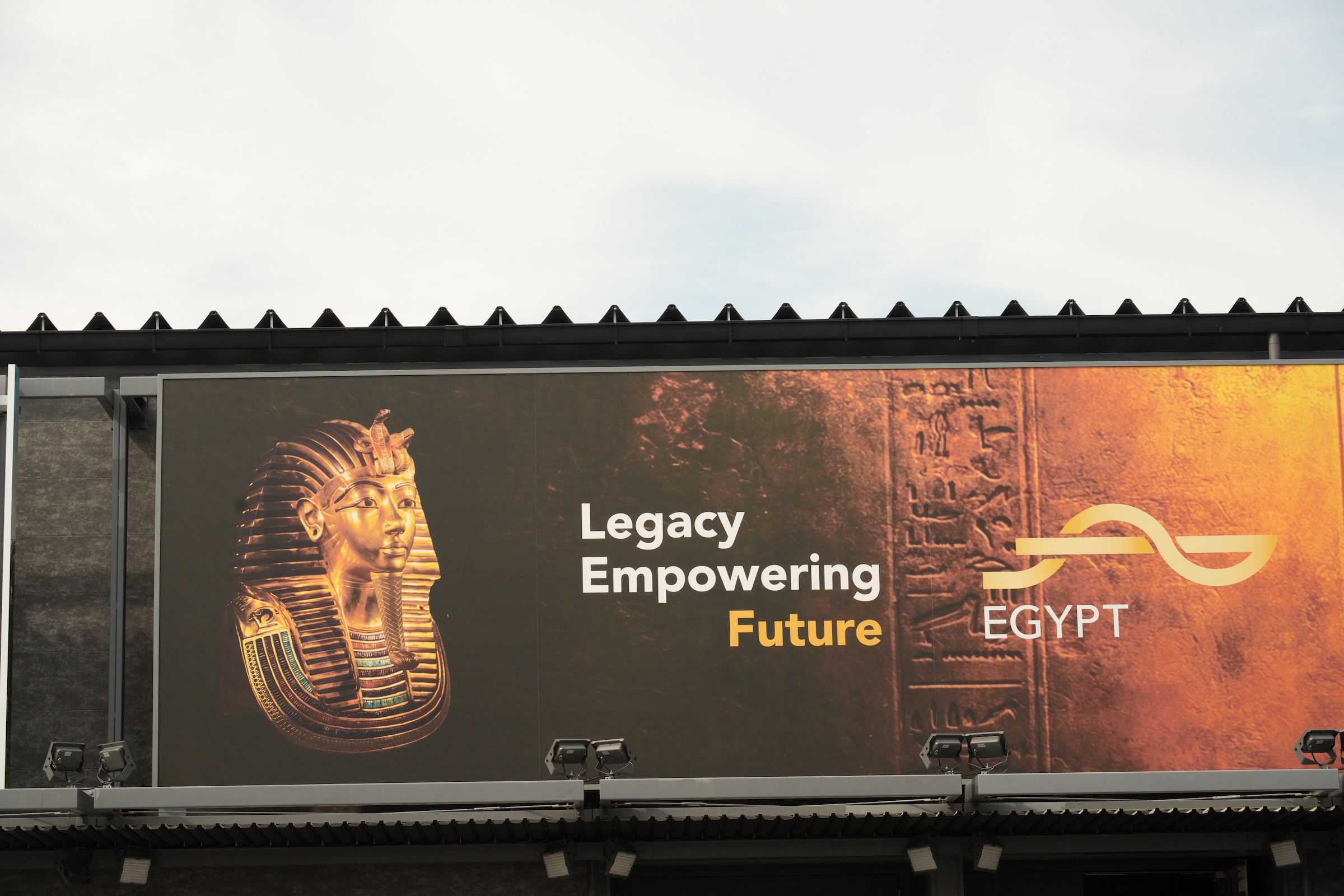
South Africa withdrew from Expo 2025 Osaka in late 2024 despite repeated invitations from the Japanese government, citing the country’s ‘financial constraints’.
All went well with my train ride to Osaka.
It is an amazing experience to travel at 175 mph (280 km/h) on the tracks, with the landscape flying by the window.
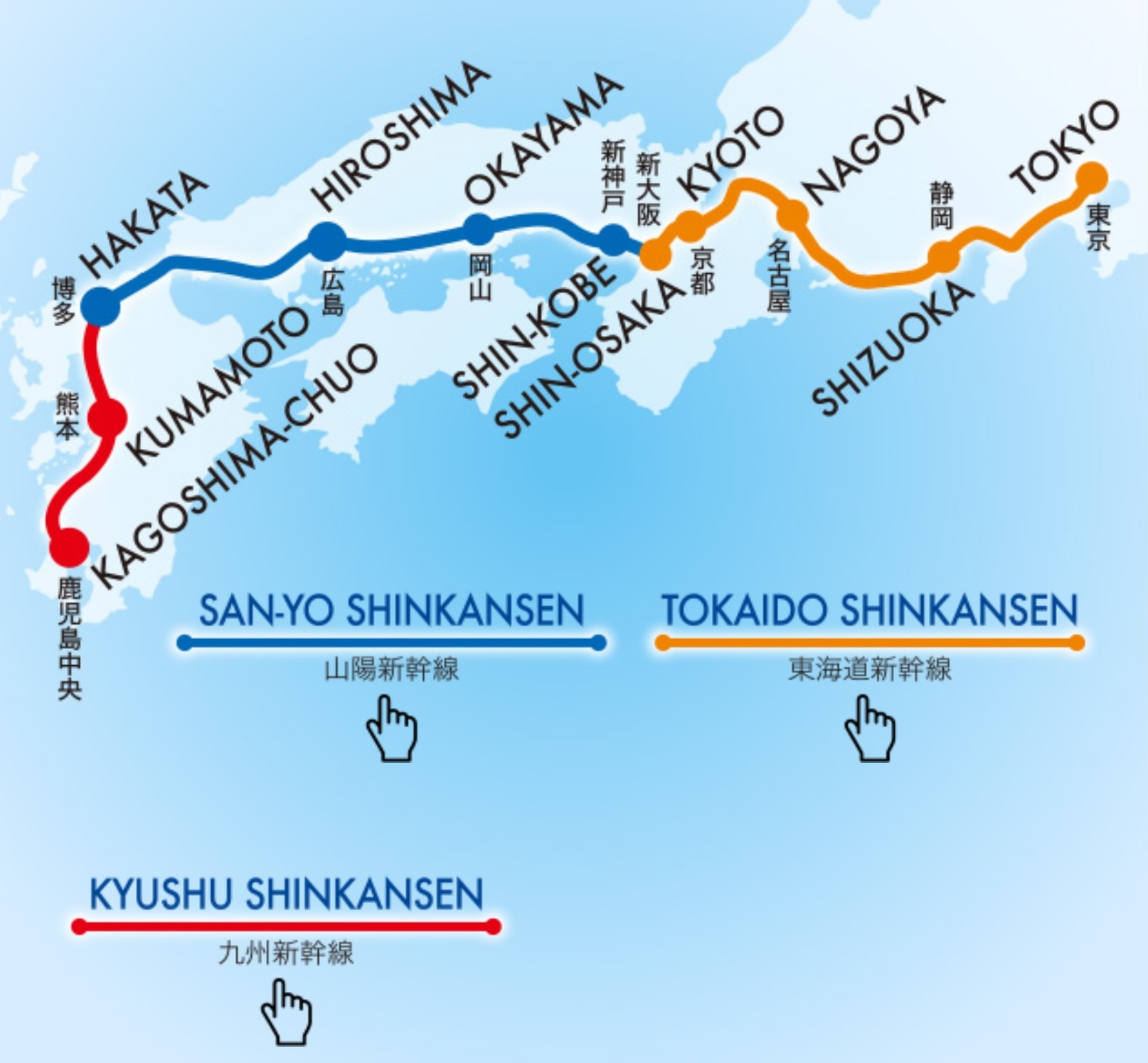
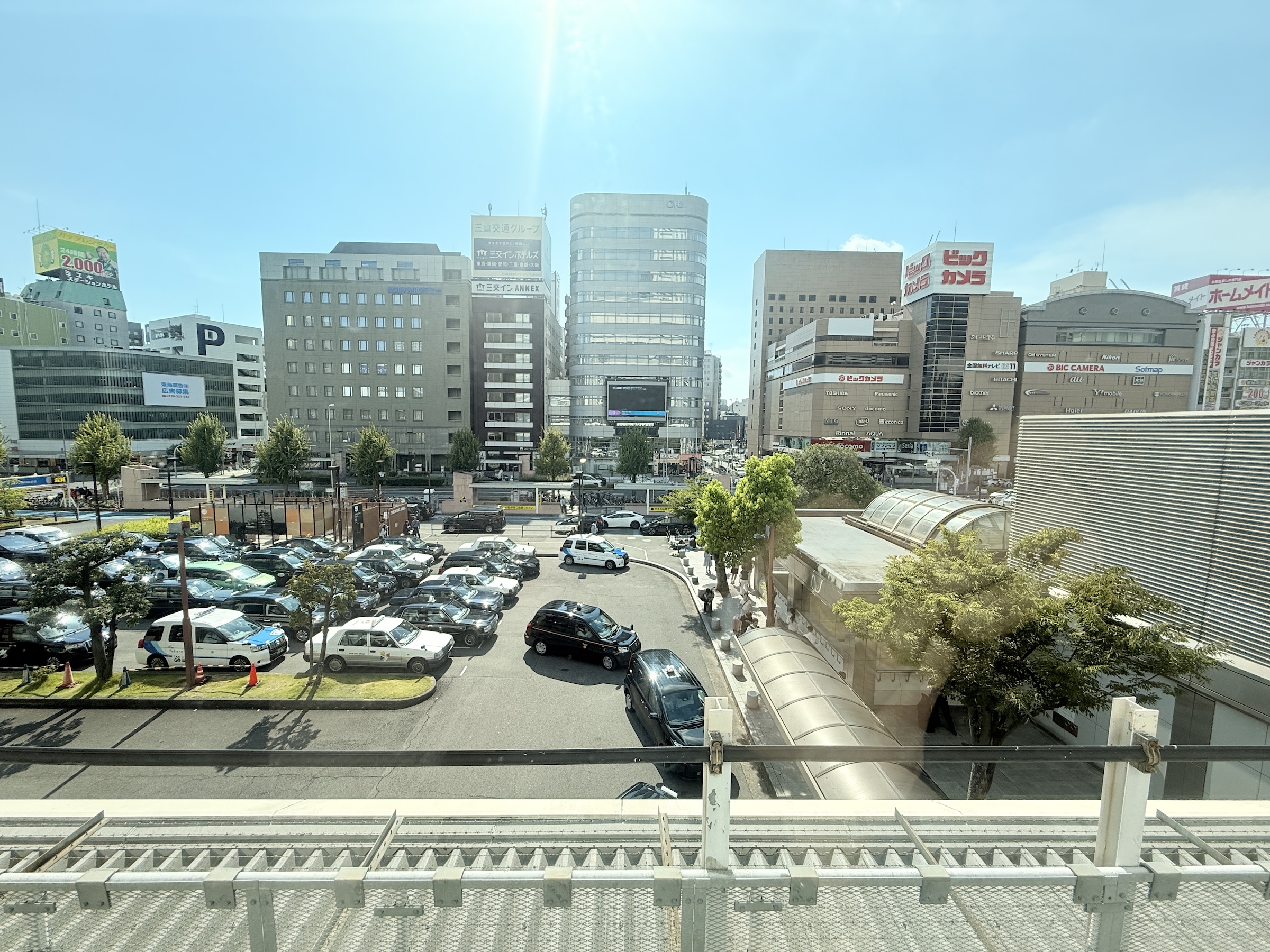
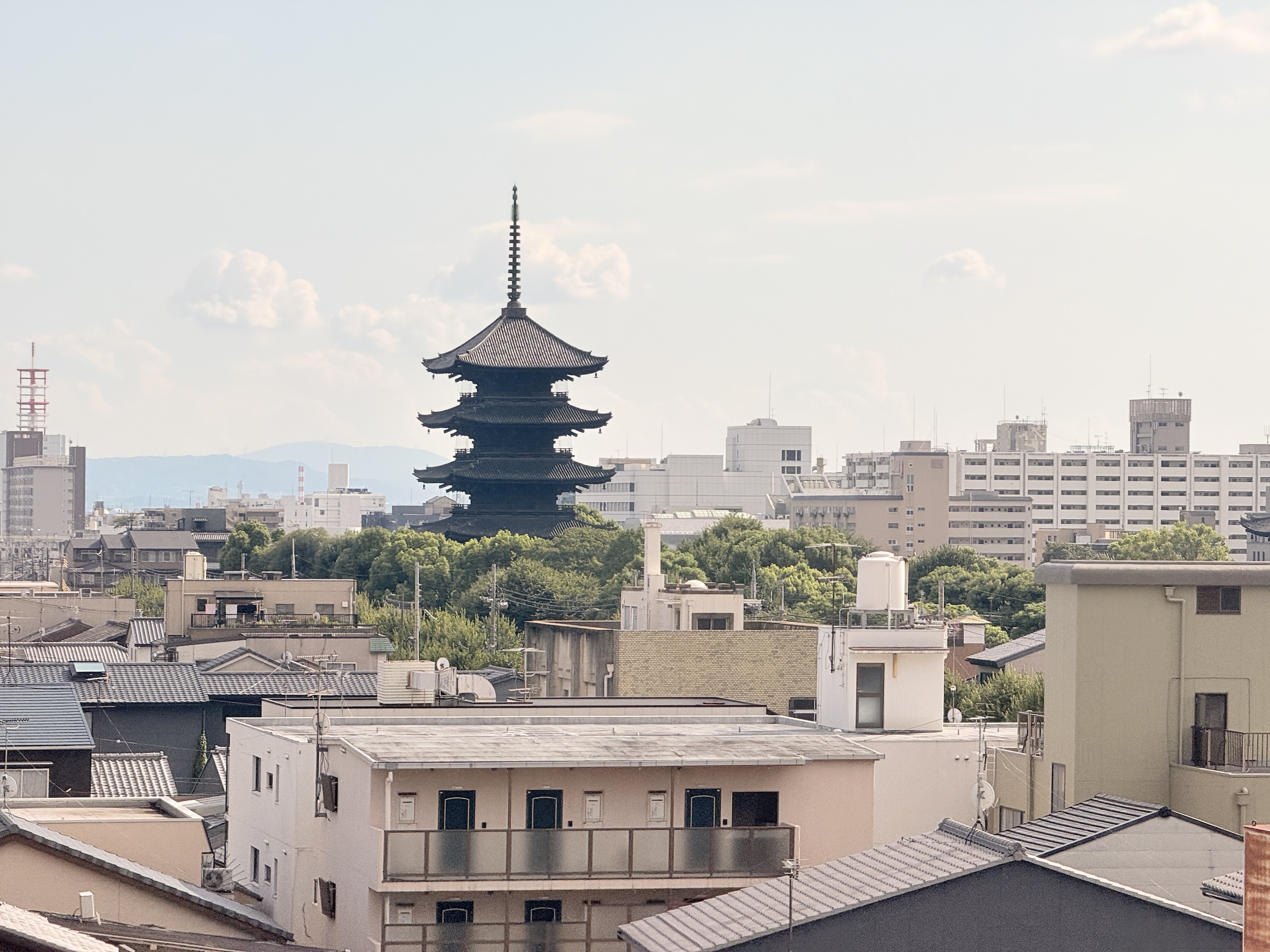
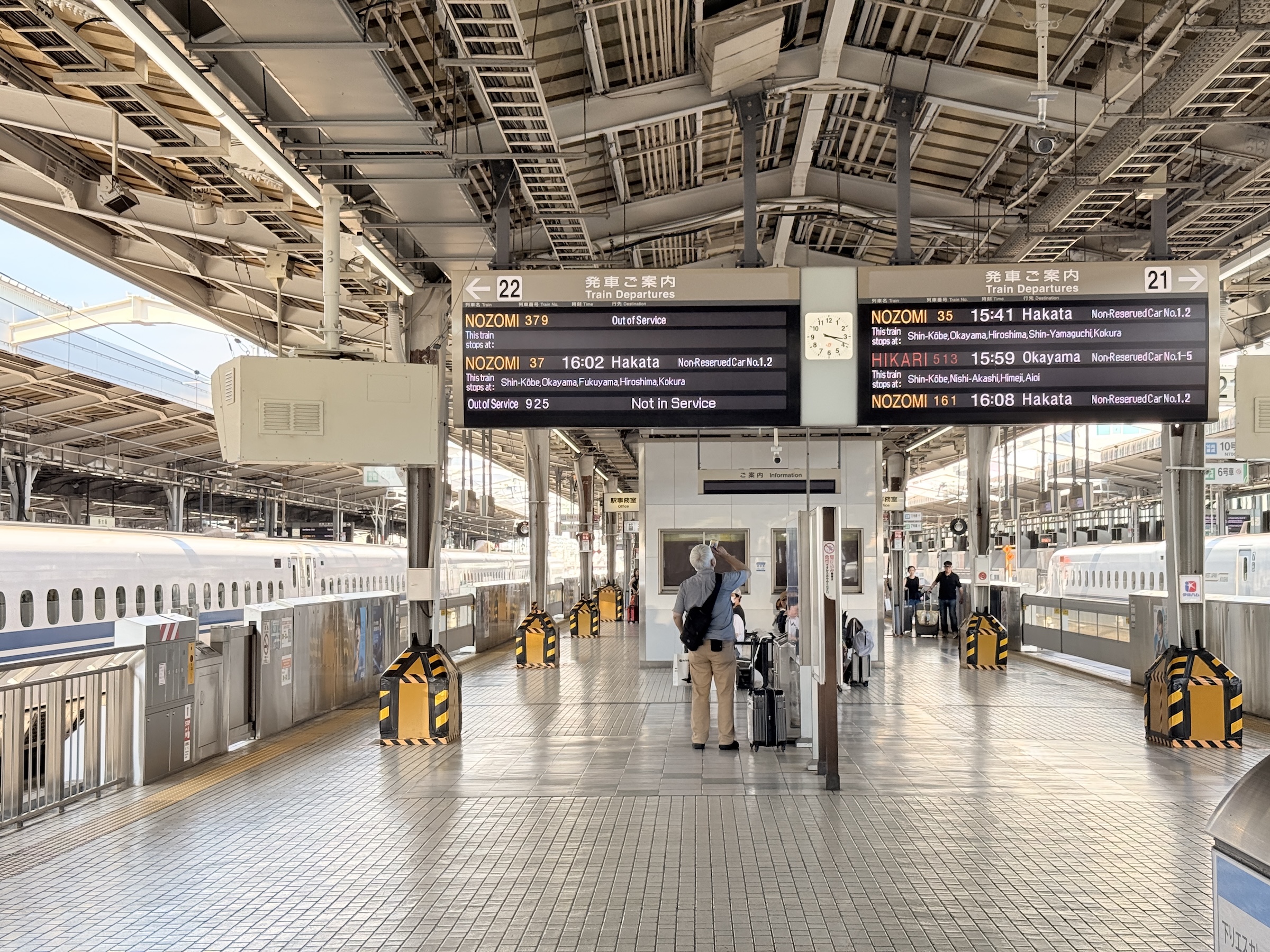
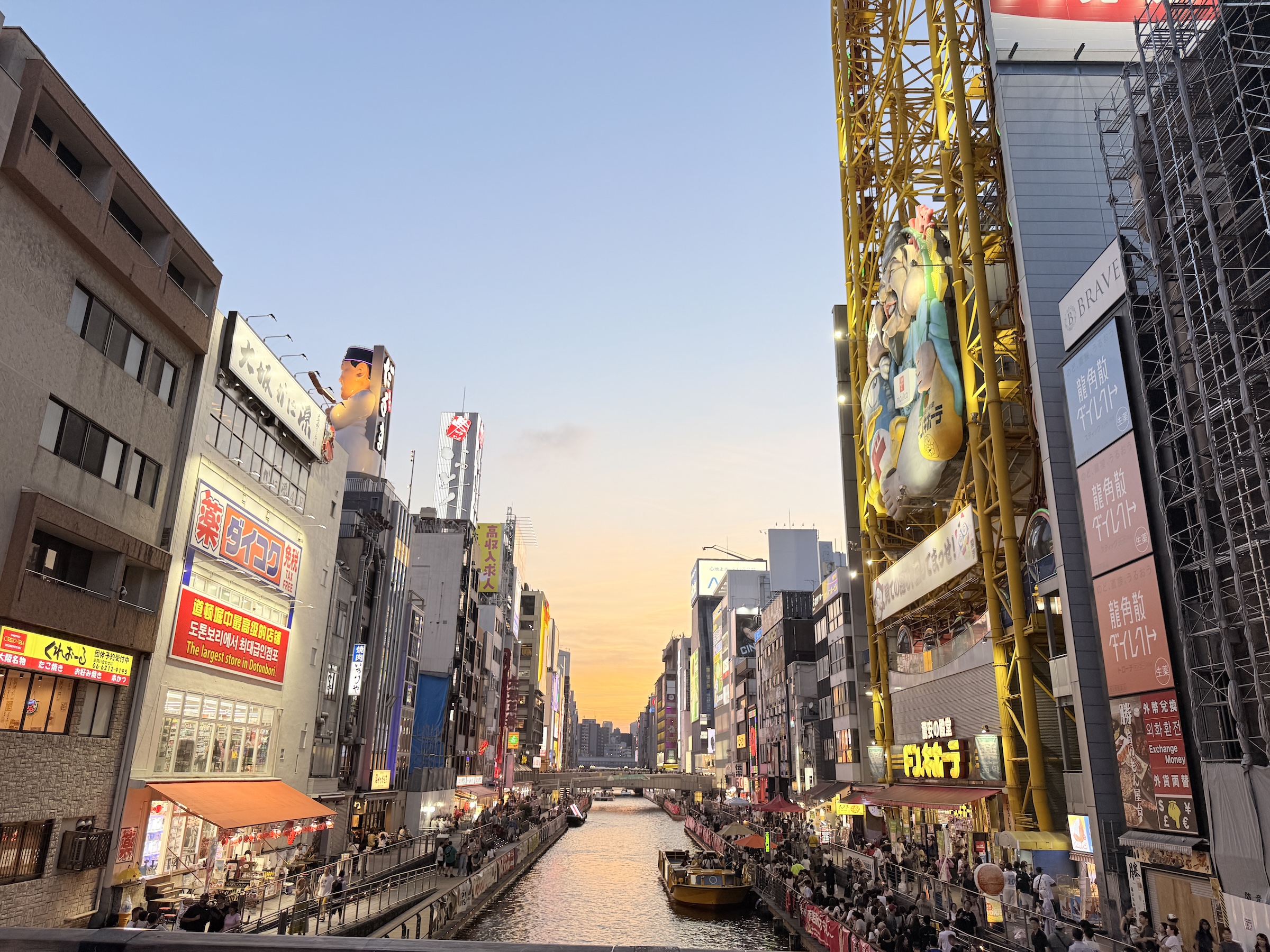
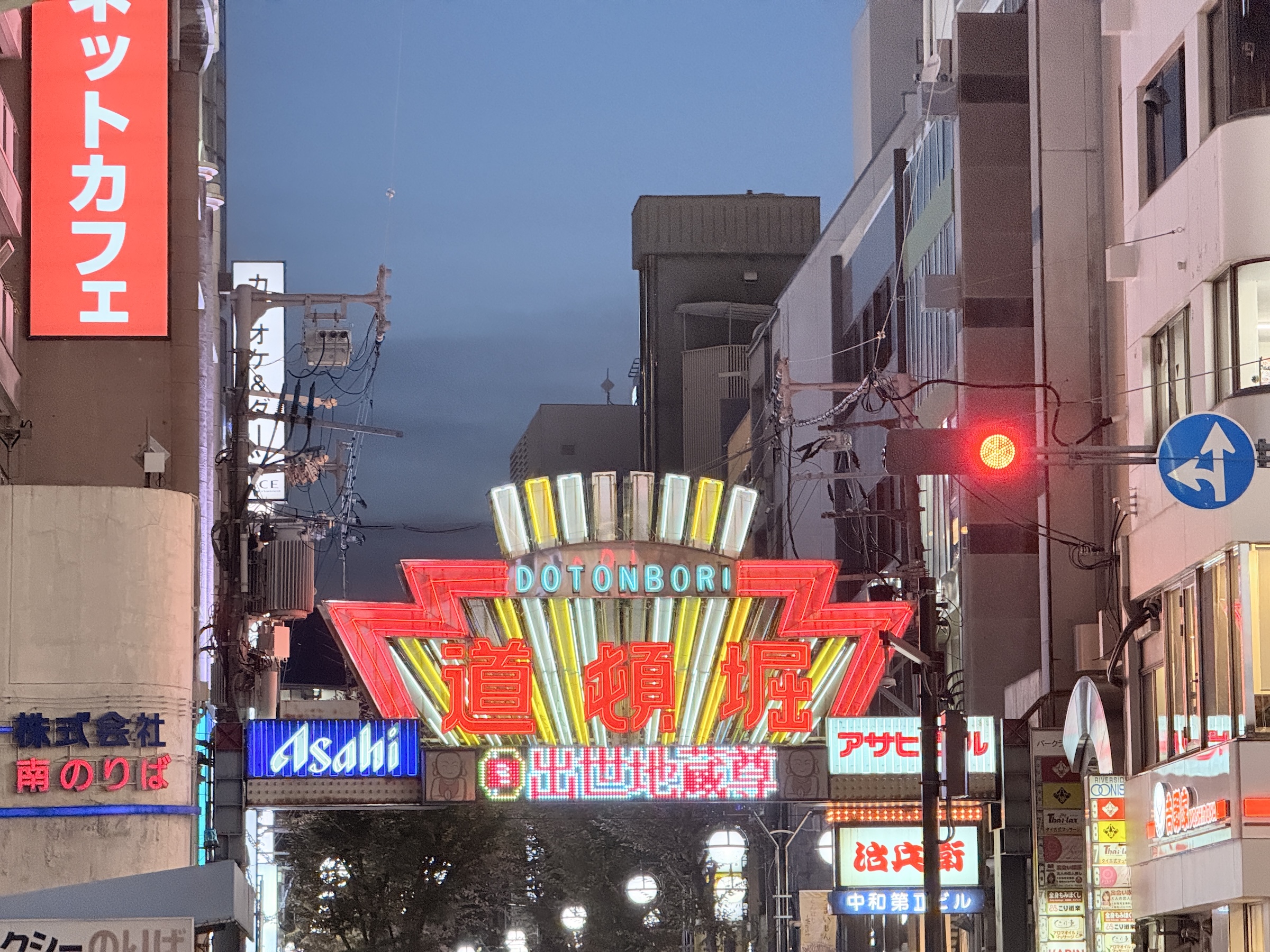
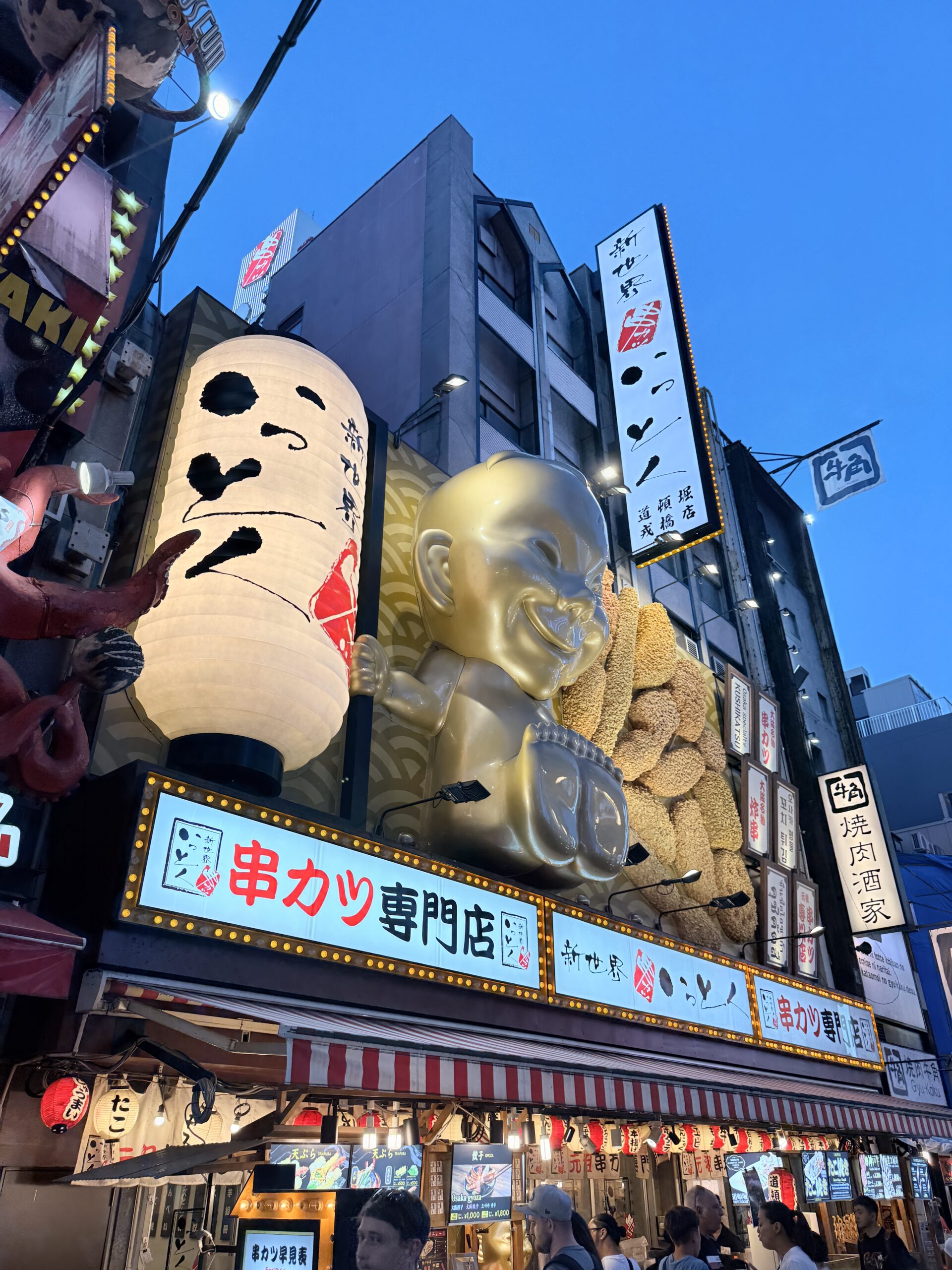
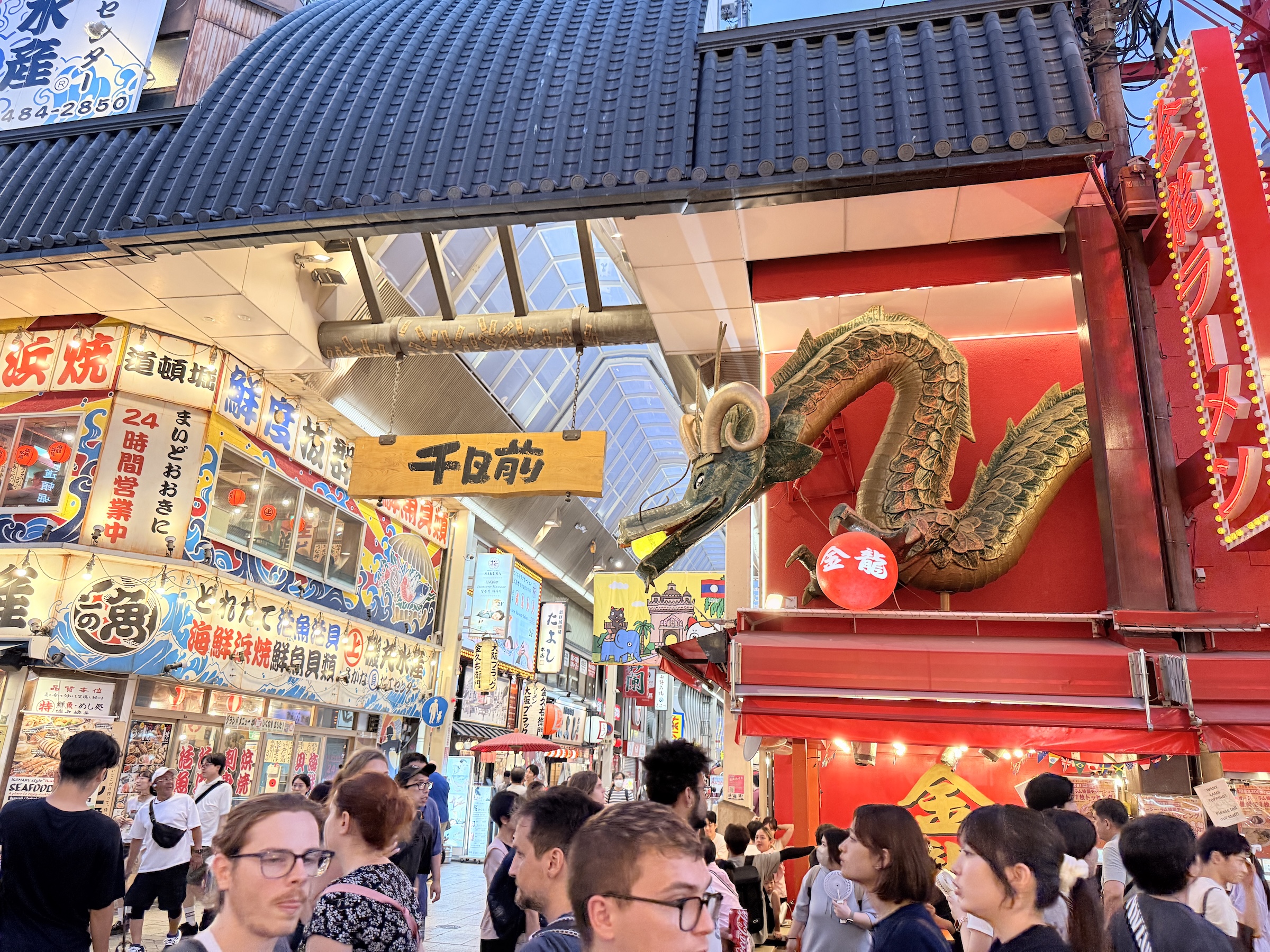
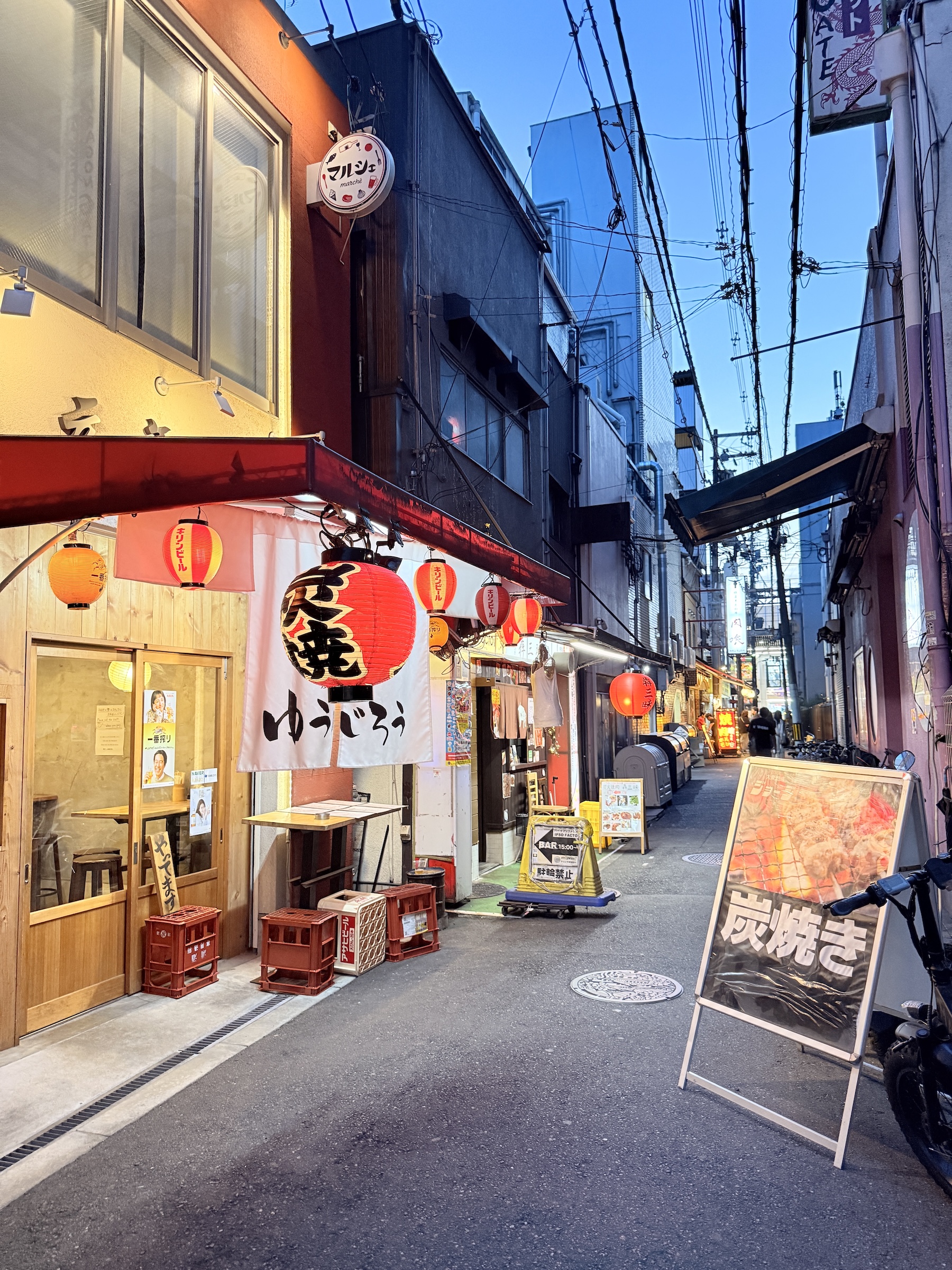
A handy map from the free wifi on the shinkansen. Those lines are just names for the shinkansen* between different cities. Nozomi shinkansen (the express train with the fewest stops) on the Tōkaidō Shinkansen line from Shinagawa to Osaka stop at Shin-Yokohama (where I was yesterday), Nagoya, and Kyoto before arriving at Shin-Osaka. It was 2 hrs 20 mins from Shinagawa station to Shin-Osaka. *Shinkansen (新幹線) in Japanese means ‘new trunk line’ or ‘new main line’, but this word is used to describe both the railway lines the trains run on and the trains themselves. In English, the trains are also known as the bullet train.Taxis, six abreast, at the taxi stand at the Nagoya station. Uber is not big in Japan, but you do see Uber branded taxis. Go Taxi is the app of choice for ordering a ride share taxi in Japan.This is the 五重塔 (Gojū-no-tō) or Five-storied Pagoda at Tō-ji Temple in Koyoto. It is known as the tallest wooden tower in Japan and I had a nice view of it from my train seat as we left the Kyoto station.I have arrived at Shin-Osaka station. I’m just catching my breath and looking for the way to the taxi stand. There is a local train line to the hotel from here, but it’s way too warm outside to walk even four or five blocks with all my luggage in tow. I’m heading to the taxi stand.Looking towards the sunset at Dotonbori Bridge. Earlier, I had checked into my hotel by the Chuo line (that runs to the 2025 Osaka Expo, where I will go to on Monday and Tuesday). The metro stations were swamped with people, and one can see that the metro had added all kinds of signage and directions for the train riders to the Expo to the stations, to try to better manage the congestion.There is a nice old-fashioned neon sign at Dotonbori Bridge.It doesn’t show too much in these pictures, but there were throngs of tourists in Dotonbori Street, the vibrant and busy thoroughfare in the heart of Osaka known for its neon signs, entertainment, and wide variety of eateries.I love the dragon.Off to the side, and just a block or two away, are quiet alleys that also have restaurants and izakayas (a type of informal Japanese pub that serves alcoholic drinks like sake and beer along with a variety of small snacks).
Yokohama is south of Tokyo, and one of the first Japanese ports that opened to foreign trade, in 1859.
I made a run there on Saturday morning on the Nozomi shinkansen out of Shinagawa station— a trial run of sorts, for my trip to Osaka on Sunday.
It’s 19 km (12 miles) and only 18 minutes from station to station. A trip by car would take about 40 minutes.
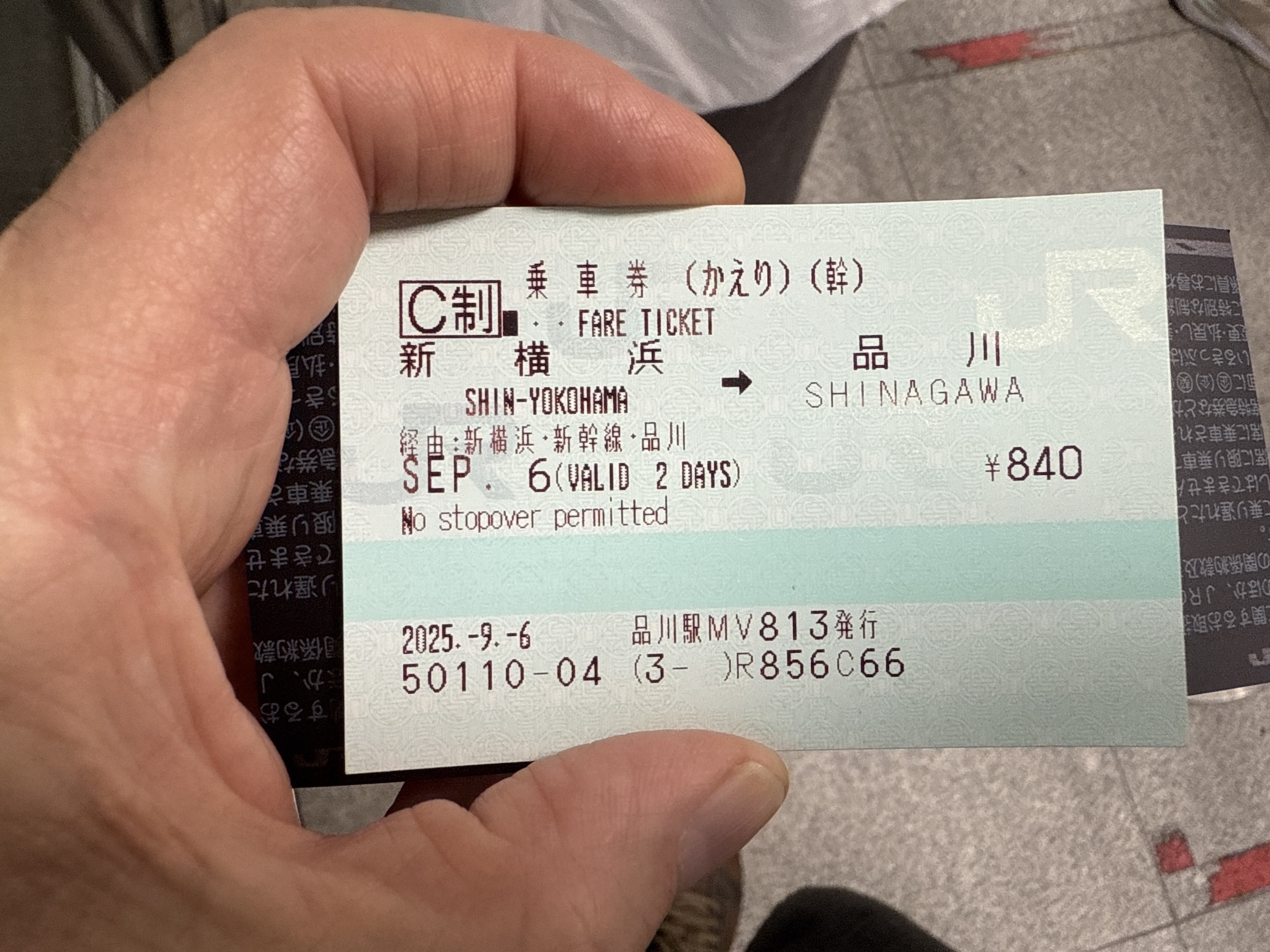
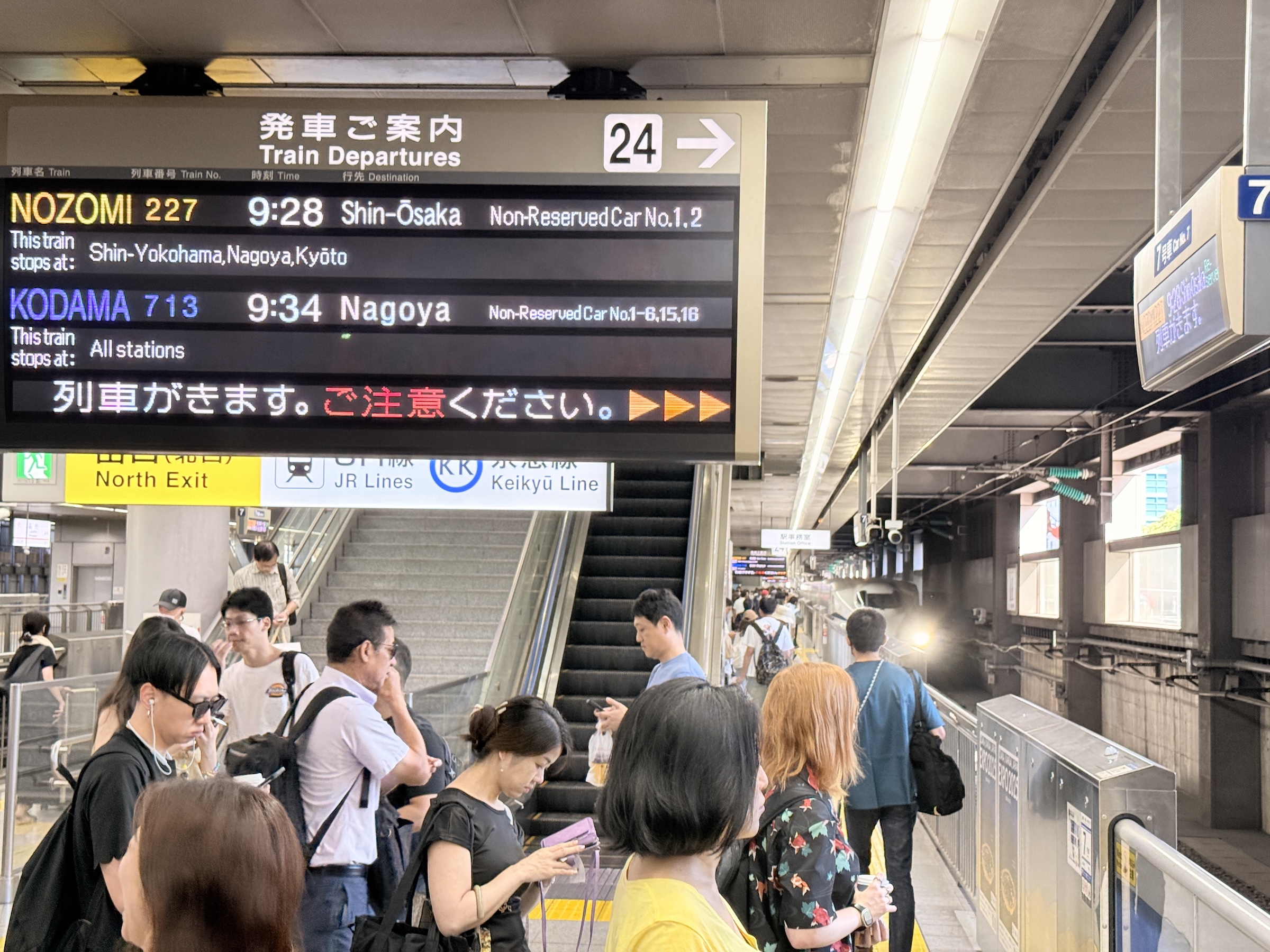
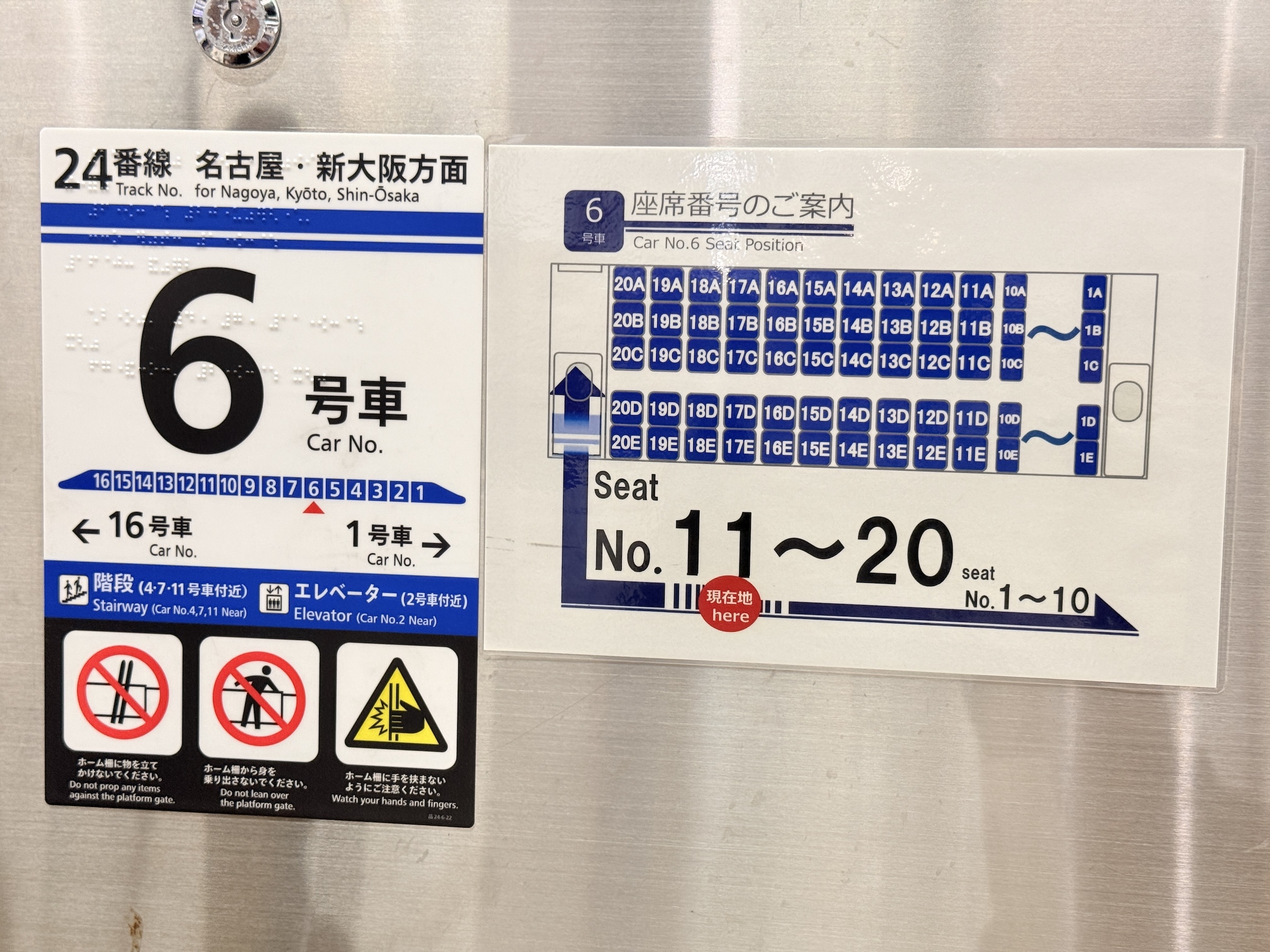
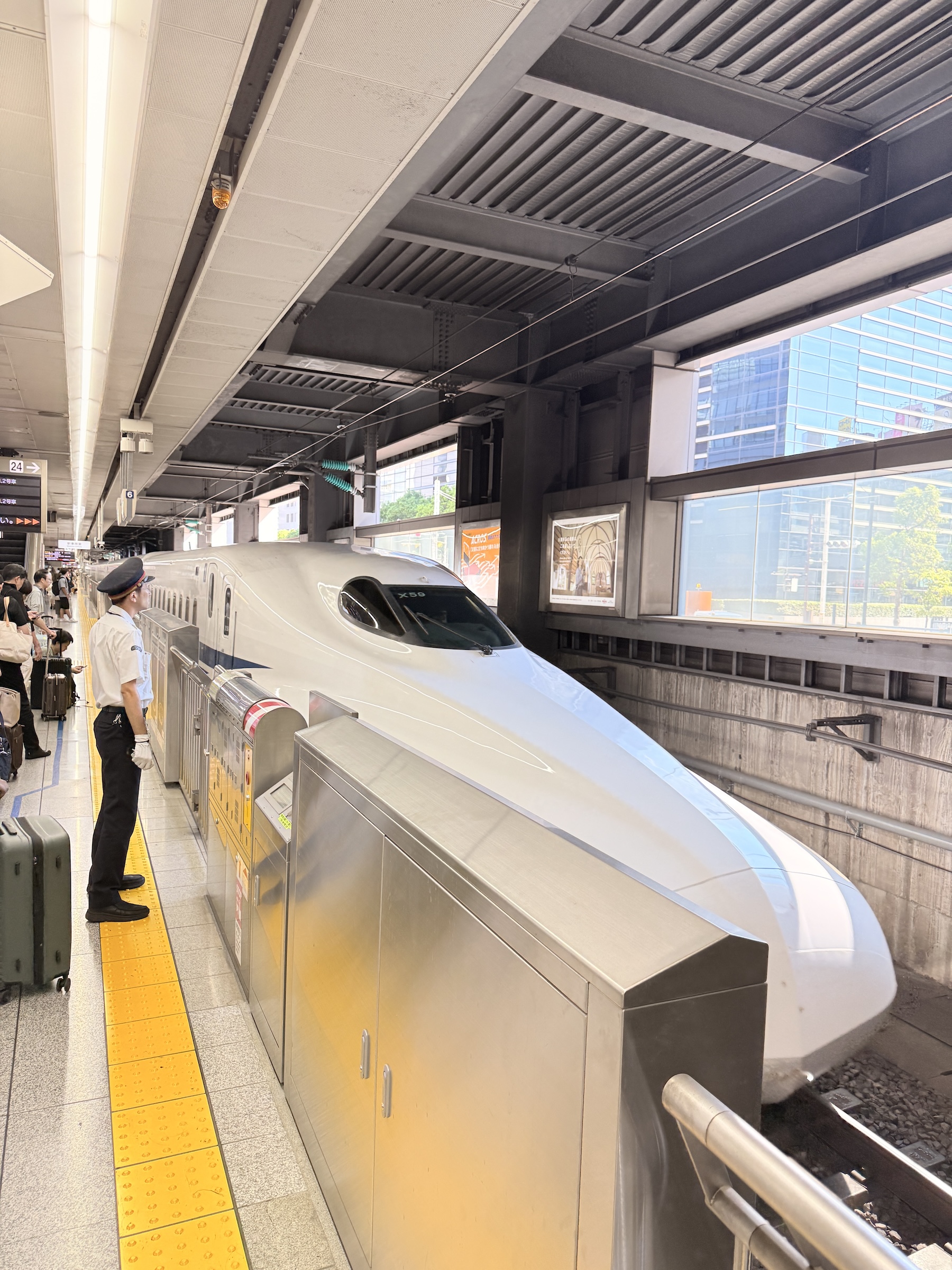
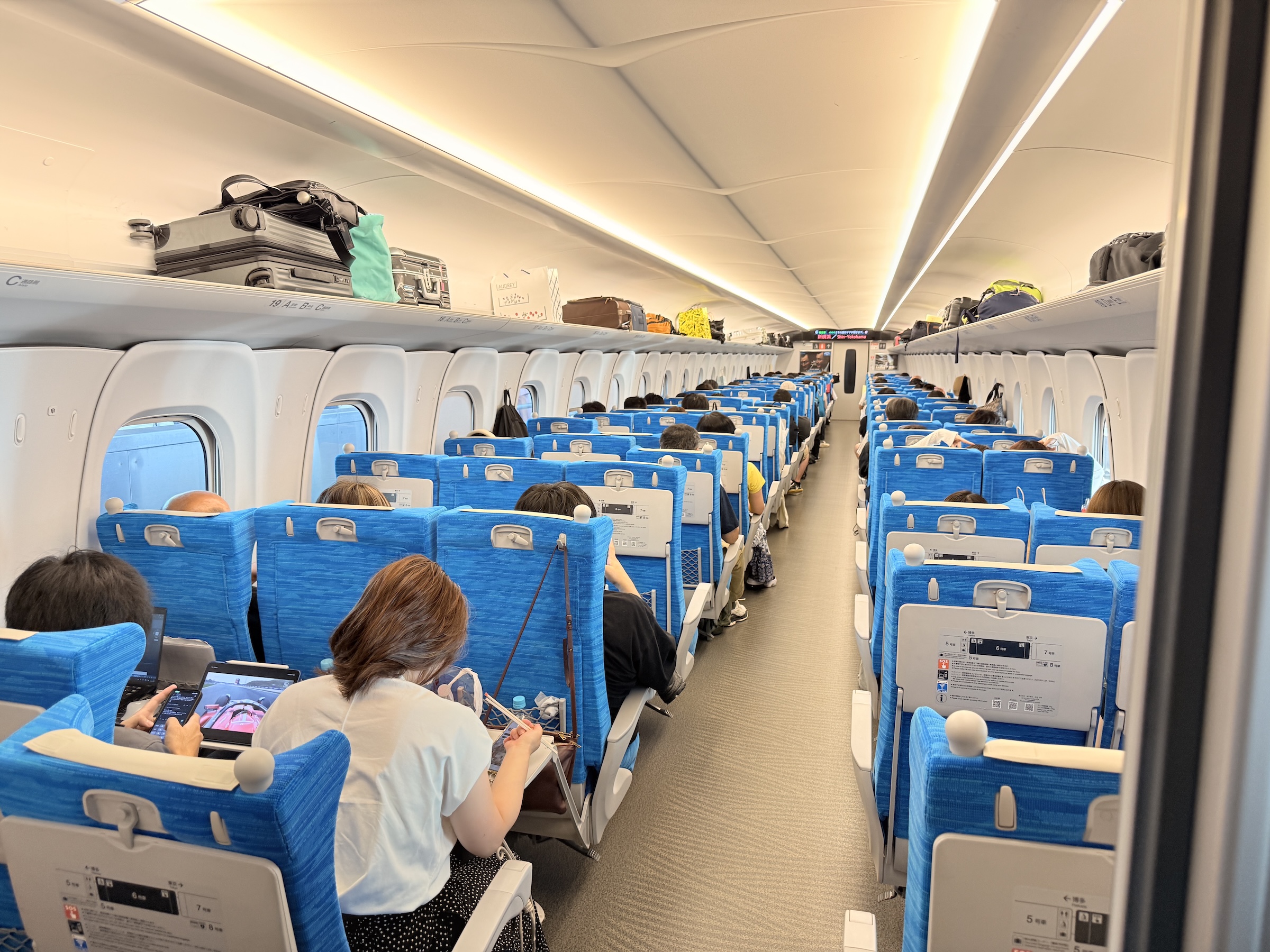
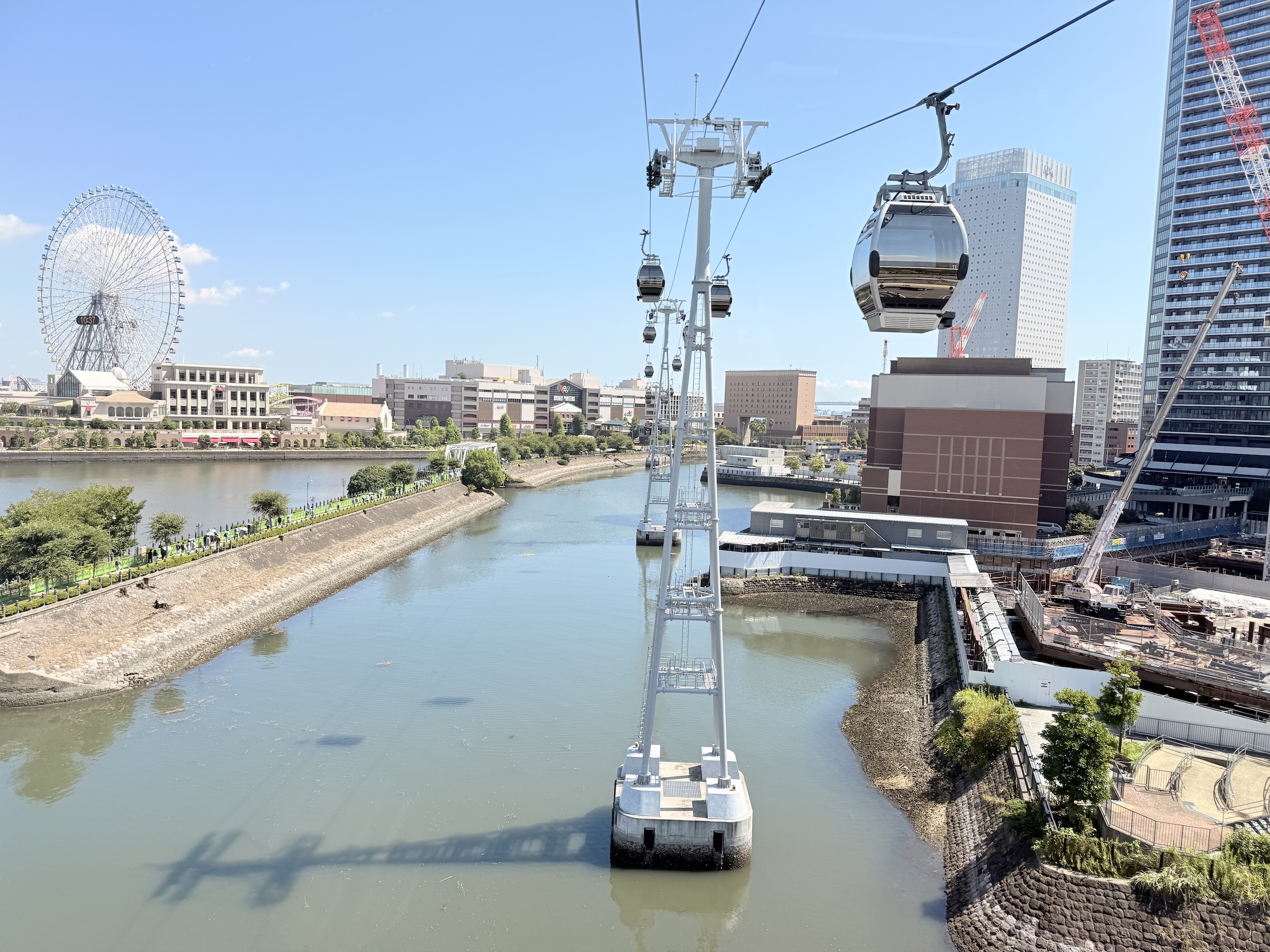
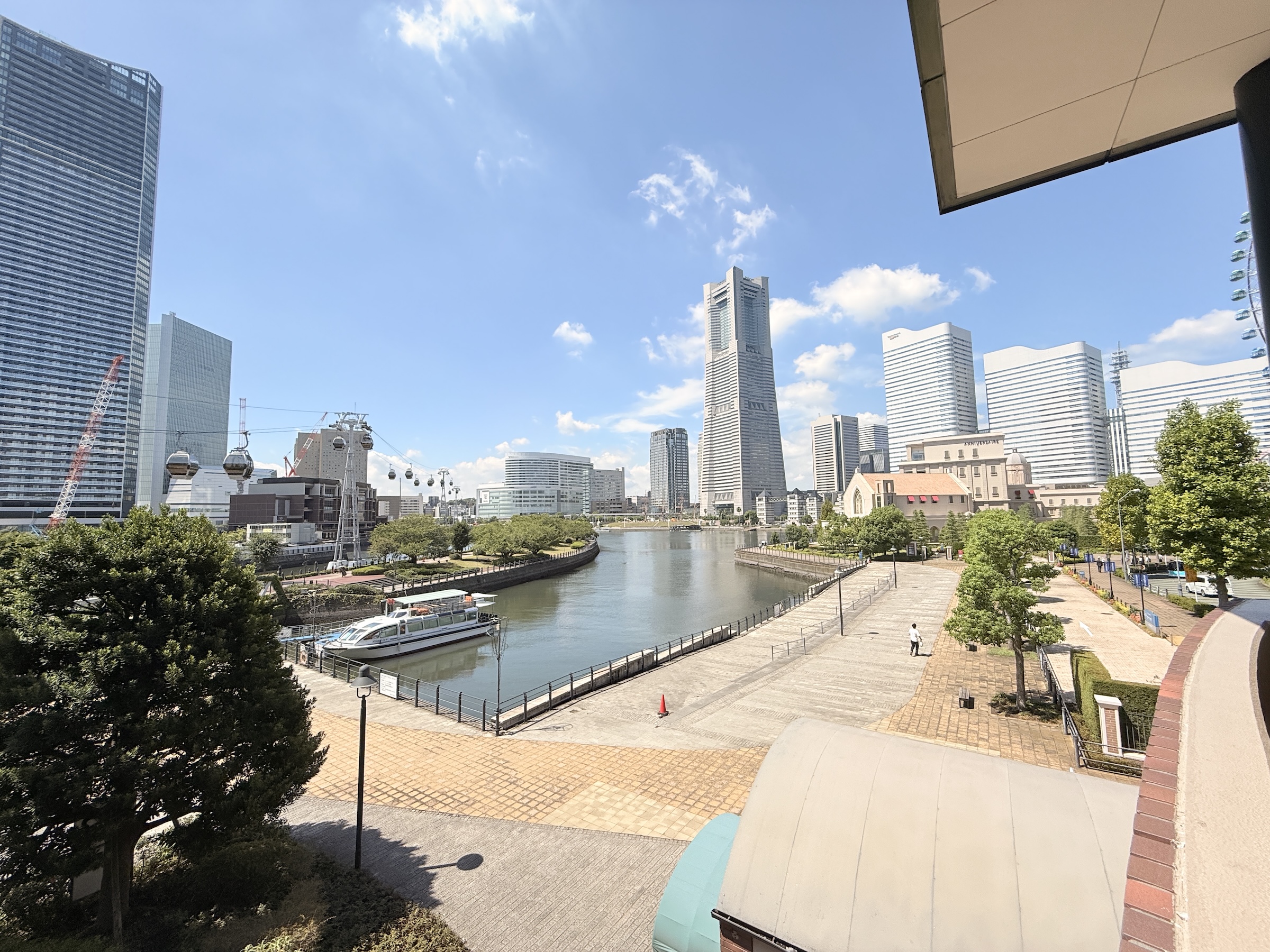
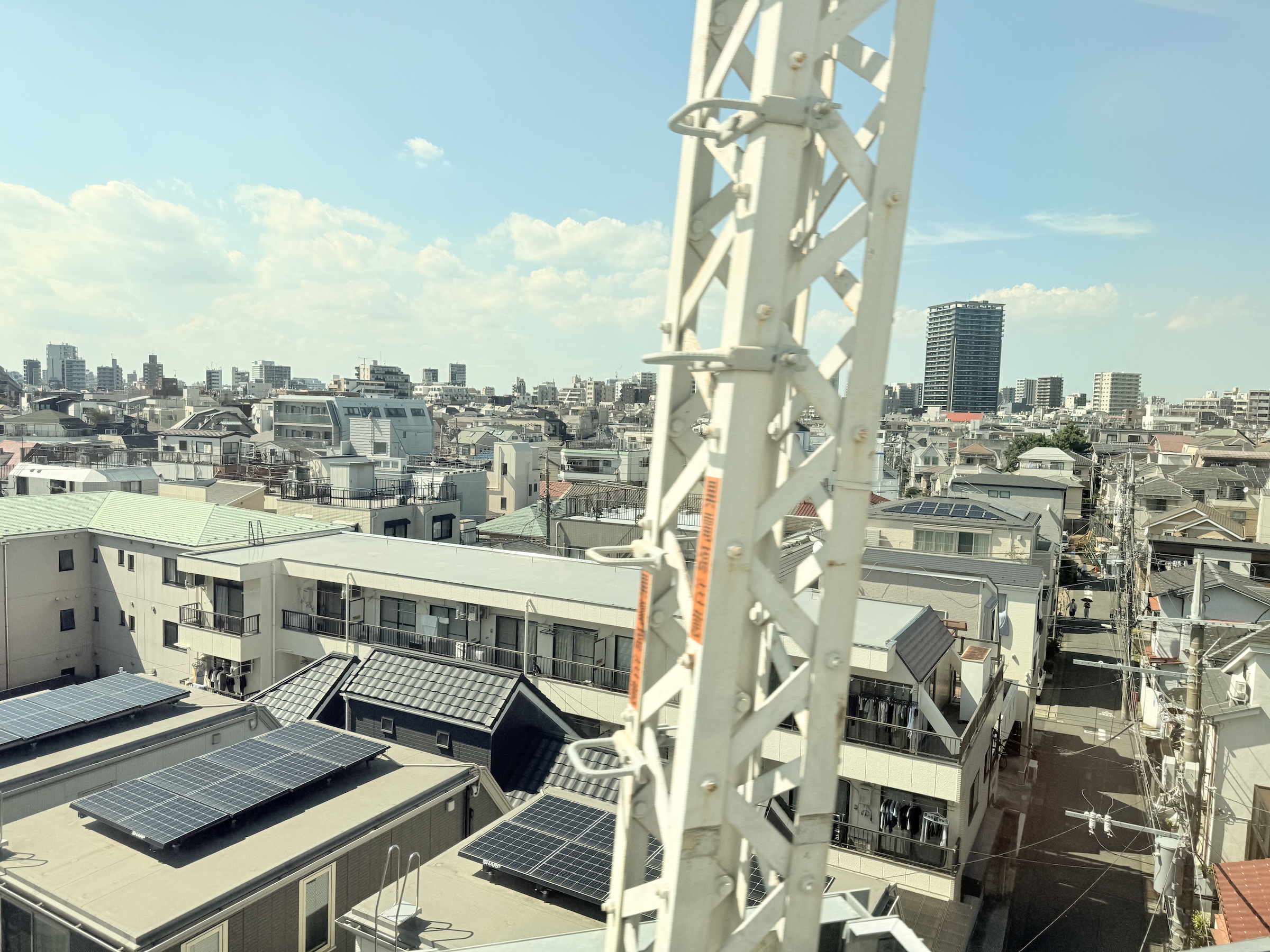
I bought my tickets at Shinagawa at the machine. (The online website does not accept my US credit card.) This is the return ticket portion, and it was very complicated to use. An attendant helped me buy a return ticket for a specific date, time and train, and then I had to put it on top of this one, and both into the slot at the ticket gate to make the gate open up for me. Yikes! Too complicated. I have an electronic ticket for Sunday’s run to Osaka (with a QR code), and that should work much better.Incoming! Pay attention people, here comes the train.The train has 16 cars. I have a reserved seat* ticket, and I am at the gate for Car No 6. There’s the seat map as well, like the ones for an airplane when you pick your seat online. *The tickets for unreserved seats are cheaper, but you might get booted from your seat by a reserved seat ticket holder and then have to stand all the way.Built for speed. The N700 series is a Japanese Shinkansen high-speed train with tilting capability developed jointly by Japan Rail Central and JR West, for use on the Tōkaidō and San’yō Shinkansen lines. It has been in operation since 2007.Inside it looks like an airplane. This car has ‘Ordinary’ seats. The ‘First Class’ seats are a little bigger.All right, we’re skipping ahead all the way to the Yokohama Air Cabin cableway. A lot has happened since I stepped out of the shinkansen at Shin-Yokohama station. I boarded the local Blue Line and went seven stops to Sakuragicho station, and then walked 5 minutes to where I could board the Air Cabin cableway.This is the view from the end of the Air Cabin cableway, where there is a 6-story shopping mall complex called Yokohama World Porters. The tall square building is Yokohama Landmark Tower, which stands at 296 meters (971 feet) high. It was Japan’s tallest building from its completion in 1993 until 2014.A look outside the shinkansen window, on my way back to Shinagawa. The rooftops and steel trusses and pylons flash by at high speed.
There was drizzle on and off here in Tokyo on Thursday, at a damp 85°F (30 °C).
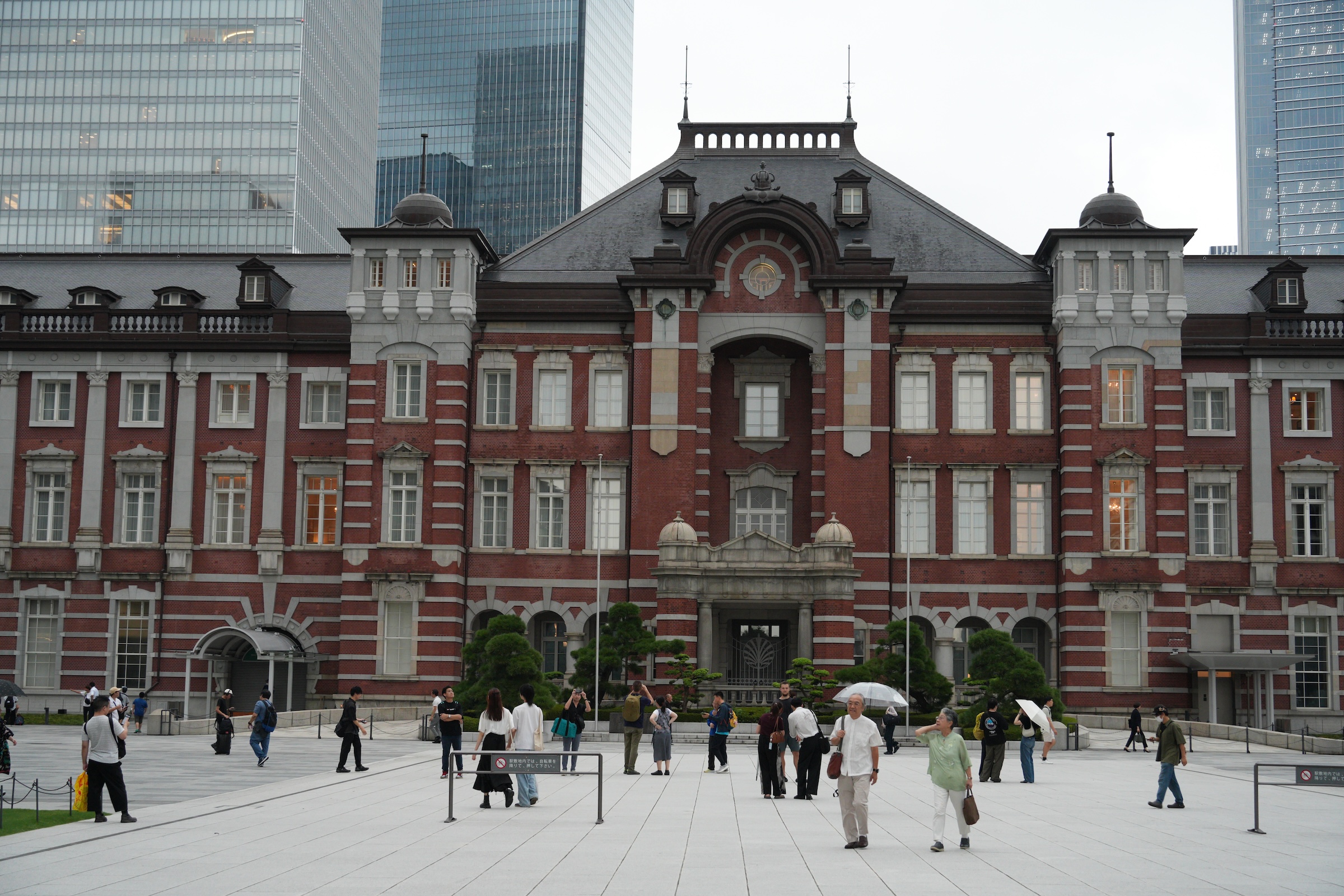
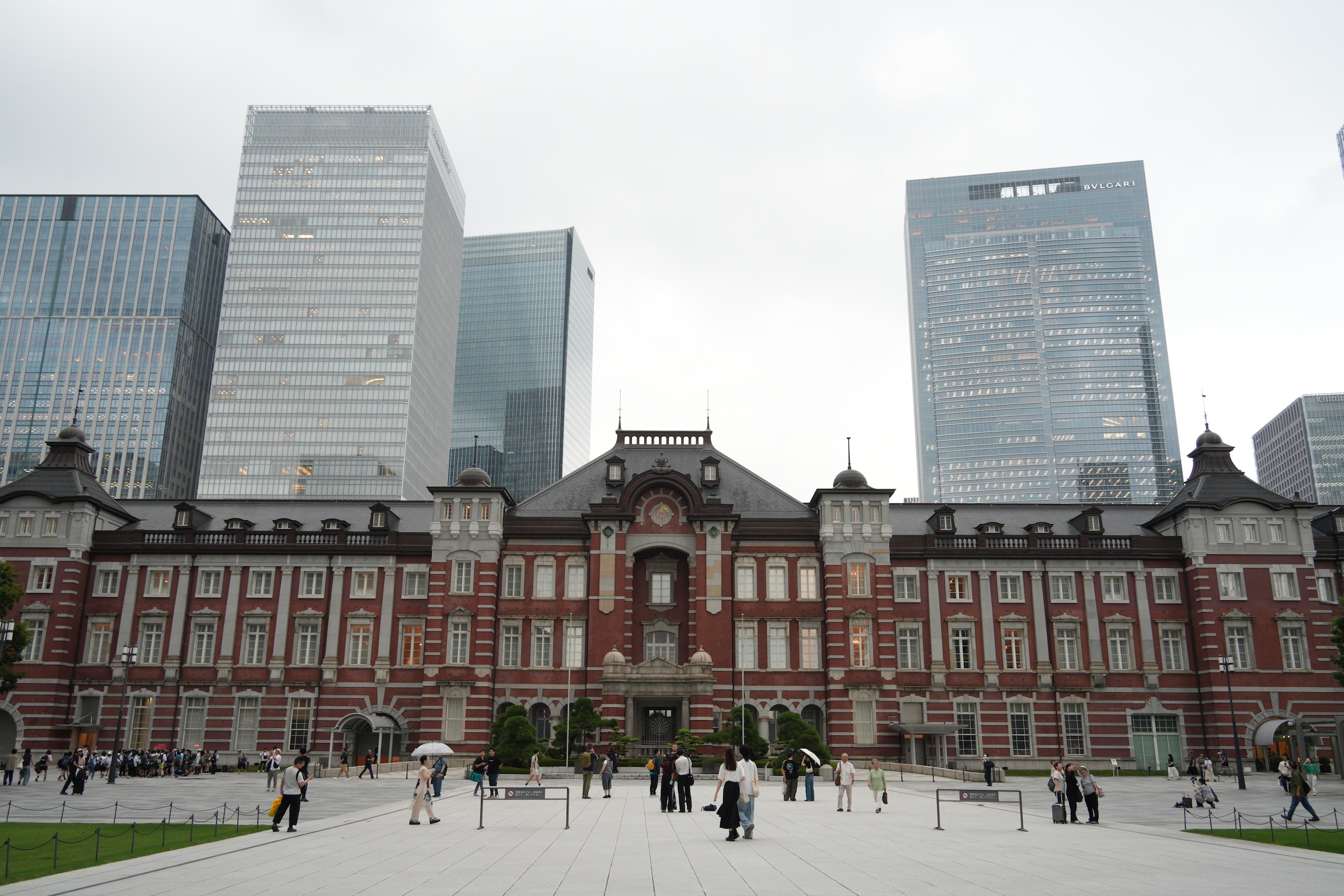
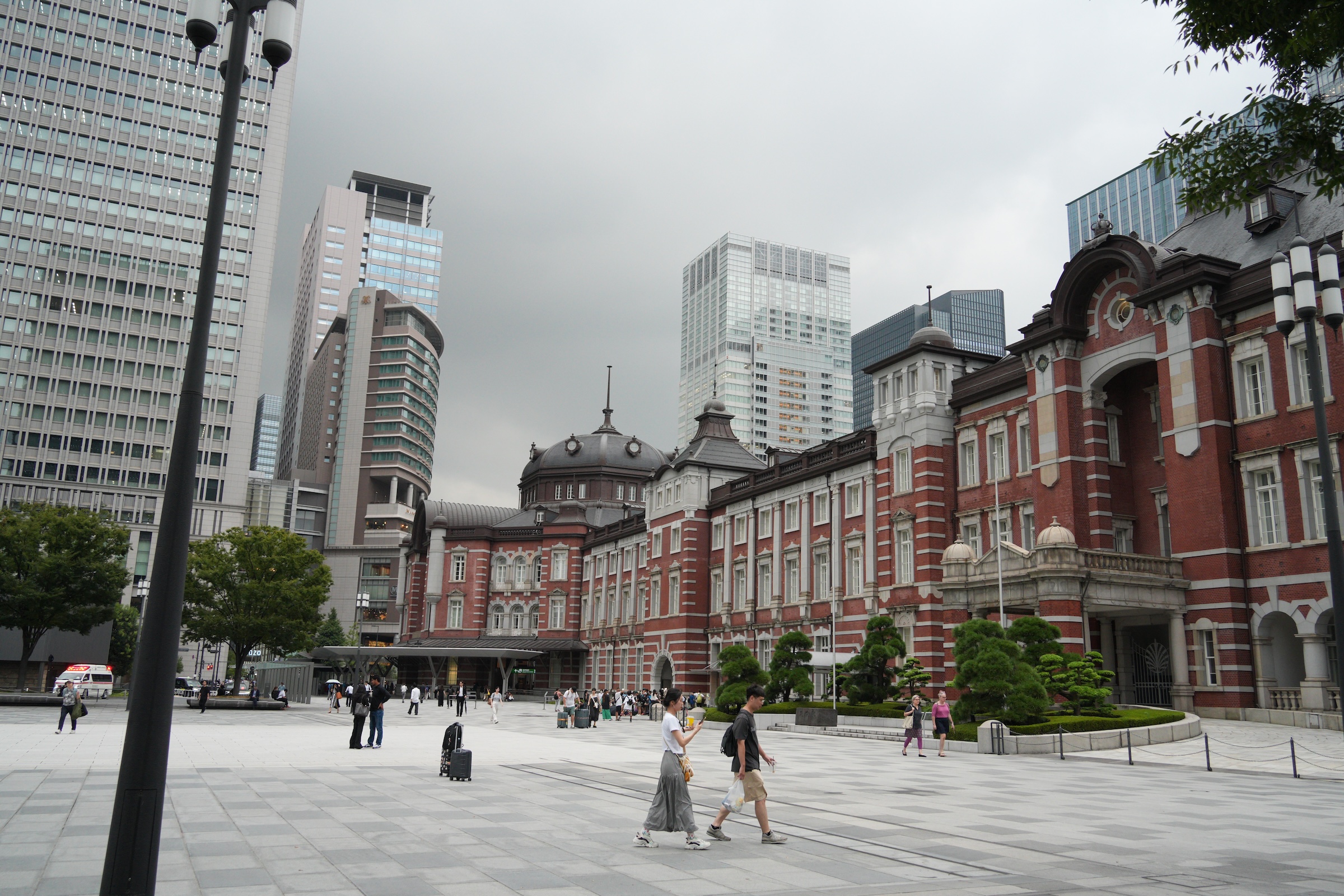
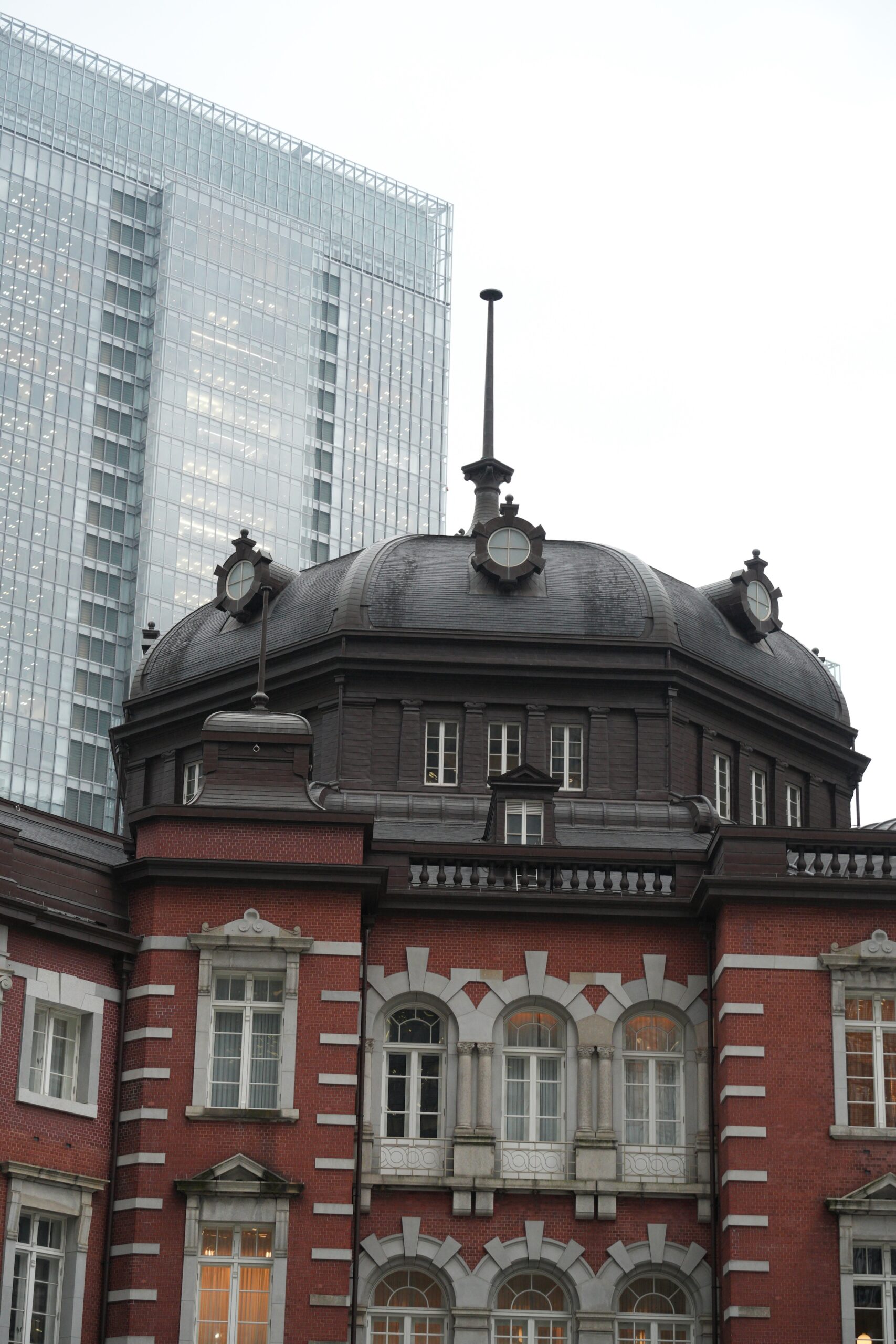
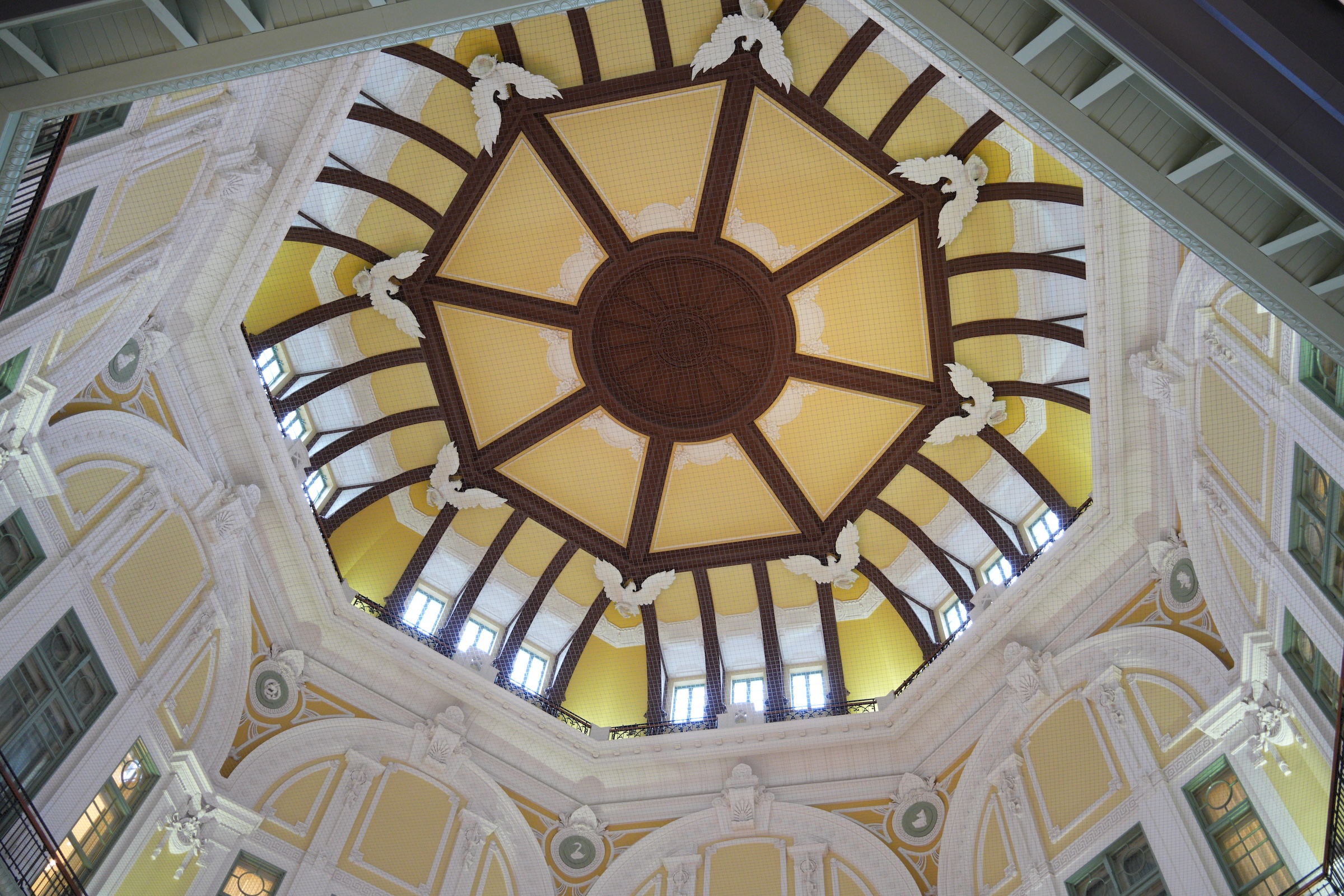
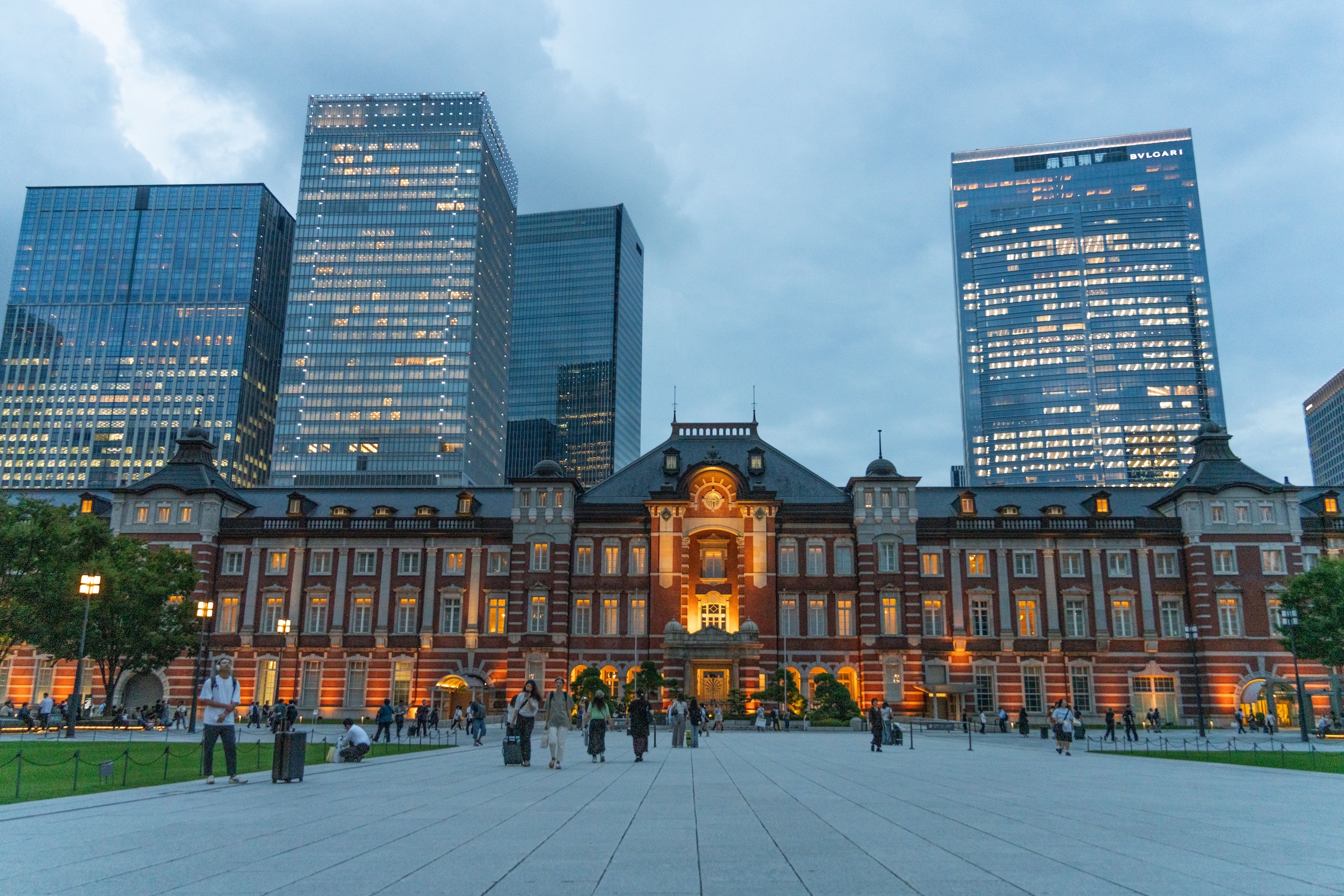
Outside, I could only take pictures here and there with my big camera, but managed to get a few of the iconic 1914 Tokyo Station building (extensively renovated and restored in 2012).
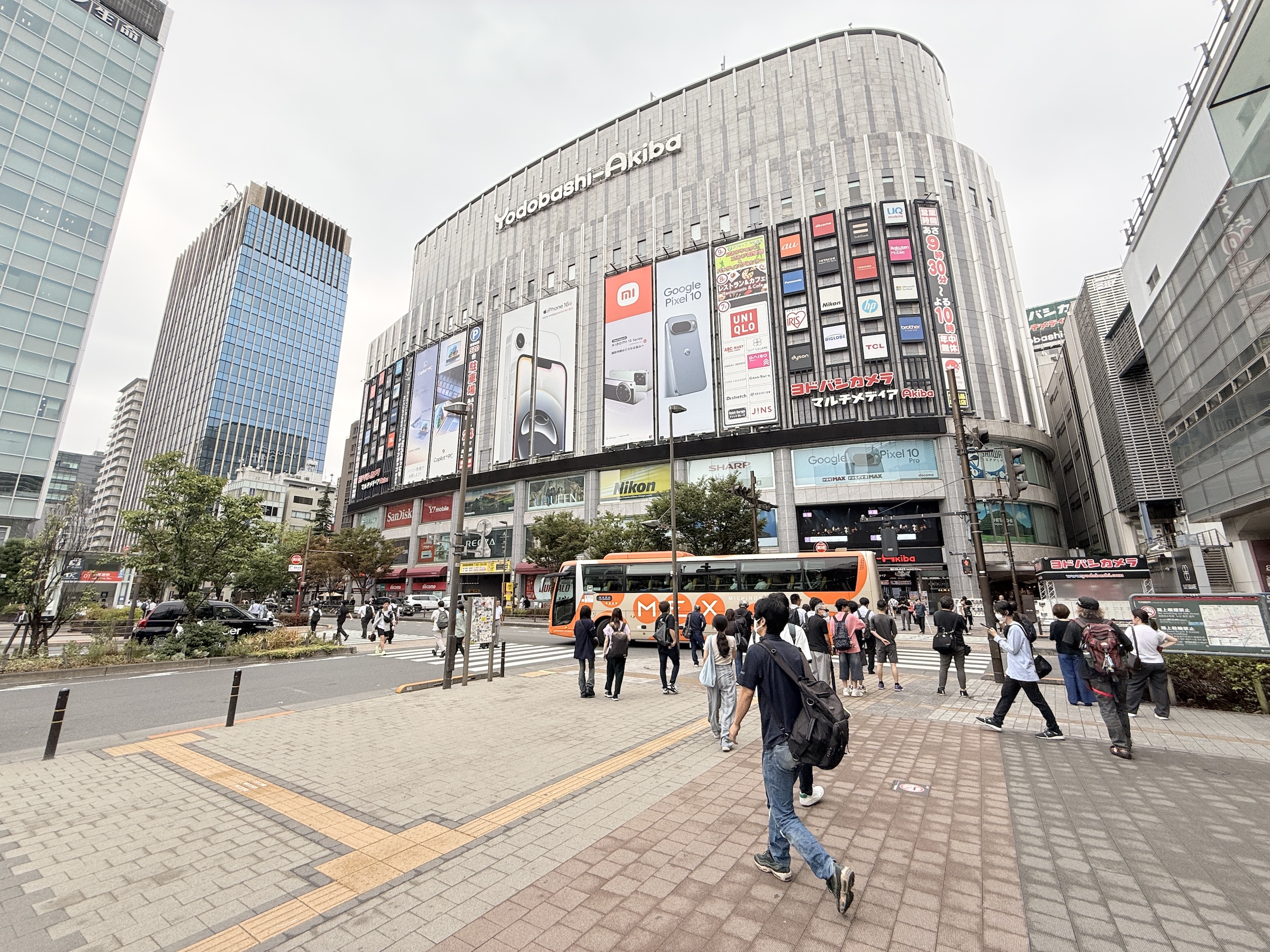
I also made my first run to the Yodobashi Akiba store in Akihabara.
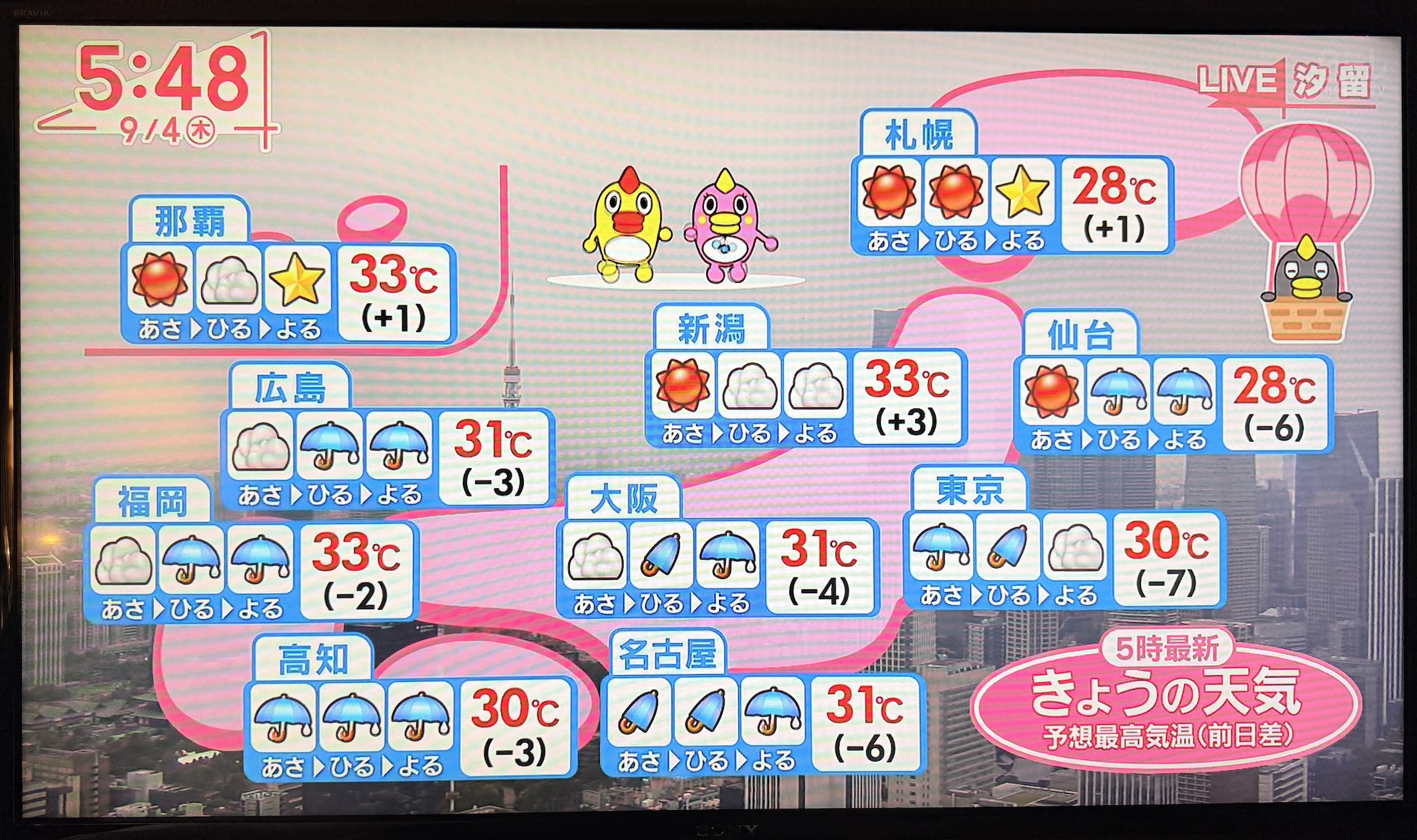
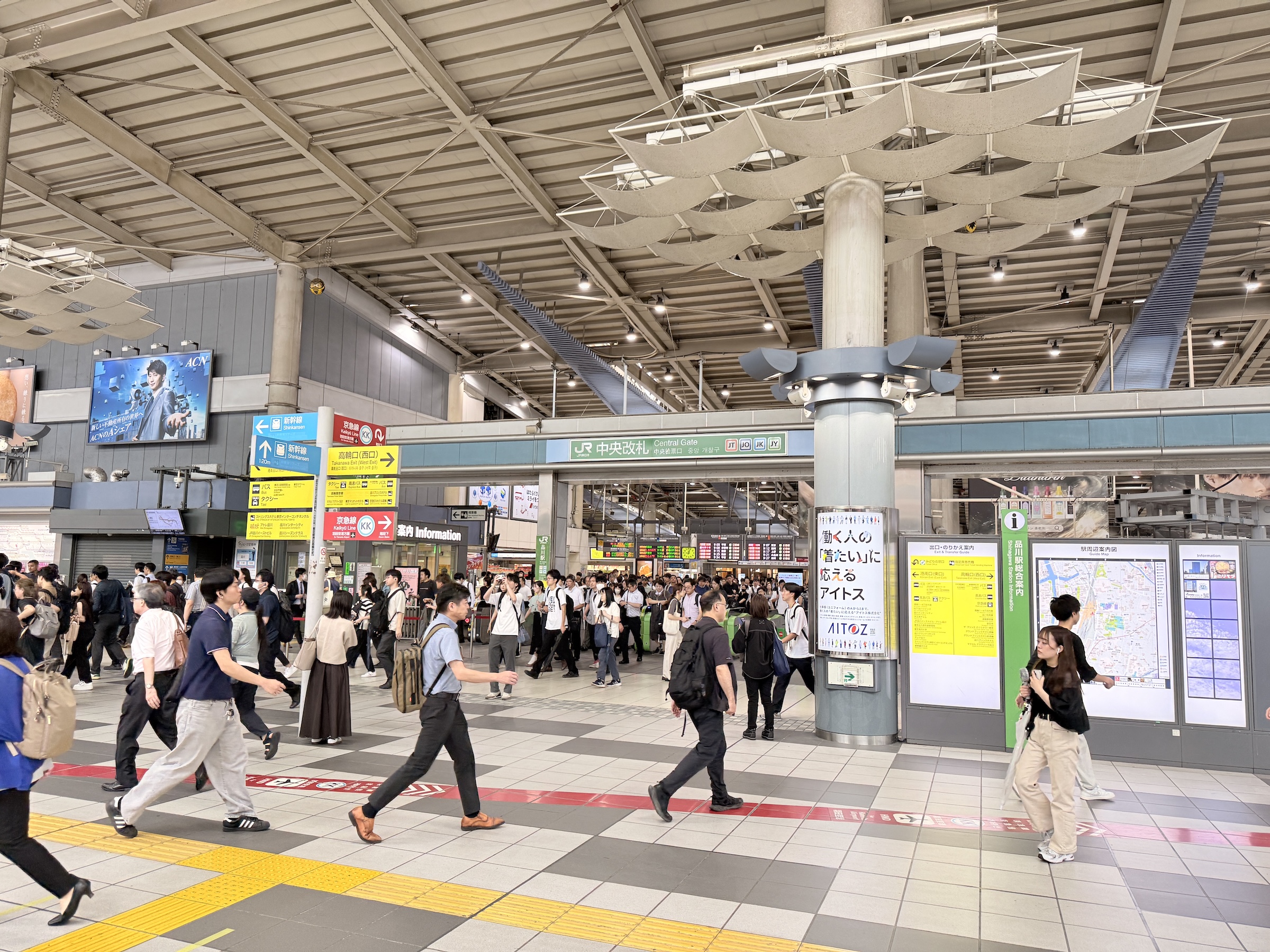
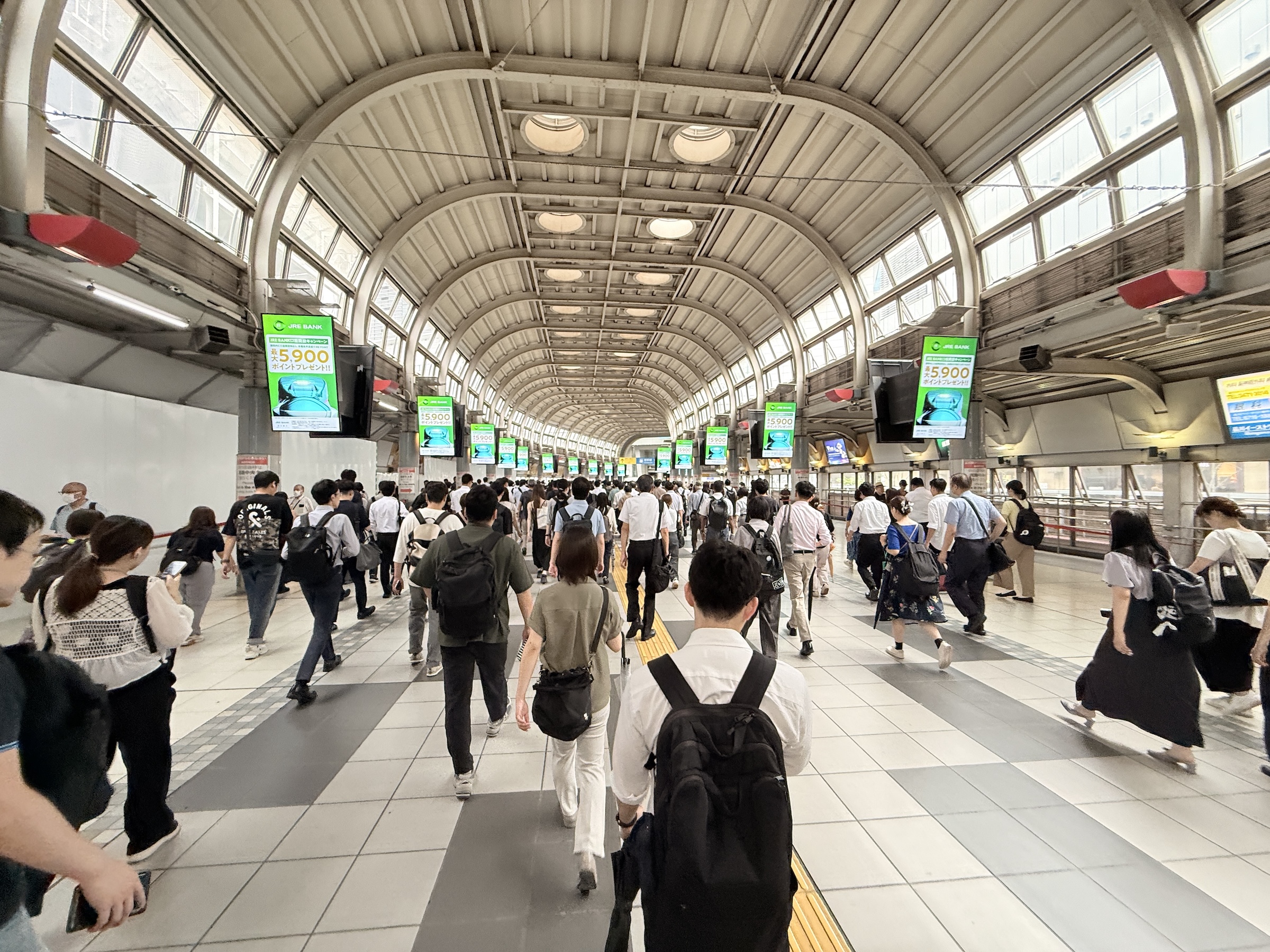
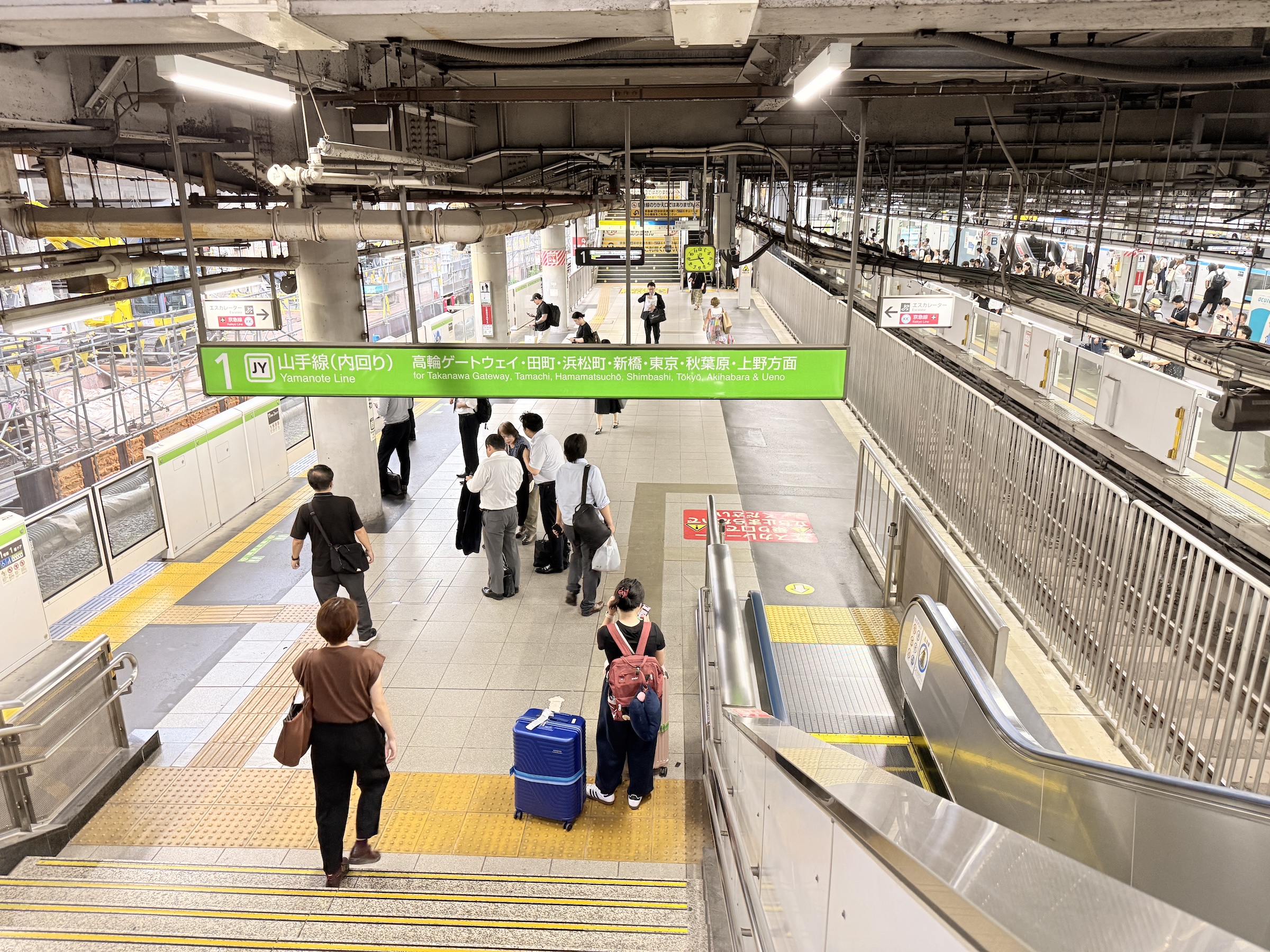
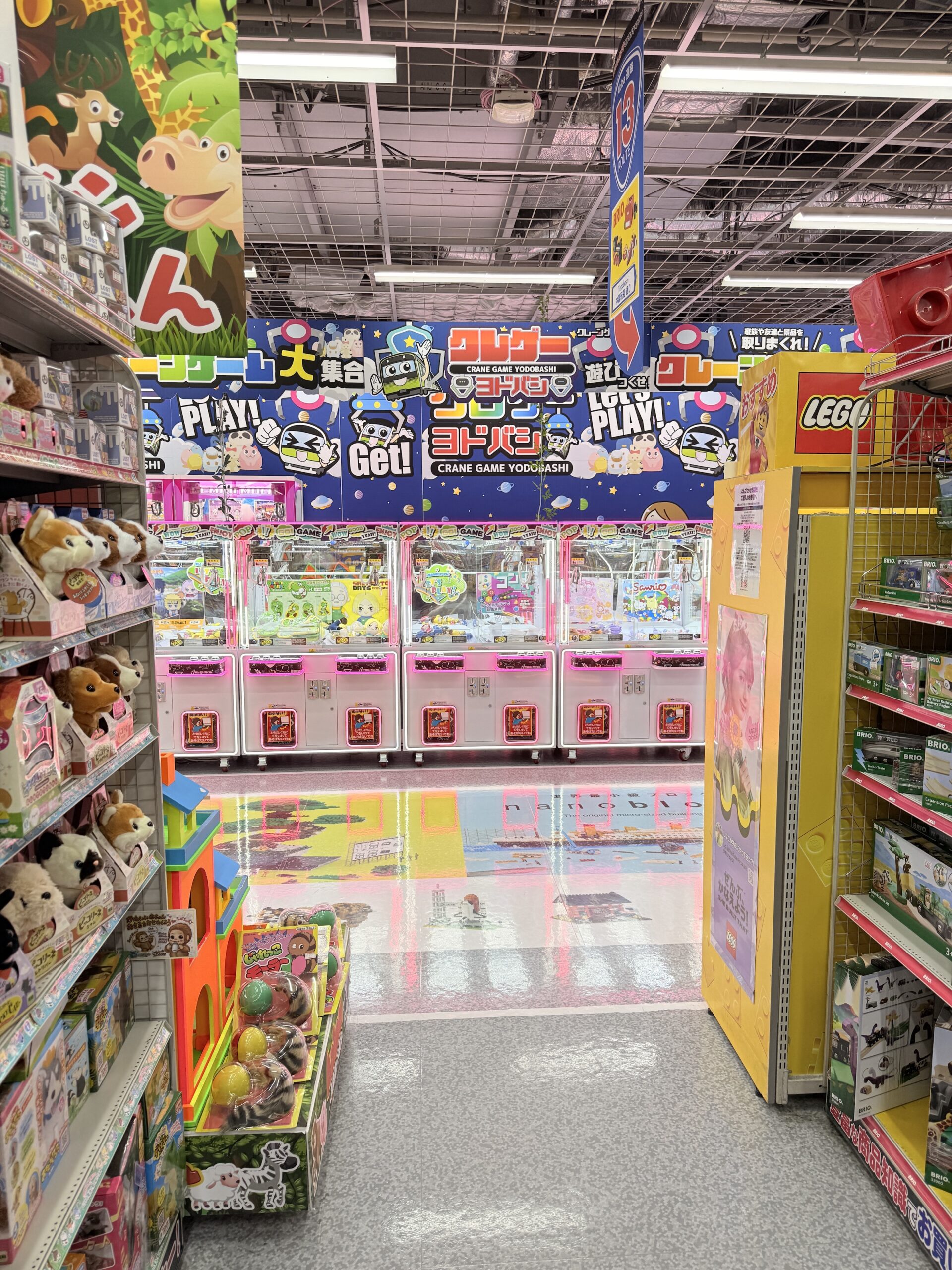
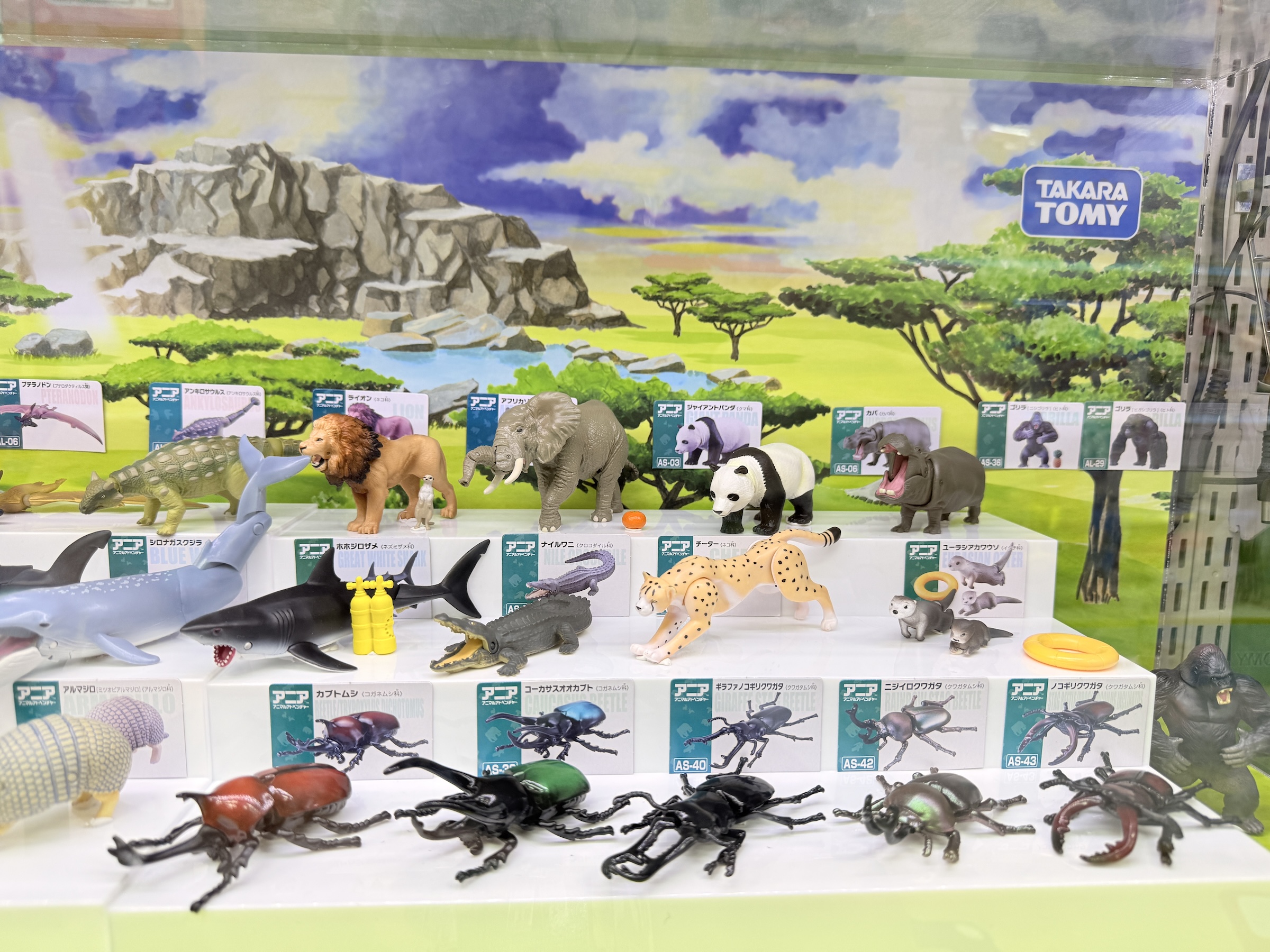
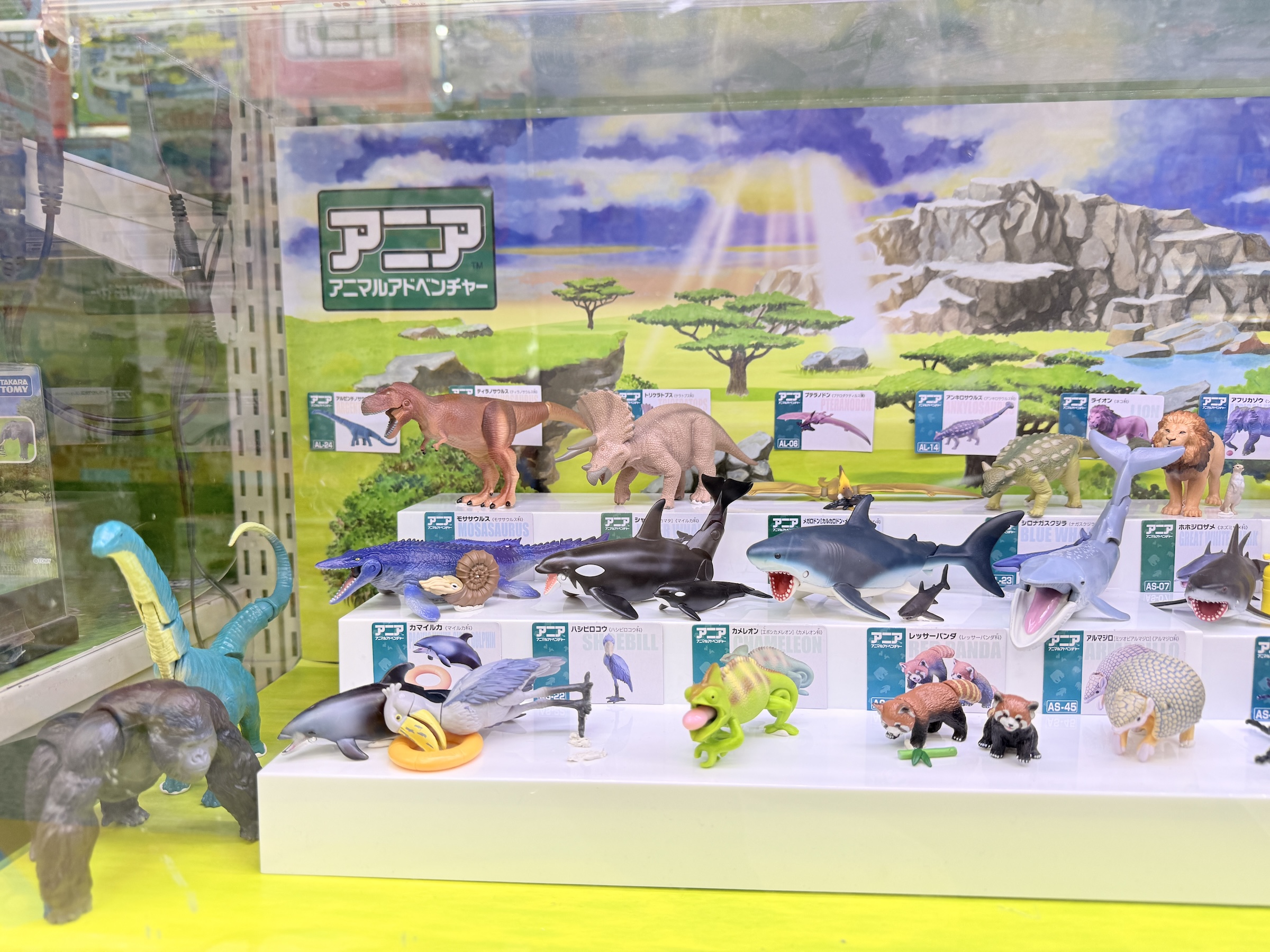
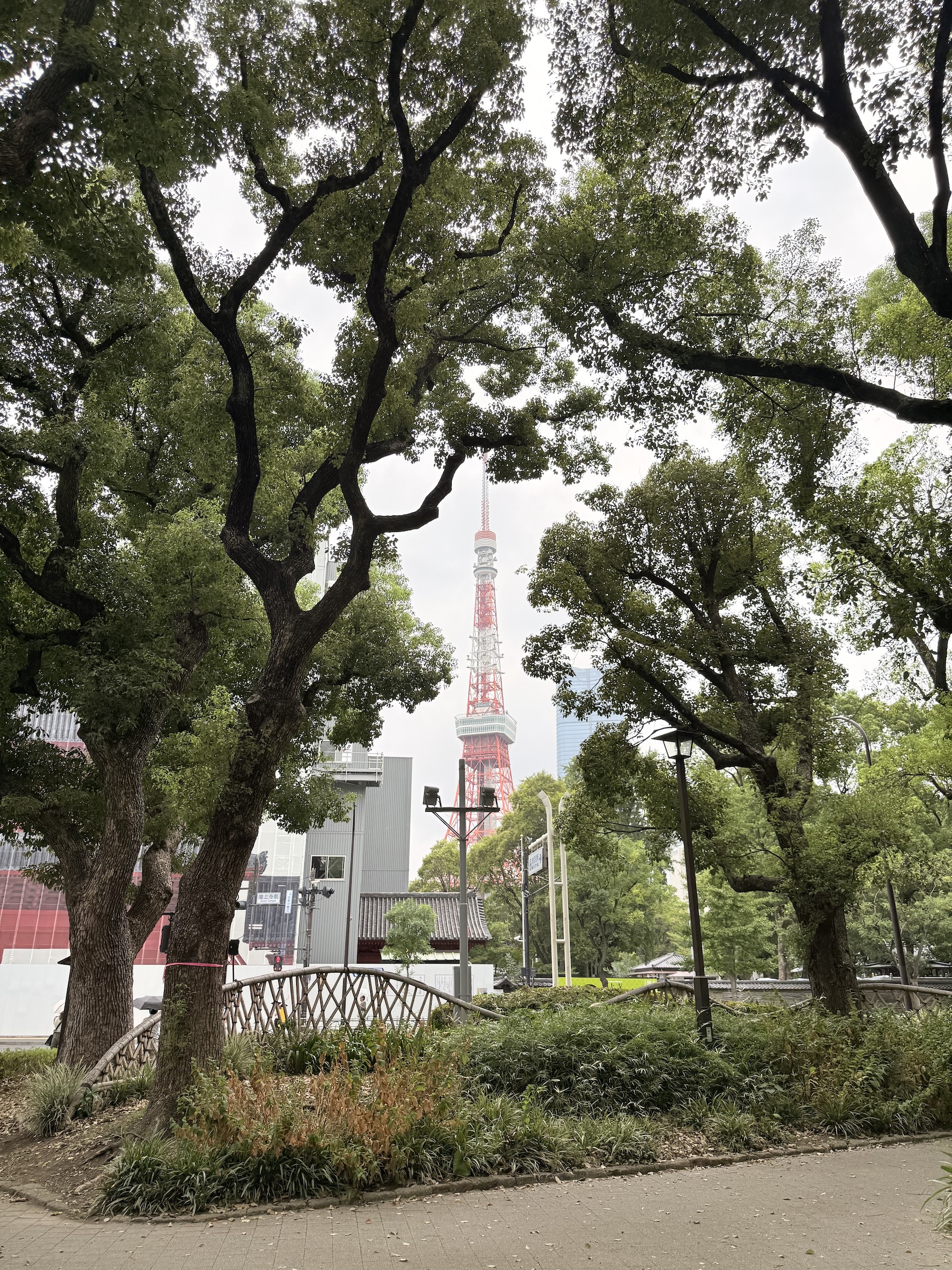
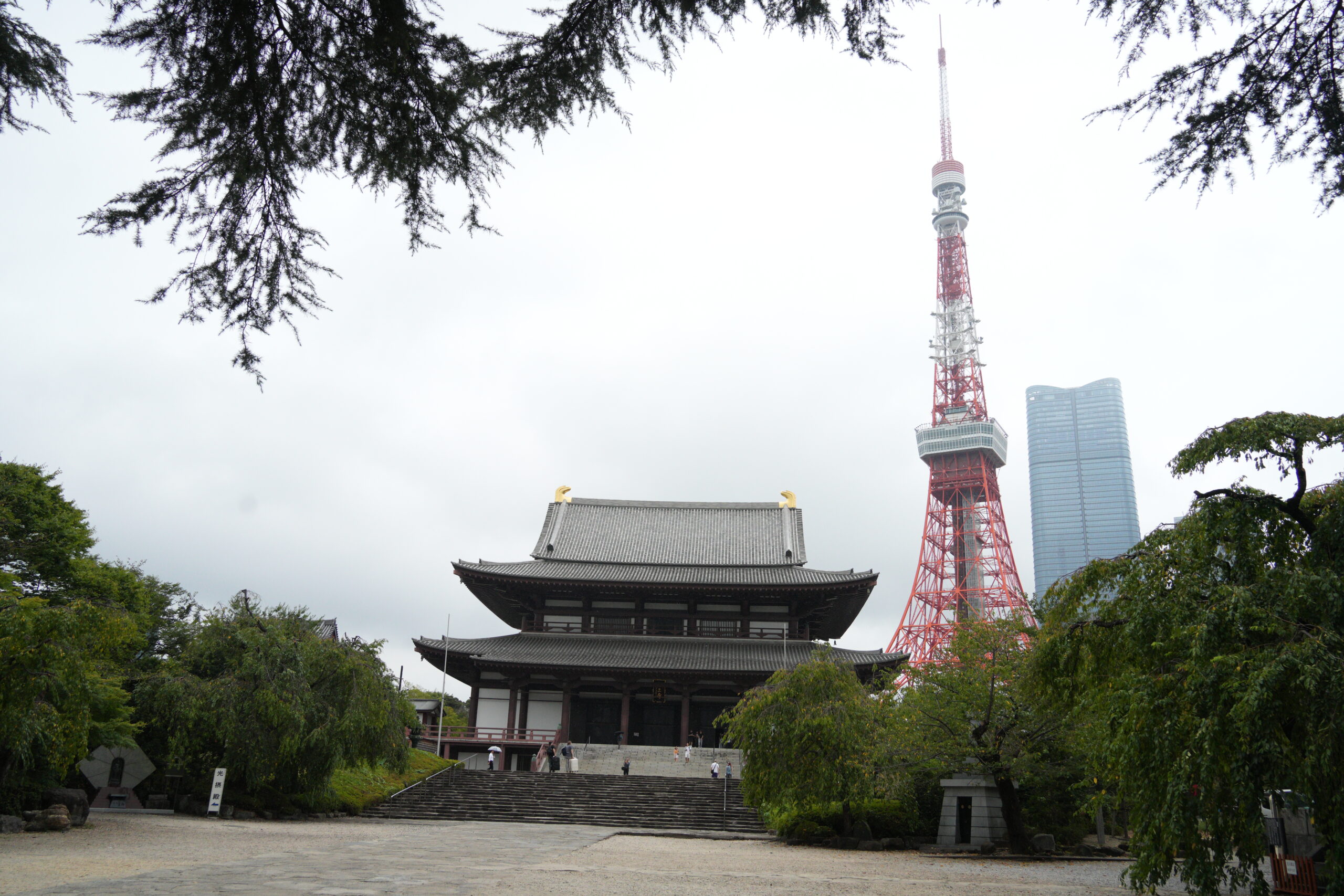
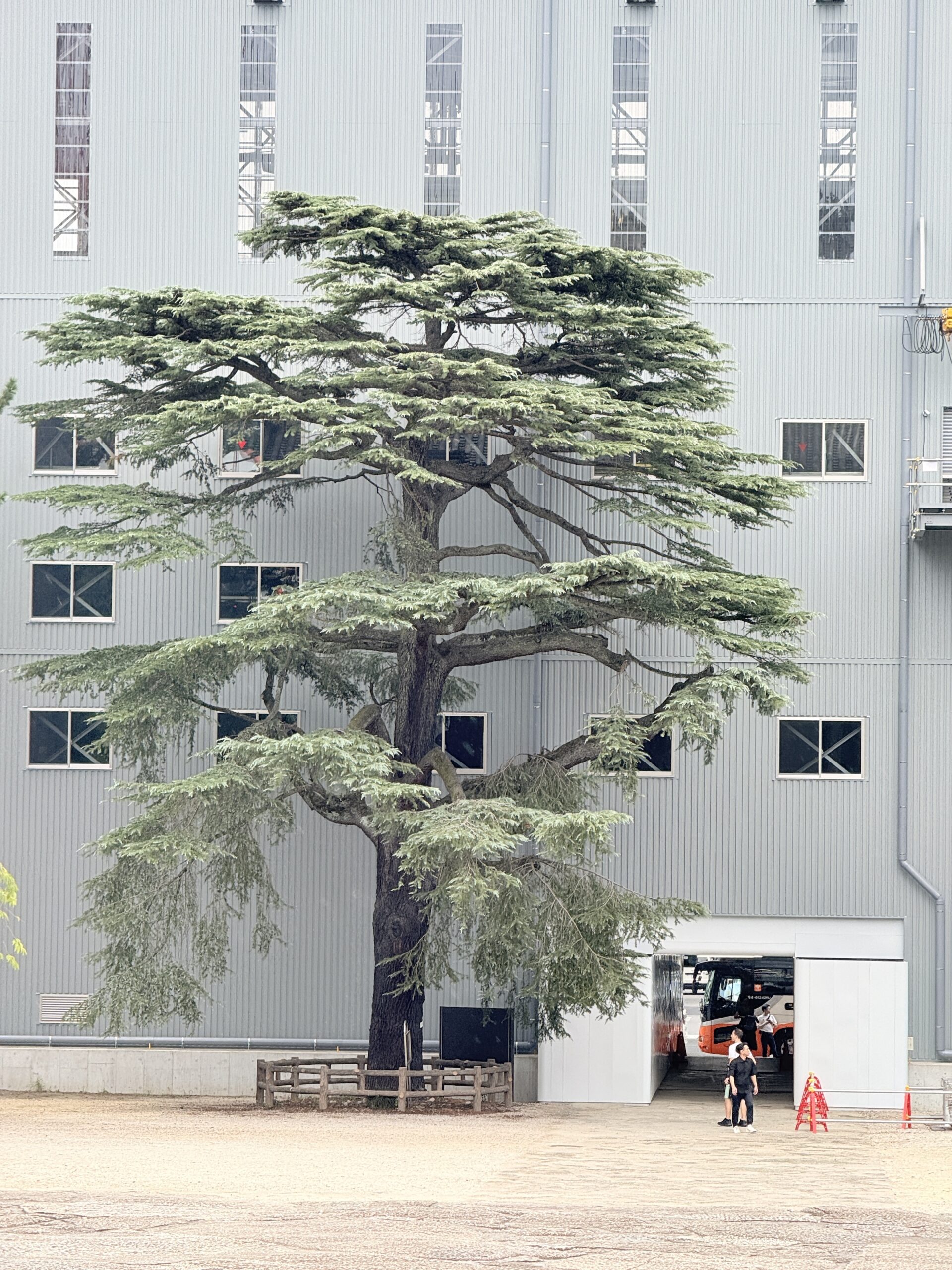
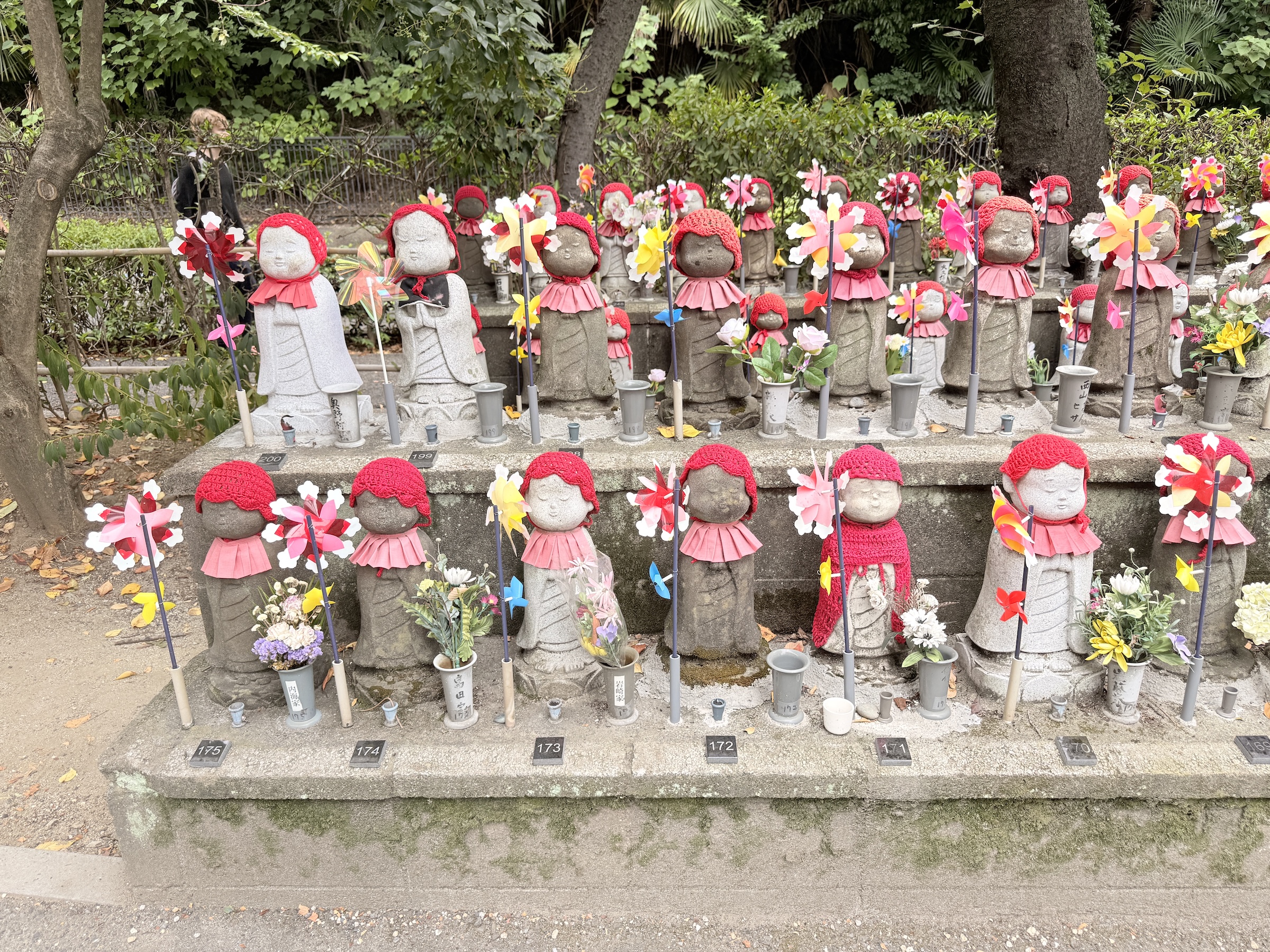
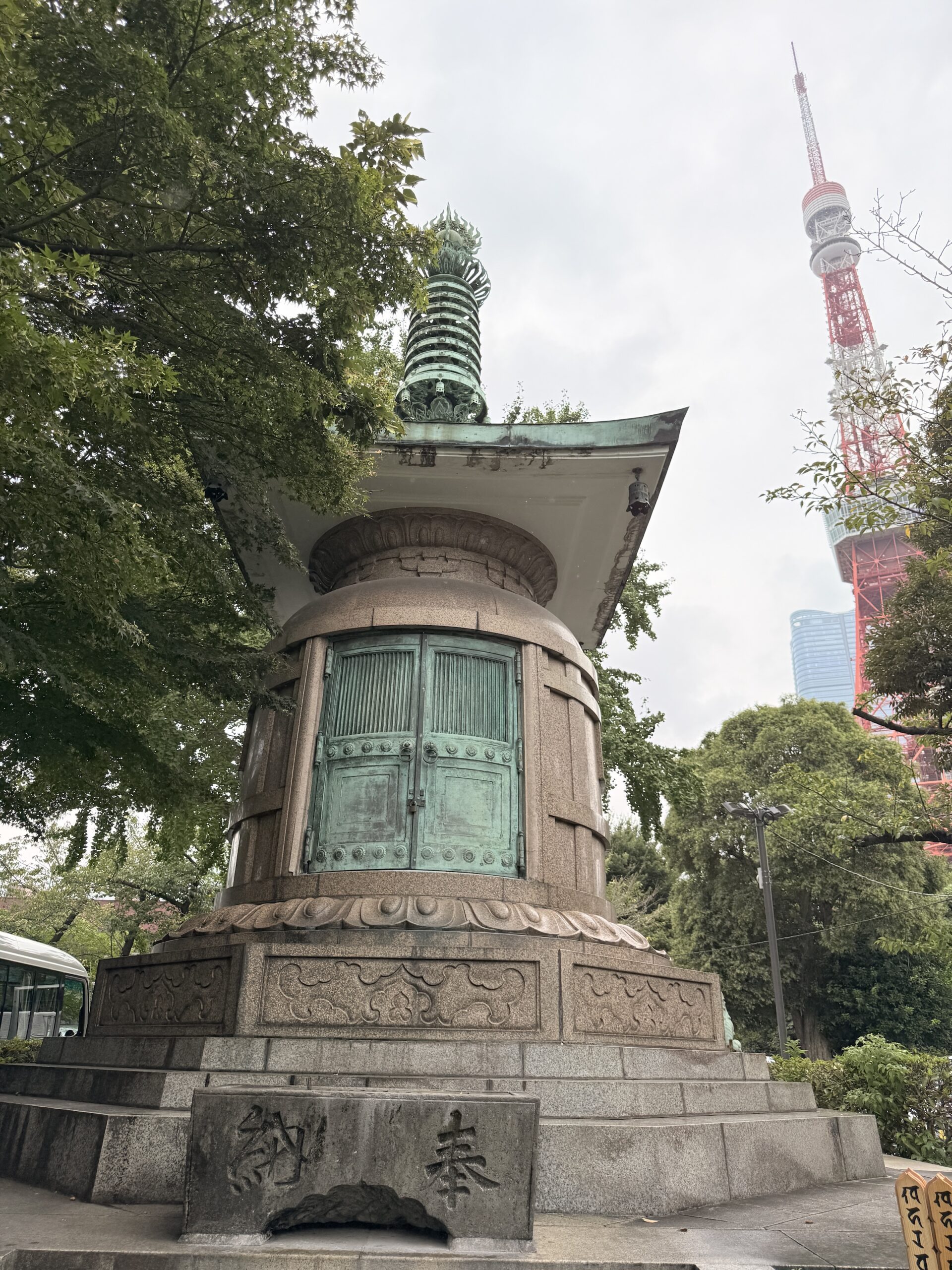
Nice infographic from the hotel room TV. The pink blobs are Japan’s main islands. That’s Tokyo in the bottom right corner, showing that the 30 °C is down 7°C from yesterday (85 °F , down from 99 °F). Yay! .. even though it still feels very warm and humid. (And are those little characters chickens?)This is about 9.30 am and I caught the tail end of the morning rush hour into, and out of Shinagawa station.Office workers and a few others (me) streaming out of Shinagawa station. Walk on the sides, if you are coming into the station, said the display screen.All right, now I’m heading down to the Yamanote Line— the loop line with Shinagawa station on it, near my hotel. This line has been in service for 140 years now (constructed 1885) and is used by some 4 million people every day. The train had left just a minute ago.Hello, Yodobashi Akiba! It is by Akihabara station, 8 stops to the north of Shinagawa station.The toys for kids of all ages are on the 6th floor. The bank of pink claw machines was not there two years ago when I last visited. In Japan, claw machines are most commonly called “UFO catchers” (ユーフォーキャッチャー) or “crane games” (クレーンゲーム). The term “UFO catcher” comes from the appearance of the claw mechanism, which resembles a UFO descending to capture a prize, a term popularized by Sega when they introduced the game in 1985. [From Wikipedia]I bought a few of these Takara Tomy animal figures: the lion, the cheetah, a gorilla, a peacock, a shoebill stork.Help! The shoebill stork fell down (is its bill too big and heavy?) and someone needs to come and fix the display case. The chameleon figure (bottom) has a movable tongue that can be pulled out and pushed back in. Nice. I now regret I did not get the chameleon, as well.On the way back on the Yamanote line, I saw Tokyo Tower out of the train window by Hamamatsucho station. It seemed nearby and I stepped out and walked the five or six there— kind of regrettting it, because it started to drizzle. This green space near the Tower is called Shiba Park.I’m standing under a Himalayan cedar, and that’s the Buddhist temple called Zojo-ji Temple. From Wikipedia: At its peak the temple grounds had more than 120 buildings, but following the decline of Buddhism during the Meiji period (1868-1912), most of them burned down during the bombing of Tokyo in World War II. Reconstruction began after the war, with the Daiden (great hall) being rebuilt in 1974.Here’s the Himalayan cedar. A plaque by the tree notes that General Grant (18th President of the United States) planted this tree when he visited Zojo-ji Temple as a guest in 1879 (that’s 146 years ago). The main gate to the grounds is under renovation and enclosed in a sheet metal building behind the tree.A cemetery by the temple, presumably with ashes from the deceased. The cemetery at Zojo-ji Temple holds the mausoleums of six Tokugawa shoguns* and their families, serving as the family temple for the Tokugawa clan. *The shogun (short for Sei-i Taishōgun, 征夷大将軍) was the supreme military and political leader of Japan, ruling for nearly 700 years. The rule of the shoguns ended in 1868 with the Meiji Restoration, which was triggered by growing internal discontent and the disruptive arrival of Western powers.Dai-Nokotsudo, or Shariden, is where the bones of deceased are stored. It is made of stone and was created in 1933.Here are several pictures of the Tokyo station building, taken late afternoon and early evening. Tokyo Station is surrounded by many modern glass and steel office towers.
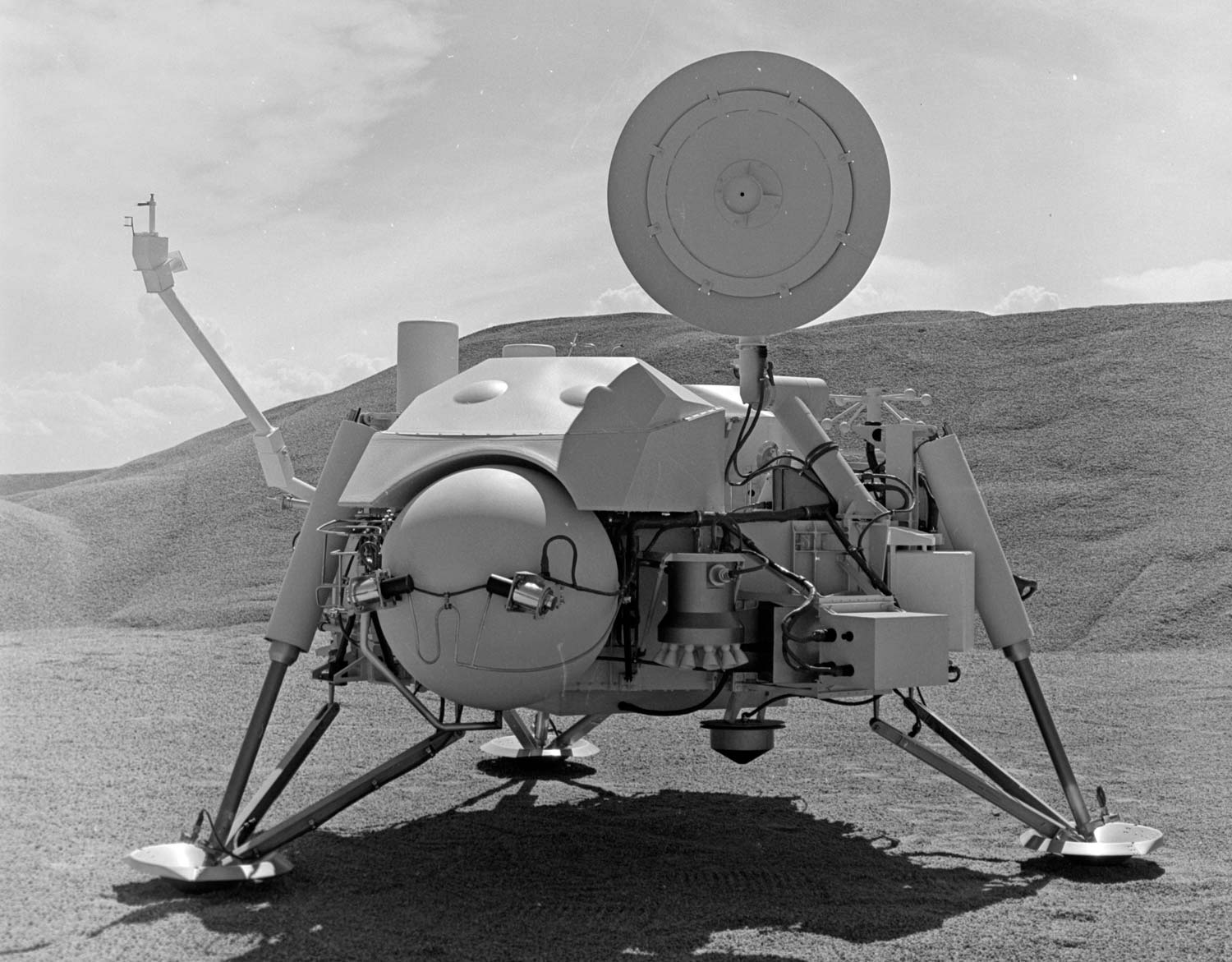
It’s been 50 years since the launch of Viking I, the first US spacecraft ever to land successfully on Mars.
Research from recent years suggests that the lander touched down where a Martian megatsunami deposited materials 3.4 billion years ago.
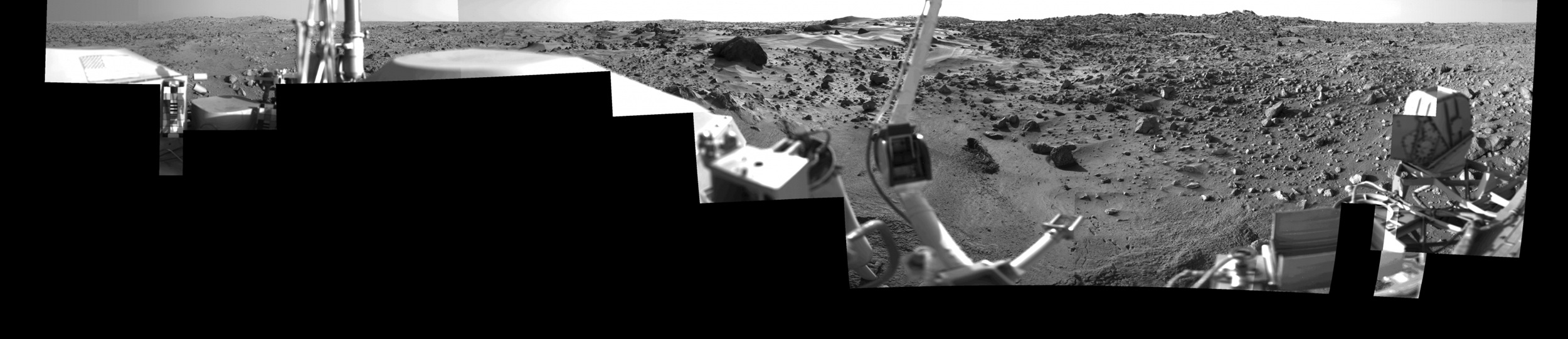
A model of Viking 1. (The remains of the original Viking 1 lander are on the surface of Mars, where it had landed on July 20, 1976. It was a stationary lander and did not roam around. It did have an orbiter with solar panels that completed 1,485 orbits around Mars. While it no longer transmits data, the orbiter continues to orbit the planet!) Construction of the Viking 1 spacecraft was done primarily by the private company Martin Marietta (now Lockheed Martin). The team worked for six years to build the ground-breaking spacecraft. The cost came to roughly $1 billion— about $6 billion in today’s dollars. [Image from Lockheed Martin, posted on space.com]The Mars landscape, as seen from the camera of the Viking I lander. [Image from California Science Center website]This timeline was compiled for MSN online by Dede Wilson:
1. The Historic Liftoff
The countdown ended in a roar of fire and smoke as Viking 1 lifted off from Cape Canaveral on August 20, 1975. The Titan IIIE-Centaur rocket carried both an orbiter and a lander, marking NASA’s boldest step toward exploring Mars.
2. The Long Cruise to Mars
Viking 1 traveled nearly 11 months through space before arriving at Mars. This interplanetary cruiseinvolved careful navigation to ensure the spacecraft reached its target orbit with pinpoint accuracy.
3. Mars Orbit Arrival
On June 19, 1976, Viking 1’s orbiter fired its engine to settle into orbit around Mars. From this vantage point, it began photographing the surface to find a safe and scientifically valuable landing site.
4. The First Soft Landing on Mars
On July 20, 1976, exactly seven years after Apollo 11’s Moon landing, Viking 1’s lander touched down in Chryse Planitia, becoming the first fully successful Mars lander in history.
5. Stunning Panoramas of a New World
Viking 1 sent back the first high-resolution panoramic photos of Mars, revealing a rocky, rust-colored landscape beneath a salmon-pink sky, images that captured the imagination of people worldwide.
6. Searching for Life
Equipped with biology experiments, Viking 1 attempted to detect signs of life in Martian soil. The results were puzzling: some tests gave unexpected positive readings, but most indicated no organics, sparking debates that continue to this day.
7. Mapping Mars from Above
The orbiter mapped vast swaths of the planet, from giant volcanoes like Olympus Mons to canyons deeper than Earth’s Grand Canyon. These images shaped our understanding of Martian geology.
8. Years of Operation
Viking 1’s lander operated for over six Earth years (2,245 Martian sols) making it the longest-running Mars surface mission until 2010, when NASA’s Opportunity rover broke the record.
9. A Sudden Goodbye
In November 1982, a faulty command ended communications with the lander. The orbiter had already completed its mission, but Viking 1’s contributions to science remained secure.
10. Inspiring Future Mars Missions
From Pathfinder to Perseverance, every Mars mission since Viking 1 has built on its legacy. It proved we could land safely, operate for years, and study Mars in depth.
I take my new camera with me now, every time I go for a walk.
I’m still learning to adjust the exposure and the auto-focus mode.
I also paired the camera with my iPhone (via Bluetooth) so that that the GPS coordinates of my location for each picture can be recorded in the camera on the metadata for the image.
There is a drawback, though: the camera’s battery runs down much more rapidly if it is connected to the phone all the time.
The camera actually has an airplane mode, but it’s a pain to switch it on and off multiple times while walking around.
Better to carry one or two spare batteries to pop into it when one runs out.
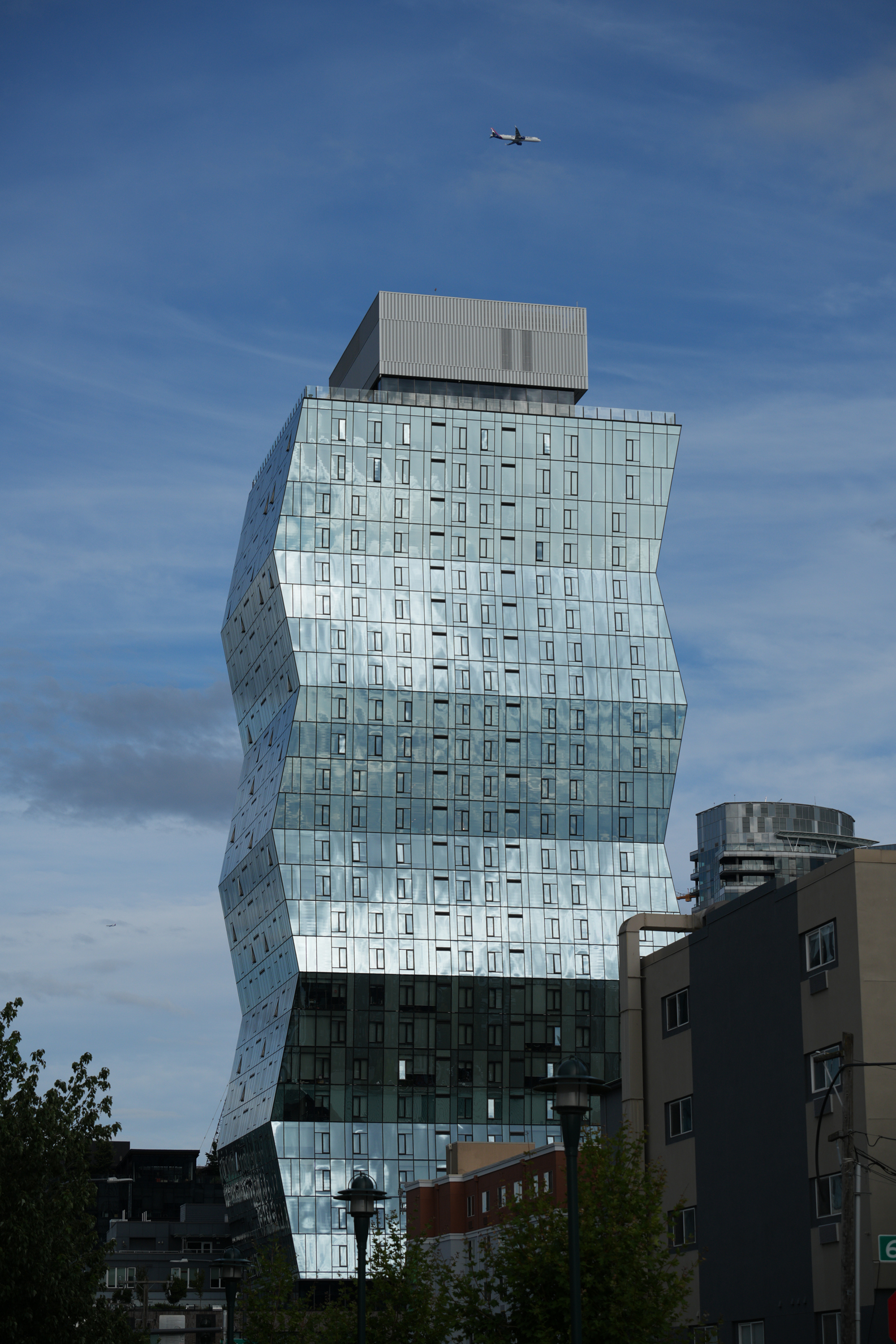
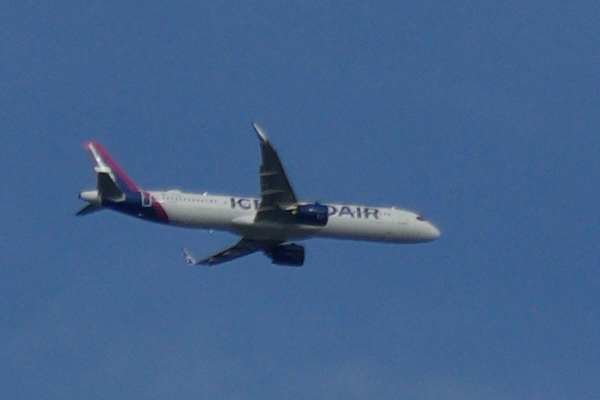
I took this picture on Sunday. It is of The Emerald, a 40-story residential skyscraper located at 121 Stewart Street. Its distinctive glass façade and slightly twisting design makes it stand out in the Seattle skyline. It was completed in 2020. (This picture is a downsized version, 25% of the size of the out-of-camera picture). Shot with Sony α7CR w. Tamron 28-200mm F2.8-5.6 lens f-stop: f/5.6 |Exposure time: 1/2000 s |ISO speed: ISO-250 |Focal length: 73 mm | Max aperture: 4 |Metering mode: PatternAnd what airline might the airplane belong to? A 600×400 pixel crop of the airplane from the 6,336 x9,504 out-of-camera image reveals that it belongs to Iceland Air.
I have a new camera, after eight years: a Sony α7CR.
It is a mirrorless, full-frame digital camera that takes 61-megapixel pictures— so it is able to capture stunning detail.
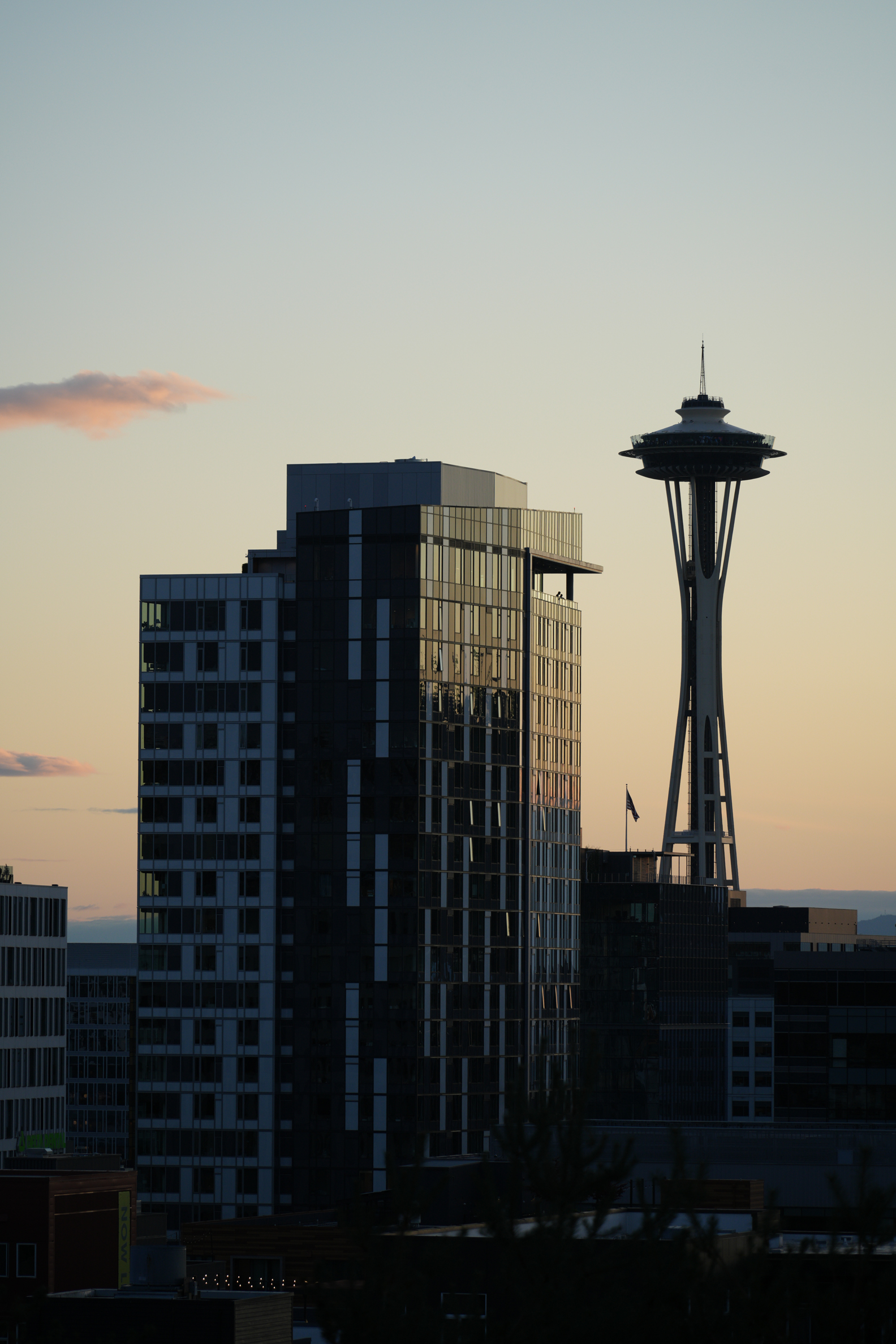
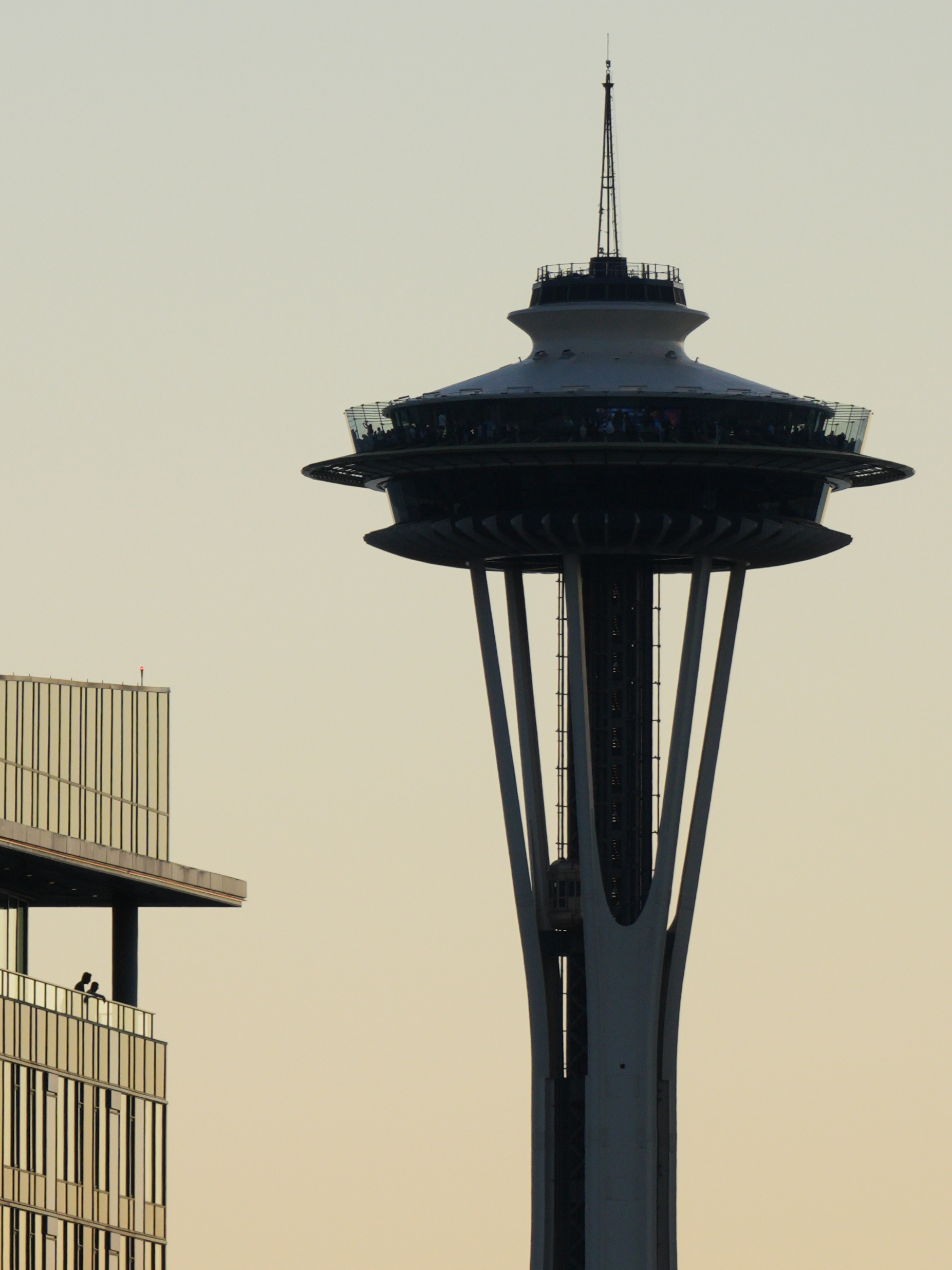
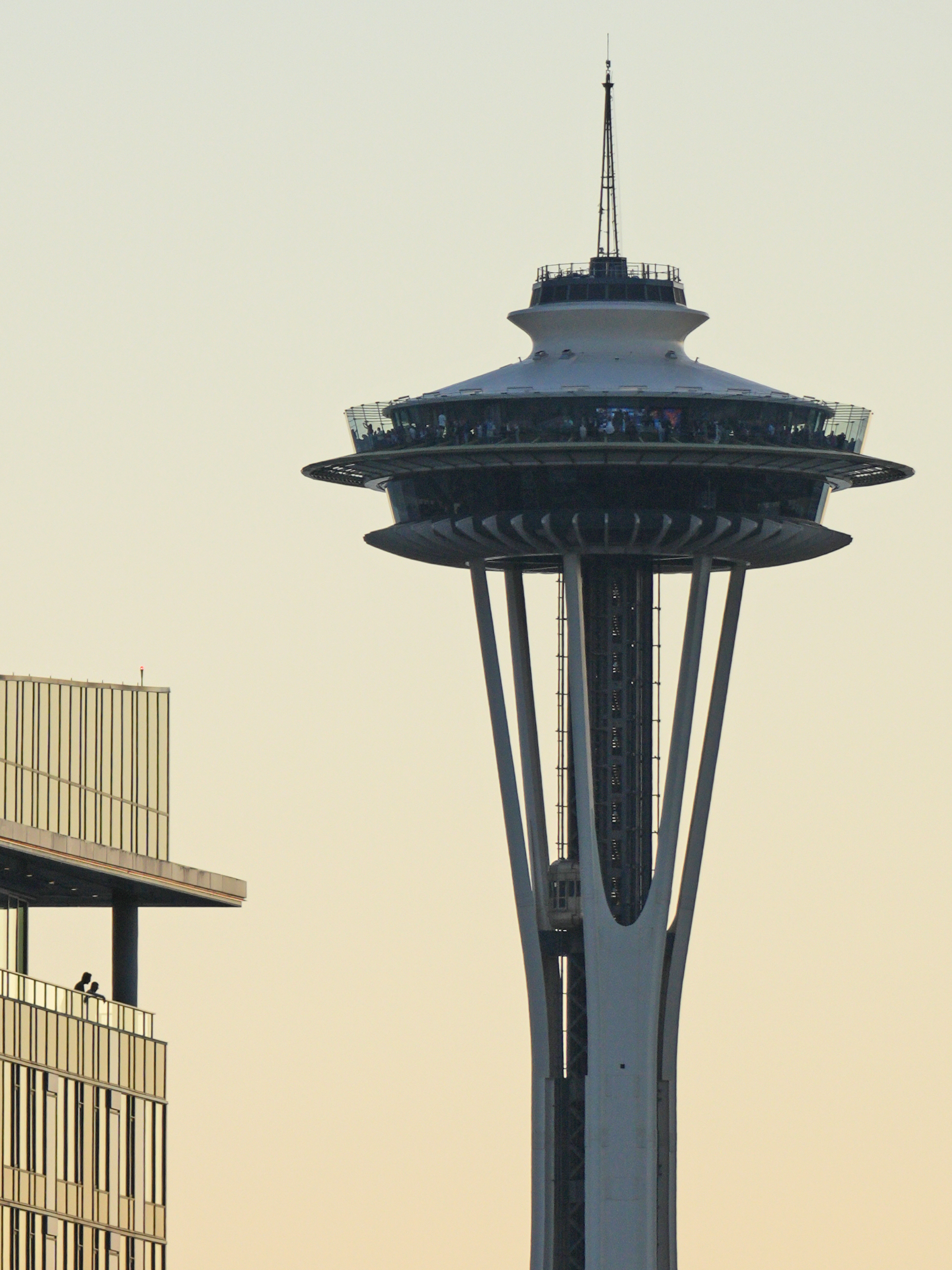
Shot with Sony α7CR w. Tamron 28-200mm F2.8-5.6 lens from the Melrose Ave E overlook towards South Lake Union f-stop: f/5.6 |Exposure time: 1/320 s |ISO speed: ISO-250 |Focal length: 171 mm | Max aperture: 4.96875 |Metering mode: Spot The 35 mm (35.7 x 23.8 mm) full frame Exmor R CMOS sensor captures 6,336 x 9,504 pixels (a 2:3 ratio). In order to post all of the out-of-camera .jpg on this WordPress blog, I reduced it to 25% of its original size. For right now, I have the camera set to ‘Program Auto’ mode. So I just framed the image with my Tamron 28-200 mm zoom lens, and the camera picked the exposure and all the other settings.Here is a 1,853 x 2,471 pixel crop out of the original 6,336 x 9,504 pixel out-of-camera picture, showing the very fine detail that was captured.The same picture as above, but adjusted with Adobe Photoshop Elements to increase the brightness of the shadows by 35% (revealing the golden elevator car).
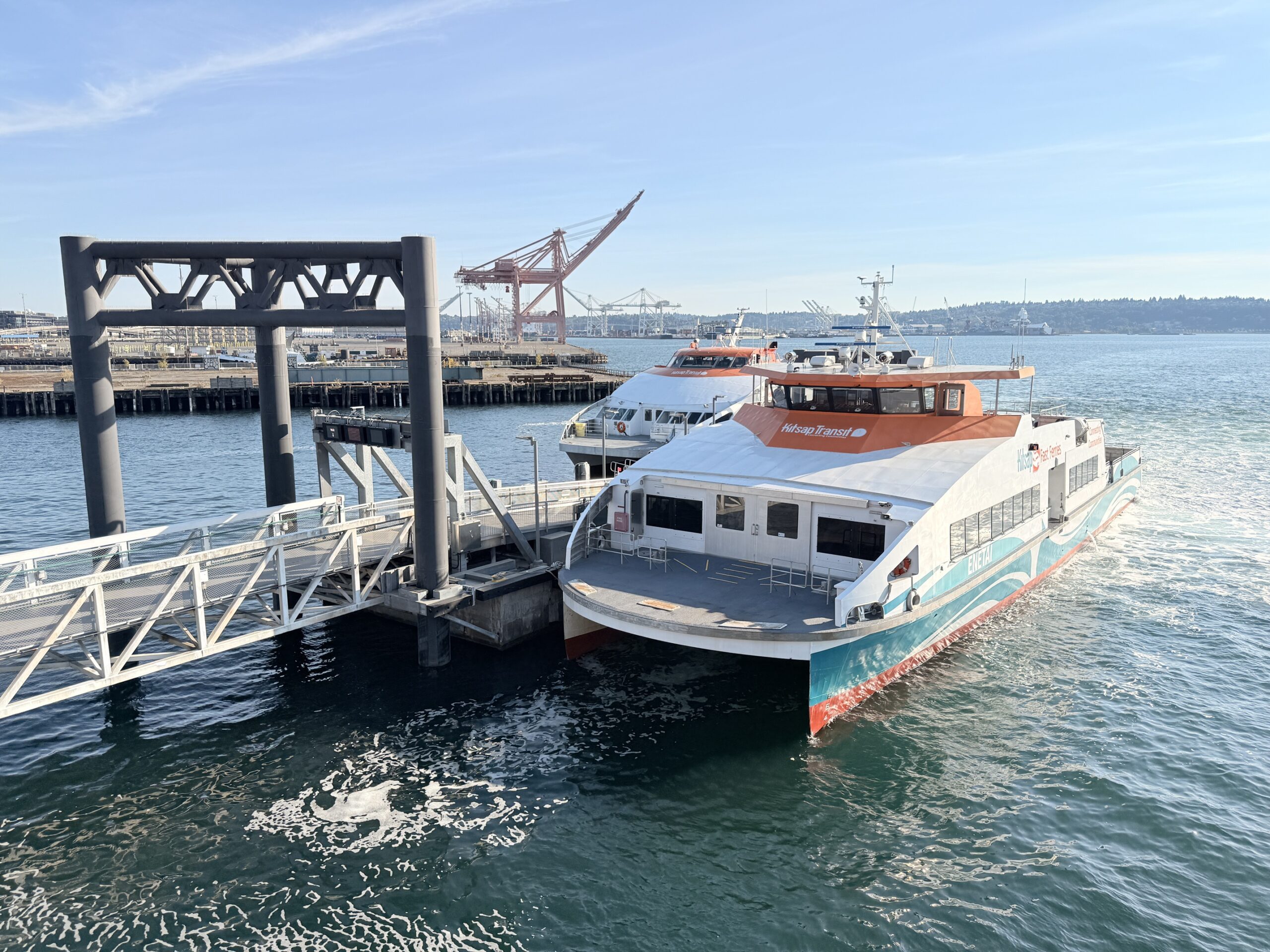
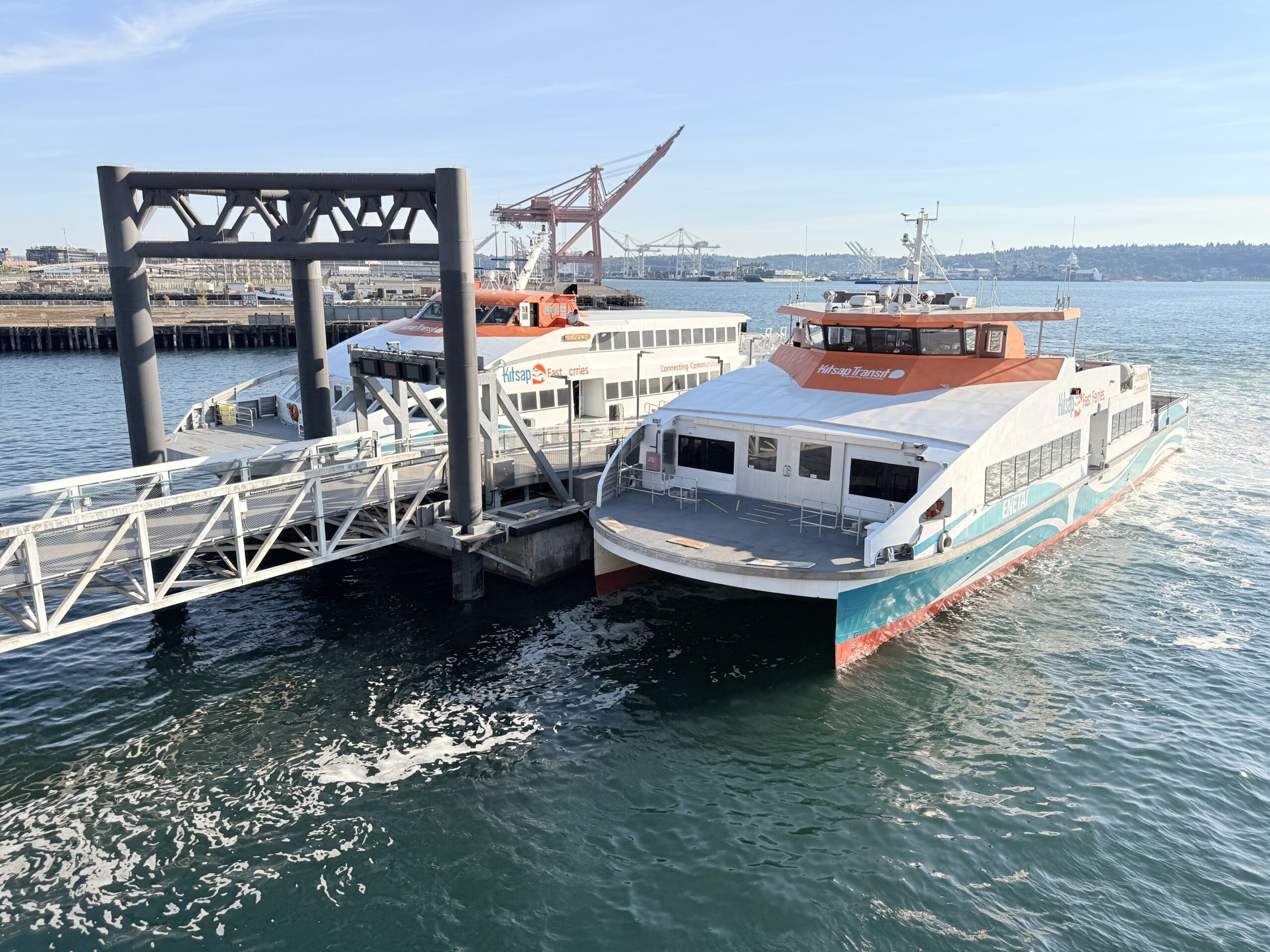
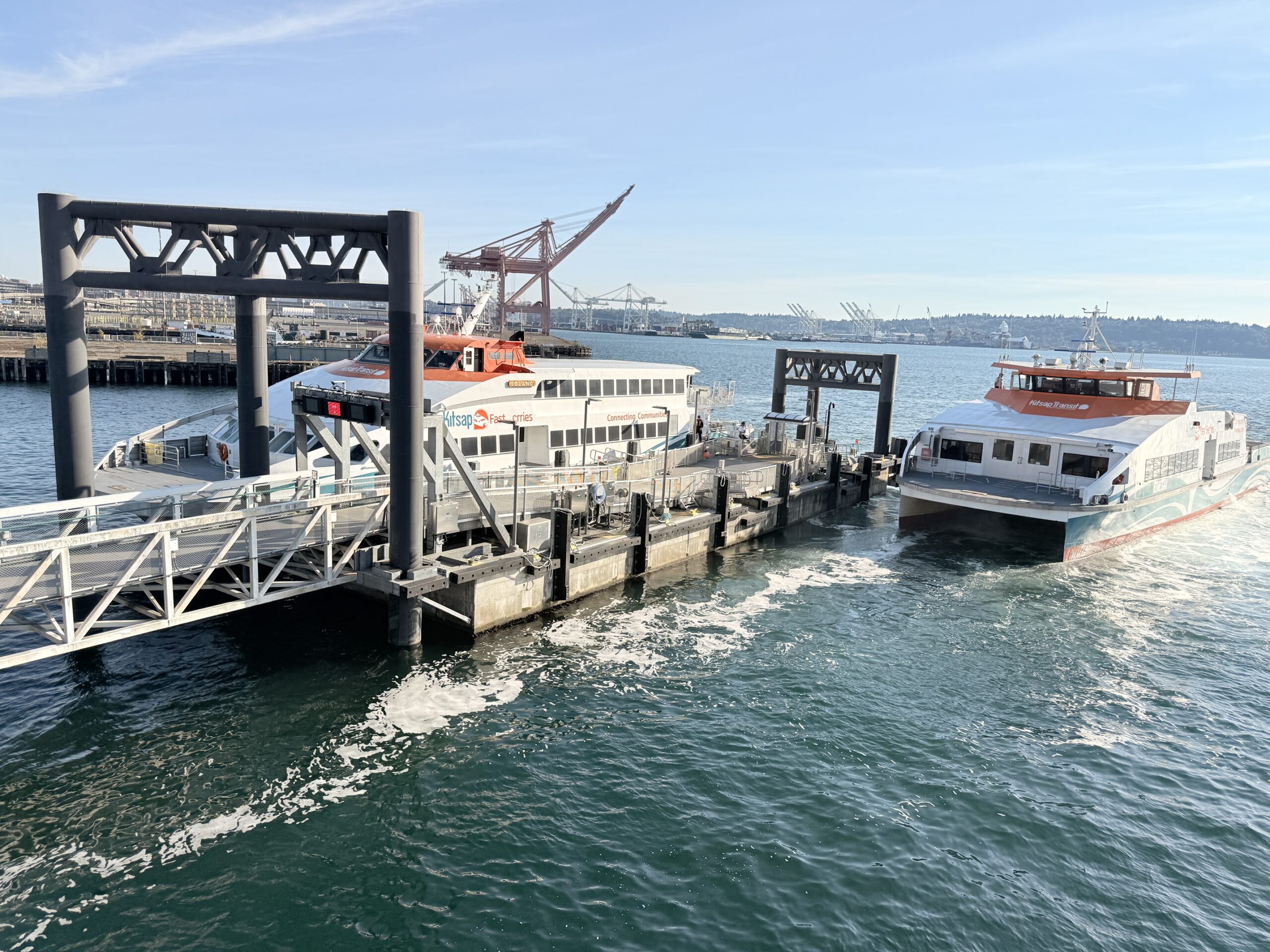
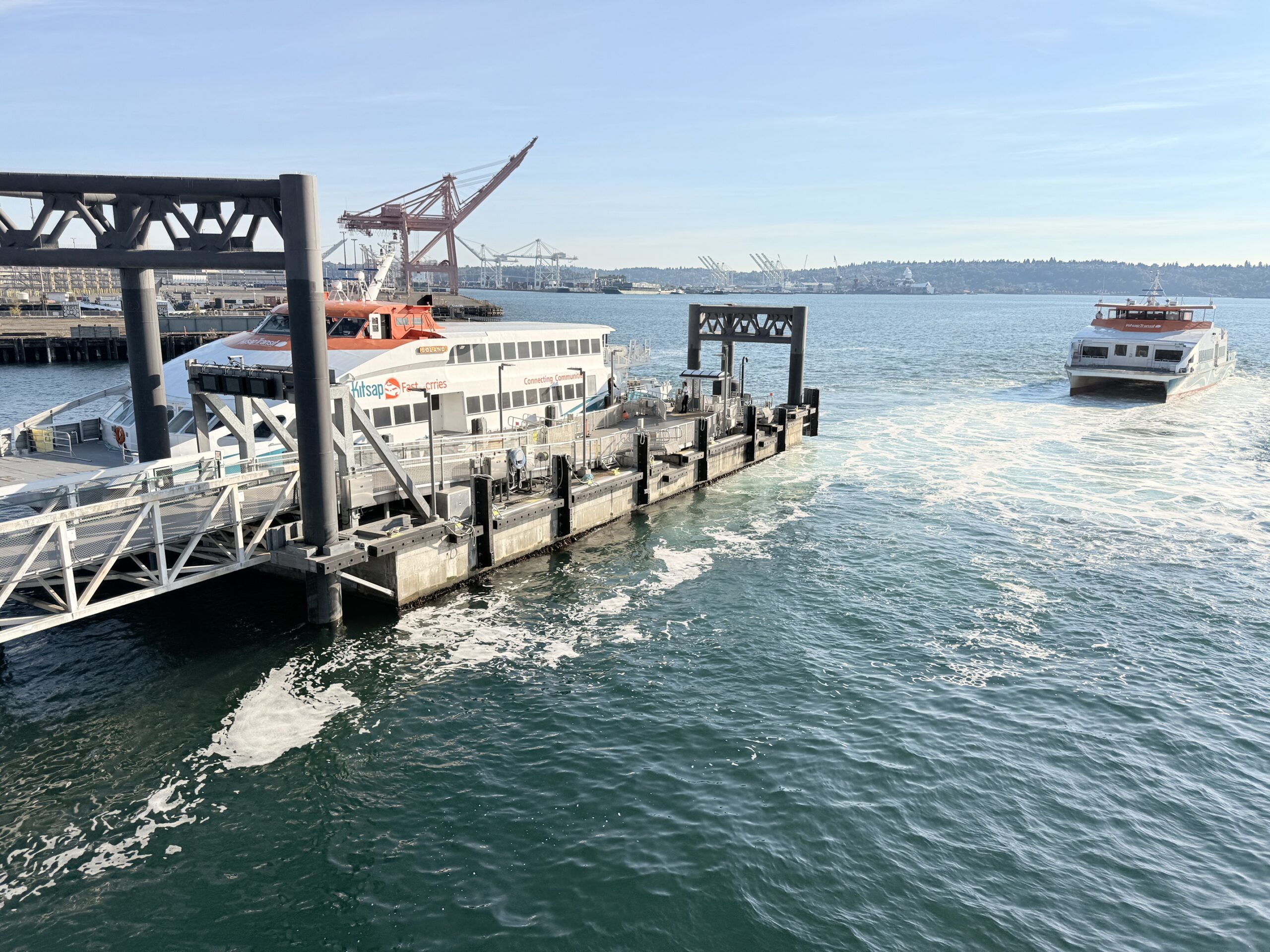
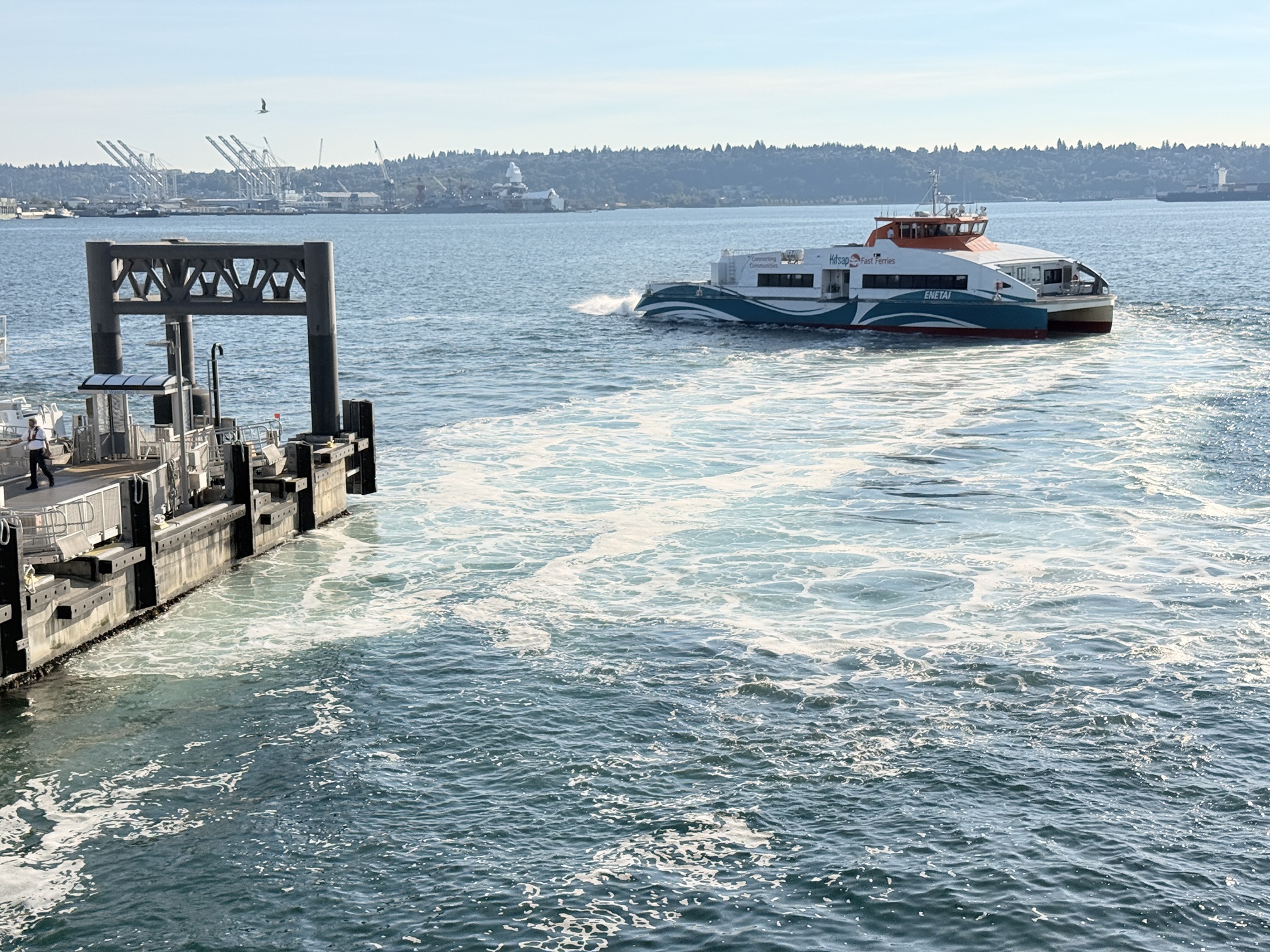
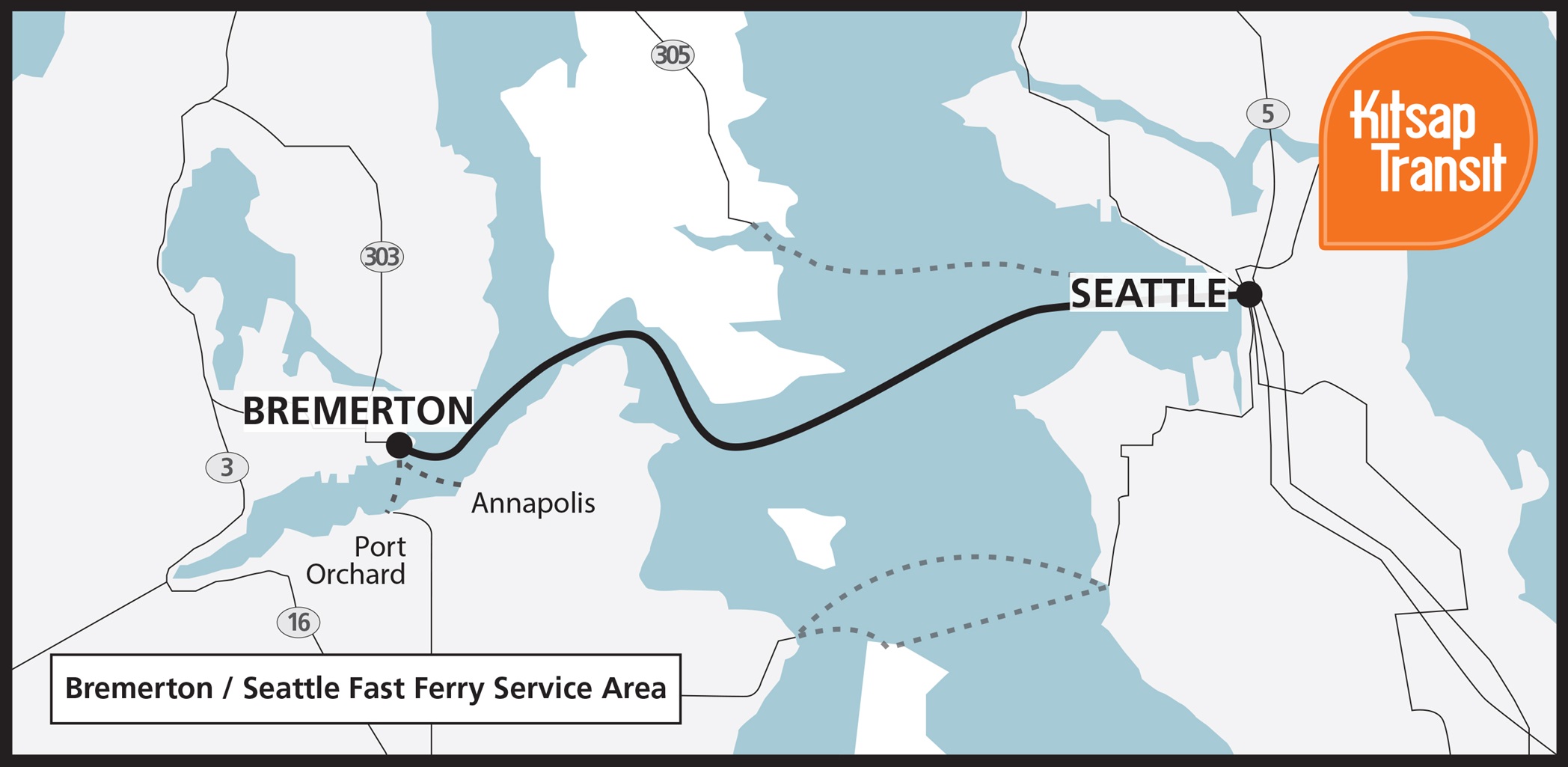
I took at few pictures today (at about 6 p.m. tonight) of the fast ferries from Kitsap Transit at Pier 50 on the Seattle waterfront.
The fast ferries are passenger-only, so no vehicles.
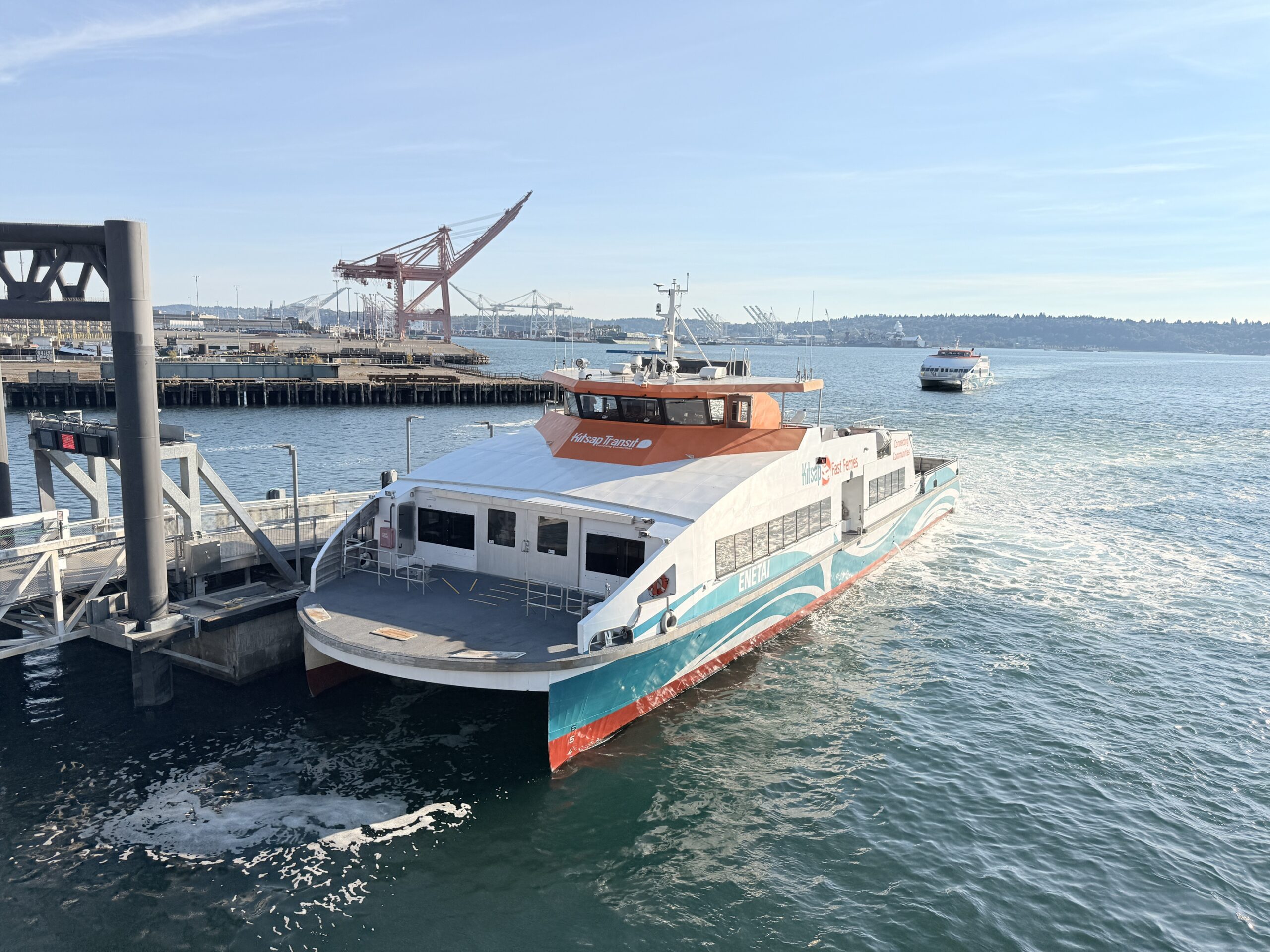
The first pictures shows the Enetai at the terminal, waiting to depart for Southworth on the Kitsap Peninsula.
The Solano is approaching in the distance, about to complete its 26-minute crossing.
The Enetai backs away and departs after the Solano has docked next to it at the terminal.
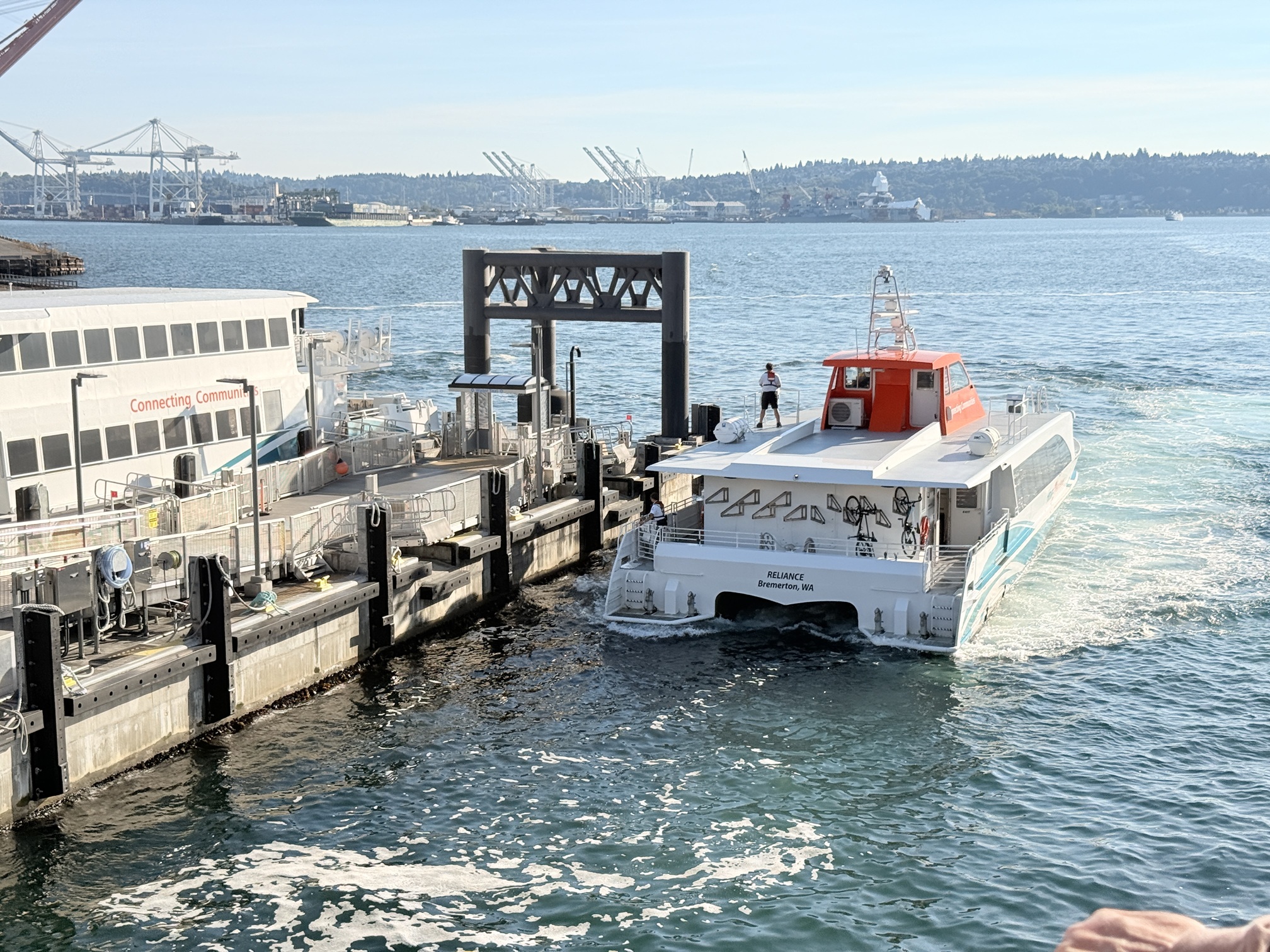
Another fast ferry arrived shortly after that— the Reliance— in from Bremerton.
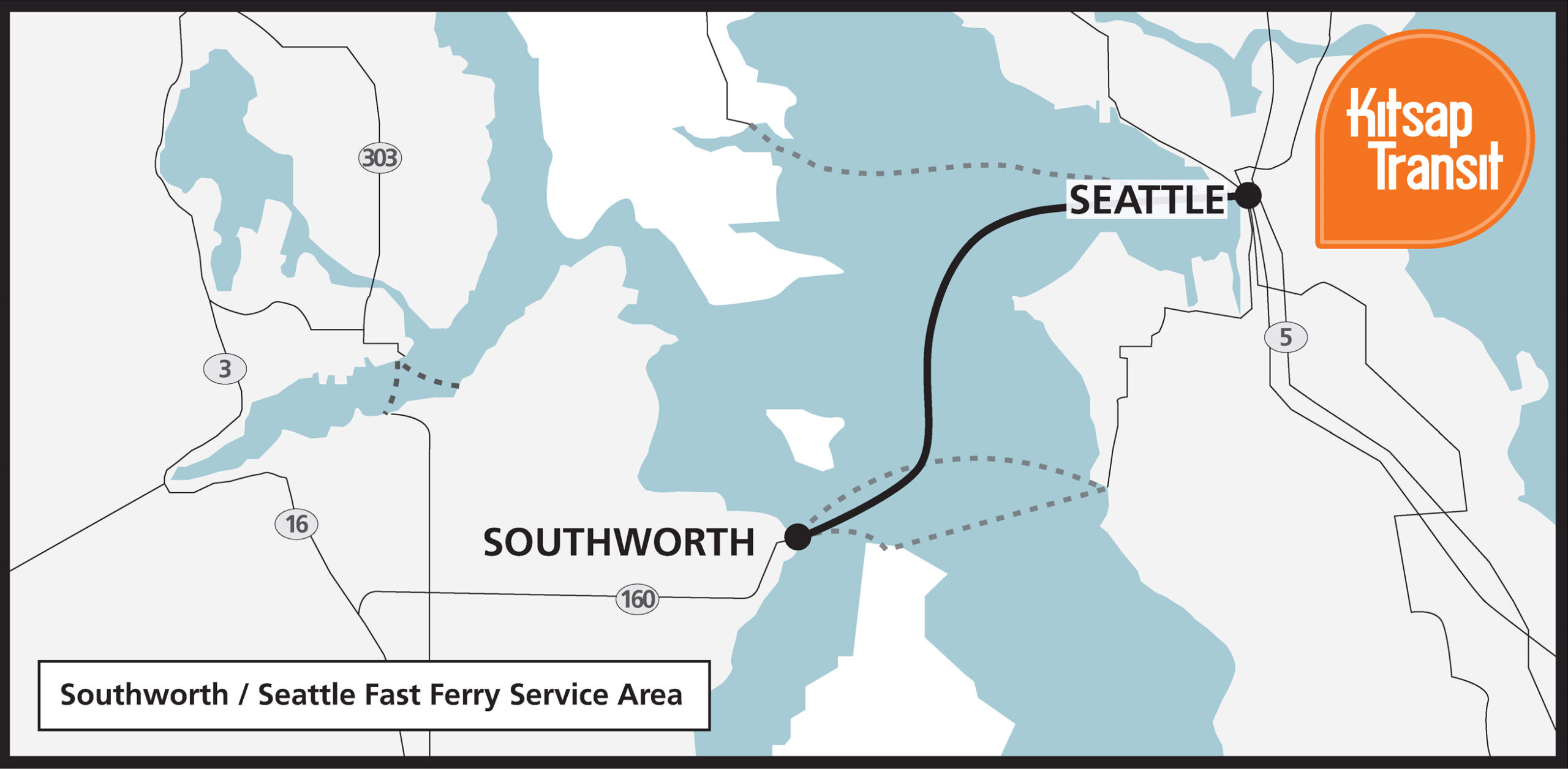
The Southworth-Seattle crossing is about 26 minutes. The Enetai and the Solano service this crossing.Enetai at terminal, Solano coming in. Enetai was built in 2020. She can transport 250 passengers and 26 bicycles at a cruising speed of 35 knots and a top speed of 37 knots.Enetai at terminal, Solano coming in. Solano spent 15 years shuttling passengers between the city of Vallejo and downtown San Francisco. The county is named after a Native American Chief. She can transport 250 passengers and 23 bicycles at a cruising speed of 30 knots and a top speed of 32 knots.Solano is in, Enetai departing.Solano is in, Enetai departing.Solano is in, Enetai departing.Enetai departing.The Bremerton-Seattle crossing is about 30 minutes. The Reliance services this crossing.Reliance has arrived and is backing in to dock at the terminal. Reliance was built in 2019. She can transport 118 passengers and 12 bicycles at a cruising speed of 34 knots and a top speed of 37 knots.
Survivors of the atomic bombing have campaigned for a world free of nuclear weapons. But 80 years on, that dream is fading. Three of Japan’s neighbors — Russia, China and North Korea — are nuclear powers, and Tokyo depends on the American nuclear umbrella to protect it. With tensions in the Pacific heightening and firsthand memories of nuclear devastation waning, more Japanese are questioning the national commitment to peace at all costs.
– Hannah beech reporting for the New York Times from Hiroshima
Sadly, it seems unlikely we will ever have a planet without nuclear weapons.
The world also stopped building nuclear reactors after some major accidents turned public support against it. Now we need them for fossil-free energy generation, and for all those power-hungry AI server farms.
By the way, I thought— how is that first fusion reactor coming along?
Google AI Overview says: While the dream of practical fusion energy has been “30 years away” for decades, recent advancements and growing investment suggest a more optimistic timeline. While widespread commercial fusion power generation is unlikely before 2050 or 2060, some start-ups are aiming for electricity generation by the 2030s. The “ITER” research reactor* is scheduled to achieve first plasma around 2033-2034, and a demonstration reactor (DEMO) is planned for operation around 2050.
*A large-scale international nuclear fusion research project in France, aiming to build the world’s largest tokamak (a type of fusion reactor). The temperatures inside the ITER Tokamak must reach 150 million °C, or ten times the temperature at the core of the Sun. The hot plasma must then be sustained at these extreme temperatures in a controlled way.
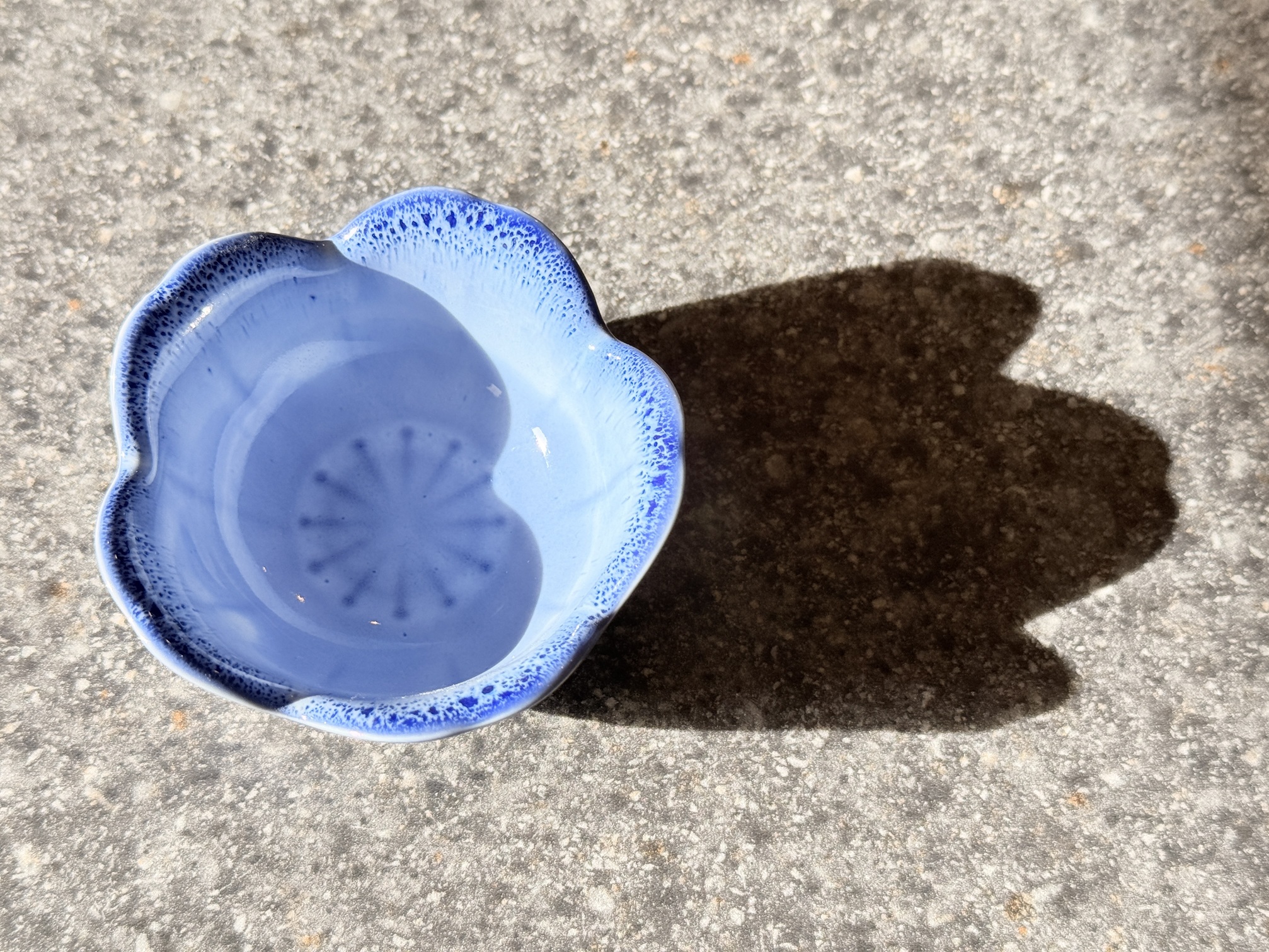
I bought this little ceramic bowl at the Japanese Tea Garden at Golden Gate Park in San Francisco in 2016. It is the oldest operating public Japanese Garden in North America— built for the Winter Exposition of 1894.
It was Seafair weekend here in Seattle.
So the Blue Angels were in town to give their airshow yesterday and today.
Down below on Lake Washington, there were the hydroplane races (high-speed boats that skim across the water’s surface).
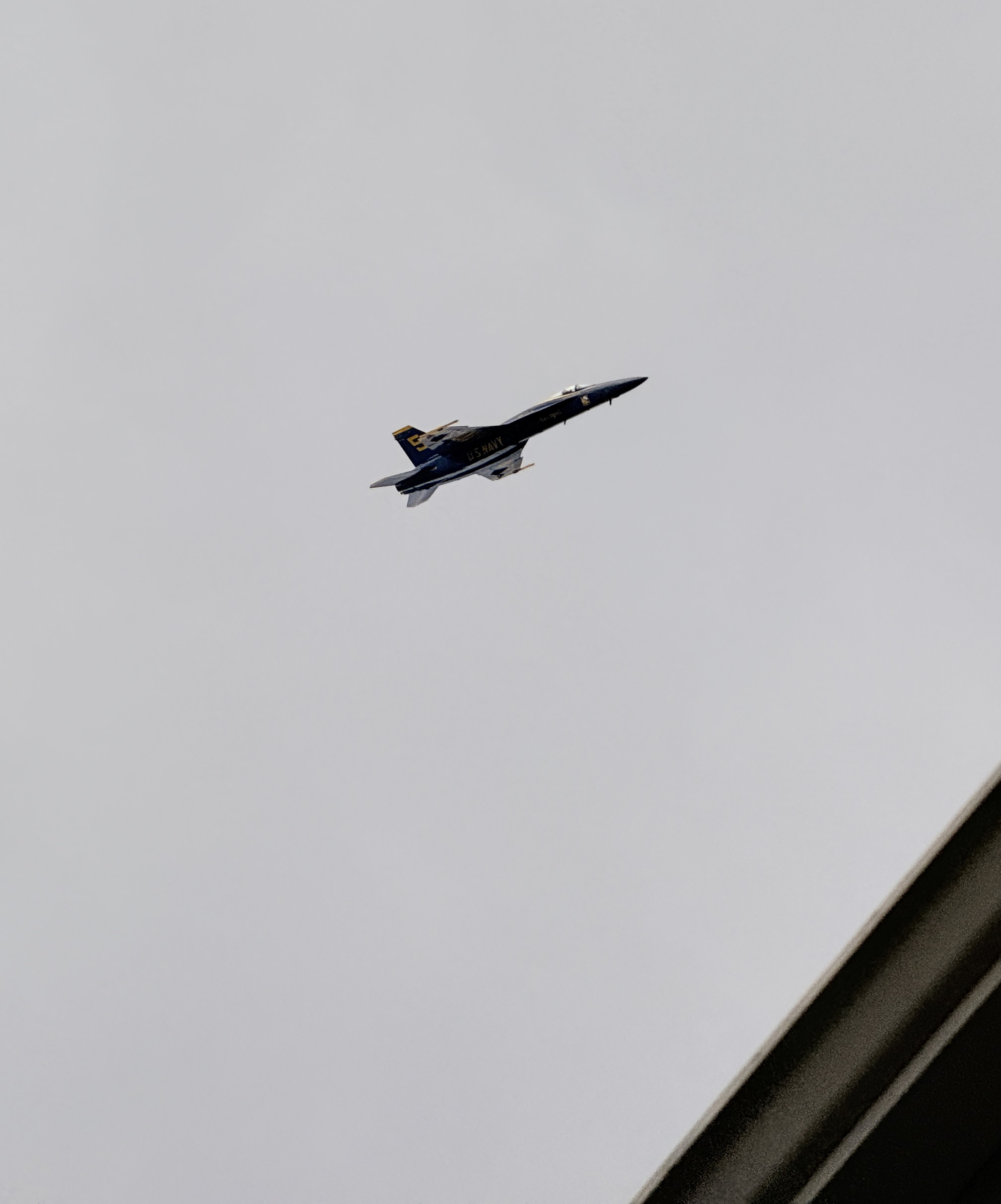
I caught one of the Blue Angels with my phone’s 5x zoom lens* as I ran outside. It’s hard to resist running outside when you hear the thundering noise overhead! *I cropped the original 3024×4032 photo to 2016×2424 pixels.
These jets are F/A-18 Super Hornets. From the Blue Angels website: The basic acquisition price of a single F/A-18 Super Hornet is approximately $67.4 million. The cost of additional weapons-related equipment varies according to the configuration, and the use of each aircraft can significantly increase the total price. The F/A-18 can reach speeds just under Mach 2, almost twice the speed of sound or about 1,400 mph. The maximum rate of climb of the F/A-18 is 30,000 feet per minute.