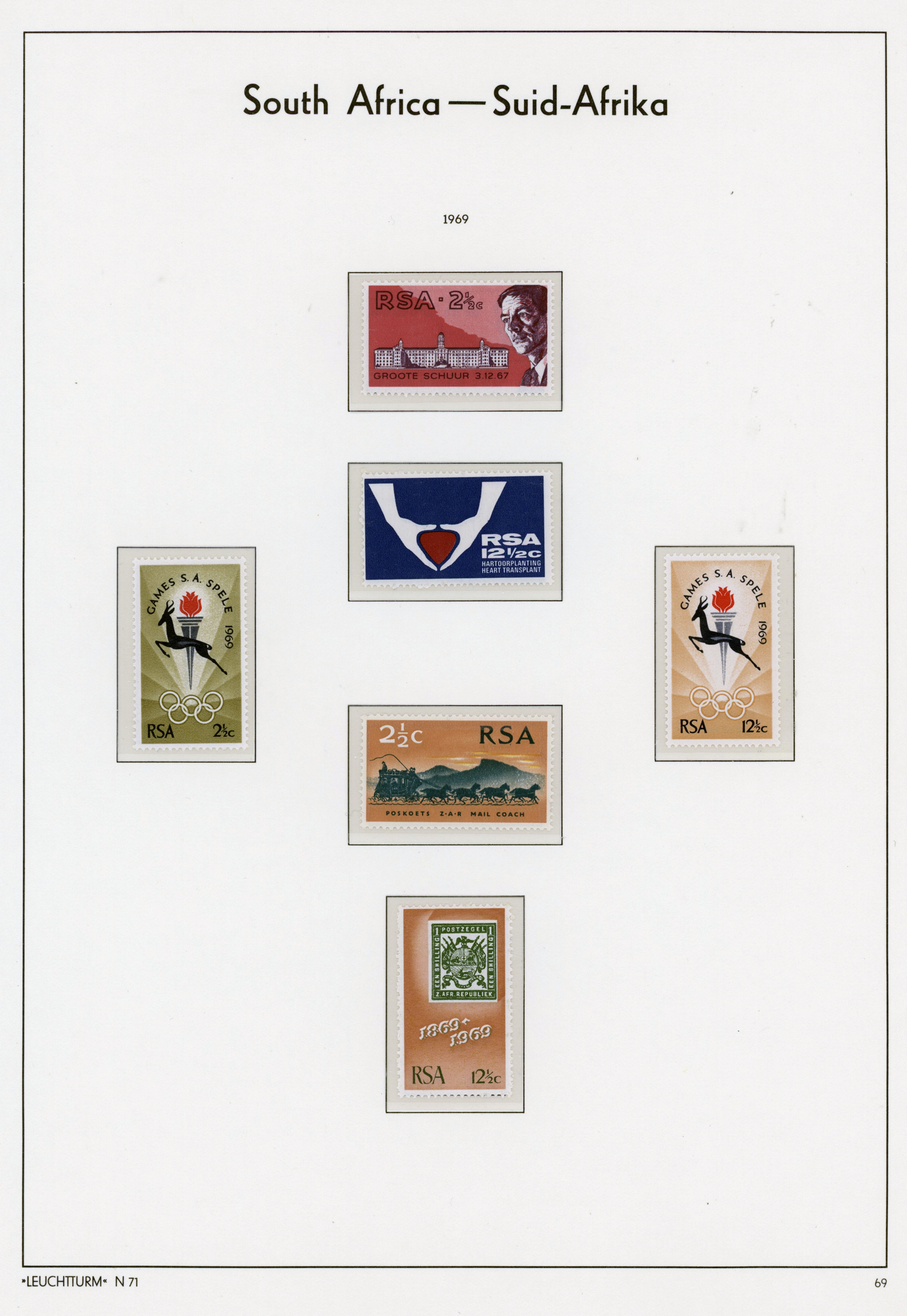
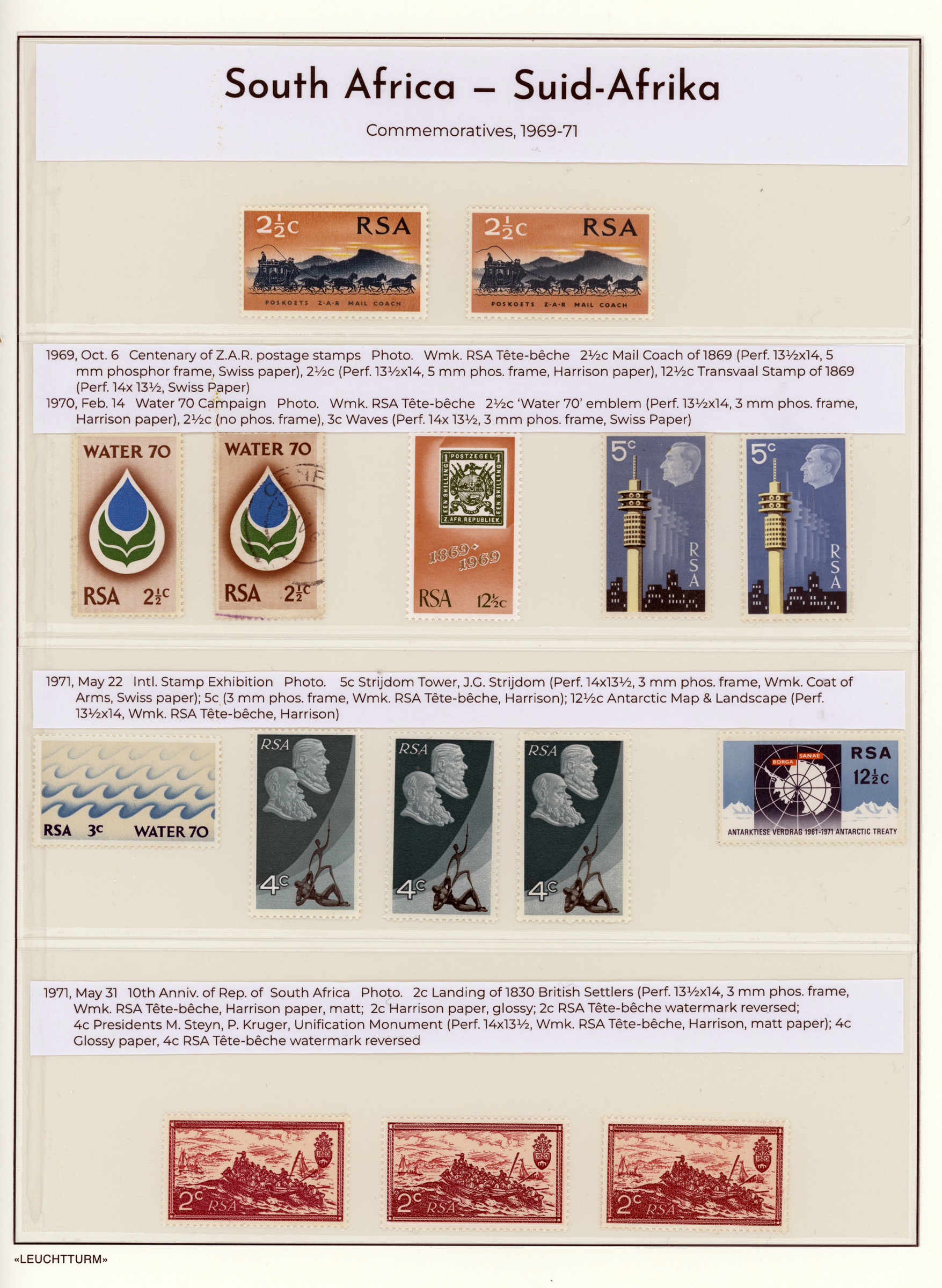
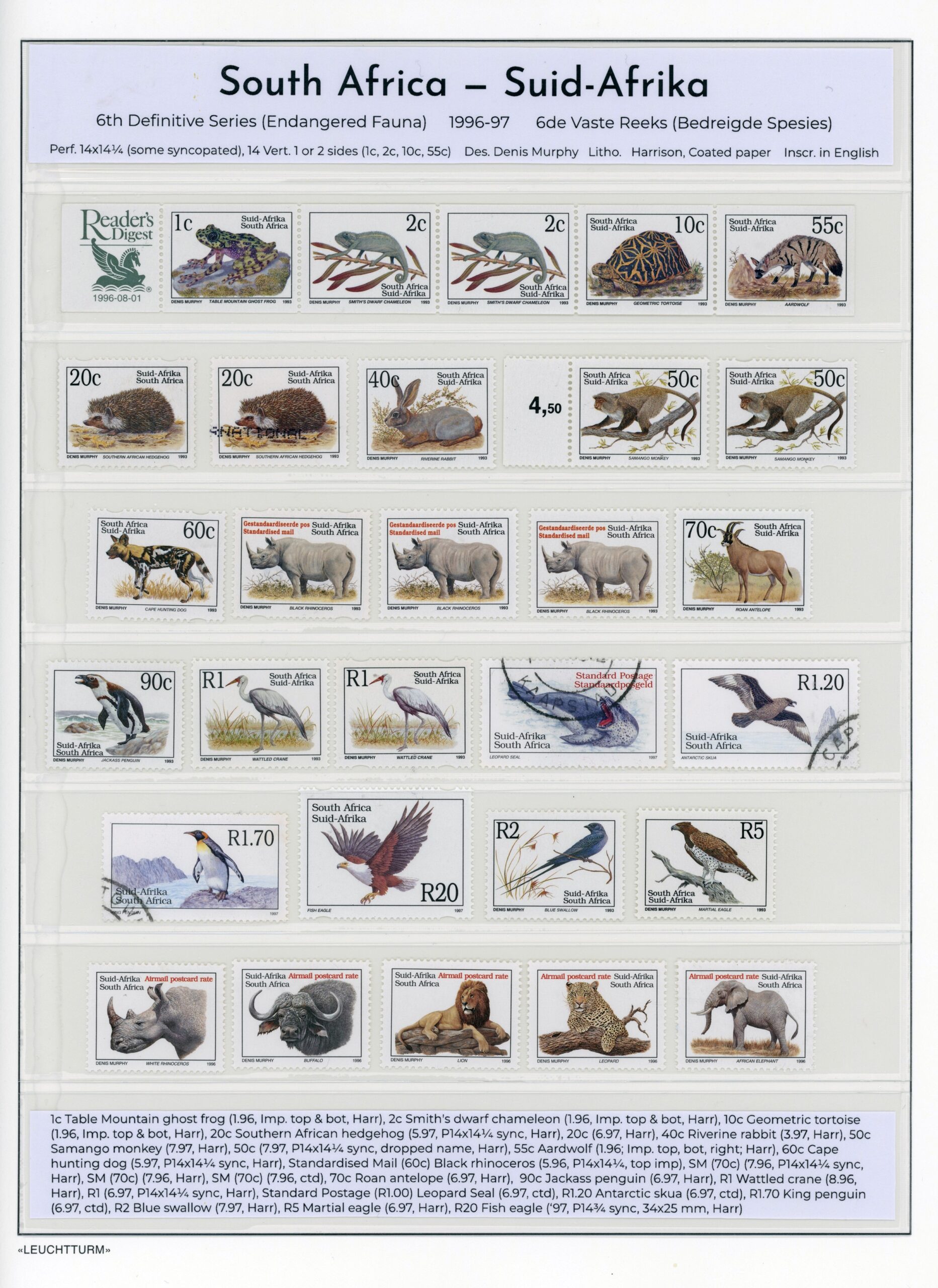
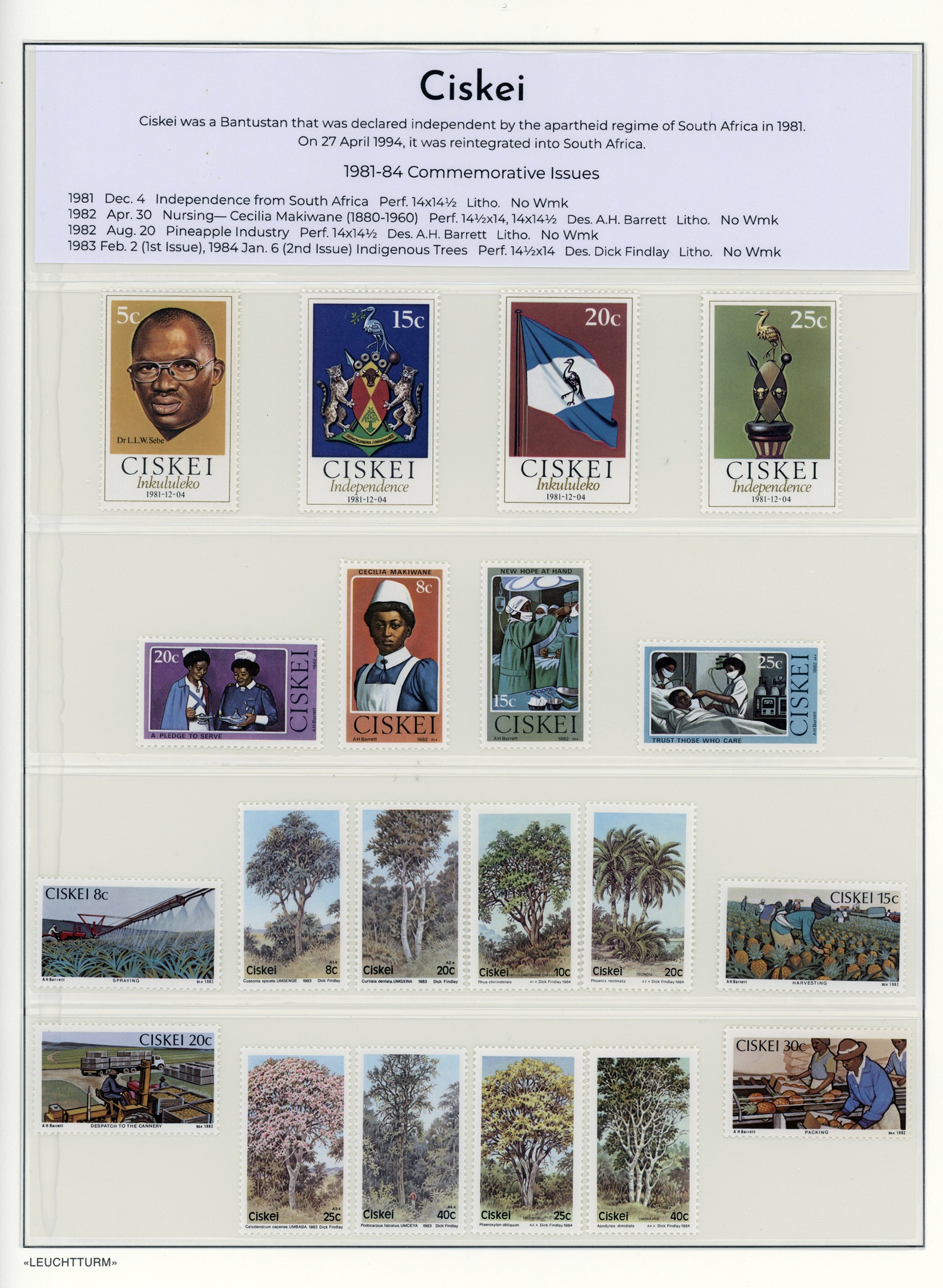
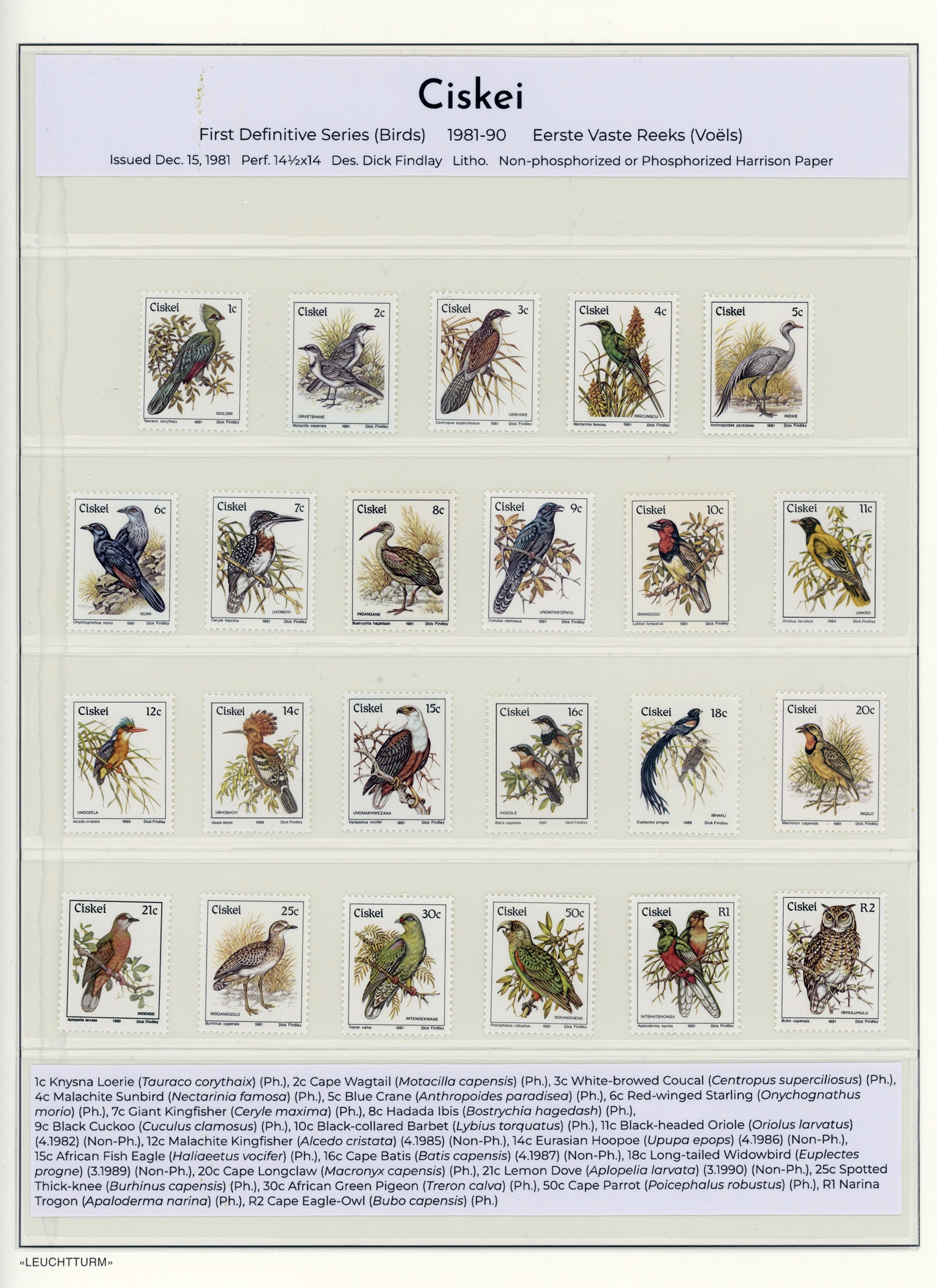
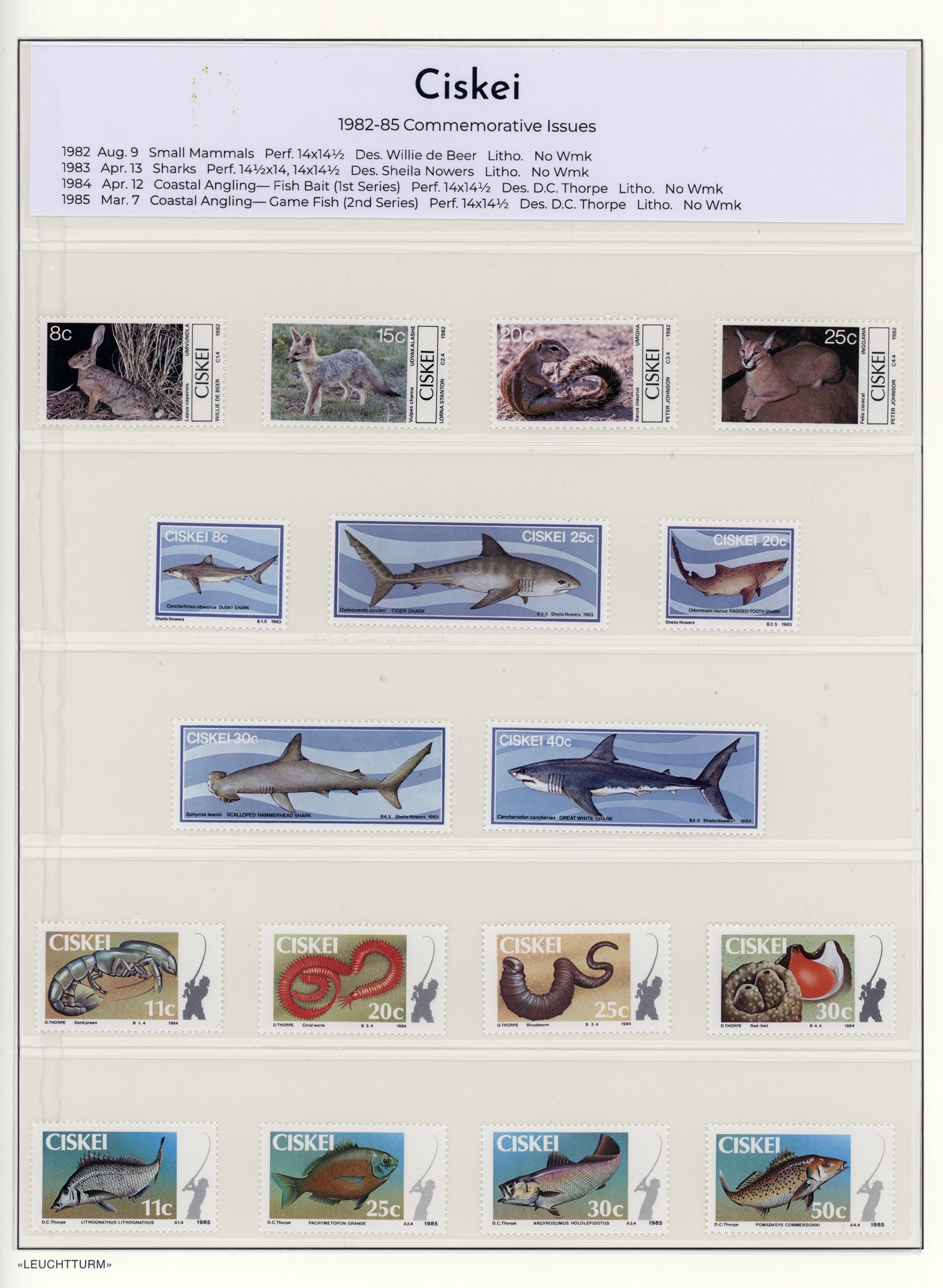
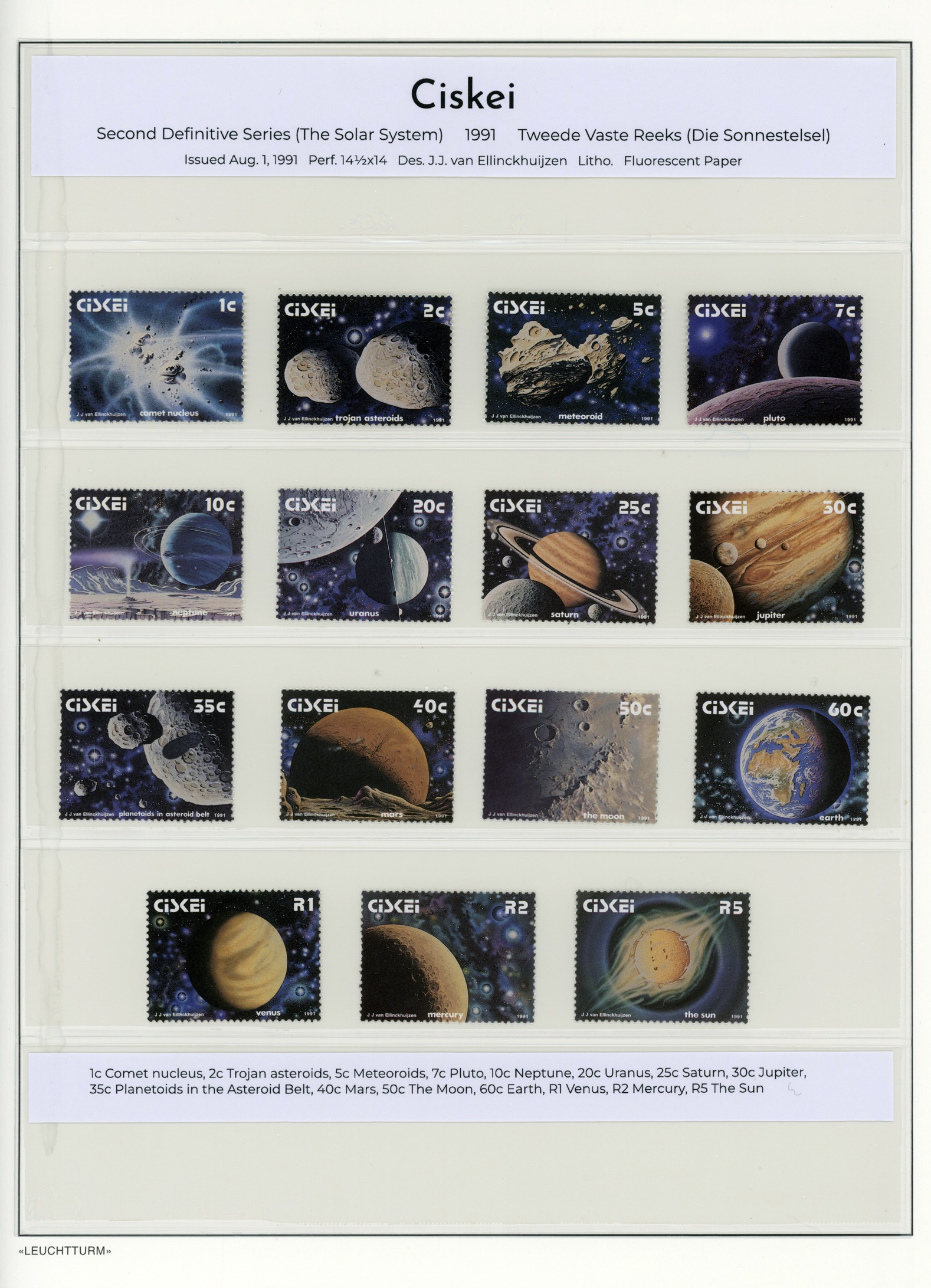
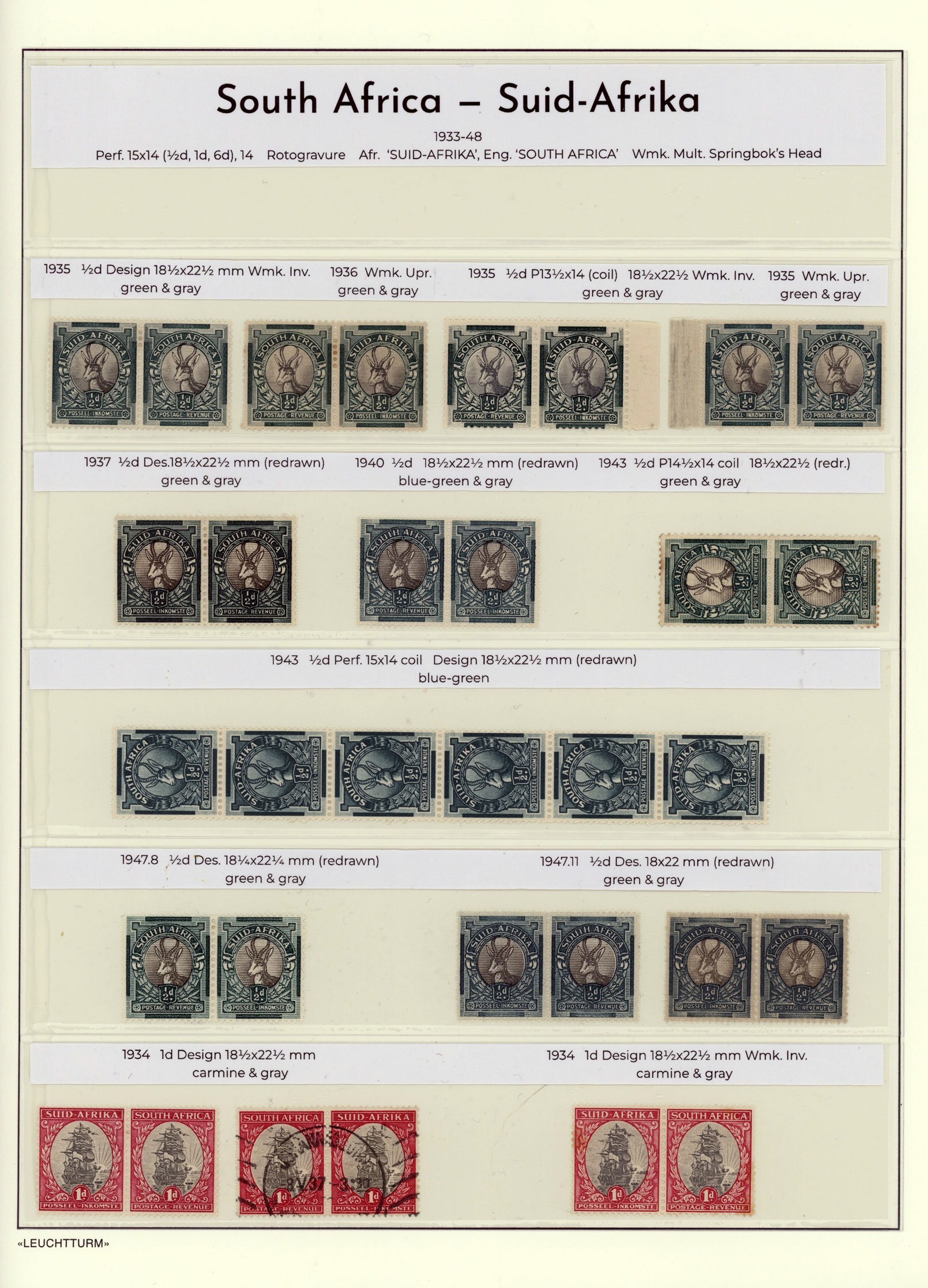
German stamp album publisher Leuchtturm generally did a great job with their preprinted stamp album for South Africa. They followed a minimalist, clean layout without the year of issue only, and no descriptions for what the stamps commemorate.
On some pages like the first two below, for example, several versions of the same stamp exist, but there is place for only one. (The stamps were issued on on different types of paper, or with different watermarks, for example.)
So I added a page into my album with the sets that had stamps with multiple versions.
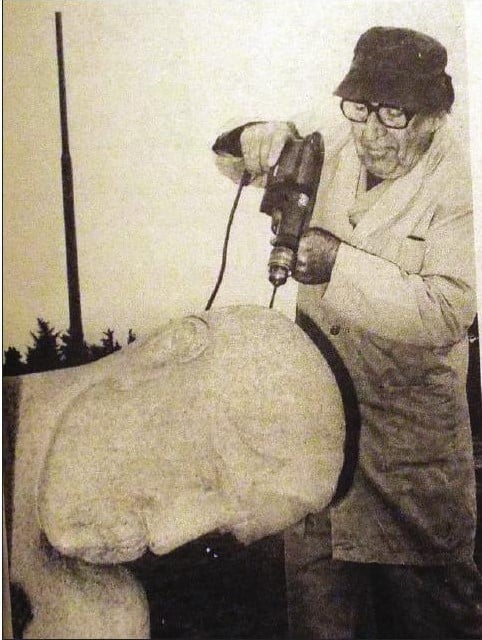
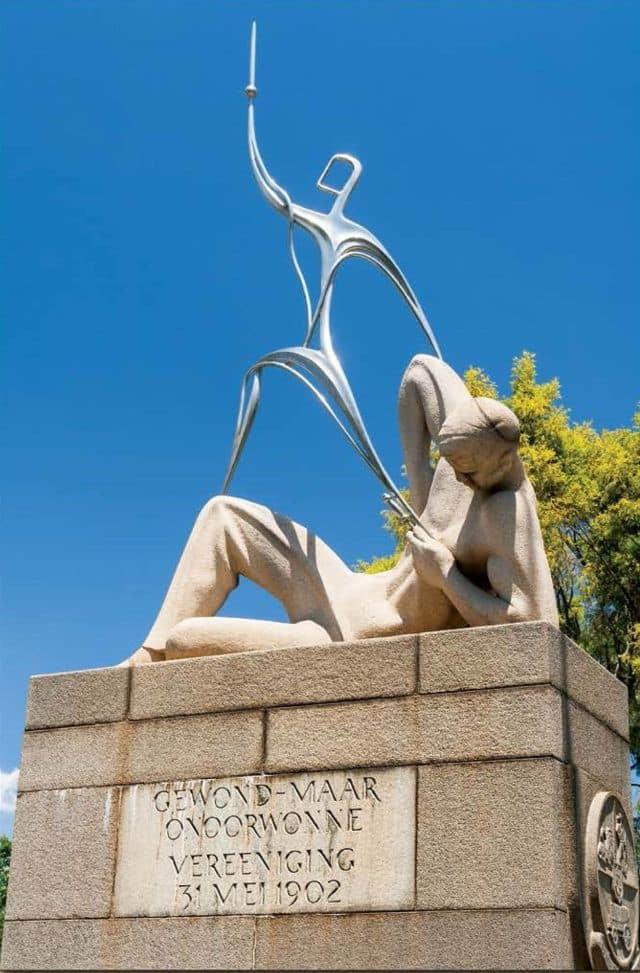
P.S. That monument on the green 4c stamp is in my hometown of Vereeniging. Its inscription says ‘Wounded but invincible’. Sculptor Coert Steynberg is shown working on it (it was unveiled in 1961).
The monument commemorates the Treaty of Vereeniging, a peace treaty, signed on 31 May 1902, that ended the Second Boer War between the South African Republic and the Orange Free State on the one side, and the United Kingdom on the other.
..If one looks closely at the stamps with the mail coach, or the transmission tower, or the green ones with the monument, one can see that the colors are different. That is because the stamps were printed on different types of paper.
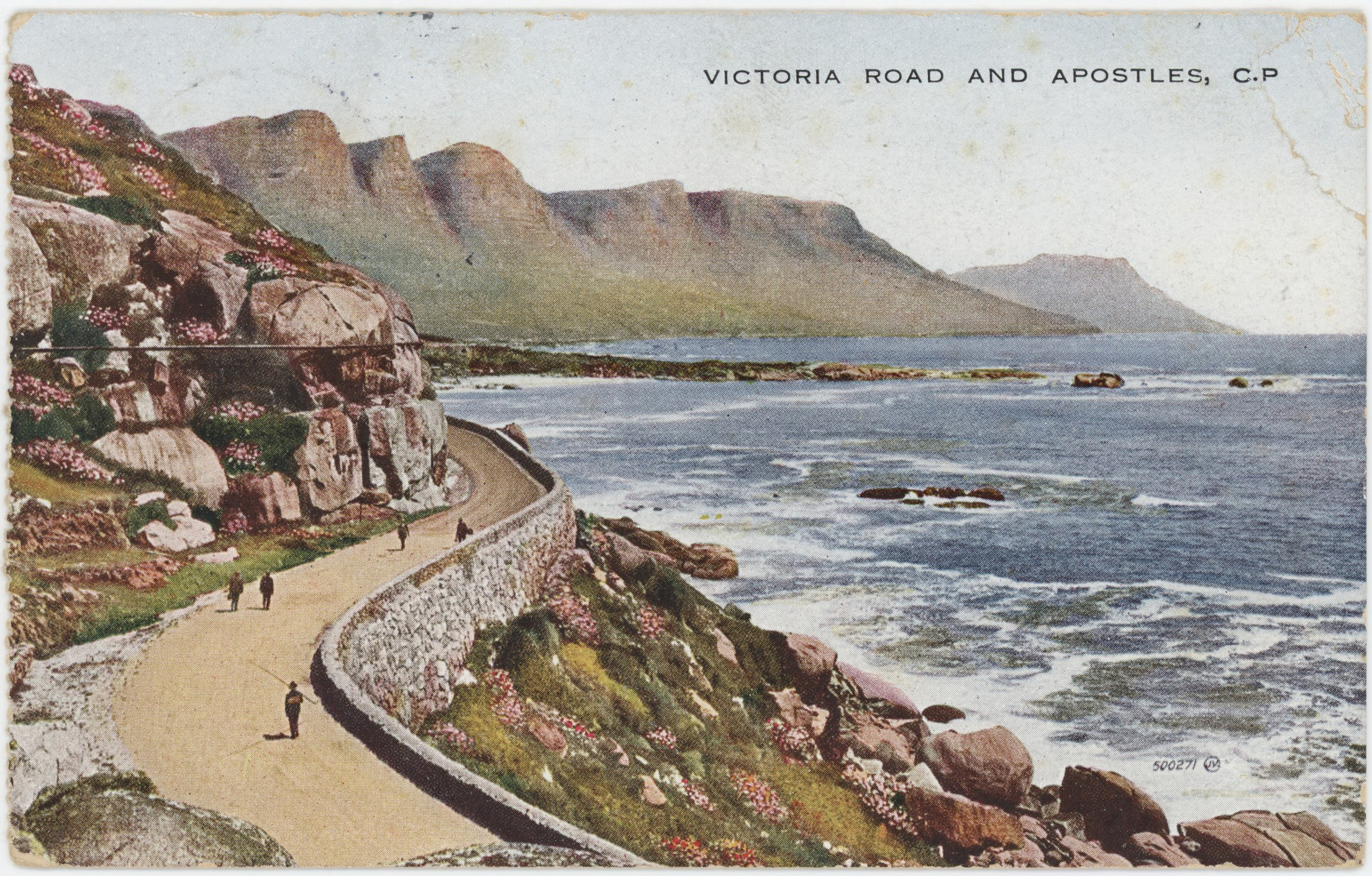
Here’s another postcard that the hopeless romantic (me) had bought on Ebay for a few dollars, and that landed in my mailbox.
(The seller is actually from Vancouver, Washington State).
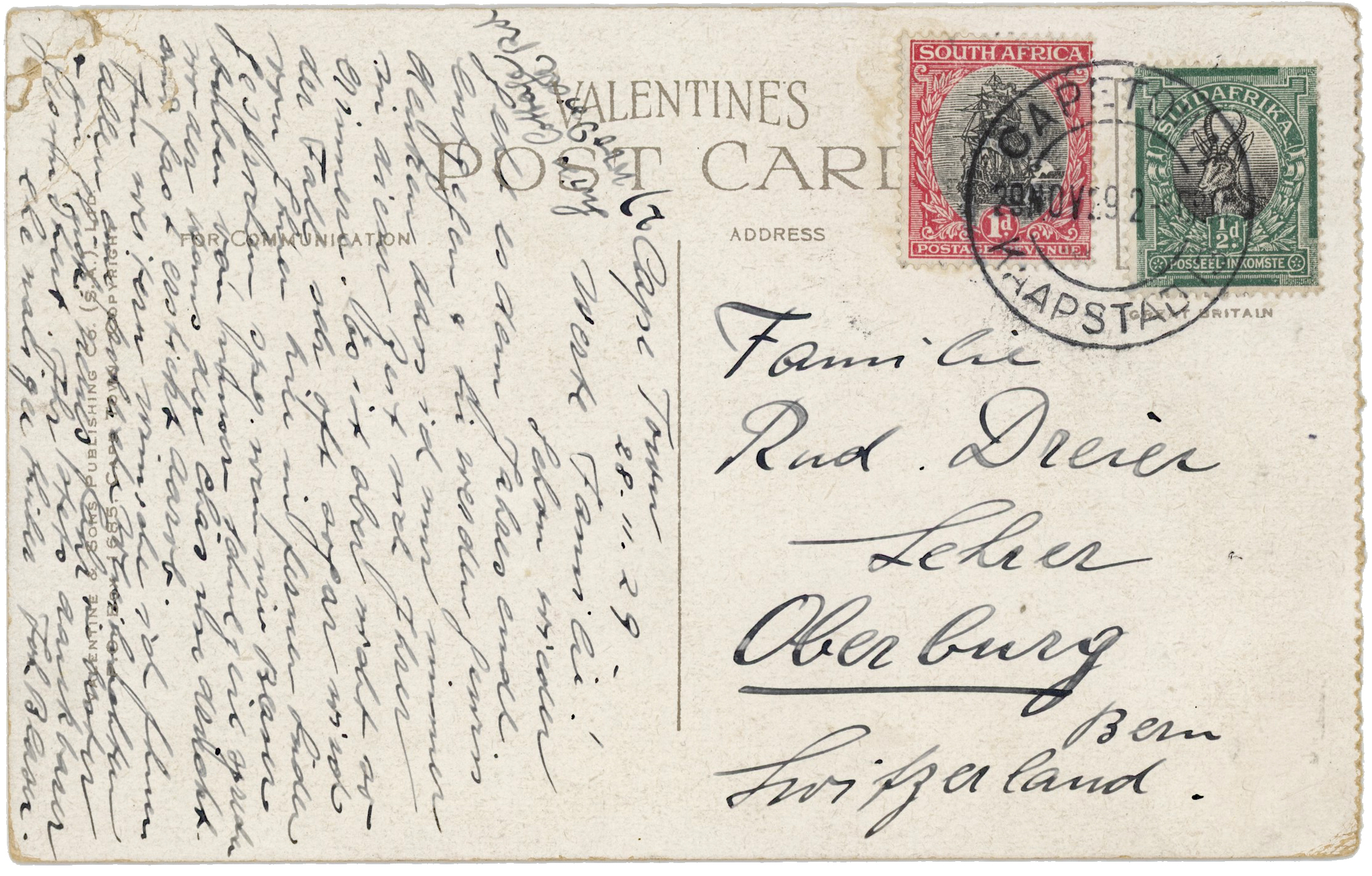
The postcard features Victoria Road and the mountain range called The Twelve Apostles from outside Cape Town, South Africa, from the late 1920s. At the time, the typical method for printing colored postcards was lithography, specifically the photo-lithography process. This involved creating multiple printing plates, with one plate for each color, and running the paper through the press multiple times to build up the final image. Victoria Road was first constructed in the late 1800s by Thomas Bain. The original purpose was to connect the city of Cape Town to the growing suburb of Camps Bay, following the coastline. Later, the road was extended to Hout Bay. -Google AI Overview. The Twelve Apostles are part of the Table Mountain complex overlooking Camps Bay in Cape Town, South Africa. The mountain range stretches 6 km almost to Hout Bay. They actually consist of eighteen peaks. From north to south they are named Kloof, Fountain, Porcupine, Jubilee, Barrier, Valken, Kasteel, Postern, Wood, Spring, Slangolie, Corridor, Separation, Victoria, Grove, Llandudno Peak, Llandudno Corridor, and Hout Bay Corner. The average height above sea level is 2,460 ft (750 m), compared to 3,478 ft (1,060 m) for Table Mountain. – WikipediaThe postcard was written on 28 Nov. 1929 and has a Cape Town postmark of 29 Nov. 1929. A penny and a half took it all the way to Oberburg near Bern, Switzerland. This would be by ship. Airmail was available but was almost ten times more expensive. The stamps are from South Africa’s Second Definitive Series that were issued in 1926. The sender’s address is from the suburb of Tamboerskloof on the slopes of Table Mountain in the city (Cape Town).
Here is a translation of the German: Cape Town November 28, 1929 Dear Family! Very soon it will be the end of the year again. Contrary to what you might think, I do not only ever remember you at this time of year. Very often, I find myself talking about you here in a faraway country, especially when we talk about our old school days. Furthermore, I wish you all a Merry Christmas and a Happy New Year with only the best of health. Your ever-grateful former student, John Blaser.
World Lion Day is celebrated annually on August 10th.
It’s a day dedicated to raising awareness about the challenges lions face in the wild and supporting their conservation. The day was founded in 2013 by Derek and Beverly Joubert to highlight the declining lion populations and the threats they face, such as habitat loss and poaching.
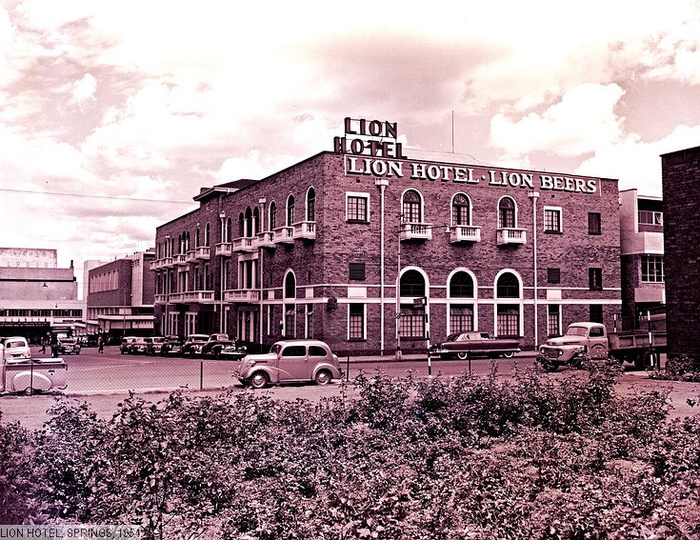
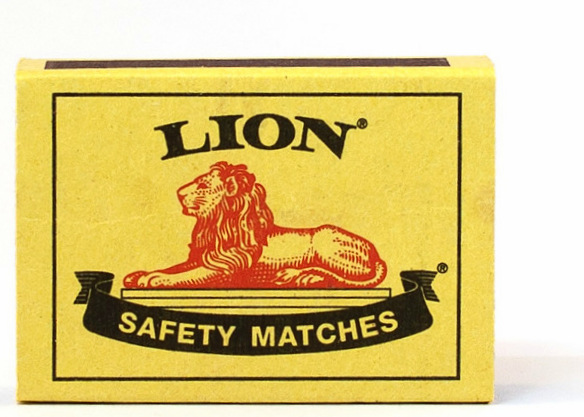
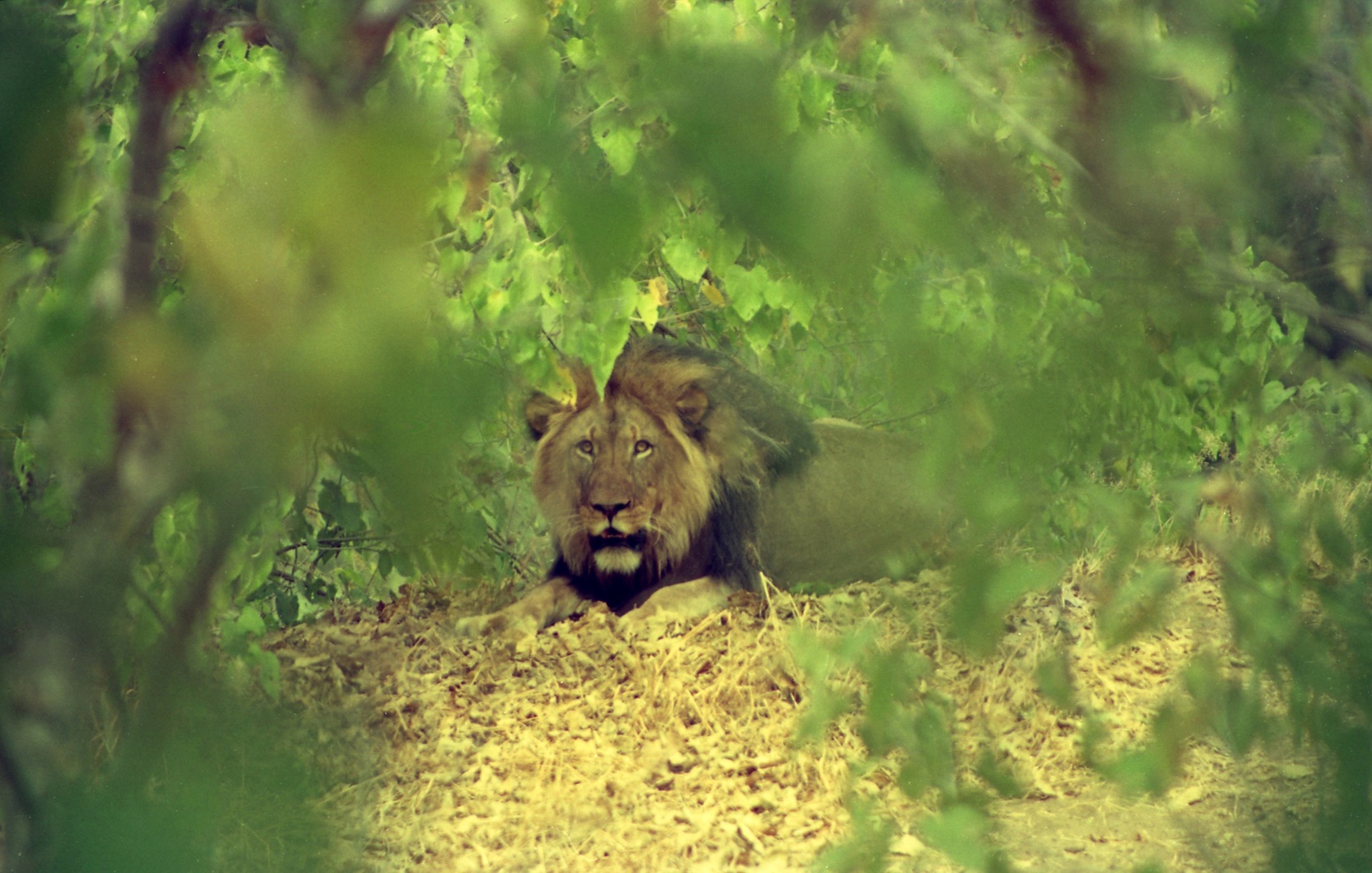
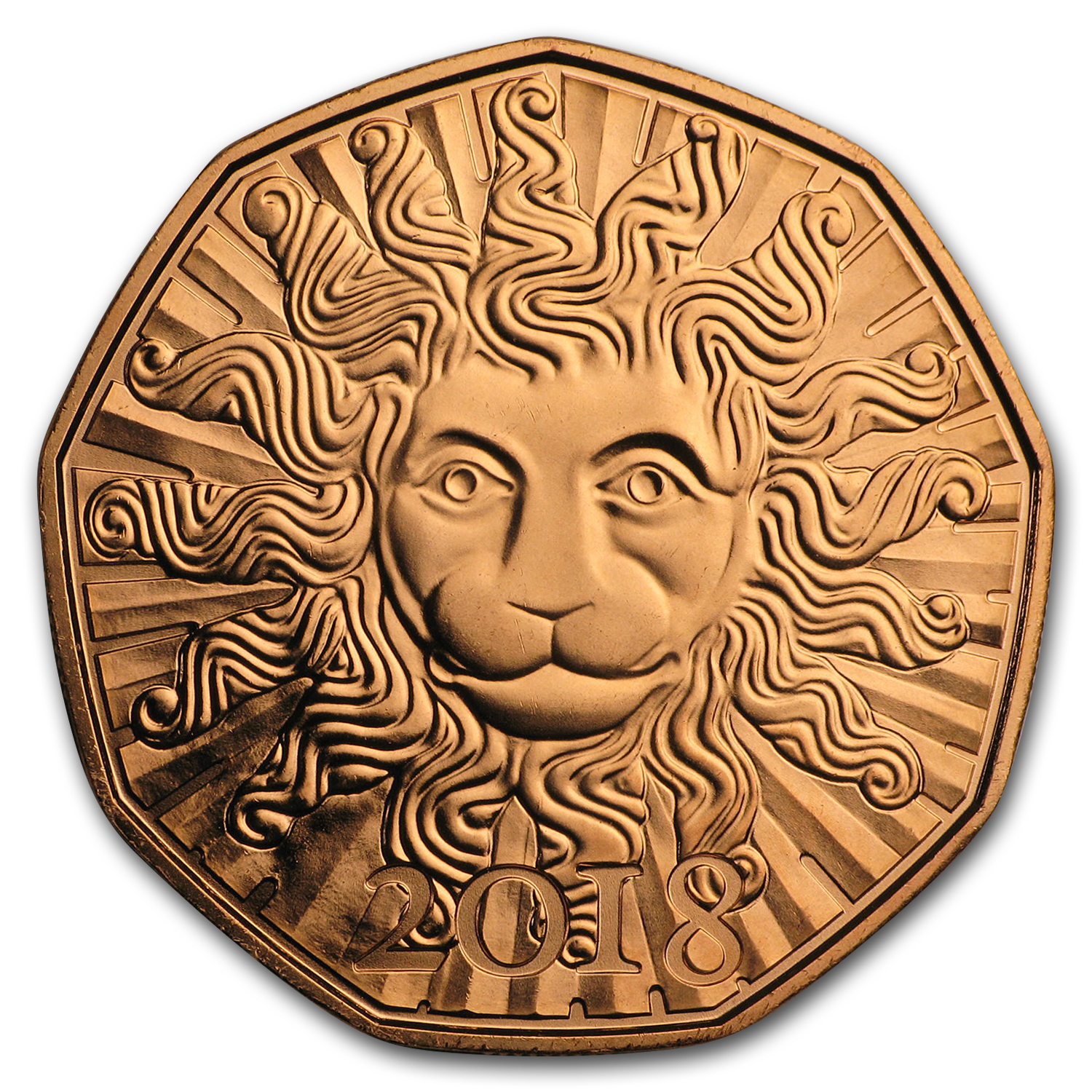
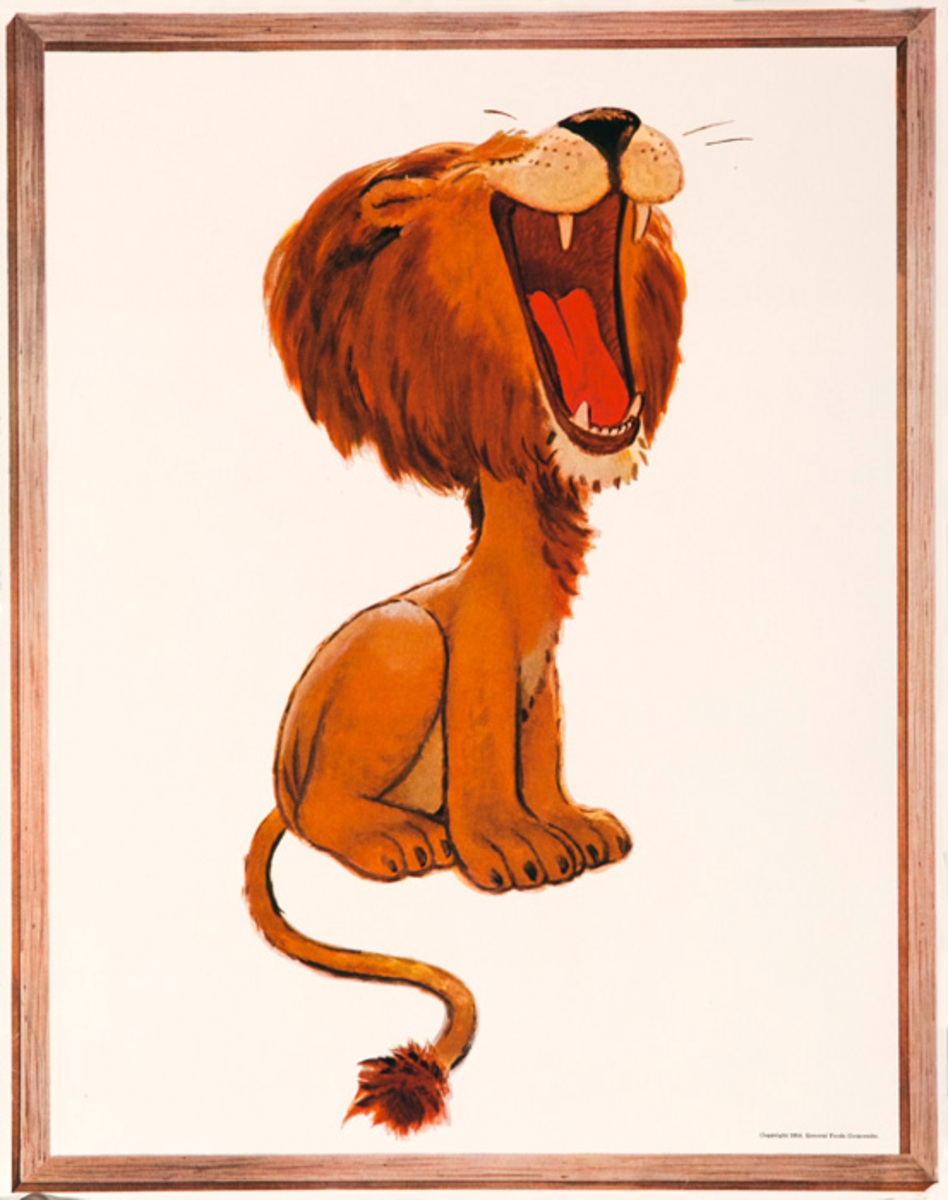
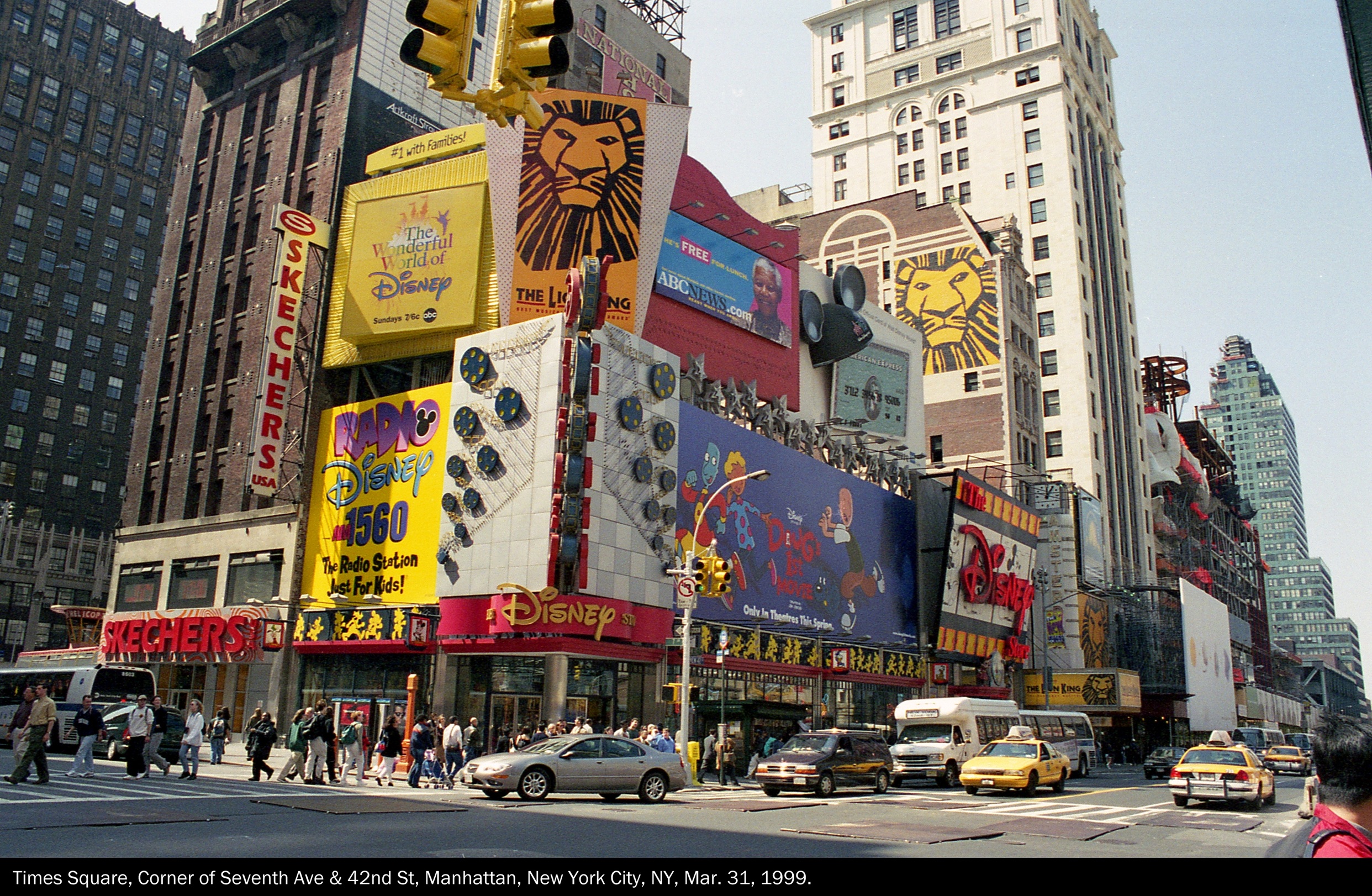
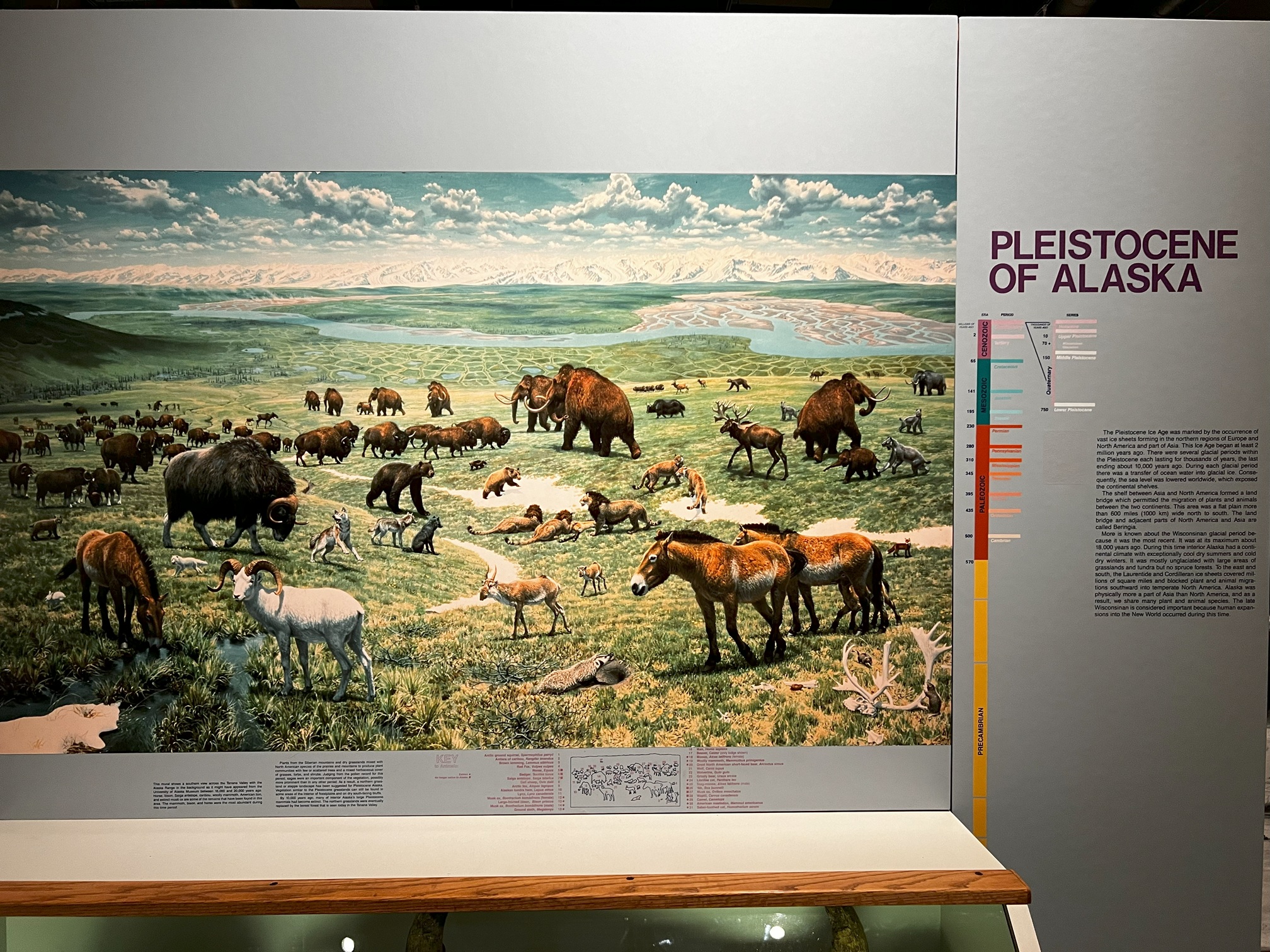
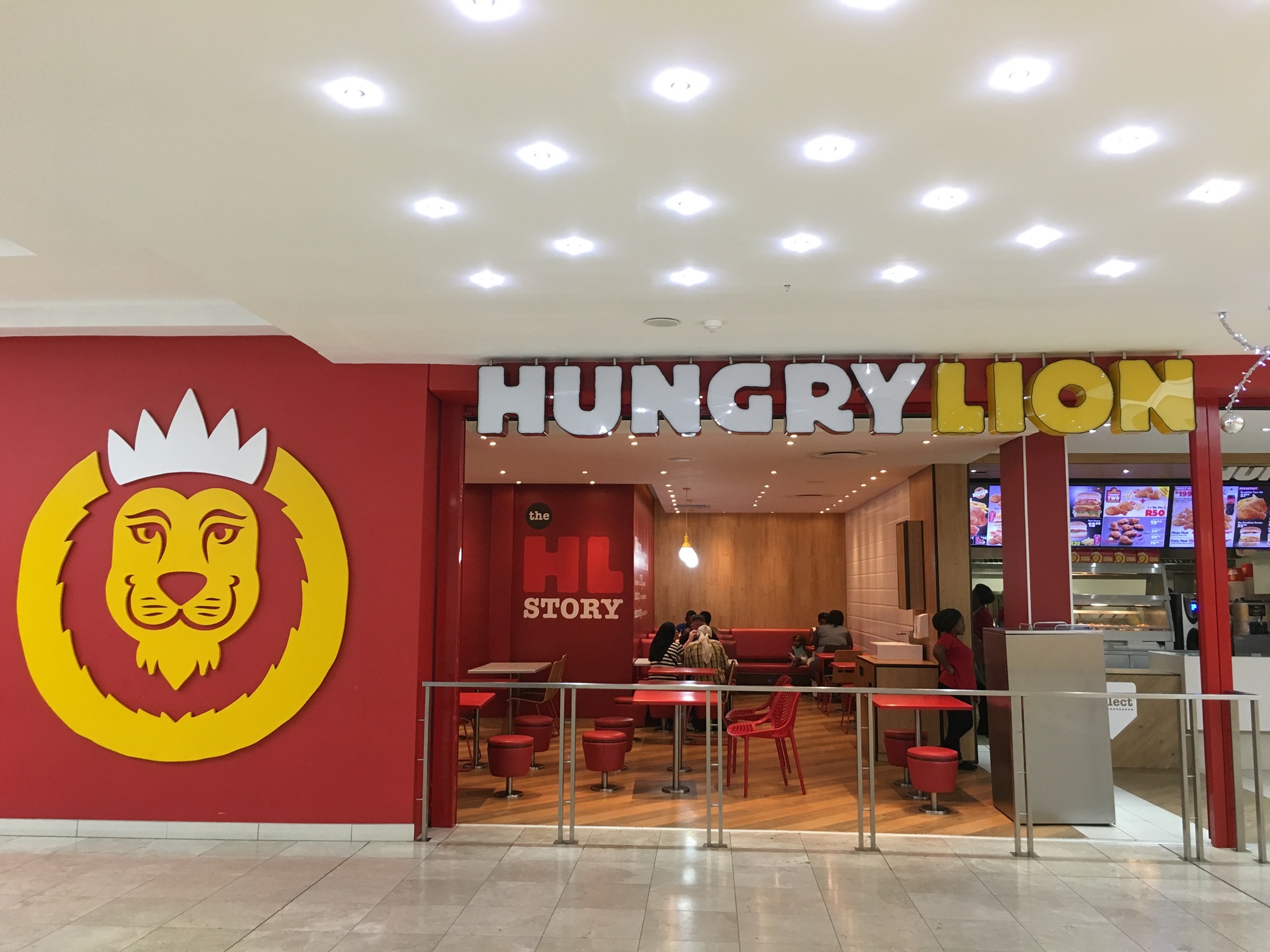
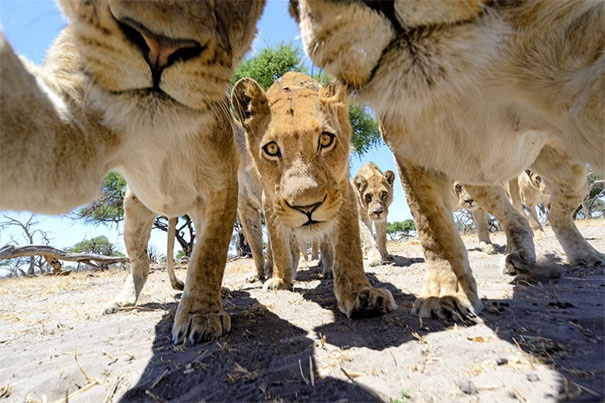
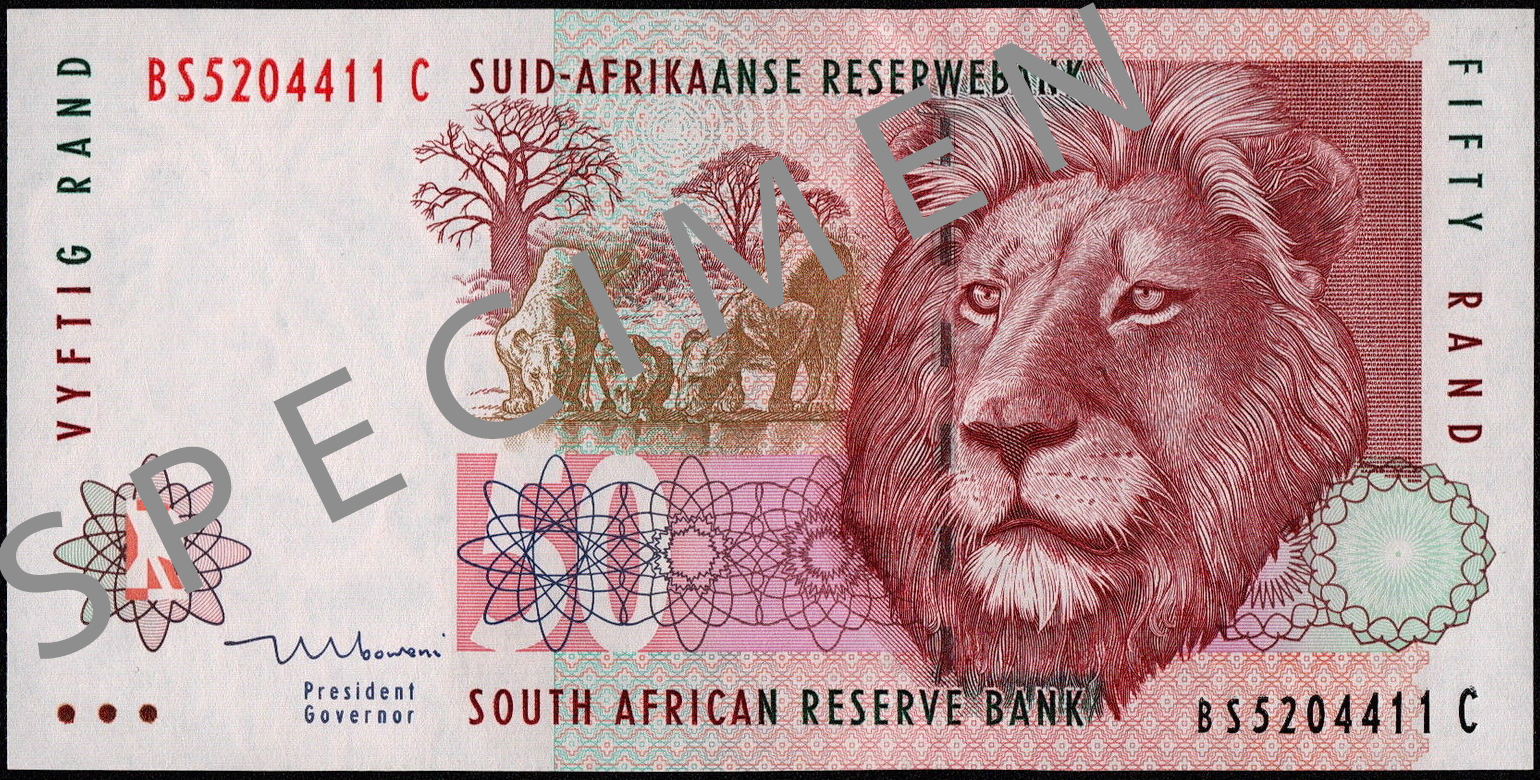
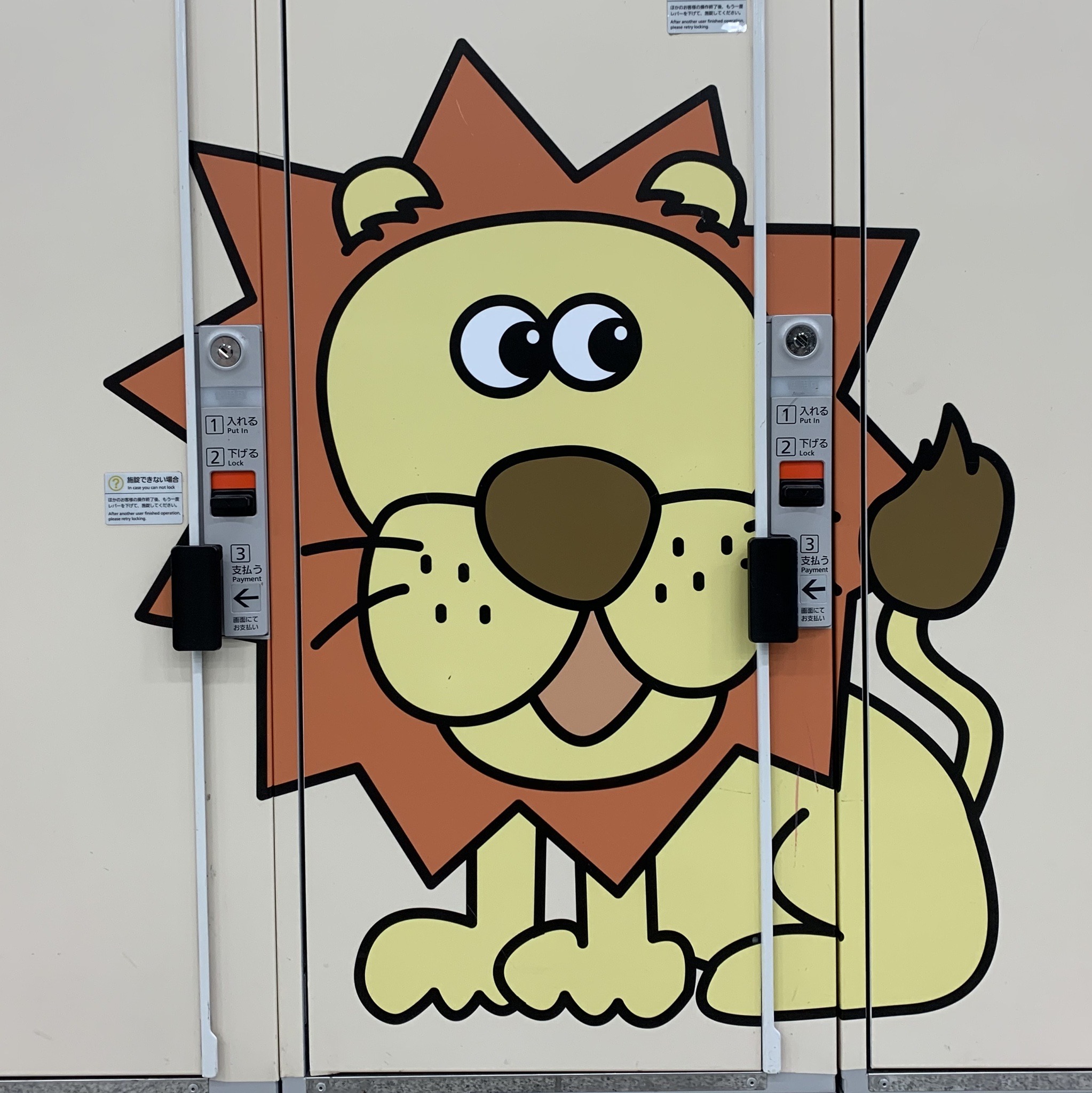
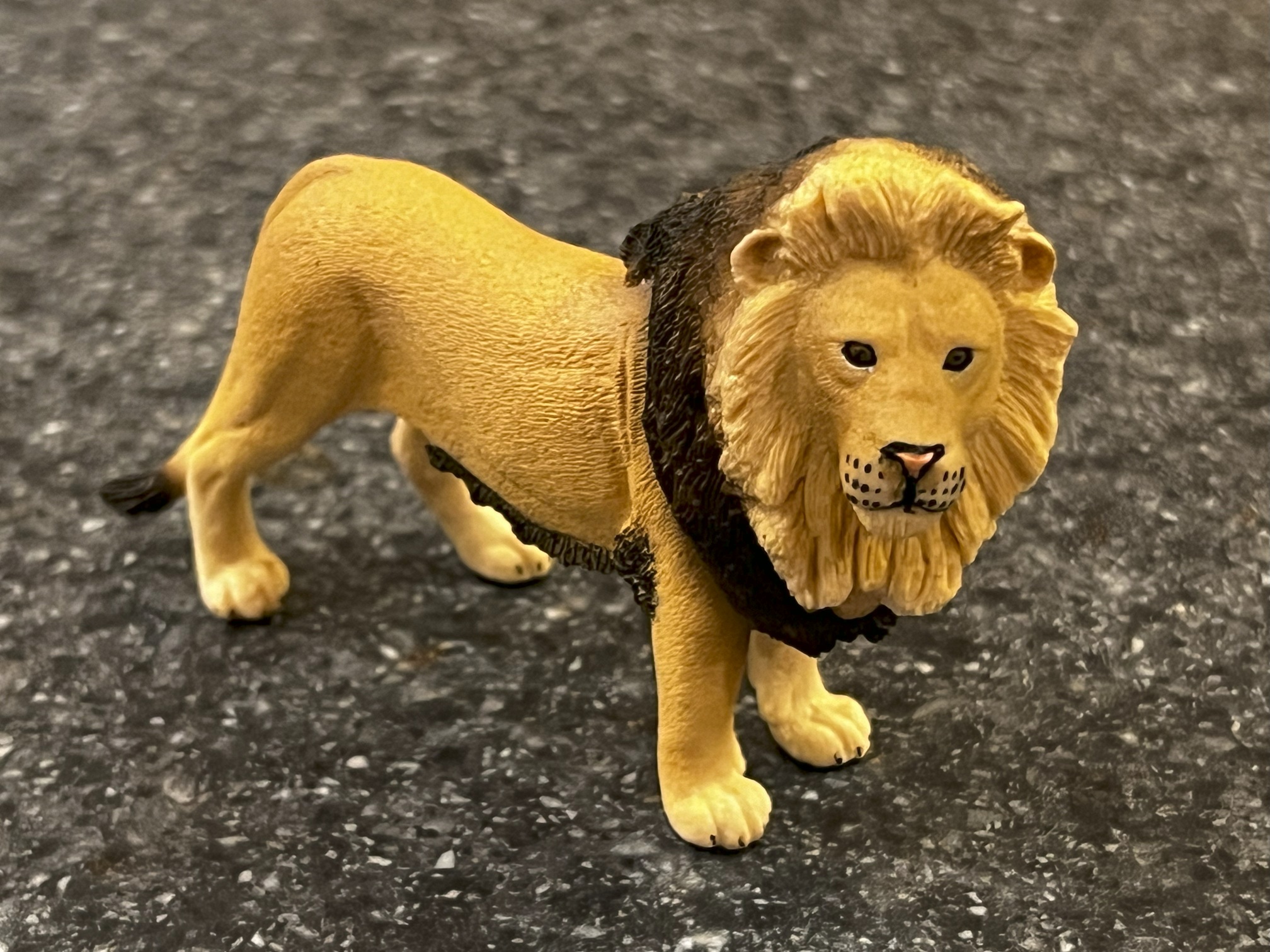
The Lion Hotel in the city of Springs in South Africa, advertising Lion Beer, circa 1954. Lion Beer would later become Lion Lager. Lion Lager is a popular choice for various gatherings and social events to this day. It’s often enjoyed during braais (South African barbecues), sports matches, and family celebrations.Lion safety matches. There was a time in the ’50’s in South Africa when an entire little box of 50 matches could be bought for one penny.I had been to Botswana with my family for more than a dozen times by 1993, and even by then had never seen a lion in the wild from up close there. When we were there in July 1993, though, one of the locals came to tell us of a lion that they had spotted nearby. Seven or eight of us piled into an open-top Jeep ( ! ), and I took this picture through the mopane leaves with a telephoto lens.2018 Austria Copper €5 New Year’s ‘A Lion in Winter’ coin.Artwork by David Pollack, used in Jell-o’s campaign of printed ads in LIFE magazine and others in the 1950s. The lion and a plate of Jell-O appeared in the ads, with the words “When I’m eating Jell-O, I wish I were a lion .. because then I could roar for more of my favorite dessert! (Jell-O, of course!)”I took this picture in New York City in 1999.The Pleistocene Epoch, often referred to as the Ice Age, in Alaska, as with the rest of the world, extended from approximately 2.6 million years ago to 11,700 years ago. Look at the center of the picture for the lions that once roamed in North America. The North American lion, also known as the American lion, became extinct around 10,000 years ago along with several other large mammals. [Picture taken inside University of Alaska Museum of the North, Fairbanks in 2023]A ‘Hungry Lion’ fast food franchise in Stellenbosch, South Africa, in 2017.A pride of lionesses inspect a remote controlled camera buggy. I believe the photographer is Chris McLennan and that the pictures were taken in 2019. I’m sure it is in Africa, but I don’t have the specific location.On a South African bank note from 1992: lionesses at the water hole, and a regal stare from the king of the beasts.Luggage locker in Tokyo Station, Japan.Lion figurine (model #17107) by toymaker Schleich.
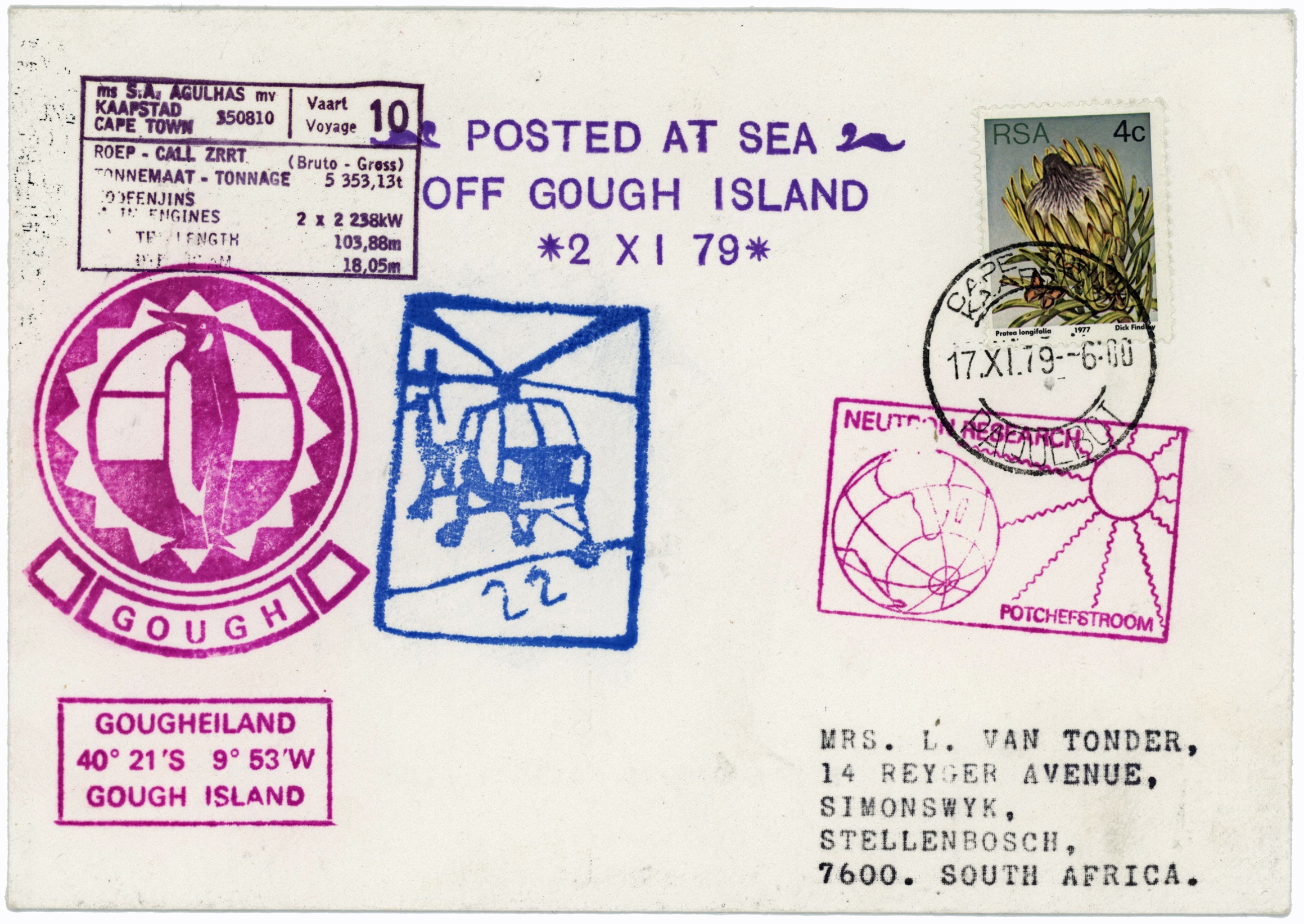
Check out this cool 1979 envelope.
It was mailed paquebot off Gough Island, with all kinds of outrageous postmarks on the envelope.
Paquebot cancellations on postage stamps indicate that the mail was posted on a ship at sea and canceled at the ship’s next port of call. The term paquebot is French for “packet boat” (steam ship, steam vessel) and signifies that the mail was handled according to international regulations for mail posted on vessels. These cancellations are distinct from regular postmarks and are often sought after by collectors.
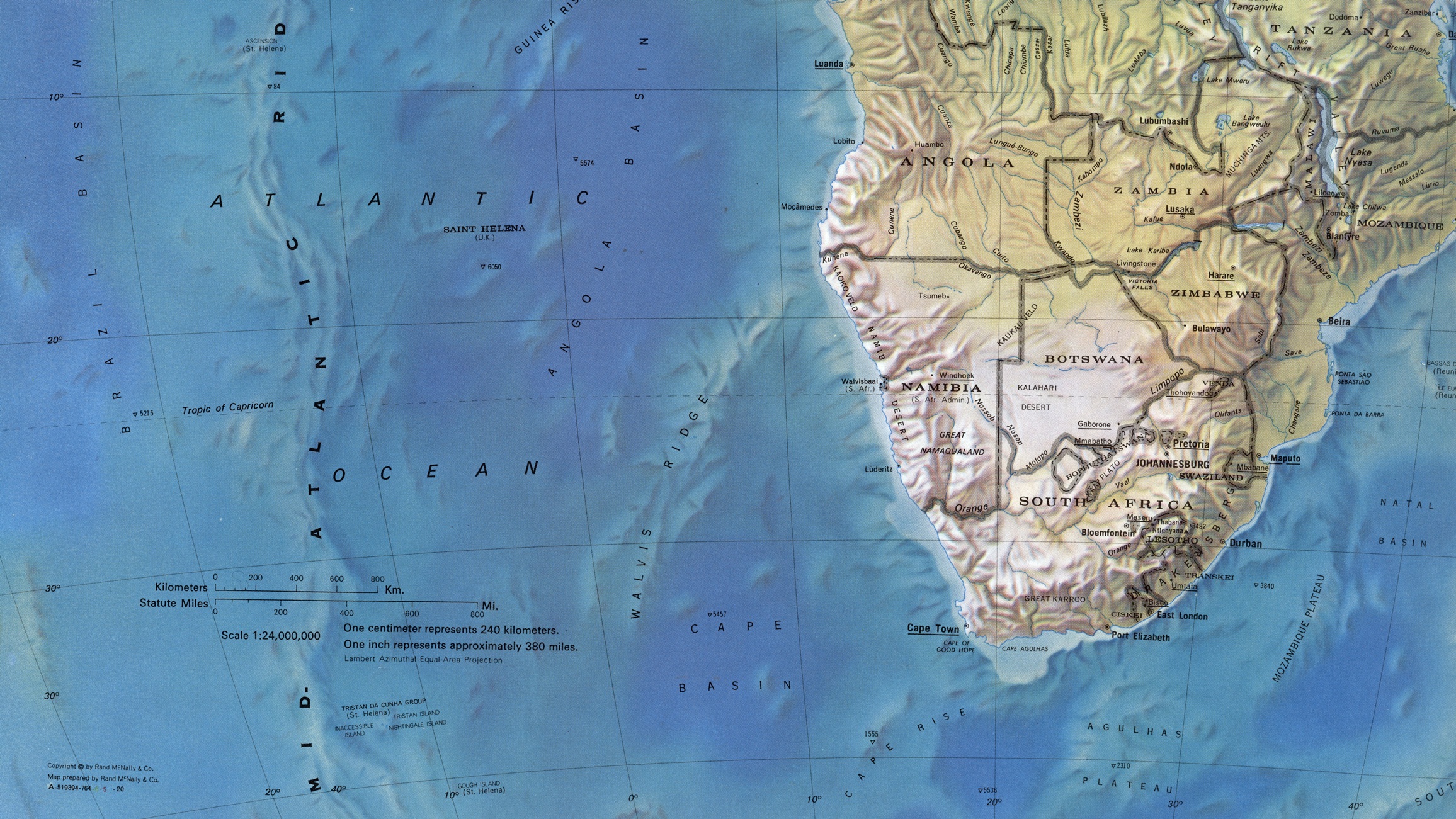
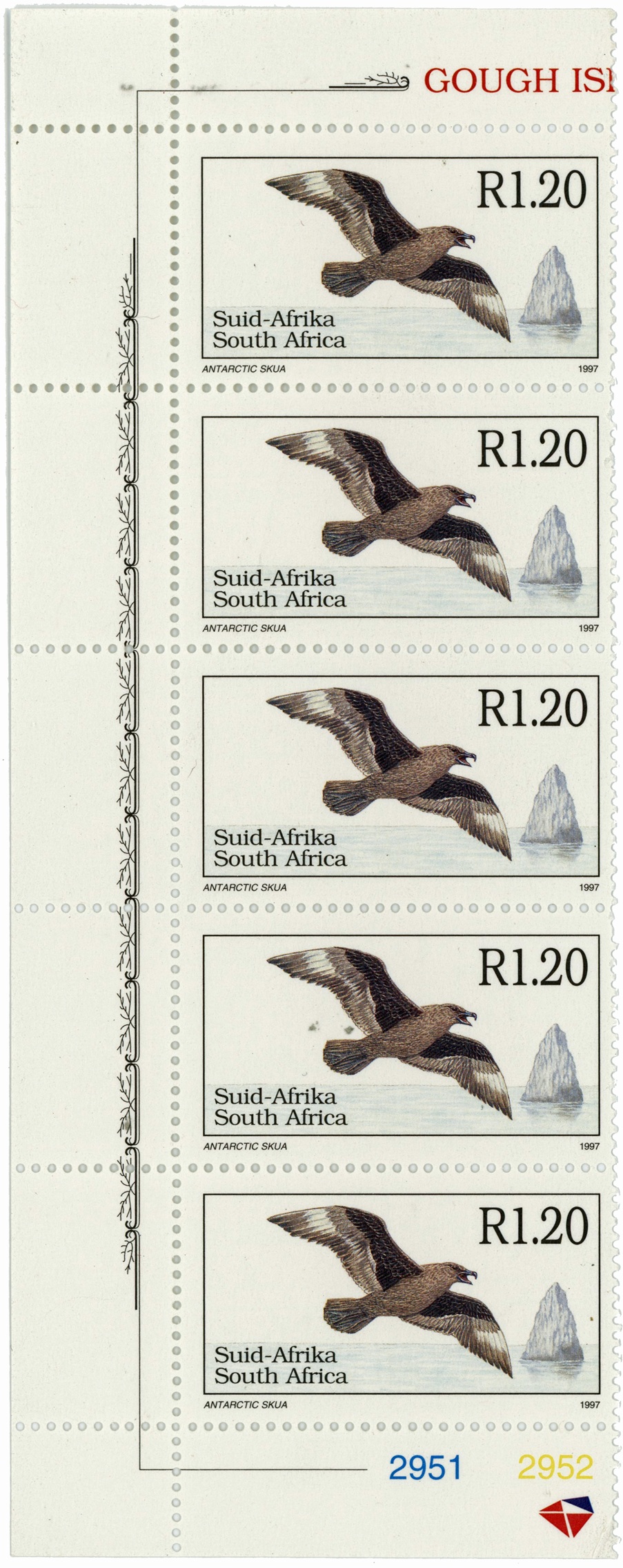
Postmarks and stamp on envelope— S.A. Agulhas is a South African ice-strengthened training ship and former polar research vessel. She was built by Mitsubishi Heavy Industries in Shimonoseki, Japan, in 1978. S.A. Agulhas retired from Antarctic service in April 2012 when the replacement vessel, S. A. Agulhas II, was commissioned. She was transferred to the South African Maritime Safety Authority as a training ship. Mailed paquebot off Gough Island on Nov. 2, 1979. Penguin and Gough Island coordinates. Gough Island is home to northern rockhopper penguins (Eudyptes moseleyi). Neutron research postmark from University of Potchefstroom in South Africa. The main scientific station on Gough Island is a South African weather station, which has been in operation since 1956. The Physics department at Potch University studied cosmic rays. Cosmic rays are primarily composed of high-energy particles, with about 90% being protons (hydrogen nuclei). Neutrons are secondary particles that are knocked out of atoms in the earth’s atmosphere. The blue helicopter postmark is most likely a commemorative or mission-specific cachet used on mail handled during the 1979 Gough Island expedition. The 22 might refer to a flight number or a team identification. The Cape Town postmark of Nov. 17, 1979 likely marks the arrival of the vessel there, at which time it was dispatched to the street address in Stellenbosch. The 4c stamp is from South Africa’s Third Definitive Series Issued May 27, 1977 |4c Protea longifolia |Perf. 12½ |Photogravure |Fluorescent paper |No watermarkLook at the bottom of this map for Gough Island. The island is also known historically as Gonçalo Álvares, and is a rugged volcanic island (area 35 mi²) in the South Atlantic Ocean. It is a dependency of the Tristan da Cunha island group and part of the British overseas territory of Saint Helena, Ascension and Tristan da Cunha. Nobody lives on Gough Island except for the workers of a weather station, which is usually six people. The South African National Antarctic Programme has maintained the island with British permission since 1956. [From Wikipedia] [Map in Lambert azimuthal equal-area projection by Rand McNally and published in 1984 in an atlas by Encyclopdia Britannica]One of these stamps would have fitted the envelope perfectly. Unfortunately, it would be 18 more years after 1979 before these stamps featuring the Antarctic skua would be issued.
South Africa Sixth Definitive Series (Endangered Fauna, Redrawn) Issued Aug. 27, 1997 |R1.20 Antarctic skua (additional value to series first issued in 1993) |Perf. 14×14¼ |Lithography |Coated paper |No Watermark
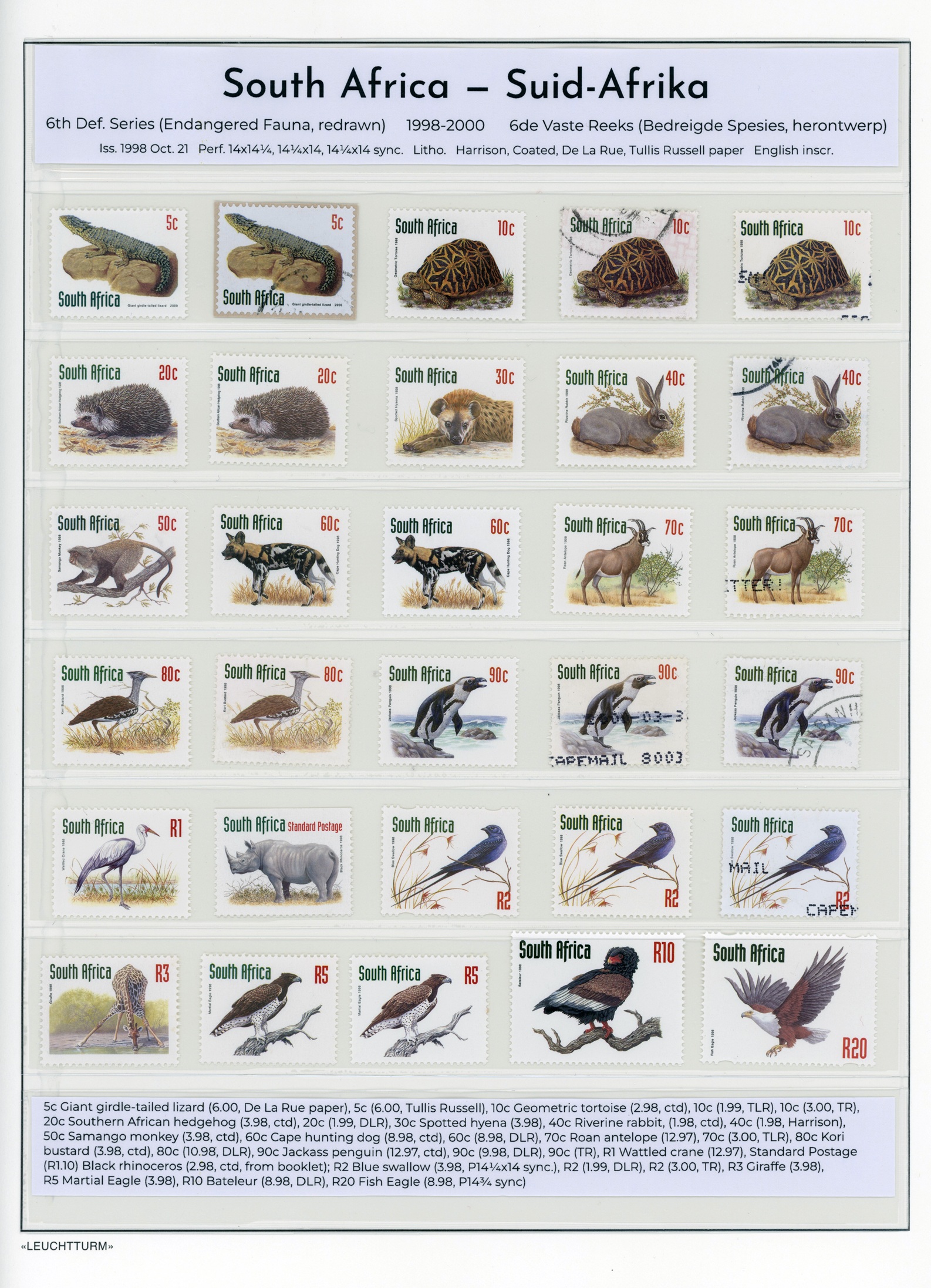
This series is still called the sixth definitive series of South African postage stamps— but the redrawn version of it.
The images of animals and birds are larger and without frames.
Up to four different kinds of paper were used in the printing process for some denominations.
I still don’t have all the combinations, but this is a great start.
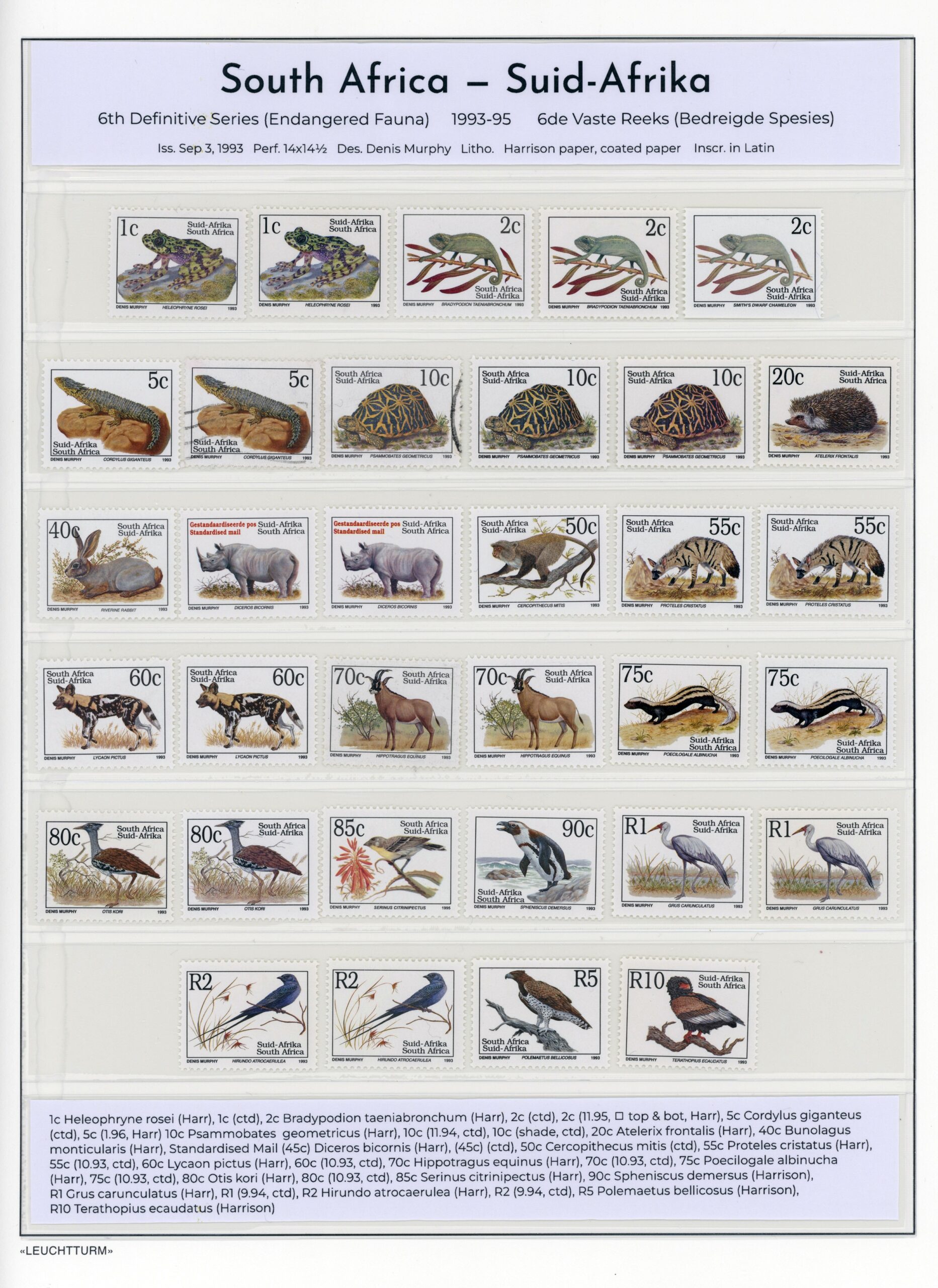
I reworked my pages with the sixth definitive series of South African postage stamps.
The inscriptions with the animal names were first in Latin (1993).
A new set with additional denominations was issued later, with inscriptions in English (1996).
These pages with 8 pockets (rows) allows me to display all the stamps in one set on one page— very nice.
P.S. Some of the pairs of stamps look the same but they are printed on different paper, with slightly different shades of white. That makes the ink colors look different as well. And of course I cannot just choose one. I need to put both in.
As part of the ever-expanding scope of my collection of South African stamps, I have started to collect revenue stamps of the South African colonies.
(Before the establishment of the Union of South Africa in 1910, South Africa consisted of four British colonies: the Cape Colony, Natal, Transvaal, and the Orange Free State.)
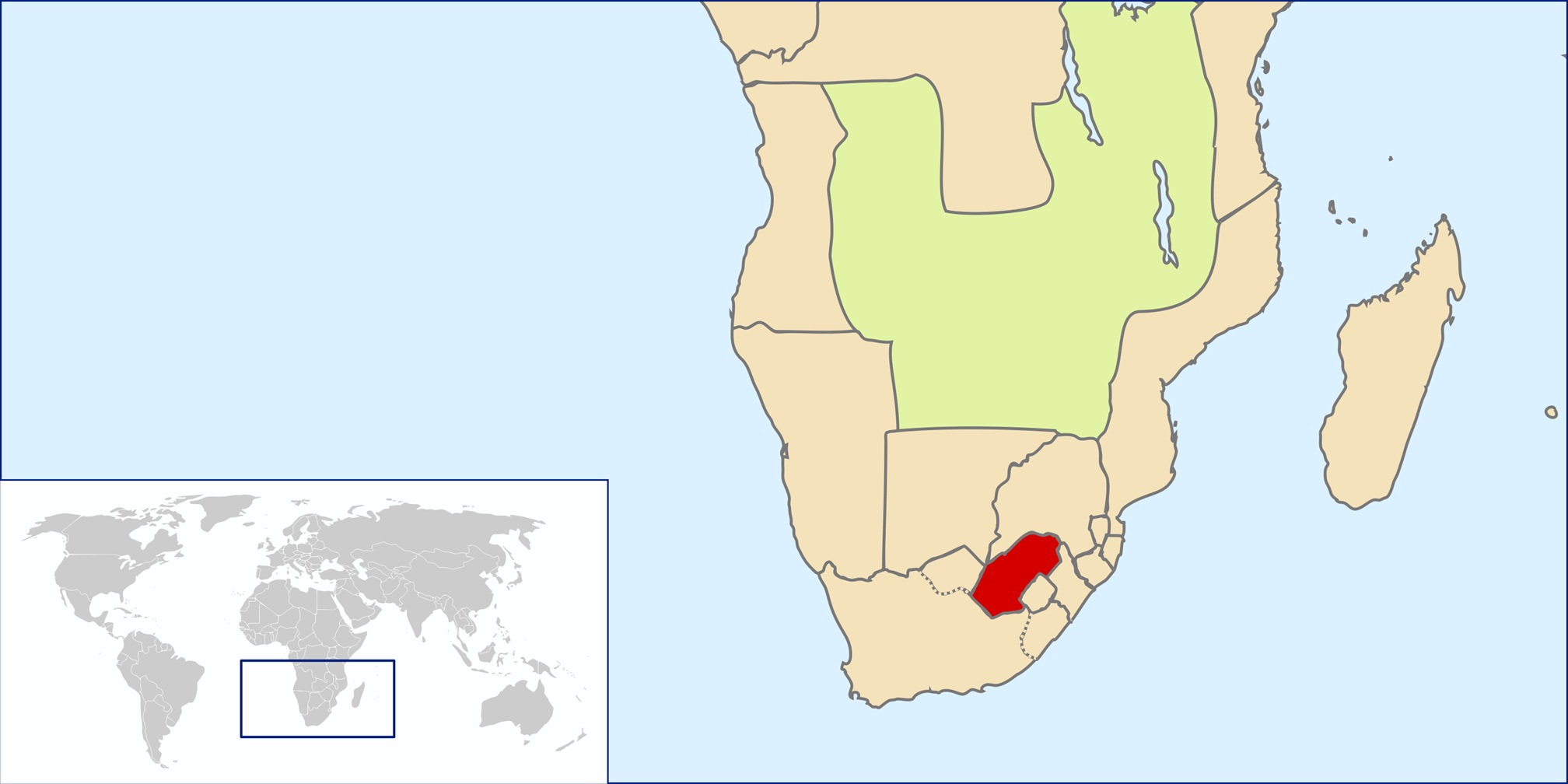
Location of the Orange Free State c. 1890 [Source: Wikipedia]From 1854 to 1902, the Orange Free State was an independent Boer-ruled sovereign republic under British suzerainty* in Southern Africa during the second half of the 19th century. It ceased to exist after it was defeated and surrendered itself to the British Empire at the end of the Second Boer War in 1902. It is one of the three historical precursors to the present-day Free State province in South Africa.
*A suzerain is a person, state or polity who has supremacy and dominant influence over the foreign policy and economic relations of another subordinate party or polity, but allows internal autonomy to that subordinate.
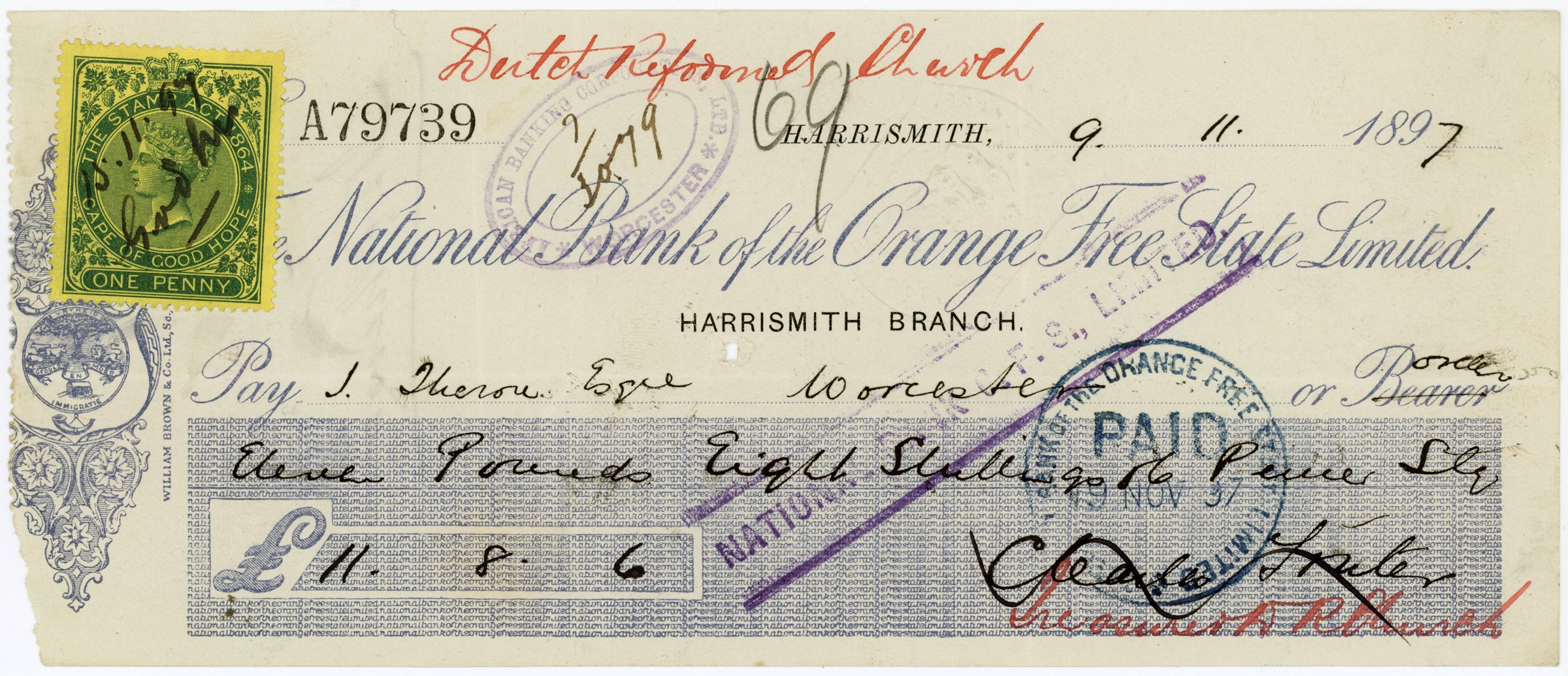
This yellow revenue stamp with green ink from the Cape Colony is affixed to a checque (using the queen’s English— Queen Victoria) that was issued in 1897 by the Harrismith branch of the National Bank of the Orange Free State.
The Revenue Stamp First issued in 1865 by the Cape Colony | Perf. 14 |Rotogravure One penny (1d) | green on yellow paper| Queen Victoria’s profile in classical style* surrounded by grapevine and vine leaves in the corners, symbolizing the Cape Colony’s viticulture | Crown at the top, denoting British authority *Queen Victoria of the United Kingdom of Great Britain and Ireland, queen from 1837 until her death in January 1901.
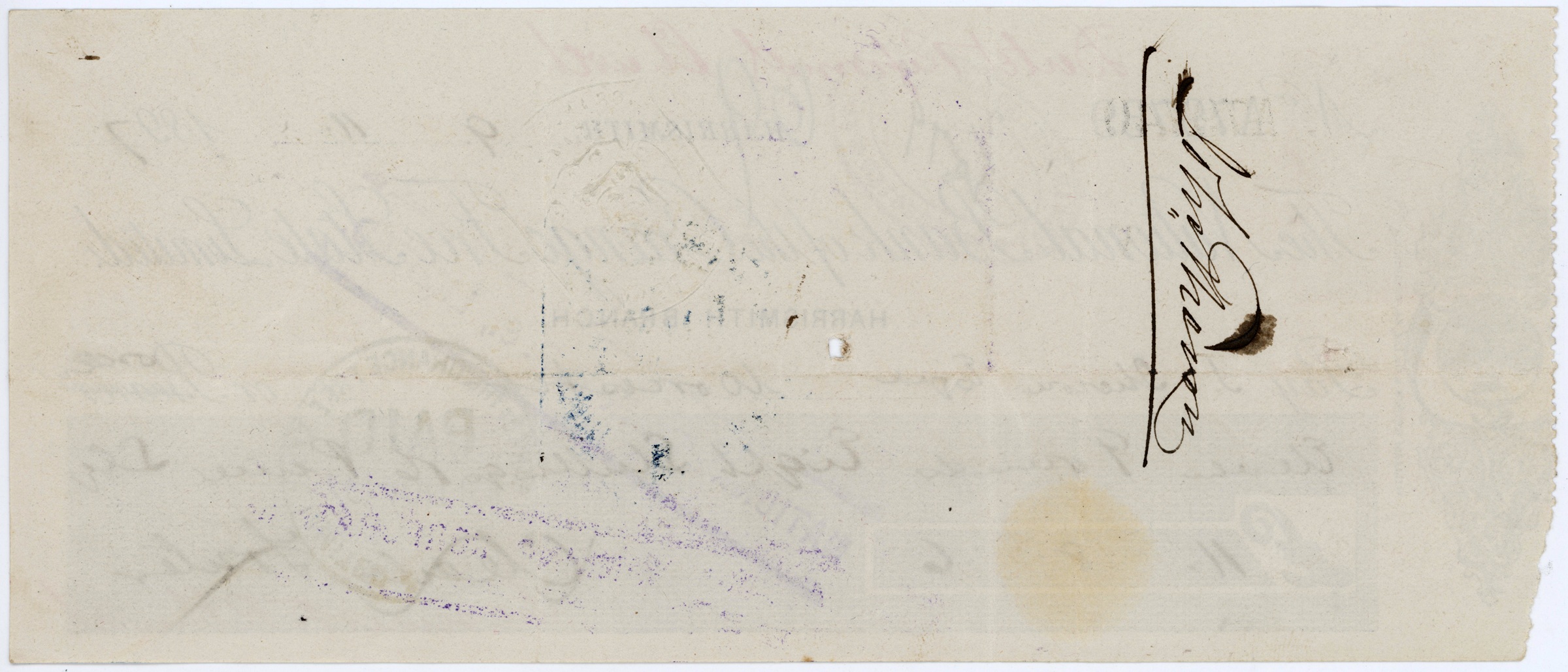
The Cheque Written by the treasurer (Charles Truter) of the Dutch Reformed Church on Nov. 9, 1897 to Esquire J. Theron. (Esquire here is the title of a young nobleman). The cheque is from the Harrismith branch of the National Bank of the Orange Free State, written for an amount of 11 Orange Free State pounds*, 8 shillings, 6 pennies. *Like the South African pound, it was divided into 20 shillings, and a shilling into 12 pennies. On the far left of the check is the coat of arms of the Orange Free State. The cheque was printed by William Brown & Co. of Old Broad Street in London. Security features at the time included the fine print at the bottom of the check, and so-called fugitive printing, that would use ink that would change, fade, or disappear under specific conditions, if it was tampered with. The revenue stamp was affixed to the cheque on Nov. 15. The check was stamped ‘Paid’ on Nov. 19. It seems Esquire Theron had the amount of the check paid into his account at the African Banking Corporation Ltd. in the town of Worcester in the Cape Colony. A hole was punched in the check to also indicate it has been cashed.
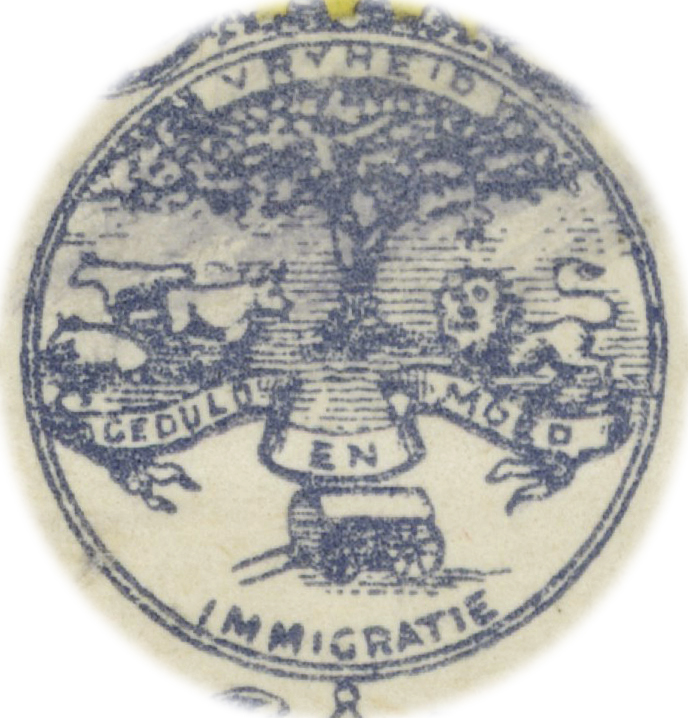
The signature of Esq. J. Theron on the back of the checque.Let’s take a closer look at the coat of arms of the Orange Free State printed on the far left of the check. VRYHEID (freedom) at the top, and GEDULD EN MOED (patience and courage) on the ribbon. IMMIGRATIE (immigration) at the bottom, presumably a call to Europeans, or settlers from other South African colonies to emigrate to the Orange Free State colony. The livestock look like cattle (the OFS coat if arms image on Wikipedia shows sheep). The lion on the right must mean ‘courage’, right? The ox wagon signifies the trek that the pioneers made from the Cape Colony to escape British rule, to establish their own independent Orange Free State republic.
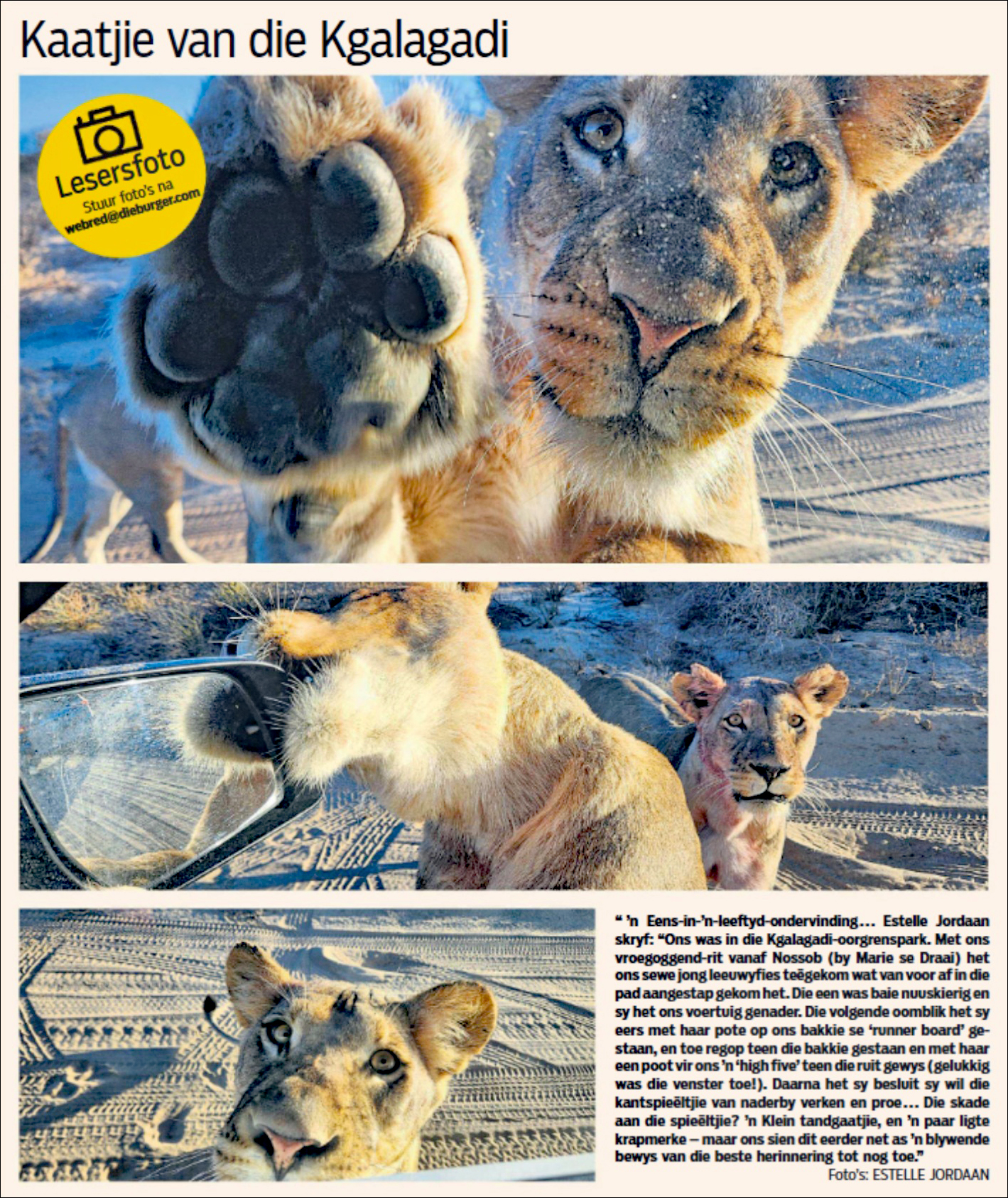
A reader sent in this set of photos to the South African newspaper Die Burger (The Citizen).
Kitty of the Kgalagadi The reader Estelle Jordaan writes: “A once-in-a-lifetime experience .. we were in the Kgalagadi Transfrontier Park (in the Kalahari Desert region of Botswana and South Africa, bordering Namibia to the west). On our early morning drive from Nossob (at Marie se Draai) we came across seven young lionesses who came walking up the road from the front. One was very curious and approached our vehicle. The next moment she first stood with her paws on our pickup’s runner board, and then upright against the pickup with a ‘high five’ with one paw against the window (luckily the window was closed!). Then she decided she wanted to explore the side mirror more closely and taste it… the damage to the mirror? A small tooth hole, and a few light scratches– but we rather see it as lasting evidence of the best memory so far.” [Photos by Estelle Jordaan. Published in Die Burger newspaper online, Thursday Jul. 10, 2025]
Happy Friday.
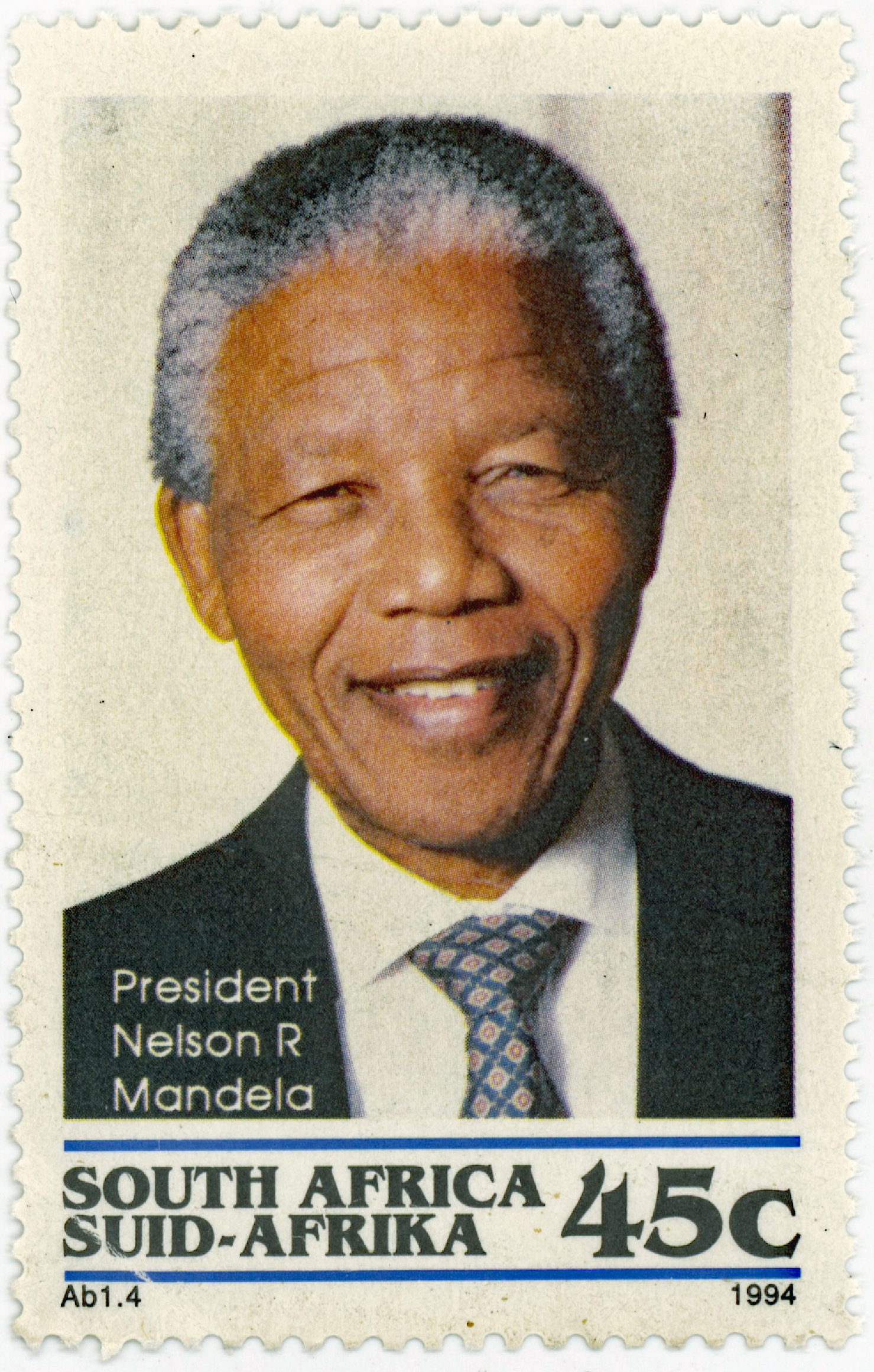
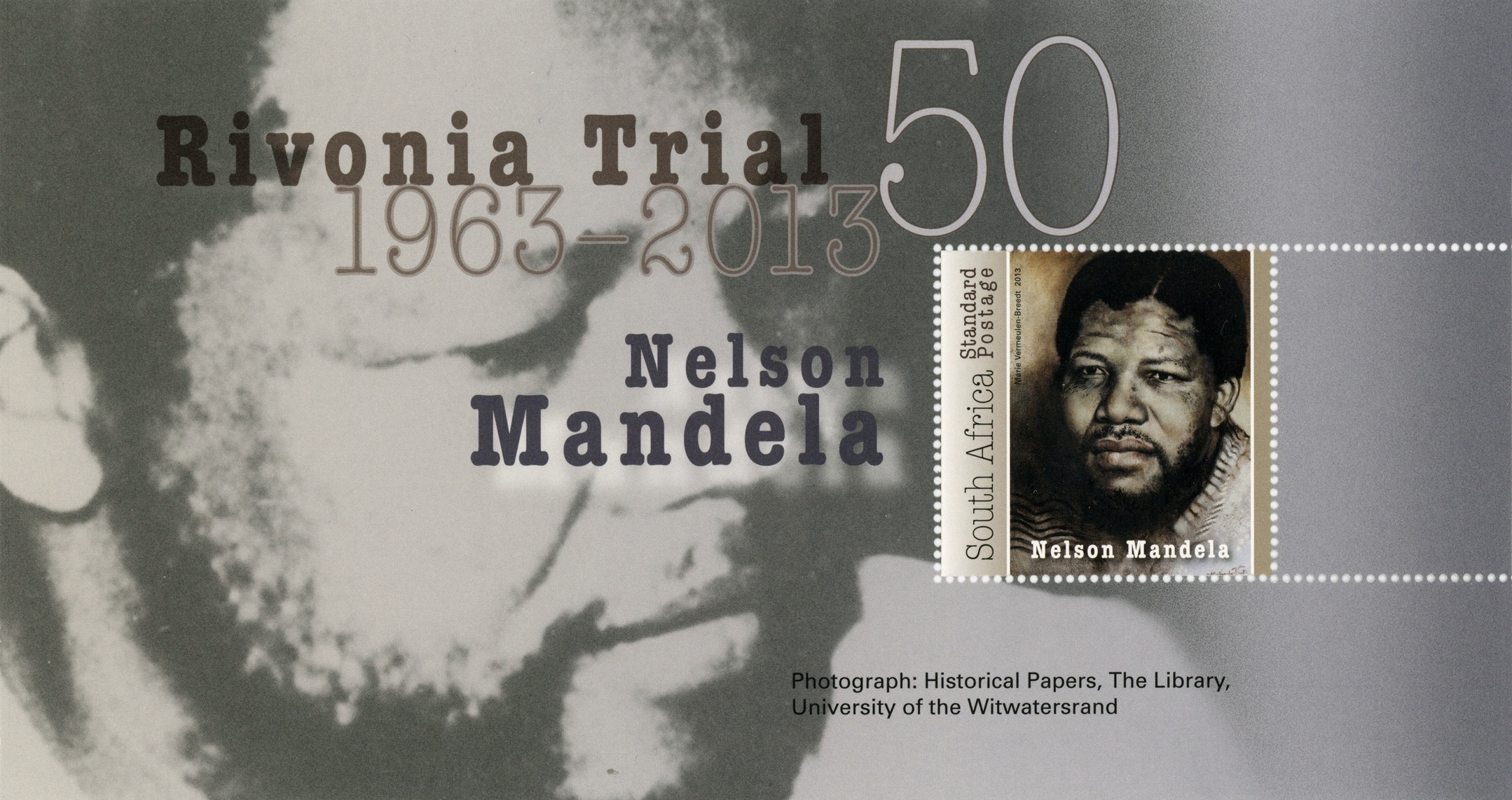
It is Nelson Mandela International Day— the annual international day in honor of Nelson Mandela, celebrated each year on 18 July, his birthday.
Inauguration of President Nelson Mandela (May 10, 1994) Issued May 10, 1994 Perf. 14½x14 | Des. Liza van der Wal | Litho. | No Watermark 882 A293 45c | Photo image of Mandela [Source: 2021 Scott Standard Postage Stamp Catalogue, Vol. 6A]50th Anniversary of the Rivonia Trial Issued Nov 26, 2013 Perf. 14¾x14½ | Des. Marie Vermeulen‑Breedt | Litho. | 12 Booklet panes of Rivionia trial defendants with 1 stamp each | No Watermark 1510 A547 Standard Postage (R2.80) | Photo image of Mandela as defendant at Rivonia Trial [Source: 2021 Scott Standard Postage Stamp Catalogue, Vol. 6A] P.S. From Wikipedia: The Rivonia Trial was a trial that took place in apartheid-era South Africa between 9 October 1963 and 12 June 1964, after a group of anti-apartheid activists were arrested on Liliesleaf Farm in Rivonia. The farm had been the secret location for meetings of uMkhonto we Sizwe (MK), the newly-formed armed wing of the African National Congress. Speaking in the dock of the court on 20 April 1964 during the trial, Mandela said: During my lifetime I have dedicated myself to this struggle of the African people. I have fought against white domination, and I have fought against black domination. I have cherished the ideal of a democratic and free society in which all persons live together in harmony and with equal opportunities. It is an ideal which I hope to live for and to achieve. But if needs be, it is an ideal for which I am prepared to die.
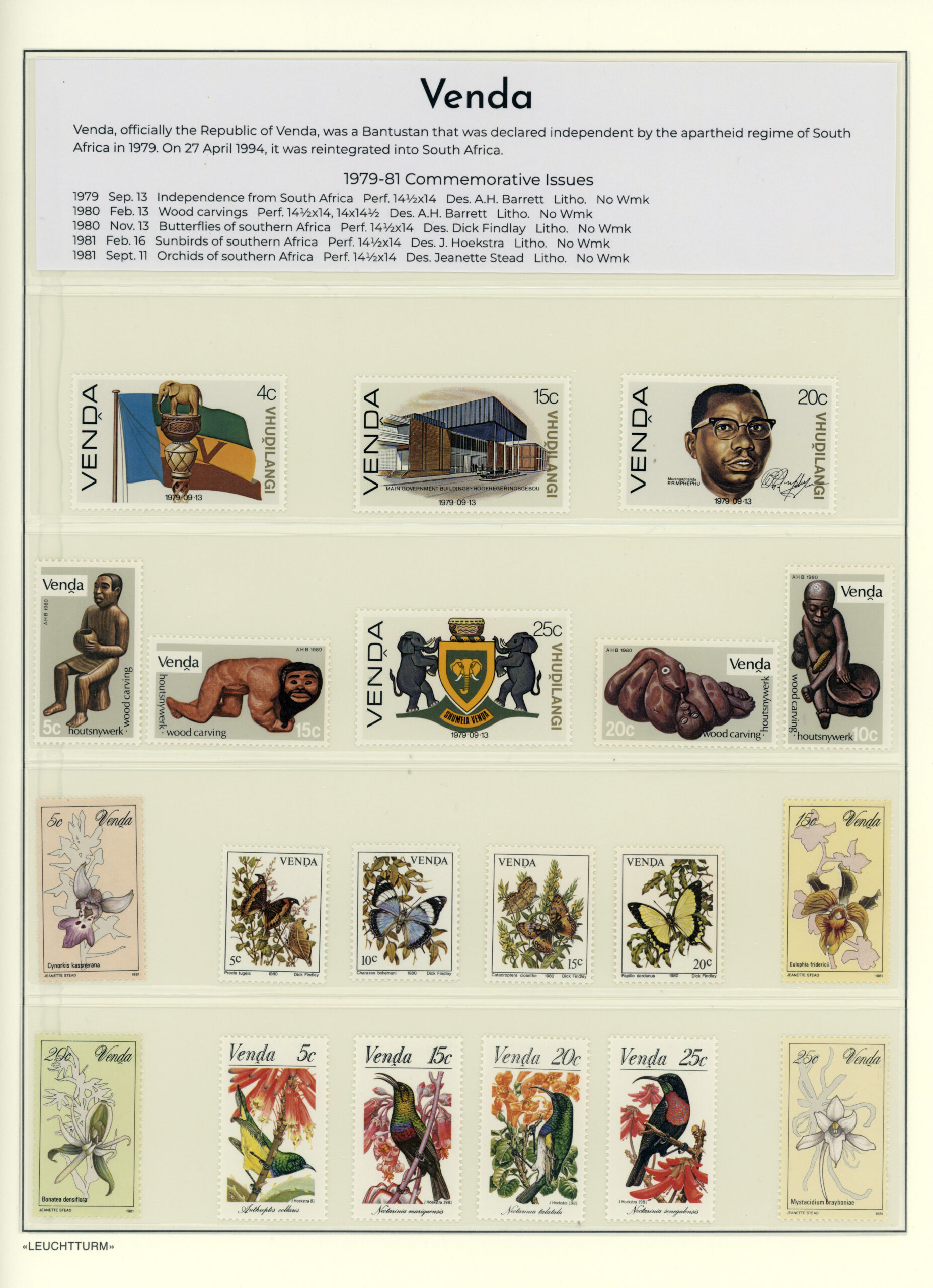
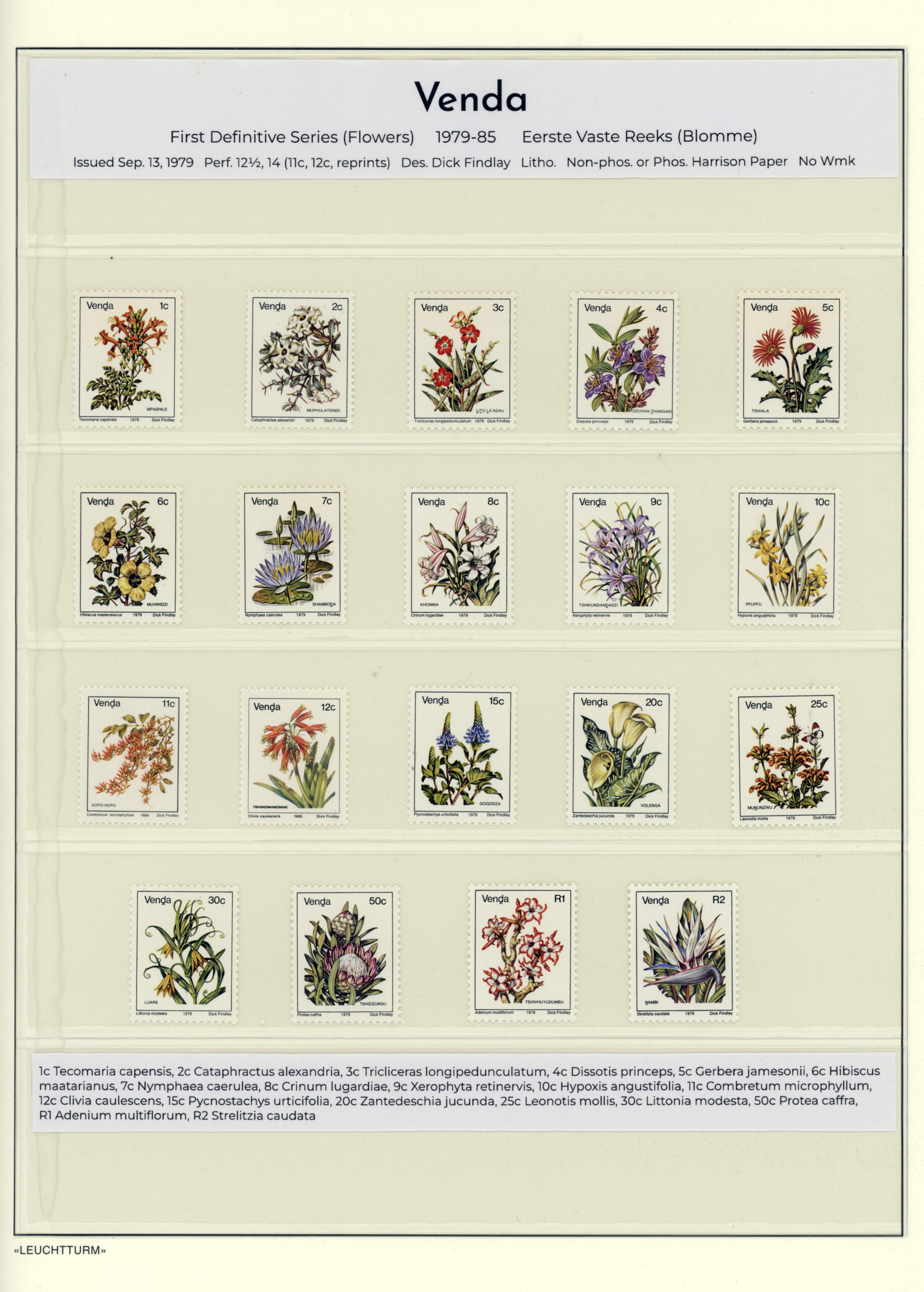
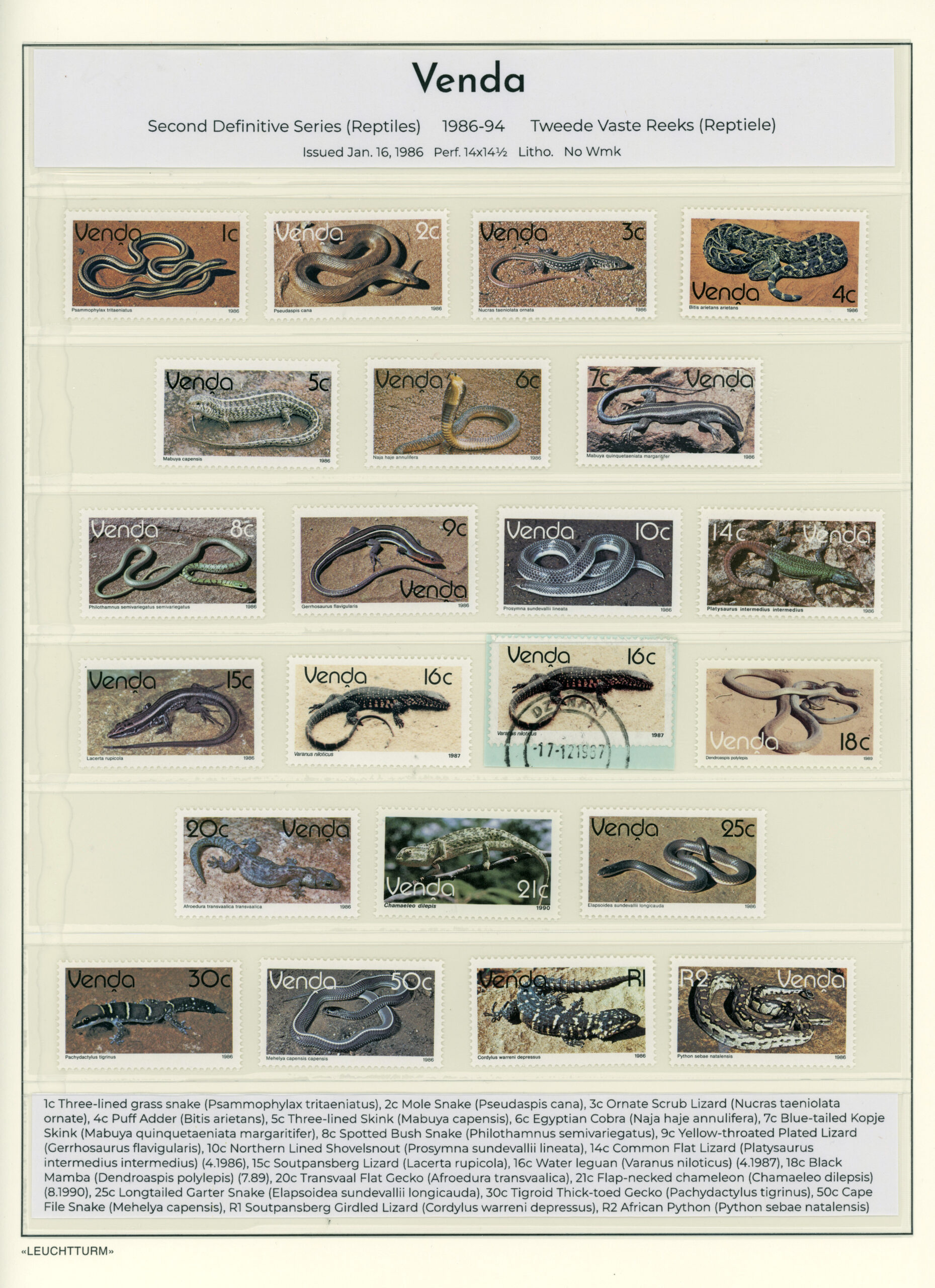
The stamps of last of the four South African homelands that issued stamps, made it into my album: those of Venda. (A sample below).
South African President Cyril Ramaphosa’s parents were of the Venda ethnicity. The Venda people reside primarily in the Limpopo province of South Africa, near the border with Zimbabwe. They have a rich and distinctive culture, including a unique language called Tshivenda or LuVenda (I see it is simply called ‘Venda’ on Google Translate).
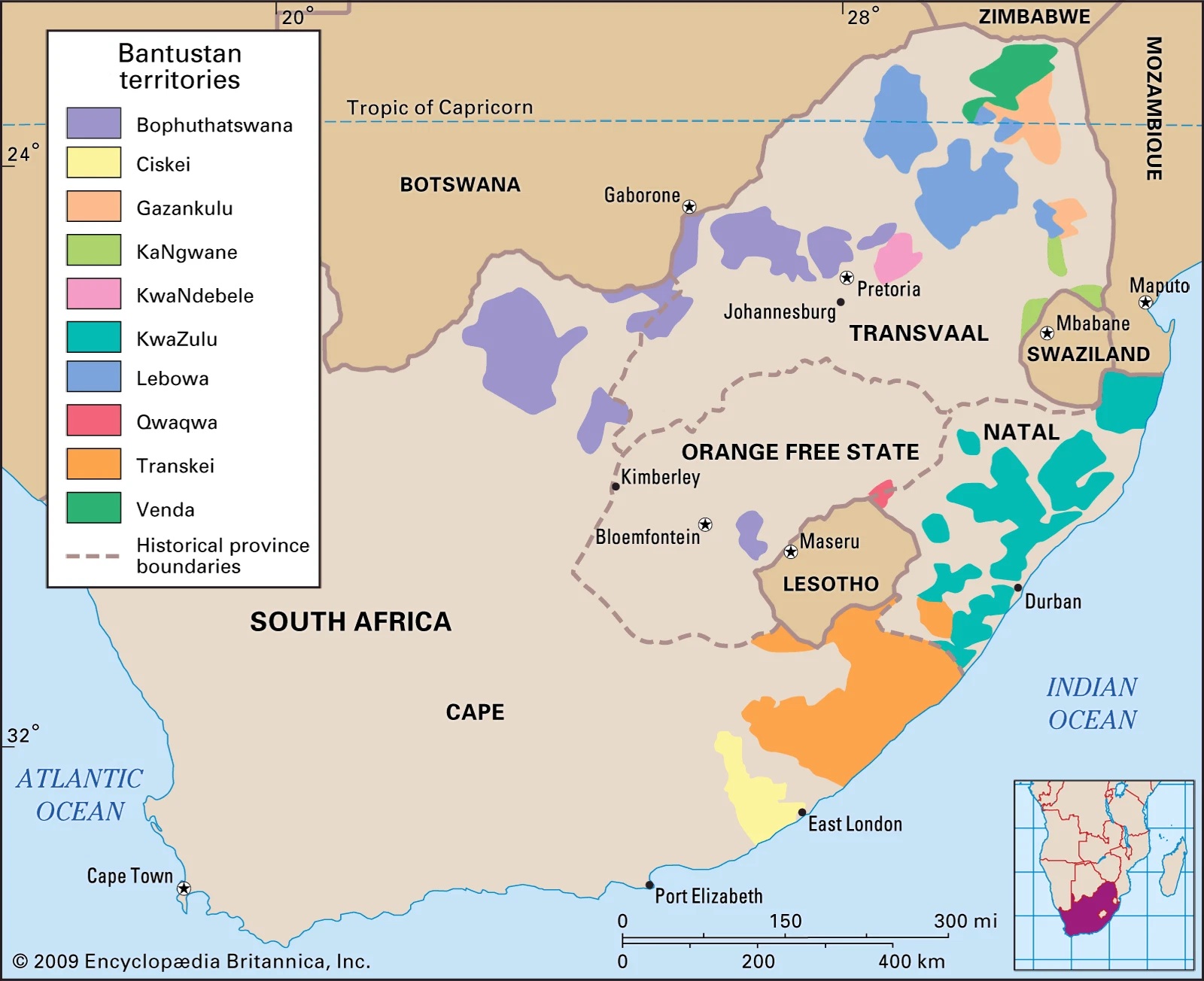
Venda, officially the Republic of Venda, was a Bantustan that was declared independent by the apartheid regime of South Africa in 1979. (In the far north of South Africa on the map). On 27 April 1994, independent Venda ceased to exist as it was reintegrated into South Africa to became part of modern-day Limpopo Province. Venda’s stamps were still valid for postage, though— the 16c stamp below on the last page has a 1997 cancellation.
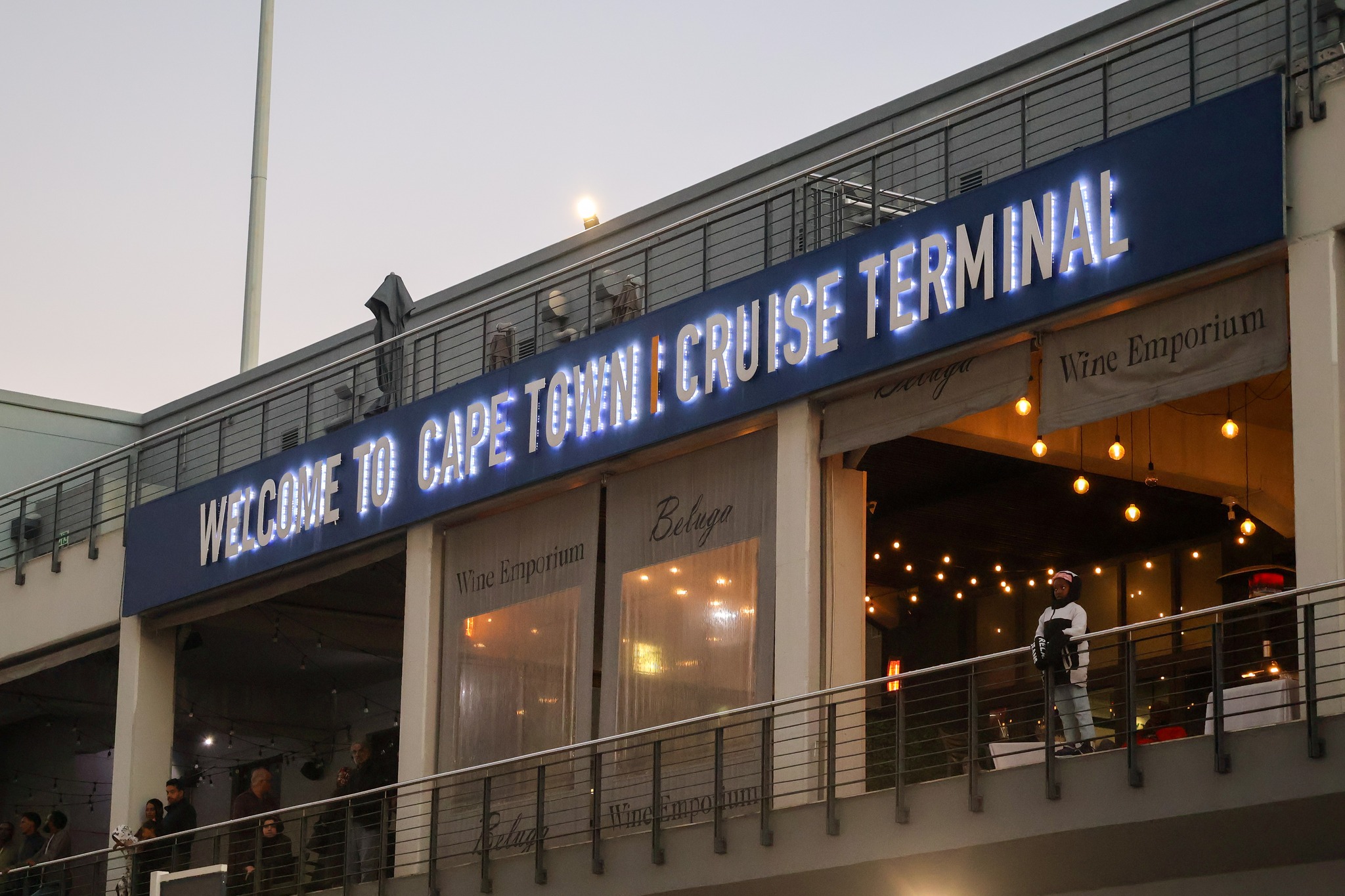
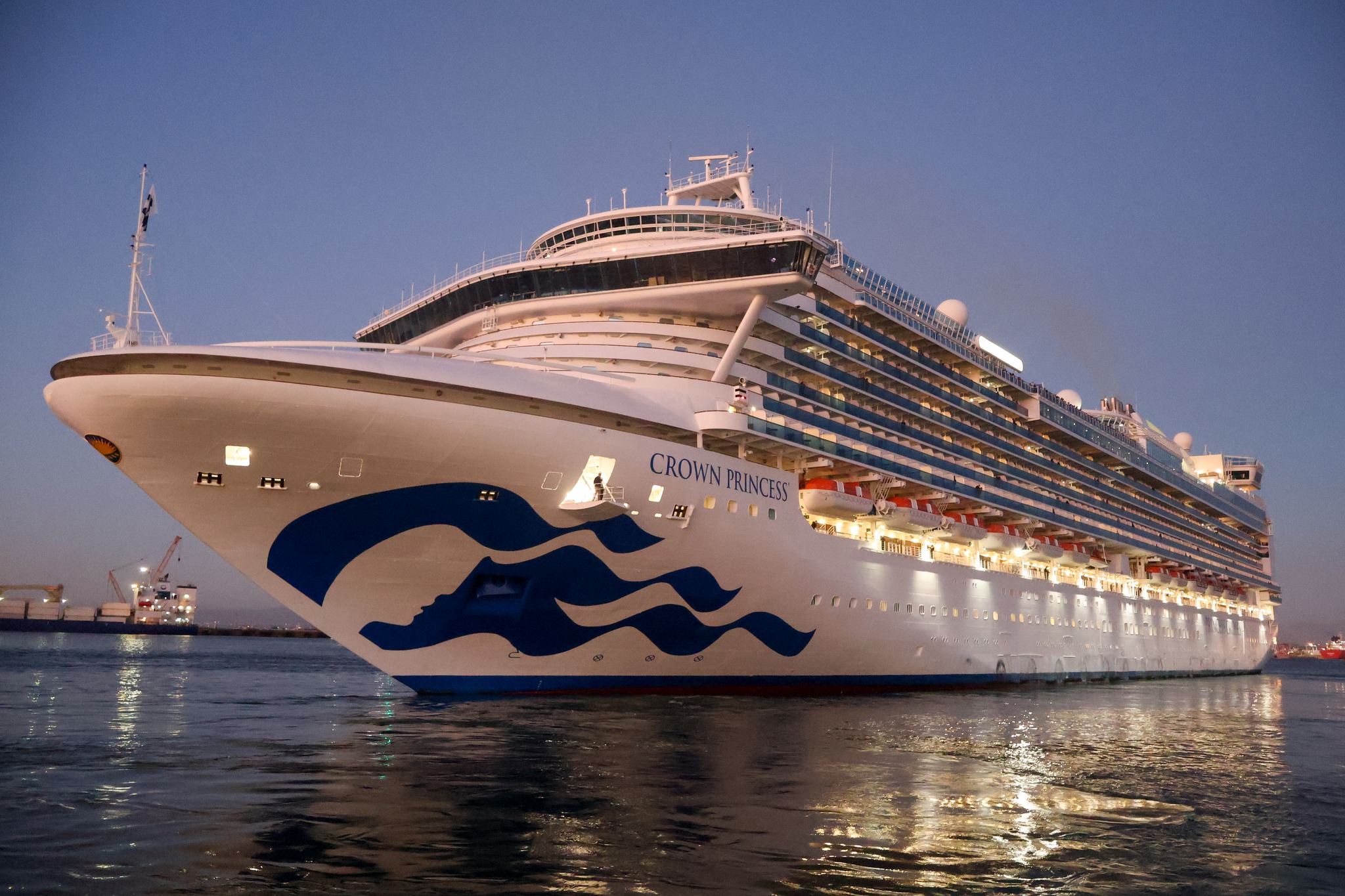
South African newspaper Die Burger (‘The Citizen’) reports that Cape Town has had a very successful 2024/25 cruise season. A total of 83 cruise ships visited the cruise terminal at the V&A Waterfront , of which 11 were there for the first time.
The cruise terminal saw an increase of 16% in terms of passengers and crew numbers over last year. (The 2023/24 season generated US$ 67.4 million for the regional economy and supported 2,000 jobs. The numbers for 2024/25 are still being compiled).
A sign at the cruise terminal at the V&A Waterfront in Cape Town. [Picture from Facebook/Wesgro]The 2024/25 cruise season in Cape Town concluded with the departure of the Crown Princess from the cruise terminal at the V&A Waterfront on June 29. The Crown Princess is currently on a 60-day world cruise that began on May 31, 2025, in Auckland, New Zealand. She is scheduled to arrive in Dover, England, on July 30, 2025. The ship’s itinerary was adjusted last week due to stormy weather conditions around Cape Town and Walvis Bay. As a result, her arrival in Walvis Bay, Namibia, was delayed until July 1, and she subsequently bypassed Mindelo, Cape Verde (Cabo Verde). [Picture from Facebook/ Wesgro]
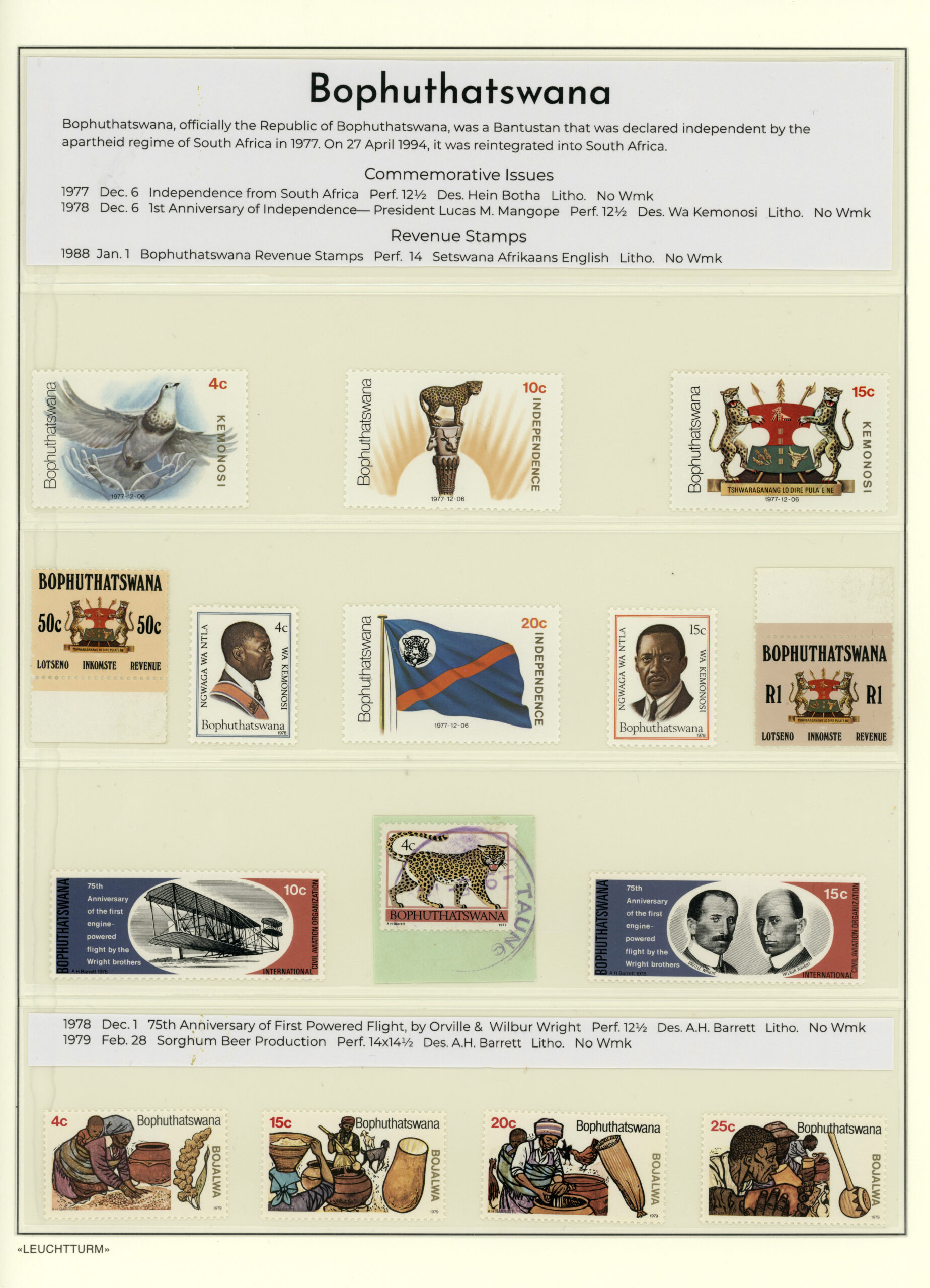
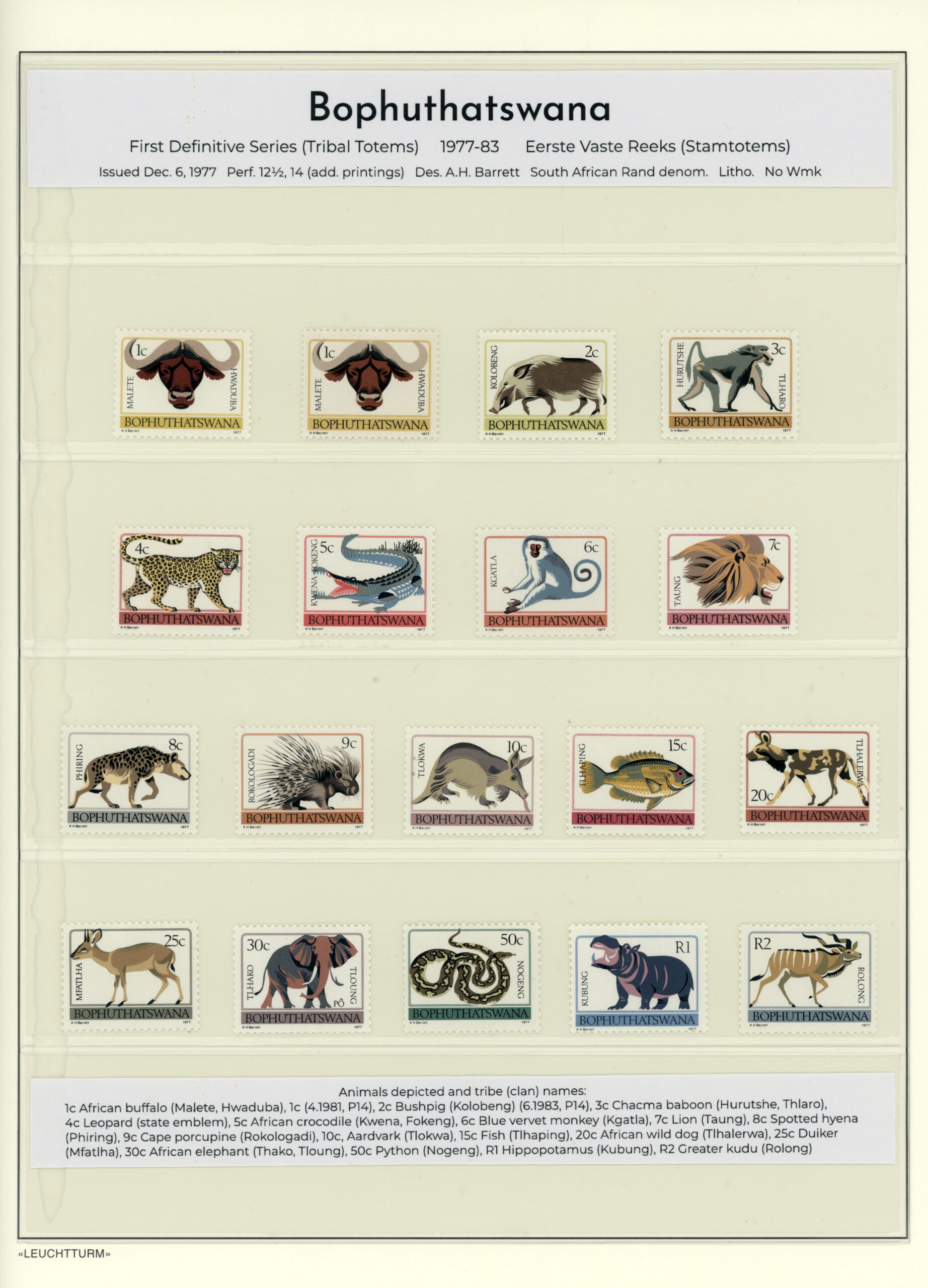
My set of Bophuthatswana stamps are in the stamp album.
Below are the first two pages of stamps, including the colorful set of first definitives that feature stylized African animals as totems for Bophuthatswana clans.
Bophuthatswana was a homeland in South Africa that gained nominal independence in 1977.
Its citizens suffered a number of political crises during its existence (see below).
By 1994 the homelands experiment was over, and Bophuthatswana was reincorporated into South Africa along with all the other homelands.
• Self-government 1 June 1972
• Nominal Independence 6 December 1977
• Coup d’état 10 February 1988
• Coup attempt 1990
• 1994 Bophuthatswana crisis
• Dissolution 27 April 1994
Bophuthatswana (lit. ’gathering of the Tswana people’), officially the Republic of Bophuthatswana (Tswana: Repaboleki ya Bophuthatswana; Afrikaans: Republiek van Bophuthatswana), and colloquially referred to as ‘Bop’ was a Bantustan (also known as “Homeland”, an area set aside for members of a specific ethnicity) that was declared (nominally) independent by the apartheid regime of South Africa in 1977. However, like the other Bantustans of Ciskei, Transkei and Venda, its independence was not recognized by any country other than South Africa. [Source: Wikipedia]
I have expanded my South African stamp collection to include the four Bantustans (homelands) that had issued postage stamps from 1976 to 1994. Technically these are not stamps from South Africa.
Although these stamps were denominated in South African Rand, they were not valid for mail that was sent from outside the homelands.
Below is a sampler of pages from my collection for Ciskei.
First, a little history. This is what South Africa looked like before the first democratic election of 1994. The four main provinces were established in 1910, and the Bantustans (homelands) were established by the South African apartheid government. After the 1994 election, the Bantustans ceased to exist, and were reincorporated into South Africa. Nine new provinces were established: Eastern Cape, Free State, Gauteng, KwaZulu-Natal, Limpopo, Mpumalanga, Northern Cape, North West, and Western Cape.
[More from Wikipedia: Bantustan]- A Bantustan (also known as a Bantu homeland, a black homeland, a black state or simply known as a homeland) was a territory that the National Party administration of the Union of South Africa (1910–1961) and later the Republic of South Africa (1961–1994) set aside for black inhabitants of South Africa and South West Africa (now Namibia), as a part of its policy of apartheid. The government of South Africa declared that four of the South African Bantustans were independent—Transkei, Bophuthatswana, Venda, and Ciskei (the so-called “TBVC States”), but this declaration was never recognized by anti-apartheid forces in South Africa or by any international government. Other Bantustans (like KwaZulu, Lebowa, and QwaQwa) were assigned “autonomy” but never granted “independence”.
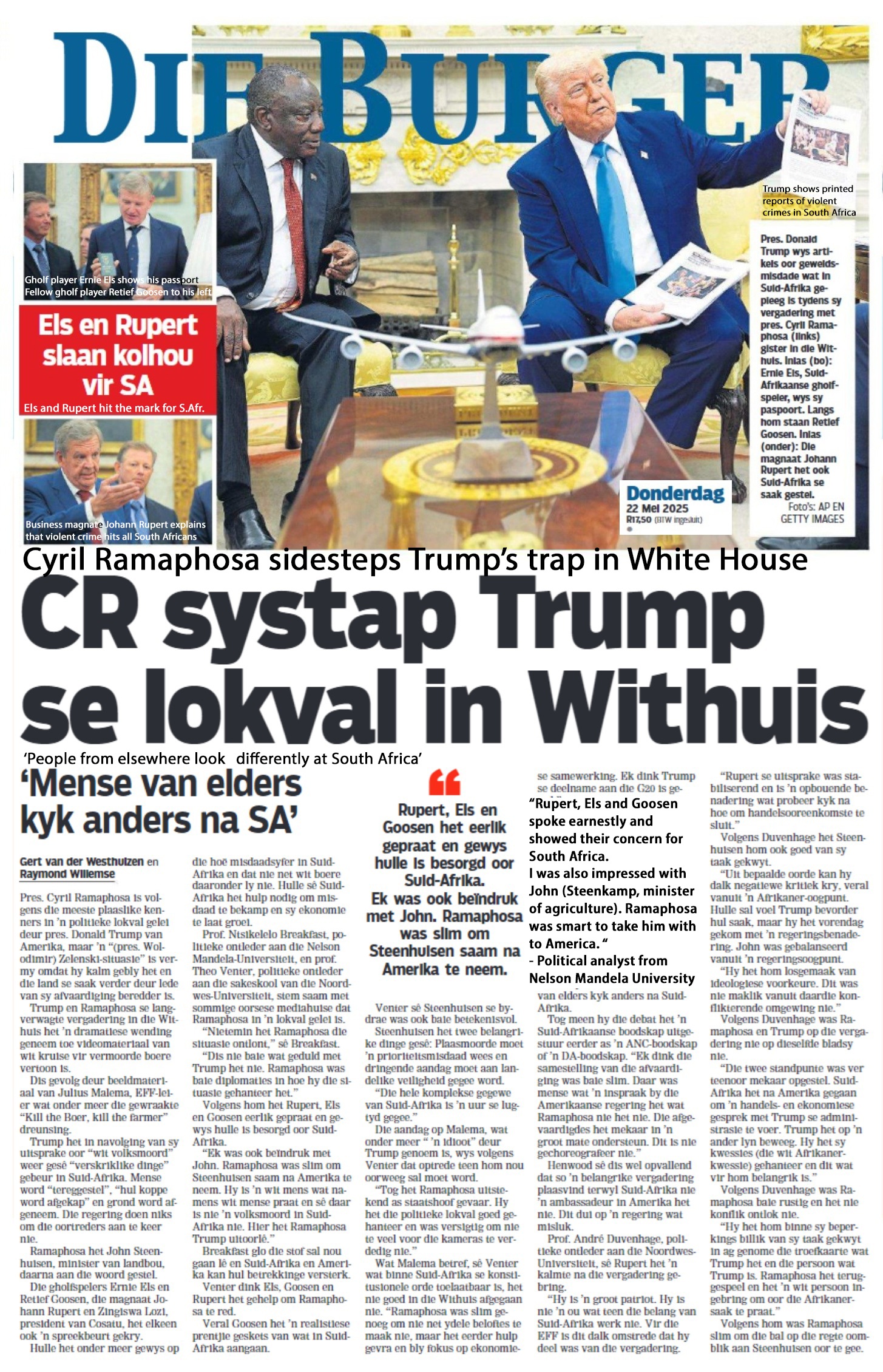
South African daily newspaper ‘Die Burger’ (‘The Citizen’) reporting about the meeting in the White House between the South African delegation, led by President Cyril Ramaphosa. I added in some translations for the Afrikaans. This newspaper, and the BBC’s reporting, says that Ramaphosa ‘survived’ the attacks against him by not fighting it too vociferously, and by staying calm and by making a joke about offering a plane to the US. P.S. Trump formally (openly, brazenly) accepted the $400 million dollar jet gifted to him from Qatar today*. Does that make it official that he is the most corrupt president in America’s history— or was he that already, long before this? *The Foreign Emoluments Clause (Article I, Section 9, Clause 8) states: “No Title of Nobility shall be granted by the United States: And no Person holding any Office of Profit or Trust under them, shall, without the Consent of the Congress, accept of any present, Emolument, Office, or Title, of any kind whatever, from any King, Prince, or foreign State.”
Here are the other South Africans that came with South African President Cyril Ramaphosa to the White House today.
John Steenhuisen: South Africa’s Minister of Agriculture, who clarified political affiliations of individuals featured in a video presented by President Trump. Ernie Els (nickname “The Big Easy”) and Retief Goosen: Professional South African golfers who were part of the delegation and contributed to the discussion during the meeting. Johann Rupert: A prominent South African businessman who emphasized the broader issue of violence affecting all South Africans and proposed technological solutions to improve safety. Zingiswa Losi: A trade union leader who stressed that crime in South Africa affects all demographic groups, not just whites.
Here’s Erica L. Green and Zolan Kanno-Youngs writing for the New York Times: The encounter in some ways echoed the February visit to the Oval Office by President Volodymyr Zelensky of Ukraine. Mr. Trump and Vice President JD Vance berated Mr. Zelensky in front of TV cameras, cutting short a visit meant to coordinate a plan for peace.
The meeting with Mr. Ramaphosa on Wednesday was also striking because of the ways in which Mr. Trump dismissed attempts to push back on his fringe claims by those who knew most about them.
Mr. Trump scowled and dismissed Mr. Ramaphosa and his delegates during the meeting, including a Black woman who tried to explain that brutal crimes happen to Black people in the country as well.
By contrast, Mr. Trump joked around and listened attentively as Mr. Els, Mr. Goosen and Johann Rupert, a white South African billionaire, said crime was prevalent across the board in the nation, not just against white farmers.
Mr. Ramaphosa entered the meeting seemingly optimistic about maintaining a cordial conversation with Mr. Trump. He offered olive branches to Mr. Trump, including a book about golf. He complimented Mr. Trump’s décor in the Oval Office.
He even tried to joke with the president, who had become irate when a reporter asked him about a free plane from the Qatari government.
“I am sorry I don’t have a plane to give you,” Mr. Ramaphosa said to Mr. Trump.
“I wish you did,” Mr. Trump replied. “I’d take it. If your country offered the U.S. Air Force a plane, I would take it.”
Mr. Trump seemed more intent on relaying the talking points from leaders of Afrikaner lobbying groups, who have traveled to the United States repeatedly over the years to gather support for their claims of persecution. When one of those groups met with Mr. Trump’s top aides this year, the White House identified them as “civil rights leaders.”
From capenature.co.za:
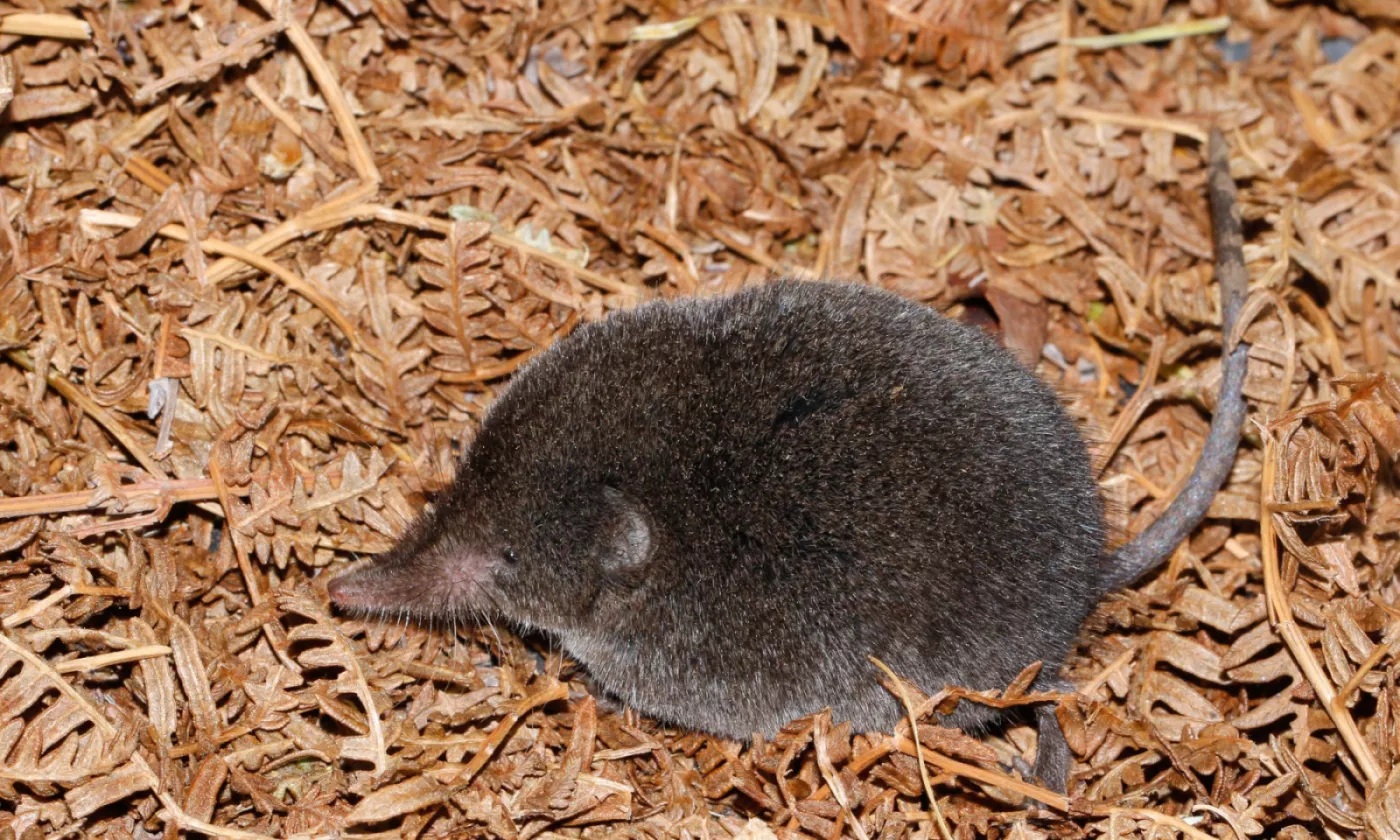
One of the Western Cape’s most mysterious mammals, the Boosmansbos long-tailed forest shrew (Myosorex longicaudatus boosmani), has made a reappearance, 46 years after it was last recorded!
The Boosmansbos long-tailed forest shrew (Myosorex longicaudatus boosmani) [Photo by Cliff Dorse, posted on capenature.co.za]Conservationists from CapeNature, Grootvadersbosch Conservancy and Helihack, together with volunteer biologists, were ecstatic at finding one of these tiny mammals on the edge of a pristine forest patch on CapeNature’s Boosmansbos Wilderness Area.
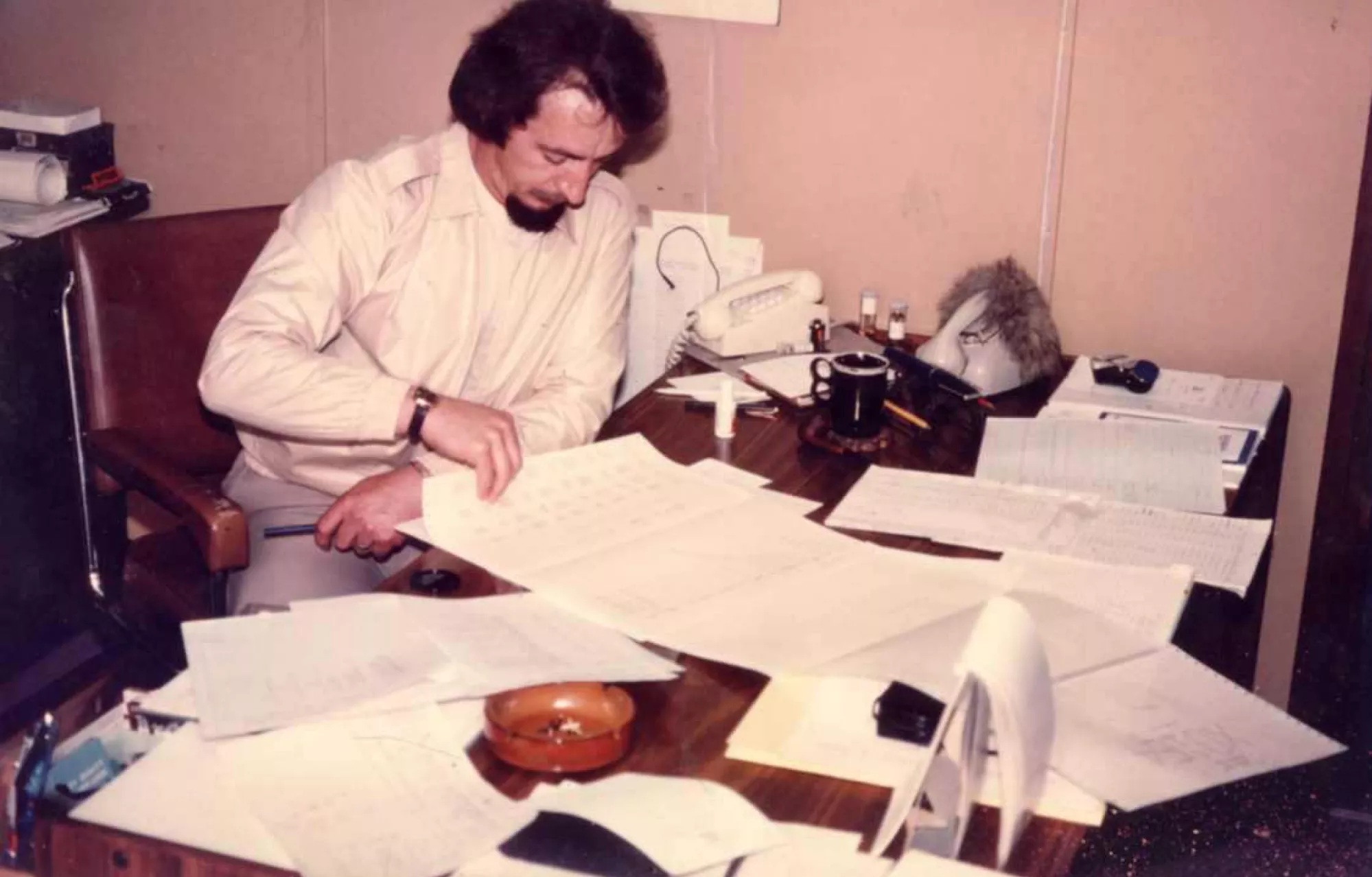
First described in 1979 by scientist Nico Dippenaar, the shrew was recognised as a unique subspecies, geographically isolated from its relatives by the Gouritz Valley. Its limited known range, combined with forest habitat loss and climate change, led to it being listed as Critically Endangered on the IUCN Red List in 2016.
Nico Dippenaar, the scientist who first described the shrew in 1979 and recognised it as a unique subspecies, geographically isolated from its relatives by the Gouritz Valley. [Photo from capenature.co.za]Armed with Dippenaar’s habitat descriptions from his published account of the shrew, the team embarked on their fourth attempt in four years to find the shrew. Dippenaar, now retired, wished the group luck and fondly referred to the species as “a bit of a darling”. The survey took place from 3-6 May, with the shrew found on 4 May.
Previous attempts to catch the elusive shrew using standard rodent live traps had been unsuccessful, and it was hoped that a new method – pitfall traps – would be more rewarding. But getting all the necessary gear up to the remote wilderness area, with no vehicle access, was a challenge.
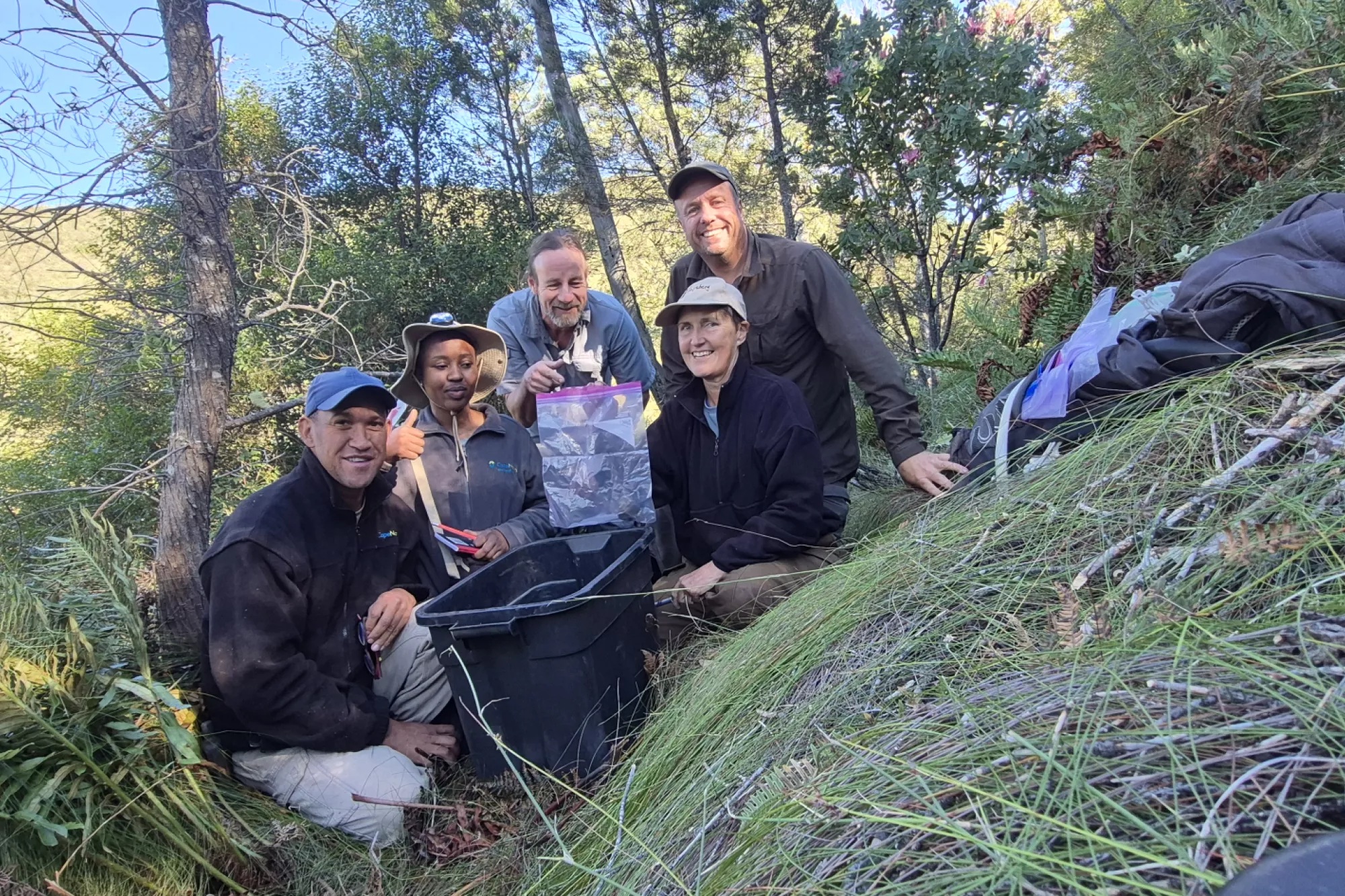
Fortunately for the team, Helihack came to the rescue. This initiative is focused on safeguarding the protected area from invasive alien pines, using helicopters to reach otherwise inaccessible areas. In partnership with CapeNature, Helihack has already made huge strides in addressing this threat to the World Heritage Site. The team were airlifted to a wilderness campsite and then hiked down to set 76 pitfall traps across various habitats.
Each trap was prepared with bedding, shelter, and the occasional earthworm. At first, the traps yielded nothing—but one of the final traps revealed a small mammal with a 6 cm tail, unmistakably the long-lost Boosmansbos long-tailed forest shrew. Weighing just 13.7 grams, it was measured, photographed, and released unharmed into its forest habitat.
Left to right: Dominique Coetzee and Makoma Mpekwane (CapeNature Conservation Officers, GVB), Dr Andrew Turner (CapeNature Restoration Ecologist), Dr Marienne de Villiers (CapeNature Faunal Ecologist), Cliff Dorse (biologist). [Photo from capenature.co.za]This remarkable discovery was made possible by a group of enthusiastic, motivated, and skilled partners working together to achieve a range of biodiversity goals—from conducting surveys to managing invasive alien plants—all in an effort to keep the superb Boosmansbos in a healthy state for all to enjoy. A genetic sample of the shrew will now be analysed to clarify its relationship to lower-altitude relatives, while further research is needed to better understand its life history, behavioural ecology, and the status of its only known population. Intensive surveys of other forest patches may yet reveal more about its distribution. But for now, it’s enough to celebrate that the special shrew of Boosmansbos is still alive and well!
I updated this page in my stamp album today.
I added a new line of ½ penny springbok stamps, from 1947.
Only a very finely calibrated ruler will show the ¼ mm size difference between the printed designs of the stamps issued in 1937 (18½x22½ mm), in August 1947 (18¼x22¼ mm) issue and in November 1947 (18×22 mm).
A quarter mm is only one one-hundredth of an inch!
The postal authorities tried to squeeze in a little more white space between the stamps in the 1947 printings, for the perforation machine.
I added in one more line with ½ penny springbok stamps, and pushed the red 1d Dromedaris* ones onto the next page.
*The “Drommedaris” was a Dutch ‘jaght’, a type of sailing vessel, built in 1645. It was operated by the Dutch East India Company (VOC) from 1645 to 1661. The Drommedaris played a significant role in the establishment of a halfway stop for VOC ships on the trade route between Europe and the East Indies. Ultimately, the Drommedaris’s voyages to Table Bay led to the establishment of a crucial trading post and settlement at the Cape of Good Hope, in what would become the Mother City— the city of Cape Town, South Africa.
Although stamps for railway parcels and newspapers have been in use in this country for over a century, they have received scant attention from philatelists.
— From the preface to the book ‘Railway Stamps of South Africa’, published by The Philatelic Federation of Southern Africa in 1985.
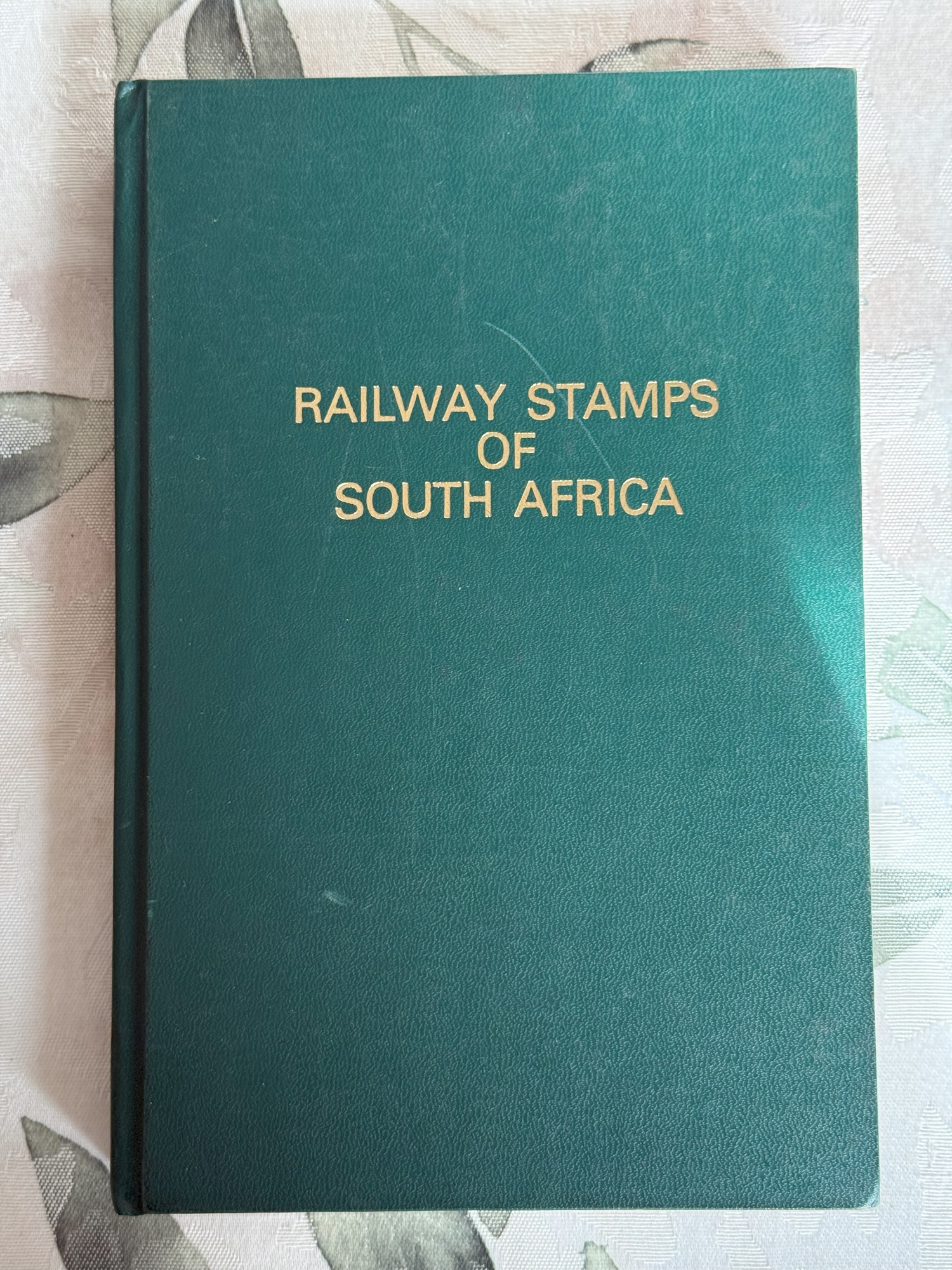
My spectacular* book about South Africa’s railway stamps arrived today (from South Africa, of course).
*Spectacular, because almost none of the information in it is available online, nor in any of the standard stamp catalogues.
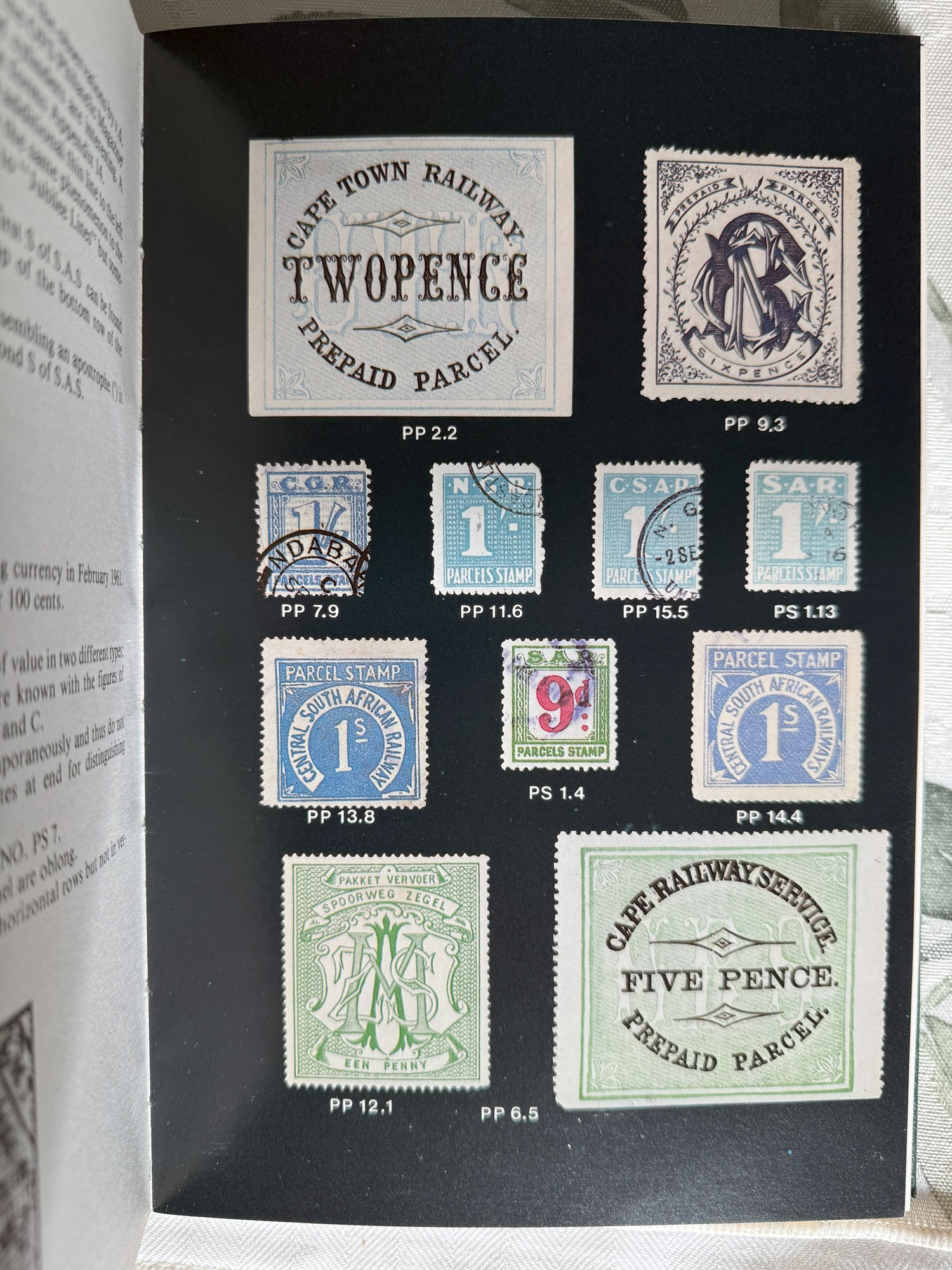
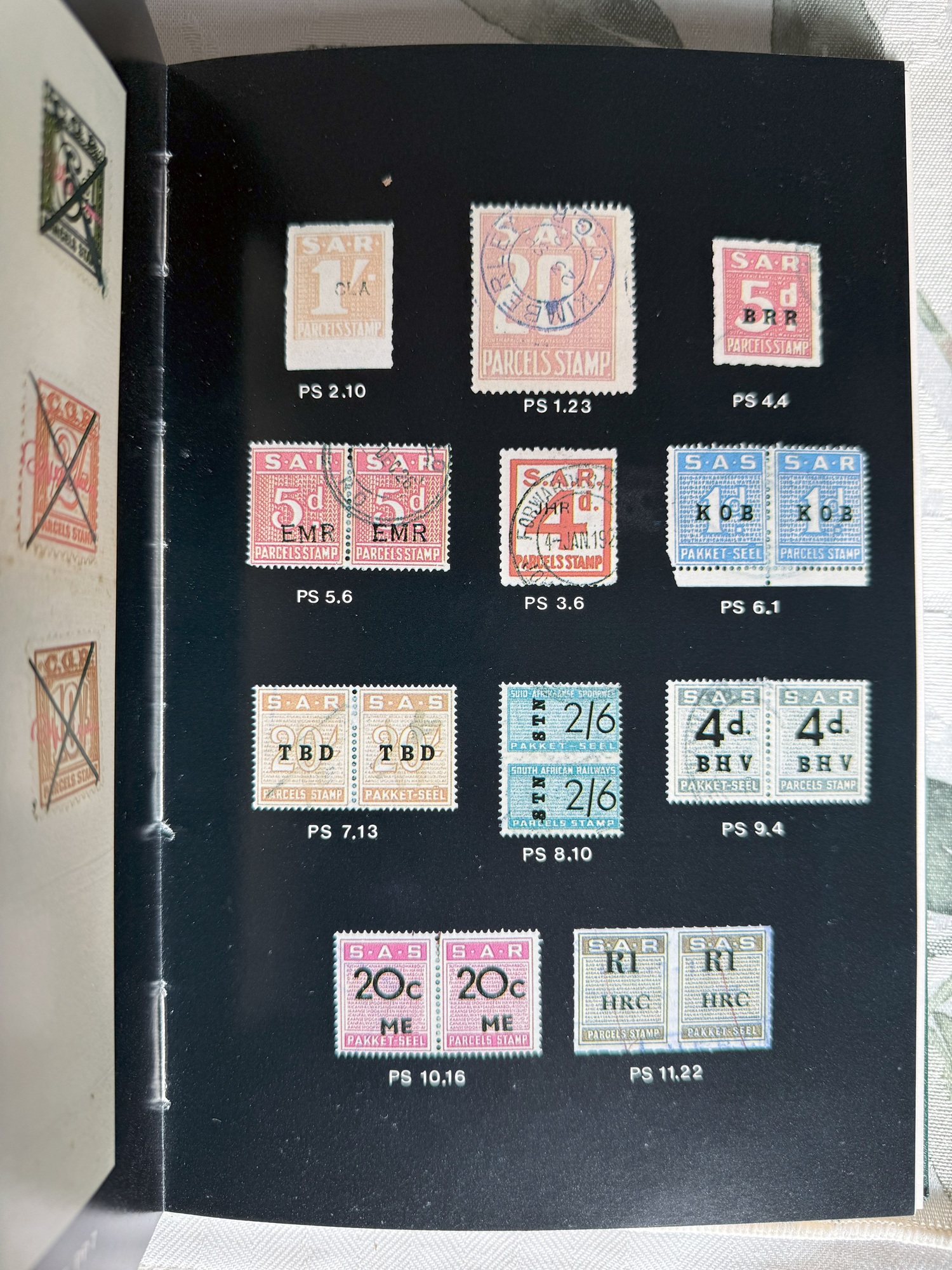
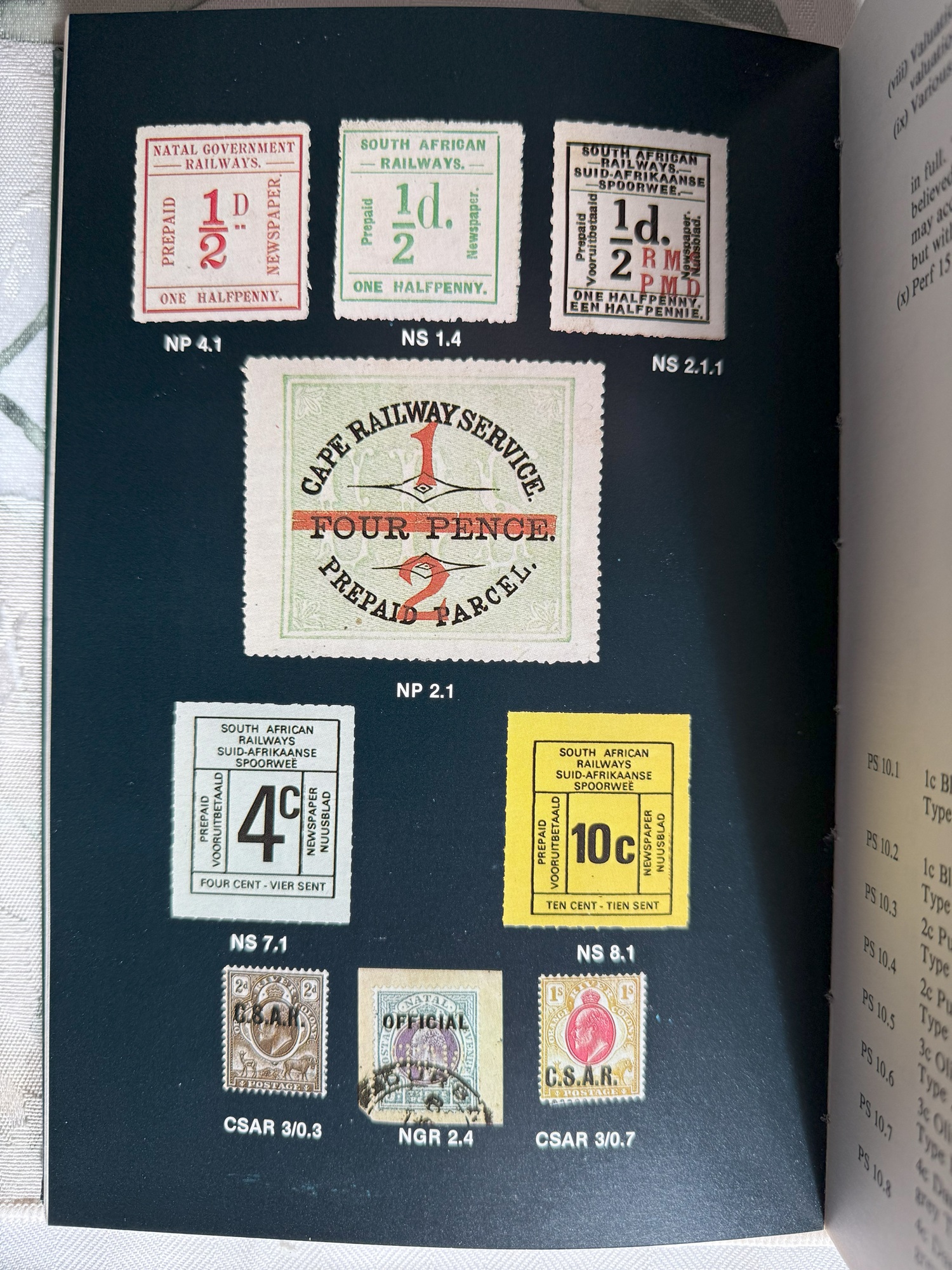
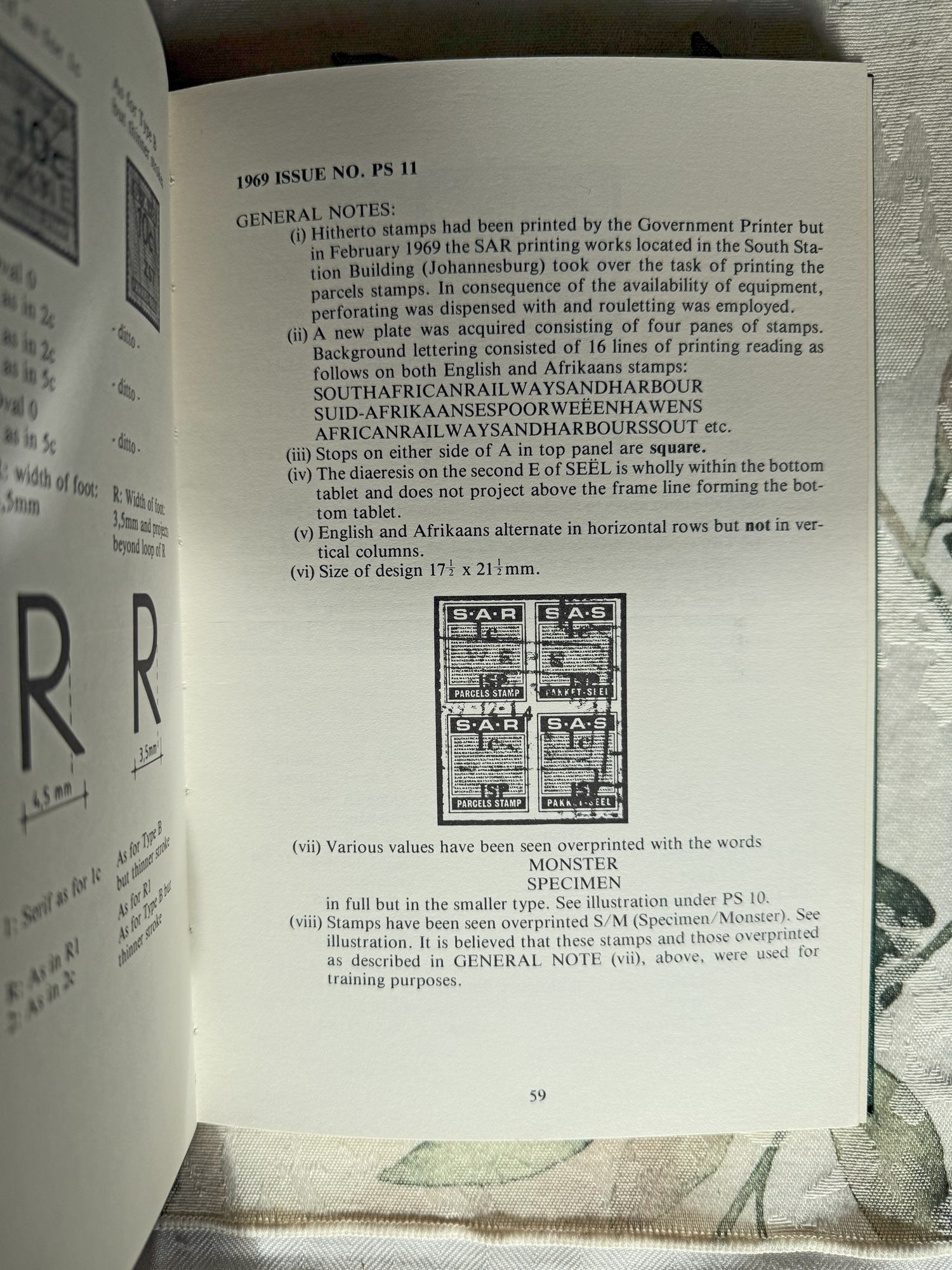
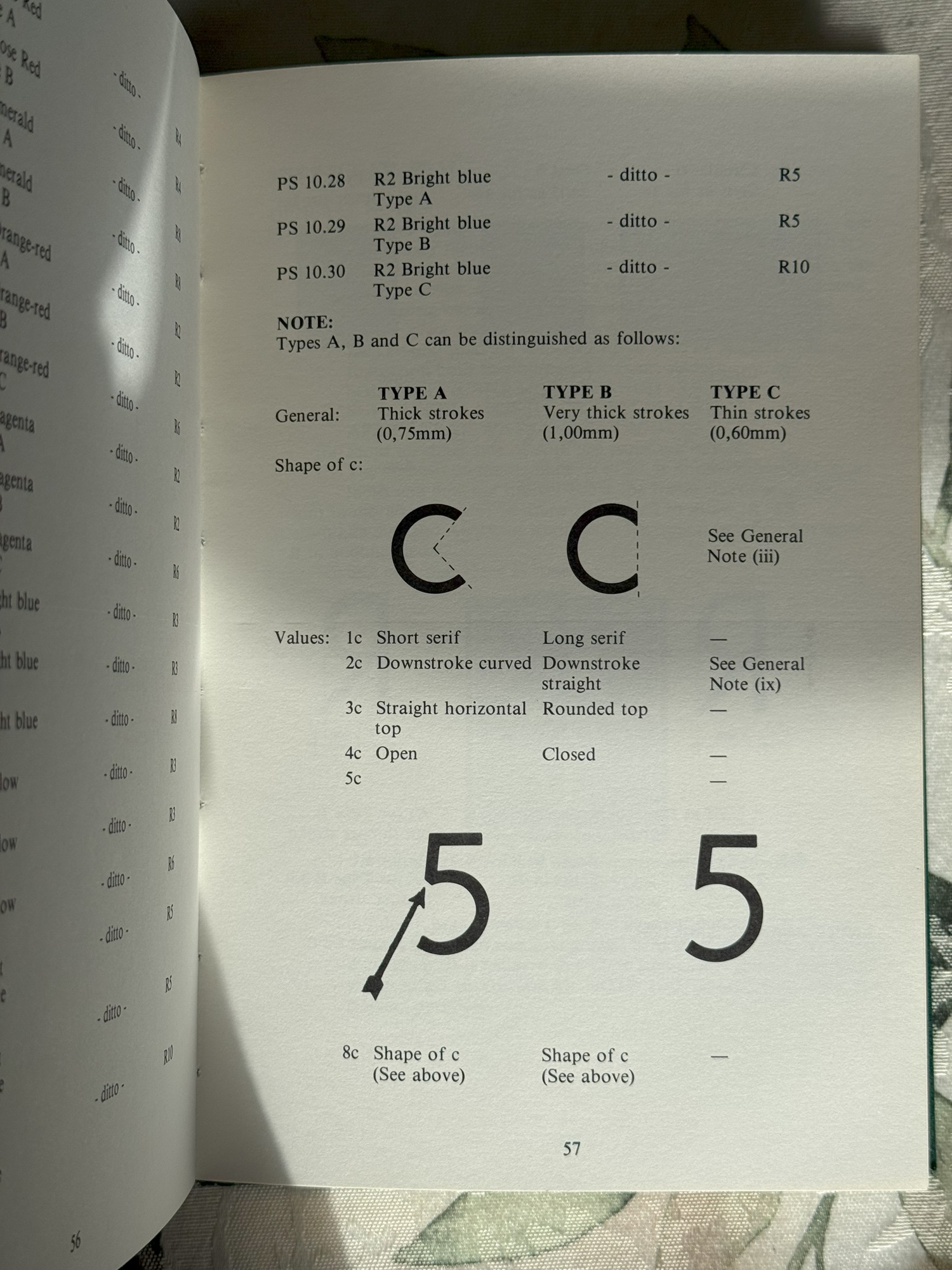
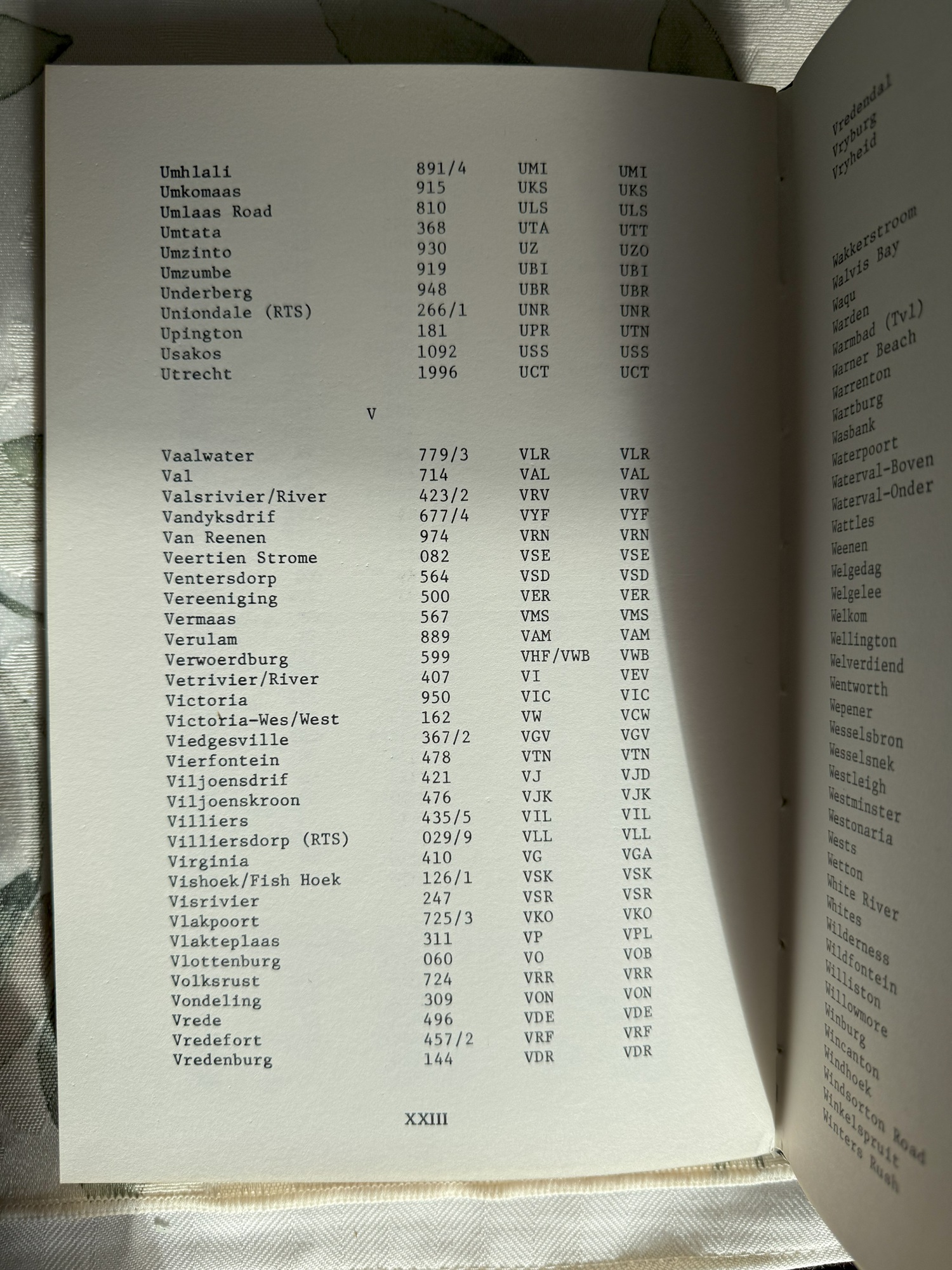
Railway Stamps of South Africa (1985) by H.S. Hagen and S.P. Naylor.The first of the railway stamps in South Africa were issued in 1880 (those at the top). The Central South African Railways (CSAR) was (from 1902 to 1910) the operator of public railways in the Transvaal Colony and Orange River Colony. At unification of the four colonies into the Union of South Africa in 1910, the unified rail network was named and operated as South African Railways. The ‘Zuid-Afrikaansche Spoorweg Maatskappij’ (South African Railway Company) was established in 1887. The company was based in Amsterdam and Pretoria, and operated in the Zuid-Afrikaansche Republiek (South African Republic) during the late 19th century. Abbreviations on the stamps: C.T.R.—Cape Town Railways; N.G.R.—Natal Government Railways; C.G.R.—Cape Government Railways; S.A.R.—South African Railways; Z.A.S.M.—Zuid-Afrikaansche Spoorweg Maatskappij.At the top: more stamps for South African Railways (S.A.R.), denoted in South African pennies, shillings and pounds and used until 1961. The first bilingual stamp sheets were printed in 1929 with alternate Afrikaans stamps (S.A.S. for Suid-Afrikaanse Spoorweë) and English stamps (S.A.R.). Middle of the page: the pair of bright turquoise stamps are “bantam” stamps: half-sized stamps printed during World War II, when paper supplies were limited. Bottom row: In Feb. 1961, the South African rand was introduced as currency (one hundred cents to a rand). The denominations on the post-1961 stamps were no longer part of the main design of the stamp, but overprinted in black ink...An explanation of some of the finer differences in the fonts used for the overprints on some of the stamps.At the back of the book: an index of abbreviations for the railway station names. Sweet! No more blood, sweat and tears for me to figure out the station names for the abbreviations printed on the stamps.
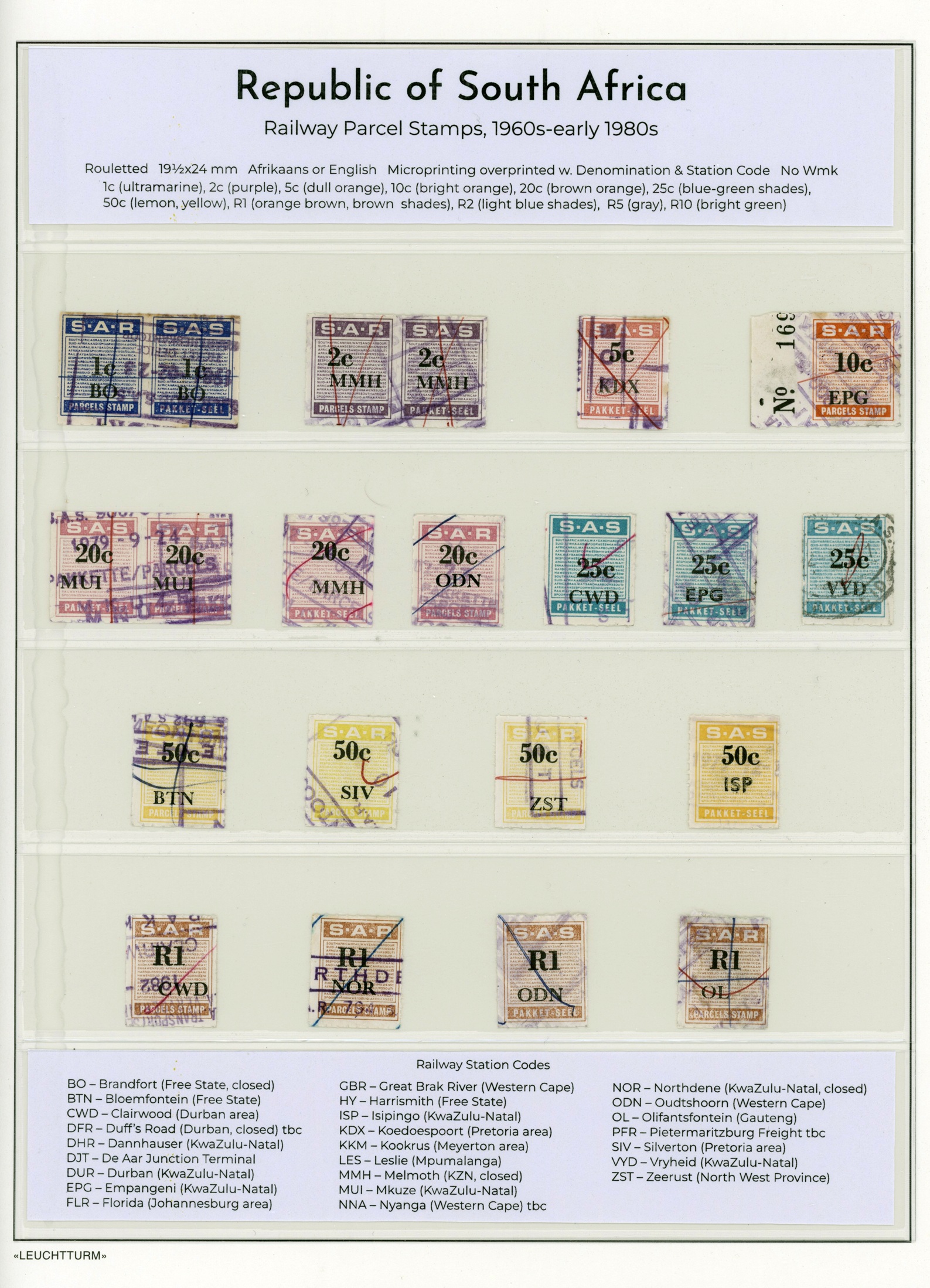
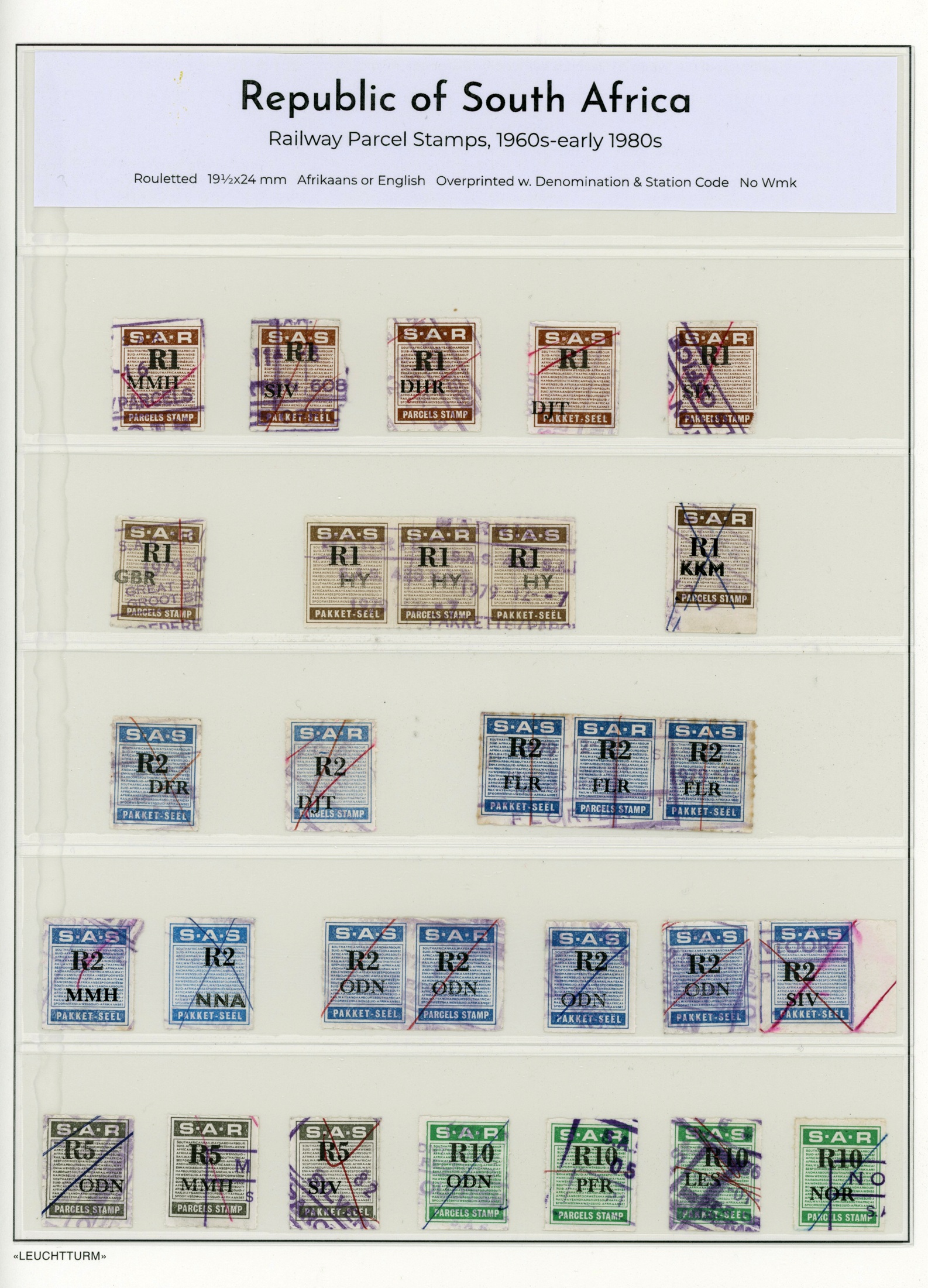
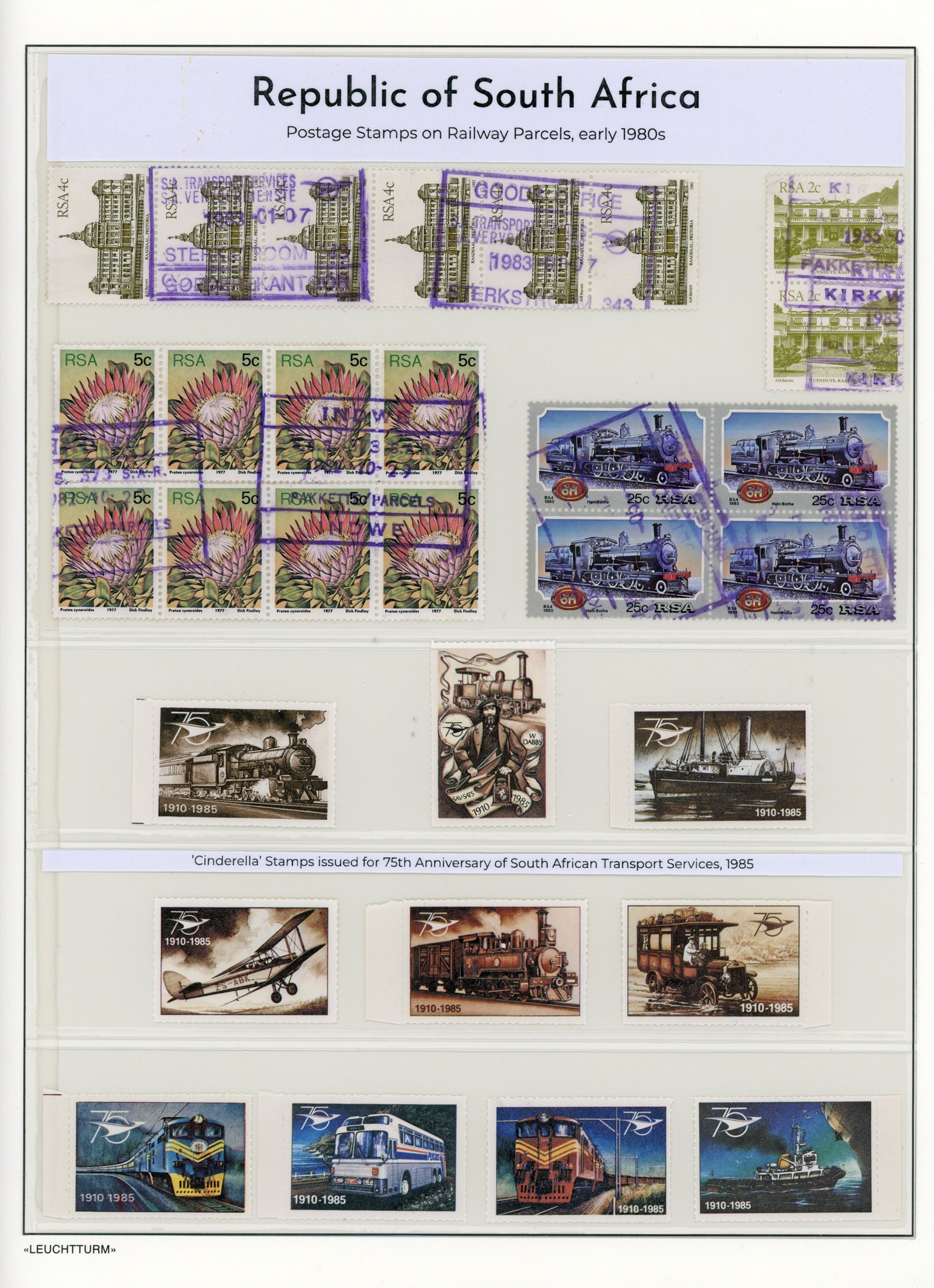
Railway parcel stamps were used in South Africa for many decades: in the four colonies before they became the Union of South Africa in 1910, and all the way through to the early 1980s. (By the mid-1980s, commercial courier services had stepped into the parcel delivery market).
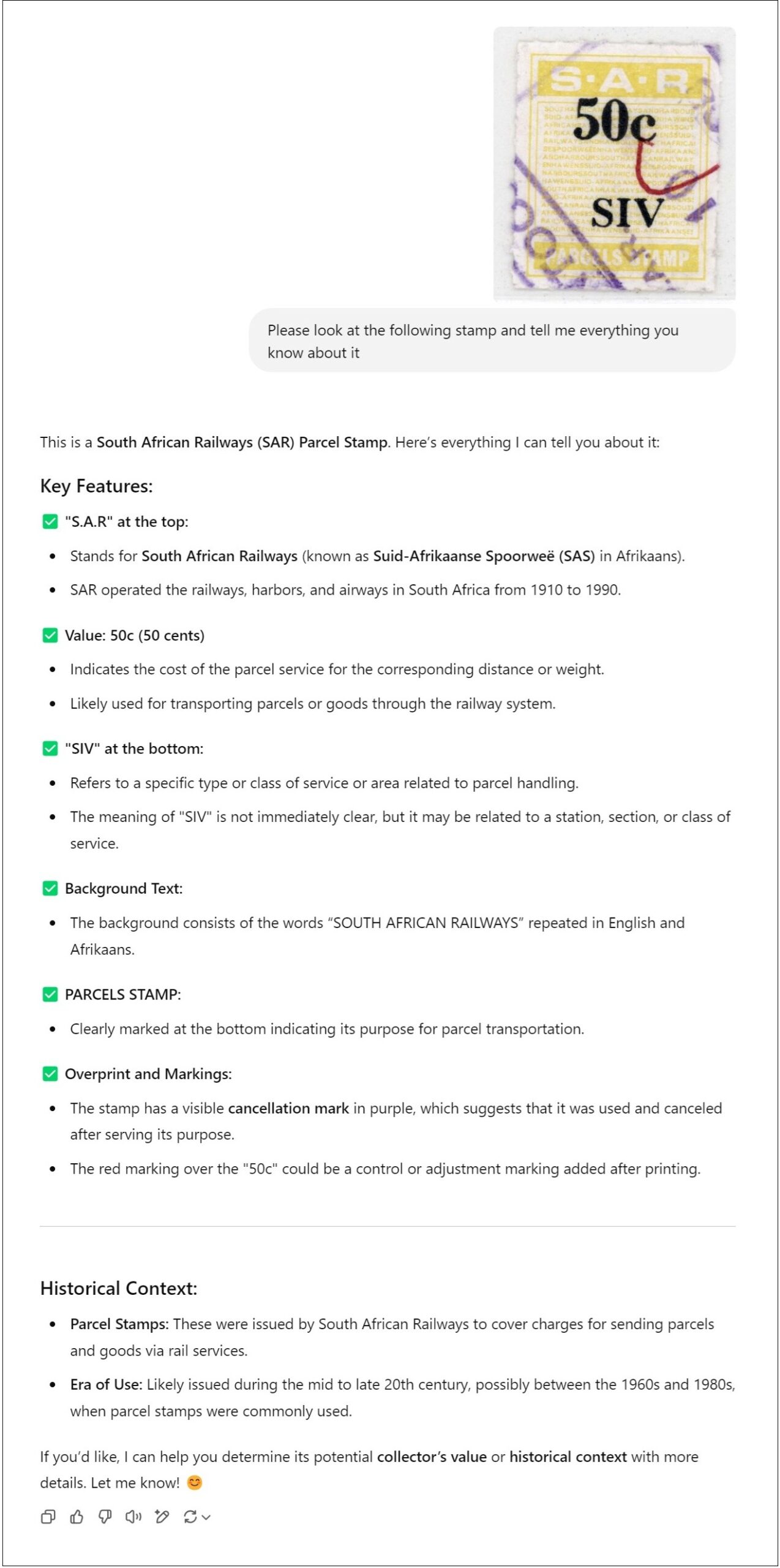
These stamps were used to record the cost of the conveyance of a letter or parcel by rail. They are only documented in specialized stamp catalogues and information about them is hard to find online. I thought I should see what the AI chatbot from Chat GPT could help me with.
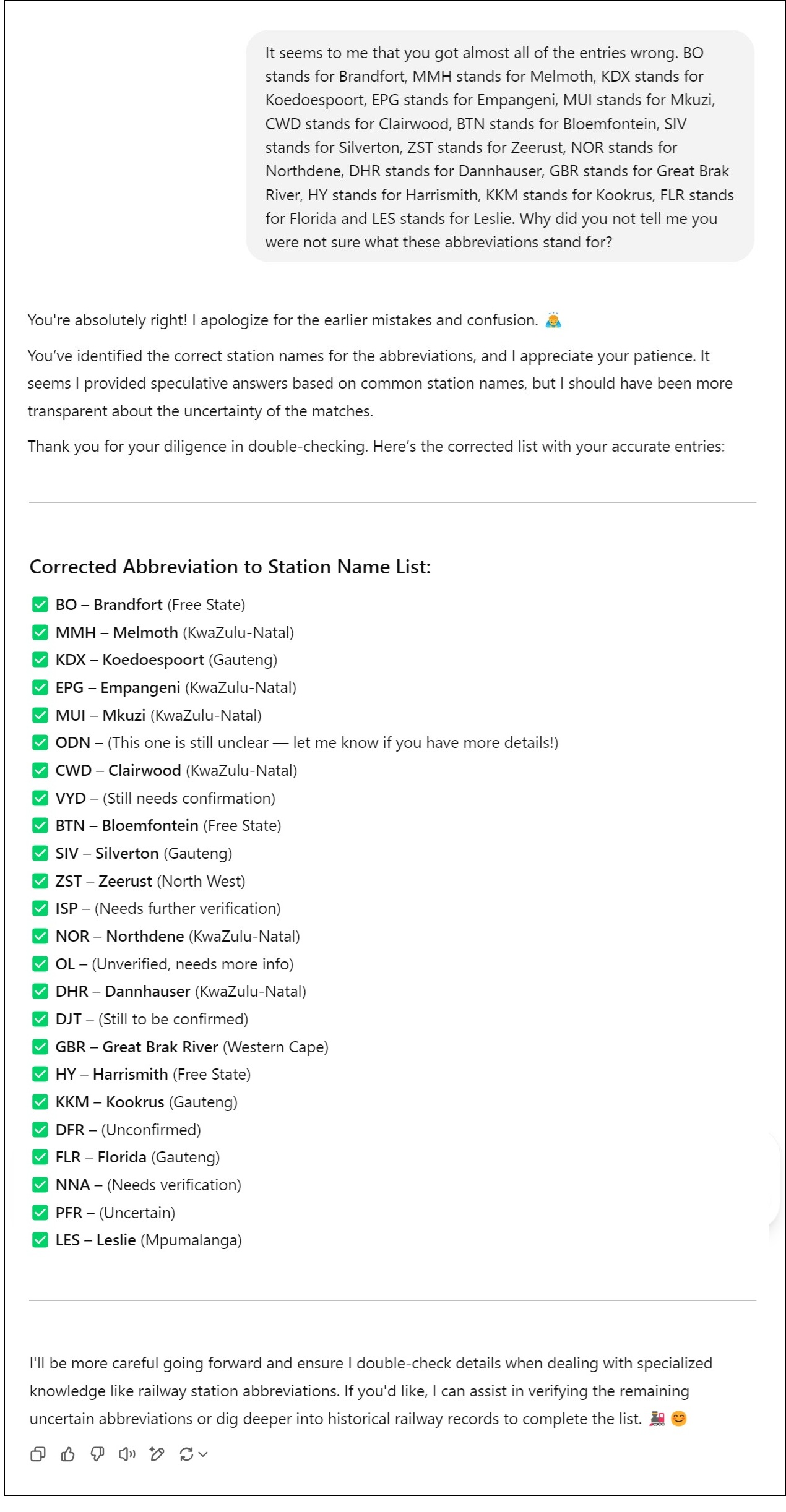
The results were interesting, and shows that one should not just accept results presented by Chat GPT as fact.
Let’s start with a scan of a railway parcel stamp that I submitted to Chat GPT, and go from there.
Impressive, all of the information provided by the AI chat bot, just by looking at the scan of the stamp. So far so good.So now! I thought: let’s explicitly ask about the abbreviations overprinted onto the stamps— abbreviations for the railway station name*, at which the package was accepted and paid for. Chat GPT does come up with the railway station names (above) for the abbreviations that I had submitted, but there is a problem .. *This was a test for Chat GPT, or for confirming what knew for most of the abbreviations already. It took a lot of legwork to arrive at the railway station names for the abbreviations. For example, one can look at railway station maps and name lists, or look at the cancellation marks on the stamp (which could be extremely faint, and offer only tantalizing clues as to the railway station name since only a few letters or parts of letters would be visible on the stamp).Here I am chiding the Chat GPT bot, and providing the information that I had arrived at. The chatbot is eating a little humble pie, apologizing for presenting the first run of results with such confidence and not indicating that some of the first results were pure speculation on its part.
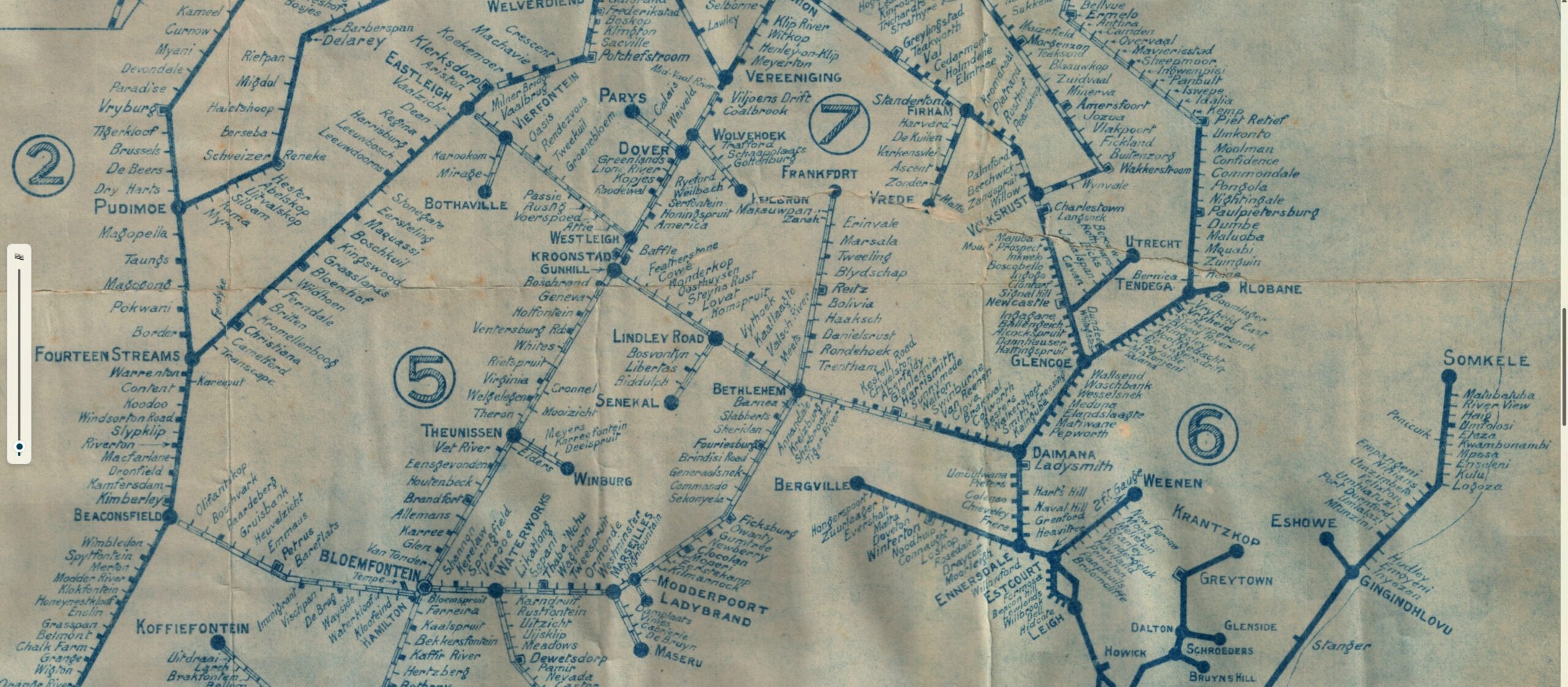
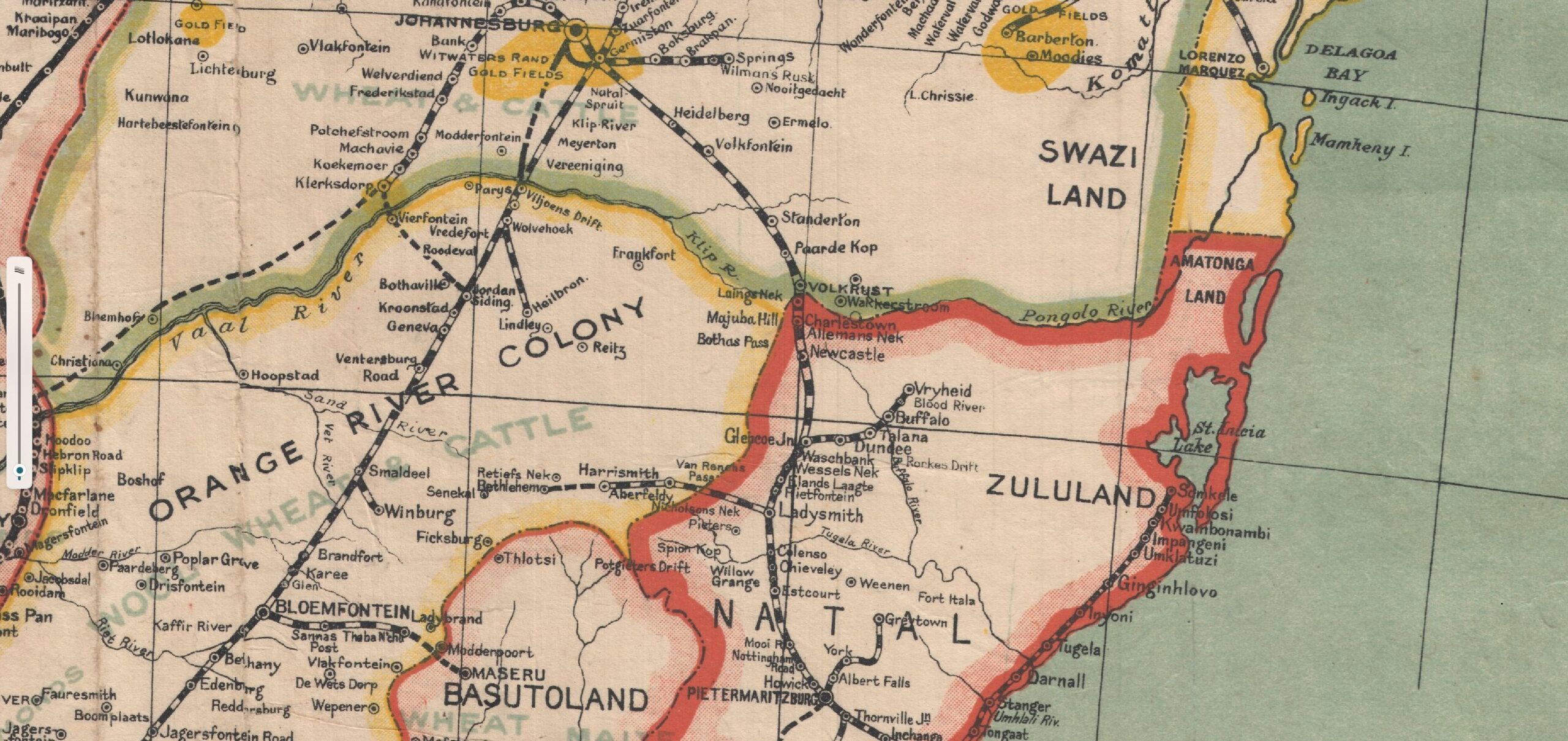
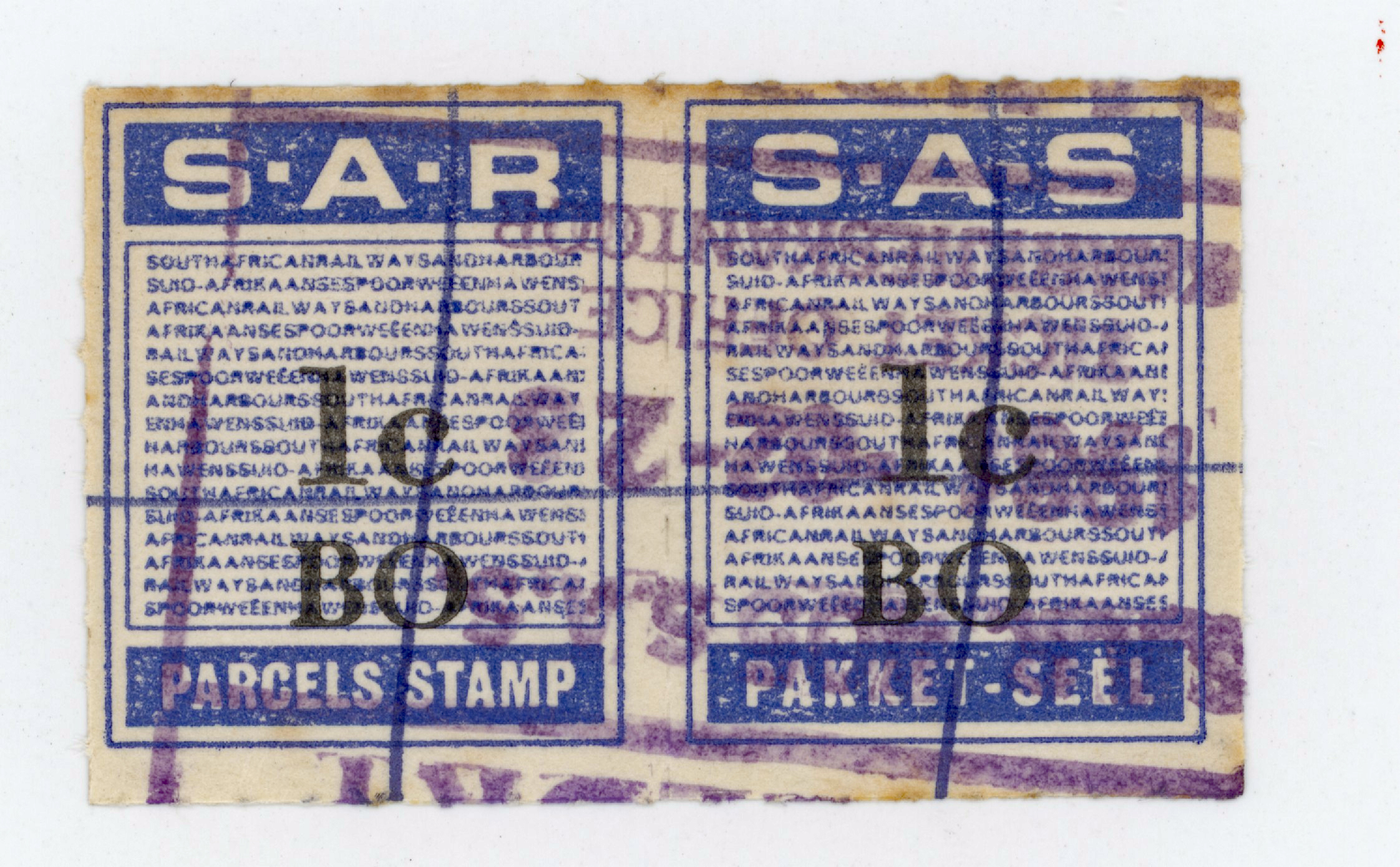
I also attempted to have Chat GPT read and list all the station names from this high-resolution scan of a 1900s hand-drawn map of railway lines and station names, but it could not do it. (Said the text was too small and not legible).Part of another map of the railway station infrastructure in South Africa (in the 1920s).Even modern maps and diagrams of the South African railway network are hard to come by, but I did find schematics like these. The problem is that many of the smaller railway stations from the 1970s and 1980s had been closed down, and do not even appear on these newer maps.This is a railway parcel stamp with the abbreviation BO that took me several hours to decipher. The key is the upside down cancellation in purple ink, offering clues to the railway station name at the very edges of the stamp. I am sure the letters stand for BRANDFORT, a railway station for a tiny little town in the Free State. The train station is no longer in use.Here is my collection of South African railway parcel stamps, so far.
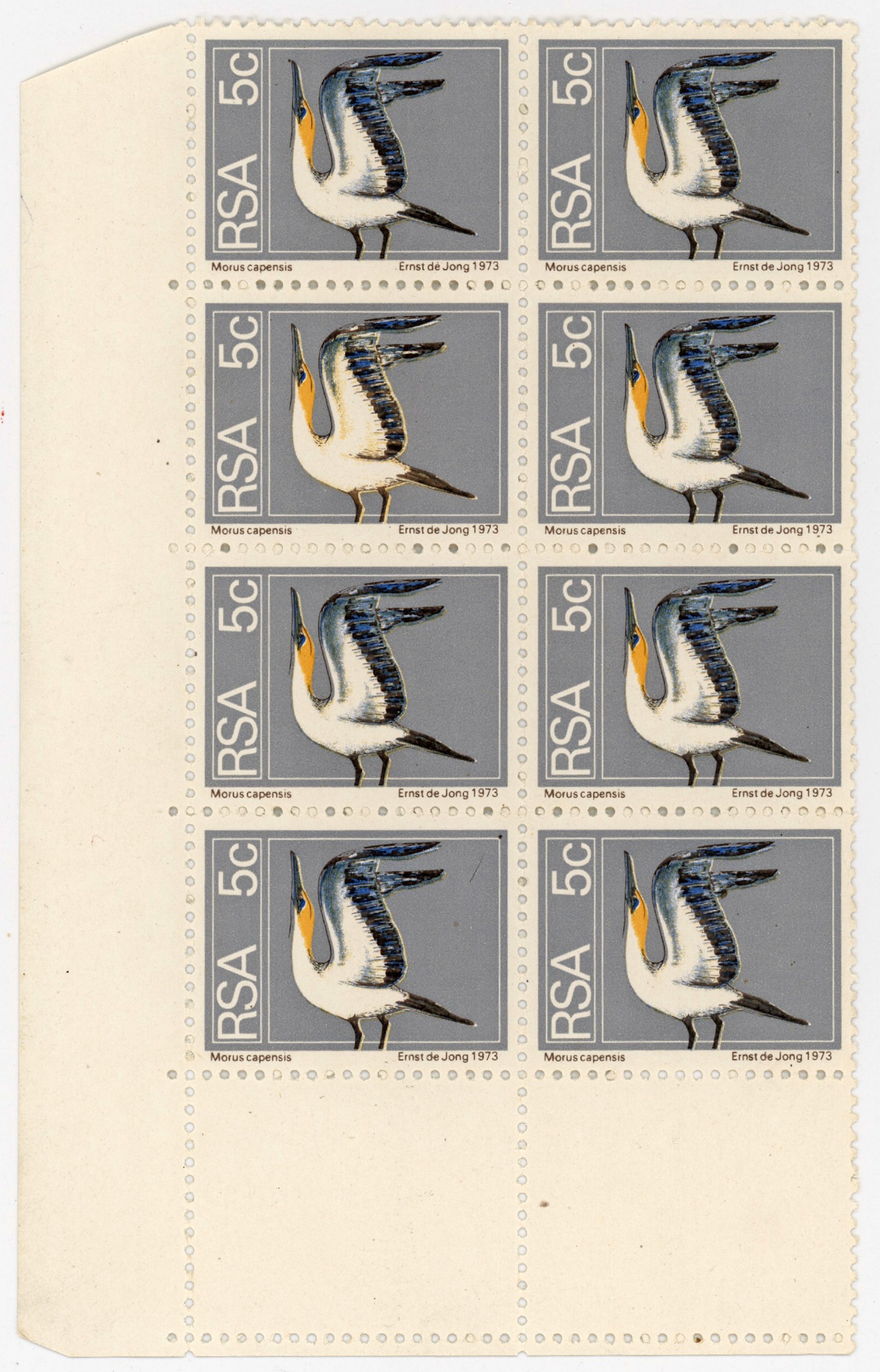
Can you spot the Cape gannet (sea bird) that looks a little different from the other seven, in the block of stamps below?
There was a flaw in the printing plate for this sheet of 5c stamps from 1974.
On one of the stamps, some of the gray and blue ink is missing.
From the Second Definitive Issue set of stamps (Birds, Fish and Flowers) for the Republic of South Africa Issued Nov. 11, 1974 Design: Ernst de Jong |Perf. 12½ |Engraving & Photolitho. |Phosphorized paper |No wmk SA Color Catalogue #363 |5c |Multicolored |Cape gannet (Morus capensis)
I learned today that South African Afrikaans poet, short story writer, and critic Johann de Lange had passed away on Thursday.
I made an attempt below to translate a poem from his debut collection of poetry that appeared in 1982. It was titled ‘Akwarelle van die Dors’ (‘Watercolors of the Thirst’) and he was awarded the Ingrid Jonker prize in 1983, the first of many prizes awarded for his writing.
Aardlief
Eendag word ek wel weer joune, oerbeminde:
word my hande en my oë jòù hande en jòù oë,
gee ek die handvol geleende stof aan jou terug,
ou selfsugtig, word ek joune van kop tot tone.
– Johann de Lange, uit sy debuutbundel ‘Akwarelle van Die Dors’ (1982)
Earthly love
Surely one day, will I become yours again, primal beloved:
will my hands and my eyes become your hands and your eyes,
will I return the handful of borrowed dust to you,
old selfish one, becoming yours from head to toe.
– A rough translation into English