Monday/ all that we have lost

“There is such a sadness for all we have lost, the rage and disgust that propels us forward, unimaginable before, held together by our trust in our democracy, now shattered by video proof, we do live in a police state. Maybe not in your neighborhood, yet, but history teaches that they will arrive.

It was the cameras in Viet Nam that relentlessly showed Americans what was being perpetrated in their name, that turned sentiment against the war. It was the videos in the murder of George Floyd that amassed protest against racism. And it is the videos of Gestapo tactics, used indiscriminately against all of us, exposing villainous lies, that will be that pivot point to what we knew was coming.

We the people do not consent.”

– NY Times reader DL, commenting on a report called ‘Watching America Unravel in Minneapolis’ by Charles Homans.
Homans is from Minnesota, and a political correspondent for The Times. He spent 10 days in and around Minneapolis observing clashes between federal agents and city residents and interviewing immigrants, activists and the mayor.

Charles Homens starts with this summary in his report for the New York Times:
‘Donald Trump’s most profound break with American democracy, evident in his words and actions alike, is his view that the state’s relationship with its citizens is defined not by ideals or rules but rather by expressions of power, at the personal direction of the president. That has been clear enough for years, but I had not truly seen what it looked like in person until I arrived in Minneapolis, my hometown, to witness what Trump’s Department of Homeland Security called Operation Metro Surge.’
[Photo by Philip Montgomery for NYT]

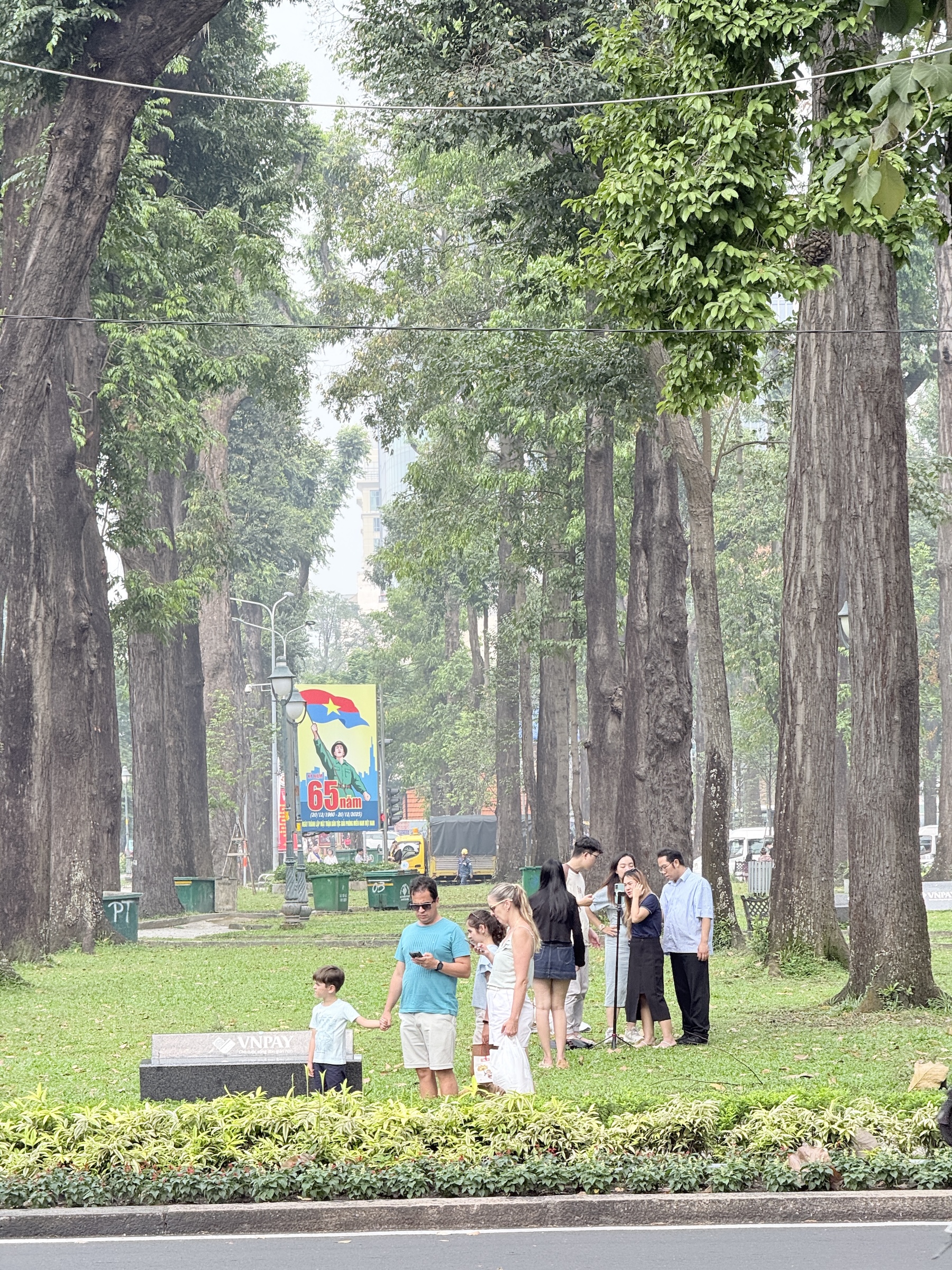
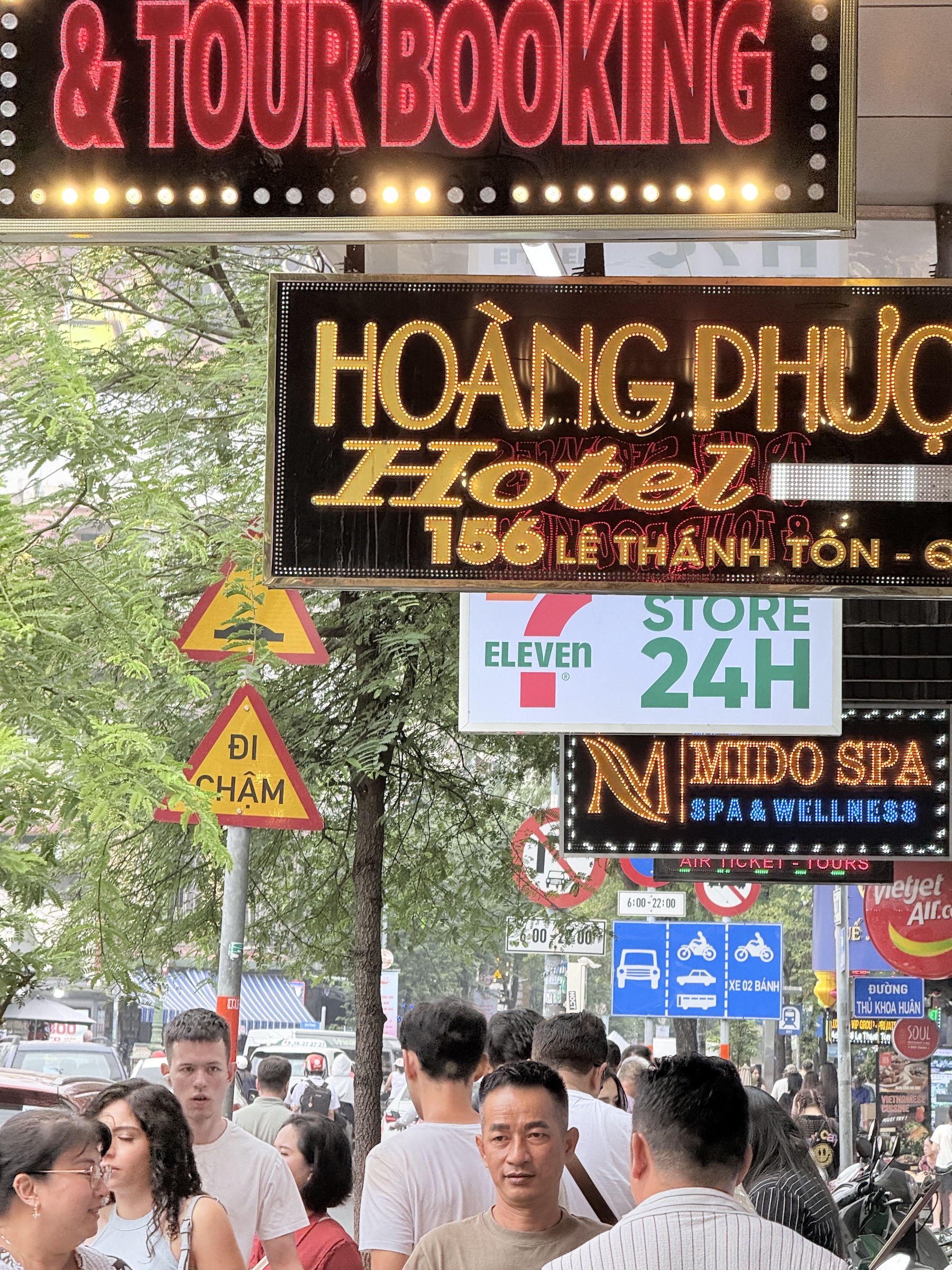
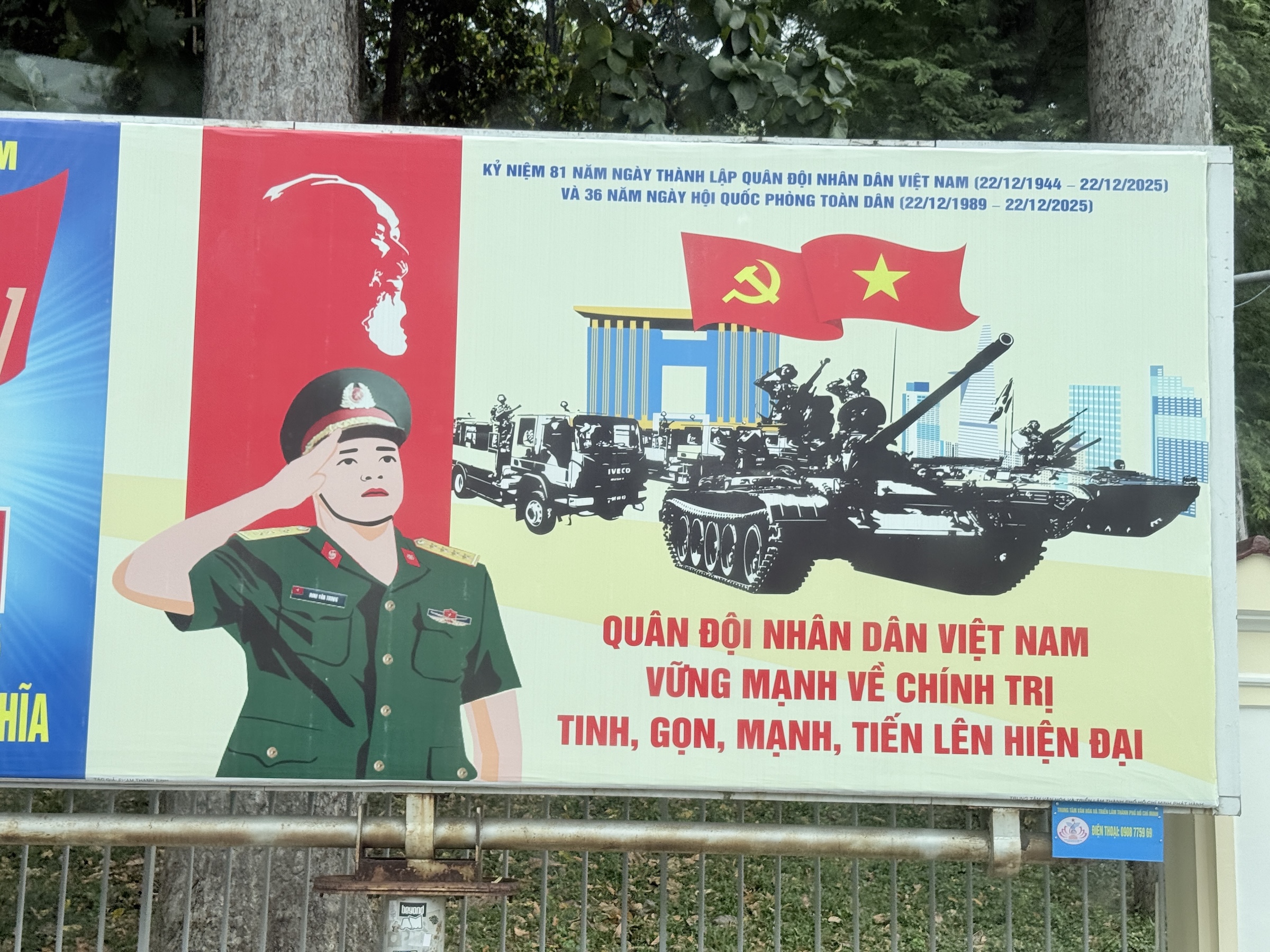
Saturday/ Ho Chi Minh City 🇻🇳

The Diamond Princess arrived at the deep-water port of Phú Mỹ at 8 am on Saturday morning.

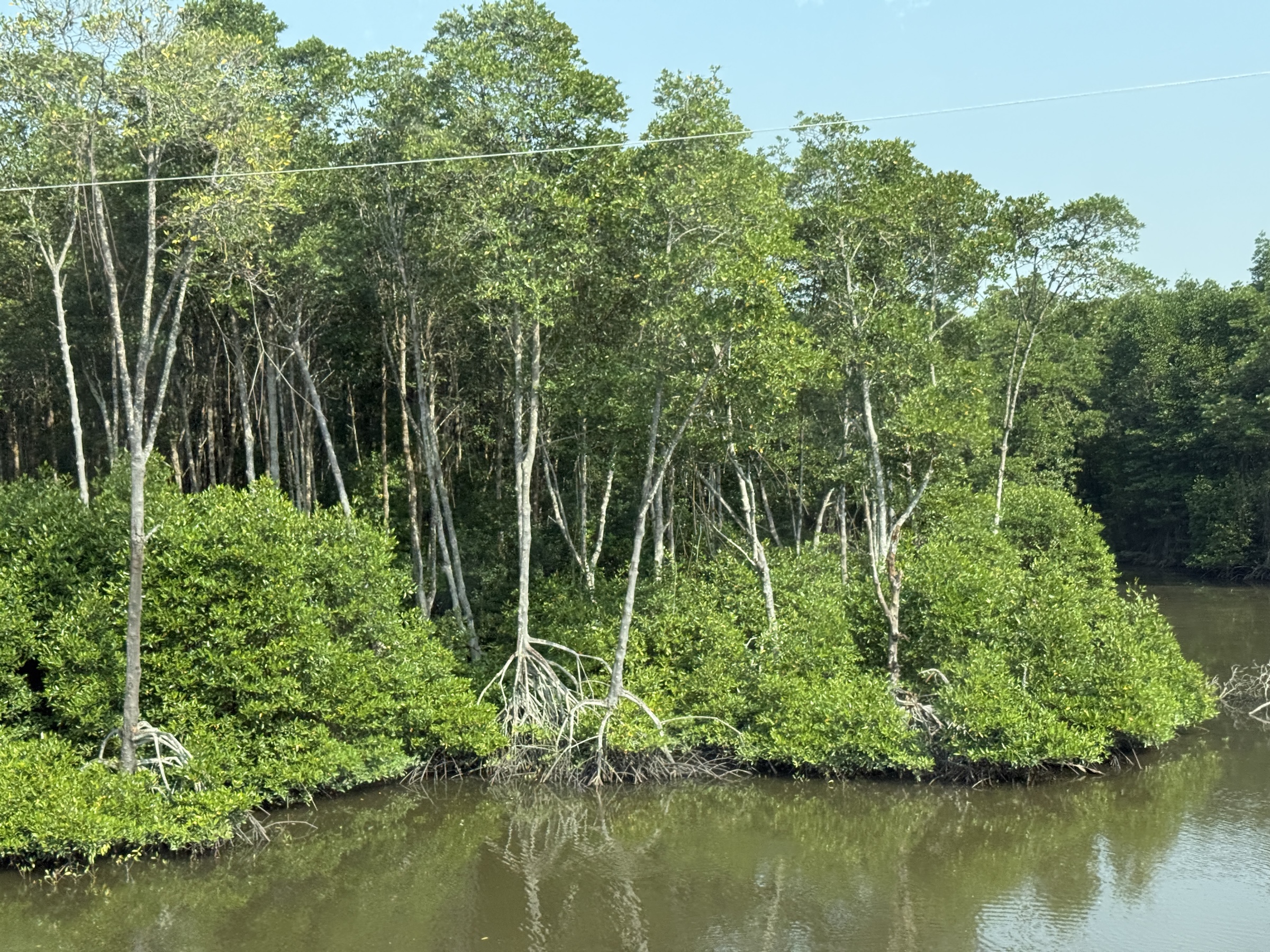
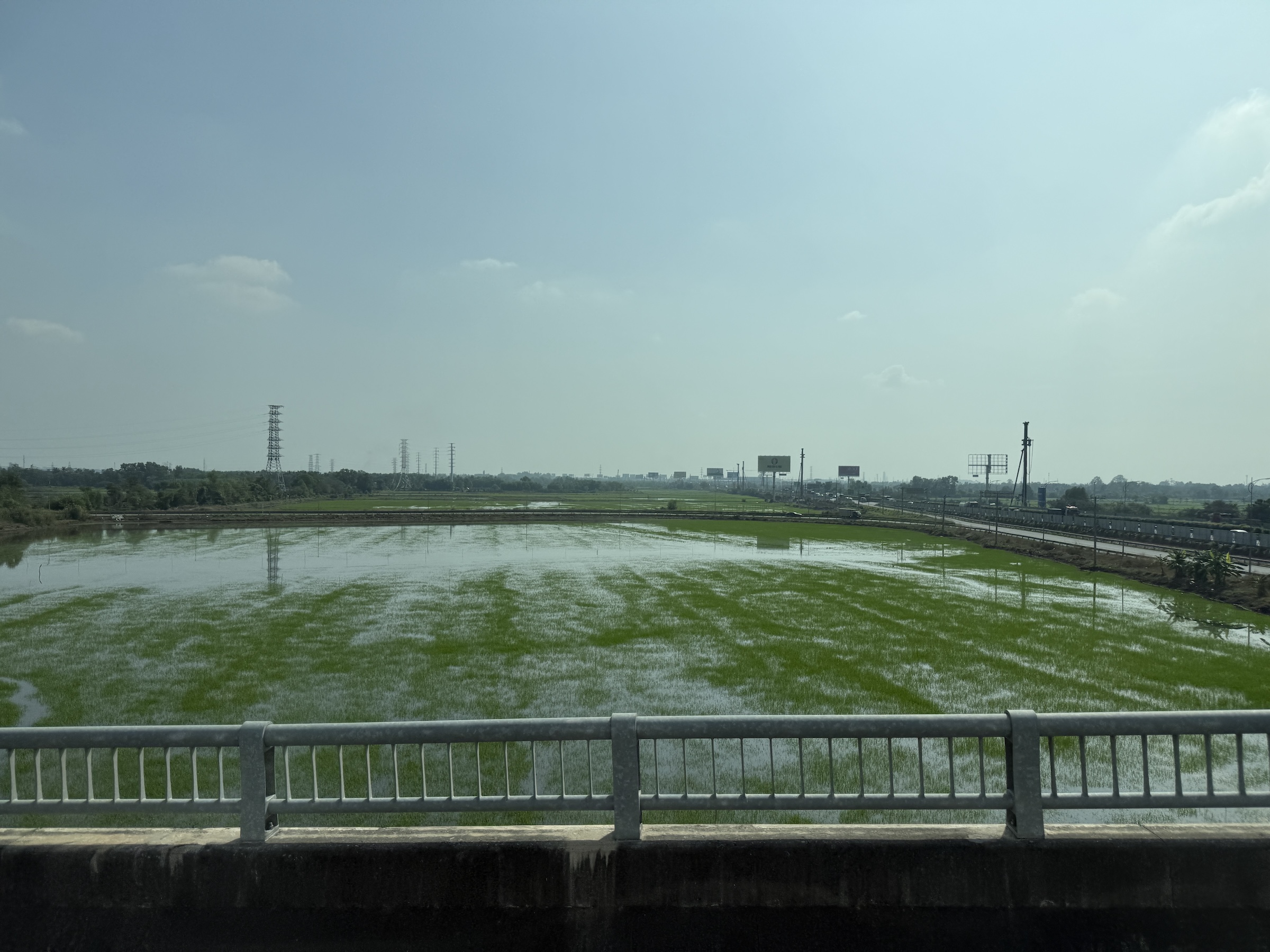
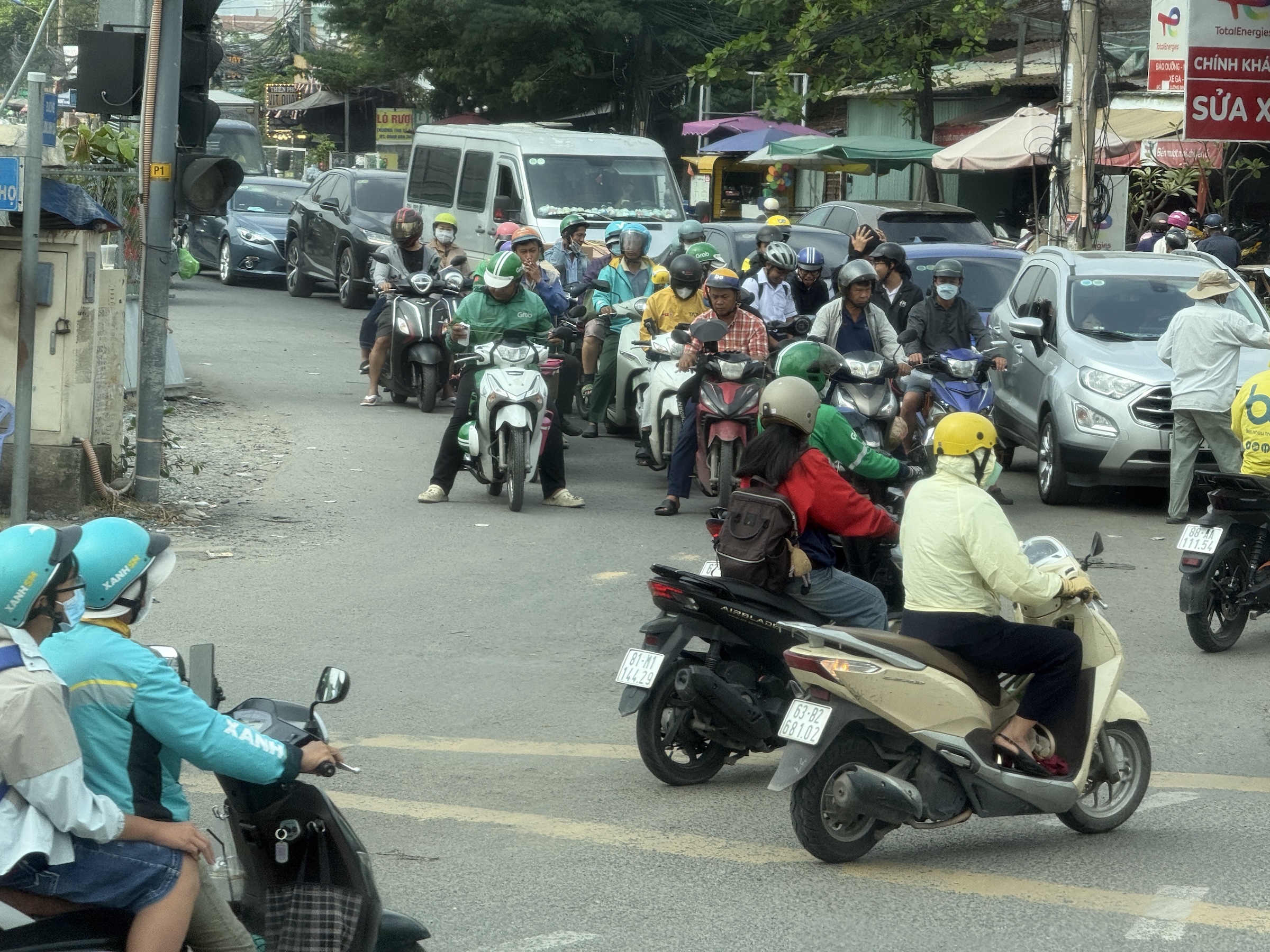
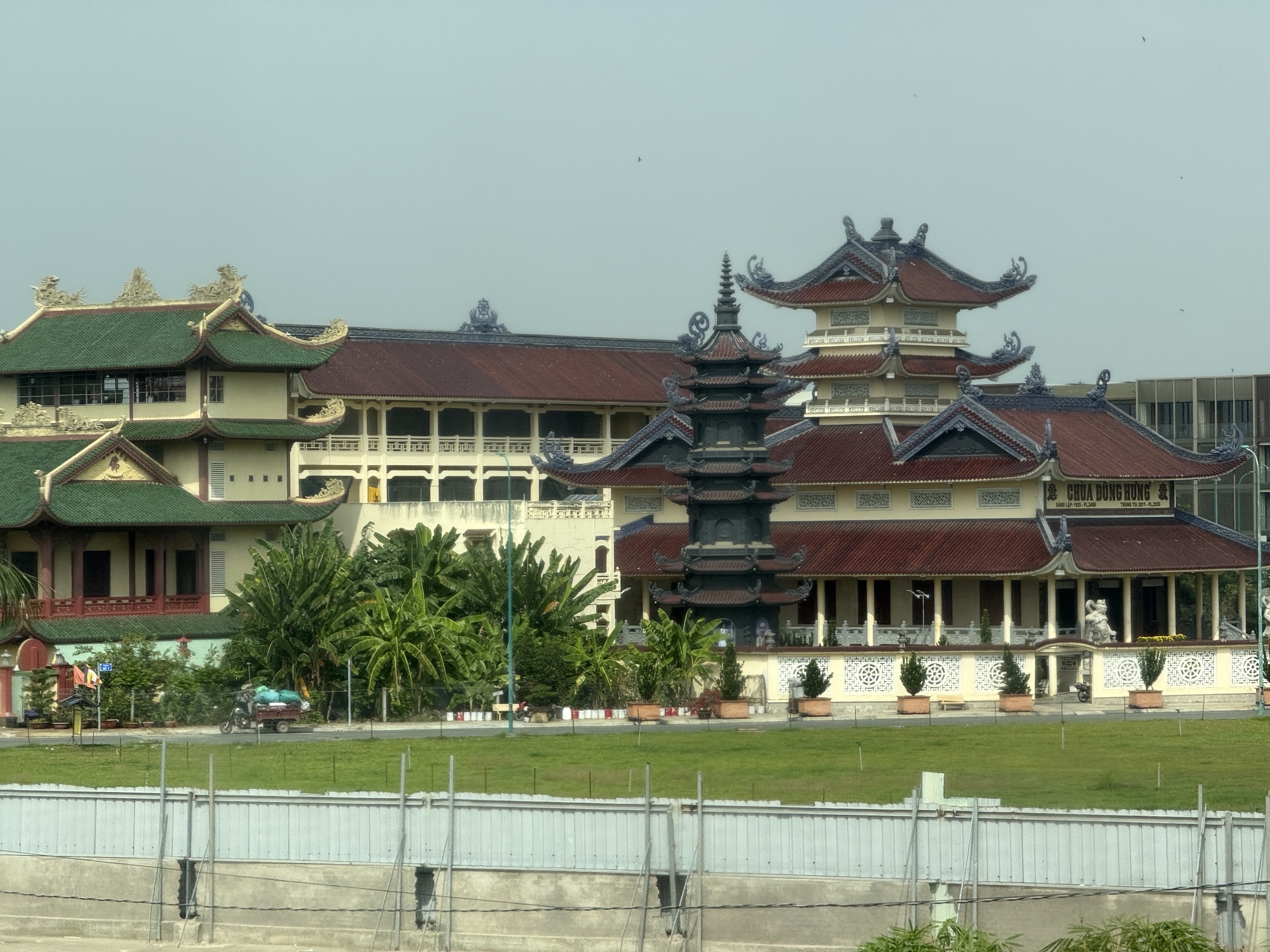
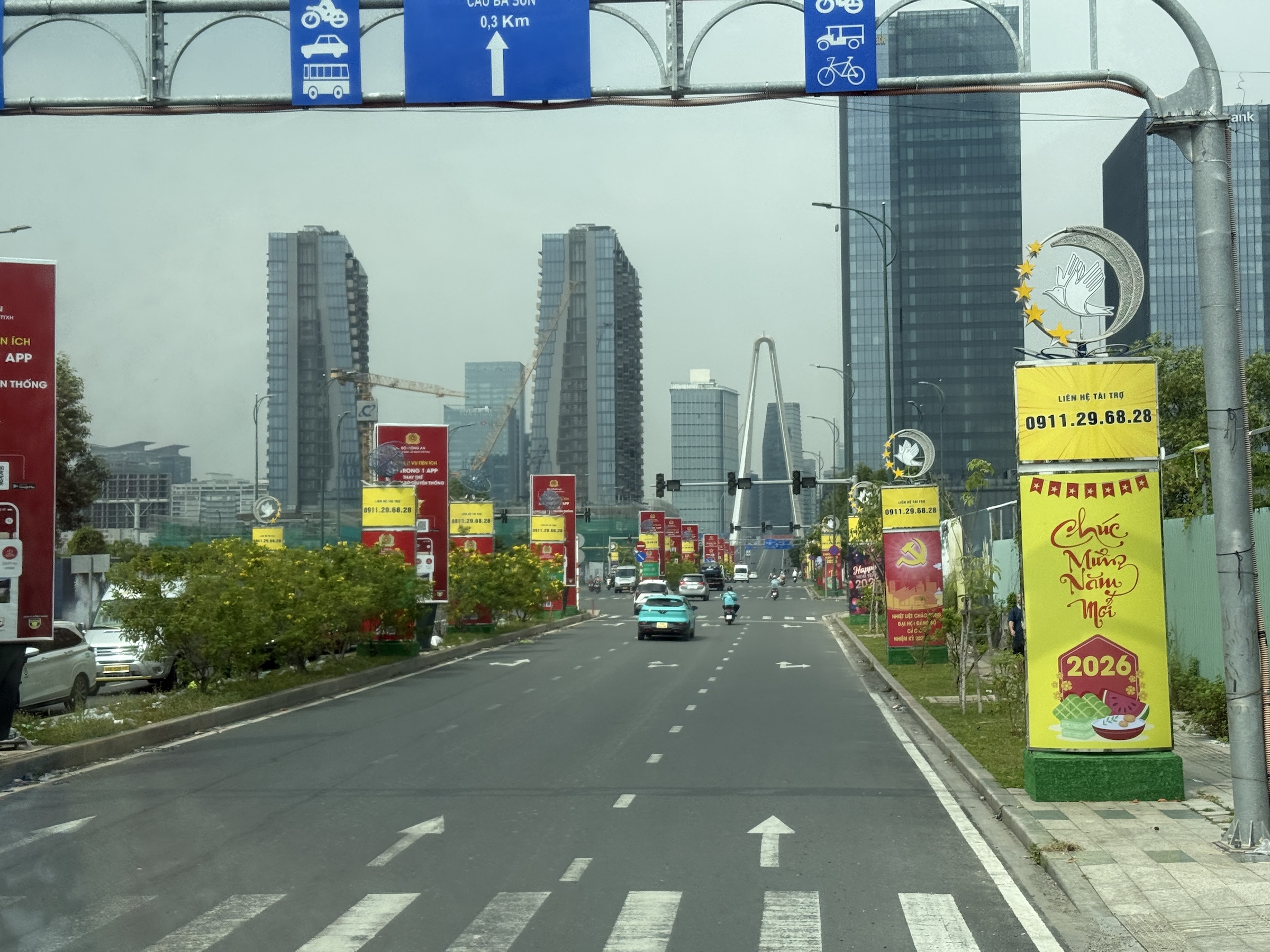
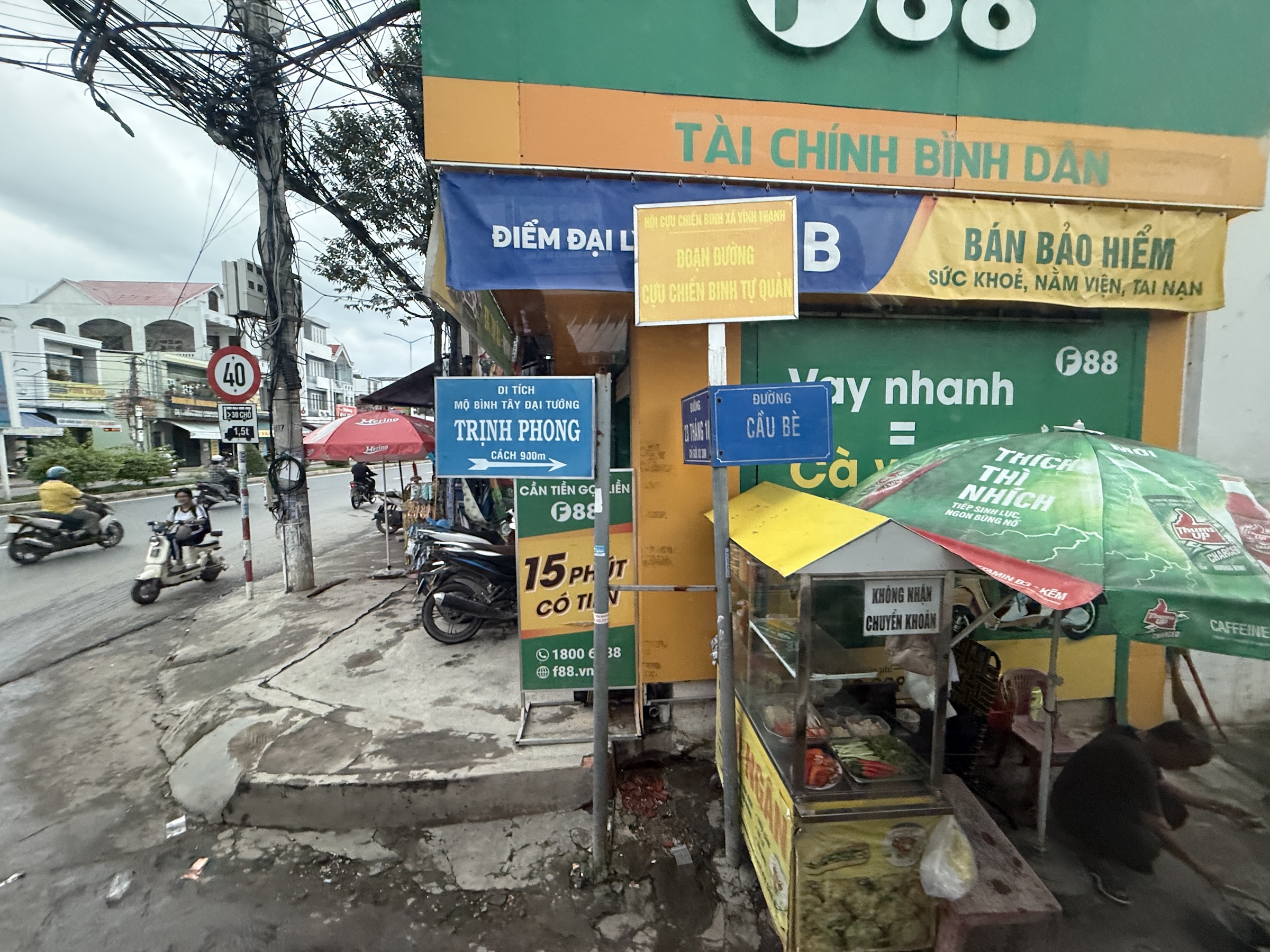
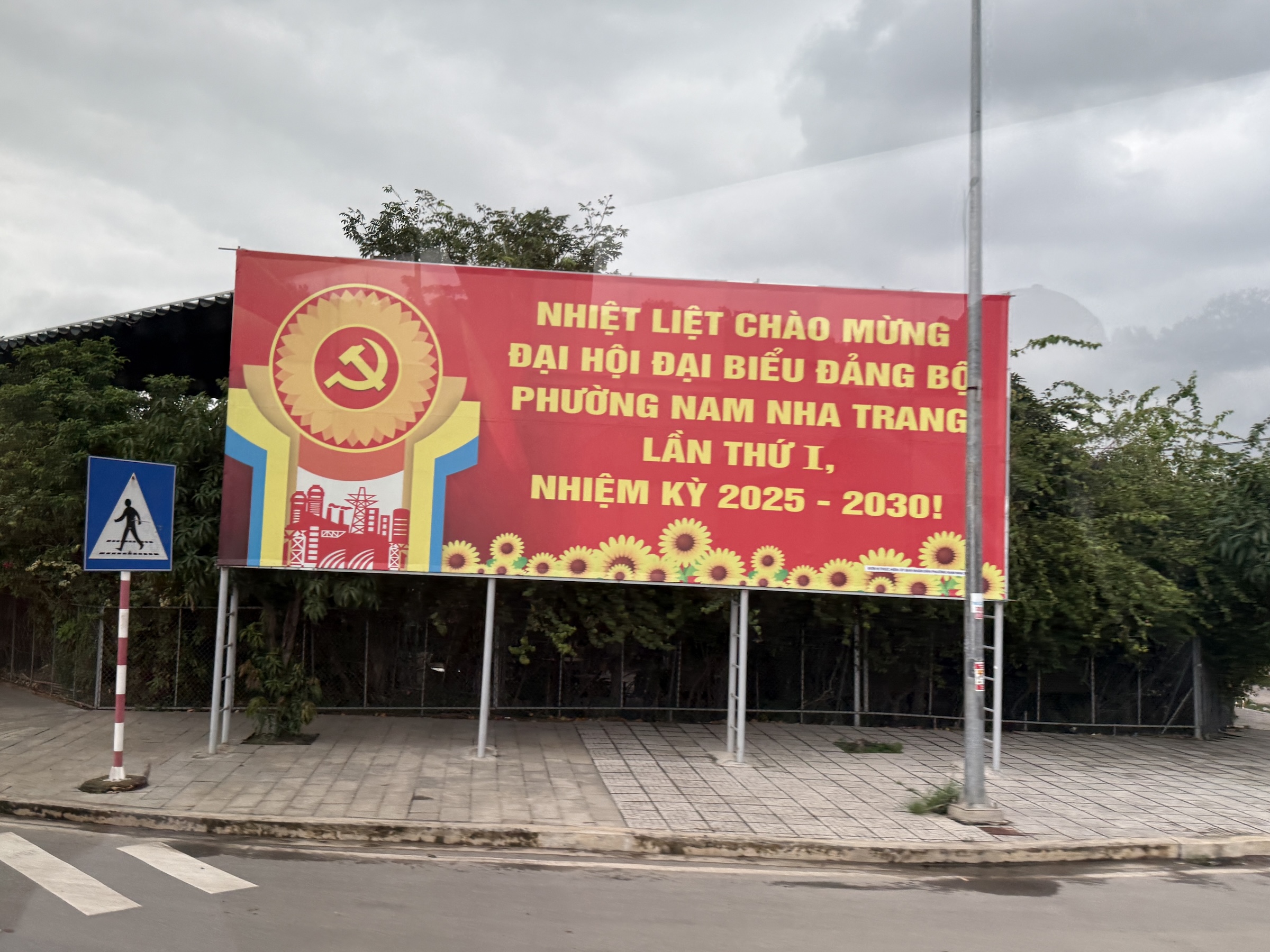
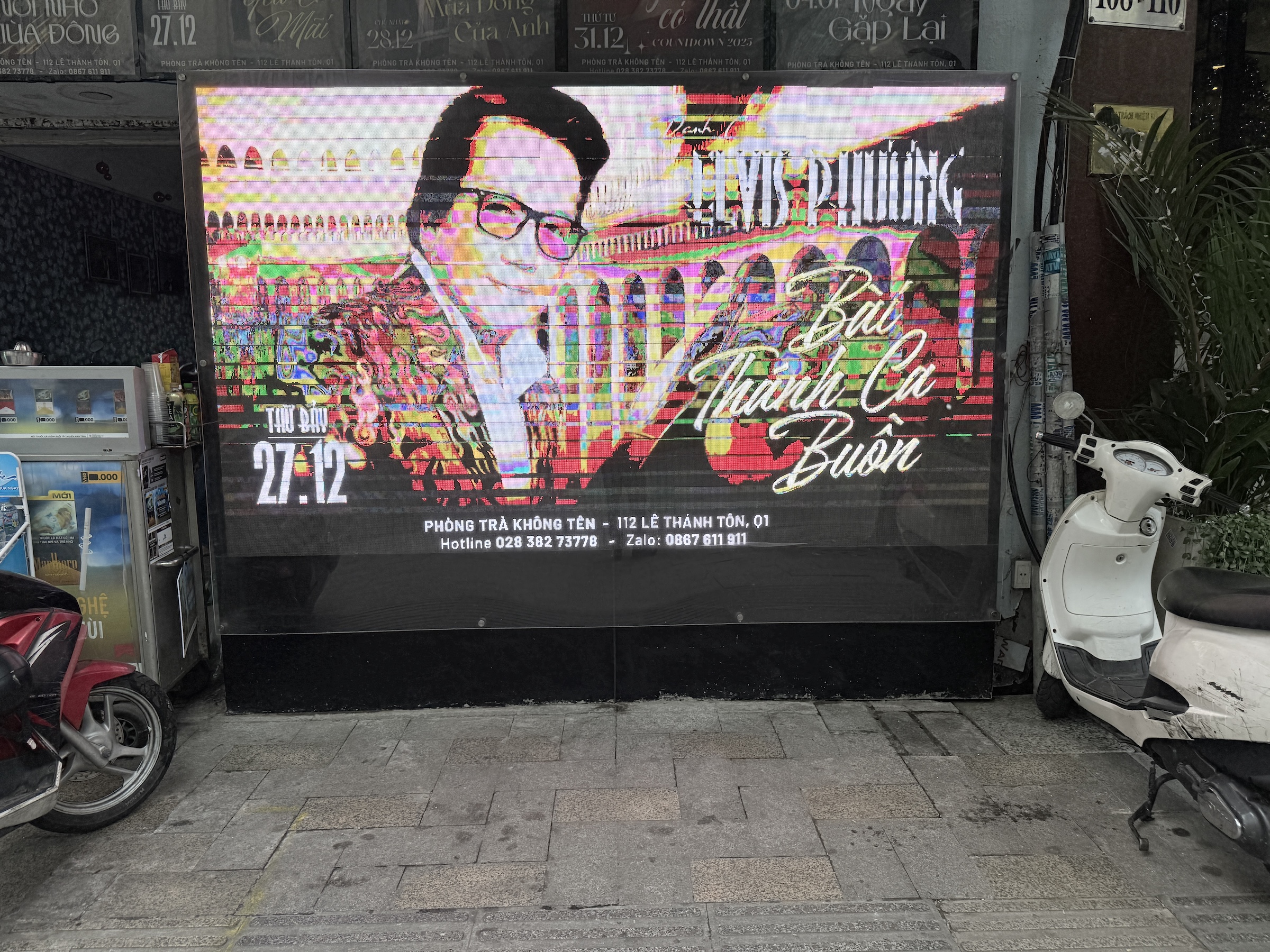
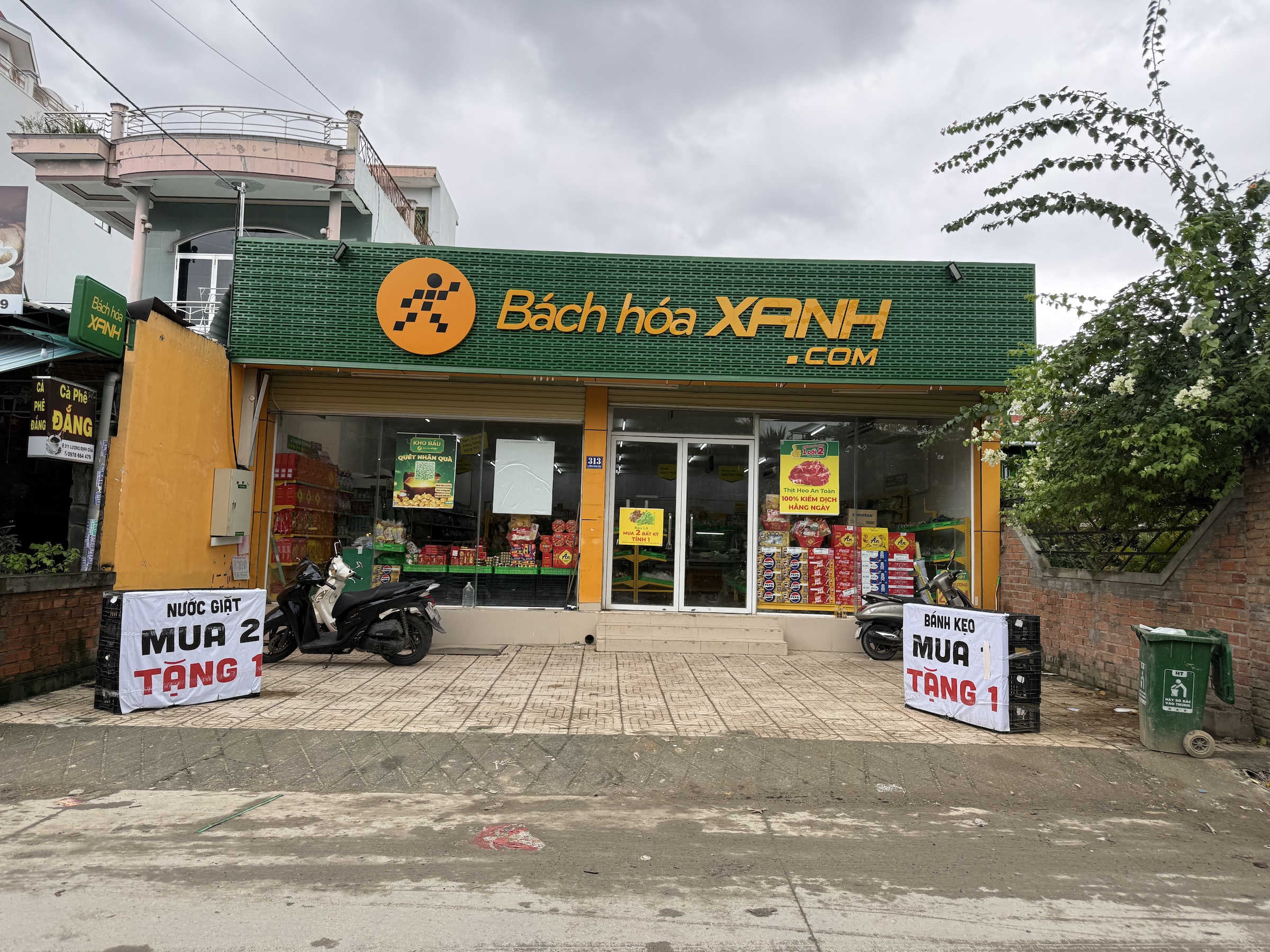
It’s almost a 2-hour drive from Phú Mỹ to the sprawling city of Ho Chi Minh.  Our tour bus ran alongside and across the rivers of the Mekong Delta*, and the route included a segment of National Route 1 with toll plazas. It is the beginning of the rice planting season. Rice is a staple food in Viet Nam.

*Home to the endangered Mekong giant catfish (Pangasianodon gigas), known for reaching nearly 10 feet and over 600 pounds.

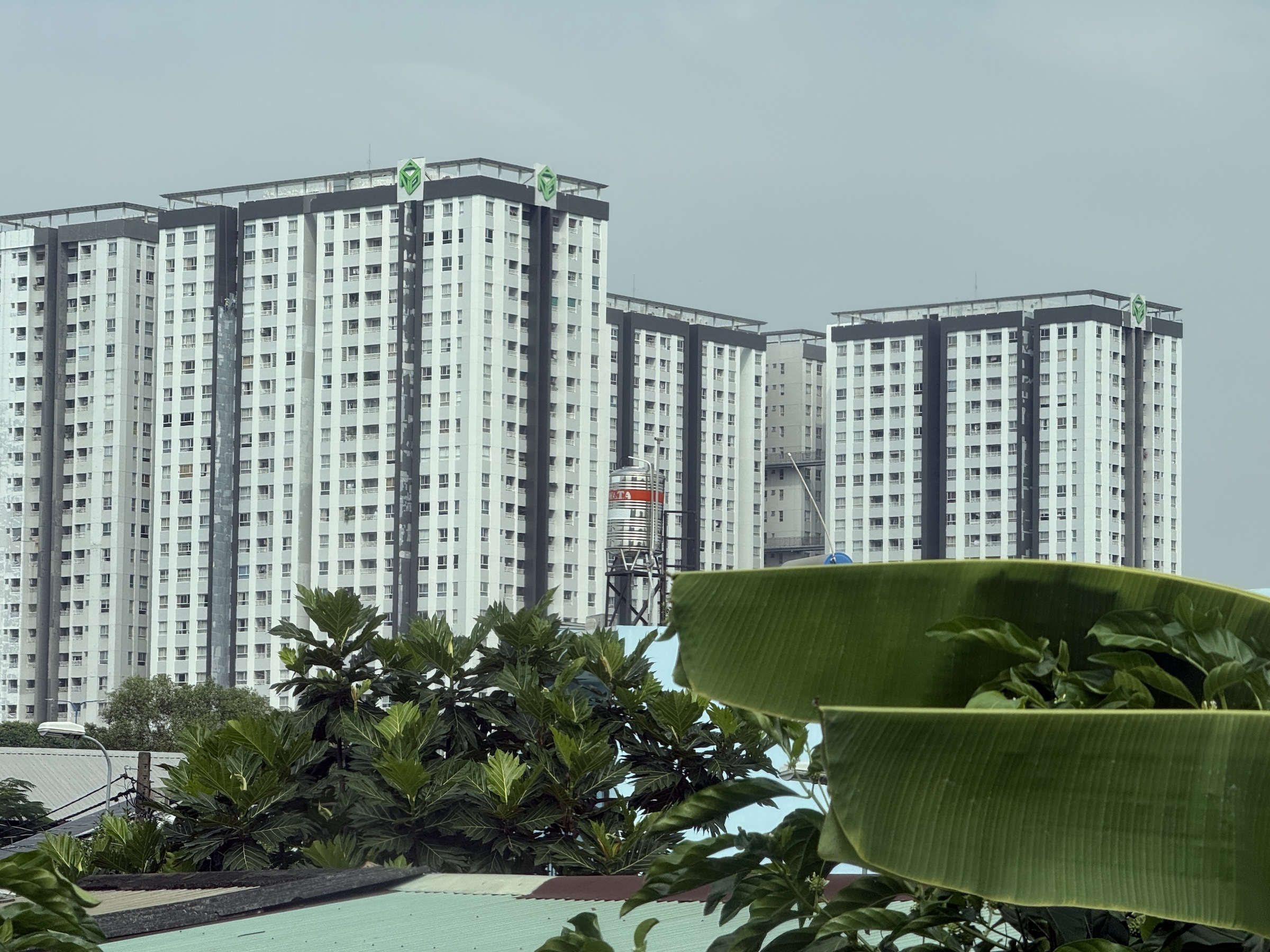
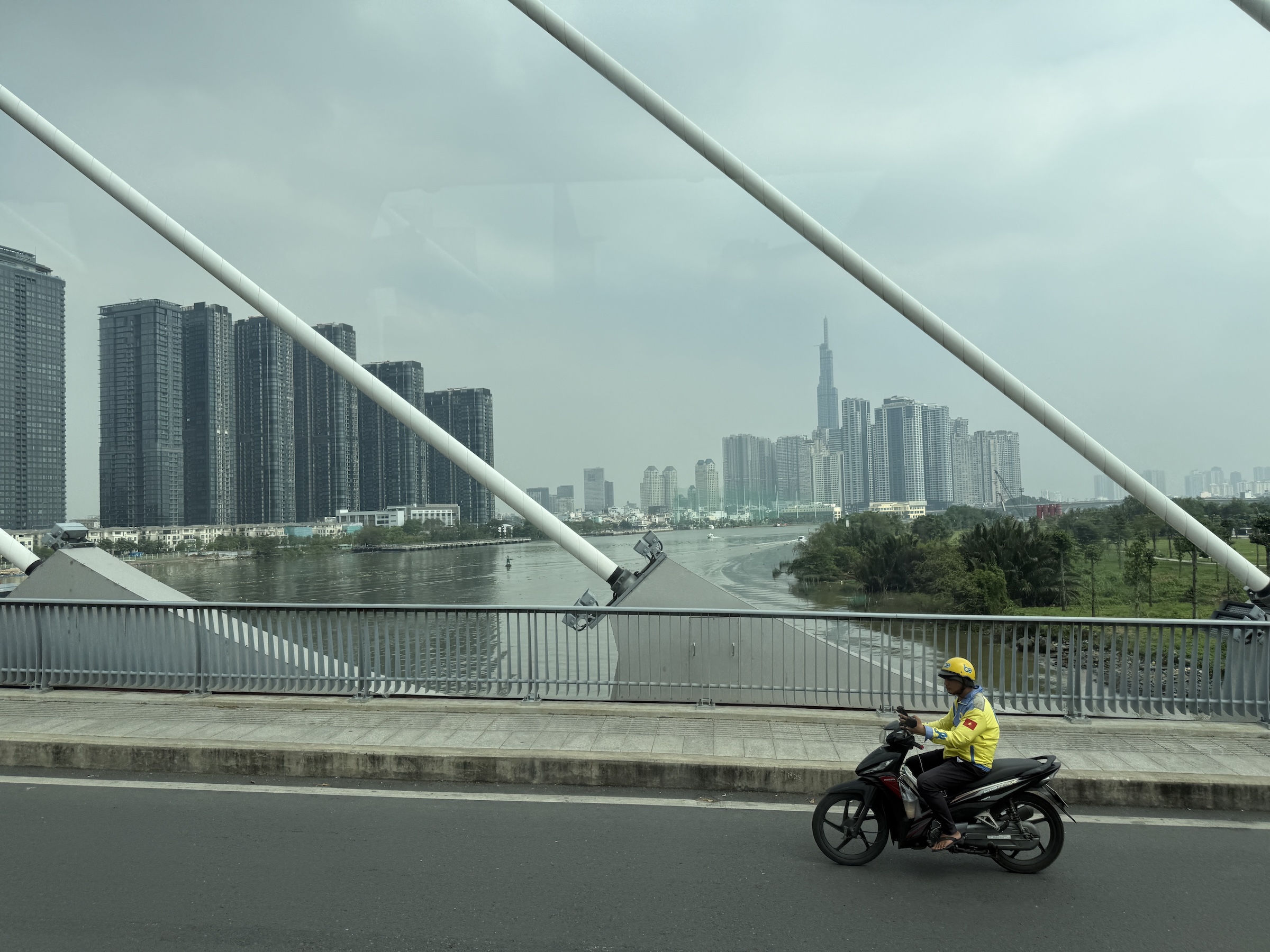
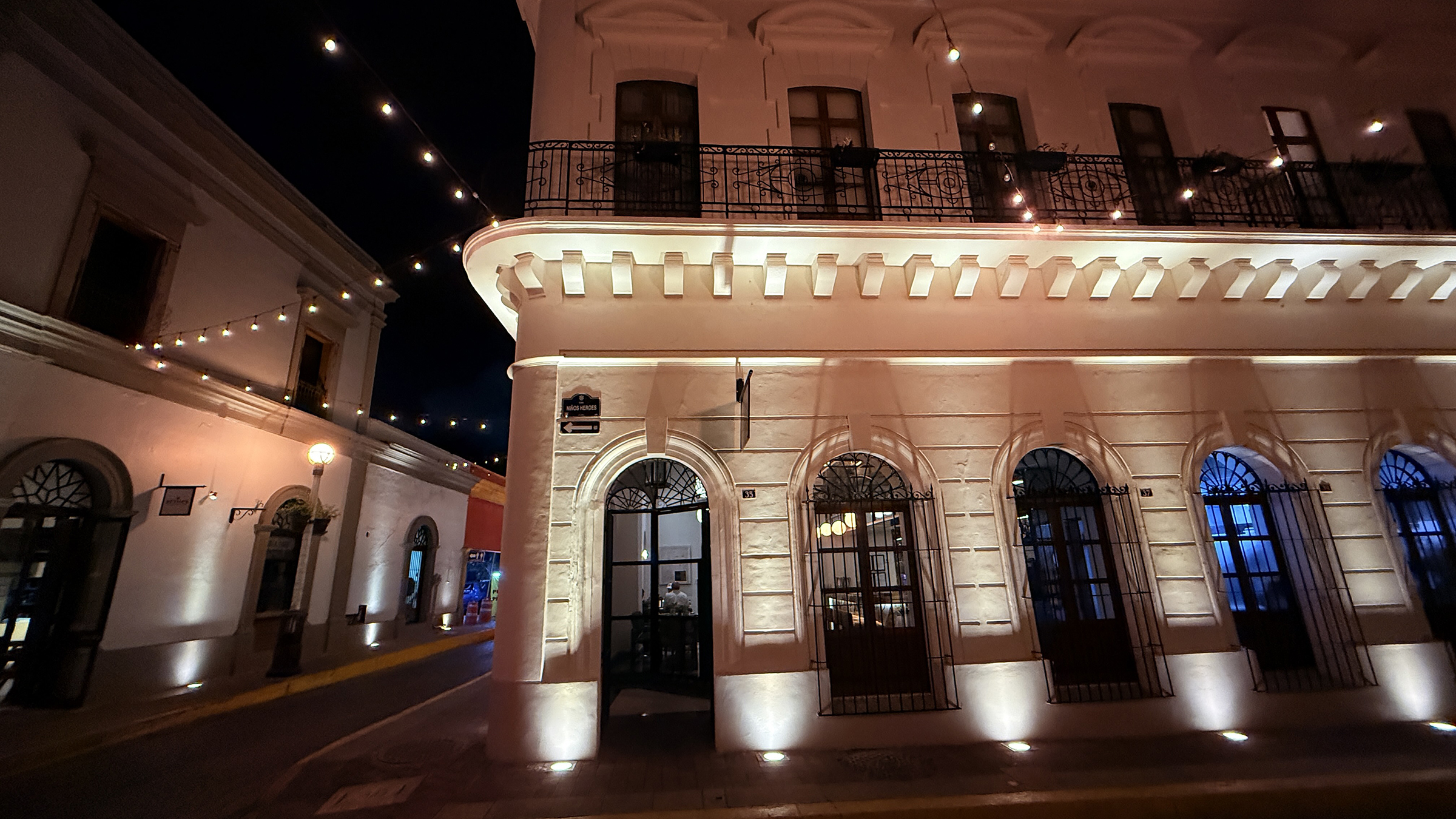
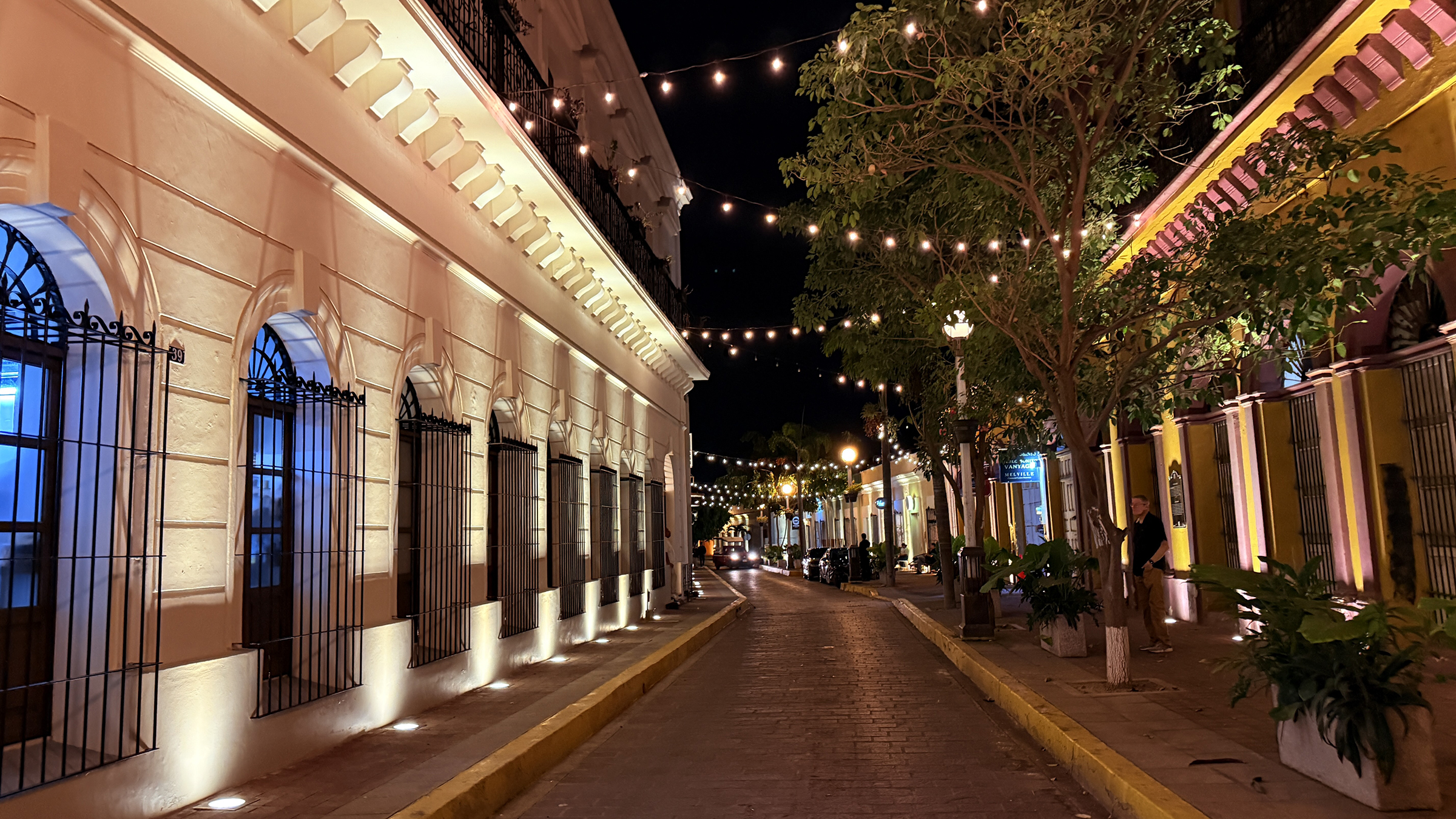
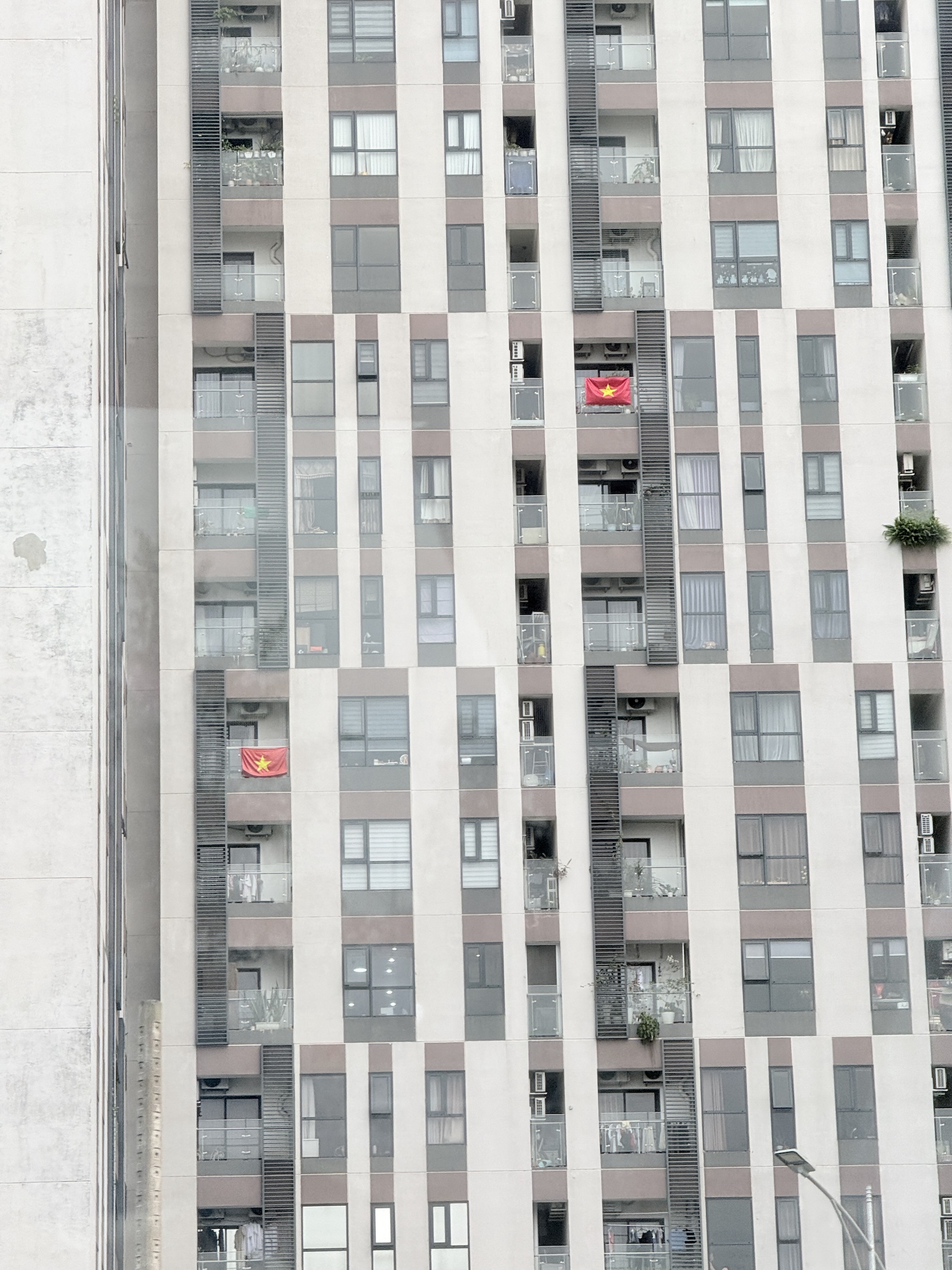
As we approached the city, we saw tall apartment buildings (what we would call condominiums in the States). These go for a fortune in Vietnamese Dong— 5 billion, about US$200,000— and are strictly for rich people. The supertall skyscraper in the pictures is that of the 81-story Landmark 81 tower (completed 2018).

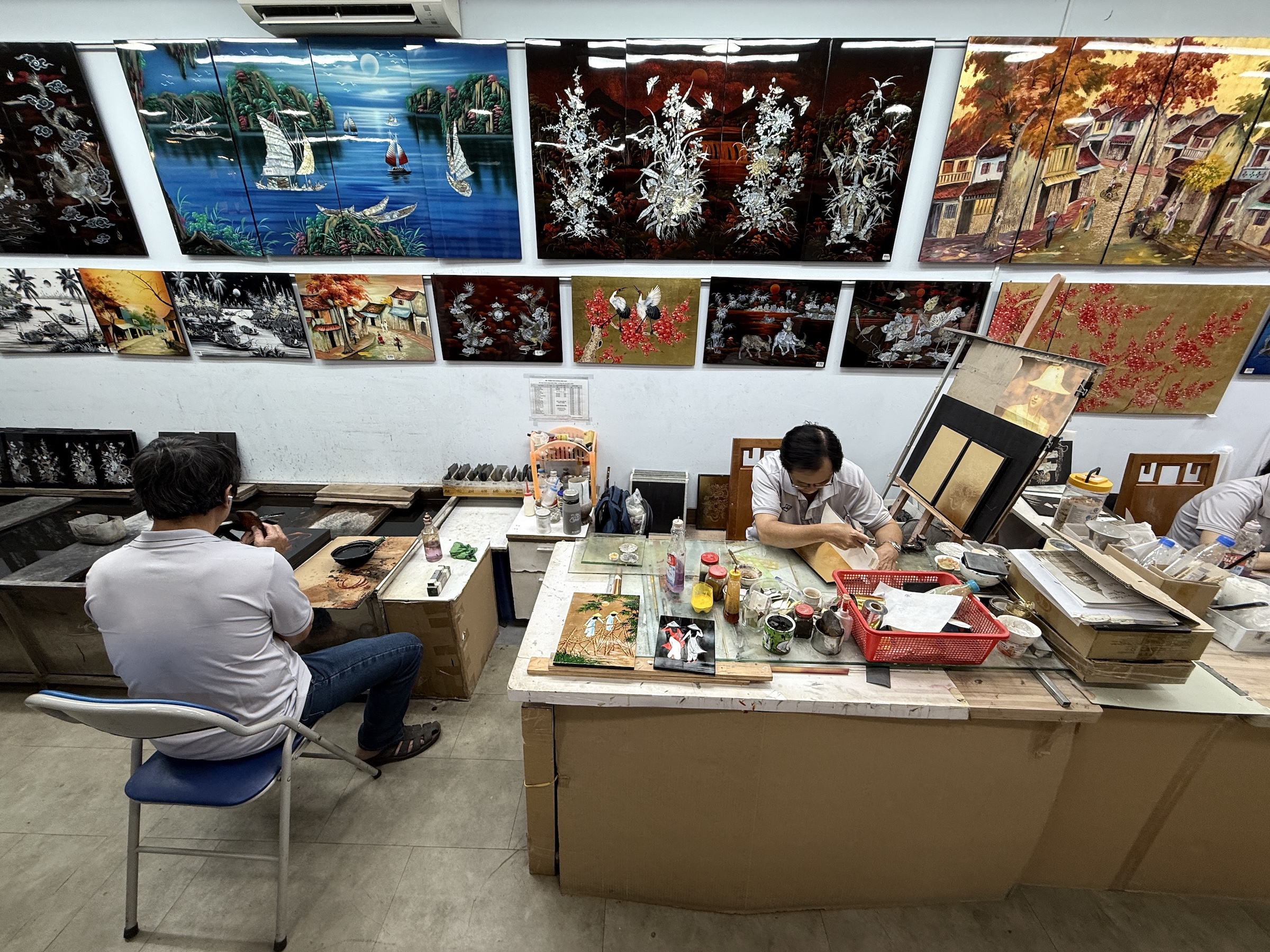
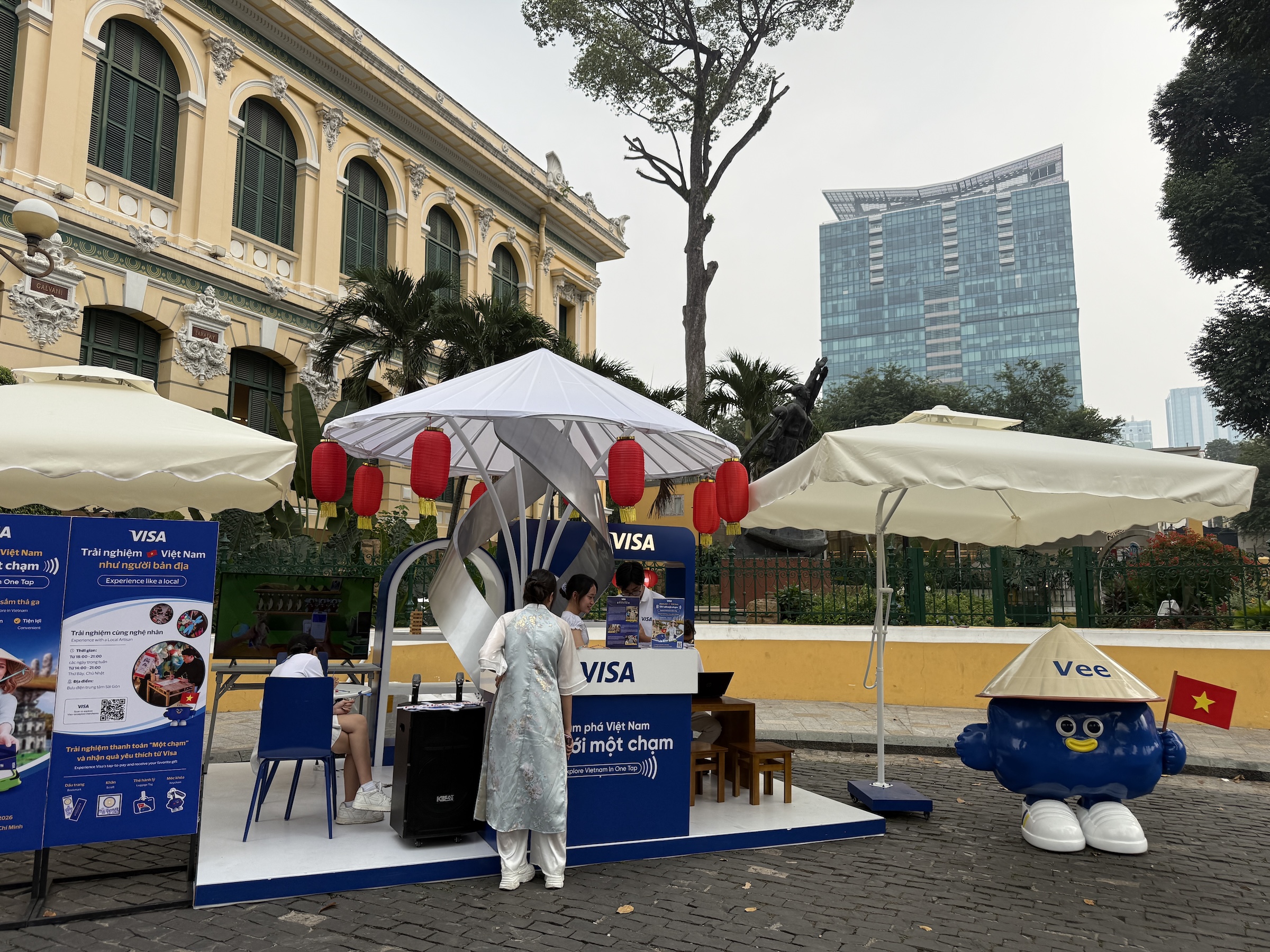
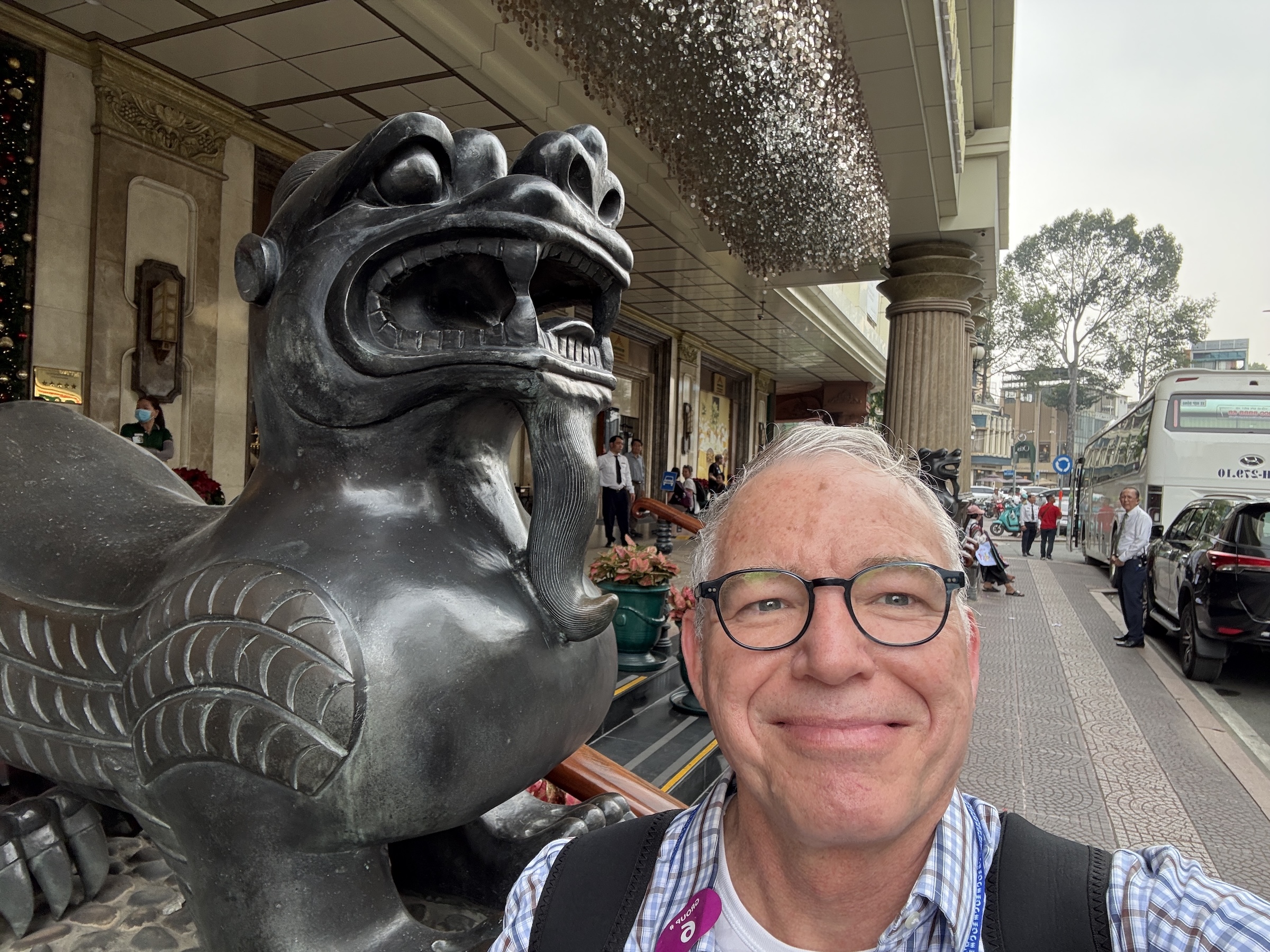
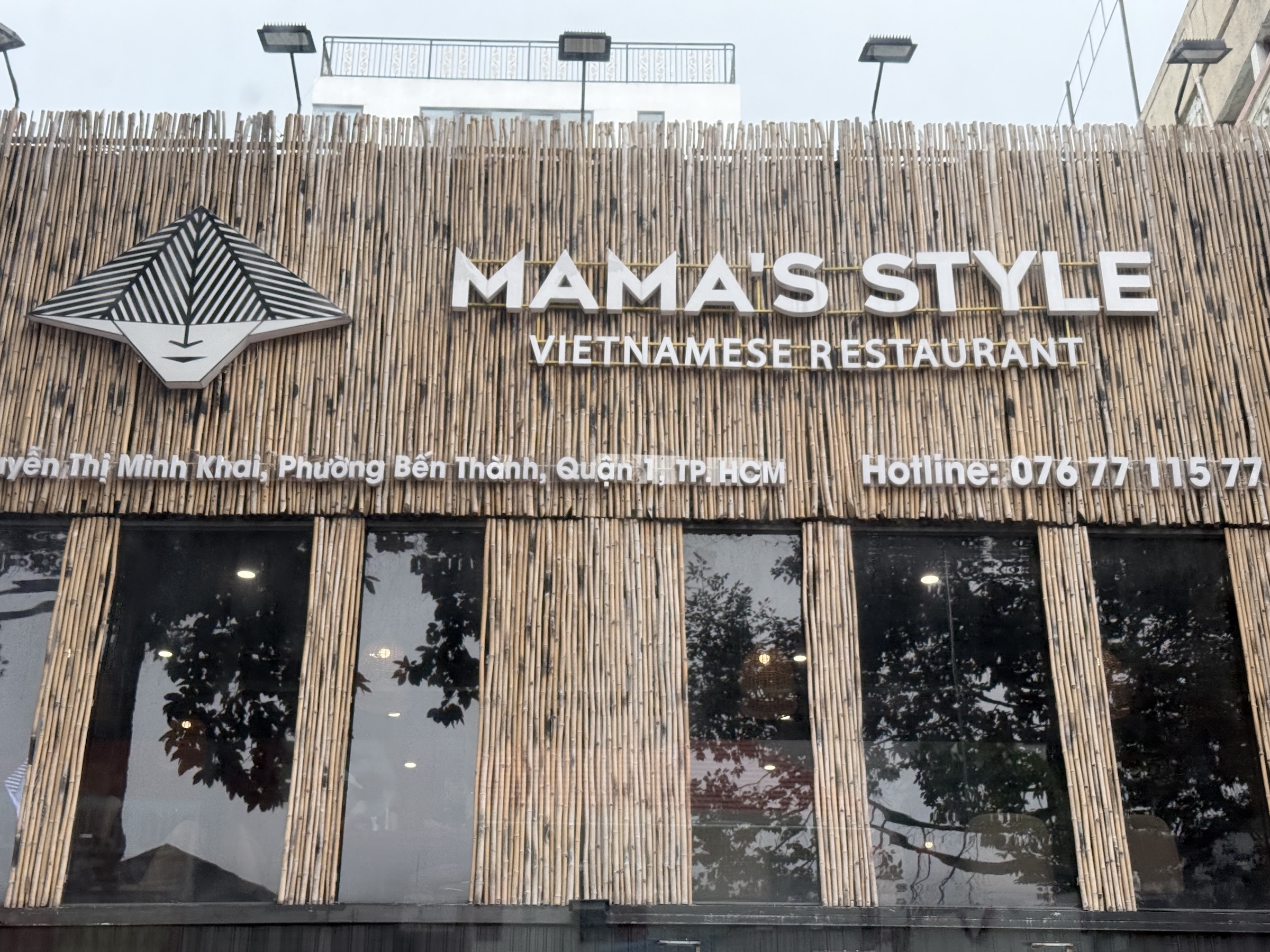
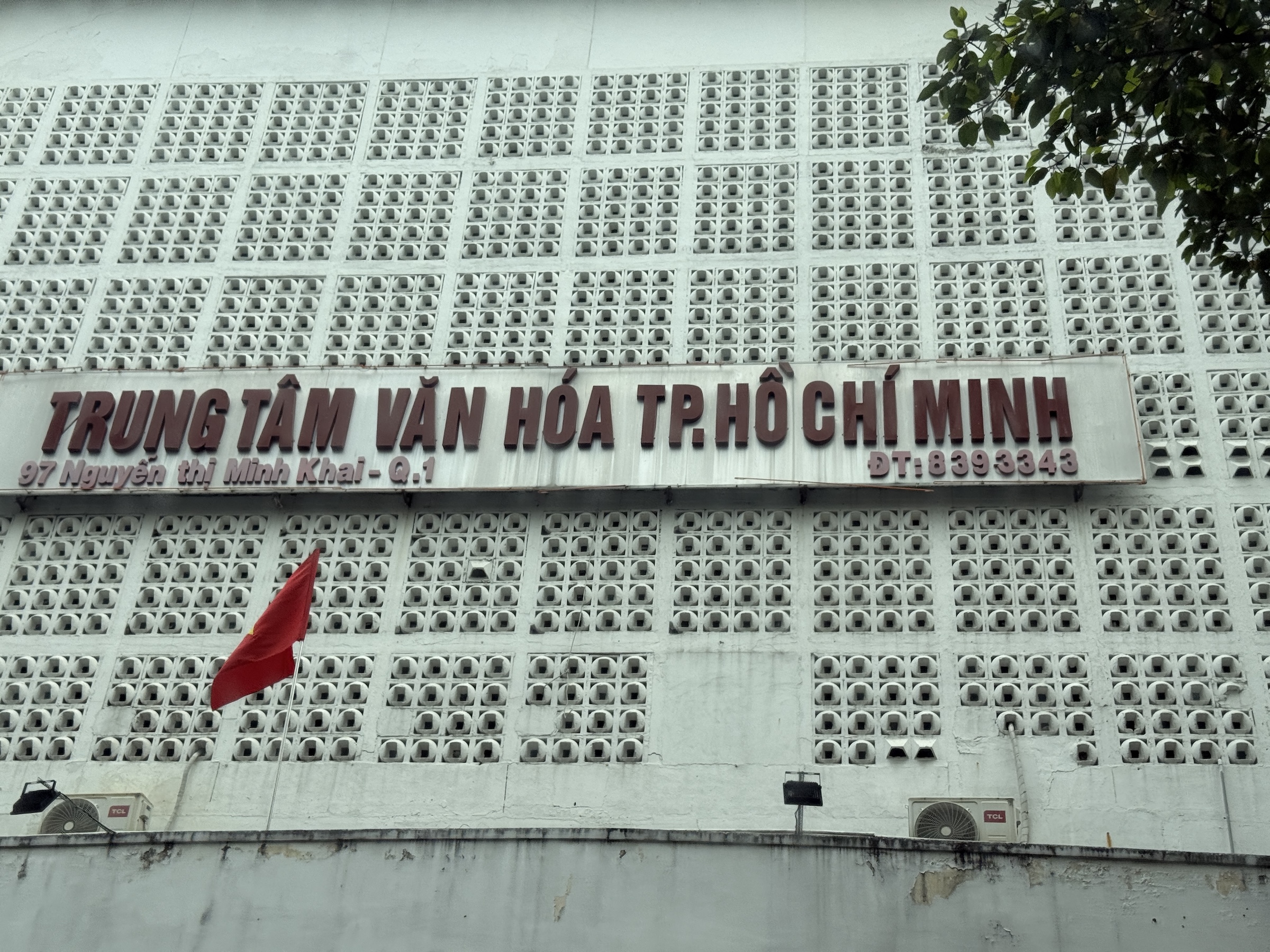
Our first stop in Saigon* was at an art studio and gallery with Vietnamese lacquer art, or Sơn Mài.  *The central part of Ho Chi Minh City still goes by the name of Saigon.

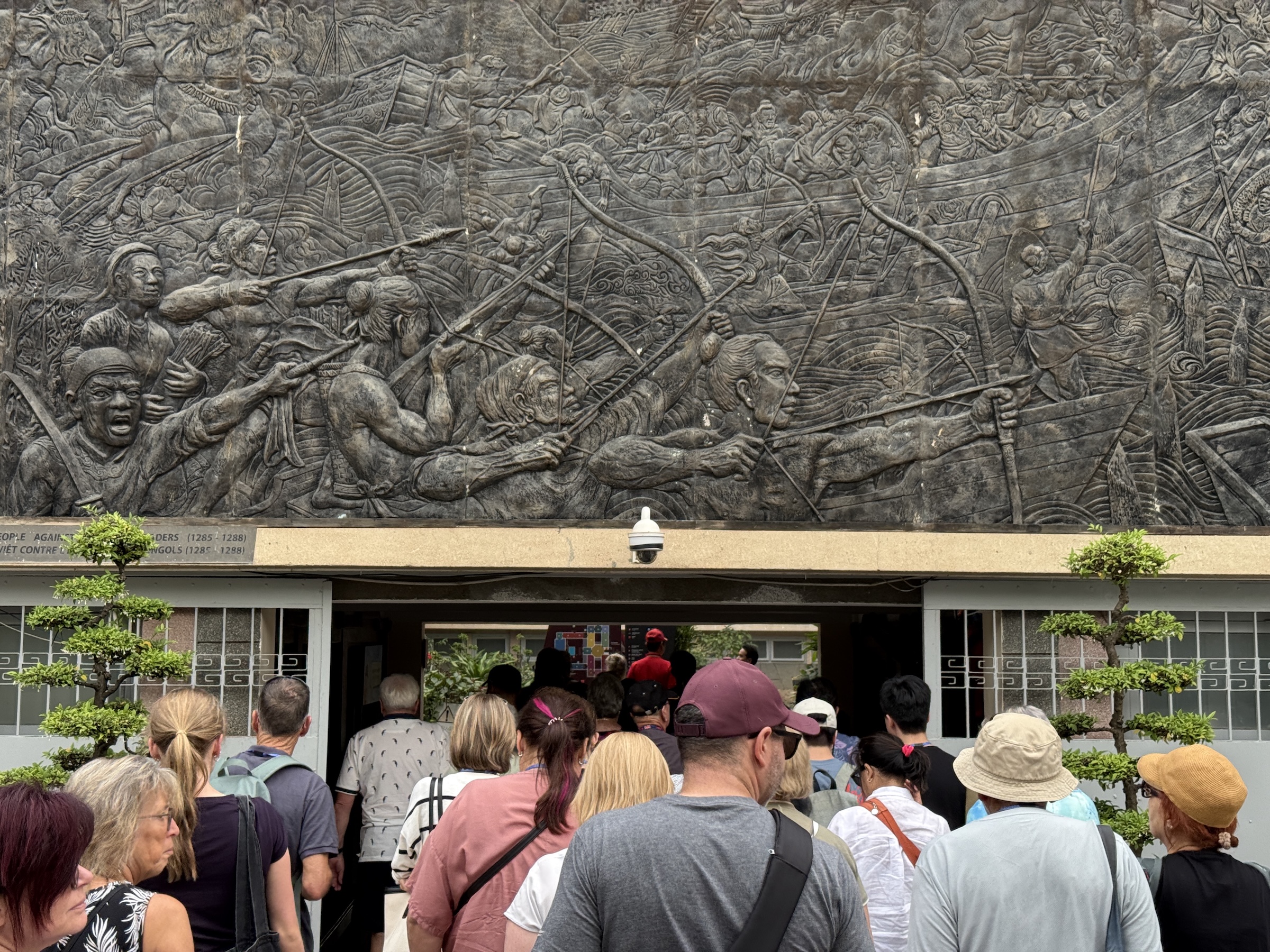
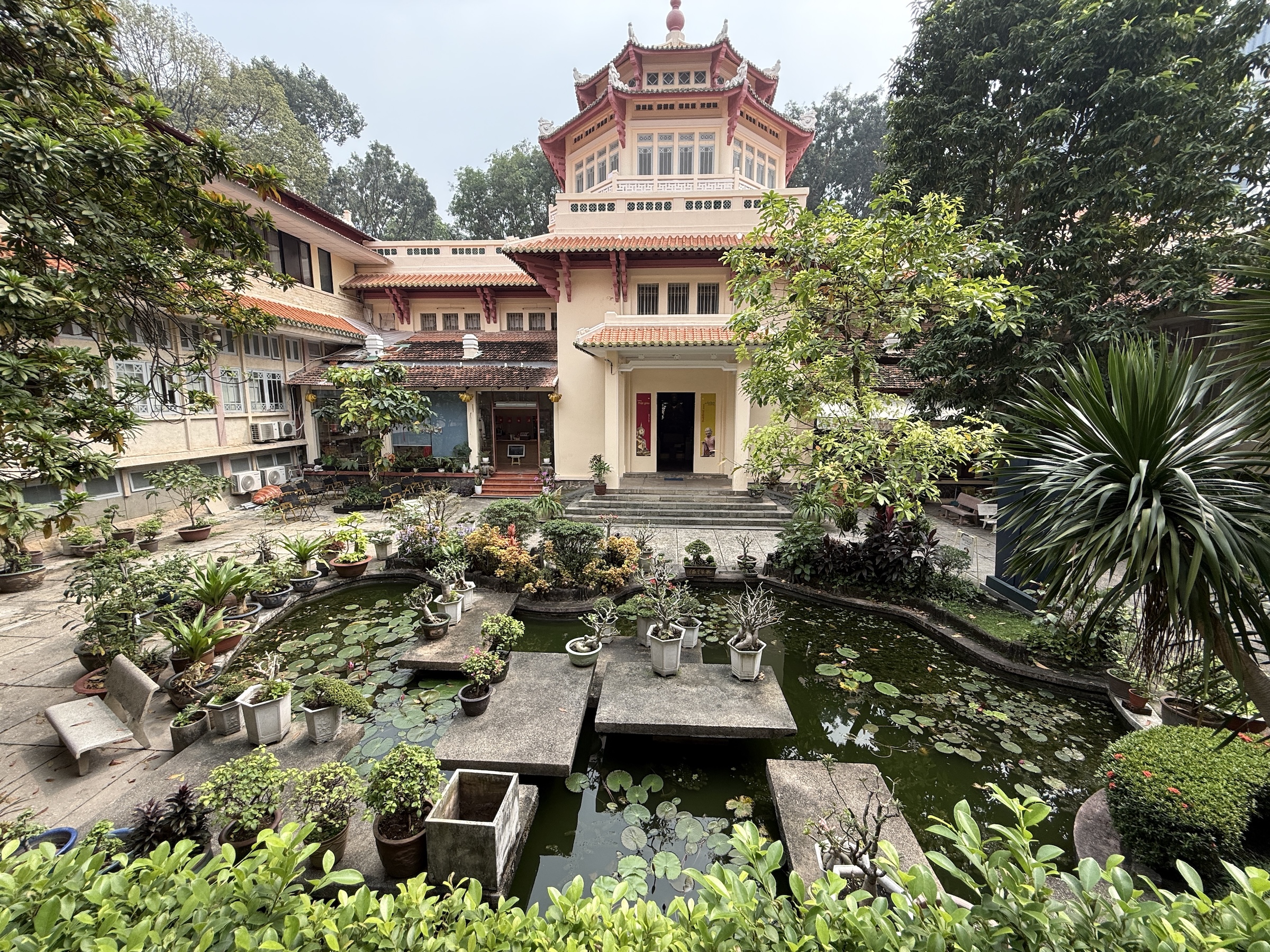
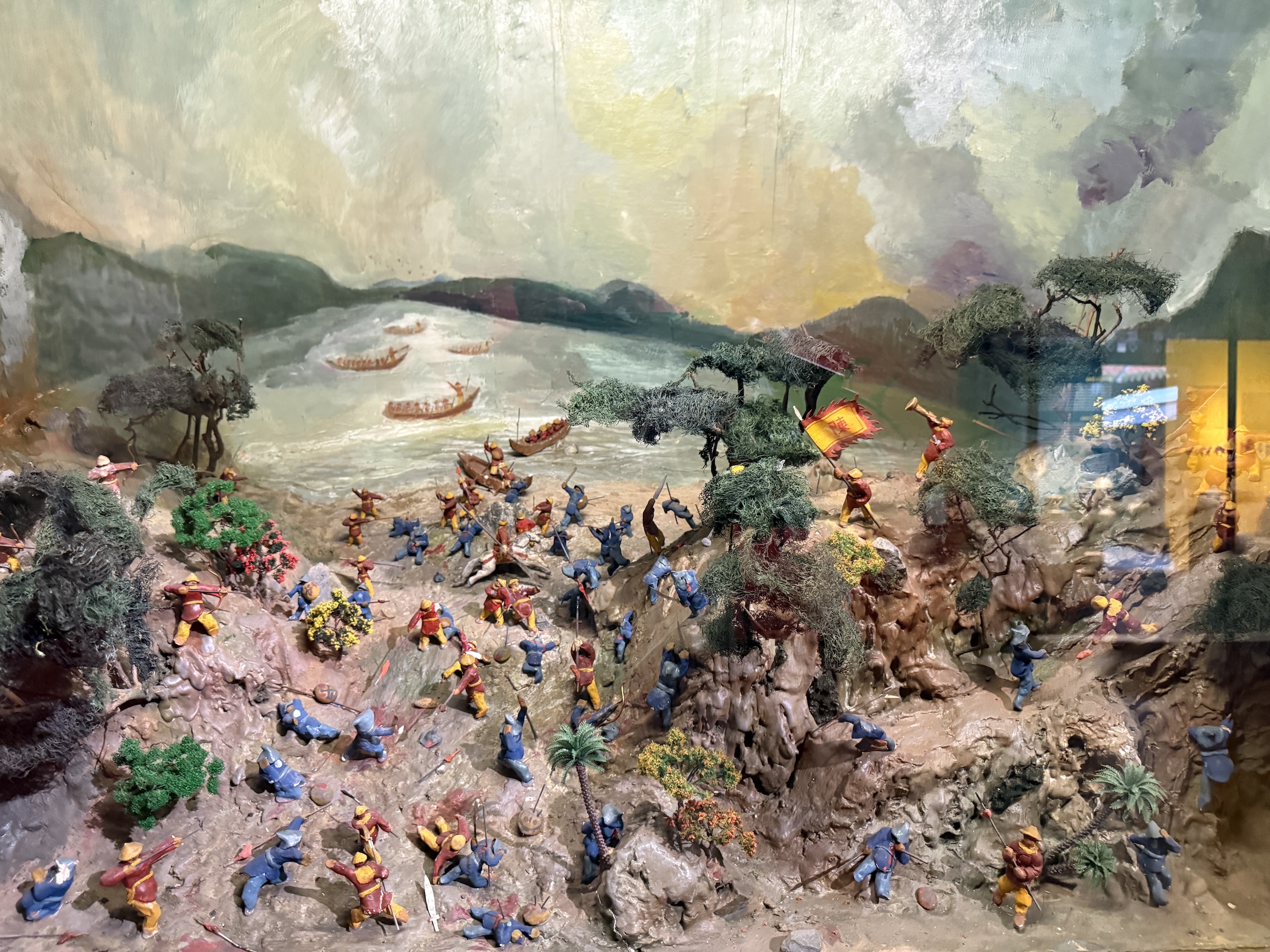
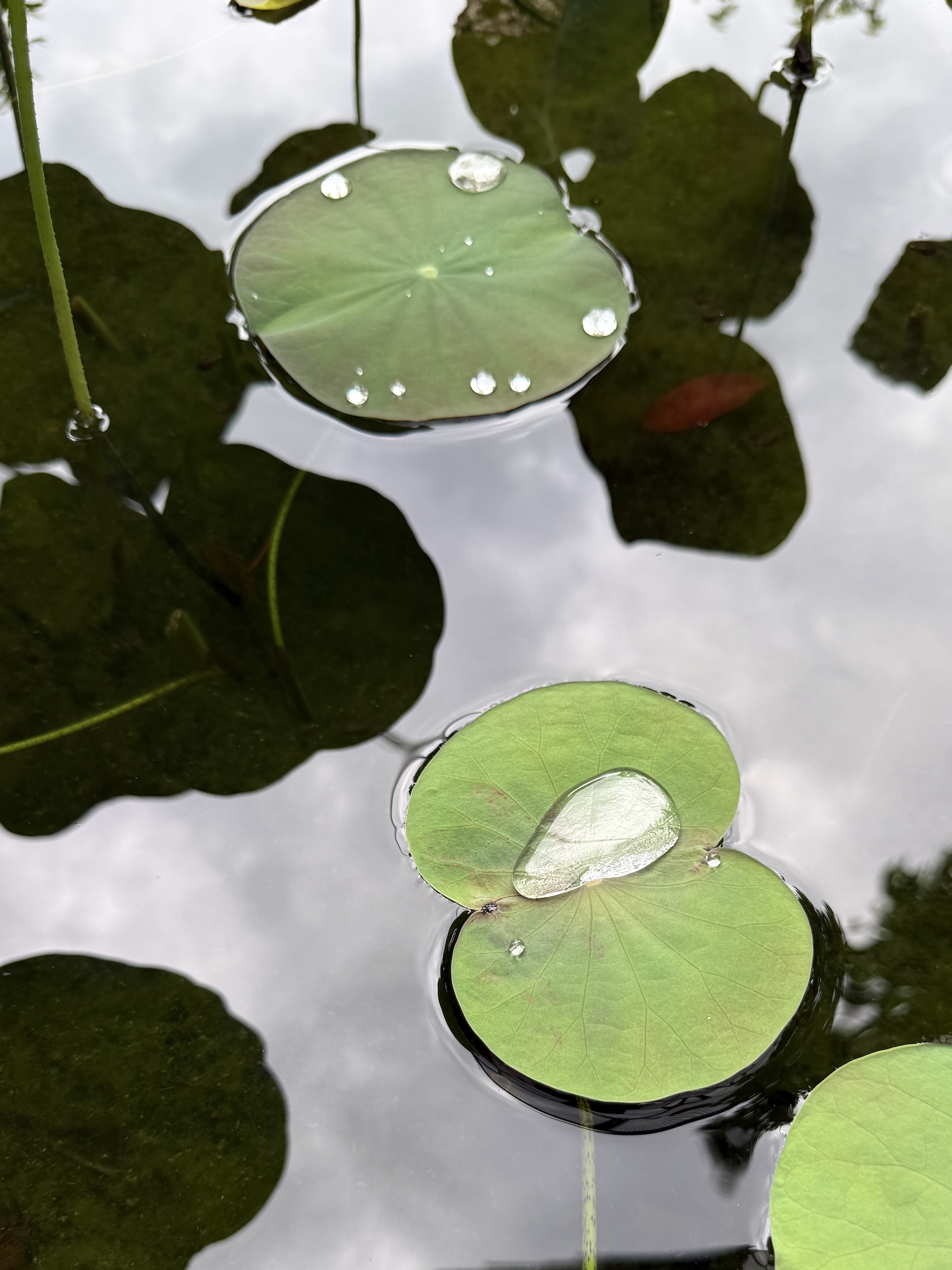
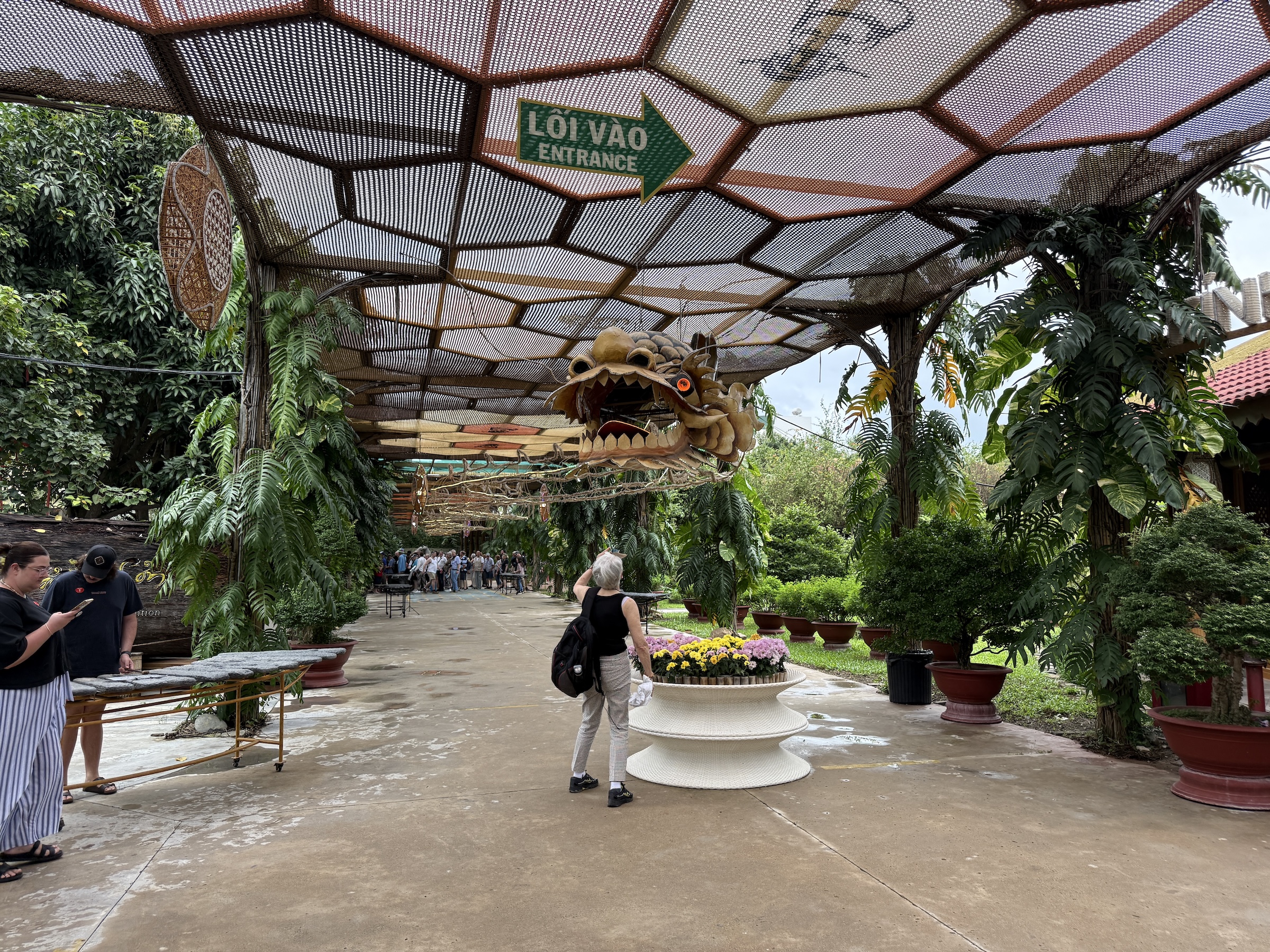
The next stop was at Ho Chi Minh City History Museum with its lovely water lily pond and displays of the forces that occupied the territory of what is known as Viet Nam today.

I asked Google AI Overview for a summary:
Vietnam’s history is marked by occupation and resistance, starting with over a millennium of Chinese rule (c. 111 BCE–938 CE), followed by internal dynasties and expansion south. French colonization from the 1880s led to French Indochina, briefly interrupted by Japanese occupation during WWII, sparking the Viet Minh independence movement. After WWII, France tried to reclaim control, leading to the First Indochina War (1946-1954), ending with French defeat and Vietnam’s division, ultimately leading to the Vietnam War (US involvement) and communist unification in 1975.

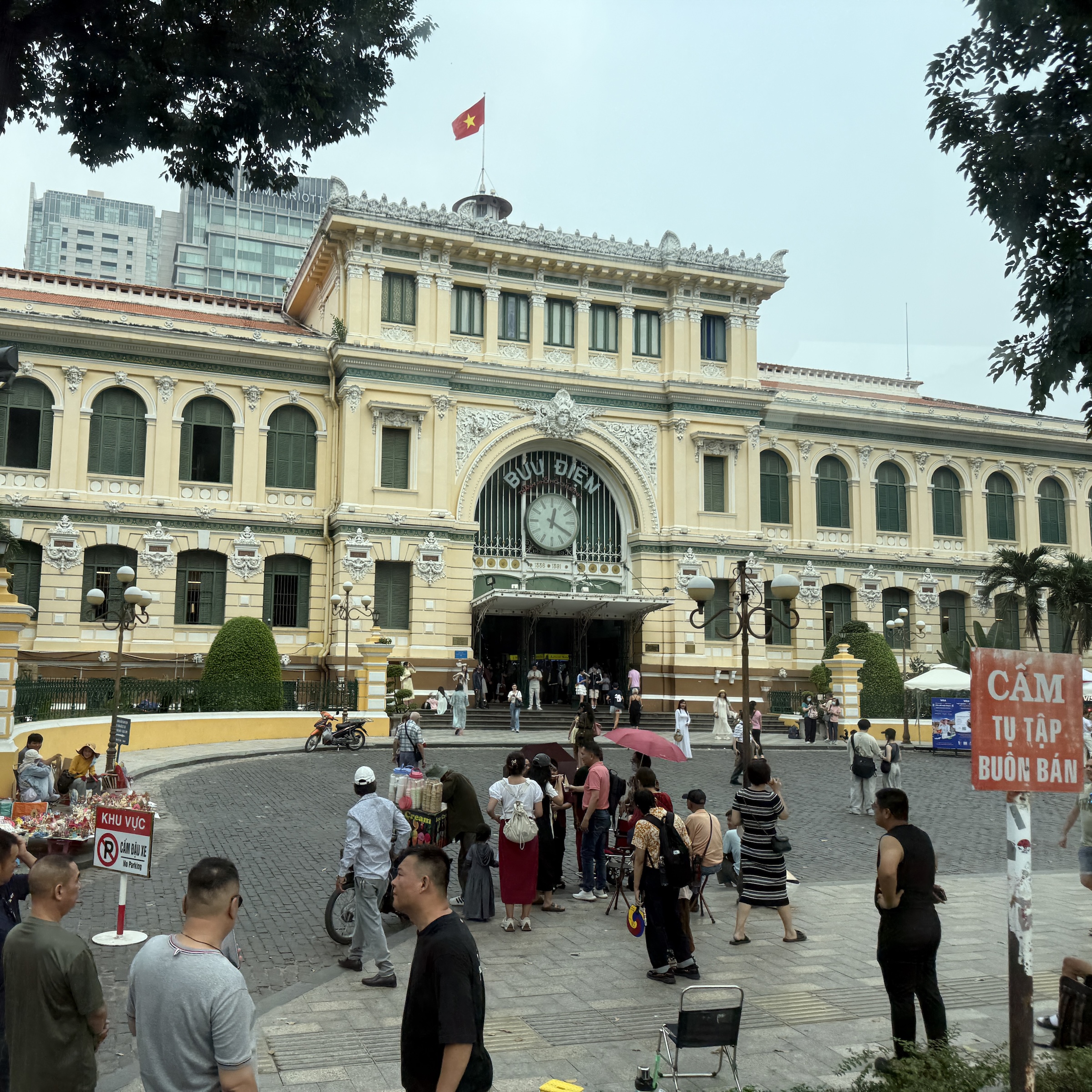
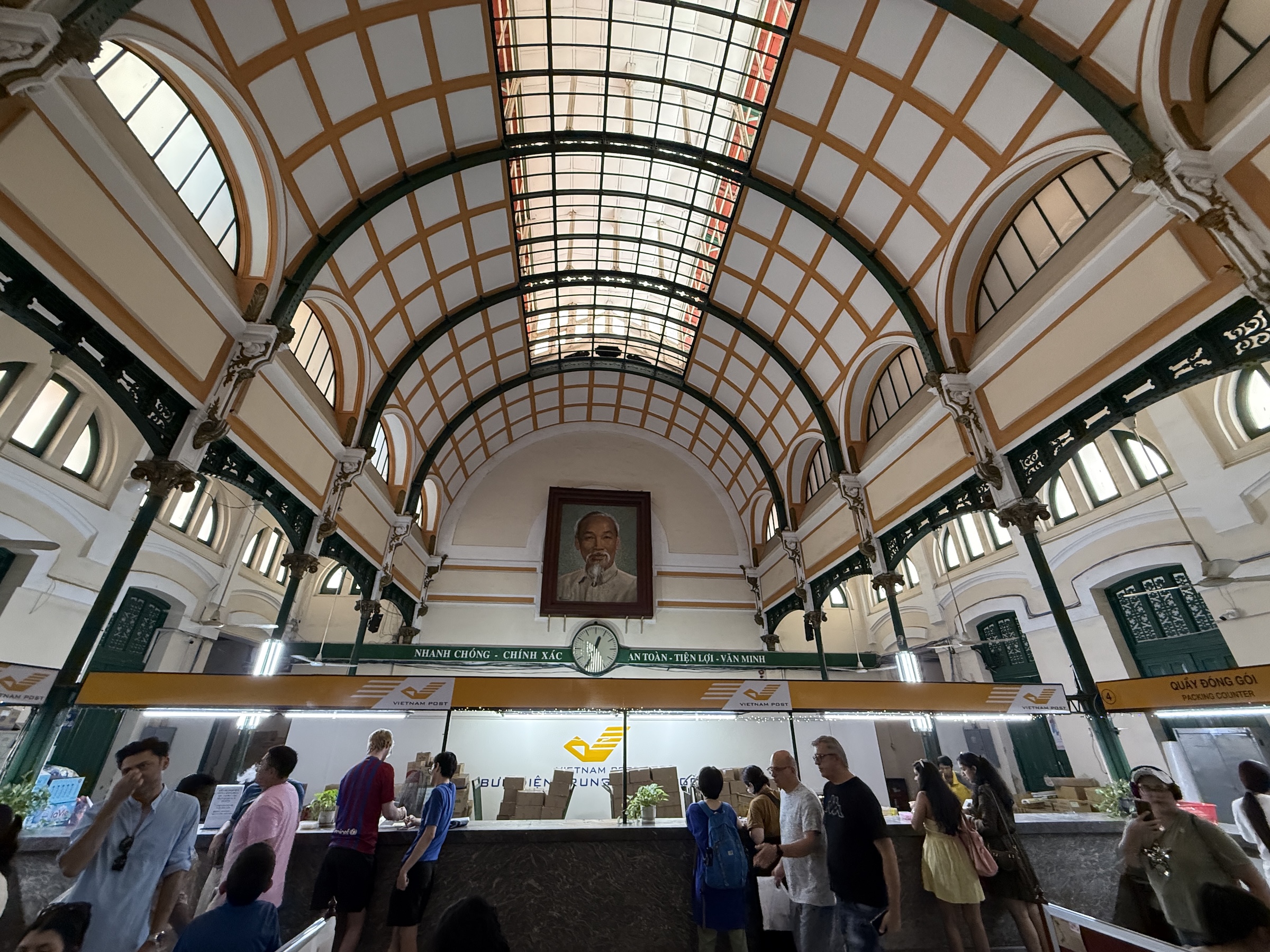
Next was the Saigon Central Post Office with a portrait of Ho Chi Minh inside. (Ho Chi Minh was the man that led a long and ultimately successful campaign to make Vietnam independent. He was president of North Vietnam from 1945 to 1969.)

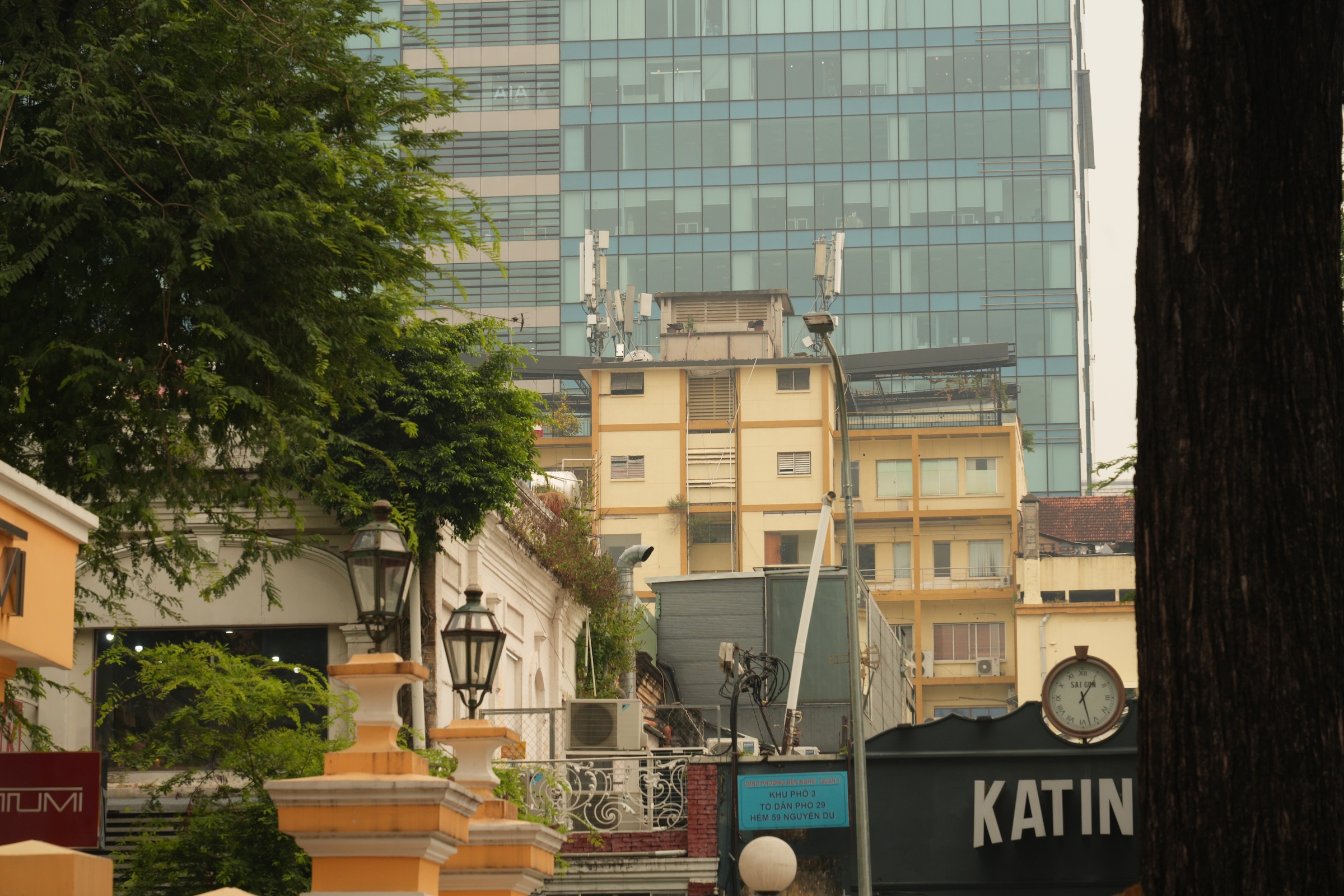
Look for my picture of the Pittman Apartments building from which people were airlifted from during the Fall of Saigon in April 1975 (famously captured in Hubert van Es’s iconic photo). It’s painted yellow and light brown and has several antennas attached to it.

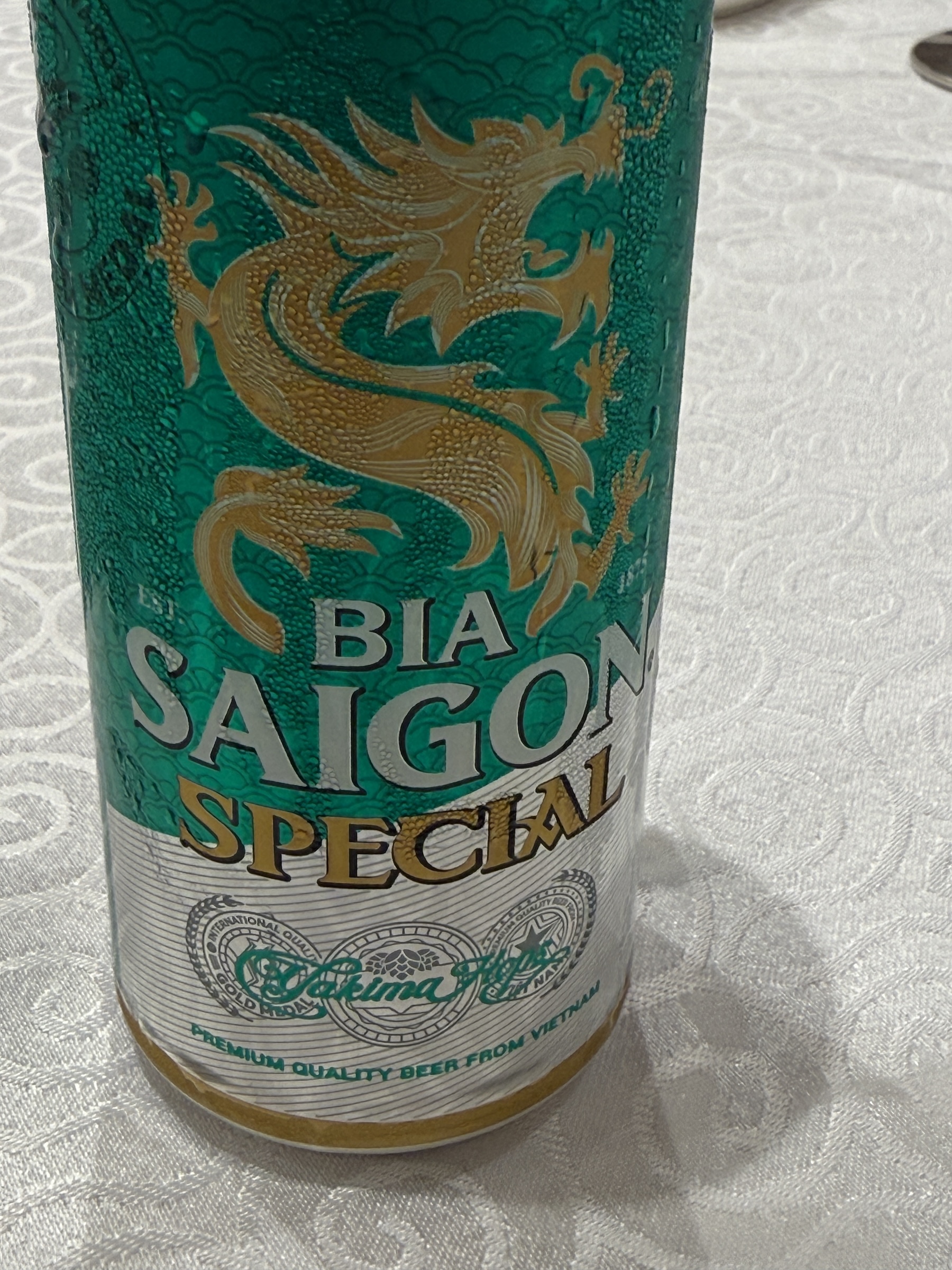
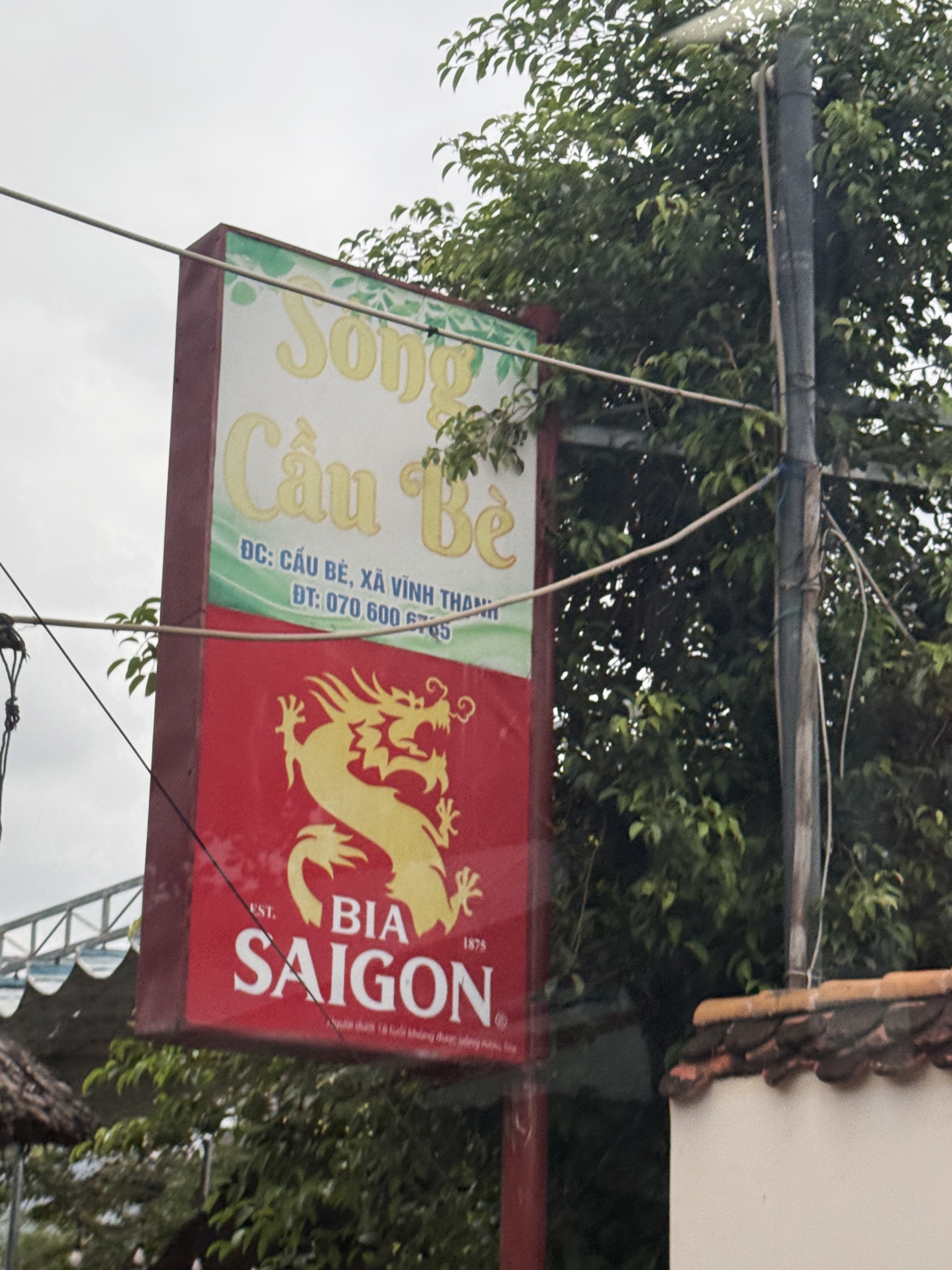
We made a quick stop at a Buddhist Temple, and then went to the swank Windsor Plaza Hotel for lunch. I loved the dragon on my little can of Bia Saigon Special beer.

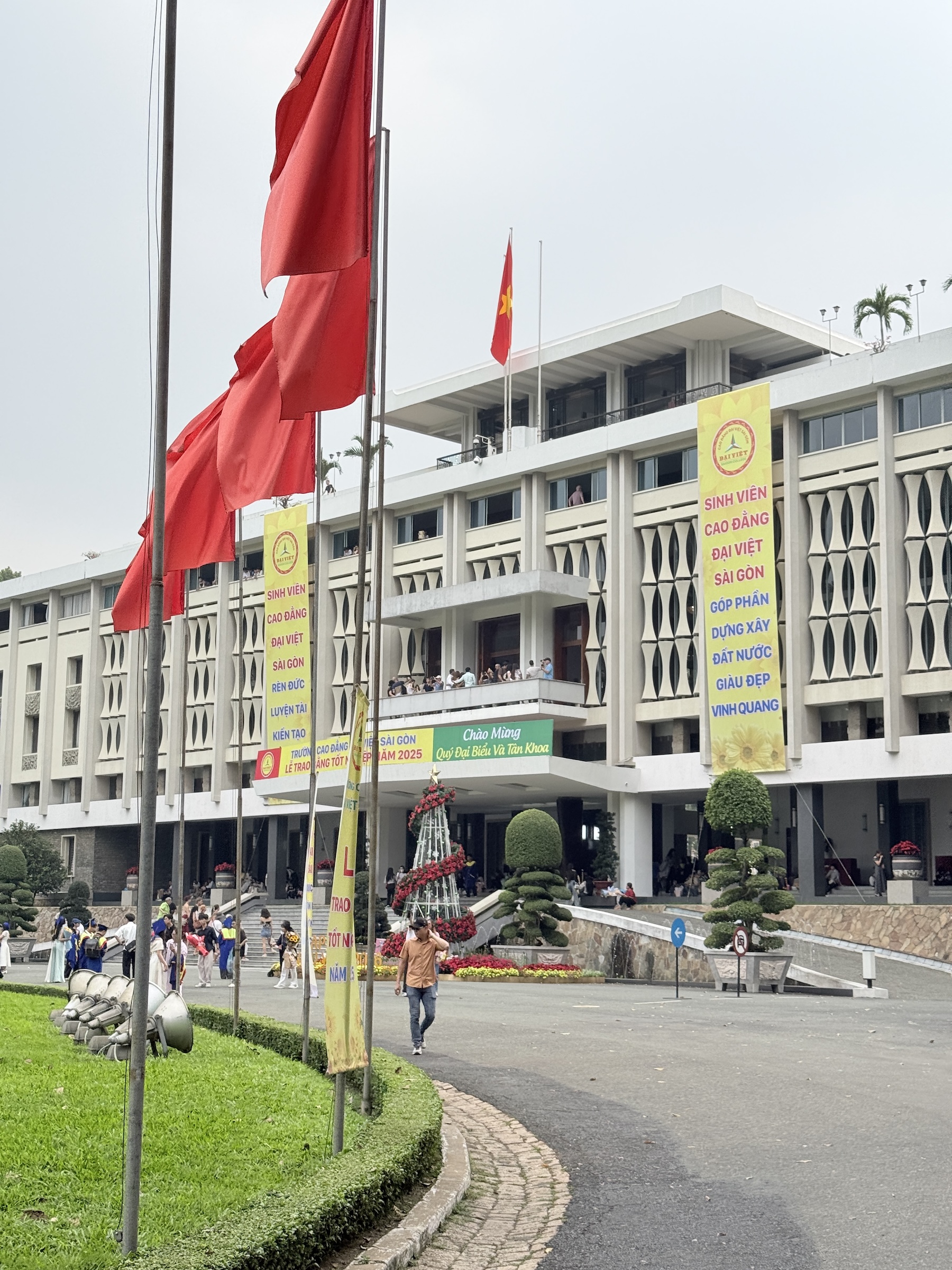
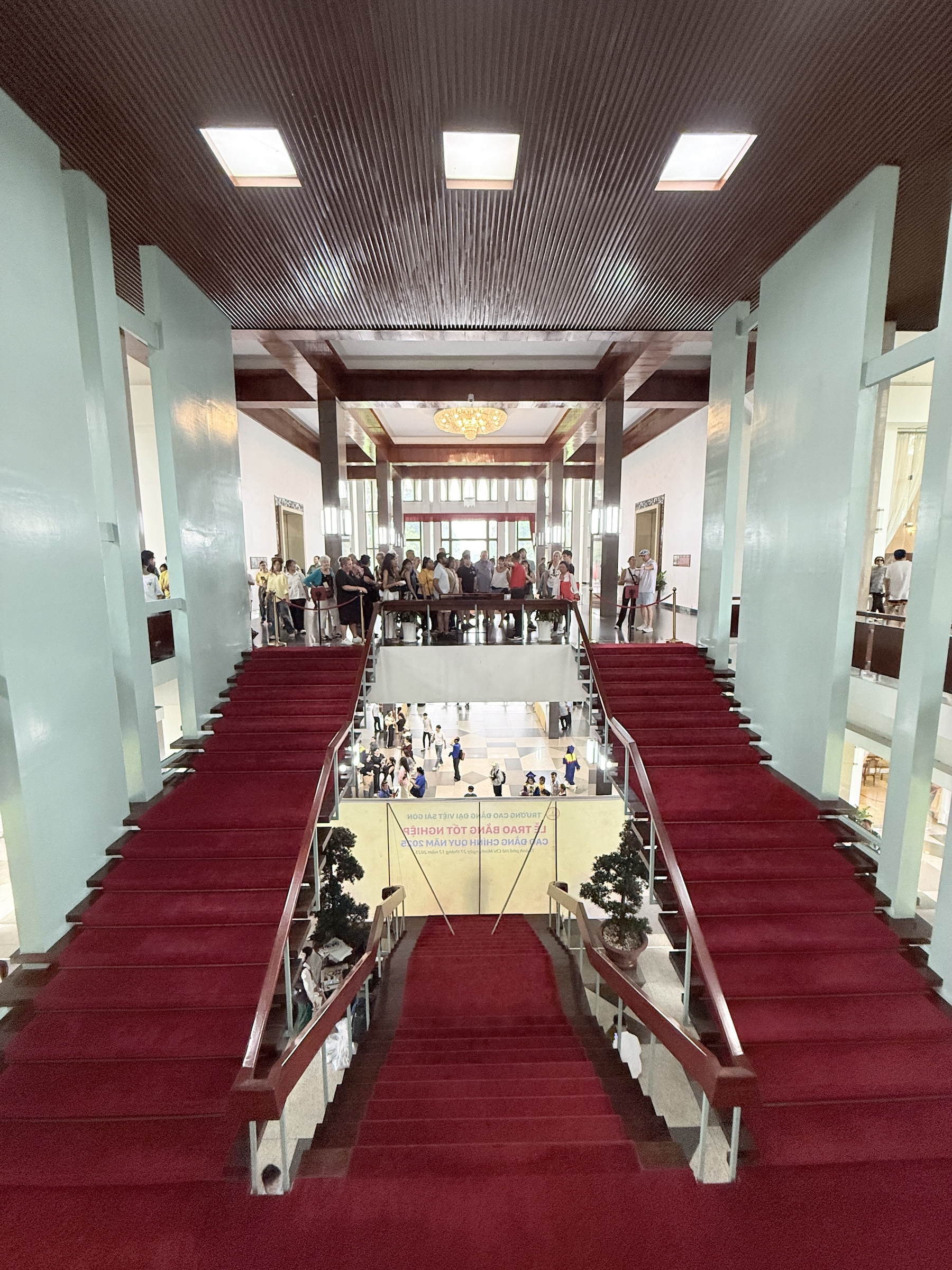
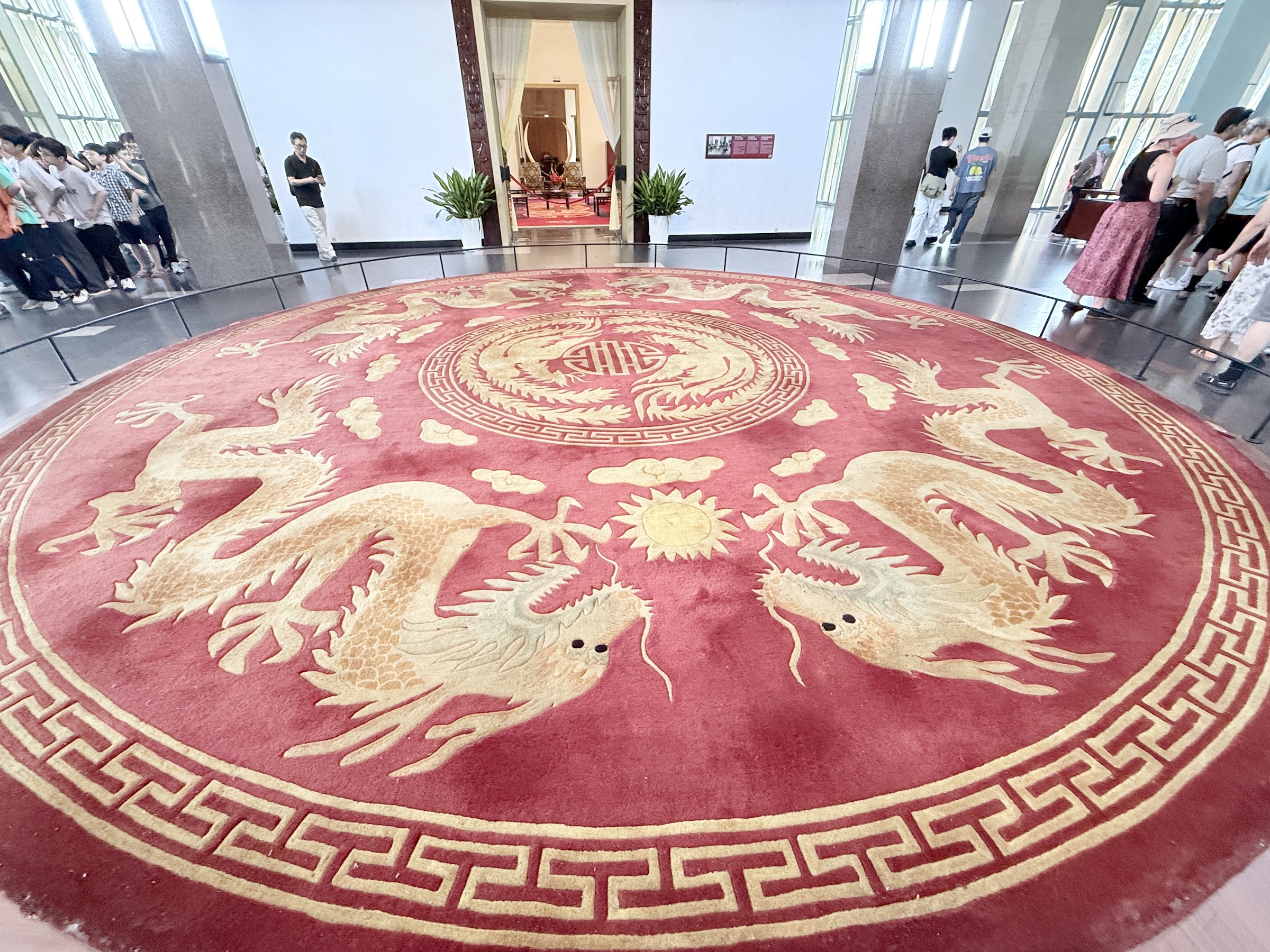
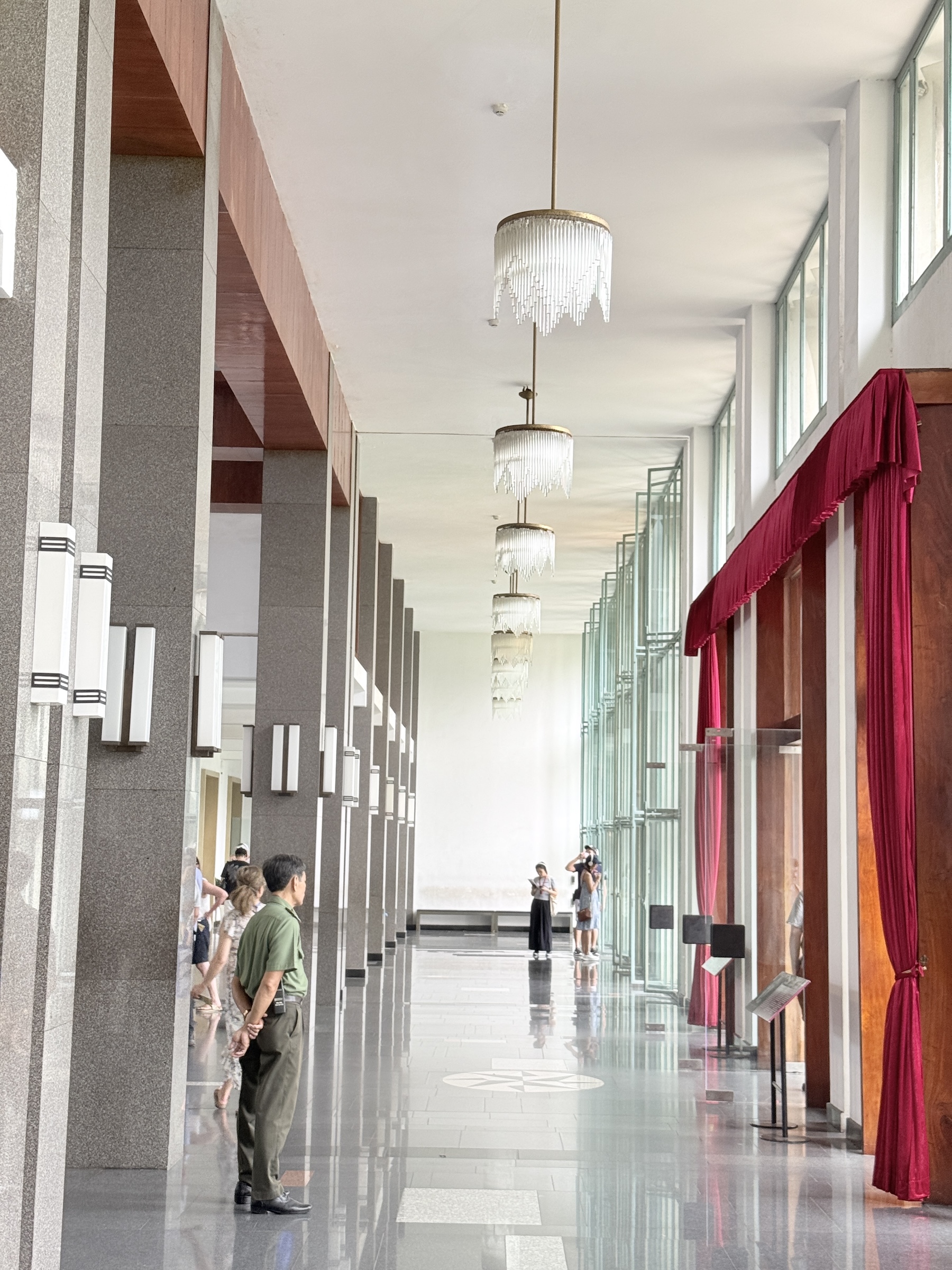
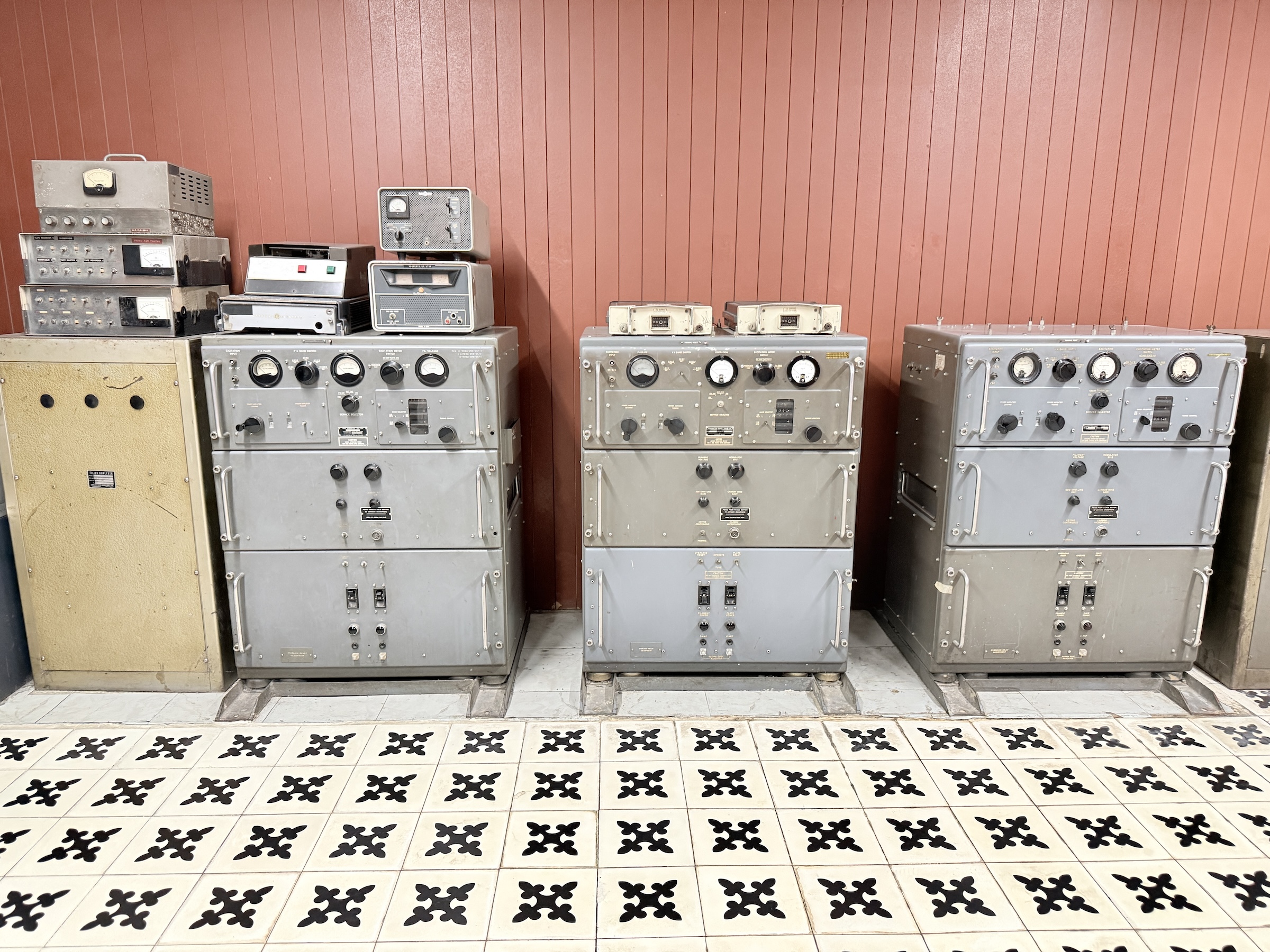
The next stop was at the Independence Palace (also called Reunification Palace) , a building that played a central role in the Viet Nam war. It was designed by architect Ngô Viết Thụ. Construction started in 1962 and it was completed by 1966.  It was the home and workplace of the president of the Republic of Vietnam (South Vietnam).

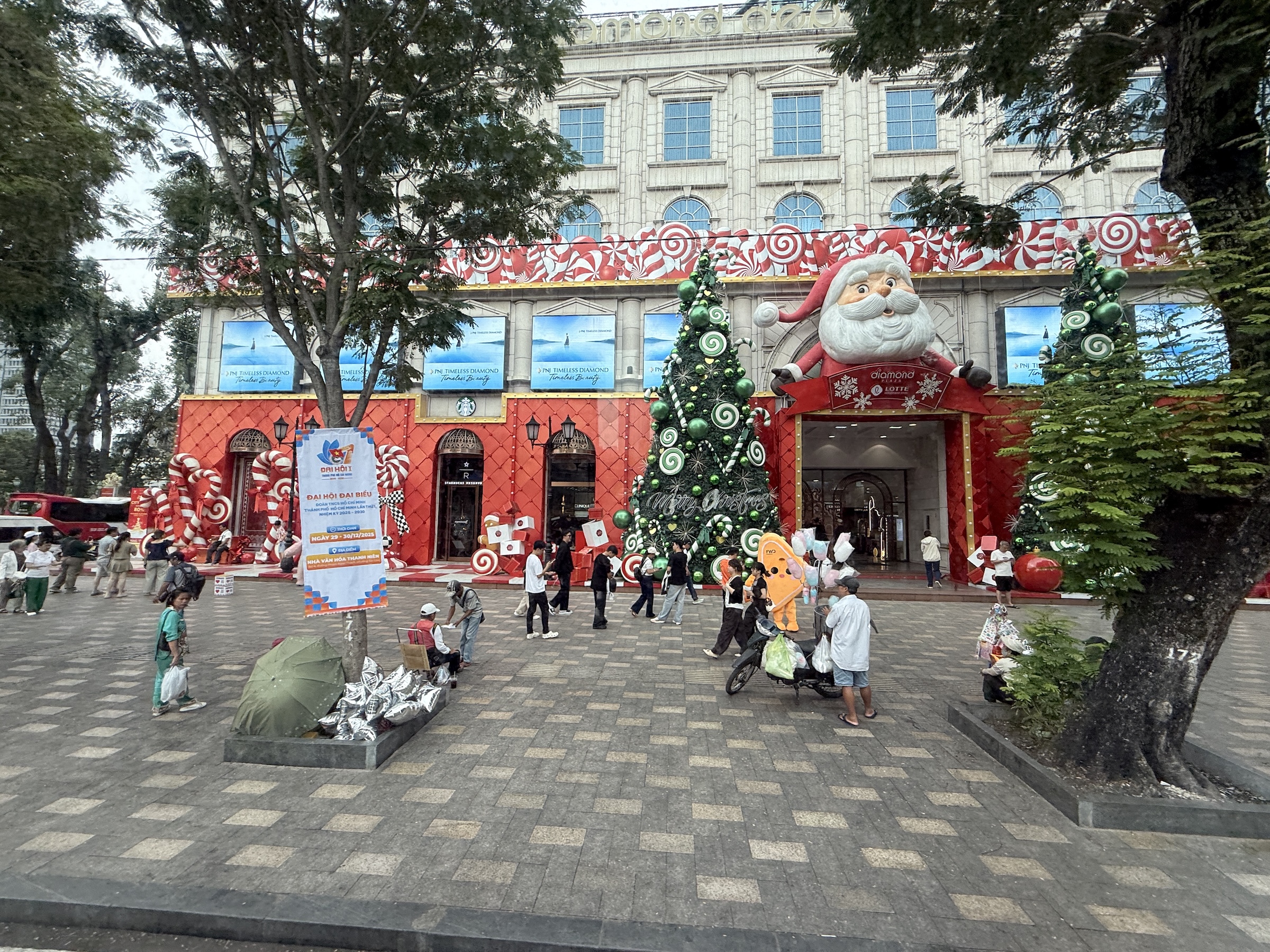
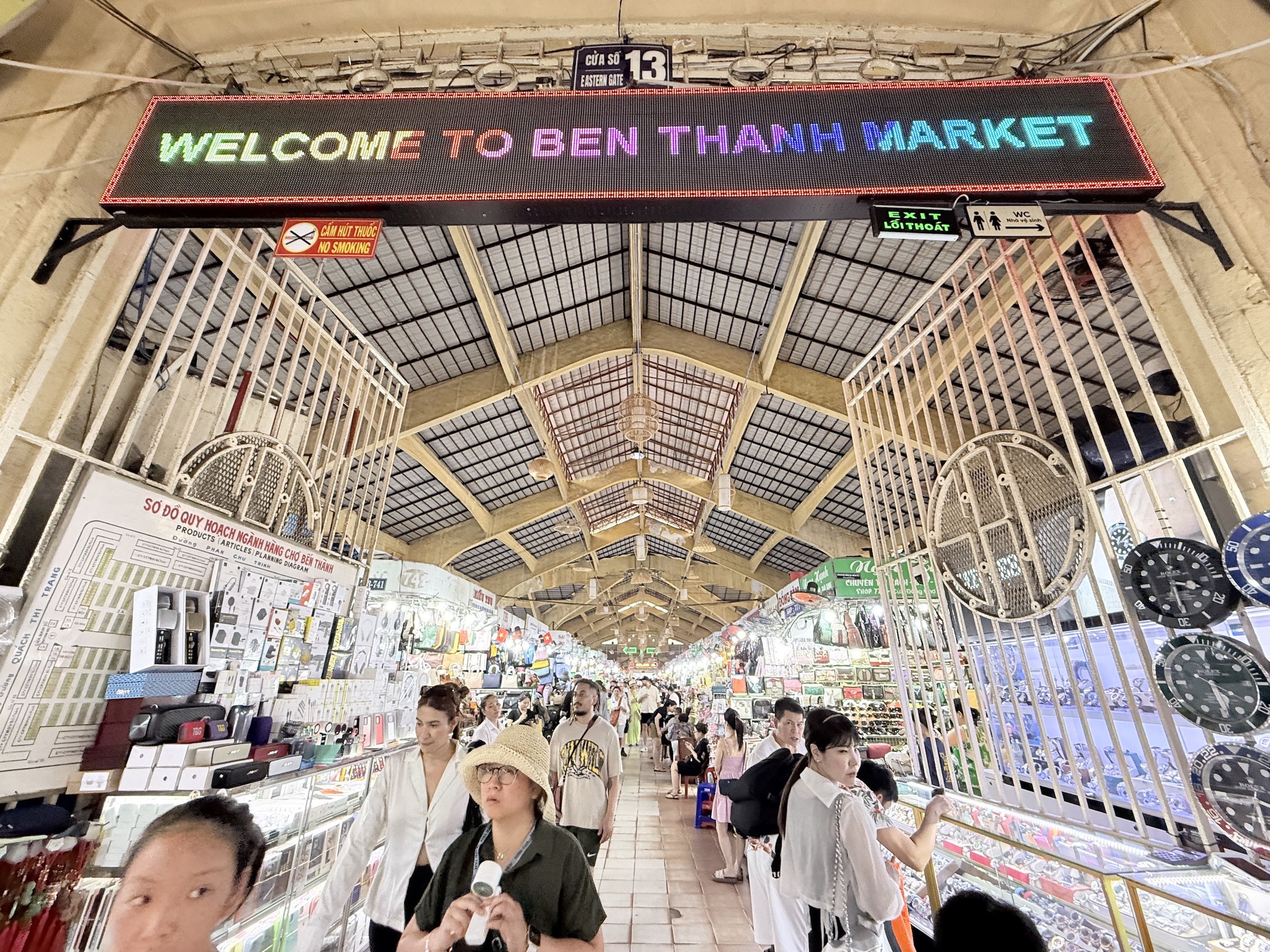
The final stop for the day was at Ben Thanh market.
It has some 1,500 booths inside and it was crowded, so I went outside and took a few pictures instead.
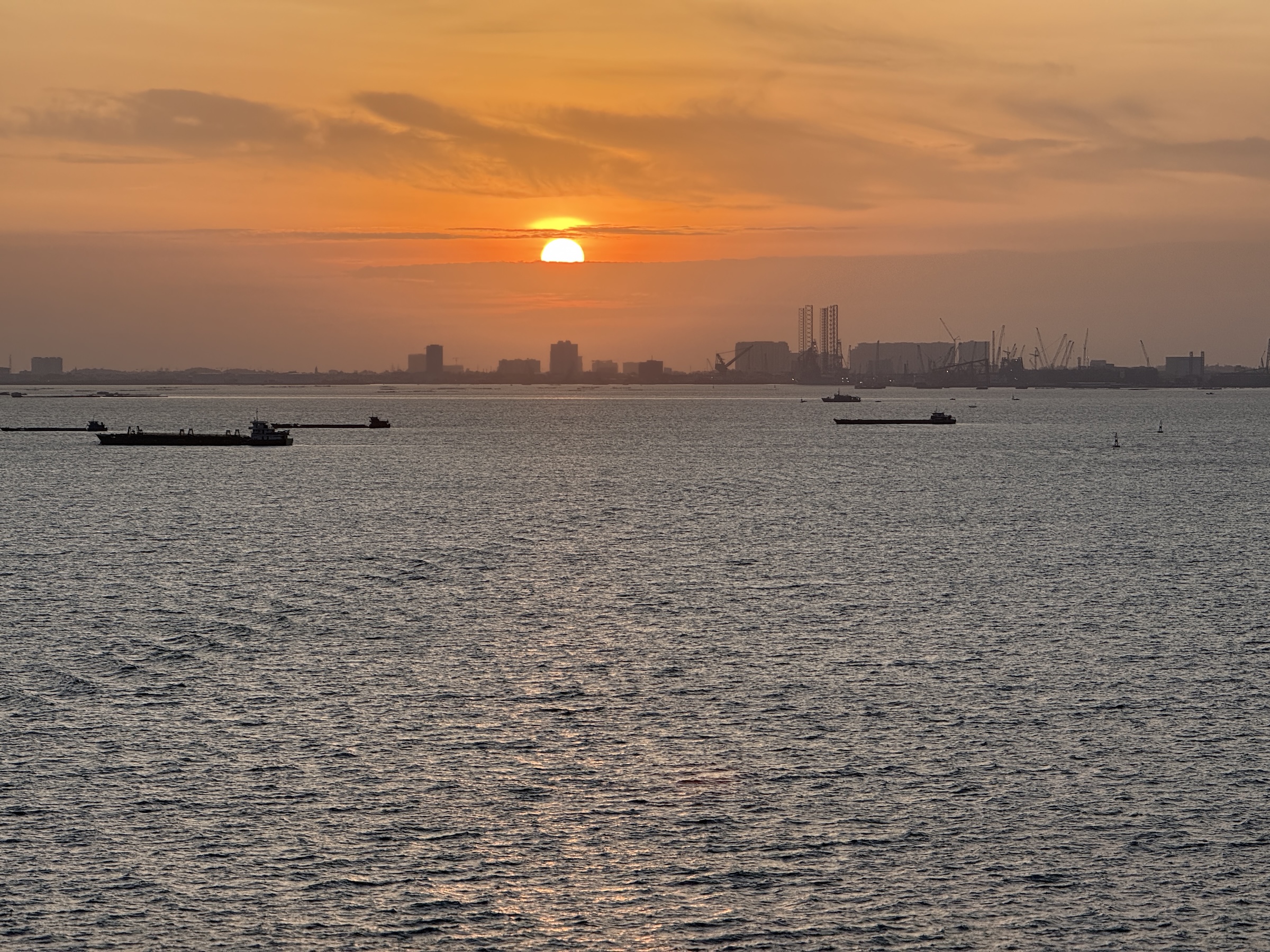
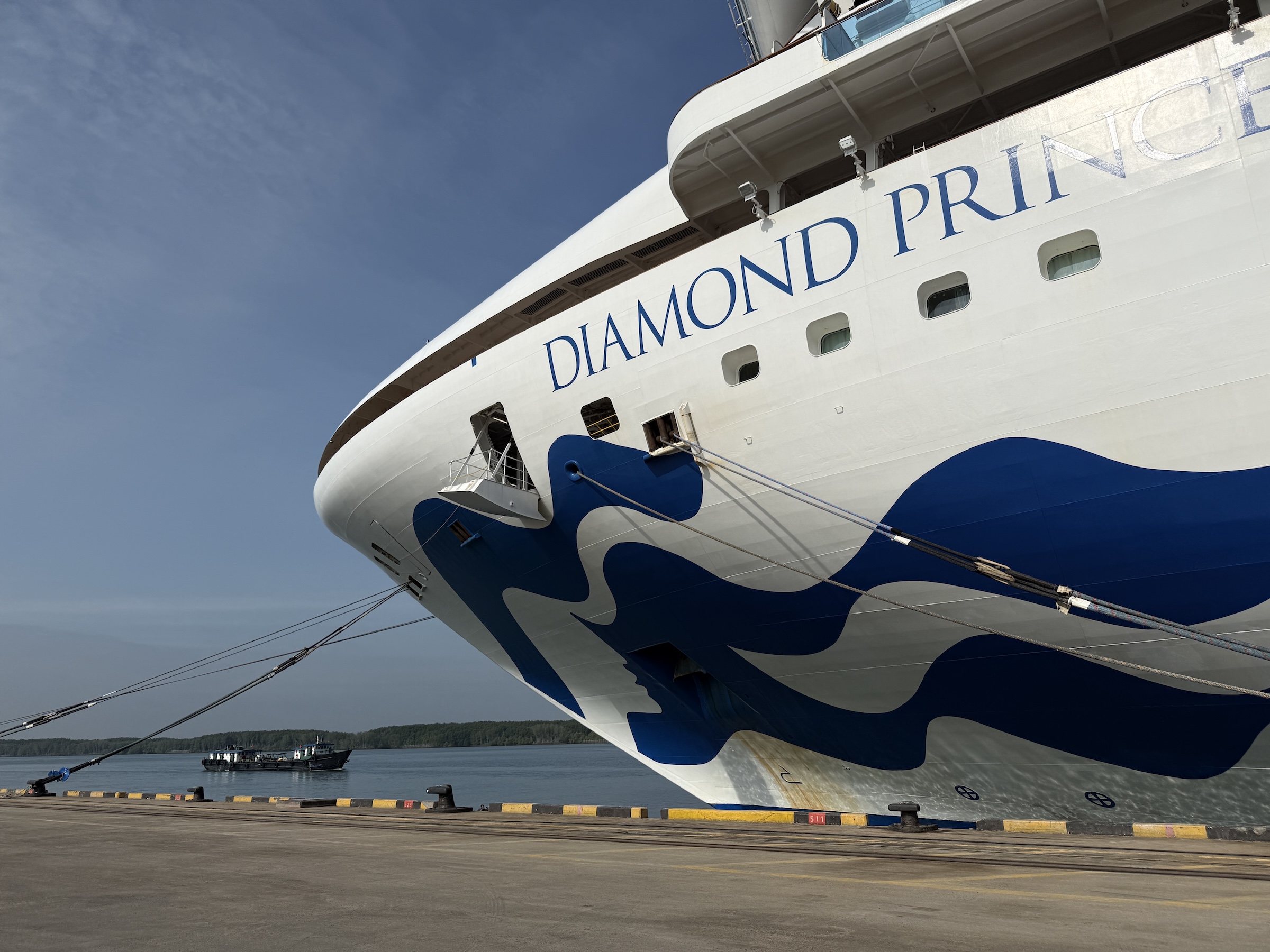
Friday/ Nha Trang, Viet Nam 🇻🇳

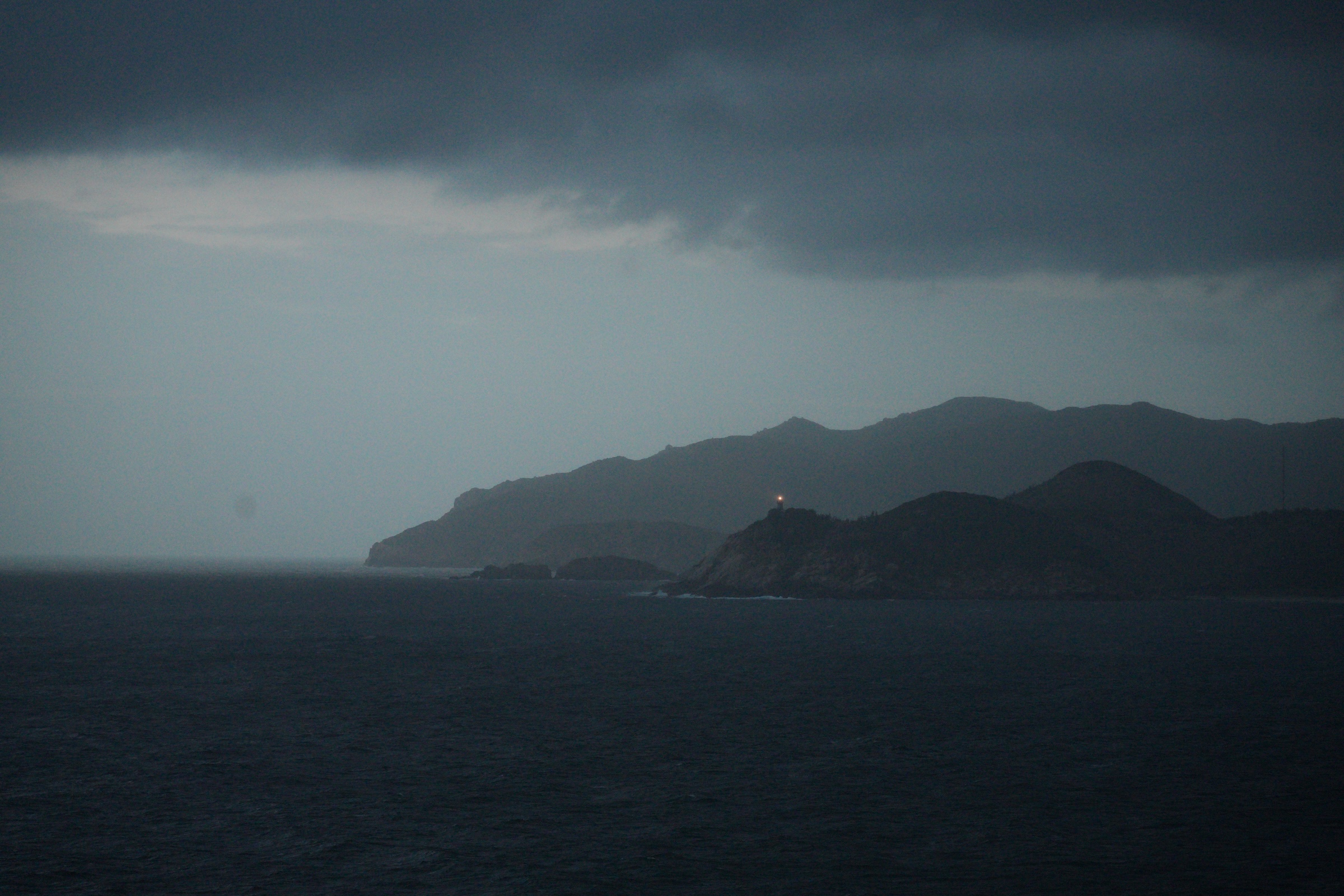
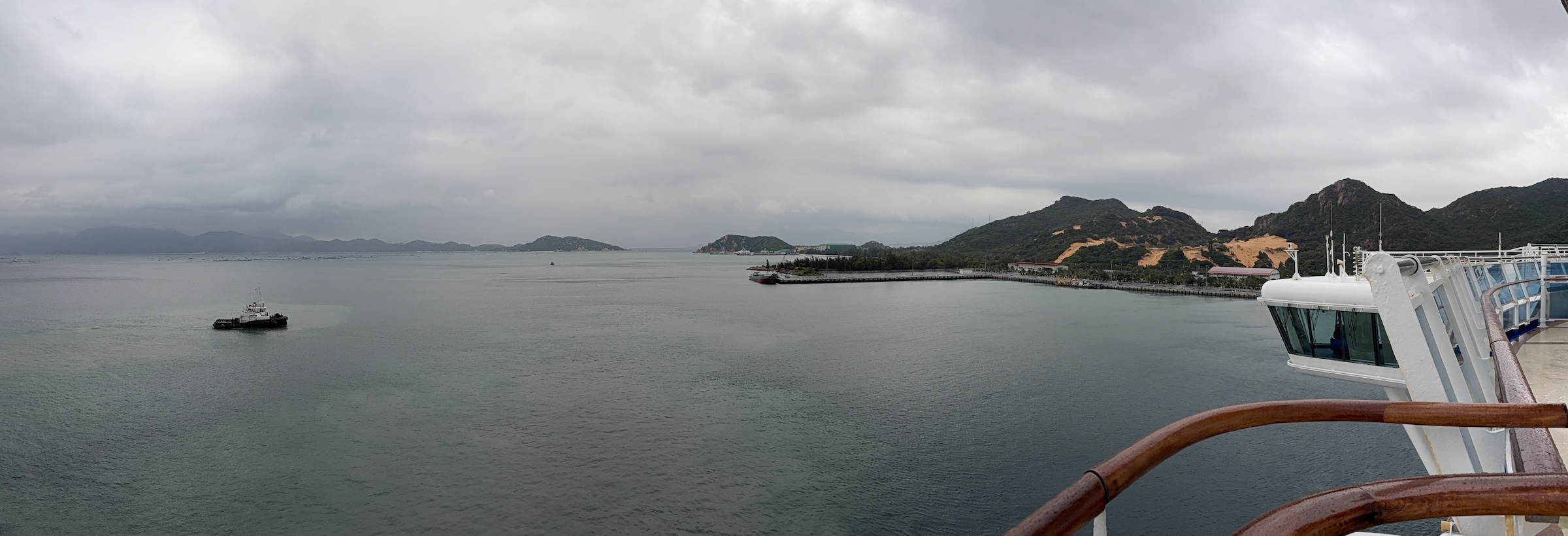
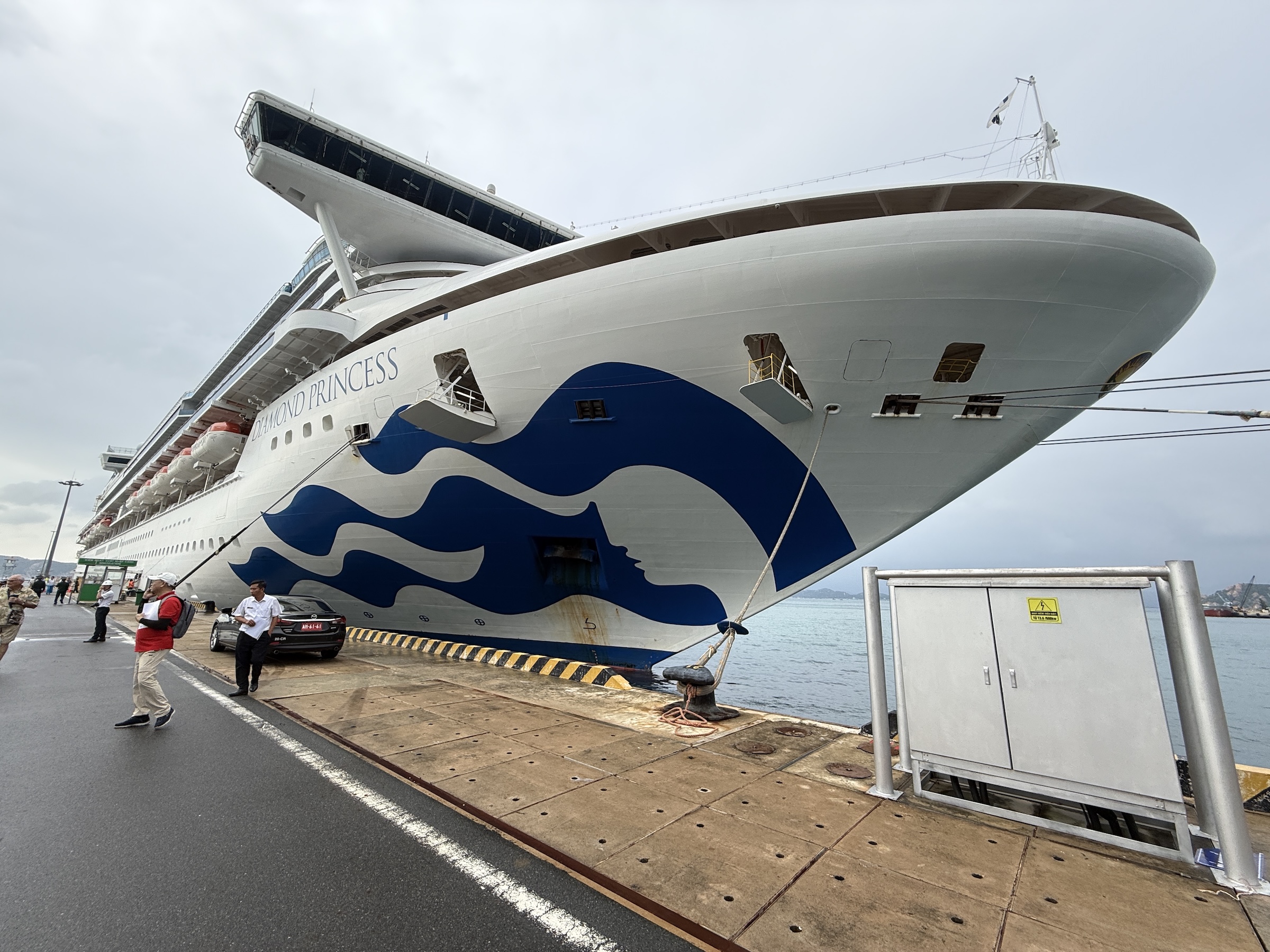
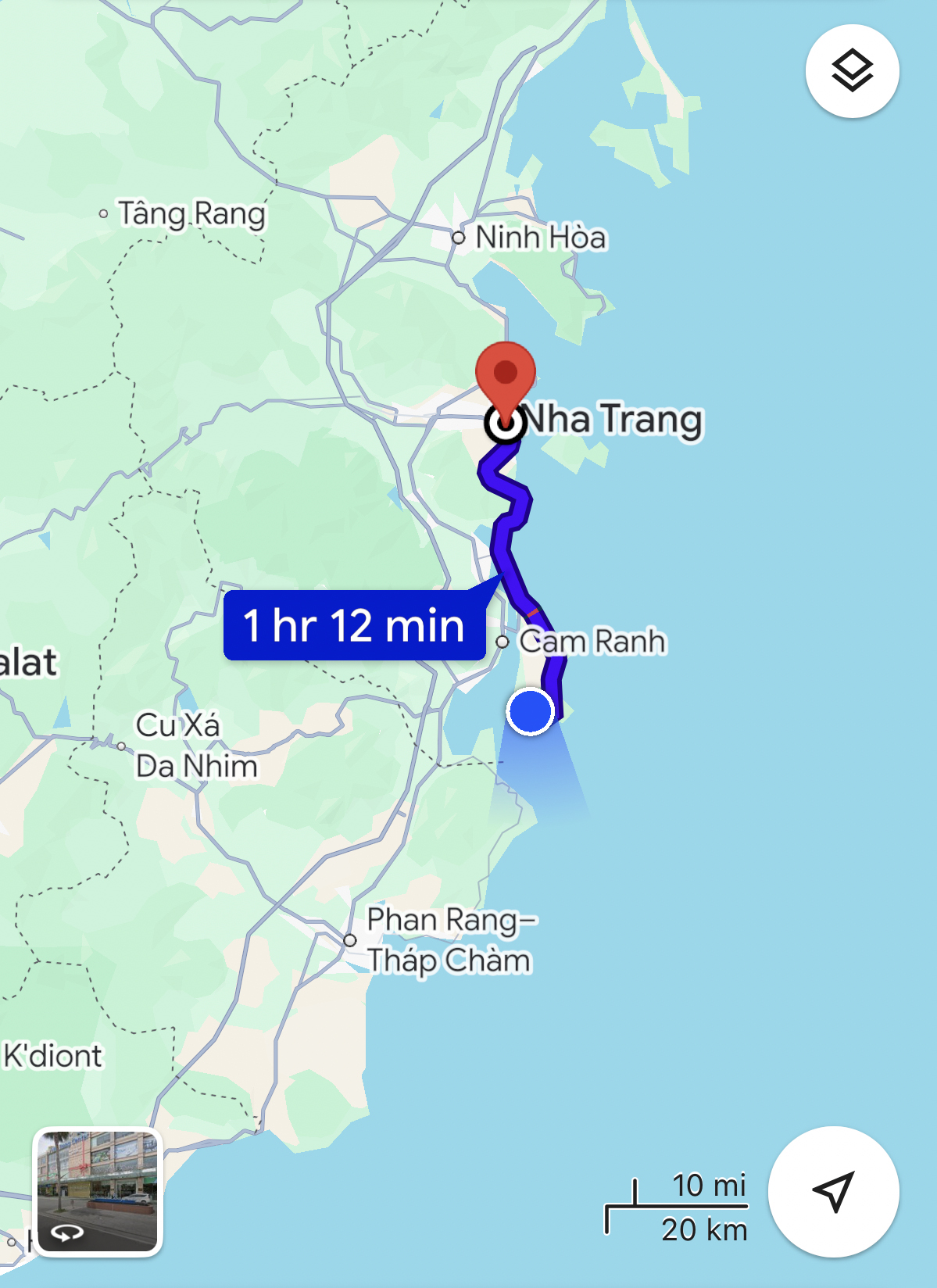
The Diamond Princess arrived at the pier in Cam Ranh at 7 am this morning.

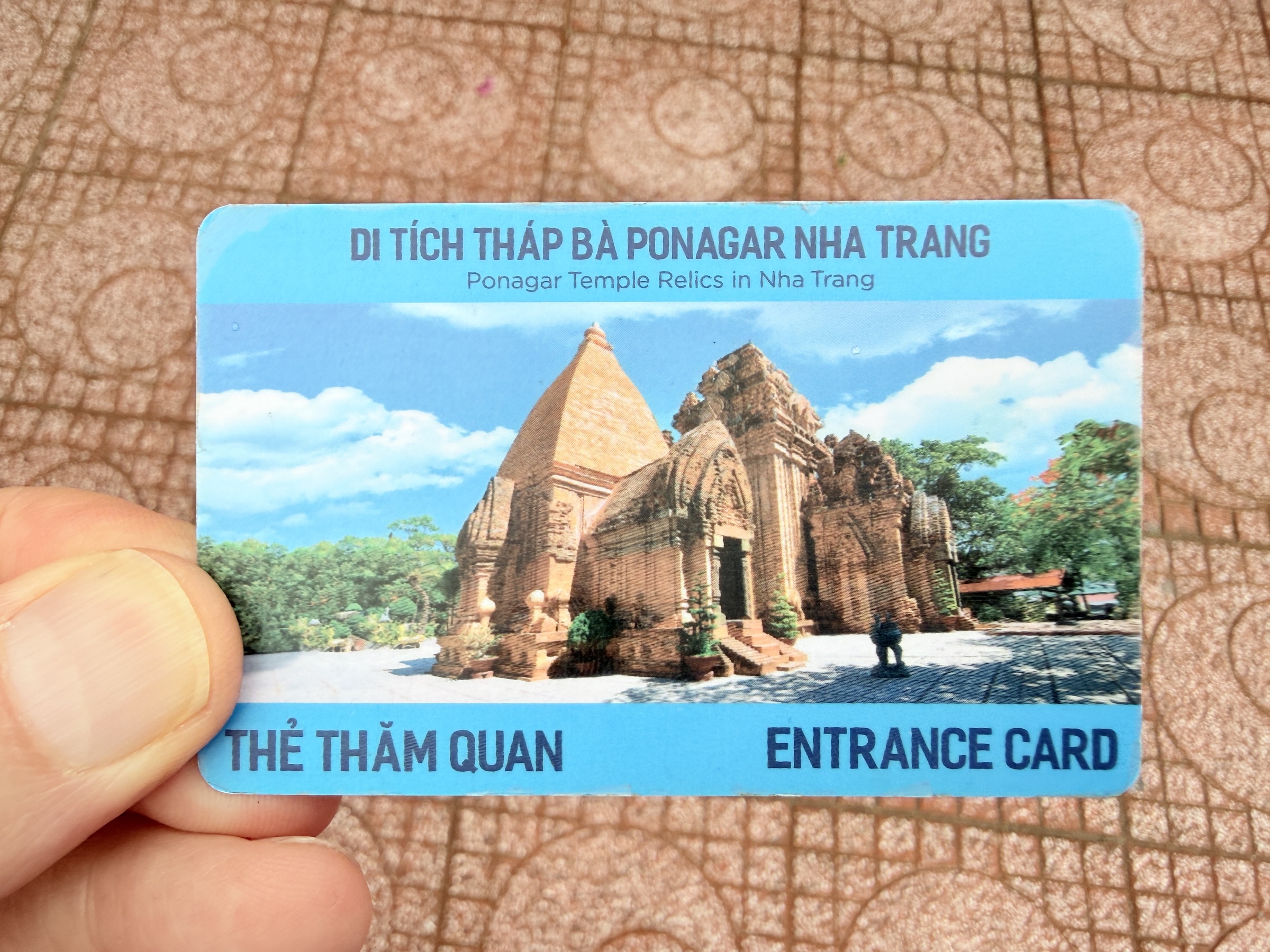
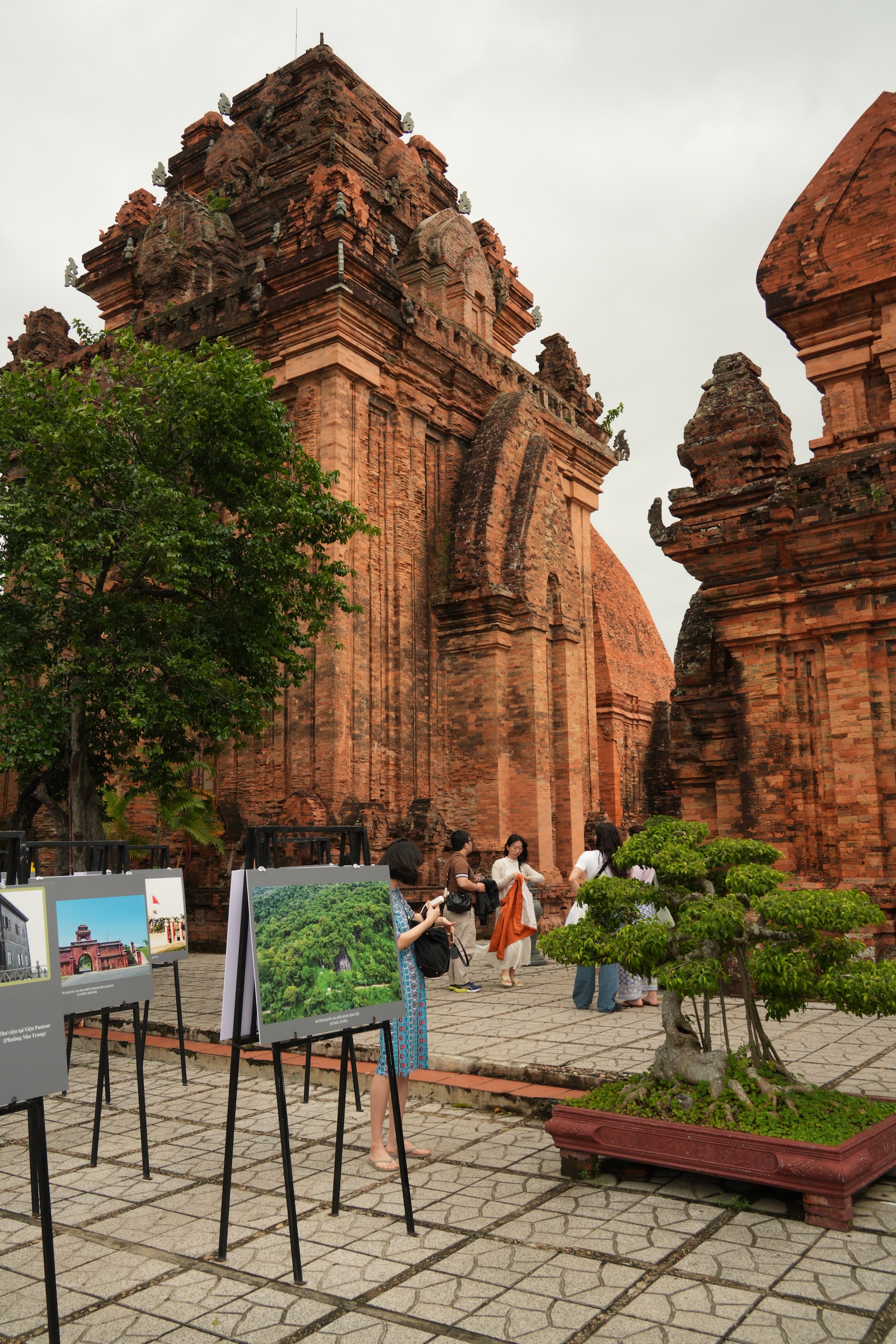
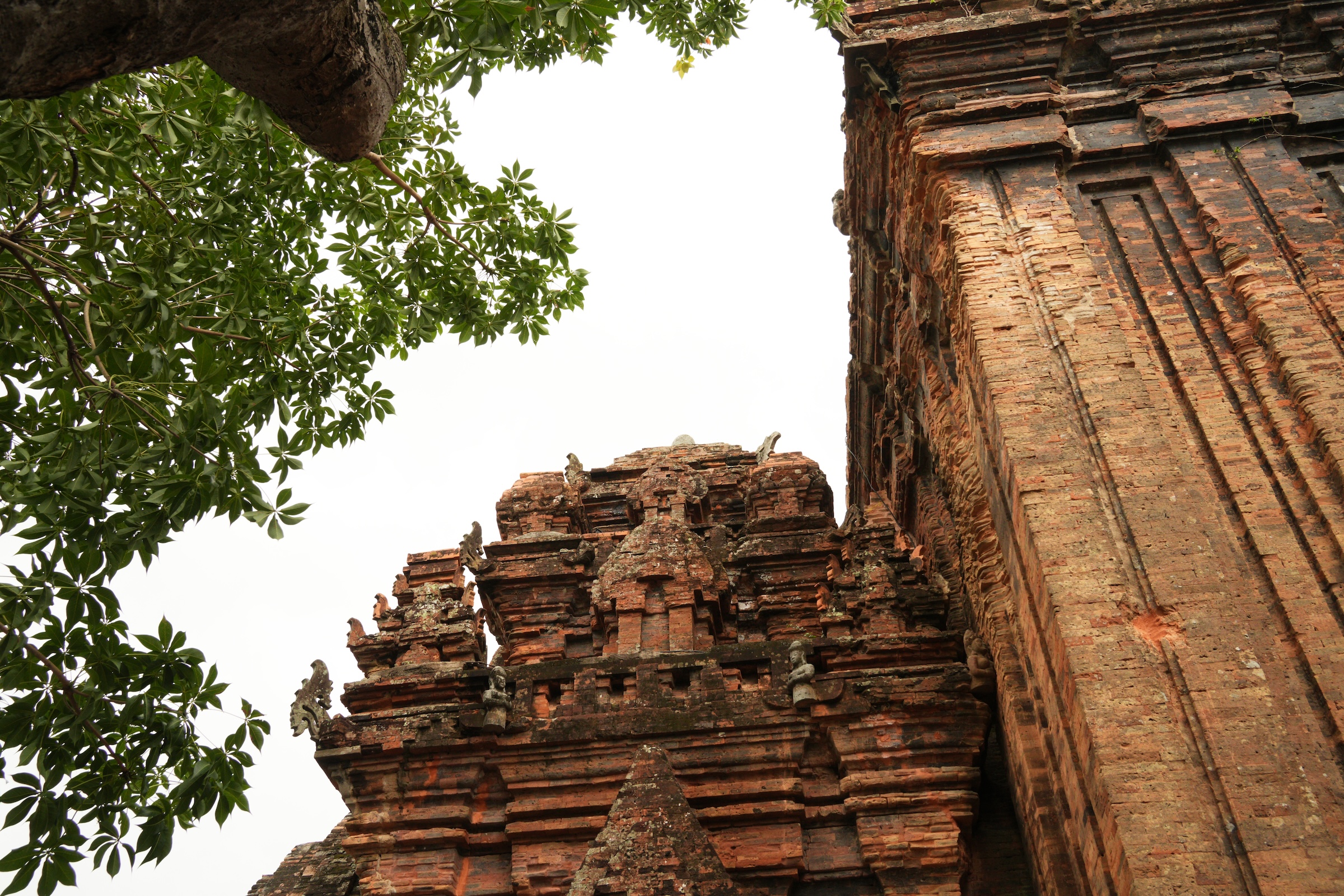
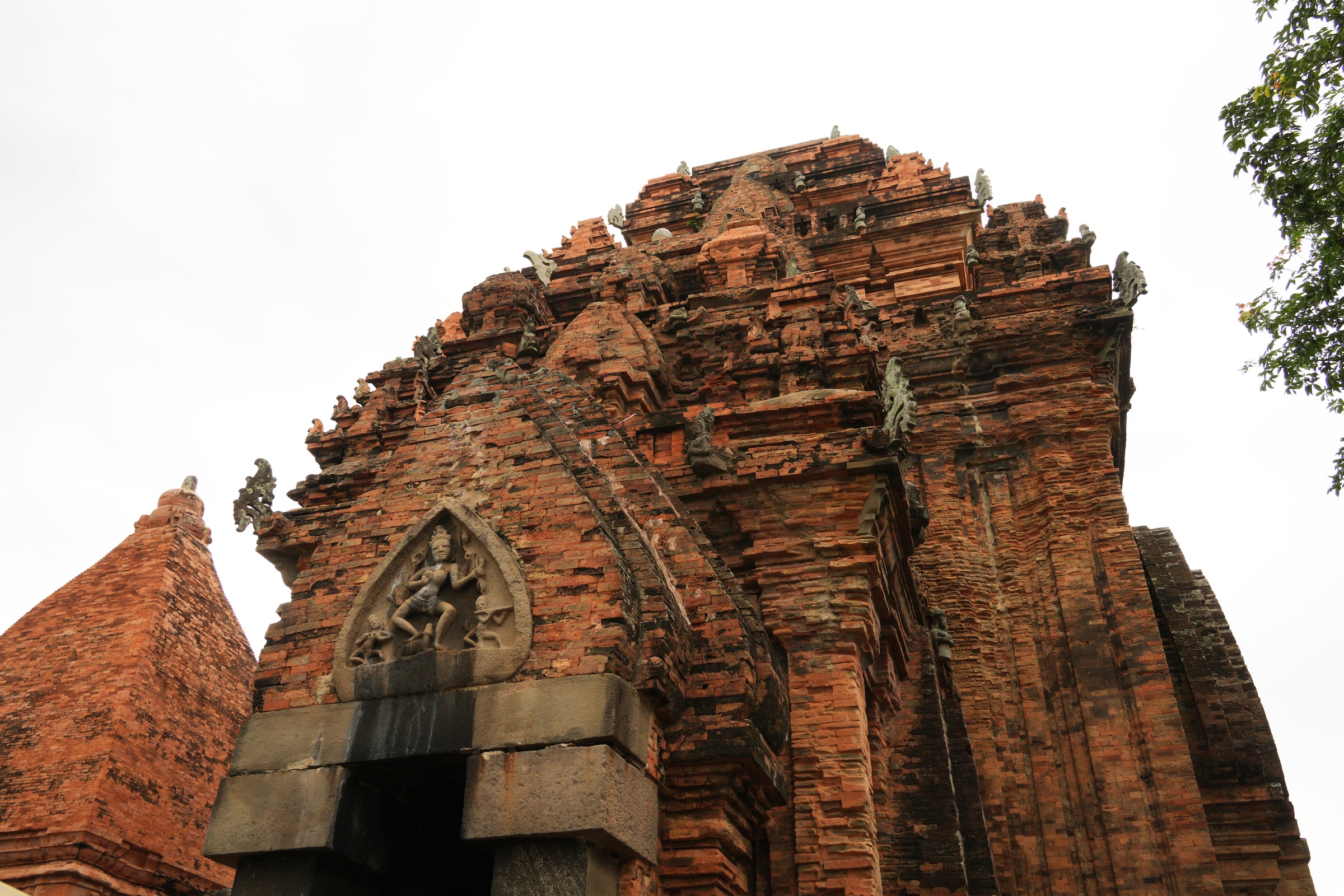
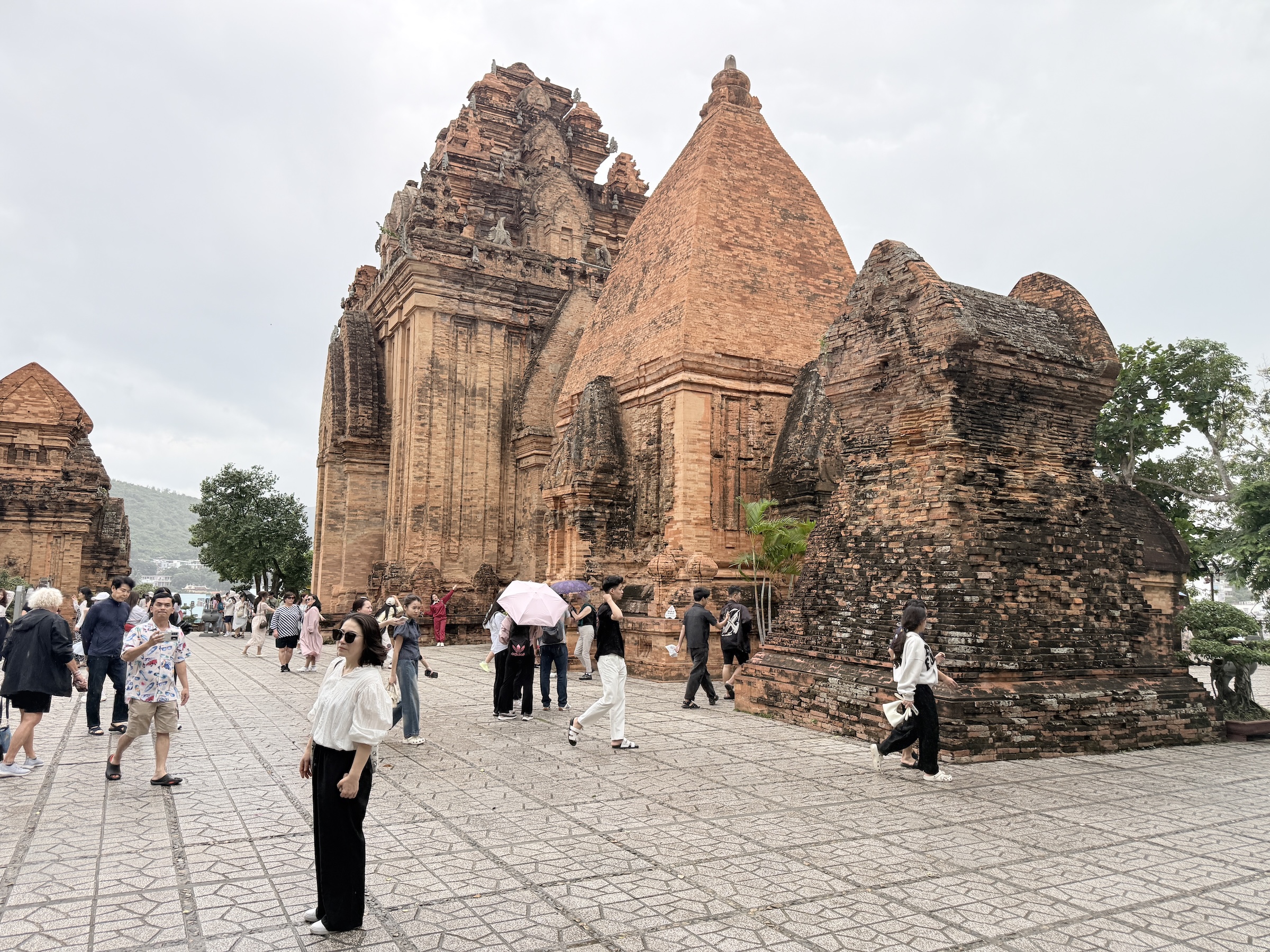
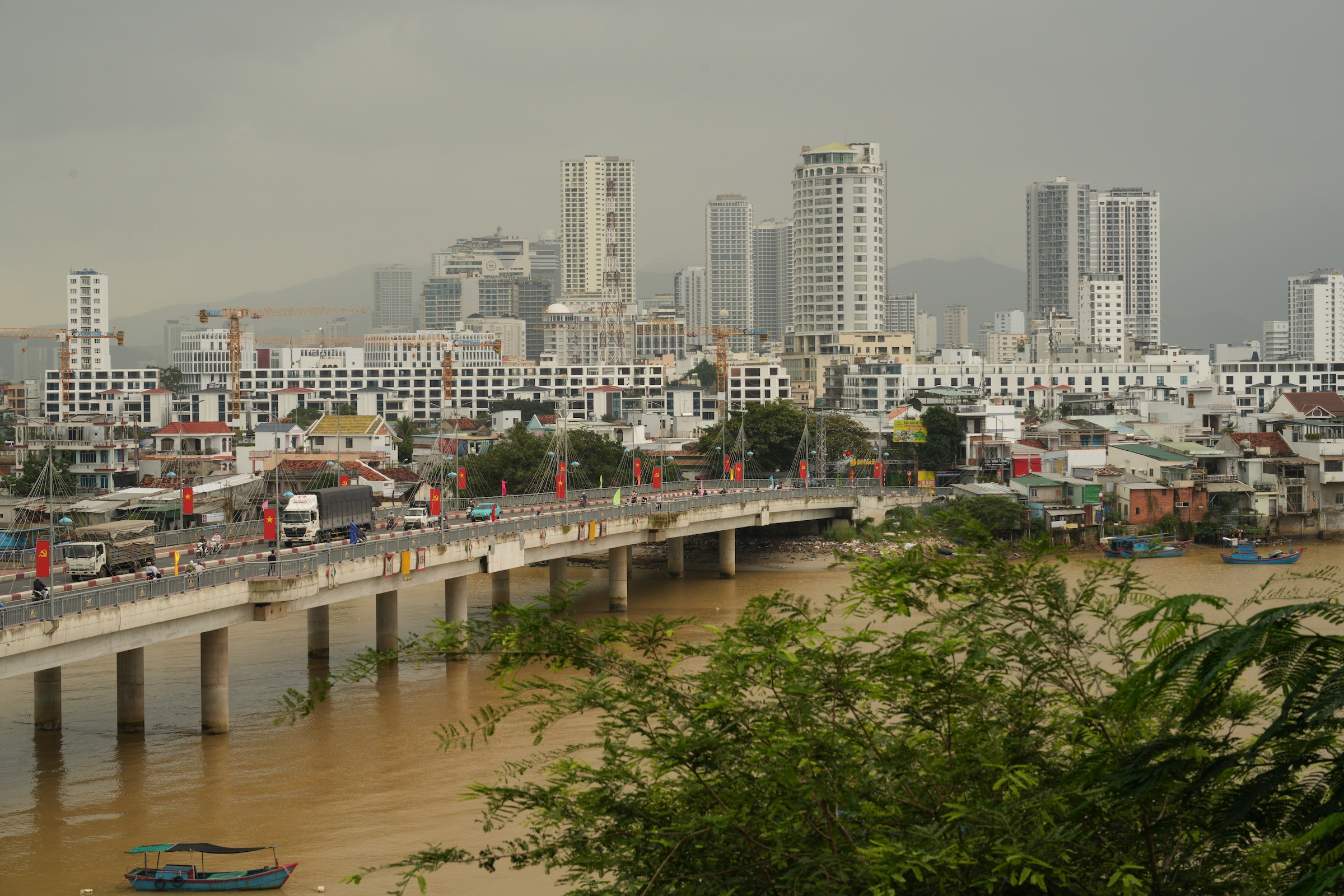
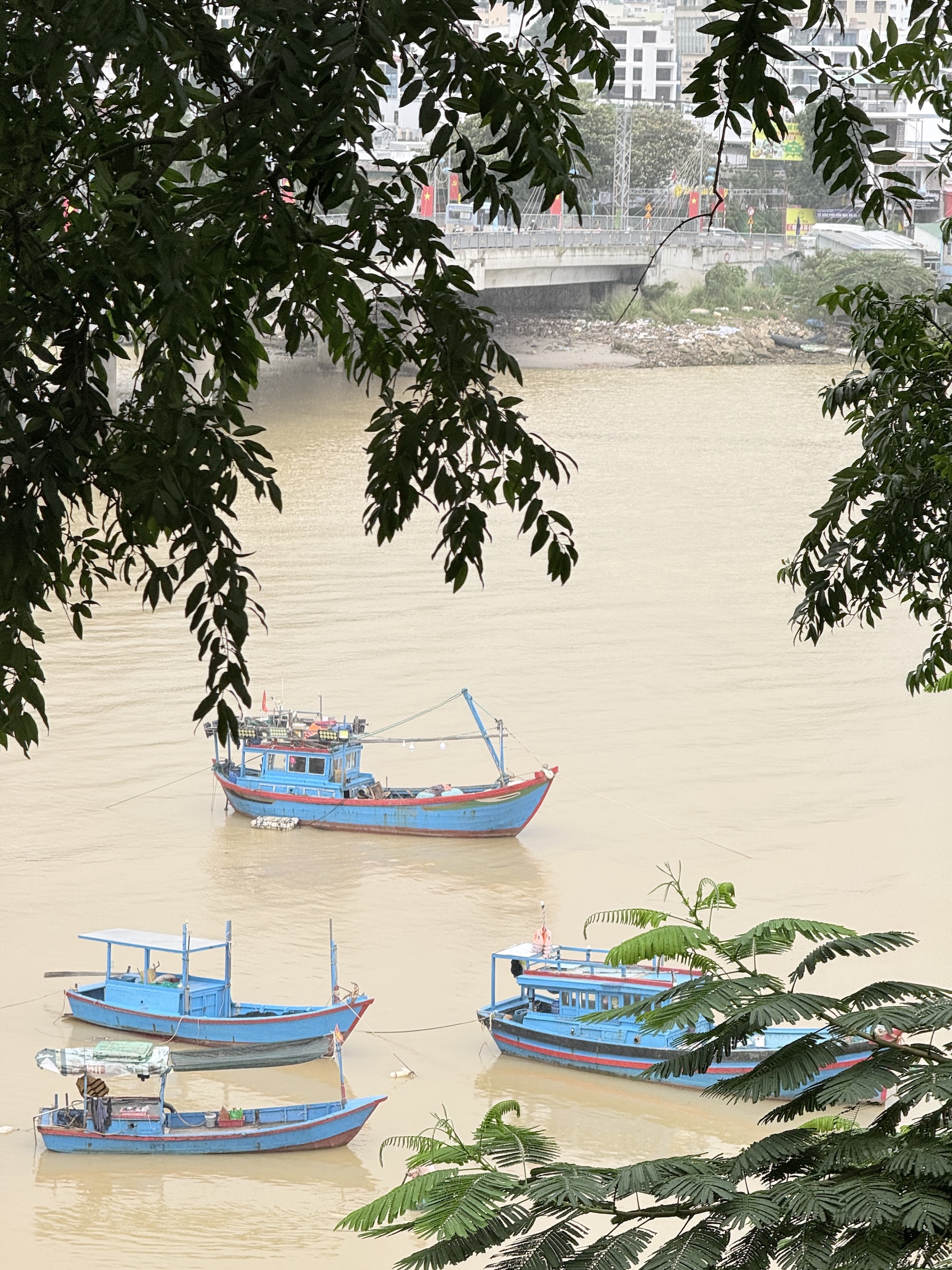
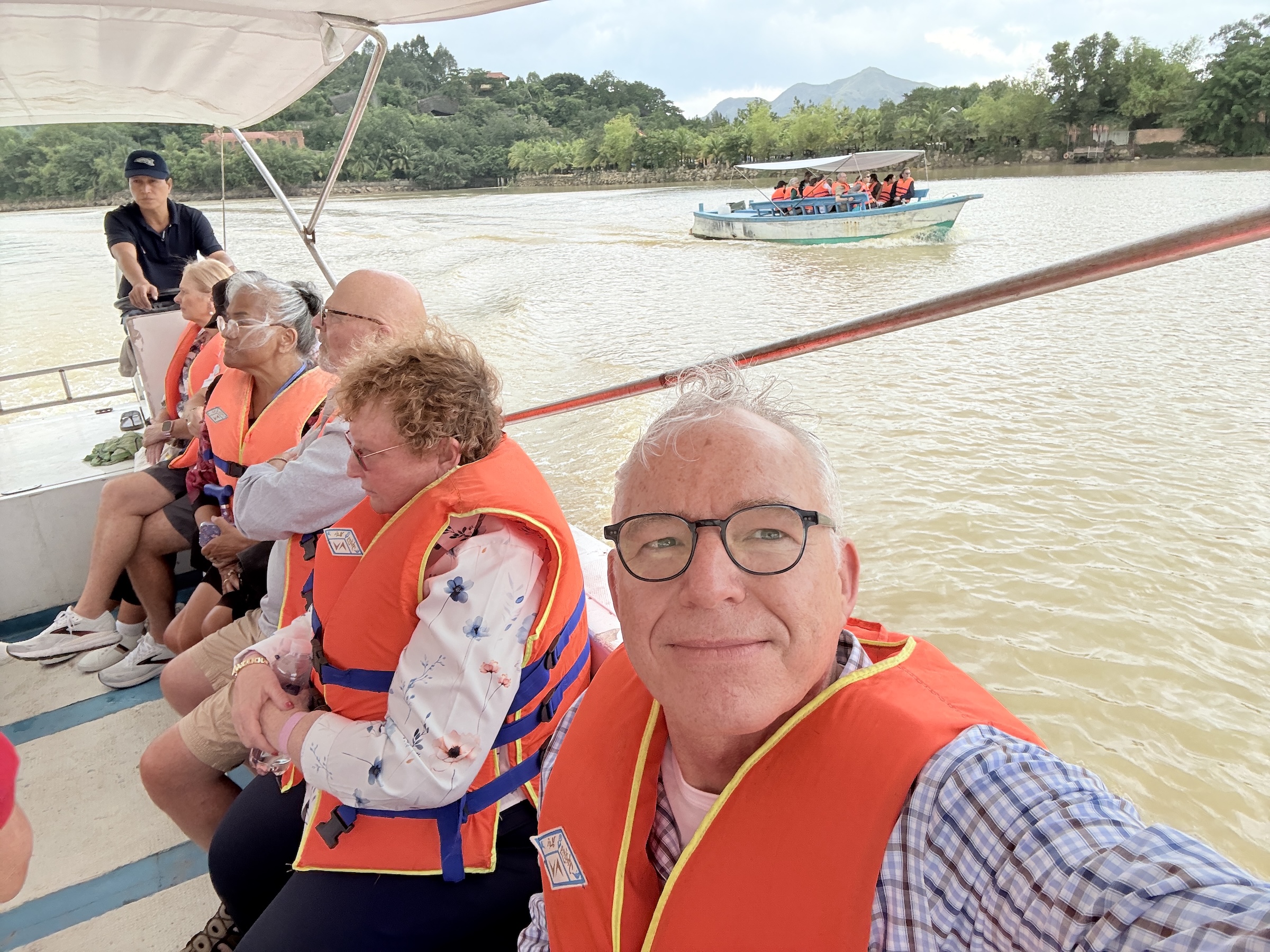
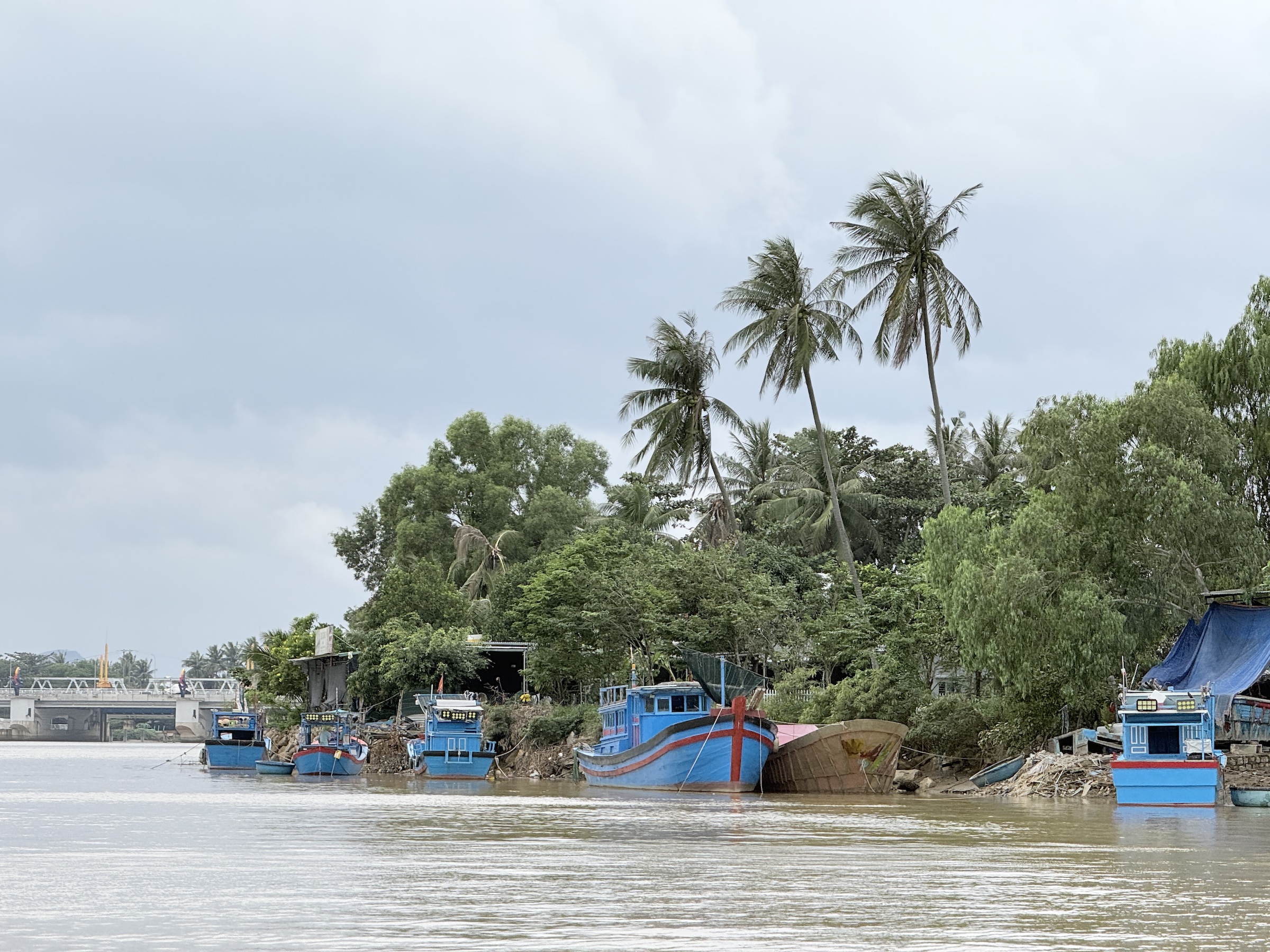
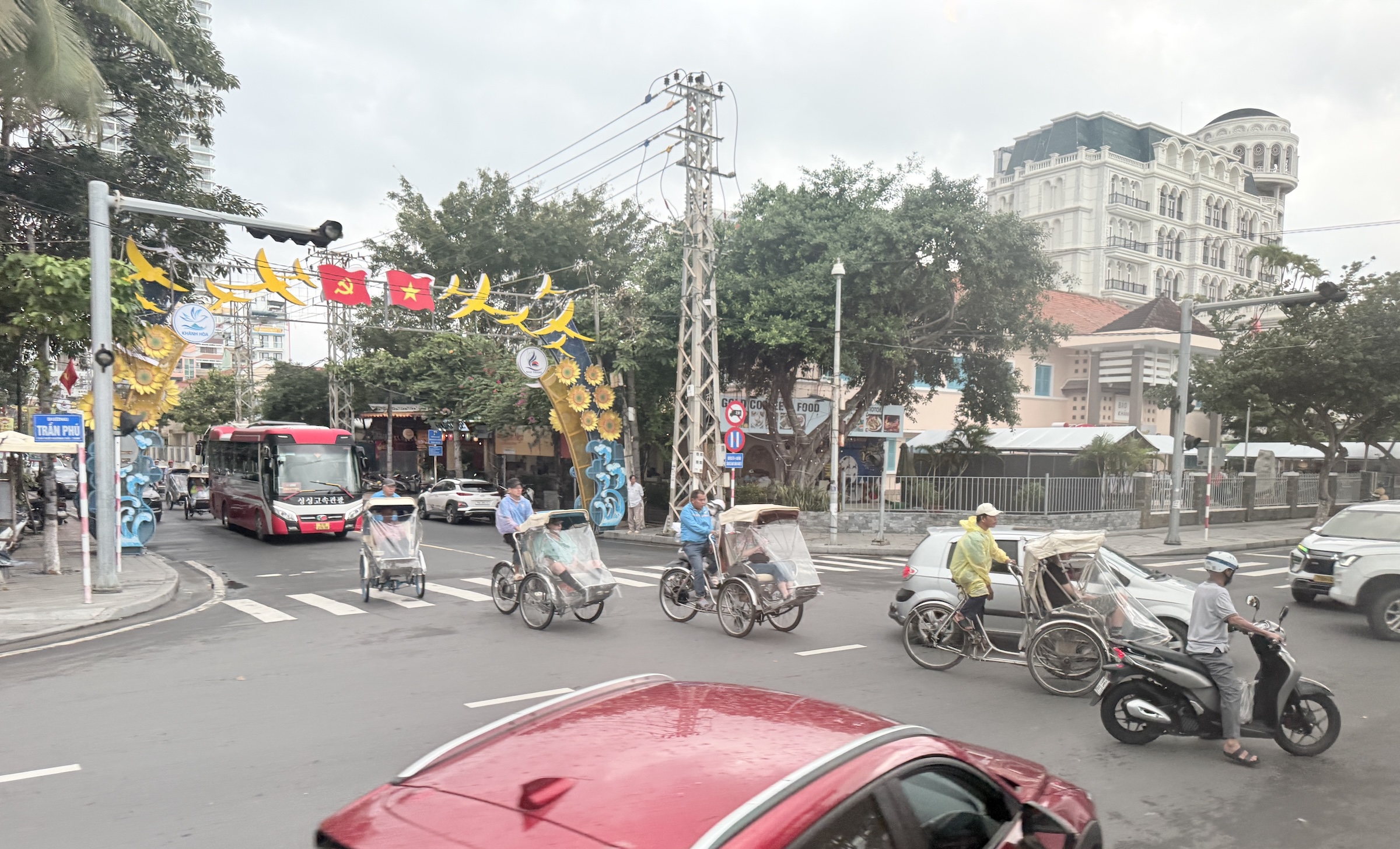
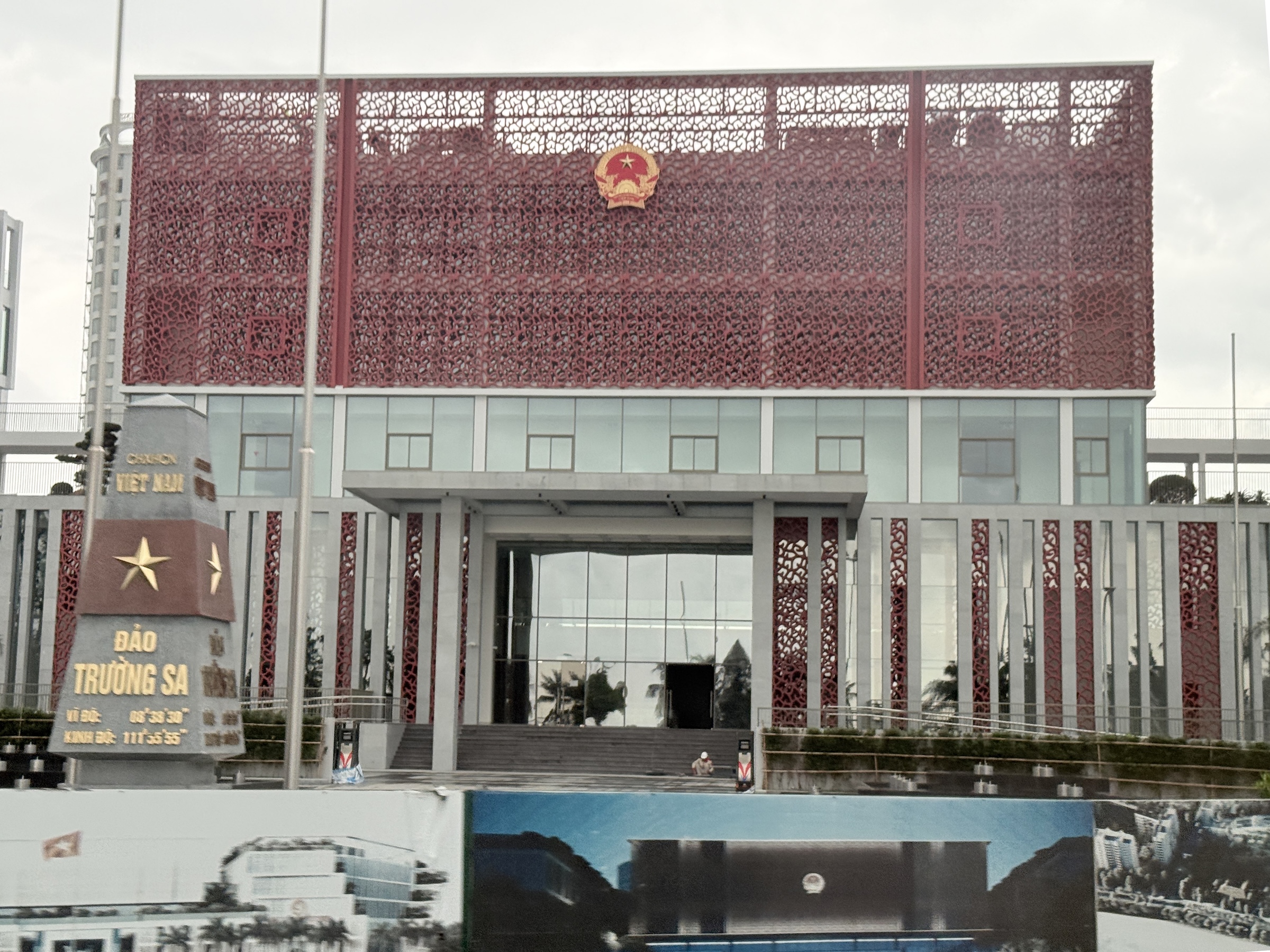
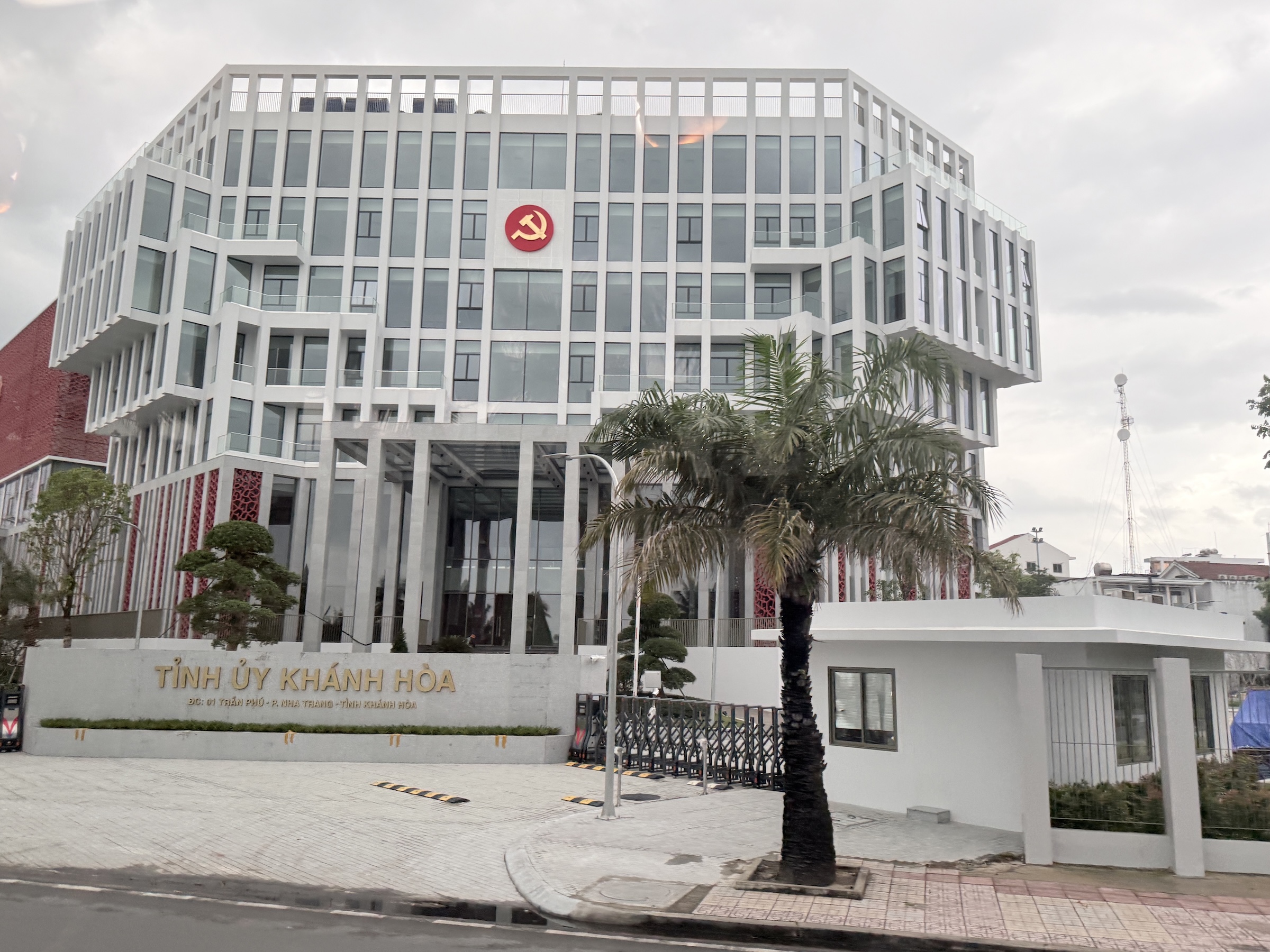
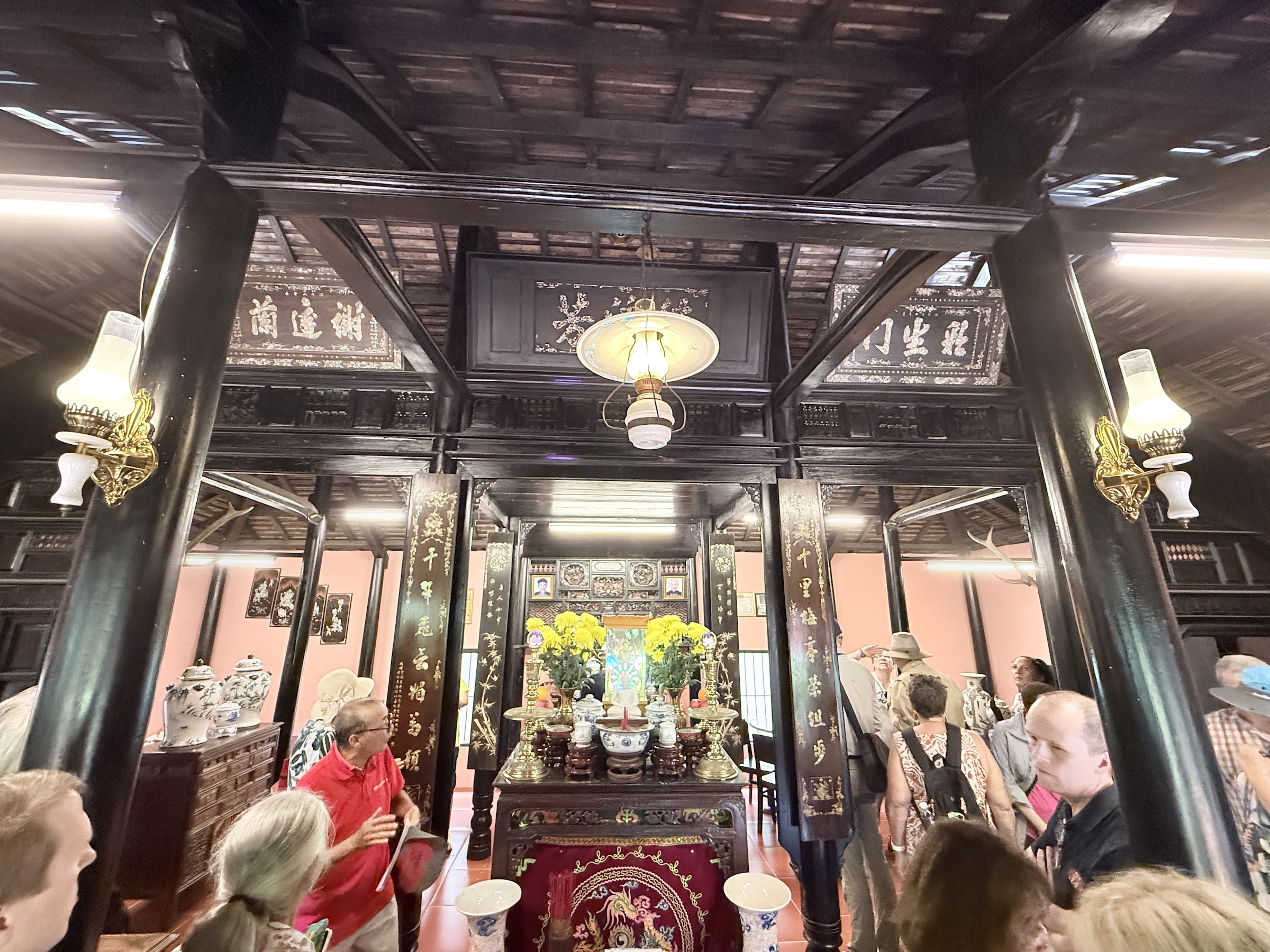
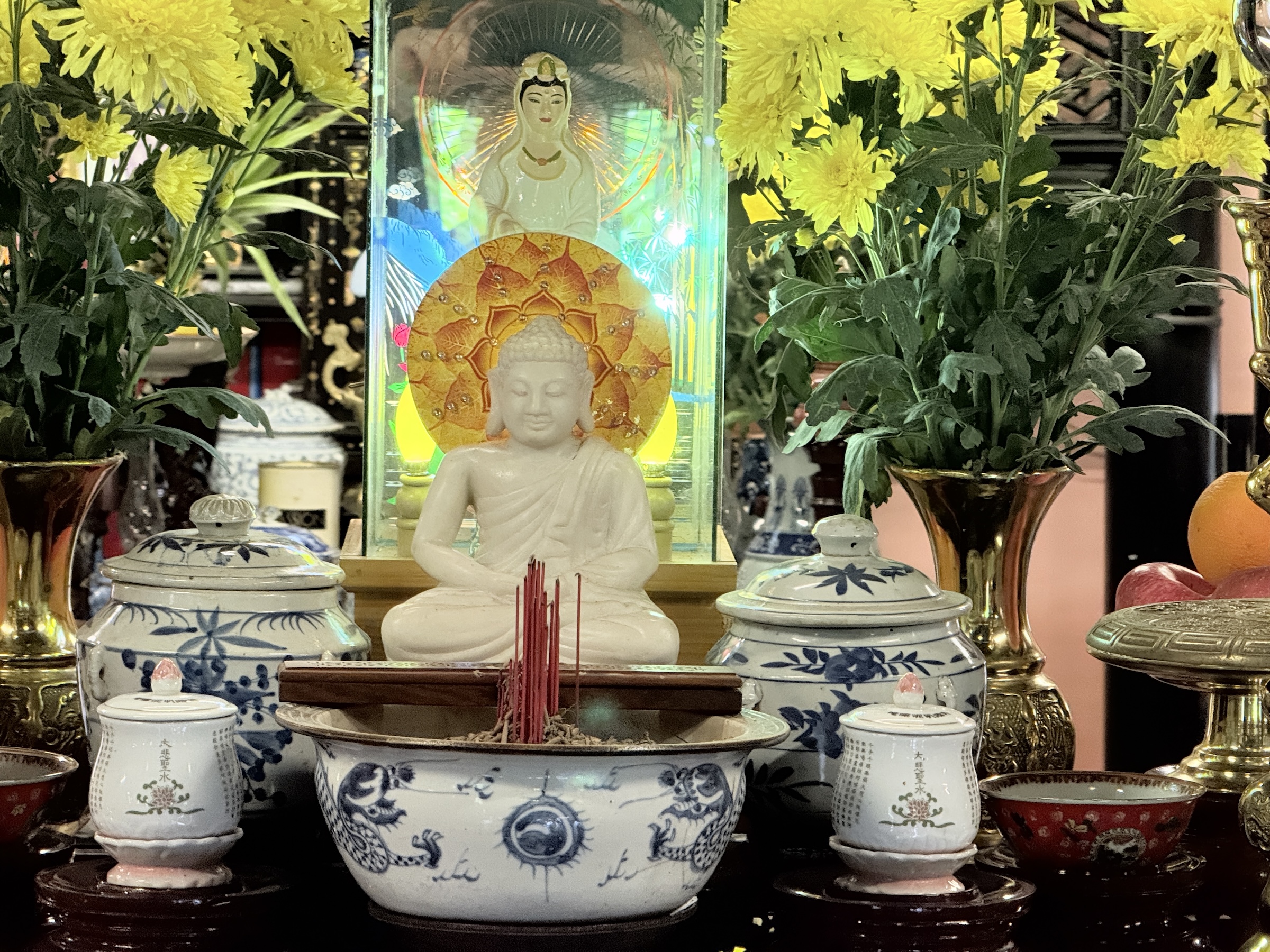
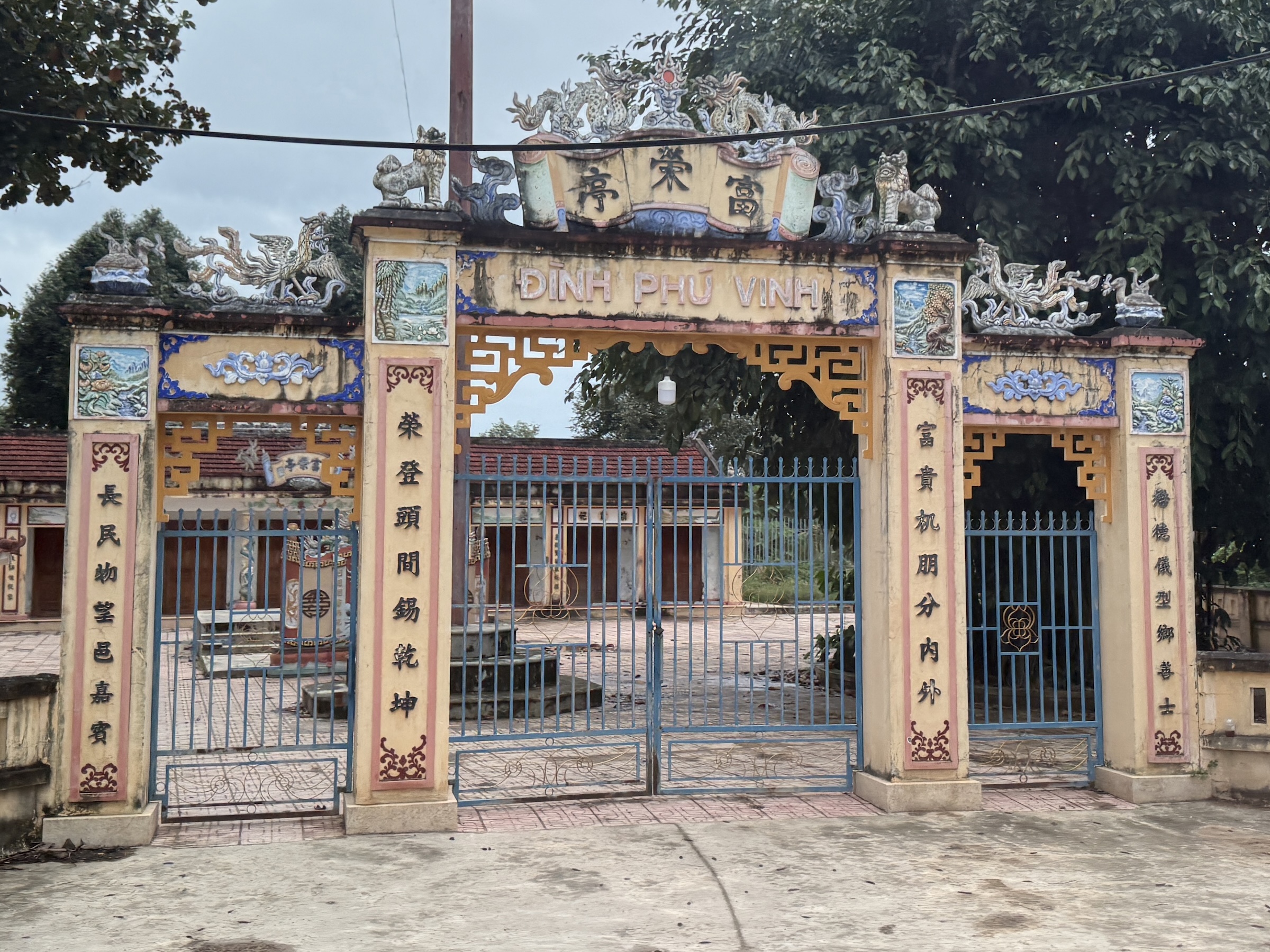
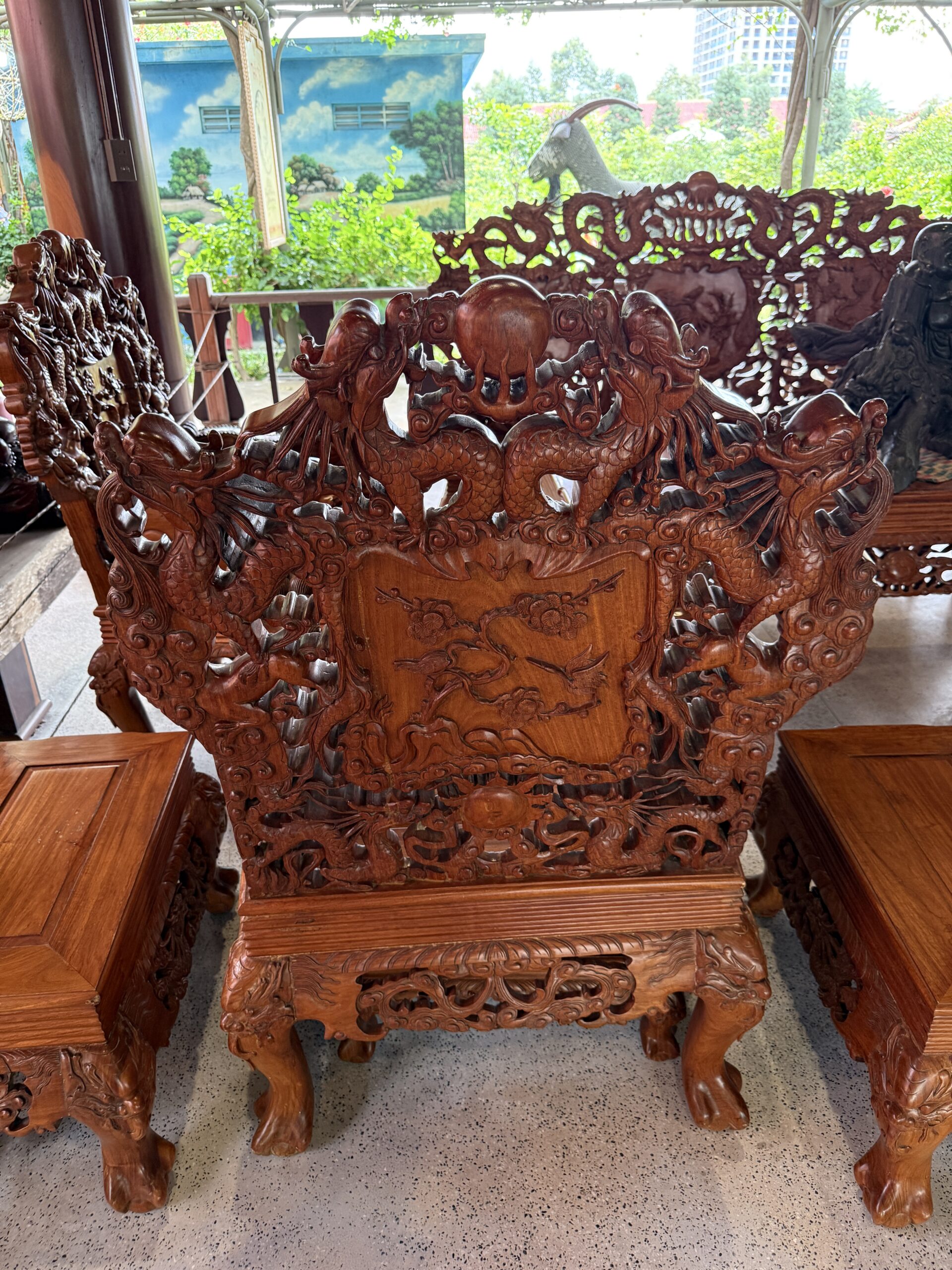
My coach bus excursion to Nha Trang was a whirlwind tour consisting of a visit to Po Nagar Temple, a short cruise on Cai River, and visits to an ancient house built from ebony wood, a mat weaving shop and an arts & crafts market.

Tuesday/ happy birthday, Jane Austen 💐

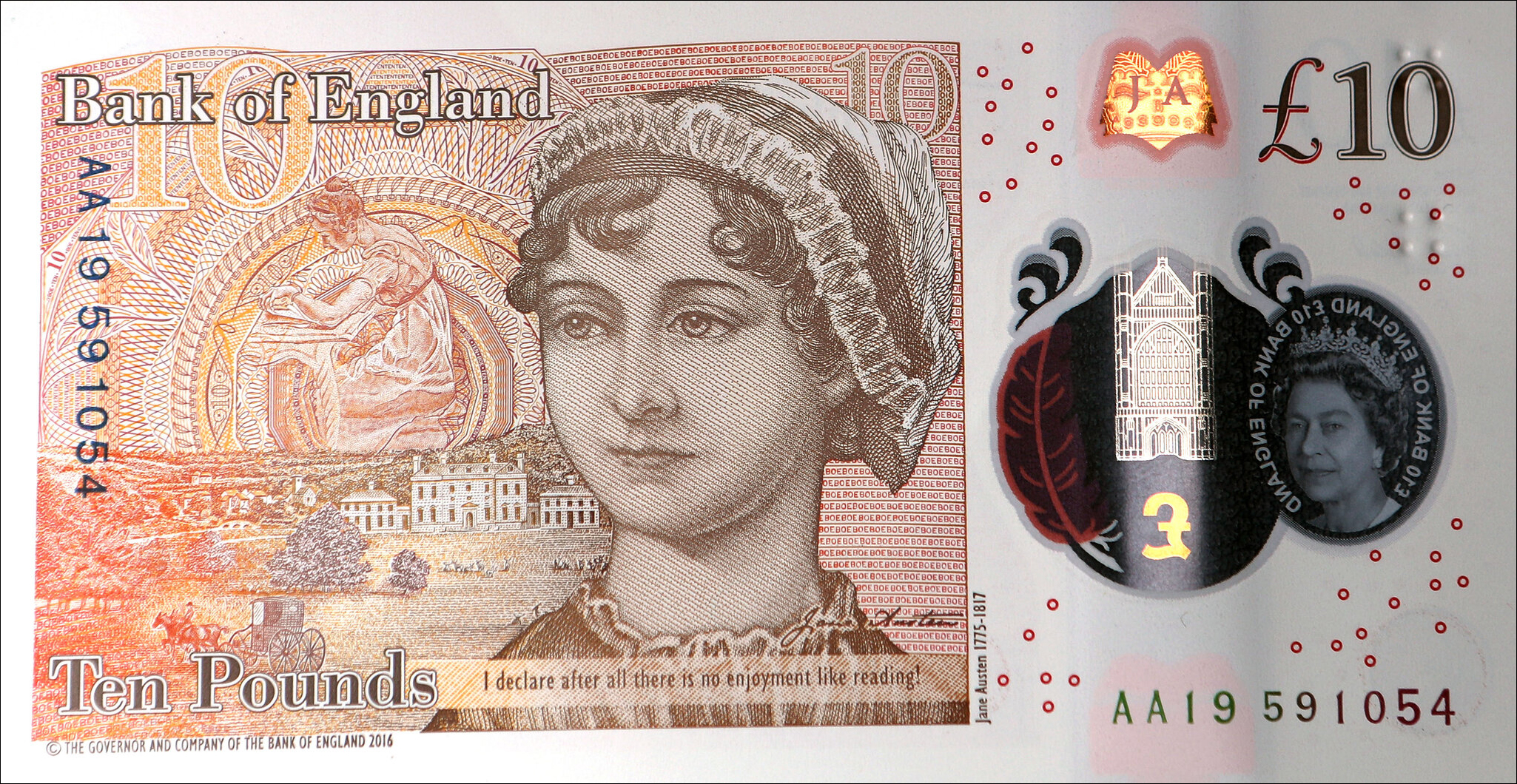
It was 250 years ago when English writer Jane Austen was born— on 16 Dec. 1775 in the village of Steventon, north Hampshire, England.
From Wikipedia:
Austen’s plots often explore the dependence of women on marriage for the pursuit of favorable social standing and economic security.
Her works are implicit critiques of the novels of sensibility of the second half of the 18th century and are part of the transition to 19th-century literary realism.
Her use of social commentary, realism, wit, and irony have earned her acclaim amongst critics and scholars.

In 2017, Jane Austen’s image was added to the Bank of England’s £10 note.
The note carries the quotation, “I declare after all there is no enjoyment like reading!”, said by Caroline Bingley in ‘Pride and Prejudice’ (1813).

P.S. As far back as 2015, then-Treasury Secretary Jack Lew announced that there were plans afoot to ‘feature the likeness of a woman who has played a major role in American history and has been a champion for democracy’ (no specific name was mentioned then). As of now, the U.S. is actively working to feature women on its banknotes, with plans to put abolitionist Harriet Tubman on the $20 bill, replacing Andrew Jackson, with a target release around 2030, coinciding with security updates for other denominations, though the process has faced delays— delays of a logistical and political kind.
Tuesday/ The Twelve Days of Christmas 🎅

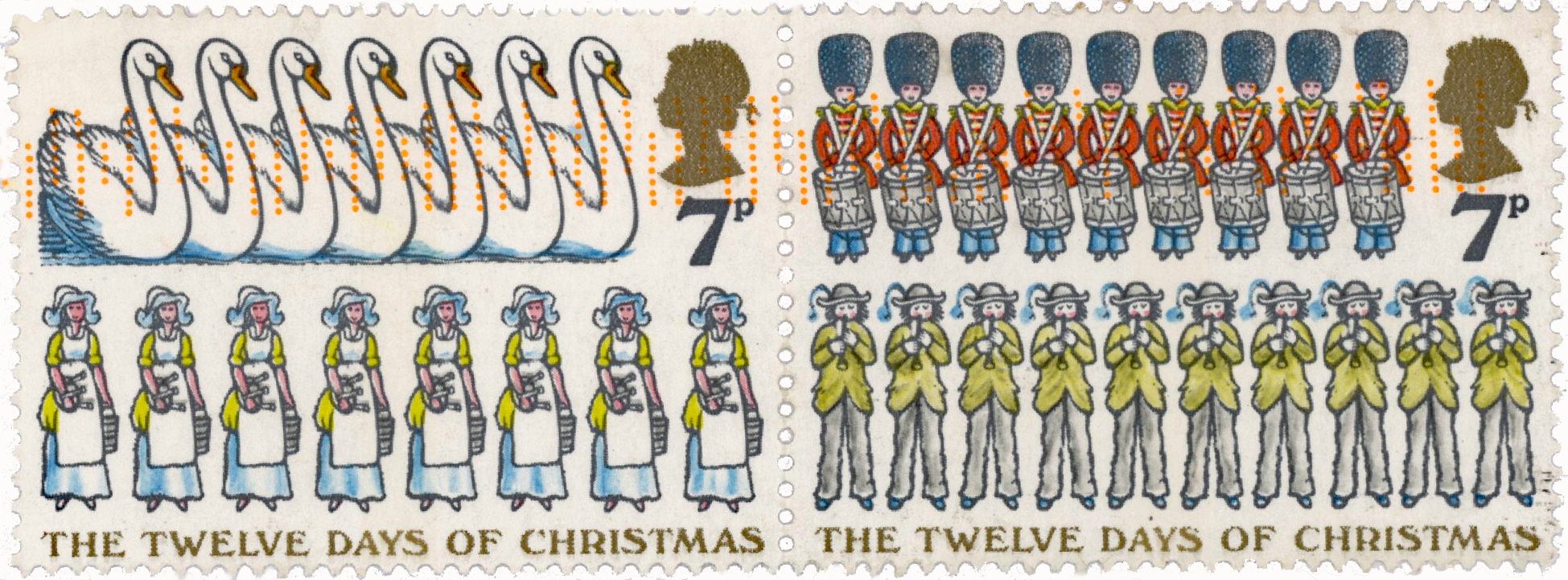
Two of the stamps on one of the outside envelopes for an Ebay purchase from England feature The Twelve Days of Christmas (song).
Great Britain/ Queen Elizabeth II— Christmas Stamps, 1977
Issued Nov. 23, 1977
Perf. 15×14 | One center phosphor band (7p.) | Design D. Gentleman
1046 525 7p. Slate, grey, bright yellow-green, new blue, rose-red and gold | “Eight Maids-a-milking, Seven Swans-a-swimming”
1047 526 7p. Slate, grey, bright yellow-green, new blue, rose-red and gold| “Ten pipers piping, Nine Drummers drumming”
[Source: 1997 Stanley Gibbons Stamp Catalogue, Part 1 British Commonwealth, Vol. 1]
From Wikipedia:
The lyrics given here are from Frederic Austin’s 1909 publication that established the current form of the carol.
The first three verses run, in full, as follows:
On the first day of Christmas my true love sent to me
A partridge in a pear tree

On the second day of Christmas my true love sent to me
Two turtle doves,
And a partridge in a pear tree.

On the third day of Christmas my true love sent to me
Three French hens,
Two turtle doves,
And a partridge in a pear tree.

Subsequent verses follow the same pattern.
Each verse deals with the next day of Christmastide, adding one new gift and then repeating all the earlier gifts, so that each verse is one line longer than its predecessor:

— four calling birds
— five gold rings
— six geese a-laying
— seven swans a-swimming
— eight maids a-milking
— nine ladies dancing
— ten lords a-leaping
— eleven pipers piping
— twelve drummers drumming

Wednesday/ postcard from Cape Town ✒️

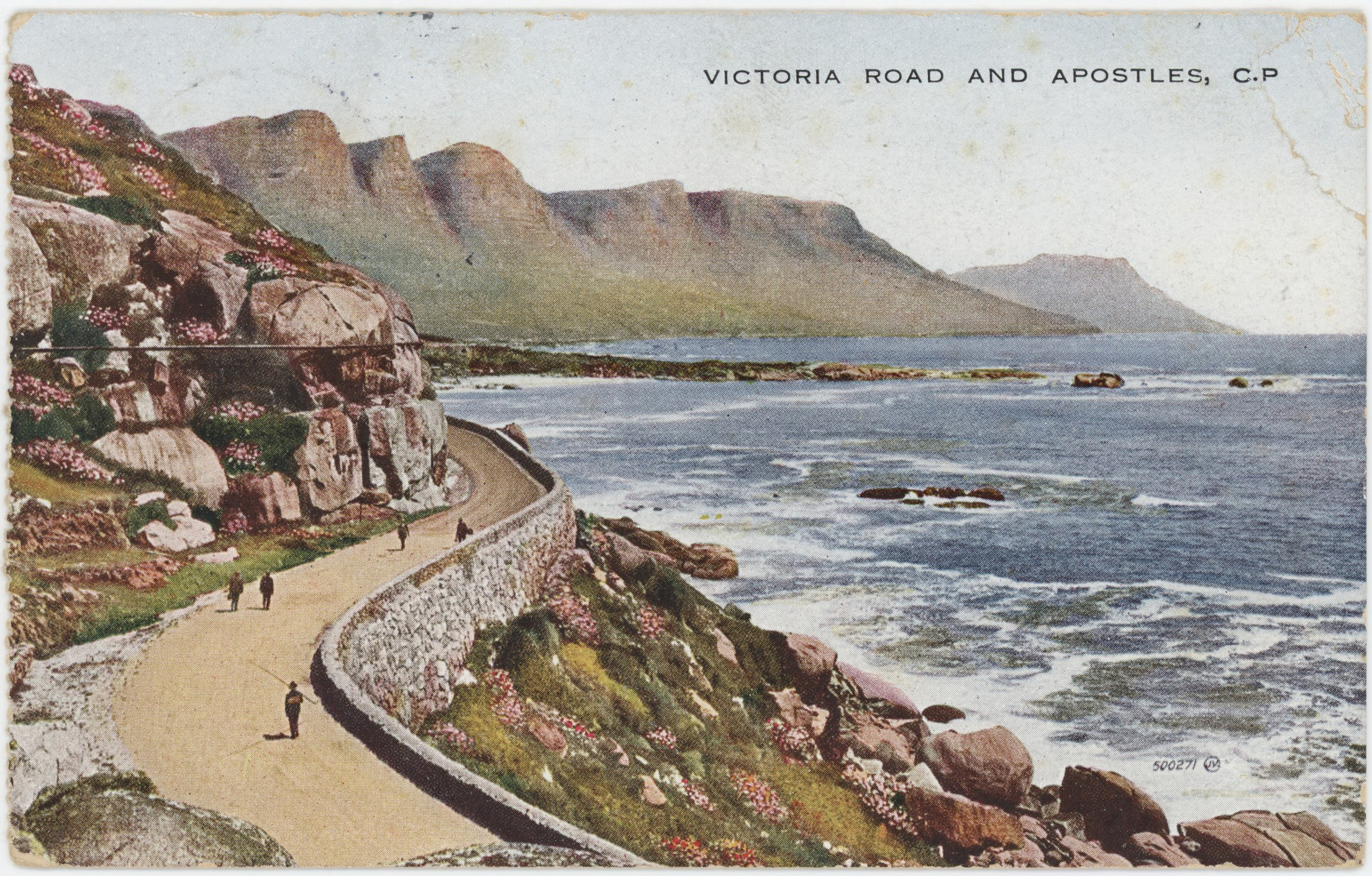
Here’s another postcard that the hopeless romantic (me) had bought on Ebay for a few dollars, and that landed in my mailbox. 
(The seller is actually from Vancouver, Washington State).

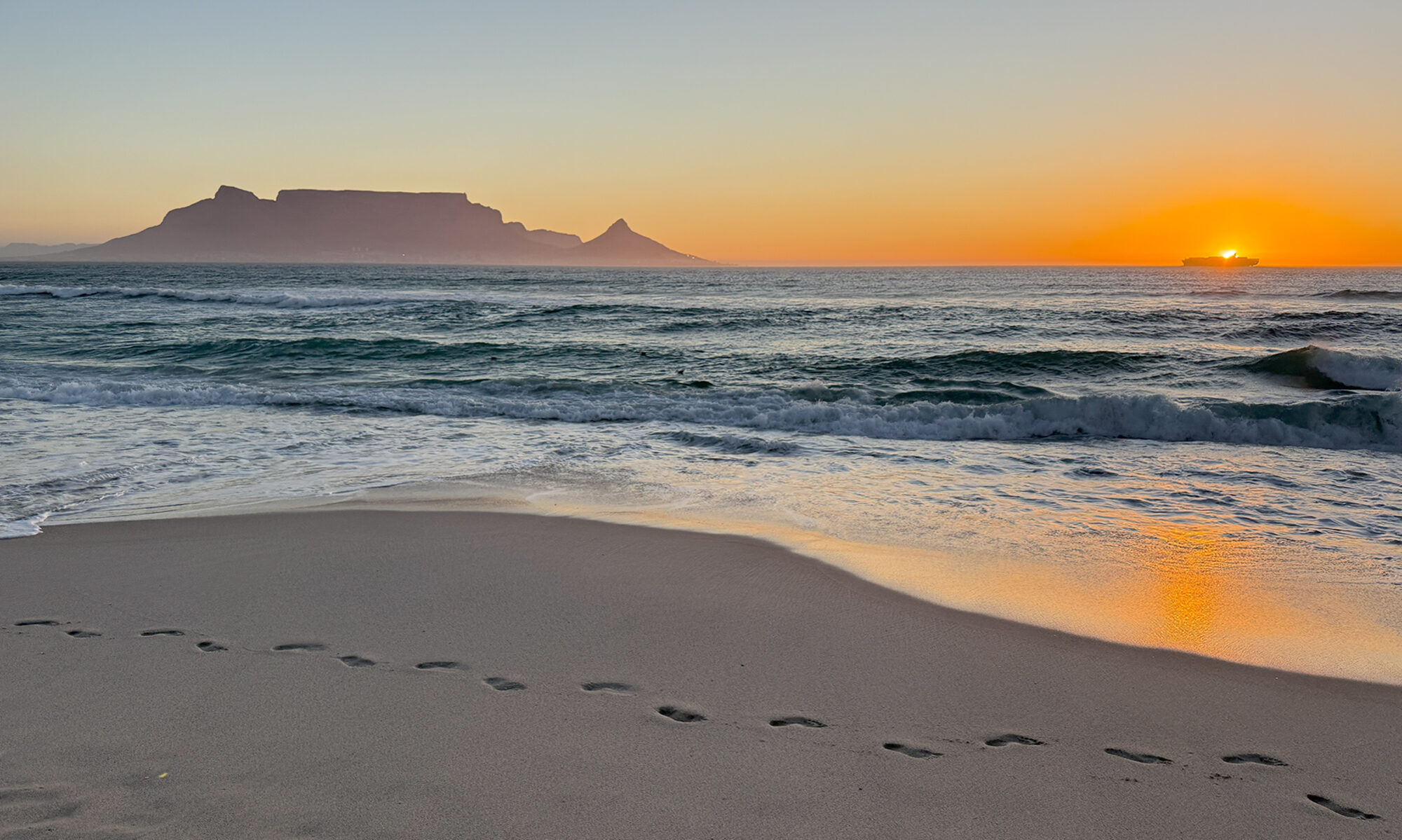
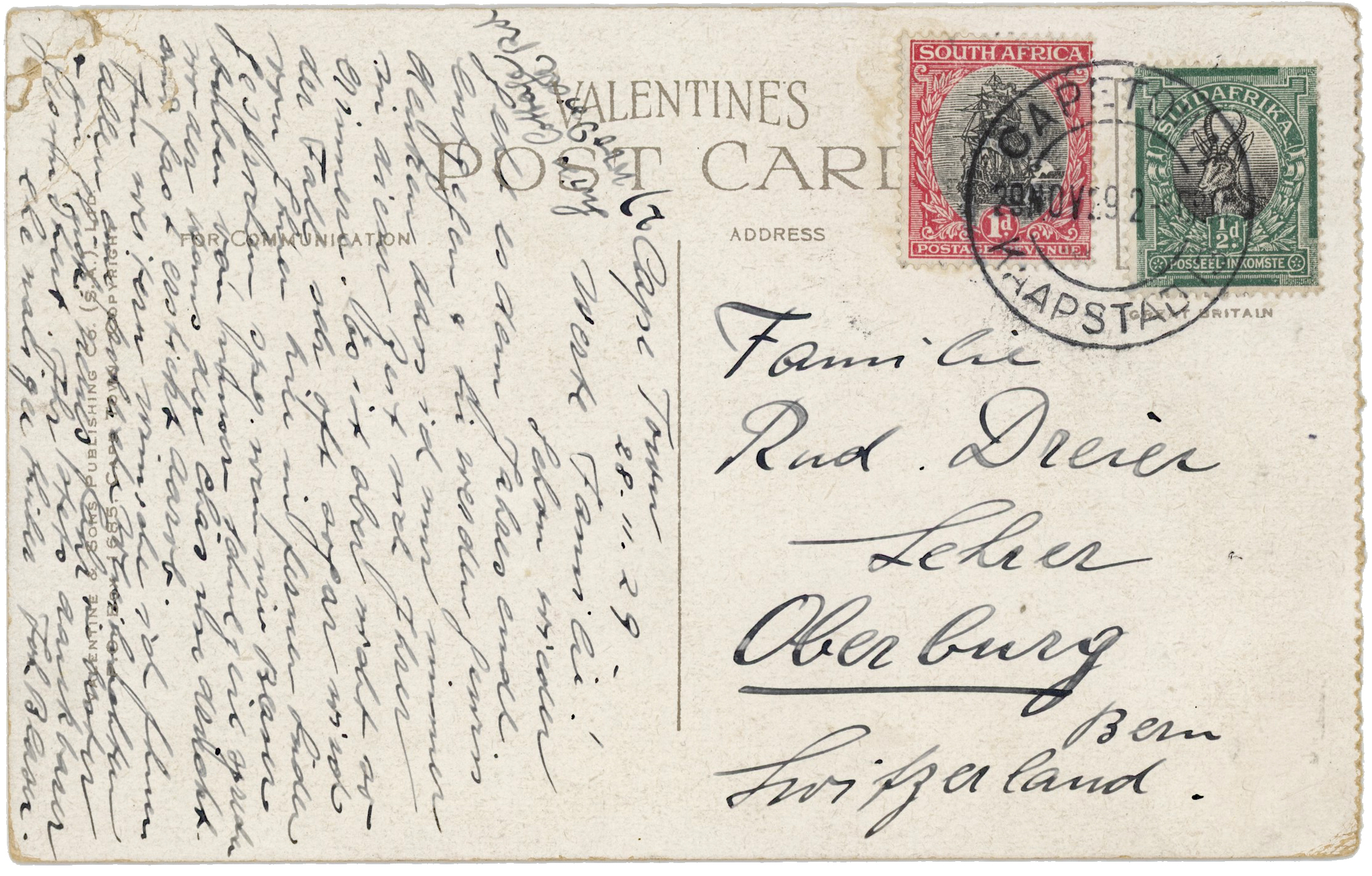
The postcard features Victoria Road and the mountain range called The Twelve Apostles from outside Cape Town, South Africa, from the late 1920s. At the time, the typical method for printing colored postcards was lithography, specifically the photo-lithography process. This involved creating multiple printing plates, with one plate for each color, and running the paper through the press multiple times to build up the final image.
Victoria Road was first constructed in the late 1800s by Thomas Bain. The original purpose was to connect the city of Cape Town to the growing suburb of Camps Bay, following the coastline. Later, the road was extended to Hout Bay. -Google AI Overview.
The Twelve Apostles are part of the Table Mountain complex overlooking Camps Bay in Cape Town, South Africa. The mountain range stretches 6 km almost to Hout Bay. They actually consist of eighteen peaks. From north to south they are named Kloof, Fountain, Porcupine, Jubilee, Barrier, Valken, Kasteel, Postern, Wood, Spring, Slangolie, Corridor, Separation, Victoria, Grove, Llandudno Peak, Llandudno Corridor, and Hout Bay Corner. The average height above sea level is 2,460 ft (750 m), compared to 3,478 ft (1,060 m) for Table Mountain. – Wikipedia
The postcard was written on 28 Nov. 1929 and has a Cape Town postmark of 29 Nov. 1929. A penny and a half took it all the way to Oberburg near Bern, Switzerland. This would be by ship. Airmail was available but was almost ten times more expensive.
The stamps are from South Africa’s Second Definitive Series that were issued in 1926.
The sender’s address is from the suburb of Tamboerskloof on the slopes of Table Mountain in the city (Cape Town).

Here is a translation of the German:
Cape Town
November 28, 1929
Dear Family!
Very soon it will be the end of the year again.
Contrary to what you might think, I do not only ever remember you at this time of year. Very often, I find myself talking about you here in a faraway country, especially when we talk about our old school days.
Furthermore, I wish you all a Merry Christmas and a Happy New Year with only the best of health.
Your ever-grateful former student,
John Blaser.

Friday/ stock transfer tax stamps 💸

Happy Black Friday.
The stock markets in the USA were open for a short session today.

The mailman delivered a large set of stock transfer tax stamps that I had bought from a seller in Luxembourg.
I stumbled upon the stamps on Ebay and could not resist.
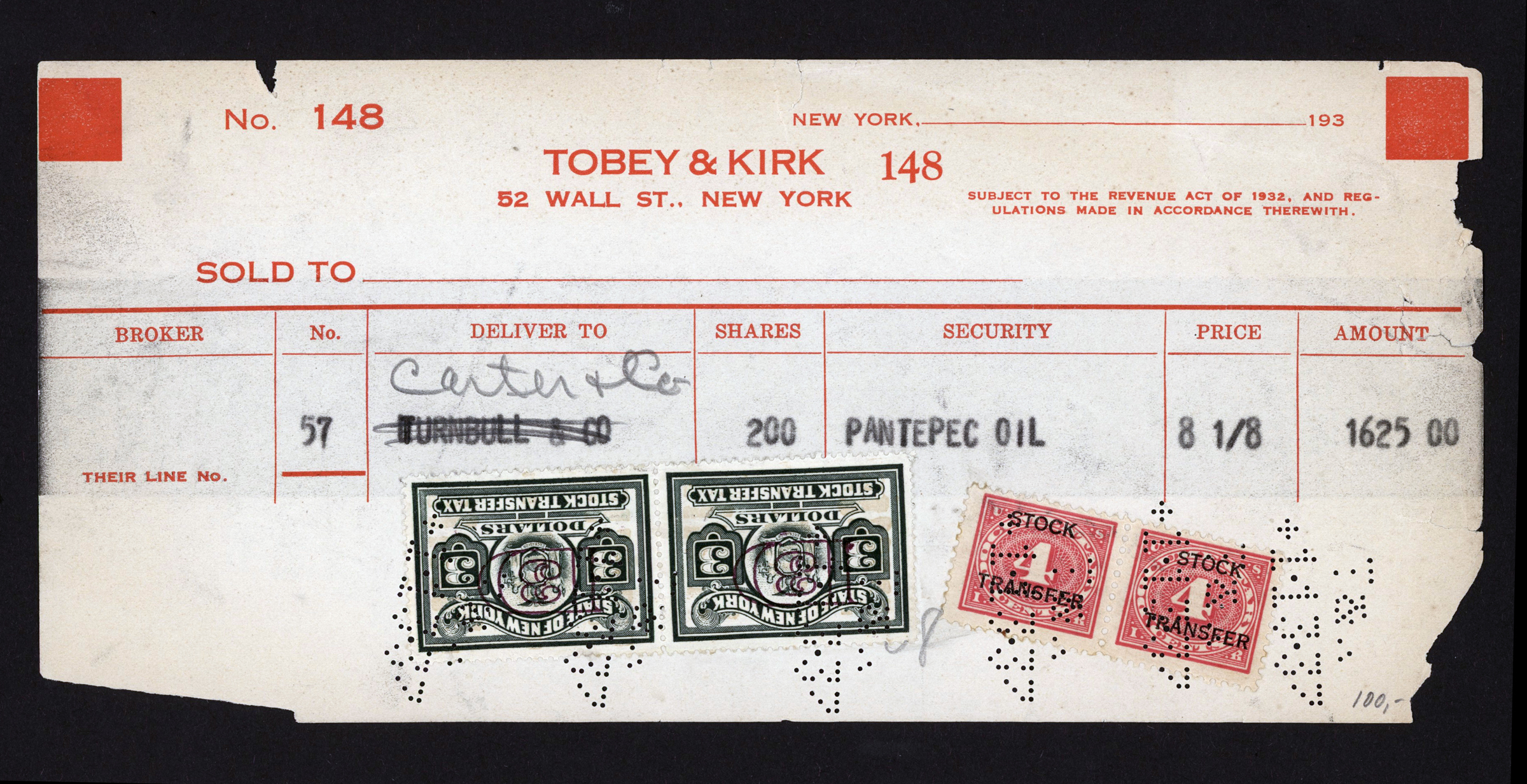
Below is a sample. I will post more of them when I have sorted and arranged them on pages.

Here’s what I have found out so far:
Tobey & Kirk was a prominent stockbroker firm located at 52 Wall Street, in New York’s financial district.
Pantepec Oil Company was an oil company founded by William F. Buckley Sr. in 1913, with operations primarily in Mexico and Venezuela.
This transaction show the sale of 200 Pantepec Oil shares for $8.125  for a total amount of $1,625.
The stock transfer tax stamps on the paper slip were first issued in 1936.
If I read the perfin (pin hole) cancellation on the stamps correctly, they indicate a transaction date of 1.13.37 (Jan. 13, 1937).
In 1937, the United States had a federal stock transfer tax in effect, which had been significantly increased in 1932 as part of the government’s response to the Great Depression.
The red stamps (2x 4c) are for federal stock transfer taxes. I suspect there were more federal stock transfer tax stamps on the slip that are now missing. (The federal transfer tax was typically roughly equal to the New York State transfer tax at the time. )
The green stamps (2 x $3.00) are the NY State stock transfer tax stamps.

Monday/ Cambodia 🇰🇭

Well he was Thailand based
She was an Air Force wife
He used to fly weekends
It was the easy life
But then it turned around
And he began to change
She didn’t wonder then
She didn’t think it strange
But then he got a call
He had to leave that night
He couldn’t say too much
But it would be alright
He didn’t need to pack
They’d meet the next night
He had a job to do
Flying to Cambodia
– Lyrics from the single ‘Cambodia’ by British singer Kim Wilde, released Nov. 2, 1981

The song “Cambodia” by Kim Wilde is about a woman whose pilot husband is sent on a mission to Cambodia and never returns, leaving her in a state of longing and unanswered questions. Written by her father, Marty Wilde, and her brother, Ricky Wilde, the song is a tragic love story about loss, separation, and the enduring pain of waiting for someone who is gone. The lyrics depict the woman’s emotional journey from hope to the realization that her partner is never coming back. [Google AI Overview]


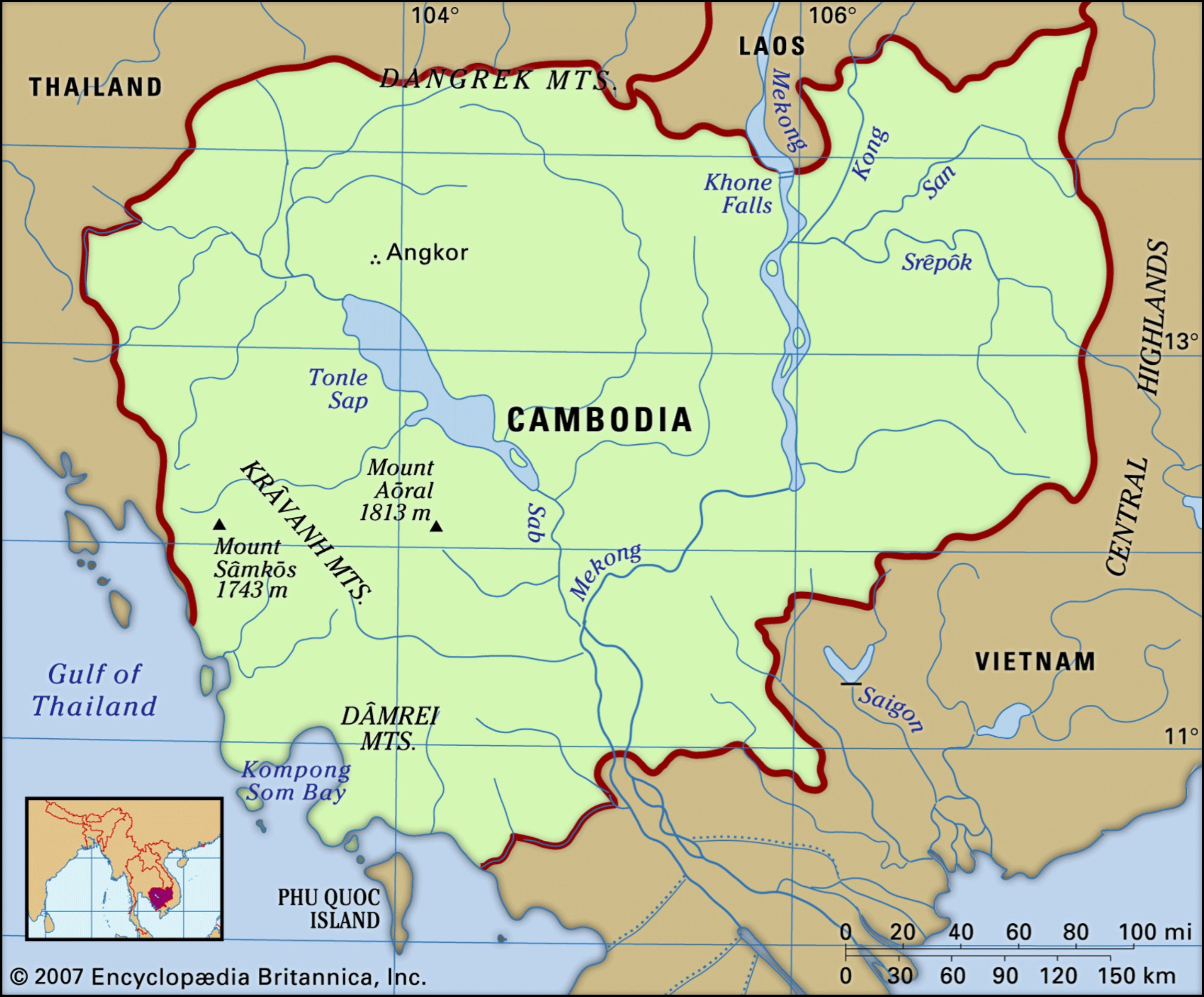
Cambodia is on the itinerary for my upcoming Princess cruise out of Singapore.

We will stop at the port by the city of Sihanoukville for only one night and one day, though.
I signed up for the excursion to Ream National Park with its mangrove forests, wildlife and pure stretches of white beach.

C A M B O D I A
Capital: Phnom Penh
Currency: Cambodian riel
Official language: Khmer
Population: 17.6 million
Government: Unitary state, Parliamentary system, Constitutional monarchy, One-party state, Elective monarchy
King: Norodom Sihamoni

Cambodiaofficially the Kingdom of Cambodia— is somewhat larger than the U.S. state of Missouri. It is bordered to the west and northwest by Thailand, to the northeast by Laos, to the east and southeast by Vietnam, and to the southwest by the Gulf of Thailand. The Khmer language is one of the major tongues of the Mon-Khmer subfamily of the Austroasiatic language family and is spoken by nearly all people in Cambodia, including the Cham-Malay.

The people of Cambodia suffered under the Khmer Rouge, the radical communist movement that ruled Cambodia from 1975 to 1979 after winning power through a guerrilla war. The Khmer Rouge government under Pol Pot was responsible for the Cambodian genocide (1976-78), during which up to three million people were murdered.

Tourist-wise (‘Quick Facts’ from Google Maps):
Cambodia has a landscape that spans low-lying plains, the Mekong Delta, mountains and Gulf of Thailand coastline. Phnom Penh, its capital, is home to the art deco Central Market, glittering Royal Palace and the National Museum’s historical and archaeological exhibits. In the country’s northwest are the ruins of Angkor Wat, a massive stone temple complex built during the Khmer Empire.

Wednesday/ the last penny minted 🪙

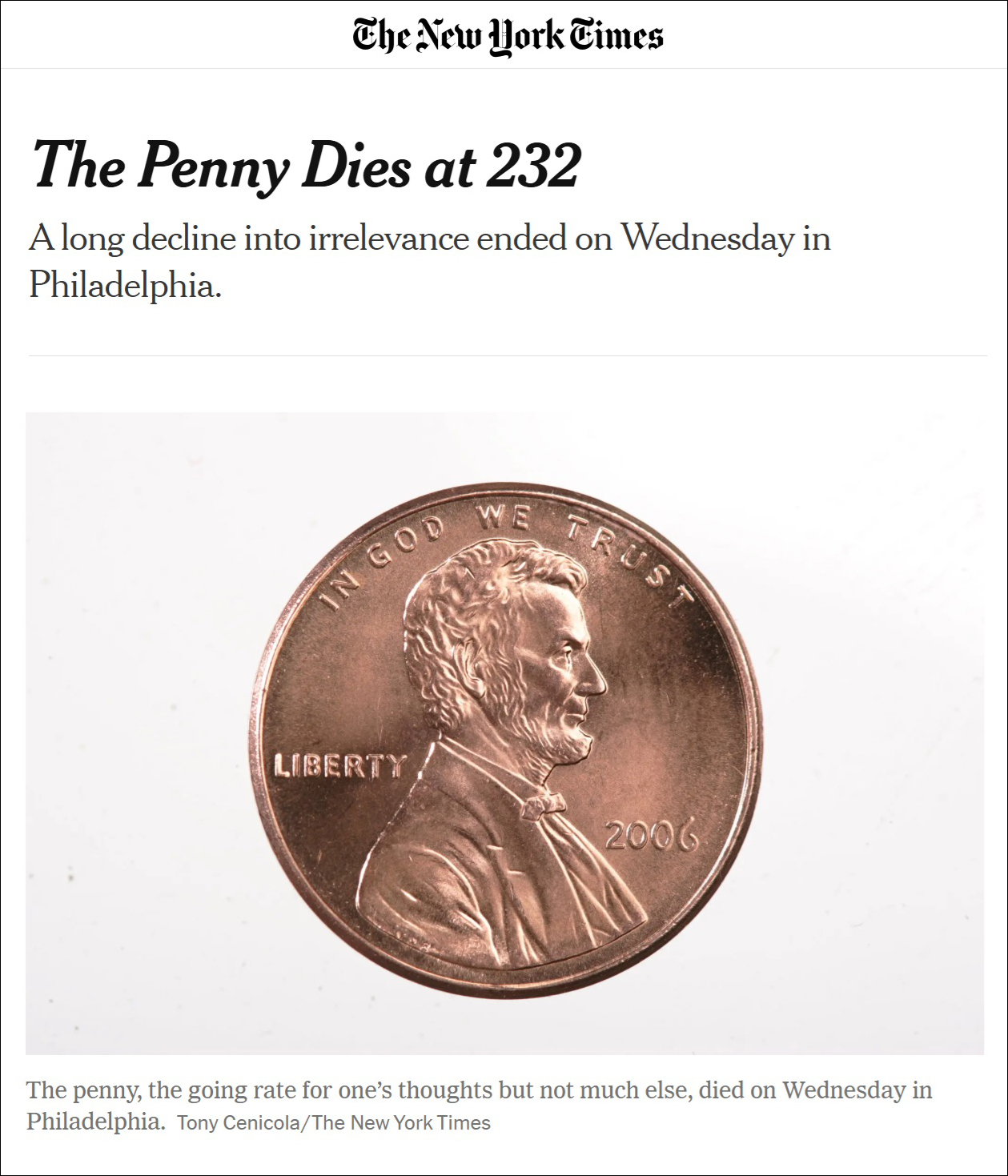
The American penny died on Wednesday in Philadelphia. It was 232.
The cause was irrelevance and expensiveness, the Treasury Department said.

Nothing could be bought any more with a penny, not even penny candy. Moreover, the cost to mint the penny had risen to more than 3 cents, a financial absurdity that doomed the coin.

The final pennies were minted on Wednesday afternoon in Philadelphia. Top Treasury officials were on hand for its final journey. No last words were recorded.

– Victor Mather writing for the New York Times

Tuesday/ Veterans Day 🇺🇸

Happy Veterans Day to all veterans of the United States Armed Forces.

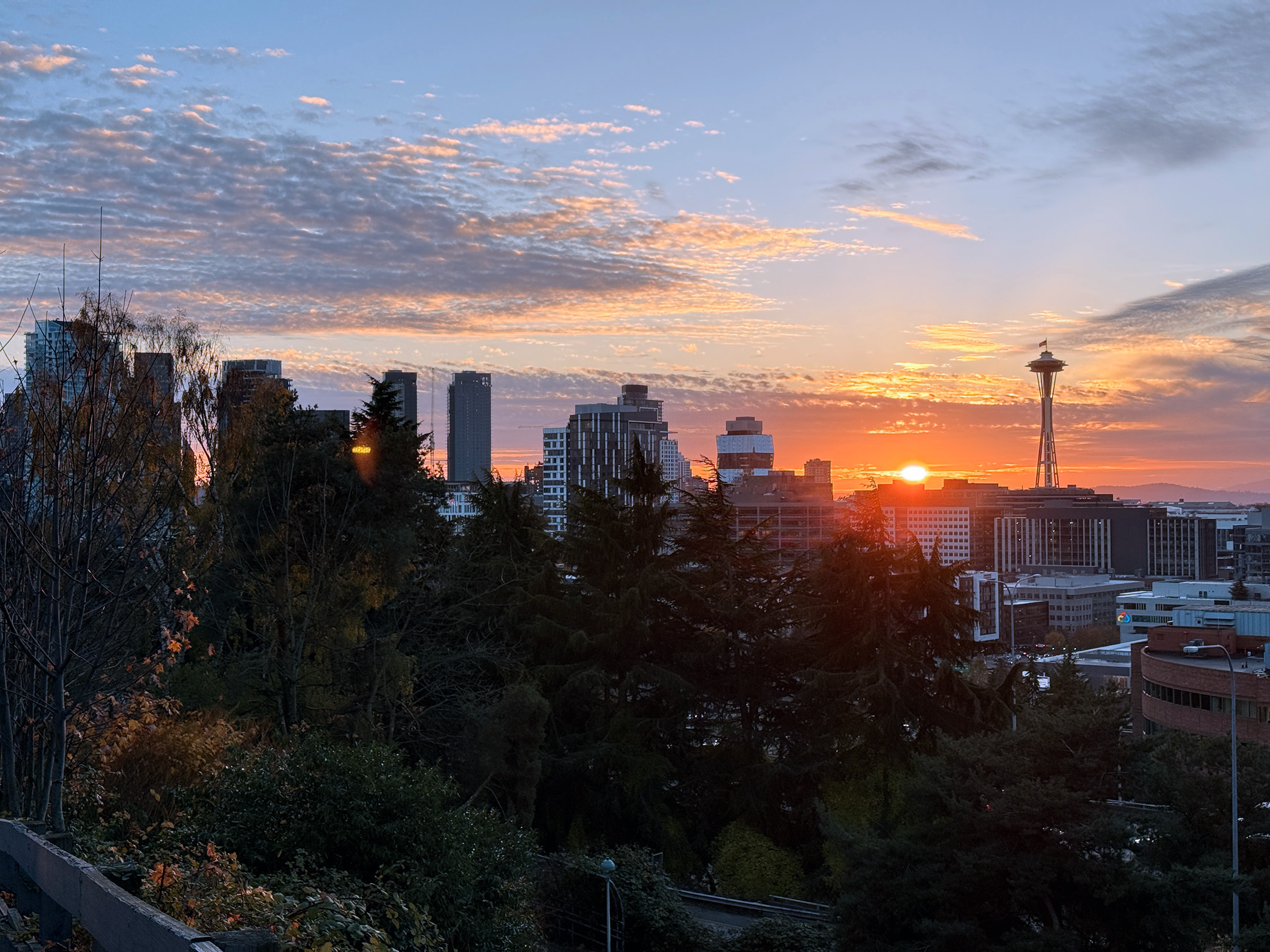
Sunset tonight (now at 4.37 pm), from my vantage point on the Melrose Avenue overlook near Interstate 5. The Stars and Stripes (the American flag) flies from the Space Needles’s flagpole.

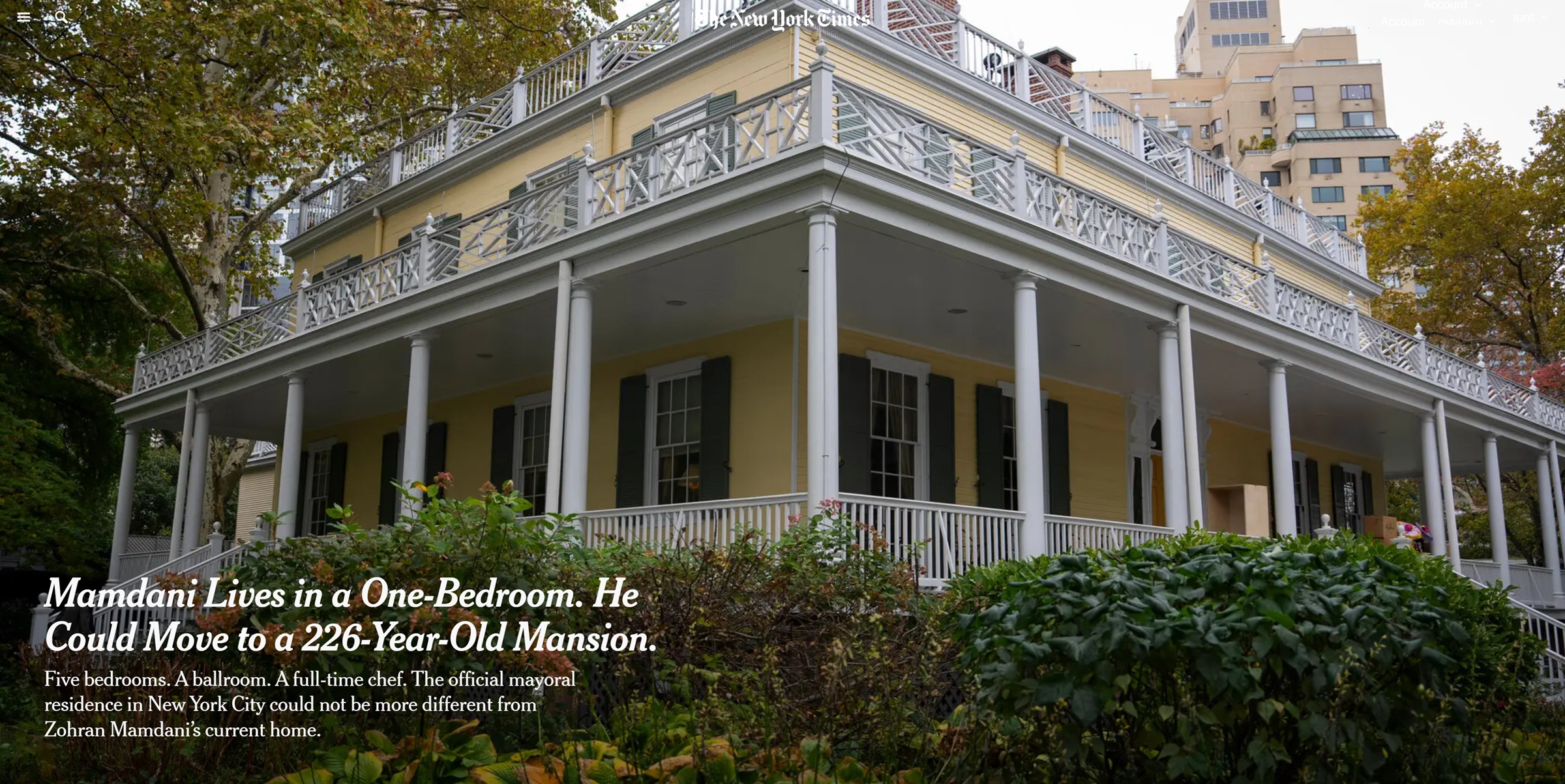
Sunday/ Gracie Mansion beckons 🏡

Reporter Eliza Shapiro writes for the New York Times:
Zohran Mamdani, the mayor-elect of New York City, recently spent a weekday morning blanketing the floor of his $2,300-a-month apartment with towels. The sink was leaking, and the super had been summoned.

That wasn’t the only frustration.

“My wife and I have just talked about the fact that a one-bedroom is a little too small for us now,” he said recently on “The New Yorker Radio Hour,” after detailing the plumbing troubles.

Assuming Mr. Mamdani decides to move into Gracie Mansion, New York City’s official mayoral residence, he is unlikely to be dealing personally with such workaday problems much longer. Nor will his new digs feel quite so snug.

It is hard to overstate the difference between Mr. Mamdani’s current home, a modest rent-stabilized apartment in Astoria, Queens, and Gracie Mansion, a 226-year-old, 11,000-square-foot home on the Upper East Side, with gleaming mirrors reflecting the light of chandeliers, faux mahogany doors, a vast lawn with apple and fig trees and a vegetable garden occasionally plagued by rabbits.

‘Gracie Mansion, on the other hand, was once described by a New York Times reporter as a “pale lemon cake of a house.” It sits at the top of Carl Schurz Park, abutting the F.D.R. Drive, and offers sweeping views of the East River from its summertime veranda.’ – from Eliza Shapiro’s report for the NYT
_________________________________________________________________________
The federal-style mansion was built in 1799 and consists of the original two-story house and an annex built in 1966.
The original house is a New York City designated landmark and is listed on the National Register of Historic Places.

Monday/ shades of King George V 👑

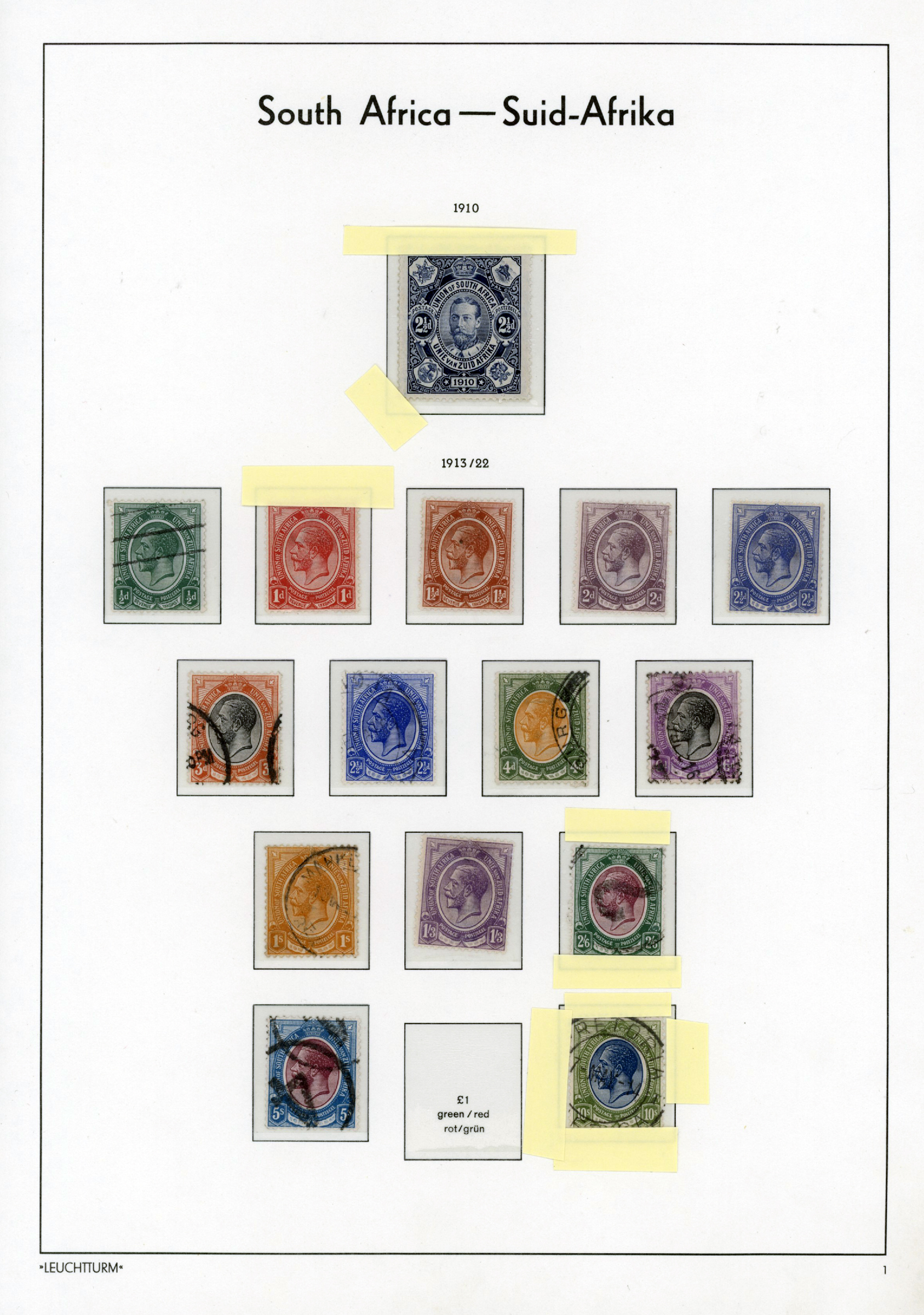
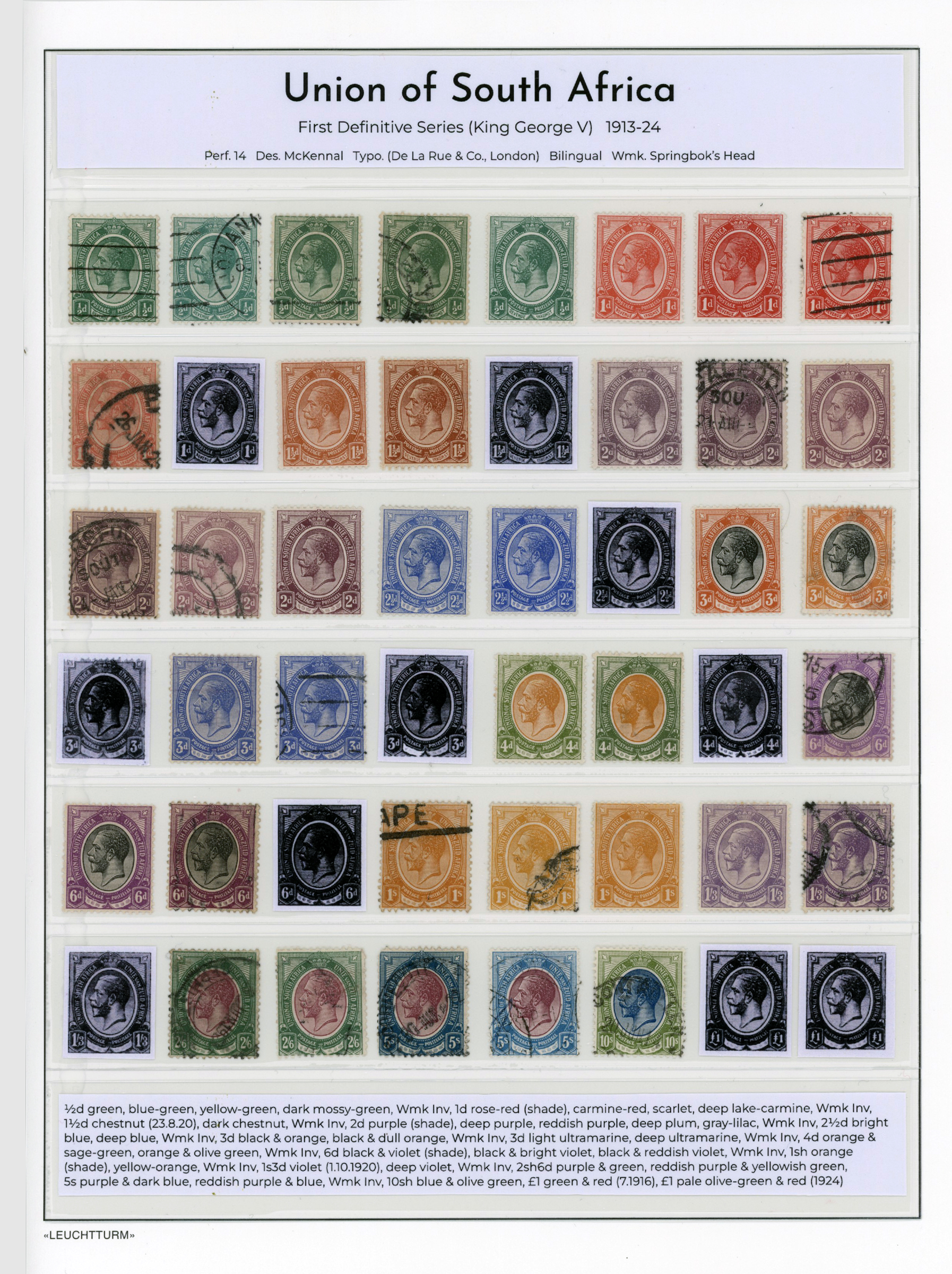
I have long been unhappy with my pre-printed Leuchtturm stamp album pages for the first definitive issue of stamps for the Union of South Africa*.

The old pages are in bad shape, with bare-bones headers, and my South African Color Catalogue lists several more shades of the King George V issues, as well as a few with inverted watermarks.

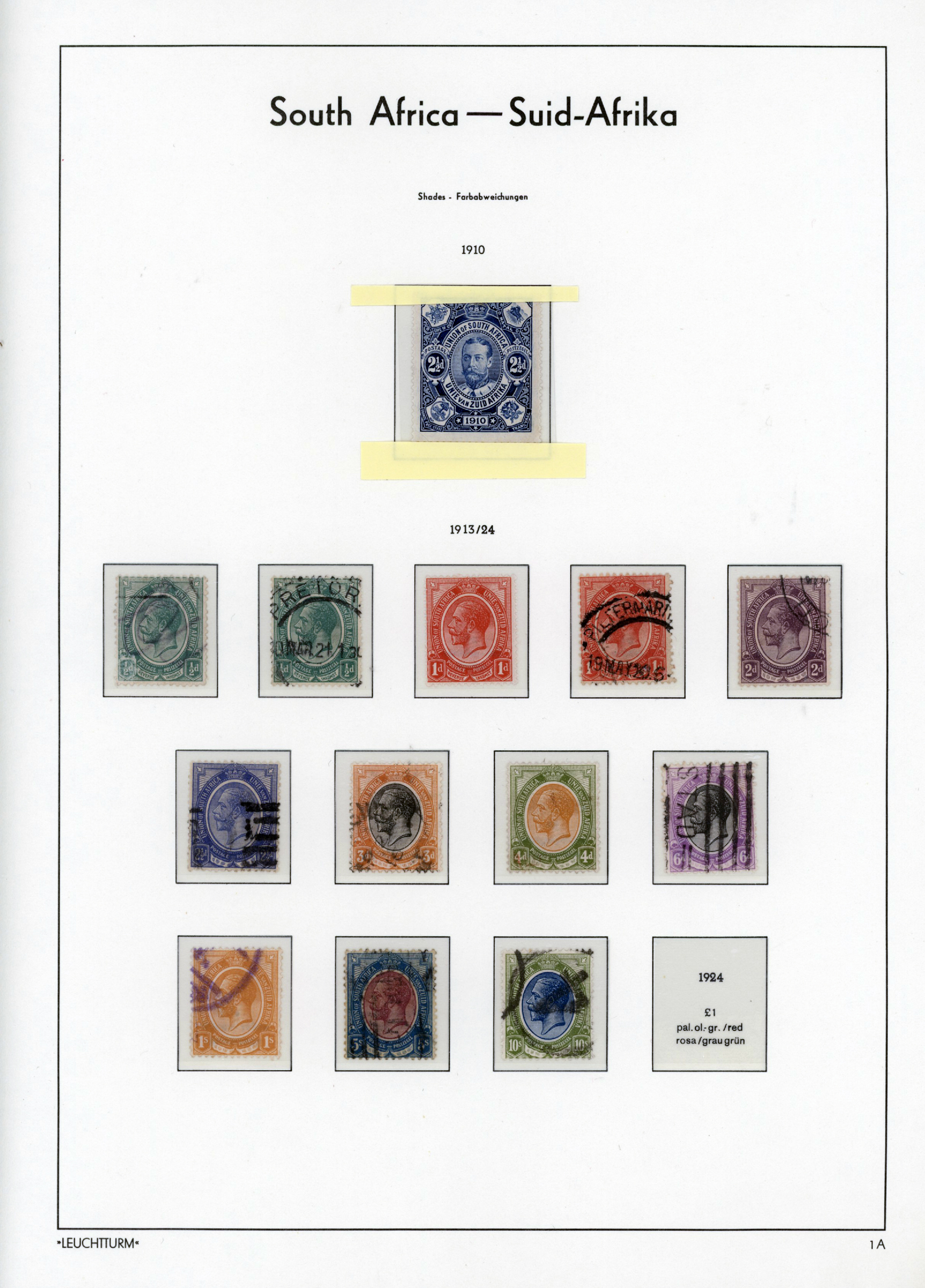
The new page that I created is a difficult assembly and not yet complete, though. The black-and-white images are placeholders.
Will I ever get my grubby hands on one each of the two £1 stamps at the very high end of the set?
I doubt it. The catalog values for perfect specimens of these are US$800 and US$ 1,000 respectively.

*The Union of South Africa was the historical predecessor to the present-day Republic of South Africa. It came into existence on May 31,  1910 with the unification of the Cape Colony, Natal, Transvaal, and Orange River Colony.

Wednesday/ wholesale destruction 💀

Headlines and picture from the New York Times.

Jess Bidgood writes for the New York Times, referring to the destruction of the East Wing of the White House:
It wasn’t so long ago that Trump was promising his plan to build a 90,000-square-foot ballroom on the grounds “won’t interfere with the current building.” In fact, my colleague Luke Broadwater reported today that the entire wing, which is historically the domain of the first lady, will be razed in the project.
Images of the demolition, which began on Monday as a precursor to the construction of a $200 million ballroom, have rocketed around the globe, swiftly becoming political fodder and a perfect Rorschach test for a deeply polarizing presidency.

Jess Bidgood writing for the New York Times: Trump, ever the developer, has certainly spent a lot of time building things at the White House. He paved over the lawn in the Rose Garden to create a patio. He has added gold filigree to the Oval Office and ornate chandeliers to the Cabinet Room, remaking the White House with an indelible imprint of Mar-a-Lago maximalism that is all but certain to outlast his presidency.

Sunday/ the bloody battles of the American Revolution 🎖️

I got these ‘USA forever’ stamps on Friday.
It never costs me just one stamp when I take something to the post office, because I always buy a whole sheet of stamps! 🤗

From Wikipedia:
The American Revolutionary War (April 19, 1775 – September 3, 1783), also known as the Revolutionary War or American War of Independence, was the armed conflict that comprised the final eight years of the broader American Revolution, in which American Patriot forces organized as the Continental Army and commanded by George Washington defeated the British Army. The conflict was fought in North America, the Caribbean, and the Atlantic Ocean. The war’s outcome seemed uncertain for most of the war. But Washington and the Continental Army’s decisive victory in the Siege of Yorktown in 1781 led King George III and the Kingdom of Great Britain to negotiate an end to the war in the Treaty of Paris two years later, in 1783, in which the British monarchy acknowledged the independence of the Thirteen Colonies, leading to the establishment of the United States as an independent and sovereign nation.

Battlefields of the American Revolution (1775-1783)
Issued Apr. 16, 2025
Perf. 11 serpentine die-cut |Self-adhesive |Design: Derry Noyes (from watercolor paintings by Greg Harlin) |Sheet size: 15 stamps |First-Class Mail® ‘FOREVER’ stamps (75c) | Engraving: Banknote Corporation of America | No watermark
[Source: stampworld.com]

Sunday/ the release of the hostages 🕊️

A hostage and prisoner exchange

By Jodi Rudoren reporting for the New York Times, Monday morning NY time

I am the former Jerusalem bureau chief.

They’re free. Two years — 737 days, to be exact — after the Hamas terror attack that set off the war in Gaza, the last 20 living Israeli hostages left Gaza this morning. In exchange, nearly 2,000 Palestinian prisoners and detainees are being let go; the first buses filled with them just started arriving in the West Bank city of Ramallah.

The releases are part of the first phase of a cease-fire deal that took hold Friday. A triumphant President Trump, the force behind the deal, flew in Air Force One over jubilant crowds in Tel Aviv’s Hostages Square and timed the plane’s touchdown to coincide exactly with the first hostages’ arrival in Israel. He is about to address Israel’s Parliament and then will head to a summit of world leaders in Egypt, where the agreement was negotiated.


It’s Monday morning in Gaza. The release of the hostages (and Palestinian prisoners) is imminent, it seems.
May the war and the destruction and the famine and the killing of civilians stop now.

Reporting from the New York Times:

Monday/ postcard from Seoul 🇰🇷

Hey! The postcard I had mailed to Seattle from the top of Seoul tower made it into my mailbox.

Gyeongbok Palace
Situated at No. 1 Sejong Road in the Jongno District of Seoul, the palace was originally built in 1395 as the palace of the King of Choson. It was listed as a cultural property on Jan. 1, 1963.
Mailed on Sat. Sept. 13, and processed on Mon. Sep. 15 at Seoul Yongsan Post Office, a stone’s throw from Seoul Tower.
2021 Republic of Korea Definitives
Issued Dec. 17, 2021
Perf. 13½ |Design: Ryu Ji-Hyeong |Engraving: Korea Minting and Security Printing Corporation |Litho. |No watermark
#3555 500₩ Multicolored |Fruit cluster of bunge (Crataegus pinnatifida)
This tree is also called Chinese hawthorn and is known for its bright red fruit that is used in traditional East Asian medicine and foods (like candies and teas).
500₩ = US$ 0.36
[Source: stampworld.com]

Tuesday/ more Expo 2025 Osaka 🏯

I walked over to the West Gate today (both days I had entered at the East Gate), where I found Astro Boy.

I also tracked down the Japan Pavilion with its beautiful ‘golden hat’ design. The Golden Surface of the Japan Pavilion was created by the designers Nikken Sekkei. They used an iridescent color shining technology— a technique that involves engraving microgrooves onto the surface, which interact with light to produce a dynamic, multi-colored sheen that changes with the viewing angle.

As the sun was setting, everyone went up to the Grand Ring, to watch the daylight end.

Friday/ Shinjuku 🚆

The rain was relentless on Friday here in Tokyo.
I ran out to Shinjuku train station in the morning and got lost inside the enormous station— before getting soaked in the torrential rain outside of it. 😱

Come early evening the rain was over, though, and I went back to see if I could navigate the station better, and to take a few photos.

The view outside my hotel room in the morning. The top of Tokyo Tower is hidden in the low clouds.
Ooh! .. not looking good out here on the ground, I am thinking.
It is mid-morning and I am on the way to Shinagawa station on the hotel’s shuttle bus.
A colorful mural inside Shinjuku station.
There is no lack of directions to the myriad train lines and exits in Shinjuku station, but Shinjuku Station has over 200 exits and many platforms of different shapes, spread out over a large area, along with department stores covering nearly all sides.
I tried to have Google Maps give me walking directions, and it worked— until it said ‘If there is no GPS signal, navigation may stop working’. Yes. No sh**.
A mural inside Shinjuku.
Looking for a used car? Use the Car Sensor app.
The characters and manga style are from the iconic series City Hunter, which is being used here in a parody/comedic fashion to draw attention.
All right! By sunset (6.02 pm) the rain was gone, and now I’m going to run out to Shinjuku one more time.
This is the exit I had looked for in vain this morning: the South East Entrance by the Lumine 2 store. I am on my way to Takashimaya Times Square nearby.
A street-level view of the pedestrian crossing at the South East Entrance.
I walked several hundred yards now, further to the south, where there is an overlook of the railway lines going into the station.
The clock tower located near Takashimaya Times Square is on the NTT Docomo Yoyogi Building. It’s just a day or two until September’s full moon.
I made it back to Shinagawa Station and now heading back to the hotel. No rain!
Check out the sleek billboard above the Hollywood pachinko parlor. It advertises an even sleeker, faster bullet train that is coming— able to fly at 500 km/h (311 mph) on the tracks.
The almost-full moon over a gate in the Japanese garden on the hotel grounds.

Saturday/ India’s flag in Seattle 🇮🇳

India’s flag was hoisted up on top of the Space Needle for the first time on Friday.
It is a nod to India’s Independence Day, celebrated annually on August 15 as a public holiday.
The day commemorates the nation’s independence from the United Kingdom on August 15,  1947.

Approximately 83,000 King County residents were born in India, constituting 14% of the foreign-born population. China closely follows at approximately 80,000 residents, and the list continues with Vietnam securing the fourth position, the Philippines at fifth, South Korea at sixth, and Taiwan ranking ninth.
[Northwest Asian Weekly, Dec. 11, 2023]
[Stills from a video posted @IndiainSeattle on X]

Friday/ a time of empires 👑

The Alaska Purchase was the purchase of Alaska from the Russian Empire by the United States for a sum of $7.2 million in 1867.
The purchase of Alaska marked the end of Russian efforts to expand trade and settlements to the Pacific coast of North America, and became an important step in the United States’ rise as a great power in the Asia-Pacific region.
-Office of the Historian (.gov) and Wikipedia


Happy Friday. It is wet here in Seattle with drizzly rain that started last night and continued on and off all day.

With Trump and Putin’s meeting in Anchorage today, I was reminded that Alaska was bought from the Russian Empire (in 1867).

Here is a map from 1815 that showed the empires of the world at that time .. and why it was said ‘the sun never sets on the British Empire’.

Full resolution of this map online at ‘Wikimedia Commons World Map 1815’.
The saying “The sun never sets on the British Empire” refers to the vast geographical reach and global dominance of the British Empire at its peak. It means that at any given moment, the sun would be shining on at least one part of the British Empire’s territories around the world. This was due to the empire’s extensive colonies and possessions across multiple continents and time zones. – Google AI Overview