
vibe code
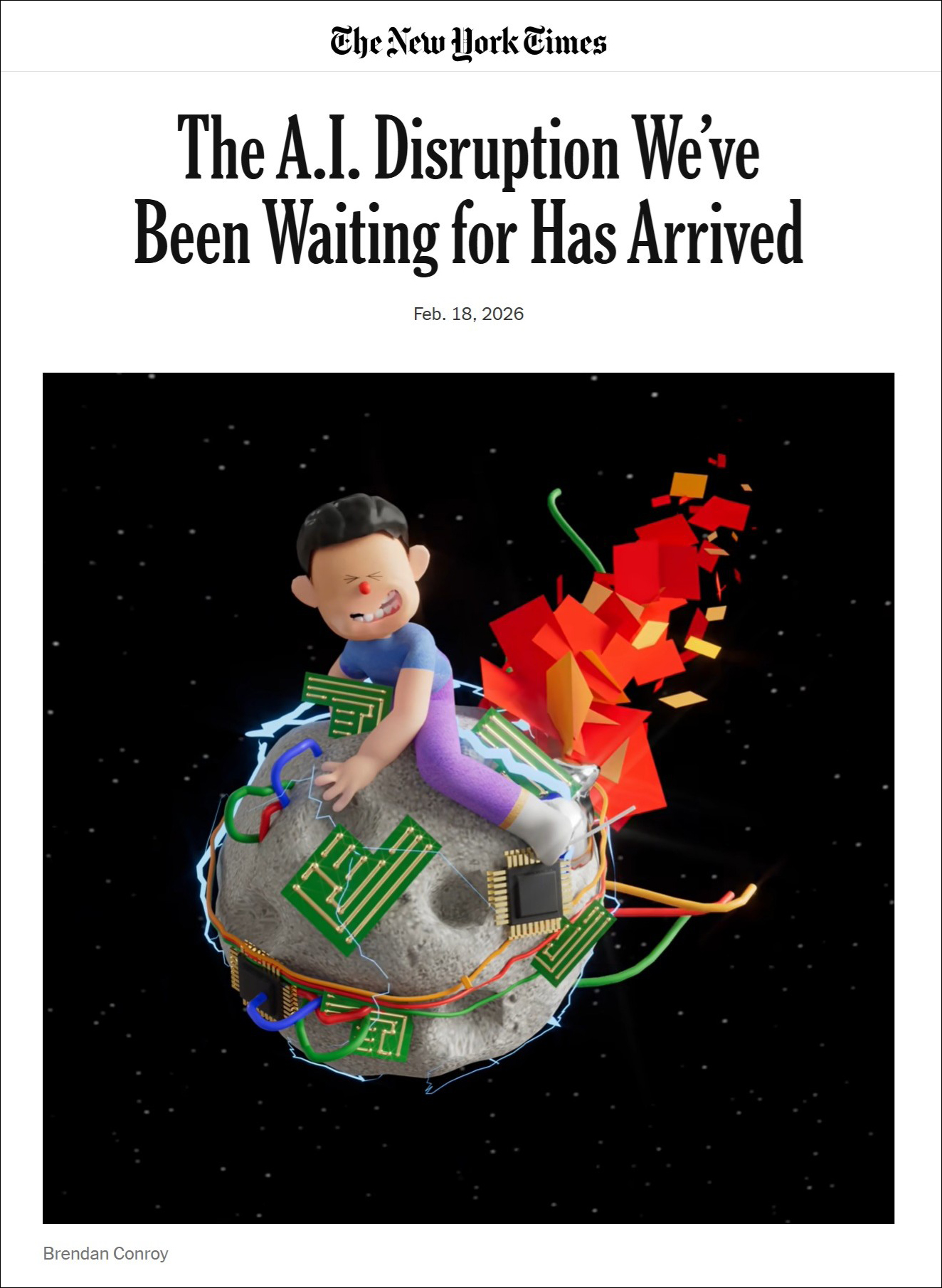
November was, for me and many others in tech, a great surprise.
Before, A.I. coding tools were often useful, but halting and clumsy.
Now, the bot can run for a full hour and make whole, designed websites and apps that may be flawed, but credible.
I spent an entire session of therapy talking about it.
The tech industry is a global culture — an identity based on craft and skill. Software development has been a solid middle-class job for a long time.
But that may be slipping away.
What might the future look like if 100 million, or a billion, people can make any software they desire?
Could this be a moment of unparalleled growth and opportunity as people gain access to tech industry power for themselves?
– Paul Ford writing in a guest essay for the New York Times
Off the top of my head I can think of a few things I would like to vibe code:
A bot that can search Ebay and the half dozen online stores for me to find postage stamps that I am looking for (Ebay’s new terms ban the use of AI bots for searches— but my bot will outsmart Ebay and elude detection);
A bot that can teach me to speak a little bit of a foreign language before I travel to that country (Duolingo and AI chat bots can just about do that already);
A PC housekeeping app that can learn how I use the directories on my computer and organize my files accordingly, especially ones I download and have to forever —aargh— retrieve from the Download folder and move elsewhere, or remember to go and delete them;
An all-in-one weather app that will tell me at the end of the day what the day’s high and low was (in both the international standard unit of measure called Celsius and Fahrenheit), what the precipitation was (if any), high wind speed & direction, UV index, atmospheric pressure, sky conditions (cloud cover) and hey, throw in phase of the moon, so that I have a heads-up for when the full moon is coming;
A sports app that will track where and exactly when Carlos Alcaraz (world No 1 tennis player) is scheduled to be playing next, and alert me.