There was light rain this afternoon, but I took my umbrella and went for a walk around the neighborhood.
a weblog of whereabouts & interests, since 2010
There was light rain this afternoon, but I took my umbrella and went for a walk around the neighborhood.
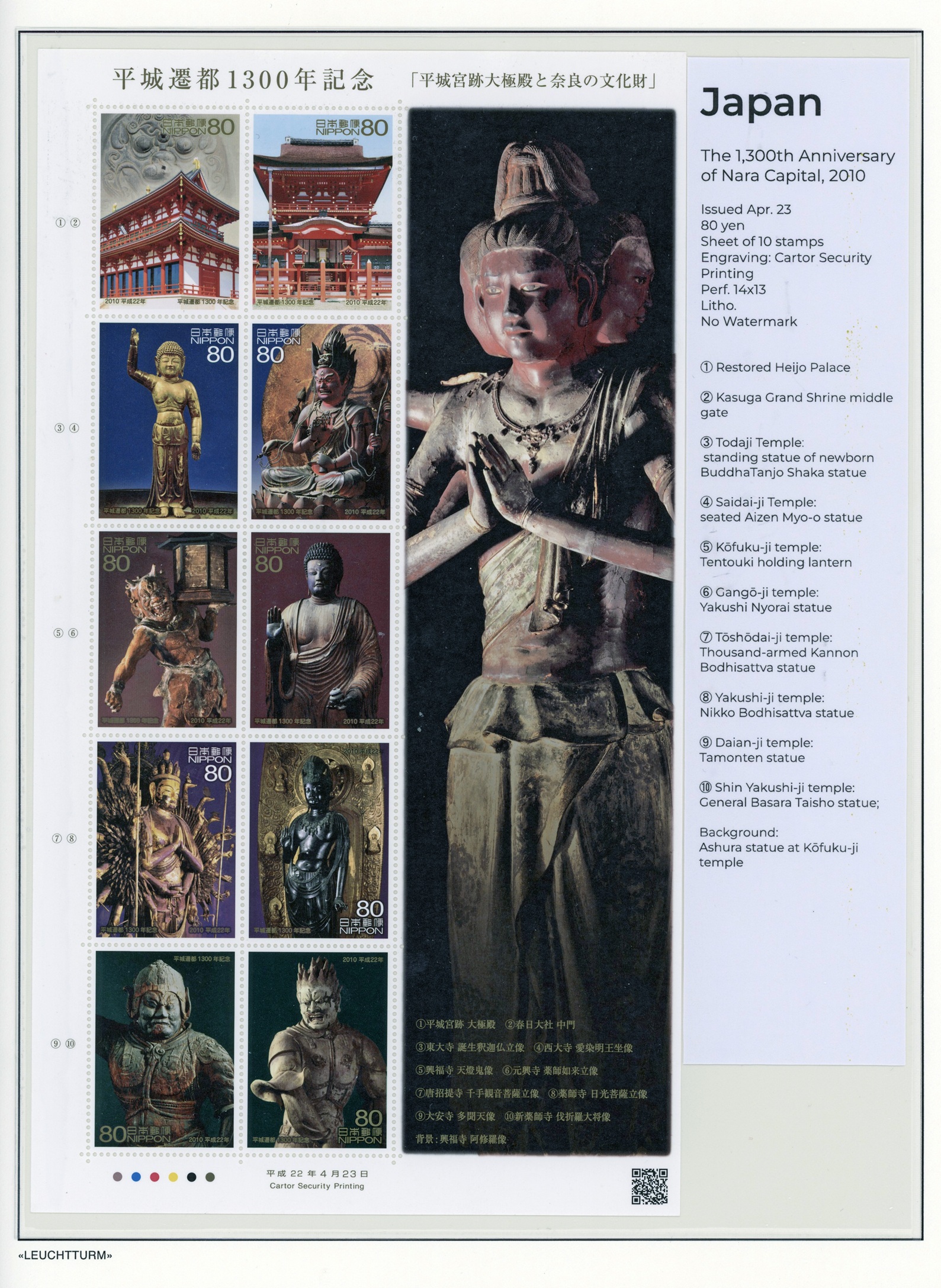
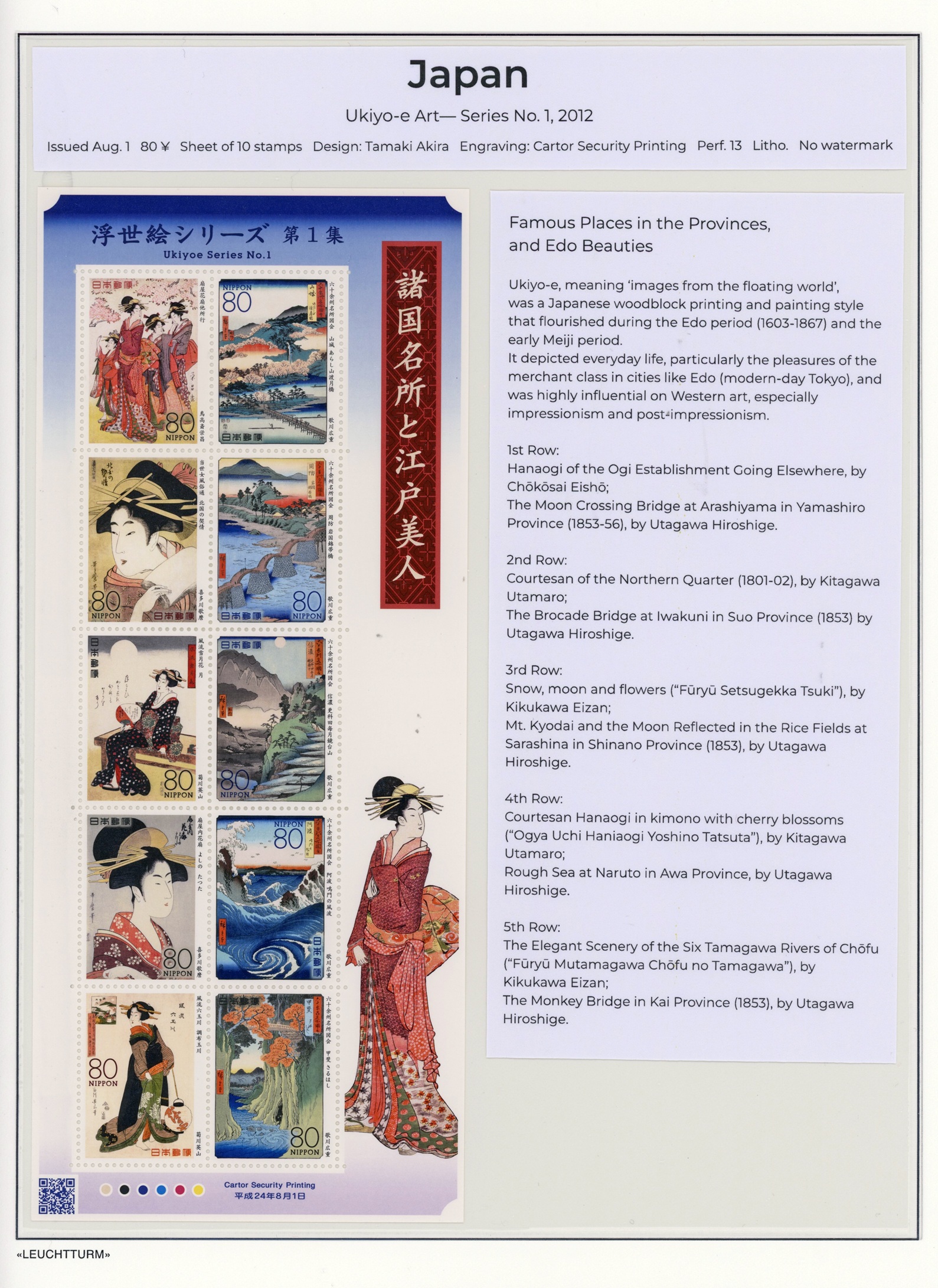
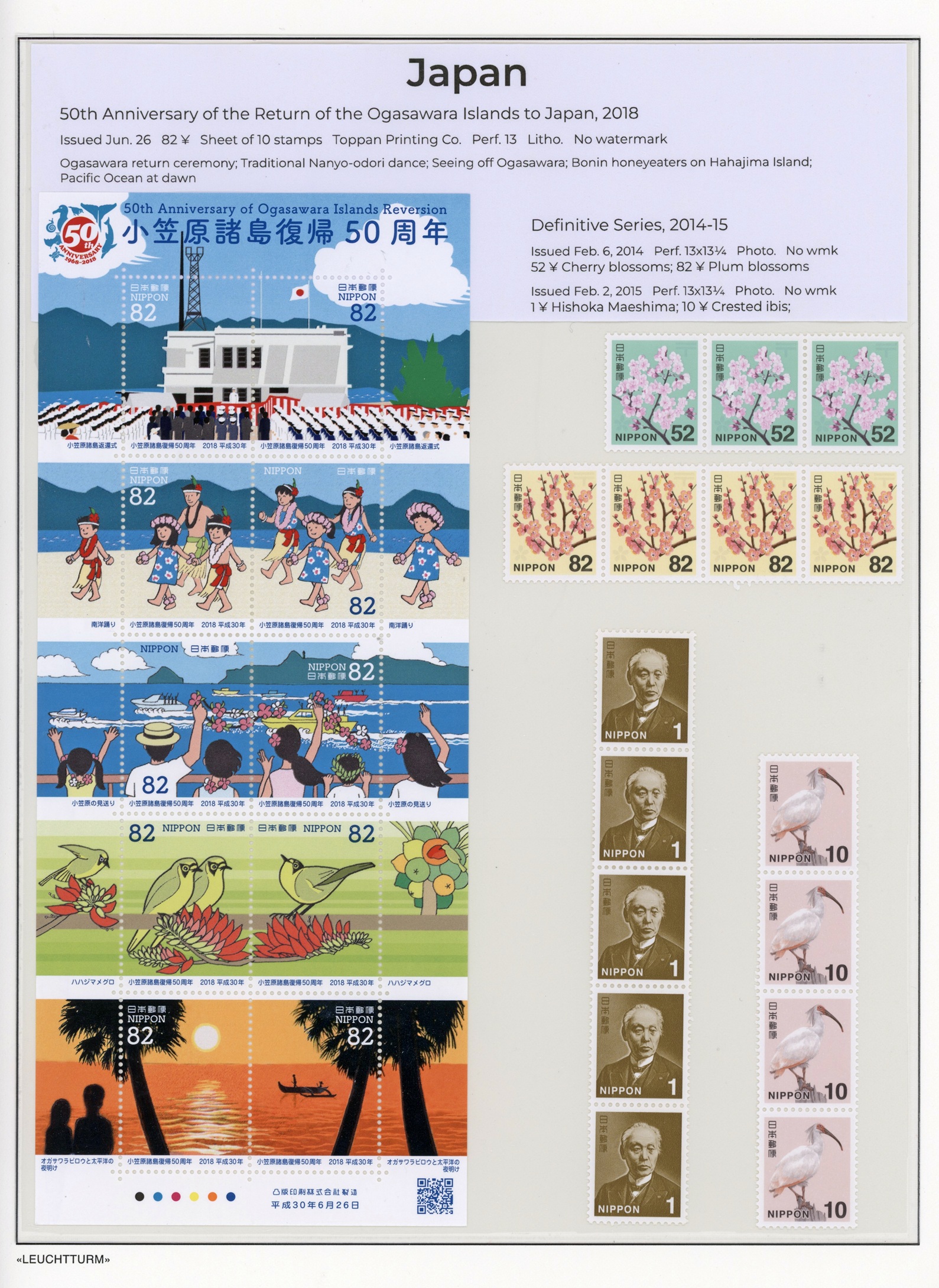
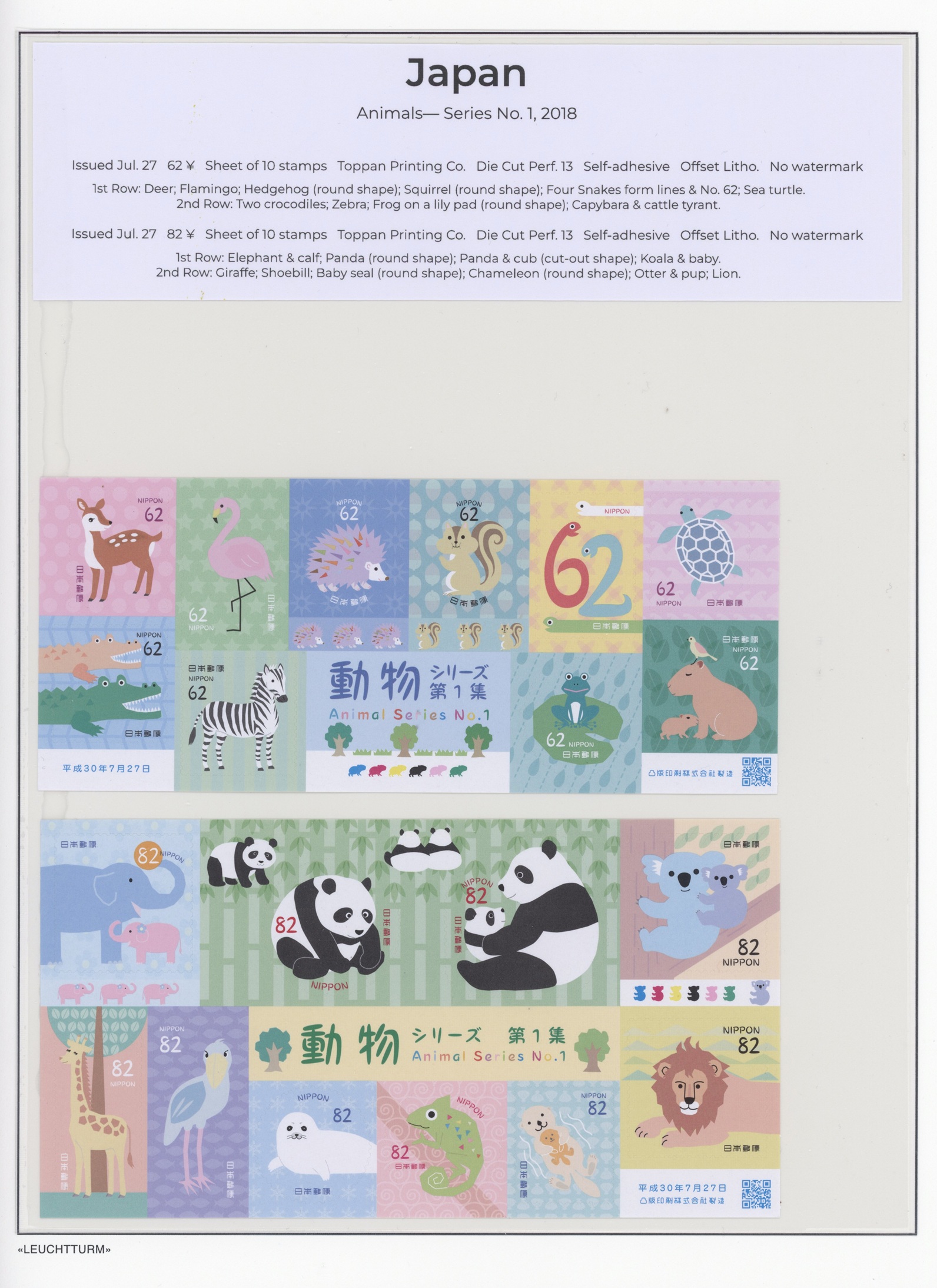
I completed a few more pages with stamps from Japan for my ‘world travels’ album.
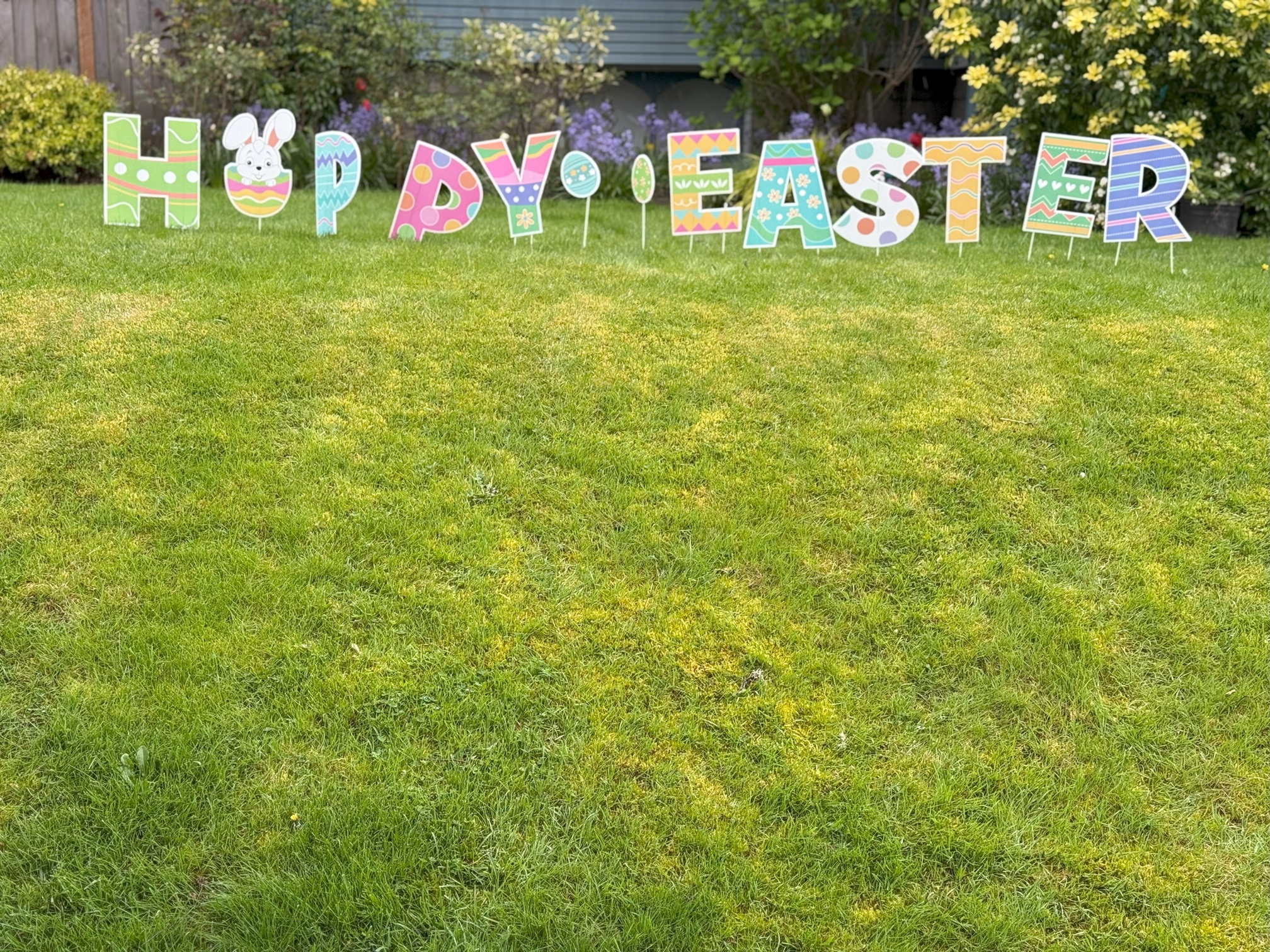
Happy Friday, and Happy Easter.
We had sunny weather all week here in the city, and today the temperatures touched 70°F (21°C).
It will be cooler with a little bit of rain over the weekend.
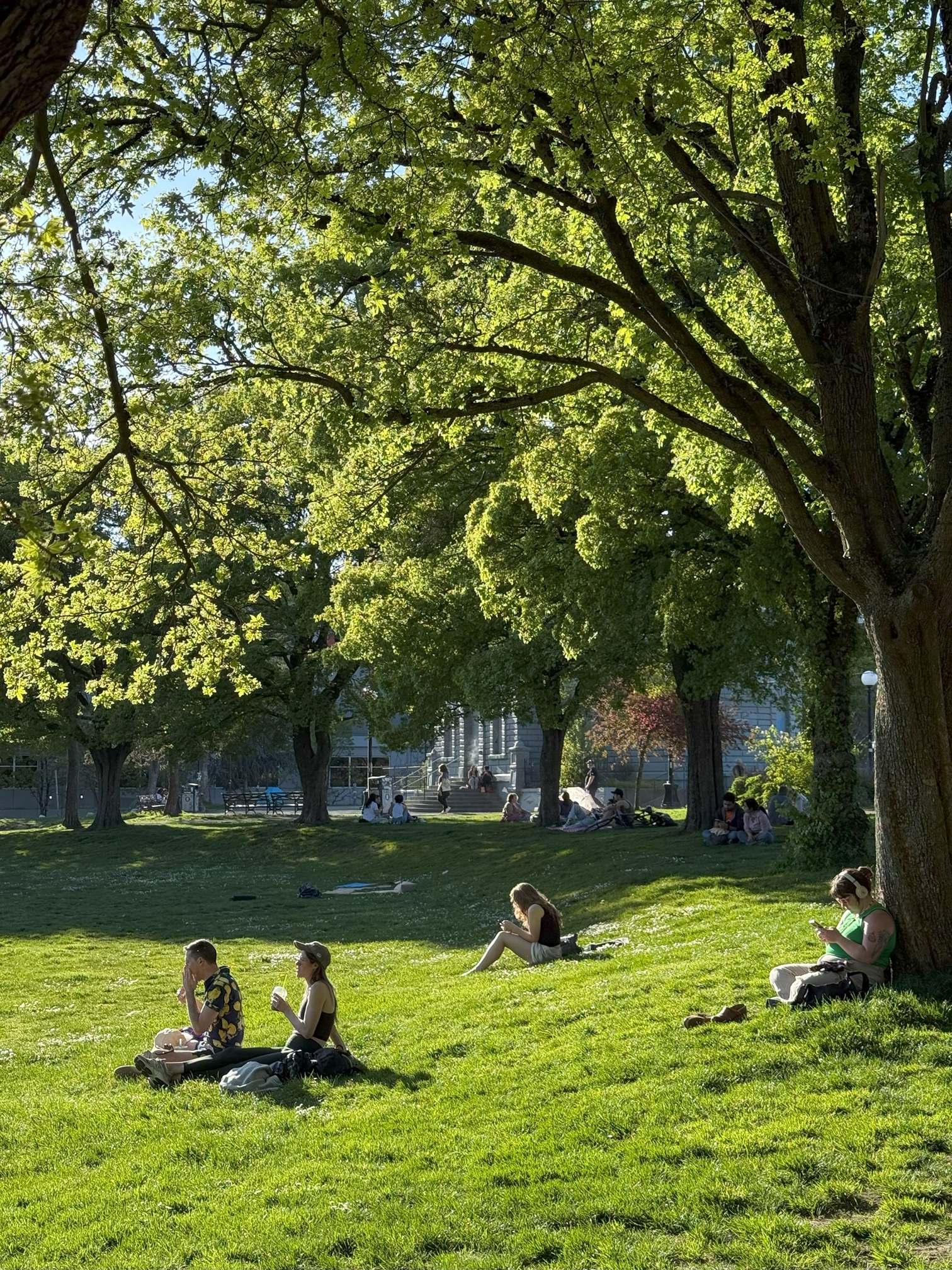
Here’s a cute cartoon that was published in The New Yorker magazine from March 31.
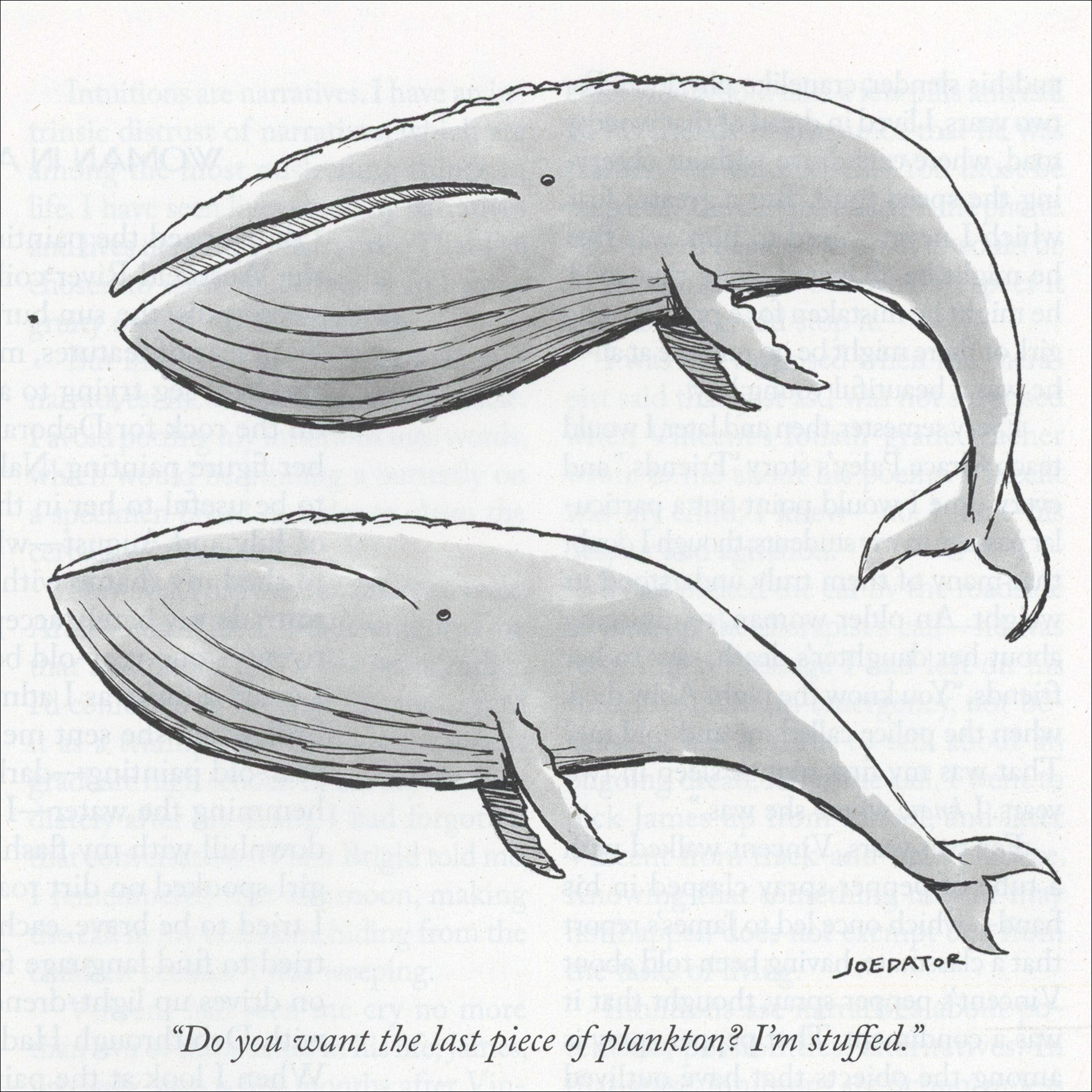
From NOAA’s website: Plankton are incredibly important to the ocean ecosystem, and very sensitive to changes in their environment, including in the temperature, salinity, pH level, and nutrient concentration of the water. When there are too many of certain nutrients in the water, for instance, harmful algal blooms like red tides are the result. Because many zooplankton species eat phytoplankton, shifts in timing or abundance of phytoplankton can quickly affect zooplankton populations, which then affects species along the food chain. Researchers are studying how climate change affects plankton, from the timing of population changes to the hardening of copepod shells, and how those effects ripple through ecosystems.
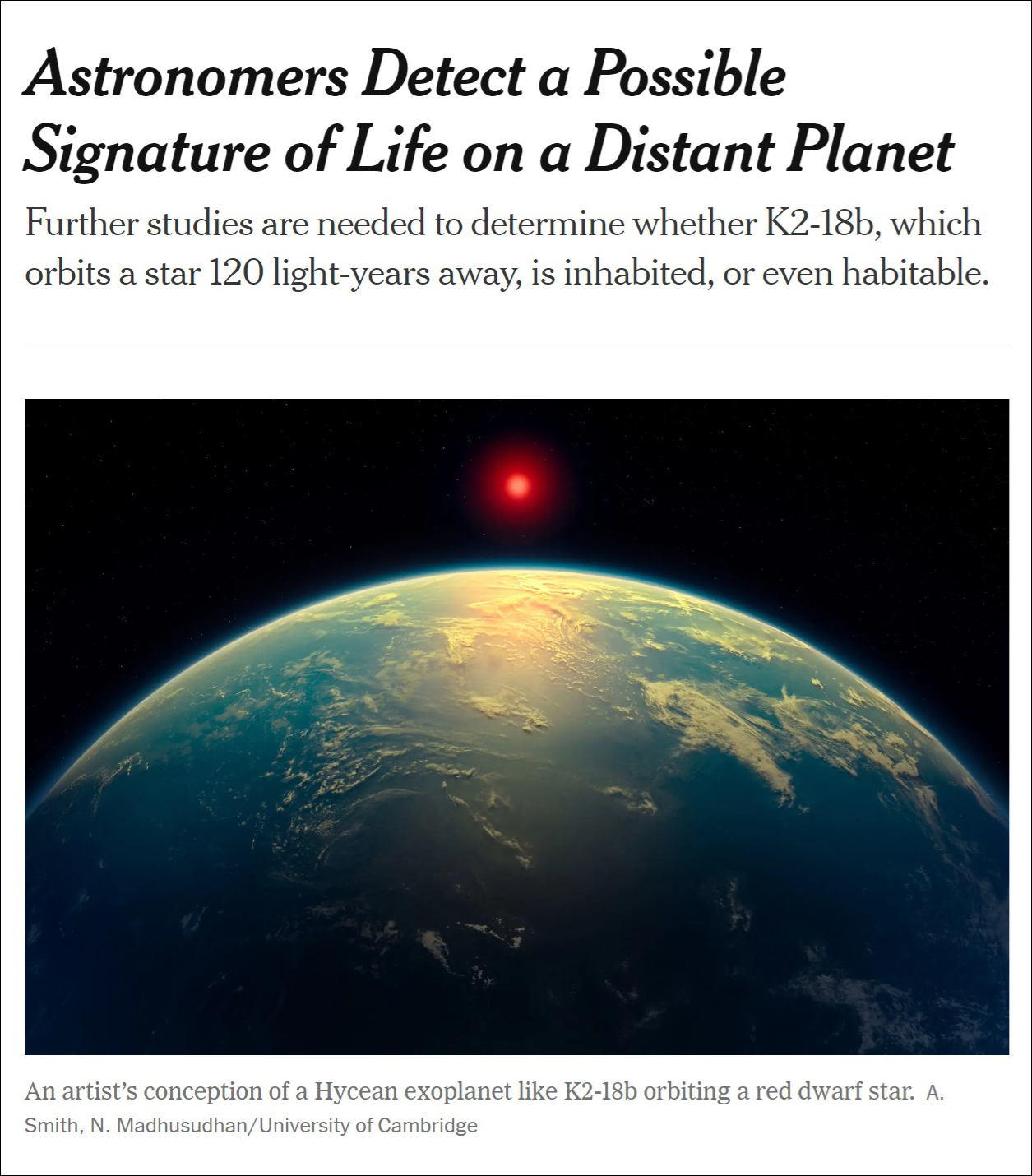
While inspecting K2-18b, Dr. Madhusudhan and his colleagues discovered it had many of the molecules they had predicted a Hycean planet would possess. In 2023, they reported they had also detected faint hints of another molecule, and one of huge potential importance: dimethyl sulfide (CH₃)₂S, which is made of sulfur, carbon, and hydrogen.
On Earth, the only known source of dimethyl sulfide is life. In the ocean, for instance, certain forms of algae produce the compound, which wafts into the air and adds to the sea’s distinctive odor. Long before the Webb telescope was launched, astrobiologists had wondered whether dimethyl sulfide might serve as a sign of life on other planets.
Carl Zimmer writing for the New York Times
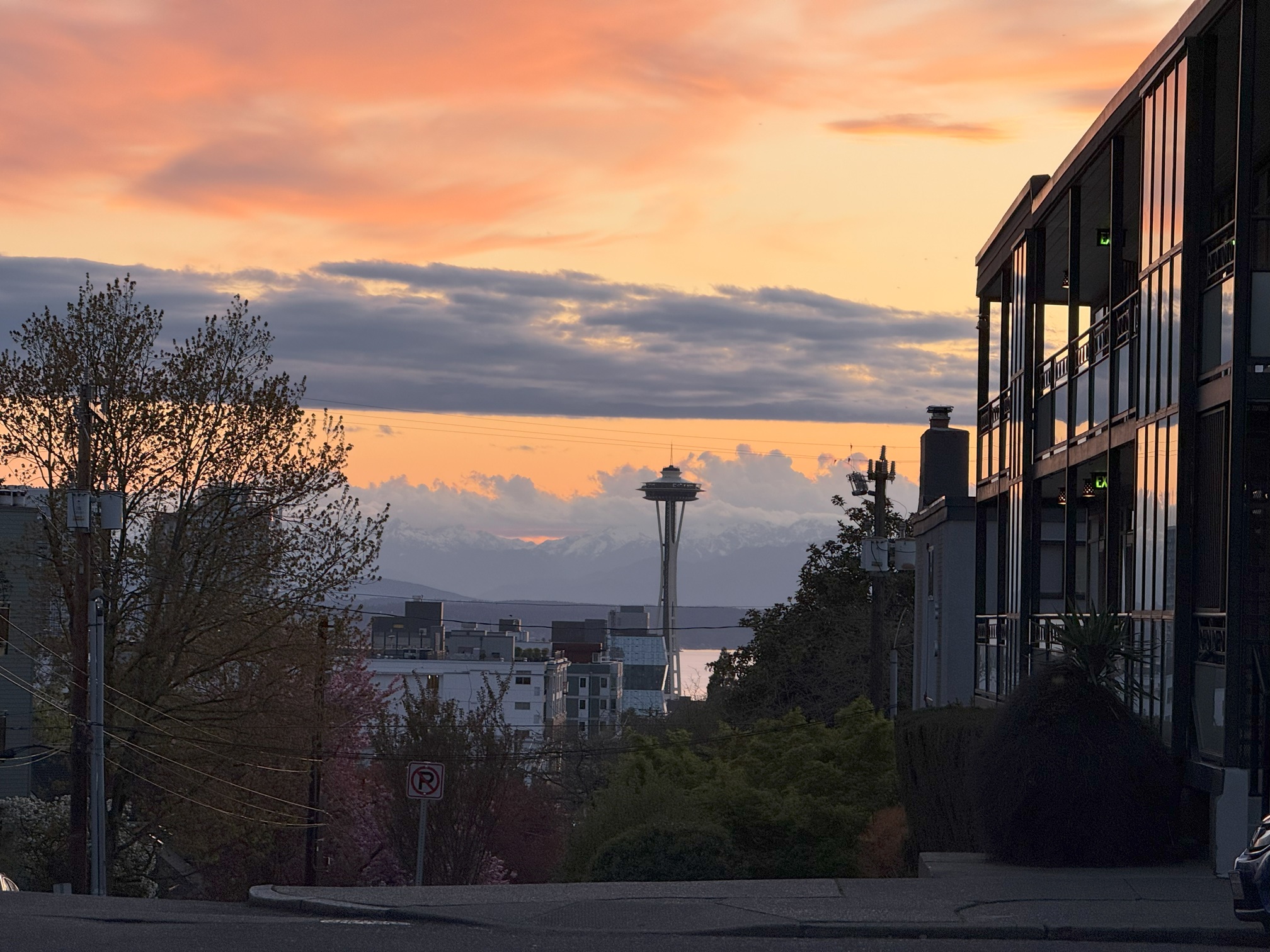
The first 8 o’clock sunset of the year is here.
I bought these sheets of stamps at the post office museum shop high up in Skytree tower in Tokyo in 2018.
These pages will go into my ‘World Travels’ stamp album.
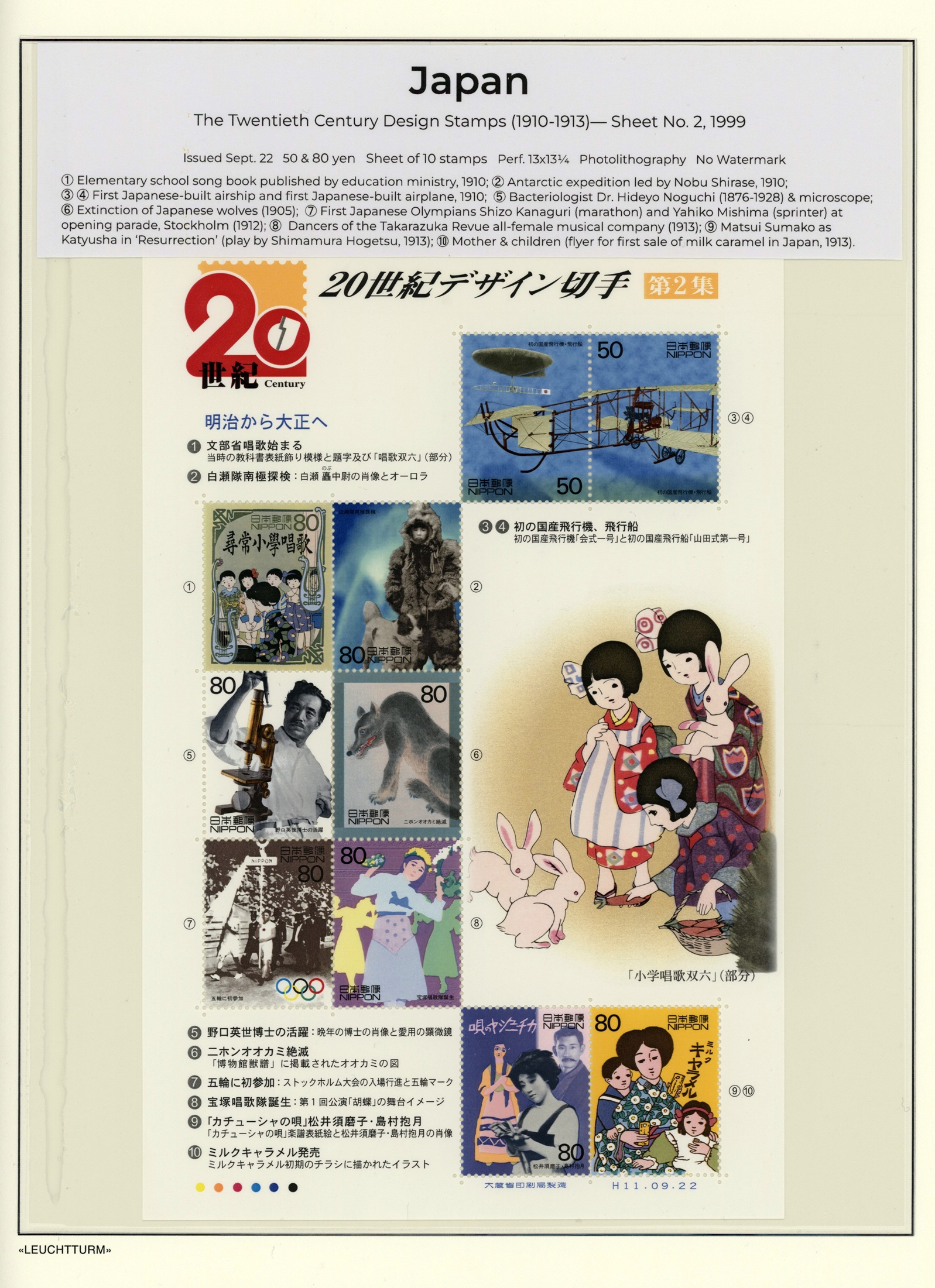

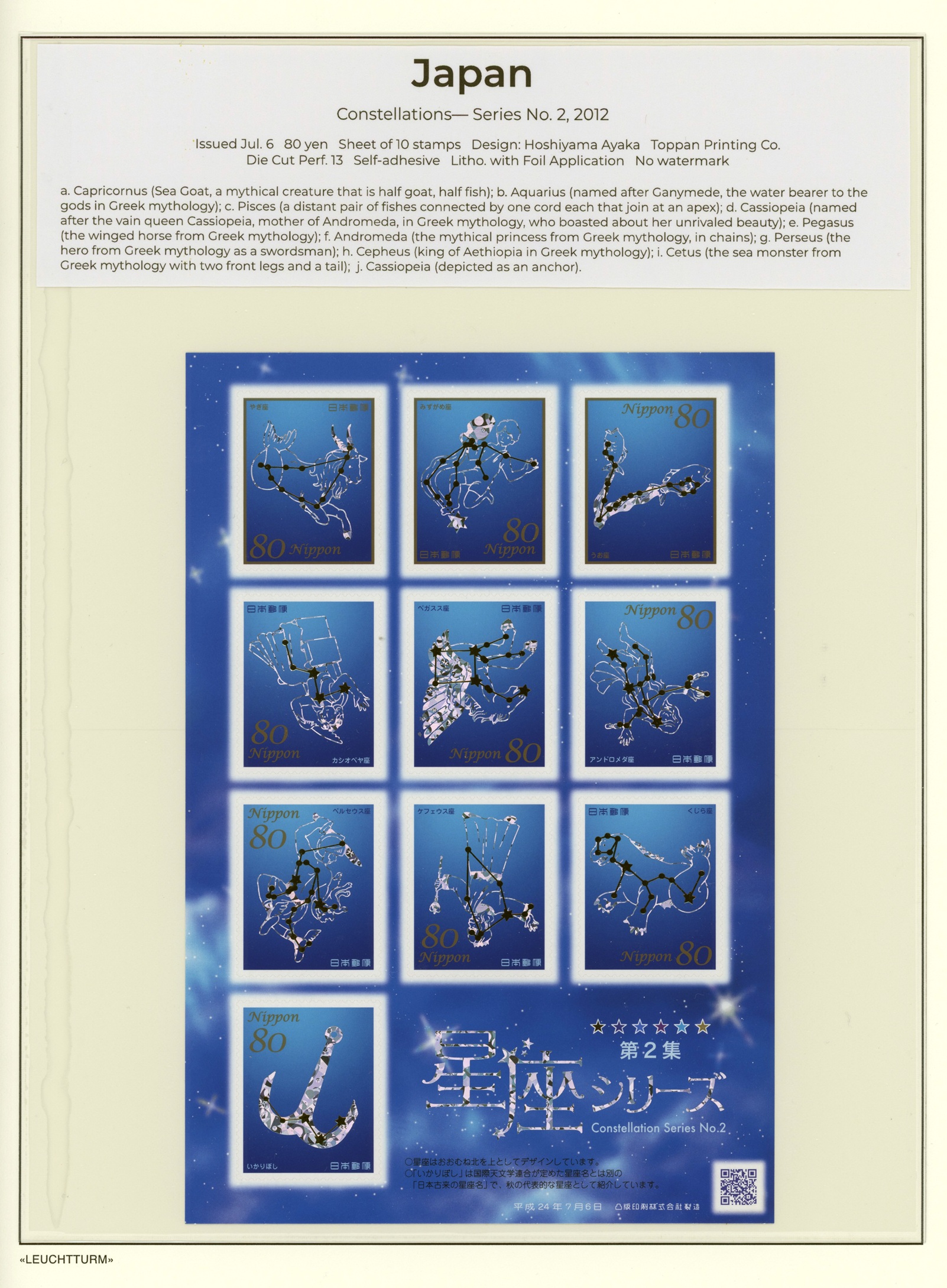
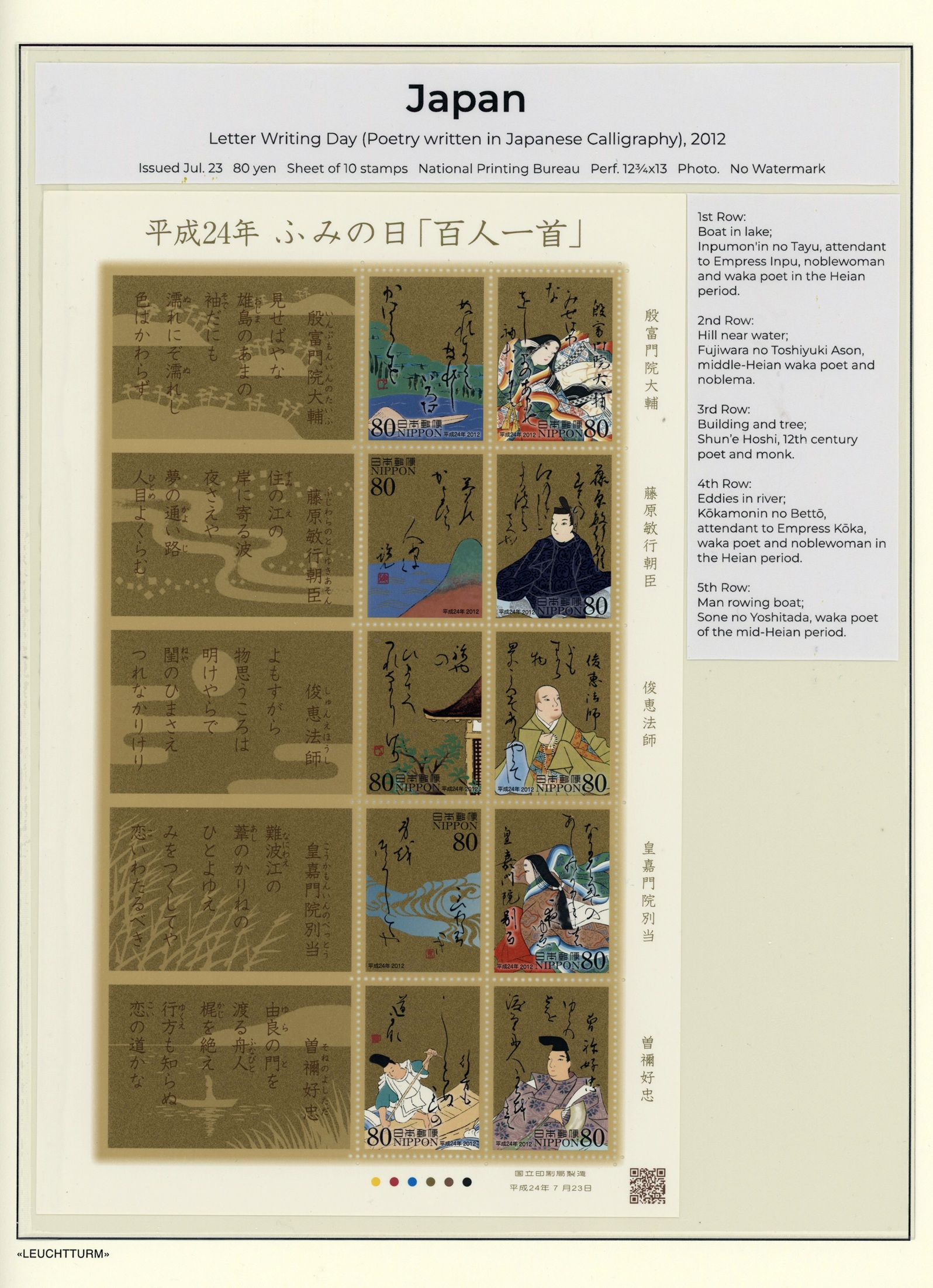
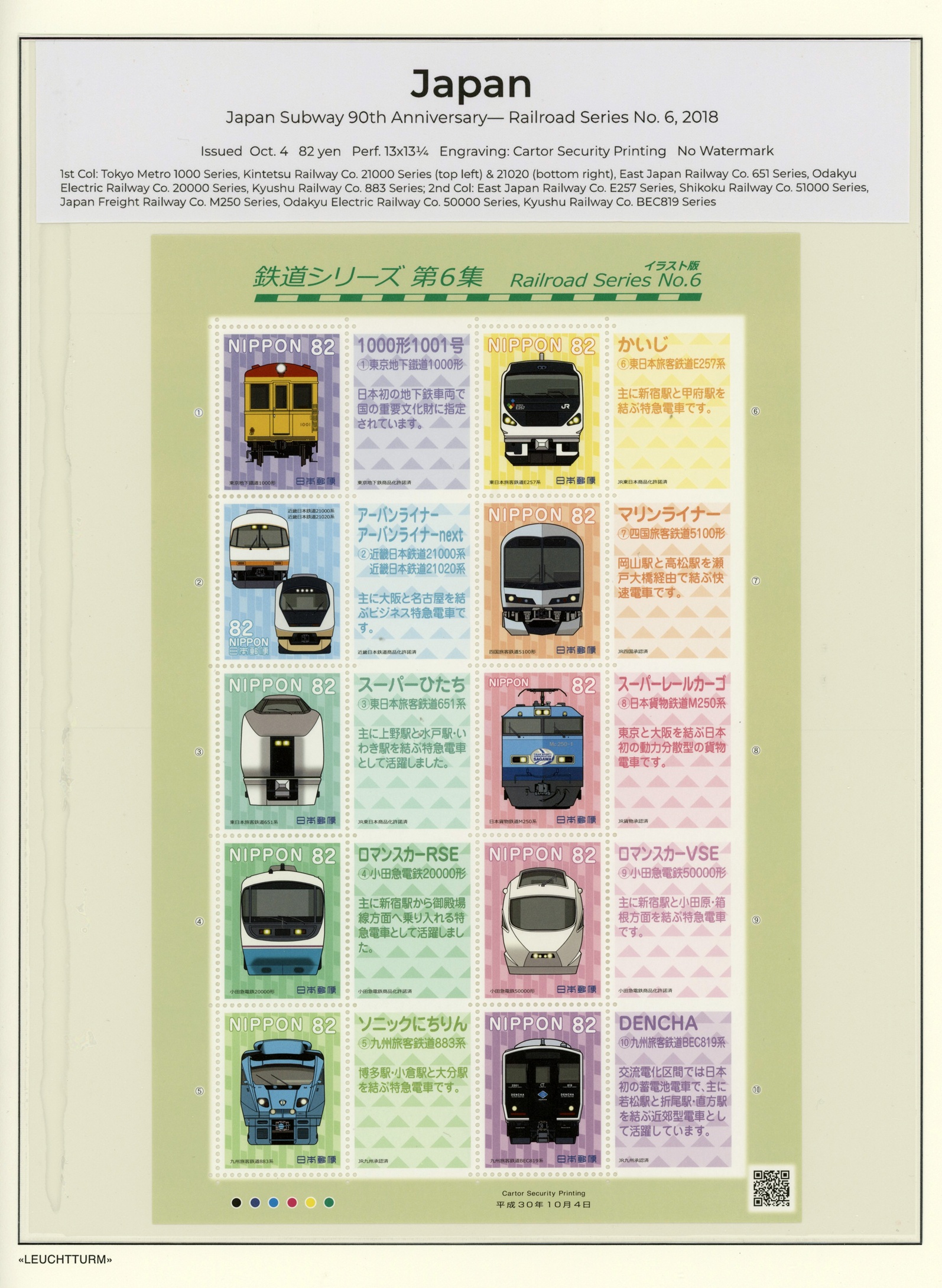
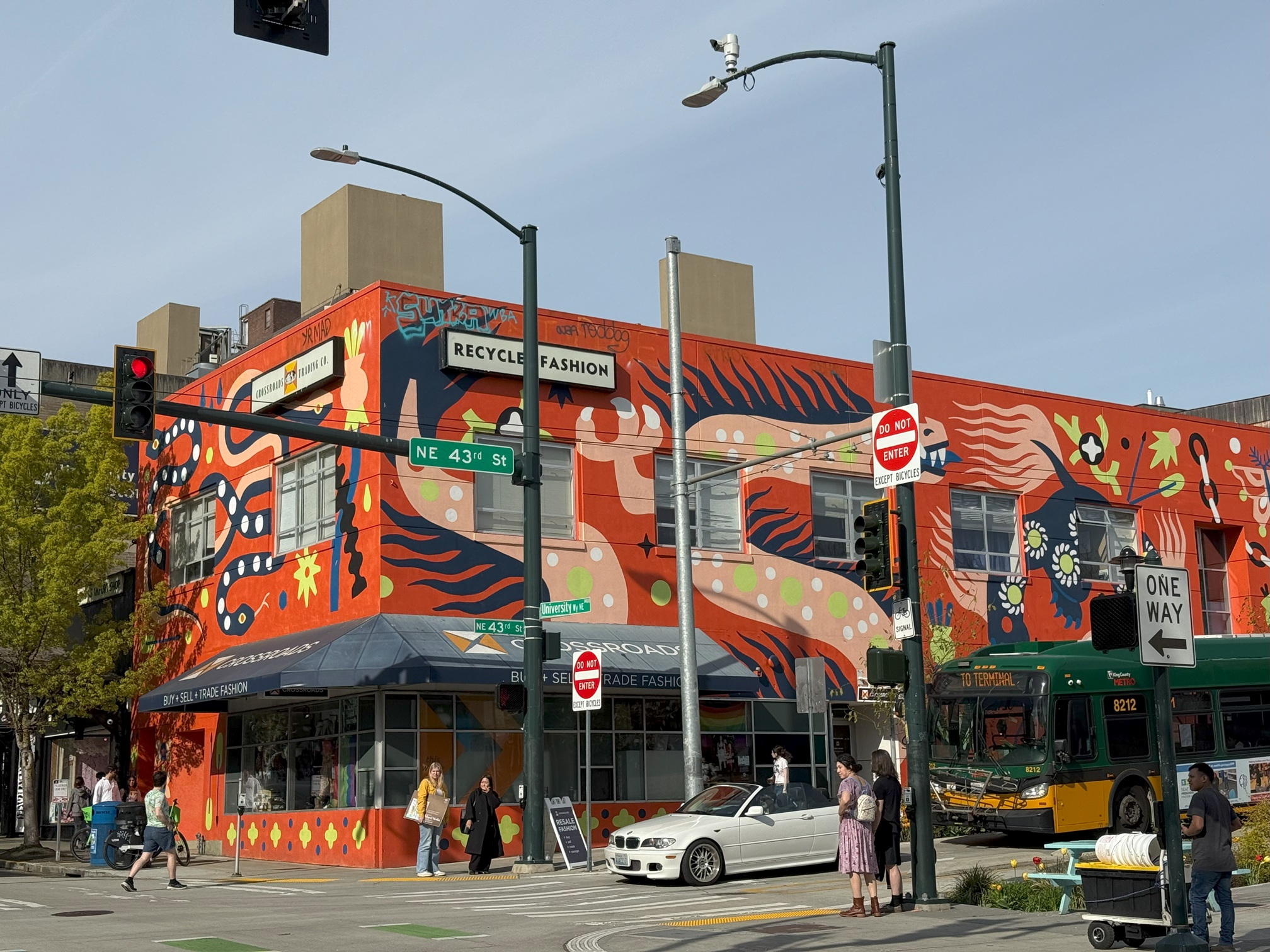
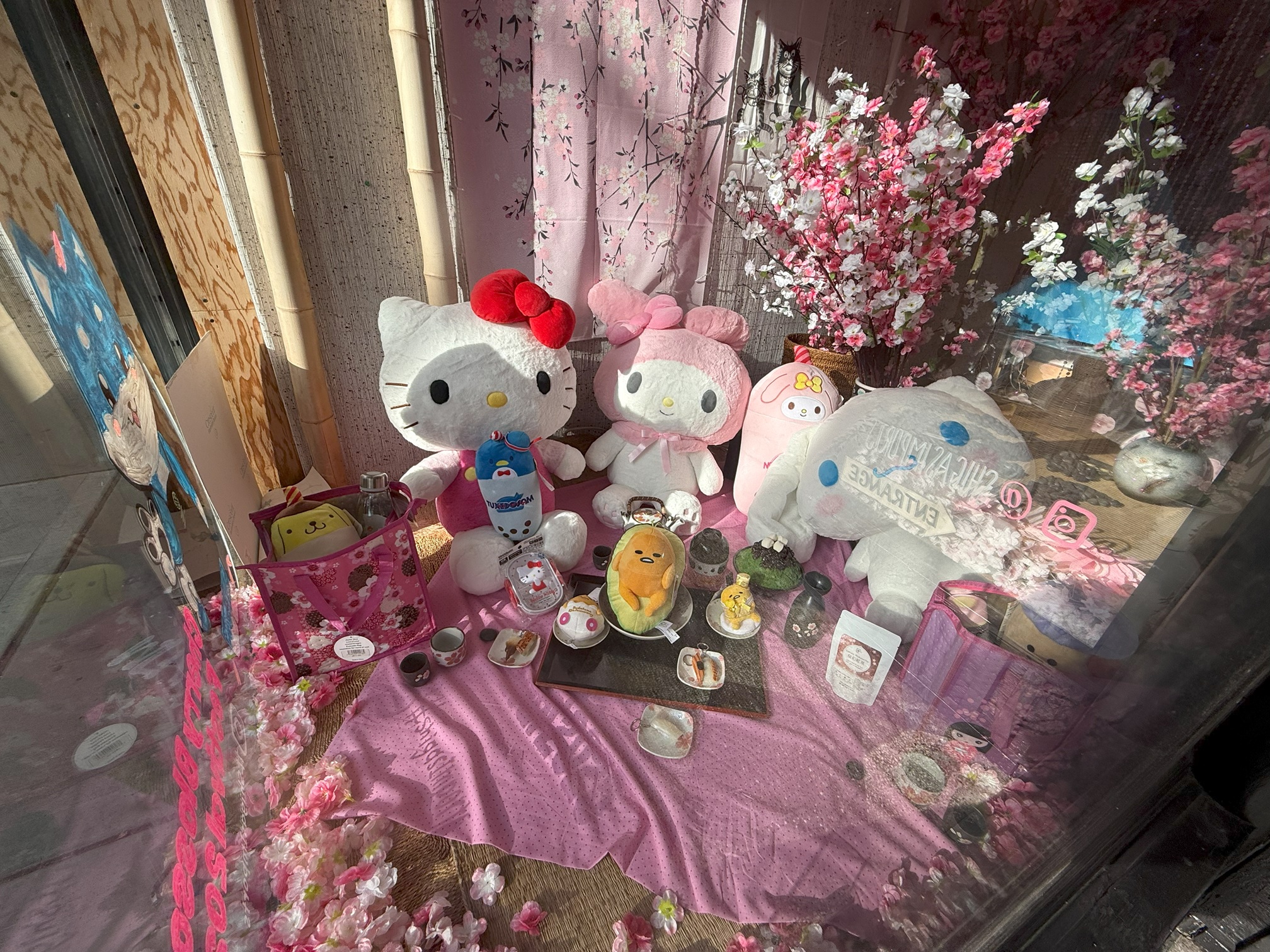
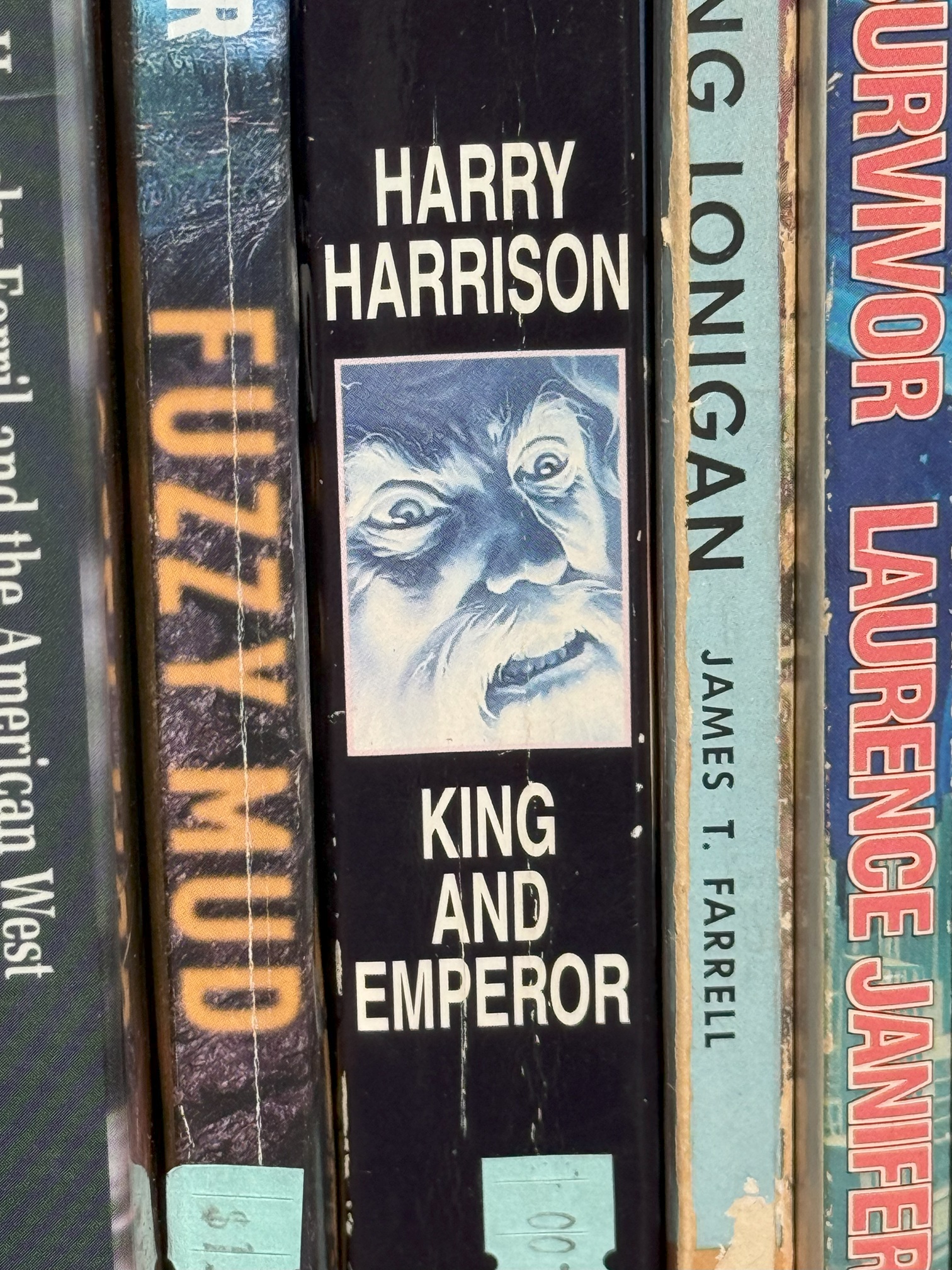
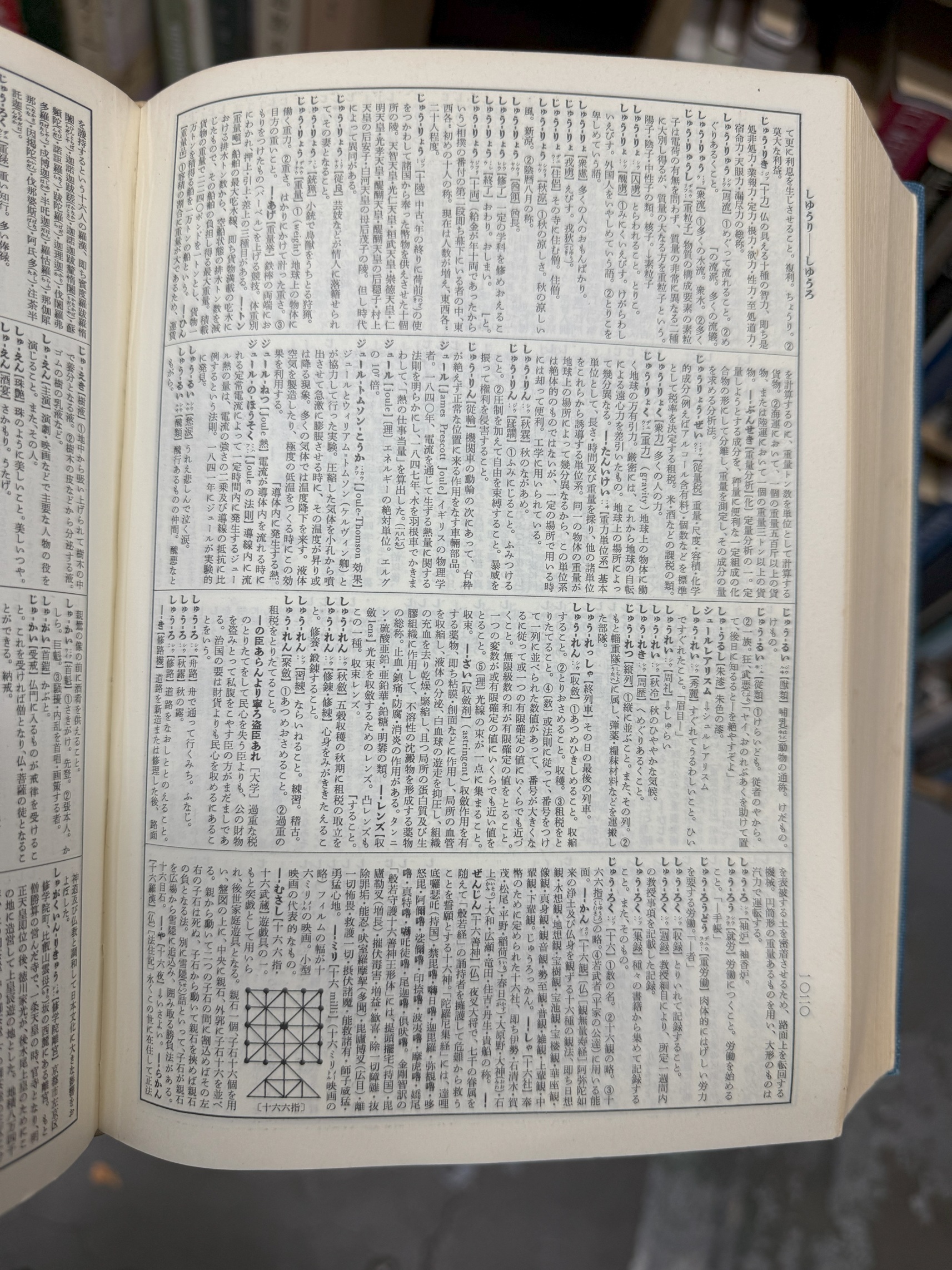
It was time for a jaunt to U-district on the light rail today.
The books are from Magus second-hand bookstore and the other pictures are all from around University Way NE.
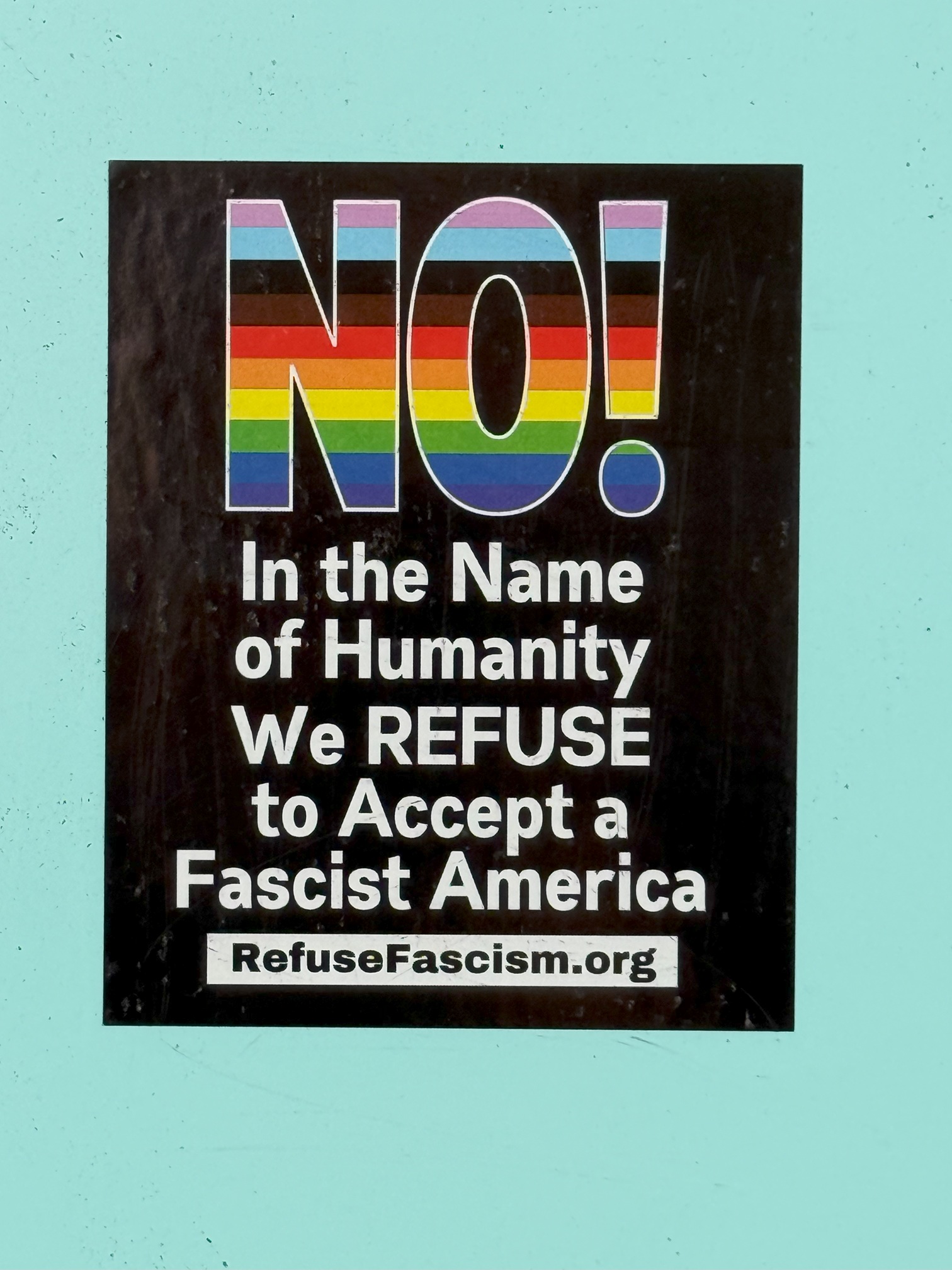
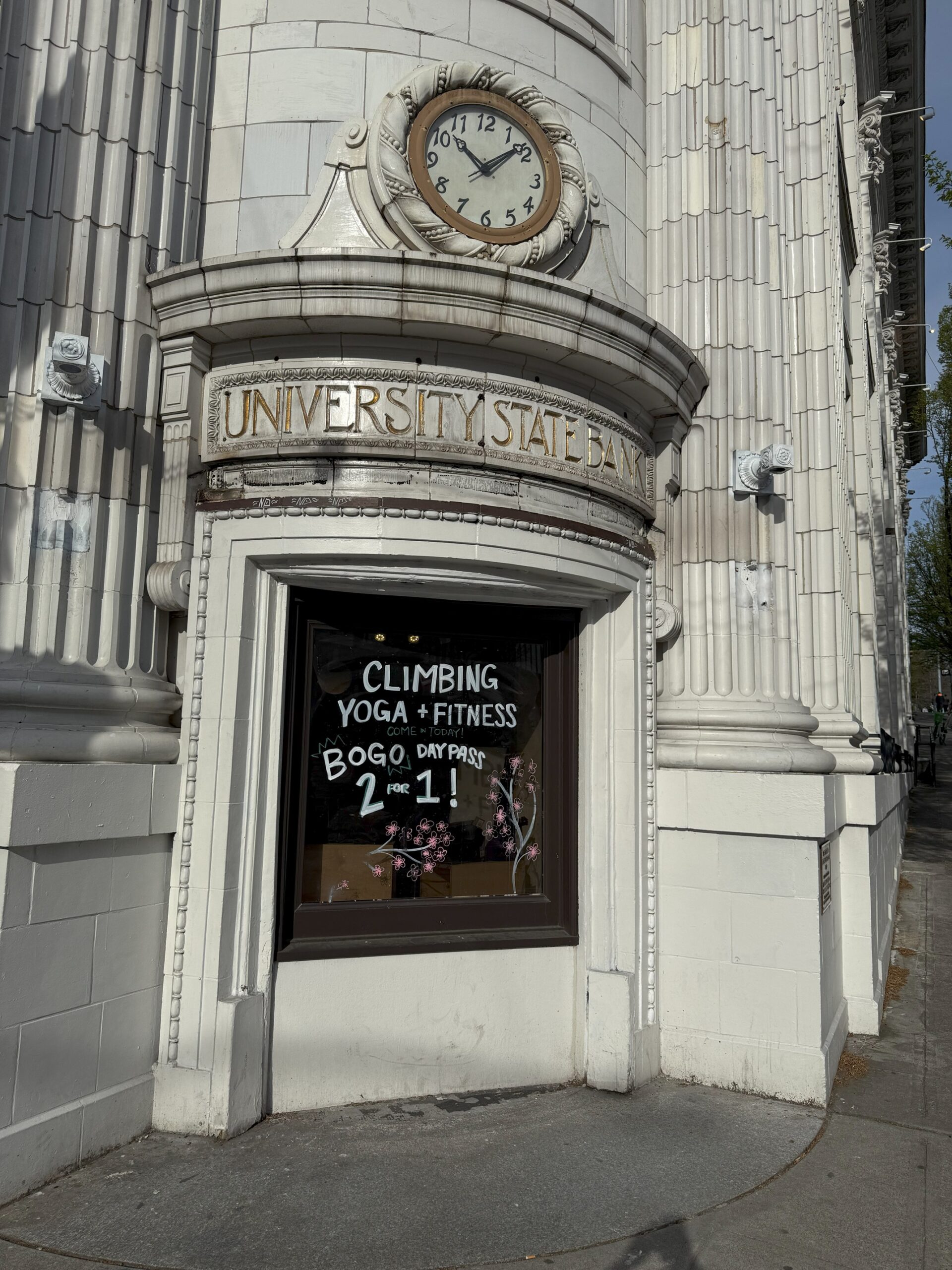
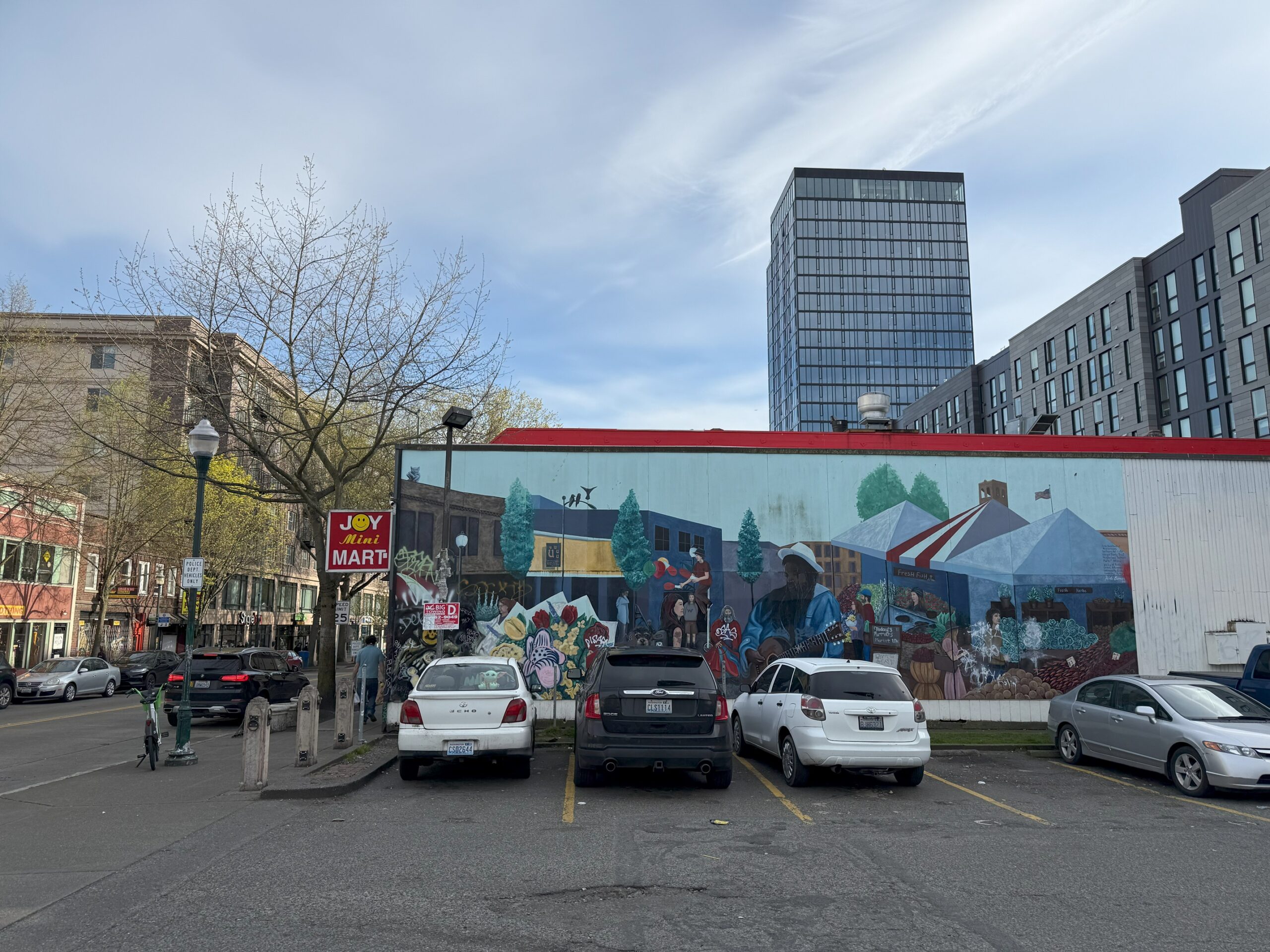
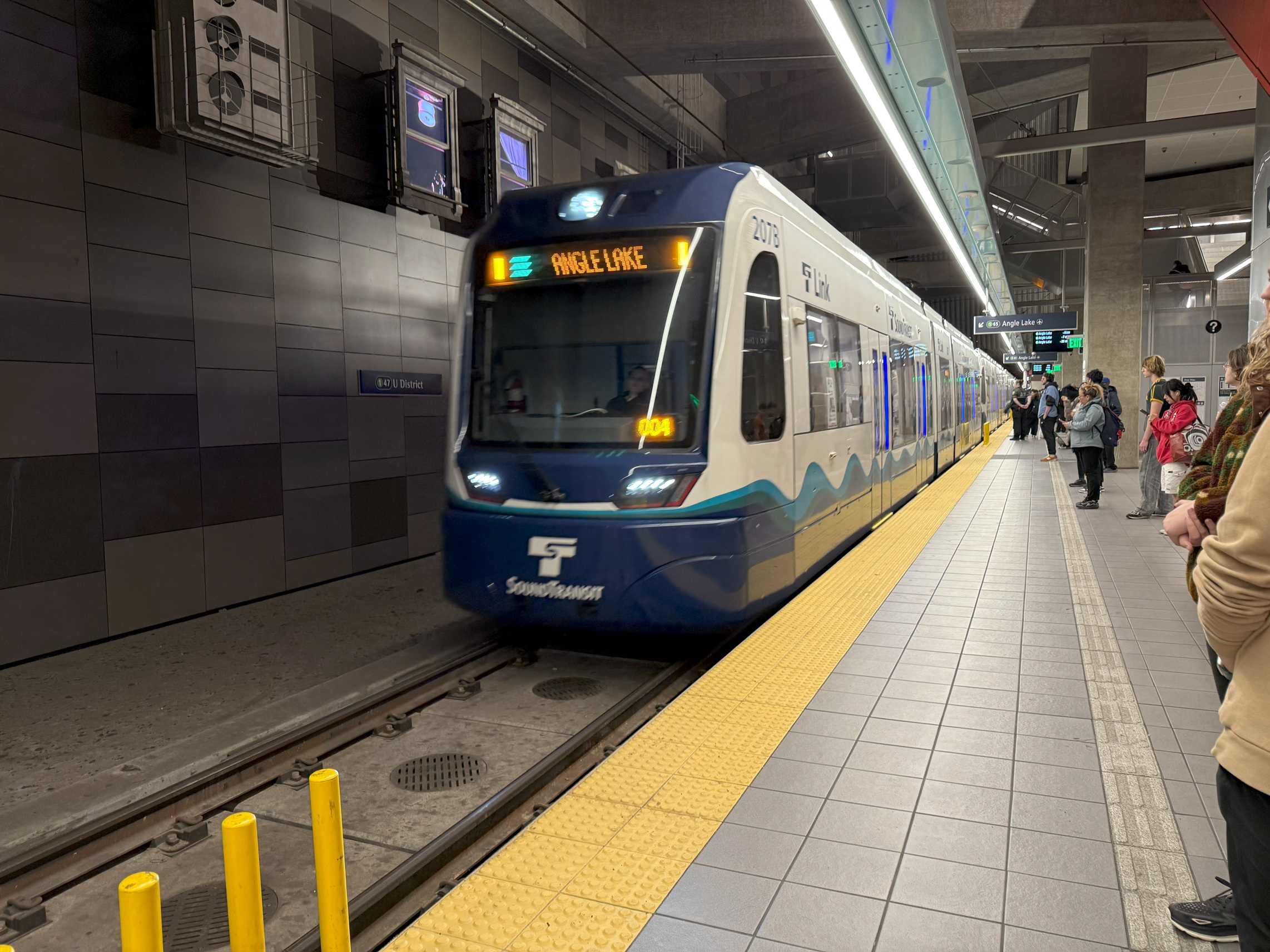
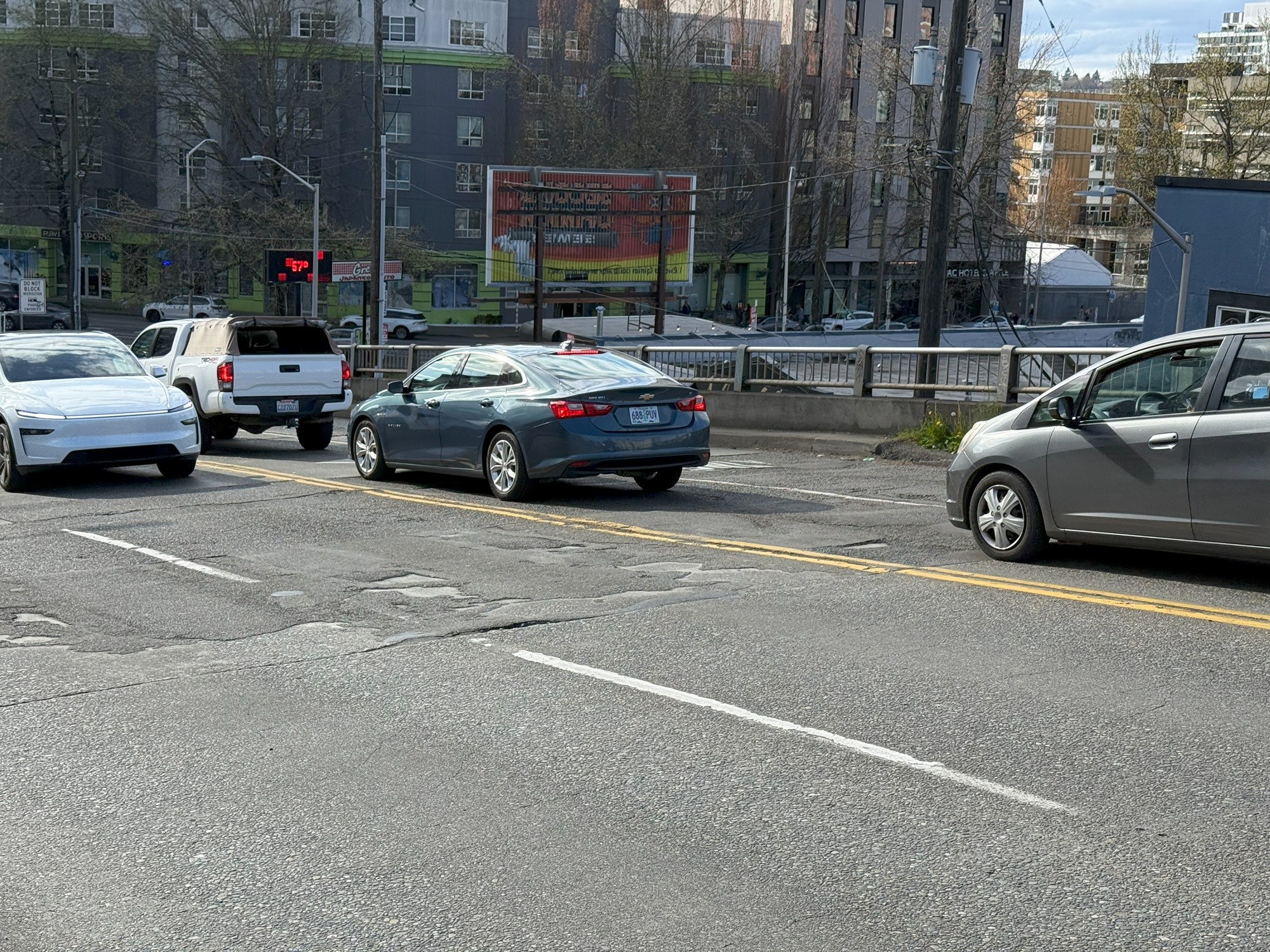
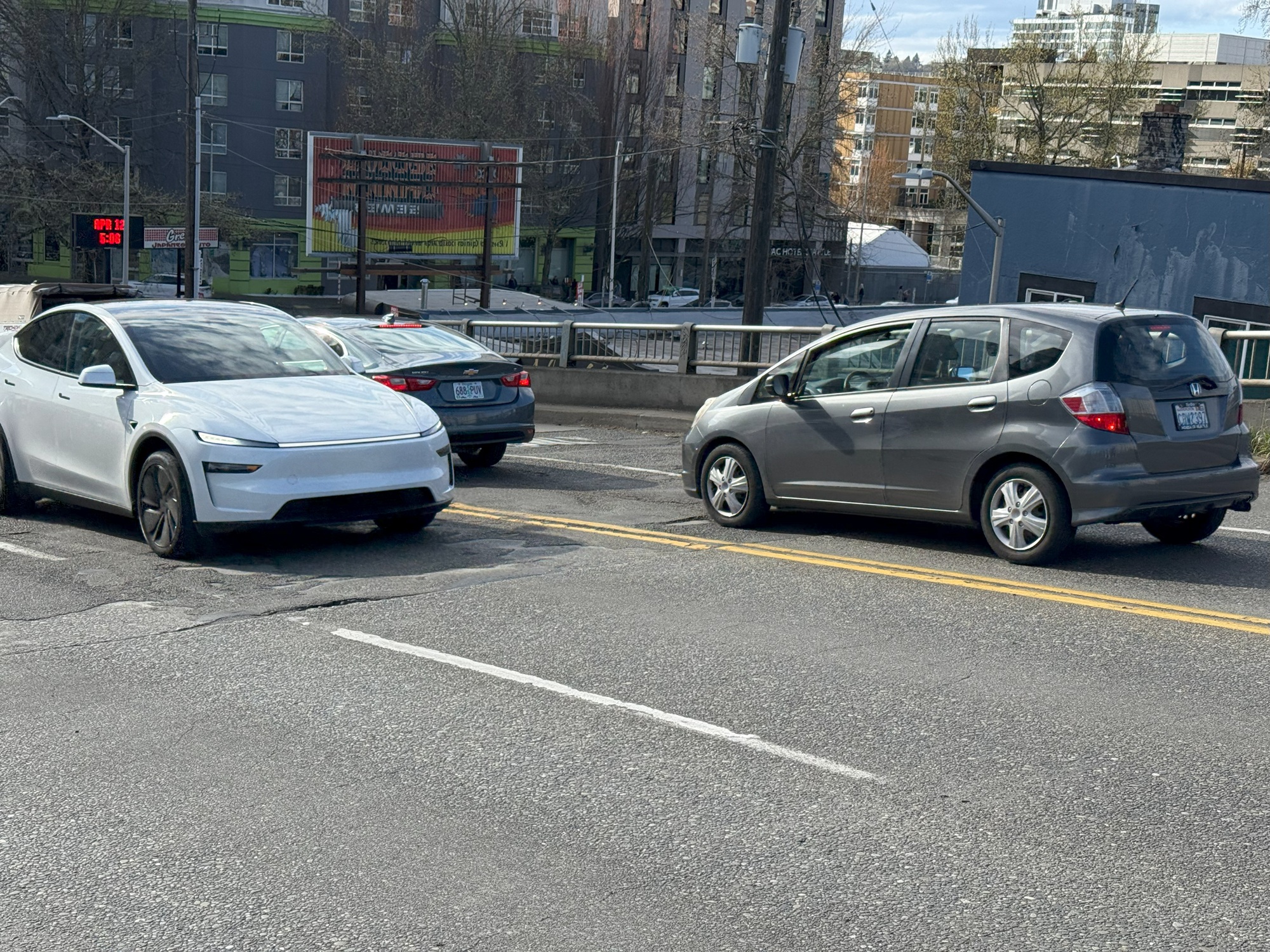
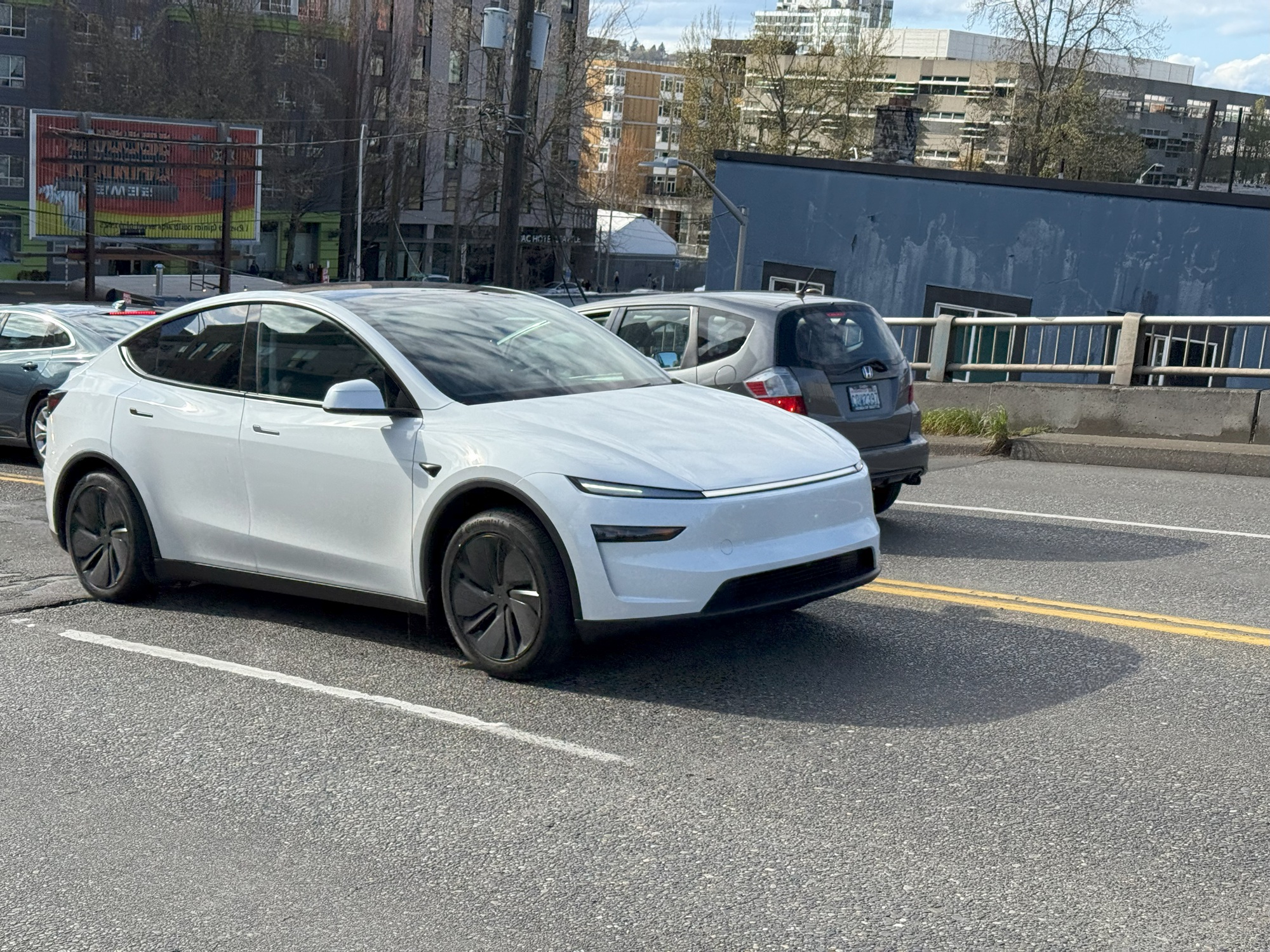
Here’s the new Tesla Model Y, a pearl white one that I spotted on the Denny Way overpass over I-5 today.
I was on the sidewalk and I should have swung around to take a picture of the rear end of the vehicle as well— but I didn’t.
Tesla’s website says these are ‘Available Today’. It will set you back $50,630 ($43,130 if you are eligible for the $7,500 federal tax credit for electric vehicles).
Meanwhile, Tesla’s website in China no longer offers the Model S and Model X (imports from the USA), after Beijing raised tariffs on U.S. imports in response to President Trump’s levies against the country.
The Model S and Model X are expensive cars and not big sellers in China, though. Even so— China’s tariffs on US goods are now at 125%*, after President Donald Trump’s decision to hike duties on Chinese goods to 145%.
*Observers say China does not need to raise tariffs any higher than this. This is effectively an embargo against imports from America.
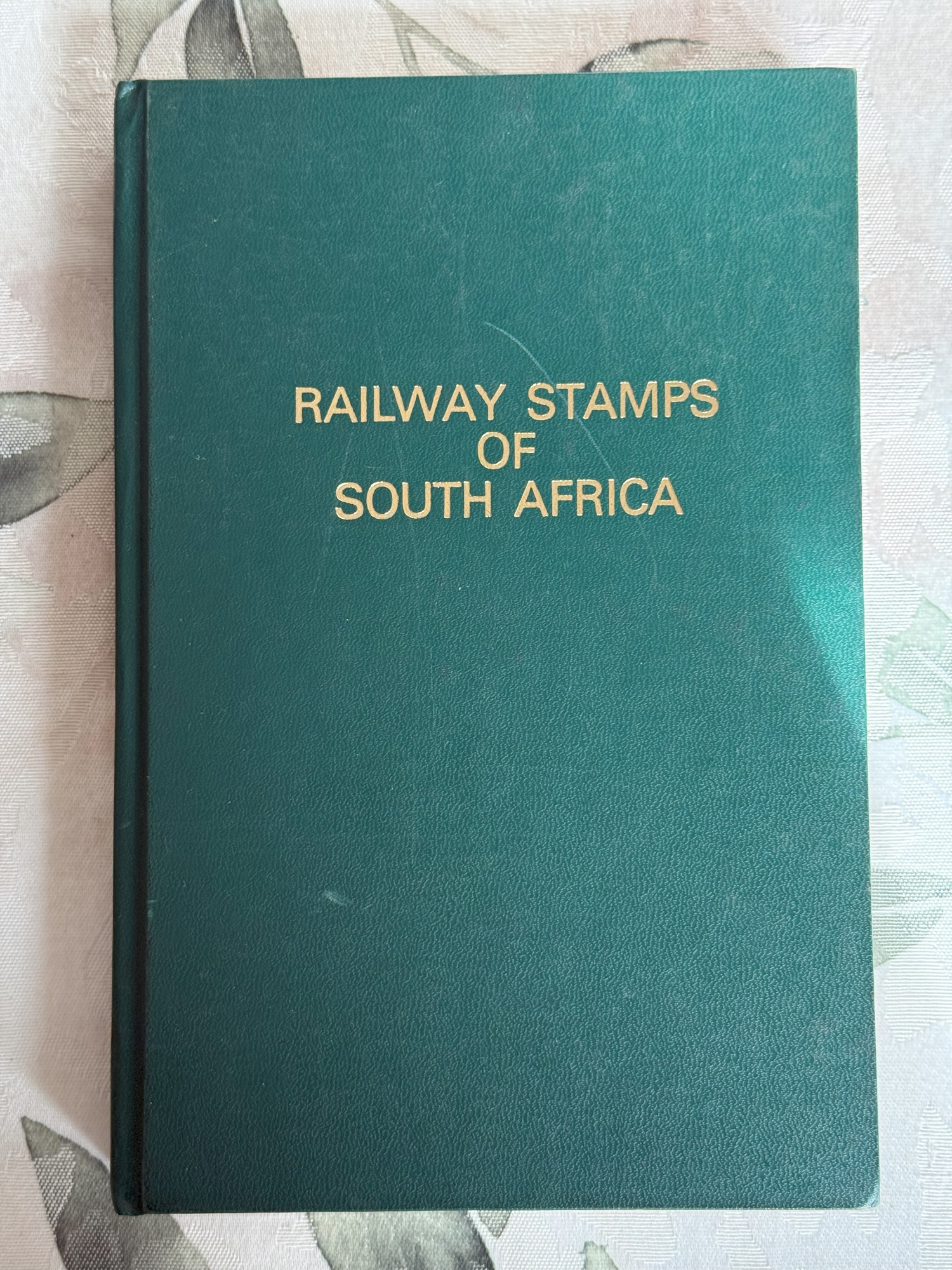
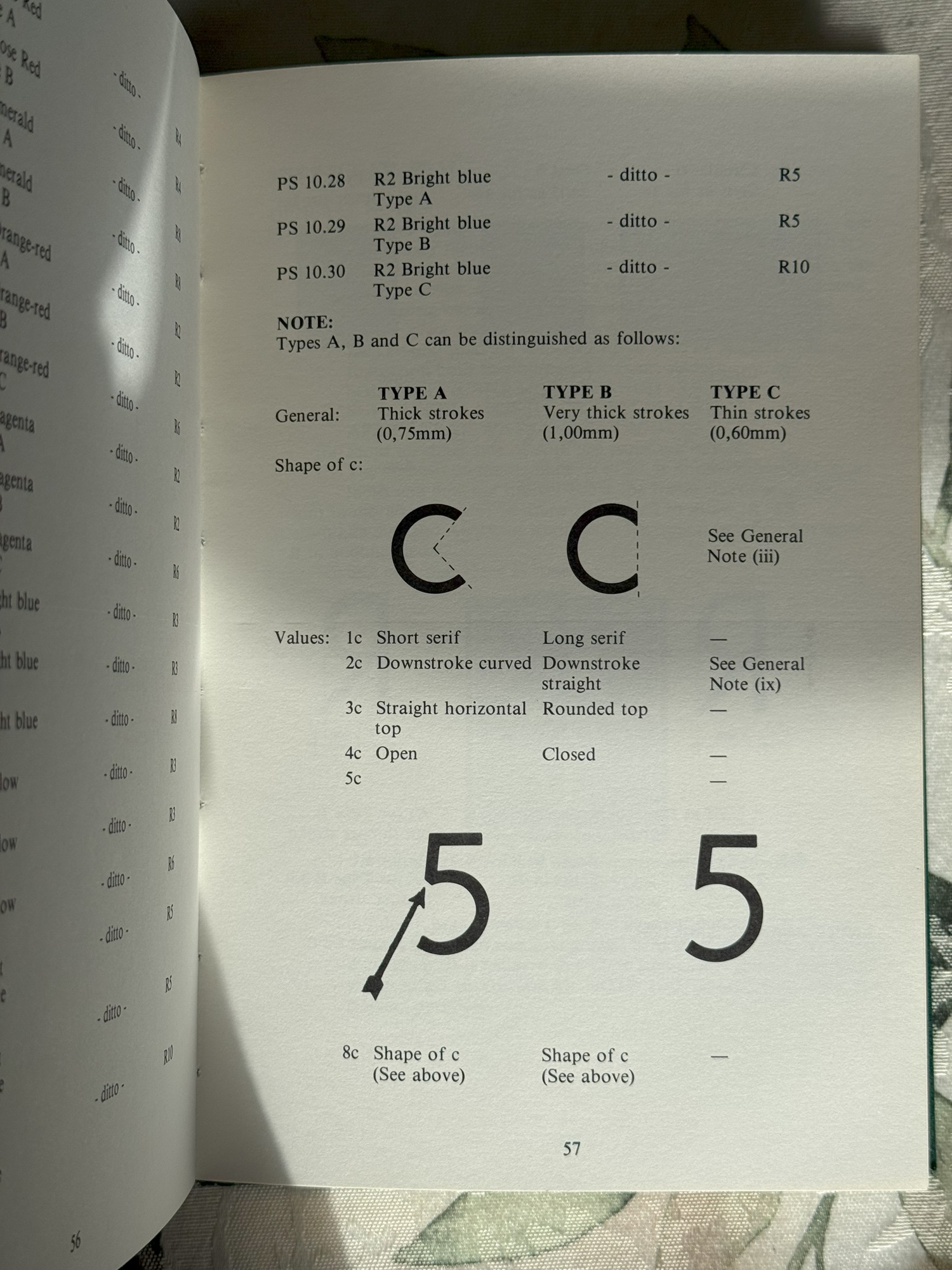
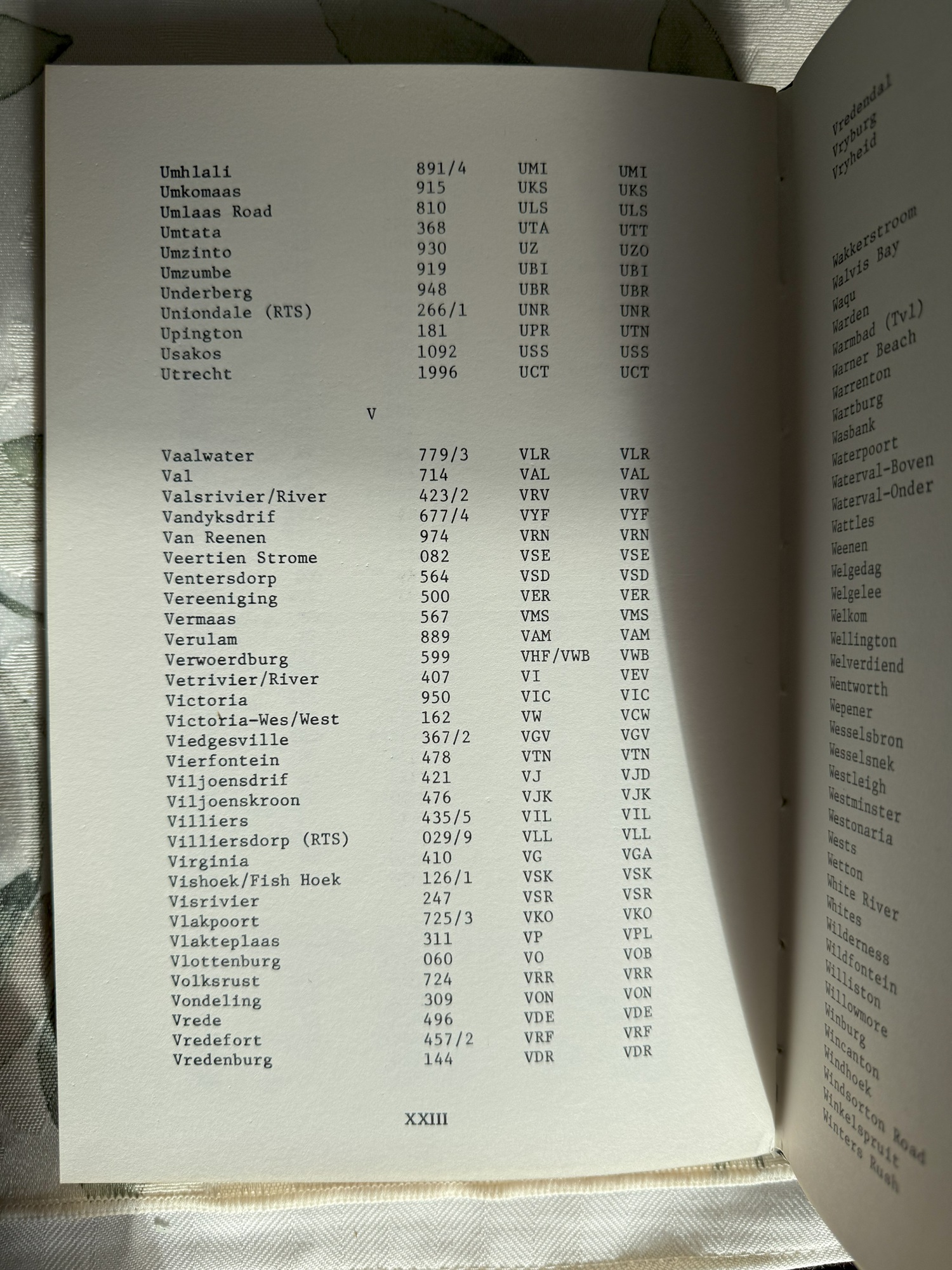
Although stamps for railway parcels and newspapers have been in use in this country for over a century, they have received scant attention from philatelists.
— From the preface to the book ‘Railway Stamps of South Africa’, published by The Philatelic Federation of Southern Africa in 1985.
My spectacular* book about South Africa’s railway stamps arrived today (from South Africa, of course).
*Spectacular, because almost none of the information in it is available online, nor in any of the standard stamp catalogues.
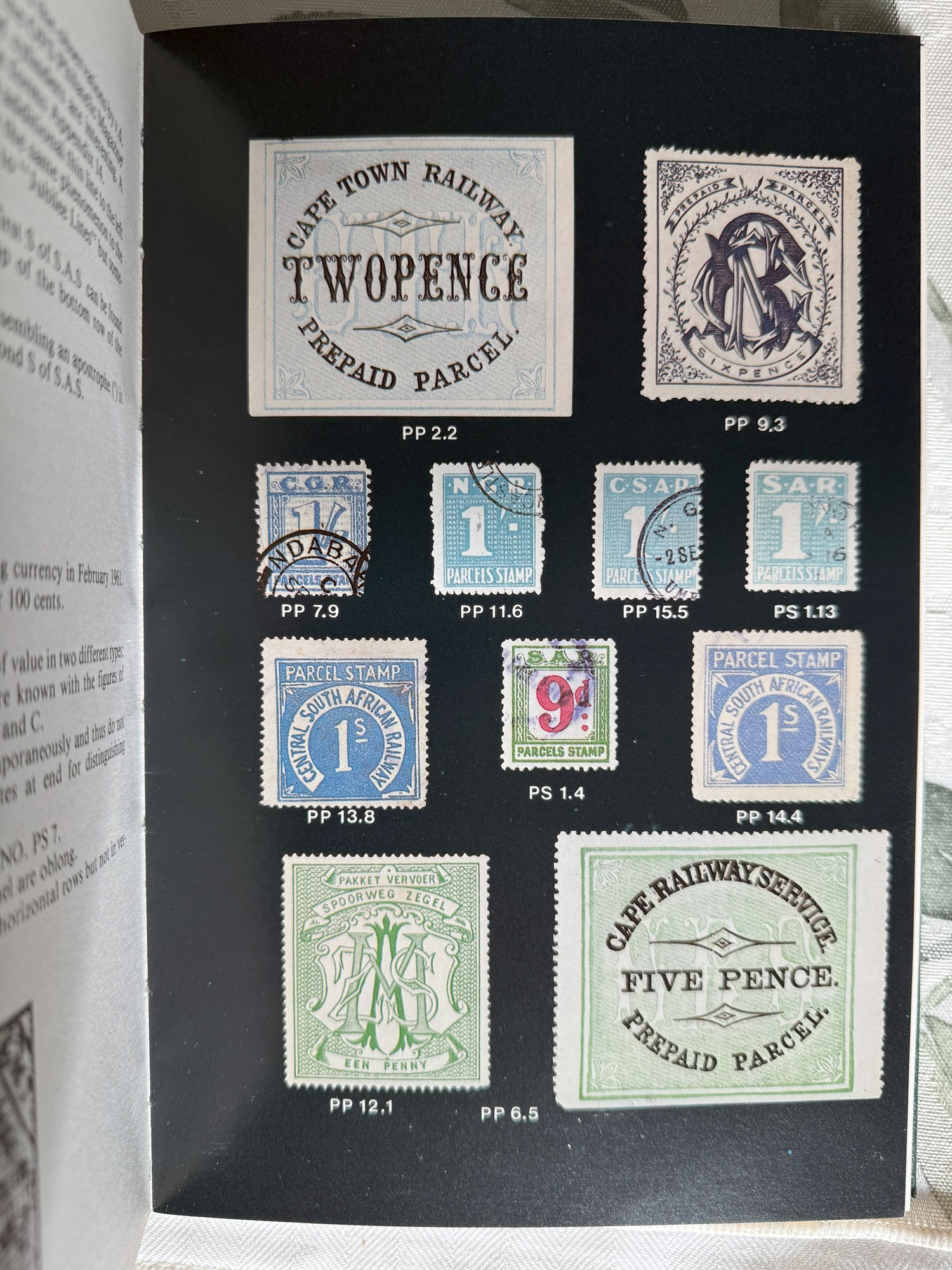
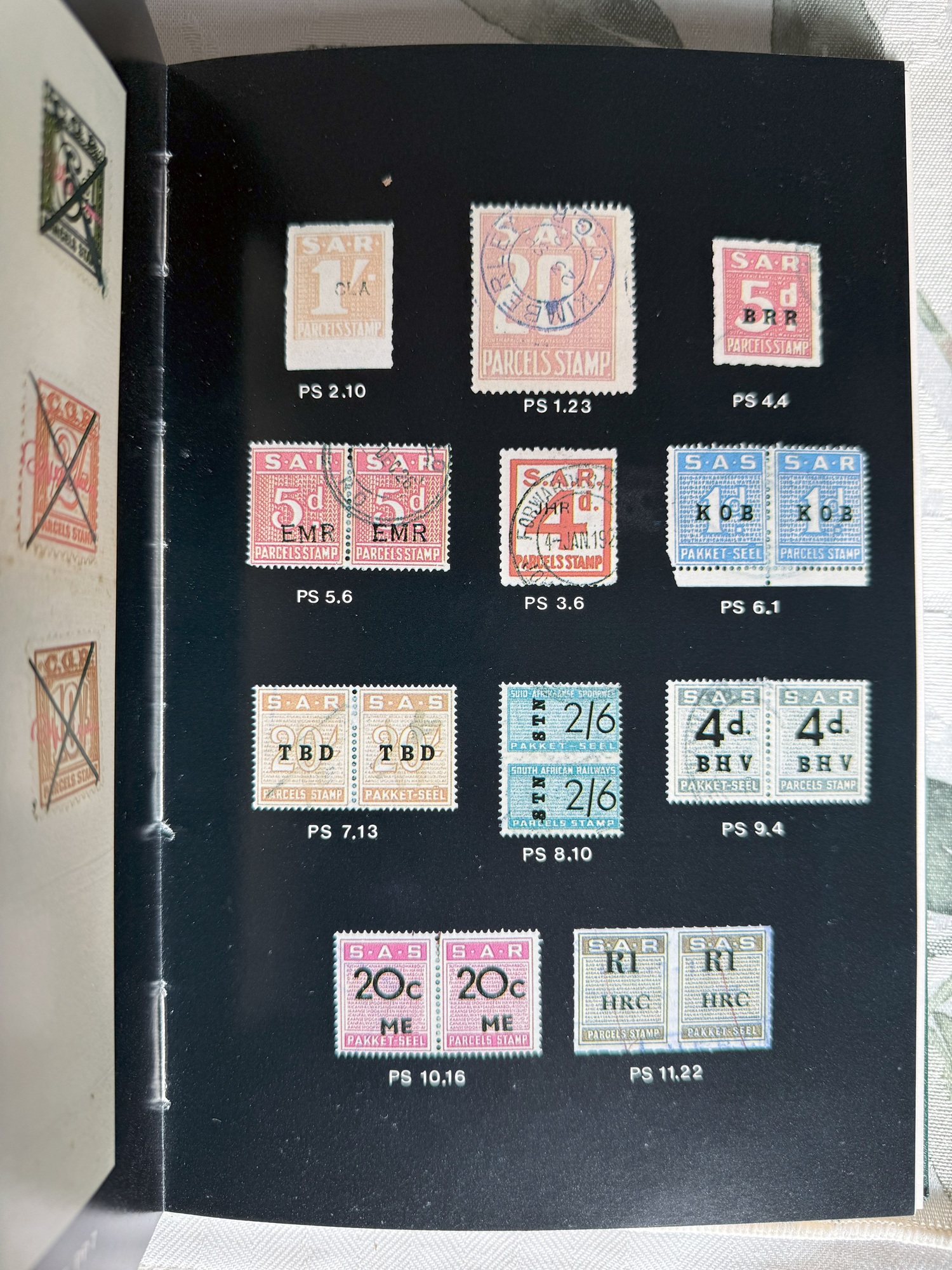
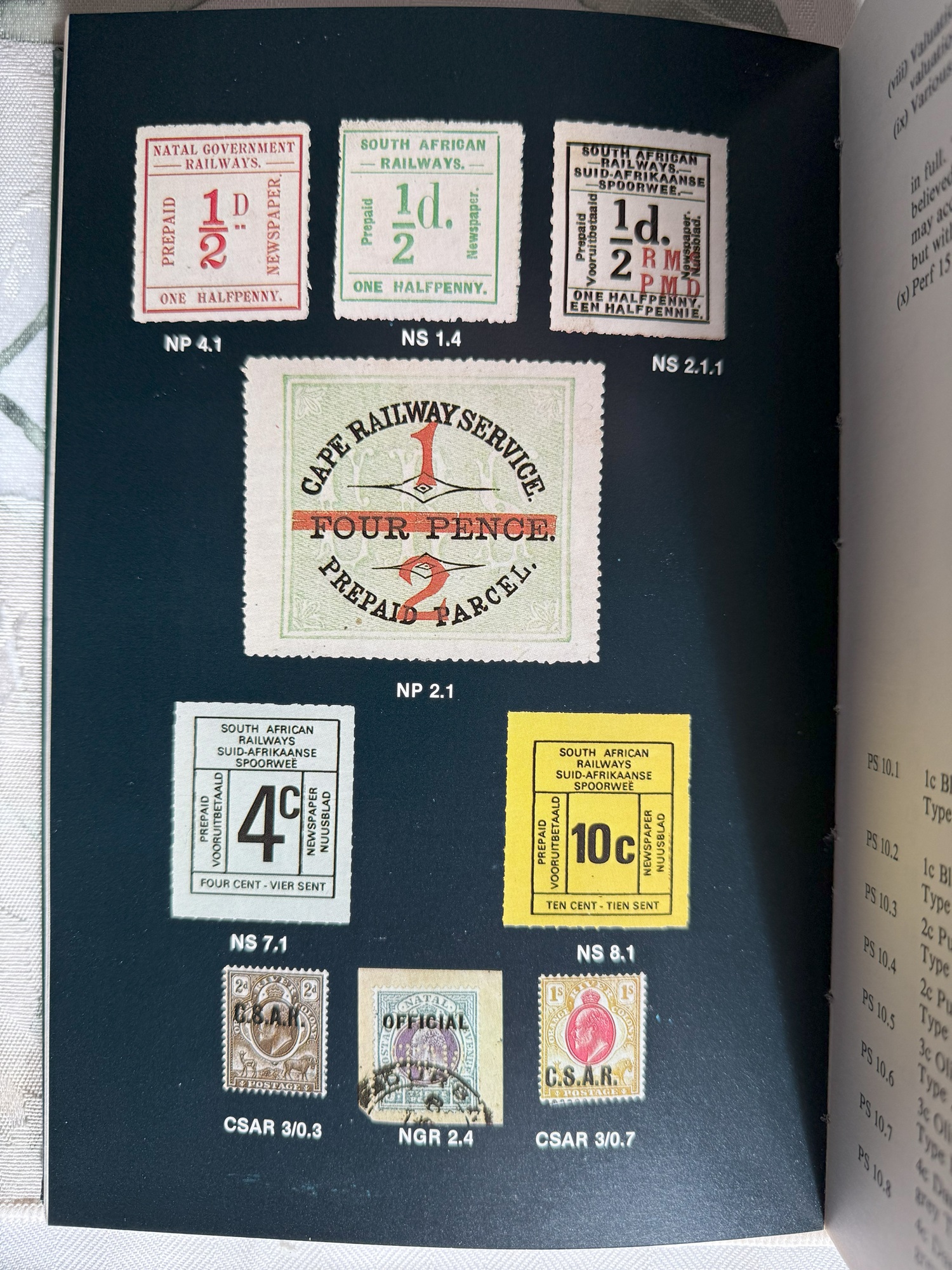
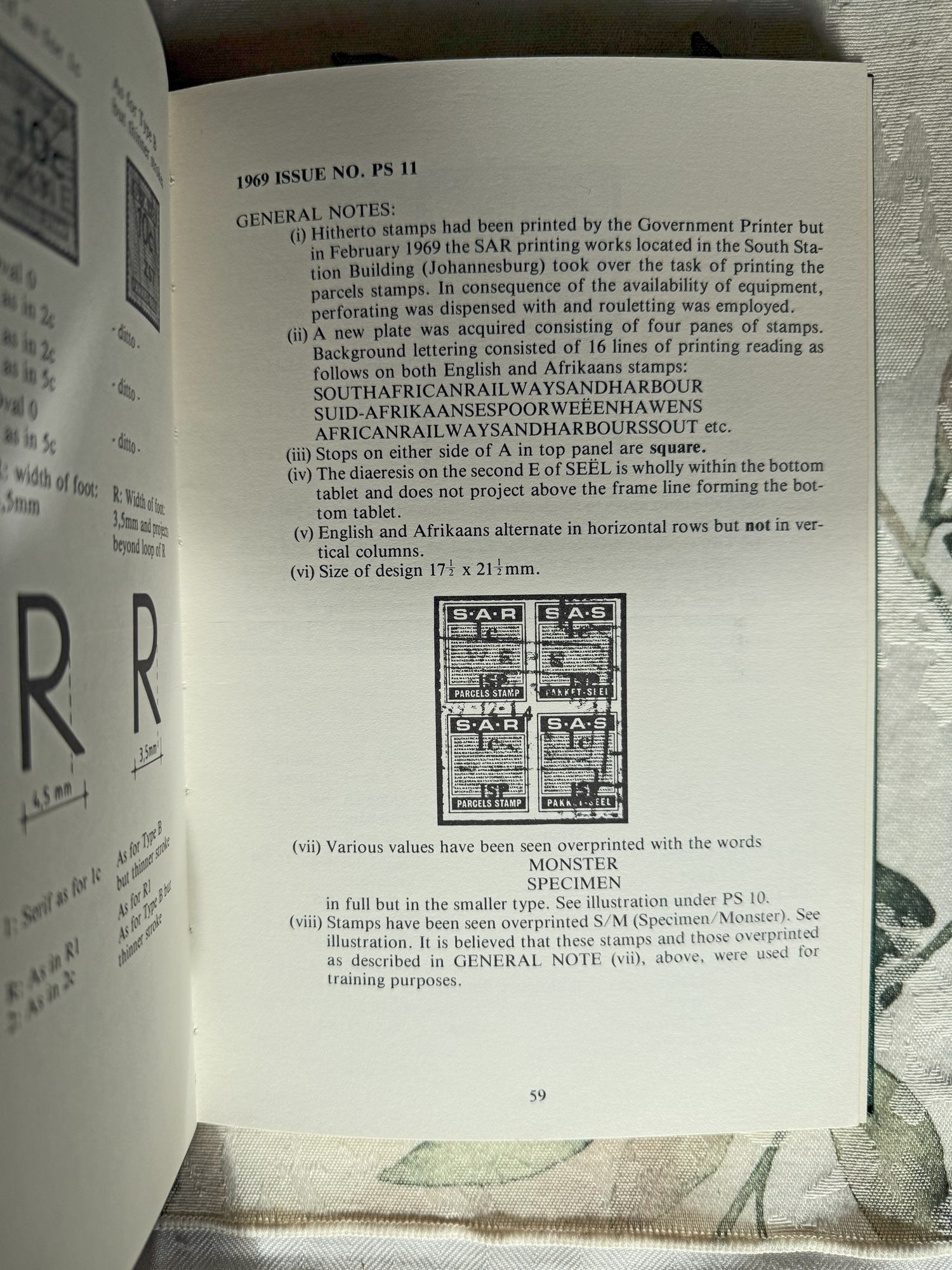
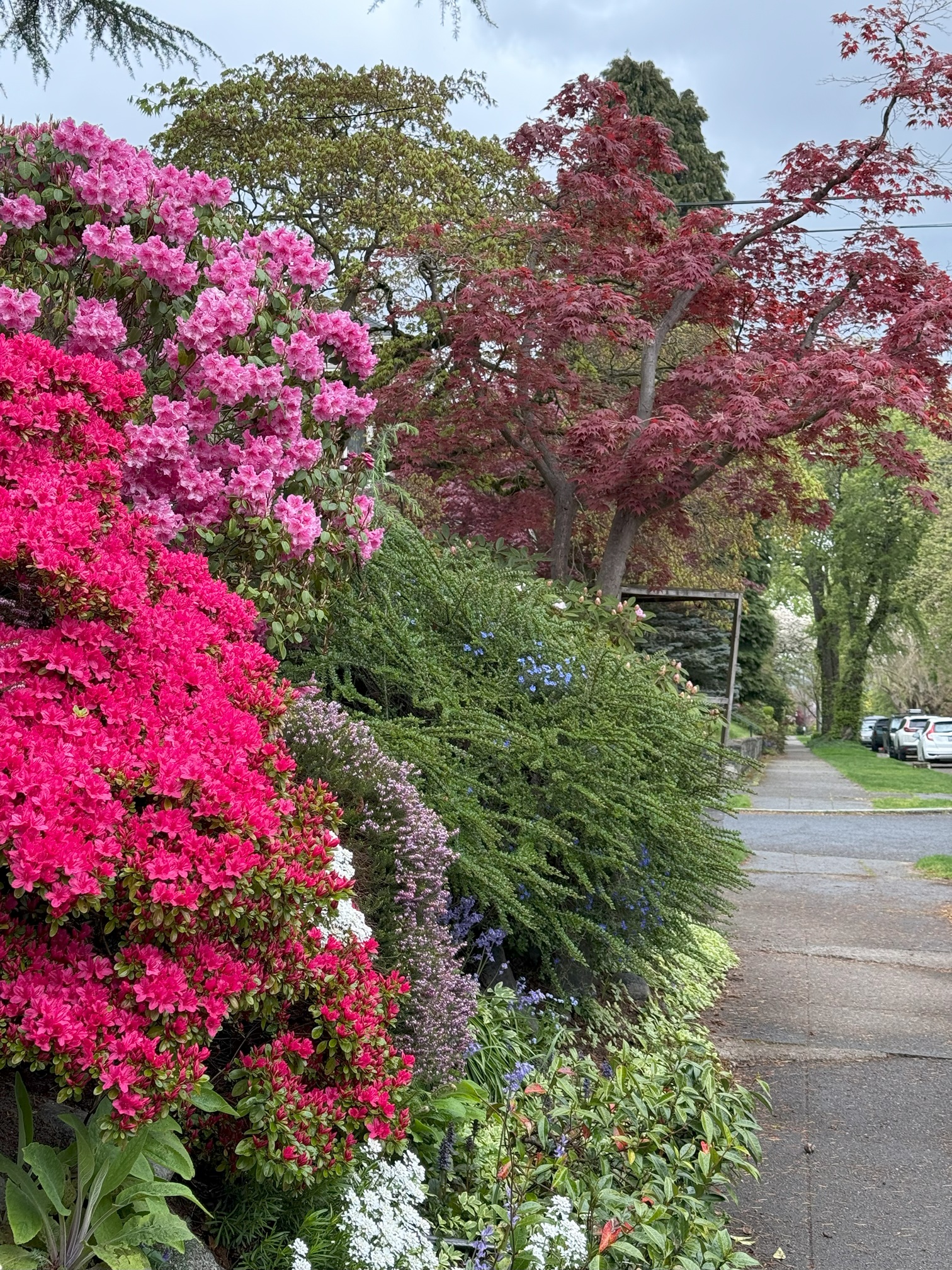
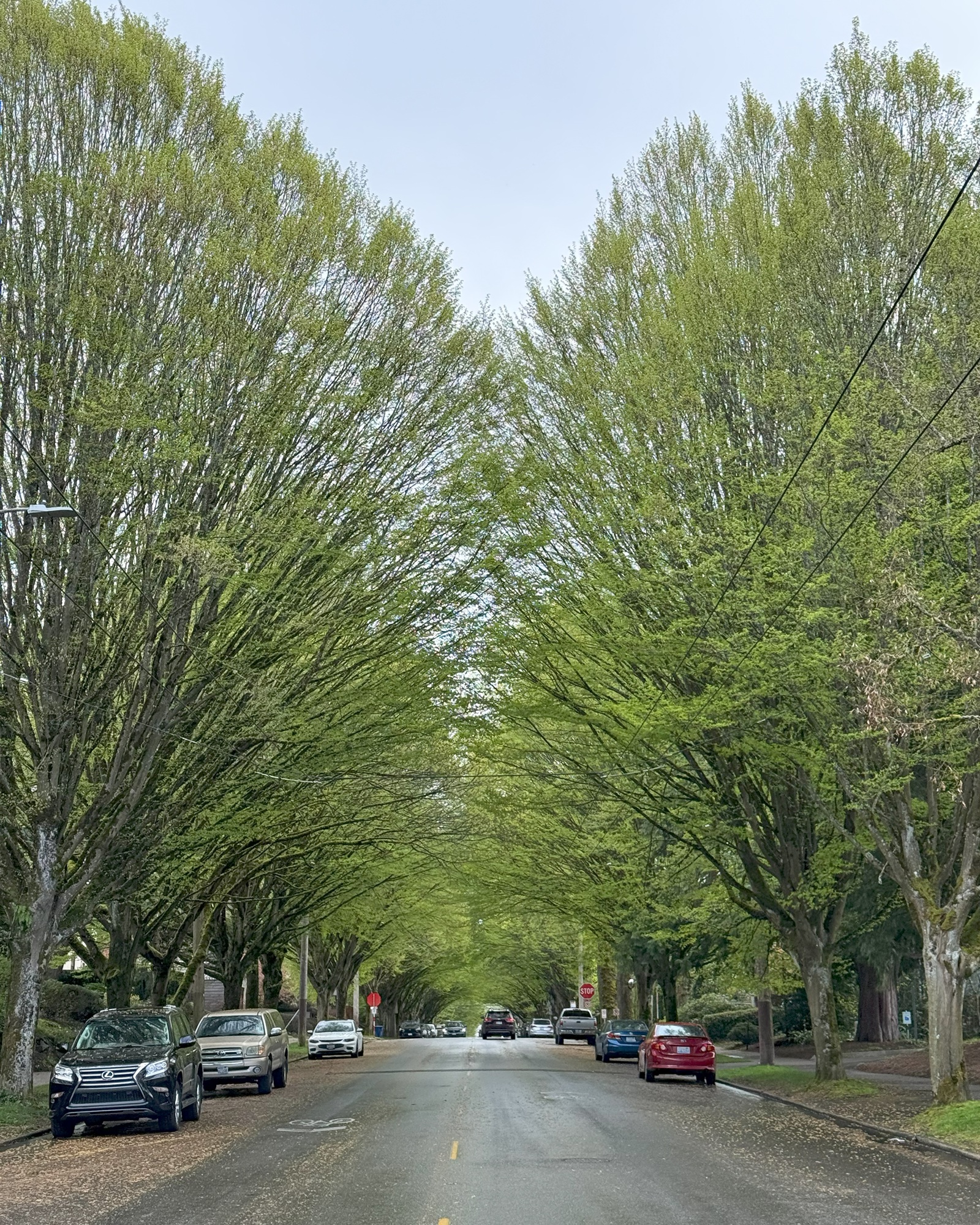
Lots of green meets the eye, looking down Capitol Hill’s 19th Avenue by Stevens Elementary School.
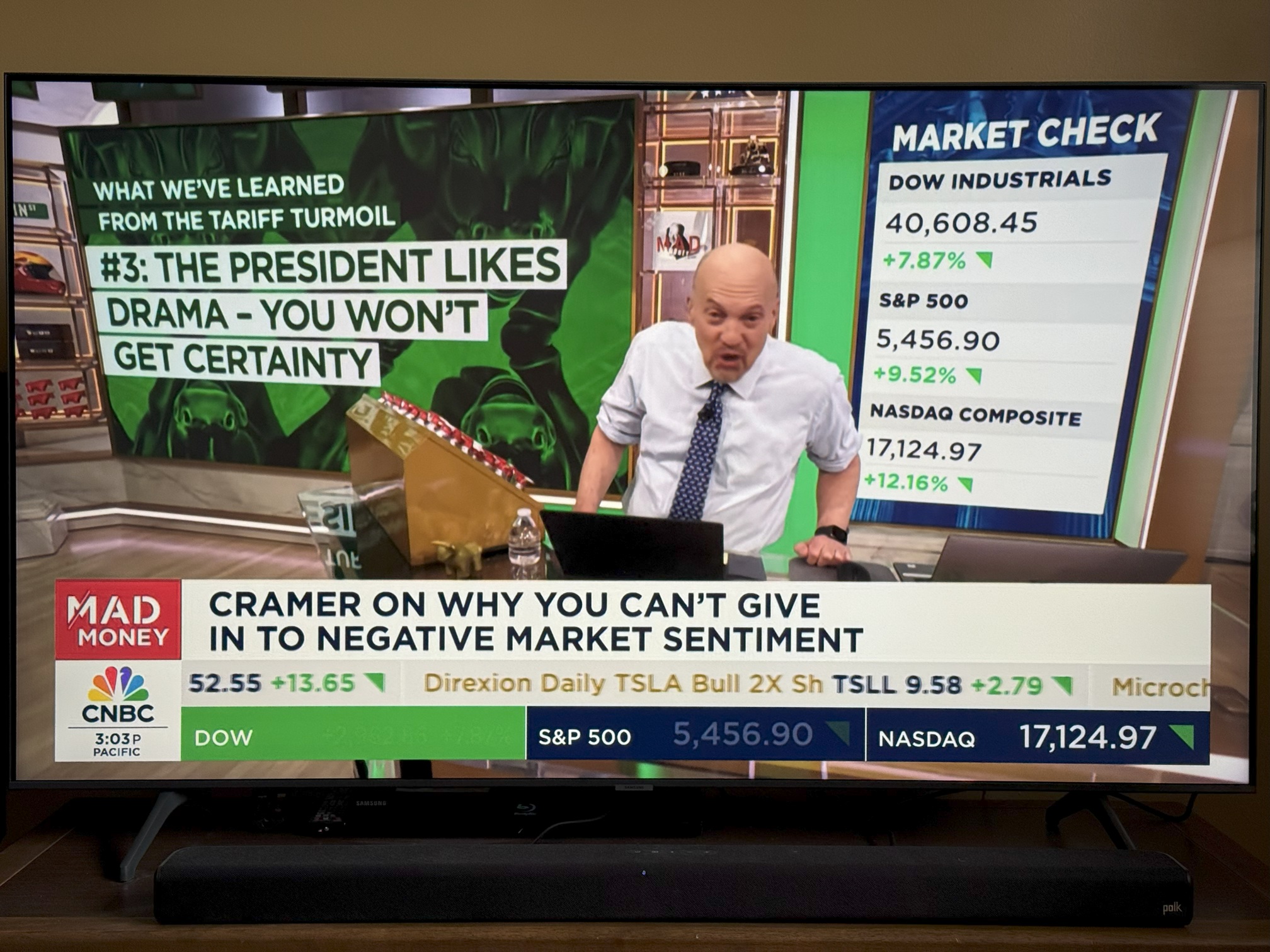
LONDON, April 9, 3:16 AM PDT (Reuters) – Global markets took a beating again on Wednesday as U.S. President Donald Trump’s eye-watering 104% tariffs on China took effect, and a savage selloff in U.S. bonds sparked fears that foreign funds were fleeing U.S. assets.
So what happened today is that the US bond market started to melt down early this morning New York time. (If you don’t know what that means: investors around the world started to question the global safe-haven status of the United States by dumping their US Treasury bonds. Do we really want a start another 2008-style global financial crisis?).
Trump backed down (some) from the tariffs, and the day ended with the Dow Jones up 7.8%, S&P 500 up 9.5%, Nasdaq up 12.16% today.
What’s not to like about that? Let me tell you.
The original Trump Tariff Tantrum that started all this turmoil is only on a 90-day timeout.
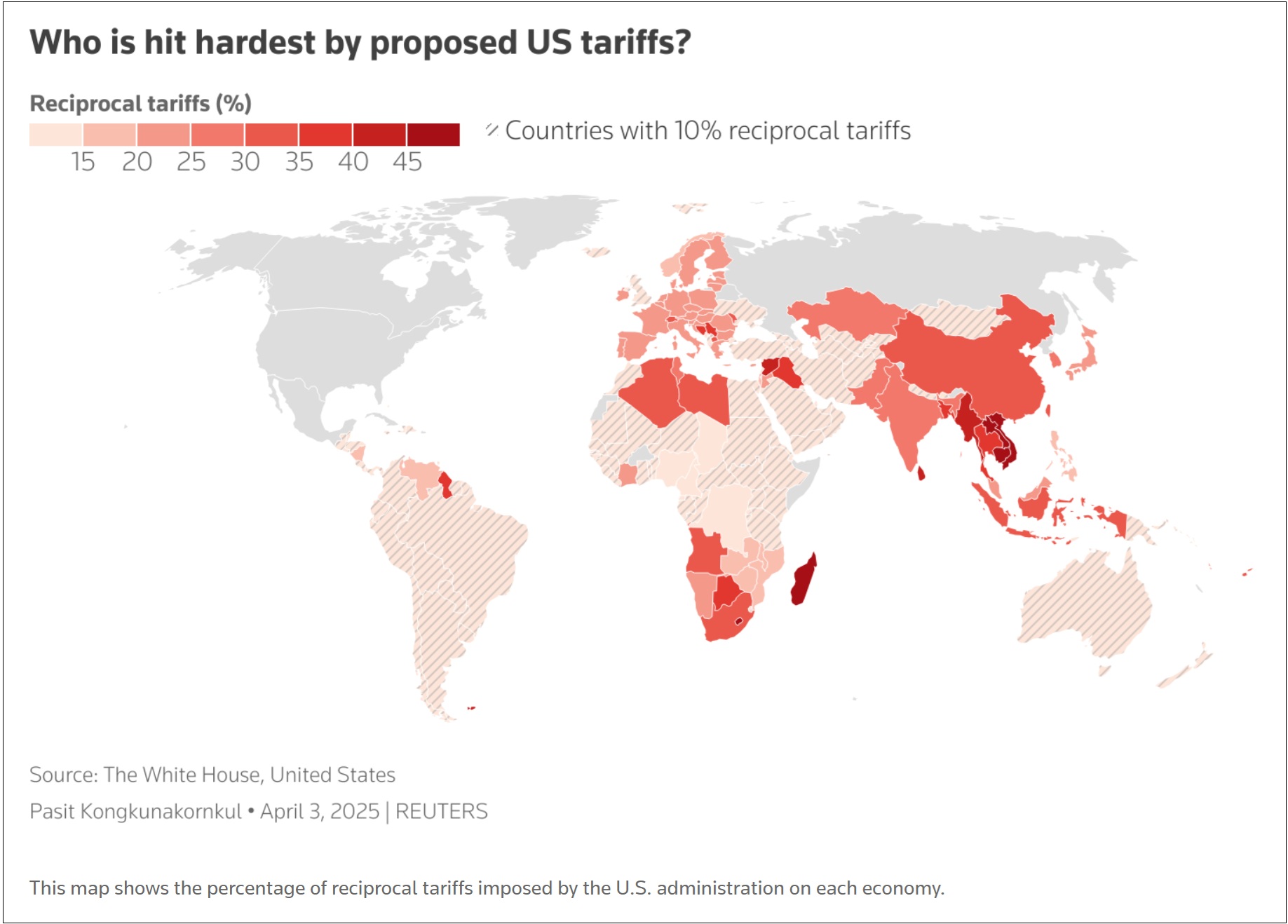
The 10% tariff that remains in place right now with US trading partners, is far, far higher than for any other OECD country.
The trade war that Trump had started with China has arrived at a stunning 125% for imports from China and a stunning 84% export tariff to China. (In reality: a trade embargo between the countries with far and away the world’s two largest economies).
The American consumer is going to get killed.
Apple’s, Walmart’s and the profits of countless other companies big and small, in America and in China, will be obliterated.
Millions of Americans are going to lose their jobs.
The only question to ask is when the 2025 Trump Recession will start.
Or has it started already, because nobody has any confidence that this clown’s show 🤡 will ever end?
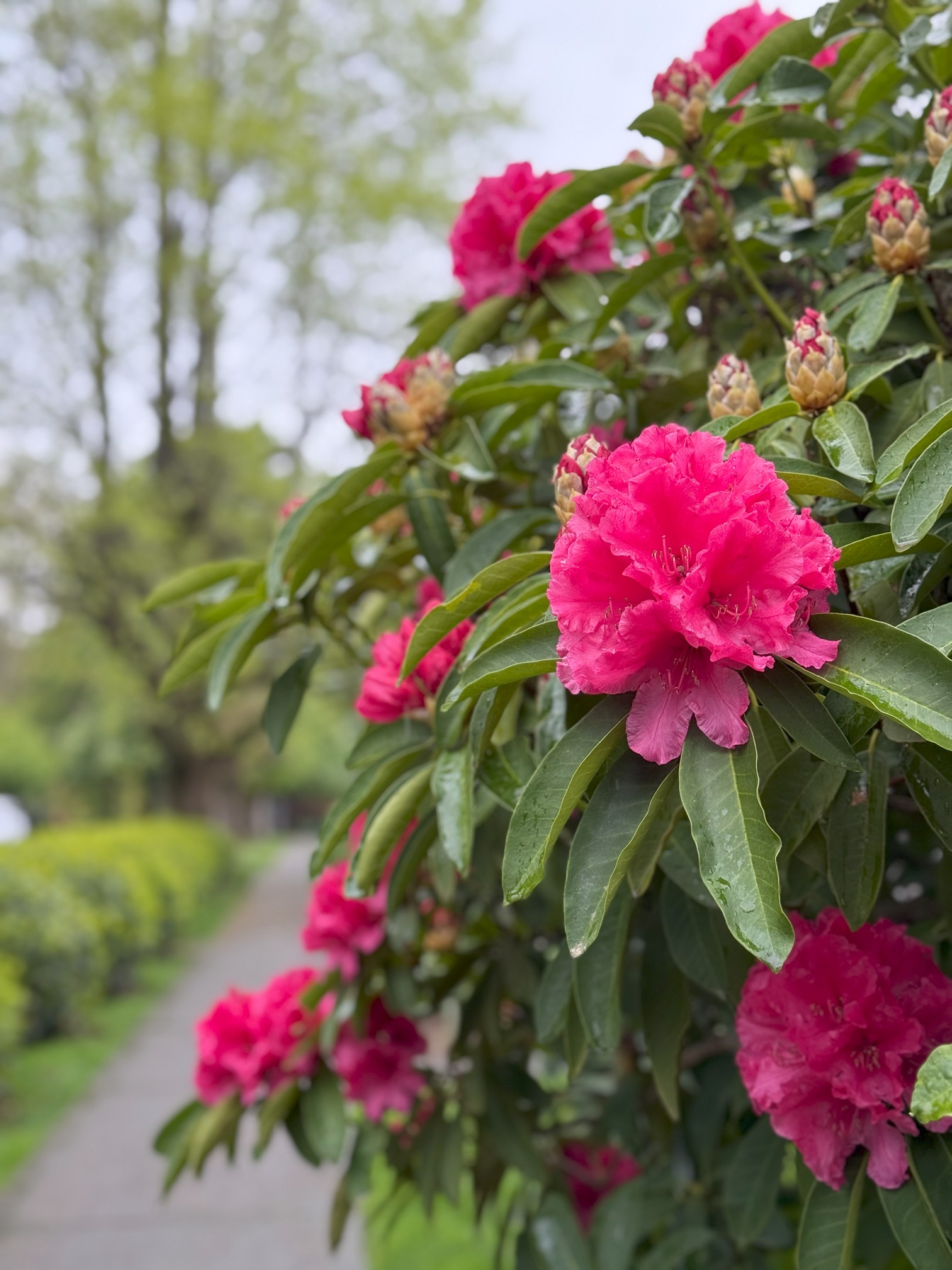
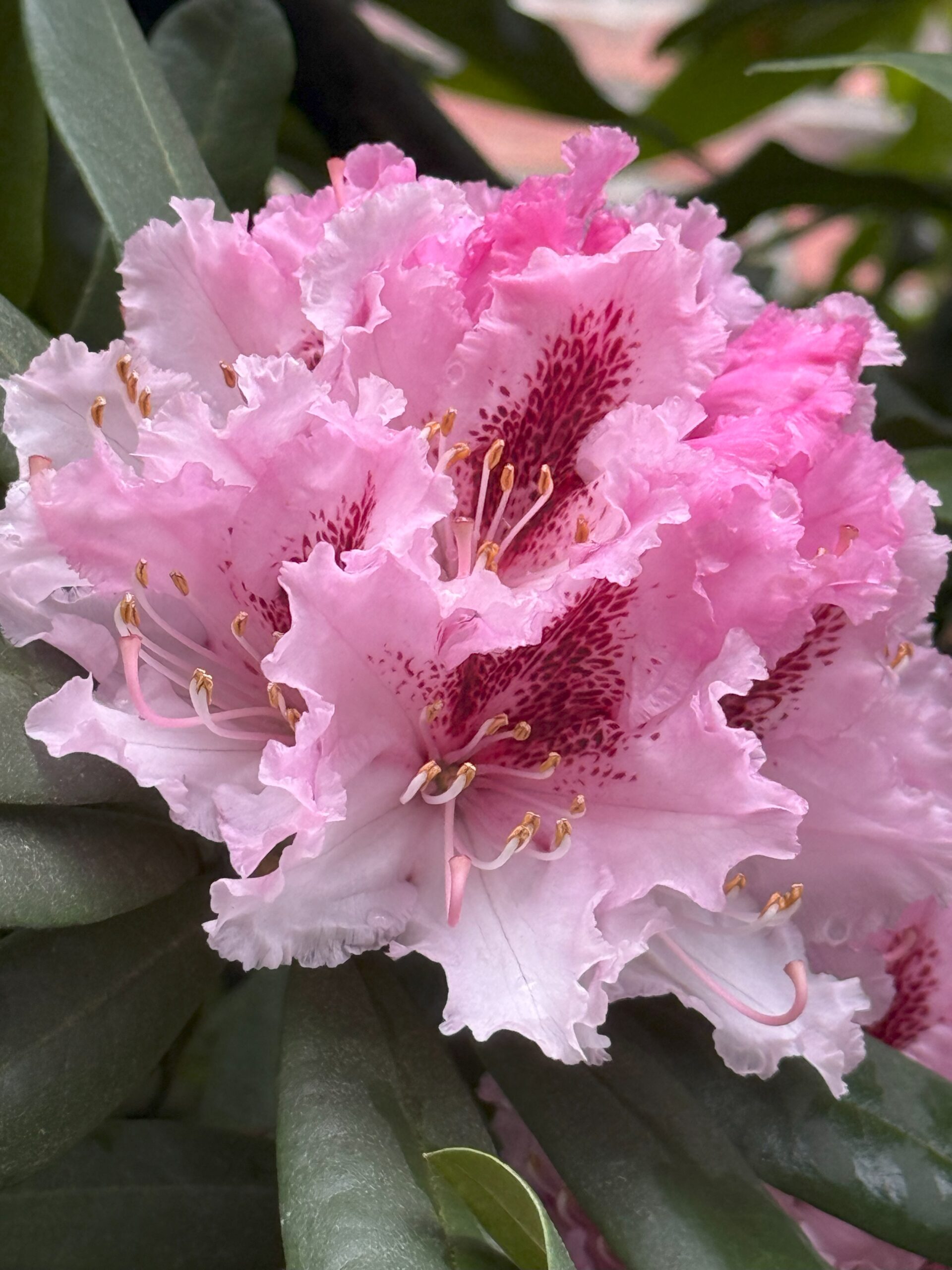
The rhododendron flowers are out here on Seattle’s Capitol Hill.
The flowers are gorgeous, but in some parts of the world (such as in Ireland) these plants are considered an invasive species that upset the local ecosystems.
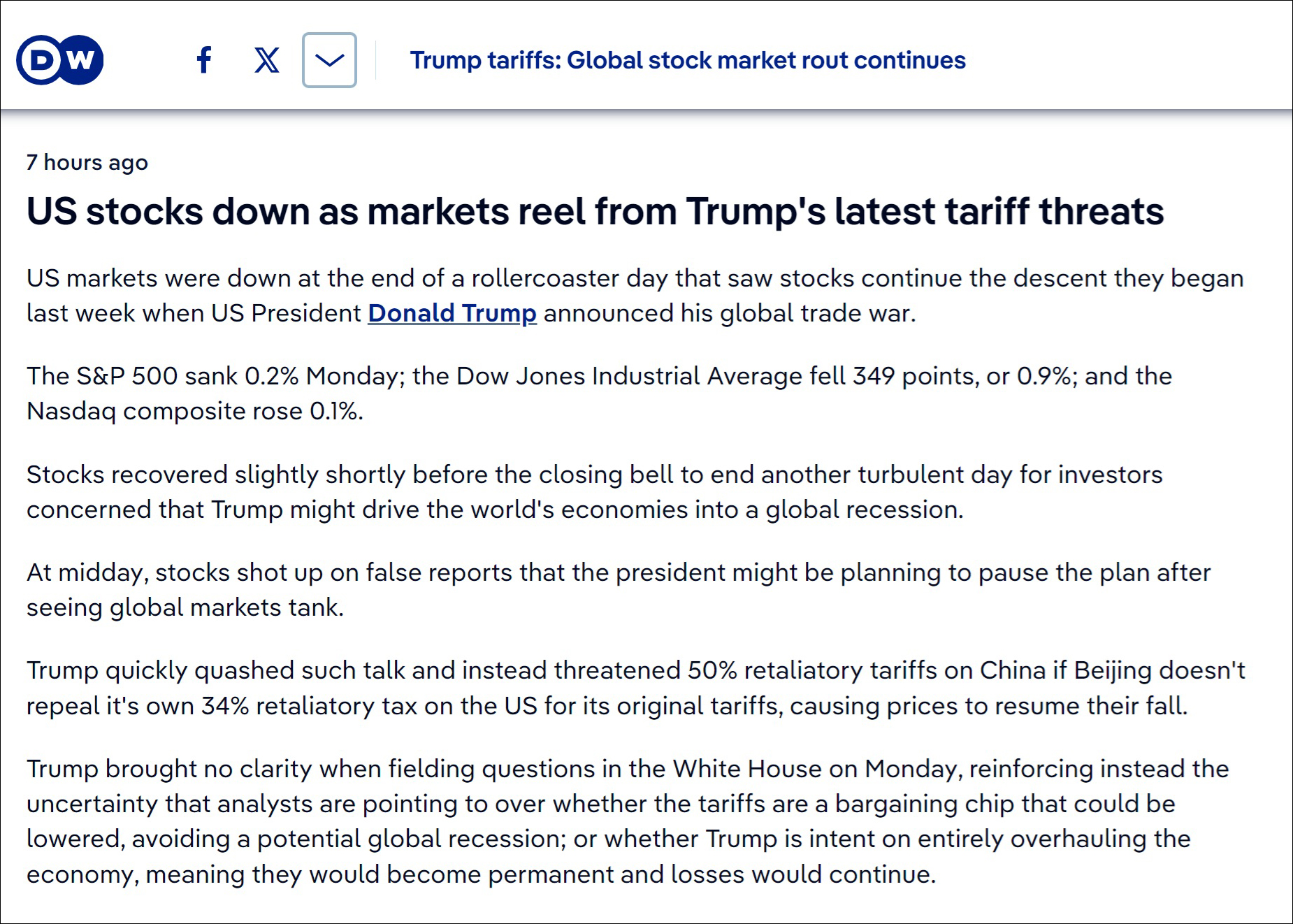
The uncertainty and the global stock market rout continued today, as reported by Deutsche Welle.
It’s going to be a long week on Wall Street for those traders on the floor .. and for all of us.
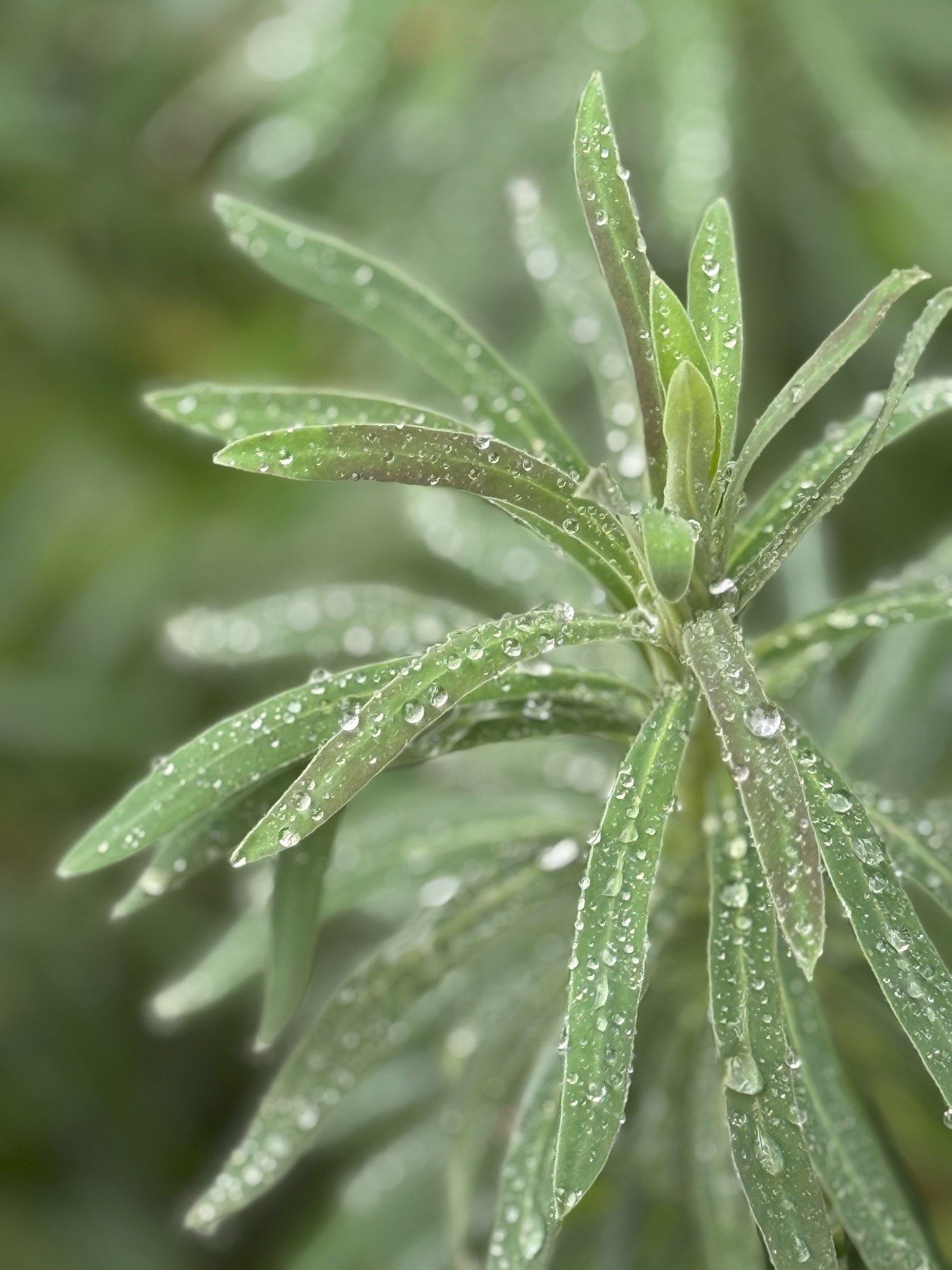
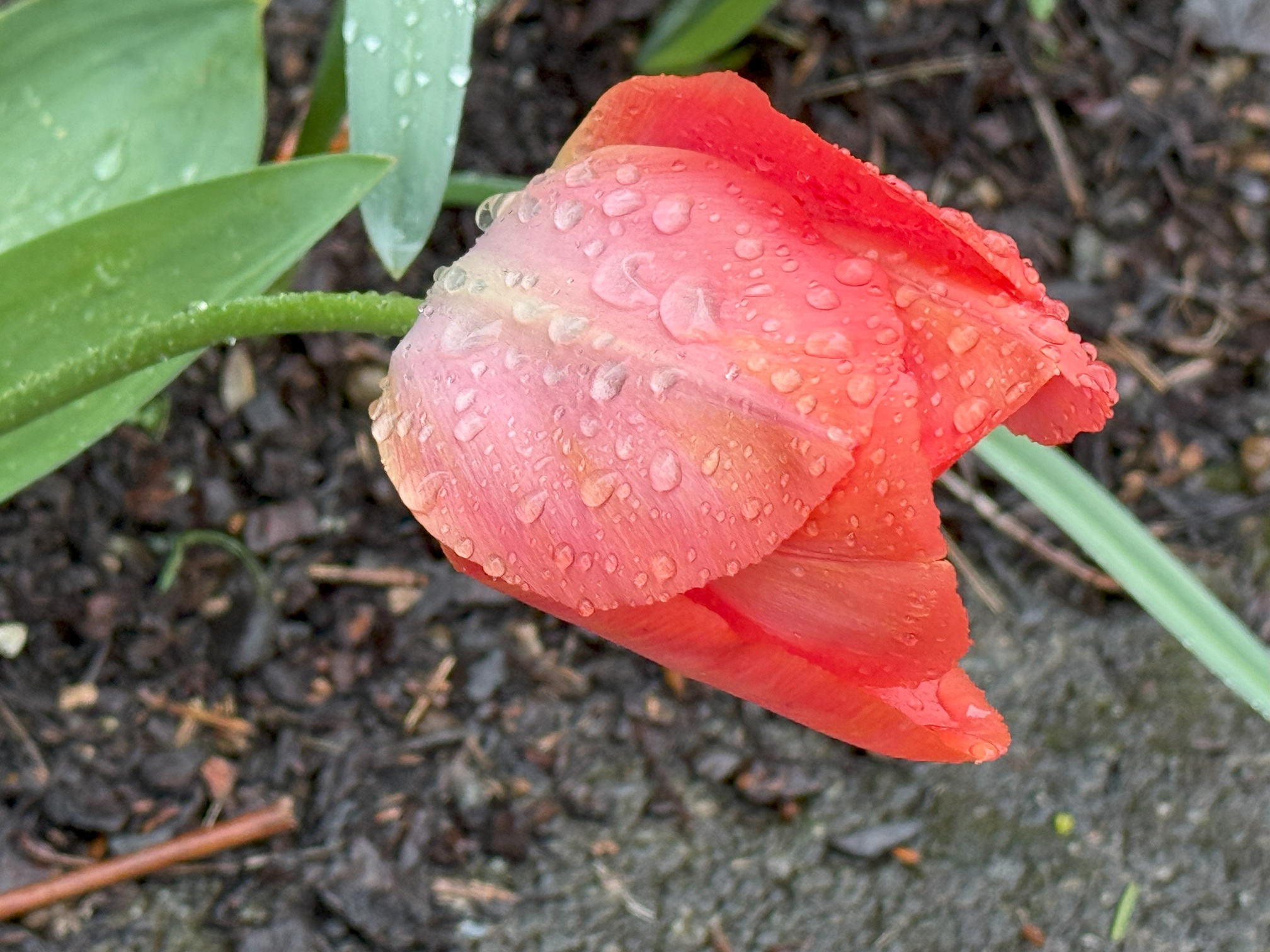
We had showers this morning here in Rain City, and a steady rain was sifting down all afternoon and into the evening.
When I ventured out with my umbrella, it felt a little colder than the 57°F (14°C) shown on my weather app.
Singapore must brace itself for more shocks to come, said Prime Minister Lawrence Wong in a recorded video on Friday (Apr 4), warning that the global calm and stability that once existed “will not return anytime soon”.
– Summary of a video posted on YouTube* by Mediacorp, a Singaporean public broadcast service.
*Look up “PM Lawrence Wong on implications of US tariffs for Singapore | Full video” on YouTube. It’s just 5 minutes— but it’s also a 5-bell fire alarm.
So .. I really did not find tonight’s Saturday Night Live cold open skit with James Austin Johnson as Trump unveiling his tariffs, funny.
Maybe the US stock market indexes need to sink another 5% on Monday, and then 5% more on Tuesday.
Will enough Republican senators and Republican House members then stand up and do something?

It was hard for me all morning, not to mull over all the turmoil in the US financial markets, and to wonder how this man-made descent into insanity will end.
What the hell? Apple will suddenly start building iPhone factories in the United States— so that Americans will gleefully pay $3,500 for an iPhone?
A good March US jobs report (+ 228,000 jobs, unemployment 4.2%) was eclipsed by ..
.. Dow Jones down another 5.5%, S&P 500 down another 6%, Nasdaq down another 6% today.
At this rate, it has to be 100% certain that there will be a recession in the United States later this year (and sooner than anyone had thought).
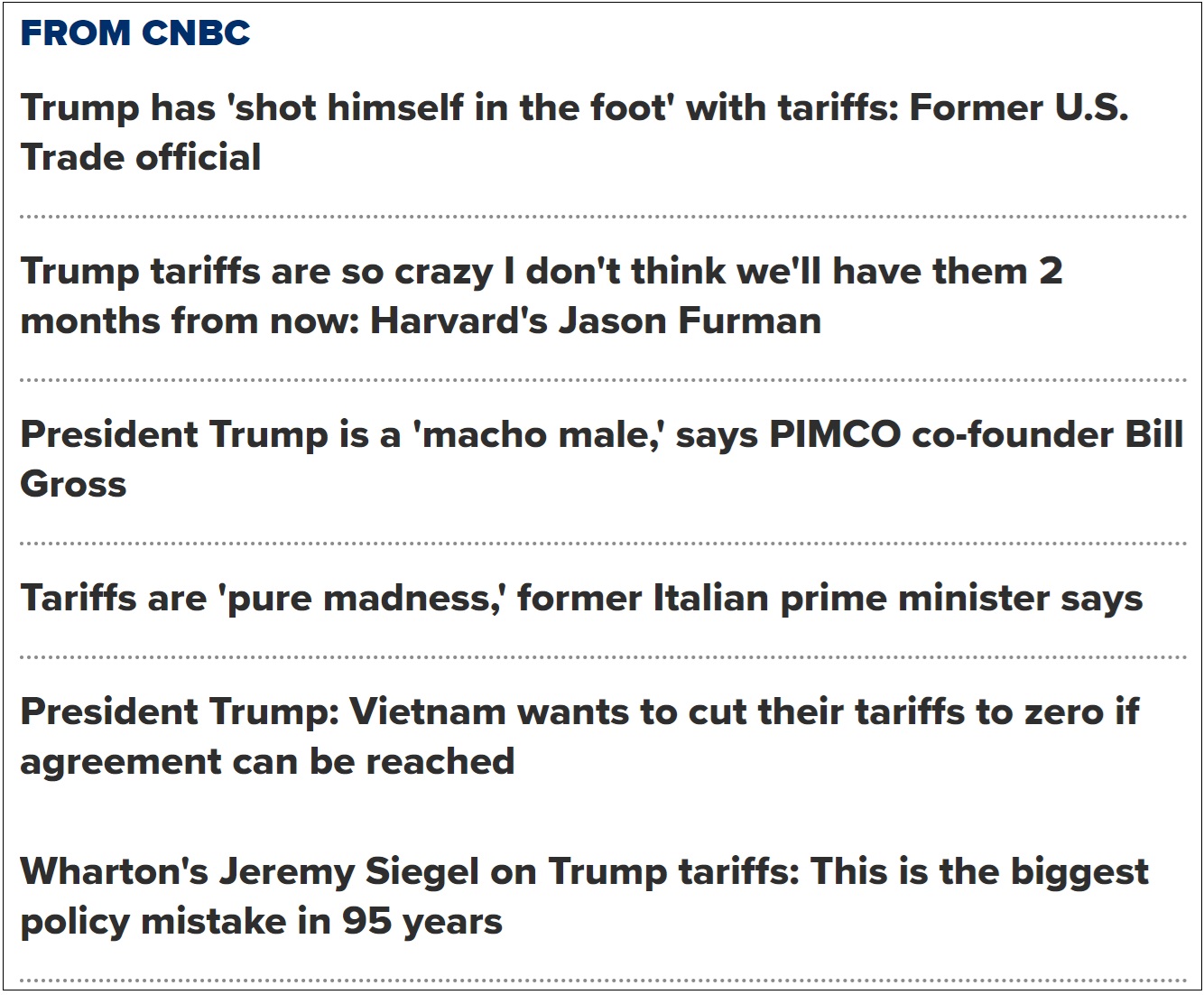
So .. Dow Jones down 4%, S&P 500 down 5%, Nasdaq down 6% today.
One would think there was another 9/11 or October 7 terrorist attack somewhere in the world, or a new and frightful pandemic breaking out.
But no, it’s just the President of the United States— foisting his kindergartner-level understanding of tariffs and international trade, on America’s financial markets, and the world at large.
What substantive harm has tiny, land-locked and impoverished Lesotho ever done to the United States? Its modest economy is going to be decimated (hit with 50% tariffs, see below).

The clay court season (April to June) in men’s tennis has started with ATP 250 tournaments (smaller tournaments) this week in Houston, Texas, in Bucharest, Romania, and in Marrakech, Morocco.
Here is Nuno Borges (28, 🇵🇹) being interviewed after beating the Belgian Raphaël Collignon (23, 🇧🇪) in a closely fought match on the red clay in Marrakech. It ended in a third set tie-break in which Borges iced out Collignon 7-0, though.
Afterwards the announcer addressed the remaining spectators in French.
A bit of history [from Wikipedia]: The French conquest of Morocco began with the French Republic occupying the city of Oujda on 29 March 1907. The French launched campaigns against the Sultanate of Morocco which culminated in the signing of the Treaty of Fes and establishment of the French Protectorate in Morocco on 30 March 1912.
There is a 1977 song by Mike Batt, The Ride to Agadir, from the album Schizophonia, about the Rif War— an armed conflict fought from 1921 to 1926 between Spain (joined by France in 1924) and the Berber (Amazigh) tribes of the mountainous Rif region of northern Morocco.
I must have played The Ride to Agadir a hundred times or more, while driving in my car in the late 80s and early 90s.
Lyrics: The Ride to Agadir
We rode in the morning
Casablanca to the west
On the Atlas mountain foothills leading down to Marrakesh
For Mohammed and Morocco
We had taken up our guns
For the ashes of our fathers and the children of our sons
For the ashes of our fathers and the children of our sons
In the dry winds of summer
We were sharpening the blades
We were riding to act upon the promise we had made
With the fist and the dagger
With the rifle and the lance
We will suffer no intrusion from the infidels of France
We will suffer no intrusion from the infidels of France
We could wait no more
In the burning sands on the ride to Agadir
Like the dogs of war
For the future of this land on the ride to Agadir
Though they were waiting
And they were fifty to our ten
They were easily outnumbered by a smaller force of men
As the darkness was falling
They were soon to realize
We were going to relieve them of their godforsaken lives
We were going to relieve them of their godforsaken lives
We could wait no more
In the burning sands on the ride to Agadir
Like the dogs of war
For the future of this land on the ride to Agadir
We rode in the morning
Casablanca to the west
On the Atlas mountain foothills leading down to Marrakesh
For Mohammed and Morocco
We had taken up our guns
For the ashes of our fathers and the children of our sons
For the ashes of our fathers and the children of our sons
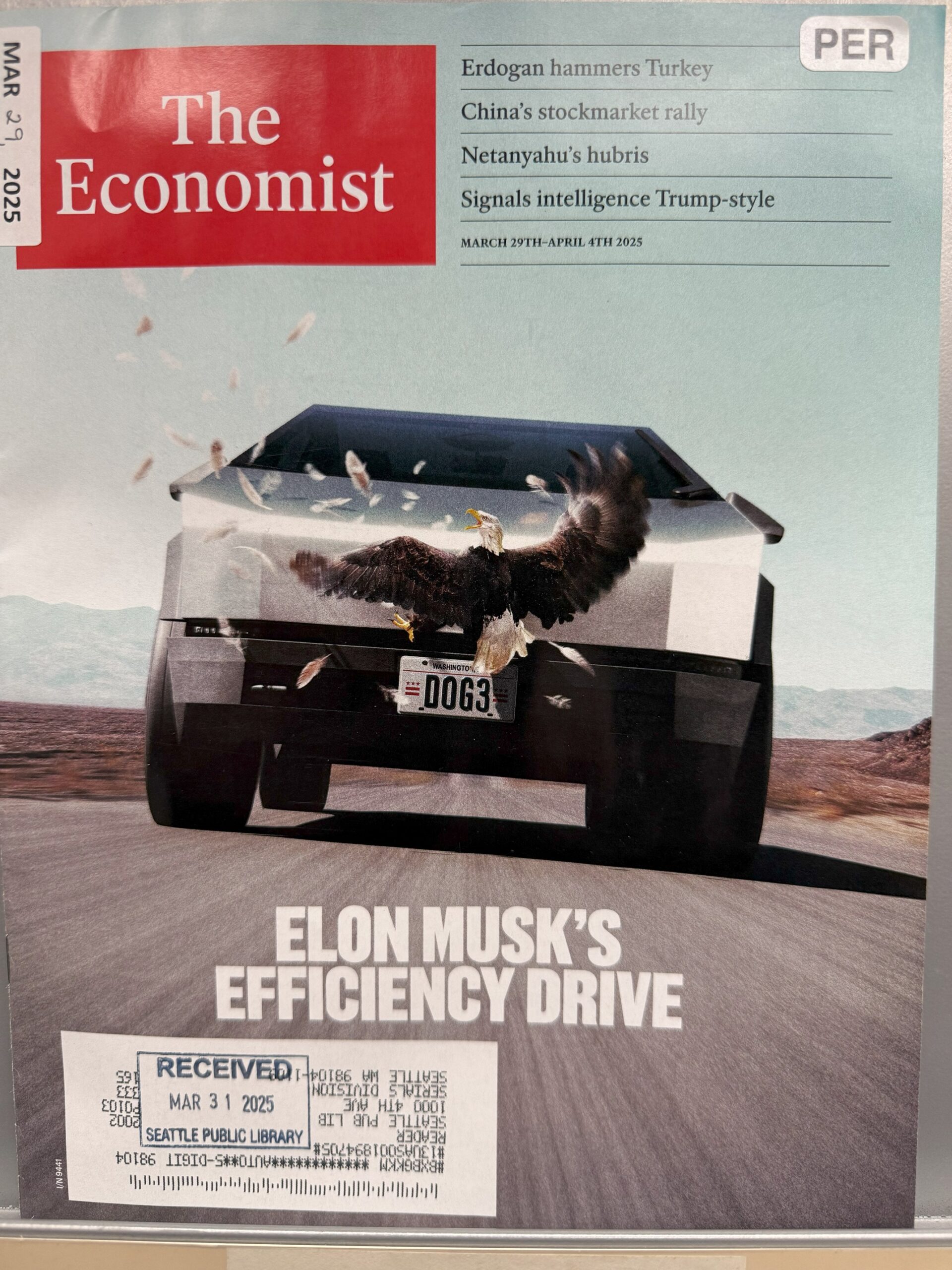
I went to the Seattle Public Library today, which is where I found the latest issue of The Economist— the one below, with the Cybertruck bashing a bald eagle.
About Musk, the editorial inside asks ‘Is he remaking America’s government, or breaking it?’
Towards the end, the editorial concludes ‘There are three possible outcomes.
First, just as rivals laughed at Tesla and SpaceX in their early days, DOGE* will come good in time.
Second, that Mr Musk will break the government.
The third, likeliest scenario is that DOGE become snarled up in court; many good civil servants are fired or quit; fewer talented people see government as a good career; and America is left with a stronger president and a weaker Congress.’
*Dept. of Government Efficiency.