Here’s a cartoon from today’s Seattle Times.

[Hint: That is a gnome and a gnu*, sitting at the bar].
*Gnu— a wildebeest, a large antelope native to eastern and southern Africa.

a weblog of whereabouts & interests, since 2010
Here’s a cartoon from today’s Seattle Times.
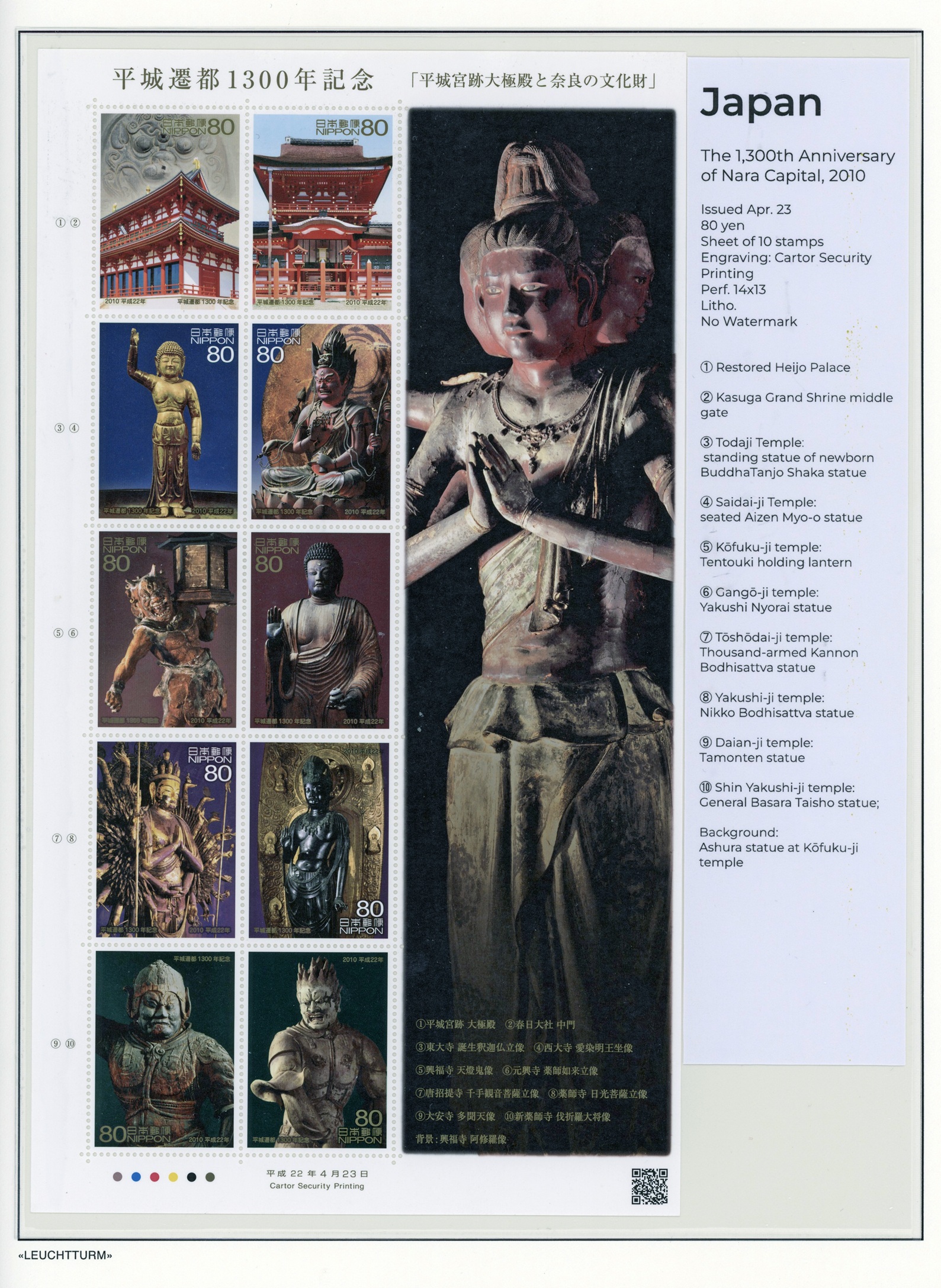
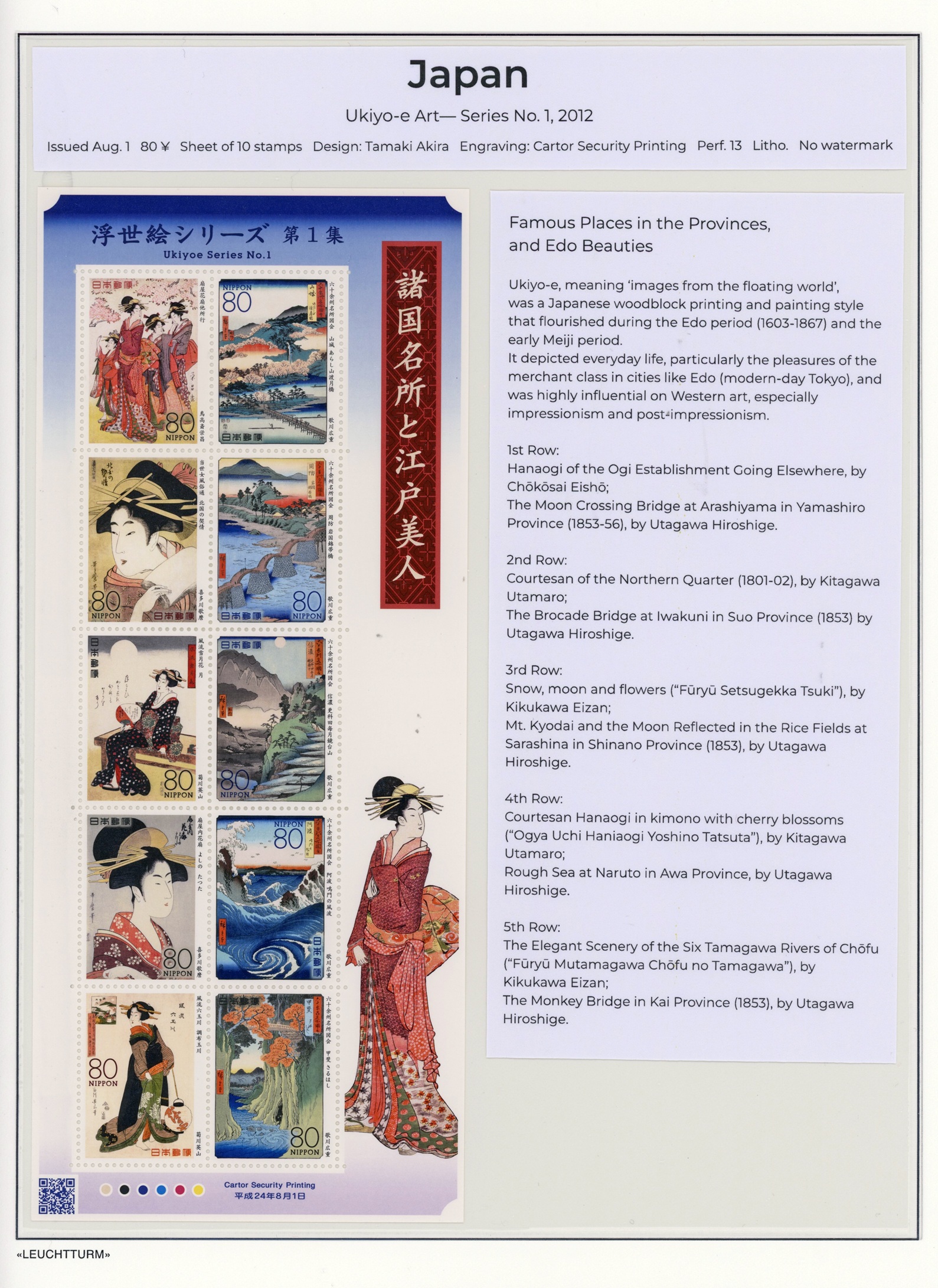
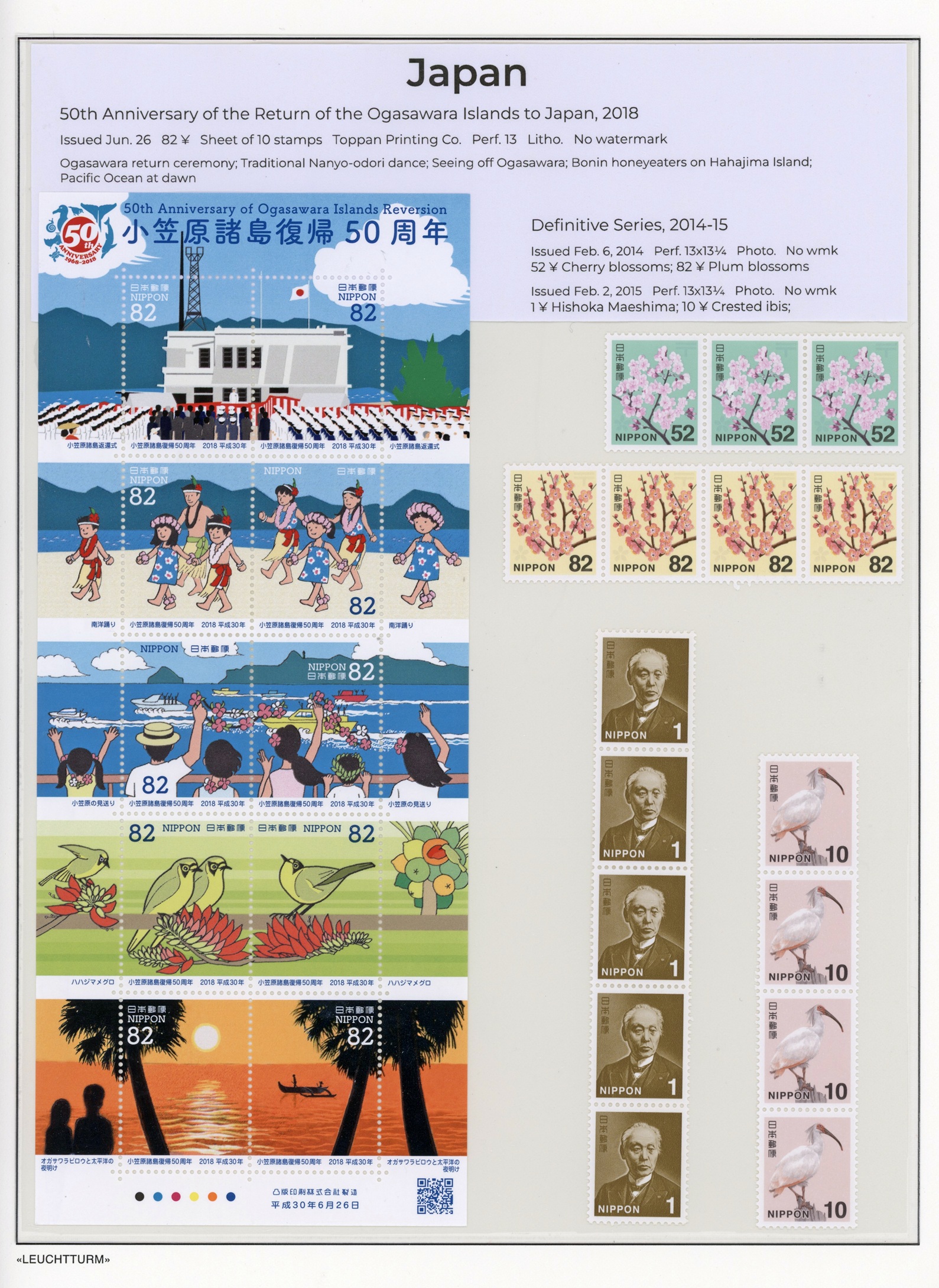
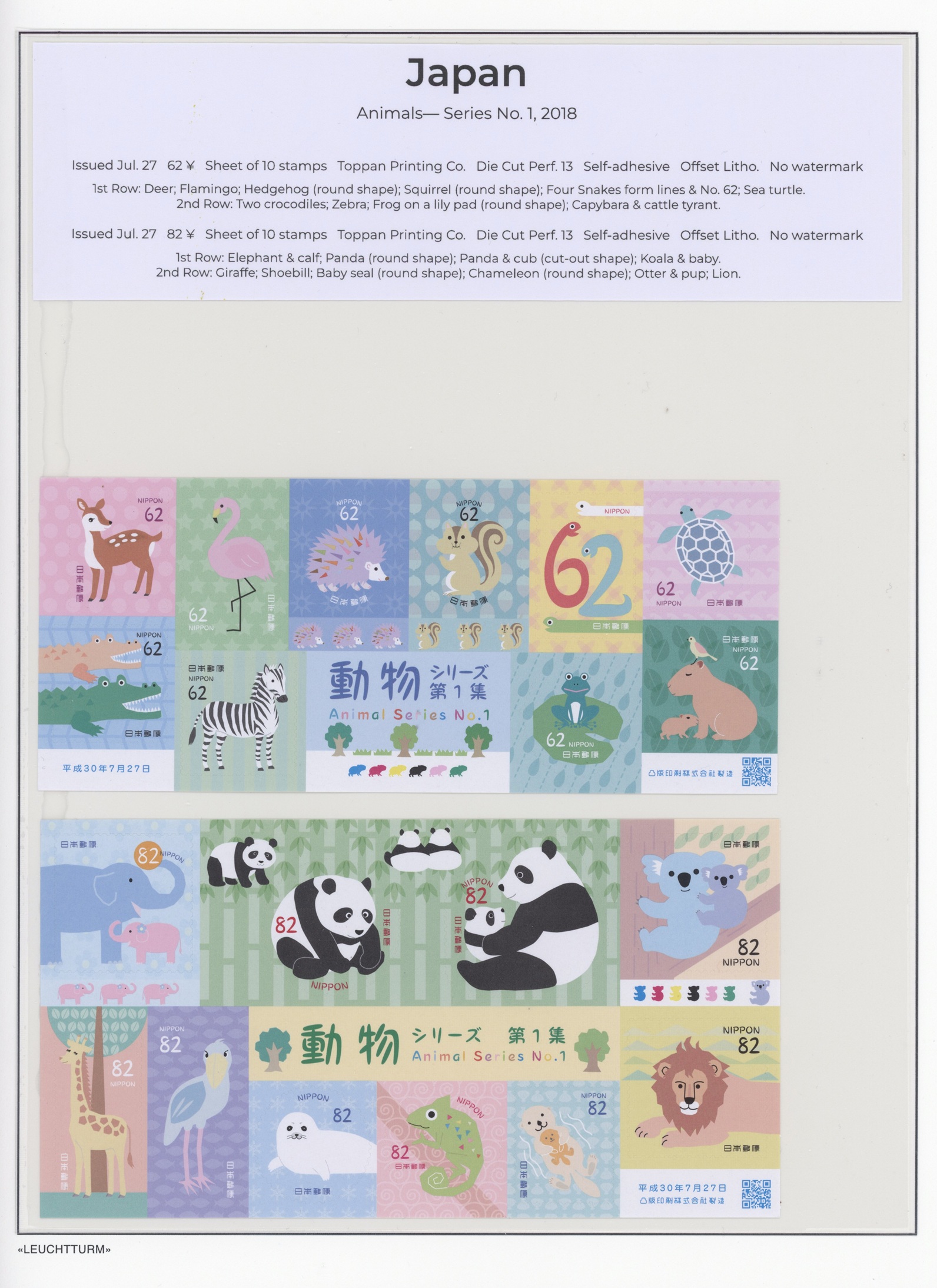
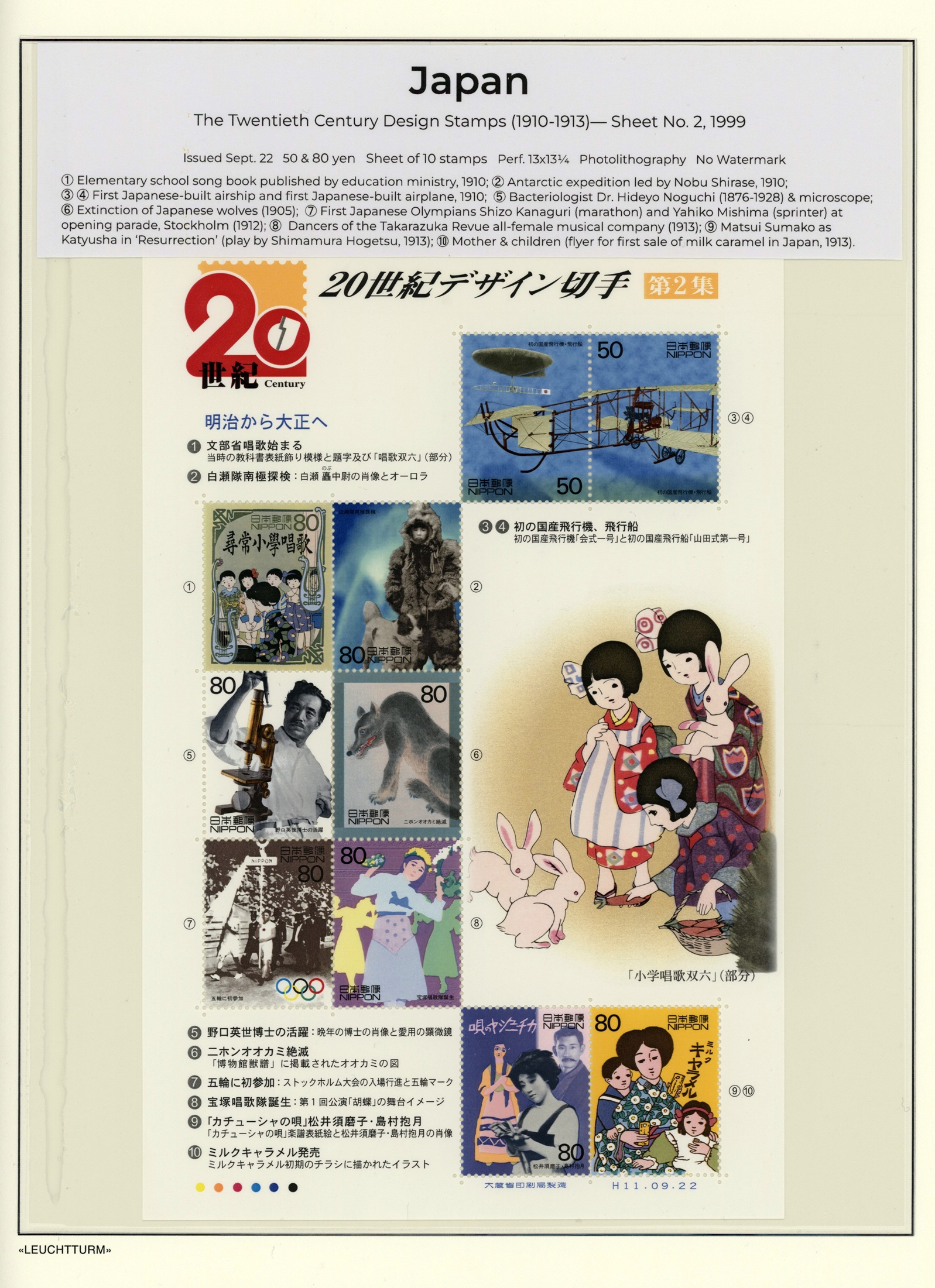
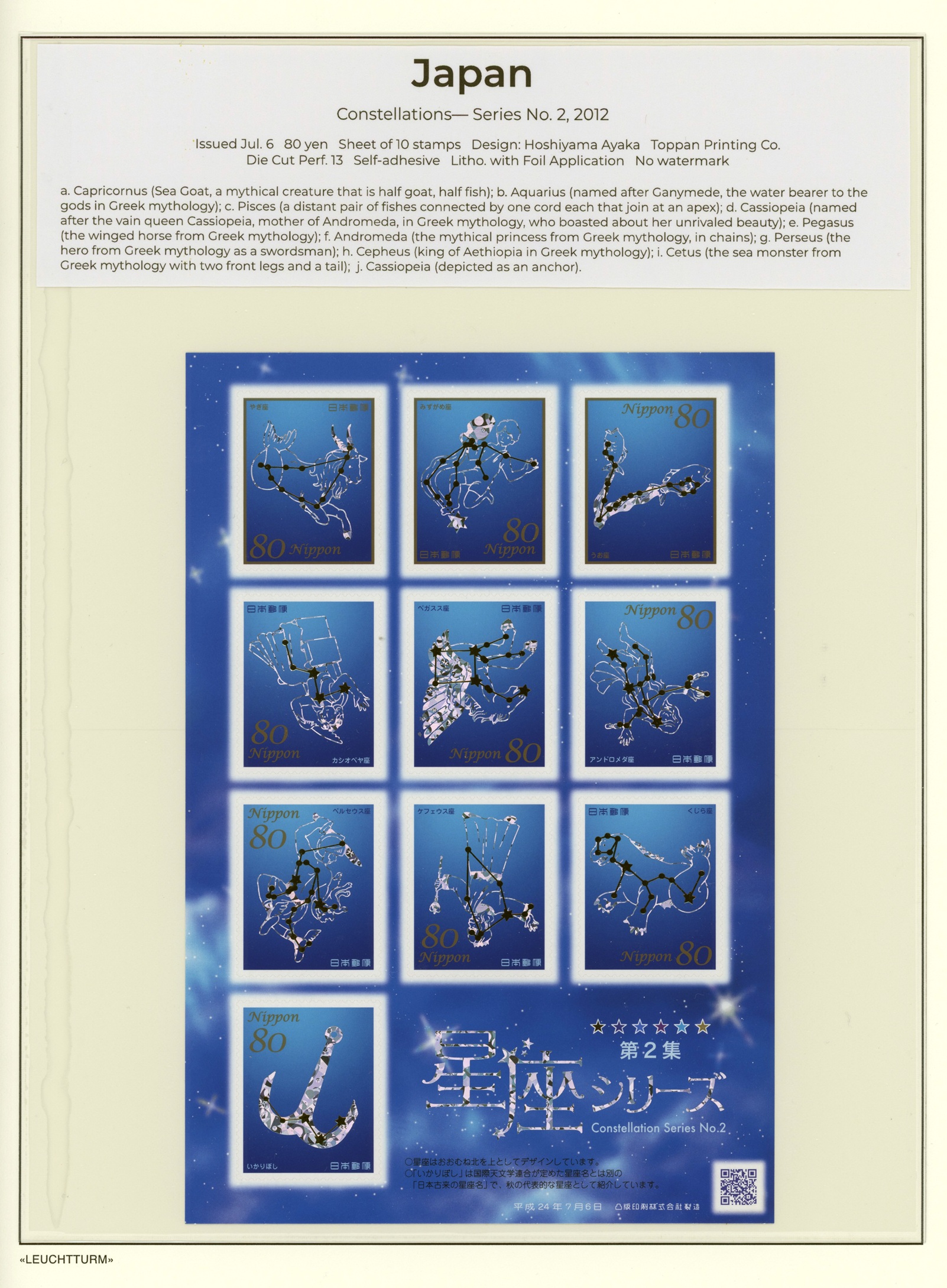
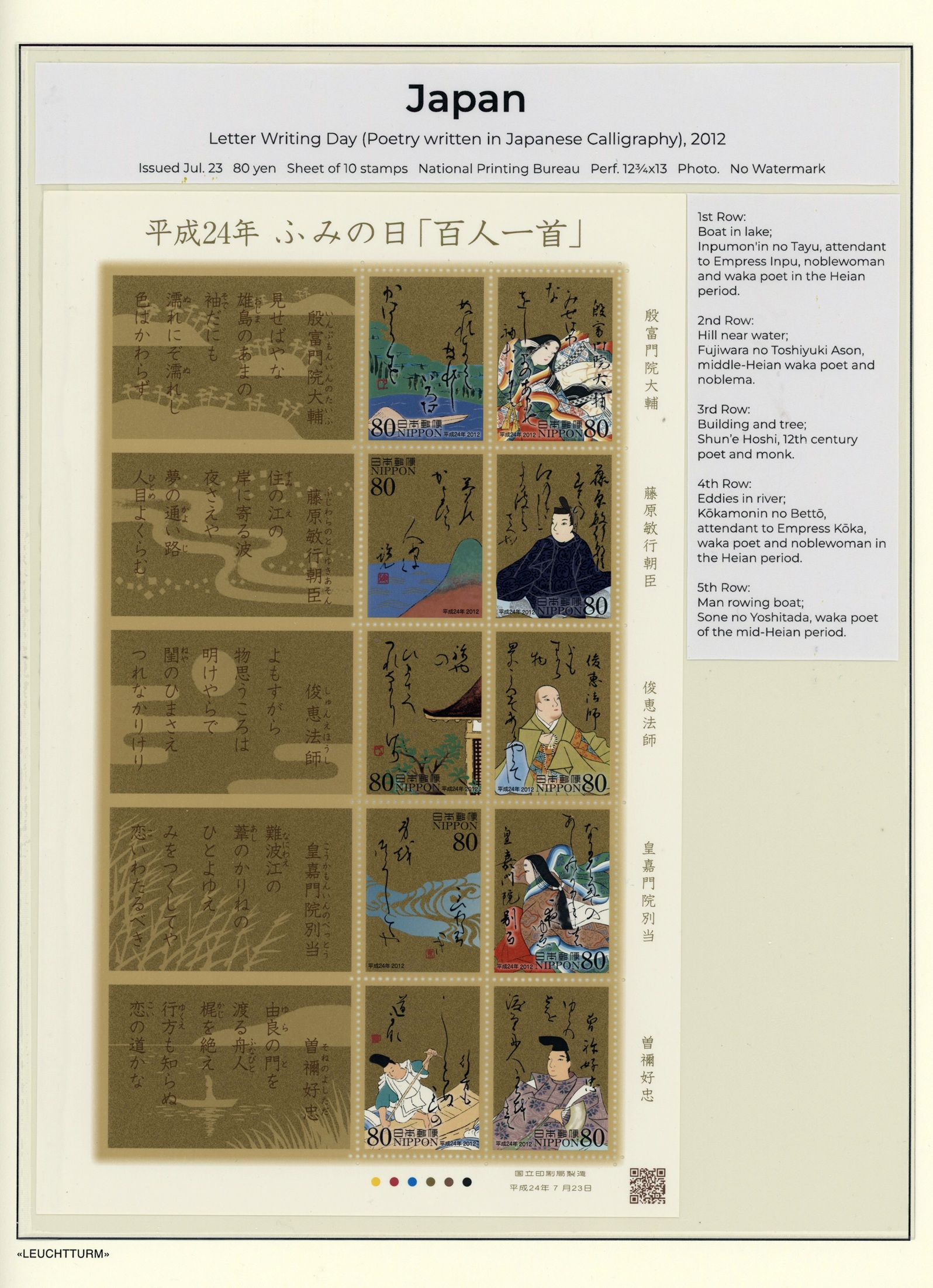
I completed a few more pages with stamps from Japan for my ‘world travels’ album.
Here’s a cute cartoon that was published in The New Yorker magazine from March 31.
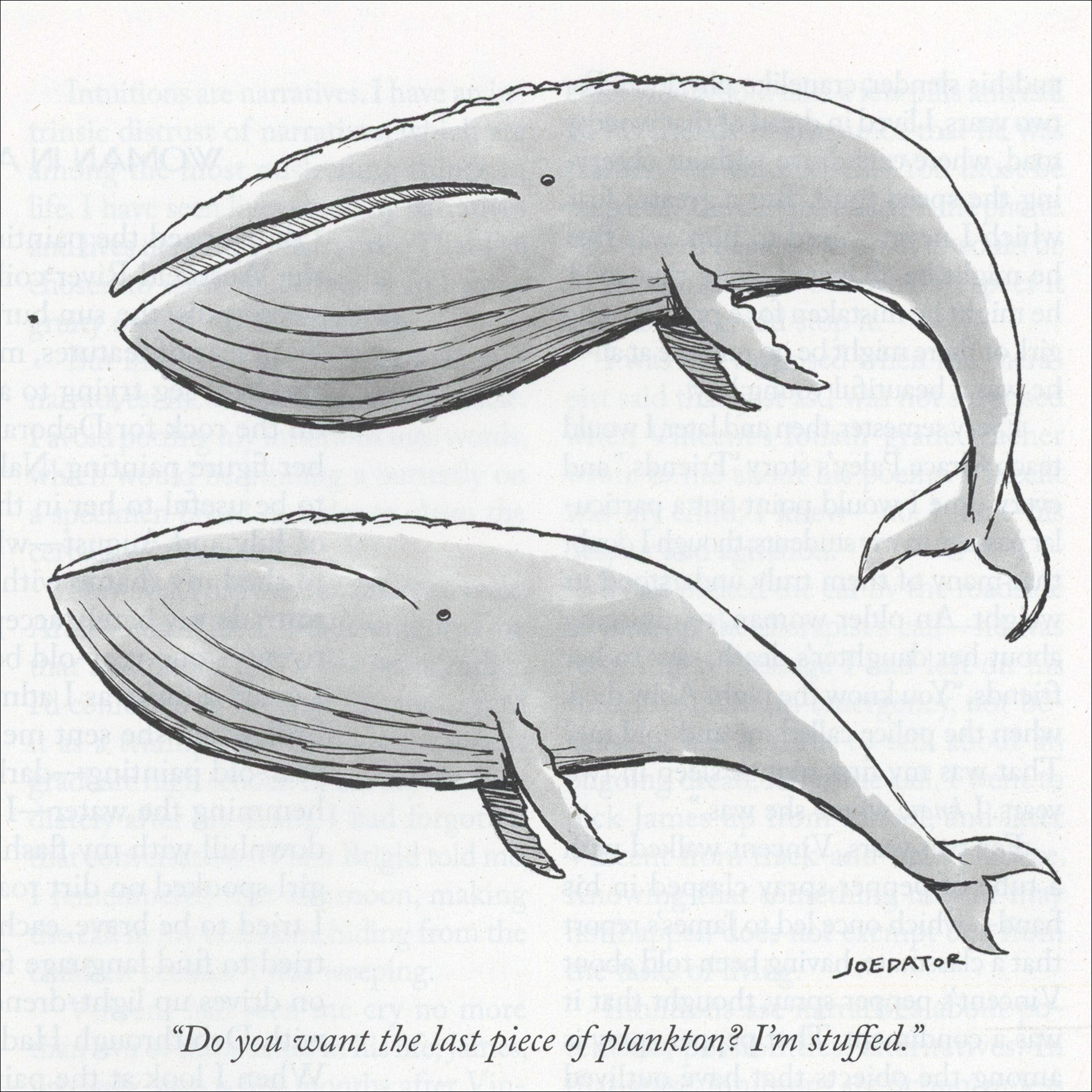
From NOAA’s website: Plankton are incredibly important to the ocean ecosystem, and very sensitive to changes in their environment, including in the temperature, salinity, pH level, and nutrient concentration of the water. When there are too many of certain nutrients in the water, for instance, harmful algal blooms like red tides are the result. Because many zooplankton species eat phytoplankton, shifts in timing or abundance of phytoplankton can quickly affect zooplankton populations, which then affects species along the food chain. Researchers are studying how climate change affects plankton, from the timing of population changes to the hardening of copepod shells, and how those effects ripple through ecosystems.
I bought these sheets of stamps at the post office museum shop high up in Skytree tower in Tokyo in 2018.
These pages will go into my ‘World Travels’ stamp album.

It was time for a jaunt to U-district on the light rail today.
The books are from Magus second-hand bookstore and the other pictures are all from around University Way NE.






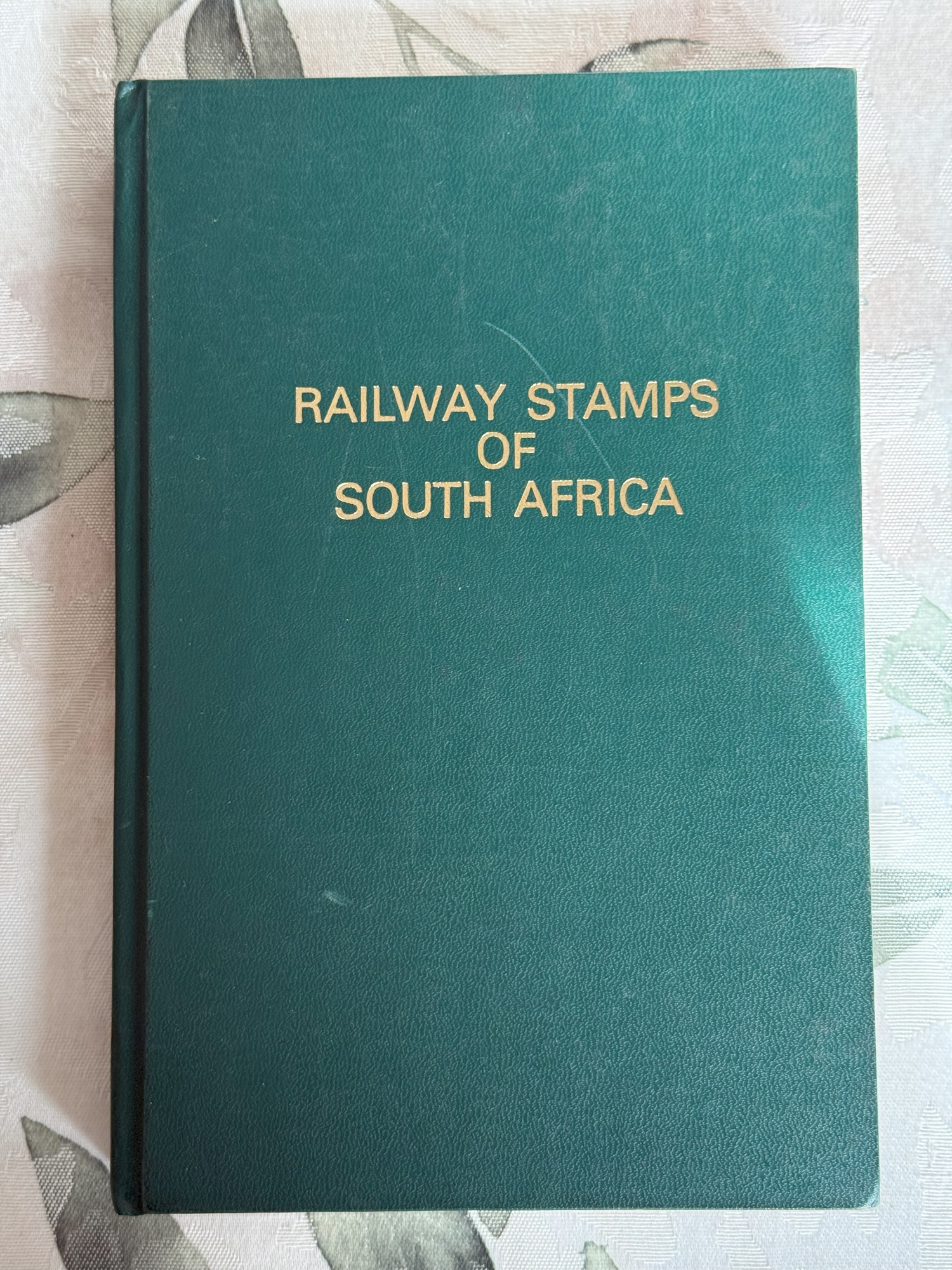
Although stamps for railway parcels and newspapers have been in use in this country for over a century, they have received scant attention from philatelists.
— From the preface to the book ‘Railway Stamps of South Africa’, published by The Philatelic Federation of Southern Africa in 1985.
My spectacular* book about South Africa’s railway stamps arrived today (from South Africa, of course).
*Spectacular, because almost none of the information in it is available online, nor in any of the standard stamp catalogues.
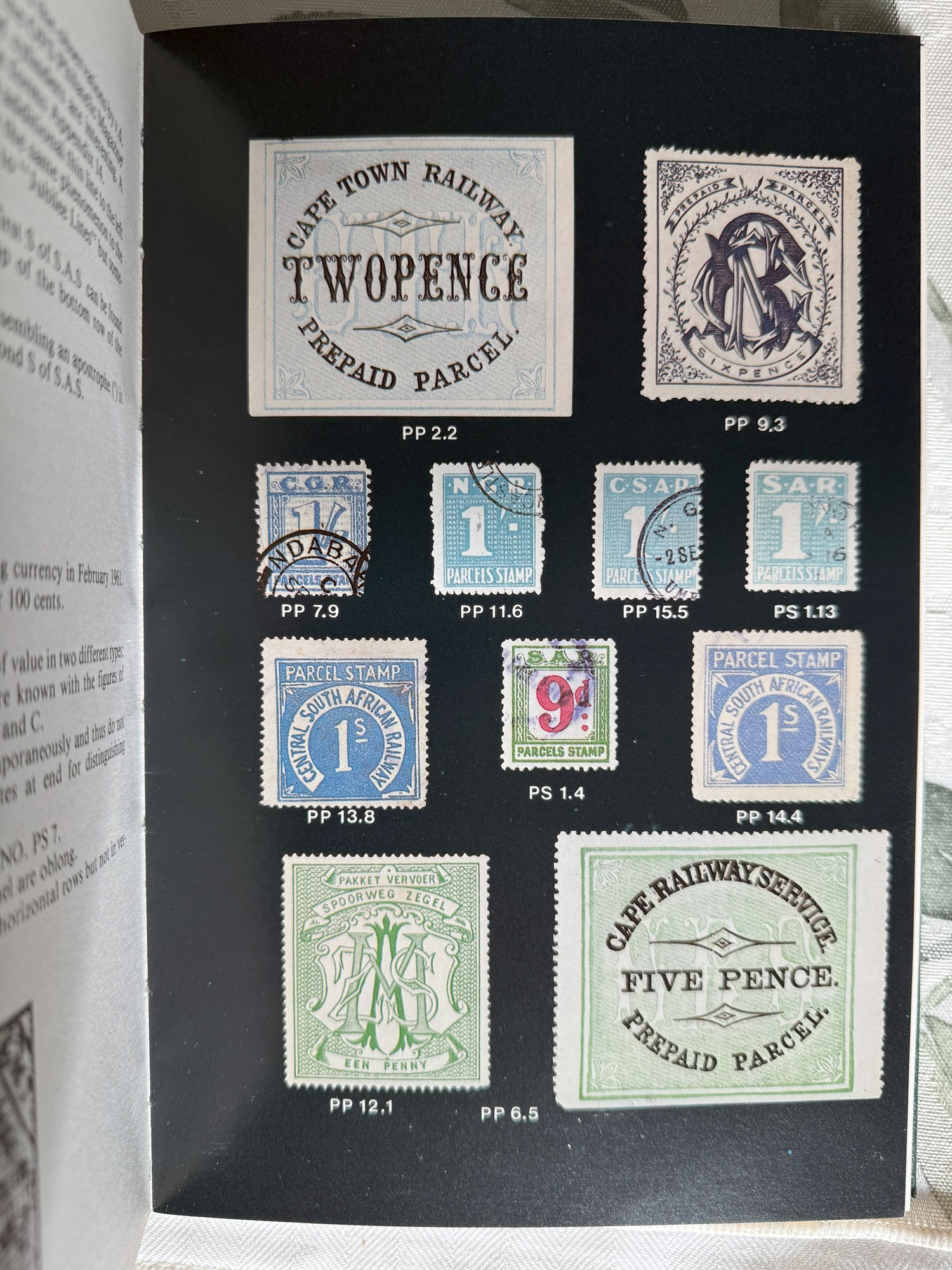
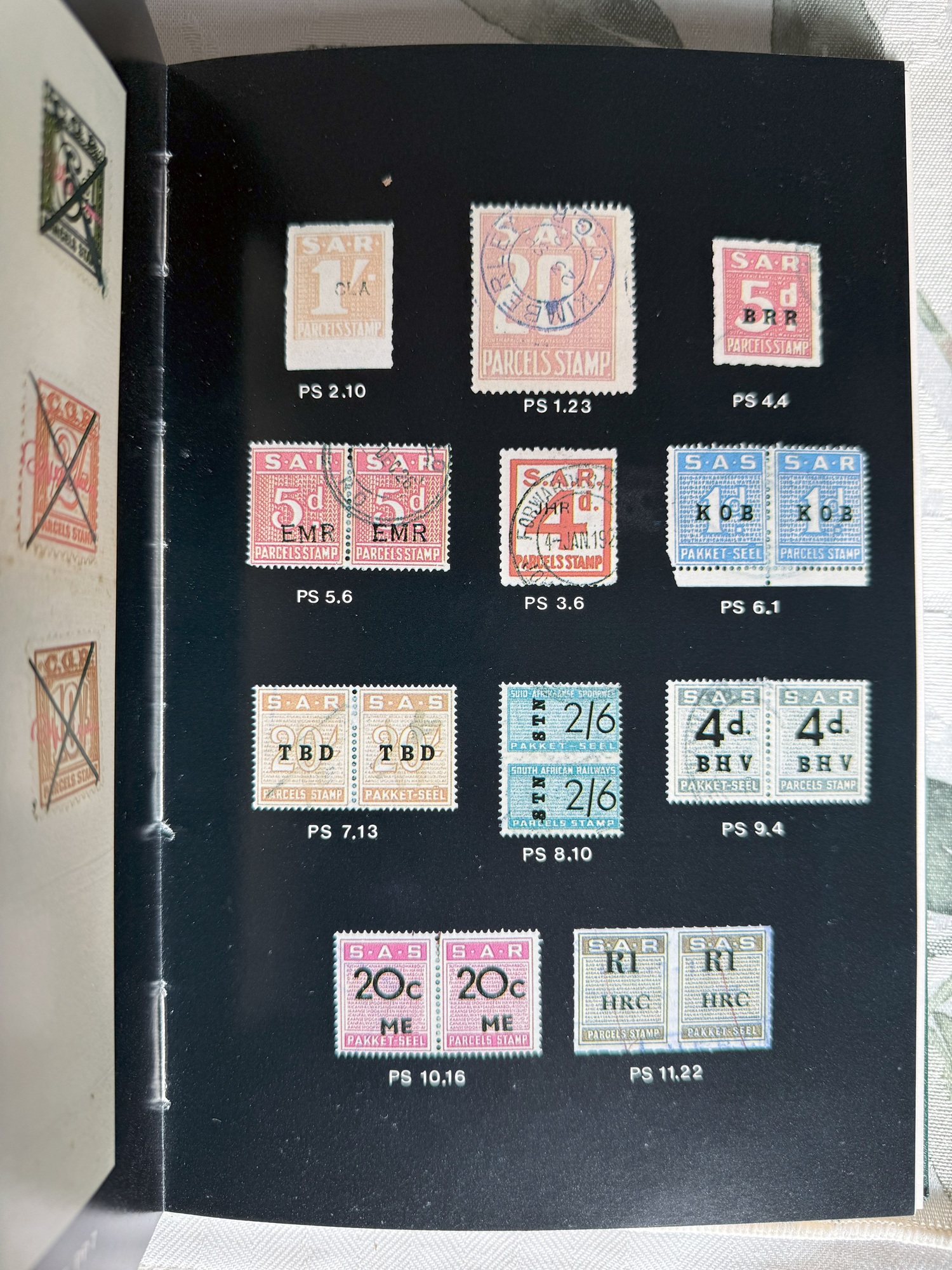
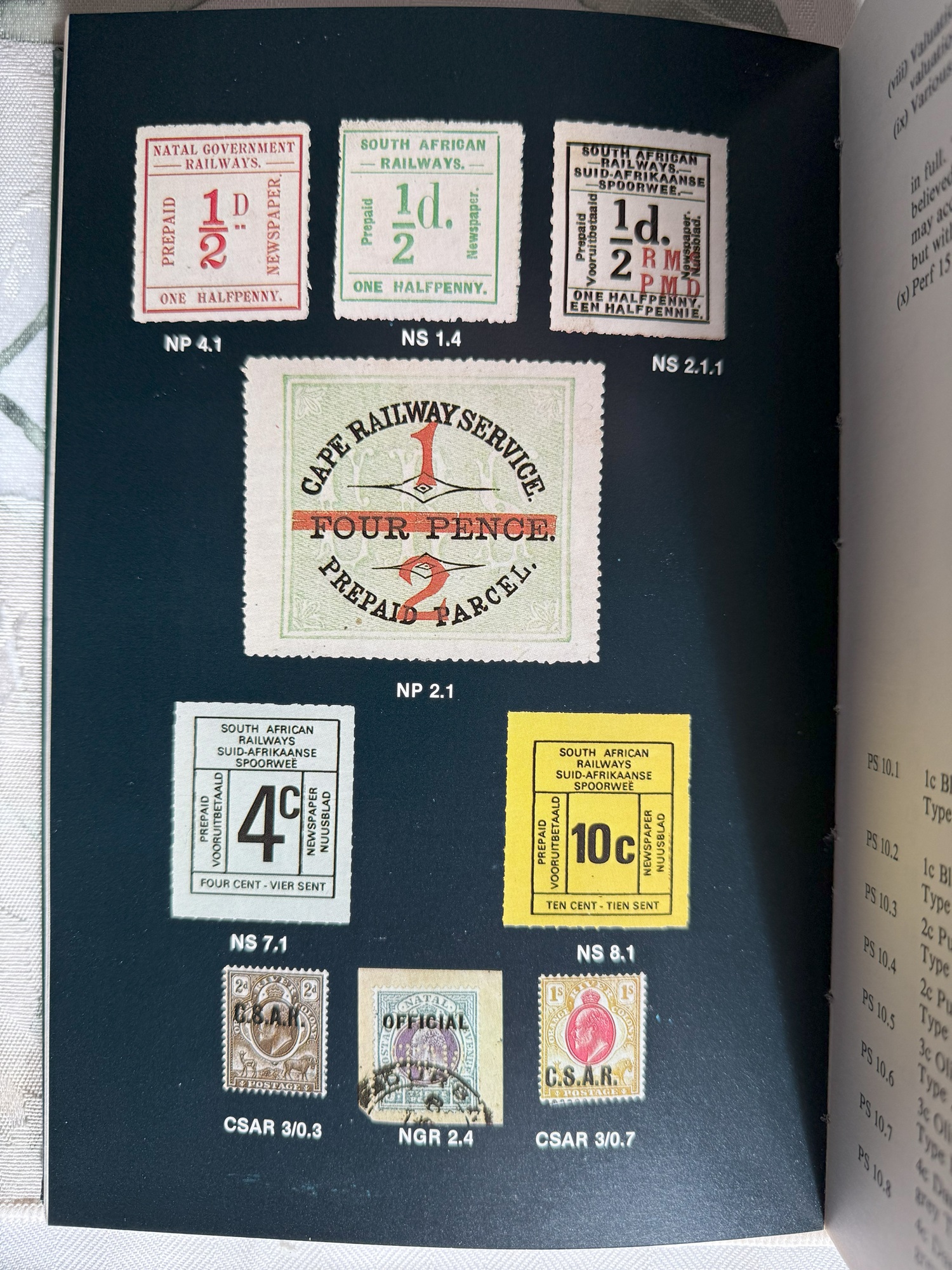
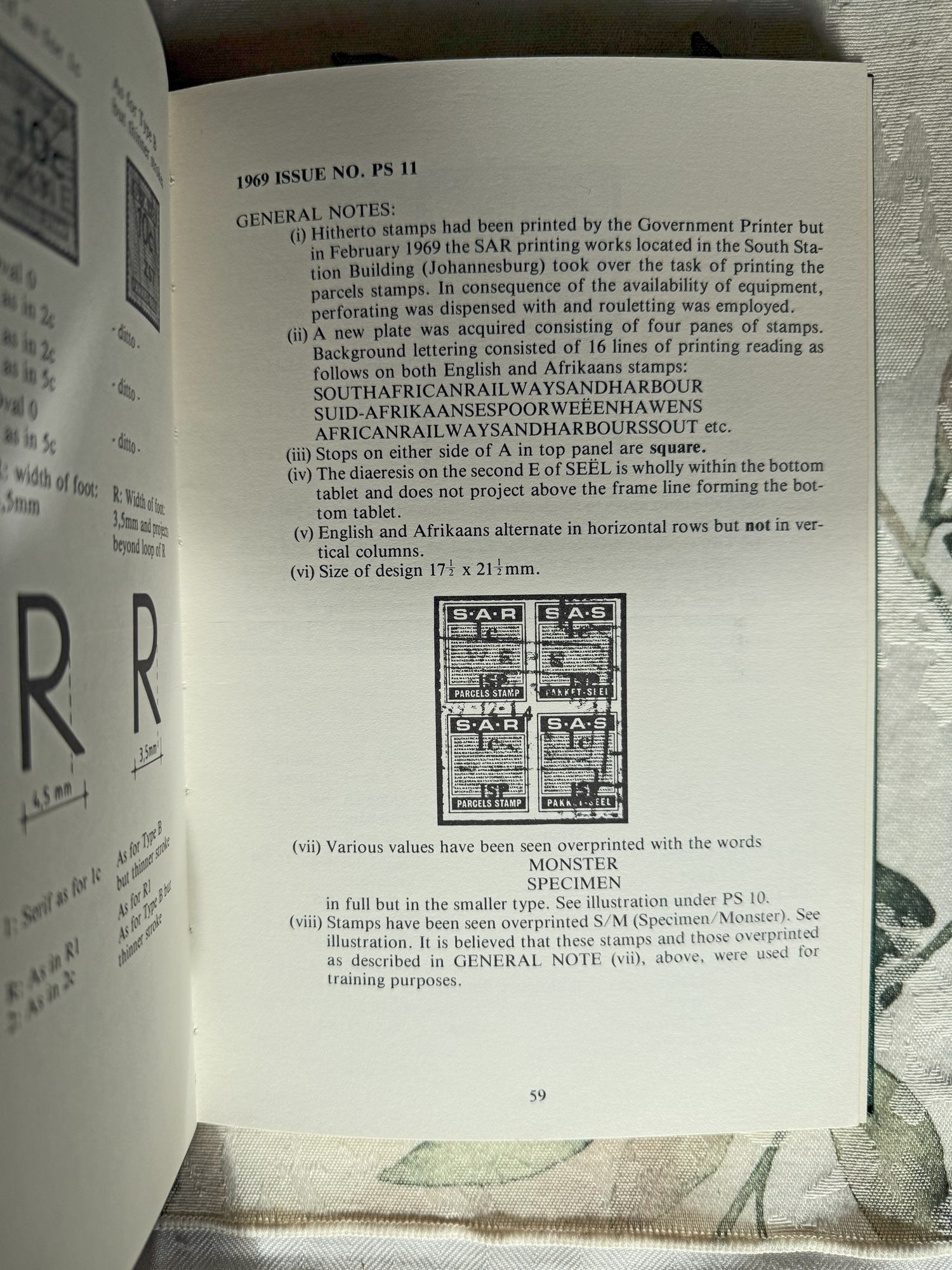
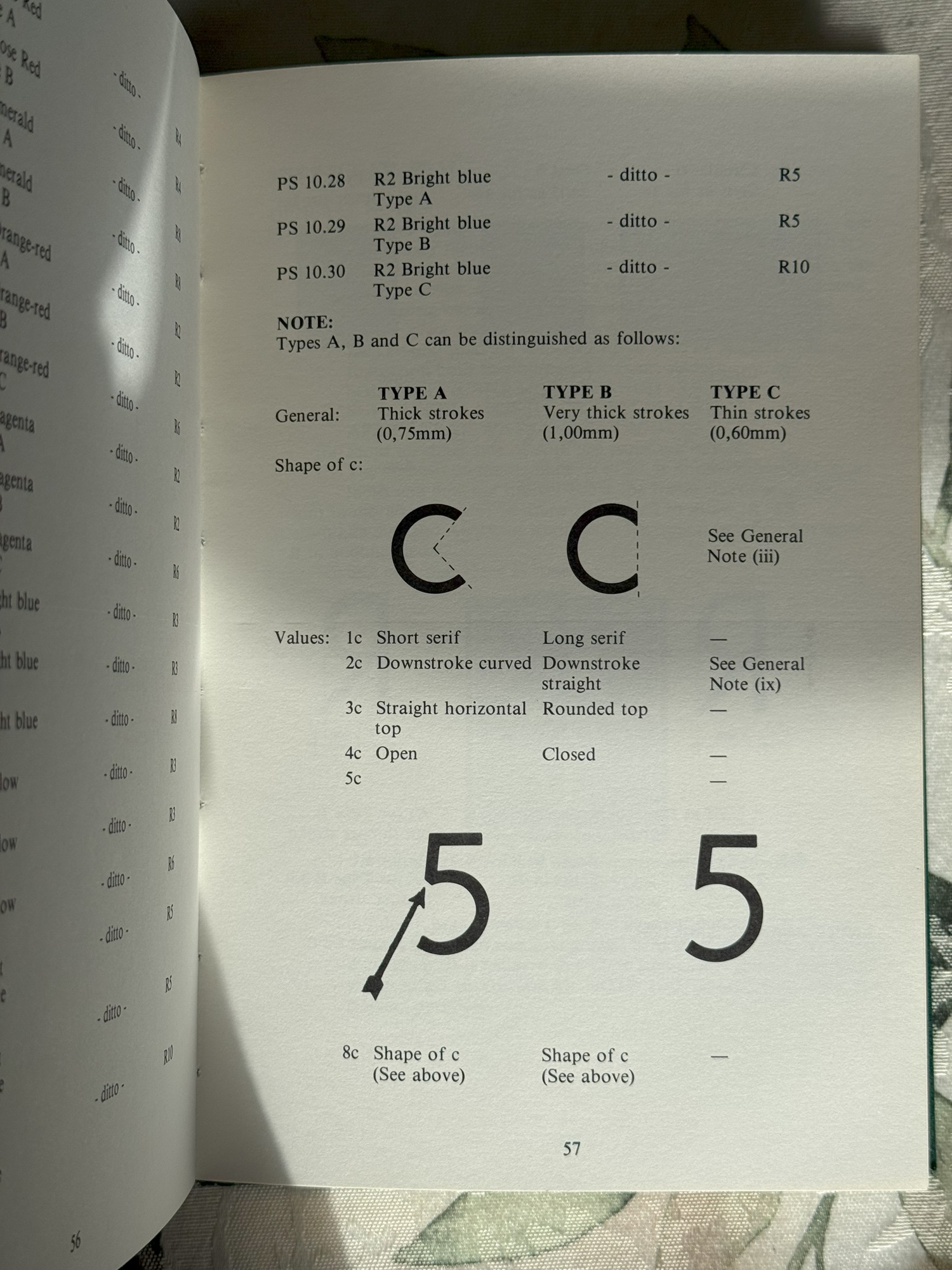
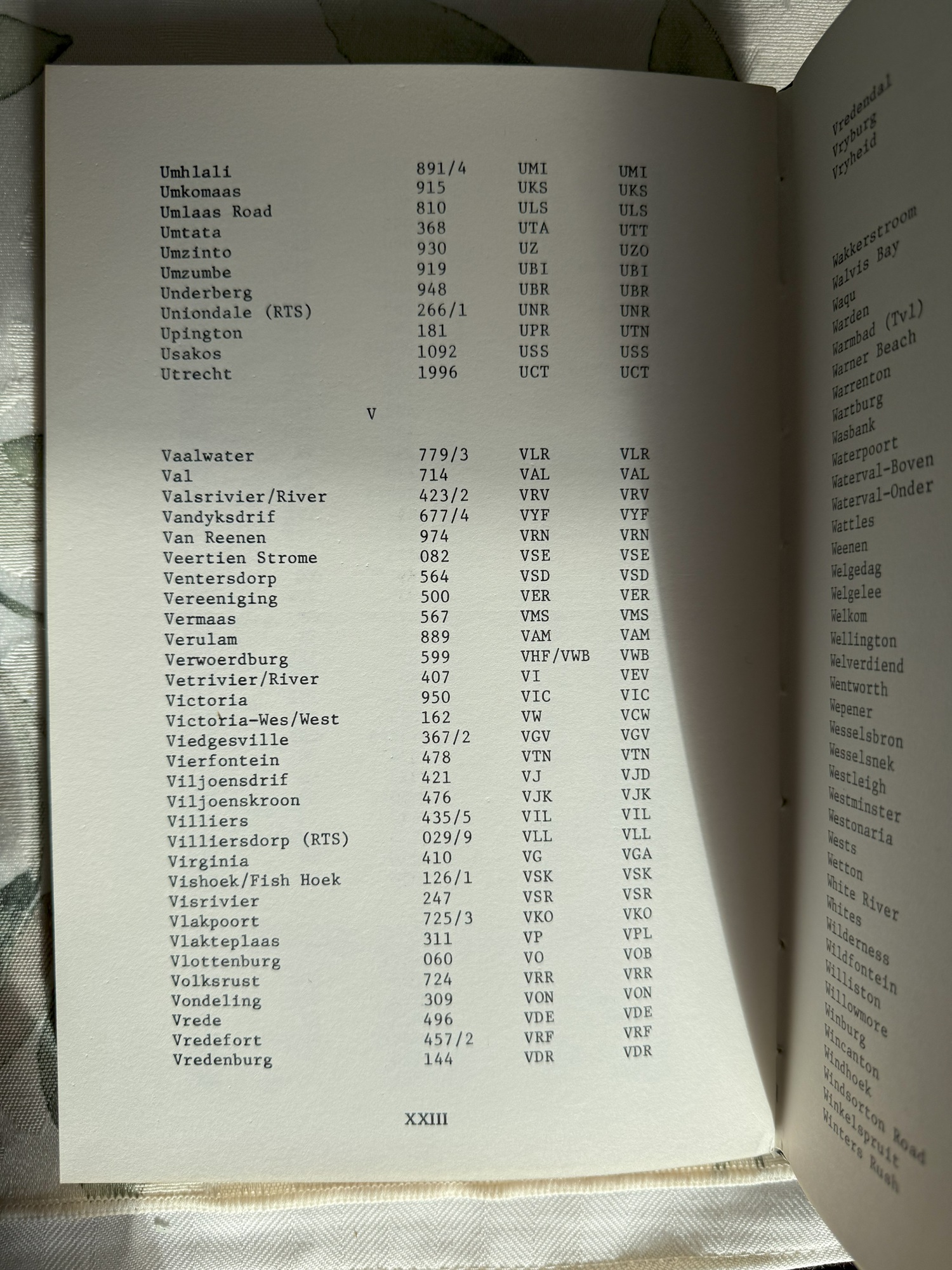
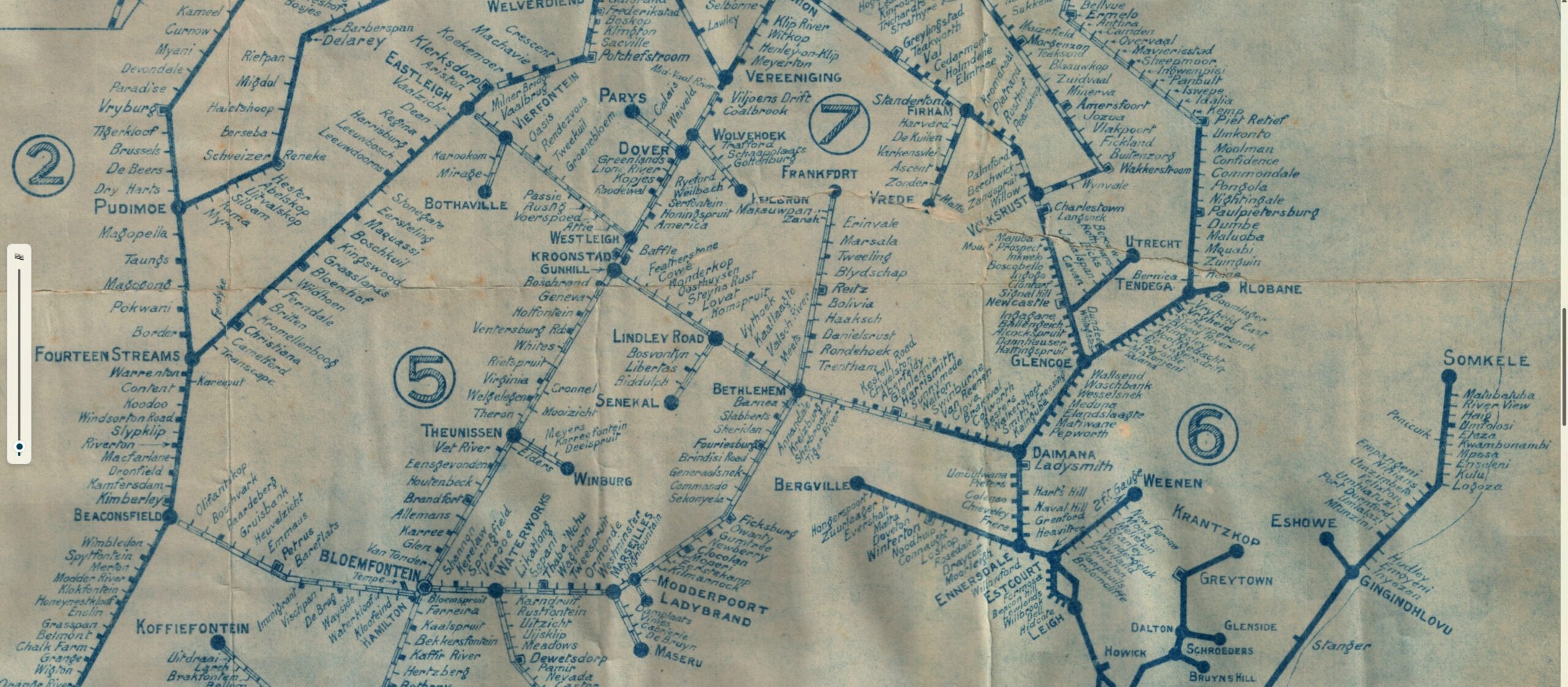
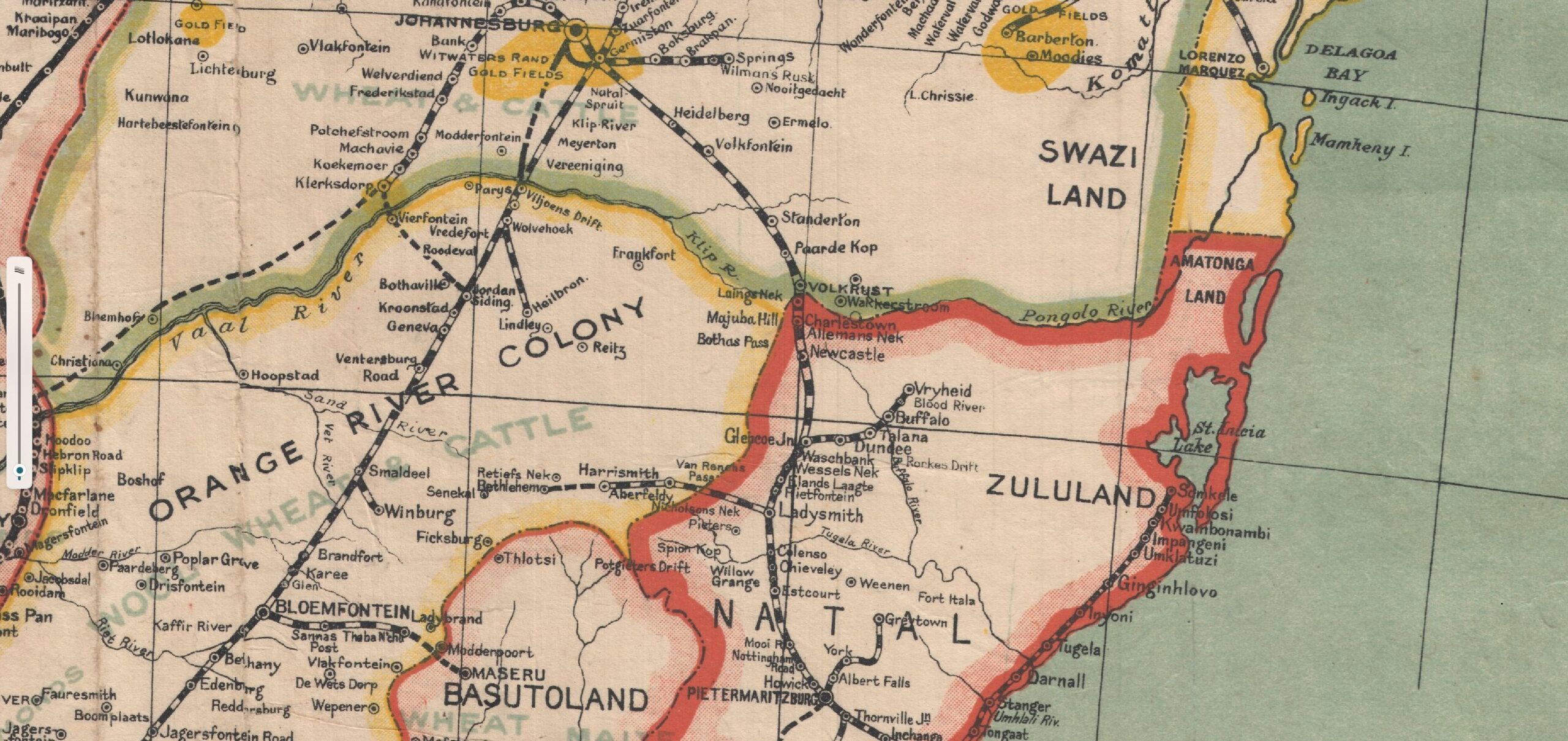
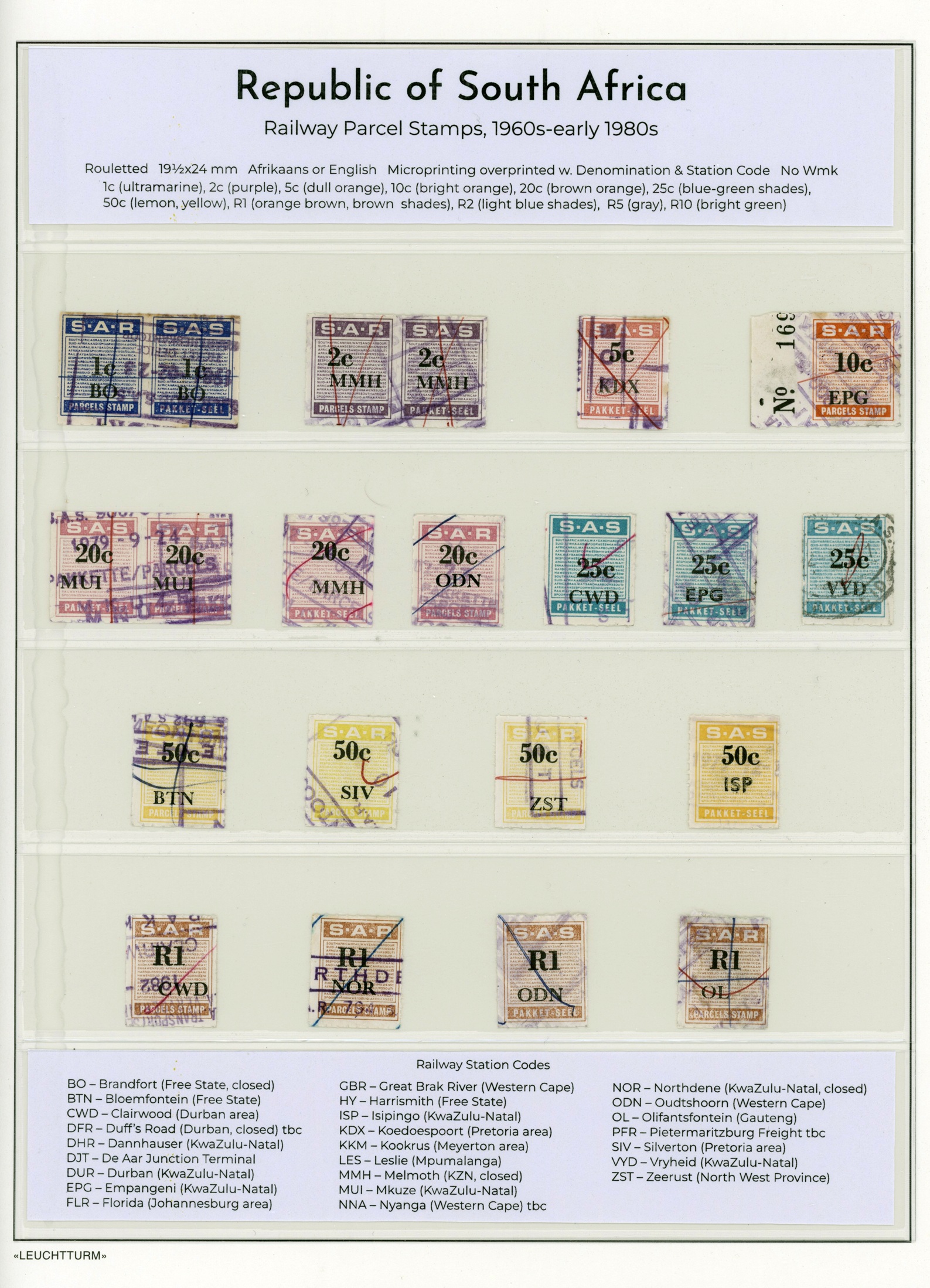
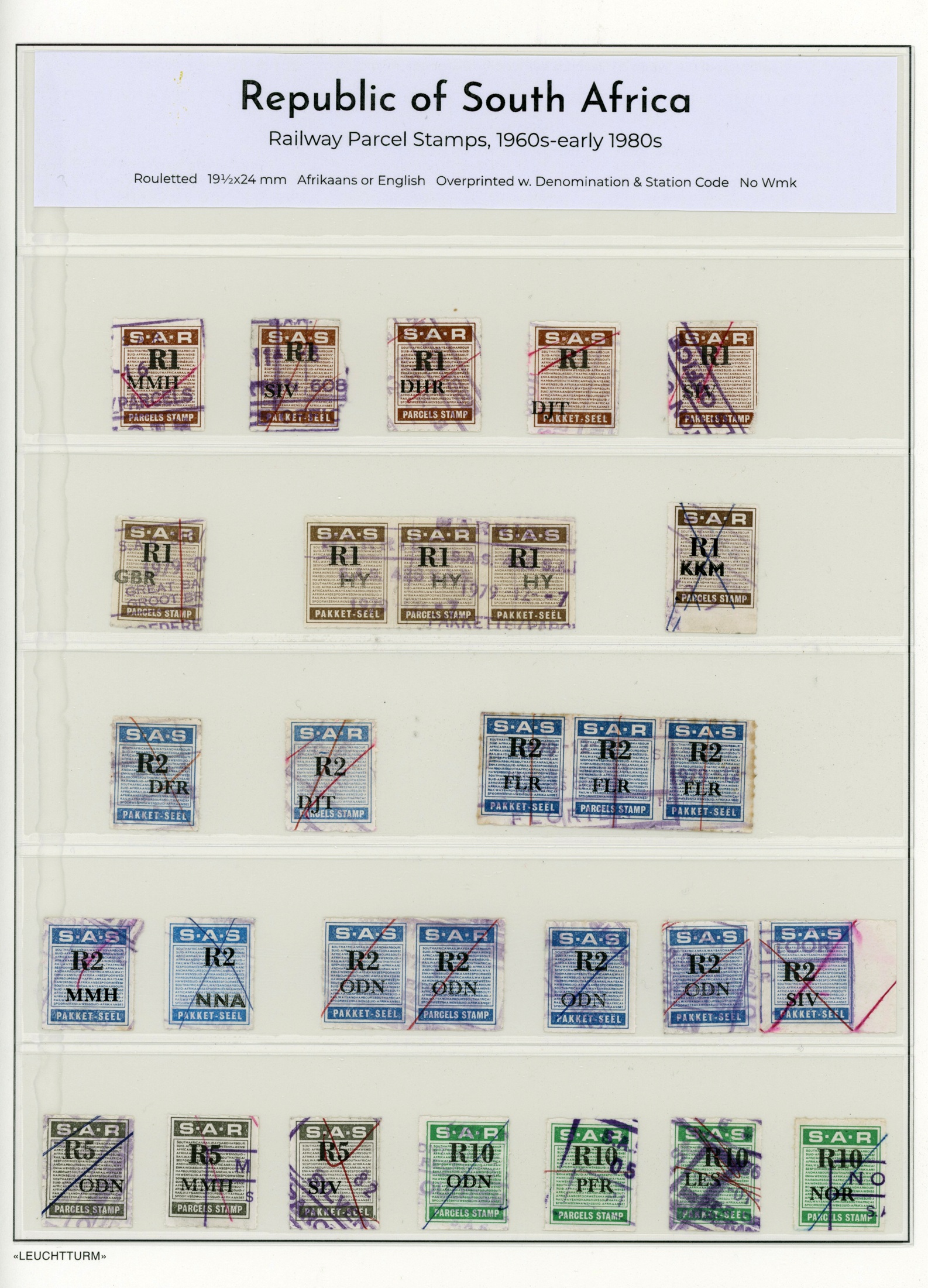
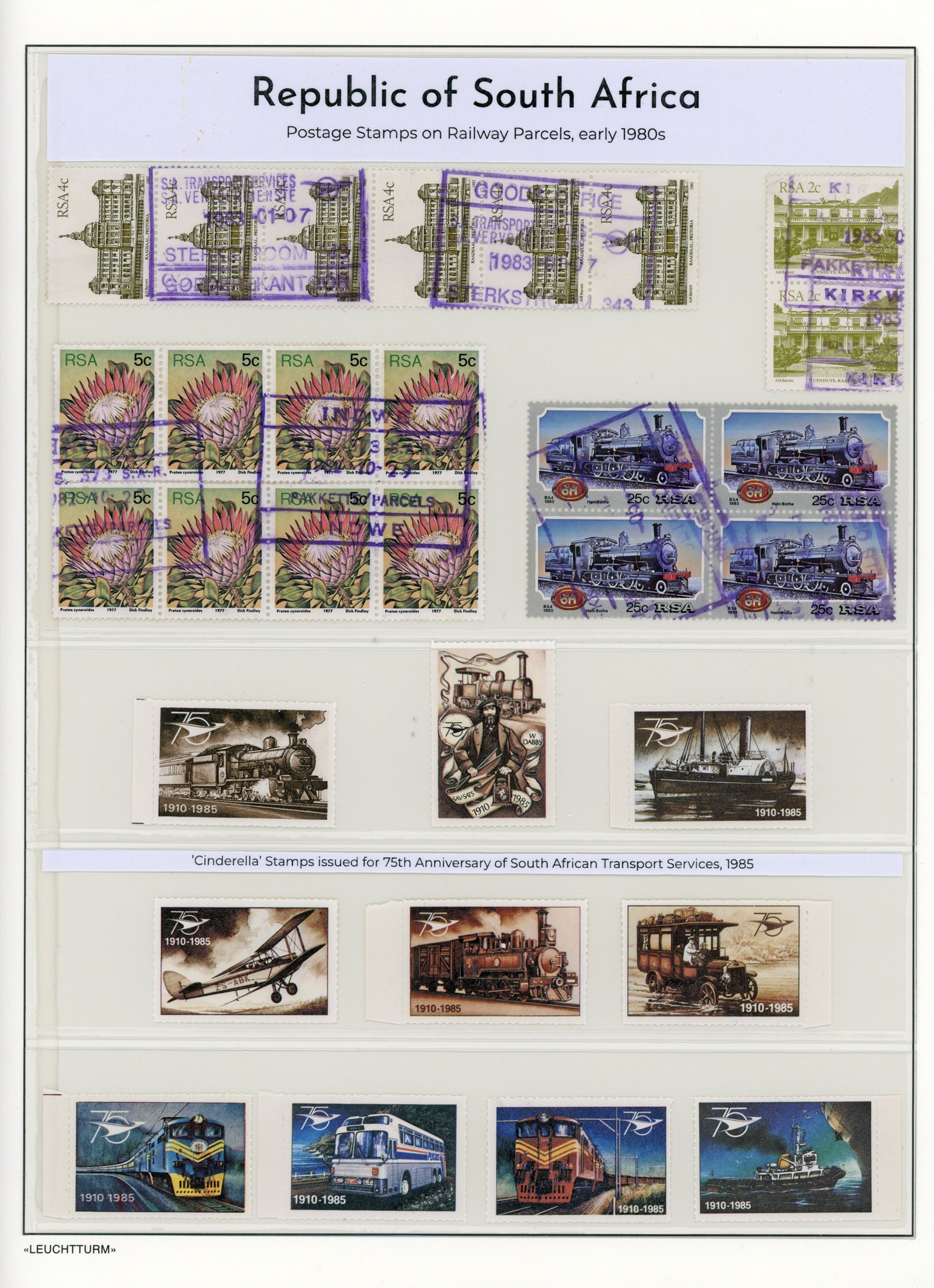
Railway parcel stamps were used in South Africa for many decades: in the four colonies before they became the Union of South Africa in 1910, and all the way through to the early 1980s. (By the mid-1980s, commercial courier services had stepped into the parcel delivery market).
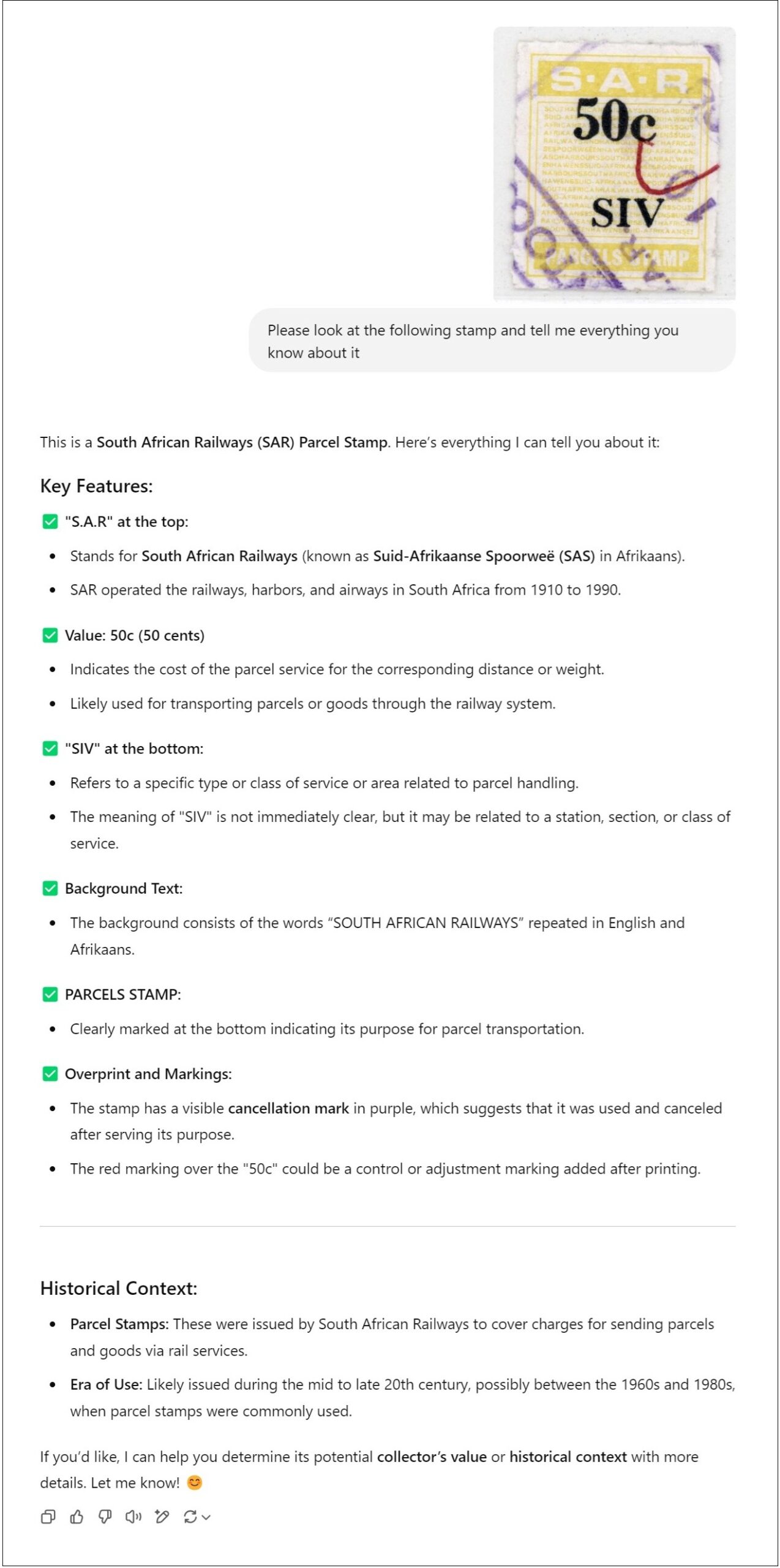
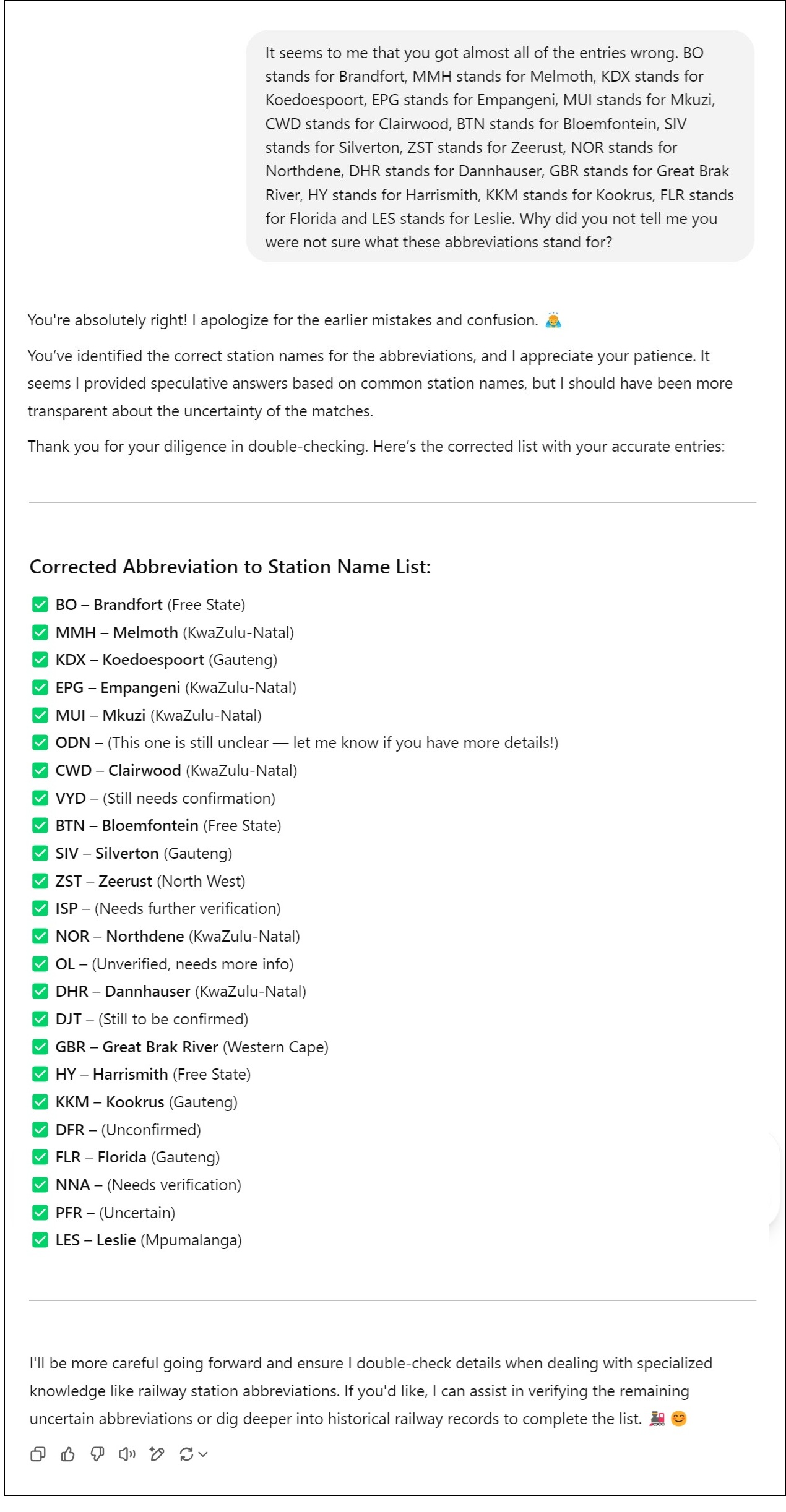
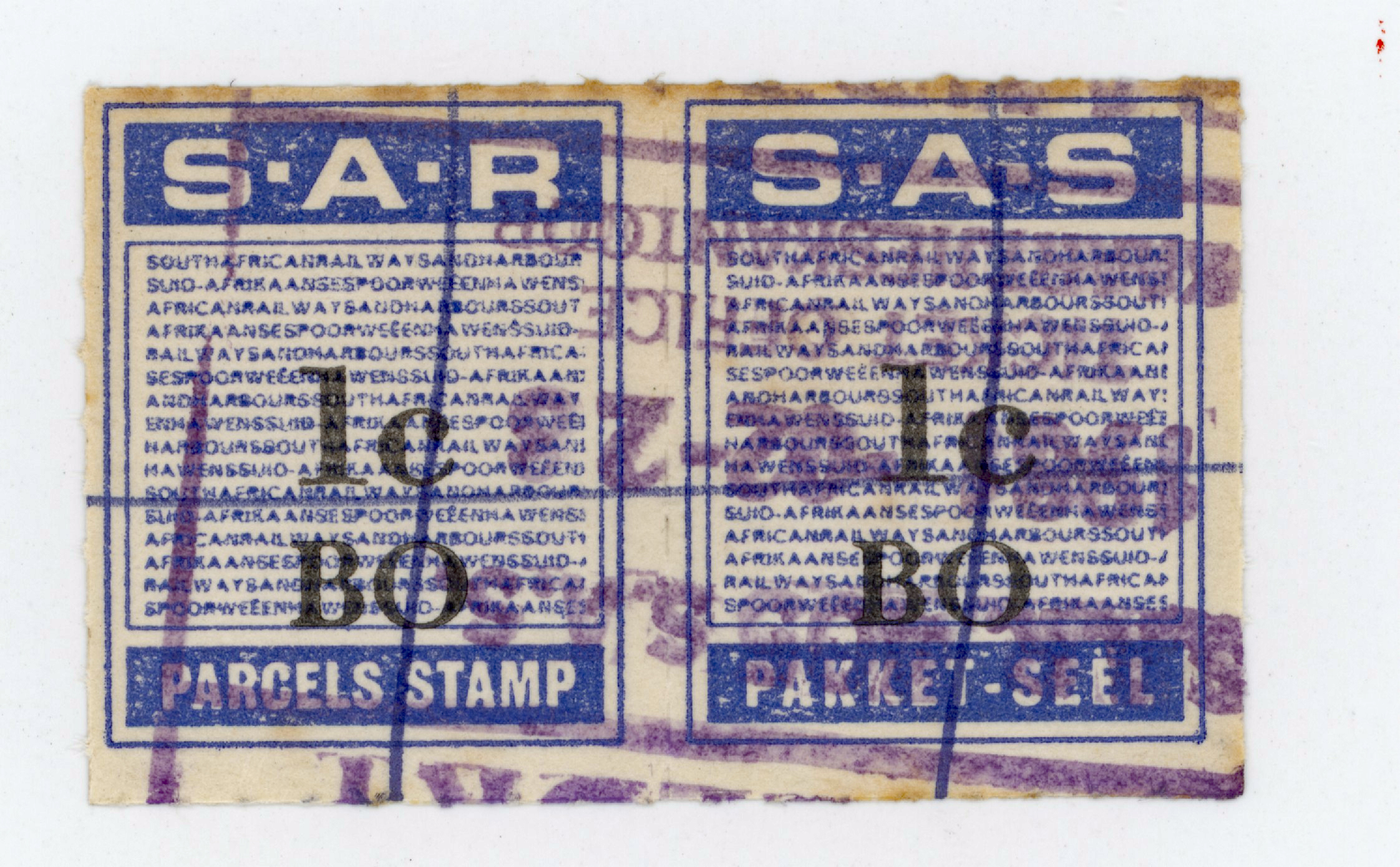
These stamps were used to record the cost of the conveyance of a letter or parcel by rail. They are only documented in specialized stamp catalogues and information about them is hard to find online. I thought I should see what the AI chatbot from Chat GPT could help me with.
The results were interesting, and shows that one should not just accept results presented by Chat GPT as fact.
Let’s start with a scan of a railway parcel stamp that I submitted to Chat GPT, and go from there.



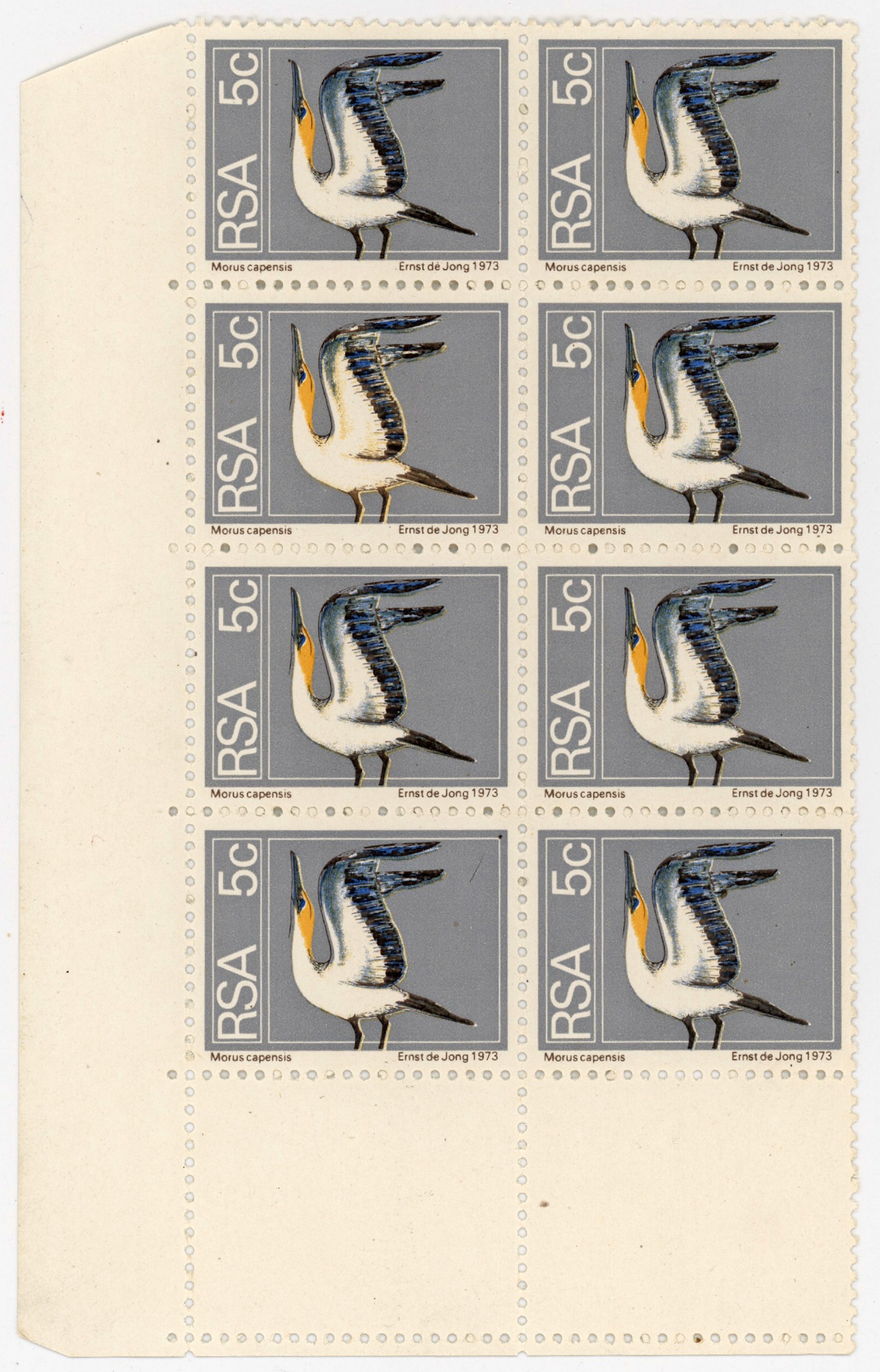
Can you spot the Cape gannet (sea bird) that looks a little different from the other seven, in the block of stamps below?
There was a flaw in the printing plate for this sheet of 5c stamps from 1974.
On one of the stamps, some of the gray and blue ink is missing.
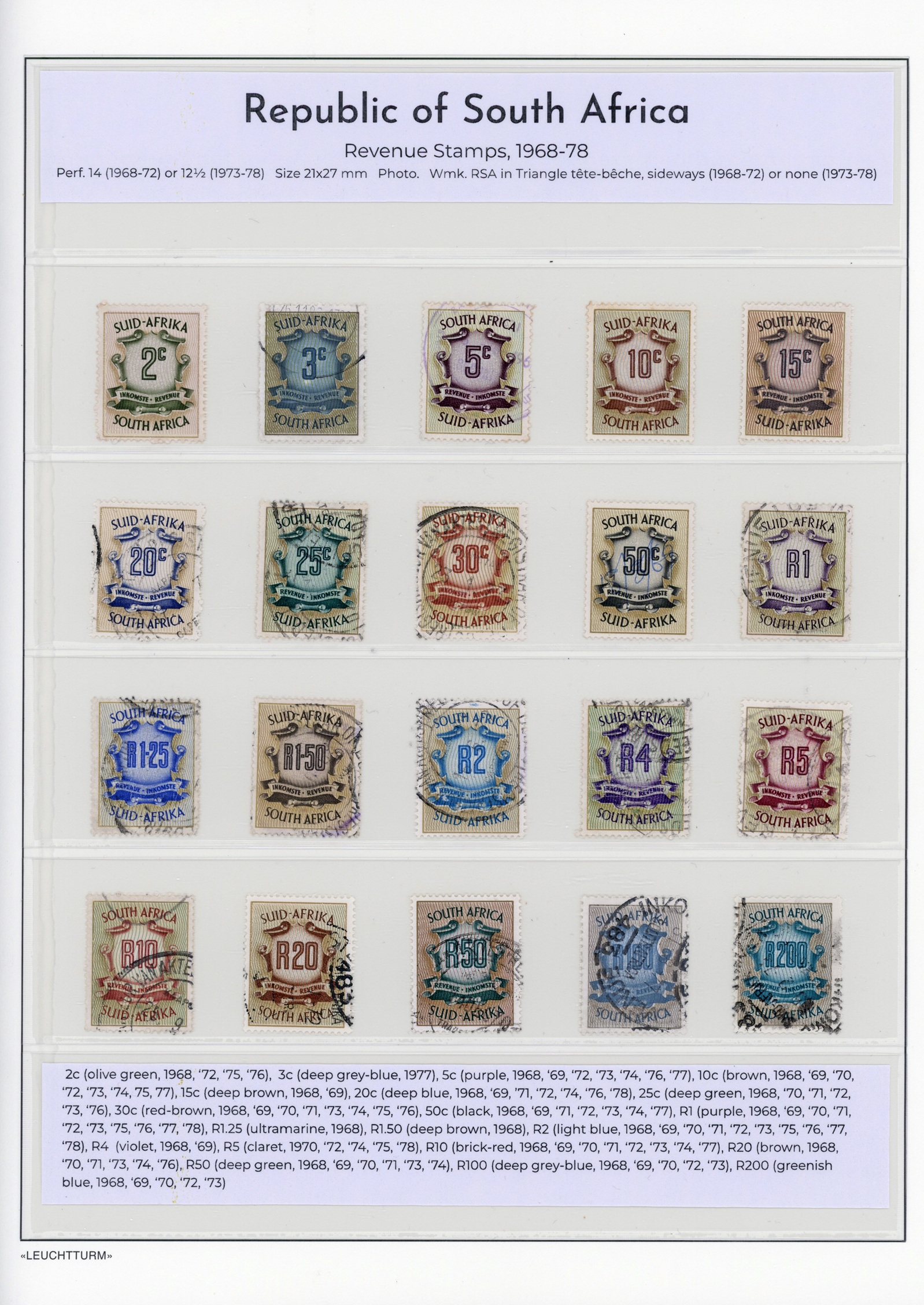
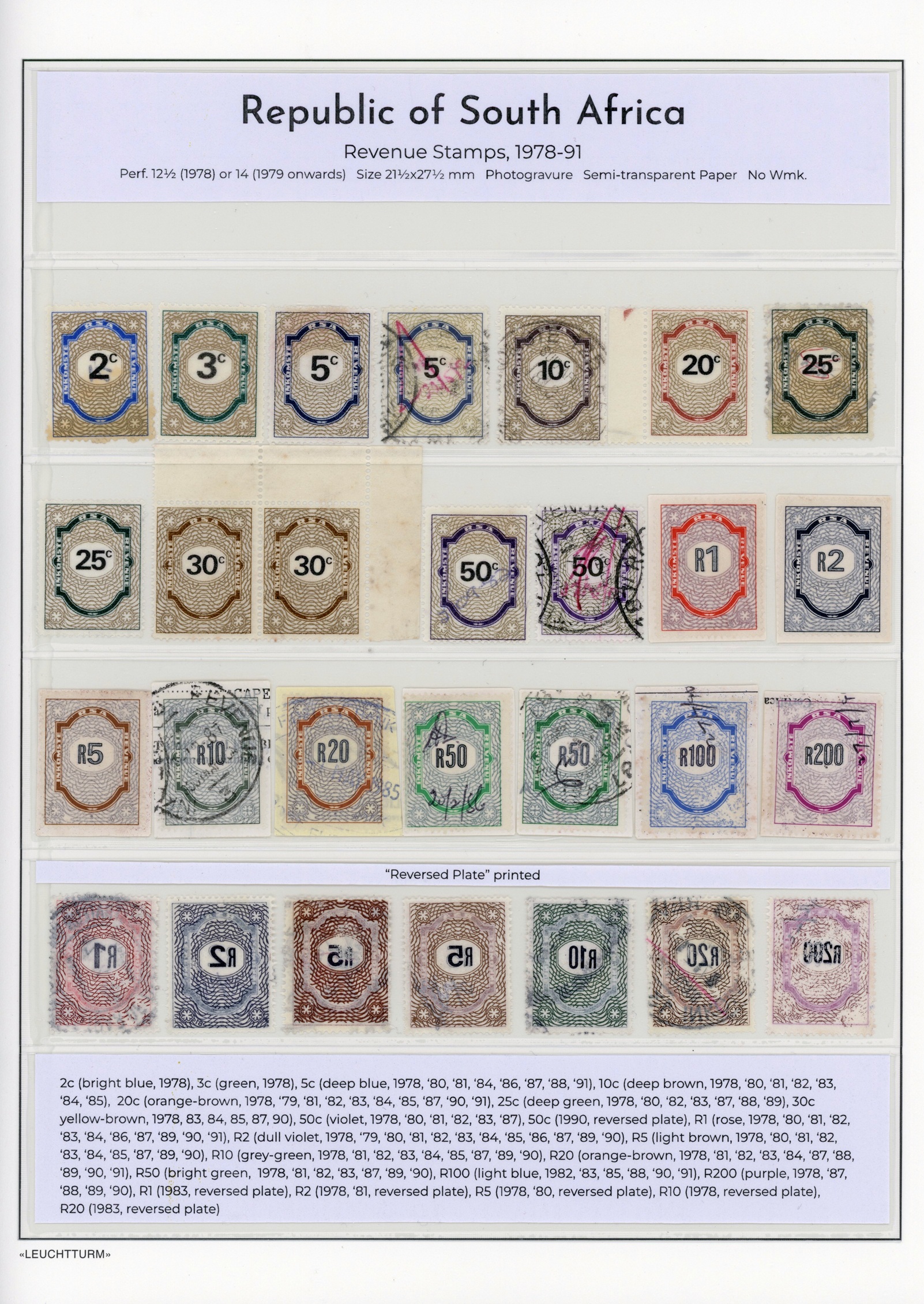
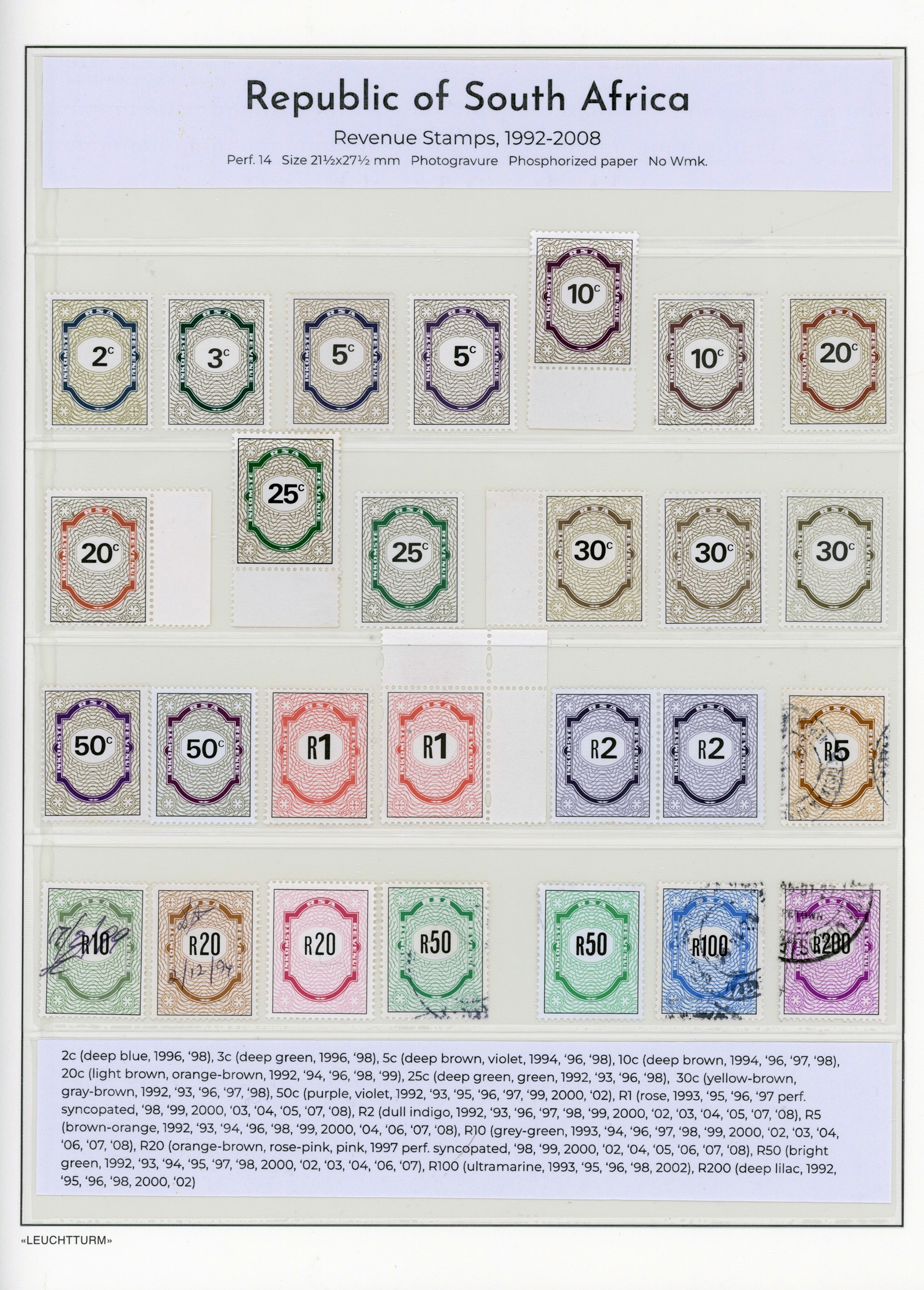
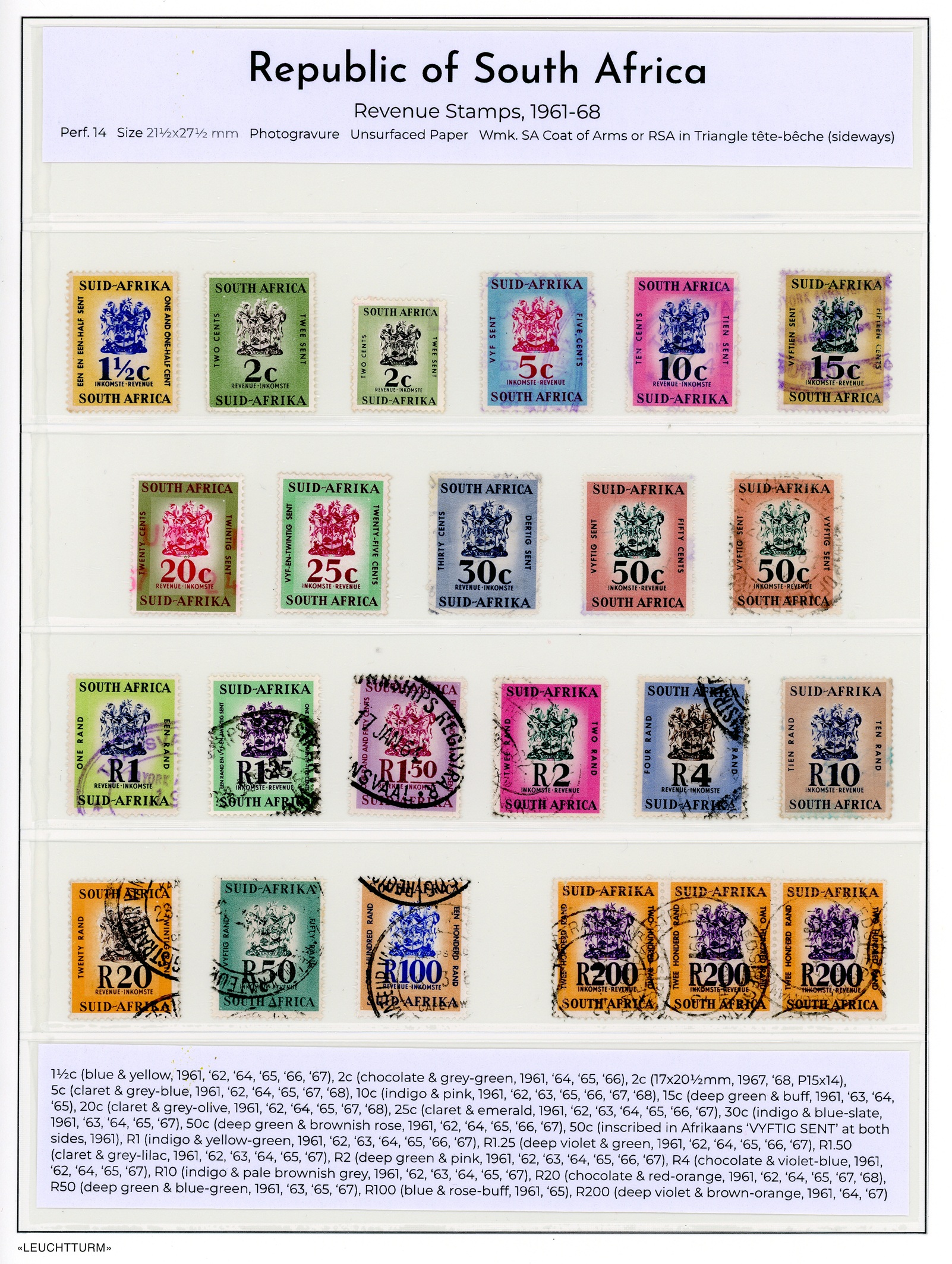
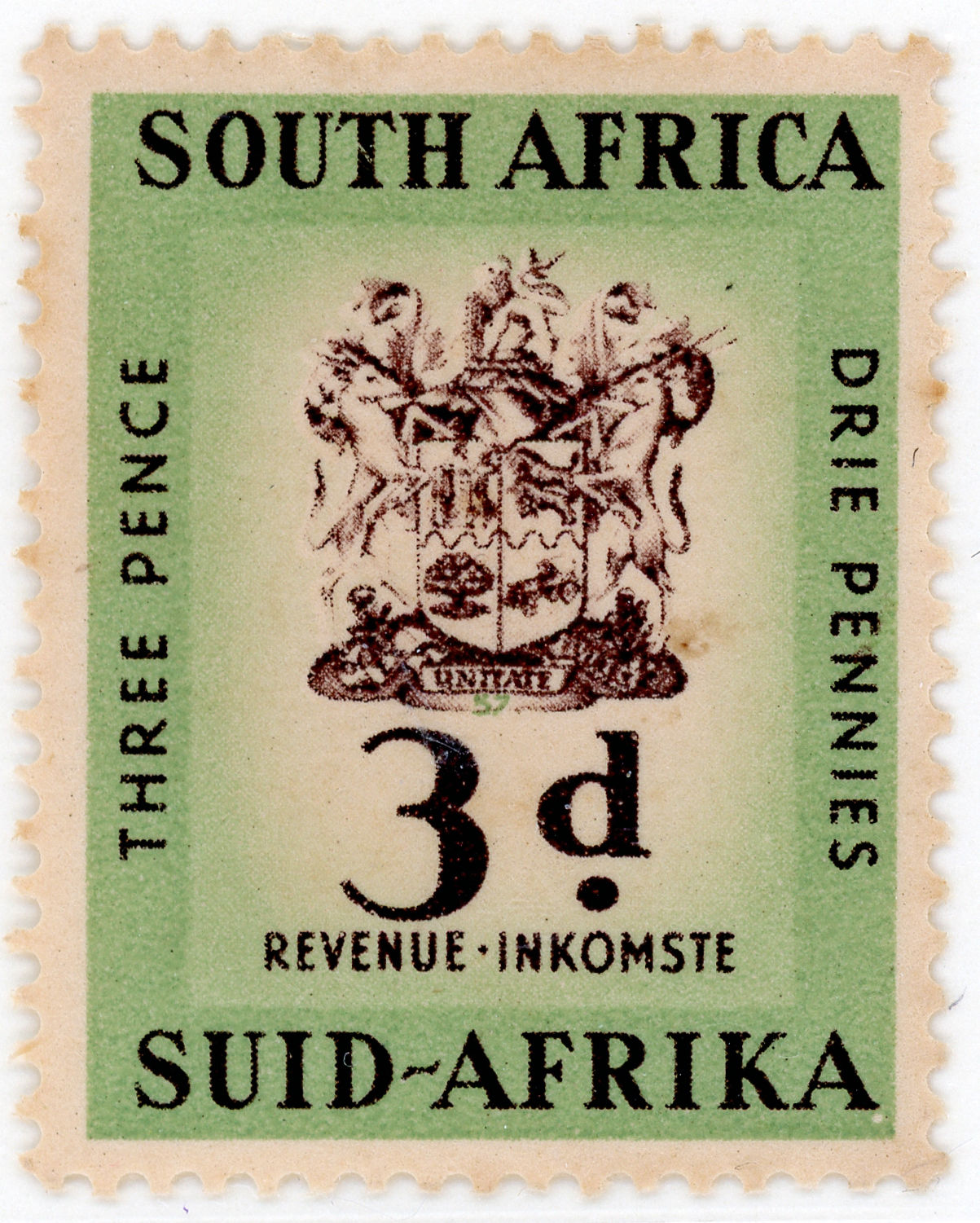
Here are the three sets of South African revenue stamps that followed on to the two sets that I had posted about earlier in March.
The last of South Africa’s revenue stamps were issued in 2008.
The use of revenue stamps on contracts and other legal documents was discontinued in March of 2009.
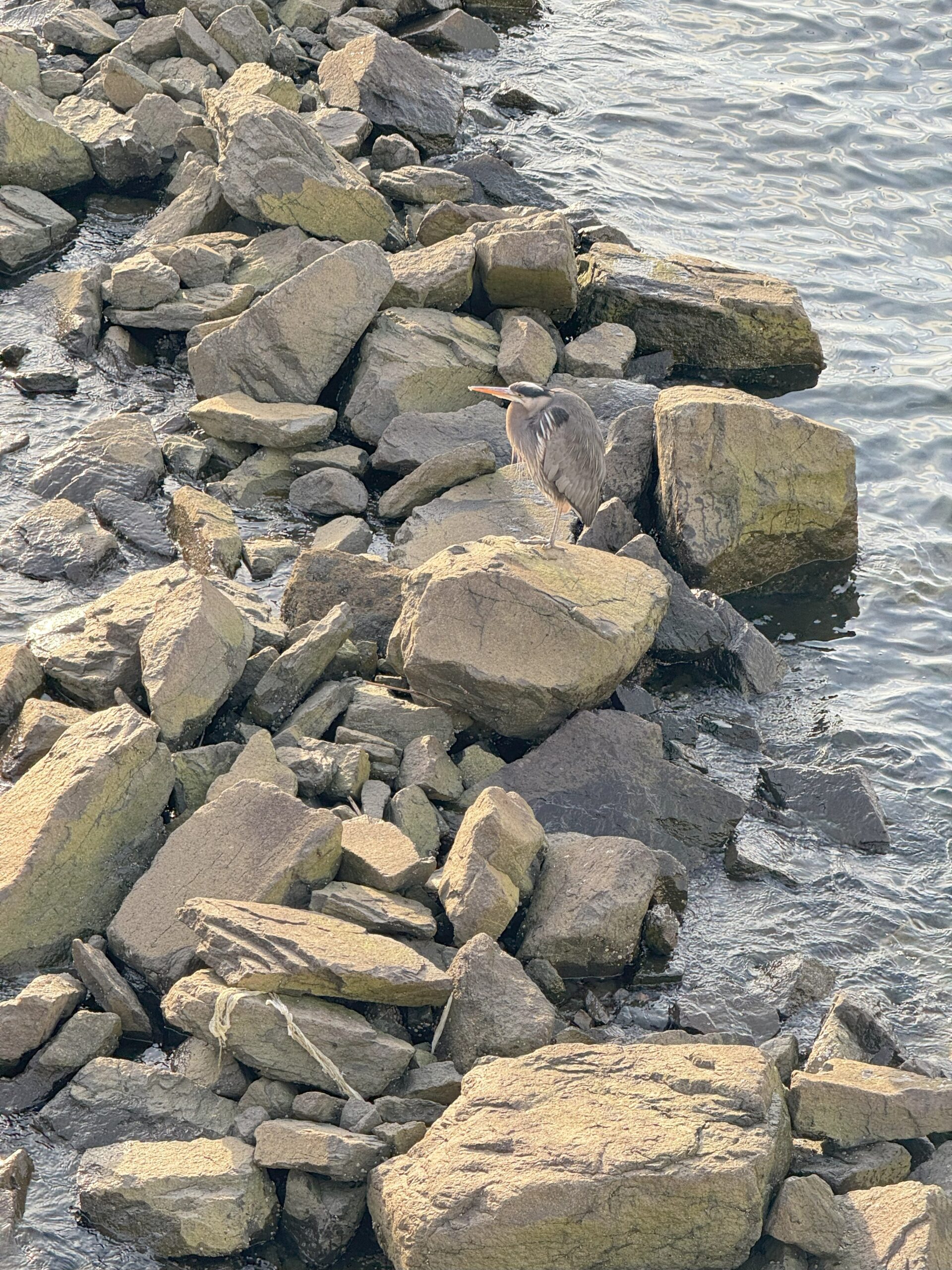
I took the G-line bus to Colman Dock (the ferry terminal) and the Waterfront late this afternoon, and walked up to Pike Place Market.







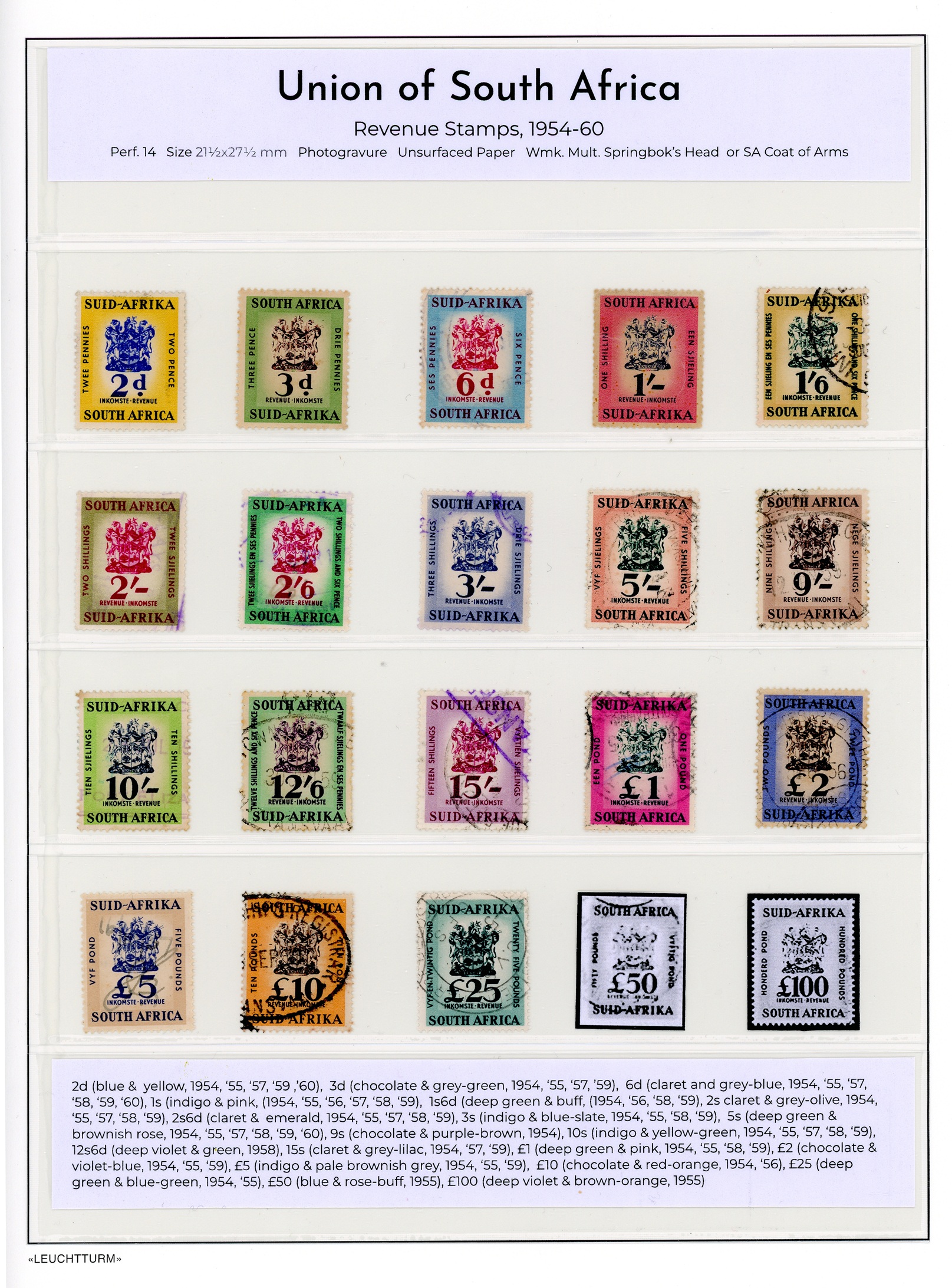
Revenue stamps are stamps used to designate collected taxes and fees. They are issued by governments, national and local, and by official bodies of various kinds. They take many forms and may be gummed and ungummed, perforated or imperforate, printed or embossed, and of any size.
[From Wikipedia]
A little background first:
South Africa was officially the Union of South Africa until May 31, 1961, when it gained independence from the United Kingdom and became the Republic of South Africa. The currency system for the Union of South Africa was changed a few months prior, on Feb. 14, 1961.
On this day, the South African pound was replaced by the rand at a rate of one £SA = two Rand.
My sets of revenue stamps from South Africa for the periods 1954-60 (when it was still the Union of South Africa) and 1961-68 (the Republic of South Africa) are almost complete.
(Several other sets of revenue stamps were issued, but South Africa stopped using revenue stamps altogether in 2009).
Revenue stamps are similar to the postage stamps issued in South Africa during this time: printed on watermarked and gummed paper sheets, perforated and with increasing denominations in the set.
A big difference:
the highest denomination for a postage stamp issued for the time was
10 shillings (1954-60) or
R1 (1961-68),
while the highest denomination of a revenue stamp issued for the same period was
£100 (1954-60)— 200 times more, or
R200 (1961-68)— also 200 times more !
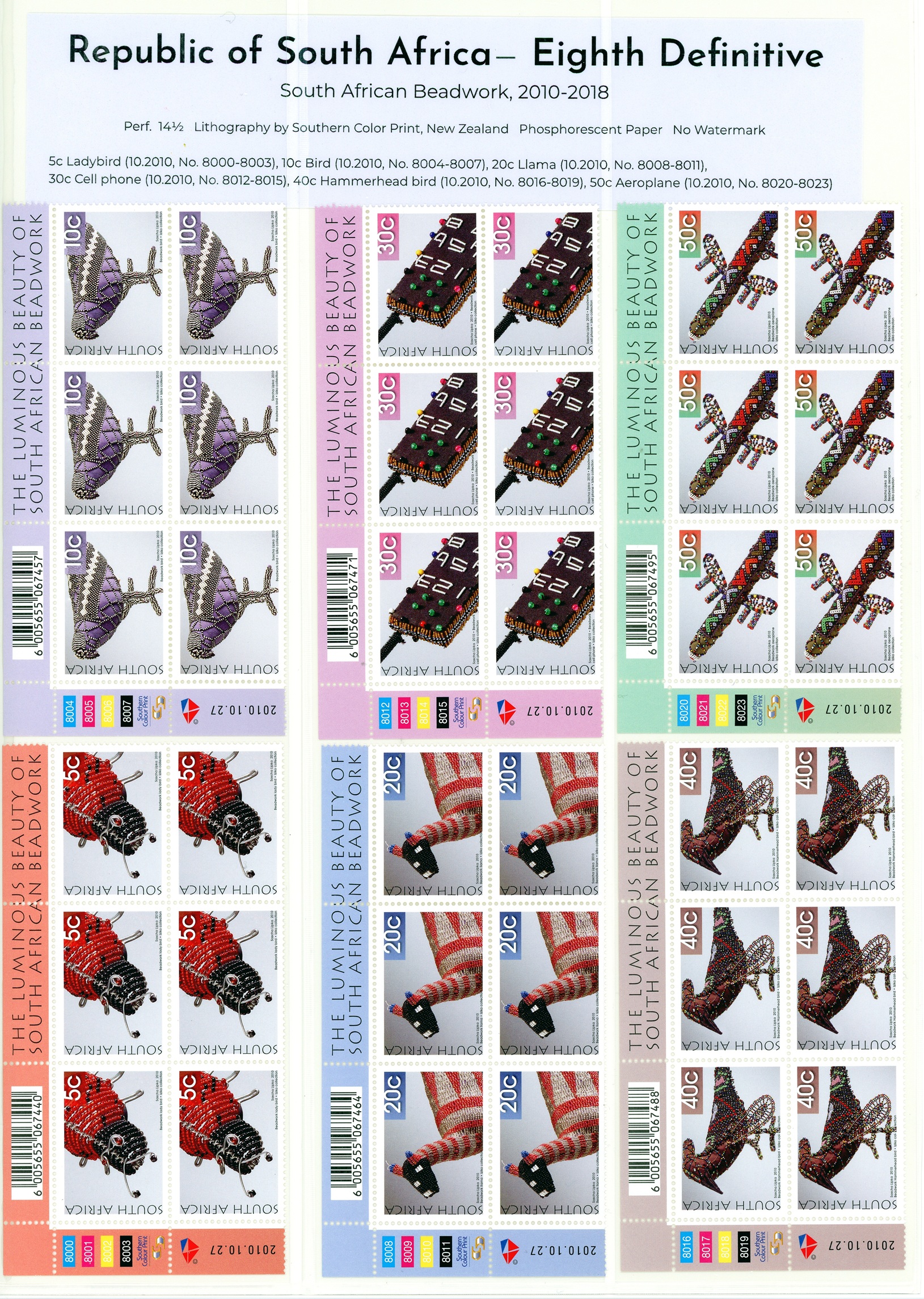
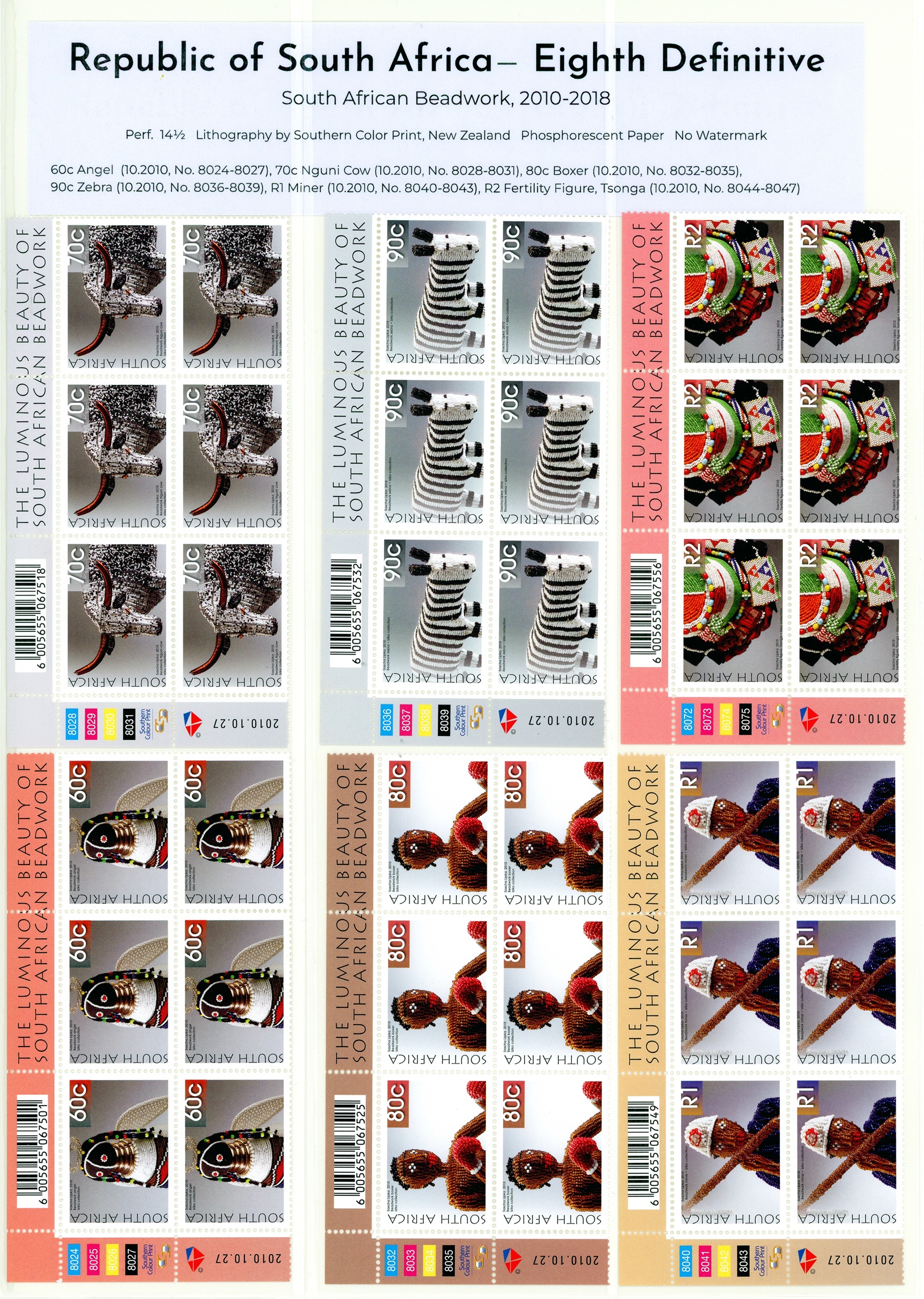
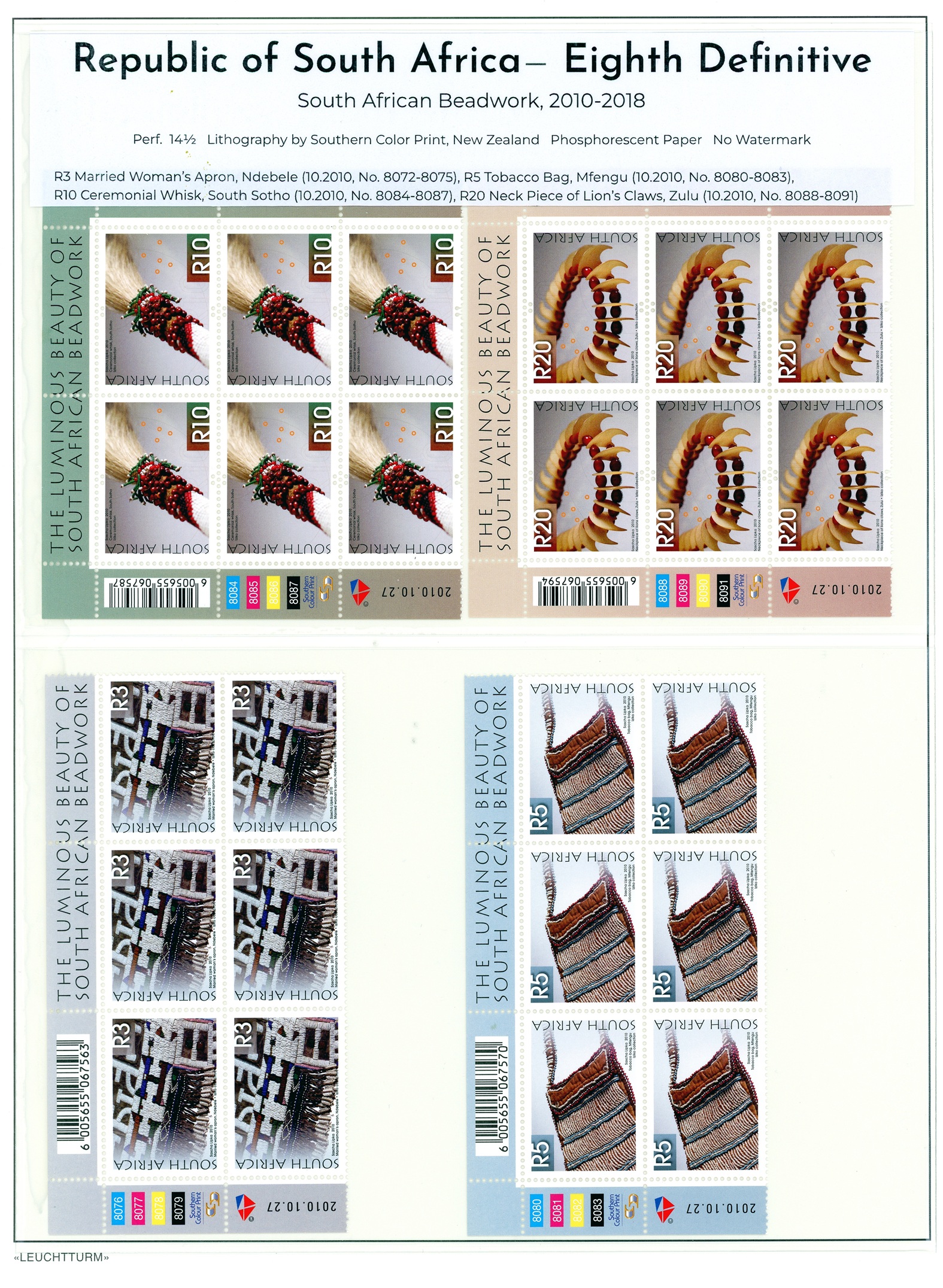
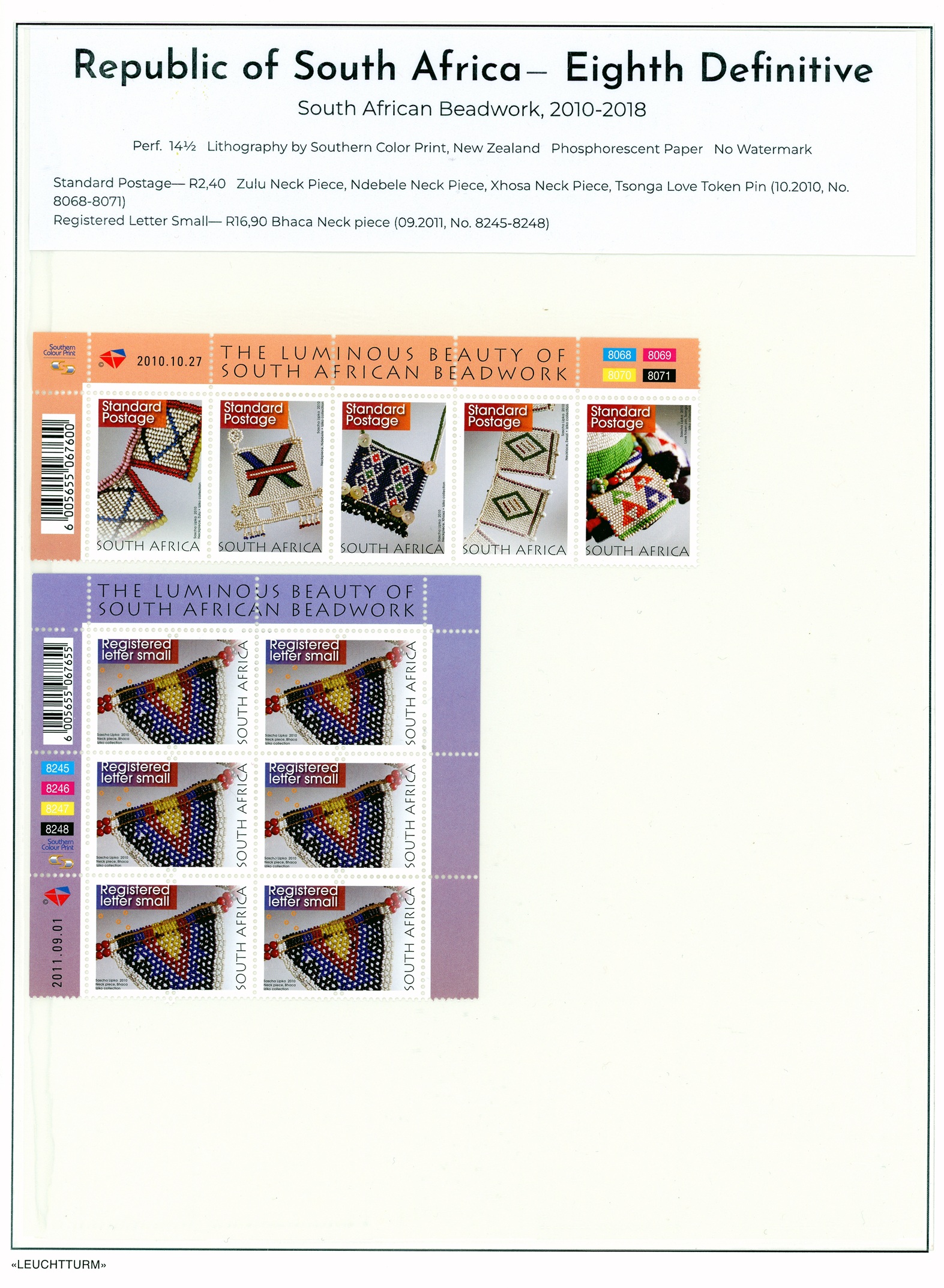
Here they are, the control blocks of South Africa’s eighth definitive issue of postage stamps.
It turned out that my blank album pages outfitted with three vertical pockets, were the right size to the millimeter for the height of the blocks.
So I went with a layout that tiled the smaller blocks sideways onto the page.
(I am still deciding if I like it).
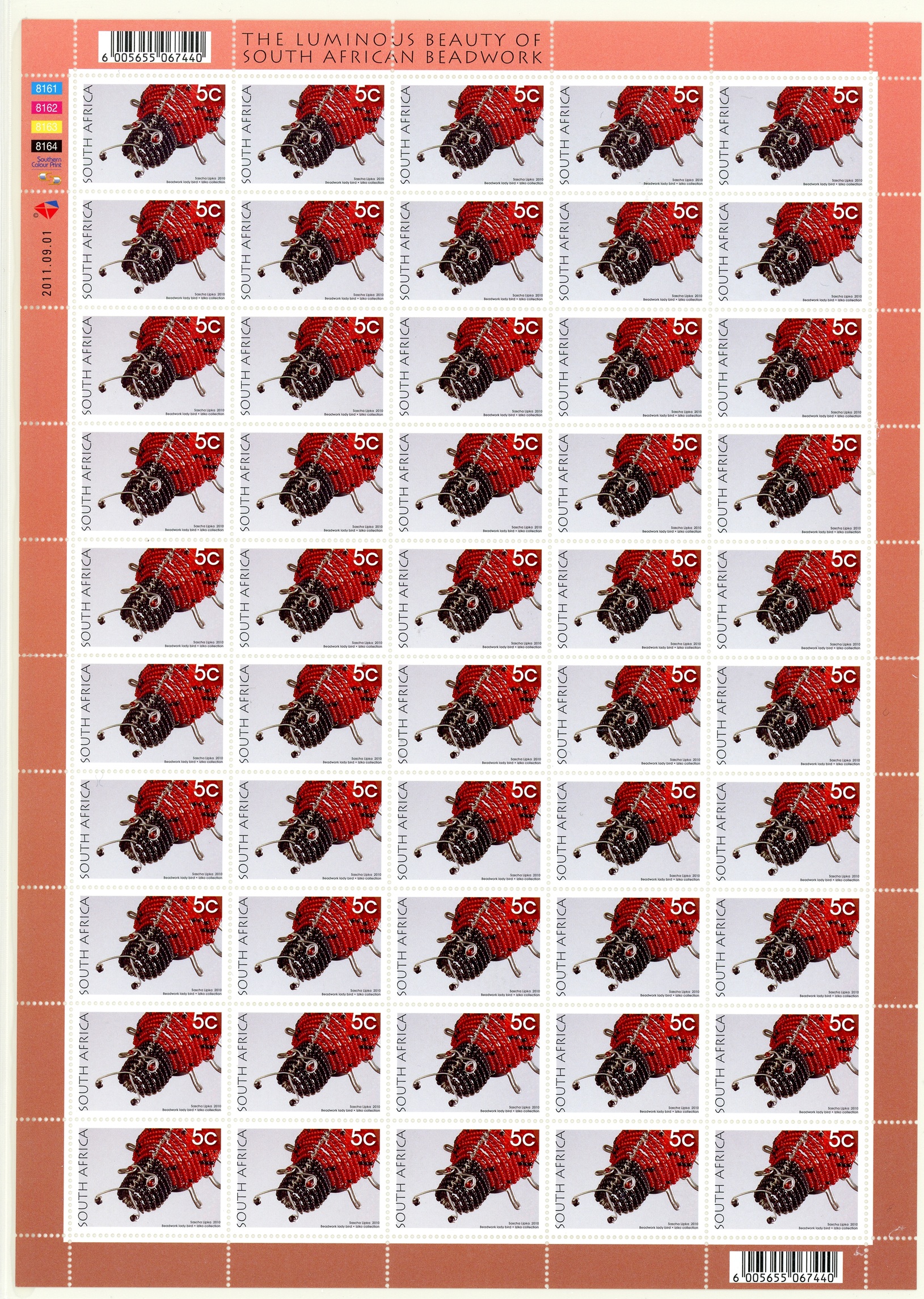
The full sheet of 5c stamps is a reprint of the original 2010.10.27 issue (dated 2011.09.01). Reprints of the other original prints exist, which I don’t have— and that’s O.K.
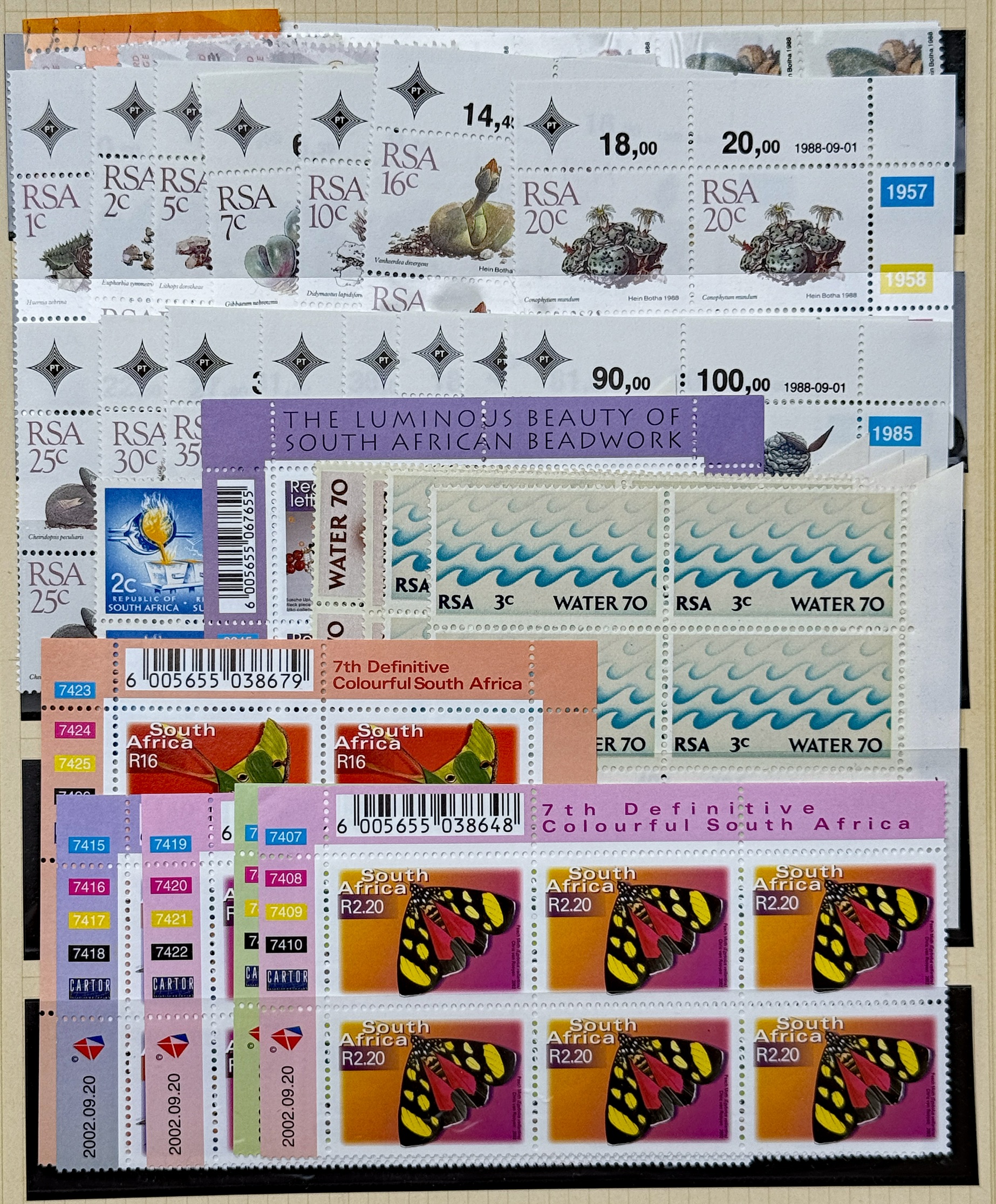
The FedEx envelope that contained my shipment of stamps from South Africa was marked ‘Extremely Urgent’.
Well, it wasn’t really (extremely urgent), I thought, and it’s amazing that modern logistics can make land to my porch in a matter of days, that what I had bought online from a location 10,000 miles away.
These are called control blocks: blocks of four or six stamps in the corner of the sheet, with the sheet margins intact. If you are lucky, the margins contain the date the sheet was printed, and other details.
The downside is that these take up an enormous amount of space in an album that is made of them. For now, I am collecting only the blocks of the so-called definitive issues of stamps. Unlike commemorative stamps, which are issued for brief periods in limited quantities, definitives are usually issued in larger quantities and used over many years.
From 1961 to 2020, the South African Post Office issued eight definitive series of postal stamps.
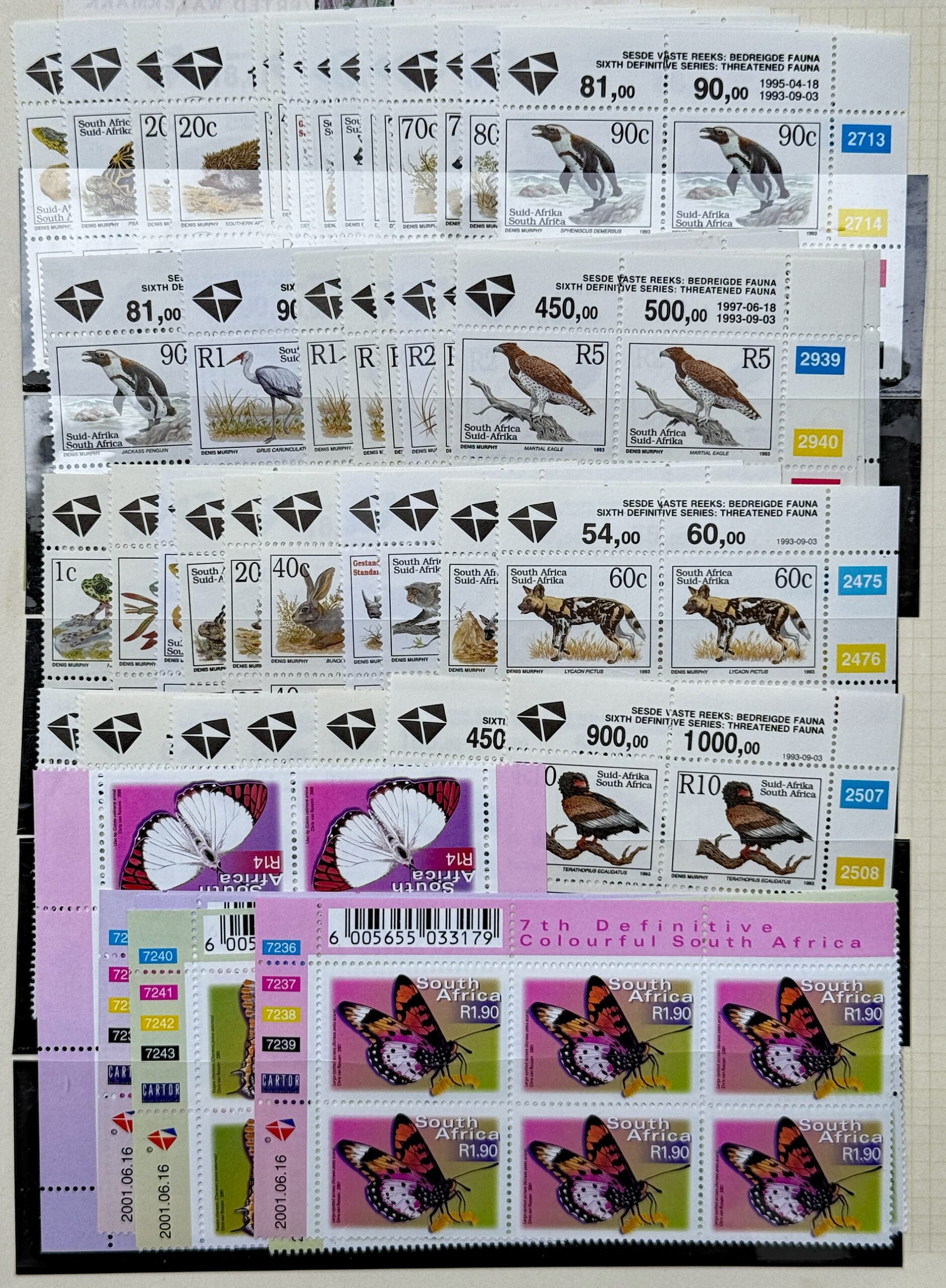
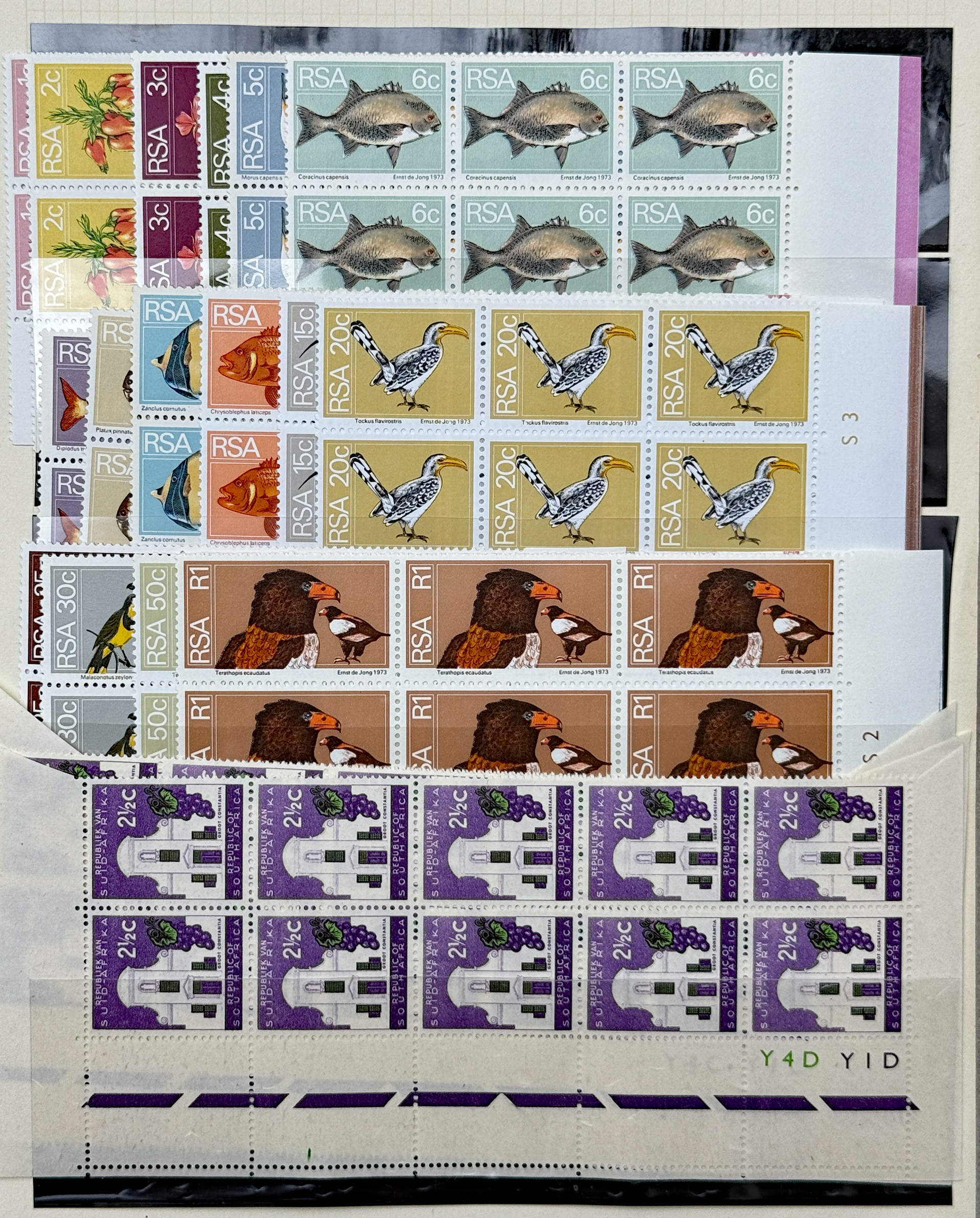
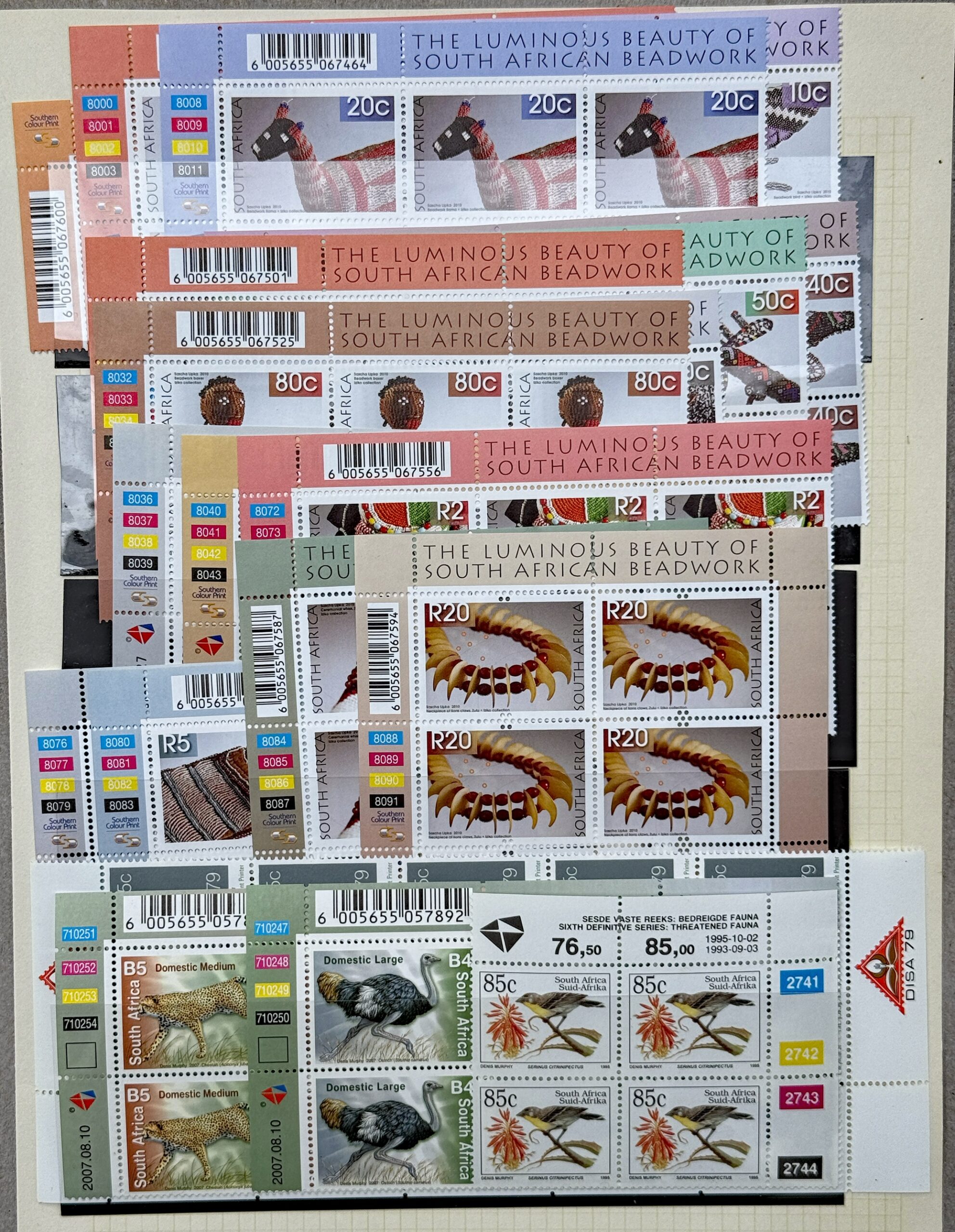
Happy Friday.
These 1970s stamps arrived as part of a complimentary packet of world stamps from my supplier of stamp albums and pages.
I might still start a thematic collection and animals. It would have to be a specific animal— or kind of animal— to narrow it down to a few thousand stamps!
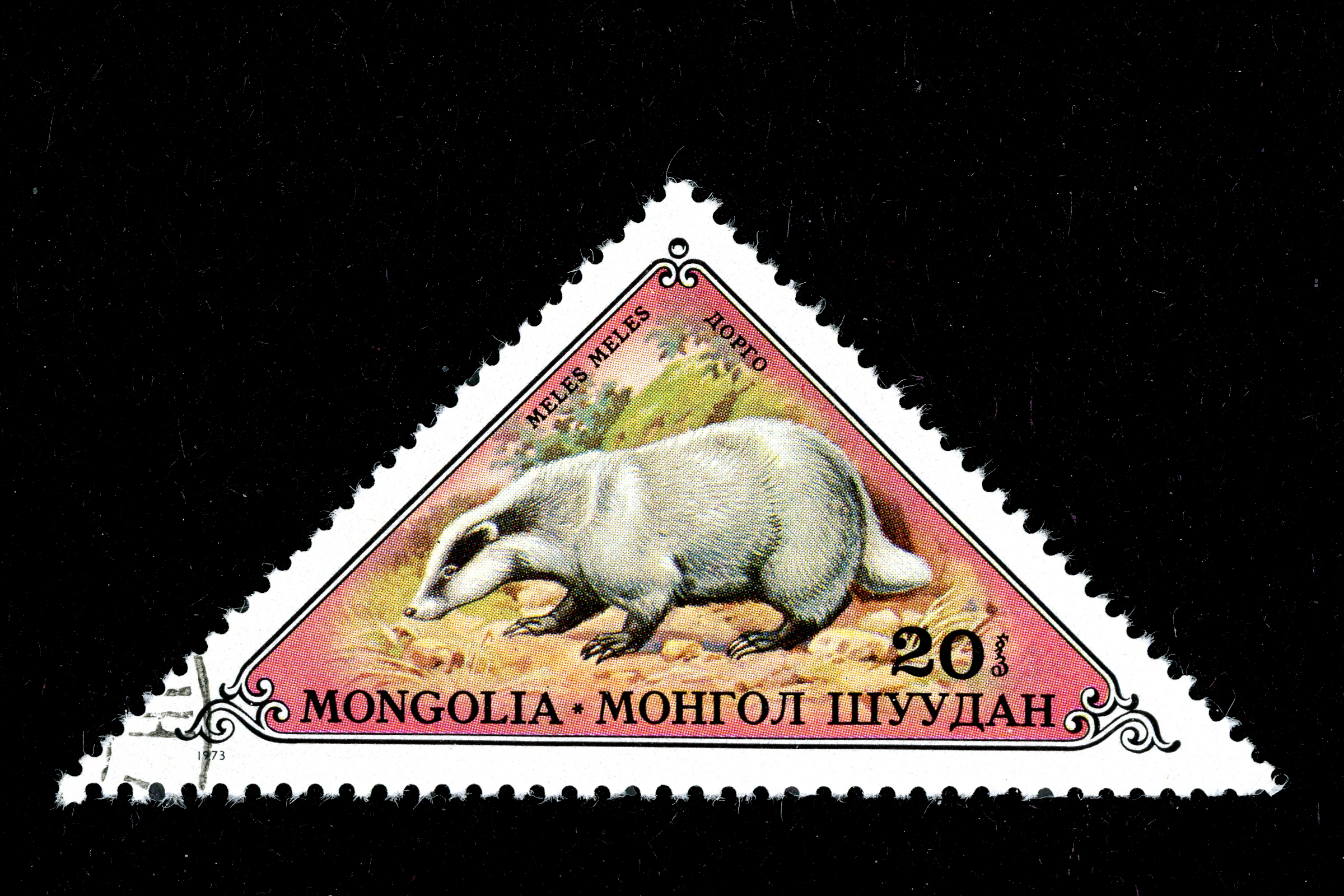
Issued Sept 5, 1973
Perf. 12×11¼ |Photogravure |No Wmk
802 20₮ Multi-colored | European badger (Meles meles)
[Sources: Stampworld.com, Google Search Labs| AI Overview]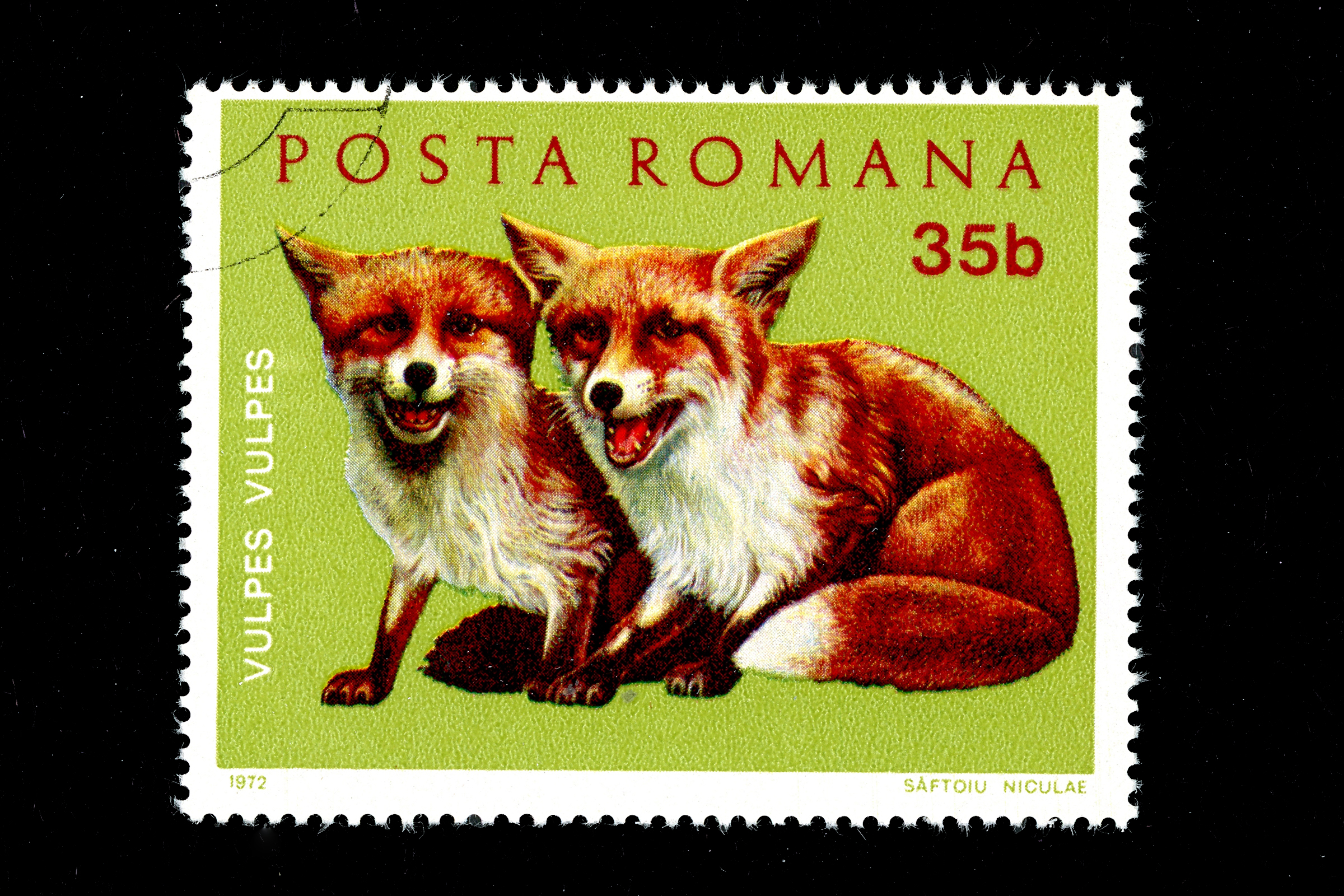
Issued Mar. 10, 1972
Perf. 13½ |Design: Design: Nicolae Săftoiu |Engraving: Fabrica de Timbre, Bucharest |No Wmk
2995 35b Multi-colored | Red fox cubs (Vulpes vulpes)
The red fox (Vulpes vulpes) is the largest of the true foxes and one of the most widely distributed members of the order Carnivora, being present across the entire Northern Hemisphere including most of North America, Europe and Asia, plus parts of North Africa.
[Sources: Stampworld.com, Wikipedia]
Issued Mar. 20, 1978
Perf. 13½x13 |Design: Severin |No Wmk
921 20c Multi-colored | Chimpanzees (Pan troglodytes)
The genus Pan consists of two extant species: the chimpanzee and the bonobo. Taxonomically, these two ape species are collectively termed panins.
[Sources: Stampworld.com, Wikipedia]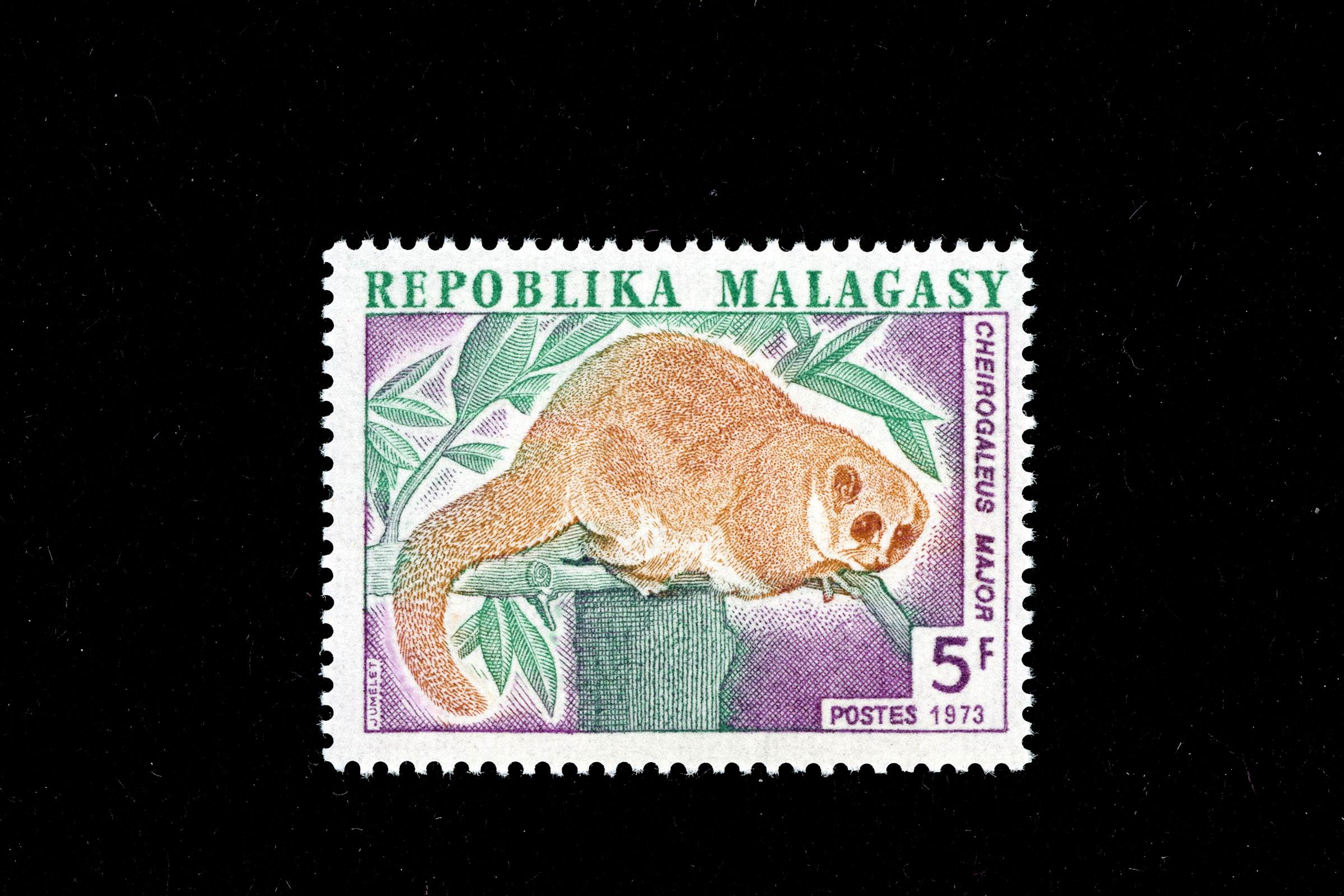
Issued Oct. 9, 1973
Perf. 13 |Design: Jumelet |Engraved |No Wmk
747 5Fr Multi-colored | Greater dwarf lemur (Cheirogaleus major)
The greater dwarf lemur, or the Geoffroy’s dwarf lemur, is a lemur that is widely distributed over the primary and secondary forests near the eastern coast of Madagascar.
[Sources: Stampworld.com, Wikipedia]
Issued Jul. 10, 1974
Perf. 11 |No Wmk
1320 5ch Multi-colored | Oriental fire-bellied toad (Bombina orientalis)
The Oriental fire-bellied toad is a small semiaquatic frog species found in northeastern Asia, where they primarily dwell in slow-moving bodies of water and temperate forests.
[Sources: Stampworld.com, Wikipedia]
Issued Mar. 20, 1976
Perf. 12 |Photogravure |No Wmk
808-815 A278 12xu Multi-colored | Masked palm civet (Paguma larvata)
The masked palm civet, also called the gem-faced civet or Himalayan palm civet, is a viverrid species native to the Indian subcontinent and Southeast Asia.
[Sources: Scott 2009 Standard Postage Stamp Catalogue, Wikipedia]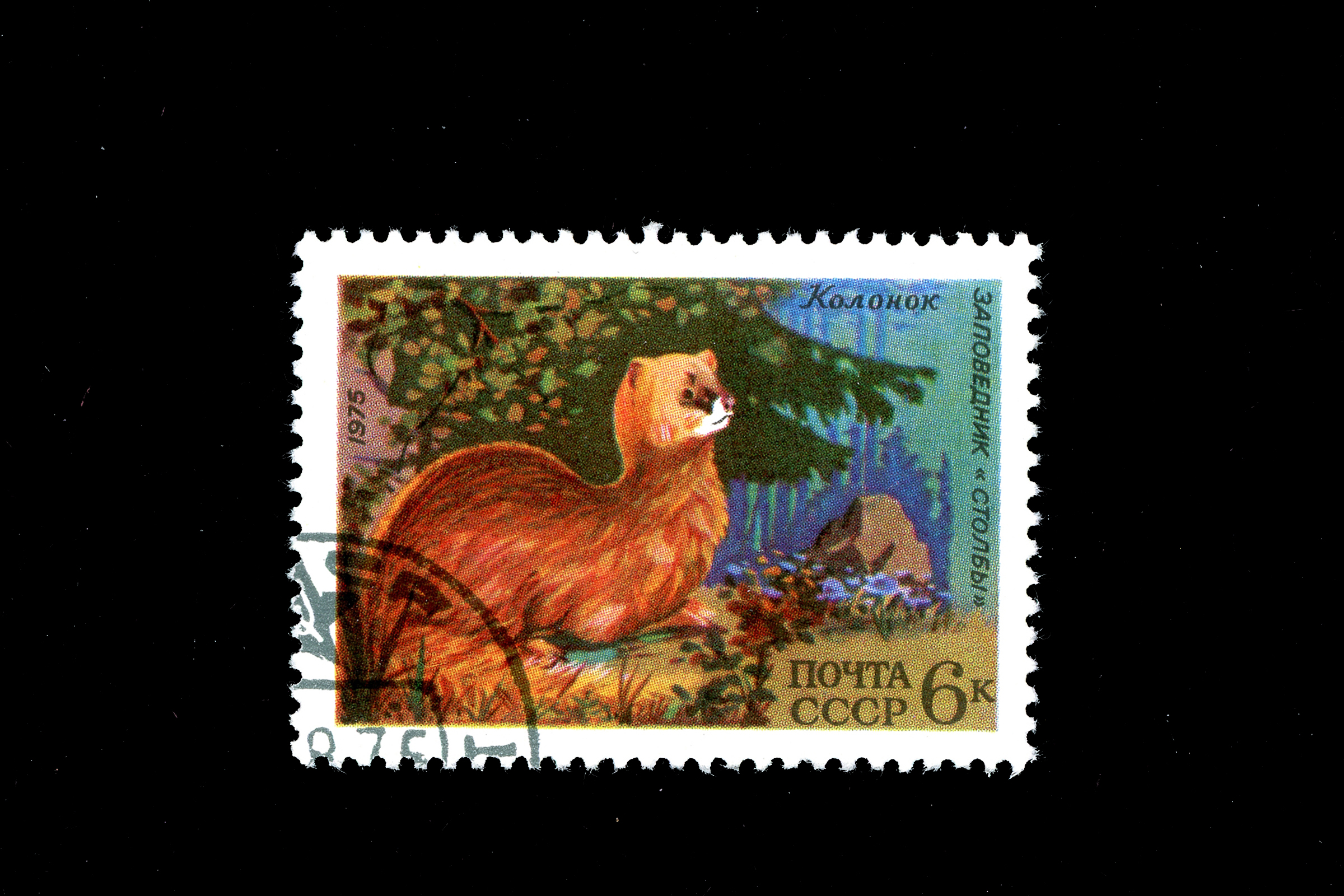
Issued Aug. 25, 1975
Perf. 12 x12 |Lithography |No Wmk
4363 A2068 6k Multi-colored | Siberian marten (Martes zibellina)
The Siberian marten or sable (Martes zibellina) is a species of marten, a small omnivorous mammal primarily inhabiting the forest environments of Russia, from the Ural Mountains throughout Siberia, and northern Mongolia.
[Sources: Scott 2009 Standard Postage Stamp Catalogue, Wikipedia]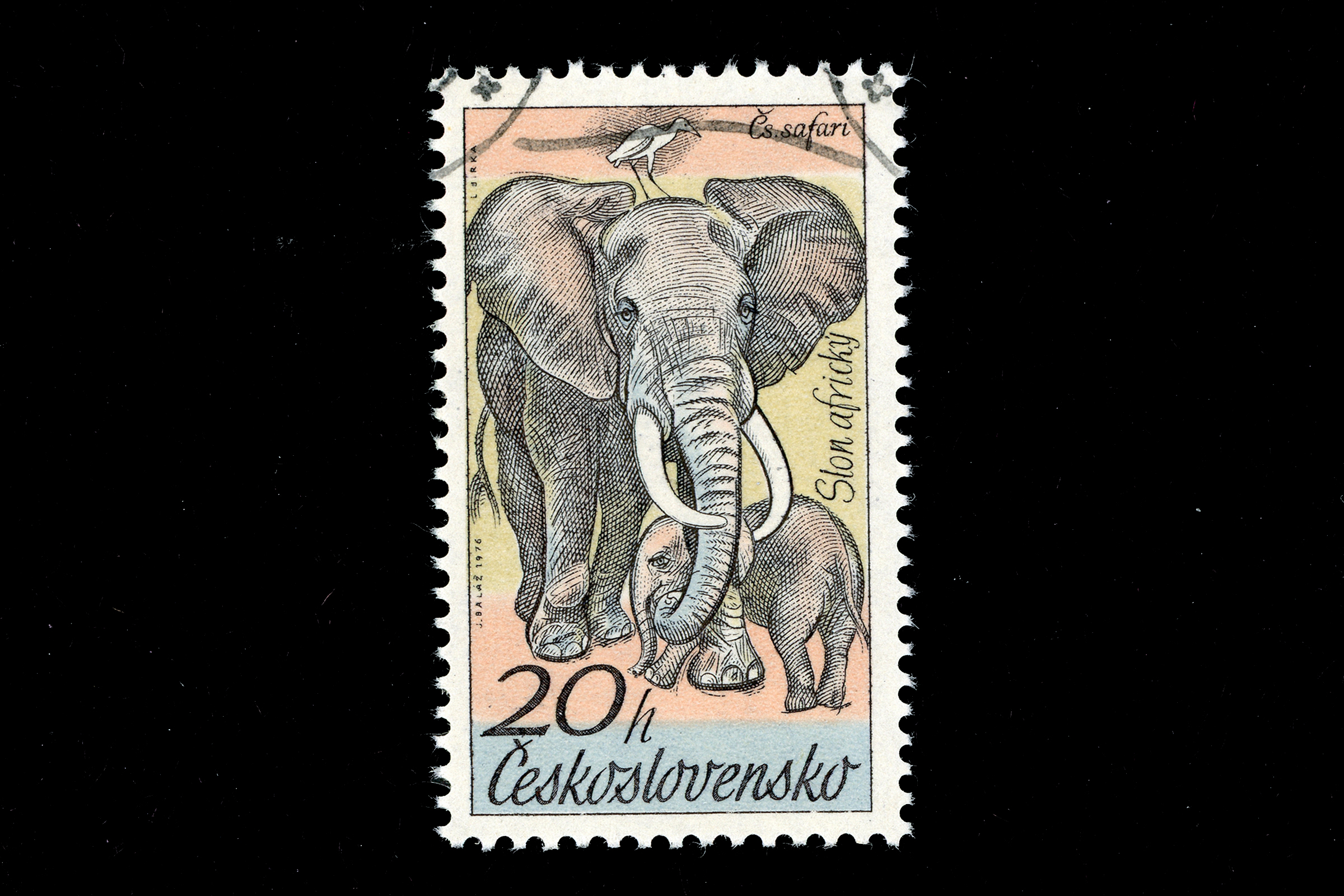
Issued Nov 3, 1976
Perf. 11¾ x 11¼ |Design: J. Baláž |Engraved and Photogravure |No Wmk
2343 20h Multi-colored | African elephant (Loxodonta africana)
[Sources: Stampworld.com, Google Search Labs| AI Overview]
Issued Oct. 12, 1972
Perf. 12 |Photogravure |No Wmk
701 12xu Multi-colored | Red-wattled lapwing (Lobivanellus indicus)
The red-wattled lapwing (Vanellus indicus) is an Asian lapwing or large plover, a wader in the family Charadriidae.
[Sources: Stampworld.com, Wikipedia]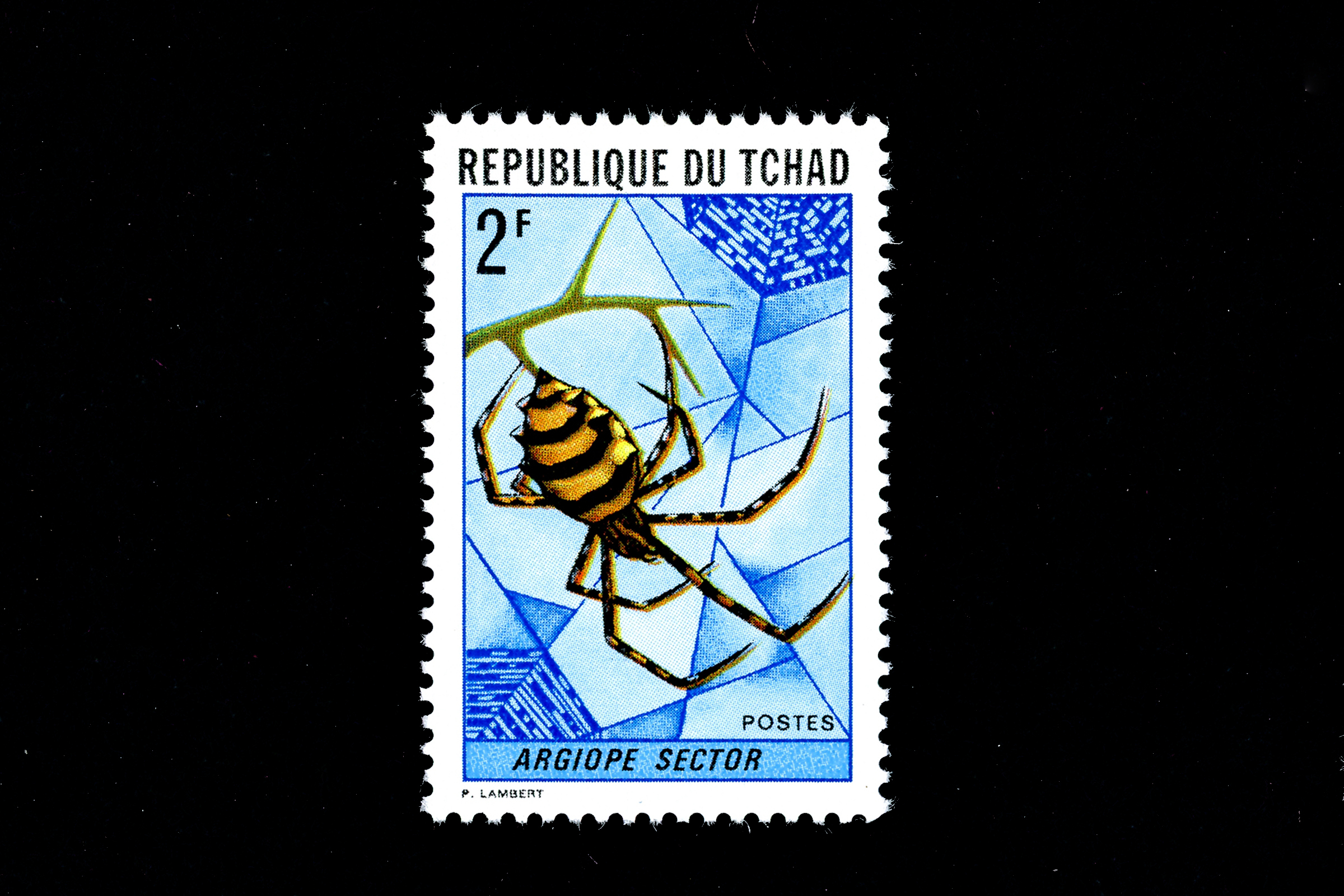
Issued May 6, 1972
Perf. 13 |Design: P. Lambert |Photogravure |No Wmk
526 4Fr Multi-colored | Spider: Argiope sector
Argiope sector is a species of orb weaver spider that is found in North Africa, the Middle East, Senegal, and Cape Verde.
[Sources: Stampworld.com, Google Search Labs| AI Overview]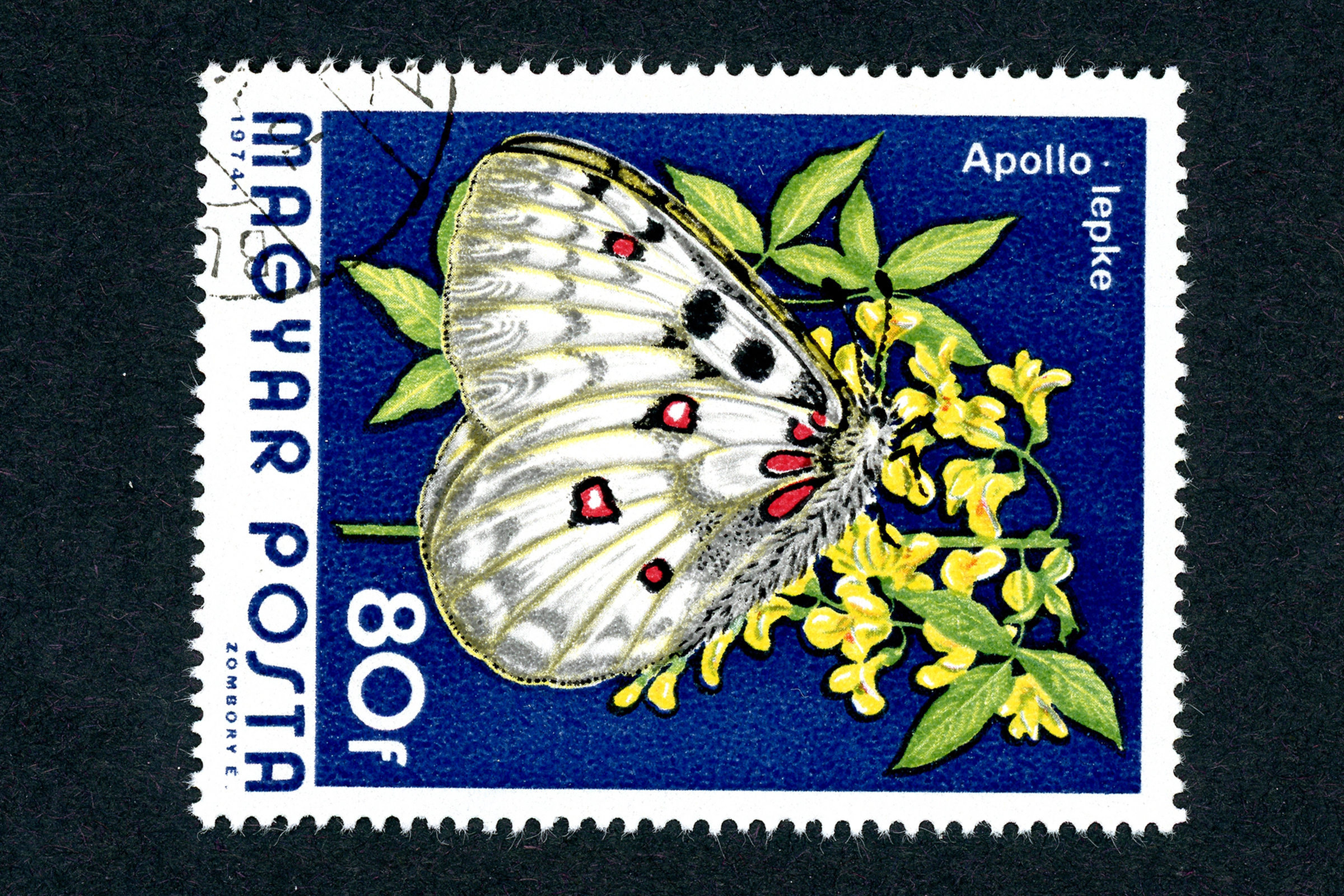
Issued Nov. 11, 1974
Perf. 12½ |Designer: Eva Zombory |Photogravure |No Wmk
3019 80f Multi-colored | Butterfly: Parnassius apollo
[Sources: Stampworld.com, 2018 Scott Standard Postage Stamp Catalogue, Google Search Labs| AI Overview]
Here is a cartoon for Presidents’ Day*, from the Tuesday issue of South African newspaper Die Burger (“The Citizen”).
*Officially Washington’s Birthday at the federal governmental level, celebrated on the third Monday of February in the United States.

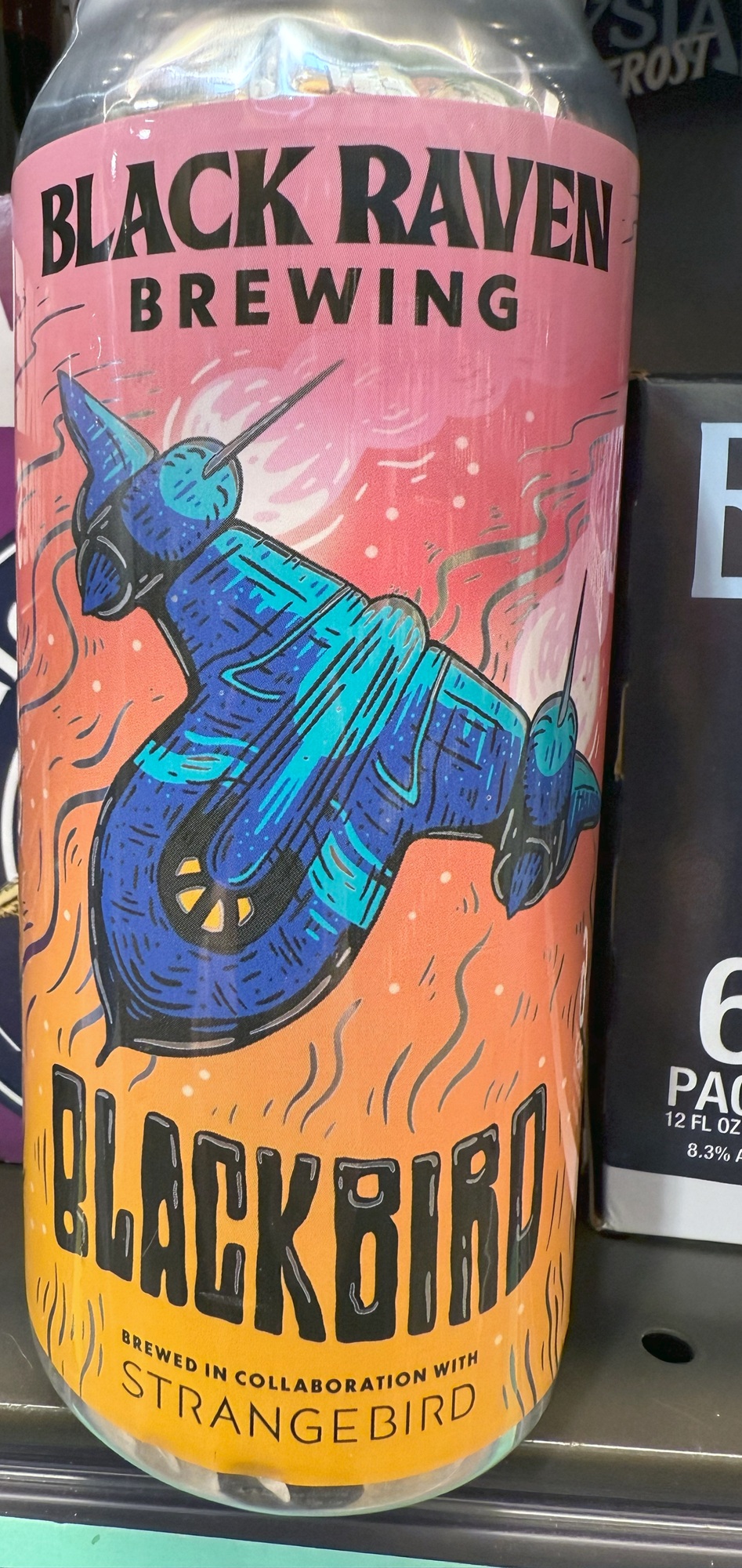
It’s very hit-and-miss to find my favorite beer (Beck’s non-alcoholic) at the grocery store, and so I ran out to Total Wine off 15th Ave West to pick up some.
As usual, I snapped pictures of some of the intriguing labels on the other beverages that were for sale.




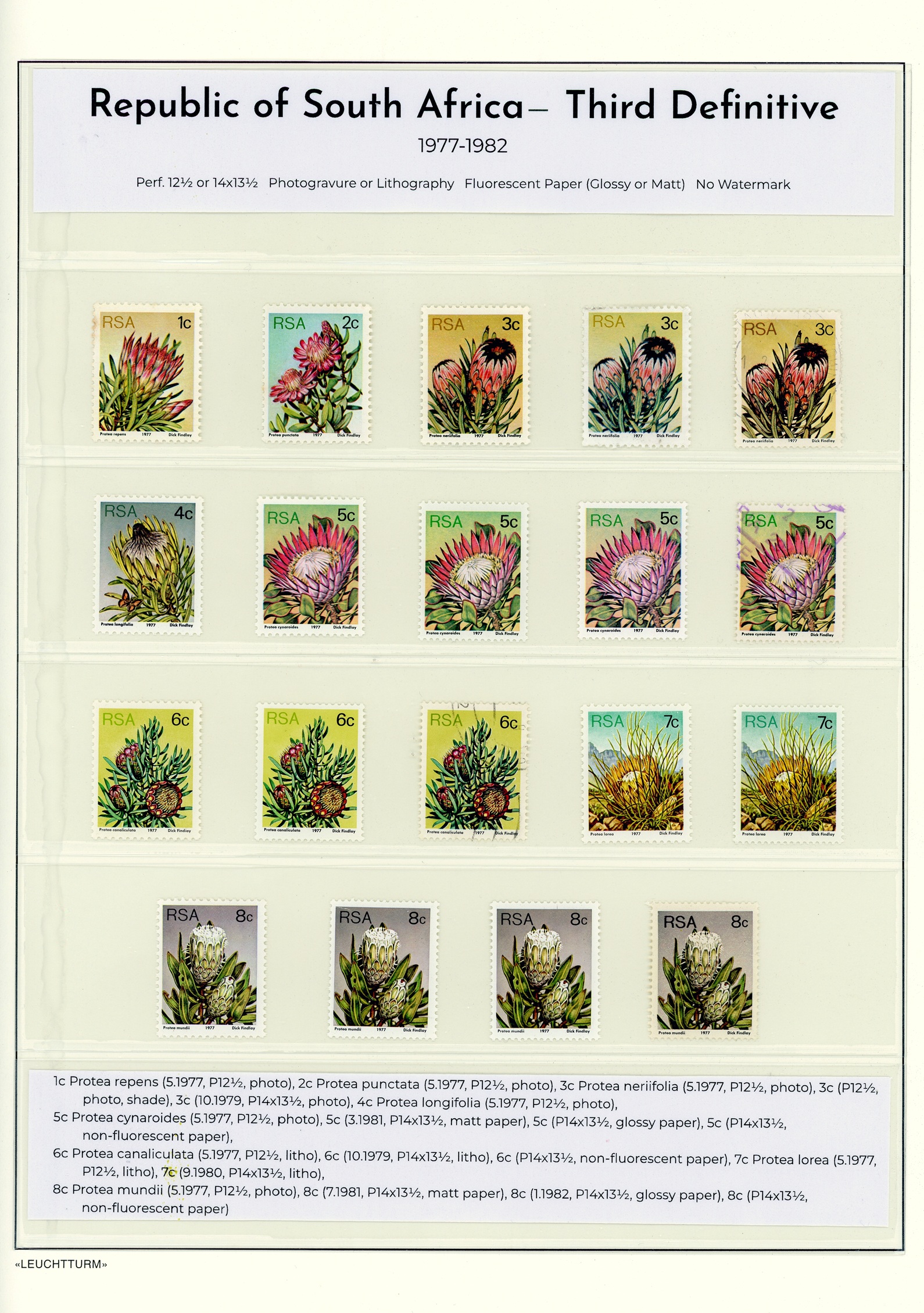
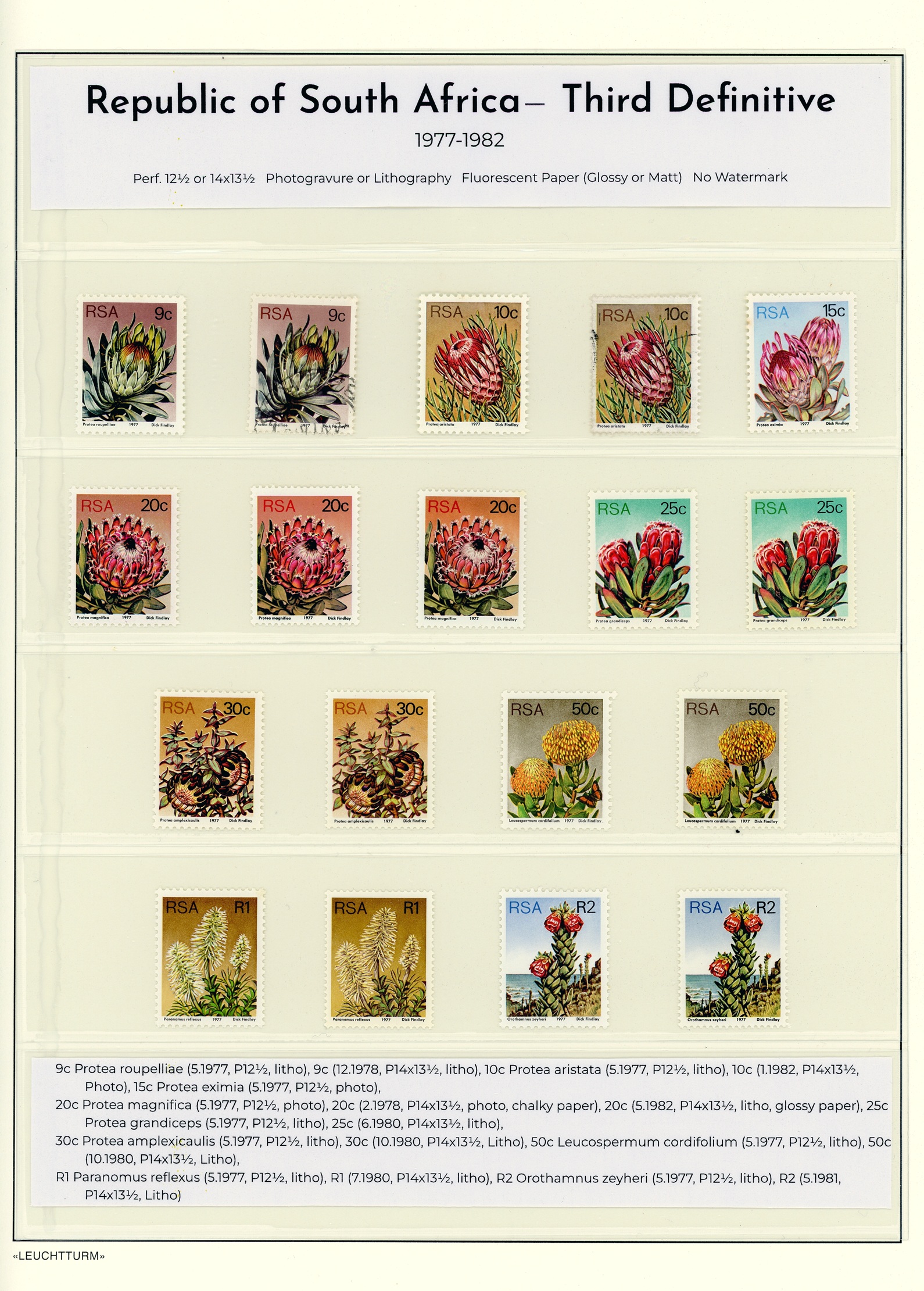
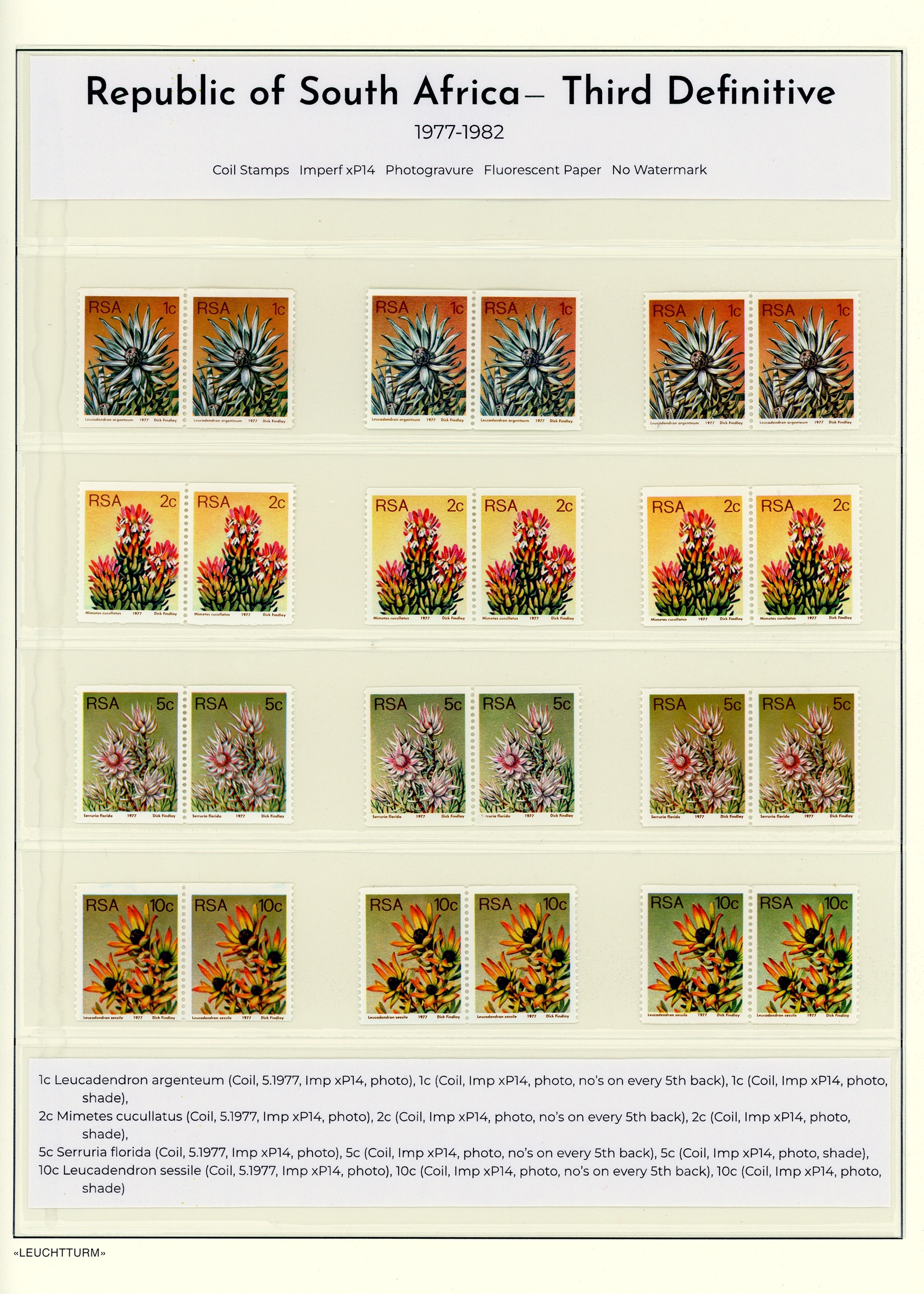
Check them out— the lineup of proteas that adorned the third definitive issue of postage stamps in the Republic of South Africa.
The 6-pocket blank pages from Leuchtturm stamp album series allow me to select, arrange and annotate the stamps in almost any way.
Some philatelists prefer to use completely blank pages, and create individual slide-in pockets (mounts) for the stamps on the page, but for now, I think that is too much work for me.
Cartoon from today’s edition of South African newspaper Die Burger (“The Citizen”).
Yes, there is such a thing as a ‘special government employee’ (18 U.S.C. § 202) ..
but is it OK to be a special government employee and CEO of SpaceX, CEO of Tesla and CEO of X (formerly Twitter)*— all at the same time?
*Over the past 16 years, Elon Musk’s business deals with the government total nearly $20 billion, according to federal contracting data.
– Rachel Barber reporting for USA Today on Nov. 15, 2024

Happy Friday.
Welcome to today’s South African stamp project. 🤗
I culled the set of stamps on this page from a thousand or so that I had removed from envelope paper clippings.
(A lot of work, done earlier this week: dunk them in water, carefully separate the stamp from the paper, dry on paper towel, and press under a stack of books).
My Scott stamp catalogue confirmed that these stamps are all worth hardly-anything.
One exception: there is a Standardised Mail stamp (the first one on the page), with the fine black text double-printed, that is listed for US$136. (I found no such stamp in the ones I had).
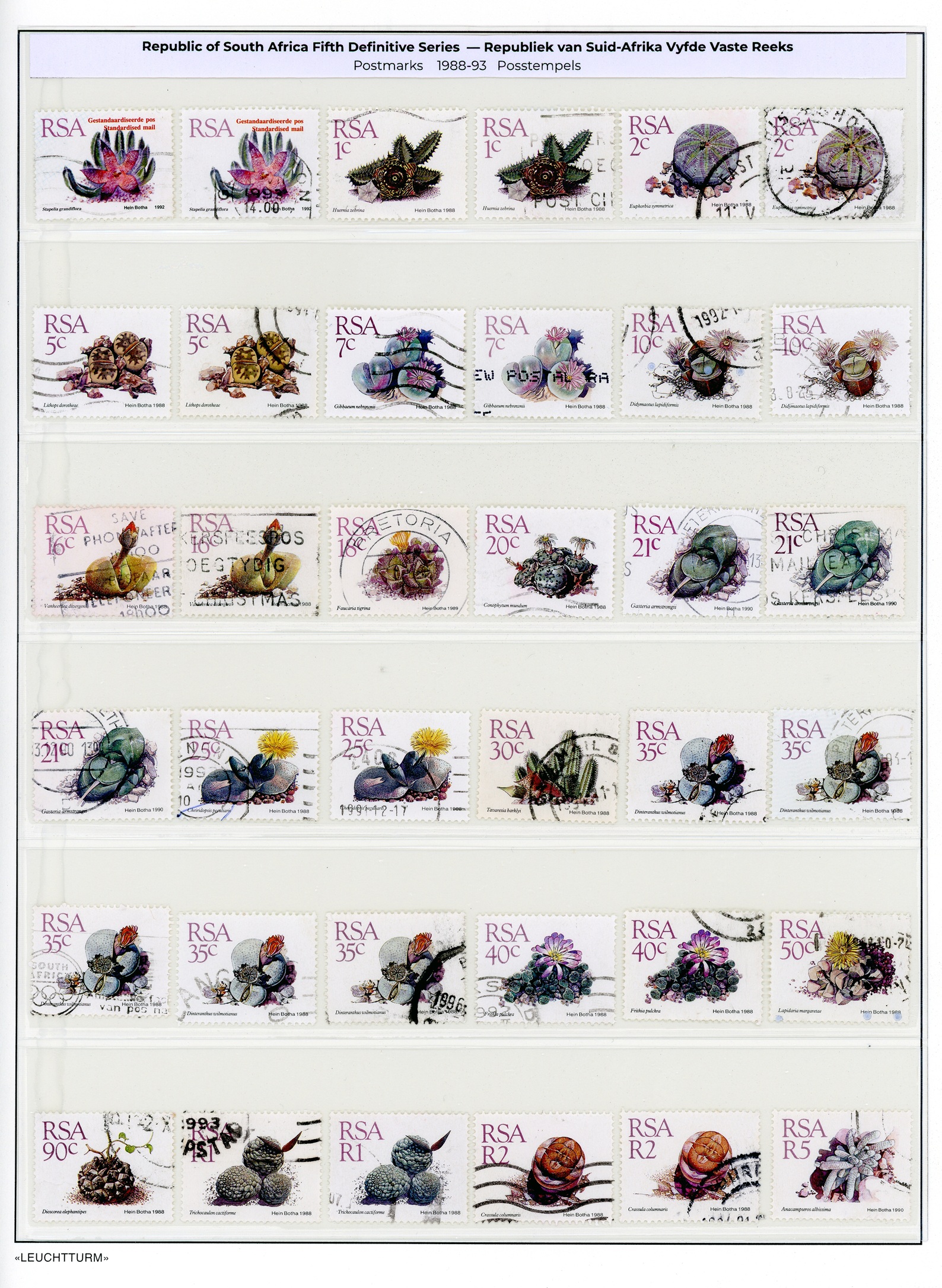
1988-1993 Fifth Definitive Issue (Succulents), South Africa
Issued Sept. 1, 1988
Perf. 14×14¼ |Design: Hein Botha |Phosphorized paper| Lithography |No Watermark
903 Standardised Mail (45c) (’93) Multicolored Stapelia grandiflora
782 1c Multicolored Huernia zebrina
783 2c Multicolored Euphorbia symmetrica
784 5c Multicolored Lithops dorotheae
785 7c Multicolored Gibbaeum nebrownii
786 10c Multicolored Didymaotus lapidiformis
787 16c Multicolored Vanheerdea divergens
809 18c (’89) Multicolored Faucaria tigrine
788 20c Multicolored Conophytum mundum
833 21c (’90) Multicolored Gasteria armstrongii
789 25c Multicolored Cheiridopsis peculiaris
790 30c Multicolored Tavaresia barklyi
791 35c Multicolored Dinteranthus wilmotianus
792 40c Multicolored Frithia pulchra
793 50c Multicolored Lapidaria margaretae
794 90c Multicolored Dioscorea elephantipes
795 R1 Multicolored Trichocaulon cactiforme
796 R2 Multicolored Crassula columnaris
832 R5 (’90) Multicolored Anacampseros albissima
Note: this set includes a 1c, 2c, 5c and 10c coil stamp, which is not listed above. Interestingly, of all the hundreds of mail pieces I had, none had a coil stamp on. (Coil stamps are sold in a long strip that is rolled into a coil).
[Source: Stampworld.com]
A perfin is a stamp that has a name or initials perforated into it.
The word “perfin” is short for “perforated initials” or “perforated insignia”.
Perfins are used to prevent theft and control how the stamp is used for mail.
How are perfins created?
Individuals, organizations, or government agencies add perfins to stamps after the production process.
The holes are punched into the stamp’s design to create a pattern.
Source: Google Search Labs/ AI Overview
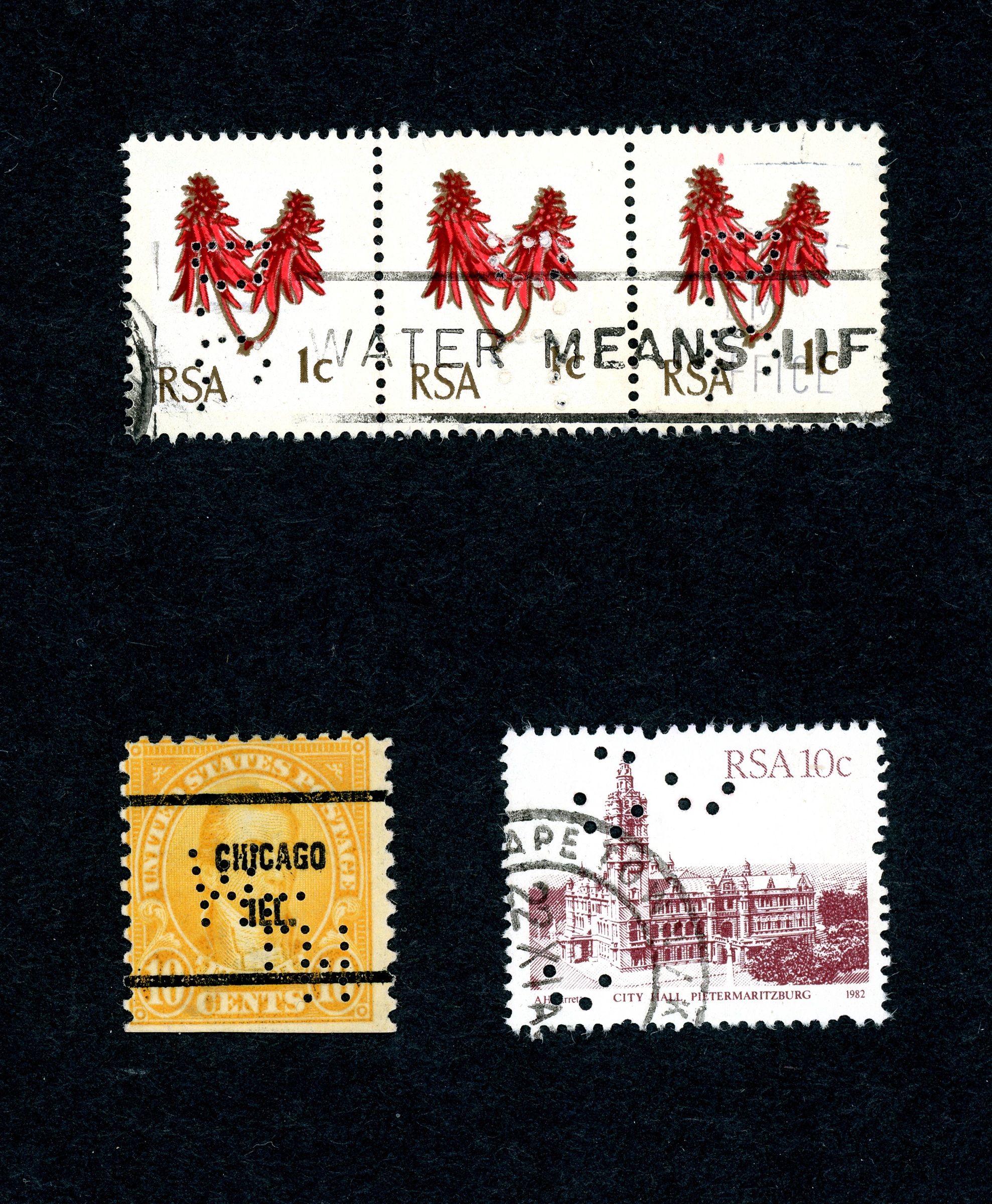
1961 First Definitive Issue (New Design), South Africa
Issued Jan. 20, 1969
Perf. 13½x14 |Phosphor frame |Wmk. RSA tête-bêche
SACC282 |1c |Rose-red & sepia |Coral Tree Flowers (Erythina lysistemon)
Perfin initials “D.C.”
1982 Fourth Definitive Issue (Architecture), South Africa
Issued Jul. 15, 1982
Perf. 14 |Design: A.H. Barrett |Engraving: Arthur Howard Barrett |Litho. |Phosphorized paper |No Wmk
SACC524 |10c |Carmine brown |Pietermaritzburg Town Hall
Perfin insignia “C C C” (or possibly “V V V”)
1923 United States of America (U.S. Presidents and prominent Americans)
Issued Jan. 15, 1923
Perf. 11×10½ |No Wmk
Scott 562 A165|10c |Orange |James Monroe (5th U.S. President)
Perfin insignia “WFH”
Pre-cancelled “Chicago IL”
[Sources: stampworld, South African Colour Catalogue 2023-25, Scott 2003 Standard Postage Stamp Catalogue Vol. 1]