As Stephen Colbert said tonight on The Colbert Show: Iran does have a nuclear option.
It is to close the Strait of Hormuz.
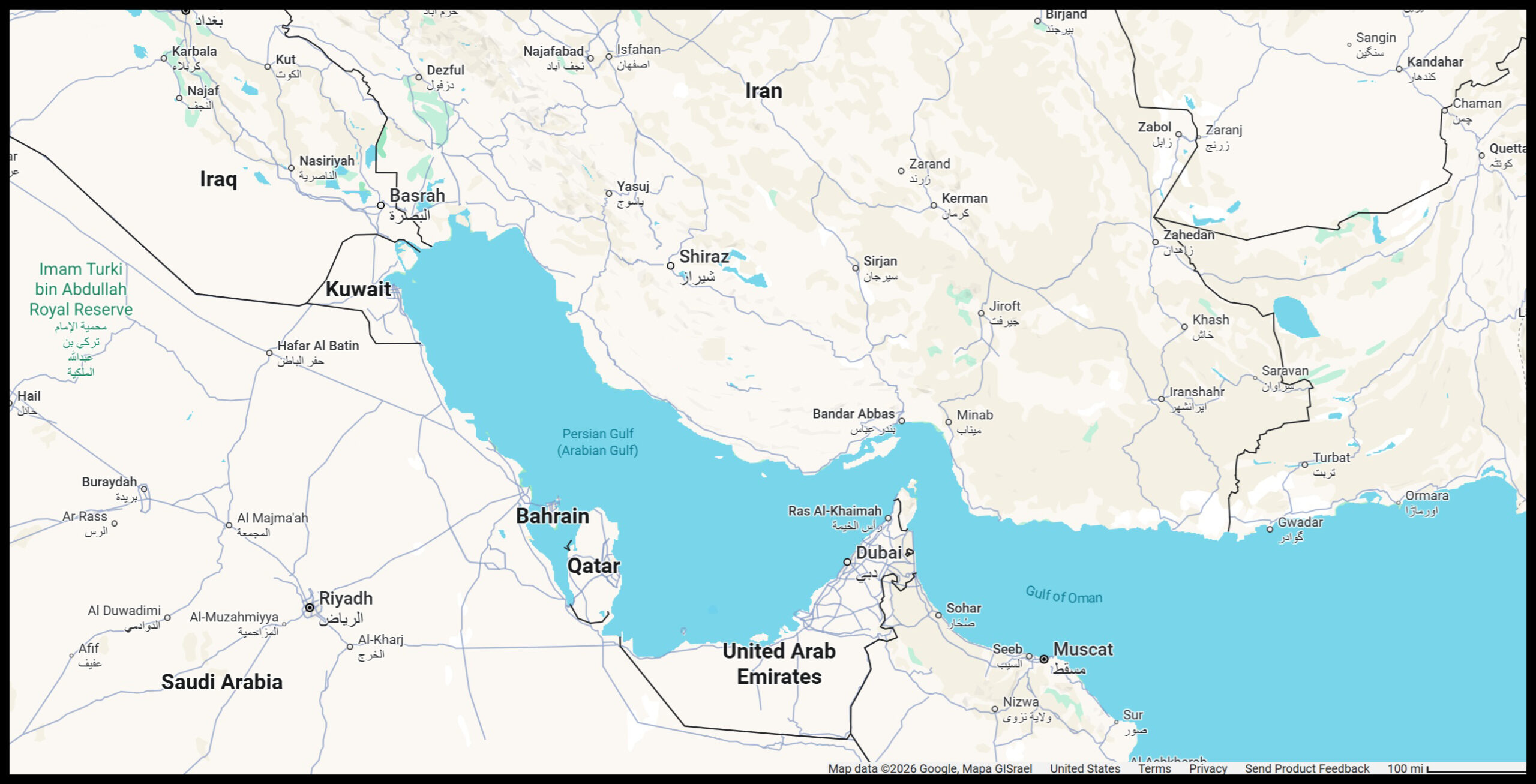
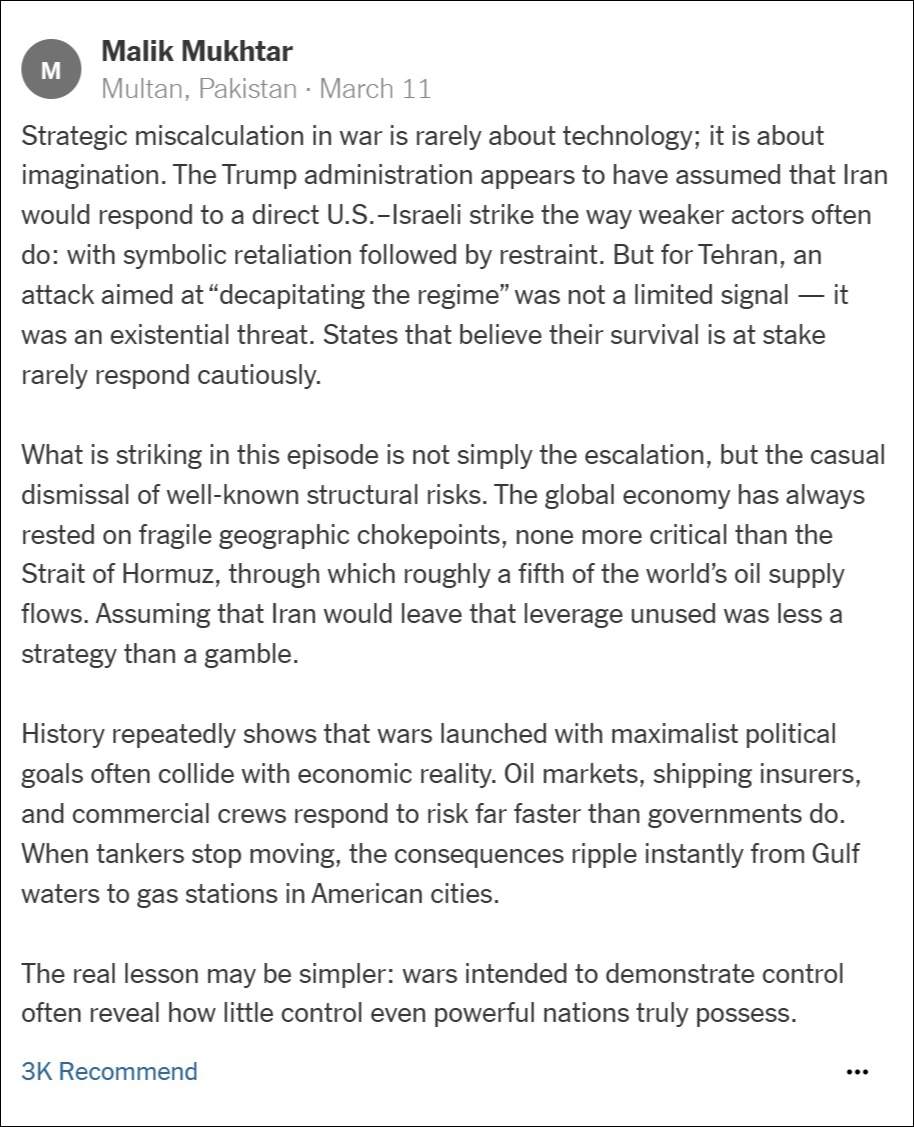
That pinch point between the Persian Gulf and the Gulf of Oman is the Strait of Hormuz. It is not only oil that goes through the Strait, either. Qatar produces roughly a third of the world’s helium. More than a quarter of the world’s helium supply could be cut off if the Strait of Hormuz remains closed. (Helium is not only for party balloons; it is used in semiconductor manufacturing). Half of the world’s sulfur supply is now trapped on the Persian Gulf side of the Strait of Hormuz. Sulfur is used to produce sulfuric acid, which is essential for manufacturing fertilizers, chemicals, and detergents. [Map from Google Maps]A reader’s comment in the NY Times, by an article titled ‘How Trump and His Advisers Miscalculated Iran’s Response to War’.
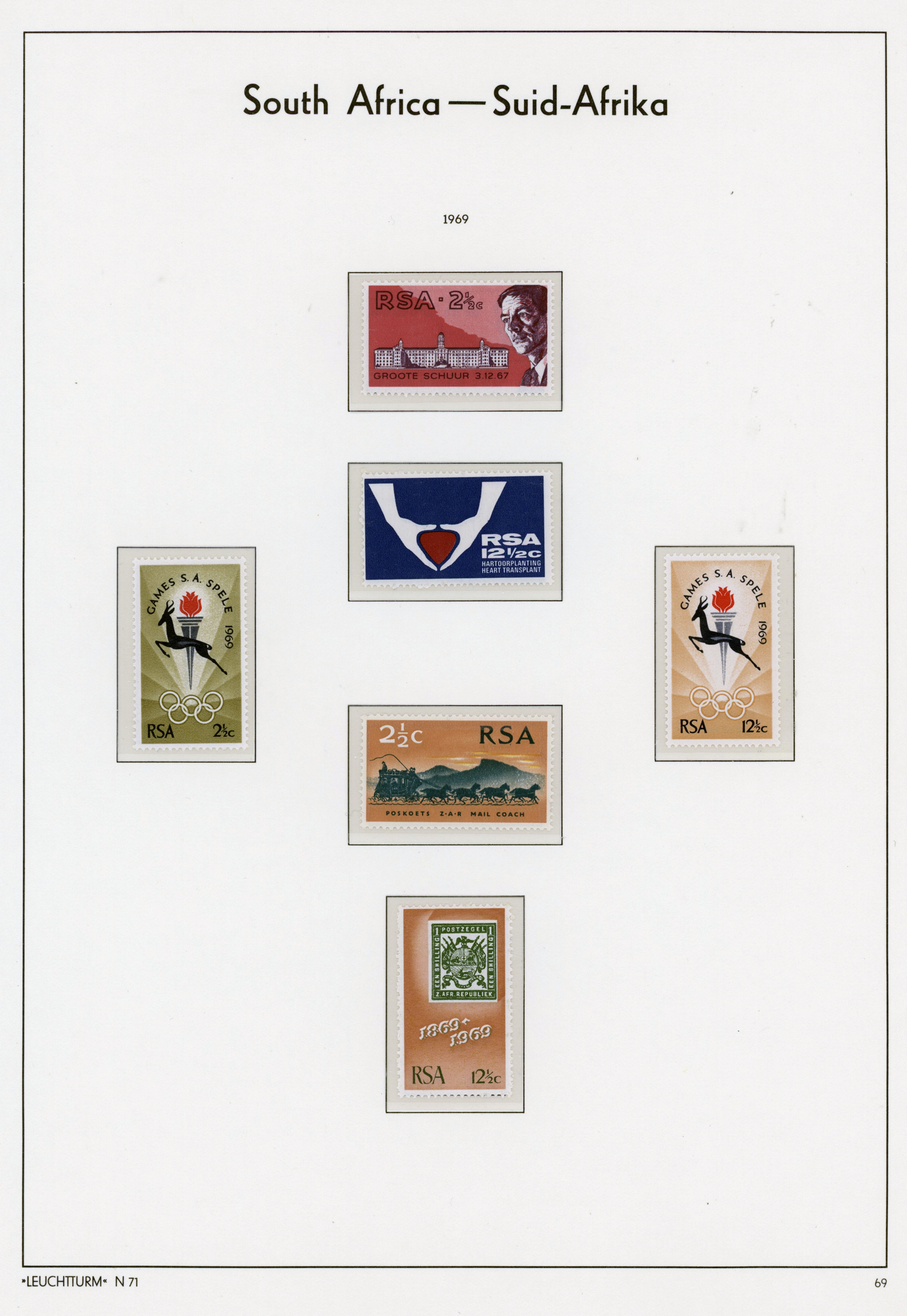
German stamp album publisher Leuchtturm generally did a great job with their preprinted stamp album for South Africa. They followed a minimalist, clean layout without the year of issue only, and no descriptions for what the stamps commemorate.
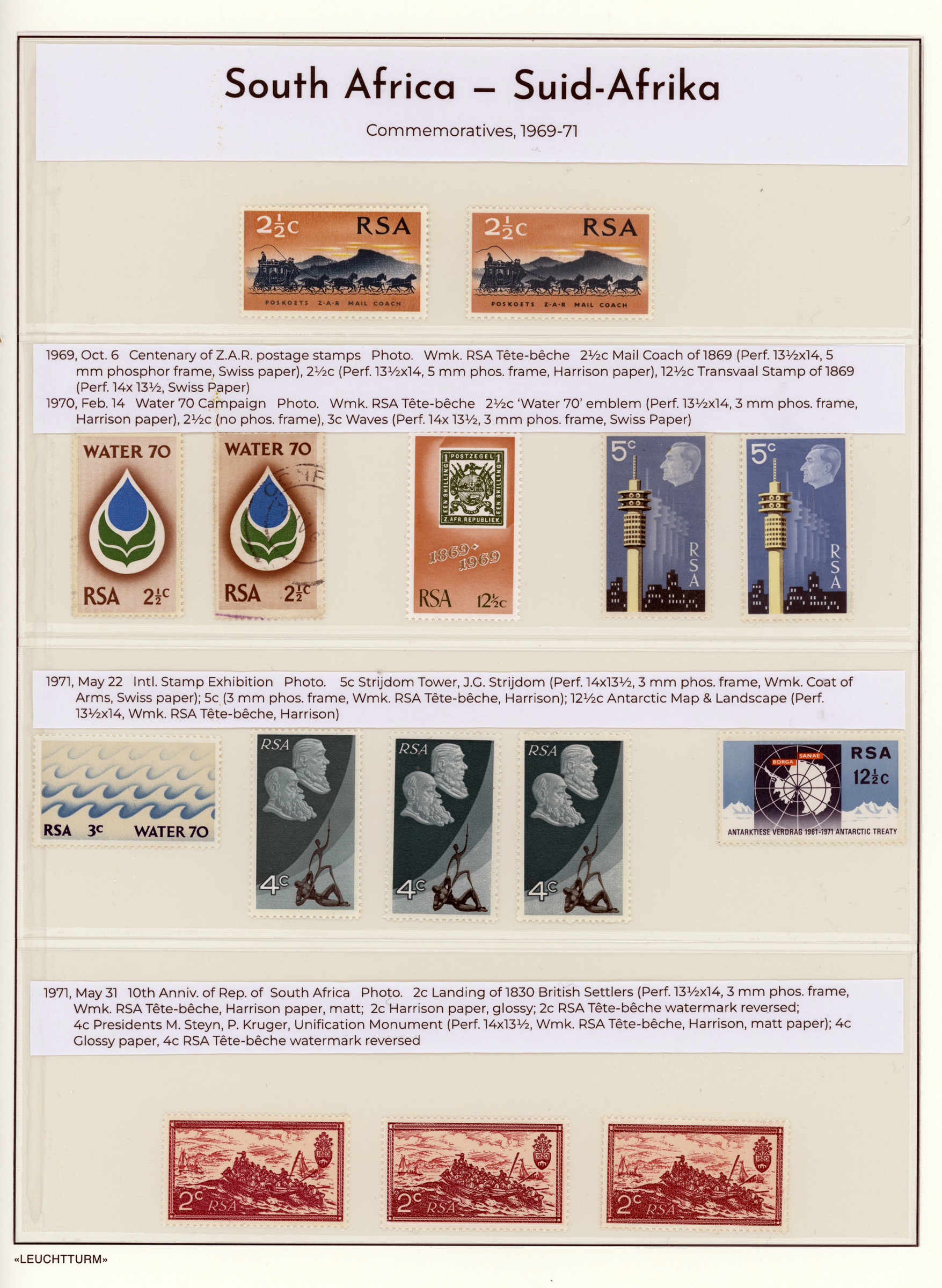
On some pages like the first two below, for example, several versions of the same stamp exist, but there is place for only one. (The stamps were issued on on different types of paper, or with different watermarks, for example.)
So I added a page into my album with the sets that had stamps with multiple versions.
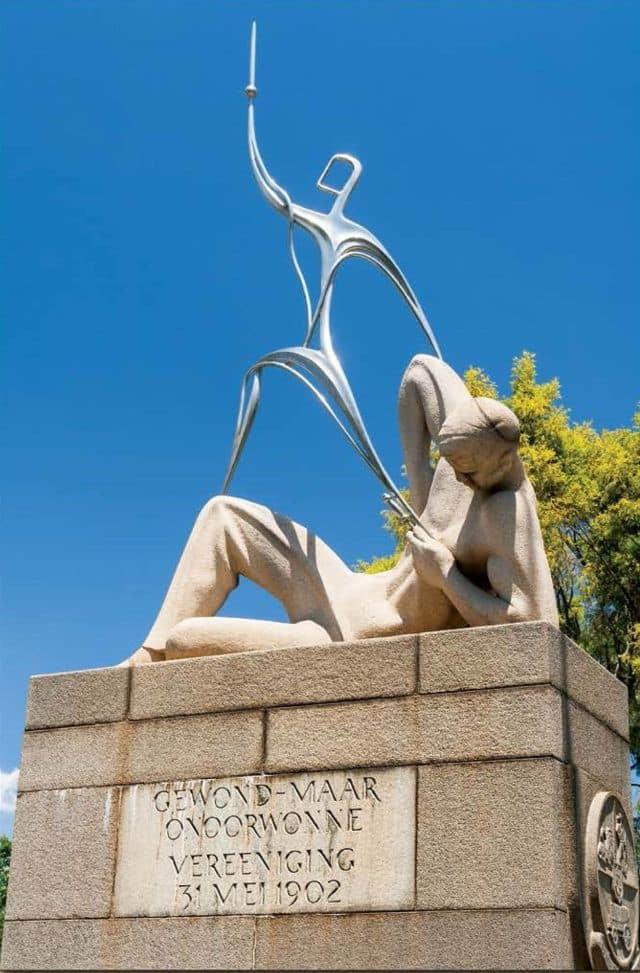
P.S. That monument on the green 4c stamp is in my hometown of Vereeniging. Its inscription says ‘Wounded but invincible’. Sculptor Coert Steynberg is shown working on it (it was unveiled in 1961).
The monument commemorates the Treaty of Vereeniging, a peace treaty, signed on 31 May 1902, that ended the Second Boer War between the South African Republic and the Orange Free State on the one side, and the United Kingdom on the other.
..If one looks closely at the stamps with the mail coach, or the transmission tower, or the green ones with the monument, one can see that the colors are different. That is because the stamps were printed on different types of paper.
I was very surprised to see that the US stock market indexes ended up well into the green today.
Google’s AI bot says:
“The U.S. stock market staged a remarkable intraday recovery on Monday, March 9, 2026, with major indexes finishing in the green after earlier losses of nearly 2%. This reversal was primarily driven by late-session optimism that the conflict with Iran might be nearing a conclusion.”
On the other hand, Michael Levenson writes in today’s New York Times: Less than two weeks after U.S. and Israeli forces attacked Iran, Americans are already feeling the effects an ocean away. Gas prices are up. Food prices are likely to increase. And volatility in the stock market could threaten retirement savings.
President Trump initially said the war would last “four to five weeks,” but he has recently sent mixed signals, at times suggesting it could become a prolonged fight. If it does, the fallout for Americans could accumulate, some experts warned. Consumers could cut back on spending and businesses could stop hiring or resort to layoffs, threatening the broader economy.
Headlines and photos from the online New York Times. The caption for the photo at the bottom reads ‘Crowds gathered at Enghelab Square to celebrate the announcement of Mojtaba Khamenei, the new supreme leader of Iran.’
There is a war in the Midde East, and oil prices are going up— of course.
Rebecca F. Elliott and Joe Rennison write for the New York Times: Oil prices surged on Sunday evening, briefly topping $110 a barrel soon after markets opened, in a sign of growing concern that the war in the Middle East will continue to take a toll on energy supplies.
It was the first time in almost four years that the global oil benchmark, known as Brent, cost more than $100 a barrel. Oil is now around 50 percent more expensive than it was before the United States and Israel began attacking Iran on Feb. 28.
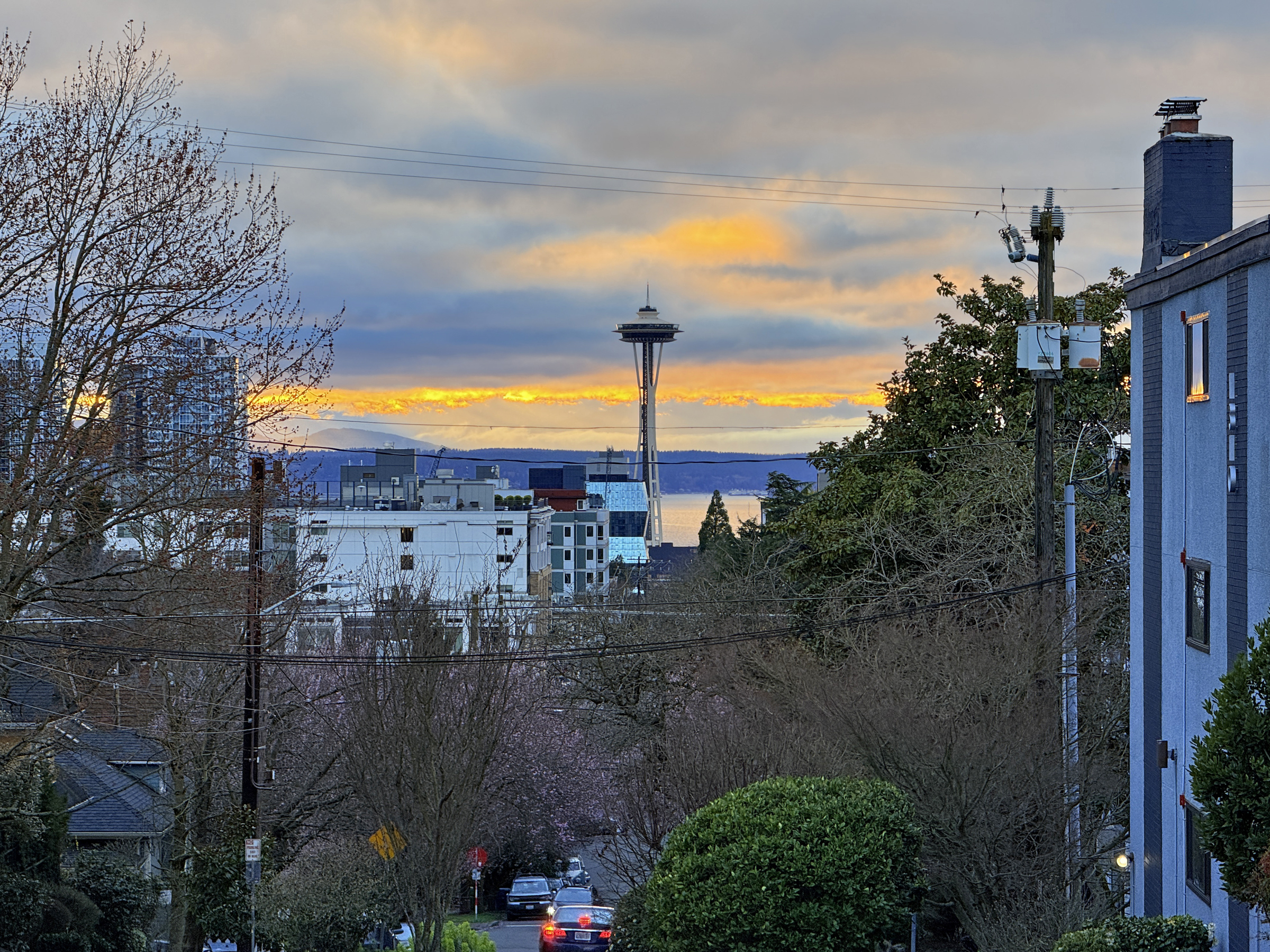
There were clouds and a little rain today here in the Emerald City.
It was 54°F (12°C) outside when I went for a walk just before sunset.
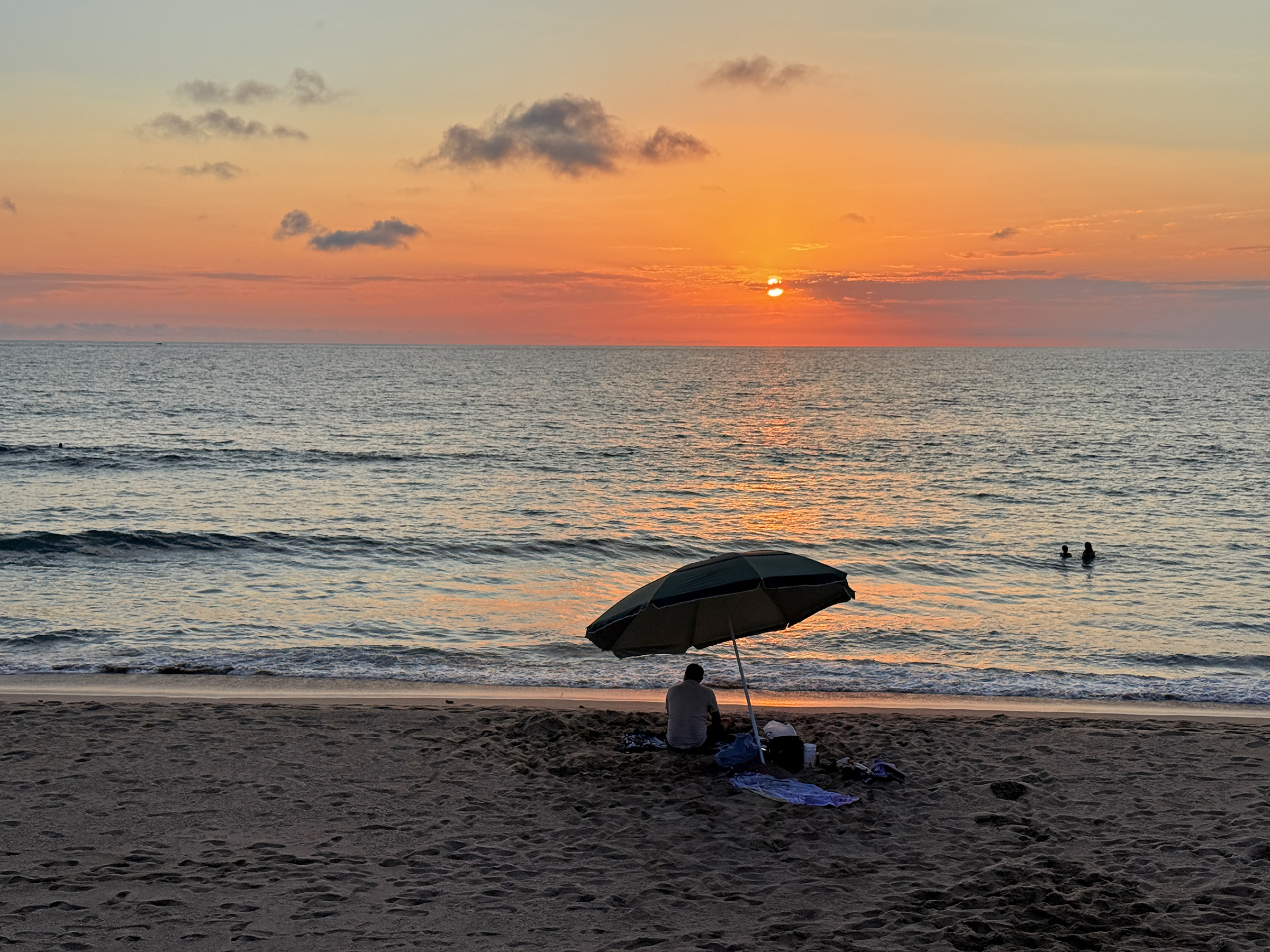
The Olympic Mountains were hidden from view tonight, with fiery color bands in the distant skies. Sunset was at 6.04 pm tonight, and that will change to 7.04 pm tomorrow night after Daylight Saving Time has kicked in at 2 am Sunday morning. (For the record: I think that’s crazy and that we should stop messing with the time.)
My time in Mazatlán was over on Friday morning 😢.
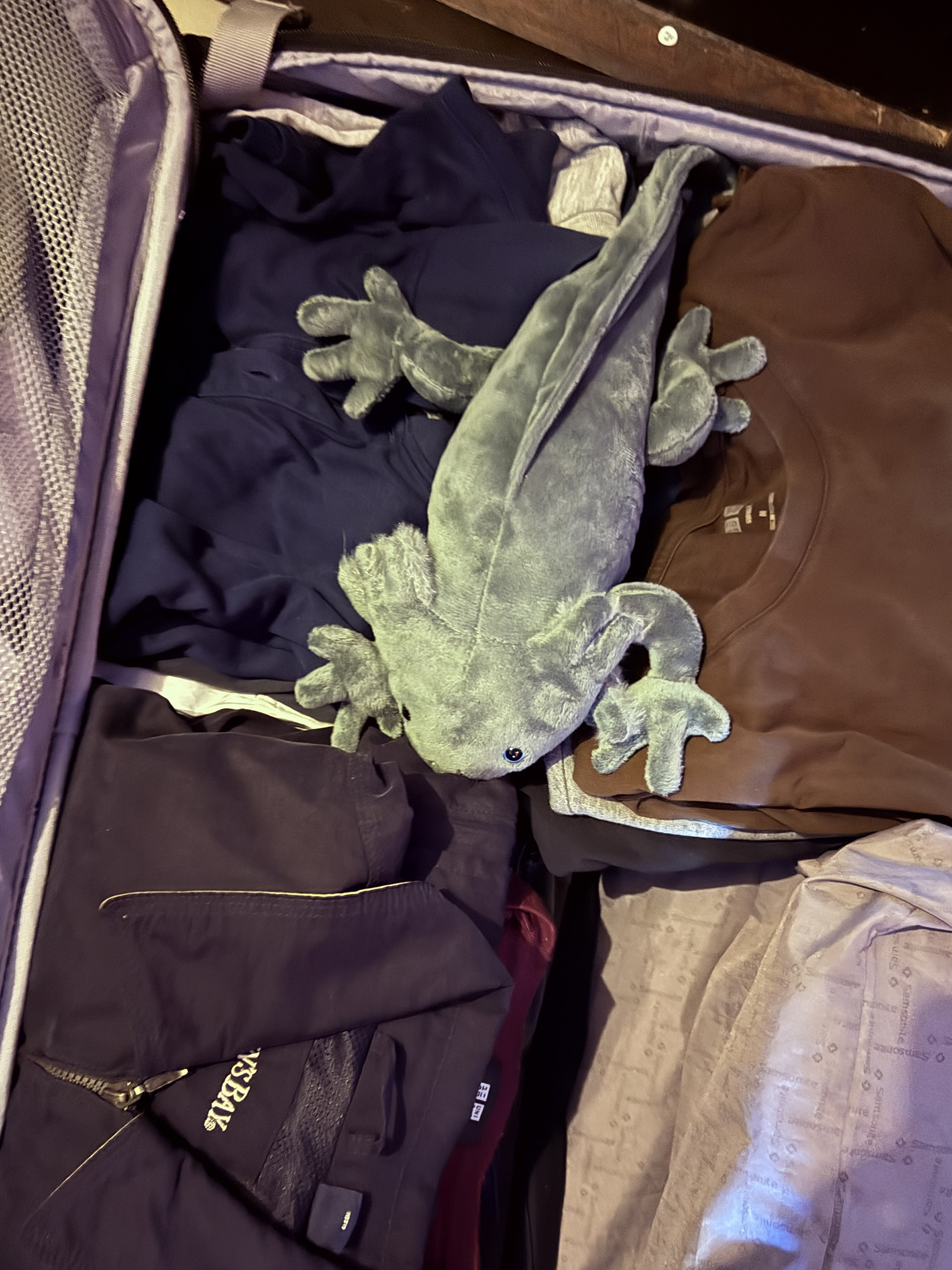
My stuffed axolotl from the Gran Acuario Mazatlán gift shop went into the suitcase with my clothes, and now I am at Mazatlán airport.
I will try to get a few airplane pictures before we board.
Update at Sat 12.30 am:
I made it home.
That connection to Seattle for international arrivals into LAX is quite something.
We arrived at the gate at LAX at 5.55 pm.
The flight to Seattle was going to leave at 7.40 pm.
First, there is a very long walk through a labyrinth of walkways and hallways to get to the US Customs and Border Control point. I said to a friendly official that they need to put more signs up for us, to which she replied – oh, but you should ‘just look for open doors’ if you don’t know where to go next.
(The problem was that I had no crowd to follow. A group of people in front of me on the airplane took so long to disembark, that the rest had disappeared completely out of sight by the time I stepped off.
Where did everyone go? 😱)
Anyway, there was no Global Entry kiosk open at Customs and Border Control (they are part of the partial government shutdown that still has not been resolved). So instead, there was a facial recognition photo check for everyone, regardless if you had Global Entry credentials or not. The camera did not recognize everyone and those were then directed to an official for a manual passport check.
Now I still had to pick up my bag from the international arrivals carousel for rechecking it for the flight to Seattle. That took a very long time as well, after which you get ejected into the public area at Terminal 6.
So now you go up the escalator, to go through the standard domestic flight security check again— which ate up the remaining time I had for the connection.
My flight to Seattle was already into boarding Group E by the time I had gone to the restroom and taken a few bites out of a sandwich and banana that I had bought hastily.
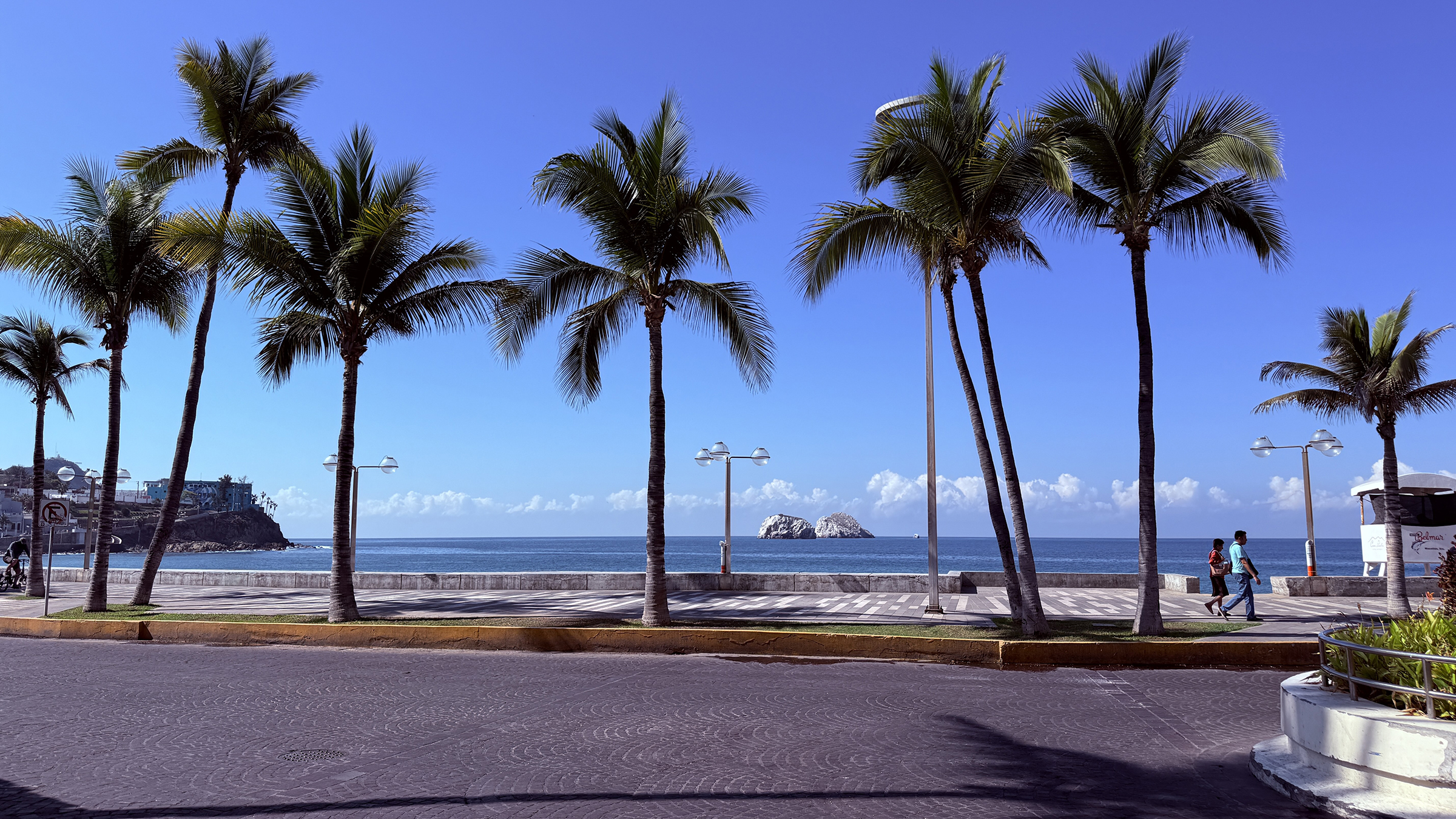
There were puffy white clouds in the view of the Pacific Ocean by Olas Altas beach this morning. From Wikipedia: The axolotl (Ambystoma mexicanum) is a species of paedomorphic mole salamander. They mature into the terrestrial adult form without undergoing metamorphosis; the adults remain fully aquatic with obvious external gills. This trait, although somewhat unusual among the majority of amphibians, is not unique. Axolotls originally inhabited a system of interconnected wetlands and lakes in the Mexican highlands. They were known to inhabit the smaller lakes of Xochimilco and Chalco, and are also presumed to have inhabited the larger lakes of Texcoco and Zumpango. These waterways were mostly drained by Spanish settlers after the conquest of the Aztec Empire, leading to the destruction of much of the axolotl’s natural habitat, which is now largely occupied by Mexico City. Despite this, they remained abundant enough to form part of the staple in the diet of native Mexica during the colonial era. Today, due to continued urbanization in Mexico City, which causes water pollution in the remaining waterways, as well as the introduction of invasive species such as tilapia and carp, the axolotls are now near extinction. The species has been listed as critically endangered in the wild, with a decreasing population of around 50 to 1,000 adult individuals. A large captive population of axolotls currently exists, though, with the specimens being used extensively in scientific research for their remarkable ability to regenerate parts of their body, including limbs, gills and parts of their eyes and brains.
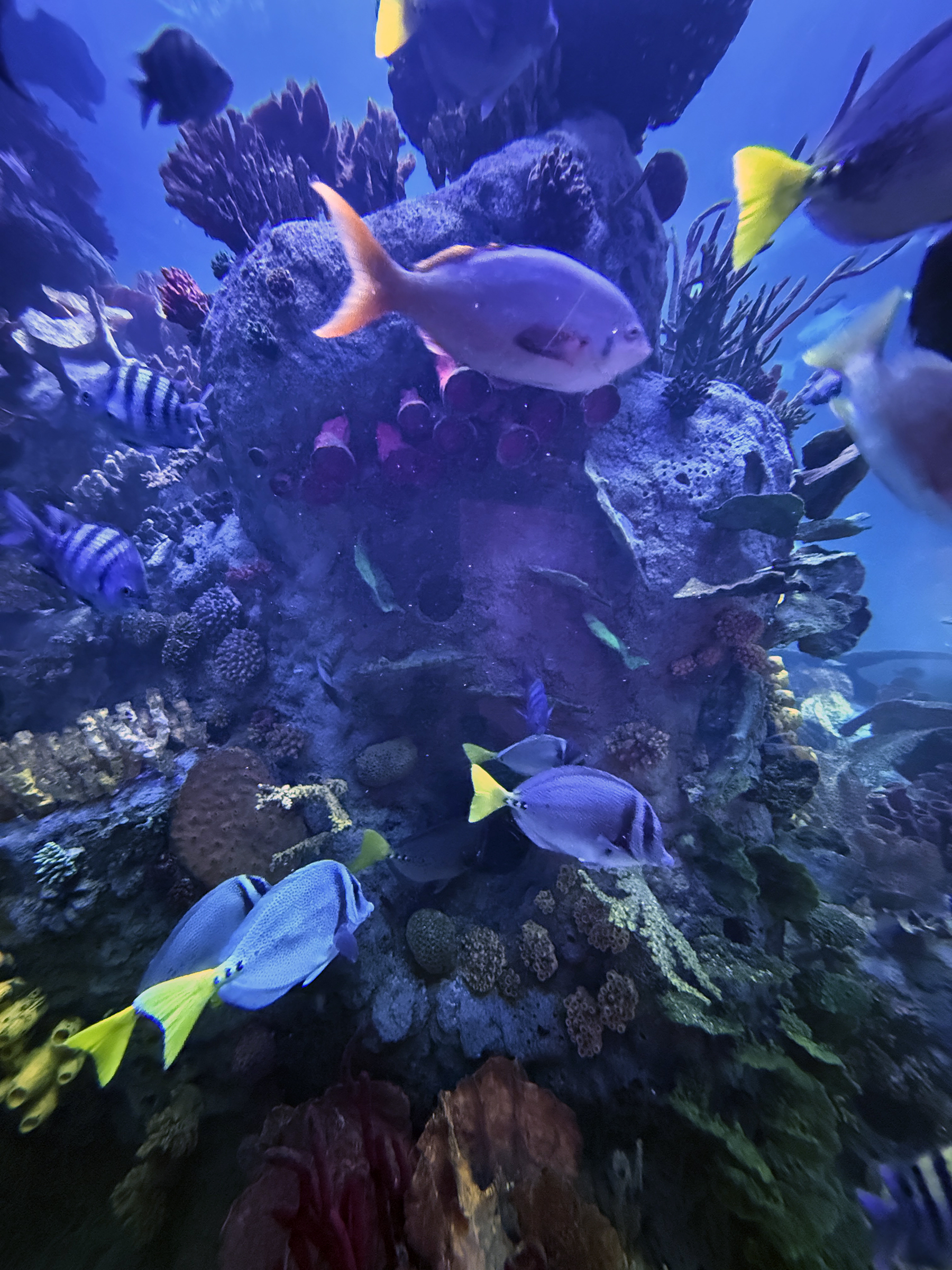
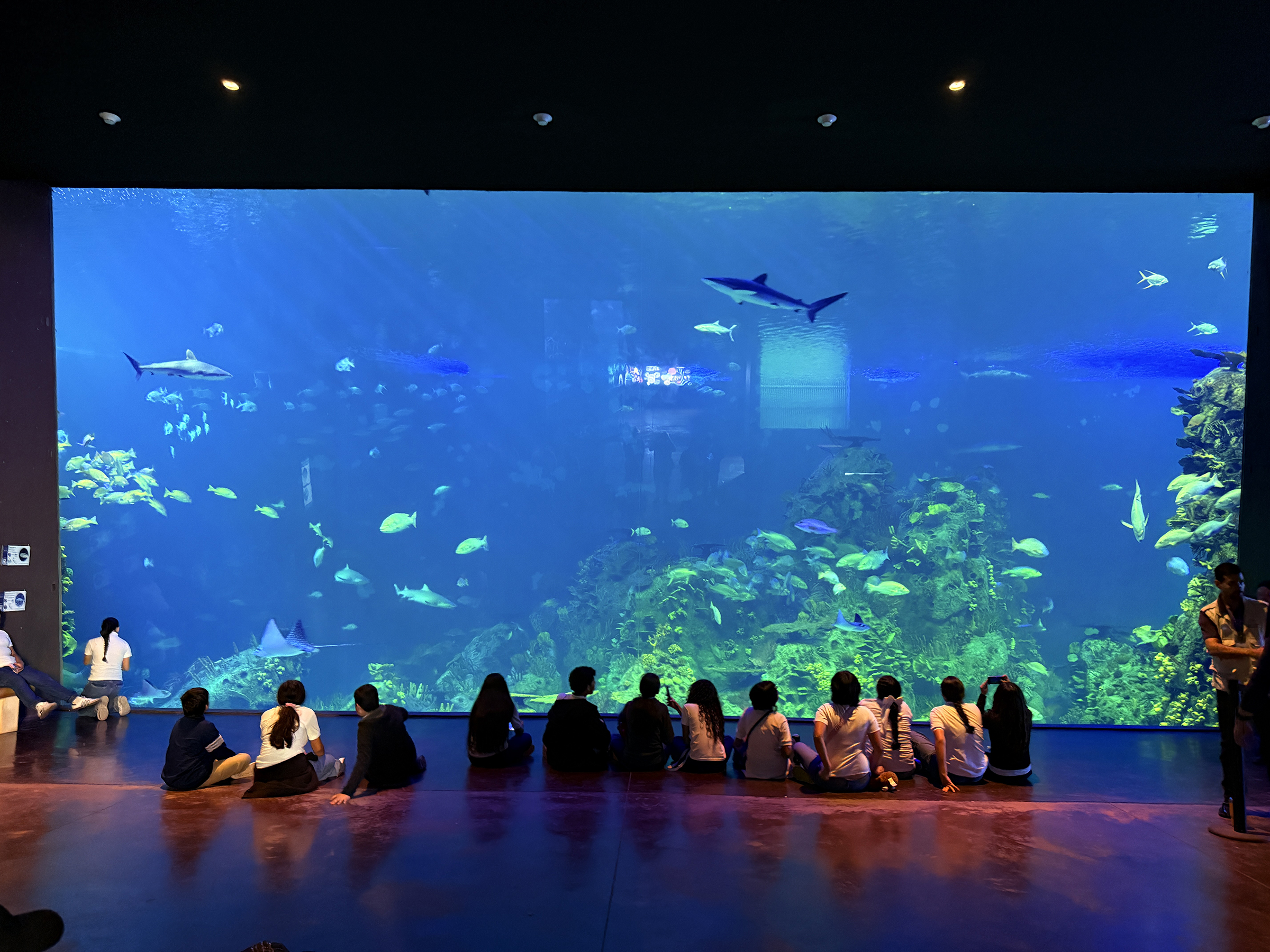
The Gran Acuario Mazatlán hosts over 250 species of fish. It is the is the largest aquarium in Latin America.
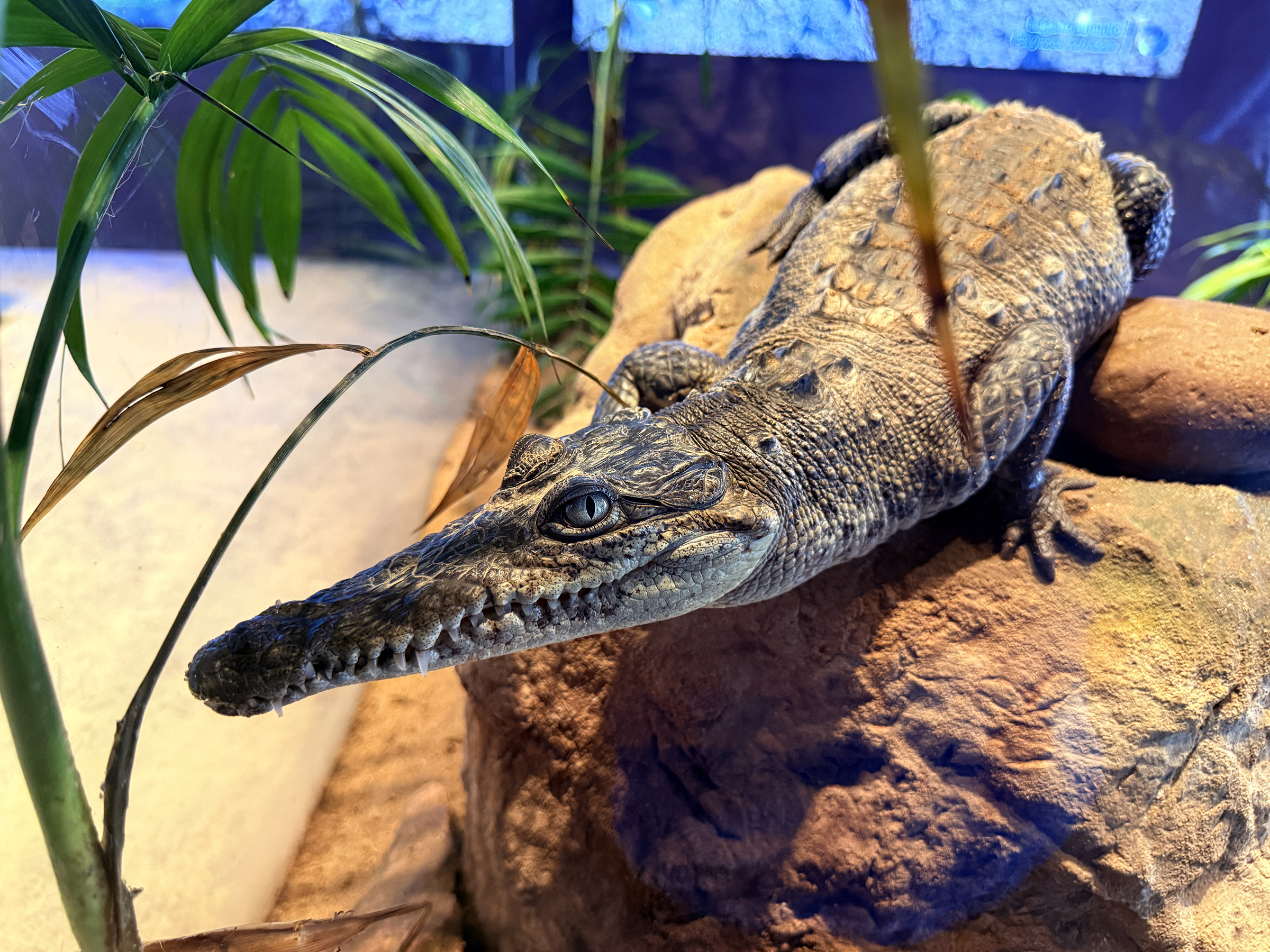
It contains a marine museum, the Gulf of Mexico Oceanic Fish Tank, a walk-through aviary, a boardwalk along the lagoon outside, crocodile exhibits, and a capybara petting area. The penguin area and flamingo area are currently closed.
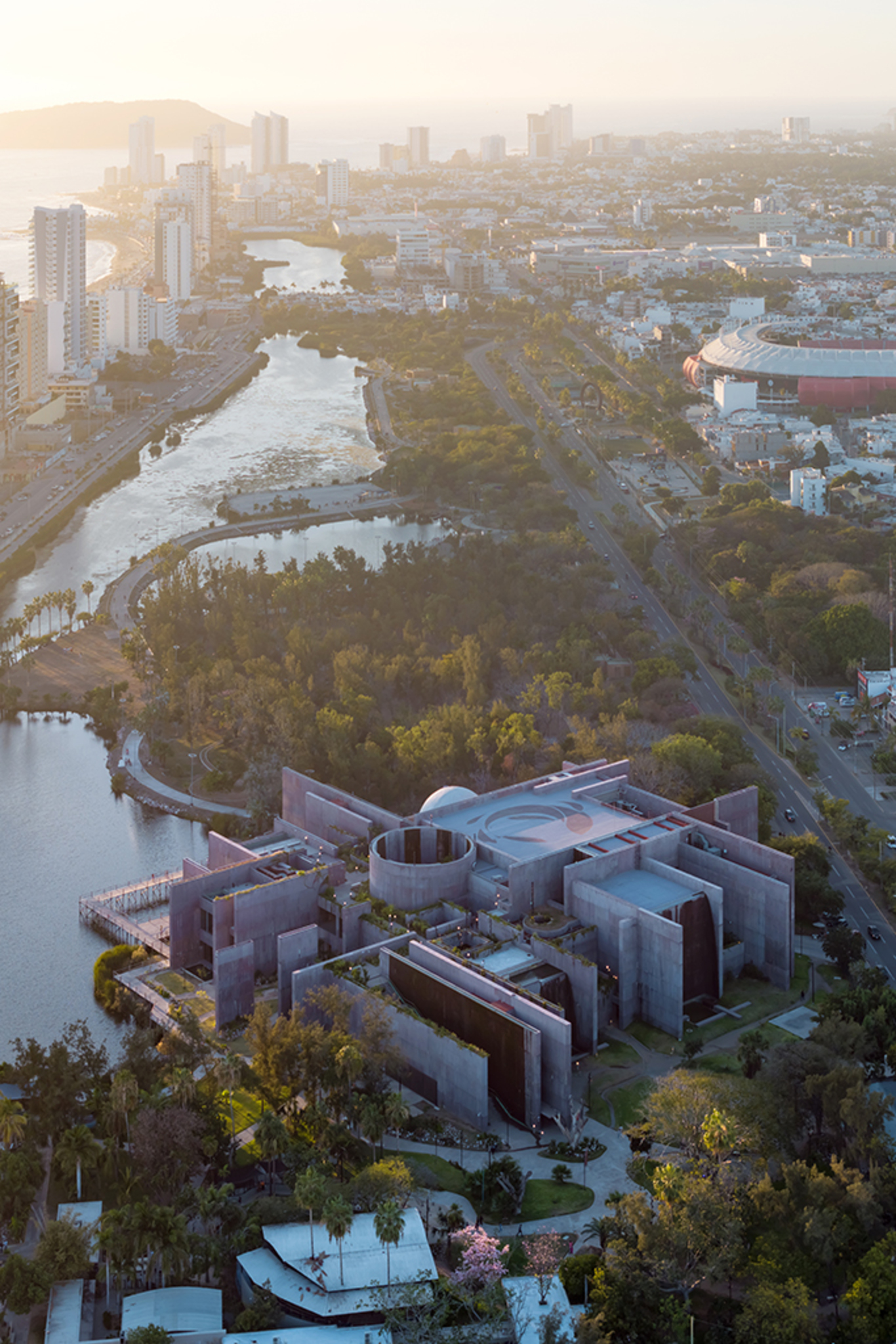
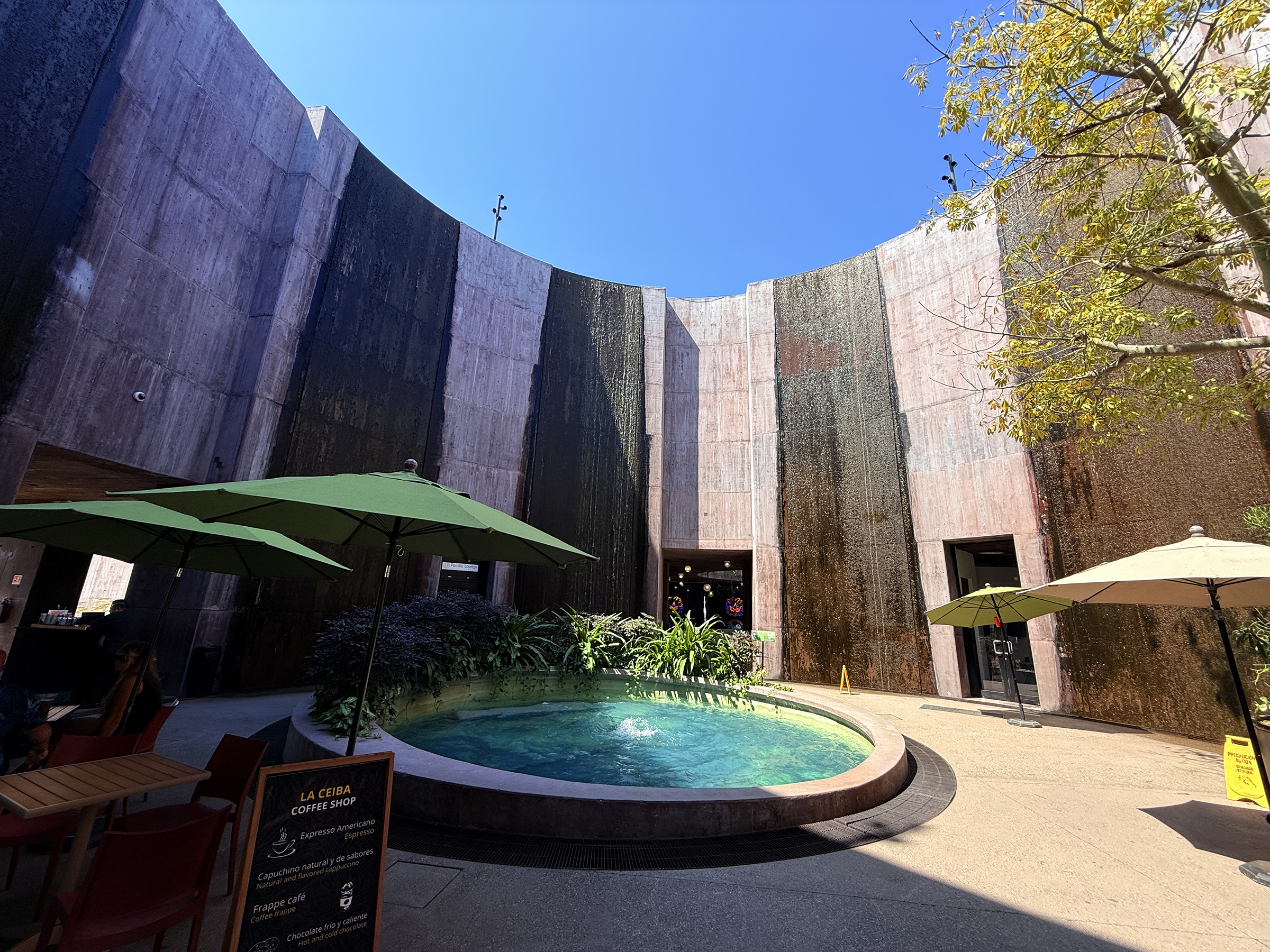
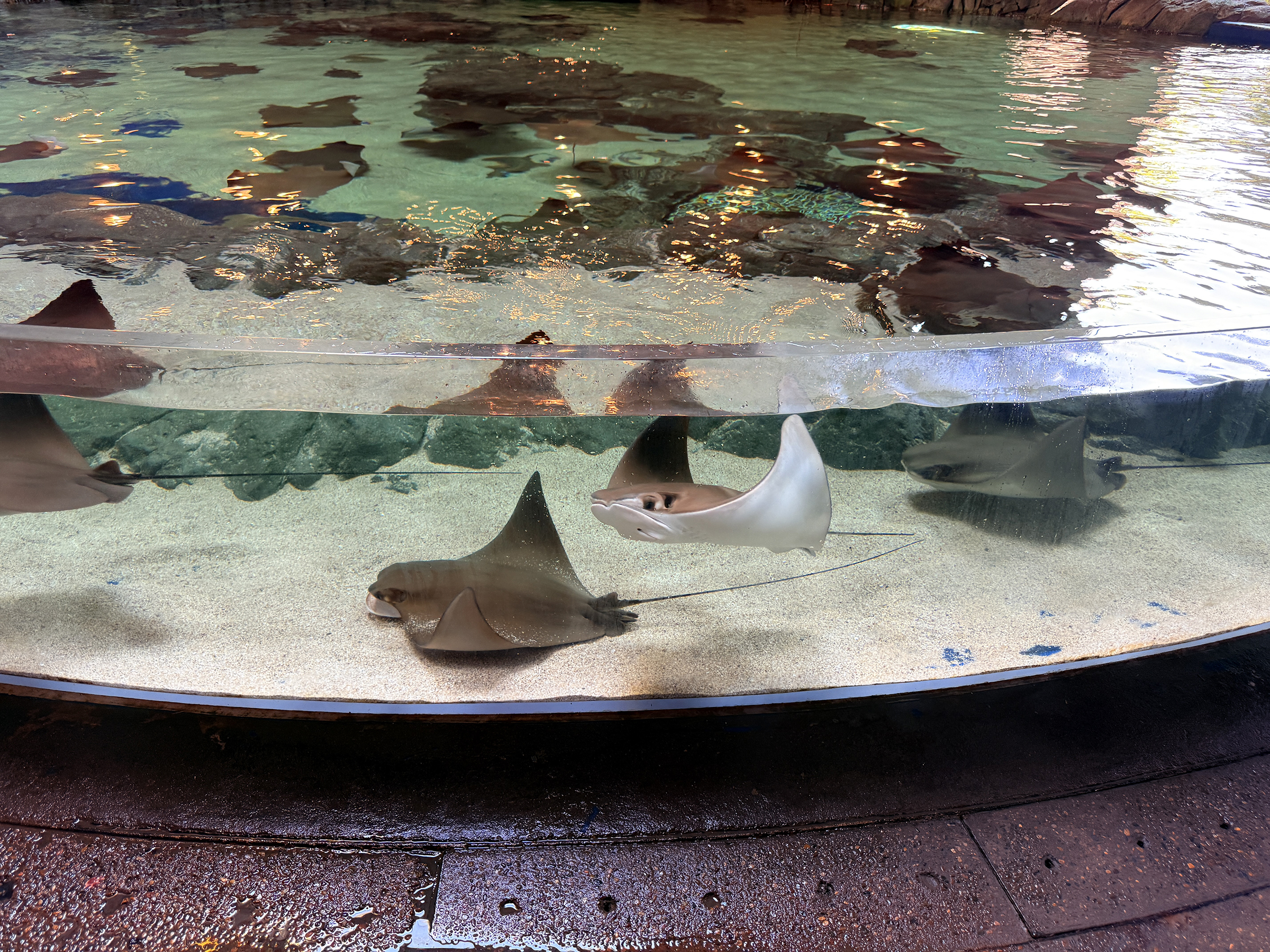
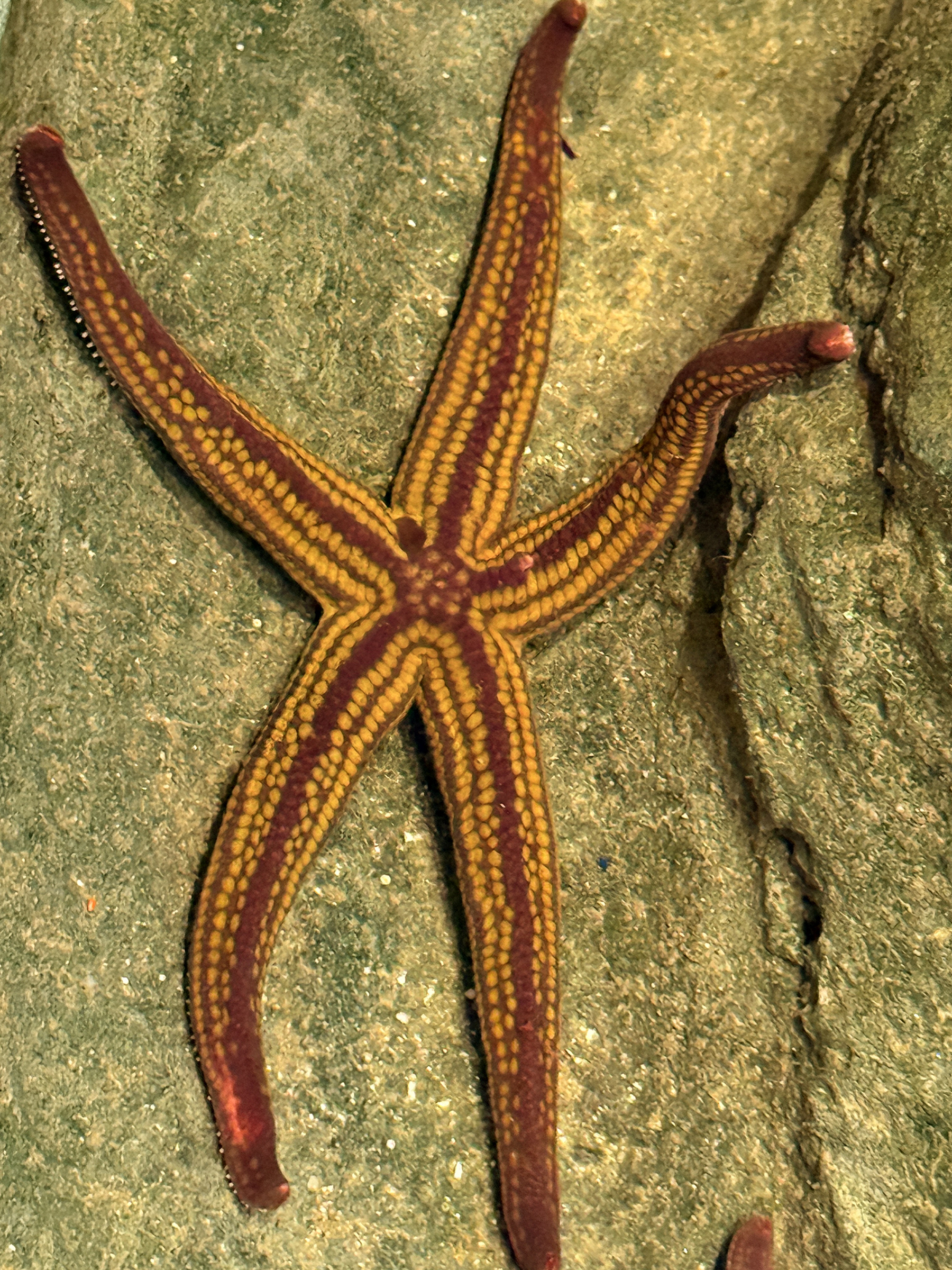
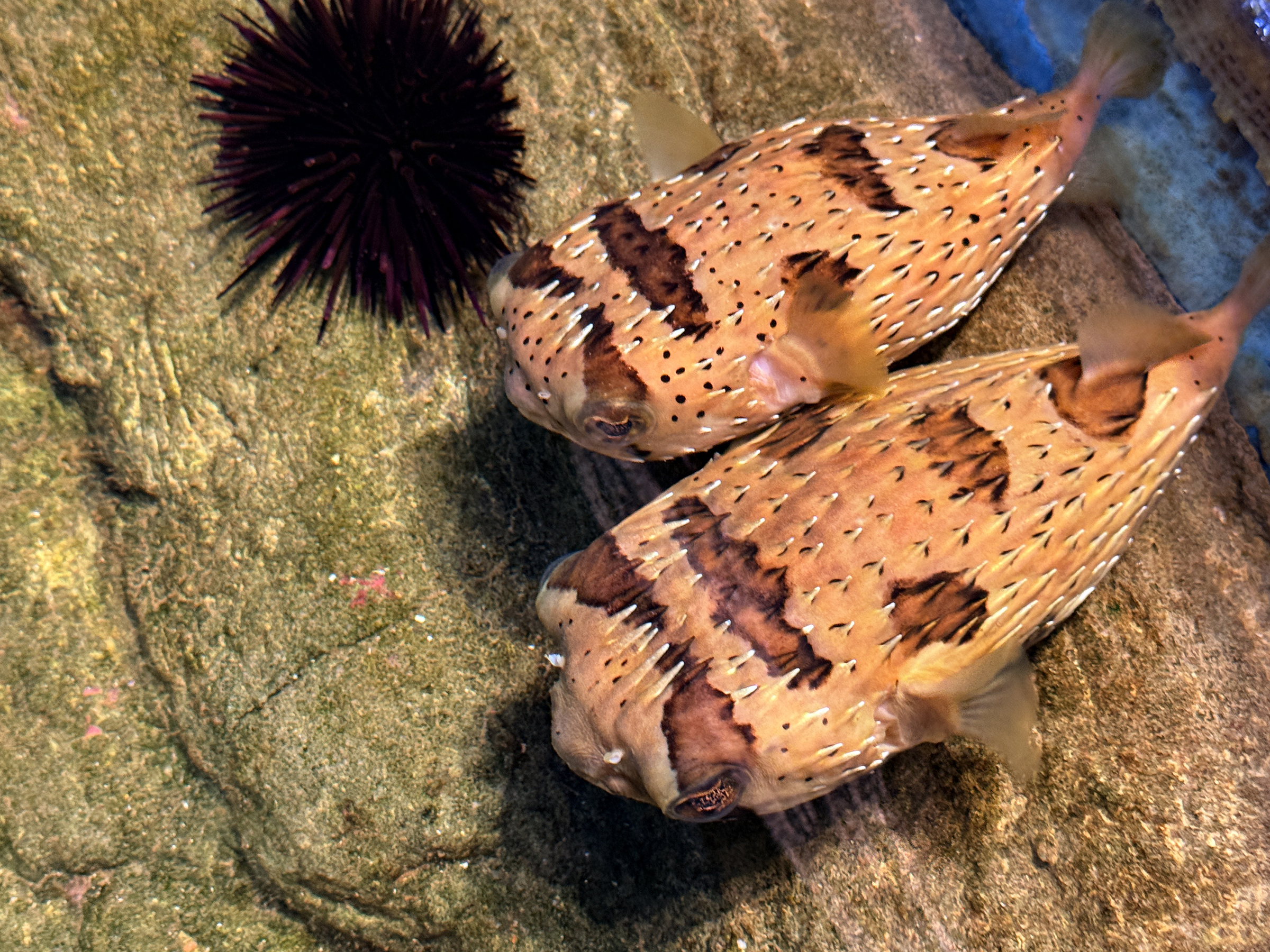
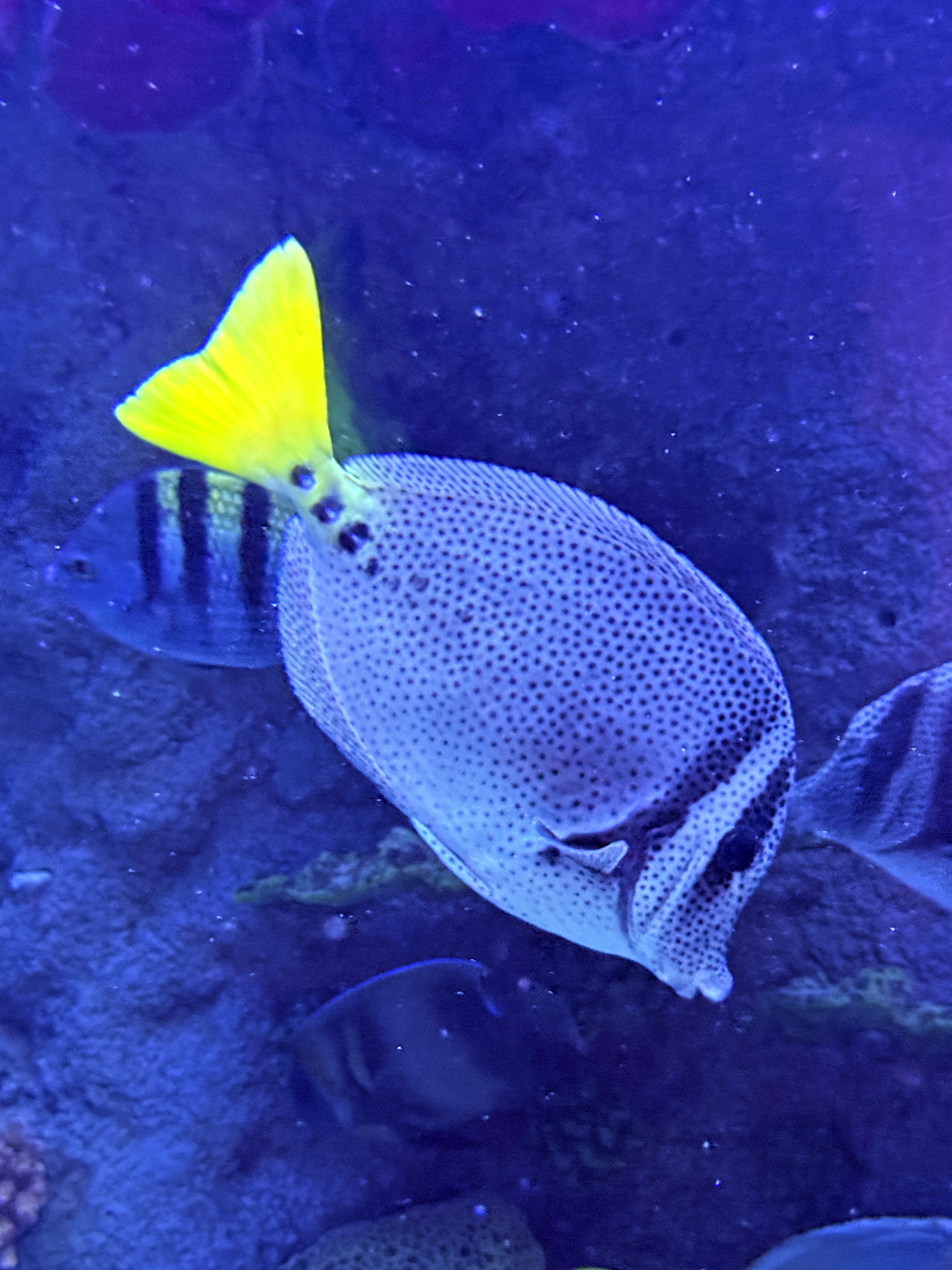
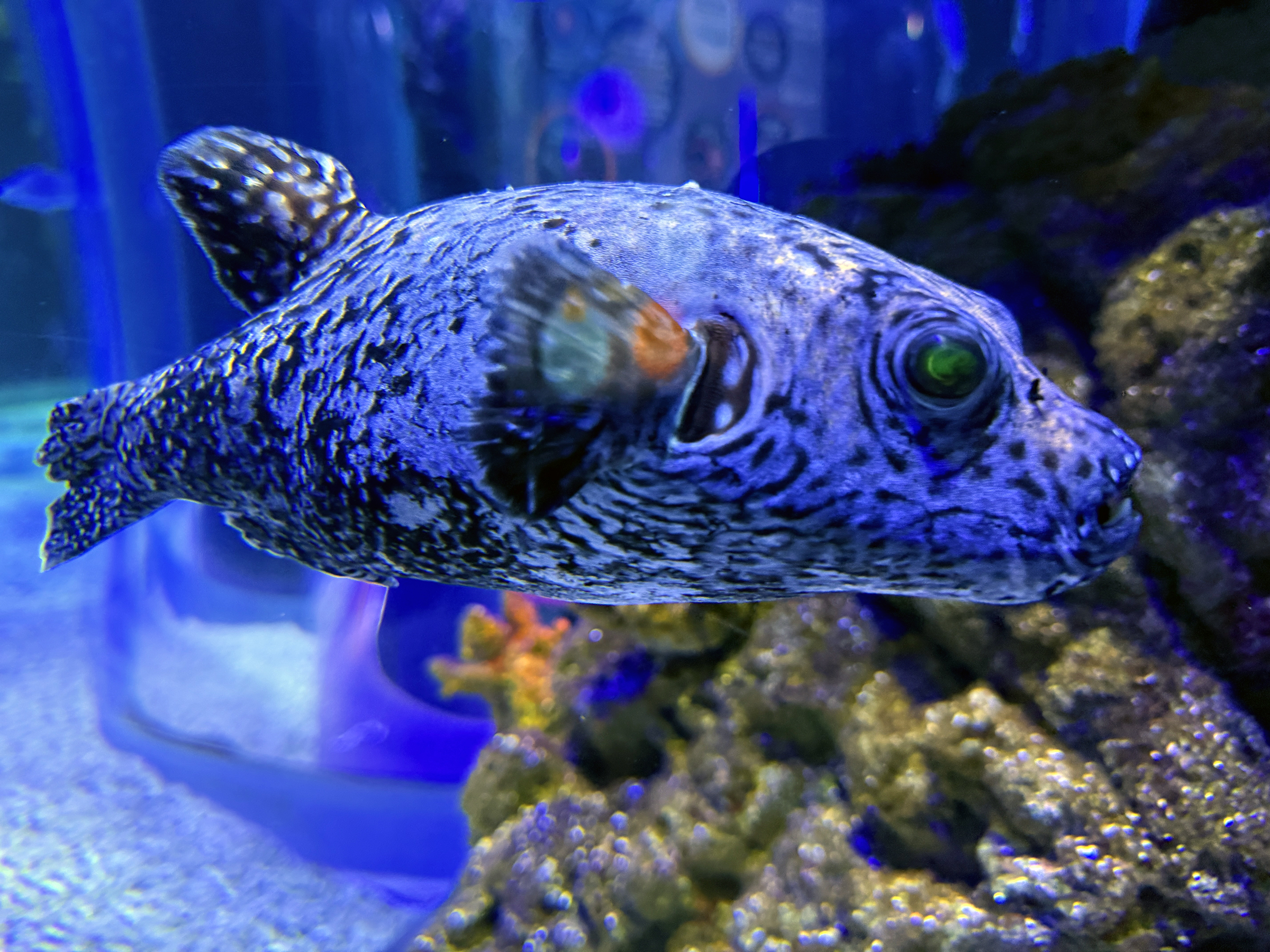
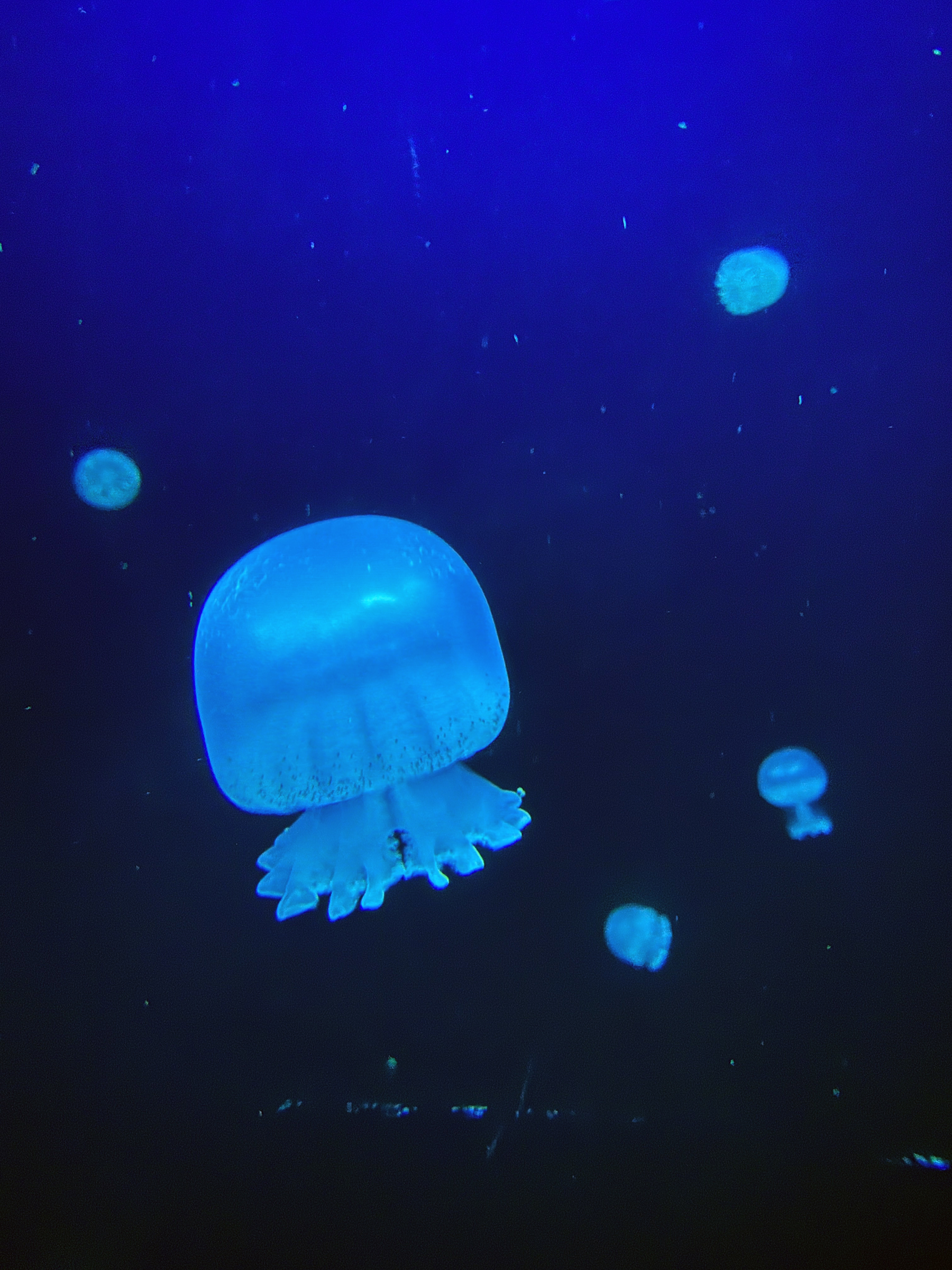
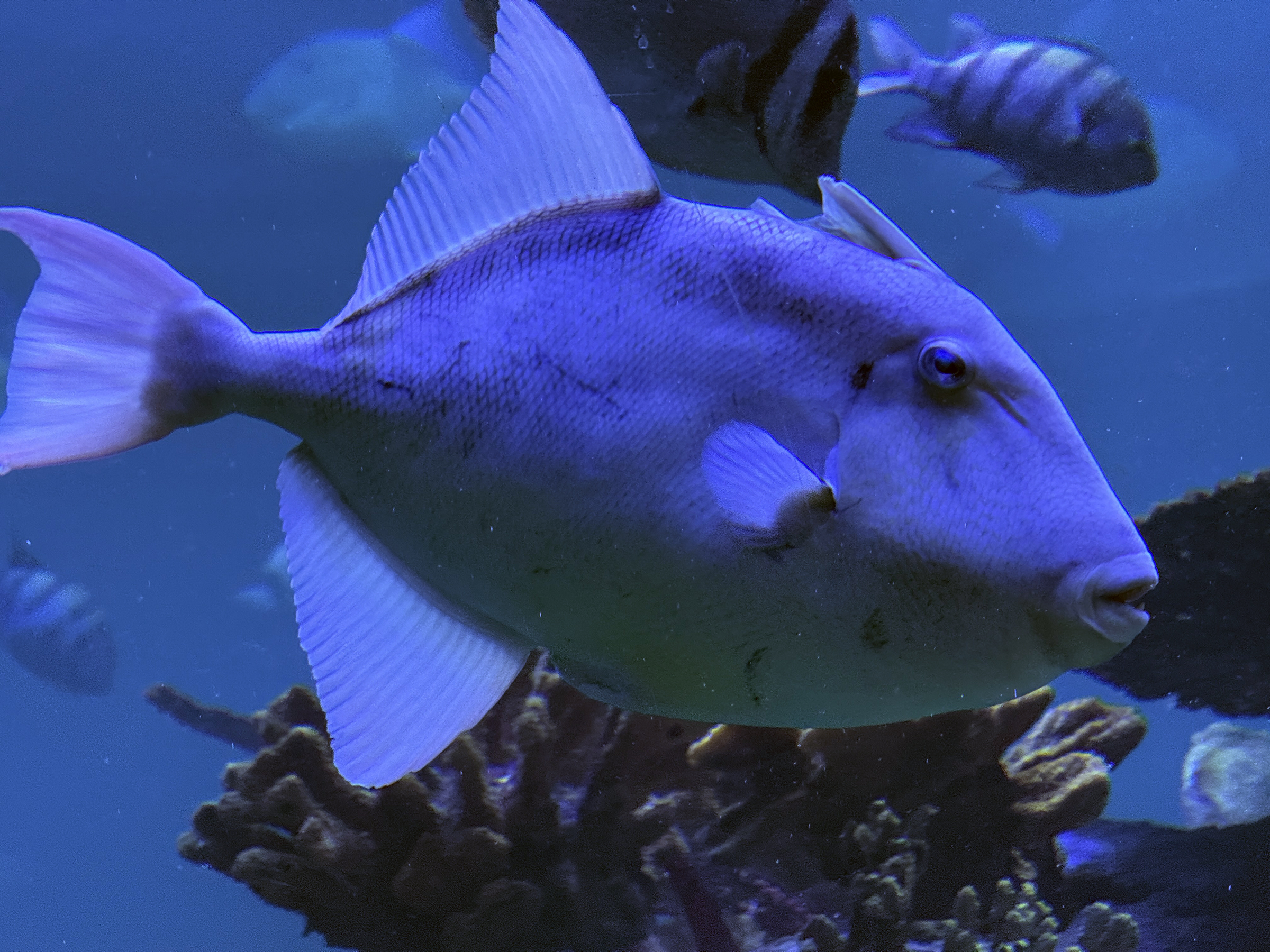
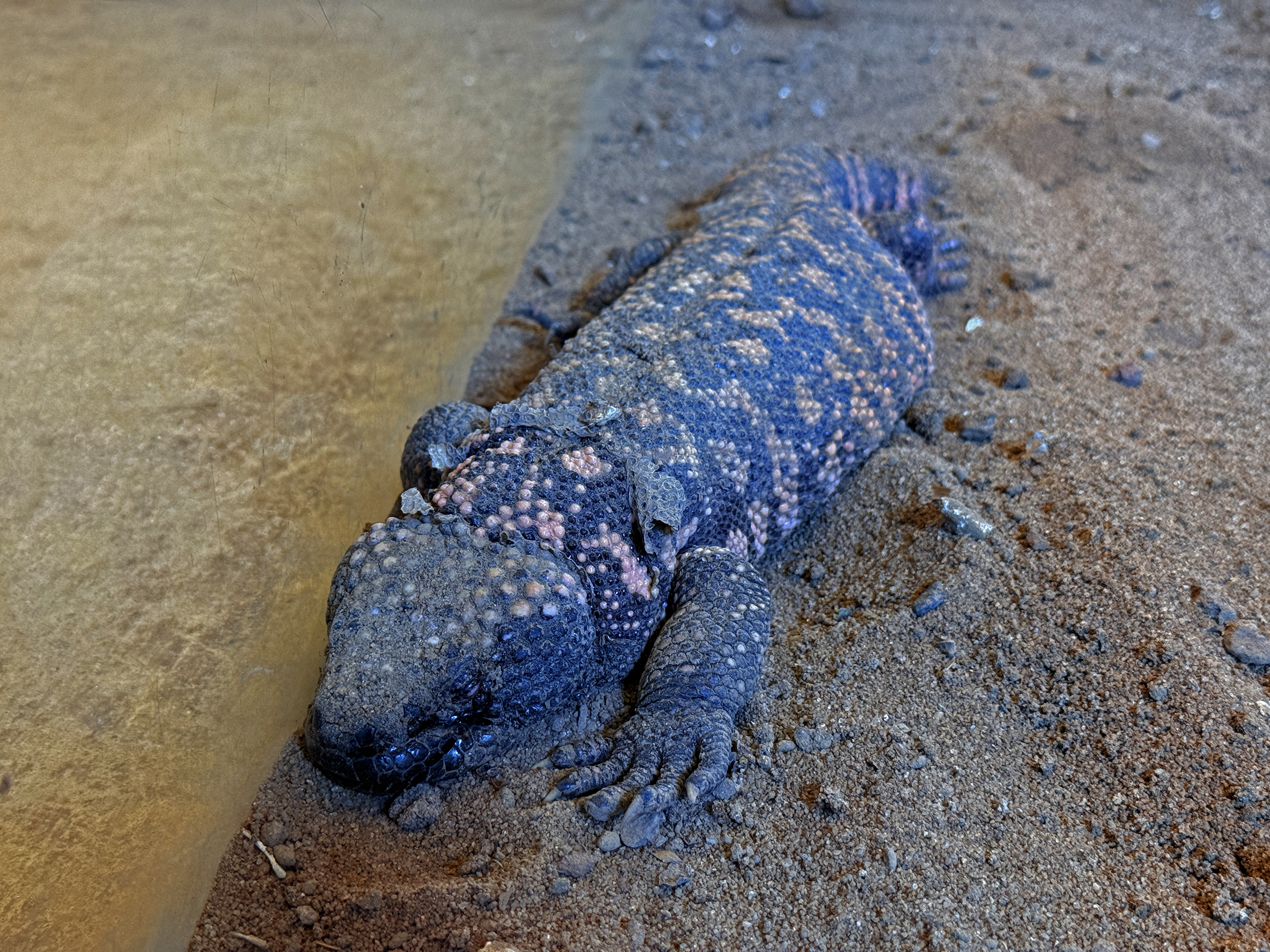
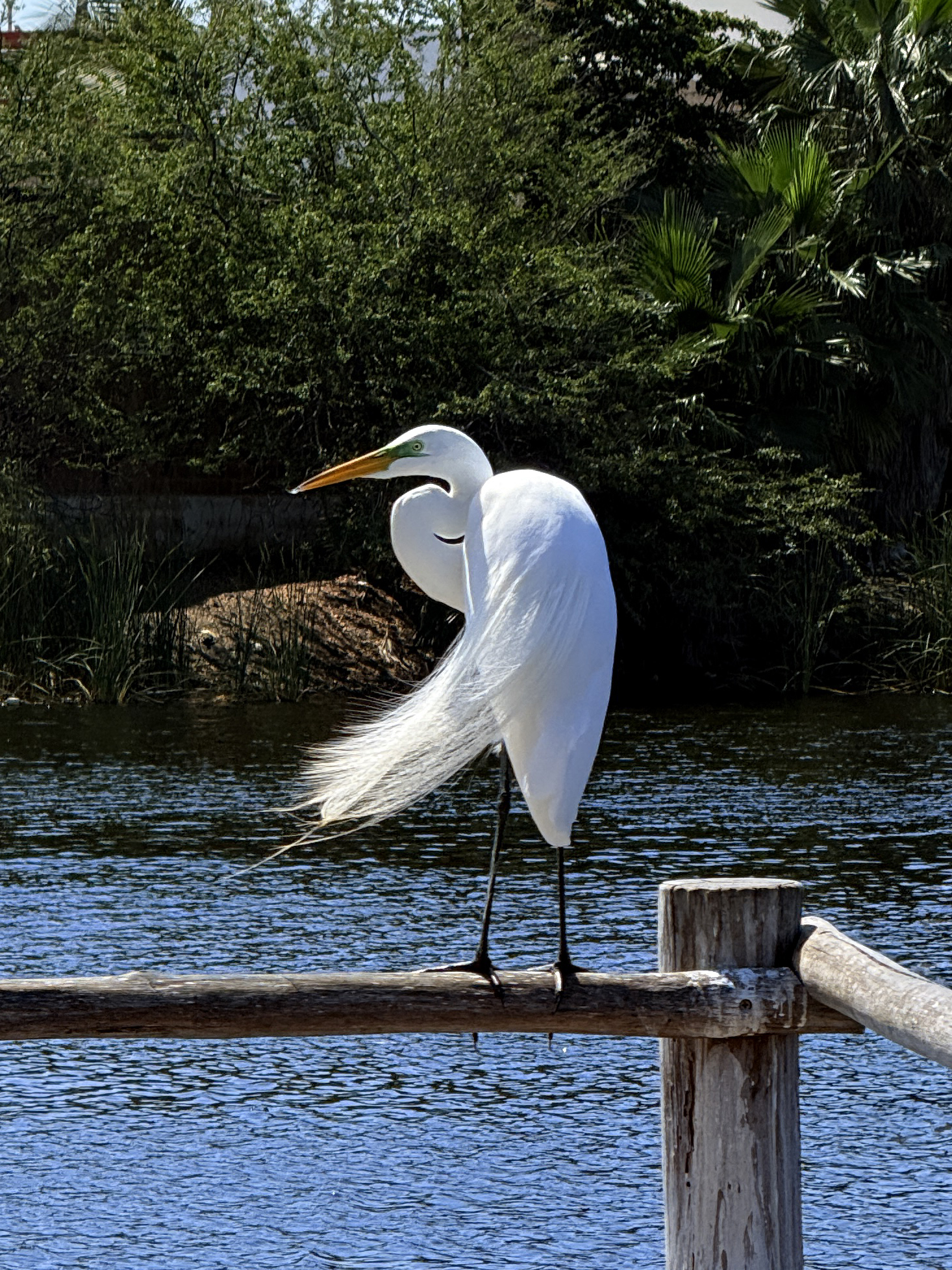
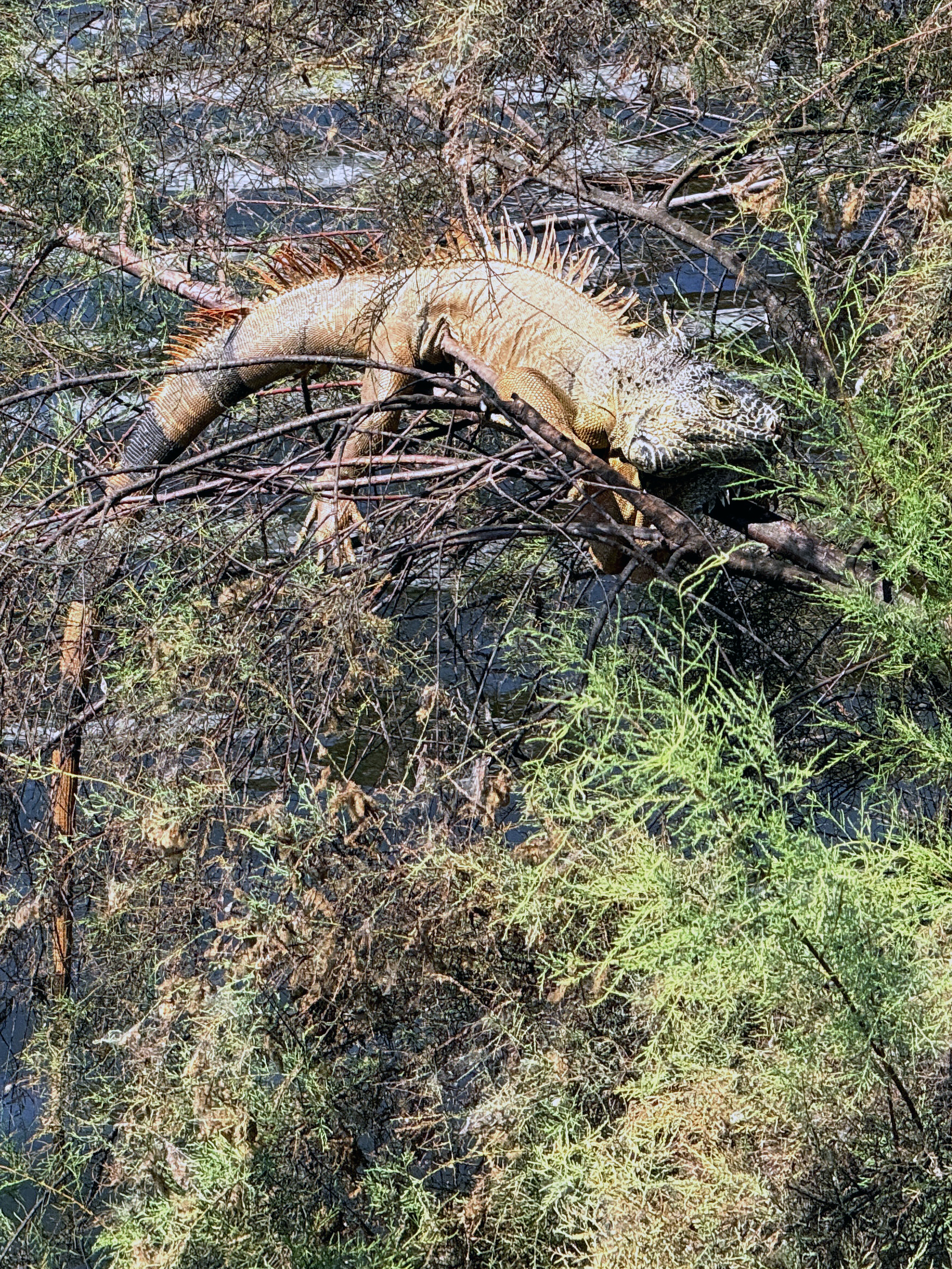
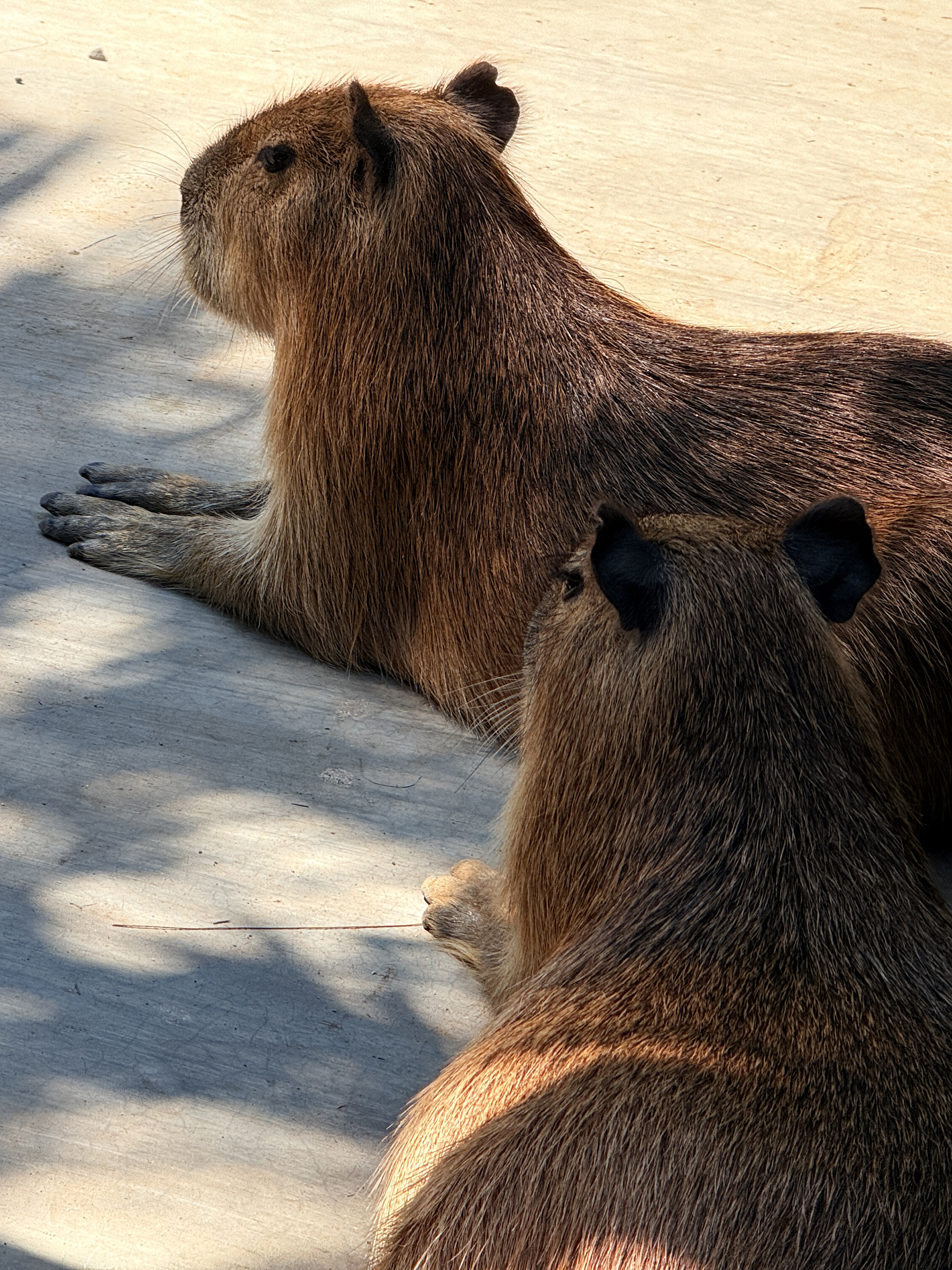
The new Gran Acuario Mazatlán opened to the public in May 2023. This large new set of concrete structures and spaces were designed by architecture firm Tatiana Bilbao Estudio from Mexico City, and replaced the old municipal aquarium. [Image from tatianabilbao.com/projects]Here is the main courtyard inside the new Gran Acuario Mazatlán complex.A shallow round tank with cownose rays (Rhinoptera bonasus), a species of eagle ray commonly found in aquariums. A beautiful pyramid sea star (Pharia pyramidata). About 1,900 species of starfish form the taxonomic class Asteroidea. These creatures live on the seabed and are found in all the world’s oceans, from warm, tropical zones to frigid, polar regions. They can occur from the intertidal zone down to abyssal depths, at 6,000 m (20,000 ft) below the surface. [Source: Wikipedia]Two long-spine porcupinefish (Diodon holocanthus) alongside a sea urchin. This is a large cylindrical tank. A yellowtail surgeonfish (Prionurus laticlavius or Prionurus punctatus).A blackspotted puffer (Arothron nigropunctatus), also known as the dog-faced puffer. The Gulf of Mexico Oceanic Fish Tank, with a little group of elementary school students.The blue blubber jellyfish (Catostylus mosaicus) swimming in a tank. A young slender-snouted crocodile (Mecistops cataphractus), a critically endangered species native to Africa. A finescale triggerfish (Balistes polylepis).The Mexican beaded lizard (Heloderma horridum) or beaded lizard is a species of venomous lizard in the family Helodermatidae, one of the two species of venomous beaded lizards found principally in Mexico and southern Guatemala. (The other is the similar-looking Gila monster, Heloderma suspectum, which is found in the southweatern United States as well).A great egret (Ardea alba) perched on the boardwalk fence by the lagoon. A green iguana (Iguana iguana) catching the sun on the water’s edge. This monster in the bushes does not prey on smaller animals. Iguanas are strict herbivores that eat a diet consisting almost exclusively of leafy greens, vegetables, and fruit.The capybara (Hydrochoerus hydrochaeris) or greater capybara is the largest living rodent, native to all countries in South America except Chile. Together with the lesser capybara, it constitutes the genus Hydrochoerus. [Source: Wikipedia]
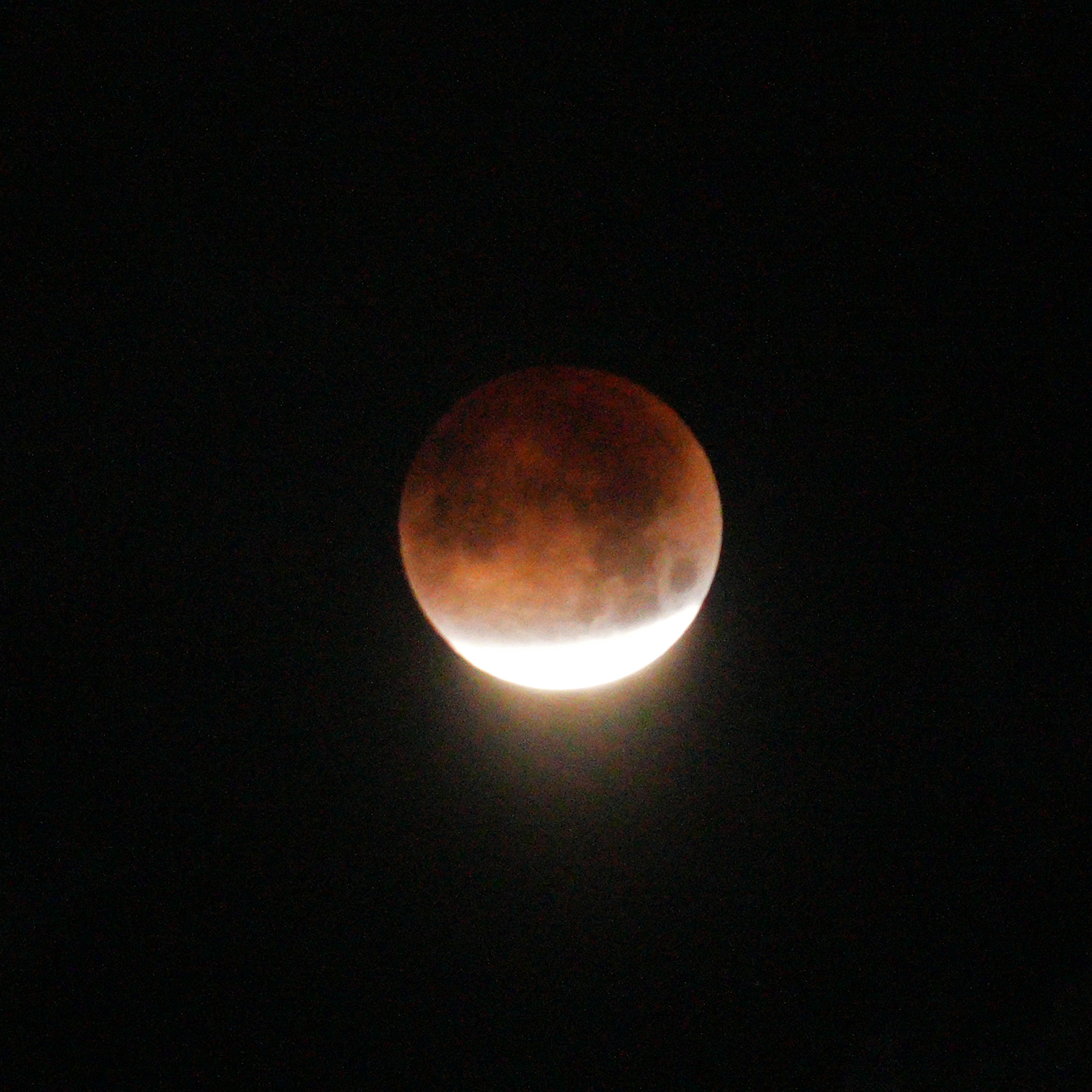
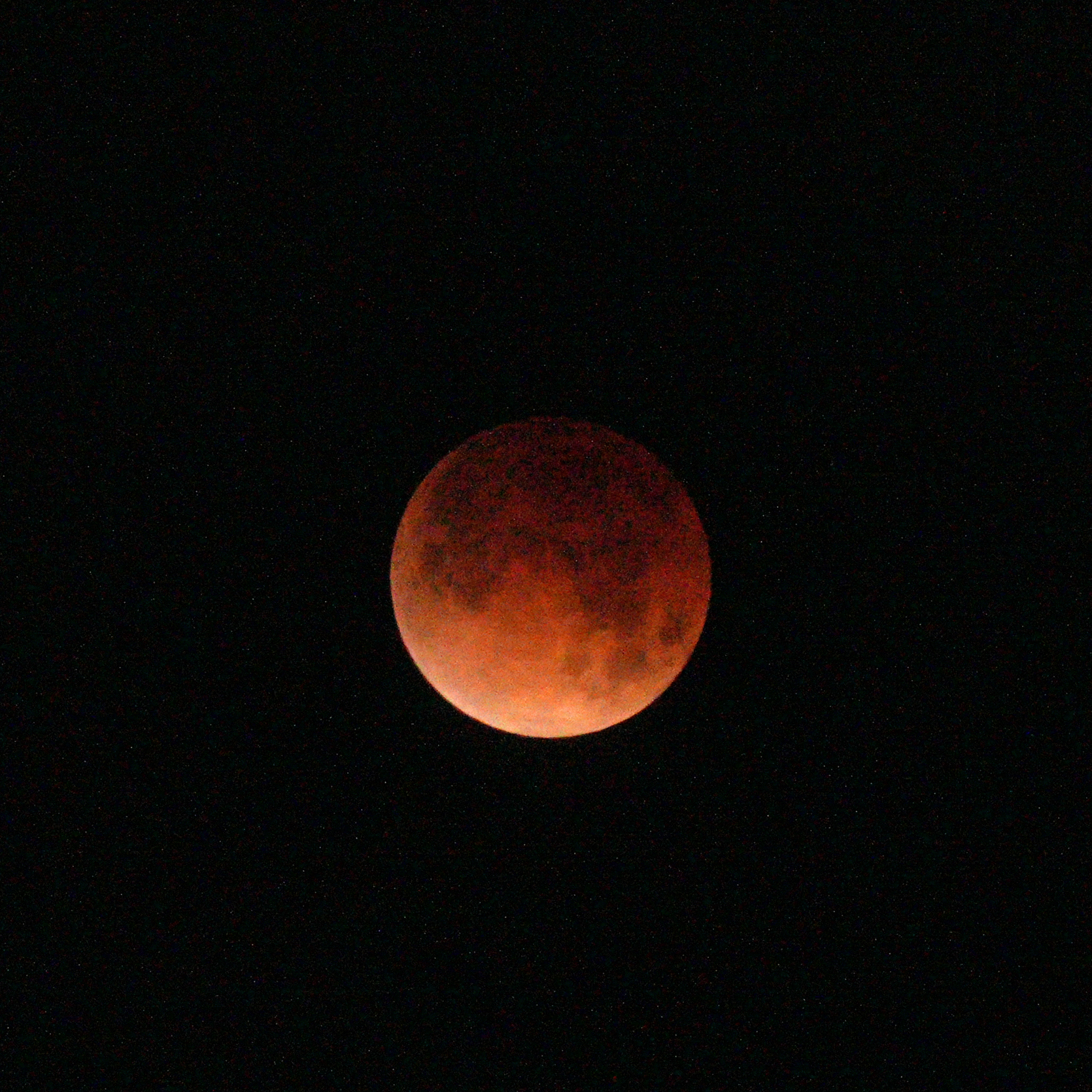
Here are my amateur pictures of the early morning hours’ total lunar eclipse, taken with my Sony a7CR and Tamron lens at 5 times zoom (200 mm).
The next total lunar eclipse will be in 2028.
Here is Katrina Miller explaining in the New York Times why the moon is red during a total lunar eclipse: A total lunar eclipse occurs when the entire moon slips into the umbra, during which most of the sunlight illuminating the lunar surface is blocked by Earth. But some sunlight spills over the edges of Earth and through its atmosphere, which more readily scatters blue light. That leaves red light, which has an easier time passing through the atmosphere, lighting up the face of the moon and causing it to shine scarlet.
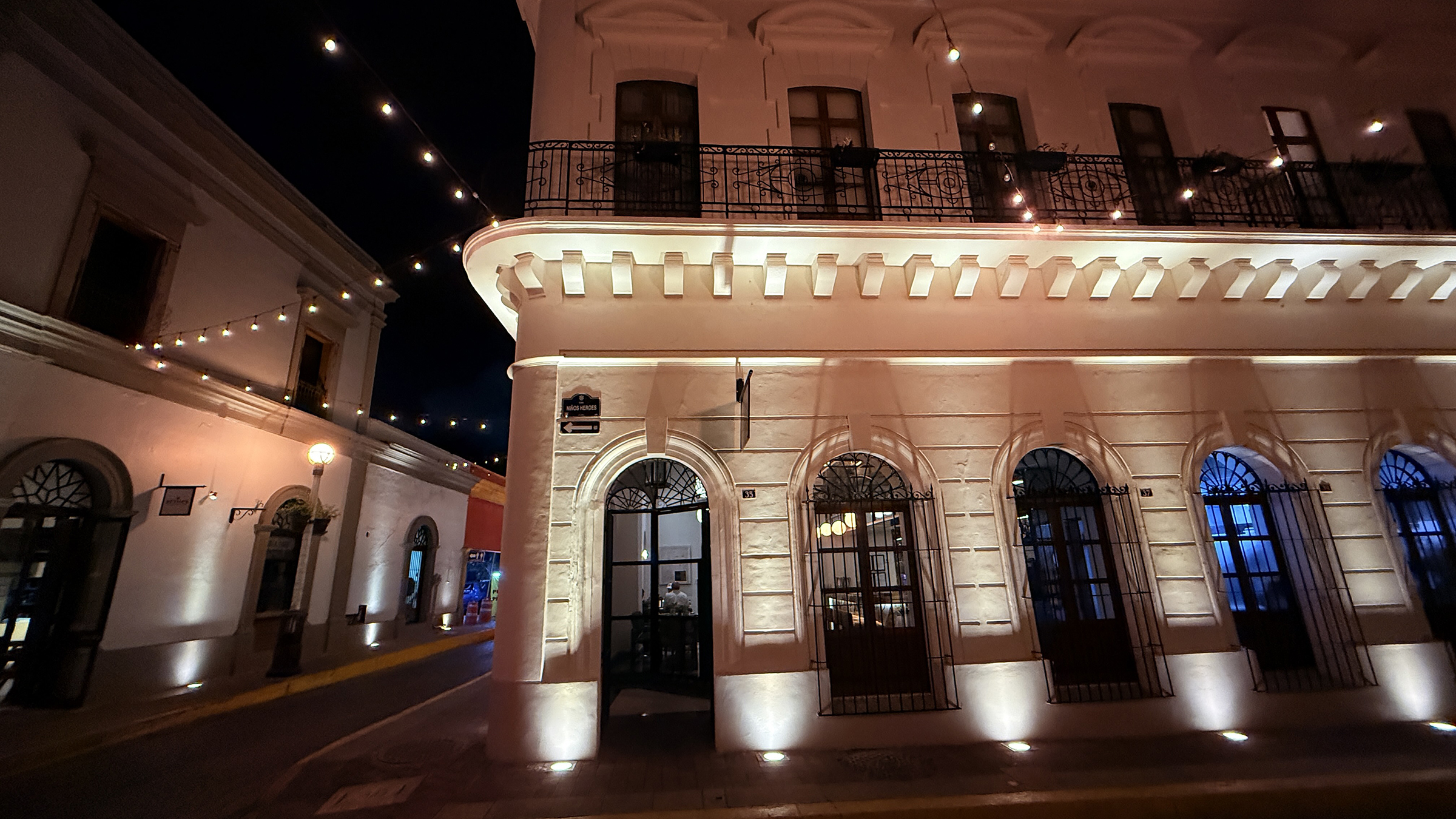
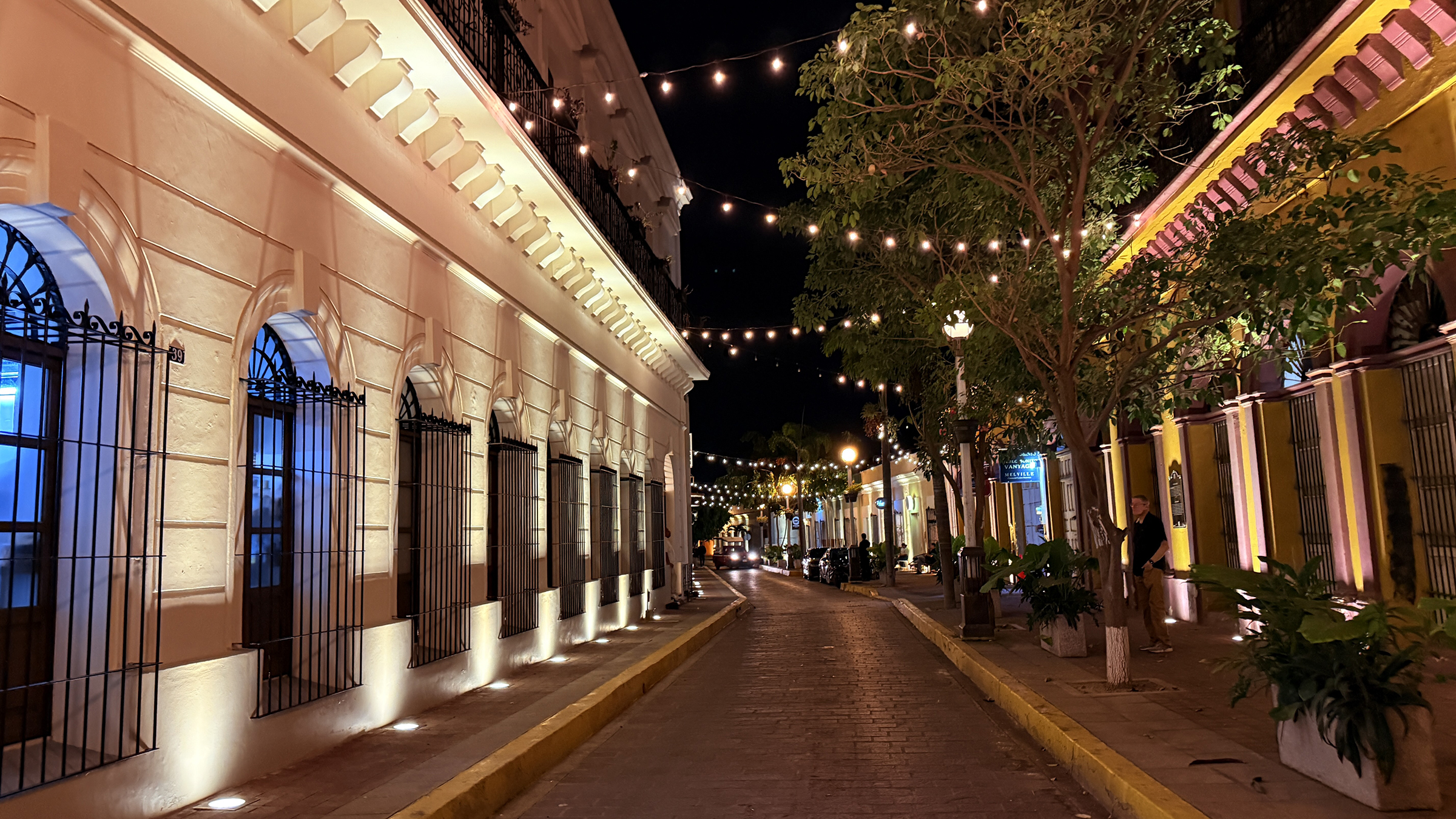
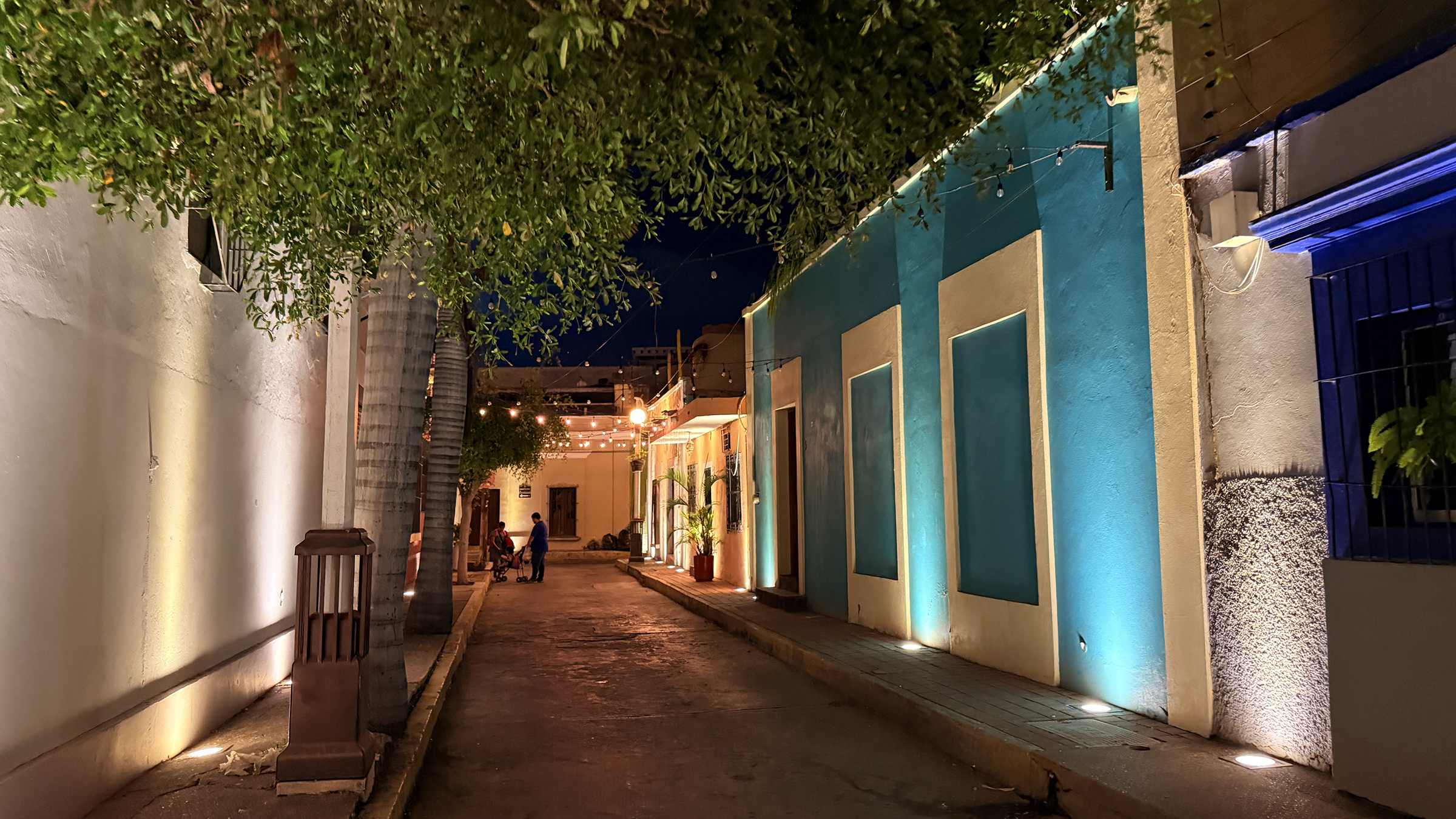
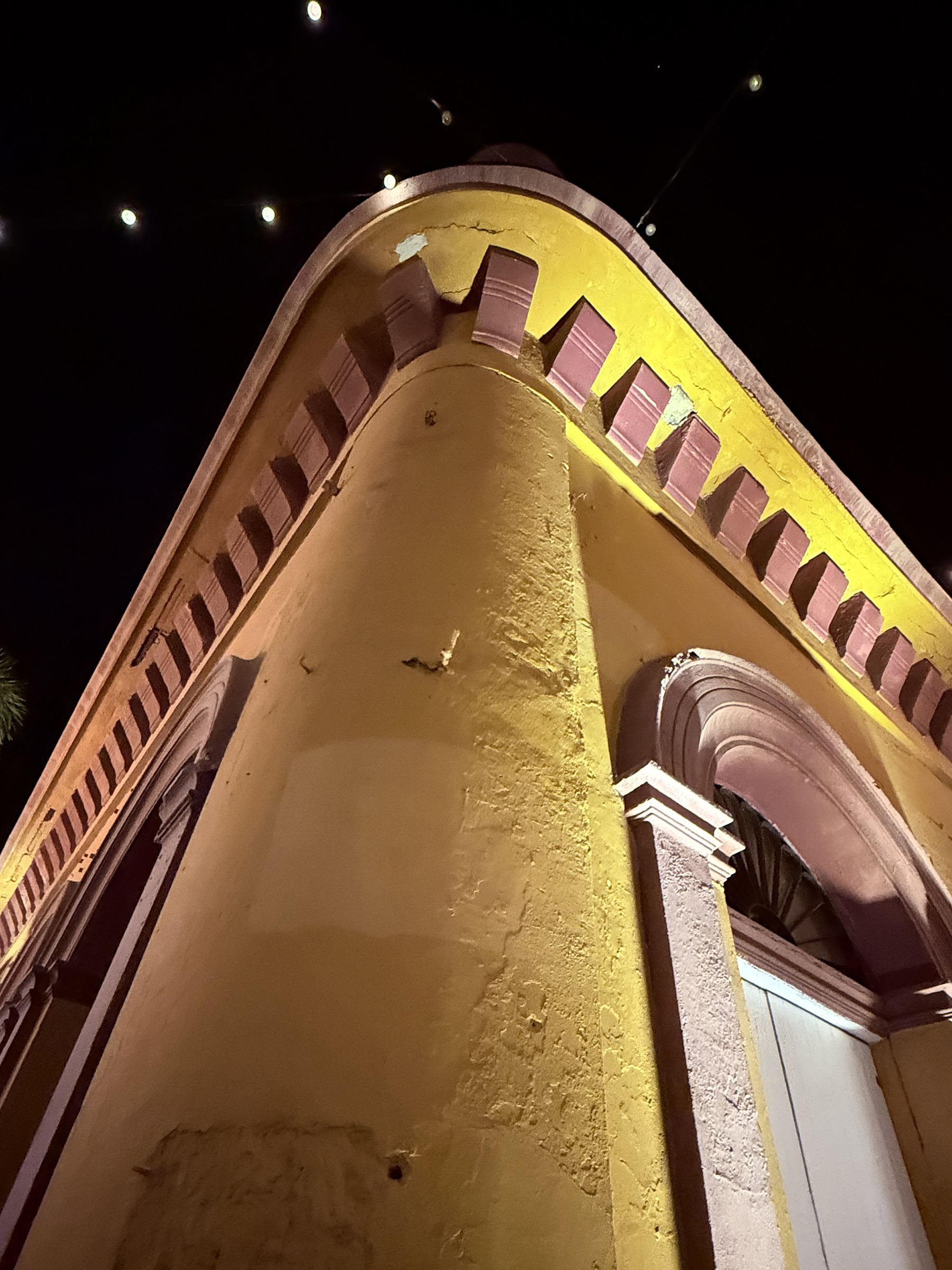
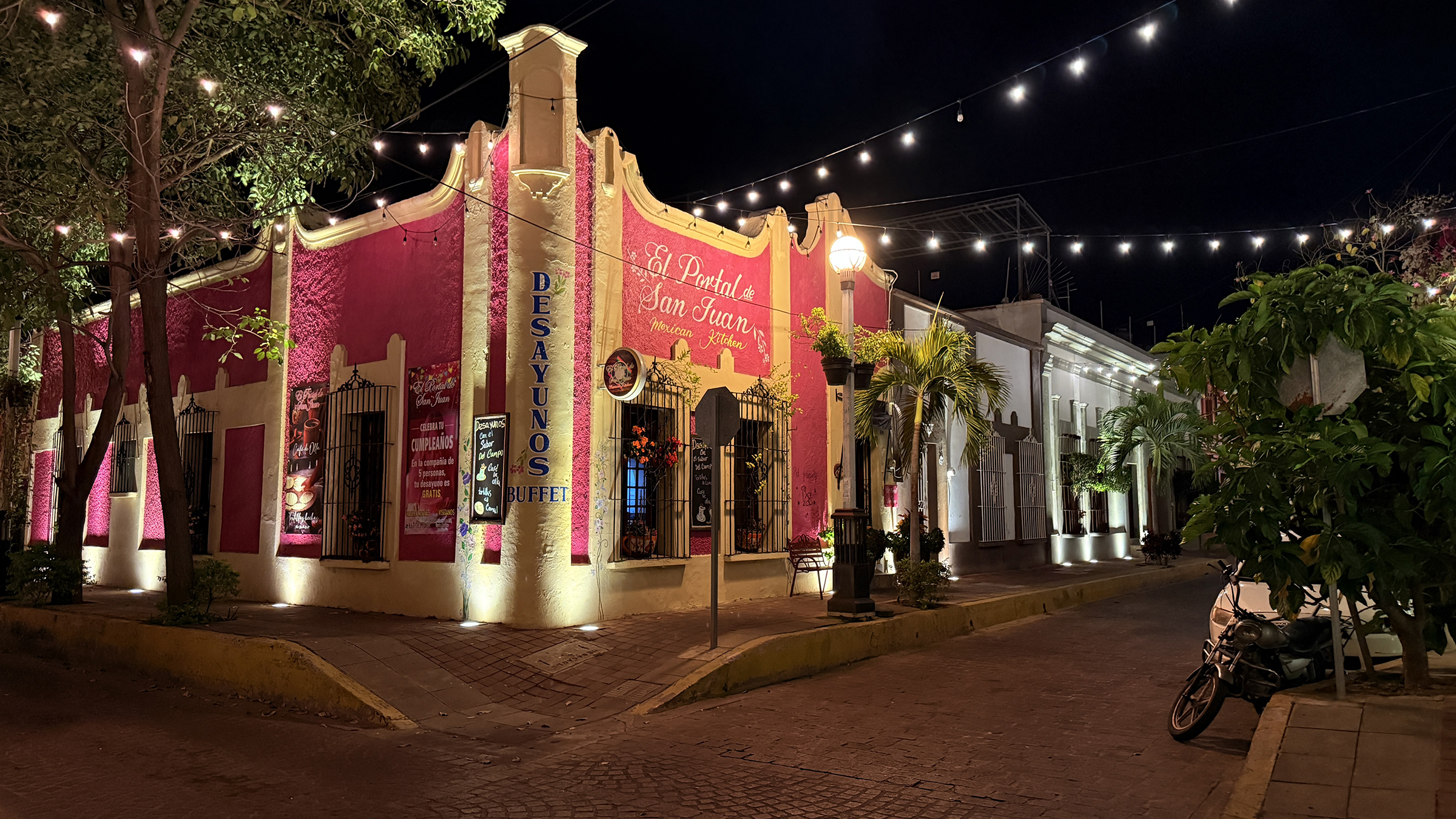
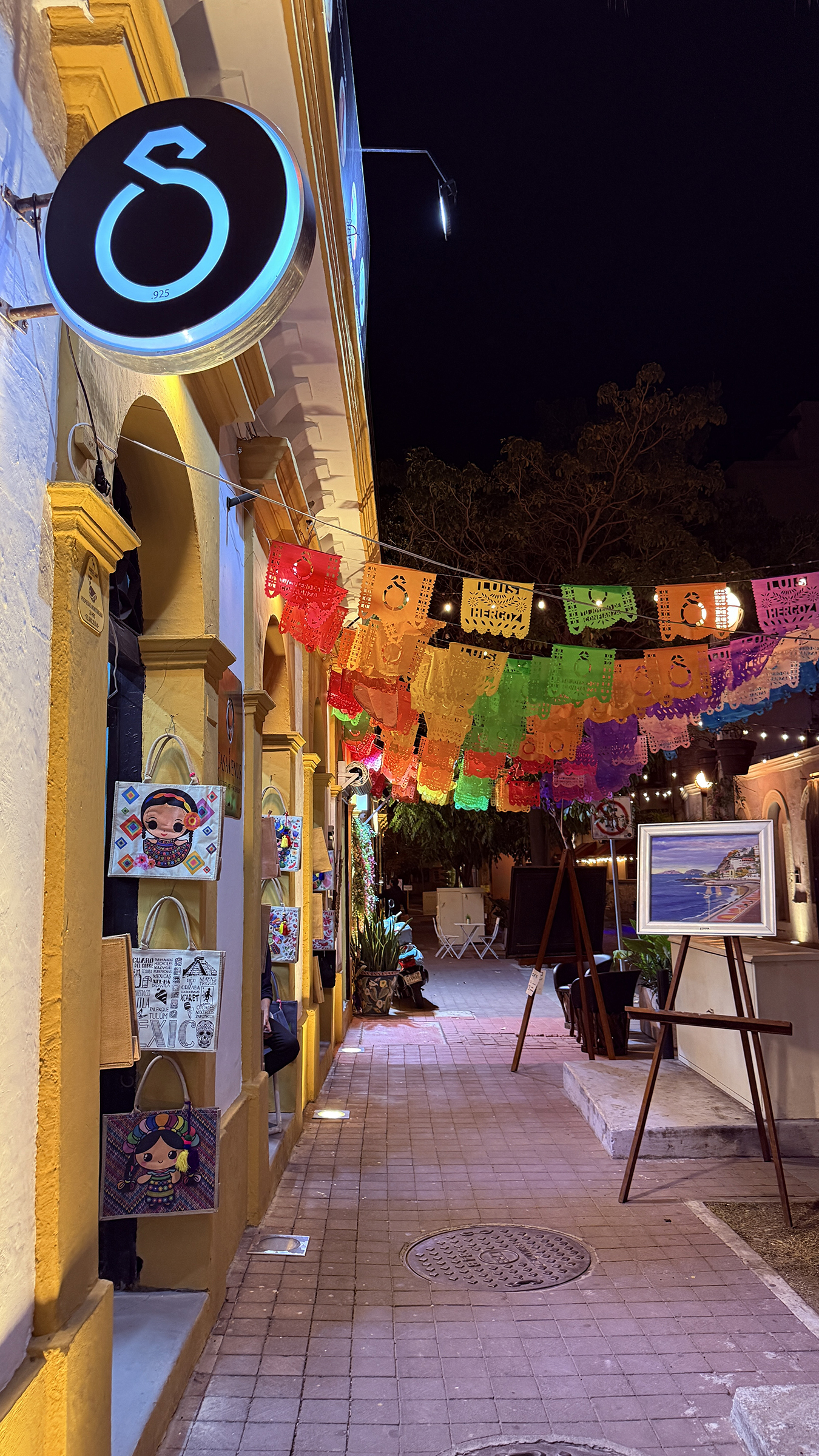
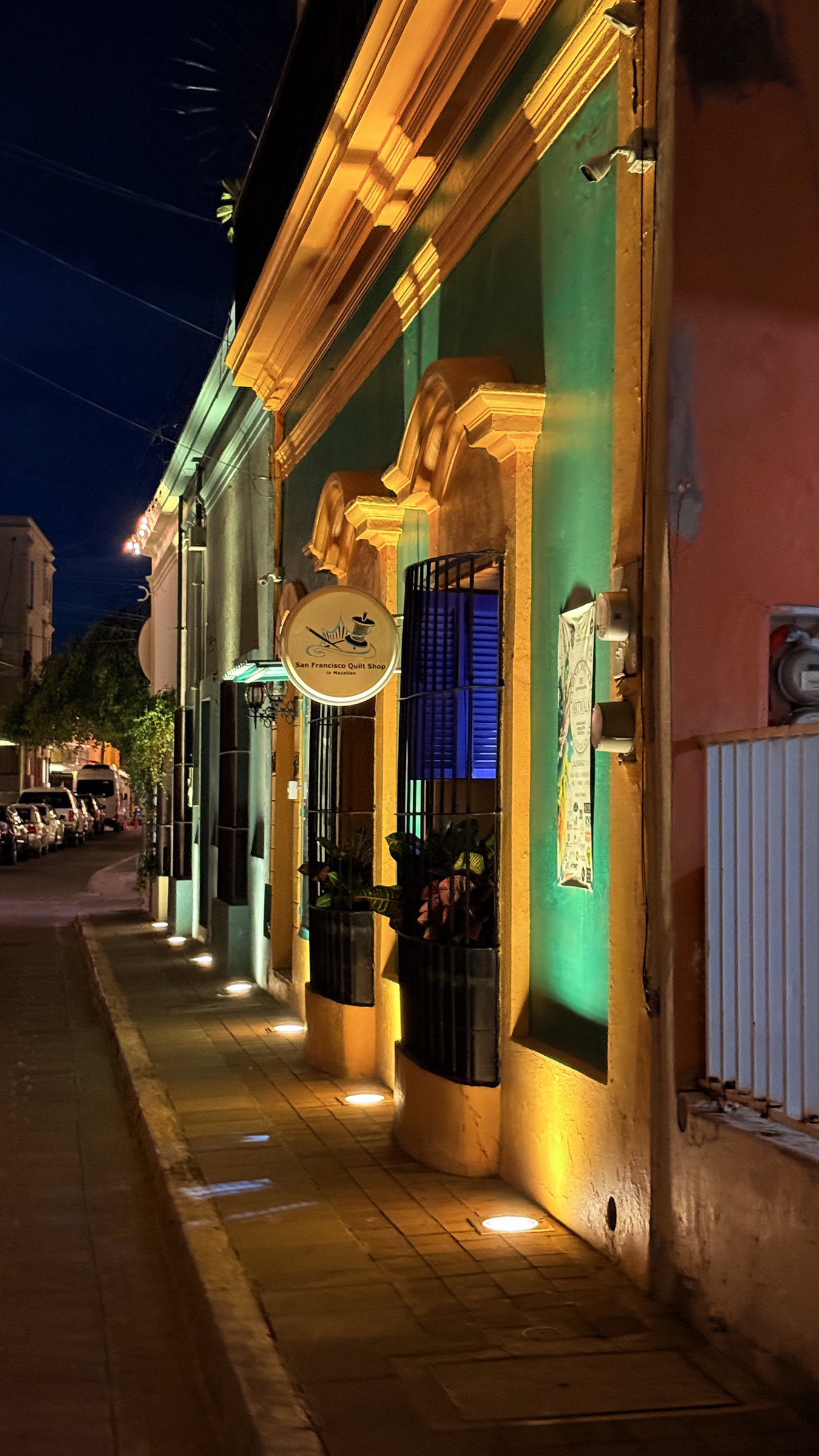
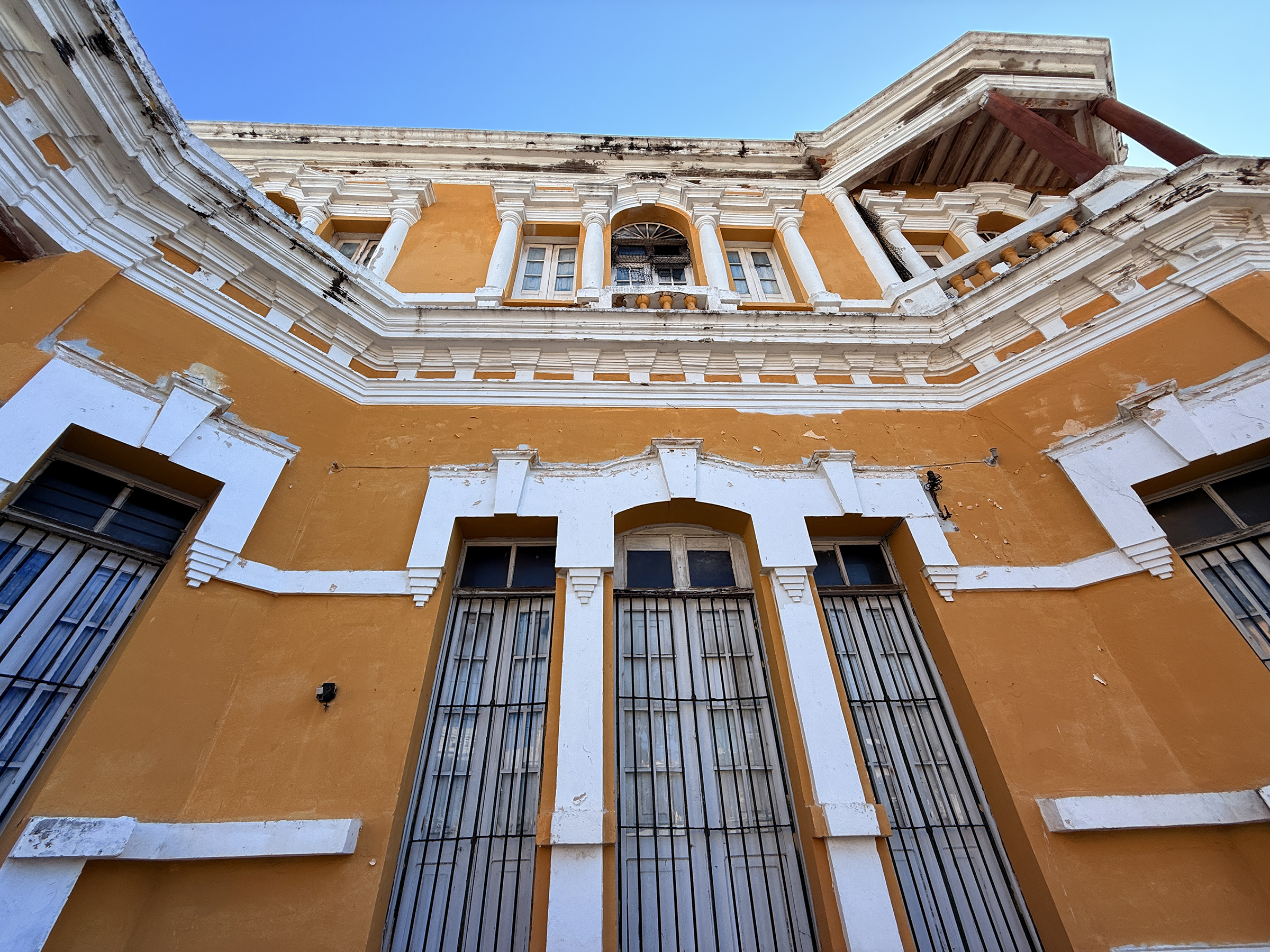
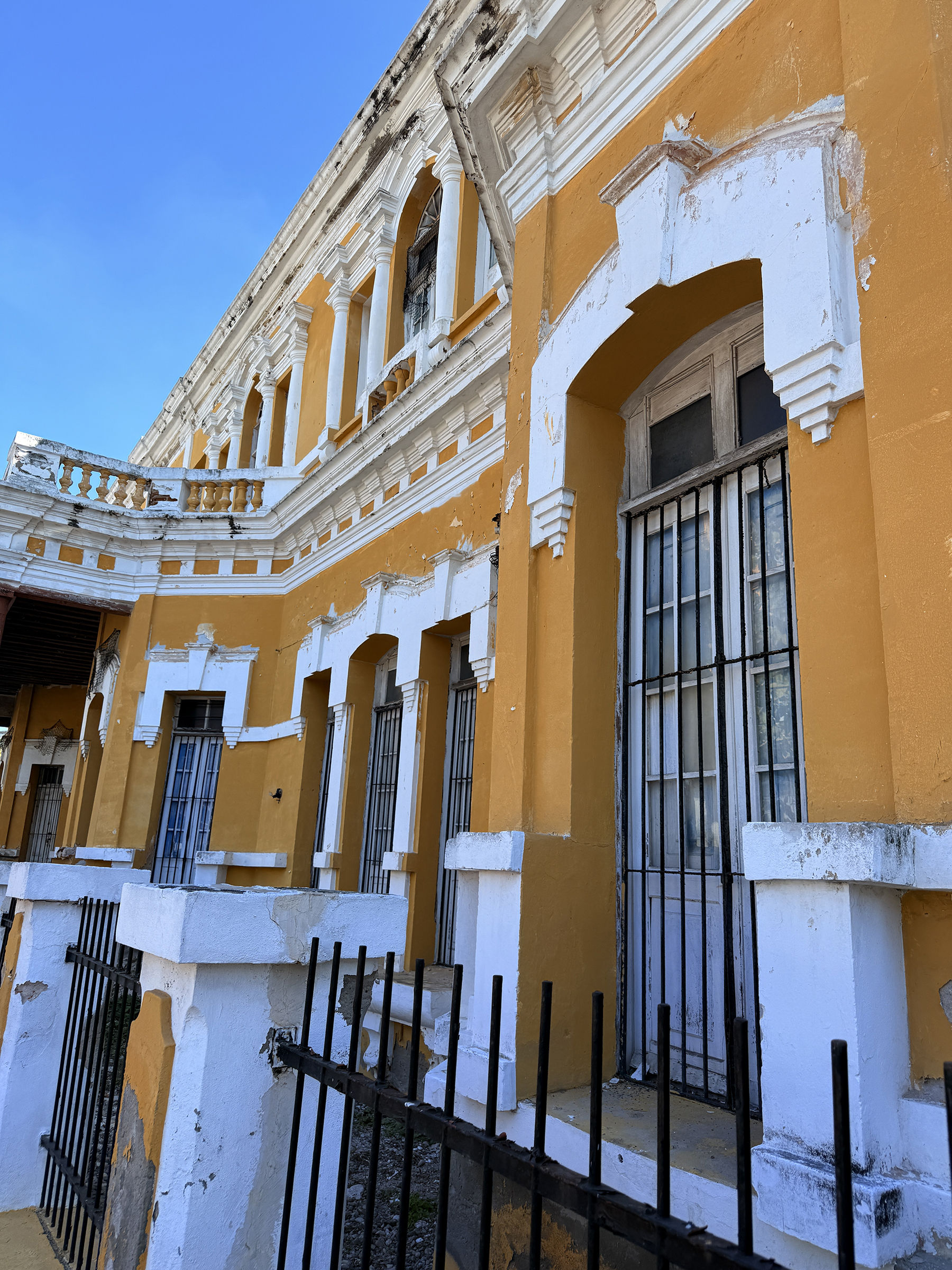
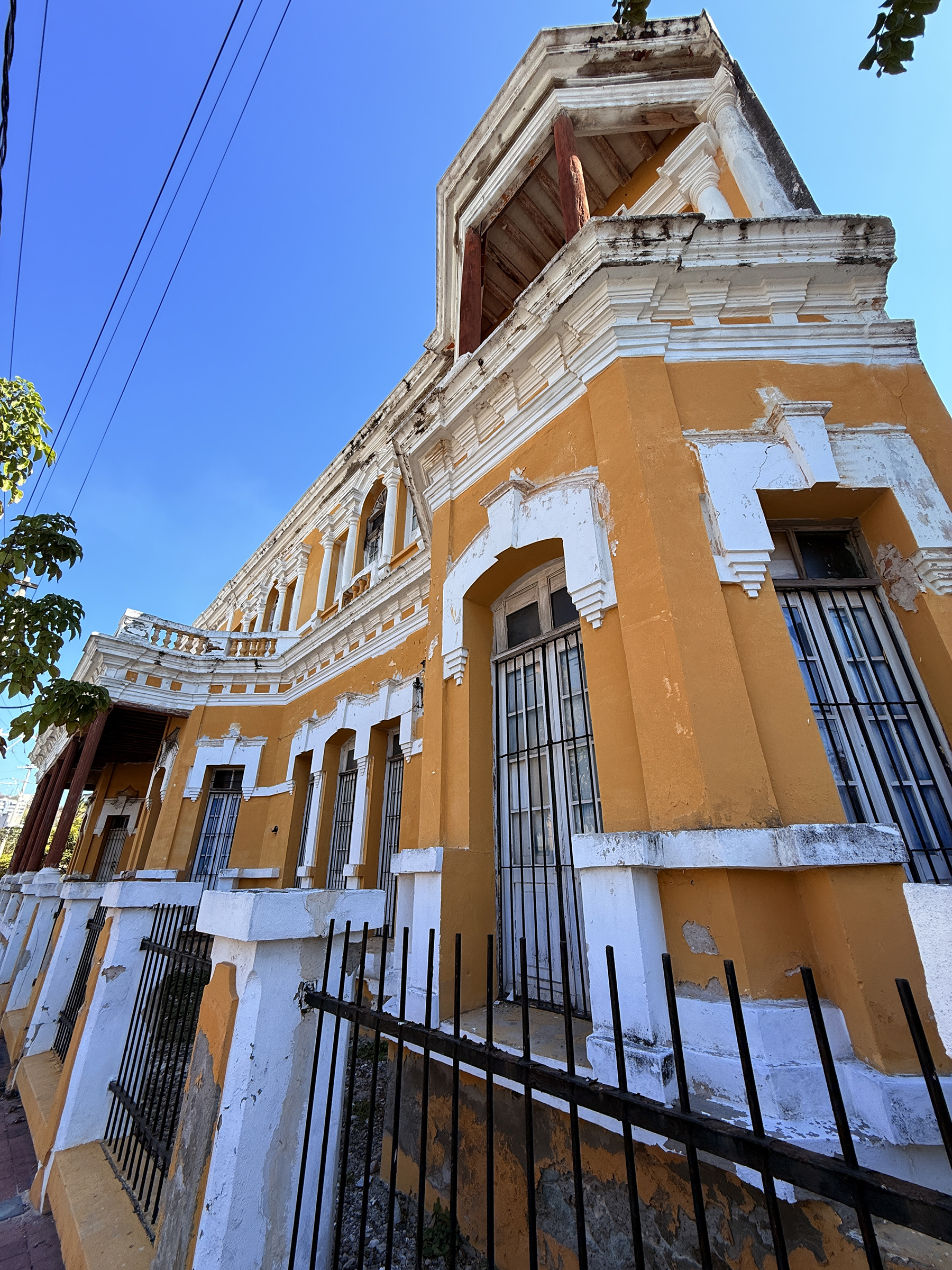
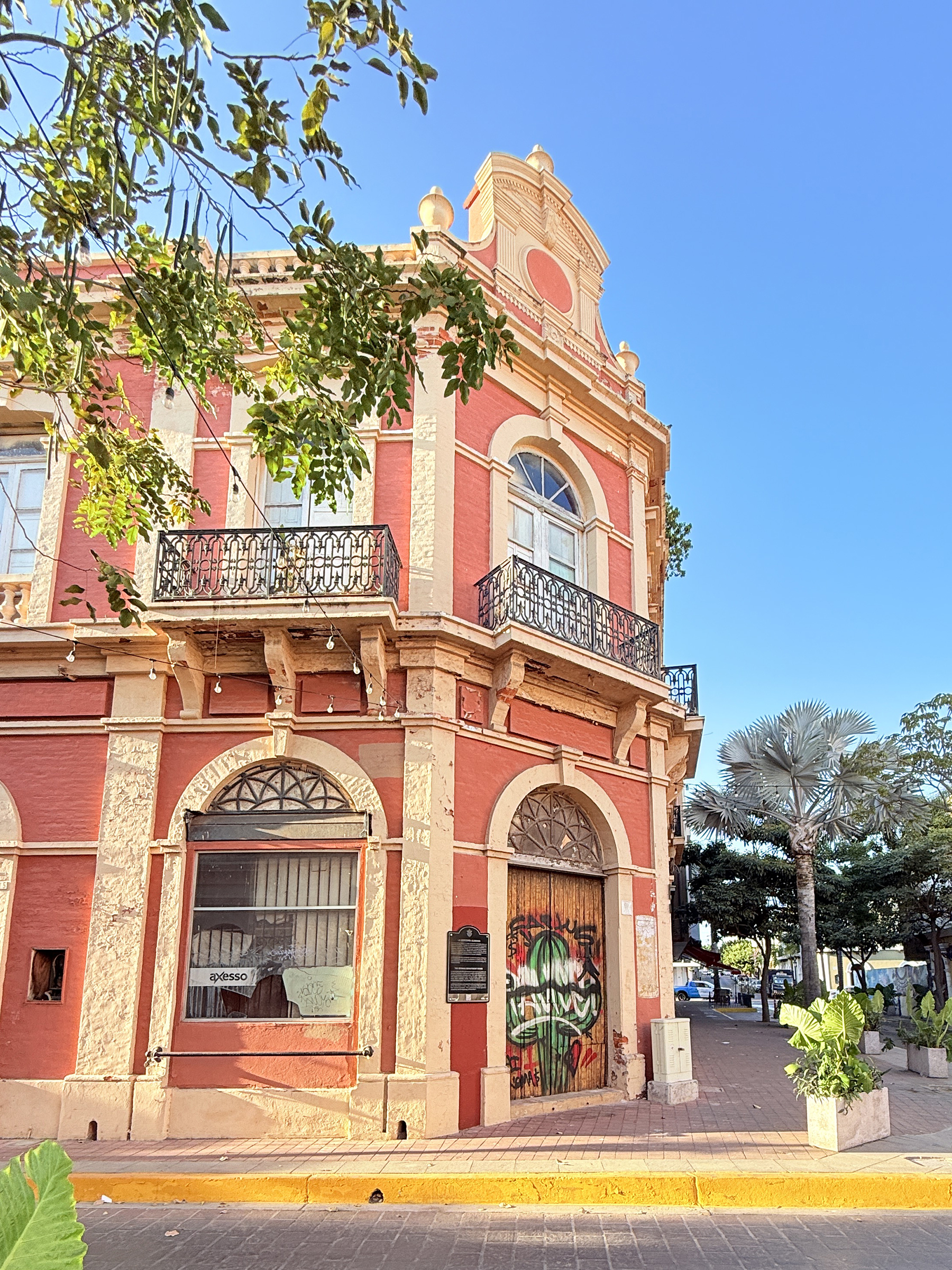
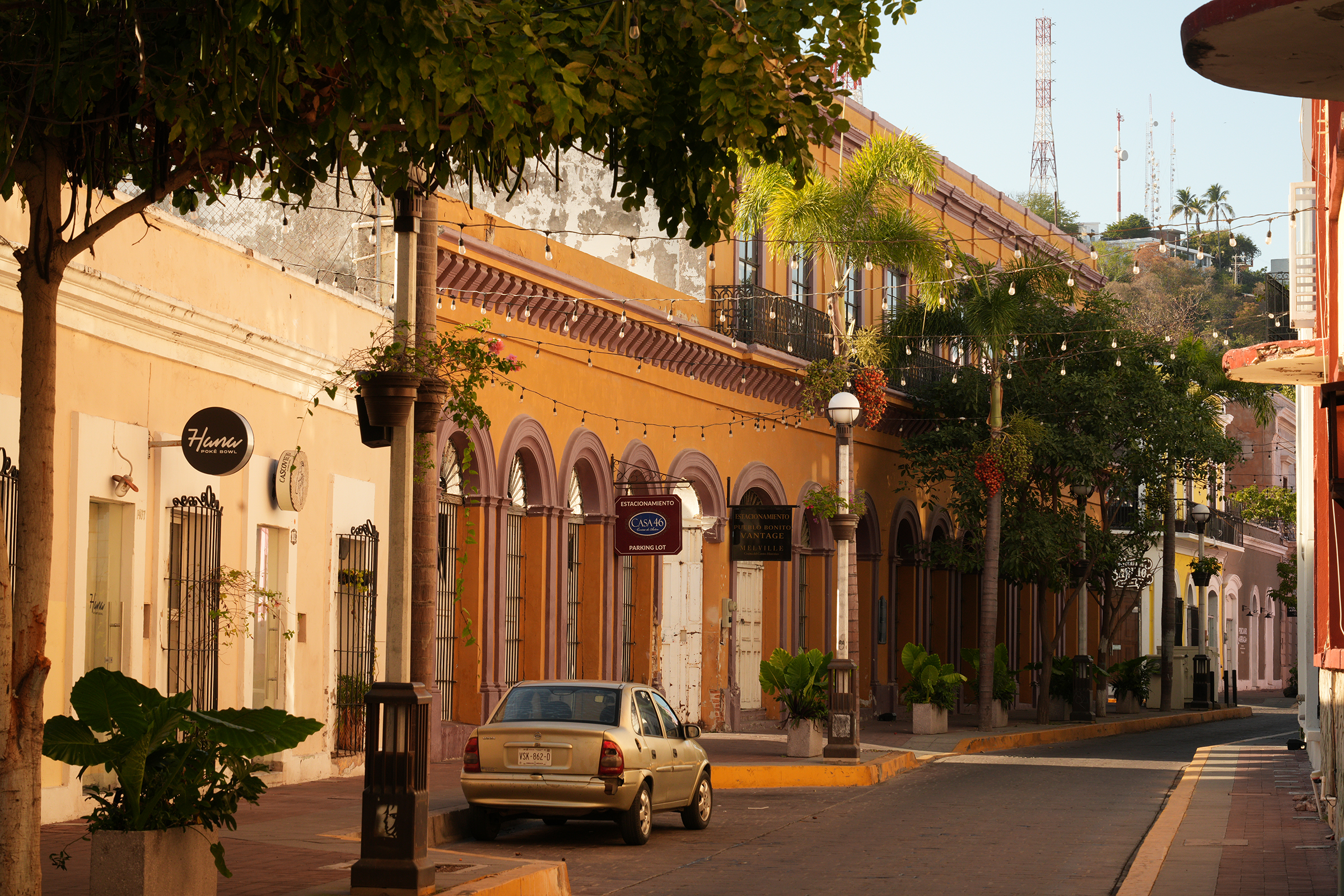
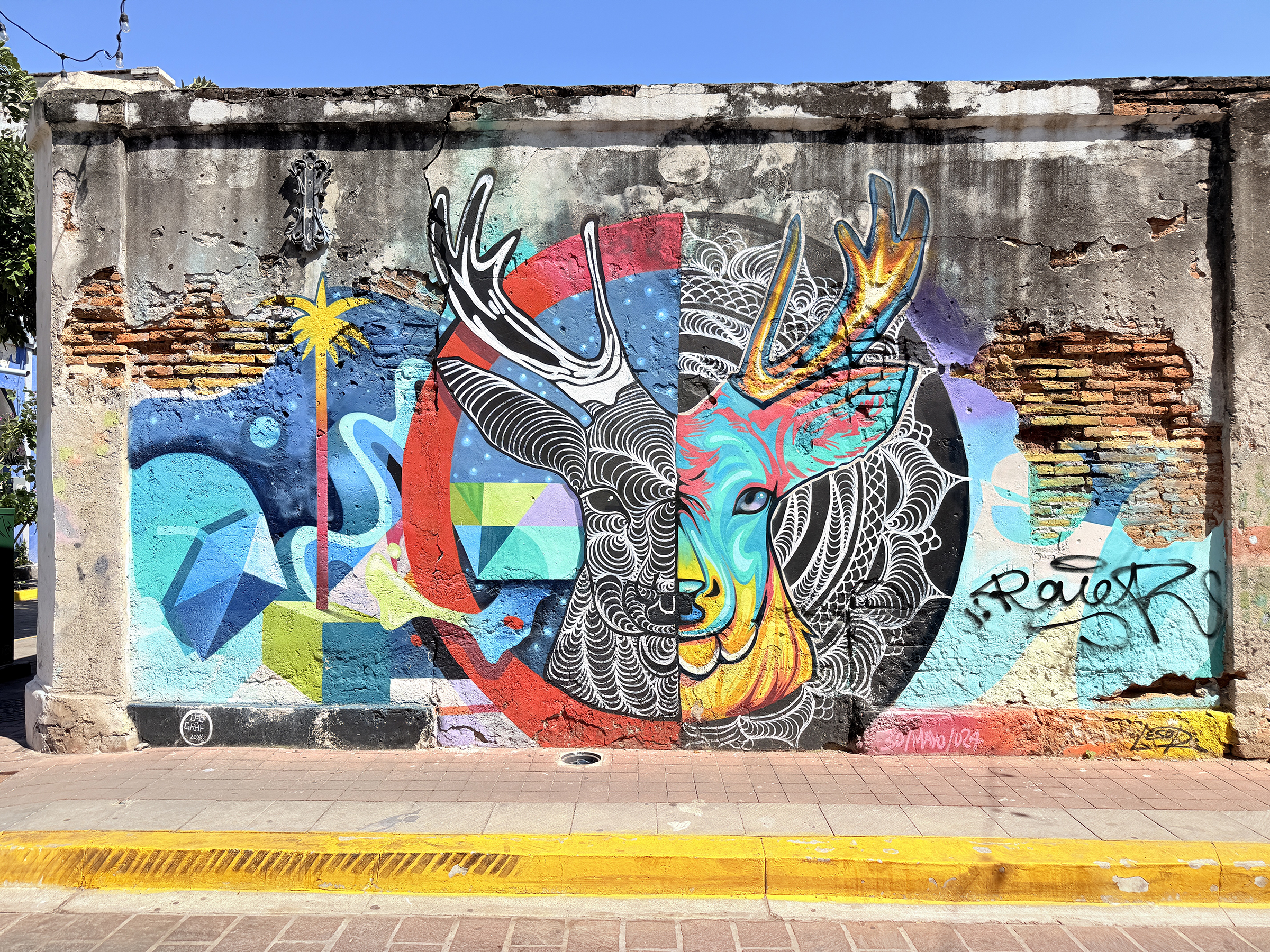
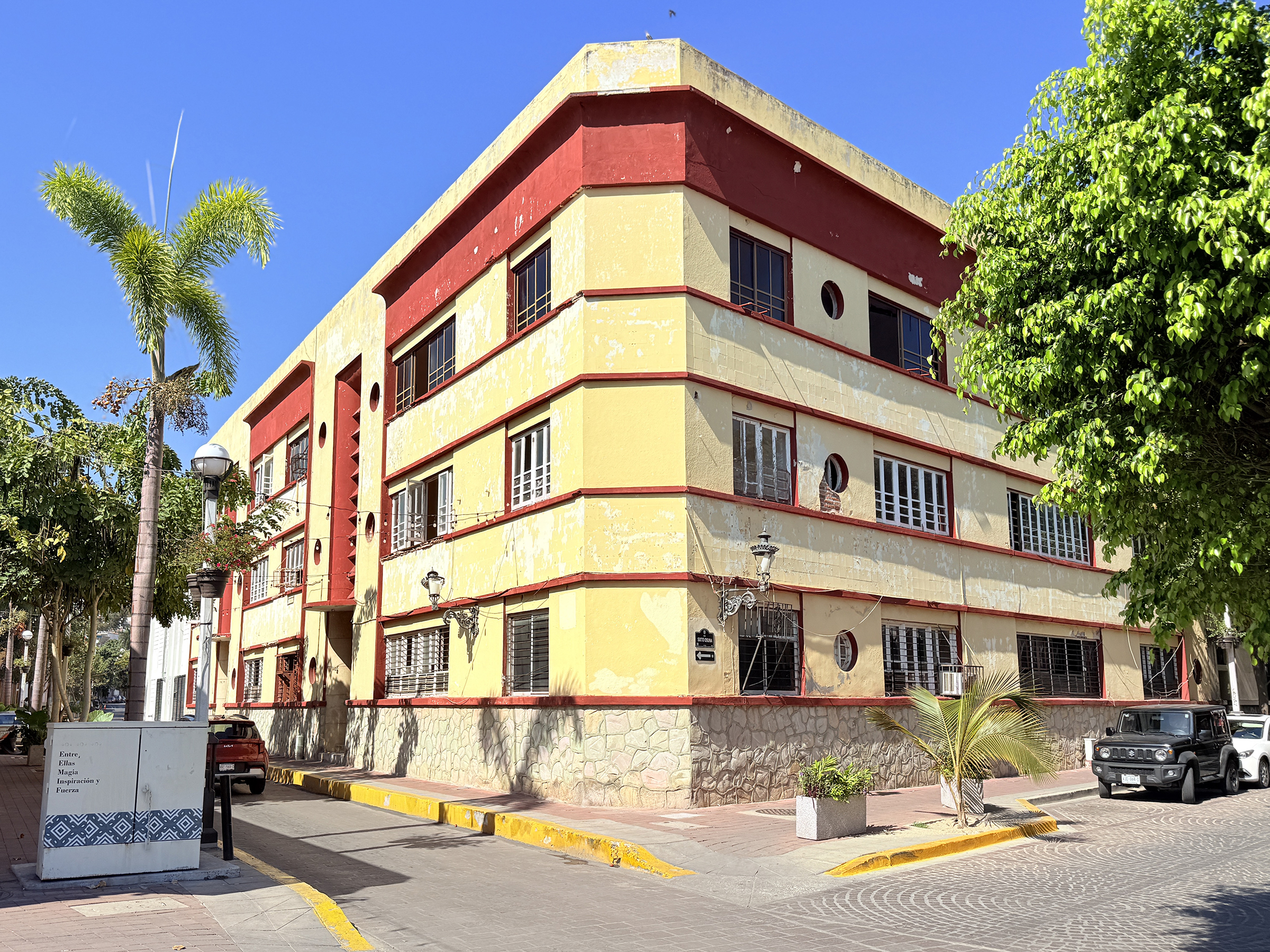
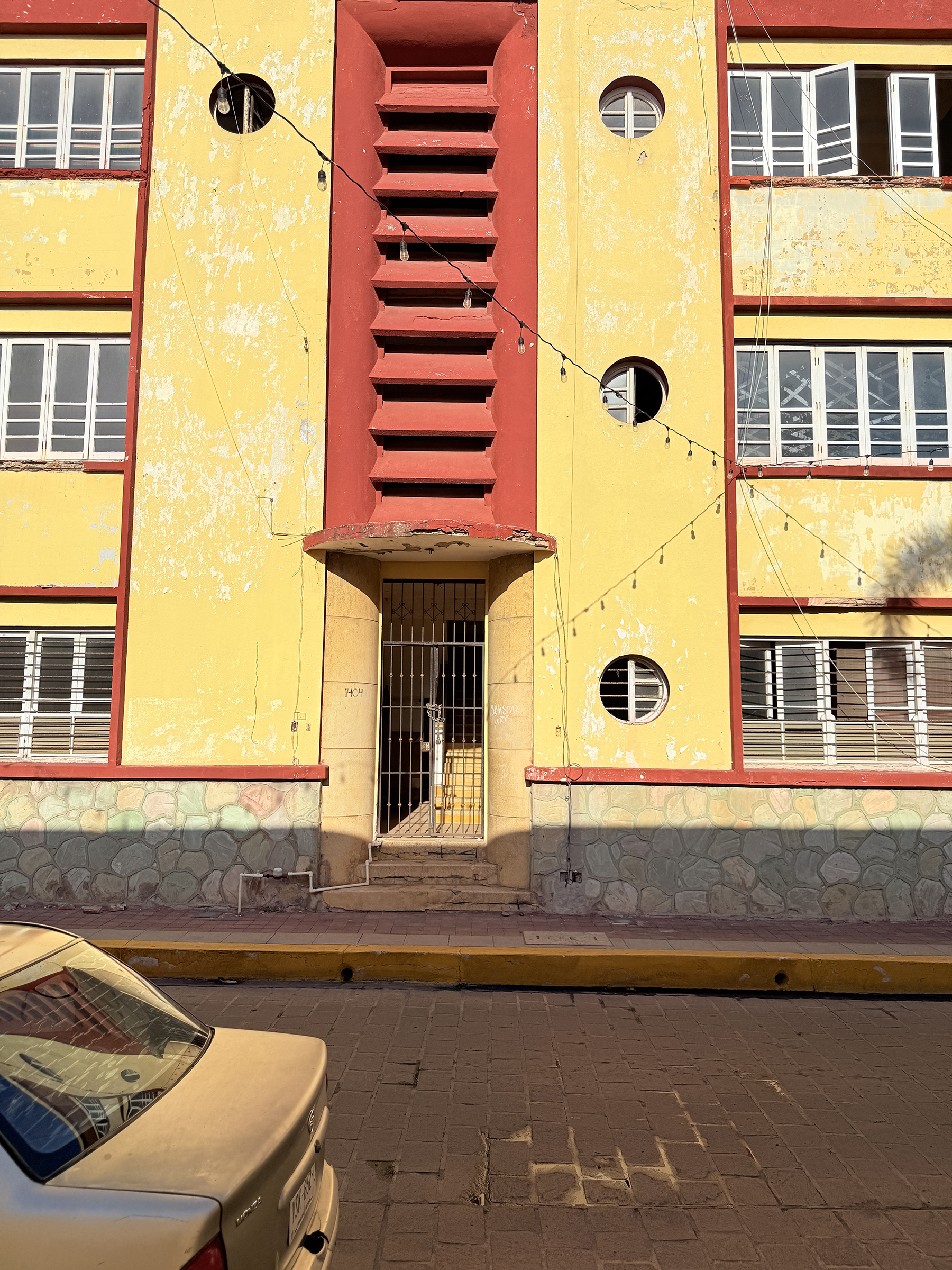
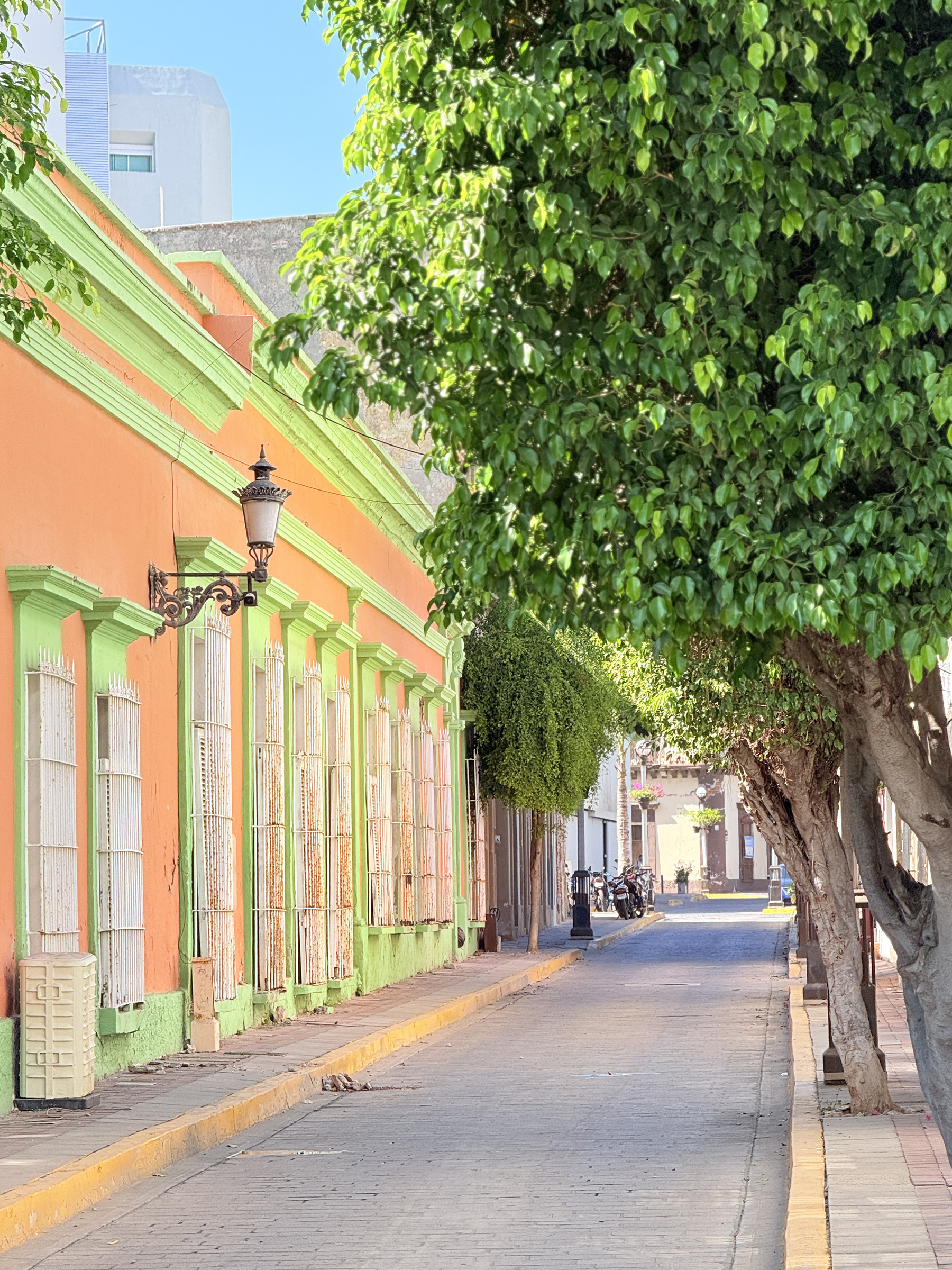
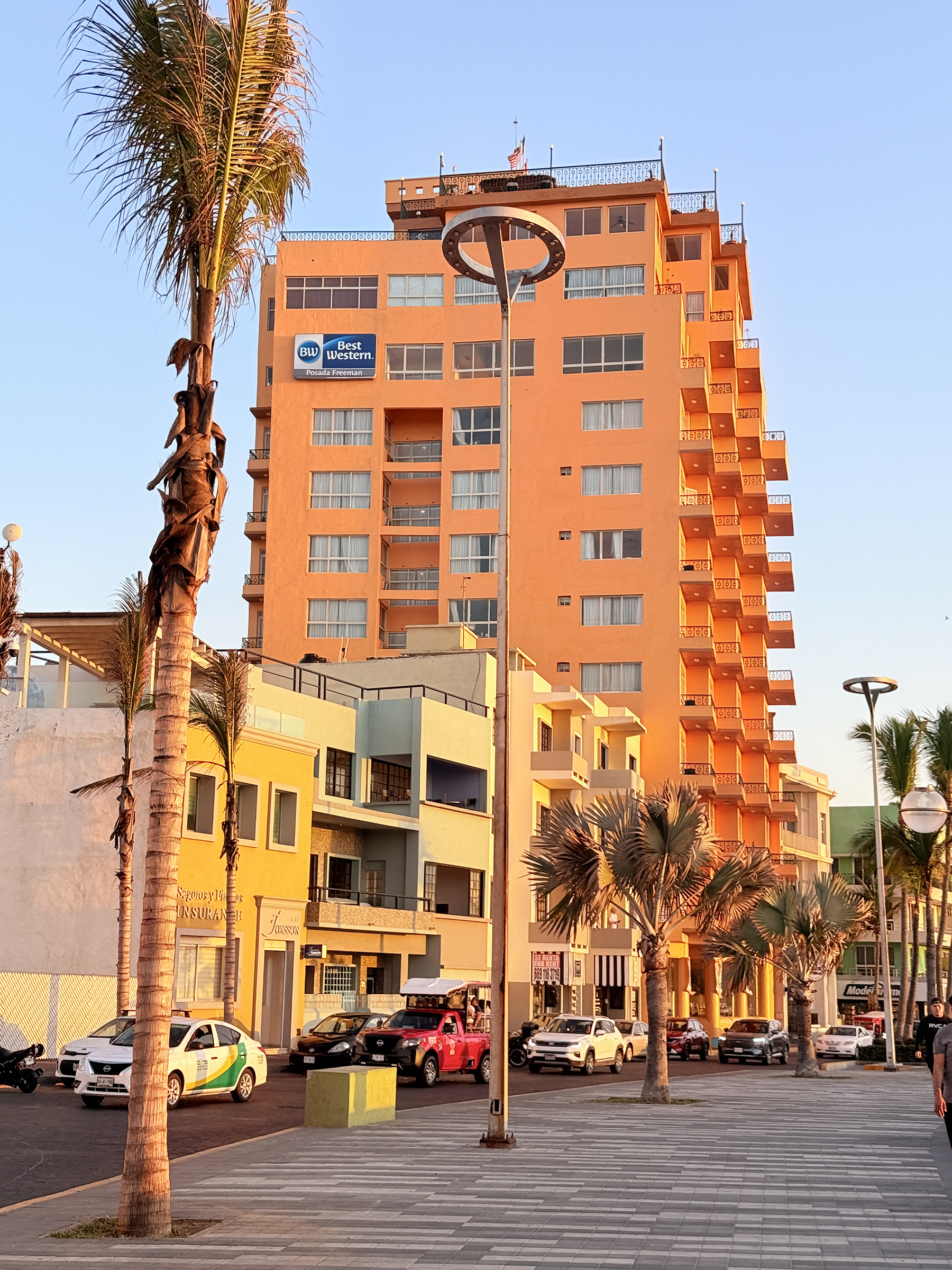
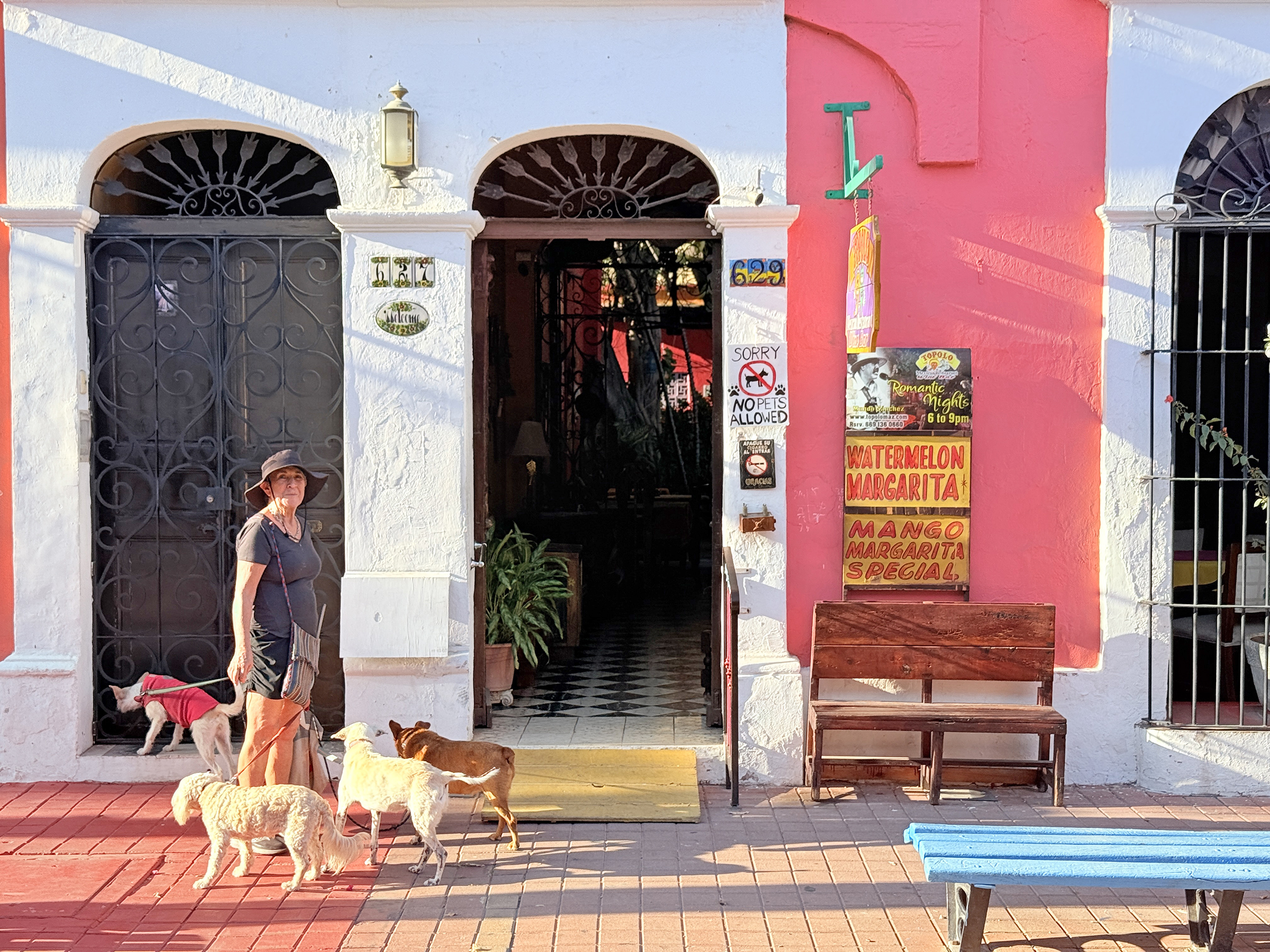
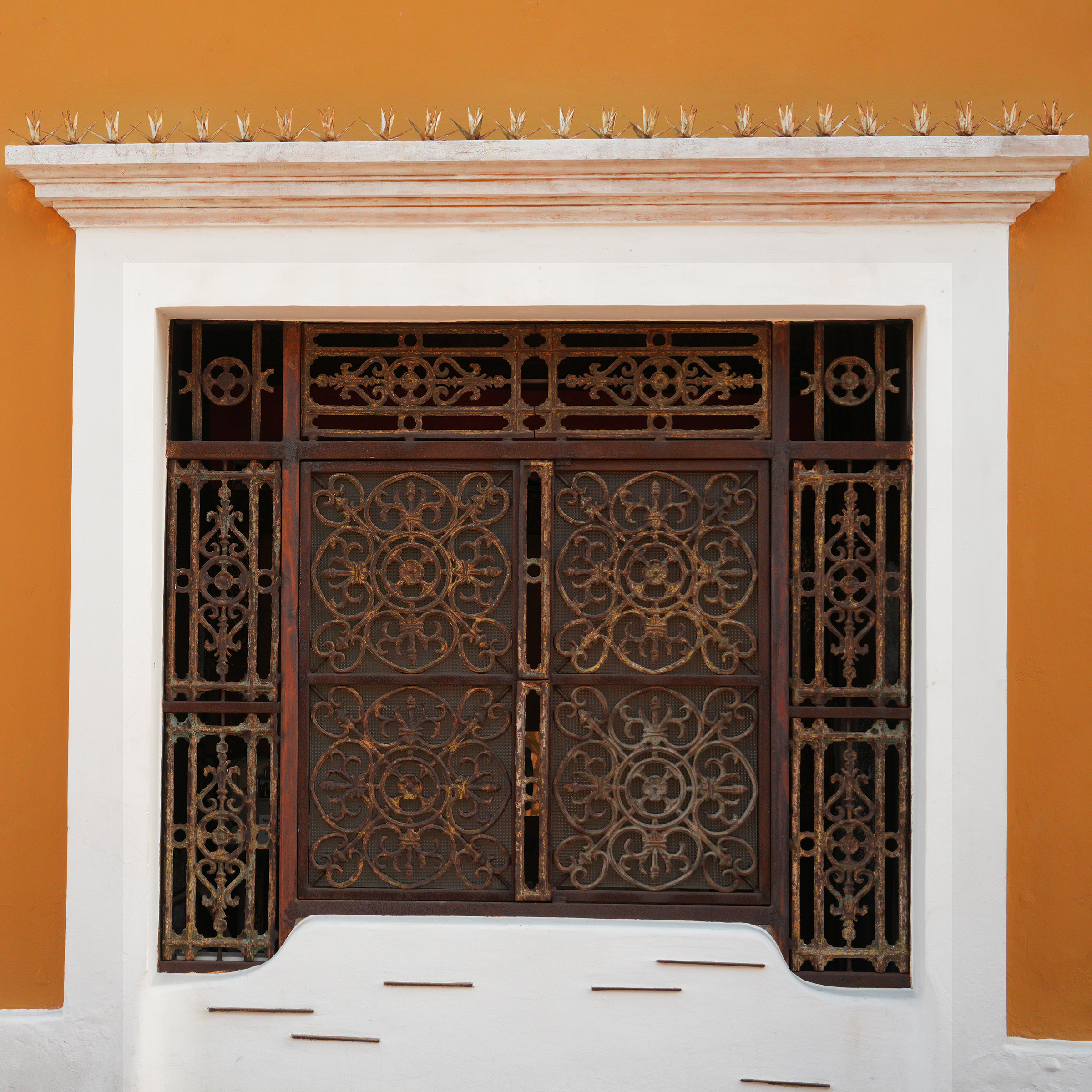
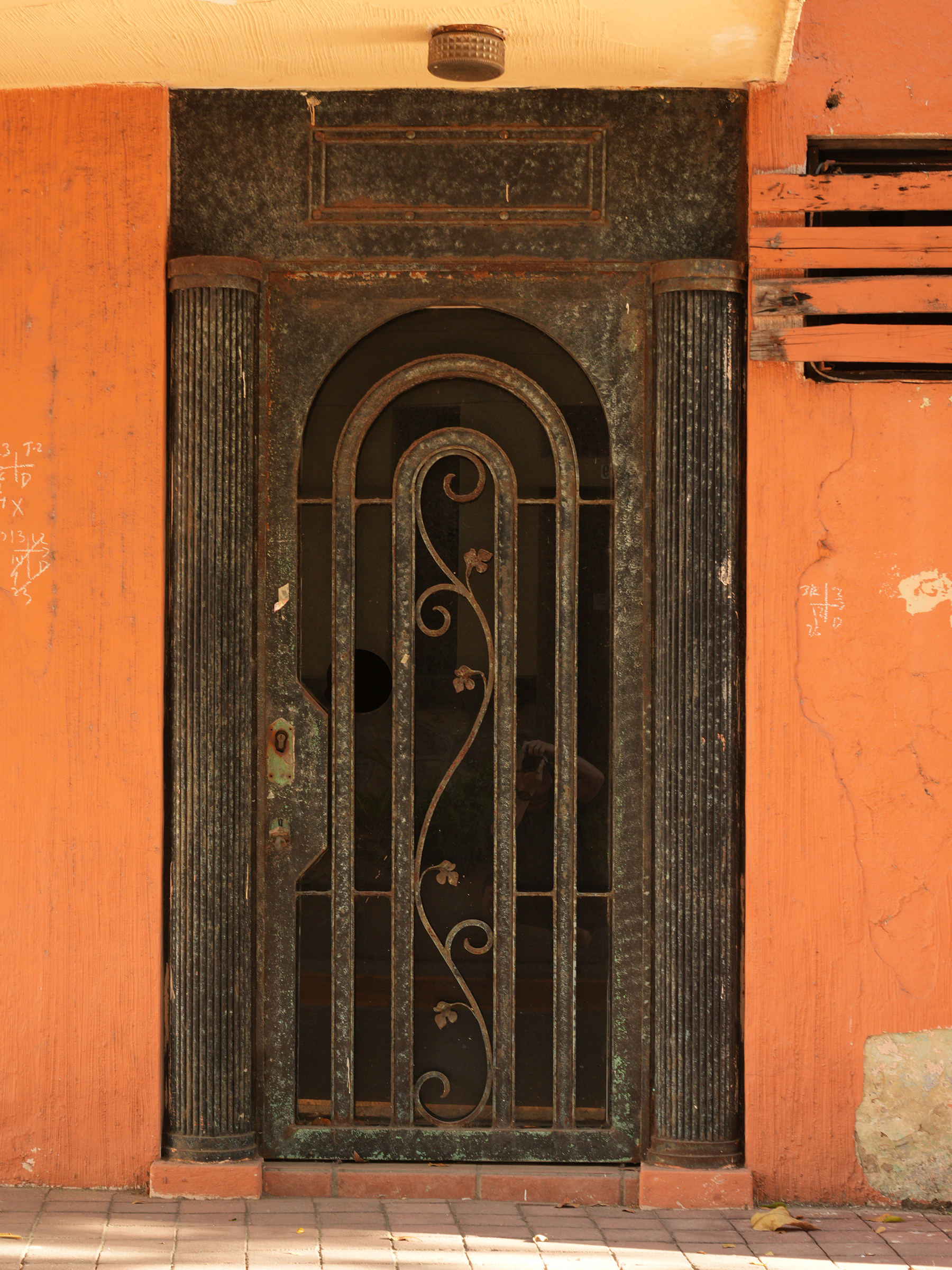
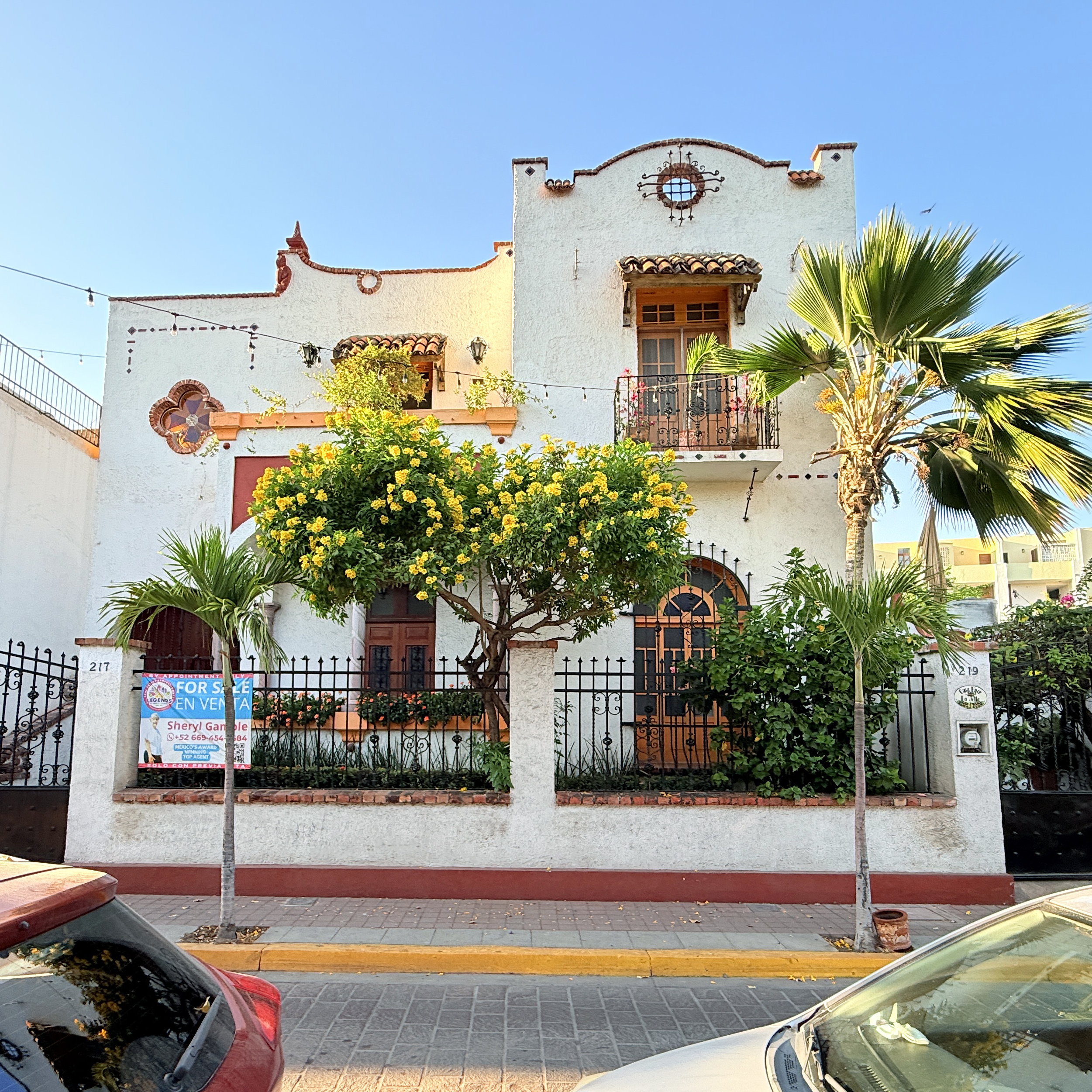
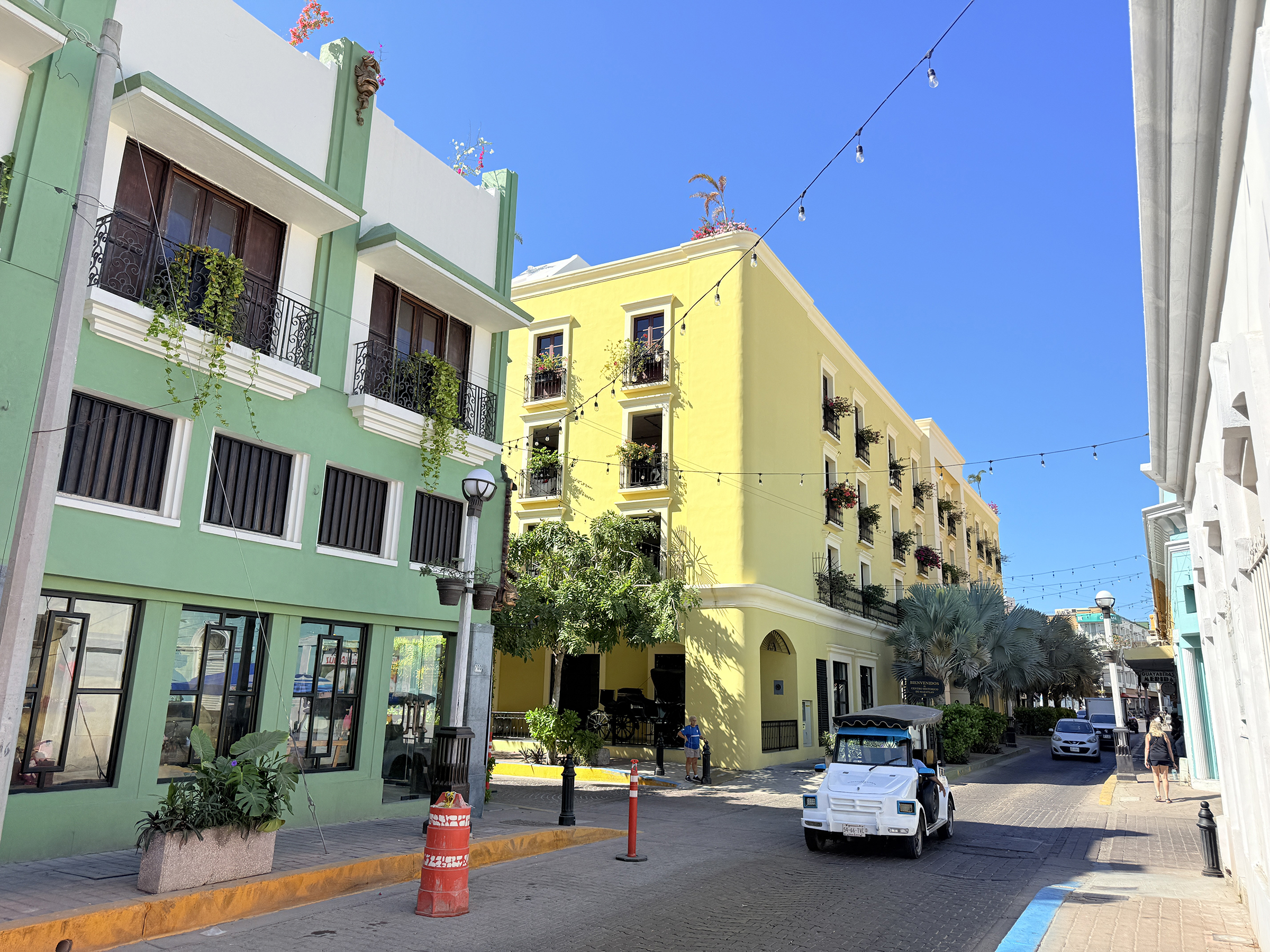
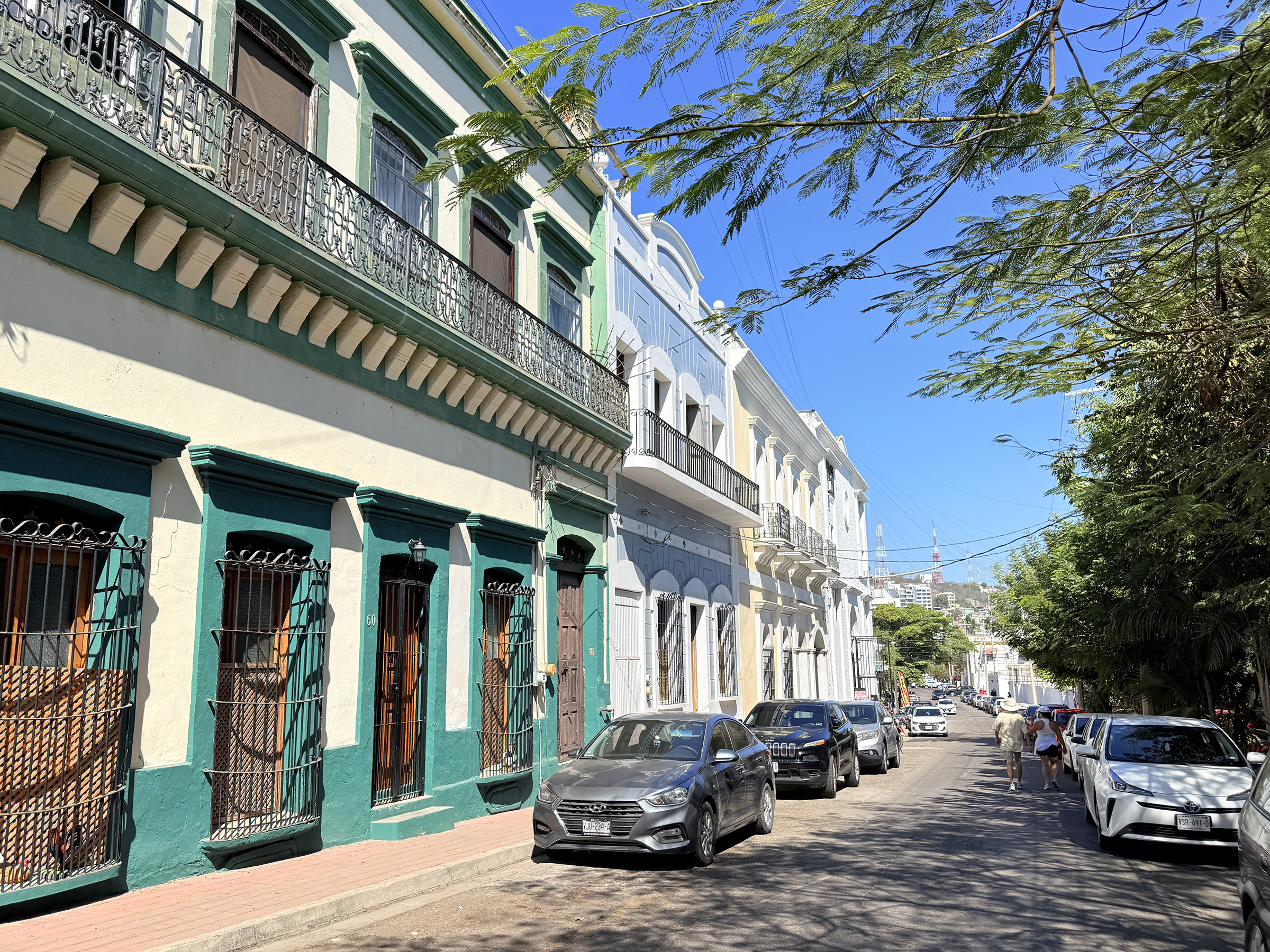
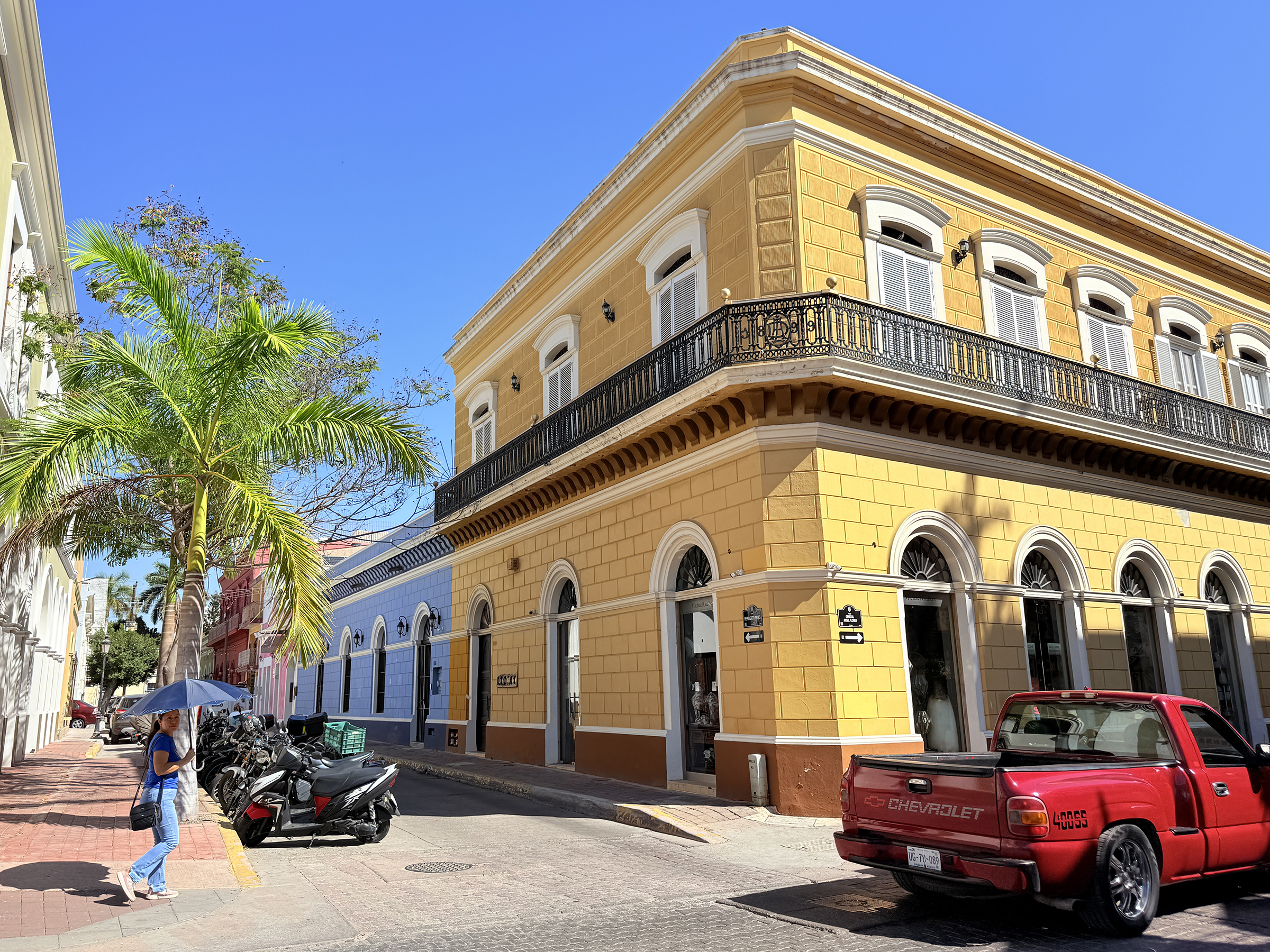
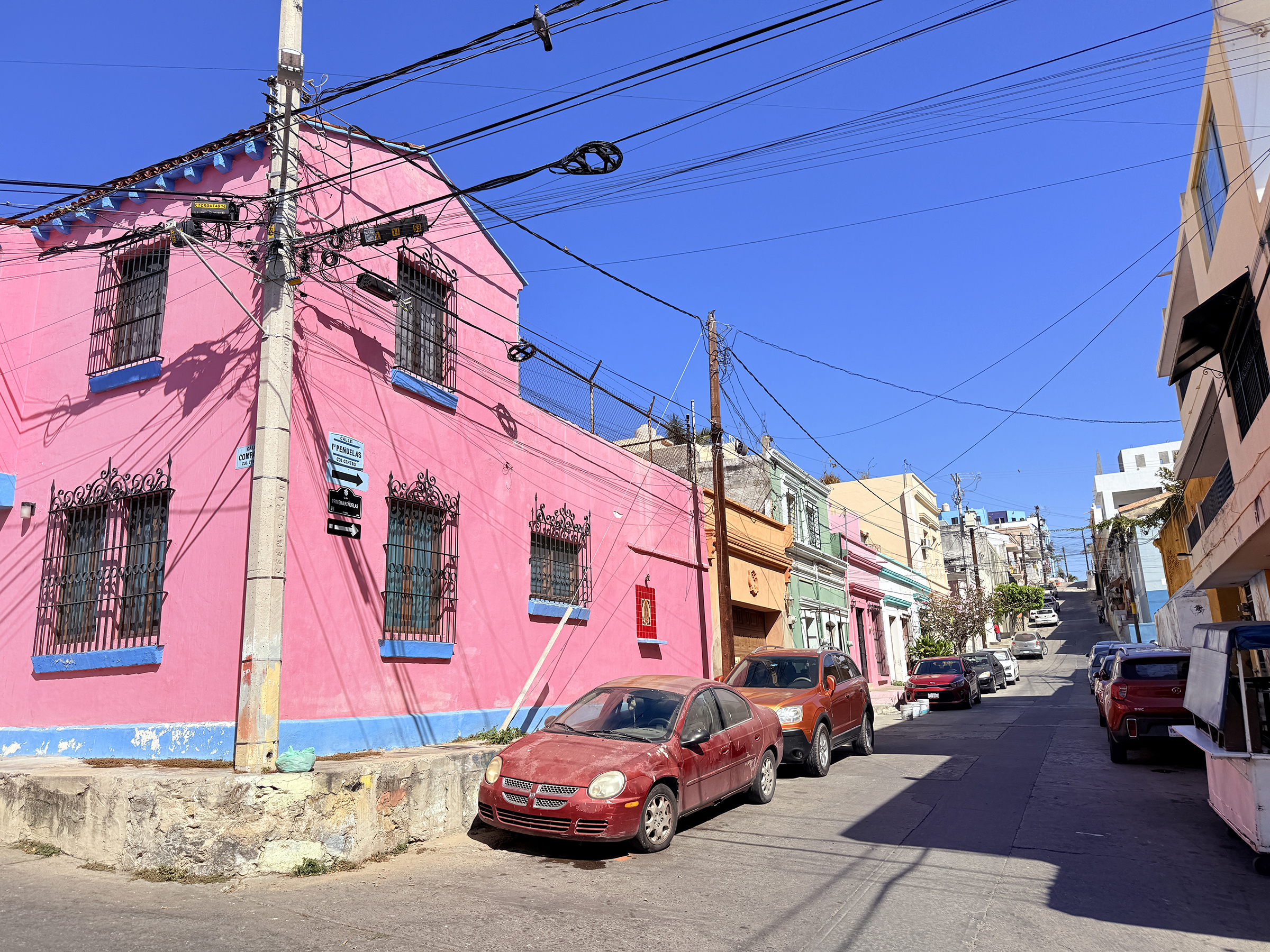
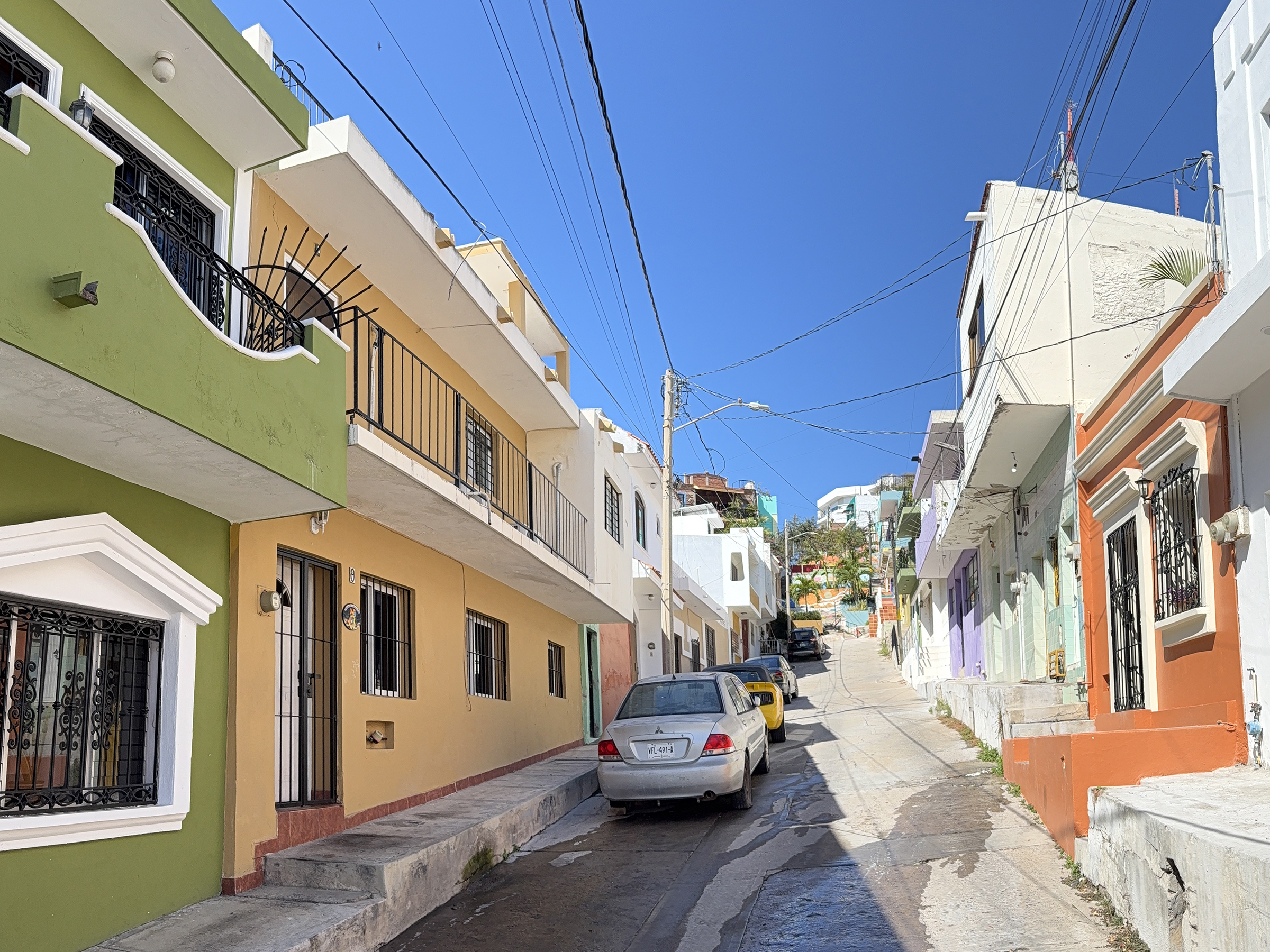
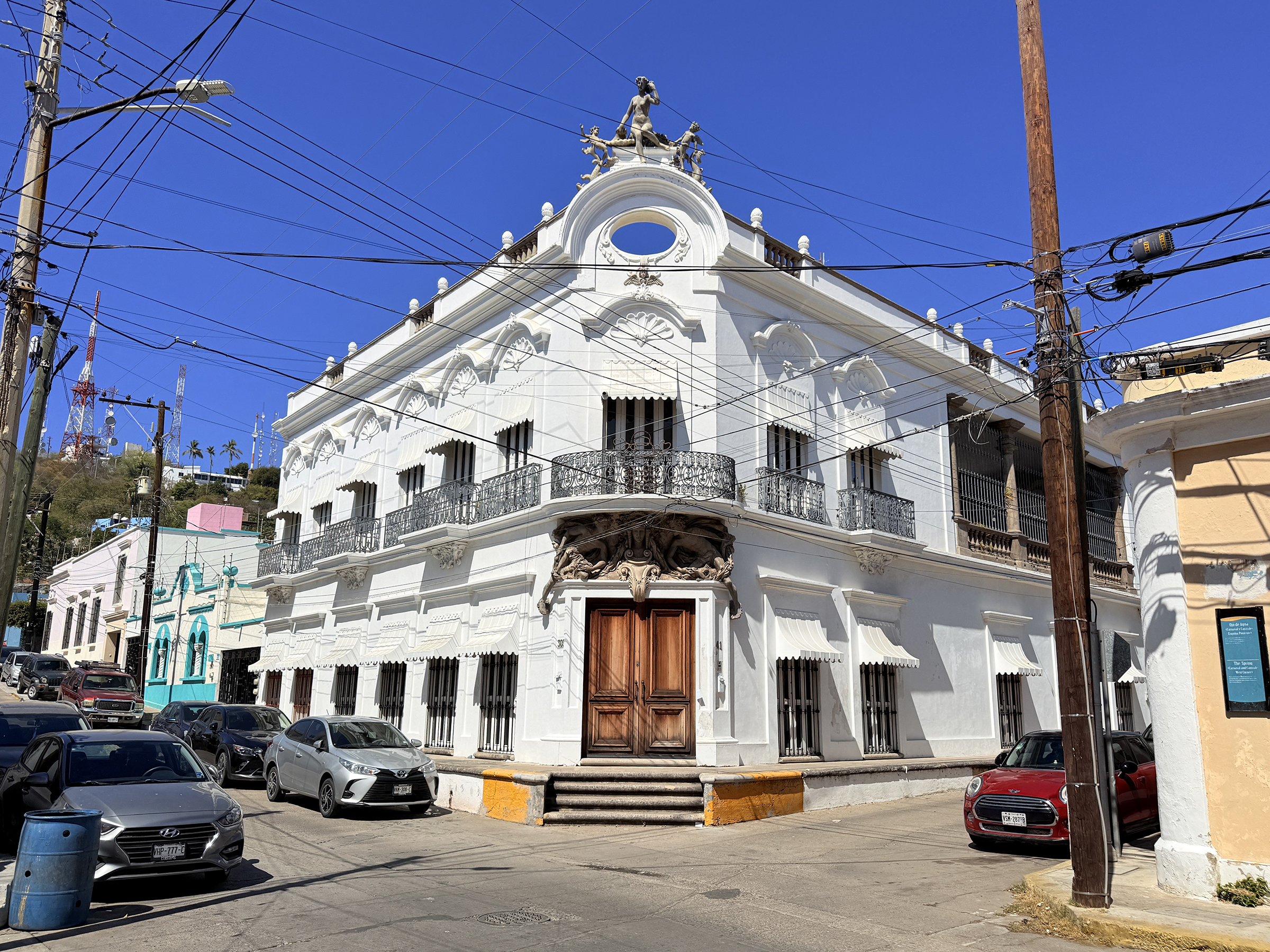
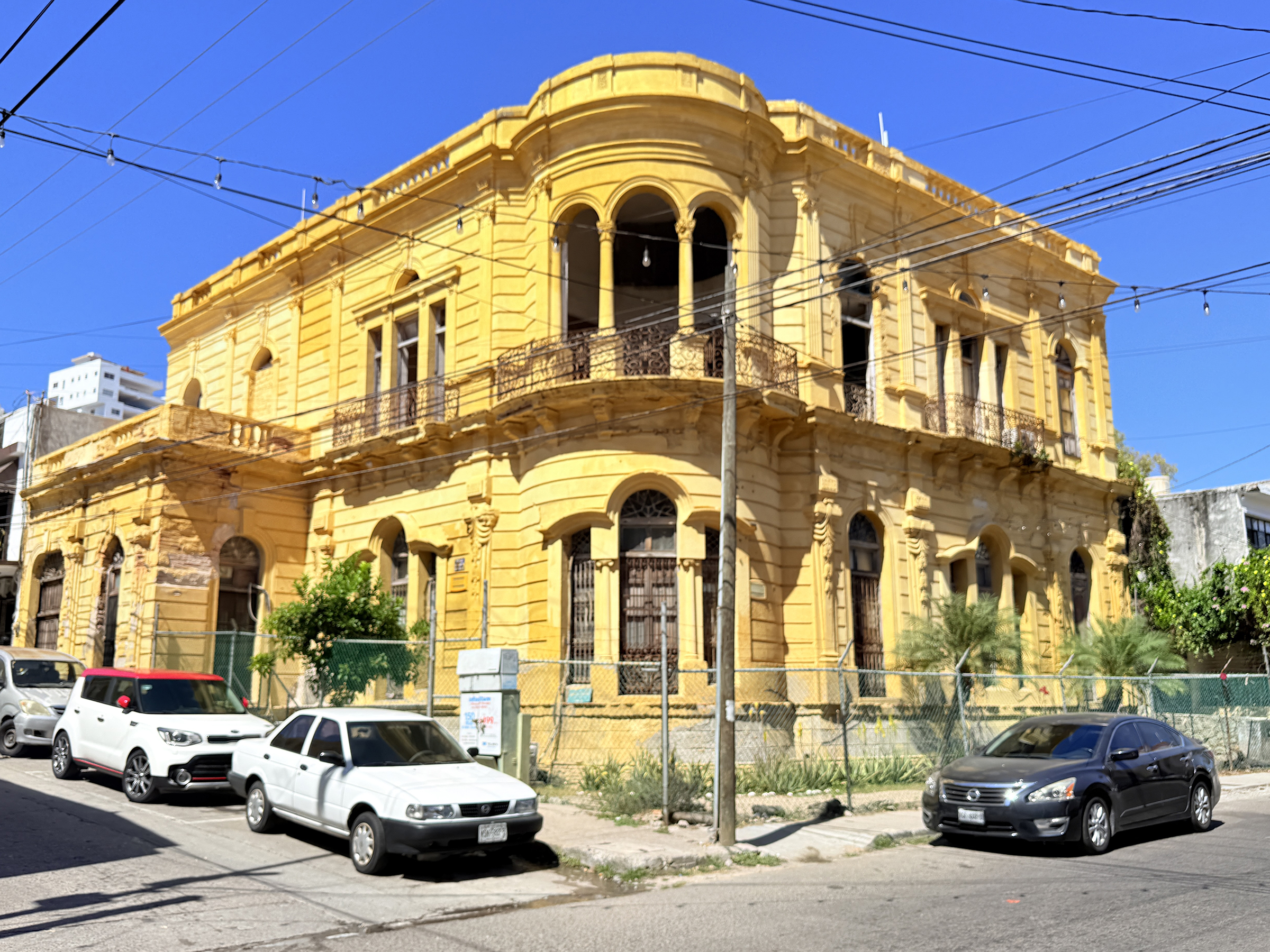
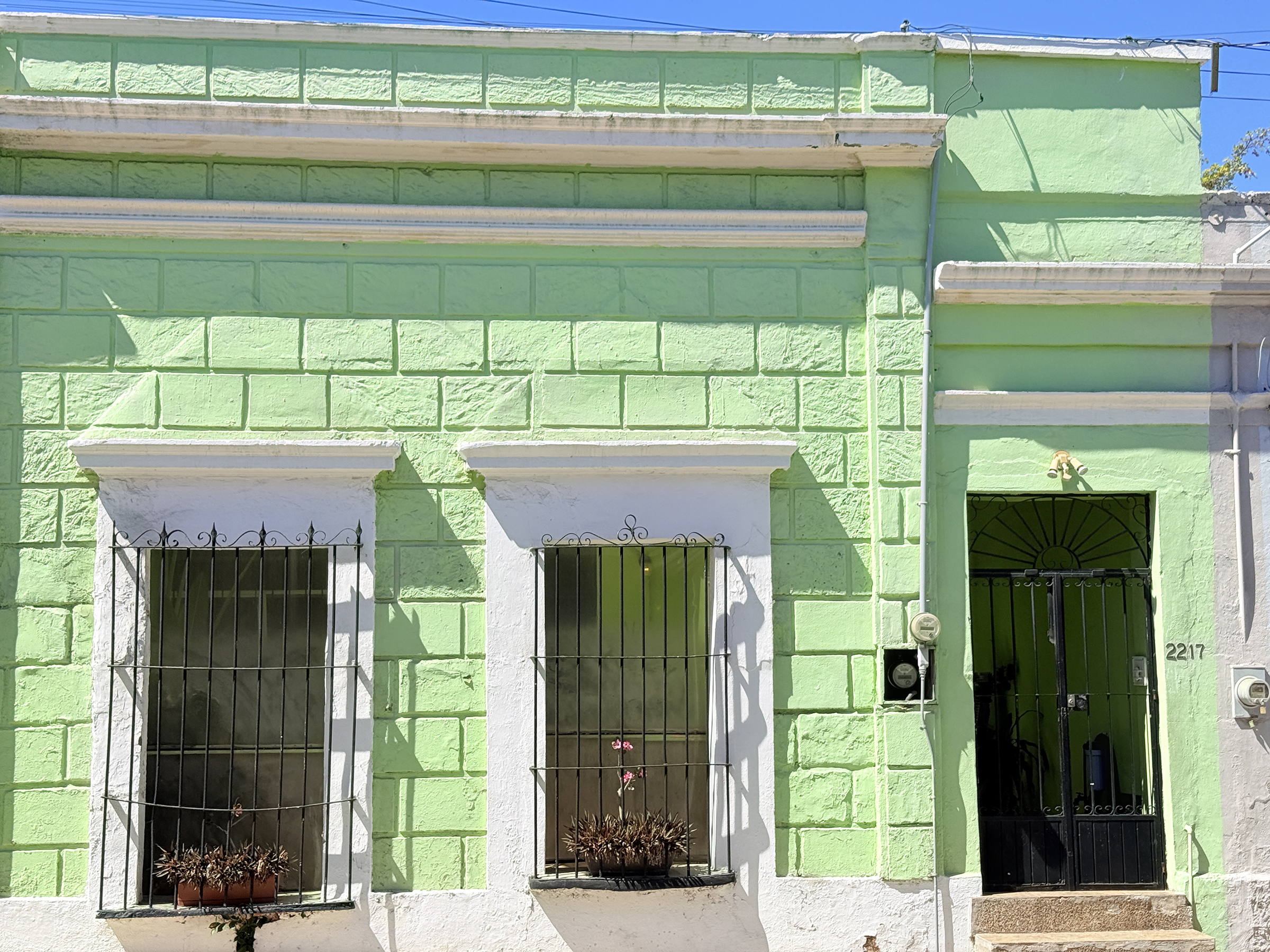
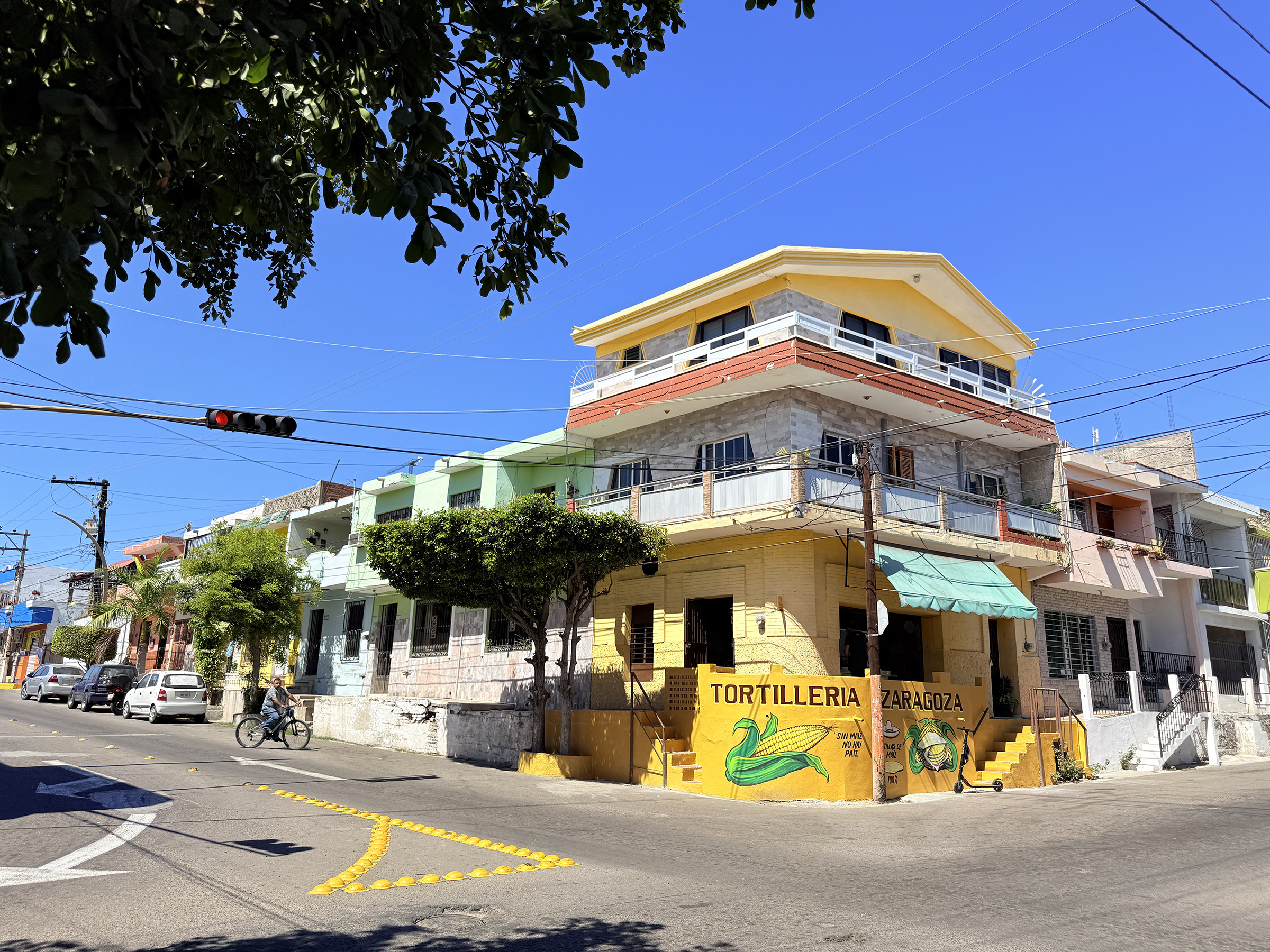
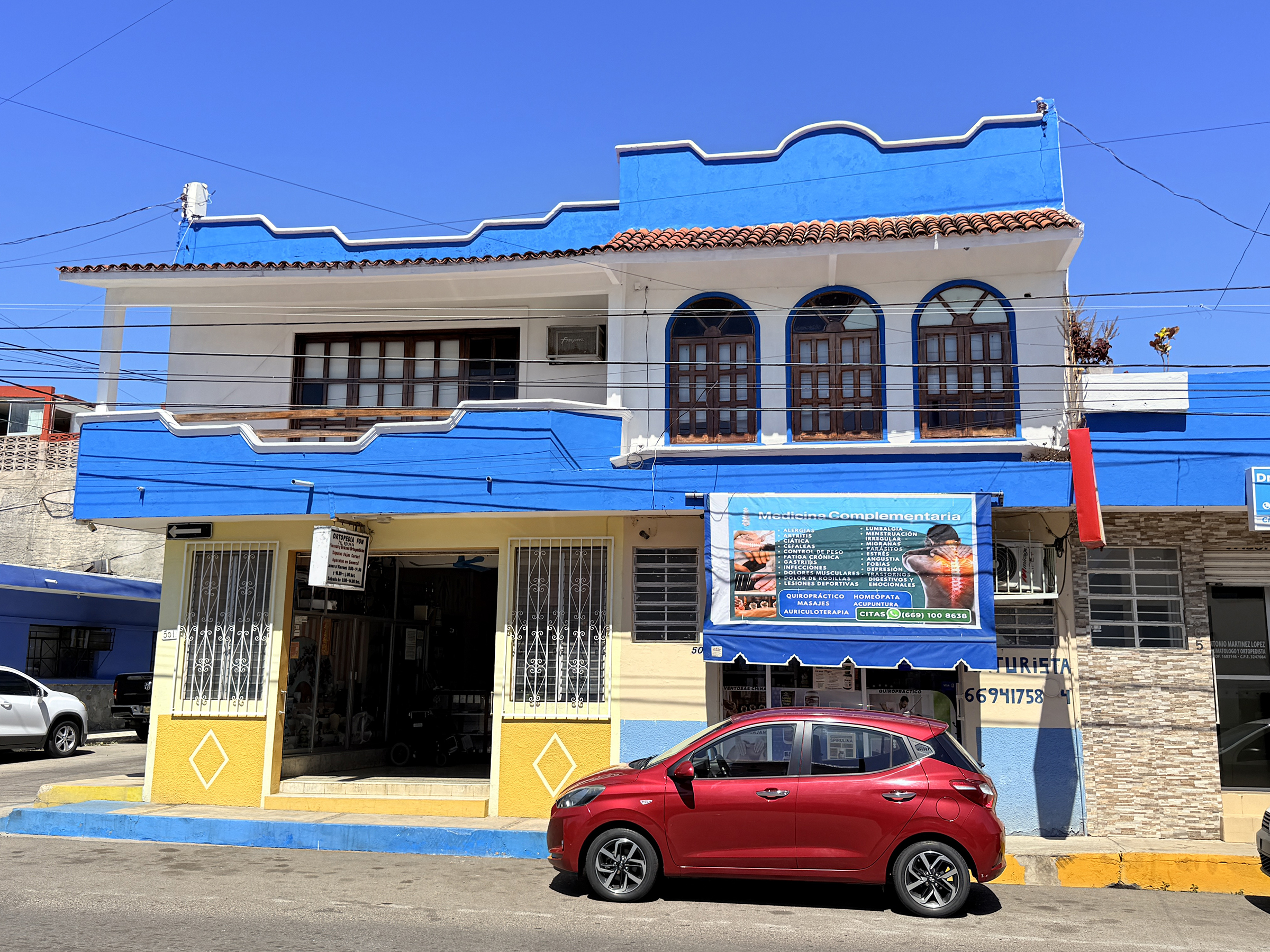
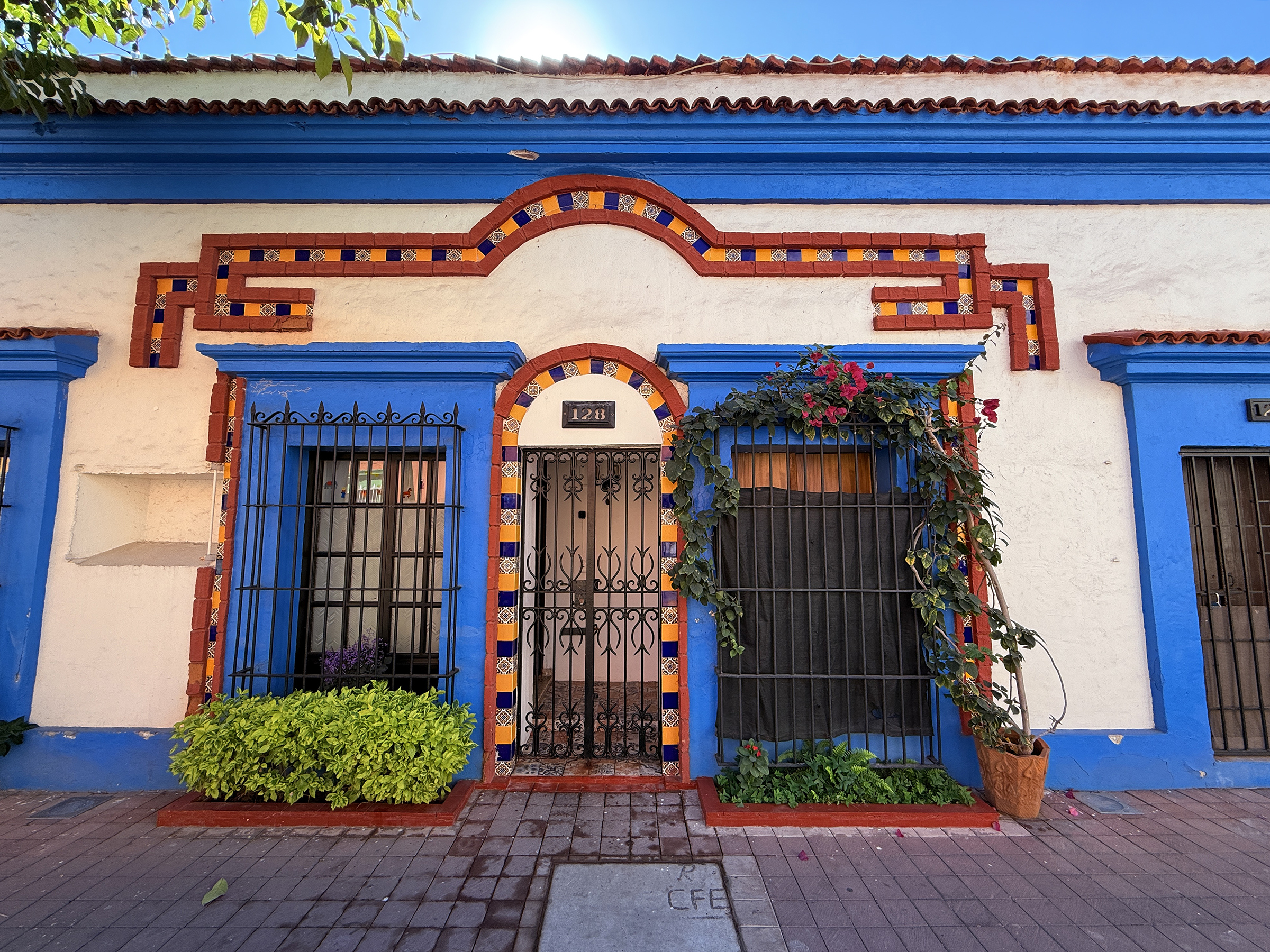
Here is a sample of beautiful architecture that had caught my eye the last few days as I walked around Centro de Mazatlán (the old center of Mazatlán).
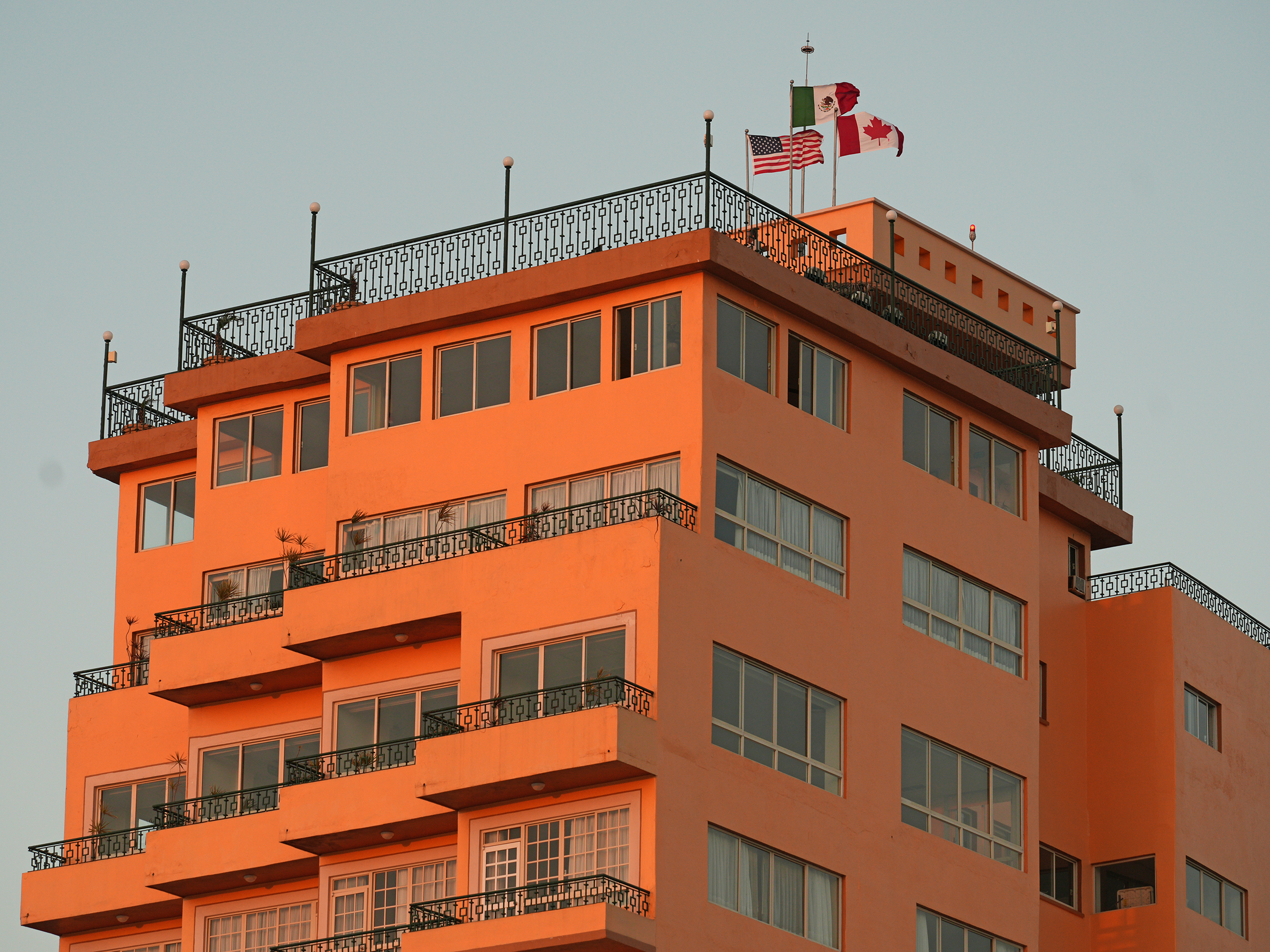
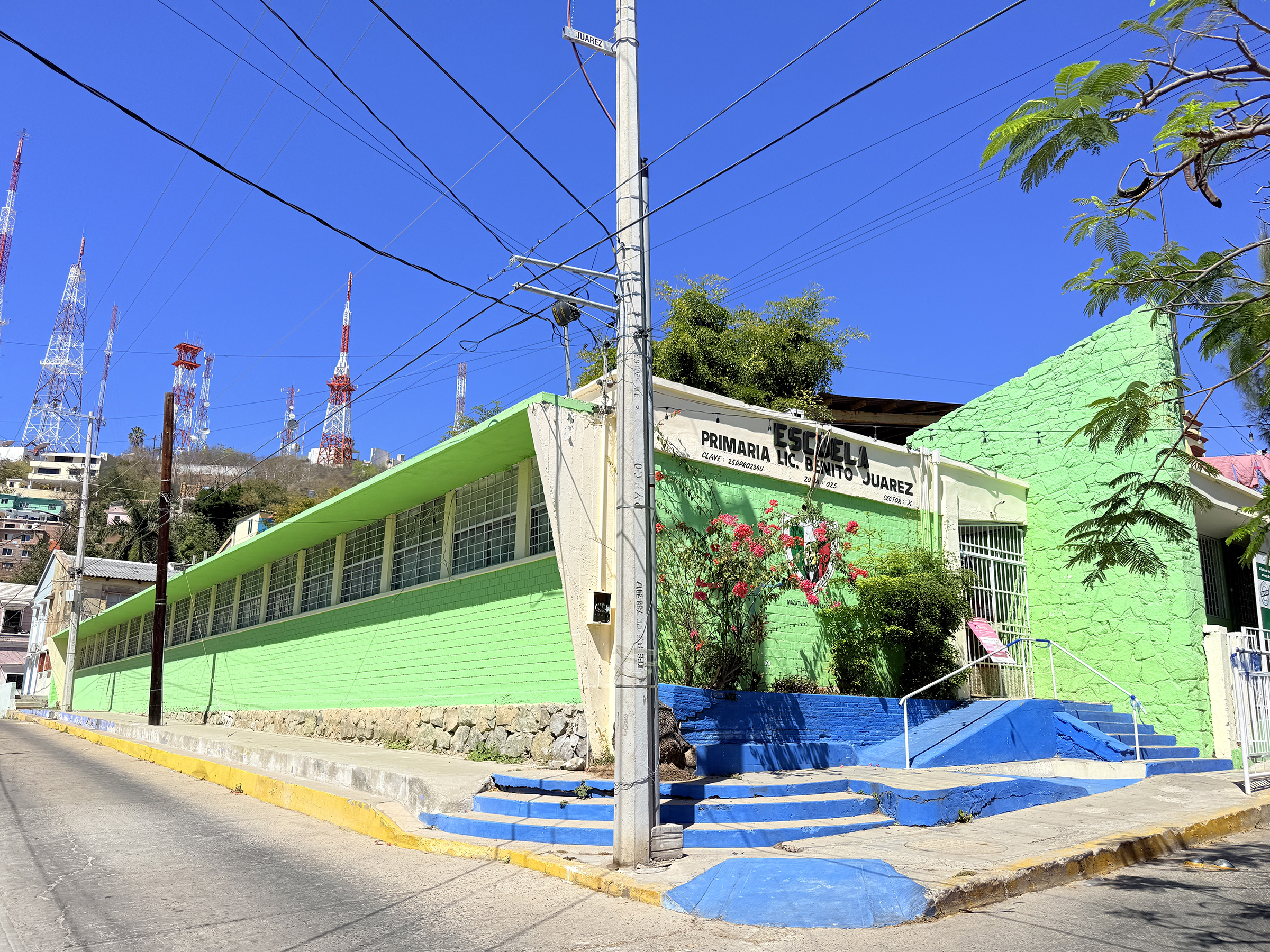
Casa Paredes Herrasti was designed by a young French architect and built in 1907 as a family home for Doña Francisca Rojas de Paredes, a direct descendant of Don Bonifacio Rojas who discovered the prosperous gold and silver mine of El Tajo in 1655. [Source: oceanblueworld.com]It need a a lot of restoration work..Founded in 1845 by the company Heymann Sucesores, in this building was the commercial house known as La Merceria Alemana. It operated as a store for luxury furnishments (pianos, porcelain from Dresden and Meissen, Baccarat and Bohemian crystal), until the beginning of World War II. The orange building opened as a commercial house in 1900 and is called La Casa Elorza. It exported products to Guatemala and Chile. The property functioned as a renowned high school at the end of the 20th century. A colorful mural. The deer is the primary symbol of Mazatlán, rooted in the Nahuatl* word mazatl (“deer”) and tlan (“place of”), translating to “Place of Deer”. *Nahuatl is a vibrant Indigenous language family with approximately 1.5 to 1.7 million speakers, primarily in central Mexico. As the historic language of the Aztec Empire, it remains the most spoken indigenous language in Mexico, known for its agglutinative structure, unique “tl” sound, and influence on English words like chocolate and coyote.The apartment building at 1402 Blvd Niños Héroes. ..The Hotel Freeman, built between 1945 and 1950 overlooking Olas Altas beach, was the first skyscraper in Mazatlán and northwestern Mexico. With 13 floors, it became an icon of modernity for its time. Its presence marked a turning point in the port’s urban landscape, playing a key role in the transformation of the historic center during the 20th century. Despite its innovative design, locals viewed its height with skepticism and often joked about its collapse. [Source: Alfredo Velazquez on Facebook]The flags of the U.S.A., Mexico and Canada are on the flagpoles on the top.Elementary school Benito Juárez on 20 Campana Street, serves children in grades 1-6. Benito Juárez was the 26th president of Mexico, from 1858 until his death in 1872.